Rare Birds in Tyne and Wear
91 species matching this filter.
Tyne and Wear may be one of England's most urbanised counties, but its diverse habitats — from the North Sea coastline and estuarine mudflats of the Tyne and Wear rivers to pockets of woodland and parkland — attract a surprising variety of rare bird species. With 89 species classified as rare in the region, patient observers may encounter anything from the elusive Barn Owl and Eurasian Woodcock in quieter rural fringes to scarce passage migrants such as Bluethroat, Little Stint and Greenshank along the coast. Notable winter visitors like the Iceland Gull and breeding-season specialities such as the Garden Warbler add further interest throughout the year.


Showing 24–46 of 91 species
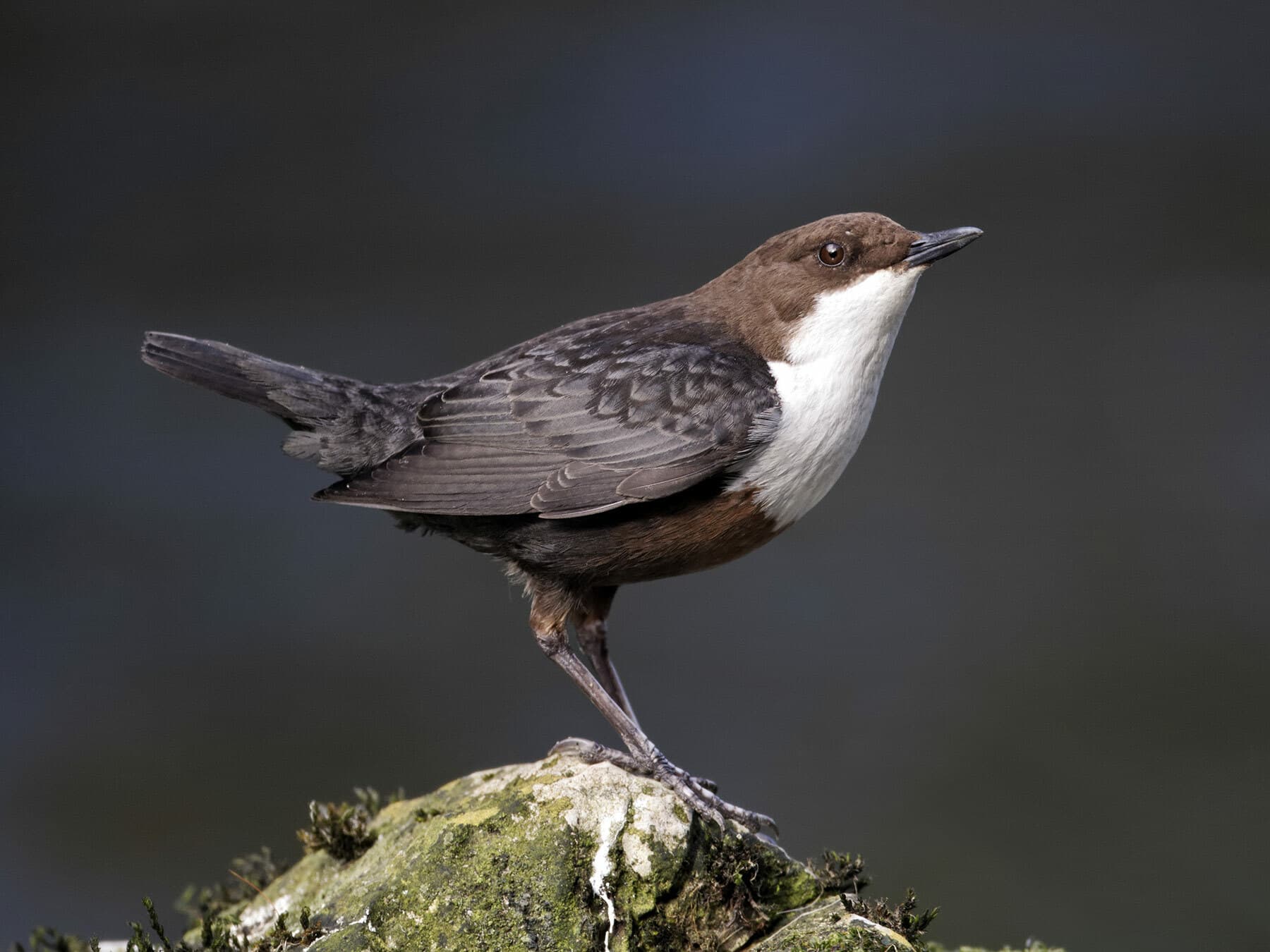
Dipper
Cinclus cinclusLC
A rare resident of fast-flowing upland streams in the west of the region, bobbing on rocks and diving for aquatic invertebrates.
Aug–Jun
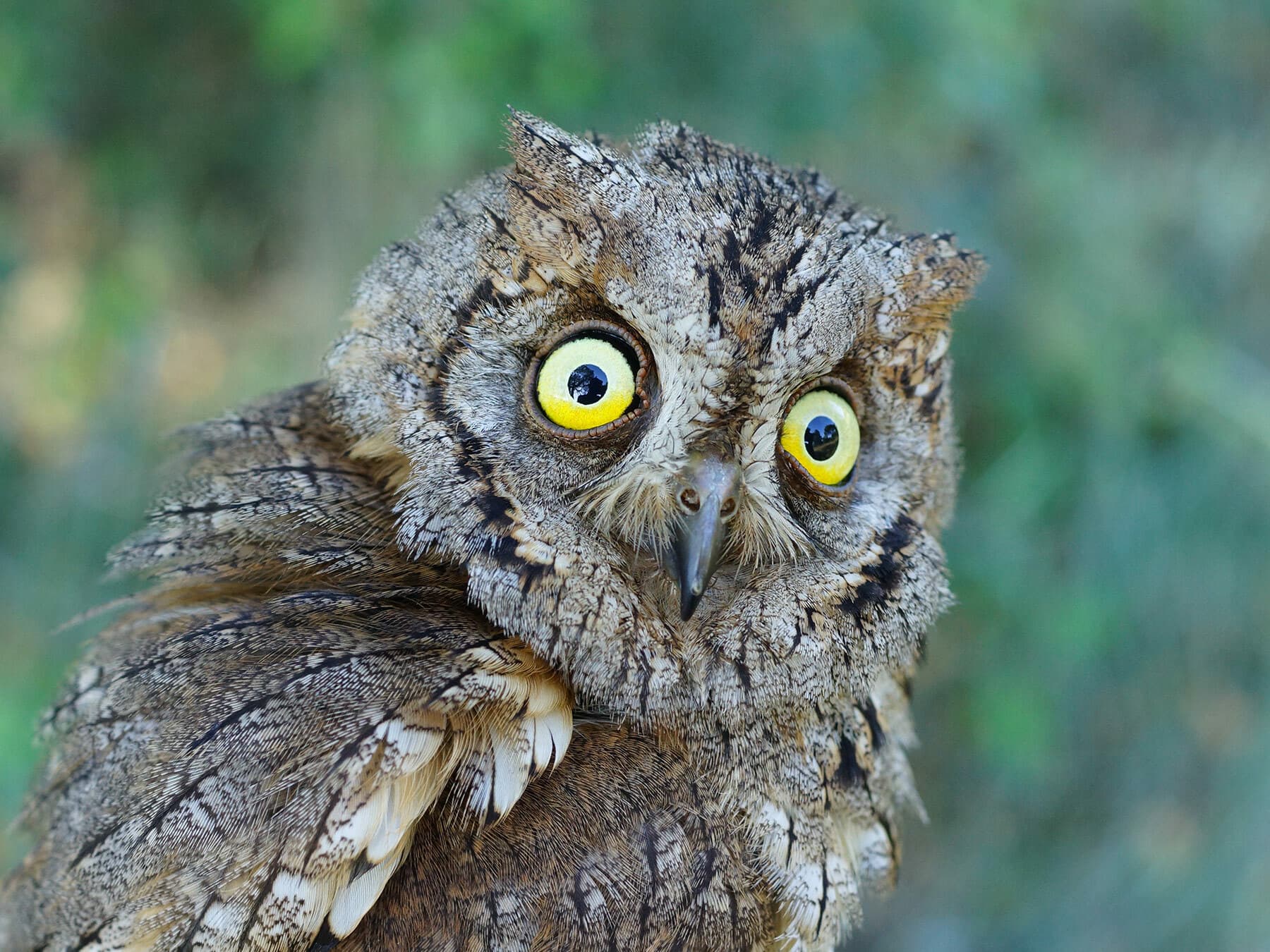
Eurasian Scops-owl
Otus scopsLC
An exceptionally rare autumn vagrant, recorded in September. One of the scarcest visitors to the region.
Sep
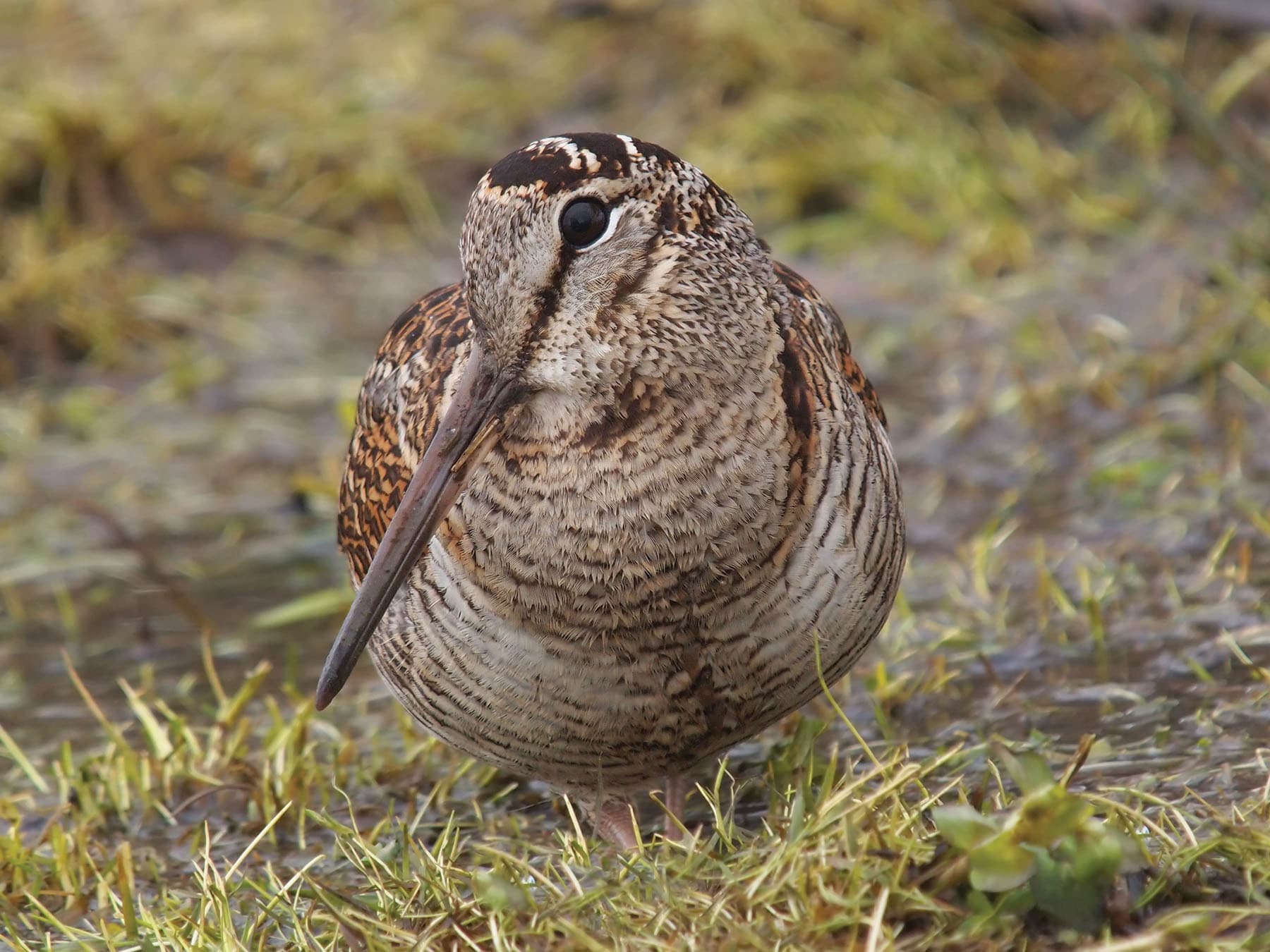
Eurasian Woodcock
Scolopax rusticolaLC
A rare winter visitor from October to March, skulking in woodland and damp scrubby areas. Cold-weather influxes can boost numbers.
Oct–Mar
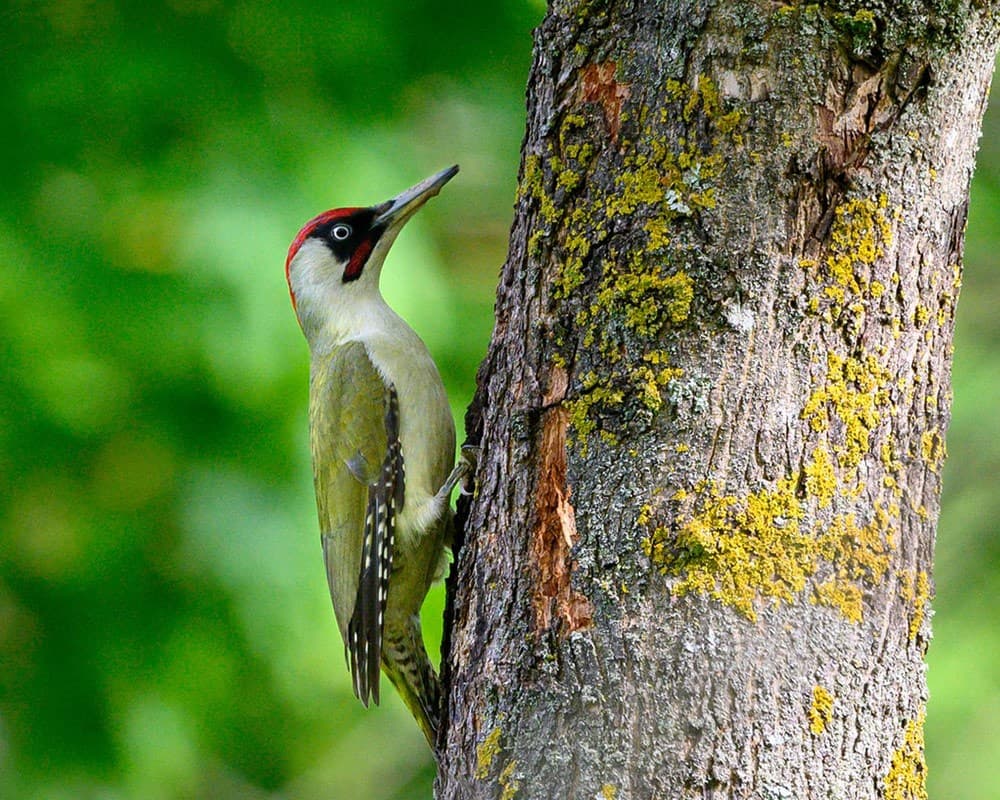
European Green Woodpecker
Picus viridisLC
A rare passage visitor in March, at the edge of its range. Favours parkland and open woodland with ant-rich grassland.
Mar
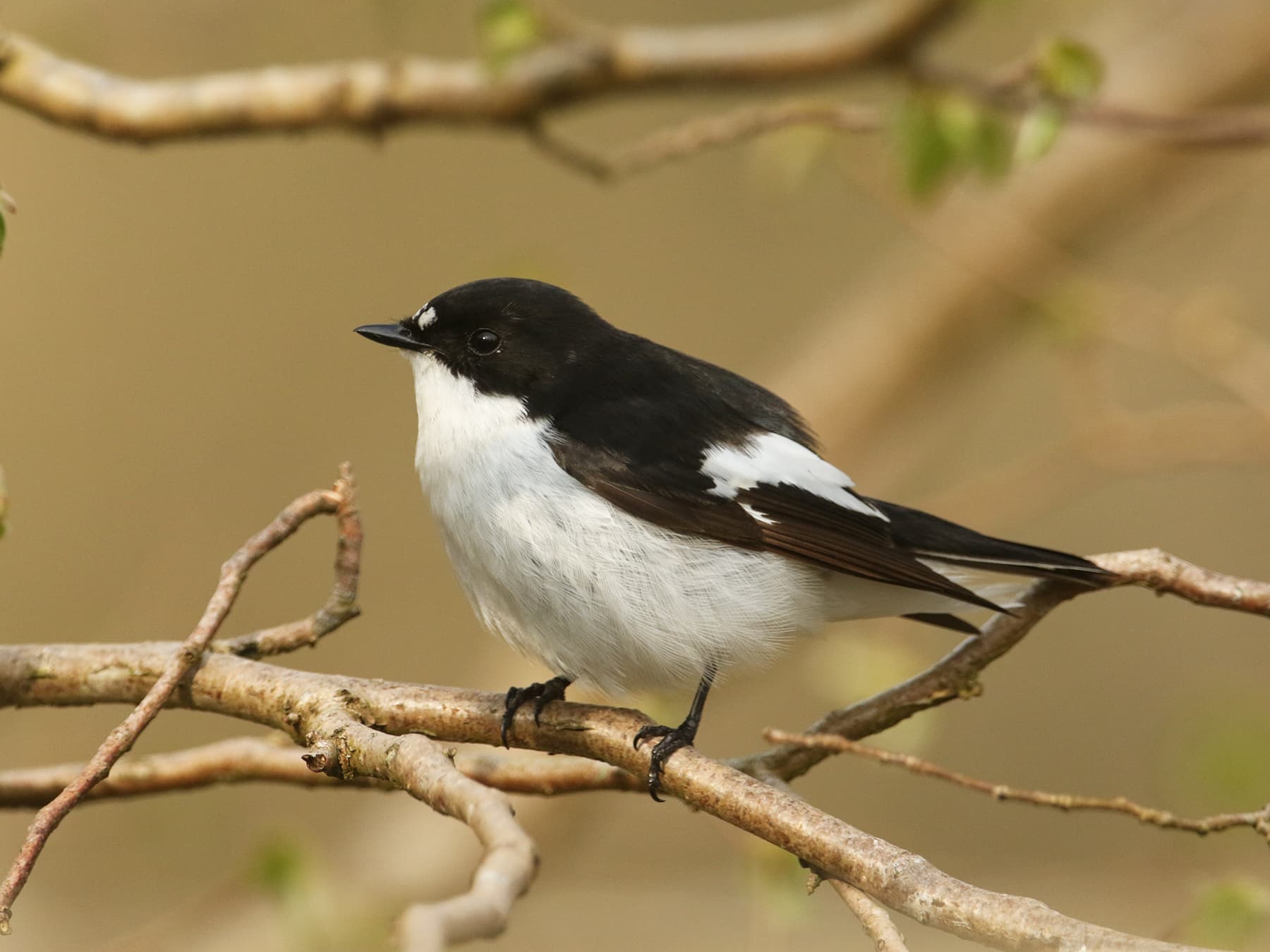
European Pied Flycatcher
Ficedula hypoleucaLC
A rare passage migrant in September, occasionally spotted in coastal scrub and woodland edges on its southward migration.
Sep
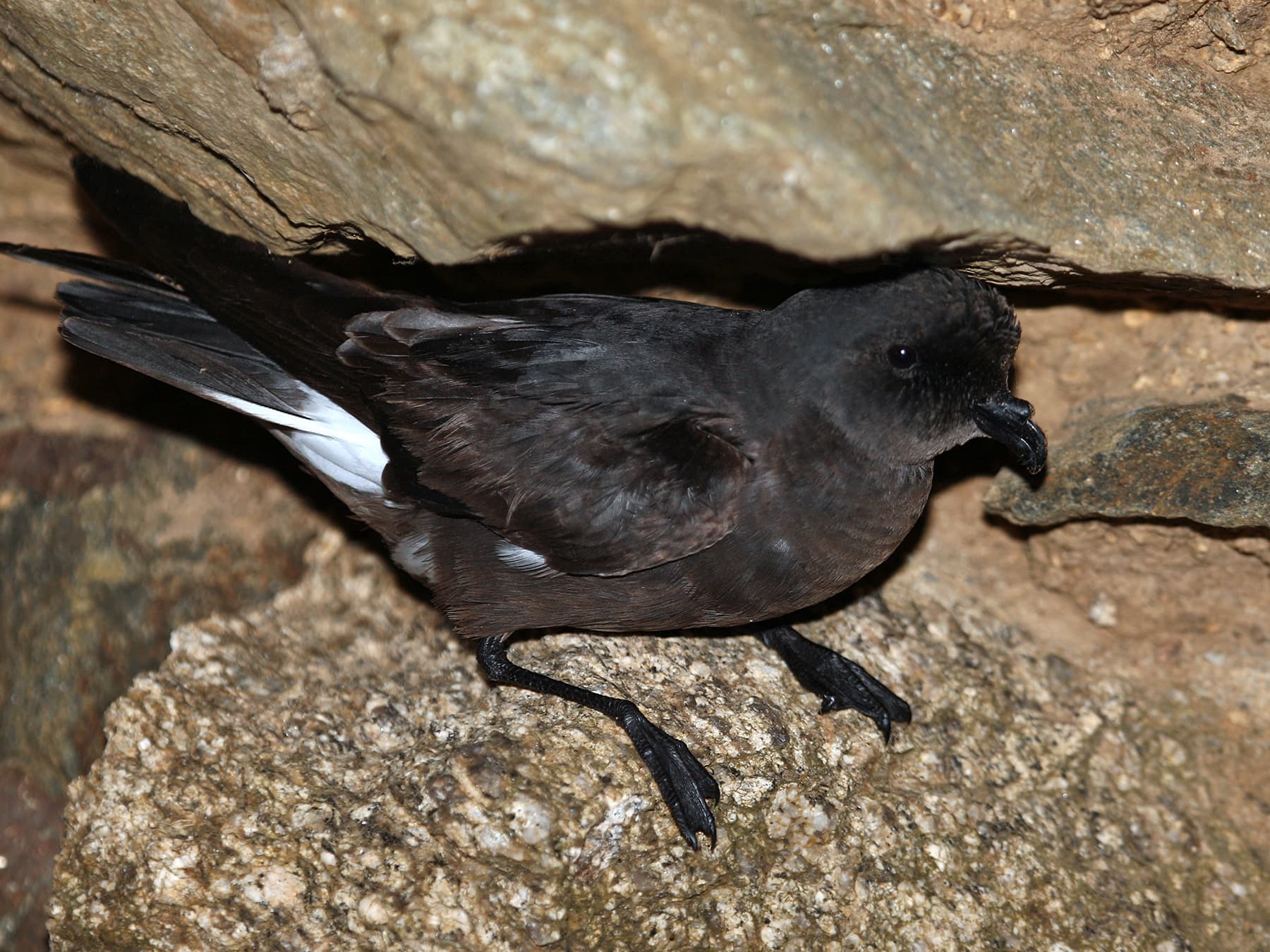
European Storm-petrel
Hydrobates pelagicusLC
A rare July passage visitor, occasionally driven close to shore by storms. Best spotted on seawatches from the coast.
Jul
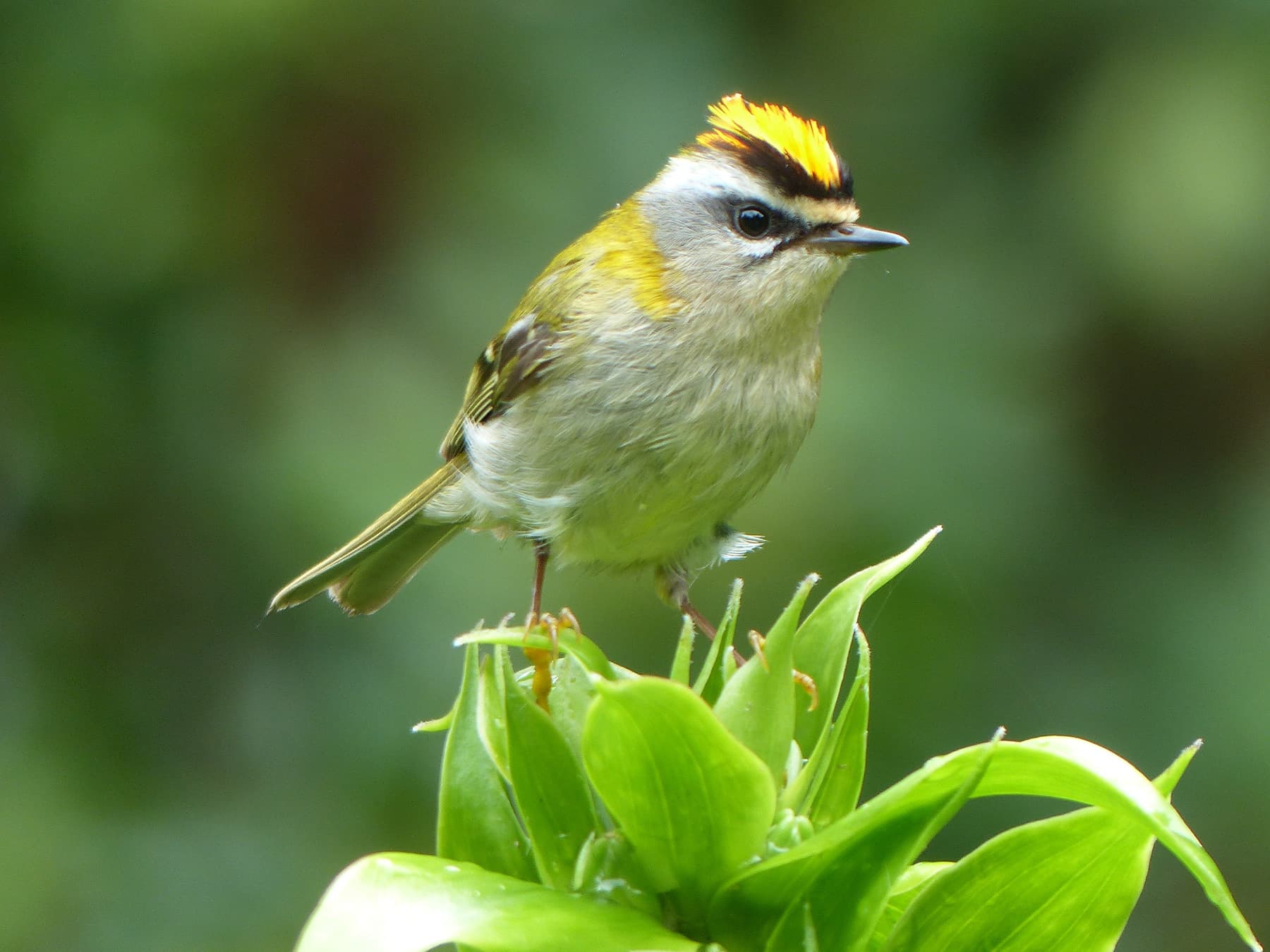
Firecrest
Regulus ignicapillaLC
A rare autumn passage visitor in October and November, favouring sheltered coastal scrub. Often found alongside Goldcrests.
Oct–Nov
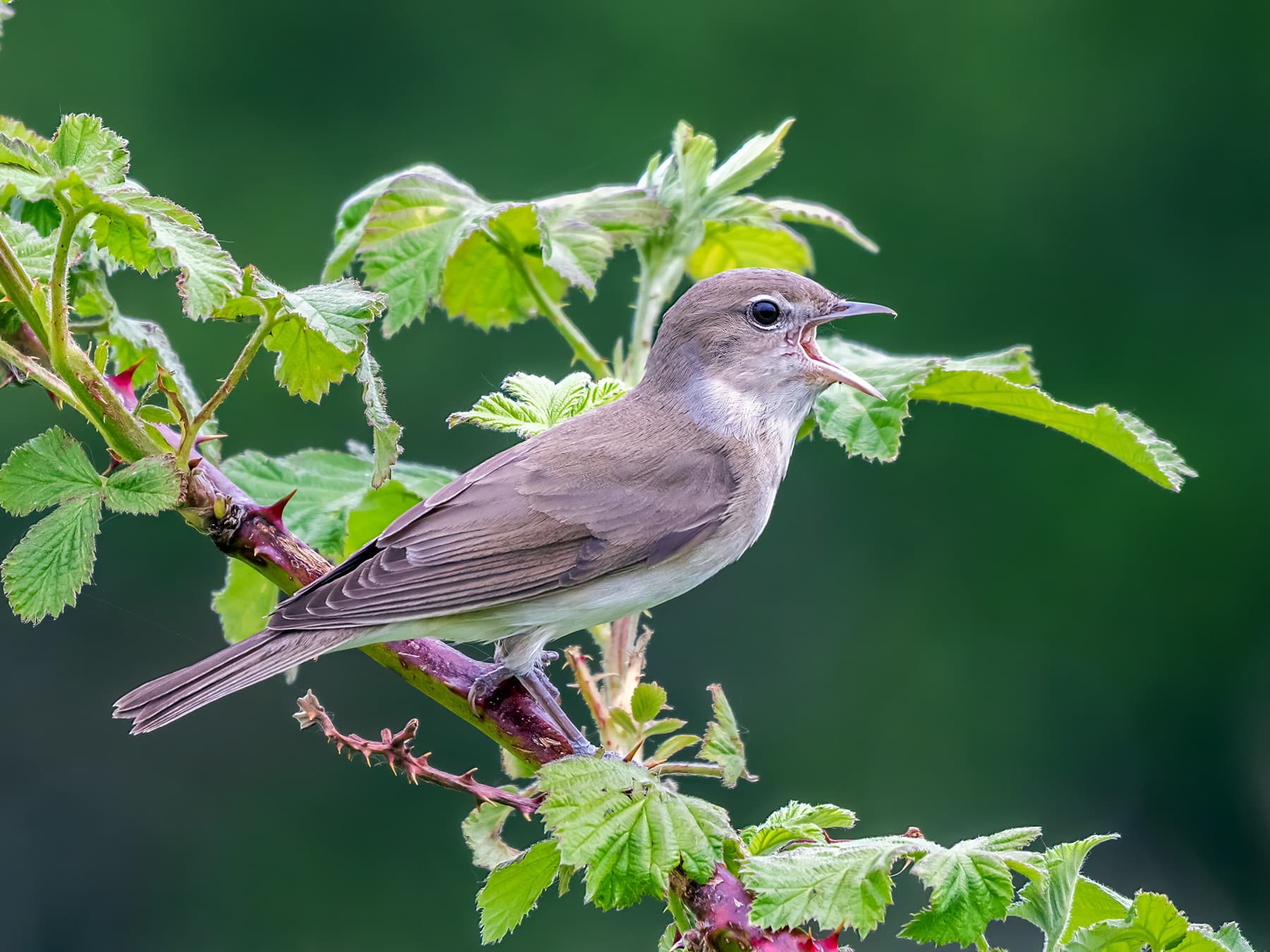
Garden Warbler
Sylvia borinLC
A rare breeding visitor from April to September, skulking in dense deciduous woodland with thick understorey. Easily overlooked but has a rich, melodious song.
Apr–Sep
Spotted something?
Upload a photo to identify it
Identify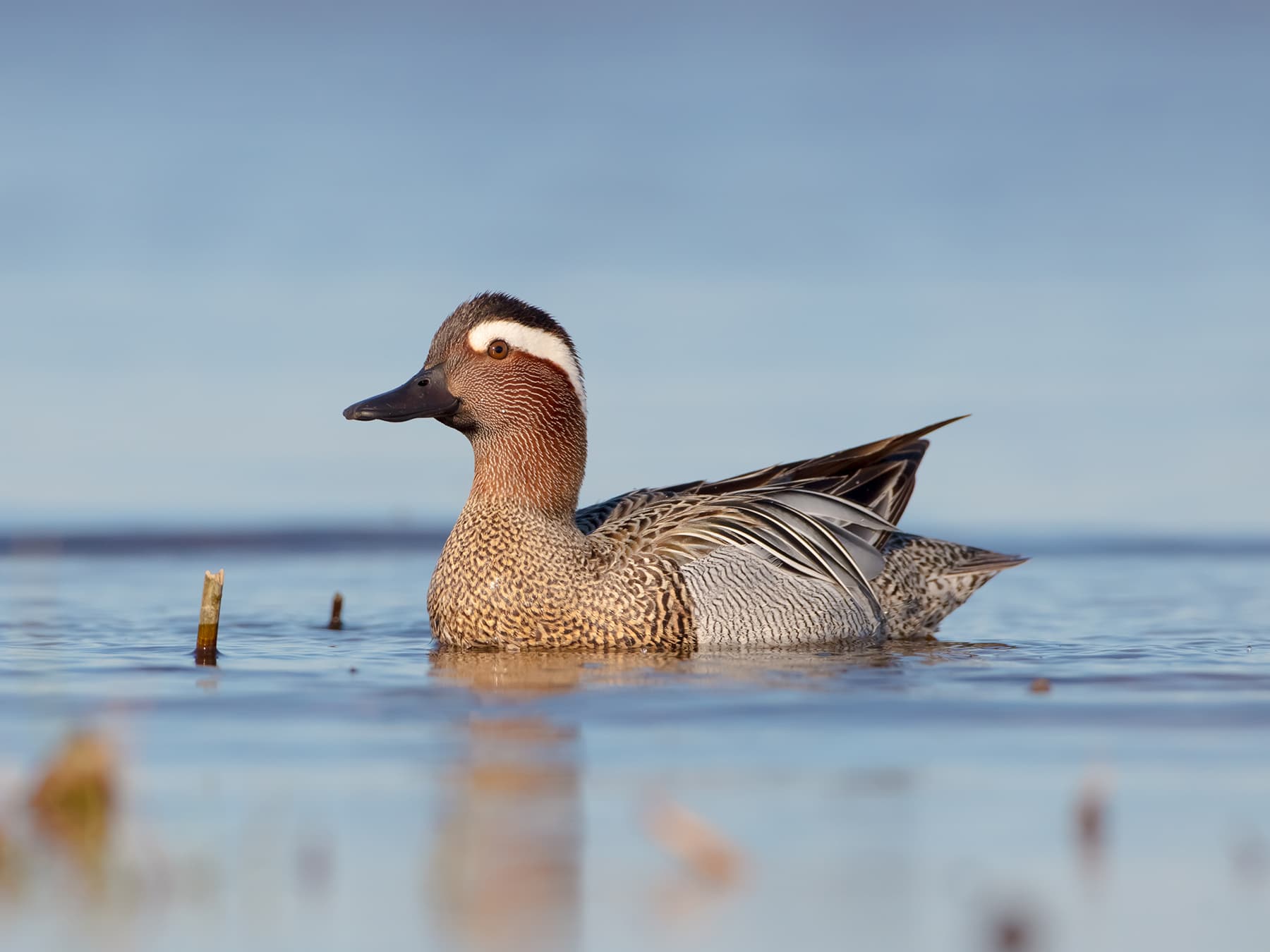
Garganey
Spatula querquedulaLC
A rare passage migrant seen briefly in spring and late summer at freshwater wetlands such as Washington WWT and Big Waters.
Apr–Aug
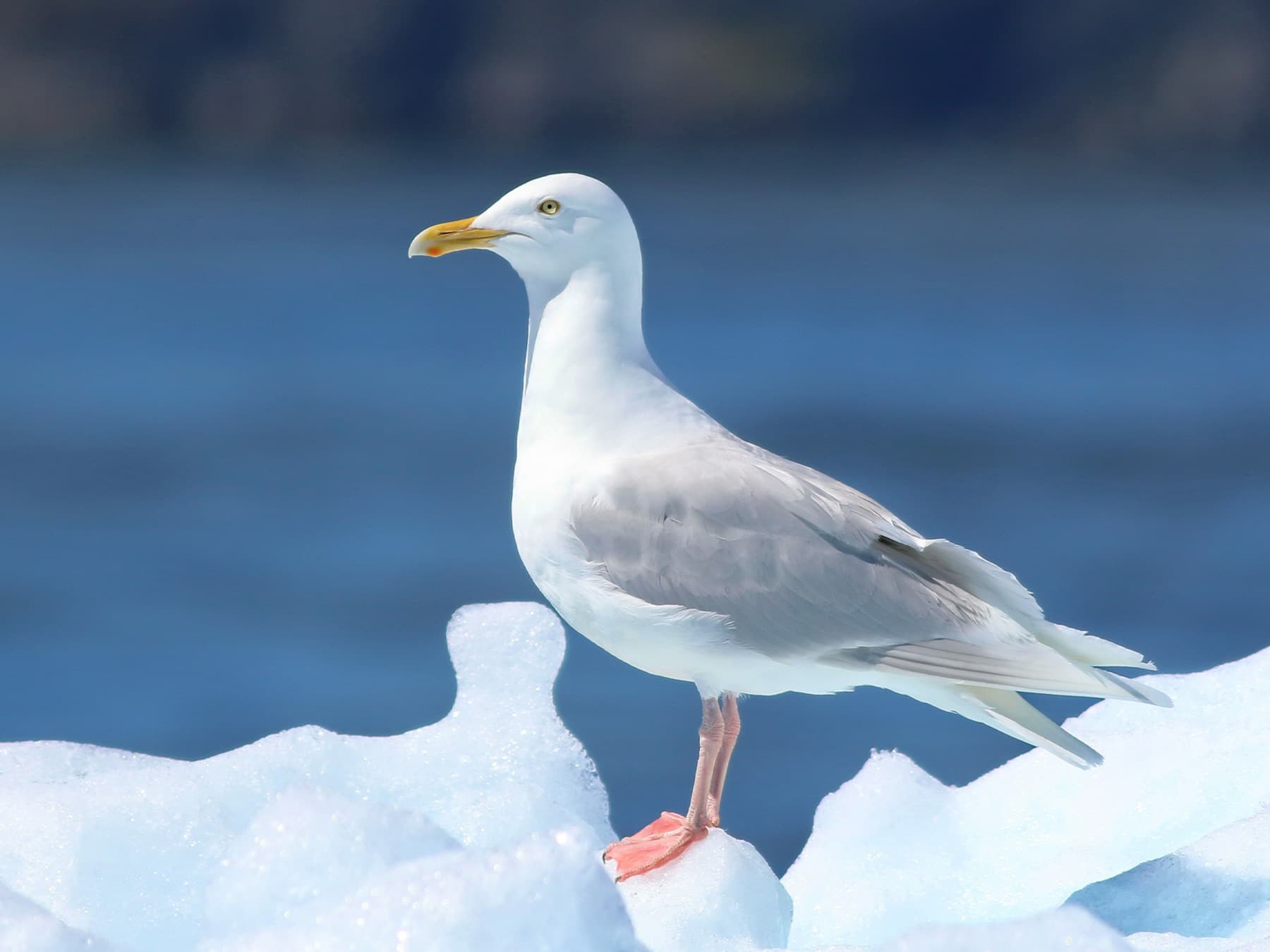
Glaucous Gull
Larus hyperboreusLC
A rare winter visitor from the Arctic, occasionally spotted among gull flocks at harbours and tips from November to March.
Nov–Mar
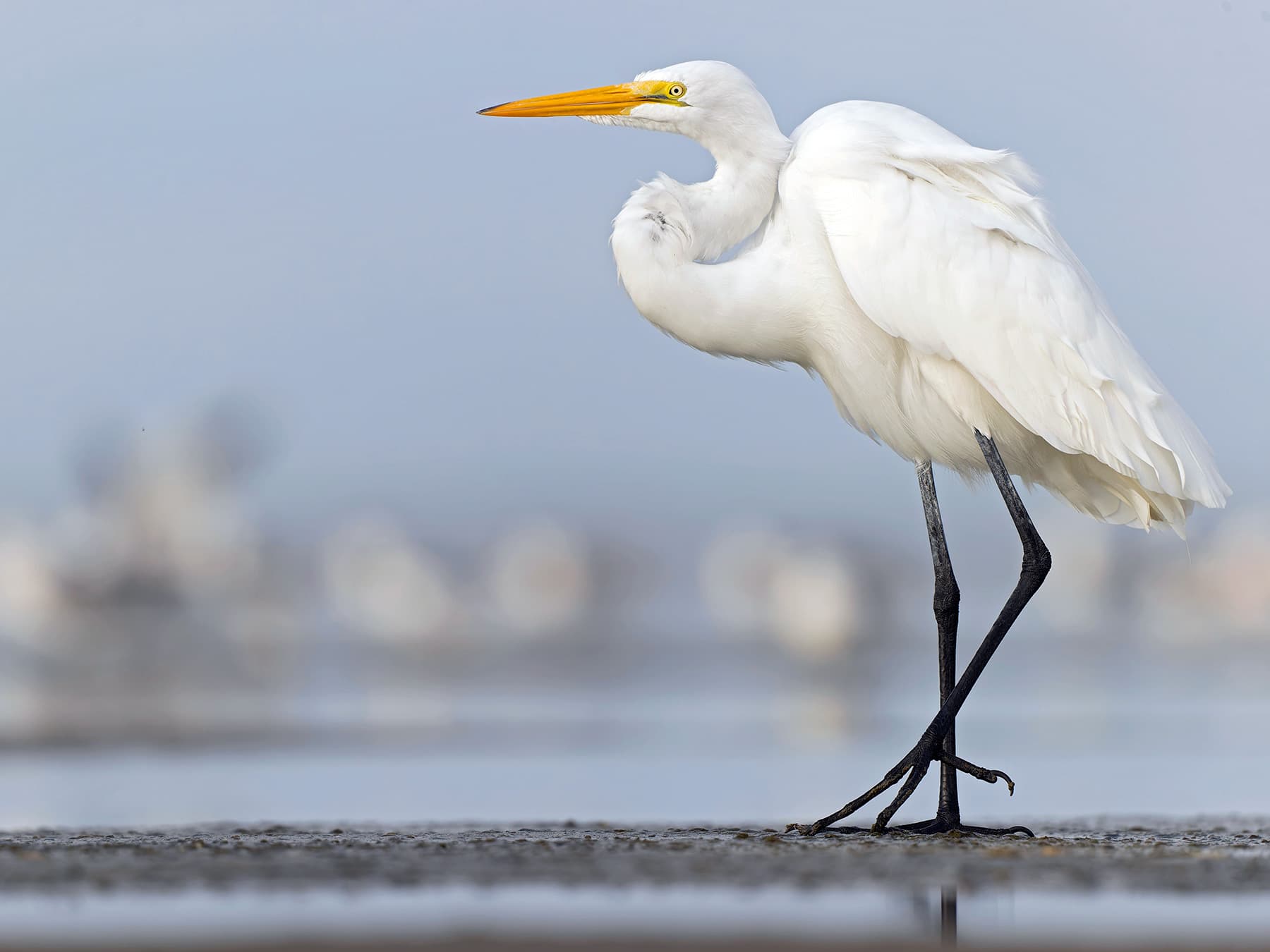
Great White Egret
Ardea albaLC
A rare but increasingly reported passage visitor in late summer. Look for this tall white heron at wetlands and river margins in August and September.
Aug–Sep
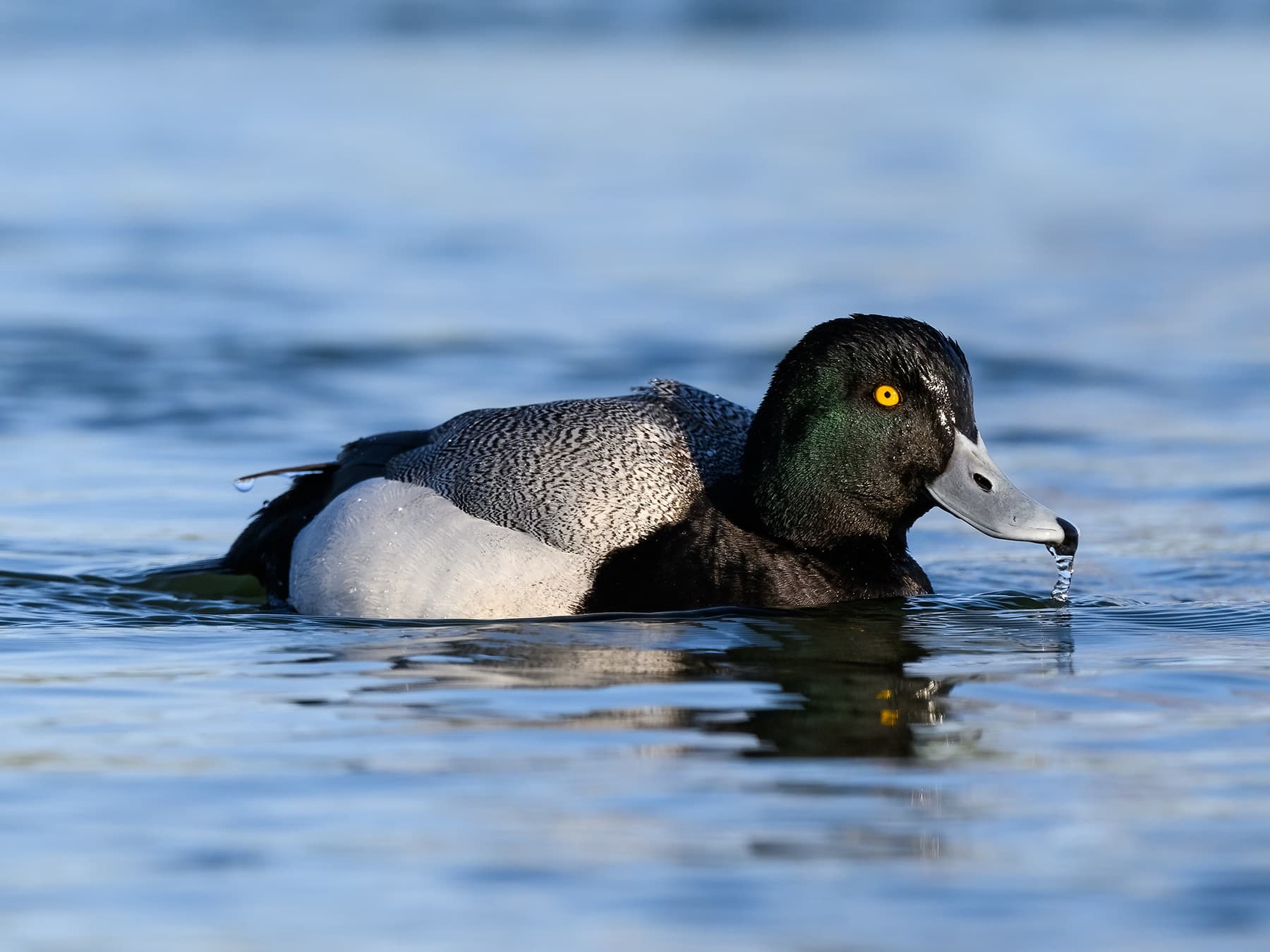
Greater Scaup
Aythya marilaLC
A rare winter visitor to coastal waters and sheltered bays. Small numbers appear from autumn to spring, often near harbour areas.
Sep–Apr
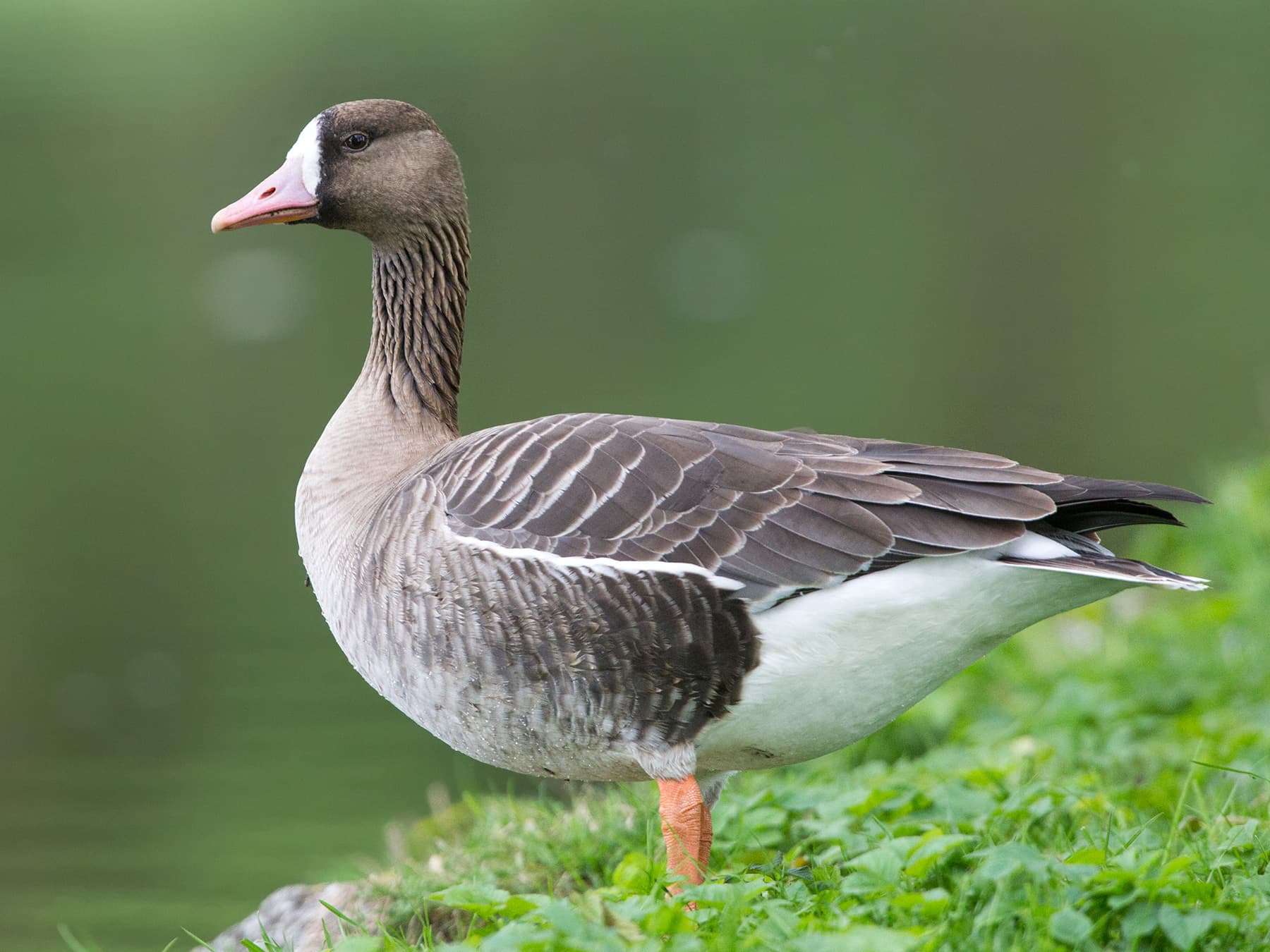
Greater White-fronted Goose
Anser albifronsLC
A rare winter visitor, occasionally turning up among other goose flocks on farmland or wetlands between December and March.
Dec–Mar
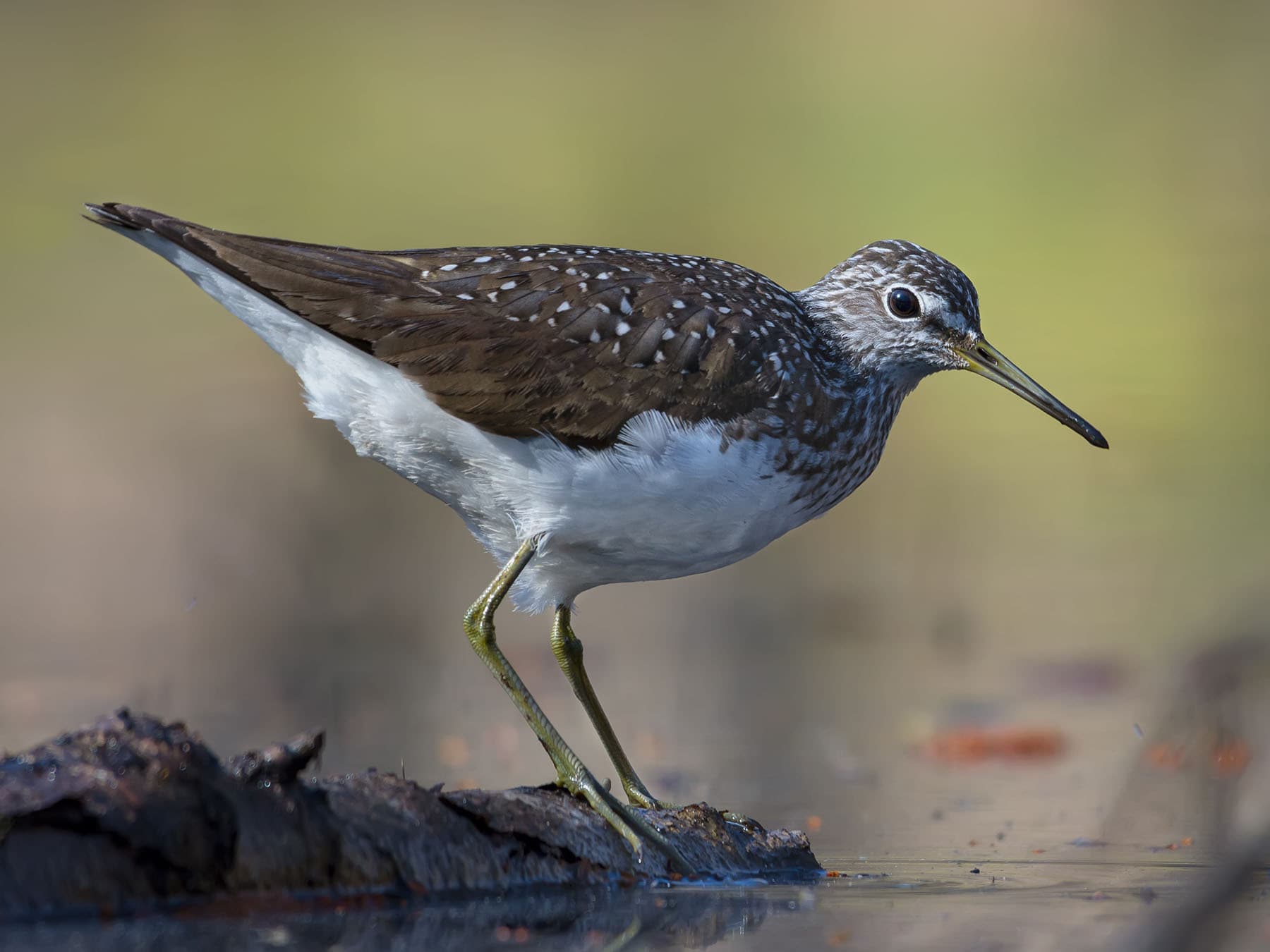
Green Sandpiper
Tringa ochropusLC
A rare visitor to freshwater pools and stream edges, most often seen during passage from midsummer into autumn, bobbing distinctively.
Mar–Nov
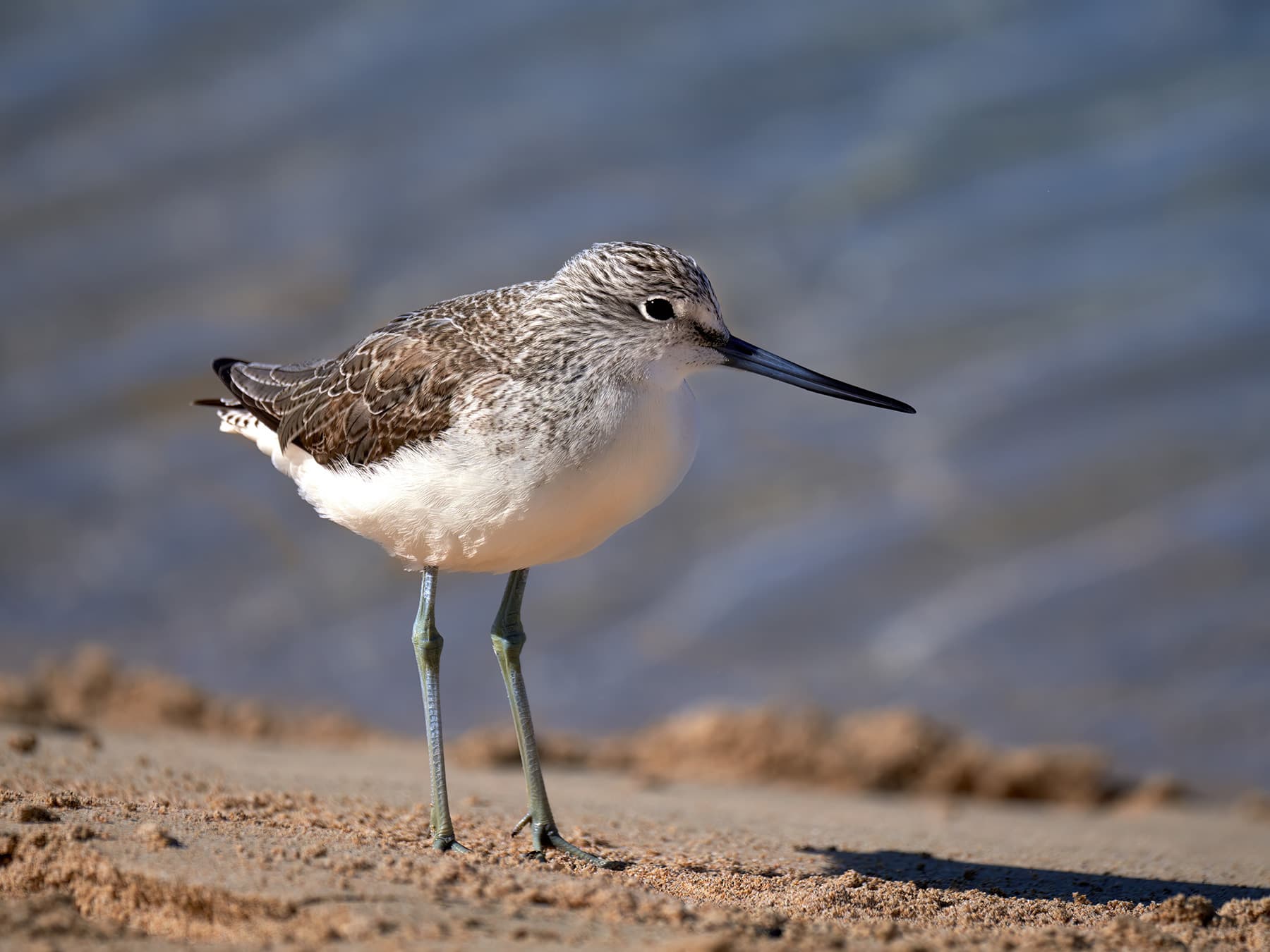
Greenshank
Tringa nebulariaLC
A rare passage migrant from July to October, pausing at coastal pools and estuarine mudflats on its southward journey.
Jul–Oct
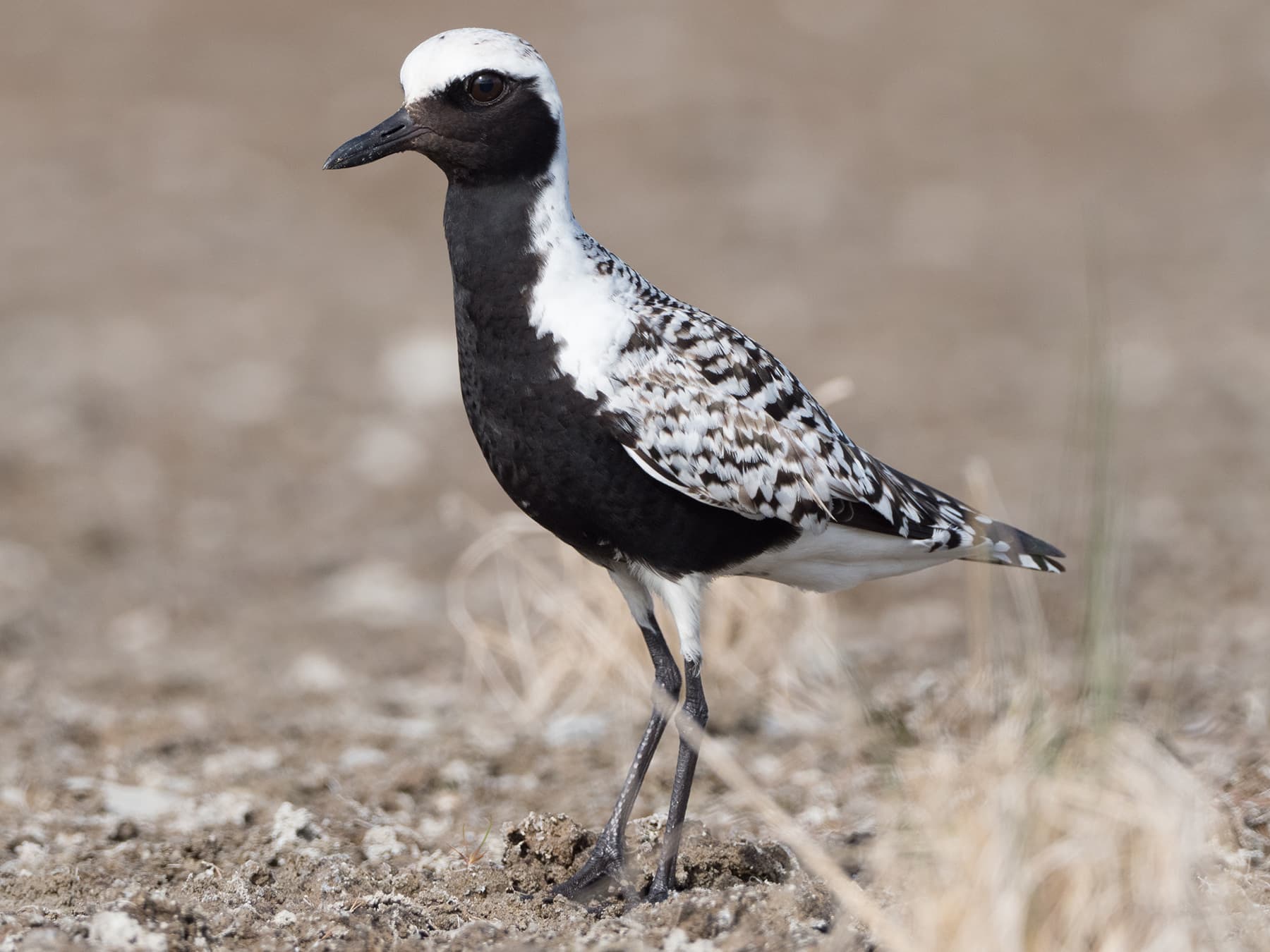
Grey Plover
Pluvialis squatarolaLC
A rare wader found on coastal mudflats and beaches, mainly from late summer through autumn, with silvery plumage in non-breeding dress.
Aug–Jan
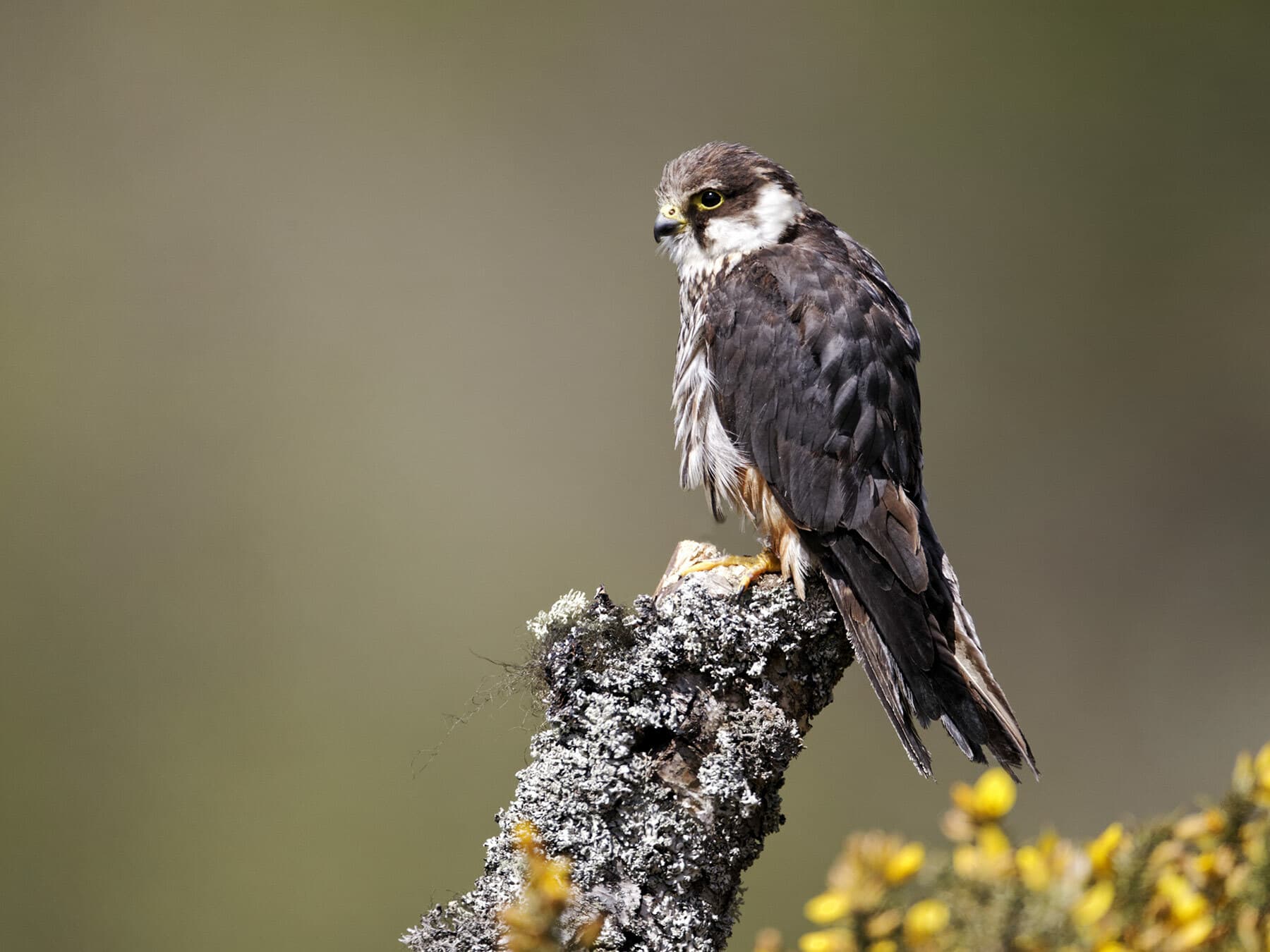
Hobby
Falco subbuteoLC
A rare passage visitor, occasionally recorded in June as birds overshoot their usual southern breeding range.
Jun
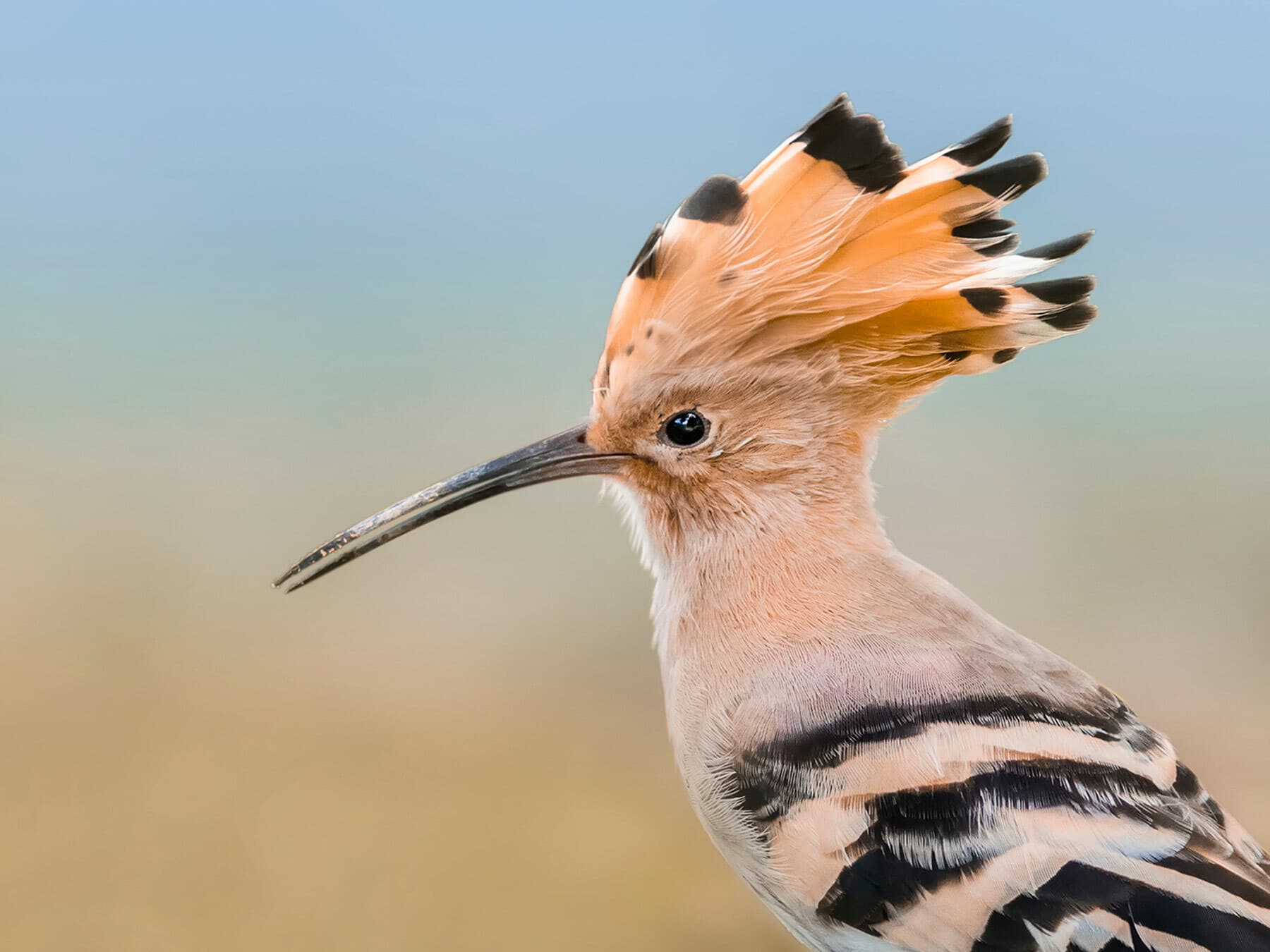
Hoopoe
Upupa epopsLC
A rare and exotic spring overshoot, occasionally turning up in May. Always a crowd-drawing find in the region.
May
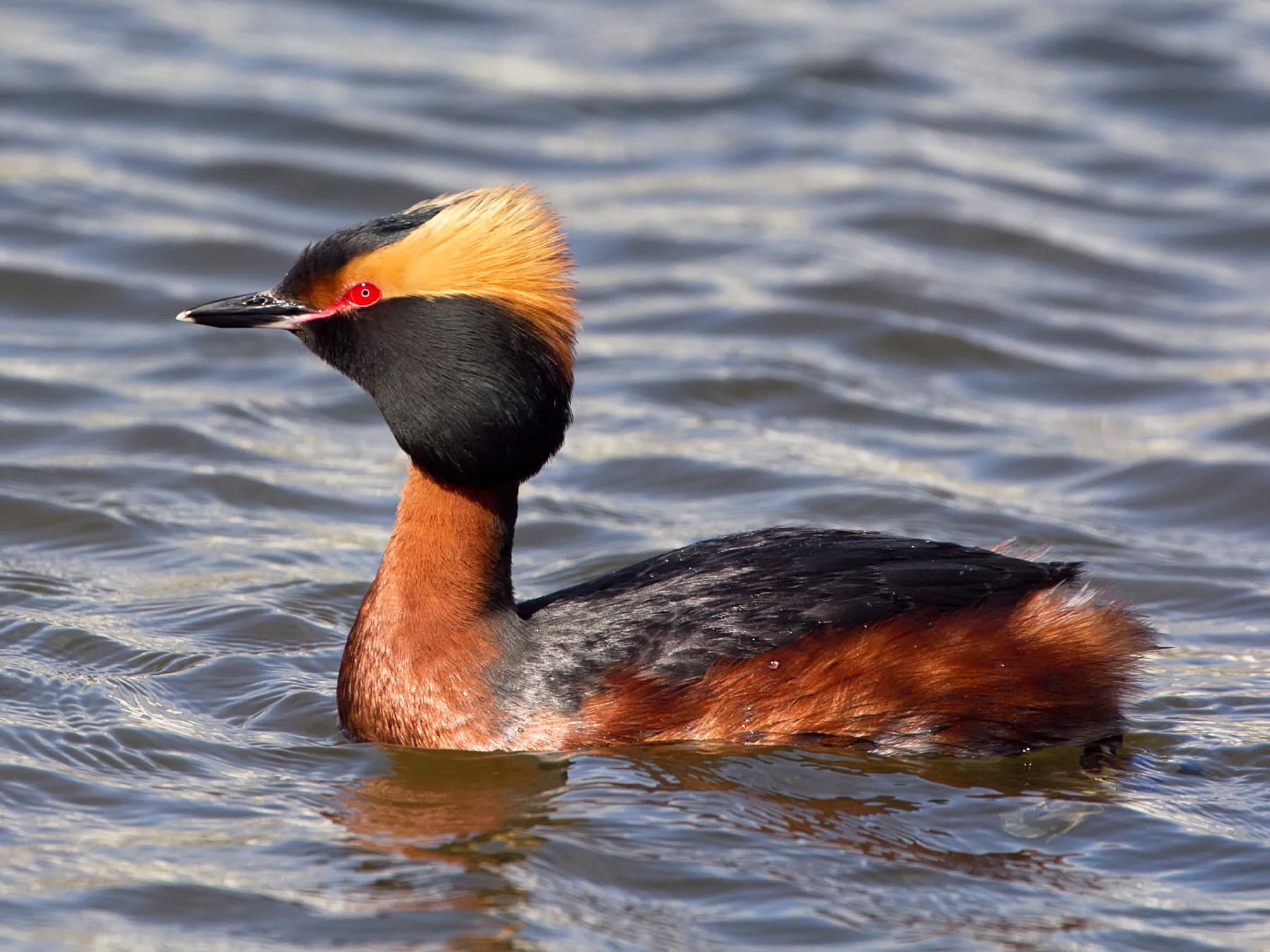
Horned Grebe
Podiceps auritusVU
A rare passage visitor, occasionally spotted on coastal waters or reservoirs in February, typically in winter plumage.
Feb
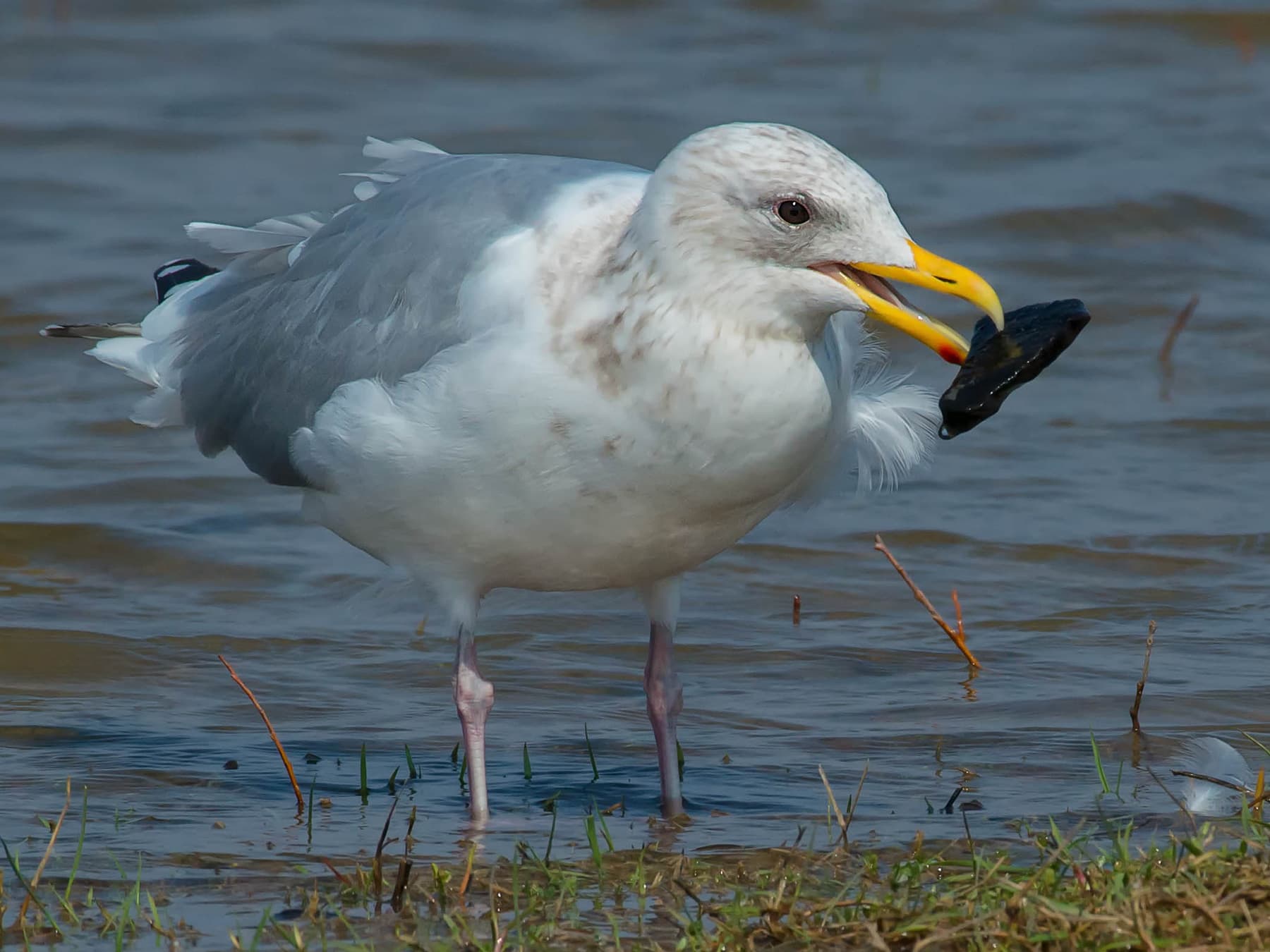
Iceland Gull
Larus glaucoidesLC
A rare winter visitor from the Arctic, occasionally spotted among gull flocks at the coast or reservoirs from November to April.
Nov–Apr
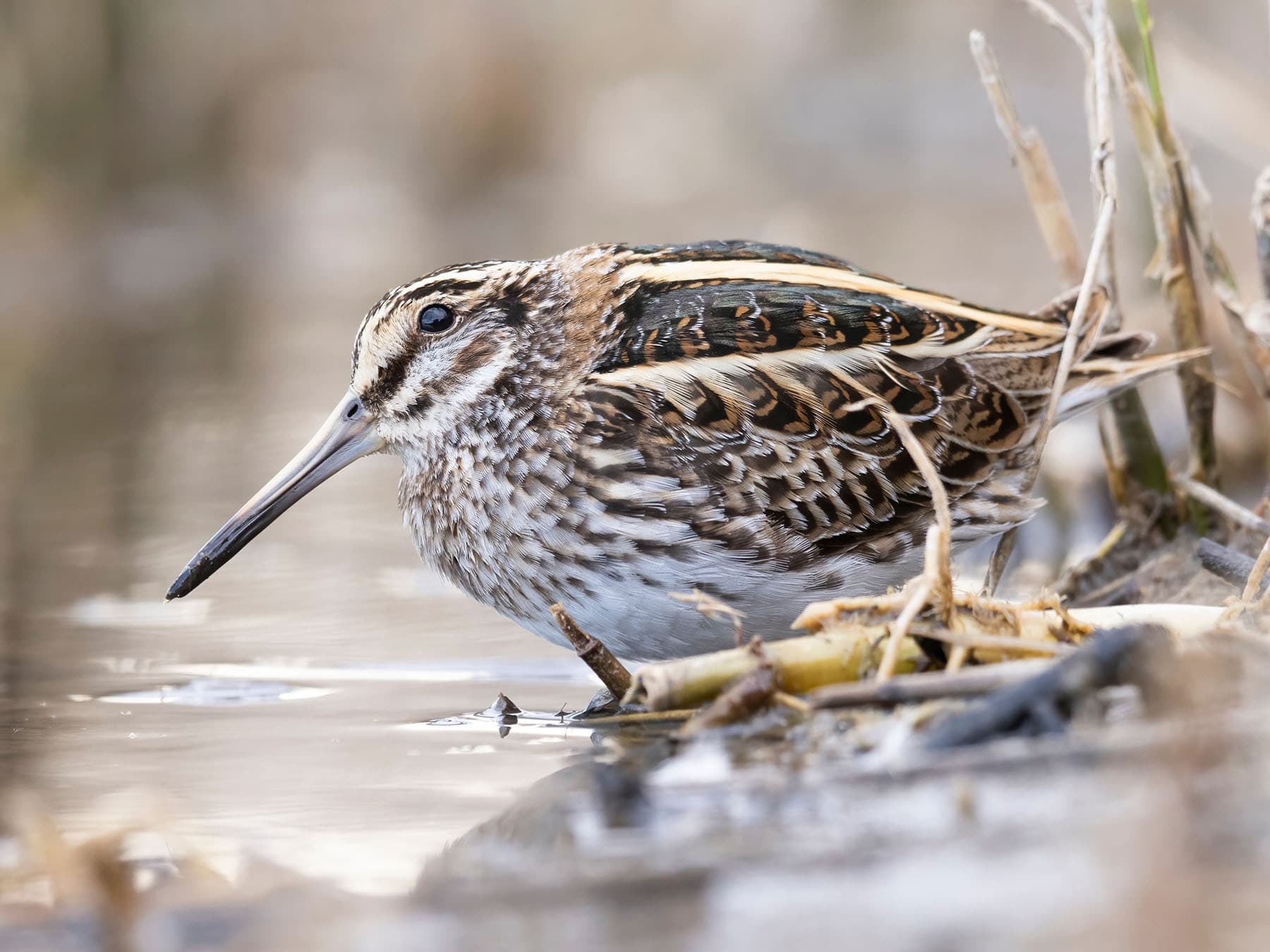
Jack Snipe
Lymnocryptes minimusLC
A secretive winter visitor to boggy margins and wetlands, rarely flushed from cover. Present from October to March but easily overlooked.
Oct–Mar
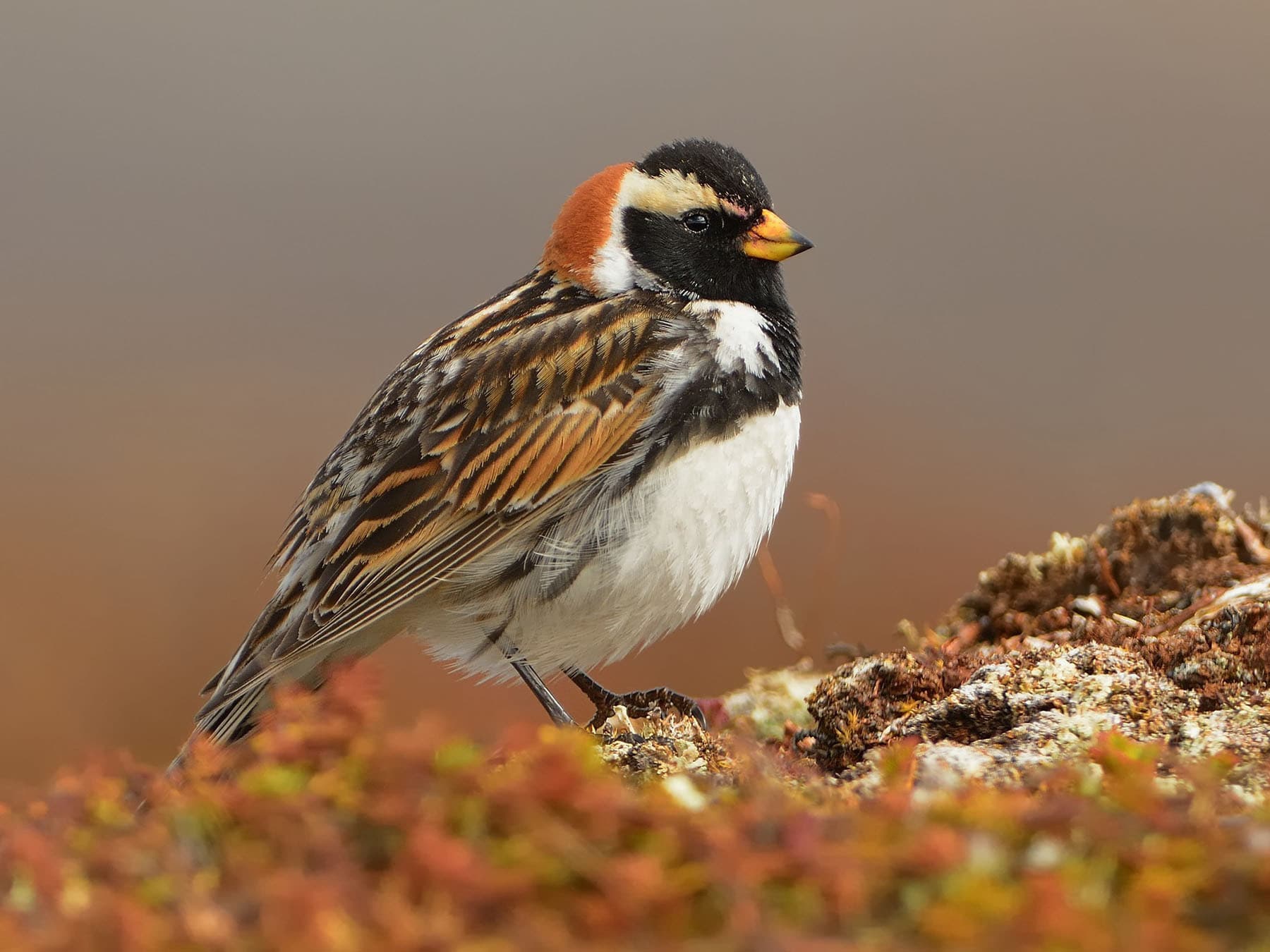
Lapland Longspur
Calcarius lapponicusLC
A rare autumn passage migrant, with September records along the coast. Favours short coastal grassland and stubble fields.
Sep
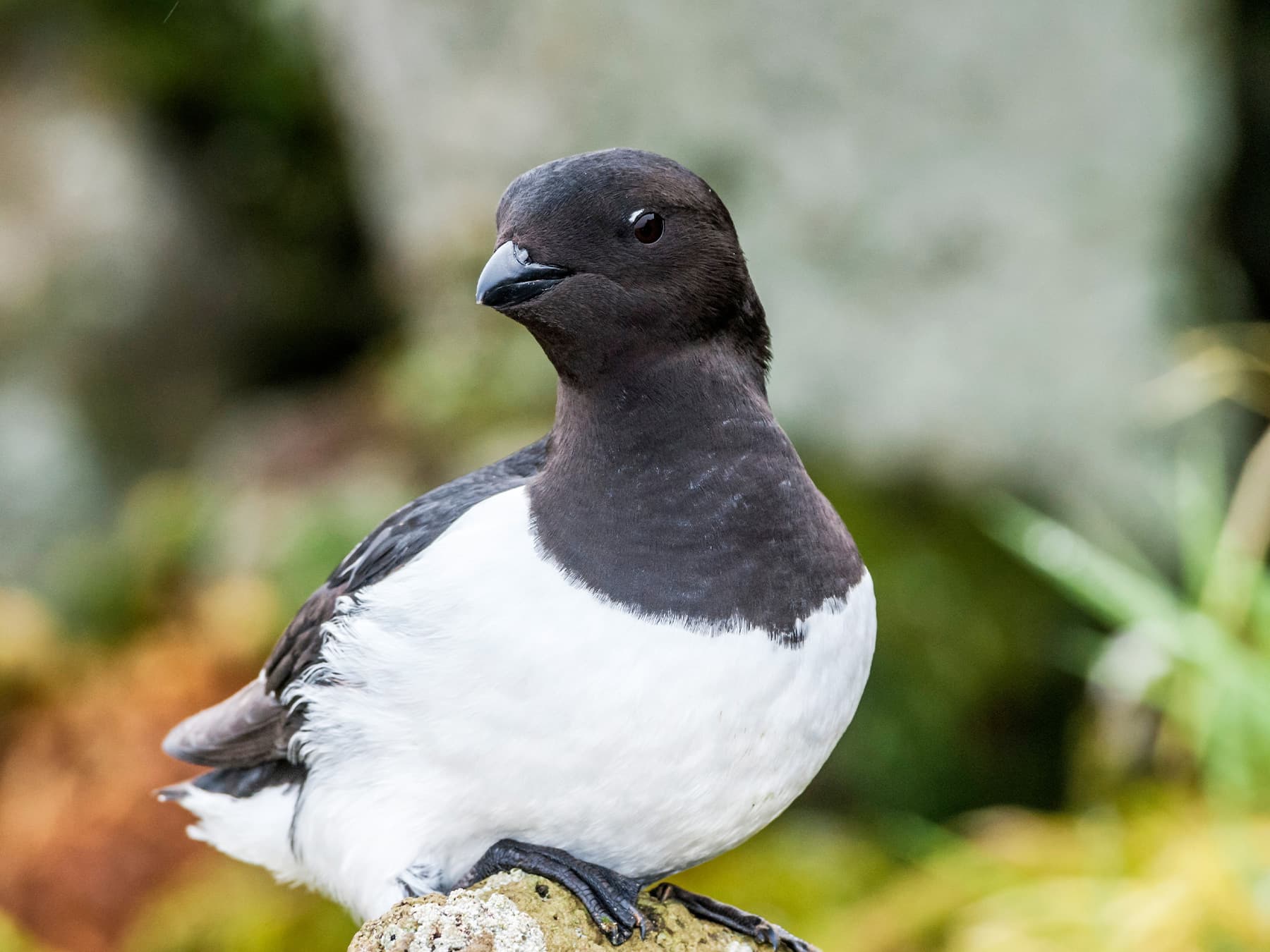
Little Auk
Alle alleLC
A rare winter visitor, sometimes driven close inshore by autumn gales. Most records come from late October to December.
Oct–Jan