Birds in Suffolk
Explore 226 species found in this region.
Suffolk is a remarkable county for birdwatching, with 218 recorded species thriving across its diverse landscapes of coastal marshes, estuaries, heathlands, and ancient woodlands. The county's renowned reserves, including RSPB Minsmere and the Suffolk Coast, attract an impressive range of birds from elegant Common Shelducks and Northern Lapwings on the wetlands to elusive Great Grey Shrikes on the heaths. Whether you're scanning mudflats for Common Sandpipers or listening for Eurasian Woodcock roding at dusk, Suffolk offers outstanding birding opportunities throughout the year.
Visiting in July? Look out for Black Tern and Cattle Egret arriving this month, and Bar-headed Goose and Eurasian Woodcock depart for the season.


Showing 93–115 of 226 species
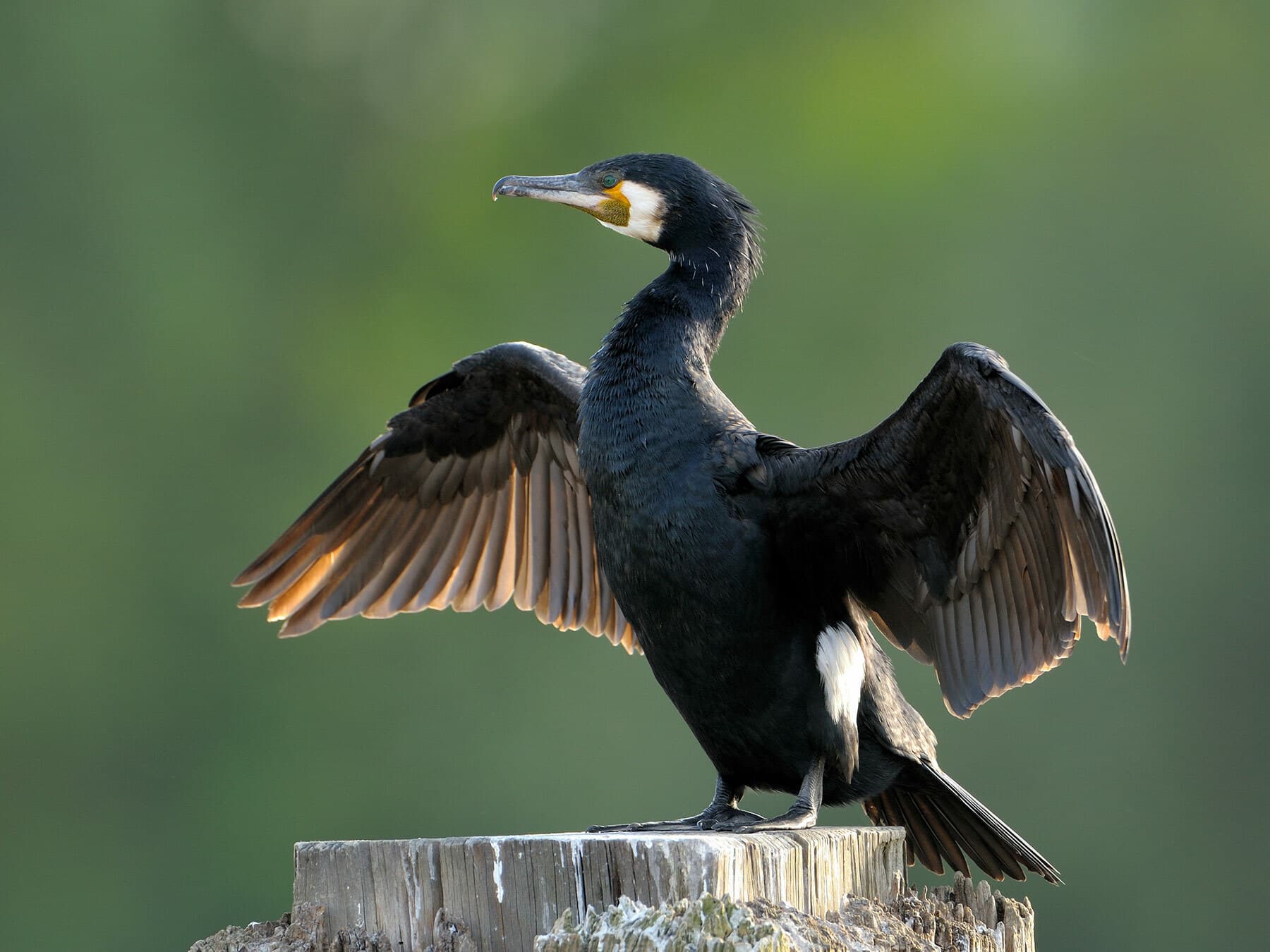
Great Cormorant
Phalacrocorax carboLC
Common year-round along Suffolk's rivers, estuaries and coast. Often seen perched with wings outstretched on posts and jetties.
Year-round
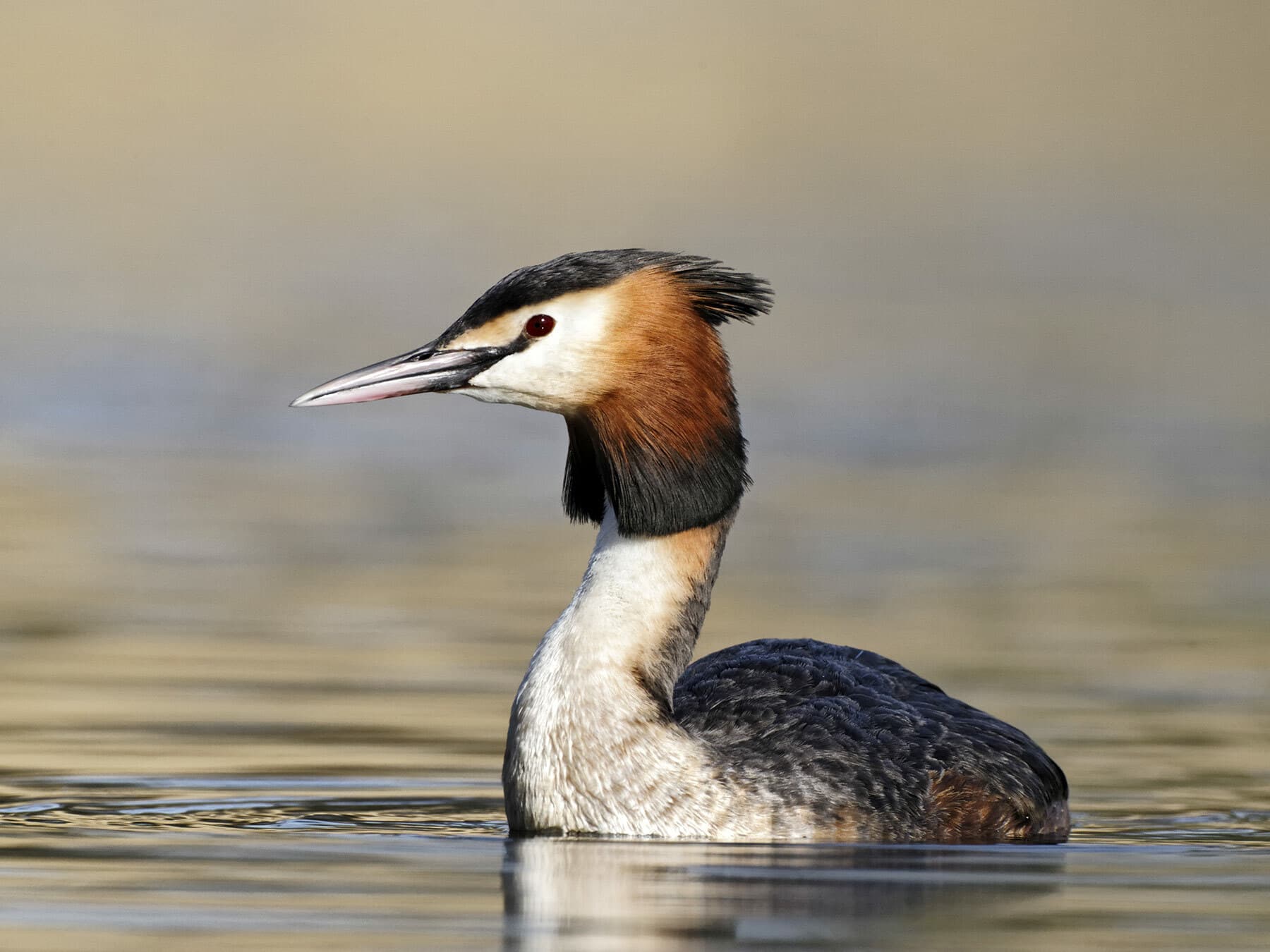
Great Crested Grebe
Podiceps cristatusLC
An uncommon resident of larger lakes and reservoirs, performing its elaborate head-shaking courtship display from late winter onwards.
Year-round
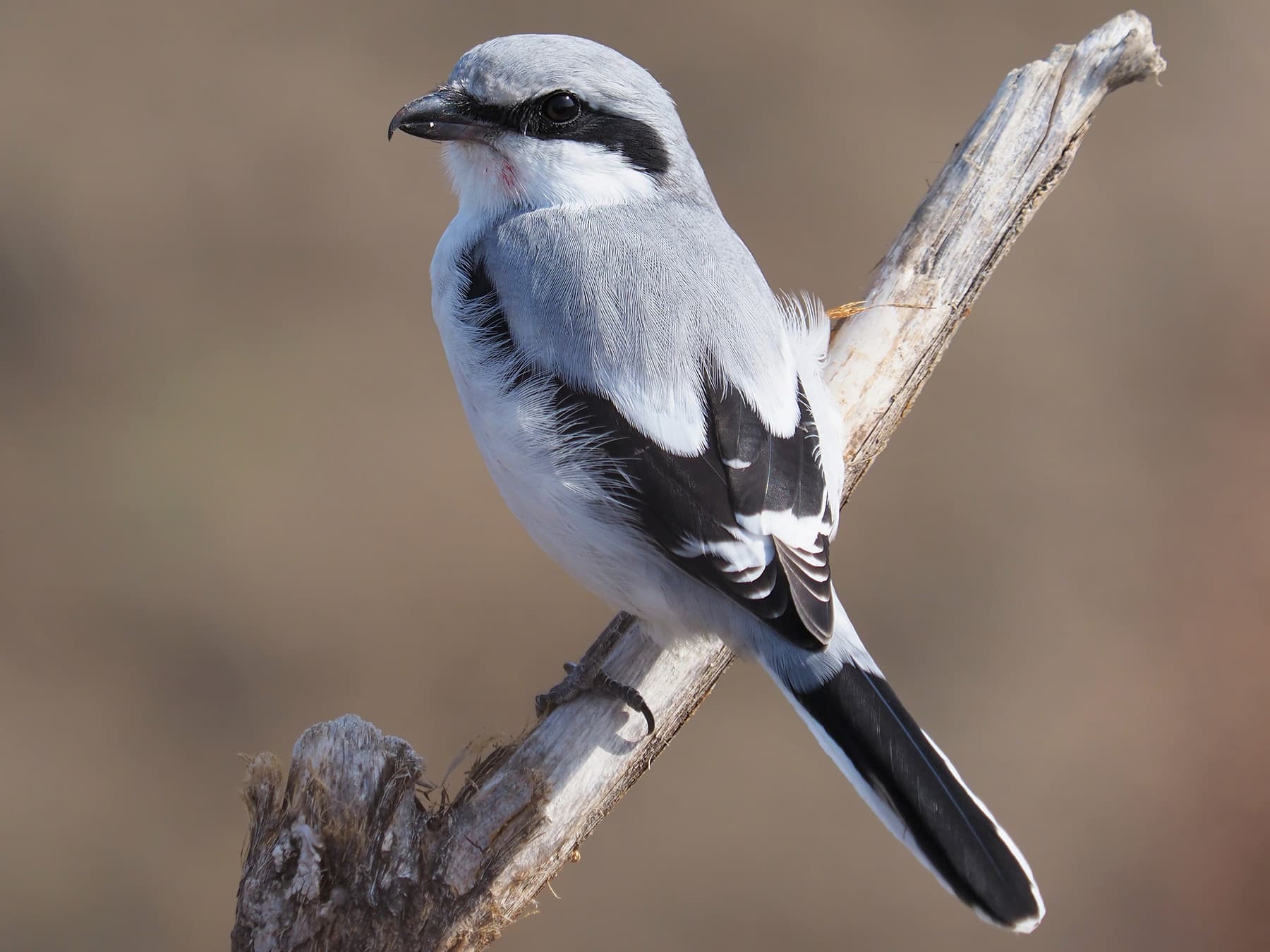
Great Grey Shrike
Lanius excubitorLC
A rare passage visitor, occasionally seen perching prominently on heathland bushes or hedgerows during early spring.
Mar
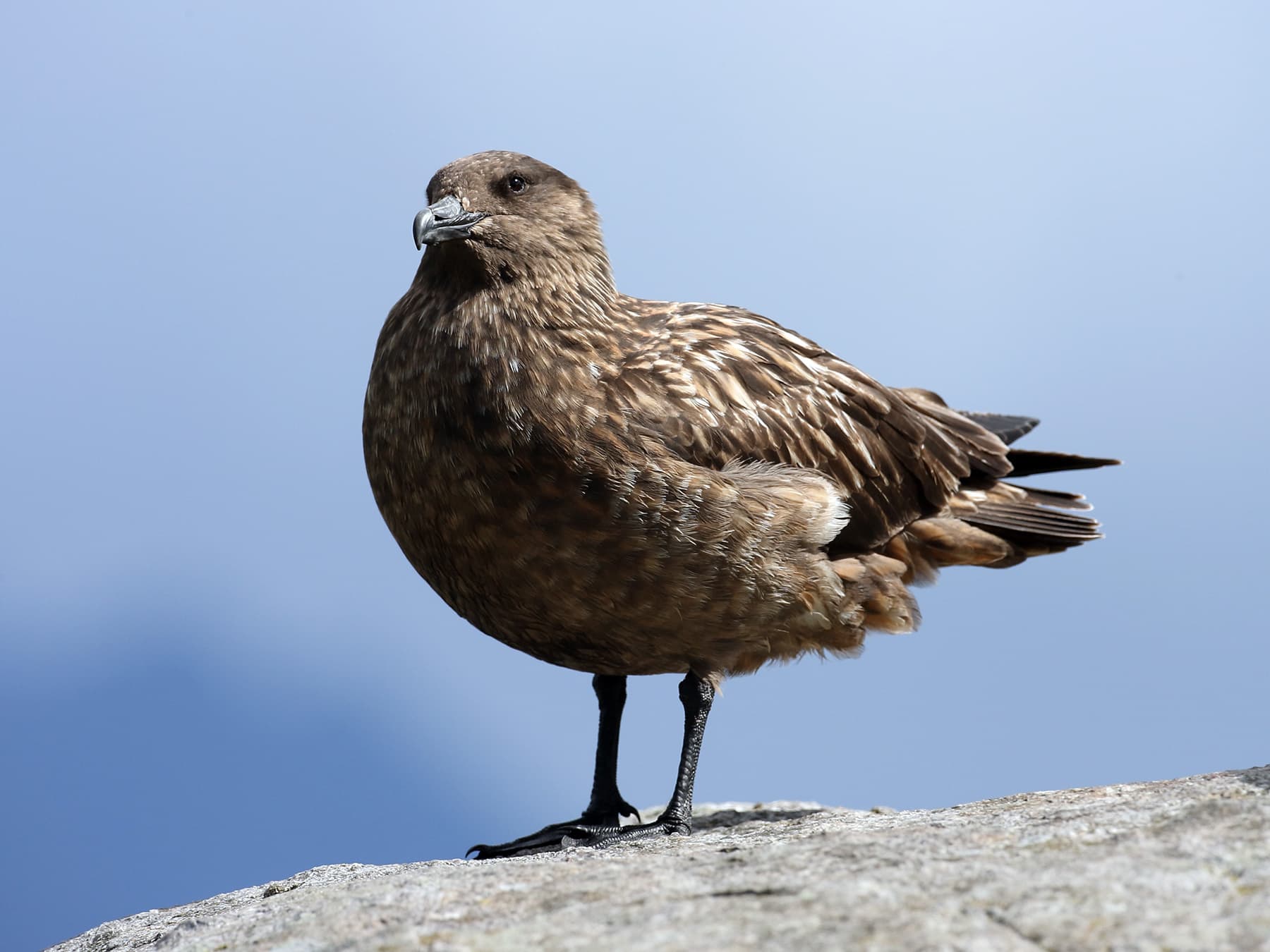
Great Skua
Catharacta skuaLC
A rare but regular autumn passage bird, best seen during seawatches from Lowestoft or Southwold in strong northerly winds between September and November.
Sep–Nov
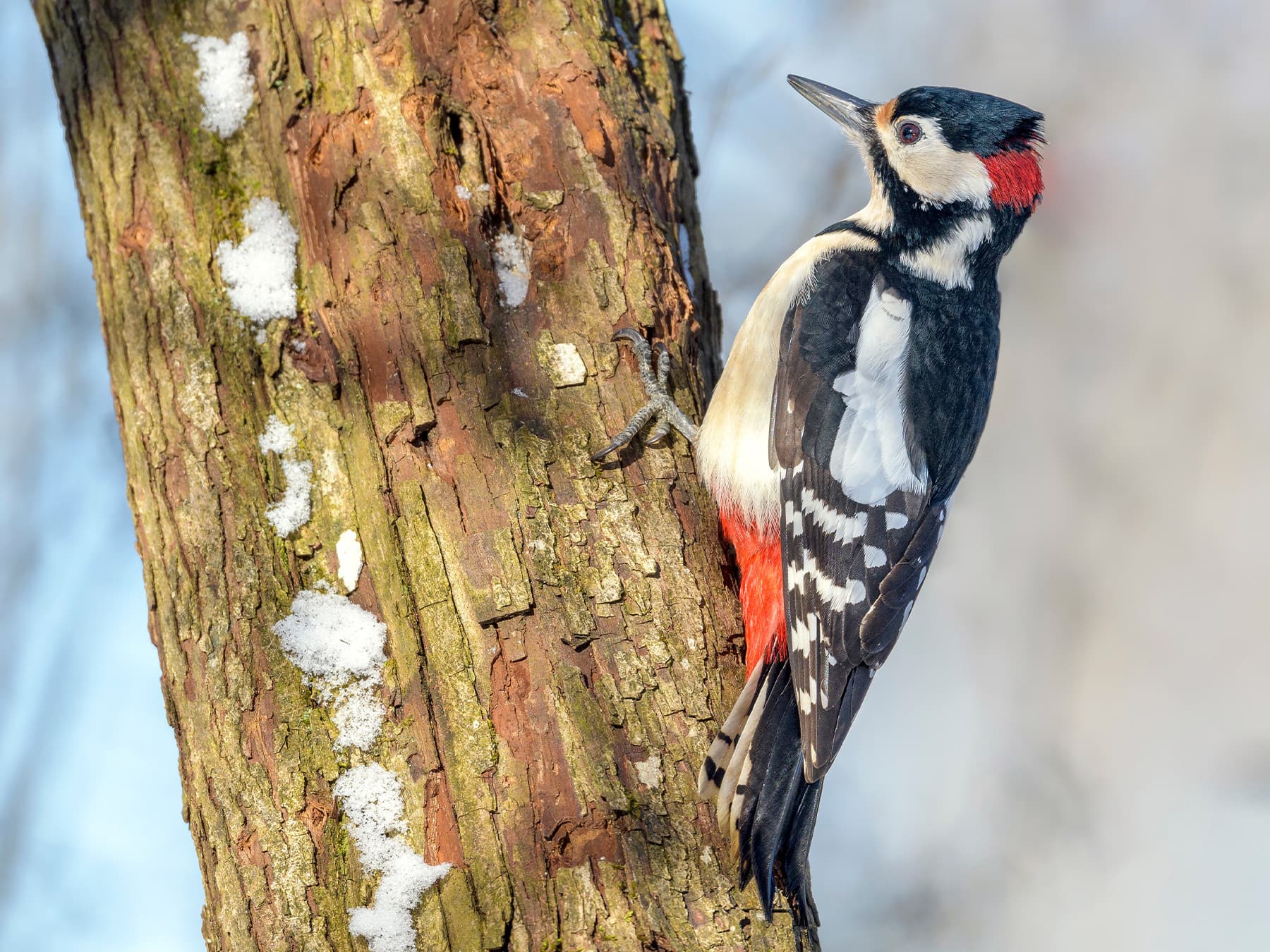
Great Spotted Woodpecker
Dendrocopos majorLC
A common resident of Suffolk's woodlands and mature gardens, often heard drumming on trees from late winter onwards.
Year-round
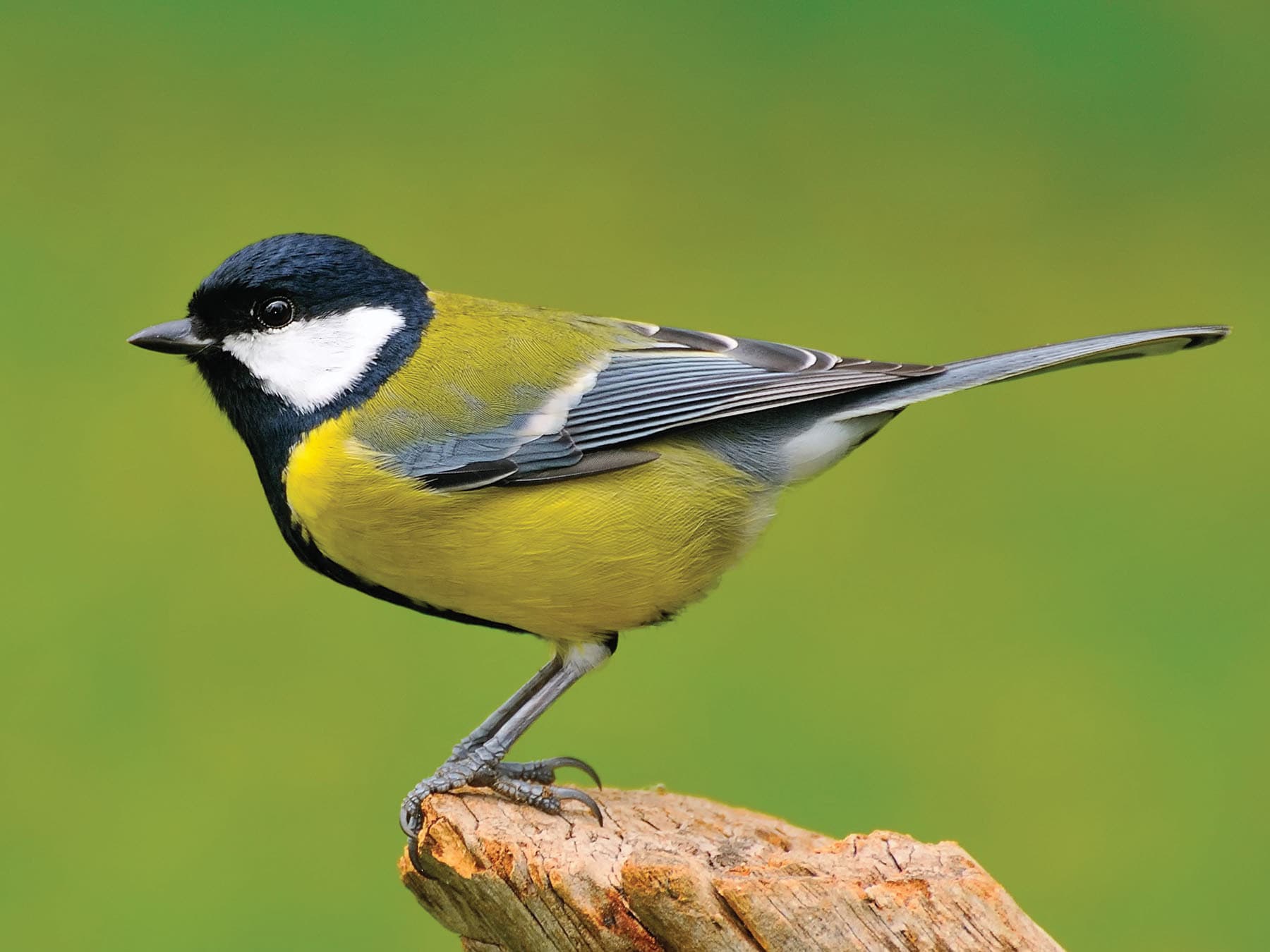
Great Tit
Parus majorLC
A bold and familiar garden visitor year-round, easily recognised by its striking black head stripe and loud "teacher-teacher" song.
Year-round
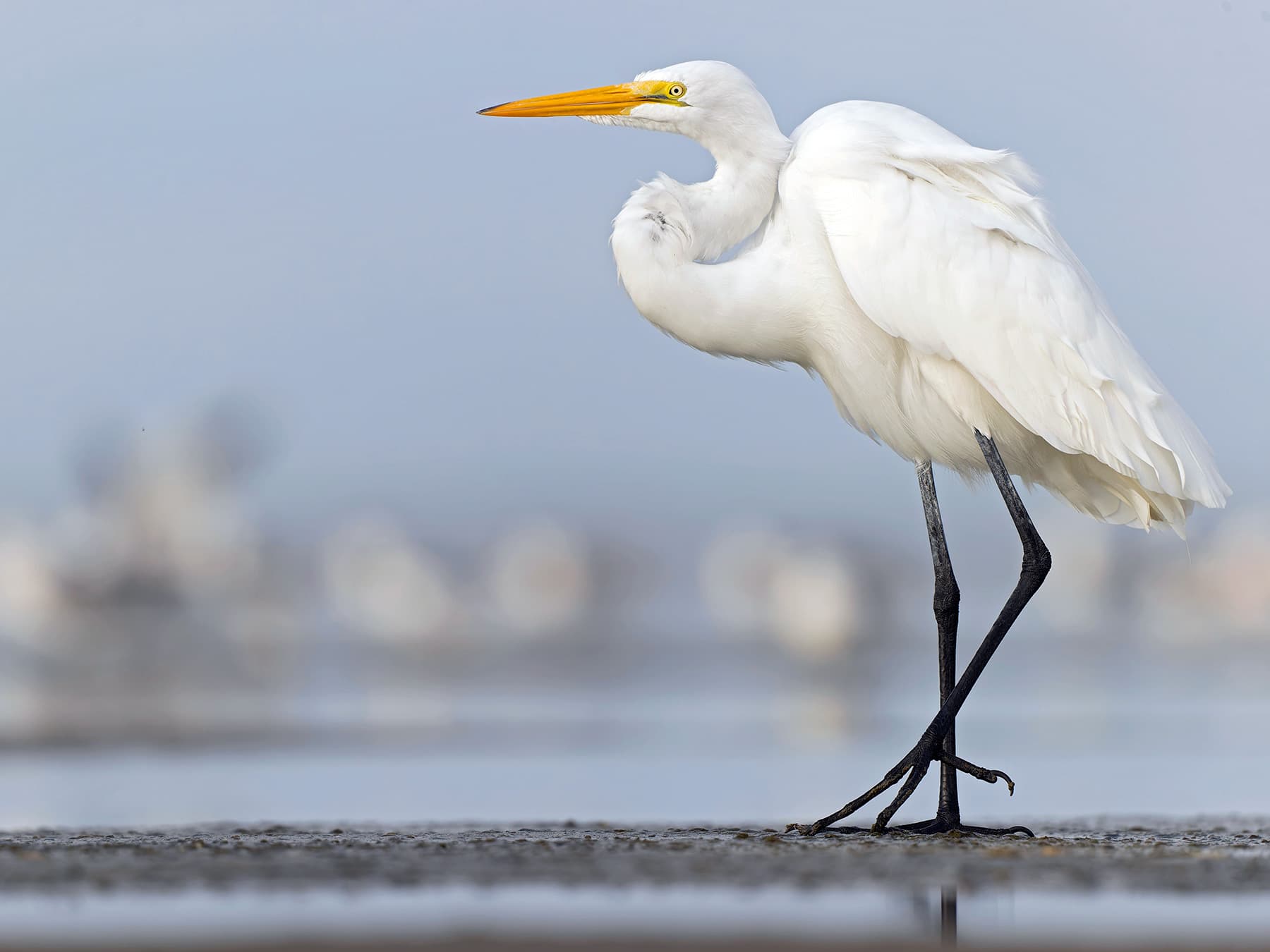
Great White Egret
Ardea albaLC
An uncommon but increasingly regular resident, seen at marshes and wetlands across Suffolk. Numbers have grown markedly in recent years.
Year-round
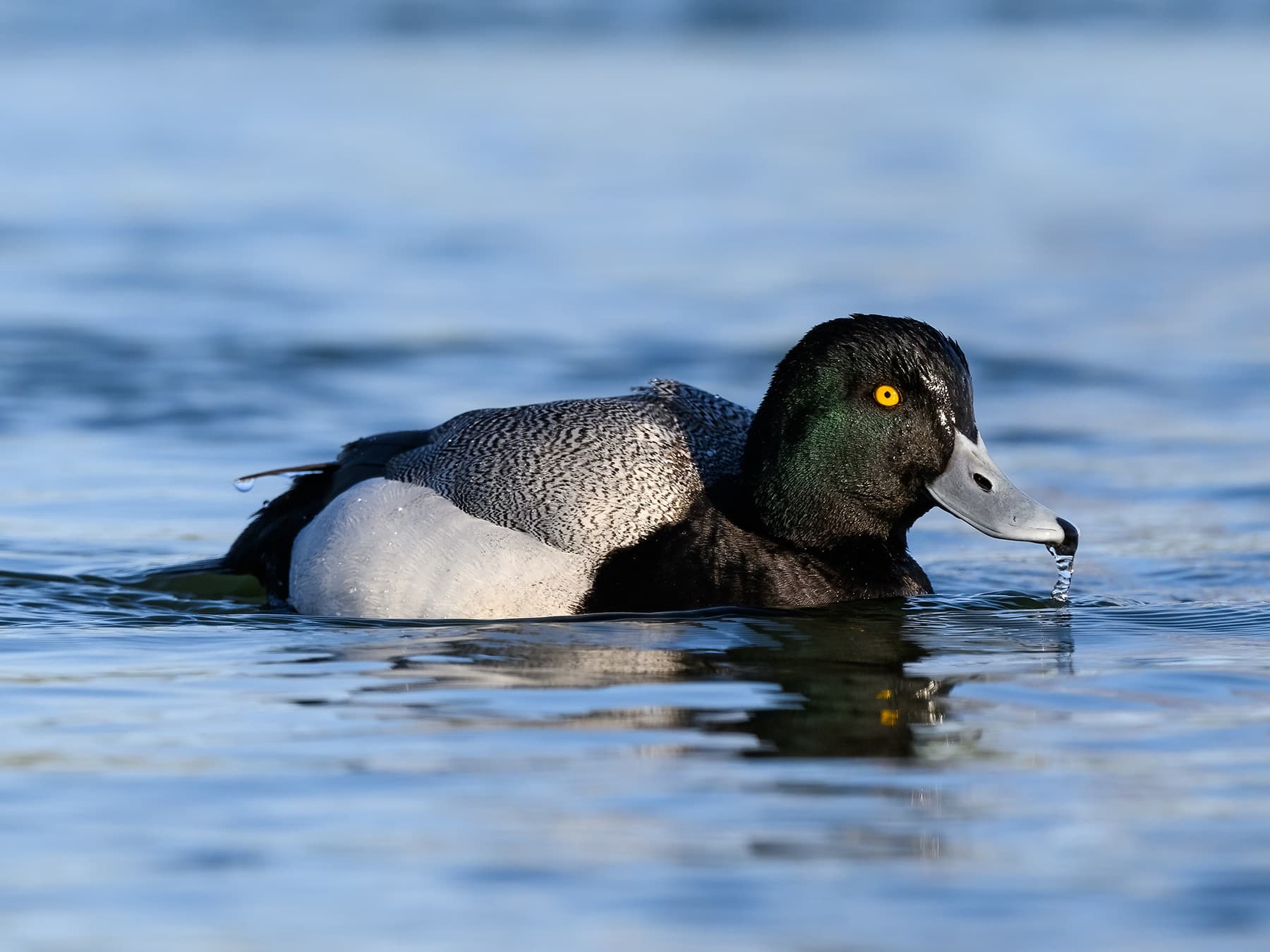
Greater Scaup
Aythya marilaLC
A rare winter visitor, occasionally found on coastal waters and estuaries from November to February, often associating with Tufted Duck or Pochard flocks.
Nov–Feb
Spotted something?
Upload a photo to identify it
Identify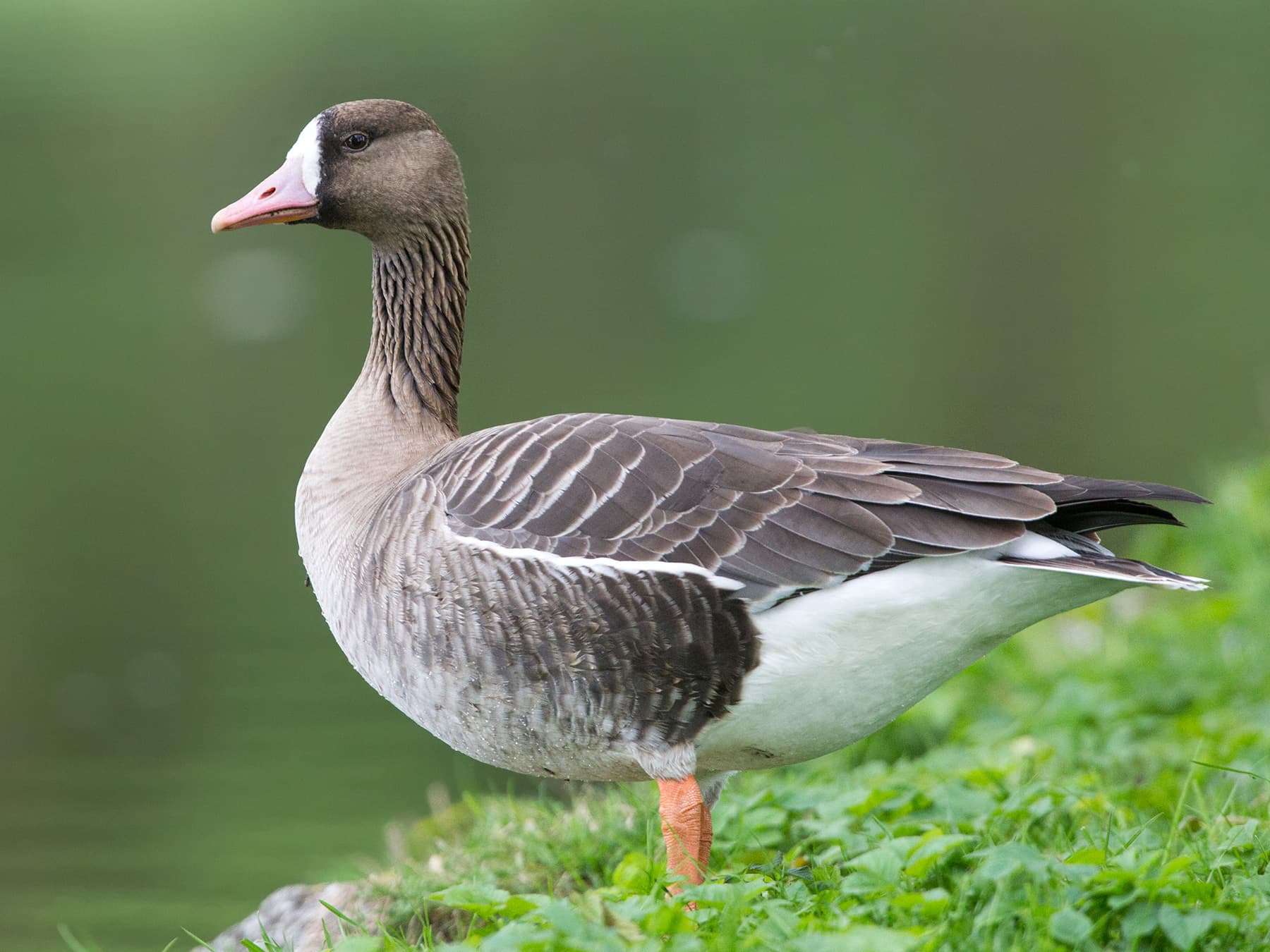
Greater White-fronted Goose
Anser albifronsLC
An uncommon winter visitor to Suffolk's coastal grazing marshes, arriving from November and departing by March. Often found alongside other wintering geese.
Nov–Mar
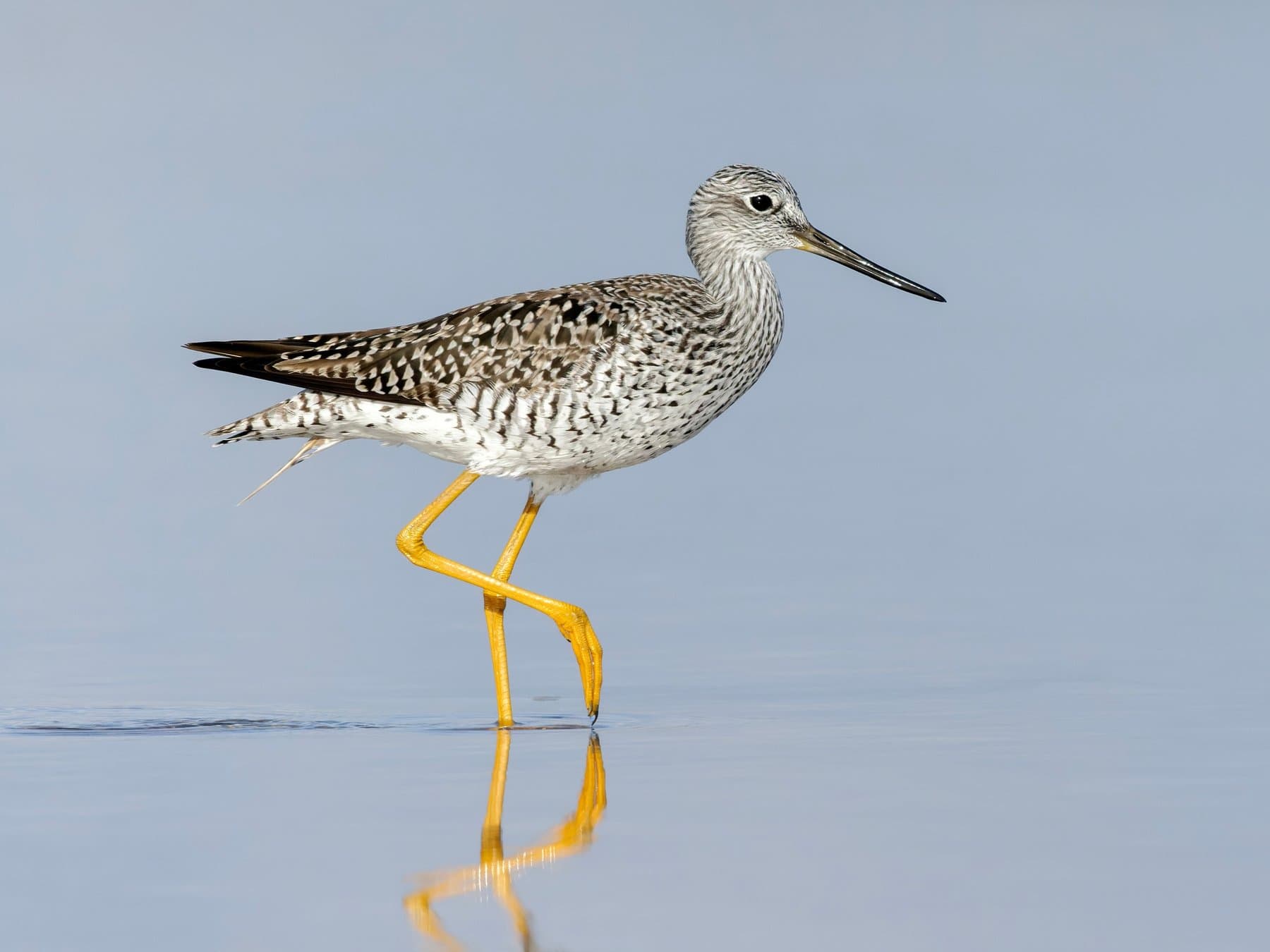
Greater Yellowlegs
Tringa melanoleucaNT
An extremely rare American vagrant, with occasional November records at Suffolk's coastal wetlands drawing keen birders.
Nov
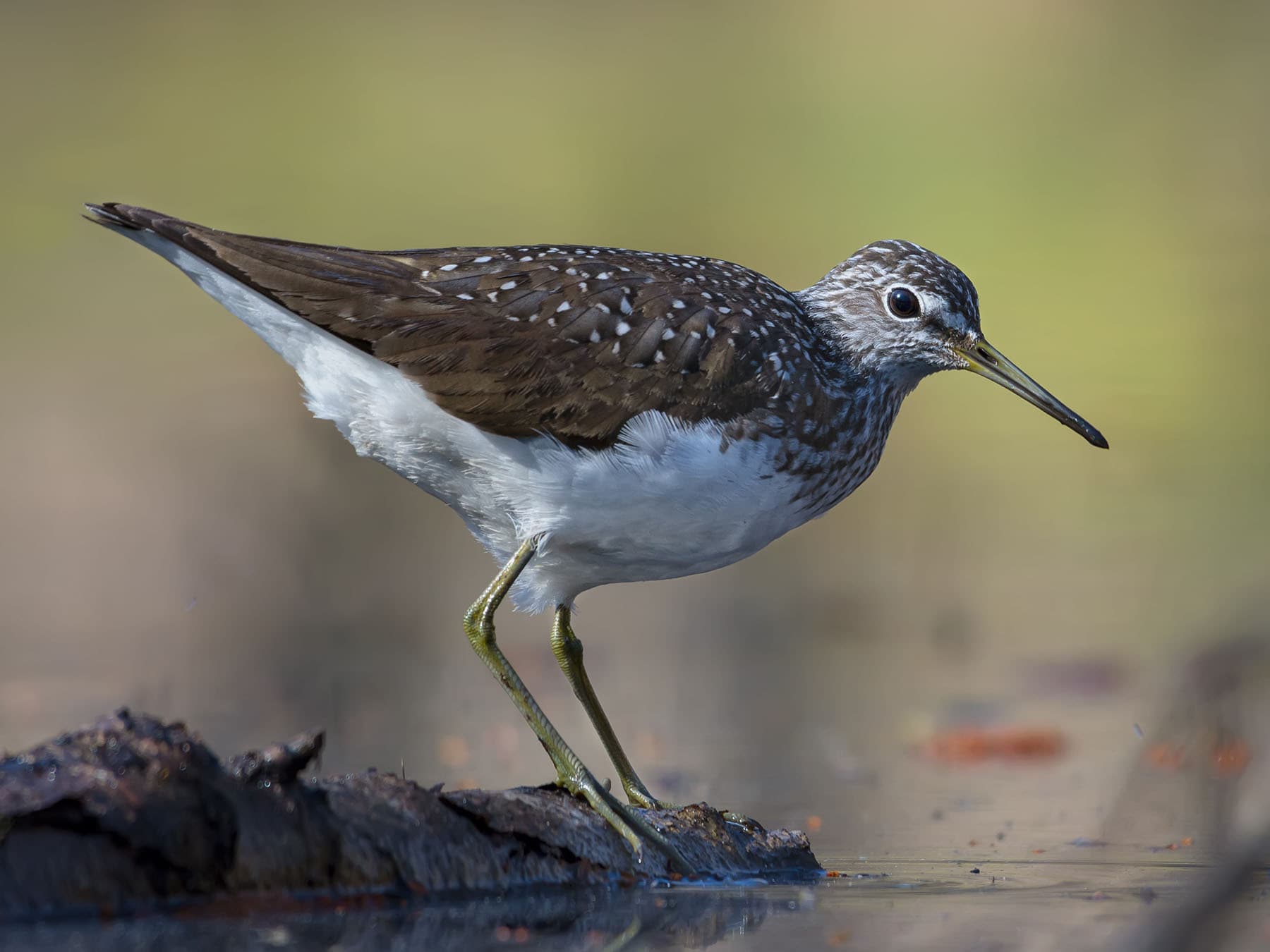
Green Sandpiper
Tringa ochropusLC
An uncommon but regular wader found along freshwater ditches, marshes and watercress beds across Suffolk, most often seen singly bobbing along muddy stream edges.
Jun–Apr
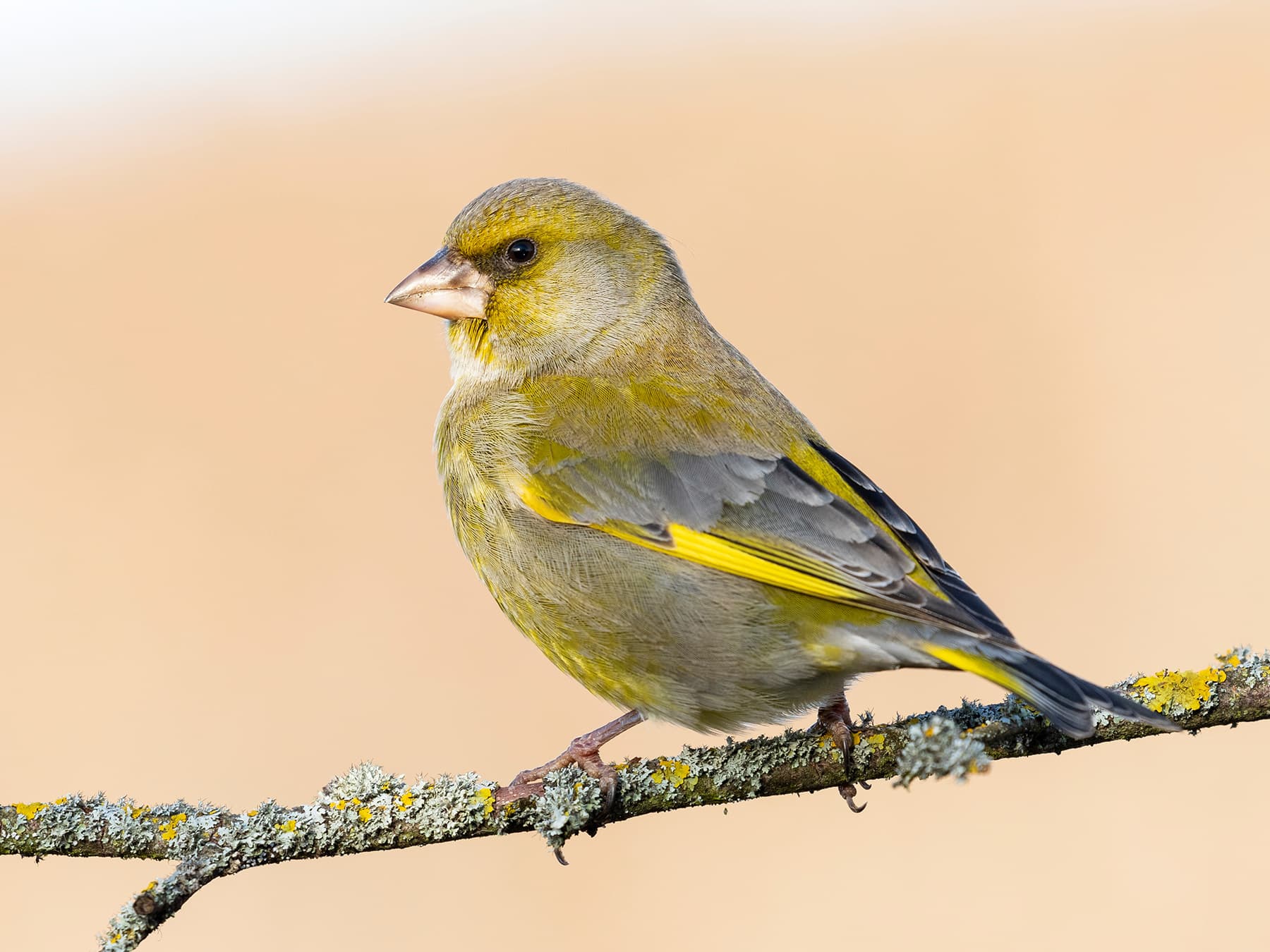
Greenfinch
Chloris chlorisLC
A common garden and farmland resident, though numbers have declined due to disease. Feeds readily at bird tables year-round.
Year-round
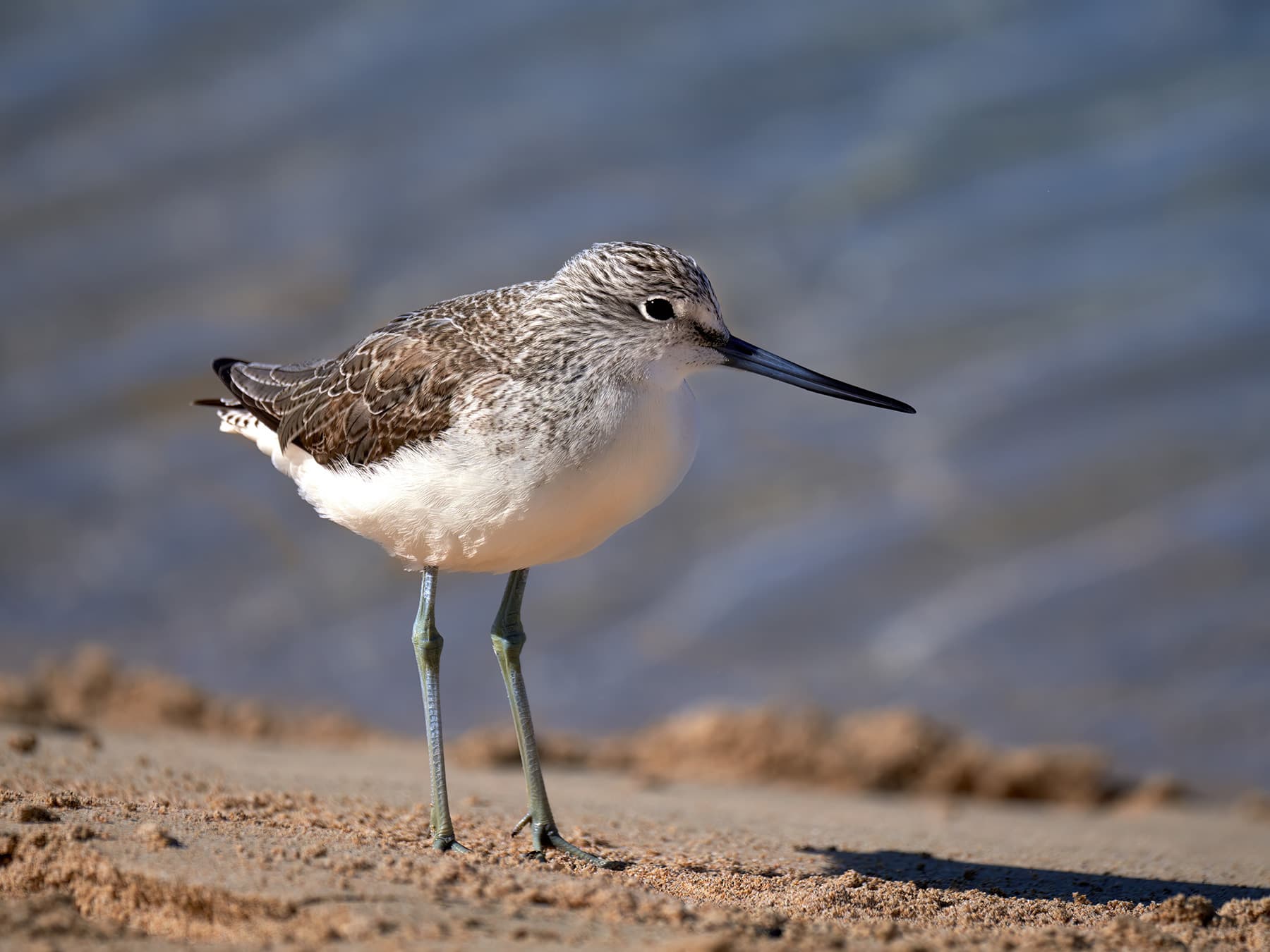
Greenshank
Tringa nebulariaLC
An uncommon passage and breeding-season visitor, most often seen on Suffolk's estuarine mudflats from late summer into autumn, with a distinctive ringing call.
Mar–Nov
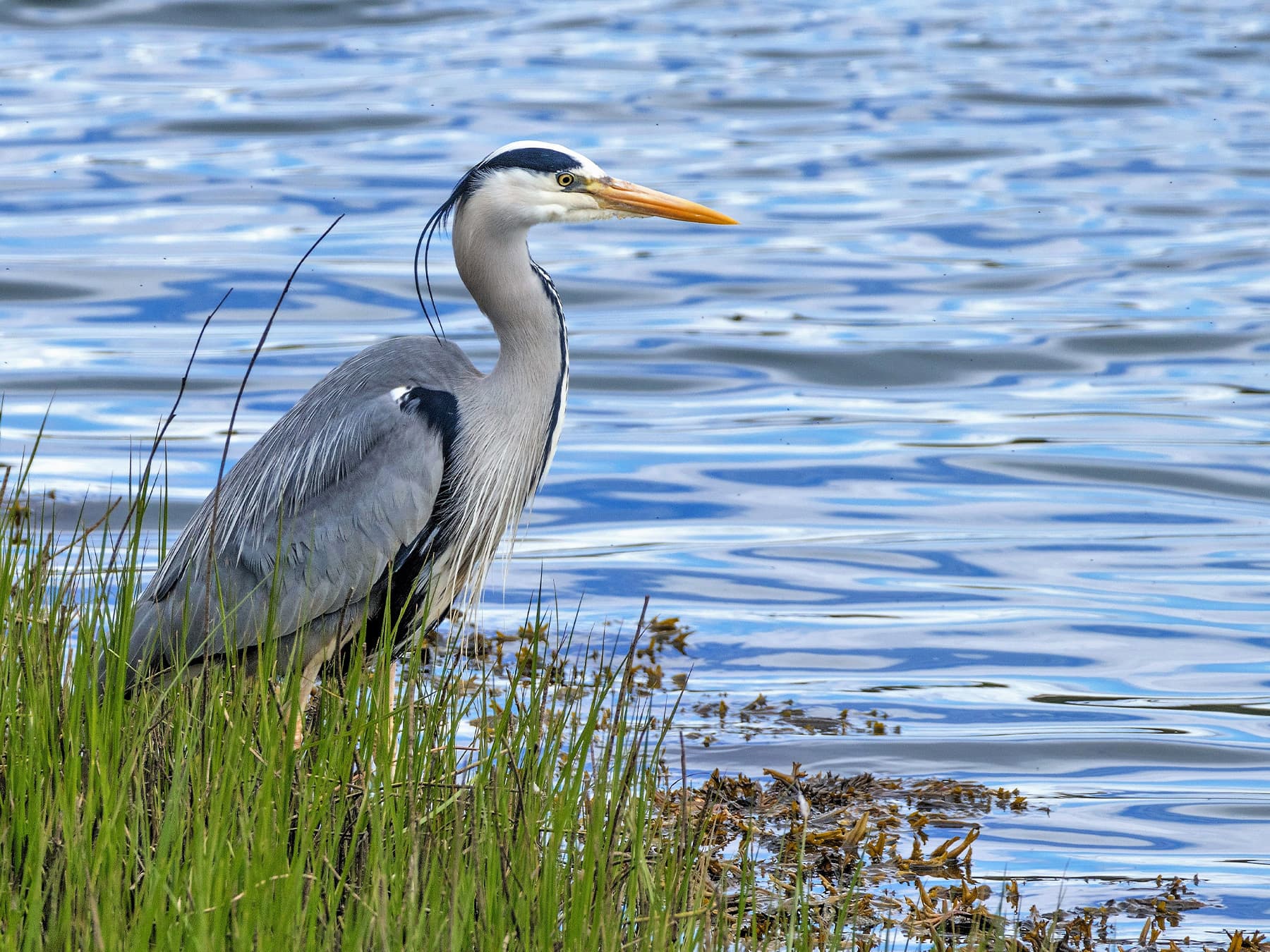
Grey Heron
Ardea cinereaLC
A common resident found year-round along rivers, marshes and lakes. Often seen standing motionless at the water's edge.
Year-round
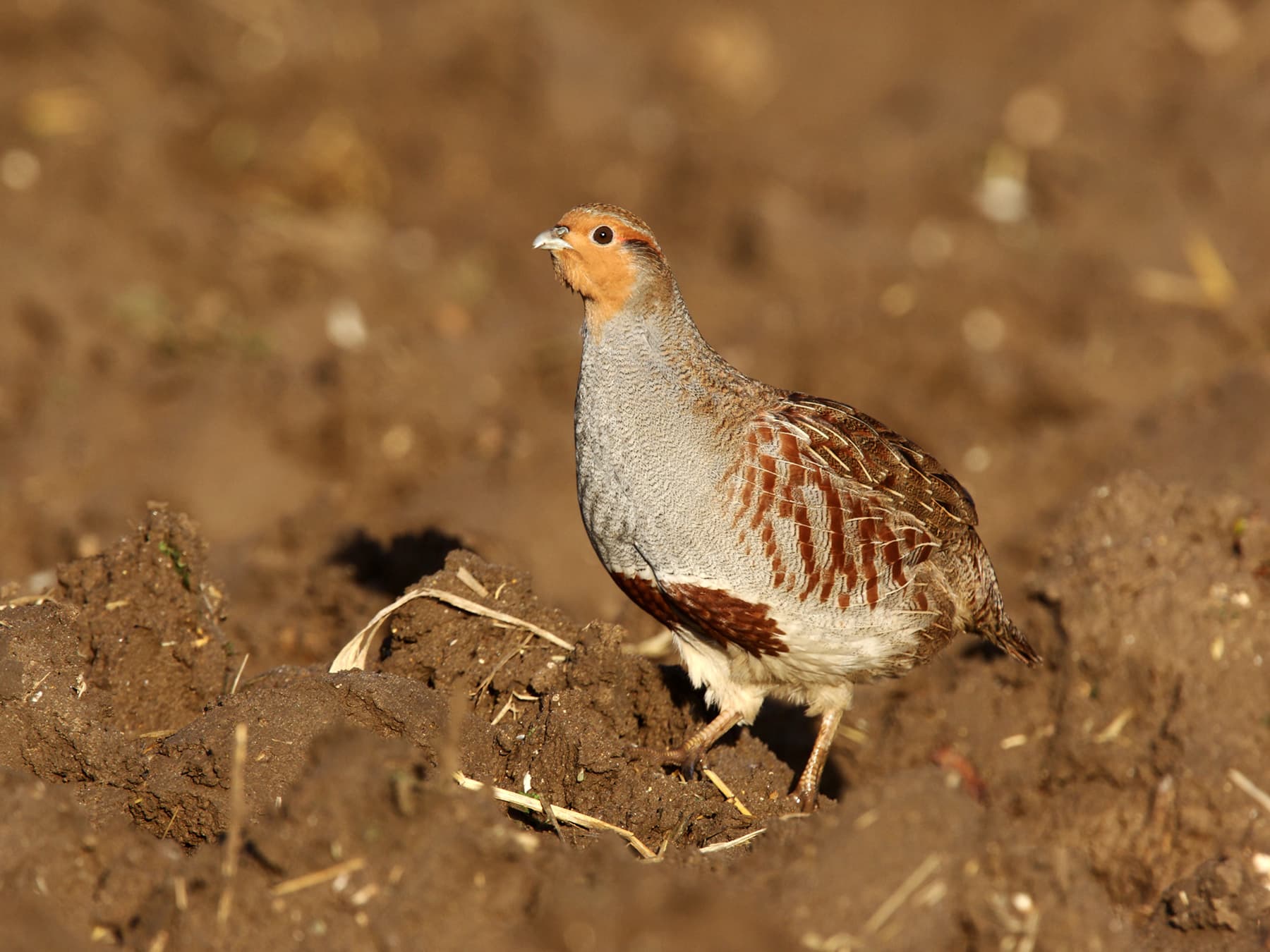
Grey Partridge
Perdix perdixLC
A declining resident of Suffolk's arable farmland and field margins, now rarely encountered despite historically being widespread.
Nov–Sep
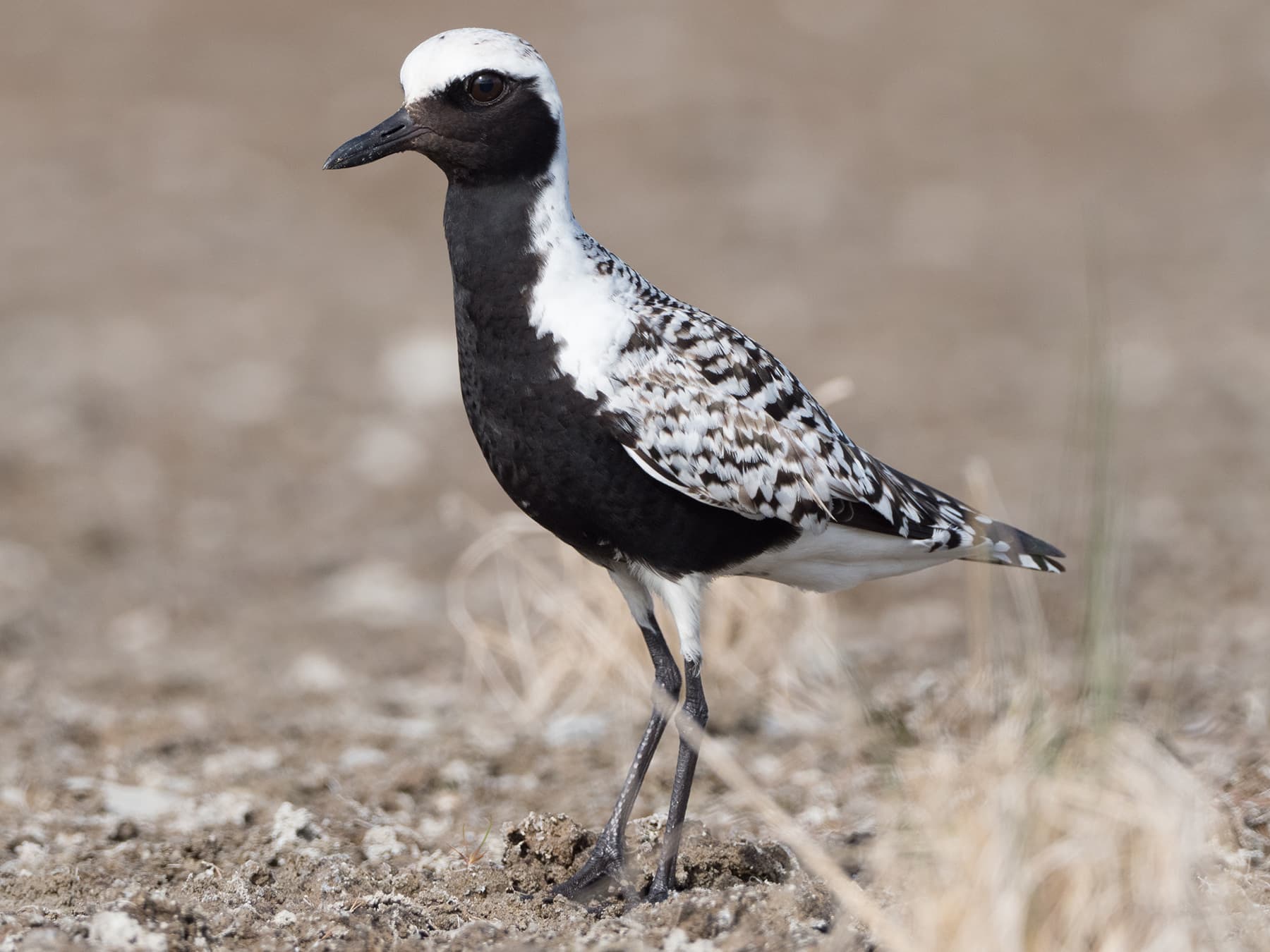
Grey Plover
Pluvialis squatarolaLC
Found year-round on Suffolk's estuarine mudflats and shingle shores, with numbers peaking in winter at sites like the Deben.
Year-round
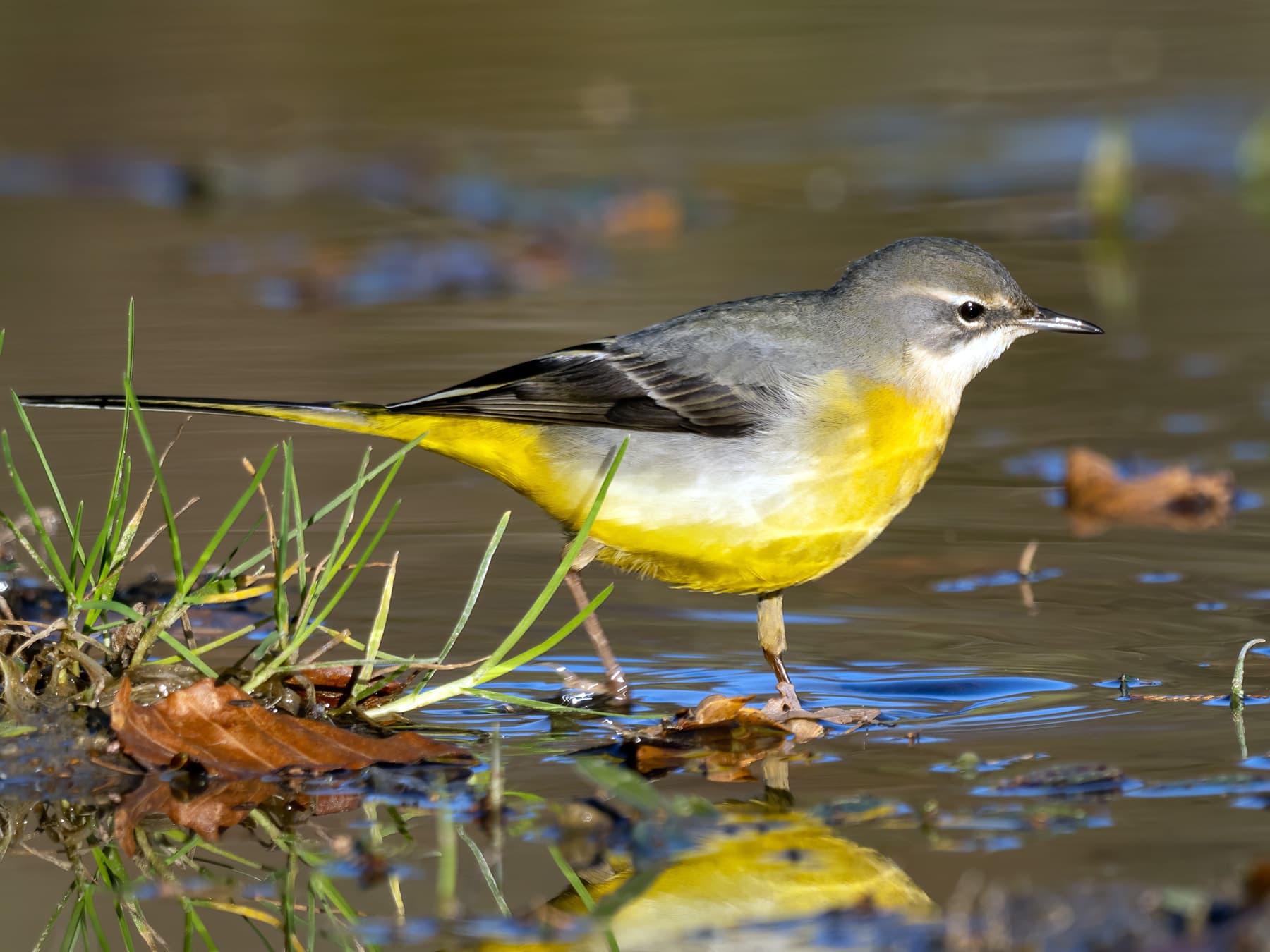
Grey Wagtail
Motacilla cinereaLC
An uncommon resident found along streams, rivers and watercress beds. Less numerous than in western England but present year-round.
Year-round
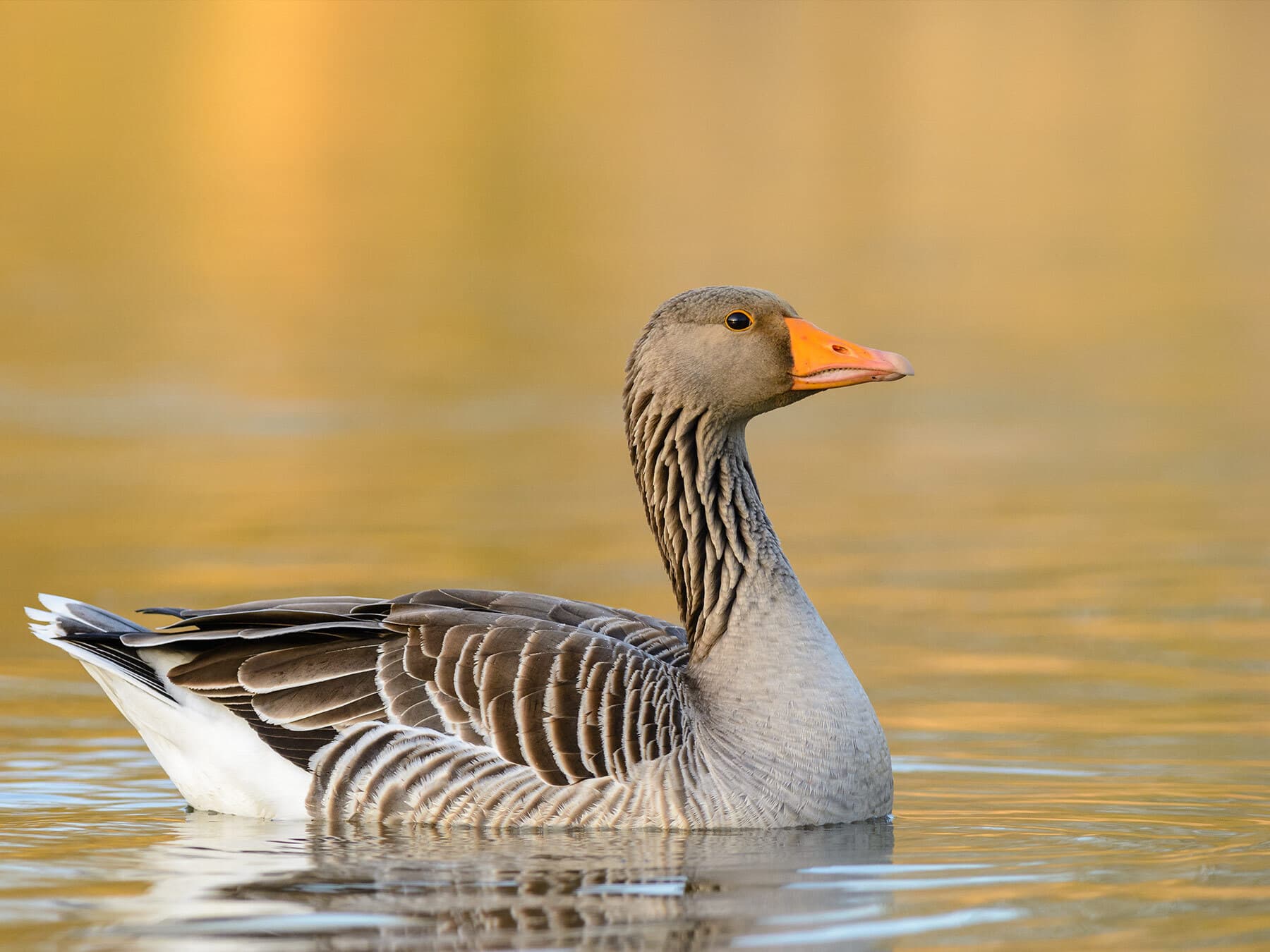
Greylag Goose
Anser anserLC
A common resident breeding on Suffolk's marshes and grazing fields, with feral and wild populations well established.
Year-round
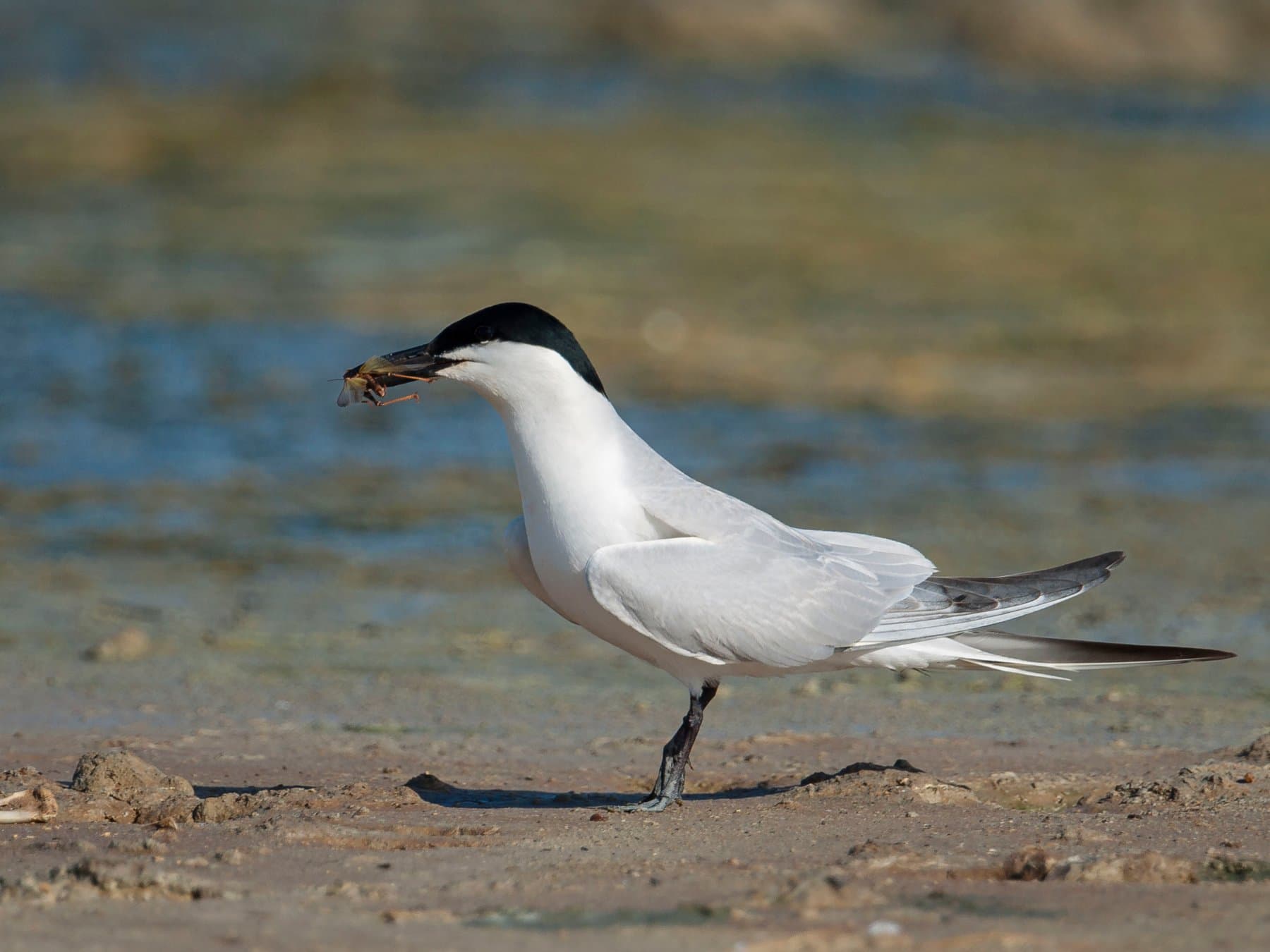
Gull-billed Tern
Gelochelidon niloticaLC
A rare passage migrant, occasionally recorded along the Suffolk coast in August. Favours coastal marshes and estuaries.
Aug
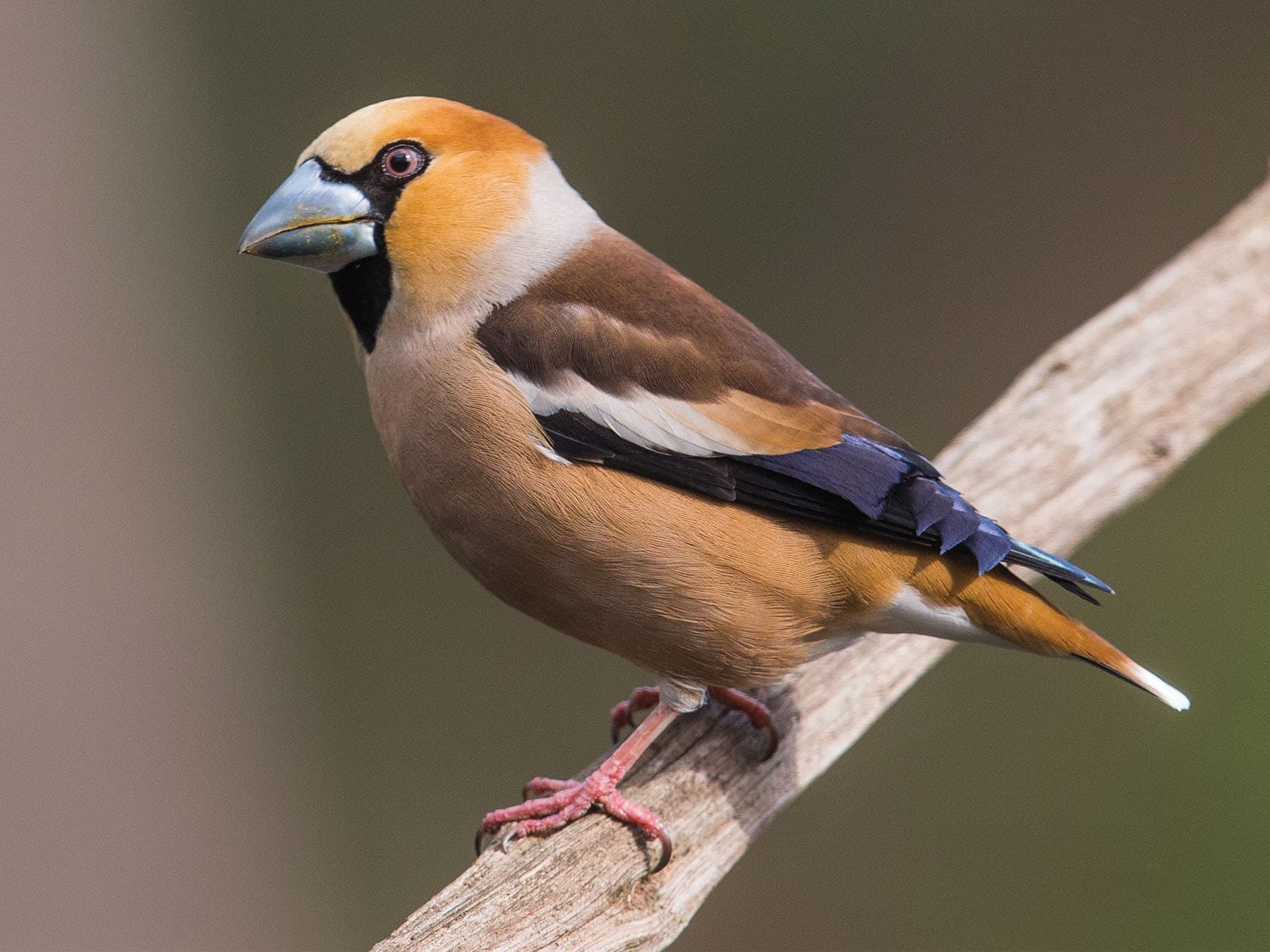
Hawfinch
Coccothraustes coccothraustesLC
A rare passage visitor, occasionally recorded in January and February. May appear in mature woodland with hornbeam during irruption years.
Jan–Feb
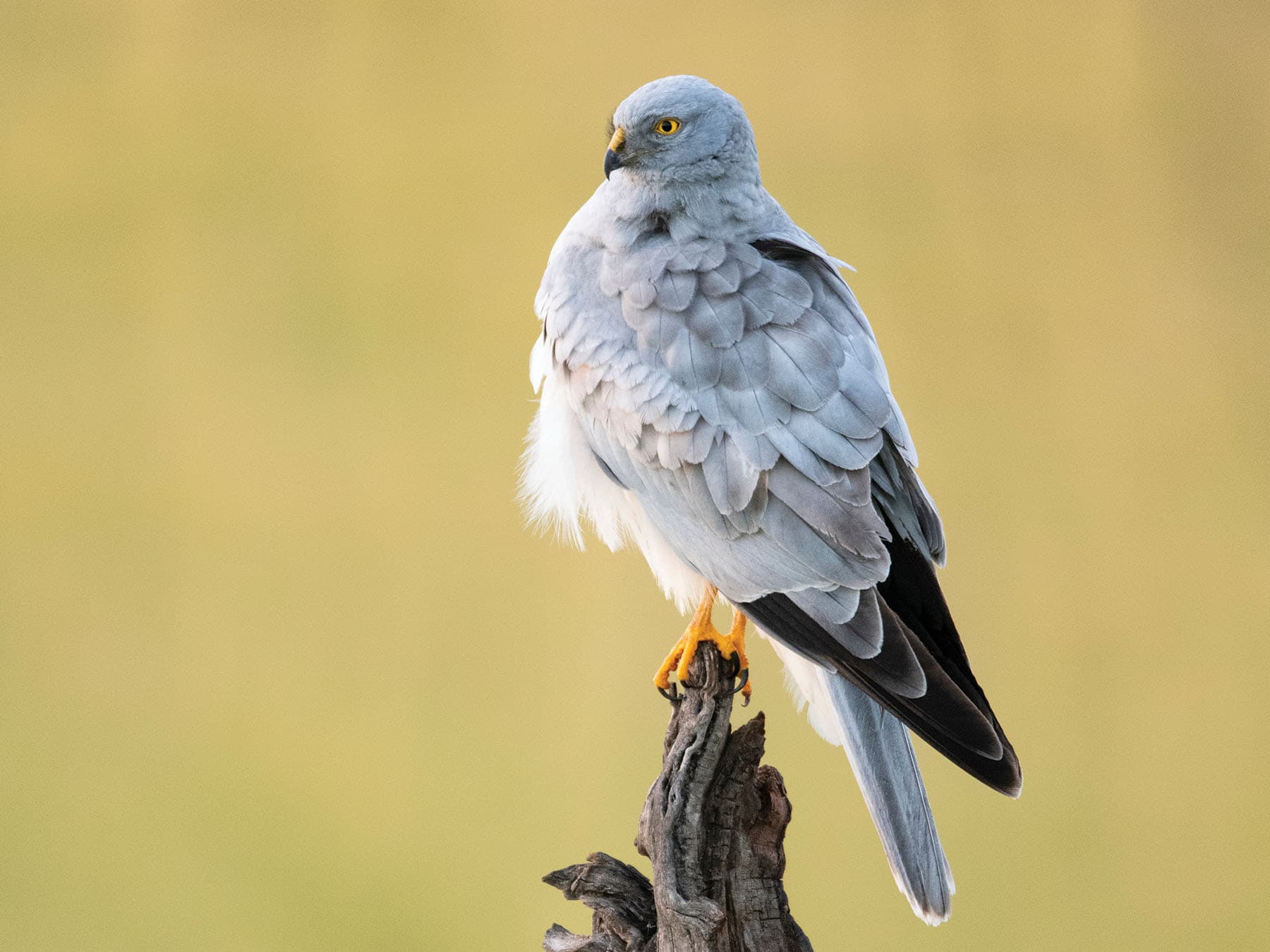
Hen Harrier
Circus cyaneusLC
A rare winter visitor to Suffolk's coastal marshes and heathlands, present from October to April.
Oct–Apr
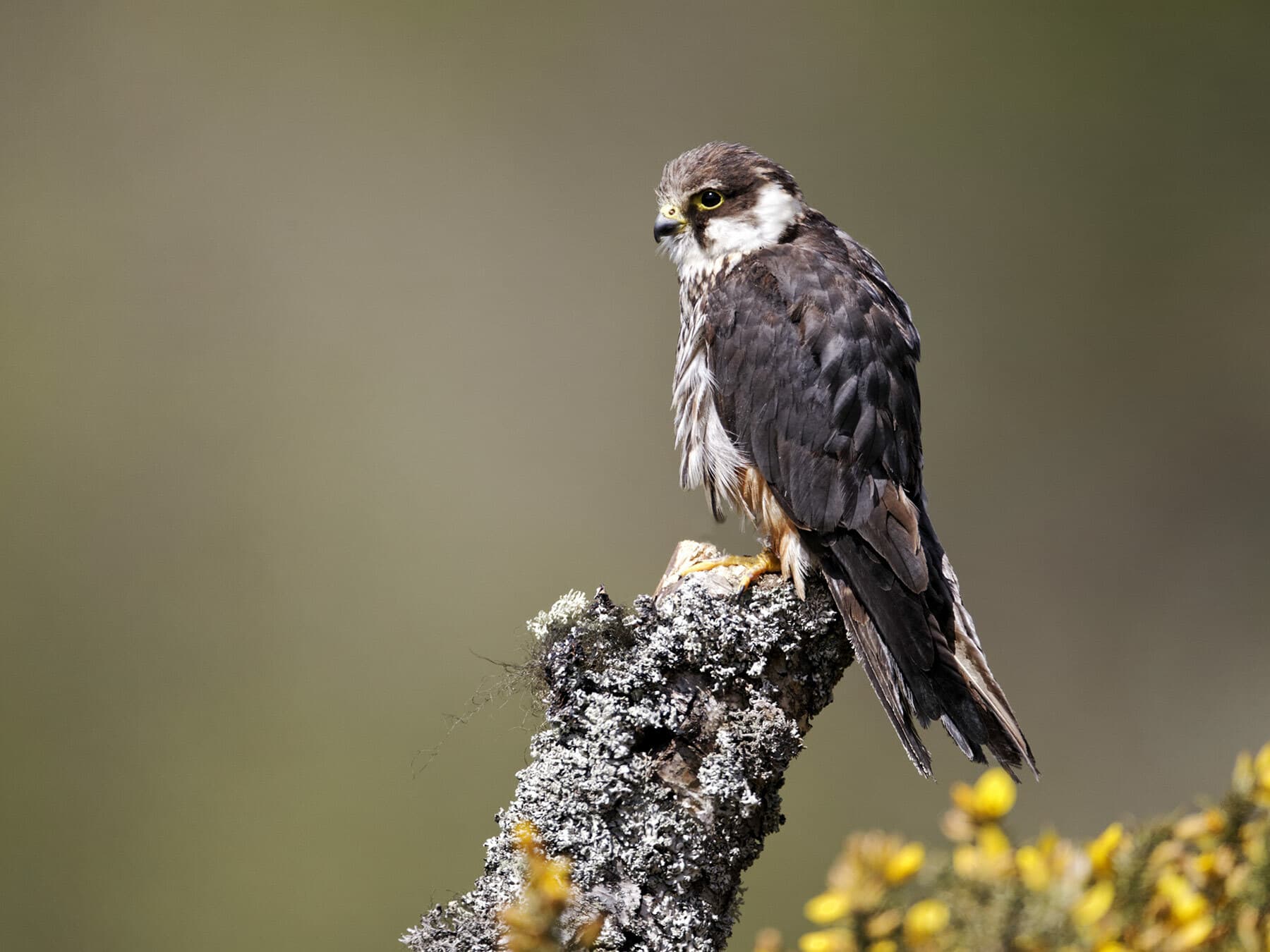
Hobby
Falco subbuteoLC
An uncommon summer breeder, hunting dragonflies over heathland and wetlands. Often seen hawking insects over Suffolk's reedbeds.
Apr–Oct
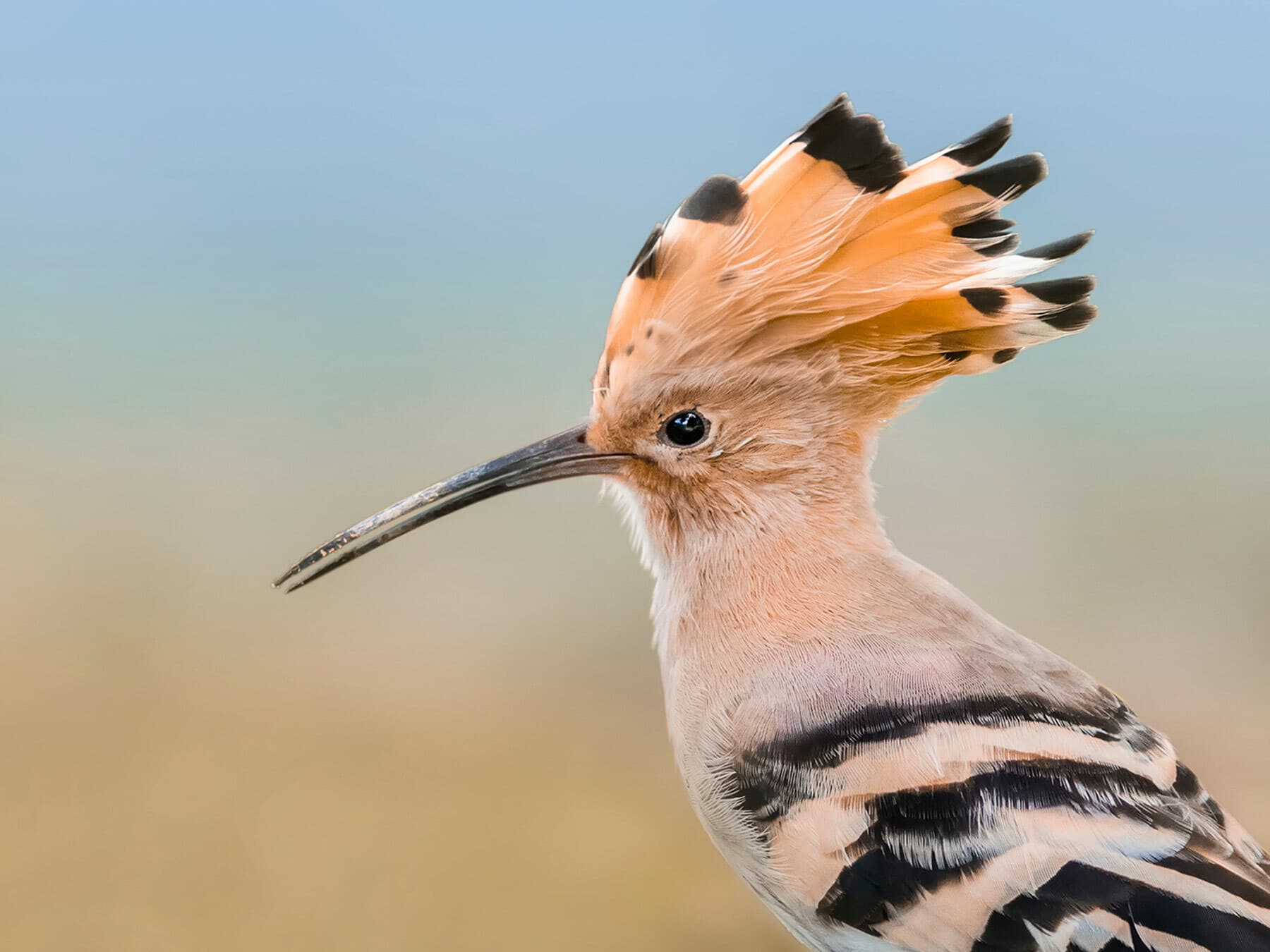
Hoopoe
Upupa epopsLC
A rare passage visitor, occasionally turning up on the Suffolk coast in autumn. Its striking crest and pinkish plumage make it unmistakable.
Nov