Birds in Suffolk
Explore 226 species found in this region.
Suffolk is a remarkable county for birdwatching, with 218 recorded species thriving across its diverse landscapes of coastal marshes, estuaries, heathlands, and ancient woodlands. The county's renowned reserves, including RSPB Minsmere and the Suffolk Coast, attract an impressive range of birds from elegant Common Shelducks and Northern Lapwings on the wetlands to elusive Great Grey Shrikes on the heaths. Whether you're scanning mudflats for Common Sandpipers or listening for Eurasian Woodcock roding at dusk, Suffolk offers outstanding birding opportunities throughout the year.
Visiting in July? Look out for Black Tern and Cattle Egret arriving this month, and Bar-headed Goose and Eurasian Woodcock depart for the season.


Showing 70–92 of 226 species
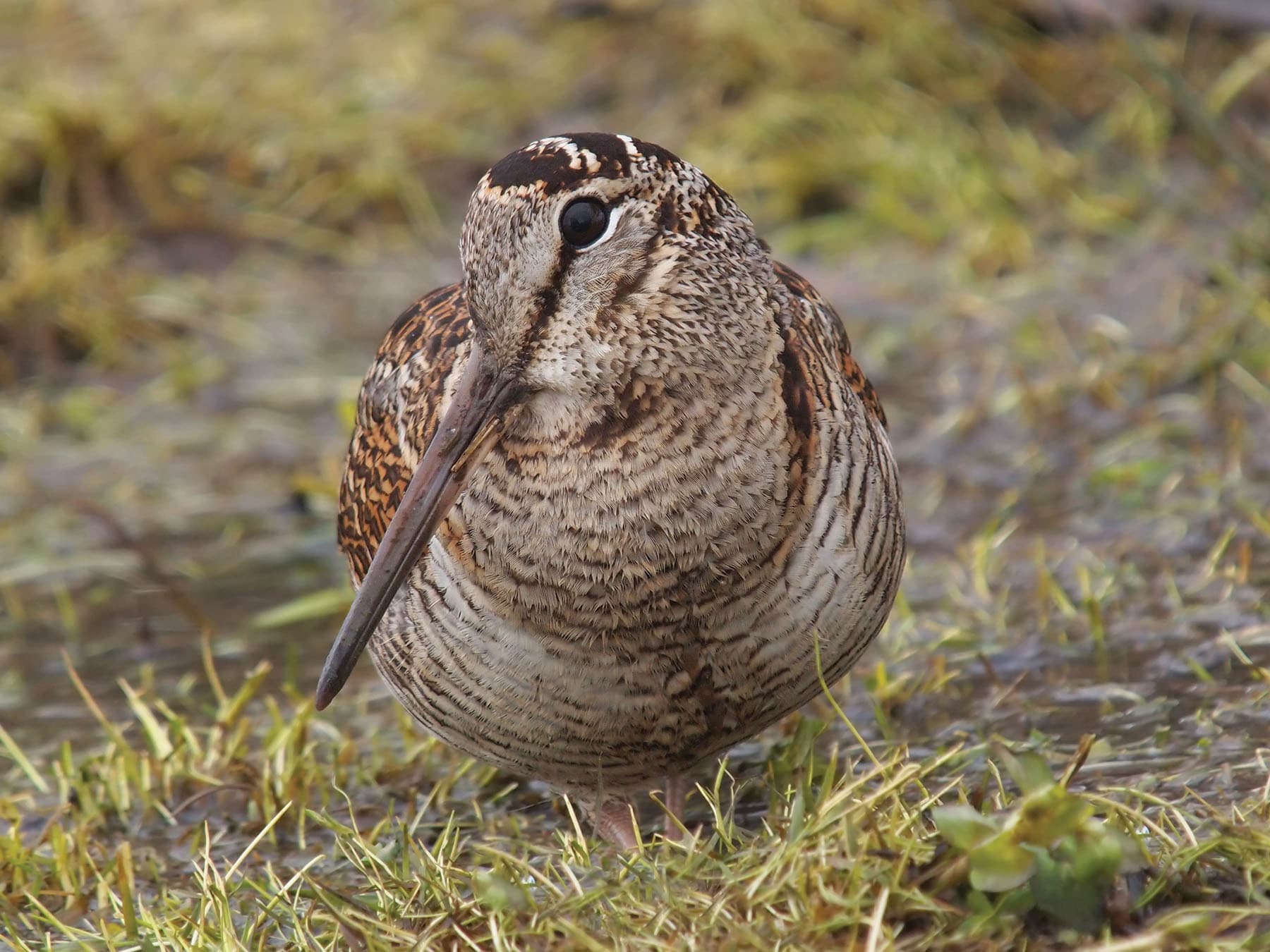
Eurasian Woodcock
Scolopax rusticolaLC
A rare and secretive non-breeding visitor, mainly in winter. Favours damp woodland floors and hedgerows, flushing at close range with a zigzag flight.
Nov–Jun
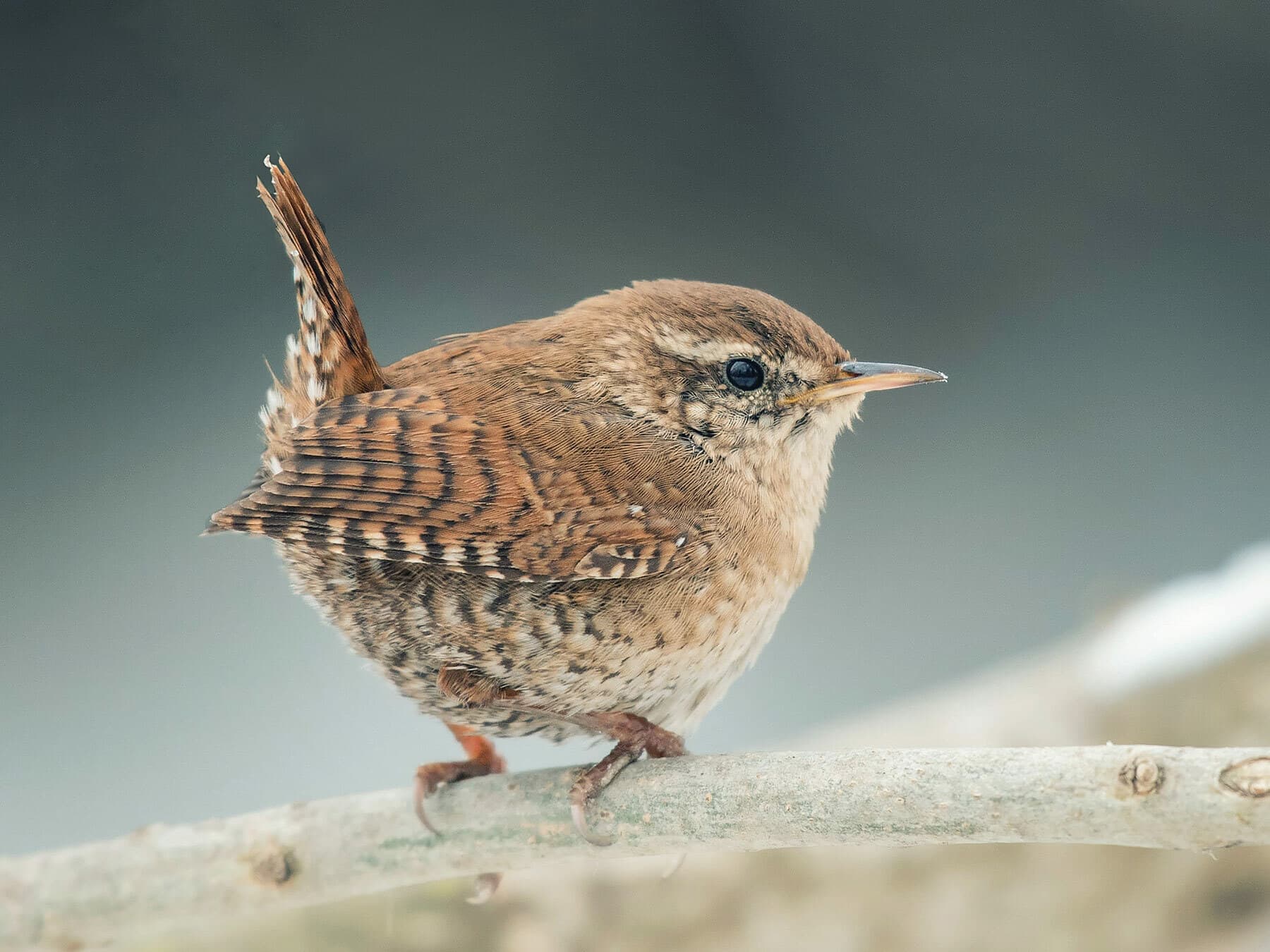
Eurasian Wren
Troglodytes troglodytesLC
One of Suffolk's most abundant residents, found in virtually every habitat with dense cover. Its powerful song belies its tiny size.
Year-round
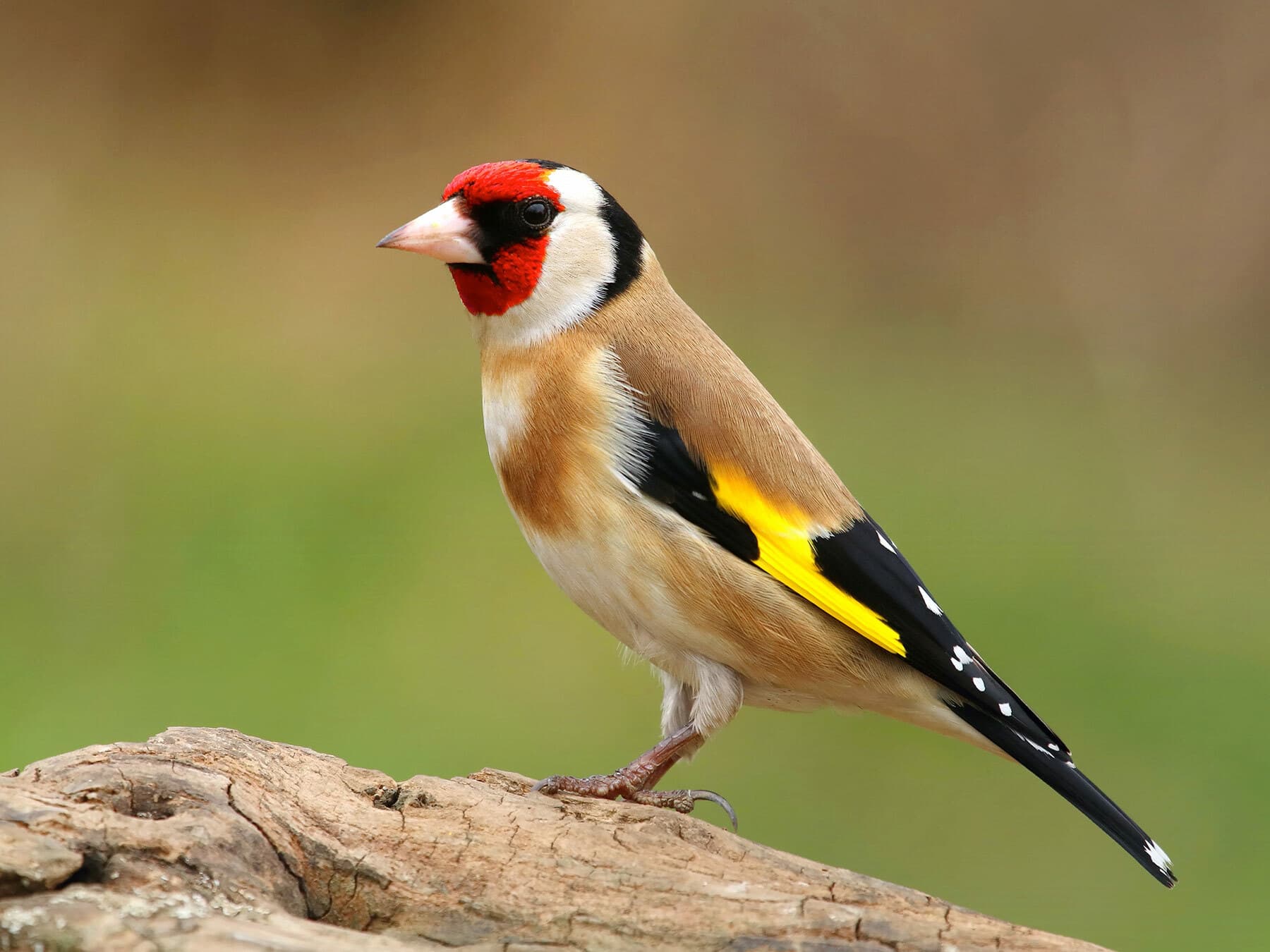
European Goldfinch
Carduelis carduelisLC
A common and colourful resident, often seen in lively flocks feeding on teasel and thistle heads across Suffolk's farmland edges.
Year-round
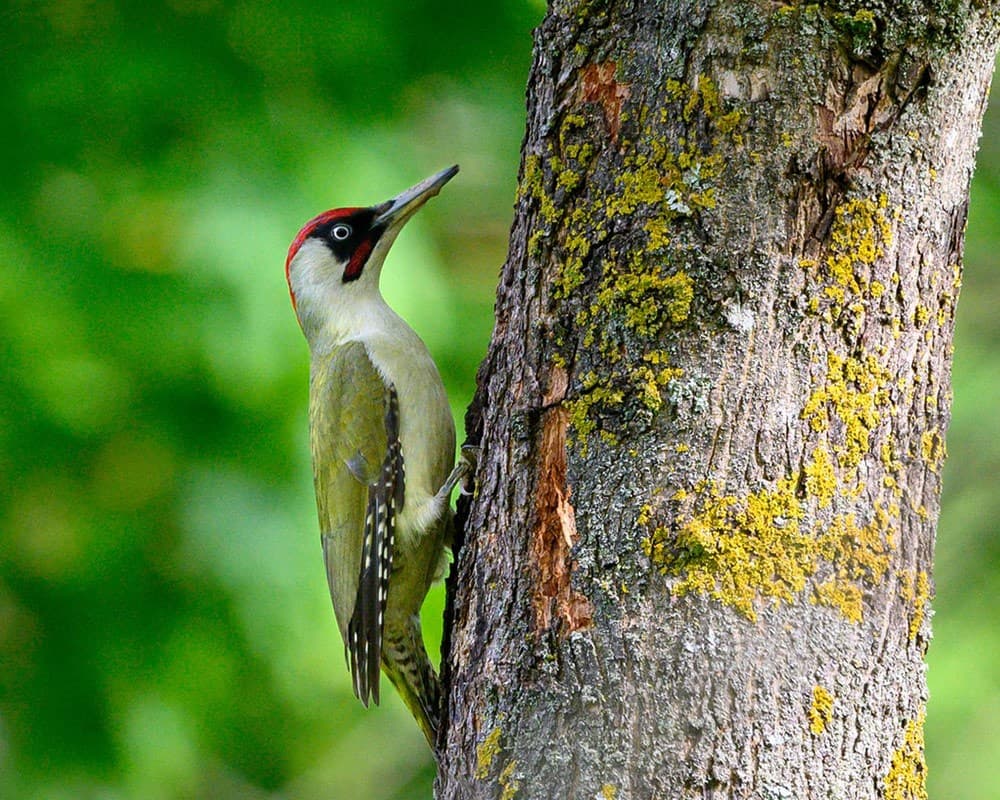
European Green Woodpecker
Picus viridisLC
A common resident of parkland, orchards and woodland edges. Its loud, laughing call is a familiar sound across Suffolk's countryside.
Year-round
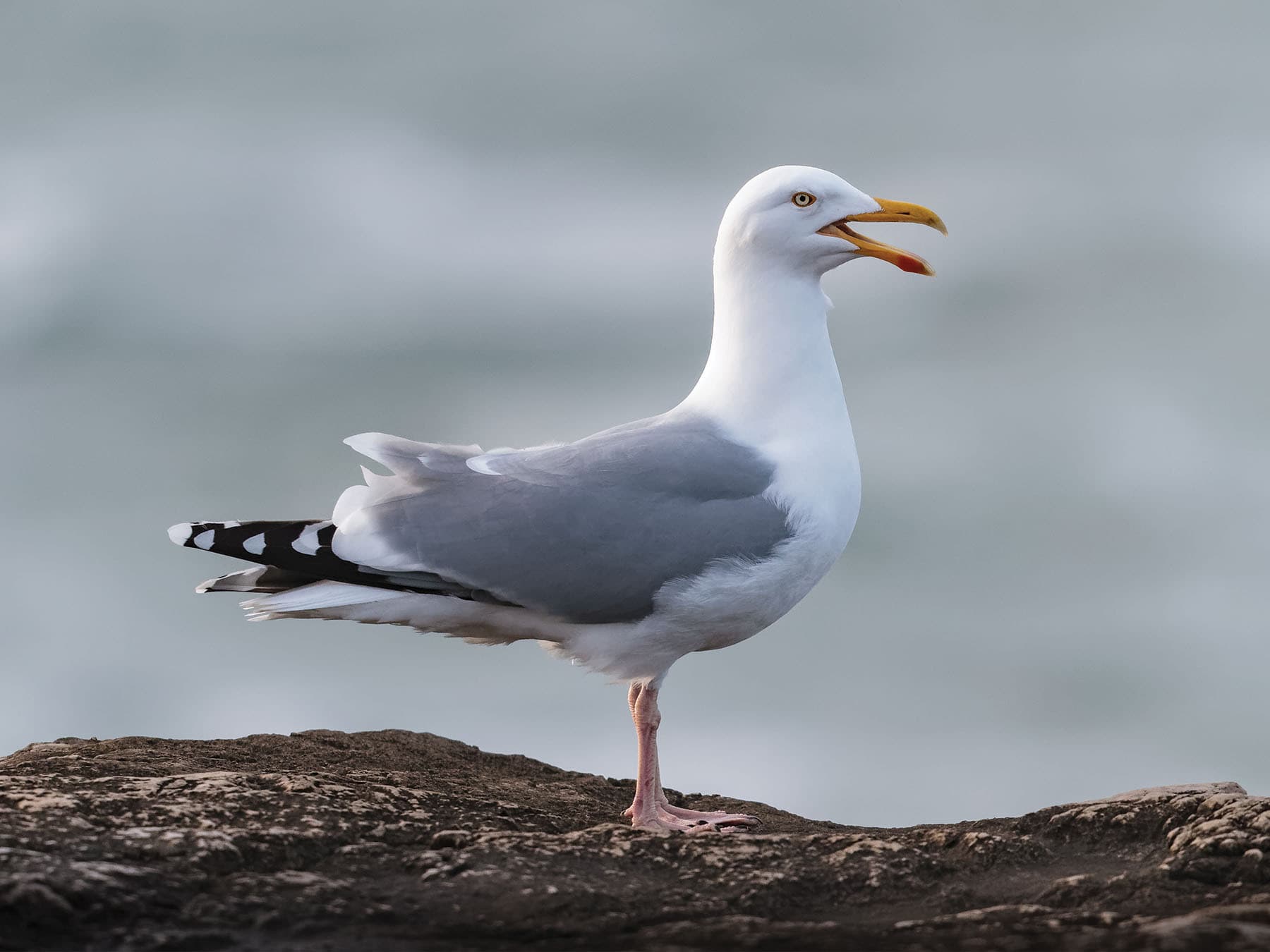
European Herring Gull
Larus argentatusLC
A common resident found along Suffolk's coast, harbours, and towns year-round, though nationally in significant decline.
Year-round
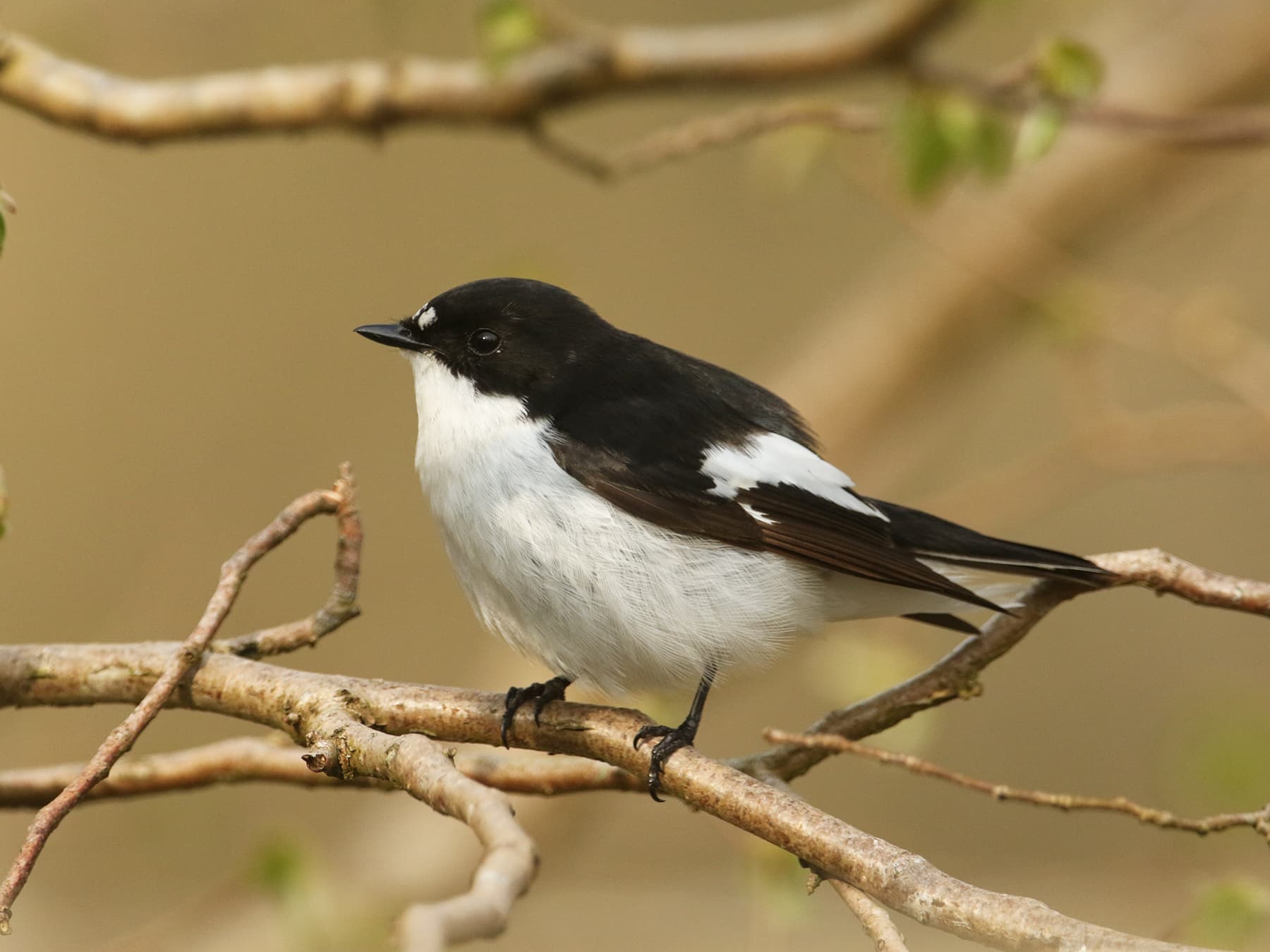
European Pied Flycatcher
Ficedula hypoleucaLC
A rare autumn passage migrant seen in August and September, mainly at coastal sites. Suffolk's east-facing coast catches drift migrants.
Aug–Sep
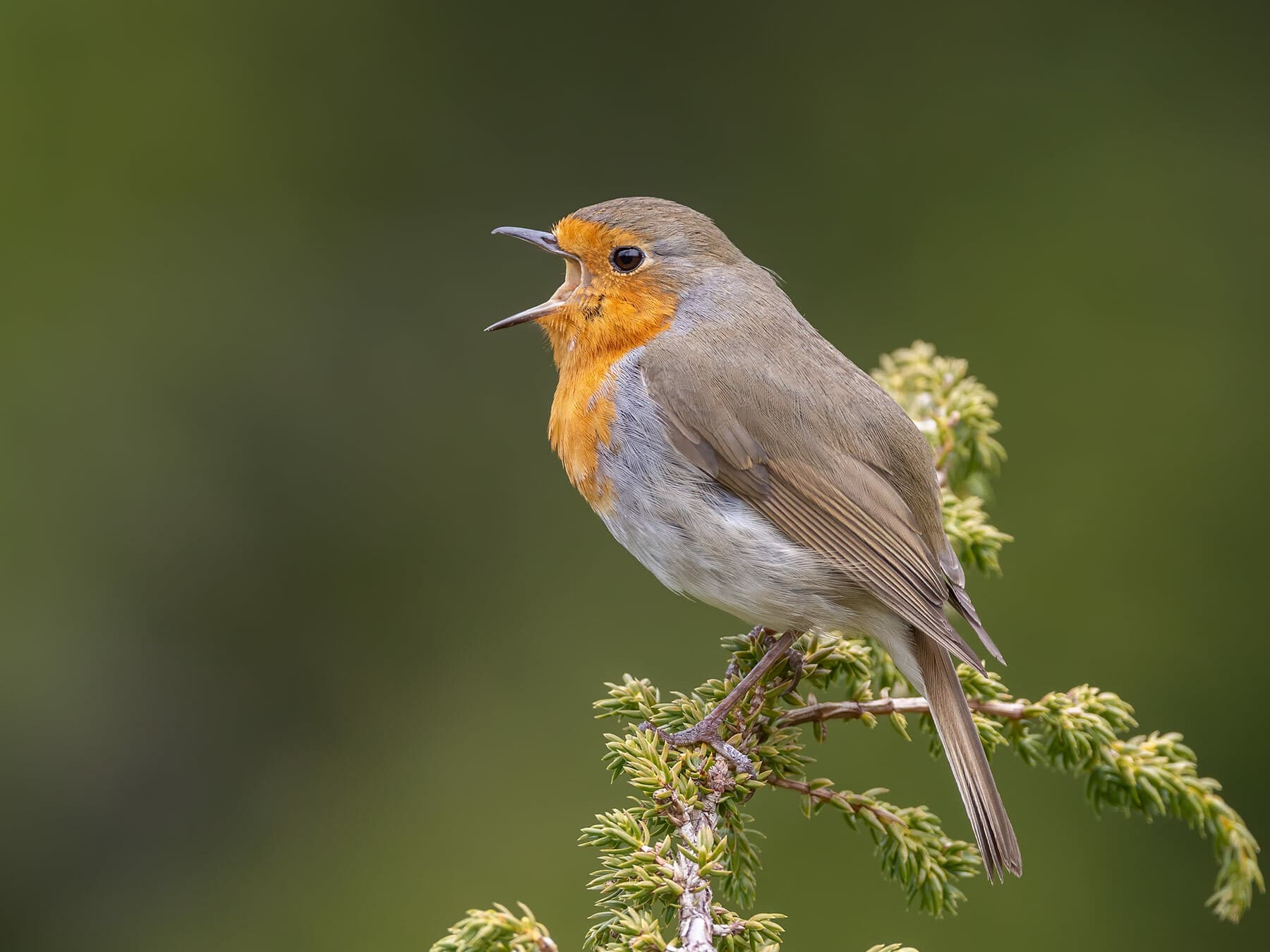
European Robin
Erithacus rubeculaLC
A common and much-loved resident of gardens, woodlands and hedgerows throughout Suffolk. Sings almost year-round across the county.
Year-round
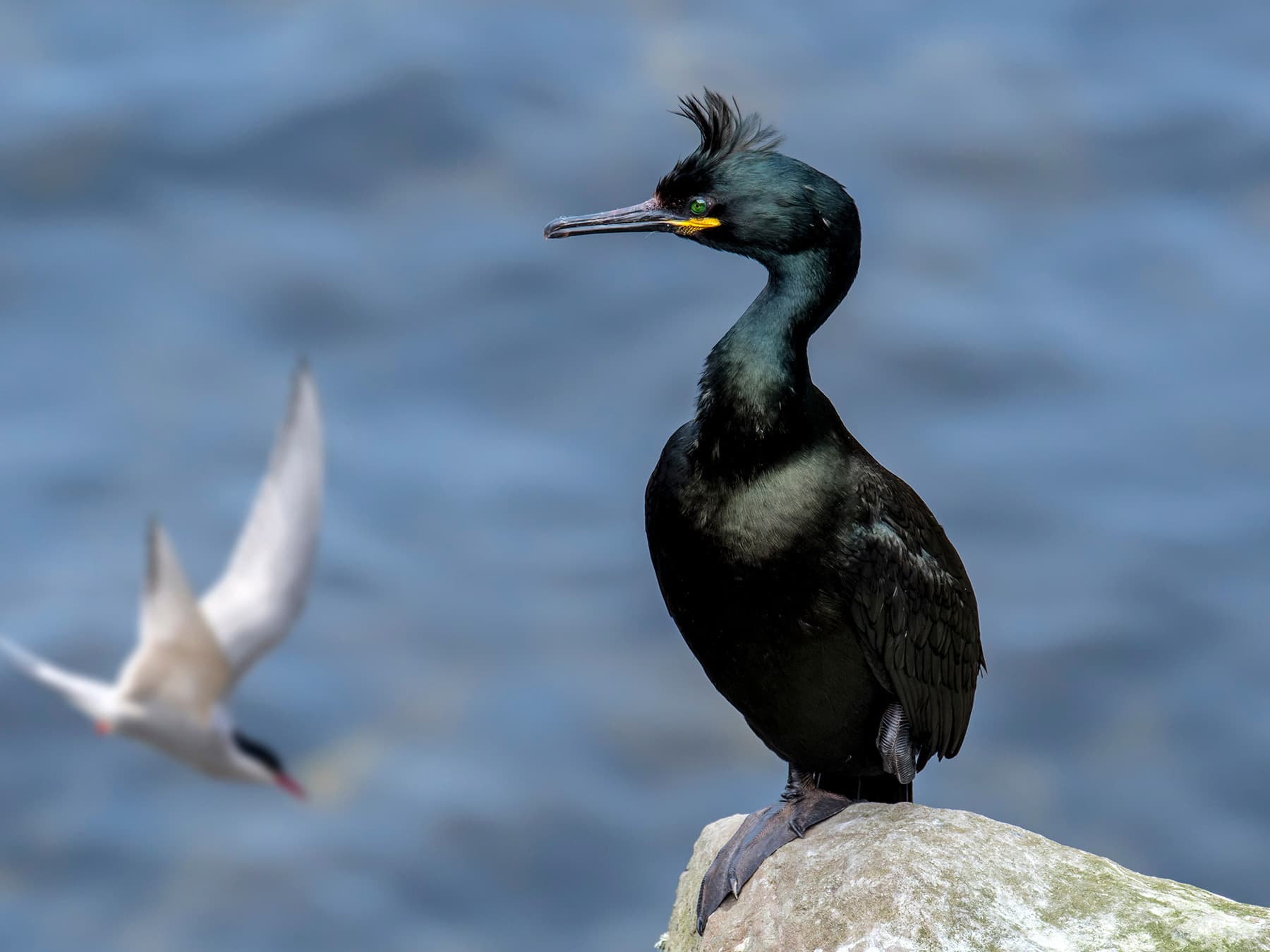
European Shag
Phalacrocorax aristotelisLC
A rare passage visitor, occasionally recorded off the Suffolk coast in winter. Far less common here than the similar Cormorant.
Dec
Spotted something?
Upload a photo to identify it
Identify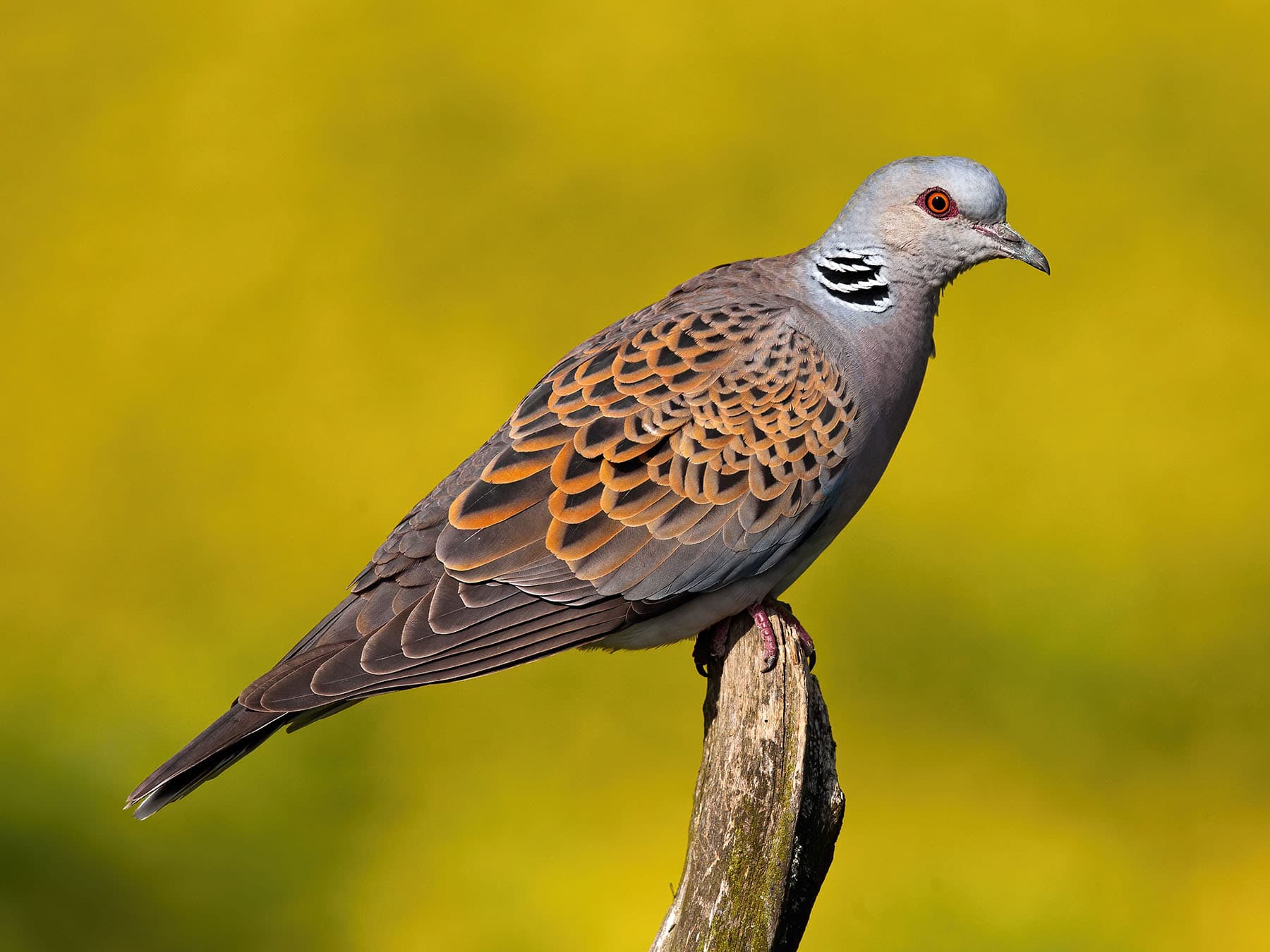
European Turtle-dove
Streptopelia turturVU
A declining summer visitor breeding in Suffolk's hedgerows and farmland from April to September. One of the county's most threatened species.
Apr–Sep
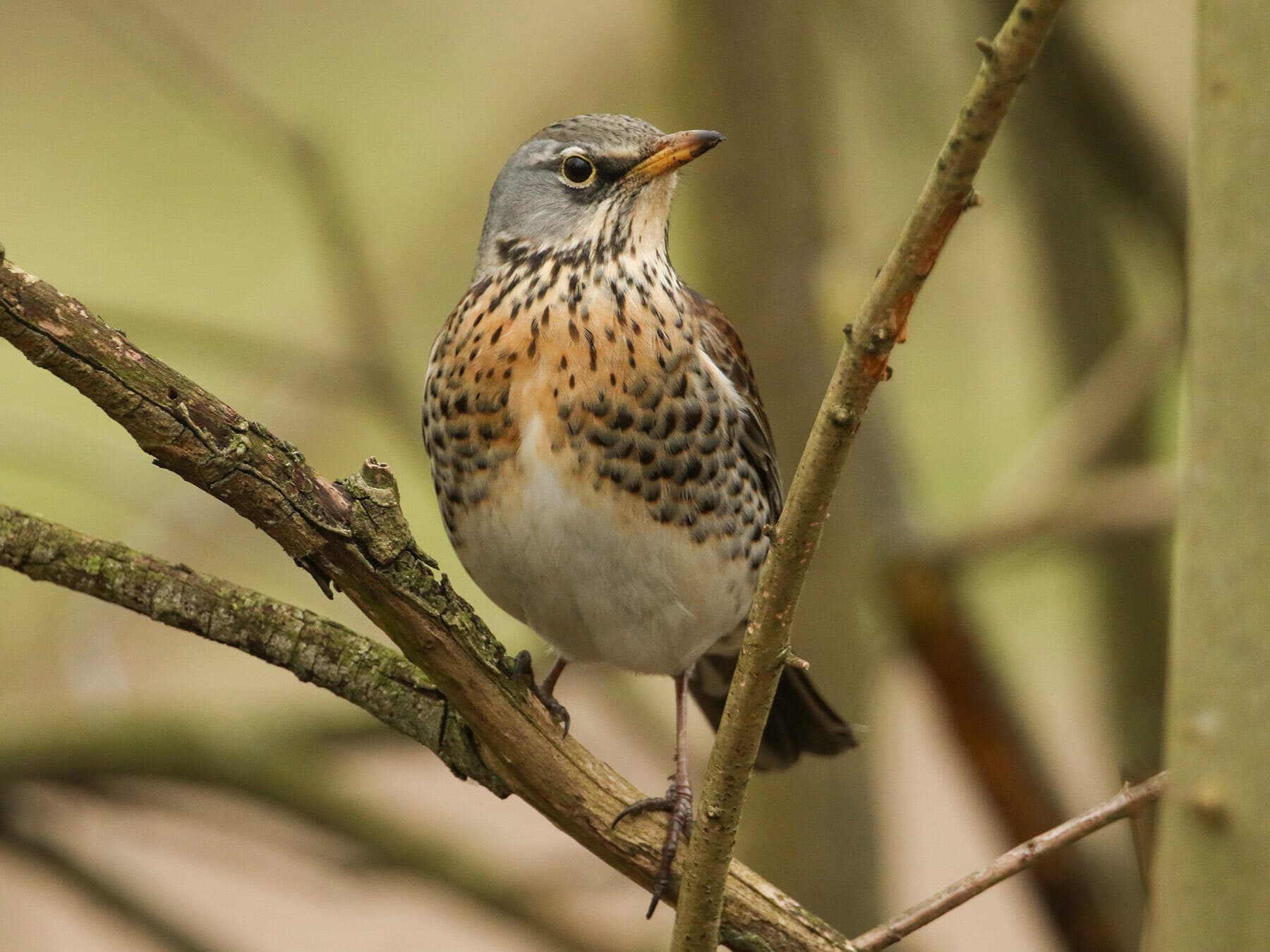
Fieldfare
Turdus pilarisLC
An uncommon winter visitor arriving from Scandinavia, often seen in roving flocks feeding on hedgerow berries across Suffolk's farmland.
Oct–Apr
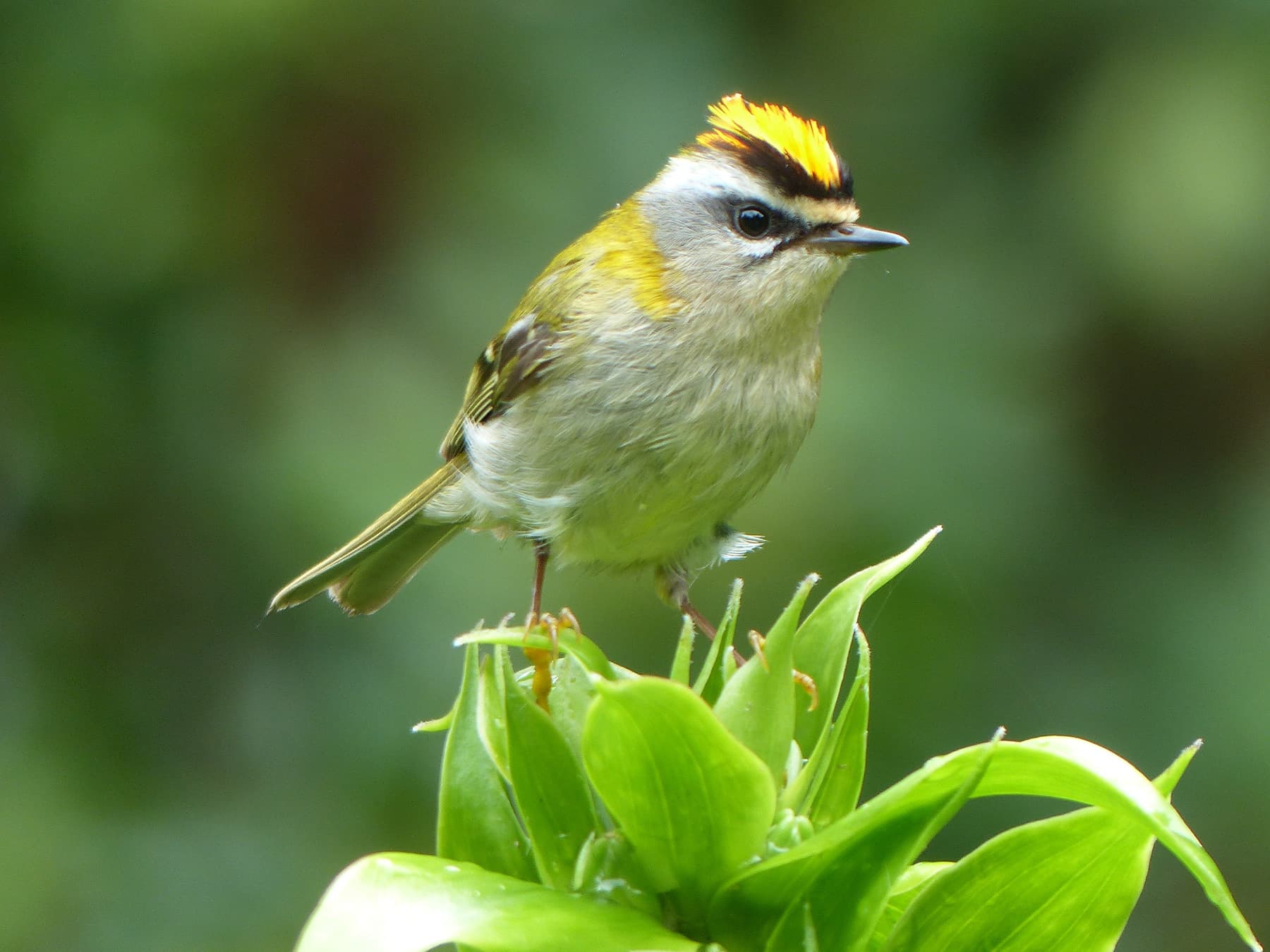
Firecrest
Regulus ignicapillaLC
A rare but increasing resident, found in conifer stands and mixed woodland. Coastal sites attract passage birds in autumn and spring.
Sep–Jun
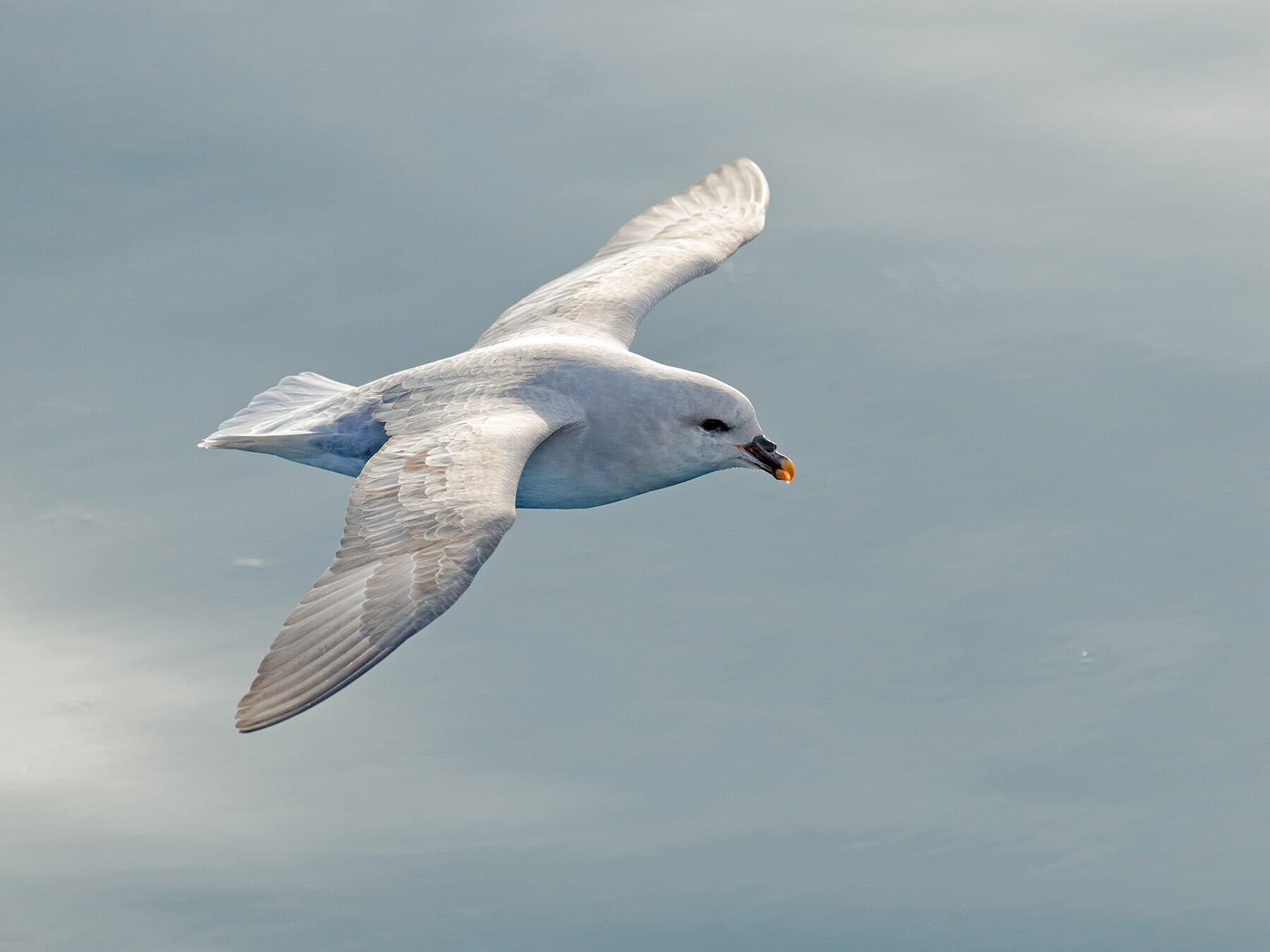
Fulmar
Fulmarus glacialisLC
A rare breeder on Suffolk's coastal cliffs, present from spring into early autumn. Small numbers nest at scattered sites along the coast.
Apr–Sep
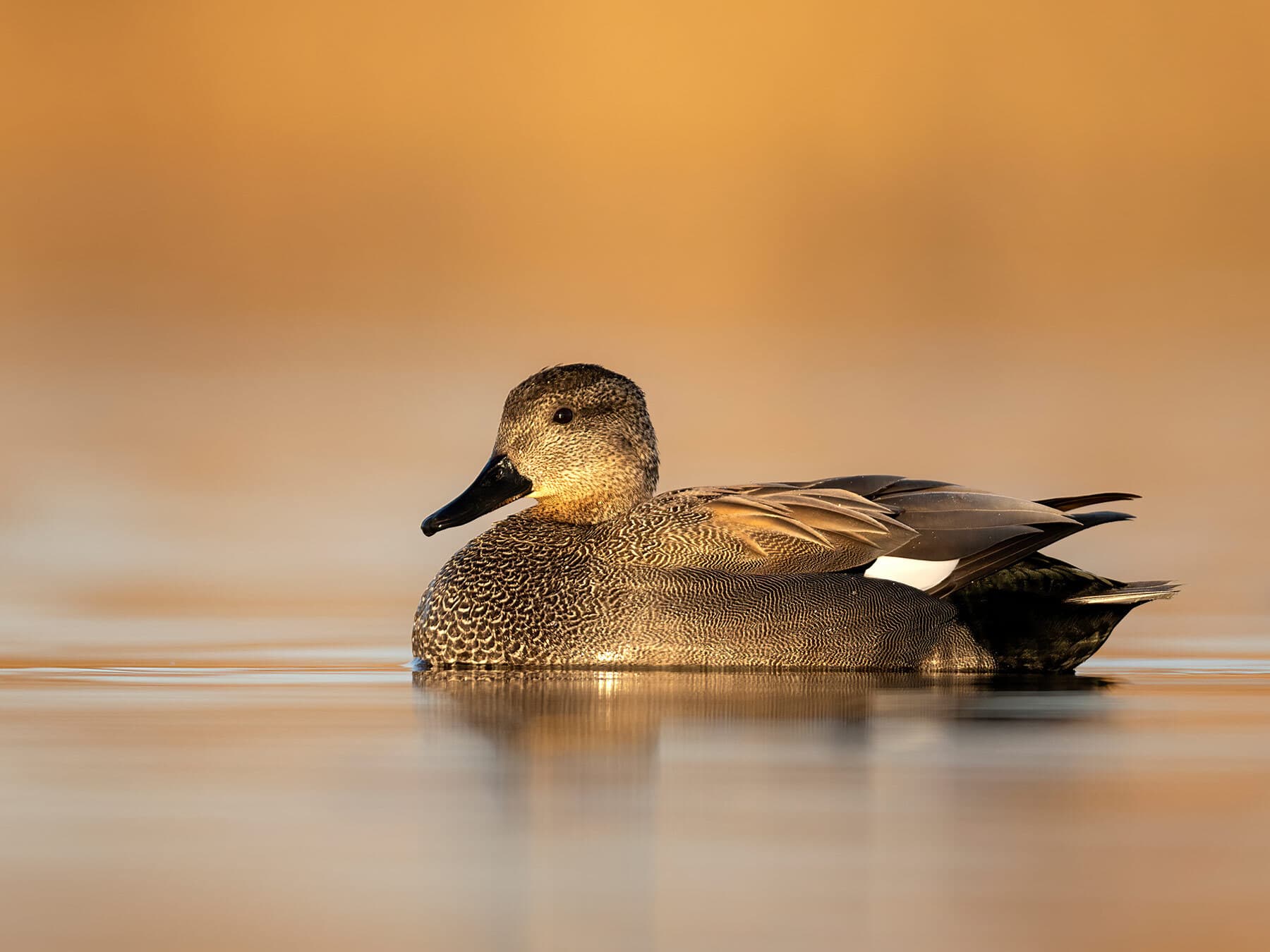
Gadwall
Mareca streperaLC
A common resident found year-round on freshwater lakes and marshes. Suffolk's wetland reserves such as Lackford Lakes hold good numbers.
Year-round
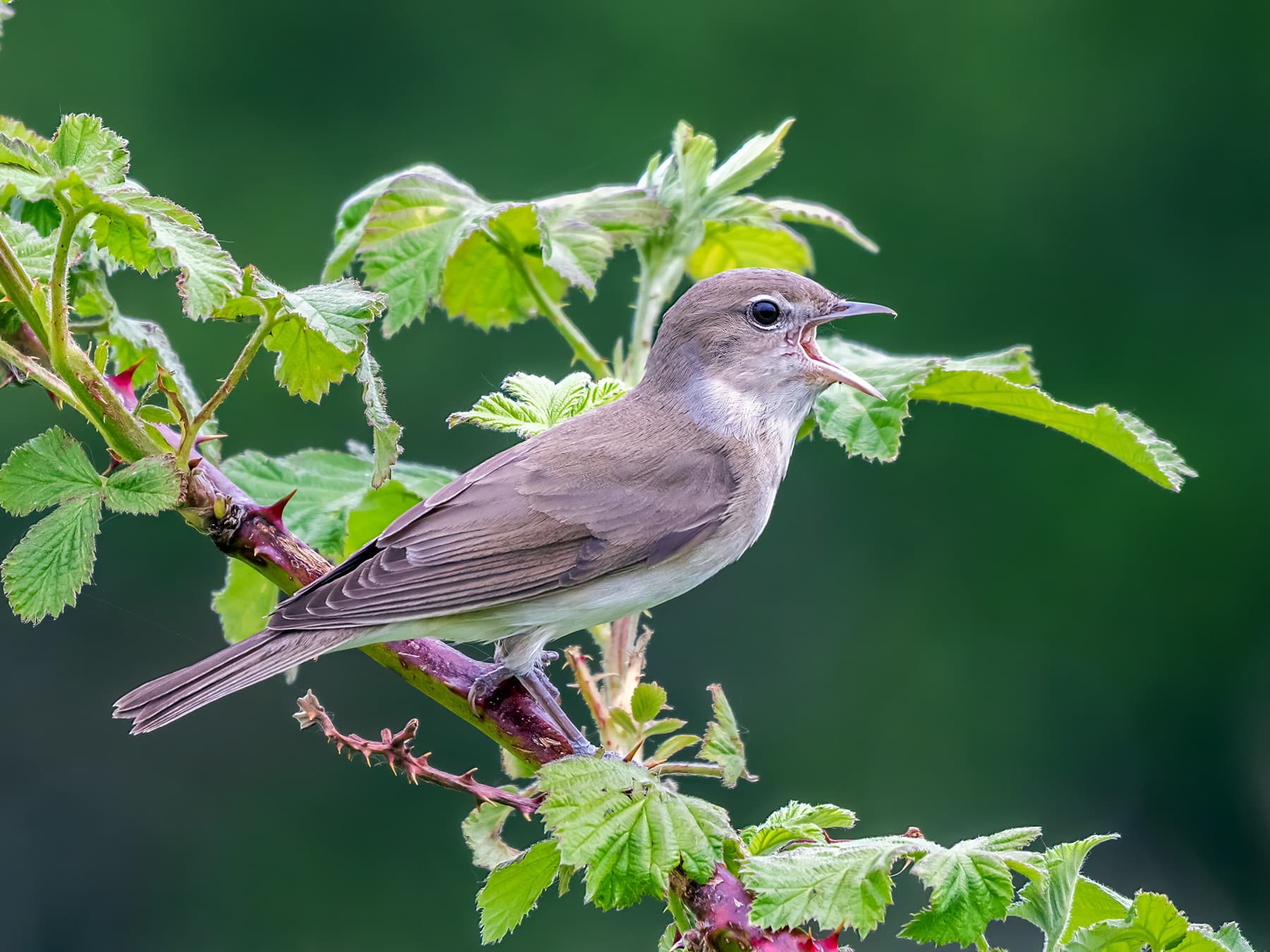
Garden Warbler
Sylvia borinLC
An uncommon summer breeder found in dense woodland undergrowth. Its rich warbling song is easier to detect than the bird itself.
Apr–Sep
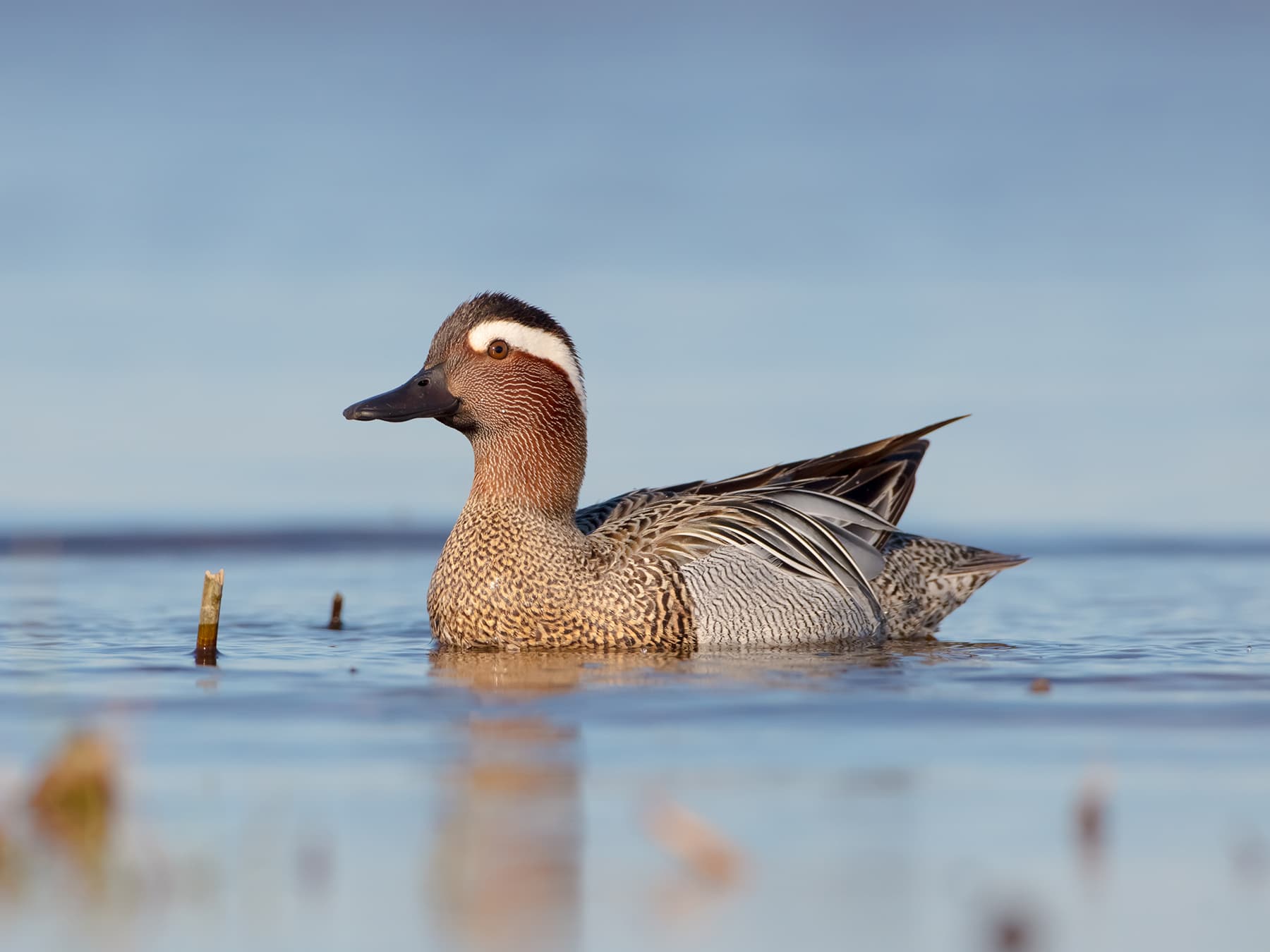
Garganey
Spatula querquedulaLC
A rare summer breeder on Suffolk's wetlands, arriving in spring and departing by September. Minsmere and the Waveney valley are favoured sites.
Mar–Sep
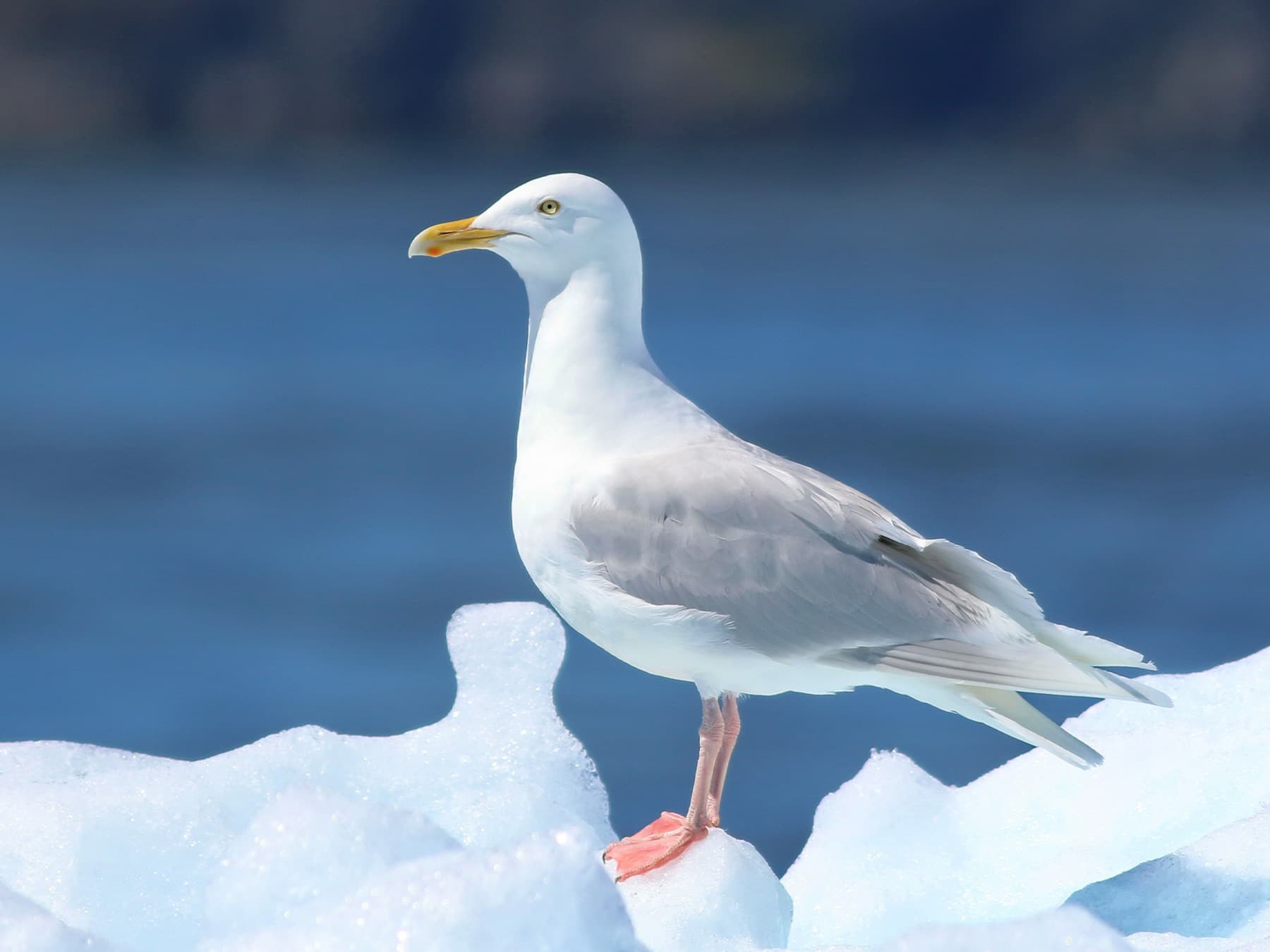
Glaucous Gull
Larus hyperboreusLC
A rare winter visitor to the Suffolk coast, occasionally spotted among gull flocks at harbours and beaches during January cold spells.
Jan
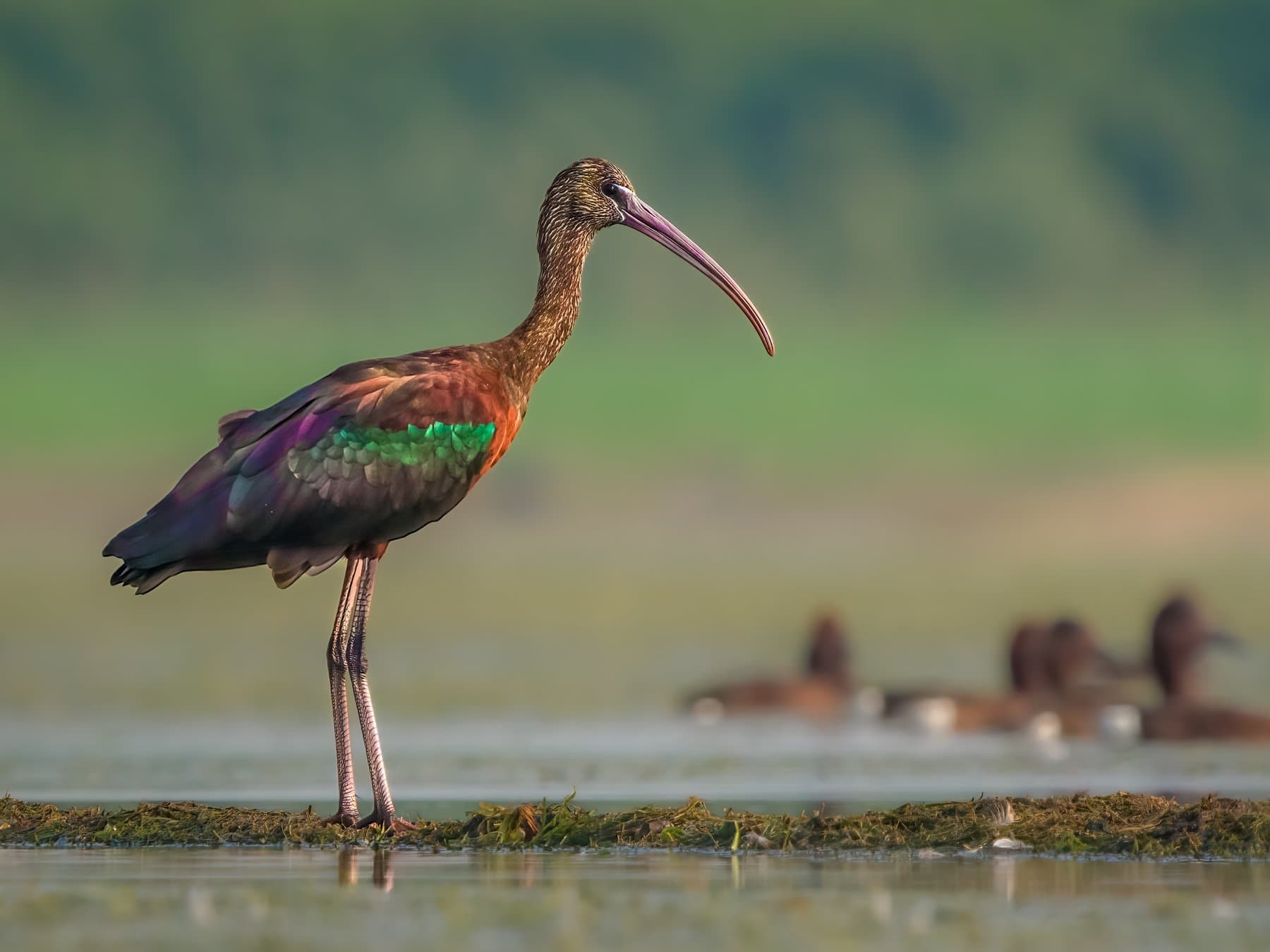
Glossy Ibis
Plegadis falcinellusLC
A rare but increasingly recorded breeder, favouring Suffolk's coastal marshes and wetlands from February to October.
Feb–Oct
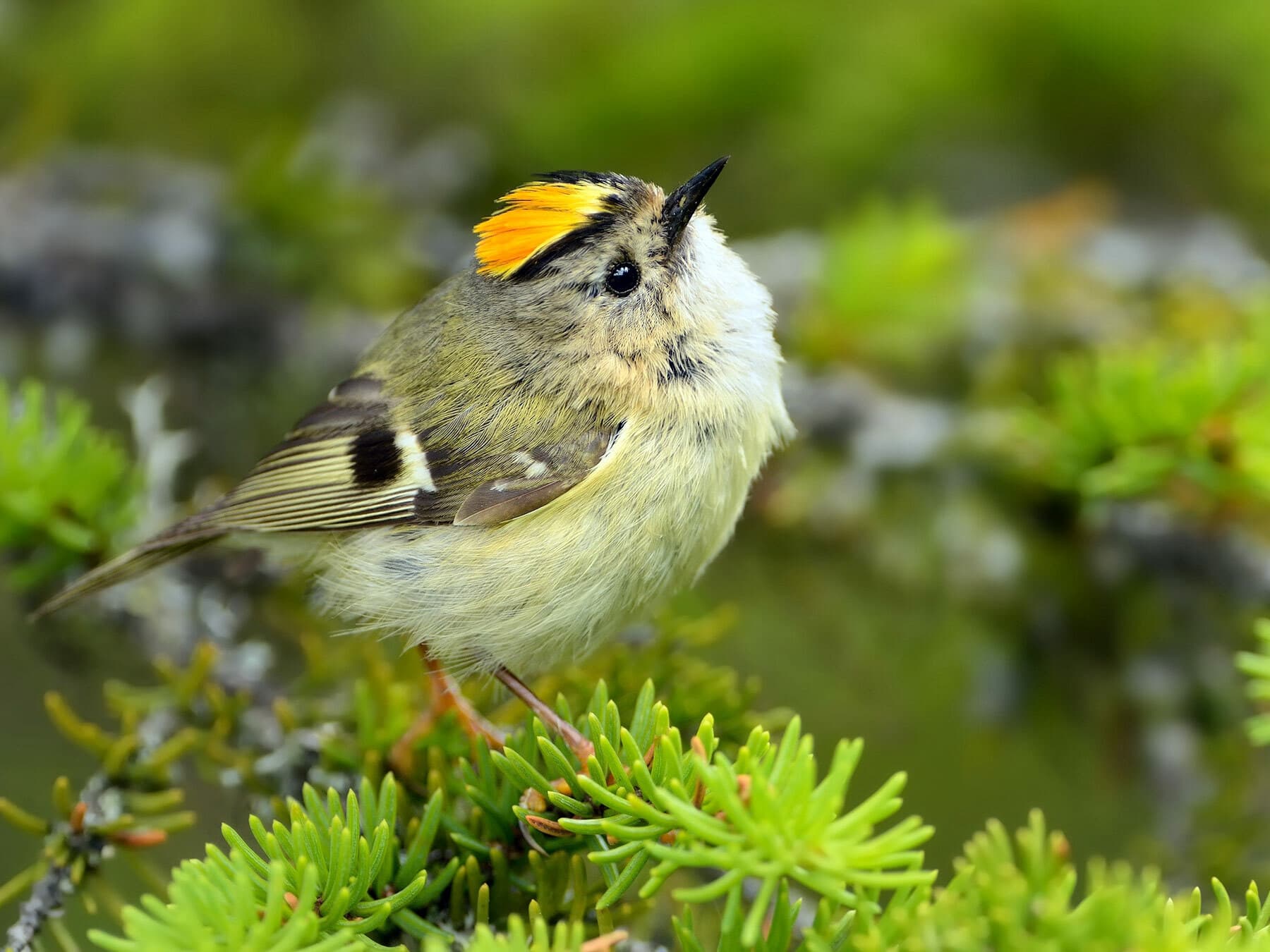
Goldcrest
Regulus regulusLC
Britain's smallest bird, resident in coniferous and mixed woodland year-round. Numbers swell in autumn with continental migrants on the coast.
Year-round
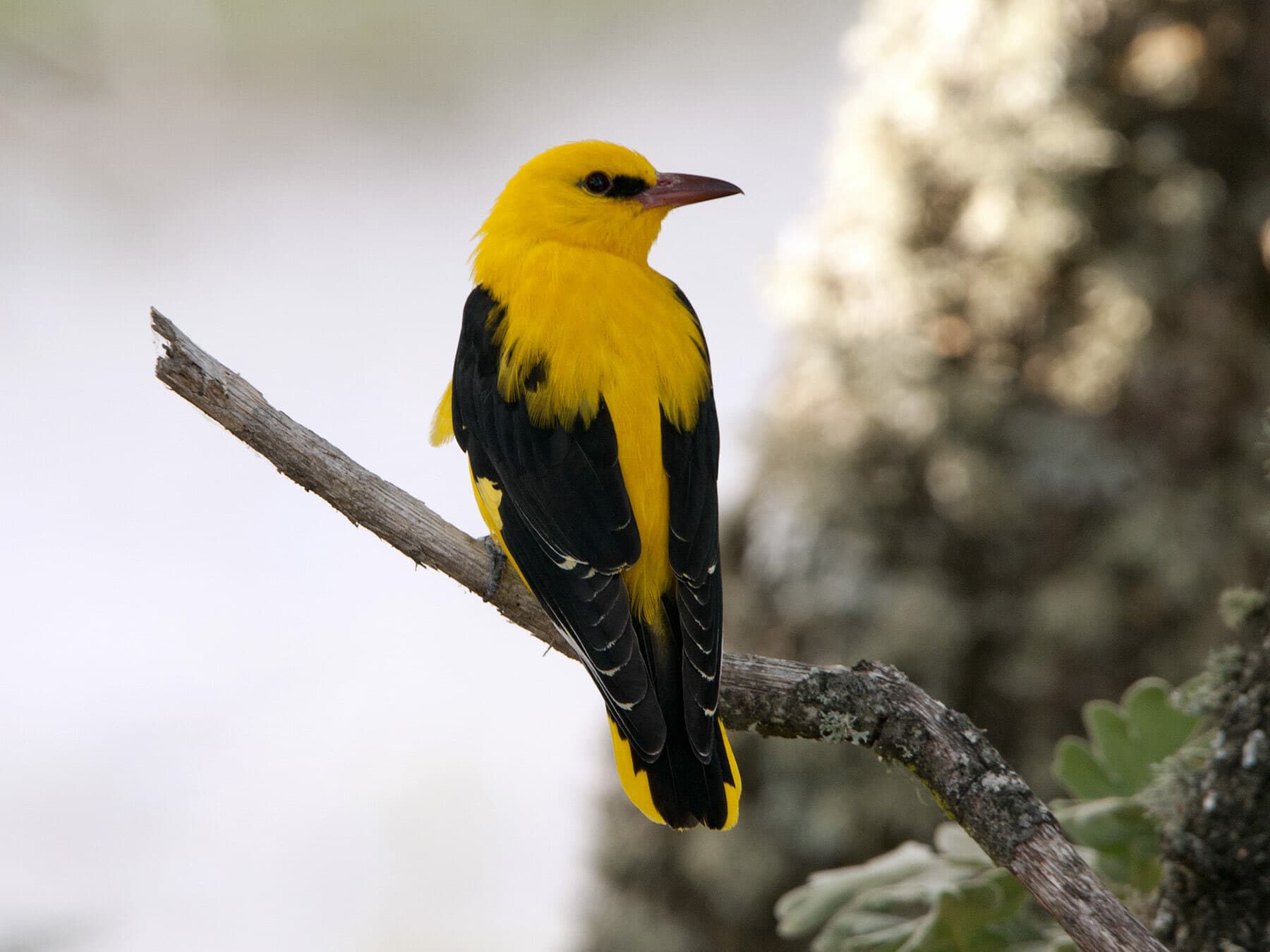
Golden Oriole
Oriolus oriolusLC
A rare and elusive spring passage migrant in May and June. Suffolk's poplar plantations were once a breeding stronghold.
May–Jun
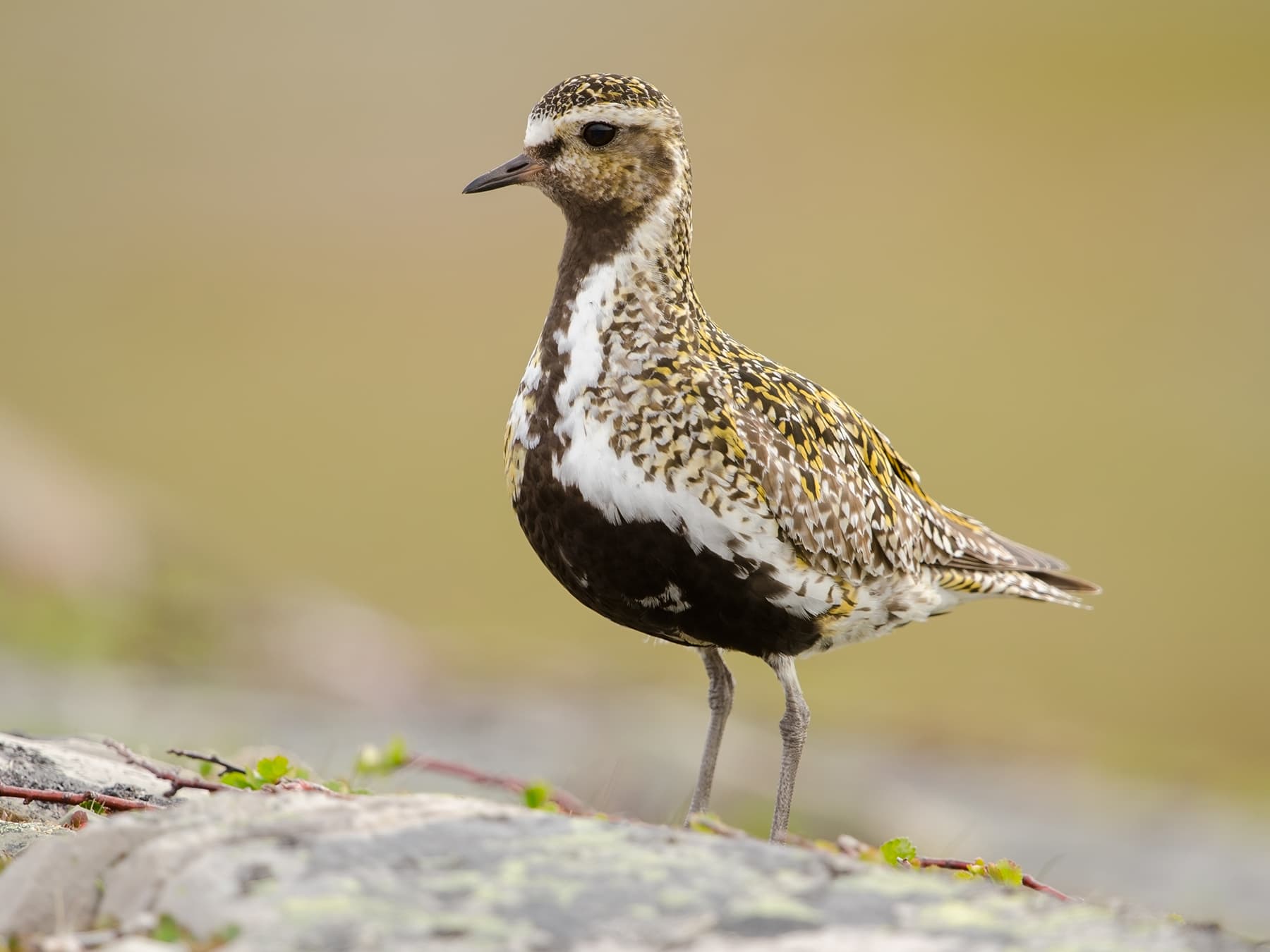
Golden Plover
Pluvialis apricariaLC
An uncommon visitor to ploughed fields and coastal marshes, mainly outside summer. Large winter flocks sometimes gather on arable land inland.
Jul–Apr
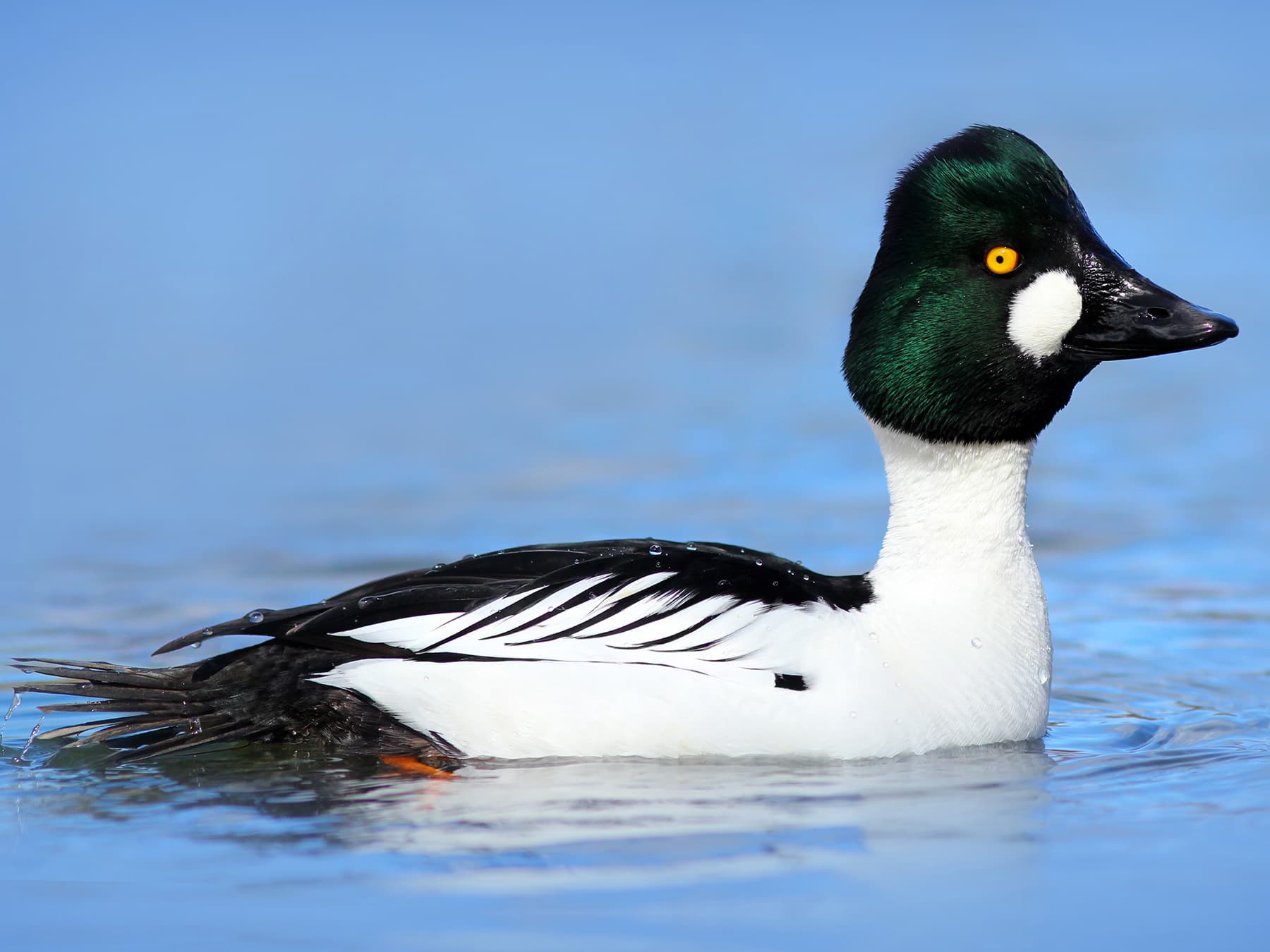
Goldeneye
Bucephala clangulaLC
An uncommon winter visitor to Suffolk's reservoirs and estuaries, diving for fish and invertebrates from October to April.
Oct–Apr
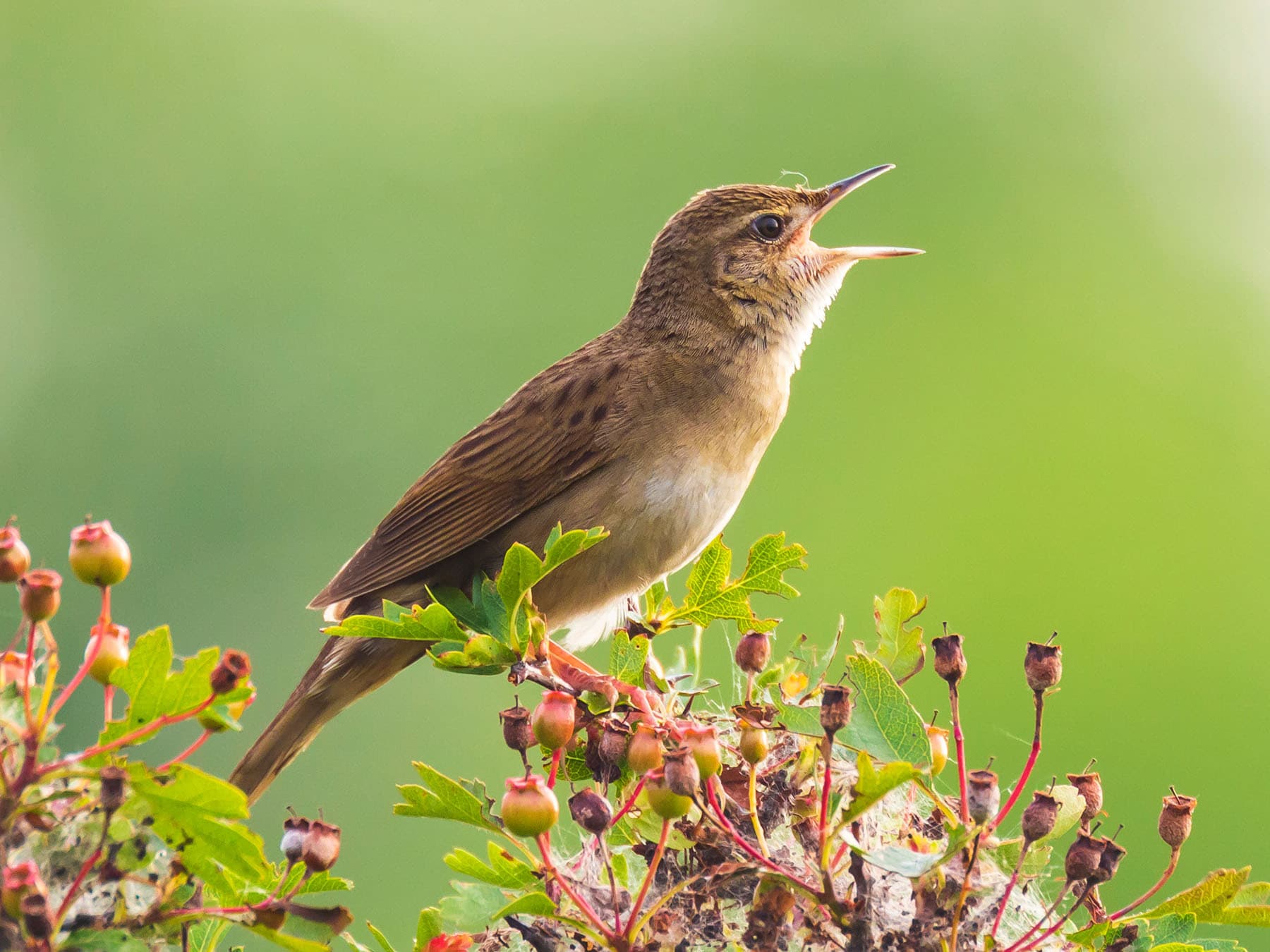
Grasshopper Warbler
Locustella naeviaLC
A rare breeding visitor from April to July, skulking in dense scrub on heathland and marshes. Best detected by its insect-like reeling song.
Apr–Jul
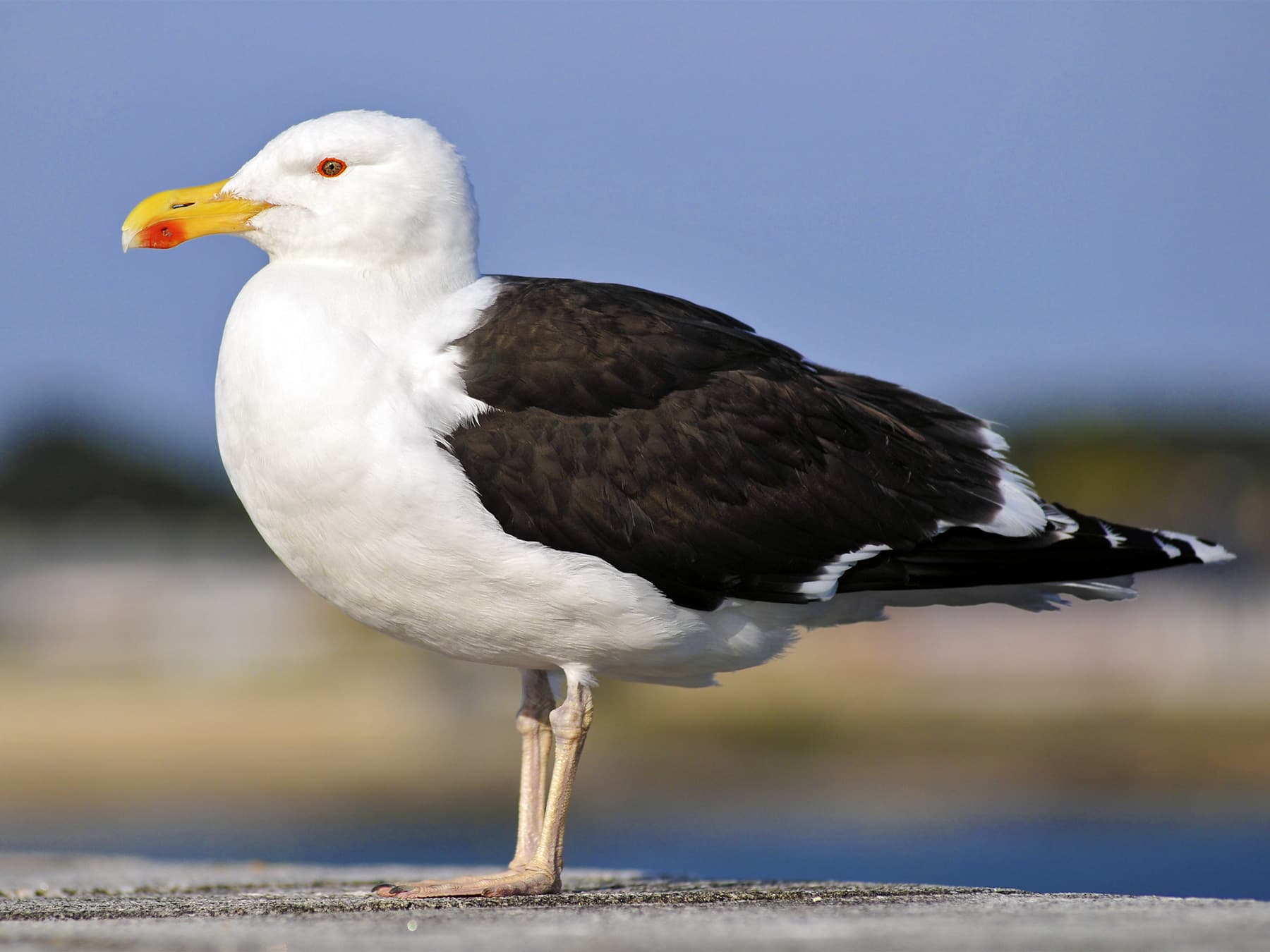
Great Black-backed Gull
Larus marinusLC
A common resident found year-round along the coast, estuaries and at landfill sites. The largest British gull species.
Year-round