Birds in Suffolk
Explore 226 species found in this region.
Suffolk is a remarkable county for birdwatching, with 218 recorded species thriving across its diverse landscapes of coastal marshes, estuaries, heathlands, and ancient woodlands. The county's renowned reserves, including RSPB Minsmere and the Suffolk Coast, attract an impressive range of birds from elegant Common Shelducks and Northern Lapwings on the wetlands to elusive Great Grey Shrikes on the heaths. Whether you're scanning mudflats for Common Sandpipers or listening for Eurasian Woodcock roding at dusk, Suffolk offers outstanding birding opportunities throughout the year.
Visiting in September? Look out for Buff-breasted Sandpiper and Common Redpoll arriving this month, and Gull-billed Tern and Little Tern depart for the season.


Showing 47–69 of 226 species
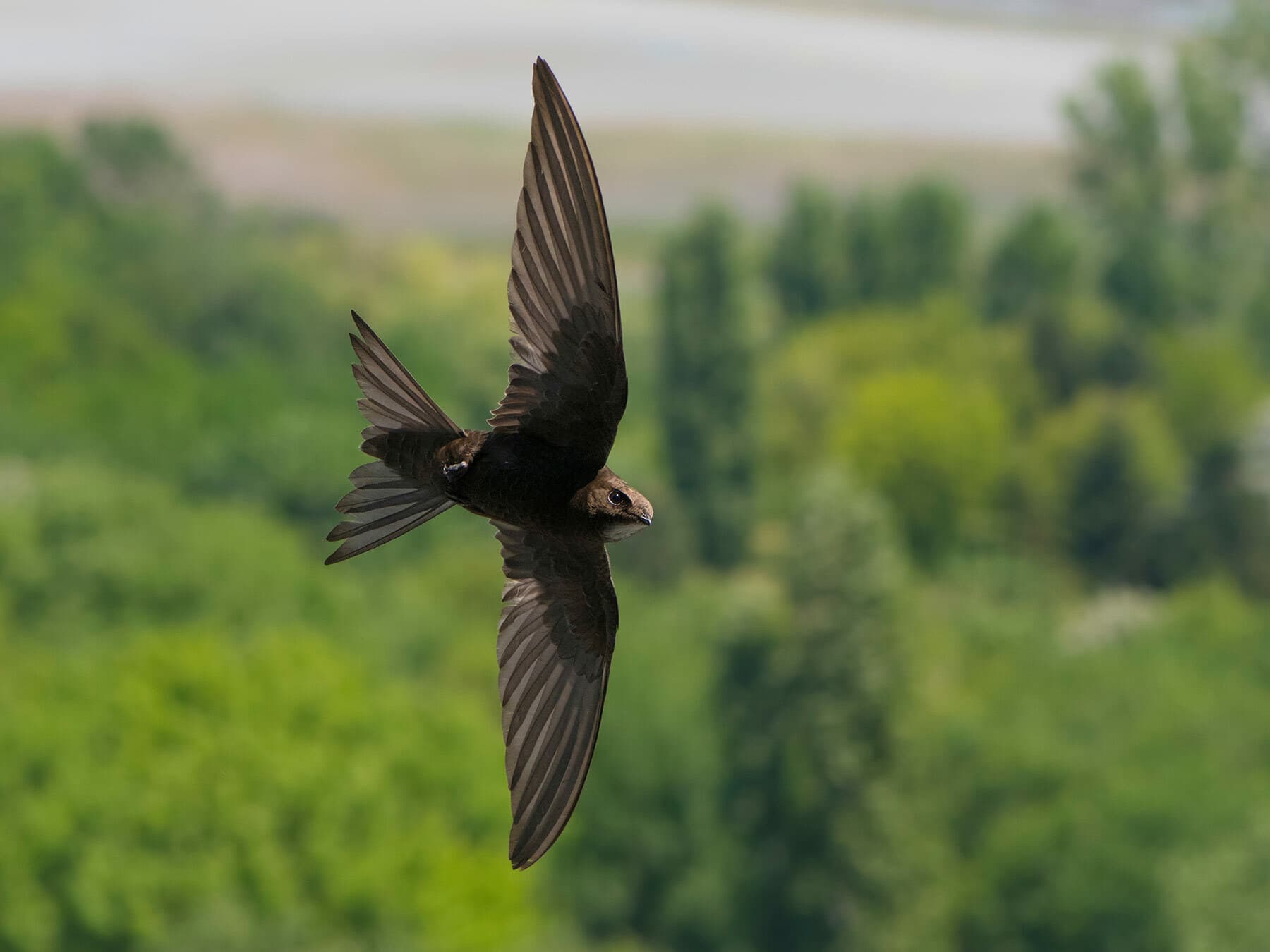
Common Swift
Apus apusLC
Screaming parties wheel over Suffolk towns and villages from late April, nesting under eaves before departing by September.
Apr–Sep
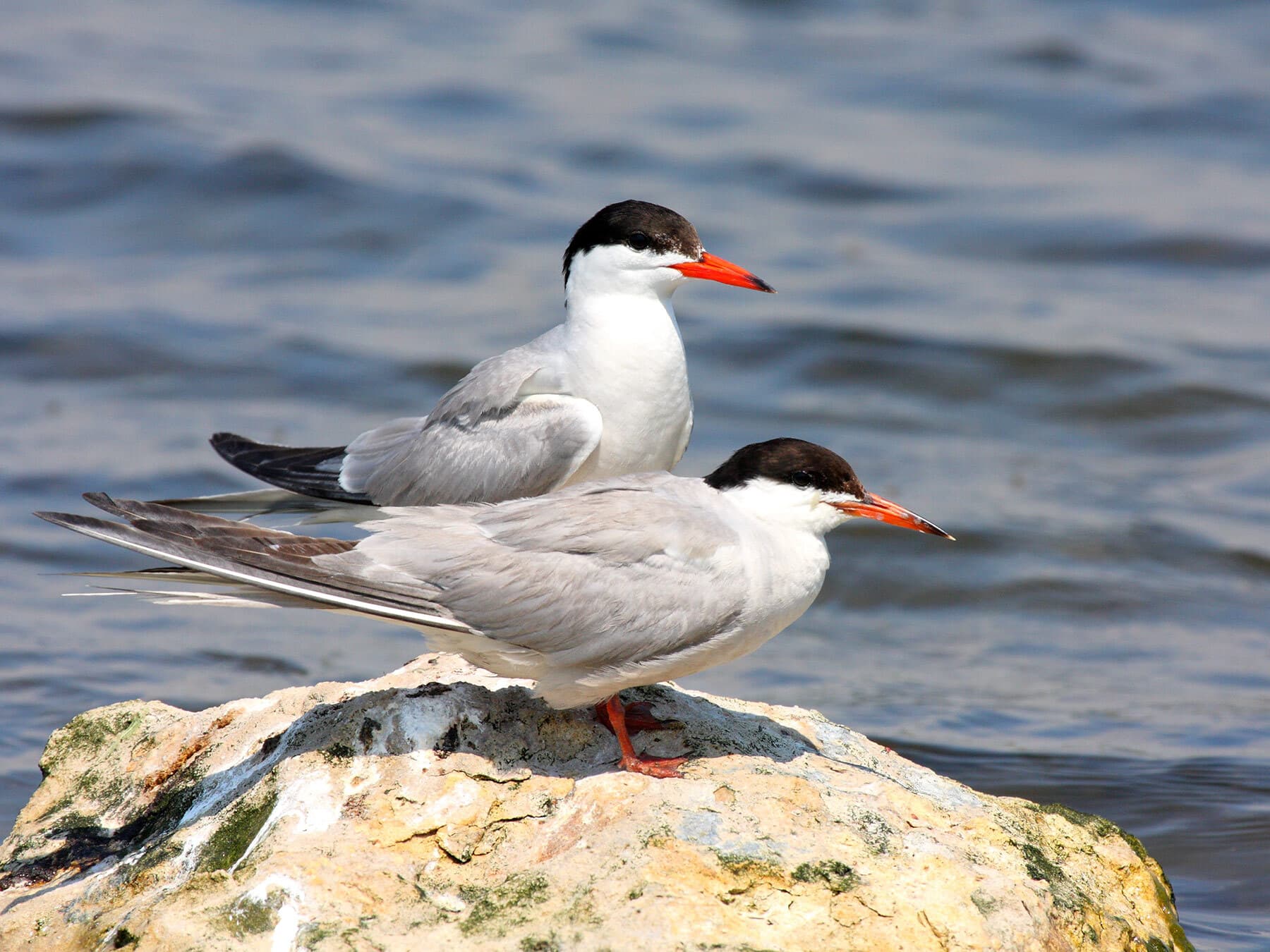
Common Tern
Sterna hirundoLC
A common summer breeder at coastal colonies and inland gravel pits, arriving in April. Minsmere and the Alde-Ore estuary host key sites.
Apr–Oct
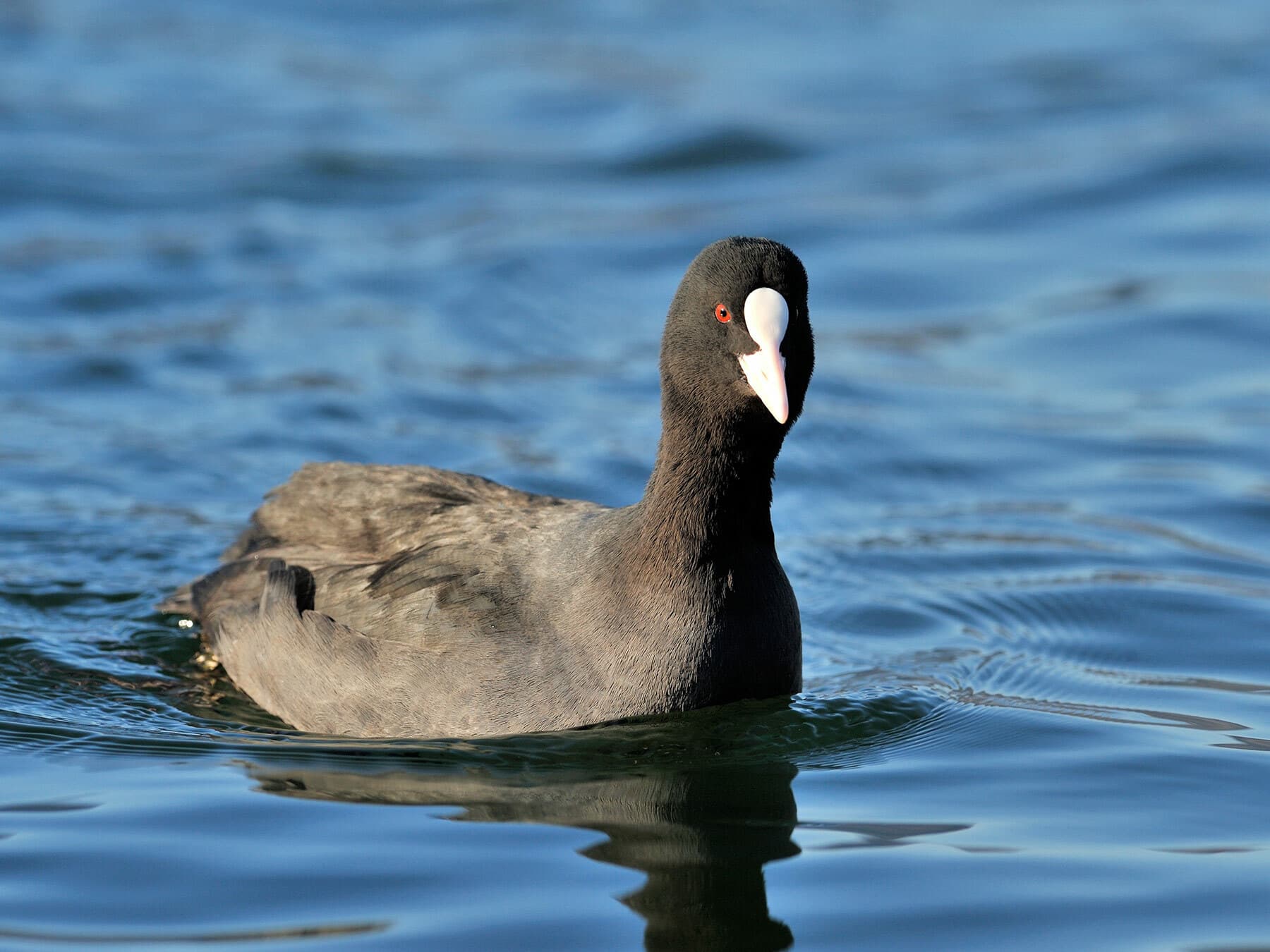
Coot
Fulica atraLC
A common resident on Suffolk's lakes, reservoirs, and marshes, often forming large flocks in winter at sites like Minsmere.
Year-round
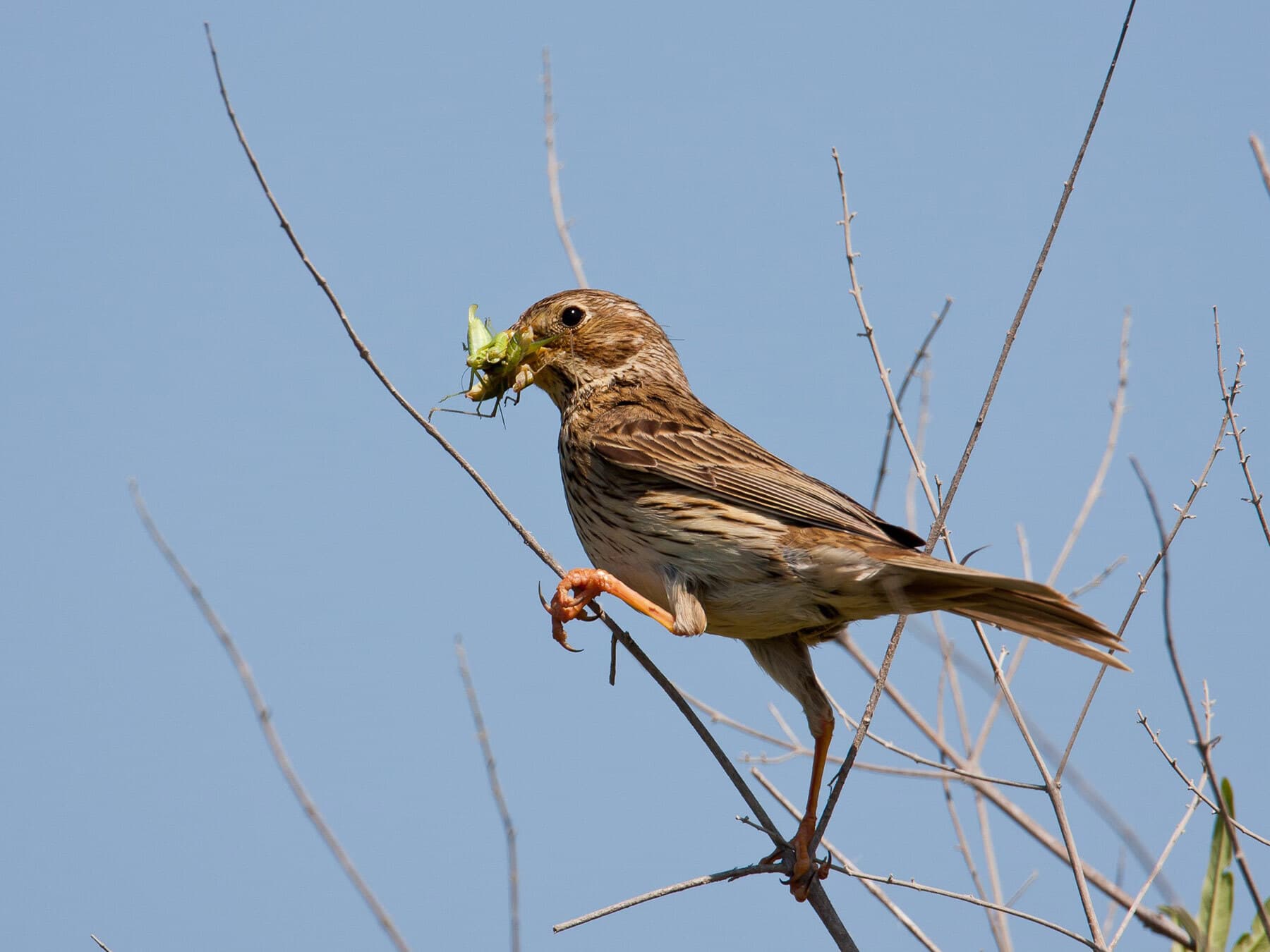
Corn Bunting
Emberiza calandraLC
A rare and declining breeding species on Suffolk's arable farmland from May to July. One of the county's most threatened birds.
May–Jul
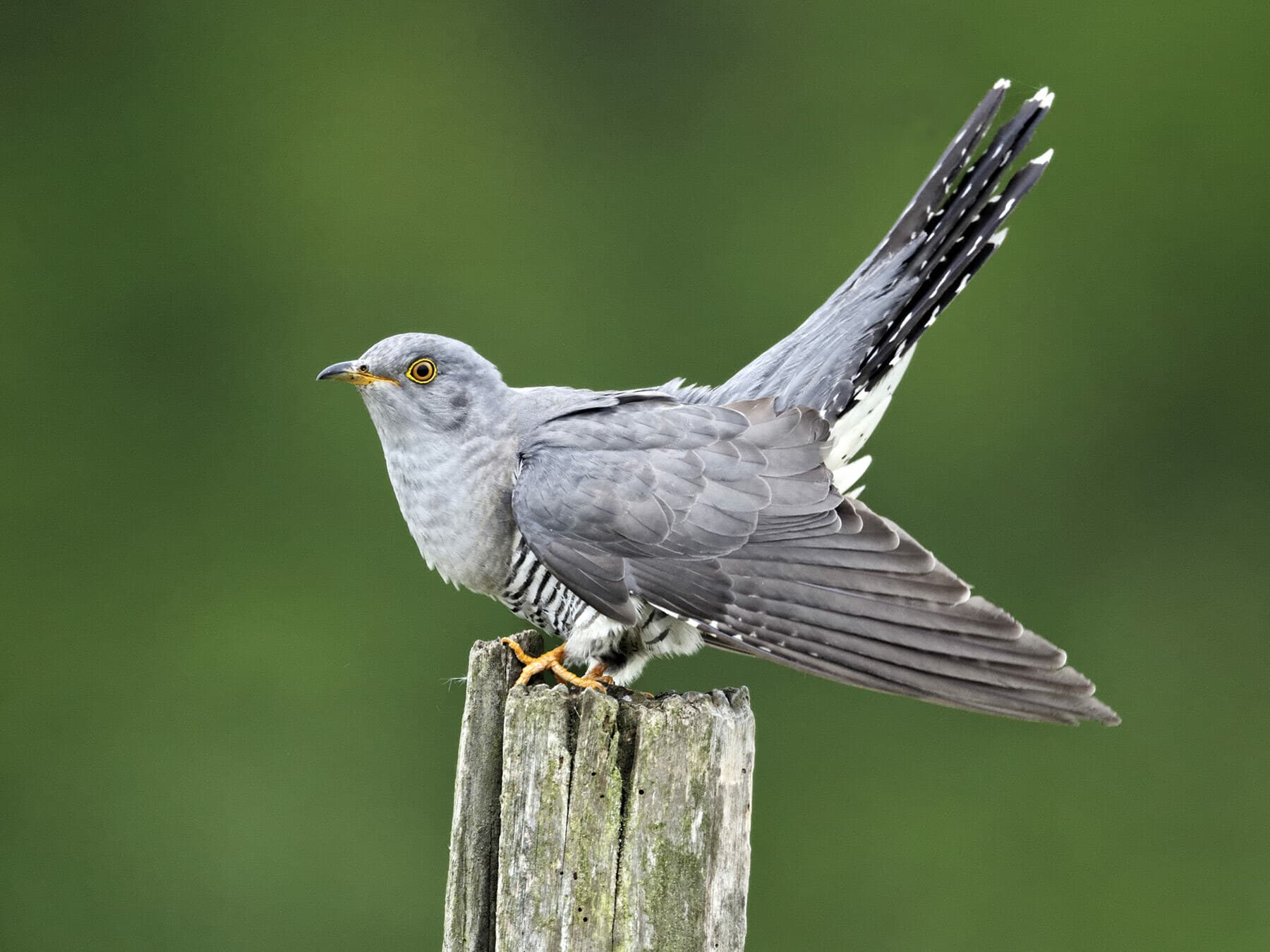
Cuckoo
Cuculus canorusLC
A declining summer visitor whose distinctive call echoes across Suffolk's reedbeds and heathlands from April to September.
Apr–Sep
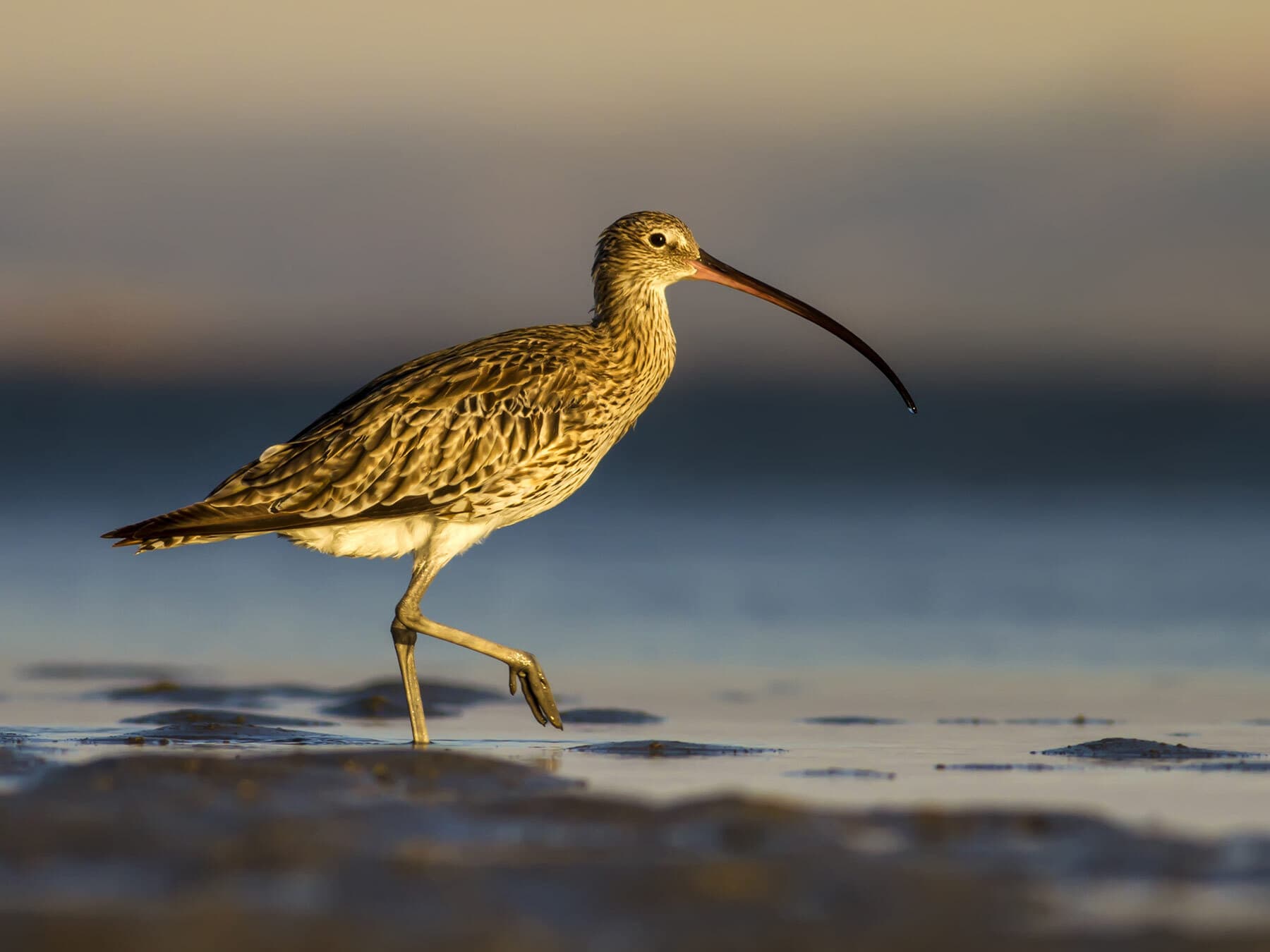
Curlew
Numenius arquataNT
Present year-round on Suffolk's estuaries and marshes, with winter flocks swelled by continental birds at sites like the Deben.
Year-round
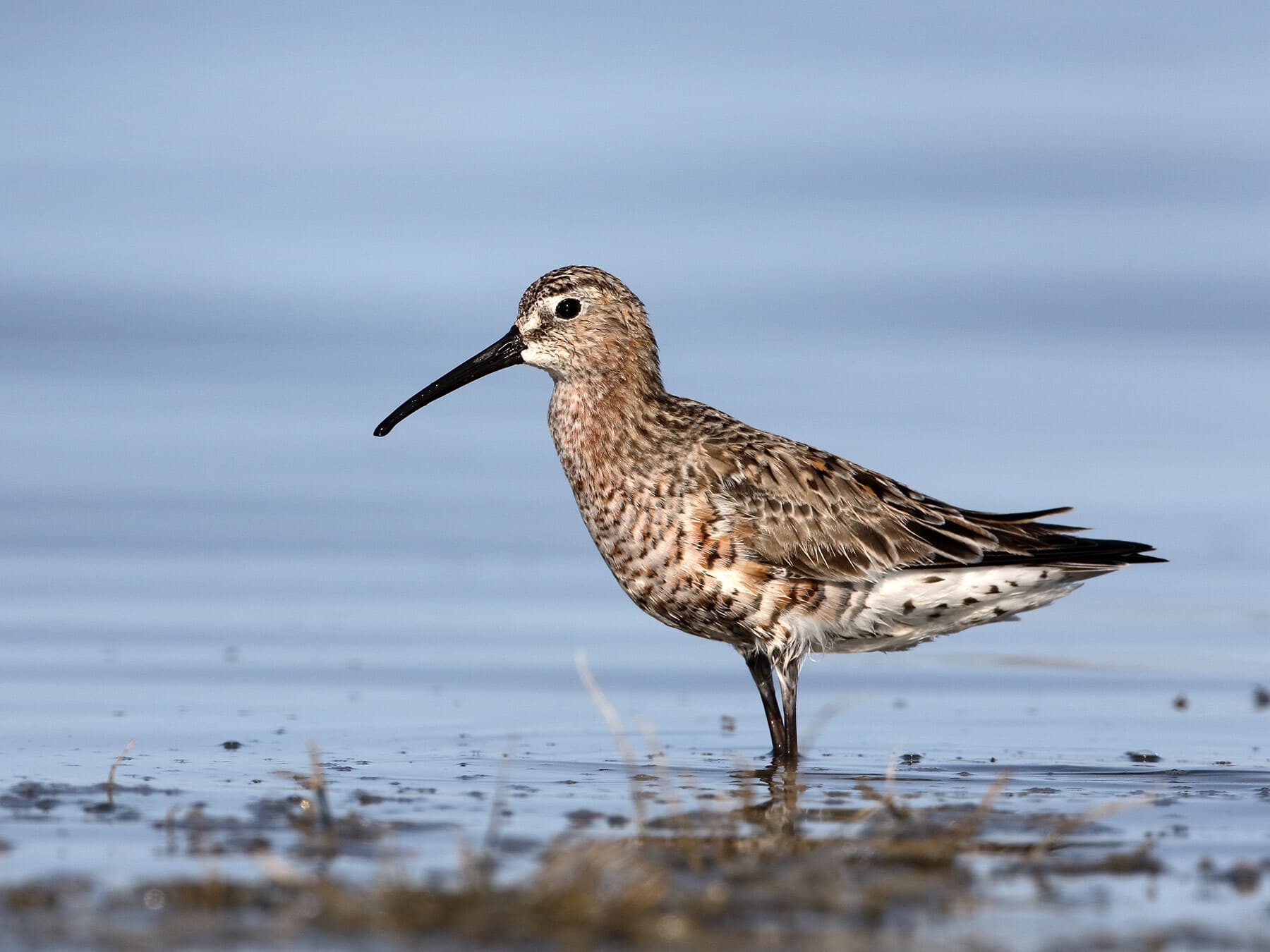
Curlew Sandpiper
Calidris ferrugineaNT
A rare but eagerly sought passage wader, most likely at coastal scrapes and lagoons from July to October, often mixing with Dunlin flocks.
May–Oct
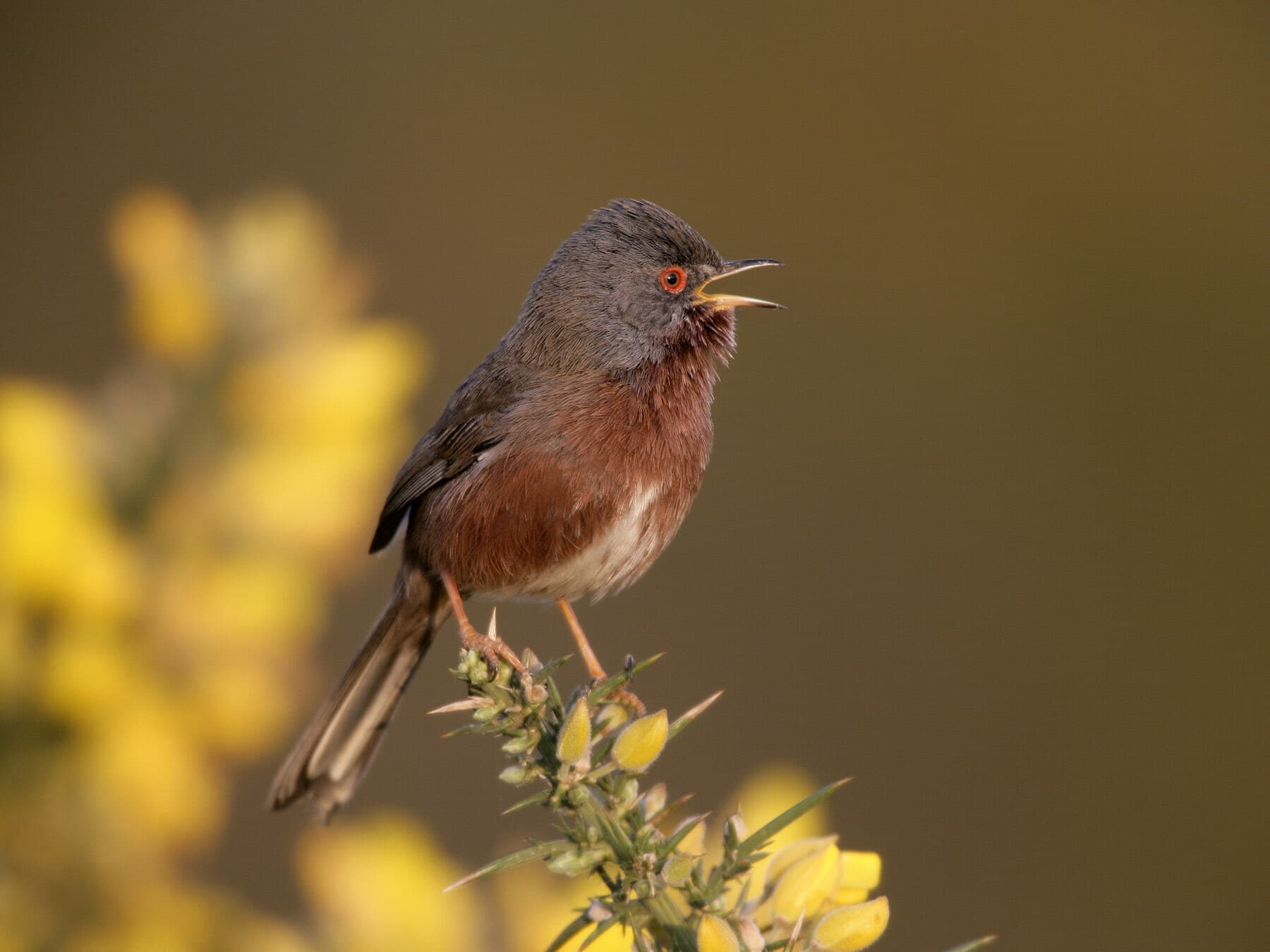
Dartford Warbler
Curruca undataNT
An uncommon resident of Suffolk's lowland heaths, favouring dense gorse. Vulnerable to harsh winters but slowly increasing in range.
Year-round
Spotted something?
Upload a photo to identify it
Identify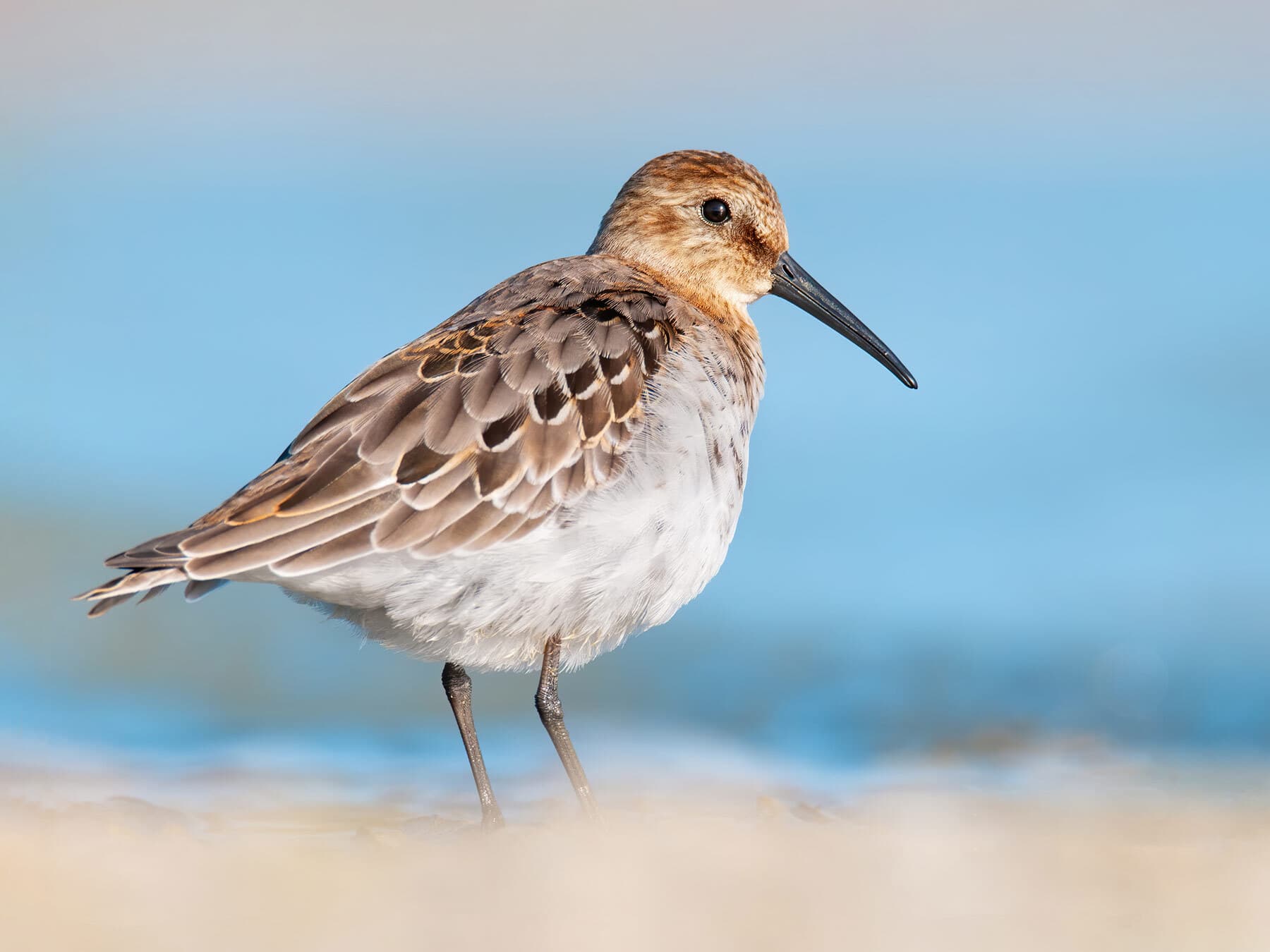
Dunlin
Calidris alpinaLC
A common sight on Suffolk's estuarine mudflats year-round, forming large winter flocks at key sites like the Stour and Orwell.
Year-round
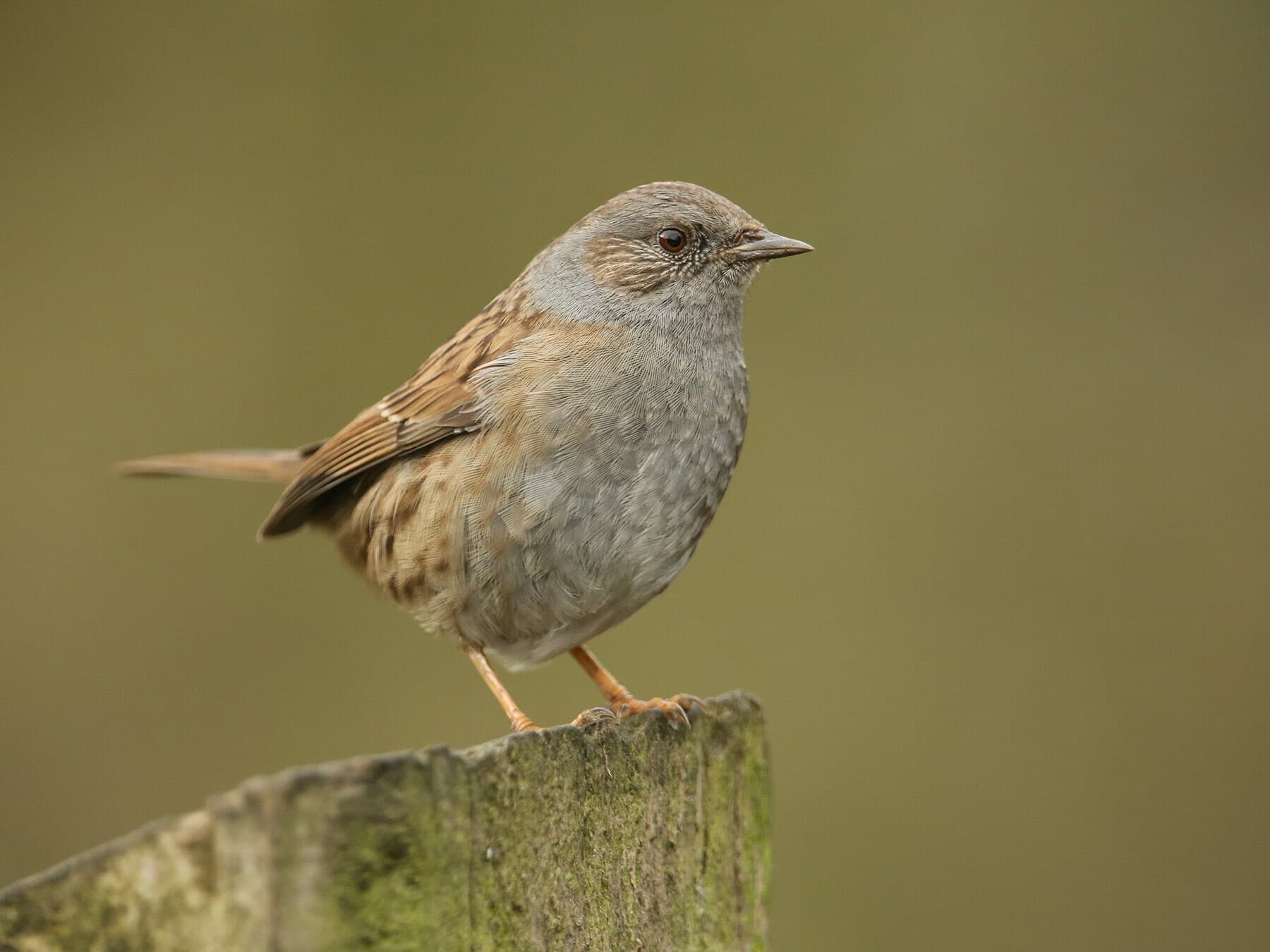
Dunnock
Prunella modularisLC
A common but unobtrusive resident of hedgerows and garden shrubbery. Its thin, warbling song is heard year-round across Suffolk.
Year-round
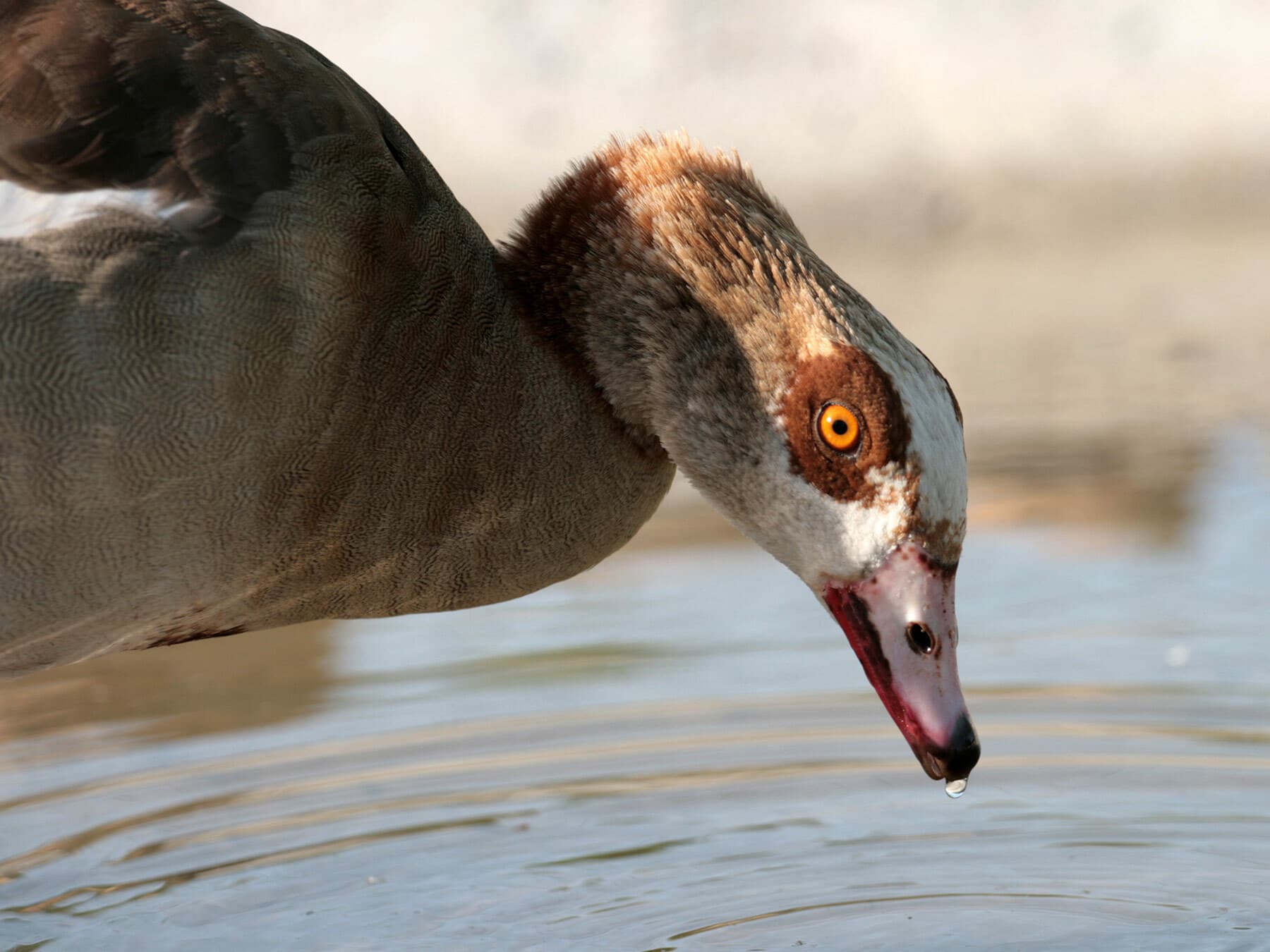
Egyptian Goose
Alopochen aegyptiacaLC
An established year-round resident, increasingly common around lakes and parkland. Part of East Anglia's growing feral population, breeding in tree holes.
Year-round
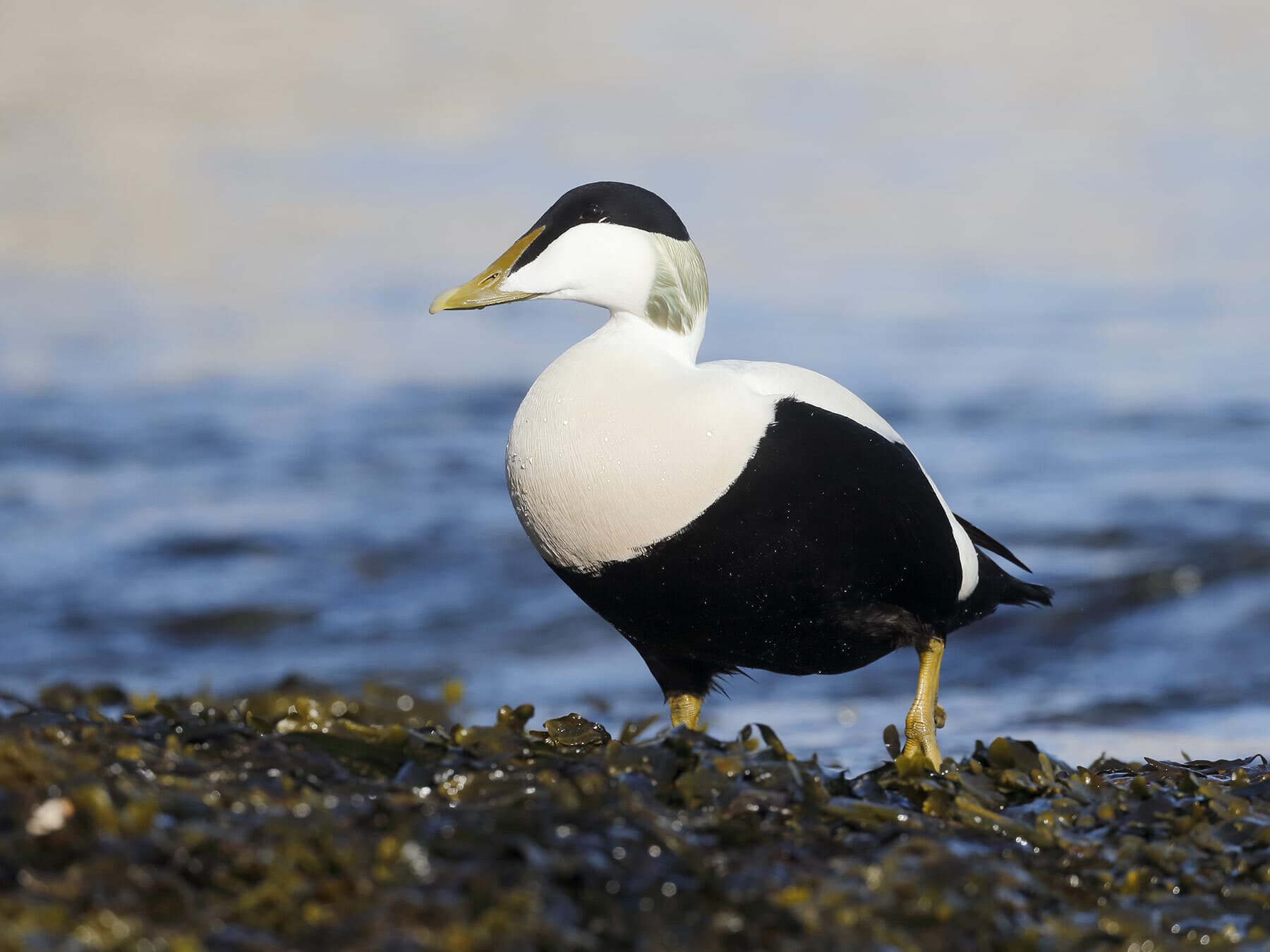
Eider
Somateria mollissimaNT
A rare visitor to Suffolk's offshore waters, most likely seen from autumn into winter. Small numbers occasionally linger along the coast.
Sep–Apr
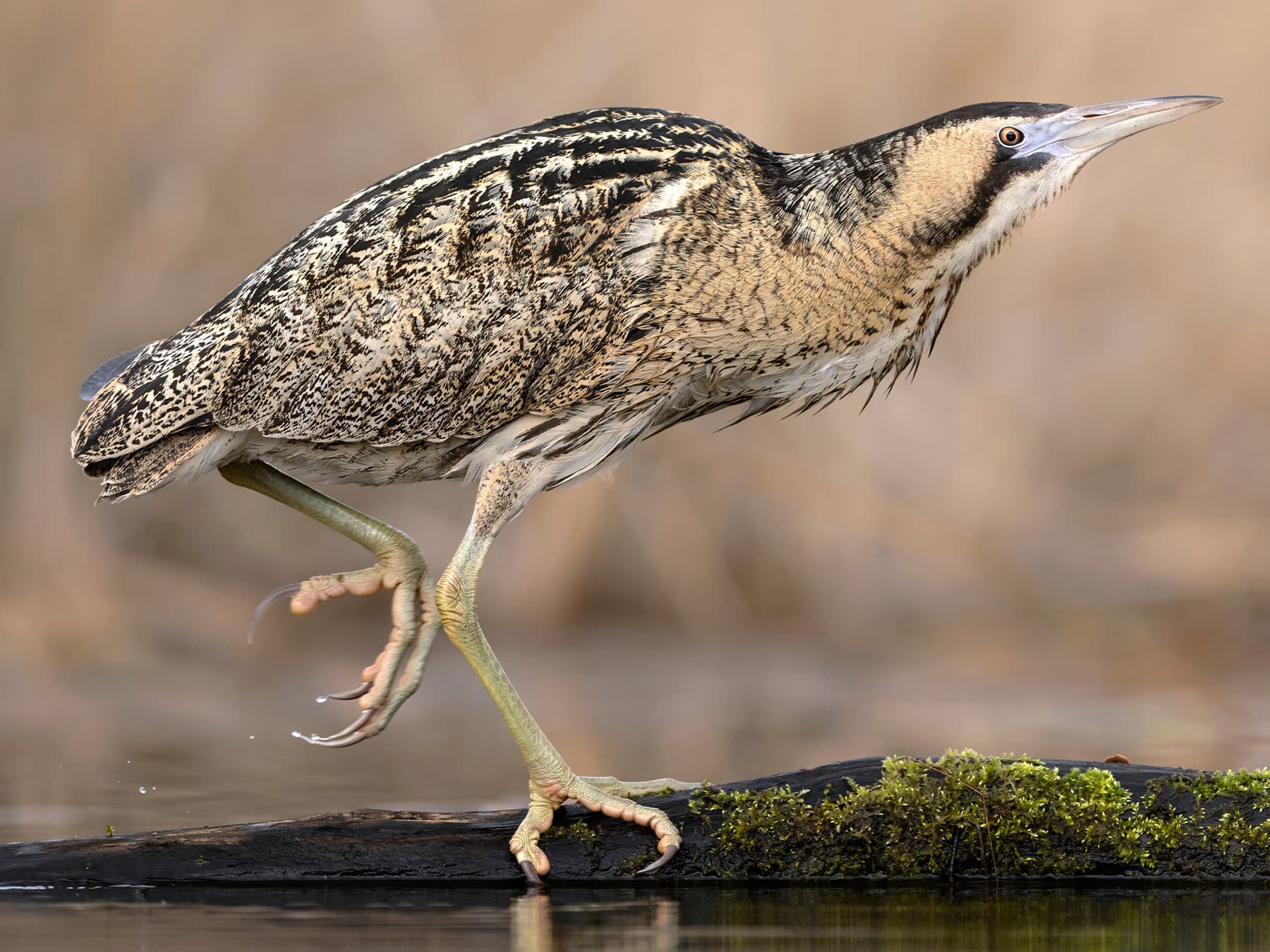
Eurasian Bittern
Botaurus stellarisLC
A flagship resident of Suffolk's reedbeds, with Minsmere a key stronghold. Best detected by its distinctive booming call in spring.
Year-round
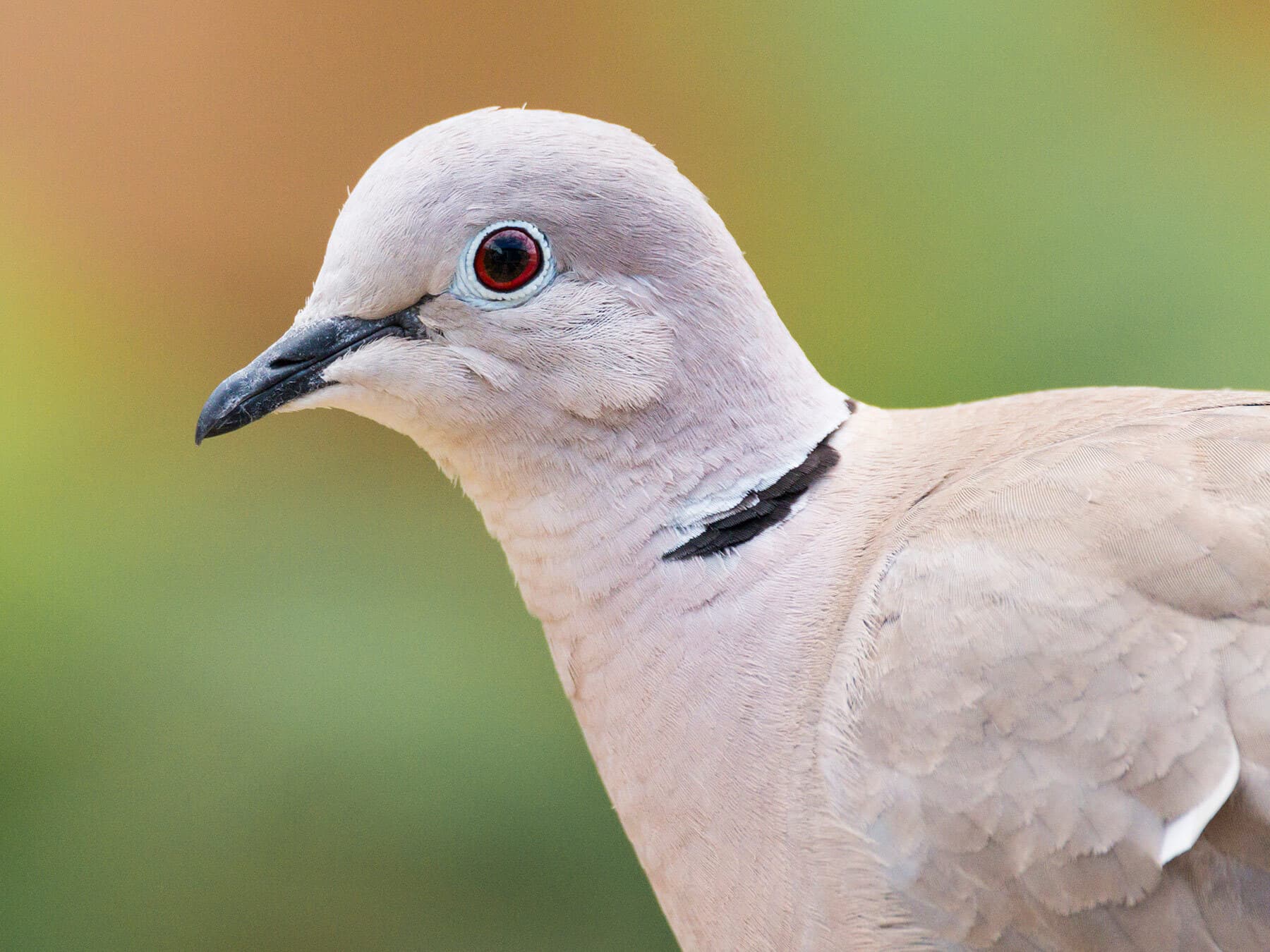
Eurasian Collared Dove
Streptopelia decaoctoLC
A common resident in towns, villages, and farmyards throughout Suffolk. Its monotonous three-note call is a familiar sound year-round.
Year-round
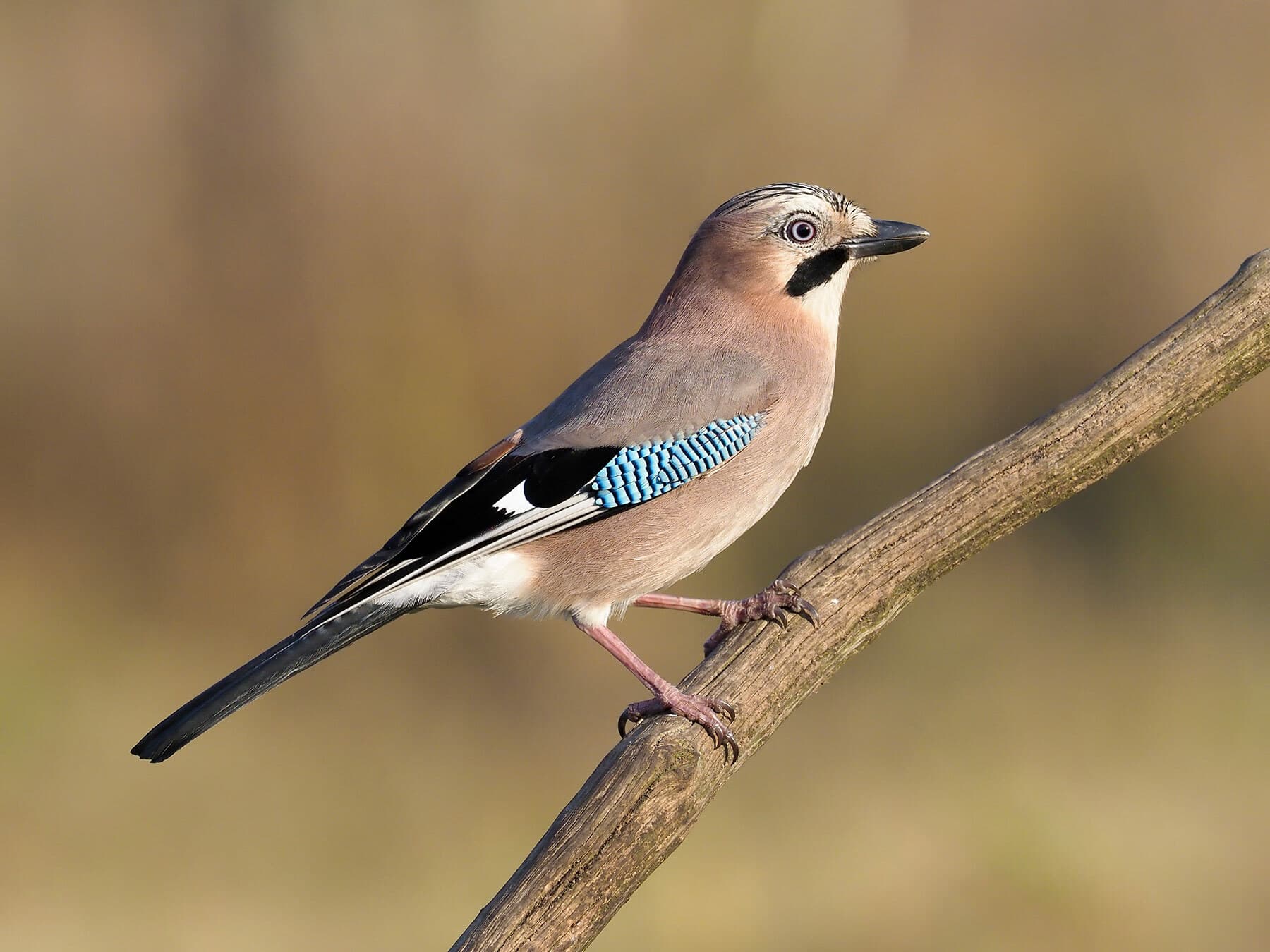
Eurasian Jay
Garrulus glandariusLC
A common resident of broadleaved woodland, parks and mature gardens. Its harsh screeching call often betrays its presence.
Year-round
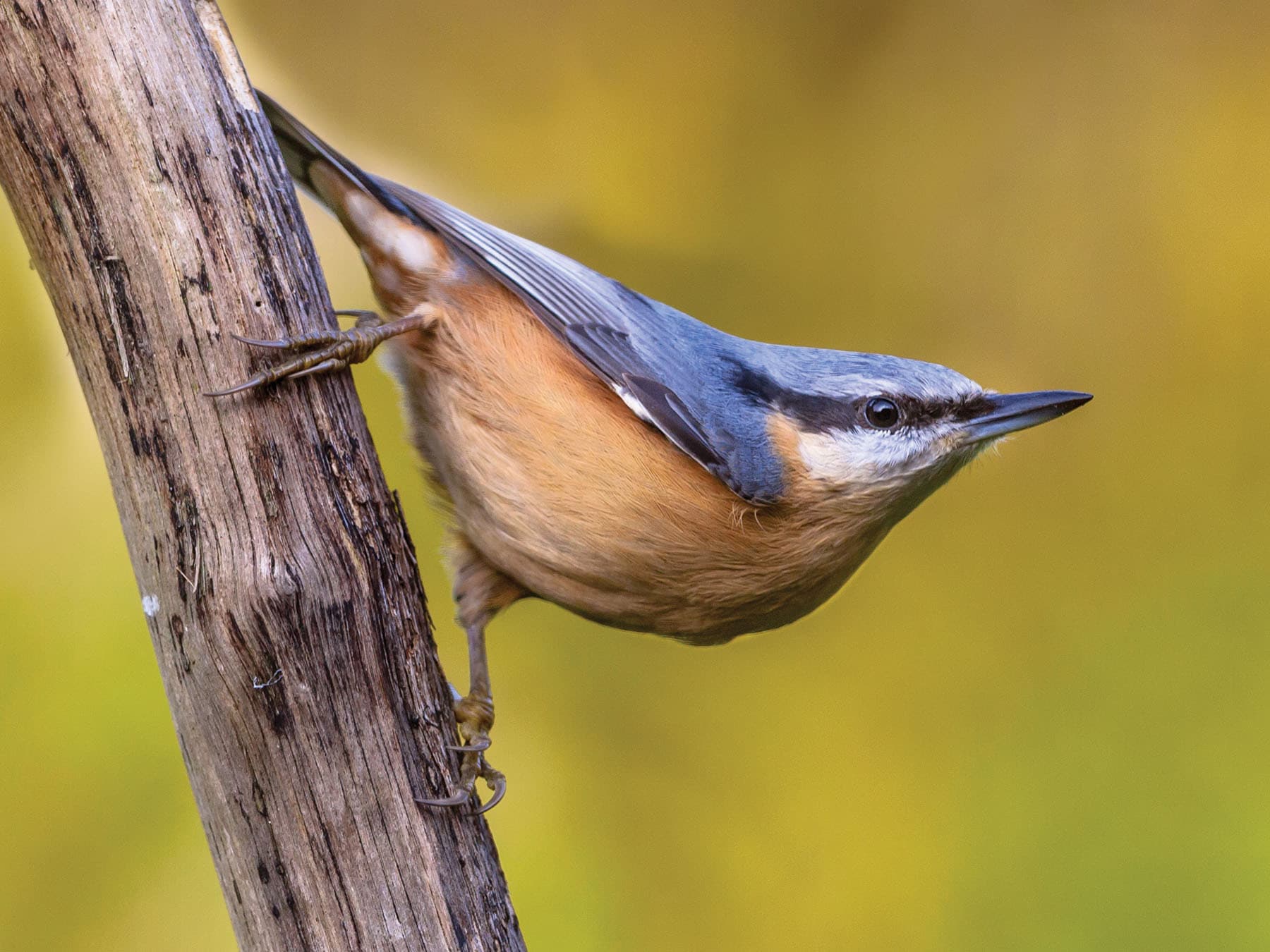
Eurasian Nuthatch
Sitta europaeaLC
An uncommon but increasing resident of mature deciduous woodland and parkland. Listen for its loud ringing call throughout the year.
Year-round
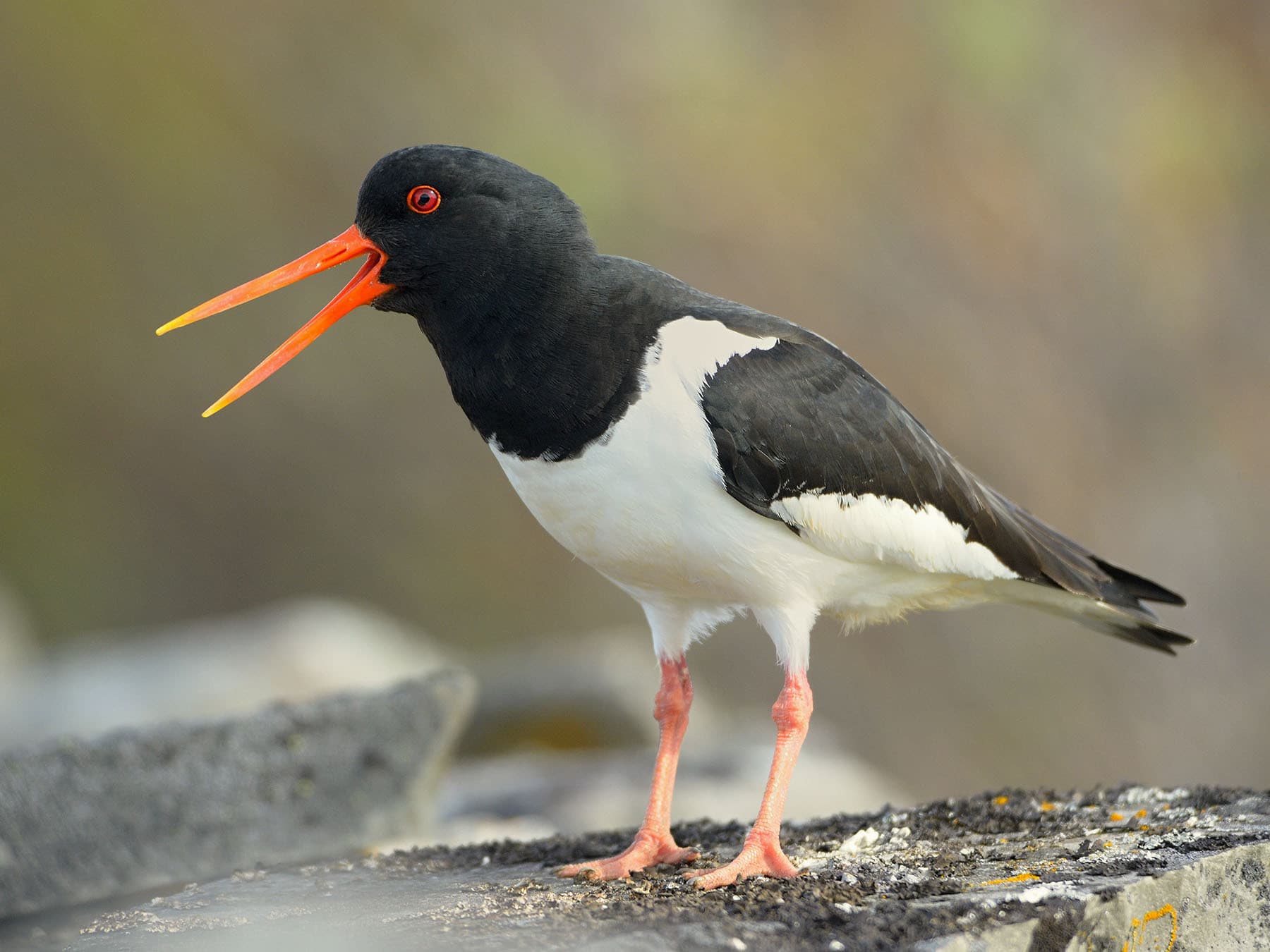
Eurasian Oystercatcher
Haematopus ostralegusNT
A familiar resident of Suffolk's shingle beaches and estuaries, its piping calls a constant feature of the coast.
Year-round
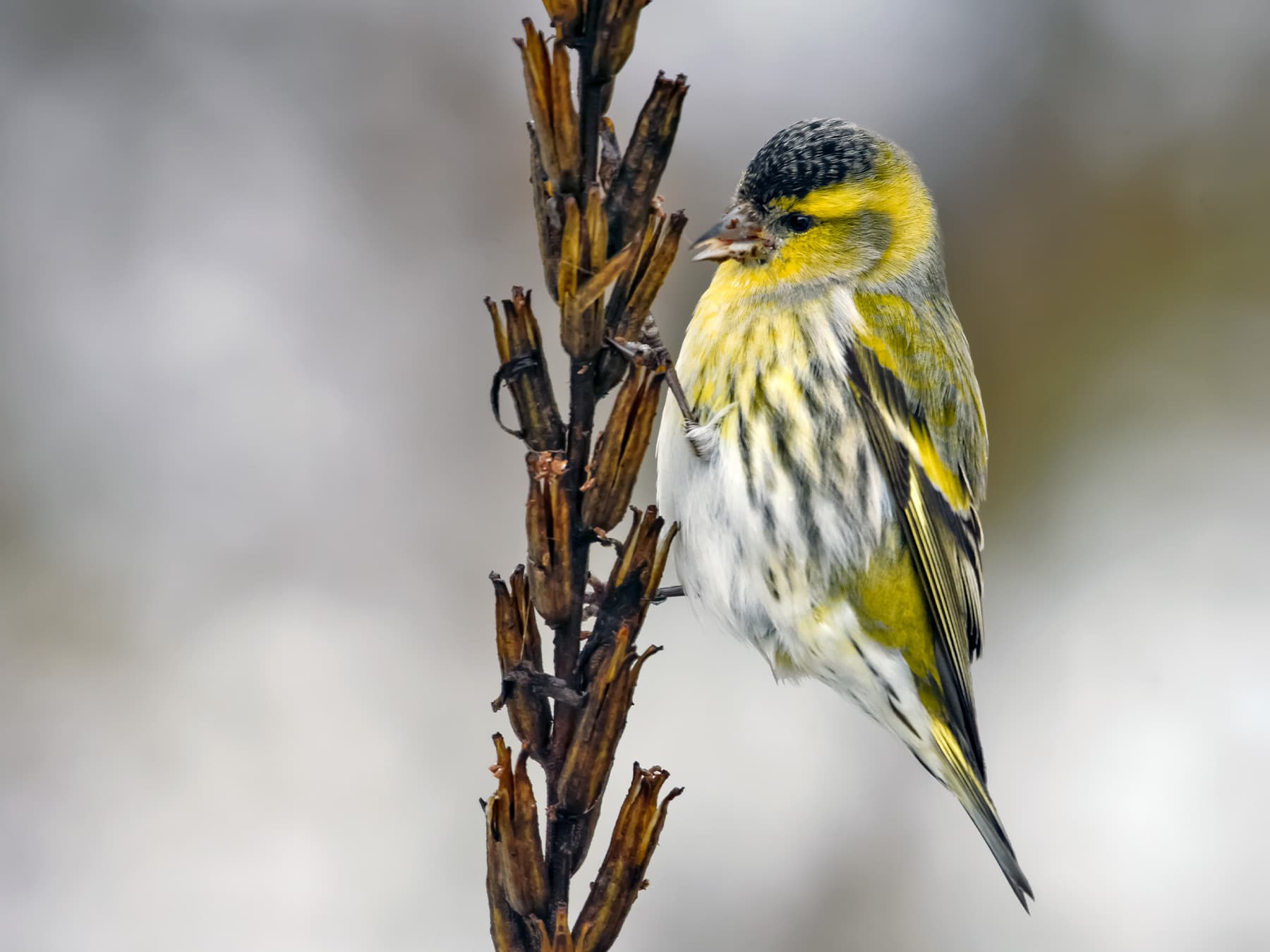
Eurasian Siskin
Spinus spinusLC
An uncommon resident favouring alder and birch stands. Winter flocks are boosted by Continental birds visiting garden feeders.
Year-round
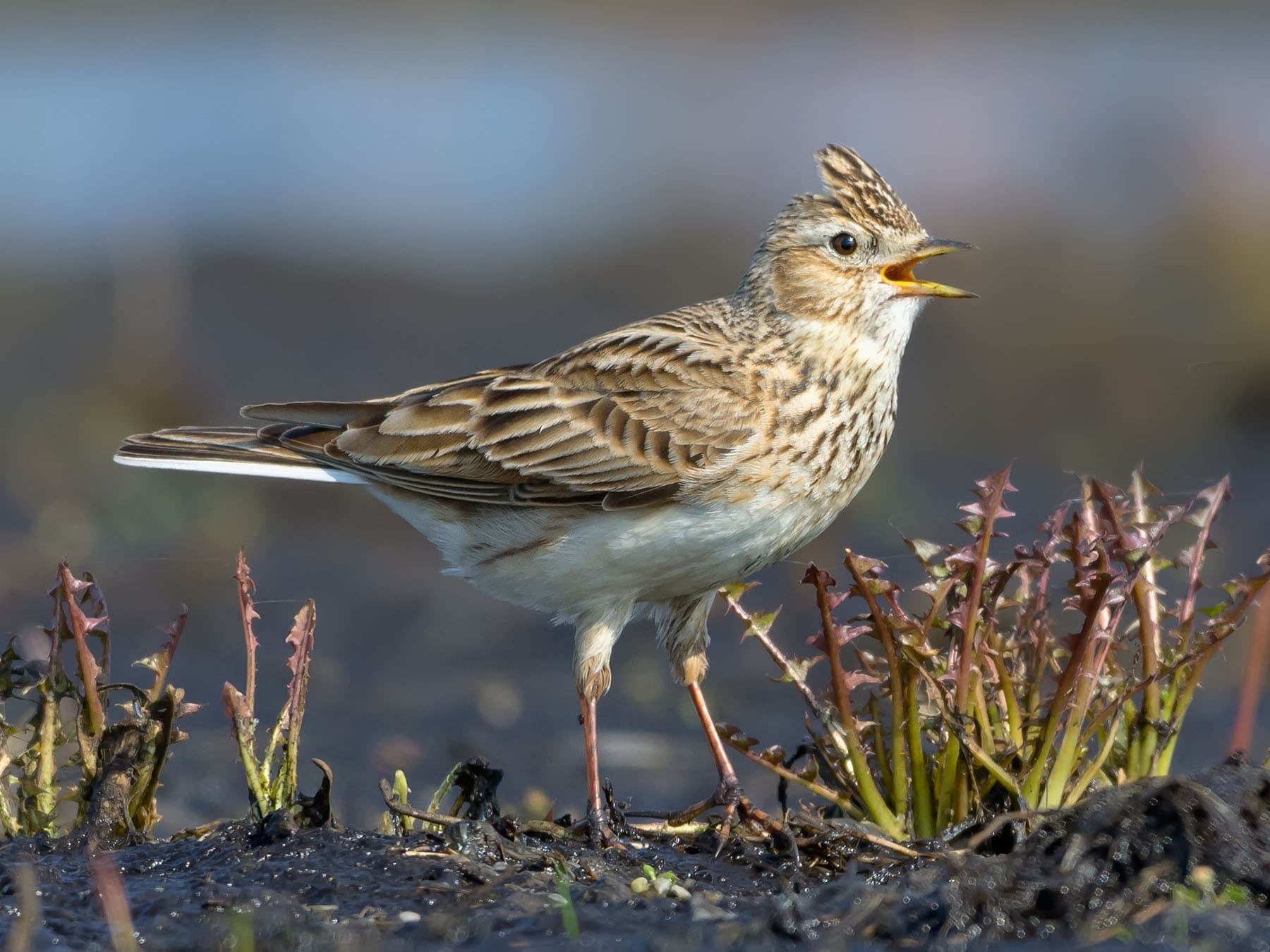
Eurasian Skylark
Alauda arvensisLC
Common across Suffolk's arable fields and coastal grasslands, delivering its hovering song flight from spring through summer.
Year-round
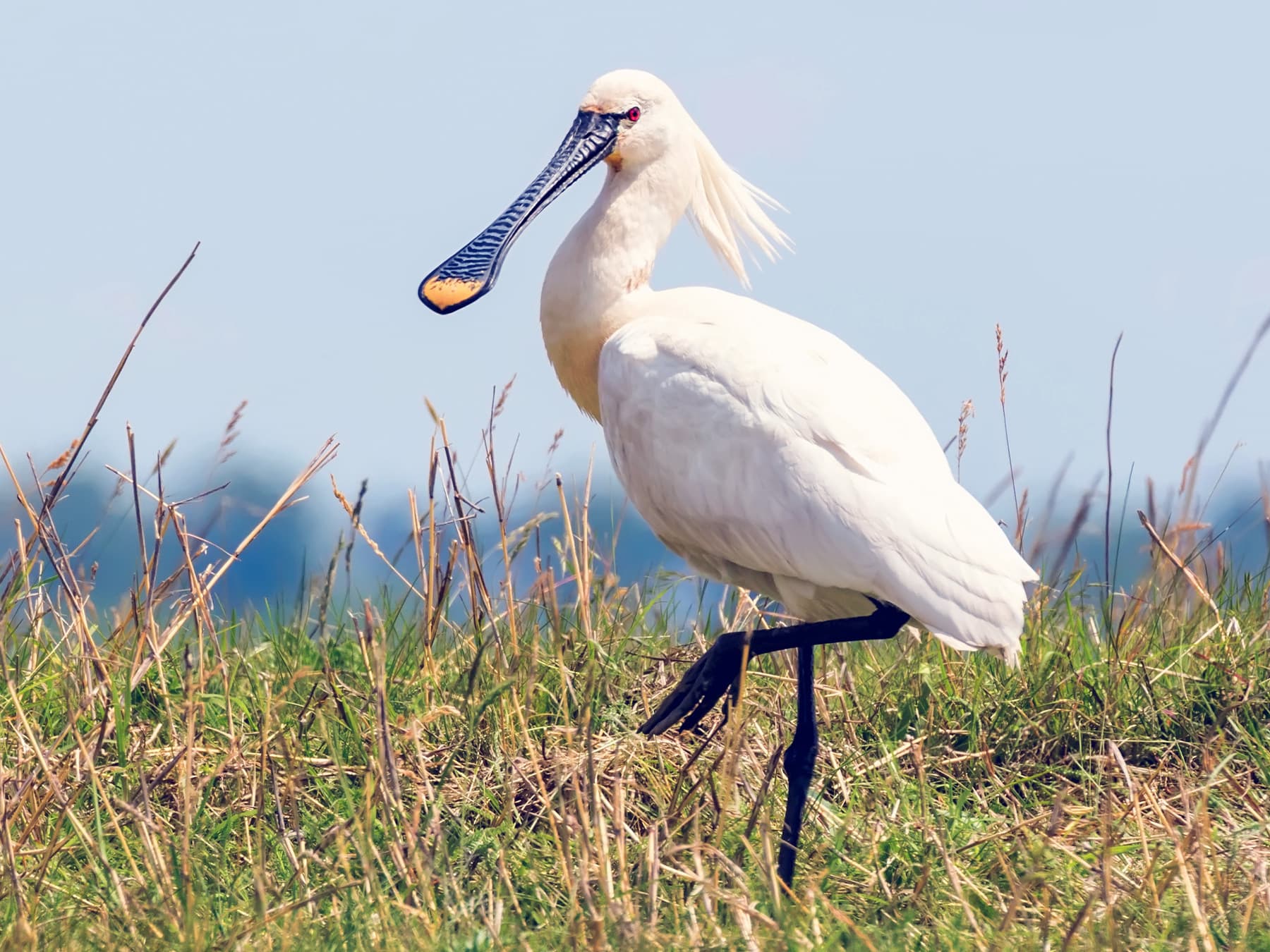
Eurasian Spoonbill
Platalea leucorodiaLC
An uncommon breeder, now nesting at key Suffolk wetlands. A conservation success story, with numbers steadily increasing in the region.
Feb–Oct
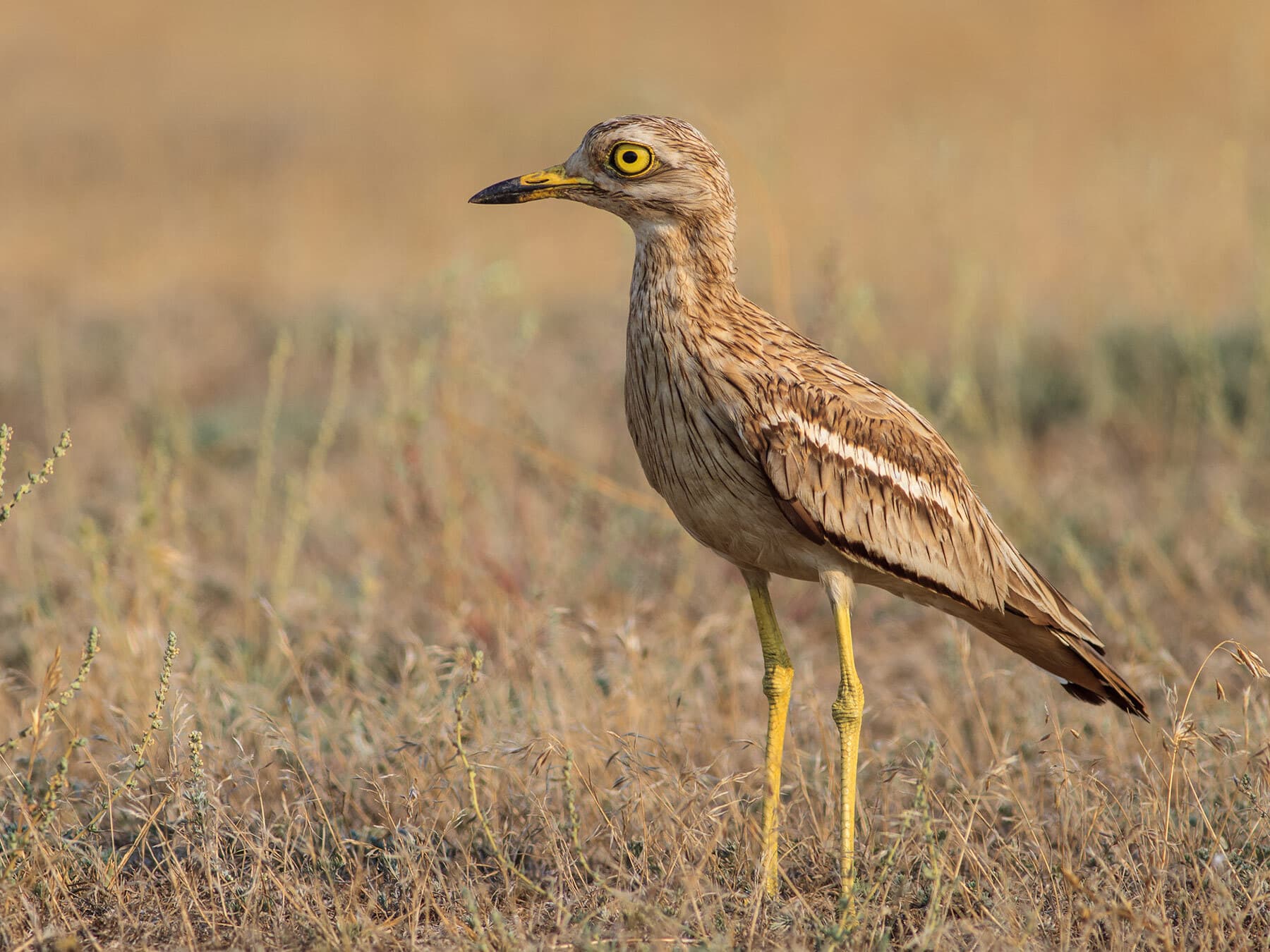
Eurasian Stone-curlew
Burhinus oedicnemusLC
A scarce breeding visitor to the Brecks heathland, arriving in spring. Suffolk is a key stronghold for this declining species.
Mar–Oct
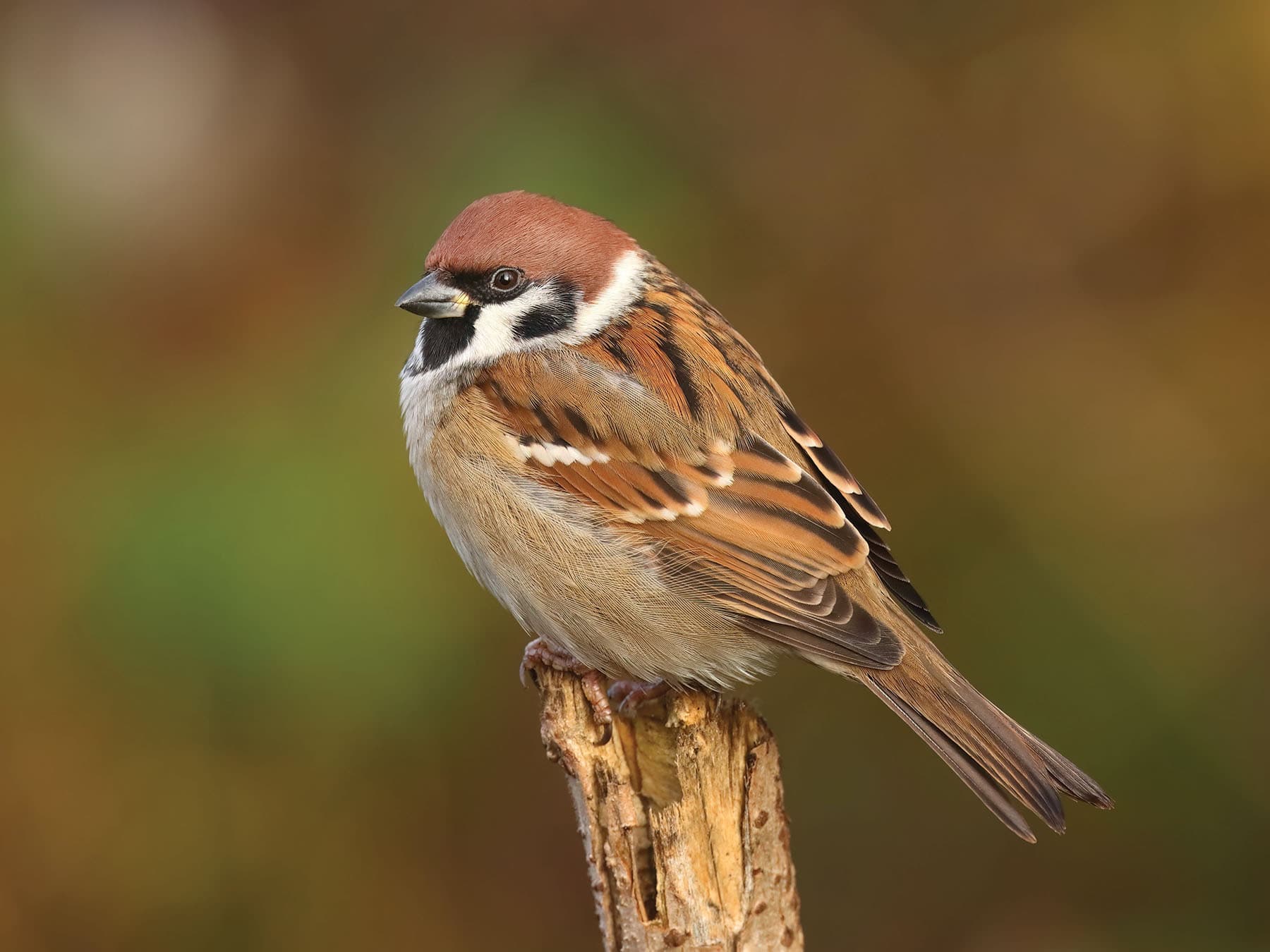
Eurasian Tree Sparrow
Passer montanusLC
A rare and declining resident, scarce in Suffolk. Small colonies persist around farmyards and rural hedgerows with mature trees.
Nov–May
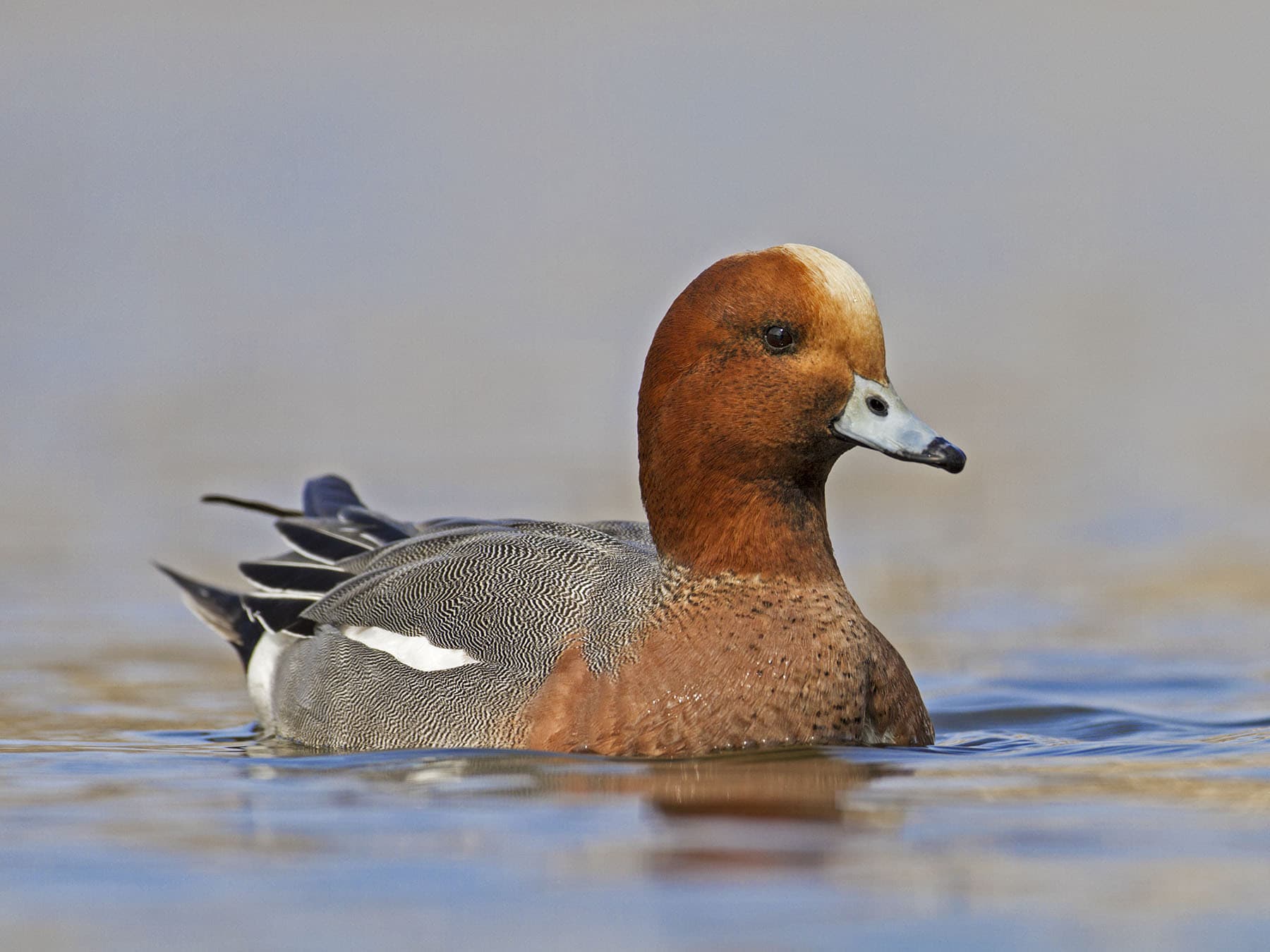
Eurasian Wigeon
Mareca penelopeLC
Common on Suffolk's coastal marshes and estuaries, with large winter flocks grazing at sites like the Alde-Ore estuary.
Year-round