
Uncommon Birds in Suffolk
Our list for Suffolk has 94 uncommon birds recorded regularly there: 23 residents, 24 summer visitors, 28 winter visitors, 18 passage migrants and 1 scarce visitor
Most likely in October
GBIF · Oct
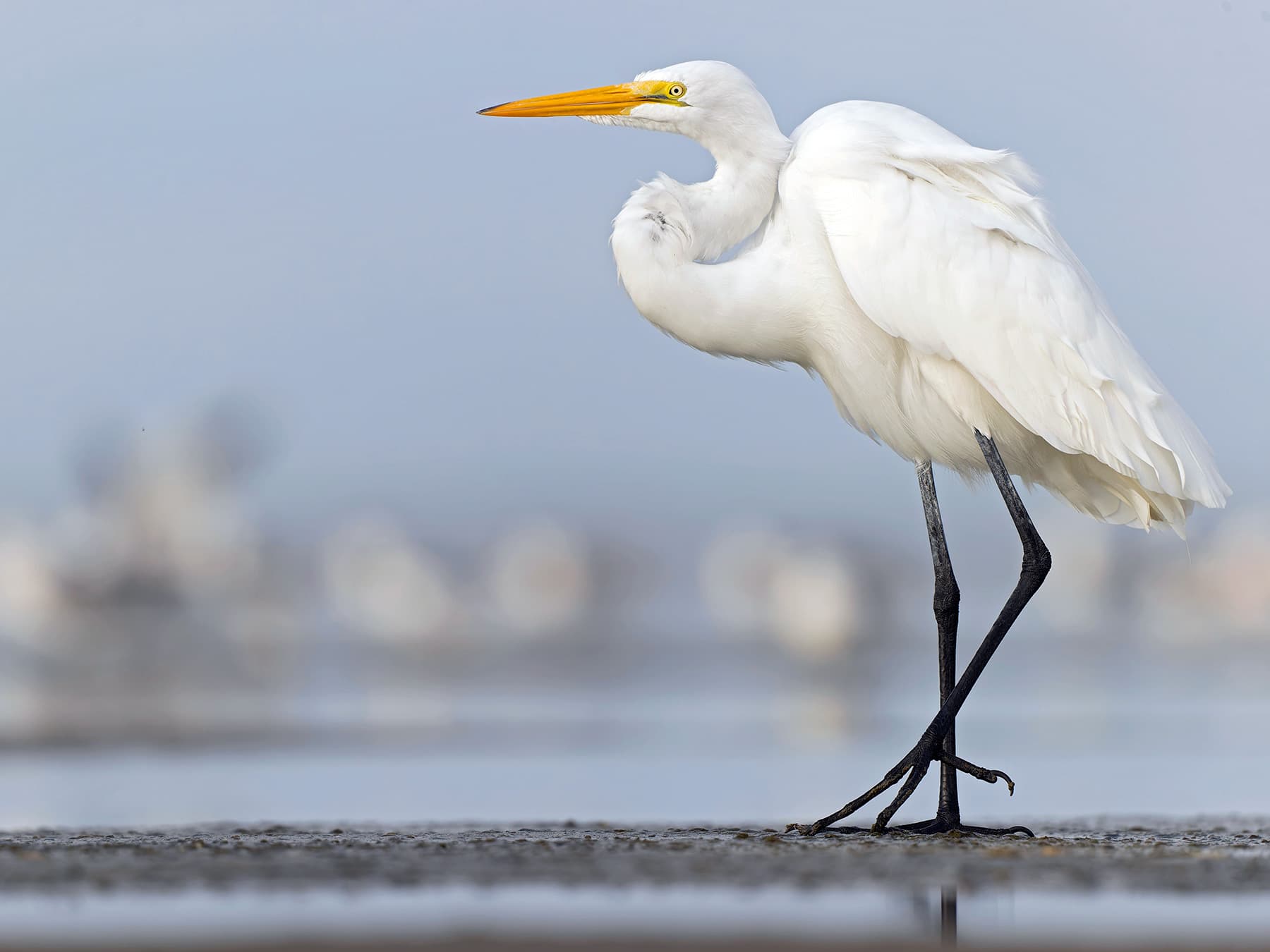
Share of all bird records in Suffolk in October, 2019–2024. Each month links to that month’s page.
All 94, most common first
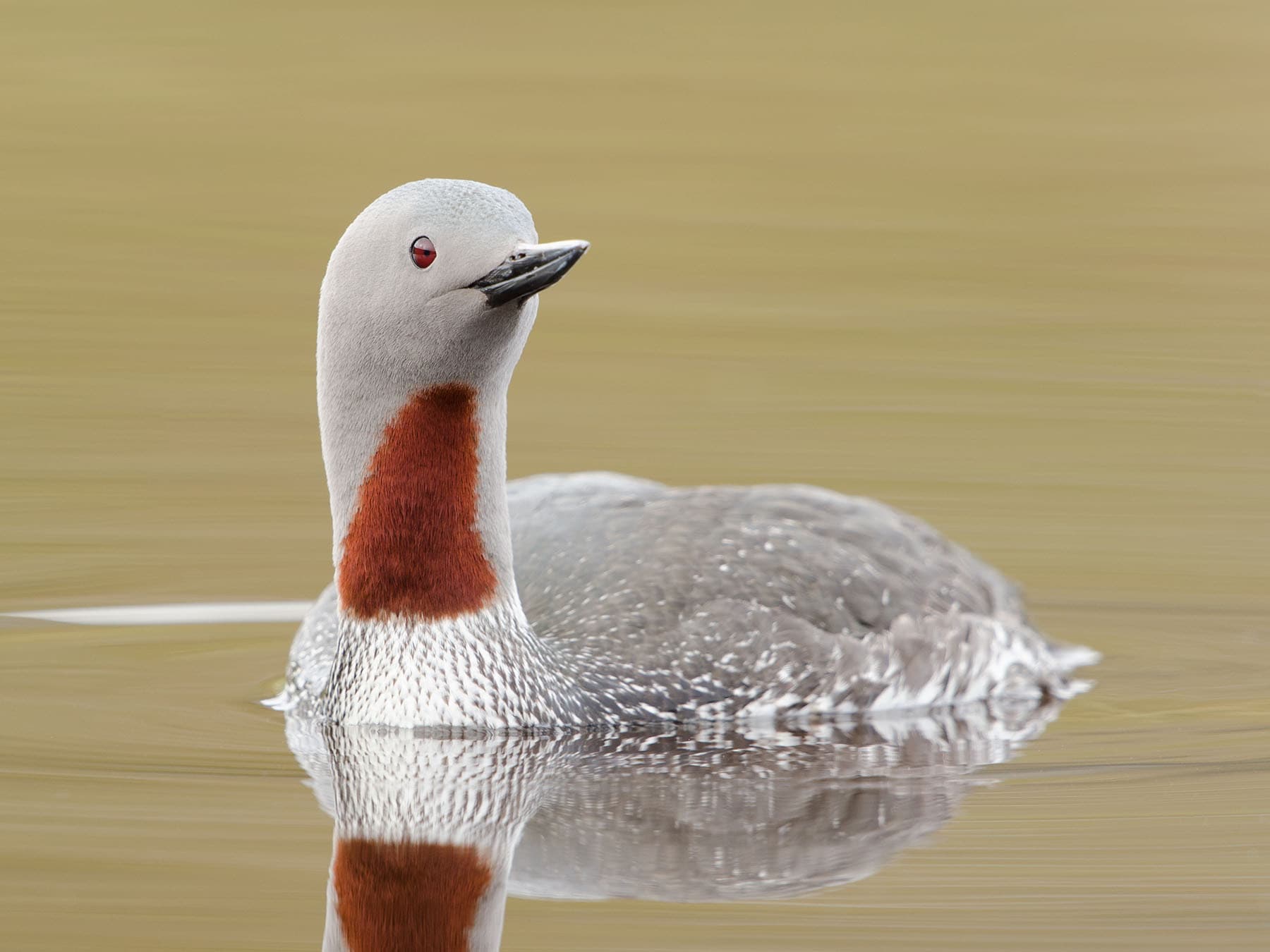 Red-throated LoonGavia stellataWinter visitorUncommon53–69 cmRegularly Aug–Apr
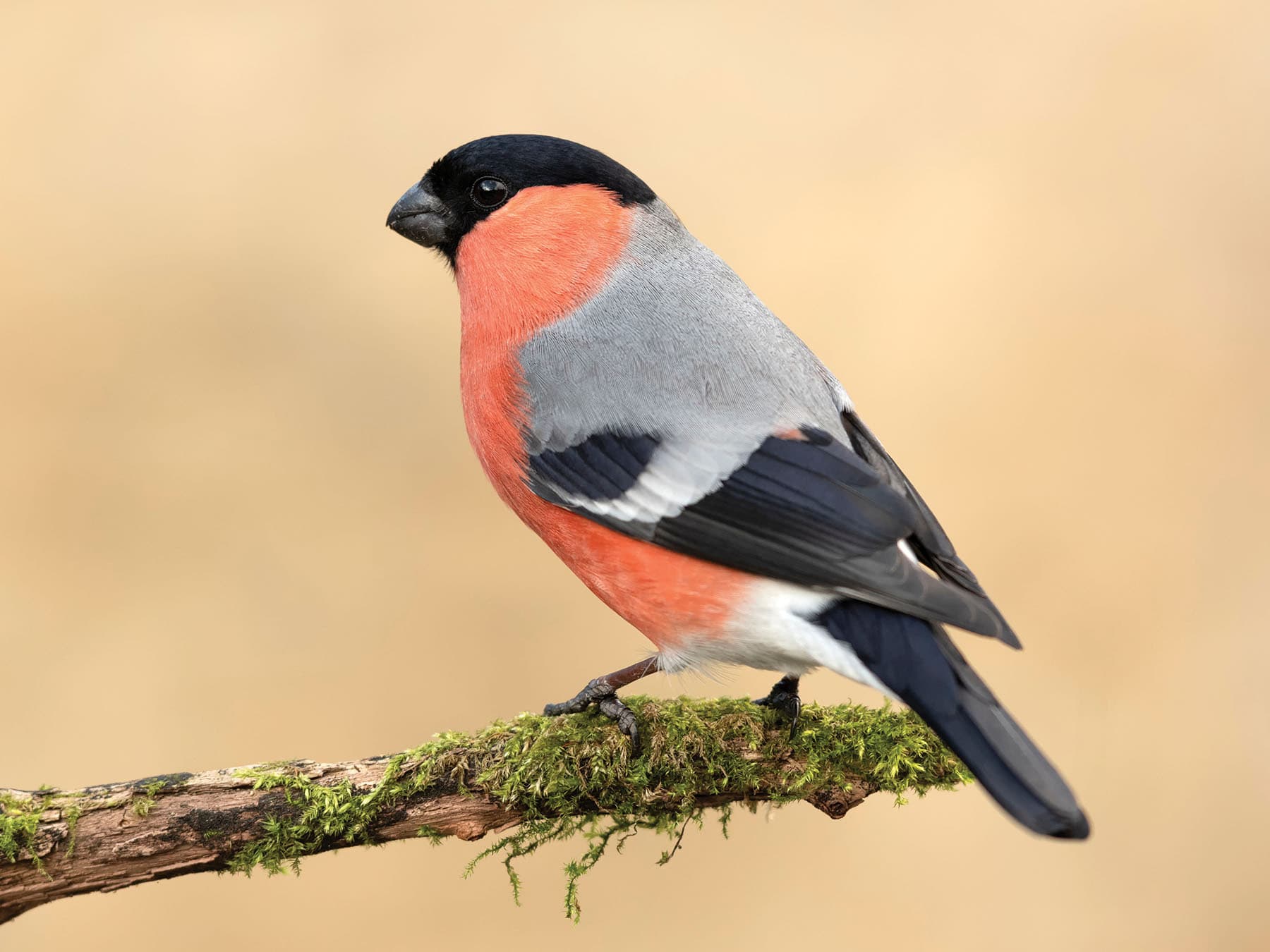 BullfinchPyrrhula pyrrhulaResidentUncommon15–17 cmRecorded all year
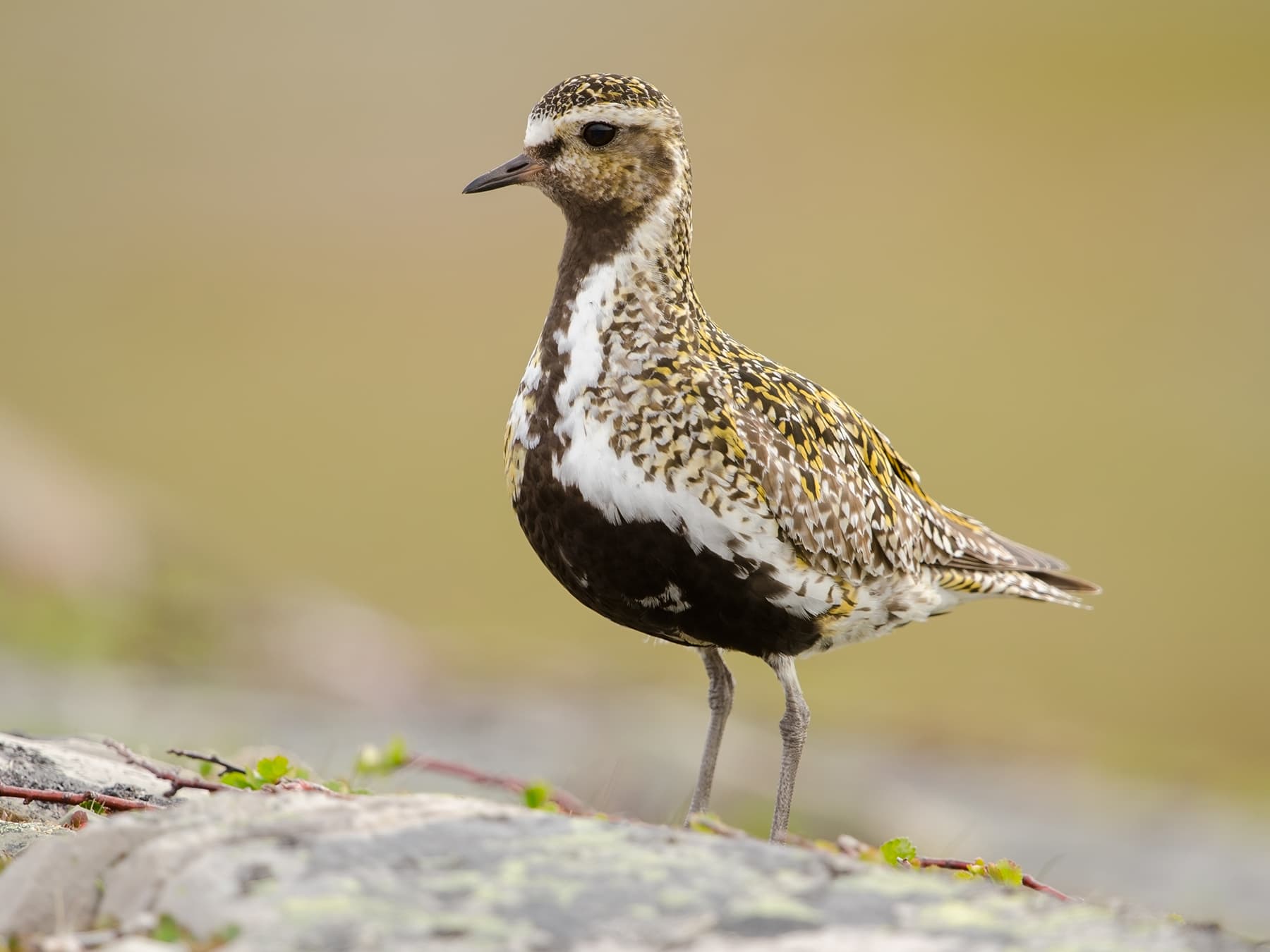 Golden PloverPluvialis apricariaWinter visitorUncommon26–29 cmRegularly Jul–Apr
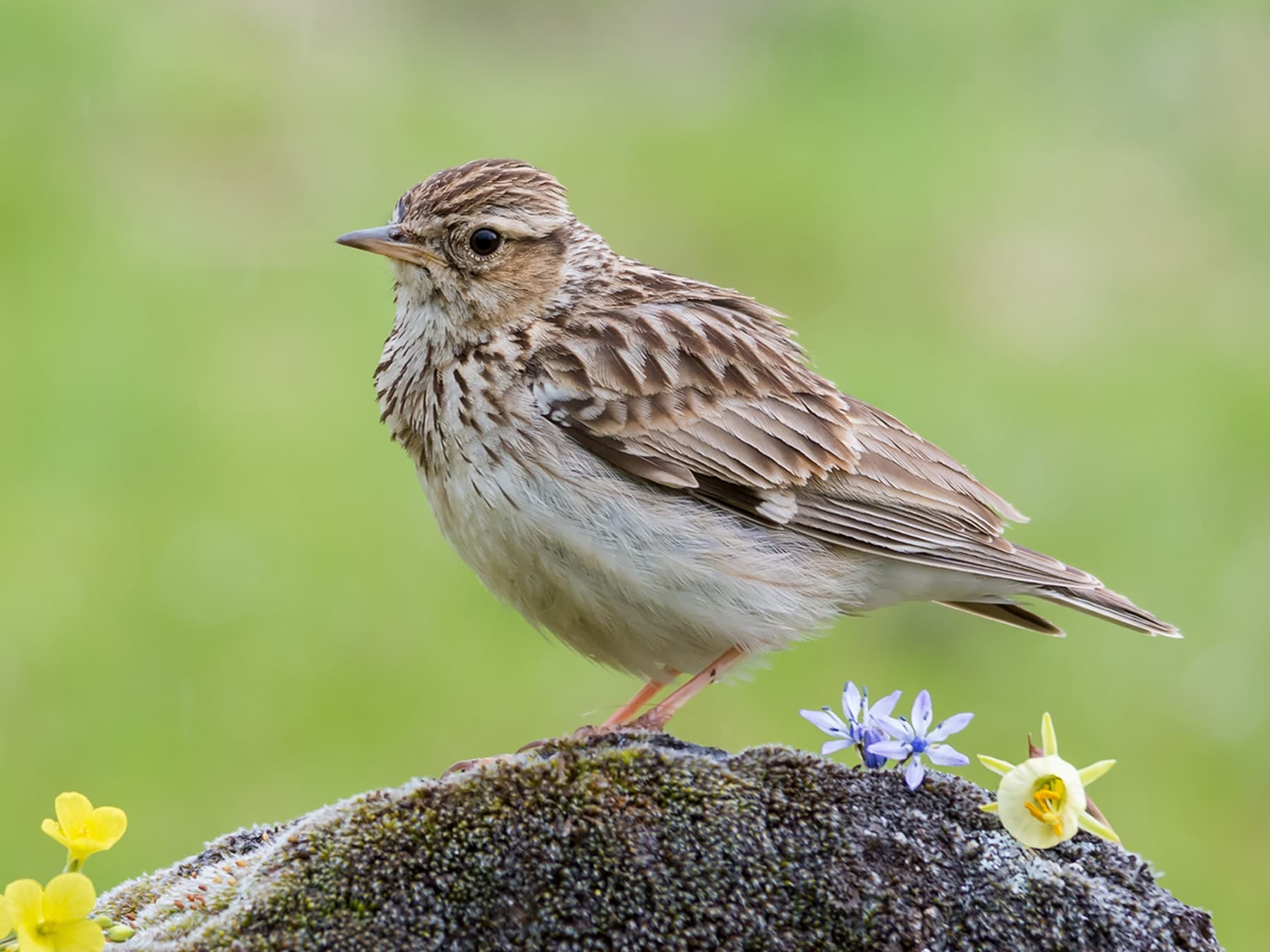 WoodlarkLullula arboreaResidentUncommon15–17 cmRecorded all year
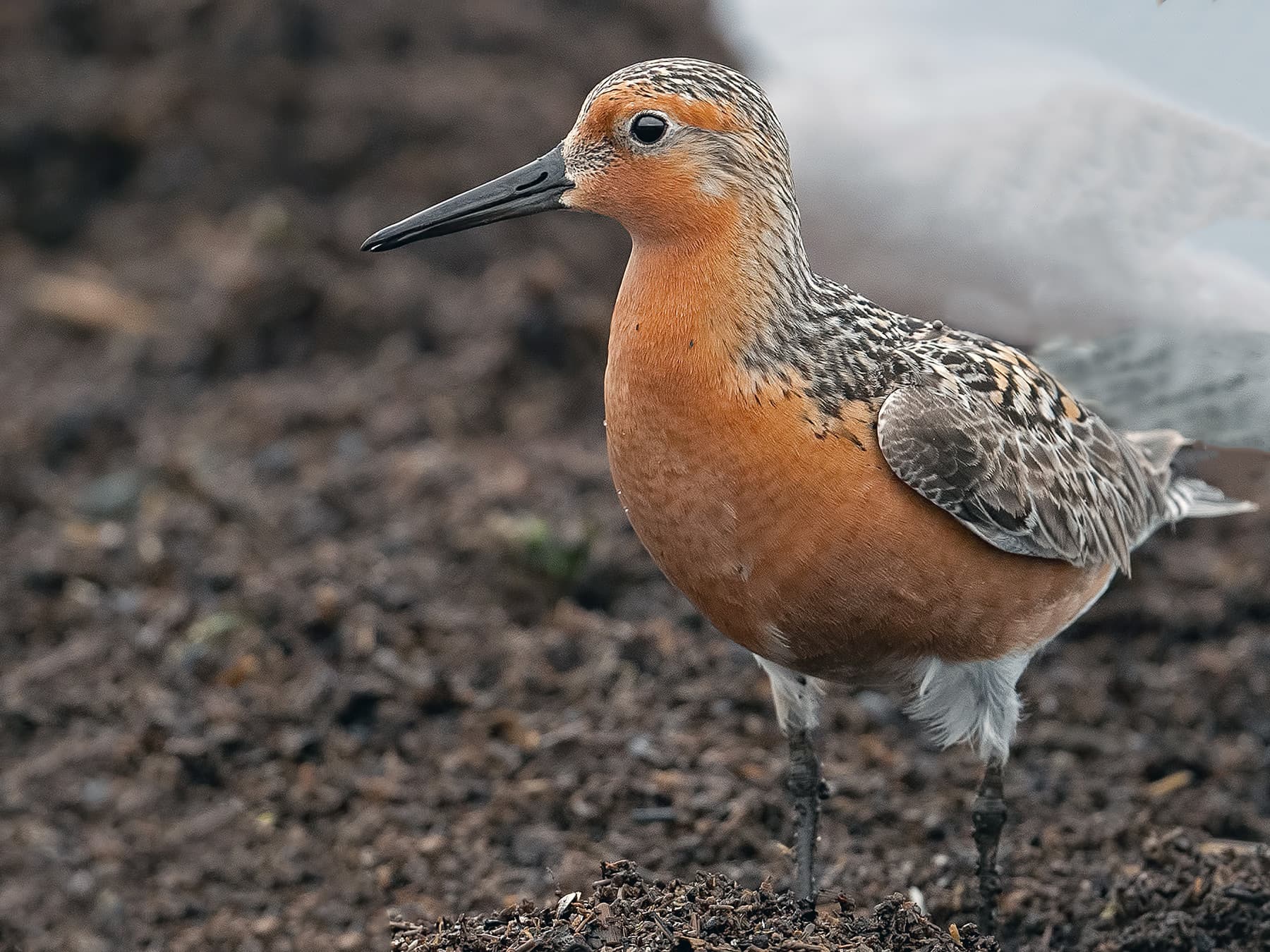 Red KnotCalidris canutusResidentUncommon23–26 cmRecorded all year
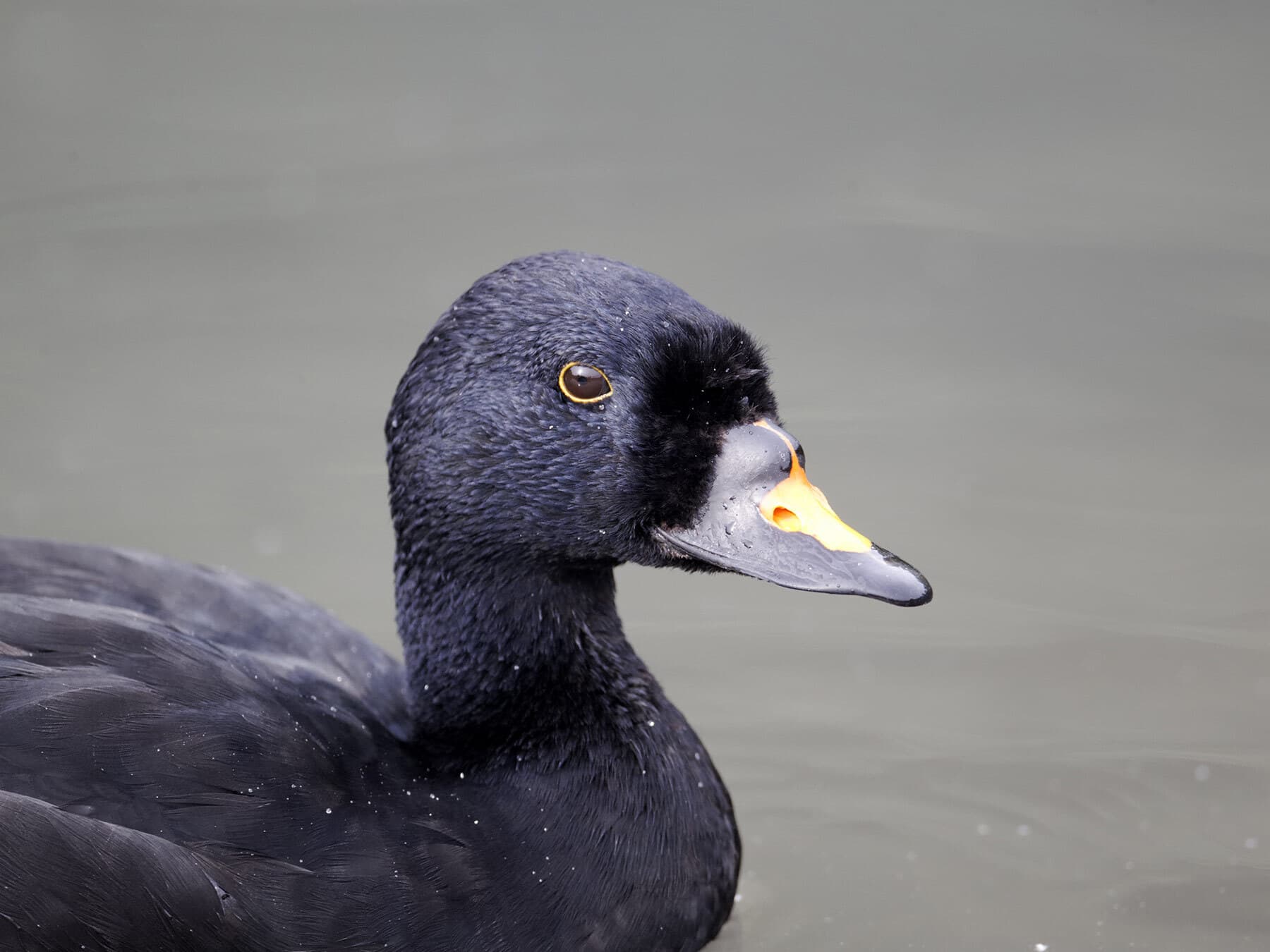 Common ScoterMelanitta nigraResidentUncommon43–54 cmRecorded all year
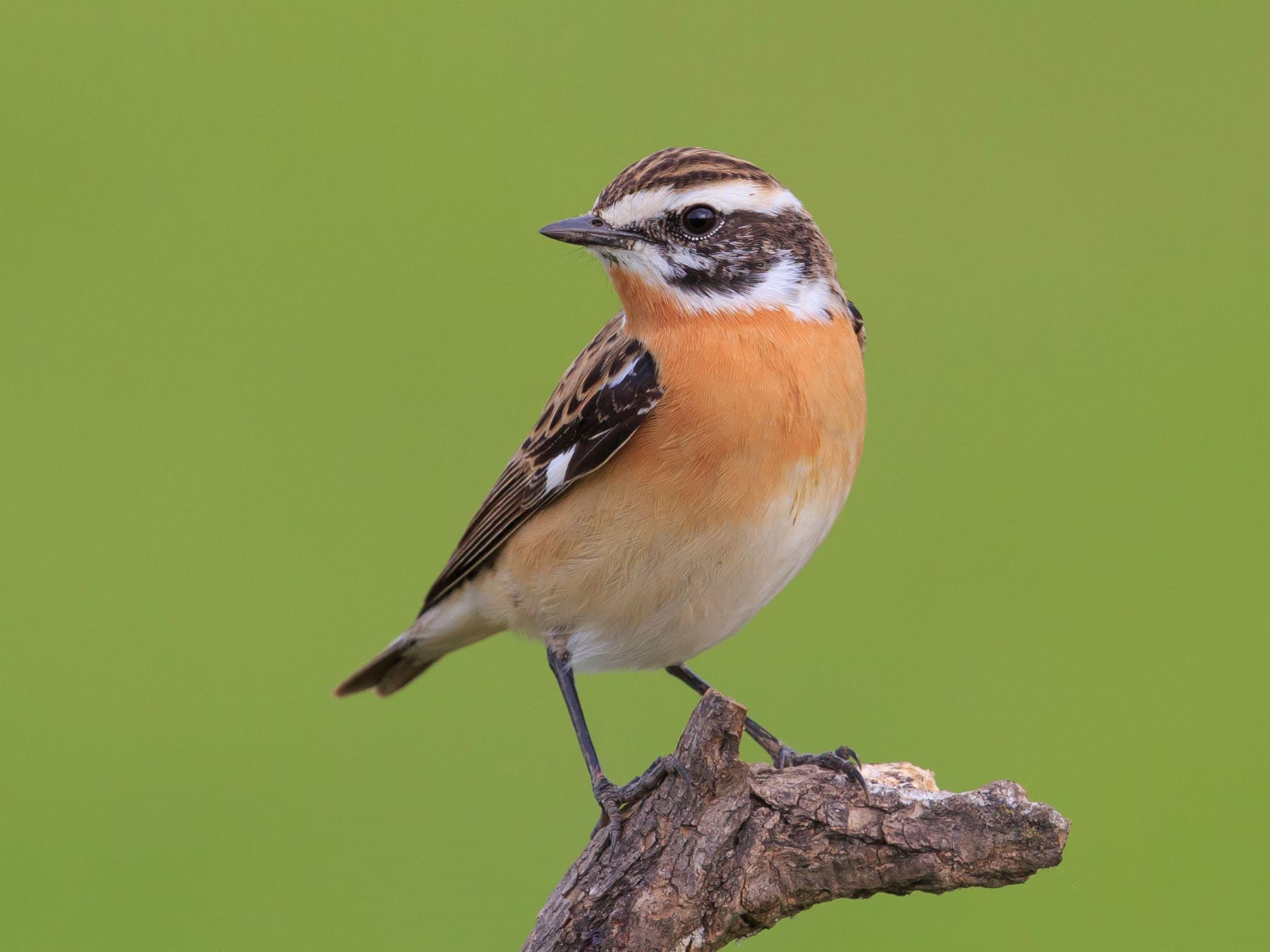 WhinchatSaxicola rubetraPassage migrantUncommon12–14 cmRegularly May–Oct
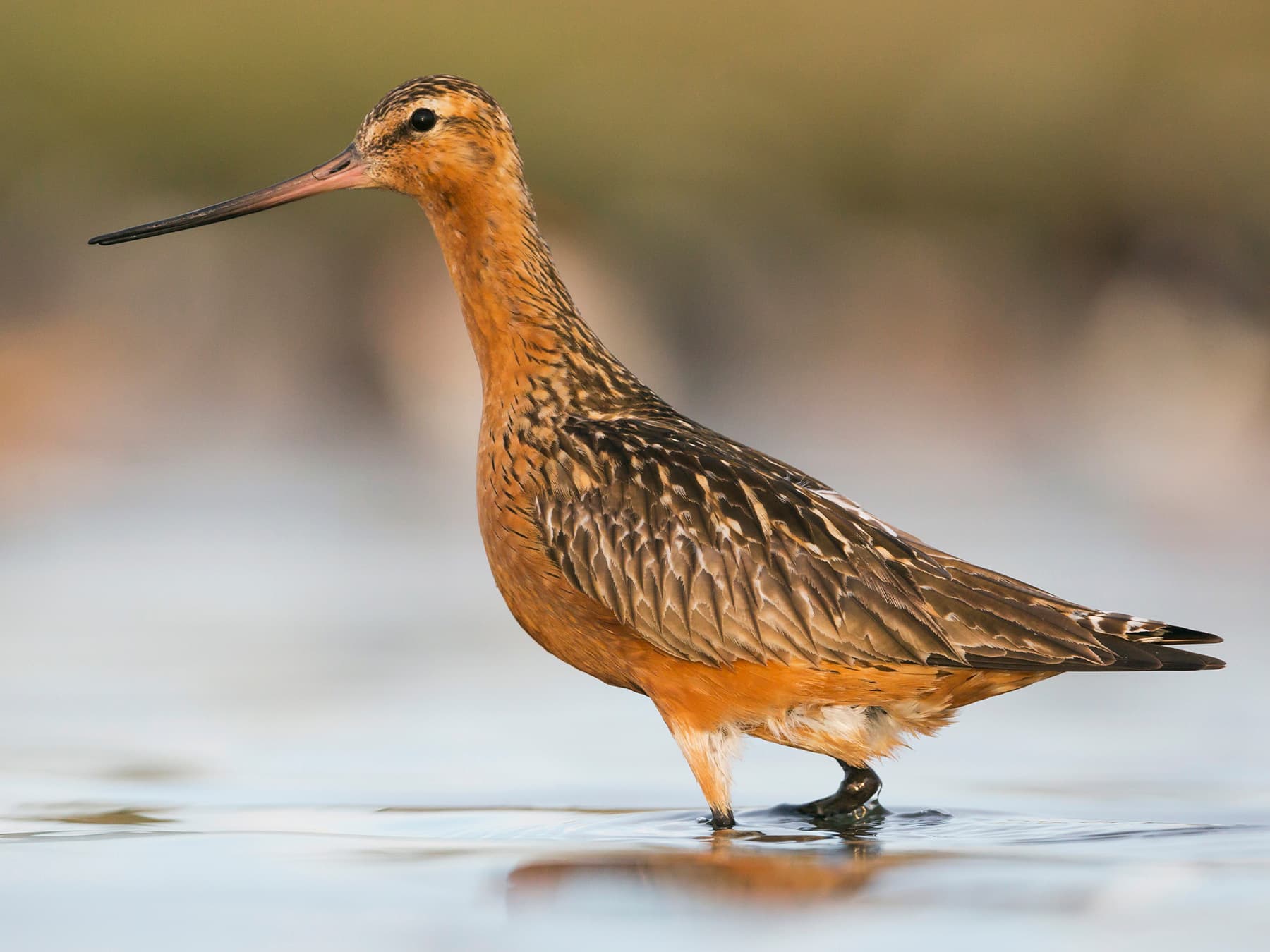 Bar-tailed GodwitLimosa lapponicaResidentUncommon37–41 cmRecorded all year
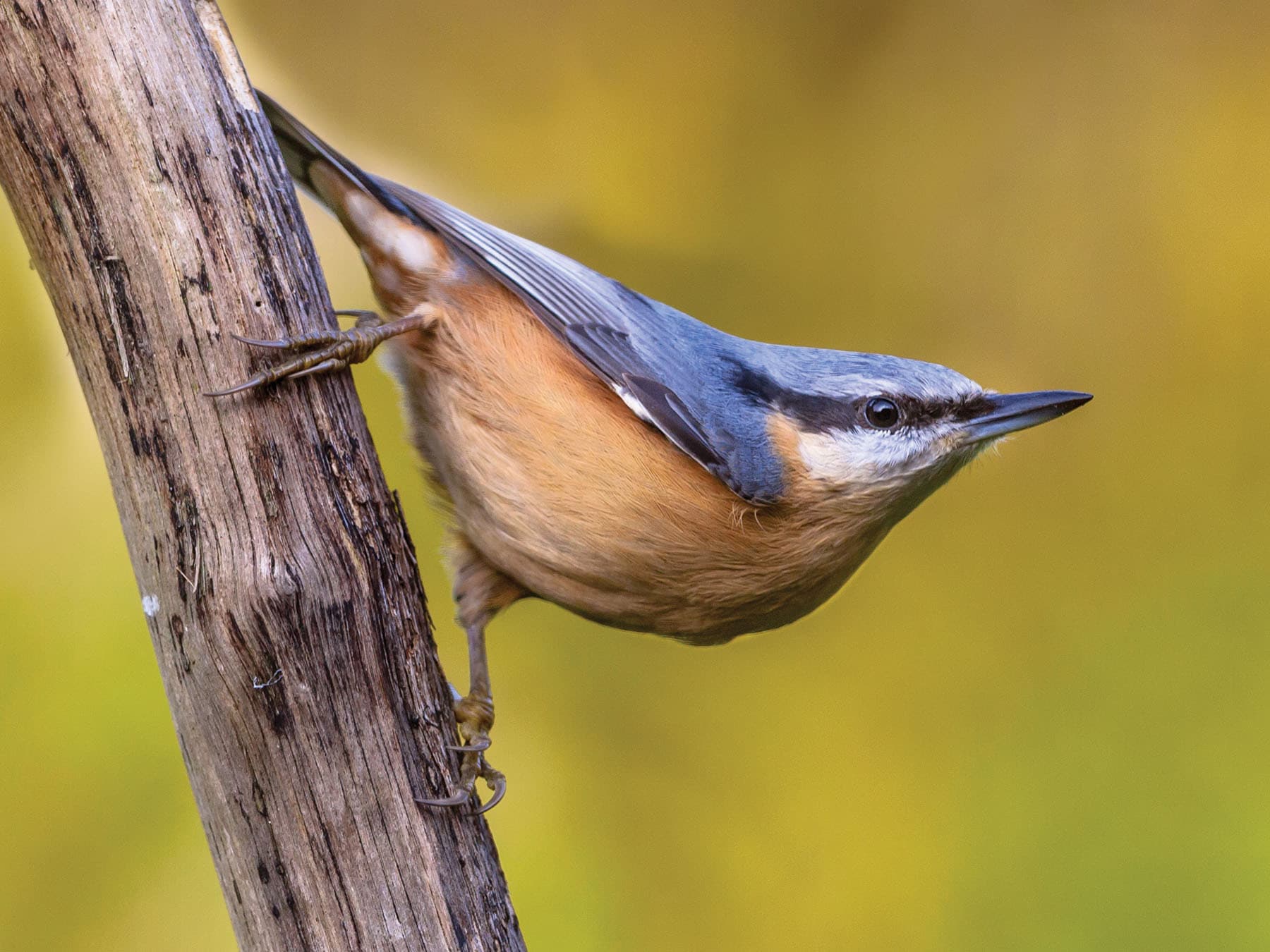 Eurasian NuthatchSitta europaeaResidentUncommon12–15 cmRecorded all year
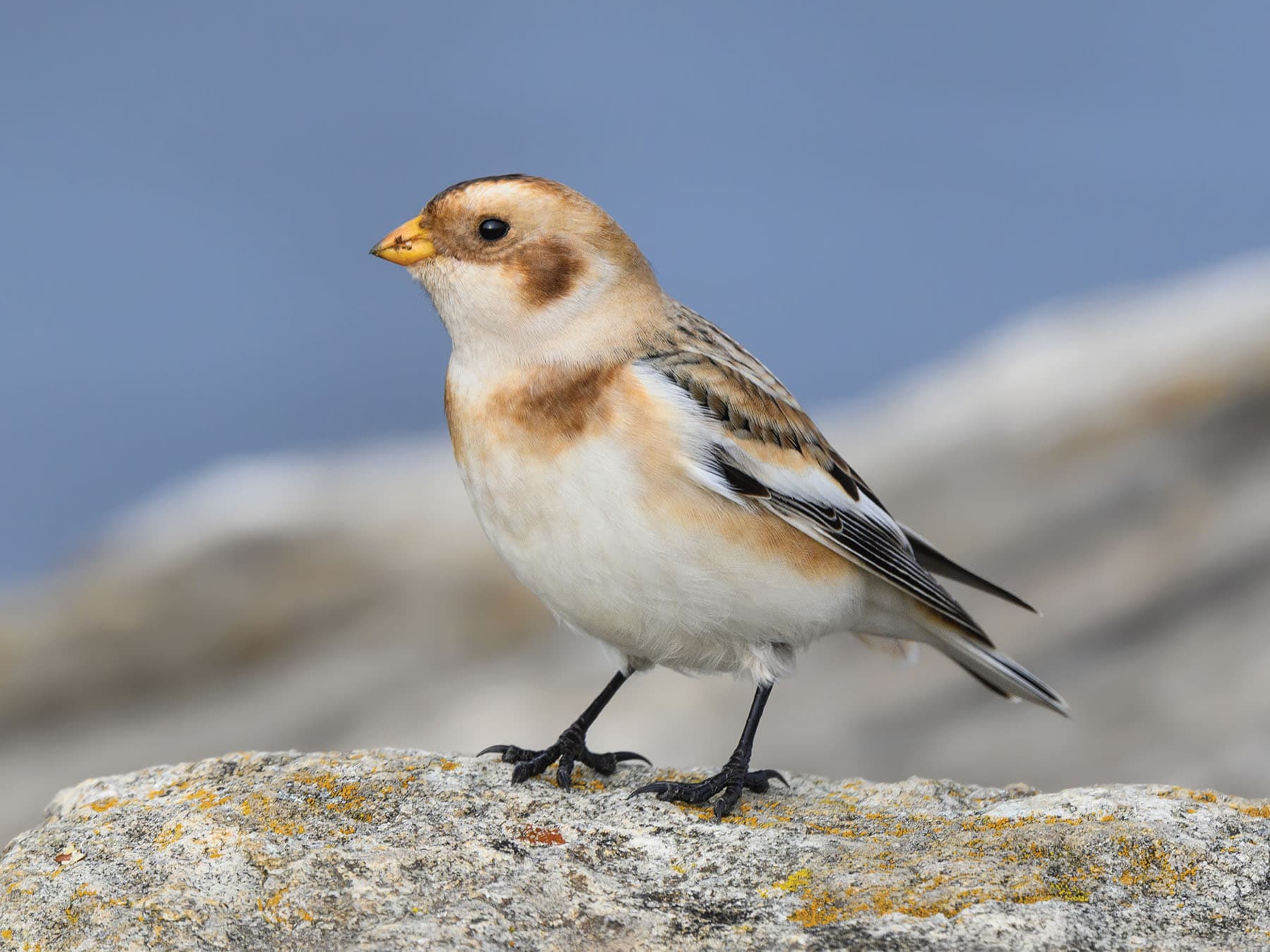 Snow BuntingPlectrophenax nivalisWinter visitorUncommon15–18 cmRegularly Oct–Apr
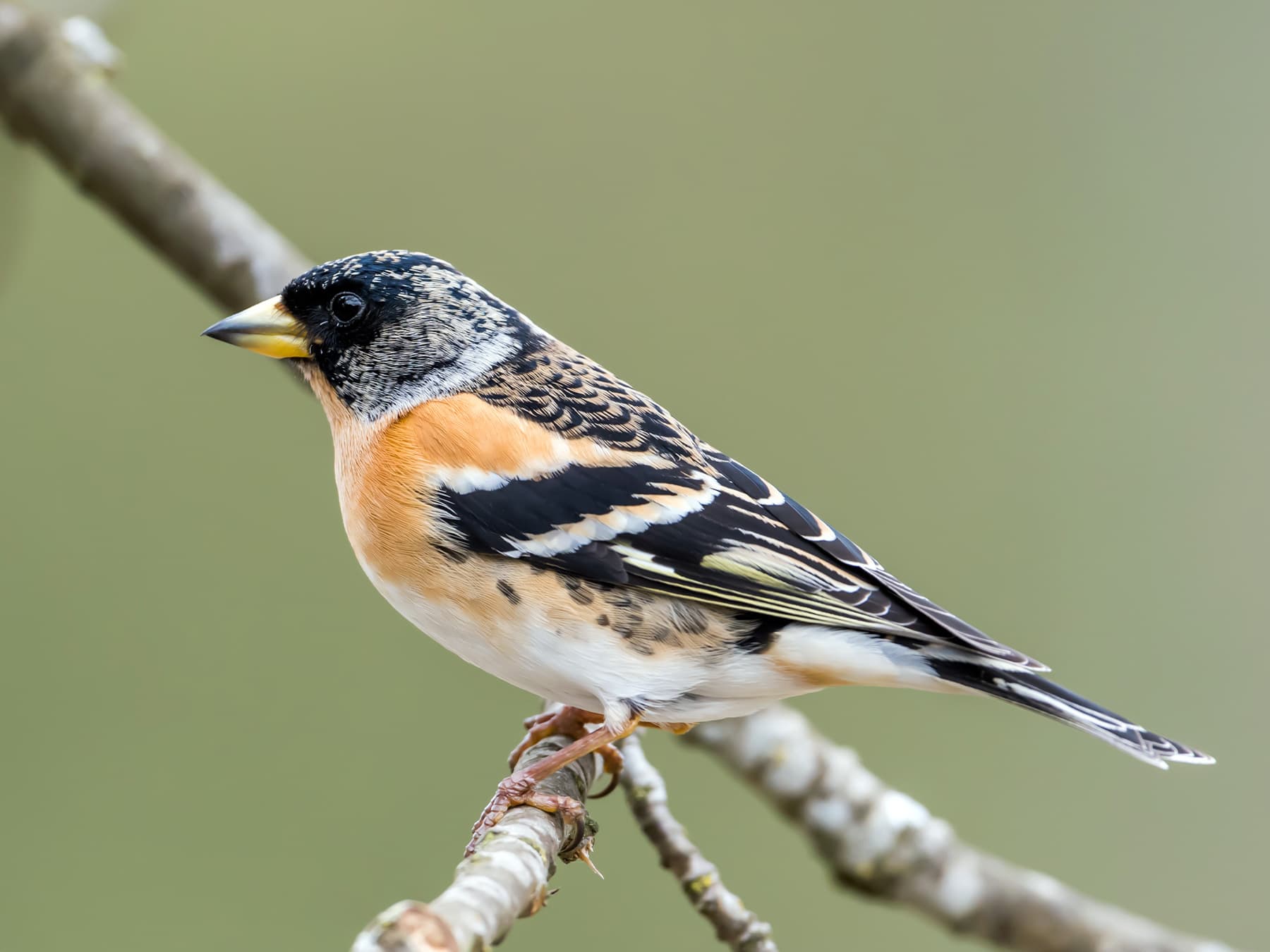 BramblingFringilla montifringillaWinter visitorUncommon14–16 cmRegularly Sep–Apr
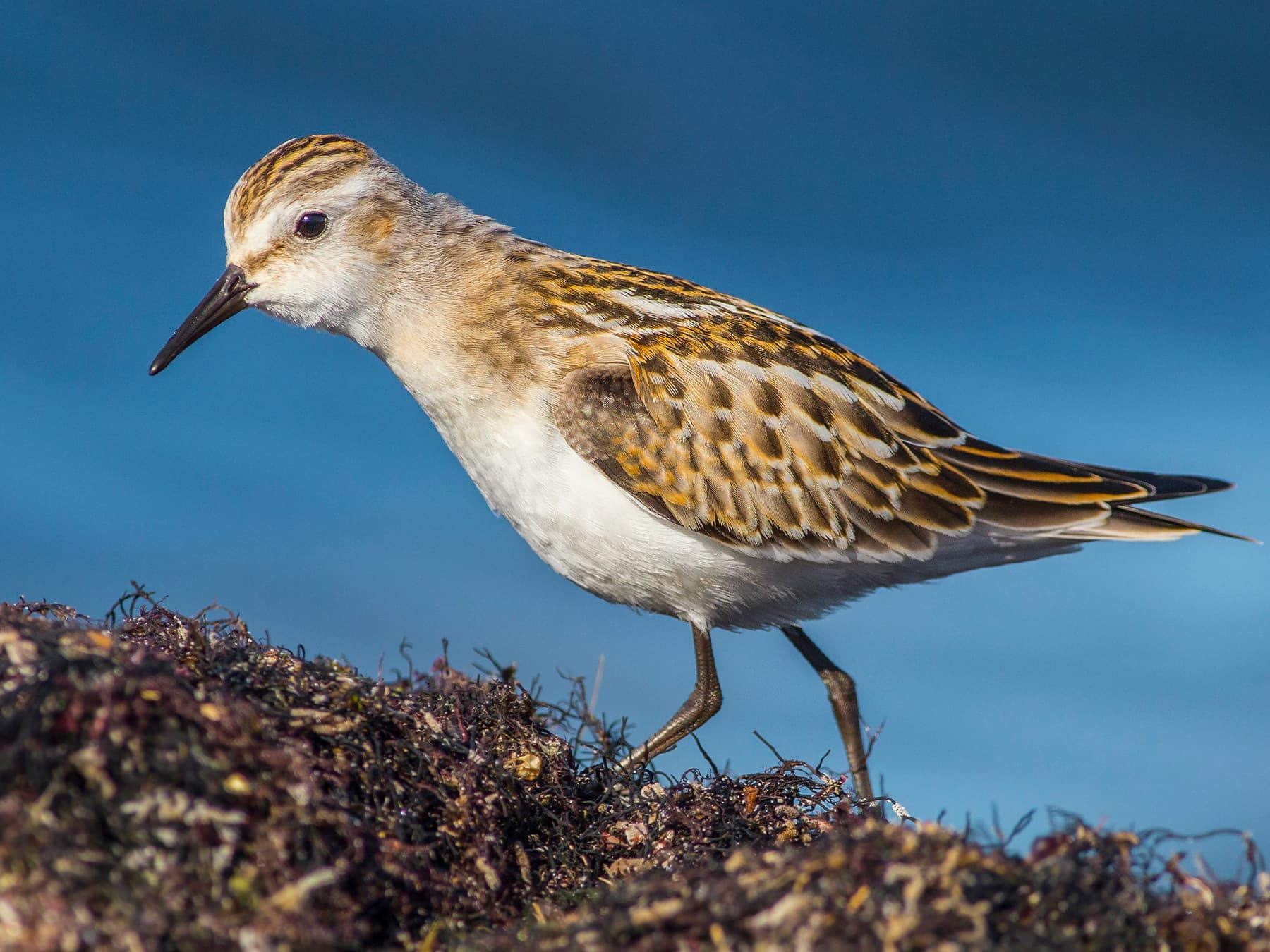 Little StintCalidris minutaSummer visitorUncommon13–15 cmRegularly Apr–Oct
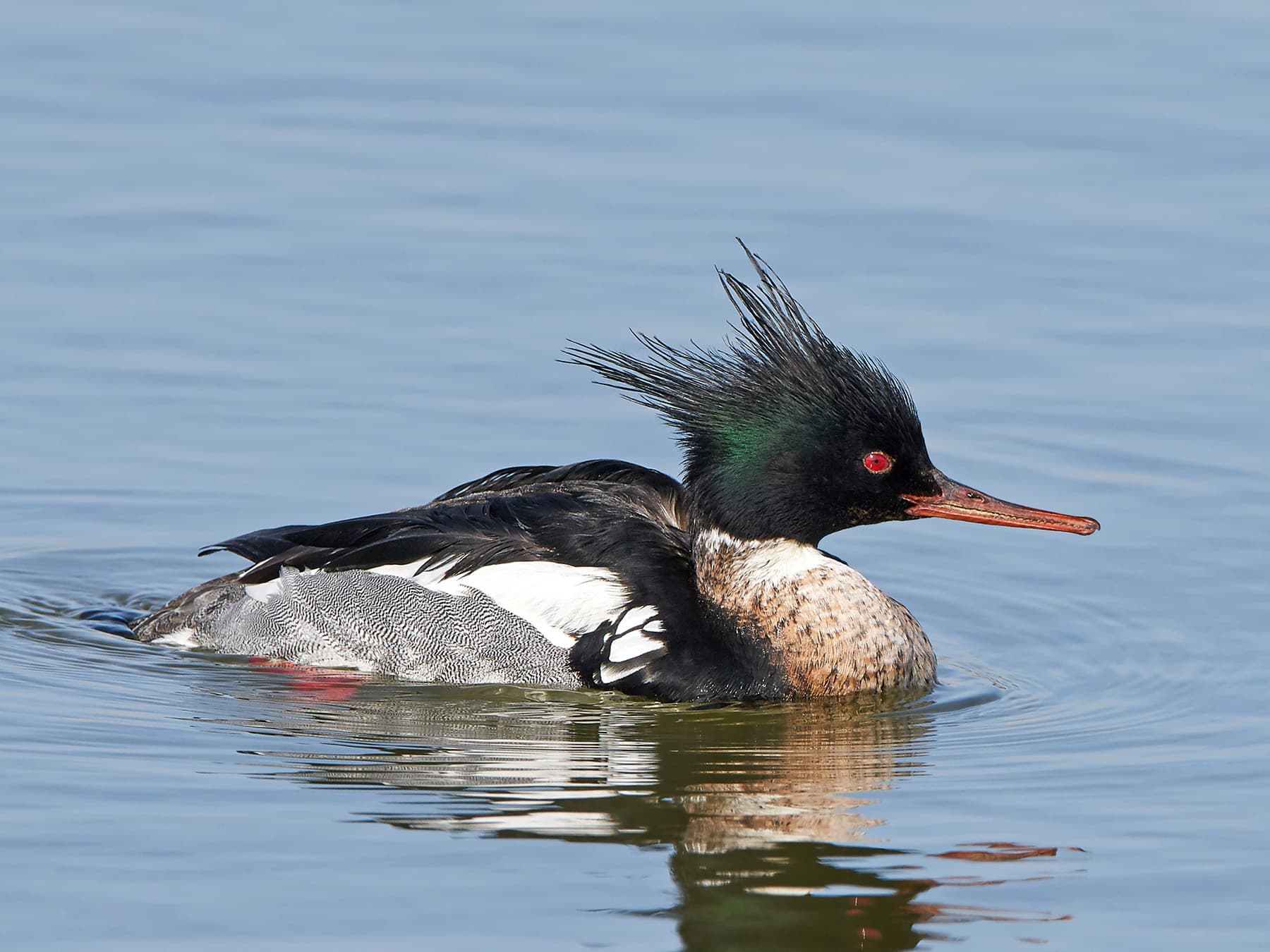 Red-breasted MerganserMergus serratorWinter visitorUncommon52–58 cmRegularly Oct–Apr
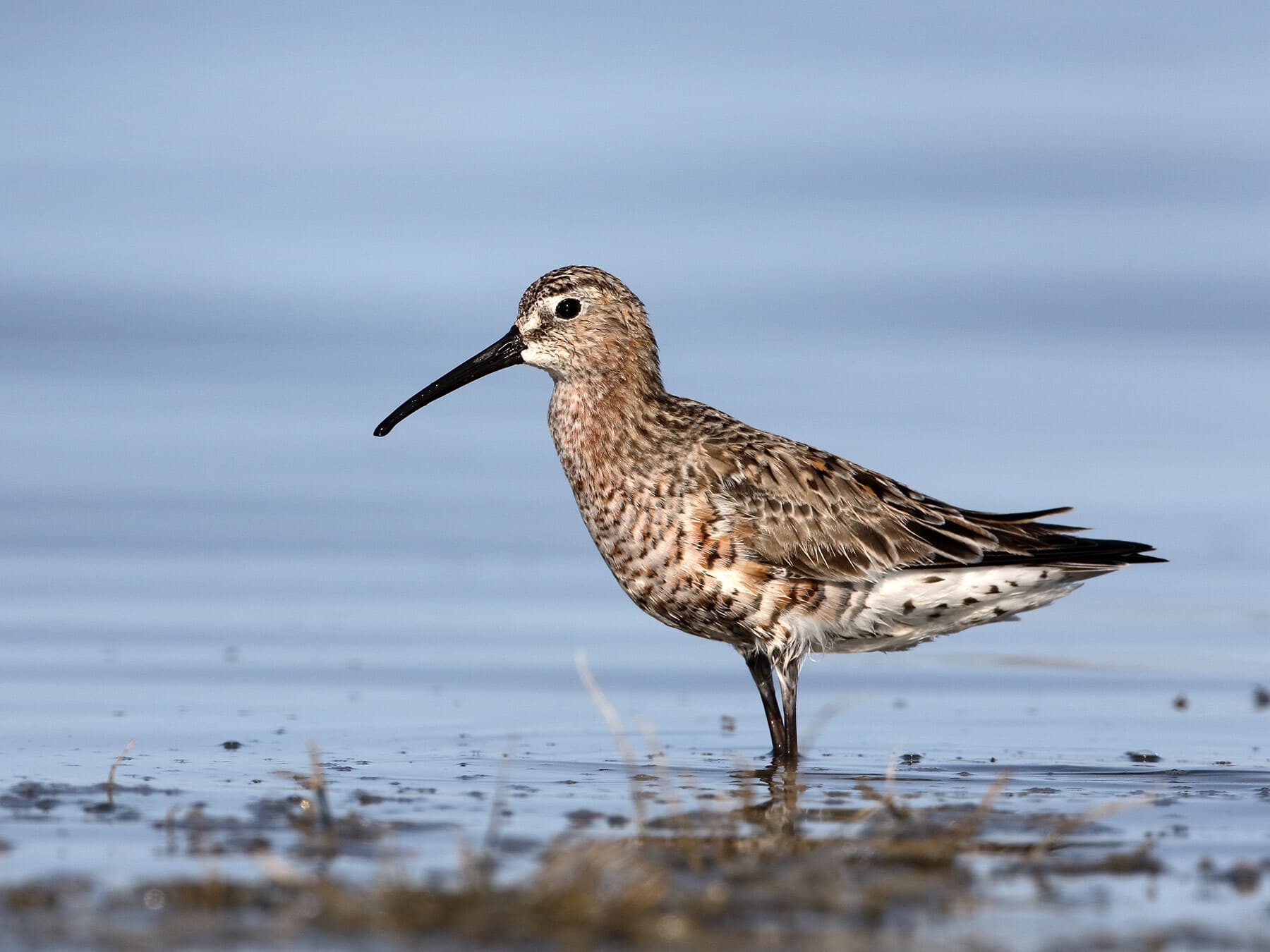 Curlew SandpiperCalidris ferrugineaSummer visitorUncommon18–23 cmRegularly May–Oct
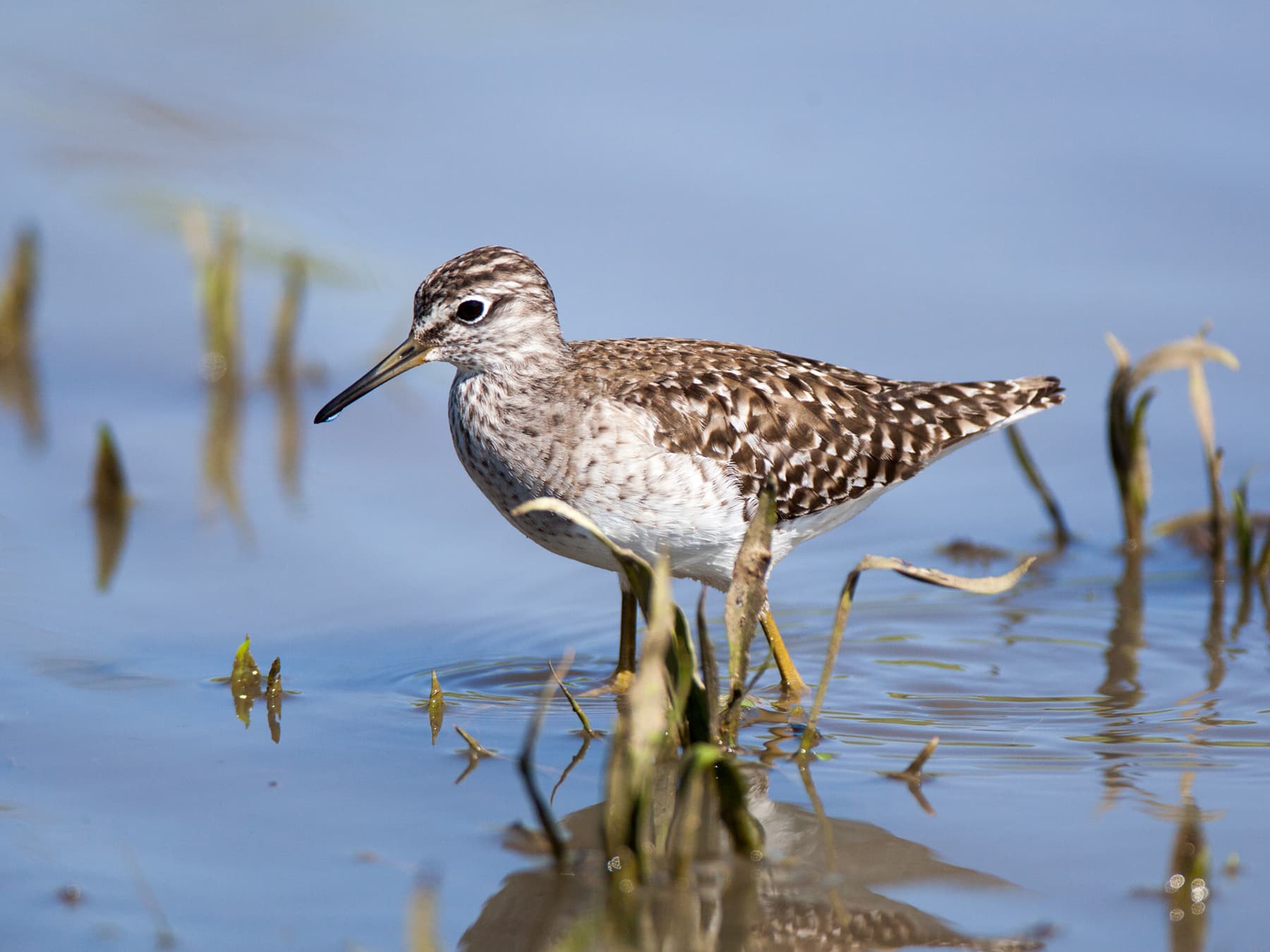 Wood SandpiperTringa glareolaSummer visitorUncommon19–21 cmRegularly Apr–Sep
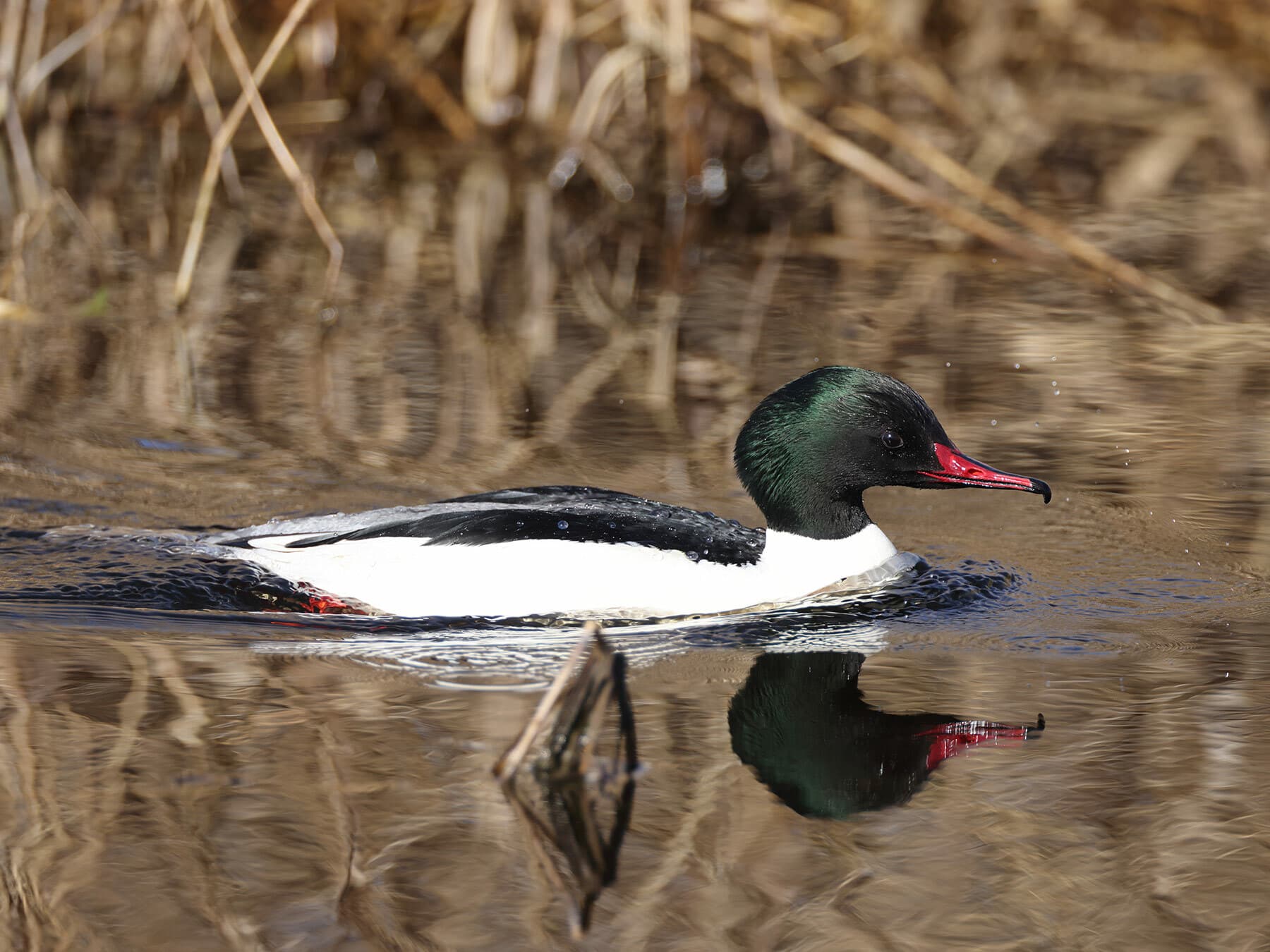 Common MerganserMergus merganserWinter visitorUncommon58–68 cmRegularly Oct–Apr
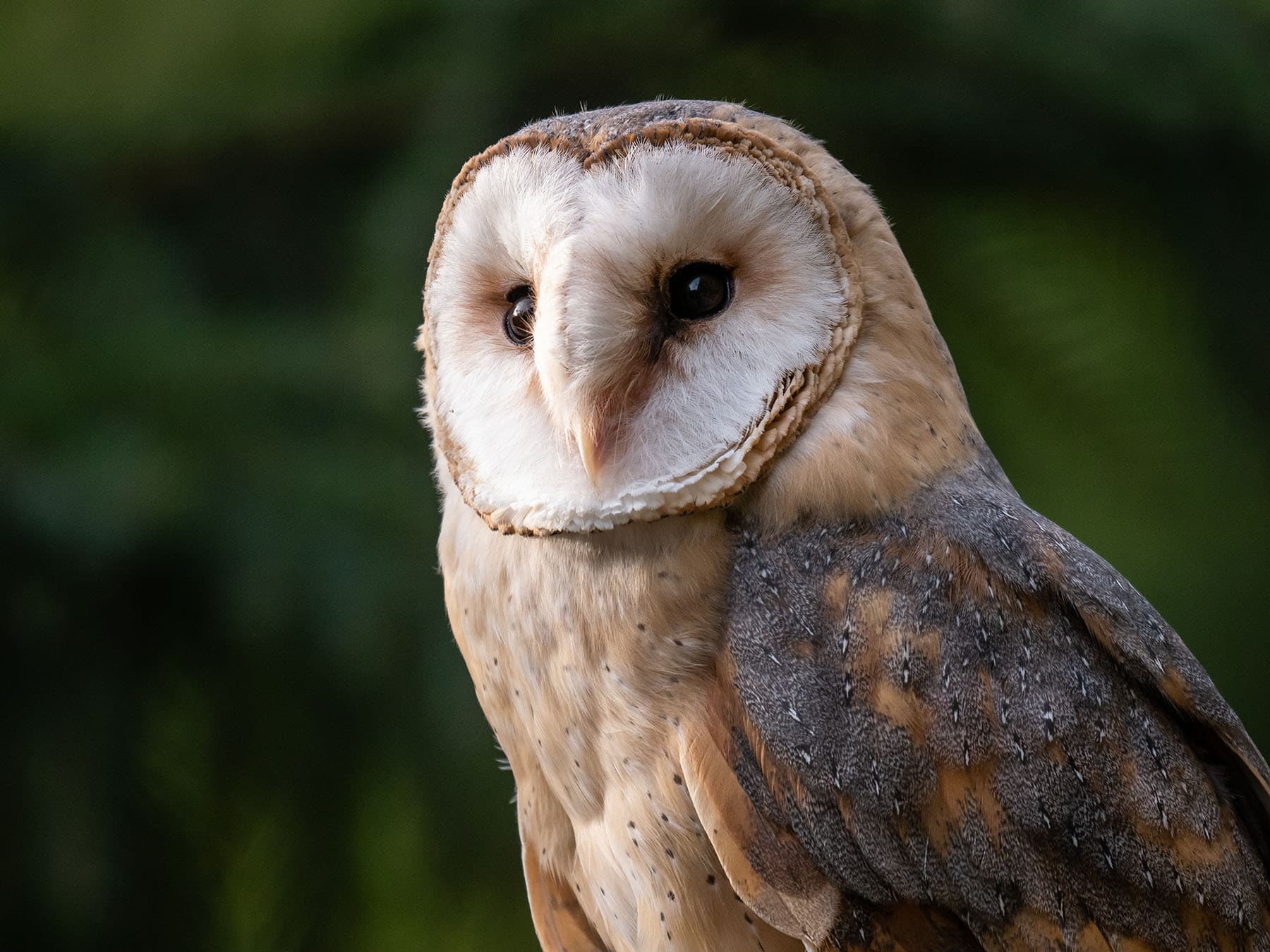 Barn OwlTyto albaResidentUncommon33–39 cmRecorded all year
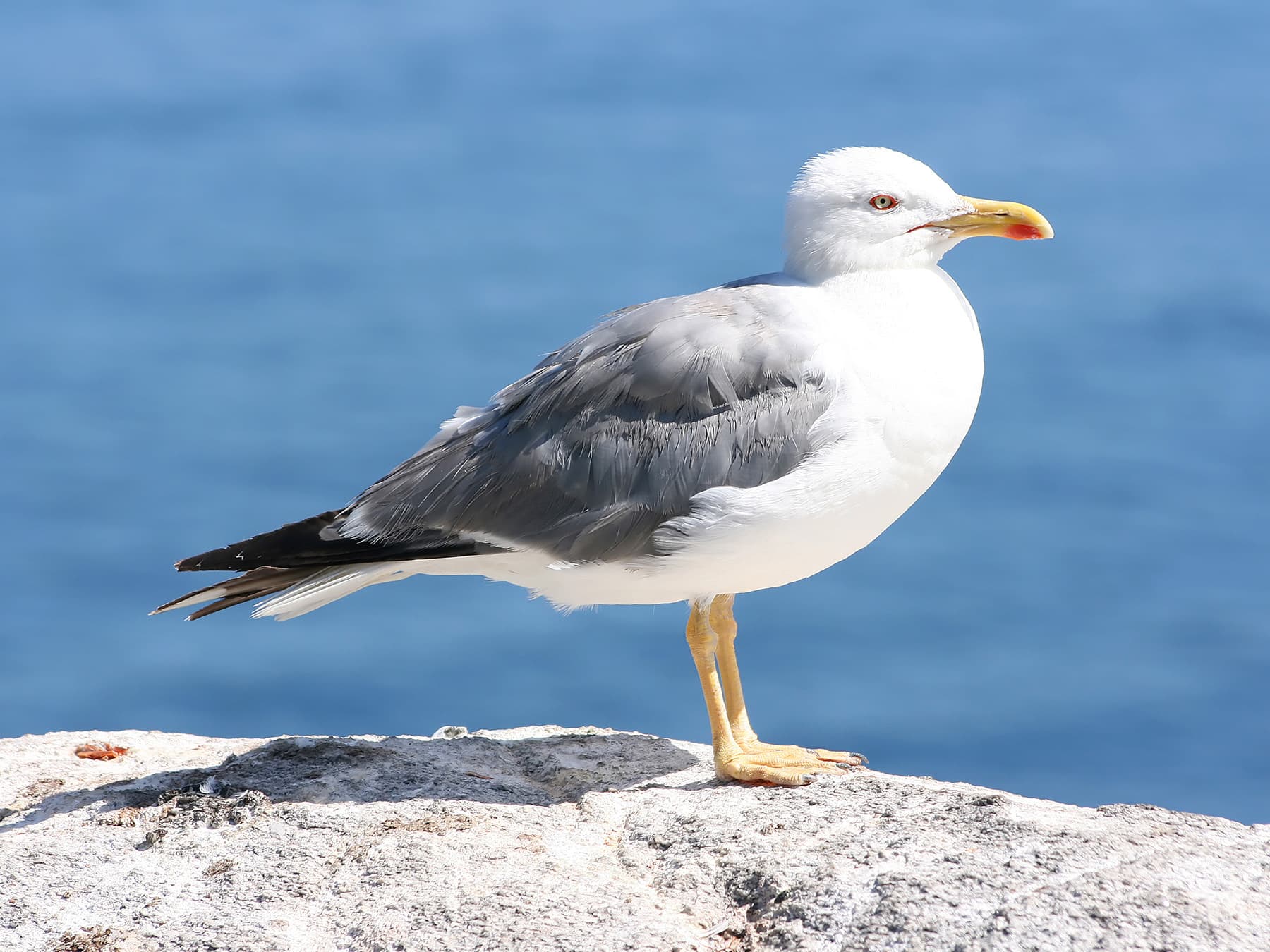 Yellow-legged GullLarus michahellisWinter visitorUncommon52–68 cmRecorded all year
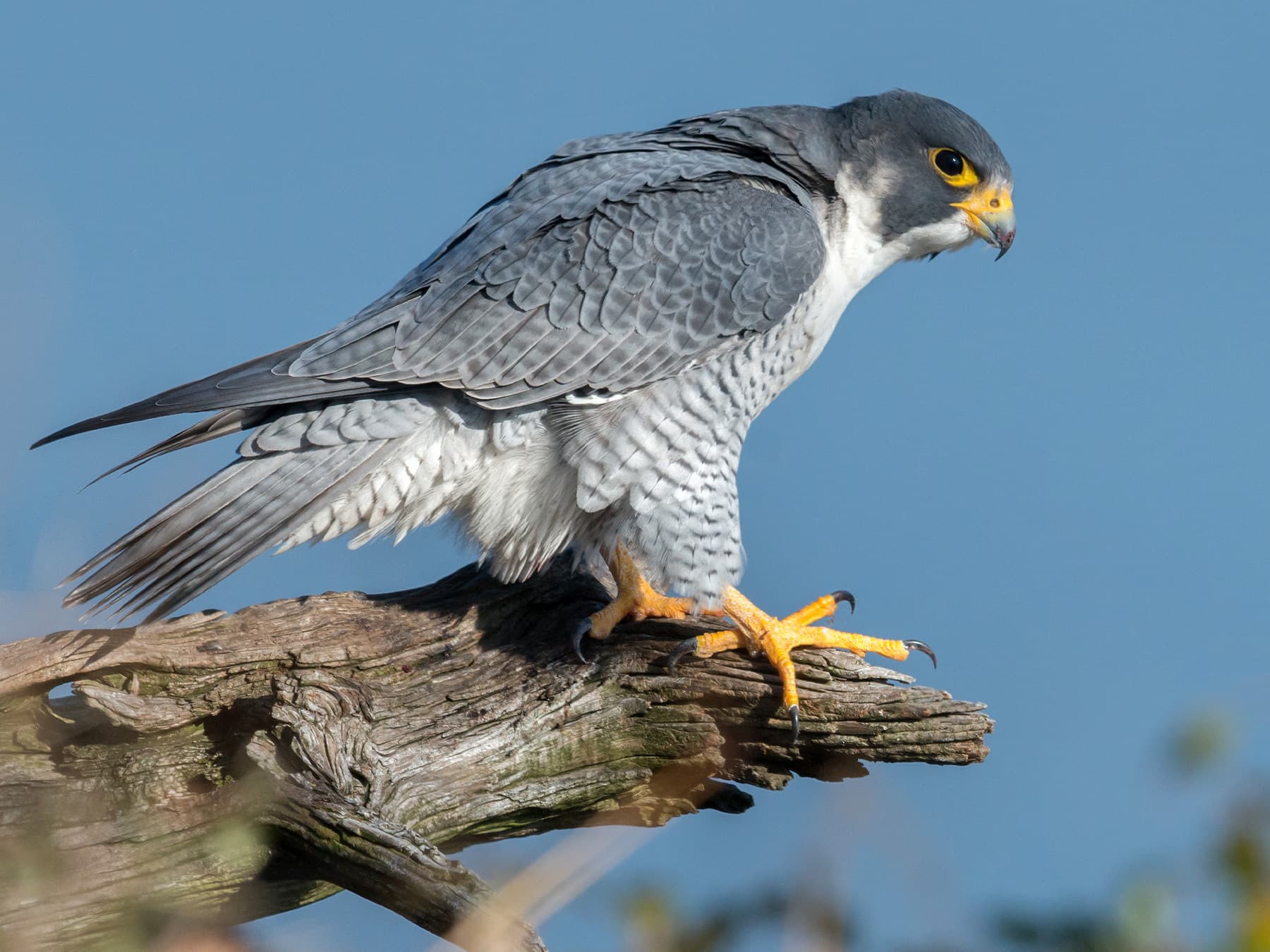 Peregrine FalconFalco peregrinusWinter visitorUncommon34–58 cmRegularly Aug–Mar
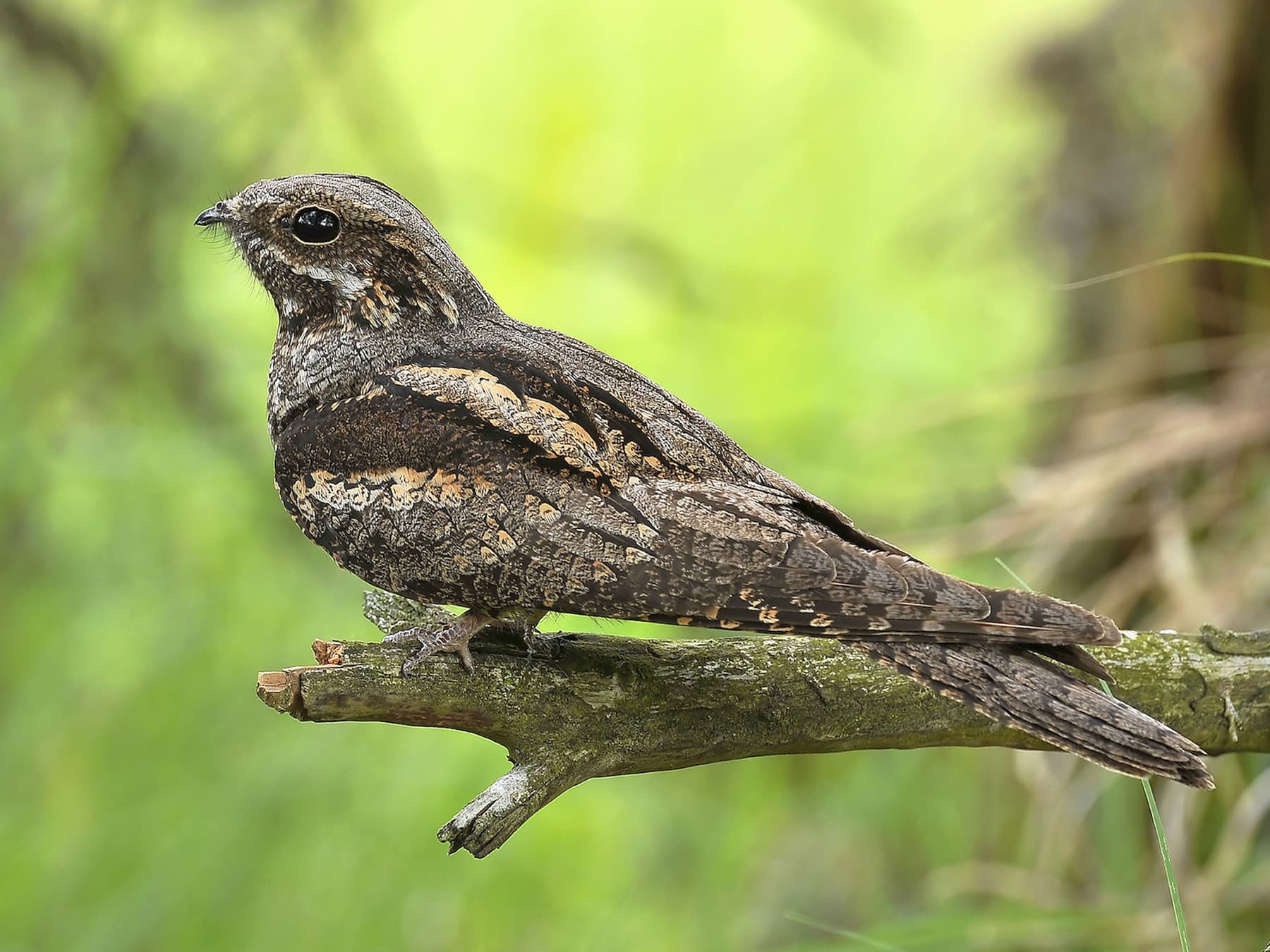 NightjarCaprimulgus europaeusSummer visitorUncommon24–28 cmRegularly May–Aug
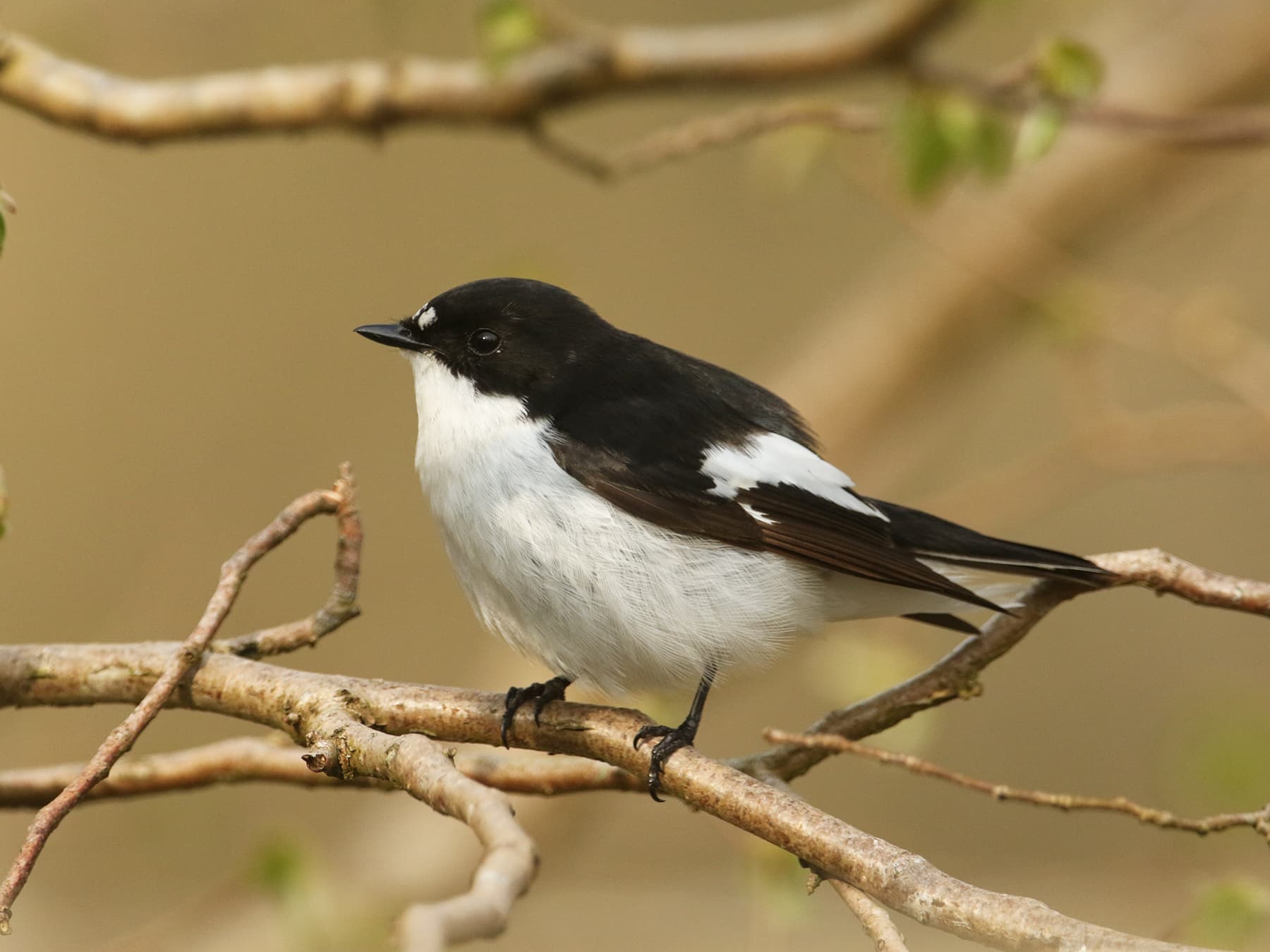 European Pied FlycatcherFicedula hypoleucaPassage migrantUncommon12–14 cmRegularly Aug–Sep
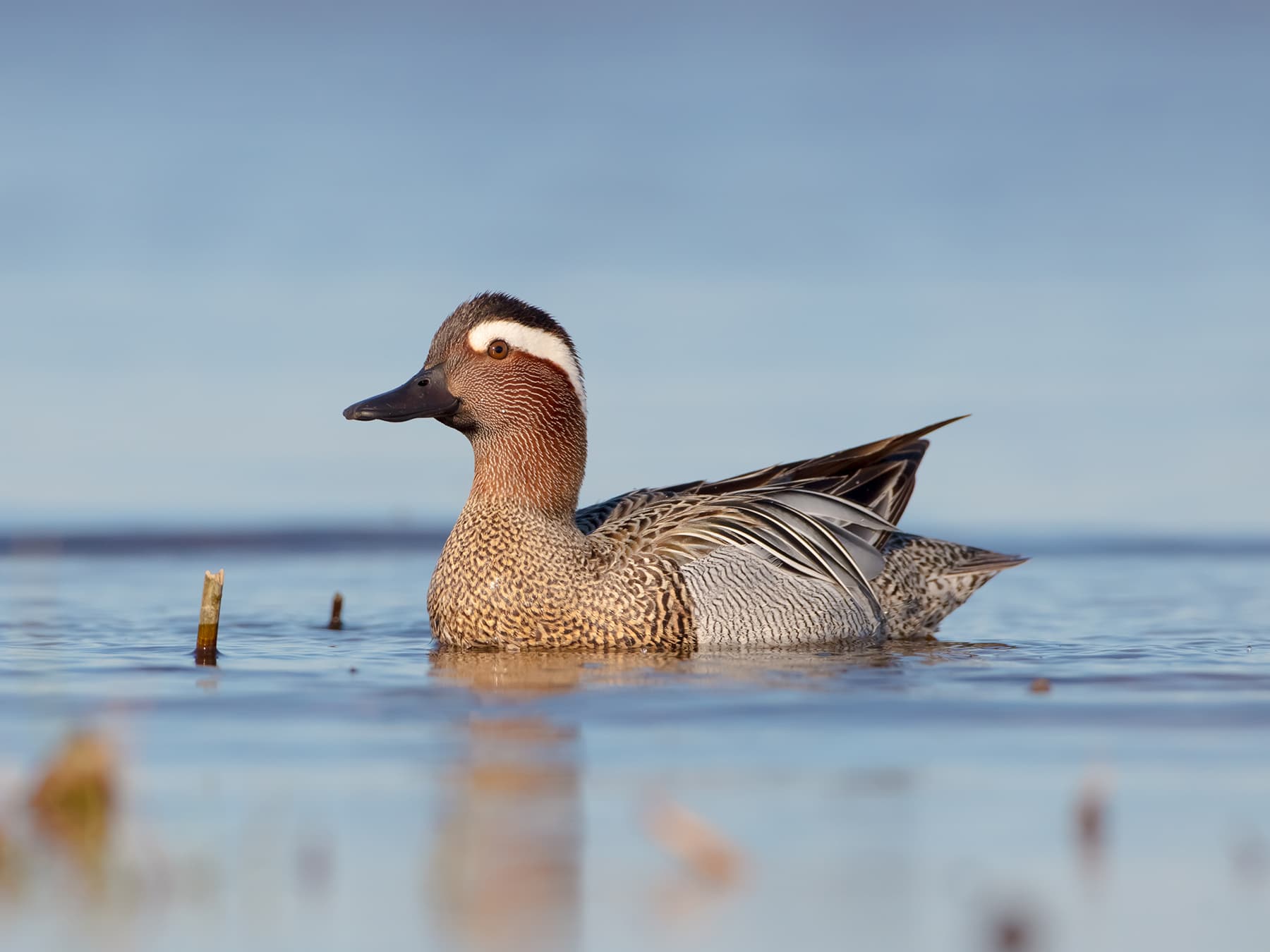 GarganeySpatula querquedulaSummer visitorUncommon37–41 cmRegularly Mar–Sep
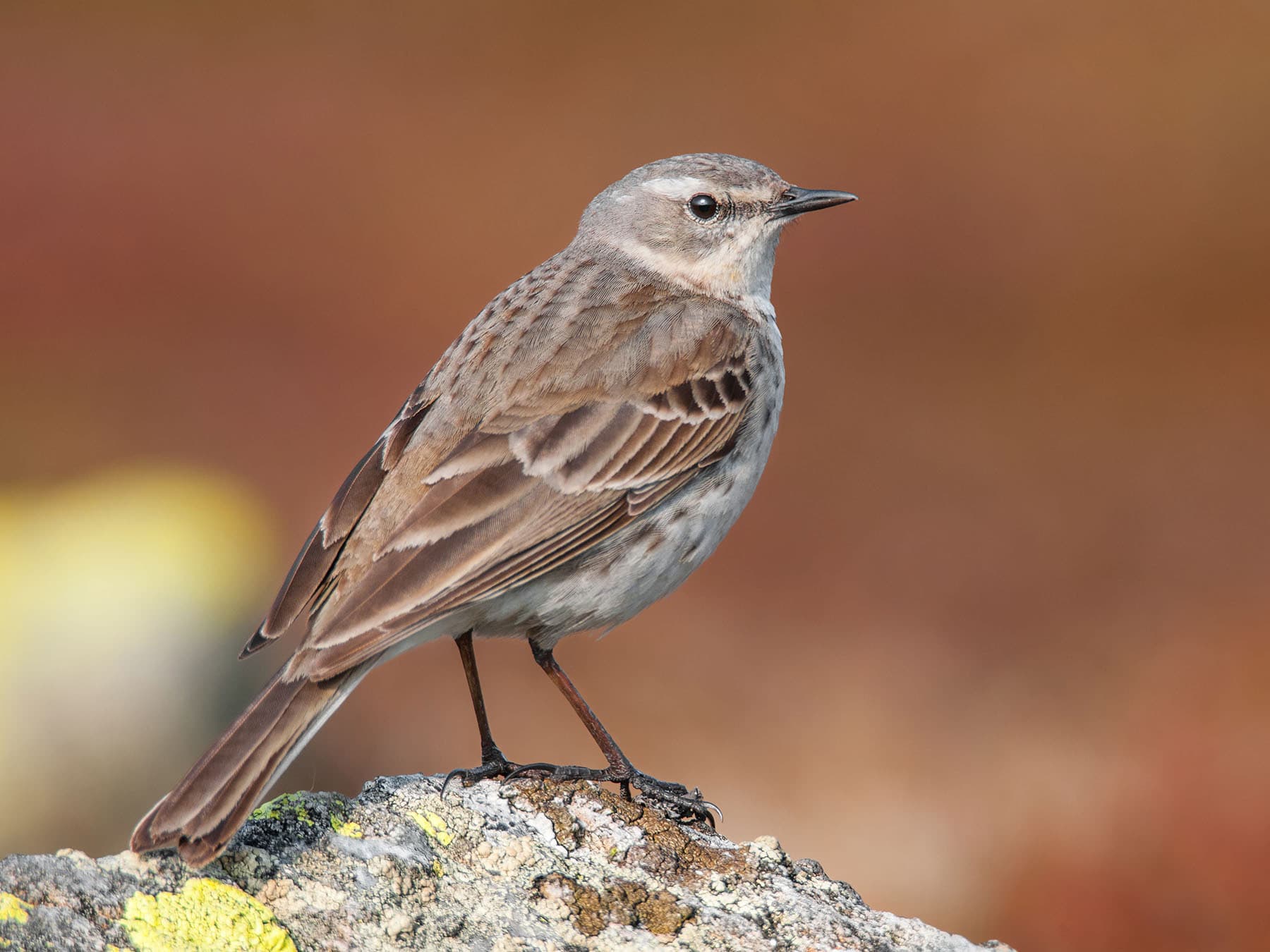 Water PipitAnthus spinolettaWinter visitorUncommon15–17 cmRegularly Oct–Apr
Data: EOD – eBird Observation Dataset (Cornell Lab of Ornithology), accessed via GBIF.org, CC BY 4.0. Records from 2019–2024, aggregated and filtered by Birdfact. How these lists are made