


Uncommon Birds in Suffolk
Our list for Suffolk has 94 uncommon birds recorded regularly there: 23 residents, 24 summer visitors, 28 winter visitors, 18 passage migrants and 1 scarce visitor
Most likely in October
GBIF · OctShare of all bird records in Suffolk in October, 2019–2024. Each month links to that month’s page.
All 94, most common first
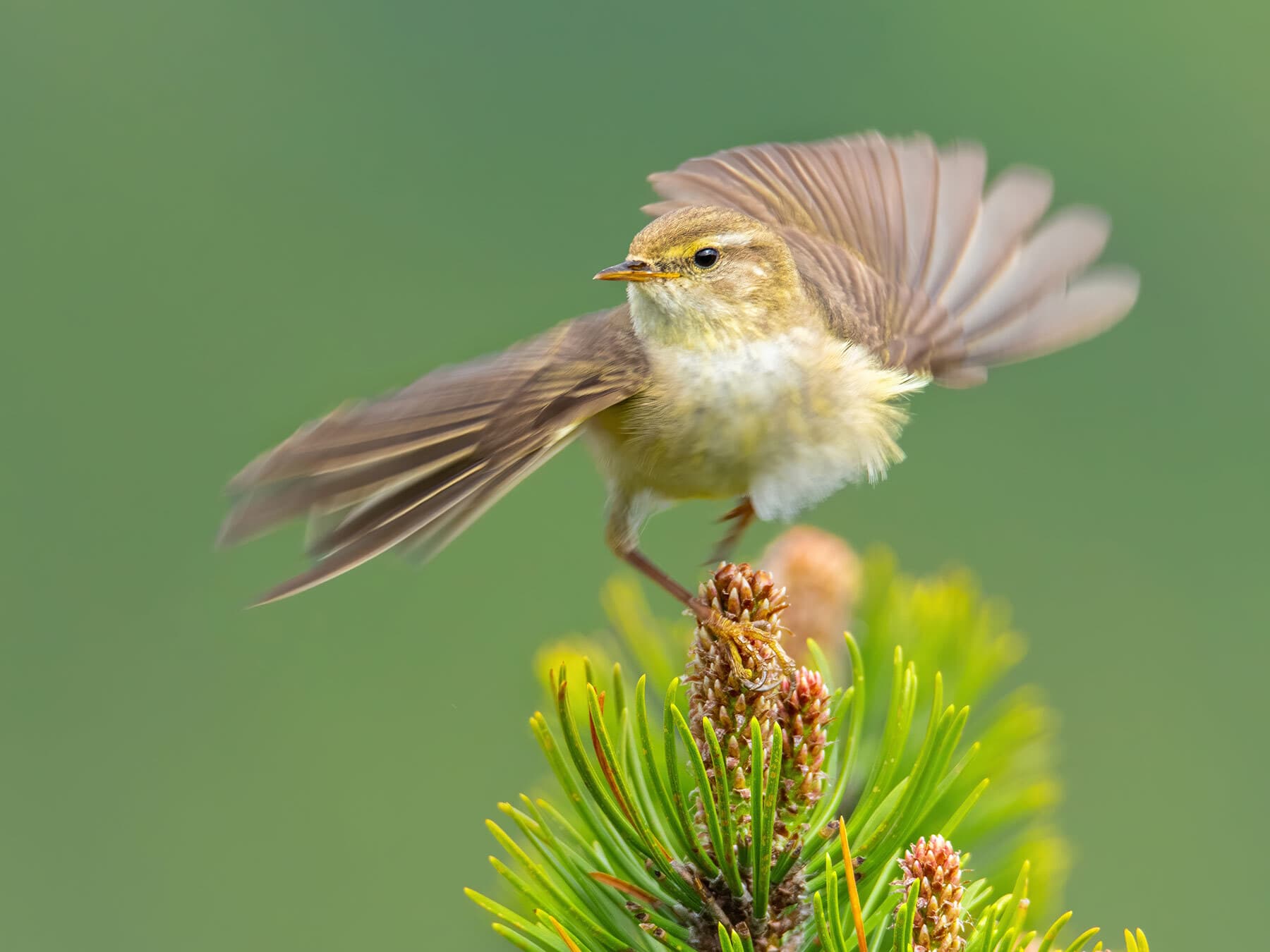 Willow WarblerPhylloscopus trochilusSummer visitorUncommon11–13 cmRegularly Apr–Sep
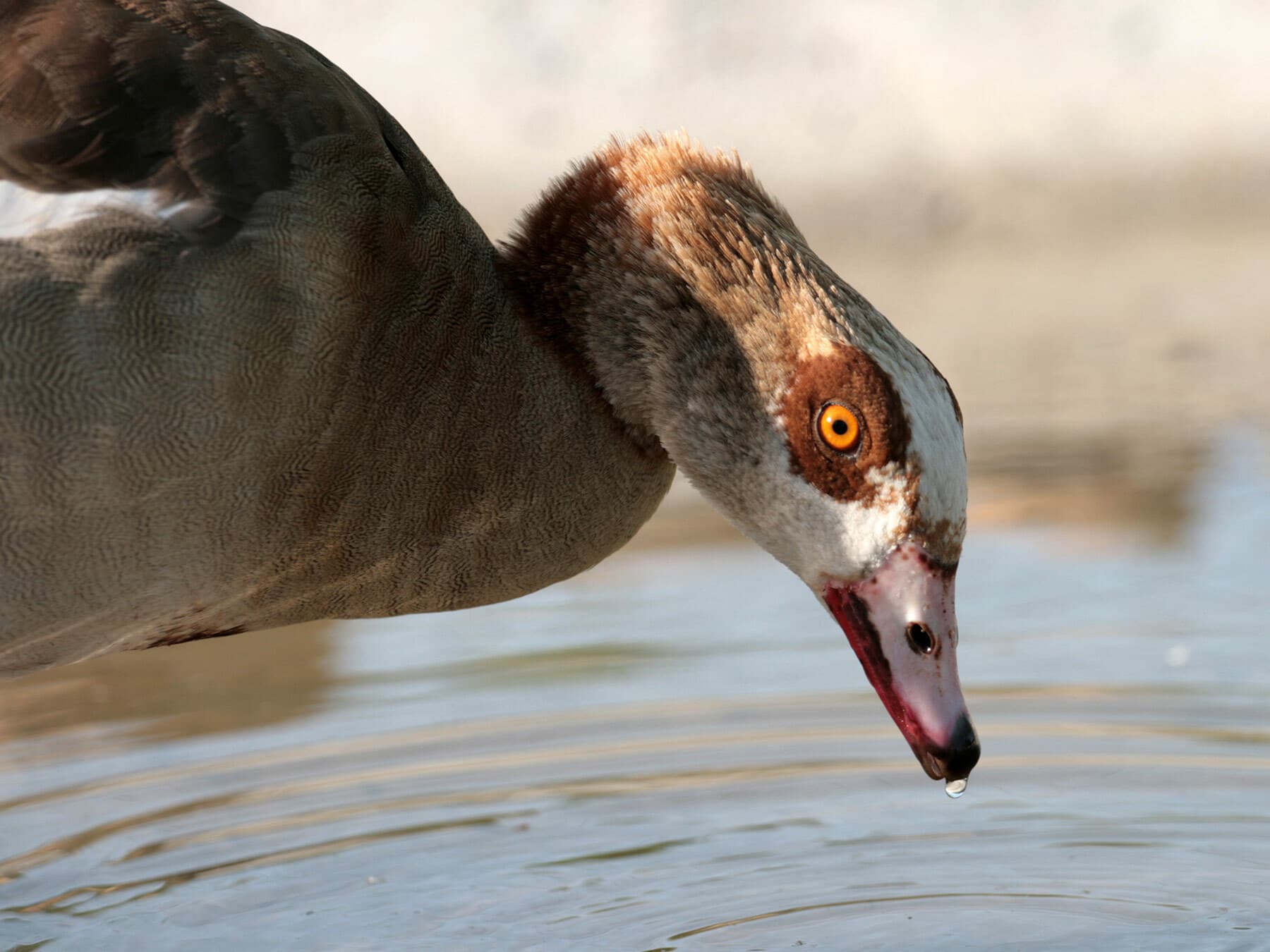 Egyptian GooseAlopochen aegyptiacaResidentUncommon63–73 cmRecorded all year
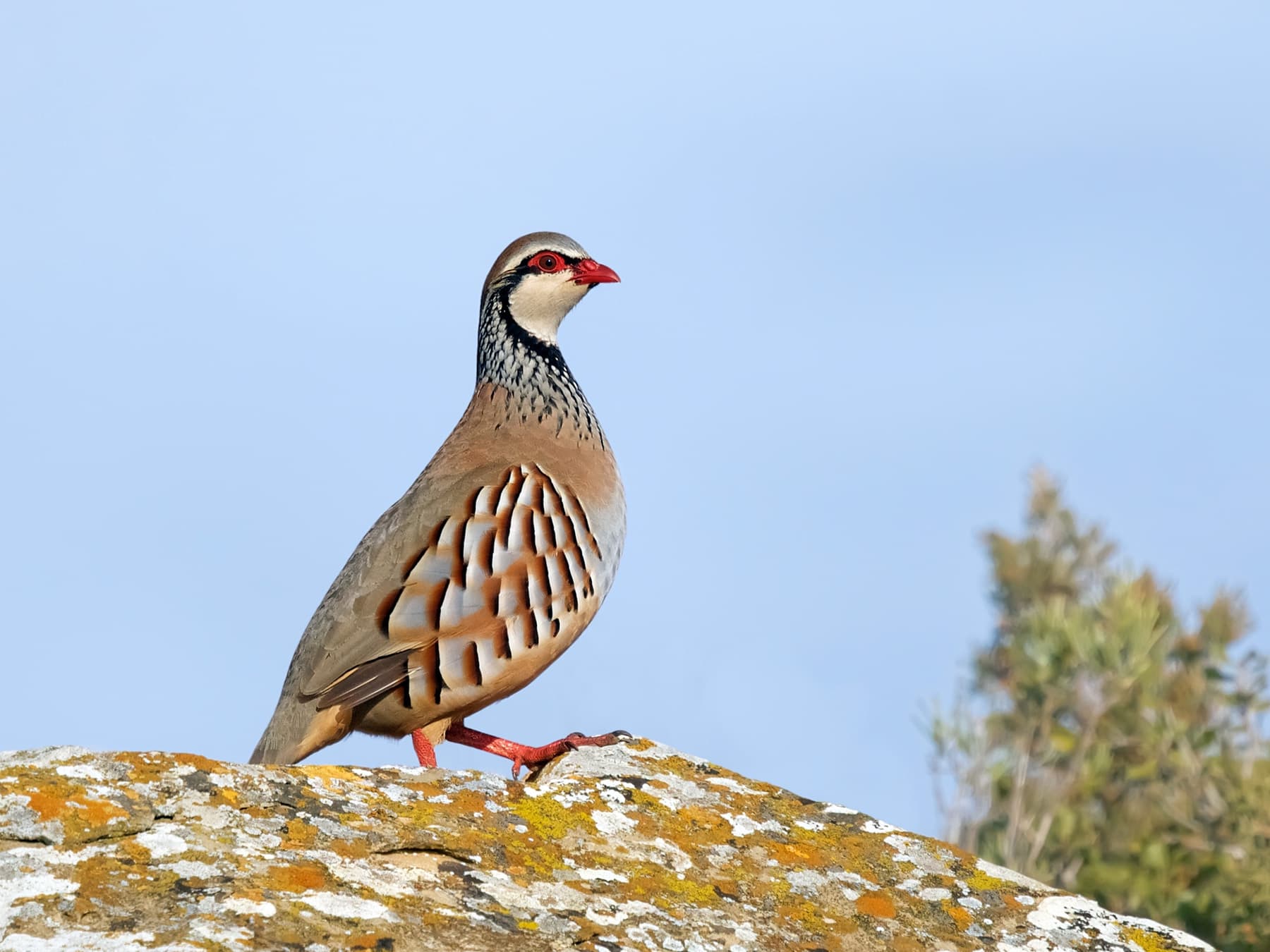 Red-legged PartridgeAlectoris rufaResidentUncommon32–34 cmRecorded all year
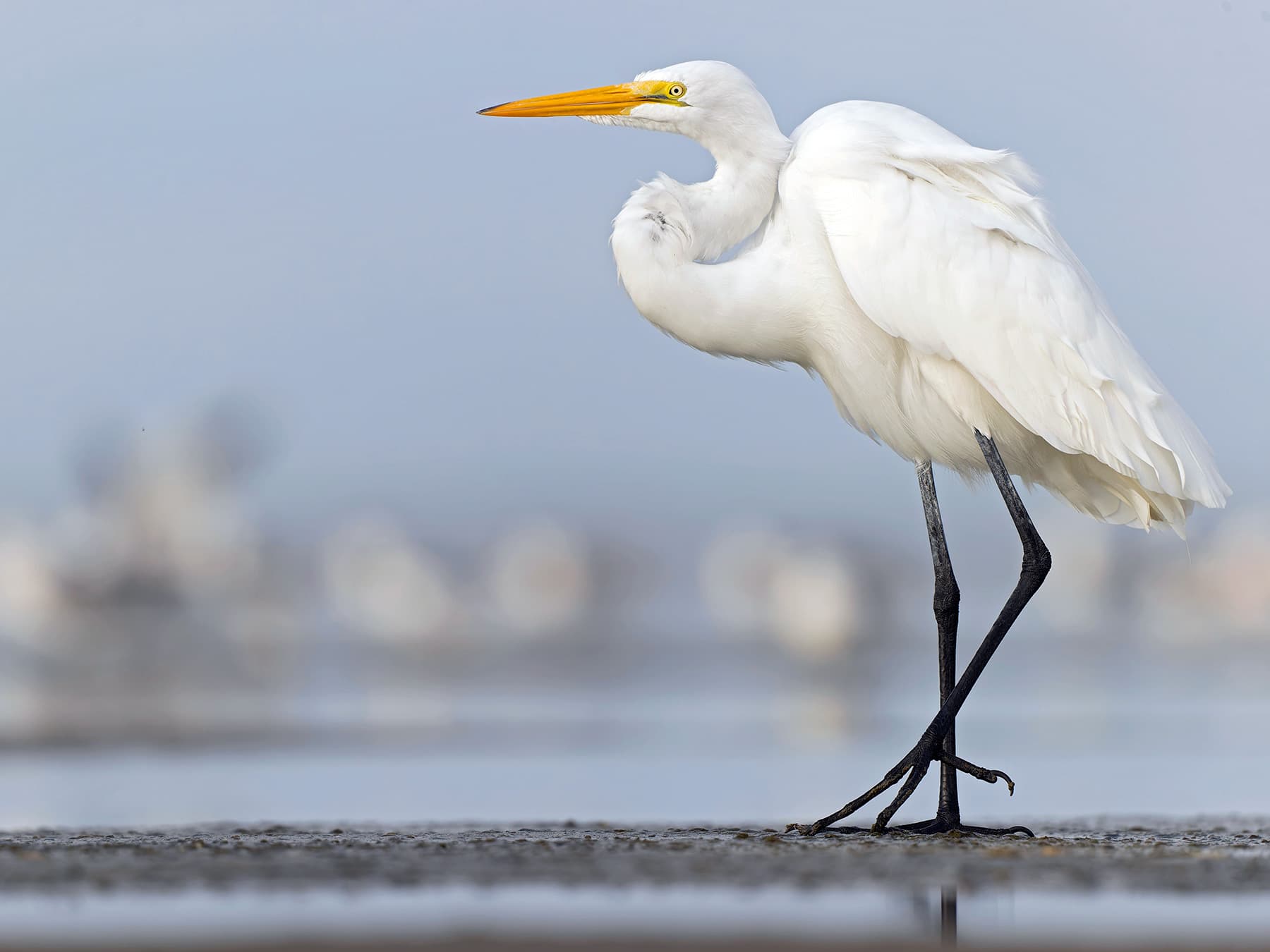 Great White EgretArdea albaResidentUncommon80–104 cmRecorded all year
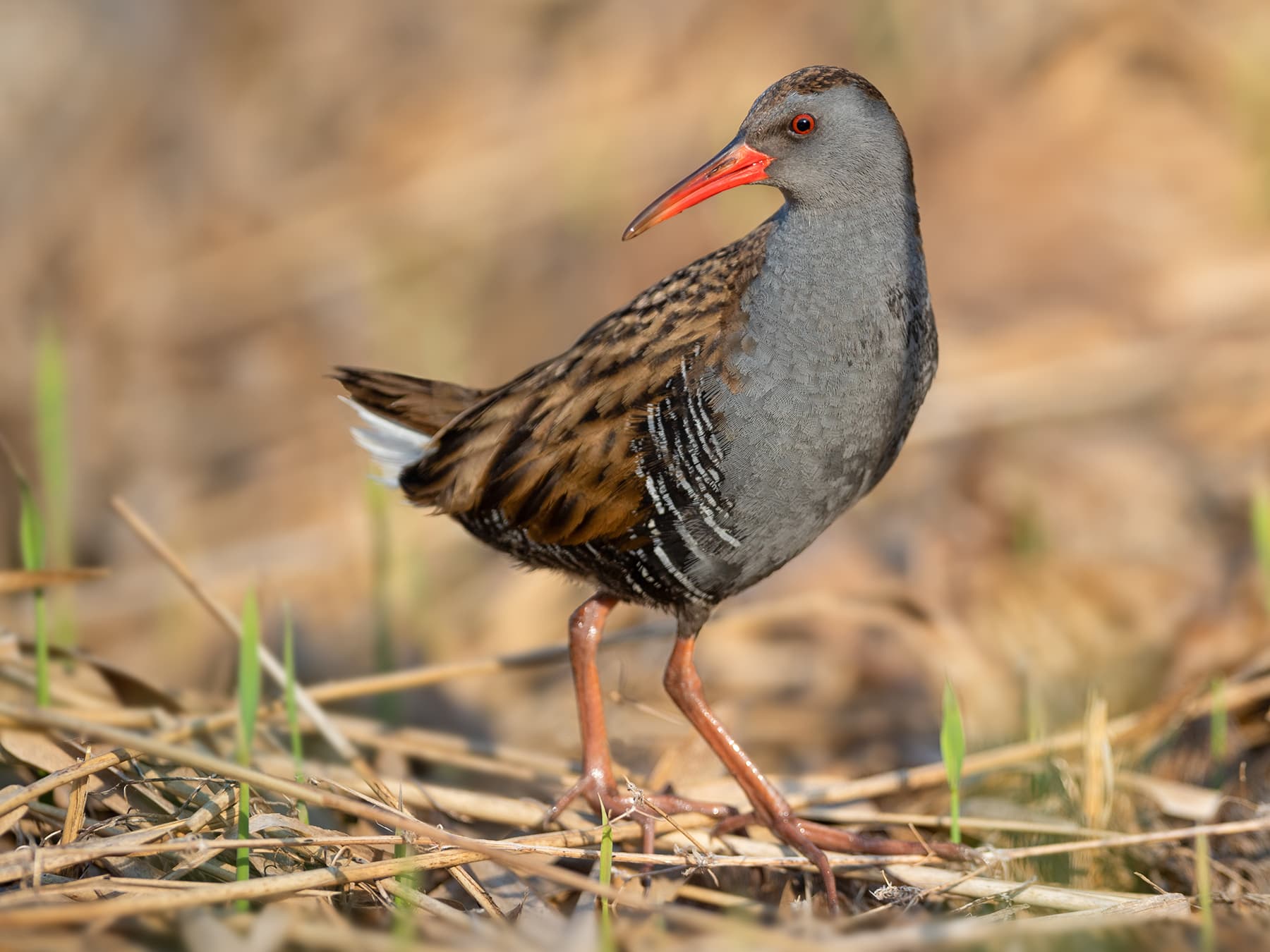 Water RailRallus aquaticusResidentUncommon23–28 cmRecorded all year
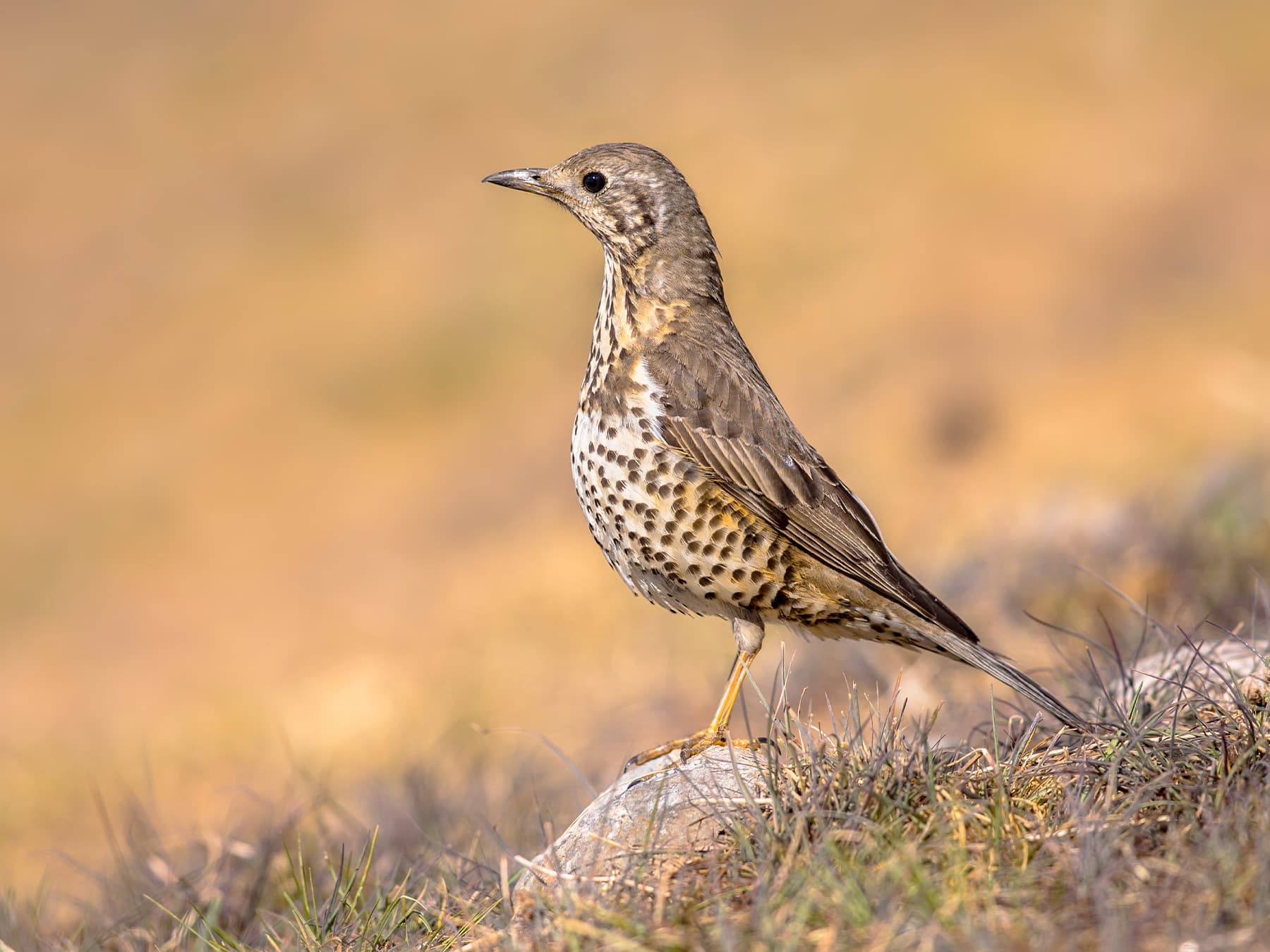 Mistle ThrushTurdus viscivorusResidentUncommon26–29 cmRecorded all year
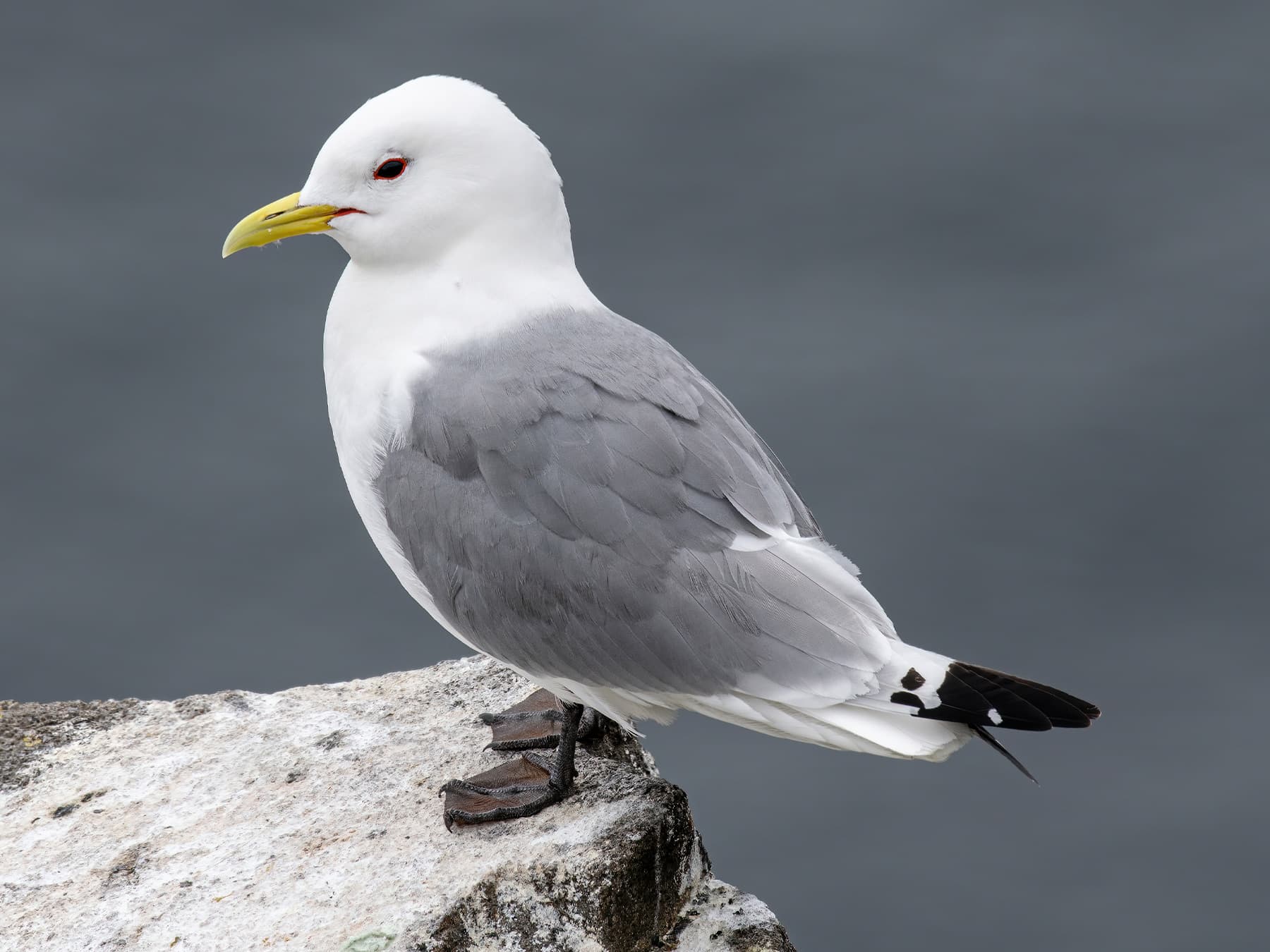 KittiwakeRissa tridactylaSummer visitorUncommon37–41 cmRecorded all year
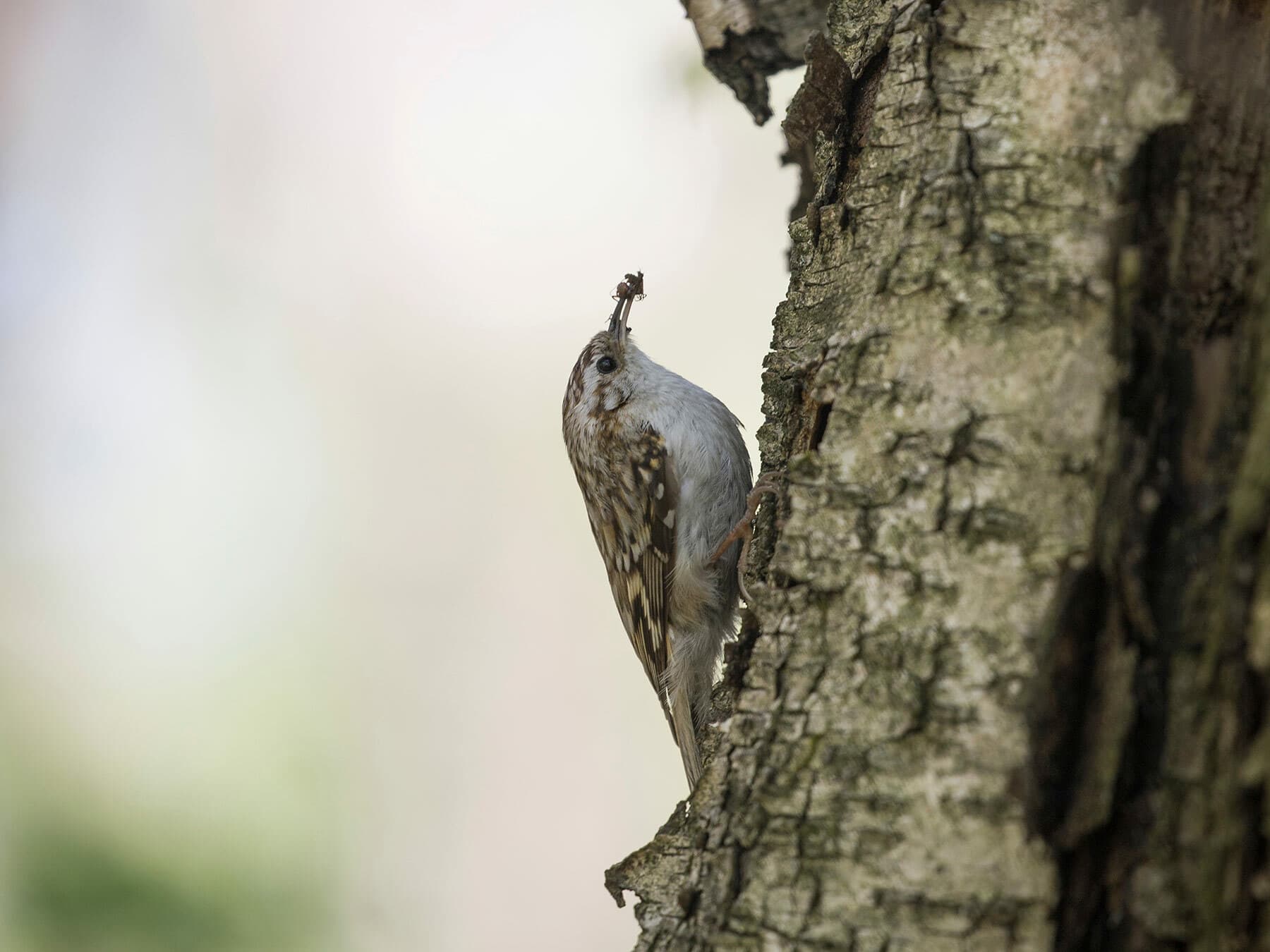 TreecreeperCerthia familiarisResidentUncommon12–14 cmRecorded all year
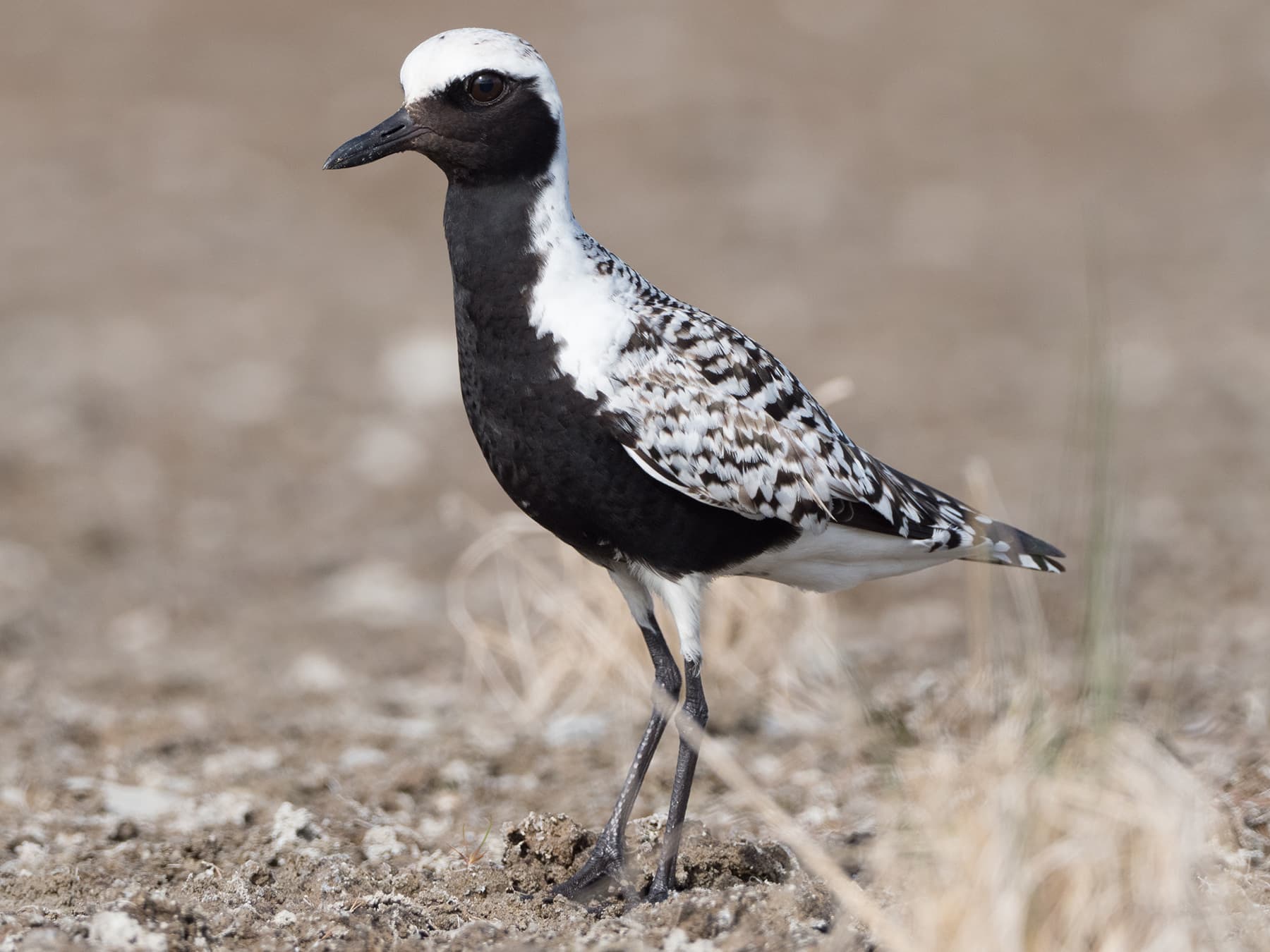 Grey PloverPluvialis squatarolaResidentUncommon27–30 cmRecorded all year
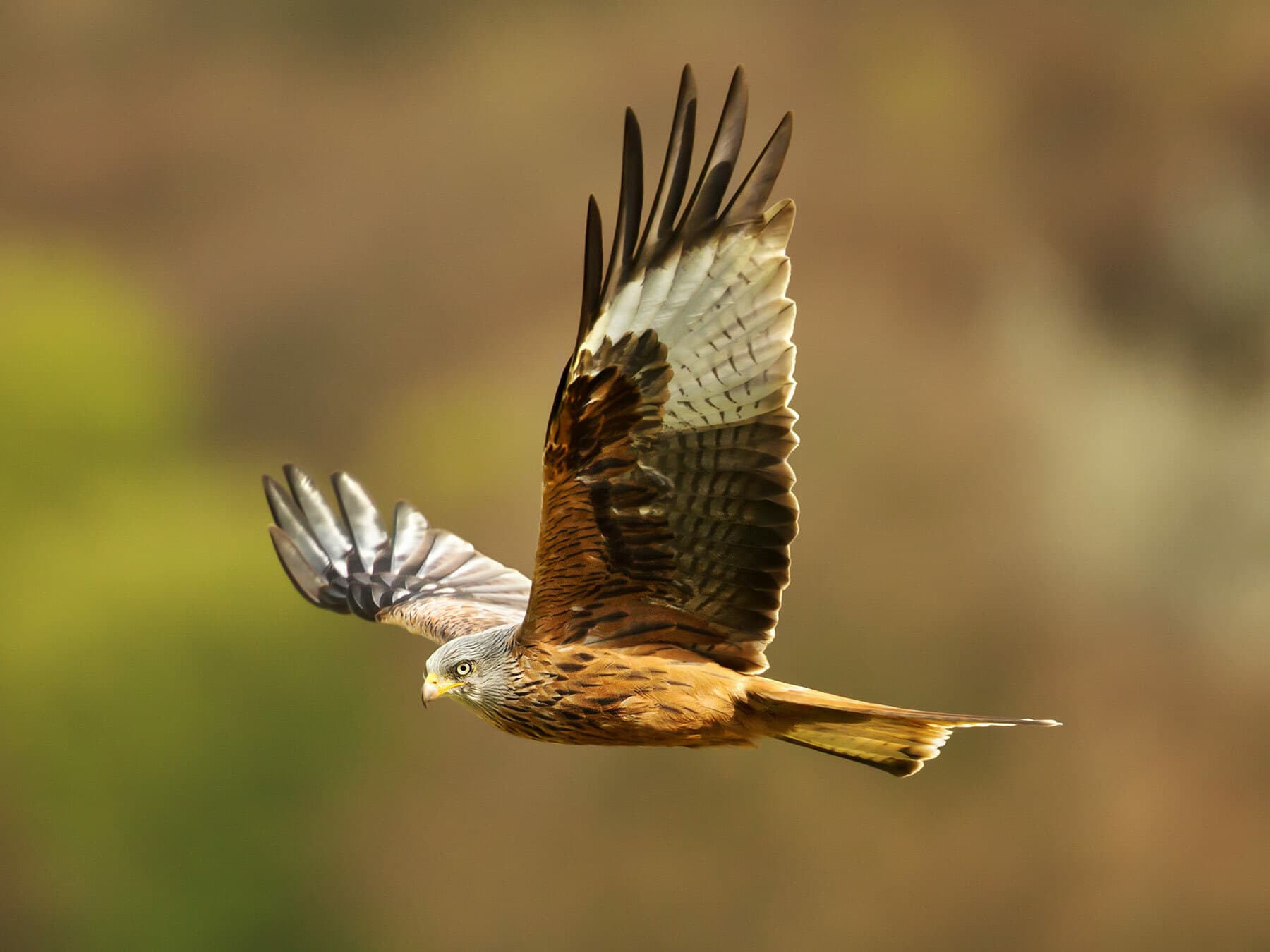 Red KiteMilvus milvusResidentUncommon60–66 cmRecorded all year
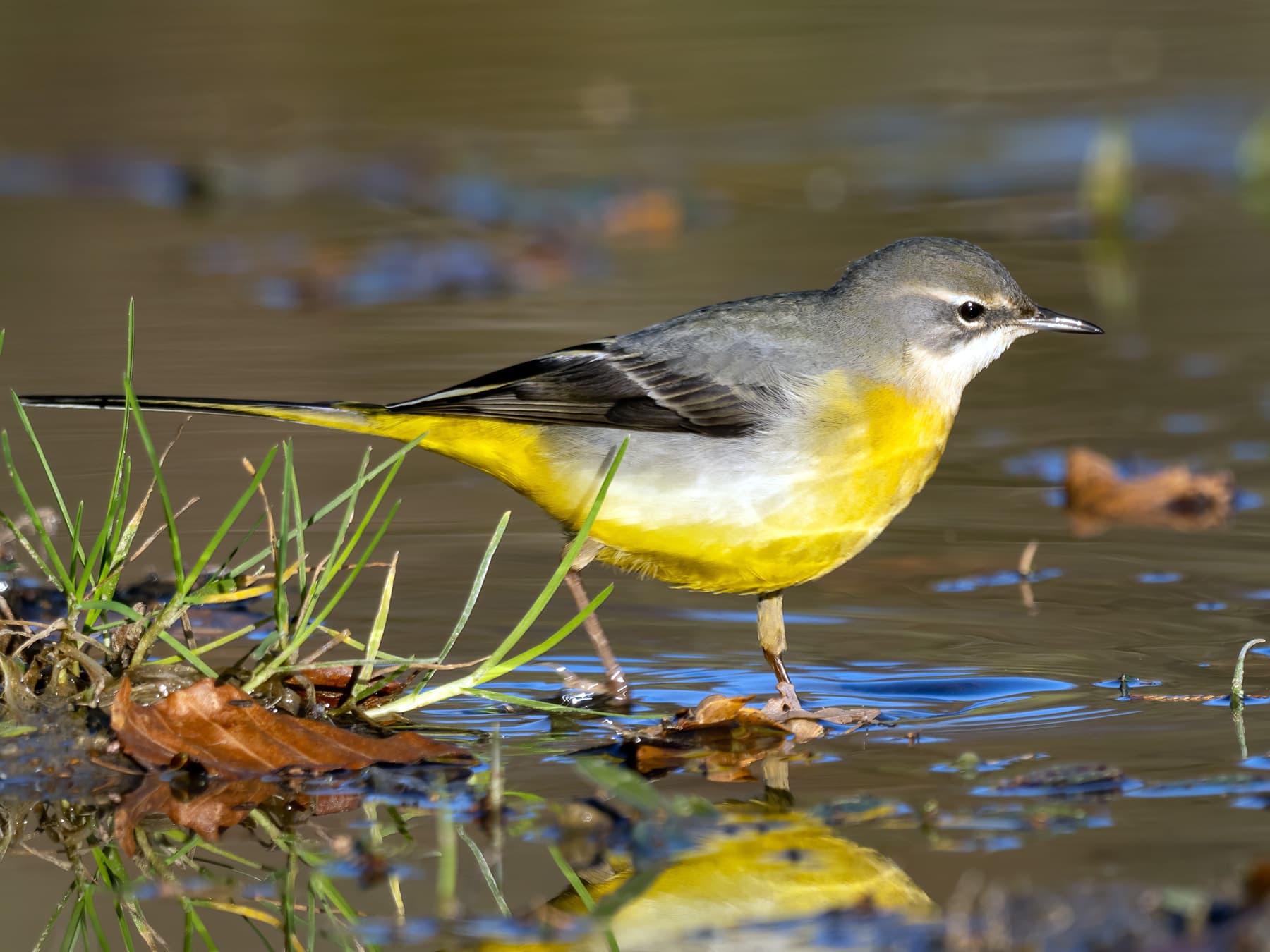 Grey WagtailMotacilla cinereaWinter visitorUncommon17–20 cmRecorded all year
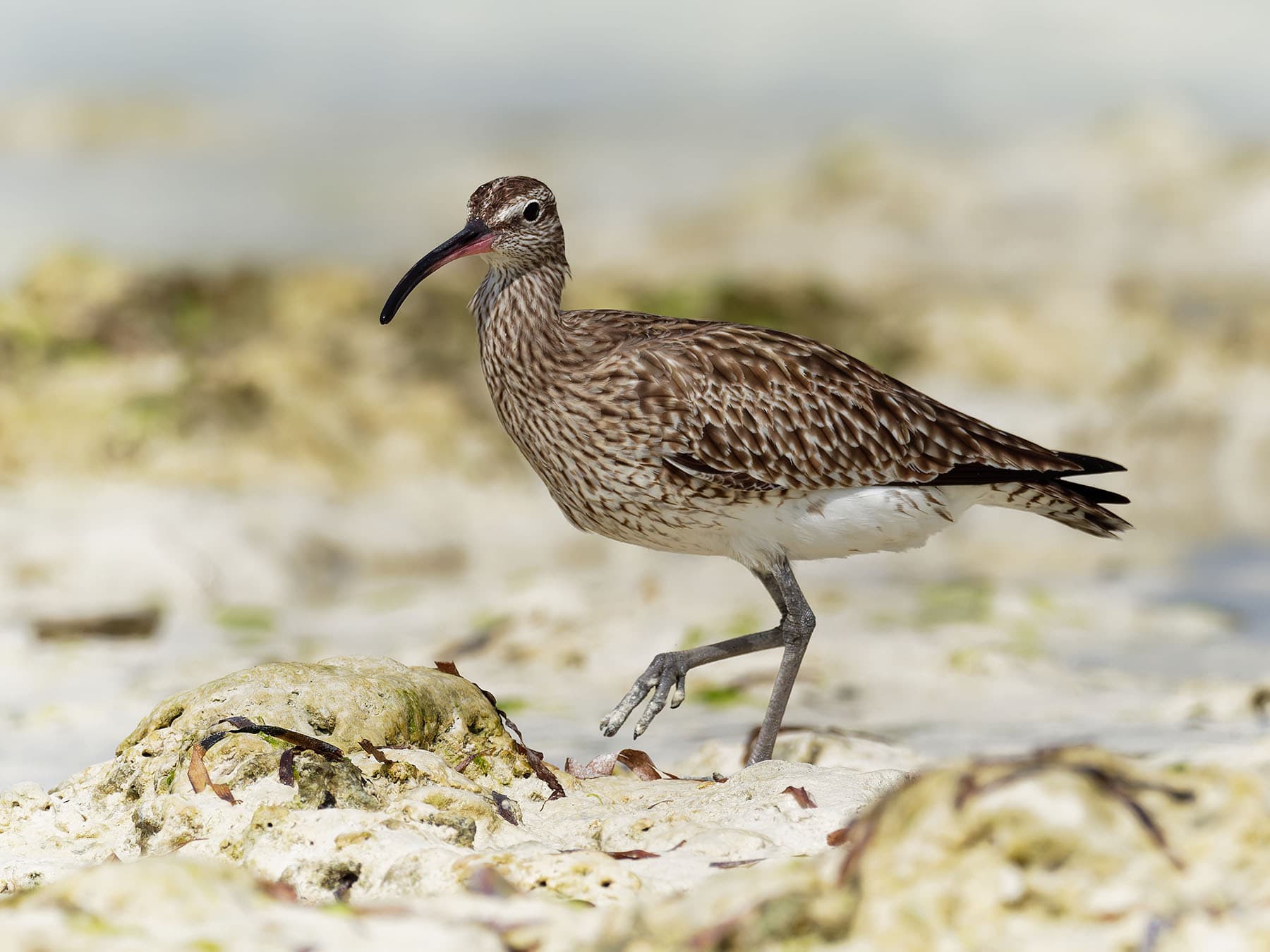 WhimbrelNumenius phaeopusSummer visitorUncommon40–46 cmRegularly Apr–Sep
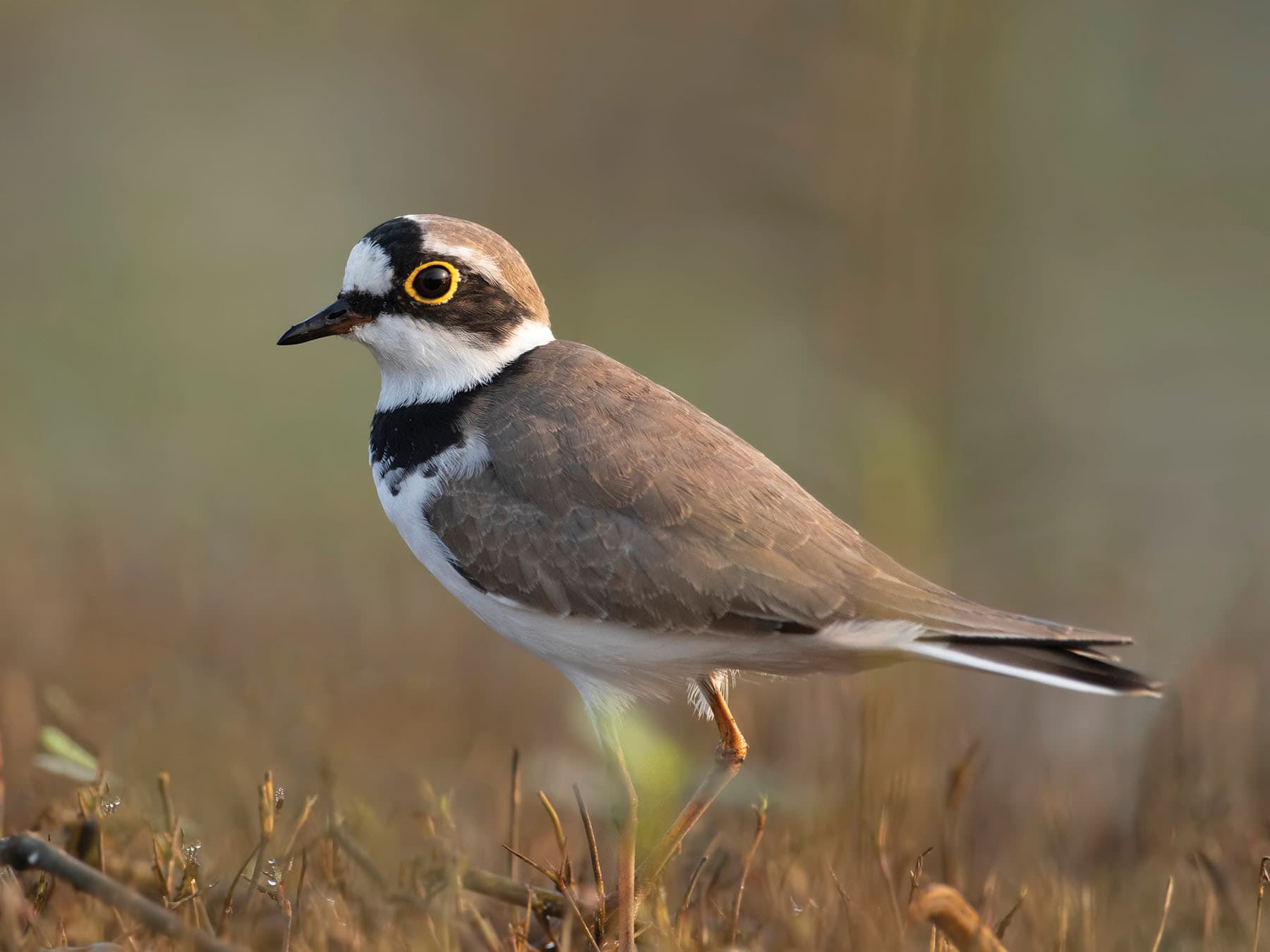 Little Ringed PloverThinornis dubiusSummer visitorUncommon14–17 cmRegularly Mar–Sep
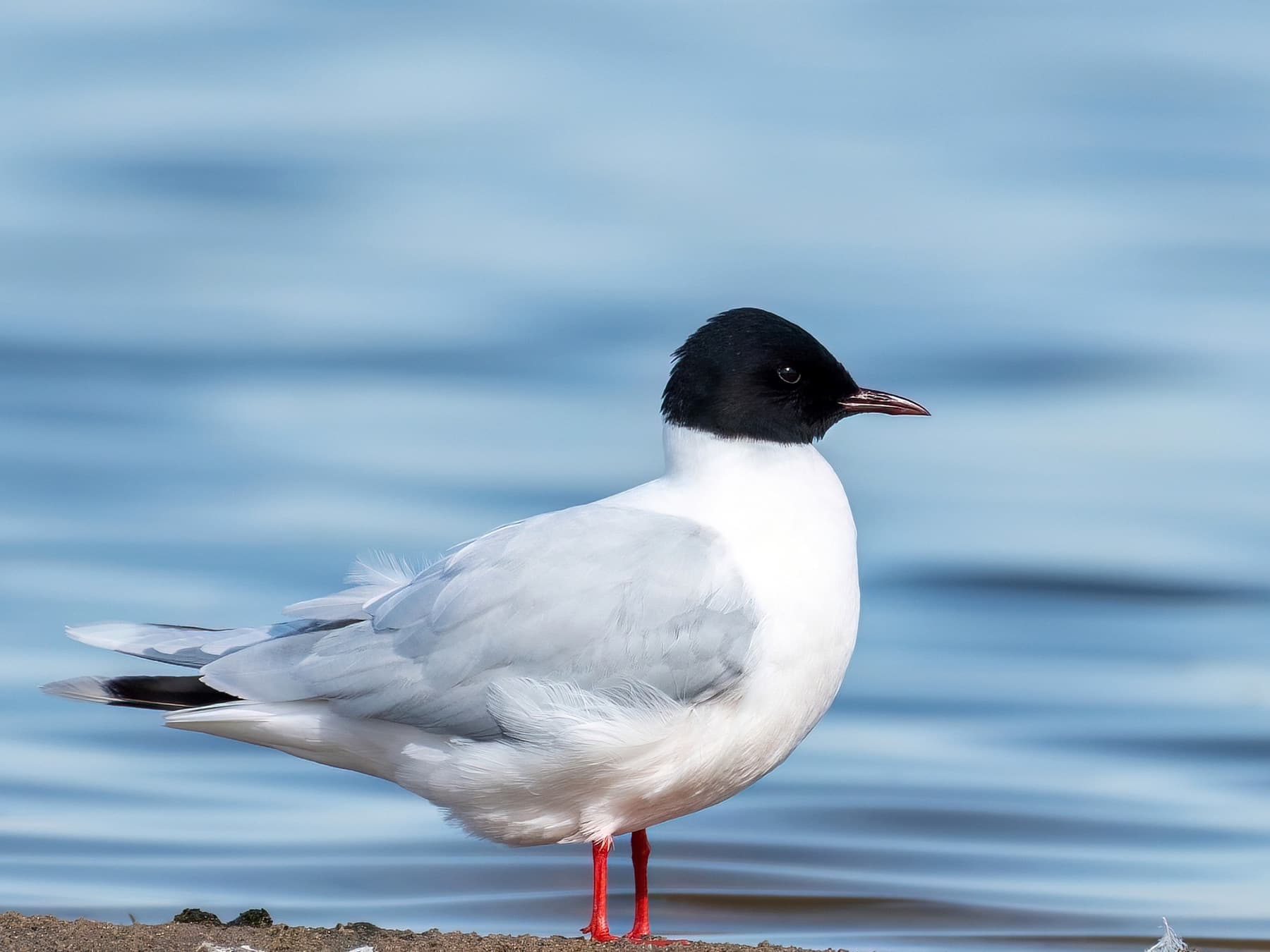 Little GullHydrocoloeus minutusSummer visitorUncommon25–30 cmRegularly Apr–Nov
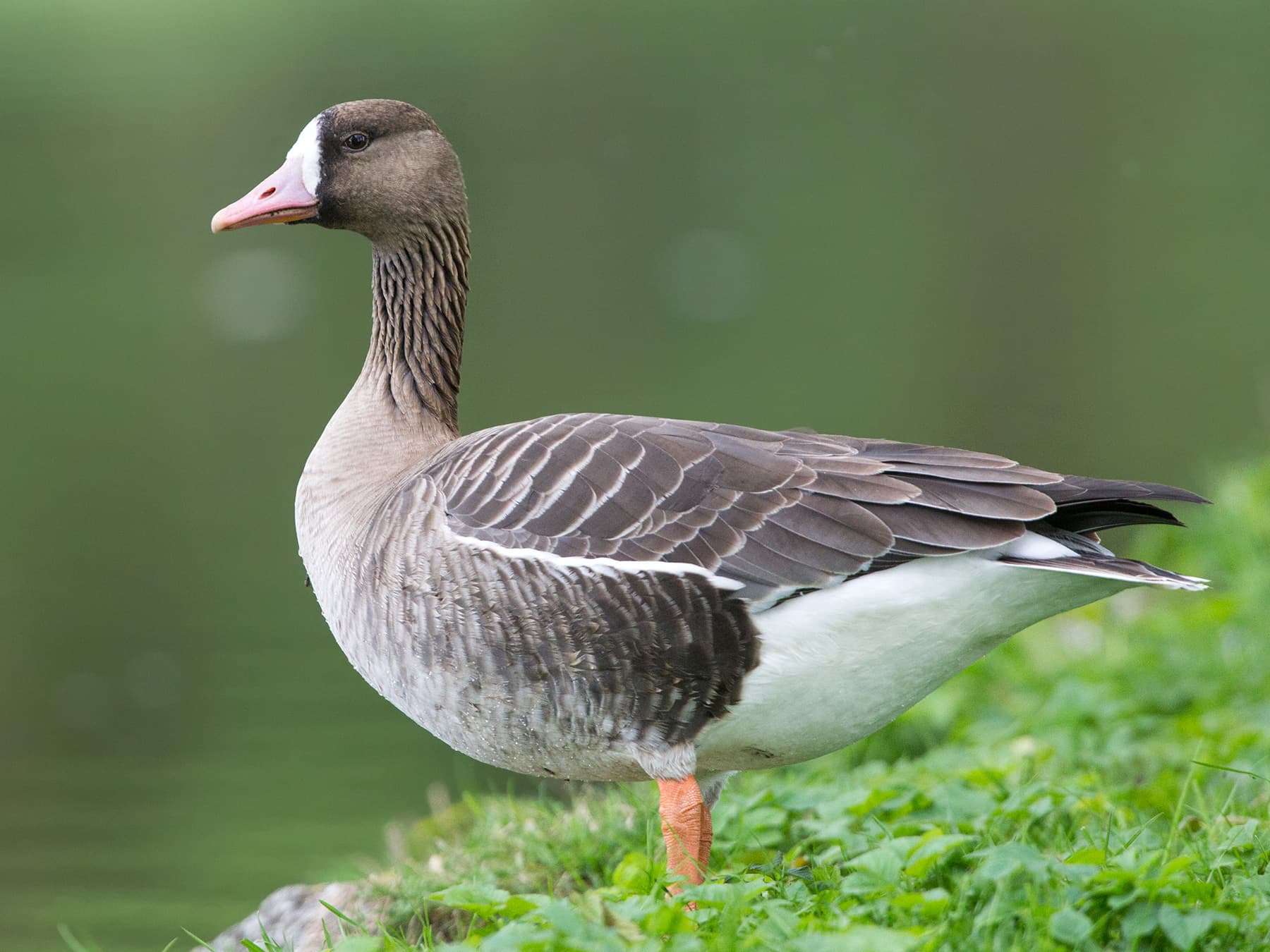 Greater White-fronted GooseAnser albifronsWinter visitorUncommon64–81 cmRegularly Oct–Mar
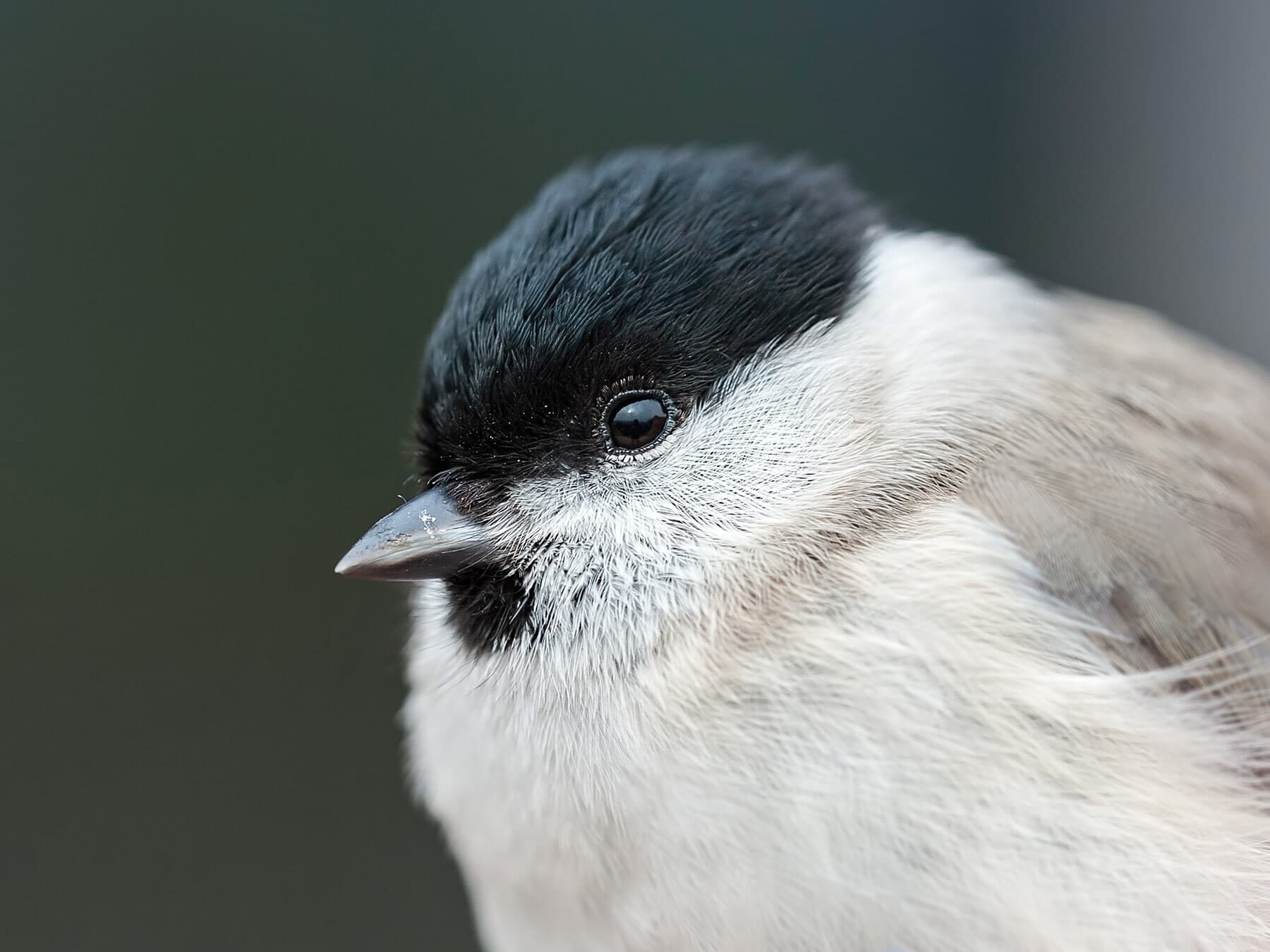 Marsh TitPoecile palustrisResidentUncommon12–13 cmRecorded all year
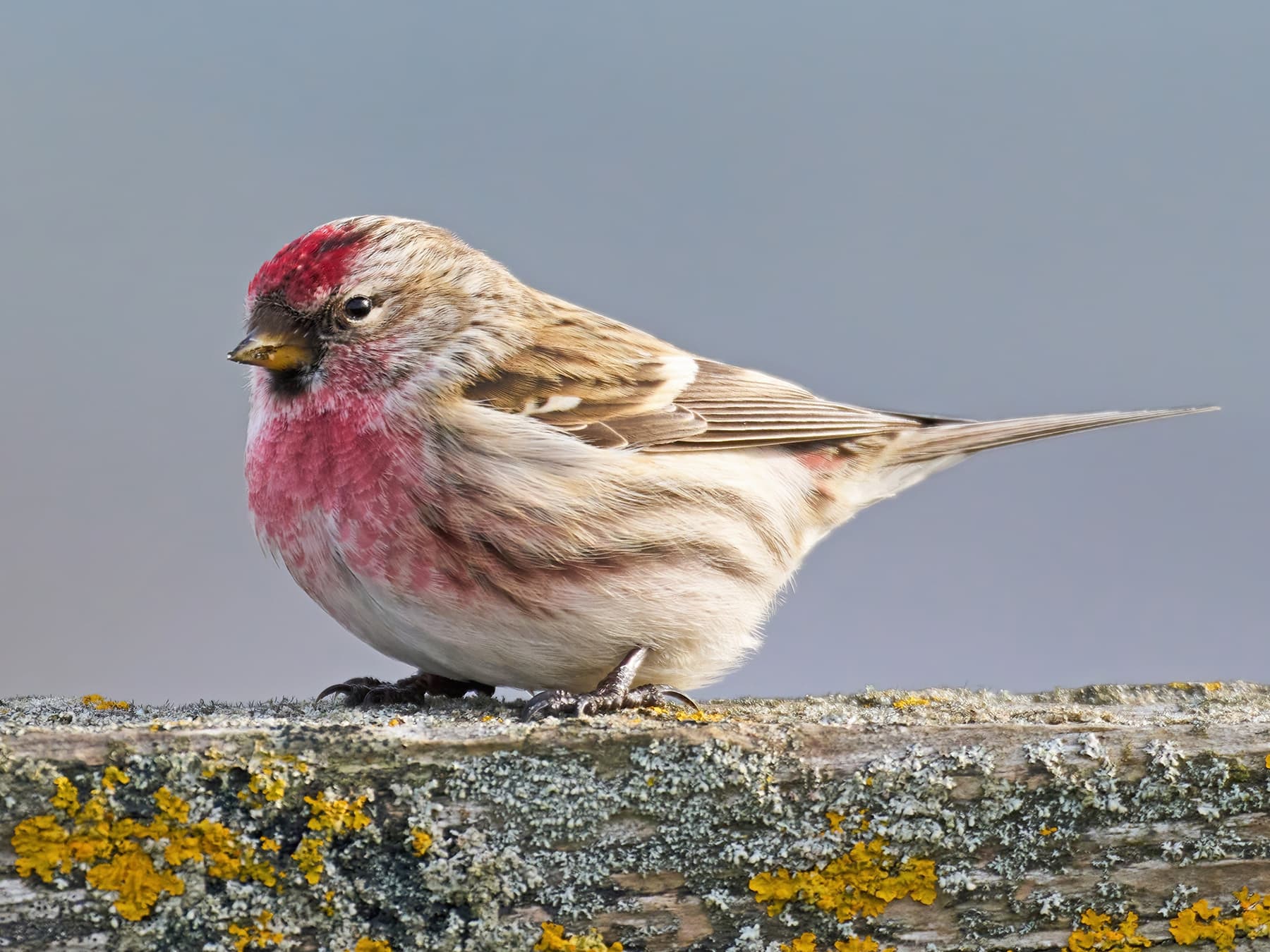 Common RedpollAcanthis flammeaWinter visitorUncommon12–14 cmRegularly Sep–Apr
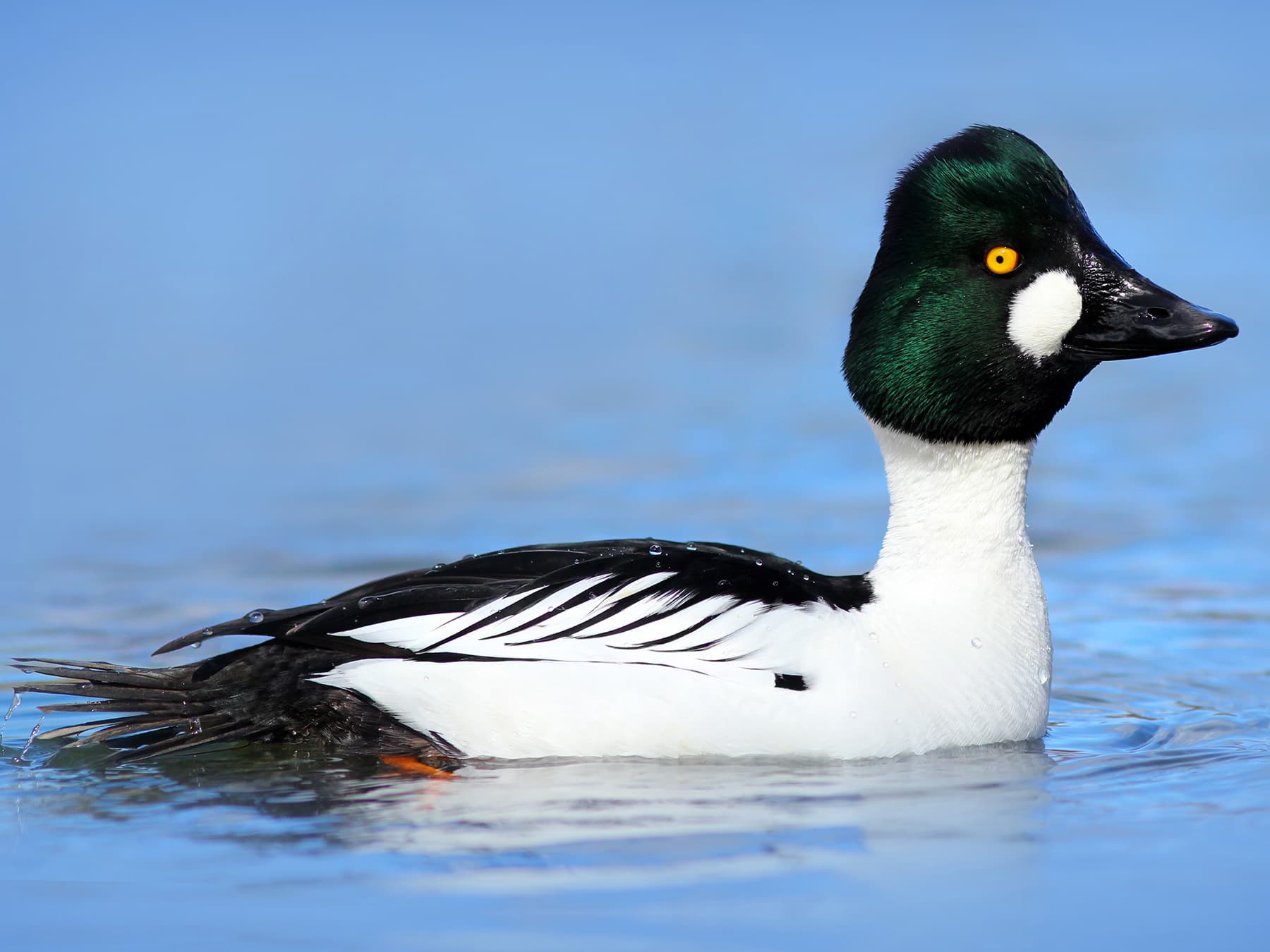 GoldeneyeBucephala clangulaWinter visitorUncommon40–51 cmRegularly Oct–Mar
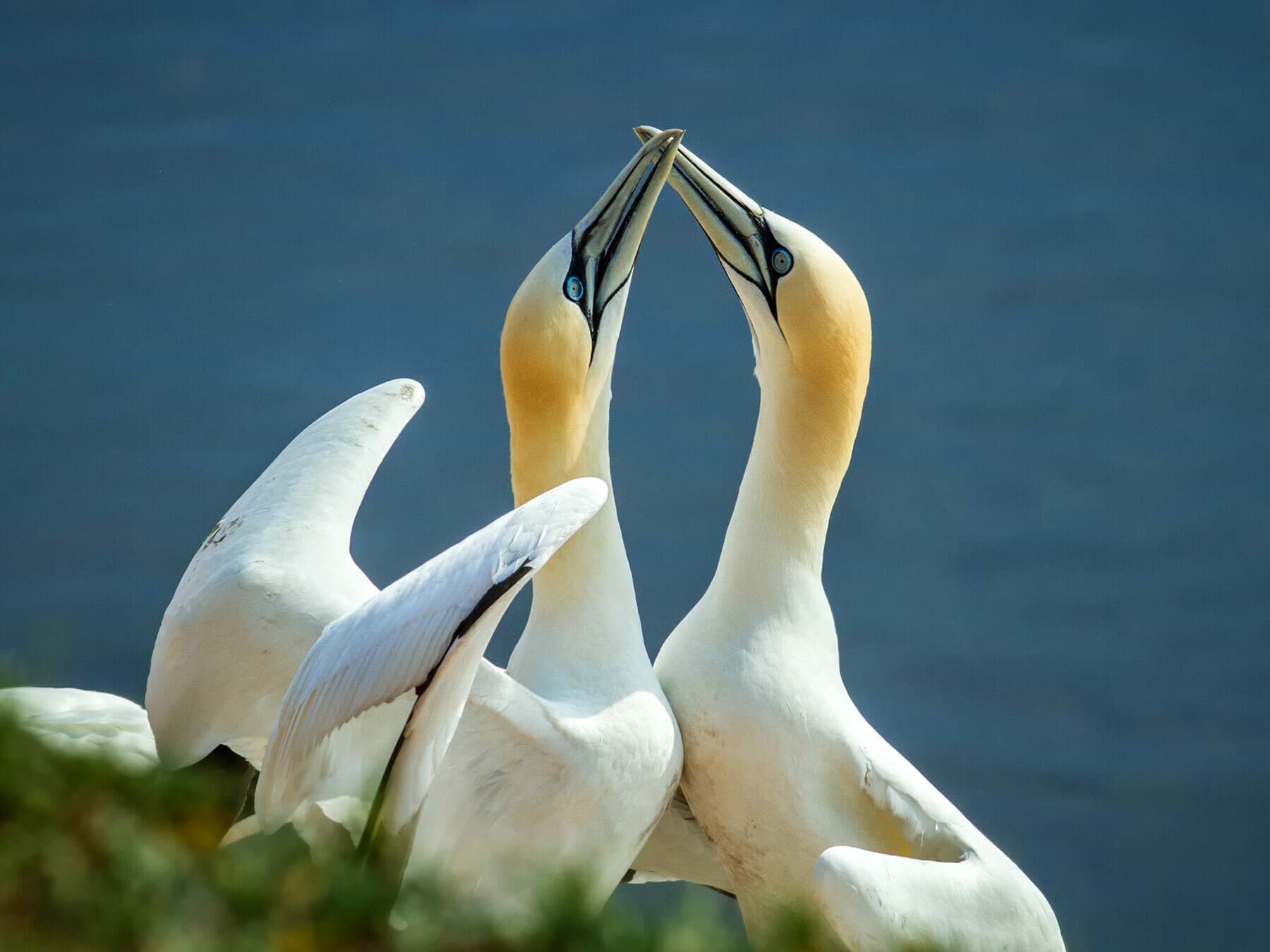 Northern GannetMorus bassanusWinter visitorUncommon87–100 cmRecorded all year
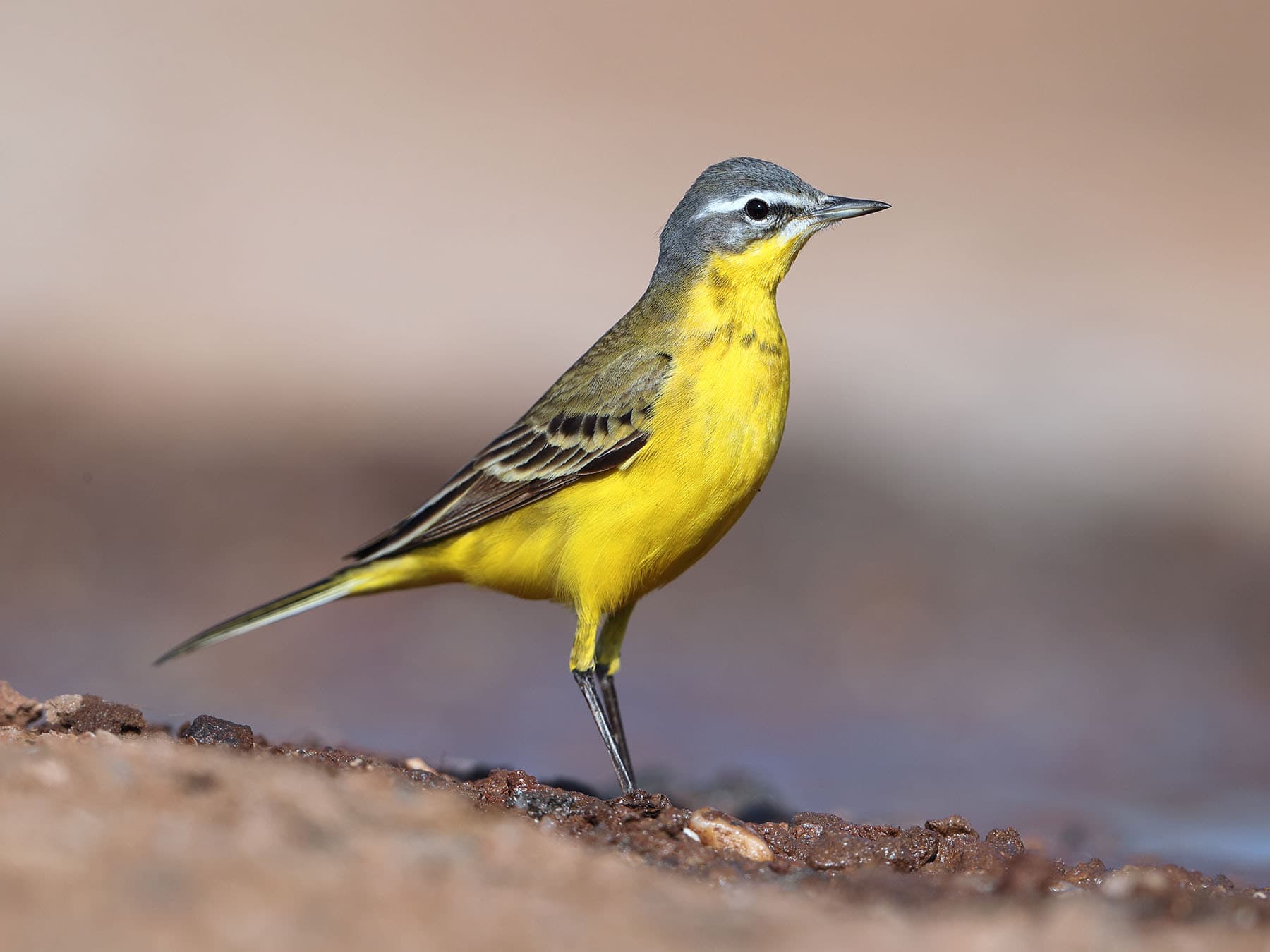 Yellow WagtailMotacilla flavaSummer visitorUncommon15–17 cmRegularly Apr–Sep
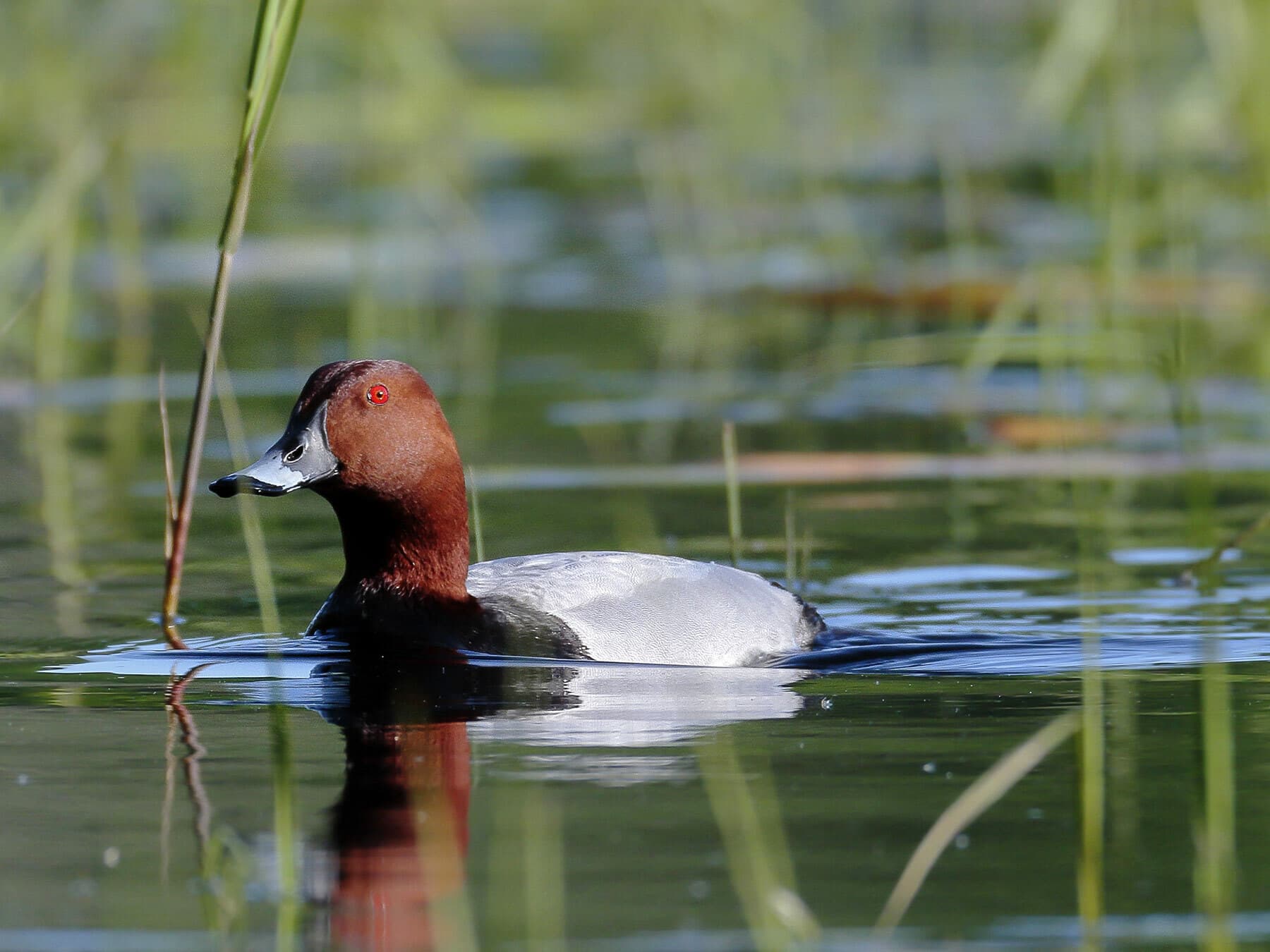 PochardAythya ferinaResidentUncommon42–49 cmRecorded all year
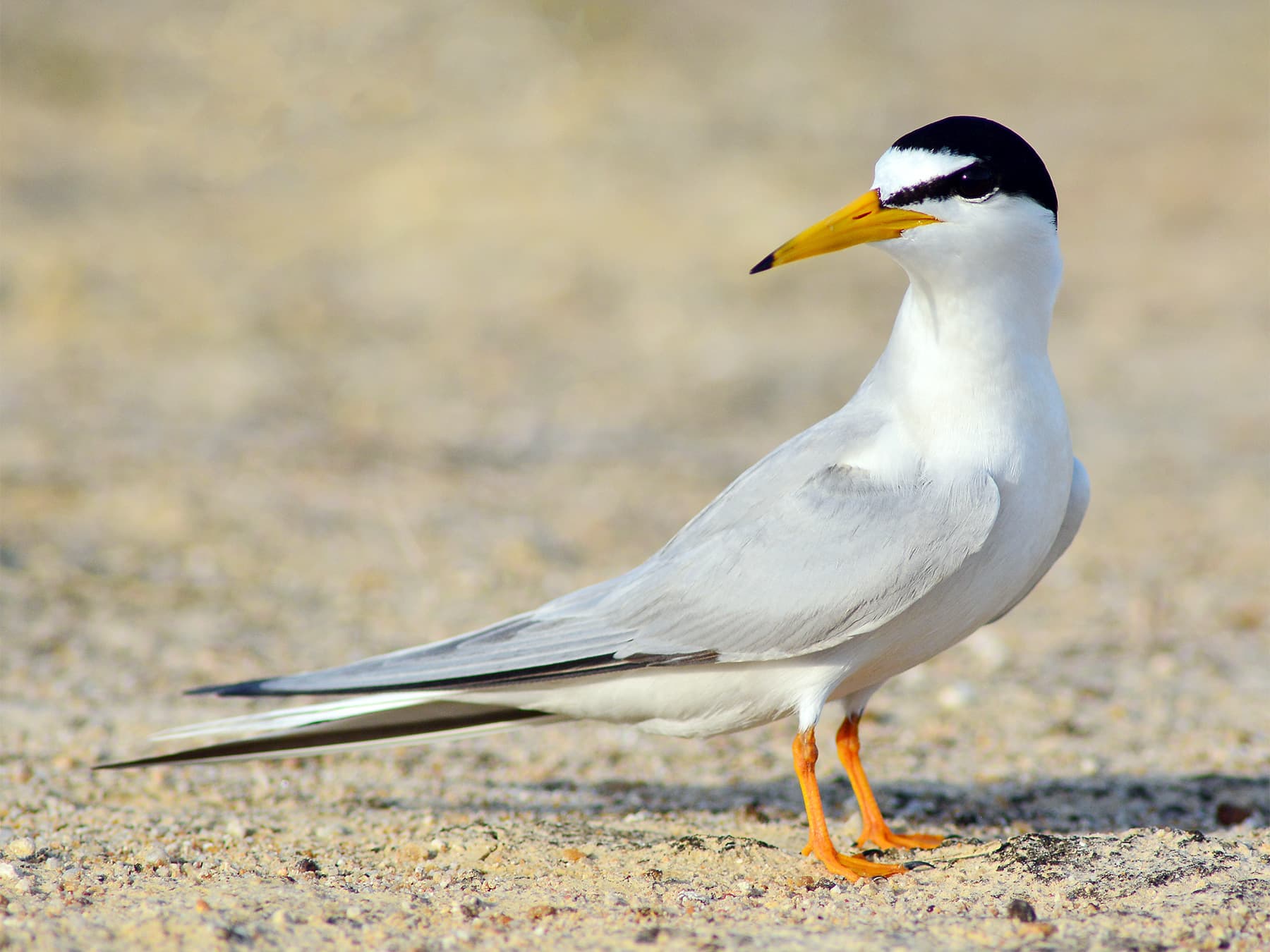 Little TernSternula albifronsSummer visitorUncommon21–25 cmRegularly Apr–Sep
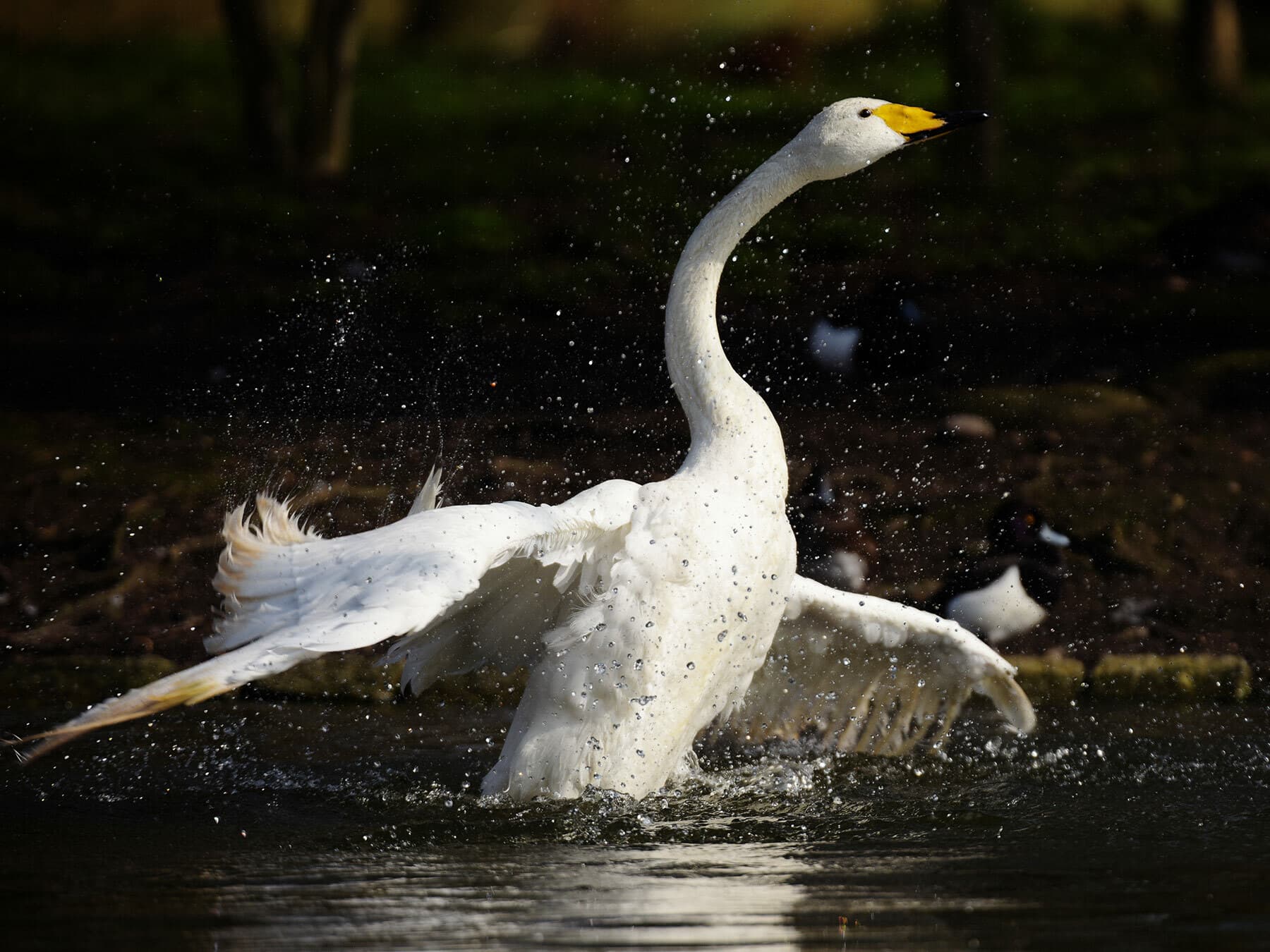 Whooper SwanCygnus cygnusWinter visitorUncommon140–165 cmRegularly Oct–Mar
Data: EOD – eBird Observation Dataset (Cornell Lab of Ornithology), accessed via GBIF.org, CC BY 4.0. Records from 2019–2024, aggregated and filtered by Birdfact. How these lists are made