Uncommon Birds in South Yorkshire
57 species matching this filter.
South Yorkshire supports a diverse range of uncommon bird species across its varied habitats, from the wetlands of the Dearne Valley to the moorlands of the Peak District fringe. With 57 species classified as uncommon in the county, birdwatchers can encounter notable finds such as Avocet, Common Sandpiper, and European Green Woodpecker throughout the year. The region's reservoirs, river corridors, and ancient woodlands provide vital habitats for species like Blackcap, Bullfinch, and Common Reed-warbler.


Showing 1–23 of 57 species
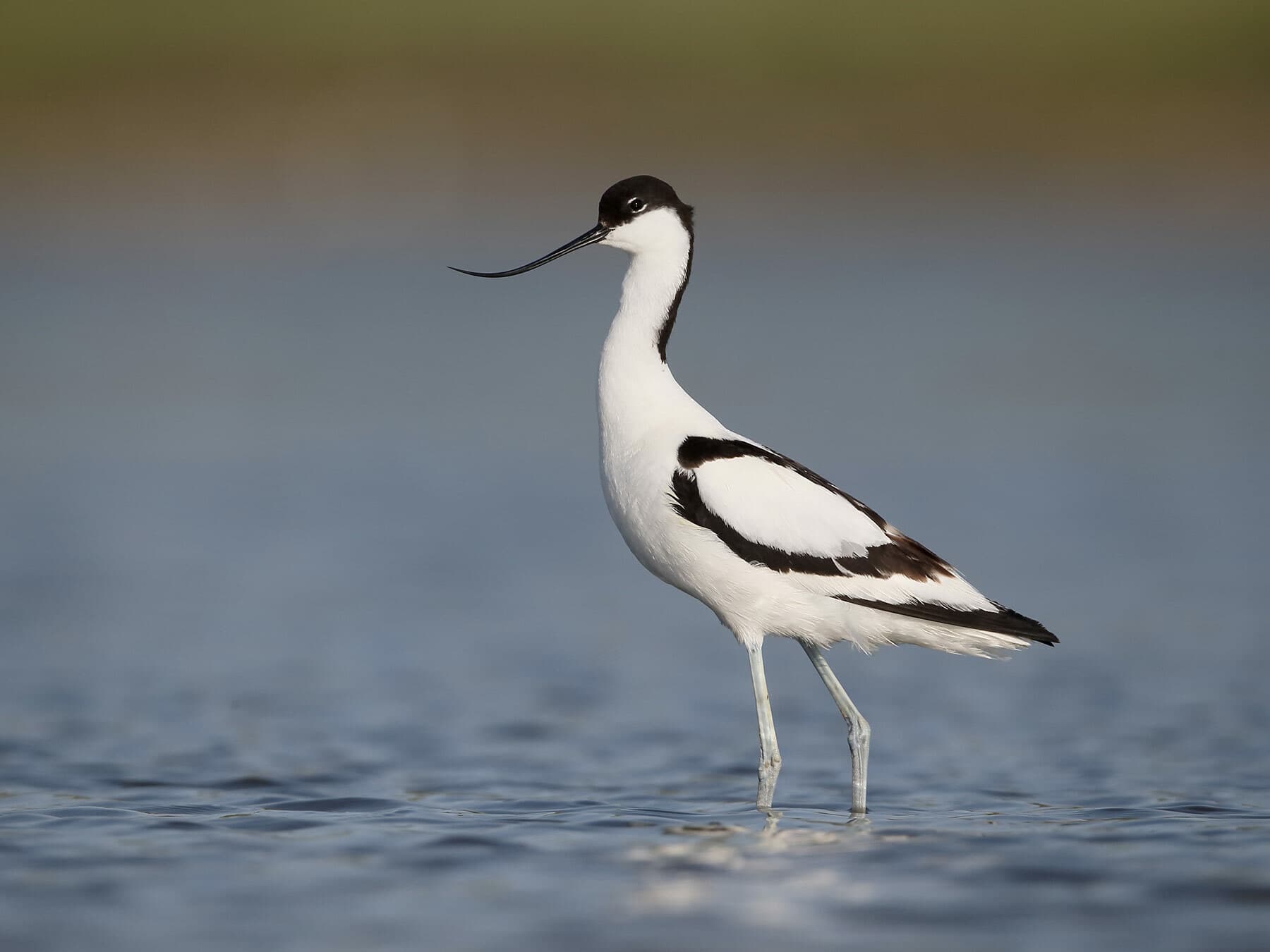
Avocet
Recurvirostra avosettaLC
Breeds at key wetland reserves in the Dearne Valley, its elegant upswept bill a striking sight on shallow scrapes.
Feb–Oct
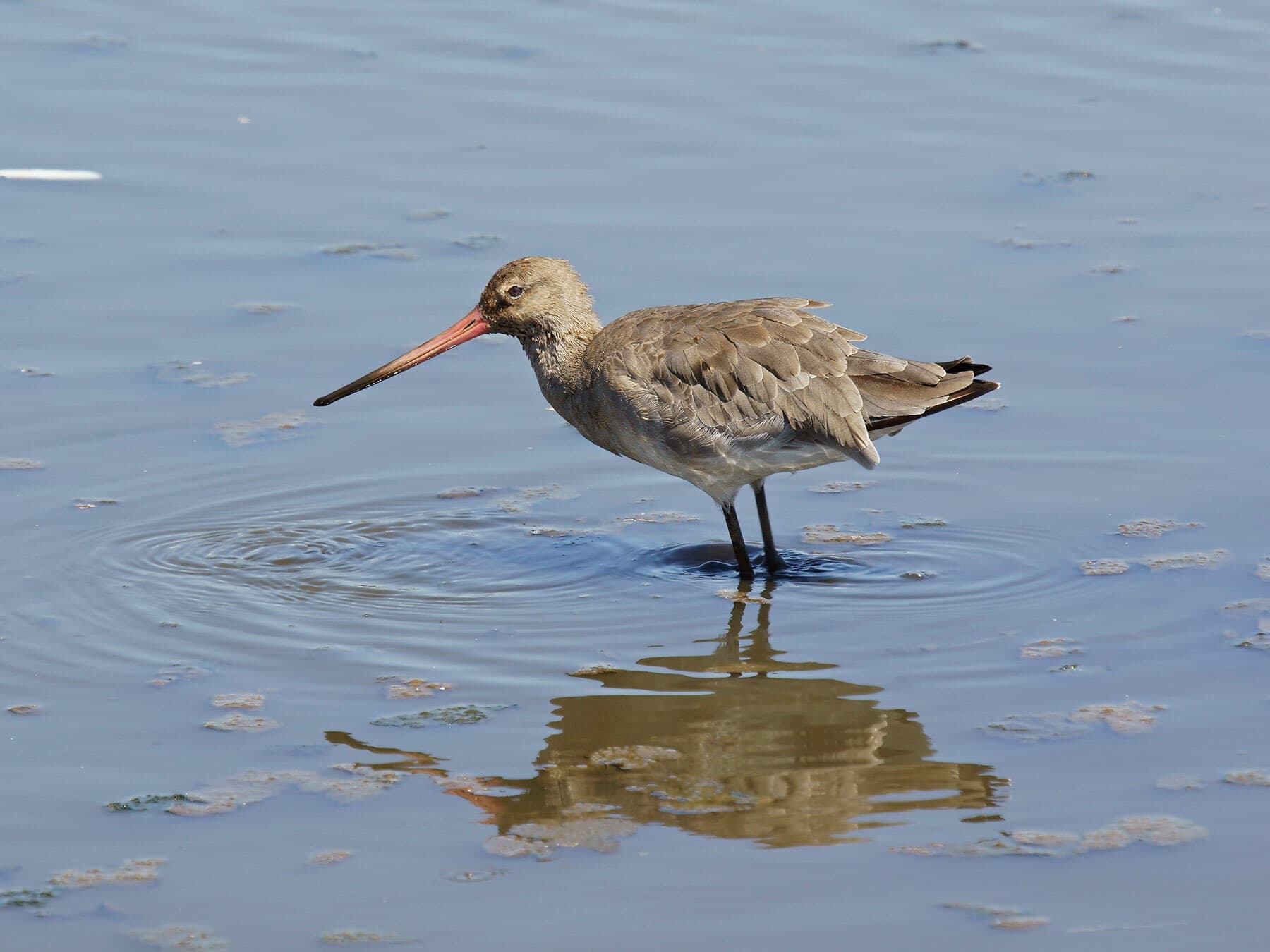
Black-tailed Godwit
Limosa limosaNT
Breeds on wet grasslands in the Dearne Valley, a regional conservation success story, present from March to November.
Mar–Nov
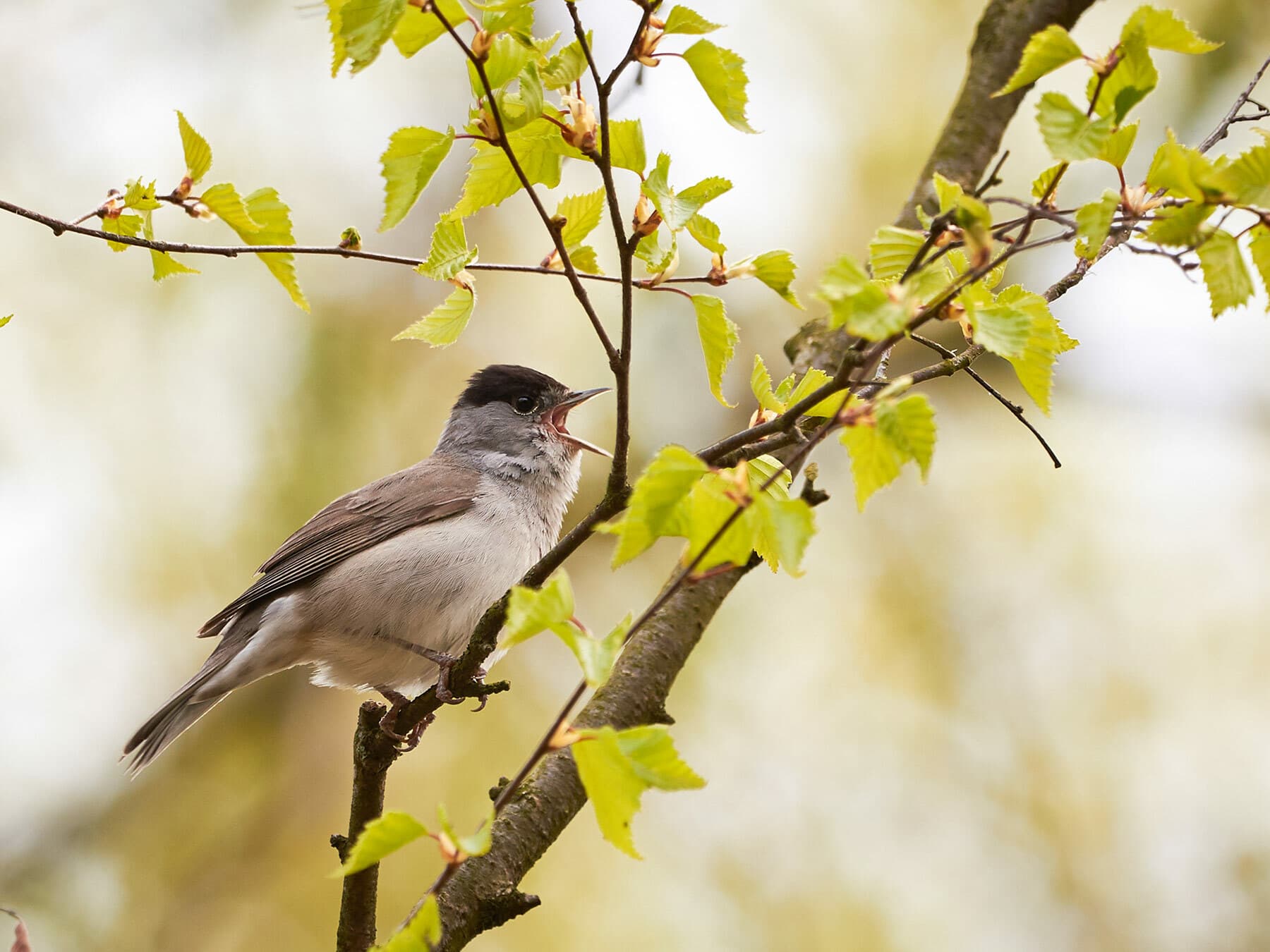
Blackcap
Sylvia atricapillaLC
An uncommon year-round resident of woodland and mature gardens. Winter birds from central Europe supplement the breeding population at garden feeders.
Year-round
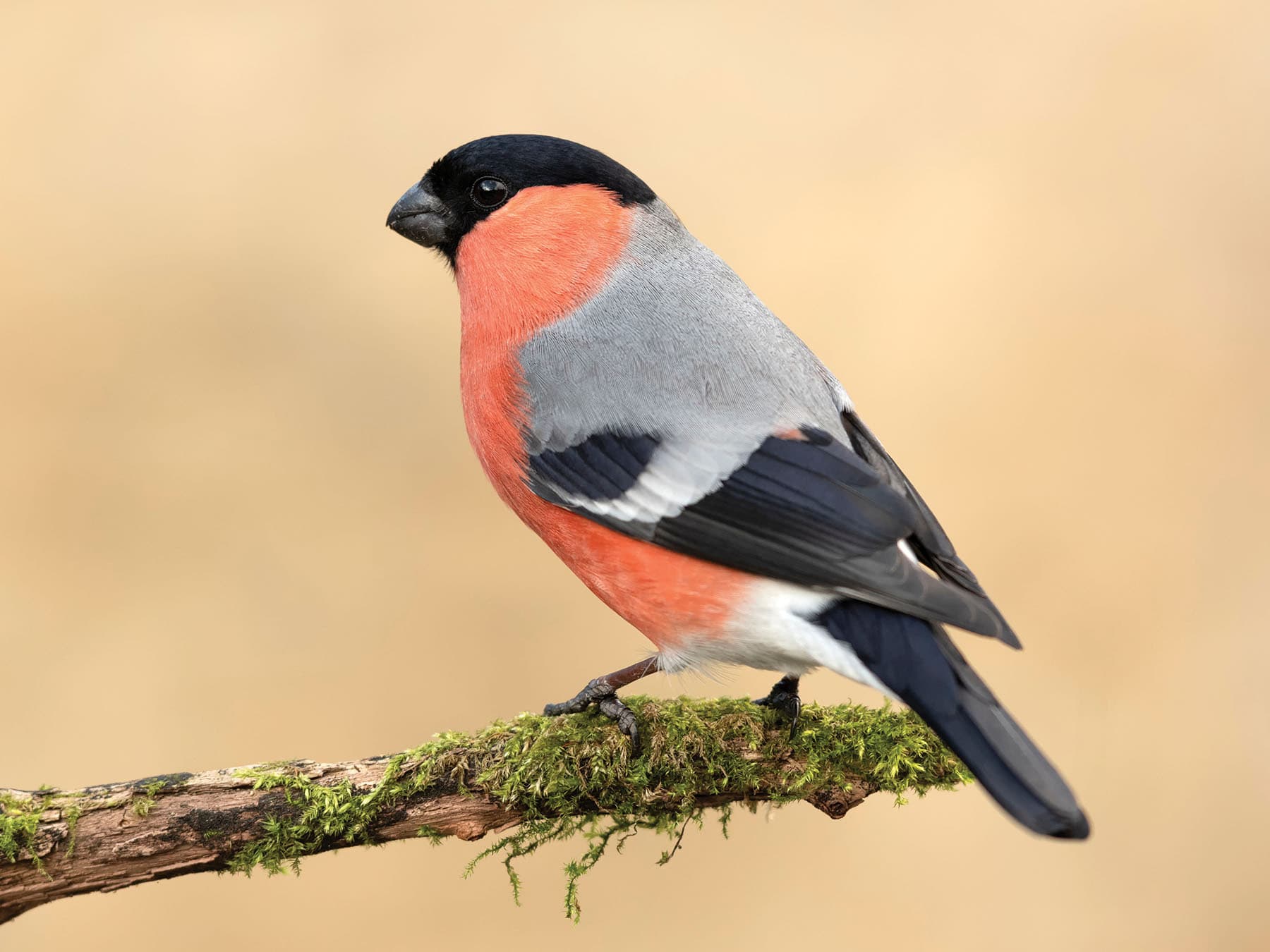
Bullfinch
Pyrrhula pyrrhulaLC
An uncommon but year-round resident of hedgerows, orchards, and woodland edges. Shy and unobtrusive, often detected by its soft piping call.
Year-round
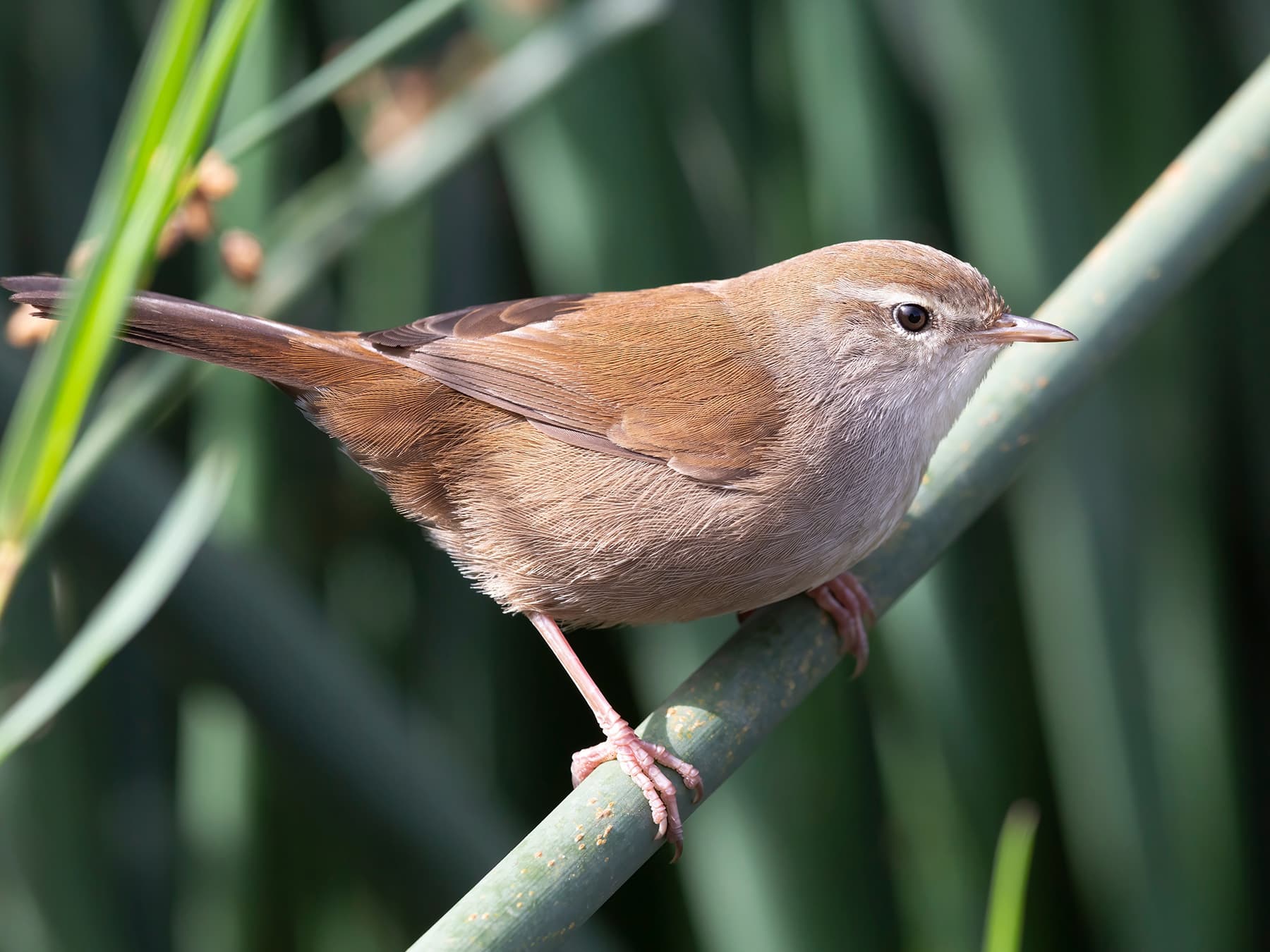
Cetti's Warbler
Cettia cettiLC
An uncommon but increasing resident, heard more than seen in dense reedbed and scrub at wetland sites such as Old Moor and Potteric Carr.
Year-round
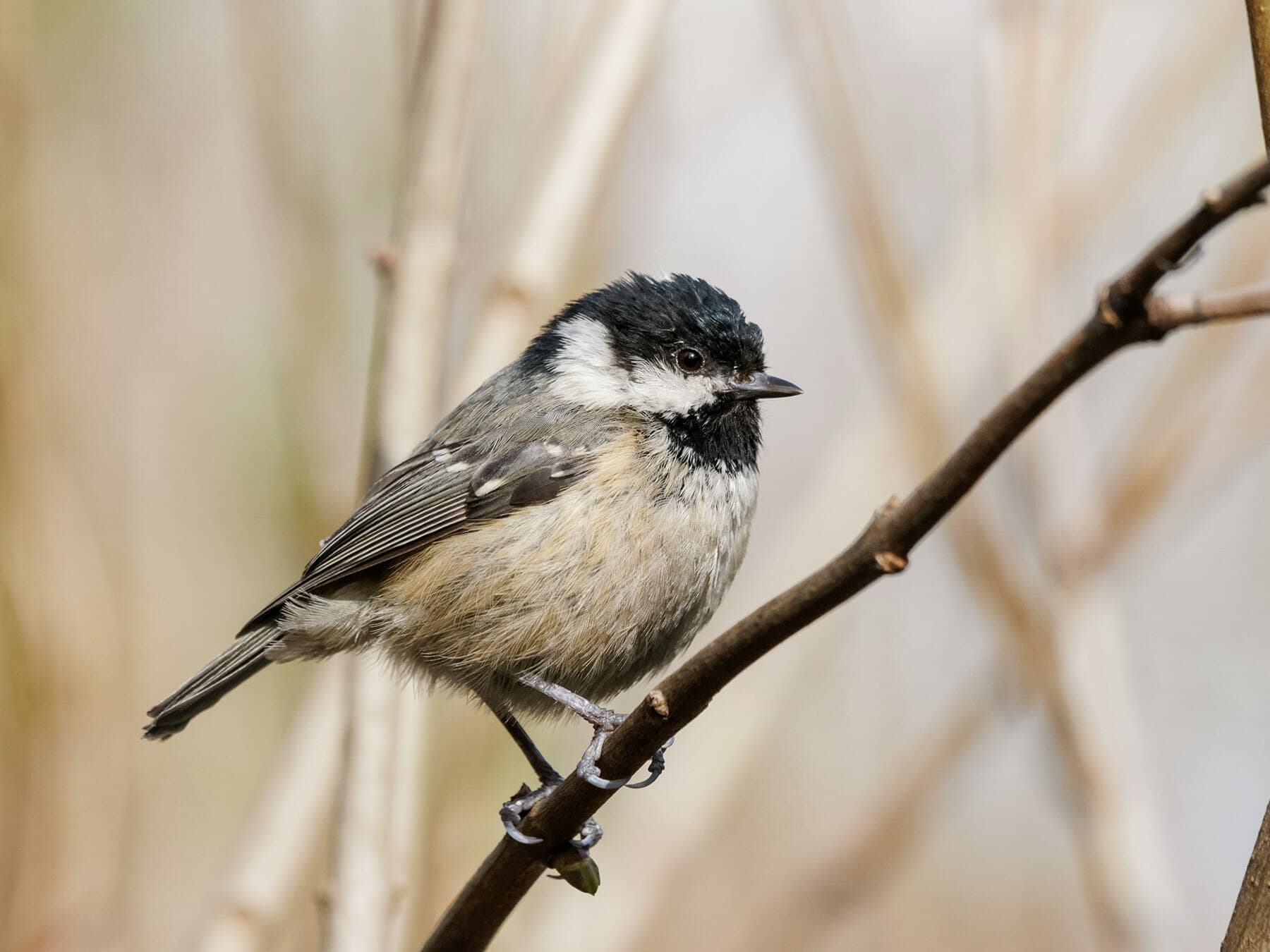
Coal Tit
Periparus aterLC
An uncommon resident favouring coniferous and mixed woodland, regularly visiting garden feeders especially in winter months.
Year-round
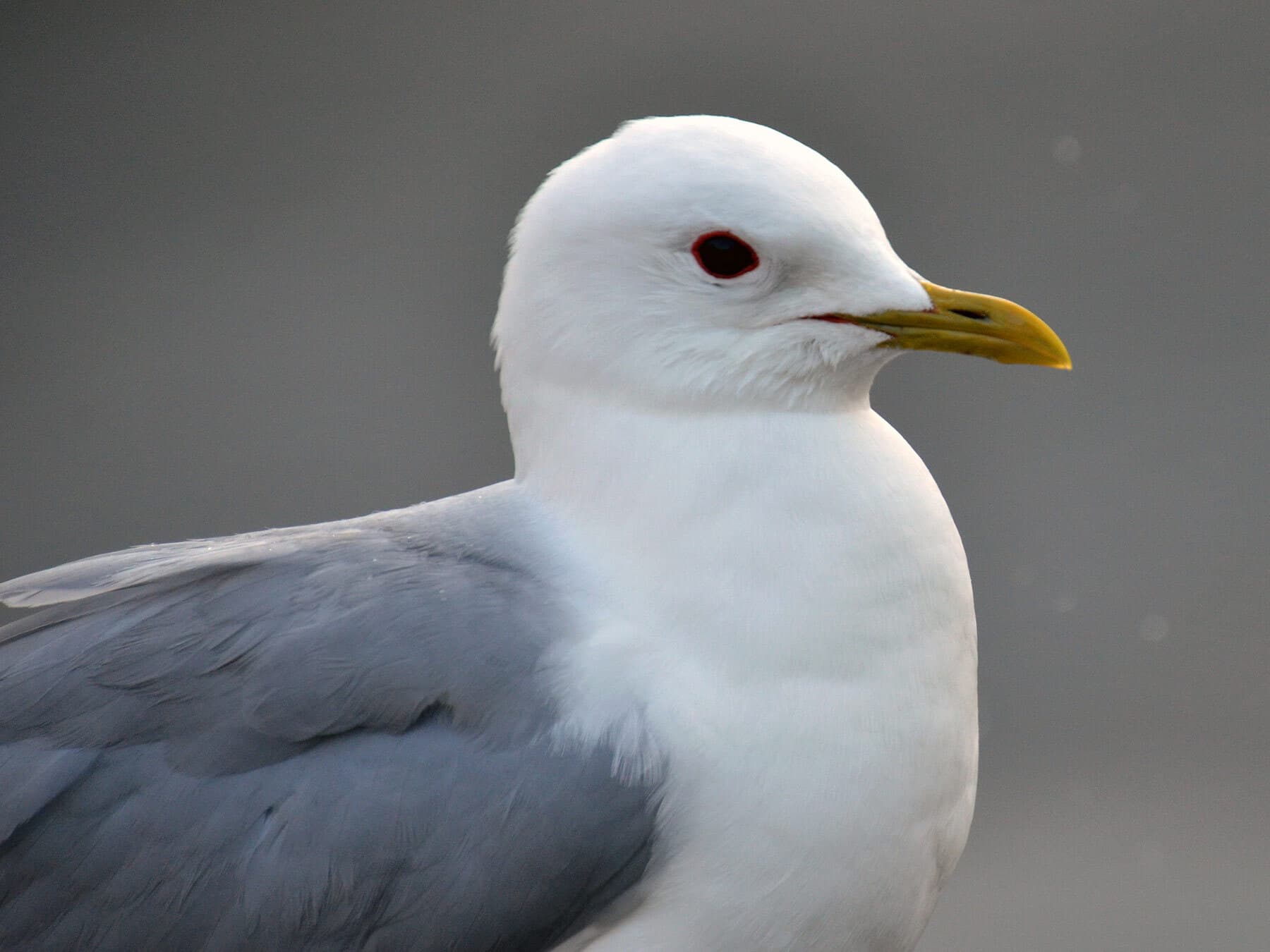
Common Gull
Larus canusLC
Present year-round but most conspicuous in winter when numbers increase on playing fields, reservoirs, and farmland. Often mixed in with other gull species.
Year-round
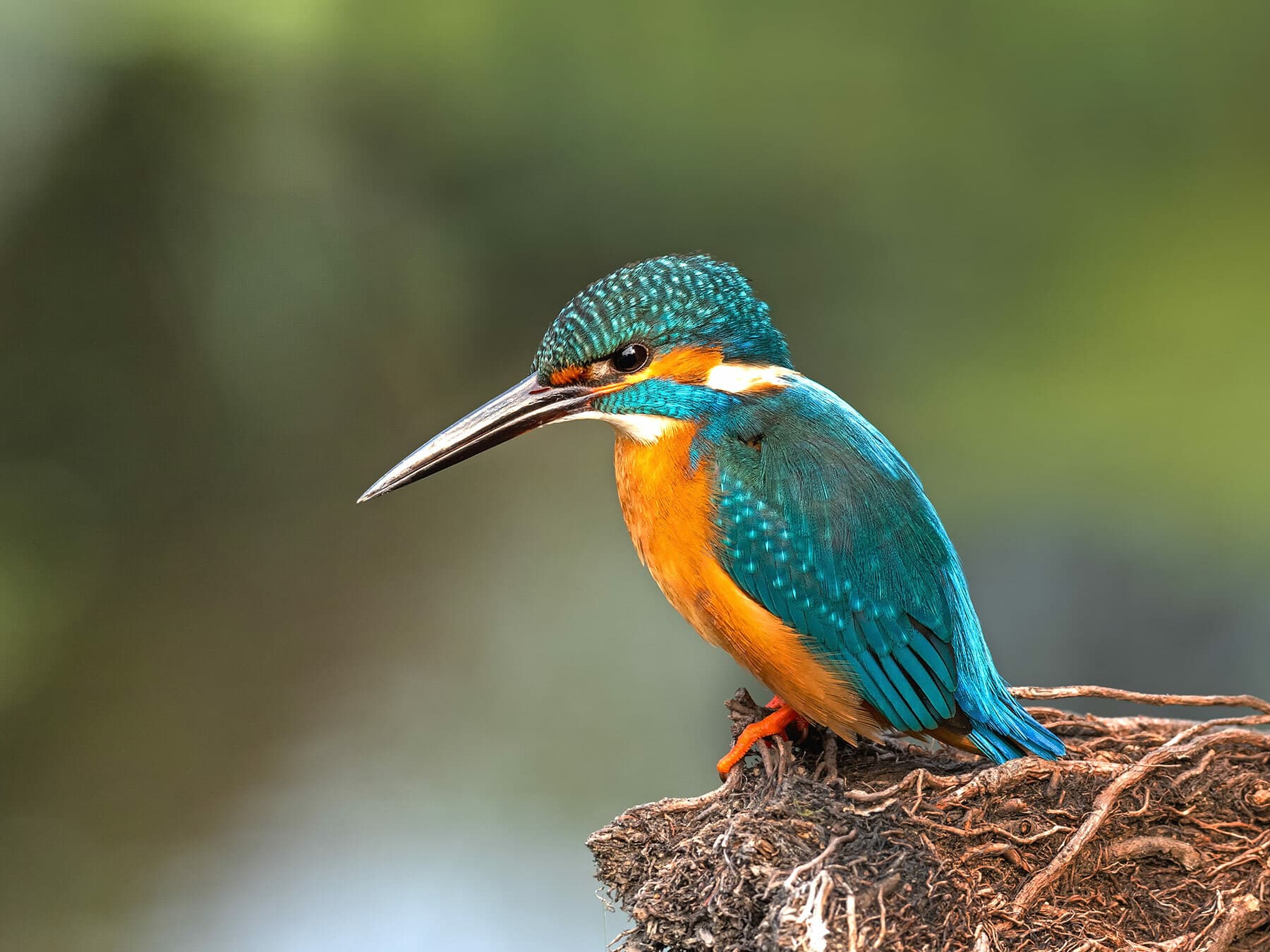
Common Kingfisher
Alcedo atthisLC
An uncommon resident along the River Don and its tributaries. A flash of electric blue darting low over the water is often the first sign.
Year-round
Spotted something?
Upload a photo to identify it
Identify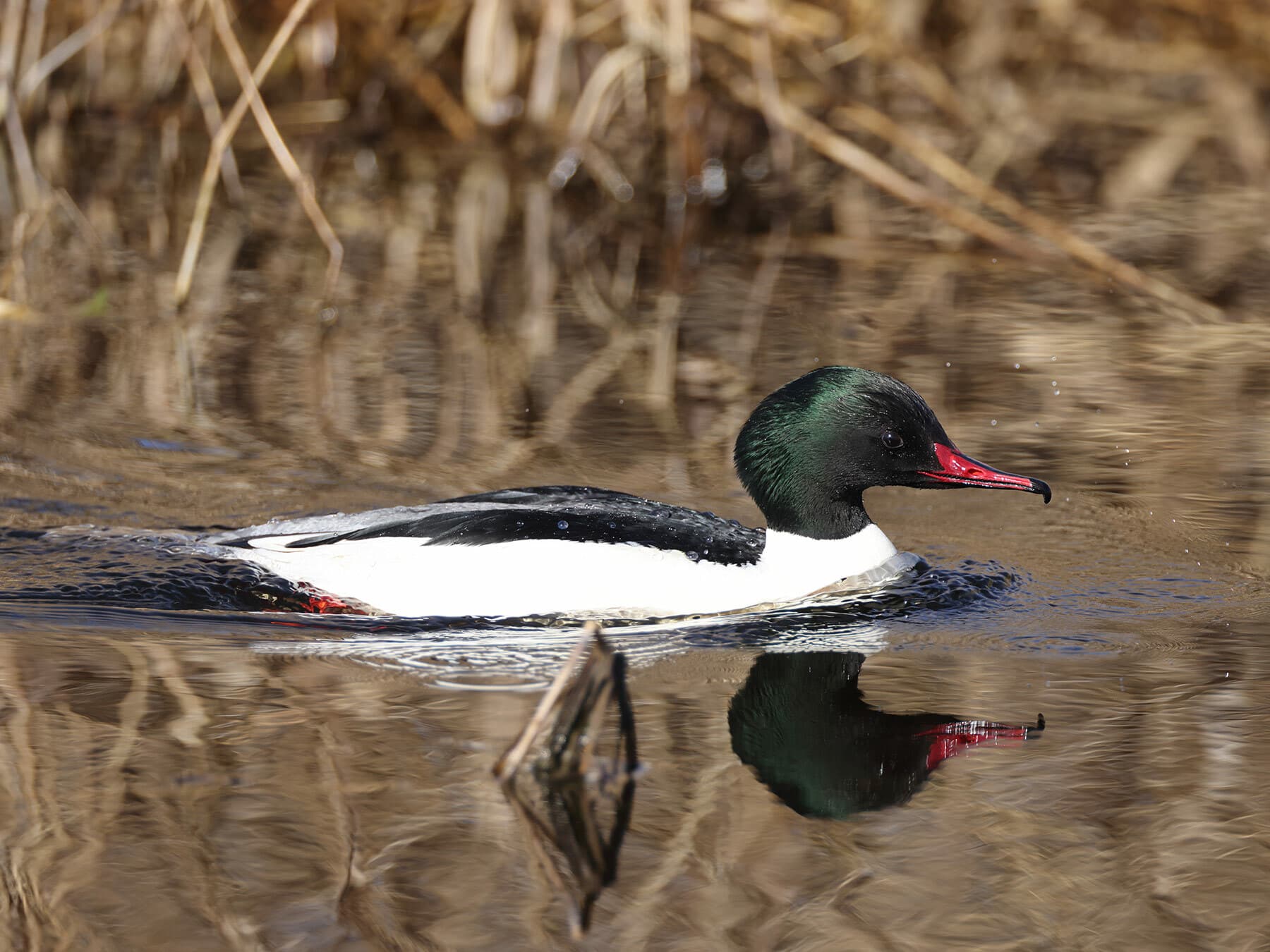
Common Merganser
Mergus merganserLC
An uncommon resident favouring rivers and reservoirs. Most easily seen in winter on the Don and its tributaries.
Aug–May
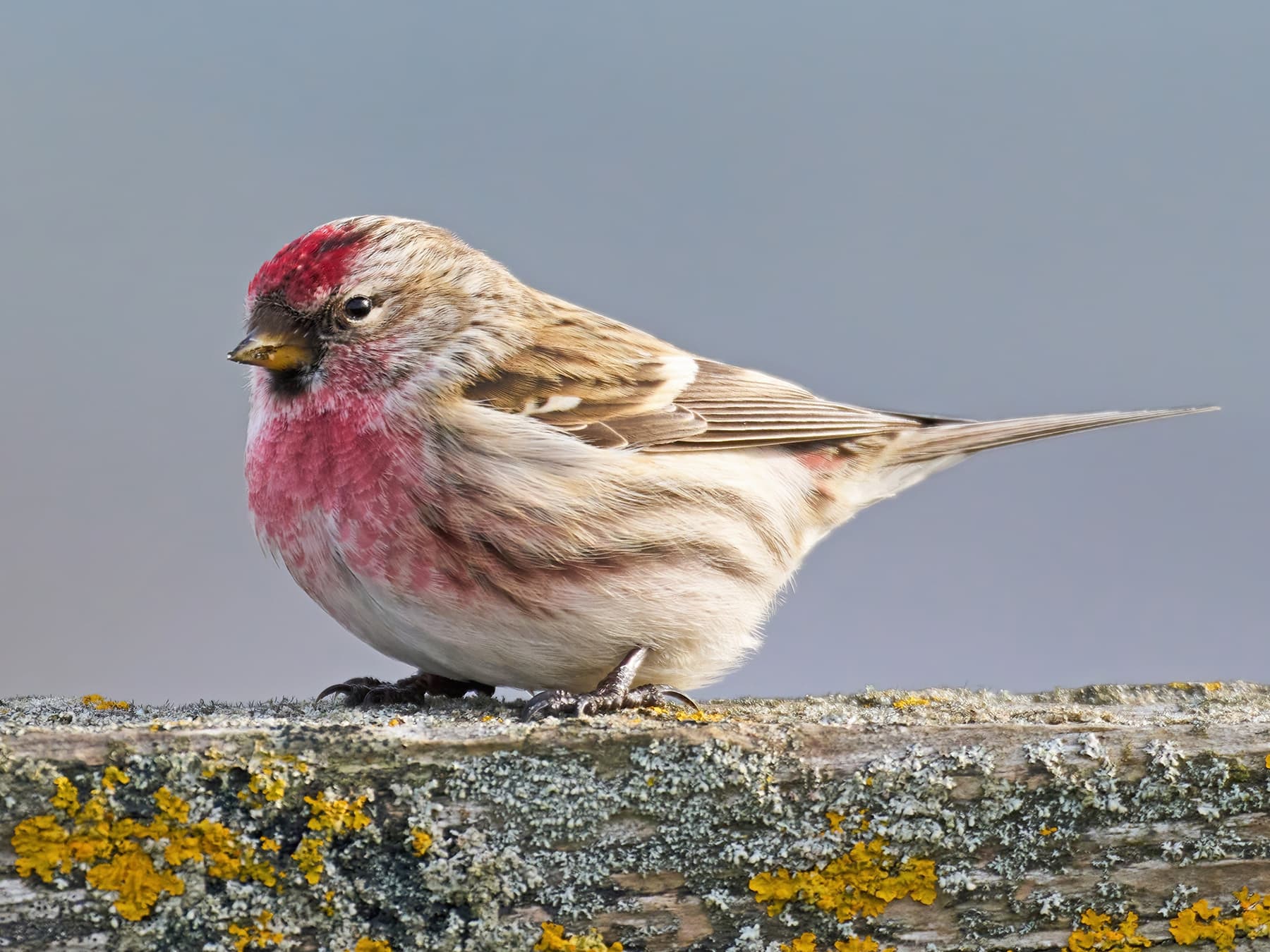
Common Redpoll
Acanthis flammeaLC
An uncommon resident favouring birch and alder woodland. Often seen in small flocks feeding acrobatically in treetops, especially in winter.
Year-round
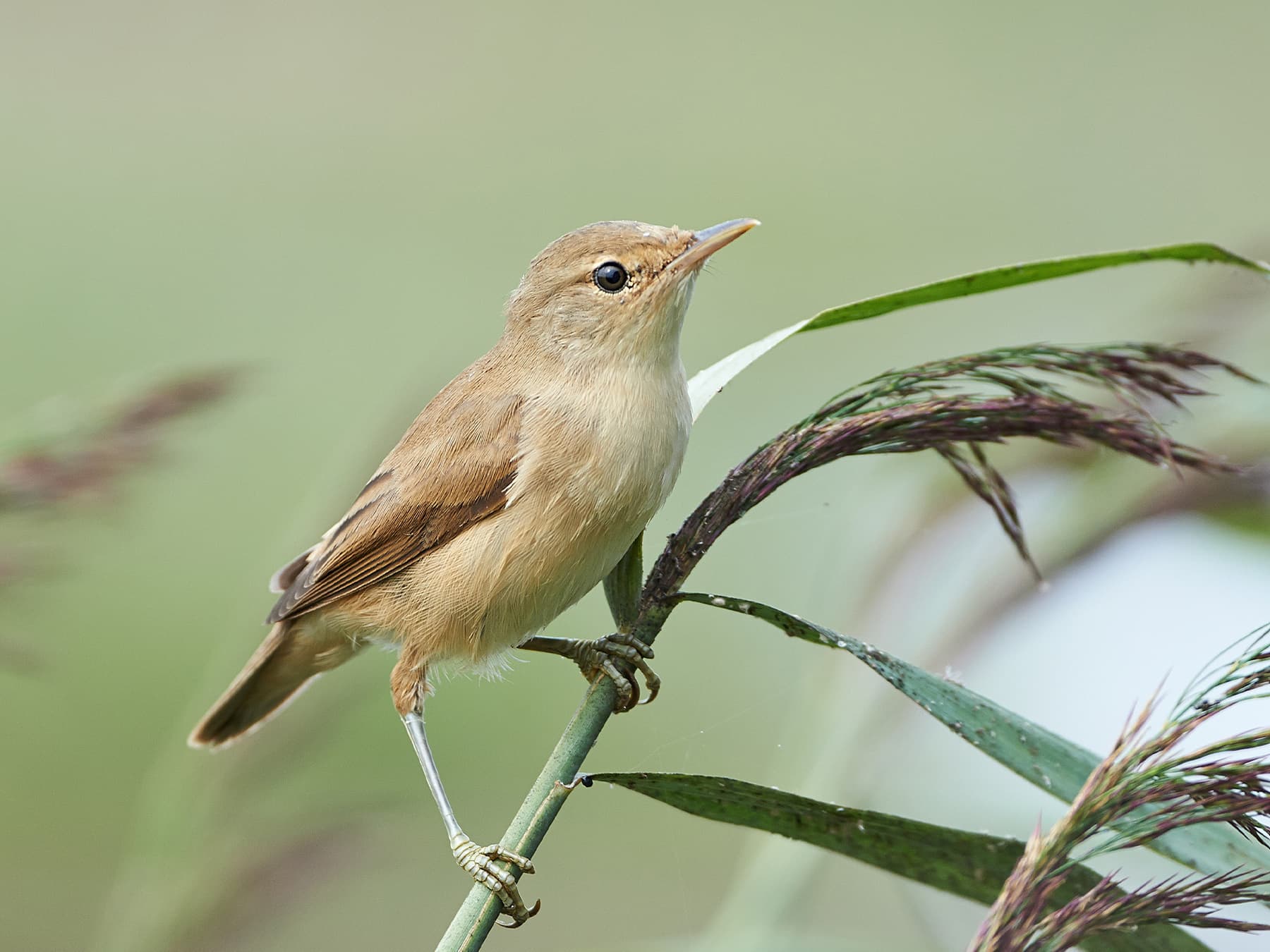
Common Reed-warbler
Acrocephalus scirpaceusLC
An uncommon summer breeder found in reedbeds at sites like Old Moor RSPB and the Dearne Valley from April to September.
Apr–Sep
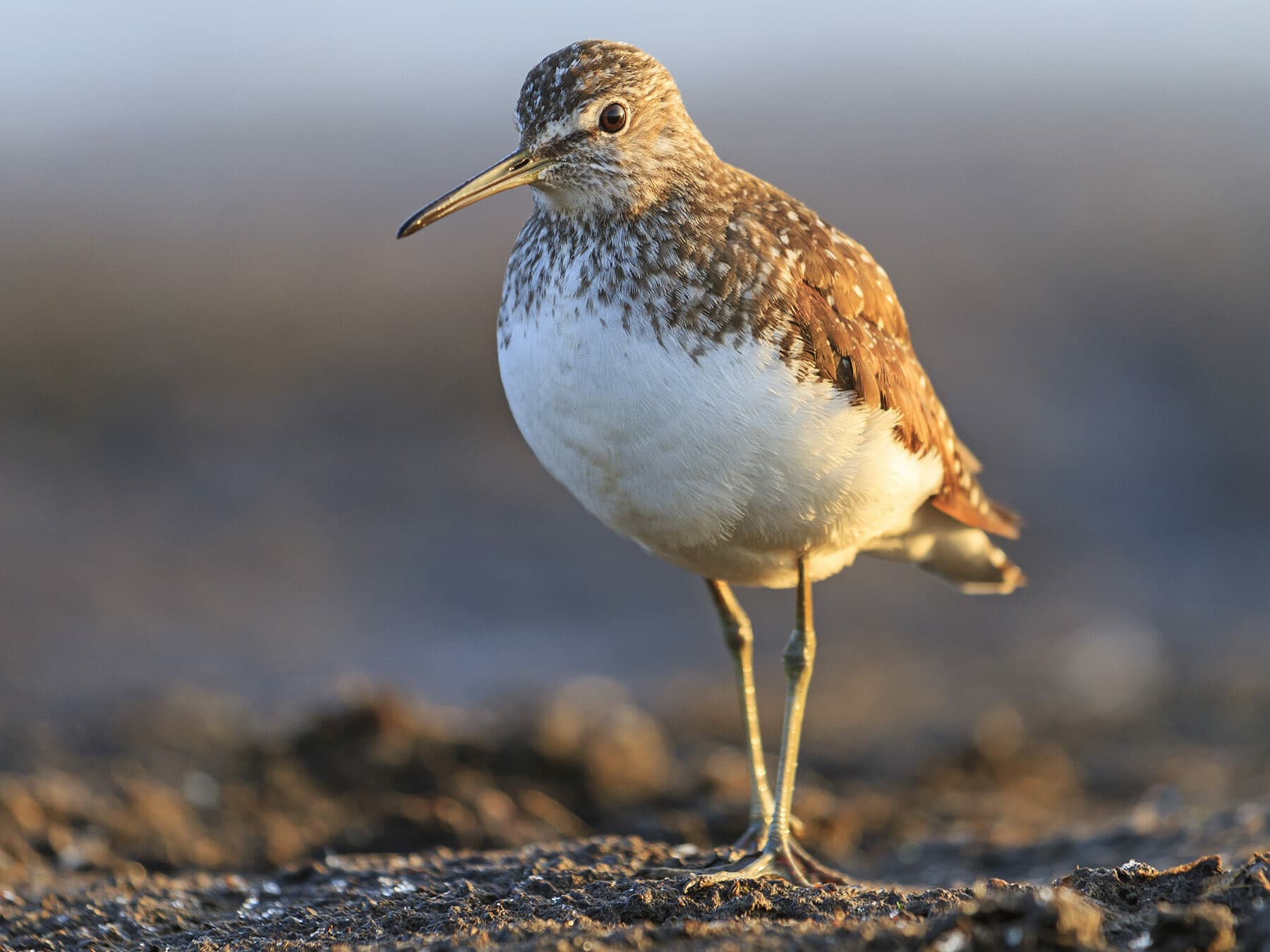
Common Sandpiper
Actitis hypoleucosLC
A summer breeder along upland streams and reservoir edges, bobbing on rocks from April before departing by autumn.
Apr–Oct
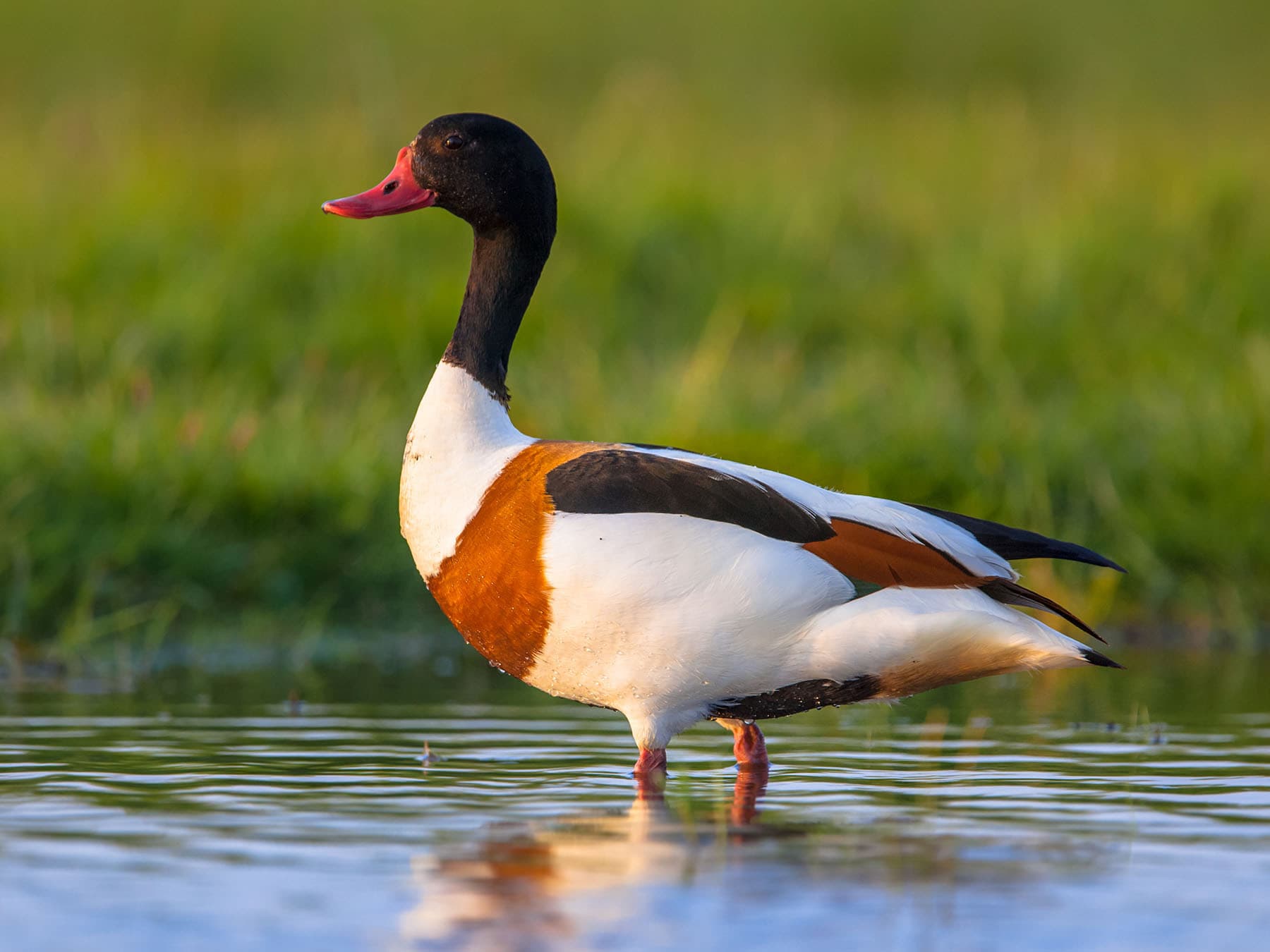
Common Shelduck
Tadorna tadornaLC
An uncommon resident found on wetlands and flooded fields, often seen at sites like Old Moor RSPB and the Dearne Valley.
Year-round
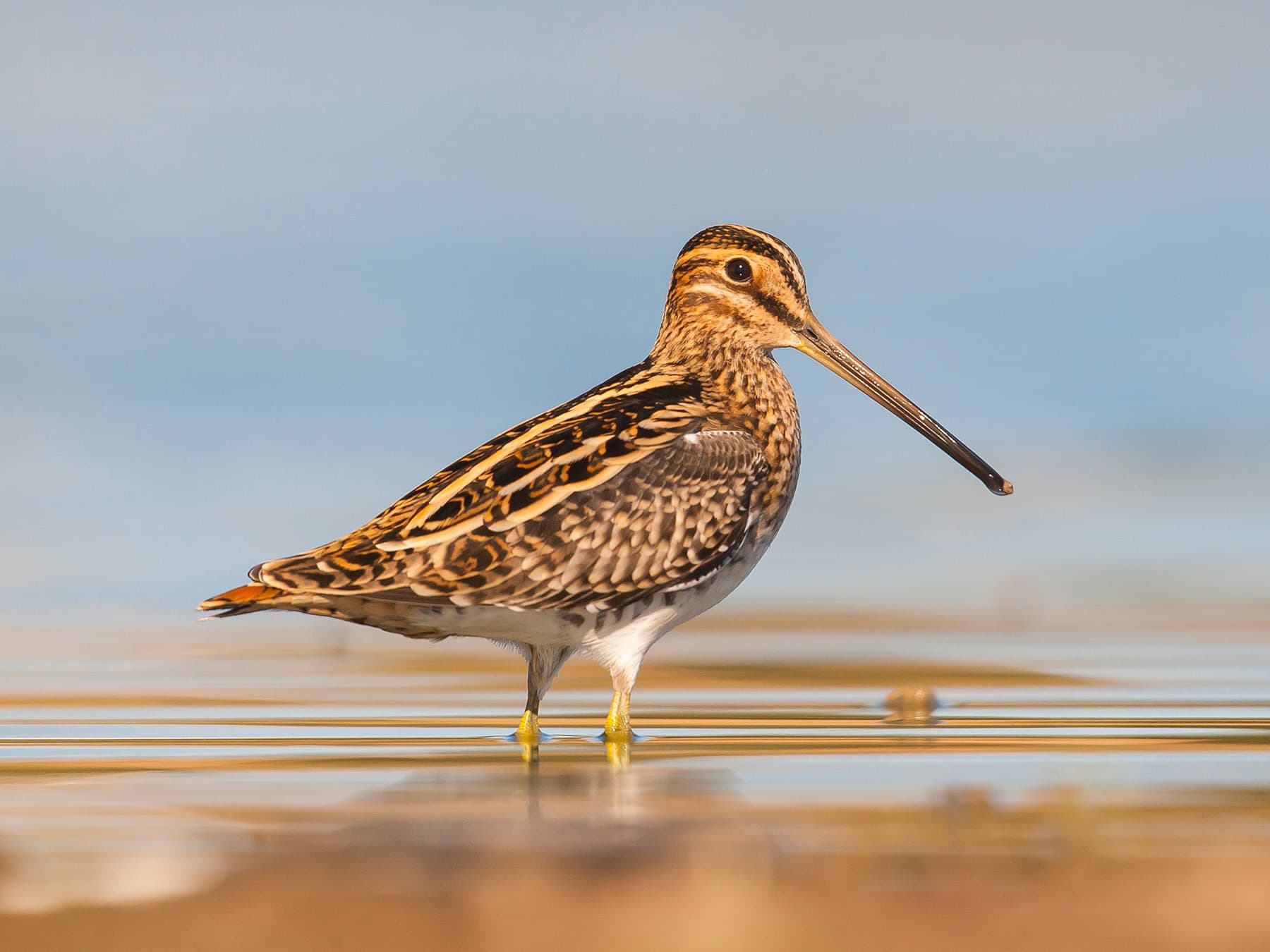
Common Snipe
Gallinago gallinagoLC
A year-round resident of marshy ground and wet meadows, more conspicuous in winter when flushed from ditches and bogs.
Year-round
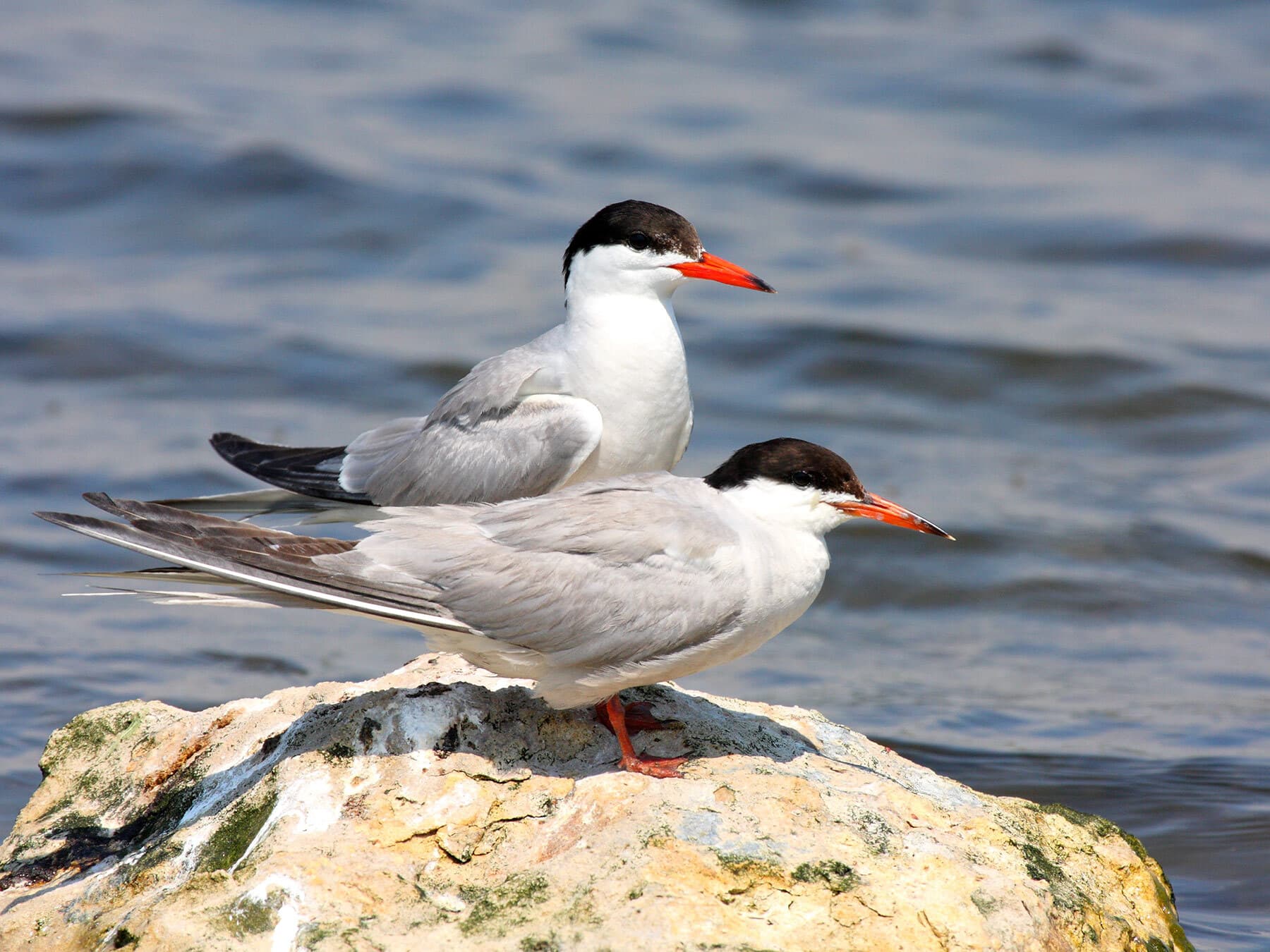
Common Tern
Sterna hirundoLC
An uncommon breeding visitor from April to September, nesting at reservoirs and gravel pits across the region.
Apr–Sep
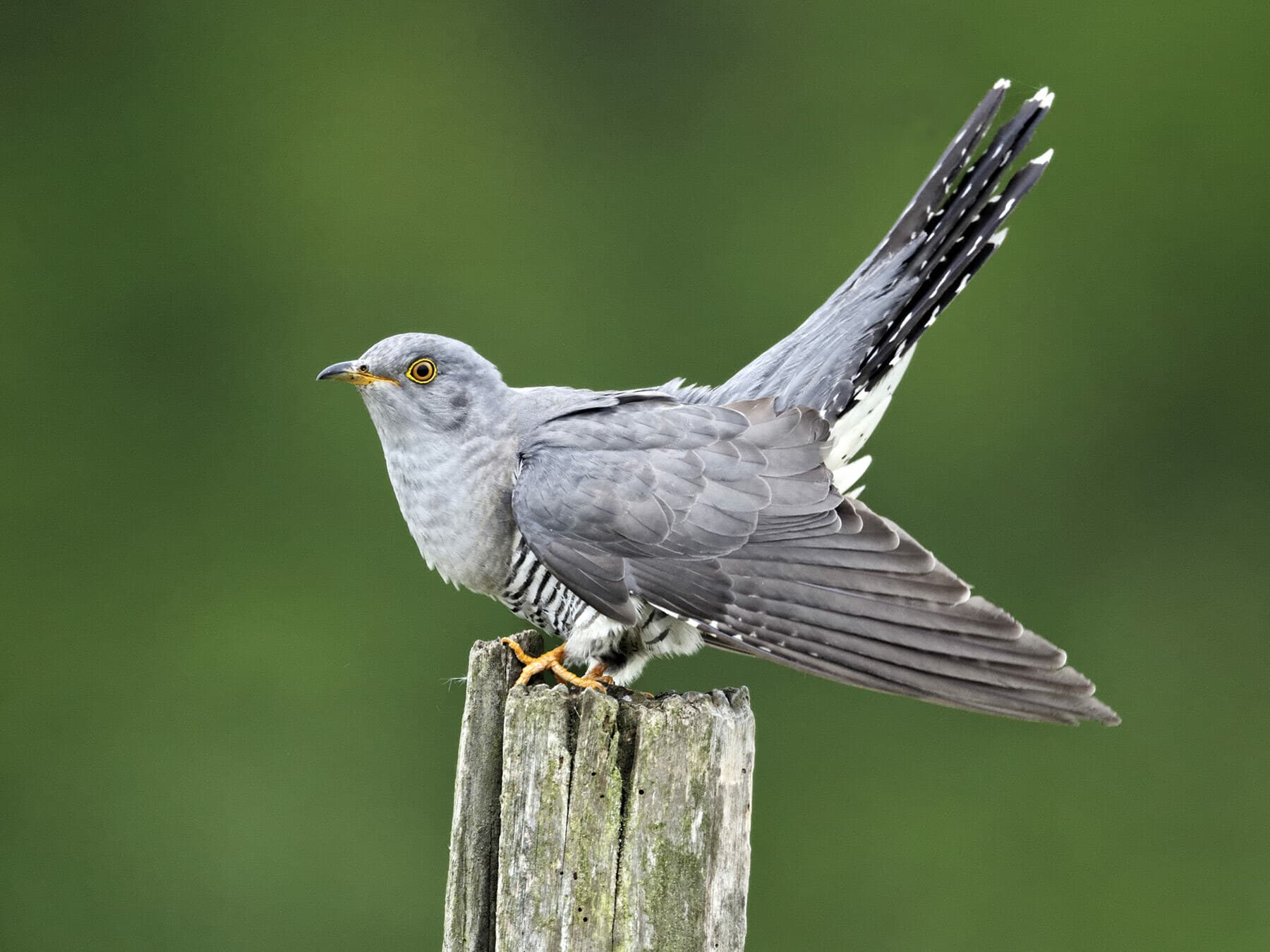
Cuckoo
Cuculus canorusLC
A declining summer visitor arriving in April, its distinctive call heard around moorland edges and the Dearne Valley wetlands.
Apr–Aug
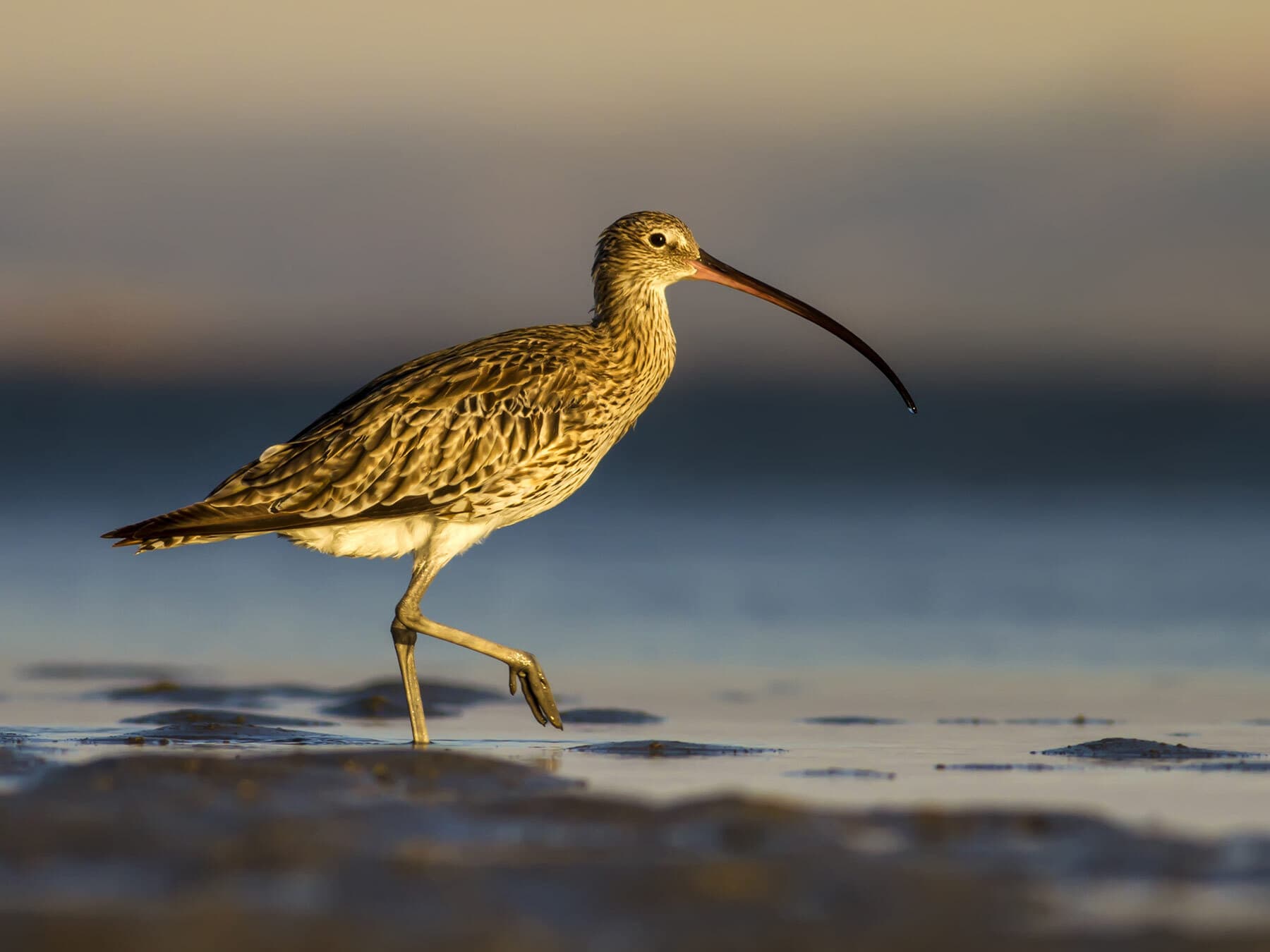
Curlew
Numenius arquataNT
An uncommon resident breeding on upland moors in the west. Declining nationally, its evocative call is a hallmark of the Pennine fringe.
Feb–Dec
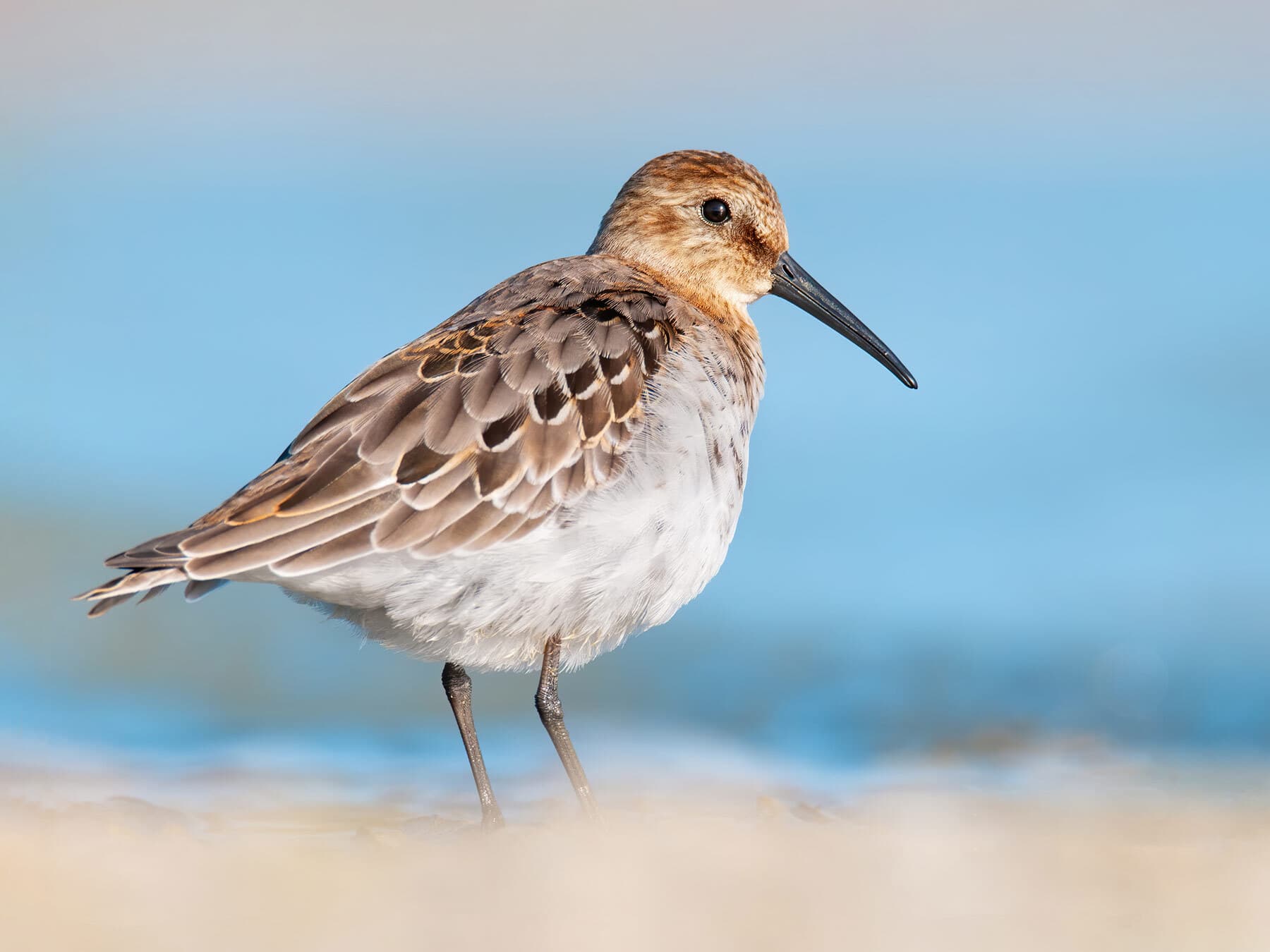
Dunlin
Calidris alpinaLC
Small numbers breed on upland moorland in the west, with passage and wintering birds appearing at lowland reservoirs and wetlands from late summer onwards.
Mar–Dec
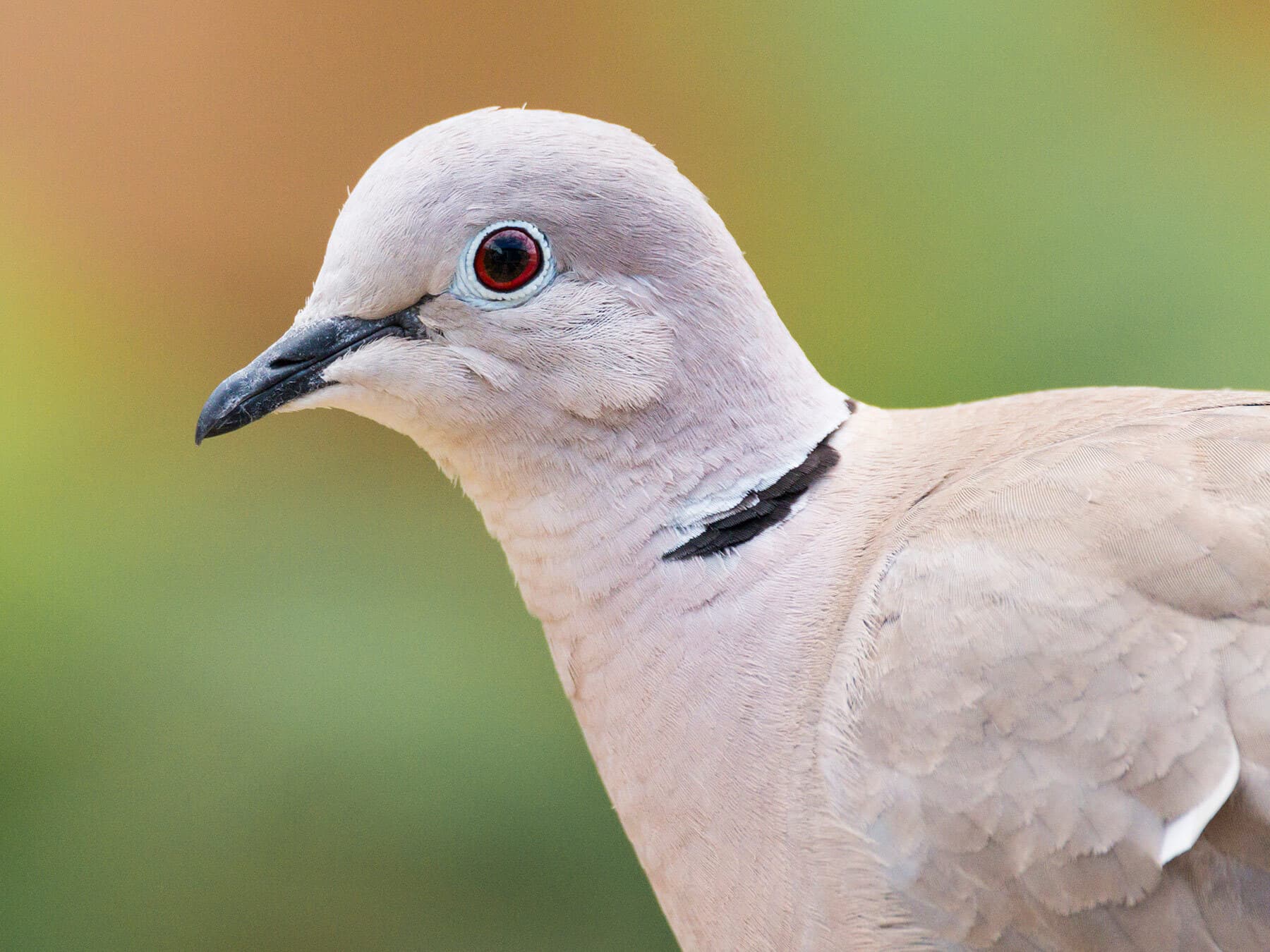
Eurasian Collared Dove
Streptopelia decaoctoLC
A year-round resident of suburban gardens, farms, and villages, though less abundant than in previous decades. Its monotonous three-note call is distinctive.
Year-round
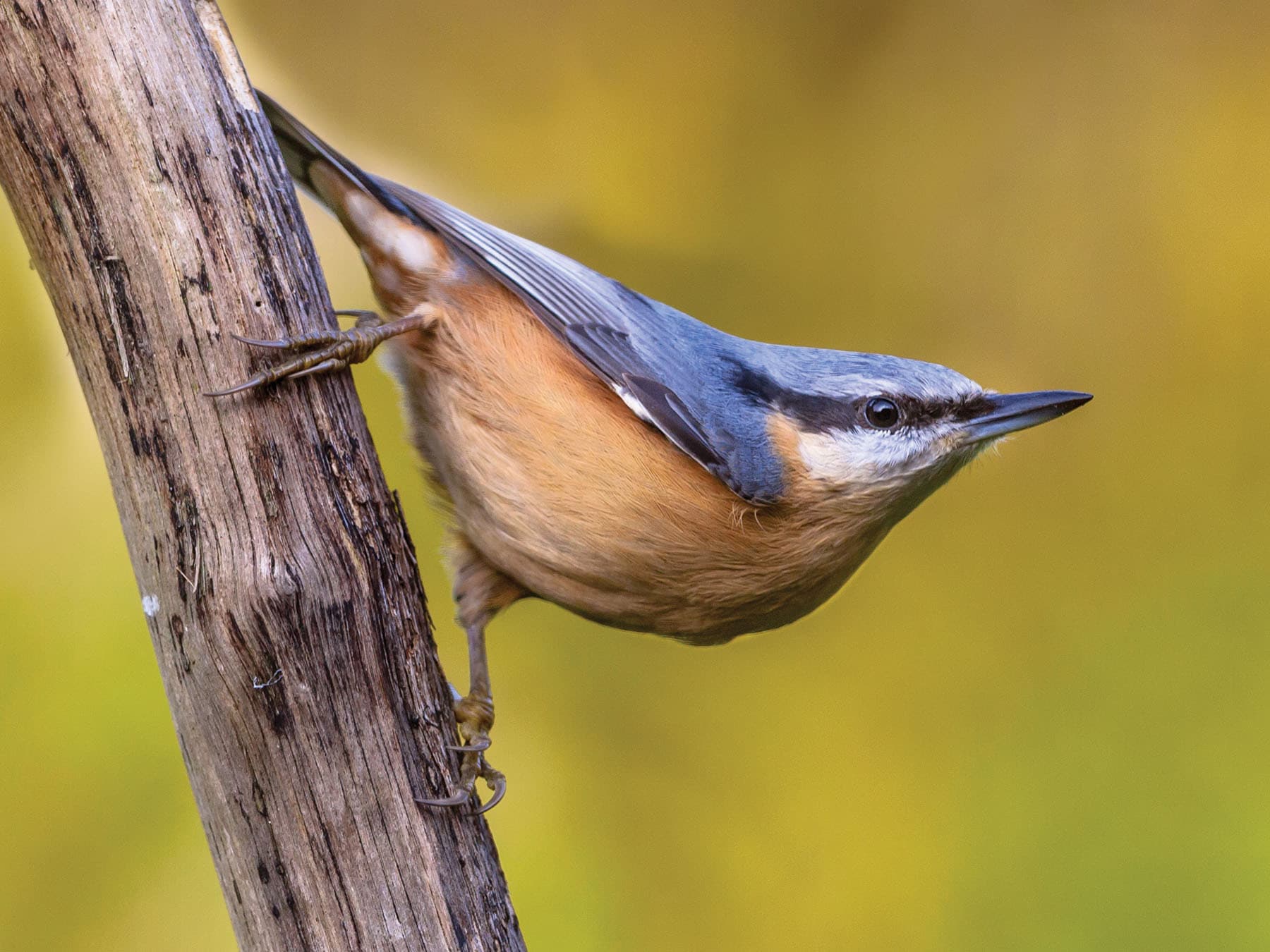
Eurasian Nuthatch
Sitta europaeaLC
An uncommon resident of mature broadleaved woodland, also visiting garden feeders. Has spread northward in recent decades.
Year-round
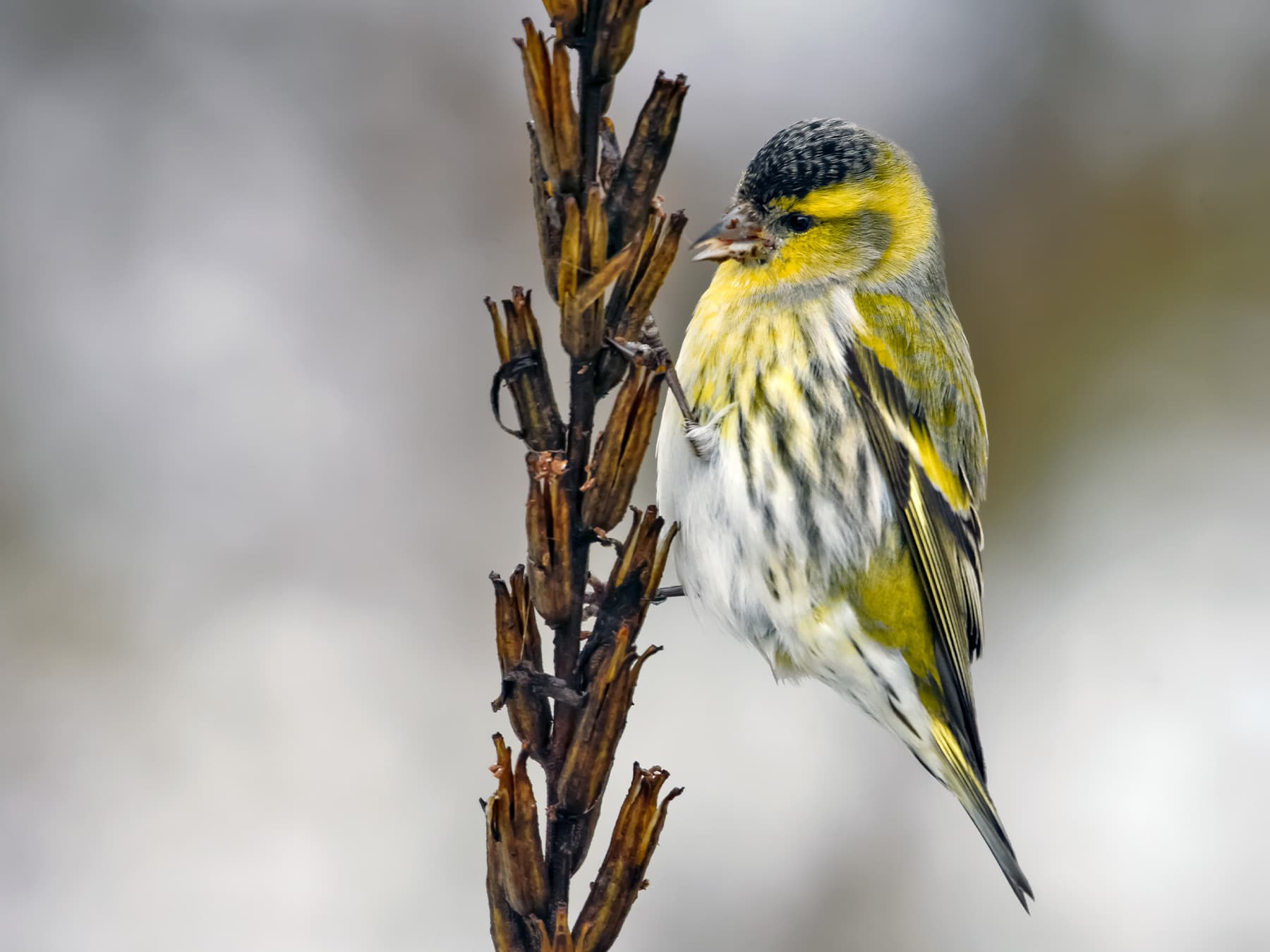
Eurasian Siskin
Spinus spinusLC
An uncommon resident, more conspicuous in winter when flocks visit alder trees and garden feeders. Breeds in conifer woodland in the west.
Year-round
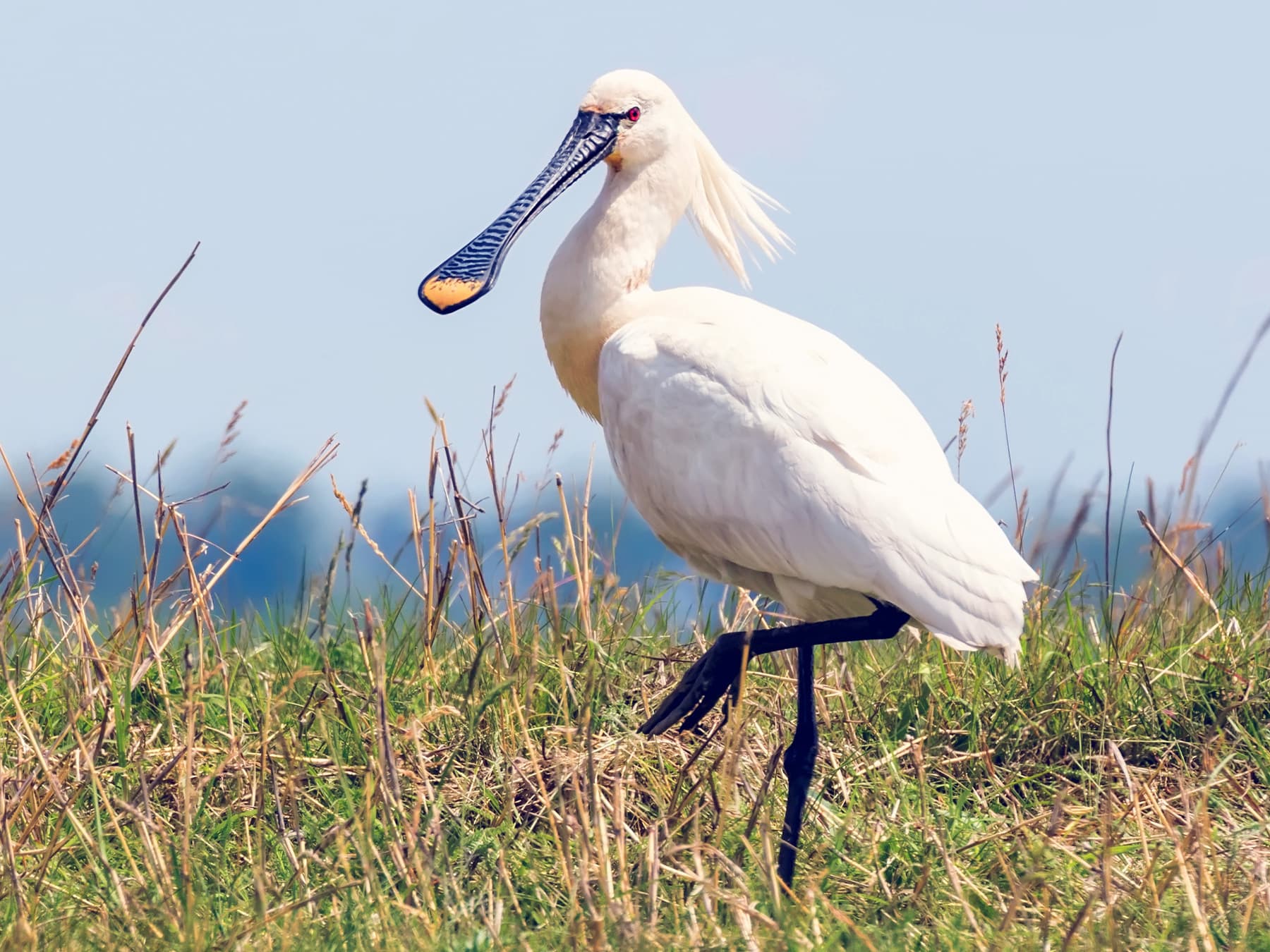
Eurasian Spoonbill
Platalea leucorodiaLC
An uncommon but increasing breeder, present from April to October at key wetlands such as those in the Dearne Valley.
Apr–Oct
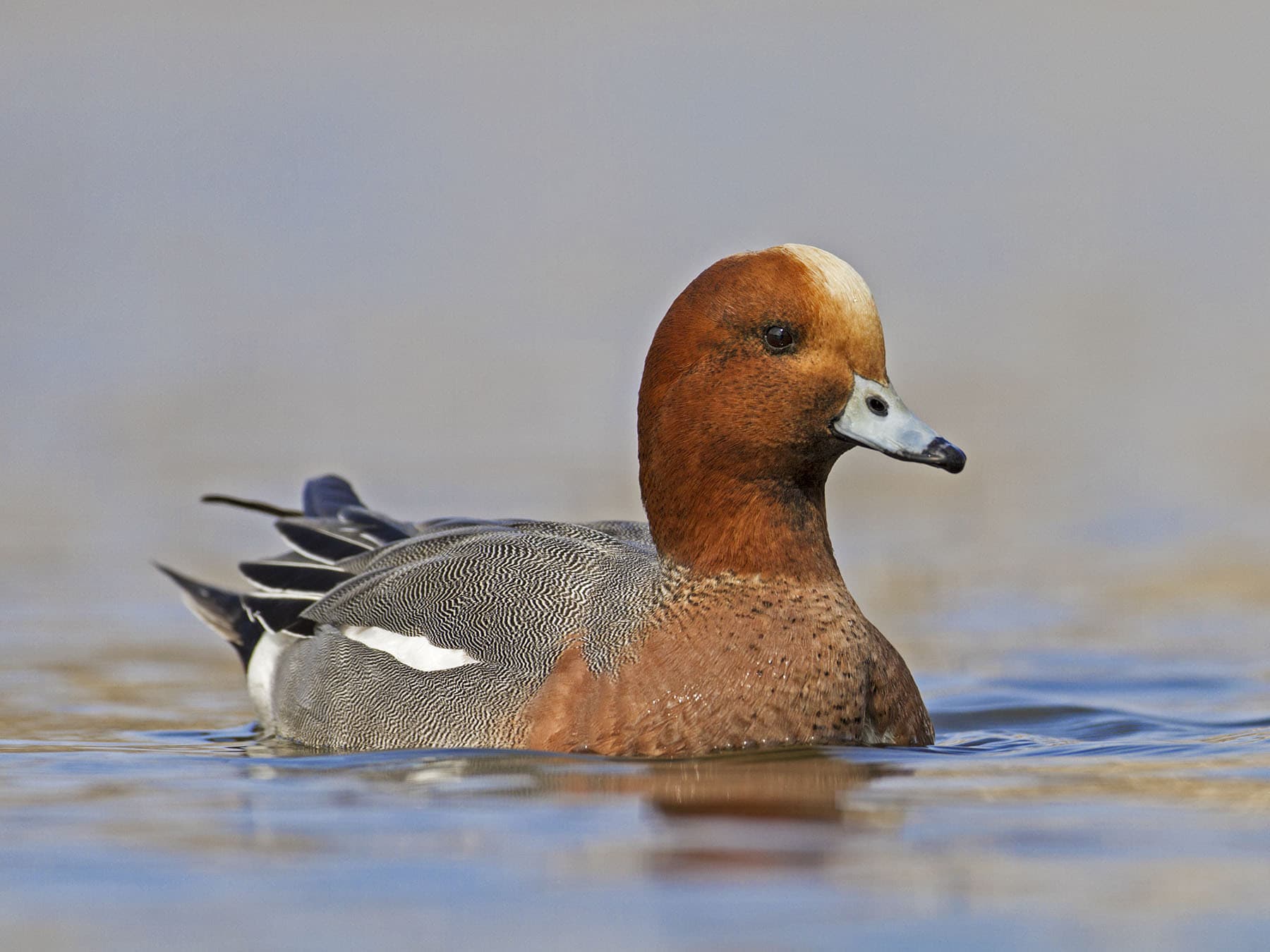
Eurasian Wigeon
Mareca penelopeLC
Present year-round but most numerous in winter, grazing flocks gather on flooded grasslands and reservoirs across the region.
Year-round