Uncommon Birds in South Yorkshire
57 species matching this filter.
South Yorkshire supports a diverse range of uncommon bird species across its varied habitats, from the wetlands of the Dearne Valley to the moorlands of the Peak District fringe. With 57 species classified as uncommon in the county, birdwatchers can encounter notable finds such as Avocet, Common Sandpiper, and European Green Woodpecker throughout the year. The region's reservoirs, river corridors, and ancient woodlands provide vital habitats for species like Blackcap, Bullfinch, and Common Reed-warbler.


Showing 24–46 of 57 species
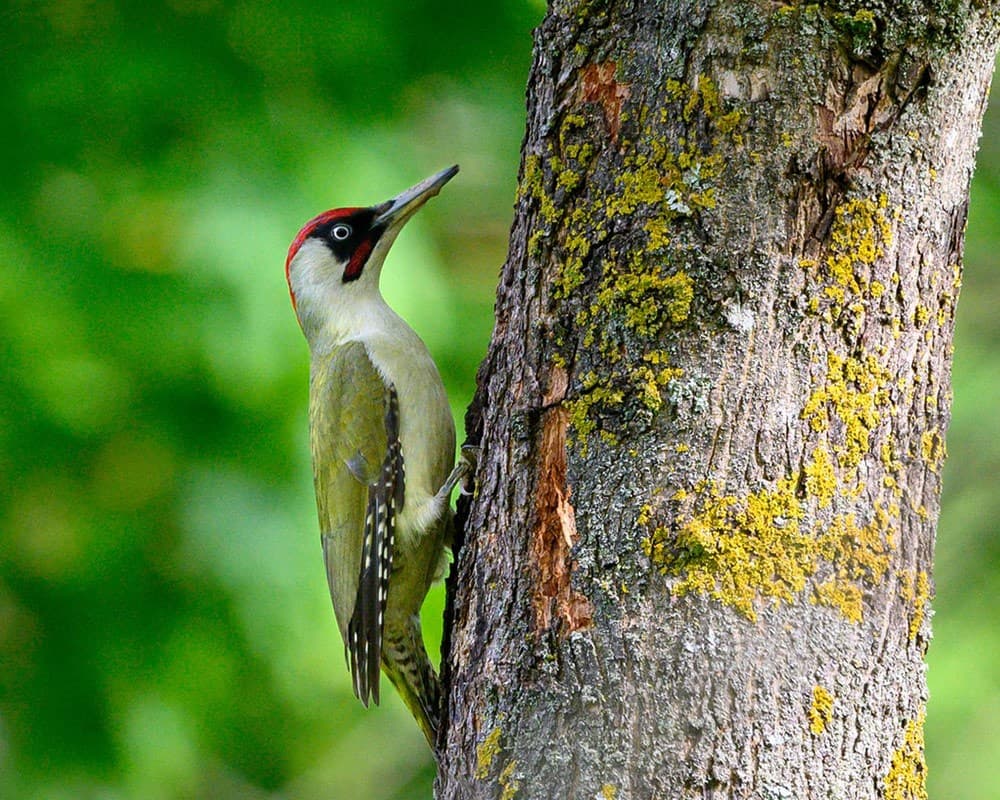
European Green Woodpecker
Picus viridisLC
An uncommon resident with a distinctive laughing call, found in parkland and woodland edges where it feeds on ground-dwelling ants.
Year-round
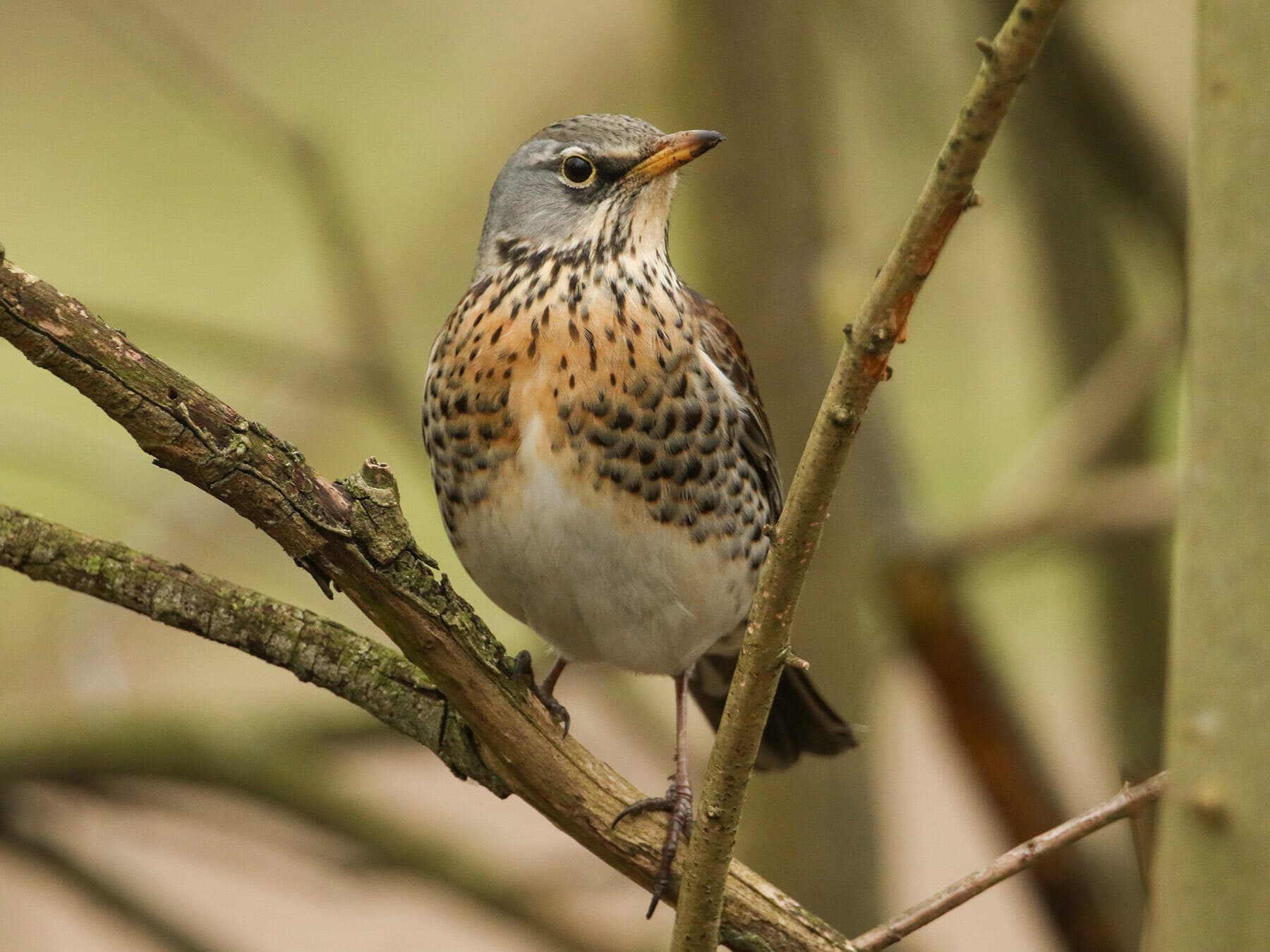
Fieldfare
Turdus pilarisLC
An uncommon winter visitor from Scandinavia, arriving from October and feeding in flocks on hedgerow berries across farmland.
Oct–Apr
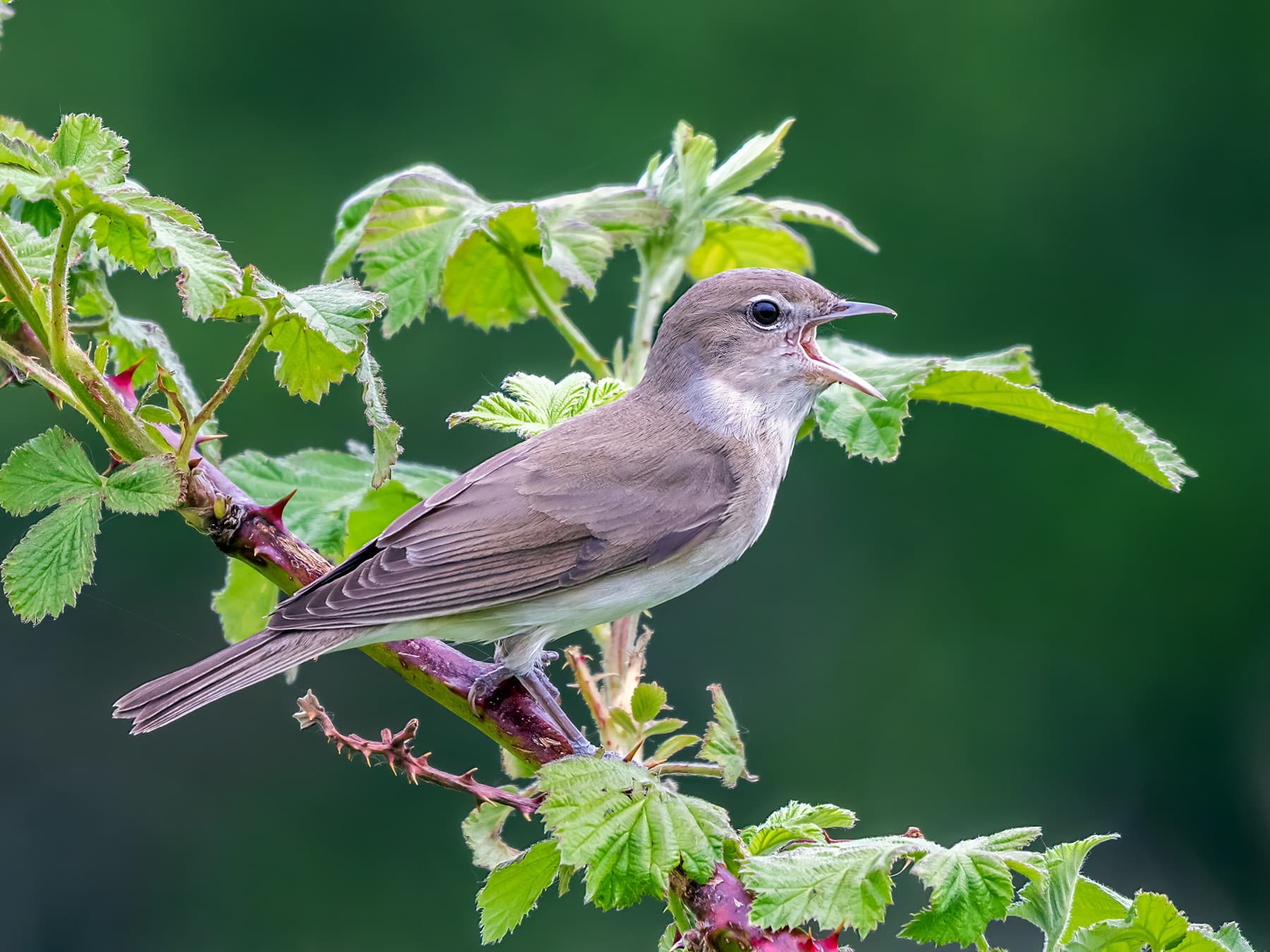
Garden Warbler
Sylvia borinLC
An uncommon summer breeder from April to August, favouring dense deciduous woodland with thick understorey. Skulking and best located by song.
Apr–Aug
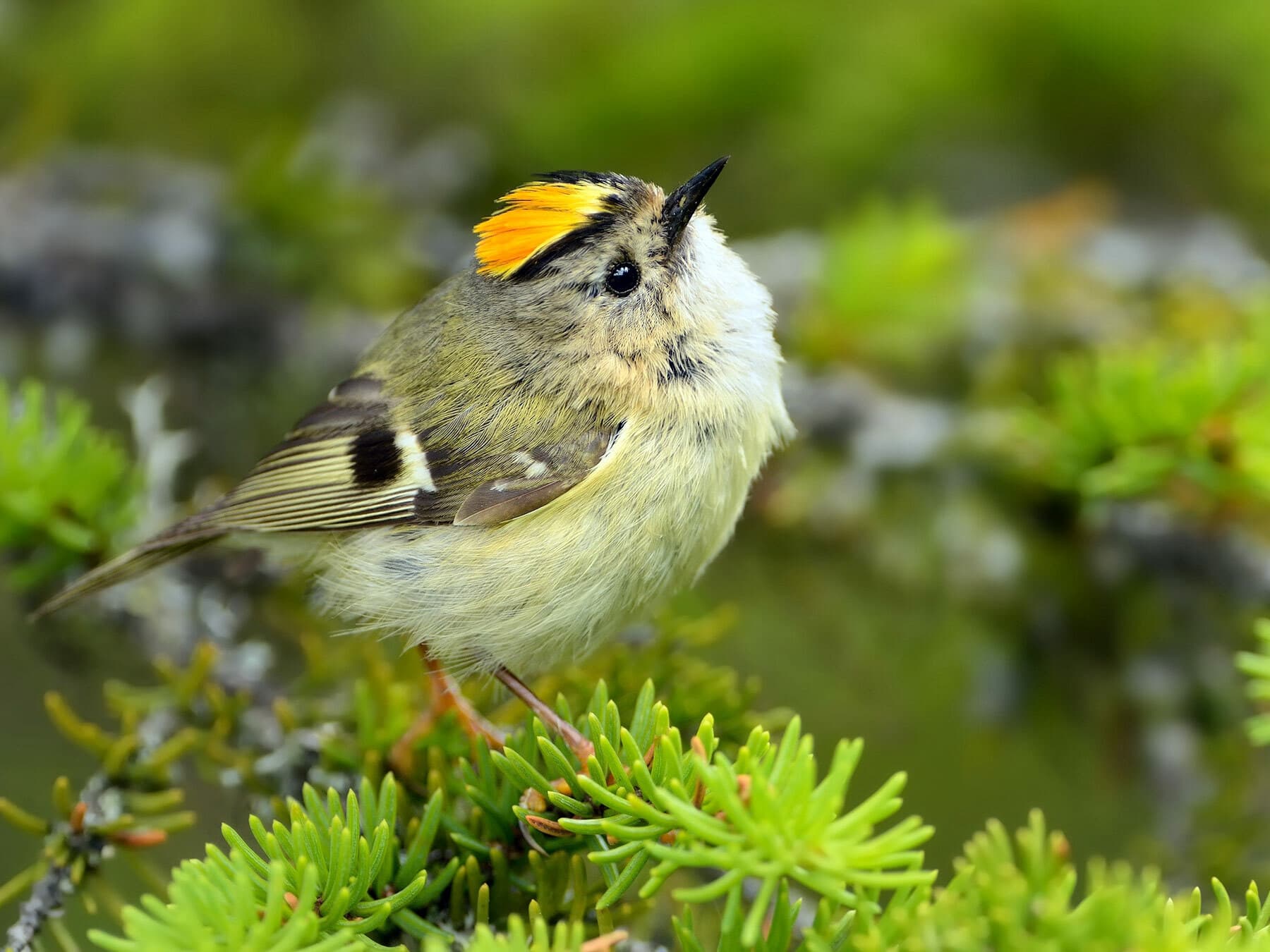
Goldcrest
Regulus regulusLC
Britain's smallest bird, resident year-round but uncommon, favouring conifer plantations and mature gardens with evergreen cover.
Year-round
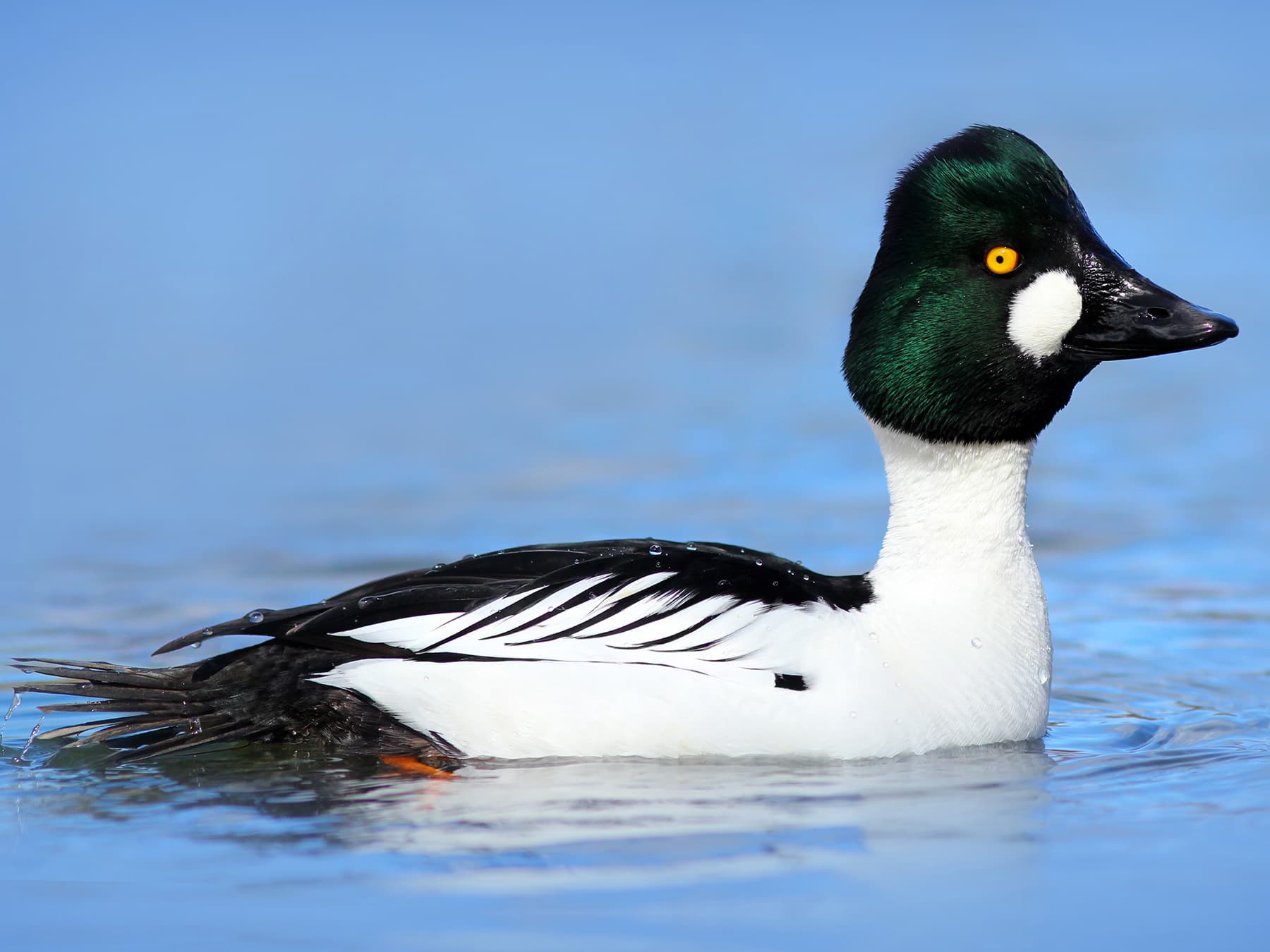
Goldeneye
Bucephala clangulaLC
An uncommon but regular winter visitor to reservoirs and gravel pits from October to April. Males are striking with their glossy green heads and white face patch.
Oct–Apr
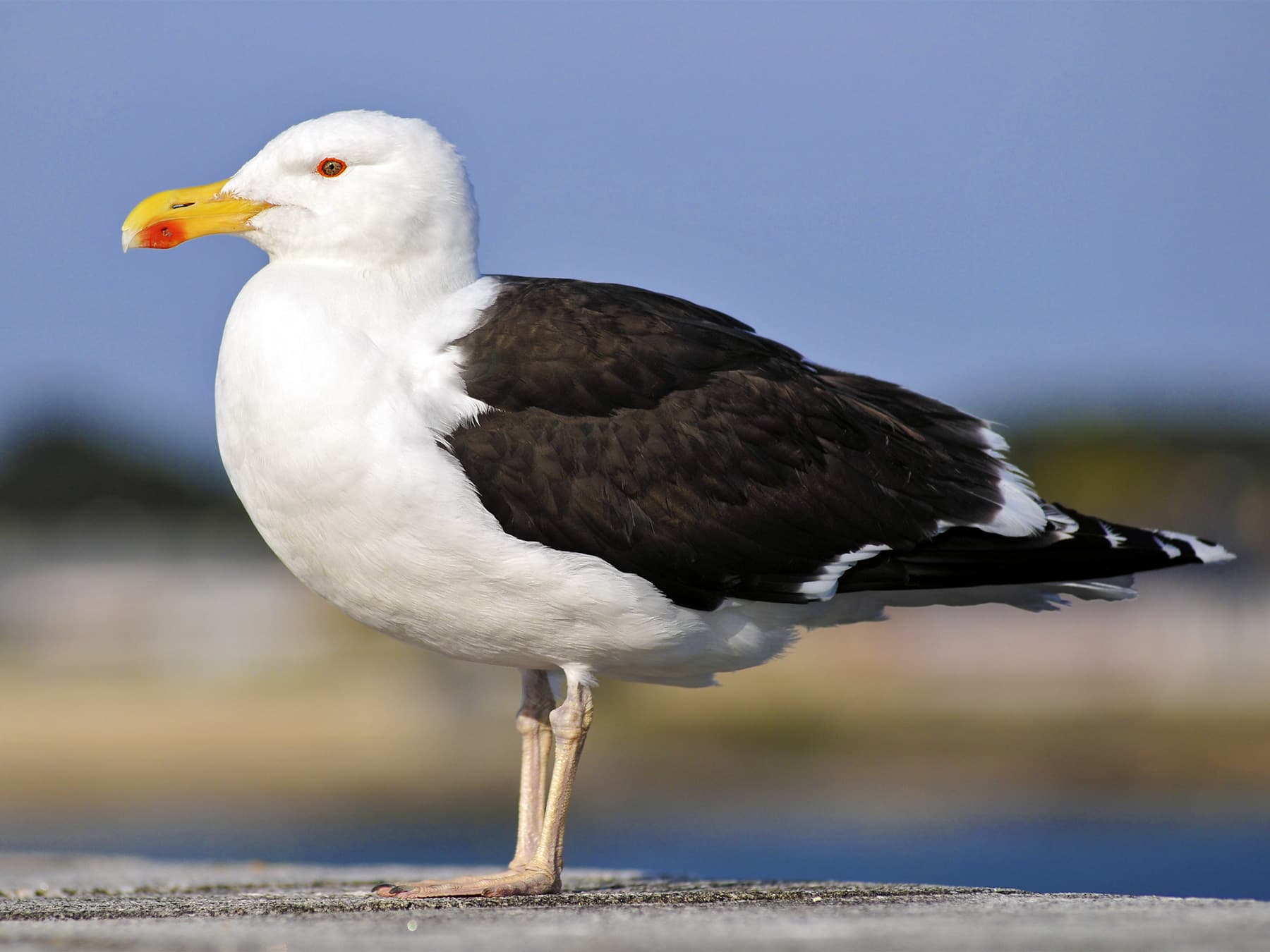
Great Black-backed Gull
Larus marinusLC
An uncommon year-round resident, often seen at reservoirs and landfill sites. Less numerous inland than other large gulls.
Year-round
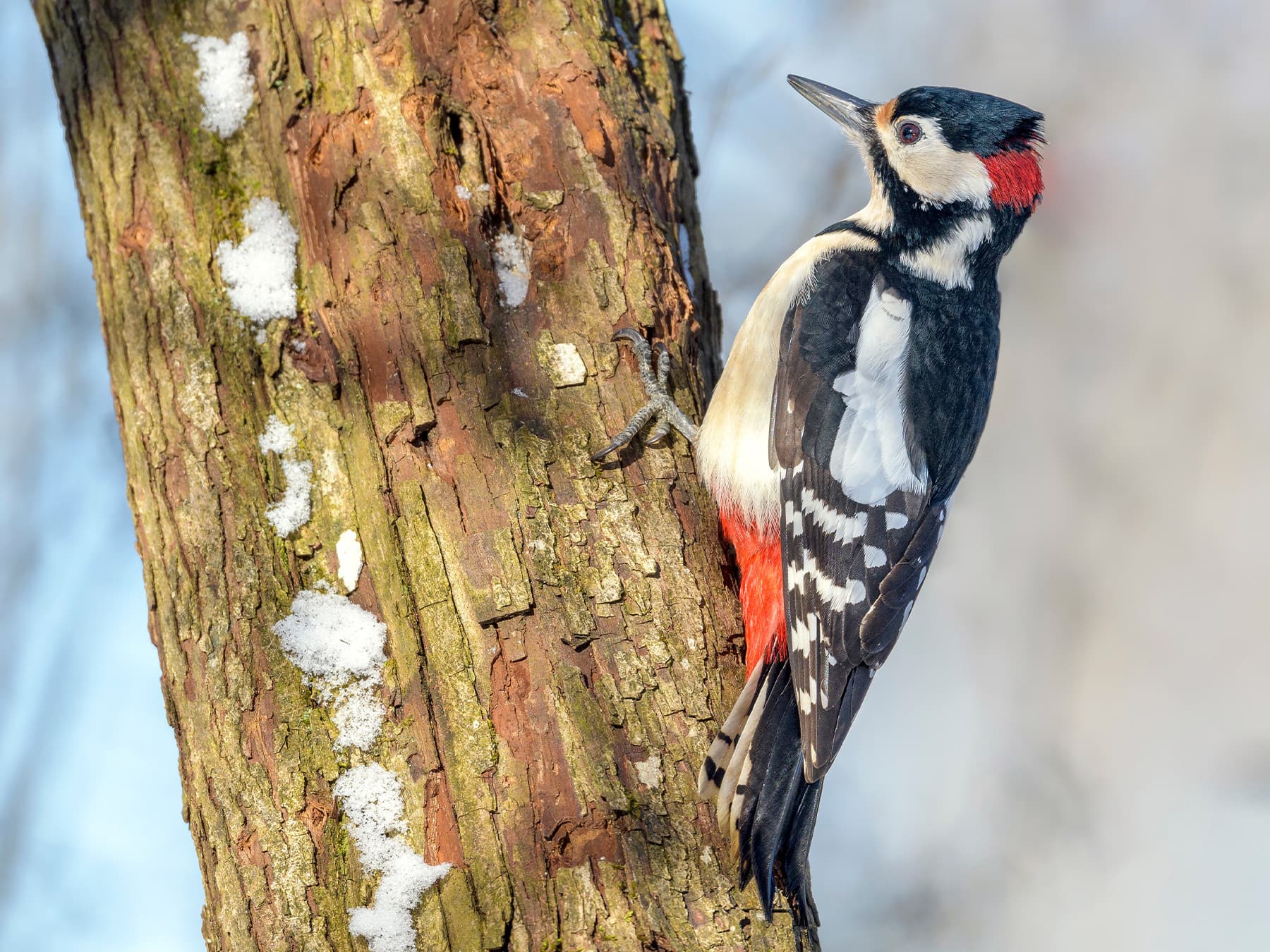
Great Spotted Woodpecker
Dendrocopos majorLC
An uncommon resident of broadleaved and mixed woodland, also visiting garden feeders. Drumming is heard from late winter.
Year-round
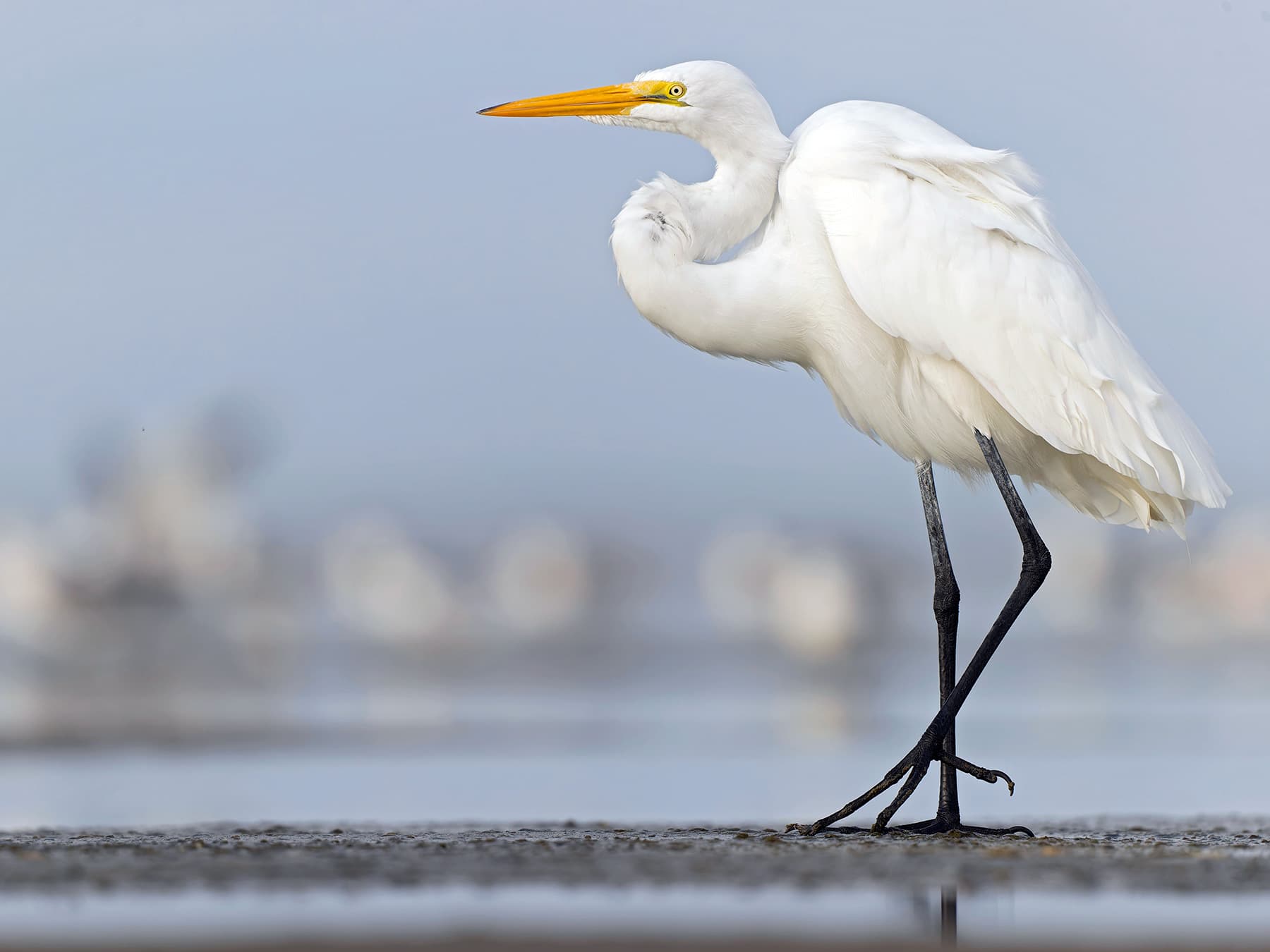
Great White Egret
Ardea albaLC
An increasingly regular sight at wetland reserves and river valleys, reflecting a national range expansion. Tall and striking, it stands out among Little Egrets.
Year-round
Spotted something?
Upload a photo to identify it
Identify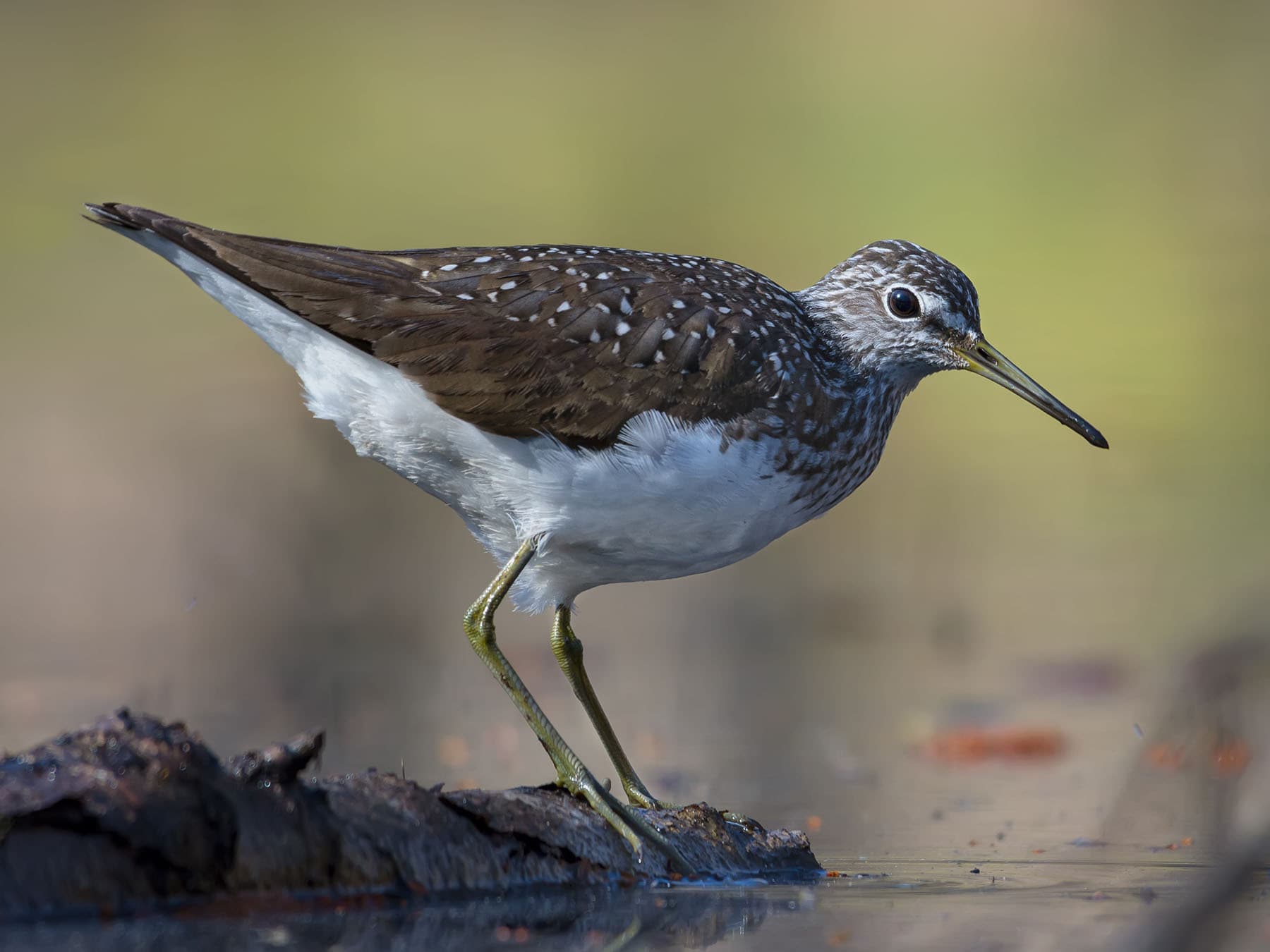
Green Sandpiper
Tringa ochropusLC
An uncommon but year-round resident, favouring muddy pool edges and ditches. Numbers increase in late summer with returning migrants.
Jun–Apr
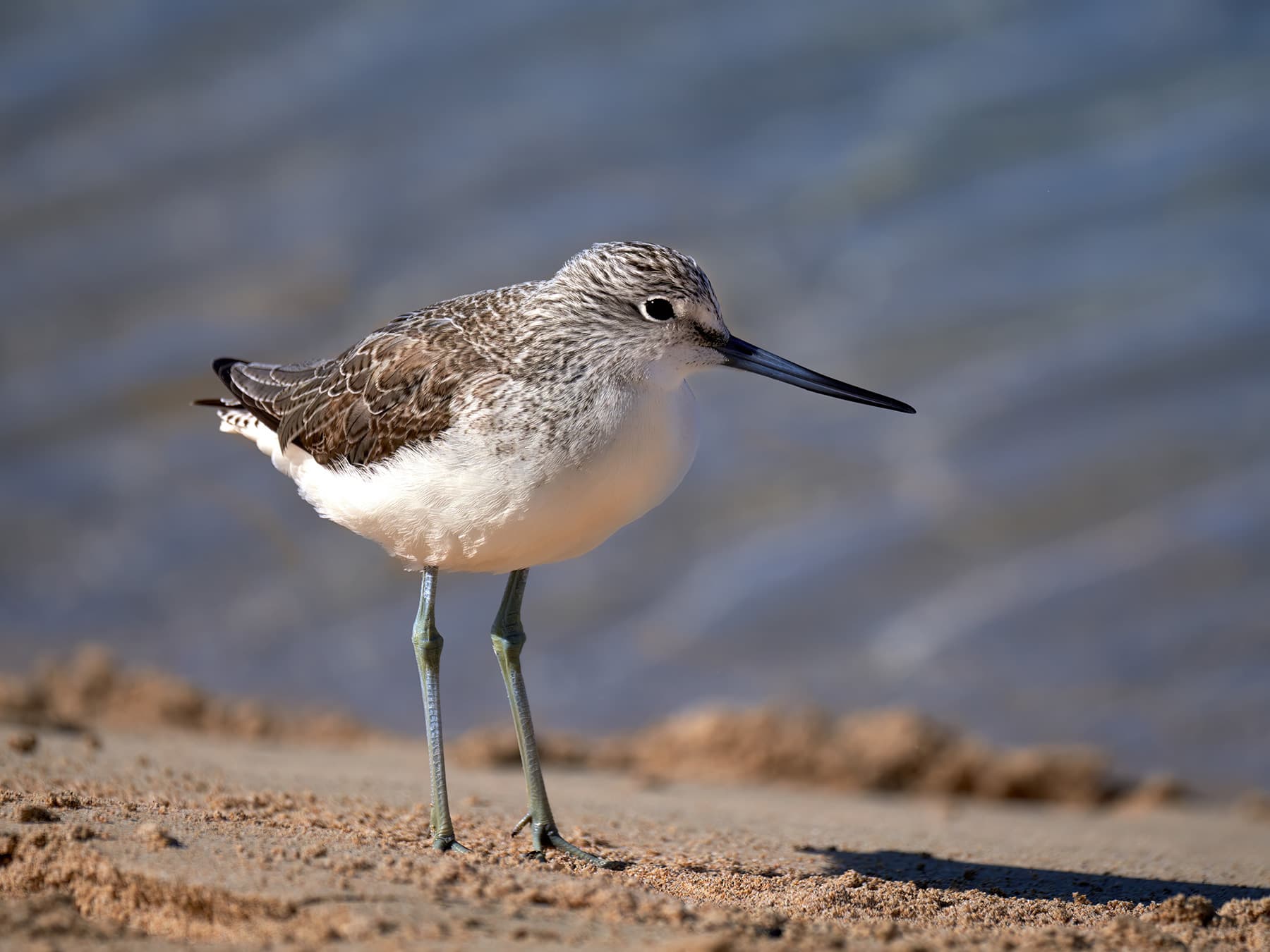
Greenshank
Tringa nebulariaLC
An uncommon passage wader seen at reservoirs and flooded fields from spring through autumn. Elegant and long-legged, often feeding alone at muddy pool edges.
Apr–Oct
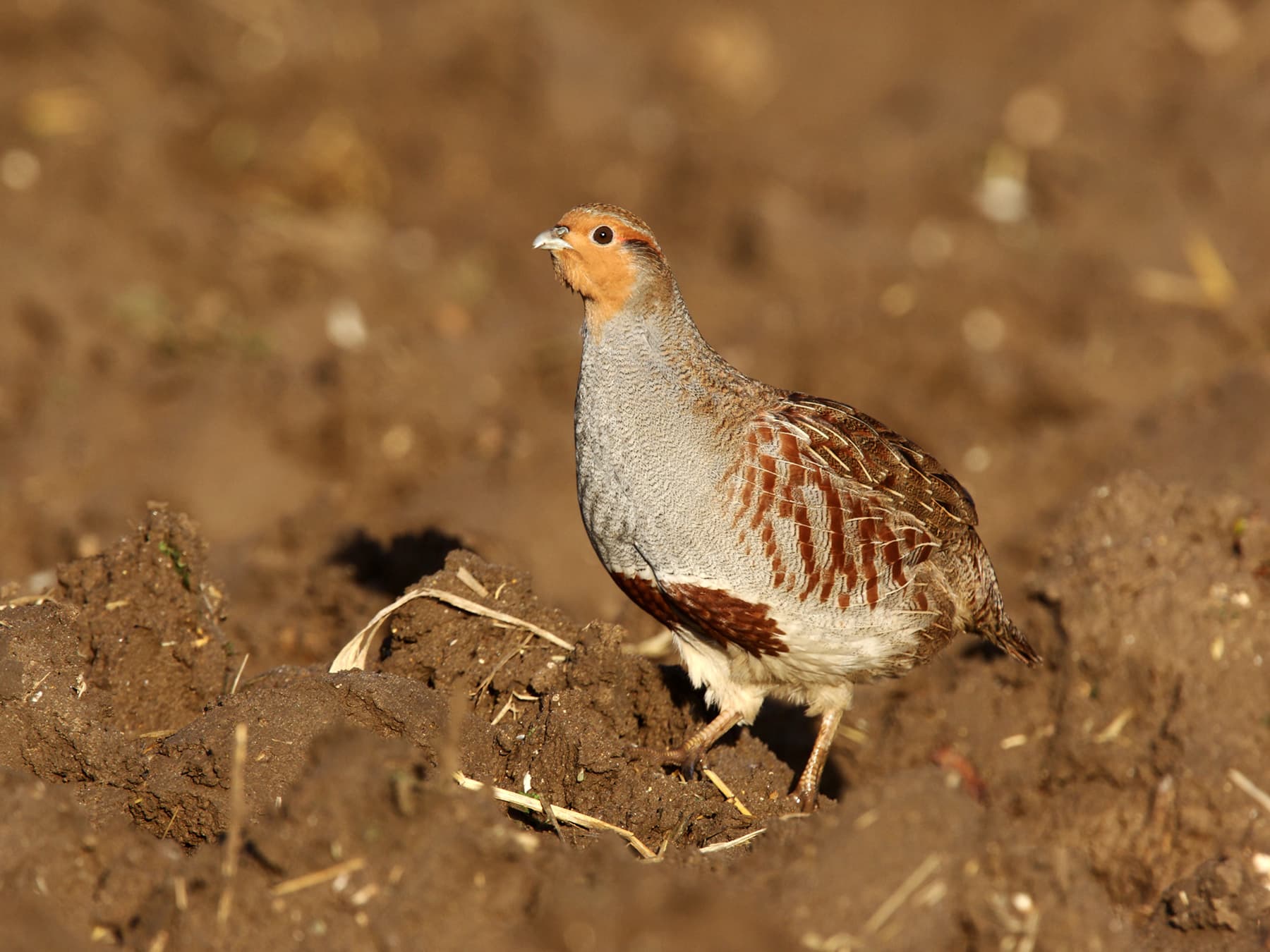
Grey Partridge
Perdix perdixLC
A declining resident of arable farmland and field margins, now uncommon across the region. Conservation efforts on local farms aim to support this species.
Year-round
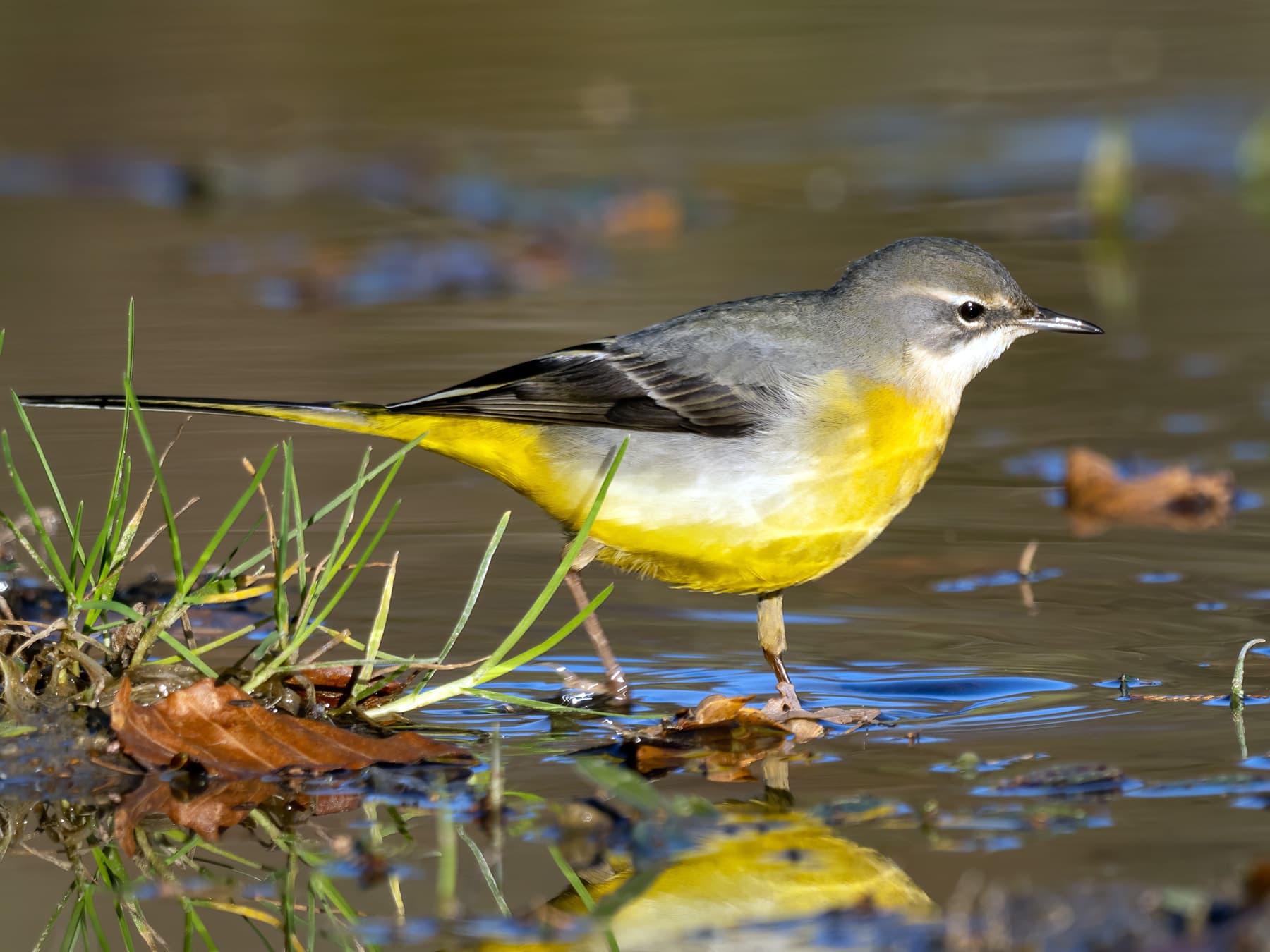
Grey Wagtail
Motacilla cinereaLC
An uncommon resident found along fast-flowing streams and rivers, especially in the western valleys. Bobs its long tail constantly on waterside rocks.
Year-round
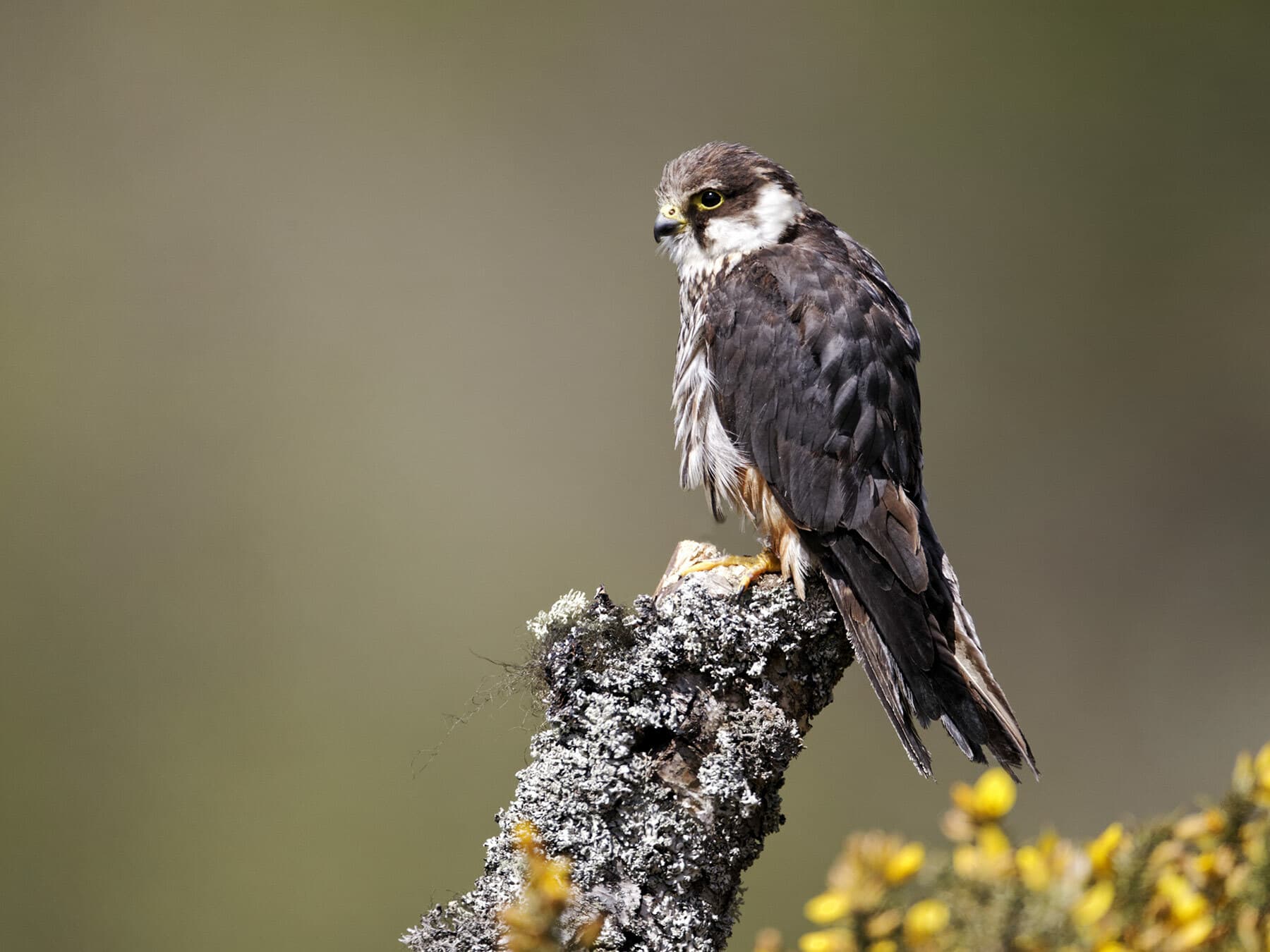
Hobby
Falco subbuteoLC
An uncommon summer breeder from April to October, hunting dragonflies and small birds over wetlands and open countryside.
Apr–Oct
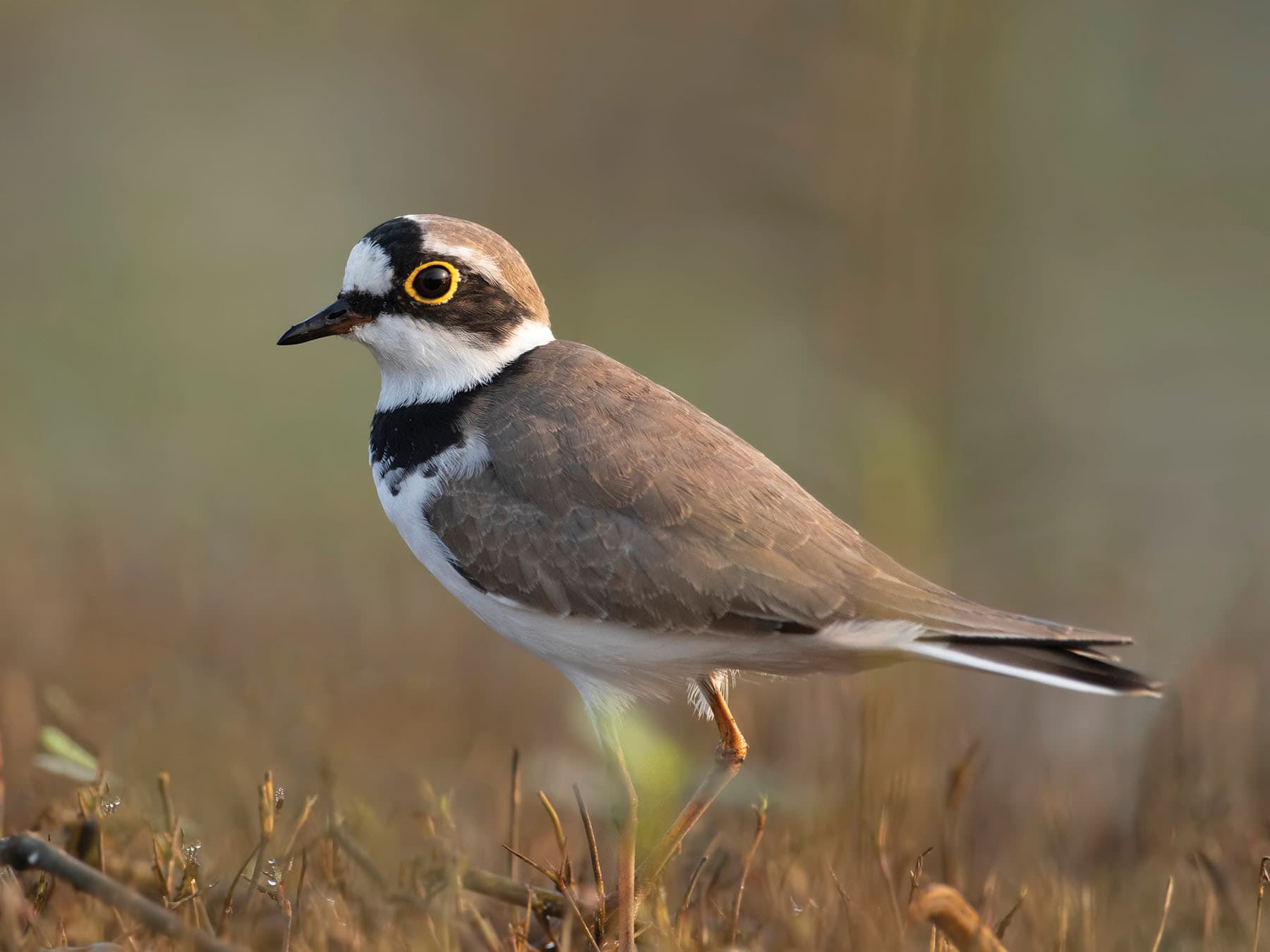
Little Ringed Plover
Charadrius dubiusLC
An uncommon summer breeder favouring gravel pits and reservoir margins. Arrives in March and departs by early autumn.
Mar–Sep
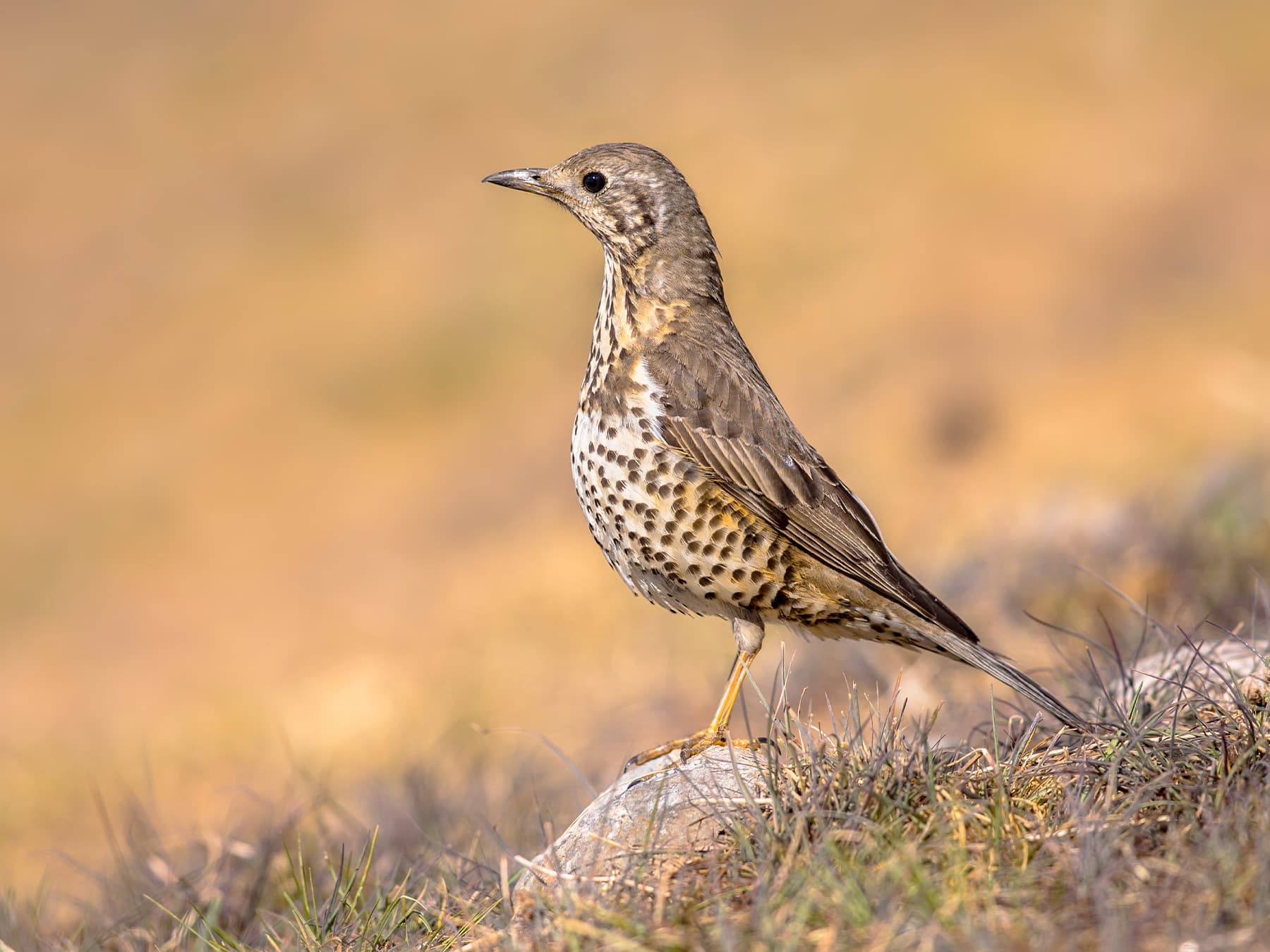
Mistle Thrush
Turdus viscivorusLC
An uncommon resident of parkland, open woodland, and playing fields. Often sings boldly from treetops even in winter storms.
Year-round
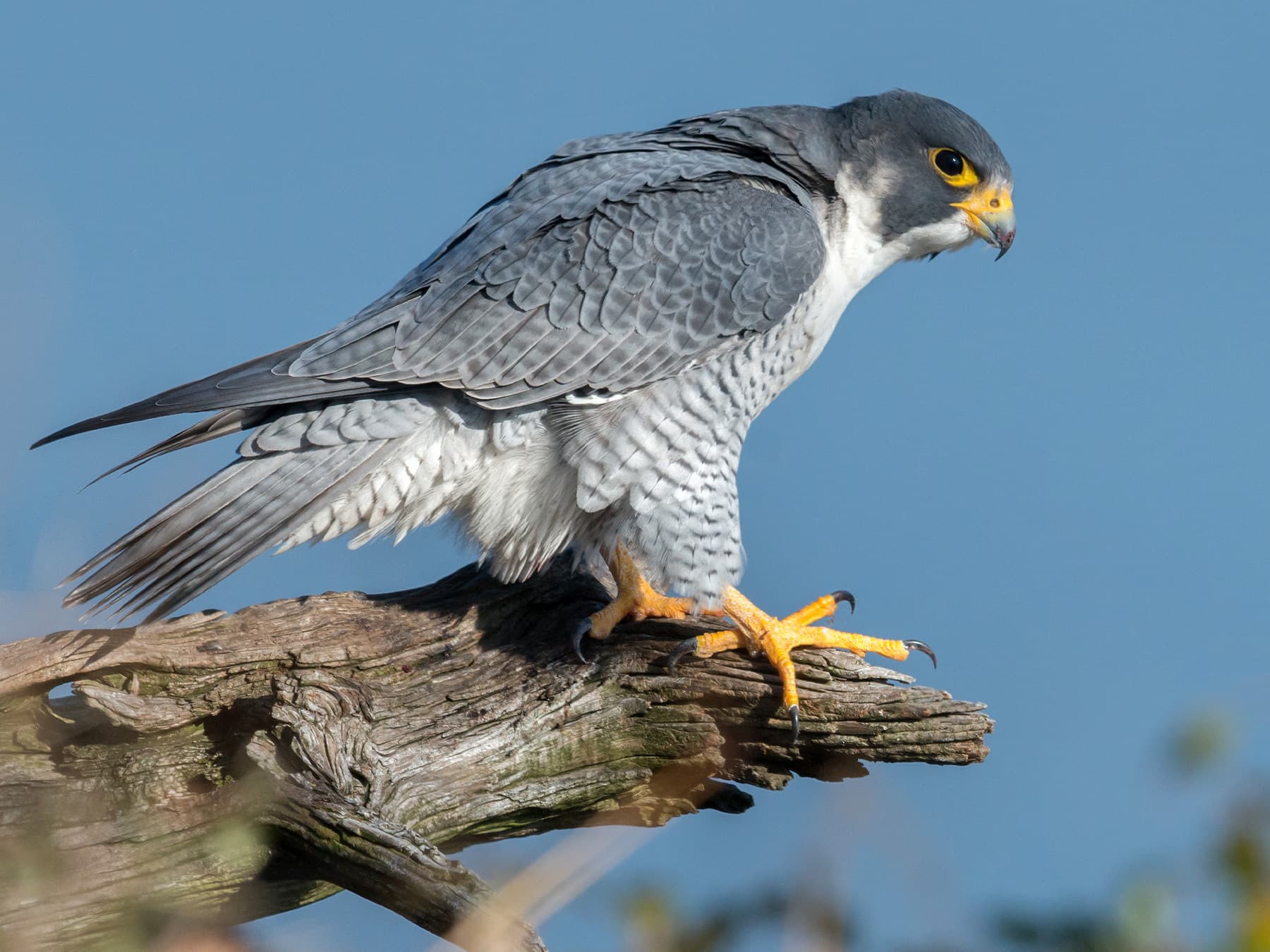
Peregrine Falcon
Falco peregrinusLC
An uncommon year-round resident, increasingly seen nesting on tall buildings in Sheffield and other urban centres. A powerful hunter of pigeons.
Year-round
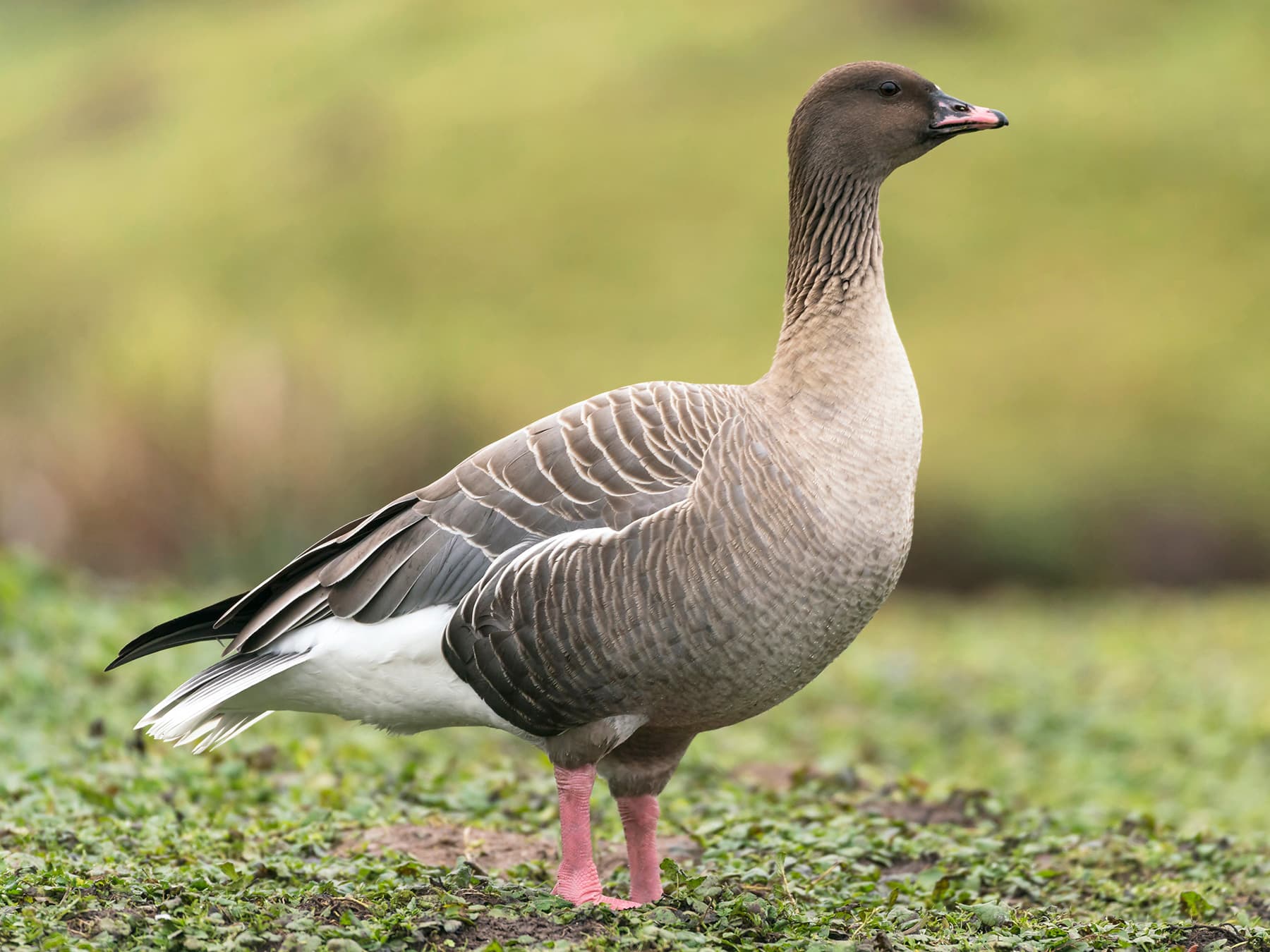
Pink-footed Goose
Anser brachyrhynchusLC
An uncommon resident, with skeins sometimes seen overhead in autumn and winter. Frequents arable fields and reservoir margins.
Jul–May
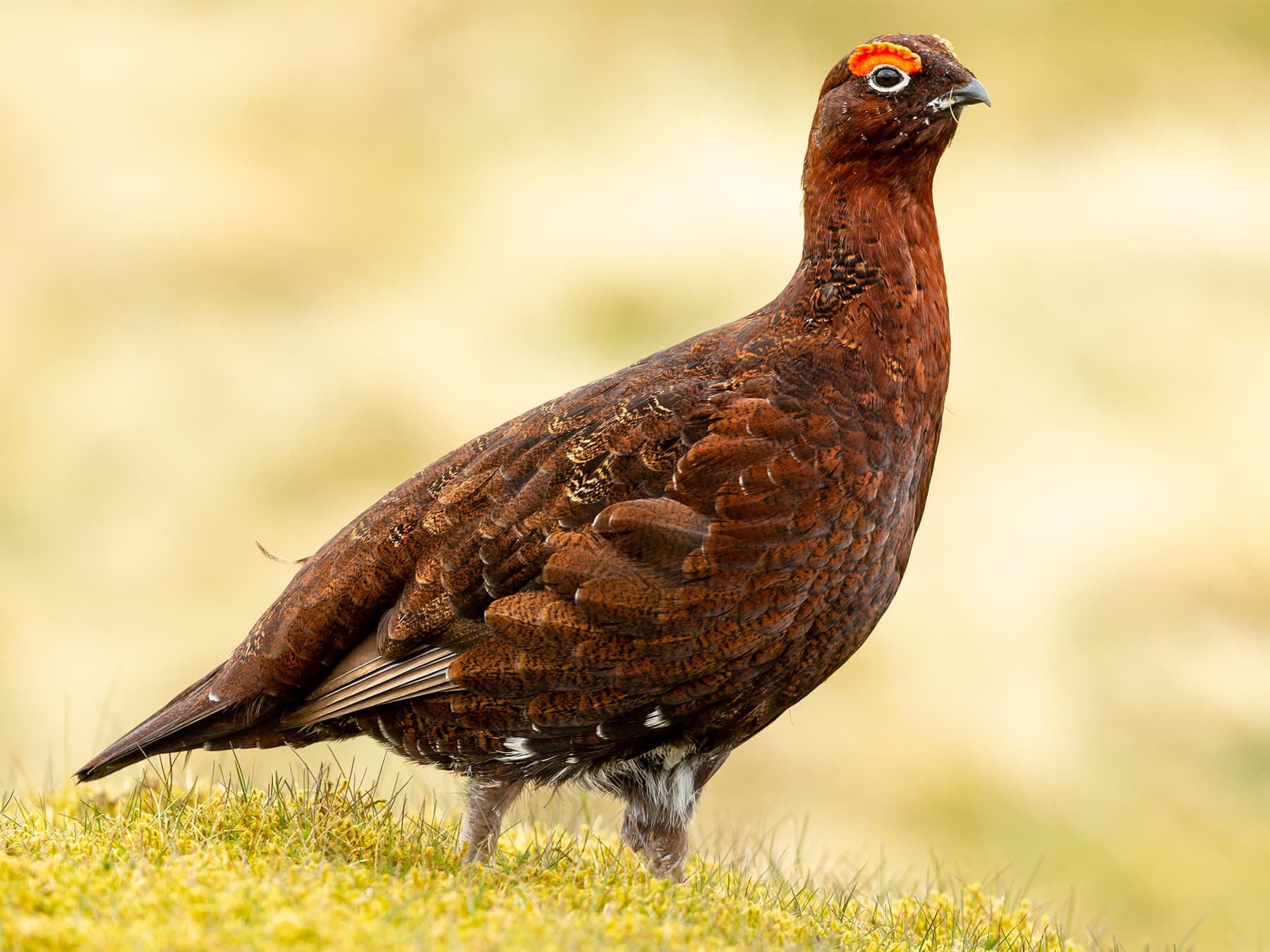
Red Grouse
Lagopus lagopus scoticaLC
Resident on the western moorlands of the Peak District fringe, where its distinctive "go-back" call echoes across the heather.
Year-round
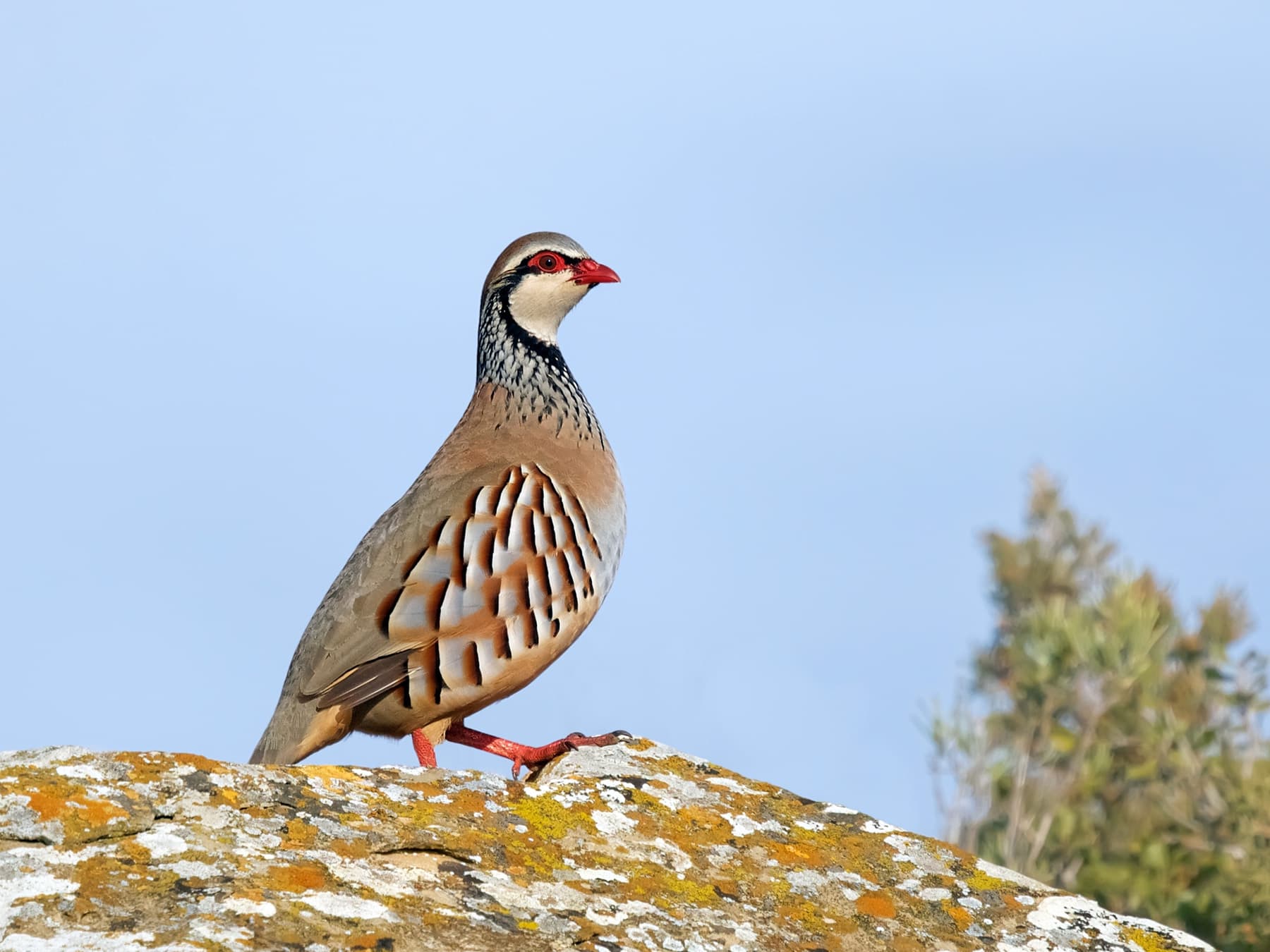
Red-legged Partridge
Alectoris rufaNT
An introduced resident found on arable farmland in the eastern lowlands, often seen in small coveys along field margins.
Year-round
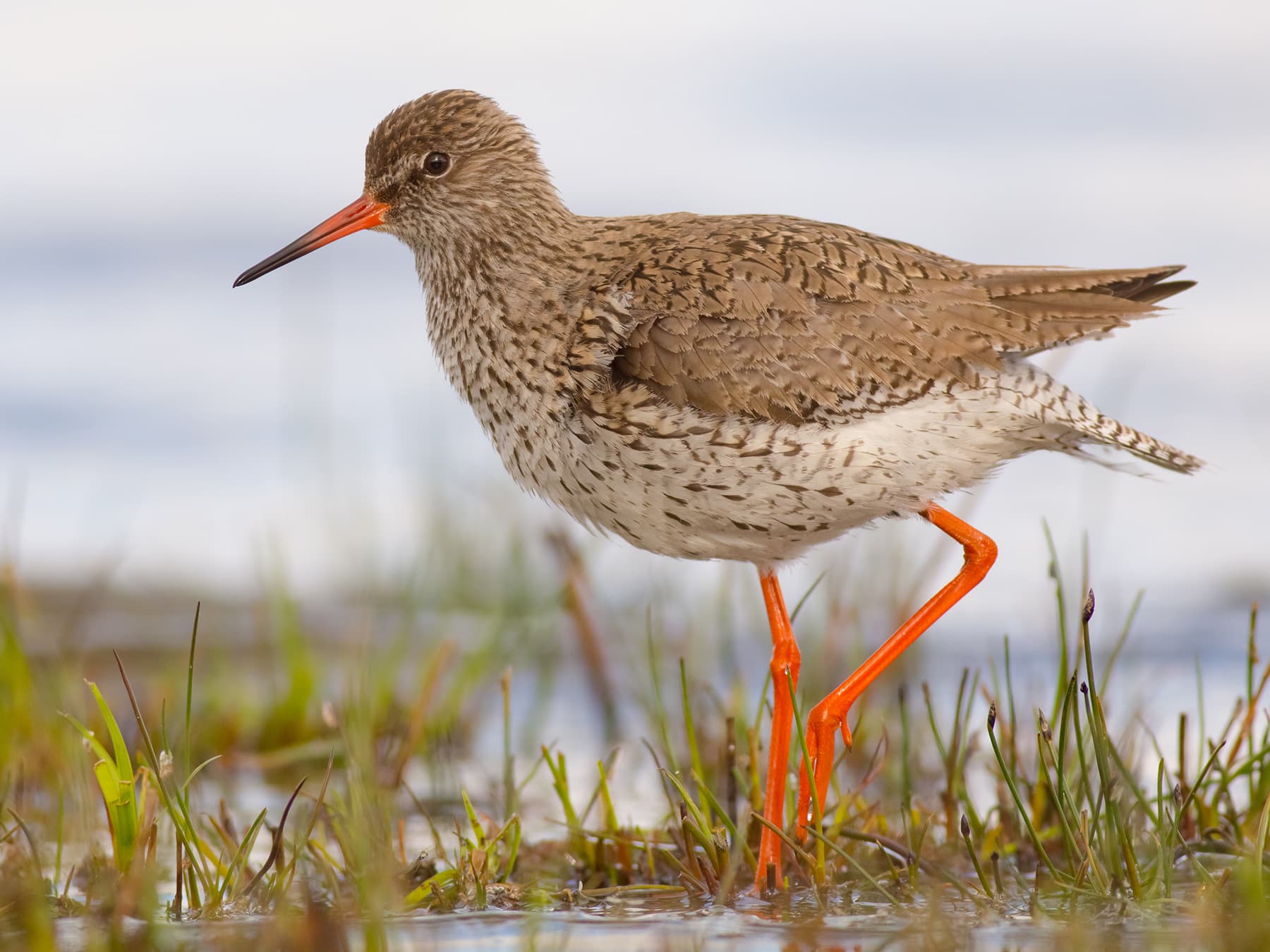
Redshank
Tringa totanusLC
A year-round resident of wetlands and reservoir margins, often heard before seen with its distinctive piping alarm call. Numbers bolstered by passage birds in autumn.
Year-round
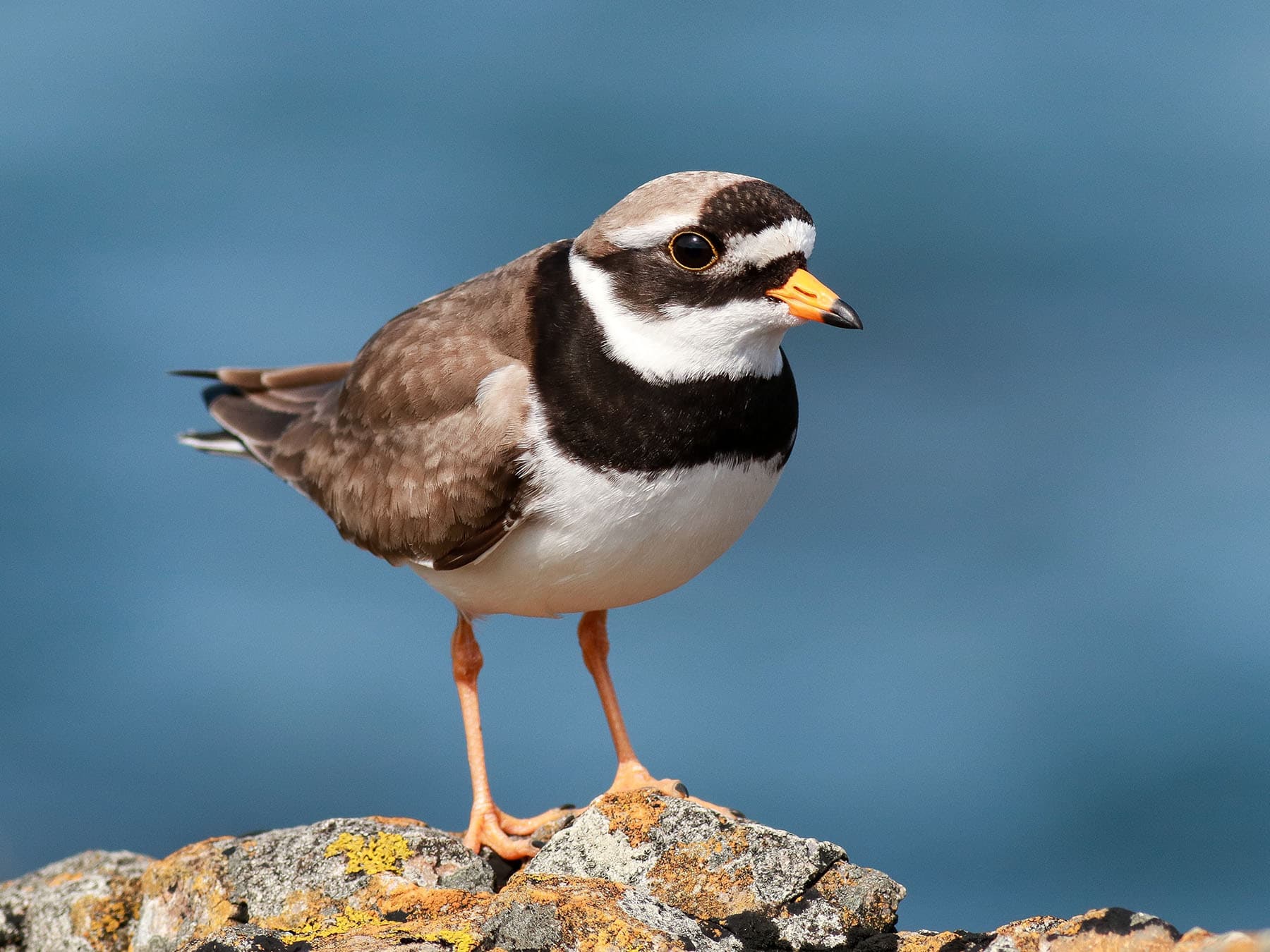
Ringed Plover
Charadrius hiaticulaLC
An uncommon breeder on gravelly shores and scrapes, present from February to October at wetland reserves.
Feb–Oct
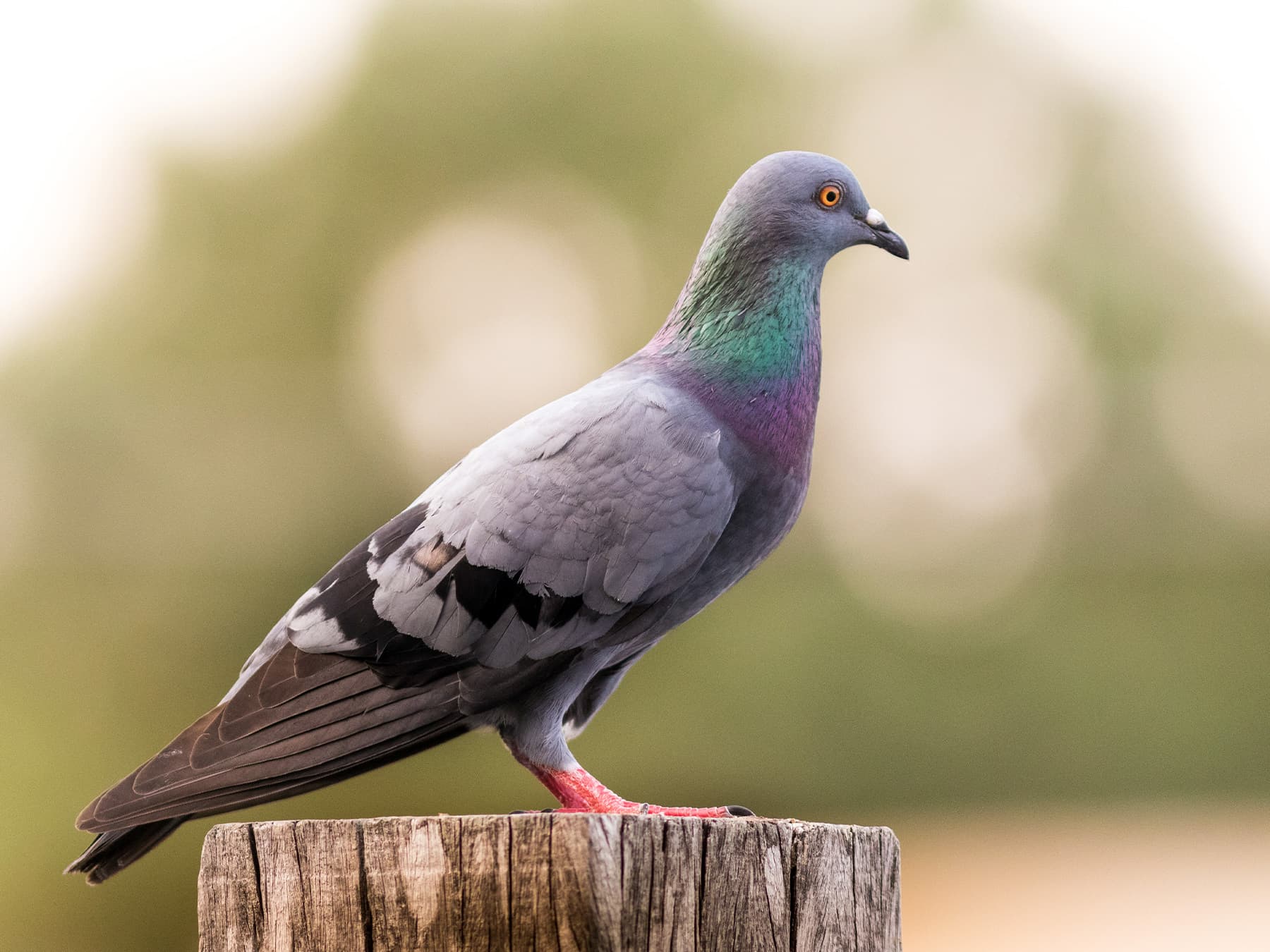
Rock Dove
Columba liviaLC
An uncommon year-round resident; truly wild birds are hard to distinguish from ubiquitous feral pigeons in urban areas.
Year-round
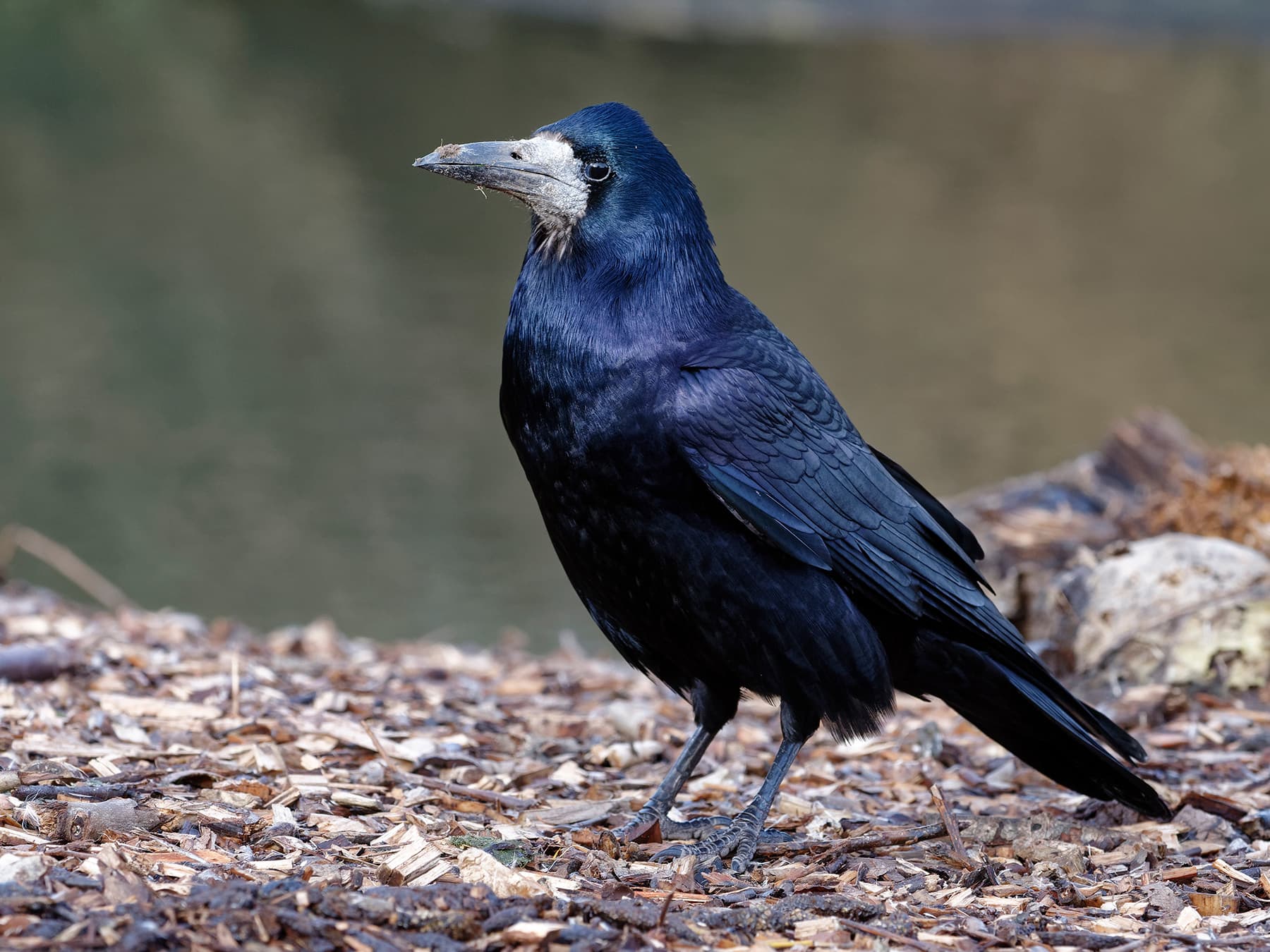
Rook
Corvus frugilegusLC
An uncommon year-round resident, forming rookeries in farmland trees. Numbers have declined in the region, though colonies persist in rural areas.
Year-round