Rare Birds in England
62 species matching this filter.
England is home to 49 rare bird species that reward the most dedicated and patient birdwatchers. From the striking Golden Oriole and elusive Bluethroat to upland specialists like the Dotterel and Black Grouse, these uncommon visitors and scarce residents inhabit a diverse range of habitats including remote moorlands, coastal cliffs, and ancient woodlands. Spotting any of these rarities is a memorable experience and often requires careful timing, local knowledge, and a good measure of luck.


Showing 24–46 of 62 species
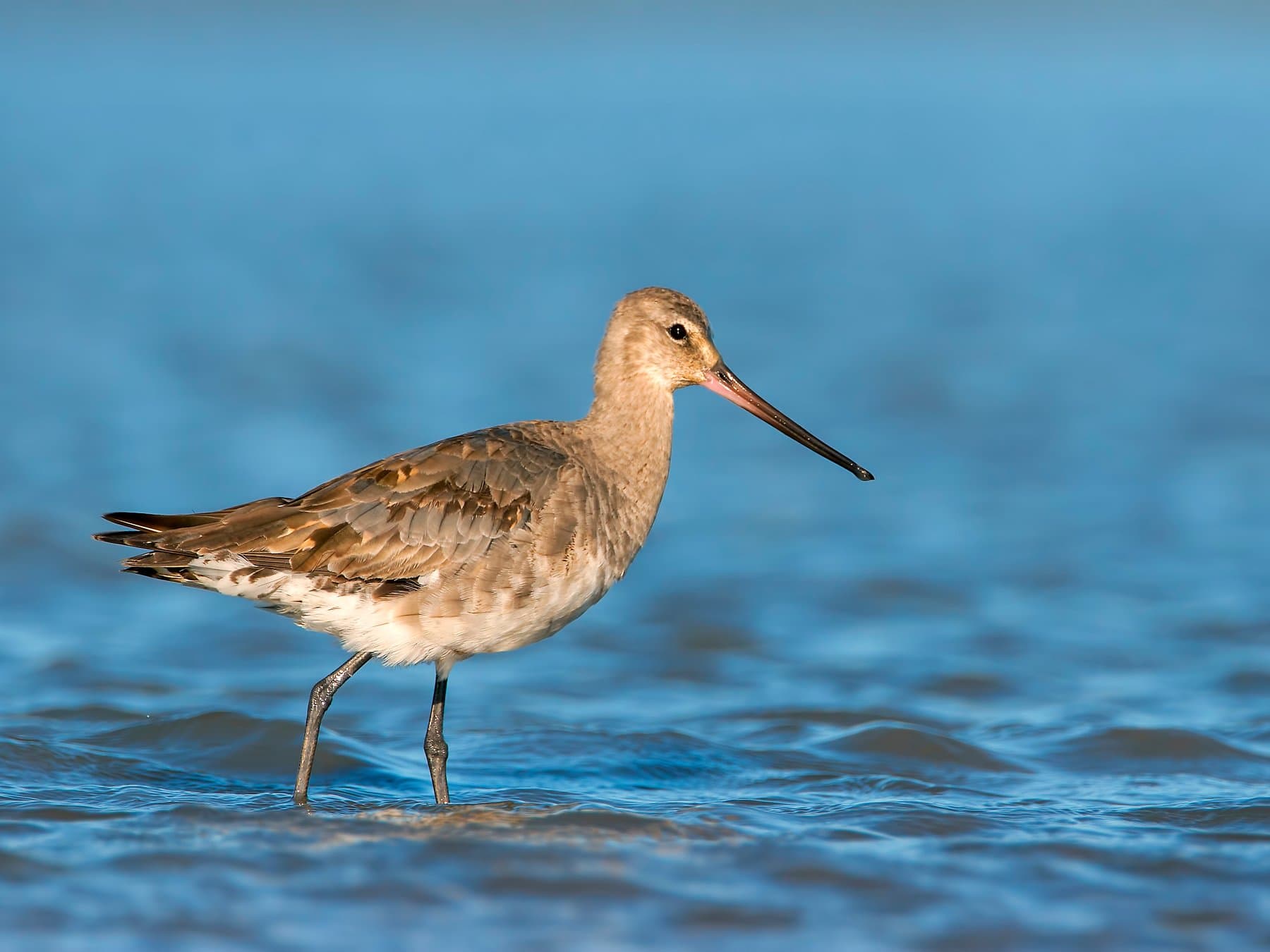
Hudsonian Godwit
Limosa haemasticaVU
An extremely rare transatlantic vagrant, with only a handful of English records. Most likely to appear at coastal estuaries during spring or autumn passage.
May–Aug
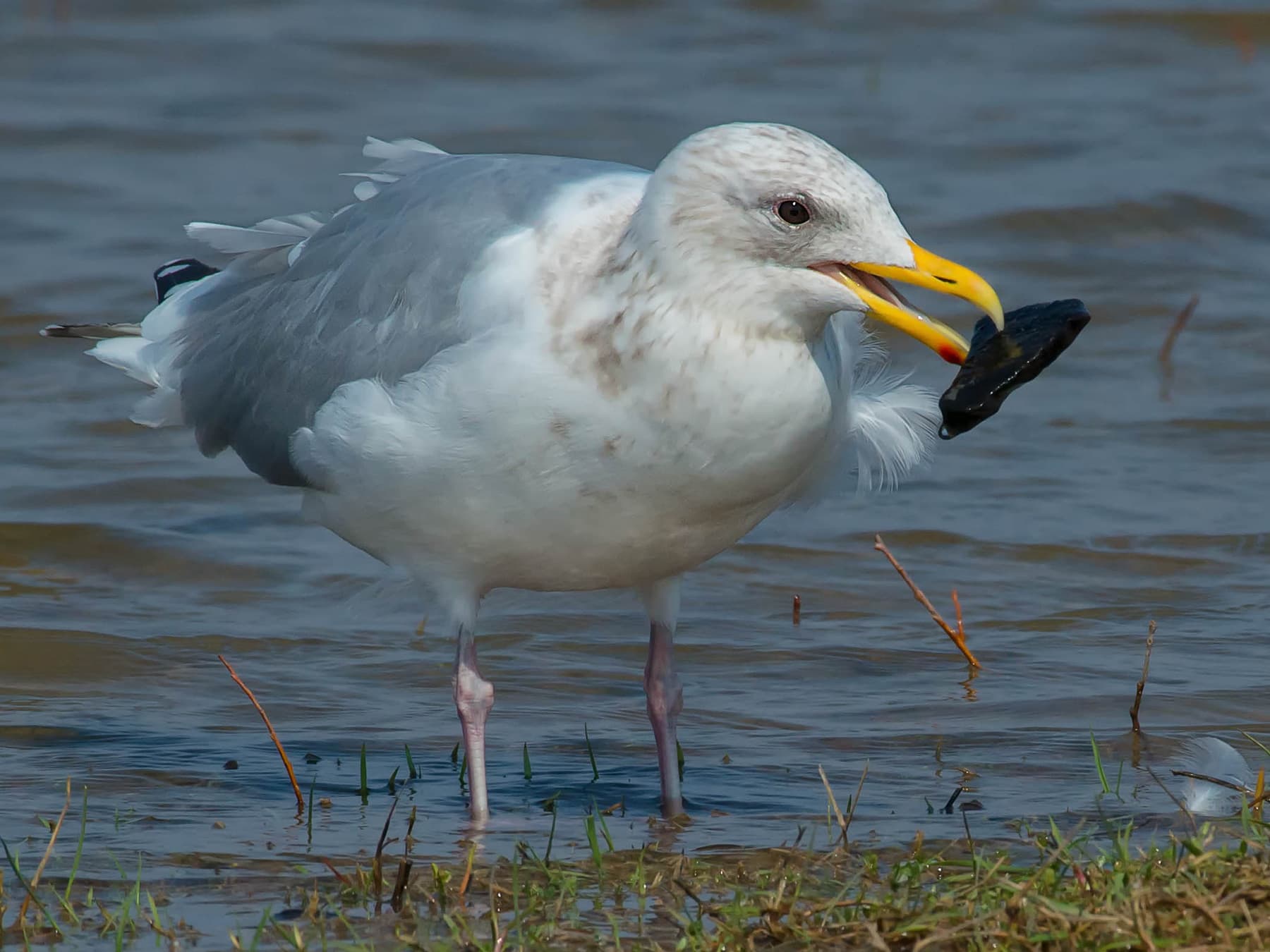
Iceland Gull
Larus glaucoidesLC
A rare winter visitor from the Arctic, typically seen at harbours and rubbish tips between November and early spring.
Nov–May
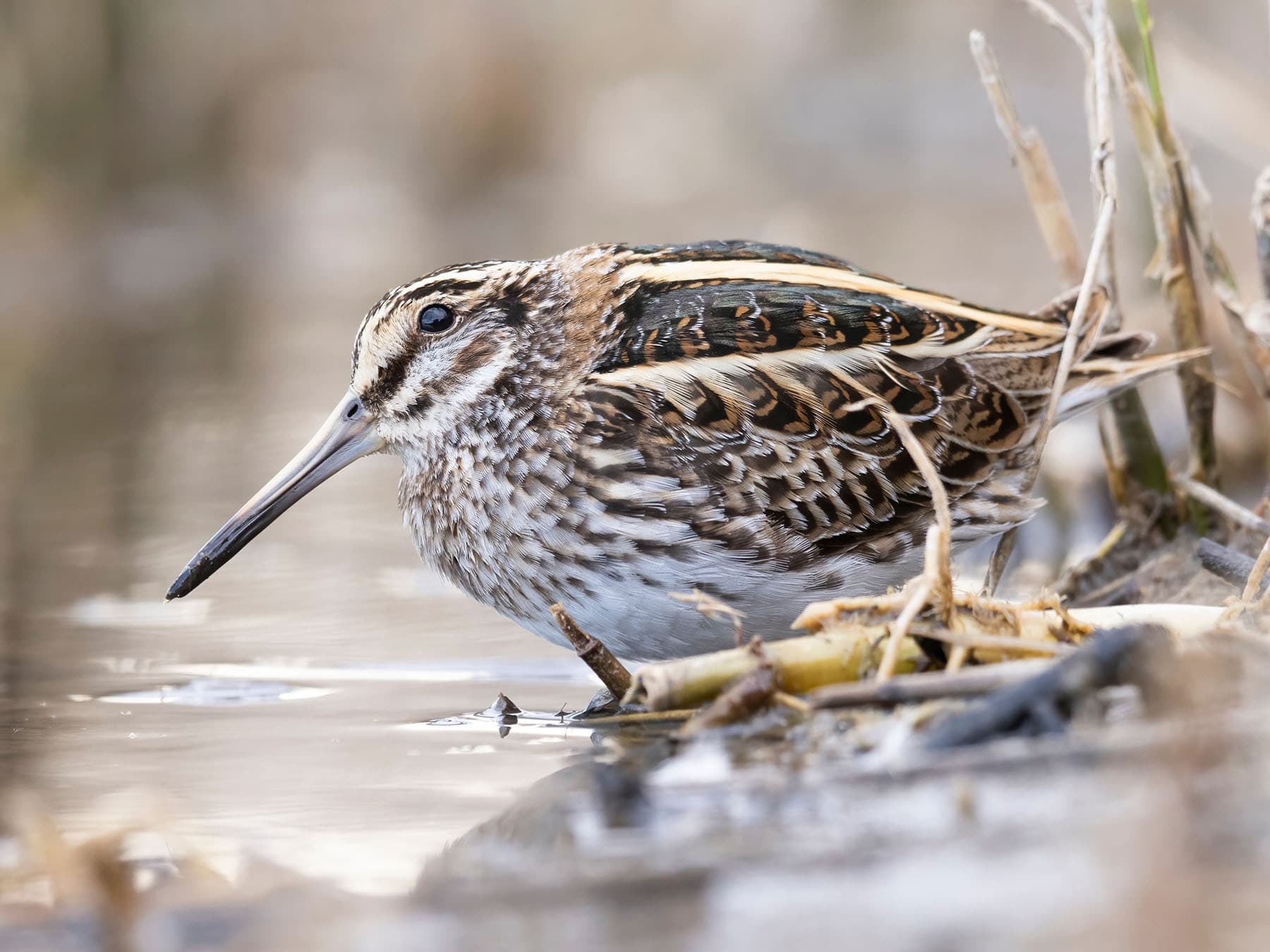
Jack Snipe
Lymnocryptes minimusLC
A secretive winter visitor to boggy marshes and wet meadows, arriving from northern breeding grounds. Often sits tight and flushes silently at close range.
Sep–Apr
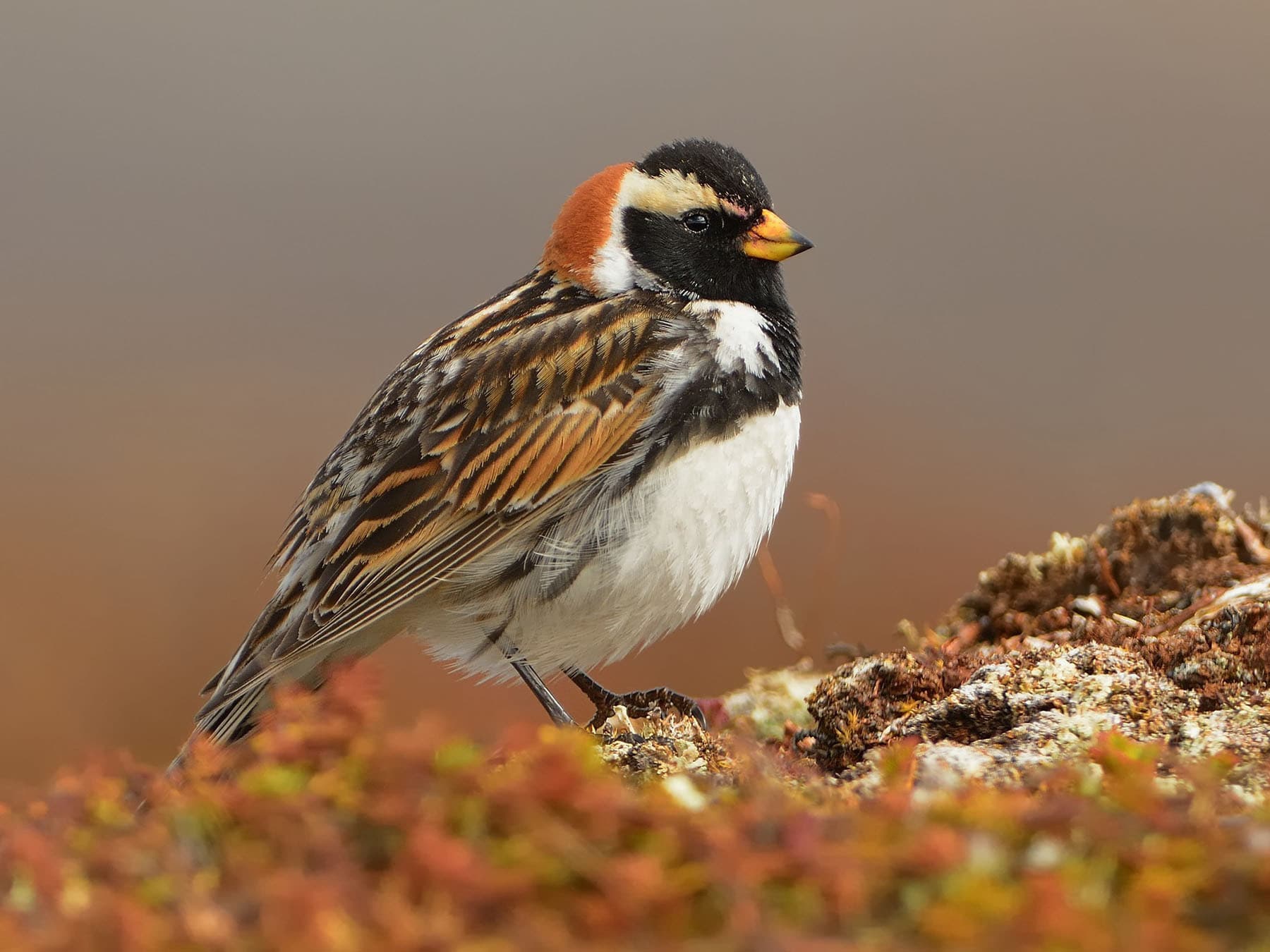
Lapland Longspur
Calcarius lapponicusLC
A rare winter visitor to coastal stubble fields and saltmarshes, mainly along the east and north coasts. Most often seen from September to March.
Sep–Mar
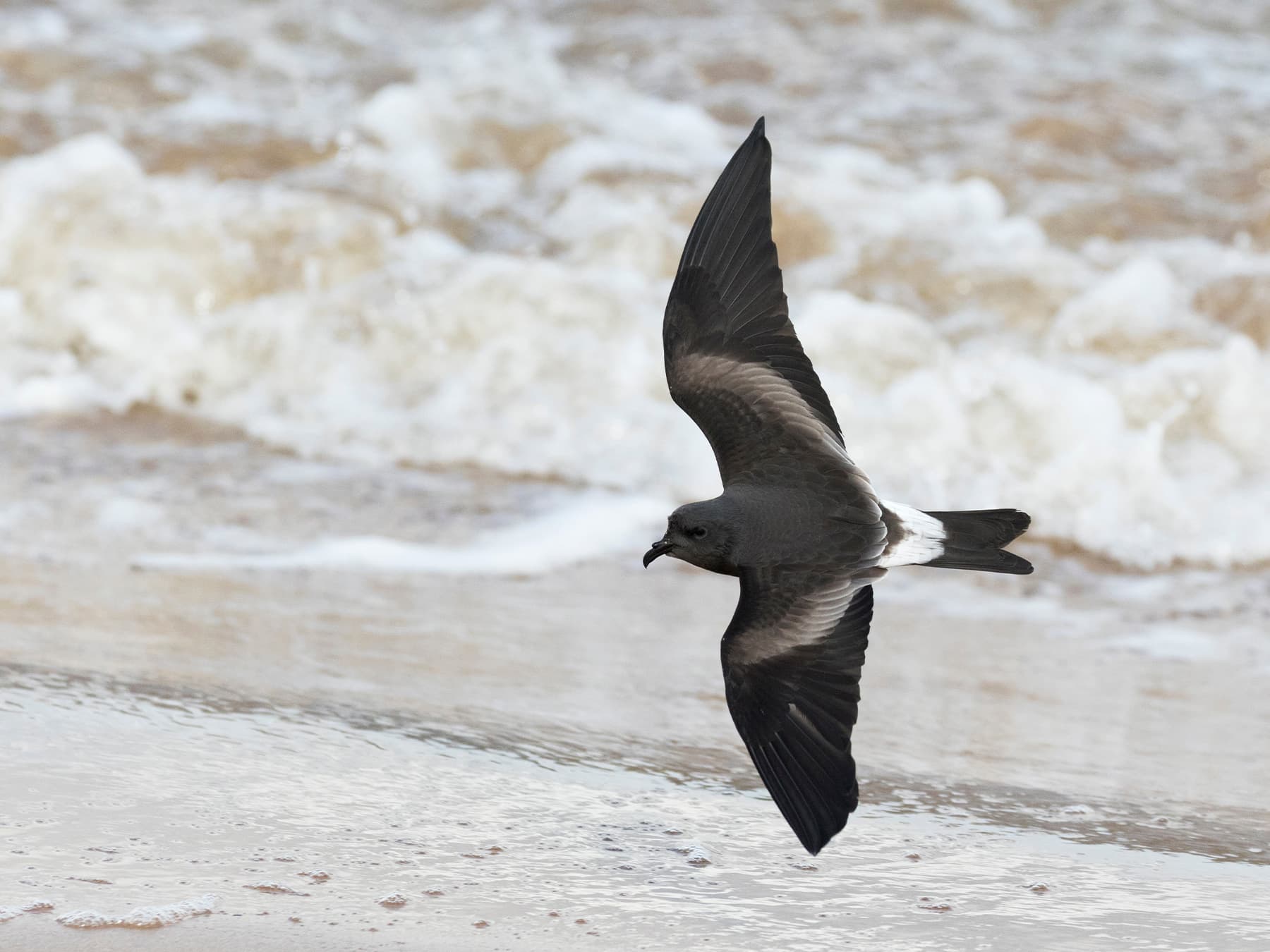
Leach's Storm-petrel
Hydrobates leucorhousVU
A rare autumn passage visitor, most often seen from headlands during strong westerly gales between September and November. Breeds far offshore on remote Atlantic islands.
Sep–Nov
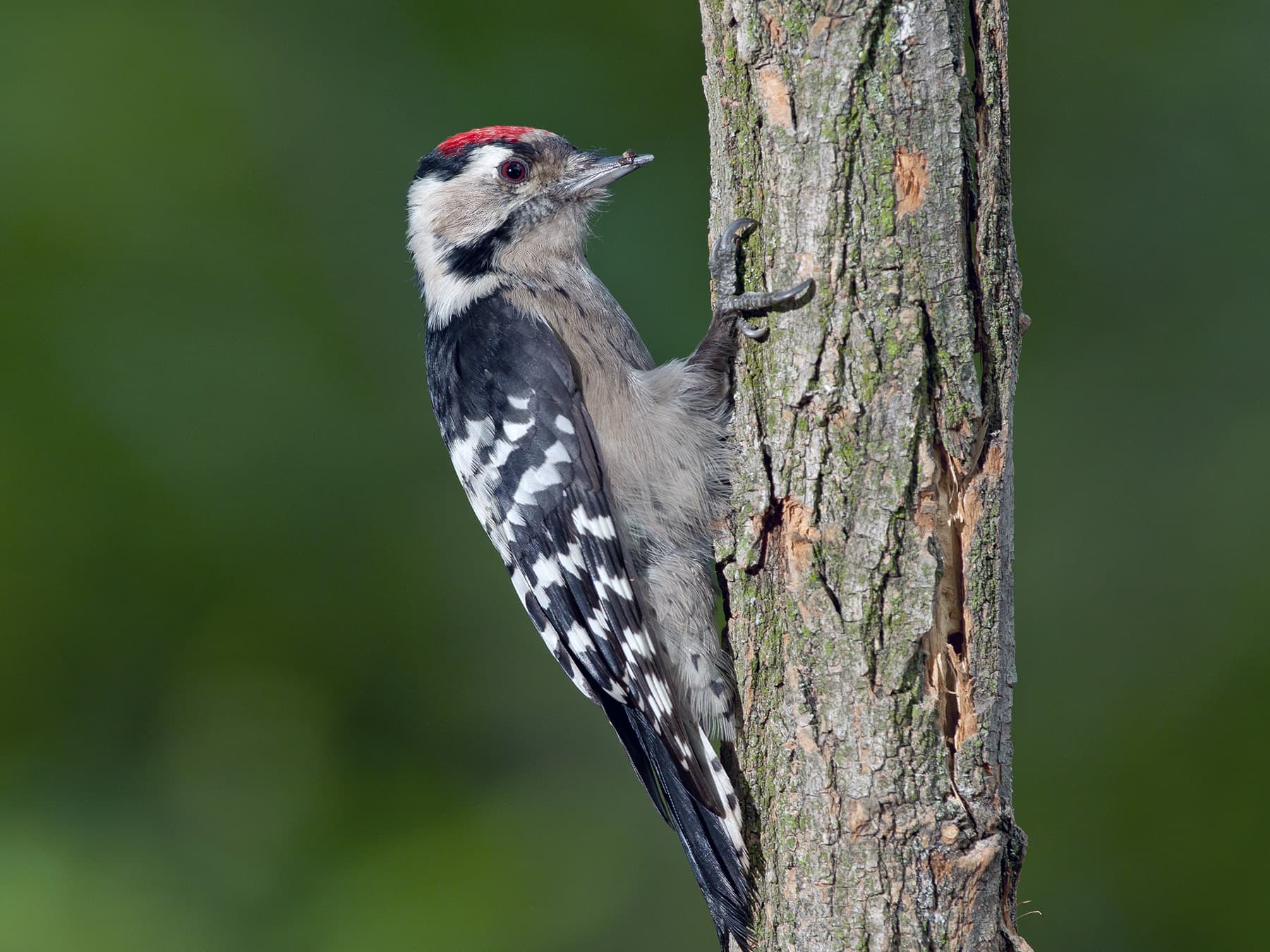
Lesser Spotted Woodpecker
Dryobates minorLC
England's smallest and most elusive woodpecker, now seriously declining. Favours mature broadleaved woodland, mainly in southern and central England.
Nov–Sep
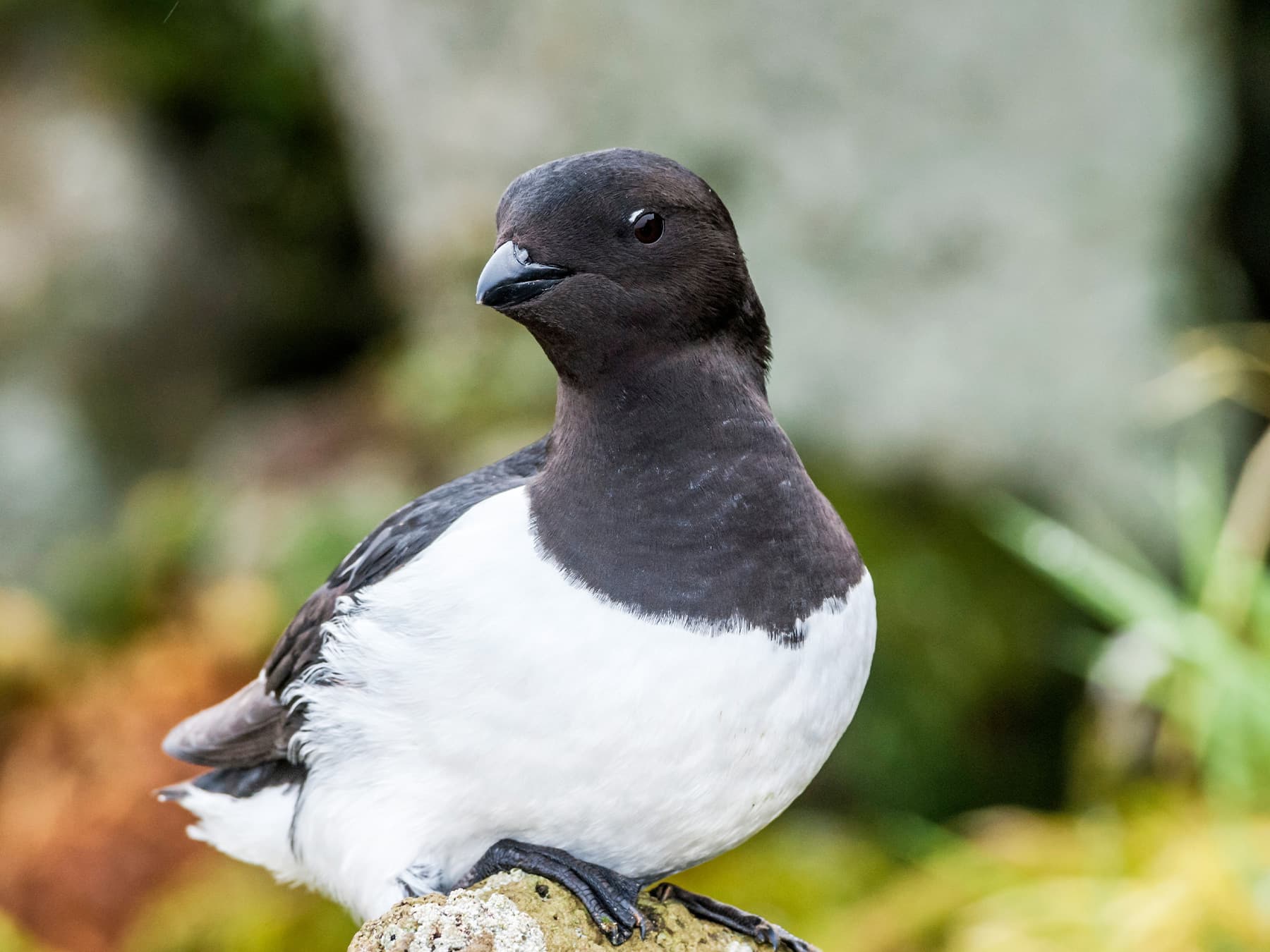
Little Auk
Alle alleLC
A rare winter visitor to English waters, sometimes driven ashore by autumn and winter storms. Tiny and compact, it is the smallest member of the auk family.
Oct–Jan
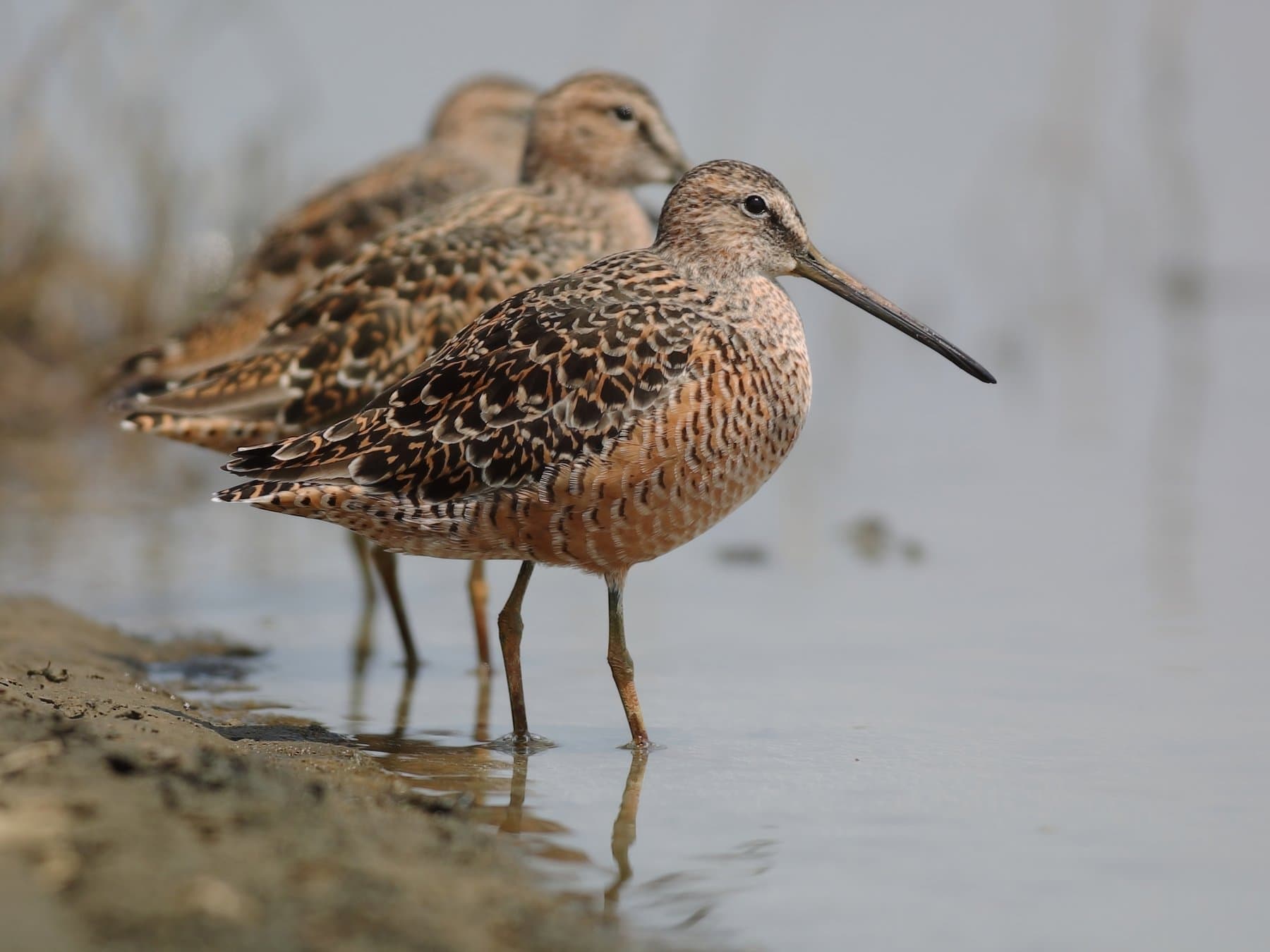
Long-billed Dowitcher
Limnodromus scolopaceusNT
A rare Nearctic wader occasionally found at freshwater marshes and reservoirs, most often in autumn. Long-staying individuals sometimes overwinter.
Jul–Apr
Spotted something?
Upload a photo to identify it
Identify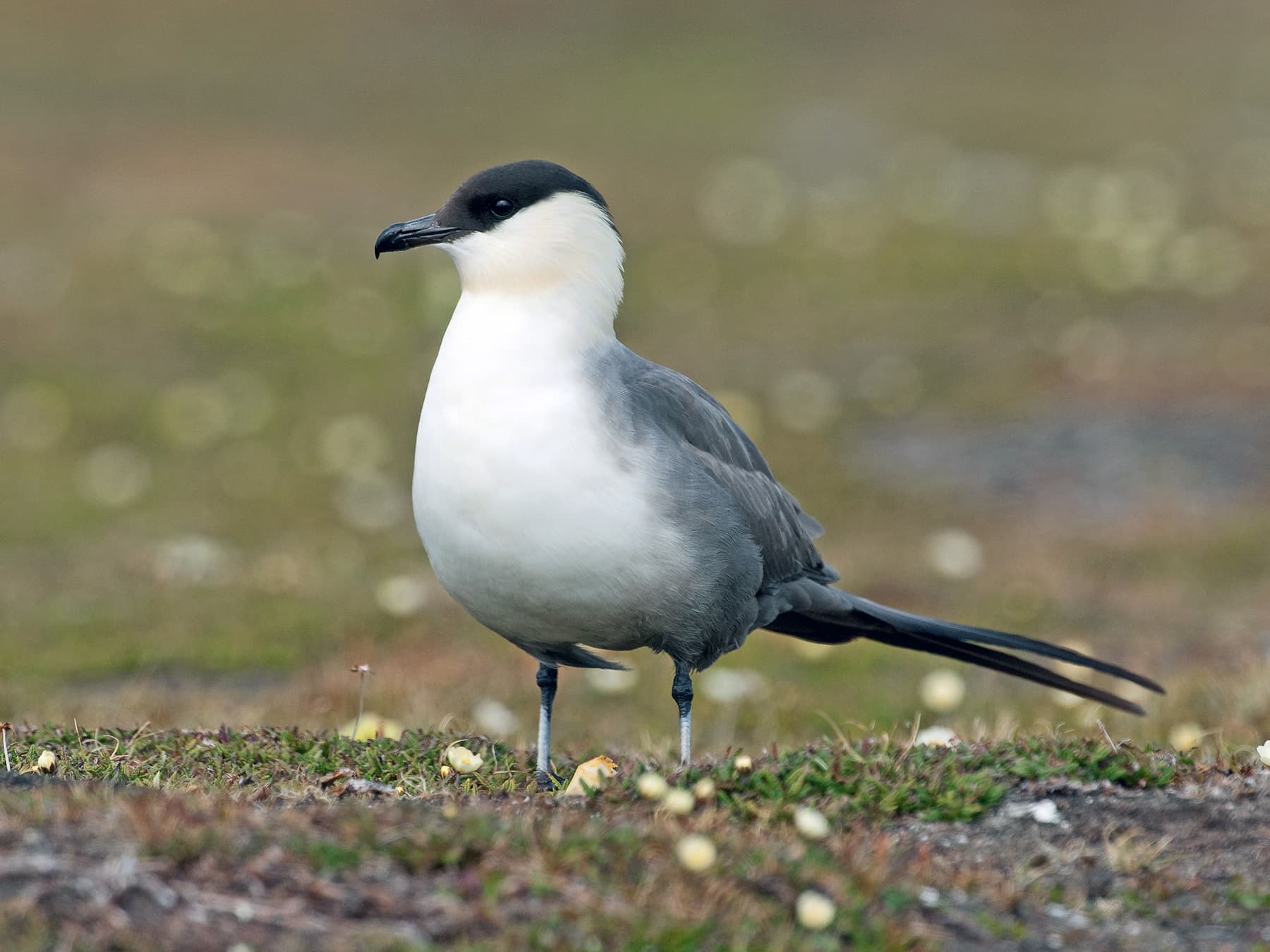
Long-tailed Jaeger
Stercorarius longicaudusLC
A rare autumn passage migrant, occasionally seen from seawatching points along the English coast between August and October.
Aug–Oct
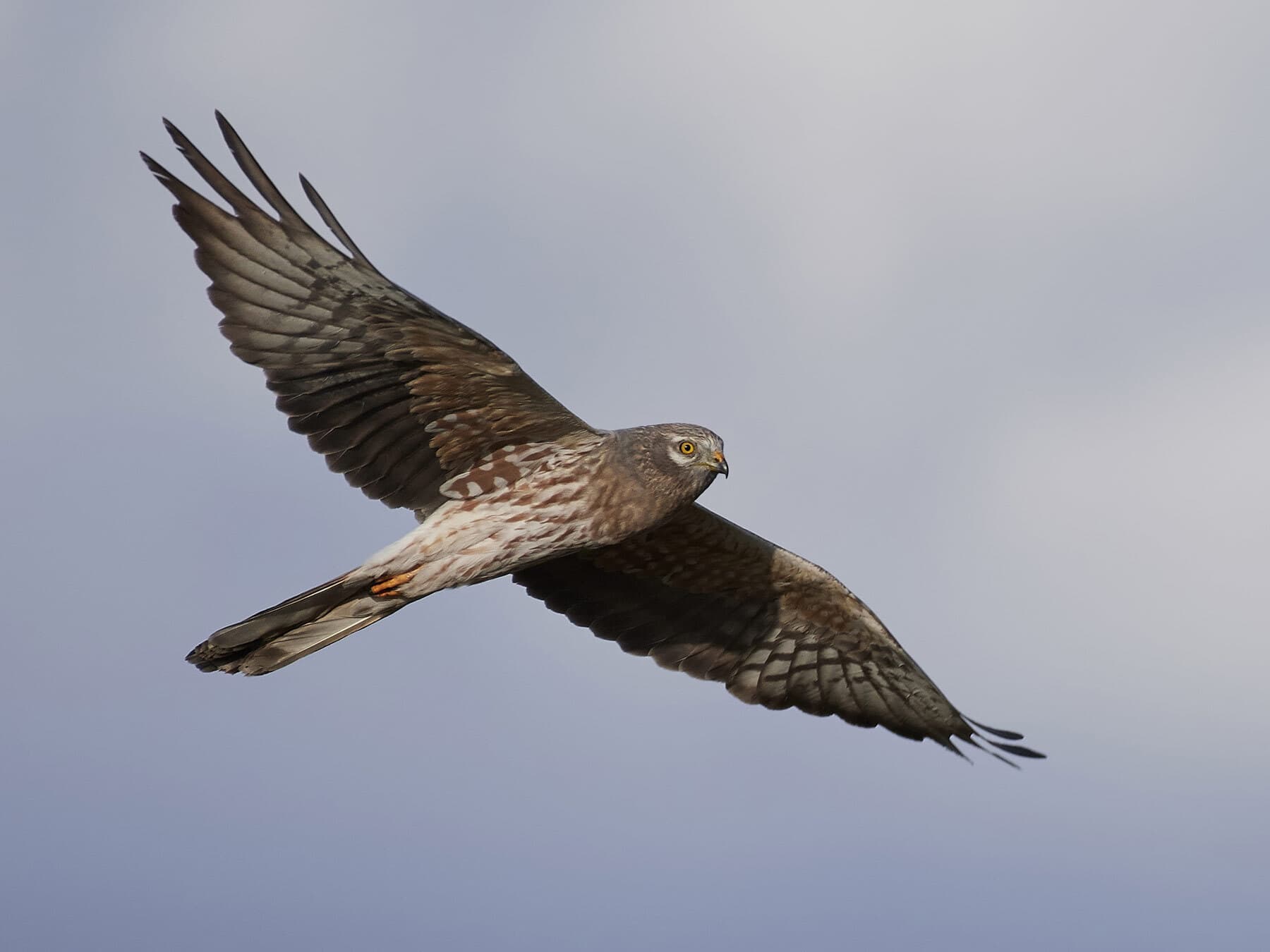
Montagu's Harrier
Circus pygargusLC
A rare summer visitor and passage migrant, breeding in small numbers on arable farmland in southern England.
May–Aug
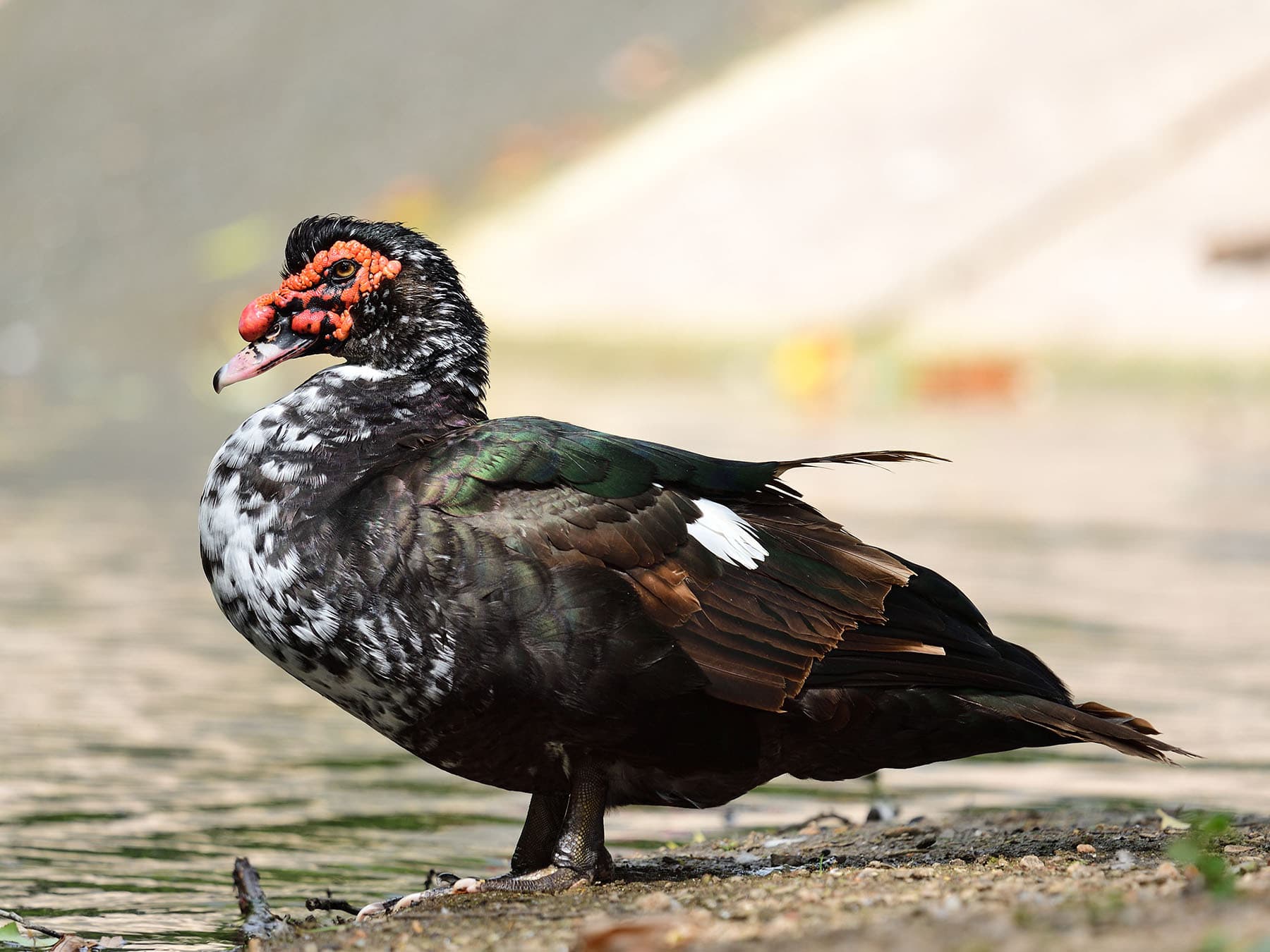
Muscovy Duck
Cairina moschataLC
A rare resident of feral origin, found on park lakes and farmyards. Not native to England but small free-flying populations persist in scattered locations.
Year-round
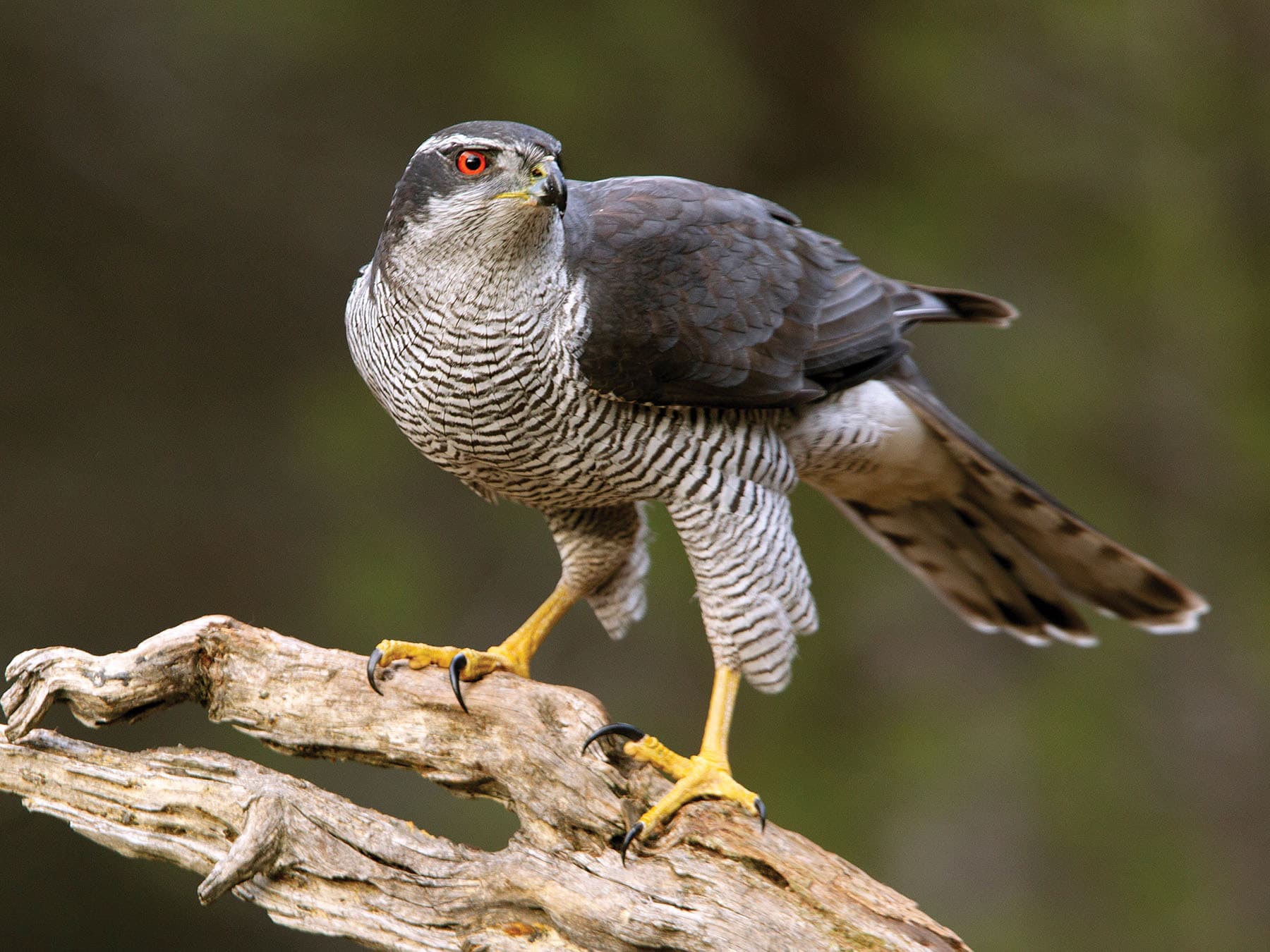
Northern Goshawk
Accipiter gentilisLC
A rare but increasing resident found in large forests and woodland. Secretive and best looked for during spring display flights.
Year-round
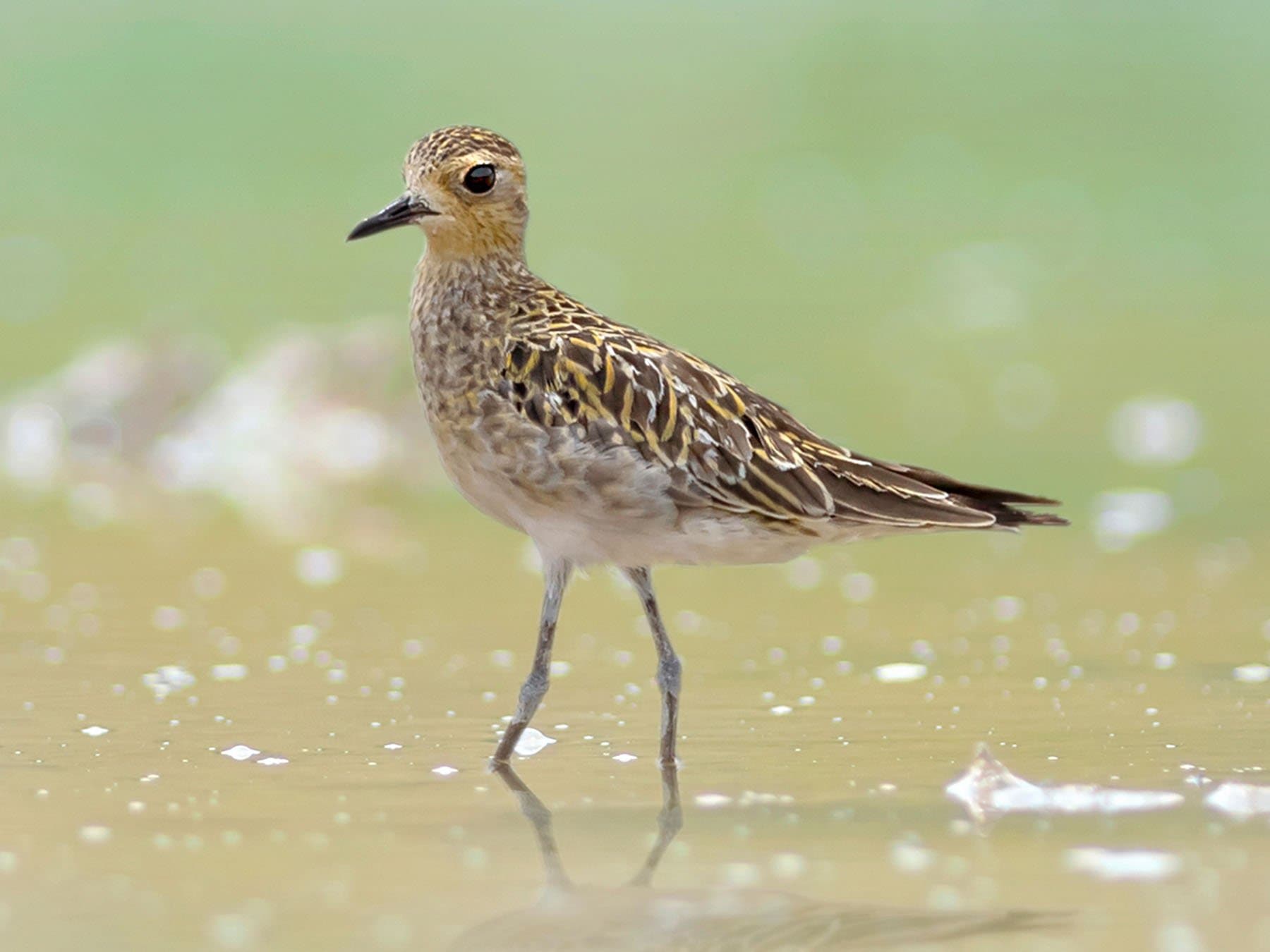
Pacific Golden-Plover
Pluvialis fulvaLC
A rare passage visitor in summer, occasionally turning up on coastal mudflats and estuaries, easily confused with the commoner European Golden-Plover.
Jun–Aug
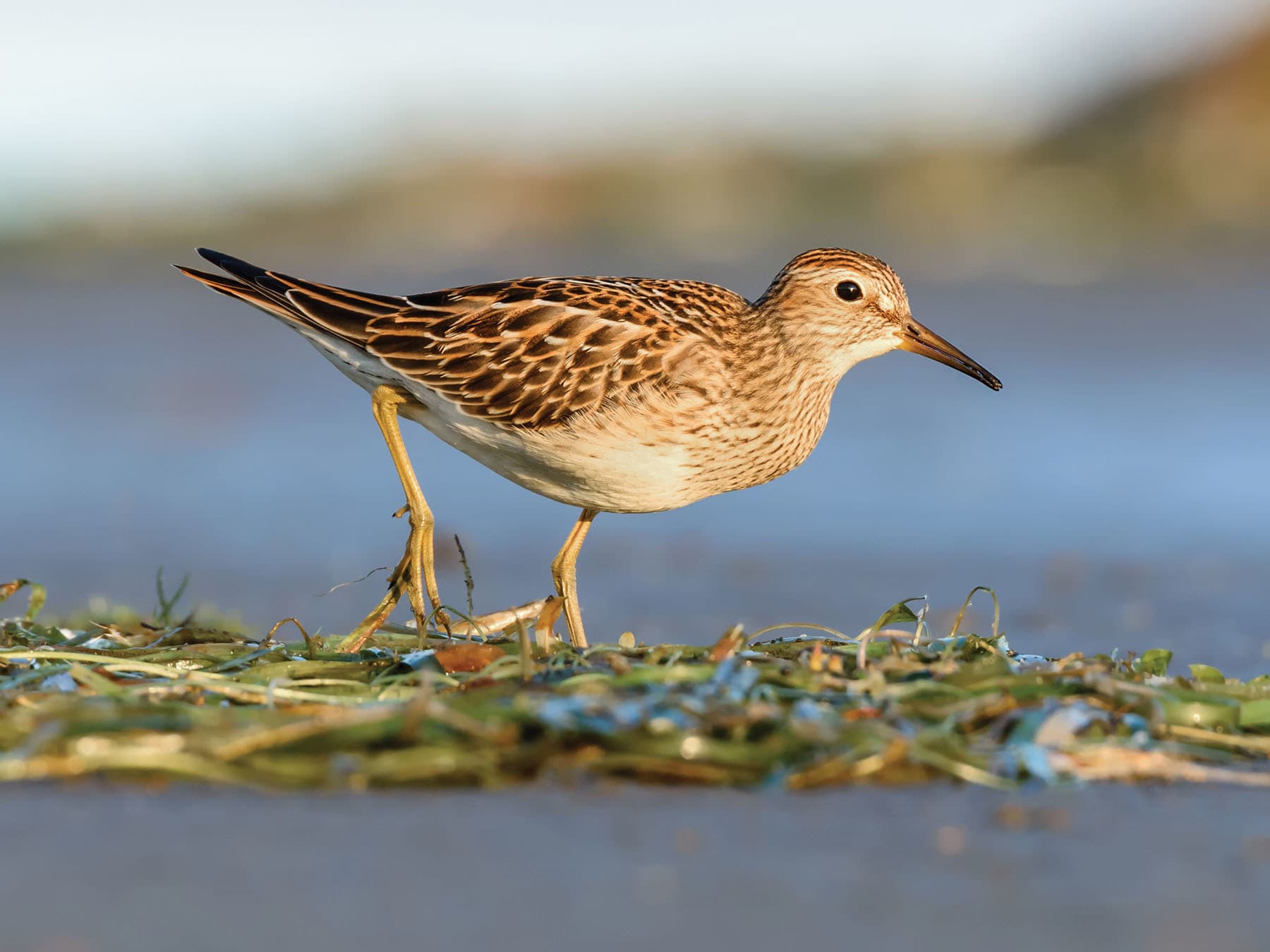
Pectoral Sandpiper
Calidris melanotosLC
A rare Nearctic passage wader, mainly seen at freshwater scrapes and coastal pools from July to October. Most records come from well-watched wetland reserves.
May–Oct
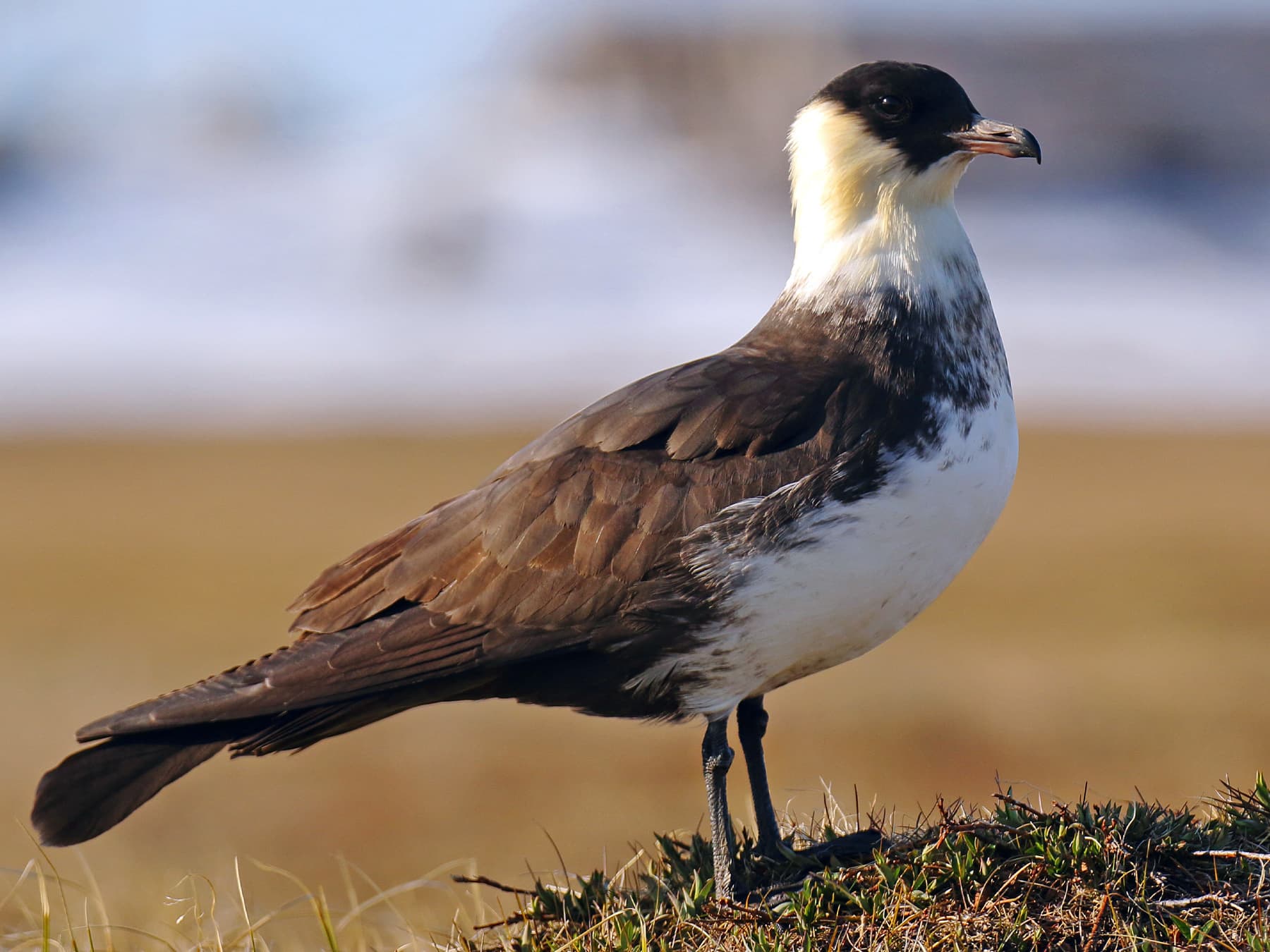
Pomarine Jaeger
Stercorarius pomarinusLC
A rare passage seabird best seen from headlands during spring and autumn seawatches. Most records come from the south and east coasts.
Apr–Nov
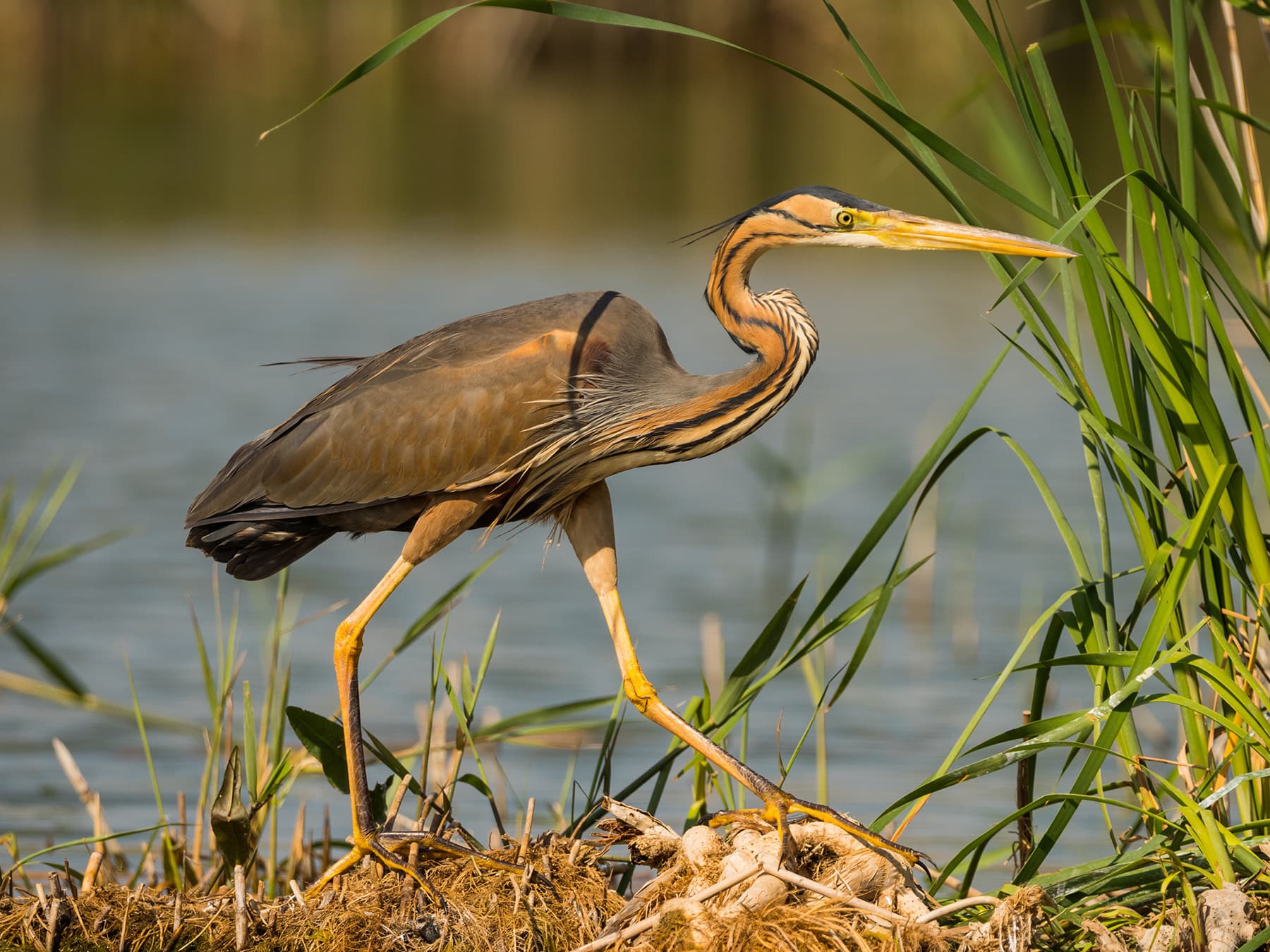
Purple Heron
Ardea purpureaLC
A rare passage visitor, mainly in spring and summer at wetlands in southern and eastern England. Skulks more than Grey Heron in dense reedbeds.
Apr–Oct
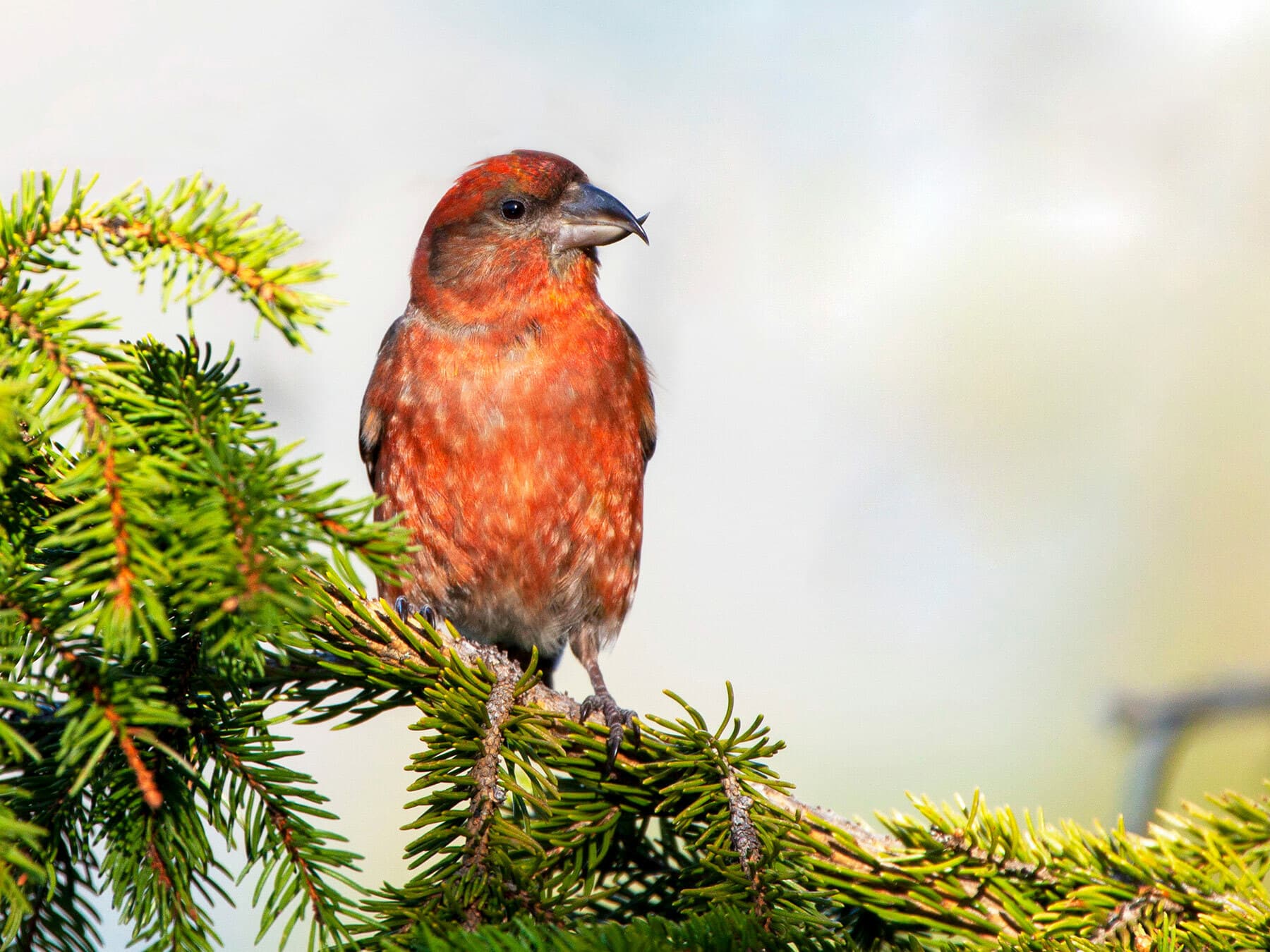
Red Crossbill
Loxia curvirostraLC
A rare but year-round resident of coniferous forests, with numbers boosted by periodic irruptions. Its crossed bill is uniquely adapted for extracting seeds from pine cones.
Year-round
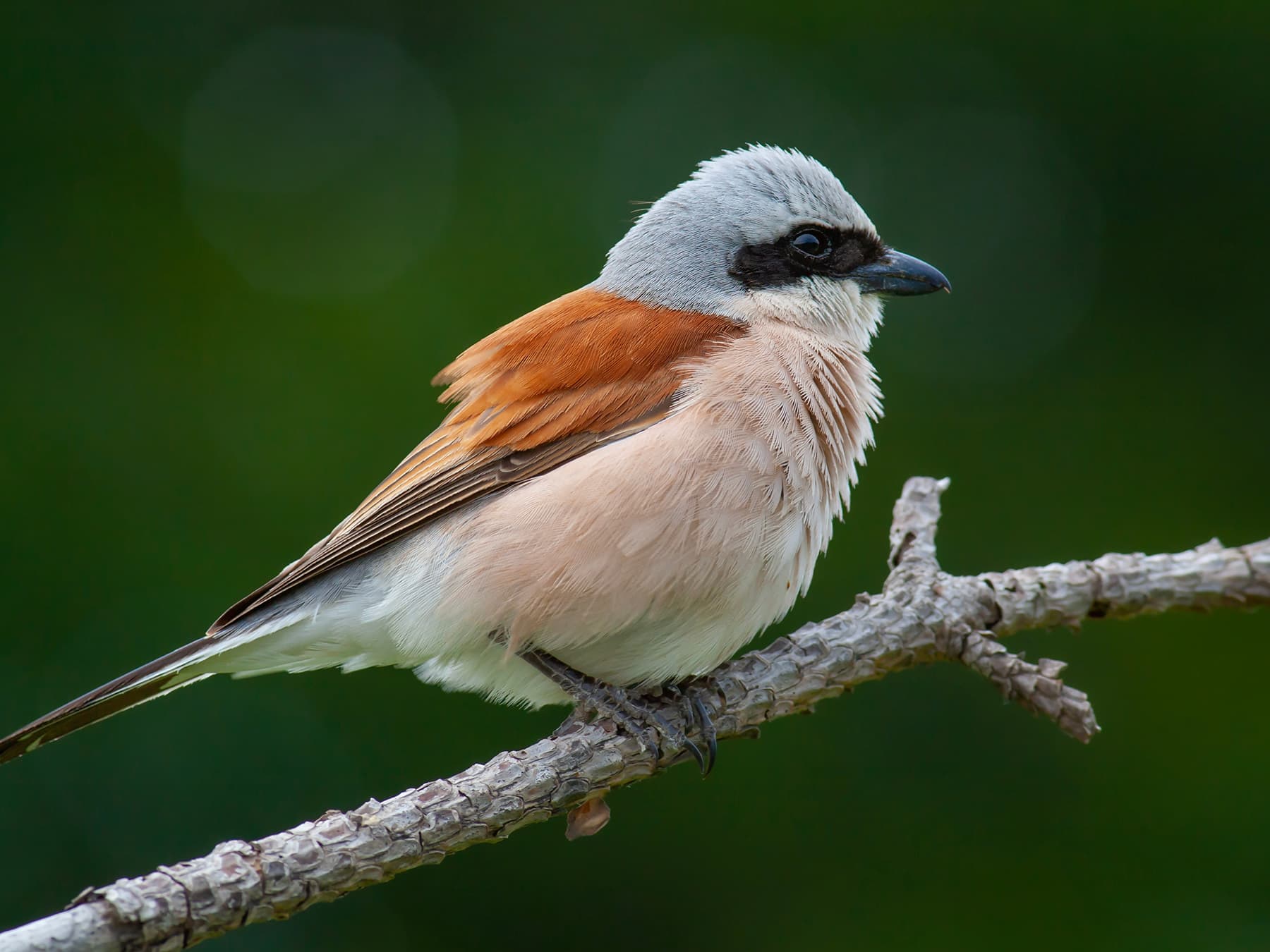
Red-backed Shrike
Lanius collurioLC
Once a regular English breeder, now a rare visitor seen mainly on passage along the east and south coasts from May to October.
May–Oct
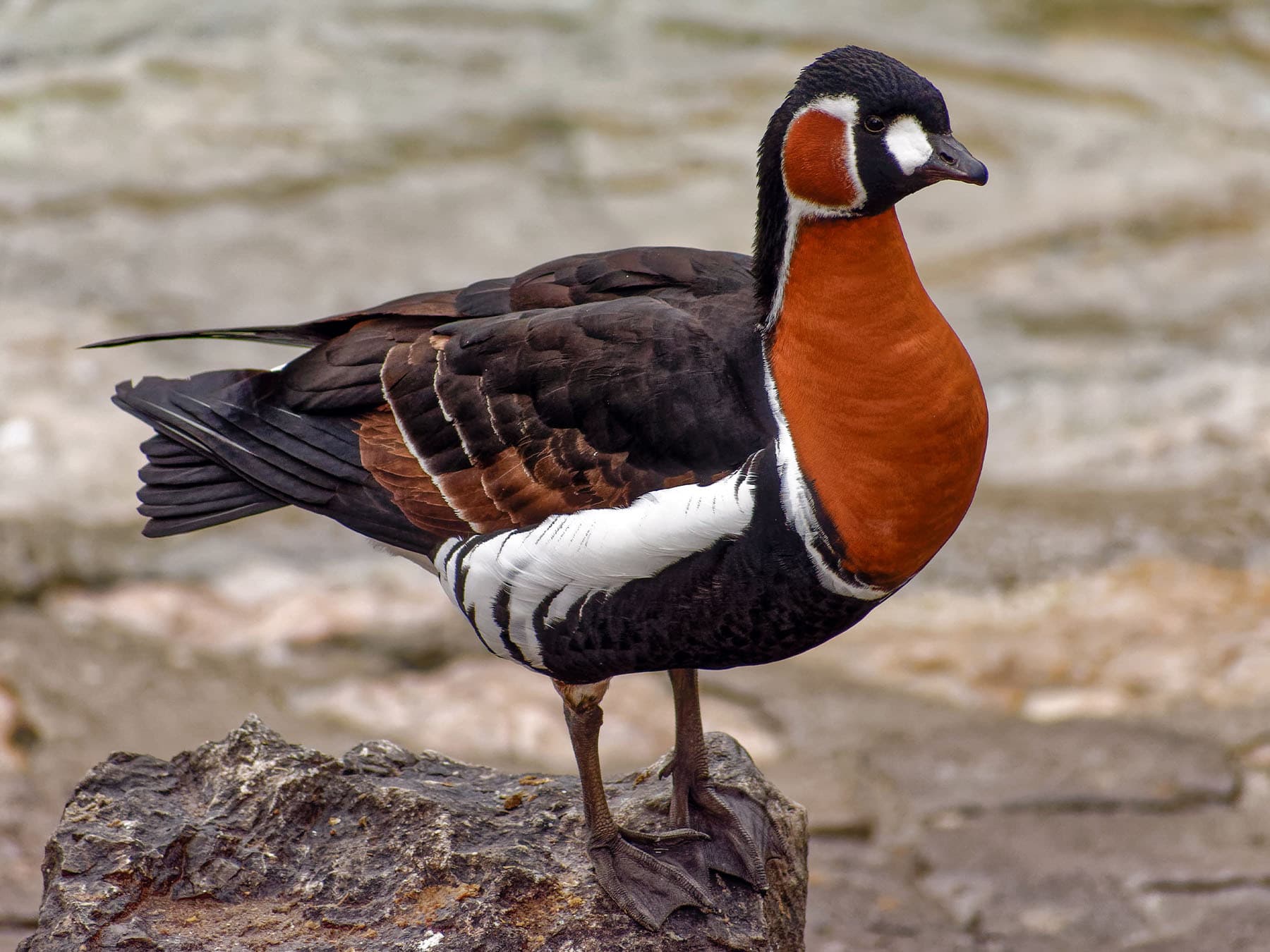
Red-breasted Goose
Branta ruficollisVU
A rare visitor from Arctic Russia, occasionally wintering among Brent Goose flocks on eastern English coasts from November to spring.
Nov–May
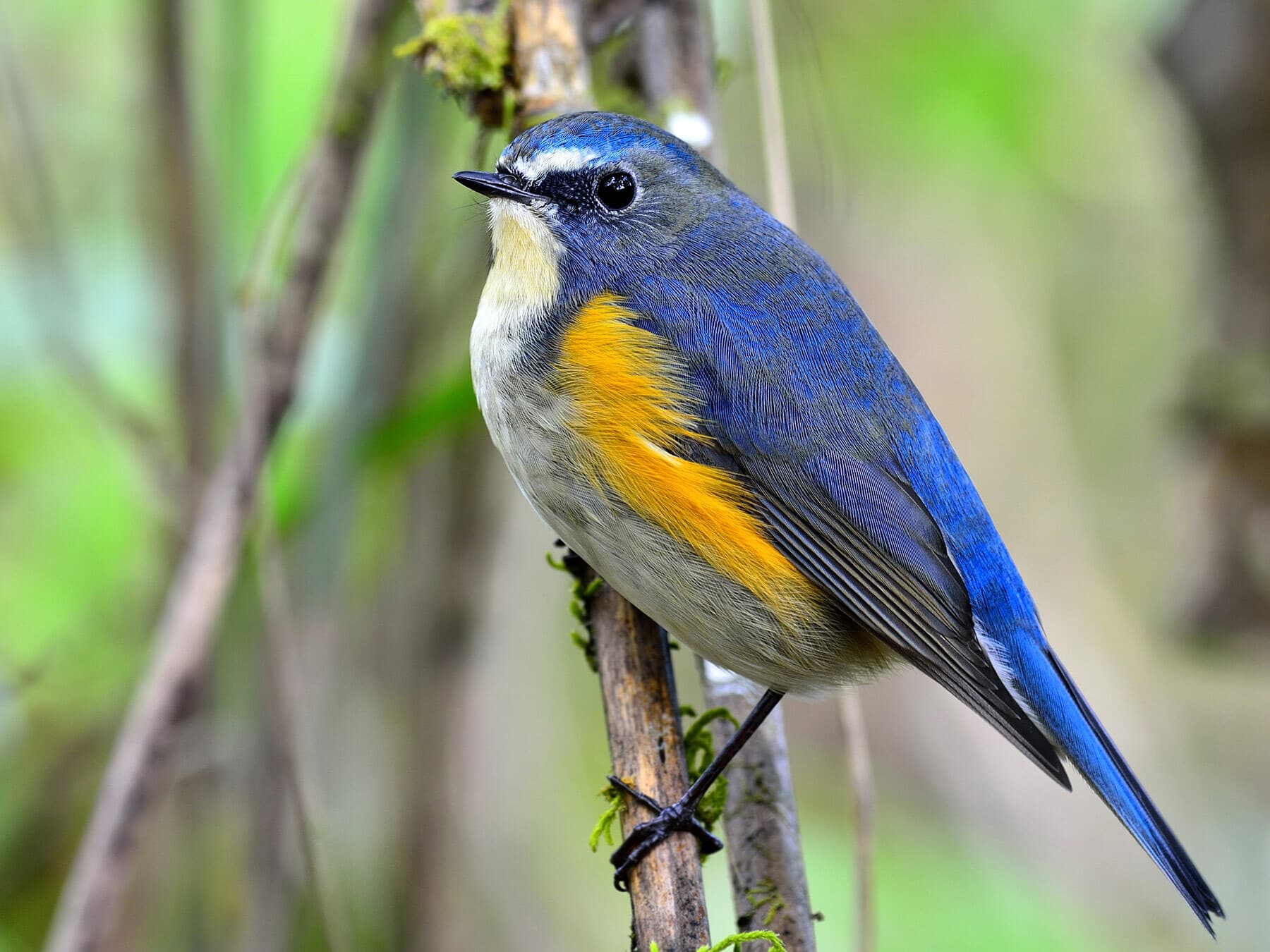
Red-flanked Bluetail
Tarsiger cyanurusLC
A rare vagrant from Asia, mostly recorded in autumn on the east coast. Typically found skulking in dense coastal scrub and gardens at migration watchpoints.
Sep–Jan
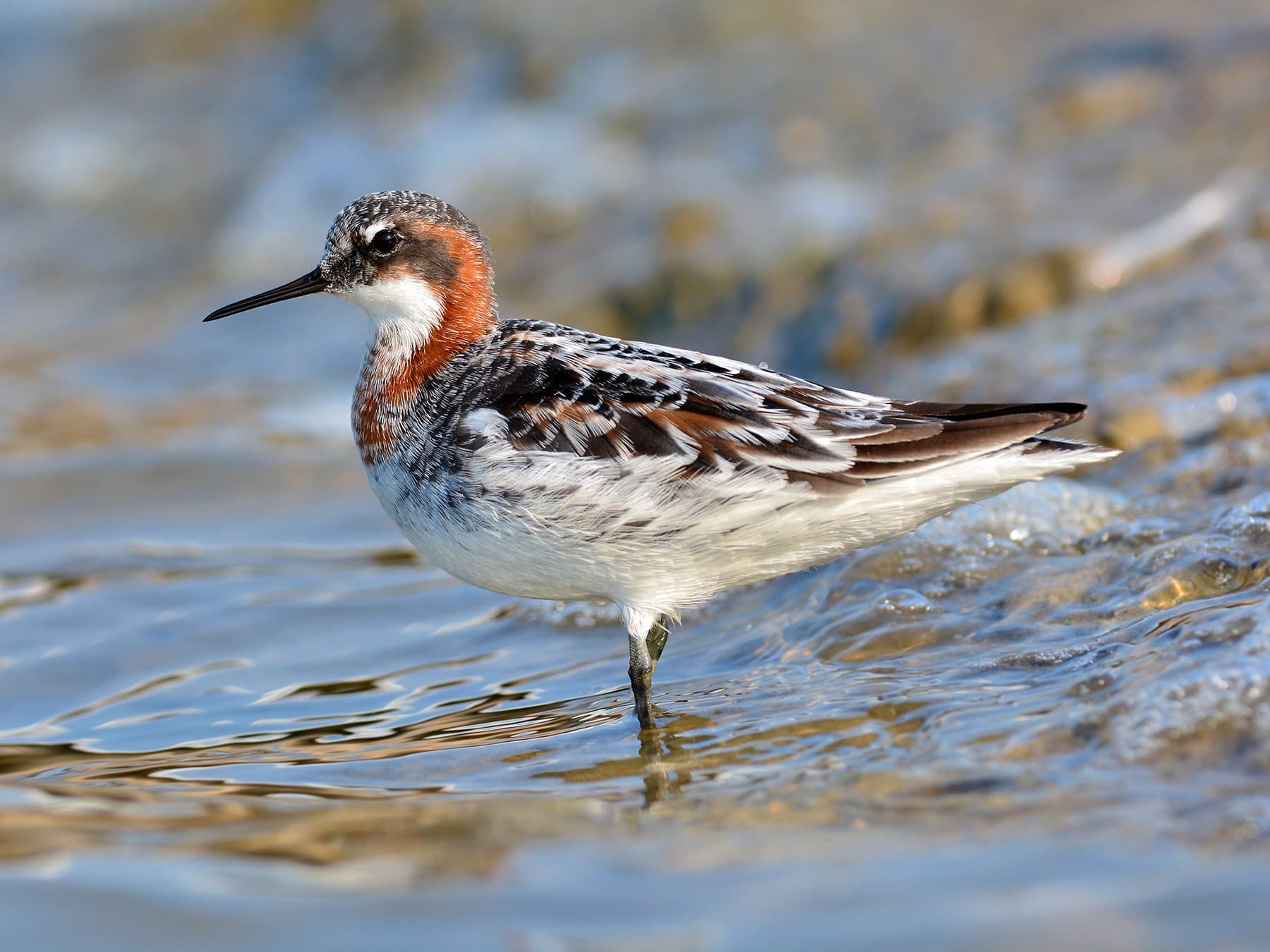
Red-necked Phalarope
Phalaropus lobatusLC
A rare passage migrant, mainly in autumn, favouring coastal pools and freshwater margins. Most breed far to the north.
May–Oct
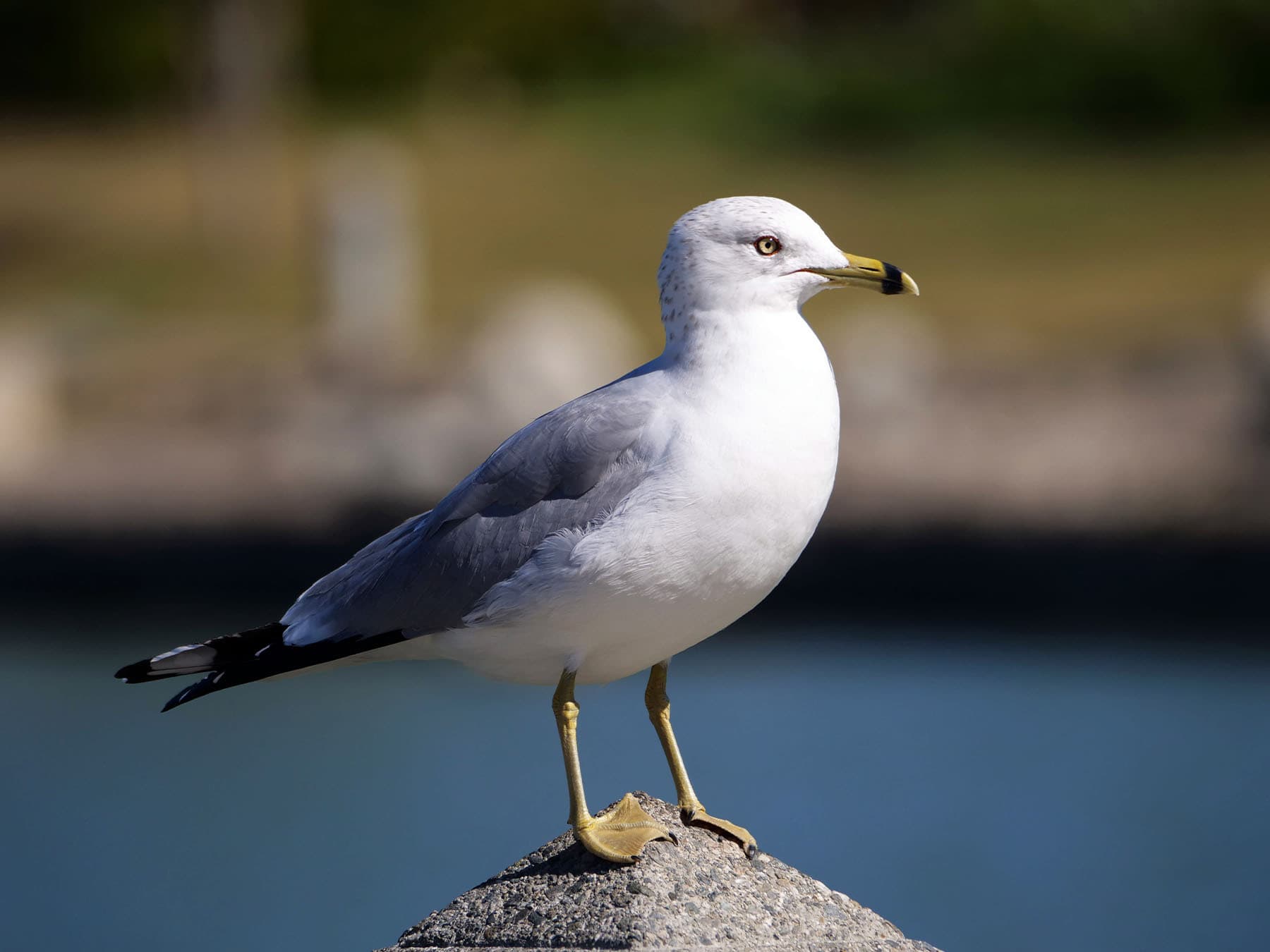
Ring-billed Gull
Larus delawarensisLC
A rare Nearctic winter visitor, typically found among large gull flocks at reservoirs and coastal sites from December to April. Requires careful identification.
Dec–Apr
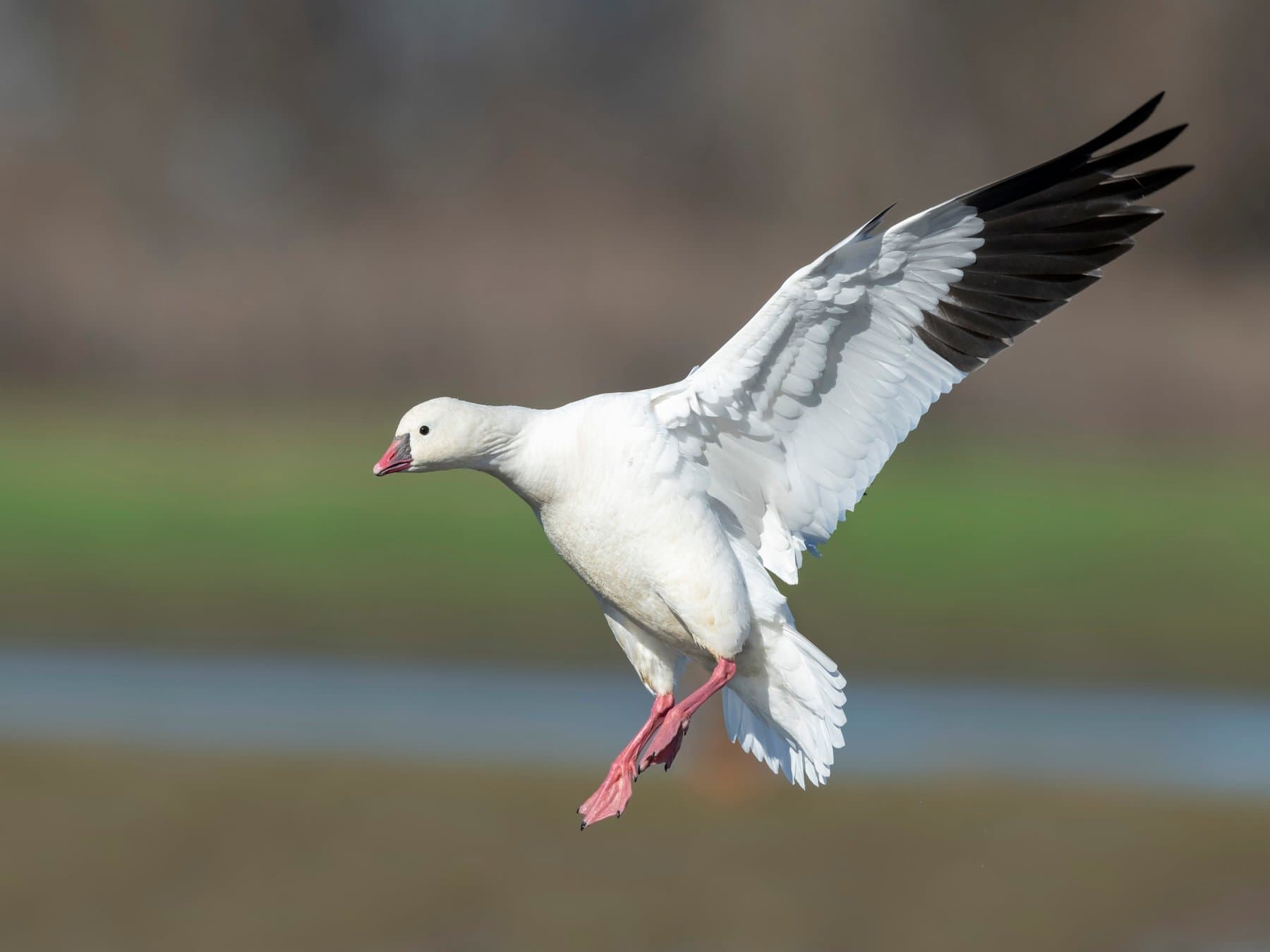
Ross's Goose
Anser rossiiLC
A rare visitor from North America, occasionally seen among flocks of other geese on wetlands and grazing marshes. Origins of individuals are often debated.
Aug–May