Rare Birds in England
62 species matching this filter.
England is home to 49 rare bird species that reward the most dedicated and patient birdwatchers. From the striking Golden Oriole and elusive Bluethroat to upland specialists like the Dotterel and Black Grouse, these uncommon visitors and scarce residents inhabit a diverse range of habitats including remote moorlands, coastal cliffs, and ancient woodlands. Spotting any of these rarities is a memorable experience and often requires careful timing, local knowledge, and a good measure of luck.


Showing 47–62 of 62 species
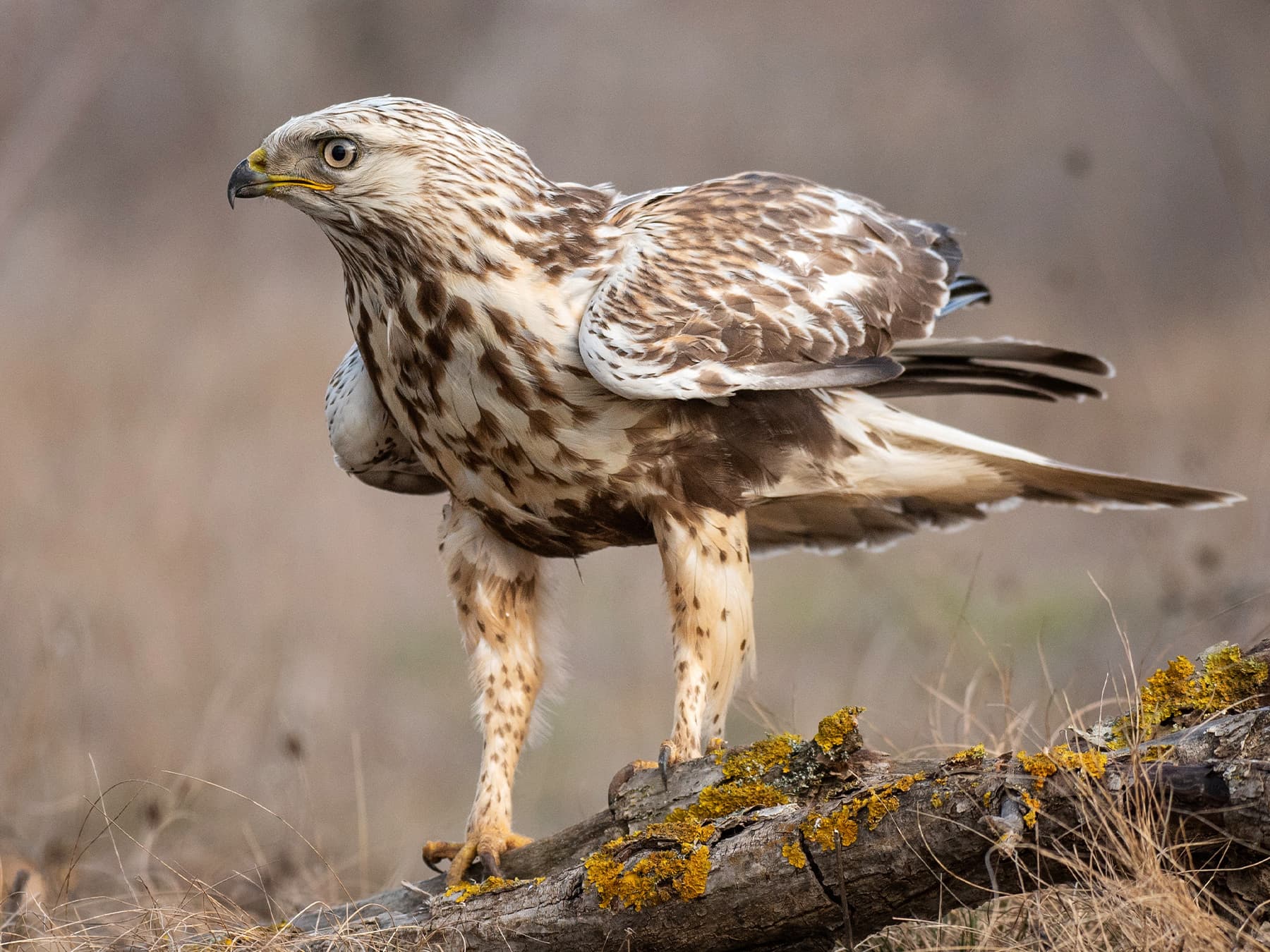
Rough-legged Hawk
Buteo lagopusLC
A rare winter visitor from Scandinavia, favouring open farmland and coastal marshes mainly in eastern England. Often hovers while hunting for voles.
Oct–Feb
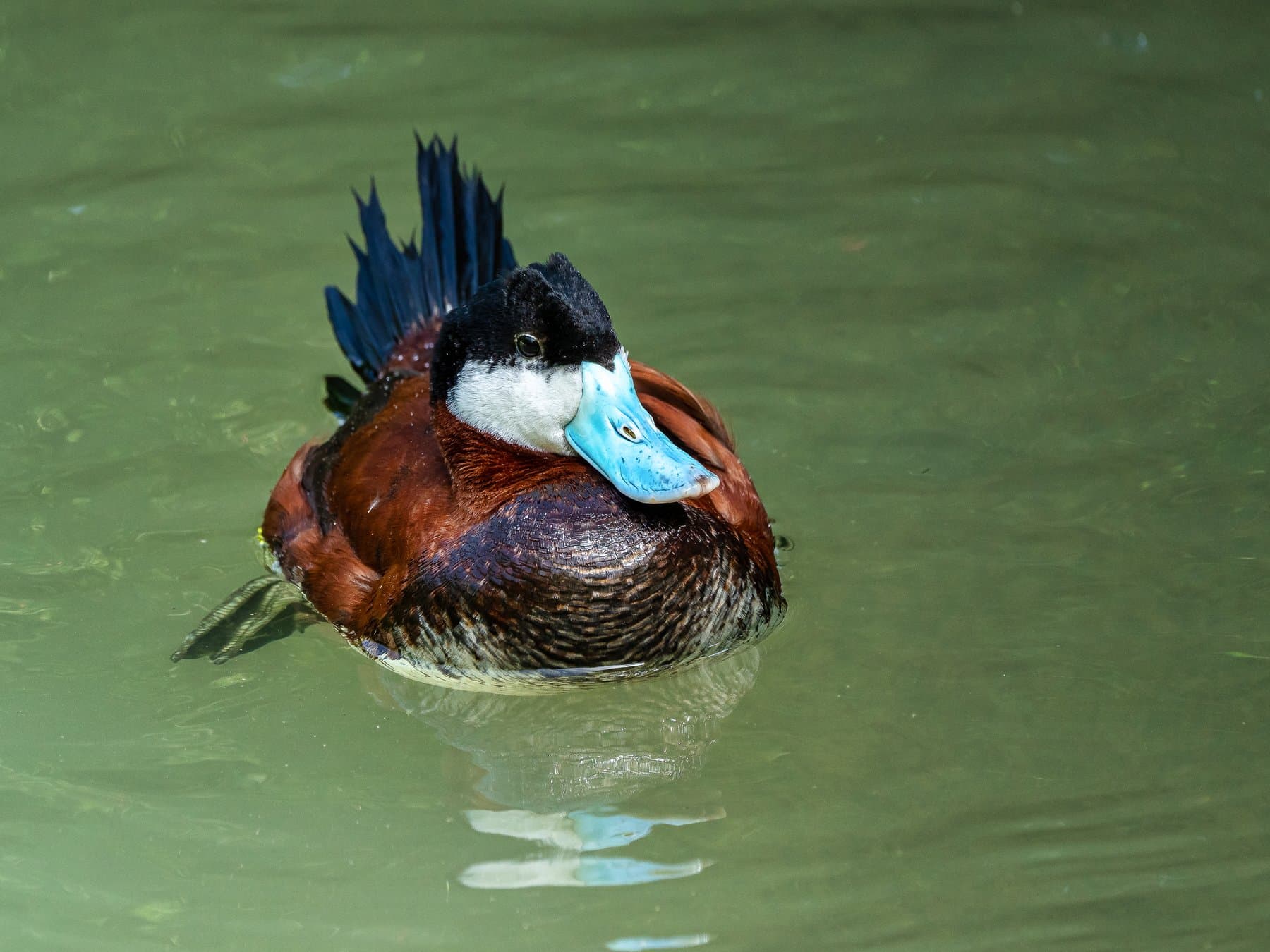
Ruddy Shelduck
Tadorna ferrugineaLC
A rare visitor, with sightings often debated as possible escapes from collections. Most records come from wetlands in southern and eastern England.
Feb–Nov
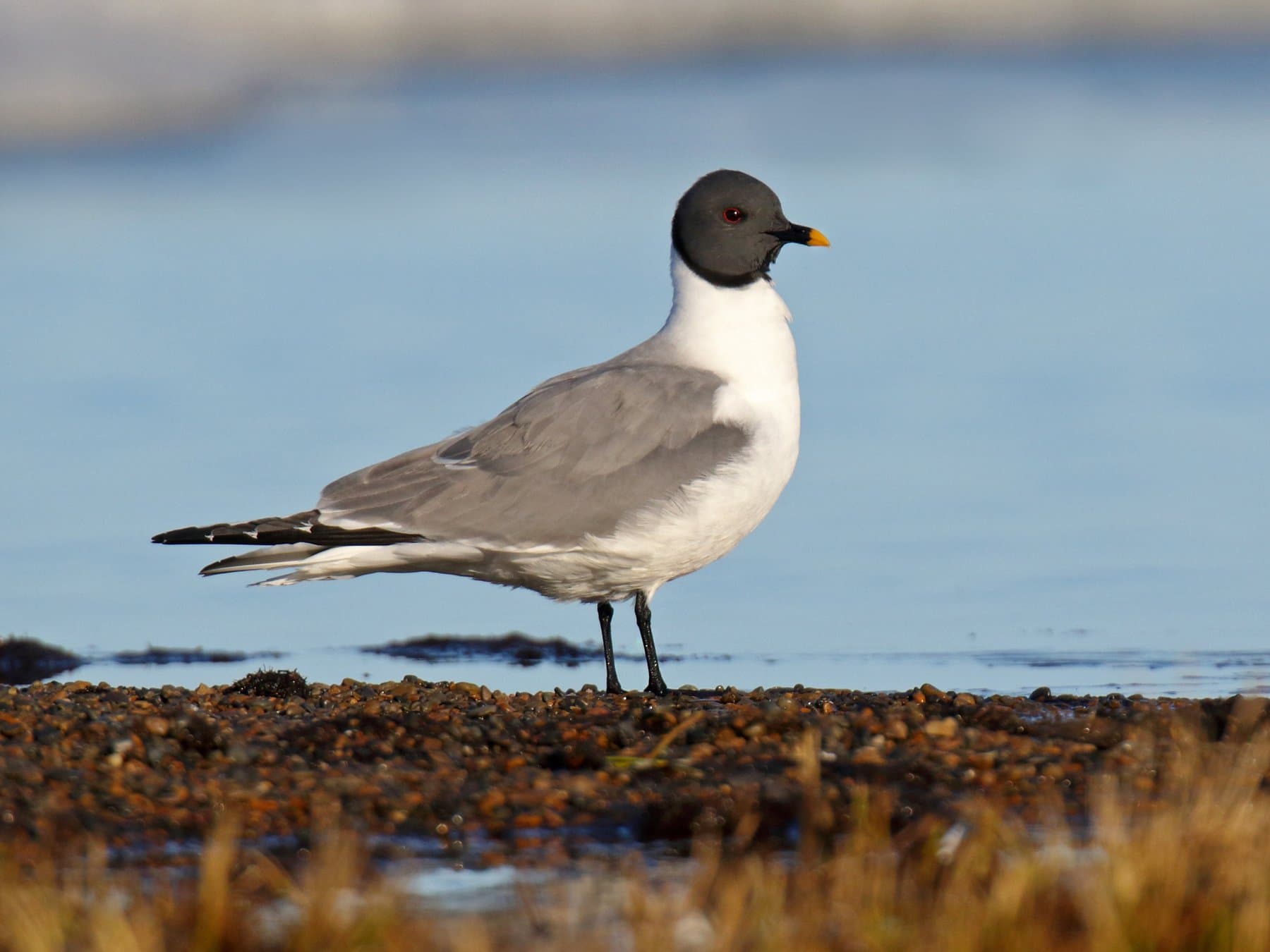
Sabine's Gull
Xema sabiniLC
A rare passage migrant, most often seen from headlands during autumn gales between August and October. Strong westerly winds push birds close to shore.
Jul–Jan
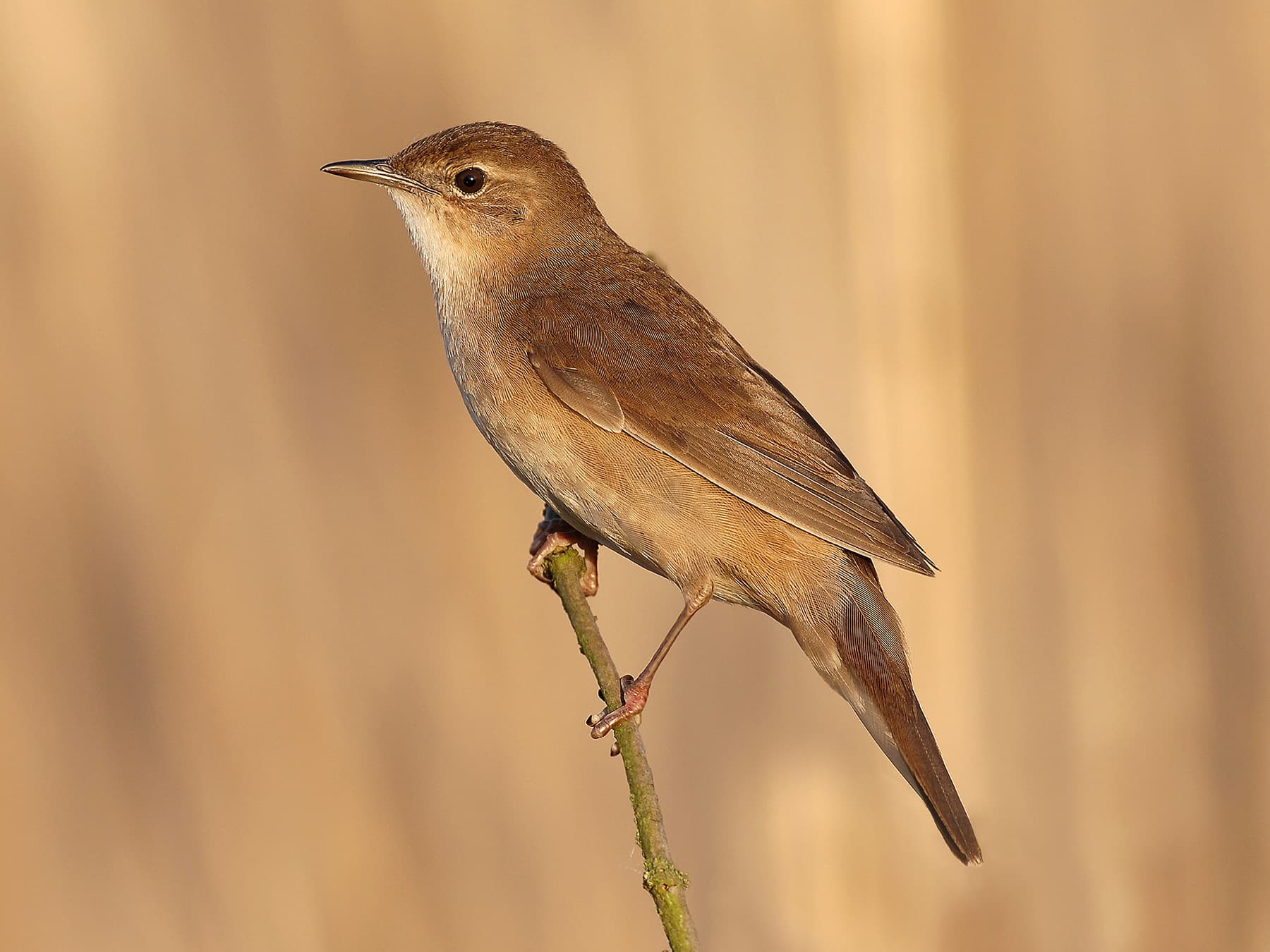
Savi's Warbler
Locustella luscinioidesLC
A rare passage visitor to reedbeds in May and June. Its distinctive reeling song recalls Grasshopper Warbler but is lower-pitched.
May–Jun
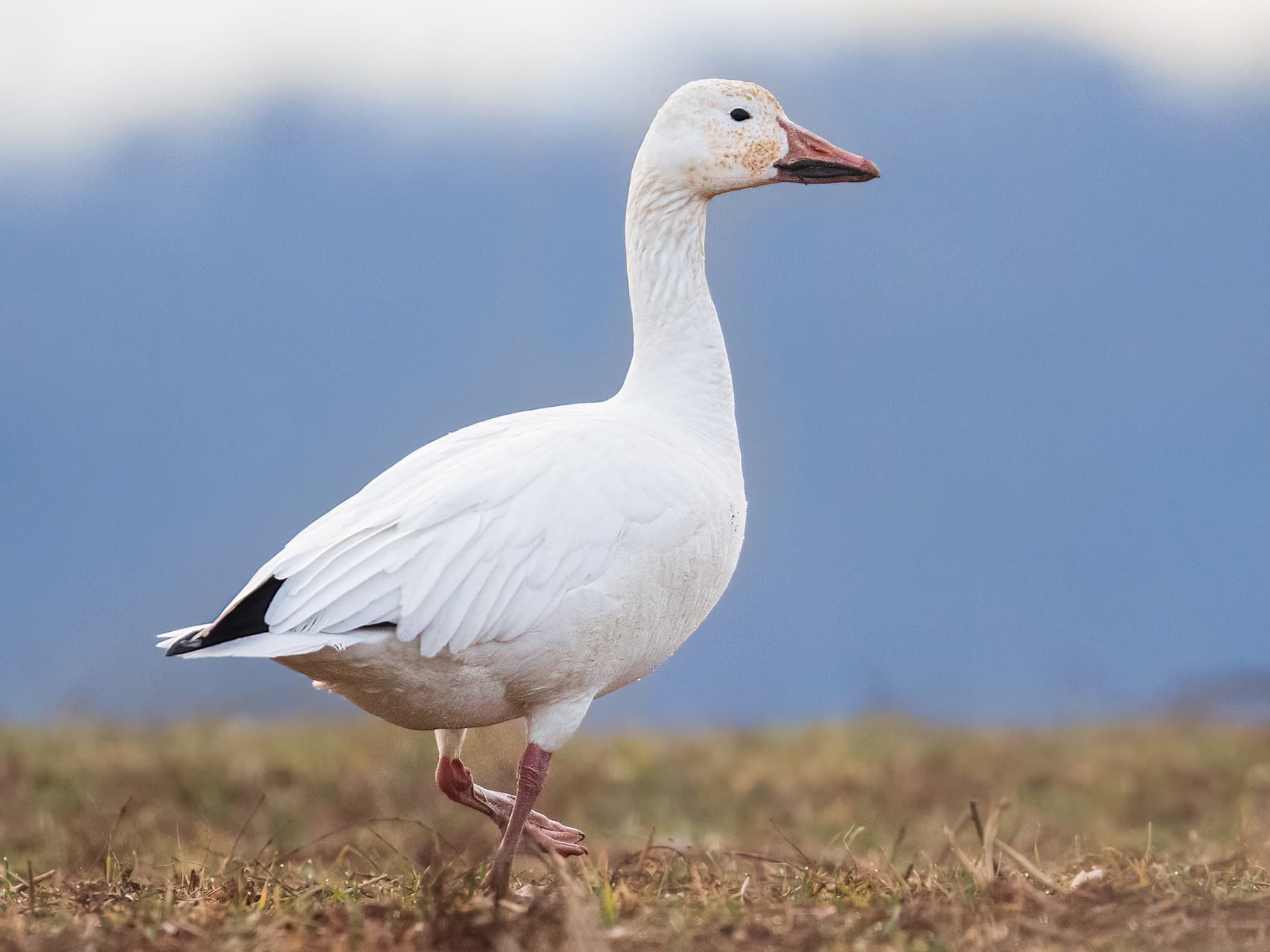
Snow Goose
Anser caerulescensLC
A rare visitor, with most English records likely involving feral or escaped birds. Occasionally seen among wild goose flocks.
Aug–May
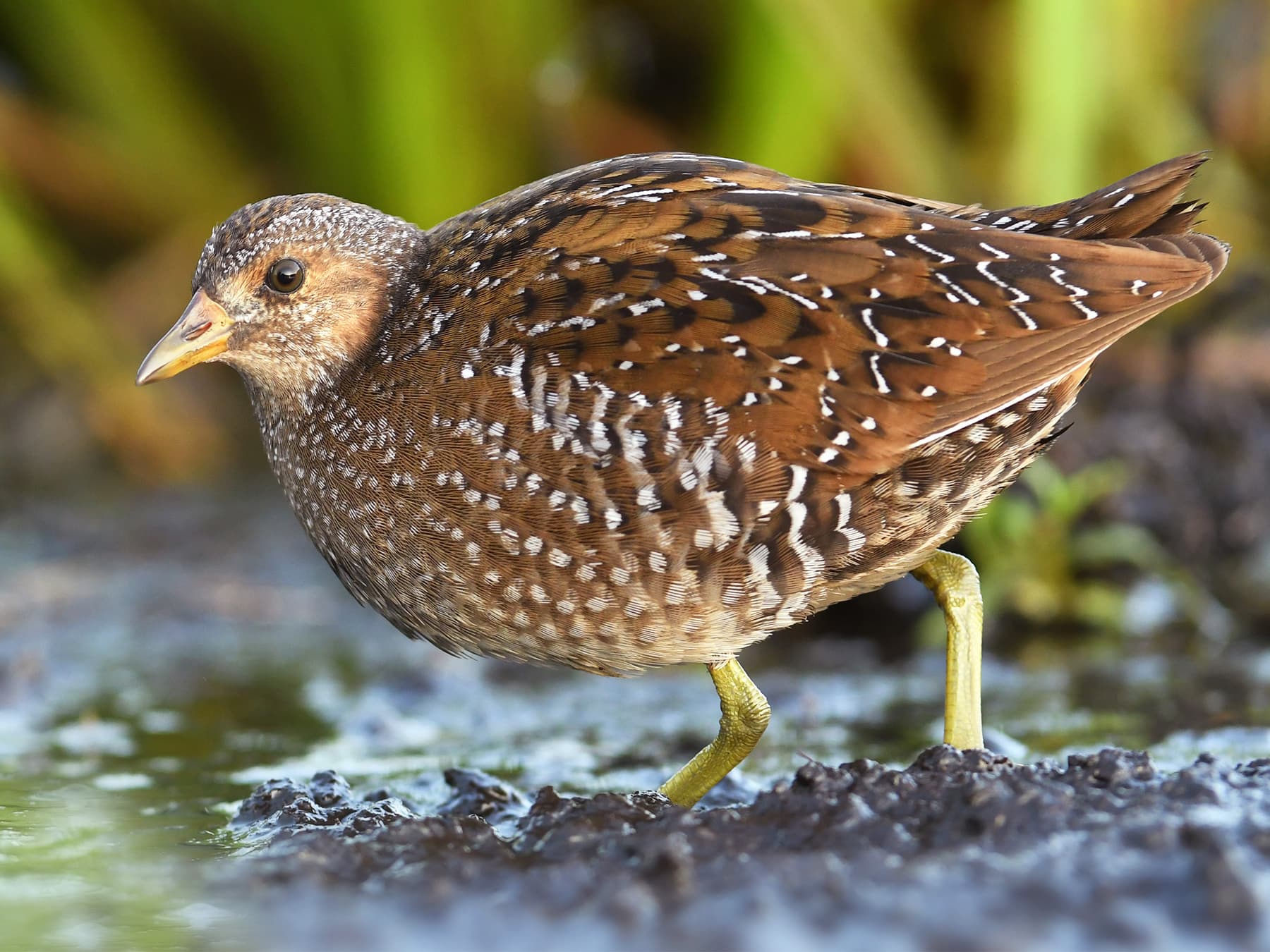
Spotted Crake
Porzana porzanaLC
A rare and secretive passage migrant through English wetlands in spring and autumn. Skulks in dense marshy vegetation and is extremely difficult to observe.
Apr–Oct
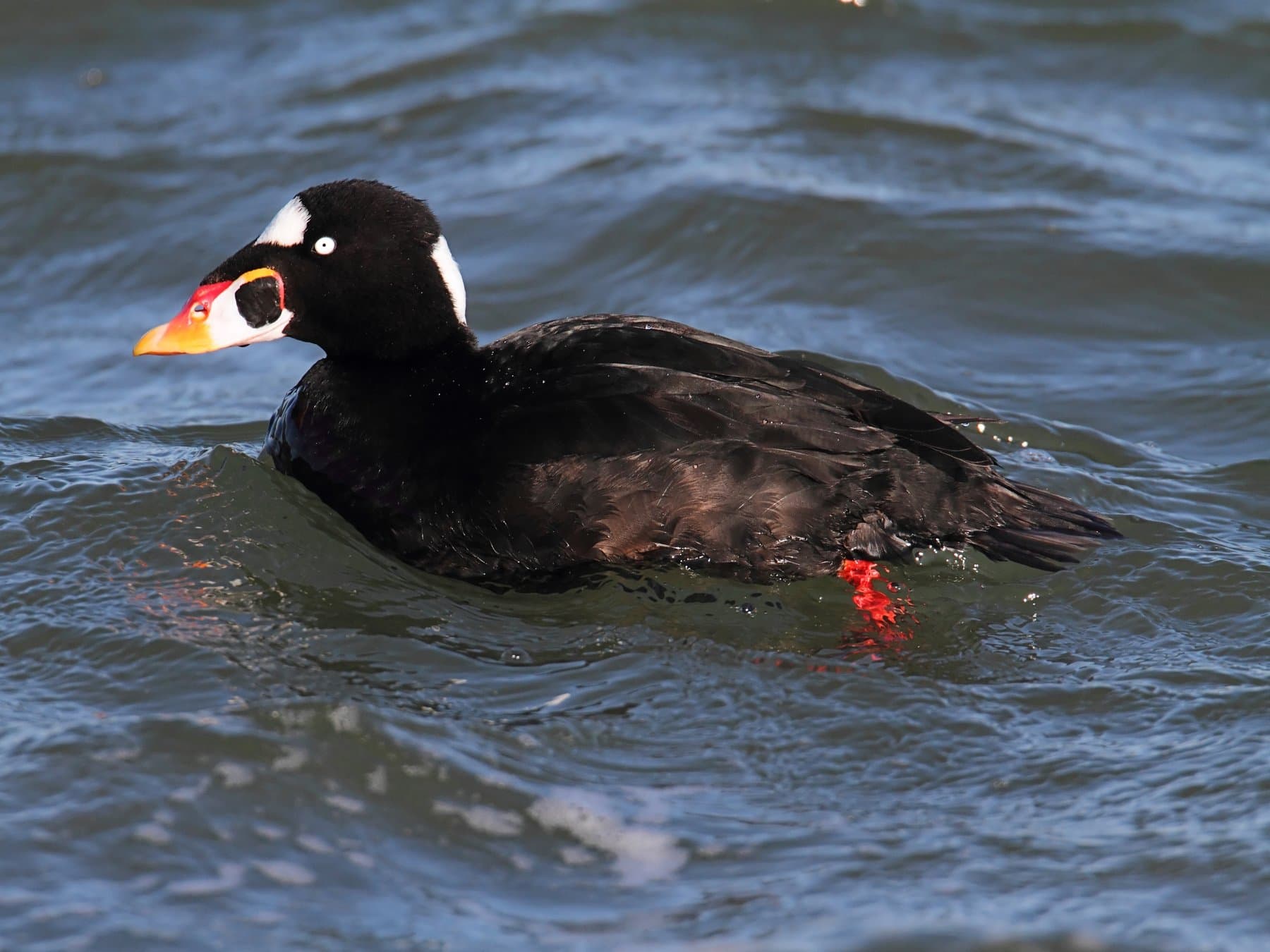
Surf Scoter
Melanitta perspicillataLC
A rare winter visitor from North America, occasionally spotted among flocks of Common Scoter off the coast. Most records come from November to January.
Nov–Jan
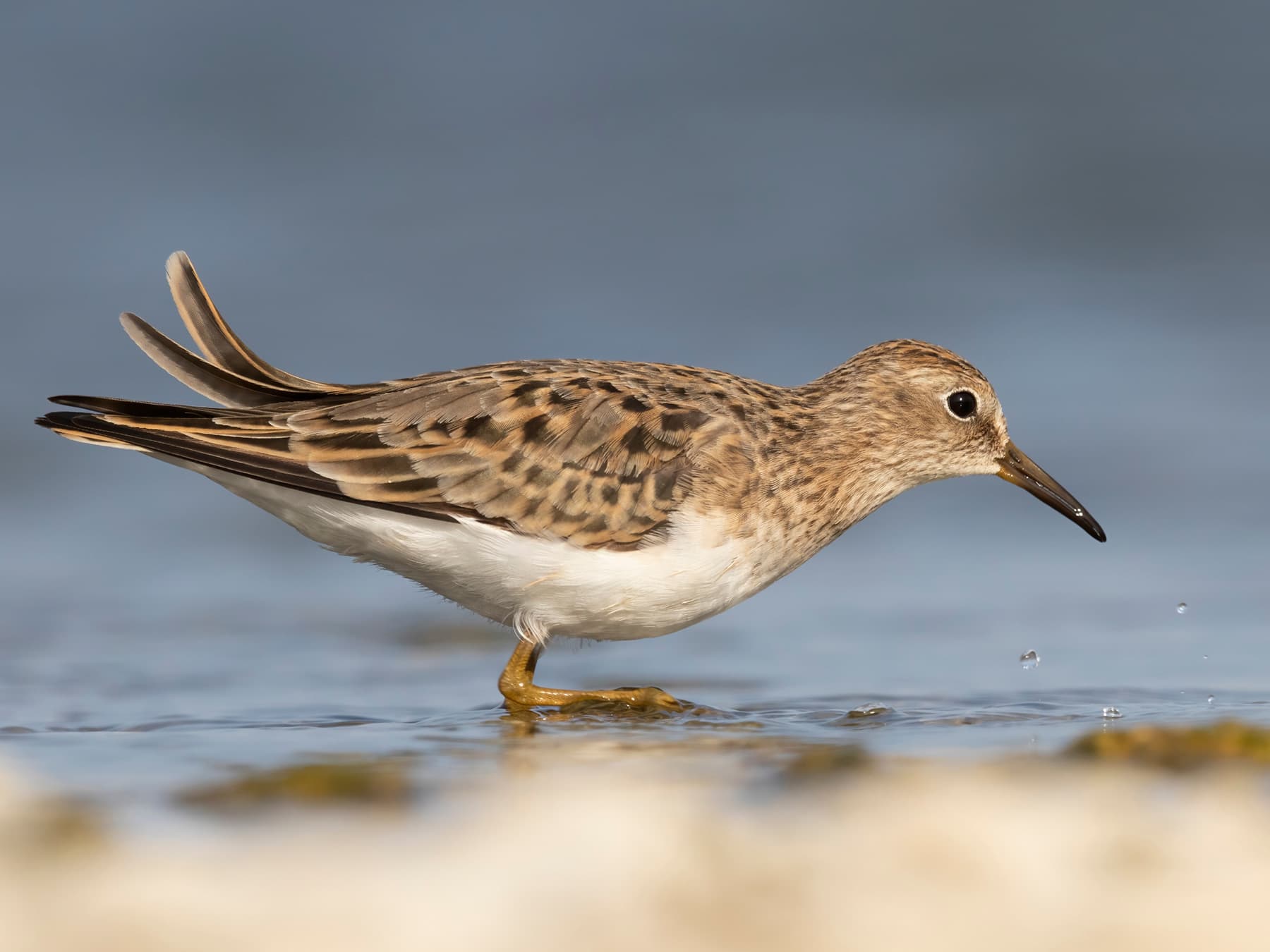
Temminck's Stint
Calidris temminckiiLC
A rare passage migrant, mainly in spring and autumn, favouring freshwater pool margins. Most records come from eastern England.
May–Dec
Spotted something?
Upload a photo to identify it
Identify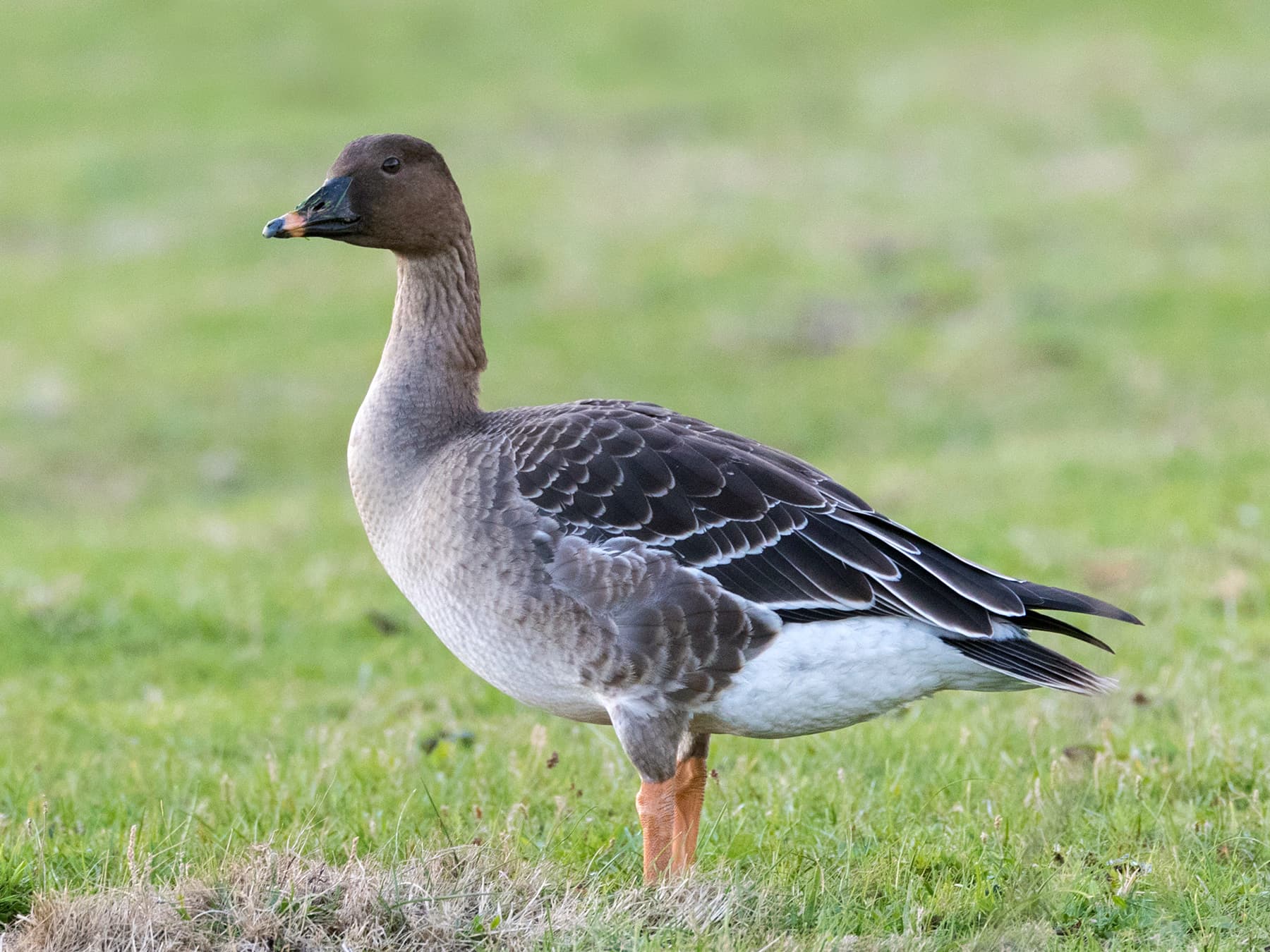
Tundra Bean Goose
Anser serrirostrisLC
A rare non-breeding visitor, with small flocks wintering mainly in Norfolk's Yare Valley. Careful separation from Taiga Bean Goose is required.
Jul–Mar
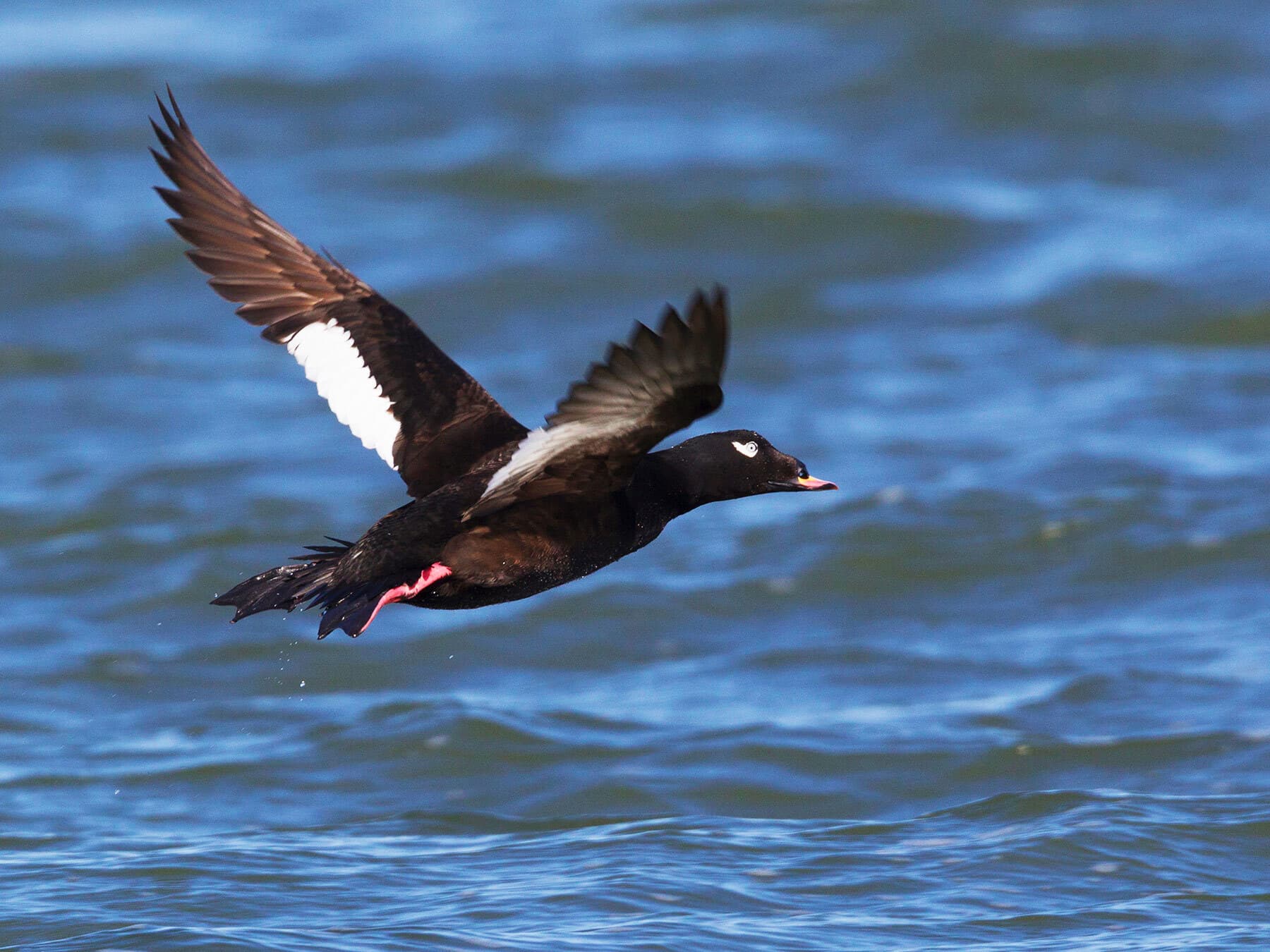
Velvet Scoter
Melanitta fuscaVU
A rare sea duck found in small numbers off the east and north-east coasts. Often associates with Common Scoter flocks; best spotted by seawatching.
Jun–Apr
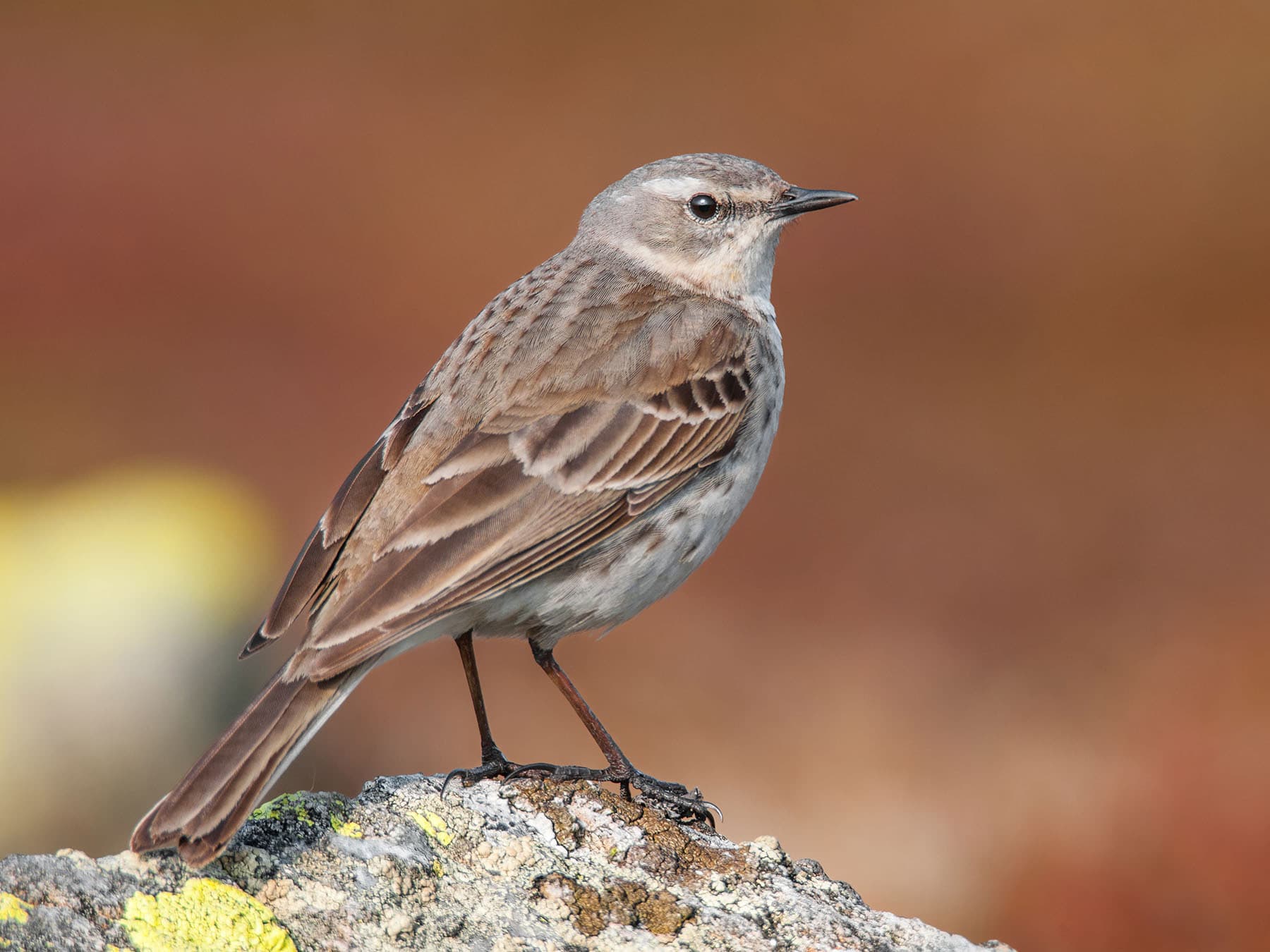
Water Pipit
Anthus spinolettaLC
A rare non-breeding visitor to watercress beds, marshes and reservoir margins from October to April. Easily confused with the commoner Rock Pipit.
Oct–Apr
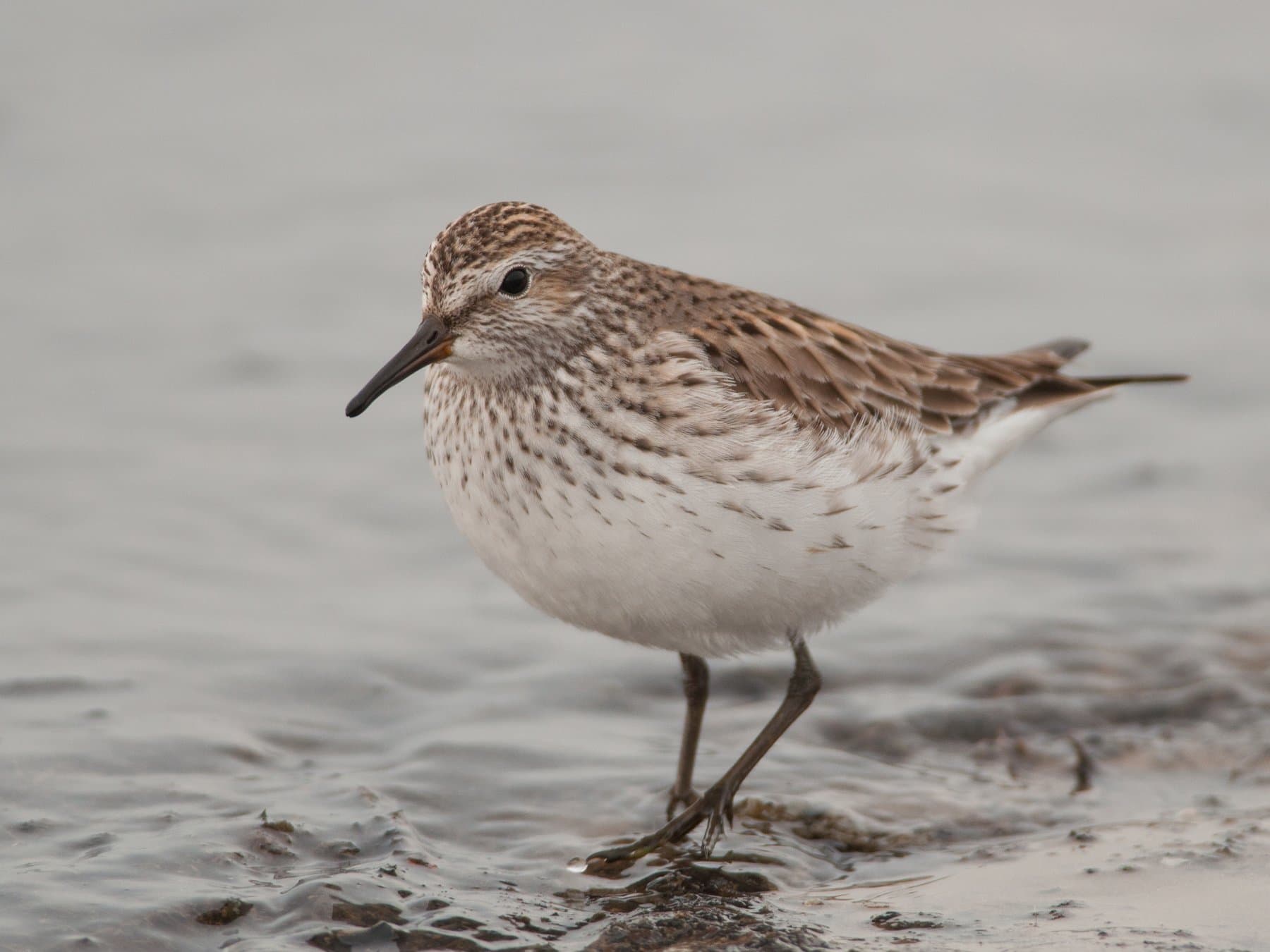
White-rumped Sandpiper
Calidris fuscicollisVU
A rare transatlantic vagrant, most likely seen at coastal pools and estuaries during autumn passage from July to November.
Jul–Feb
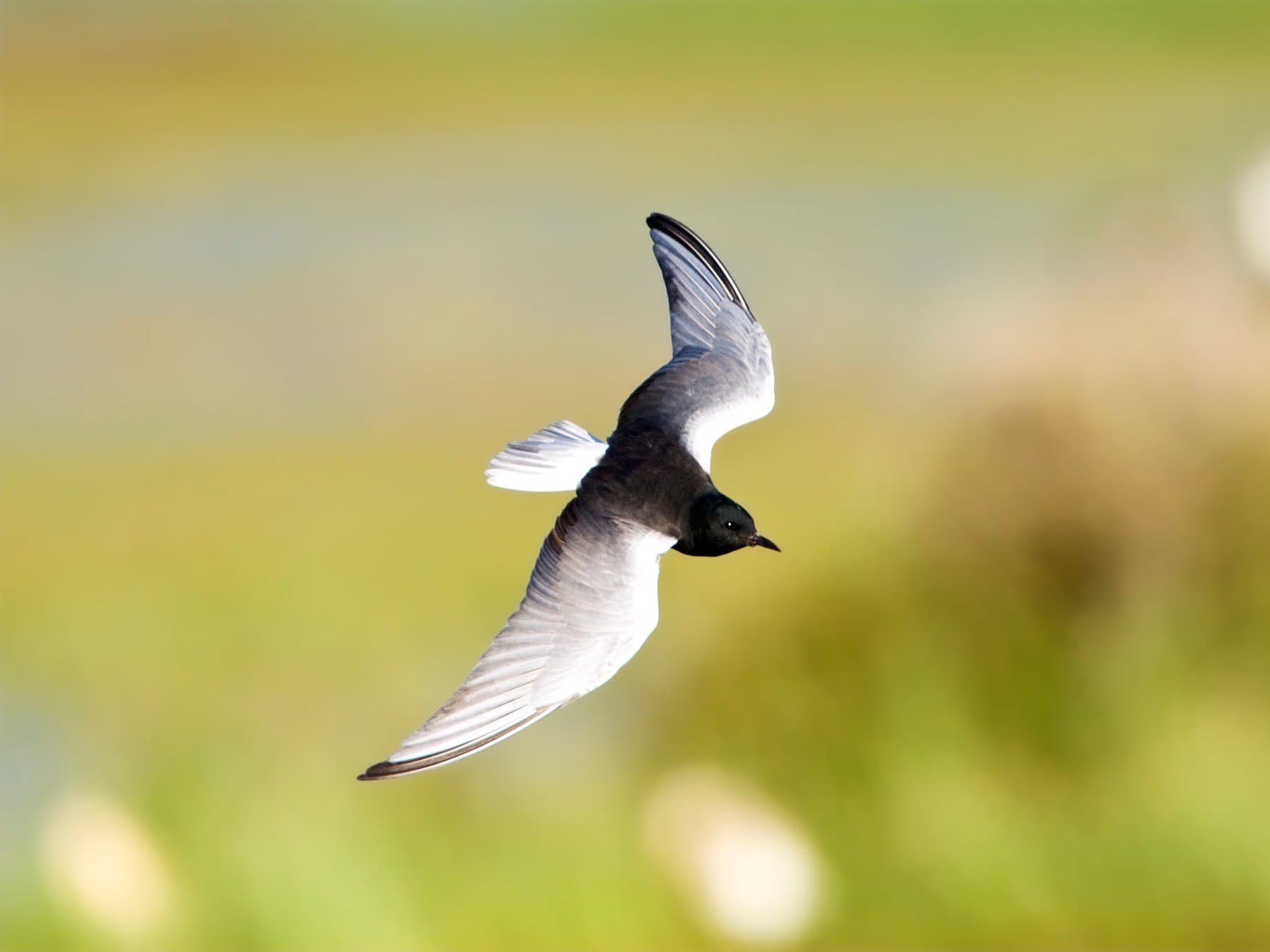
White-winged Tern
Chlidonias leucopterusLC
A rare passage migrant from eastern Europe, occasionally appearing at freshwater marshes and lakes between April and September.
Apr–Sep
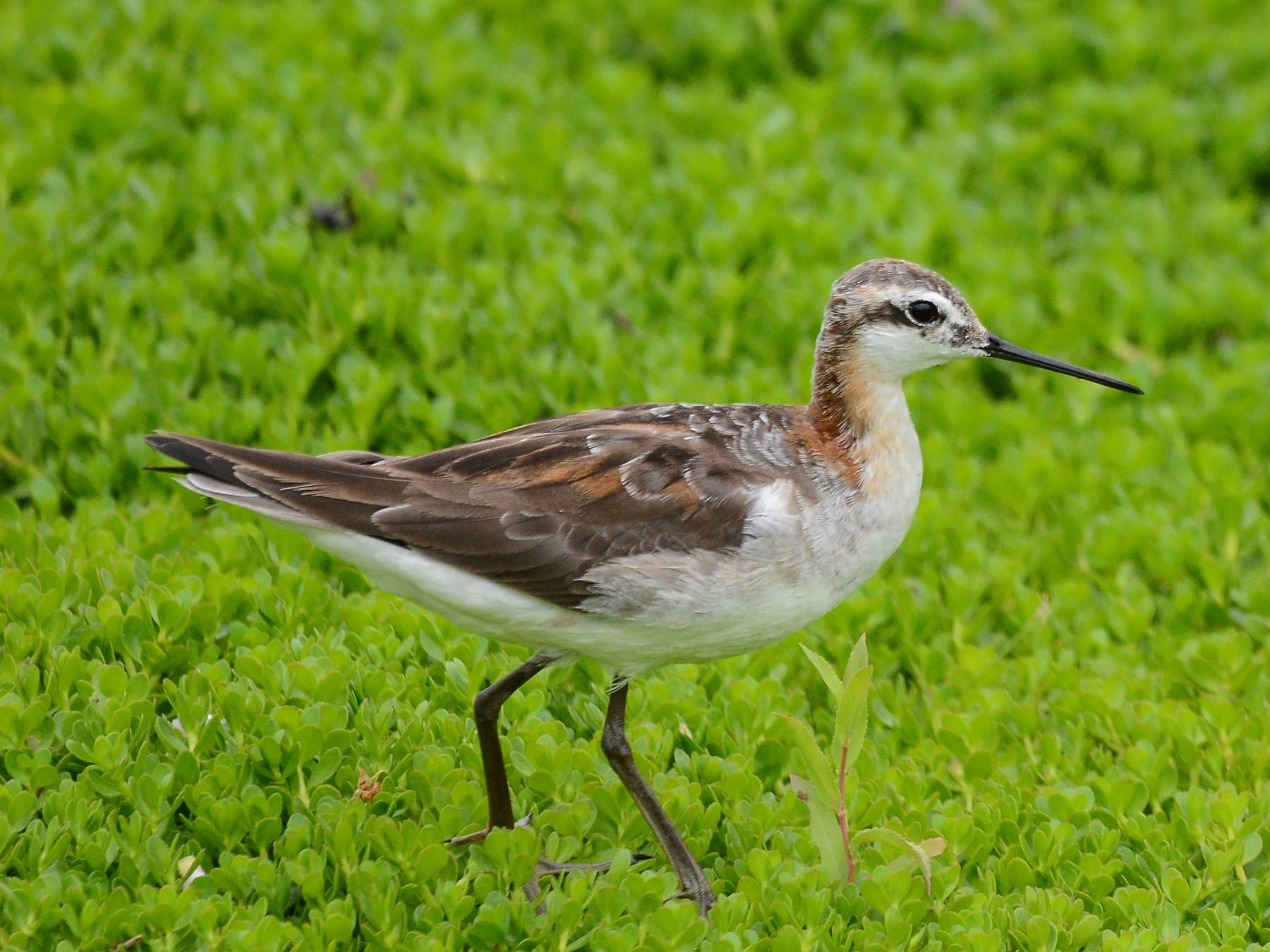
Wilson's Phalarope
Phalaropus tricolorLC
A rare autumn vagrant from the Americas, occasionally found at freshwater pools and marshes between September and November.
Sep–Nov
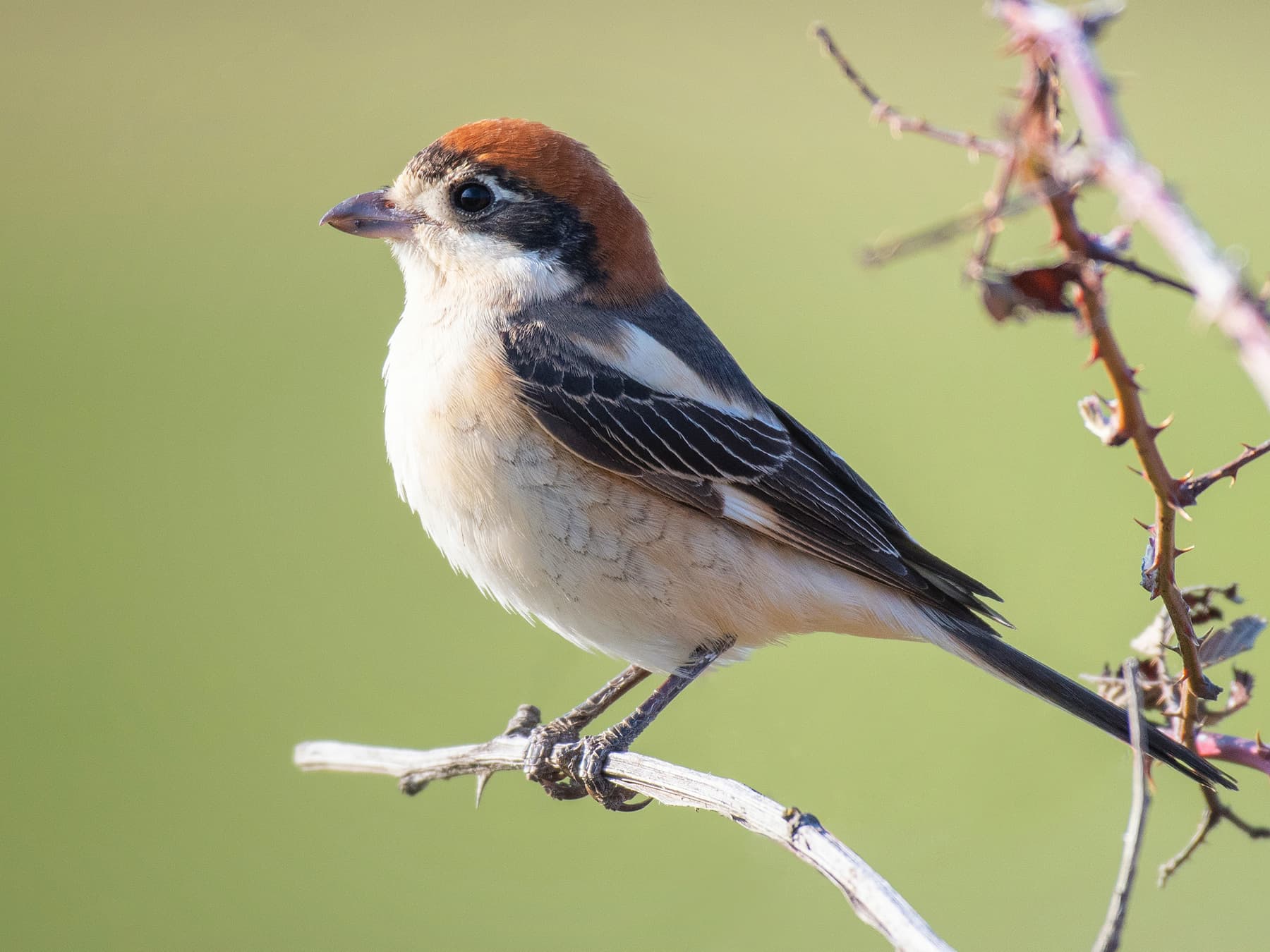
Woodchat Shrike
Lanius senatorNT
A rare passage migrant from southern Europe, mainly recorded on the south and east coasts in spring and early autumn. A prized find for birders.
Apr–Sep
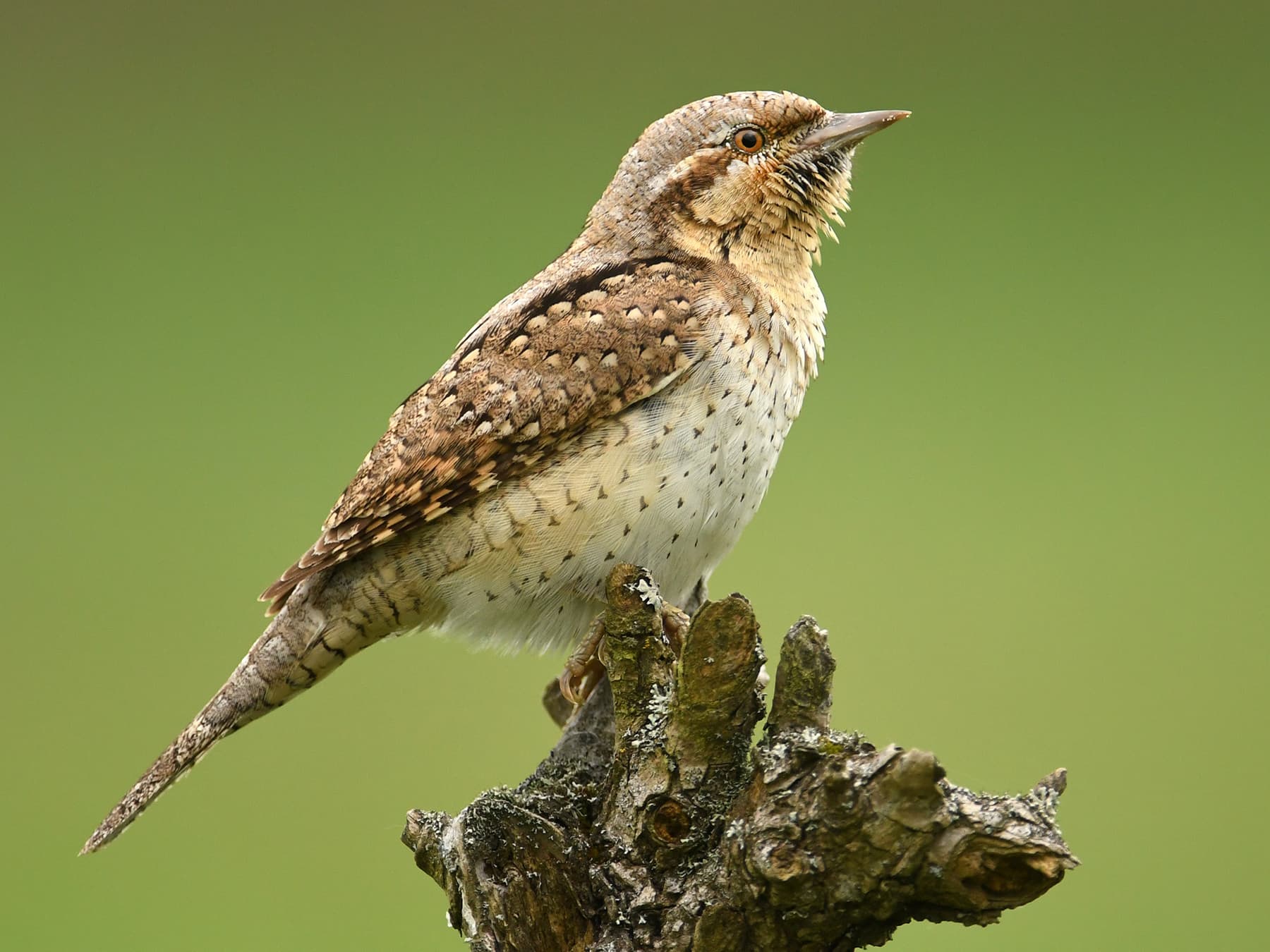
Wryneck
Jynx torquillaLC
A rare autumn passage migrant, most often found along the east coast in August and September. Once bred in England but is now virtually extinct as a breeder.
Aug–Oct