Birds in Northumberland
Explore 230 species found in this region.
Northumberland is one of England's most rewarding counties for birdwatching, with 218 recorded species found across its diverse landscapes of rugged coastline, upland moors, ancient woodlands, and estuarine mudflats. From the Farne Islands' famous seabird colonies to the high Cheviot Hills where Dotterel and Horned Lark breed, the county offers exceptional birding throughout the year. Notable species include Great Grey Shrike on winter heathlands, Eurasian Woodcock in dense woodland, and the striking Mandarin Duck along sheltered river valleys.
Visiting in August? Look out for Brent Goose and European Pied Flycatcher arriving this month, and Barnacle Goose and Long-eared Owl depart for the season.


Showing 47–69 of 230 species
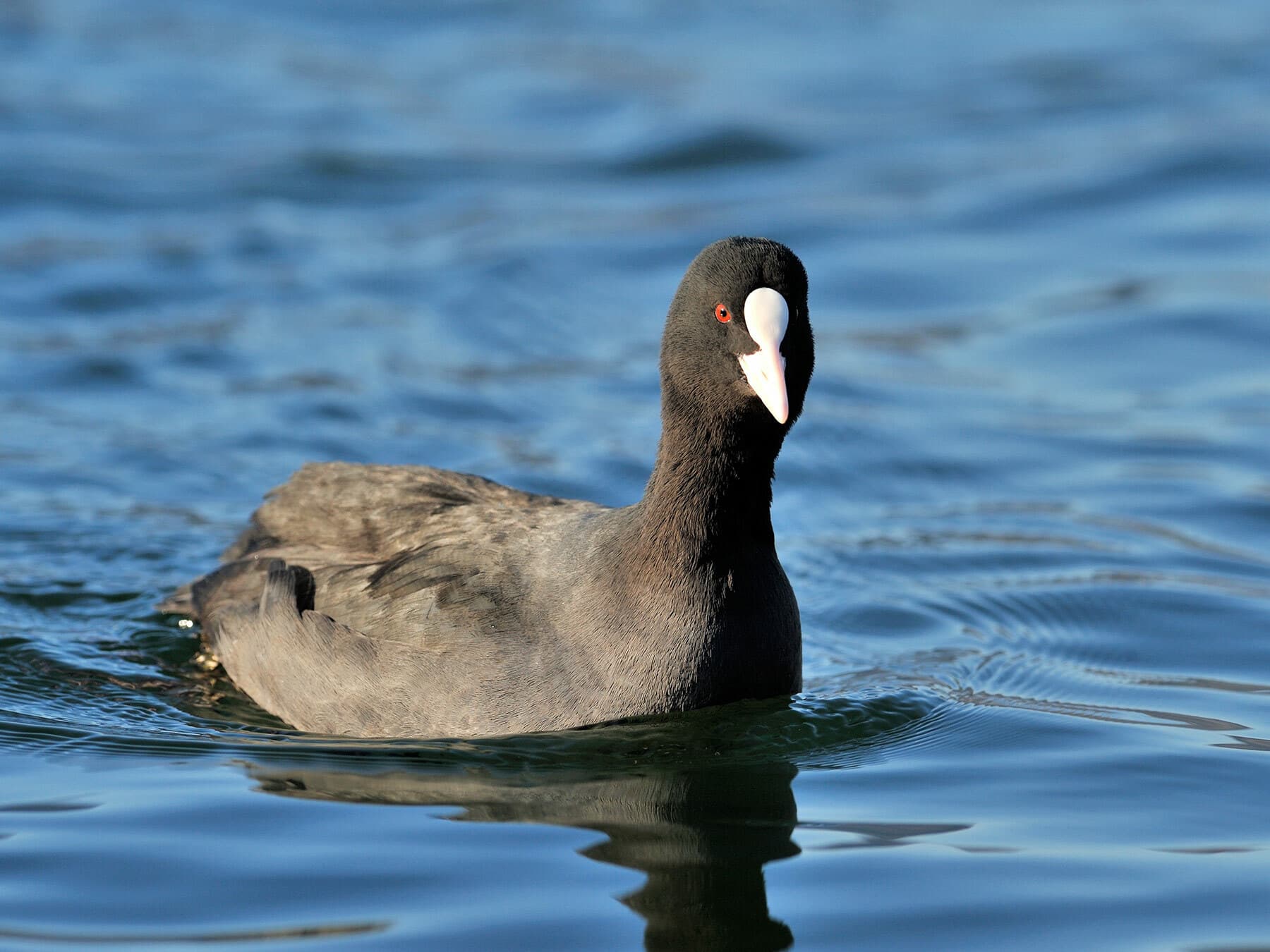
Coot
Fulica atraLC
A common resident of lakes and reservoirs across the county. Aggressive and territorial when breeding, forming larger flocks in winter.
Year-round
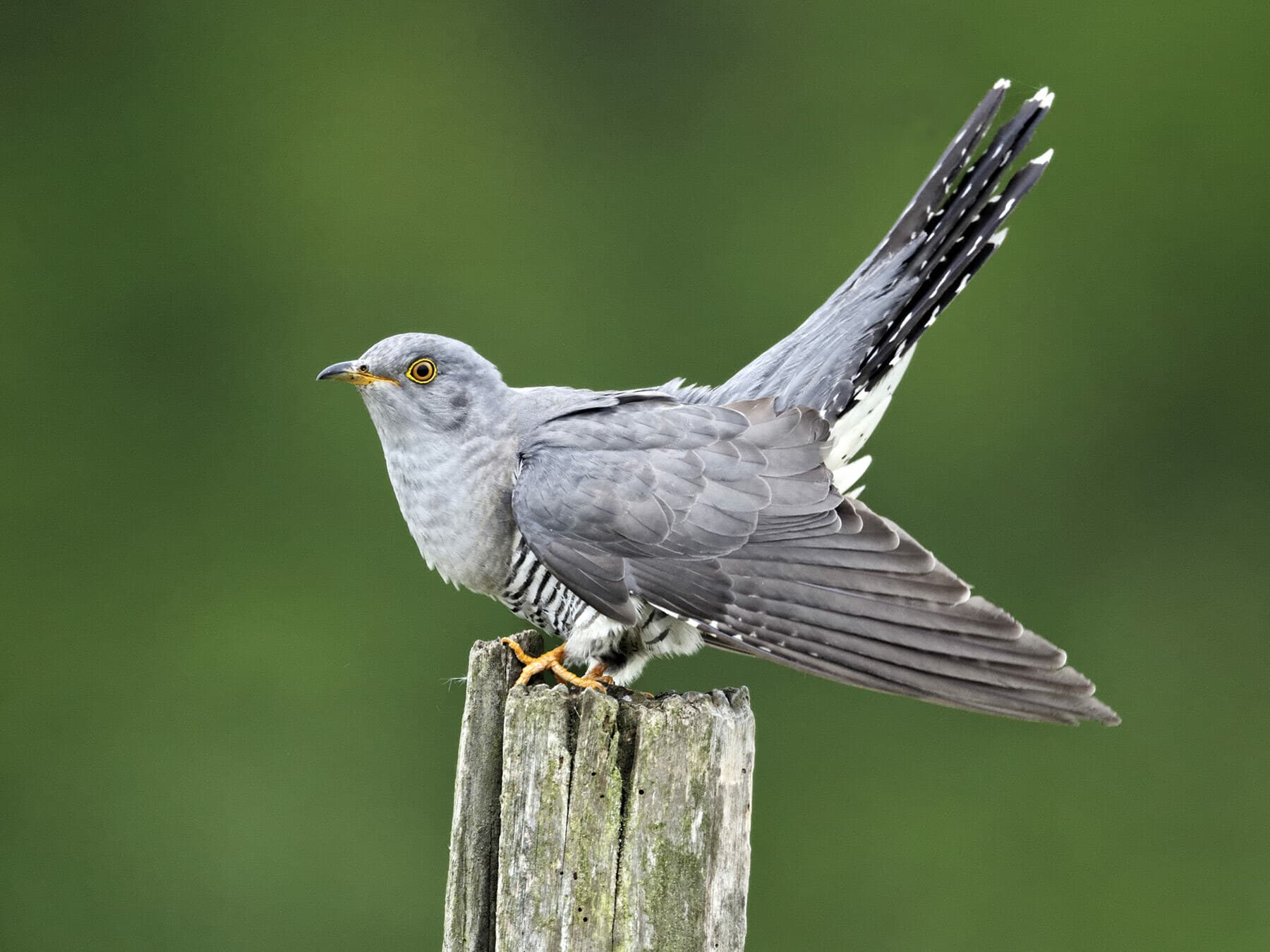
Cuckoo
Cuculus canorusLC
A rare and declining summer visitor from April to August. Favours moorland edges and scrubby habitats where Meadow Pipits host its eggs.
Apr–Aug
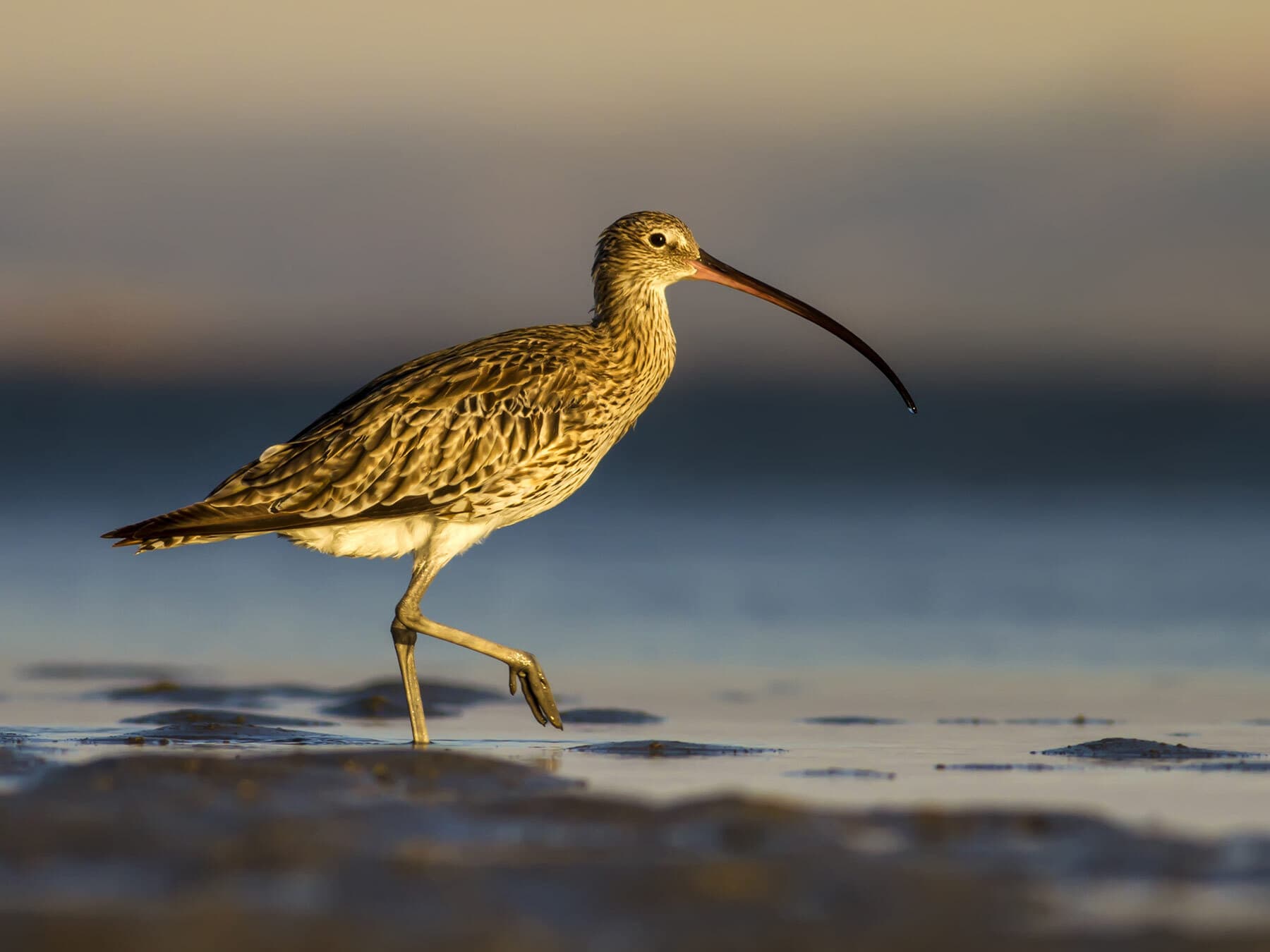
Curlew
Numenius arquataNT
A common resident whose evocative call defines Northumberland's upland moors in spring. Moves to estuaries and coasts outside the breeding season.
Year-round
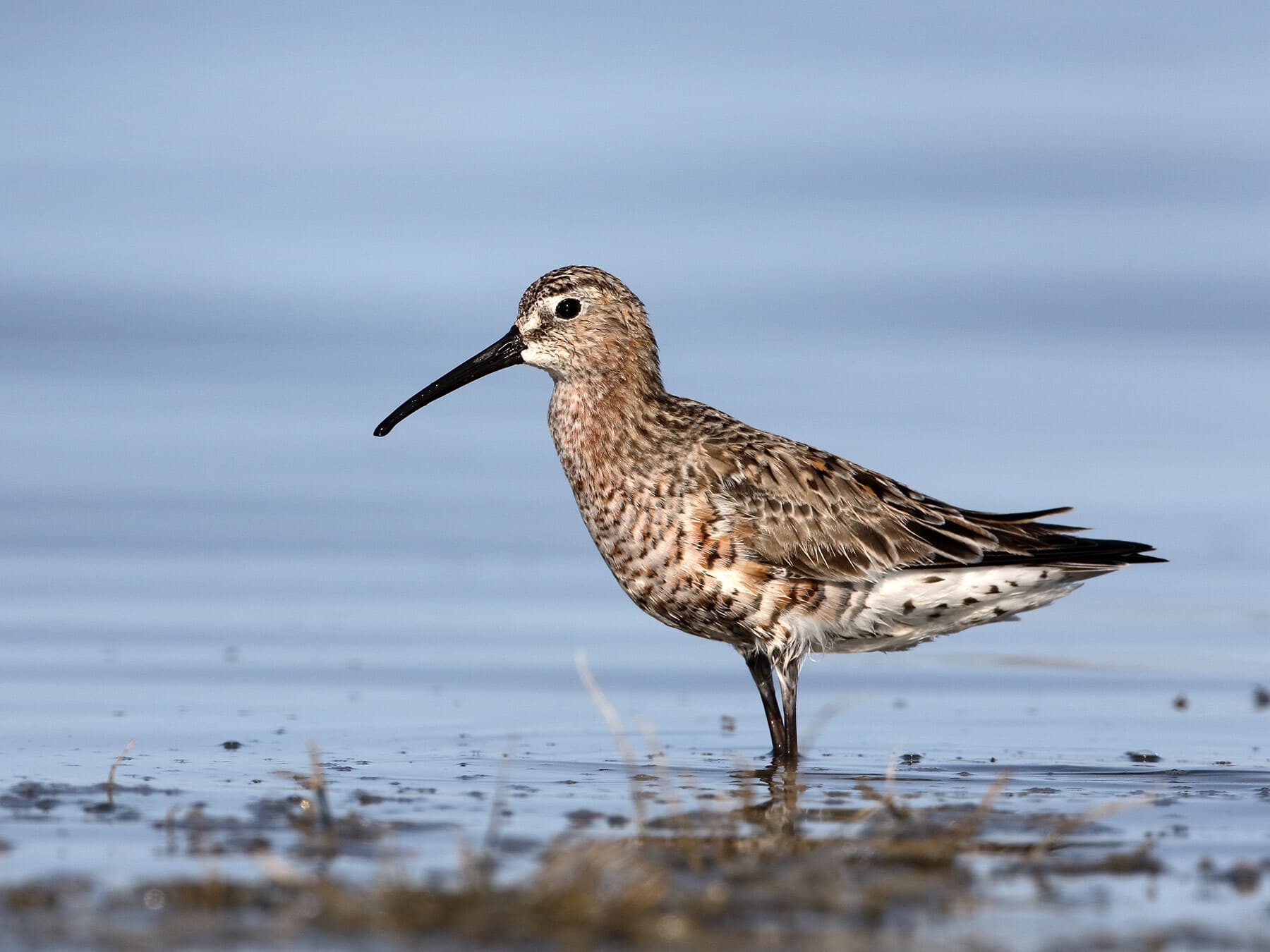
Curlew Sandpiper
Calidris ferrugineaNT
A rare visitor to coastal pools and estuarine edges, mainly between July and October during southward passage.
May–Oct
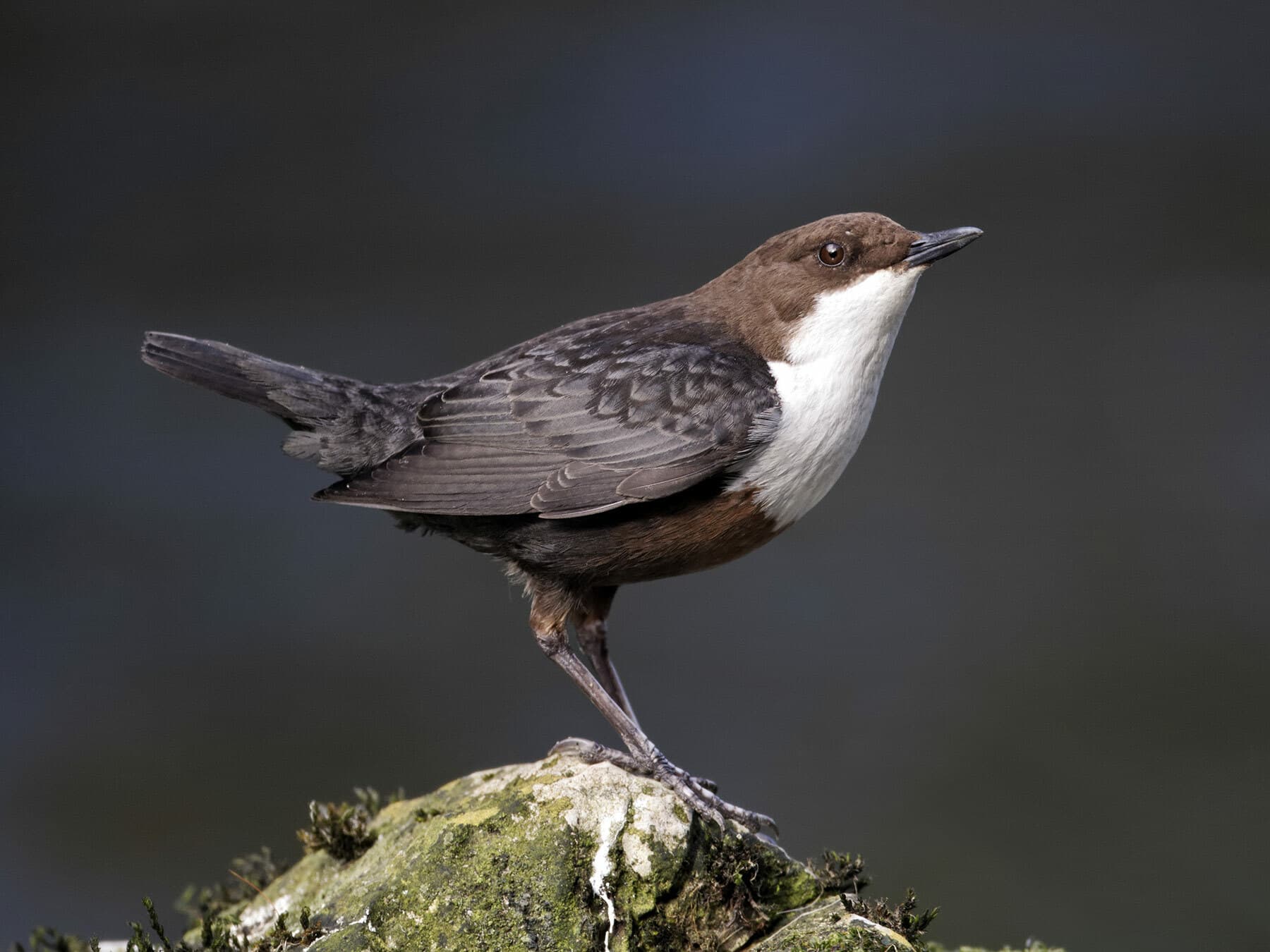
Dipper
Cinclus cinclusLC
A scarce but charismatic resident of fast-flowing upland streams and rivers, bobbing on rocks in the Cheviots and North Pennine valleys.
Year-round
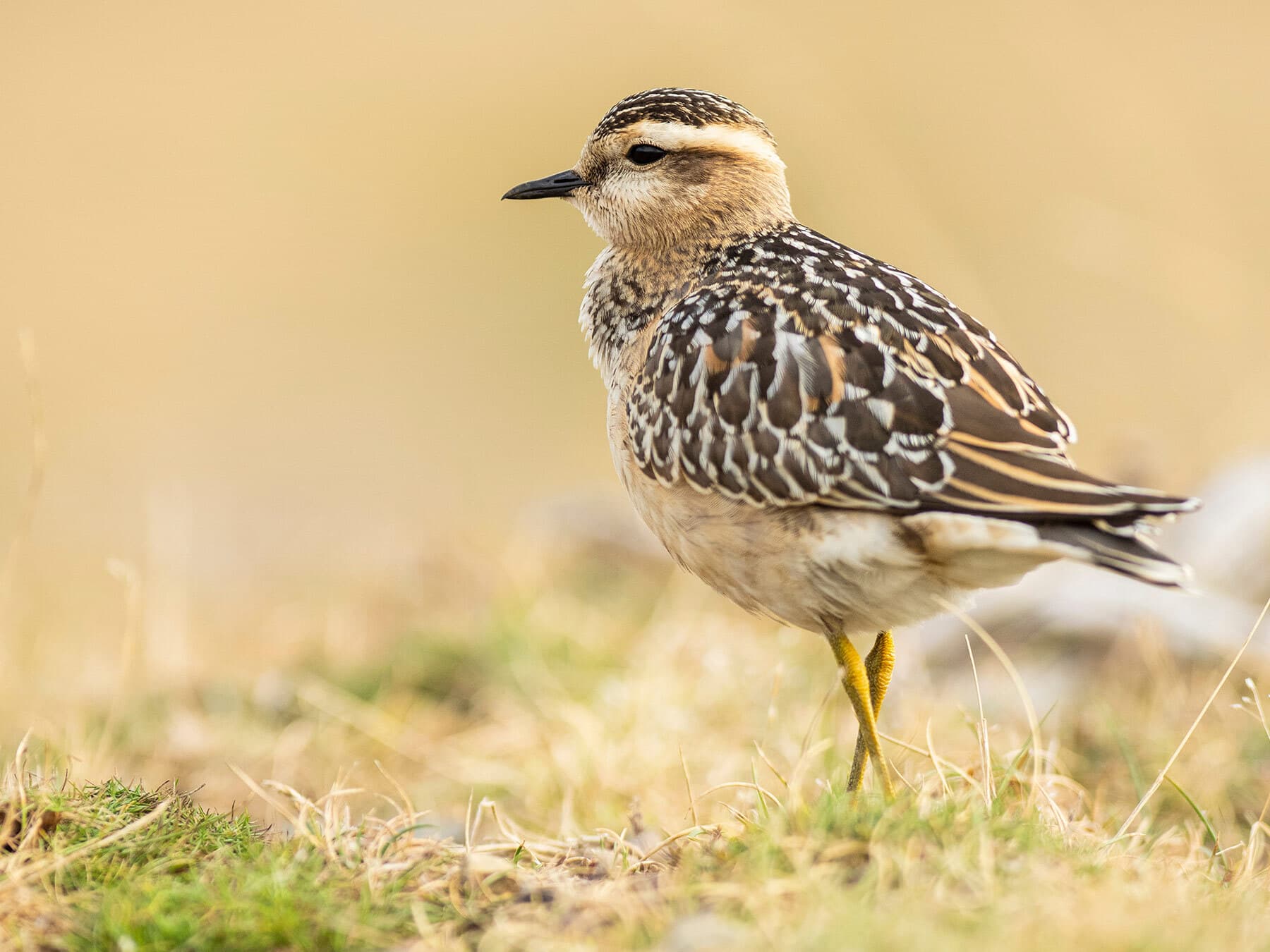
Dotterel
Eudromias morinellusLC
A rare and elusive passage migrant, occasionally stopping on Cheviot hilltops in May. Known as the 'trip bird' for its confiding nature.
May
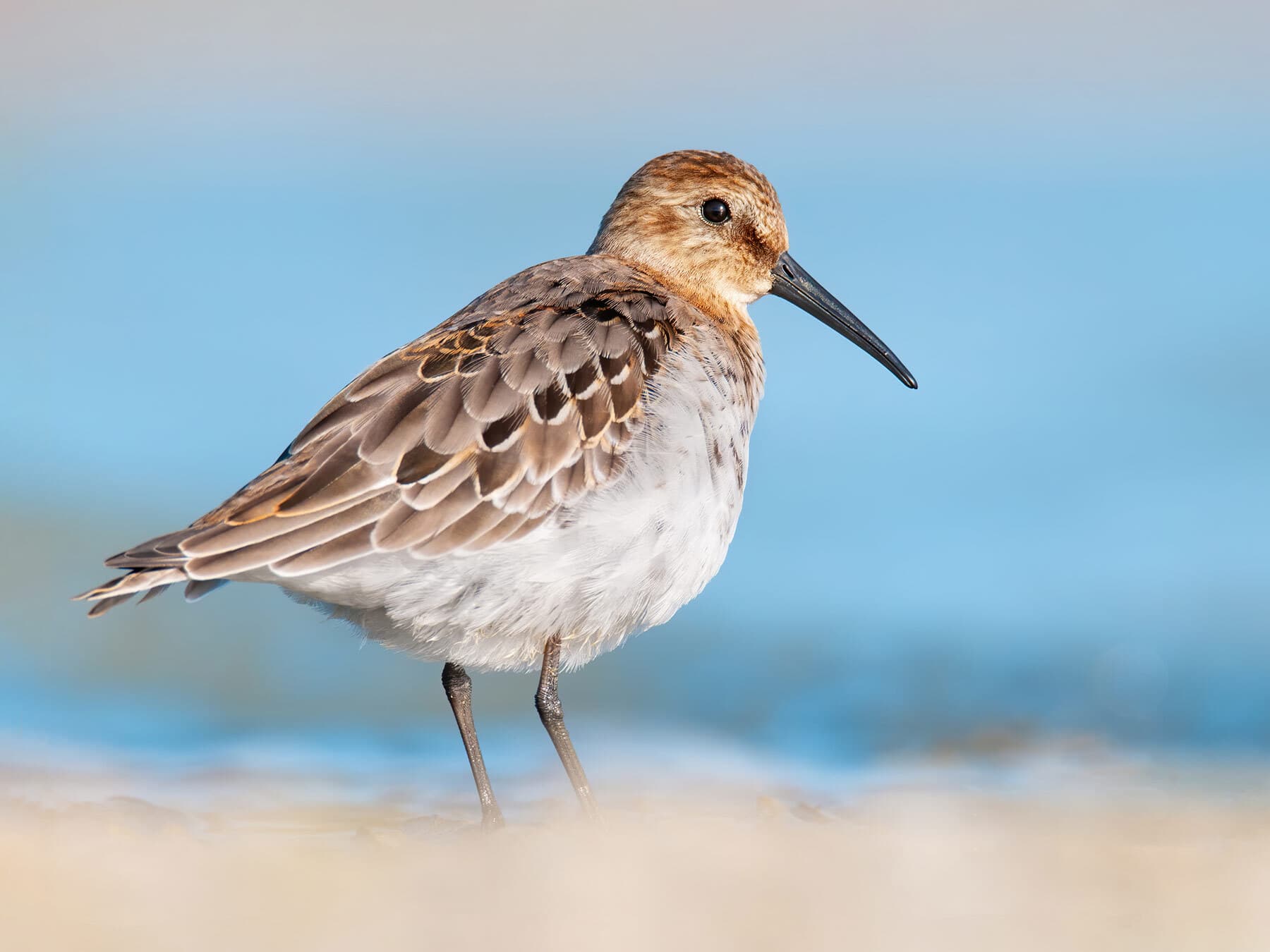
Dunlin
Calidris alpinaLC
Present year-round on estuaries and mudflats, with large winter flocks at Lindisfarne and smaller numbers breeding on upland moors.
Year-round
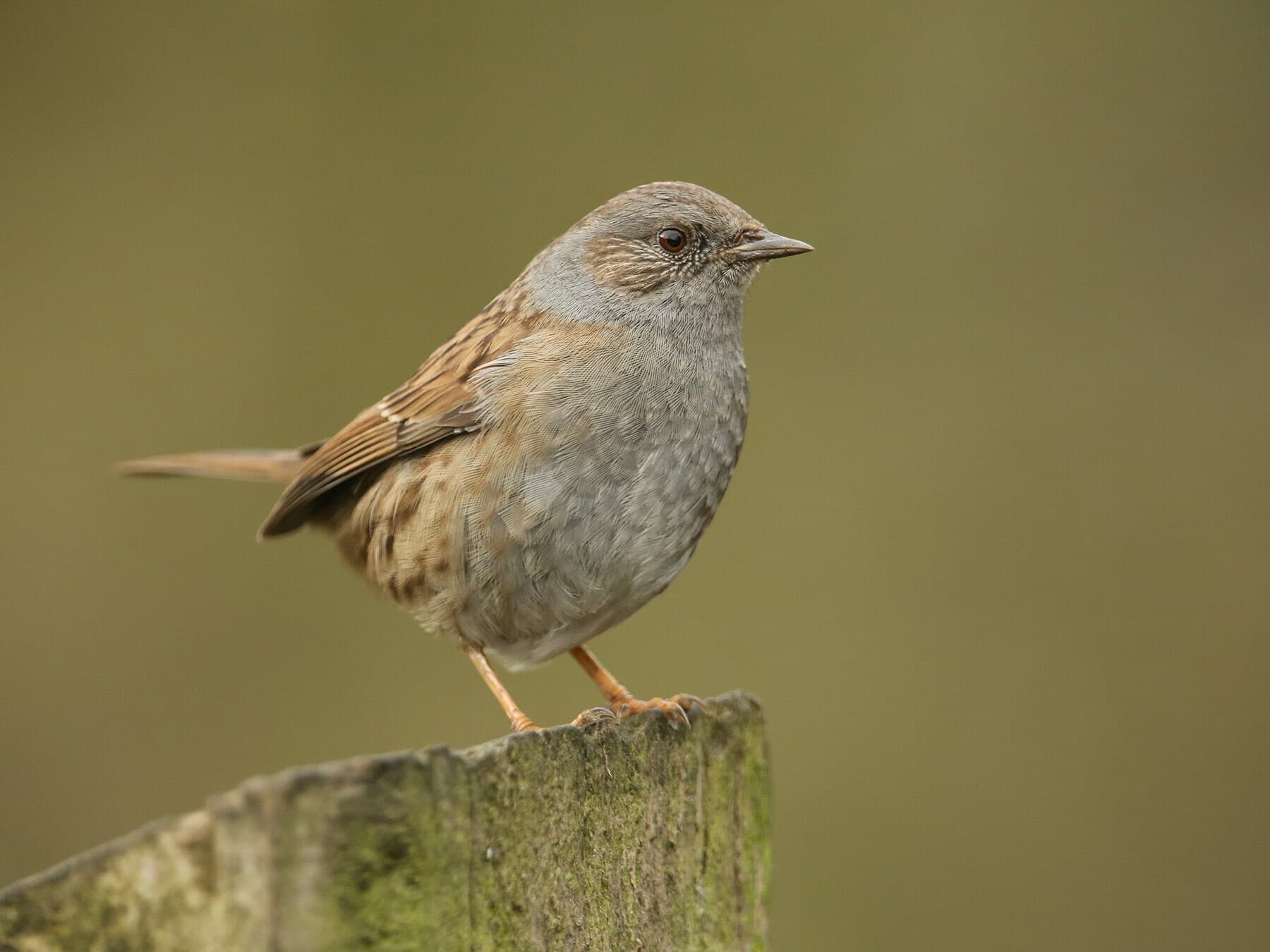
Dunnock
Prunella modularisLC
A common and widespread resident of hedgerows, gardens, and scrubby woodland edges throughout the county year-round.
Year-round
Spotted something?
Upload a photo to identify it
Identify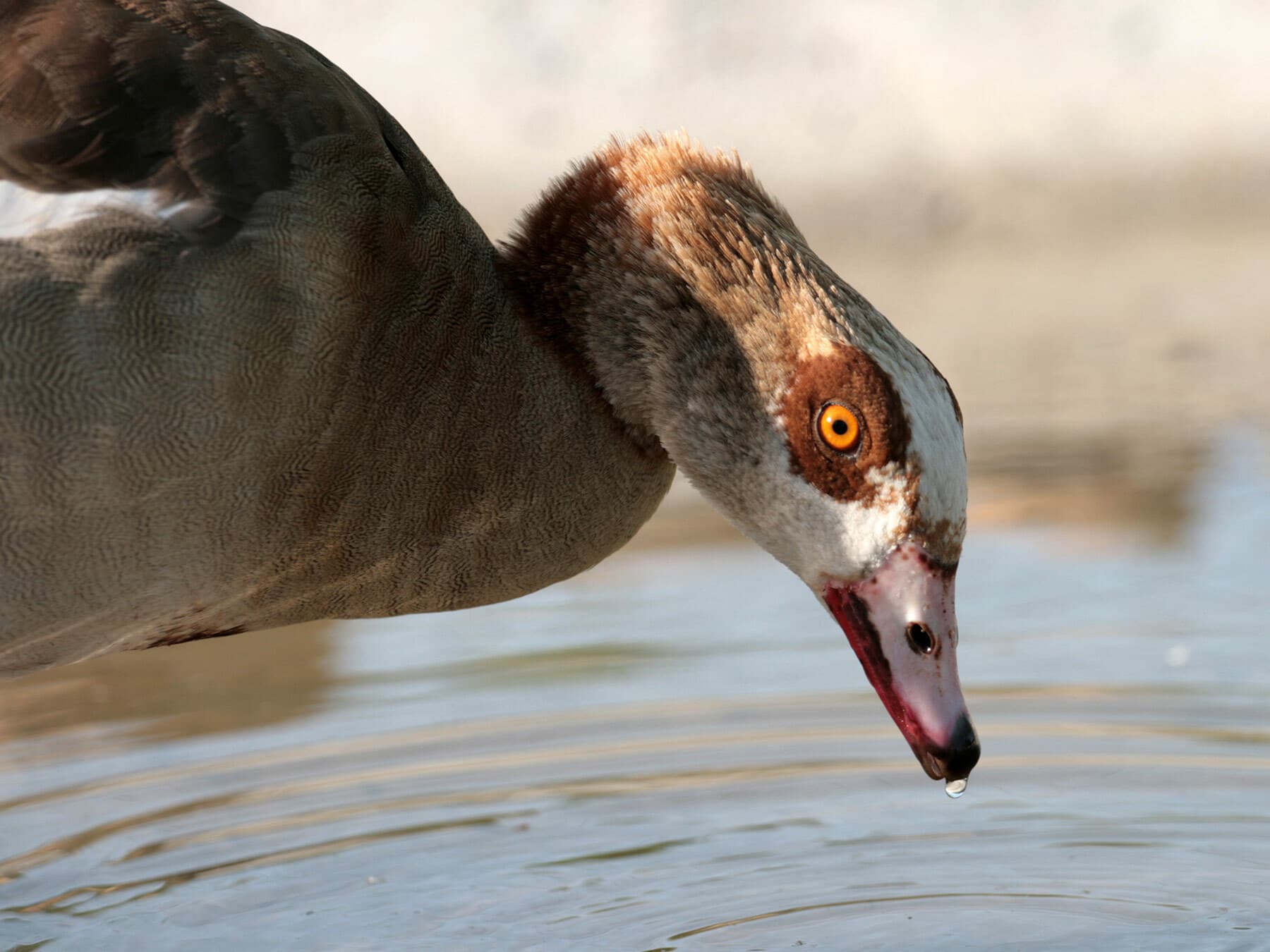
Egyptian Goose
Alopochen aegyptiacaLC
A rare passage visitor with occasional sightings in April and November. This introduced species remains scarce this far north.
Nov–Apr
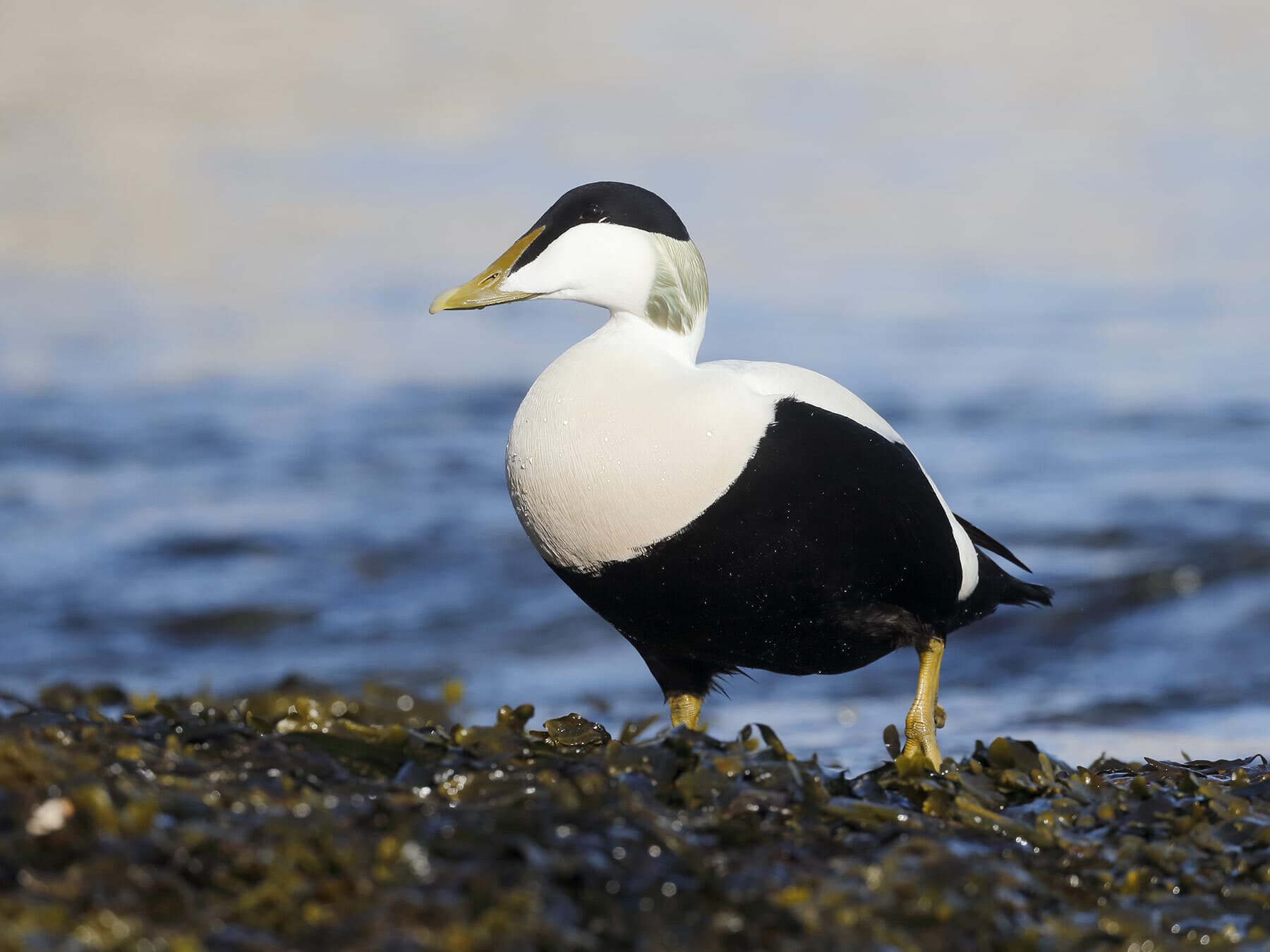
Eider
Somateria mollissimaNT
A common resident along the coast, with large rafts off the Farne Islands and Coquet Island. Breeds on offshore islands in summer.
Year-round
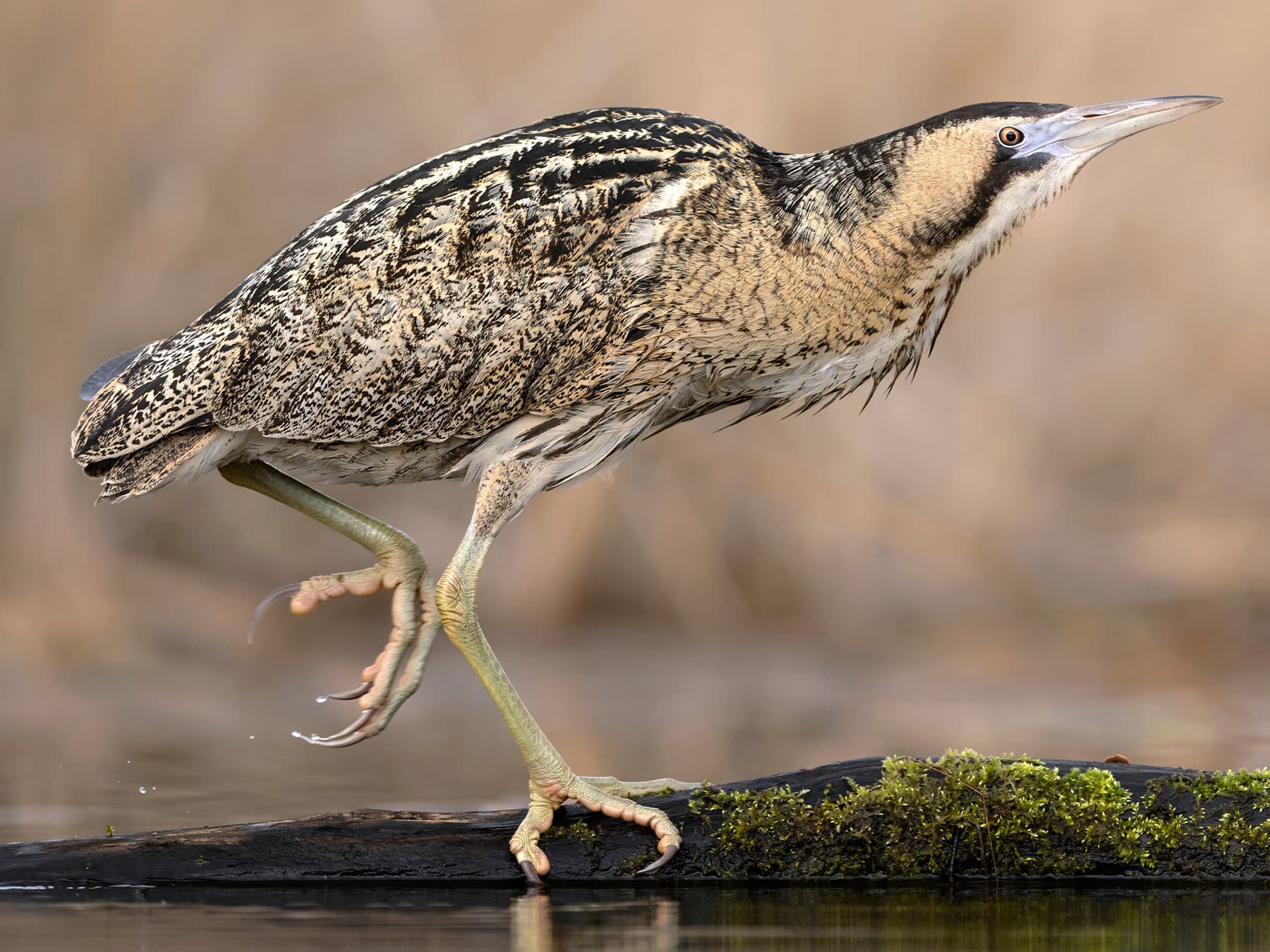
Eurasian Bittern
Botaurus stellarisLC
A rare and secretive visitor to reedbeds, occasionally recorded in January and November. More often heard booming than seen.
Nov–Jan
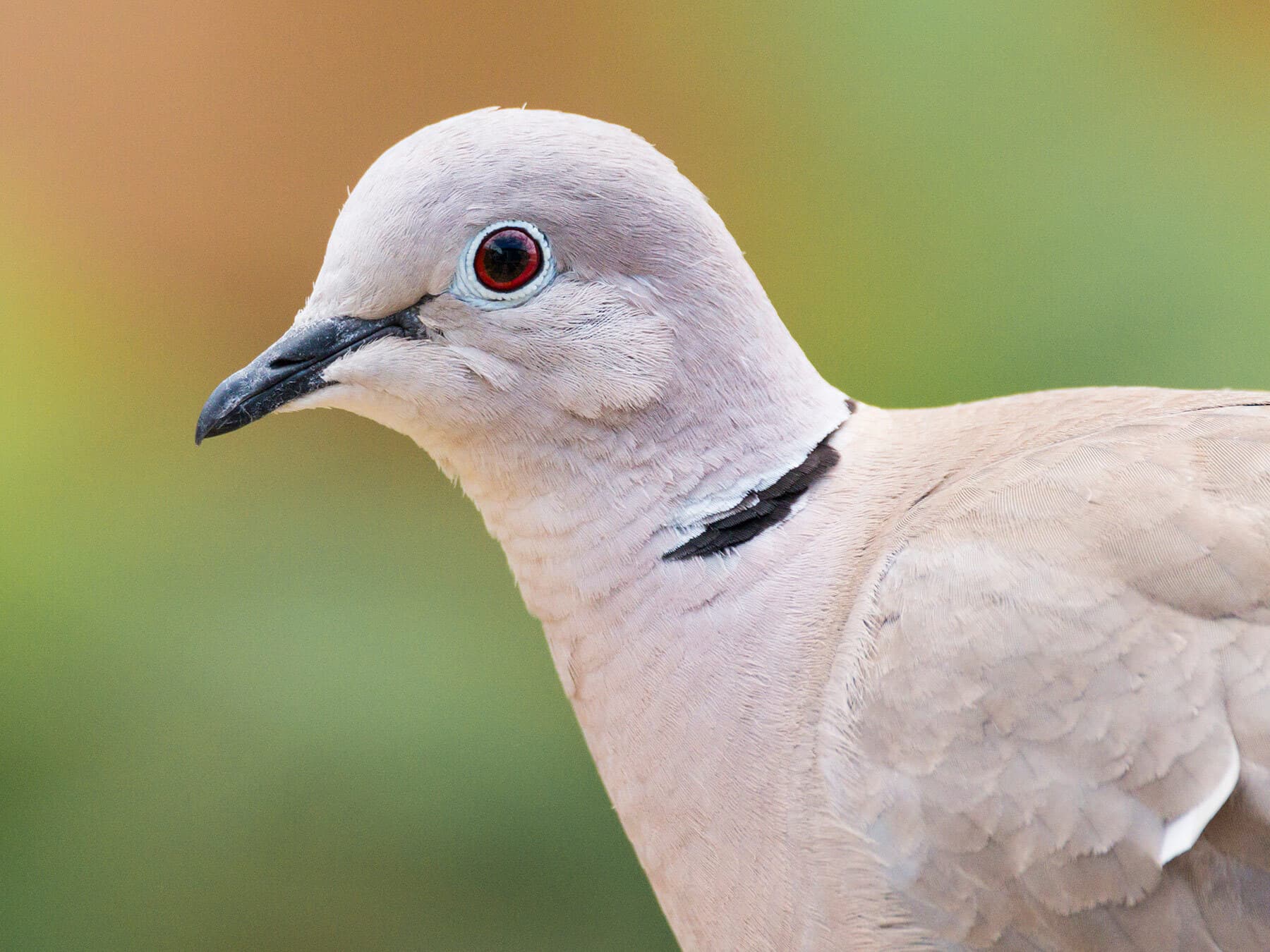
Eurasian Collared Dove
Streptopelia decaoctoLC
An uncommon resident of villages, farms and suburban gardens. Its monotonous three-note call is a familiar sound around Northumberland's settlements.
Year-round
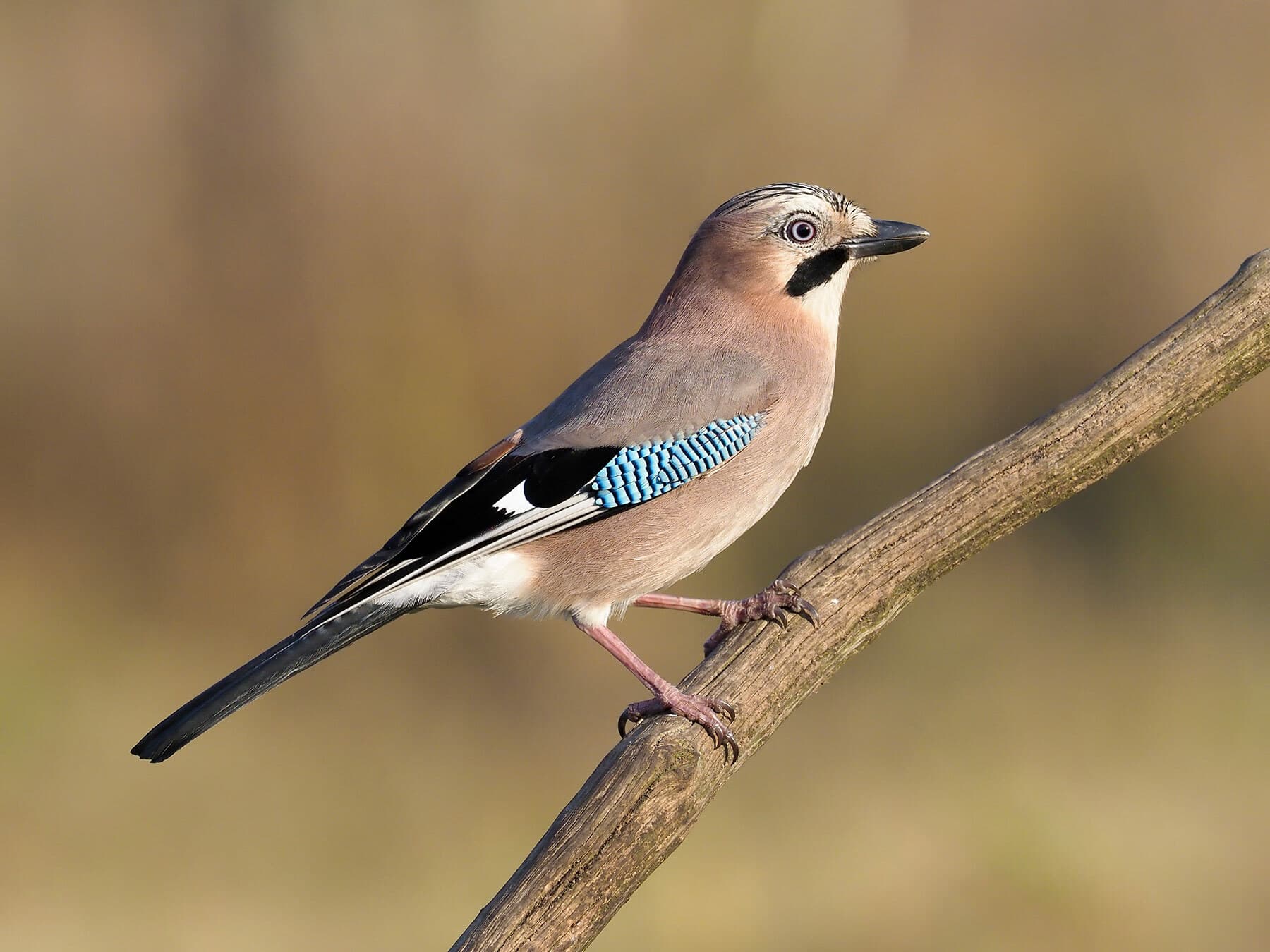
Eurasian Jay
Garrulus glandariusLC
A scarce resident of mature broadleaved and mixed woodland, more often heard than seen. Near the northern edge of its British range here.
Year-round
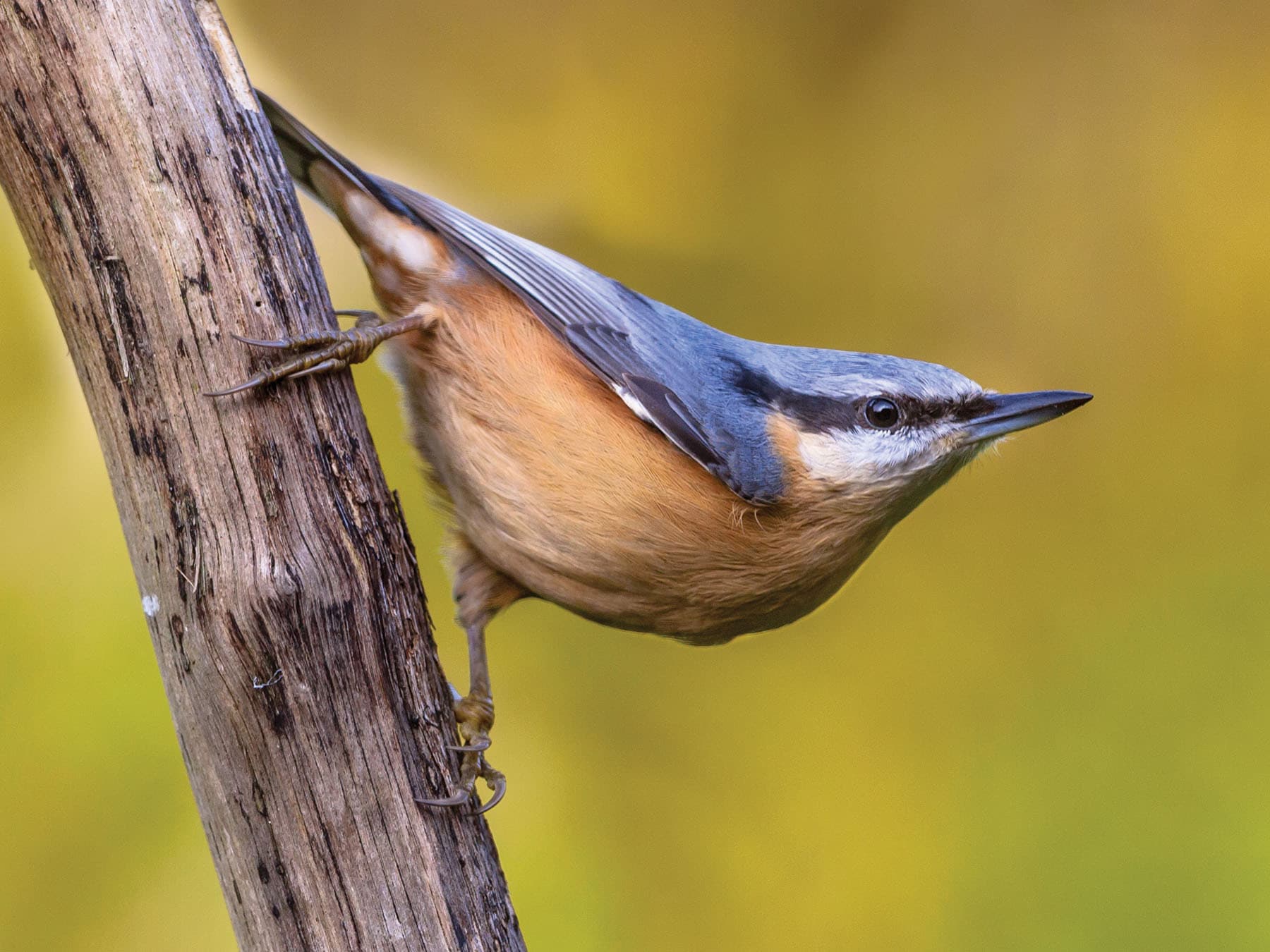
Eurasian Nuthatch
Sitta europaeaLC
An uncommon but increasing resident of mature deciduous woodland, often found in parkland settings. Loud calls echo through the trees year-round.
Year-round
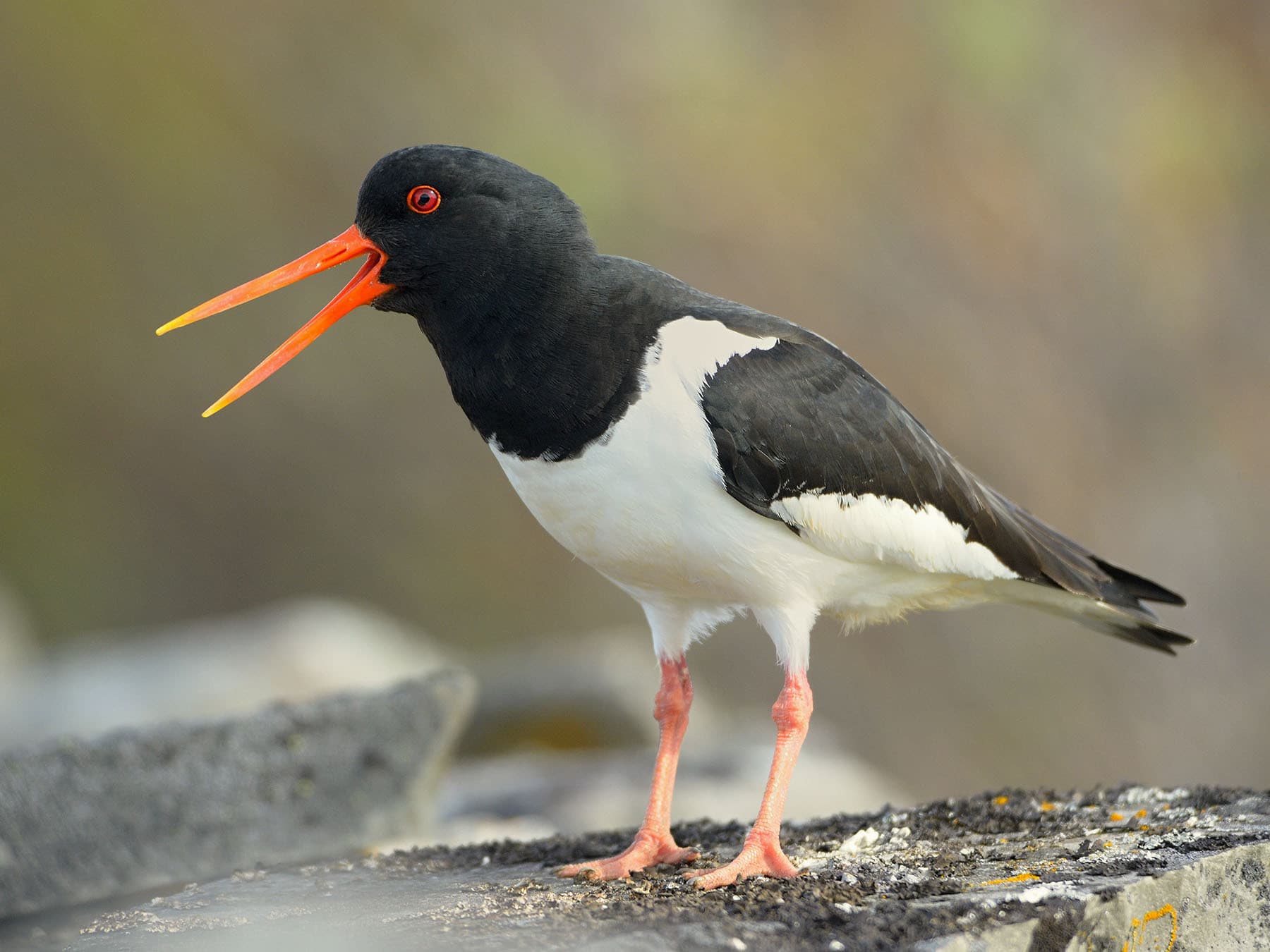
Eurasian Oystercatcher
Haematopus ostralegusNT
A common year-round resident, feeding on mussels and cockles along Northumberland's rocky shores and sandy estuaries. Noisy, piping calls are a hallmark of the coast.
Year-round
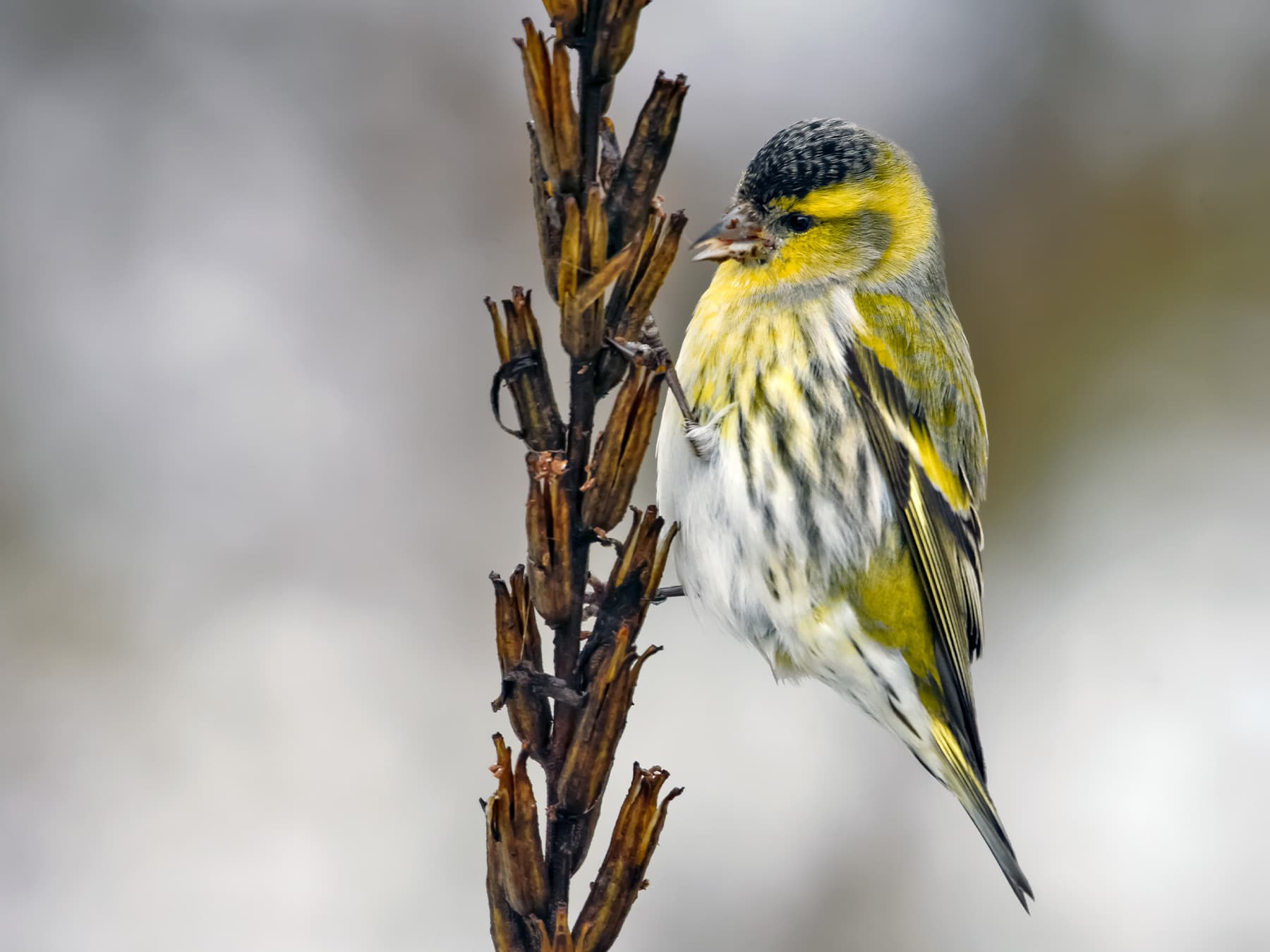
Eurasian Siskin
Spinus spinusLC
An uncommon resident breeding in conifer forests. Visits garden feeders in winter, especially near woodland.
Year-round
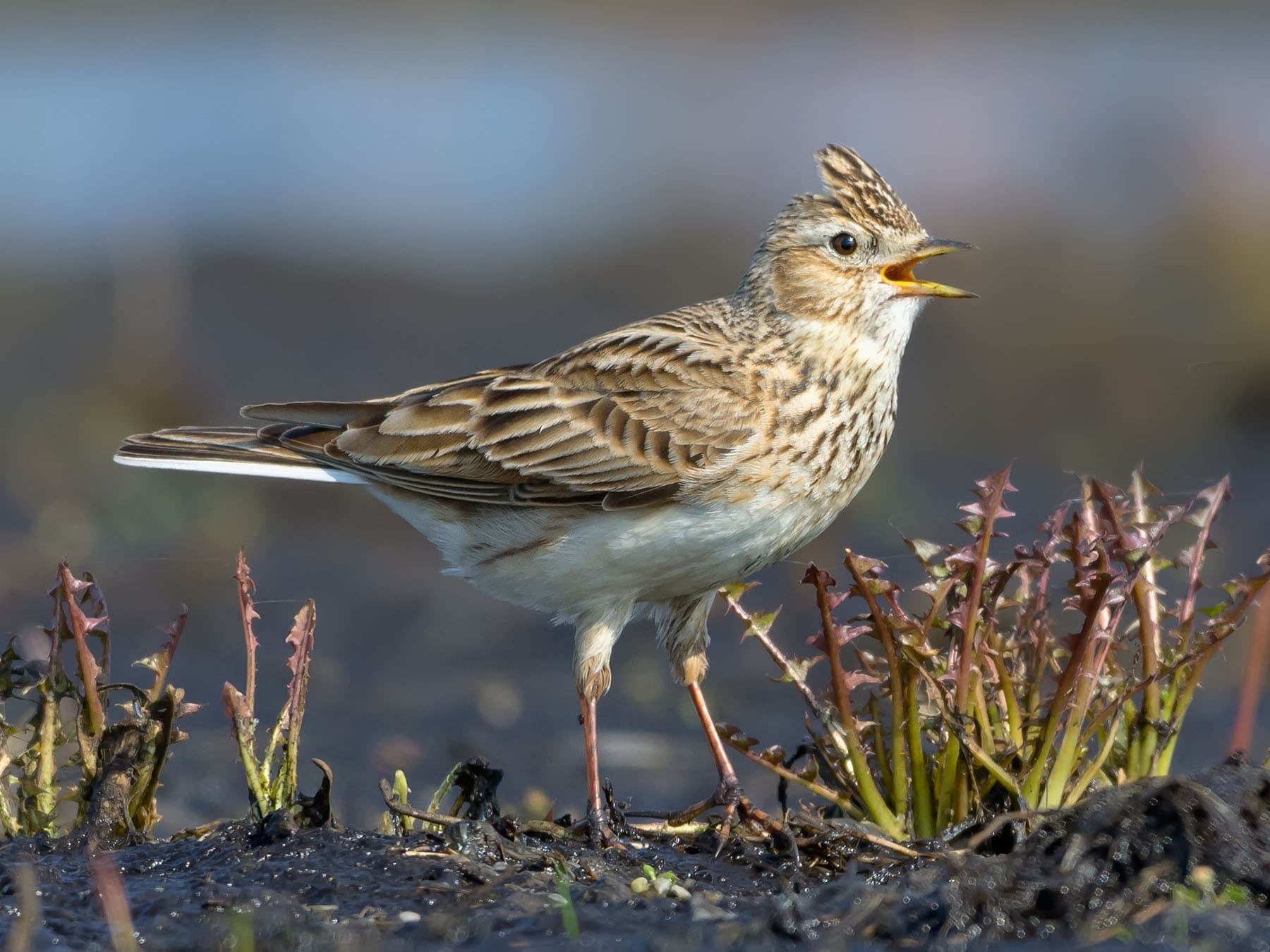
Eurasian Skylark
Alauda arvensisLC
A common resident of open farmland and moorland fringes, delivering its soaring song flight from early spring across the county's uplands.
Year-round
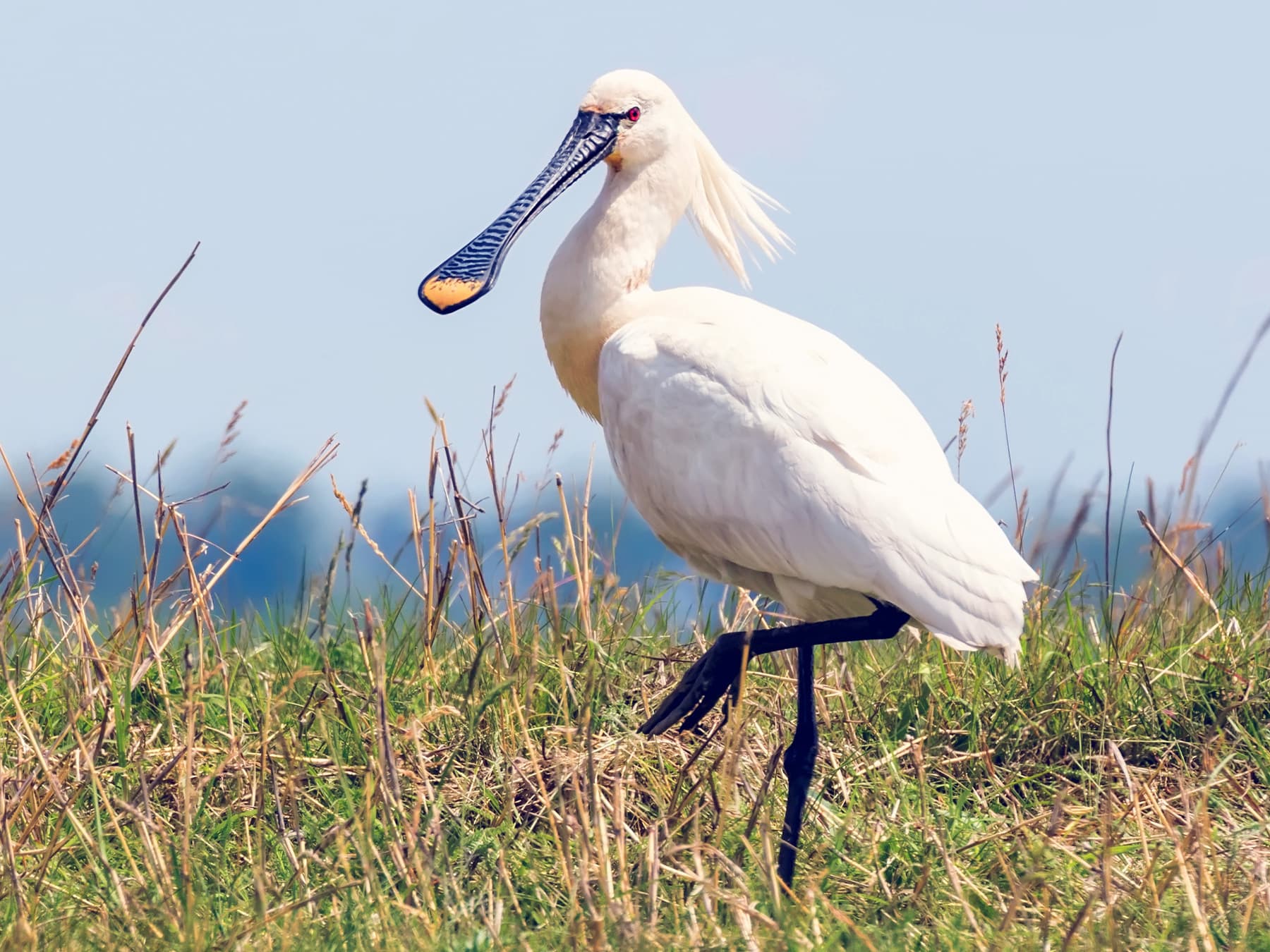
Eurasian Spoonbill
Platalea leucorodiaLC
A rare breeding visitor from March to September, part of a recent northward expansion. Occasionally seen at coastal wetlands and estuaries.
Mar–Sep
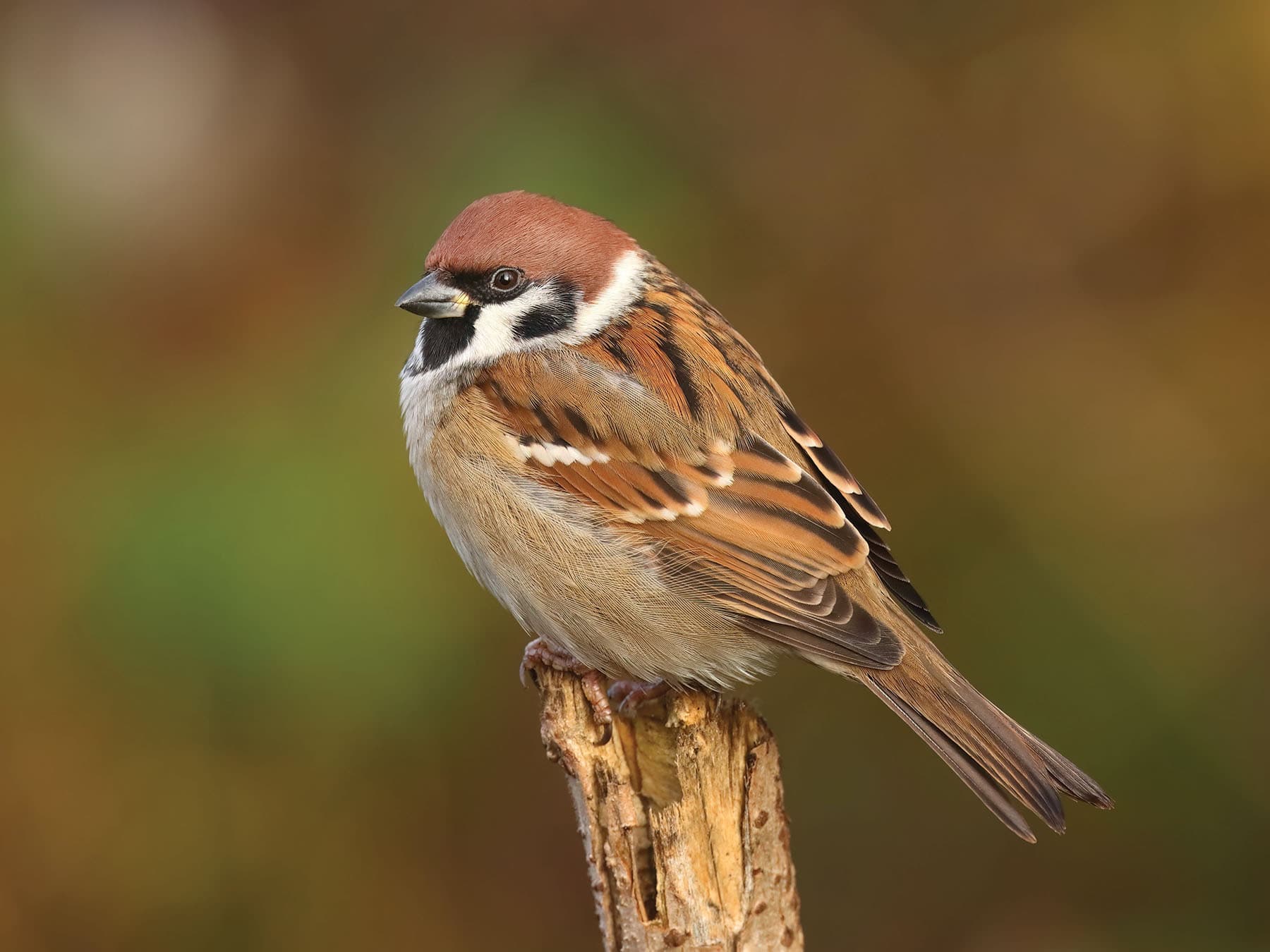
Eurasian Tree Sparrow
Passer montanusLC
An uncommon year-round resident, often found around farmyards and rural edges, less tied to human habitation than its commoner cousin.
Year-round
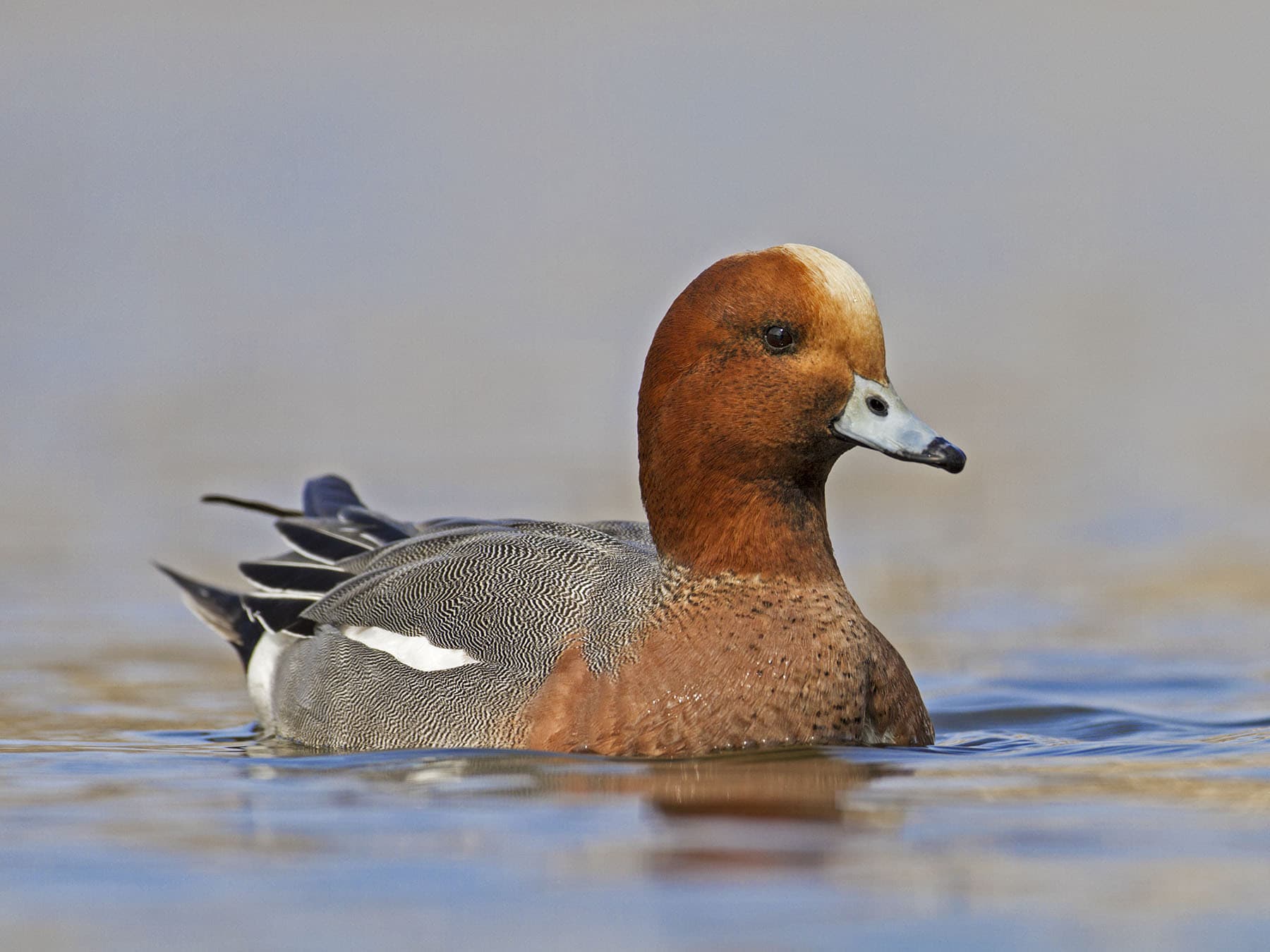
Eurasian Wigeon
Mareca penelopeLC
Common and widespread on coastal marshes, flooded fields and reservoirs. Large winter flocks gather at Lindisfarne and other key Northumberland wetlands.
Year-round
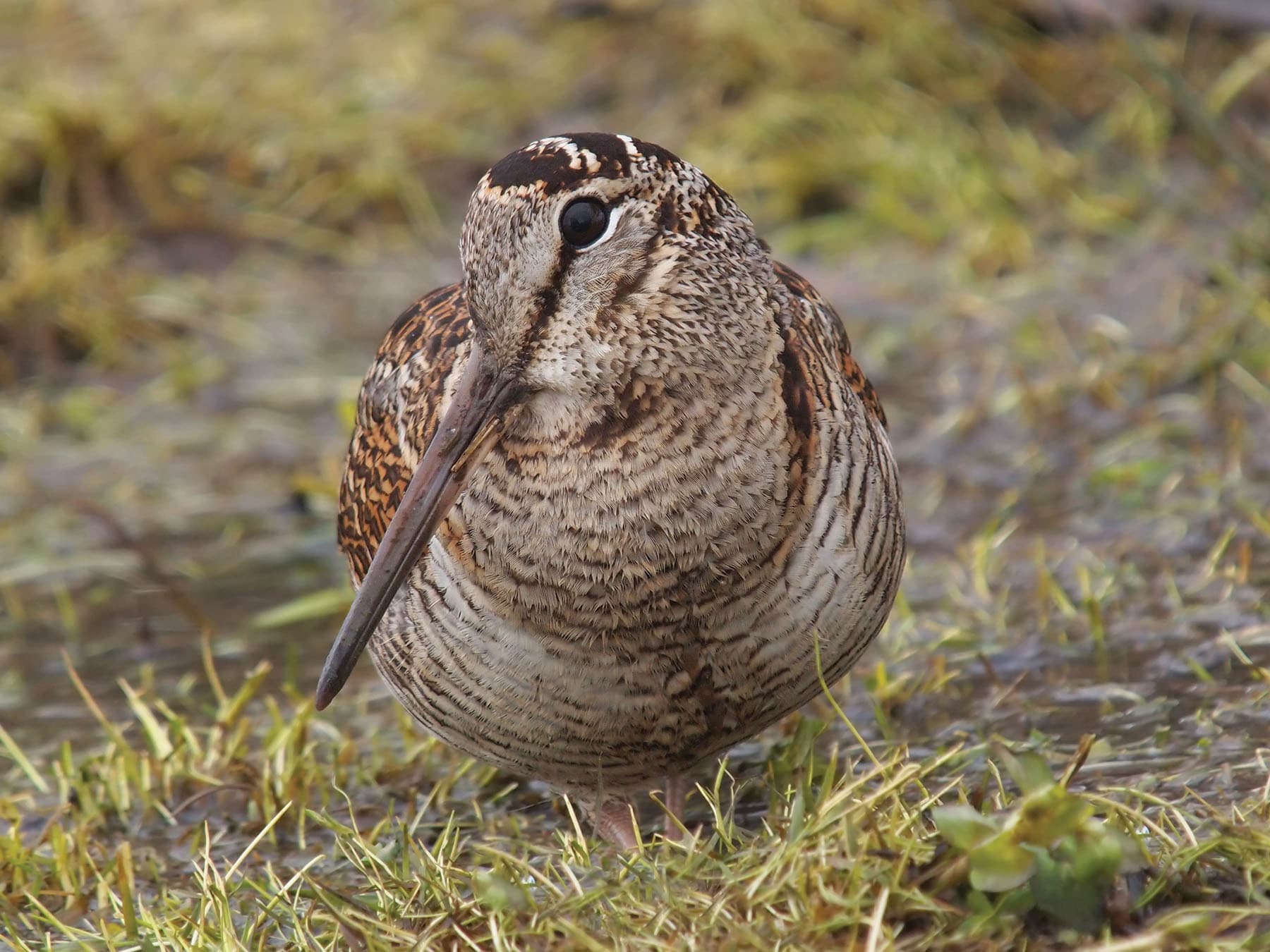
Eurasian Woodcock
Scolopax rusticolaLC
A secretive resident of damp woodland, best seen during roding display flights at dusk over Kielder and other forests.
Oct–Jun
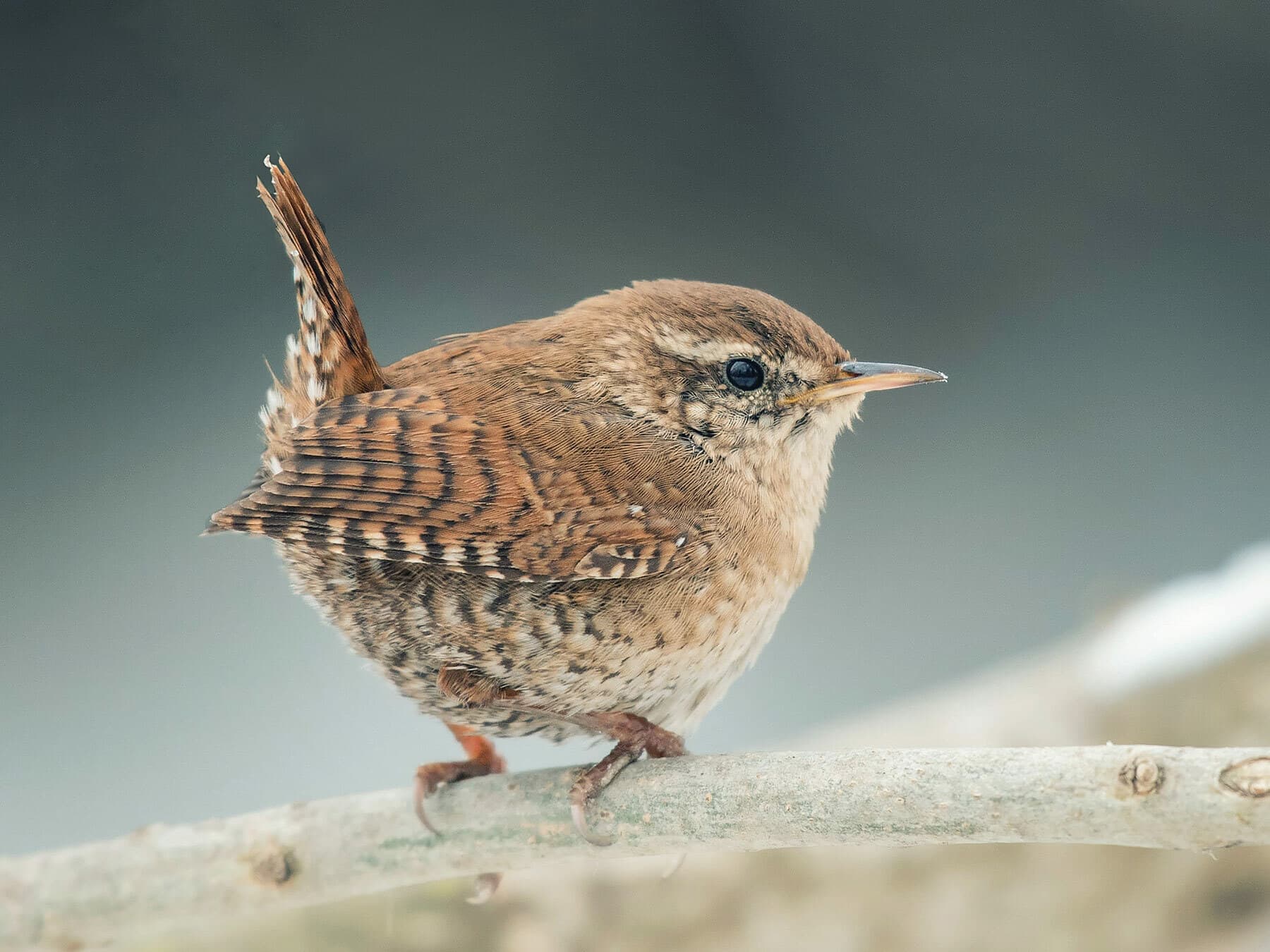
Eurasian Wren
Troglodytes troglodytesLC
A common resident found in hedgerows, gardens, and woodland throughout the county. Its loud song belies its tiny size.
Year-round
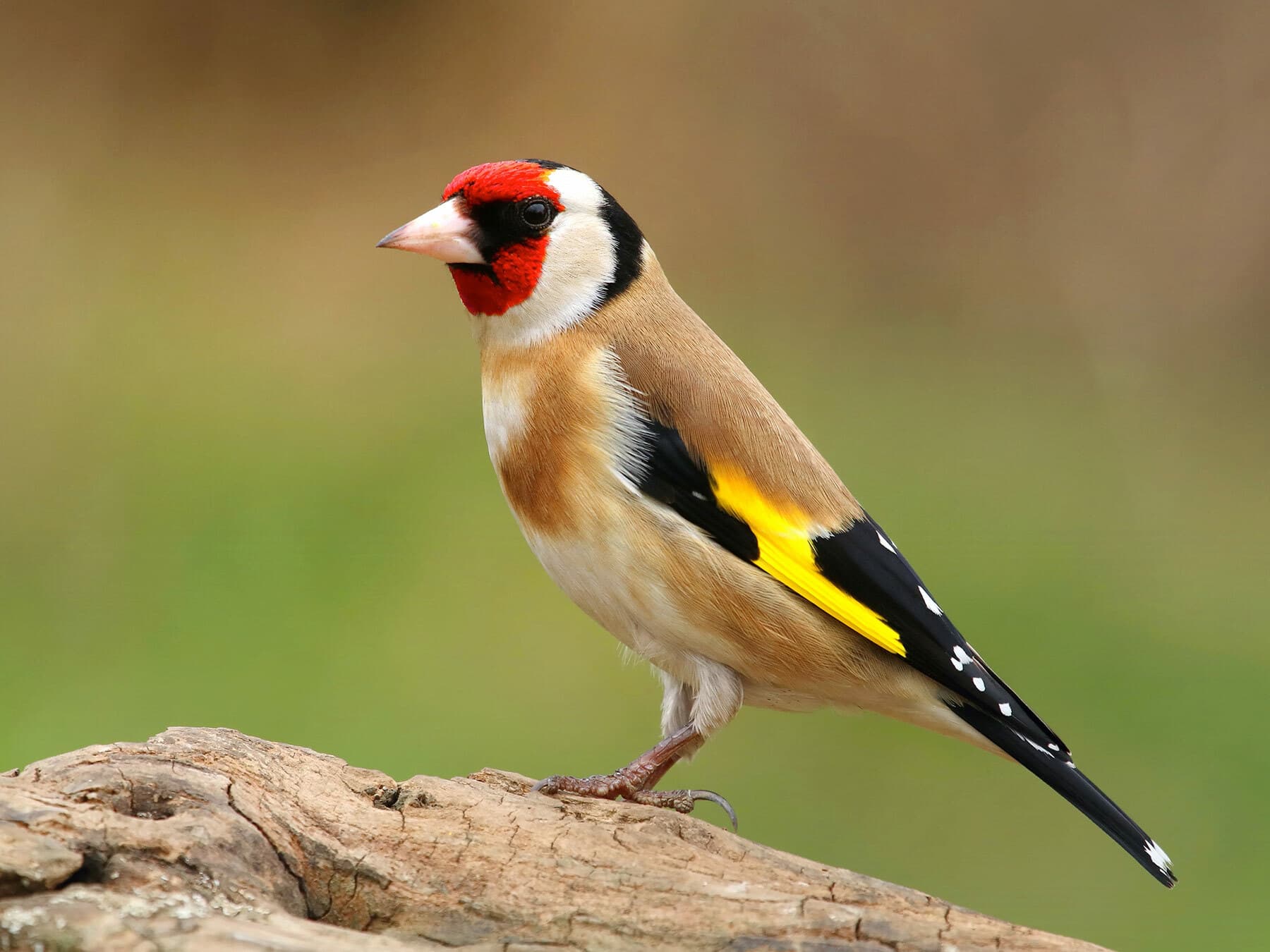
European Goldfinch
Carduelis carduelisLC
A colourful and common resident, frequently seen in chattering flocks feeding on teasel, thistle, and garden nyjer seed feeders.
Year-round