Birds in Northumberland
Explore 230 species found in this region.
Northumberland is one of England's most rewarding counties for birdwatching, with 218 recorded species found across its diverse landscapes of rugged coastline, upland moors, ancient woodlands, and estuarine mudflats. From the Farne Islands' famous seabird colonies to the high Cheviot Hills where Dotterel and Horned Lark breed, the county offers exceptional birding throughout the year. Notable species include Great Grey Shrike on winter heathlands, Eurasian Woodcock in dense woodland, and the striking Mandarin Duck along sheltered river valleys.
Visiting in August? Look out for Brent Goose and European Pied Flycatcher arriving this month, and Barnacle Goose and Long-eared Owl depart for the season.


Showing 24–46 of 230 species
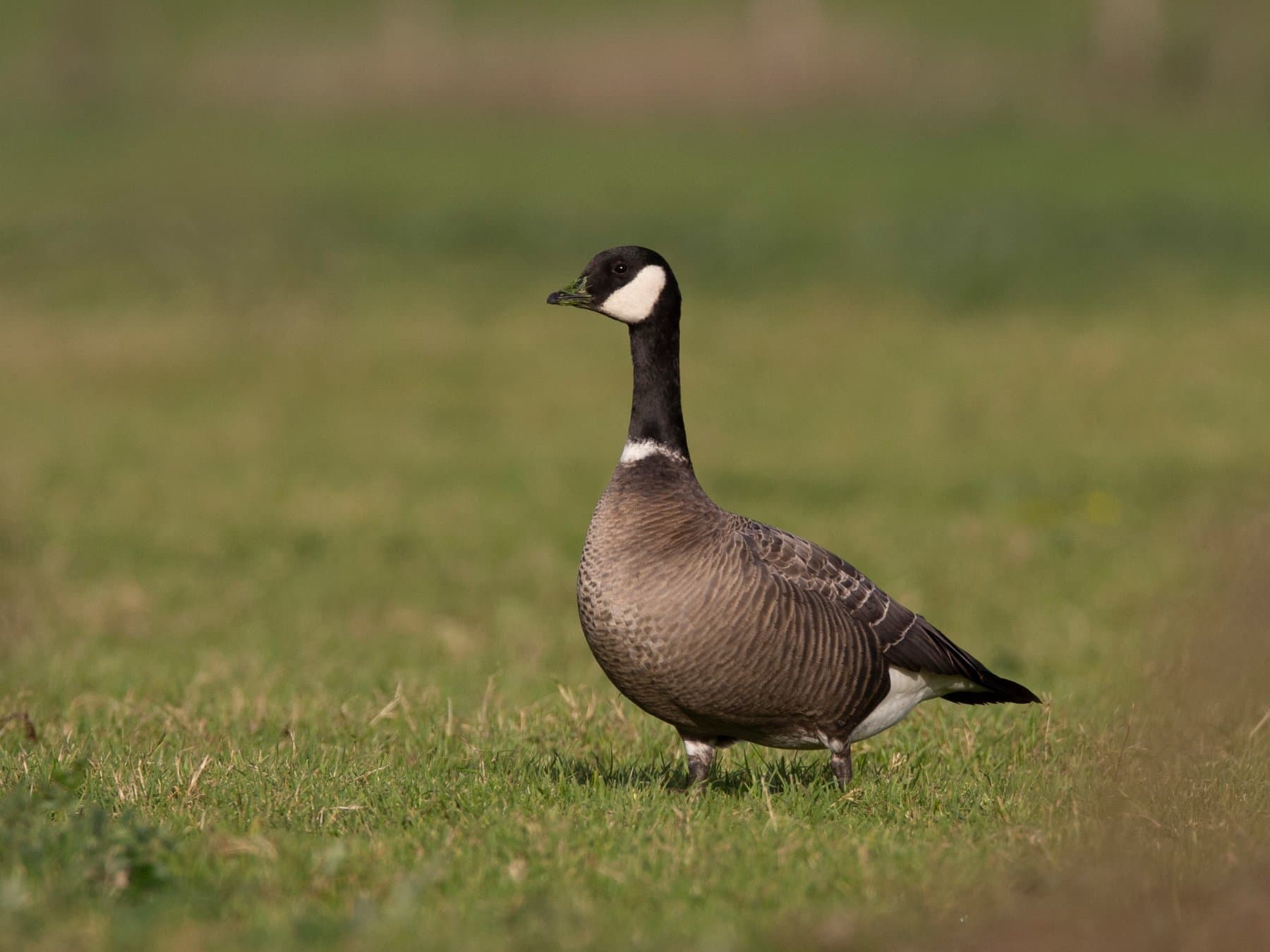
Cackling Goose
Branta hutchinsiiLC
An extremely rare vagrant from North America, with occasional March records among wintering goose flocks. Careful separation from Barnacle Goose is required.
Mar
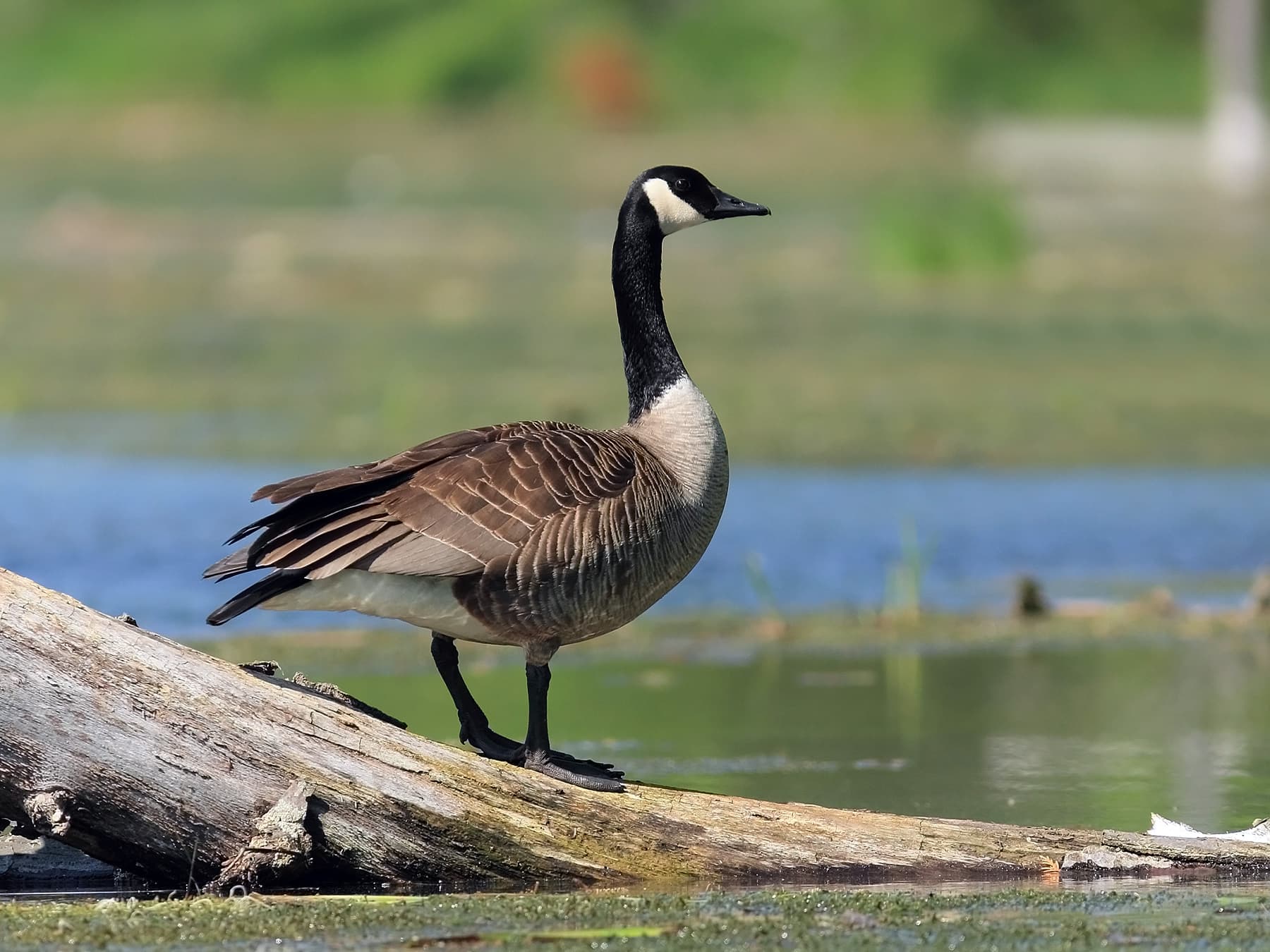
Canada Goose
Branta canadensisLC
A common resident found year-round on lakes, reservoirs and parkland throughout Northumberland. Often seen in large flocks on grassy fields.
Year-round
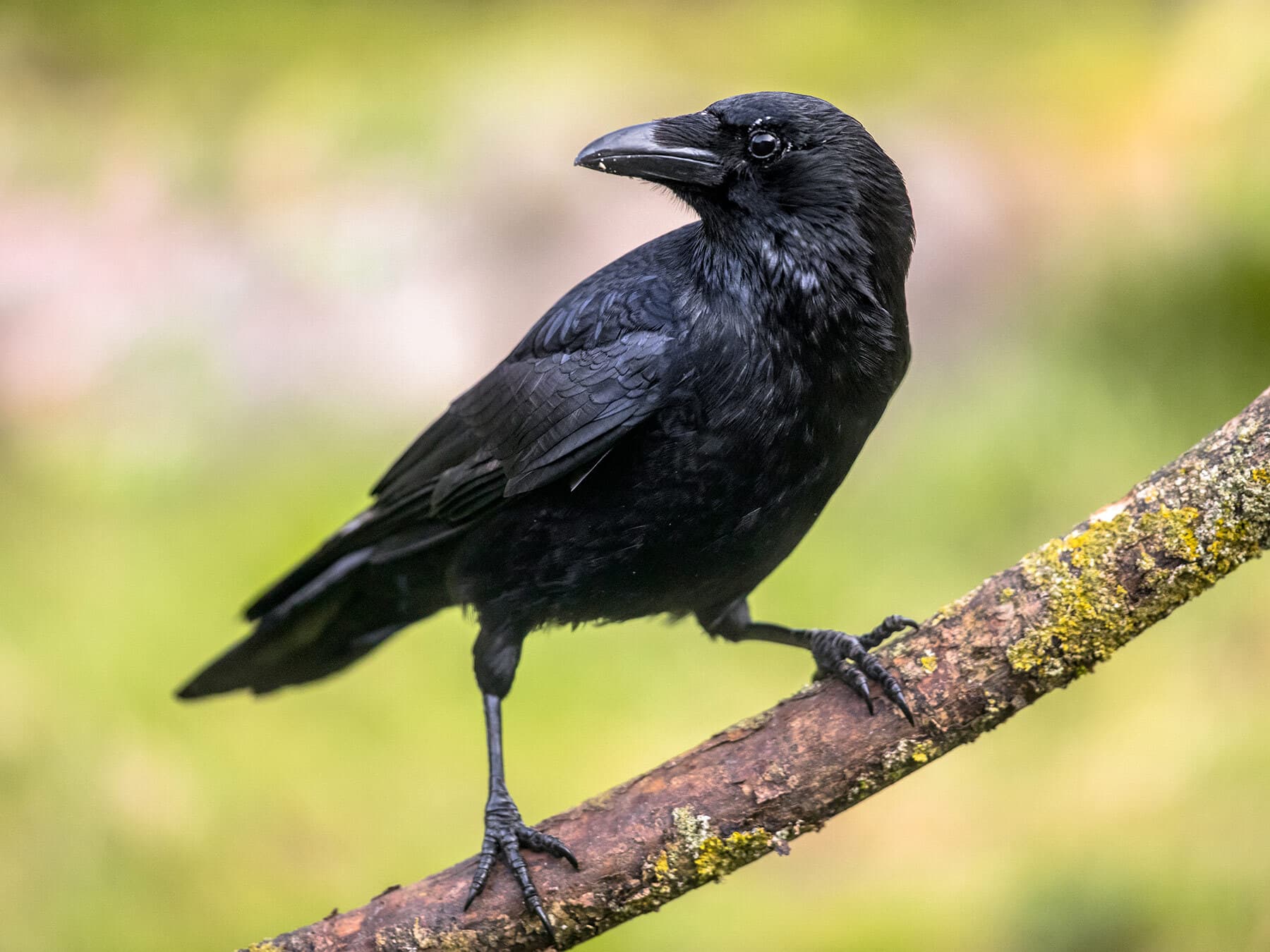
Carrion Crow
Corvus coroneLC
A common and familiar resident across farmland, towns, and gardens year-round. Often seen in mixed flocks with rooks and jackdaws.
Year-round
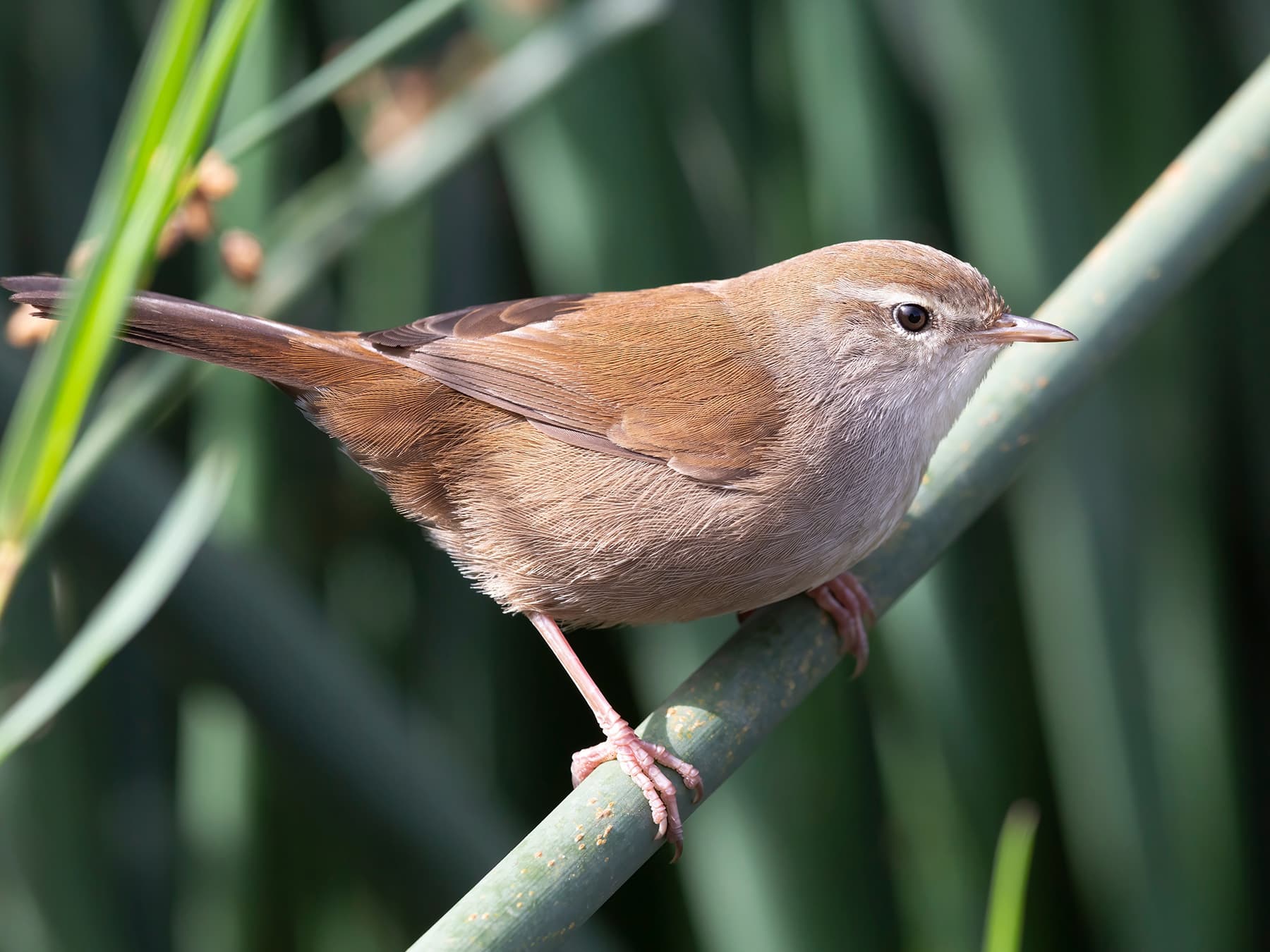
Cetti's Warbler
Cettia cettiLC
A rare resident at the northern fringe of its expanding British range, skulking in dense waterside vegetation and betrayed by its explosive song.
Year-round
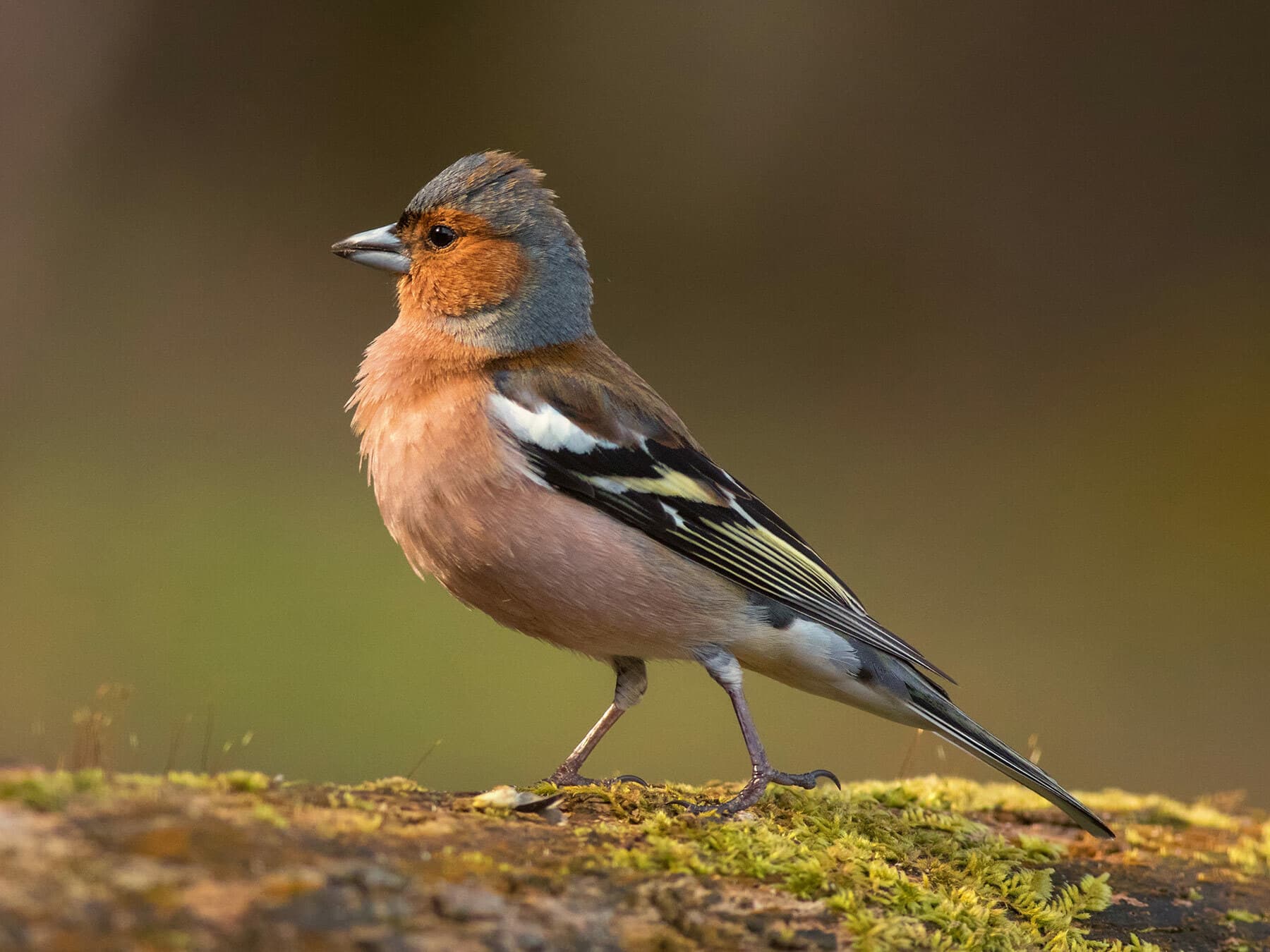
Chaffinch
Fringilla coelebsLC
A common resident of woodland, hedgerows, and gardens. Autumn flocks are swelled by Continental migrants on the coast.
Year-round
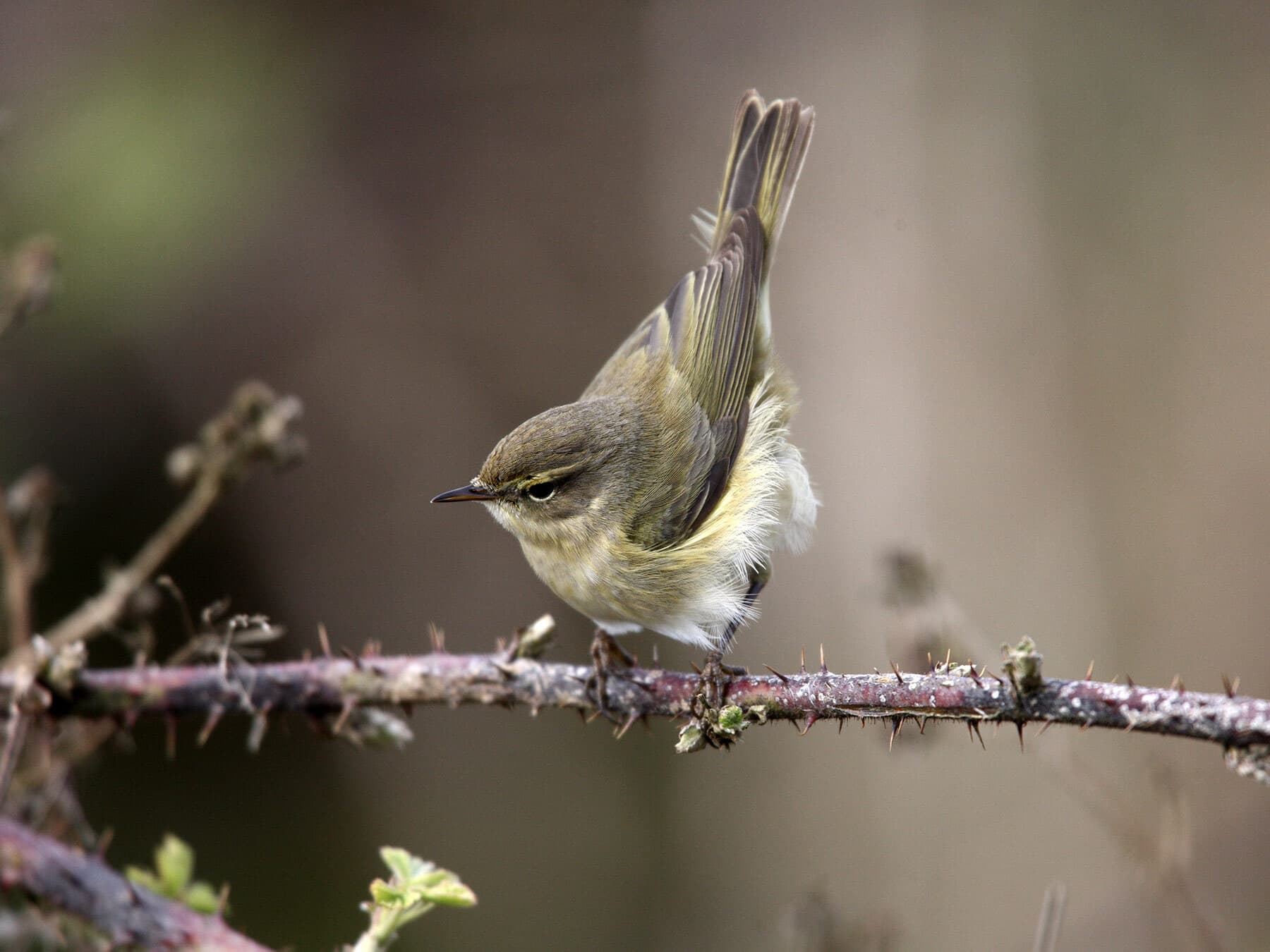
Chiffchaff
Phylloscopus collybitaLC
A common resident heard singing its repetitive two-note call in woodlands and scrub. Some birds overwinter in sheltered coastal areas.
Mar–Dec
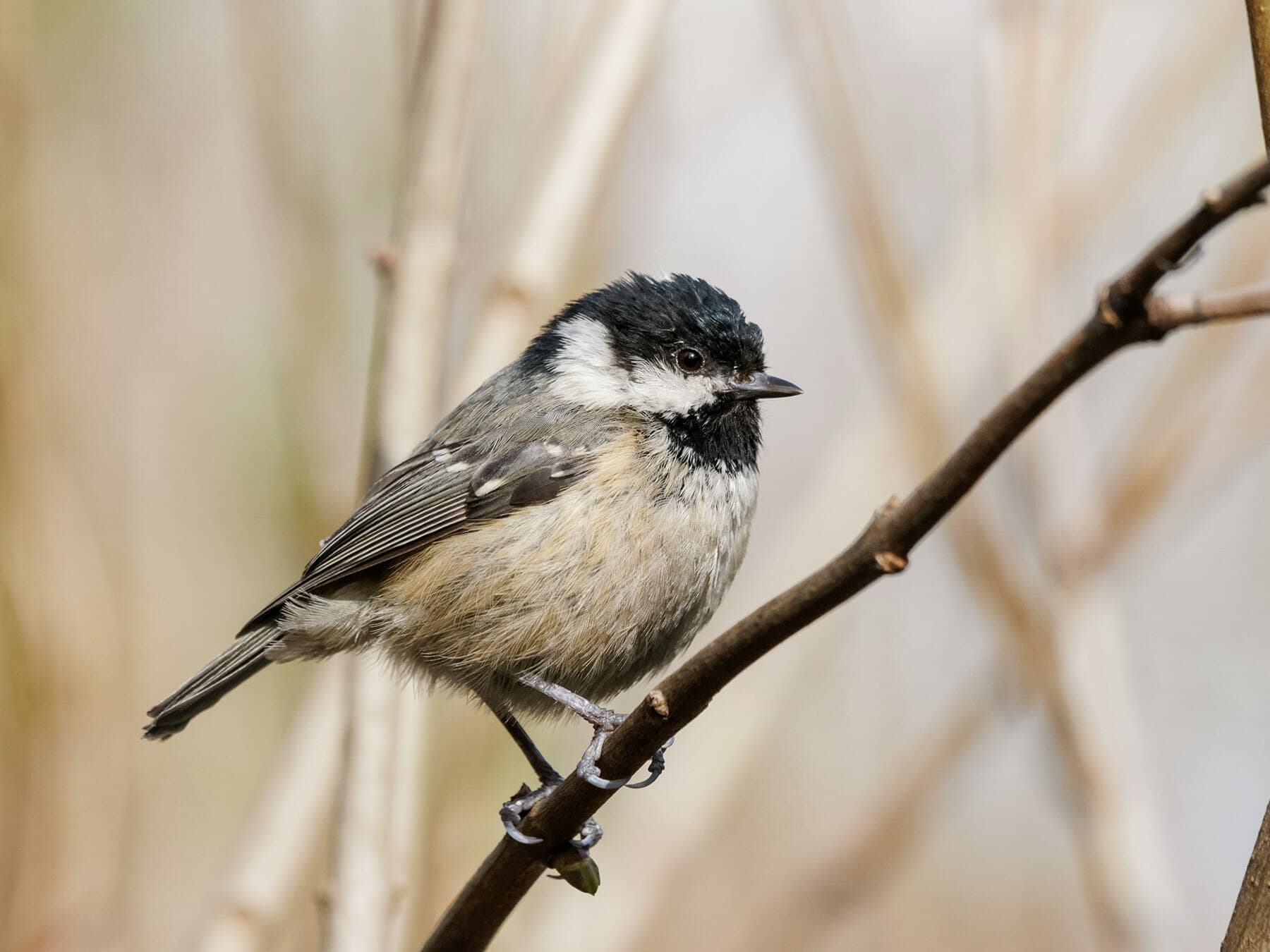
Coal Tit
Periparus aterLC
A year-round resident favouring conifer plantations such as Kielder Forest and mixed woodland, often visiting garden feeders in winter.
Year-round
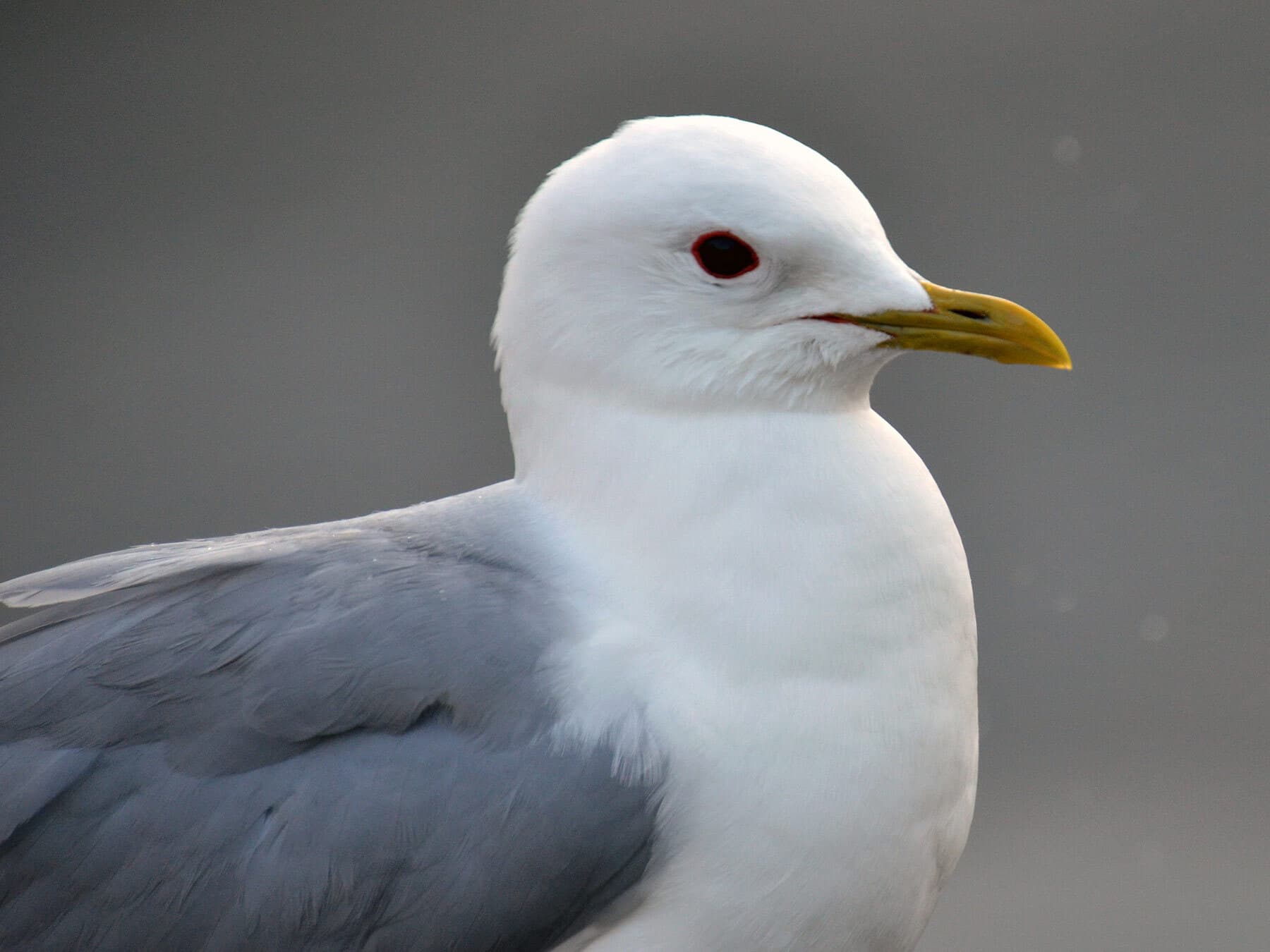
Common Gull
Larus canusLC
A common resident found year-round on farmland, coasts, and playing fields. Often seen alongside other gulls at harbours and tips.
Year-round
Spotted something?
Upload a photo to identify it
Identify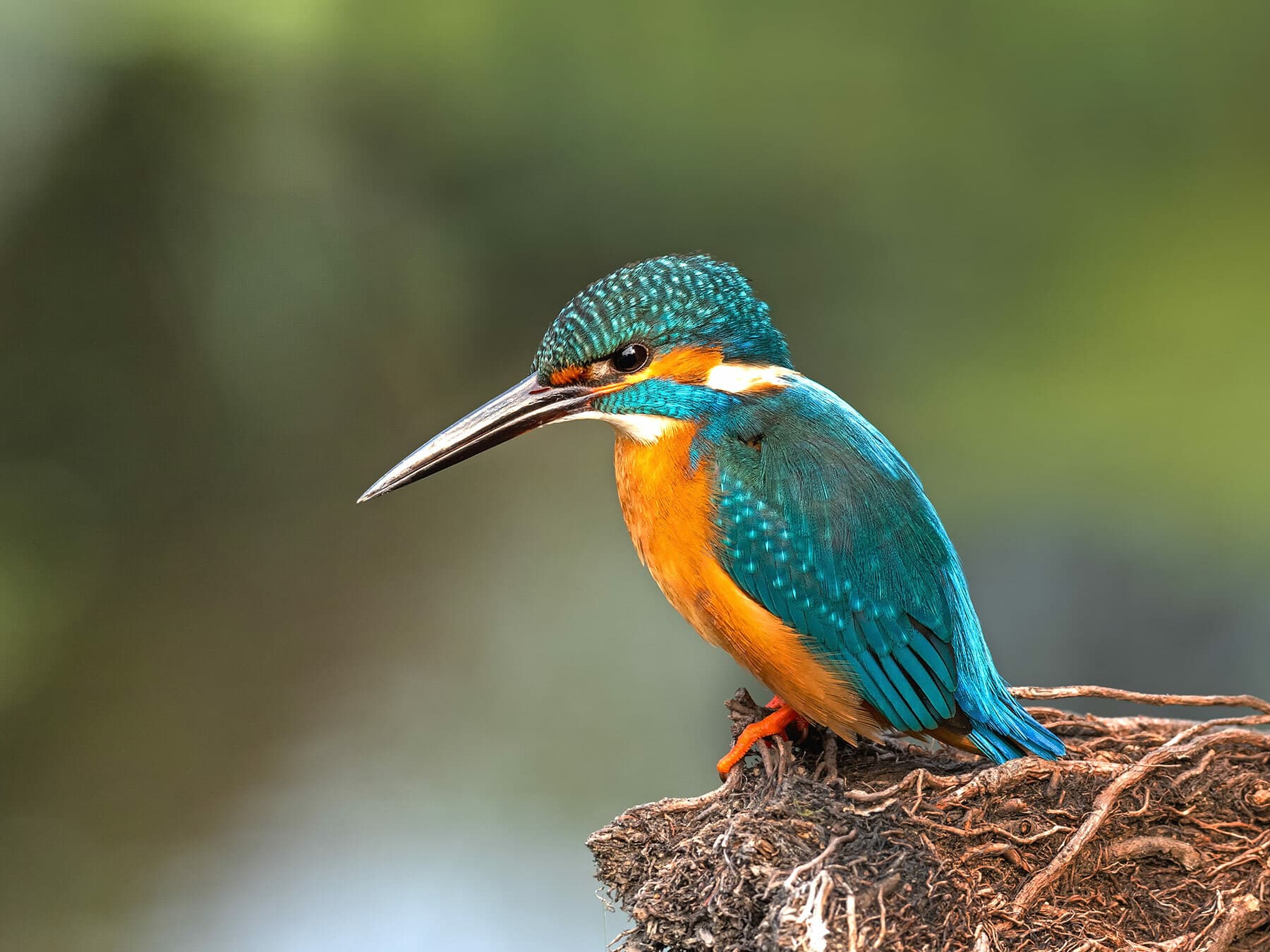
Common Kingfisher
Alcedo atthisLC
A rare non-breeding visitor, occasionally seen along sheltered rivers and streams. Most likely from late summer through winter.
Jul–Feb
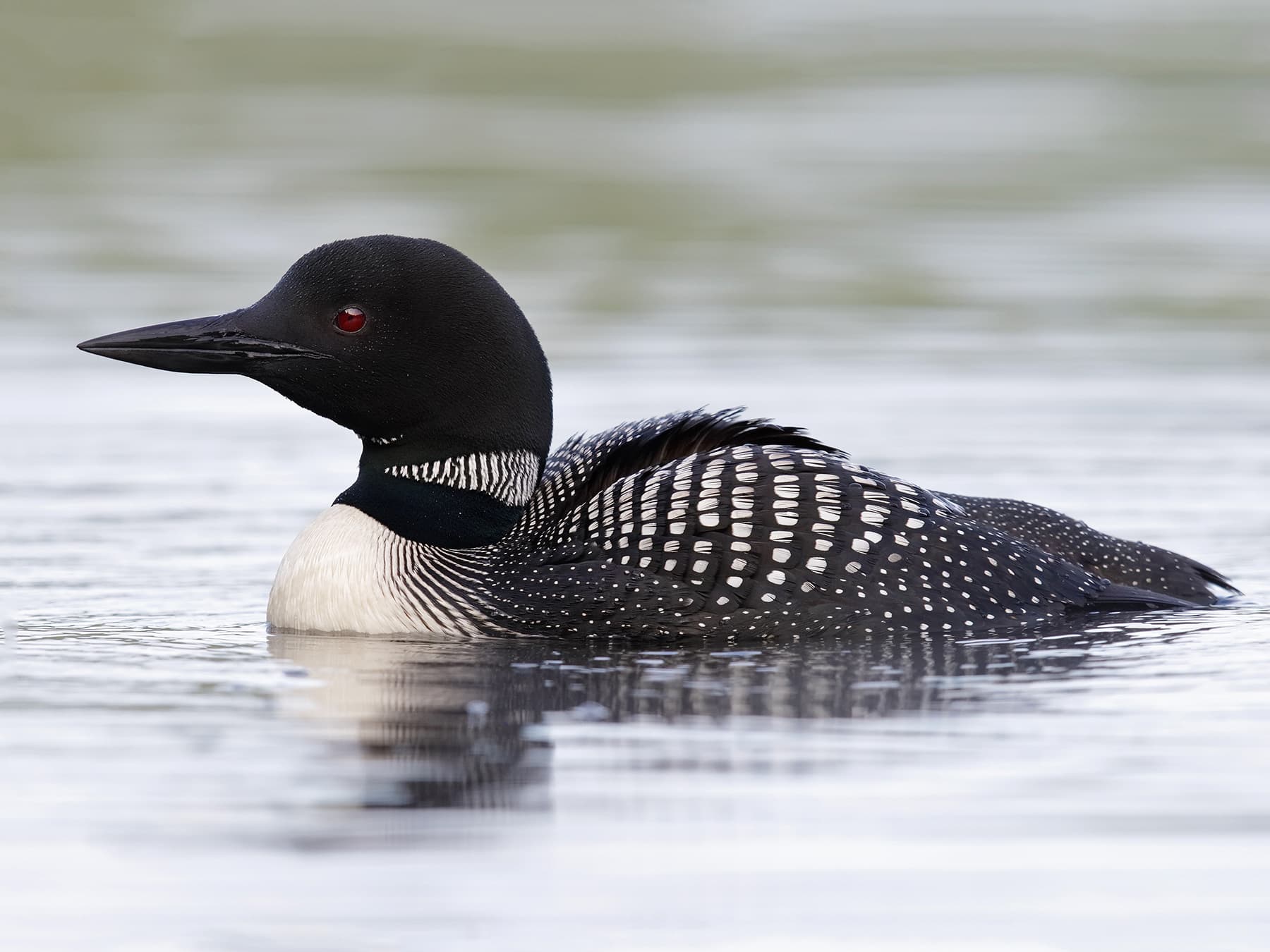
Common Loon
Gavia immerLC
A rare non-breeding visitor to coastal waters from autumn through to spring, occasionally lingering in sheltered bays and harbours.
Sep–Mar
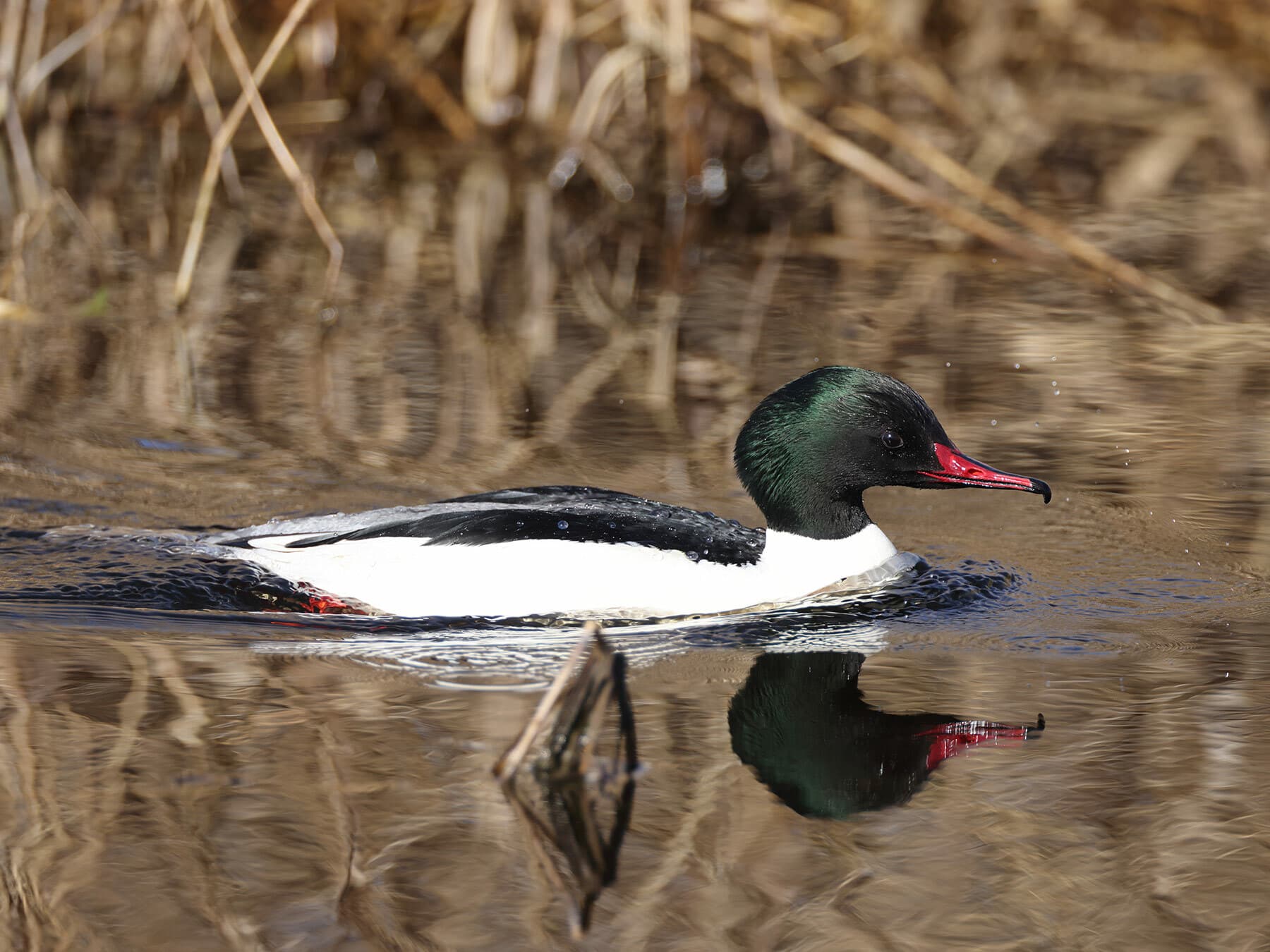
Common Merganser
Mergus merganserLC
An uncommon resident breeding along upland rivers such as the Tyne and Coquet. More widespread in winter when birds move to lowland waters.
Year-round
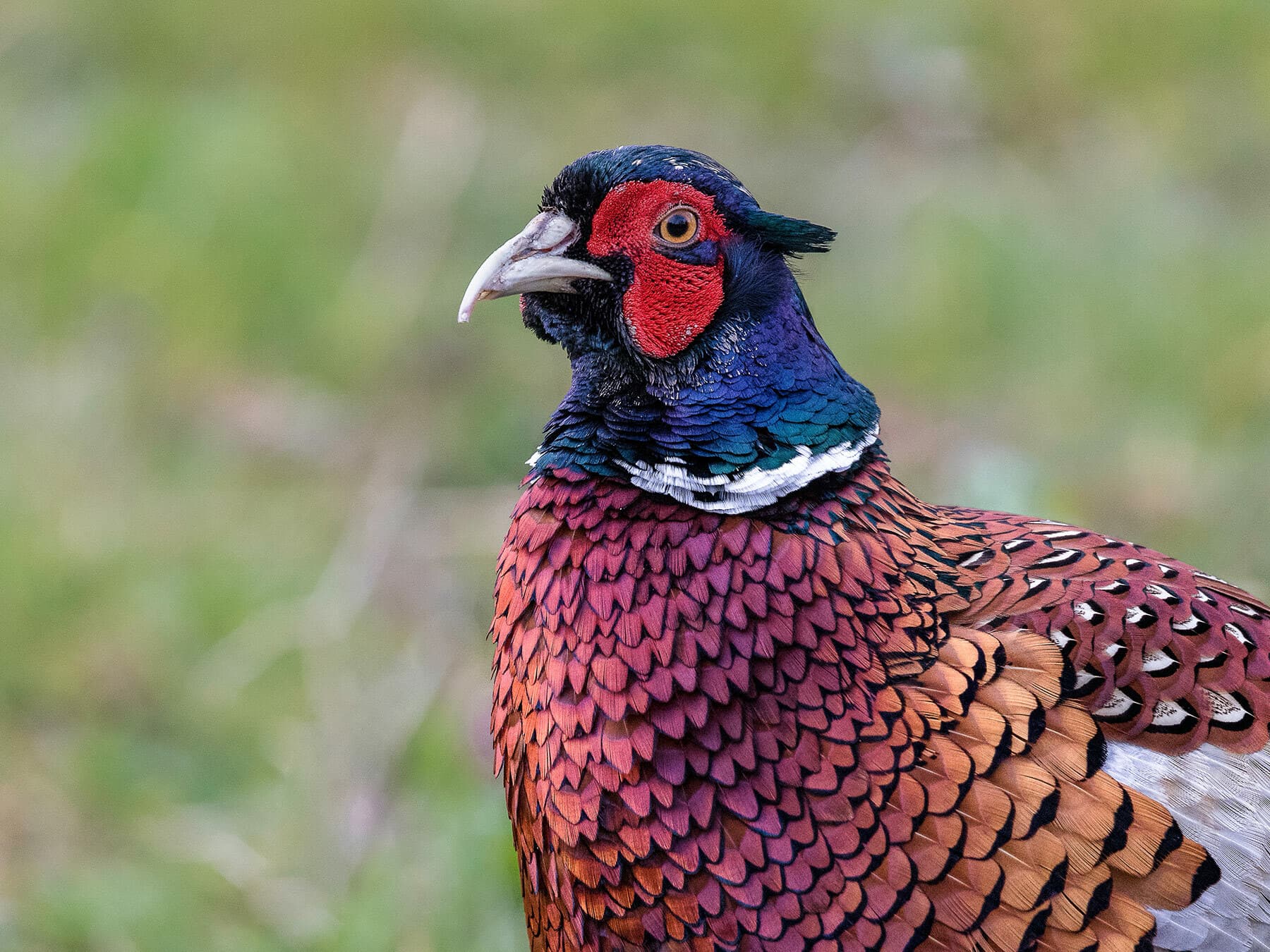
Common Pheasant
Phasianus colchicusLC
Widespread and common across farmland, woodland edges, and hedgerows year-round. Populations bolstered by regular releases for shooting.
Year-round
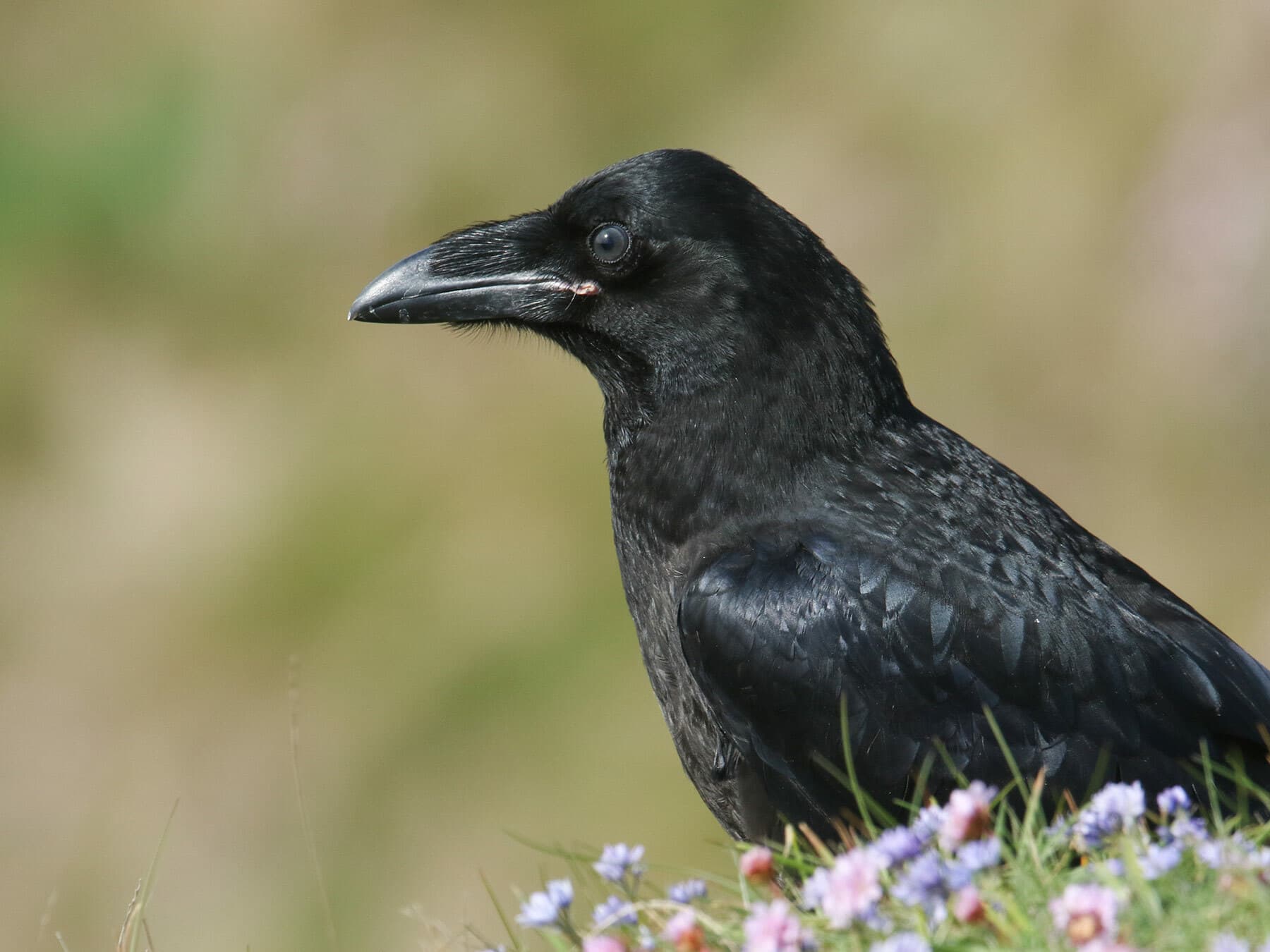
Common Raven
Corvus coraxLC
A rare but increasing resident, favouring upland crags and moorland. Its deep croaking call carries far across the Cheviot Hills.
Year-round
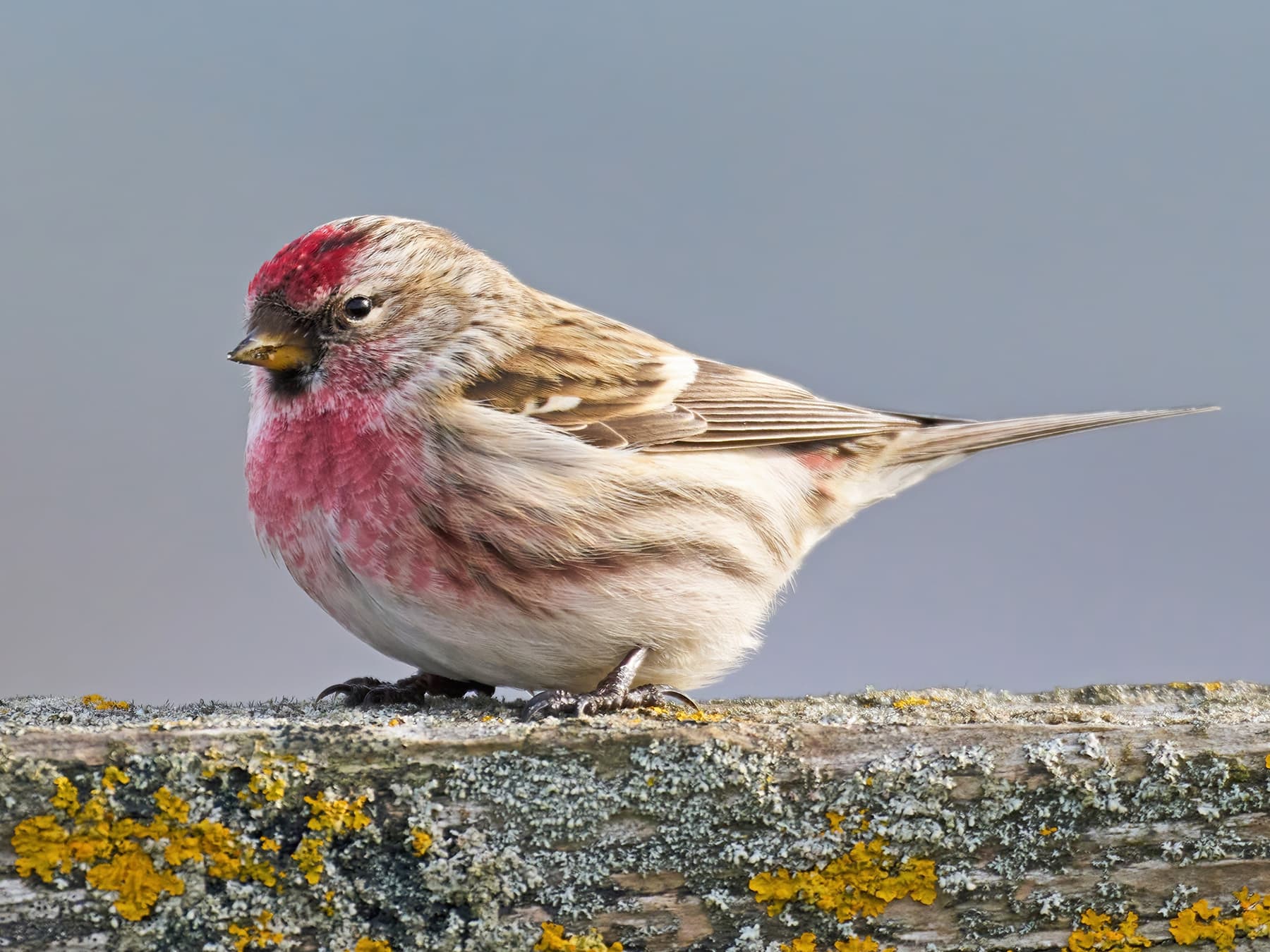
Common Redpoll
Acanthis flammeaLC
A rare year-round resident, favouring birch and alder woodland. Small flocks may visit garden feeders in winter.
Year-round
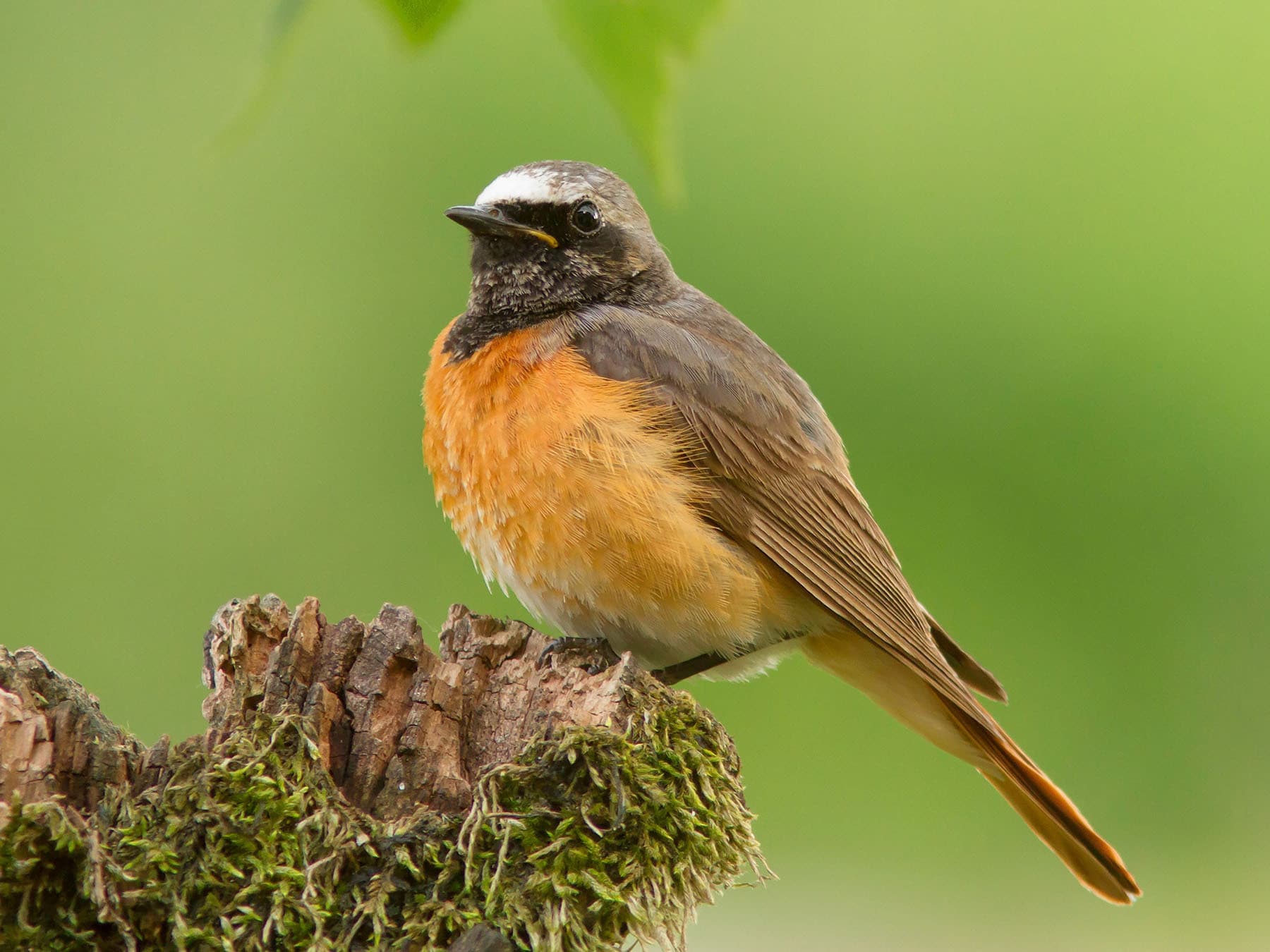
Common Redstart
Phoenicurus phoenicurusLC
A rare summer breeder in mature oak woodland, particularly in the upland valleys. Males are strikingly colourful.
Apr–Oct
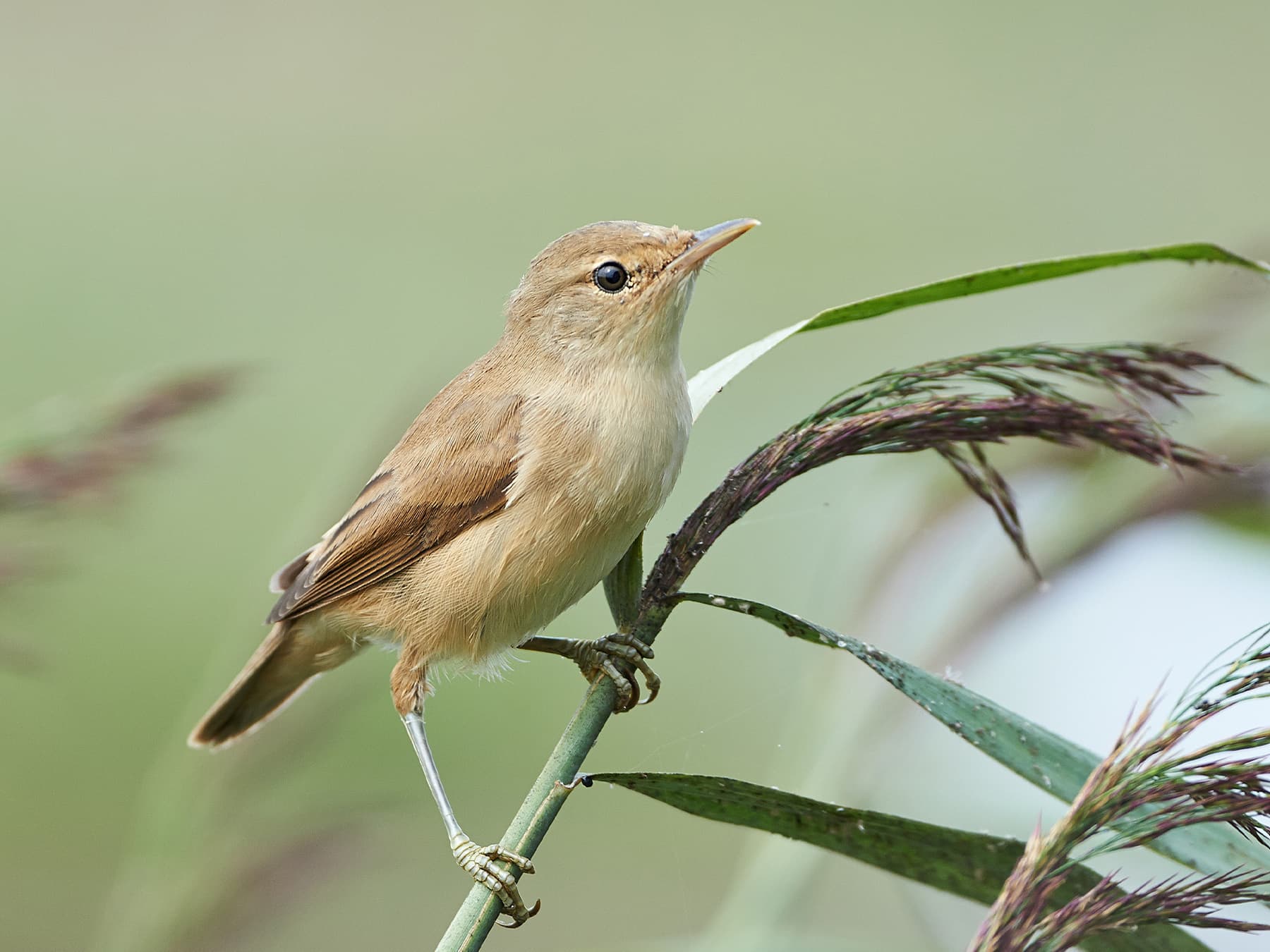
Common Reed-warbler
Acrocephalus scirpaceusLC
An uncommon summer breeder arriving from April, found in reedbeds at sites like Druridge Bay pools. Near the northern edge of its UK range.
Apr–Sep
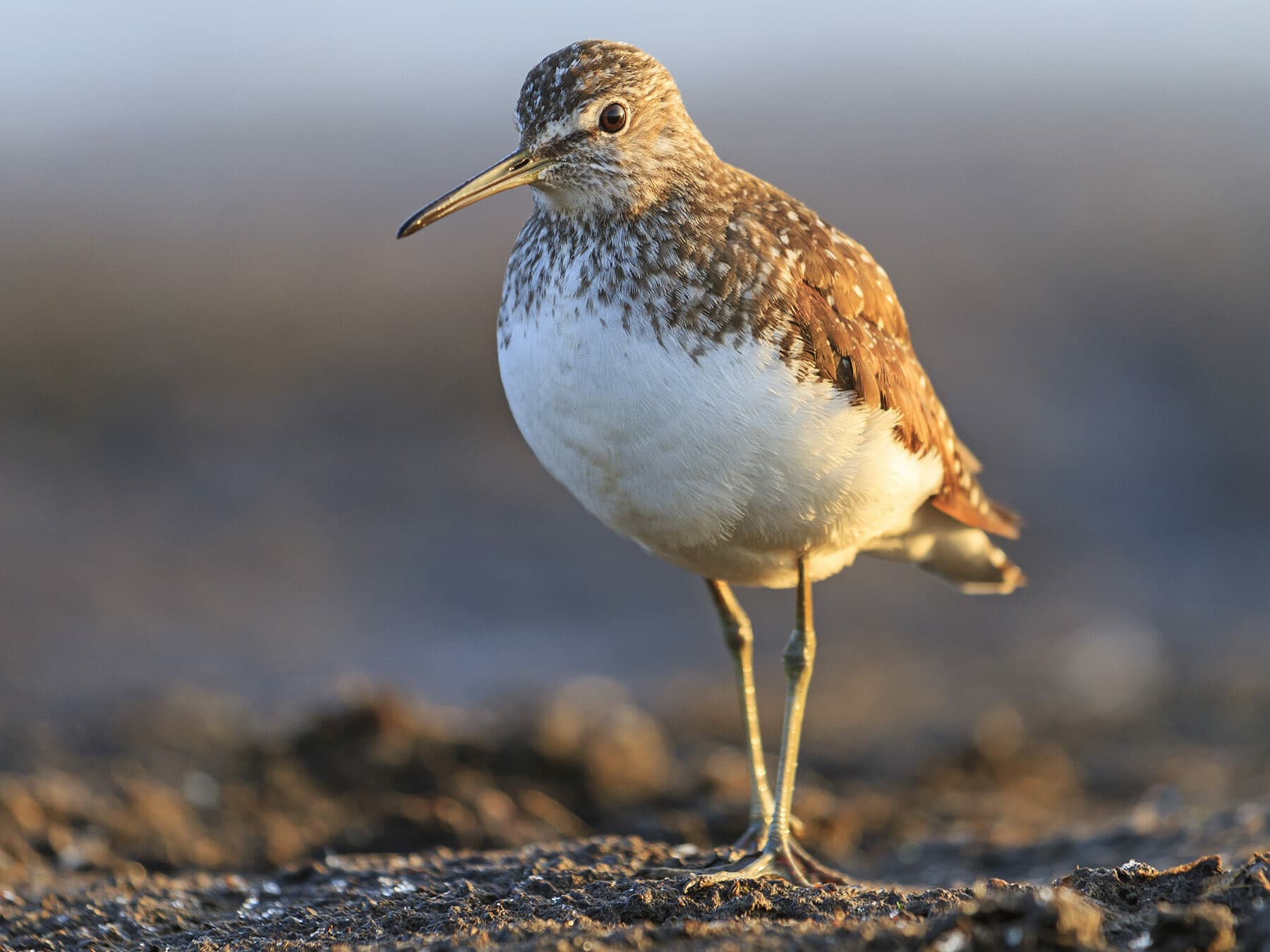
Common Sandpiper
Actitis hypoleucosLC
An uncommon breeding visitor, bobbing along upland rivers and reservoir edges from April to September. Listen for its shrill call over Kielder and the North Tyne.
Apr–Sep
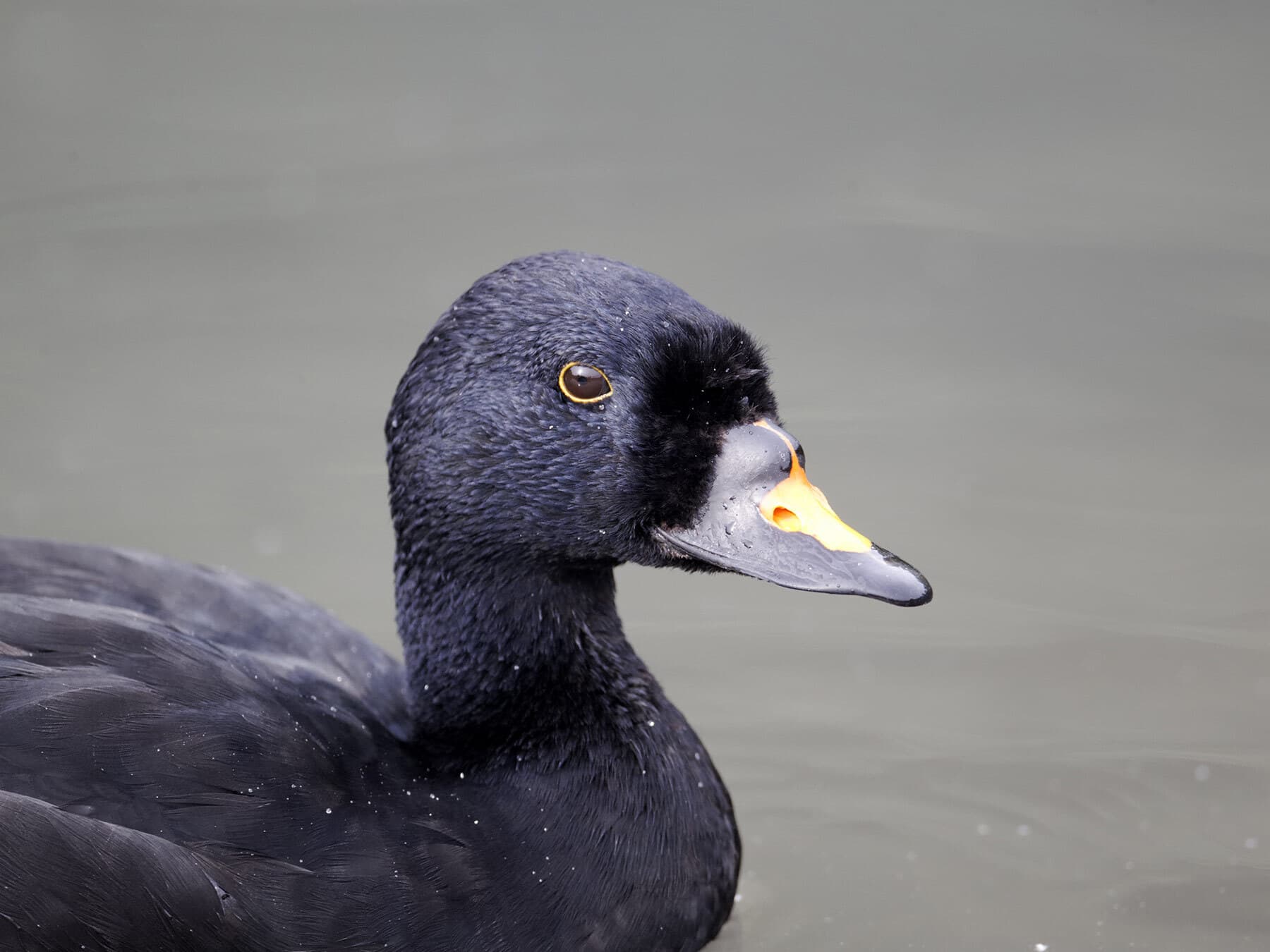
Common Scoter
Melanitta nigraLC
Uncommon but present year-round in offshore waters. Dark flocks can be seen from coastal vantage points, sometimes in sizeable rafts during winter.
Year-round
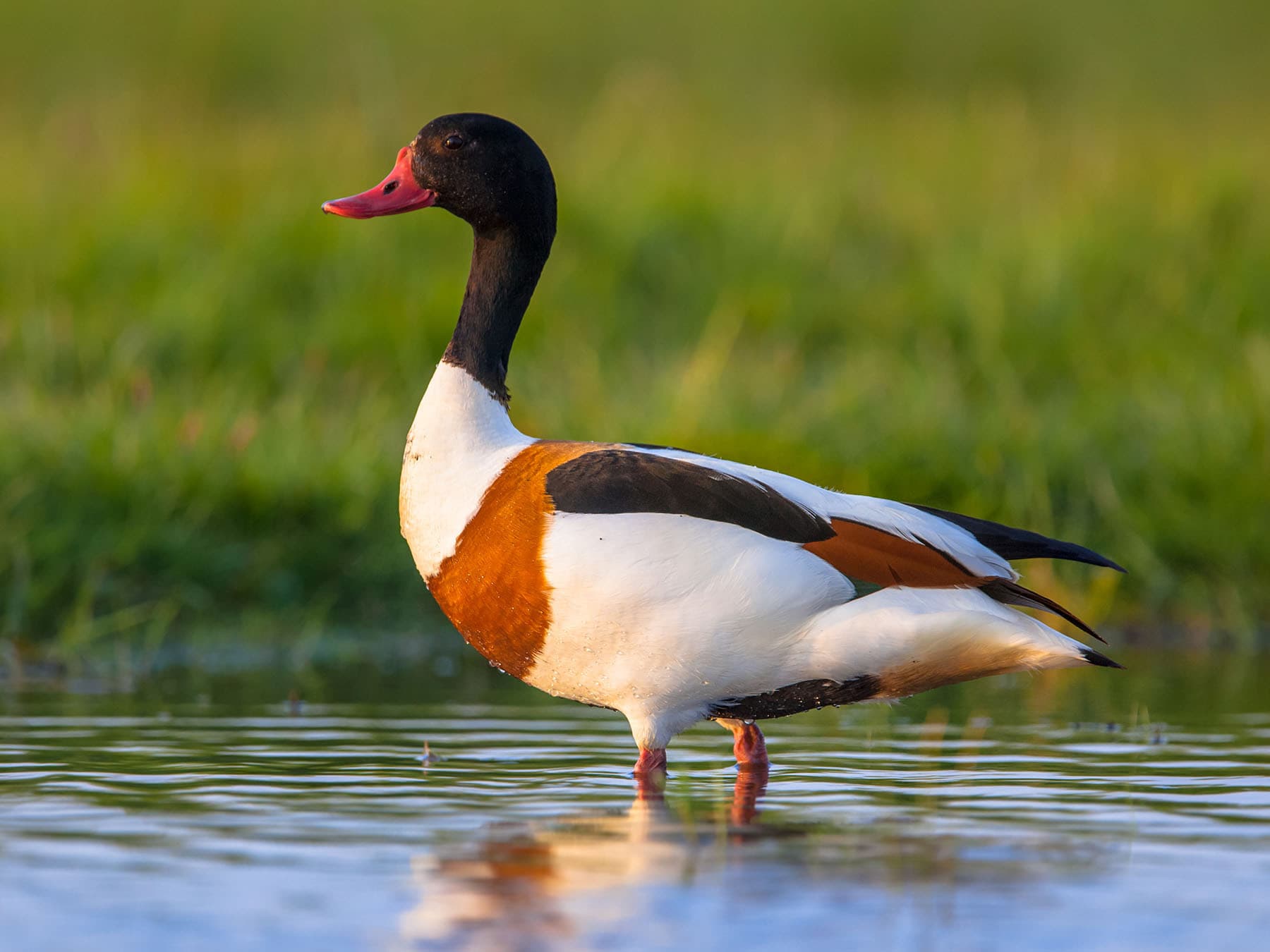
Common Shelduck
Tadorna tadornaLC
A common resident of Northumberland's estuaries and sandy coasts, often nesting in rabbit burrows. Readily seen at Lindisfarne and Budle Bay.
Year-round
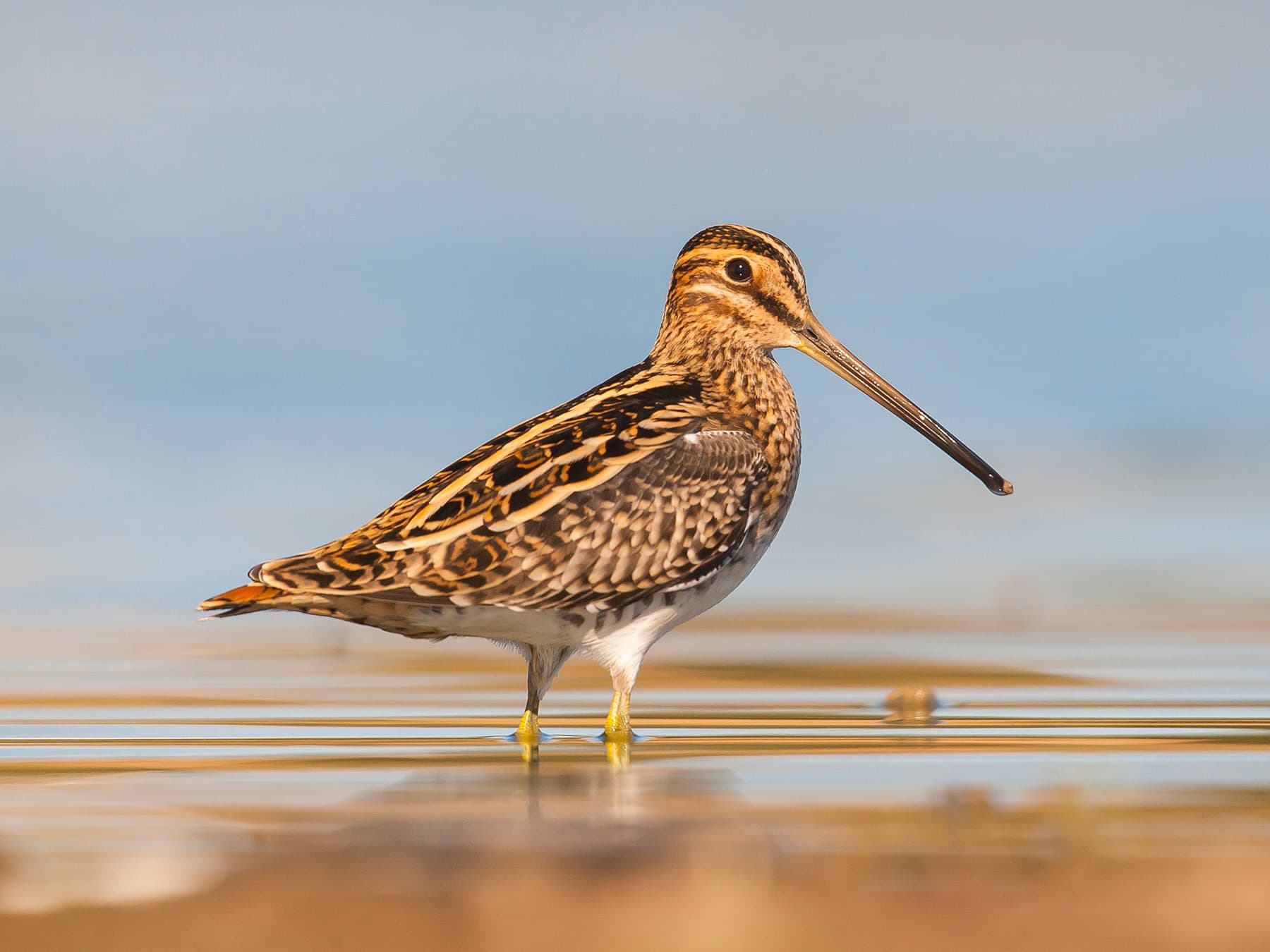
Common Snipe
Gallinago gallinagoLC
Resident in wet grasslands, moorland bogs and rushy fields across the county. Its drumming display flight is a characteristic sound of upland Northumberland.
Year-round
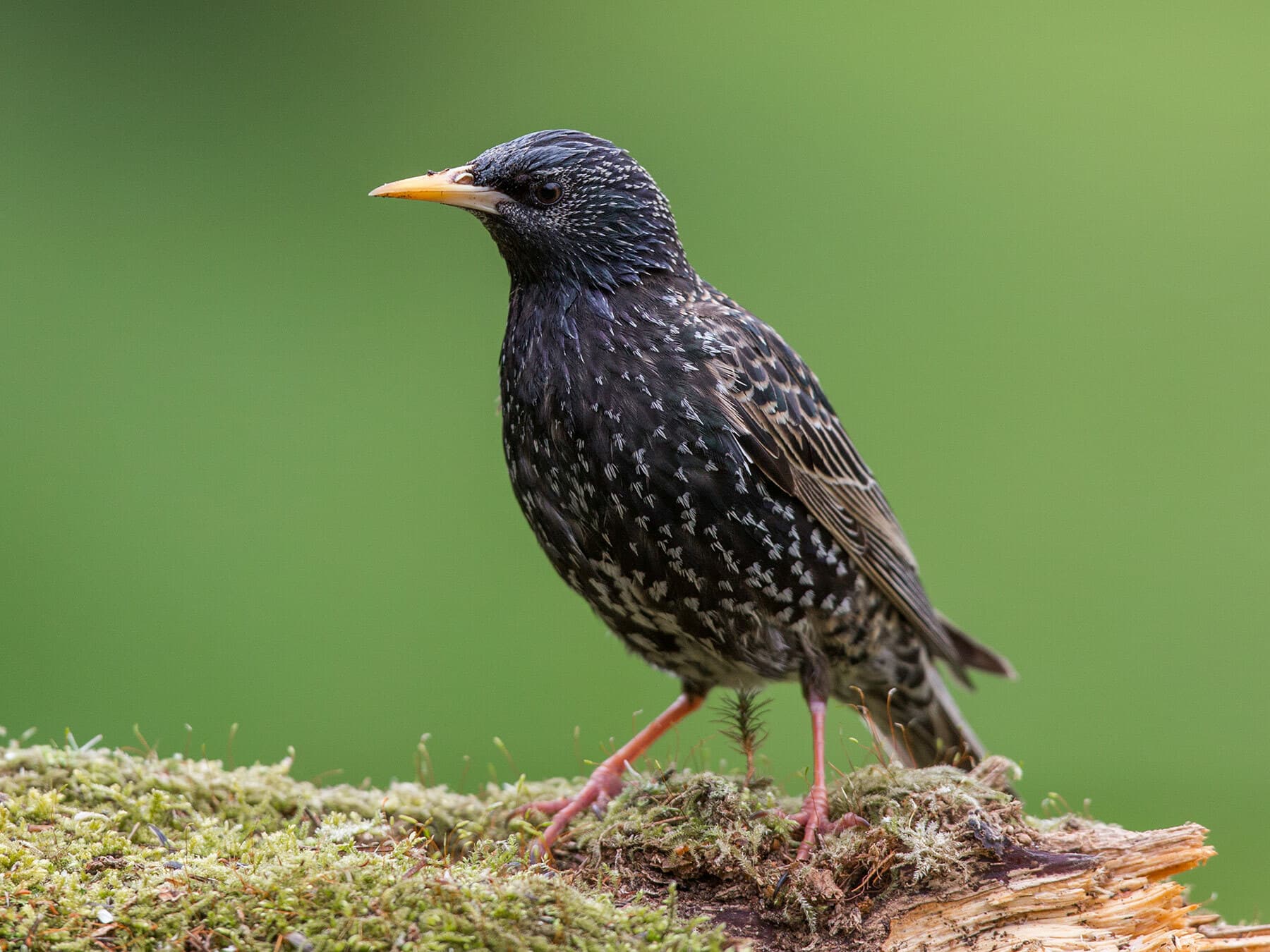
Common Starling
Sturnus vulgarisLC
A common resident forming spectacular winter murmurations, particularly near coastal towns. Breeds in holes in buildings and trees.
Year-round
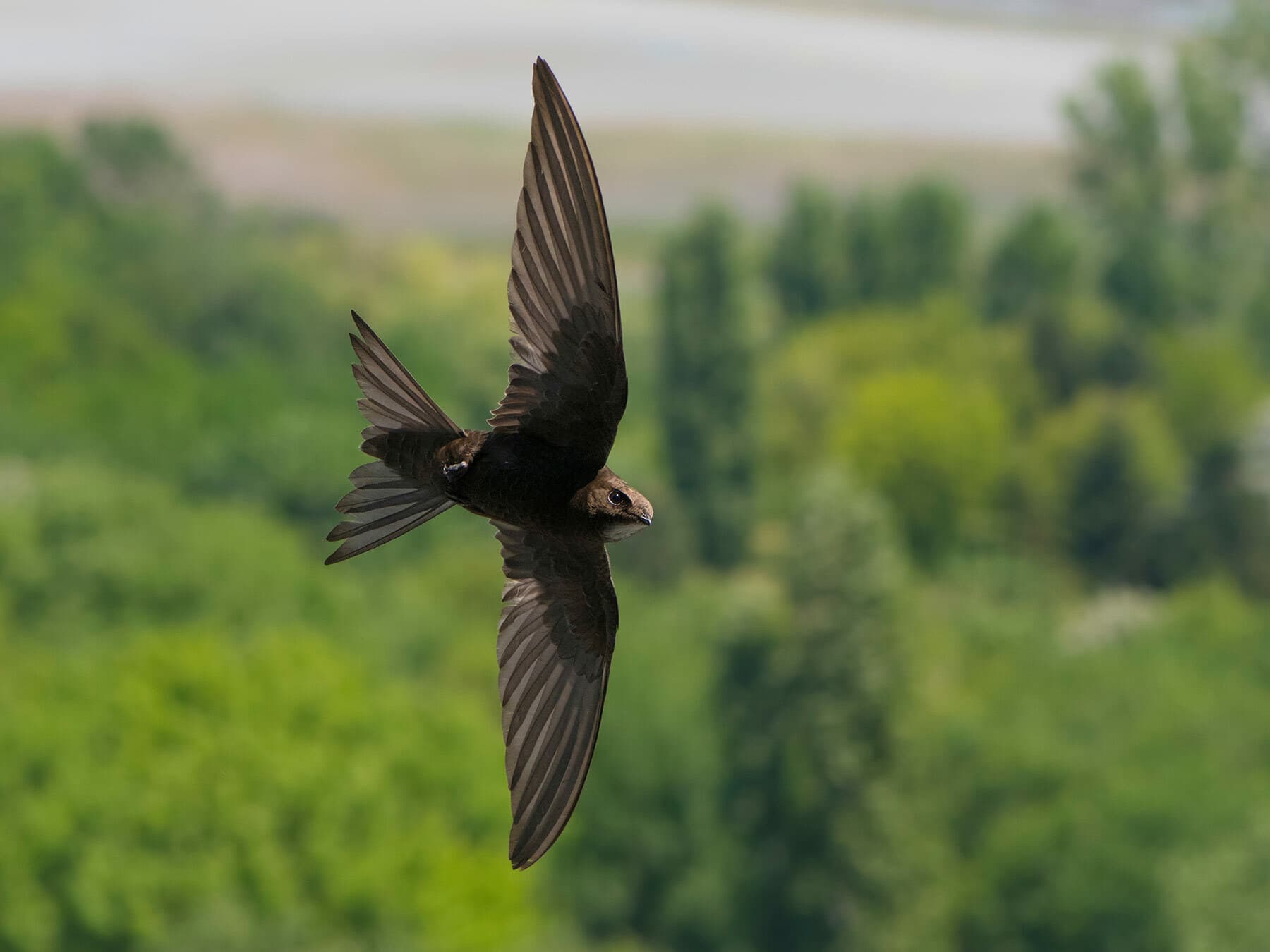
Common Swift
Apus apusLC
Breeds in older buildings and church towers in market towns, screaming overhead from late April before departing by September.
Apr–Sep
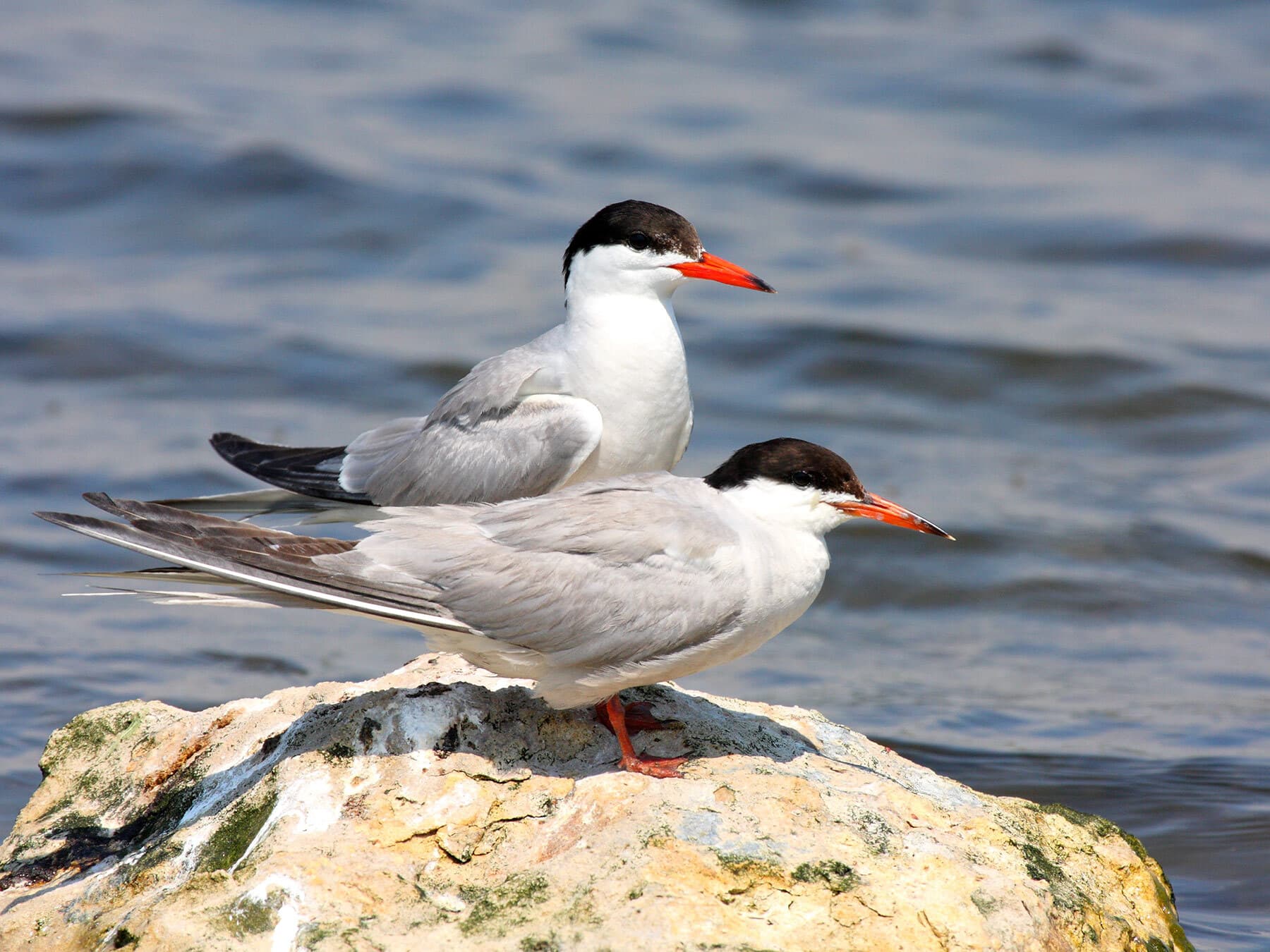
Common Tern
Sterna hirundoLC
An uncommon summer breeder nesting on coastal islands and inland gravel pits, plunge-diving for fish from April to October.
Apr–Oct