Uncommon Birds in Northumberland
80 species matching this filter.
Northumberland's diverse landscapes — from the rugged North Sea coastline and the Farne Islands to upland moors and river valleys — support a rich variety of birdlife, including around 80 species classed as uncommon in the county. Among these are striking visitors such as Arctic Tern, Black-tailed Godwit and Greenshank, alongside less frequently encountered residents like Bullfinch, Eurasian Tree Sparrow and Greenfinch. Whether you're scanning coastal estuaries or exploring sheltered woodland, these harder-to-find species offer rewarding encounters for patient birdwatchers.


Showing 1–23 of 80 species
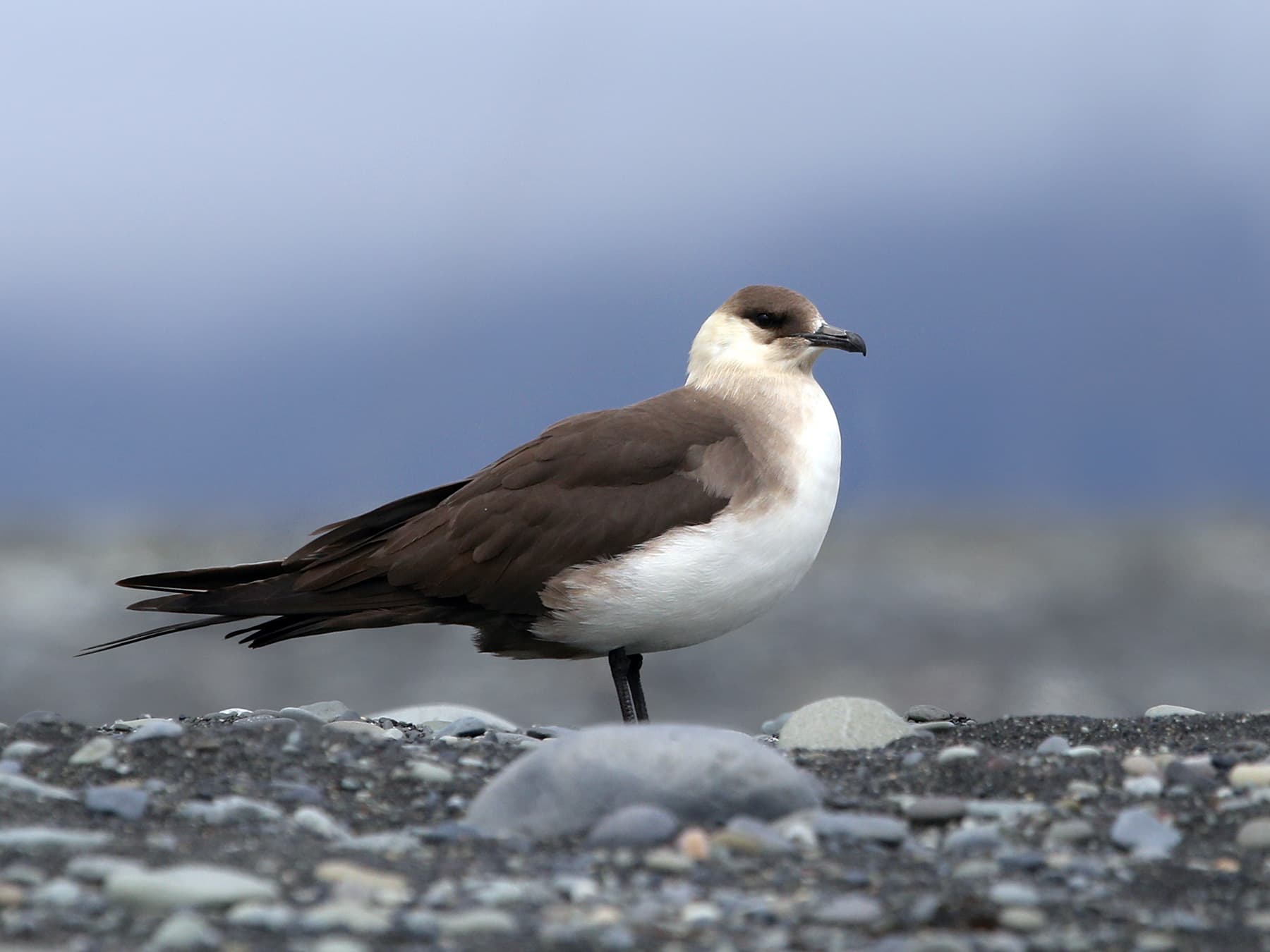
Arctic Jaeger
Stercorarius parasiticusLC
Seen offshore from June to October, harrying terns and gulls. Seawatching from headlands like Newbiggin or St Mary's offers the best views.
Jun–Oct
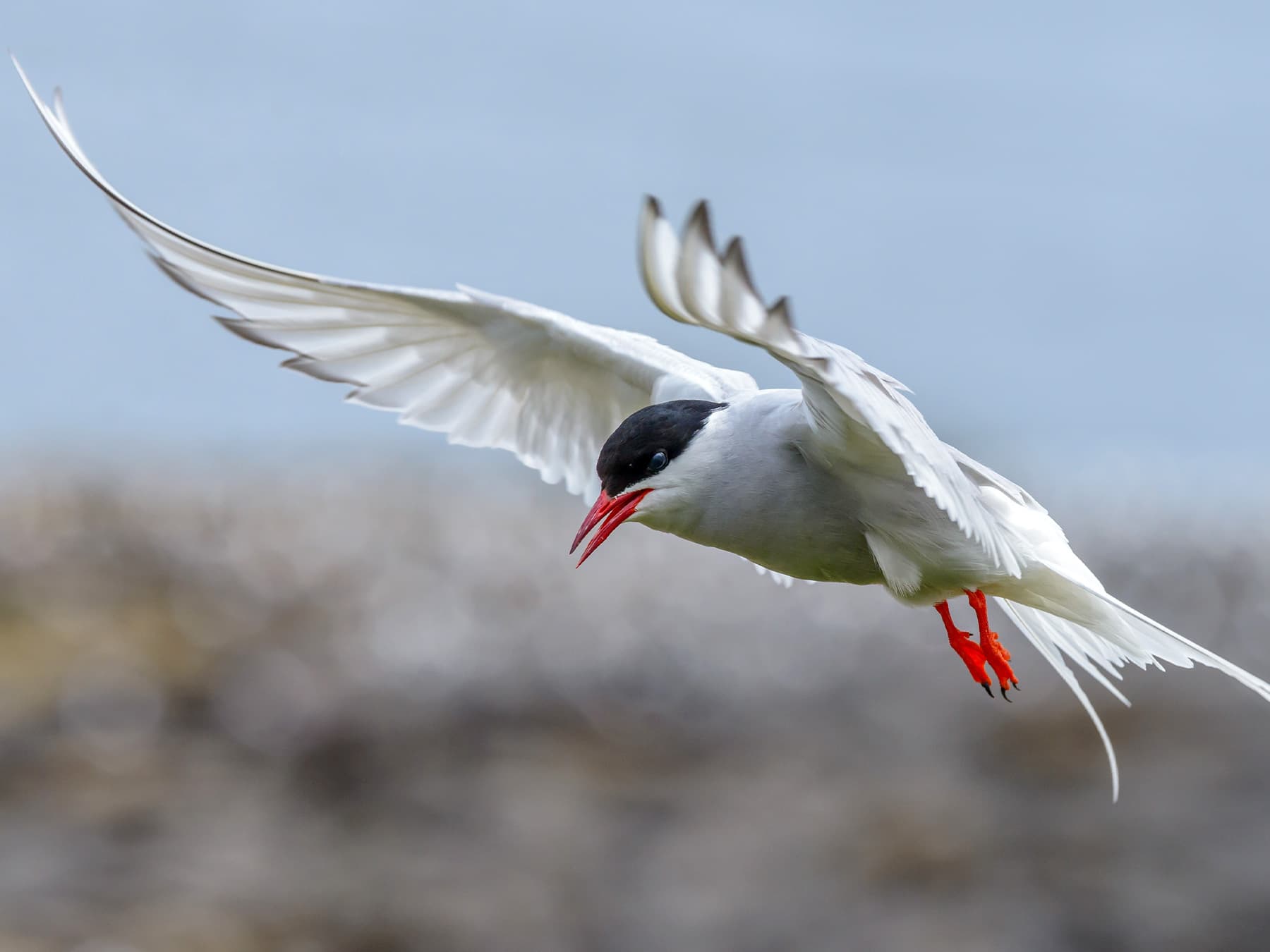
Arctic Tern
Sterna paradisaeaLC
Breeds on the Farne Islands and at Coquet Island in notable colonies. Present from April to October before migrating to Antarctic waters.
Apr–Oct
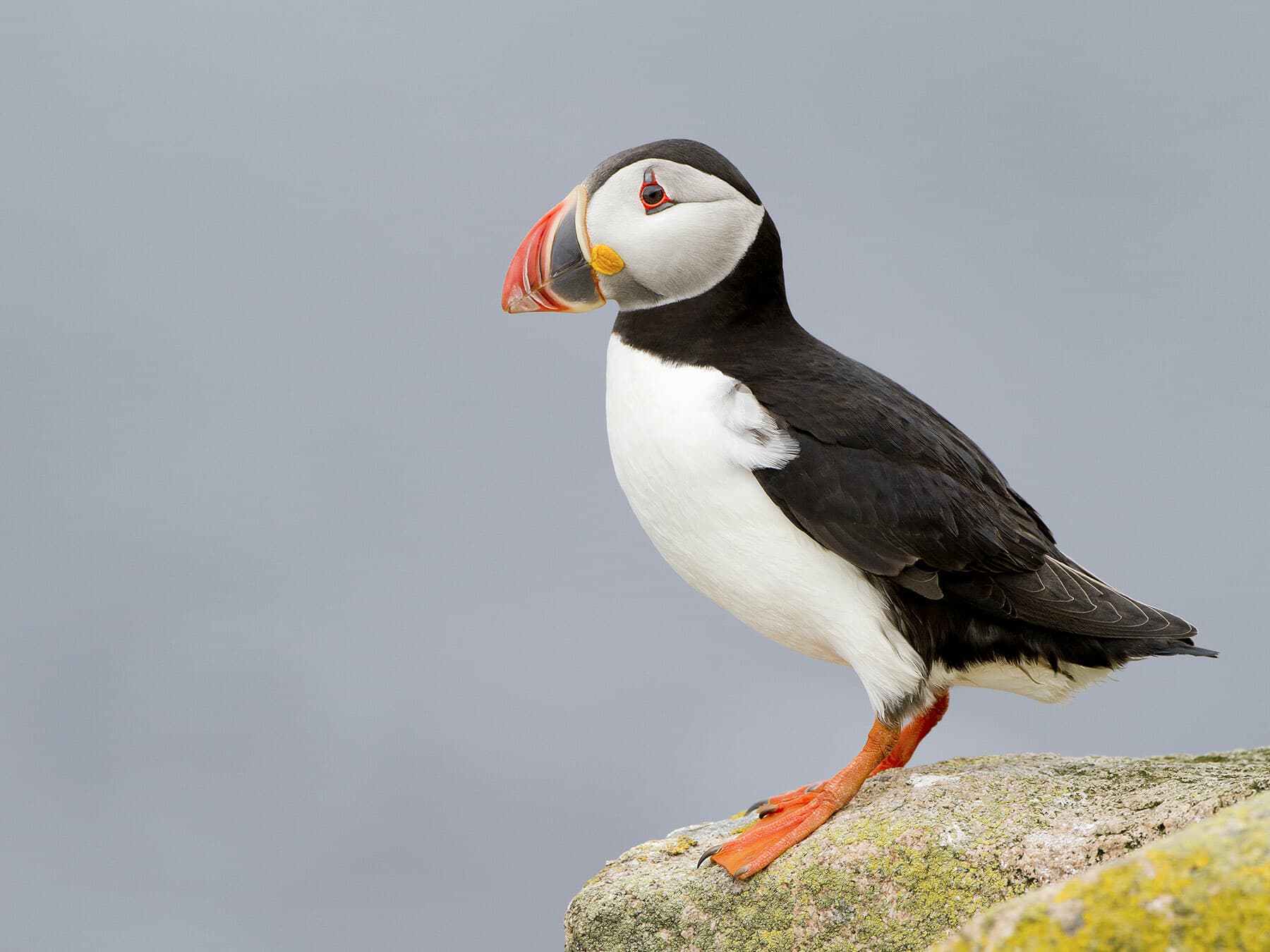
Atlantic Puffin
Fratercula arcticaVU
Breeds in burrows on the Farne Islands, one of England's most iconic colonies. Present from spring through autumn, delighting boat-trip visitors.
Mar–Dec
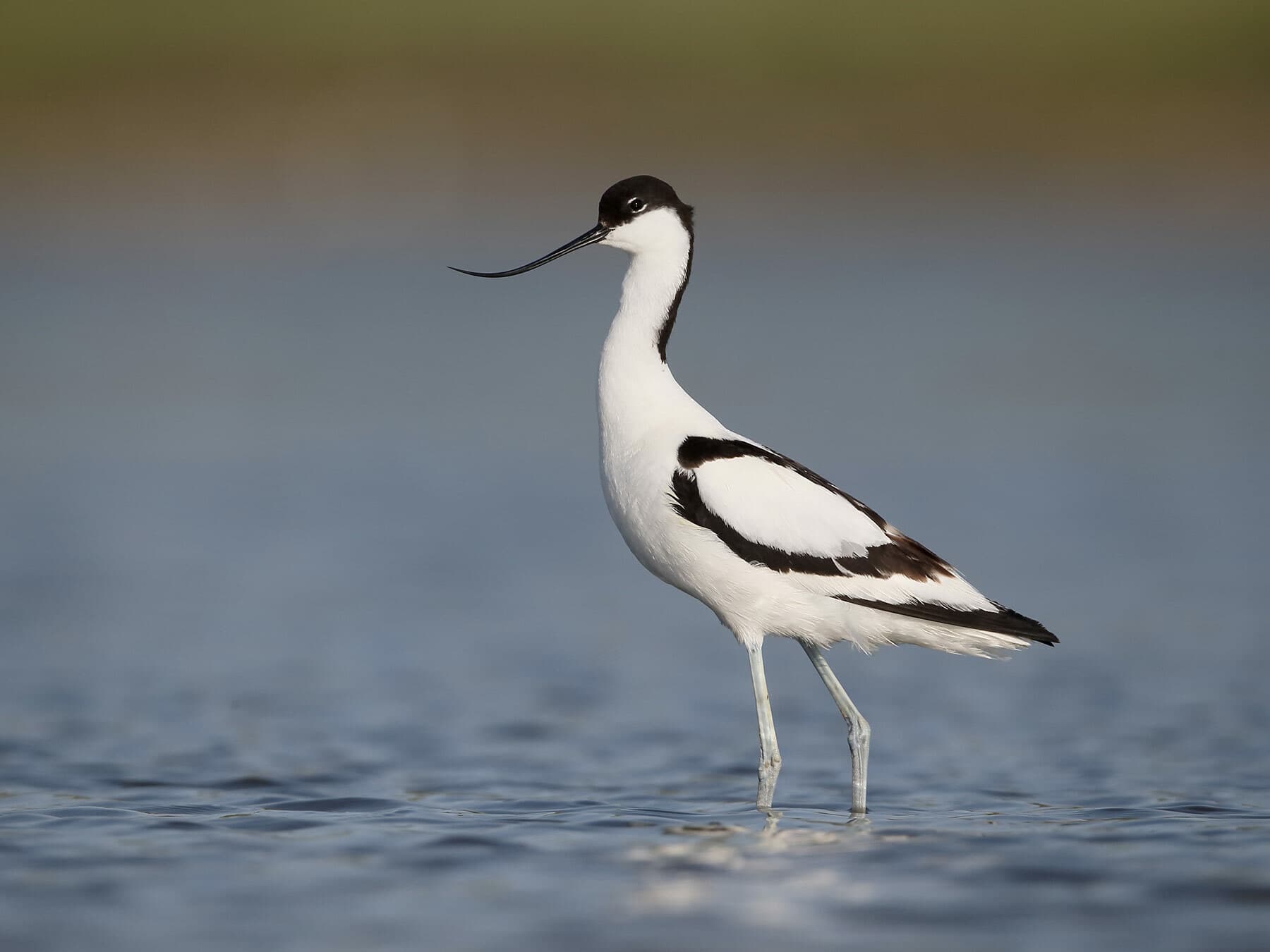
Avocet
Recurvirostra avosettaLC
An uncommon breeding visitor arriving from February, favouring shallow coastal lagoons. Part of a northward range expansion in recent decades.
Feb–Sep
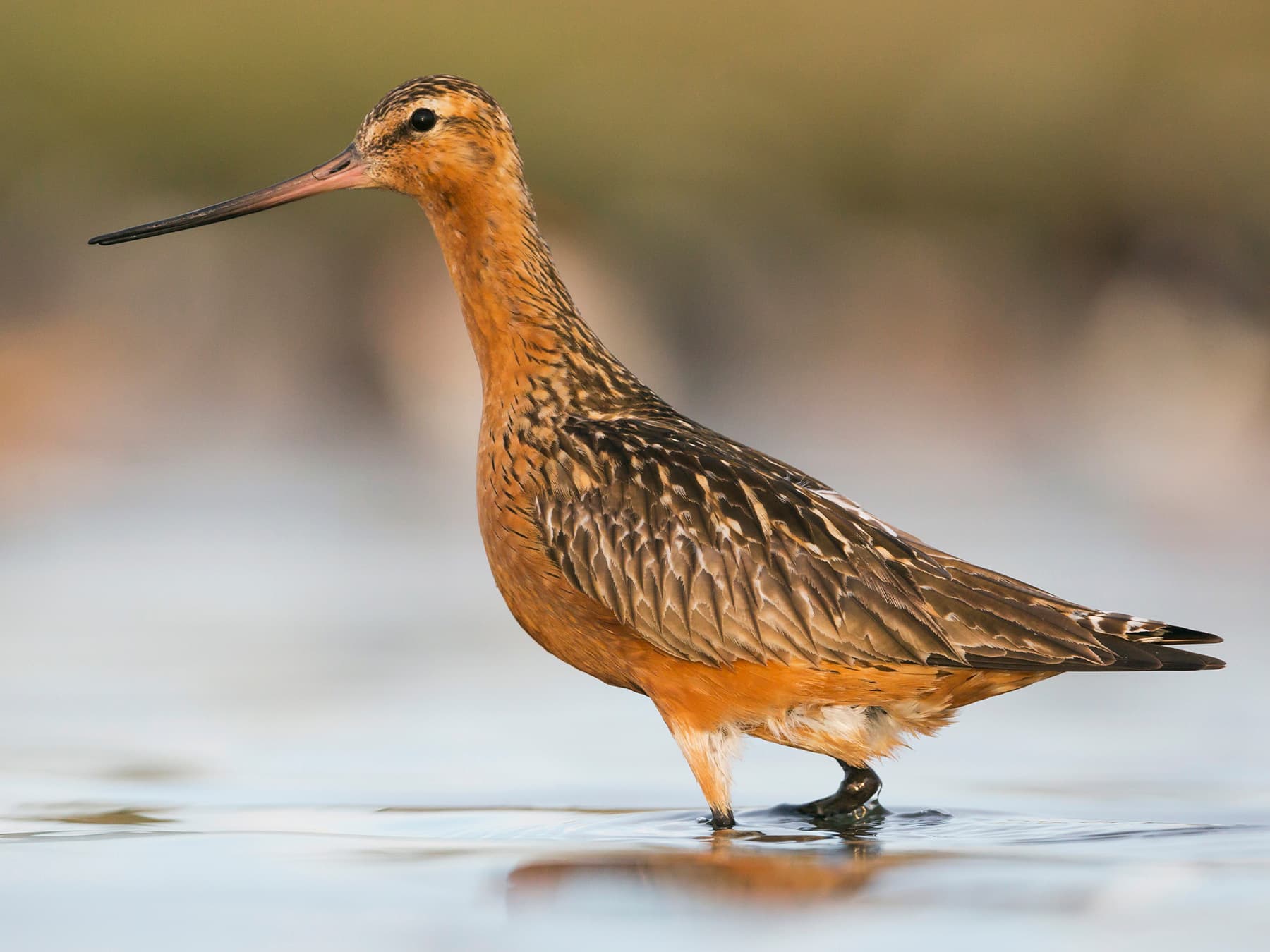
Bar-tailed Godwit
Limosa lapponicaNT
Found year-round on coastal mudflats and estuaries such as Lindisfarne. Numbers peak in winter when Arctic-breeding birds arrive on passage.
Year-round
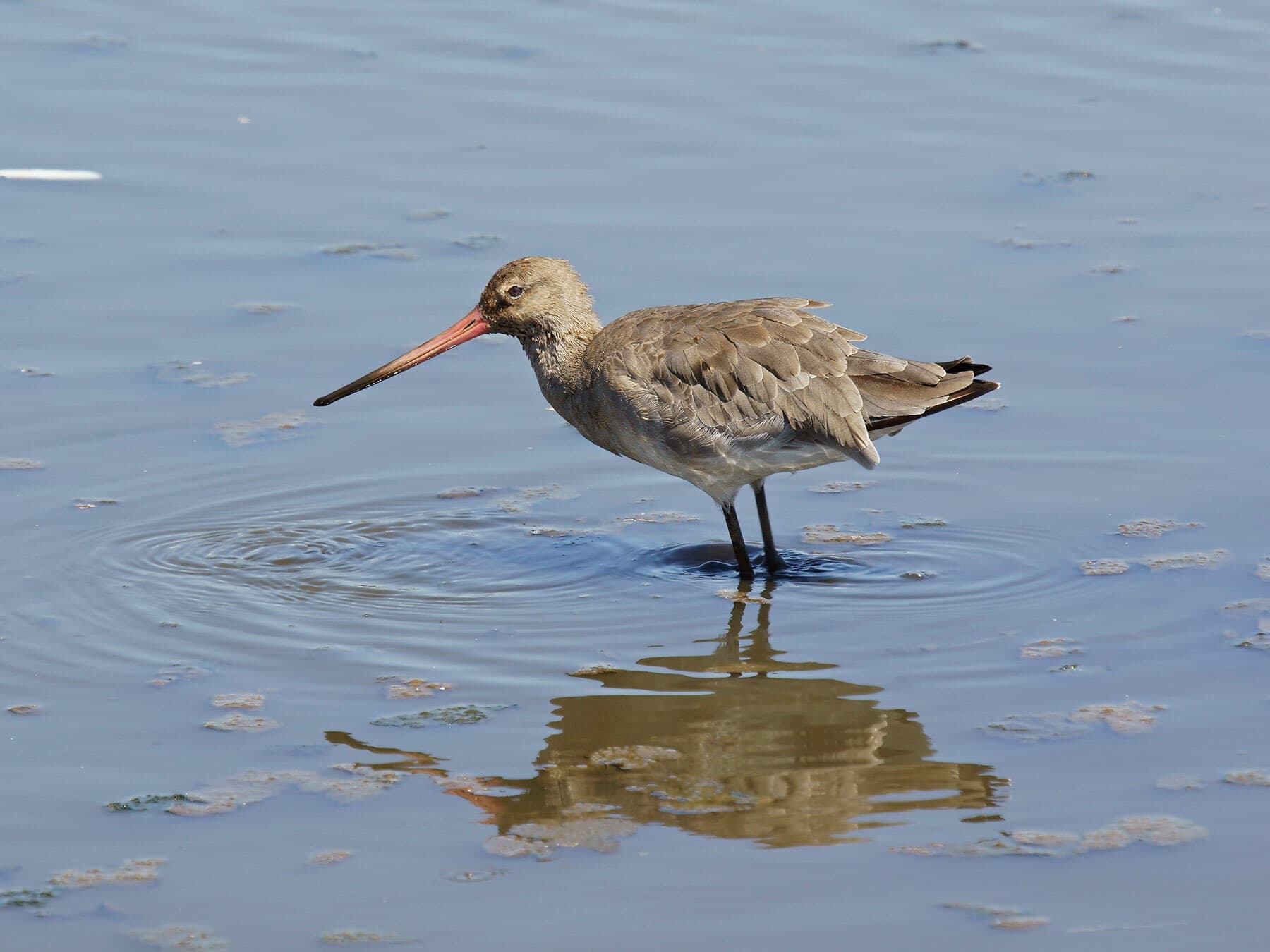
Black-tailed Godwit
Limosa limosaNT
Present year-round in small numbers on coastal estuaries and wet grasslands, with peak counts during autumn passage.
Year-round
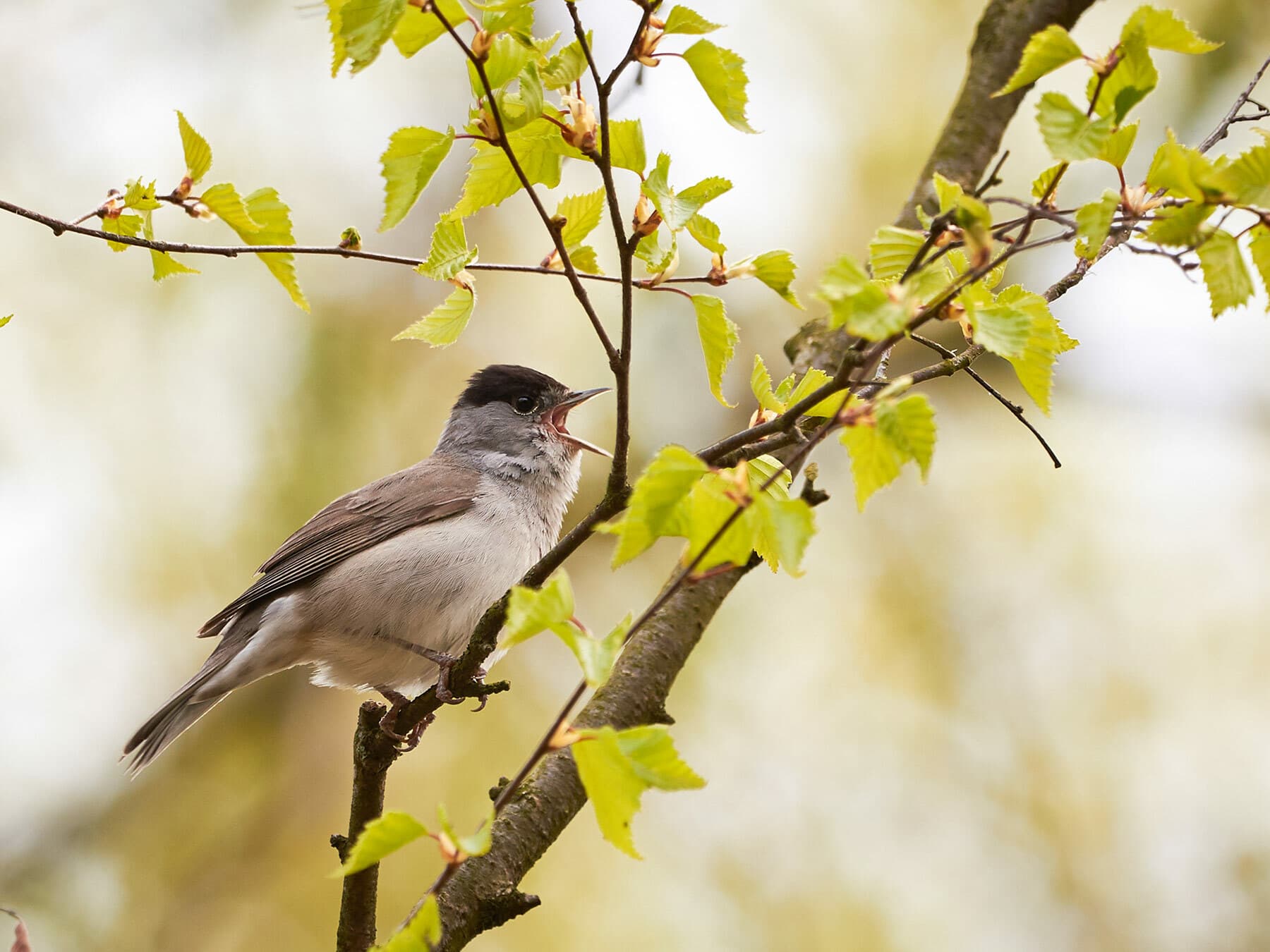
Blackcap
Sylvia atricapillaLC
An uncommon breeder in mature woodland and hedgerows. Some linger into late autumn, with occasional wintering birds at garden feeders.
Apr–Nov
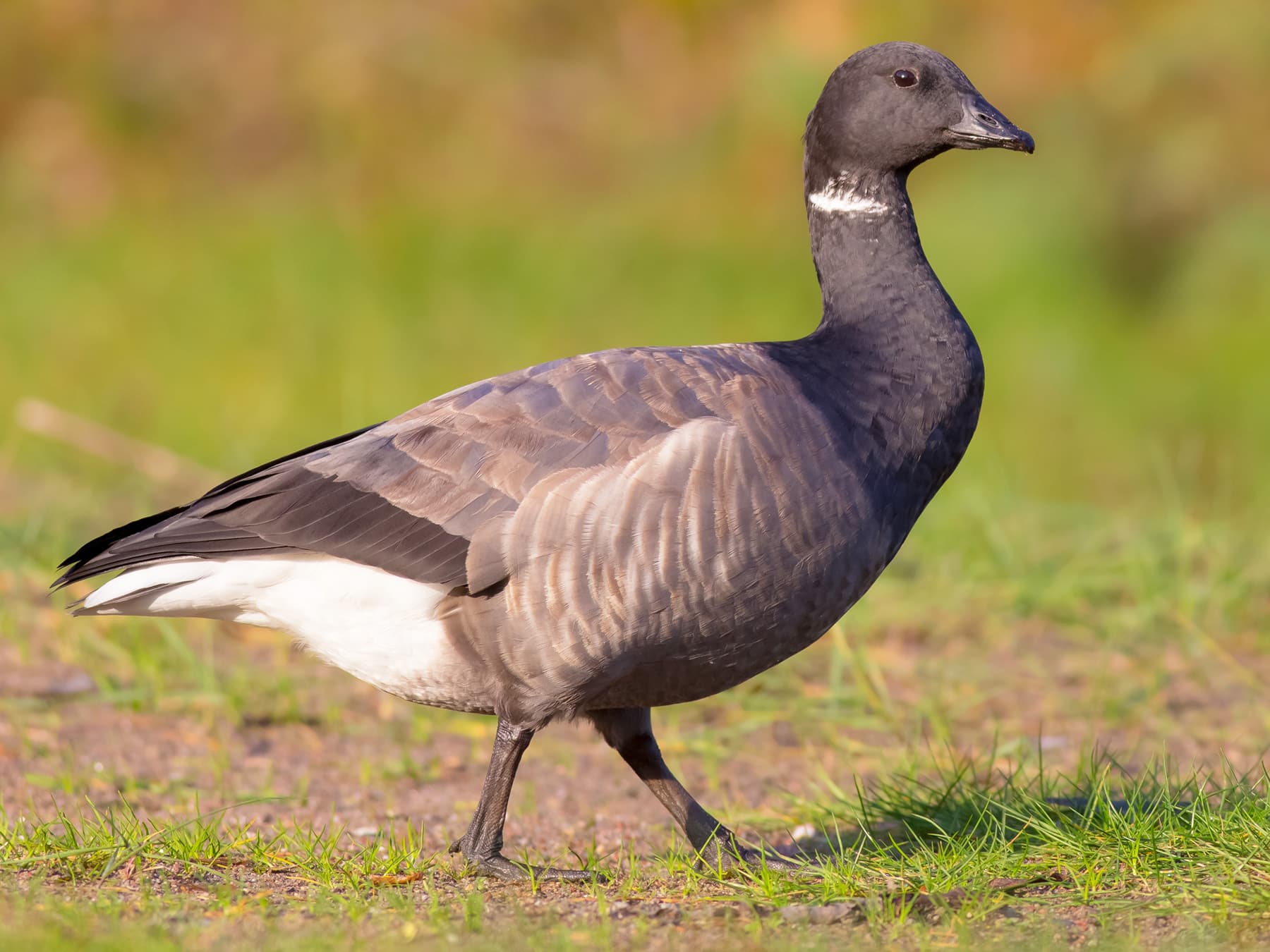
Brent Goose
Branta berniclaLC
An uncommon winter visitor to Northumberland's estuaries and coastal mudflats, with dark-bellied birds grazing on eelgrass and algae from autumn through spring.
Aug–Apr
Spotted something?
Upload a photo to identify it
Identify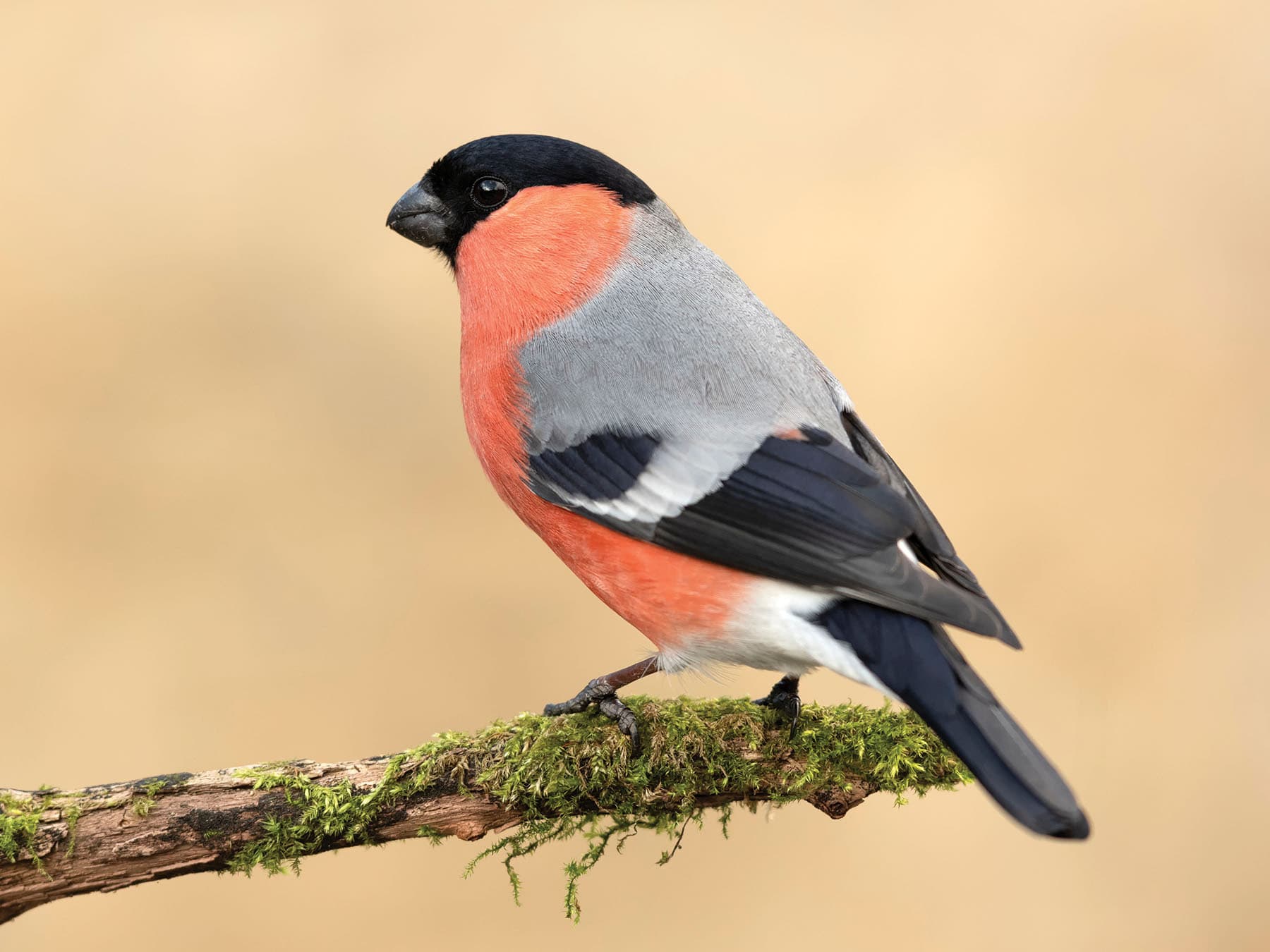
Bullfinch
Pyrrhula pyrrhulaLC
A shy, year-round resident of hedgerows, woodland edges, and mature gardens. Its soft piping call is often heard before the bird is seen.
Year-round
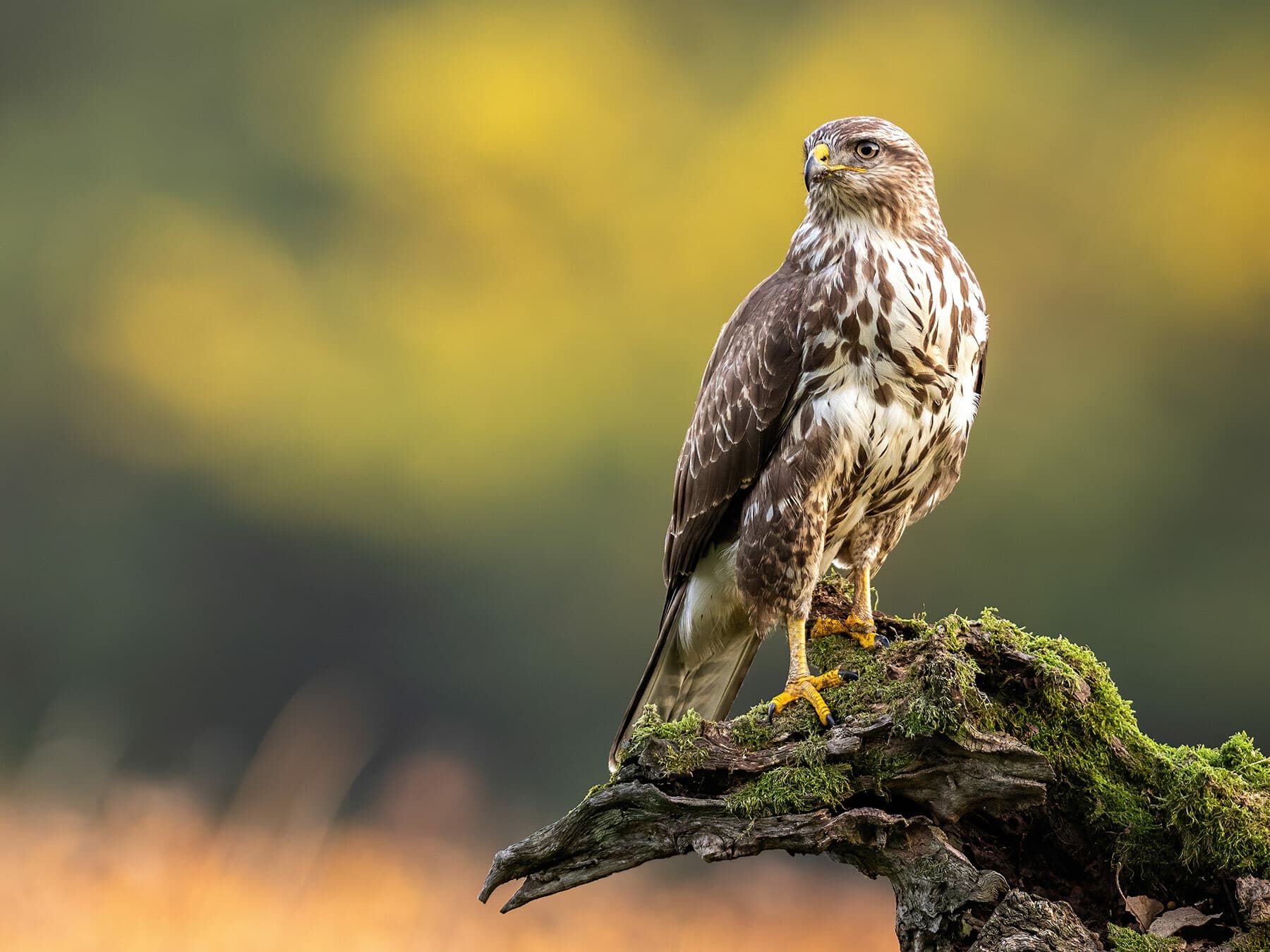
Buzzard
Buteo buteoLC
An uncommon but increasing resident, soaring over farmland, moorland edges and wooded valleys throughout the year.
Year-round
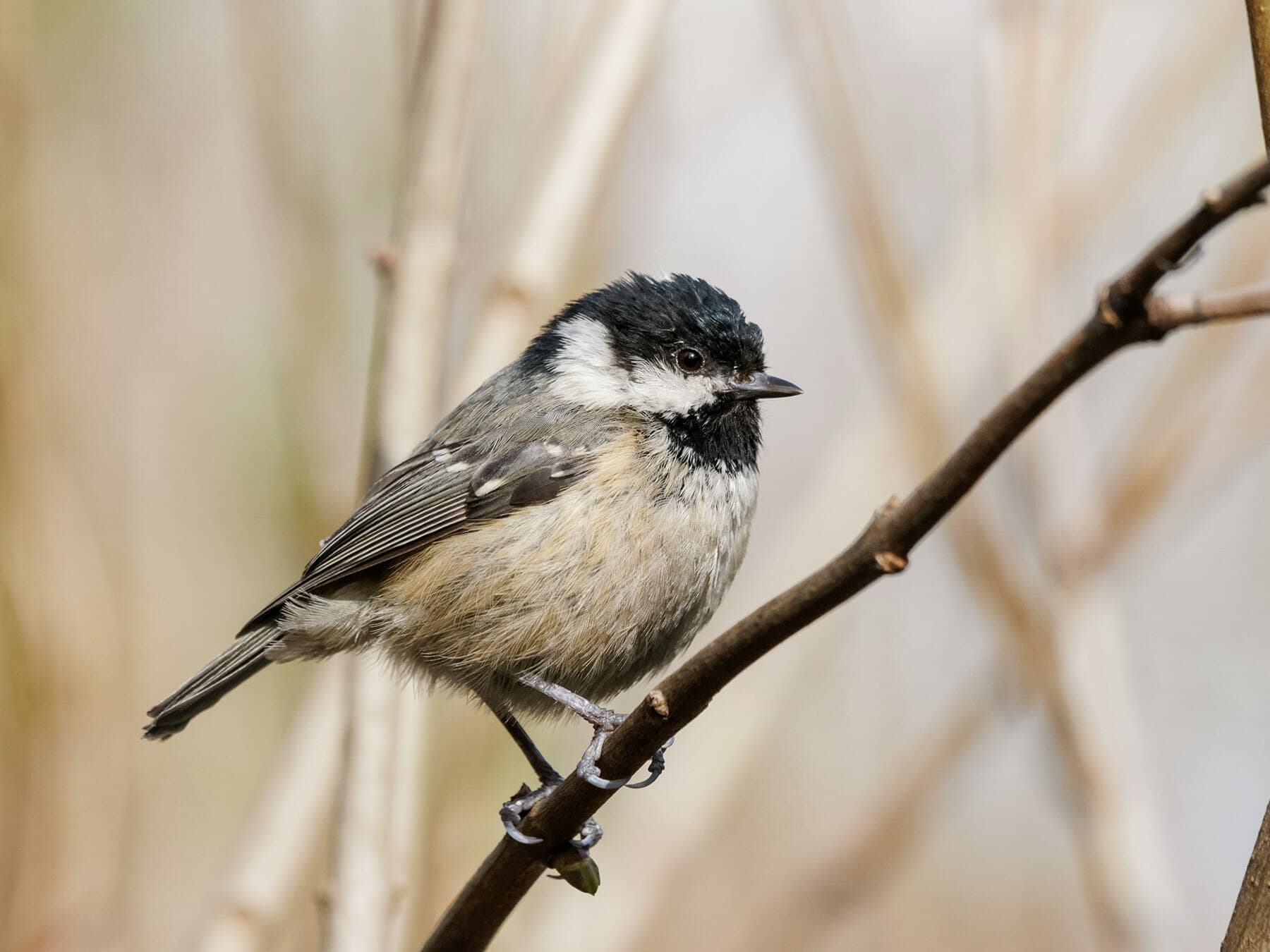
Coal Tit
Periparus aterLC
A year-round resident favouring conifer plantations such as Kielder Forest and mixed woodland, often visiting garden feeders in winter.
Year-round
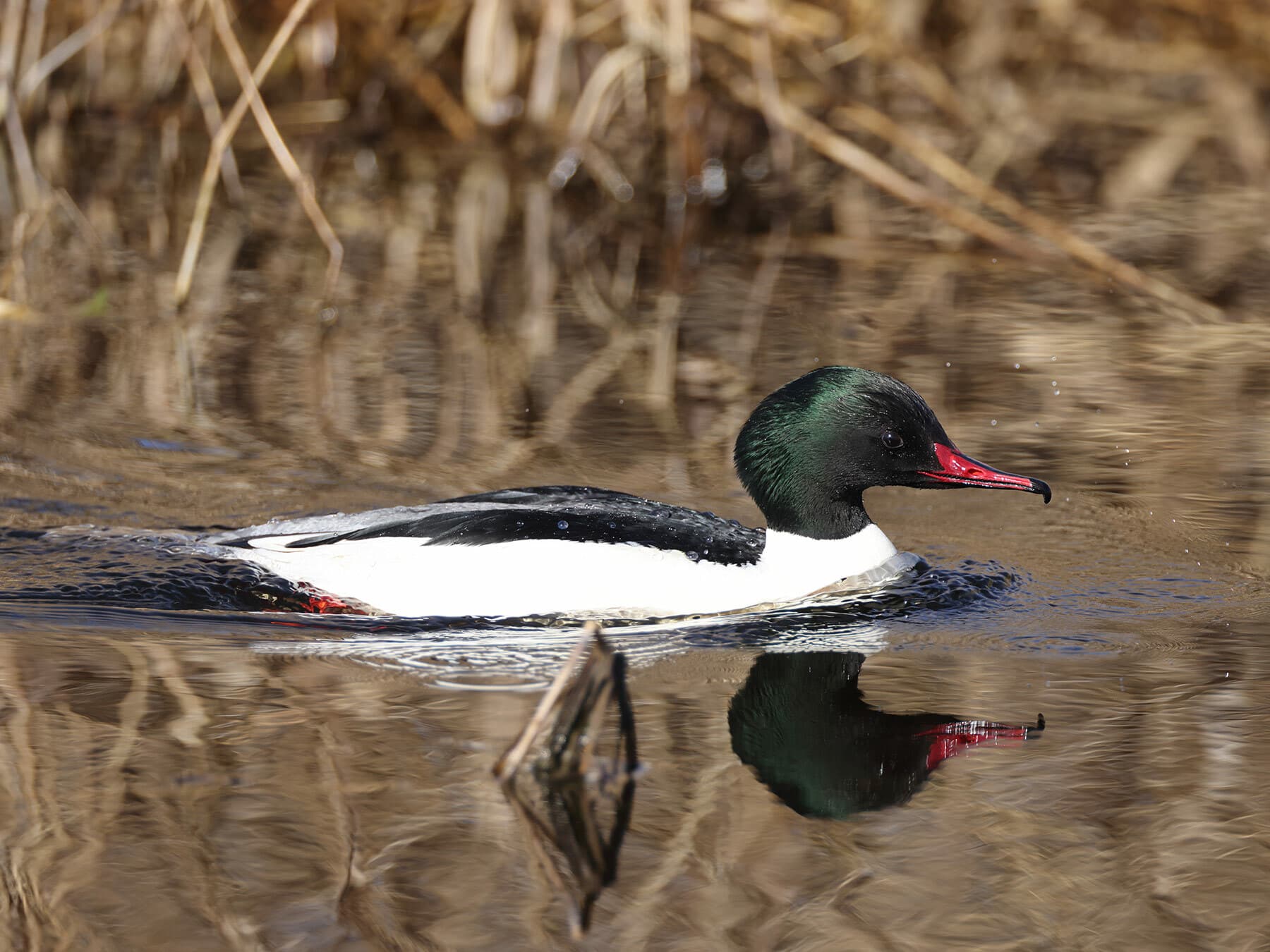
Common Merganser
Mergus merganserLC
An uncommon resident breeding along upland rivers such as the Tyne and Coquet. More widespread in winter when birds move to lowland waters.
Year-round
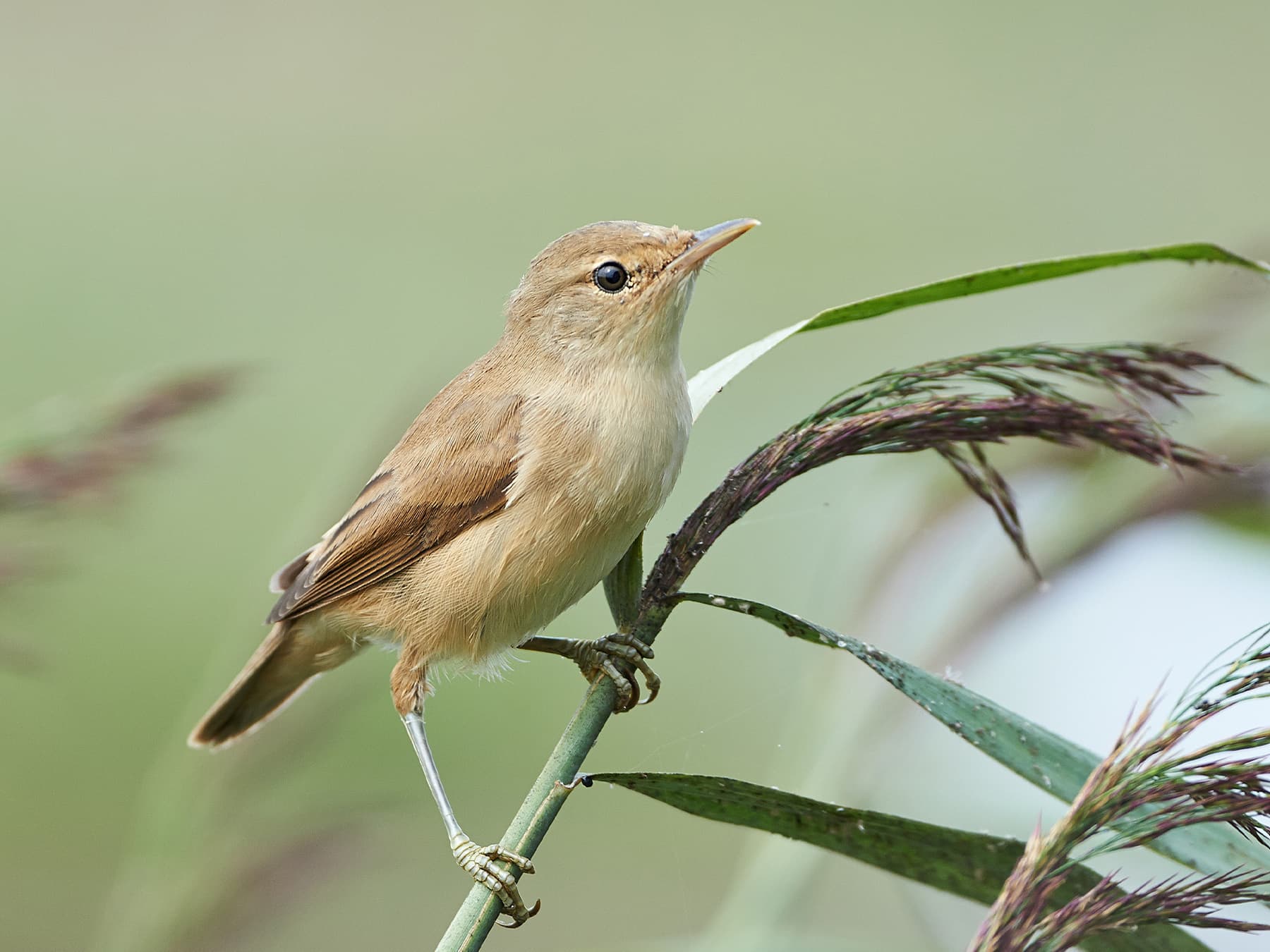
Common Reed-warbler
Acrocephalus scirpaceusLC
An uncommon summer breeder arriving from April, found in reedbeds at sites like Druridge Bay pools. Near the northern edge of its UK range.
Apr–Sep
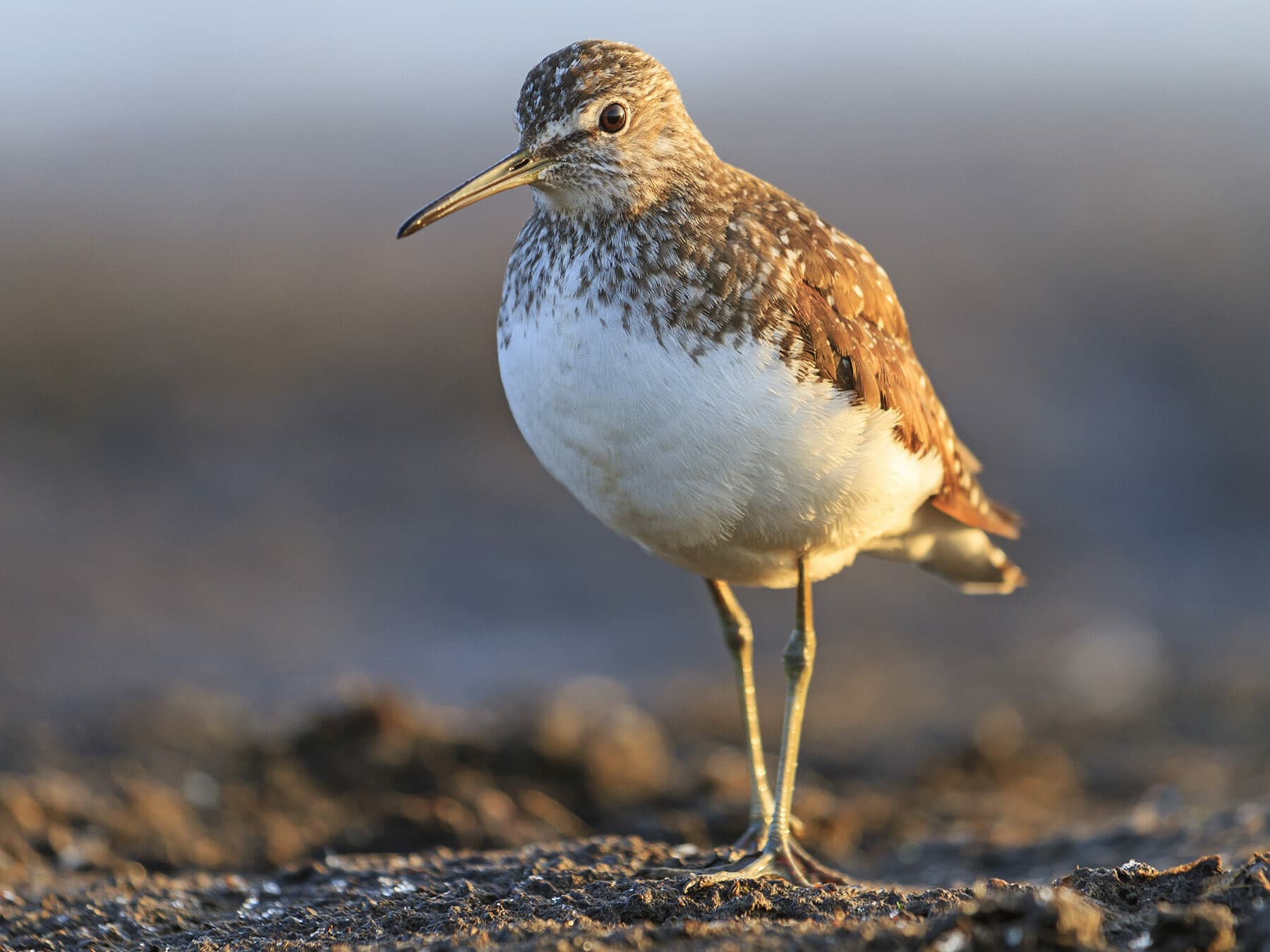
Common Sandpiper
Actitis hypoleucosLC
An uncommon breeding visitor, bobbing along upland rivers and reservoir edges from April to September. Listen for its shrill call over Kielder and the North Tyne.
Apr–Sep
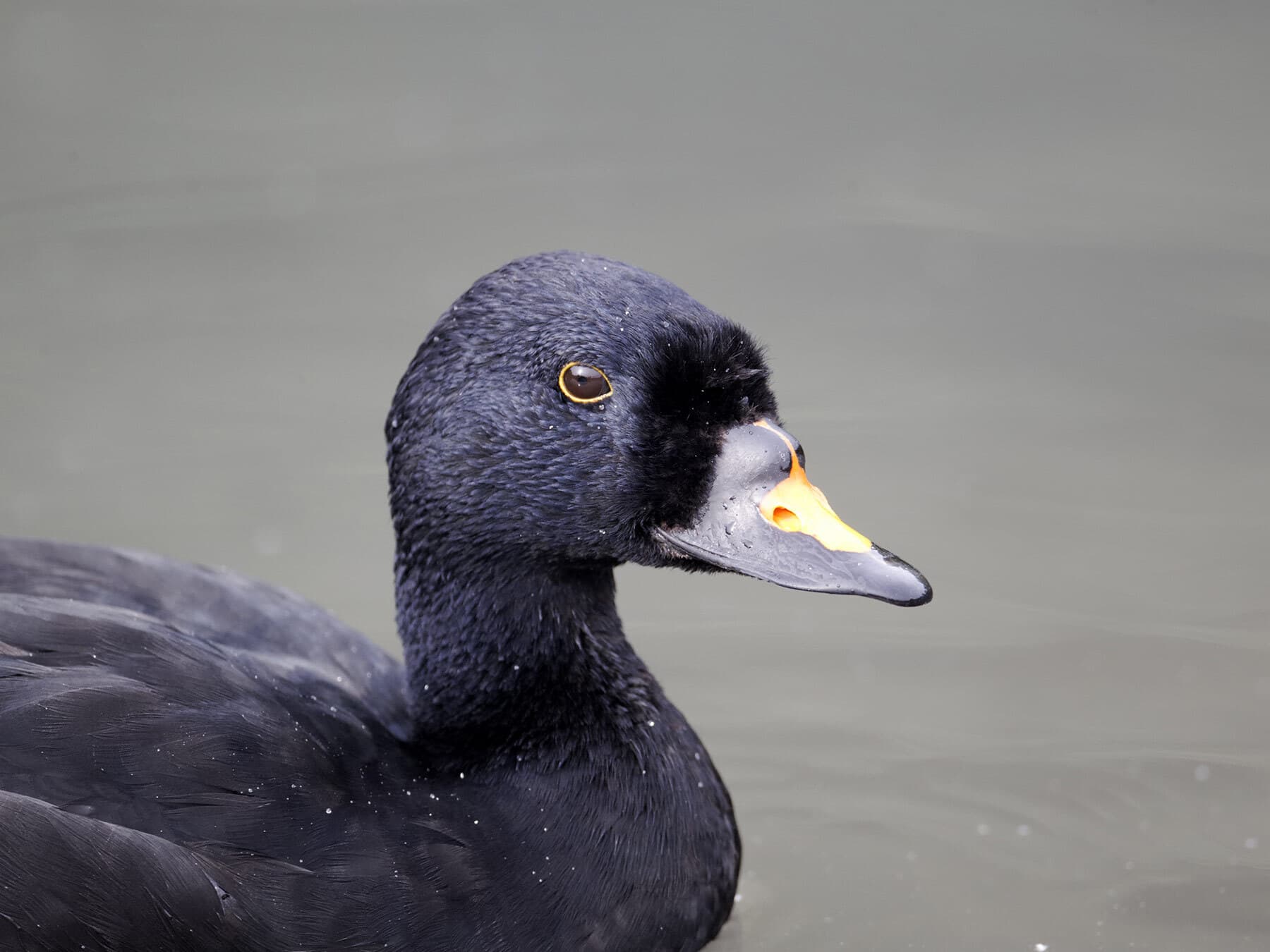
Common Scoter
Melanitta nigraLC
Uncommon but present year-round in offshore waters. Dark flocks can be seen from coastal vantage points, sometimes in sizeable rafts during winter.
Year-round
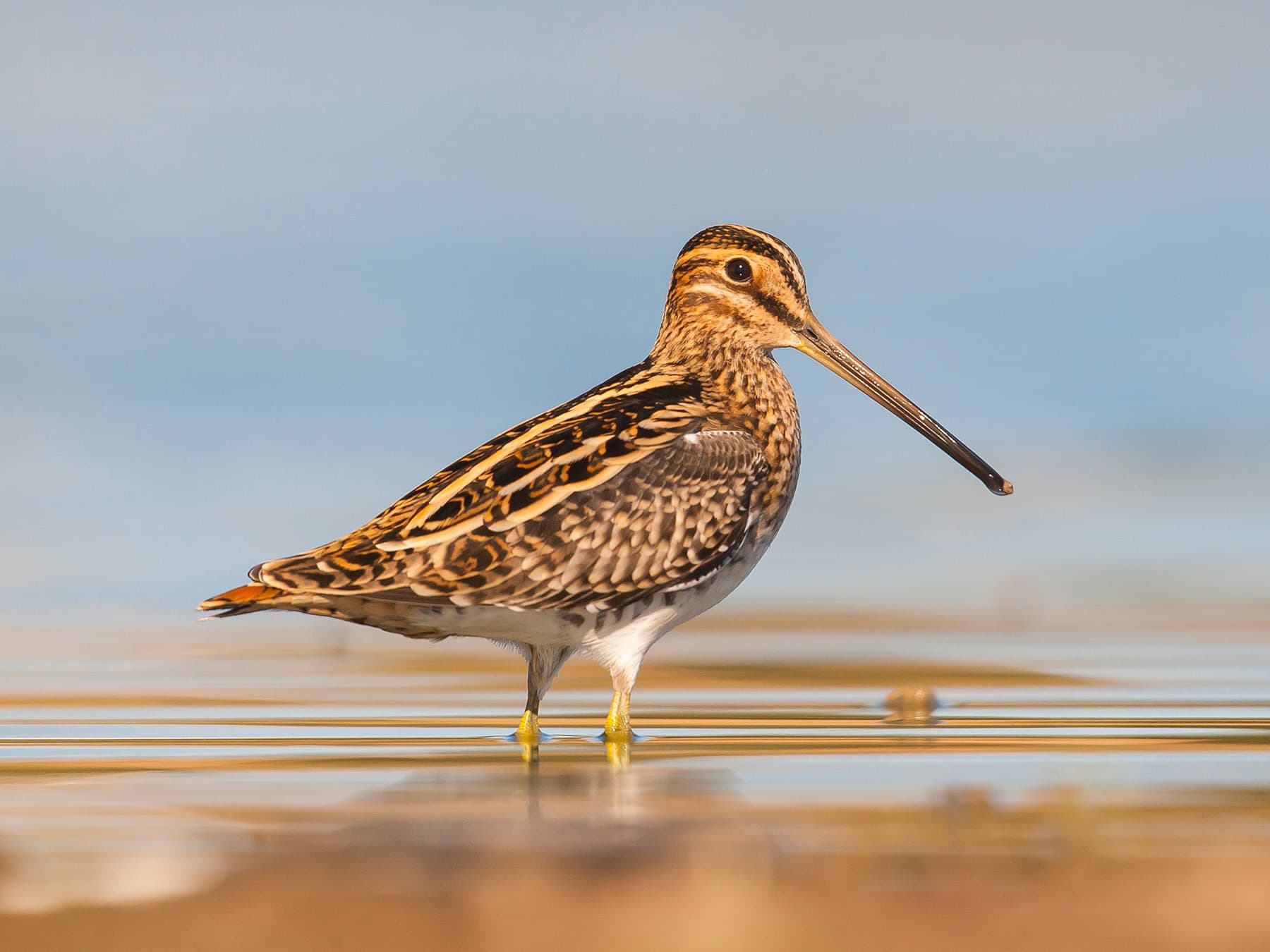
Common Snipe
Gallinago gallinagoLC
Resident in wet grasslands, moorland bogs and rushy fields across the county. Its drumming display flight is a characteristic sound of upland Northumberland.
Year-round
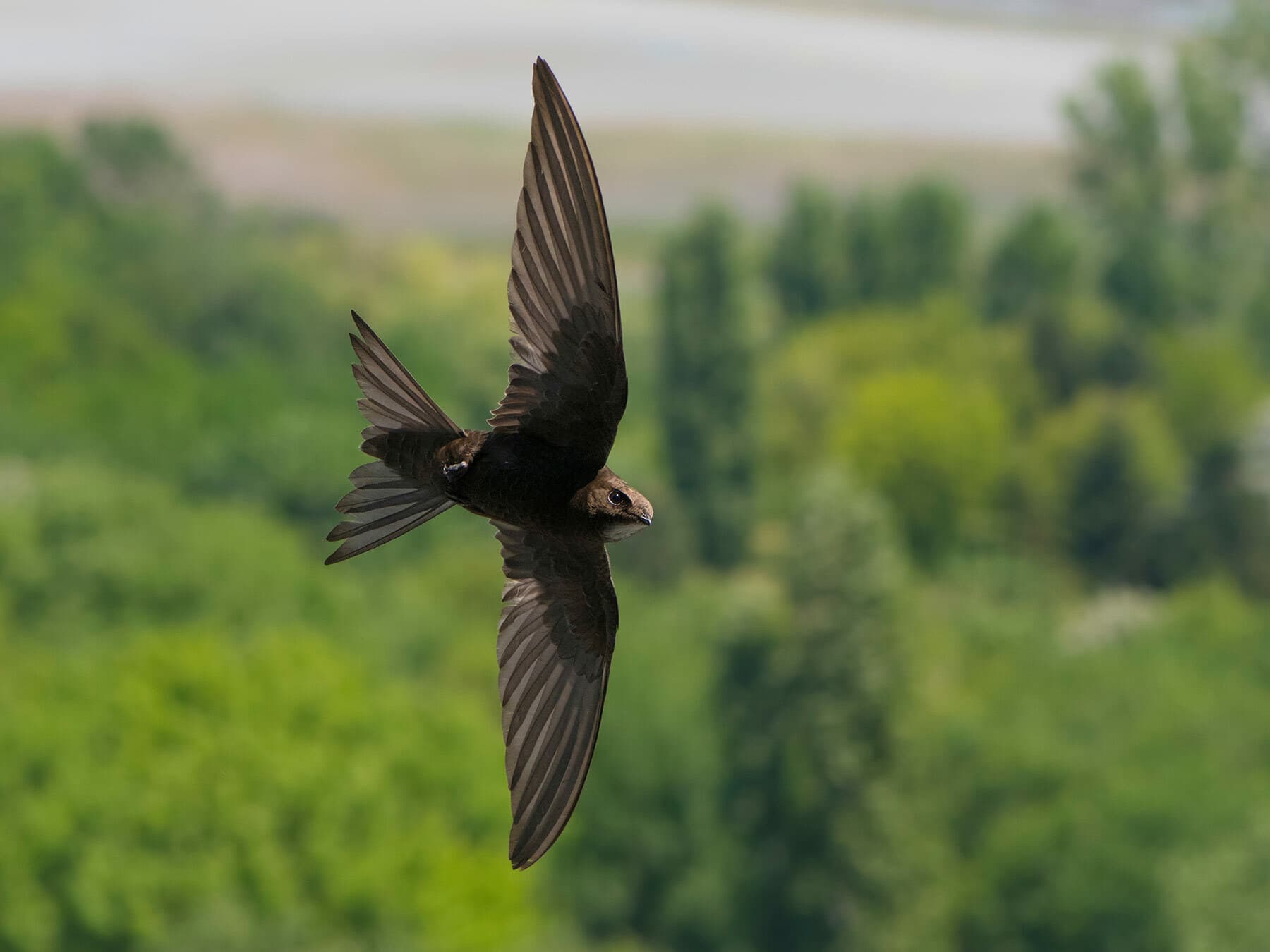
Common Swift
Apus apusLC
Breeds in older buildings and church towers in market towns, screaming overhead from late April before departing by September.
Apr–Sep
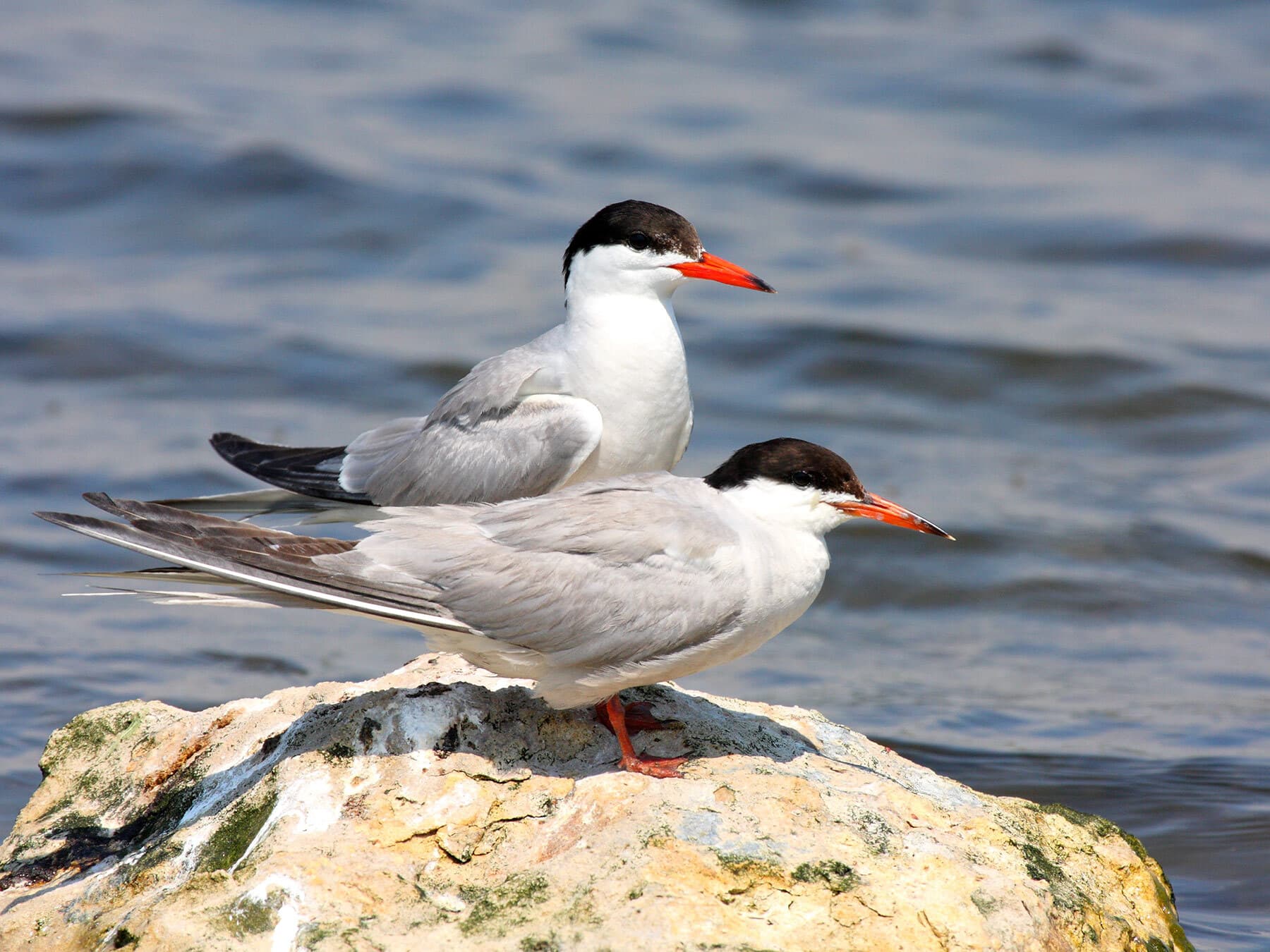
Common Tern
Sterna hirundoLC
An uncommon summer breeder nesting on coastal islands and inland gravel pits, plunge-diving for fish from April to October.
Apr–Oct
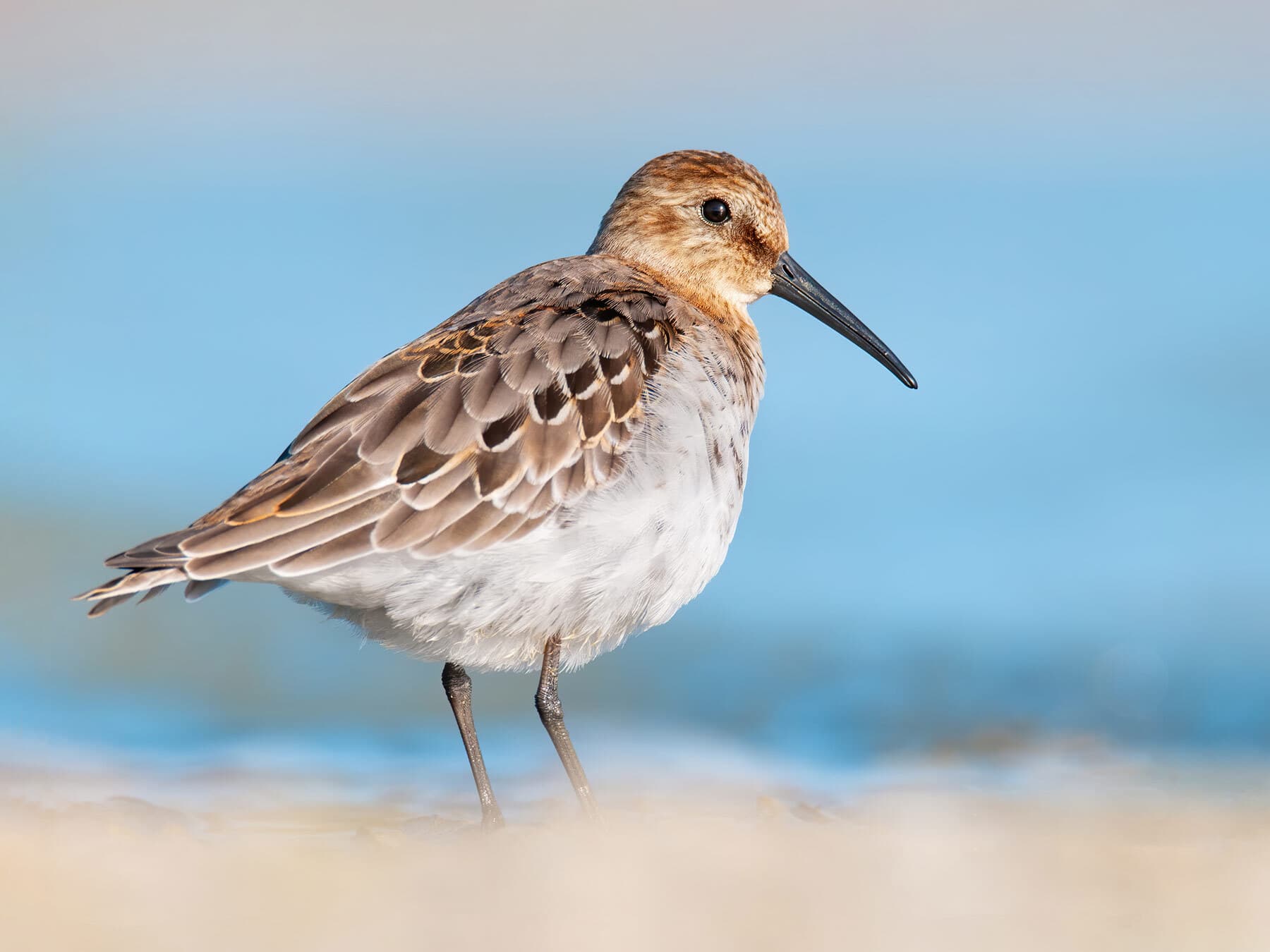
Dunlin
Calidris alpinaLC
Present year-round on estuaries and mudflats, with large winter flocks at Lindisfarne and smaller numbers breeding on upland moors.
Year-round
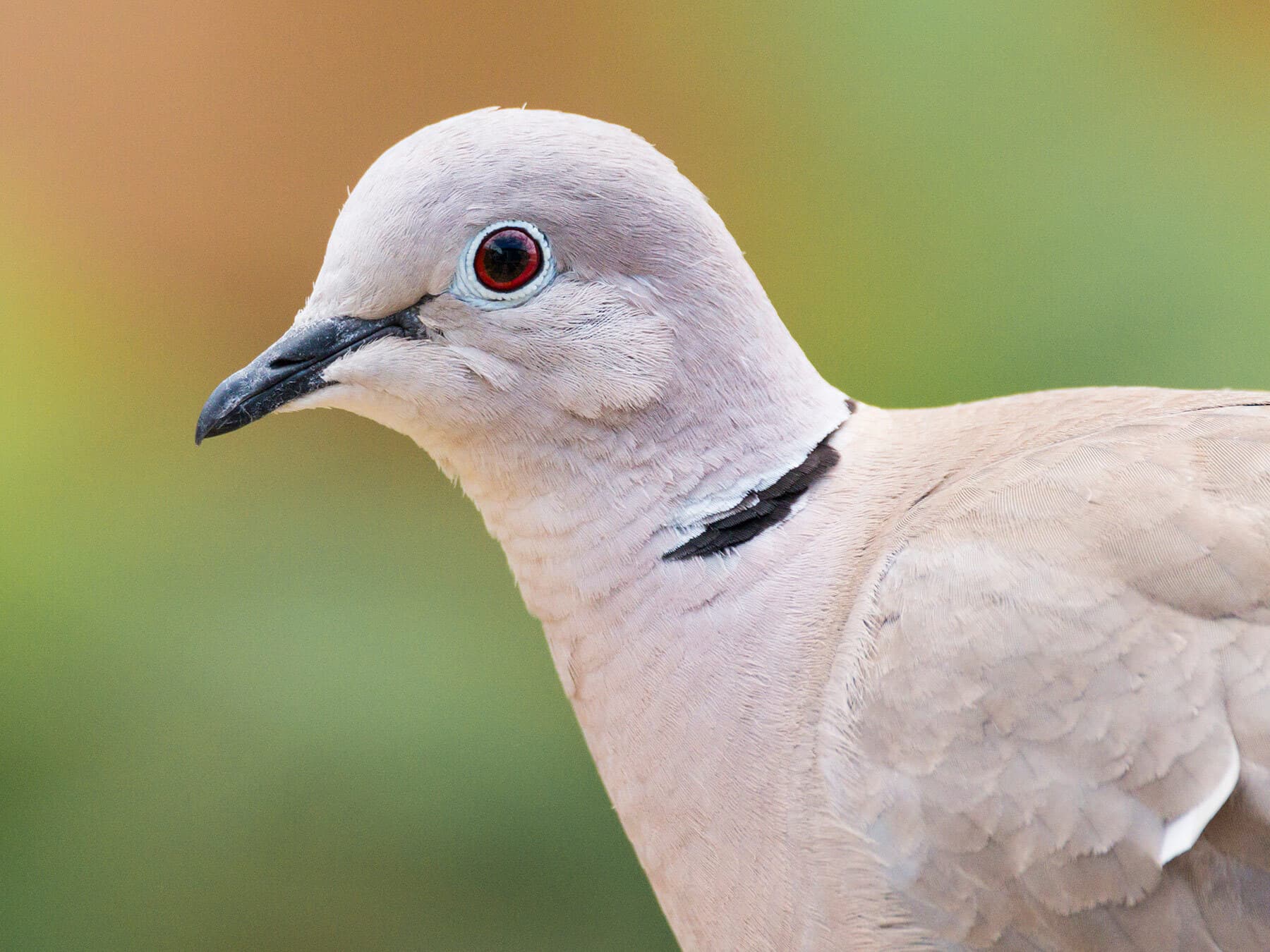
Eurasian Collared Dove
Streptopelia decaoctoLC
An uncommon resident of villages, farms and suburban gardens. Its monotonous three-note call is a familiar sound around Northumberland's settlements.
Year-round
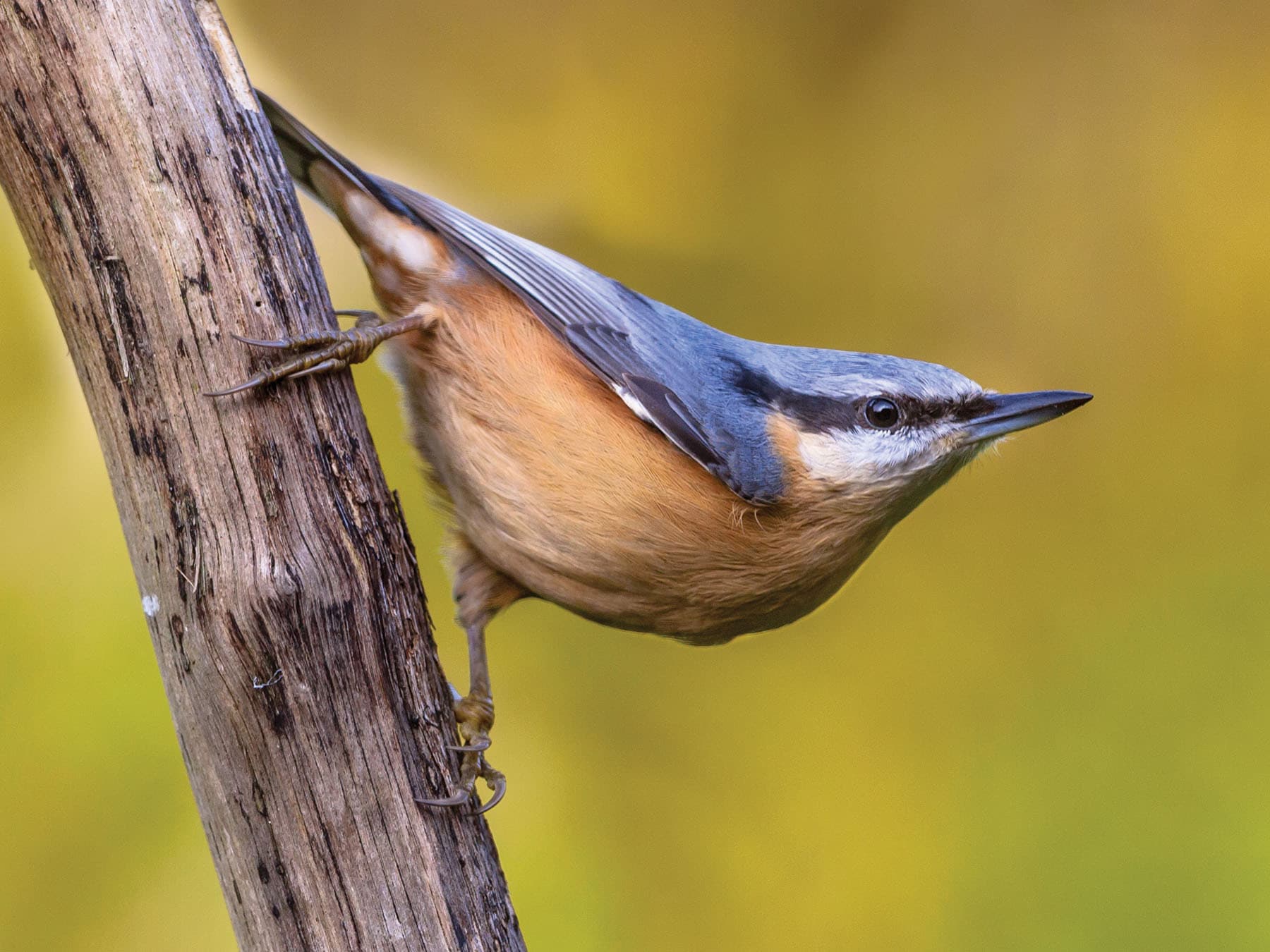
Eurasian Nuthatch
Sitta europaeaLC
An uncommon but increasing resident of mature deciduous woodland, often found in parkland settings. Loud calls echo through the trees year-round.
Year-round
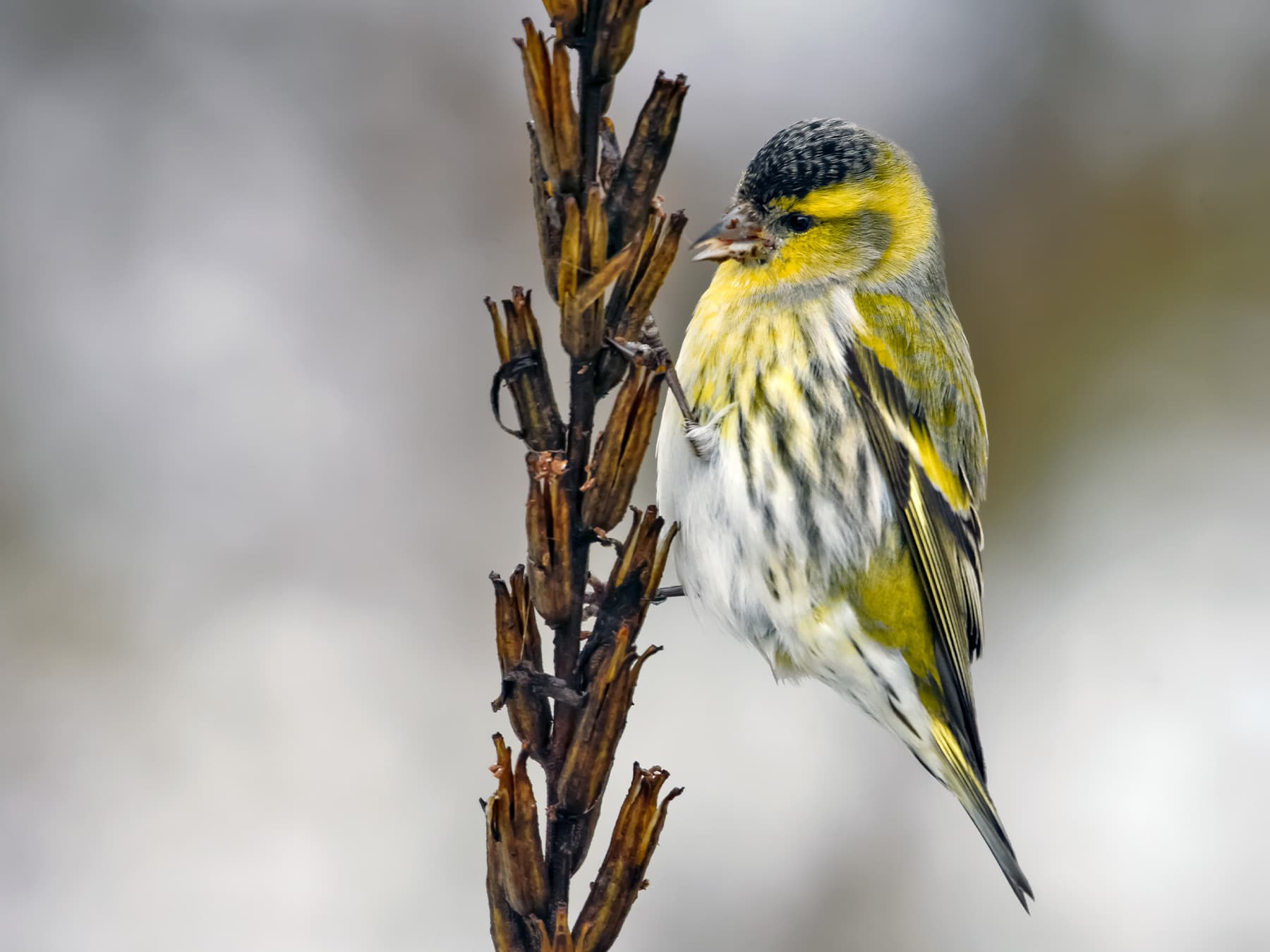
Eurasian Siskin
Spinus spinusLC
An uncommon resident breeding in conifer forests. Visits garden feeders in winter, especially near woodland.
Year-round
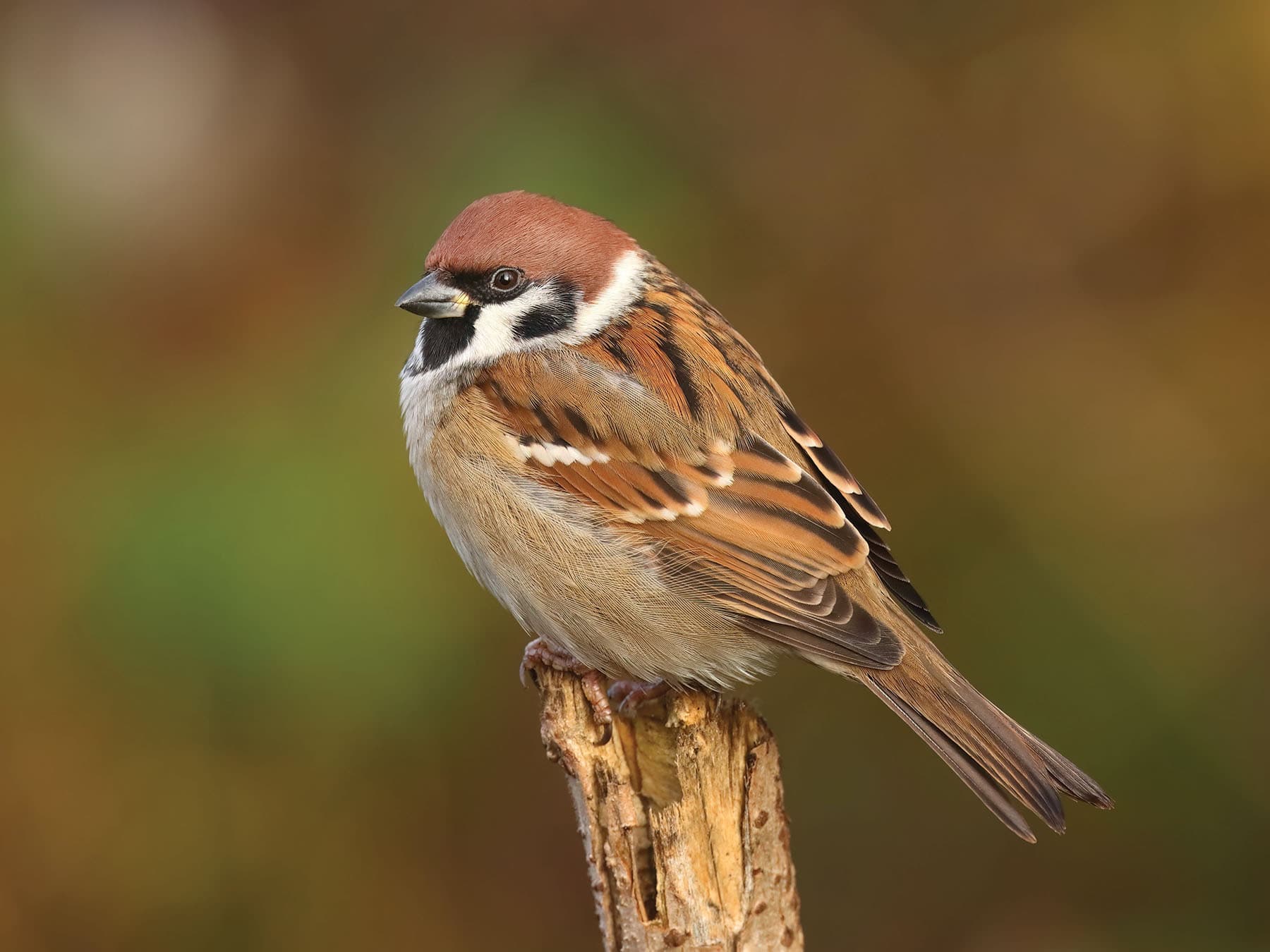
Eurasian Tree Sparrow
Passer montanusLC
An uncommon year-round resident, often found around farmyards and rural edges, less tied to human habitation than its commoner cousin.
Year-round