Uncommon Birds in Northumberland
80 species matching this filter.
Northumberland's diverse landscapes — from the rugged North Sea coastline and the Farne Islands to upland moors and river valleys — support a rich variety of birdlife, including around 80 species classed as uncommon in the county. Among these are striking visitors such as Arctic Tern, Black-tailed Godwit and Greenshank, alongside less frequently encountered residents like Bullfinch, Eurasian Tree Sparrow and Greenfinch. Whether you're scanning coastal estuaries or exploring sheltered woodland, these harder-to-find species offer rewarding encounters for patient birdwatchers.


Showing 24–46 of 80 species
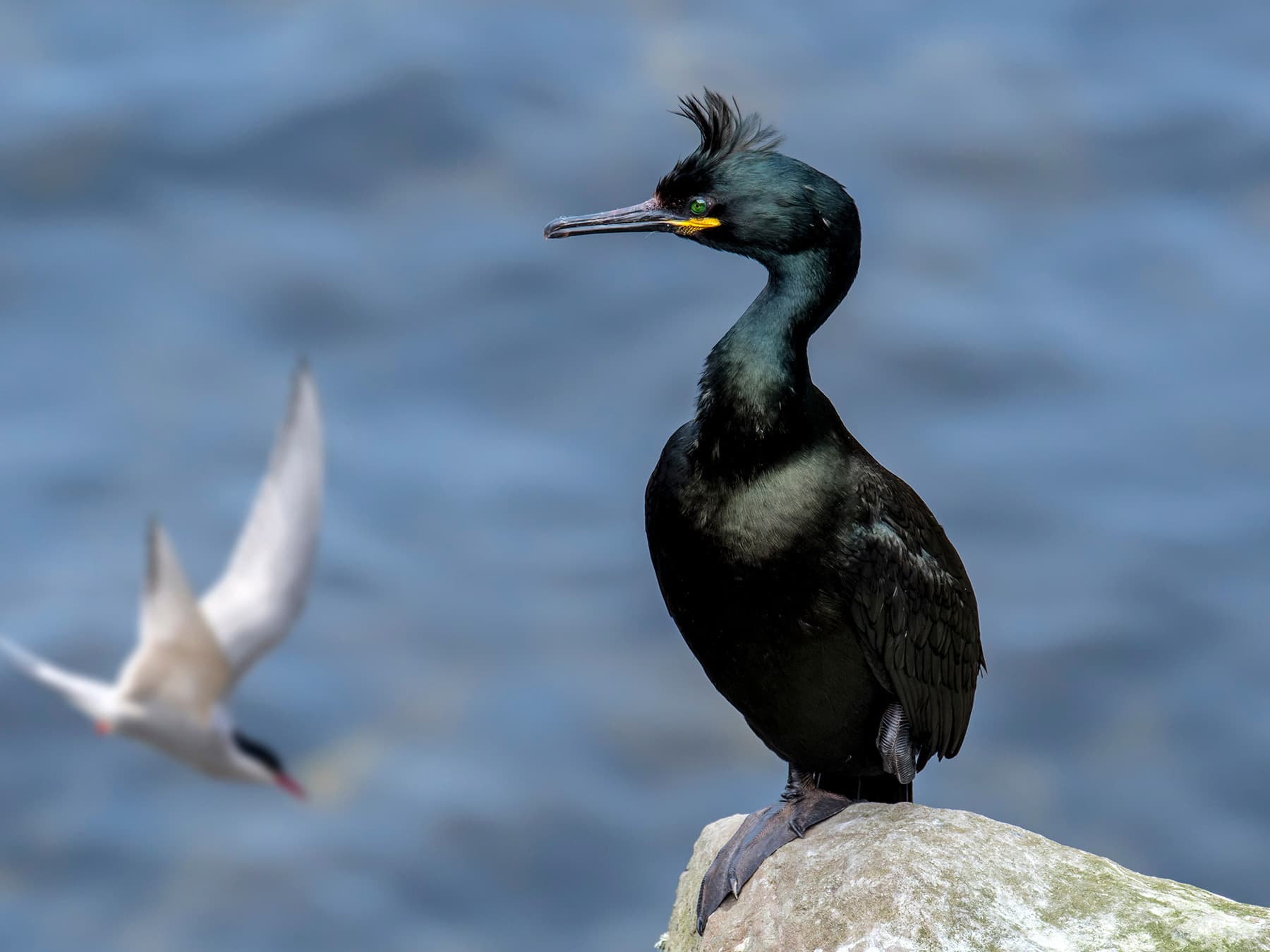
European Shag
Phalacrocorax aristotelisLC
Breeds on rocky cliffs and the Farne Islands. Present year-round, favouring rougher coastline over harbours compared to cormorants.
Year-round
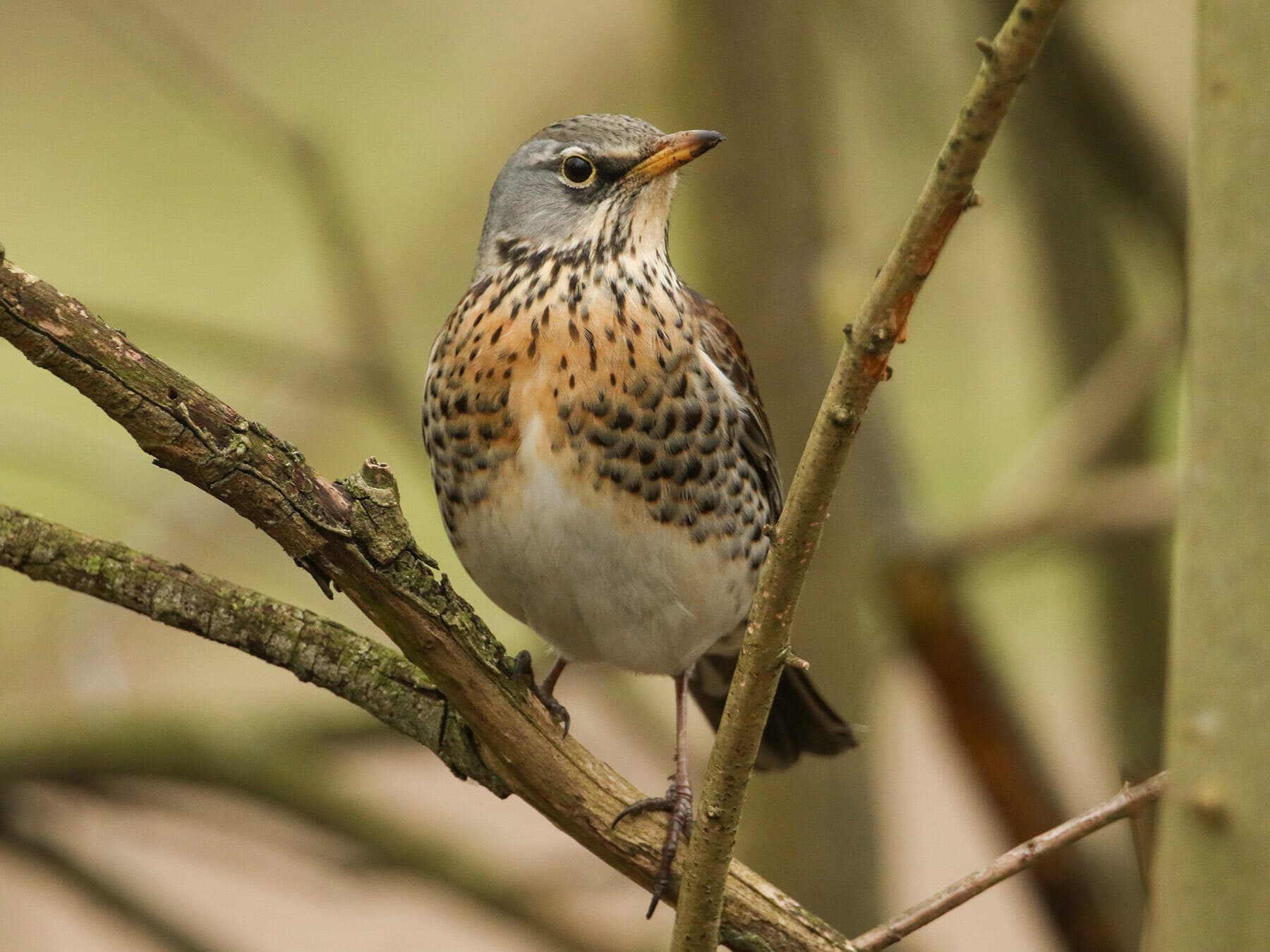
Fieldfare
Turdus pilarisLC
An uncommon winter visitor from Scandinavia, feeding in flocks on hedgerow berries across farmland and open countryside.
Oct–Apr
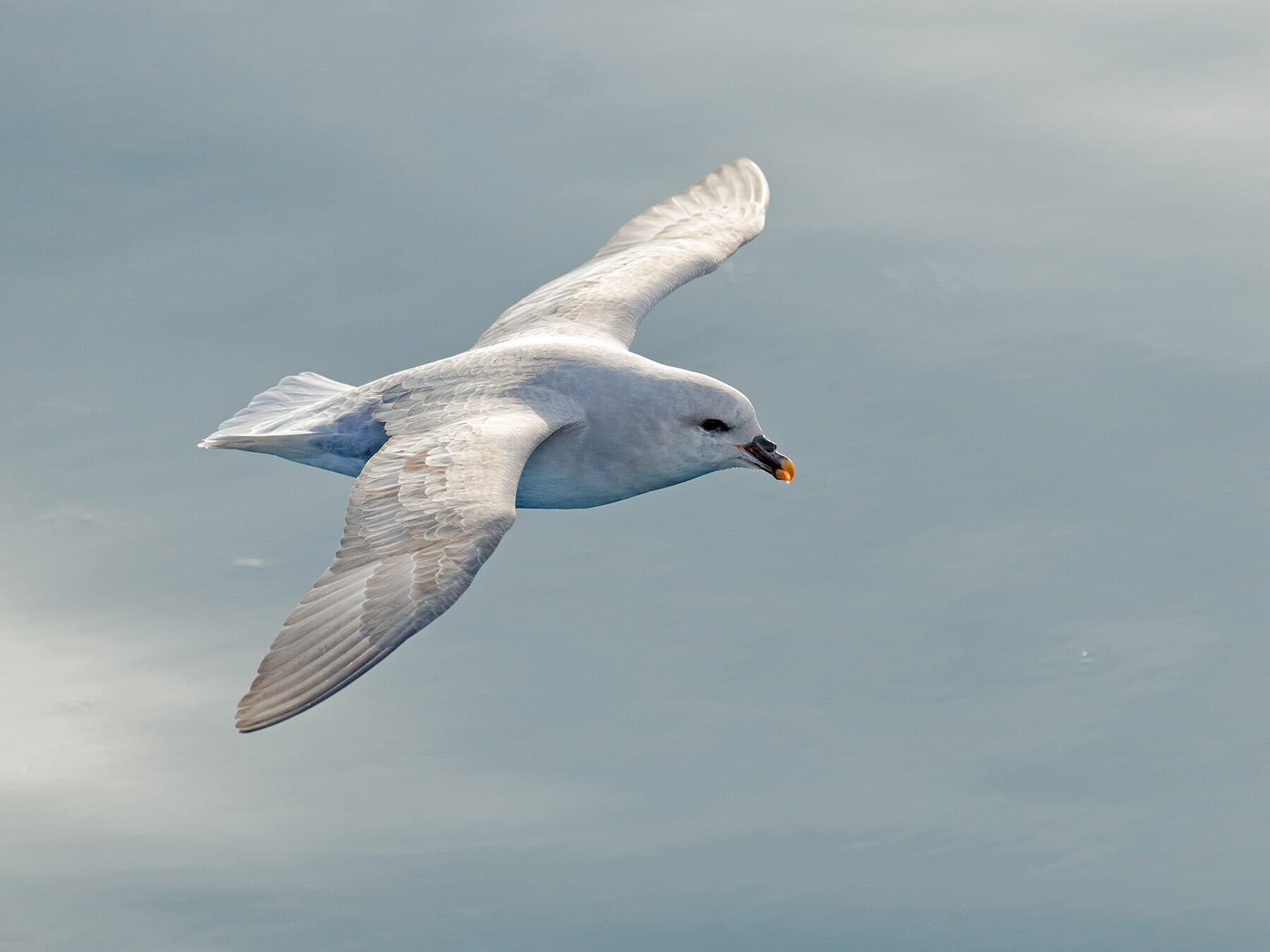
Fulmar
Fulmarus glacialisLC
Breeds on sea cliffs along the Northumberland coast and Farne Islands. Present year-round with a distinctive stiff-winged flight.
Year-round
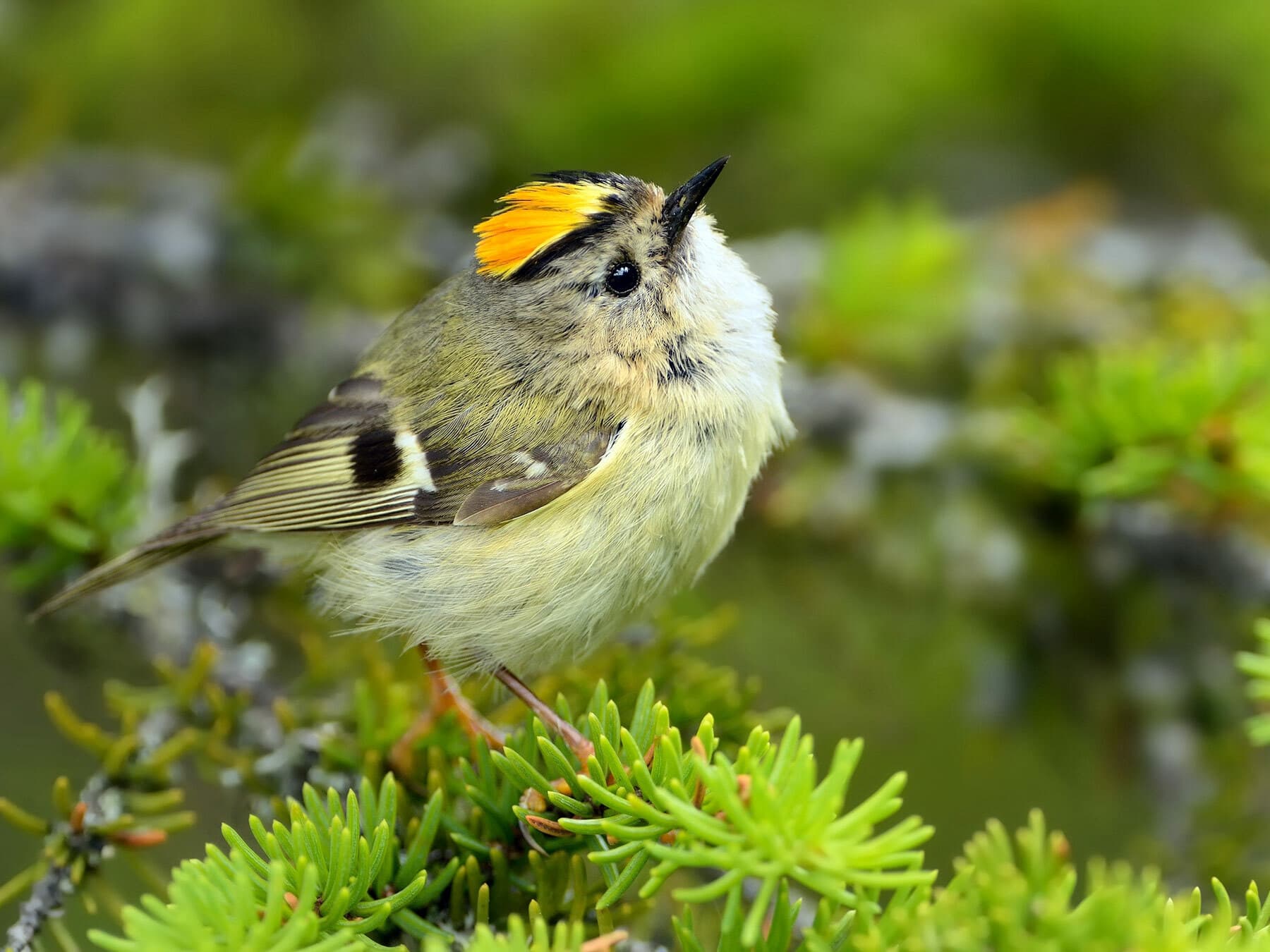
Goldcrest
Regulus regulusLC
An uncommon resident of coniferous and mixed woodland. Numbers swell in autumn with continental migrants arriving along the coast.
Year-round
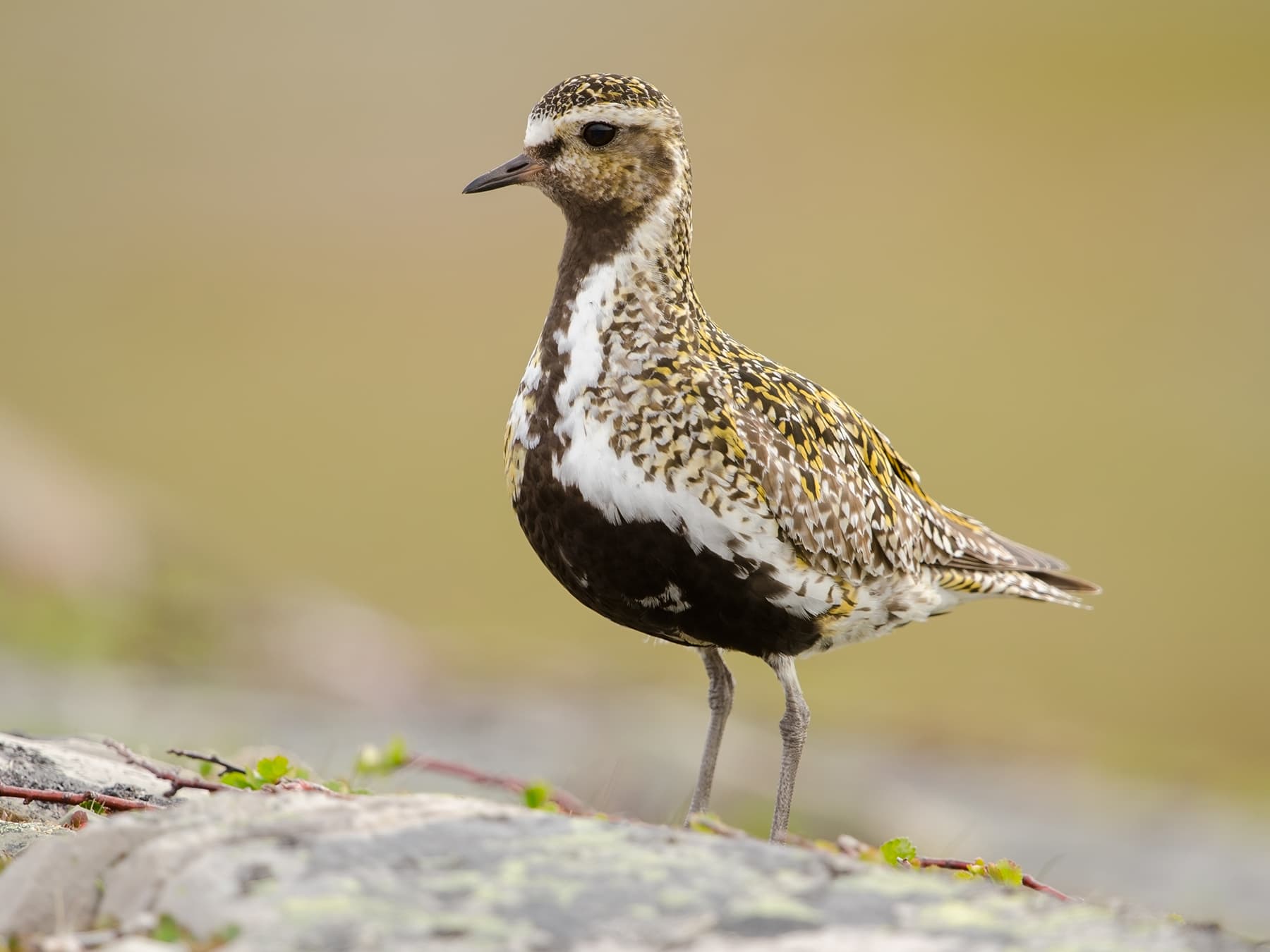
Golden Plover
Pluvialis apricariaLC
An uncommon resident breeding on upland moorland in summer. Large winter flocks gather on coastal fields and estuarine margins.
Year-round
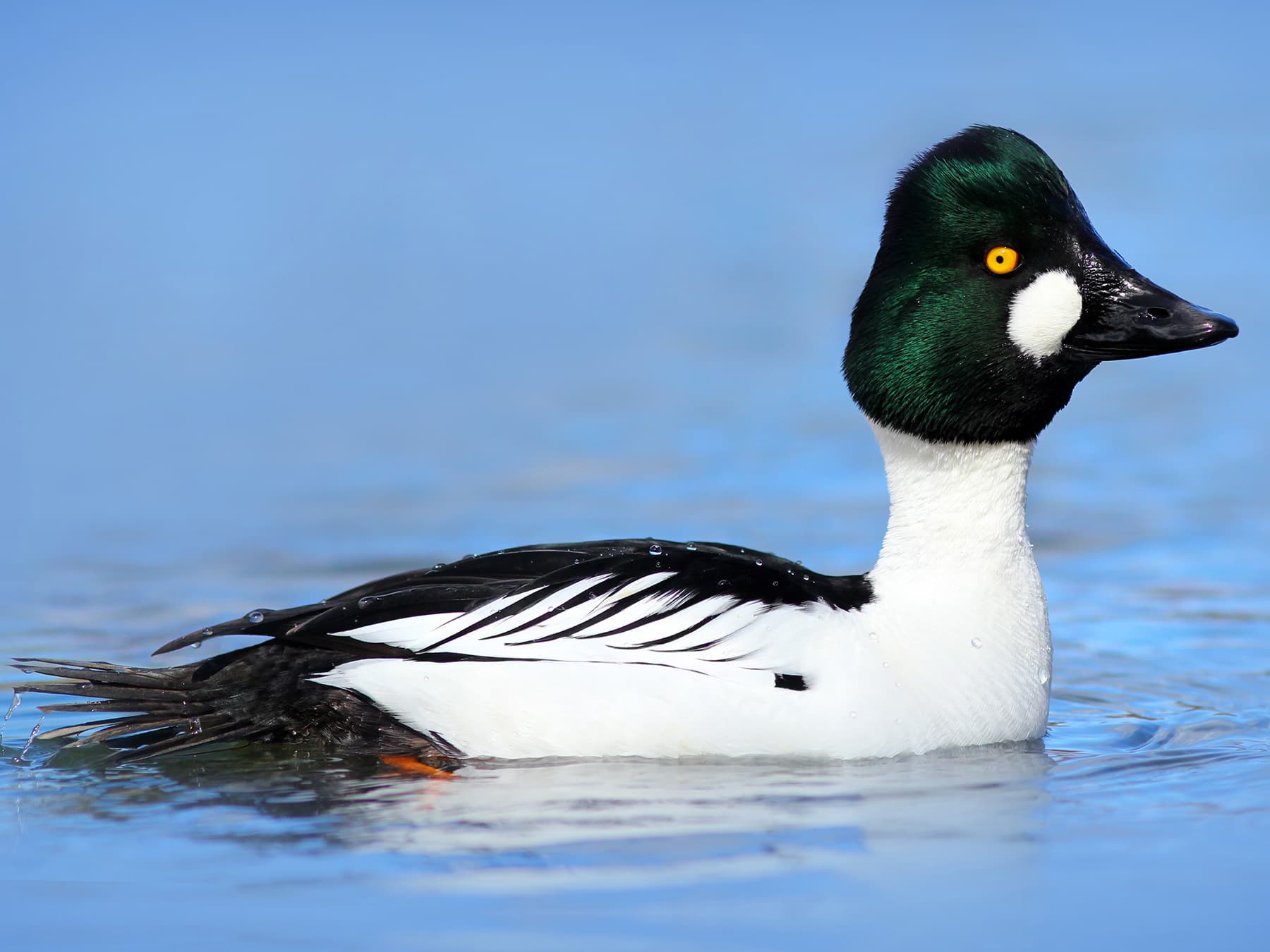
Goldeneye
Bucephala clangulaLC
An uncommon resident, most conspicuous in winter on rivers and lakes. A small breeding population exists in Northumberland's wooded river valleys.
Year-round
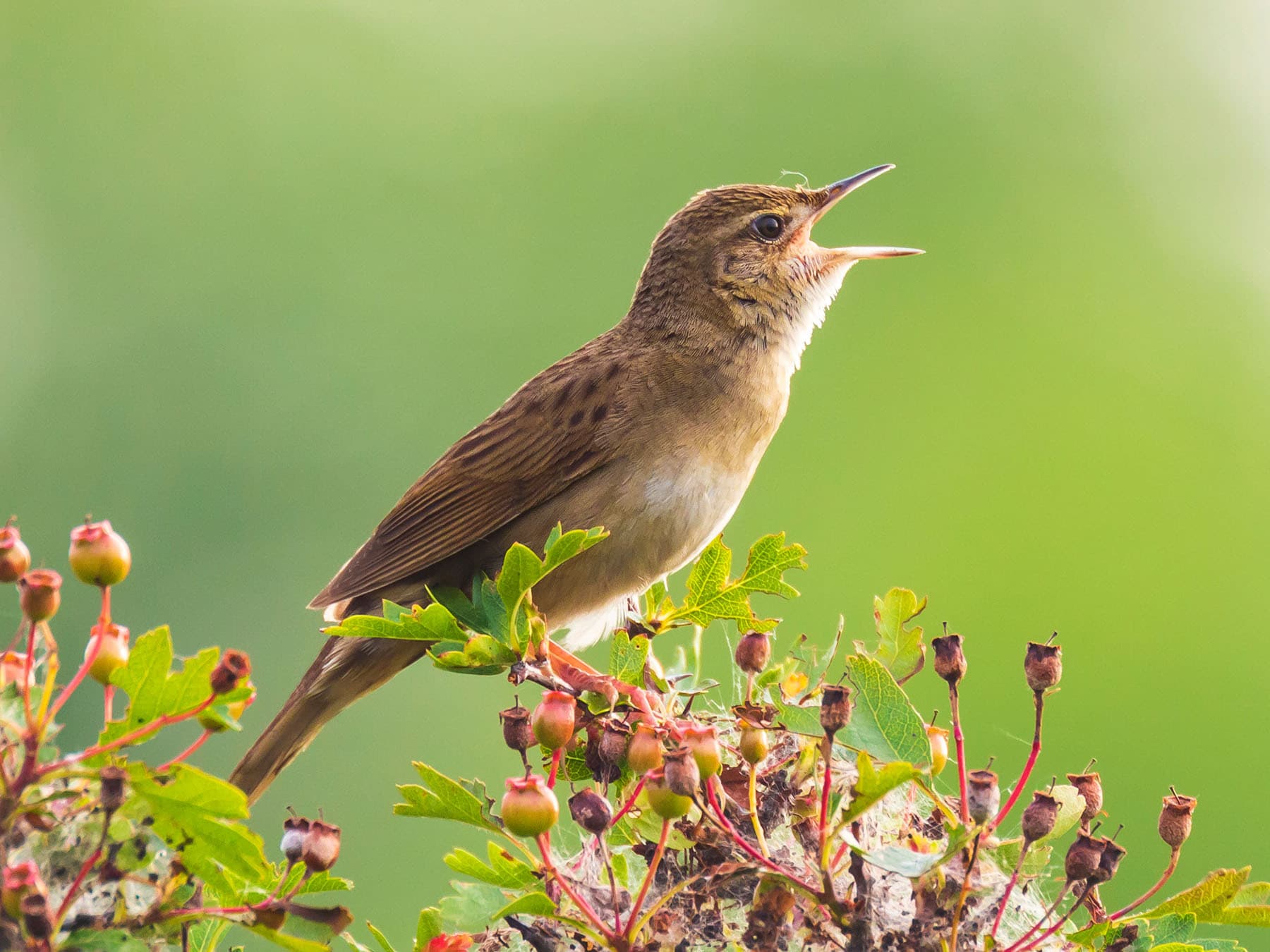
Grasshopper Warbler
Locustella naeviaLC
An elusive summer visitor best detected by its insect-like reeling song from dense scrub and rough grassland between April and August.
Apr–Aug
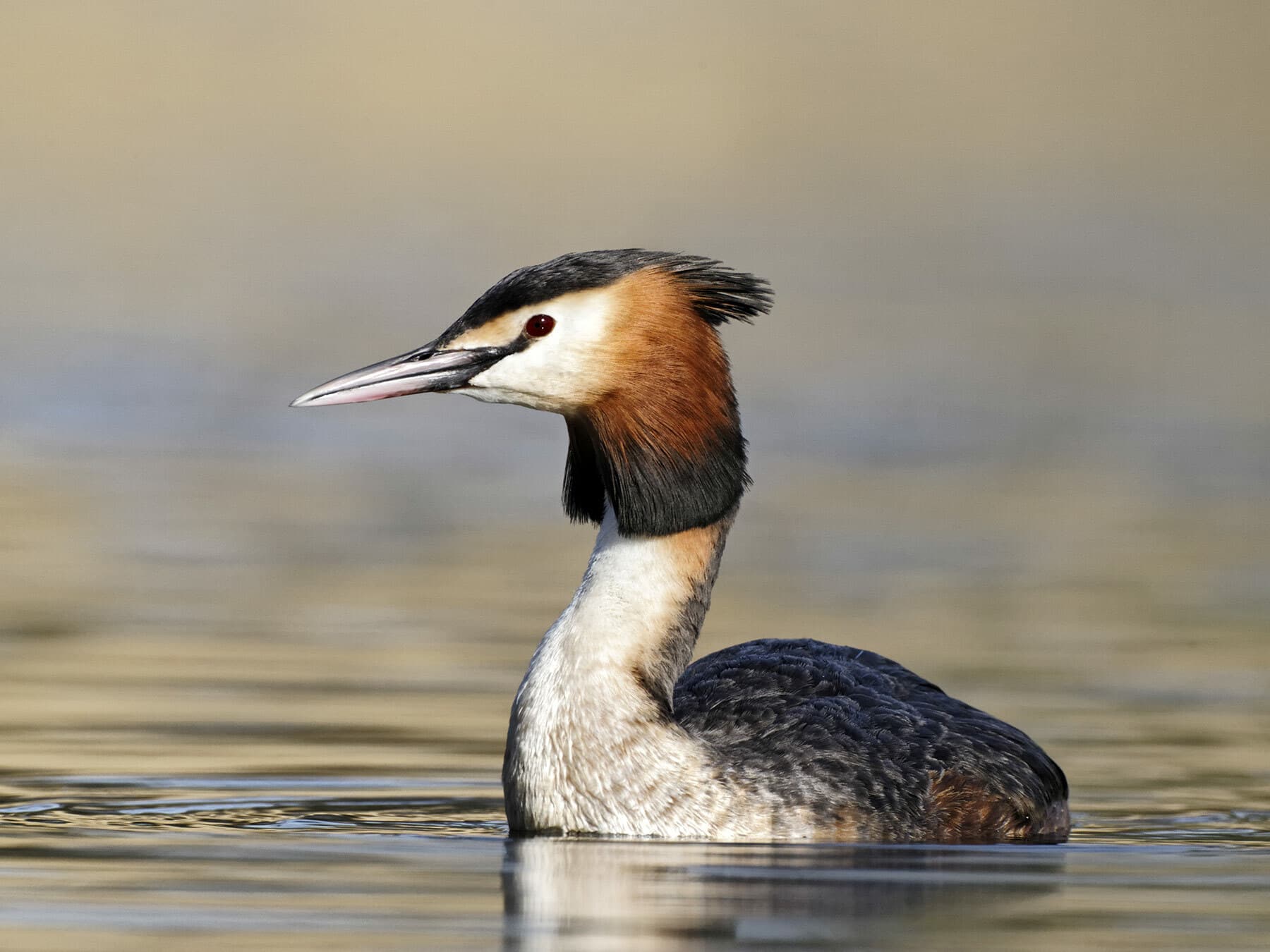
Great Crested Grebe
Podiceps cristatusLC
An uncommon year-round resident on larger lakes and reservoirs. Elaborate courtship displays can be seen in spring.
Year-round
Spotted something?
Upload a photo to identify it
Identify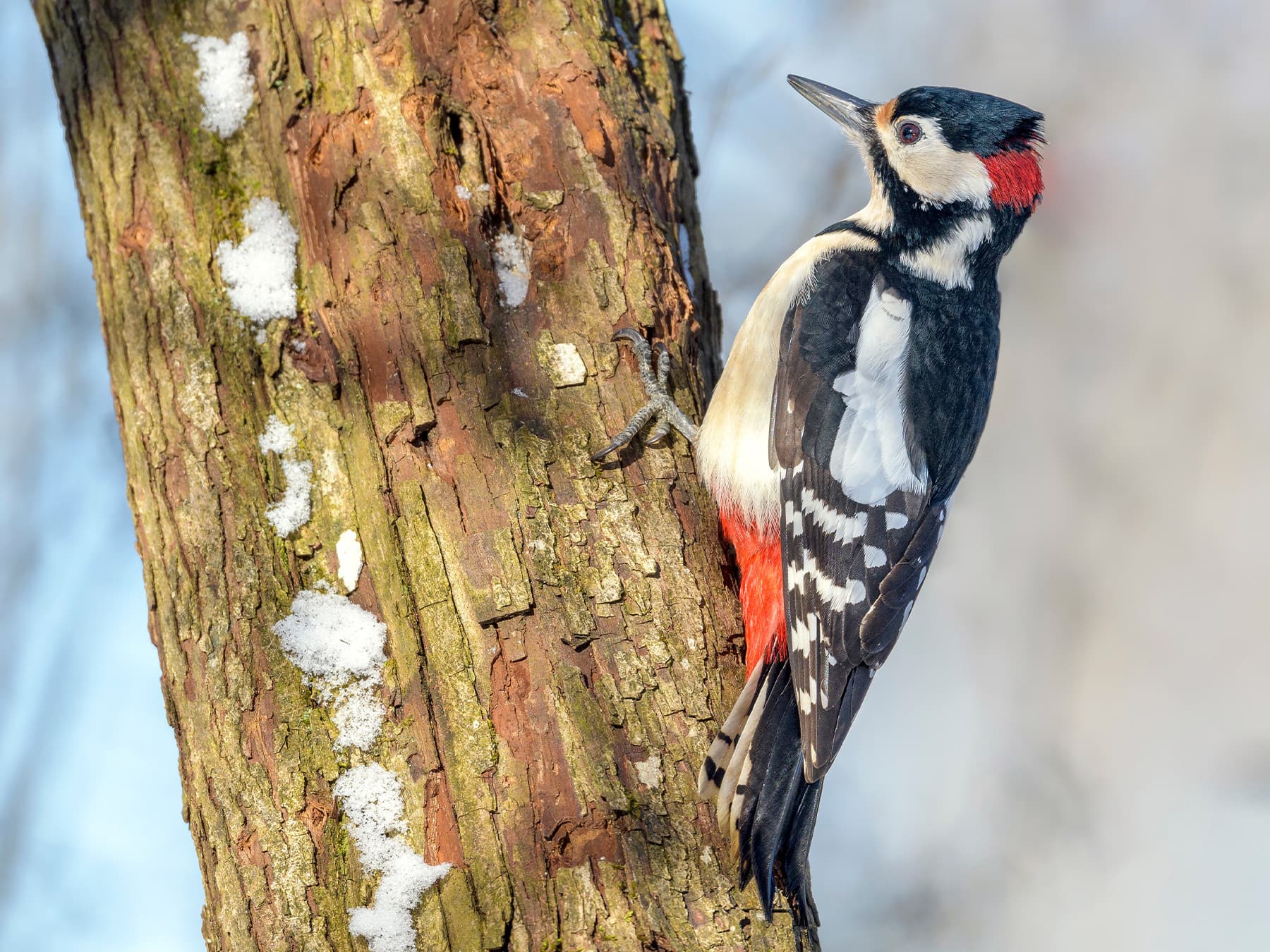
Great Spotted Woodpecker
Dendrocopos majorLC
An uncommon resident of mature broadleaved and mixed woodlands. Listen for its distinctive drumming in spring across Northumberland's valleys.
Year-round
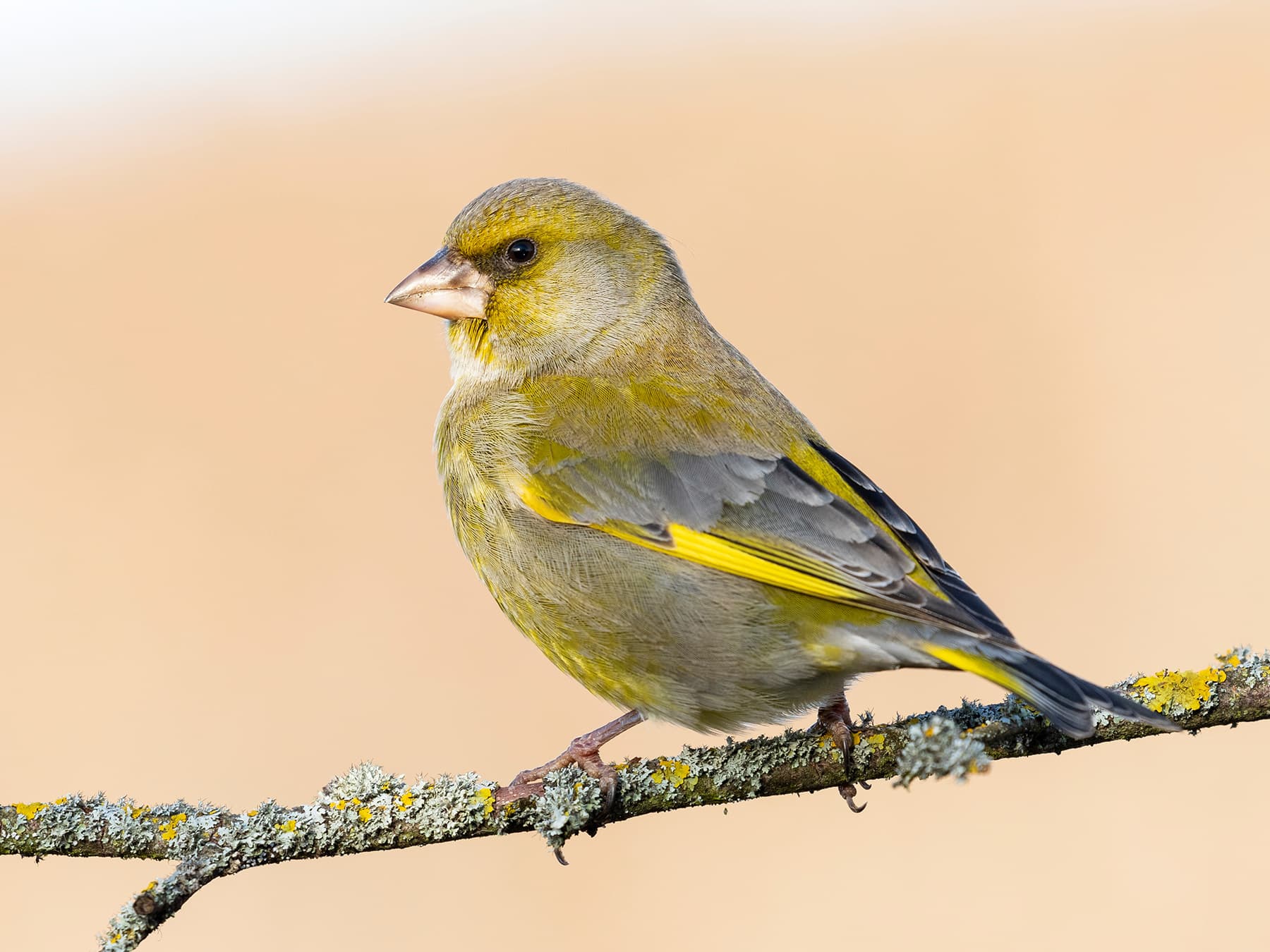
Greenfinch
Chloris chlorisLC
Present year-round but declining, found in gardens, hedgerows, and woodland edges. Numbers have dropped sharply due to disease.
Year-round
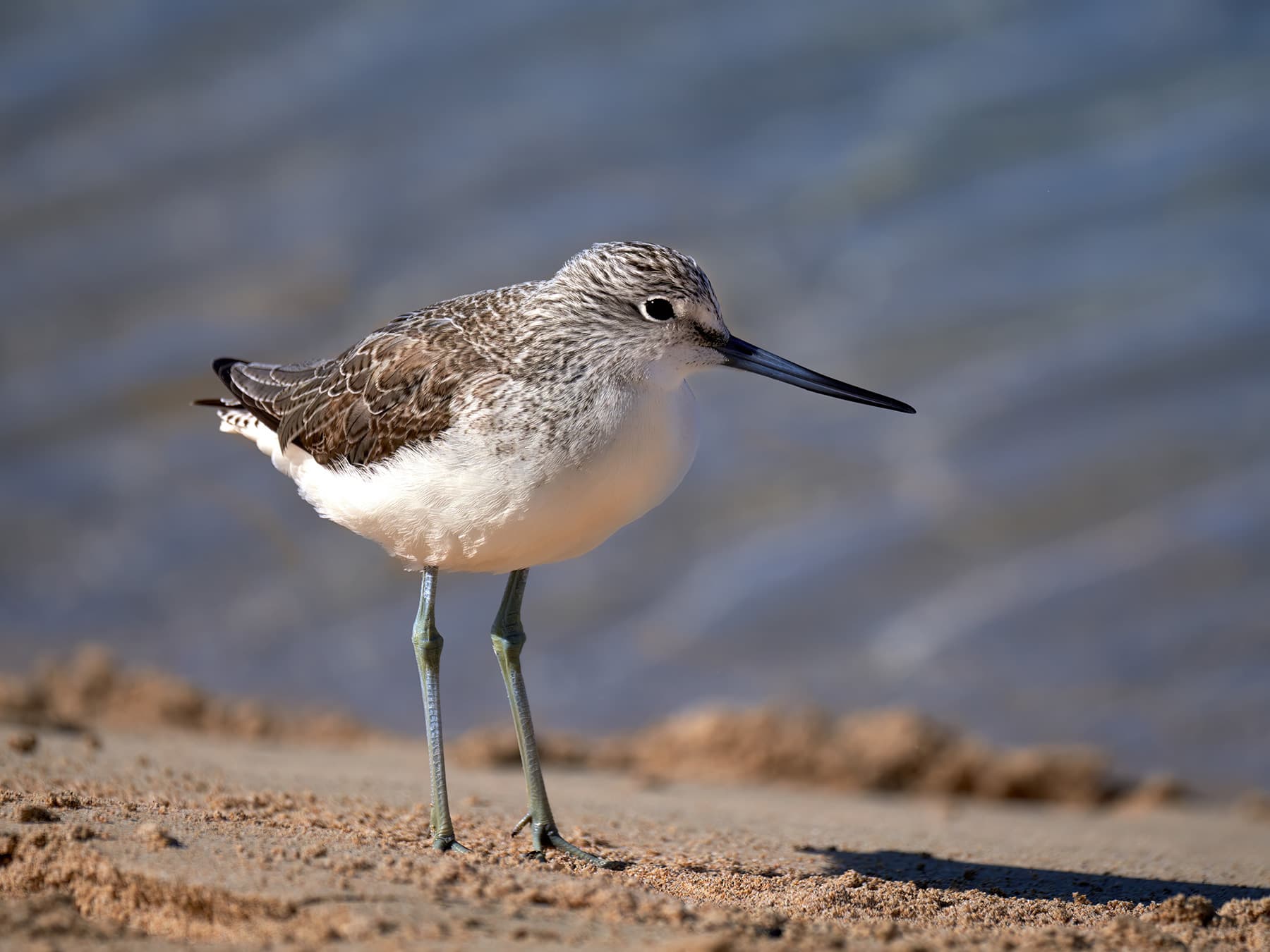
Greenshank
Tringa nebulariaLC
An uncommon breeder on upland bogs and loch margins, also noted on coastal passage from April to October.
Apr–Oct
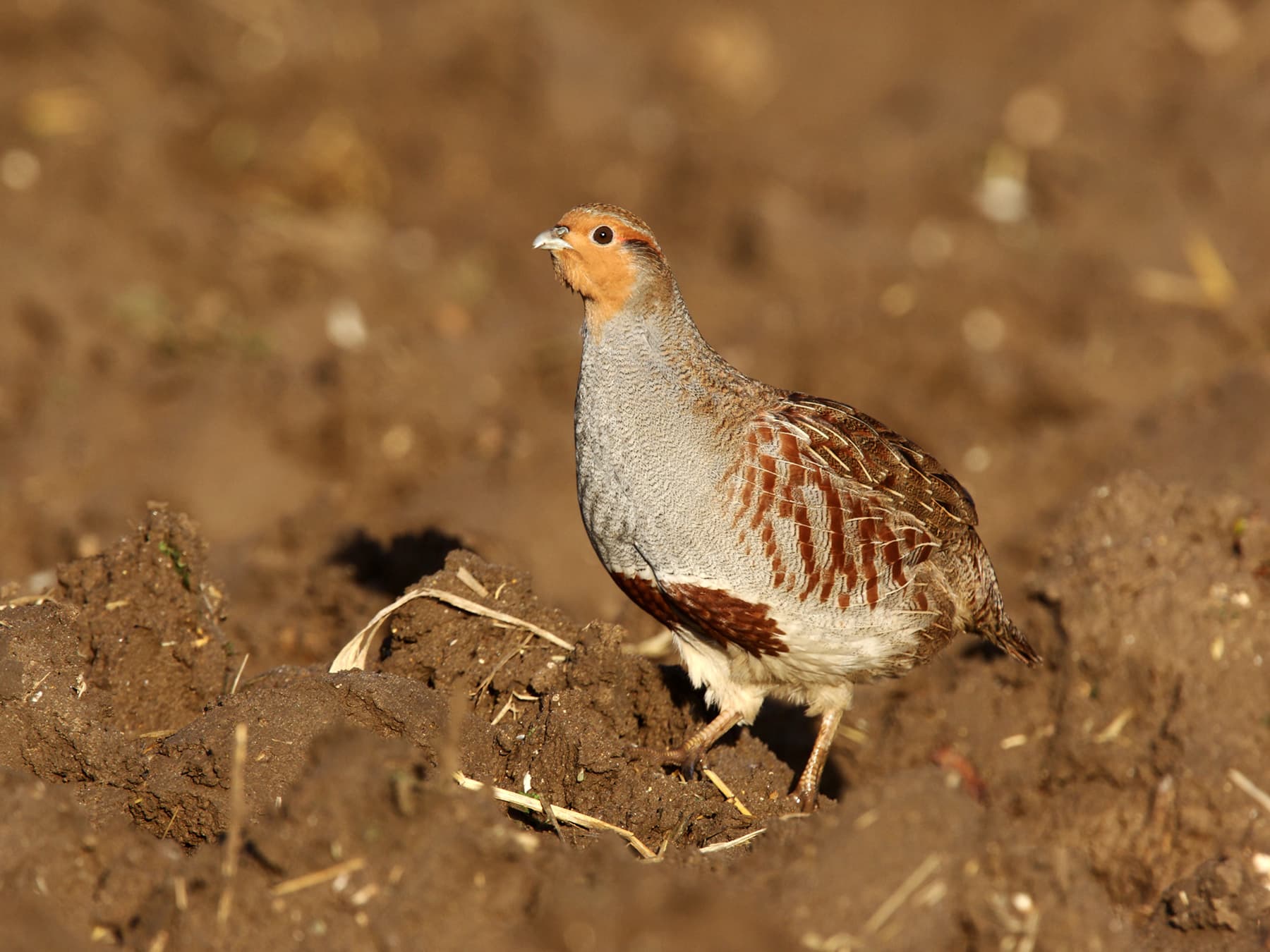
Grey Partridge
Perdix perdixLC
An uncommon and declining resident of arable farmland and rough grassland. Coveys may be found on Northumberland's lowland fields year-round.
Year-round
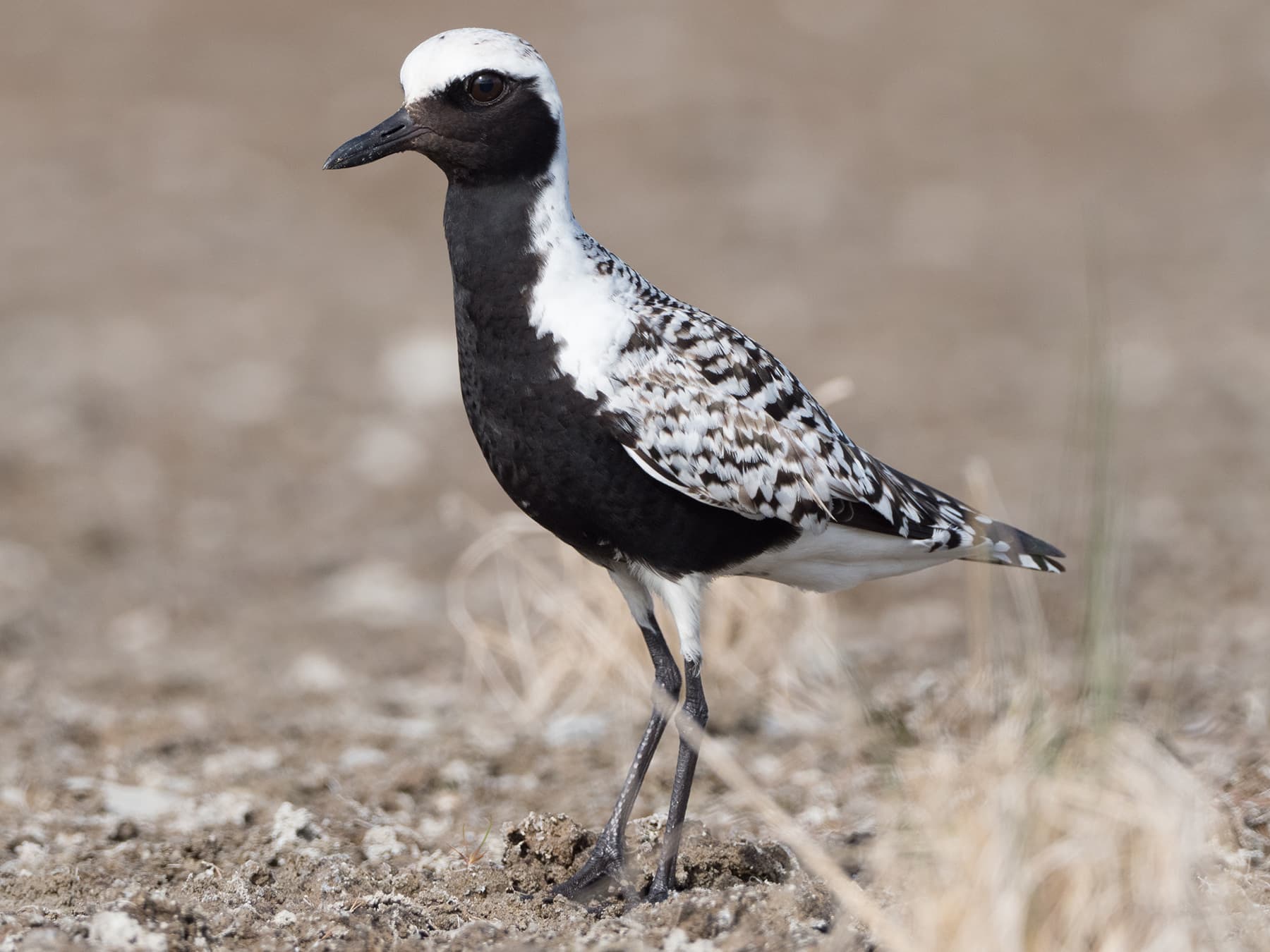
Grey Plover
Pluvialis squatarolaLC
Frequents estuaries and mudflats such as Budle Bay and Lindisfarne, most numerous in autumn and winter passage periods.
Aug–May
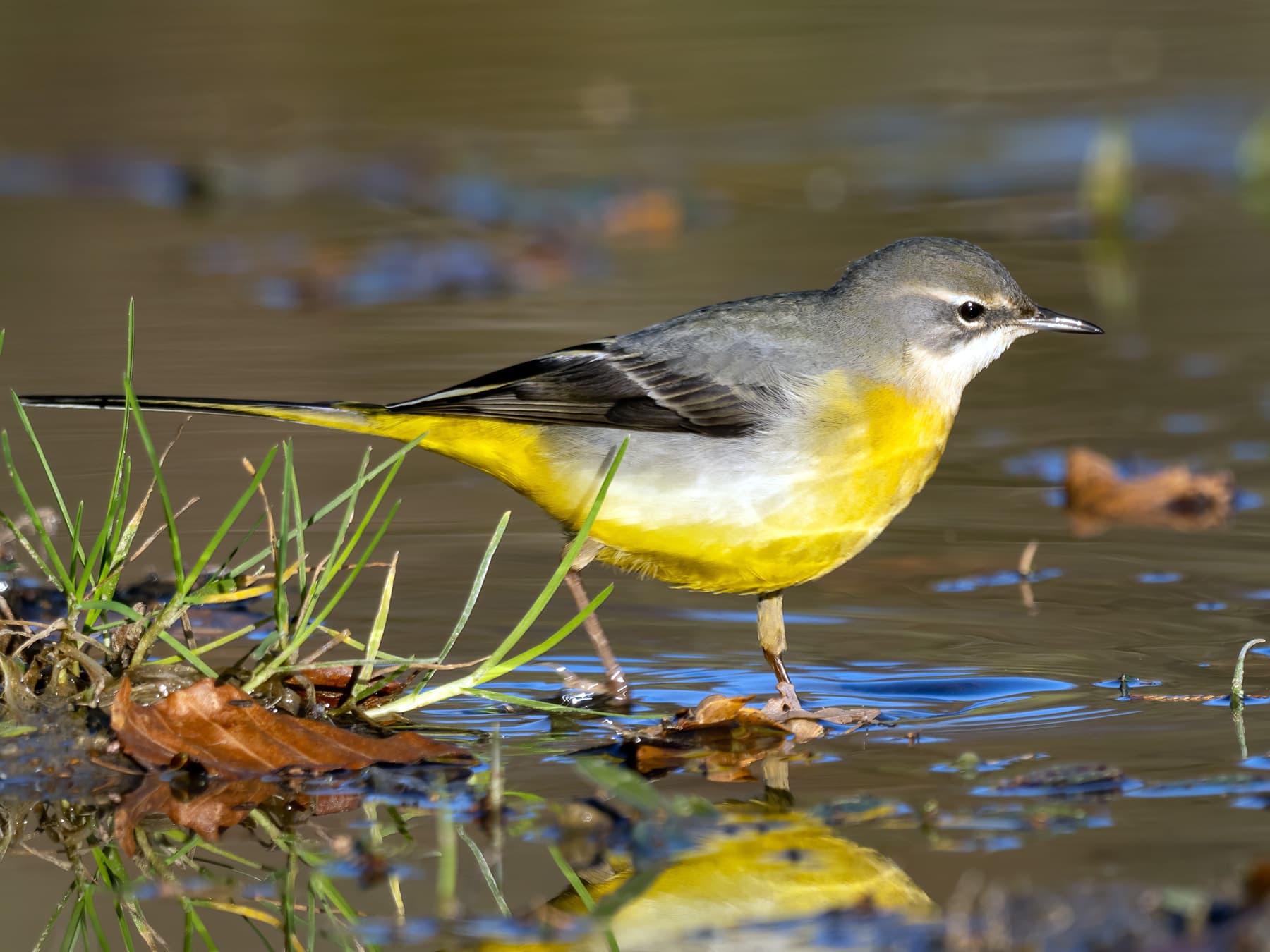
Grey Wagtail
Motacilla cinereaLC
An uncommon resident favouring fast-flowing streams and rivers. Often bobs its long tail on rocks in upland burns.
Year-round
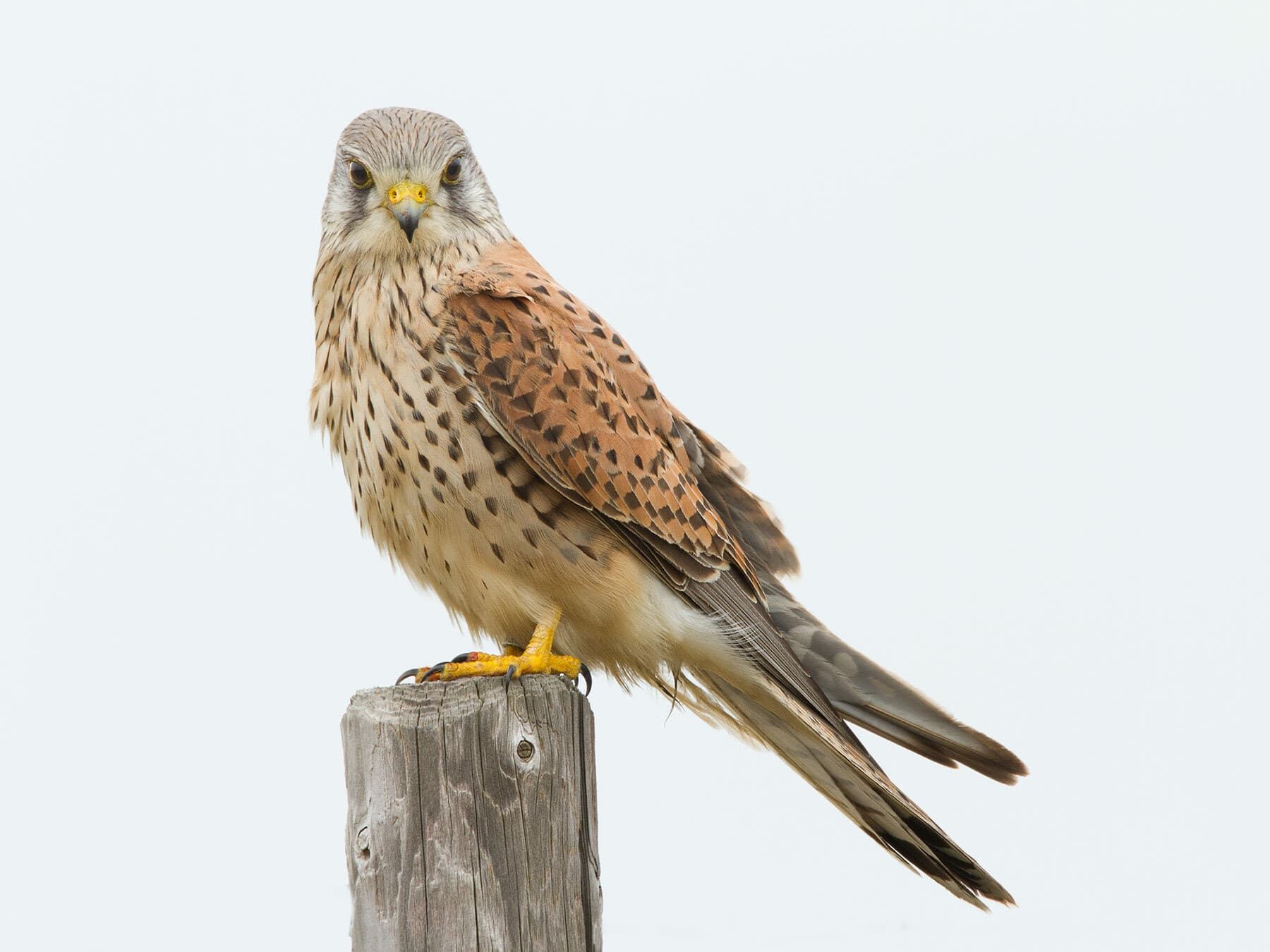
Kestrel
Falco tinnunculusLC
An uncommon resident often seen hovering over roadside verges and moorland edges. Present year-round but declining nationally.
Year-round
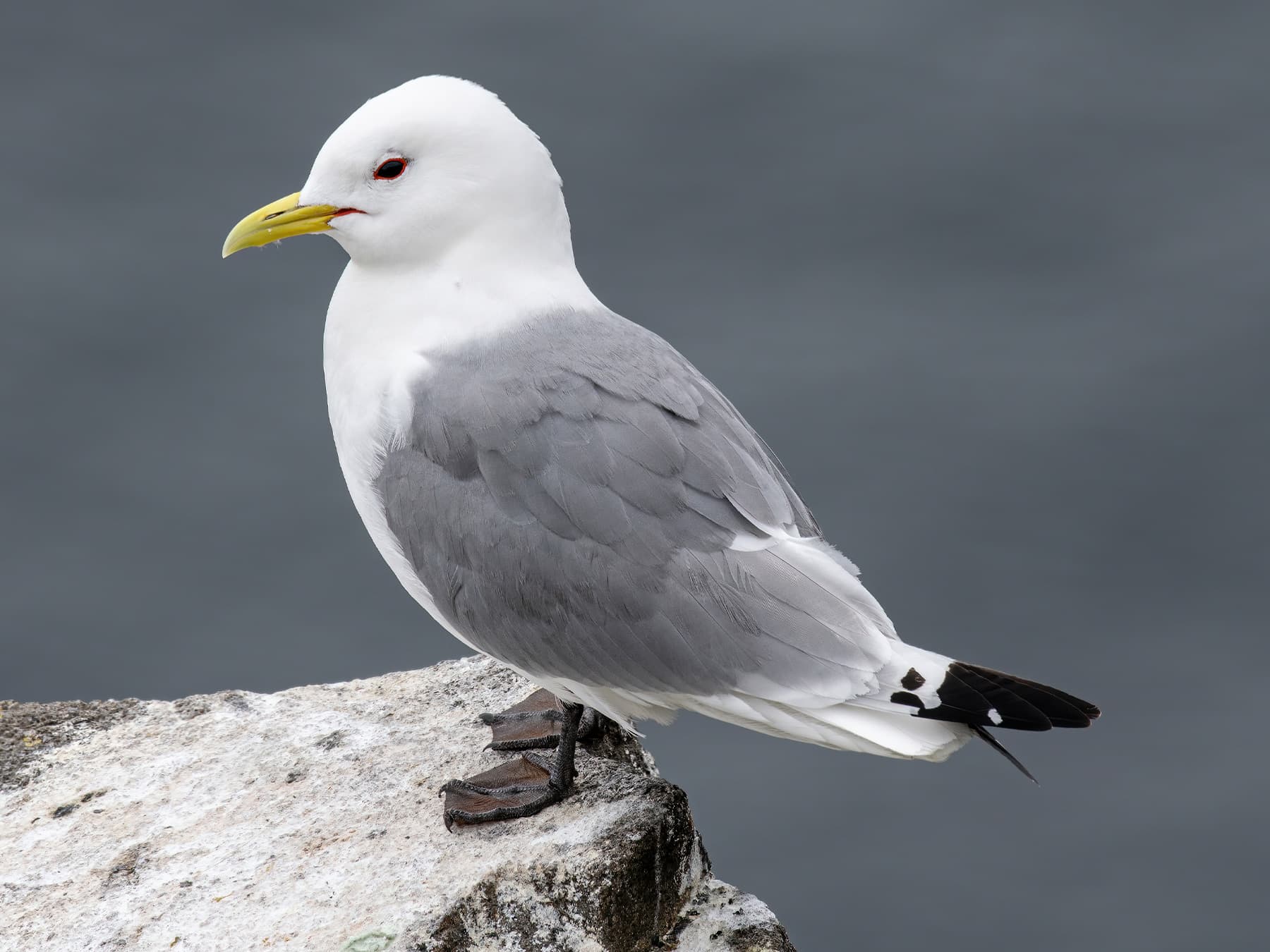
Kittiwake
Rissa tridactylaVU
Breeds in noisy cliff colonies on the Farnes and at Dunstanburgh, though numbers are declining sharply across the region.
Year-round
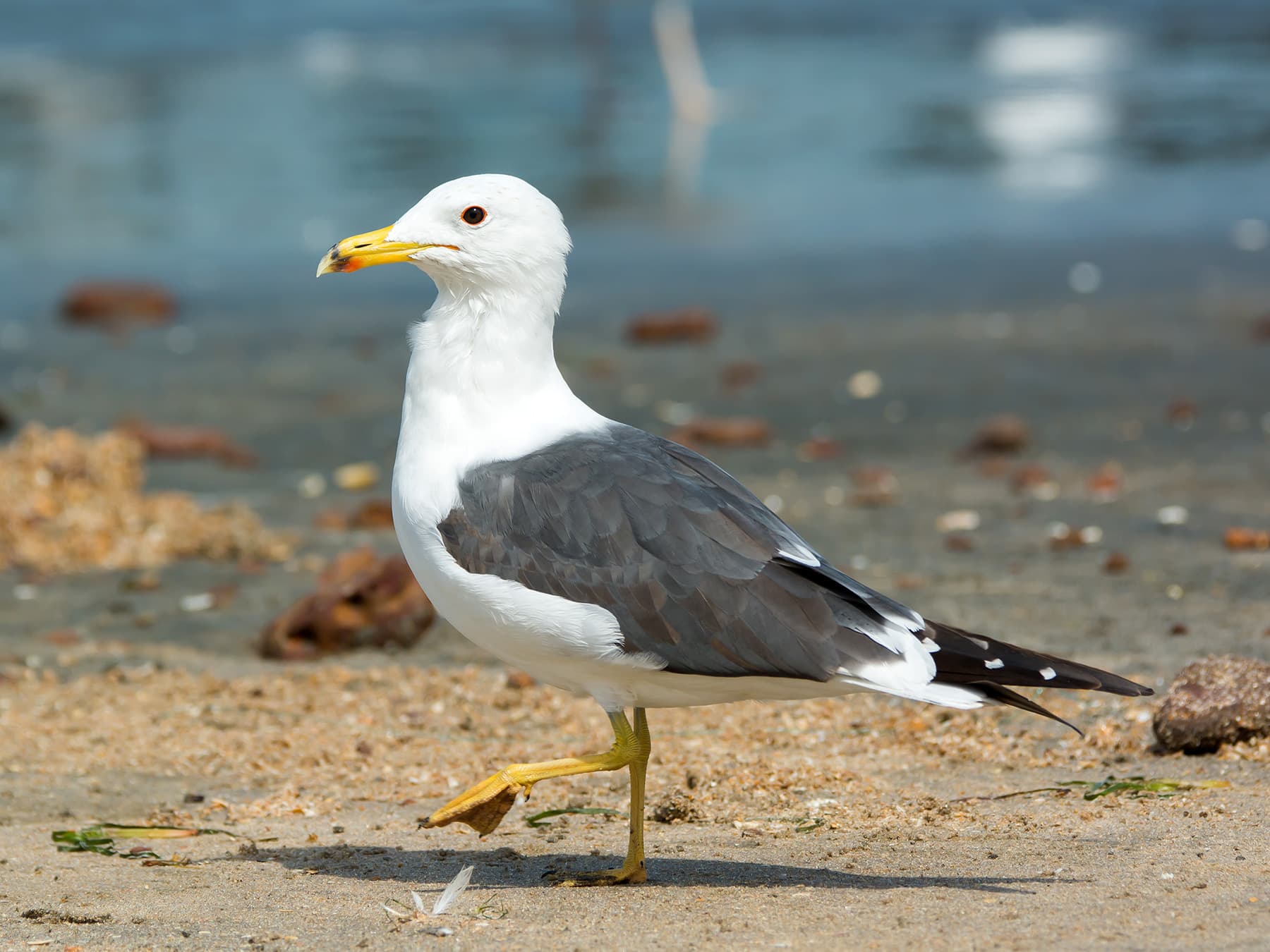
Lesser Black-backed Gull
Larus fuscusLC
Present year-round but uncommon, seen along the coast and at inland tips. Less numerous here than Herring or Black-headed Gulls.
Year-round
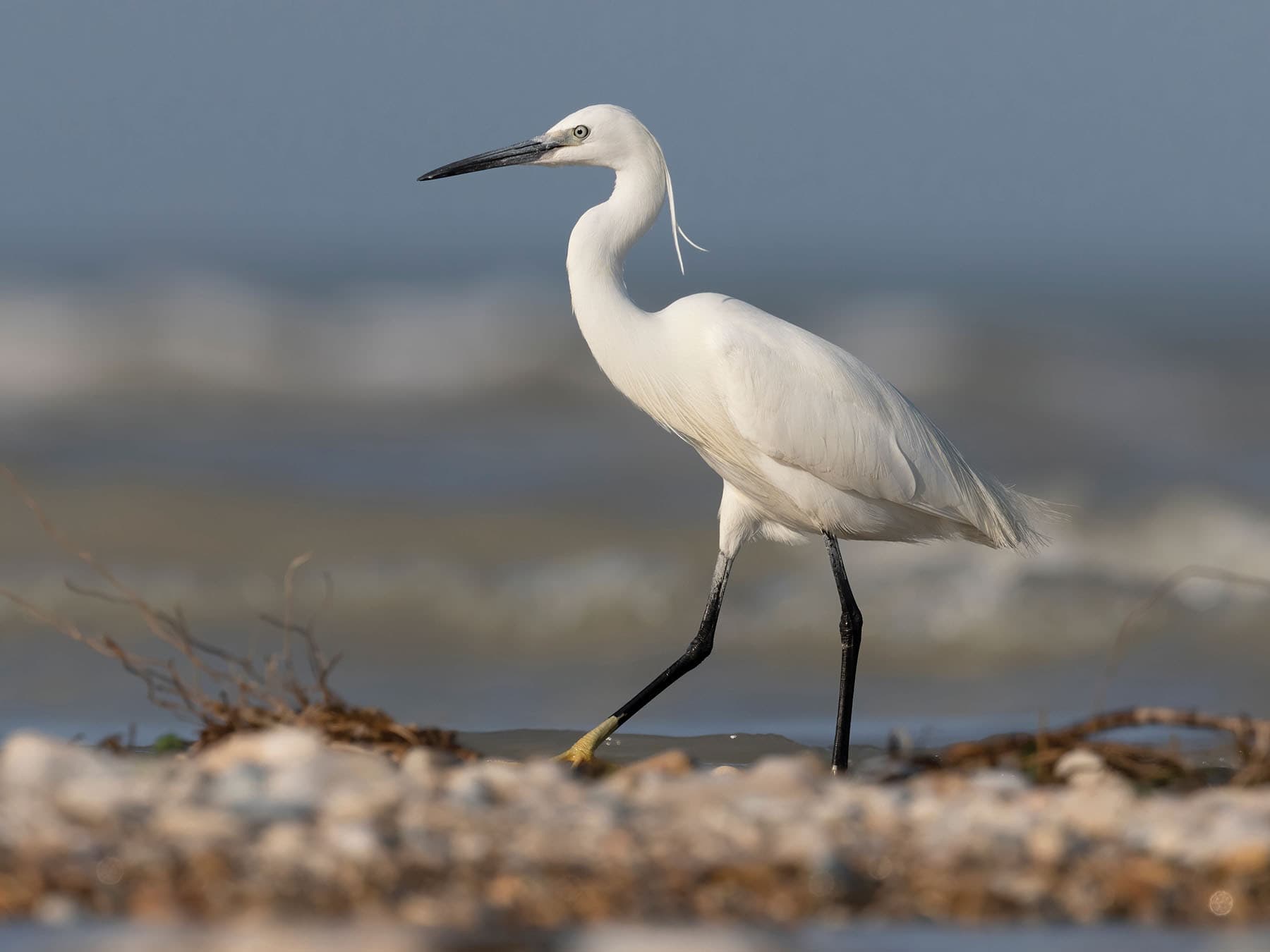
Little Egret
Egretta garzettaLC
An uncommon but increasing resident, now seen regularly at estuaries and coastal pools, reflecting its northward range expansion.
Year-round
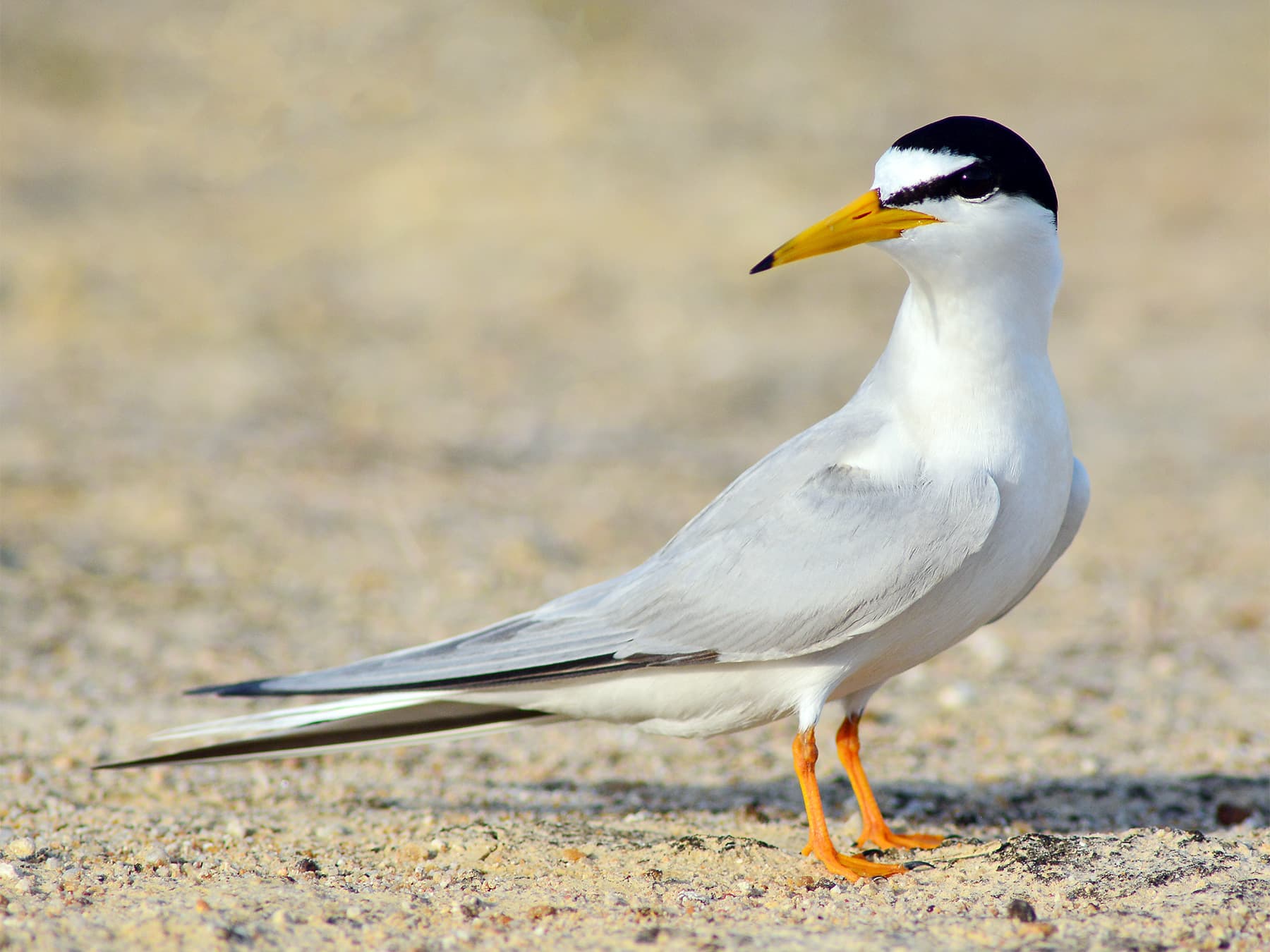
Little Tern
Sternula albifronsLC
Breeds on shingle beaches along the coast, notably at Long Nanny. A declining species needing protected nesting sites.
May–Aug
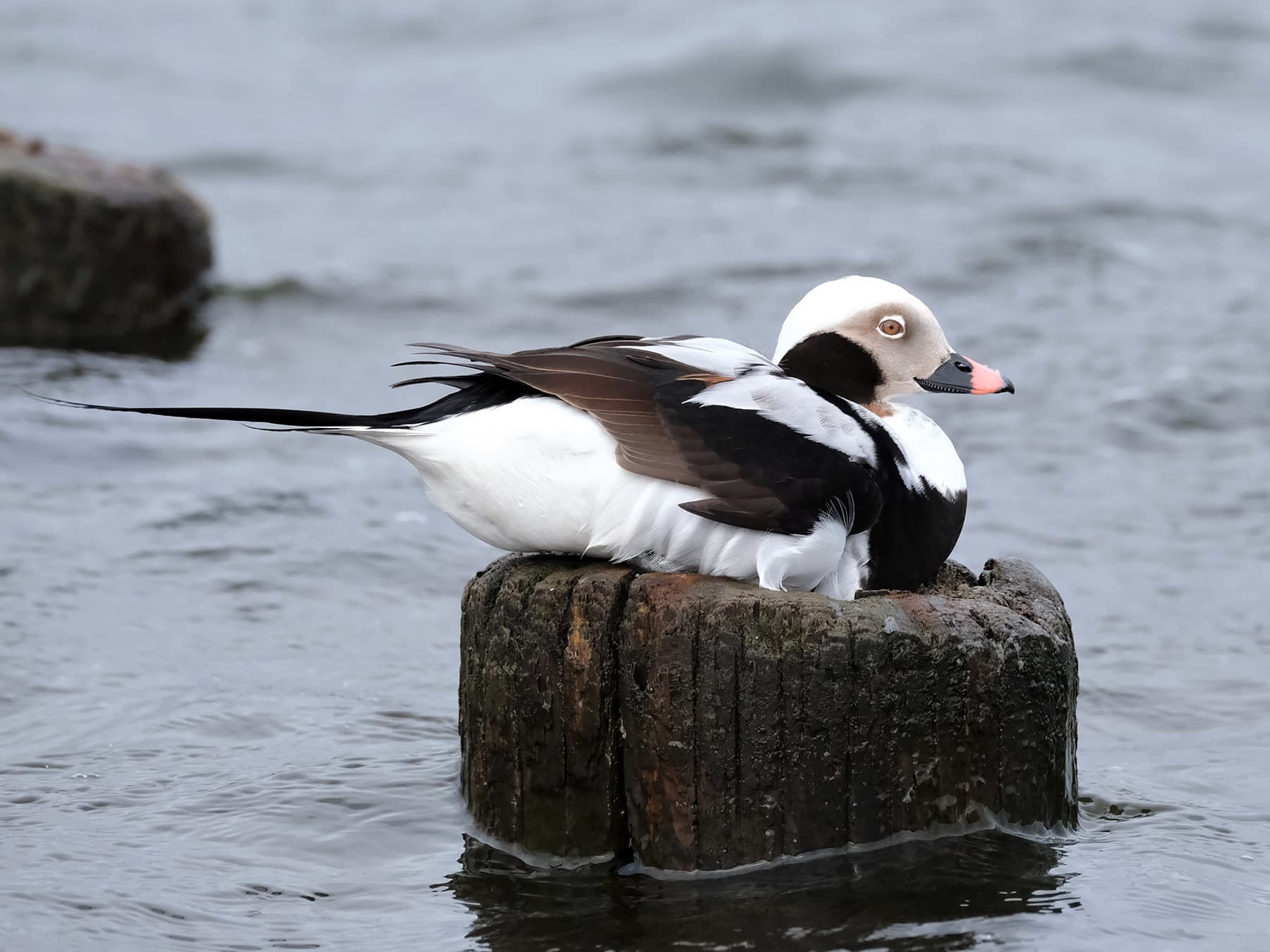
Long-tailed Duck
Clangula hyemalisVU
An uncommon winter visitor to inshore waters, arriving from October. Small groups favour sheltered bays along the Northumberland coast.
Oct–Apr
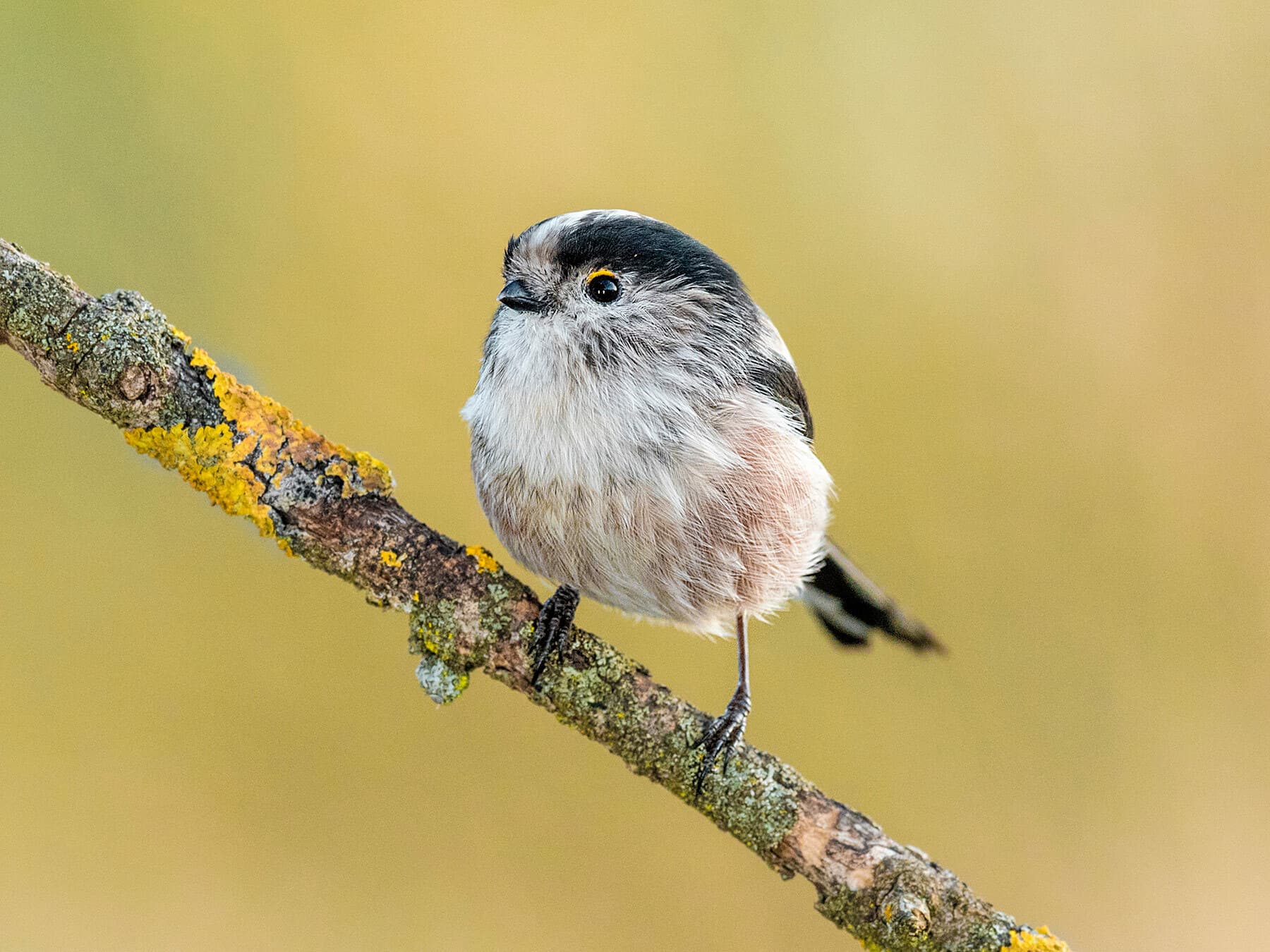
Long-tailed Tit
Aegithalos caudatusLC
An uncommon resident, moving through hedgerows and woodland edges in lively, chattering flocks. Present year-round across the county.
Year-round
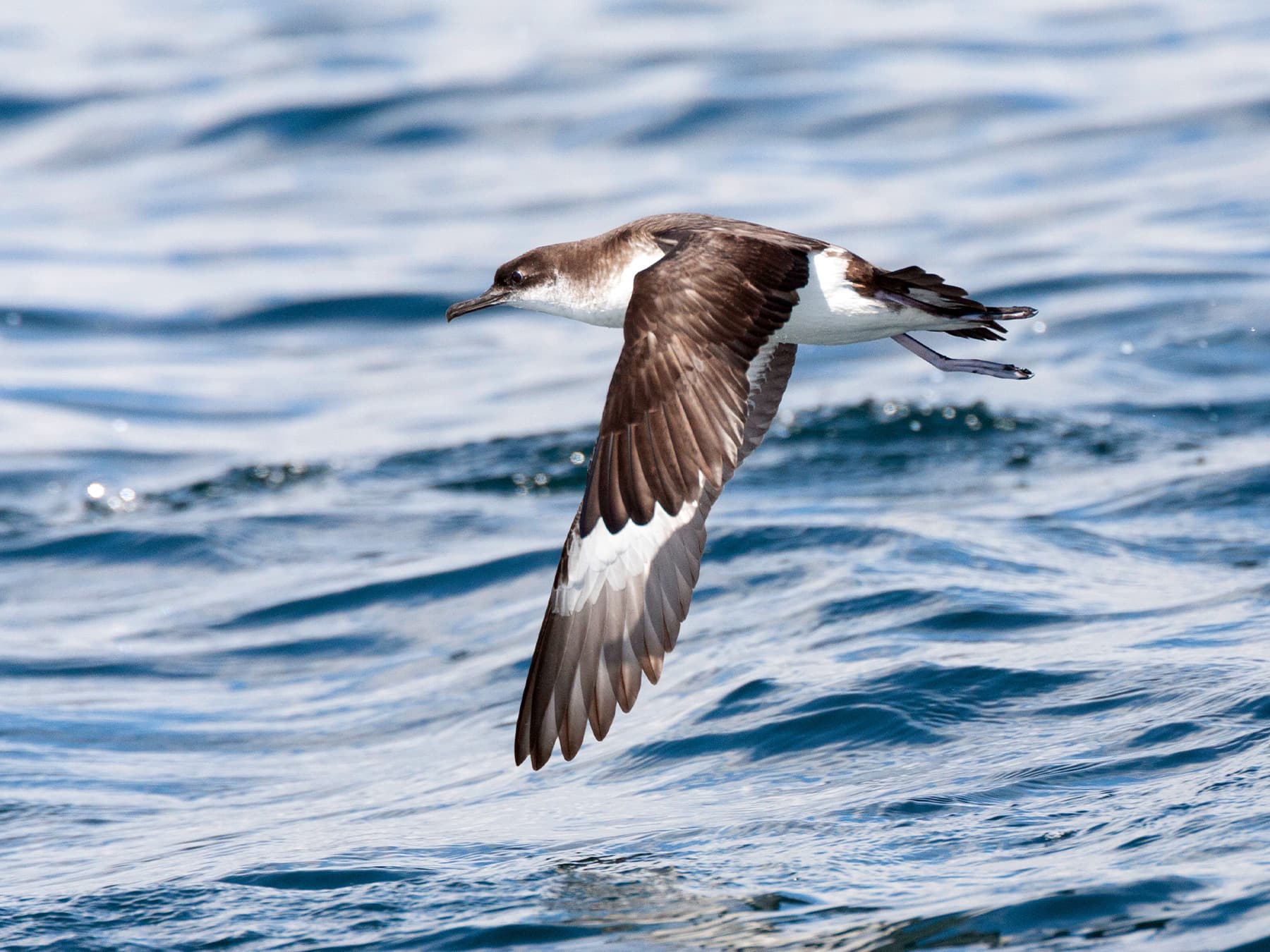
Manx Shearwater
Puffinus puffinusLC
An uncommon breeder, seen offshore from May to October. Best spotted from coastal headlands as birds skim low over the North Sea waves.
May–Oct
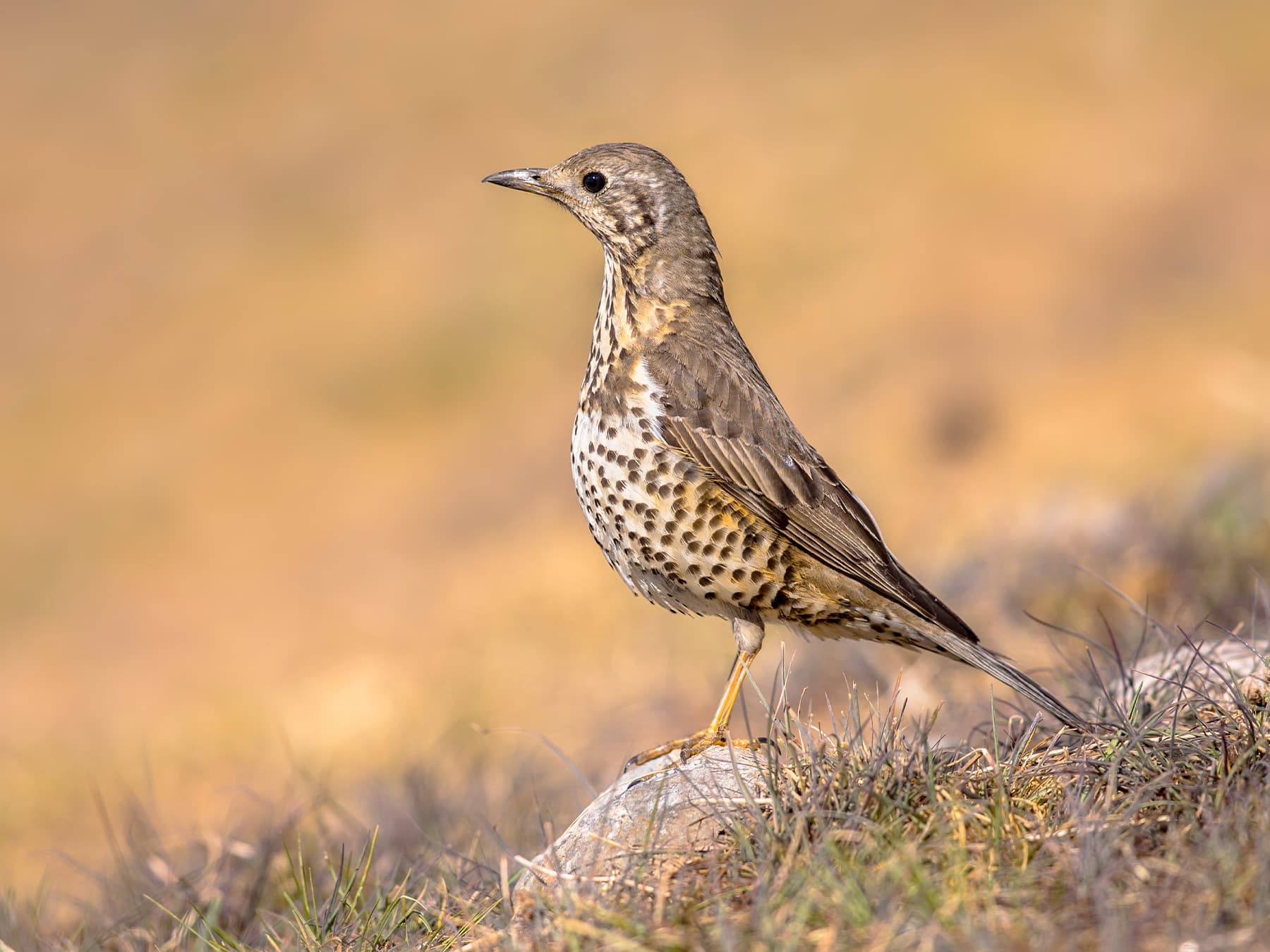
Mistle Thrush
Turdus viscivorusLC
An uncommon resident of parkland and open woodland, often singing boldly from treetops even in midwinter storms.
Year-round