Birds in Norfolk
Explore 235 species found in this region.
Norfolk is one of the premier birdwatching destinations in the United Kingdom, with 229 recorded species thriving across its diverse mosaic of coastal marshes, reed beds, estuaries, and arable farmland. The county's extensive coastline and renowned reserves such as Cley Marshes, Titchwell, and the North Norfolk coast attract vast numbers of wildfowl and waders, including Eurasian Wigeon, Common Shelduck, and Garganey. Norfolk is also a vital stronghold for increasingly rare species such as the European Turtle-dove and supports impressive winter gatherings of Barnacle Geese and Goldeneye.
Visiting in September? Look out for Brambling and Common Redpoll arriving this month, and Cuckoo and European Bee-eater depart for the season.


Showing 185–207 of 235 species
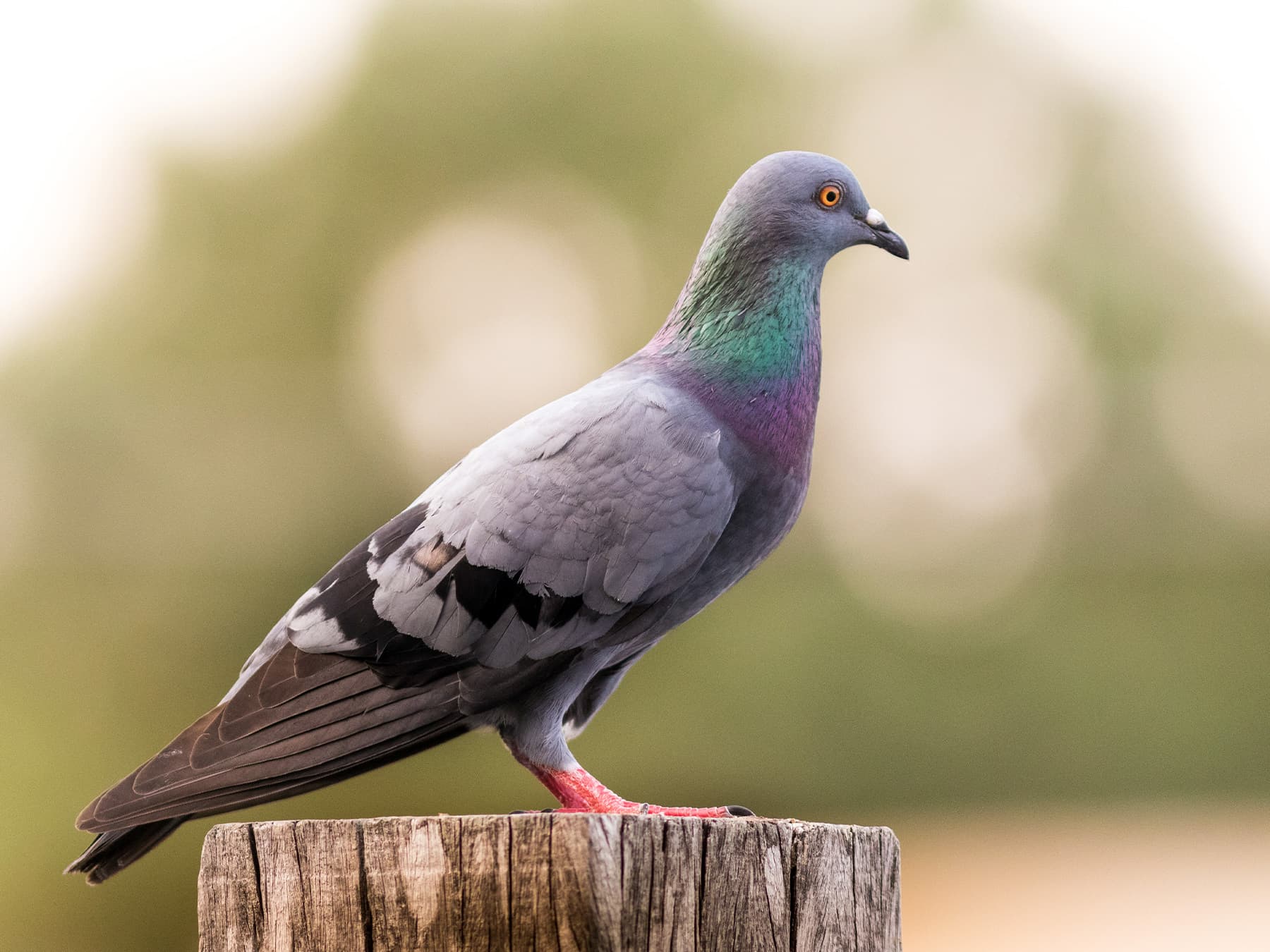
Rock Dove
Columba liviaLC
Feral populations inhabit Norfolk's towns and coastal cliffs year-round. Most birds are of mixed domestic ancestry.
Year-round
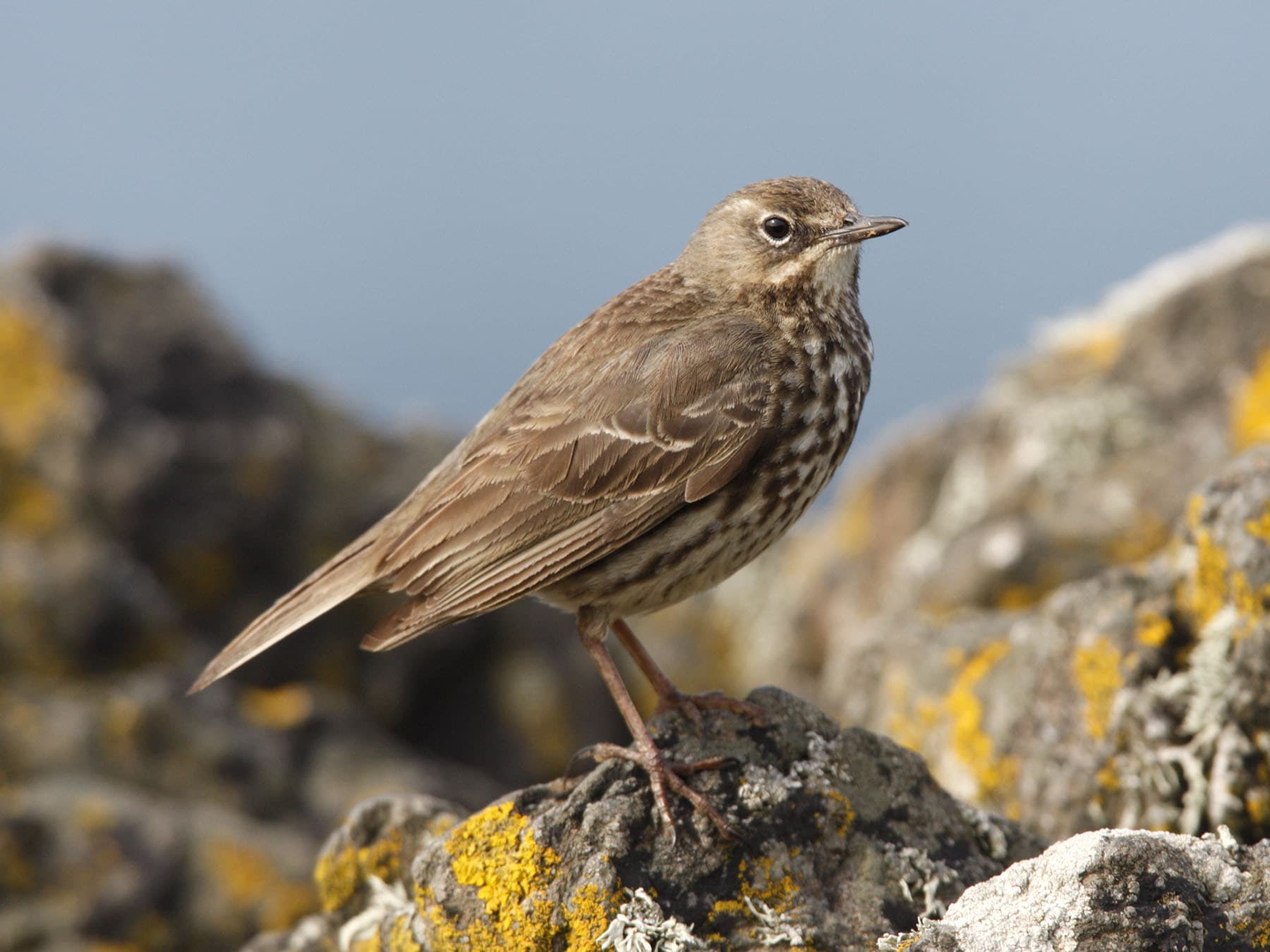
Rock Pipit
Anthus petrosusLC
An uncommon non-breeding visitor to rocky sea walls and saltmarshes along the Norfolk coast from autumn through to early spring.
Sep–Mar
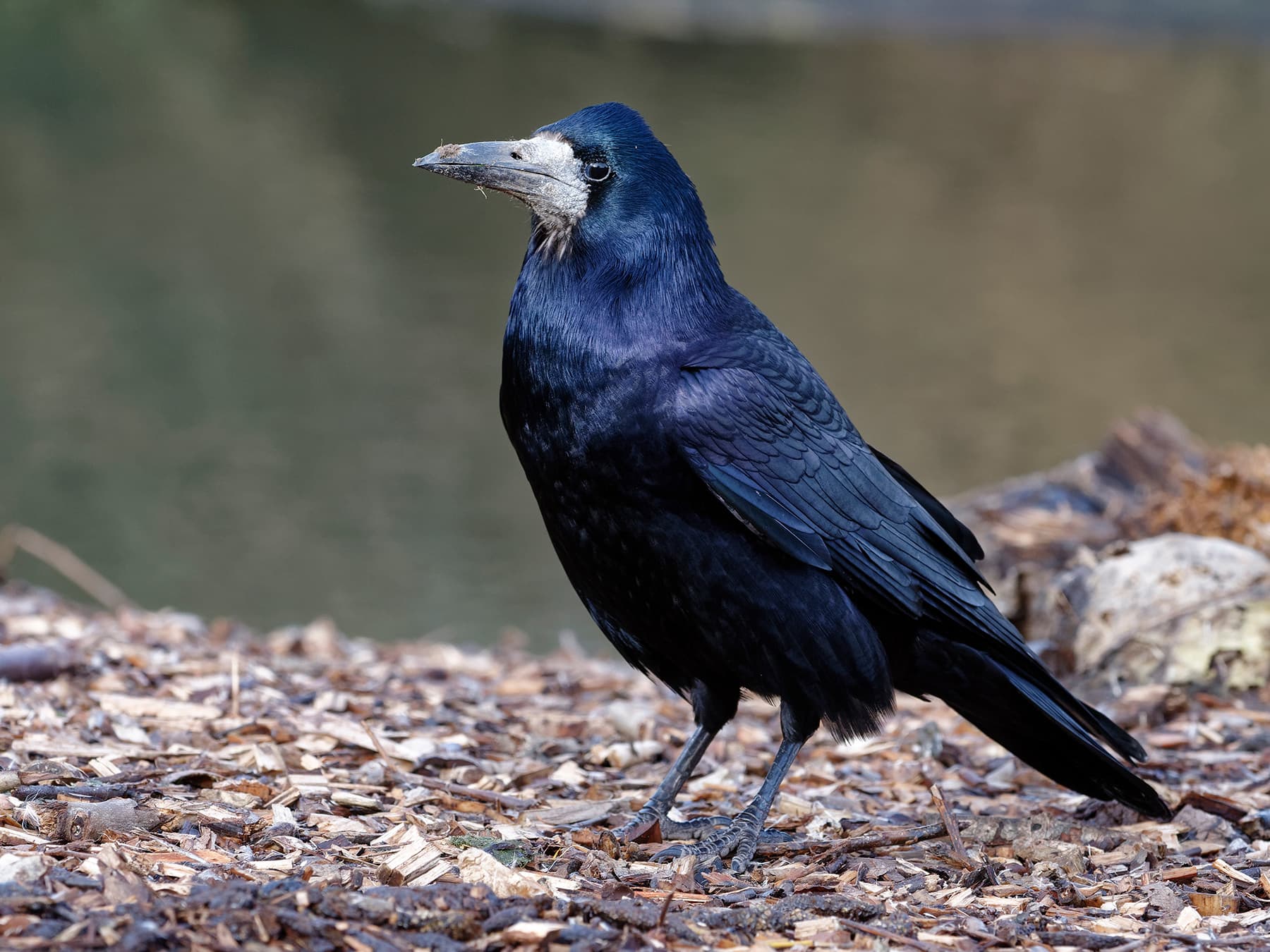
Rook
Corvus frugilegusLC
Abundant across Norfolk's arable farmland, nesting in noisy rookeries in tall trees. Large flocks gather on ploughed fields throughout the year.
Year-round
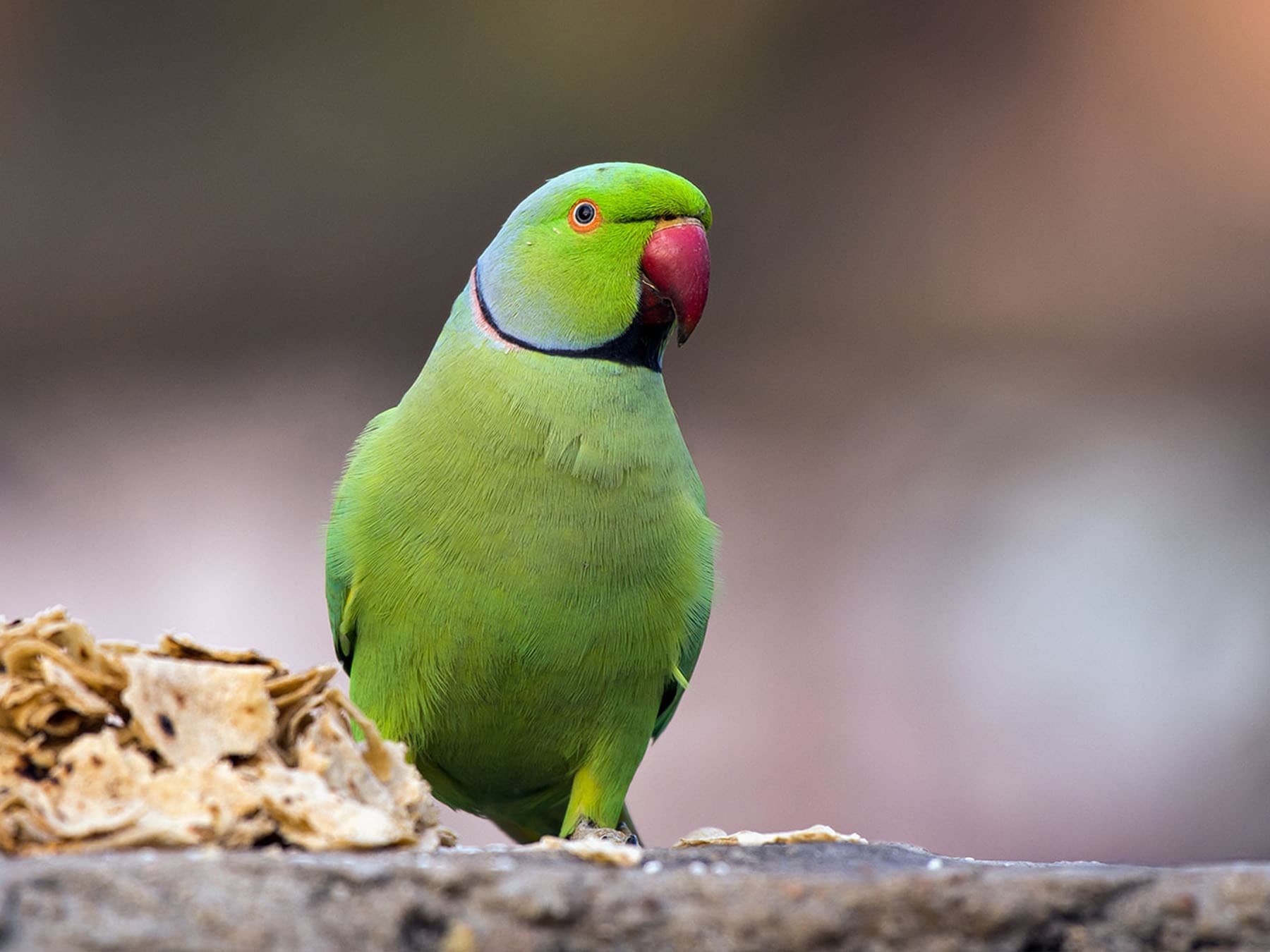
Rose-ringed Parakeet
Alexandrinus krameriLC
A rare and sporadic visitor, occasionally recorded but not established in Norfolk as in southeast England.
Sep–Jan
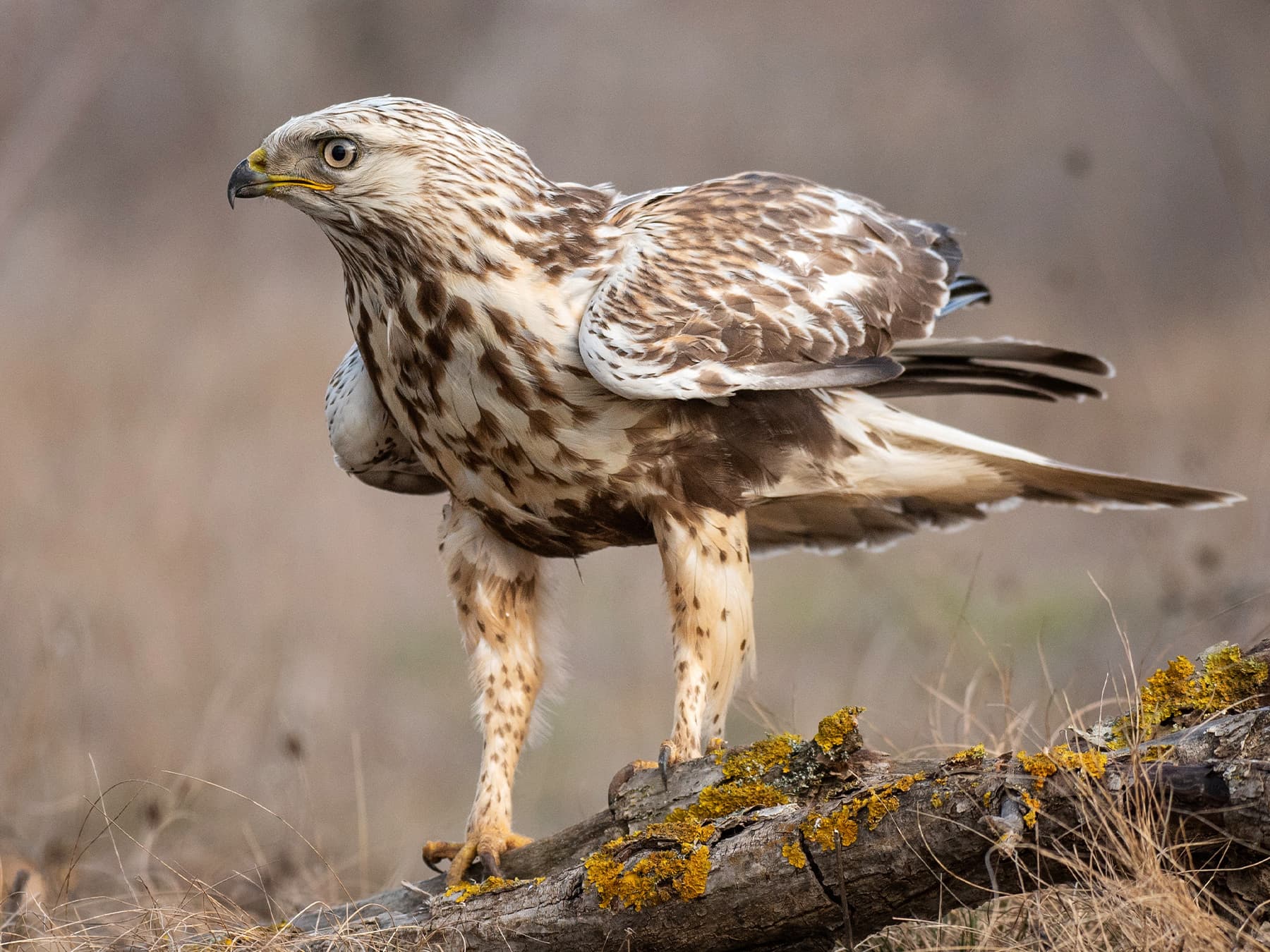
Rough-legged Hawk
Buteo lagopusLC
A rare winter visitor, favouring open coastal marshes and farmland, often hovering over rough grassland.
Nov–Feb
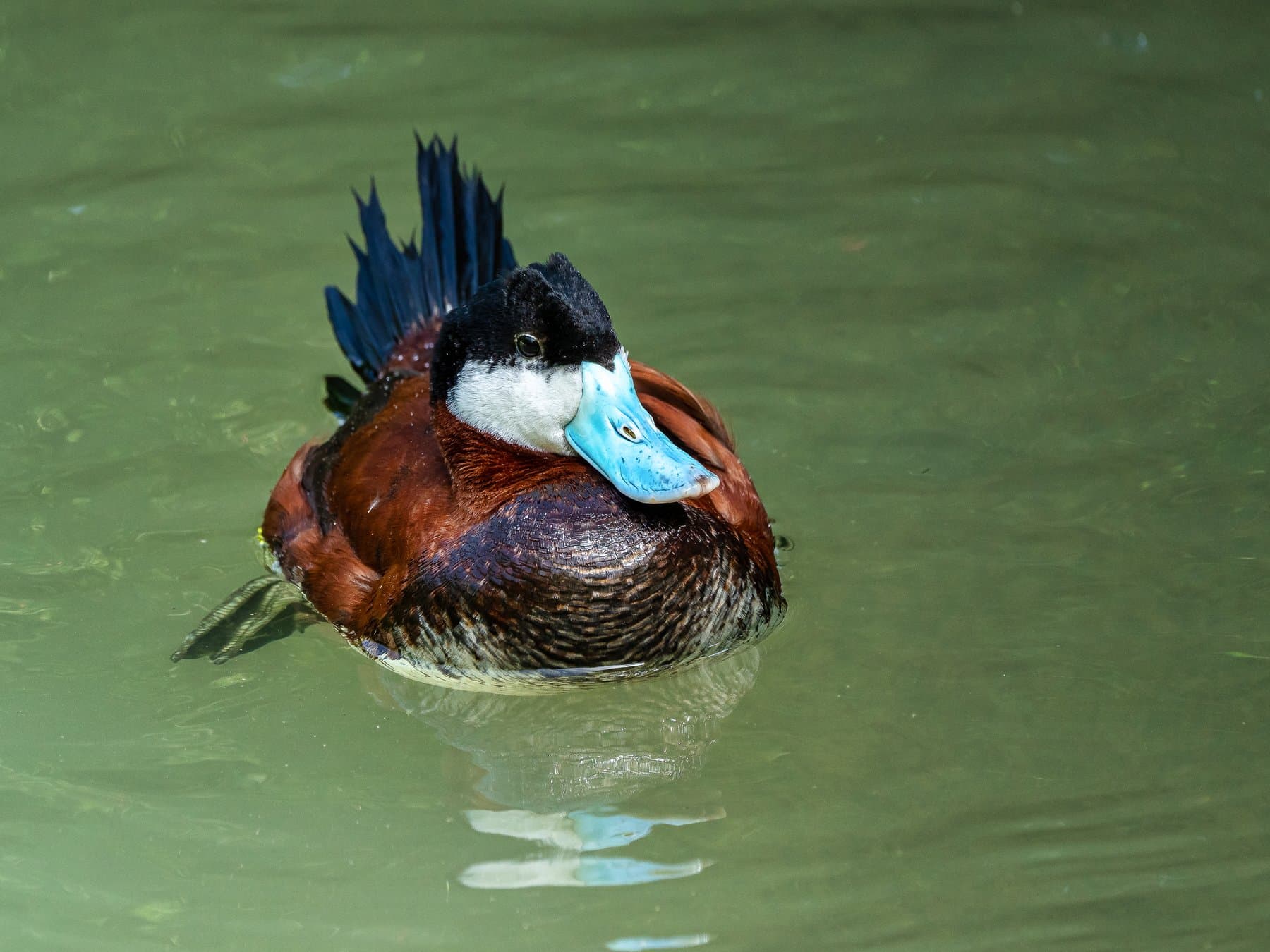
Ruddy Shelduck
Tadorna ferrugineaLC
A rare passage visitor in October, with sightings of uncertain origin — some may be escapes from wildfowl collections.
Oct
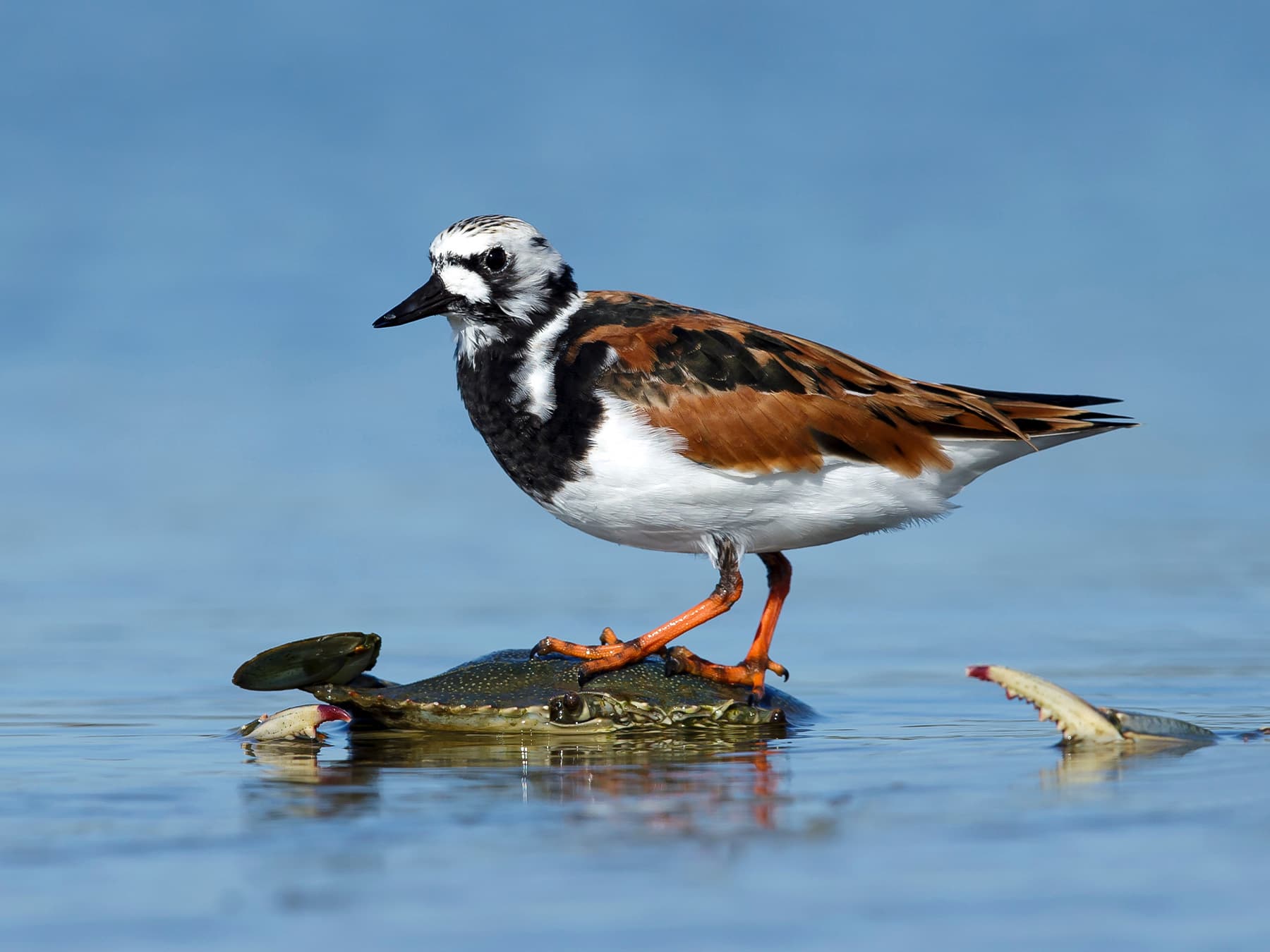
Ruddy Turnstone
Arenaria interpresLC
Present year-round along Norfolk's rocky groynes and shingle shores, busily flipping stones and seaweed for invertebrates.
Year-round
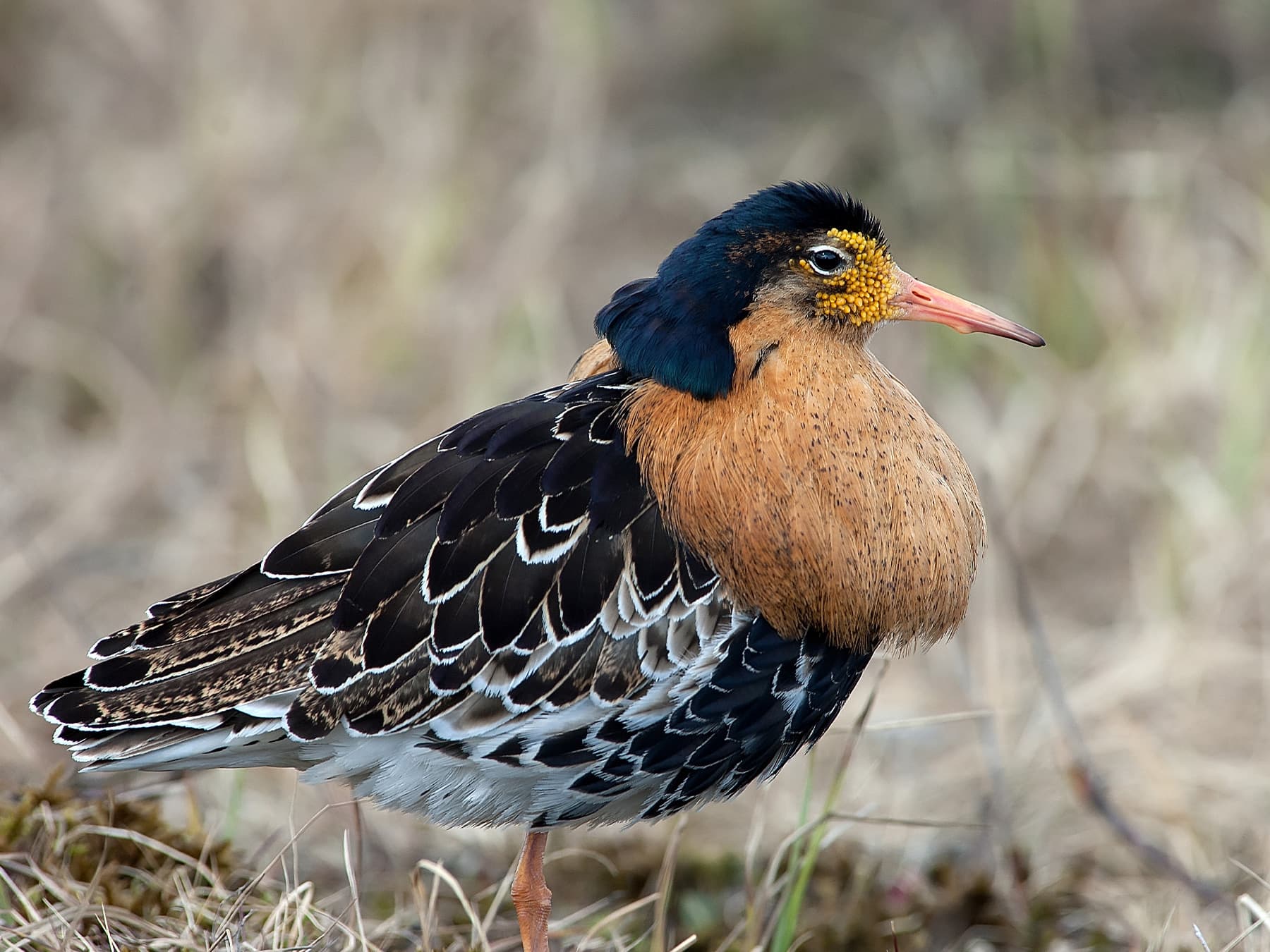
Ruff
Philomachus pugnaxLC
An uncommon year-round resident of Norfolk's freshwater marshes and scrapes, with numbers boosted by passage birds in spring and autumn.
Year-round
Spotted something?
Upload a photo to identify it
Identify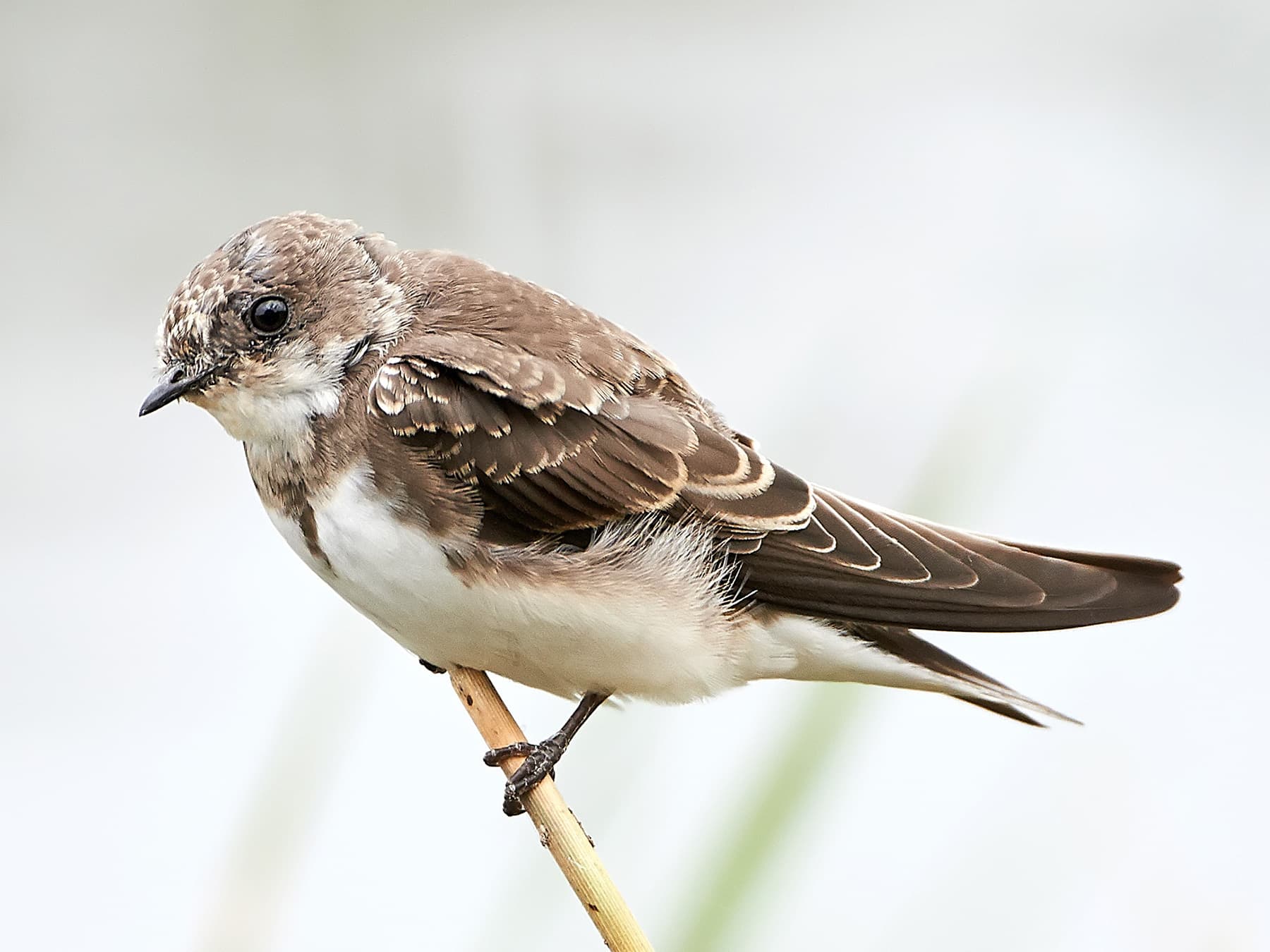
Sand Martin
Riparia ripariaLC
An uncommon summer breeder, nesting colonially in sandy riverbanks and quarries. Arrives in March and departs by September.
Mar–Sep
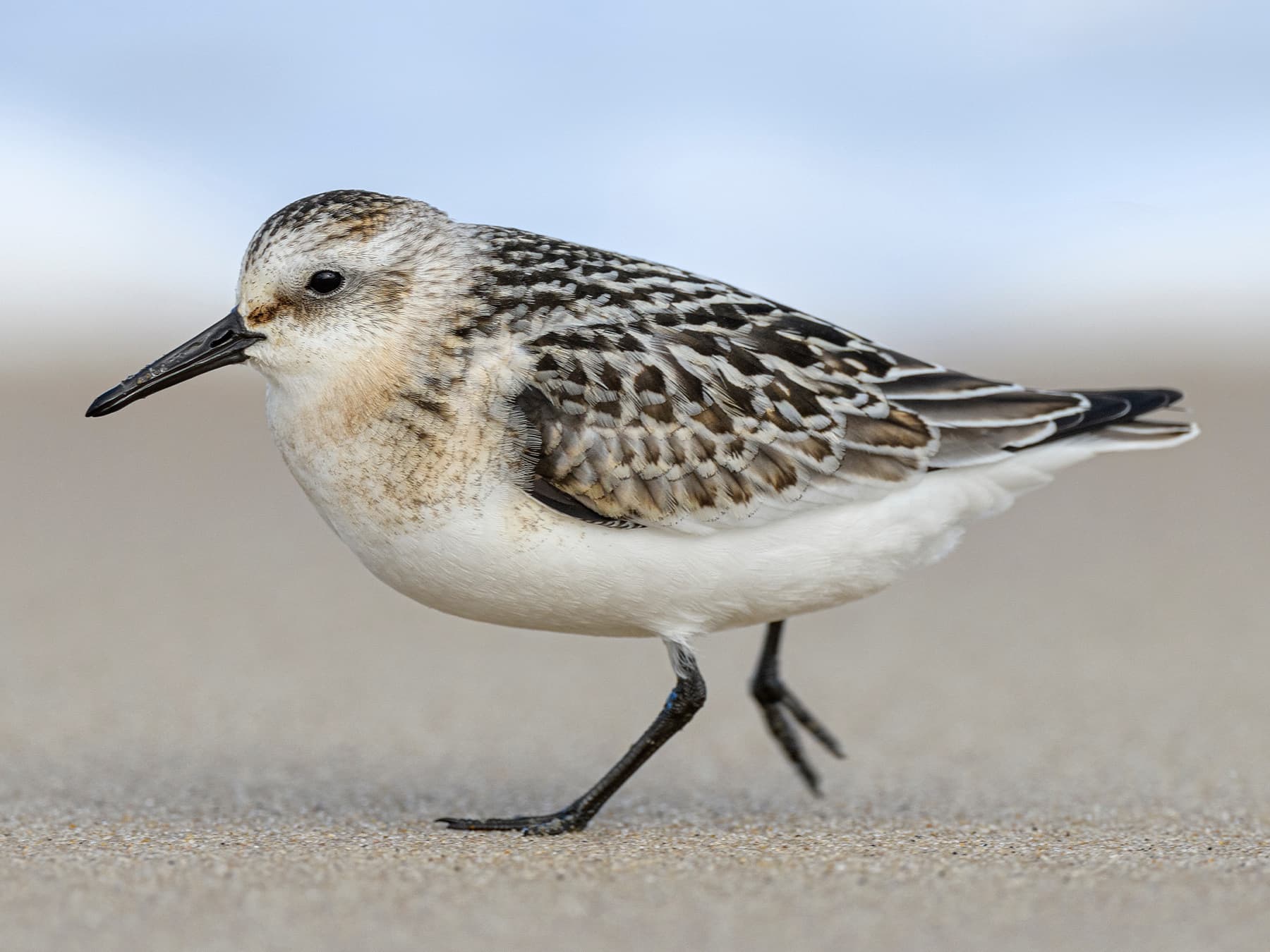
Sanderling
Calidris albaLC
Found year-round on sandy beaches along the north Norfolk coast, often in small flocks racing along the tideline.
Year-round
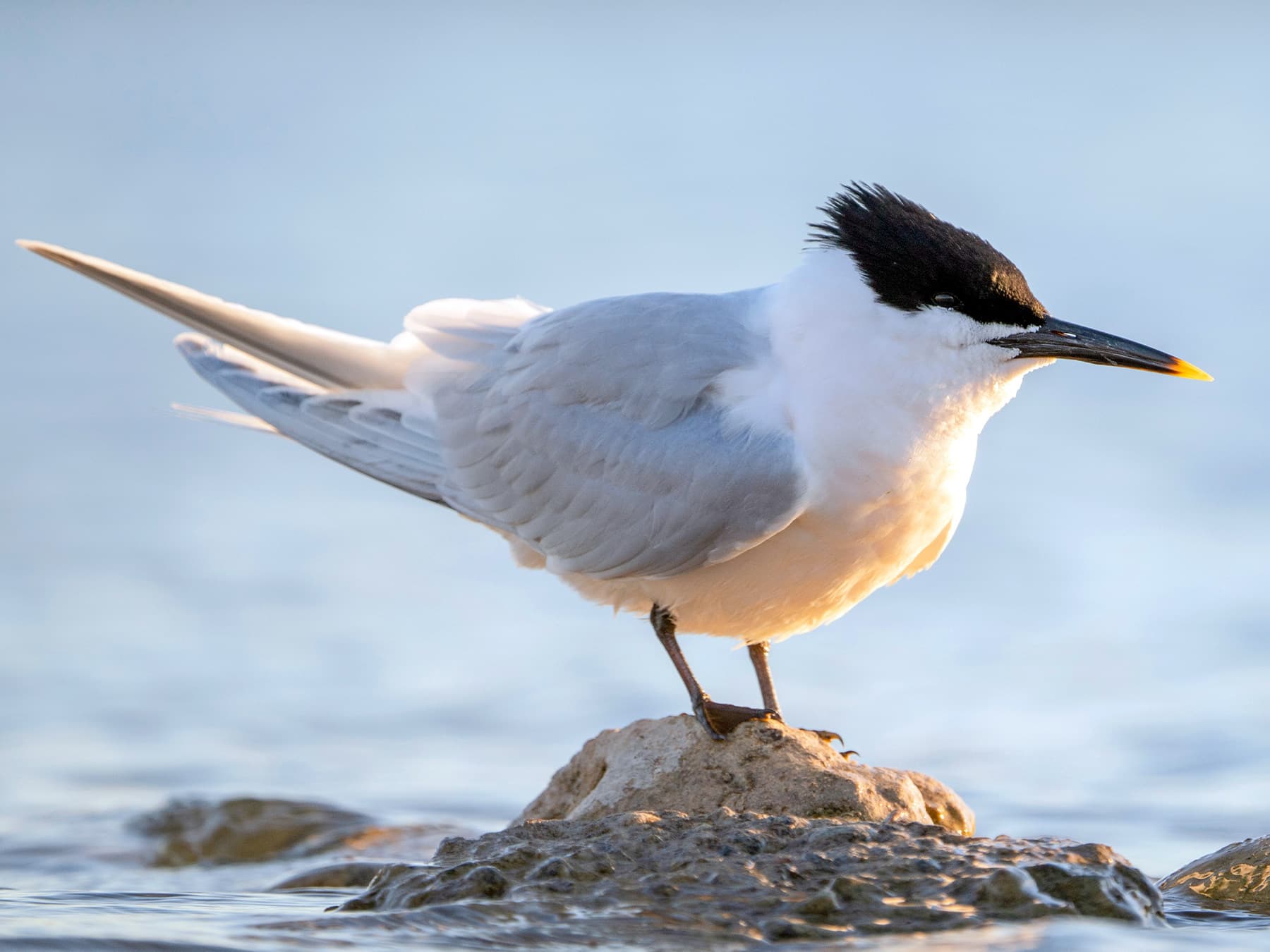
Sandwich Tern
Thalasseus sandvicensisLC
Breeds at key colonies such as Scolt Head and Blakeney Point from April. Plunge-dives for fish in shallow coastal waters.
Apr–Oct
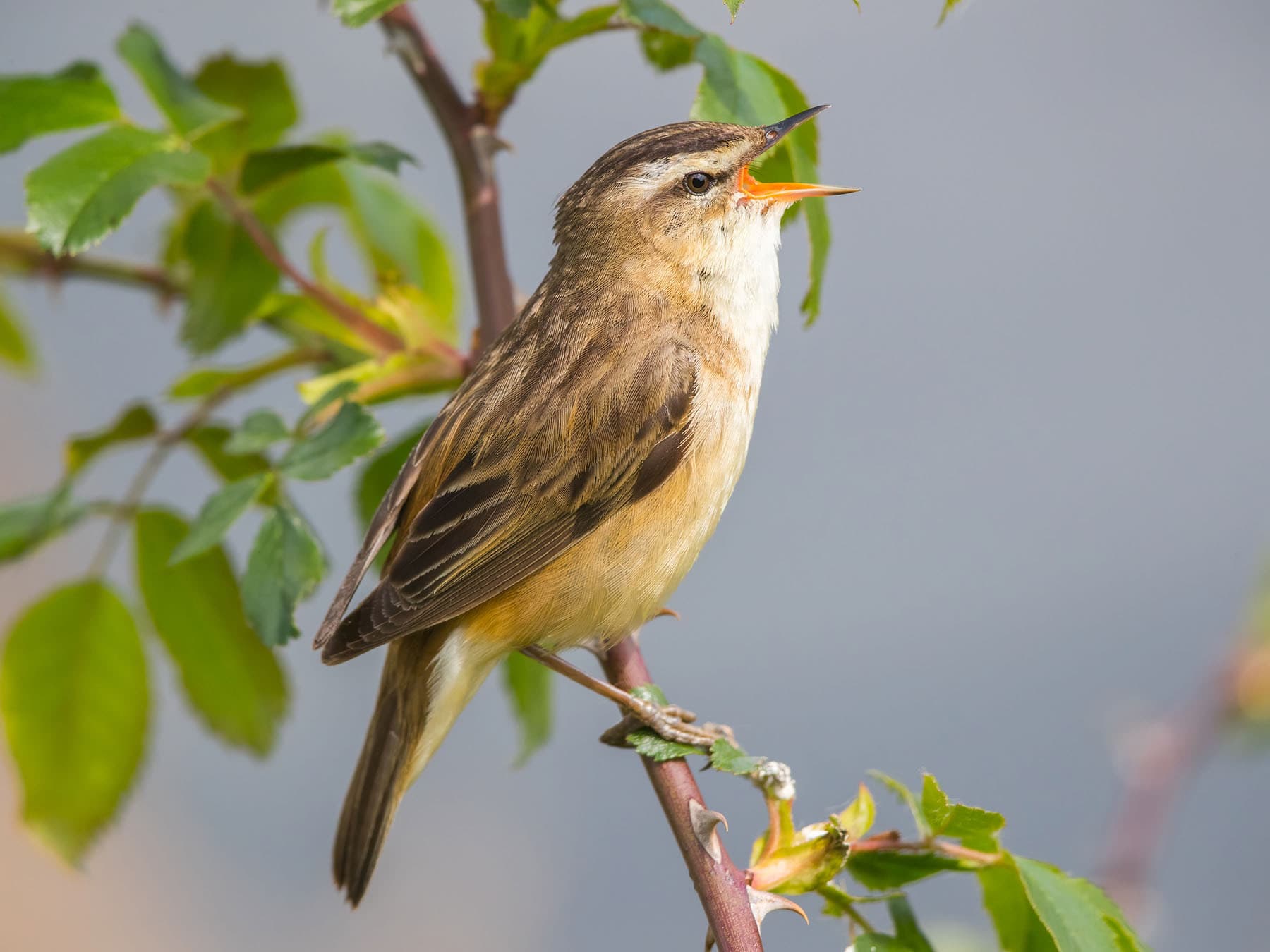
Sedge Warbler
Acrocephalus schoenobaenusLC
A common summer breeder in reedbeds and ditches across the Broads and coastal marshes from April to September.
Apr–Sep
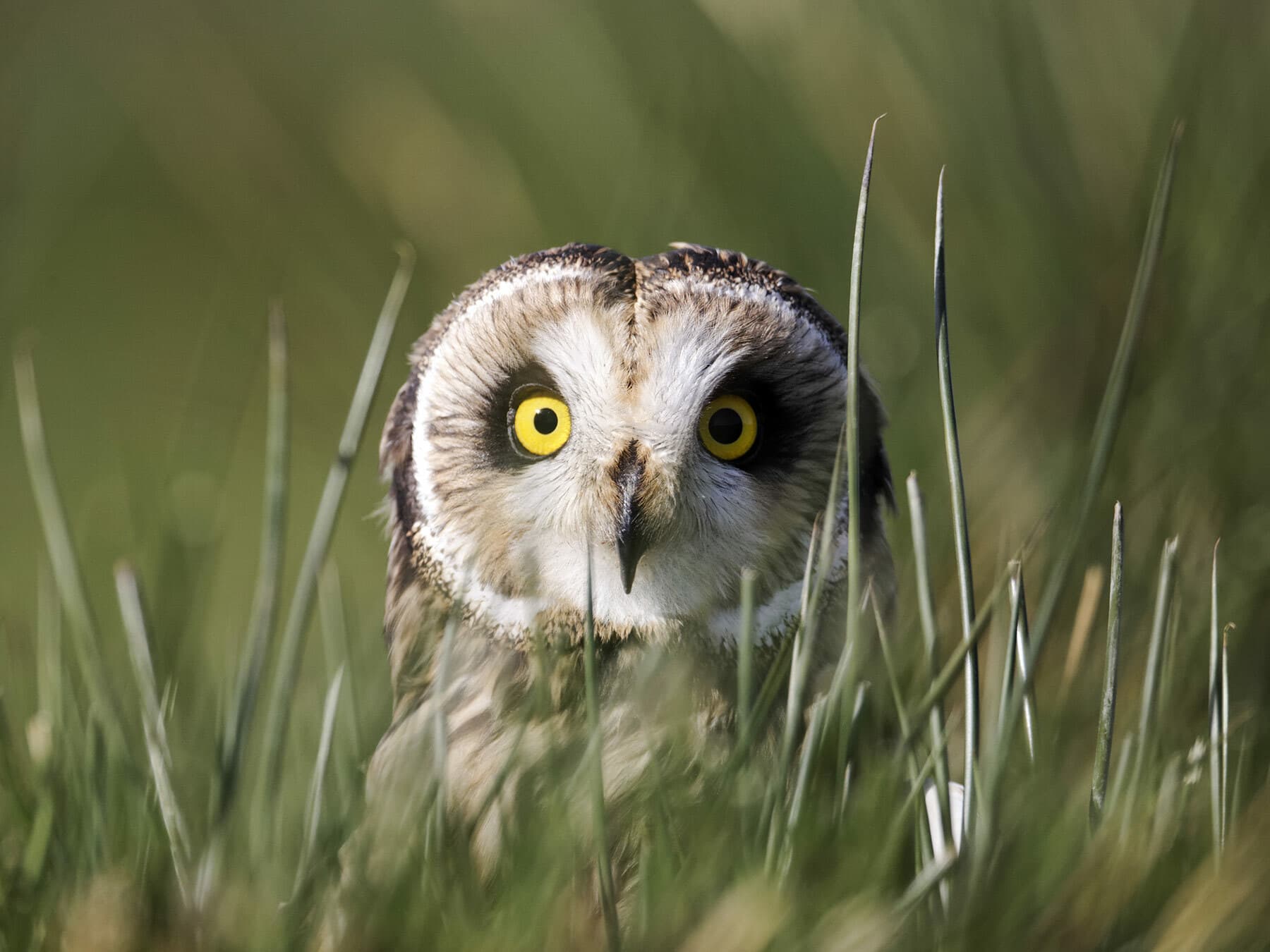
Short-eared Owl
Asio flammeusLC
A rare winter visitor to Norfolk's coastal marshes and grazing levels, hunting low over open ground from October to April.
Oct–May
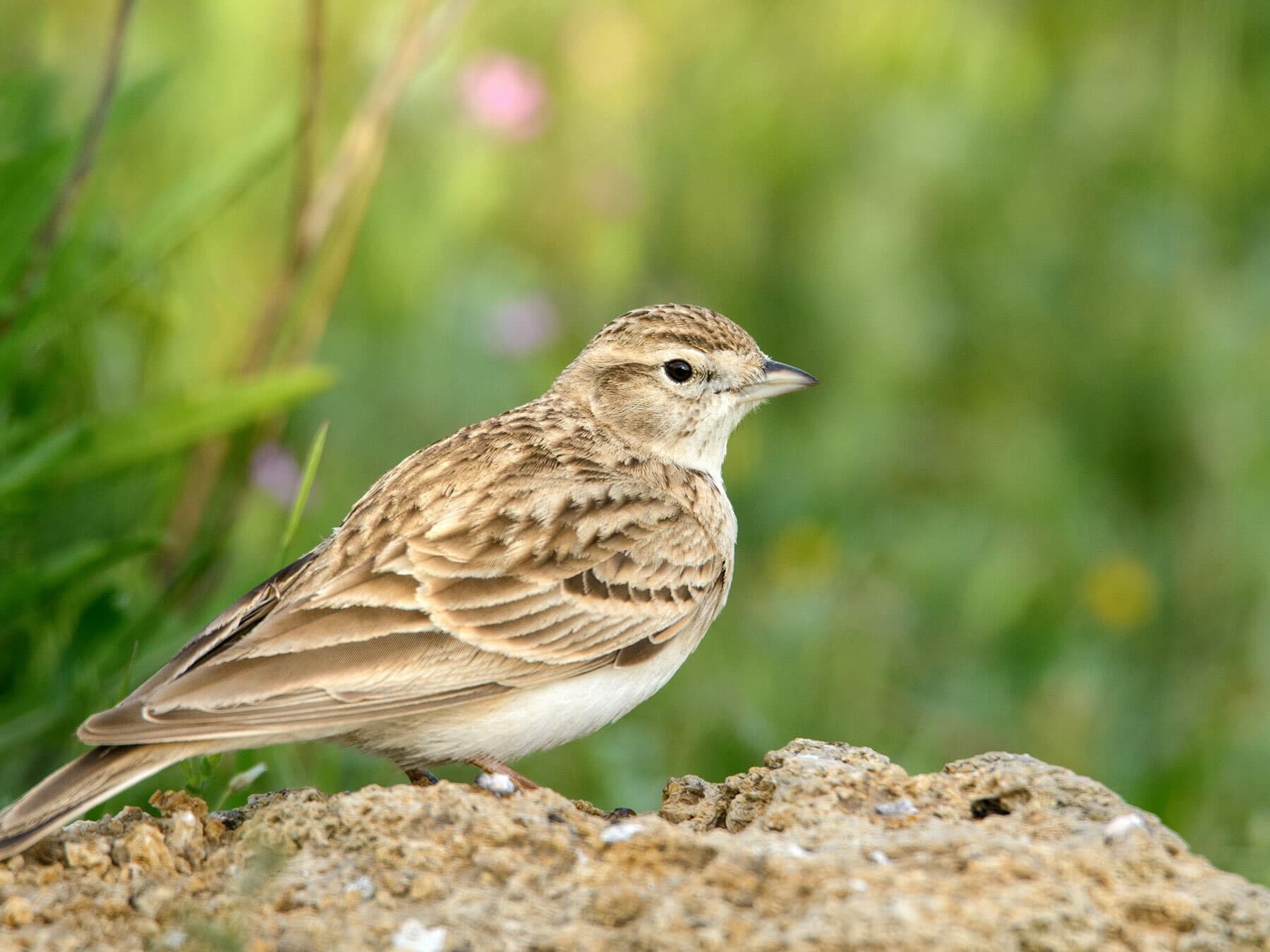
Short-toed Lark
Calandrella brachydactylaLC
A rare autumn vagrant from southern Europe, occasionally turning up at coastal migration hotspots in October.
Oct
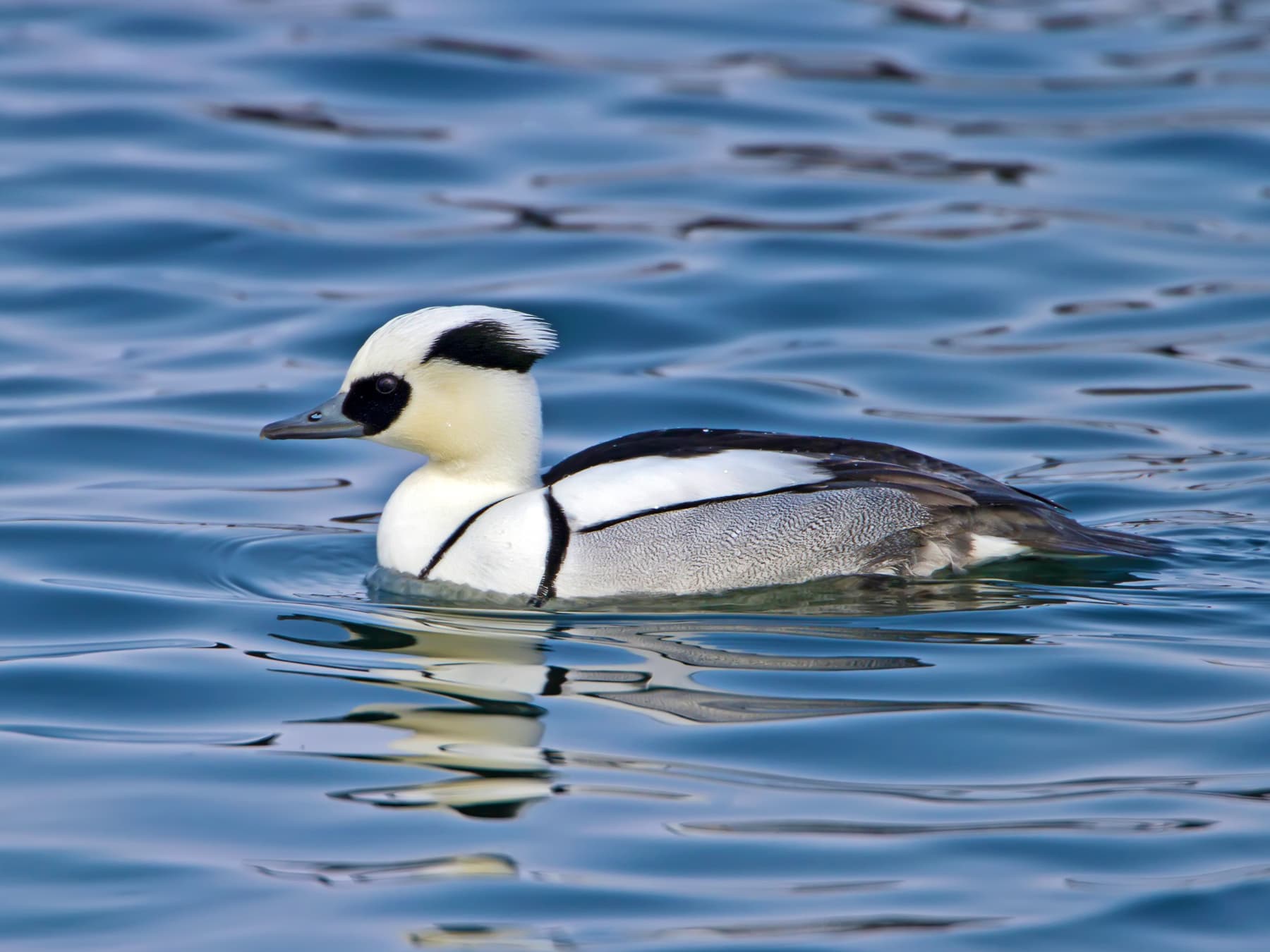
Smew
Mergellus albellusLC
A rare winter visitor, occasionally appearing on inland lakes and broads in January during cold weather influxes from the continent.
Jan
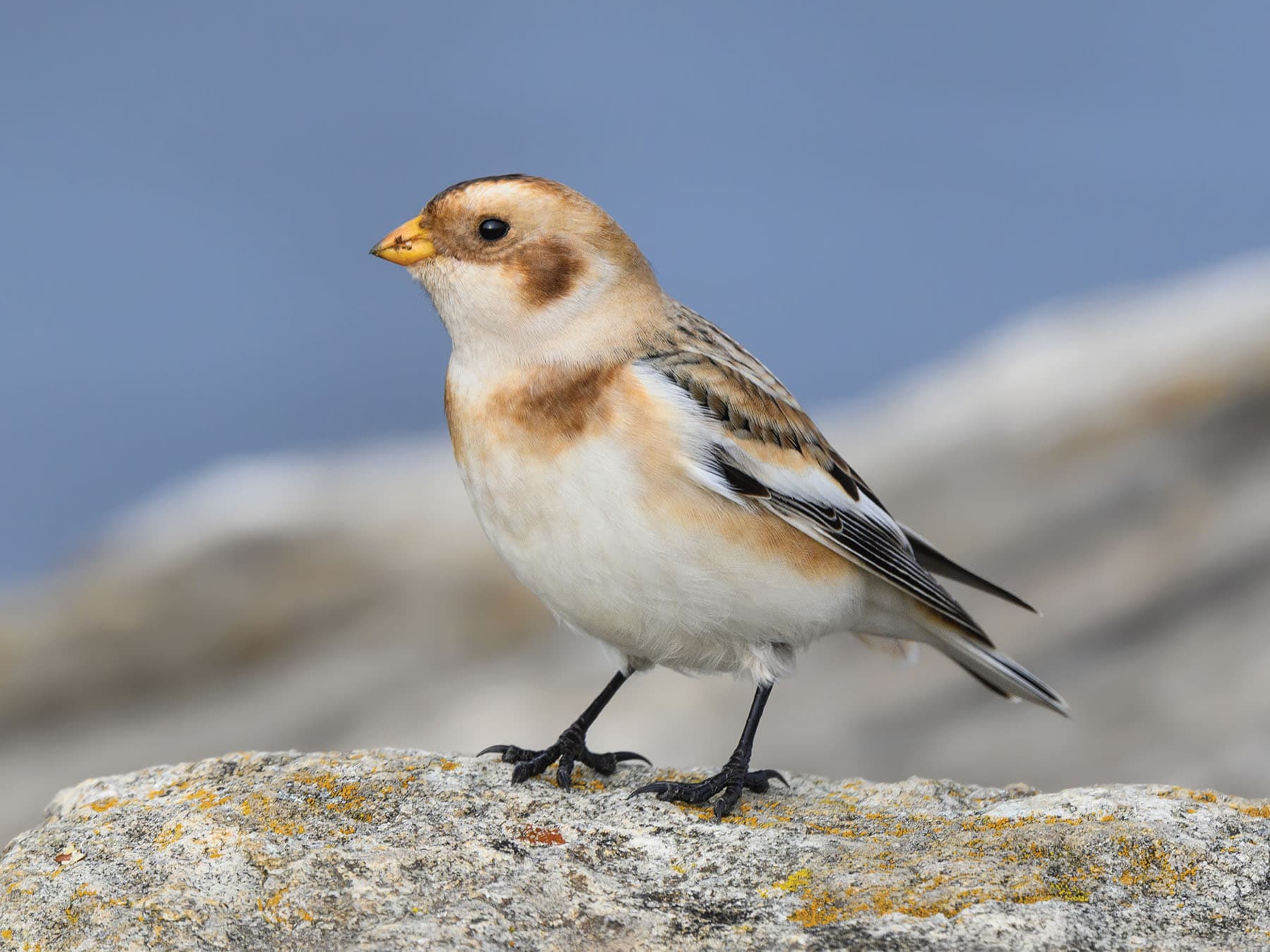
Snow Bunting
Plectrophenax nivalisLC
An uncommon winter visitor to Norfolk's beaches and saltmarshes, often seen in small parties along the north coast from October to March.
Oct–Mar
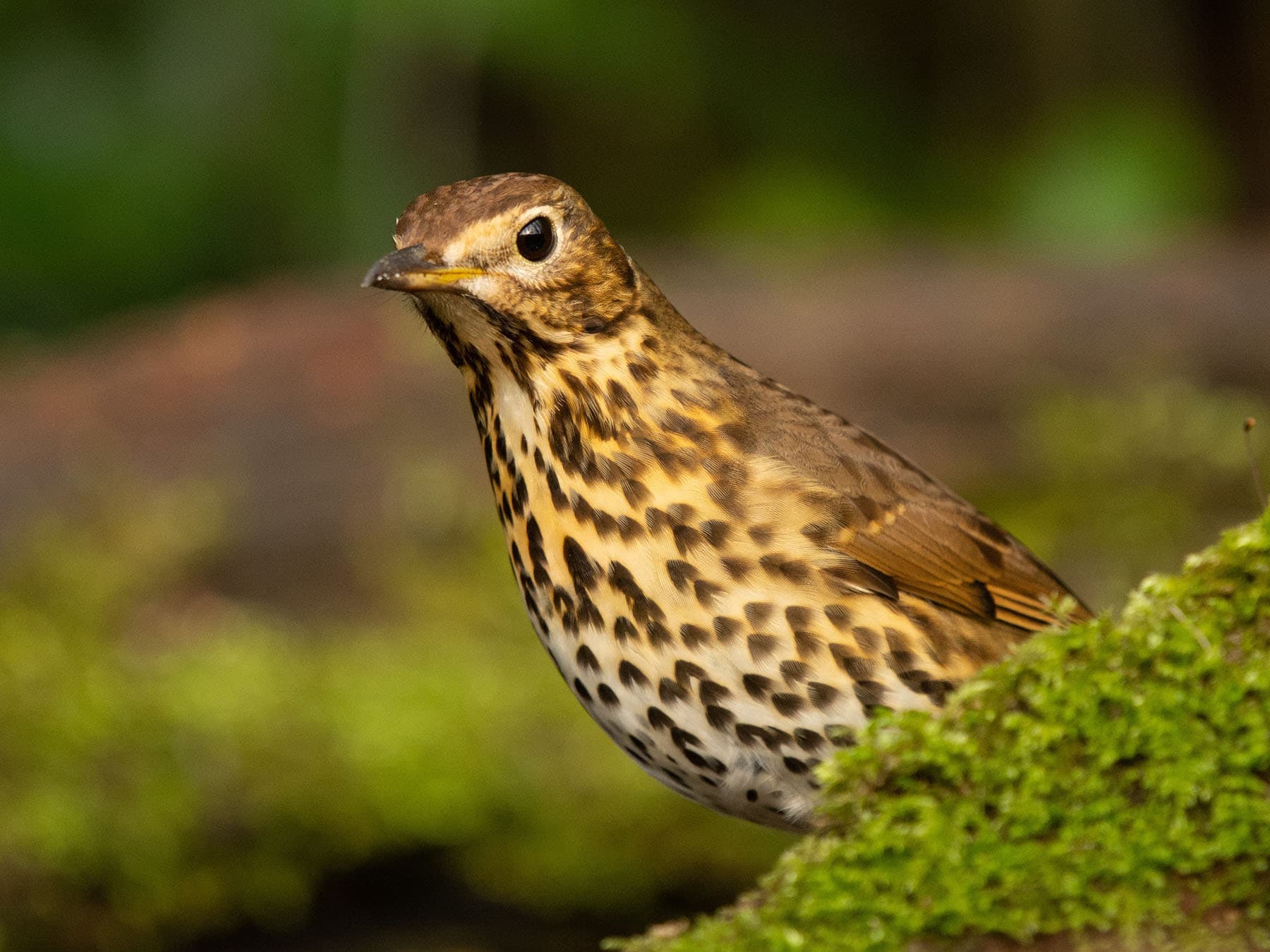
Song Thrush
Turdus philomelosLC
A common resident heard singing from gardens, parks, and woodland. Numbers increase in autumn and winter with migrants arriving from the continent.
Year-round
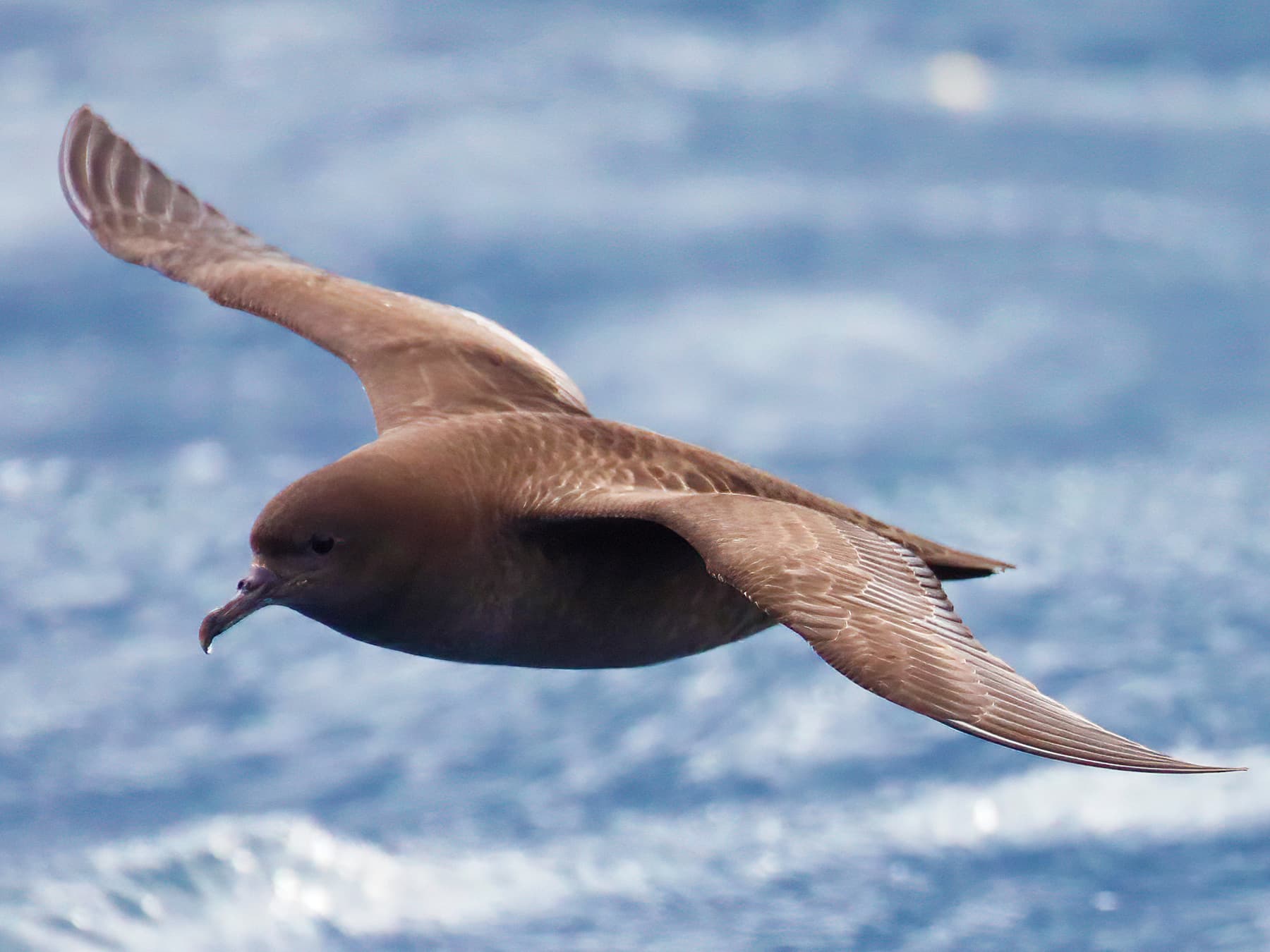
Sooty Shearwater
Ardenna griseaNT
A rare autumn passage seabird, best spotted from north Norfolk headlands during strong onshore winds in August to October.
Aug–Oct
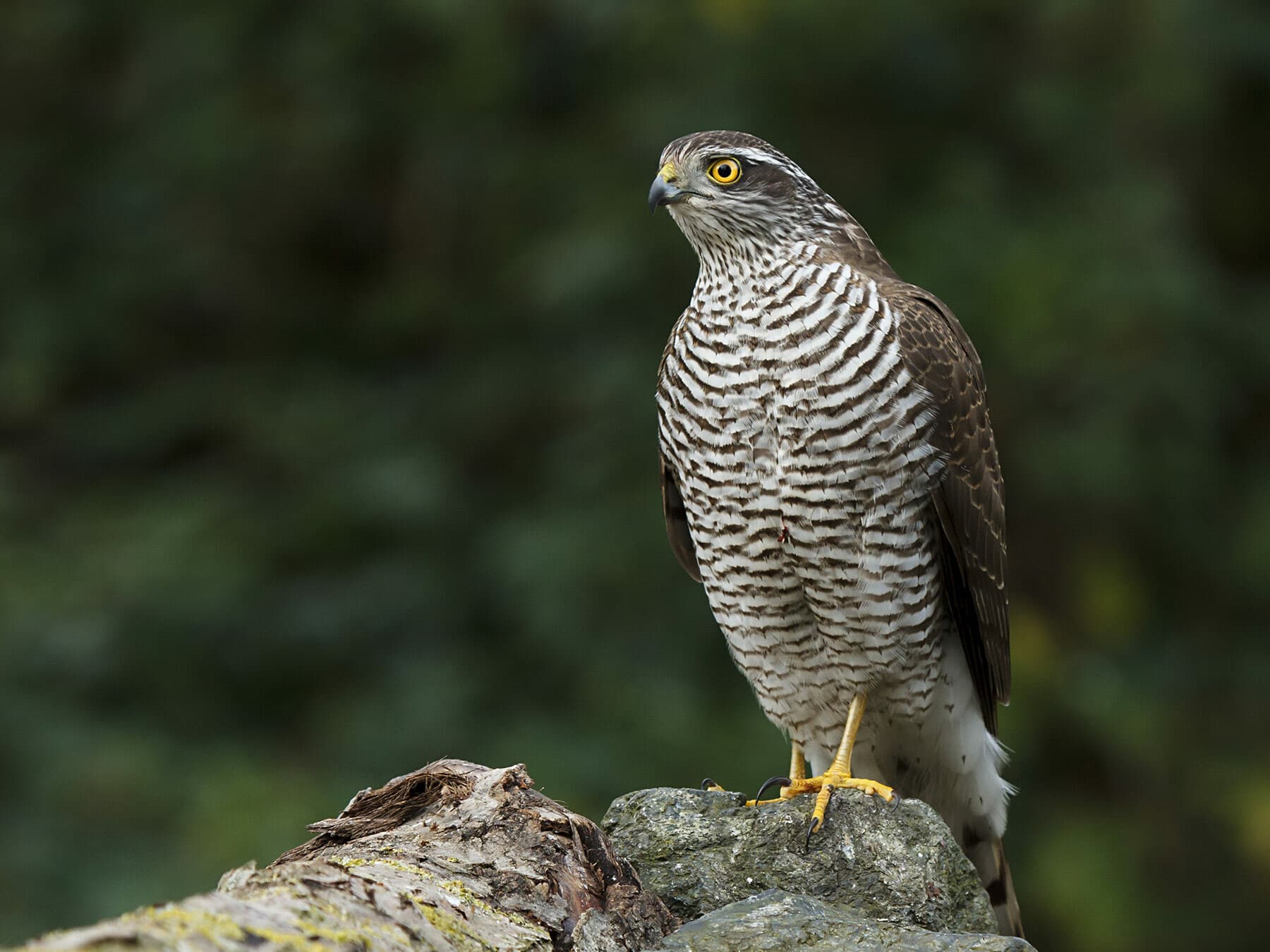
Sparrowhawk
Accipiter nisusLC
A year-round resident across Norfolk's woodlands, hedgerows, and gardens, often glimpsed dashing low through cover in pursuit of small birds.
Year-round
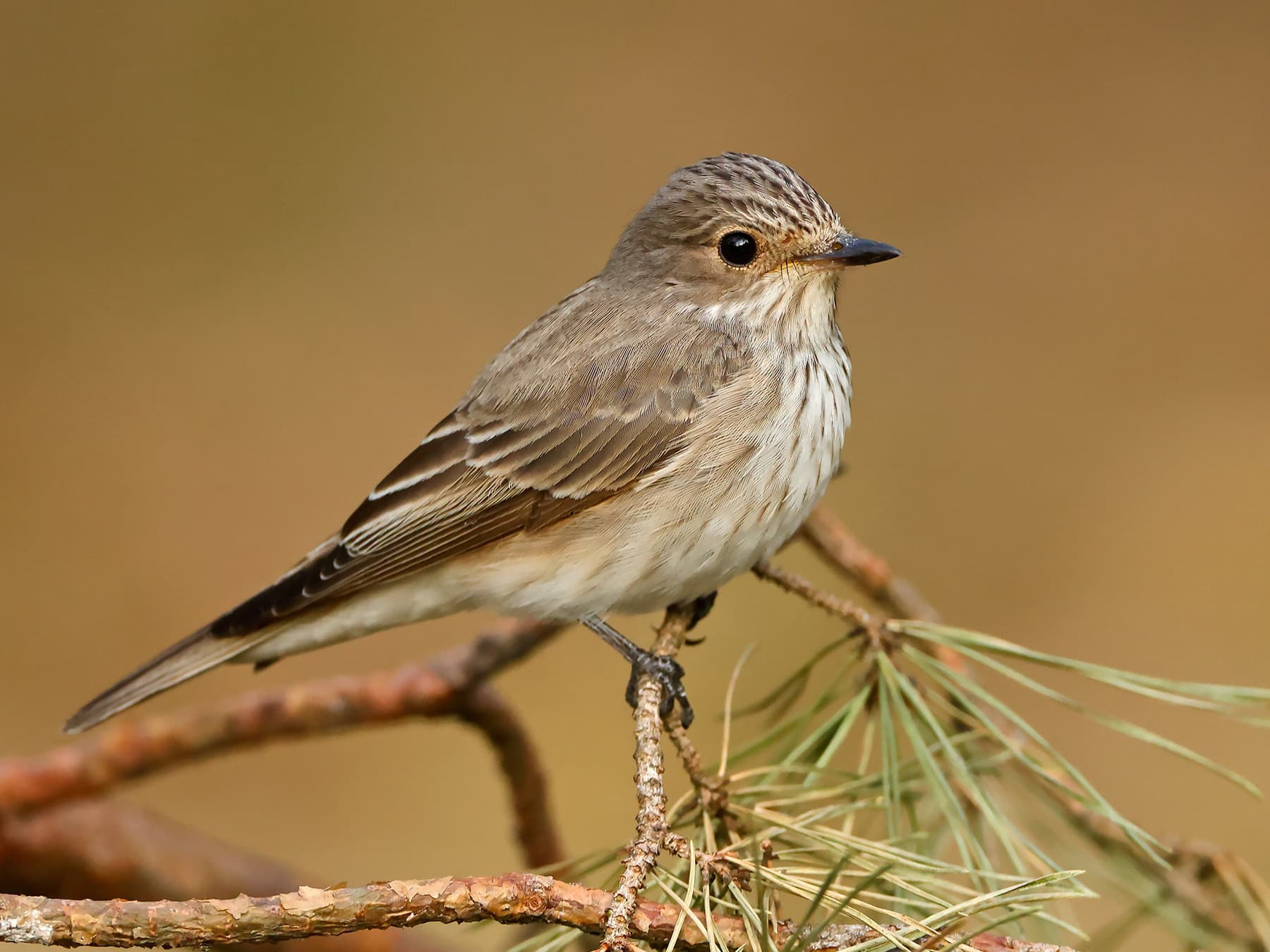
Spotted Flycatcher
Muscicapa striataLC
An uncommon and declining summer breeder, arriving in May. Favours woodland edges and churchyards, sallying out from perches to catch insects.
May–Sep
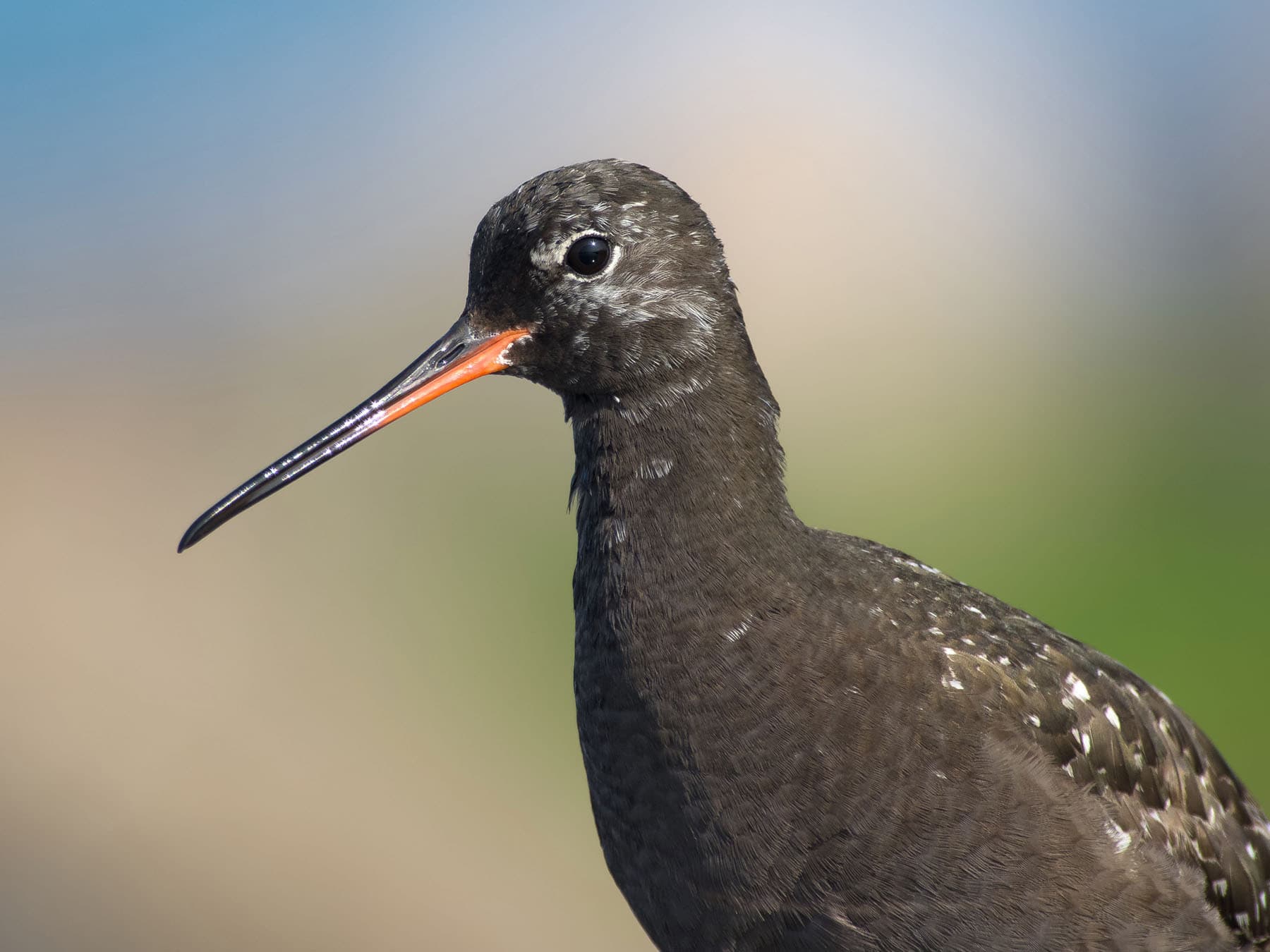
Spotted Redshank
Tringa erythropusLC
A rare but year-round presence on Norfolk's coastal lagoons and estuaries, often seen wading elegantly alongside Redshanks.
Year-round
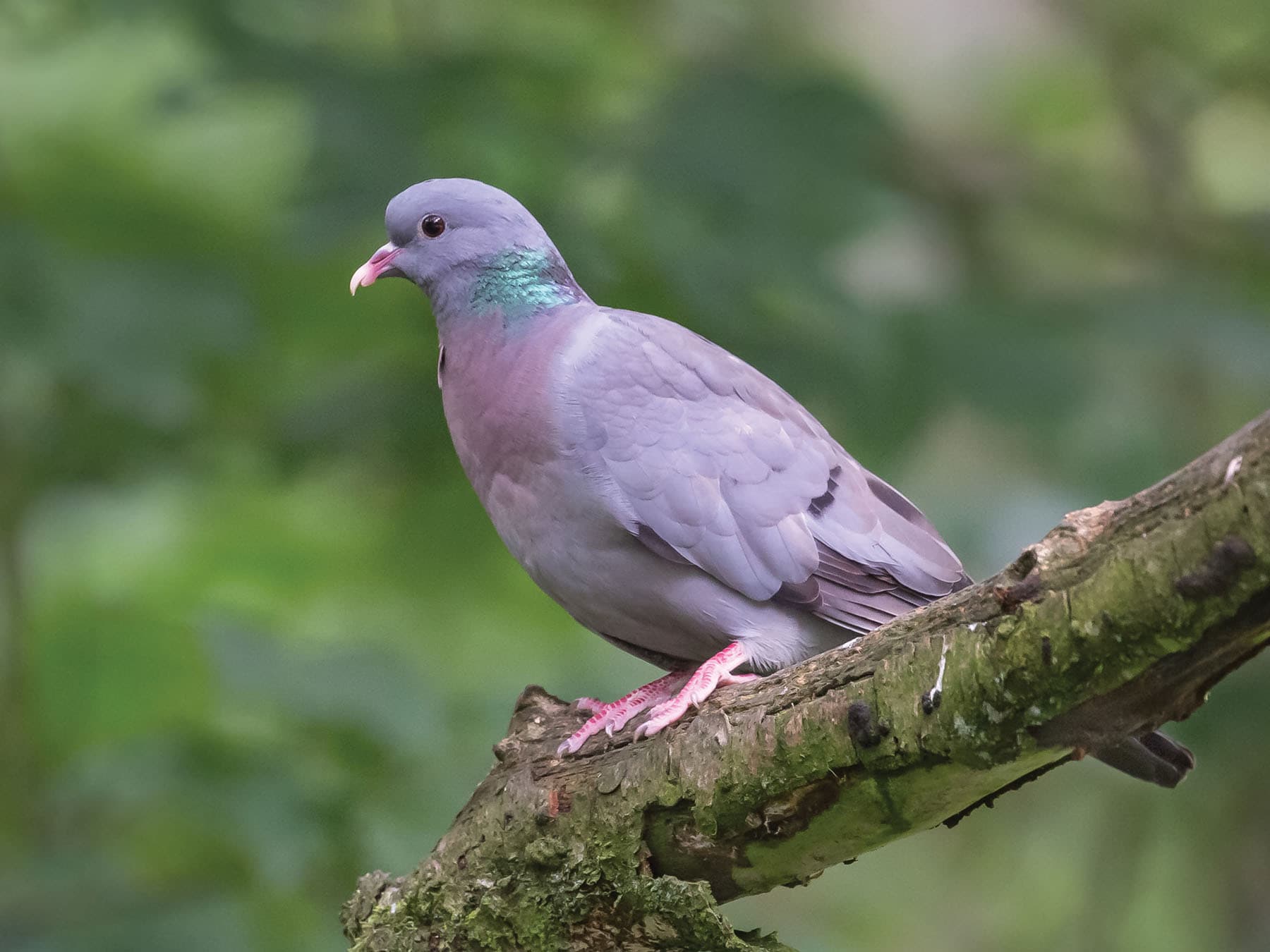
Stock Dove
Columba oenasLC
A common resident of farmland, parkland, and woodland edges. Nests in tree holes and old buildings throughout the county.
Year-round
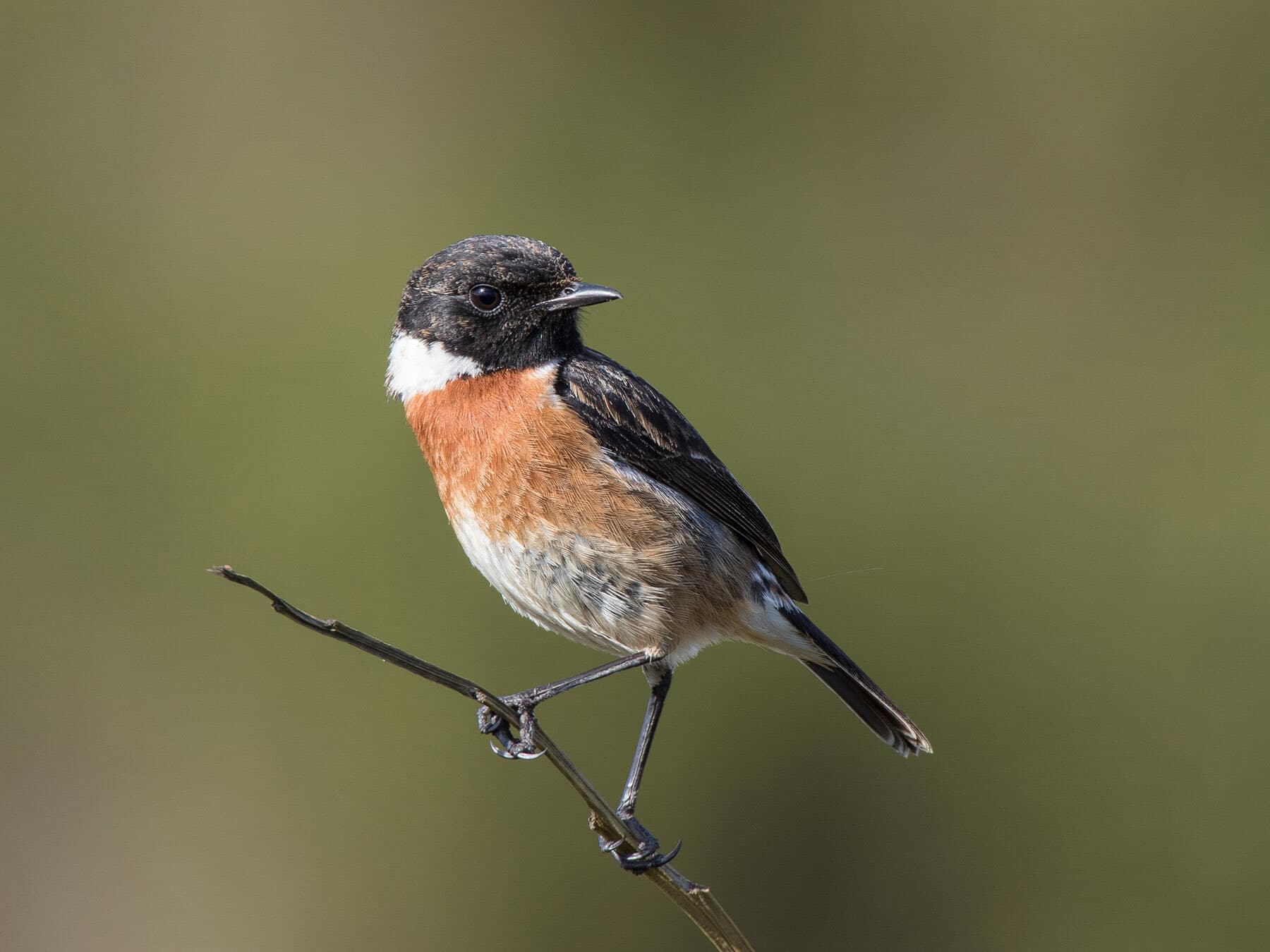
Stonechat
Saxicola torquatusLC
An uncommon year-round resident favouring coastal heathland and gorse-covered commons along the Norfolk coast.
Year-round