Birds in Norfolk
Explore 235 species found in this region.
Norfolk is one of the premier birdwatching destinations in the United Kingdom, with 229 recorded species thriving across its diverse mosaic of coastal marshes, reed beds, estuaries, and arable farmland. The county's extensive coastline and renowned reserves such as Cley Marshes, Titchwell, and the North Norfolk coast attract vast numbers of wildfowl and waders, including Eurasian Wigeon, Common Shelduck, and Garganey. Norfolk is also a vital stronghold for increasingly rare species such as the European Turtle-dove and supports impressive winter gatherings of Barnacle Geese and Goldeneye.
Visiting in September? Look out for Brambling and Common Redpoll arriving this month, and Cuckoo and European Bee-eater depart for the season.


Showing 162–184 of 235 species
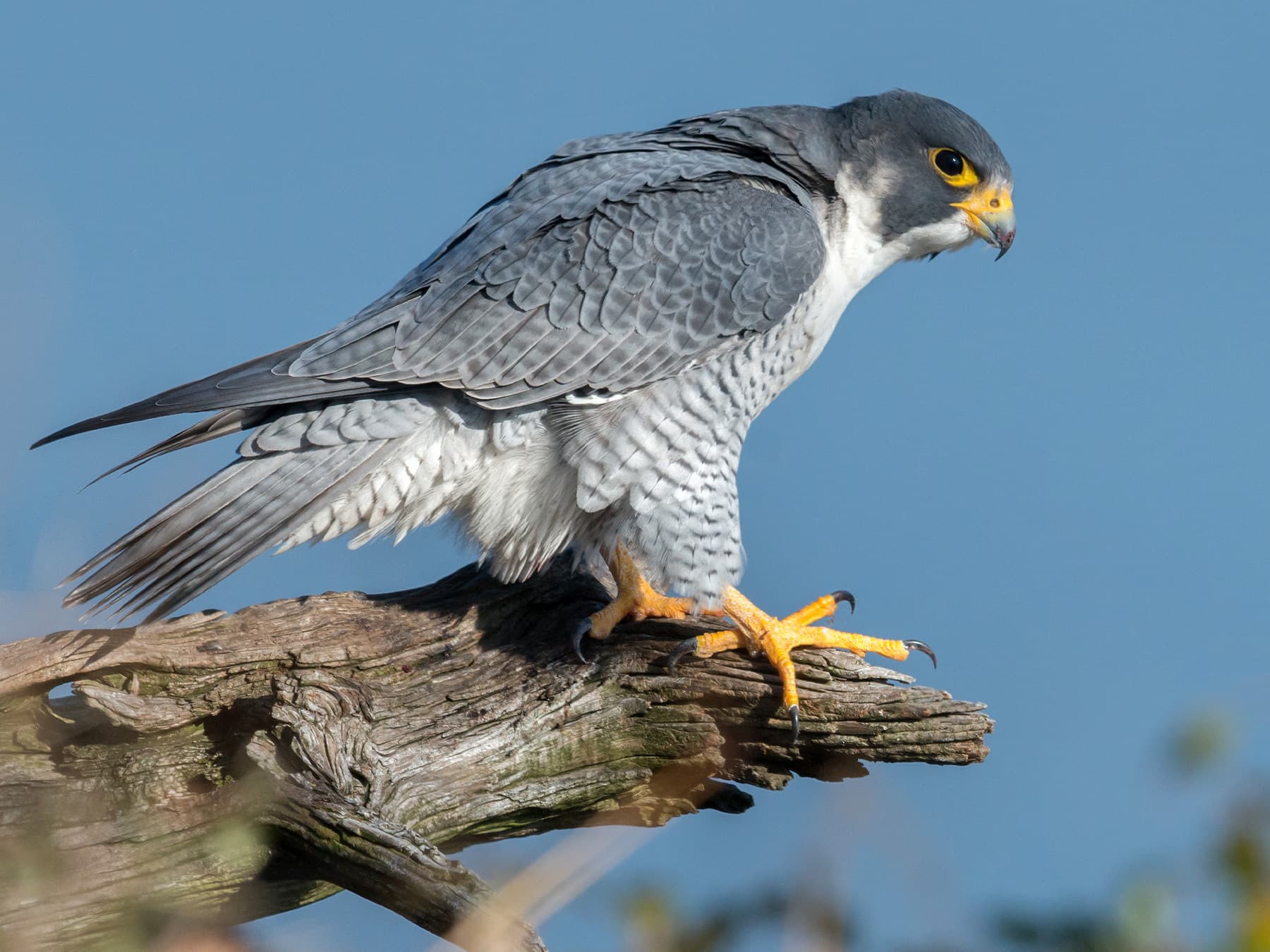
Peregrine Falcon
Falco peregrinusLC
A rare but year-round resident, seen hunting over coastal marshes and increasingly around Norwich Cathedral's nesting site.
Year-round
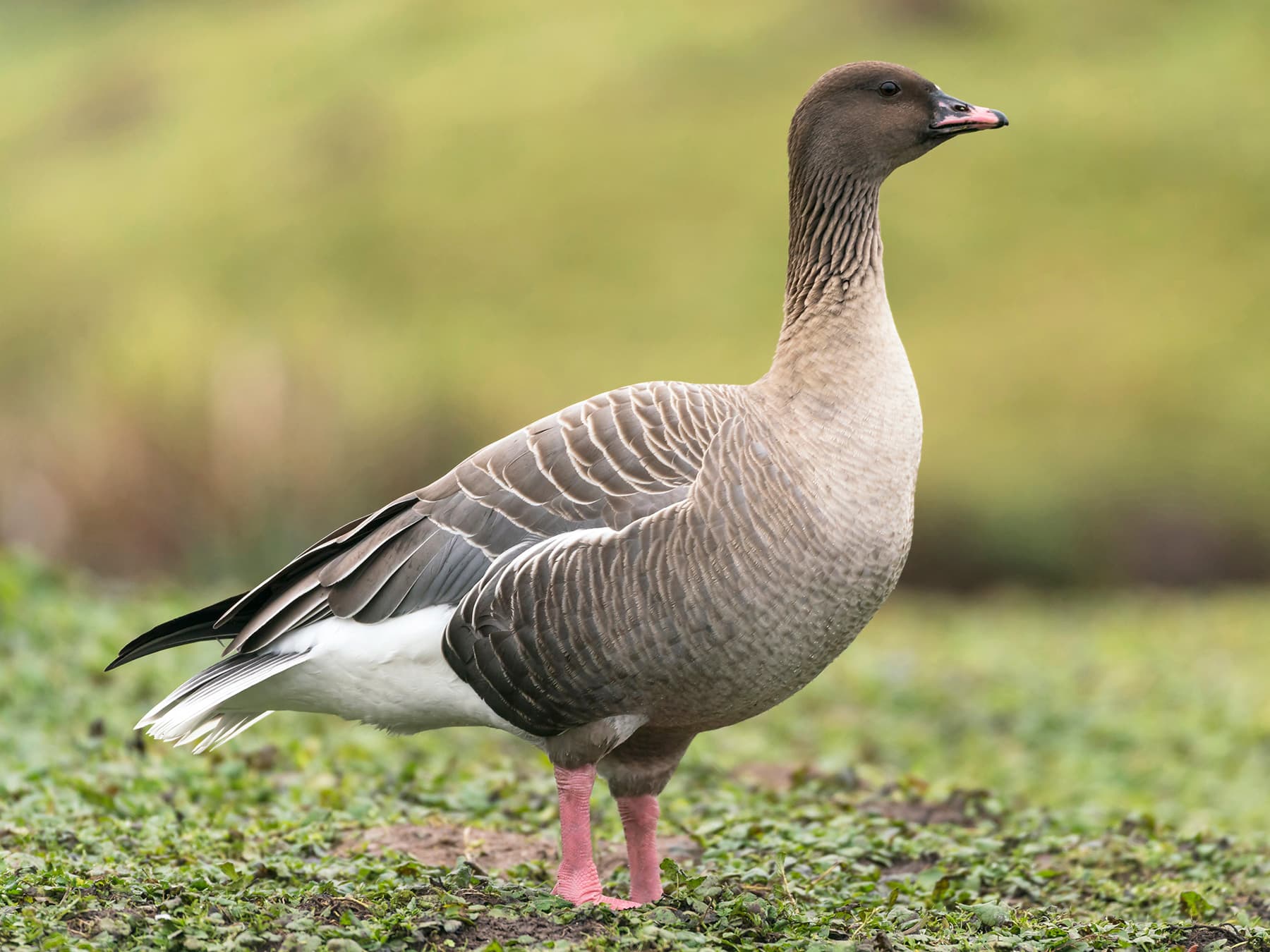
Pink-footed Goose
Anser brachyrhynchusLC
Huge wintering flocks gather on north Norfolk's marshes and sugar beet fields. Numbers peak from October to March at sites like Holkham.
Year-round
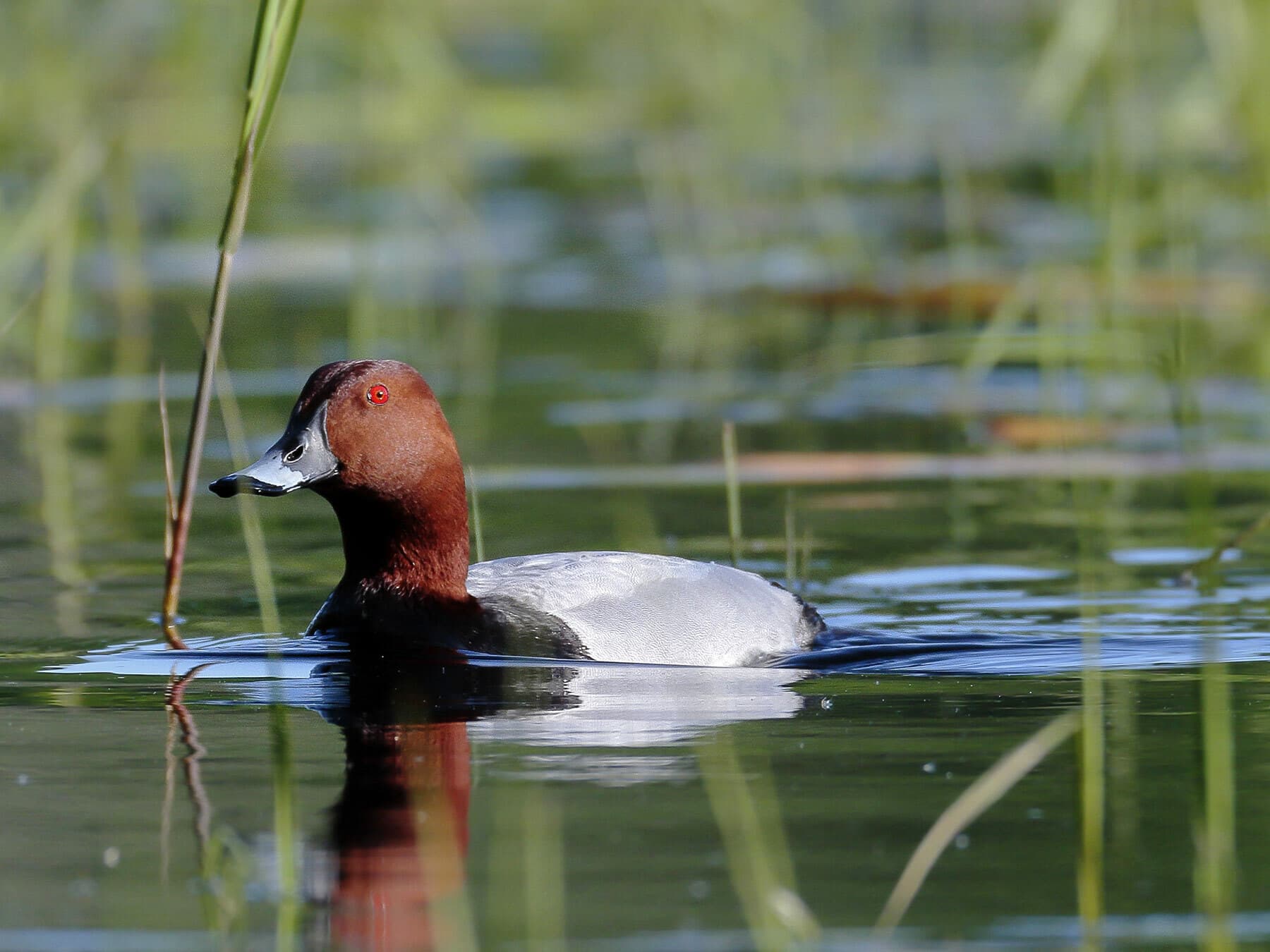
Pochard
Aythya ferinaVU
An uncommon year-round resident on deeper lakes and broads. Numbers have declined nationally, making Norfolk sites increasingly important.
Year-round
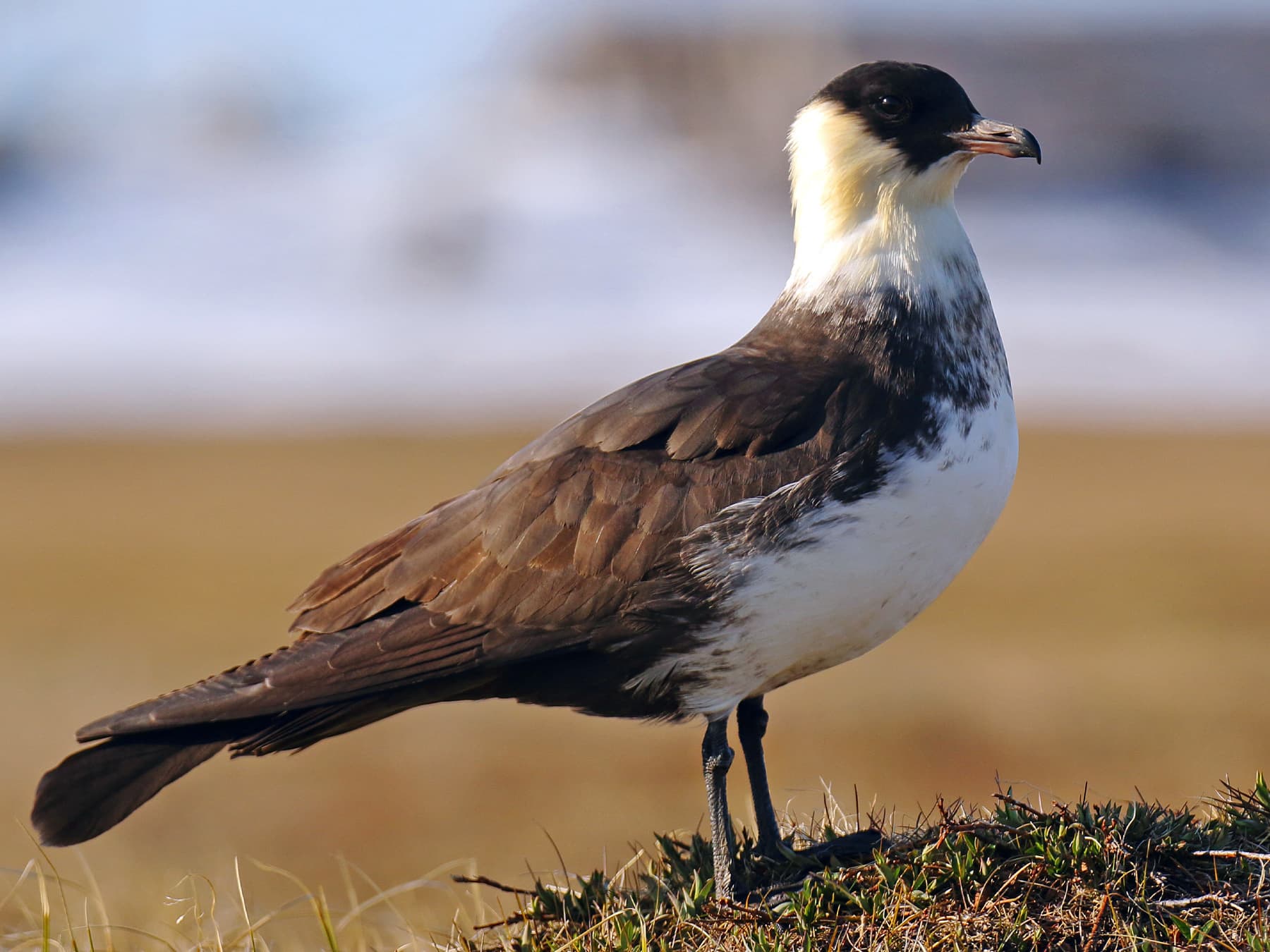
Pomarine Jaeger
Stercorarius pomarinusLC
Rare passage skua seen offshore during autumn seawatches, mainly from September to November off headlands like Sheringham.
Sep–Nov
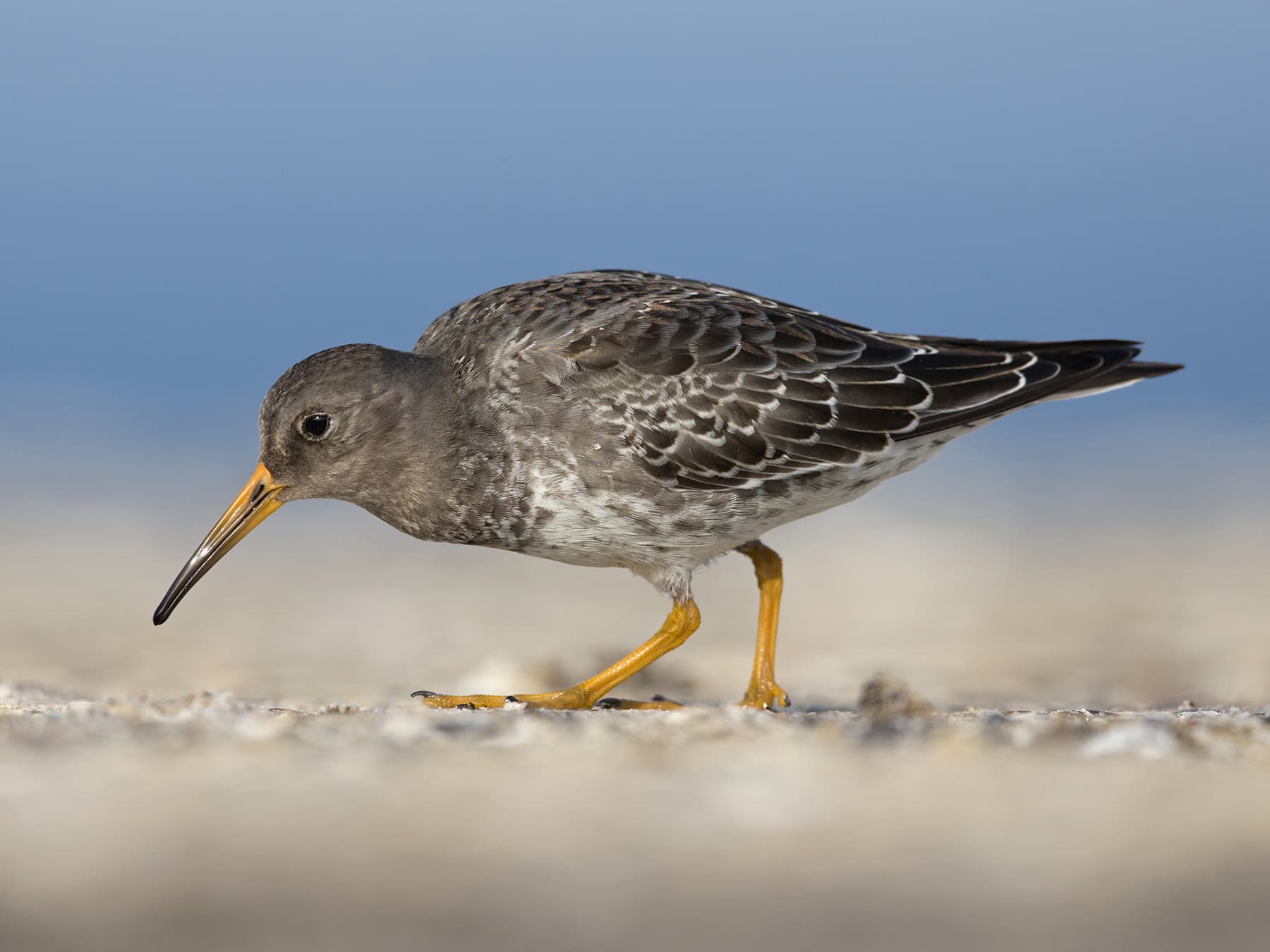
Purple Sandpiper
Calidris maritimaLC
A rare non-breeding visitor to Norfolk's rocky groynes and harbour walls from autumn through winter, favouring wave-splashed structures.
Sep–Feb
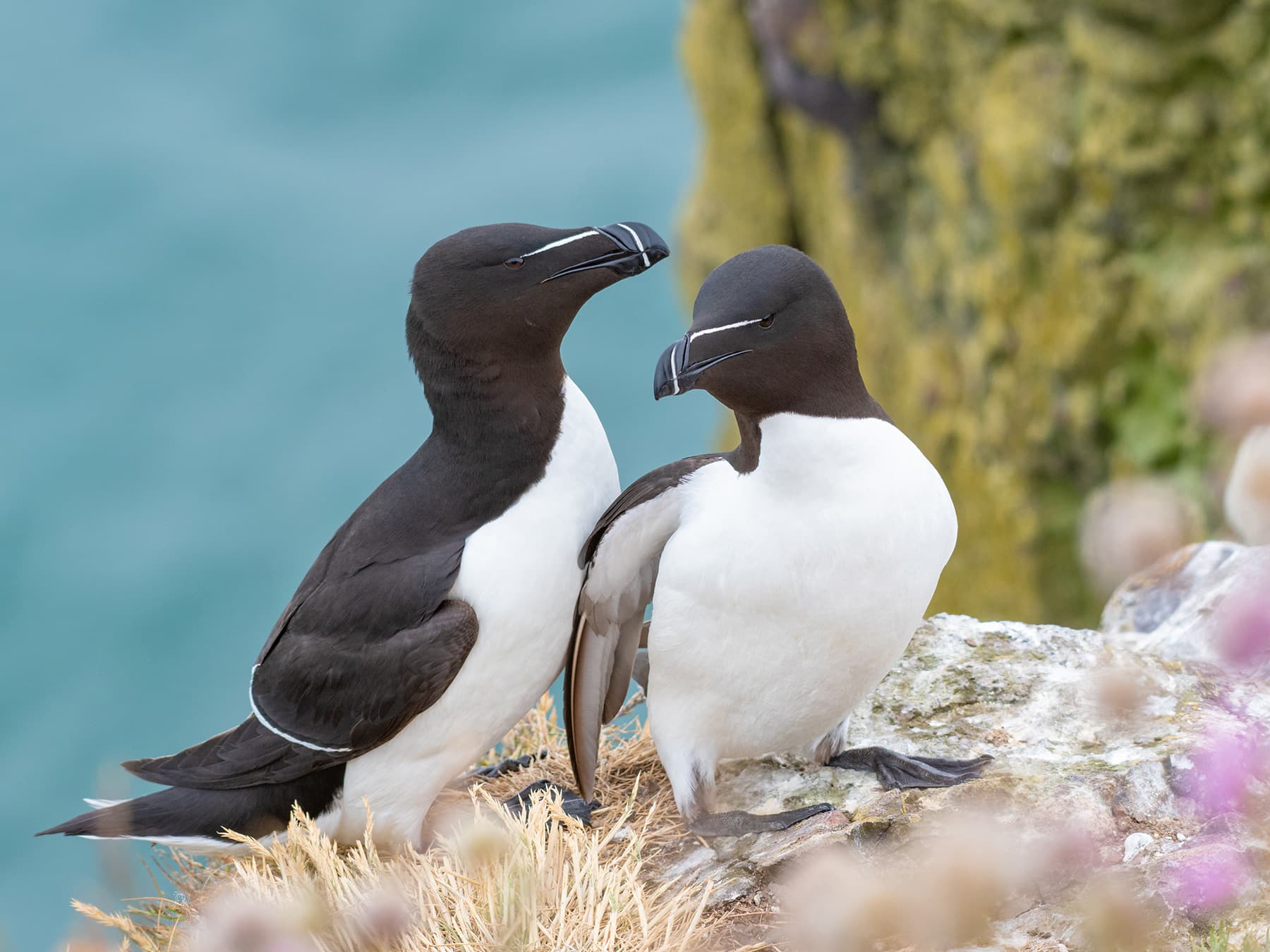
Razorbill
Alca tordaLC
A non-breeding visitor seen offshore and in coastal waters from late summer through winter. Numbers increase after autumn gales.
Aug–Jan
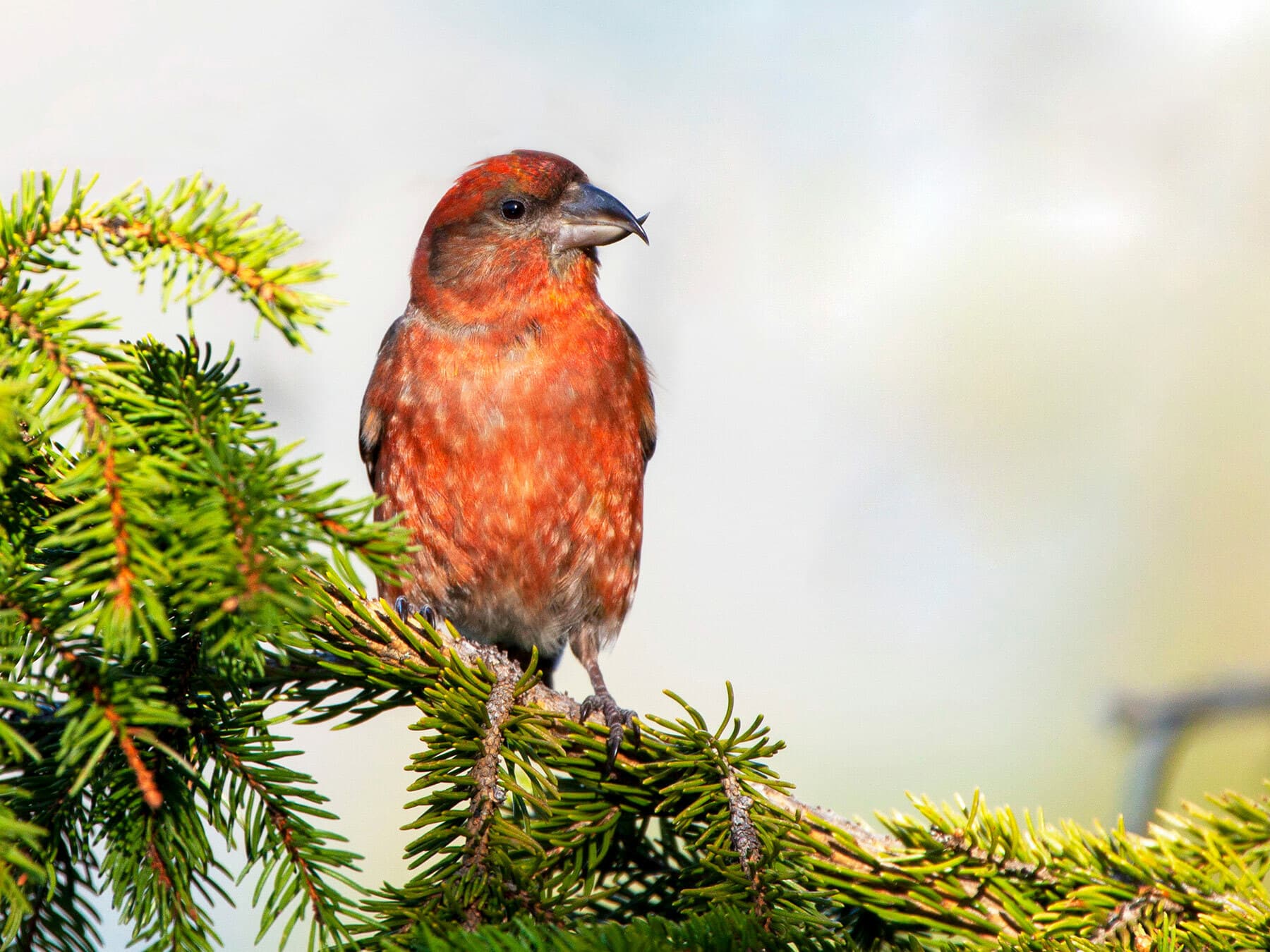
Red Crossbill
Loxia curvirostraLC
A rare resident of conifer plantations such as Thetford Forest, with numbers fluctuating markedly in irruption years.
Year-round
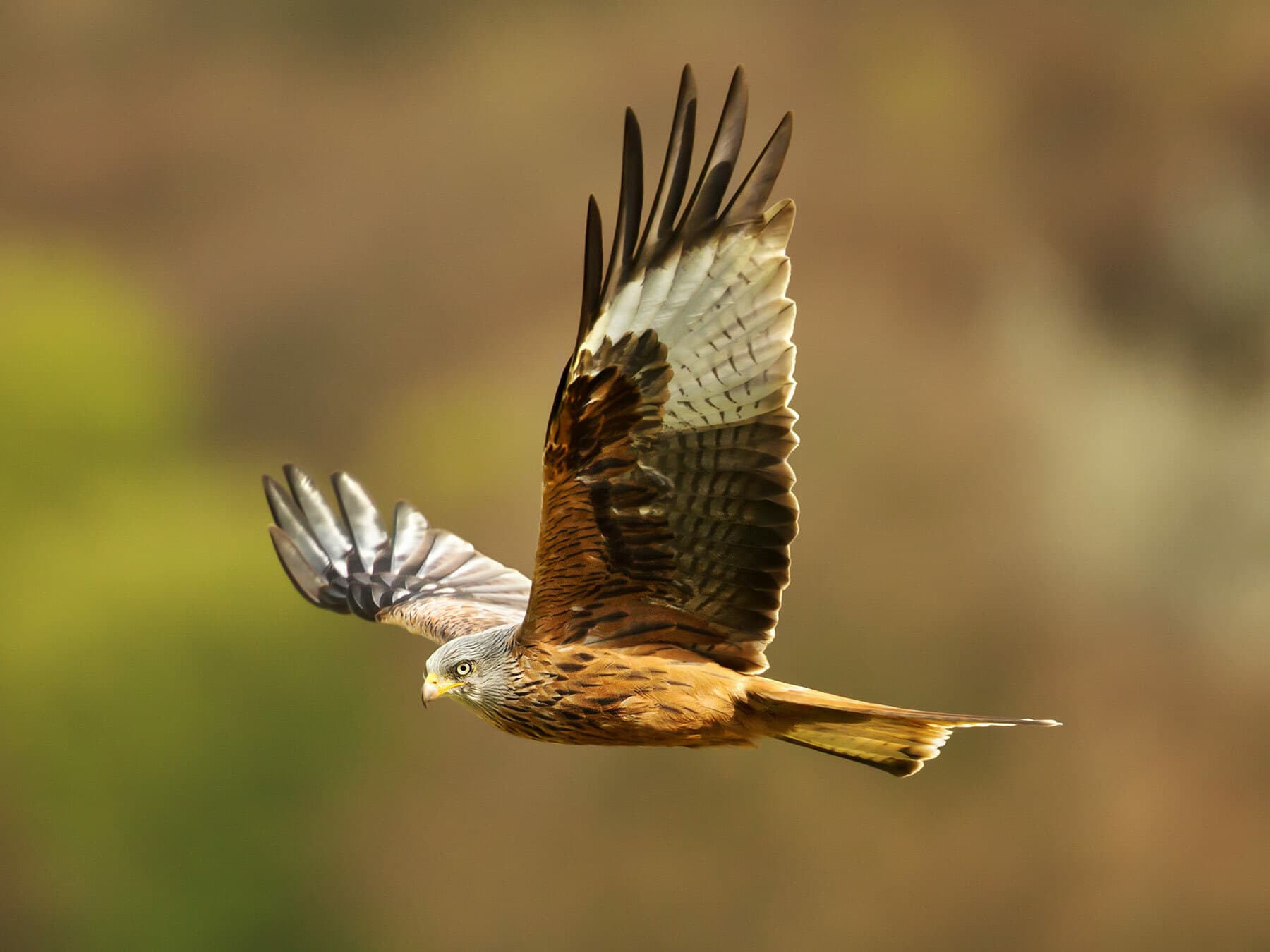
Red Kite
Milvus milvusLC
An uncommon but increasing resident, now seen soaring over farmland and woodland edges across the county year-round.
Year-round
Spotted something?
Upload a photo to identify it
Identify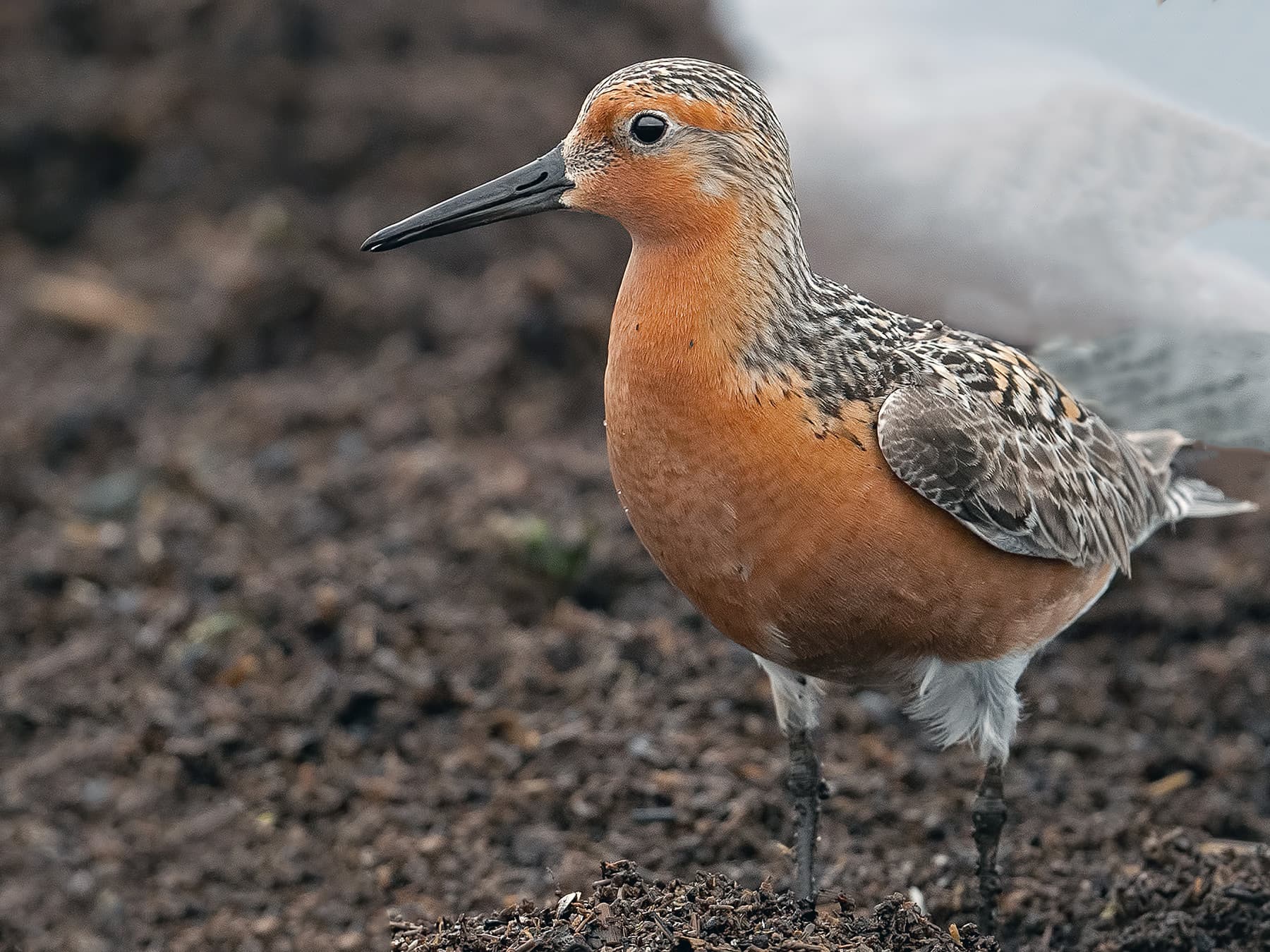
Red Knot
Calidris canutusNT
Flocks gather on the Wash and north Norfolk mudflats, peaking in winter. An impressive sight when thousands wheel in tight formation.
Year-round
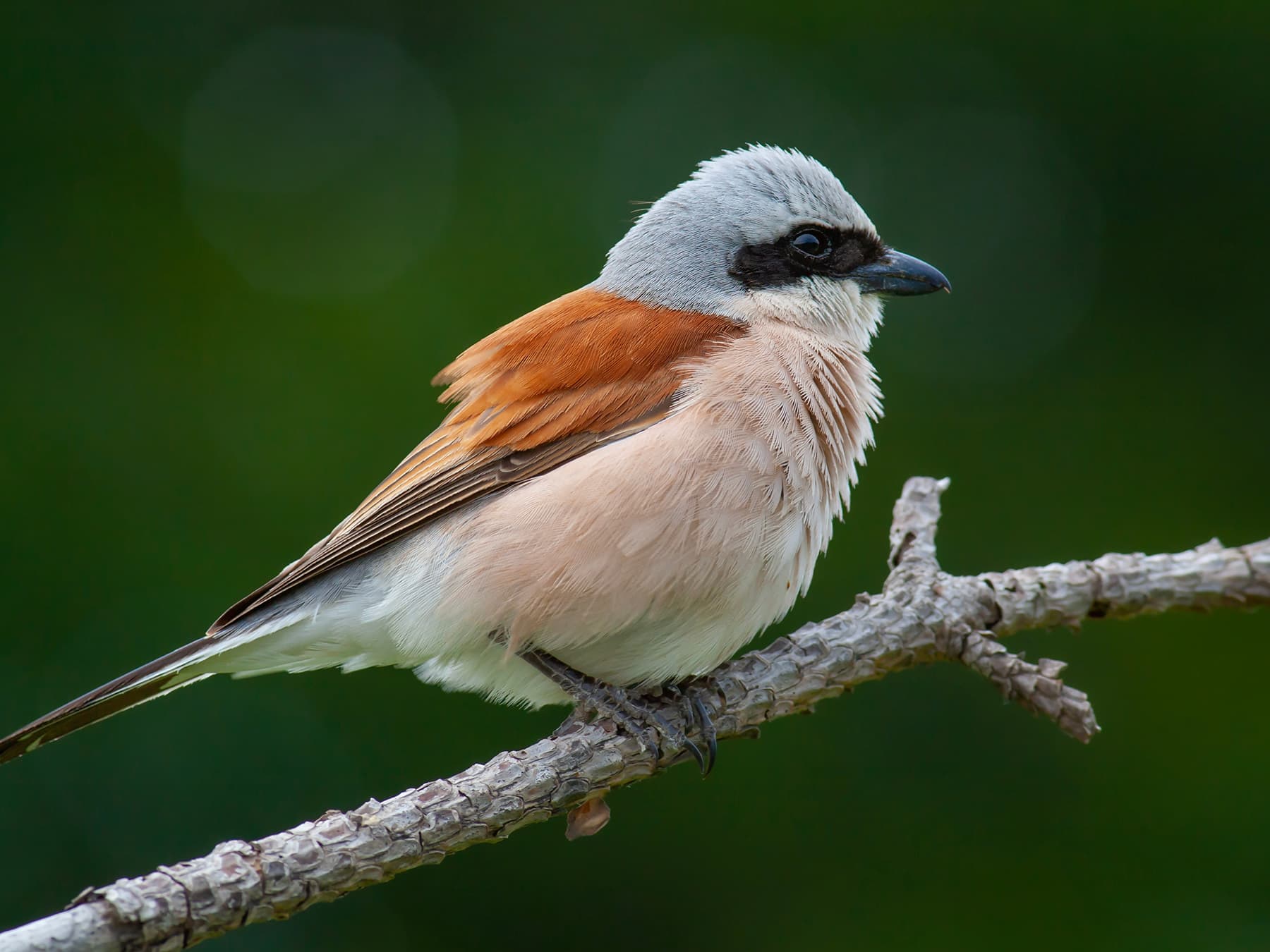
Red-backed Shrike
Lanius collurioLC
A rare passage migrant, most often found in coastal scrub during late spring and early autumn. A sought-after find along the north Norfolk coast.
May–Sep
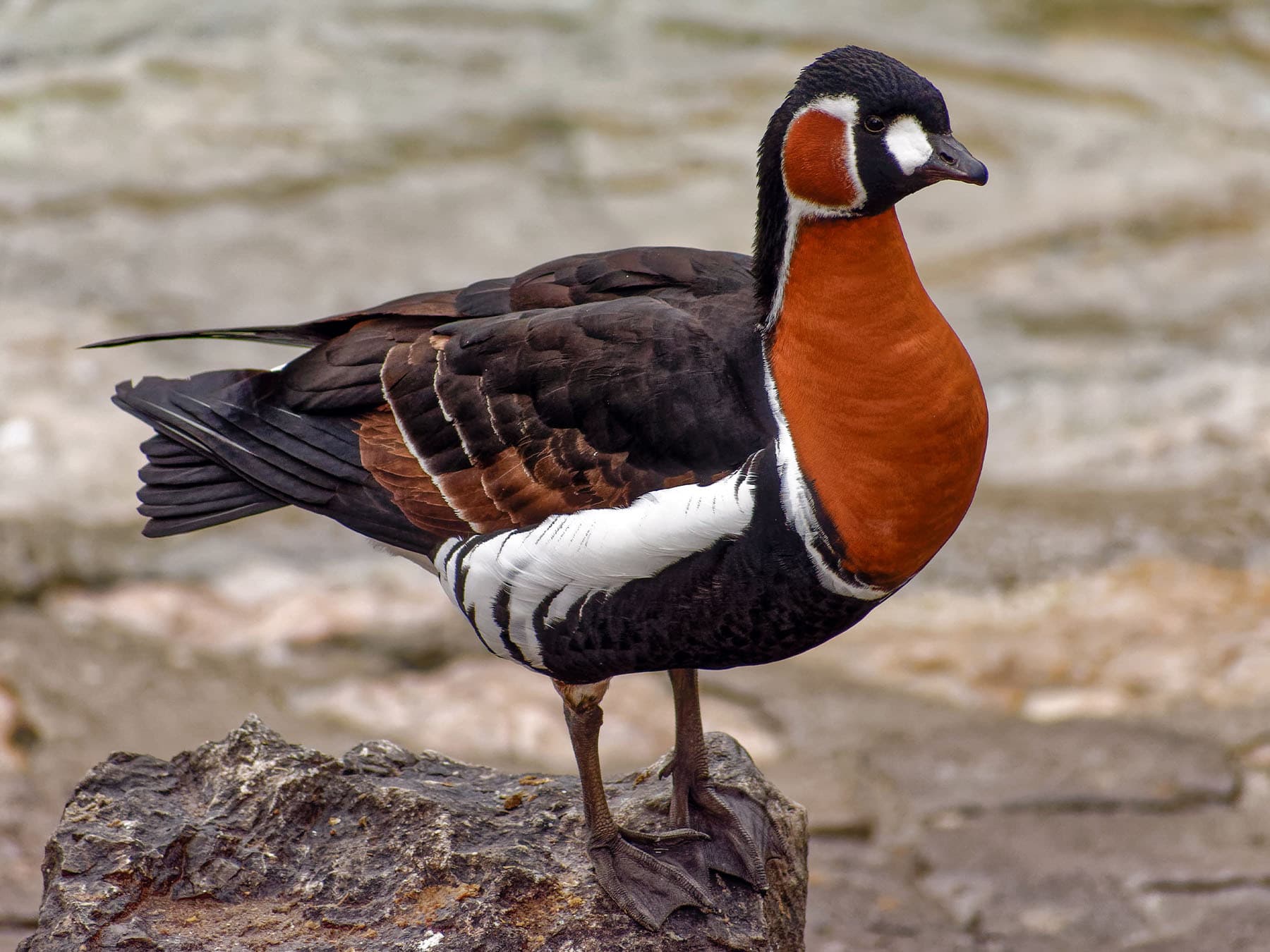
Red-breasted Goose
Branta ruficollisVU
A rare and prized winter vagrant, occasionally found among brent goose flocks on the north Norfolk coast. Requires patient searching.
Feb
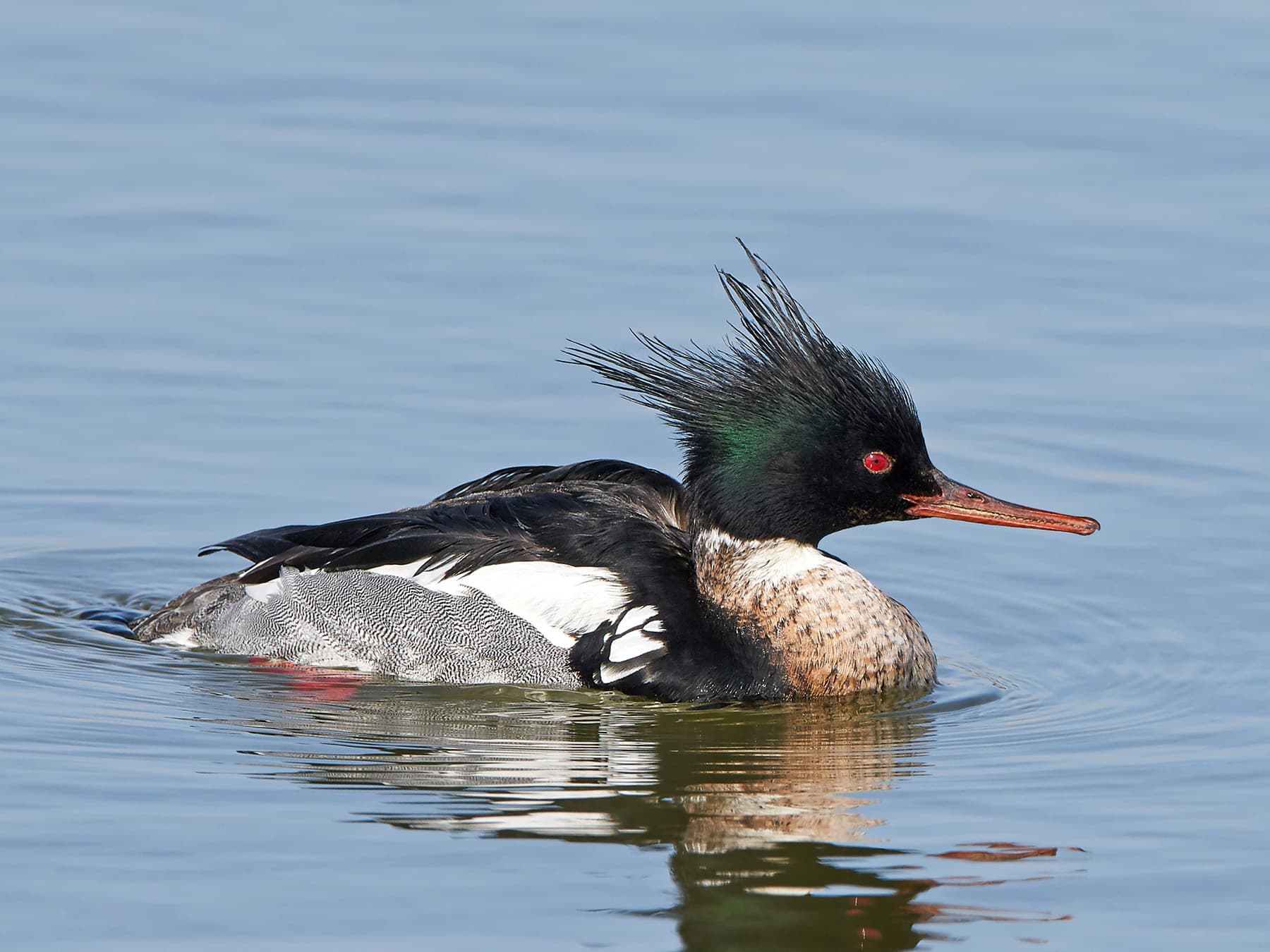
Red-breasted Merganser
Mergus serratorLC
An uncommon non-breeding visitor to estuaries and coastal waters from autumn to spring. Often seen in harbours and tidal creeks.
Sep–Apr
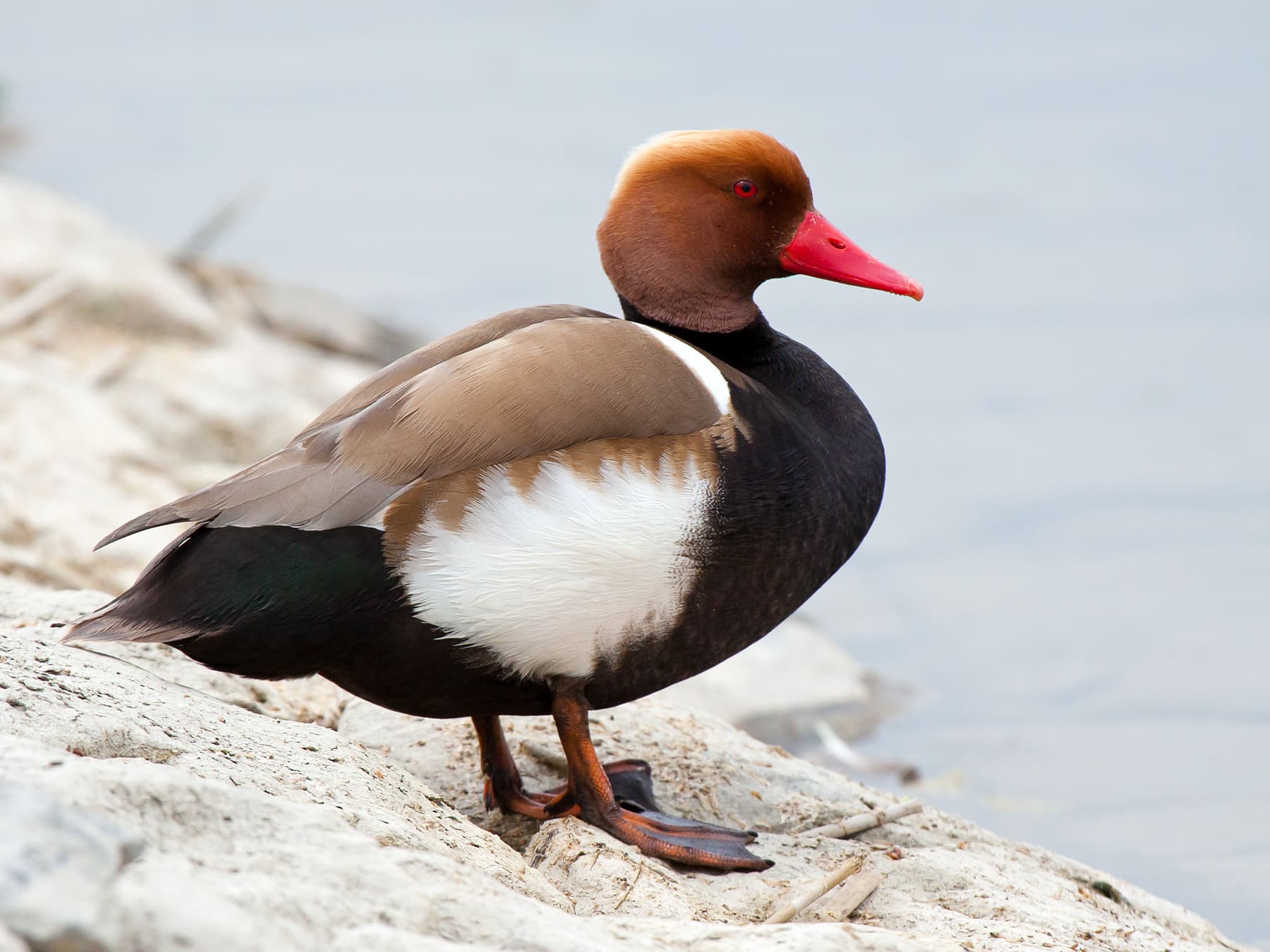
Red-crested Pochard
Netta rufinaLC
A rare breeding visitor to shallow lakes and broads from March to August. Norfolk is one of its few regular UK breeding areas.
Mar–Aug
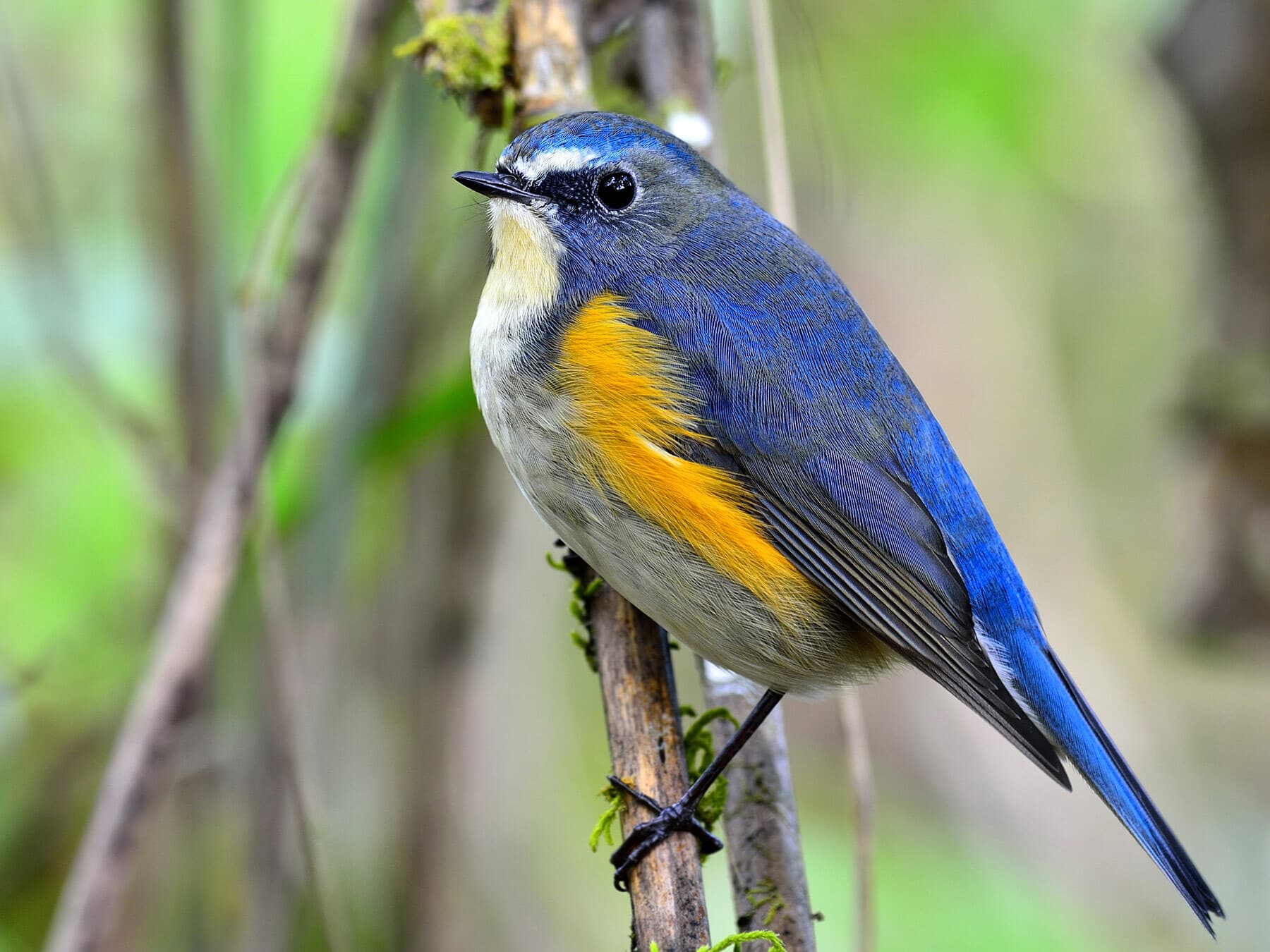
Red-flanked Bluetail
Tarsiger cyanurusLC
A rare but increasingly recorded autumn vagrant from Siberia, typically found in coastal scrub and gardens in October. A major Norfolk tick.
Oct
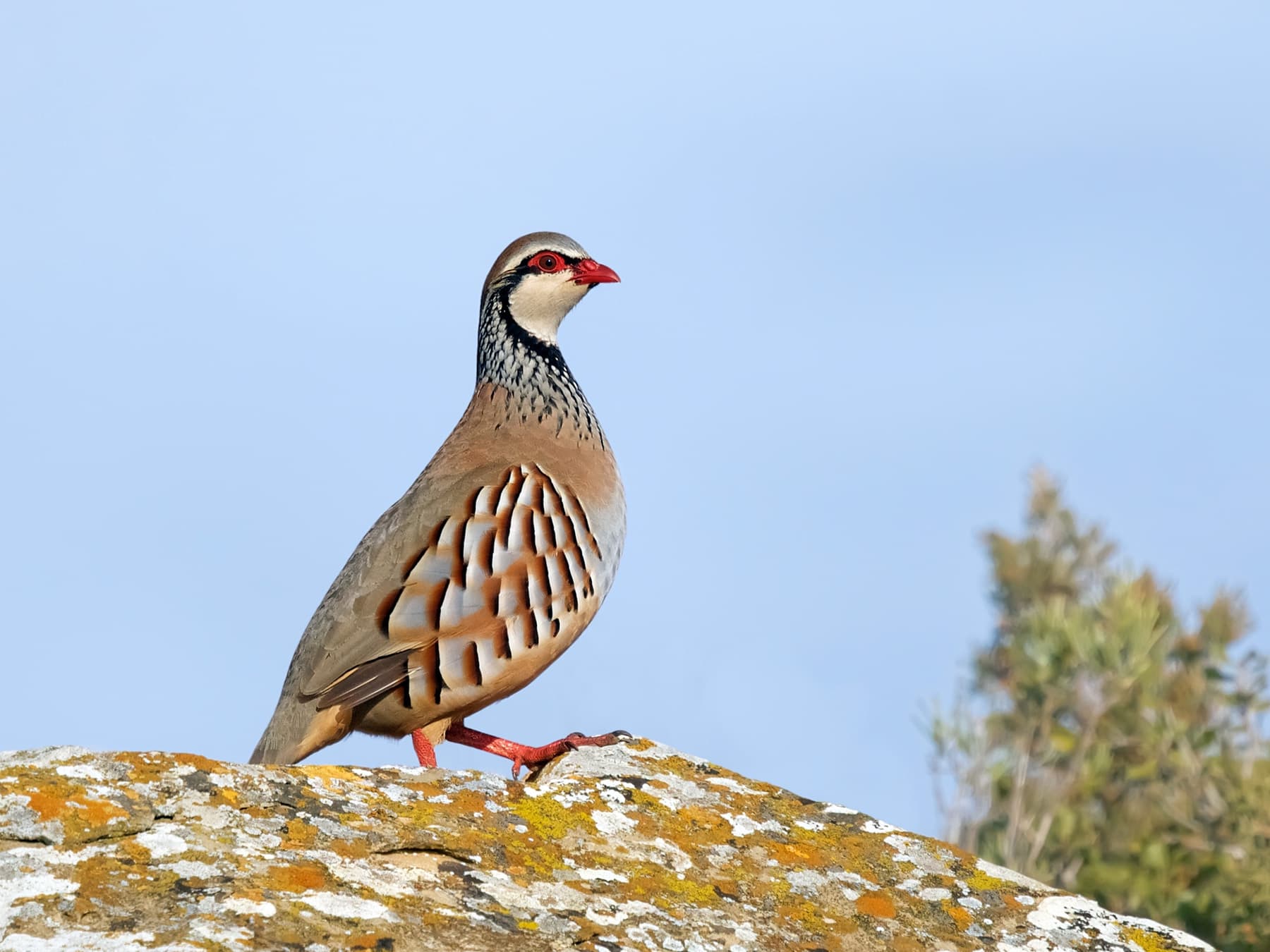
Red-legged Partridge
Alectoris rufaNT
An uncommon but year-round resident of arable farmland and field margins. An introduced species now well established across Norfolk.
Year-round
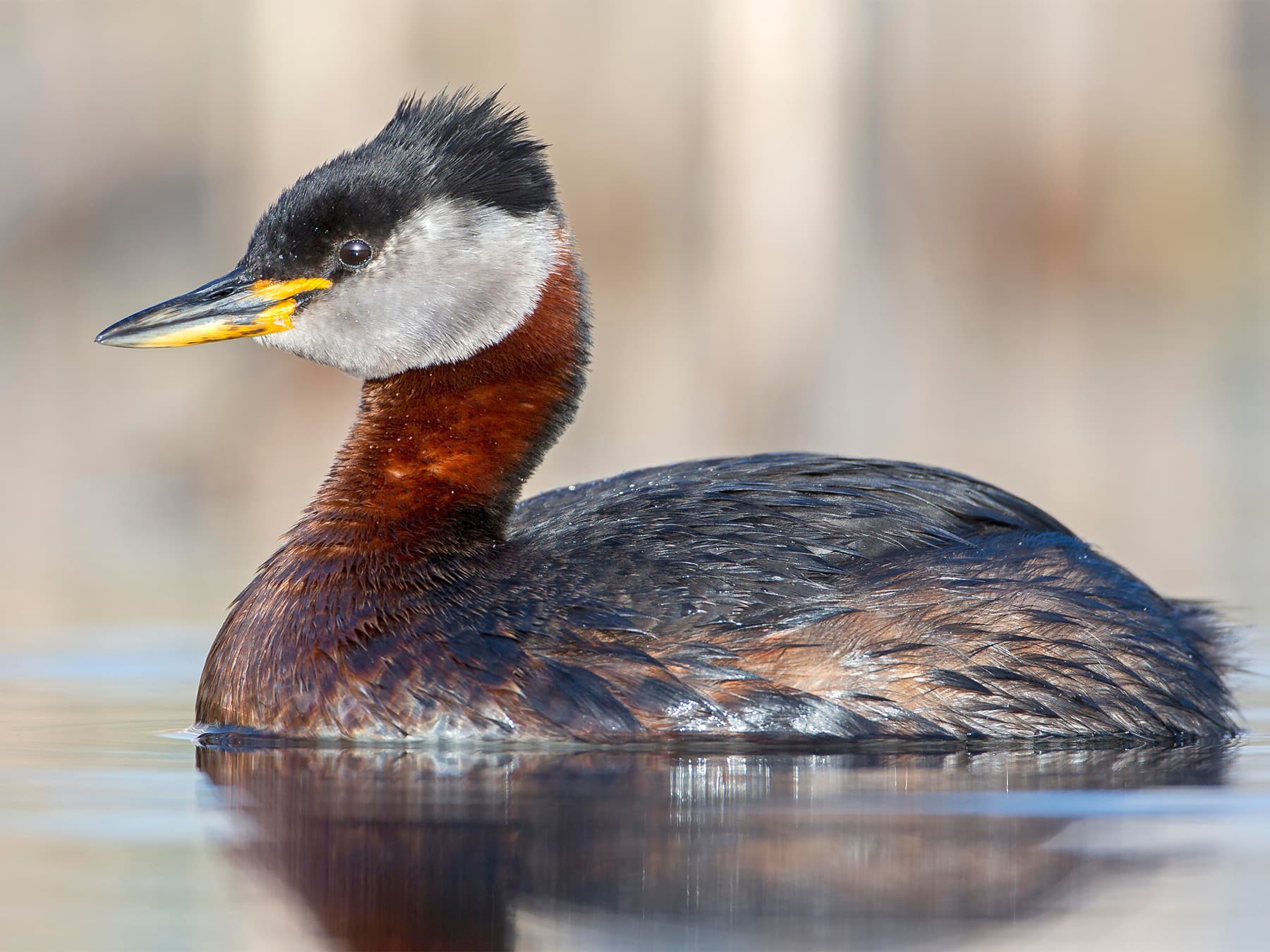
Red-necked Grebe
Podiceps grisegenaLC
A rare non-breeding visitor to coastal waters and sheltered bays from October to February. Most reliably seen off the north Norfolk coast.
Oct–Feb
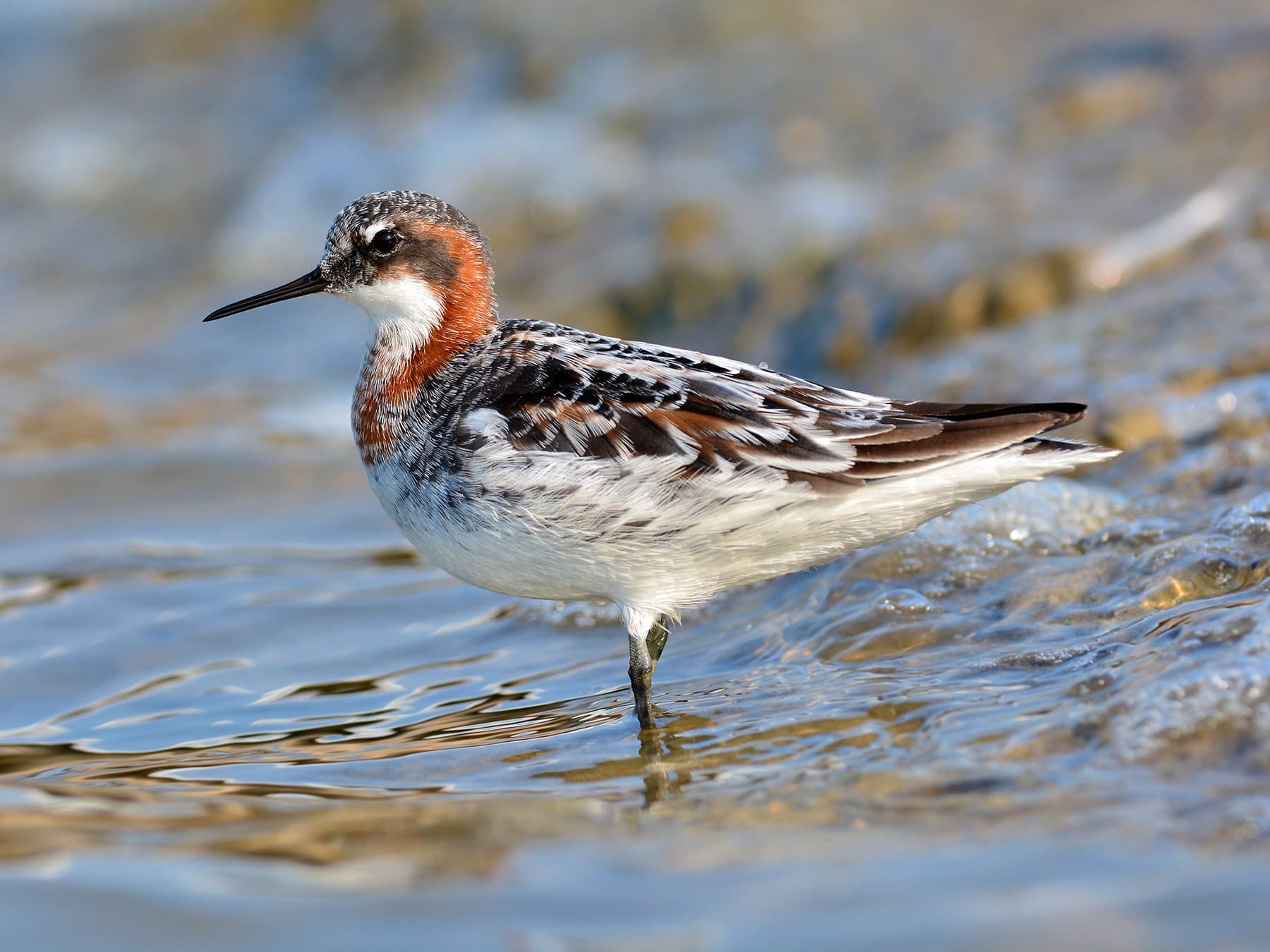
Red-necked Phalarope
Phalaropus lobatusLC
A rare September passage migrant, occasionally spinning on freshwater pools at coastal reserves like Cley and Titchwell.
Sep
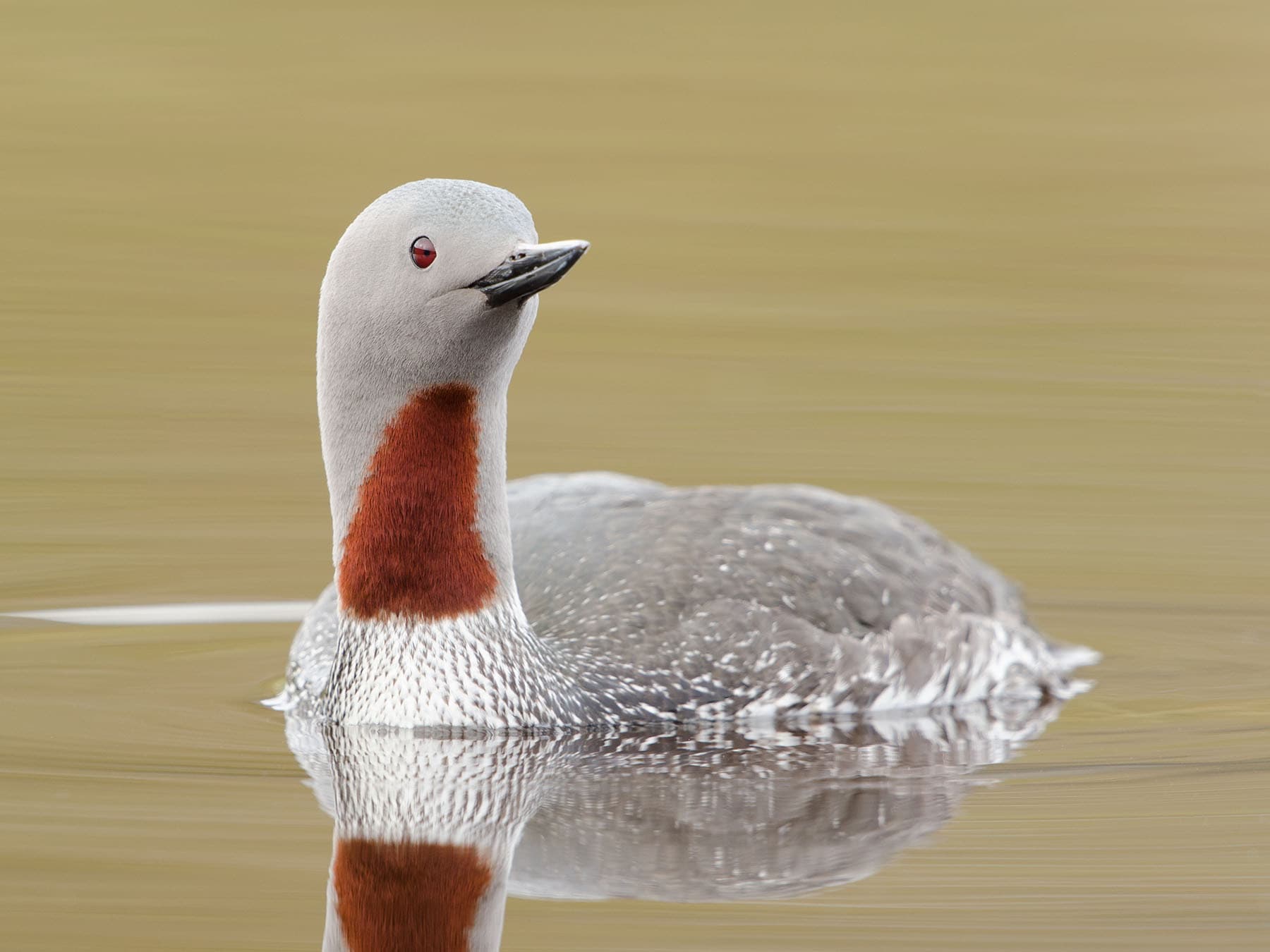
Red-throated Loon
Gavia stellataLC
An uncommon non-breeding visitor, wintering offshore and in coastal waters. Often seen flying low over the sea in small numbers.
Aug–Apr
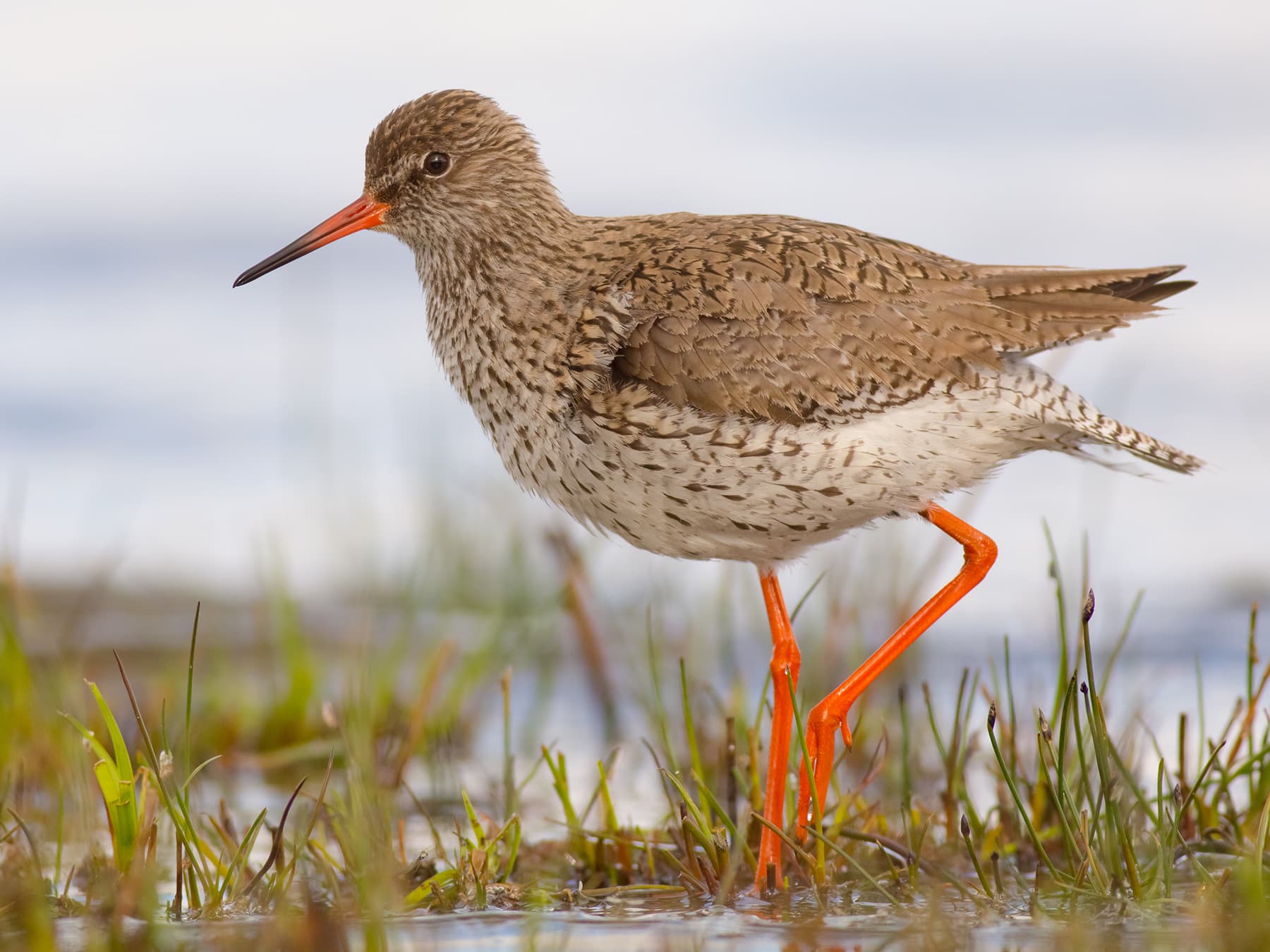
Redshank
Tringa totanusLC
Common year-round on saltmarshes and wet grasslands, its distinctive call a constant feature of Norfolk's coastal reserves.
Year-round
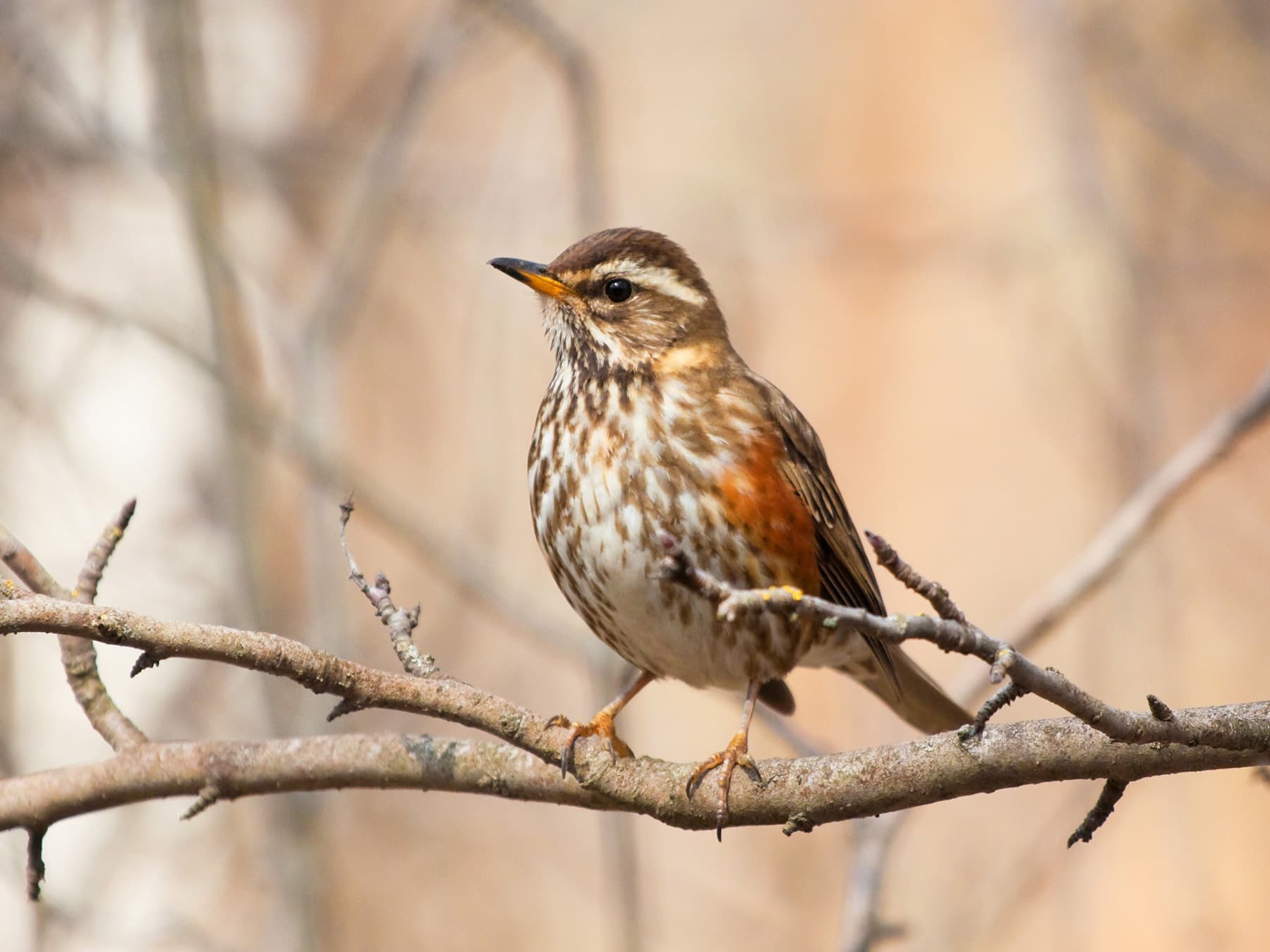
Redwing
Turdus iliacusNT
A winter visitor from Scandinavia, foraging in hedgerows and fields across Norfolk. Large arrivals sometimes occur on the coast in October.
Sep–Apr
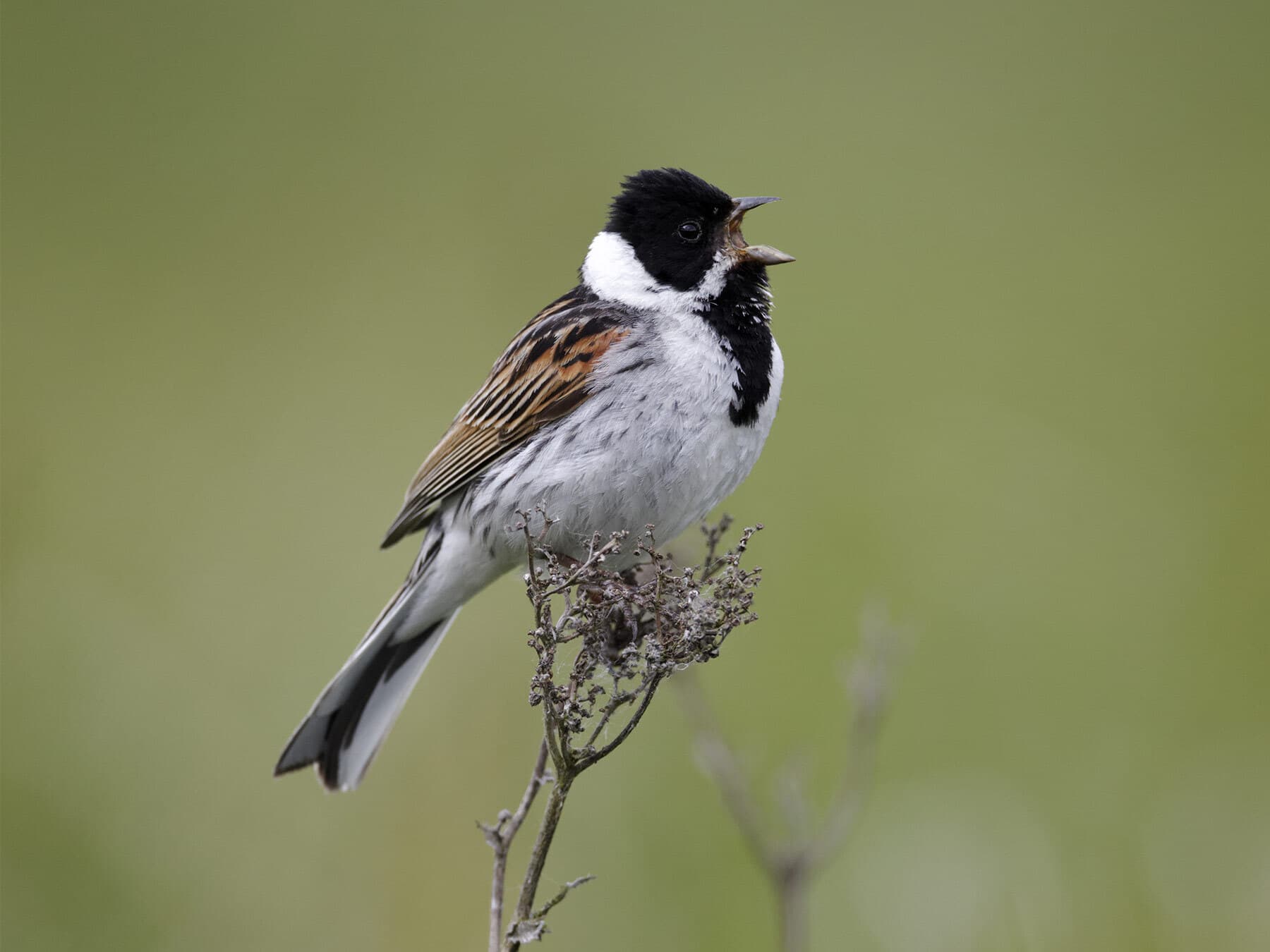
Reed Bunting
Emberiza schoeniclusLC
A common resident of reedbeds, ditches and marshy areas throughout Norfolk, often forming large winter roosts in phragmites beds.
Year-round
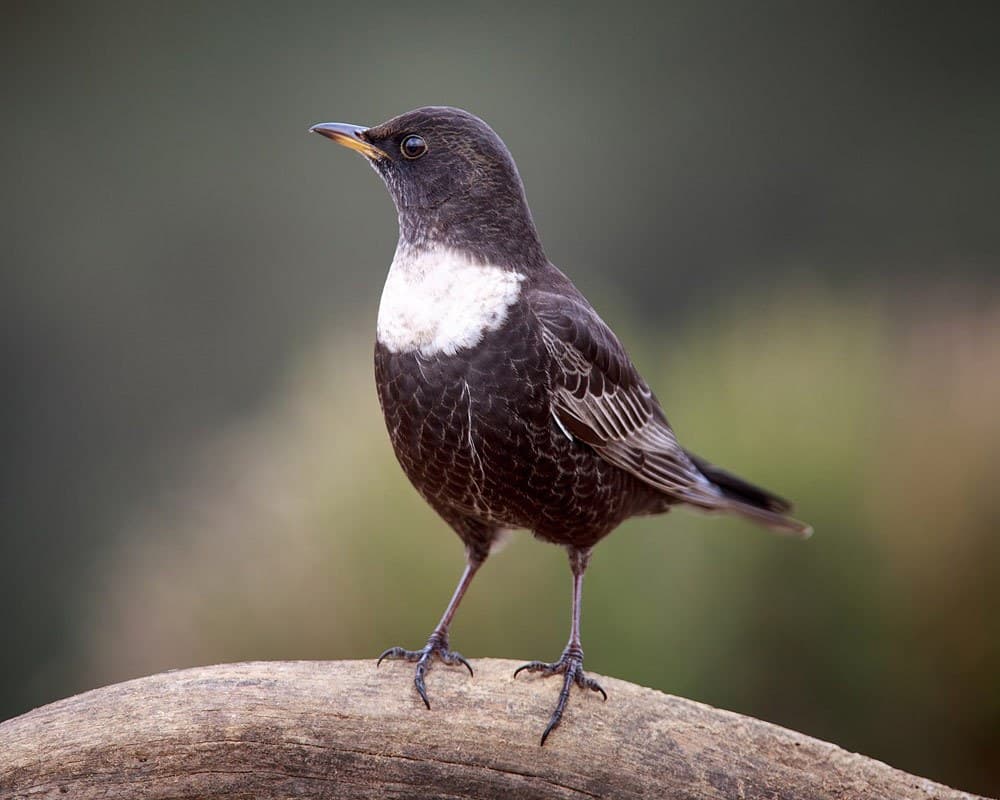
Ring Ouzel
Turdus torquatusLC
A rare passage migrant in spring and autumn, pausing briefly on coastal scrub and open fields. Most Norfolk records come from the north coast.
Apr–Oct
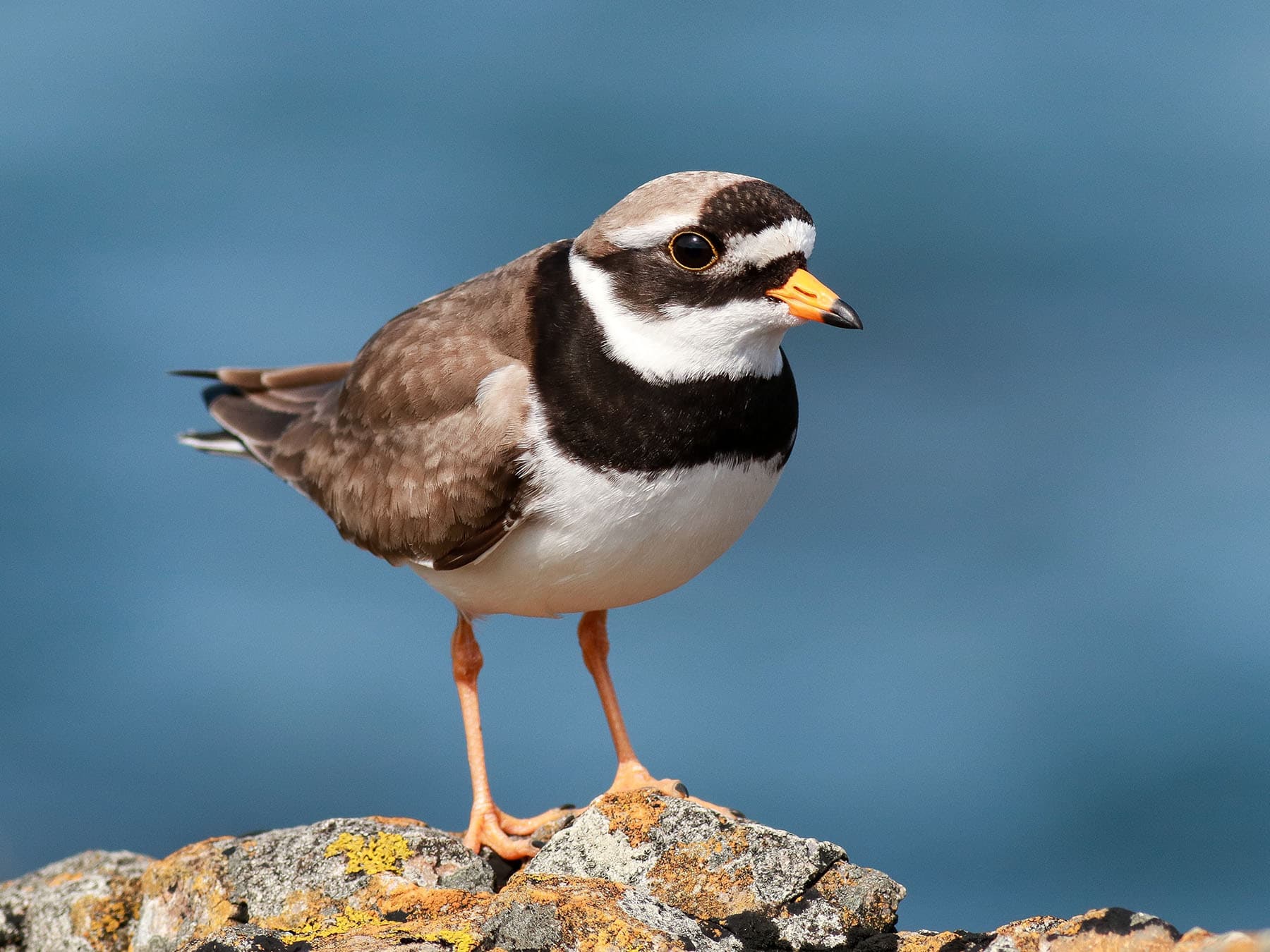
Ringed Plover
Charadrius hiaticulaLC
Breeds on shingle beaches and sandy shores year-round. Nesting sites along the north Norfolk coast are vulnerable to disturbance.
Year-round