Birds in Norfolk
Explore 235 species found in this region.
Norfolk is one of the premier birdwatching destinations in the United Kingdom, with 229 recorded species thriving across its diverse mosaic of coastal marshes, reed beds, estuaries, and arable farmland. The county's extensive coastline and renowned reserves such as Cley Marshes, Titchwell, and the North Norfolk coast attract vast numbers of wildfowl and waders, including Eurasian Wigeon, Common Shelduck, and Garganey. Norfolk is also a vital stronghold for increasingly rare species such as the European Turtle-dove and supports impressive winter gatherings of Barnacle Geese and Goldeneye.
Visiting in September? Look out for Brambling and Common Redpoll arriving this month, and Cuckoo and European Bee-eater depart for the season.


Showing 116–138 of 235 species
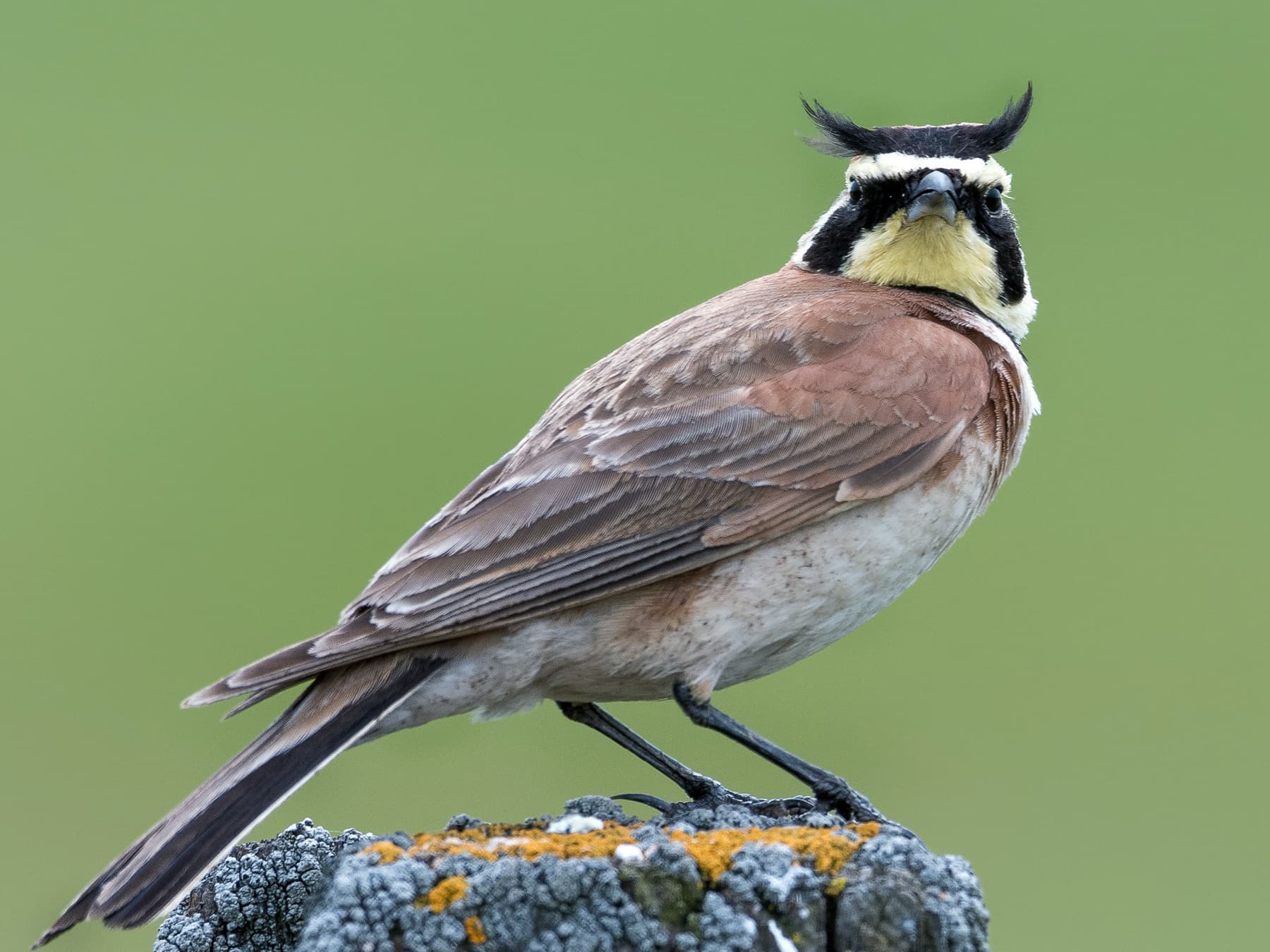
Horned Lark
Eremophila alpestrisLC
A scarce winter visitor favouring shingle beaches and saltmarshes along the north Norfolk coast, often associating with Snow Buntings.
Oct–Mar
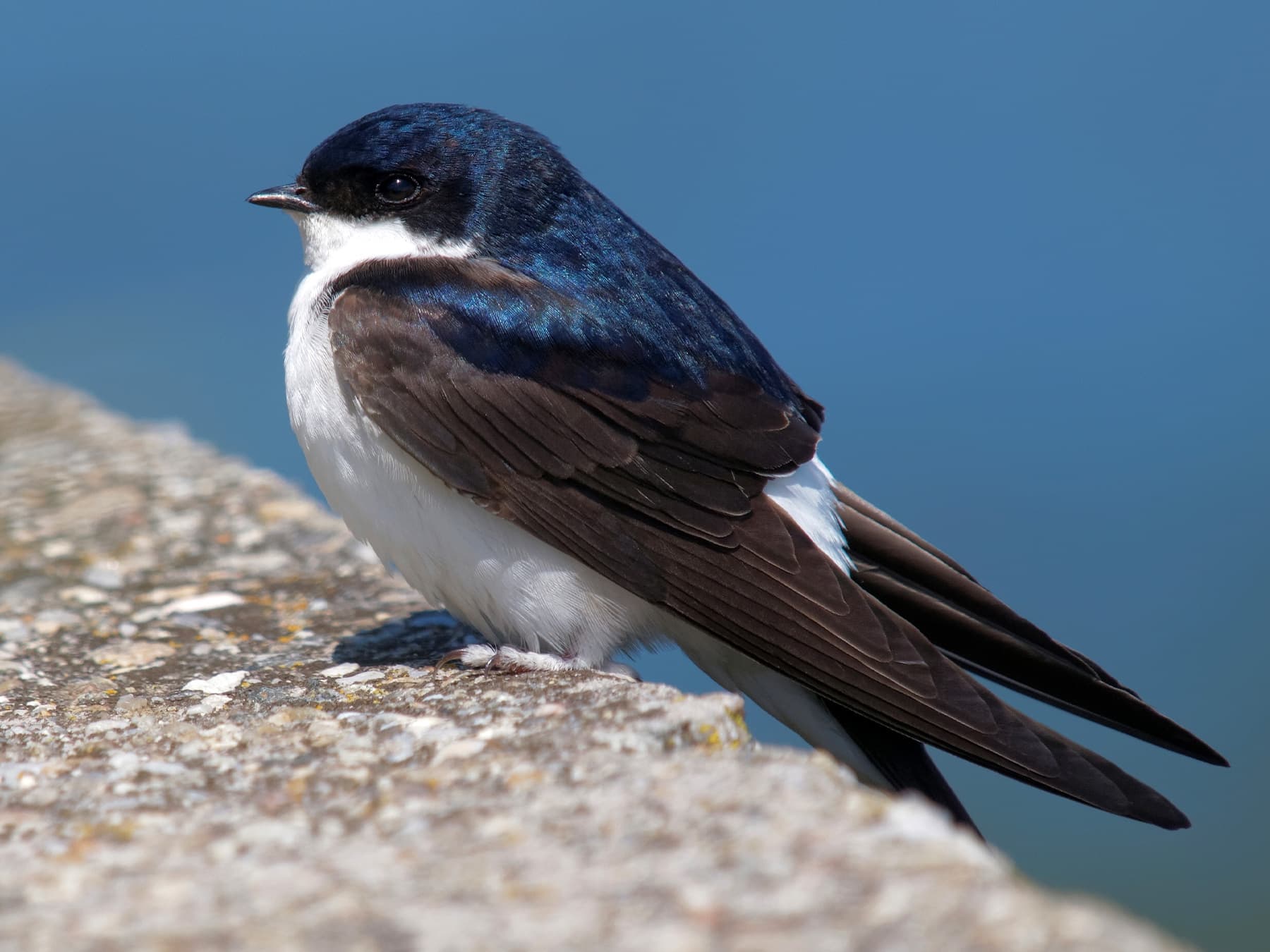
House Martin
Delichon urbicumLC
A common summer visitor nesting under eaves in Norfolk's towns and villages. Arrives in April and departs by October, often gathering on wires before migration.
Apr–Oct
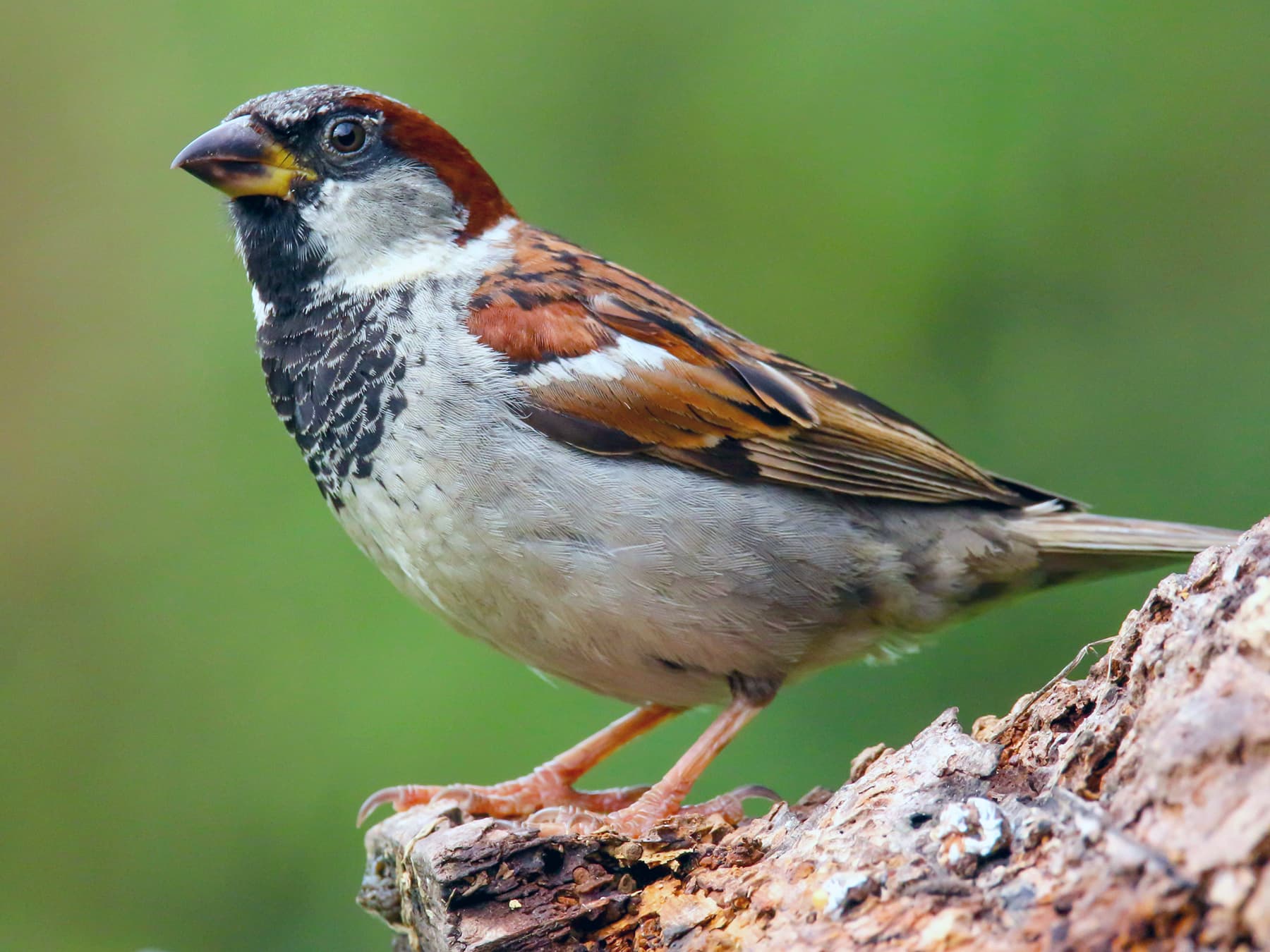
House Sparrow
Passer domesticusLC
A common year-round resident of Norfolk's towns, villages, and farmyards. Sociable and noisy, nesting in holes in buildings and dense hedges.
Year-round
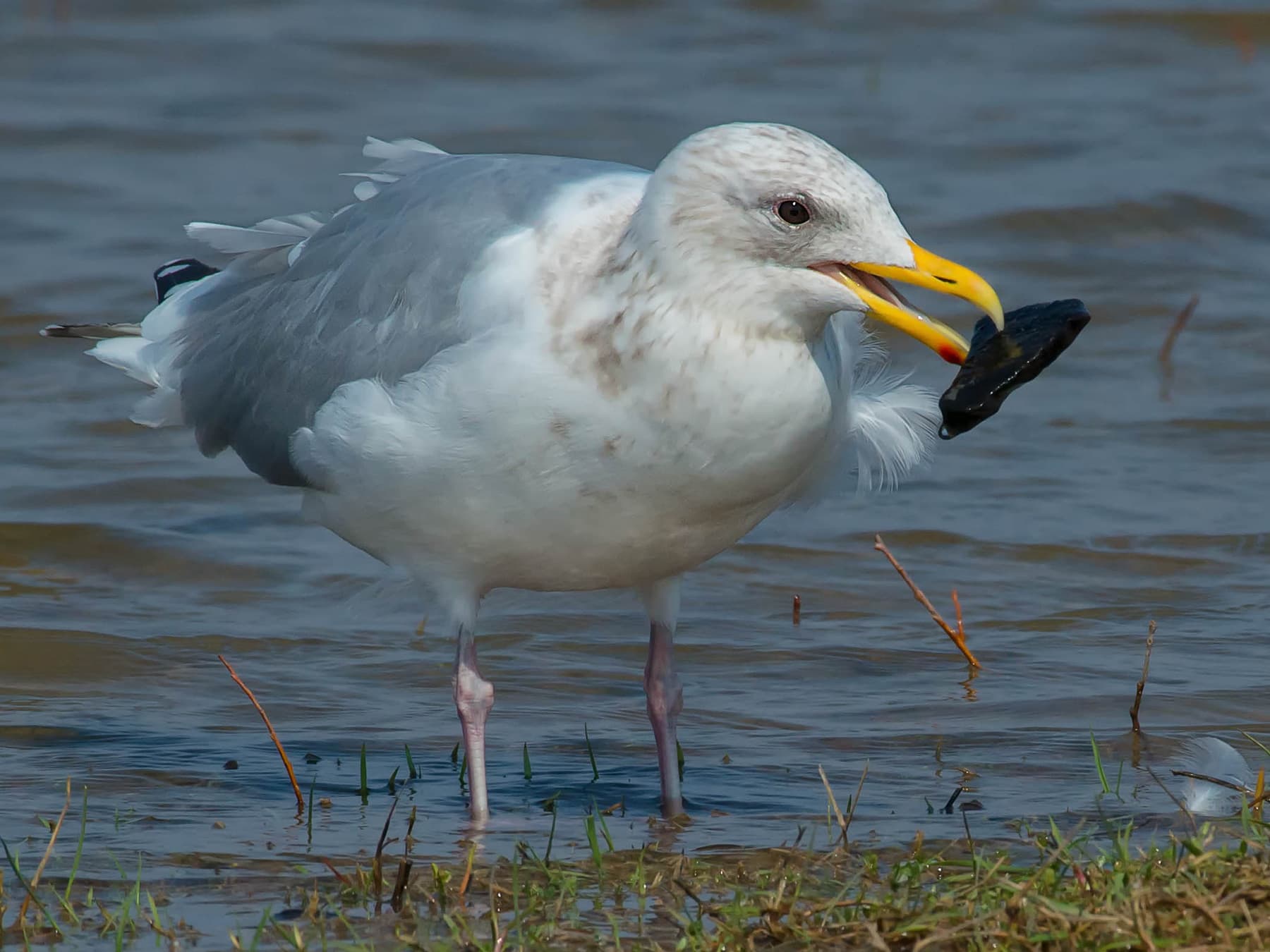
Iceland Gull
Larus glaucoidesLC
A rare winter visitor, occasionally appearing at coastal harbours and gull roosts in midwinter months.
Dec–Jan
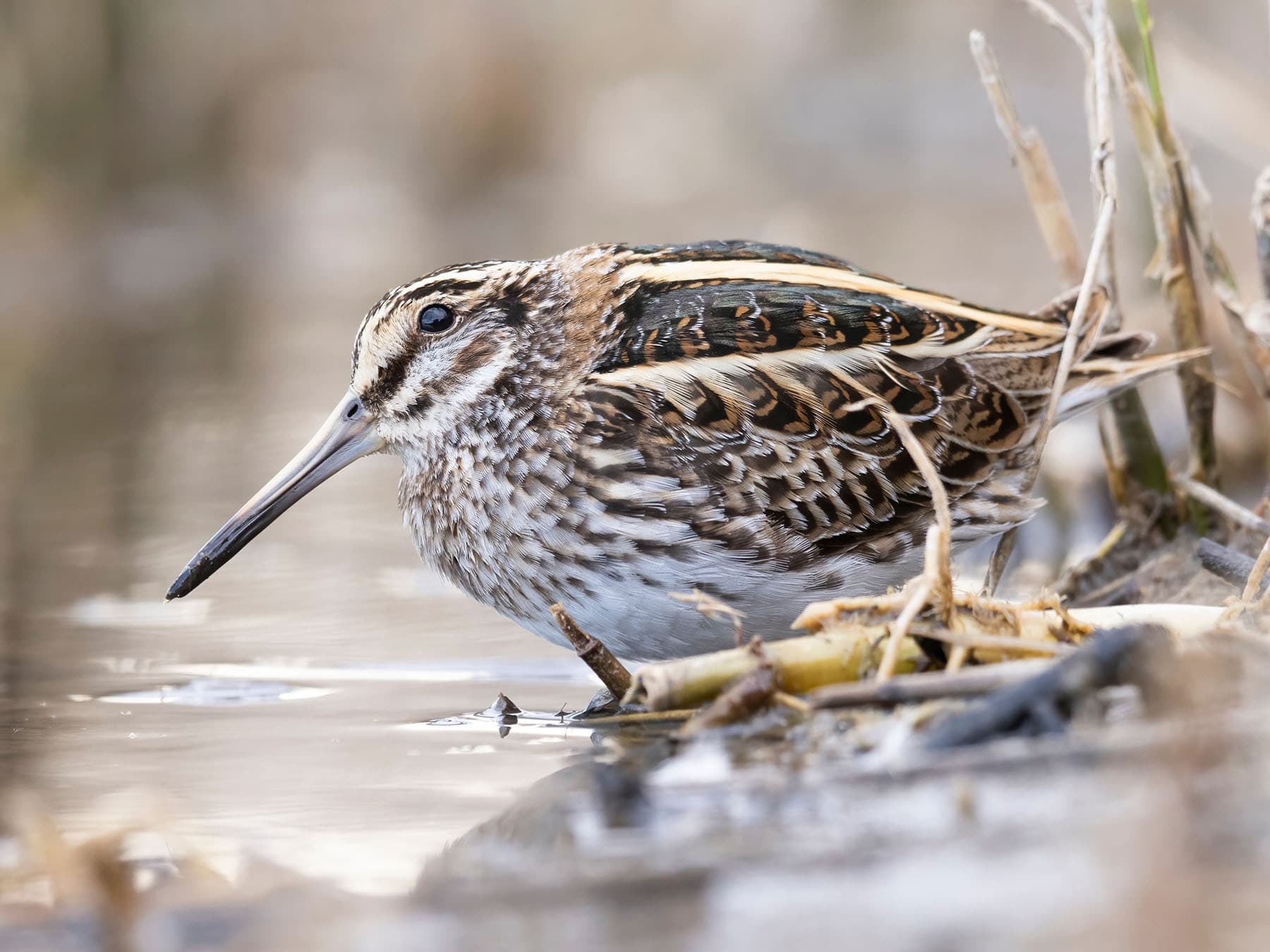
Jack Snipe
Lymnocryptes minimusLC
A rare and secretive passage visitor to Norfolk's wet marshes and boggy ditches, most likely flushed in October or November.
Oct–Mar
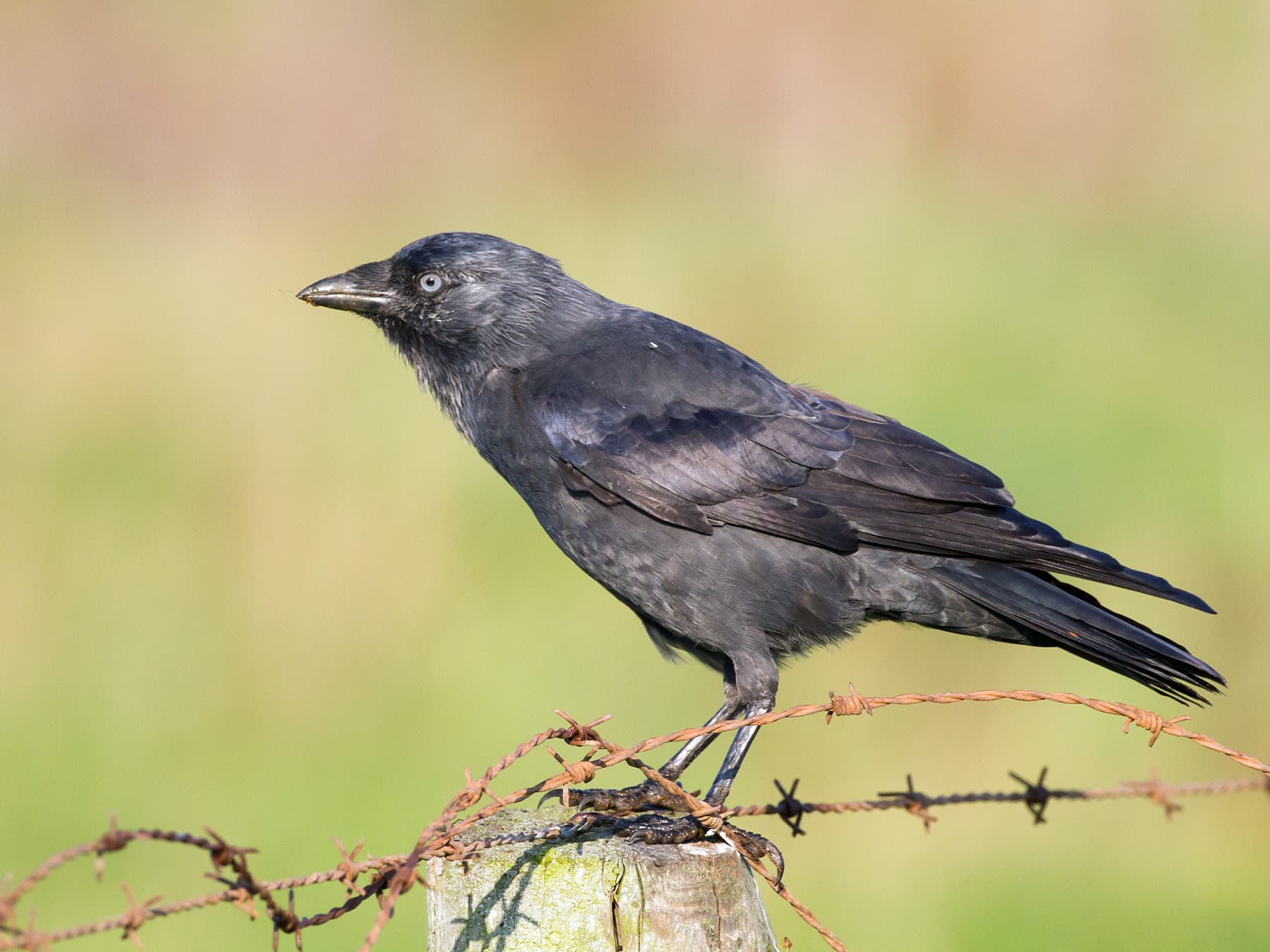
Jackdaw
Coloeus monedulaLC
A common and sociable resident, nesting in church towers and old buildings across Norfolk's towns and villages.
Year-round
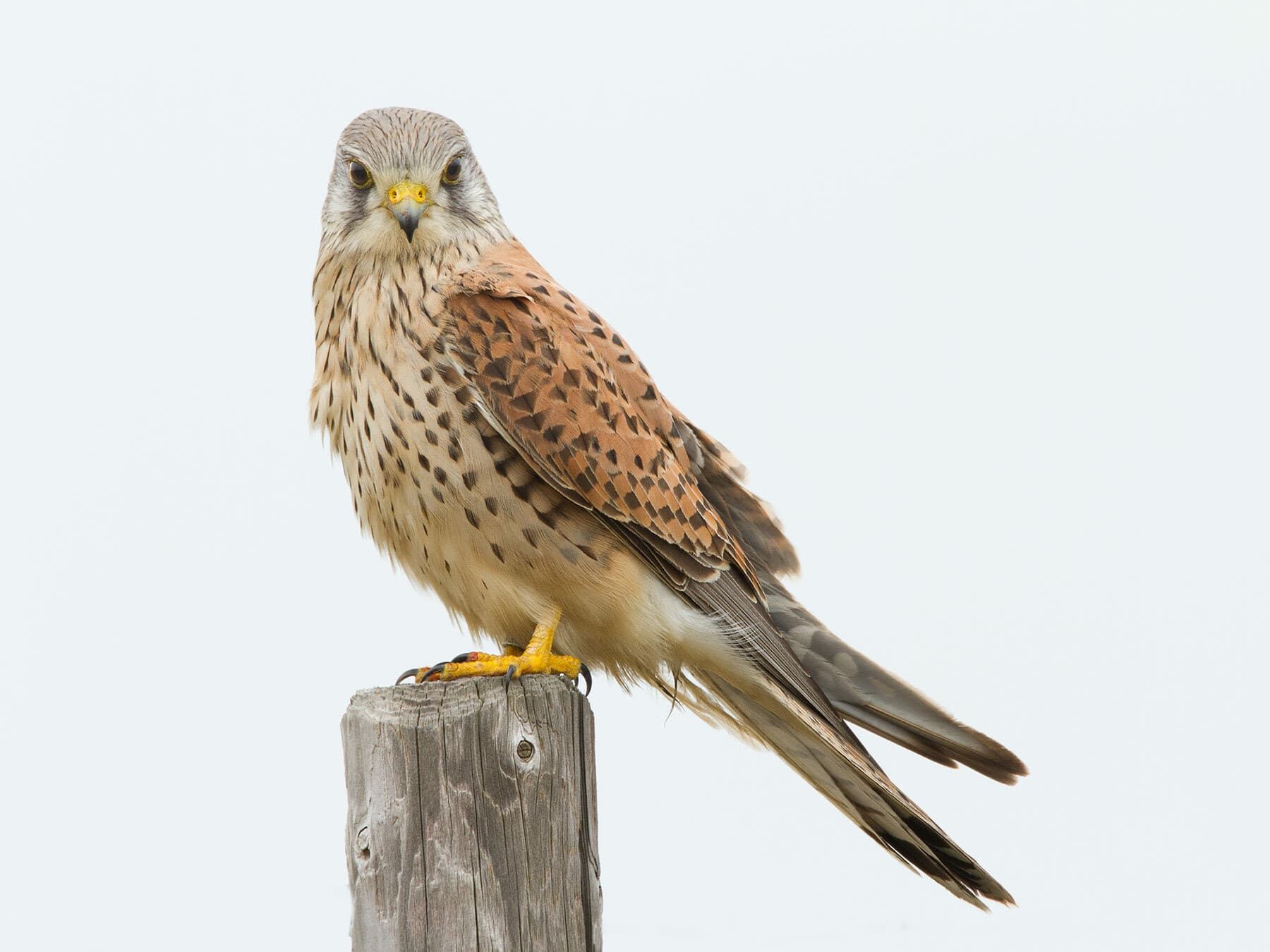
Kestrel
Falco tinnunculusLC
A common resident hovering over roadside verges, farmland, and coastal marshes throughout the year.
Year-round
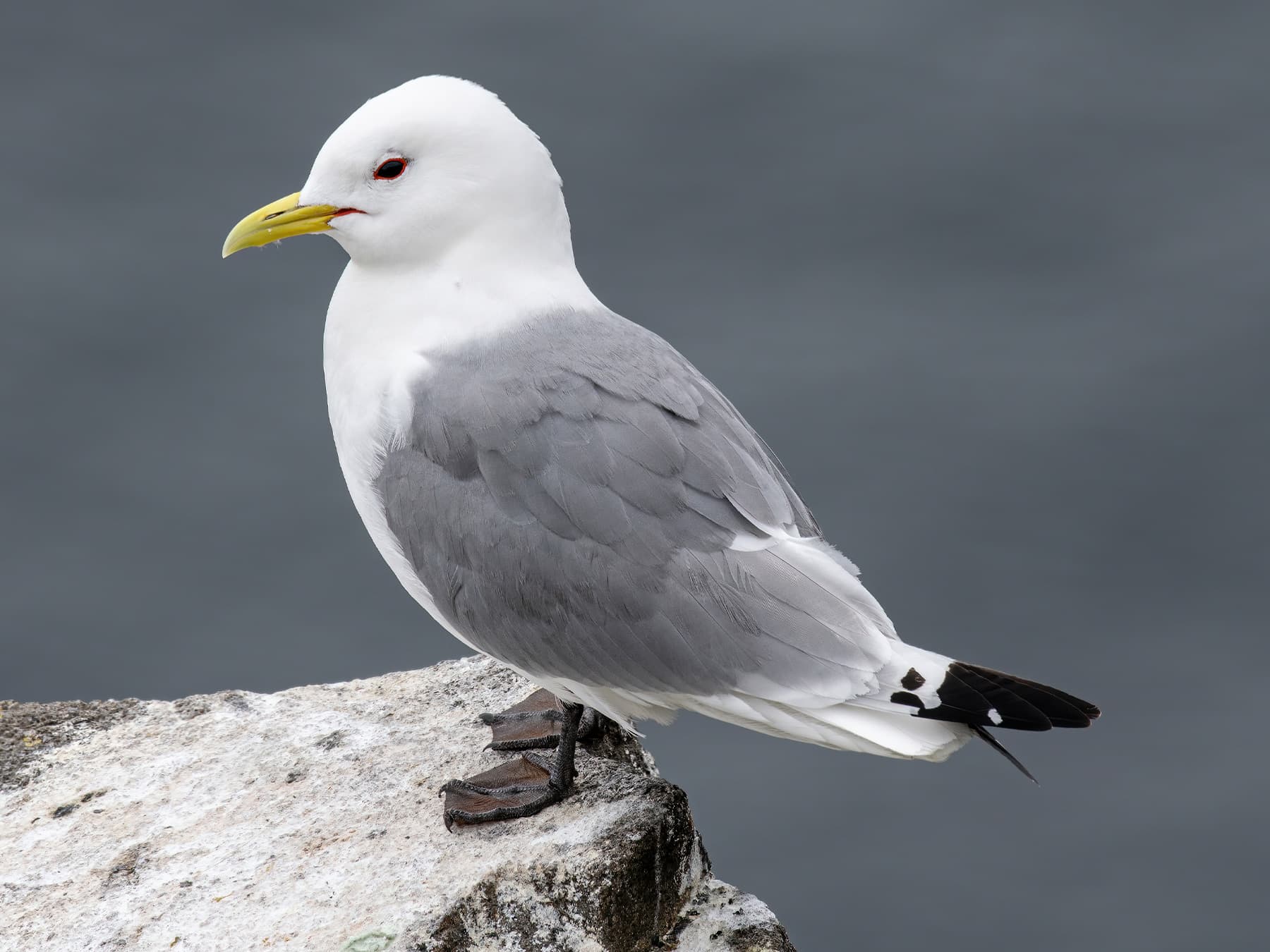
Kittiwake
Rissa tridactylaVU
Present year-round but scarce, often seen from shore during seawatches. UK populations have declined dramatically in recent decades.
Year-round
Spotted something?
Upload a photo to identify it
Identify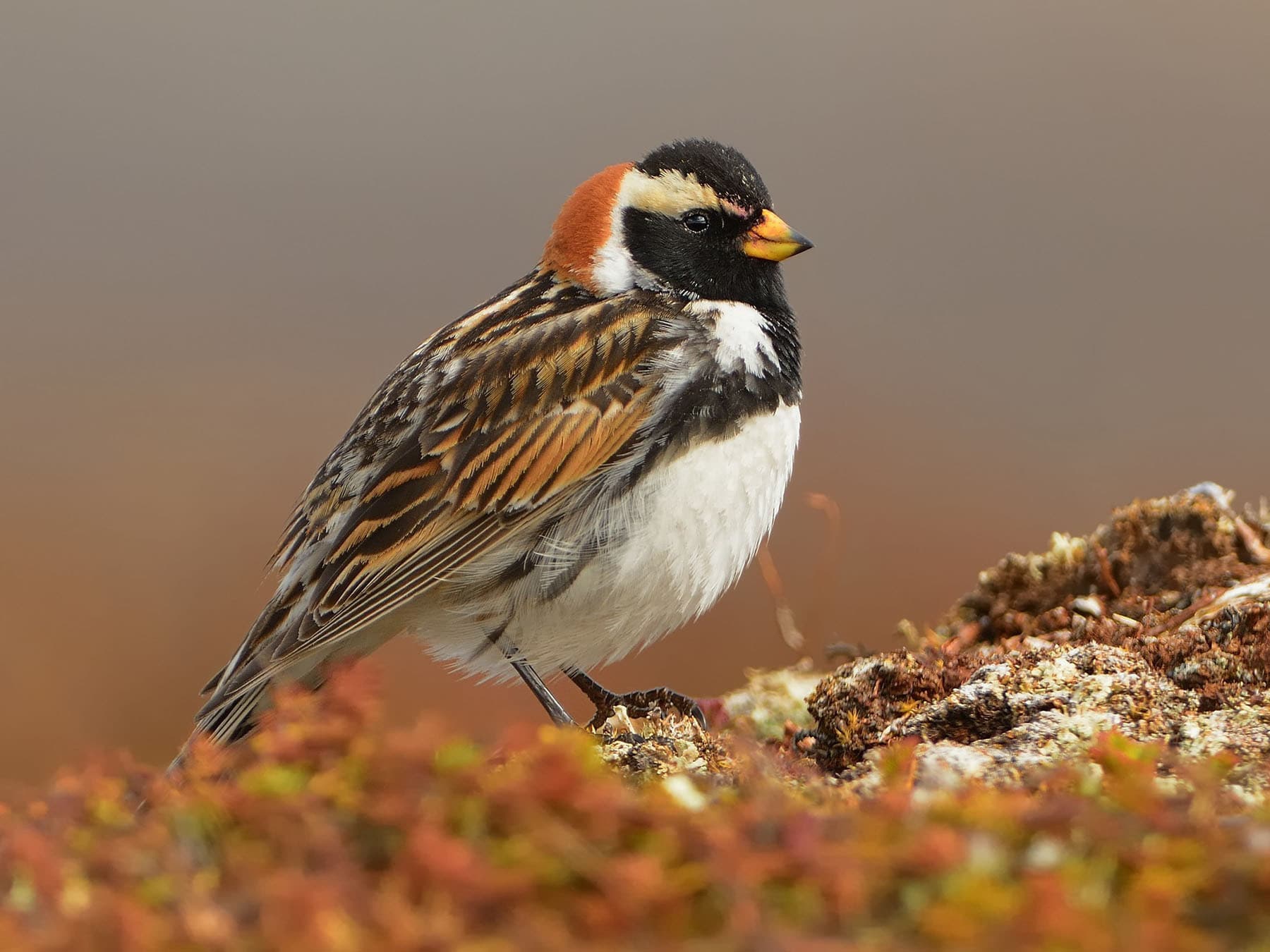
Lapland Longspur
Calcarius lapponicusLC
A rare passage migrant, mainly seen on the north Norfolk coast in autumn among stubble fields and coastal marshes.
Sep–Mar
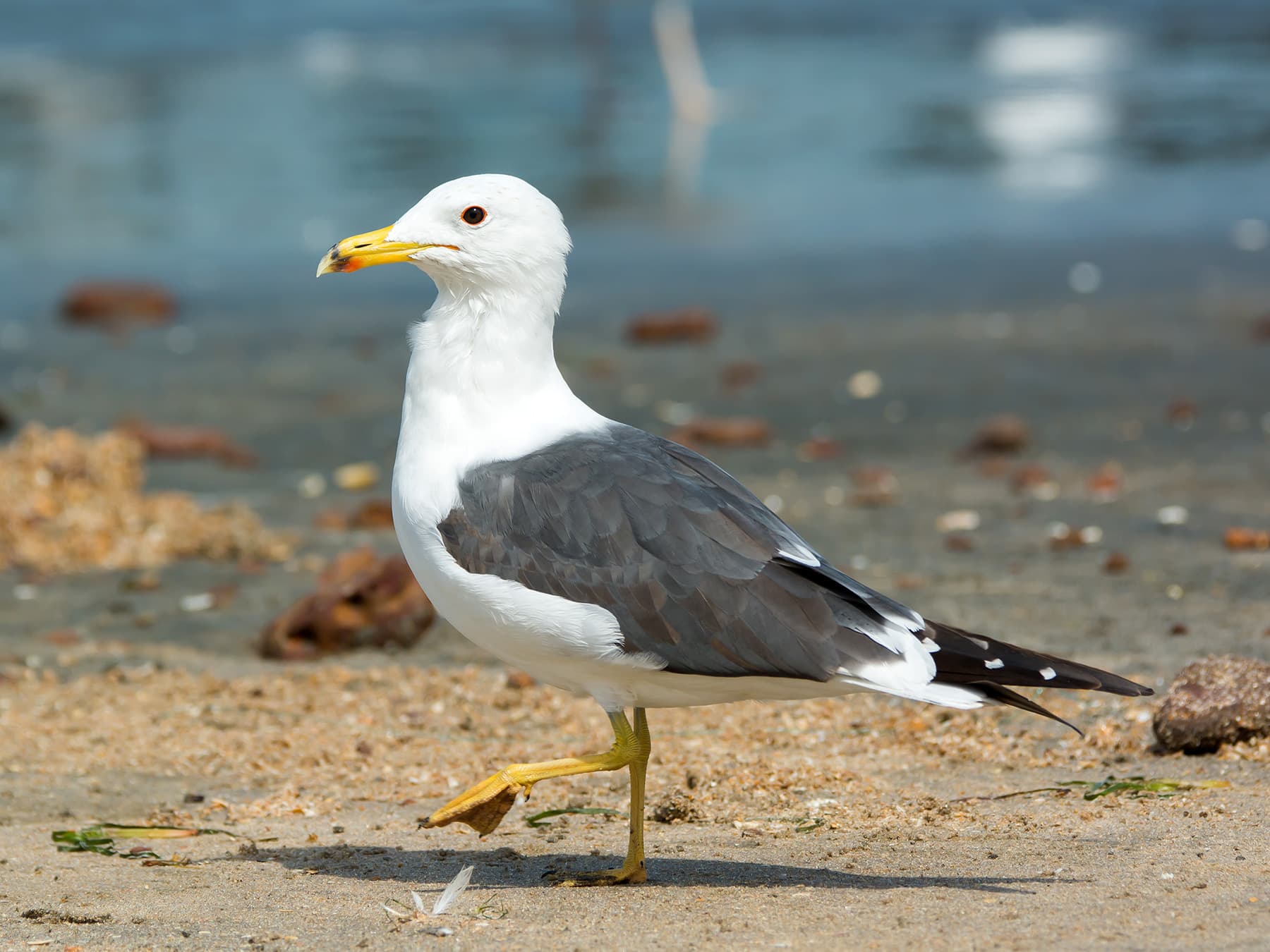
Lesser Black-backed Gull
Larus fuscusLC
A common year-round presence along the coast and at inland tips, often seen soaring over fields and marshes throughout Norfolk.
Year-round
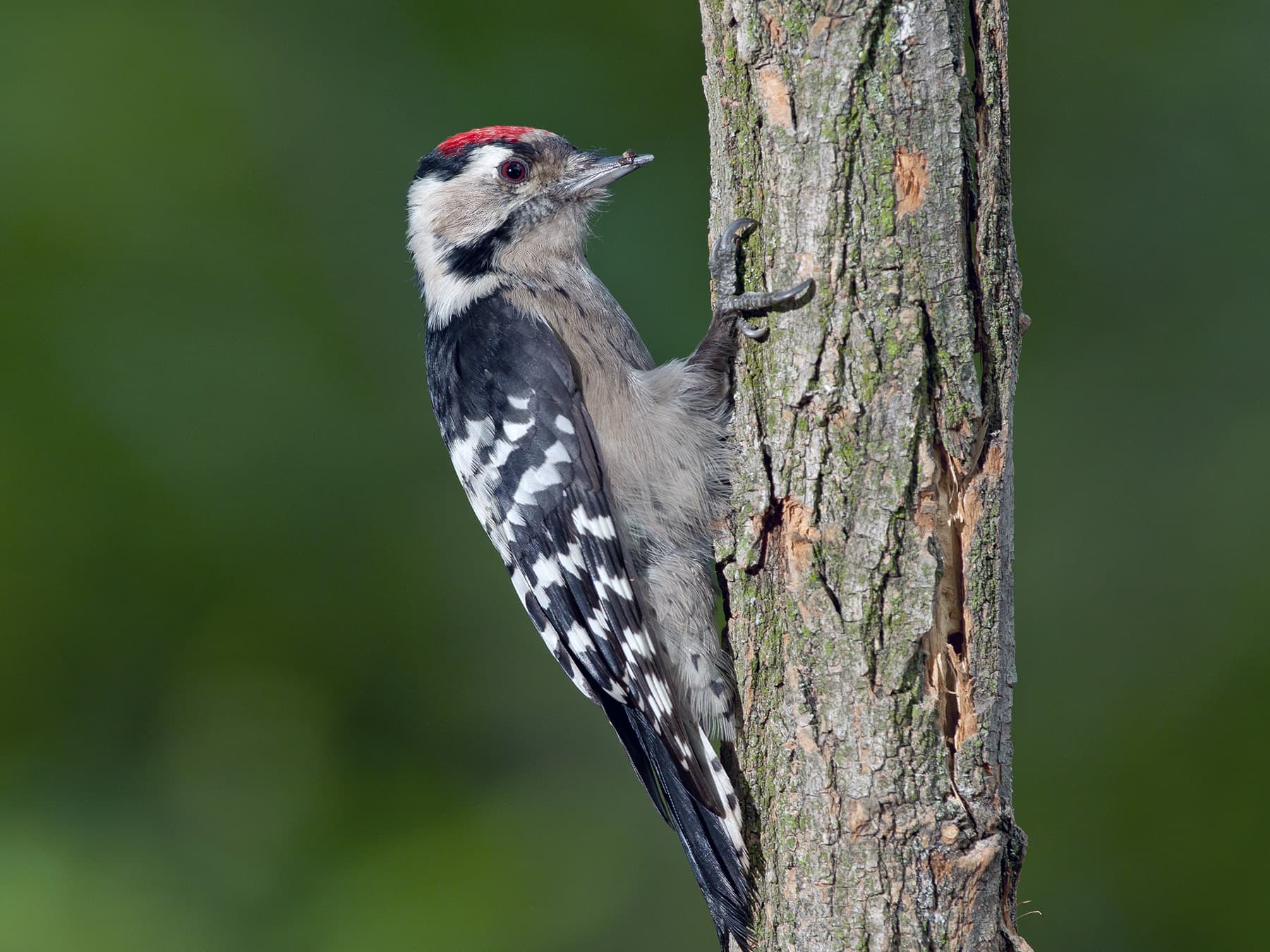
Lesser Spotted Woodpecker
Dryobates minorLC
A rare and declining species, occasionally noted in mature broadleaved woodland during early spring. One of Britain's most threatened woodpeckers.
Mar
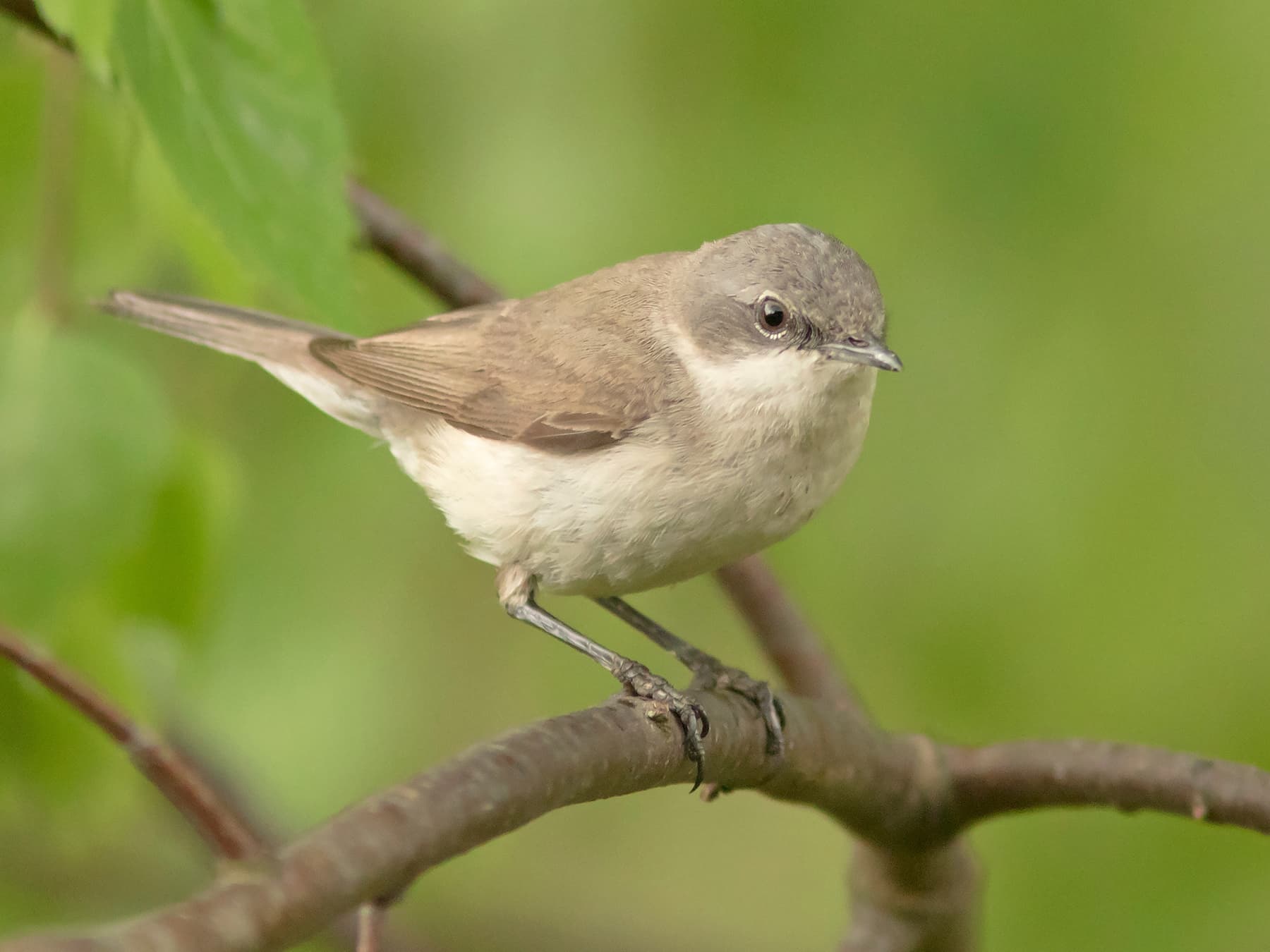
Lesser Whitethroat
Curruca currucaLC
An uncommon summer breeder favouring tall hedgerows and scrubby woodland edges, present from April to October.
Apr–Oct
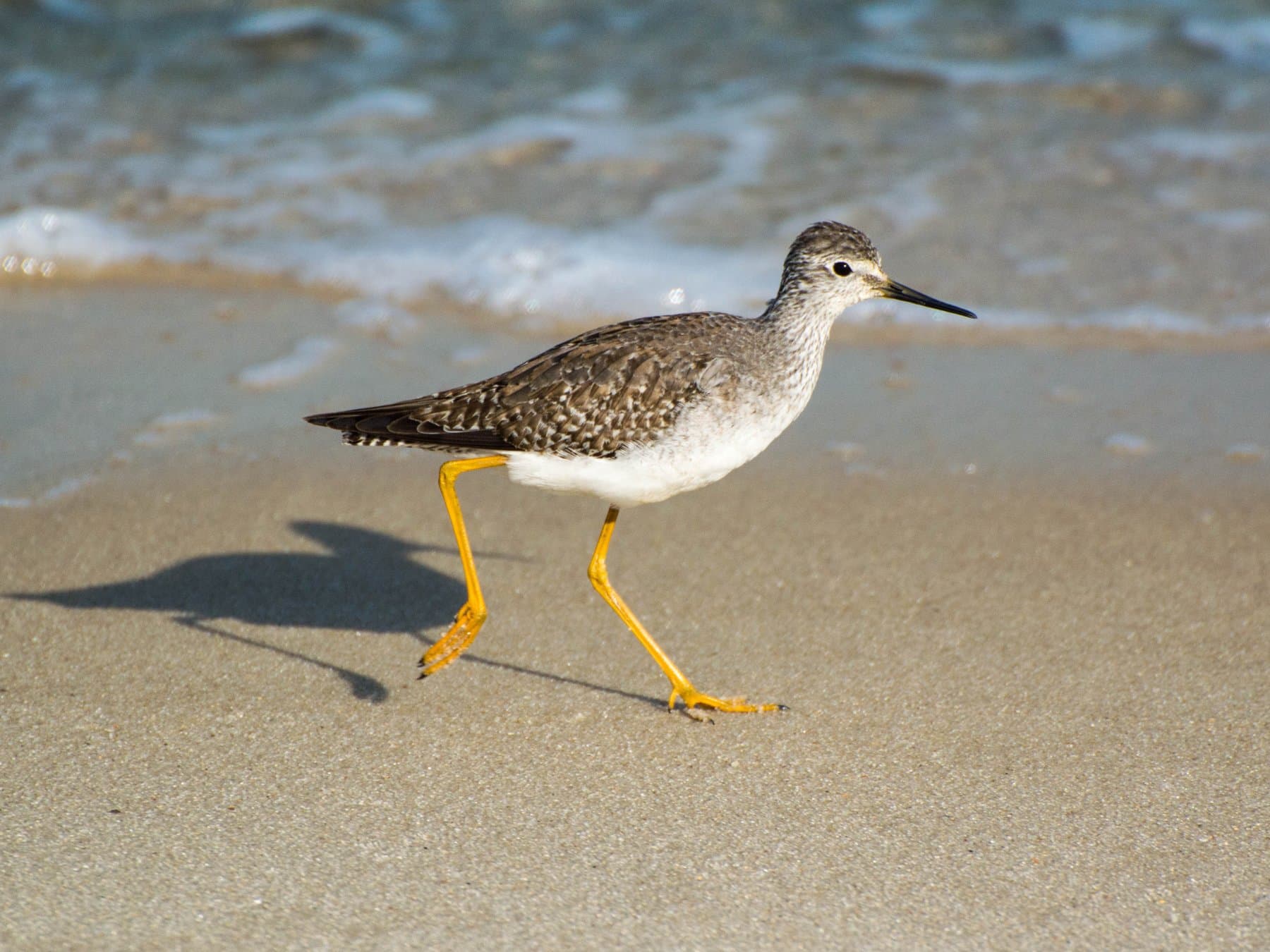
Lesser Yellowlegs
Tringa flavipesVU
A rare American vagrant occasionally recorded on passage at coastal marshes, mainly in July and October.
Jul–Oct
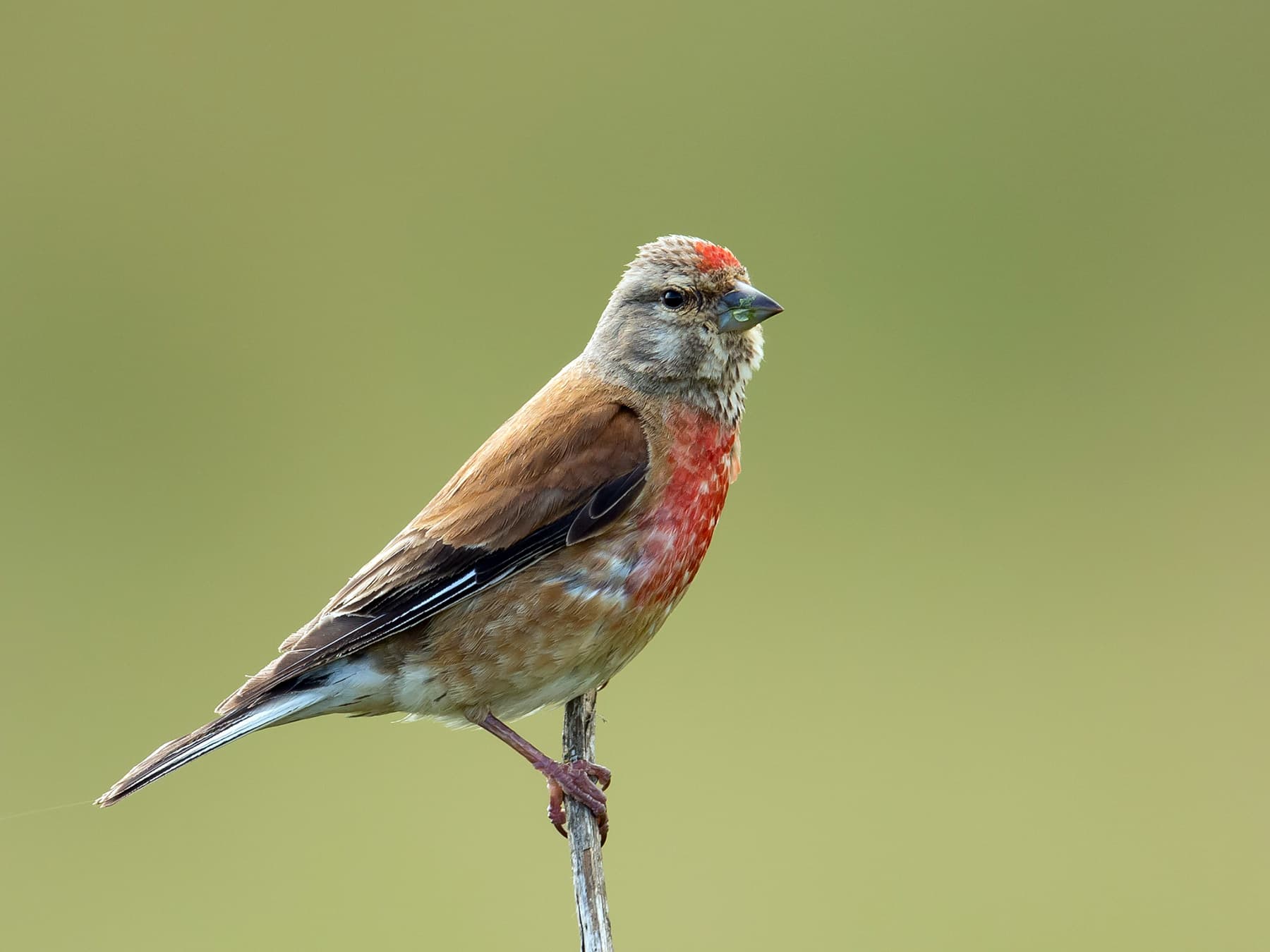
Linnet
Linaria cannabinaLC
A common resident of farmland, heathland and coastal scrub, often gathering in large flocks on stubble fields outside the breeding season.
Year-round
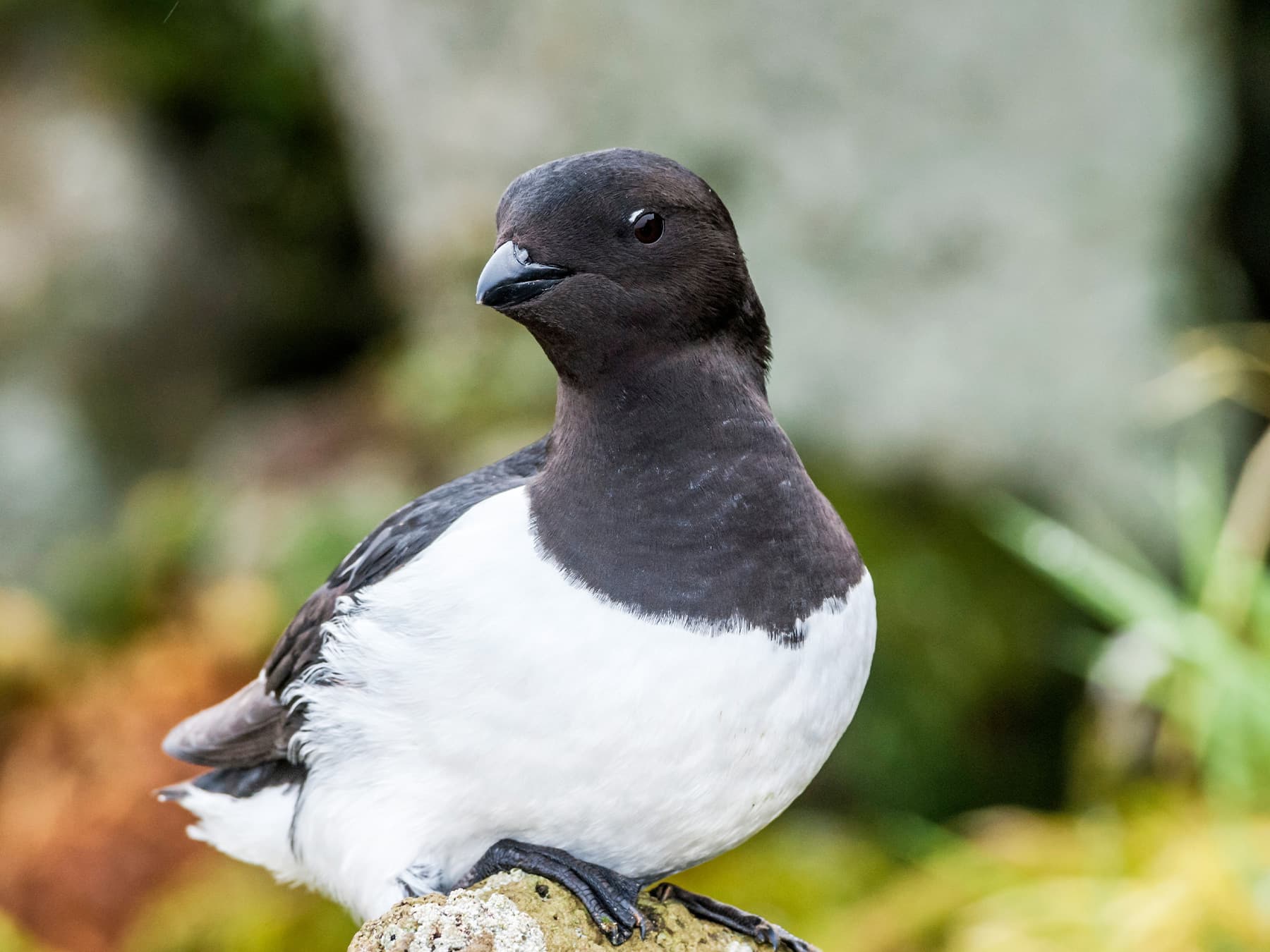
Little Auk
Alle alleLC
A rare late-autumn visitor, sometimes driven close to Norfolk's shores by North Sea gales in November, occasionally found beached.
Nov
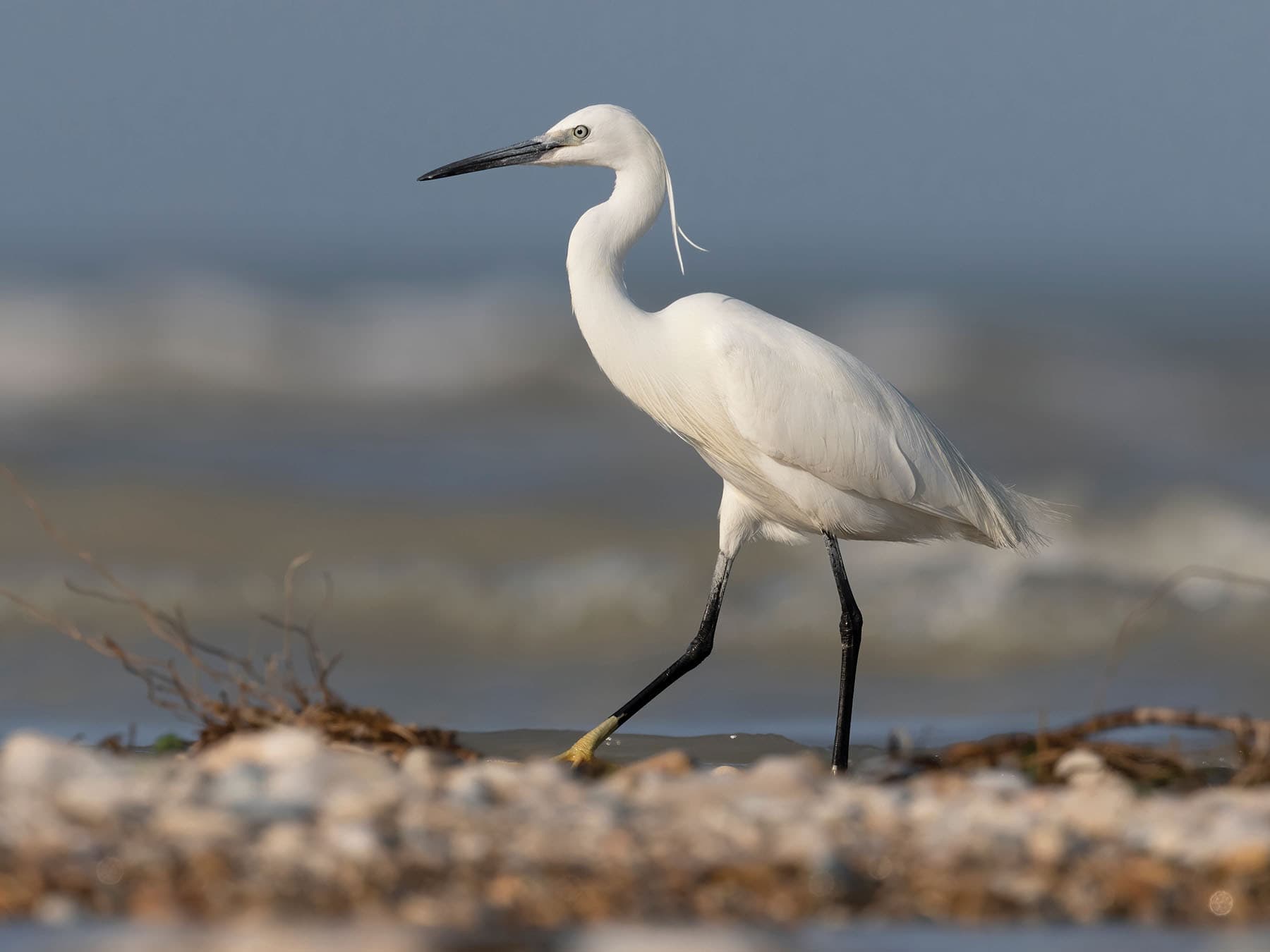
Little Egret
Egretta garzettaLC
Commonly seen along marshes and waterways year-round, often stalking shallow pools on Norfolk's coastal and inland wetlands.
Year-round
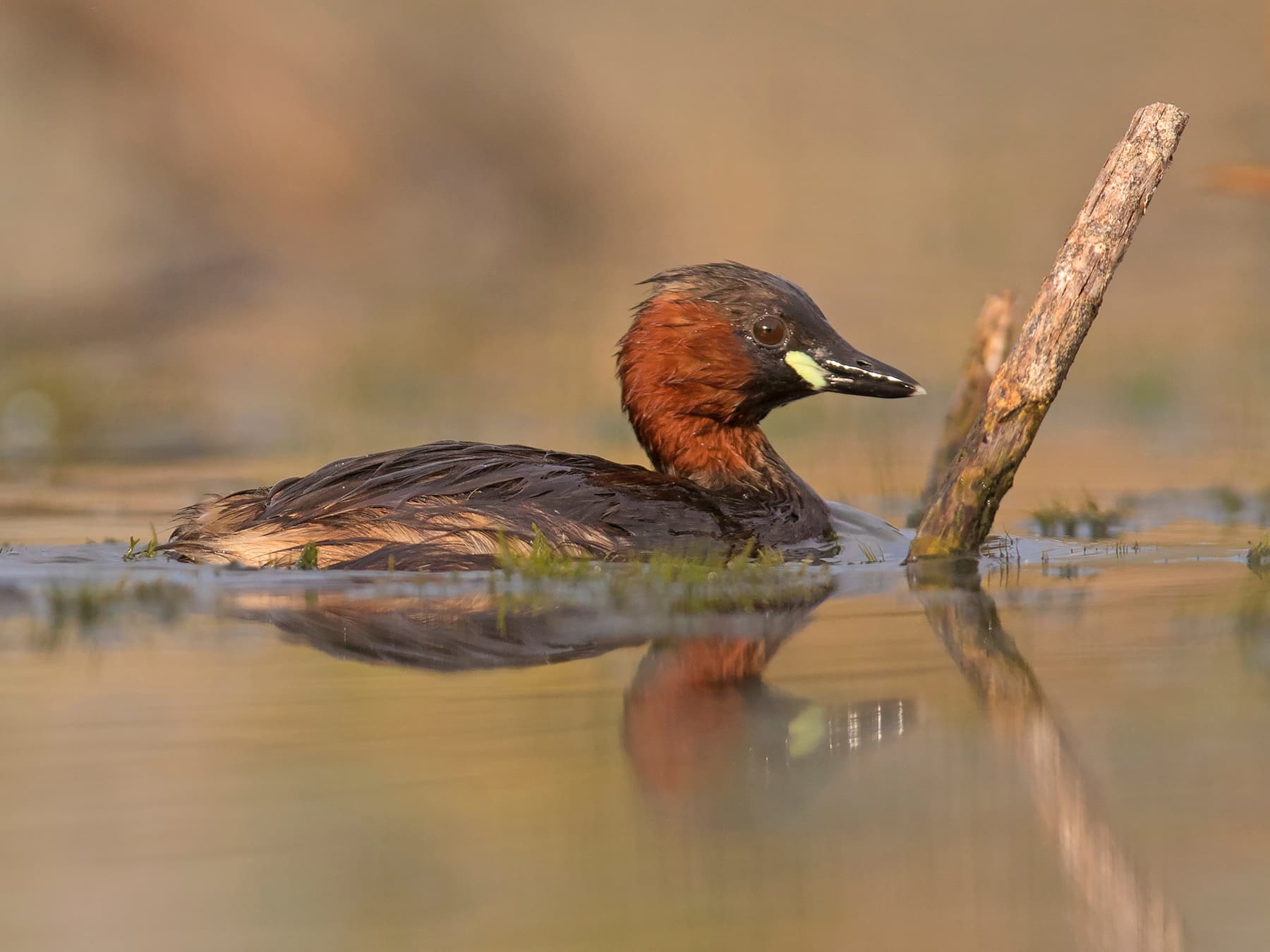
Little Grebe
Tachybaptus ruficollisLC
A resident of sheltered ponds, lakes and slow rivers year-round. Its distinctive whinnying call is often heard from dense waterside vegetation.
Year-round
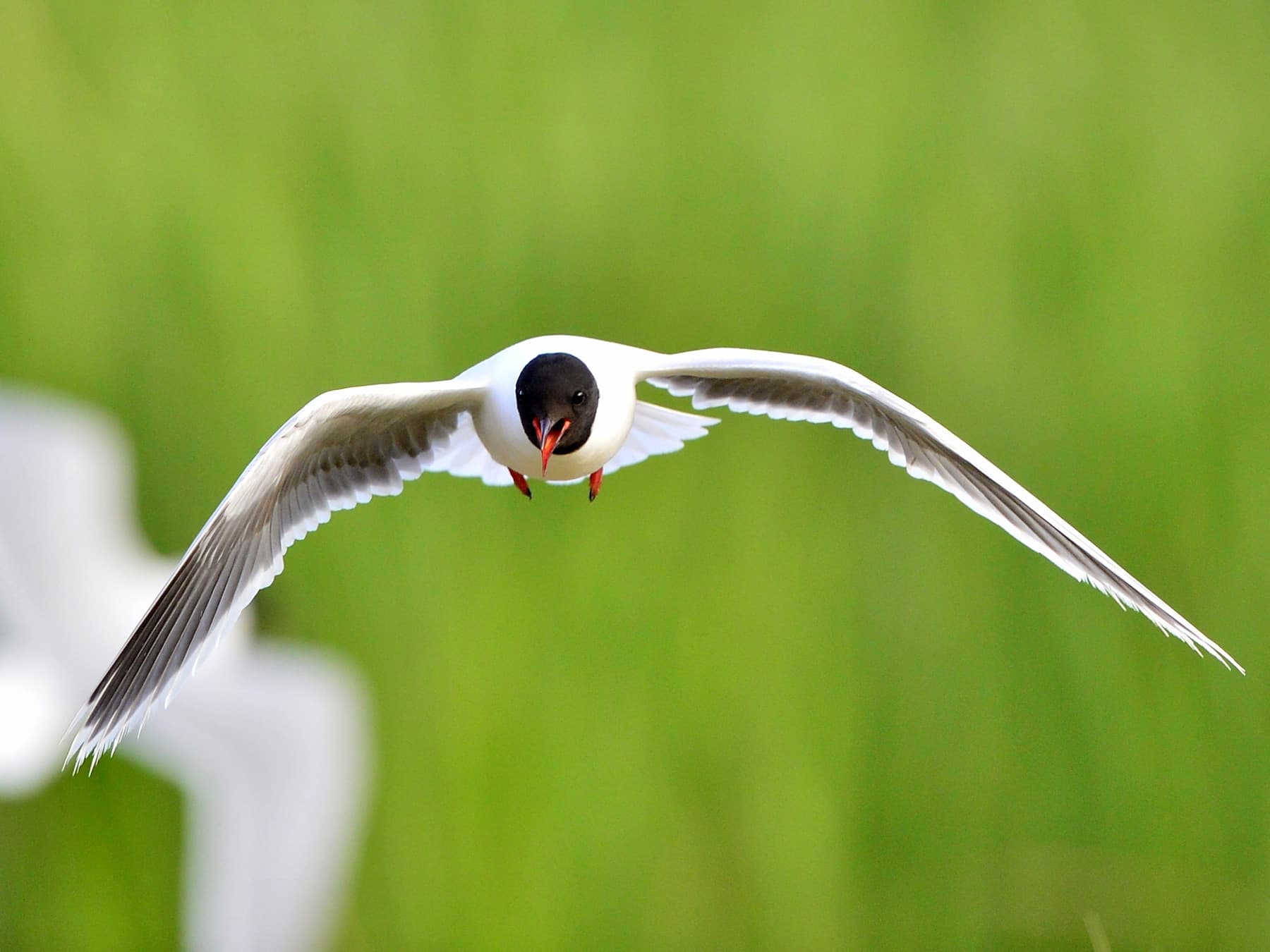
Little Gull
Hydrocoloeus minutusLC
A rare breeder present from spring through autumn, daintily picking insects from Norfolk's coastal lagoons and marshes.
Apr–Nov
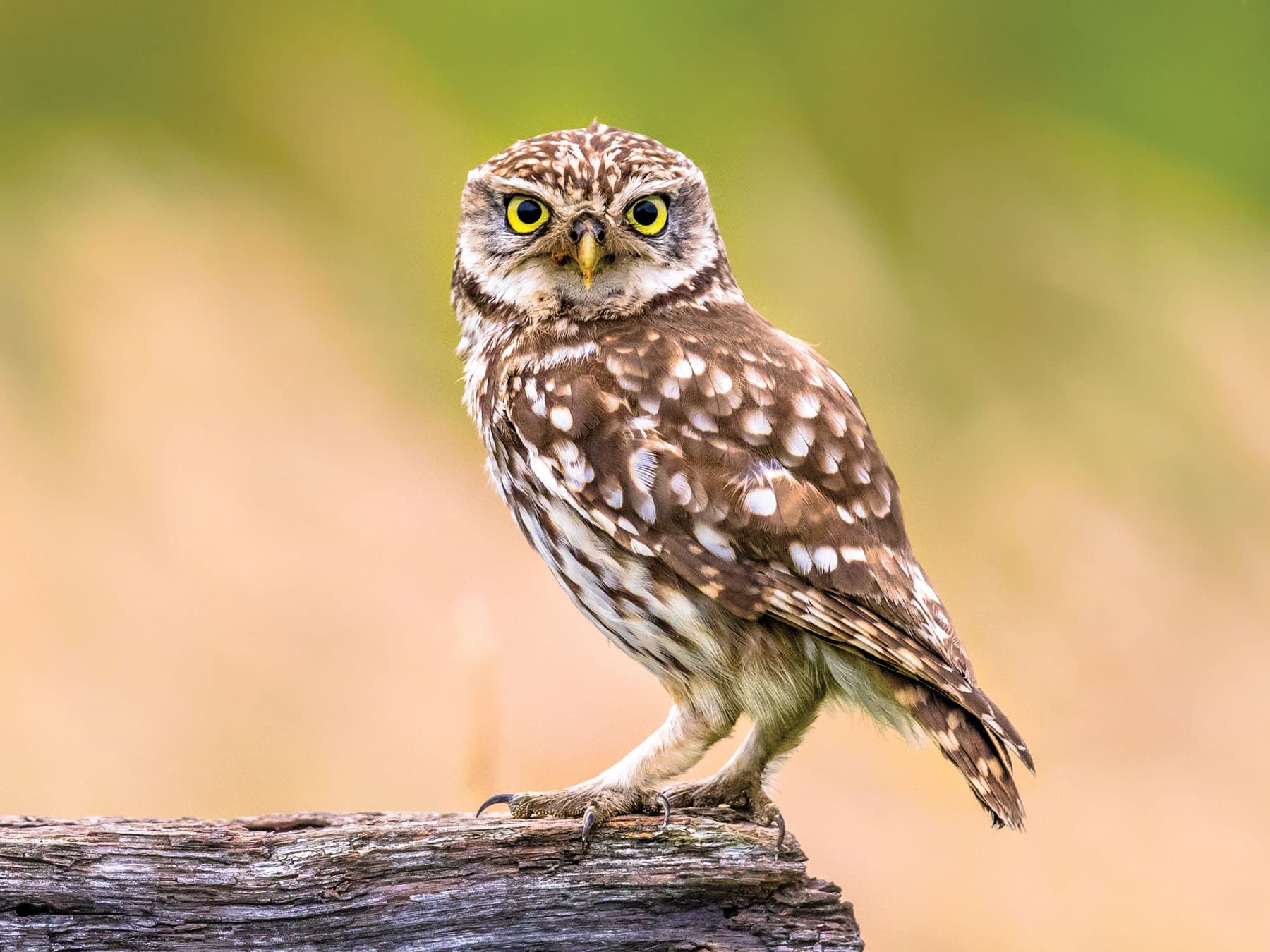
Little Owl
Athene noctuaLC
A rare and declining resident, sometimes spotted perched on fence posts in open farmland. Introduced to Britain, it favours old farm buildings for nesting.
Year-round
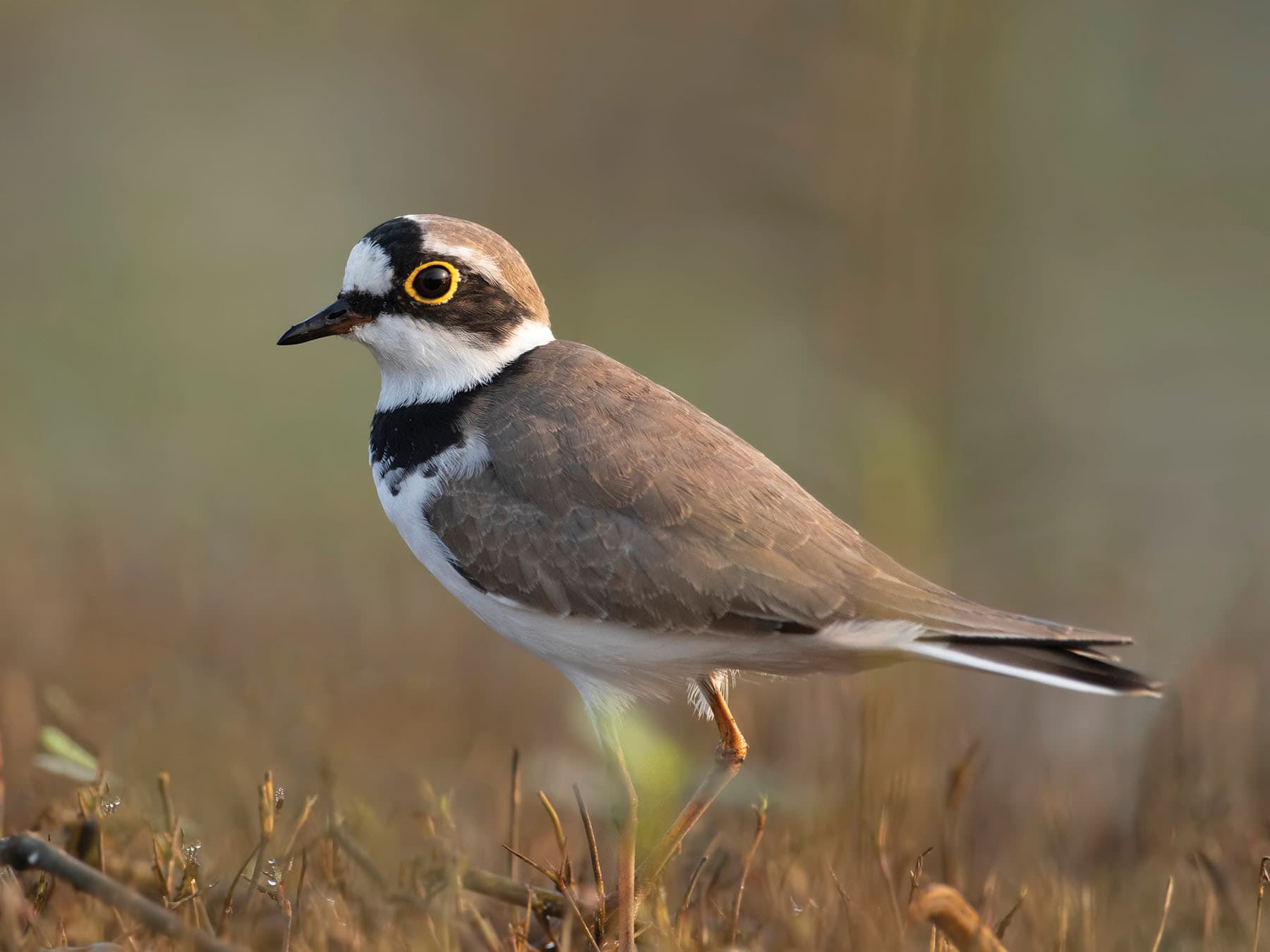
Little Ringed Plover
Charadrius dubiusLC
An uncommon summer breeder at Norfolk's gravel pits and reservoir margins, arriving in March and departing by September.
Mar–Sep
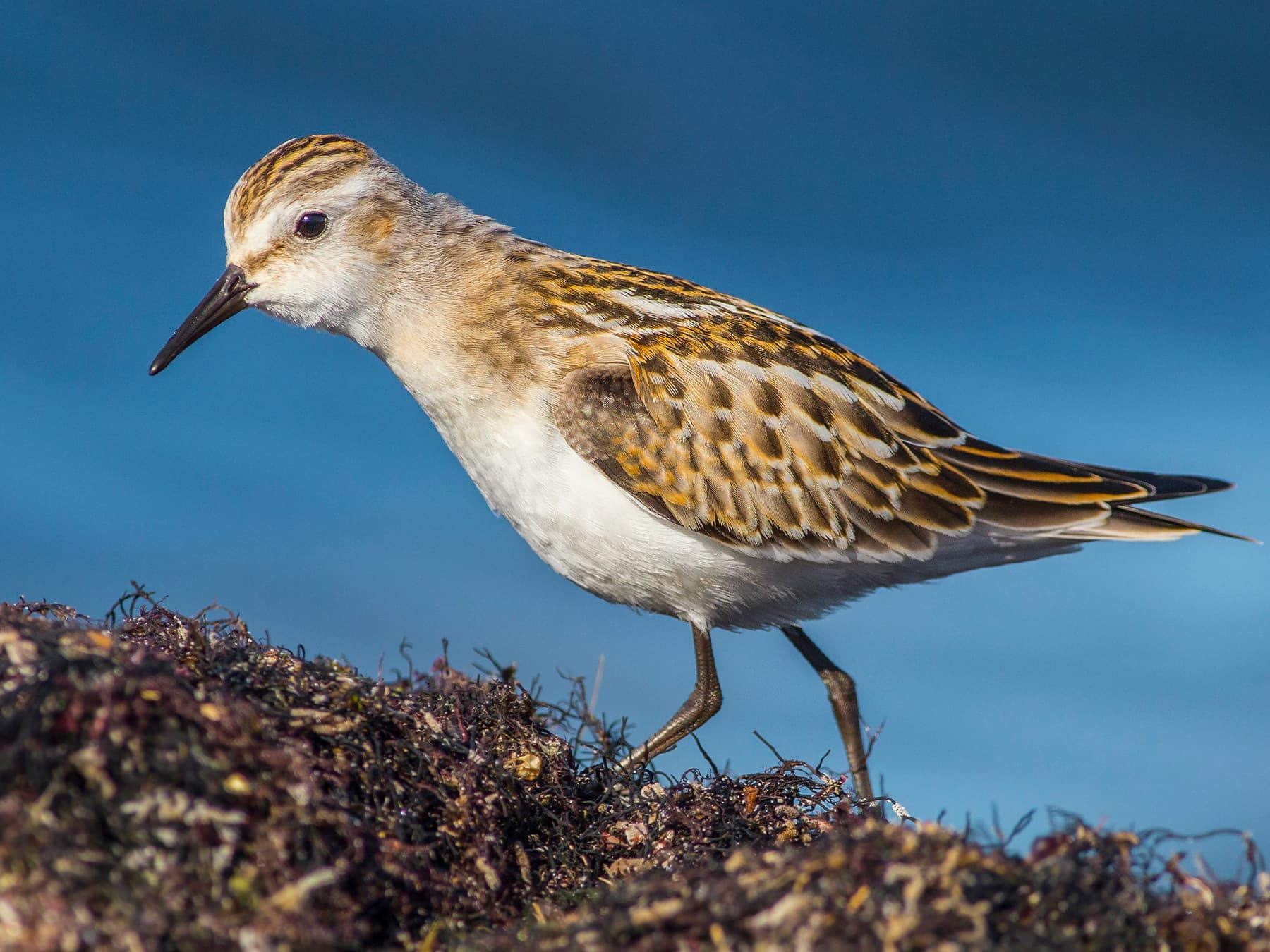
Little Stint
Calidris minutaLC
An uncommon but regular visitor to coastal scrapes and pools, mainly on autumn passage from July to November.
May–Nov
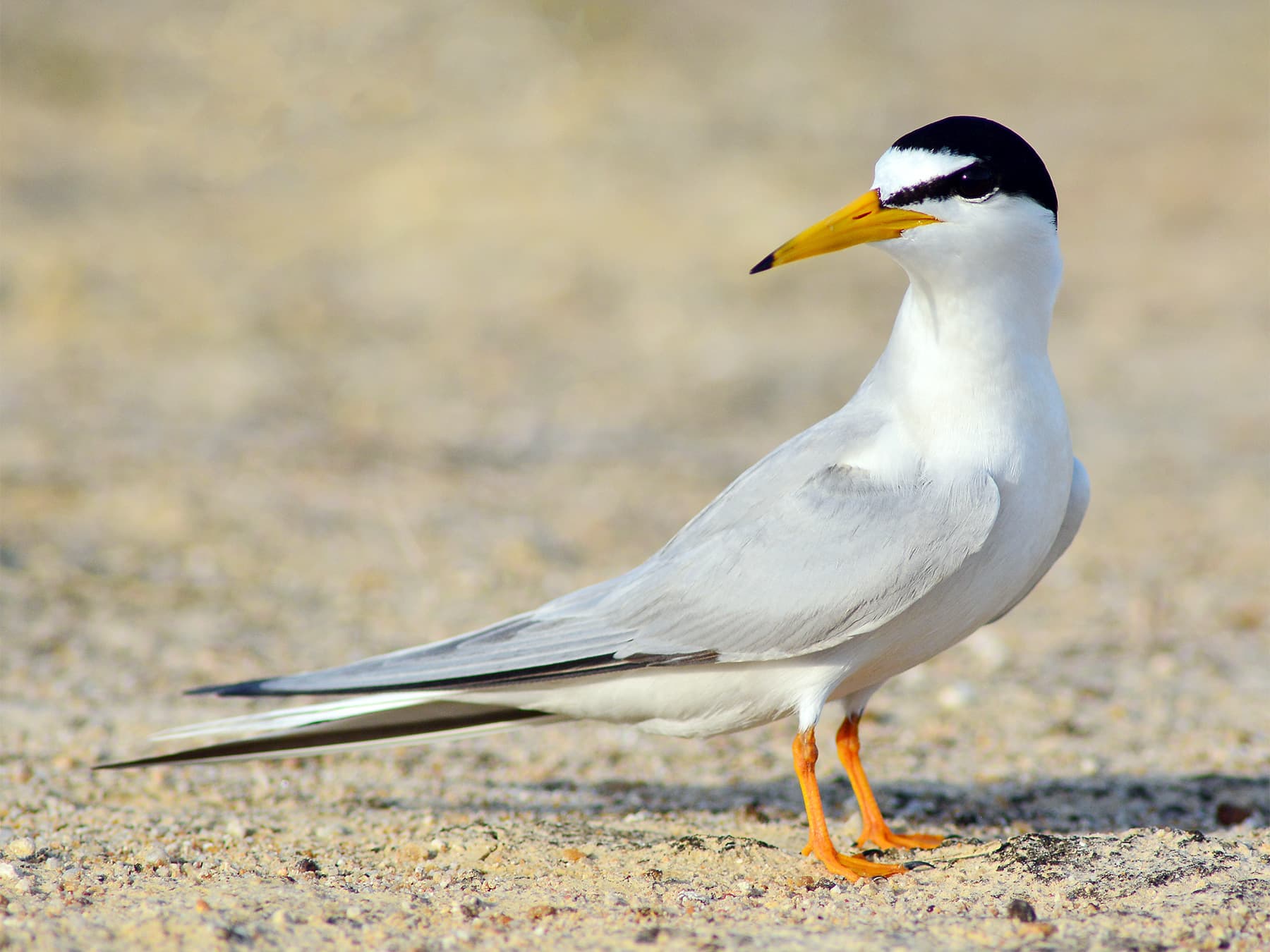
Little Tern
Sternula albifronsLC
An uncommon summer breeder nesting on shingle beaches from May to September. Colonies are carefully wardened against disturbance.
May–Sep
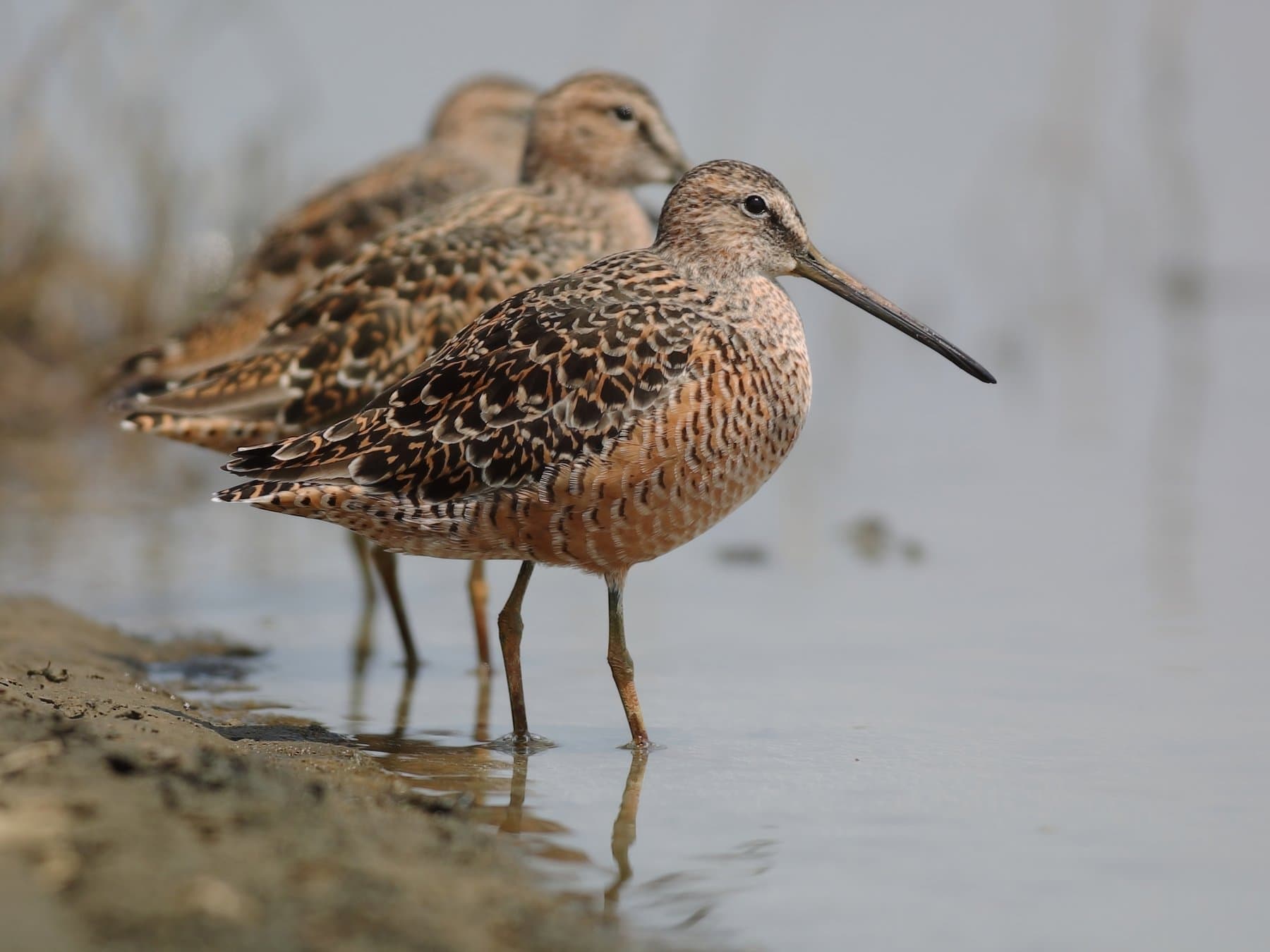
Long-billed Dowitcher
Limnodromus scolopaceusNT
A rare Nearctic vagrant, occasionally lingering on freshwater marshes. Norfolk's coastal reserves attract most English records.
Jul–Apr