Birds in Norfolk
Explore 235 species found in this region.
Norfolk is one of the premier birdwatching destinations in the United Kingdom, with 229 recorded species thriving across its diverse mosaic of coastal marshes, reed beds, estuaries, and arable farmland. The county's extensive coastline and renowned reserves such as Cley Marshes, Titchwell, and the North Norfolk coast attract vast numbers of wildfowl and waders, including Eurasian Wigeon, Common Shelduck, and Garganey. Norfolk is also a vital stronghold for increasingly rare species such as the European Turtle-dove and supports impressive winter gatherings of Barnacle Geese and Goldeneye.
Visiting in September? Look out for Brambling and Common Redpoll arriving this month, and Cuckoo and European Bee-eater depart for the season.


Showing 93–115 of 235 species
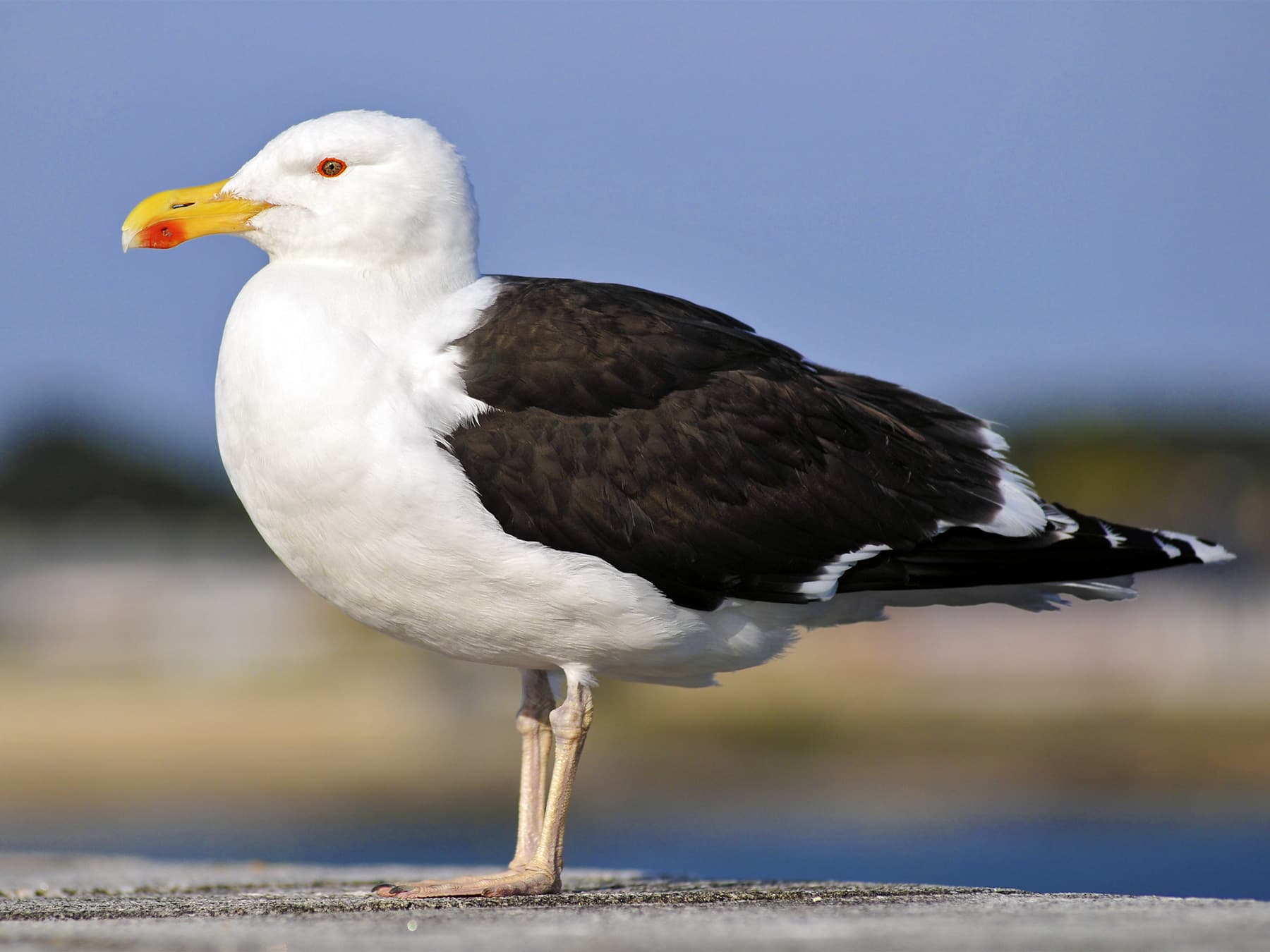
Great Black-backed Gull
Larus marinusLC
A bulky, powerful gull present year-round along the coast and at harbours, often dominating other gulls at feeding sites.
Year-round
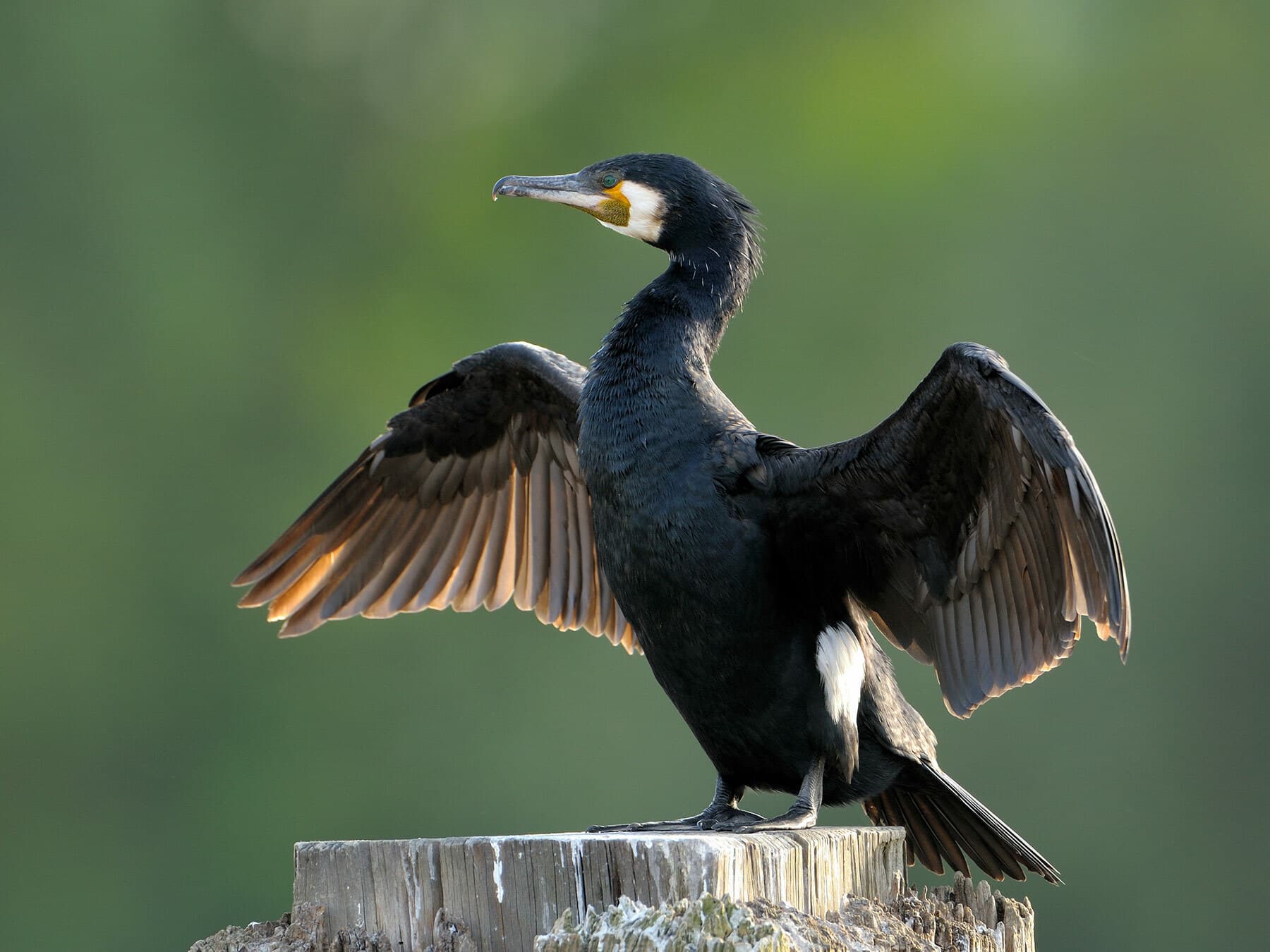
Great Cormorant
Phalacrocorax carboLC
Common and widespread year-round, found along rivers, the Broads, and the coast, often seen drying wings on posts.
Year-round
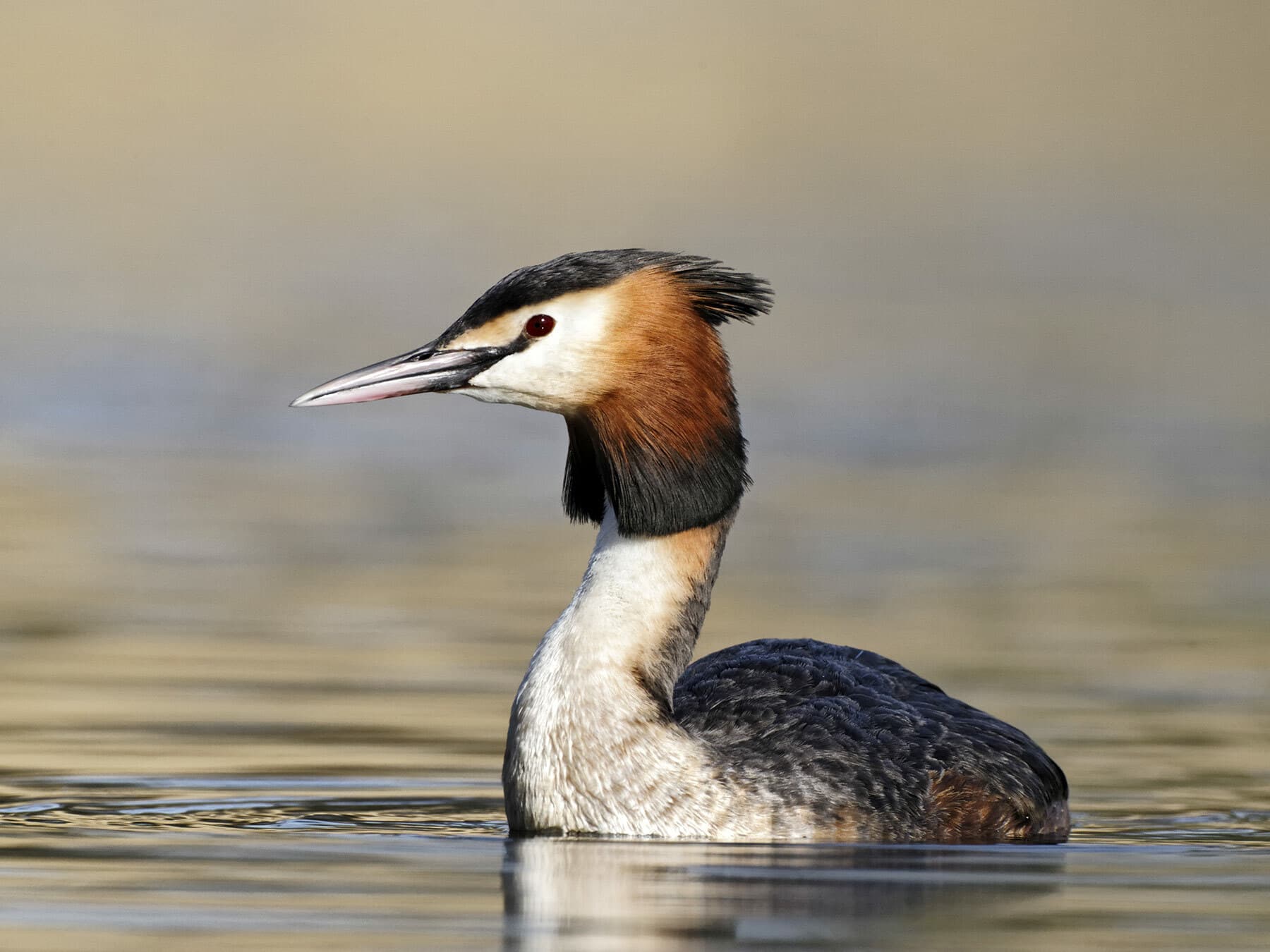
Great Crested Grebe
Podiceps cristatusLC
Present year-round on the Broads and larger lakes, performing its elaborate courtship display in spring.
Year-round
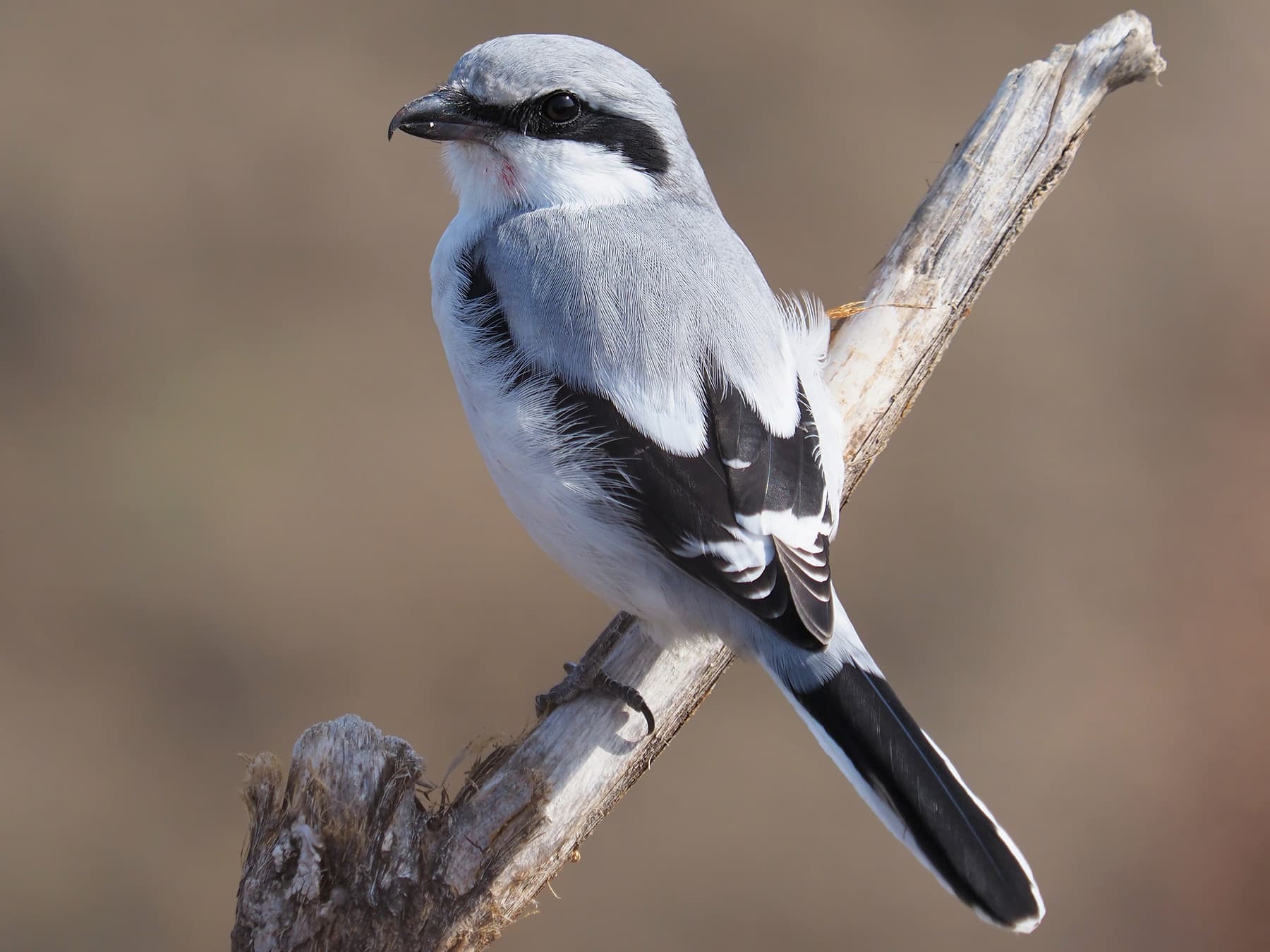
Great Grey Shrike
Lanius excubitorLC
A rare passage visitor in March and October, occasionally lingering on heathland or scrubby commons in the Brecks.
Oct–Mar
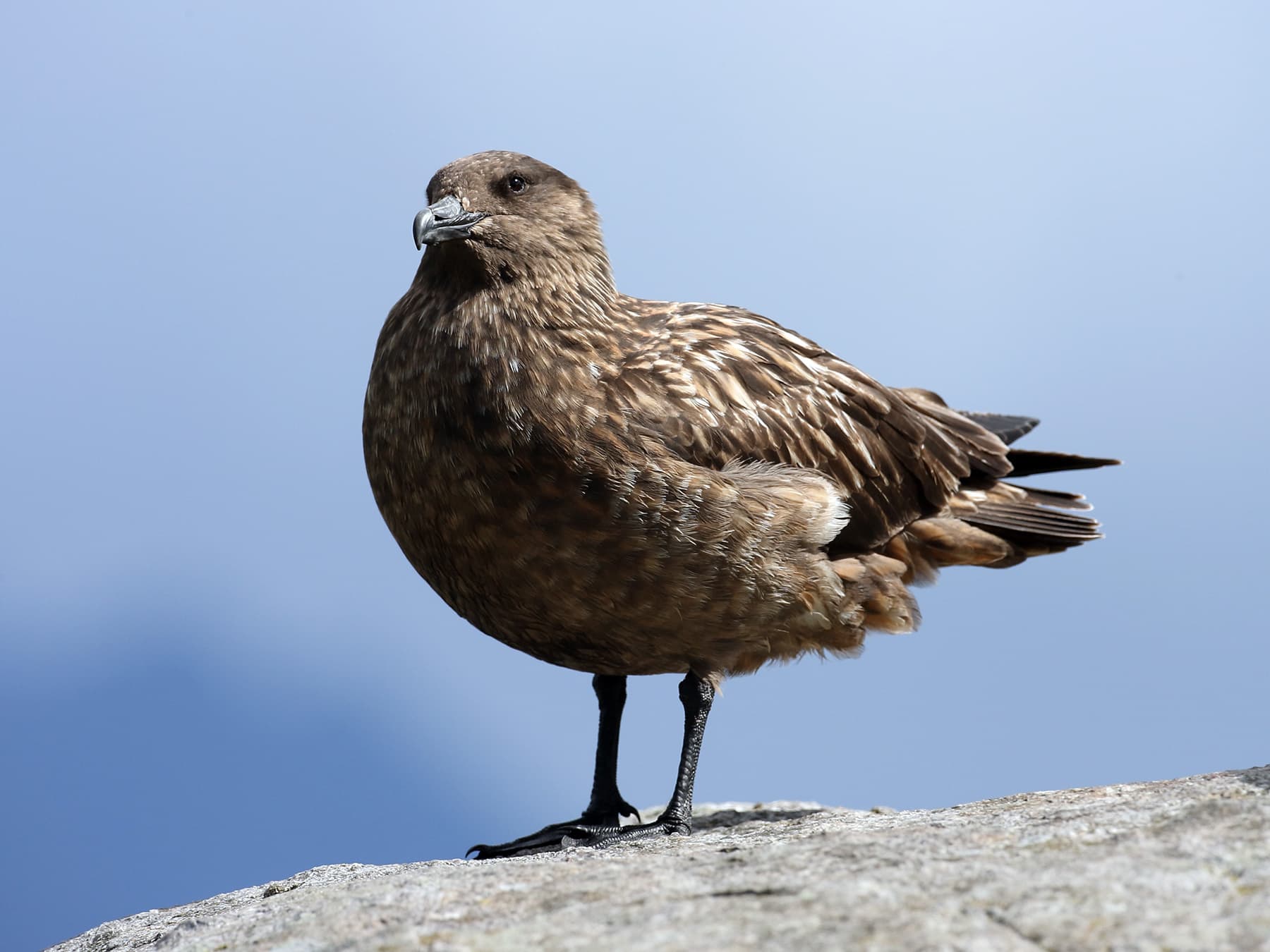
Great Skua
Catharacta skuaLC
A powerful seabird seen offshore mainly in late summer and autumn. Best observed during seawatches from headlands like Sheringham.
Aug–Dec
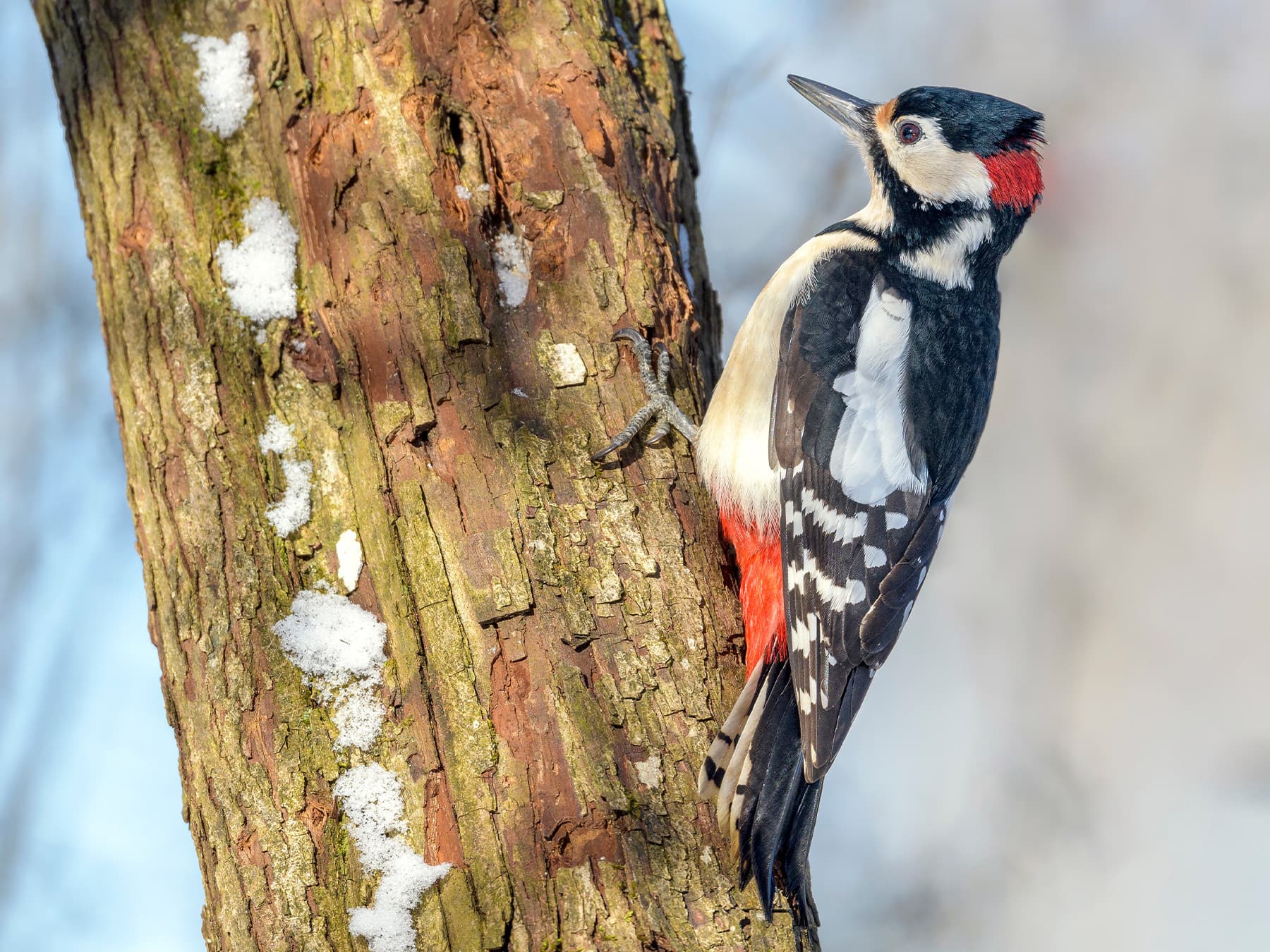
Great Spotted Woodpecker
Dendrocopos majorLC
An uncommon resident of woodlands, parks, and mature gardens, often betrayed by its loud drumming in spring.
Year-round
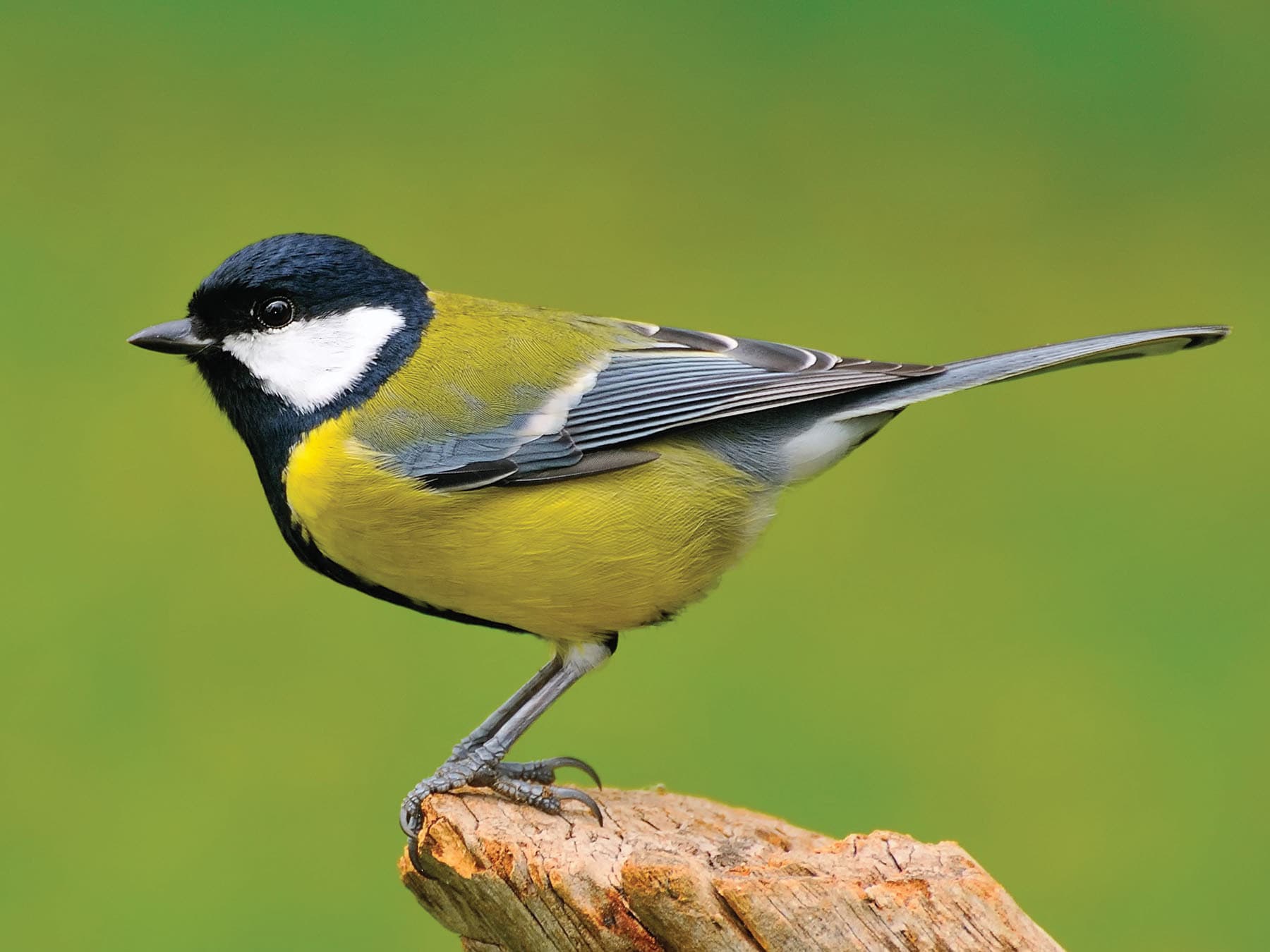
Great Tit
Parus majorLC
A bold and familiar garden visitor year-round, readily using nest boxes. Its loud 'teacher-teacher' song rings out from Norfolk's woods and hedgerows.
Year-round
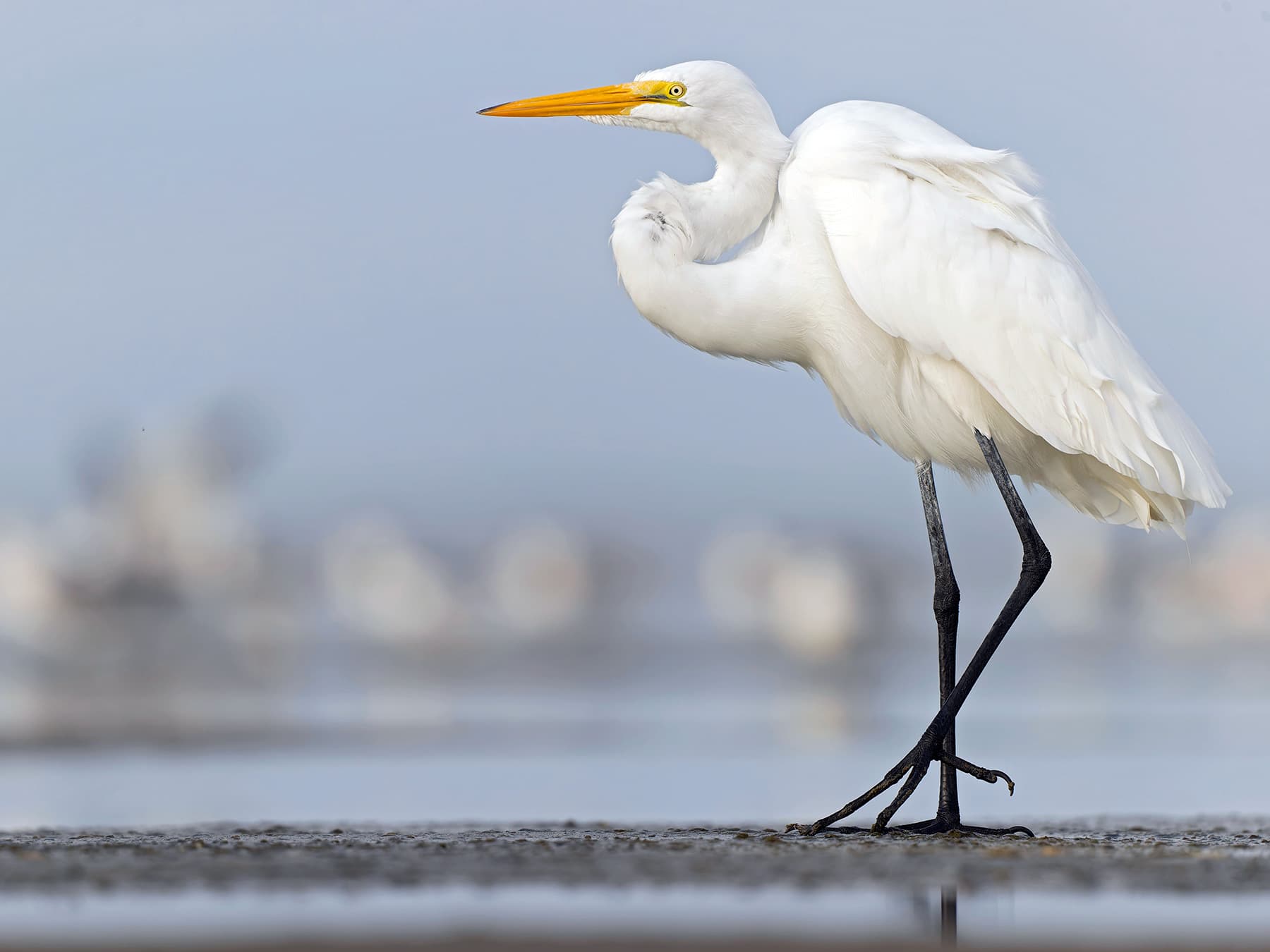
Great White Egret
Ardea albaLC
An increasingly regular sight on Norfolk's marshes and Broads, this tall white heron is present year-round but remains uncommon.
Year-round
Spotted something?
Upload a photo to identify it
Identify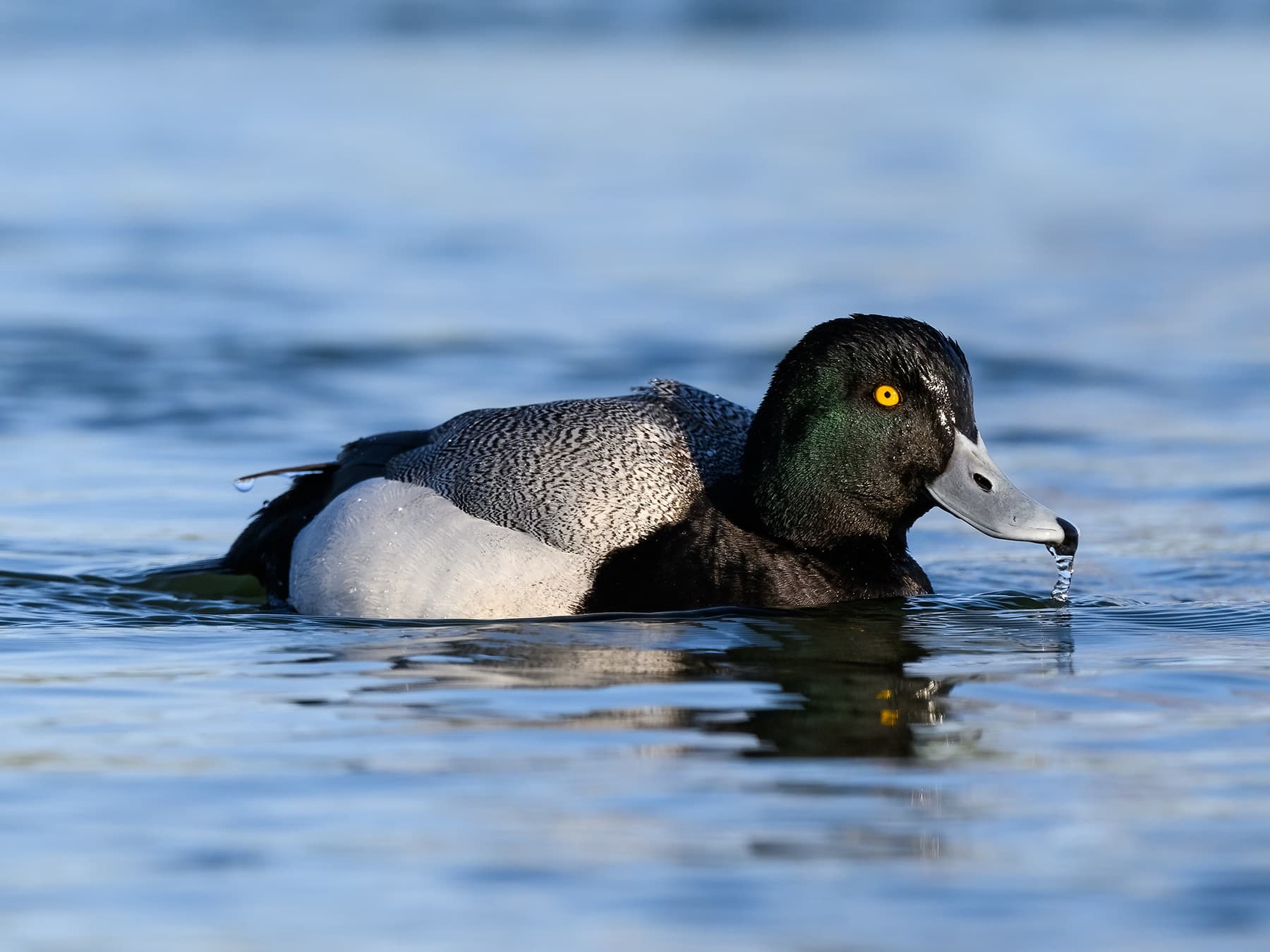
Greater Scaup
Aythya marilaLC
A rare winter visitor to Norfolk's coastal waters and broads, most likely seen among flocks of Tufted Duck from November to March.
Nov–Mar
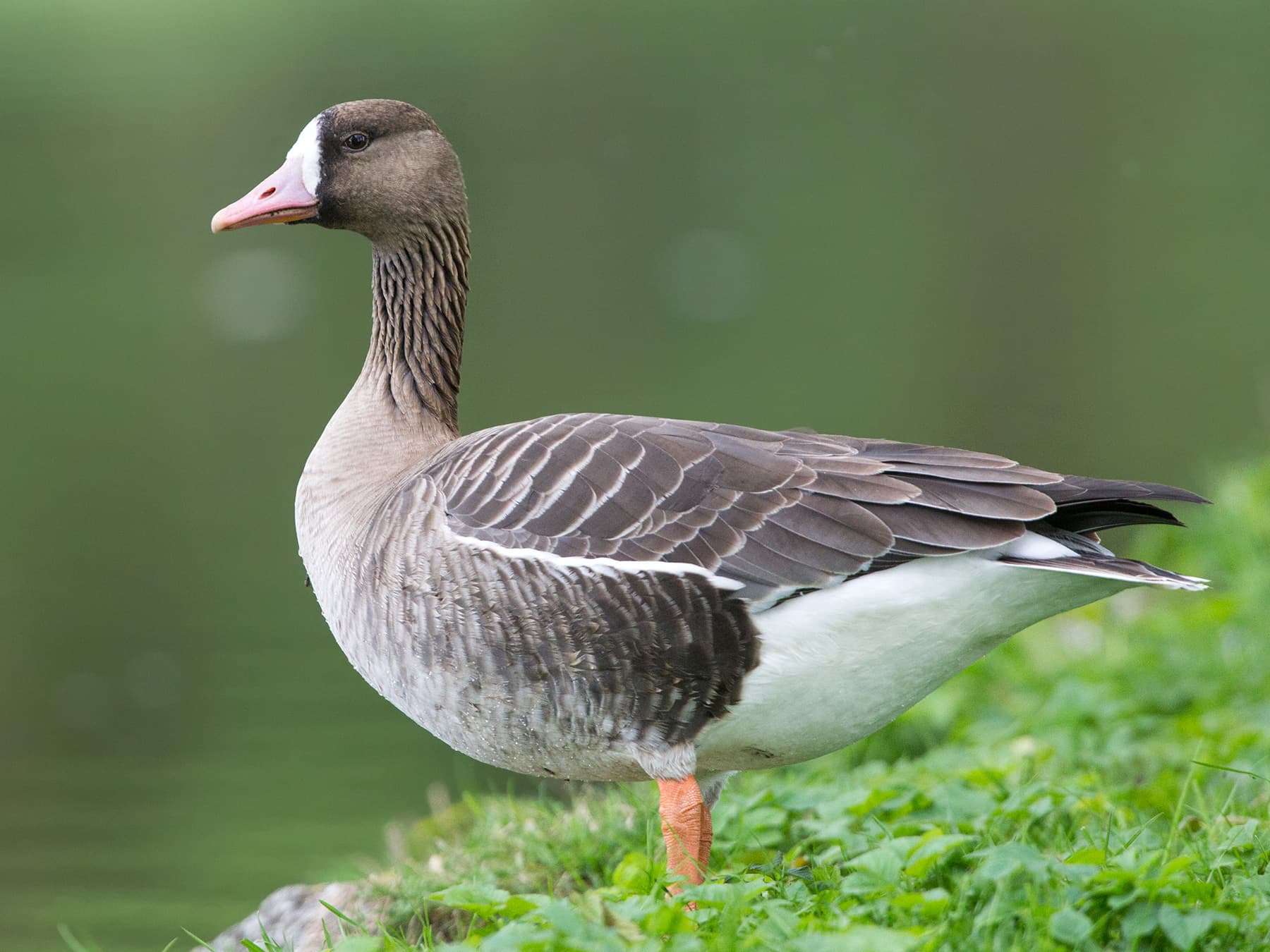
Greater White-fronted Goose
Anser albifronsLC
A rare winter visitor to coastal grazing marshes and flood meadows from October to March. The Yare Valley is a key site.
Oct–Mar
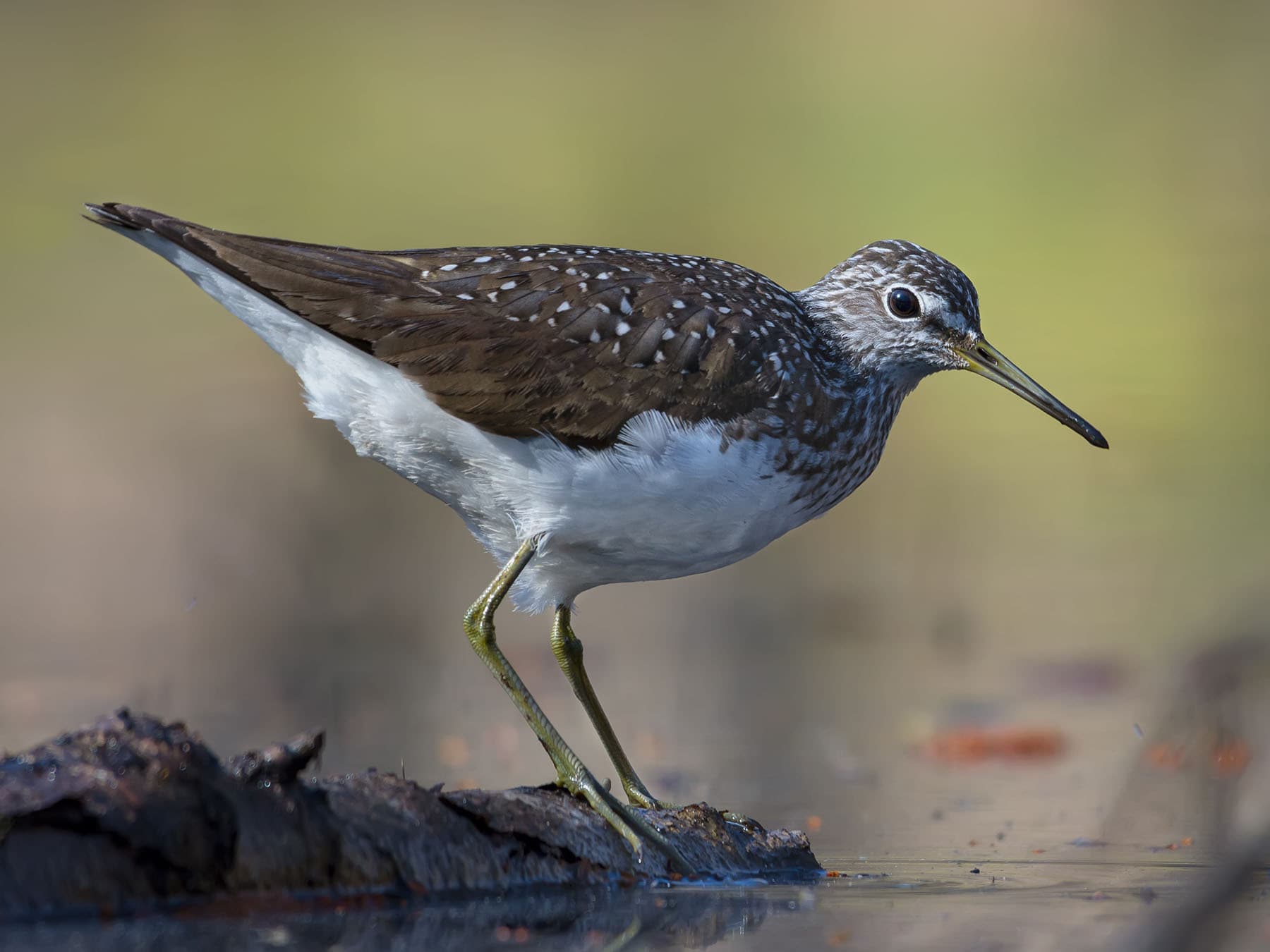
Green Sandpiper
Tringa ochropusLC
An uncommon but regular visitor to freshwater margins and ditches, most frequently encountered during autumn passage.
Feb–Dec
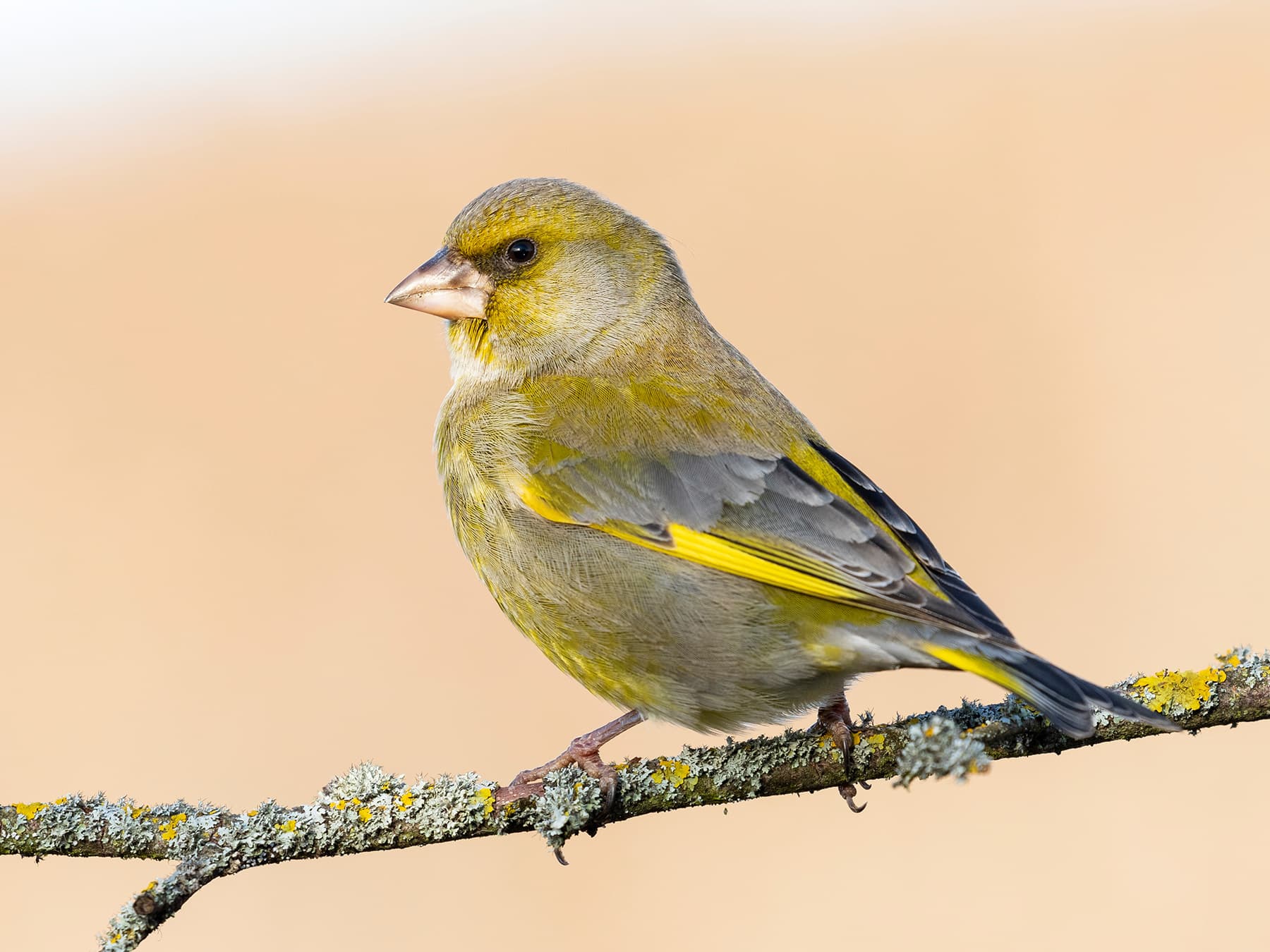
Greenfinch
Chloris chlorisLC
A common year-round resident of gardens and hedgerows, though numbers have declined significantly due to trichomonosis disease.
Year-round
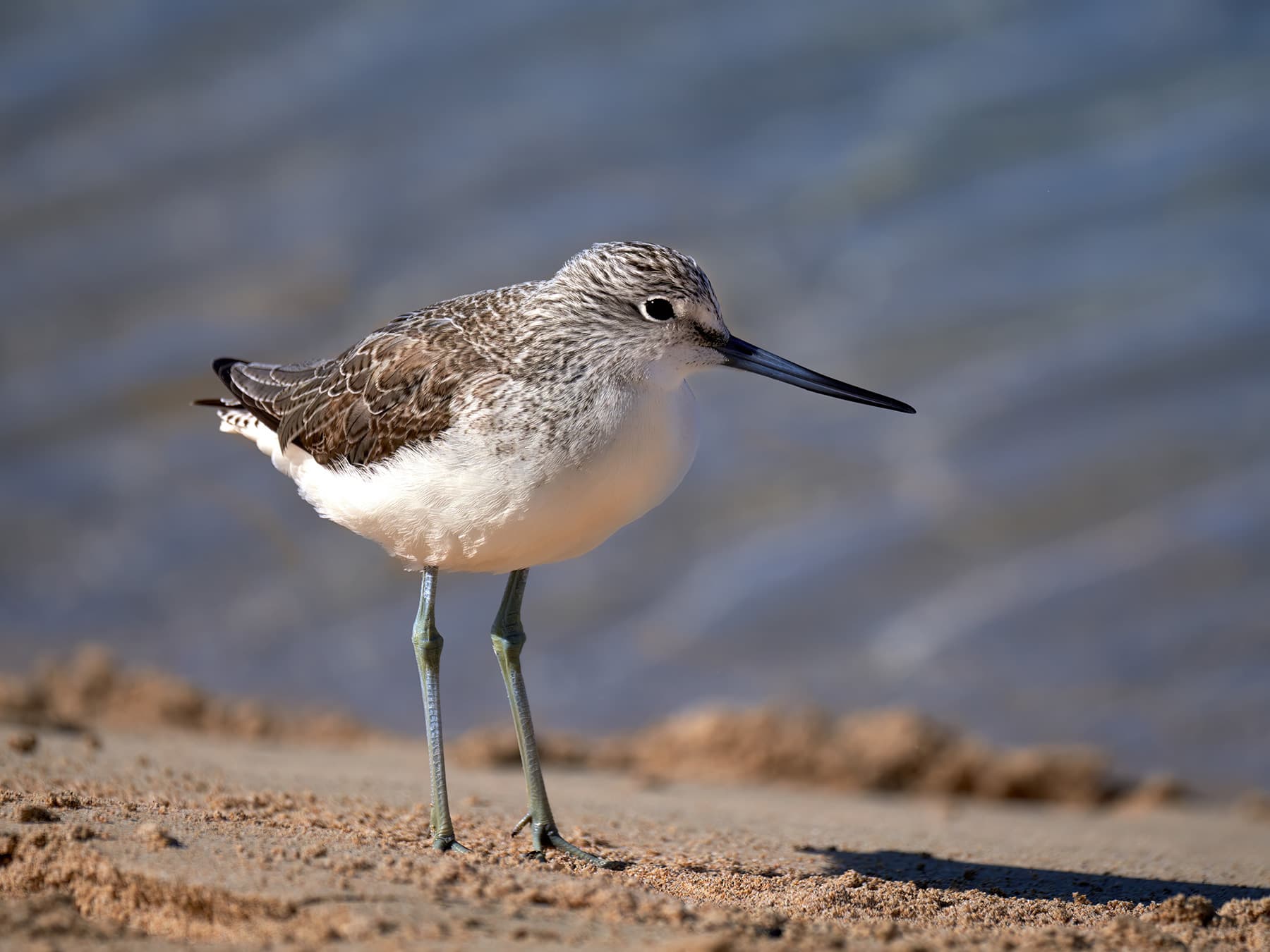
Greenshank
Tringa nebulariaLC
An uncommon but year-round presence on coastal pools and estuaries, most conspicuous during autumn passage.
Year-round
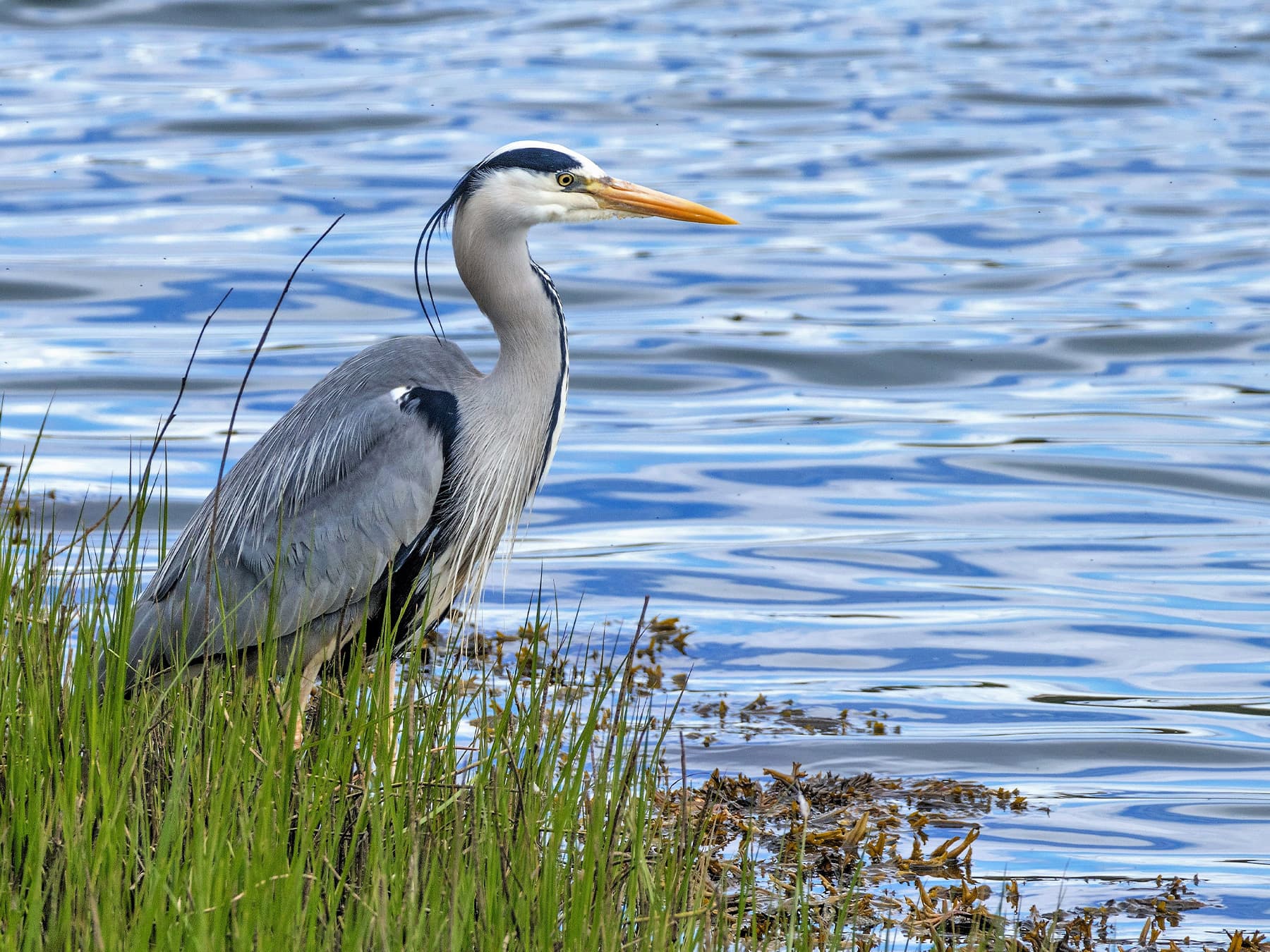
Grey Heron
Ardea cinereaLC
A familiar year-round resident, commonly seen standing motionless at marshes, rivers, and Broads waterways.
Year-round
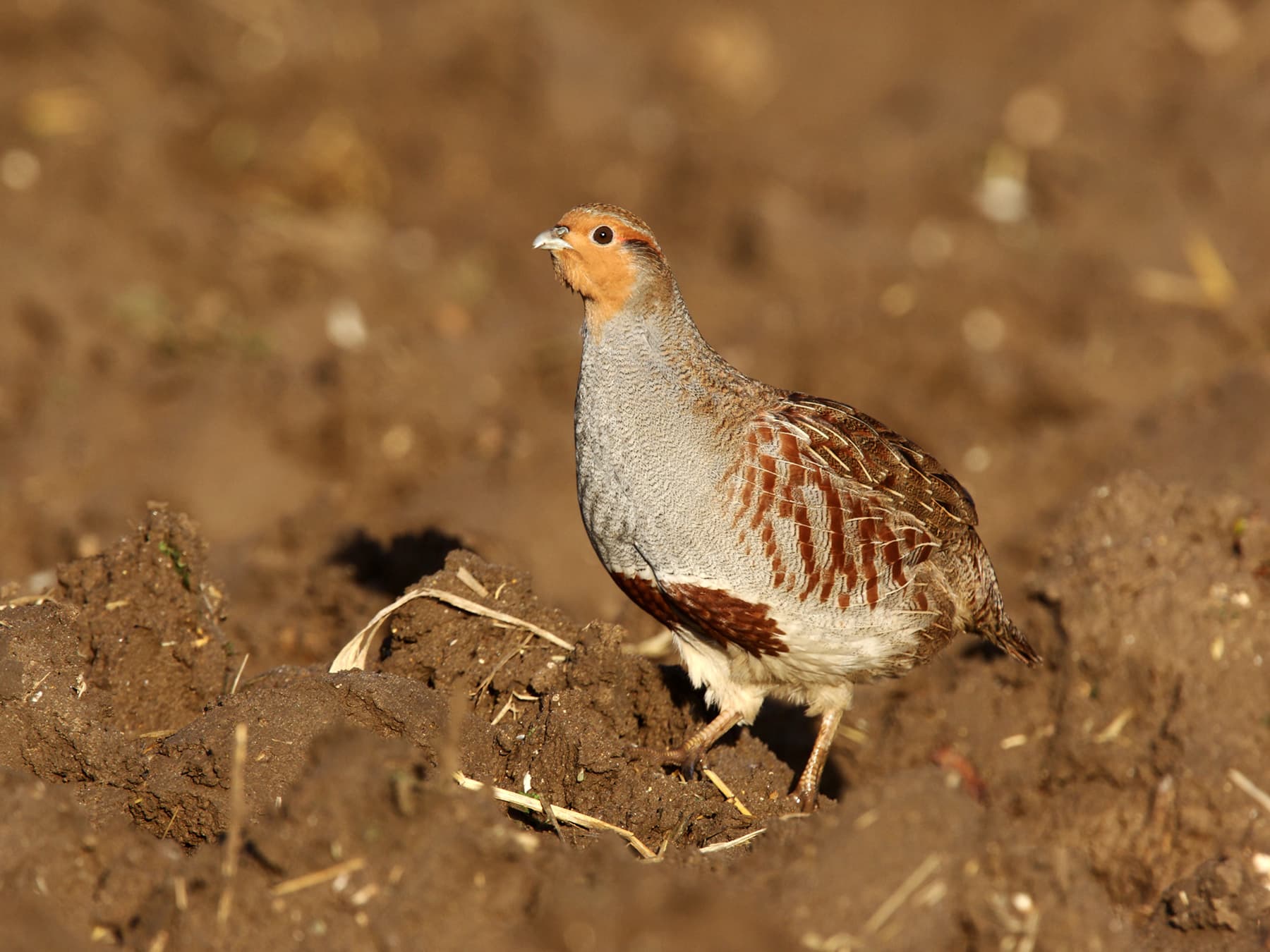
Grey Partridge
Perdix perdixLC
A declining resident of Norfolk's arable farmland and field margins. Increasingly hard to find despite conservation efforts on estates.
Year-round
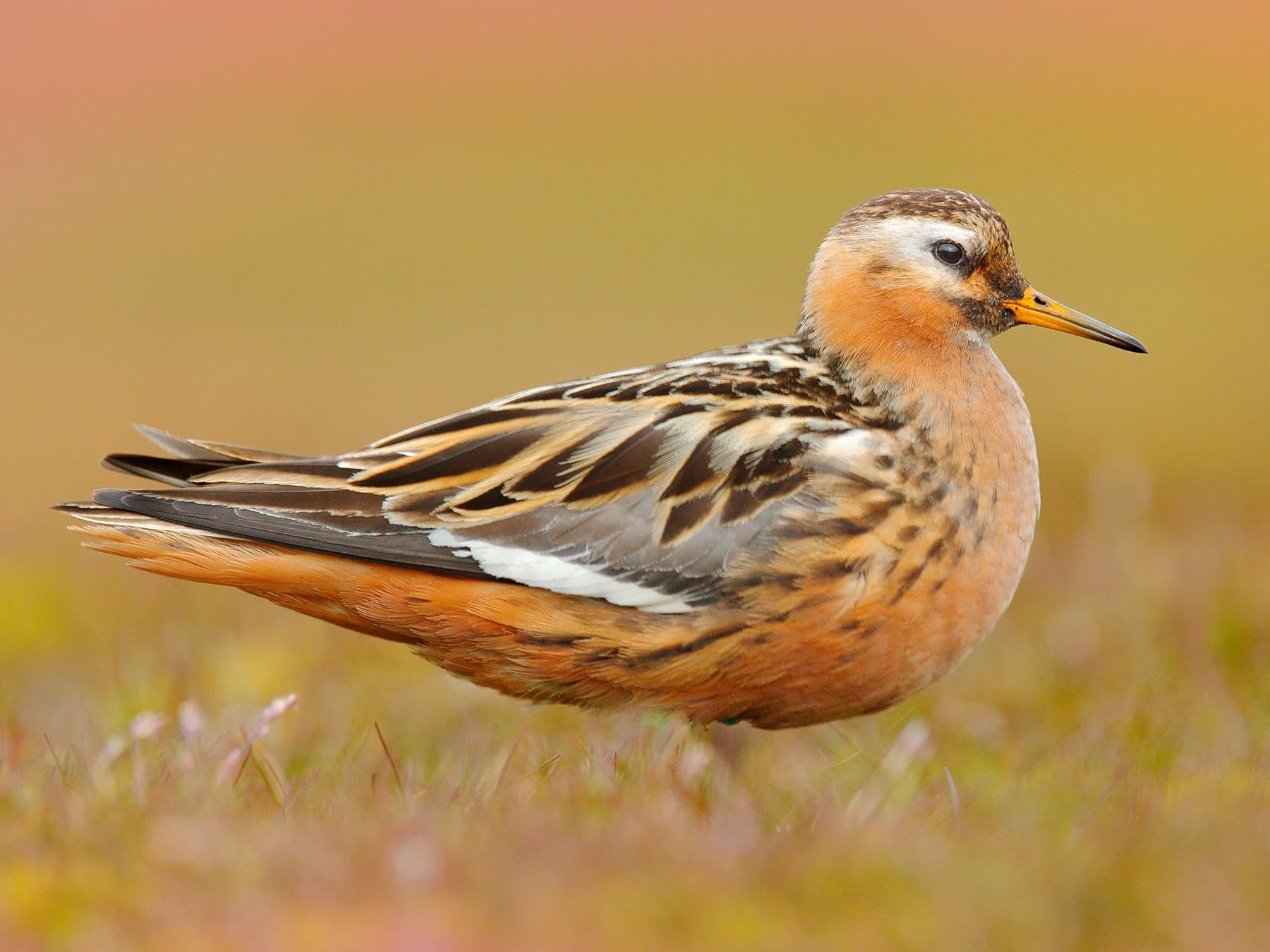
Grey Phalarope
Phalaropus fulicariusLC
A rare autumn passage visitor, typically storm-driven to the coast between September and November. Most often seen at sea or sheltering in harbours.
Sep–Nov
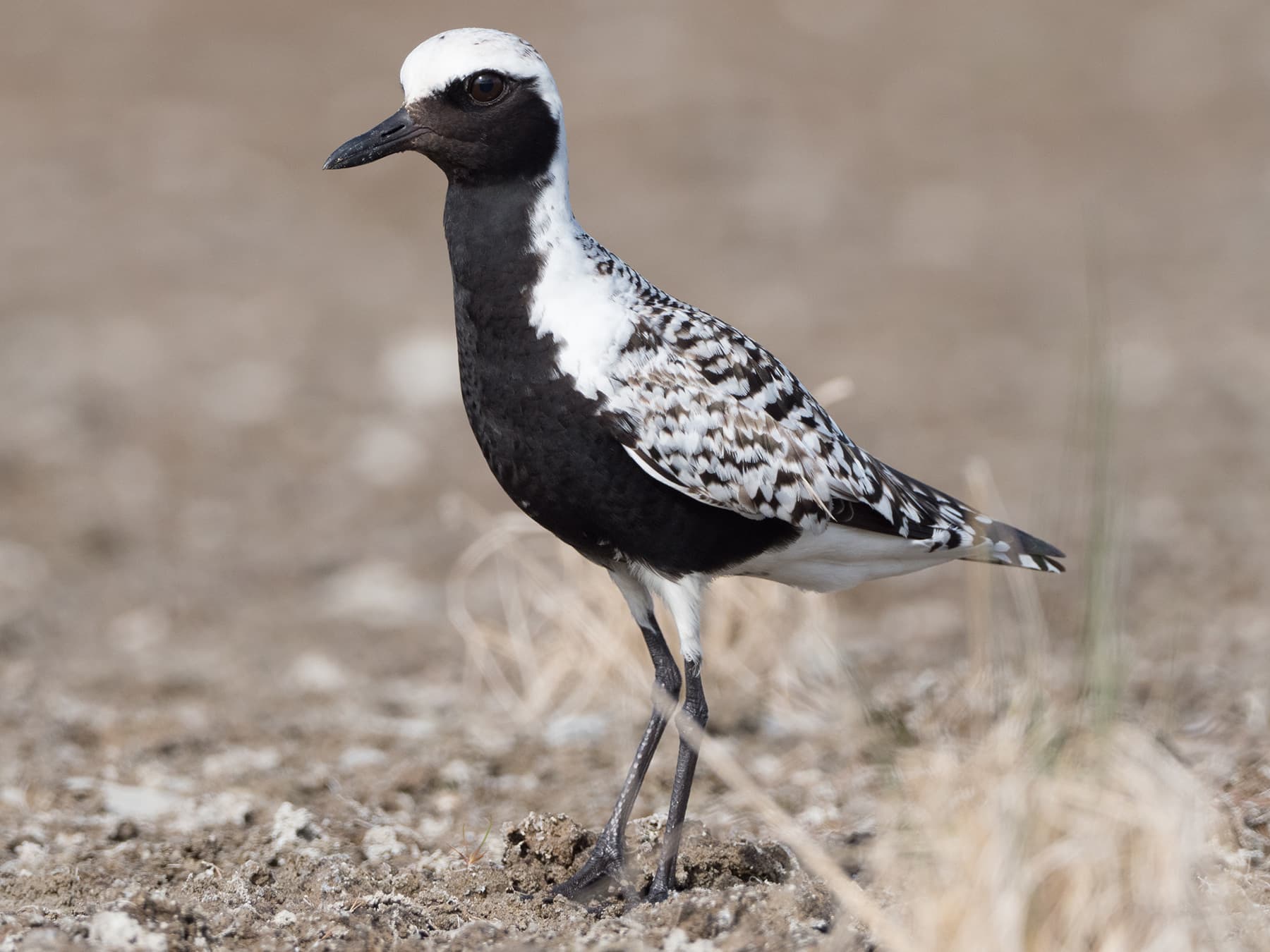
Grey Plover
Pluvialis squatarolaLC
Found year-round on Norfolk's mudflats and saltmarshes, with numbers peaking in winter. Favours the north coast estuaries and the Wash.
Year-round
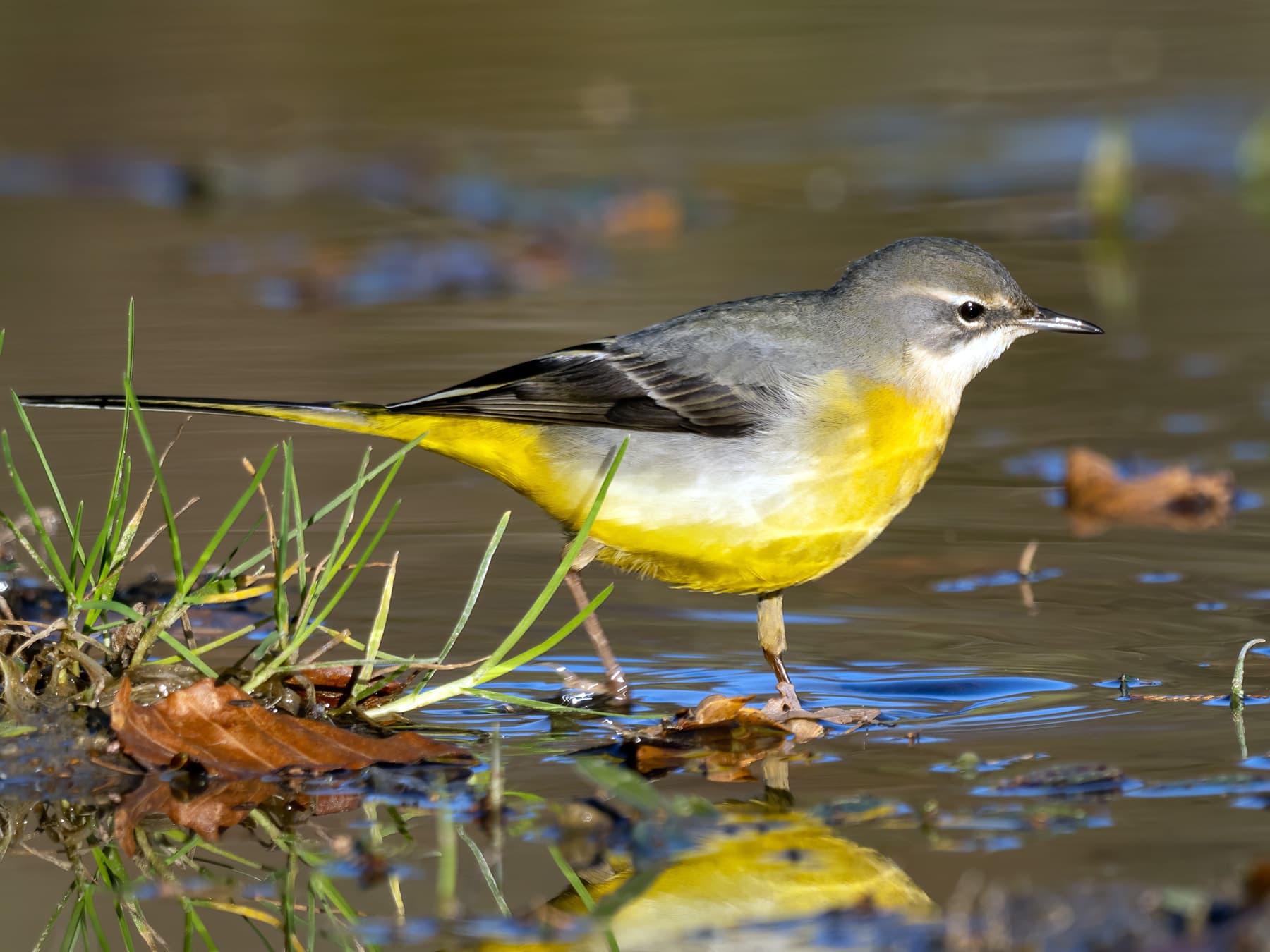
Grey Wagtail
Motacilla cinereaLC
An uncommon resident, scarcer in Norfolk than in western Britain. Found near streams, weirs, and waterways, bobbing its long tail constantly.
Year-round
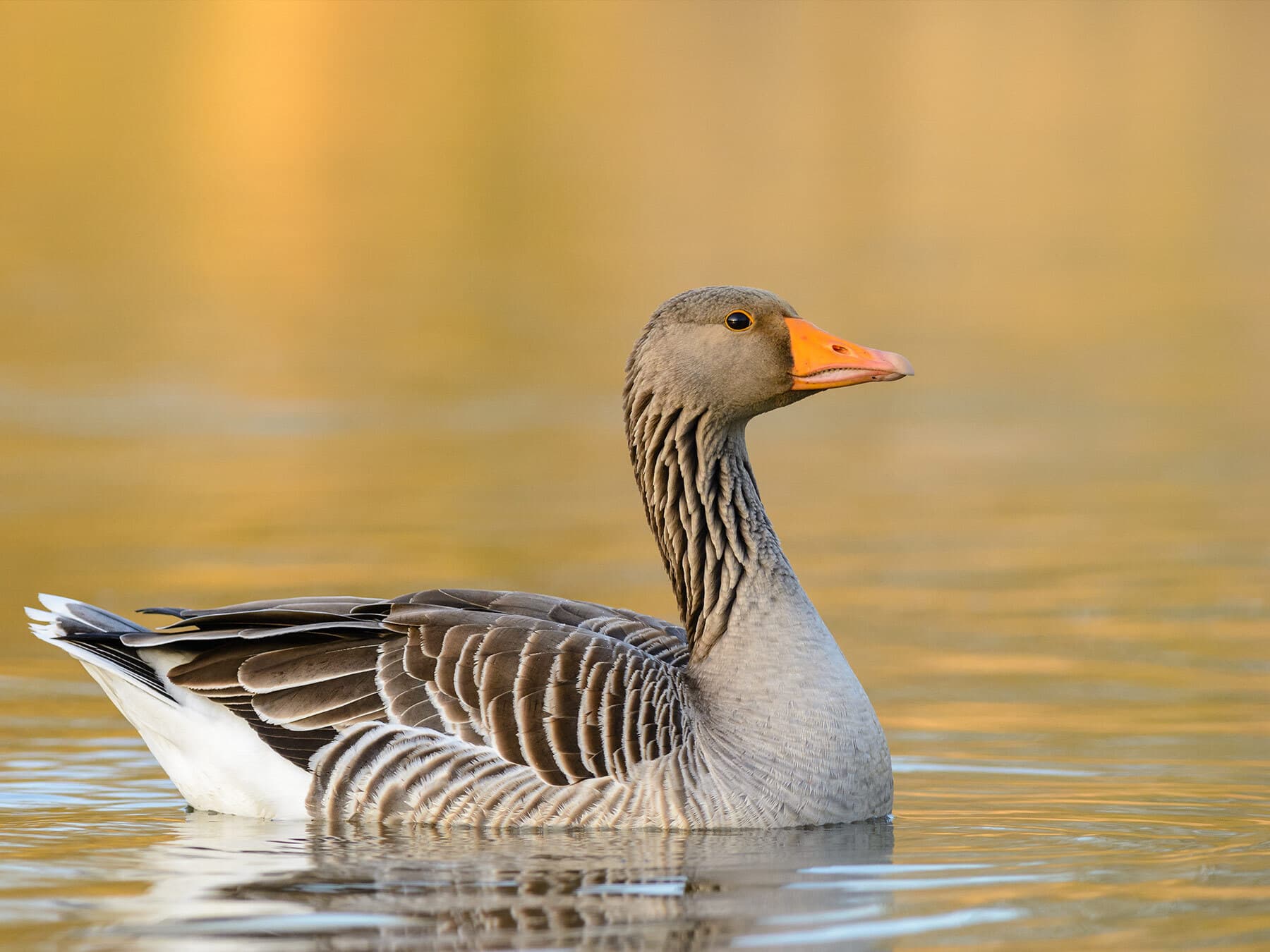
Greylag Goose
Anser anserLC
A common resident found year-round on marshes, broads, and farmland. Norfolk hosts both feral and genuinely wild wintering birds.
Year-round
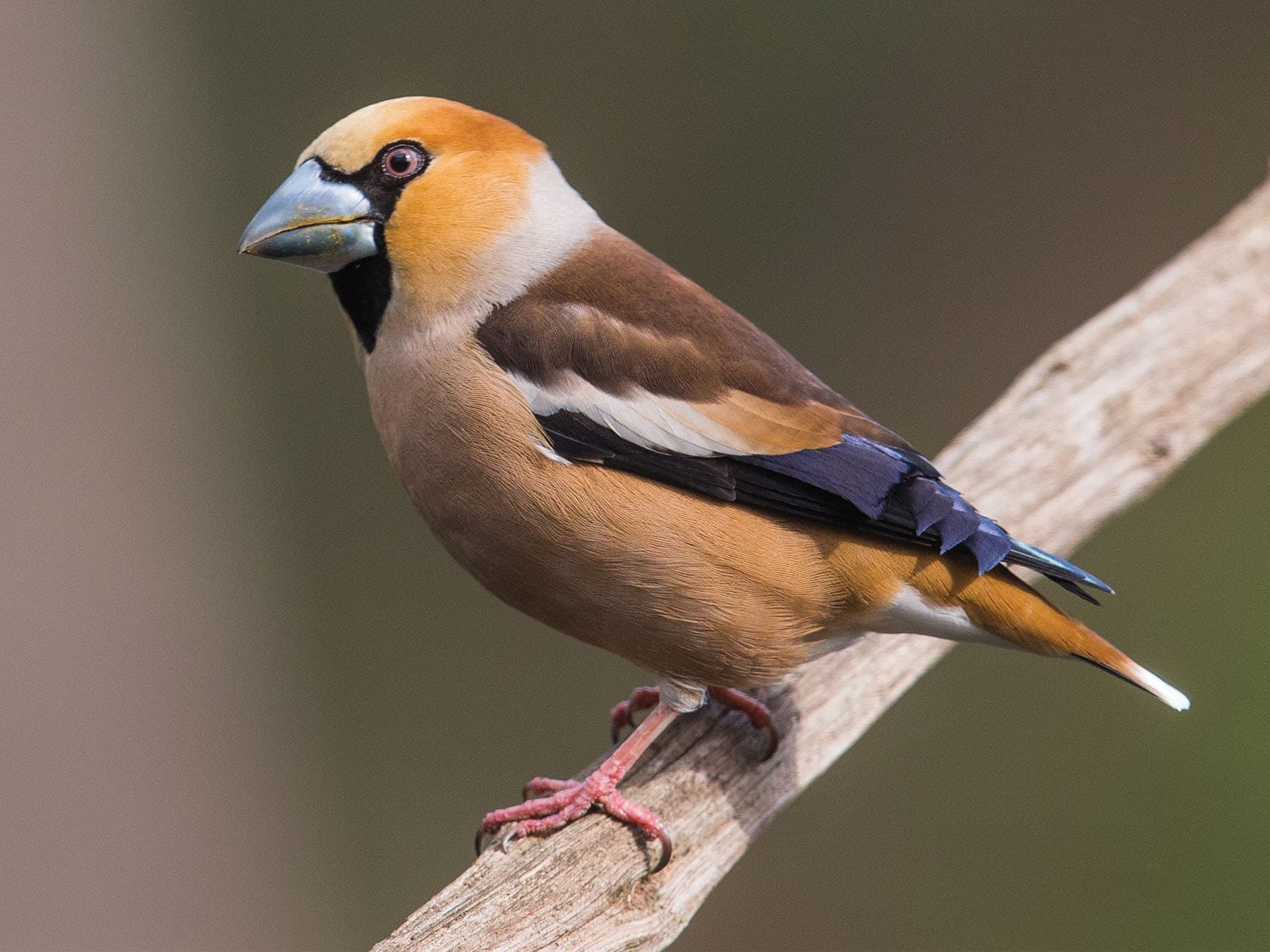
Hawfinch
Coccothraustes coccothraustesLC
A rare and elusive winter visitor, occasionally recorded in mature woodland and parkland, particularly during irruption years.
Oct–Mar
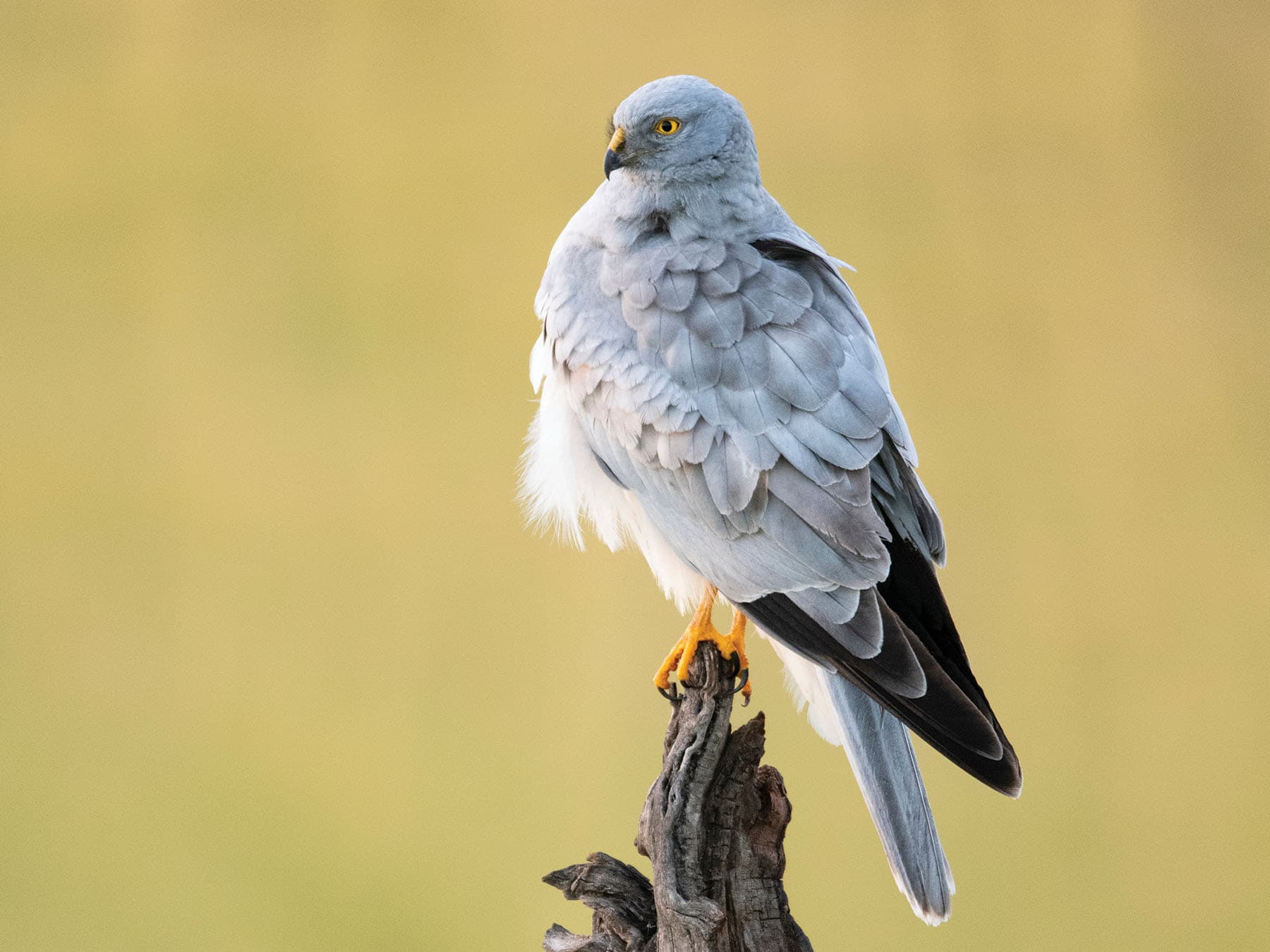
Hen Harrier
Circus cyaneusLC
A rare winter visitor to Norfolk's coastal marshes and reedbeds, with birds arriving from October and lingering into early spring.
Oct–Apr
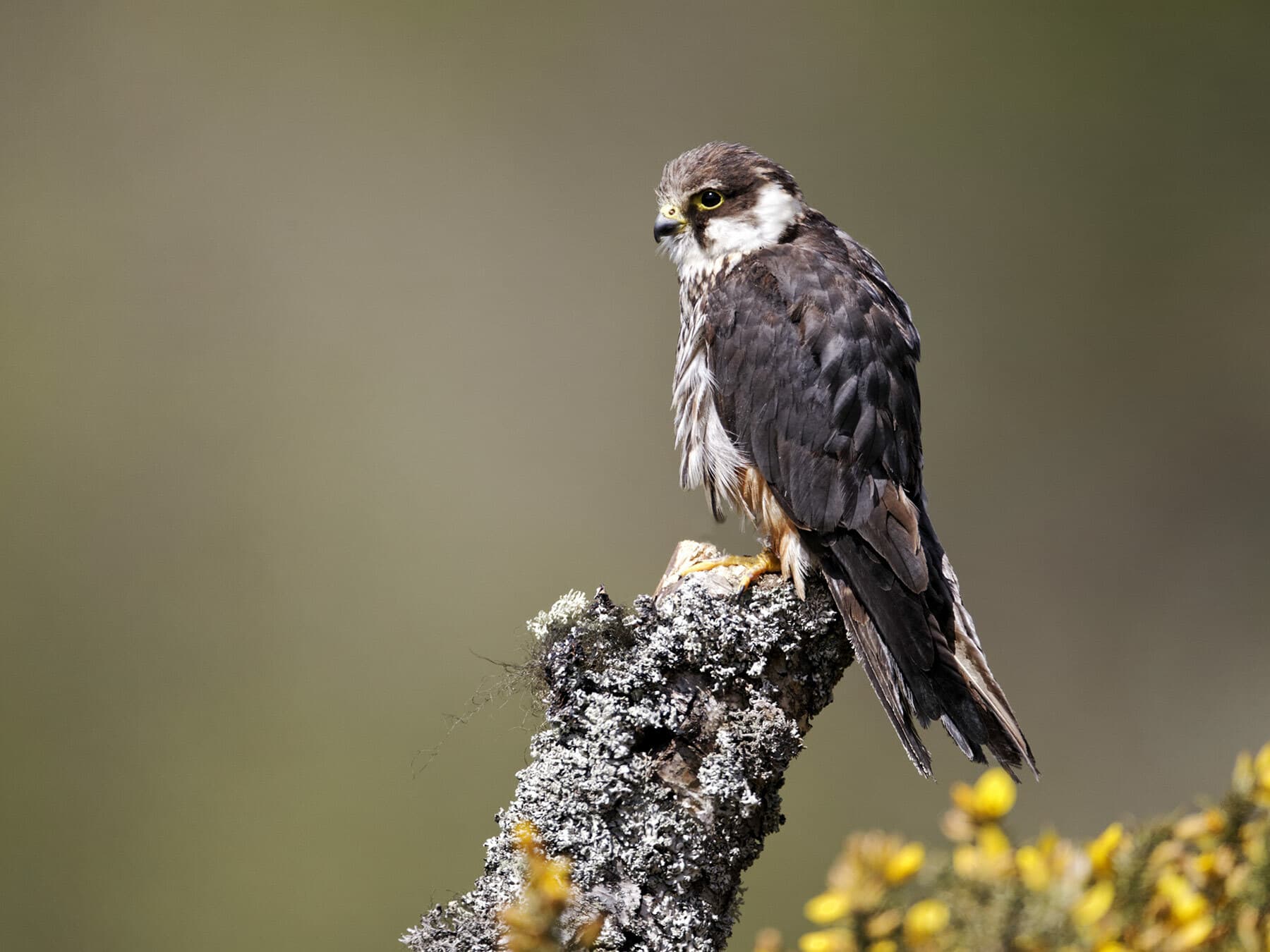
Hobby
Falco subbuteoLC
An uncommon summer breeder, arriving in April and hunting dragonflies over the Broads and heathland pools.
Apr–Oct
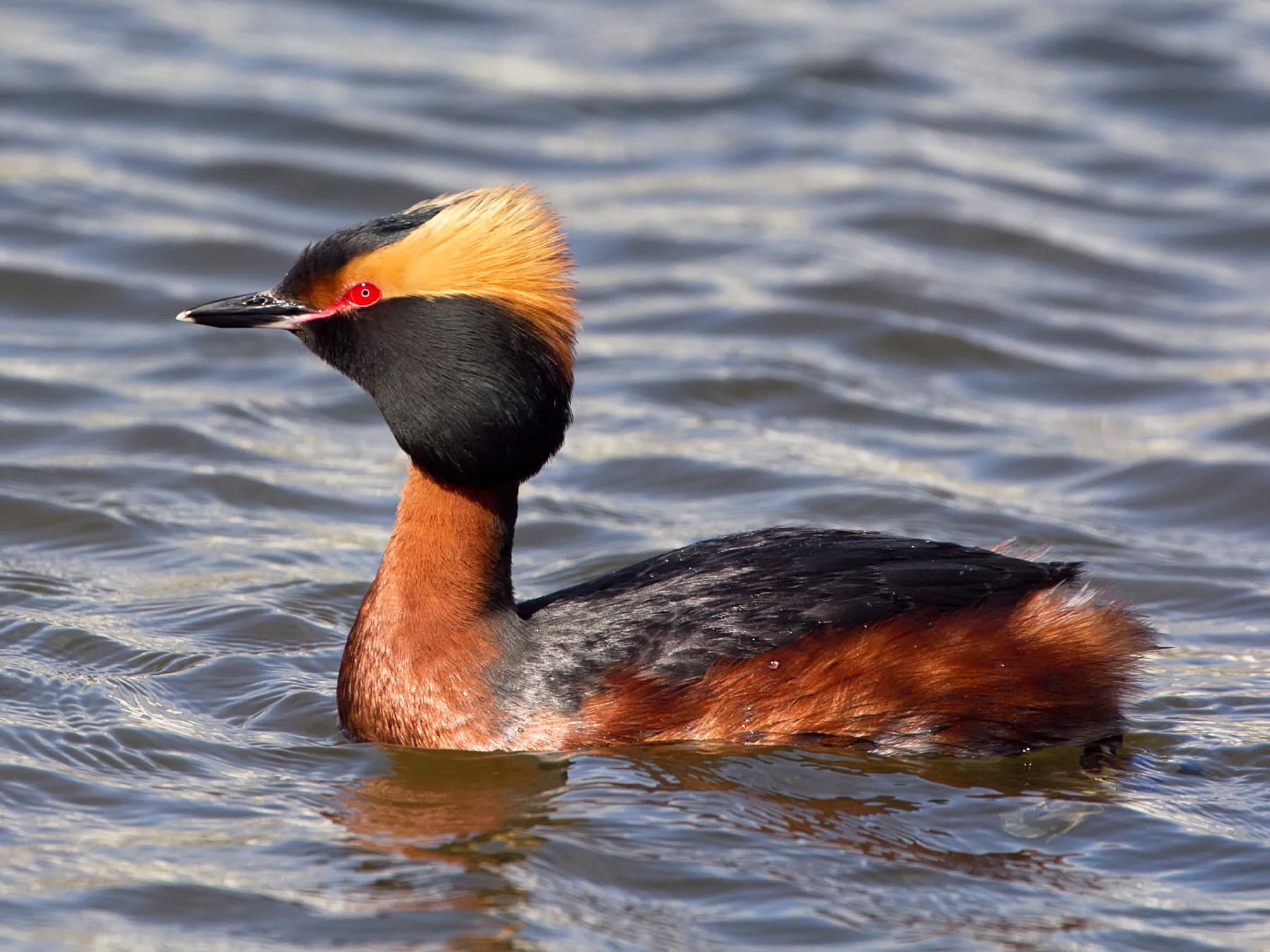
Horned Grebe
Podiceps auritusVU
Scarce non-breeding visitor to sheltered coastal waters and estuaries from October to February.
Oct–Feb