Uncommon Birds in Norfolk
77 species matching this filter.
Norfolk's diverse mosaic of coastal marshes, estuaries, Broads waterways, and farmland supports an impressive variety of uncommon bird species. With 77 species classified as uncommon in the county, birdwatchers can encounter striking visitors such as the Bar-tailed Godwit, Curlew Sandpiper, and Goldeneye along the coast, while inland habitats harbour gems like the Common Kingfisher, Garden Warbler, and the increasingly scarce European Turtle-dove. Whether exploring the mudflats of the Wash or the reedbeds of the Norfolk Broads, patient observers will be rewarded with sightings of these less frequently seen but thoroughly rewarding species.


Showing 47–69 of 77 species
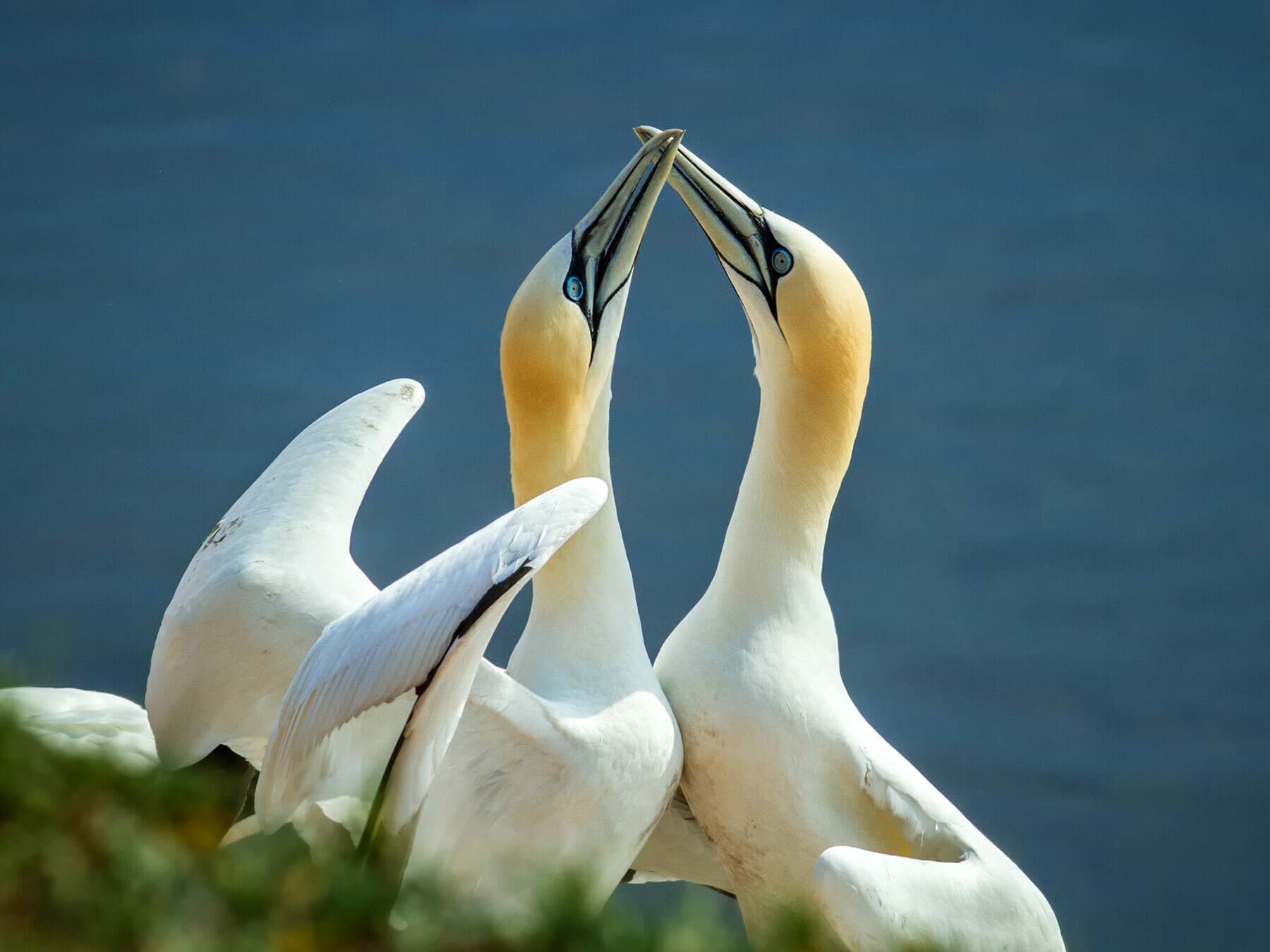
Northern Gannet
Morus bassanusLC
Seen offshore year-round, often spectacularly plunge-diving for fish. Passage numbers peak in autumn off the north Norfolk coast.
Year-round
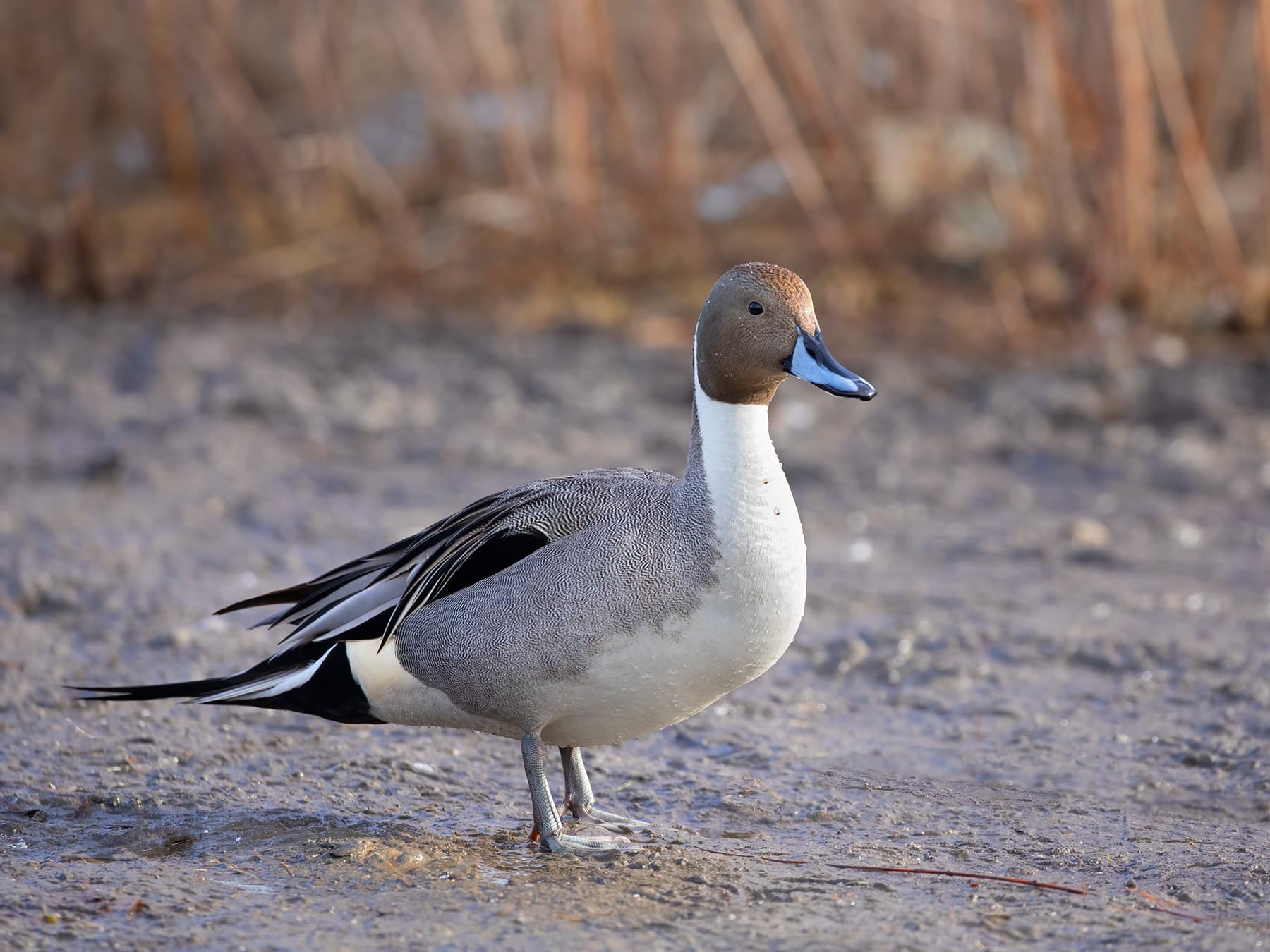
Northern Pintail
Anas acutaLC
An elegant dabbling duck found on coastal marshes and flooded fields. Numbers peak in winter at sites like Cley and Holkham.
Aug–May
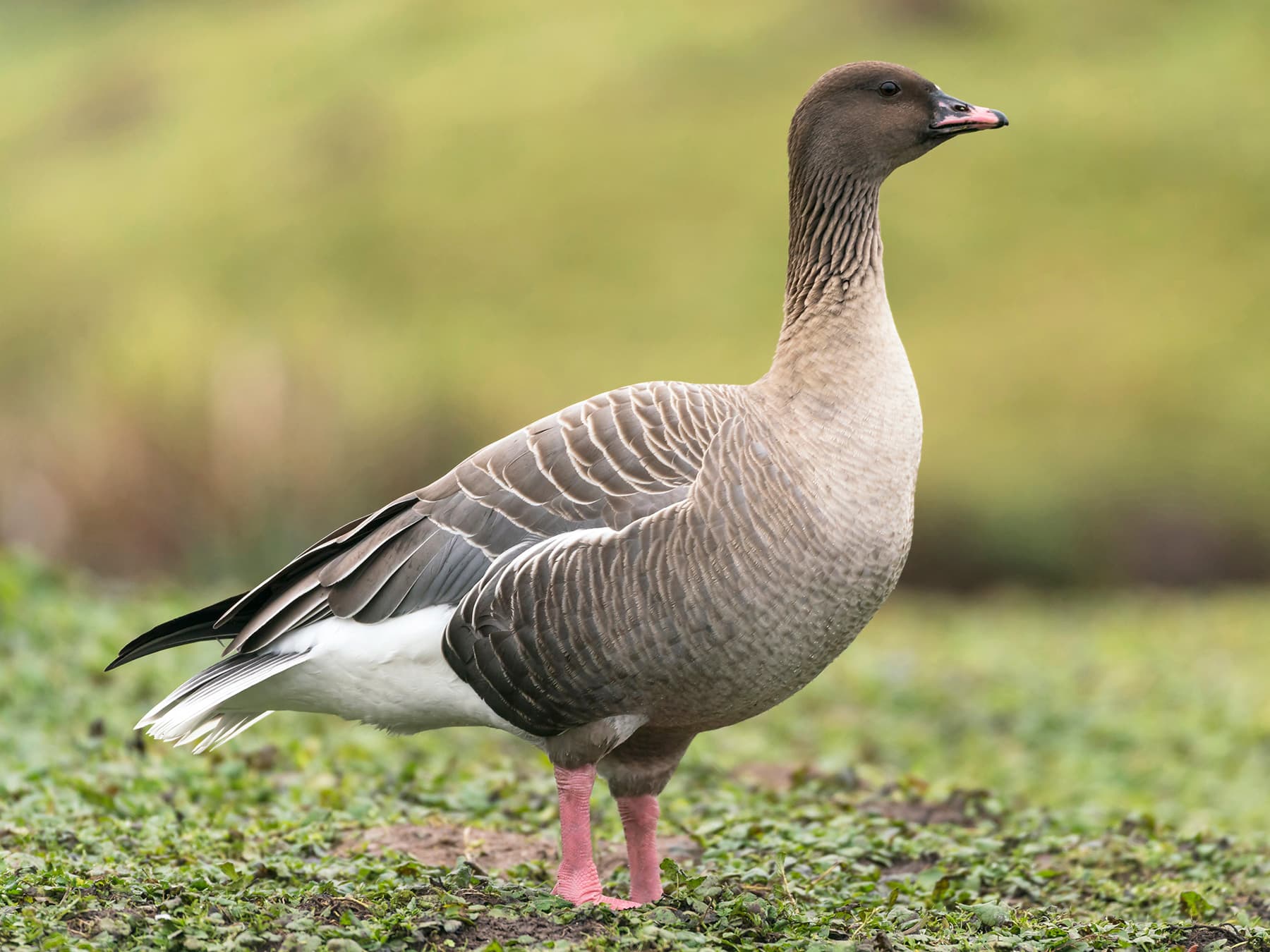
Pink-footed Goose
Anser brachyrhynchusLC
Huge wintering flocks gather on north Norfolk's marshes and sugar beet fields. Numbers peak from October to March at sites like Holkham.
Year-round
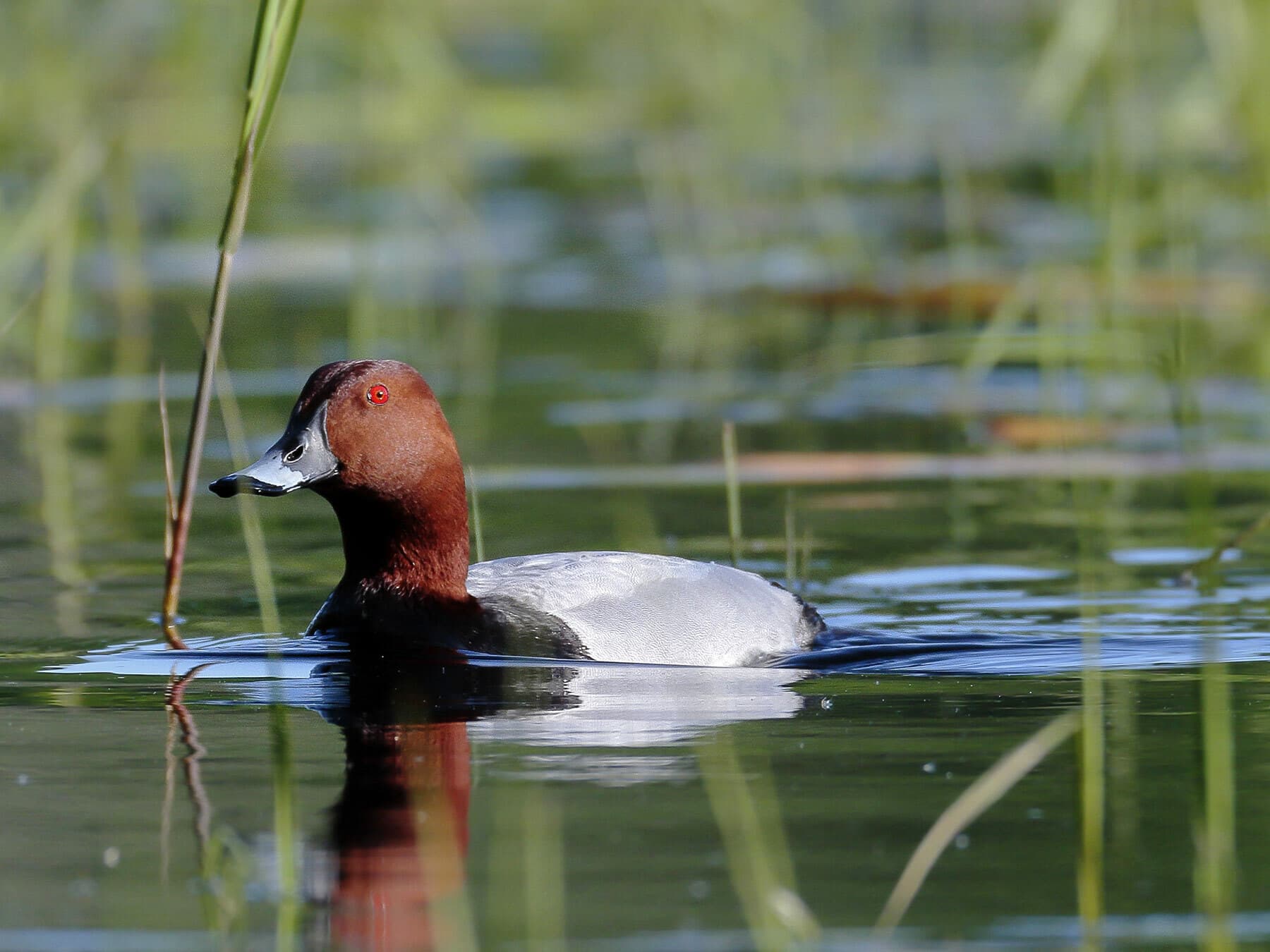
Pochard
Aythya ferinaVU
An uncommon year-round resident on deeper lakes and broads. Numbers have declined nationally, making Norfolk sites increasingly important.
Year-round
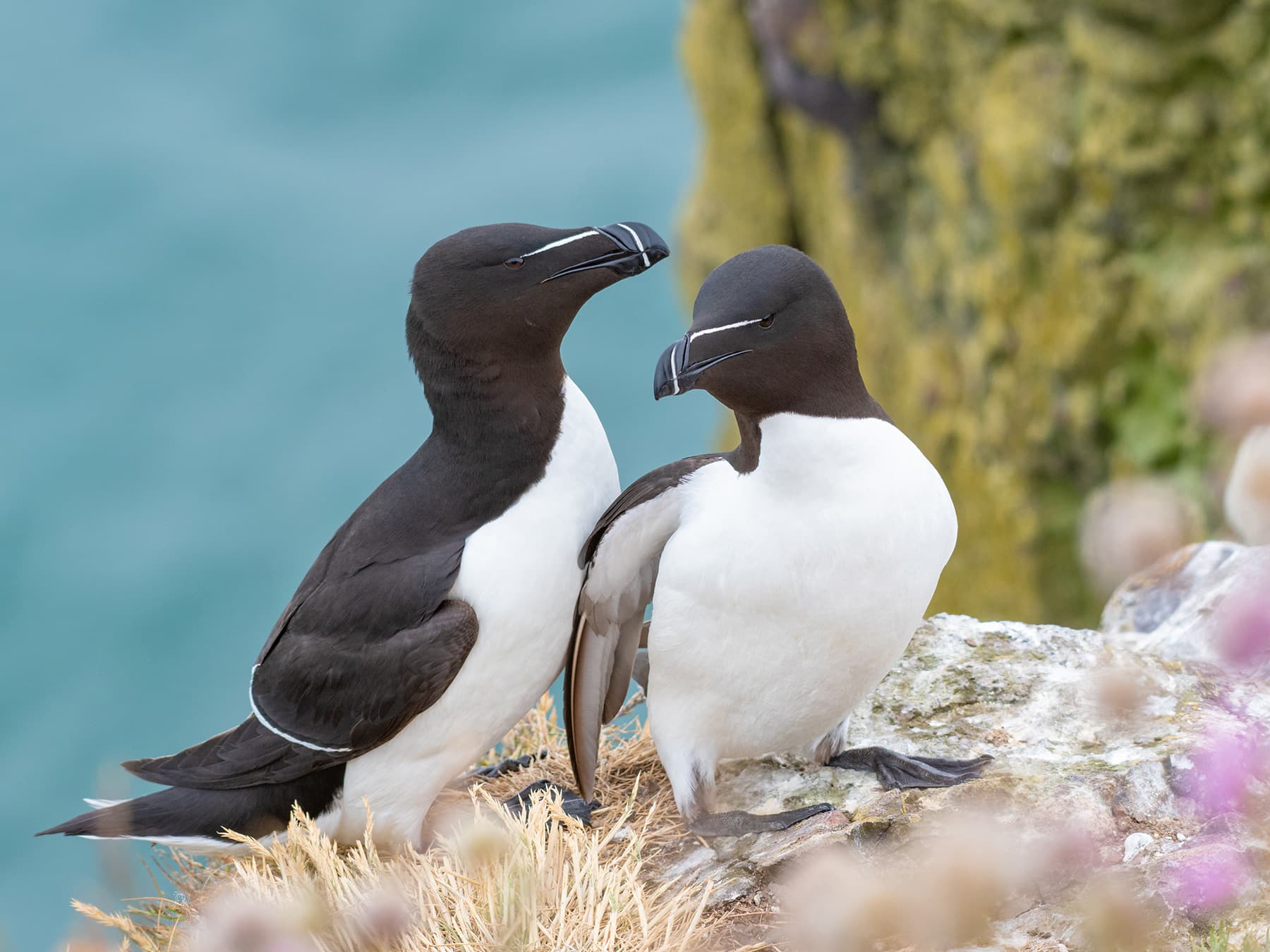
Razorbill
Alca tordaLC
A non-breeding visitor seen offshore and in coastal waters from late summer through winter. Numbers increase after autumn gales.
Aug–Jan
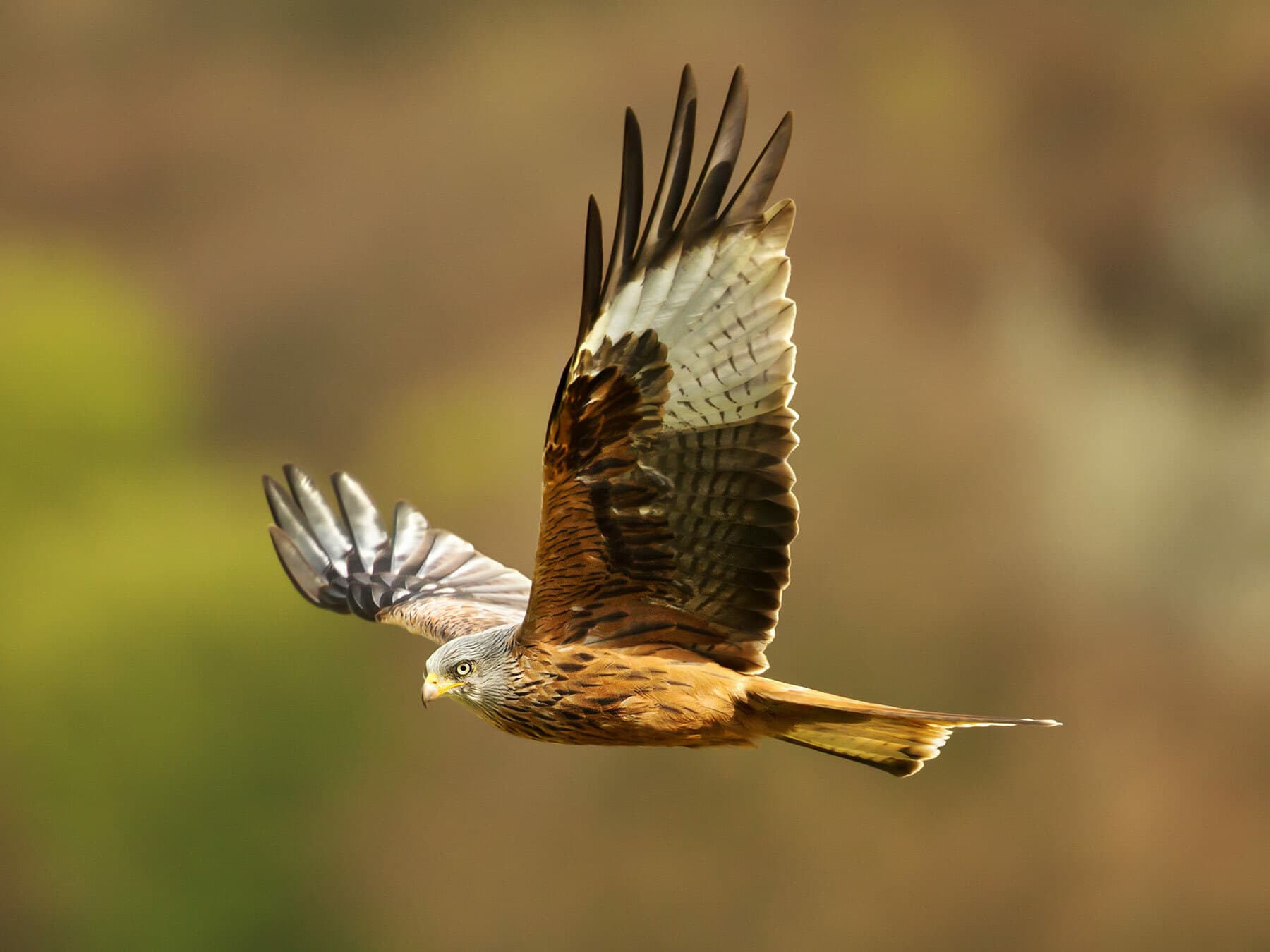
Red Kite
Milvus milvusLC
An uncommon but increasing resident, now seen soaring over farmland and woodland edges across the county year-round.
Year-round
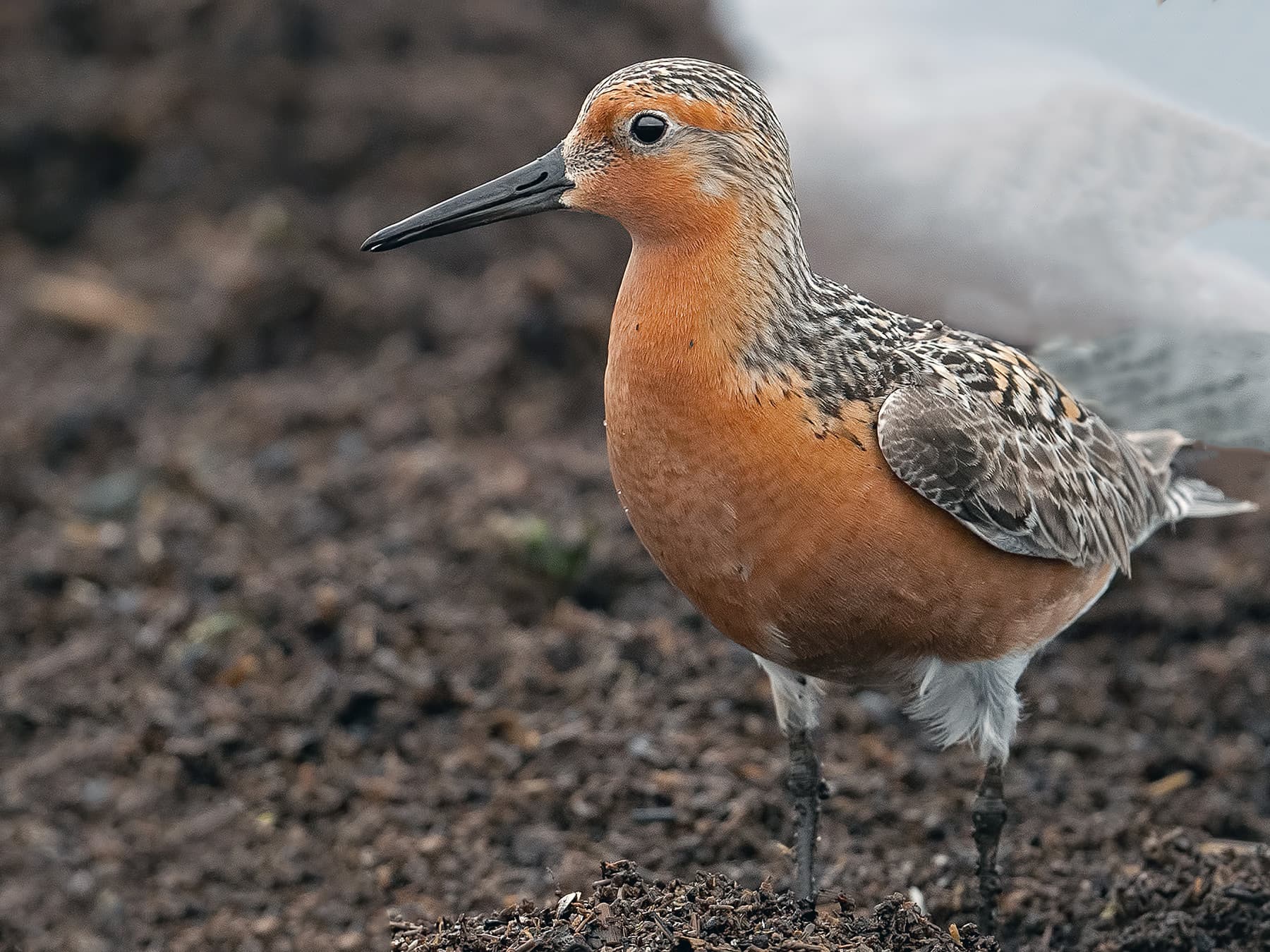
Red Knot
Calidris canutusNT
Flocks gather on the Wash and north Norfolk mudflats, peaking in winter. An impressive sight when thousands wheel in tight formation.
Year-round
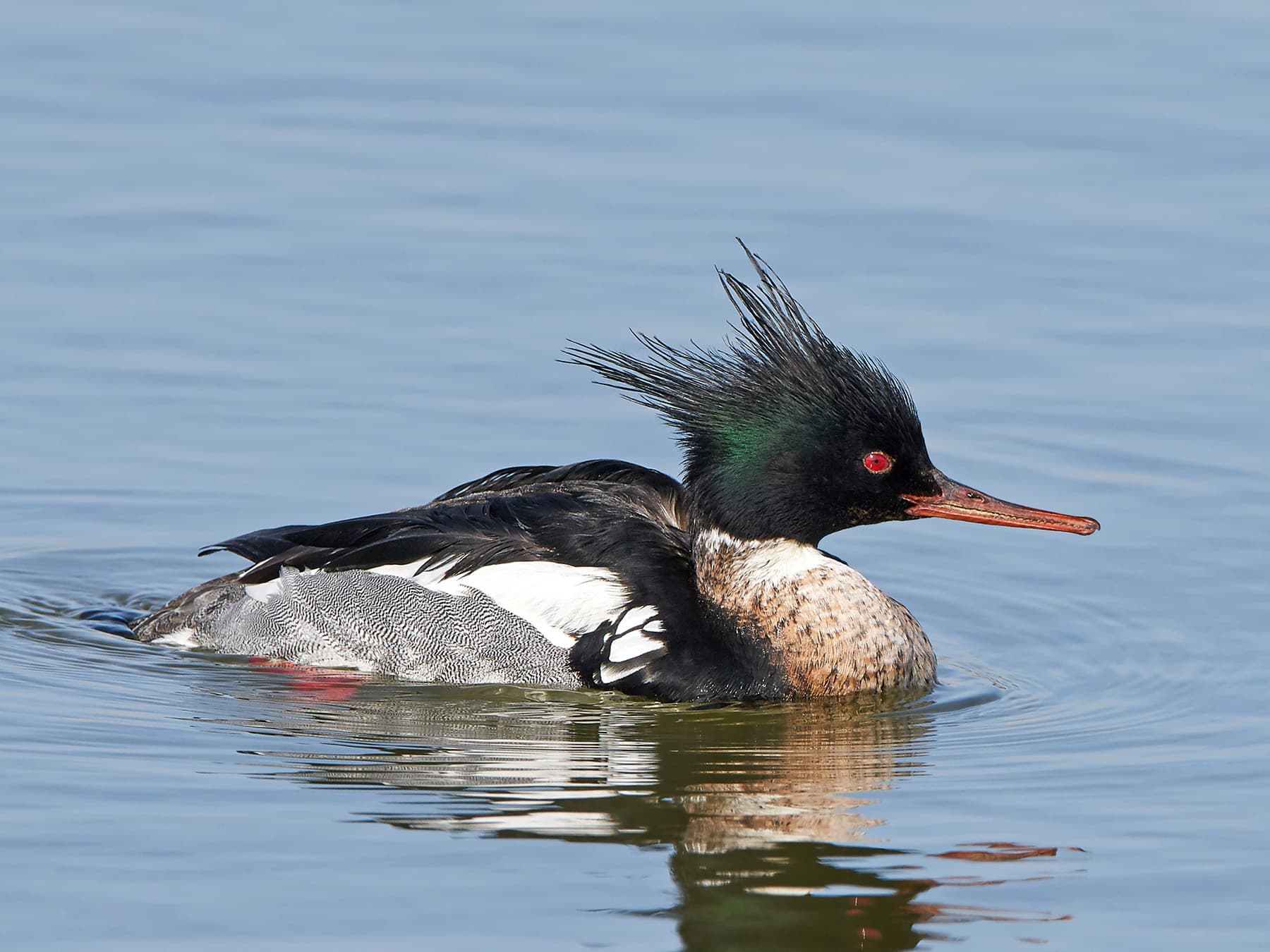
Red-breasted Merganser
Mergus serratorLC
An uncommon non-breeding visitor to estuaries and coastal waters from autumn to spring. Often seen in harbours and tidal creeks.
Sep–Apr
Spotted something?
Upload a photo to identify it
Identify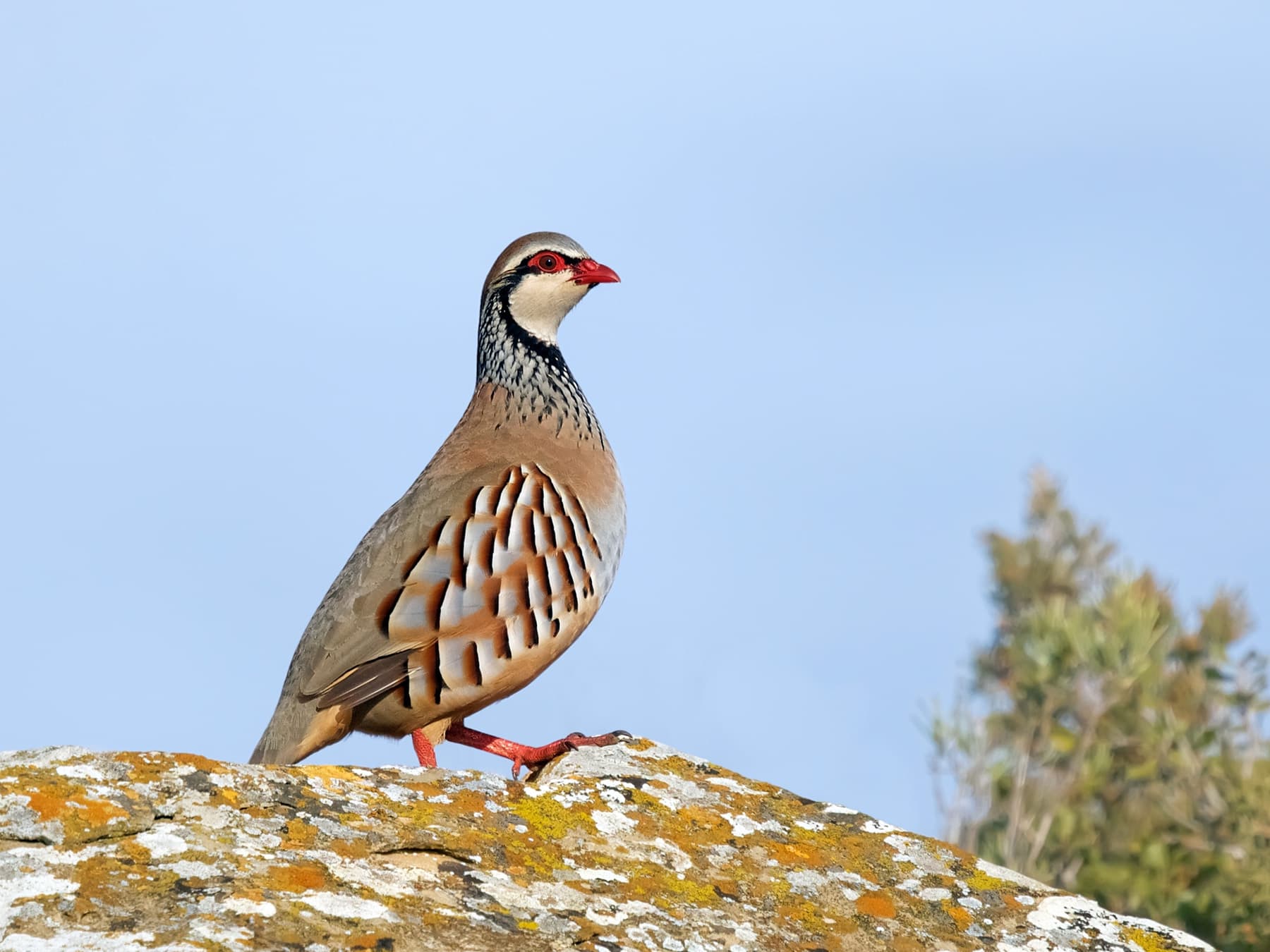
Red-legged Partridge
Alectoris rufaNT
An uncommon but year-round resident of arable farmland and field margins. An introduced species now well established across Norfolk.
Year-round
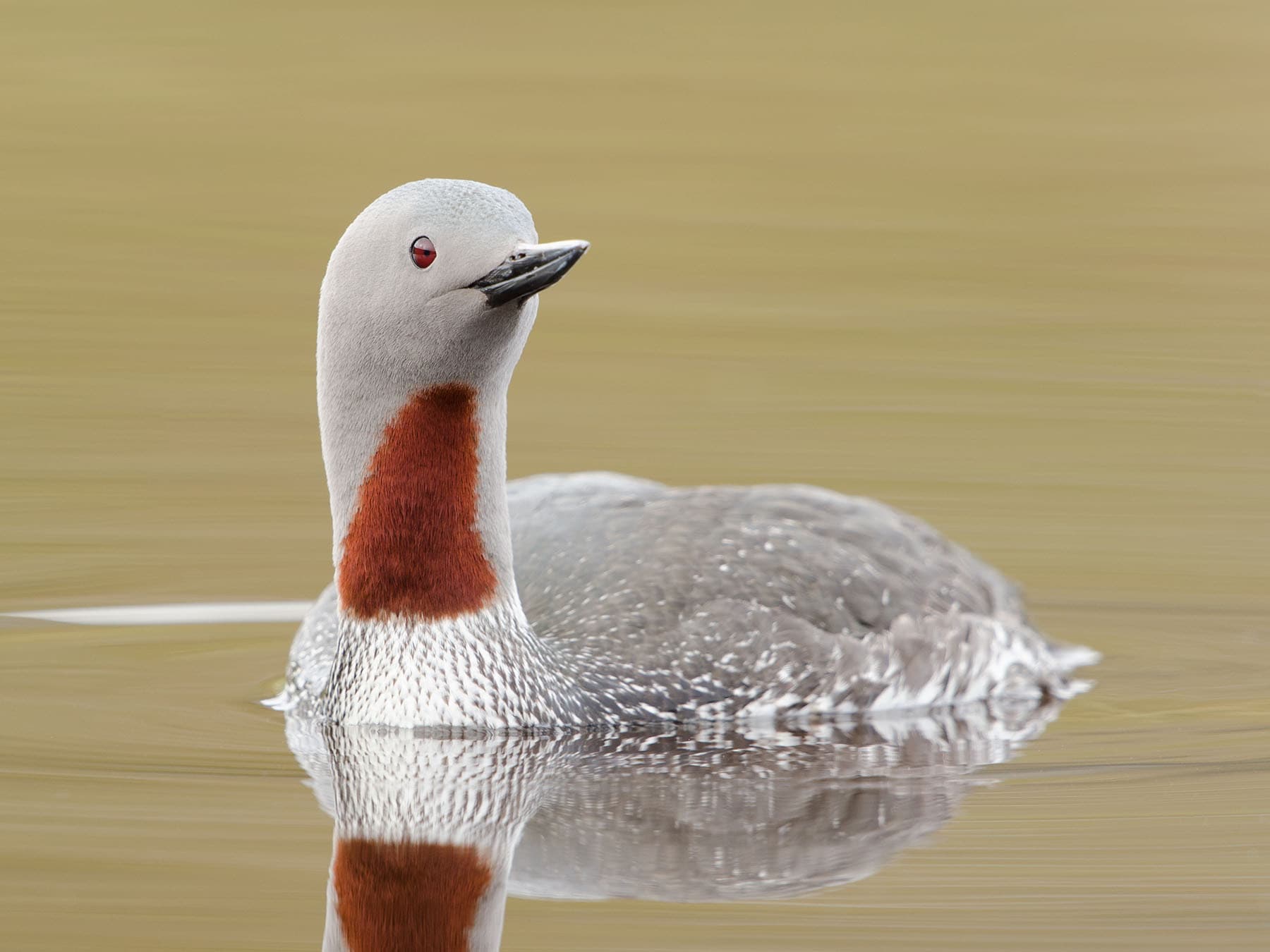
Red-throated Loon
Gavia stellataLC
An uncommon non-breeding visitor, wintering offshore and in coastal waters. Often seen flying low over the sea in small numbers.
Aug–Apr
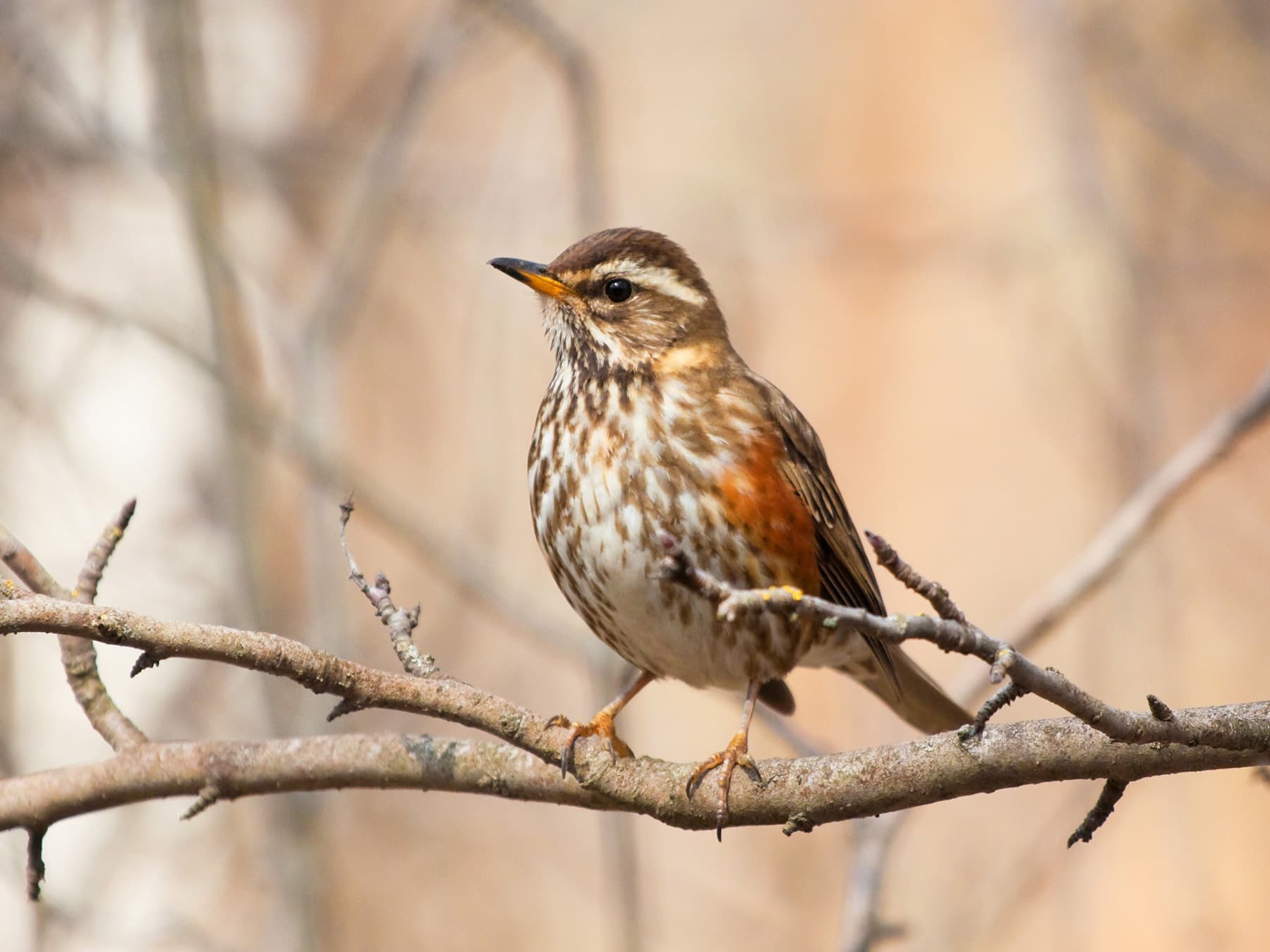
Redwing
Turdus iliacusNT
A winter visitor from Scandinavia, foraging in hedgerows and fields across Norfolk. Large arrivals sometimes occur on the coast in October.
Sep–Apr
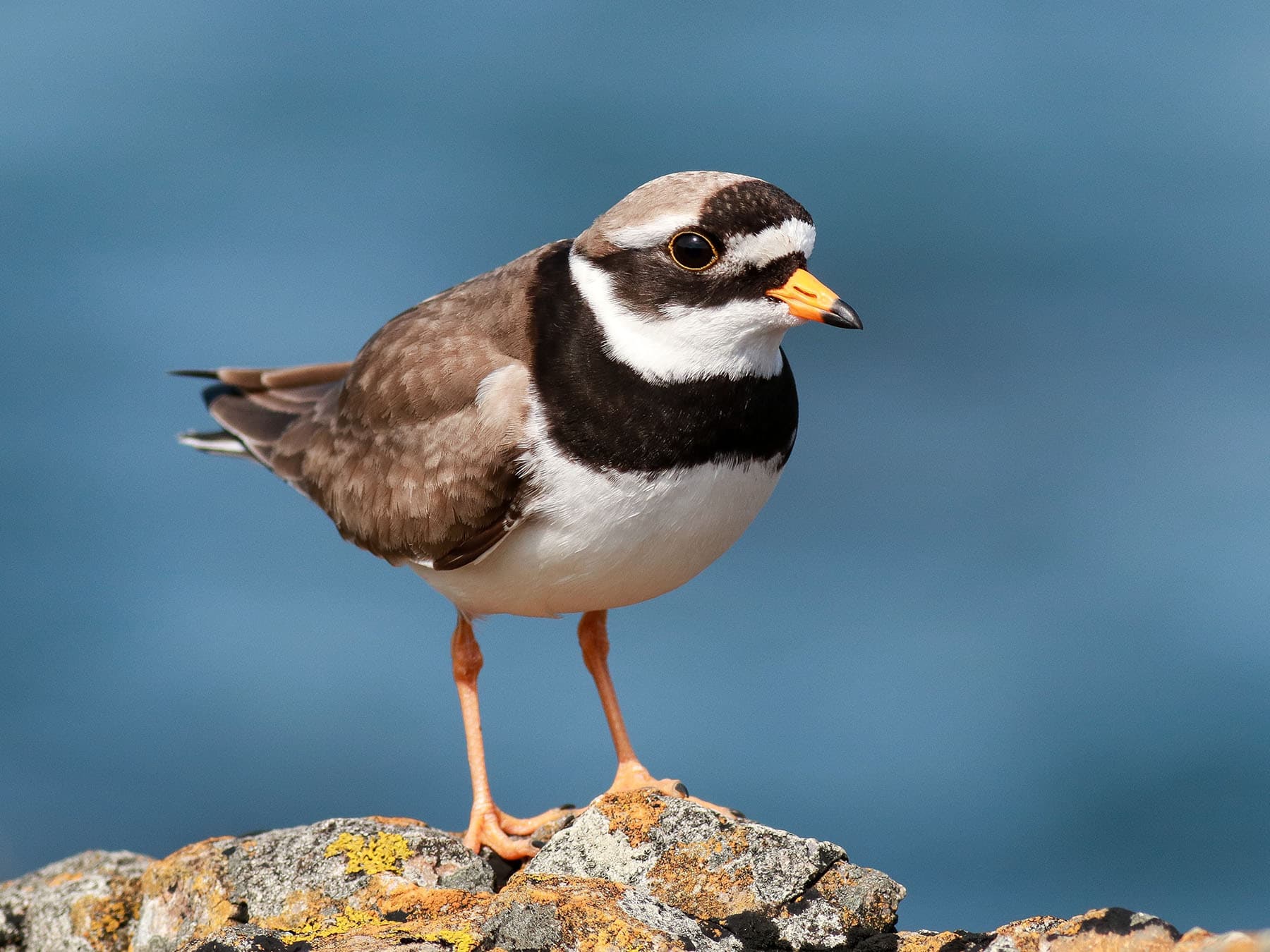
Ringed Plover
Charadrius hiaticulaLC
Breeds on shingle beaches and sandy shores year-round. Nesting sites along the north Norfolk coast are vulnerable to disturbance.
Year-round
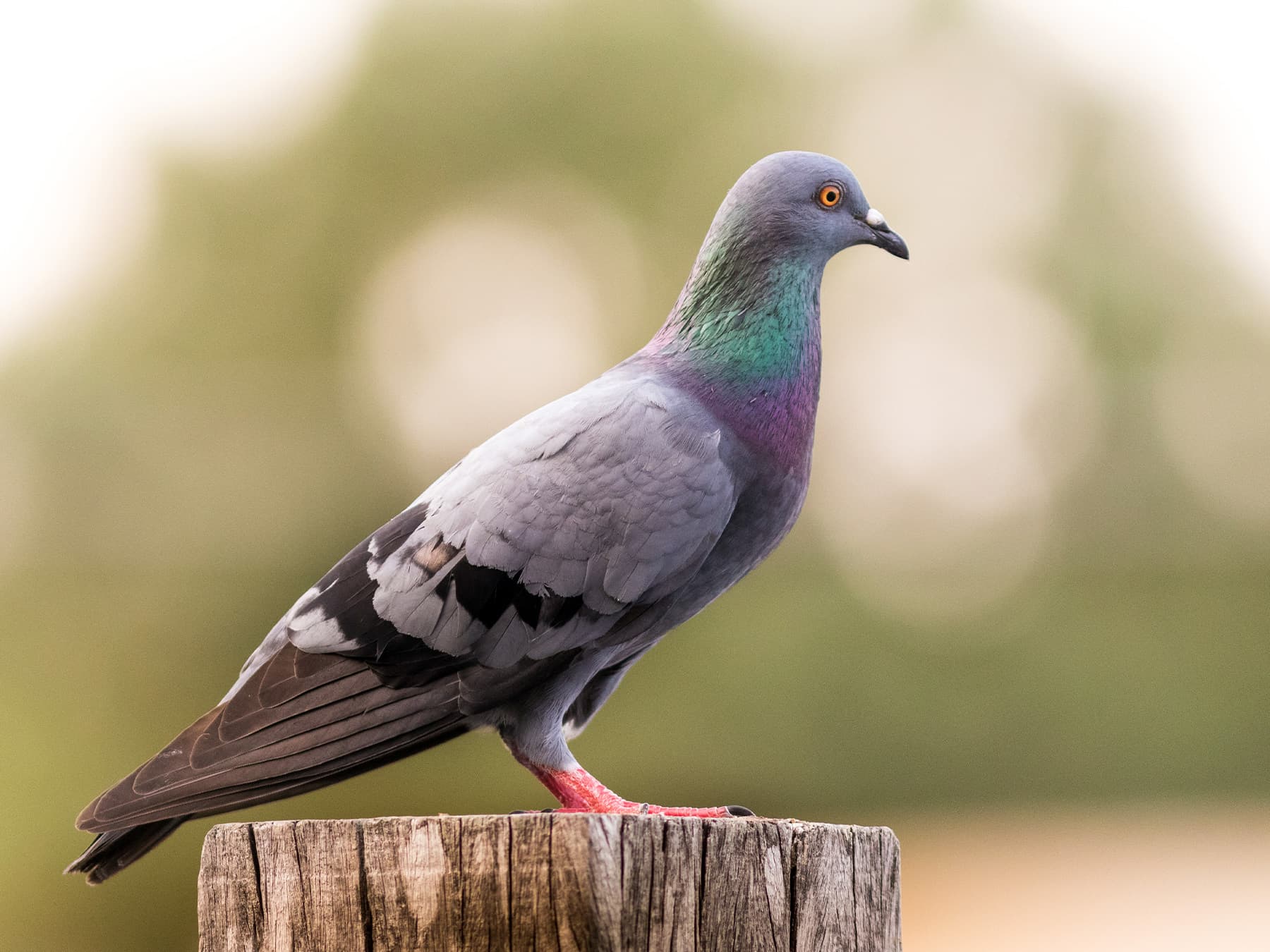
Rock Dove
Columba liviaLC
Feral populations inhabit Norfolk's towns and coastal cliffs year-round. Most birds are of mixed domestic ancestry.
Year-round
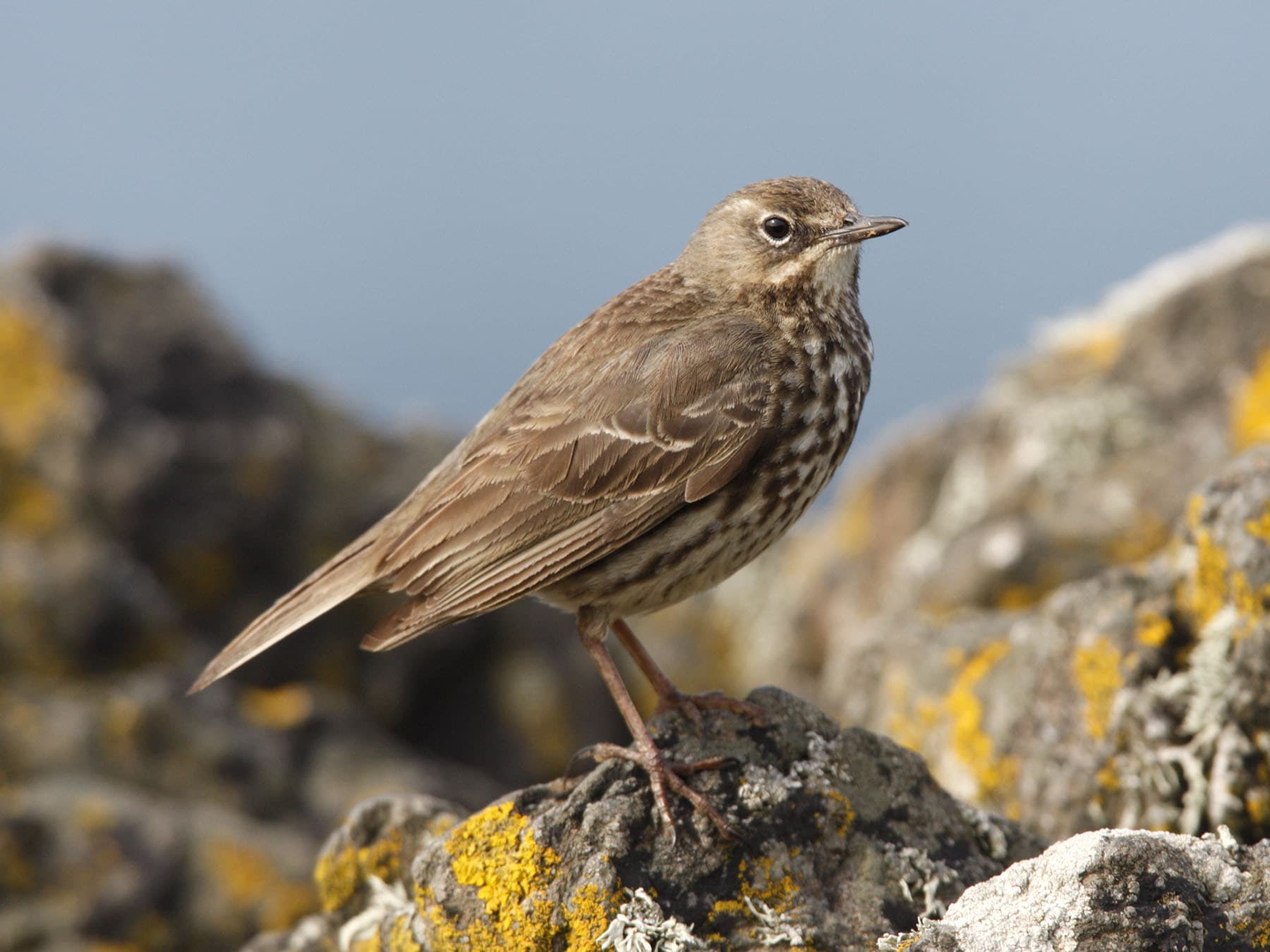
Rock Pipit
Anthus petrosusLC
An uncommon non-breeding visitor to rocky sea walls and saltmarshes along the Norfolk coast from autumn through to early spring.
Sep–Mar
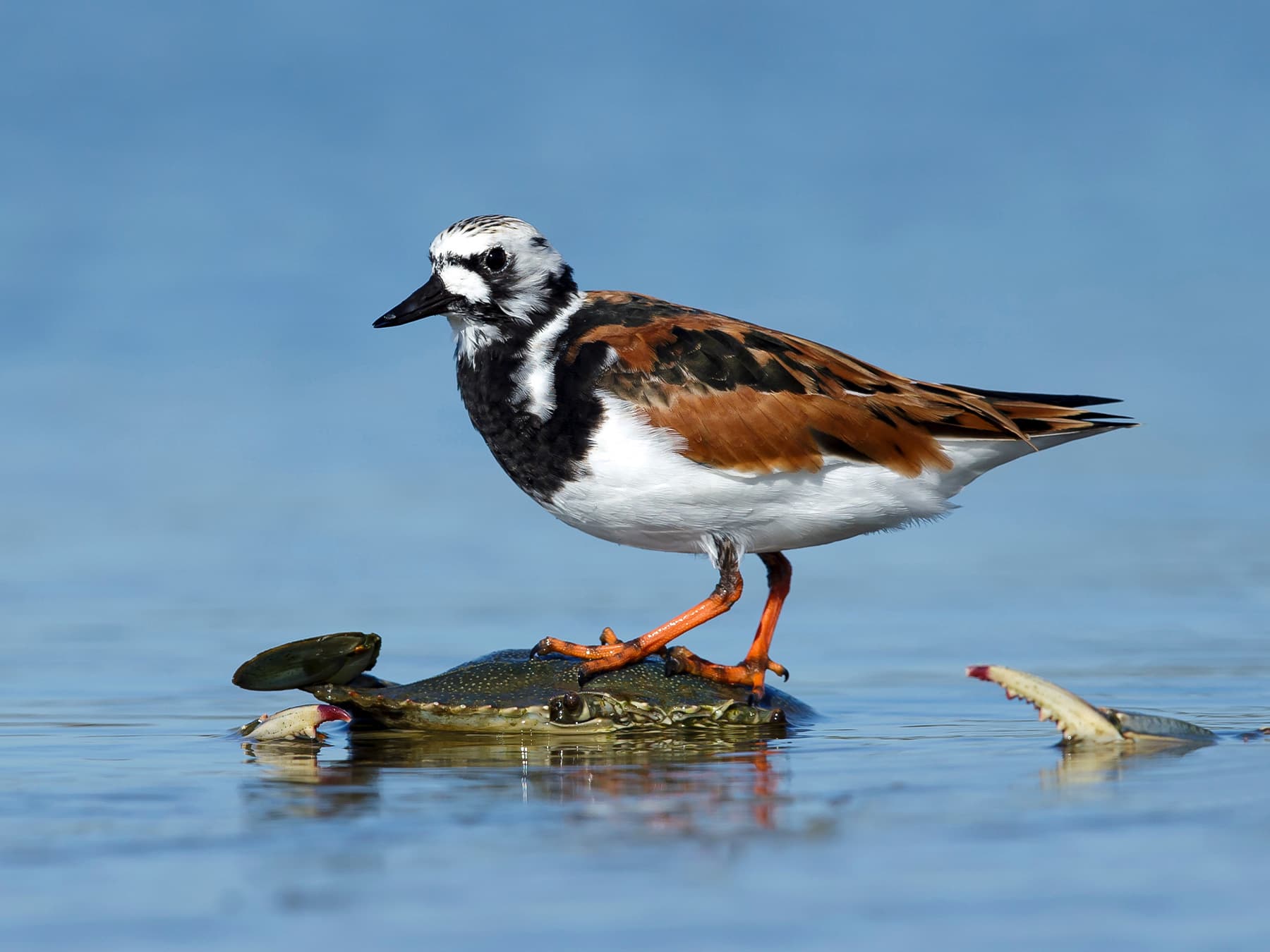
Ruddy Turnstone
Arenaria interpresLC
Present year-round along Norfolk's rocky groynes and shingle shores, busily flipping stones and seaweed for invertebrates.
Year-round
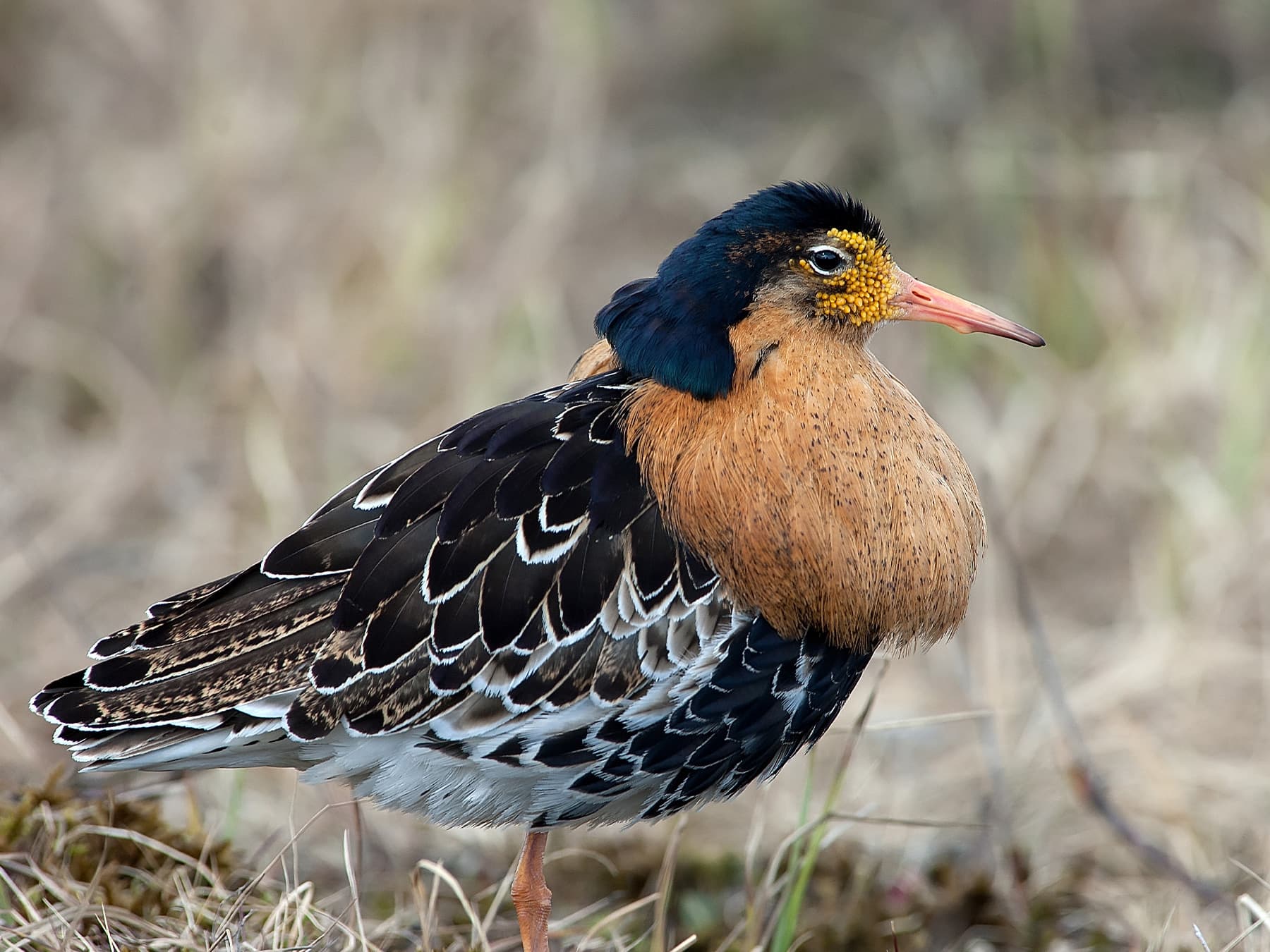
Ruff
Philomachus pugnaxLC
An uncommon year-round resident of Norfolk's freshwater marshes and scrapes, with numbers boosted by passage birds in spring and autumn.
Year-round
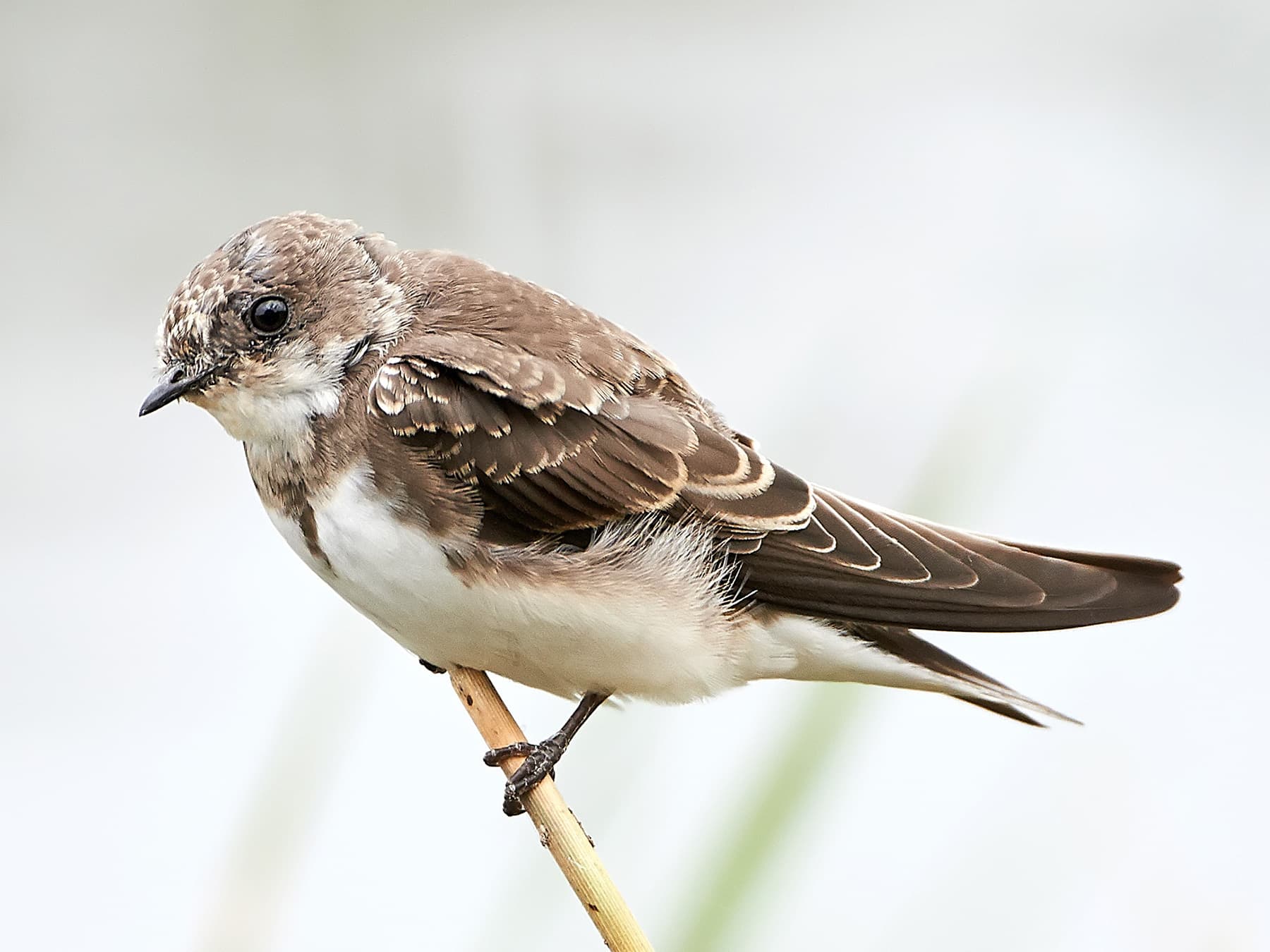
Sand Martin
Riparia ripariaLC
An uncommon summer breeder, nesting colonially in sandy riverbanks and quarries. Arrives in March and departs by September.
Mar–Sep
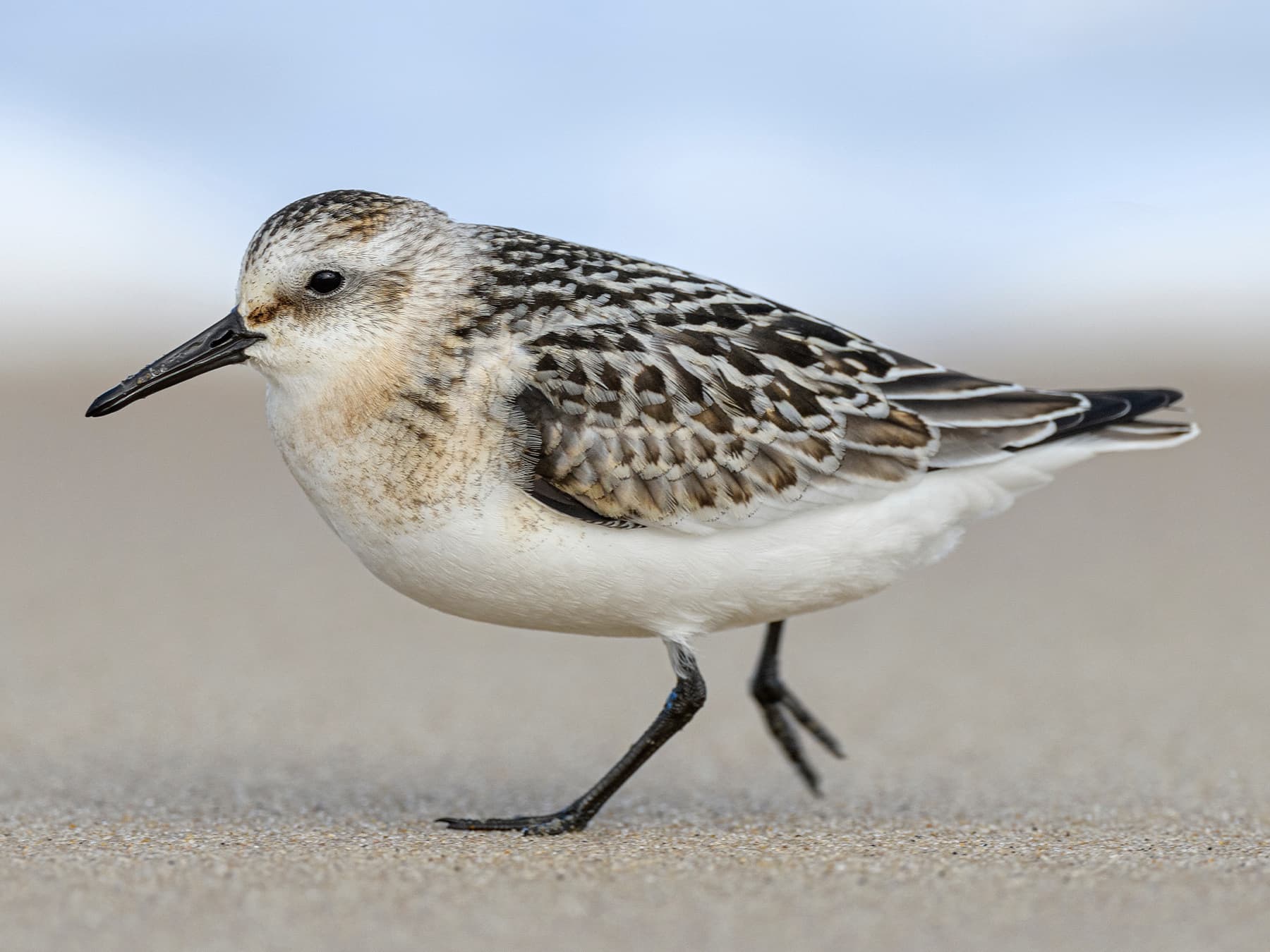
Sanderling
Calidris albaLC
Found year-round on sandy beaches along the north Norfolk coast, often in small flocks racing along the tideline.
Year-round
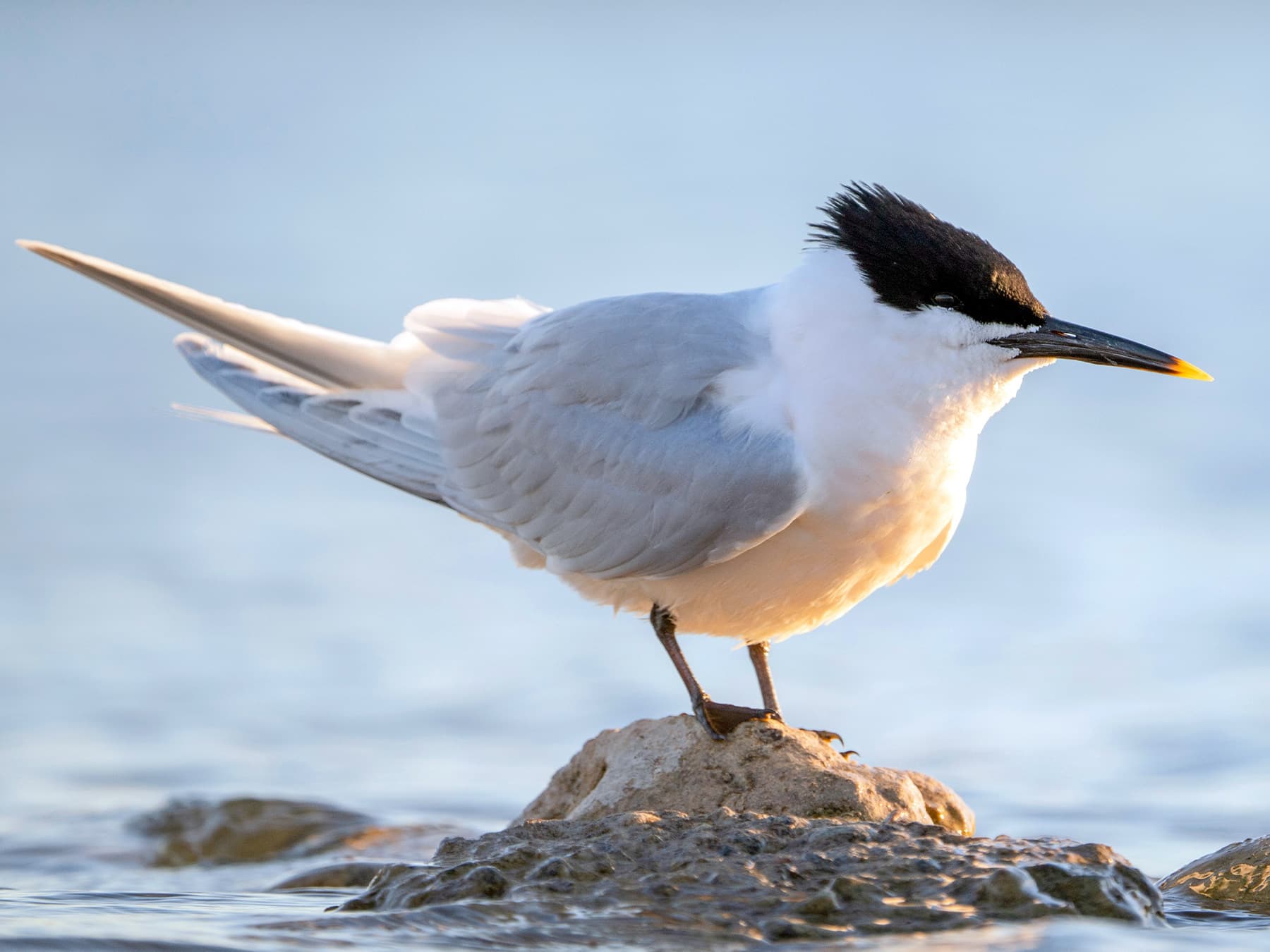
Sandwich Tern
Thalasseus sandvicensisLC
Breeds at key colonies such as Scolt Head and Blakeney Point from April. Plunge-dives for fish in shallow coastal waters.
Apr–Oct
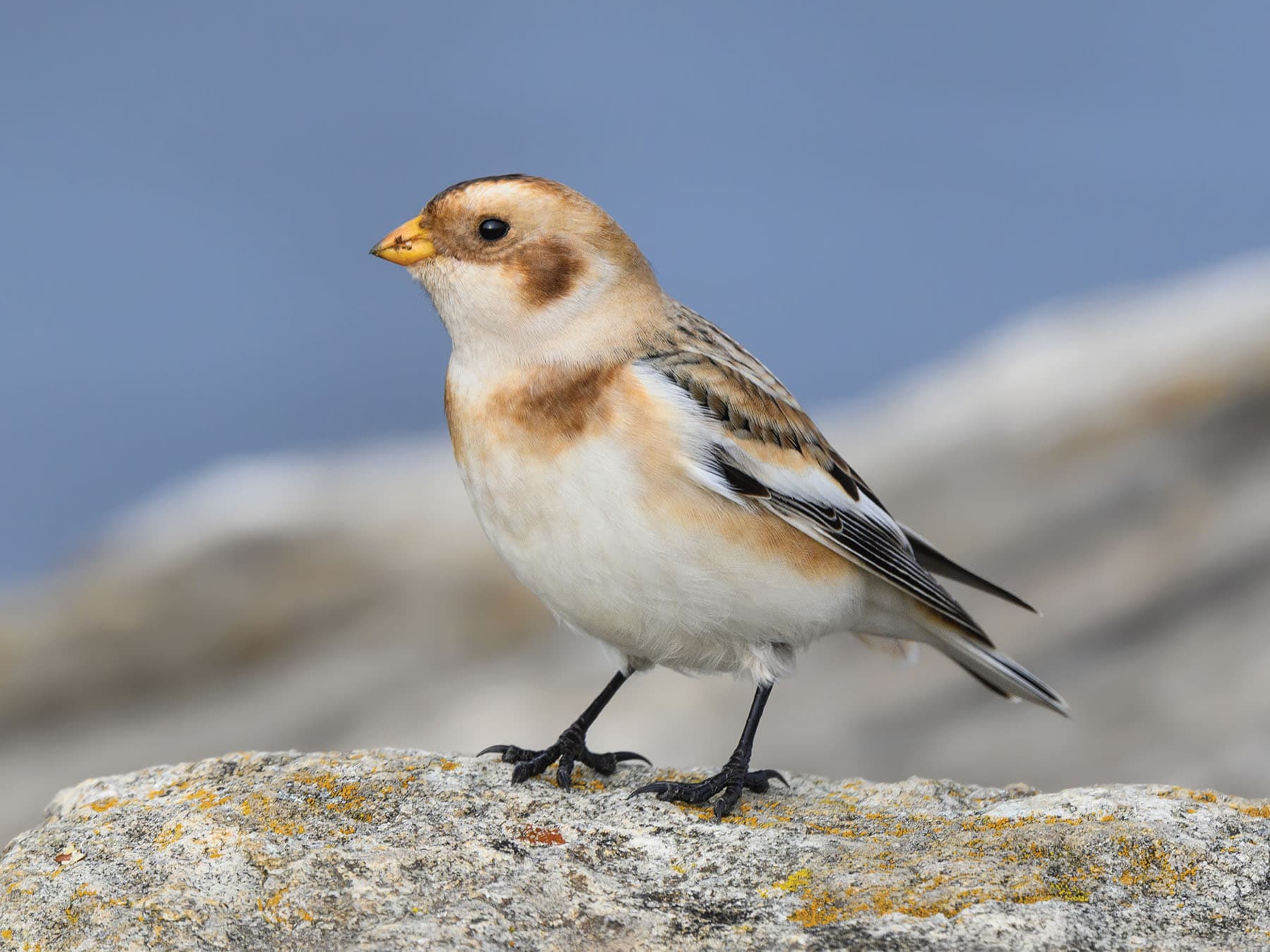
Snow Bunting
Plectrophenax nivalisLC
An uncommon winter visitor to Norfolk's beaches and saltmarshes, often seen in small parties along the north coast from October to March.
Oct–Mar
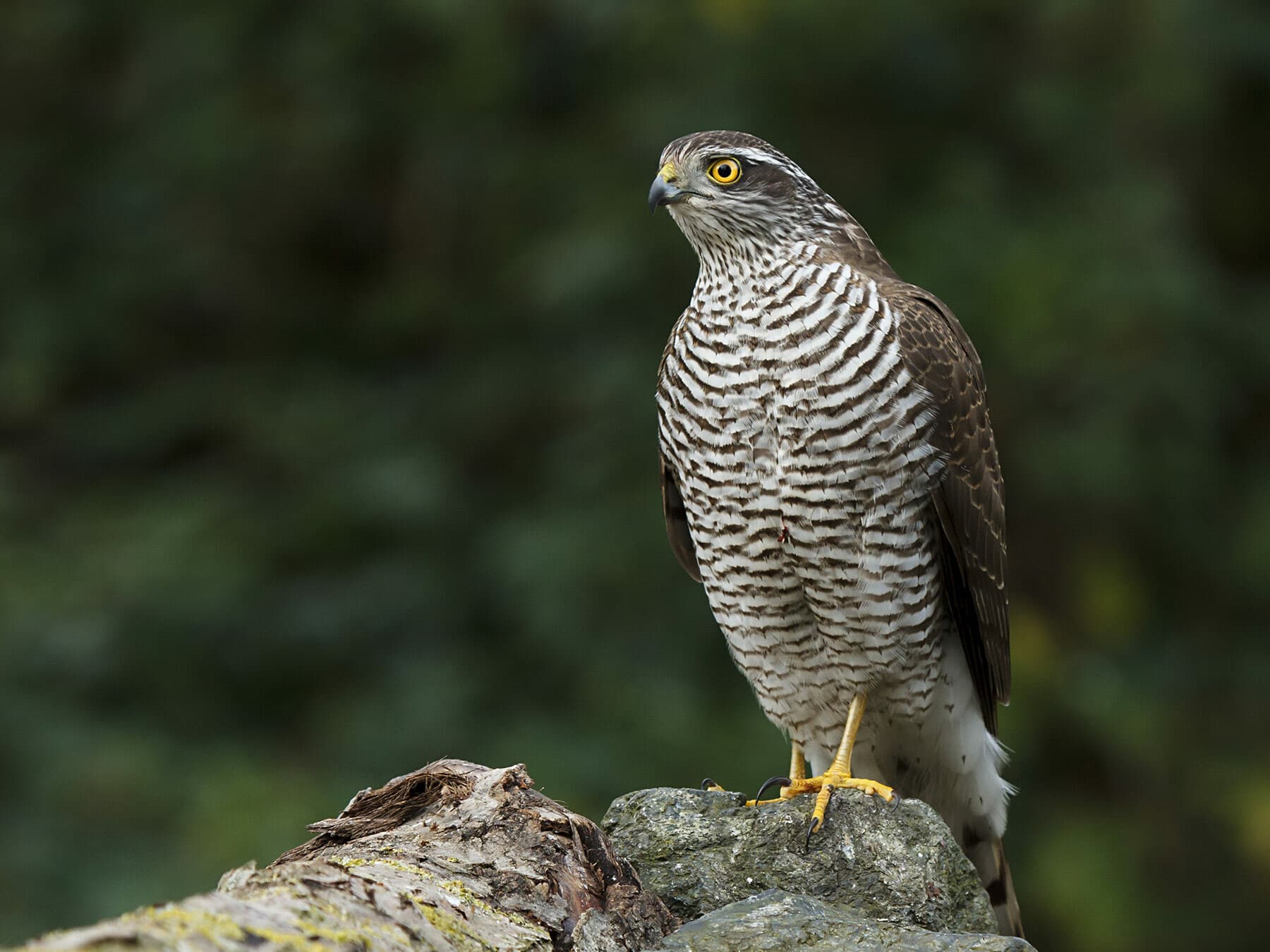
Sparrowhawk
Accipiter nisusLC
A year-round resident across Norfolk's woodlands, hedgerows, and gardens, often glimpsed dashing low through cover in pursuit of small birds.
Year-round
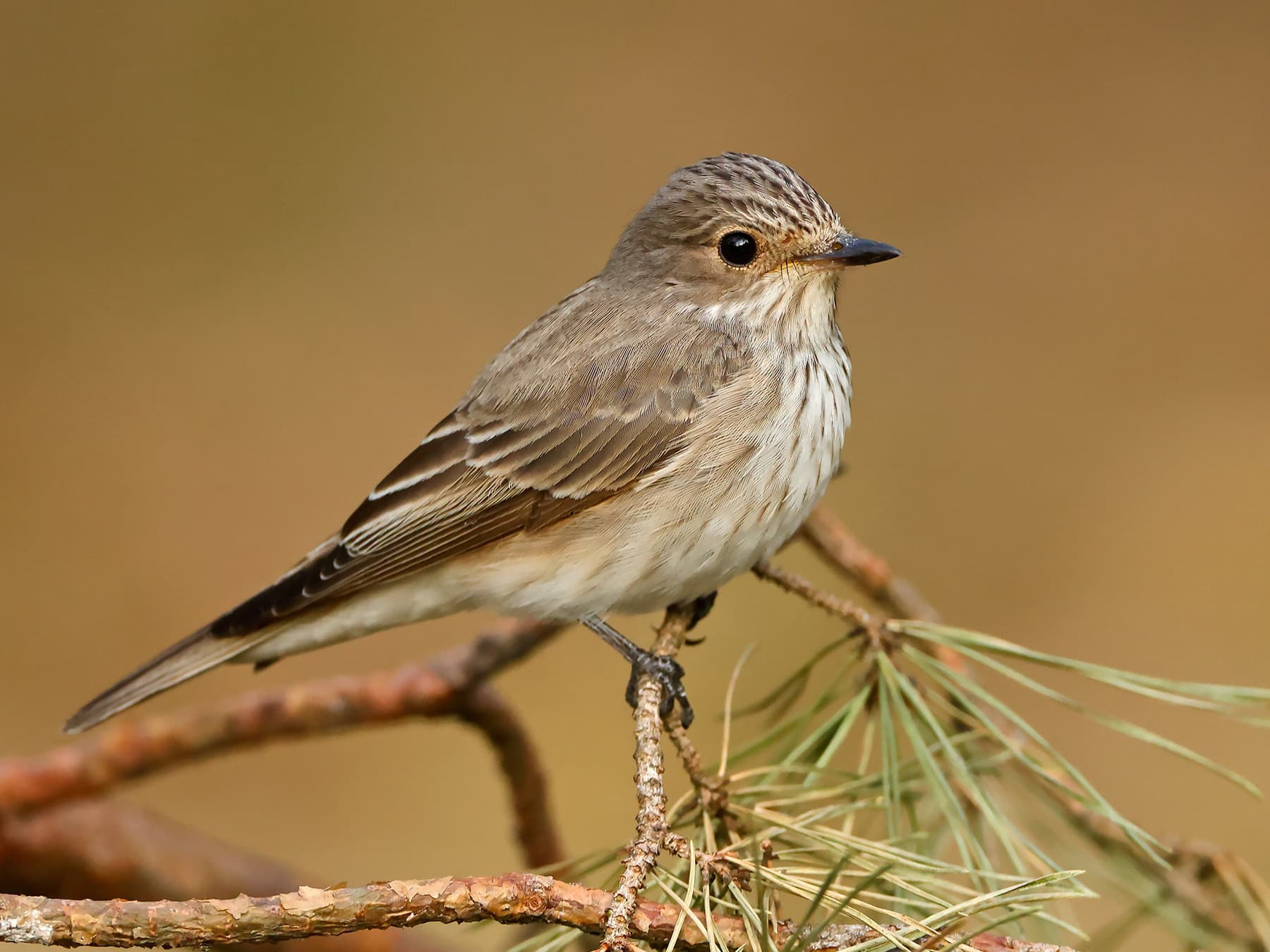
Spotted Flycatcher
Muscicapa striataLC
An uncommon and declining summer breeder, arriving in May. Favours woodland edges and churchyards, sallying out from perches to catch insects.
May–Sep
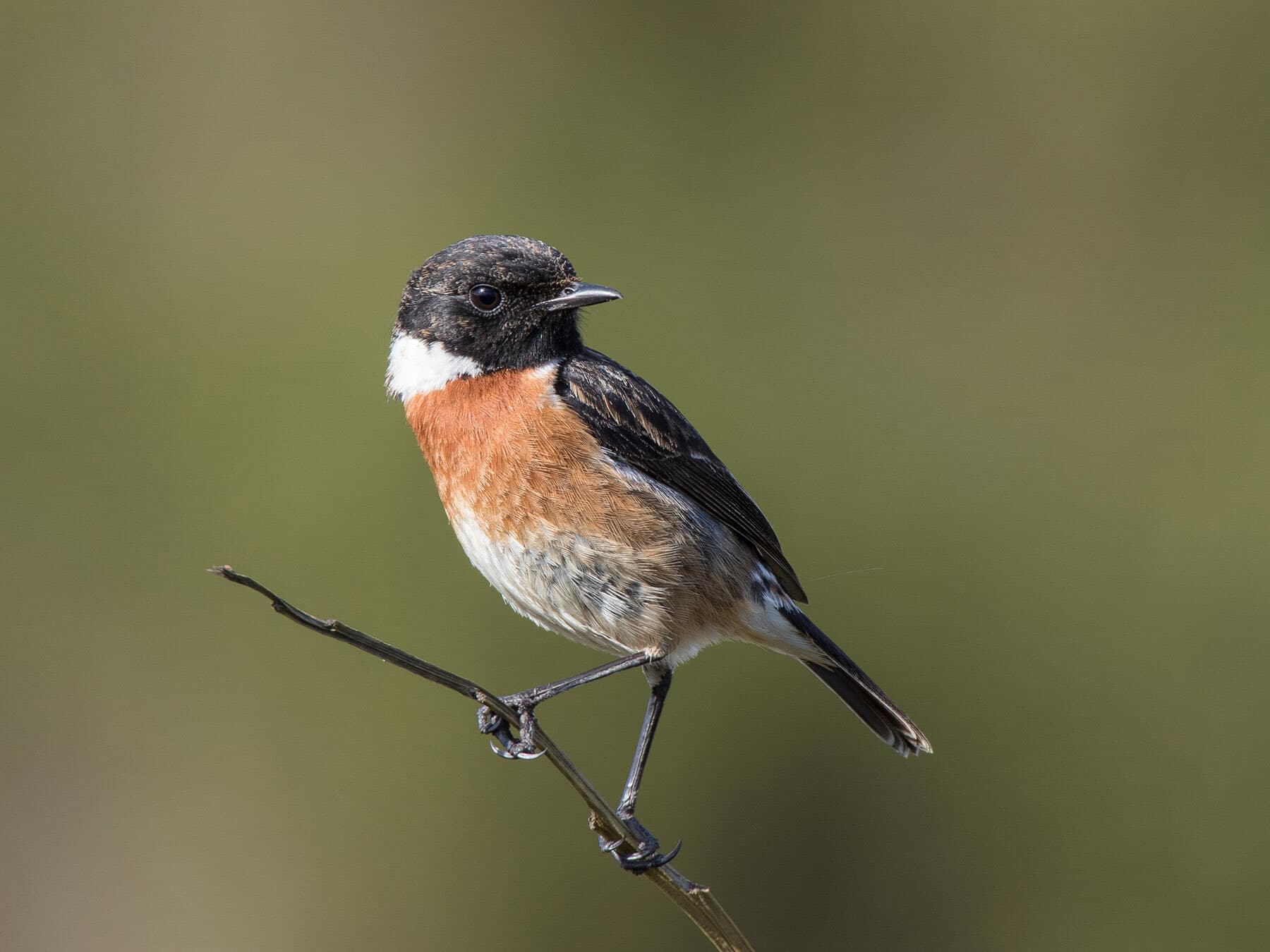
Stonechat
Saxicola torquatusLC
An uncommon year-round resident favouring coastal heathland and gorse-covered commons along the Norfolk coast.
Year-round