Uncommon Birds in Norfolk
77 species matching this filter.
Norfolk's diverse mosaic of coastal marshes, estuaries, Broads waterways, and farmland supports an impressive variety of uncommon bird species. With 77 species classified as uncommon in the county, birdwatchers can encounter striking visitors such as the Bar-tailed Godwit, Curlew Sandpiper, and Goldeneye along the coast, while inland habitats harbour gems like the Common Kingfisher, Garden Warbler, and the increasingly scarce European Turtle-dove. Whether exploring the mudflats of the Wash or the reedbeds of the Norfolk Broads, patient observers will be rewarded with sightings of these less frequently seen but thoroughly rewarding species.


Showing 24–46 of 77 species
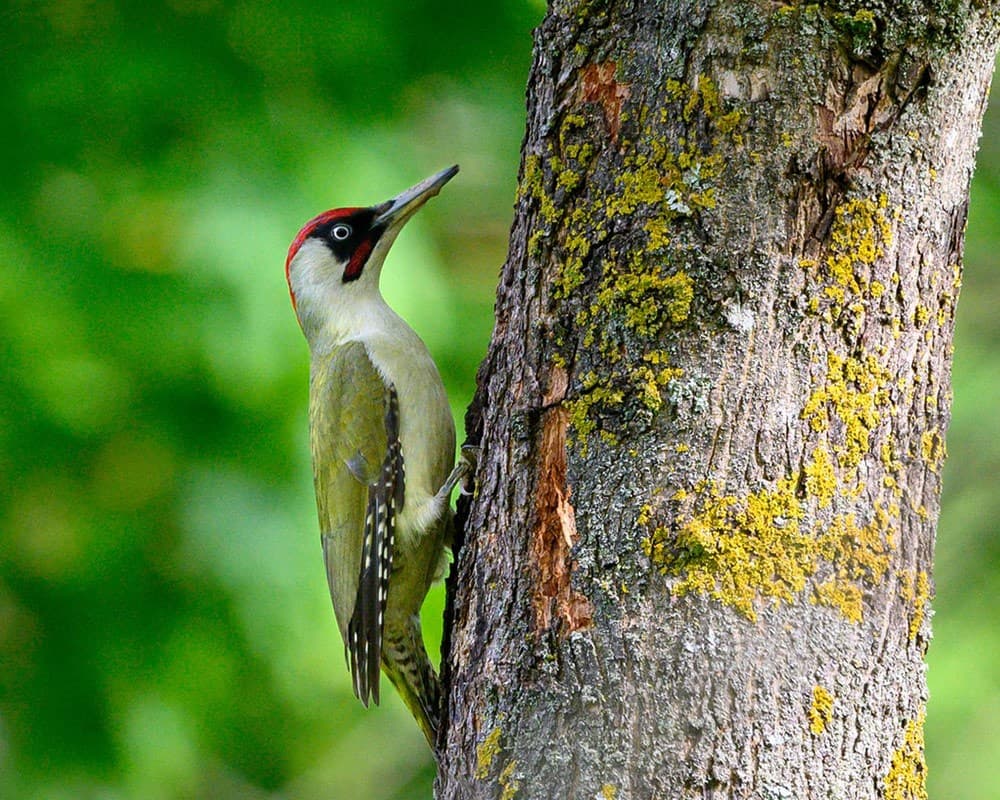
European Green Woodpecker
Picus viridisLC
An uncommon resident found in parkland, woodland edges and churchyards, often heard giving its loud laughing call.
Year-round
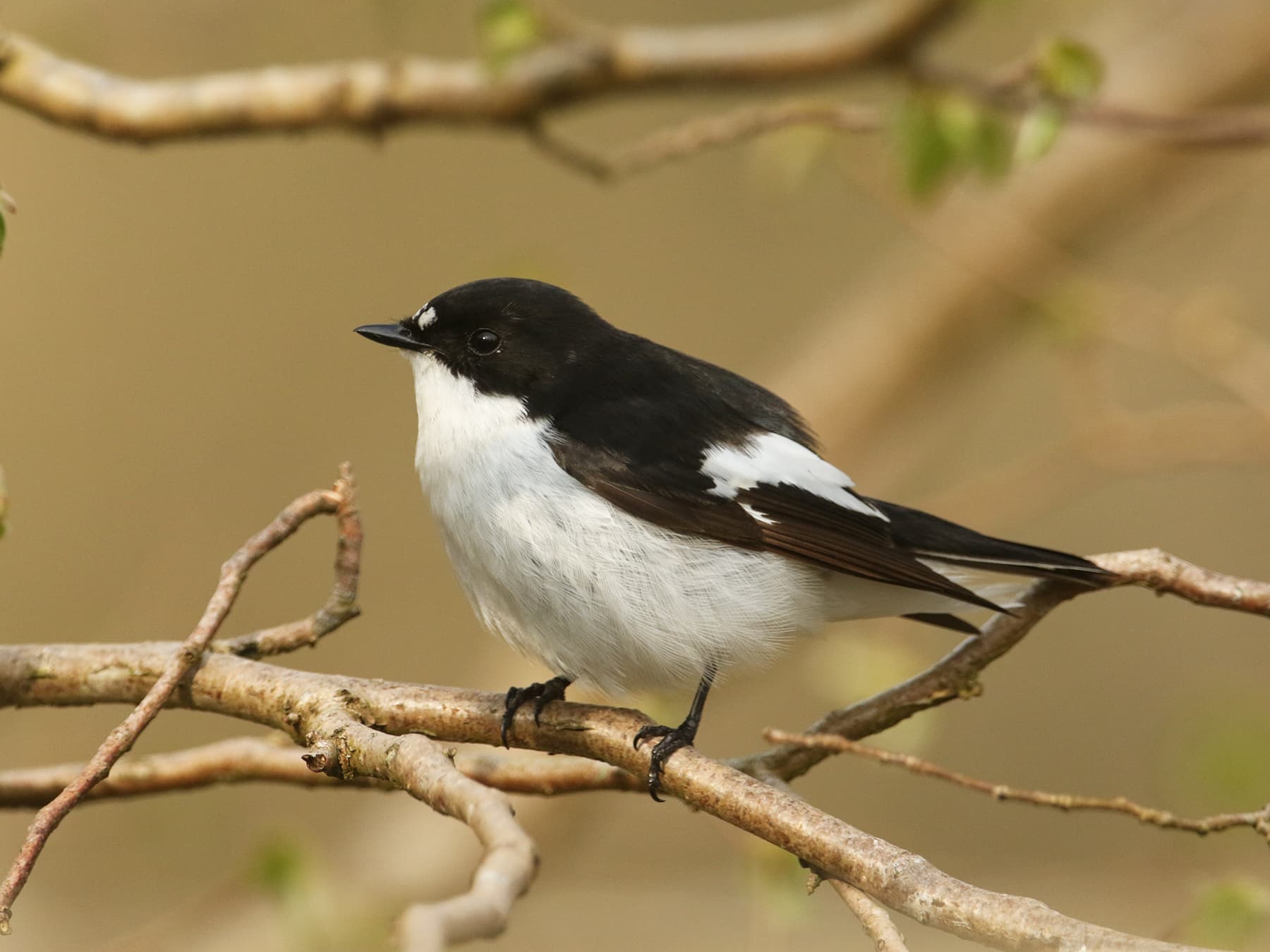
European Pied Flycatcher
Ficedula hypoleucaLC
An uncommon autumn passage migrant in August and September, mainly along the coast. Does not breed in Norfolk but passes through on southward migration.
Aug–Sep
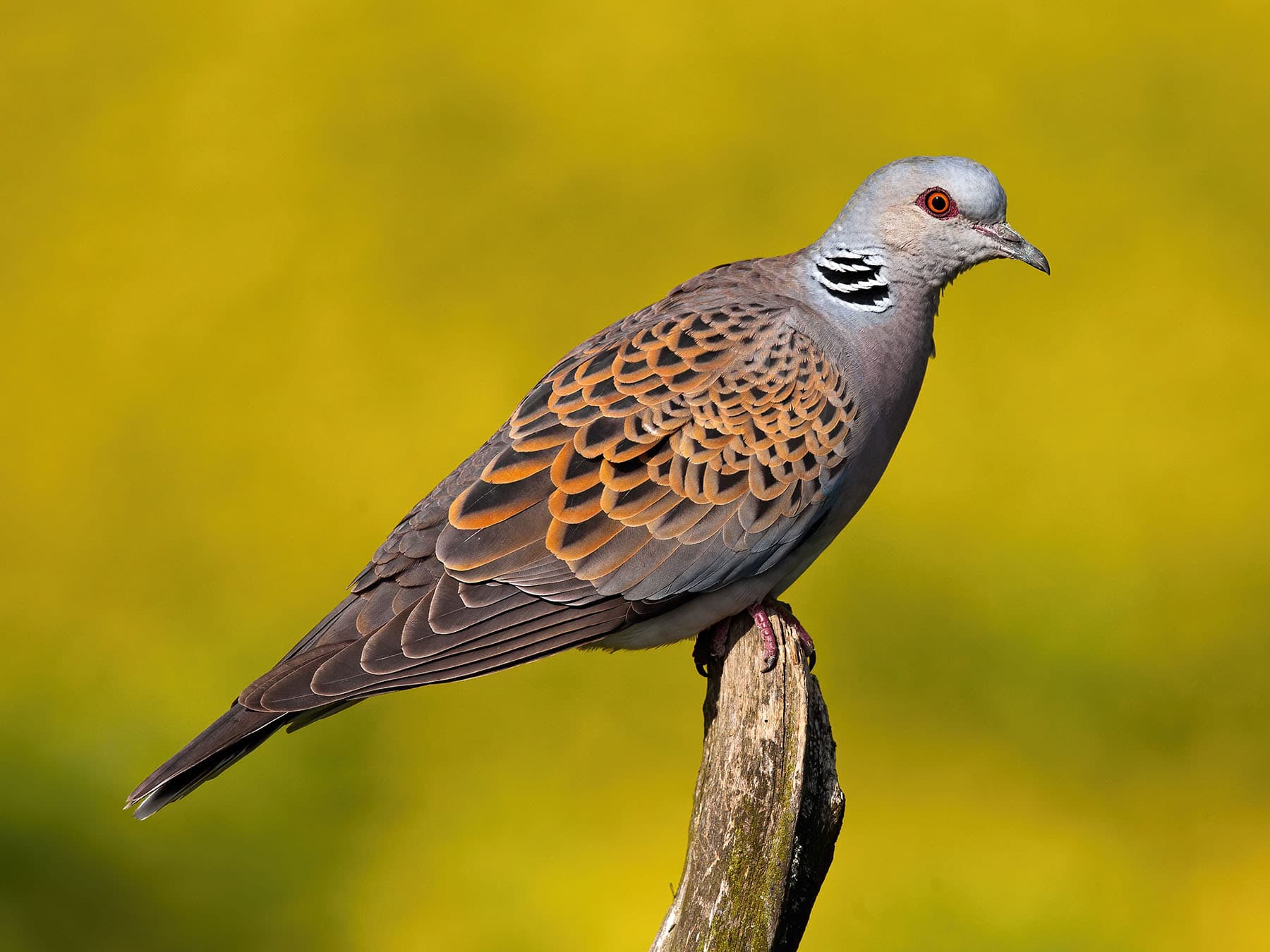
European Turtle-dove
Streptopelia turturVU
A declining summer visitor arriving in late April, favouring hedgerows and woodland edges. Norfolk remains one of its last English strongholds.
Apr–Sep
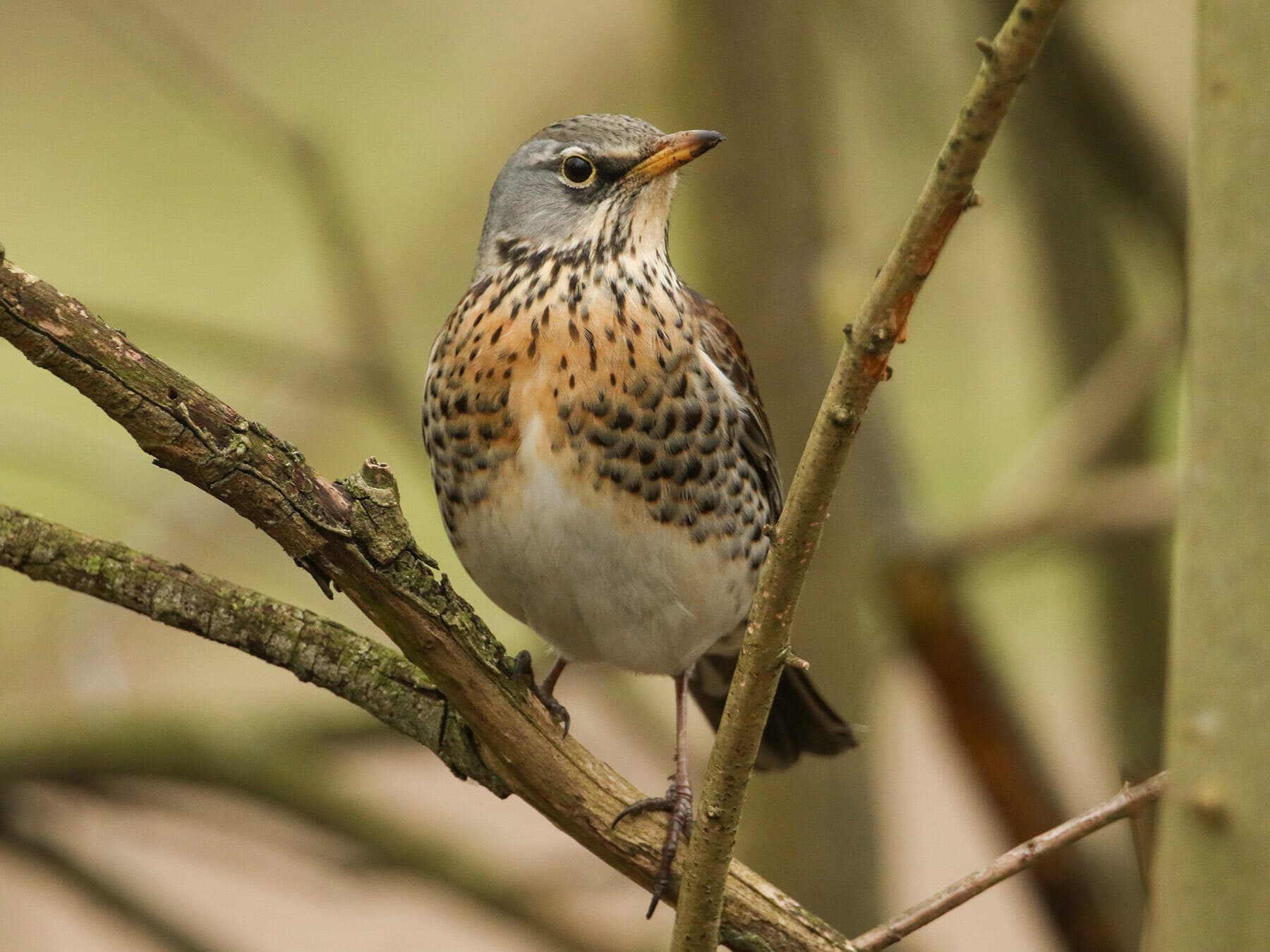
Fieldfare
Turdus pilarisLC
An uncommon winter visitor from Scandinavia, arriving from October. Roaming flocks feed on berries in hedgerows and open fields across Norfolk.
Oct–Apr
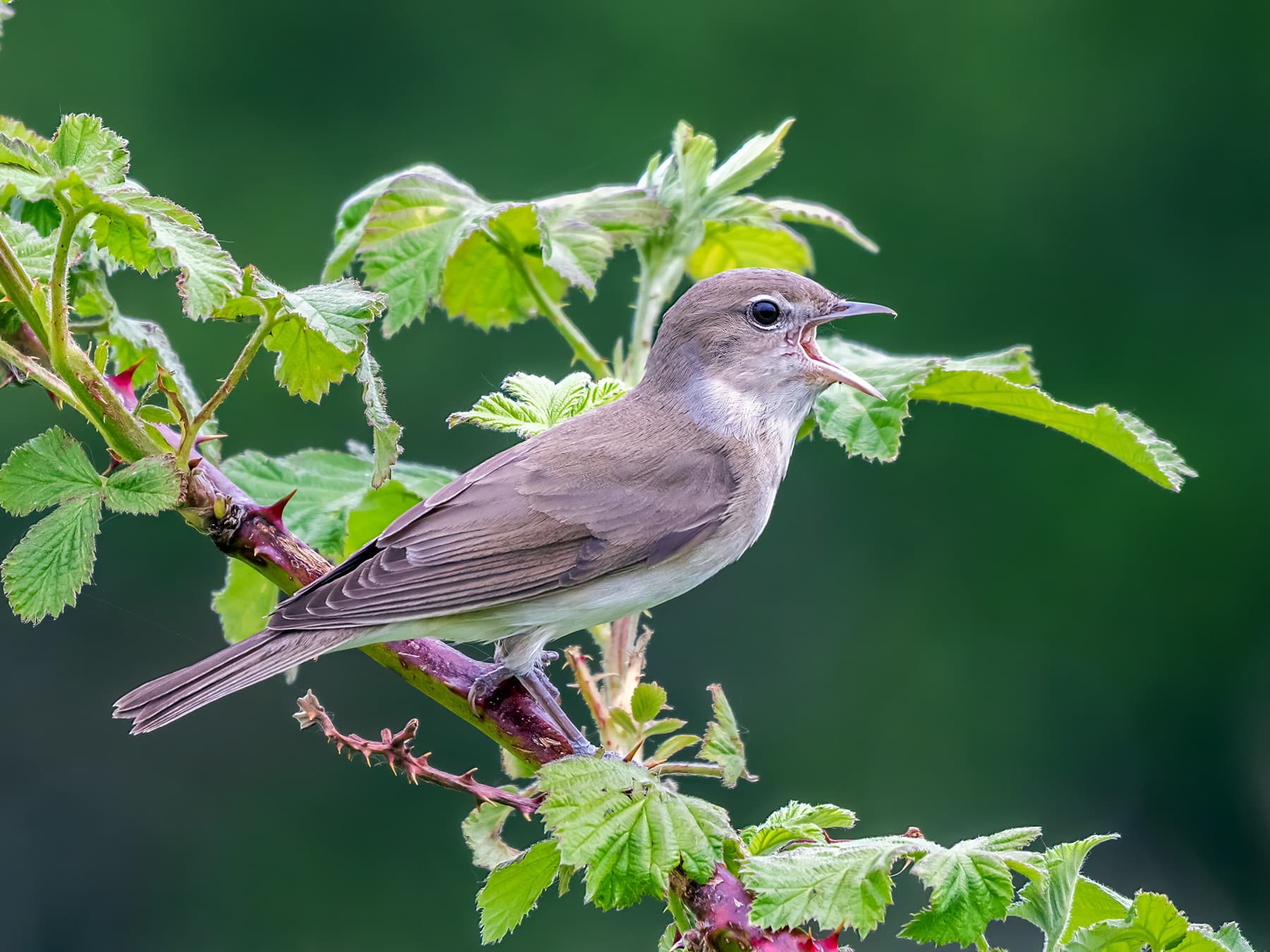
Garden Warbler
Sylvia borinLC
An uncommon and unobtrusive summer breeder in dense woodland understorey. Present from April to September; easily overlooked due to its plain plumage.
Apr–Sep
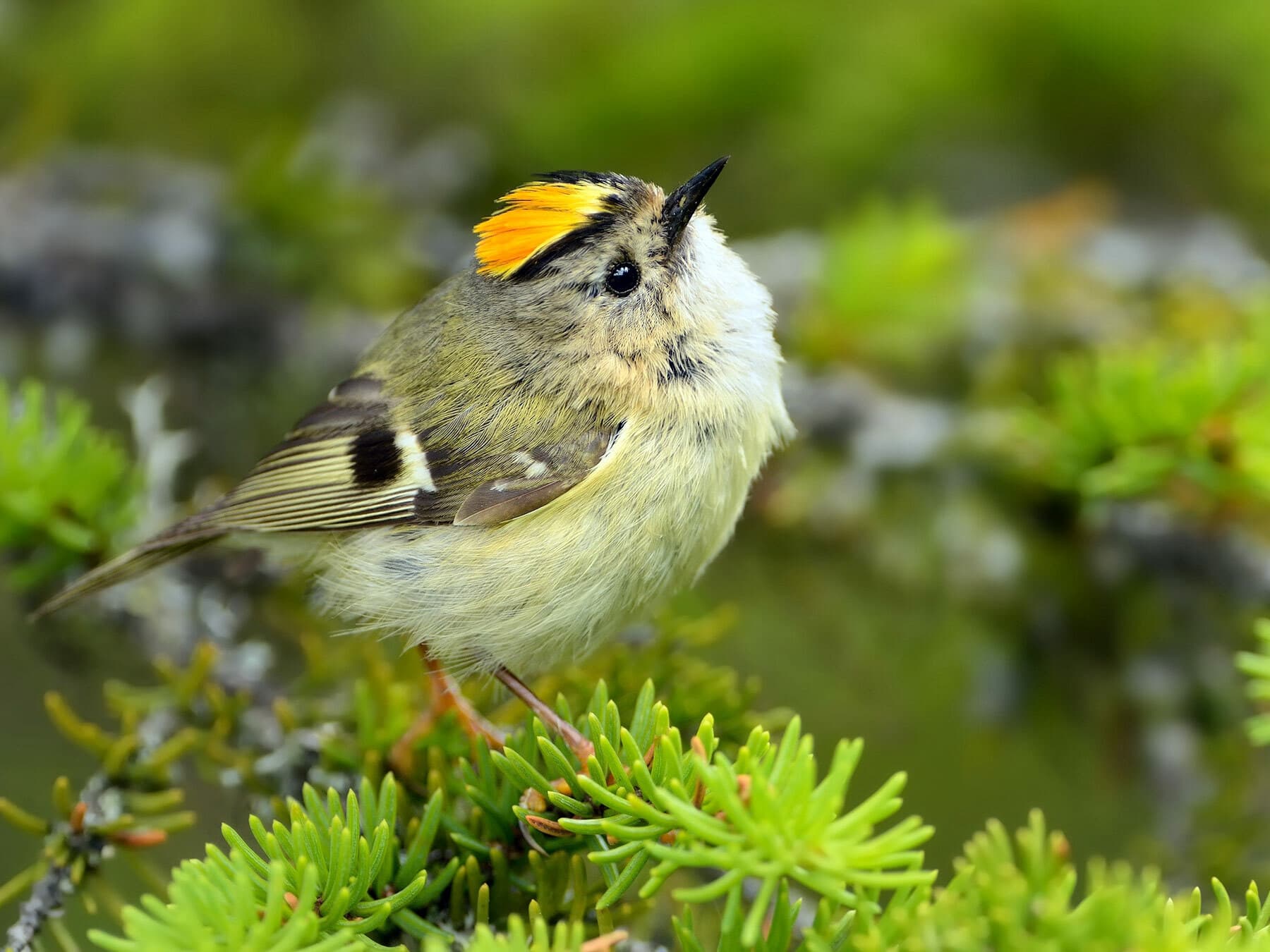
Goldcrest
Regulus regulusLC
A resident of coniferous and mixed woodland, with numbers swelling in autumn as Continental birds arrive along the Norfolk coast.
Year-round
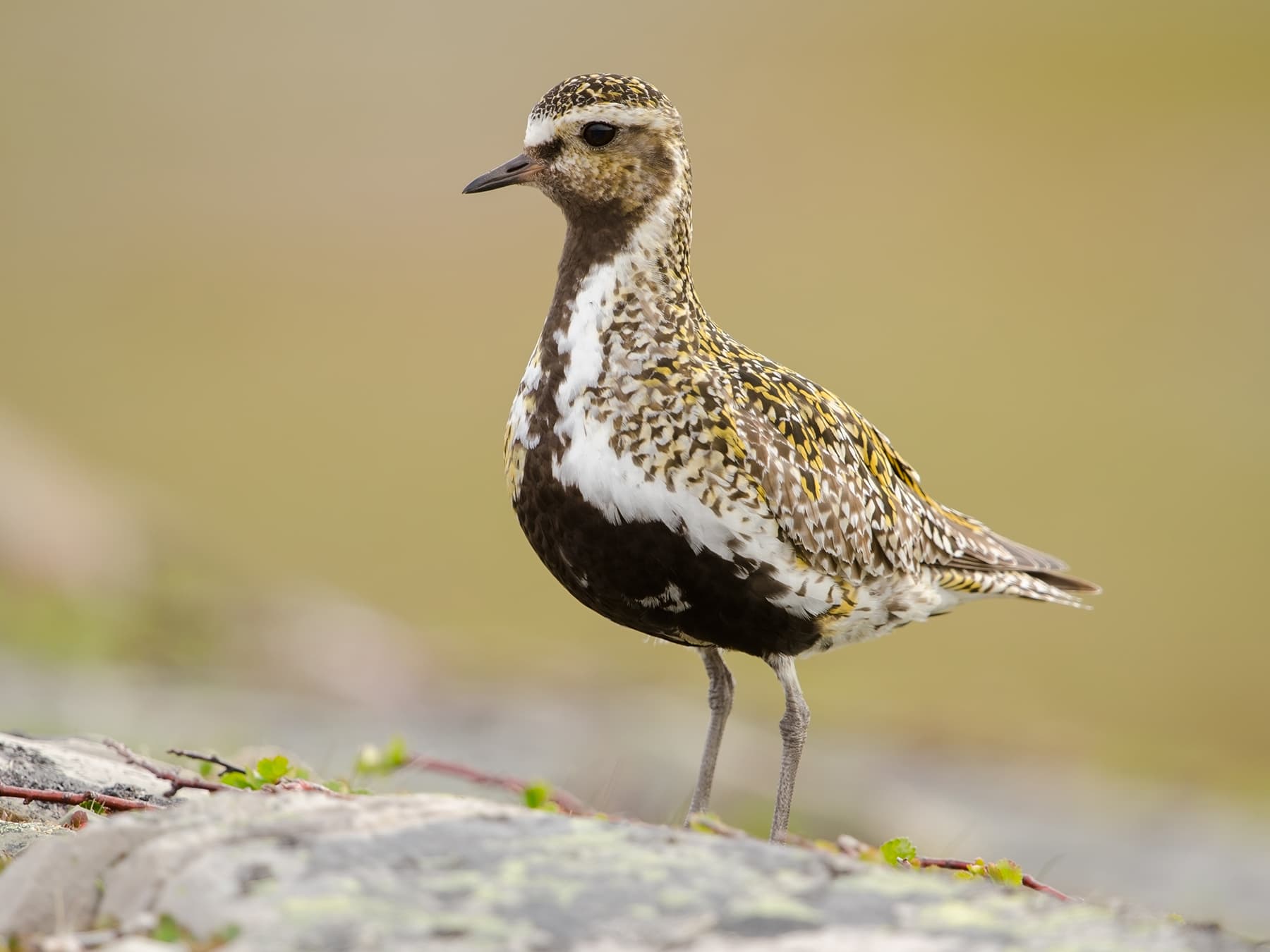
Golden Plover
Pluvialis apricariaLC
Present most of the year on Norfolk's farmland and coastal marshes, forming large winter flocks often mixed with Lapwings.
Jul–May
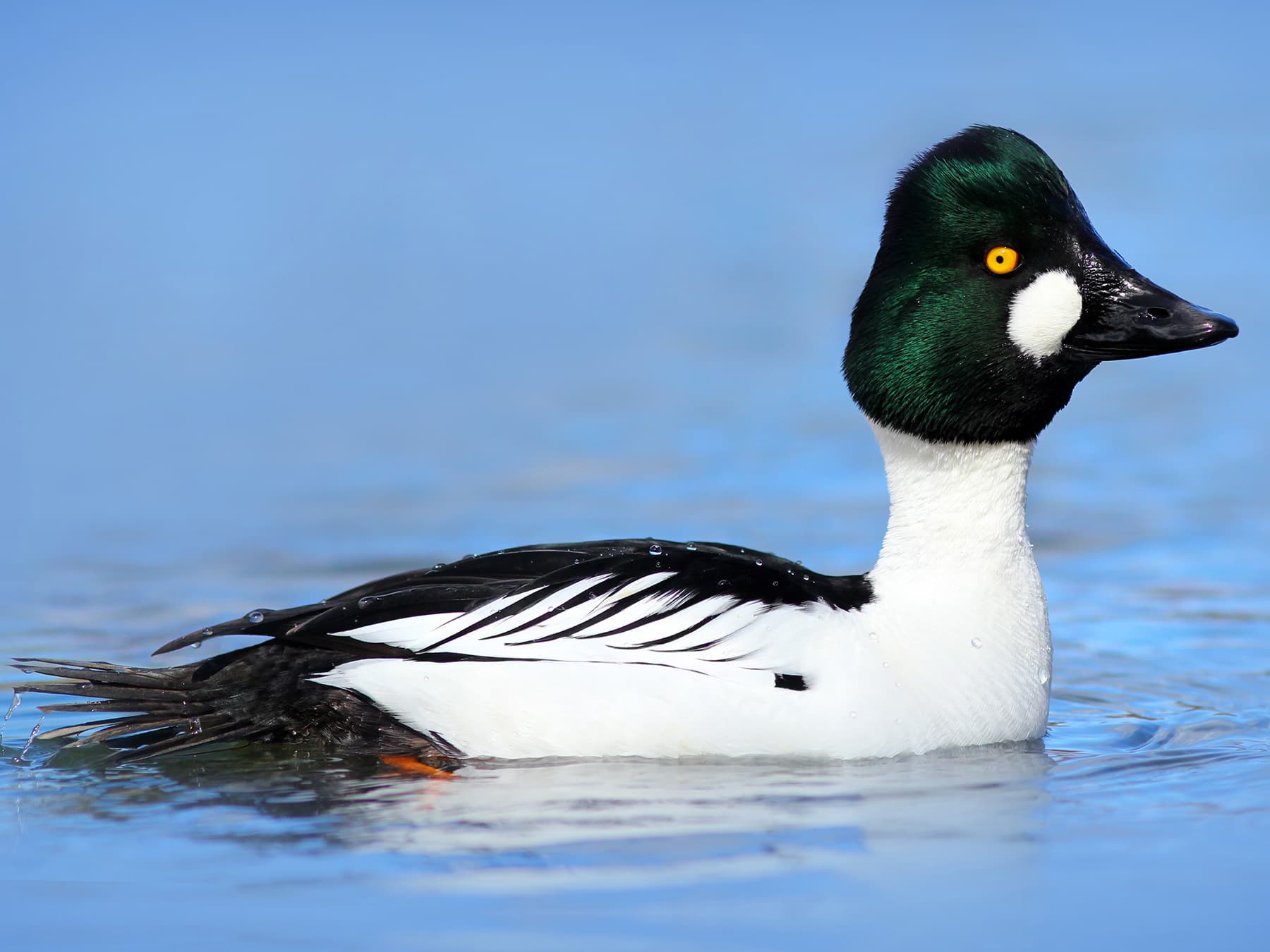
Goldeneye
Bucephala clangulaLC
An uncommon winter visitor to Norfolk's broads and gravel pits from October to April. Often seen diving on open freshwater lakes.
Oct–Apr
Spotted something?
Upload a photo to identify it
Identify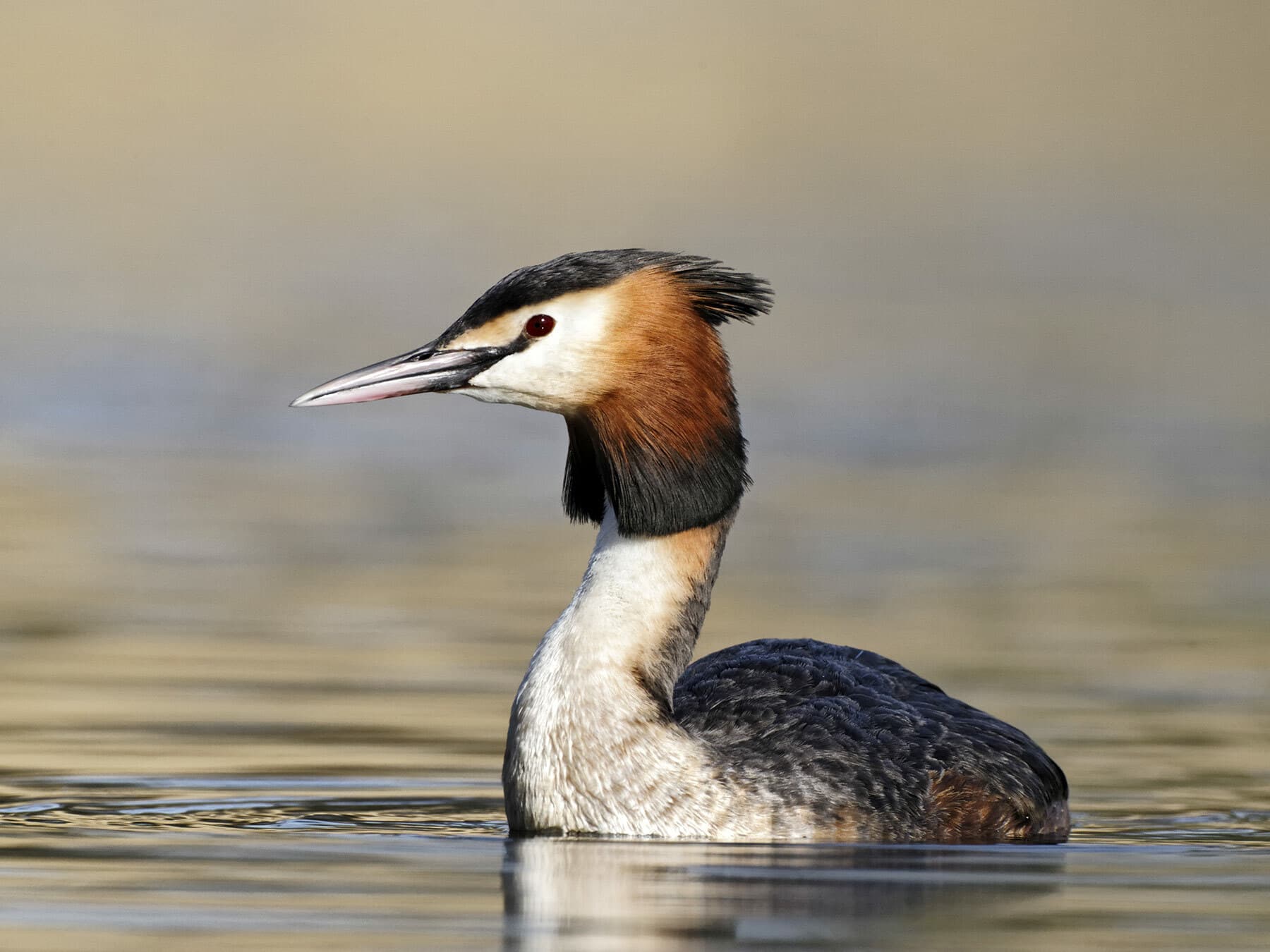
Great Crested Grebe
Podiceps cristatusLC
Present year-round on the Broads and larger lakes, performing its elaborate courtship display in spring.
Year-round
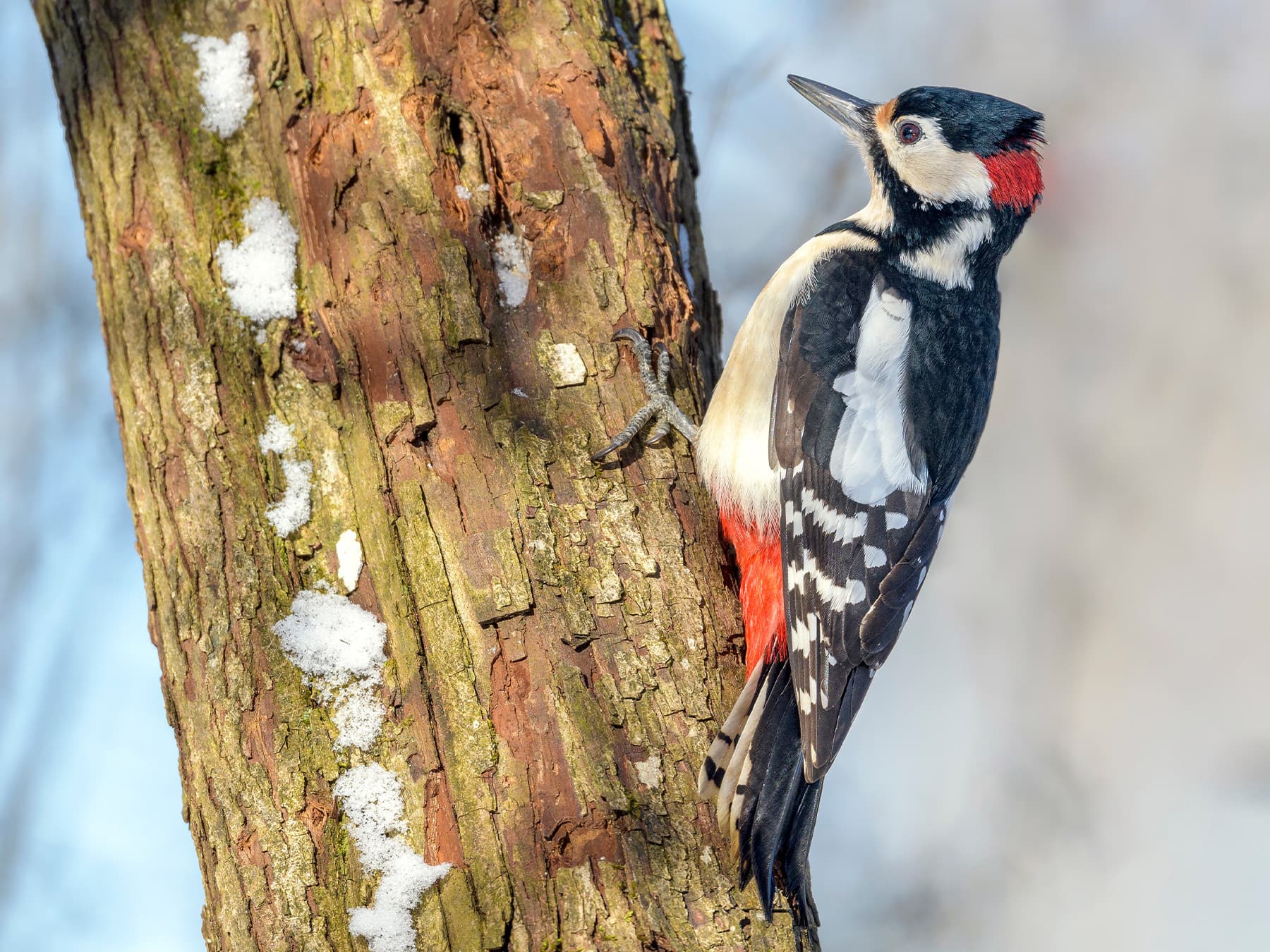
Great Spotted Woodpecker
Dendrocopos majorLC
An uncommon resident of woodlands, parks, and mature gardens, often betrayed by its loud drumming in spring.
Year-round
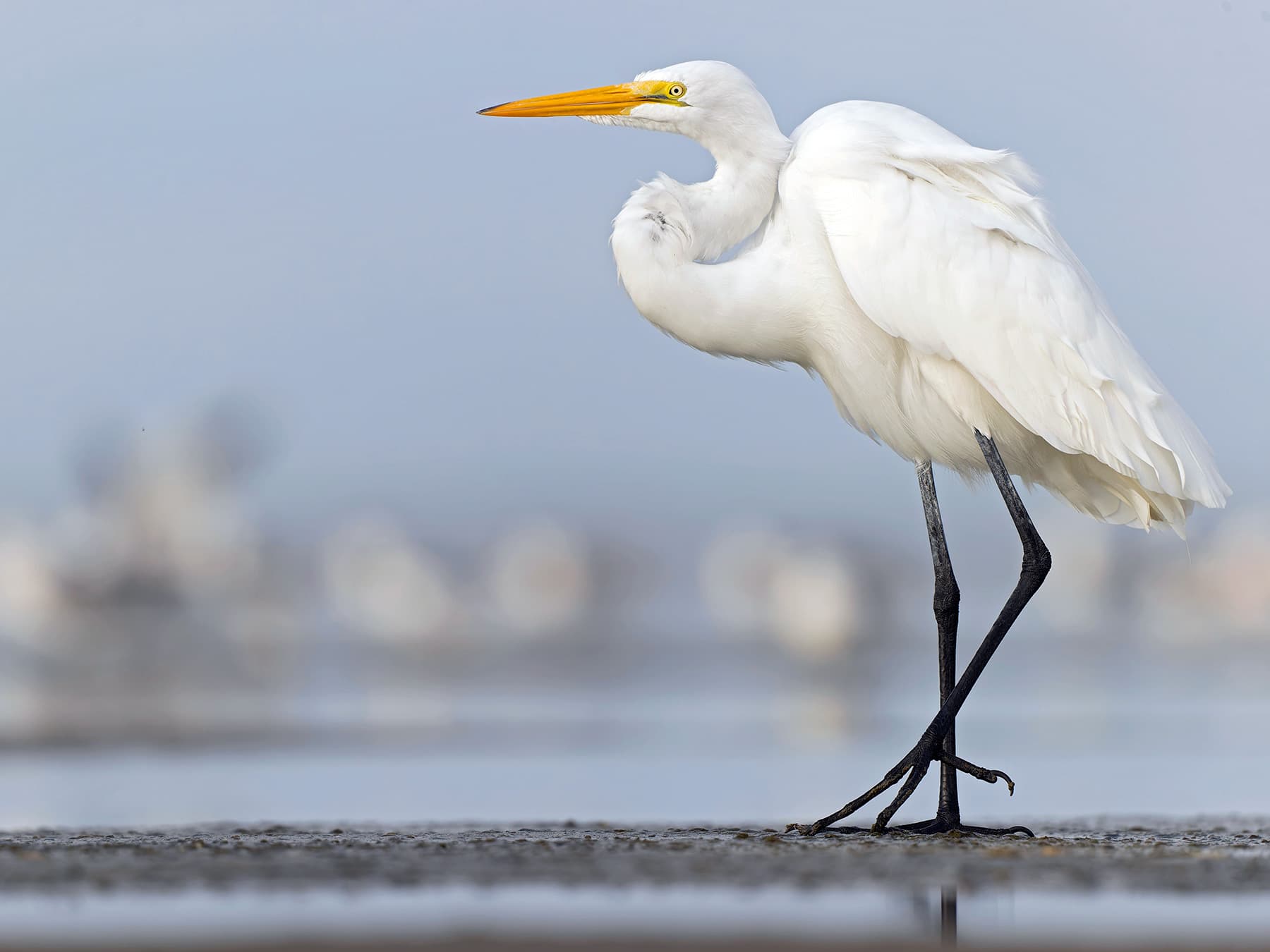
Great White Egret
Ardea albaLC
An increasingly regular sight on Norfolk's marshes and Broads, this tall white heron is present year-round but remains uncommon.
Year-round
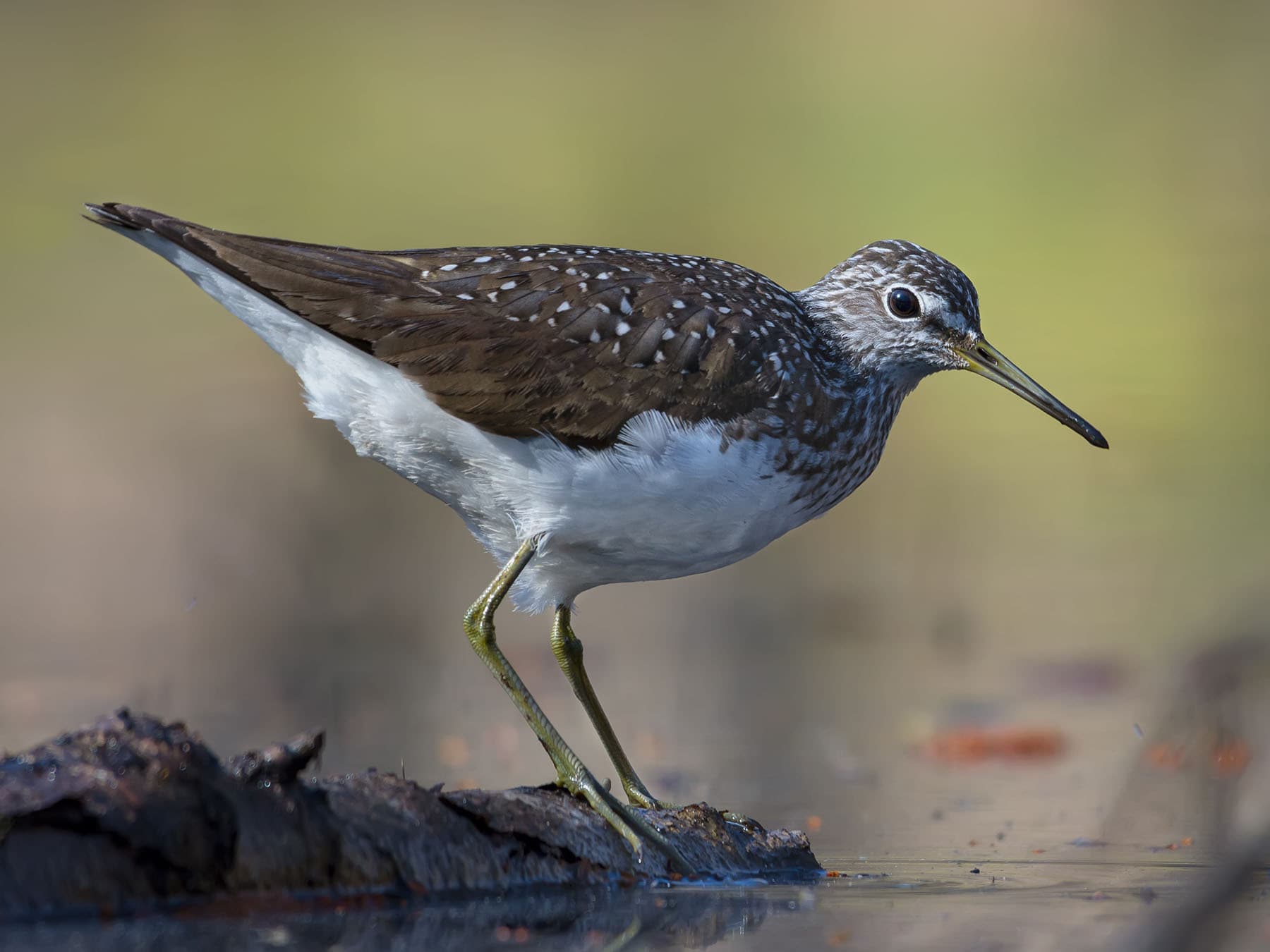
Green Sandpiper
Tringa ochropusLC
An uncommon but regular visitor to freshwater margins and ditches, most frequently encountered during autumn passage.
Feb–Dec
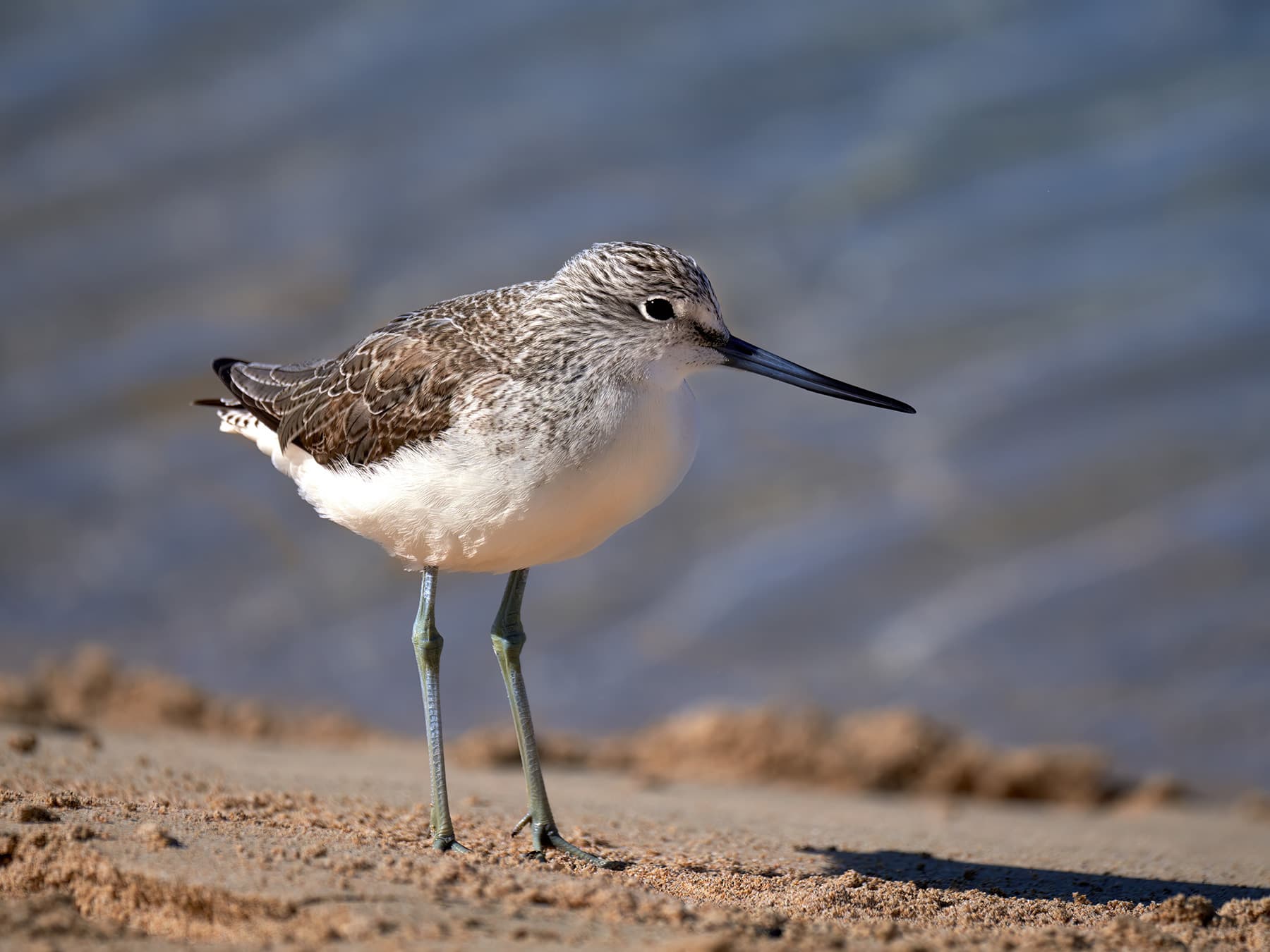
Greenshank
Tringa nebulariaLC
An uncommon but year-round presence on coastal pools and estuaries, most conspicuous during autumn passage.
Year-round
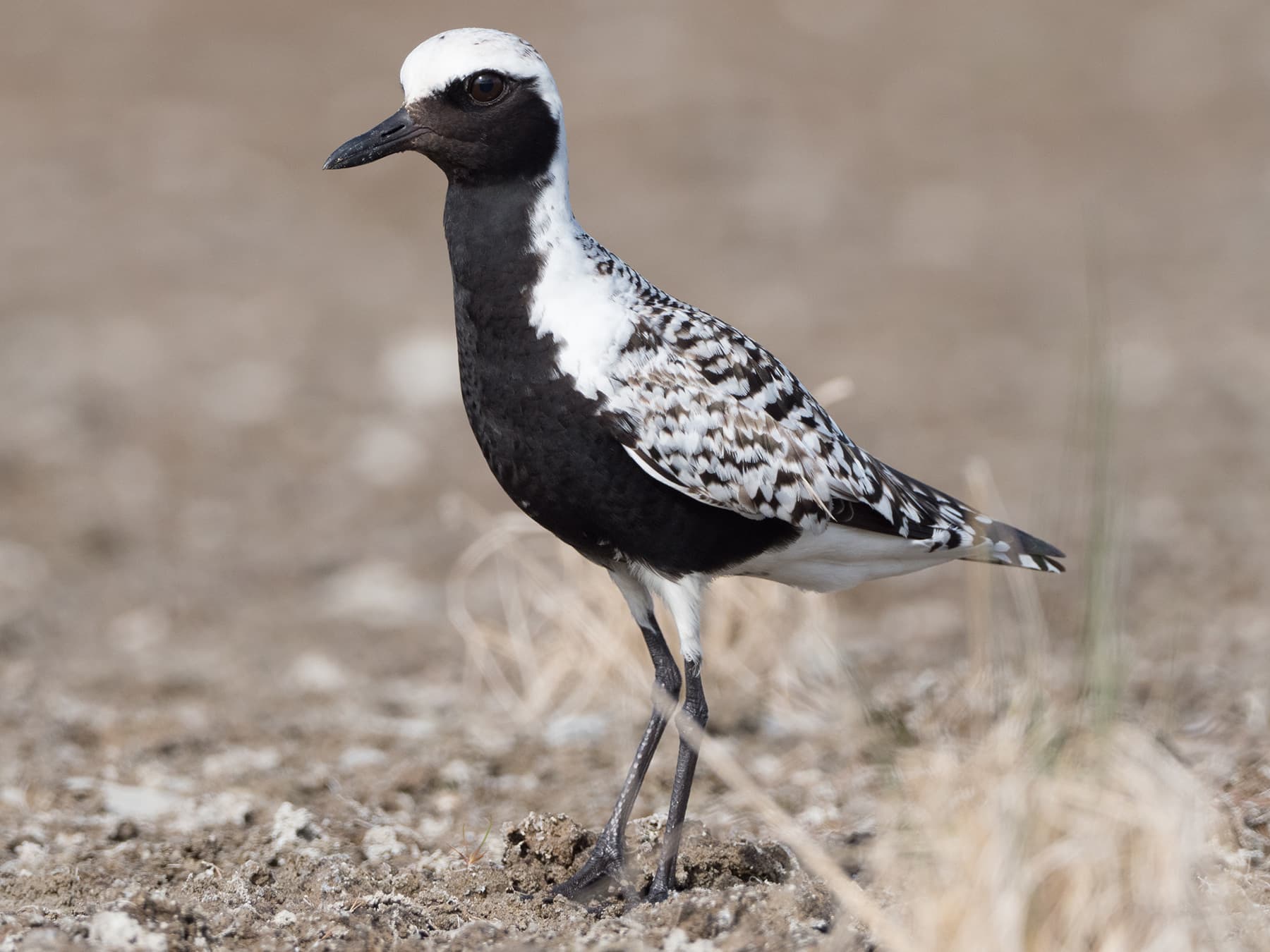
Grey Plover
Pluvialis squatarolaLC
Found year-round on Norfolk's mudflats and saltmarshes, with numbers peaking in winter. Favours the north coast estuaries and the Wash.
Year-round
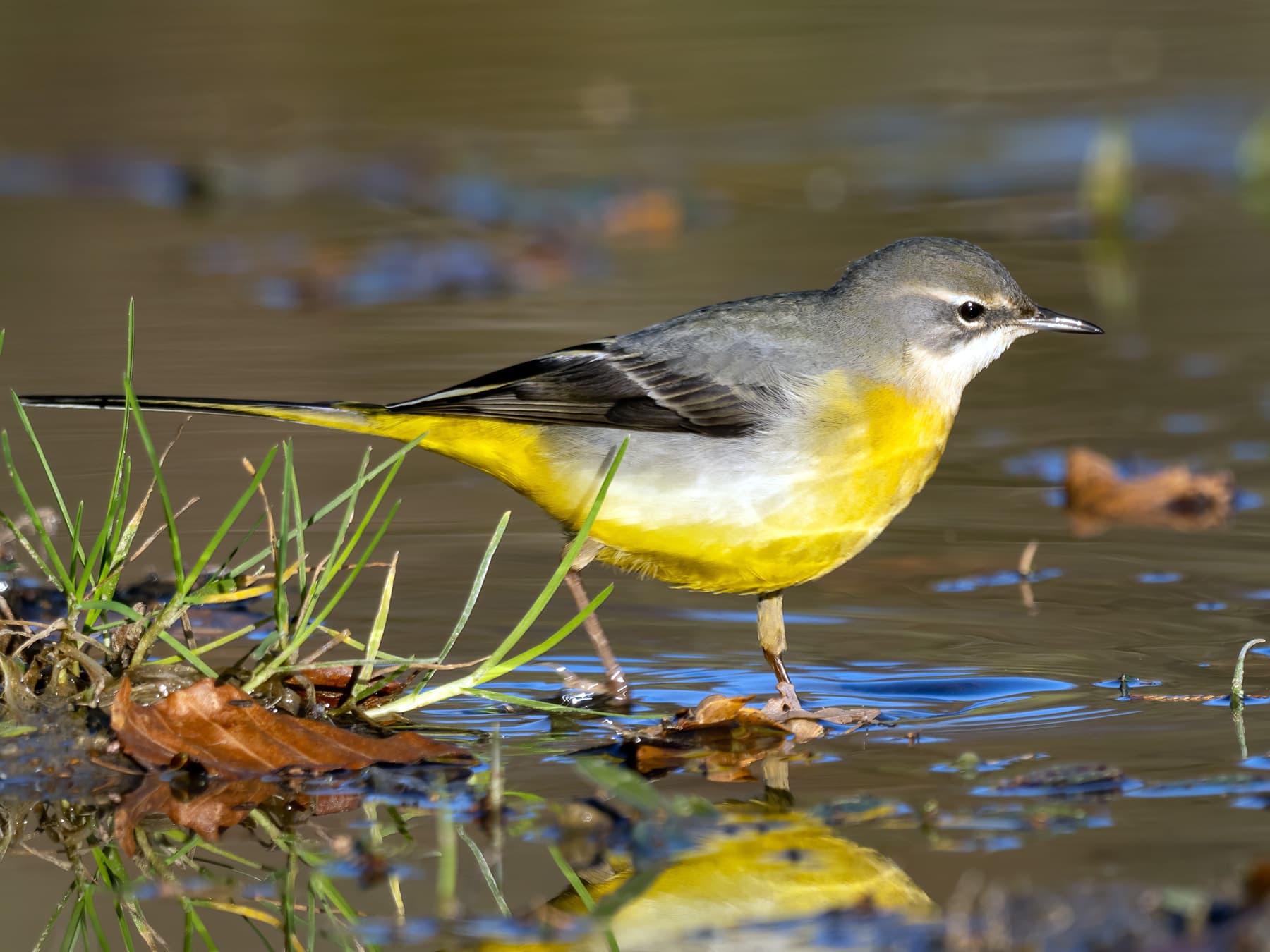
Grey Wagtail
Motacilla cinereaLC
An uncommon resident, scarcer in Norfolk than in western Britain. Found near streams, weirs, and waterways, bobbing its long tail constantly.
Year-round
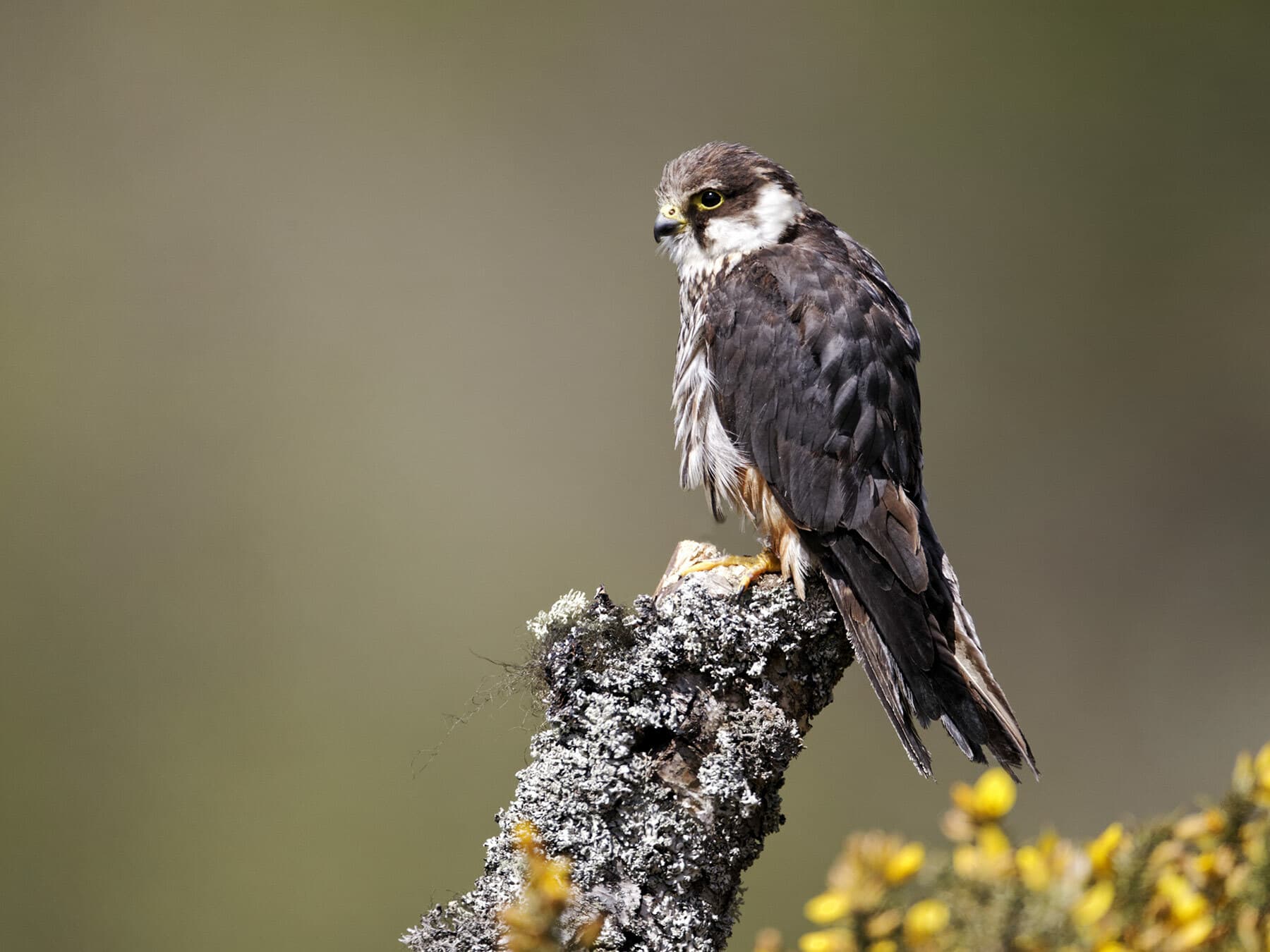
Hobby
Falco subbuteoLC
An uncommon summer breeder, arriving in April and hunting dragonflies over the Broads and heathland pools.
Apr–Oct
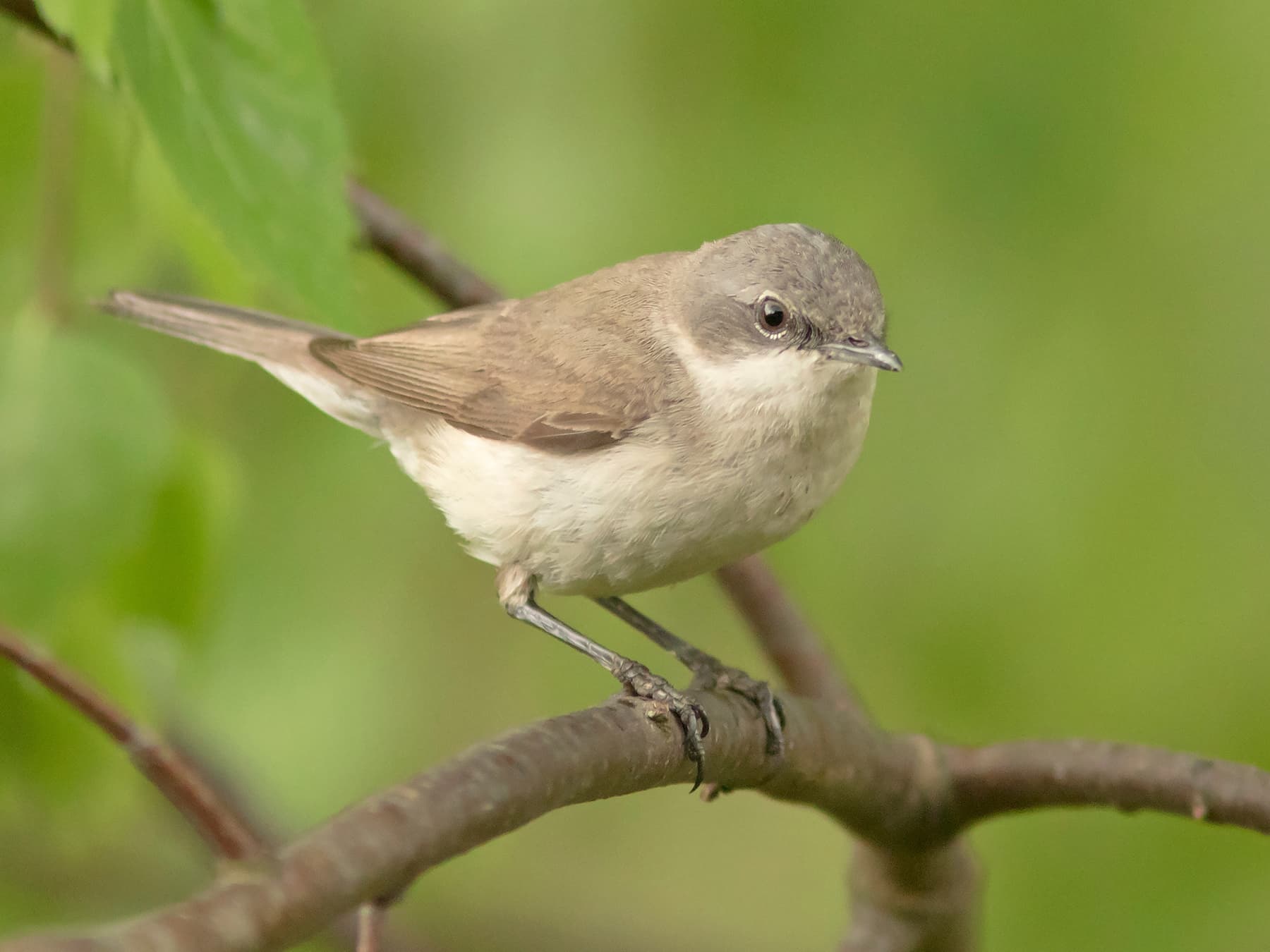
Lesser Whitethroat
Curruca currucaLC
An uncommon summer breeder favouring tall hedgerows and scrubby woodland edges, present from April to October.
Apr–Oct
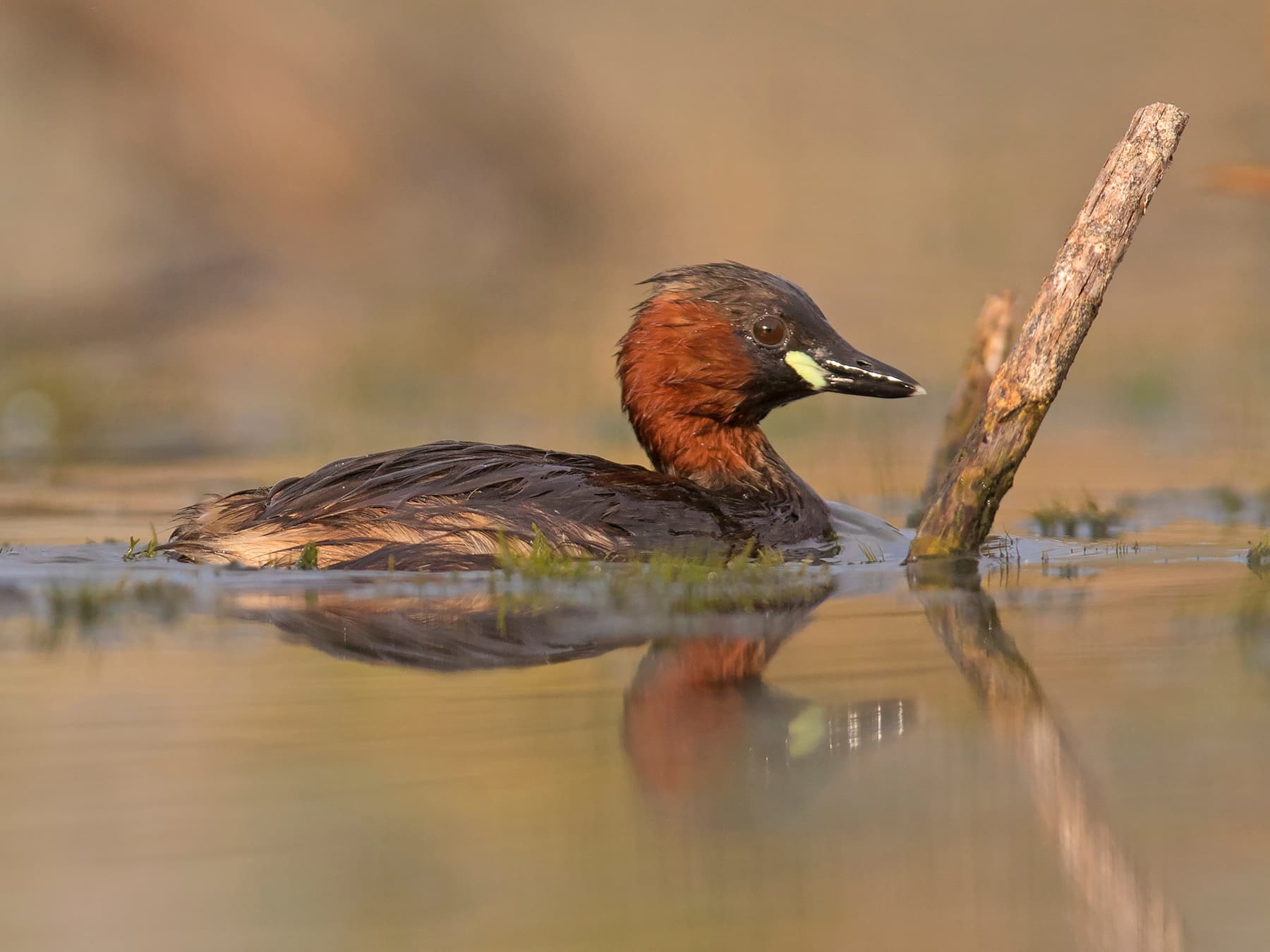
Little Grebe
Tachybaptus ruficollisLC
A resident of sheltered ponds, lakes and slow rivers year-round. Its distinctive whinnying call is often heard from dense waterside vegetation.
Year-round
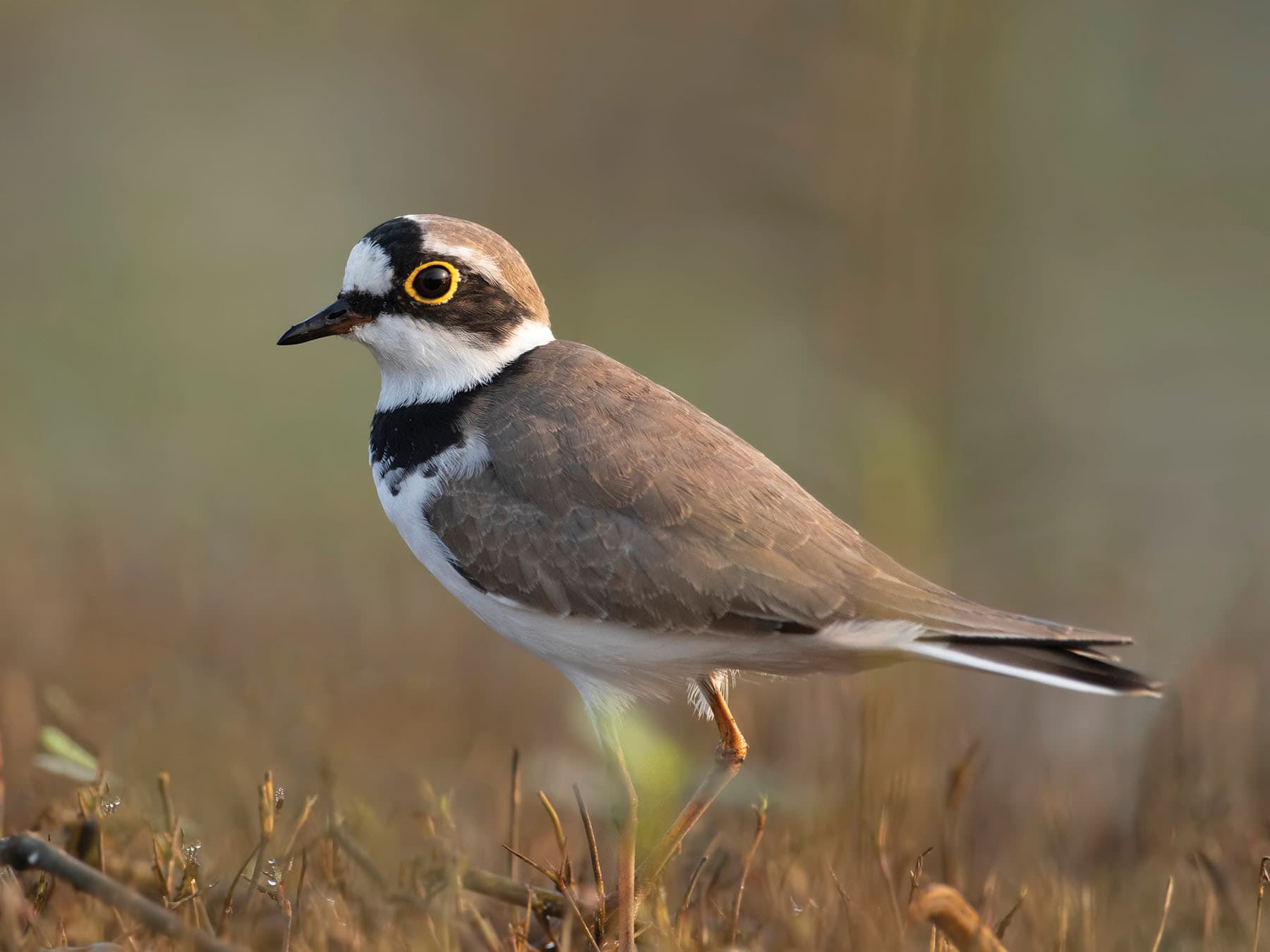
Little Ringed Plover
Charadrius dubiusLC
An uncommon summer breeder at Norfolk's gravel pits and reservoir margins, arriving in March and departing by September.
Mar–Sep
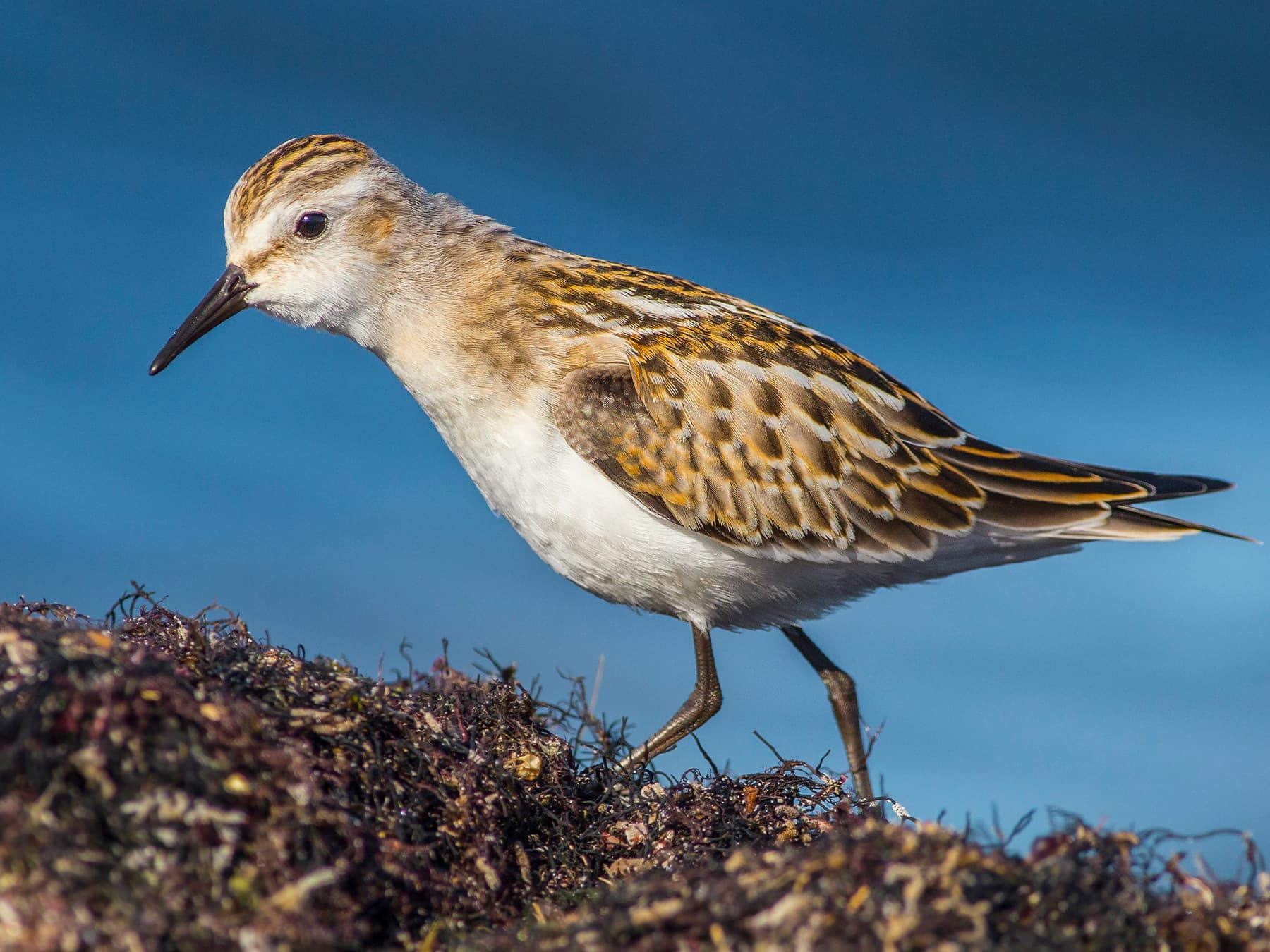
Little Stint
Calidris minutaLC
An uncommon but regular visitor to coastal scrapes and pools, mainly on autumn passage from July to November.
May–Nov
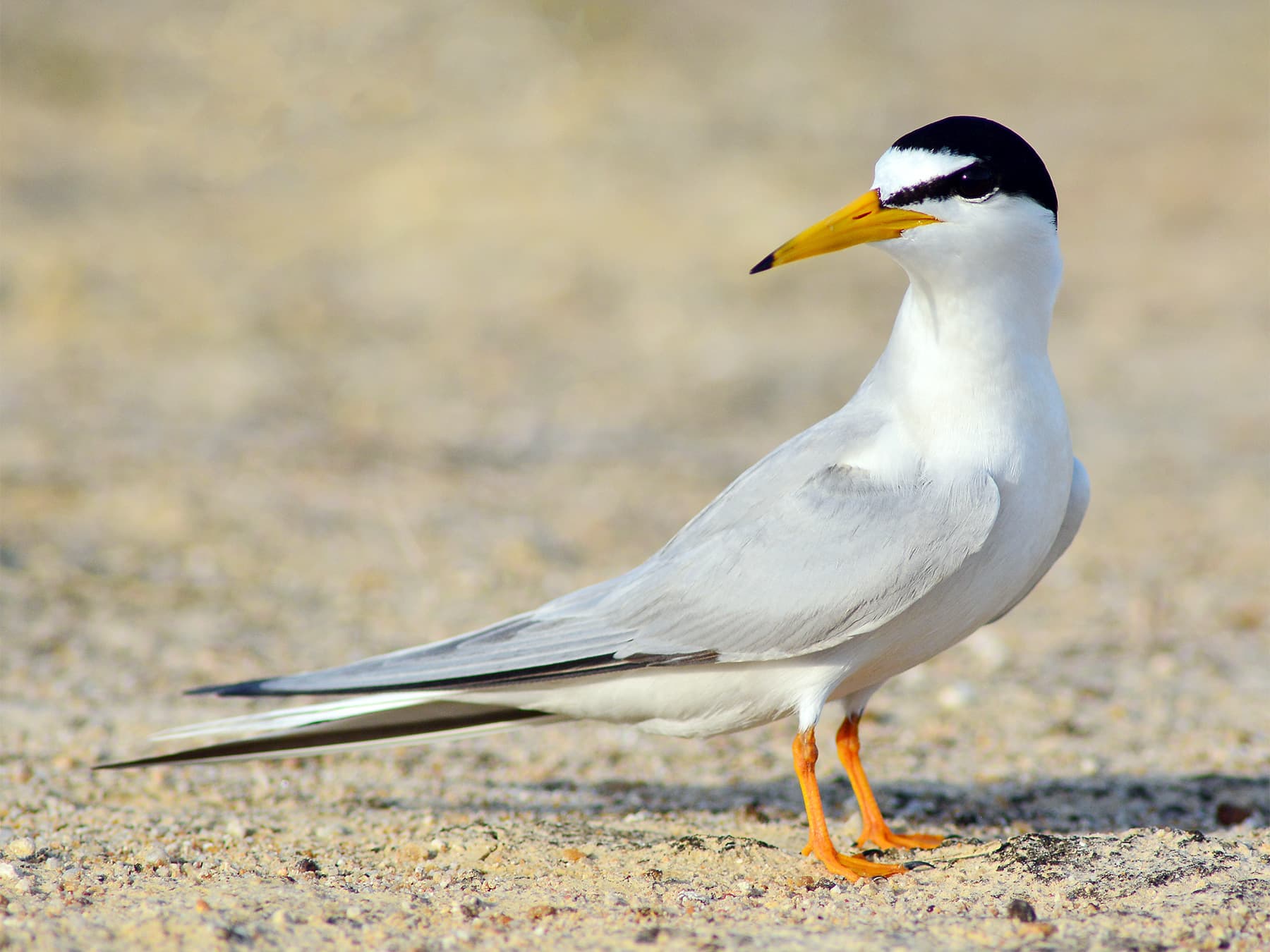
Little Tern
Sternula albifronsLC
An uncommon summer breeder nesting on shingle beaches from May to September. Colonies are carefully wardened against disturbance.
May–Sep
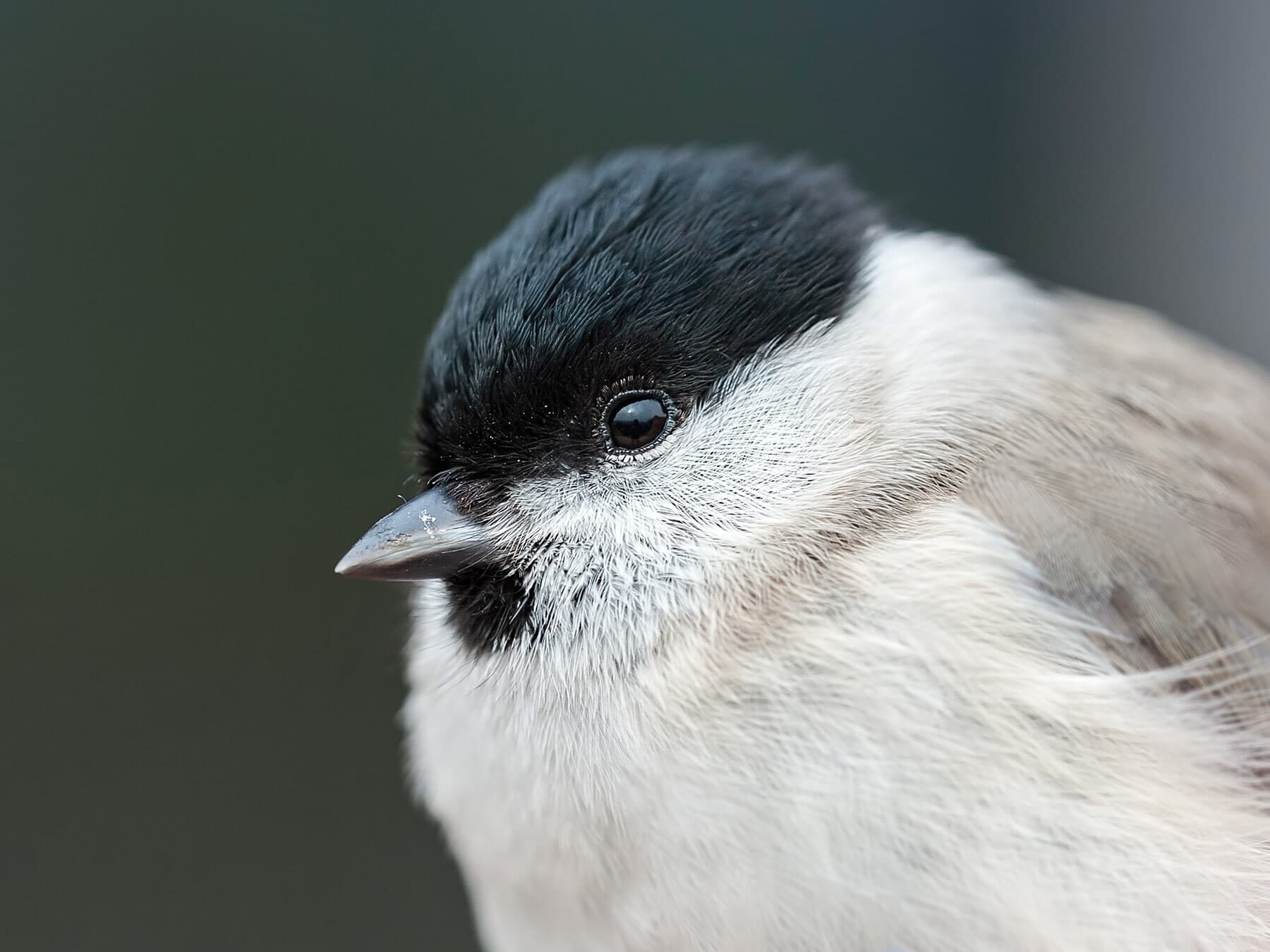
Marsh Tit
Poecile palustrisLC
An uncommon resident of mature deciduous woodland. Despite its name, favours drier woods rather than marshes; declining nationally.
Year-round
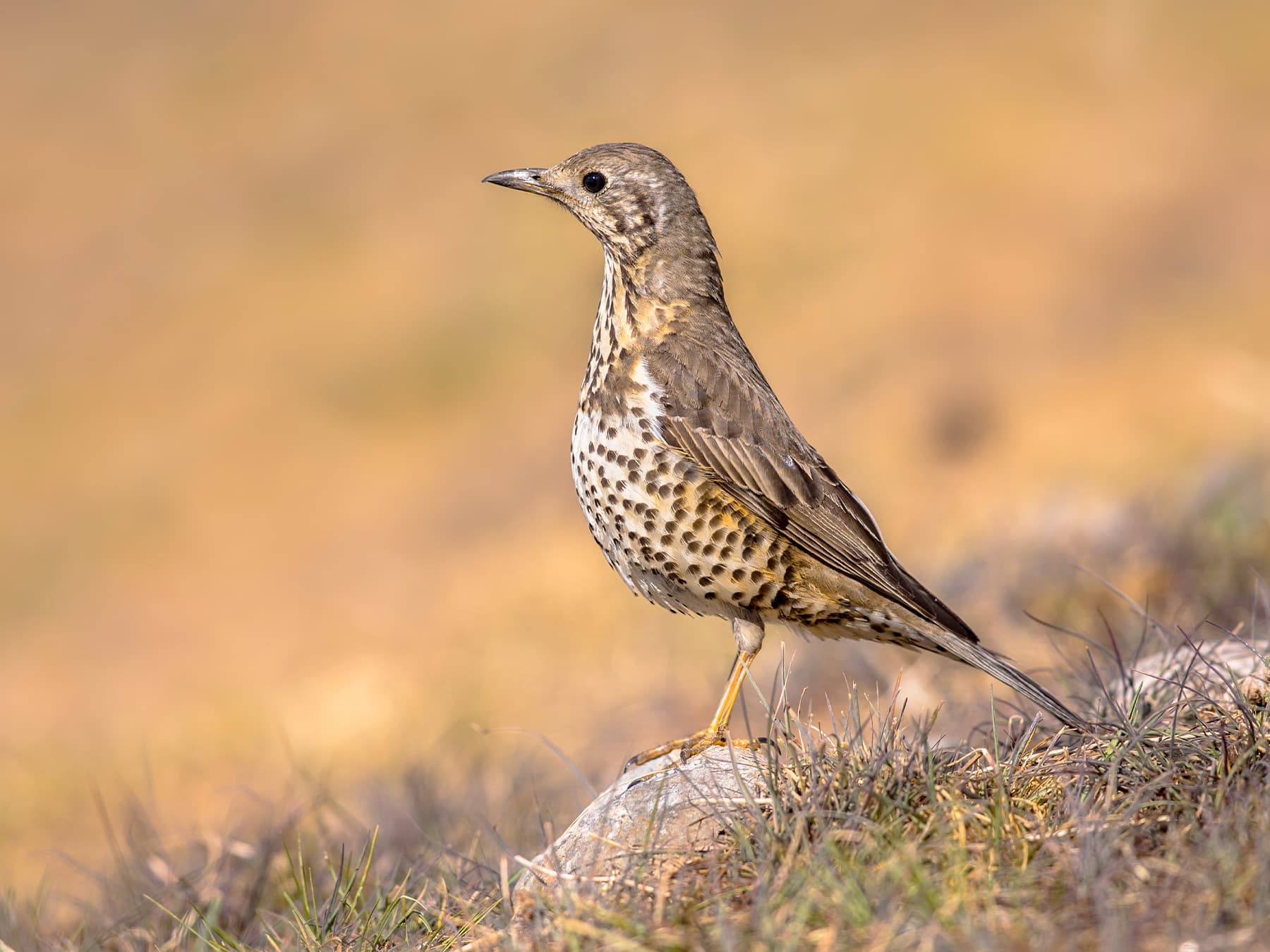
Mistle Thrush
Turdus viscivorusLC
An uncommon resident of parkland and open woodland, often singing from tall treetops from late winter onwards.
Year-round