Uncommon Birds in Norfolk
77 species matching this filter.
Norfolk's diverse mosaic of coastal marshes, estuaries, Broads waterways, and farmland supports an impressive variety of uncommon bird species. With 77 species classified as uncommon in the county, birdwatchers can encounter striking visitors such as the Bar-tailed Godwit, Curlew Sandpiper, and Goldeneye along the coast, while inland habitats harbour gems like the Common Kingfisher, Garden Warbler, and the increasingly scarce European Turtle-dove. Whether exploring the mudflats of the Wash or the reedbeds of the Norfolk Broads, patient observers will be rewarded with sightings of these less frequently seen but thoroughly rewarding species.


Showing 70–77 of 77 species
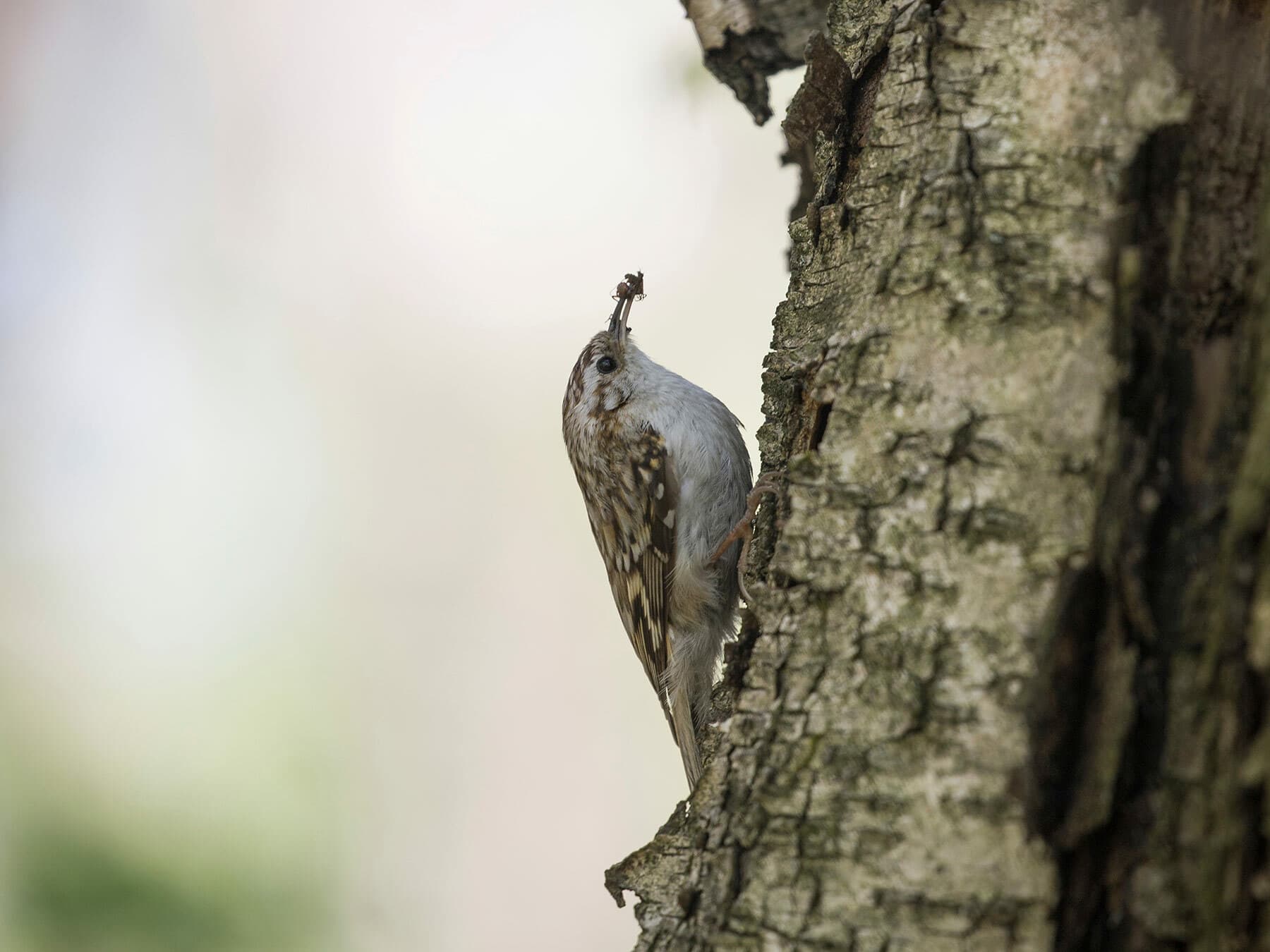
Treecreeper
Certhia familiarisLC
An uncommon resident spiralling up tree trunks in mature woodland and parkland throughout the county.
Year-round
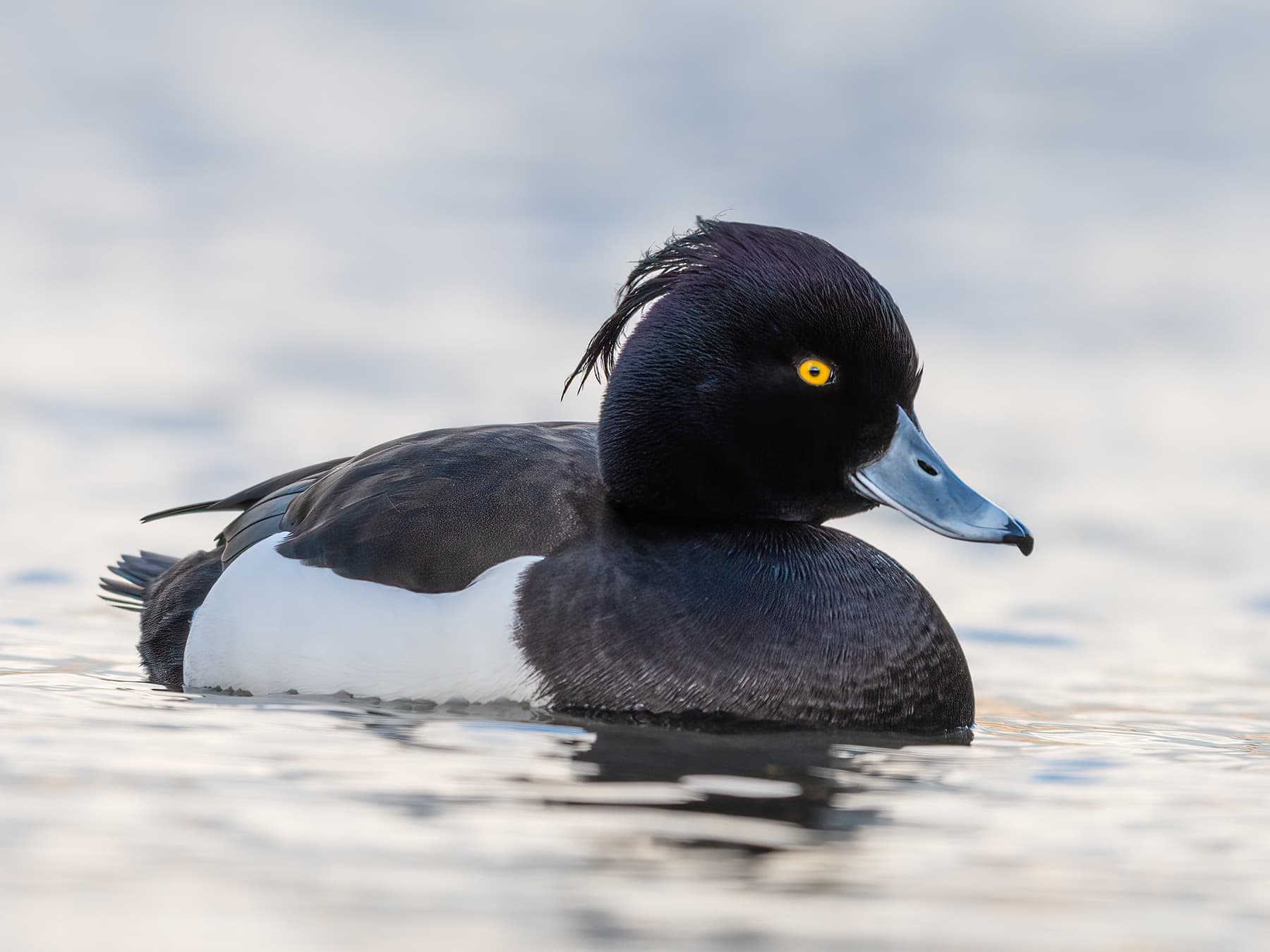
Tufted Duck
Aythya fuligulaLC
Uncommon but present year-round on lakes, gravel pits, and broads. Often seen diving alongside Pochard on open water.
Year-round
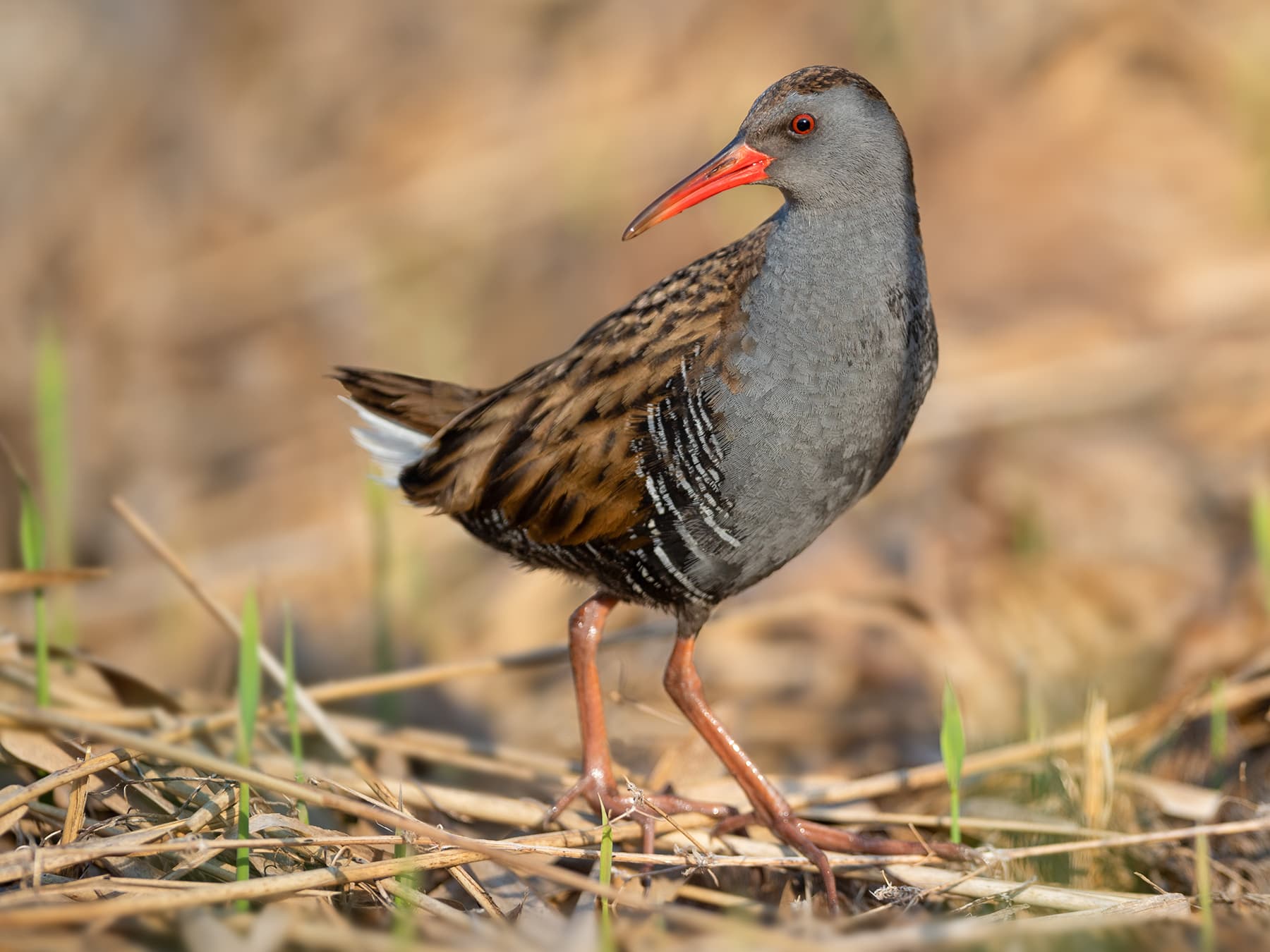
Water Rail
Rallus aquaticusLC
A secretive resident of Norfolk's reedbeds and marshes, more often heard squealing than seen. Present year-round at sites like Cley and Strumpshaw.
Year-round
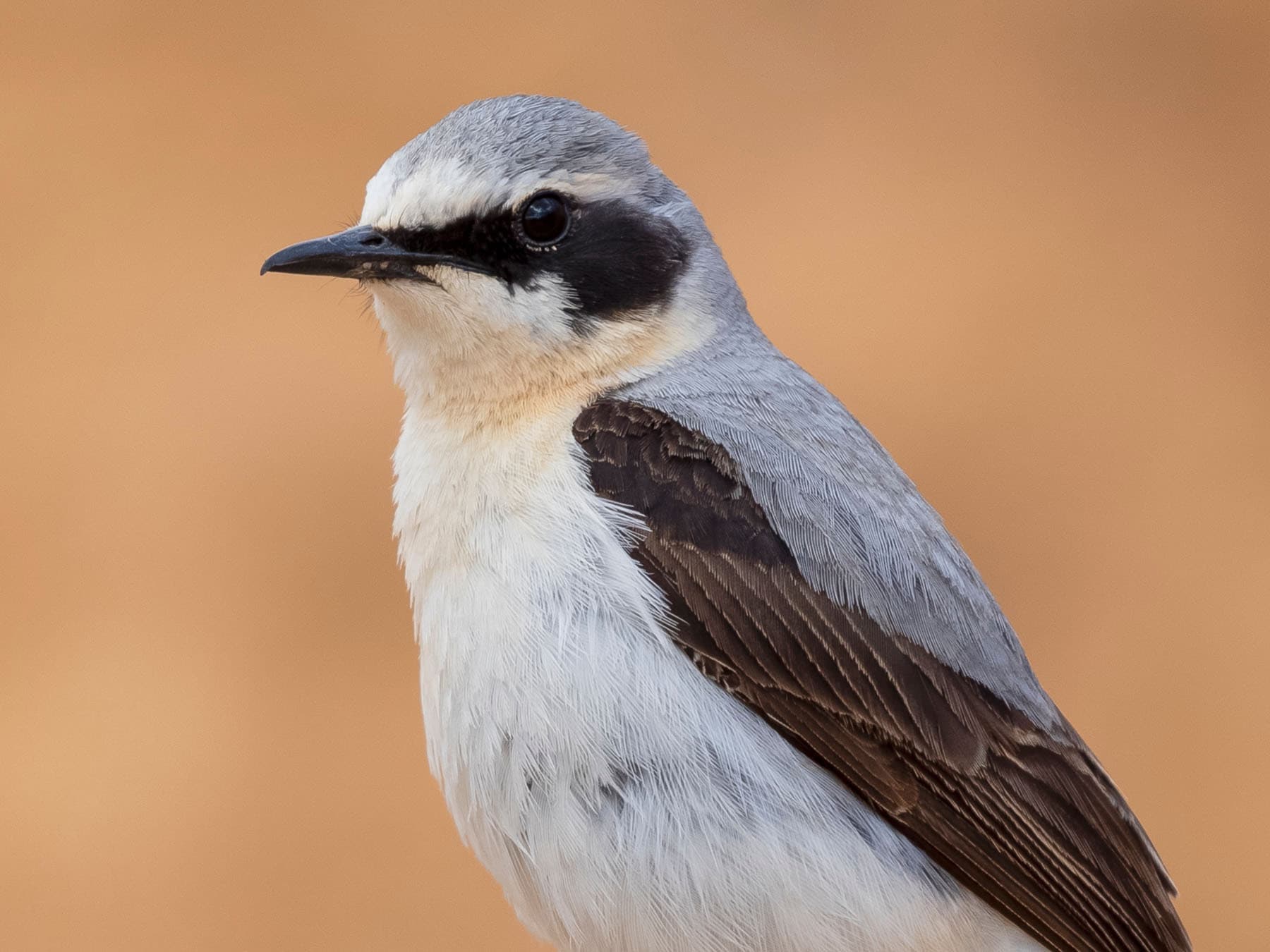
Wheatear
Oenanthe oenantheLC
An uncommon summer breeder found on short-cropped grassland and dunes, with passage birds often seen along the coast in spring and autumn.
Mar–Oct
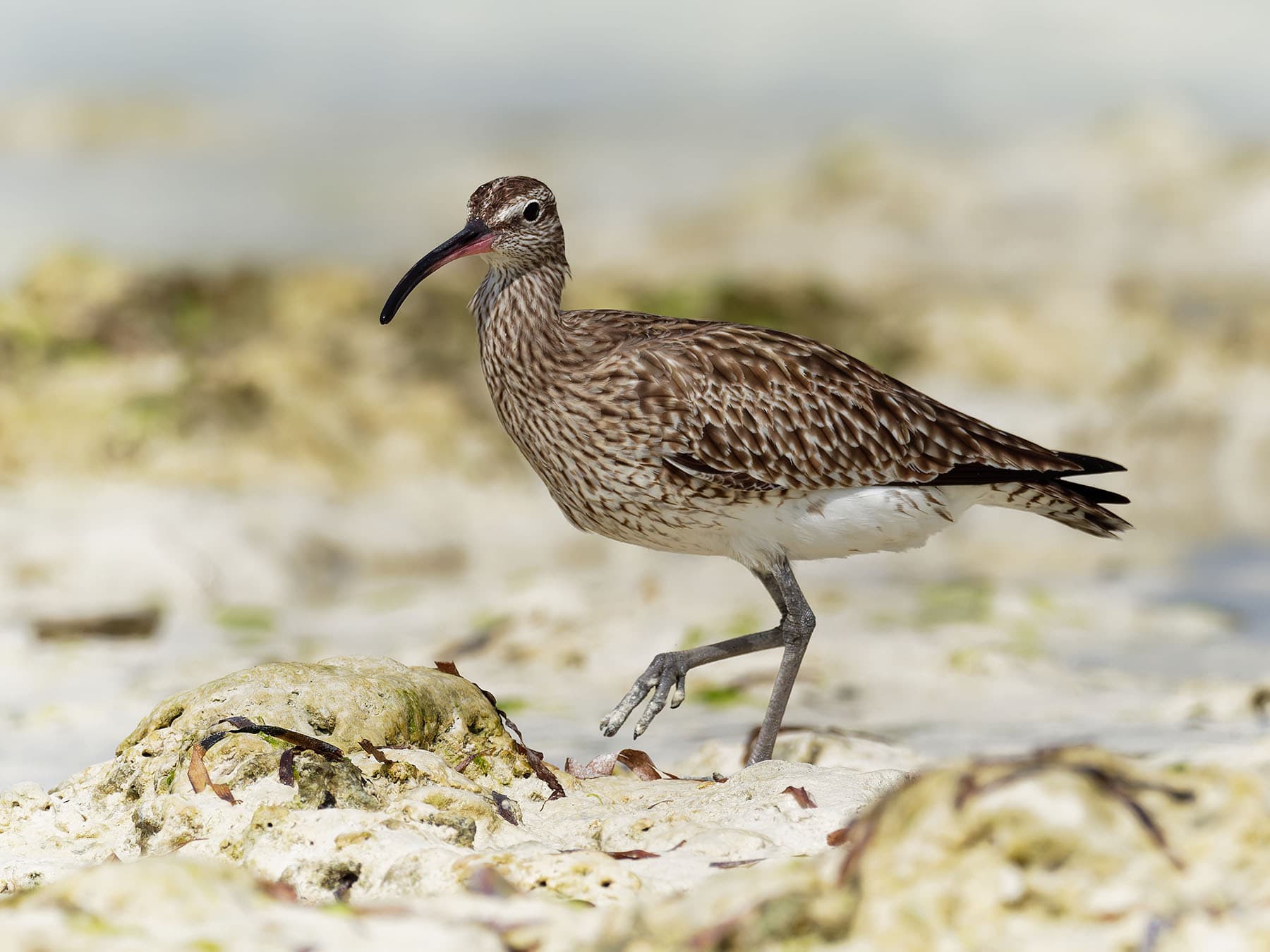
Whimbrel
Numenius phaeopusLC
An uncommon breeder present from April to October, often heard giving its distinctive rippling call over Norfolk's coastal marshes.
Apr–Oct
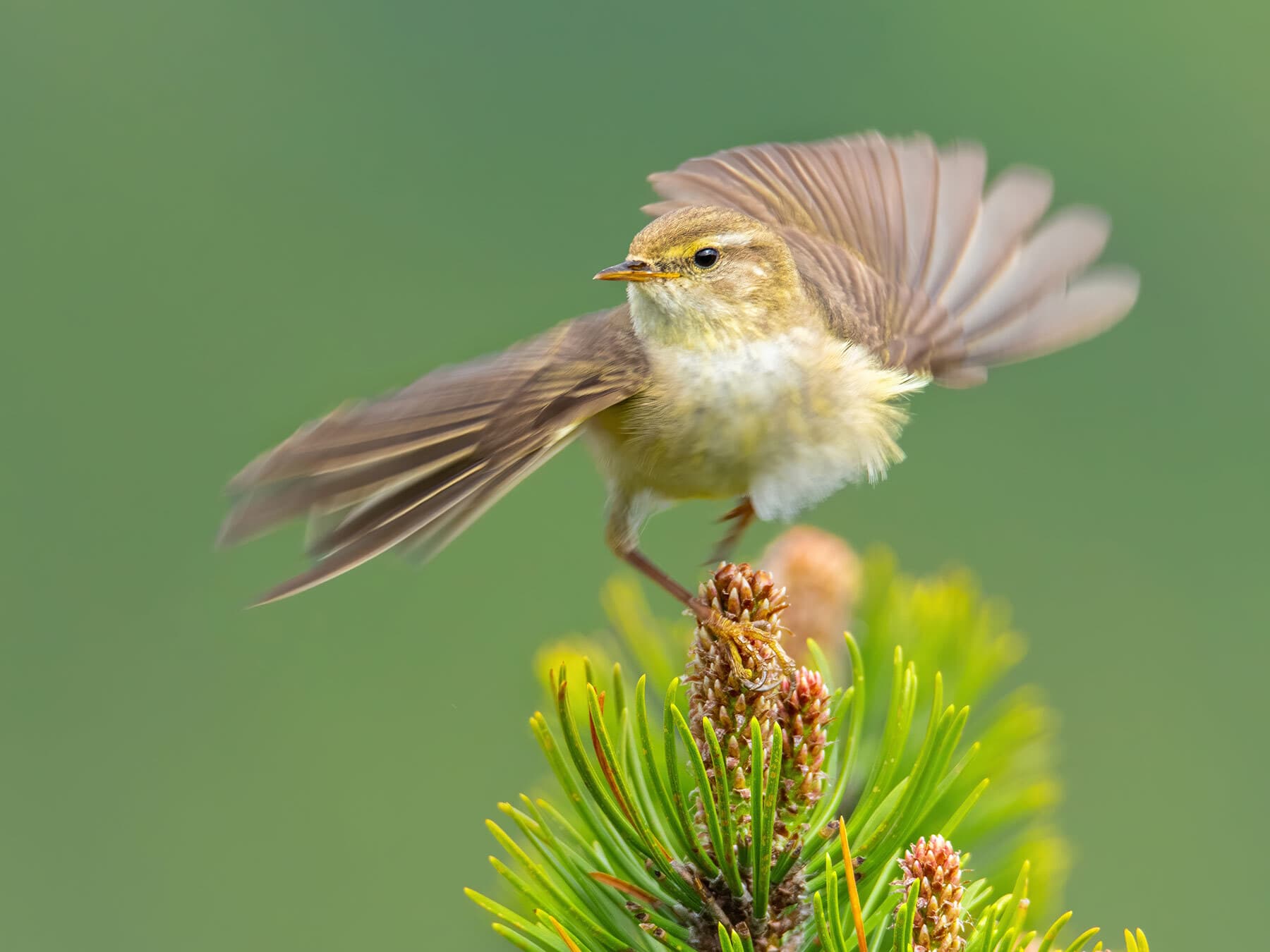
Willow Warbler
Phylloscopus trochilusLC
An uncommon breeding visitor to scrubby woodland and heathland edges. Arrives in April and departs by October; declining as a Norfolk breeder.
Apr–Oct
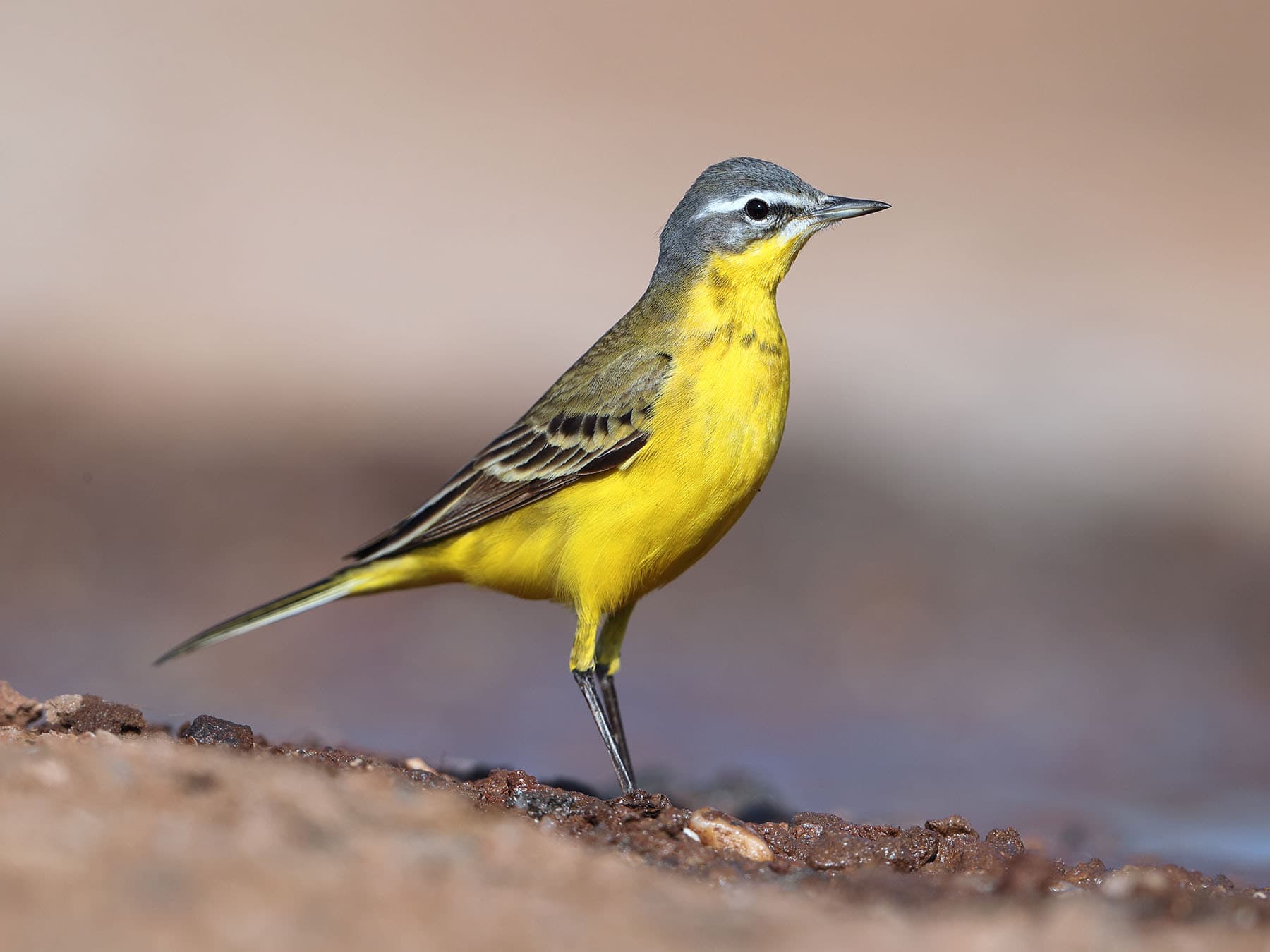
Yellow Wagtail
Motacilla flavaLC
An uncommon summer breeder arriving in April, favouring damp meadows and arable fields across the Norfolk lowlands.
Apr–Sep
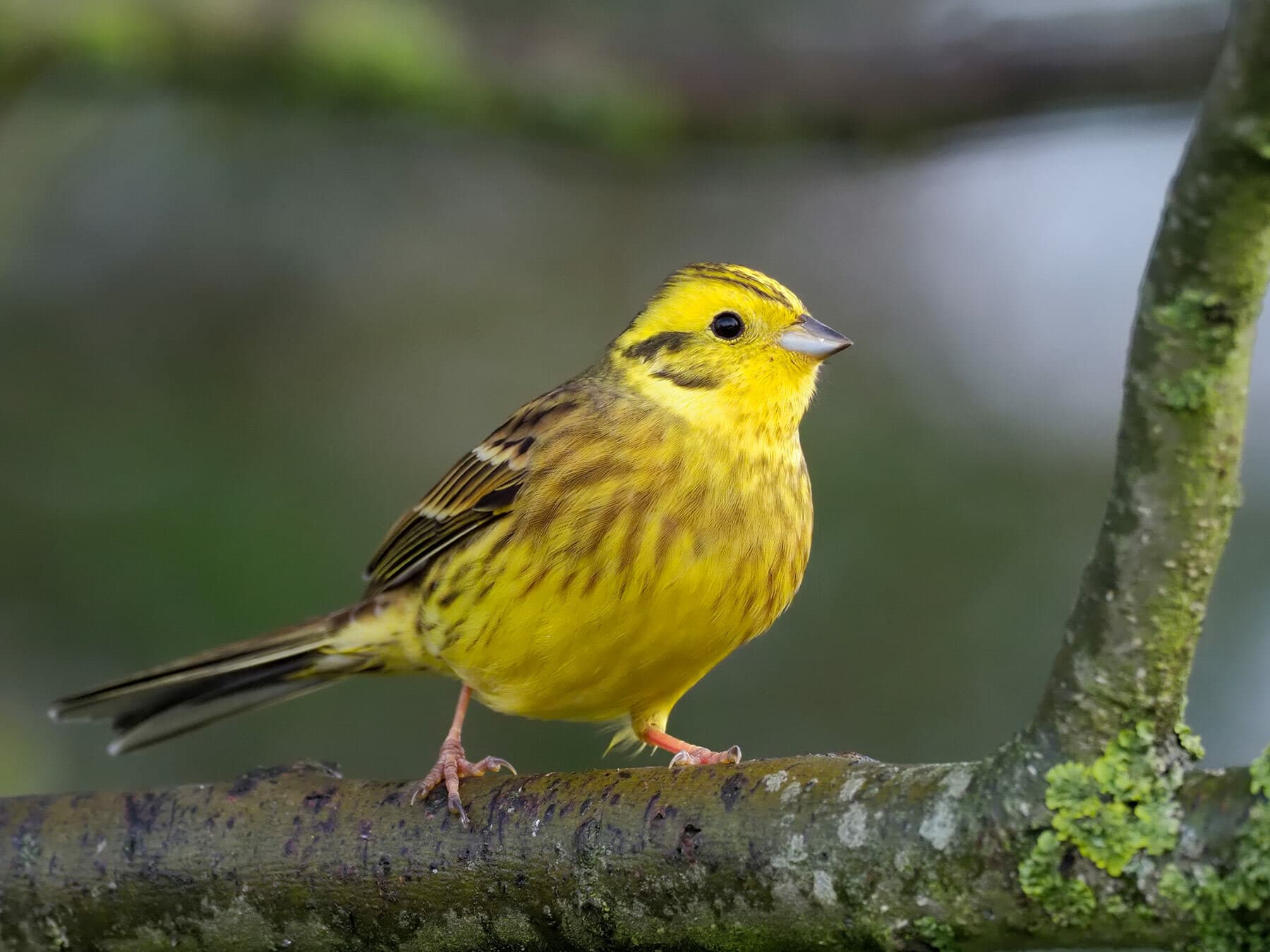
Yellowhammer
Emberiza citrinellaLC
An uncommon but year-round resident of farmland hedgerows and field margins, declining but still found across rural Norfolk.
Year-round