


Rare Birds in Norfolk
Our list for Norfolk has 45 rare birds recorded regularly there: 6 residents, 4 summer visitors, 4 winter visitors, 26 passage migrants and 5 scarce visitors
Most likely in October
GBIF · OctShare of all bird records in Norfolk in October, 2019–2024. Each month links to that month’s page.
All 45, most common first
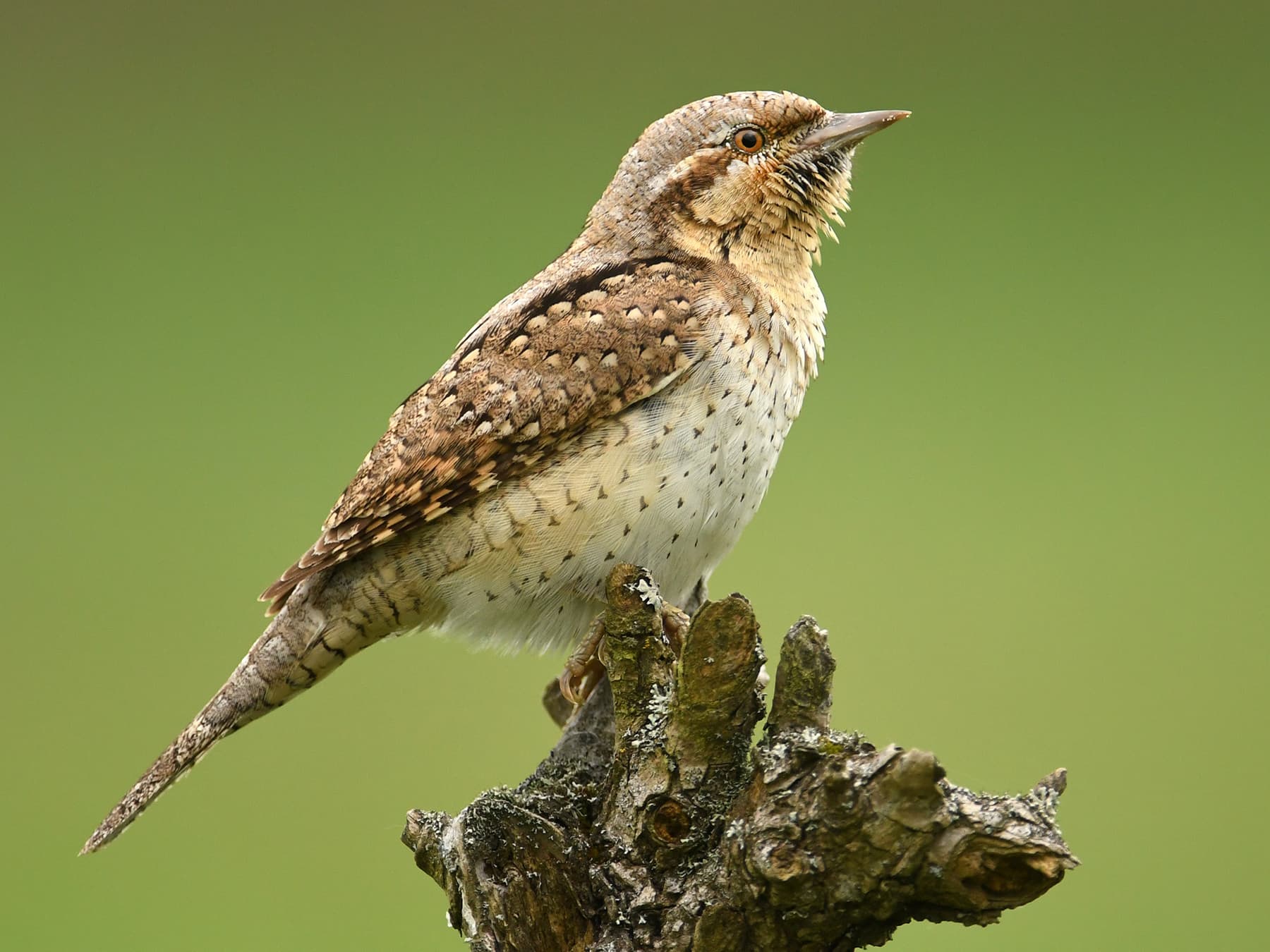 WryneckJynx torquillaPassage migrantRare16–18 cmRegularly Apr–Sep
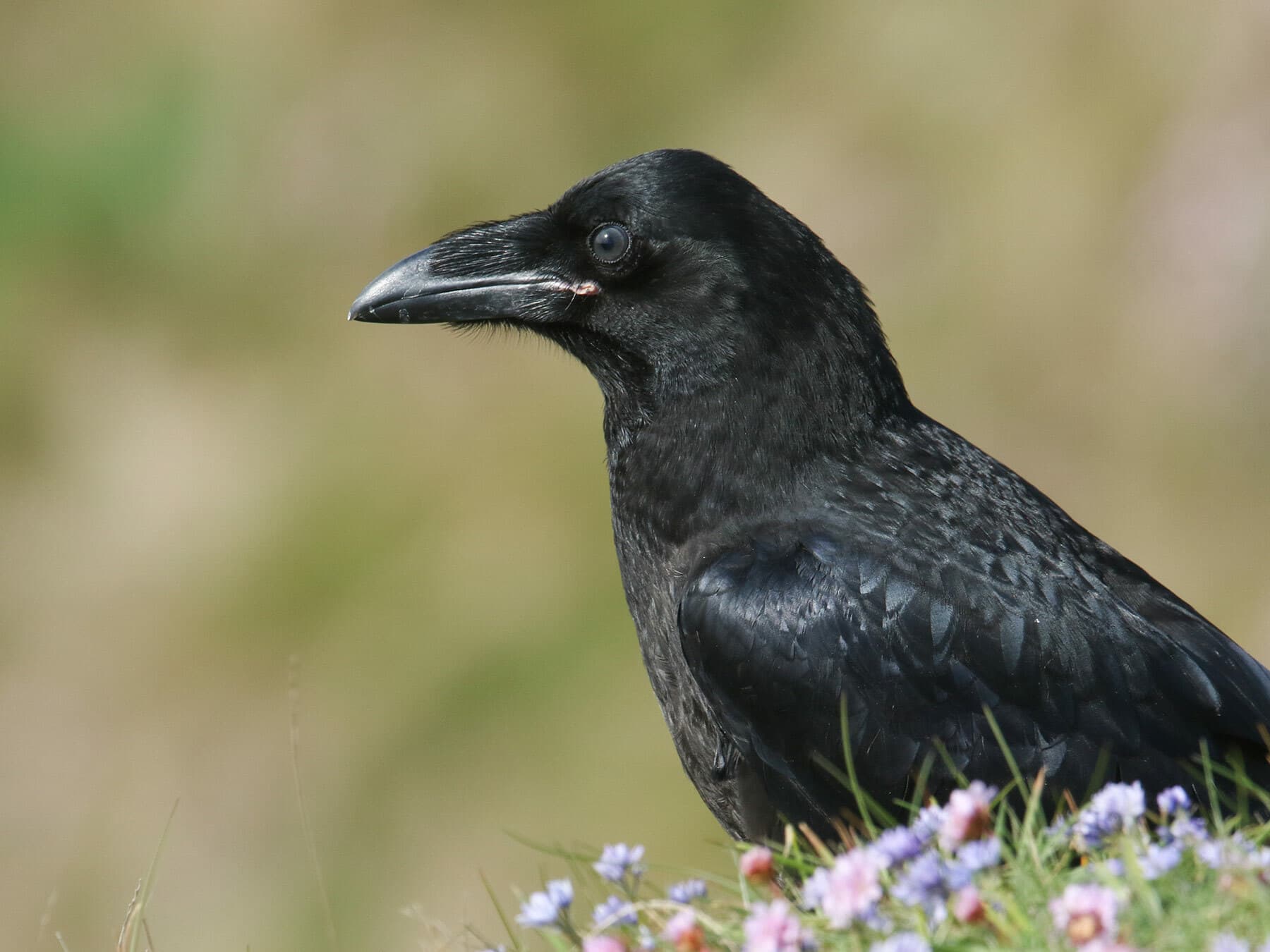 Common RavenCorvus coraxResidentRare54–67 cmRecorded all year
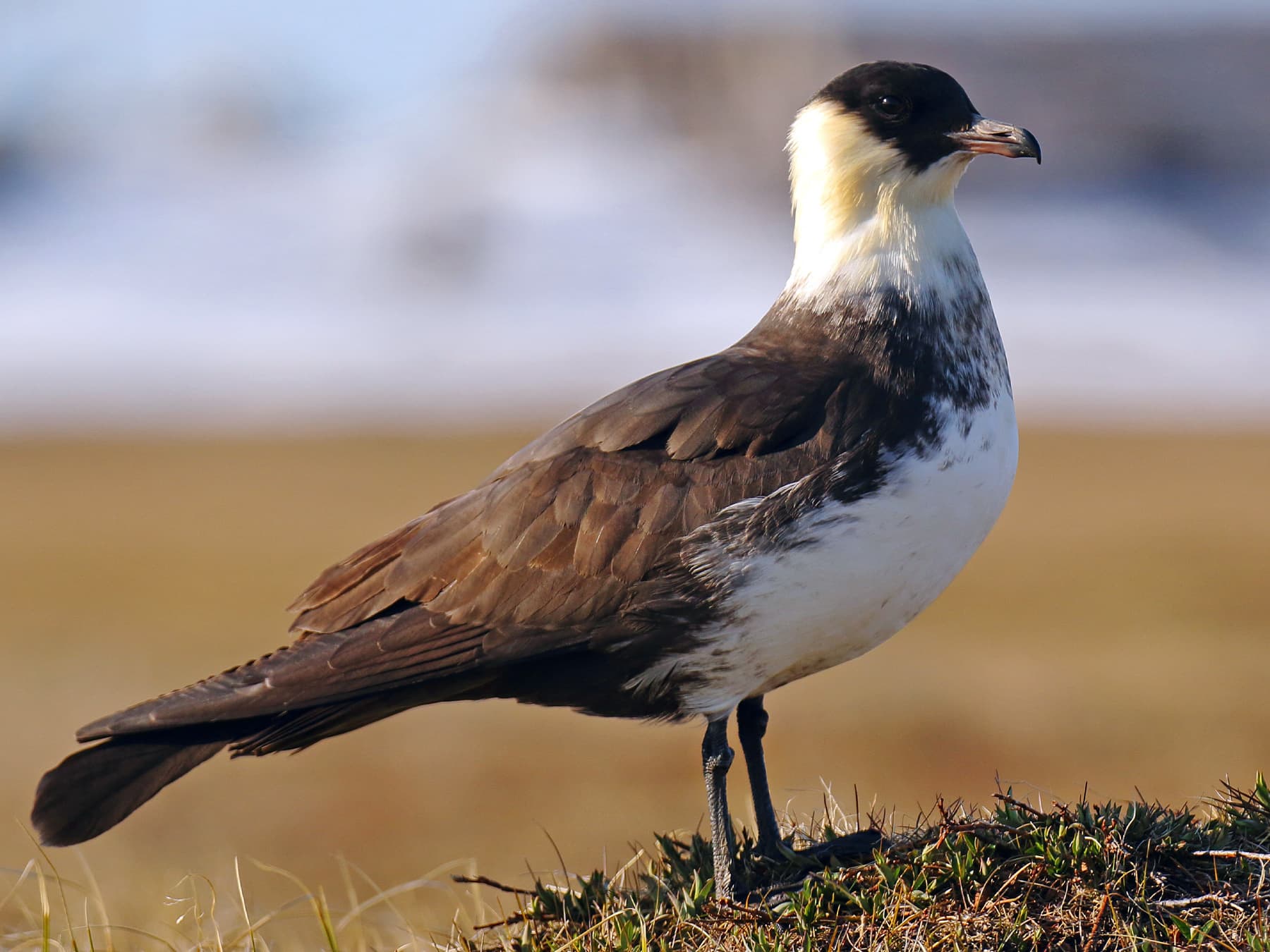 Pomarine JaegerStercorarius pomarinusPassage migrantRare46–51 cmRegularly Aug–Nov
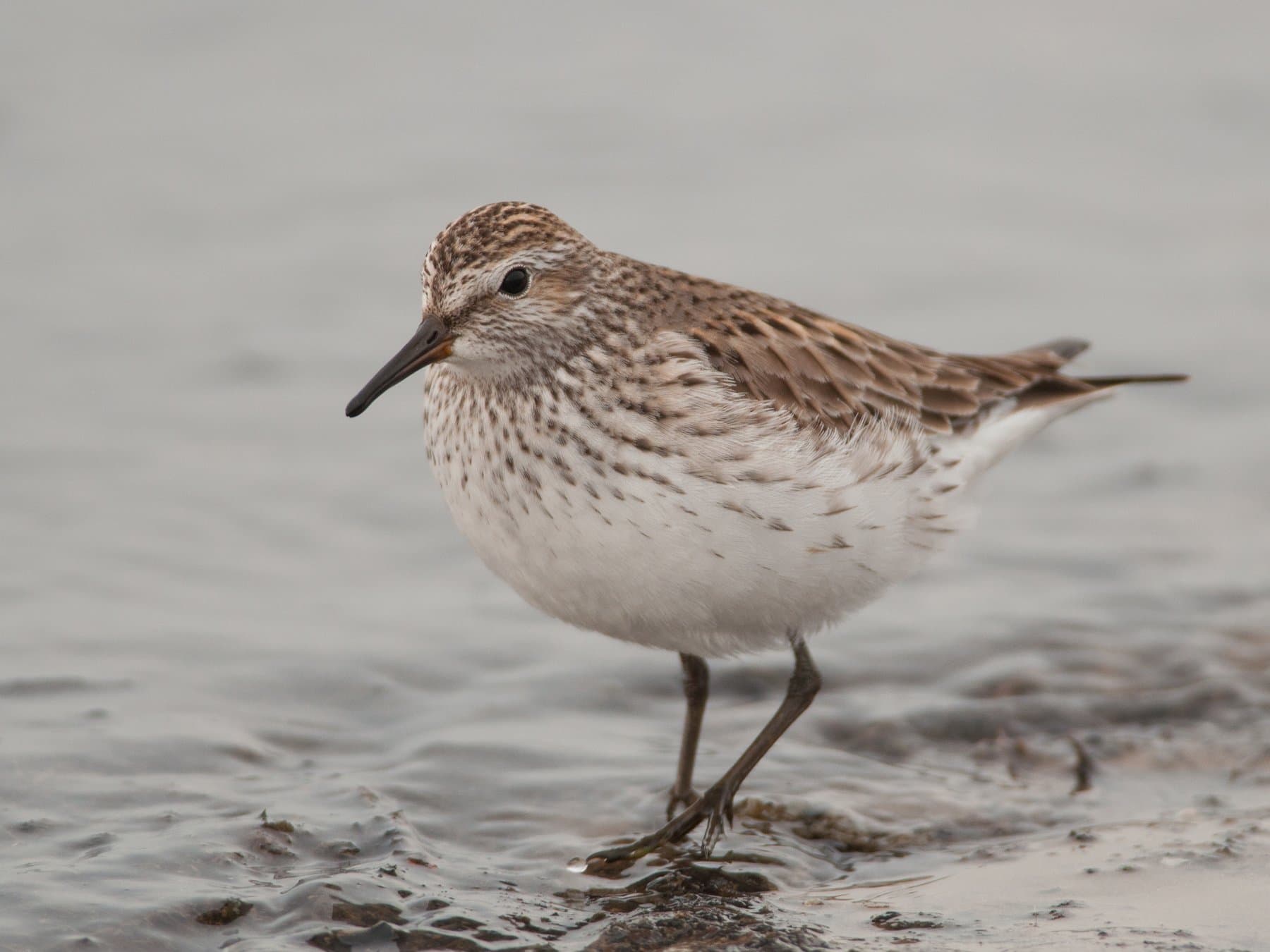 White-rumped SandpiperCalidris fuscicollisPassage migrantRare15–18 cmRegularly Jul–Aug
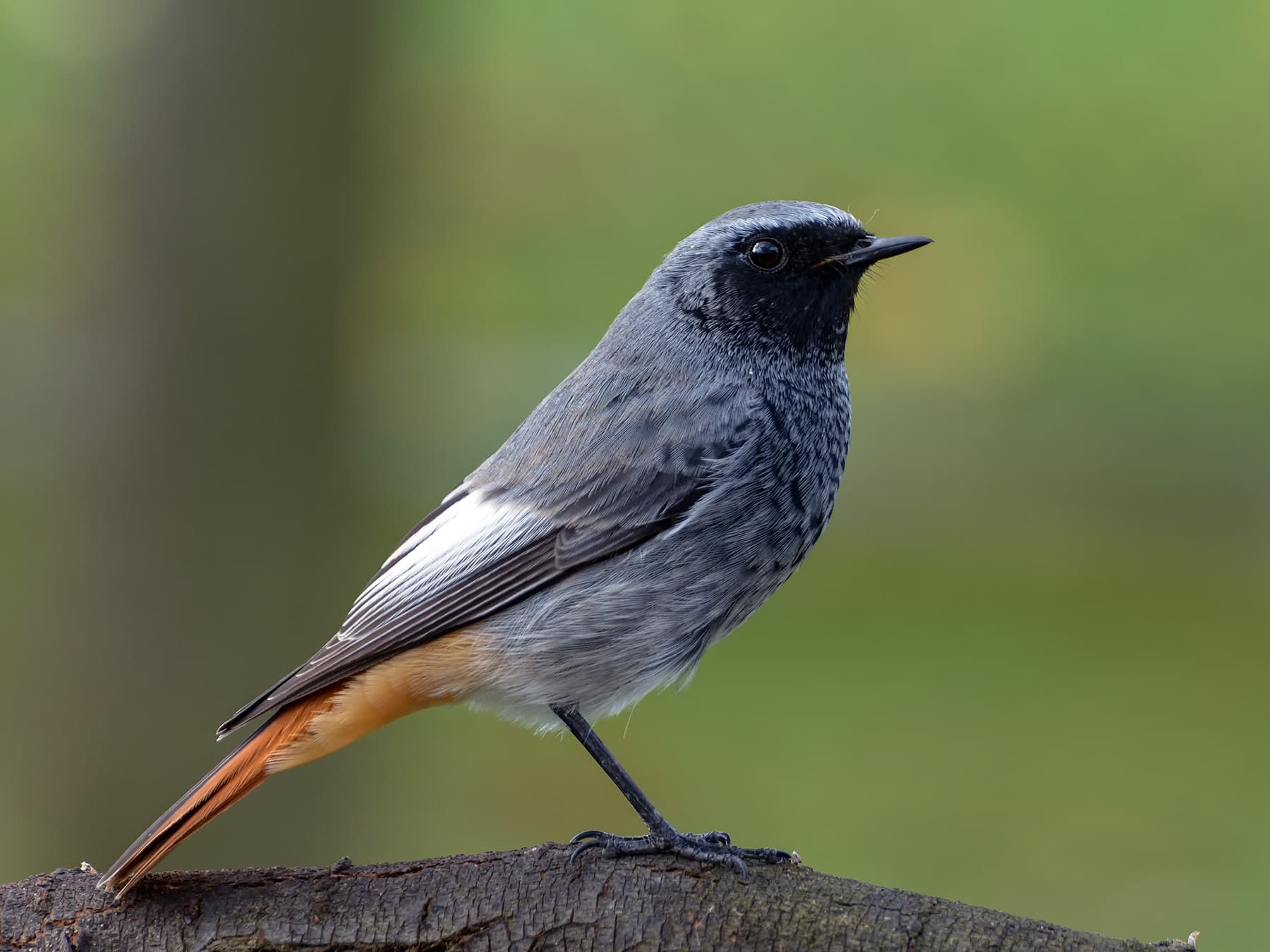 Black RedstartPhoenicurus ochrurosWinter visitorRare13–15 cmRegularly Sep–Jul
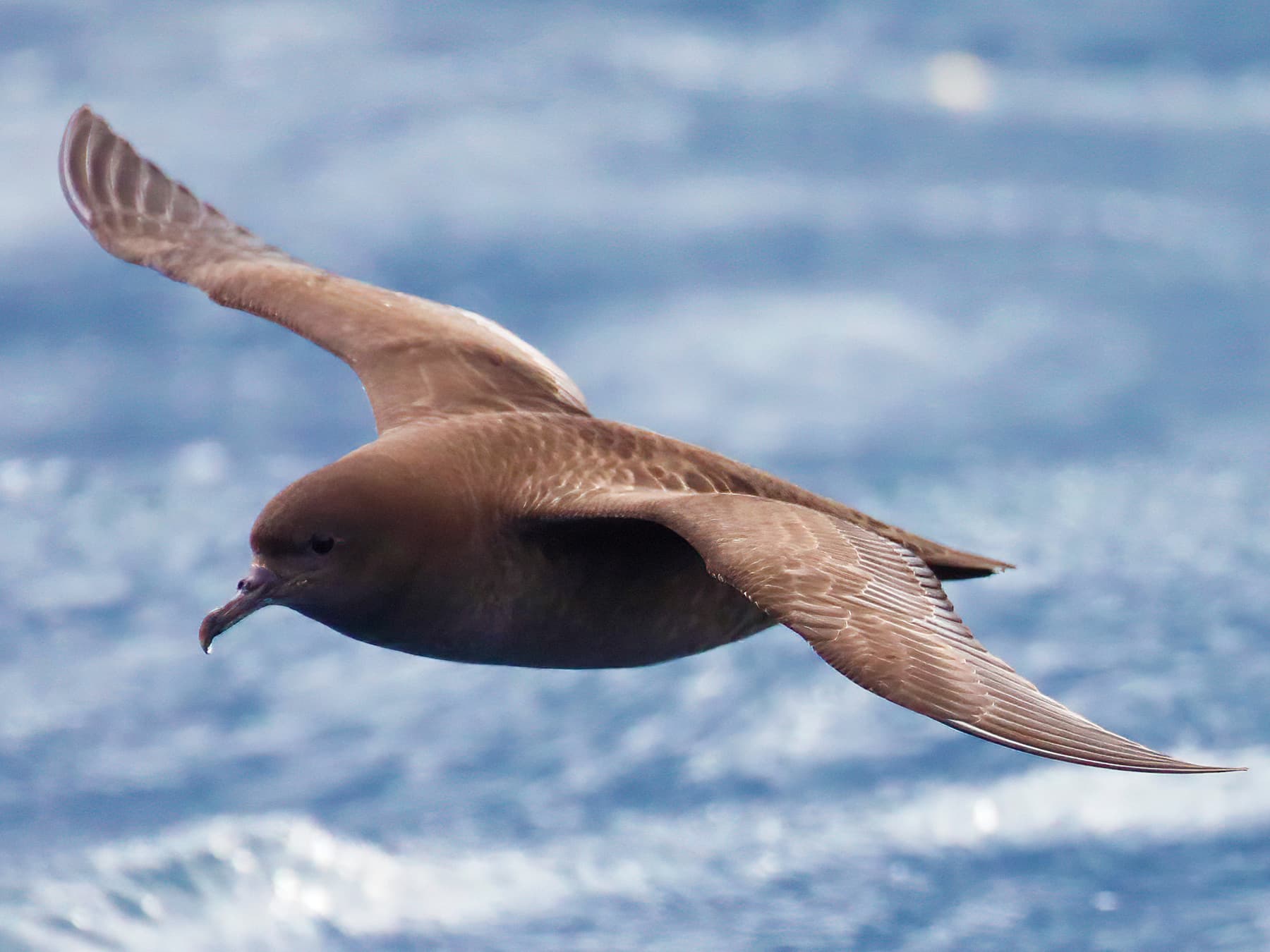 Sooty ShearwaterArdenna griseaPassage migrantRare40–51 cmRegularly Aug–Nov
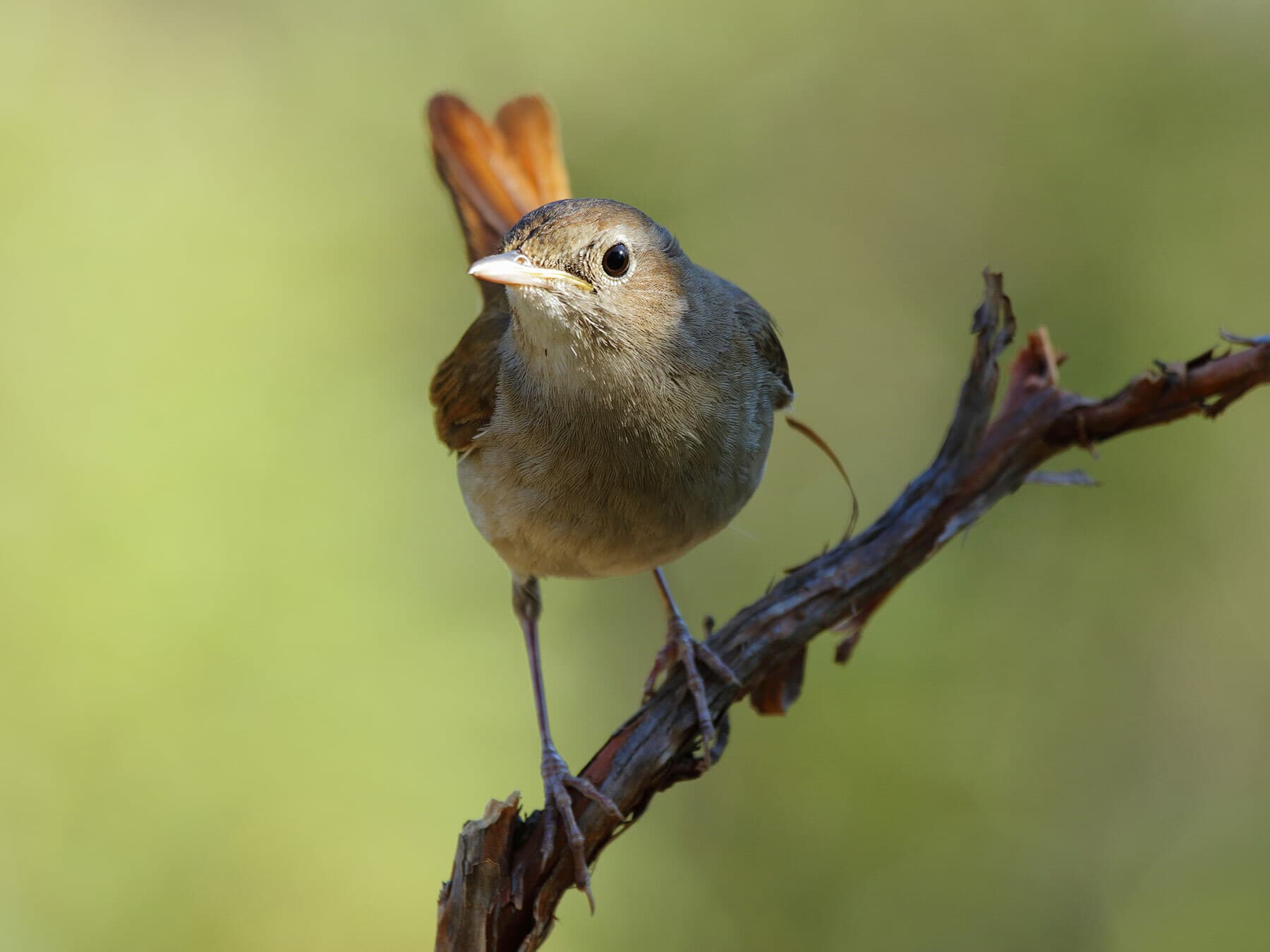 NightingaleLuscinia megarhynchosPassage migrantRare15–17 cmRegularly Apr–Jun
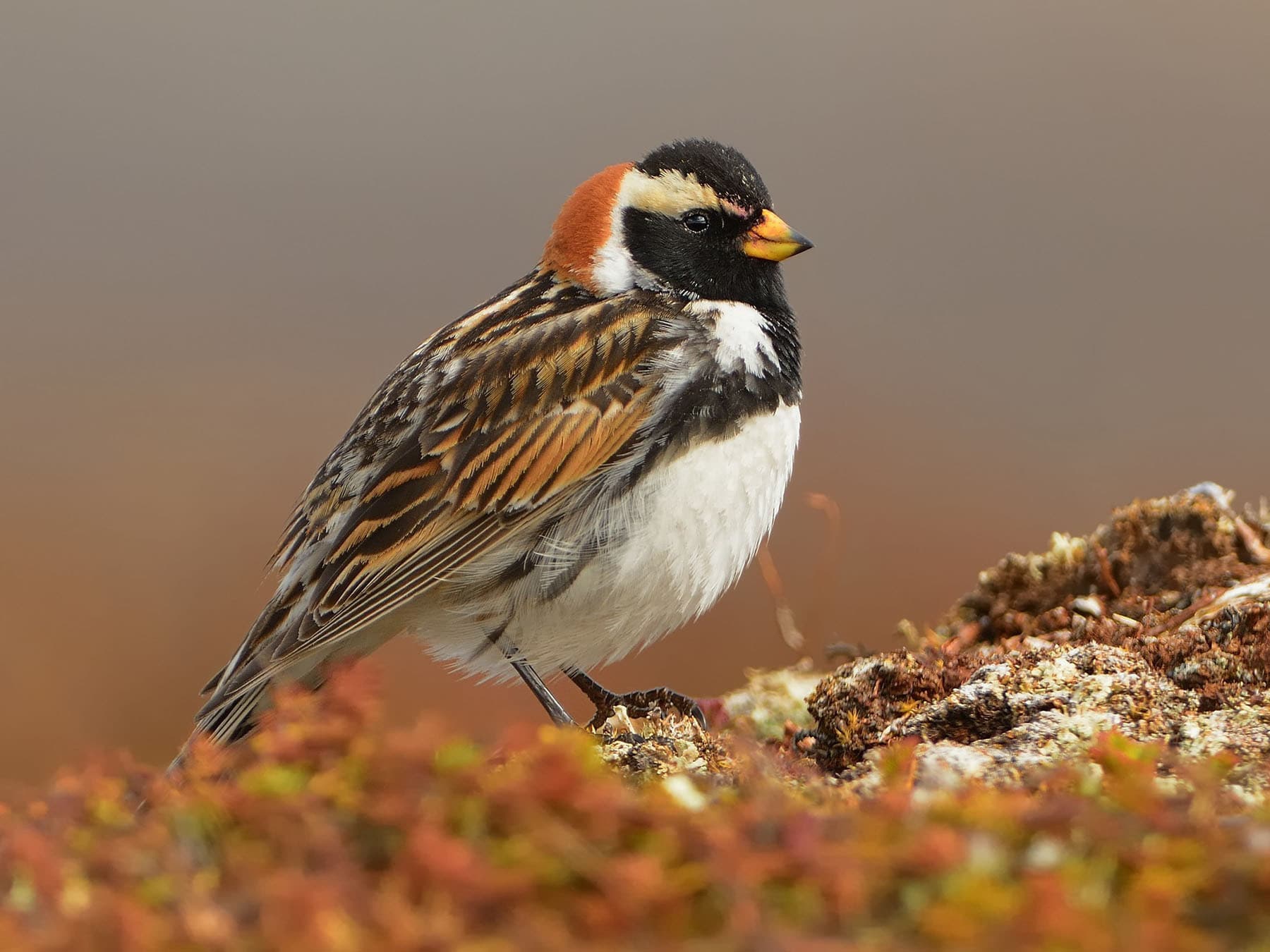 Lapland LongspurCalcarius lapponicusWinter visitorRare15–16 cmRegularly Sep–Mar
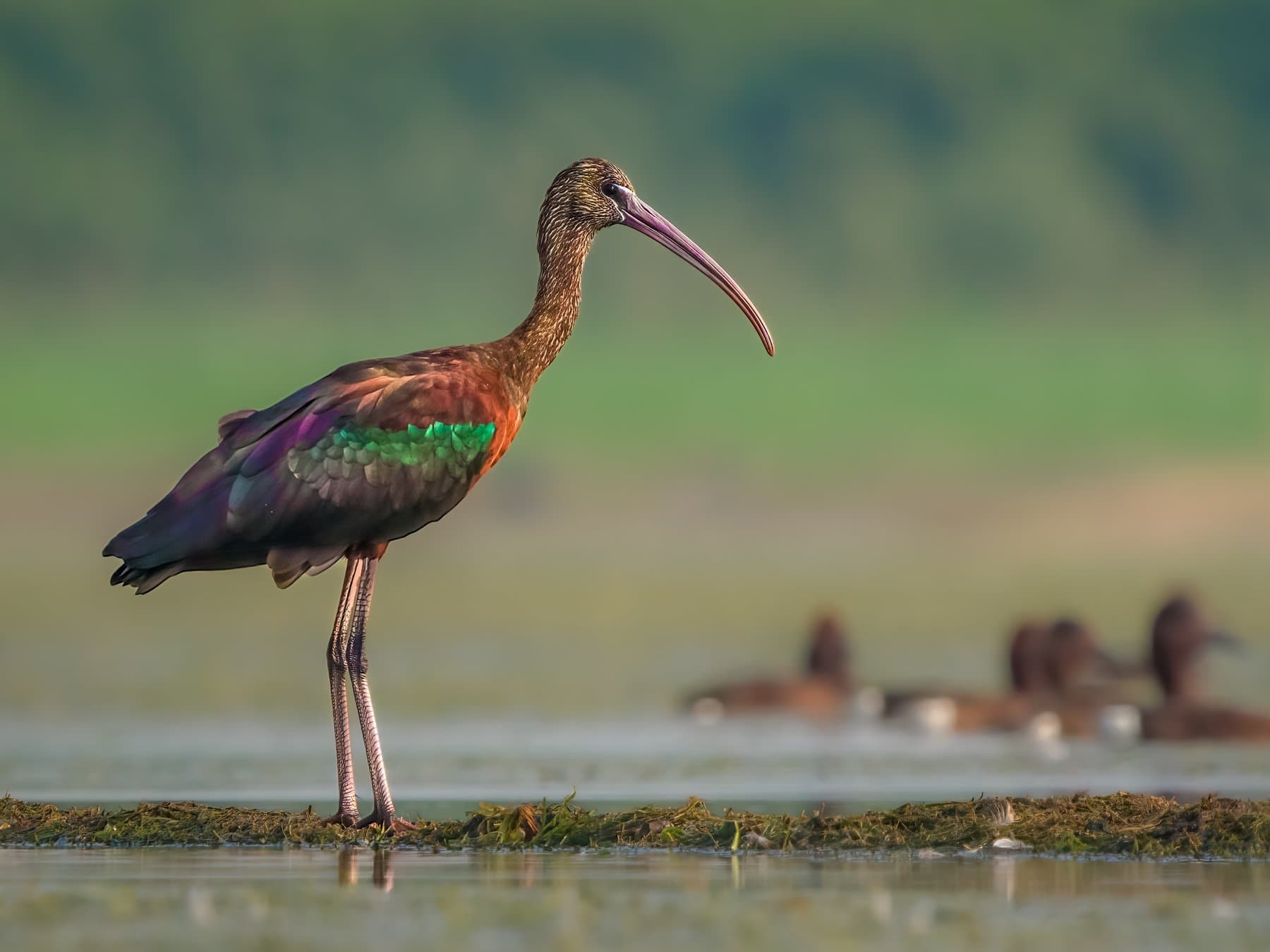 Glossy IbisPlegadis falcinellusSummer visitorRare48–66 cmRegularly Feb–Dec
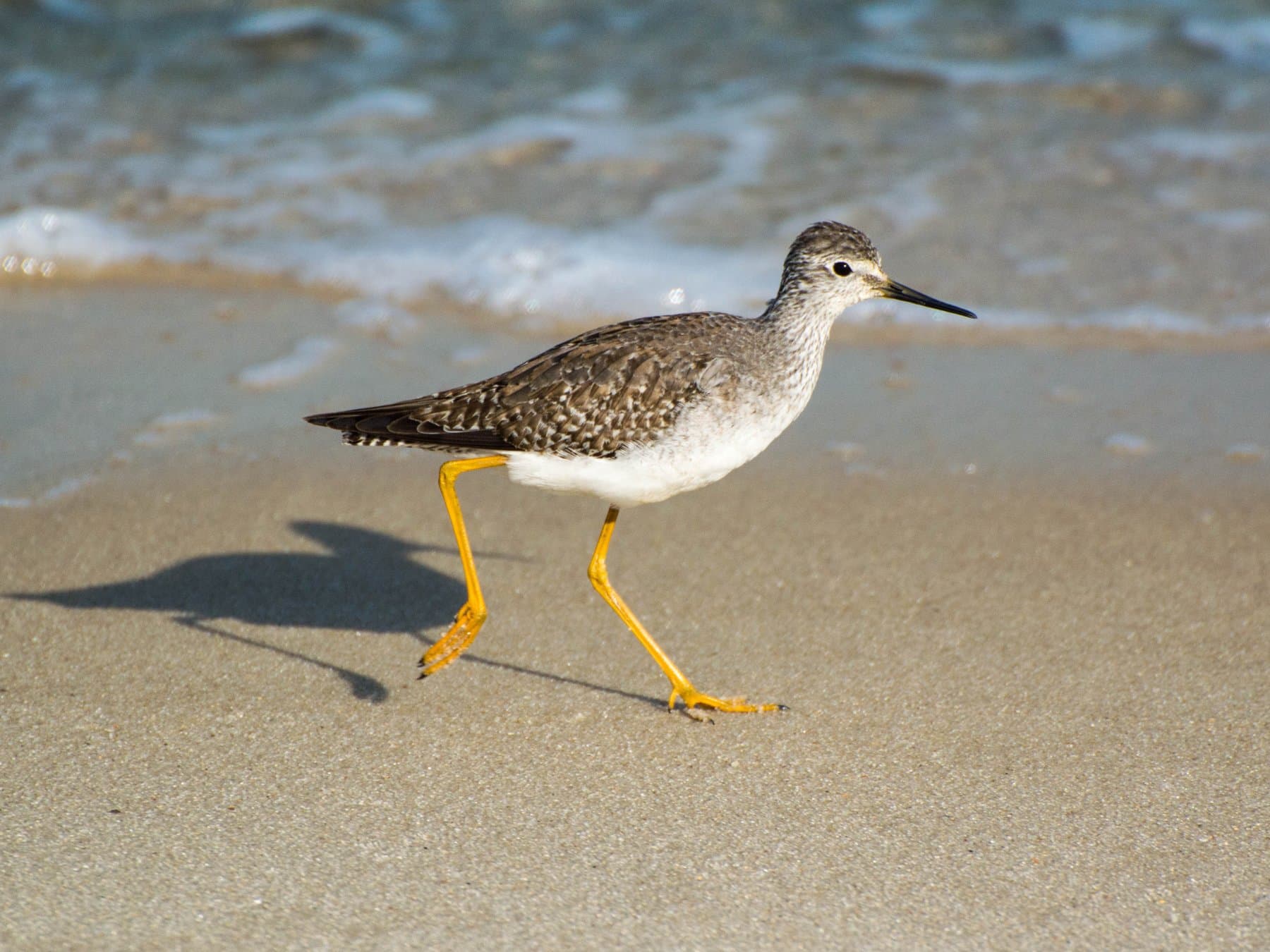 Lesser YellowlegsTringa flavipesResidentRare23–27 cmRegularly Jul
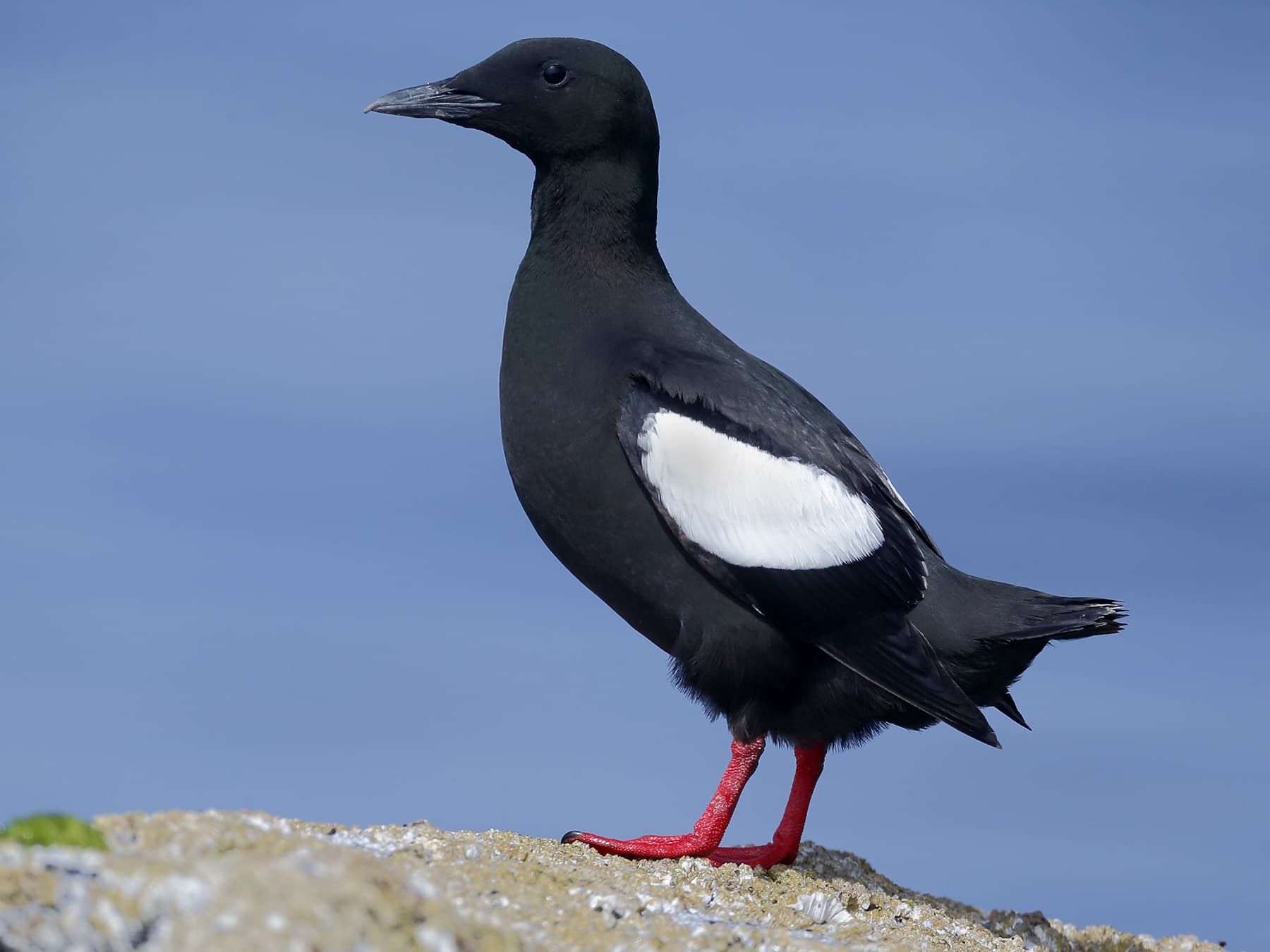 Black GuillemotCepphus gryllePassage migrantRare30–32 cmRegularly Aug–Nov
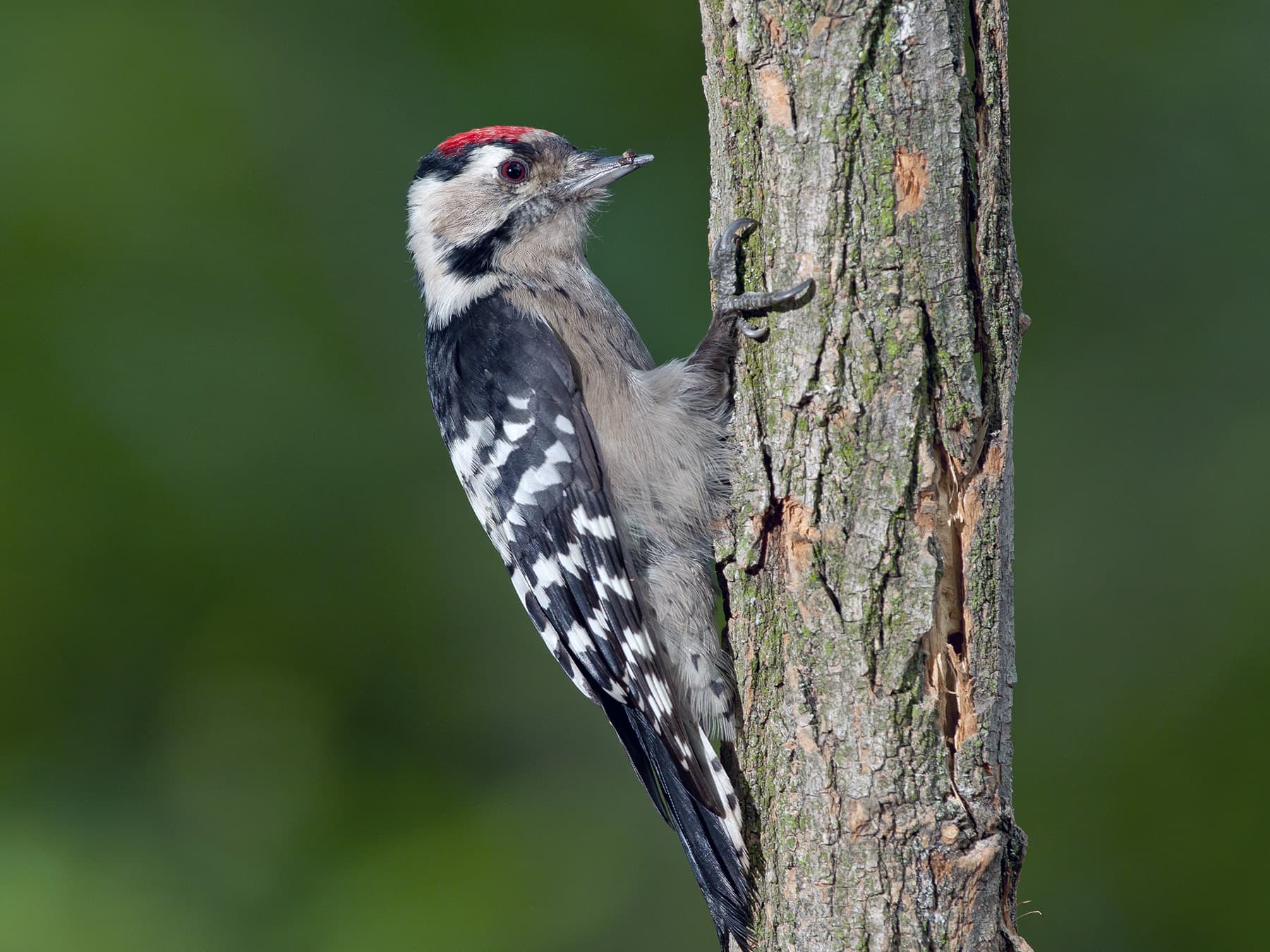 Lesser Spotted WoodpeckerDryobates minorPassage migrantRare14–16 cmRegularly Jan–Apr
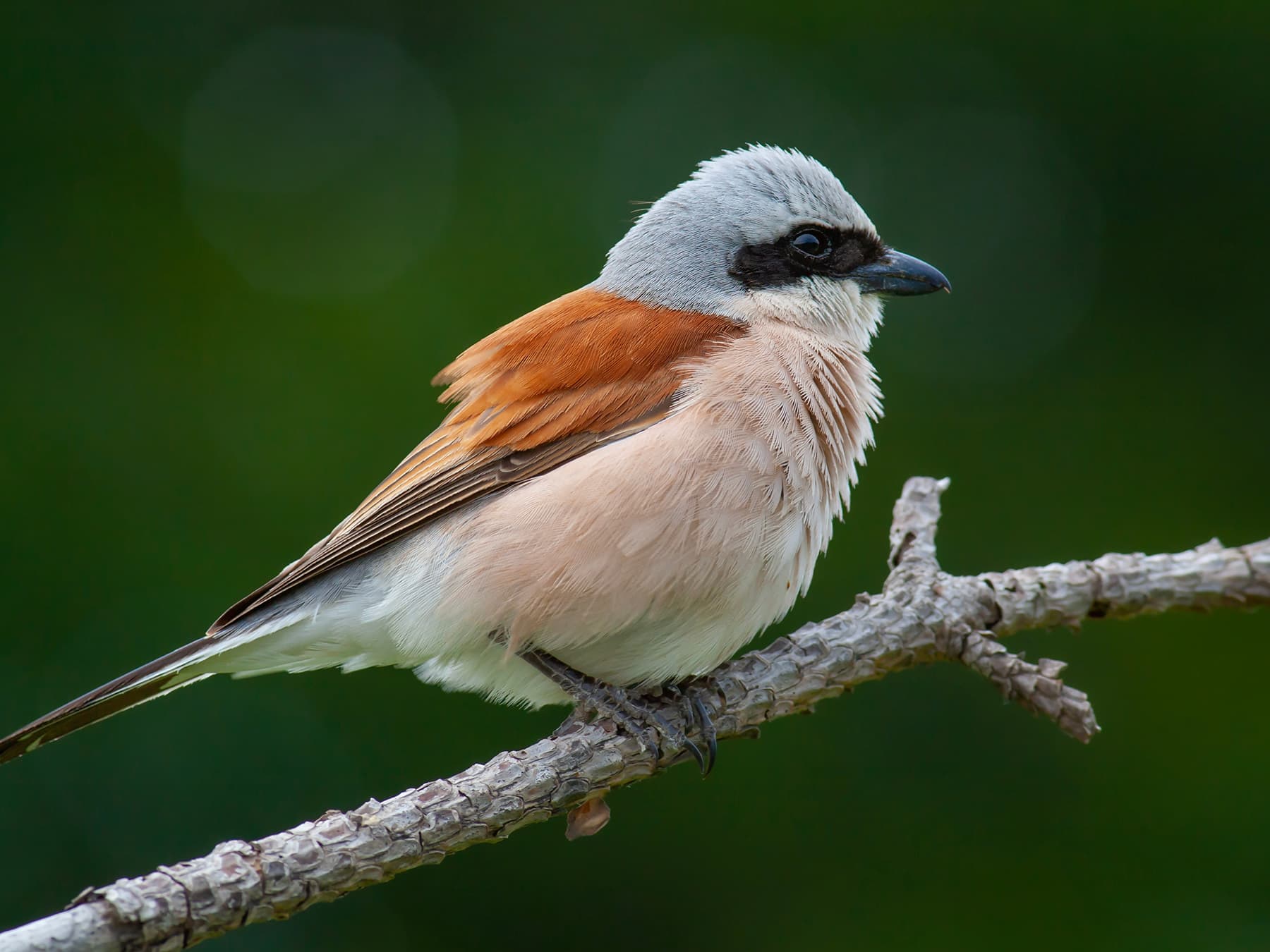 Red-backed ShrikeLanius collurioPassage migrantRare16–18 cmRegularly May–Oct
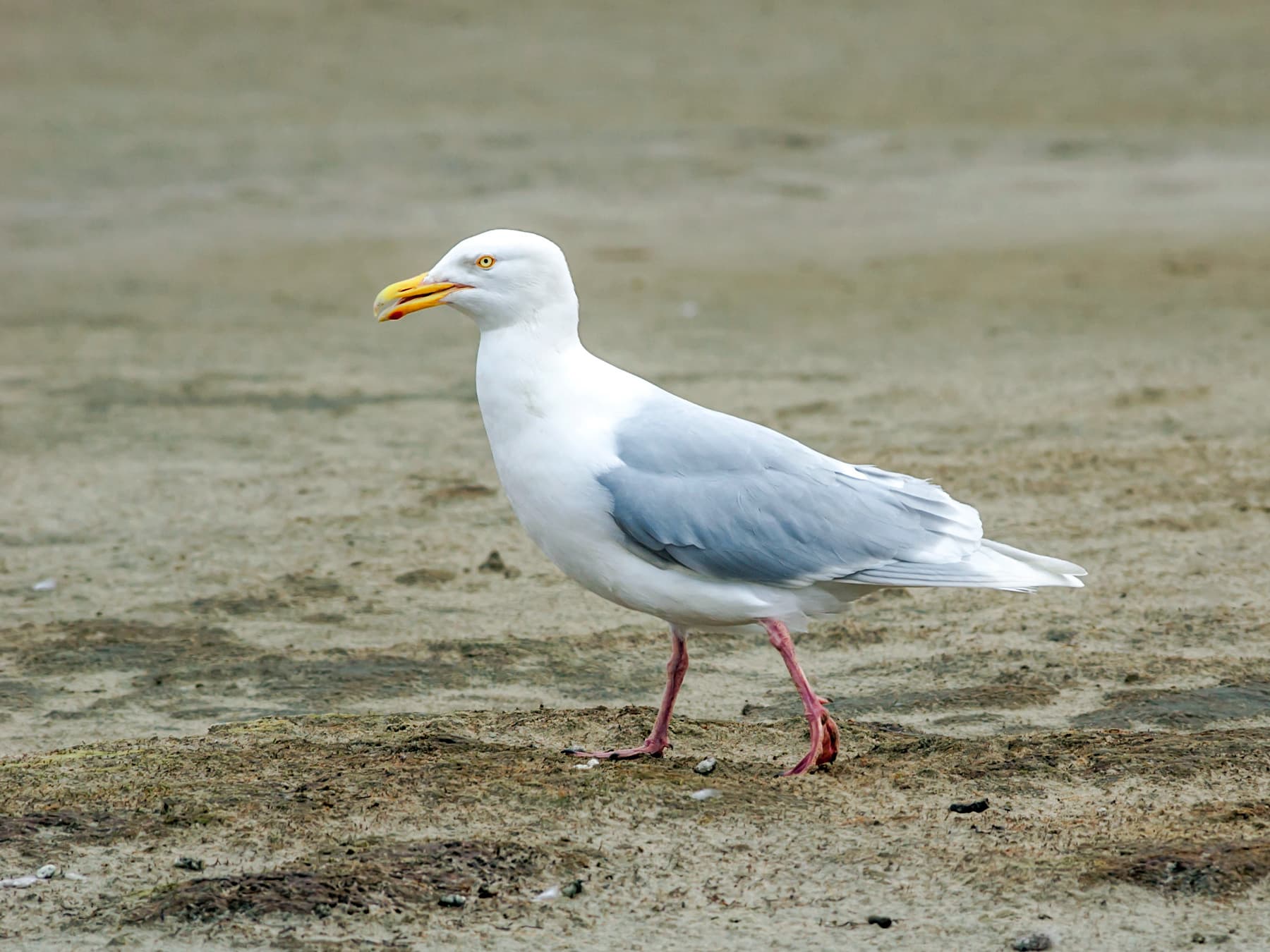 Glaucous GullLarus hyperboreusPassage migrantRare62–68 cmRegularly Nov–Jan
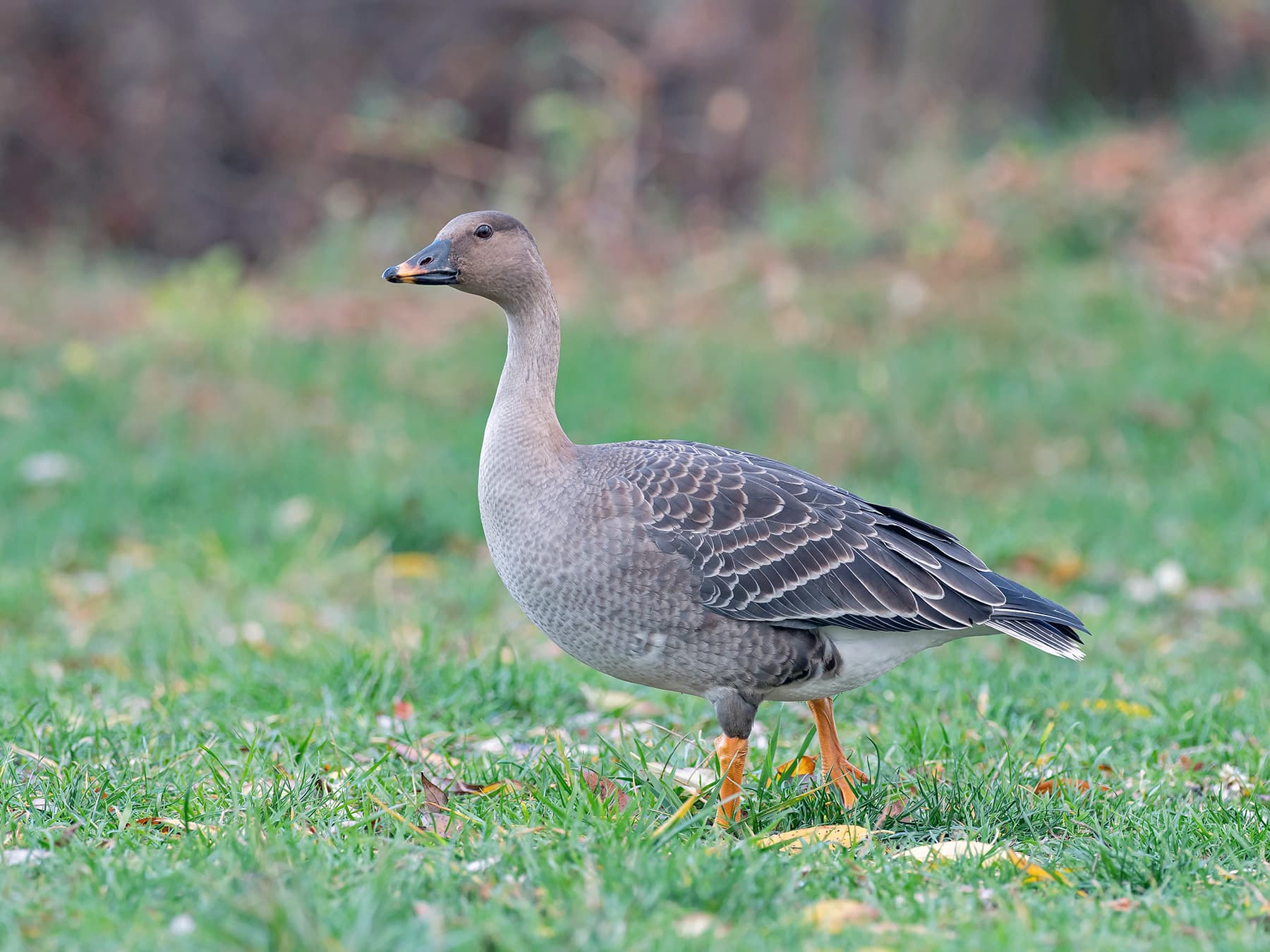 Taiga Bean GooseAnser fabalisPassage migrantRare68–88 cmRegularly Dec–Jan
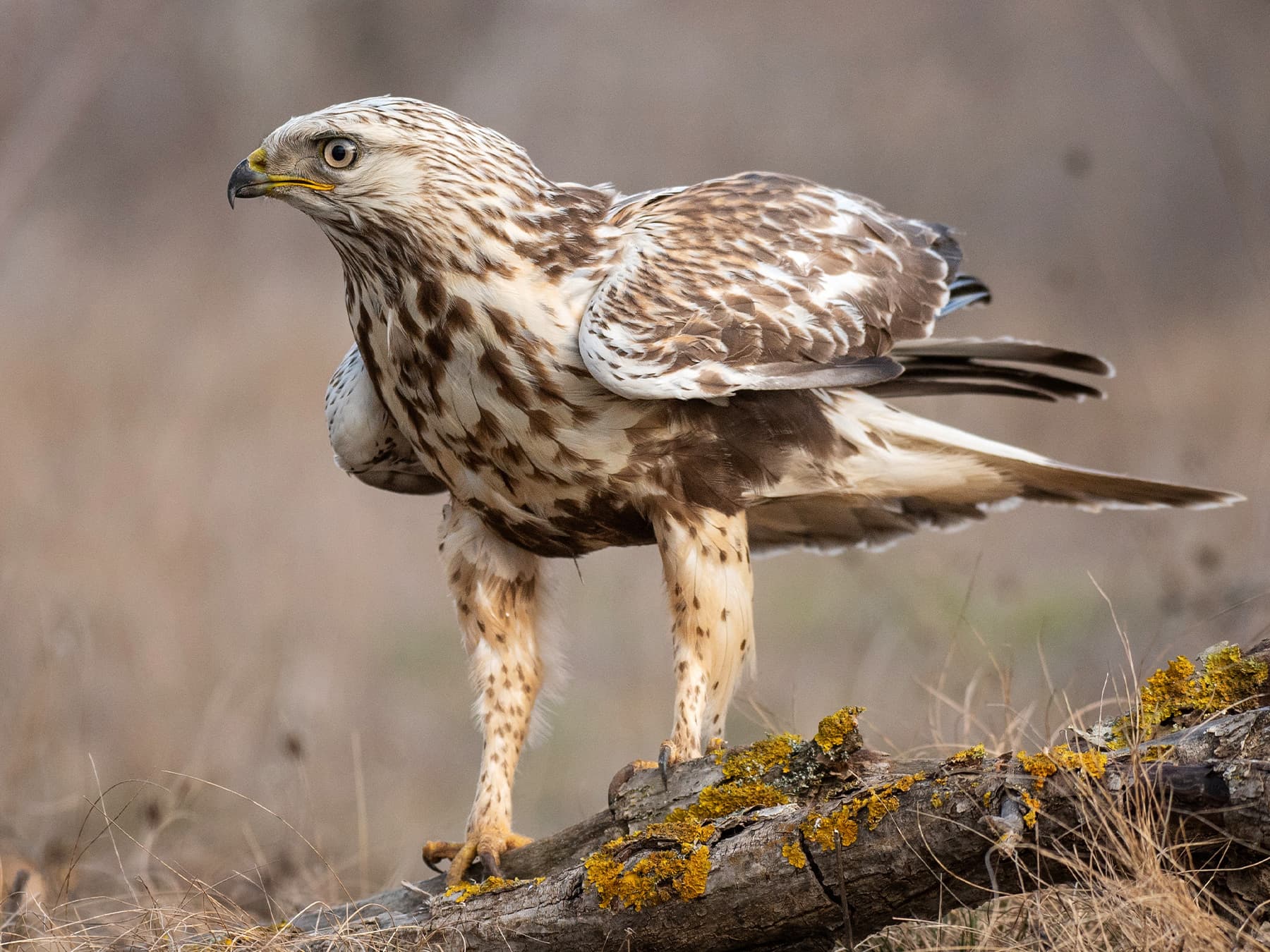 Rough-legged HawkButeo lagopusPassage migrantRare46–59 cmRegularly Oct
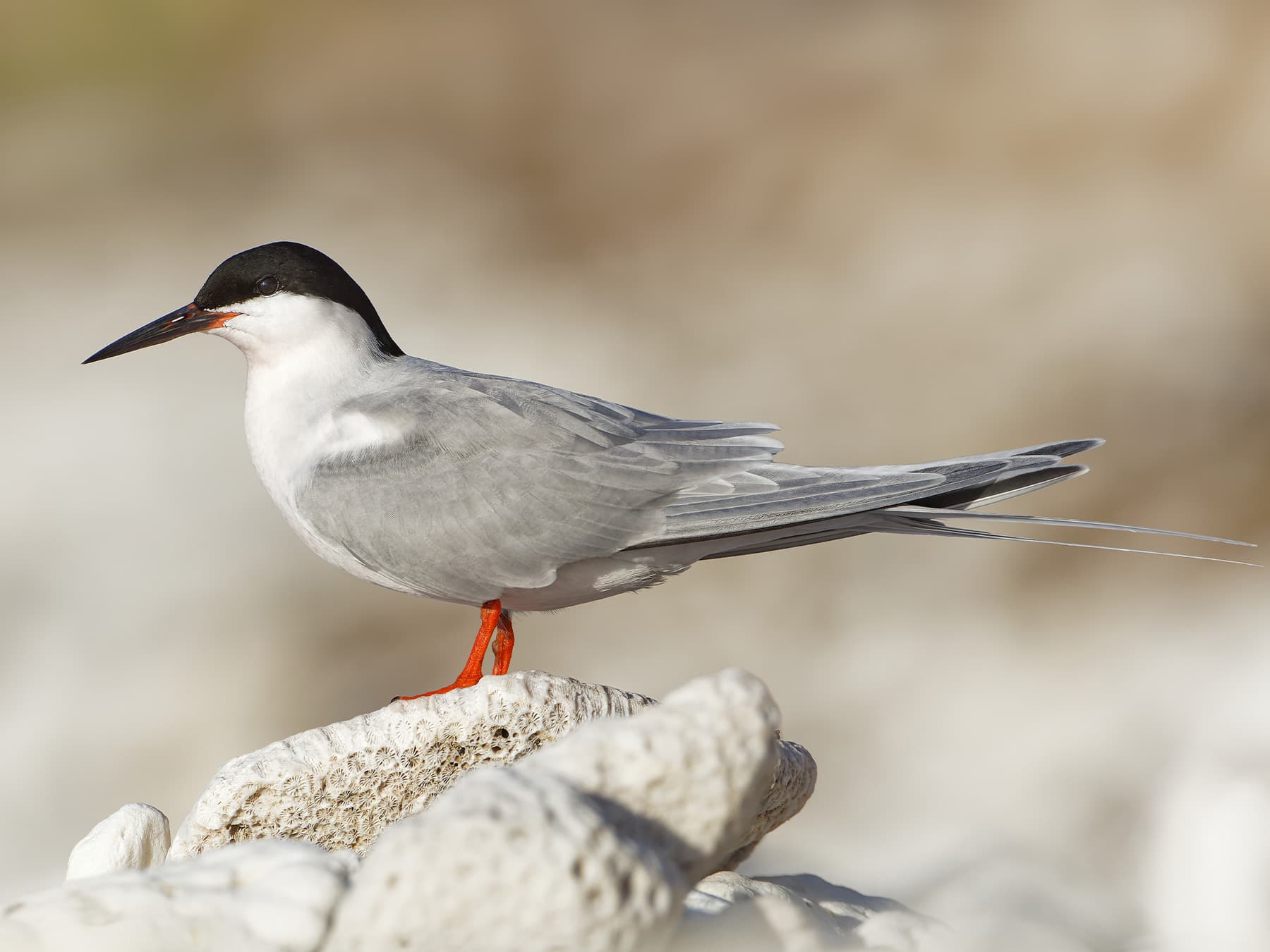 Roseate TernSterna dougalliiPassage migrantRare33–41 cmRegularly Jul
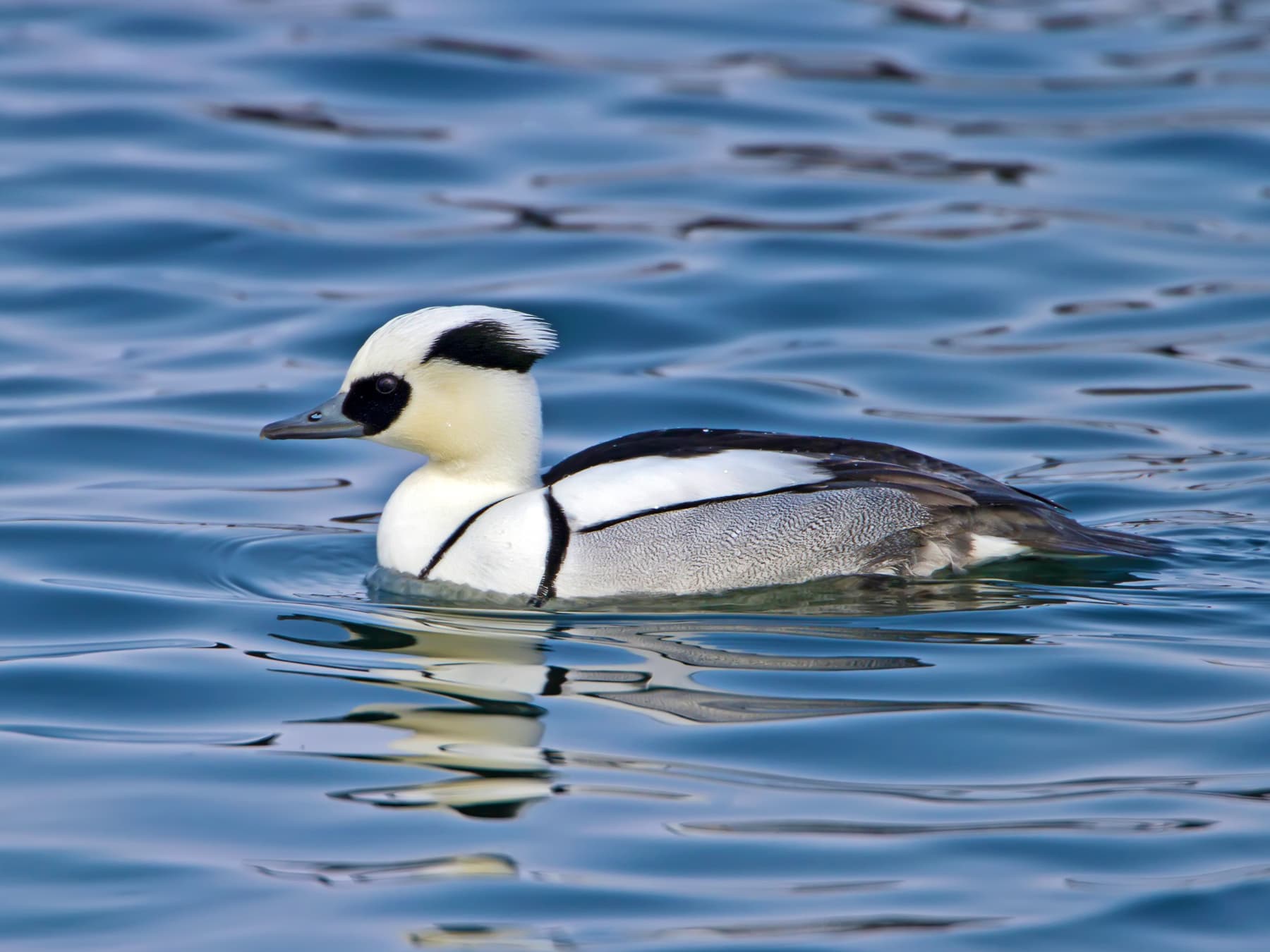 SmewMergellus albellusWinter visitorRare38–44 cmRegularly Dec–Mar
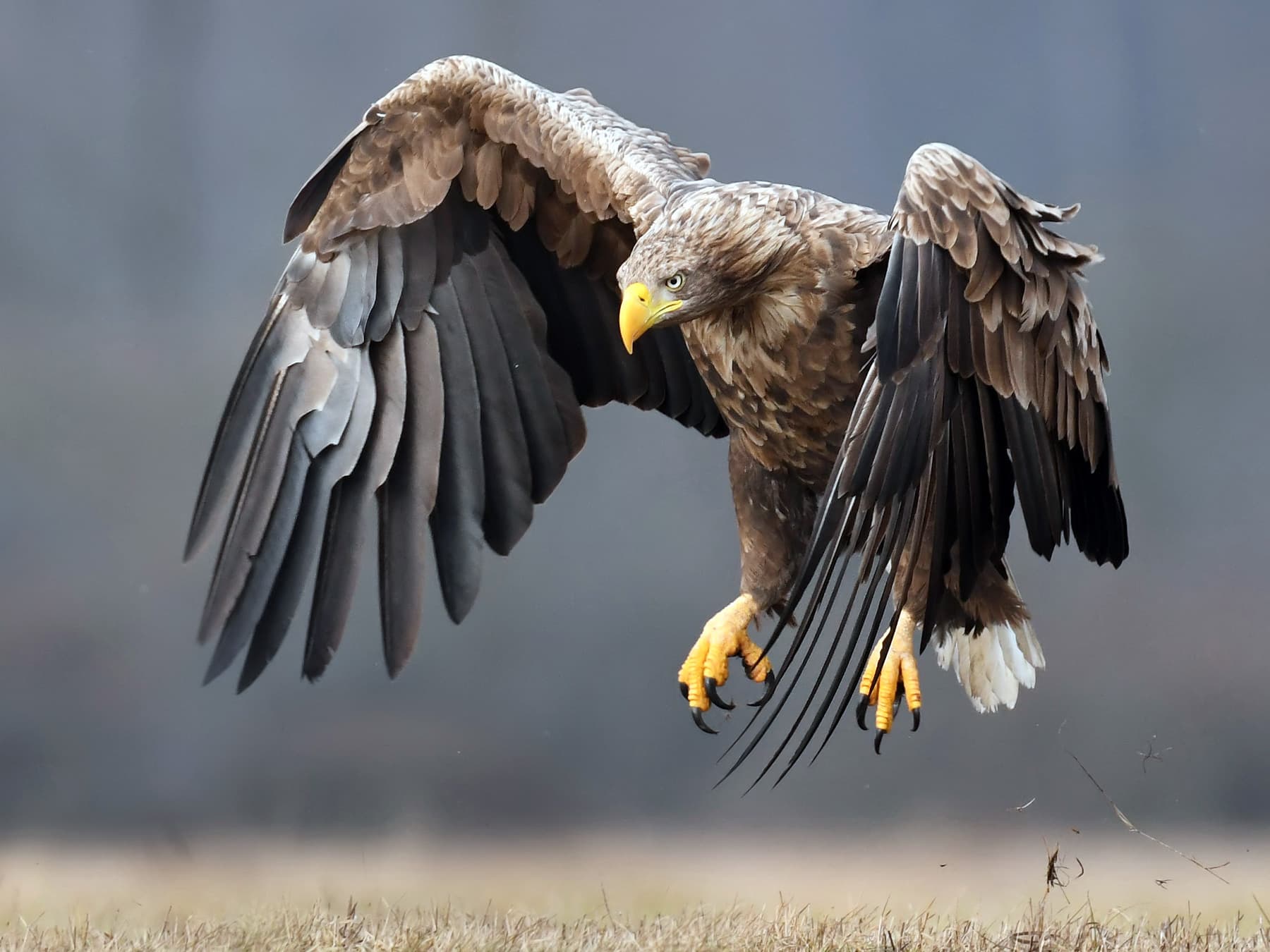 White-tailed Sea-eagleHaliaeetus albicillaPassage migrantRare66–94 cmRegularly Aug–May
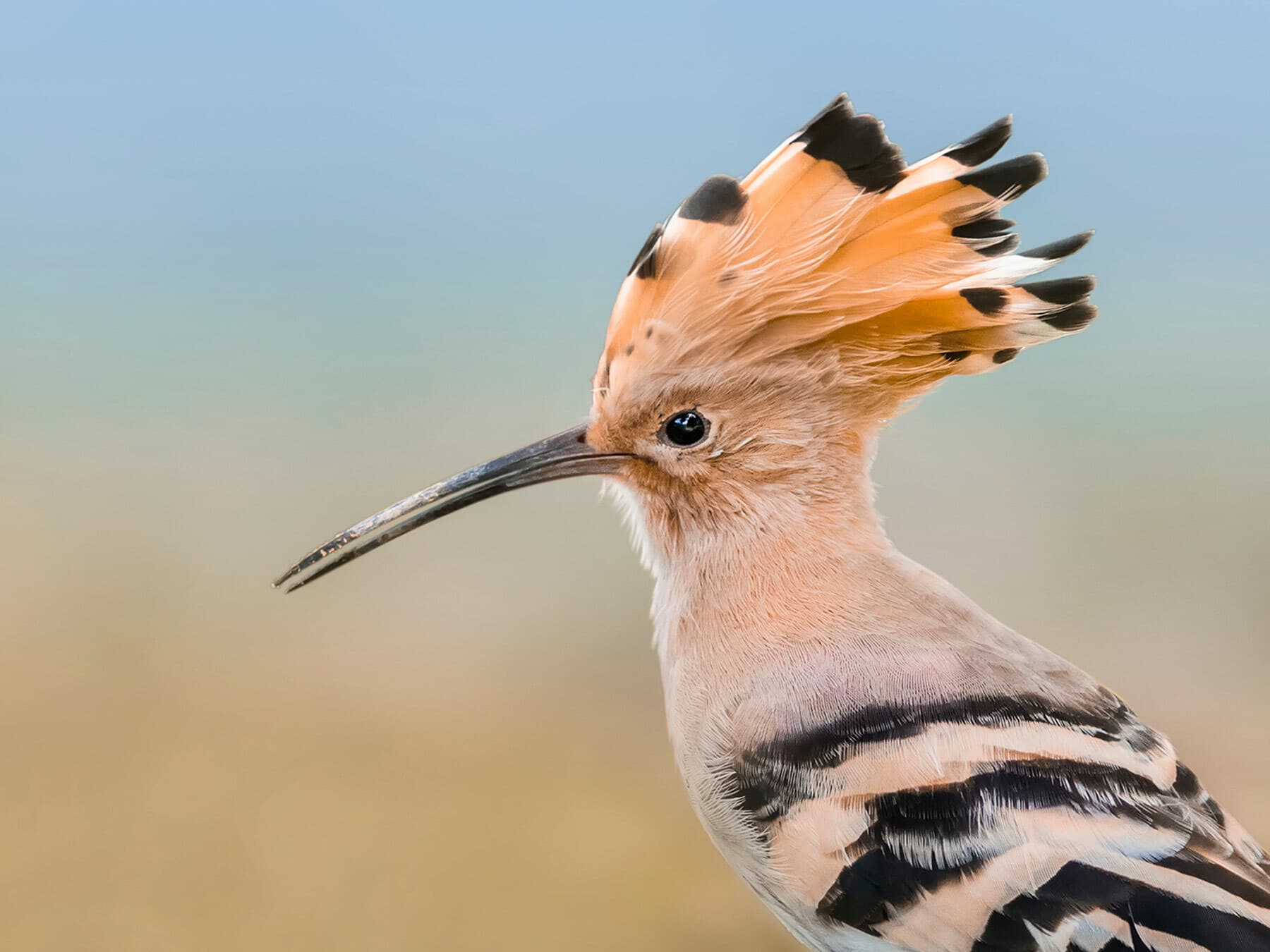 HoopoeUpupa epopsPassage migrantRare25–32 cmRegularly Oct–Apr
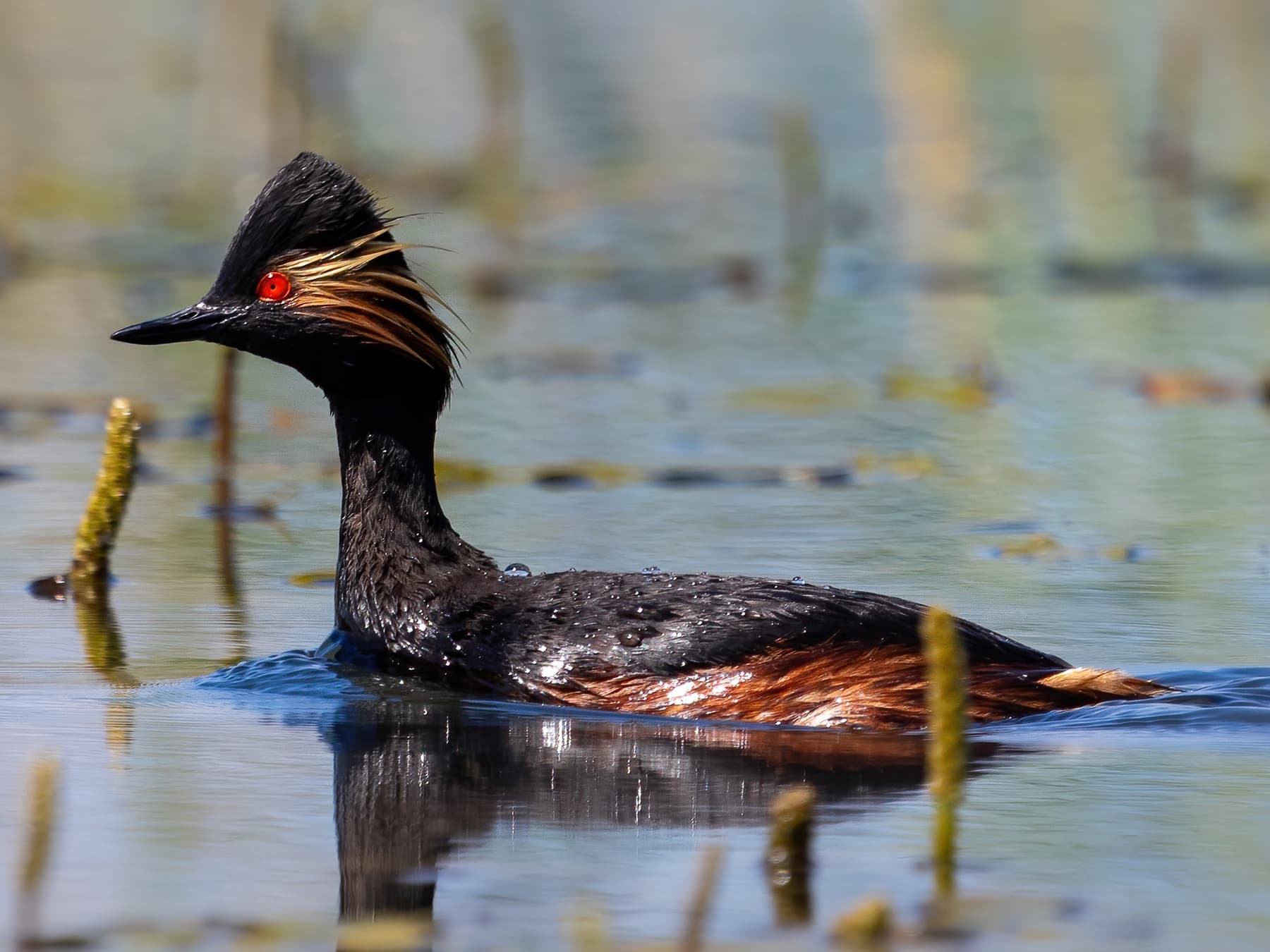 Black-necked GrebePodiceps nigricollisWinter visitorRare28–34 cmRegularly Oct–Mar
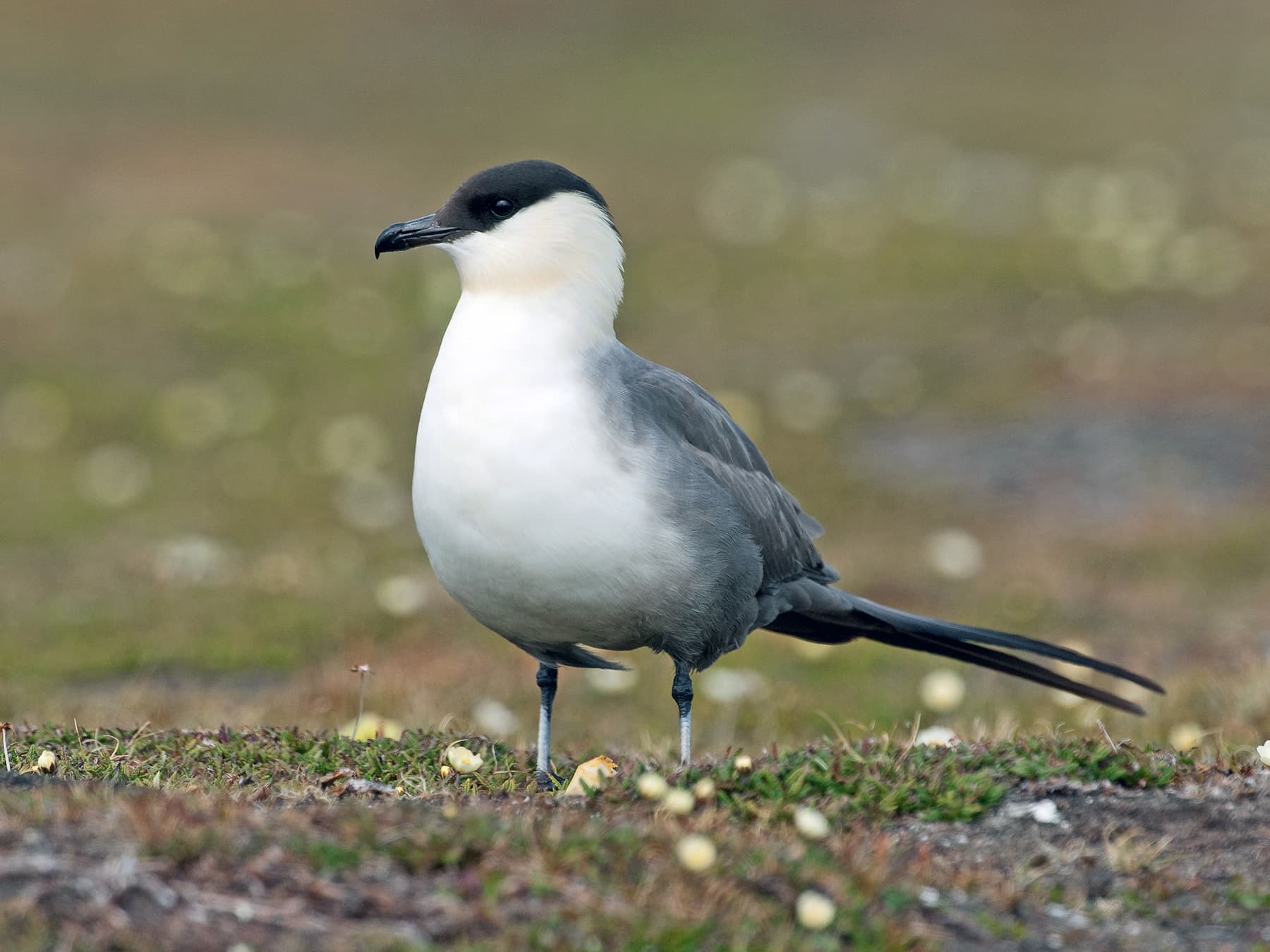 Long-tailed JaegerStercorarius longicaudusPassage migrantRare48–58 cmRegularly Aug–Oct
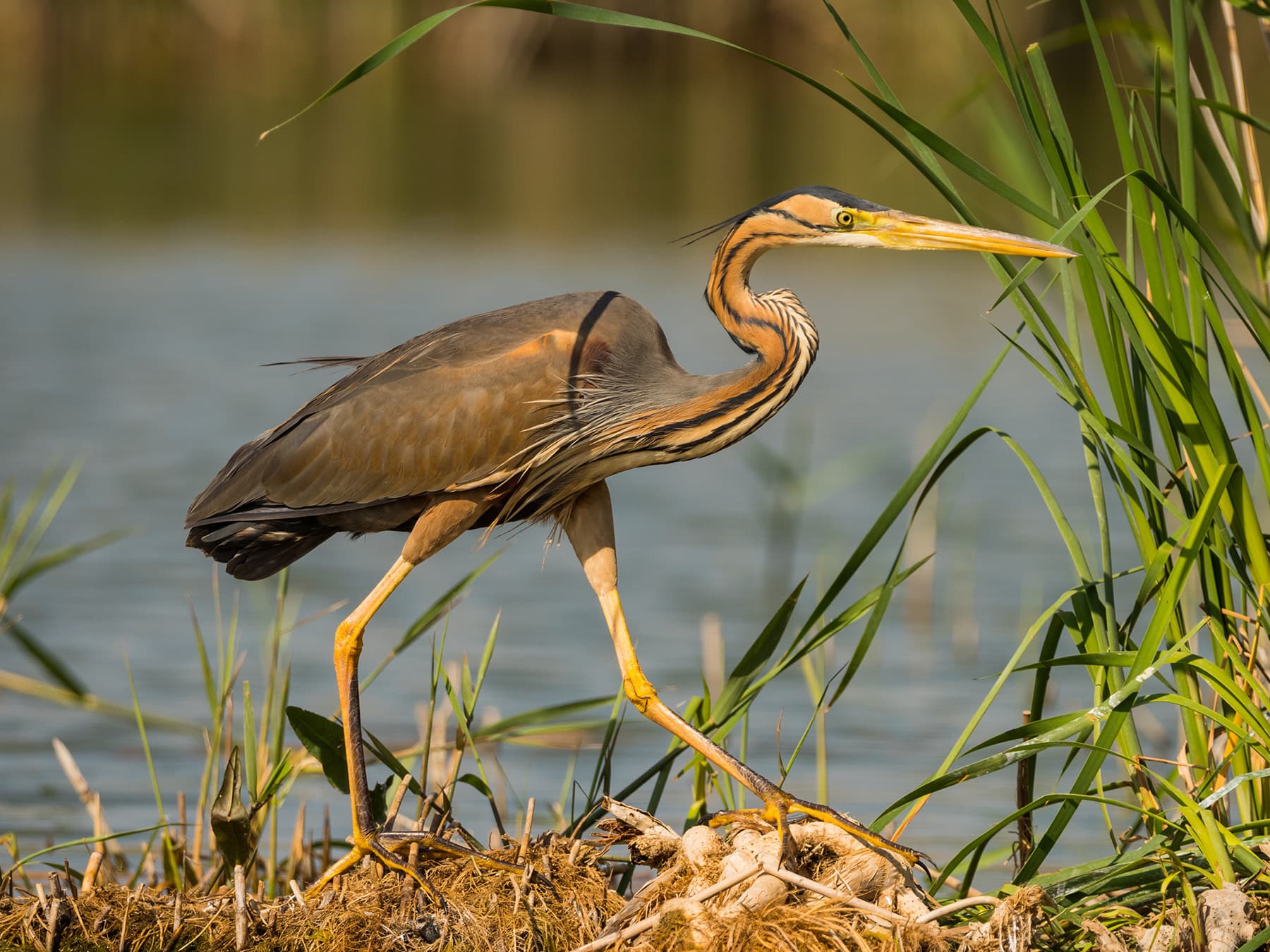 Purple HeronArdea purpureaPassage migrantRare78–90 cmRegularly Apr–May
Data: EOD – eBird Observation Dataset (Cornell Lab of Ornithology), accessed via GBIF.org, CC BY 4.0. Records from 2019–2024, aggregated and filtered by Birdfact. How these lists are made