Birds in Lincolnshire
Explore 228 species found in this region.
Lincolnshire is one of England's most rewarding counties for birdwatching, with 217 recorded species found across its diverse landscapes of coastal marshes, fenlands, farmland, and woodland. The county's extensive coastline along The Wash and the Humber Estuary provides vital habitat for wading birds and wildfowl, while inland sites attract notable species such as Cetti's Warbler, Hen Harrier, and Great White Egret. From the commons of the Lincolnshire Wolds to the vast skies over the fens, the county offers exceptional birding opportunities throughout the year.
Visiting in July? Look out for Arctic Tern and Little Stint arriving this month, and Aquatic Warbler and Eurasian Woodcock depart for the season.


Showing 116–138 of 228 species
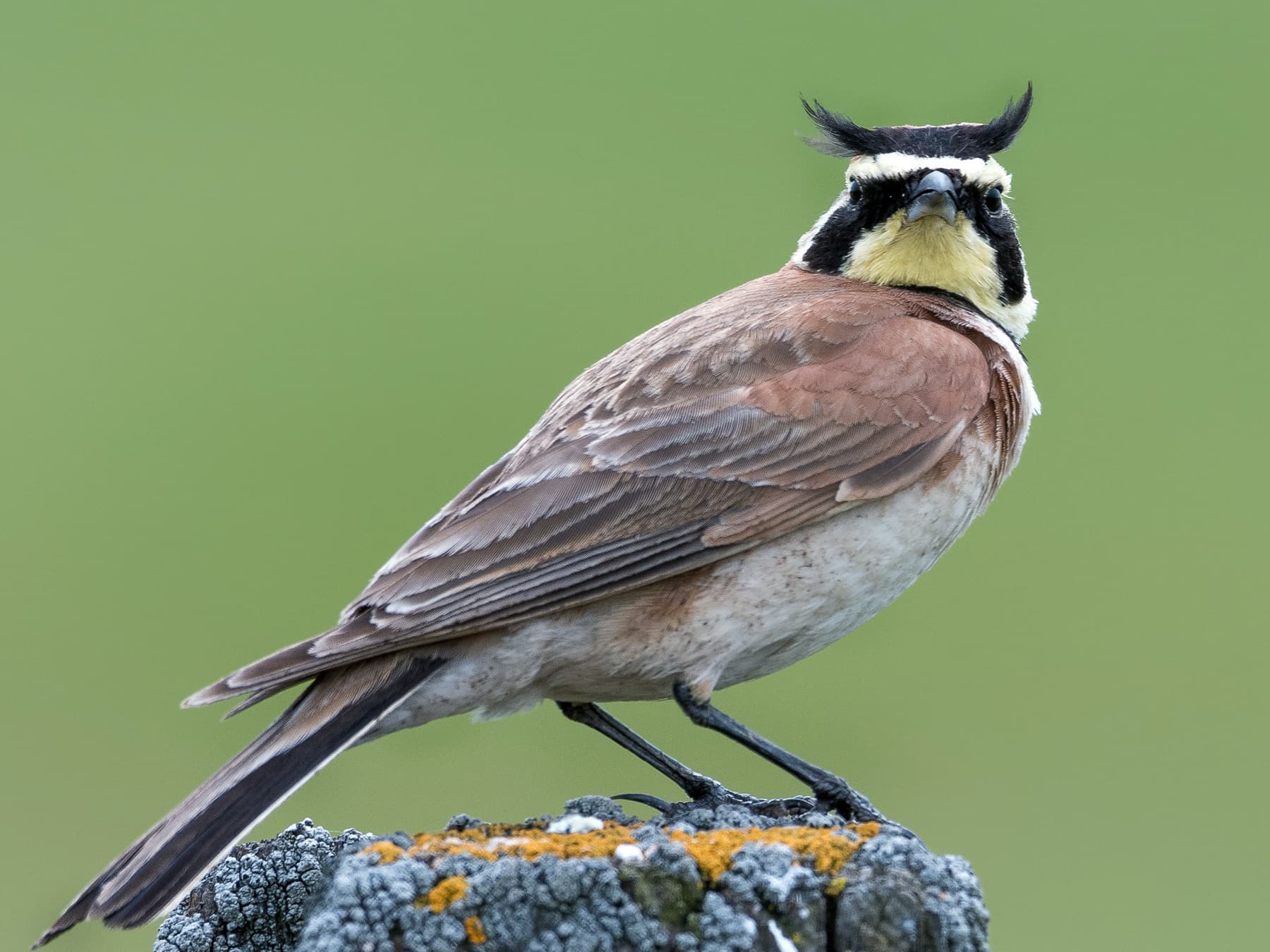
Horned Lark
Eremophila alpestrisLC
A rare winter passage visitor, occasionally found on the Lincolnshire coast and saltmarshes in January and February.
Jan–Feb
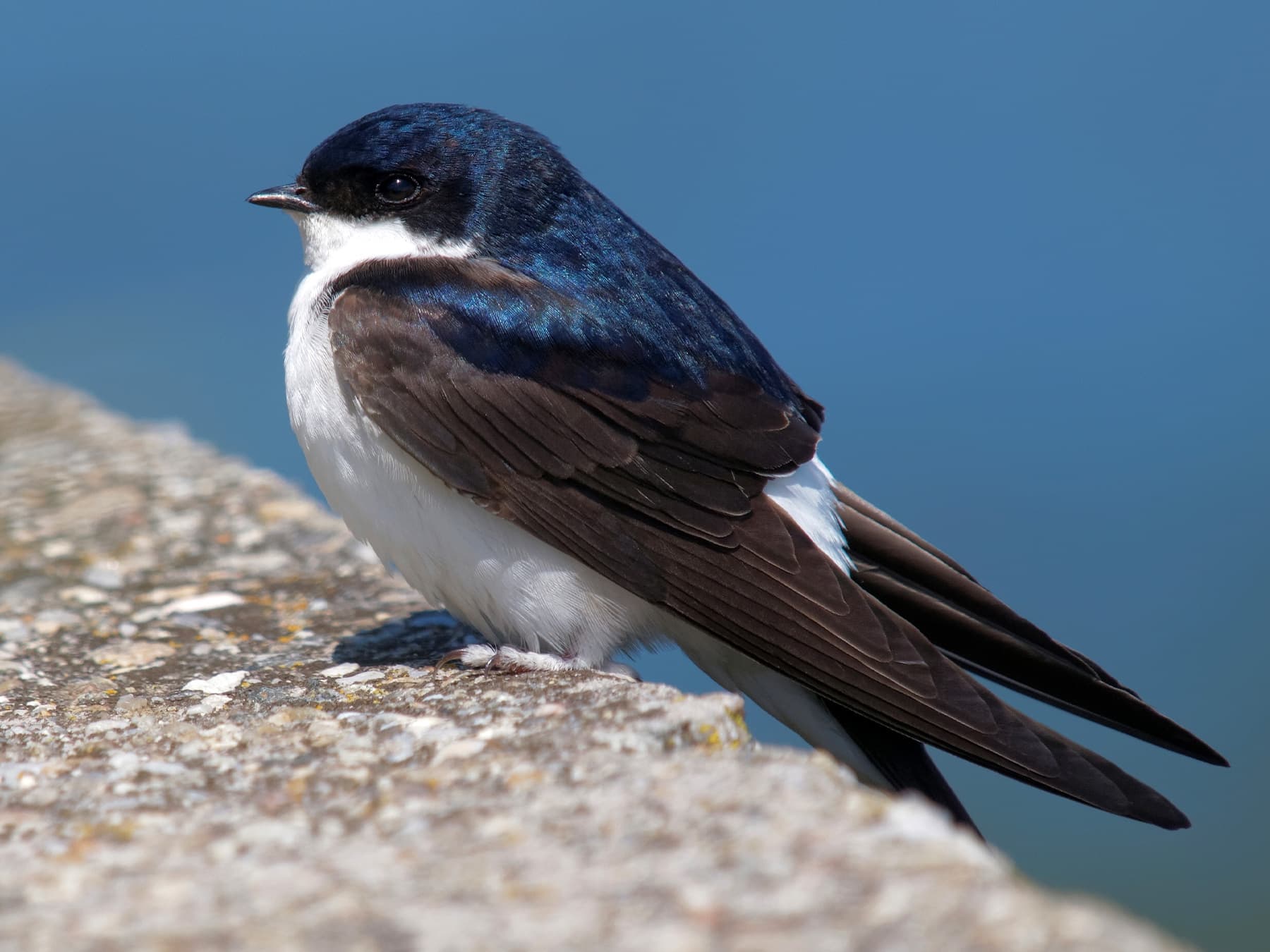
House Martin
Delichon urbicumLC
A common summer breeder, nesting under eaves in towns and villages from April to October. Often seen hawking insects over farmland and waterways.
Apr–Oct
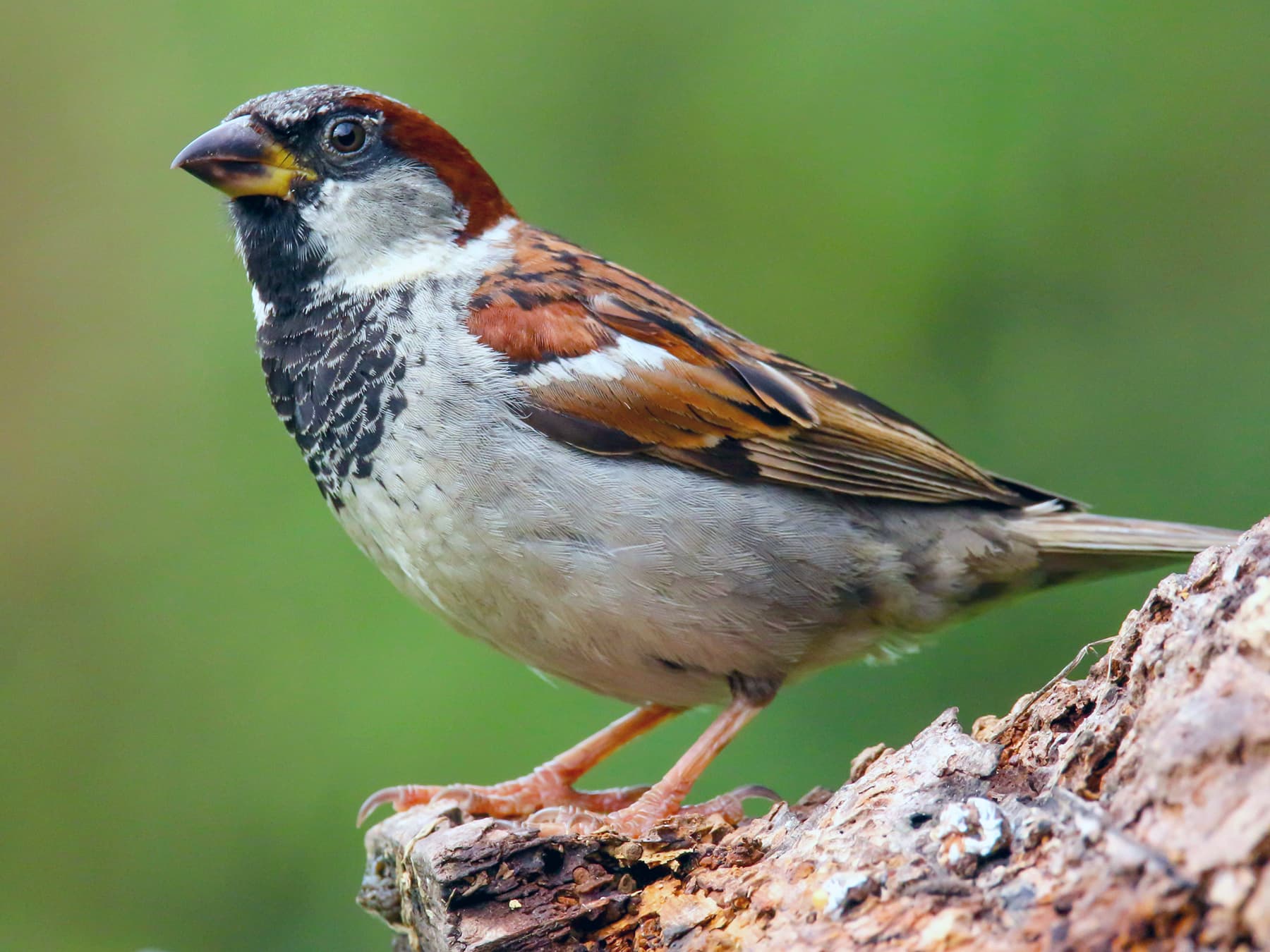
House Sparrow
Passer domesticusLC
A common year-round resident closely tied to human habitation, nesting under eaves in towns and villages across the county.
Year-round
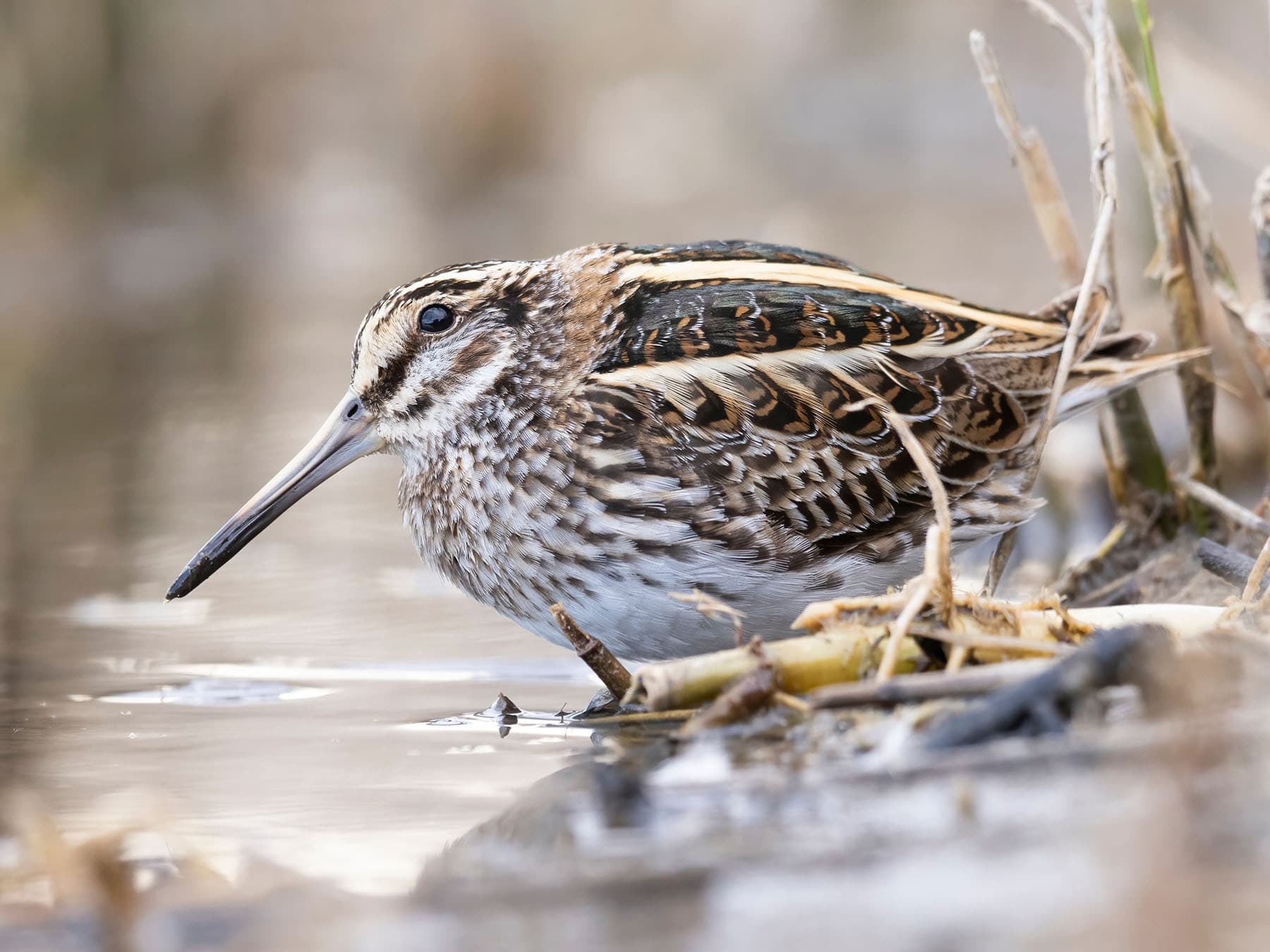
Jack Snipe
Lymnocryptes minimusLC
A rare winter visitor to marshy fields and wet grasslands from October to April. Secretive and easily overlooked among snipe.
Oct–Apr
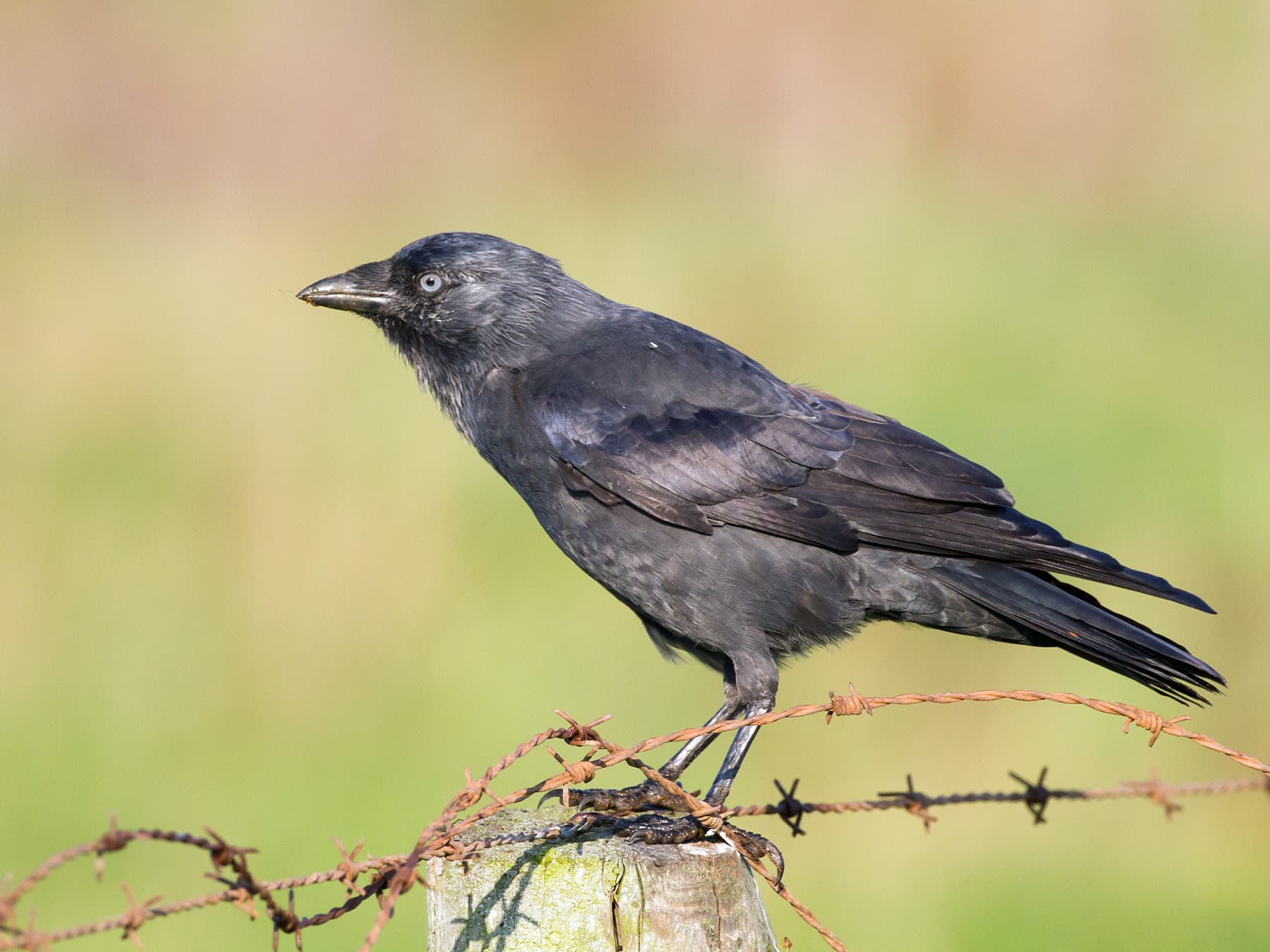
Jackdaw
Coloeus monedulaLC
A common and sociable resident, nesting in church towers, old buildings, and tree cavities. Often seen in noisy flocks with rooks.
Year-round
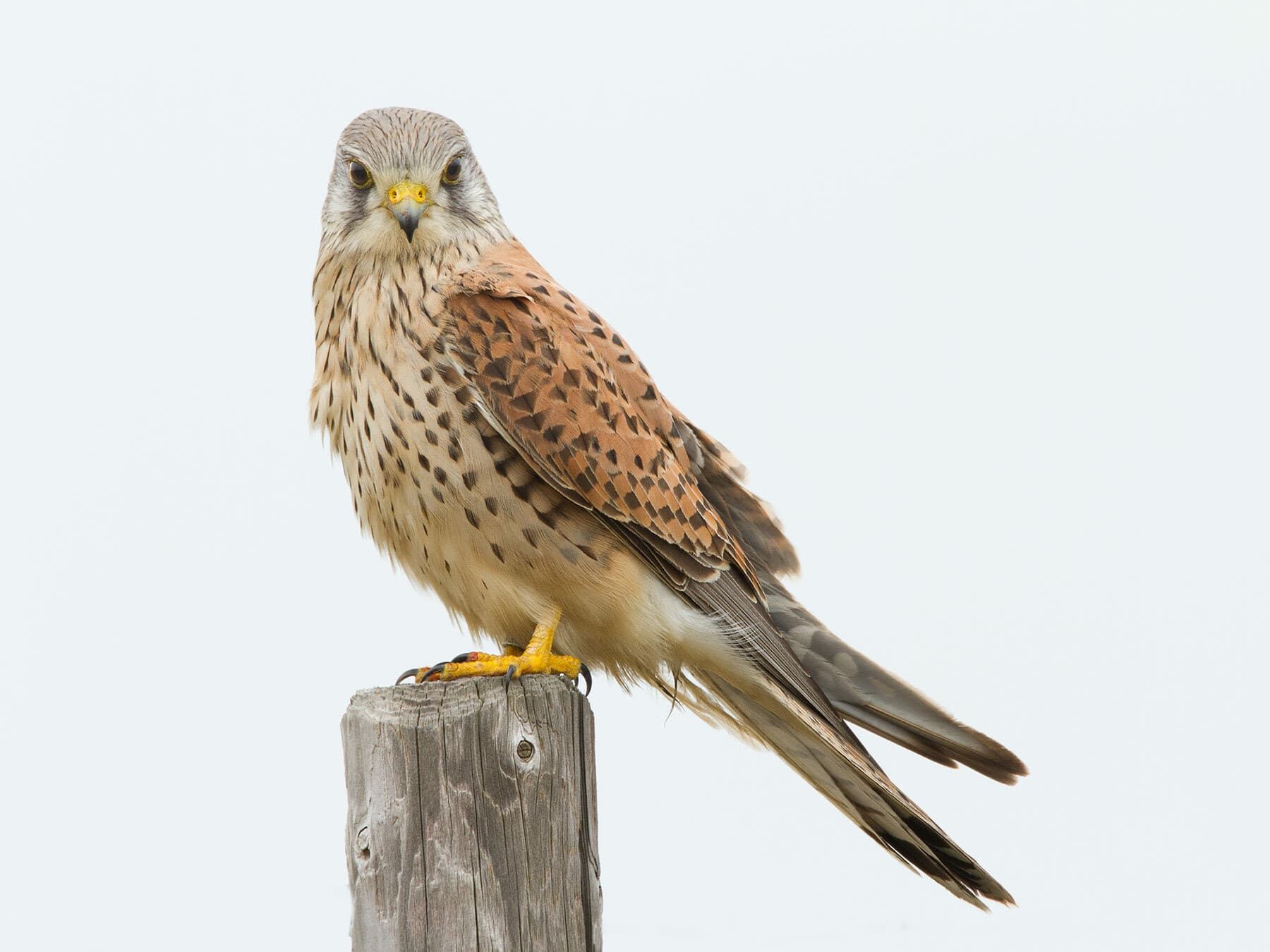
Kestrel
Falco tinnunculusLC
A common resident, frequently seen hovering over roadside verges and open farmland across the county throughout the year.
Year-round
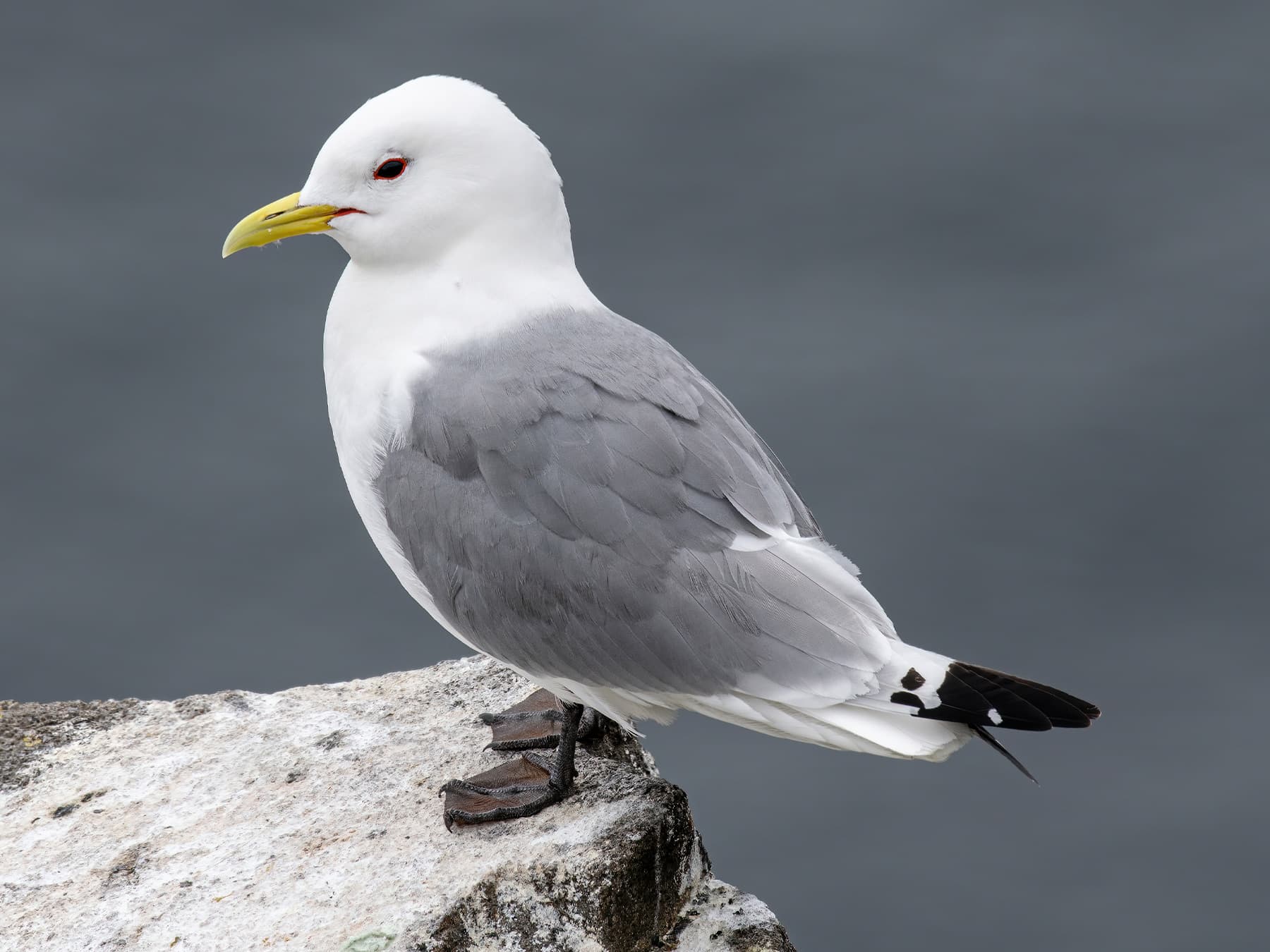
Kittiwake
Rissa tridactylaVU
Scarce along the coast from late summer into winter, often seen offshore at Gibraltar Point or Donna Nook during autumn passage.
Aug–Dec
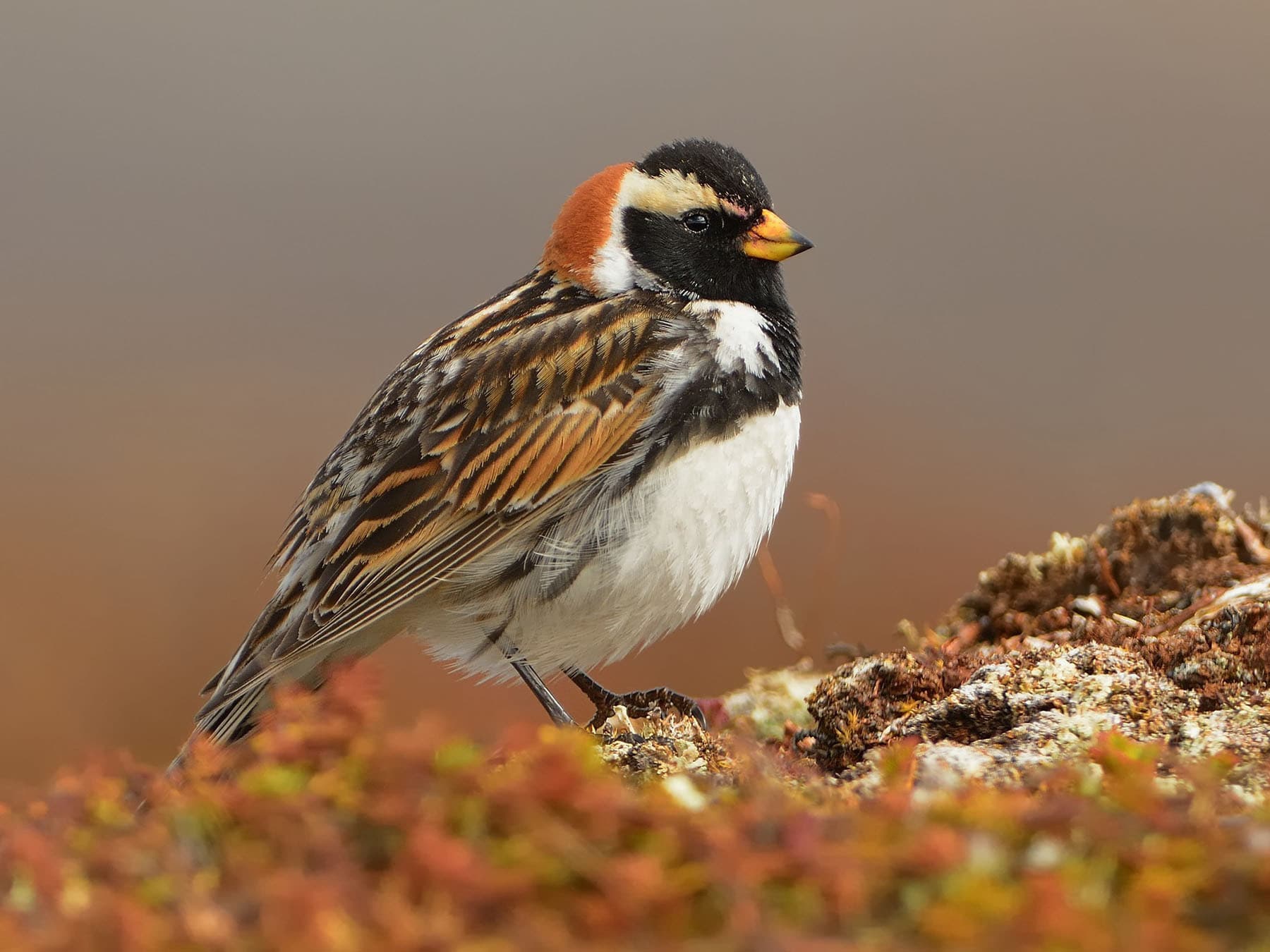
Lapland Longspur
Calcarius lapponicusLC
A rare passage visitor, occasionally seen on the coast in February and October, favouring stubble fields and saltmarsh near Gibraltar Point.
Oct–Feb
Spotted something?
Upload a photo to identify it
Identify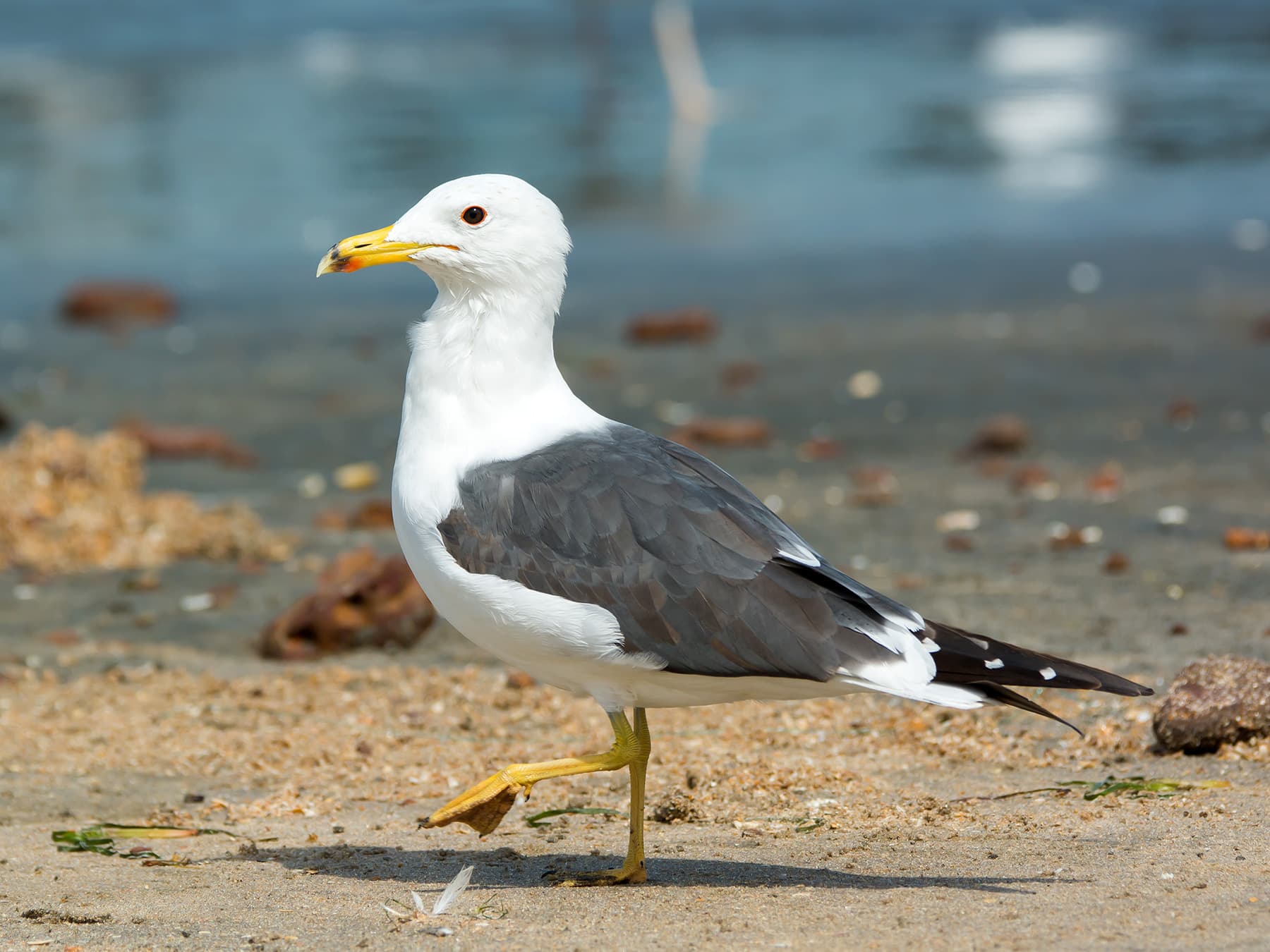
Lesser Black-backed Gull
Larus fuscusLC
Common year-round, found at landfill sites, farmland, and coastal areas. Breeds locally and gathers in large roosts during winter.
Year-round
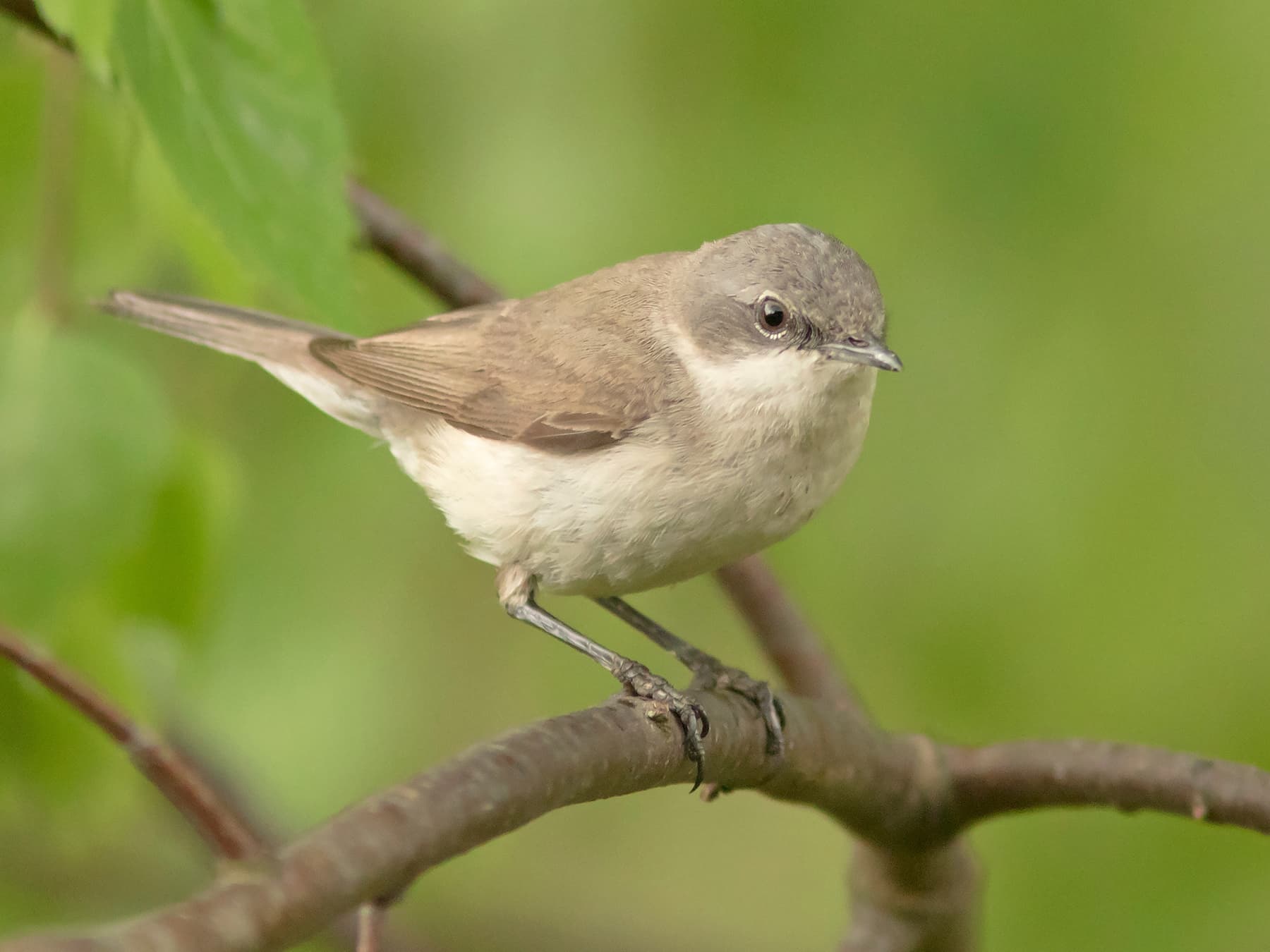
Lesser Whitethroat
Curruca currucaLC
An uncommon summer breeder arriving in April, favouring tall hedgerows and scrubby thickets across the county.
Apr–Sep
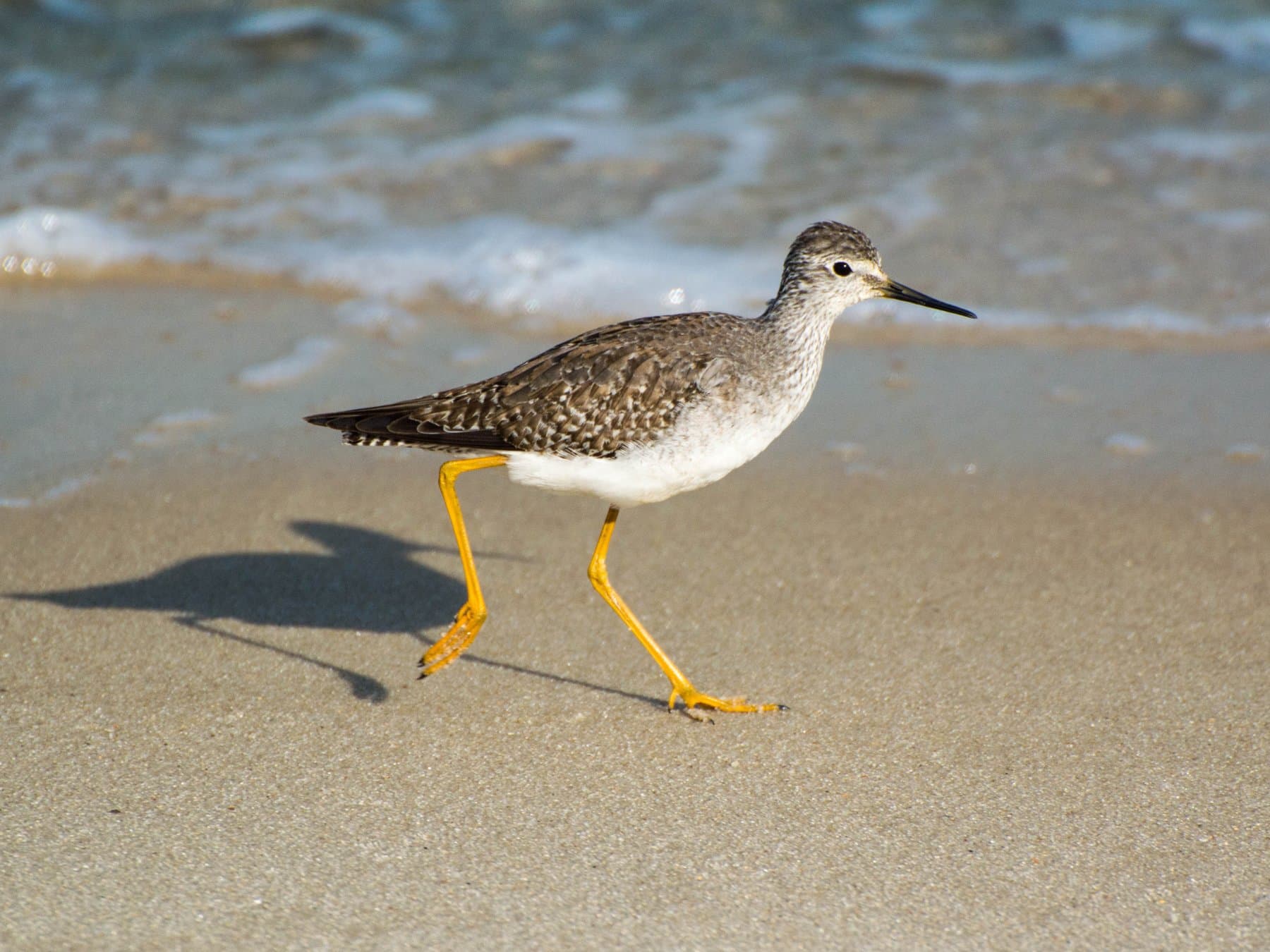
Lesser Yellowlegs
Tringa flavipesVU
A rare Nearctic vagrant, with long-staying individuals occasionally found on freshwater scrapes and marshes across the county.
Sep–Jul
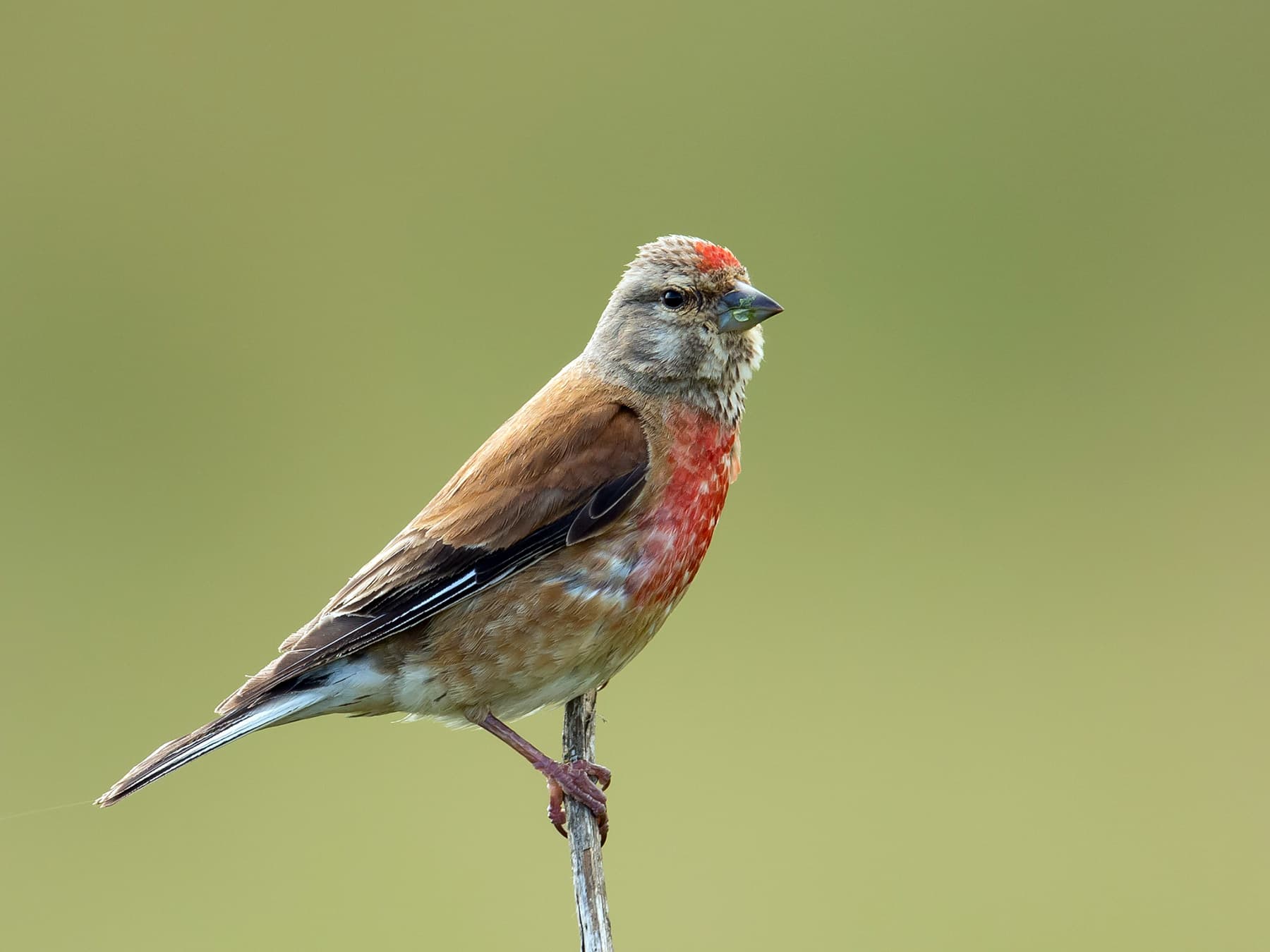
Linnet
Linaria cannabinaLC
A common resident of farmland, heathland edges and coastal scrub. Forms large winter flocks on stubble fields and saltmarshes.
Year-round
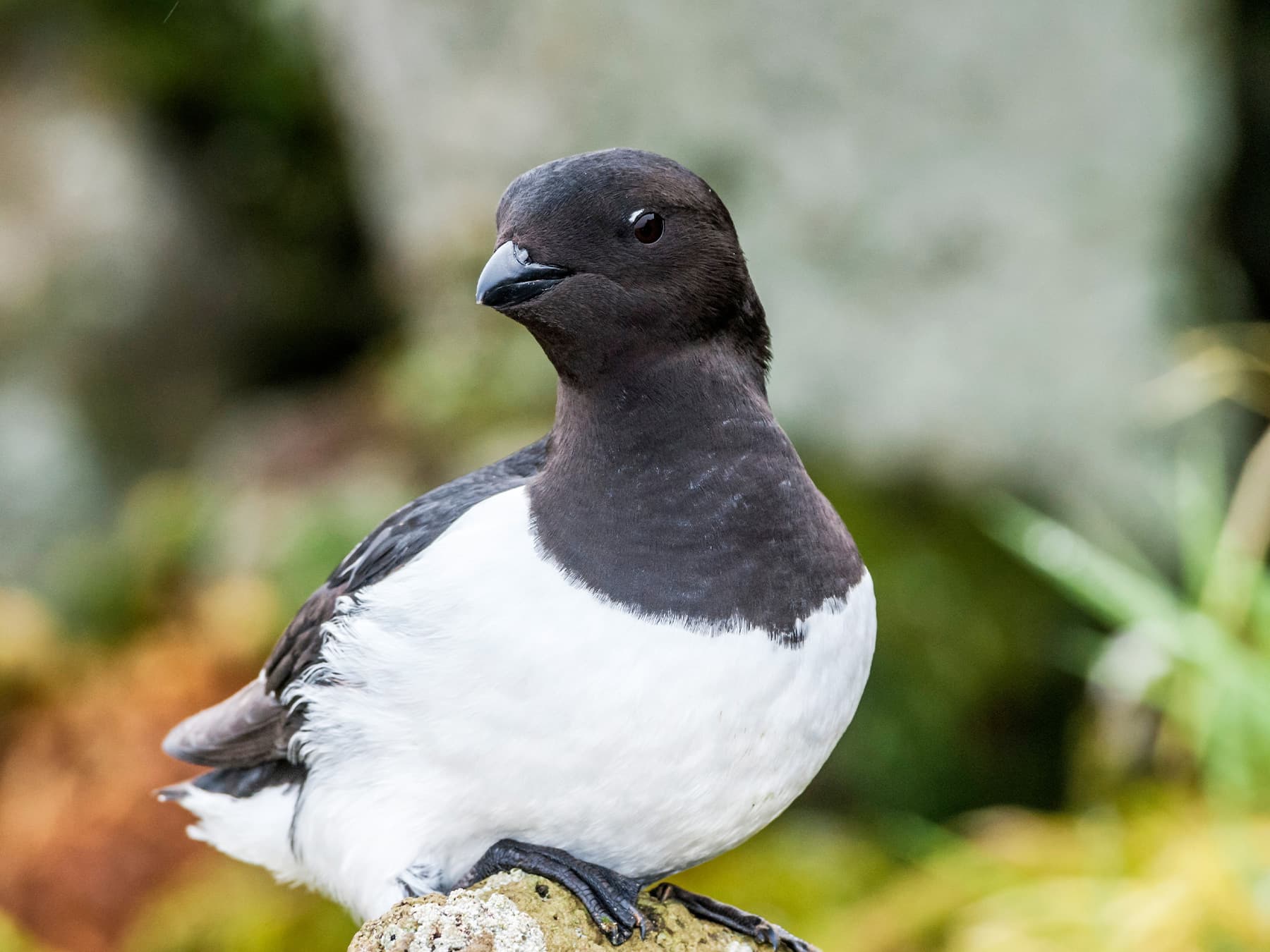
Little Auk
Alle alleLC
A rare late-autumn visitor, occasionally driven onshore along the Lincolnshire coast by strong North Sea gales in November and December.
Nov–Dec
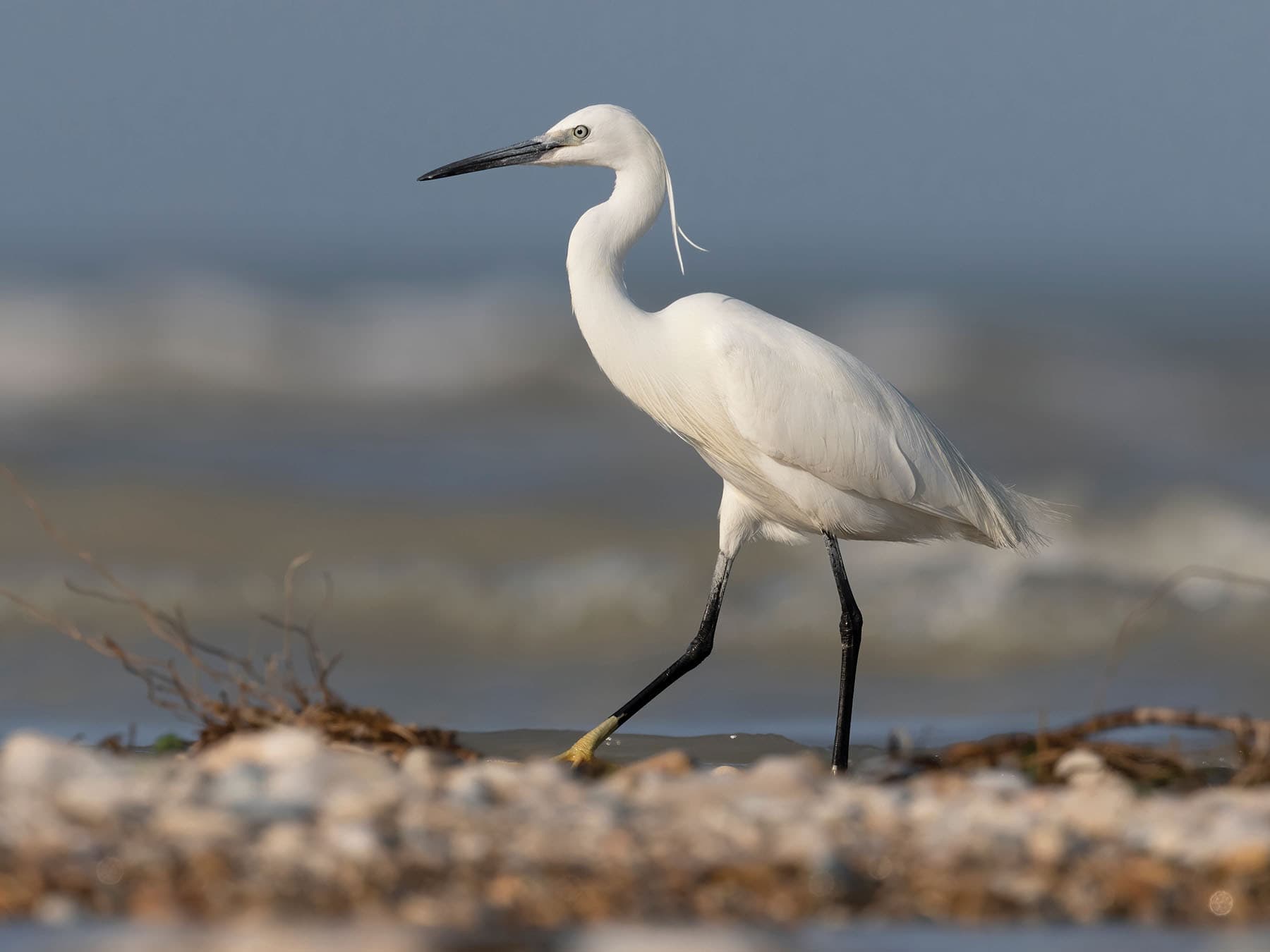
Little Egret
Egretta garzettaLC
Now a common resident, found year-round along marshes, coastal lagoons, and inland waterways — a remarkable coloniser since the 1990s.
Year-round
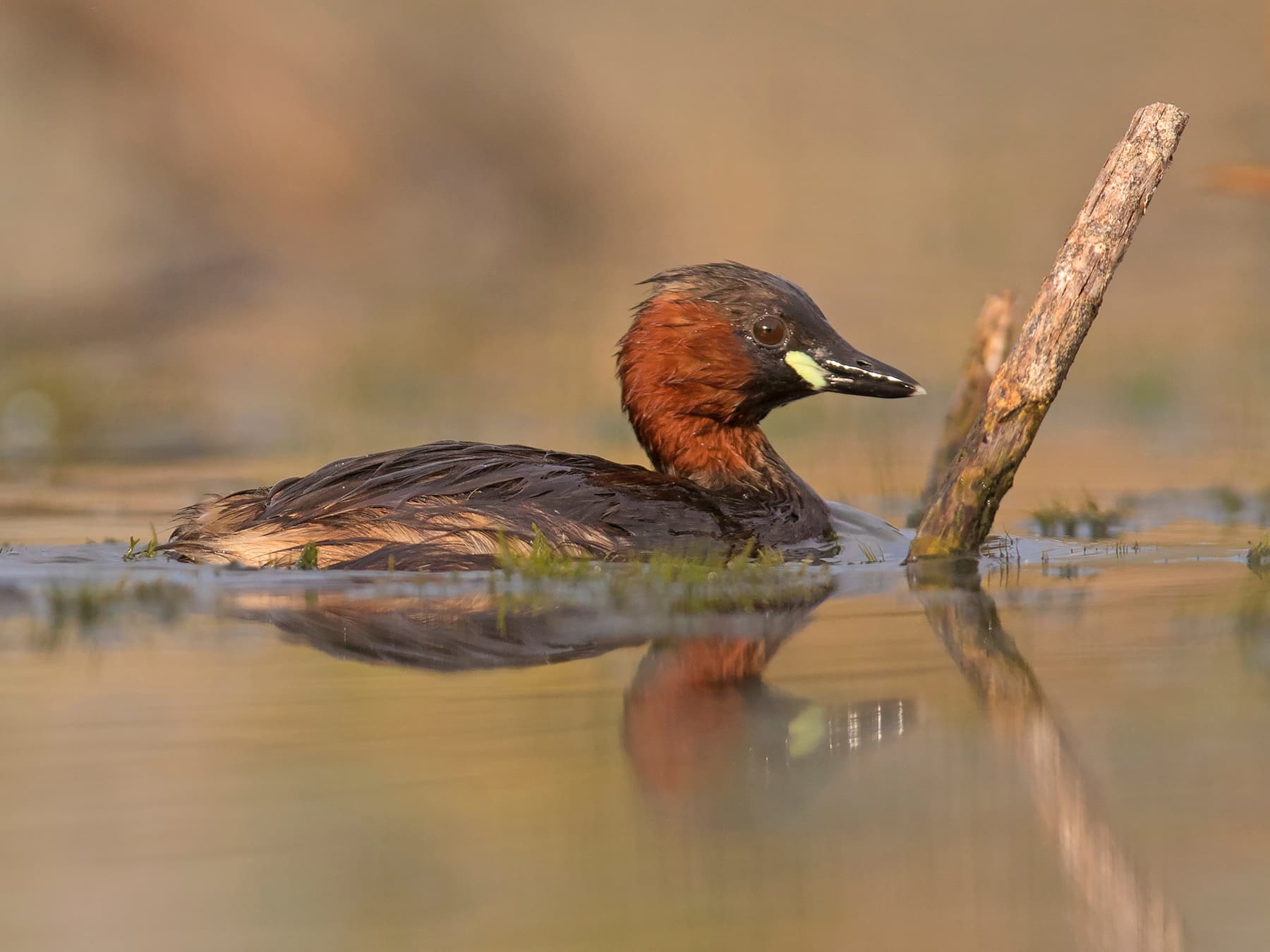
Little Grebe
Tachybaptus ruficollisLC
A common resident on ponds, lakes, and drainage ditches across the county, often heard giving its distinctive whinnying trill.
Year-round
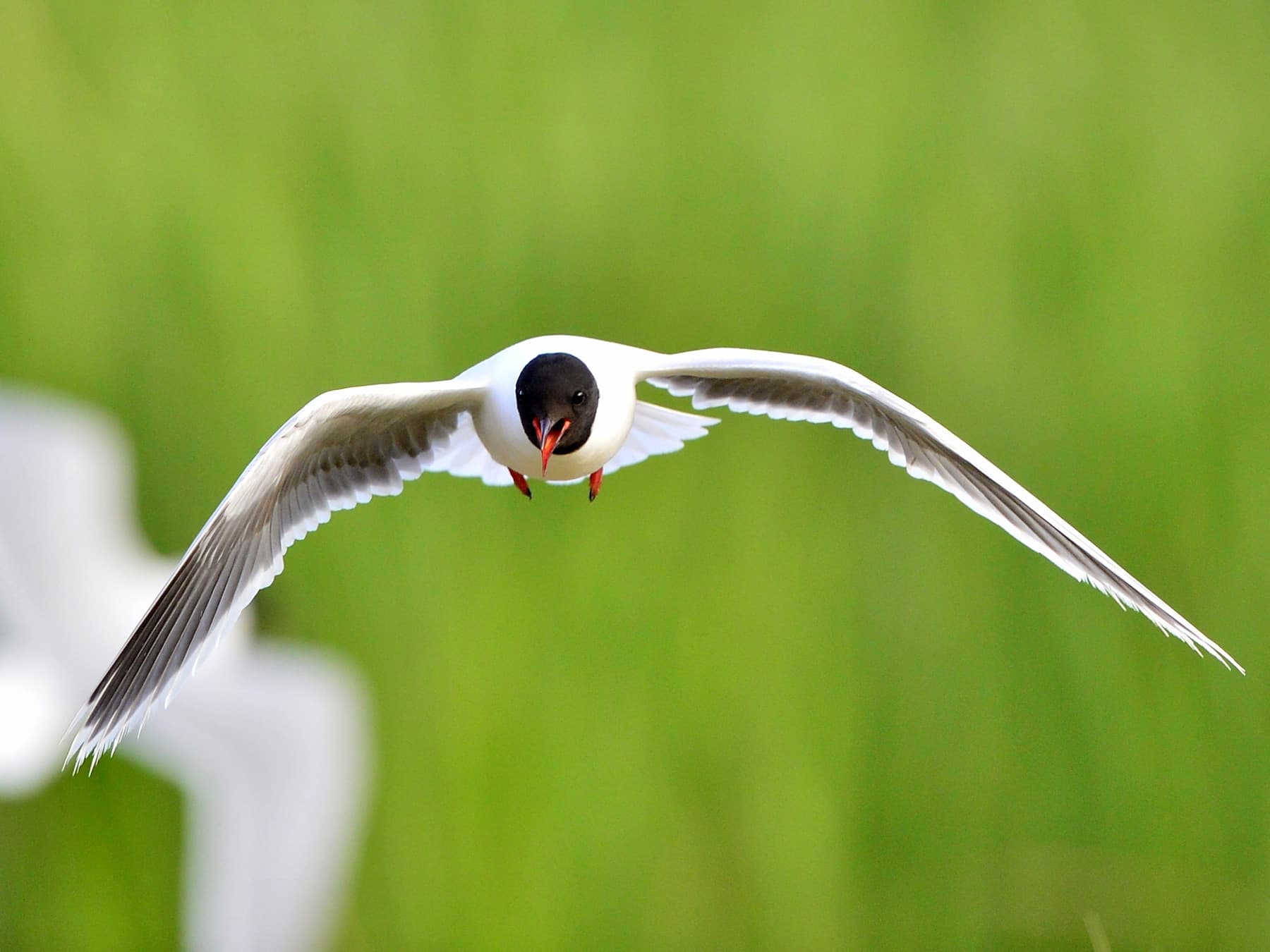
Little Gull
Hydrocoloeus minutusLC
A rare breeder at select wetland sites, this dainty gull is most visible during passage in spring and autumn over inland pools.
Apr–Nov
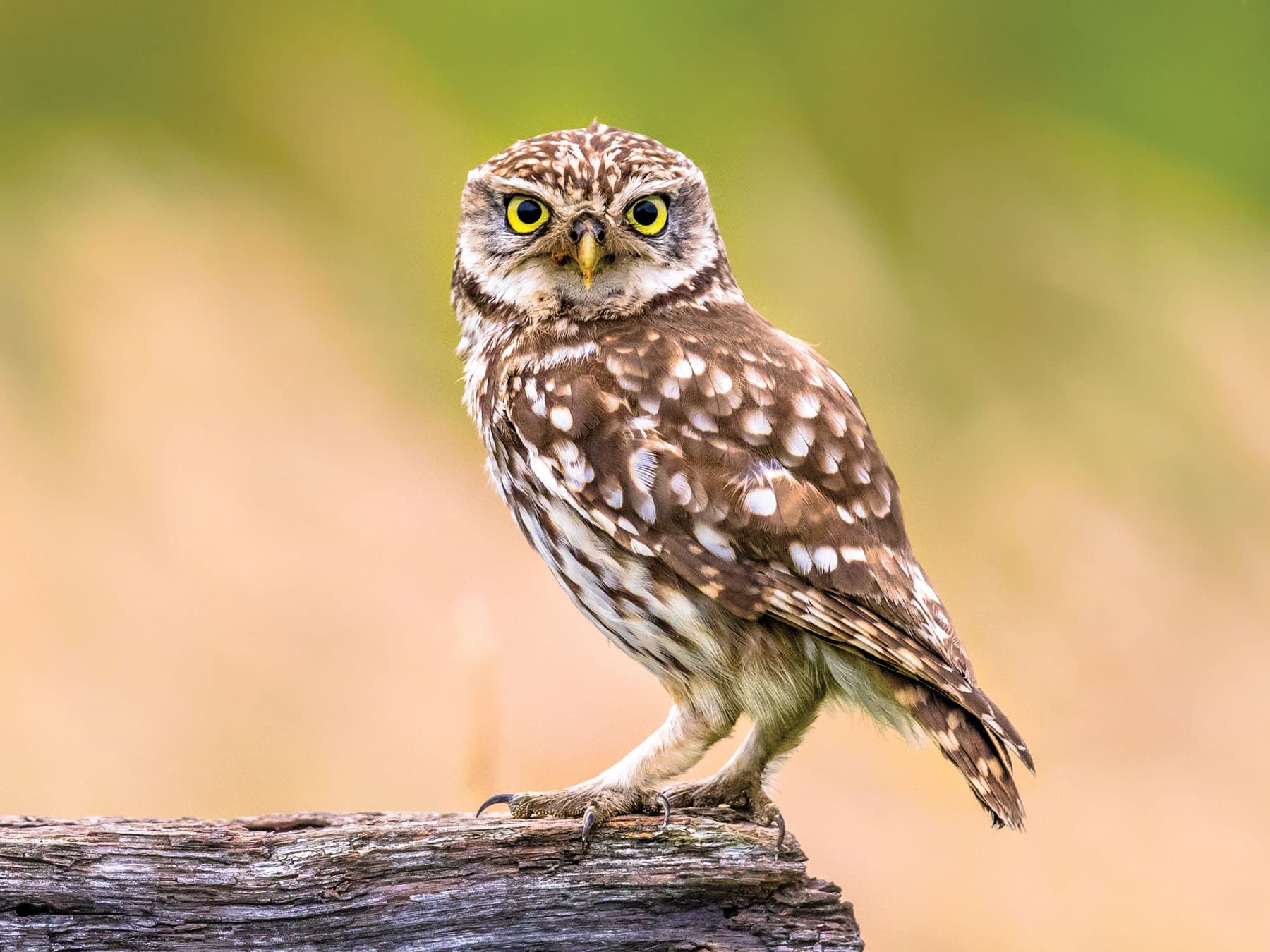
Little Owl
Athene noctuaLC
A rare but endearing resident of farmland and old buildings. Declining nationally, but still found in parts of the Wolds and fens.
Oct–Aug
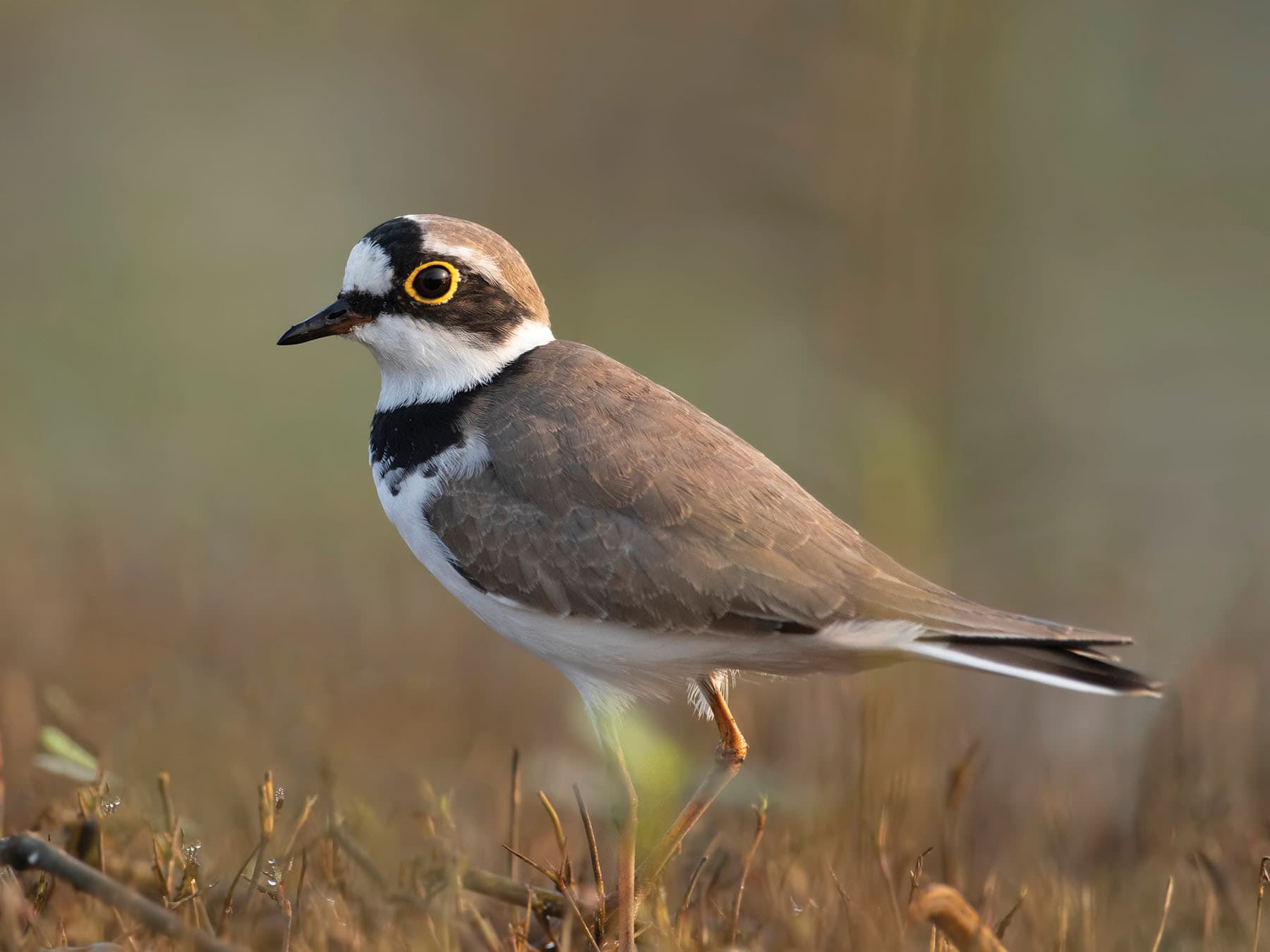
Little Ringed Plover
Charadrius dubiusLC
Breeds at gravel pits and flooded quarries inland. Arrives in March and departs by September, favouring bare shingle margins.
Mar–Sep
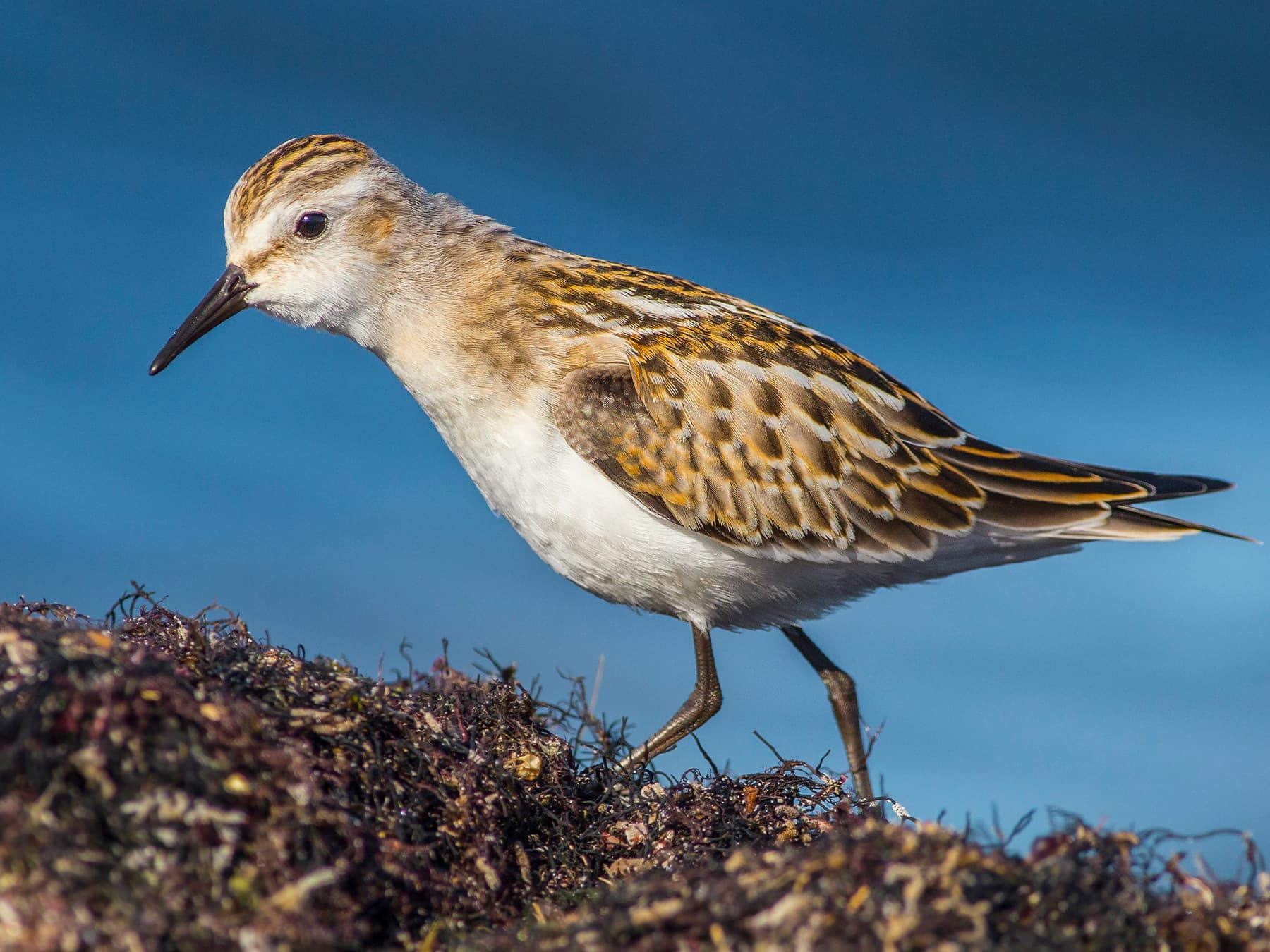
Little Stint
Calidris minutaLC
An uncommon visitor to coastal scrapes and pools, mainly on passage from July to October. Tiny size and active feeding style are distinctive.
Mar–Oct
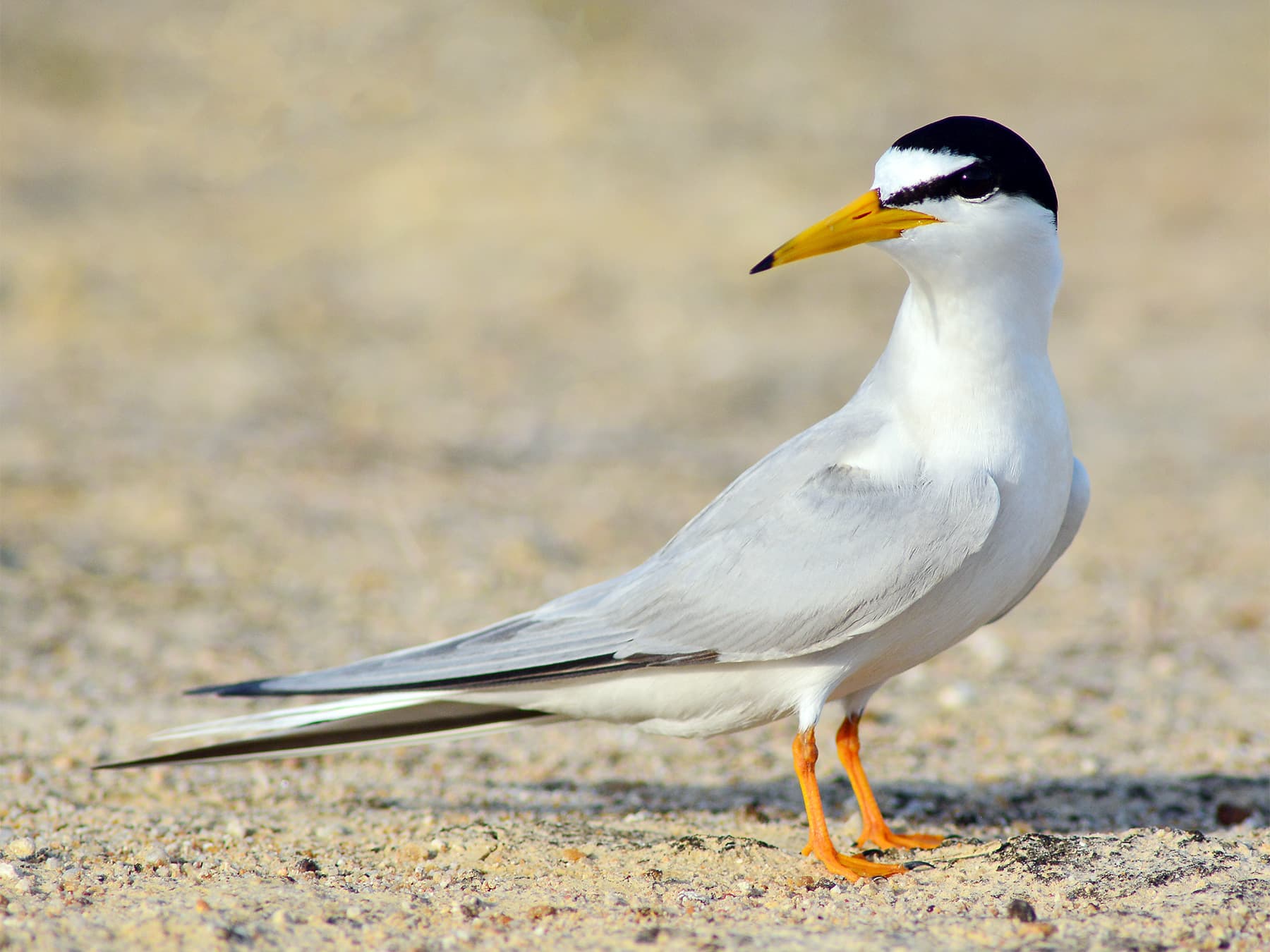
Little Tern
Sternula albifronsLC
A rare summer breeder nesting on shingle beaches along the Lincolnshire coast. This vulnerable species benefits from wardened nesting sites.
May–Sep
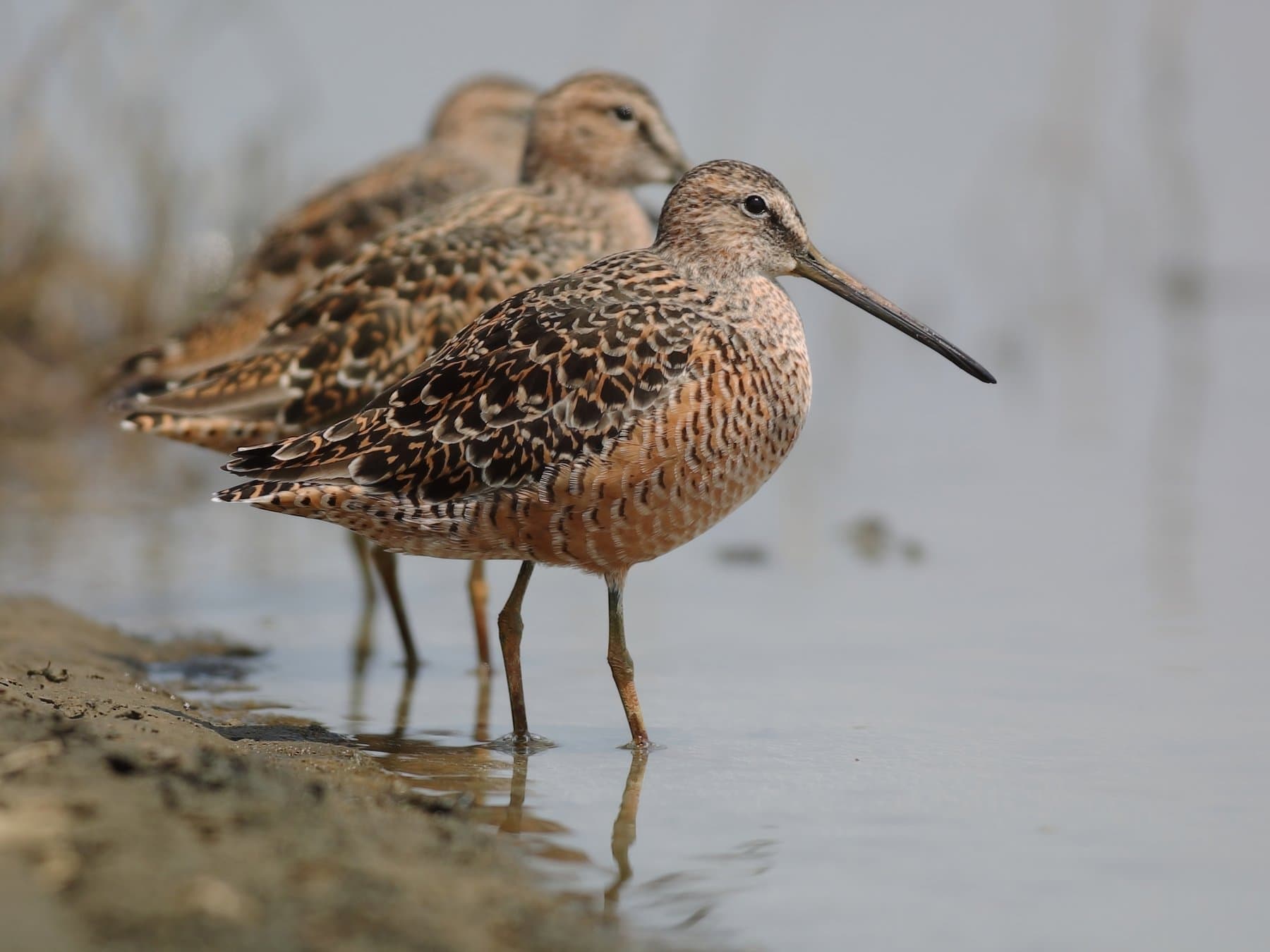
Long-billed Dowitcher
Limnodromus scolopaceusNT
A rare Nearctic wader on passage from July to October, occasionally lingering at coastal pools and freshwater scrapes.
Jul–Oct
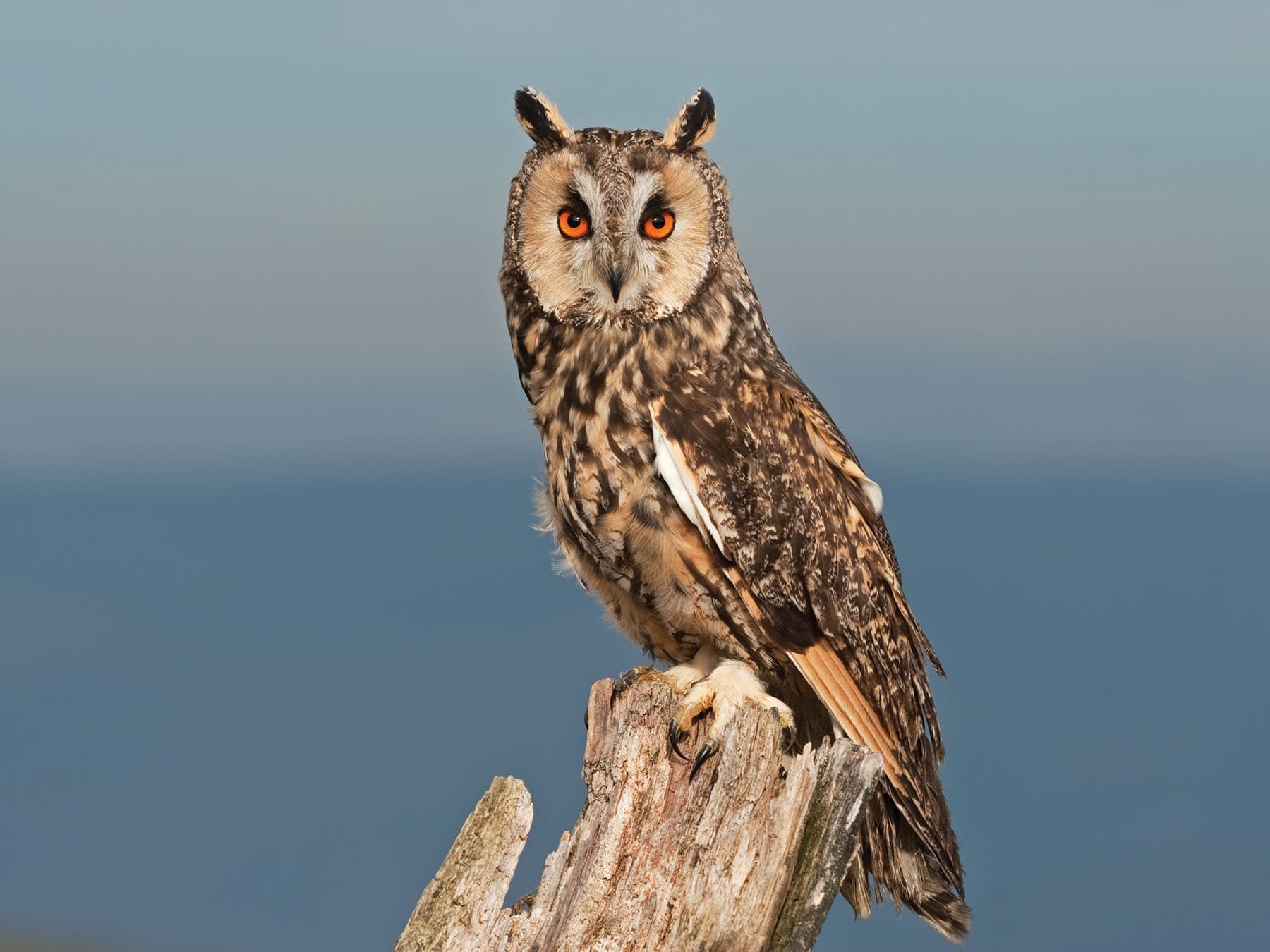
Long-eared Owl
Asio otusLC
Rare winter visitor to dense scrub and conifer plantations, sometimes found roosting communally in sheltered coastal thickets.
Nov–Mar
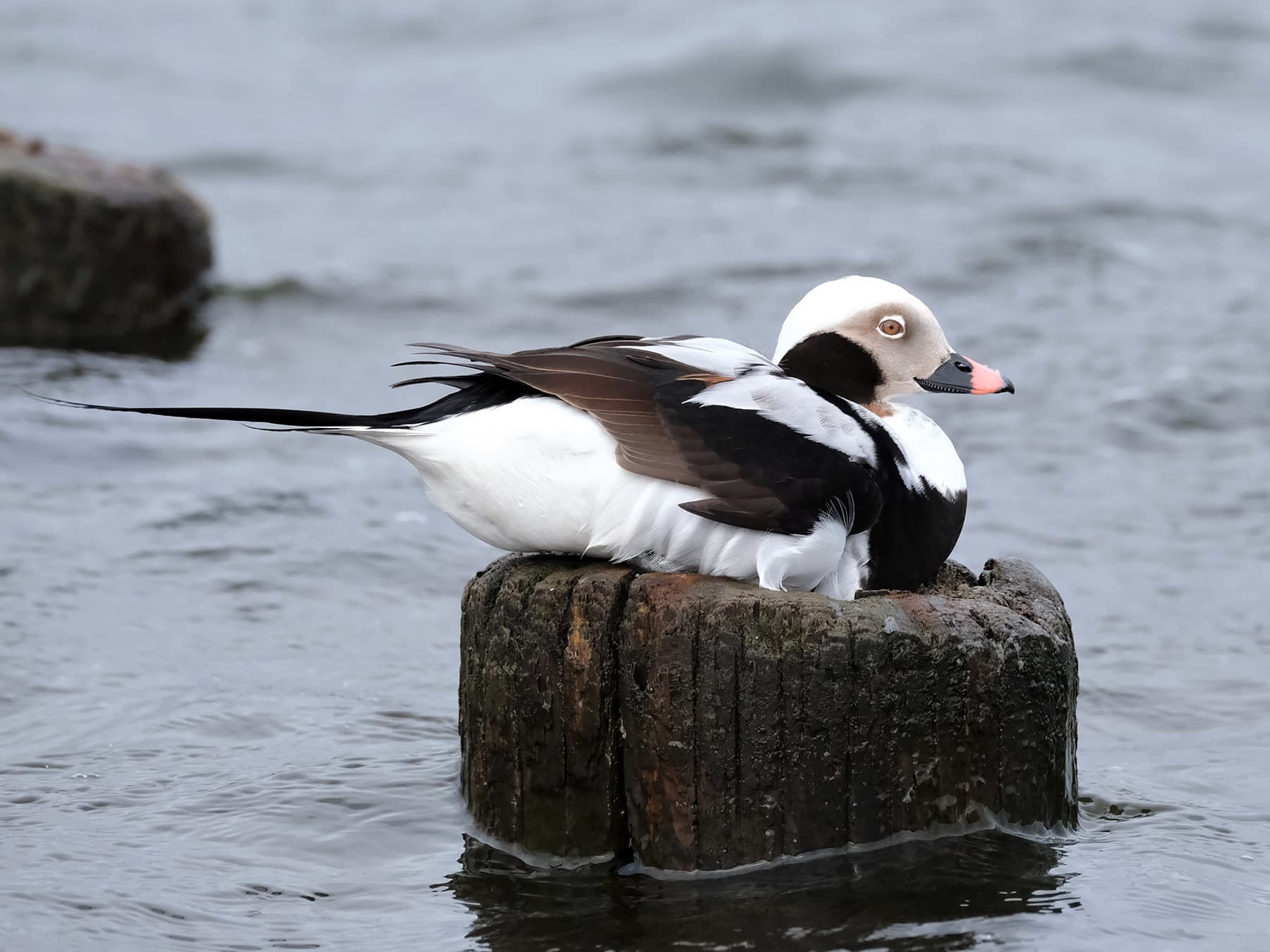
Long-tailed Duck
Clangula hyemalisVU
A rare winter visitor, occasionally spotted offshore or on coastal waters from October to January.
Oct–Jan