Birds in Lincolnshire
Explore 228 species found in this region.
Lincolnshire is one of England's most rewarding counties for birdwatching, with 217 recorded species found across its diverse landscapes of coastal marshes, fenlands, farmland, and woodland. The county's extensive coastline along The Wash and the Humber Estuary provides vital habitat for wading birds and wildfowl, while inland sites attract notable species such as Cetti's Warbler, Hen Harrier, and Great White Egret. From the commons of the Lincolnshire Wolds to the vast skies over the fens, the county offers exceptional birding opportunities throughout the year.
Visiting in July? Look out for Arctic Tern and Little Stint arriving this month, and Aquatic Warbler and Eurasian Woodcock depart for the season.


Showing 93–115 of 228 species
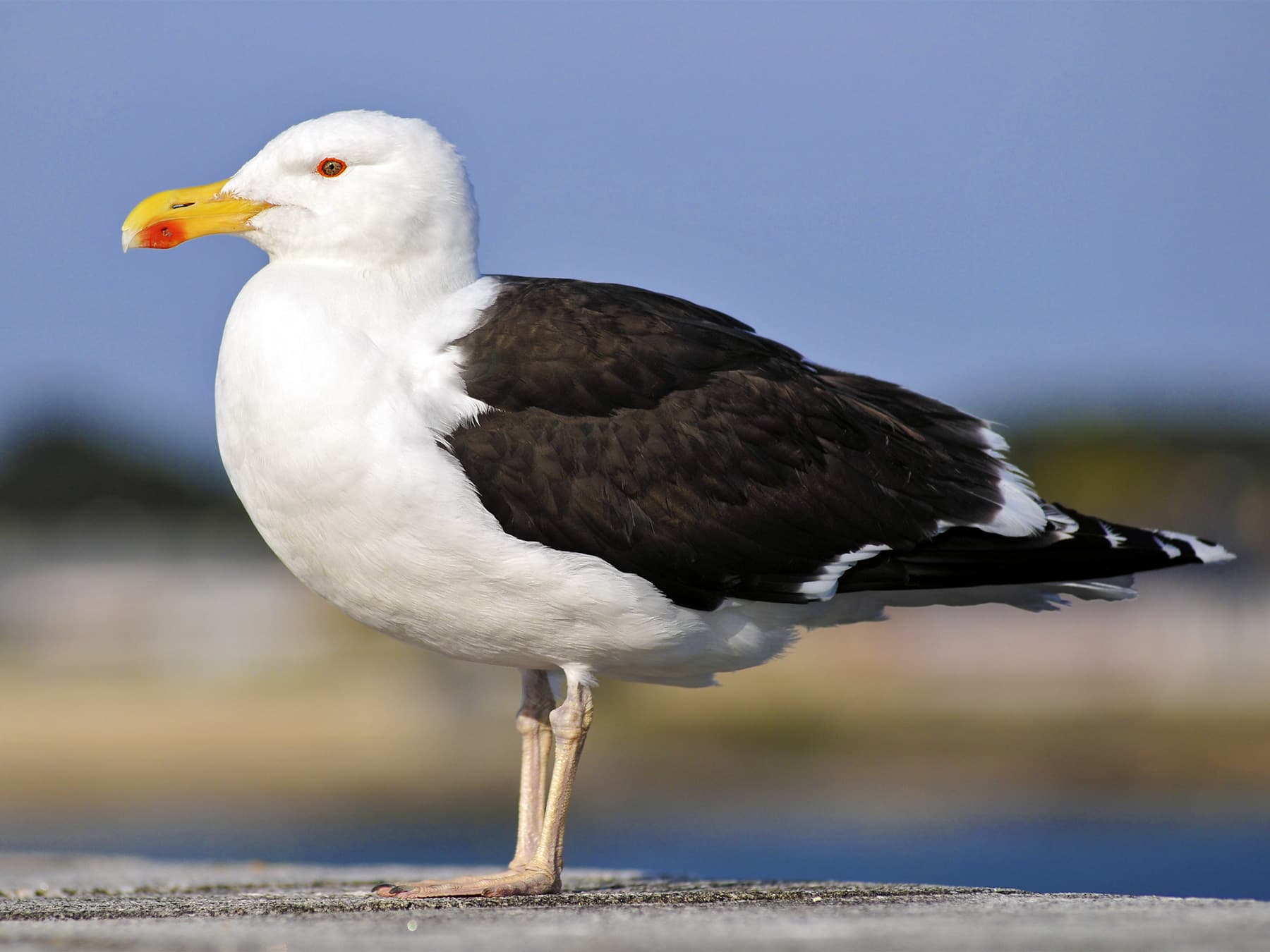
Great Black-backed Gull
Larus marinusLC
An uncommon year-round resident, most often seen along the coast and at larger inland water bodies, sometimes scavenging at tips.
Year-round
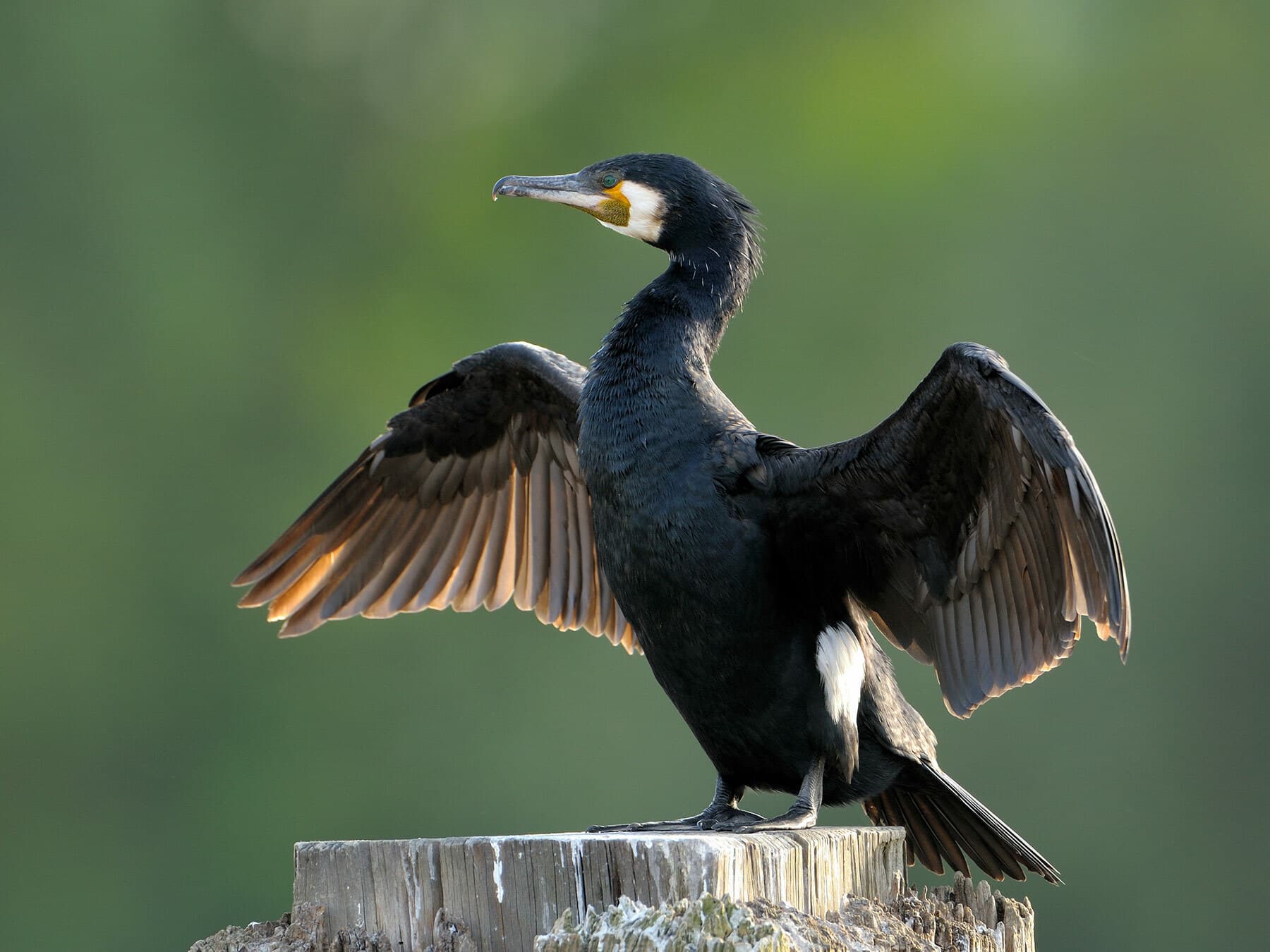
Great Cormorant
Phalacrocorax carboLC
A common resident found at rivers, gravel pits, and reservoirs year-round. Numbers increase in winter at inland fisheries.
Year-round
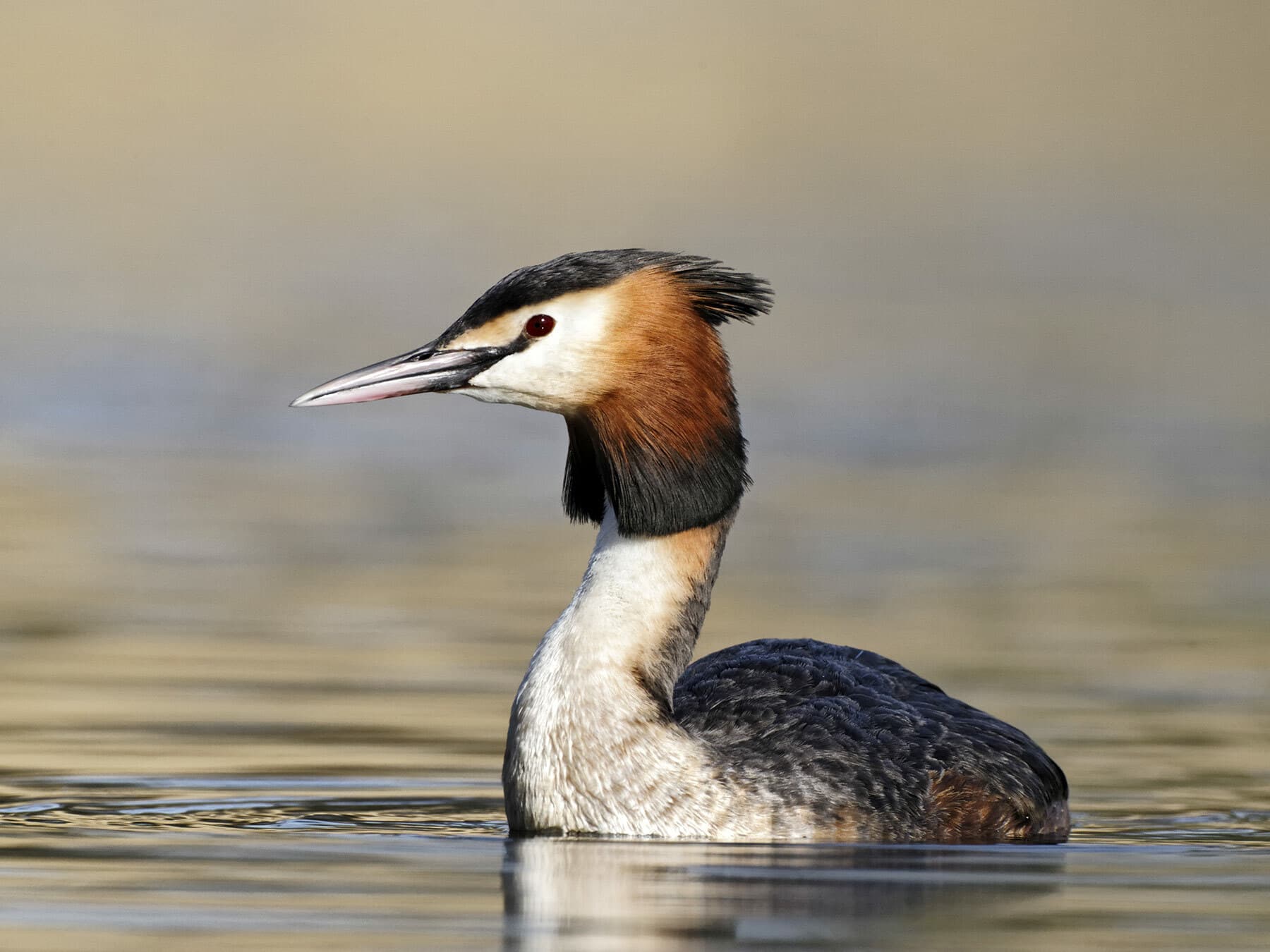
Great Crested Grebe
Podiceps cristatusLC
An uncommon year-round resident, breeding on larger lakes and gravel pits. Its elaborate courtship display is a spring highlight.
Year-round
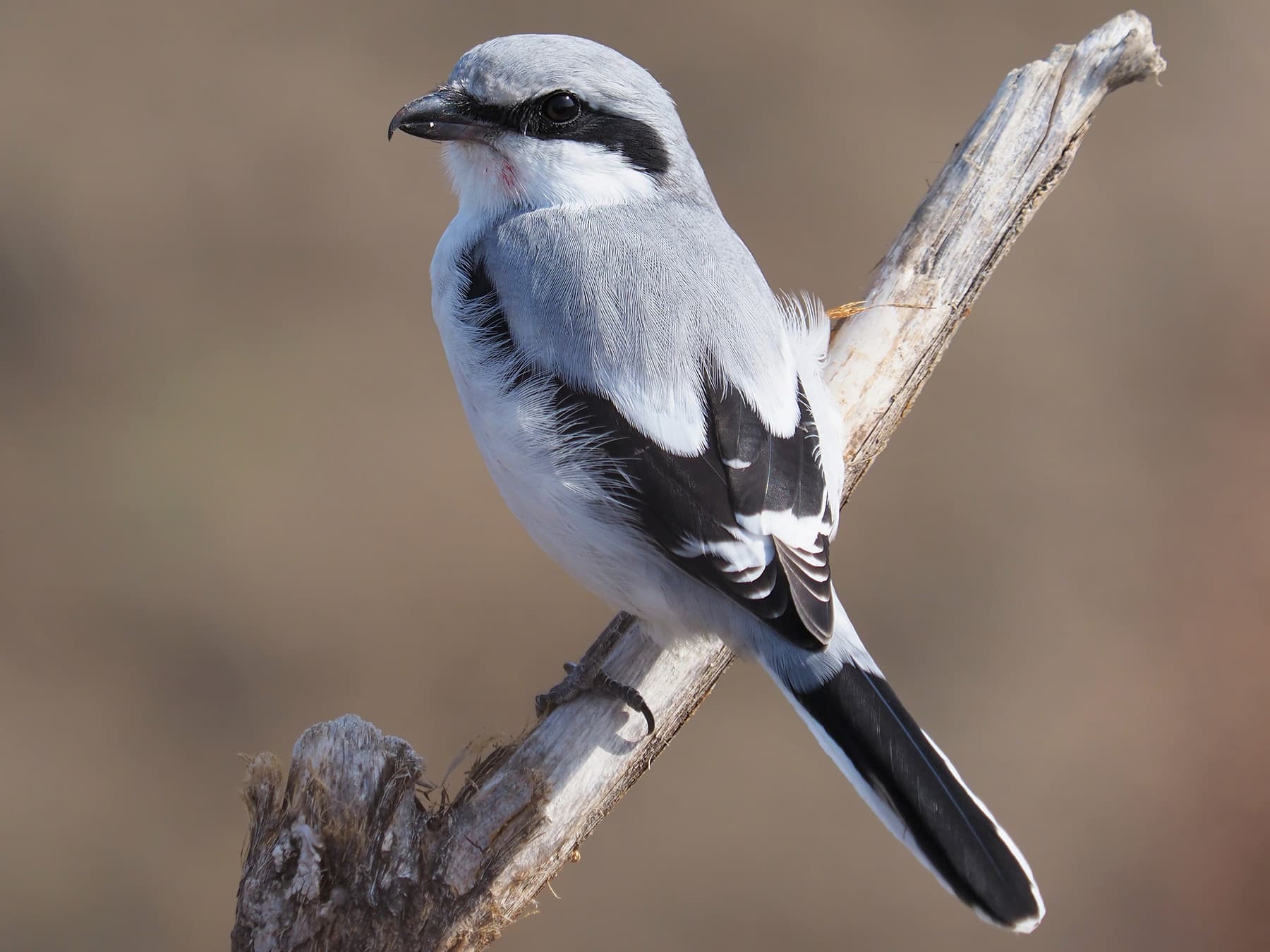
Great Grey Shrike
Lanius excubitorLC
A rare winter visitor and passage migrant, occasionally seen perching prominently on heathland scrub or hedgerow tops.
Nov–Jan
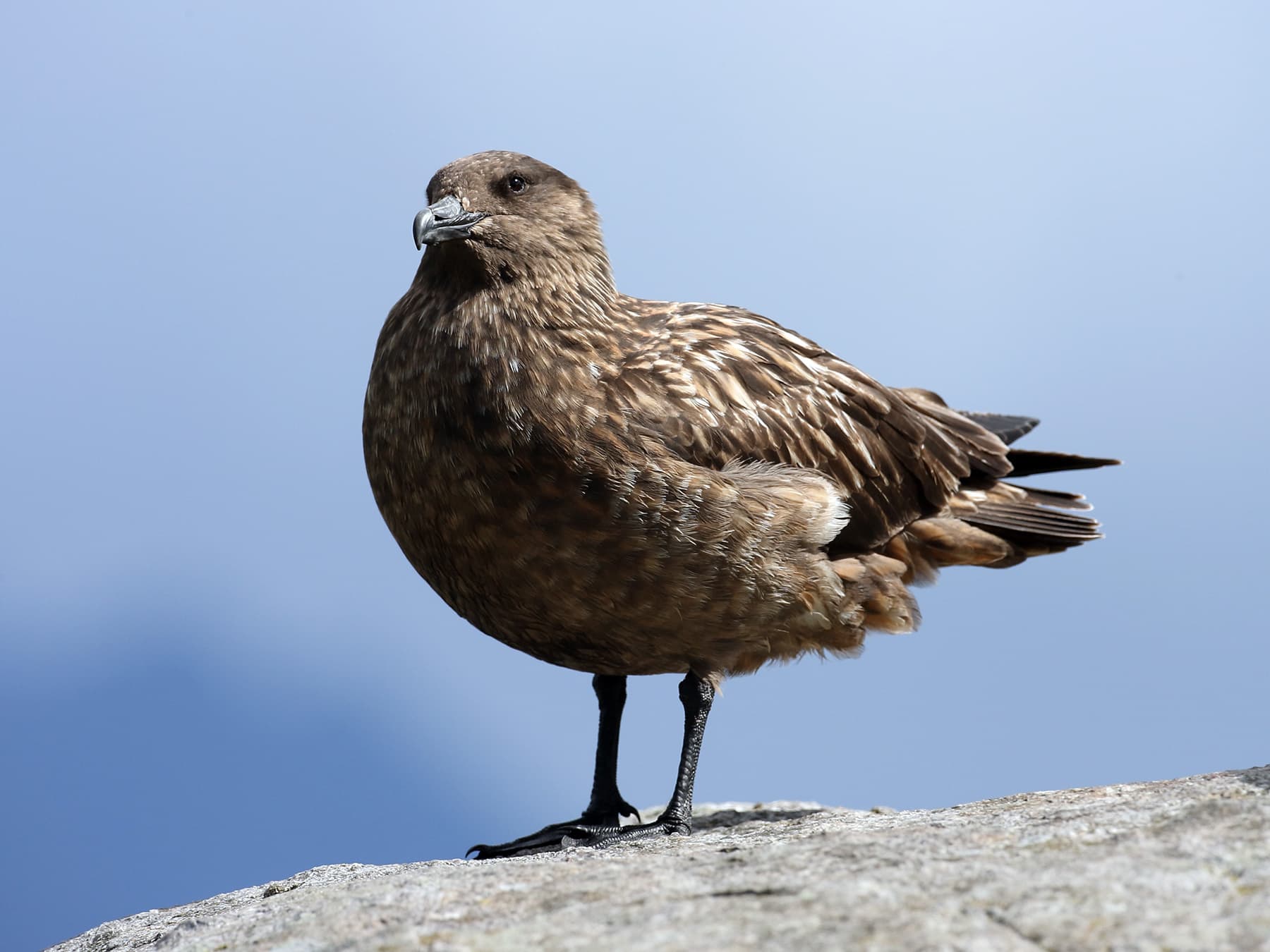
Great Skua
Catharacta skuaLC
Rare but powerful seabird seen offshore during autumn storms, sometimes harassing gulls and terns along the Lincolnshire coast.
Aug–Oct
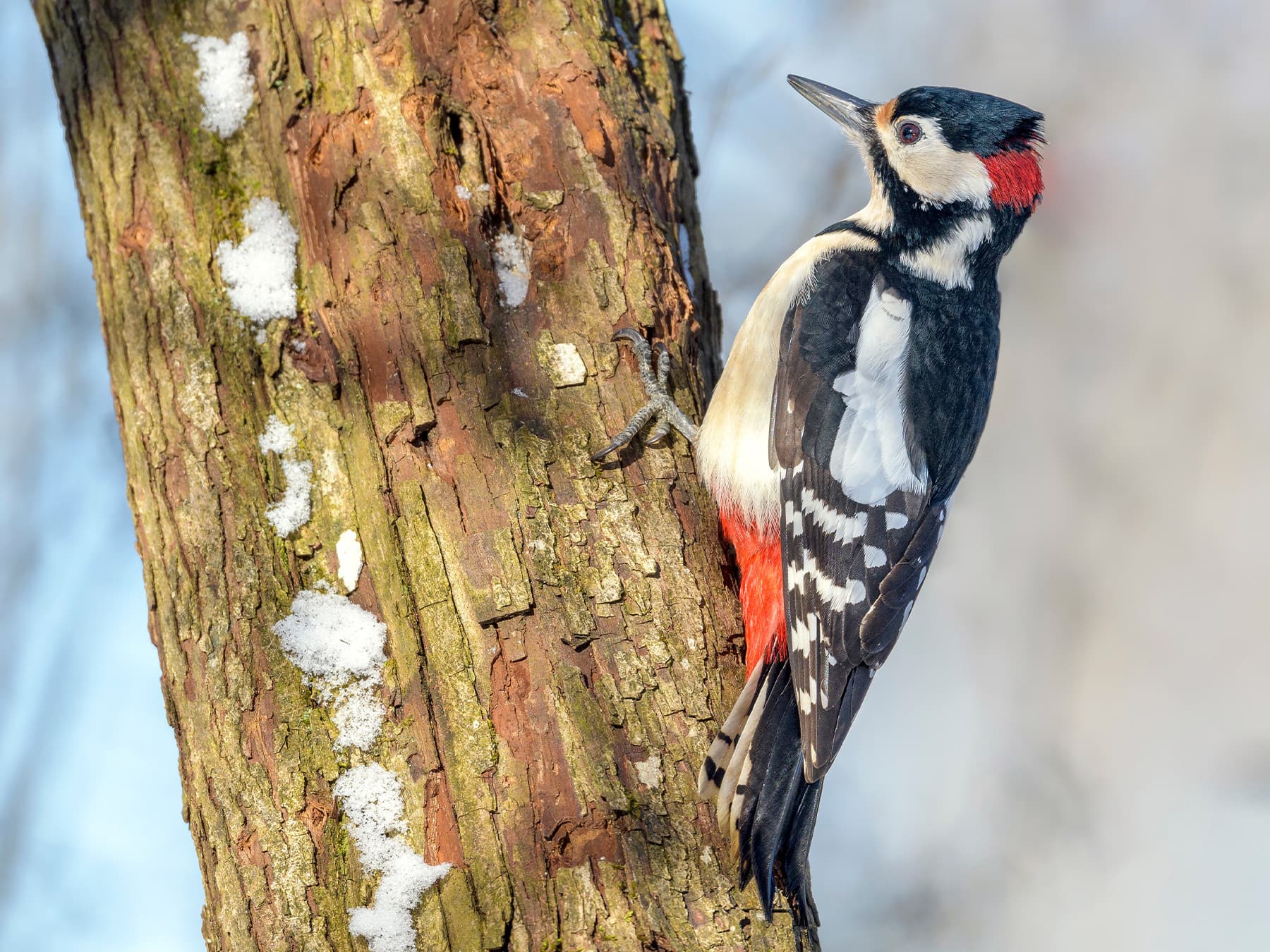
Great Spotted Woodpecker
Dendrocopos majorLC
An uncommon year-round resident of mature woodland and parks, often visiting garden feeders. Its drumming is heard from late winter.
Year-round
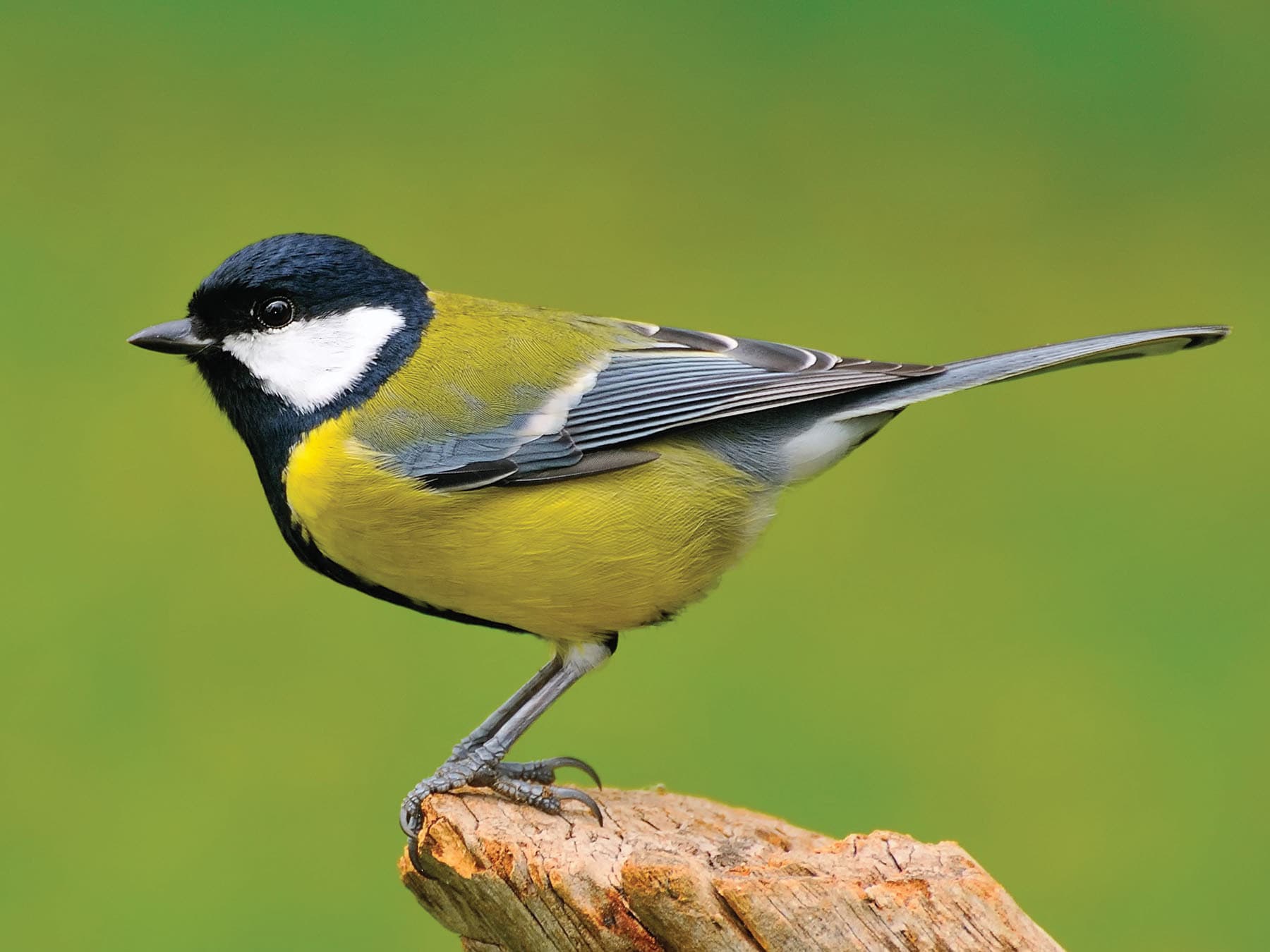
Great Tit
Parus majorLC
A common and bold resident of gardens, parks, and woodland. Readily visits feeders and nests in hole boxes across the county.
Year-round
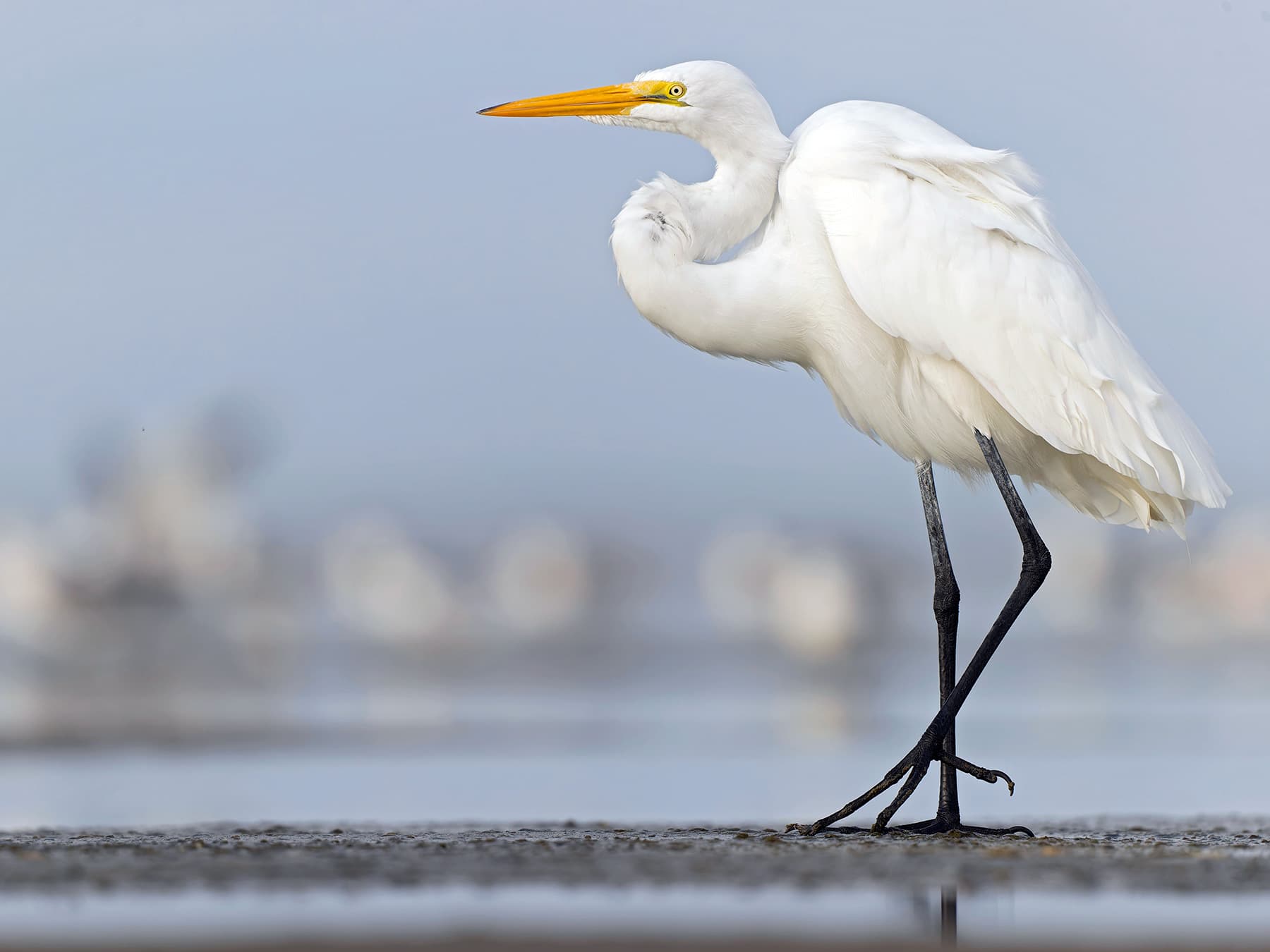
Great White Egret
Ardea albaLC
Now resident year-round at fenland wetlands, this striking heron has increased markedly in recent years across Lincolnshire.
Year-round
Spotted something?
Upload a photo to identify it
Identify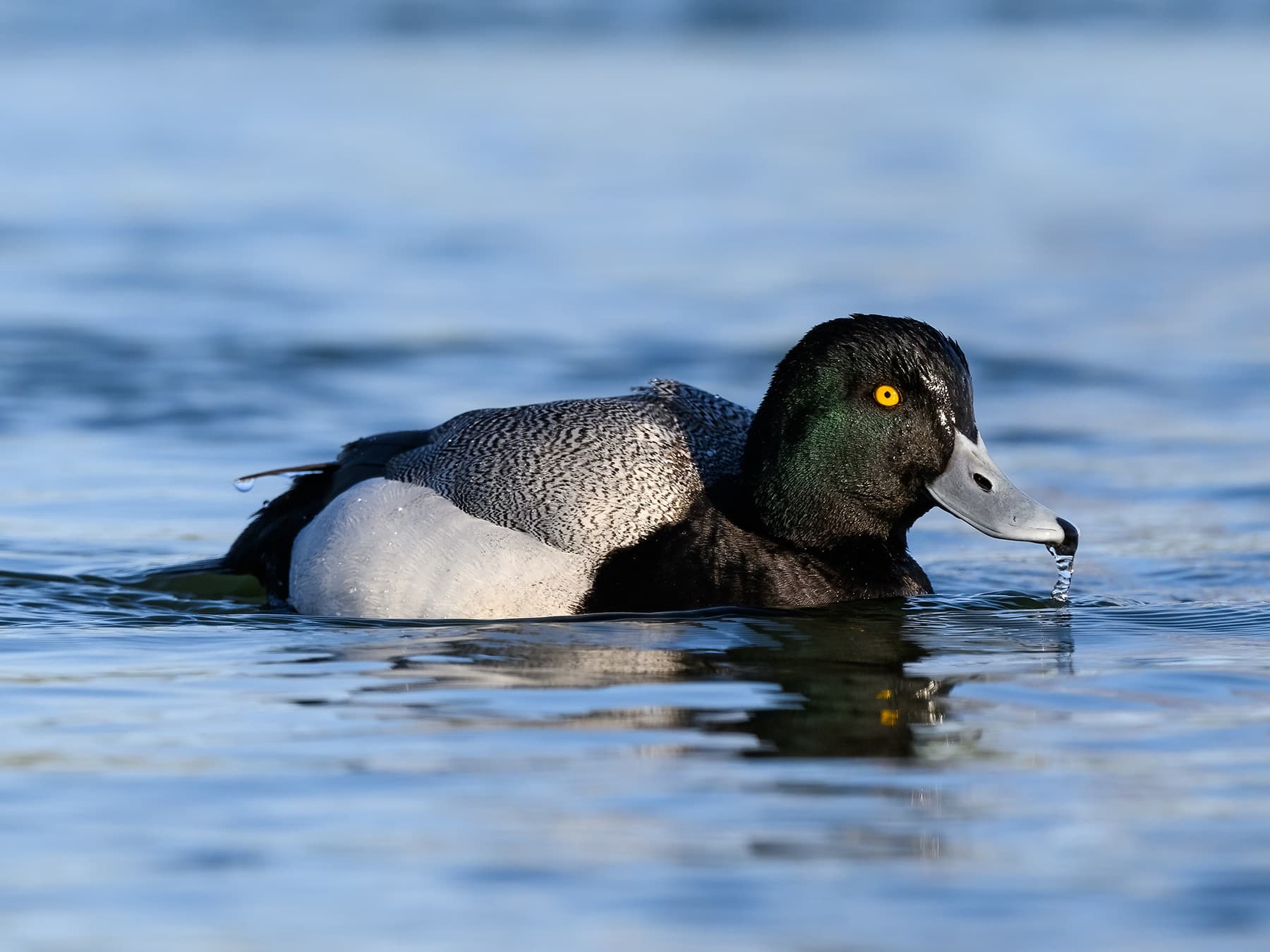
Greater Scaup
Aythya marilaLC
A rare non-breeding visitor, mainly seen on coastal waters and The Wash from autumn through to spring.
Oct–Apr
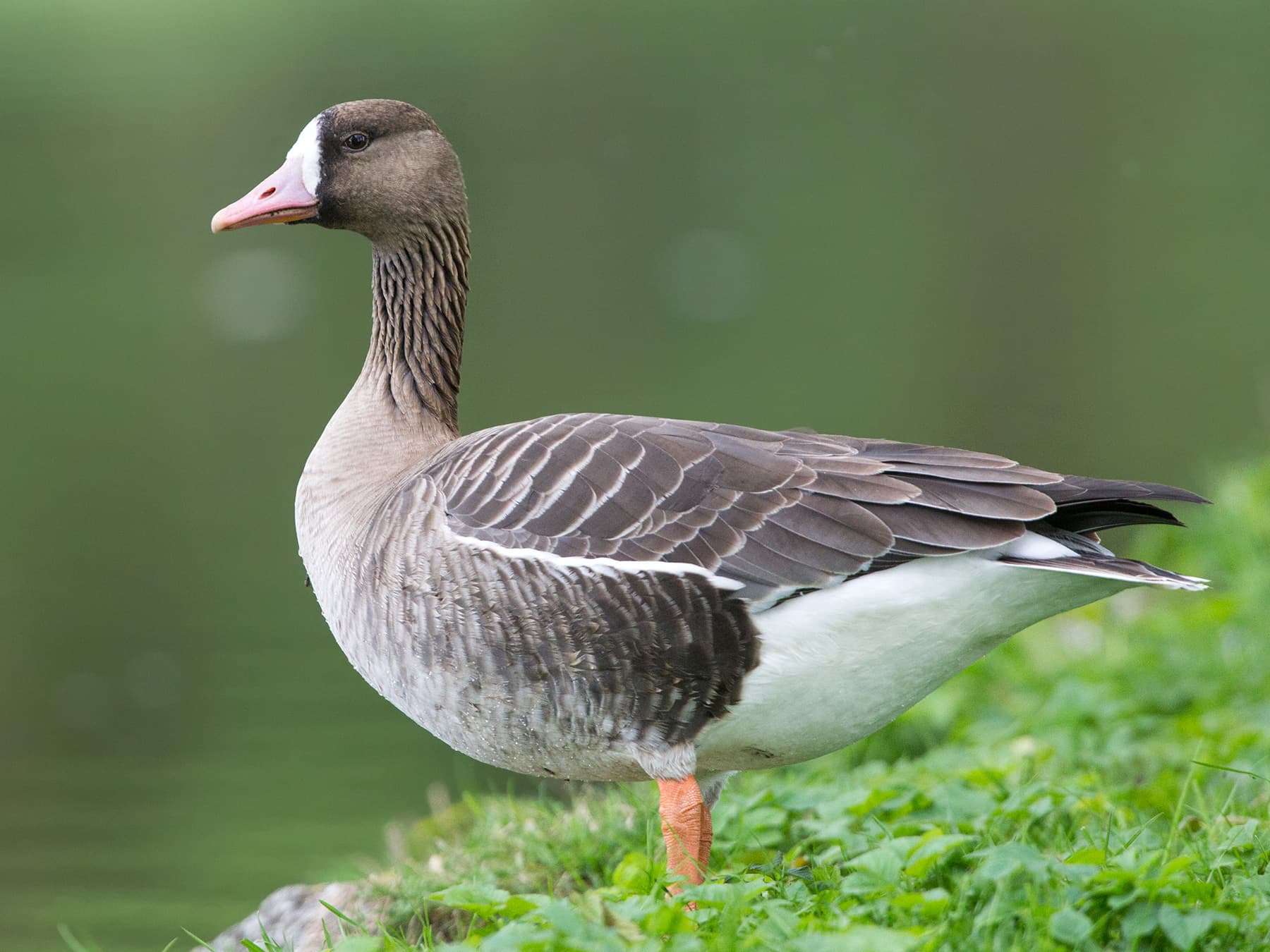
Greater White-fronted Goose
Anser albifronsLC
A rare winter visitor to coastal marshes and grazing fields, occasionally joining flocks of other geese around The Wash.
Sep–Mar
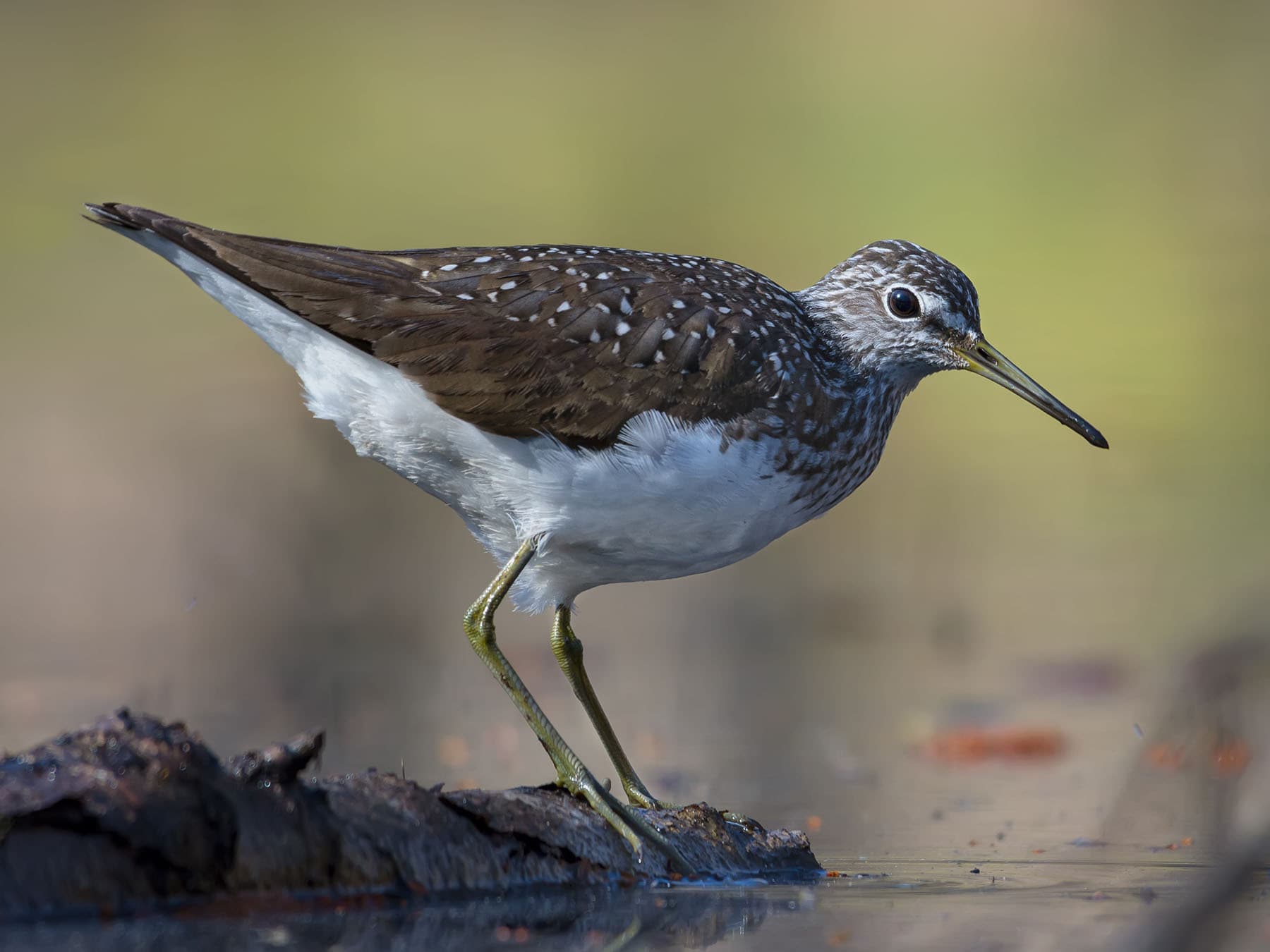
Green Sandpiper
Tringa ochropusLC
Found year-round at freshwater pools, ditches, and watercress beds. Often solitary and easily flushed, showing dark underwings in flight.
Jun–Apr
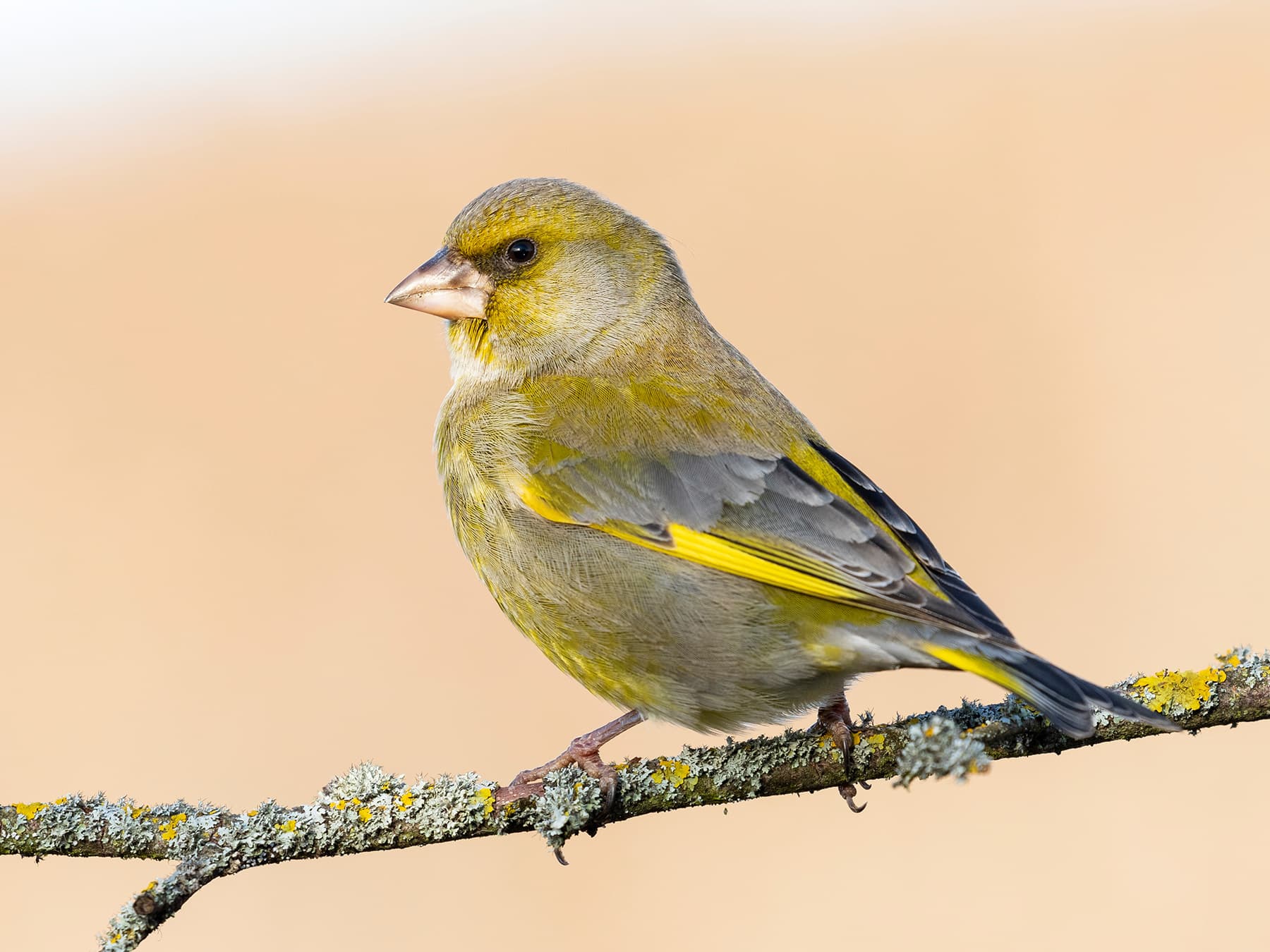
Greenfinch
Chloris chlorisLC
A common resident of gardens, hedgerows and farmland, though numbers have declined significantly due to trichomonosis disease.
Year-round
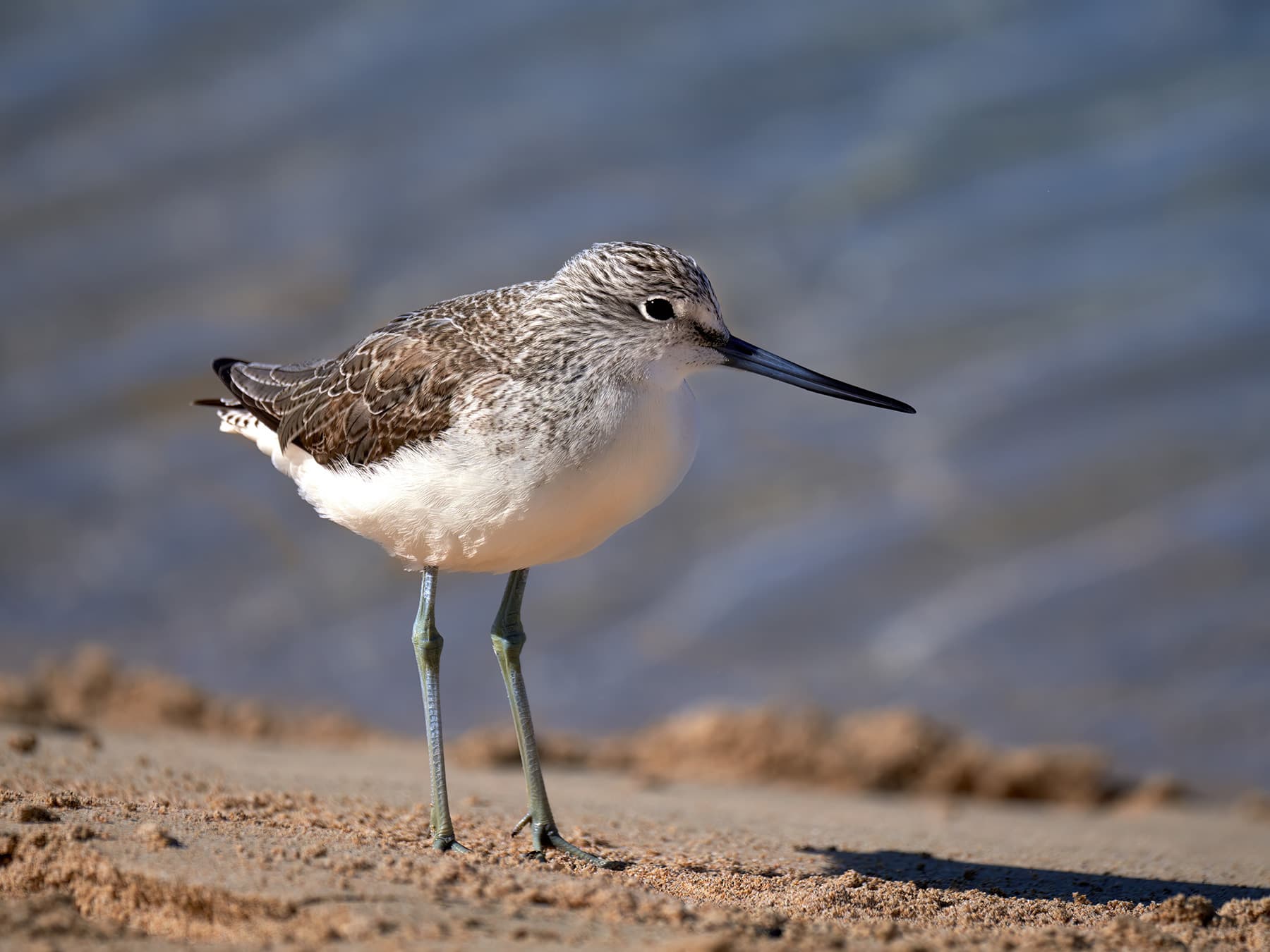
Greenshank
Tringa nebulariaLC
An uncommon but regular presence on estuarine creeks and pools. Most frequently seen on autumn passage along the Wash and at inland reserves.
Feb–Dec
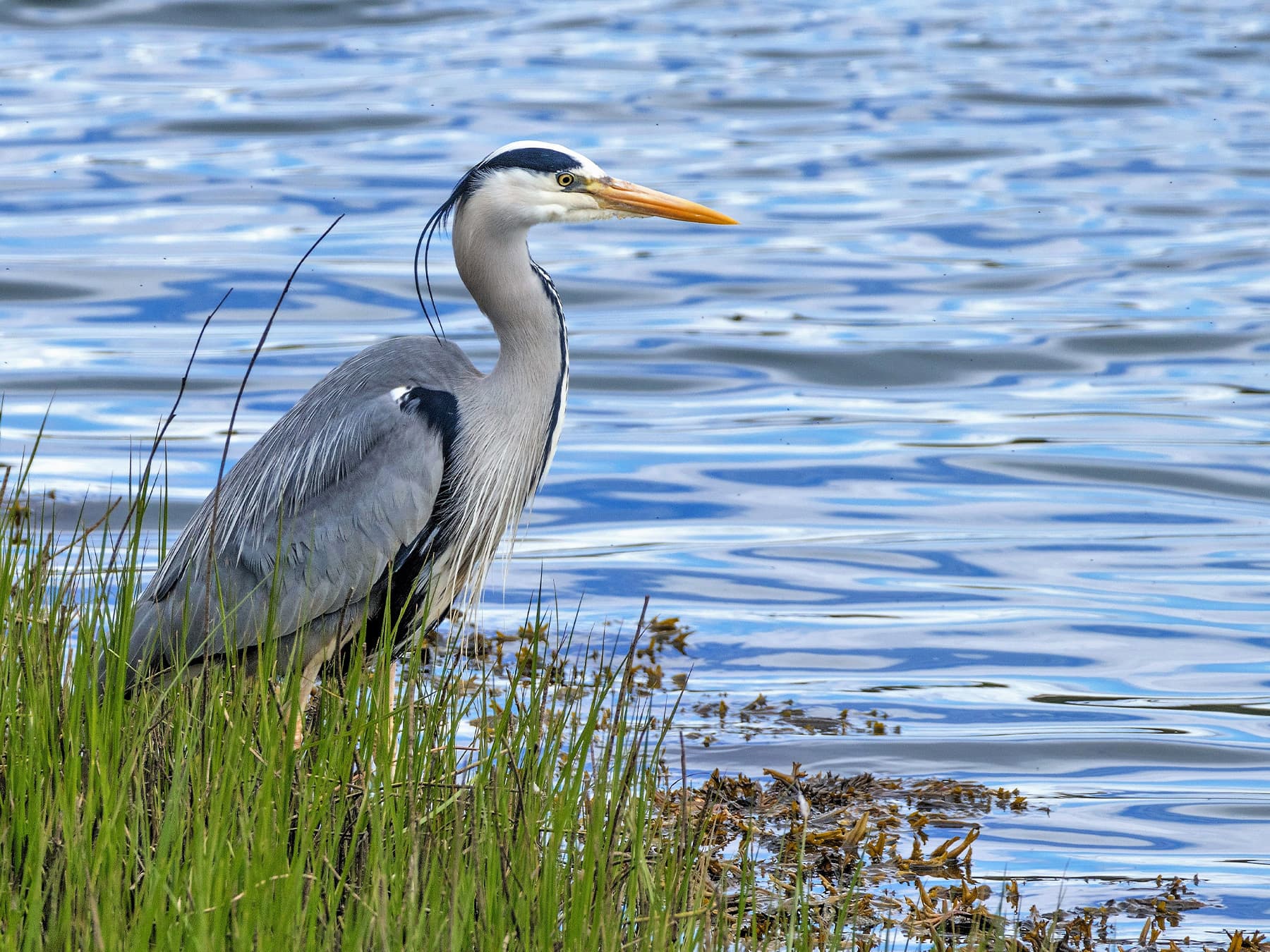
Grey Heron
Ardea cinereaLC
A common year-round resident, easily seen along rivers, drainage channels, and the fenland waterways across the county.
Year-round
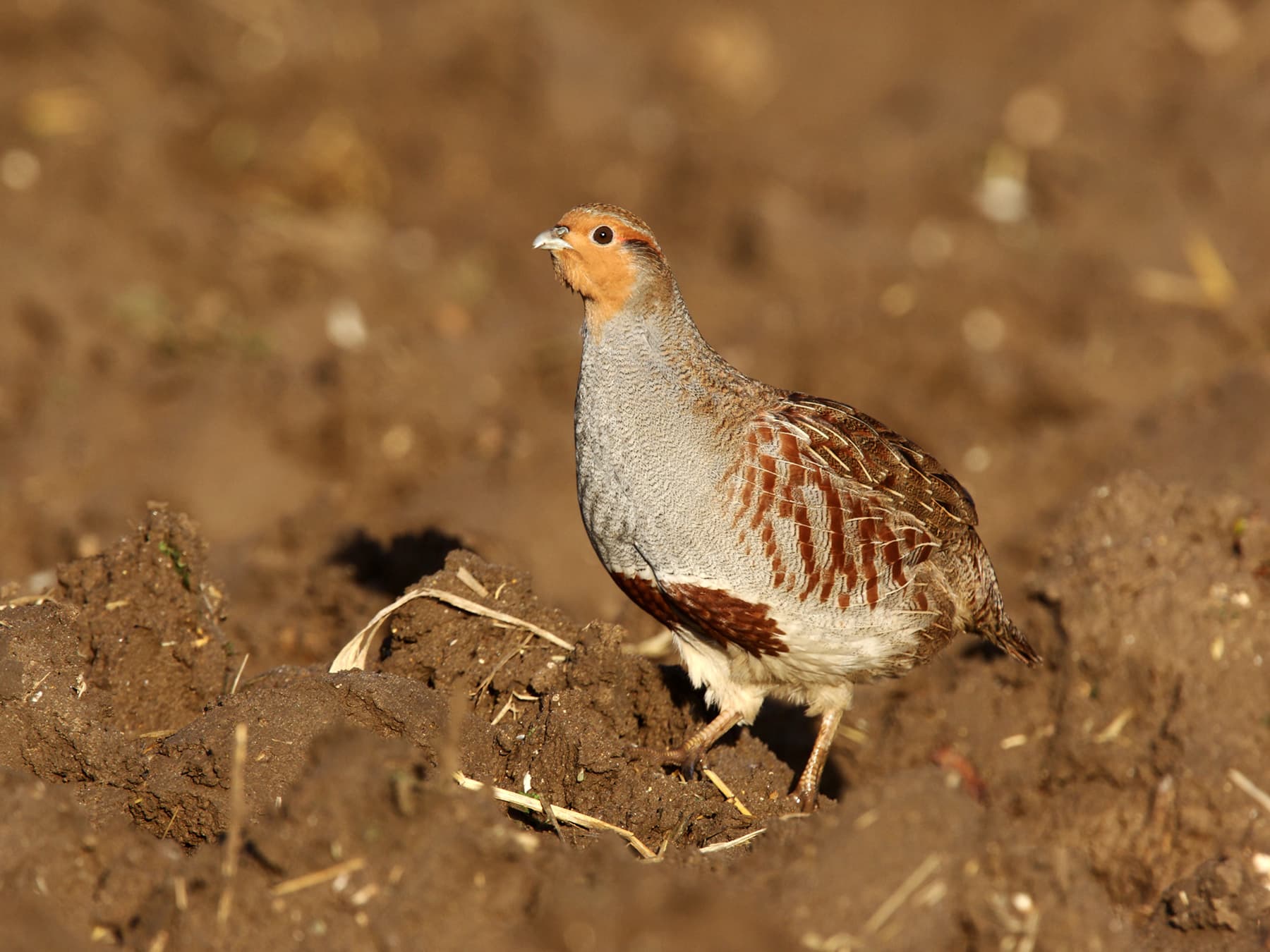
Grey Partridge
Perdix perdixLC
An uncommon but iconic resident of arable farmland, declining nationally but still found on Lincolnshire's open fields and field margins.
Year-round
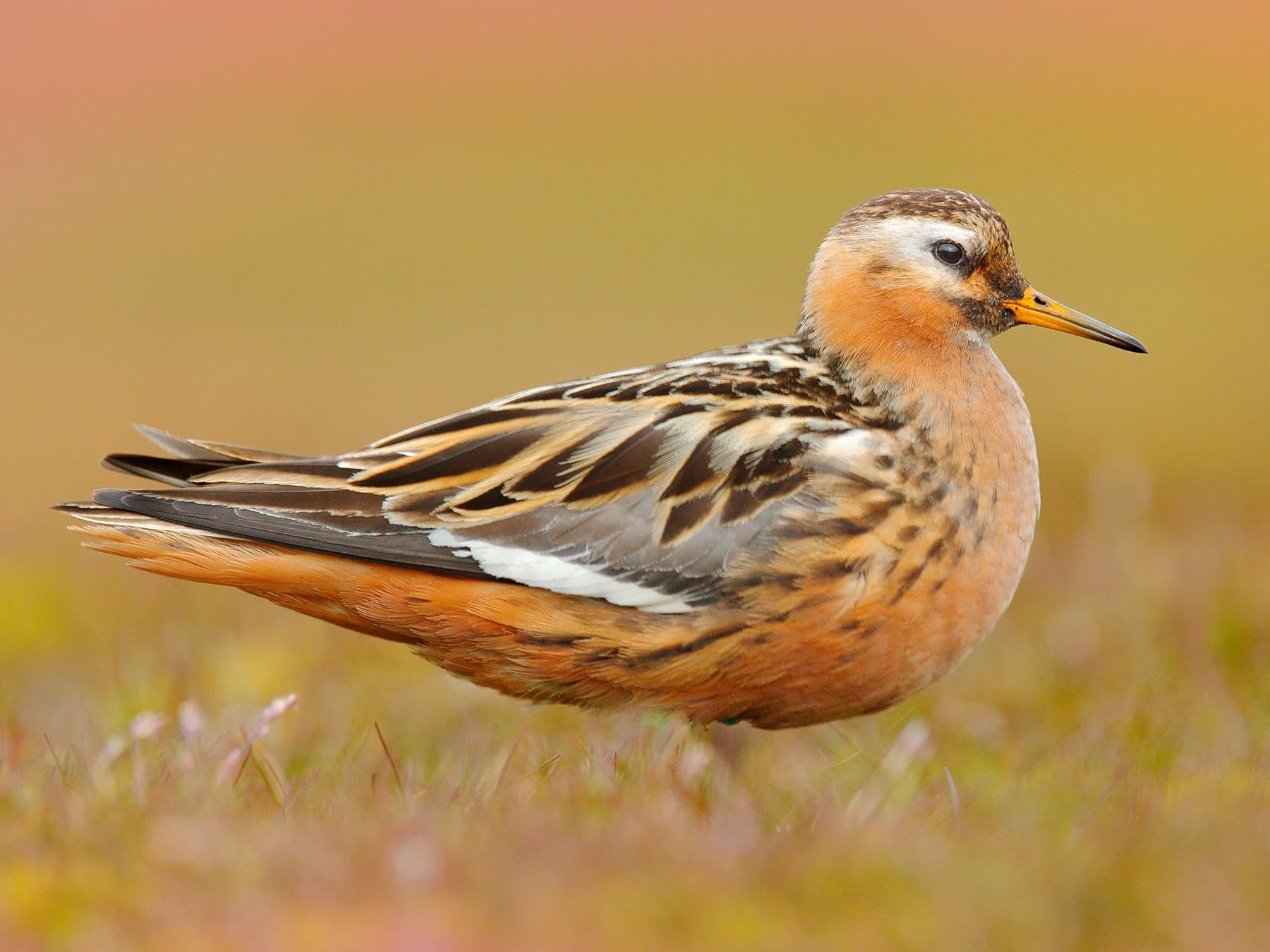
Grey Phalarope
Phalaropus fulicariusLC
A rare autumn passage visitor, typically storm-driven to the coast in September. Most records come from the Wash area.
Sep
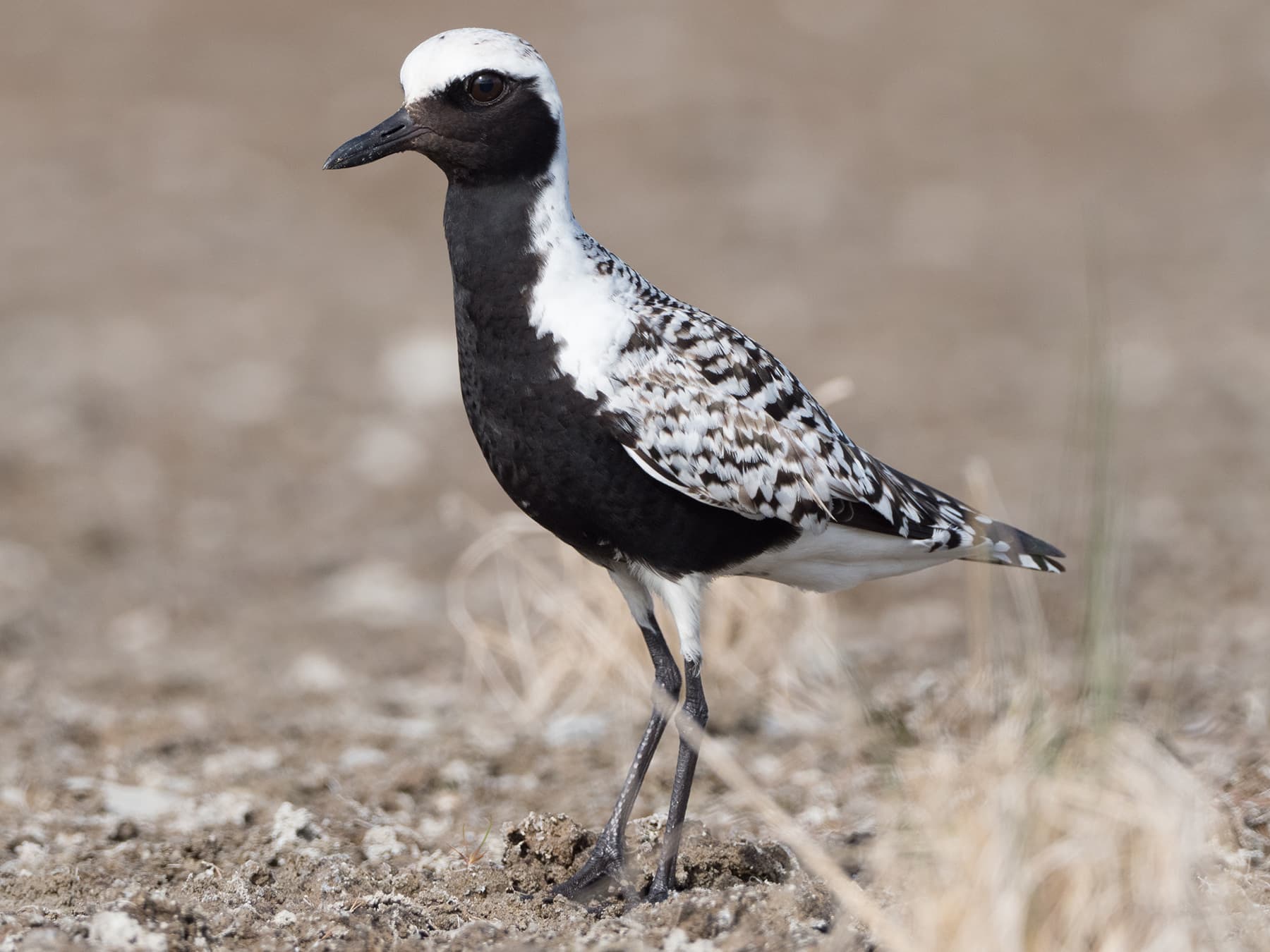
Grey Plover
Pluvialis squatarolaLC
Frequents the Wash mudflats year-round, with numbers peaking in winter. Distinctive black belly plumage appears in spring.
Year-round
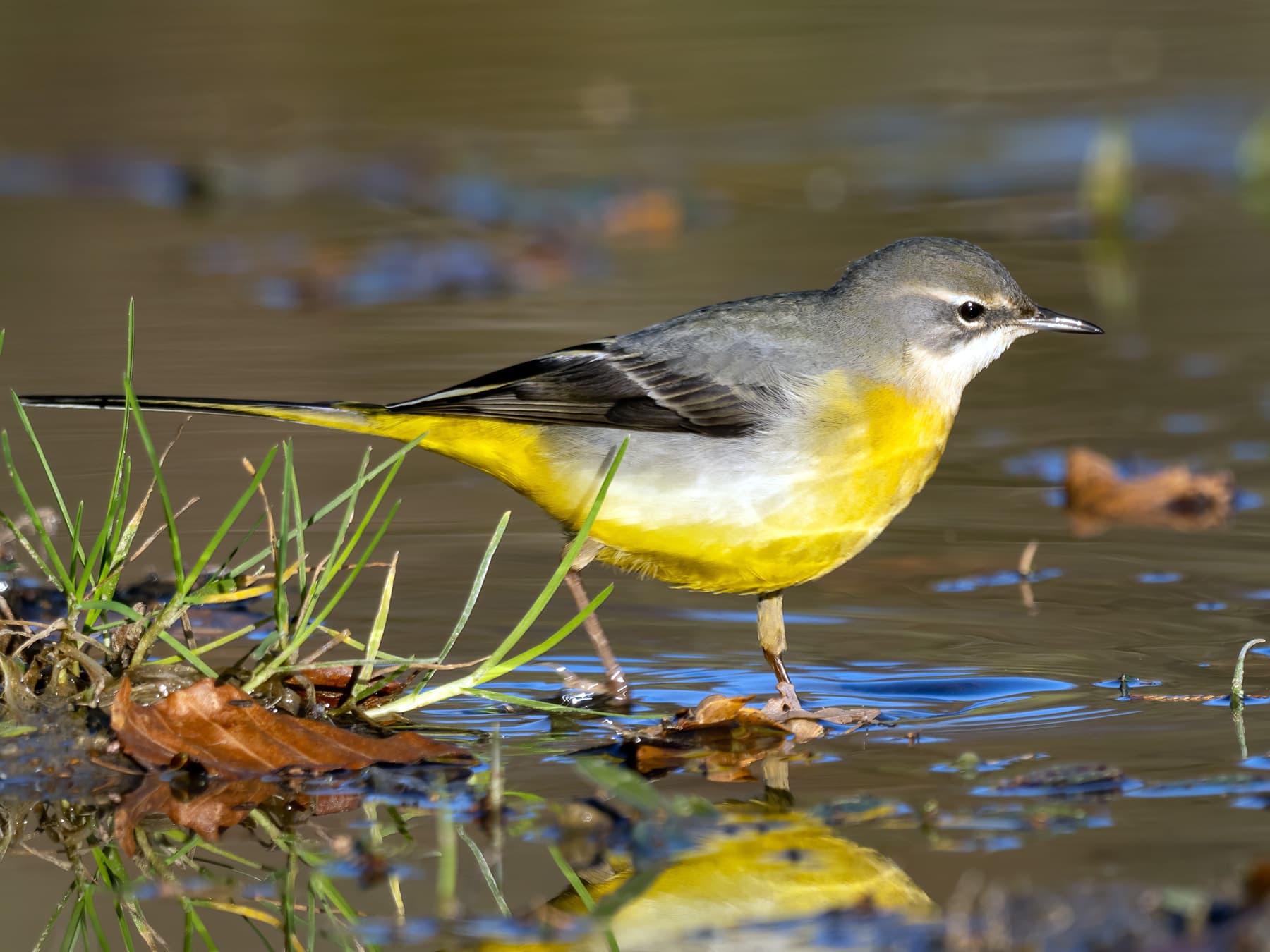
Grey Wagtail
Motacilla cinereaLC
An uncommon resident, found near streams, weirs, and waterways. Less numerous here than in hillier western counties.
Year-round
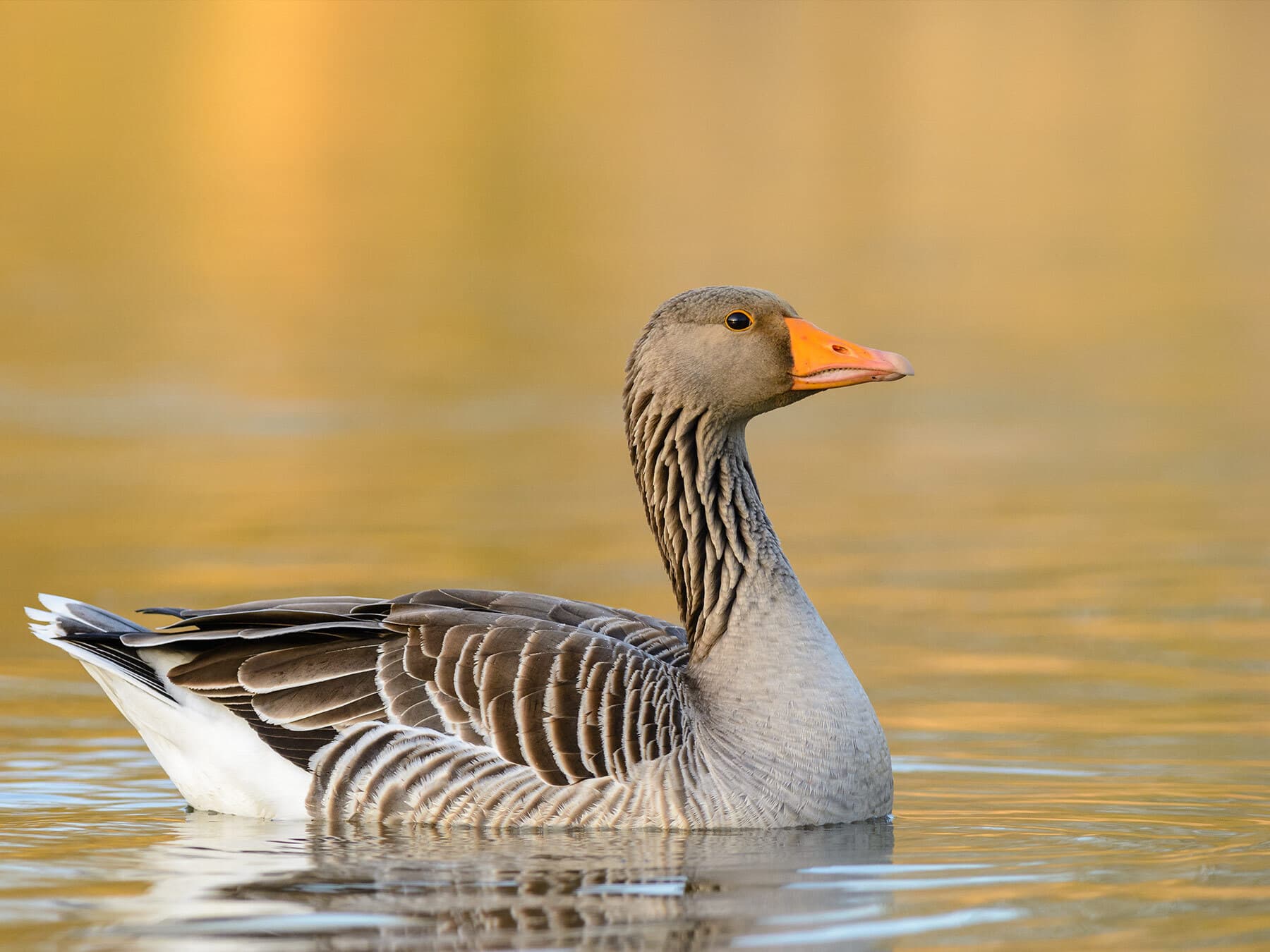
Greylag Goose
Anser anserLC
A common year-round resident on lakes, marshes and farmland. Both feral and wild populations contribute to large winter flocks.
Year-round
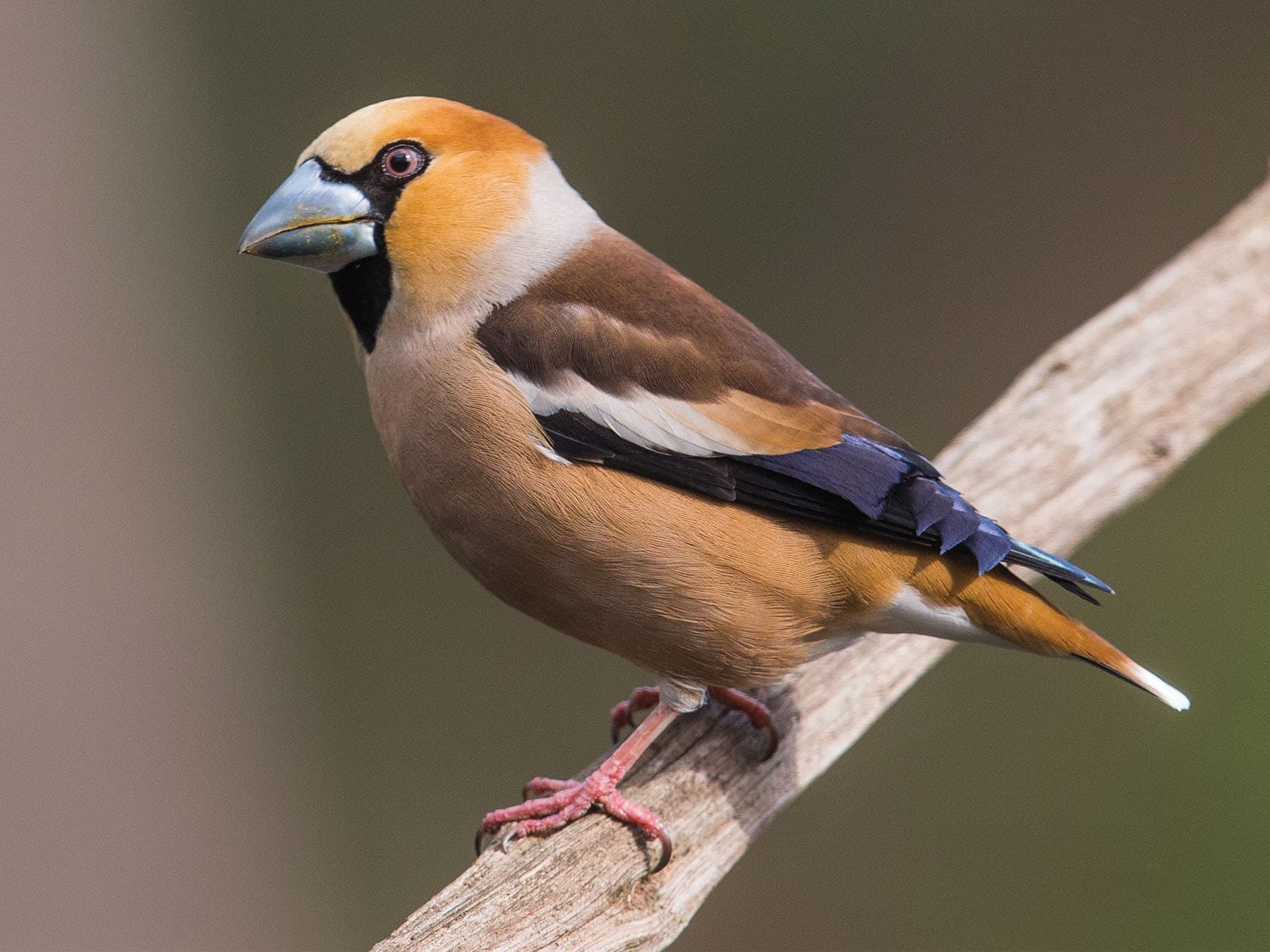
Hawfinch
Coccothraustes coccothraustesLC
A rare passage visitor, most likely seen during irruptive movements in November. Occasionally noted at coastal migration watchpoints.
Nov
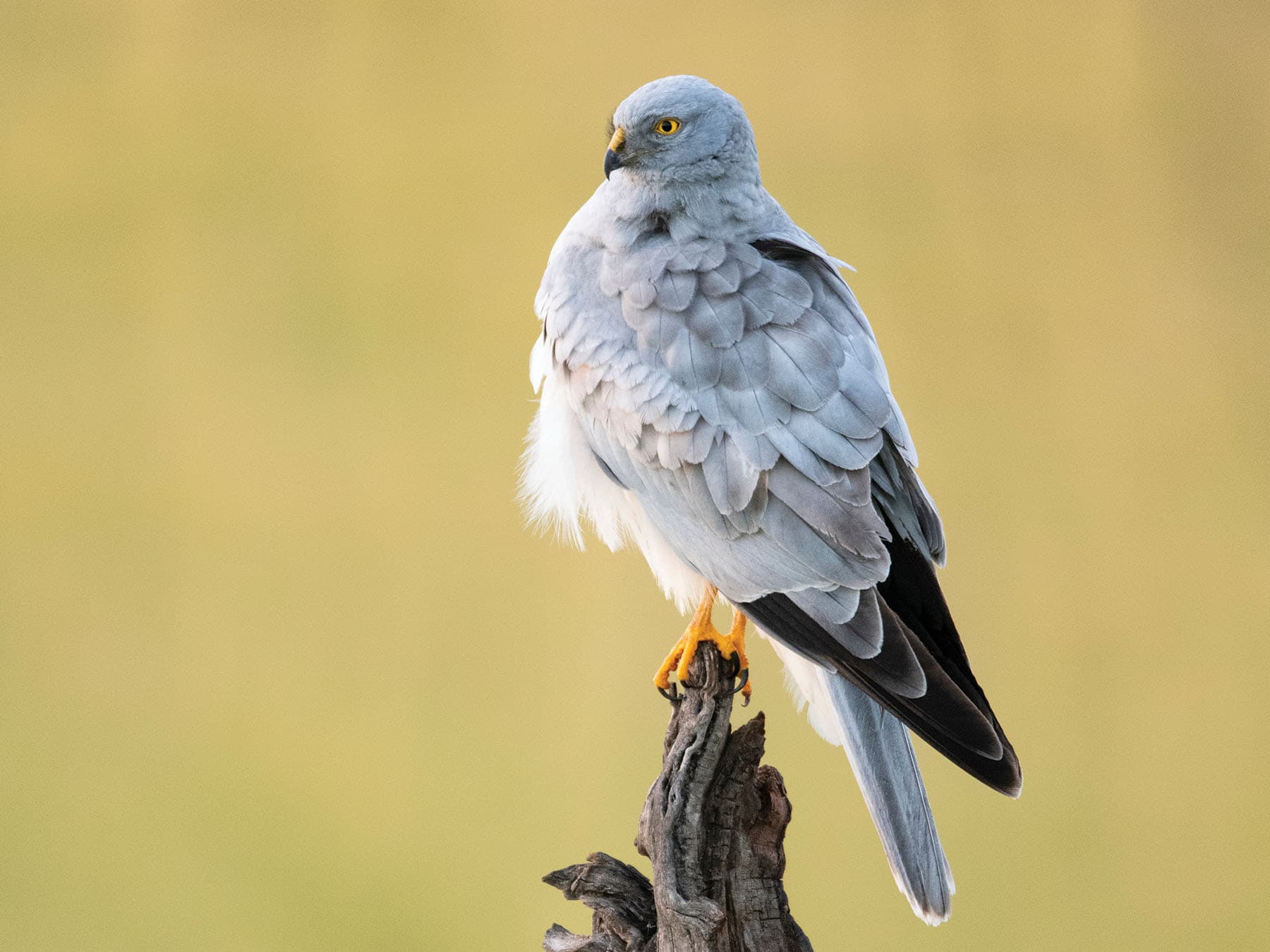
Hen Harrier
Circus cyaneusLC
A rare winter visitor, quartering over coastal marshes and fenland from October to April. The Wash fringes are a favoured haunt.
Oct–Apr
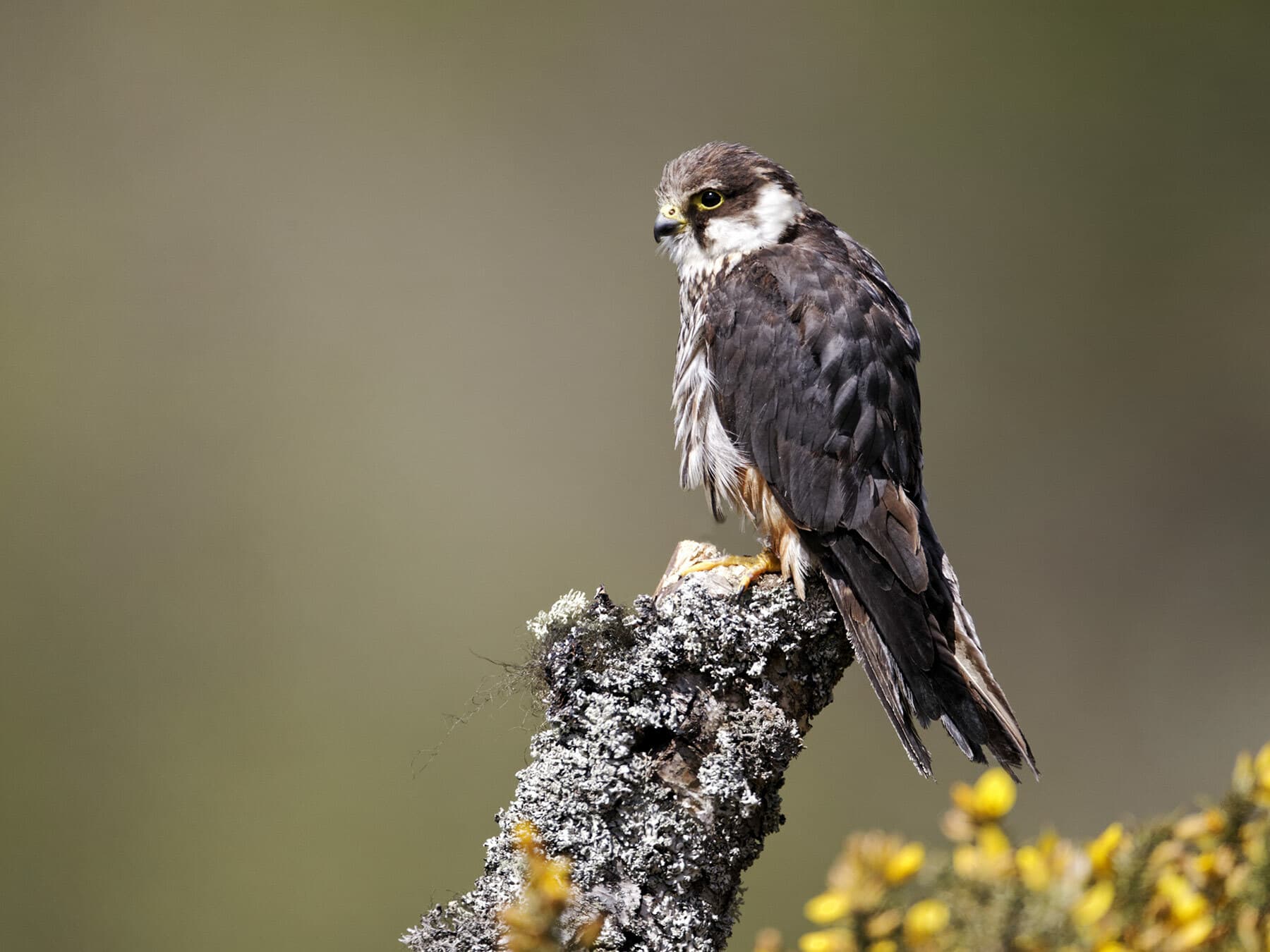
Hobby
Falco subbuteoLC
An uncommon summer breeder from May to September, hunting dragonflies and small birds over heathland, wetlands, and open countryside.
May–Sep
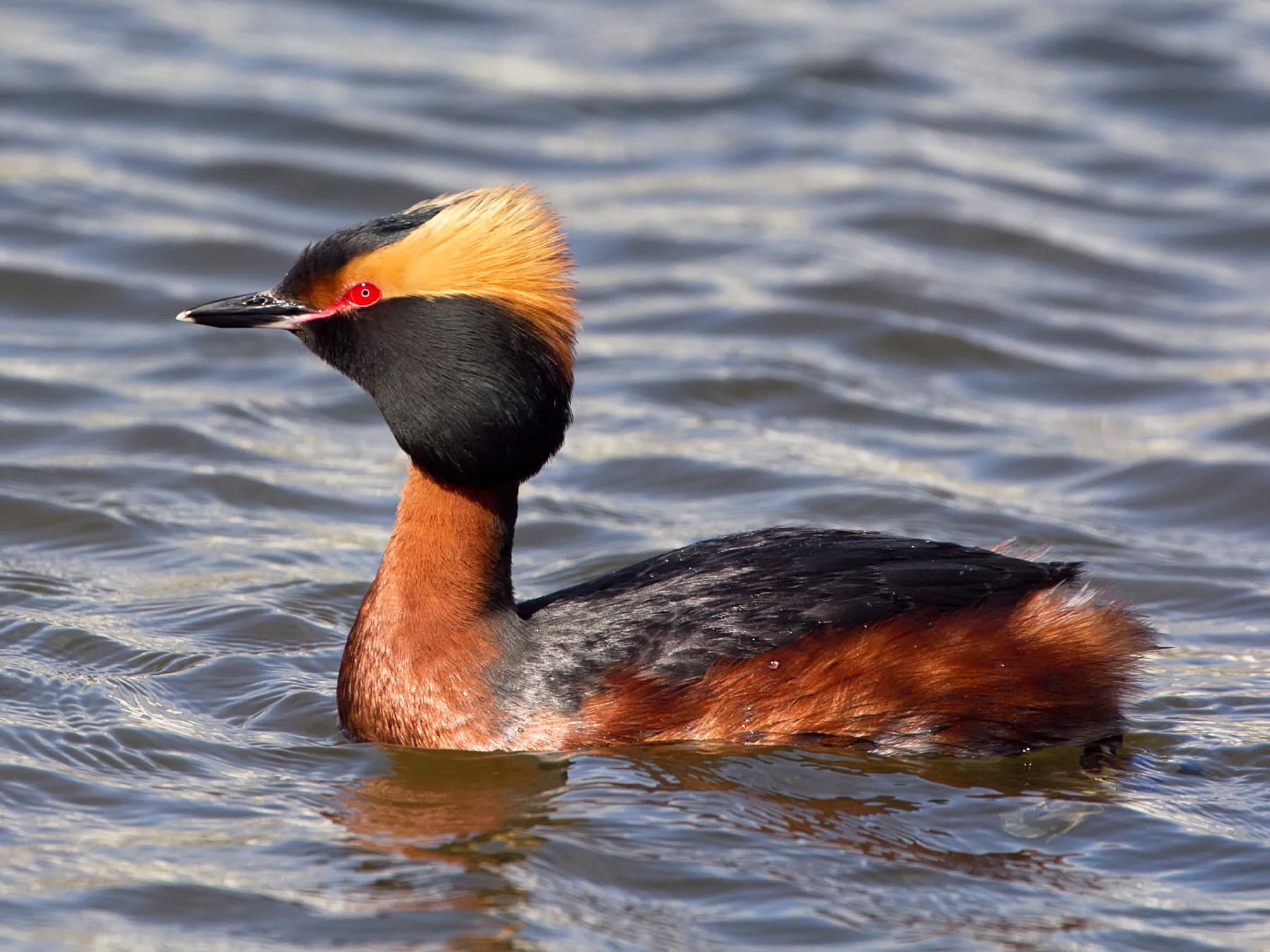
Horned Grebe
Podiceps auritusVU
A rare winter visitor to sheltered coastal waters and reservoirs. Most likely seen between November and February in smart winter plumage.
Nov–Feb