Rare Birds in Lincolnshire
97 species matching this filter.
Lincolnshire's diverse landscapes — from the vast mudflats of The Wash to the rolling Wolds and expansive fenlands — attract a remarkable variety of rare bird species. With 86 rare species recorded, the county offers exciting opportunities to spot elusive visitors such as Bluethroat, Great Grey Shrike, Common Crane, and Arctic Loon. Whether scanning coastal marshes or exploring quiet woodland edges, birdwatchers in Lincolnshire can encounter some truly exceptional avian rarities throughout the year.


Showing 1–23 of 97 species
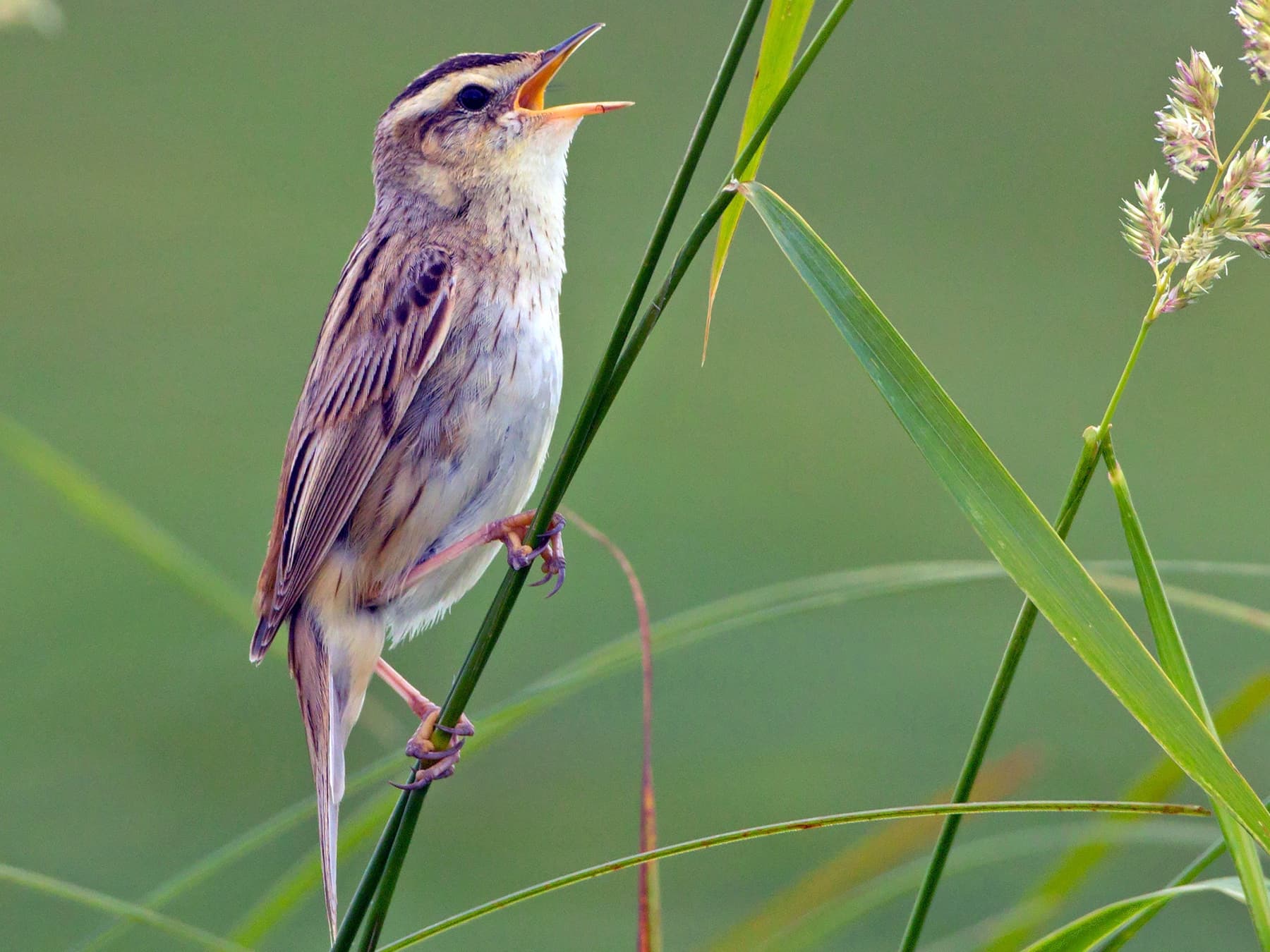
Aquatic Warbler
Acrocephalus paludicolaVU
A globally threatened species recorded very rarely on passage, typically in reedbeds along the coast during June.
Jun
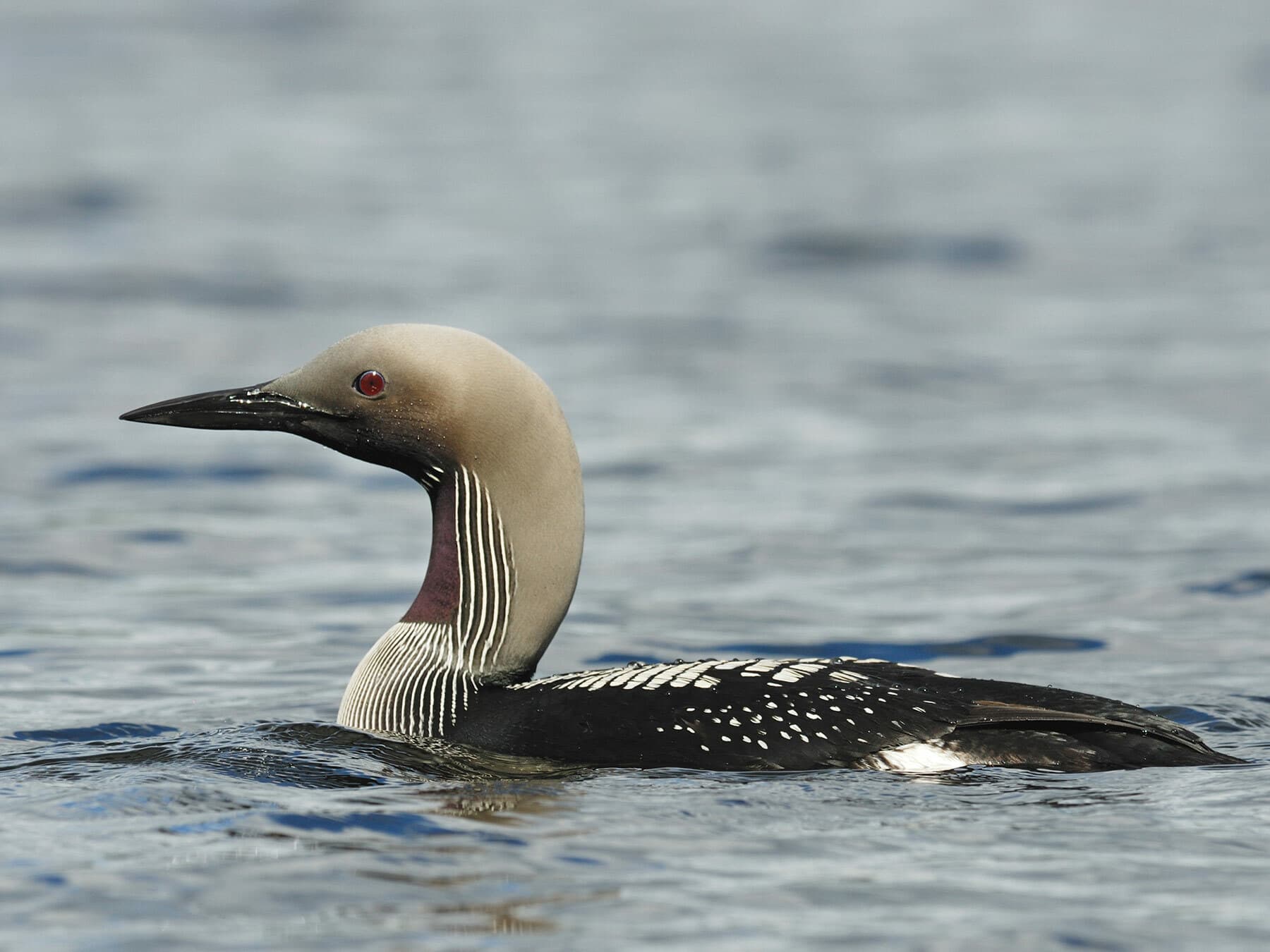
Arctic Loon
Gavia arcticaLC
A rare winter visitor, occasionally spotted offshore or in coastal waters around the Wash and along the Lincolnshire coast.
Nov–Jan
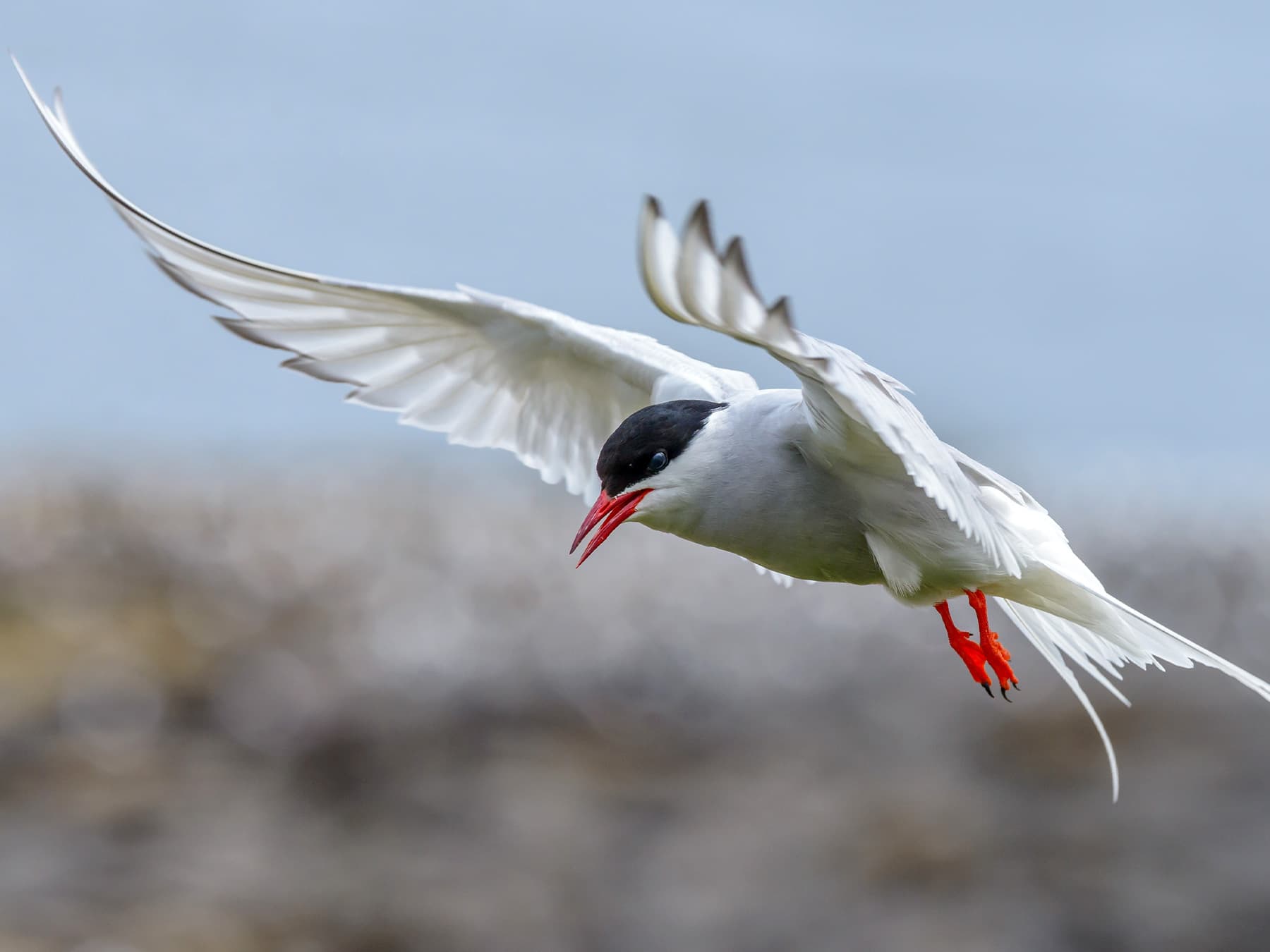
Arctic Tern
Sterna paradisaeaLC
A rare breeder, nesting at a few coastal colonies. Passes through on migration from April to October, best seen at Gibraltar Point.
Apr–Oct
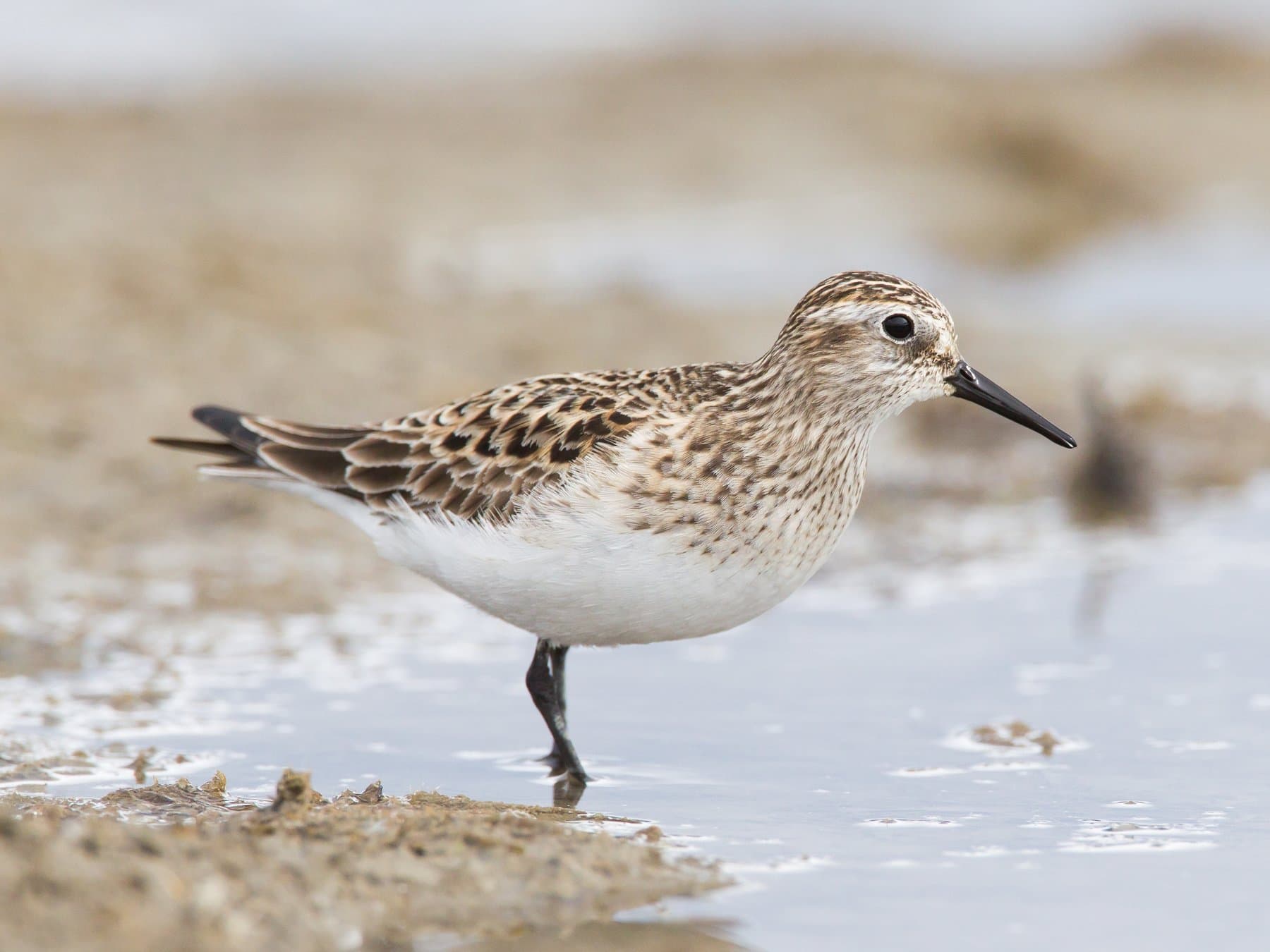
Baird's Sandpiper
Calidris bairdiiLC
An extremely rare Nearctic vagrant, with occasional August records. Any sighting at coastal pools is a major county rarity.
Aug
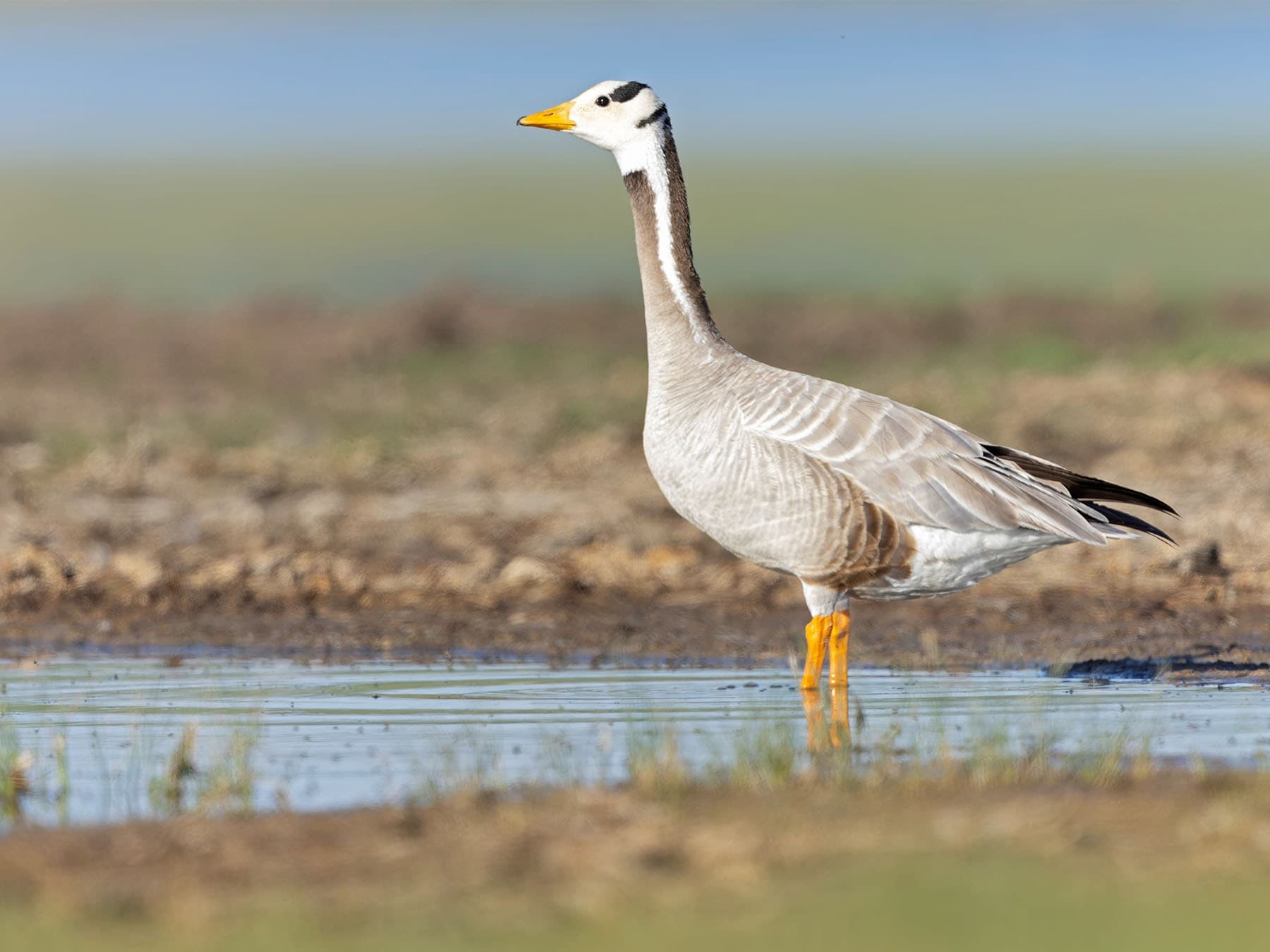
Bar-headed Goose
Anser indicusLC
A rare visitor, likely an escapee from captive collections. Occasionally recorded in late summer.
Aug
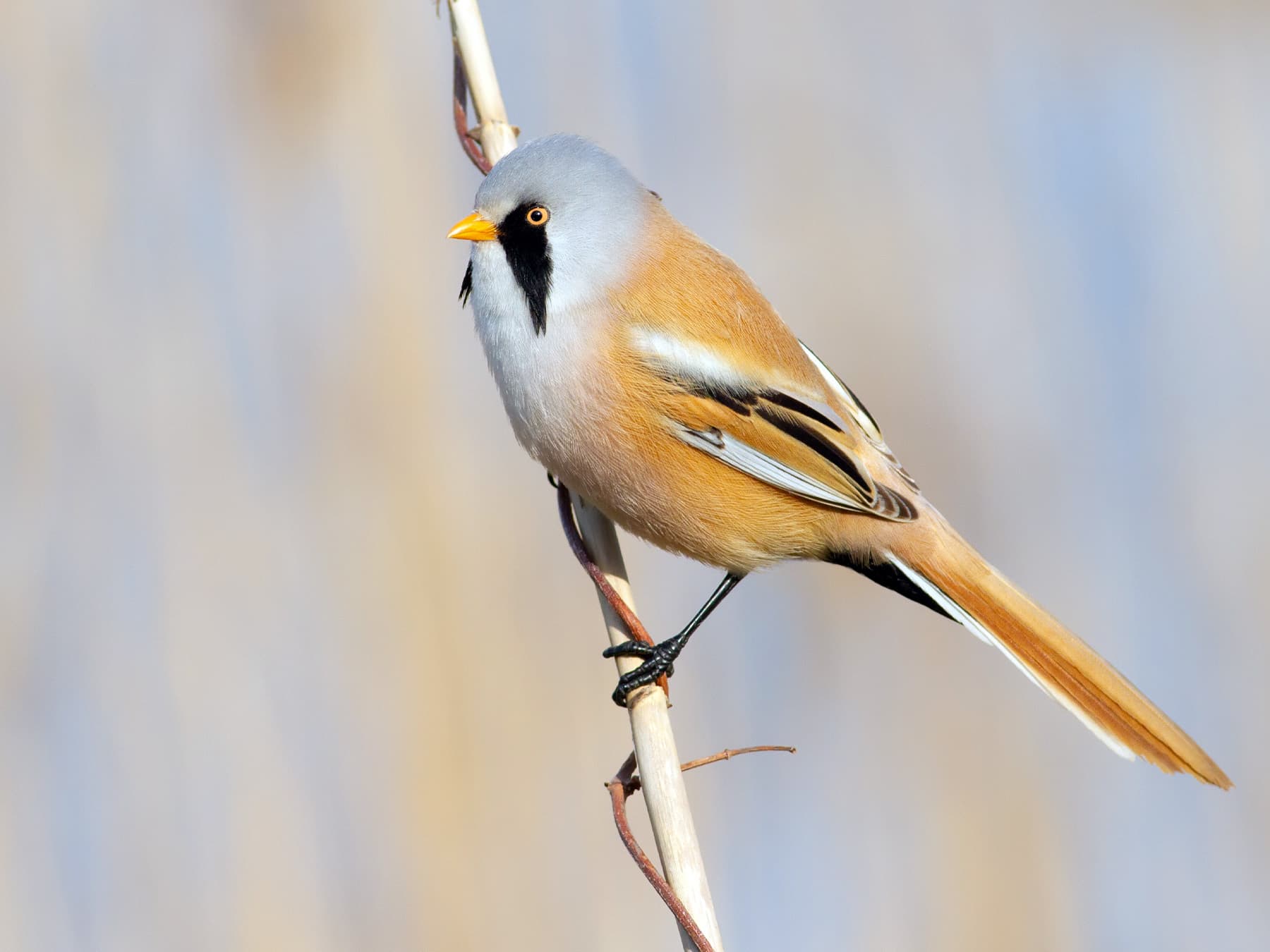
Bearded Tit
Panurus biarmicusLC
A rare but prized resident of reedbeds, with key sites along the coast and the Fens. Listen for its distinctive pinging call in autumn.
Year-round
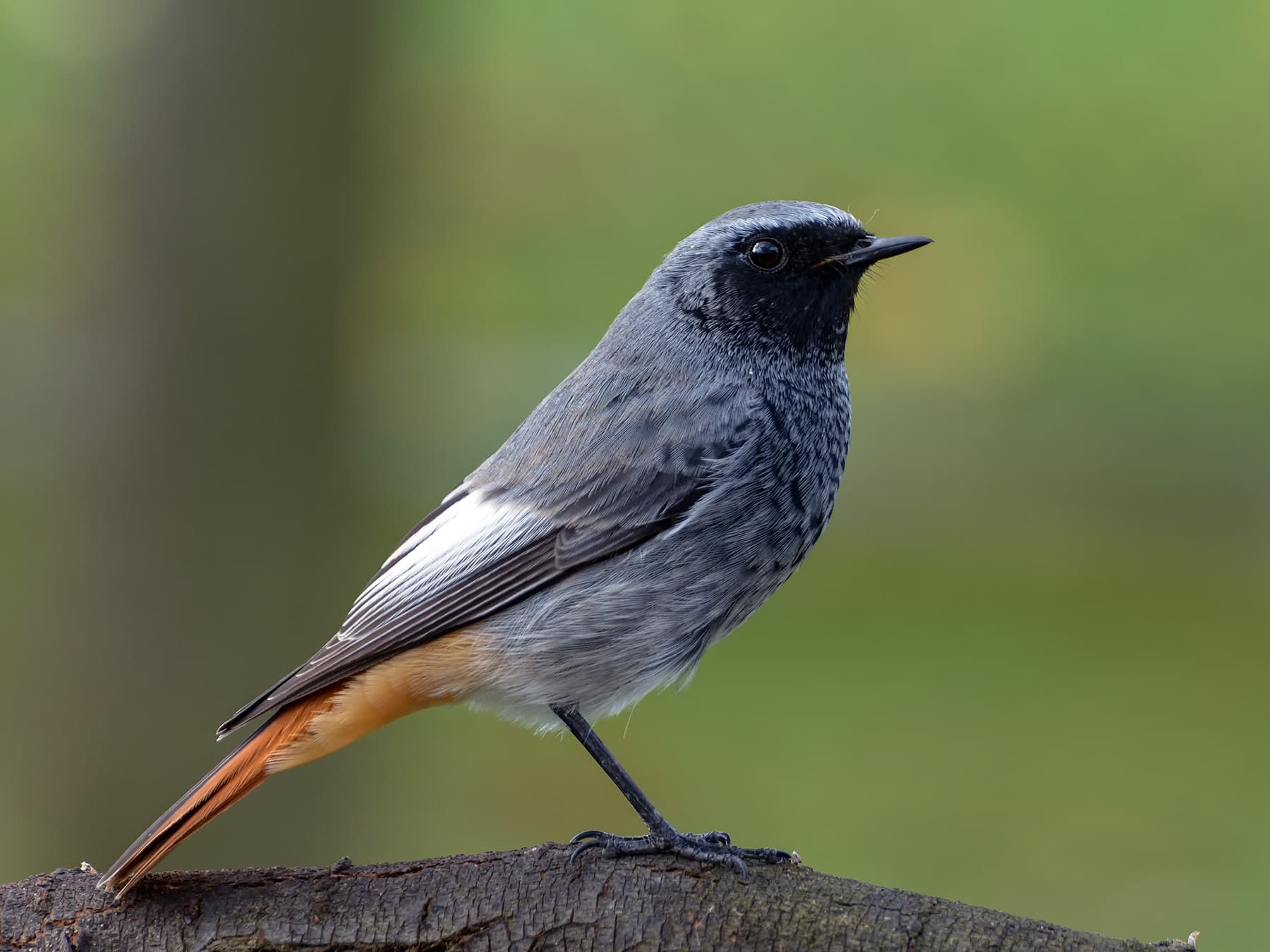
Black Redstart
Phoenicurus ochrurosLC
A rare October passage migrant, most often noted at coastal sites and industrial buildings along the Lincolnshire shoreline.
Oct
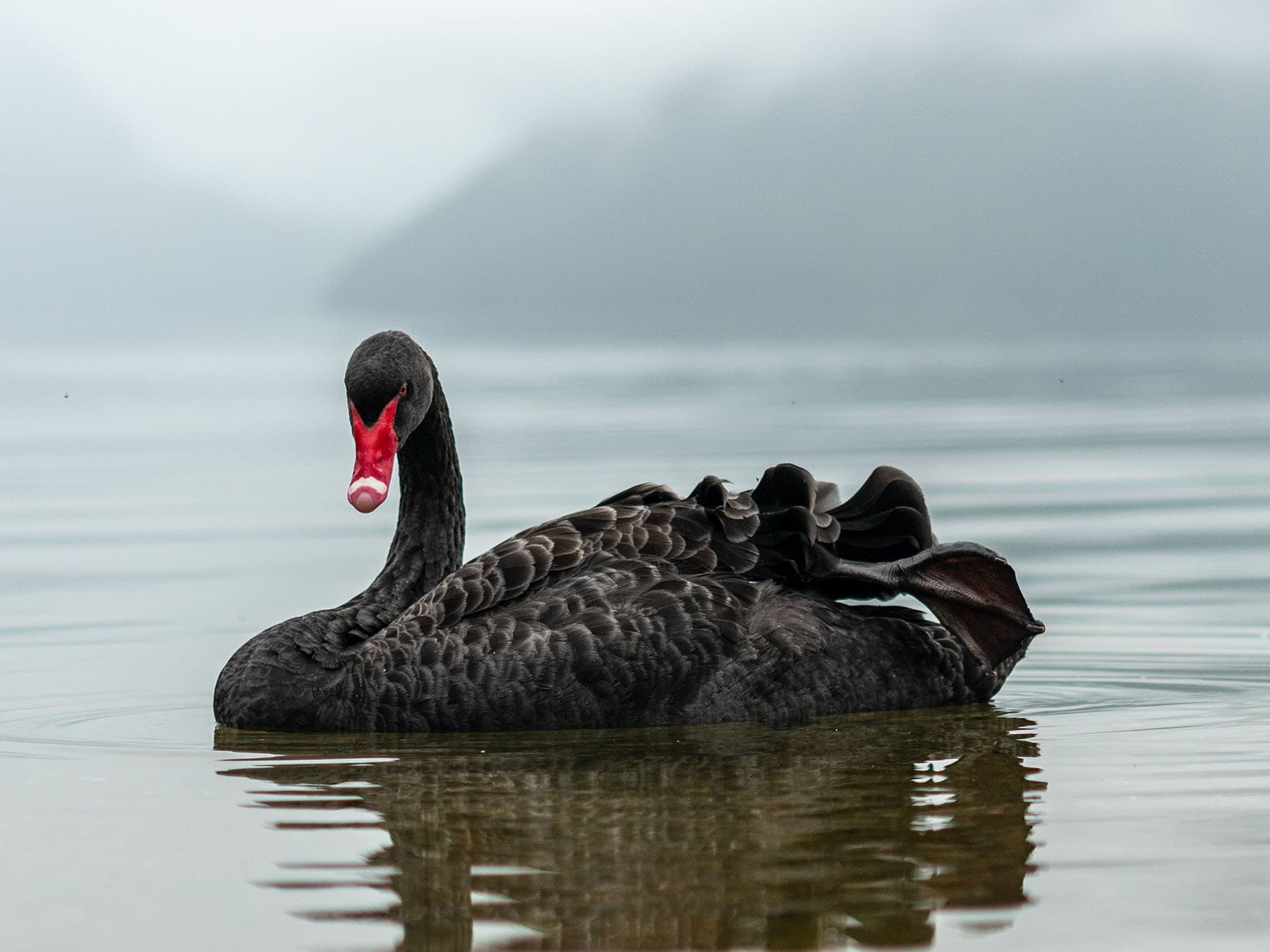
Black Swan
Cygnus atratusLC
A rare passage visitor of Australian origin, with occasional escapees or wandering feral birds noted in autumn.
Sep–Oct
Spotted something?
Upload a photo to identify it
Identify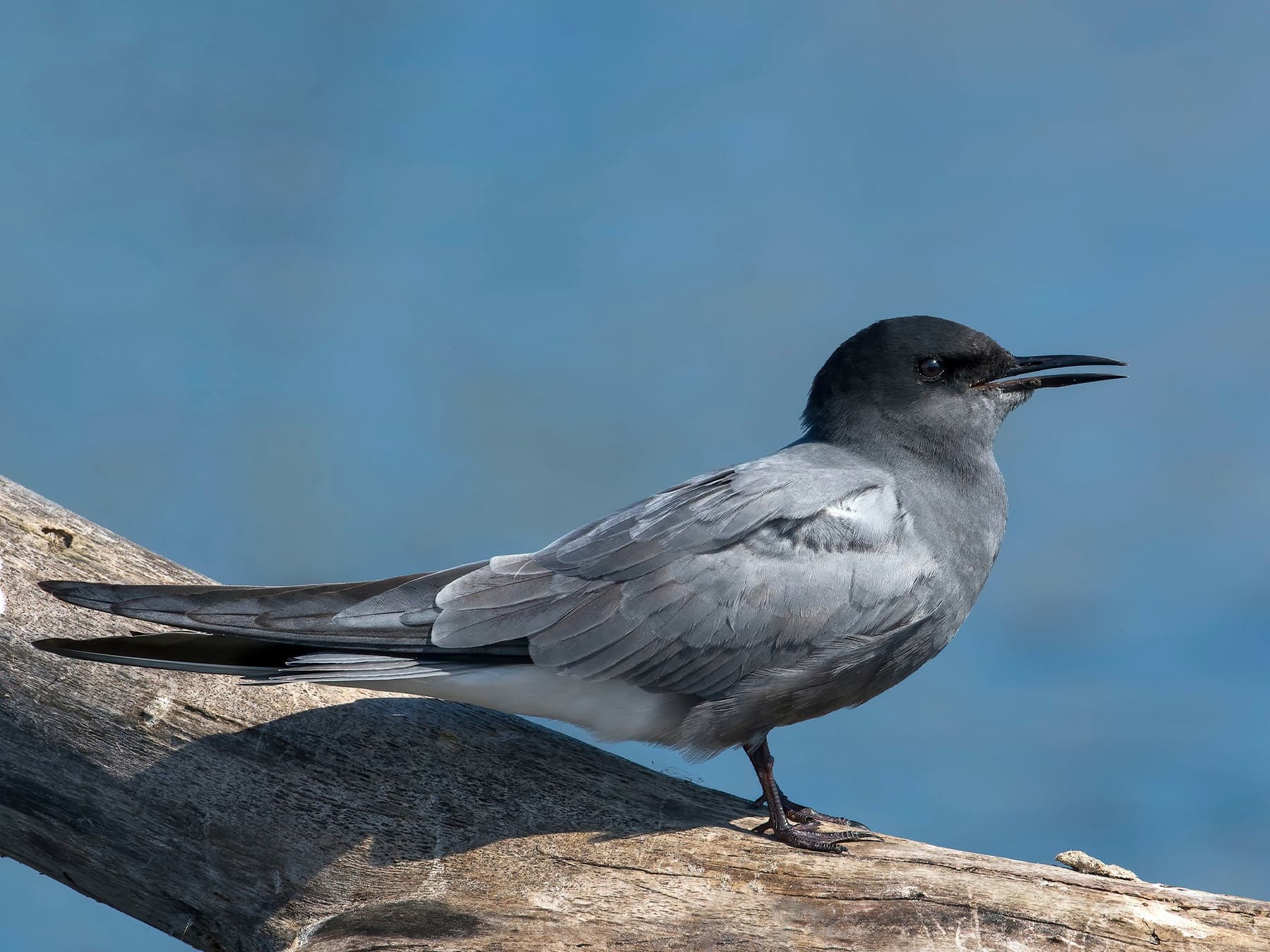
Black Tern
Chlidonias nigerLC
Rare but elegant marsh tern seen dipping over freshwater pools during spring and autumn passage, often at inland reserves.
Apr–Sep
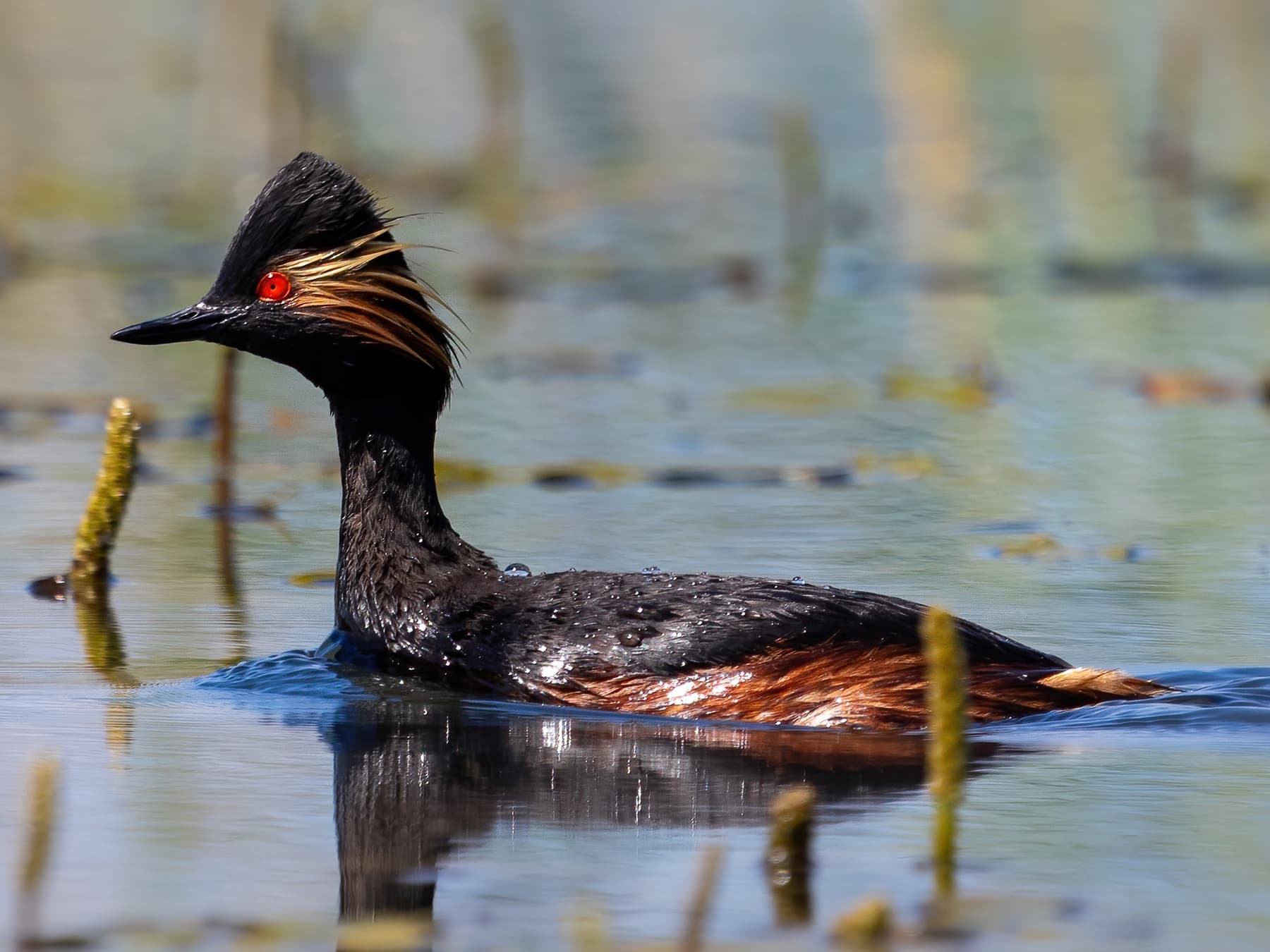
Black-necked Grebe
Podiceps nigricollisLC
A rare breeding species at a handful of inland pools and gravel pits. Present from April to August, favouring well-vegetated waterbodies.
Apr–Oct
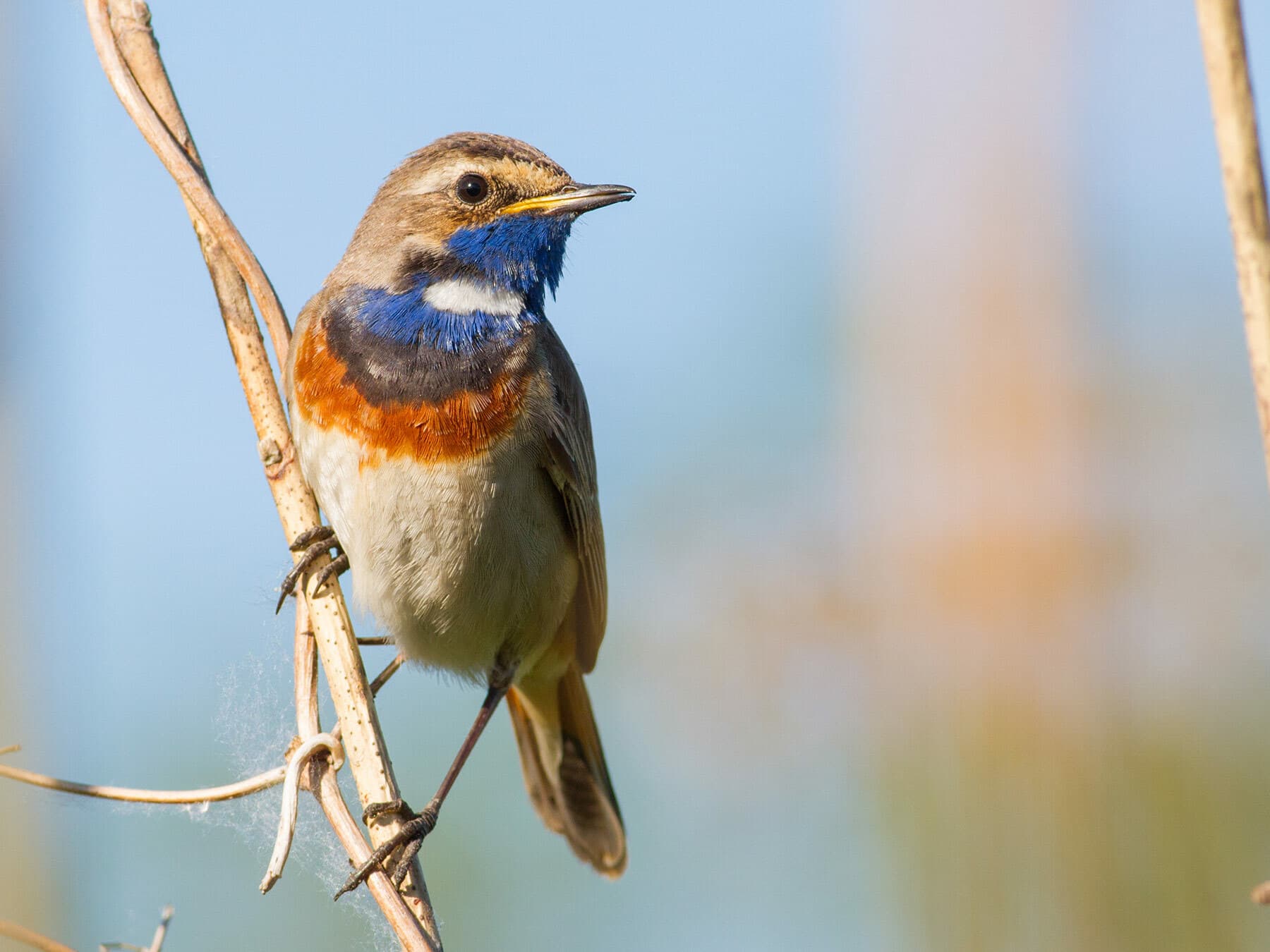
Bluethroat
Luscinia svecicaLC
A rare spring passage migrant, occasionally recorded along the coast in March. A prized find for Lincolnshire birders.
Mar
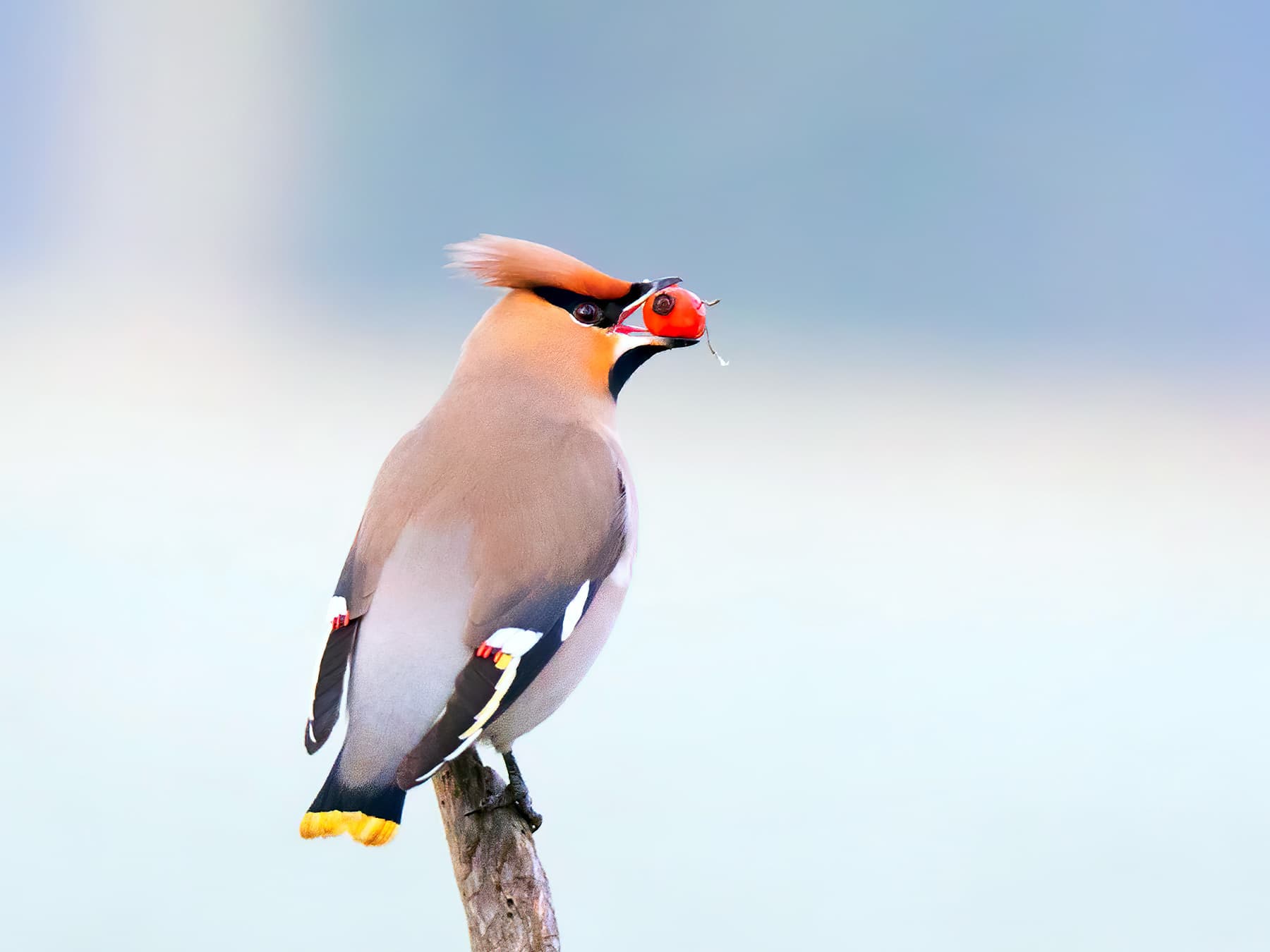
Bohemian Waxwing
Bombycilla garrulusLC
A rare and irruptive winter visitor, appearing in some years in berry-laden trees in towns and hedgerows, mainly in December and January.
Dec–Jan
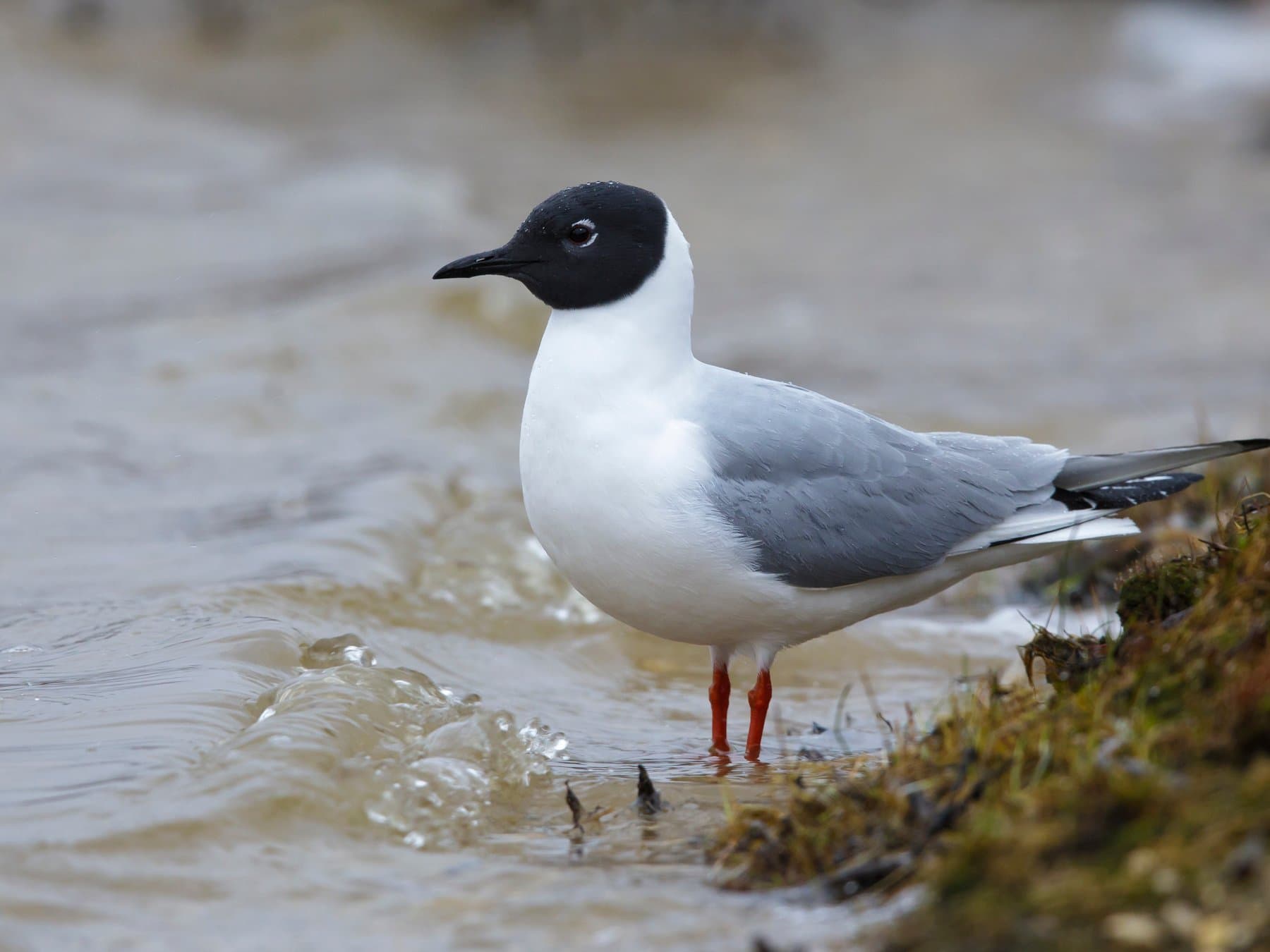
Bonaparte's Gull
Chroicocephalus philadelphiaLC
An extremely rare North American vagrant, with occasional April records among flocks of Black-headed Gulls at coastal sites.
Apr
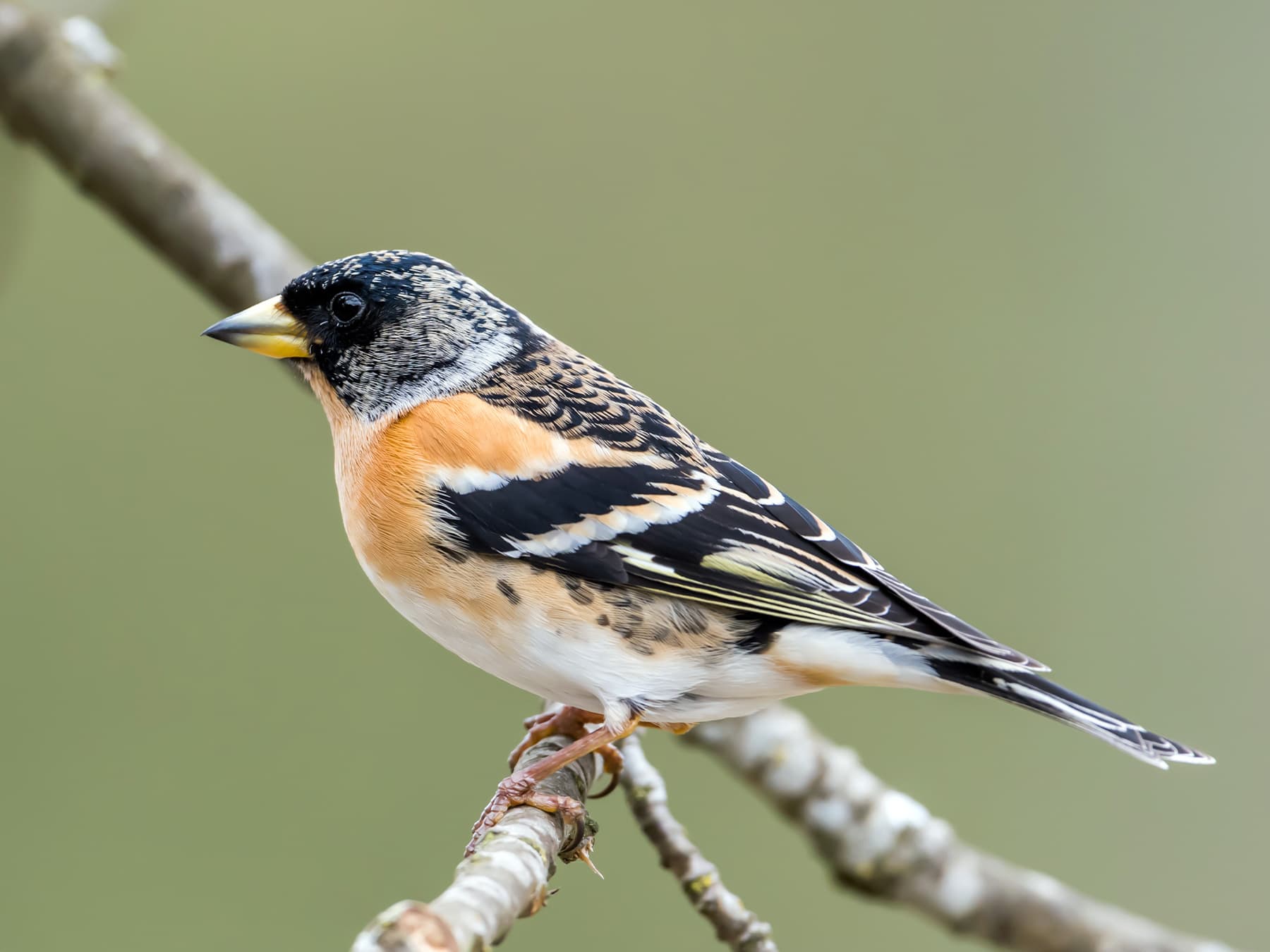
Brambling
Fringilla montifringillaLC
A rare winter visitor from Scandinavia, sometimes joining Chaffinch flocks in beech woodland and farmland stubble from October to April.
Oct–Apr
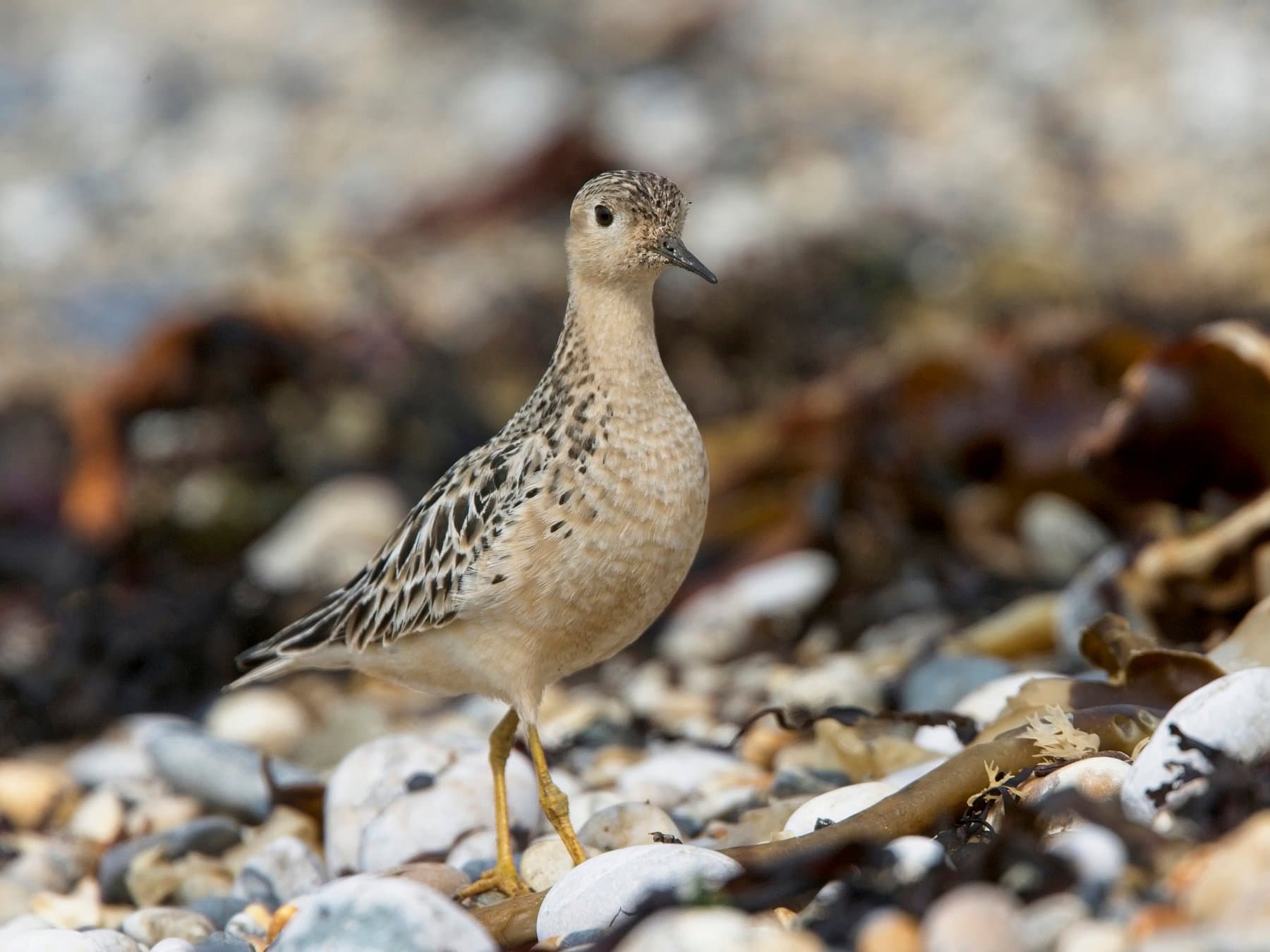
Buff-breasted Sandpiper
Calidris subruficollisVU
A rare Nearctic vagrant, occasionally found on short-grazed coastal fields and muddy scrapes, mainly during autumn passage.
May–Oct
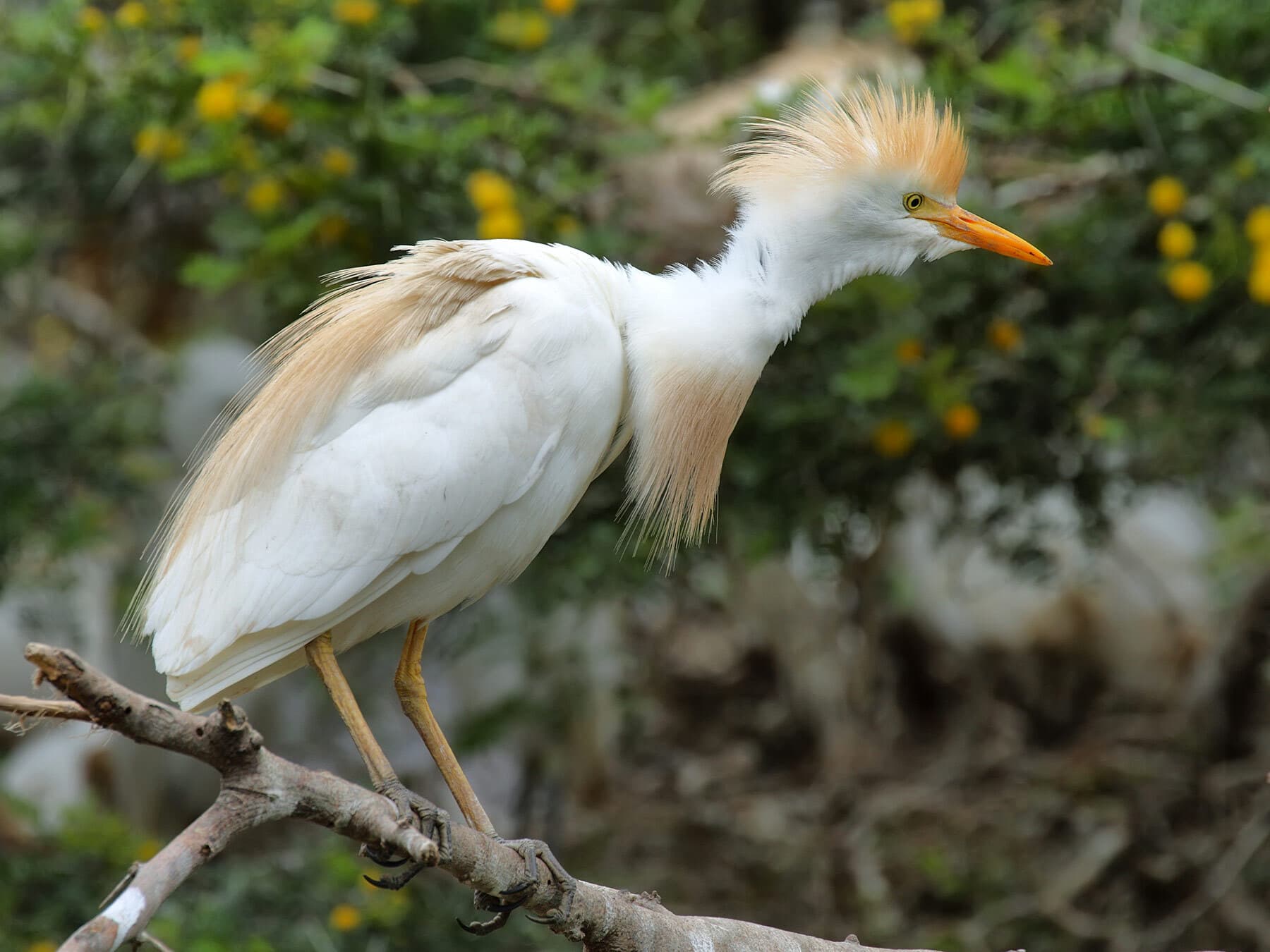
Cattle Egret
Bubulcus ibisLC
A rare but increasingly recorded resident, often seen near livestock in wet pastures. Part of a recent national range expansion into Lincolnshire.
Aug–May
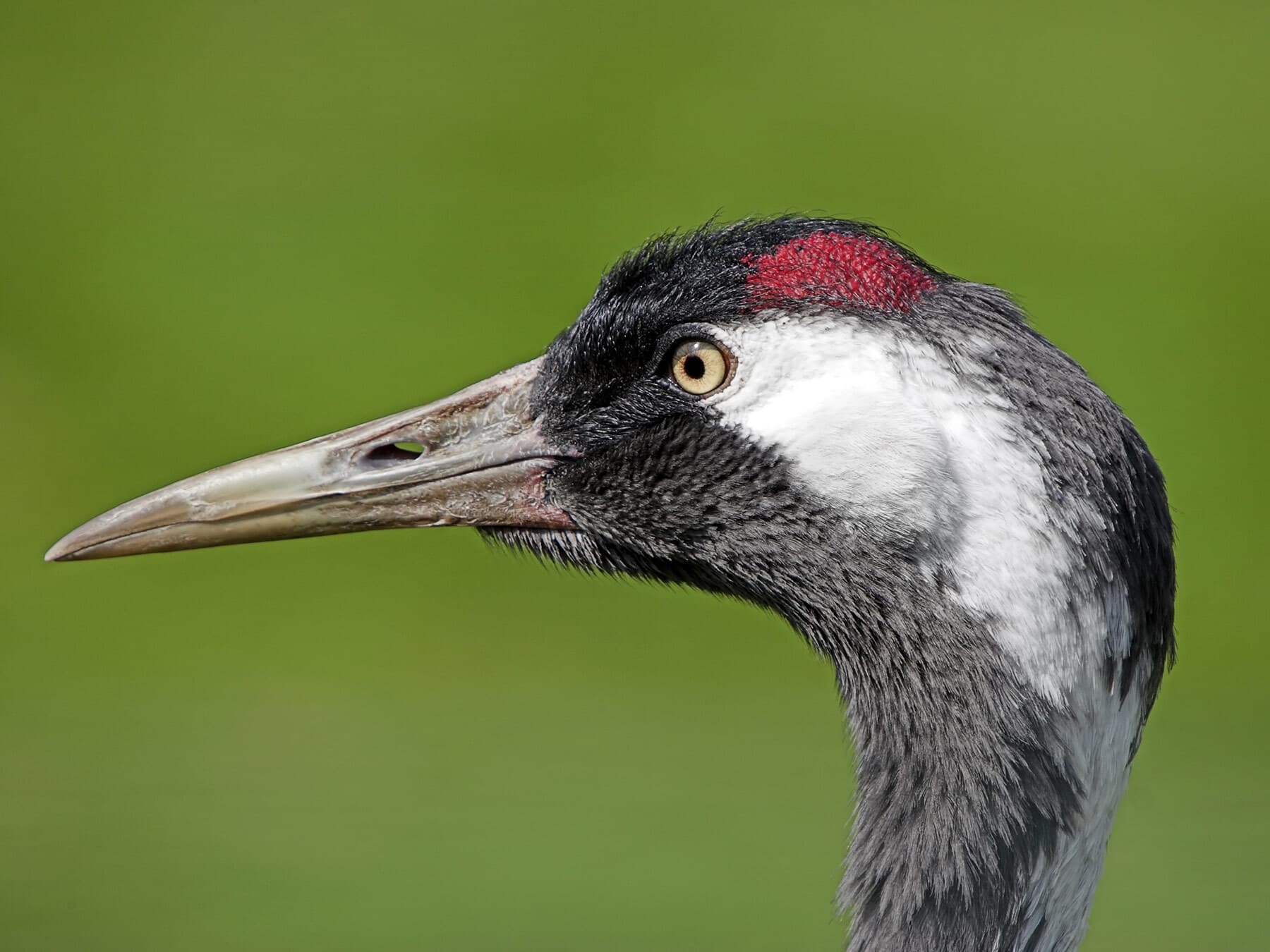
Common Crane
Grus grusLC
A rare but increasing resident, with breeding pairs establishing on fenland sites. A spectacular sight on the county's wetlands.
Oct–Aug
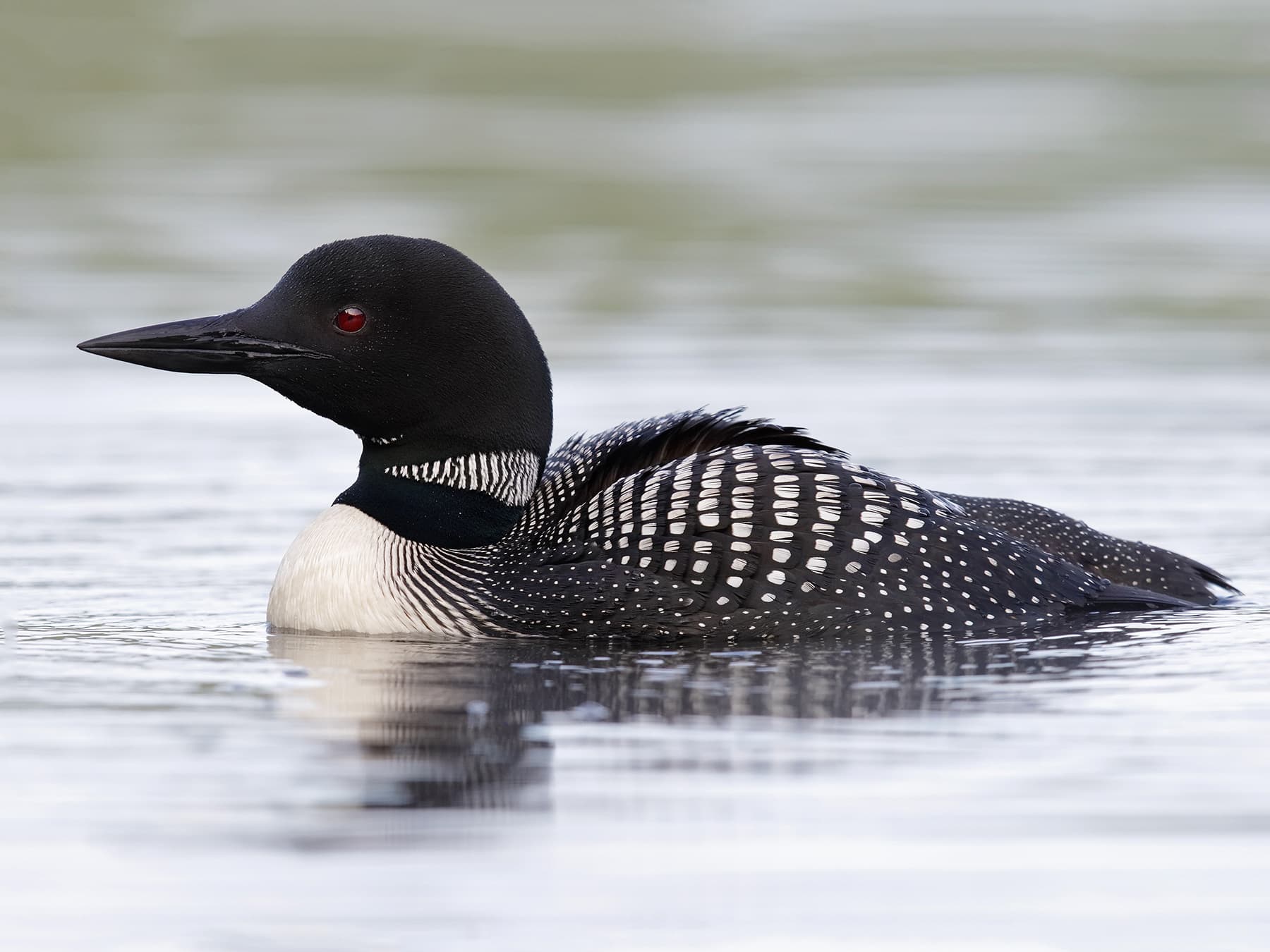
Common Loon
Gavia immerLC
A rare winter visitor to coastal waters and occasionally large inland reservoirs. Most records fall between November and February.
Nov–Feb
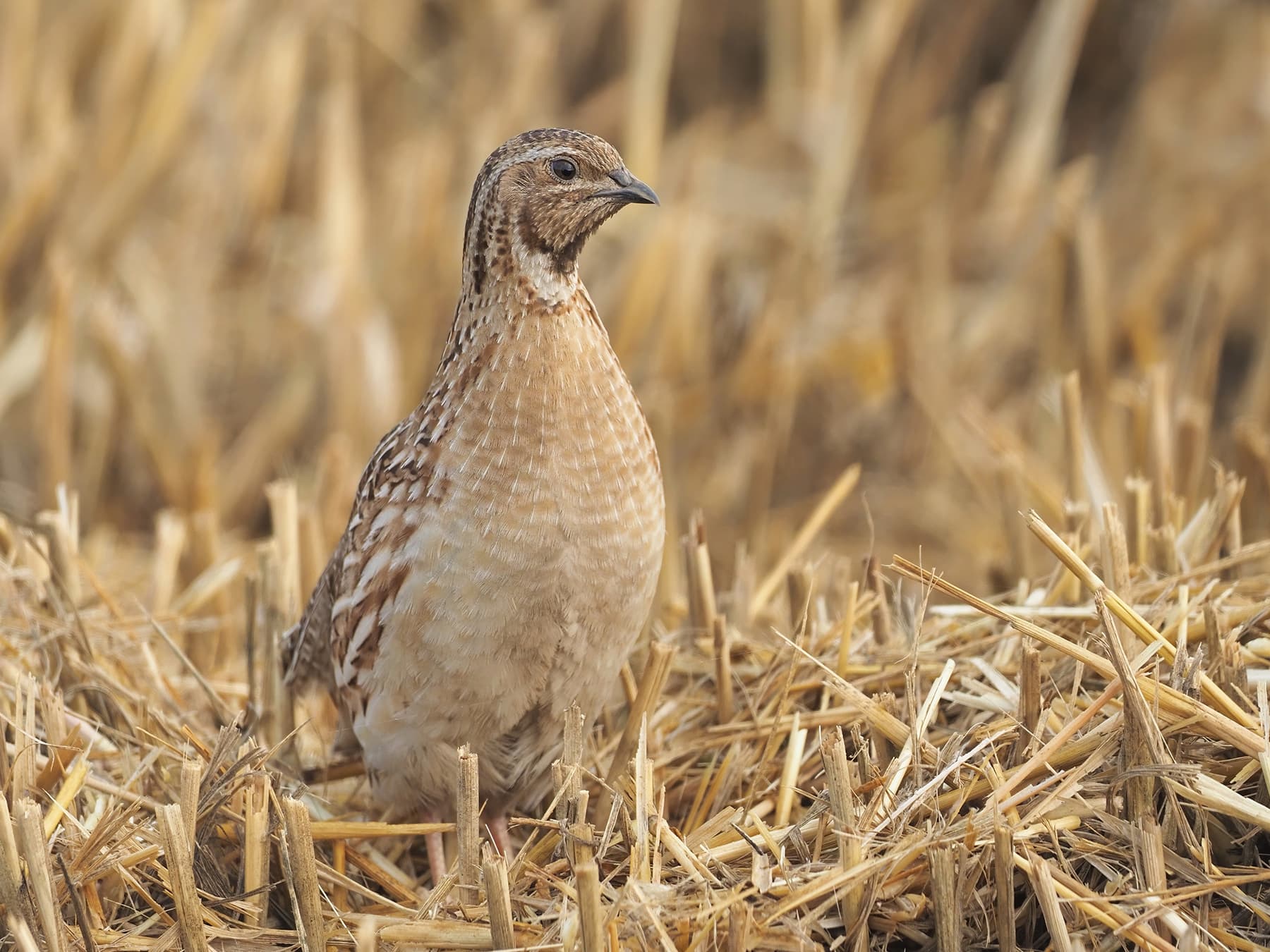
Common Quail
Coturnix coturnixLC
A rare and secretive summer visitor, more often heard than seen calling from cereal fields in June and July.
Jun–Jul
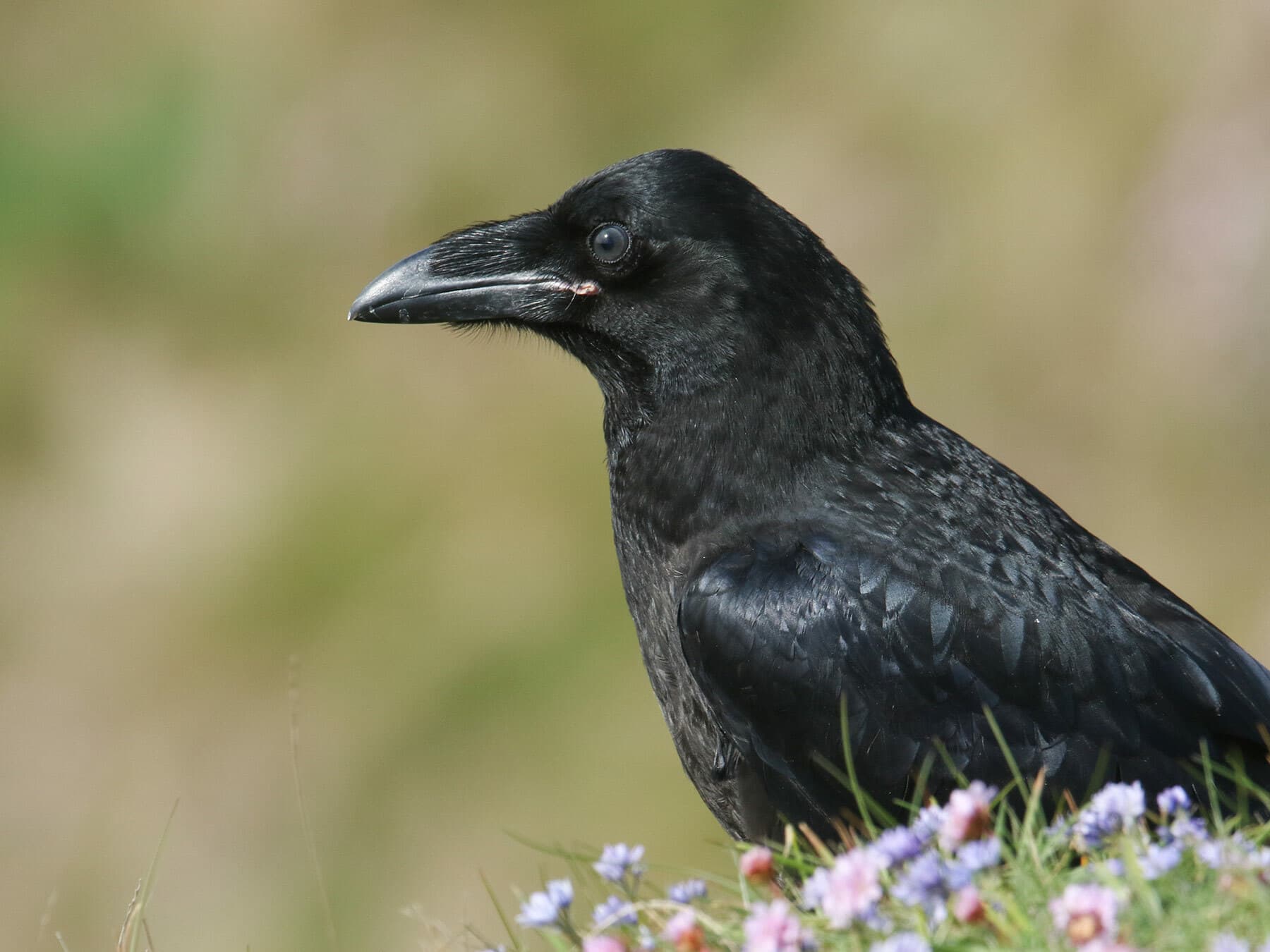
Common Raven
Corvus coraxLC
A rare but increasing resident, slowly recolonising the county after centuries of absence. Look for its diamond-shaped tail in flight.
Year-round
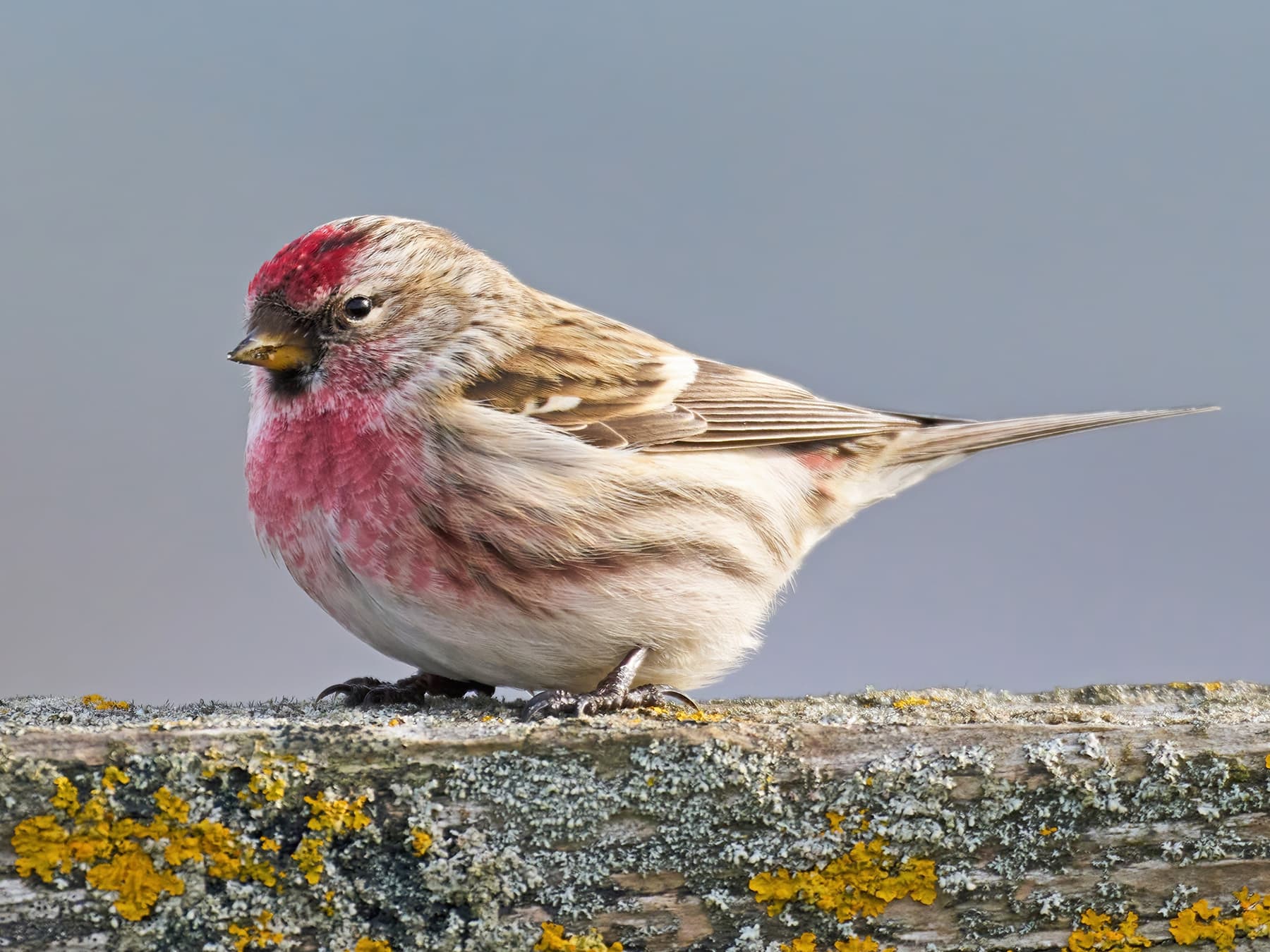
Common Redpoll
Acanthis flammeaLC
A rare resident, thinly distributed in birch and alder woodland. Numbers may increase in winter with arrivals from the continent.
Year-round
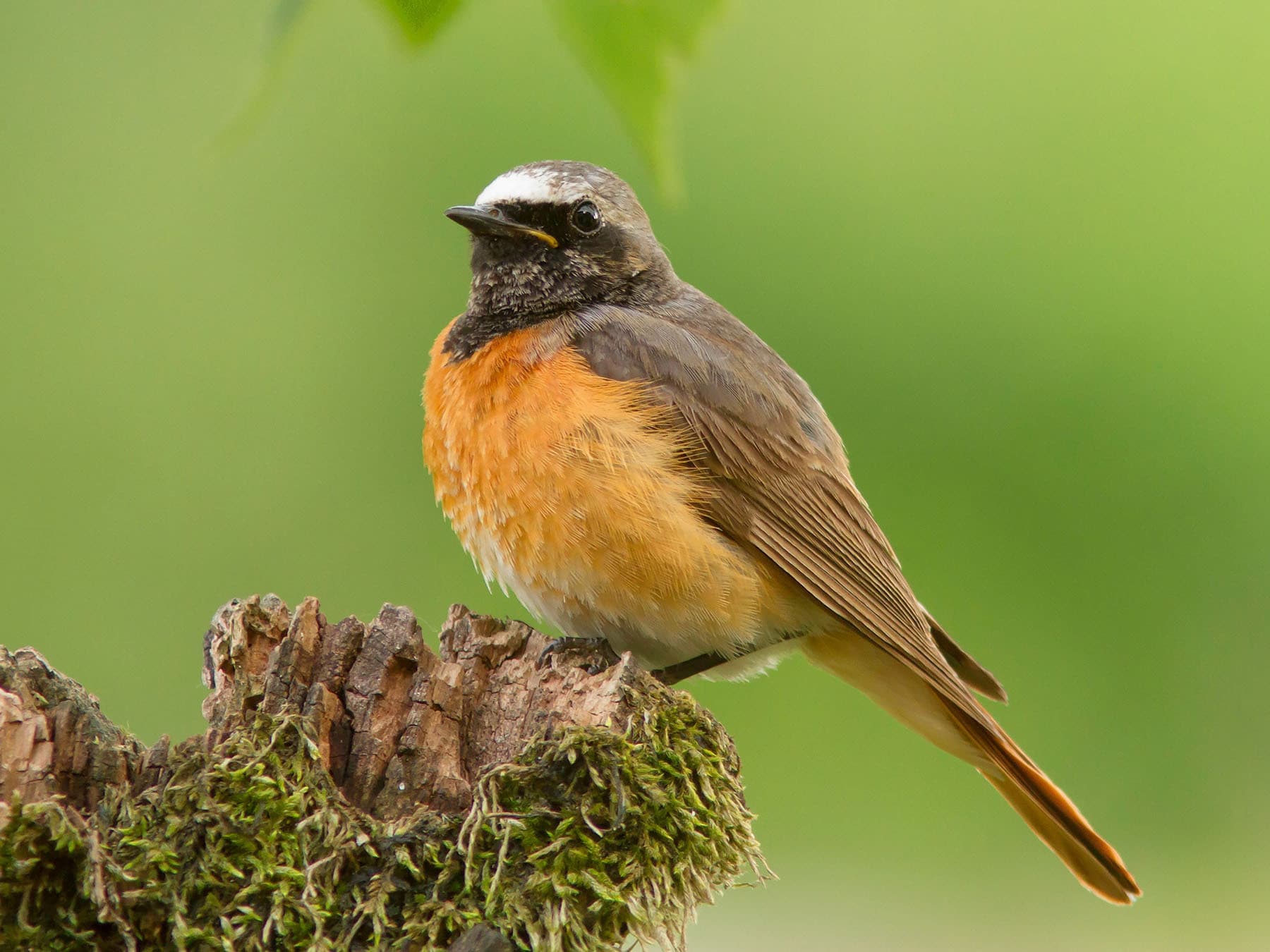
Common Redstart
Phoenicurus phoenicurusLC
A rare passage migrant seen briefly in spring and autumn, mainly at coastal migration watchpoints like Gibraltar Point.
Apr–Oct
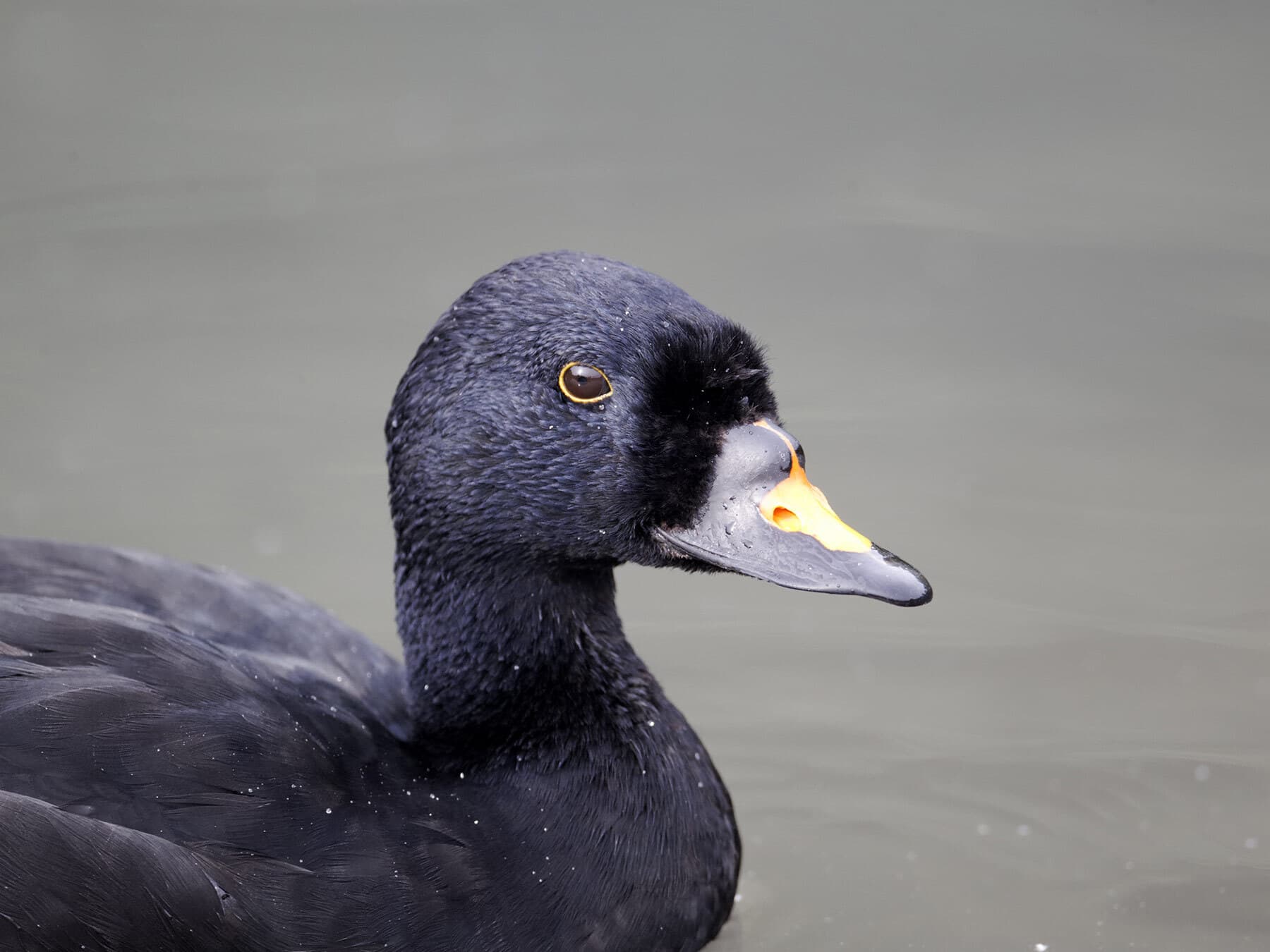
Common Scoter
Melanitta nigraLC
A rare but year-round presence, mainly seen offshore along the coast. Small numbers linger through summer off the Wash.
Apr–Feb