Rare Birds in Lincolnshire
97 species matching this filter.
Lincolnshire's diverse landscapes — from the vast mudflats of The Wash to the rolling Wolds and expansive fenlands — attract a remarkable variety of rare bird species. With 86 rare species recorded, the county offers exciting opportunities to spot elusive visitors such as Bluethroat, Great Grey Shrike, Common Crane, and Arctic Loon. Whether scanning coastal marshes or exploring quiet woodland edges, birdwatchers in Lincolnshire can encounter some truly exceptional avian rarities throughout the year.


Showing 24–46 of 97 species
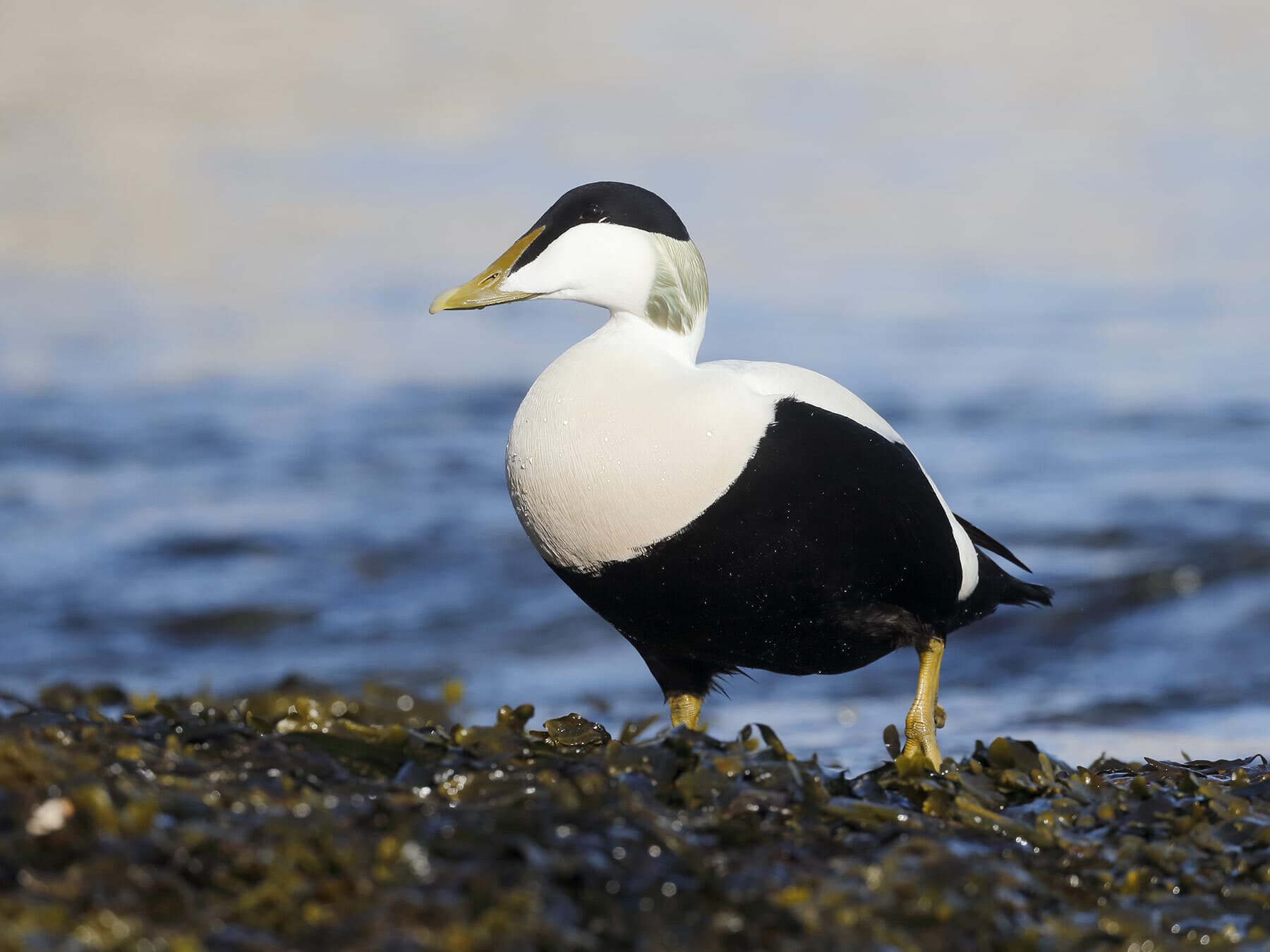
Eider
Somateria mollissimaNT
A rare resident along the Lincolnshire coast, most often seen on the sea near Gibraltar Point. Largely absent during midsummer.
Aug–May
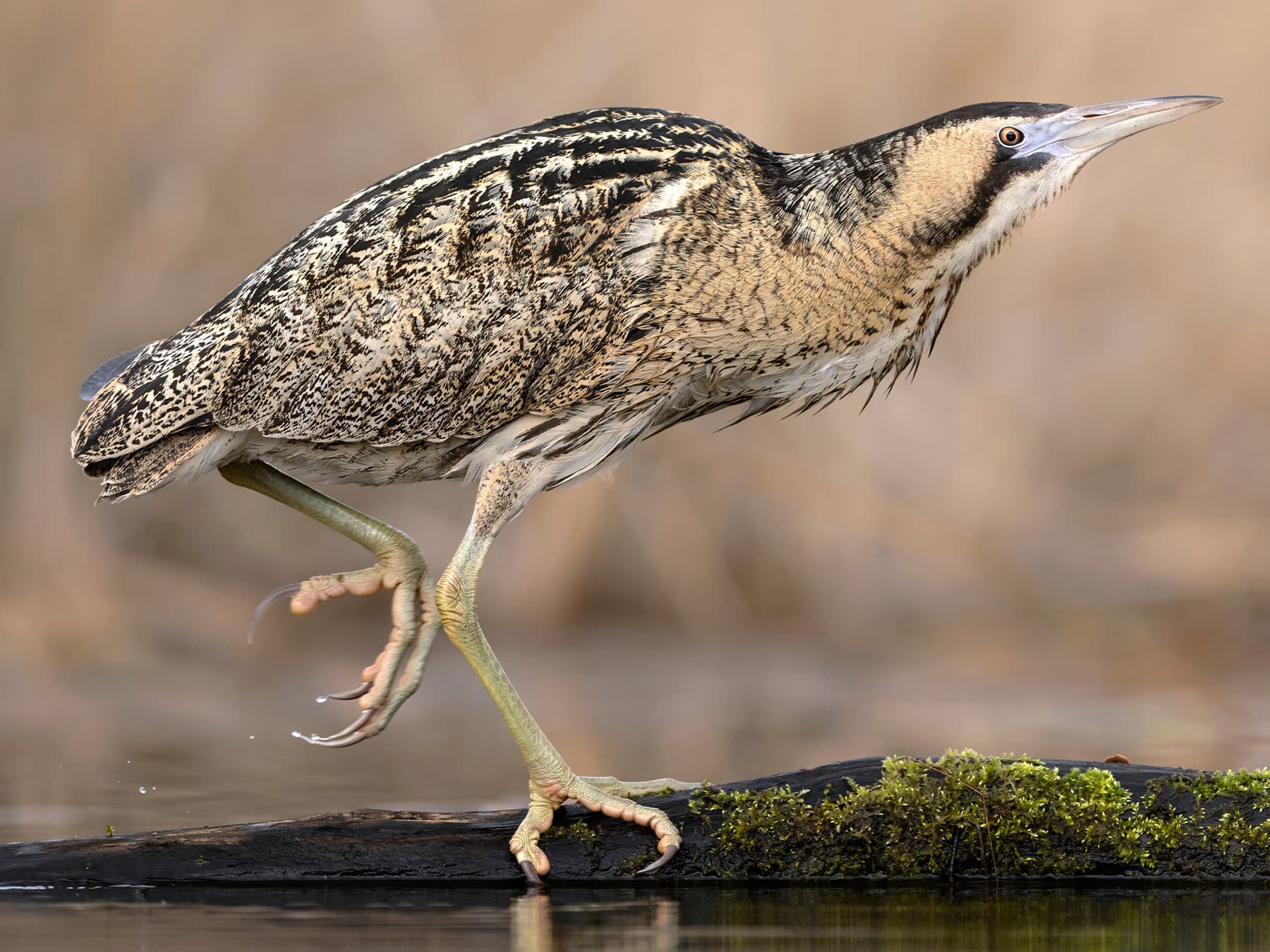
Eurasian Bittern
Botaurus stellarisLC
A rare but resident breeder in Lincolnshire's extensive reedbeds, most reliably found at sites like Far Ings and Alkborough Flats.
Nov–Aug
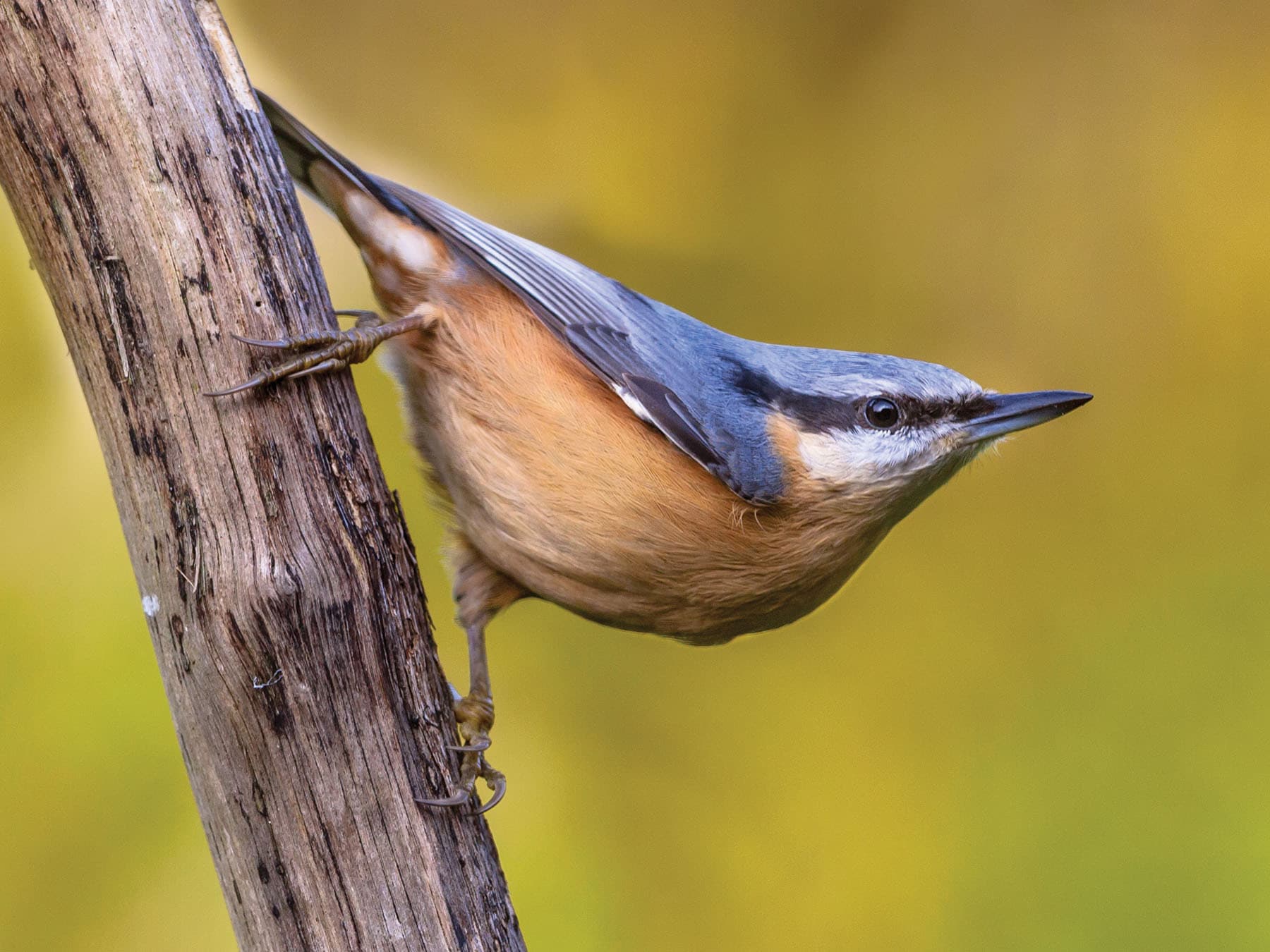
Eurasian Nuthatch
Sitta europaeaLC
A rare resident found in mature deciduous woodland. Lincolnshire sits at the edge of its range, making sightings a notable find.
Year-round
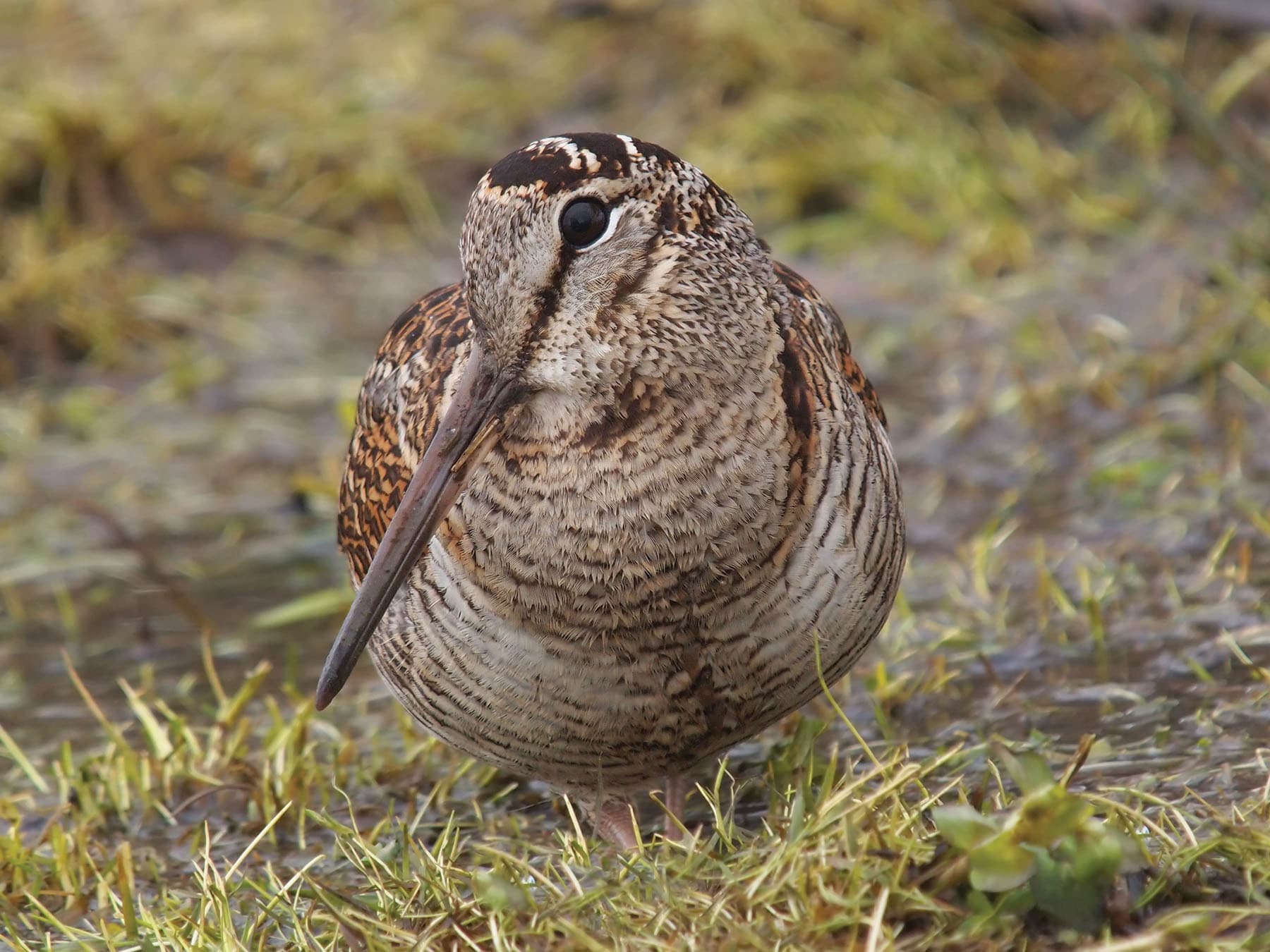
Eurasian Woodcock
Scolopax rusticolaLC
A secretive winter visitor to damp woodland and hedgerows. Most likely encountered during cold-weather movements from October to March.
Oct–Jun
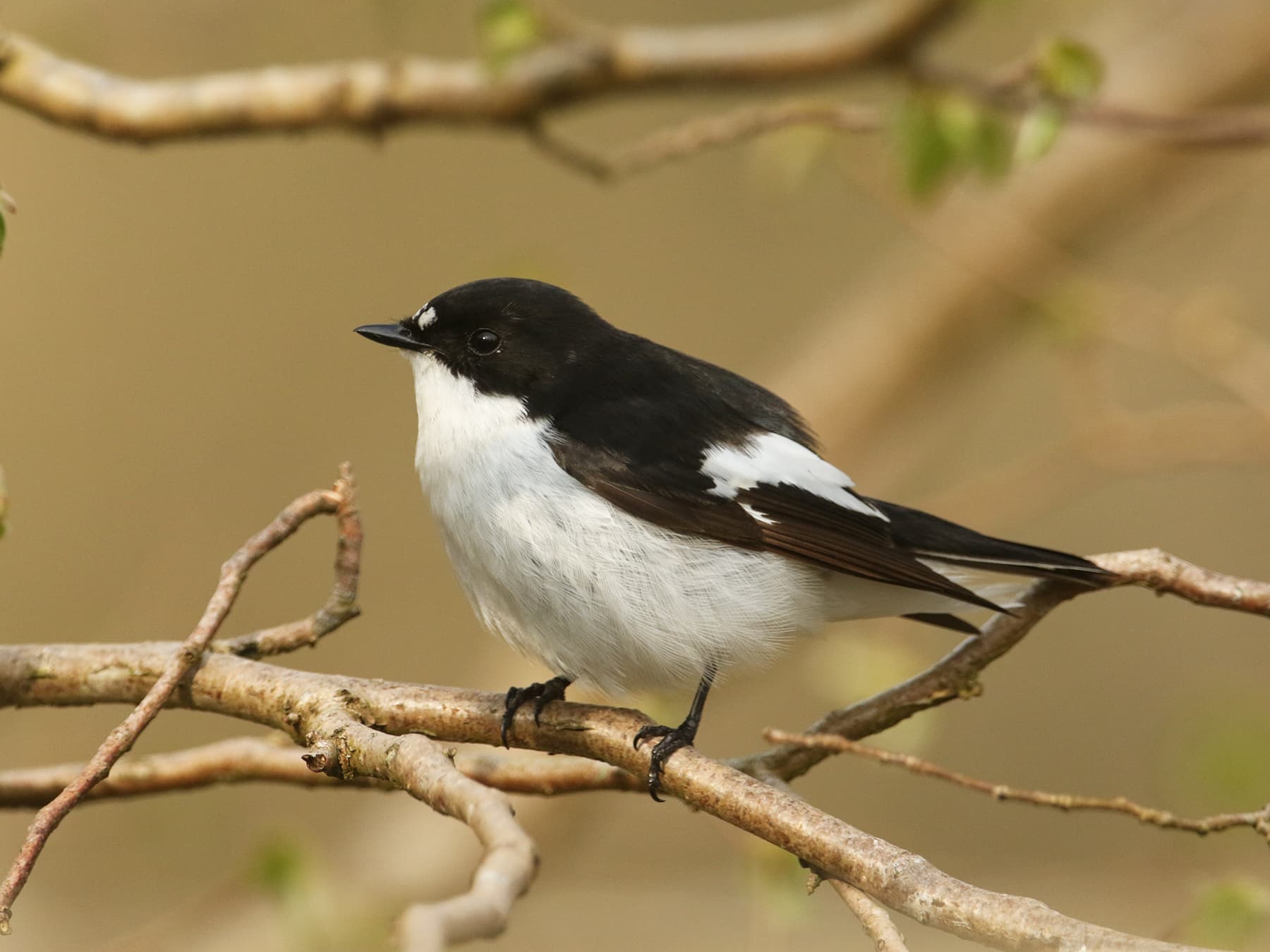
European Pied Flycatcher
Ficedula hypoleucaLC
A rare autumn passage migrant in August and September, typically seen at coastal sites such as Gibraltar Point on its southward journey.
Aug–Sep
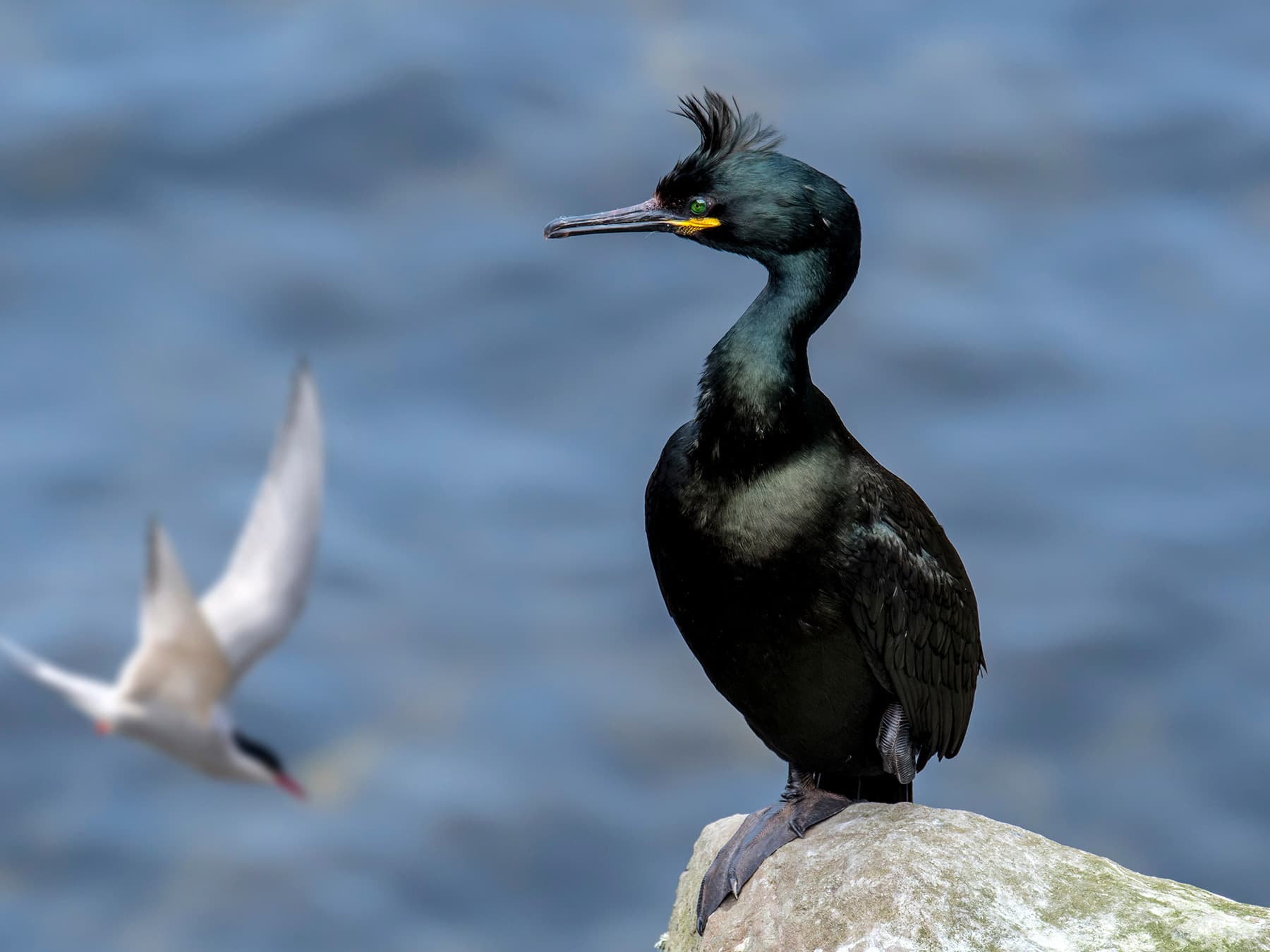
European Shag
Phalacrocorax aristotelisLC
A rare passage visitor, occasionally seen off the Lincolnshire coast in December, far less frequent than the similar Cormorant.
Dec
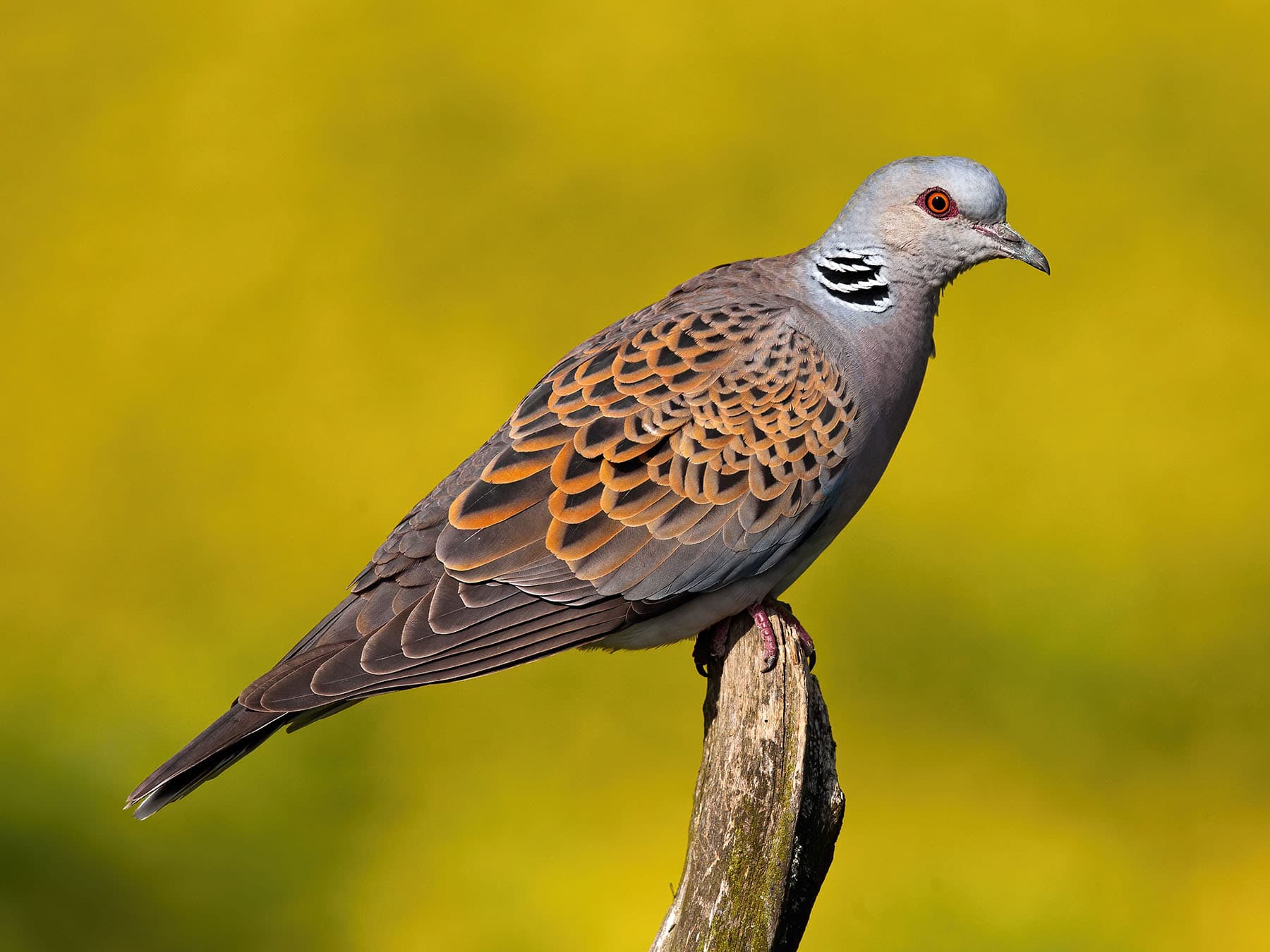
European Turtle-dove
Streptopelia turturVU
A rare and declining summer breeder, arriving in late April. One of the UK's fastest-declining birds, favouring thick hedgerows and farmland.
Apr–Sep
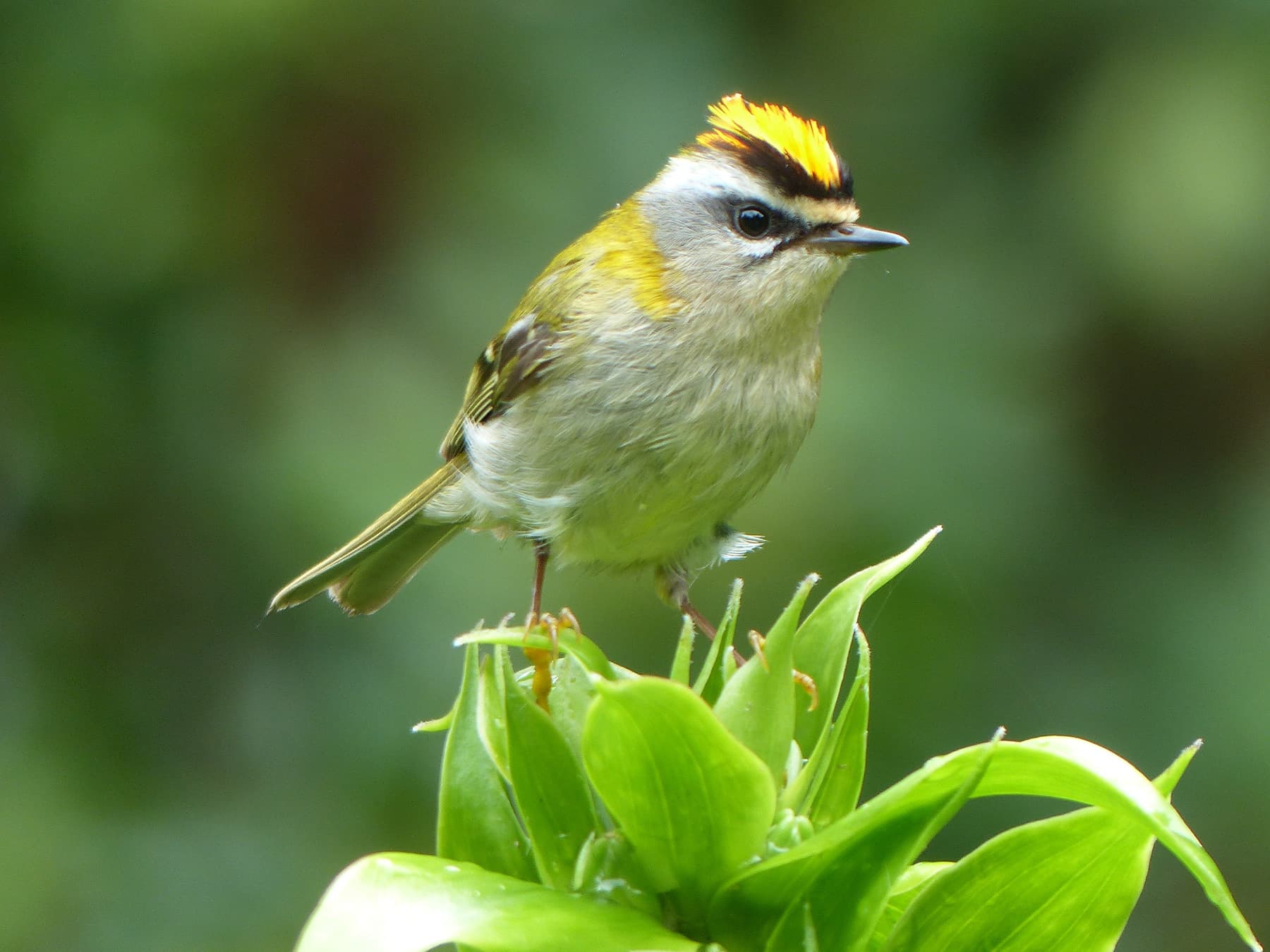
Firecrest
Regulus ignicapillaLC
A rare autumn passage migrant, occasionally recorded along the coast in October. Most sightings come from sheltered scrub at sites like Gibraltar Point.
Oct
Spotted something?
Upload a photo to identify it
Identify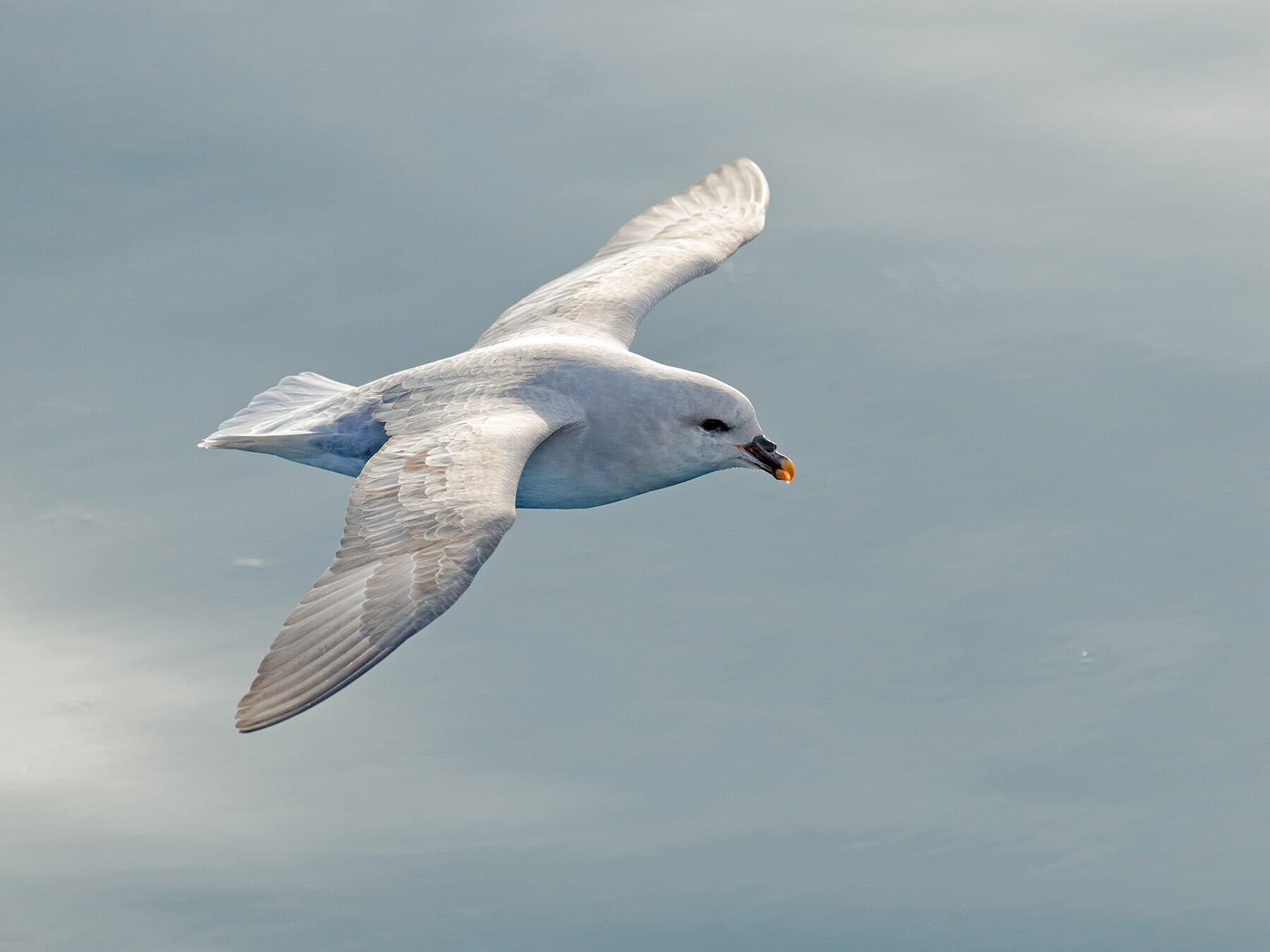
Fulmar
Fulmarus glacialisLC
Rare offshore in late summer, occasionally seen from coastal headlands during strong onshore winds in August and September.
Aug–Sep
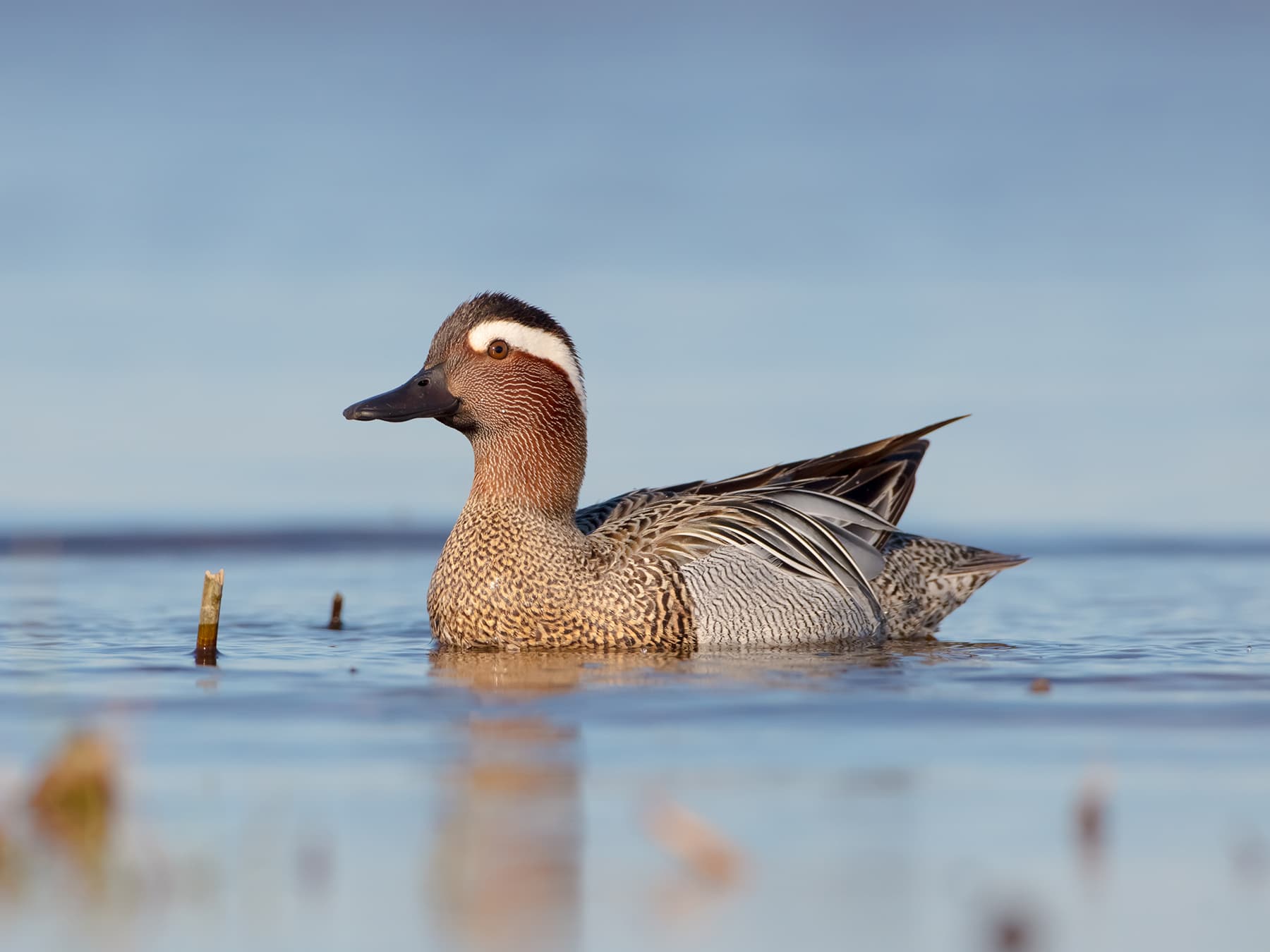
Garganey
Spatula querquedulaLC
A rare summer breeder, arriving in March and favouring shallow fenland pools and wet meadows. One of the UK's scarcest breeding ducks.
Mar–Sep
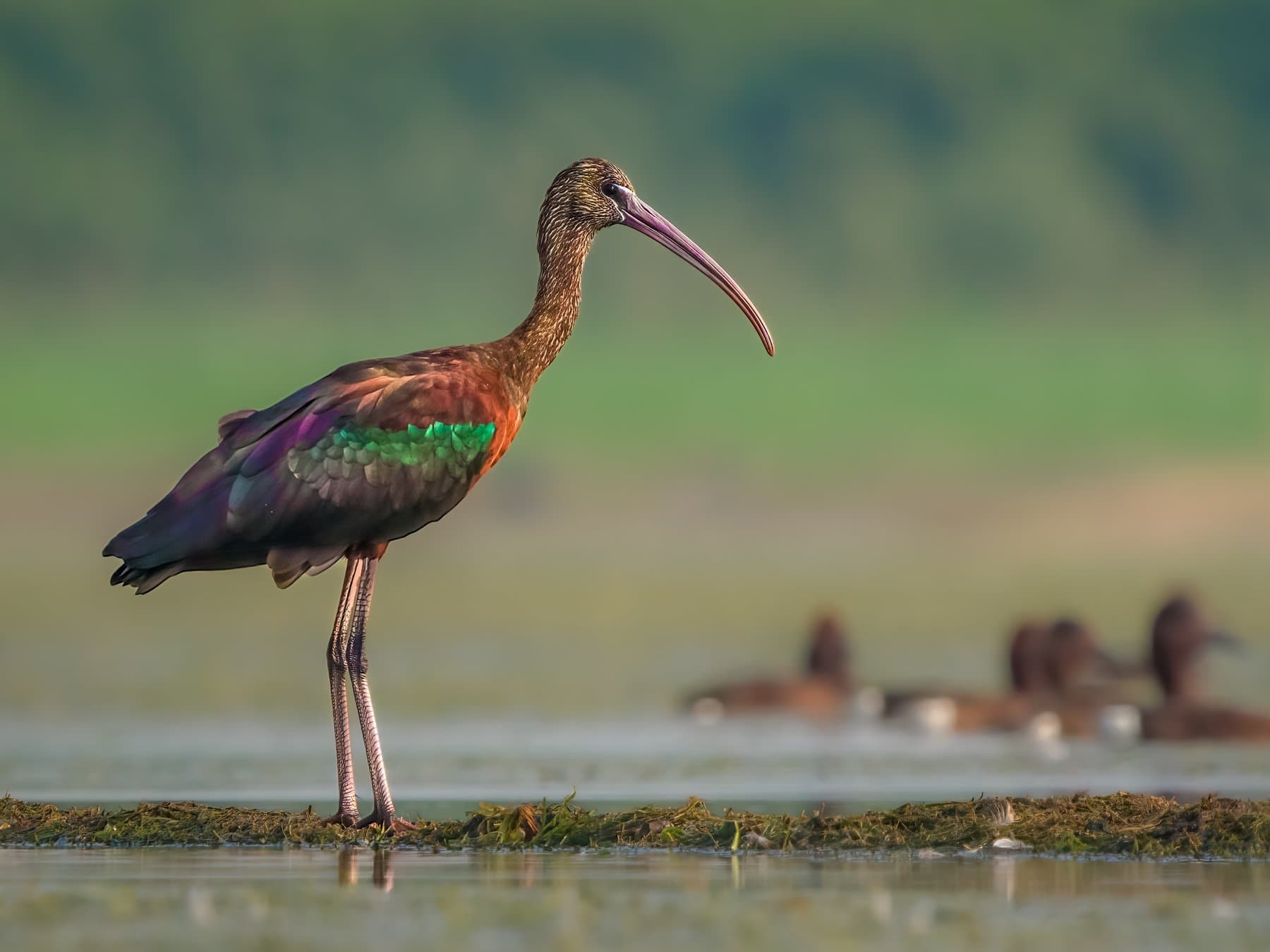
Glossy Ibis
Plegadis falcinellusLC
A rare but increasingly recorded visitor to Lincolnshire's marshes and flooded fields, reflecting a wider northward range expansion.
Jun–Feb
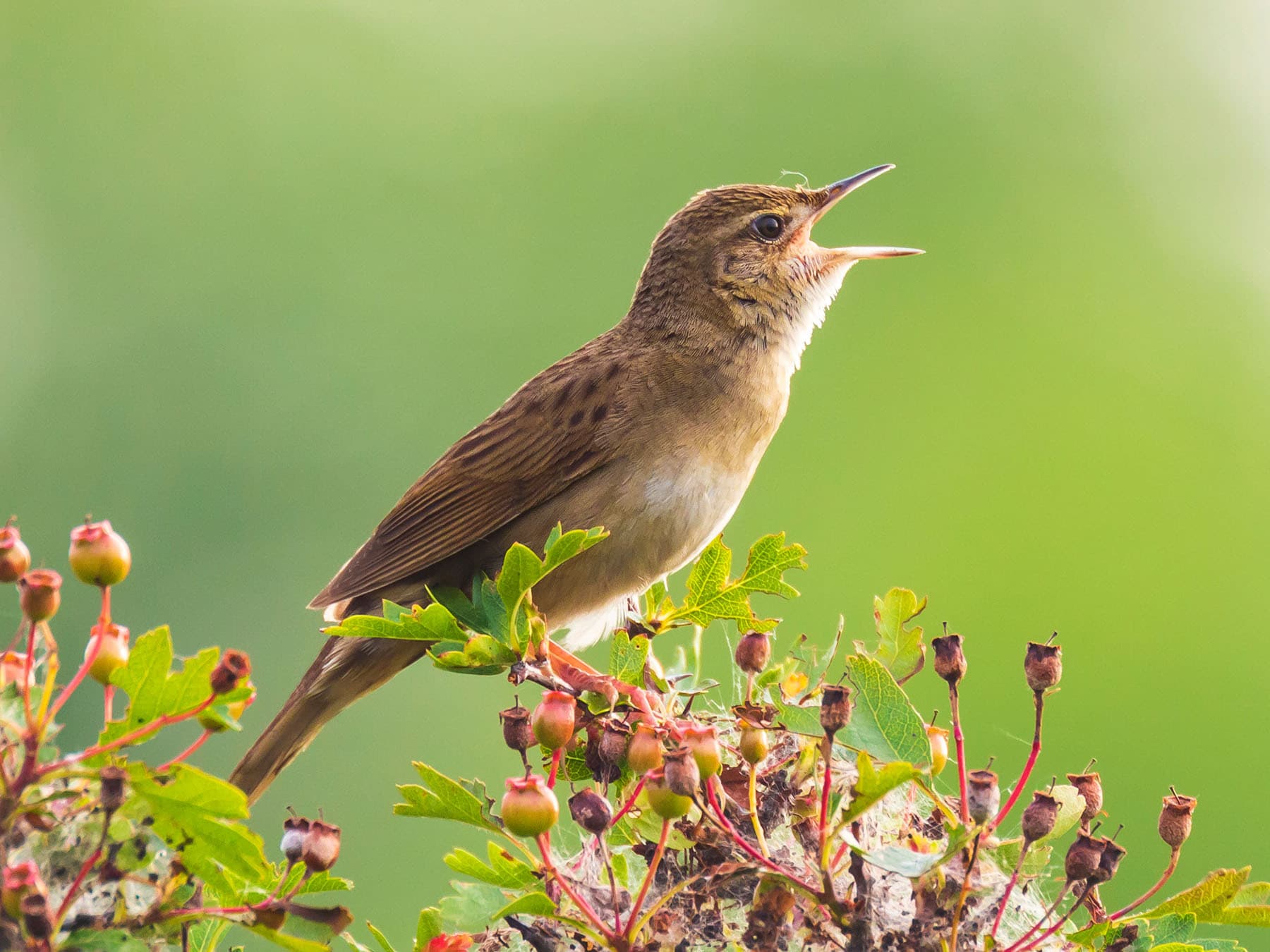
Grasshopper Warbler
Locustella naeviaLC
A rare breeding visitor, arriving in April and favouring dense, tangled vegetation in marshes and rough grassland. Best detected by its reeling song.
Apr–Jul
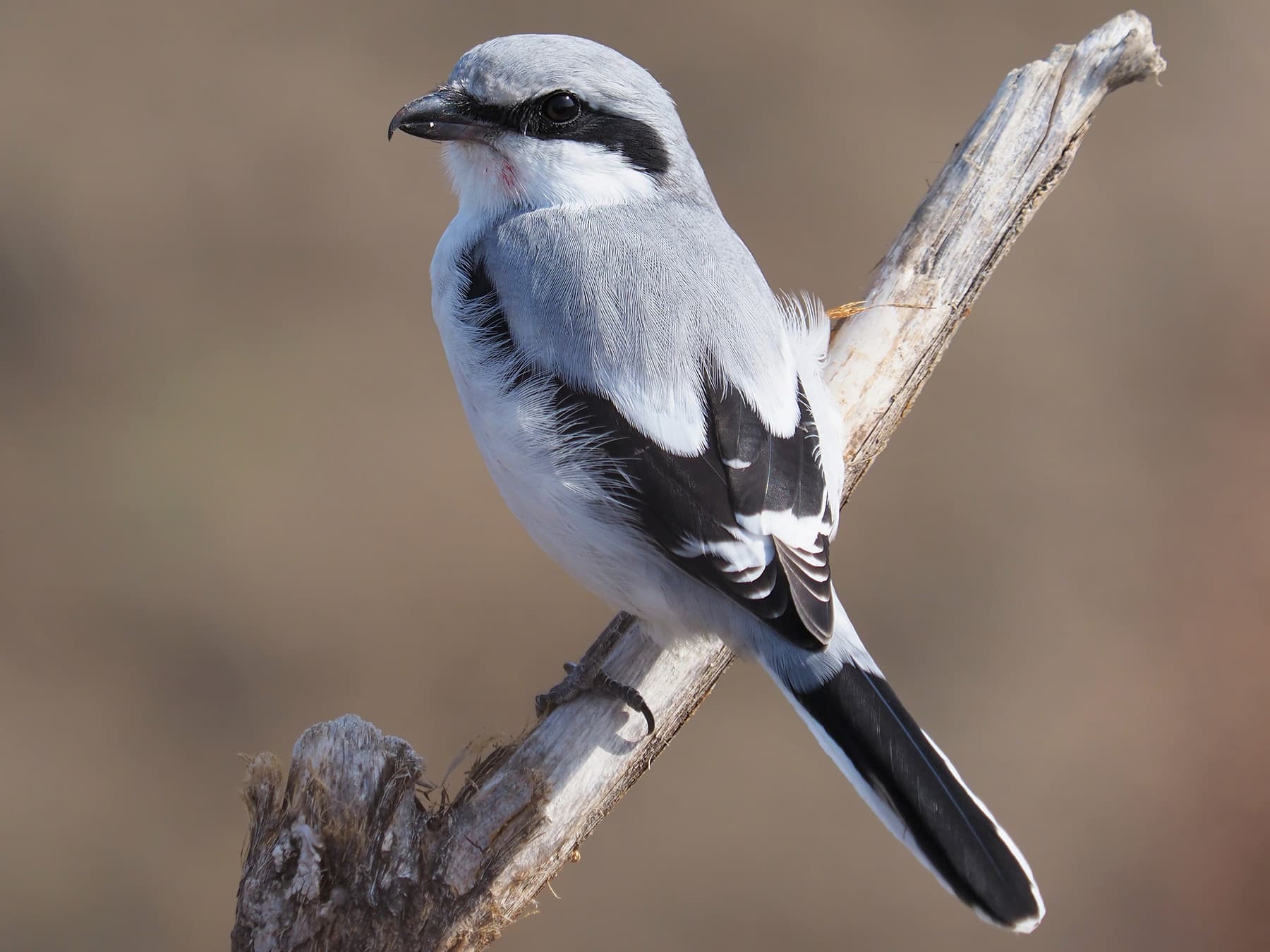
Great Grey Shrike
Lanius excubitorLC
A rare winter visitor and passage migrant, occasionally seen perching prominently on heathland scrub or hedgerow tops.
Nov–Jan
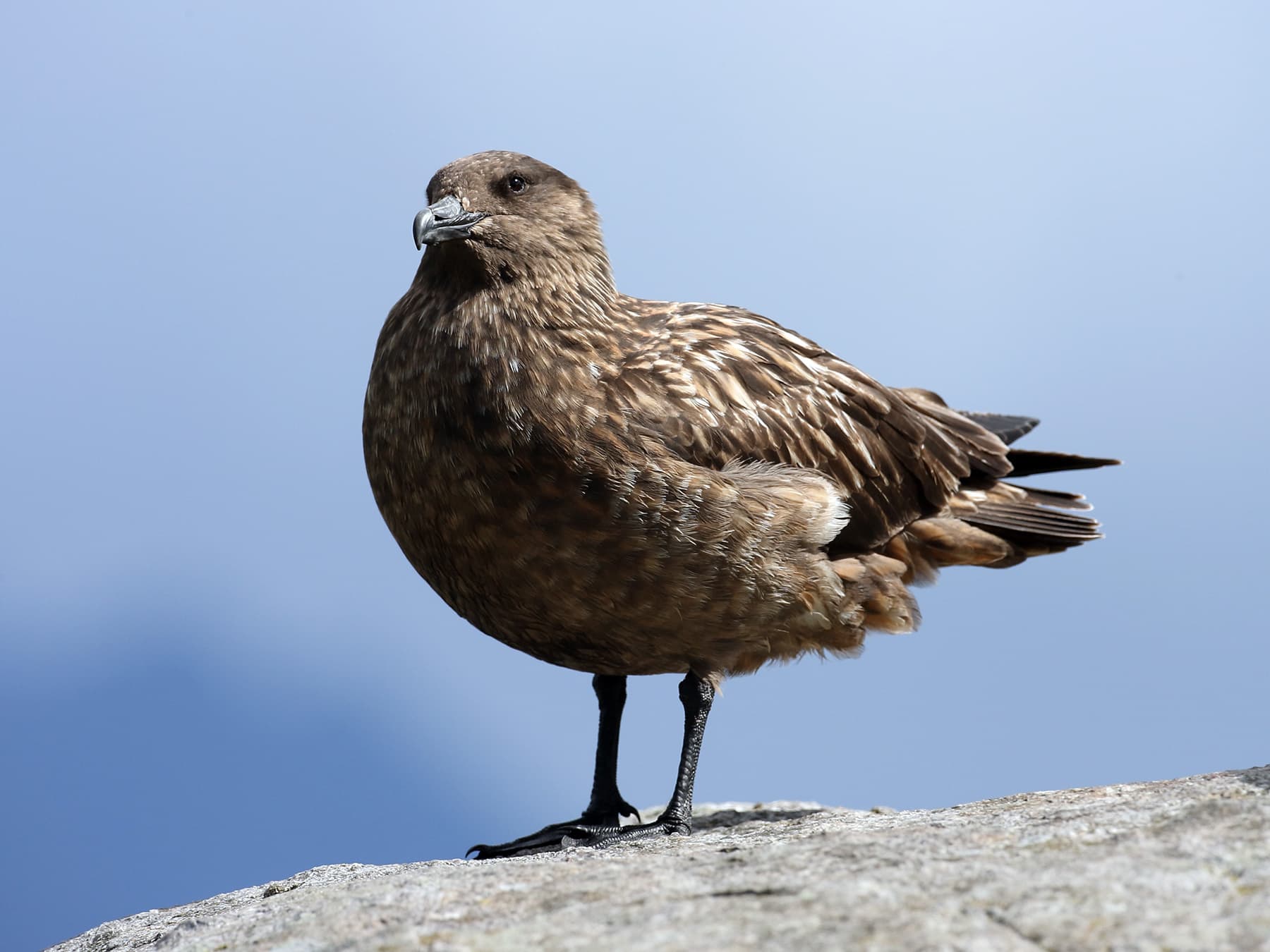
Great Skua
Catharacta skuaLC
Rare but powerful seabird seen offshore during autumn storms, sometimes harassing gulls and terns along the Lincolnshire coast.
Aug–Oct
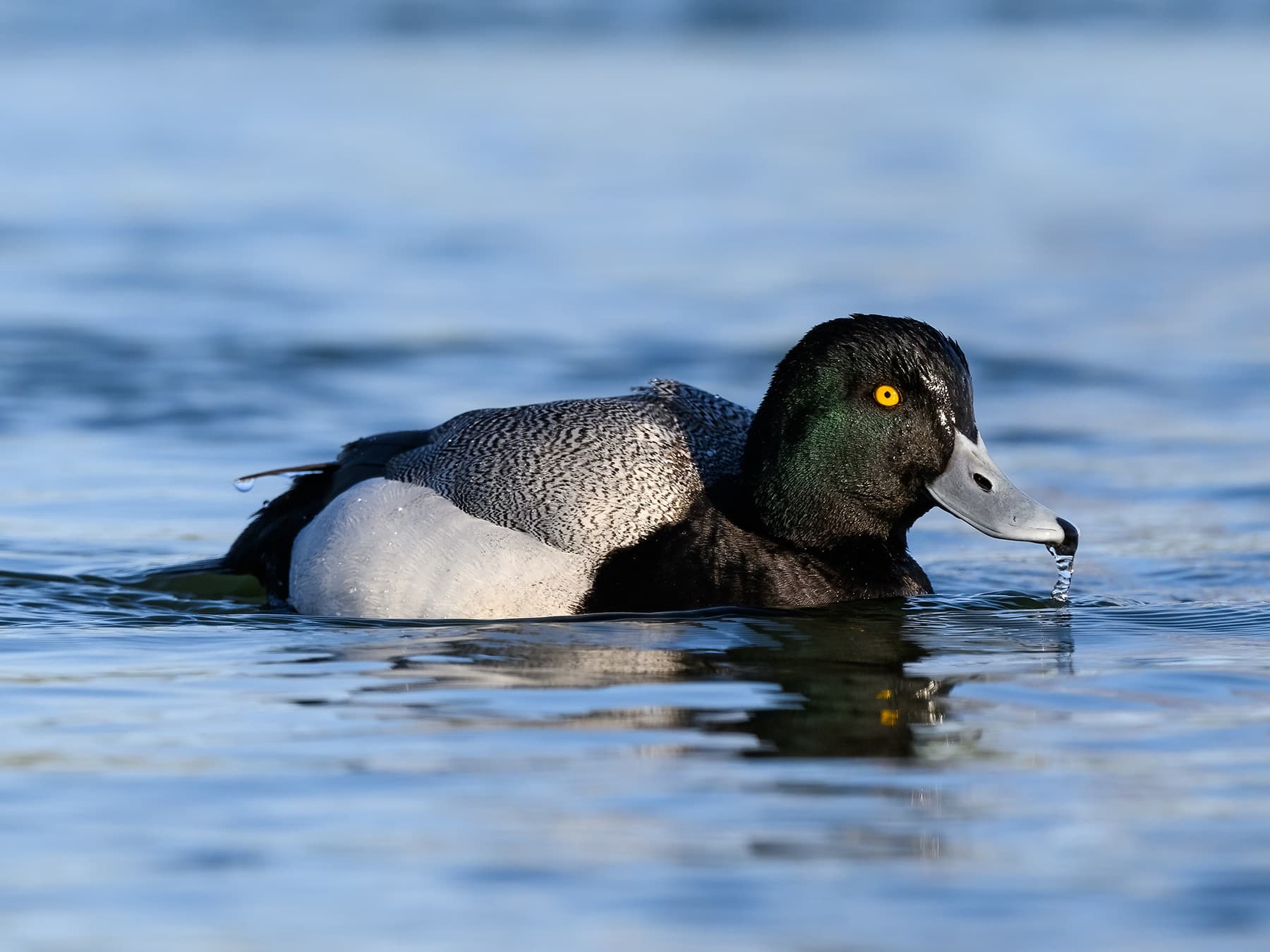
Greater Scaup
Aythya marilaLC
A rare non-breeding visitor, mainly seen on coastal waters and The Wash from autumn through to spring.
Oct–Apr
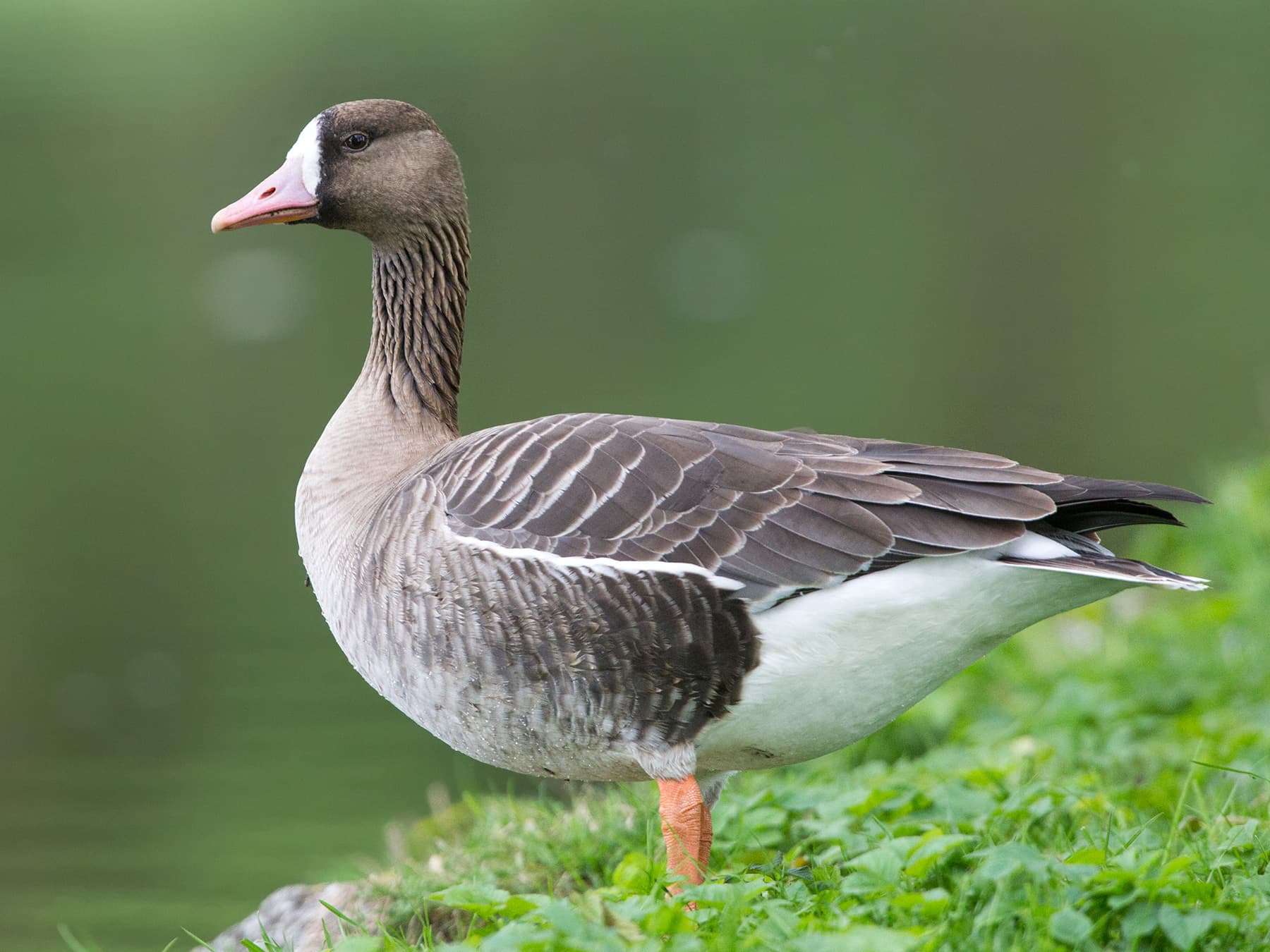
Greater White-fronted Goose
Anser albifronsLC
A rare winter visitor to coastal marshes and grazing fields, occasionally joining flocks of other geese around The Wash.
Sep–Mar
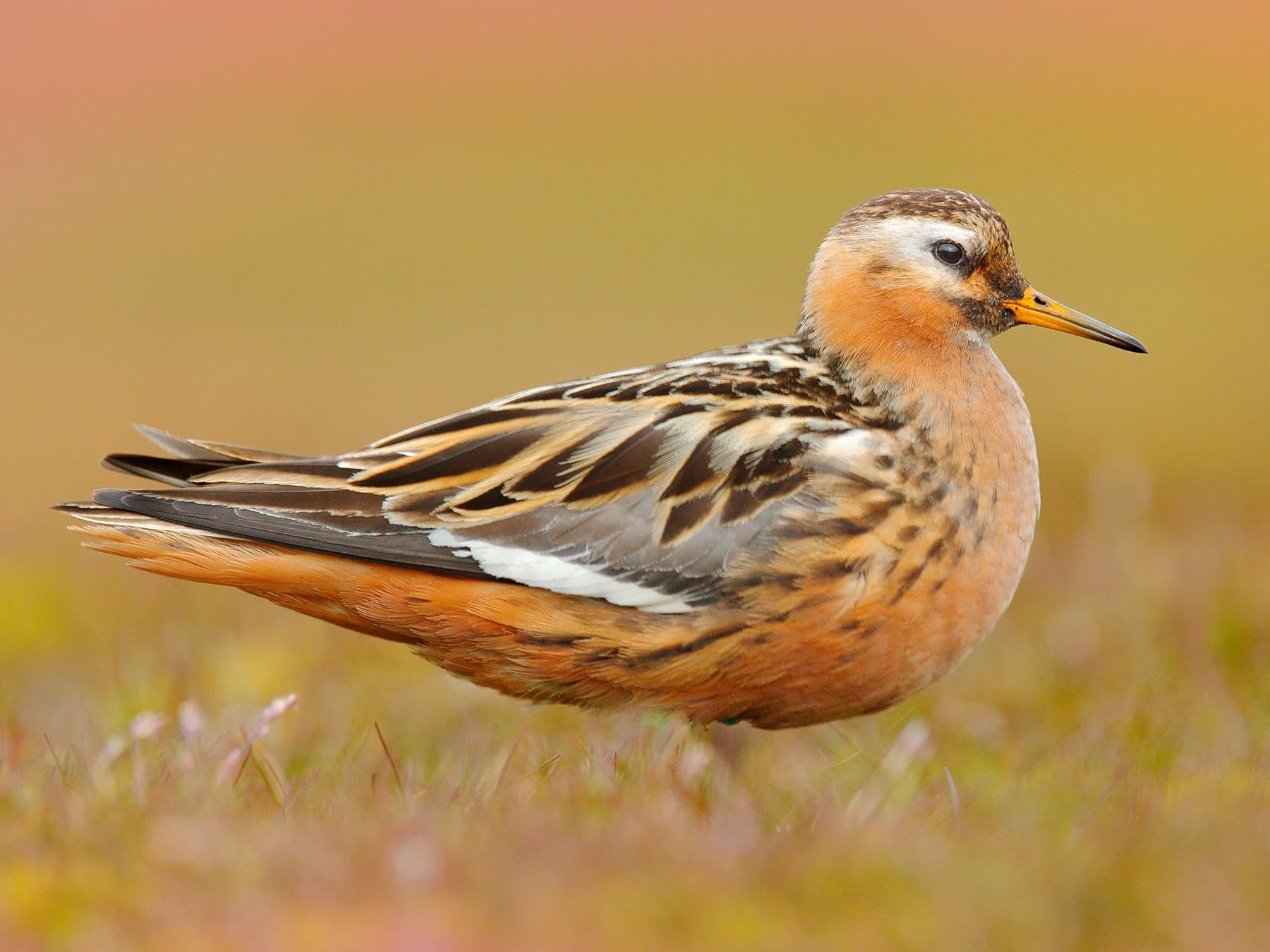
Grey Phalarope
Phalaropus fulicariusLC
A rare autumn passage visitor, typically storm-driven to the coast in September. Most records come from the Wash area.
Sep
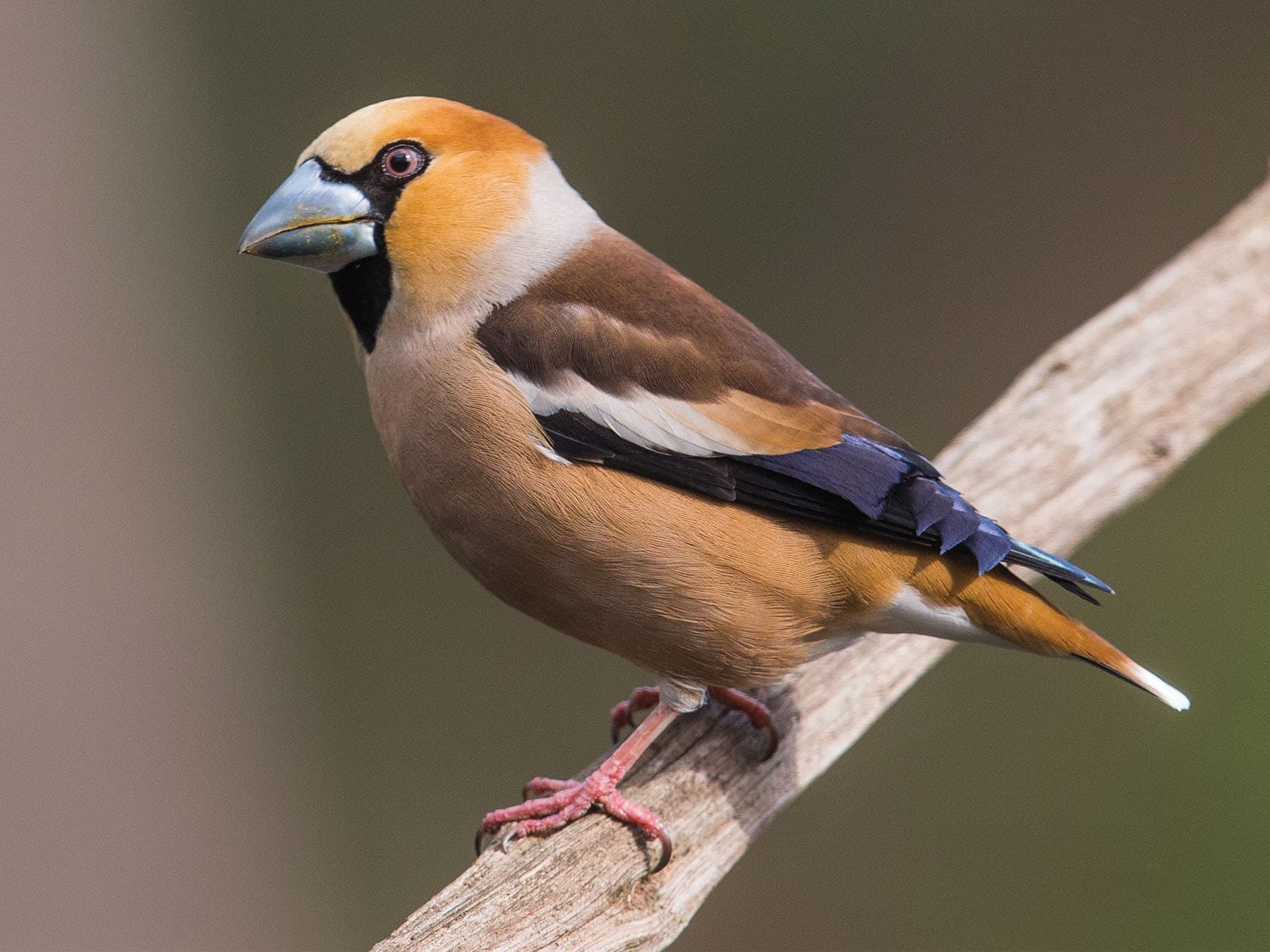
Hawfinch
Coccothraustes coccothraustesLC
A rare passage visitor, most likely seen during irruptive movements in November. Occasionally noted at coastal migration watchpoints.
Nov
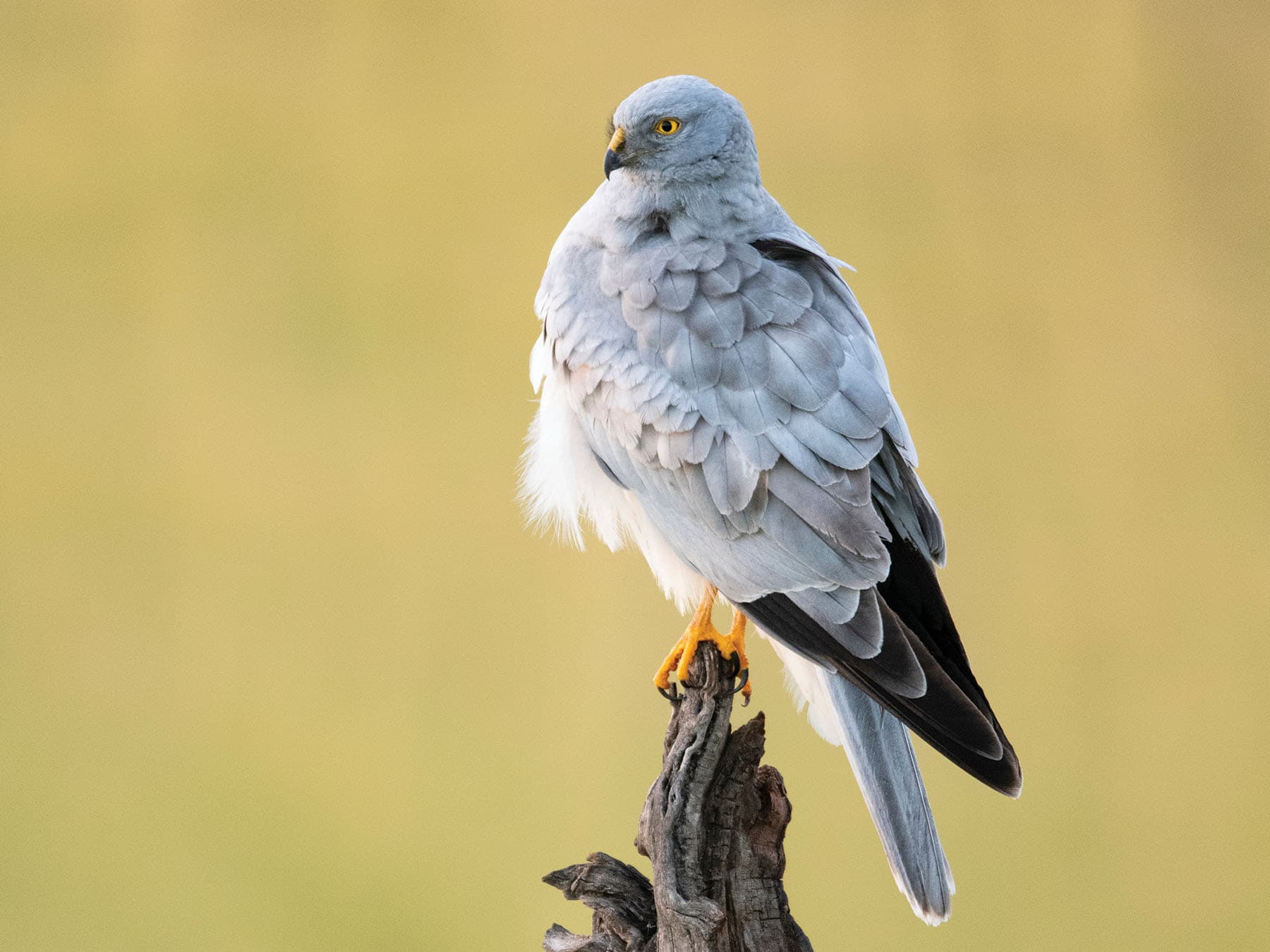
Hen Harrier
Circus cyaneusLC
A rare winter visitor, quartering over coastal marshes and fenland from October to April. The Wash fringes are a favoured haunt.
Oct–Apr
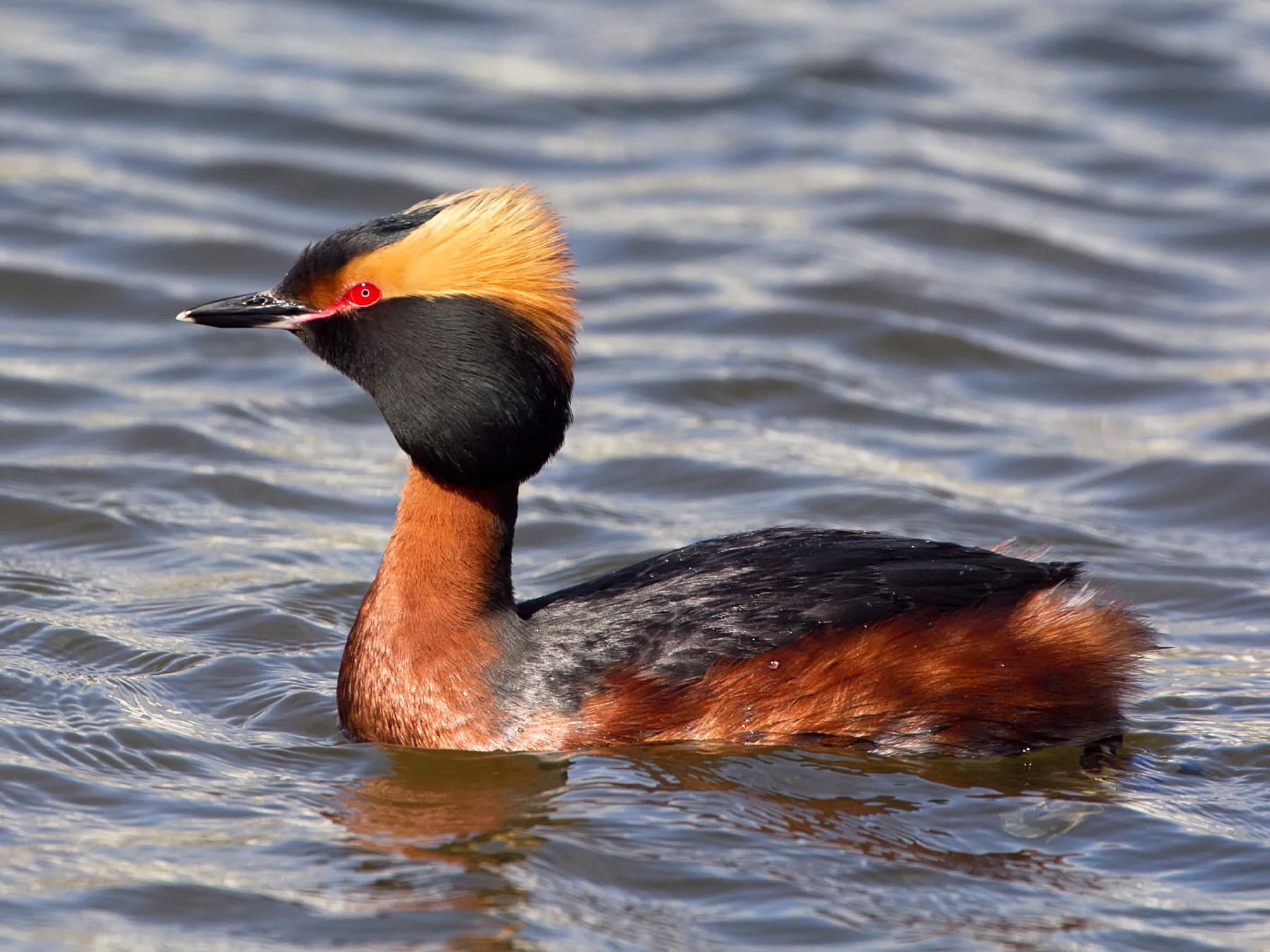
Horned Grebe
Podiceps auritusVU
A rare winter visitor to sheltered coastal waters and reservoirs. Most likely seen between November and February in smart winter plumage.
Nov–Feb
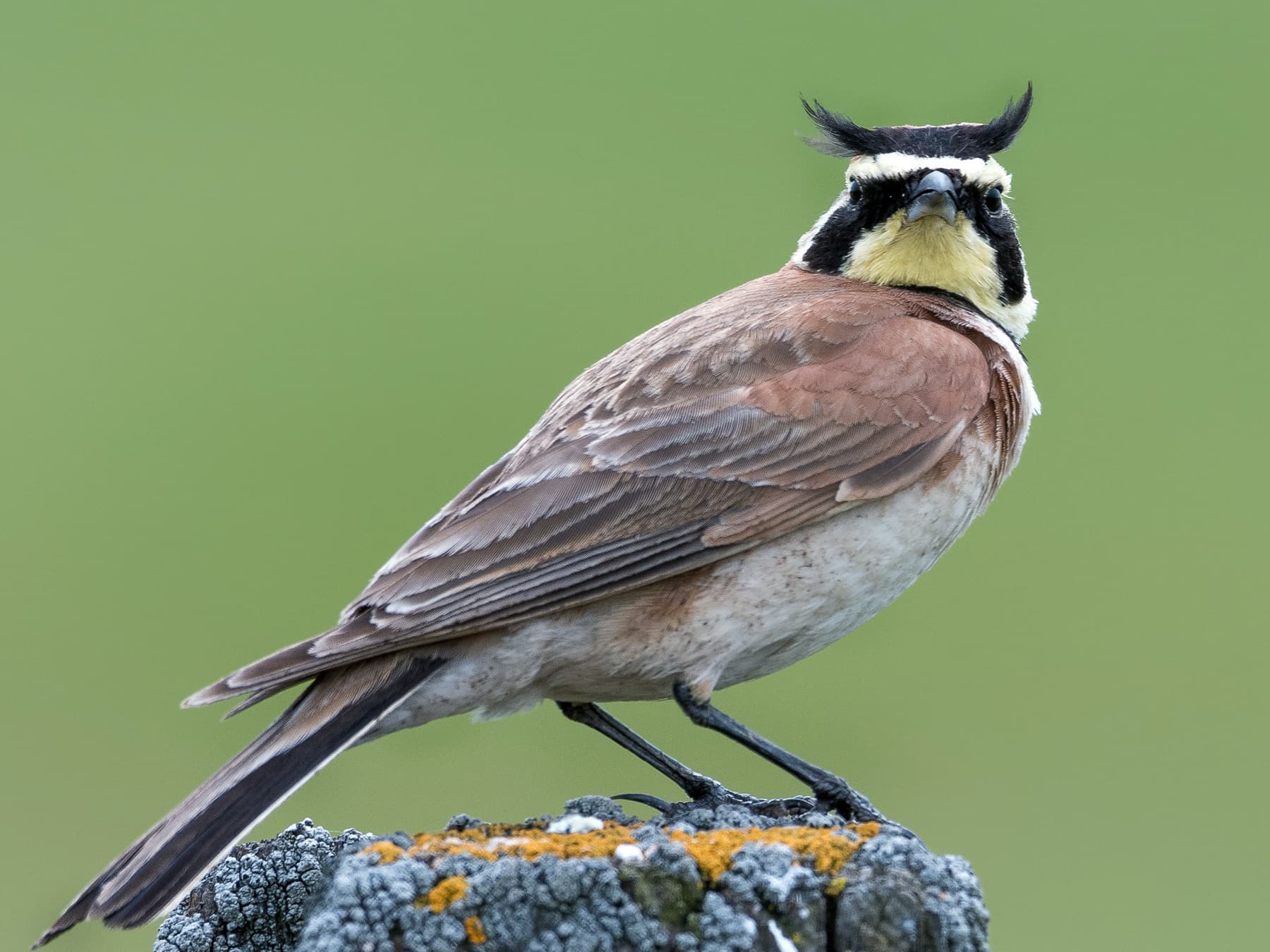
Horned Lark
Eremophila alpestrisLC
A rare winter passage visitor, occasionally found on the Lincolnshire coast and saltmarshes in January and February.
Jan–Feb
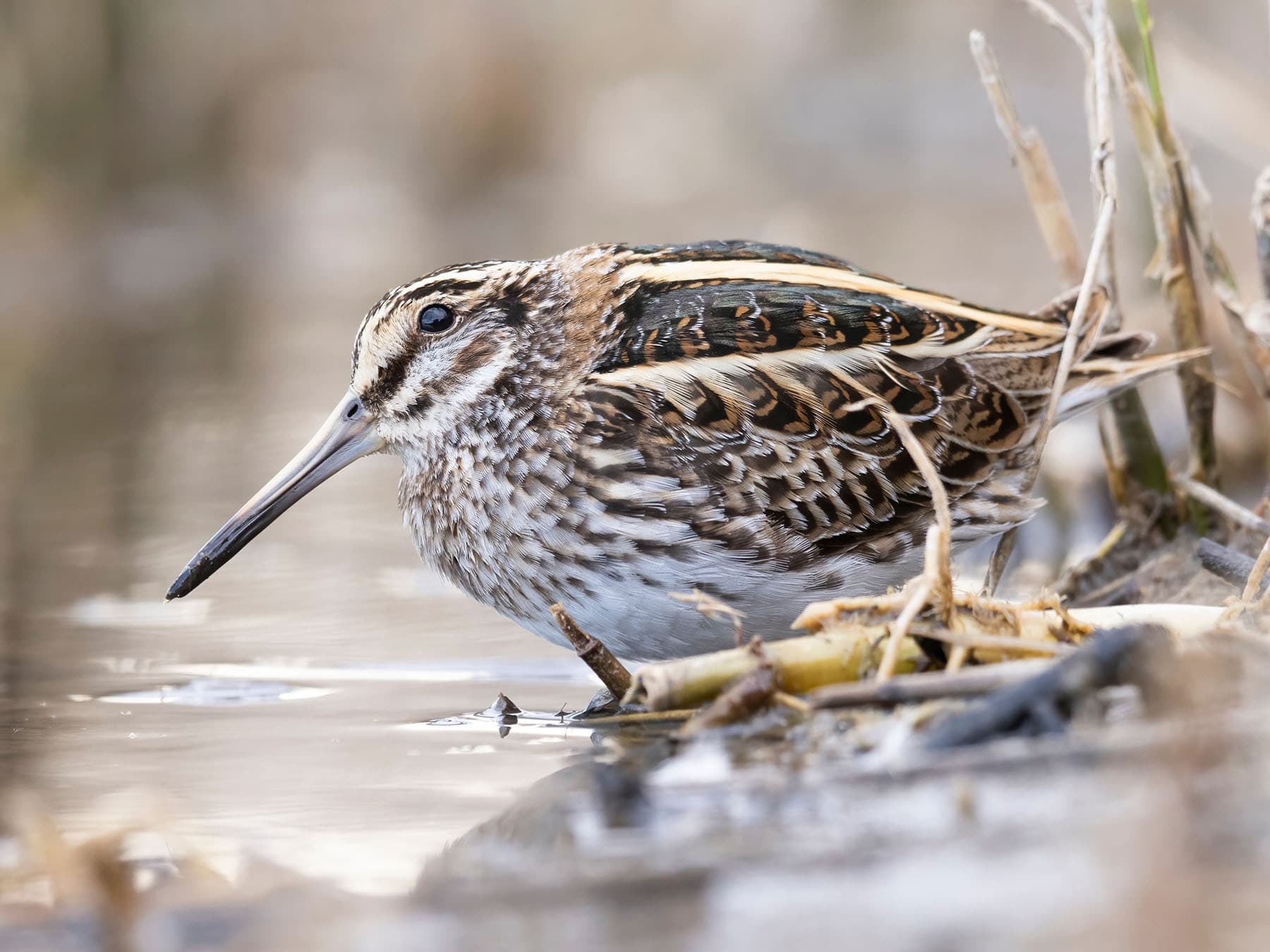
Jack Snipe
Lymnocryptes minimusLC
A rare winter visitor to marshy fields and wet grasslands from October to April. Secretive and easily overlooked among snipe.
Oct–Apr
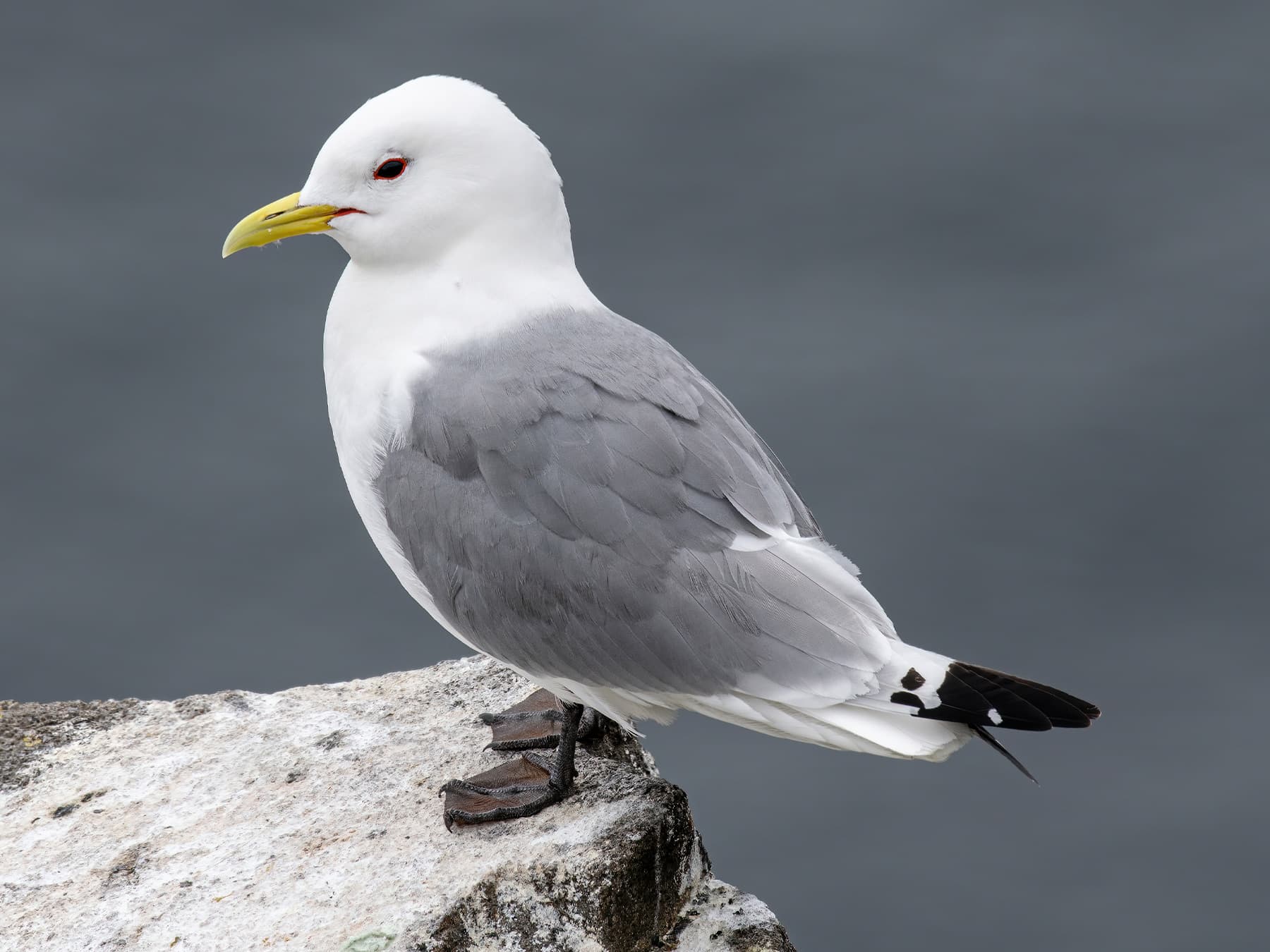
Kittiwake
Rissa tridactylaVU
Scarce along the coast from late summer into winter, often seen offshore at Gibraltar Point or Donna Nook during autumn passage.
Aug–Dec