Uncommon Birds in Lancashire
54 species matching this filter.
Lancashire supports a rich variety of birdlife across its diverse landscapes, from the vast mudflats of Morecambe Bay to the mosses, meres and upland moors of the interior. Among the county's 54 uncommon species, birders can encounter striking birds such as the Avocet, Eurasian Bittern and Fieldfare, many of which are associated with the region's important wetland habitats and coastal reserves. Whether visiting the reedbeds of Leighton Moss or the estuarine marshes of the Ribble, these less frequently seen species offer rewarding encounters for the patient observer.


Showing 24–46 of 54 species
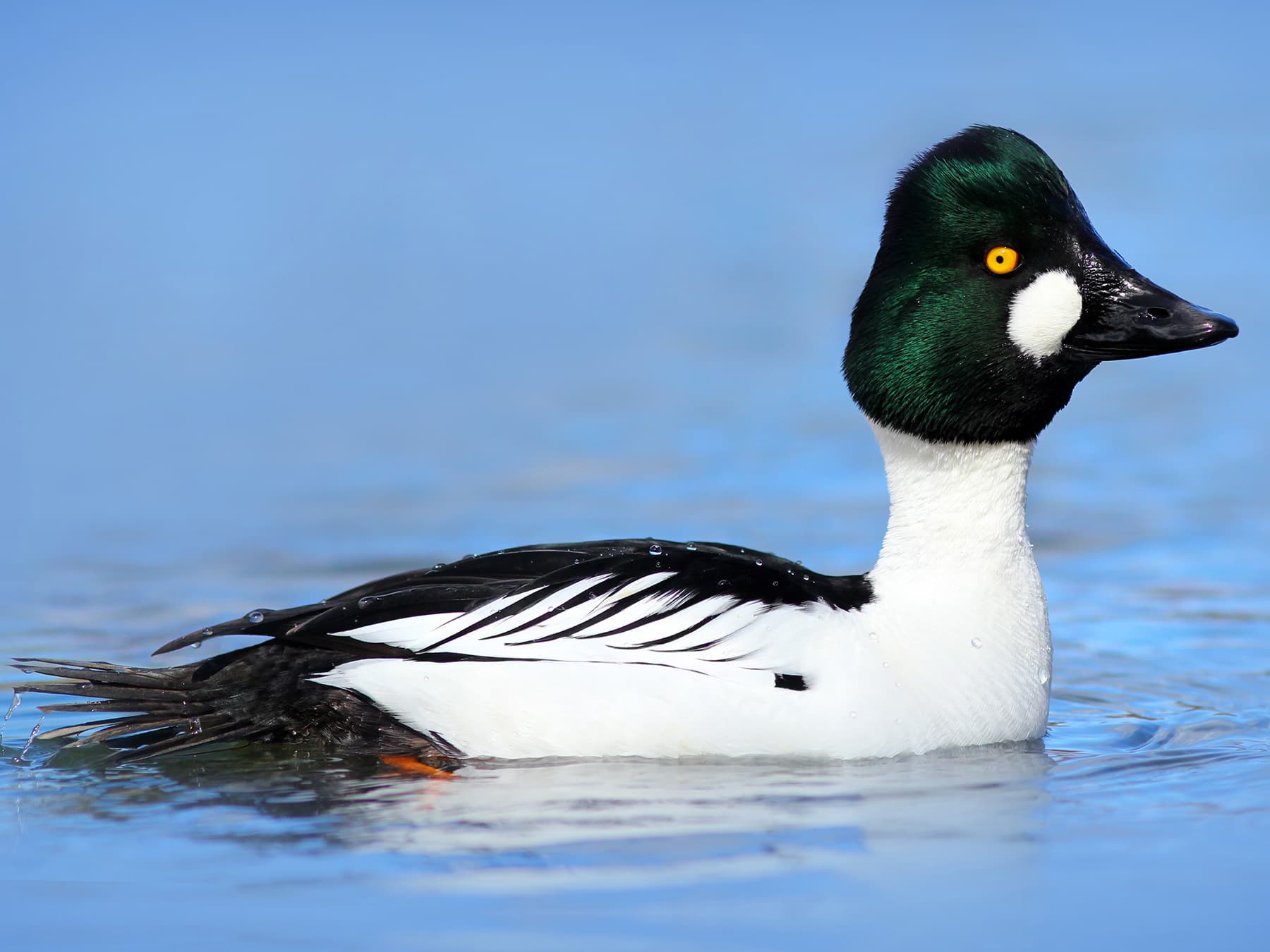
Goldeneye
Bucephala clangulaLC
An uncommon winter visitor to Lancashire's reservoirs and lakes from October to April, the males showing a distinctive white face patch.
Oct–Apr
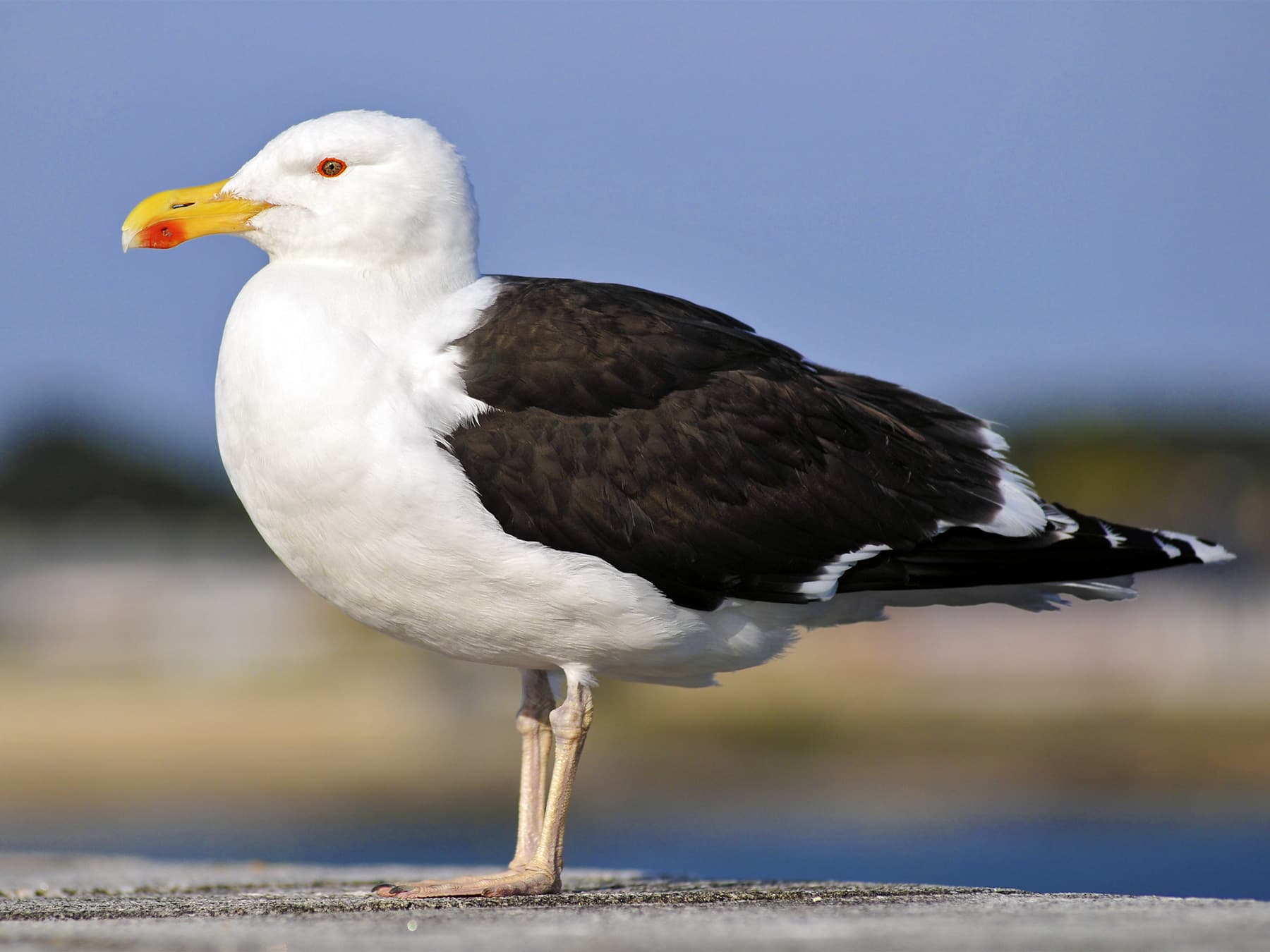
Great Black-backed Gull
Larus marinusLC
Present year-round along the coast and at larger inland water bodies. Numbers increase in winter, often loafing on estuarine mudflats.
Year-round
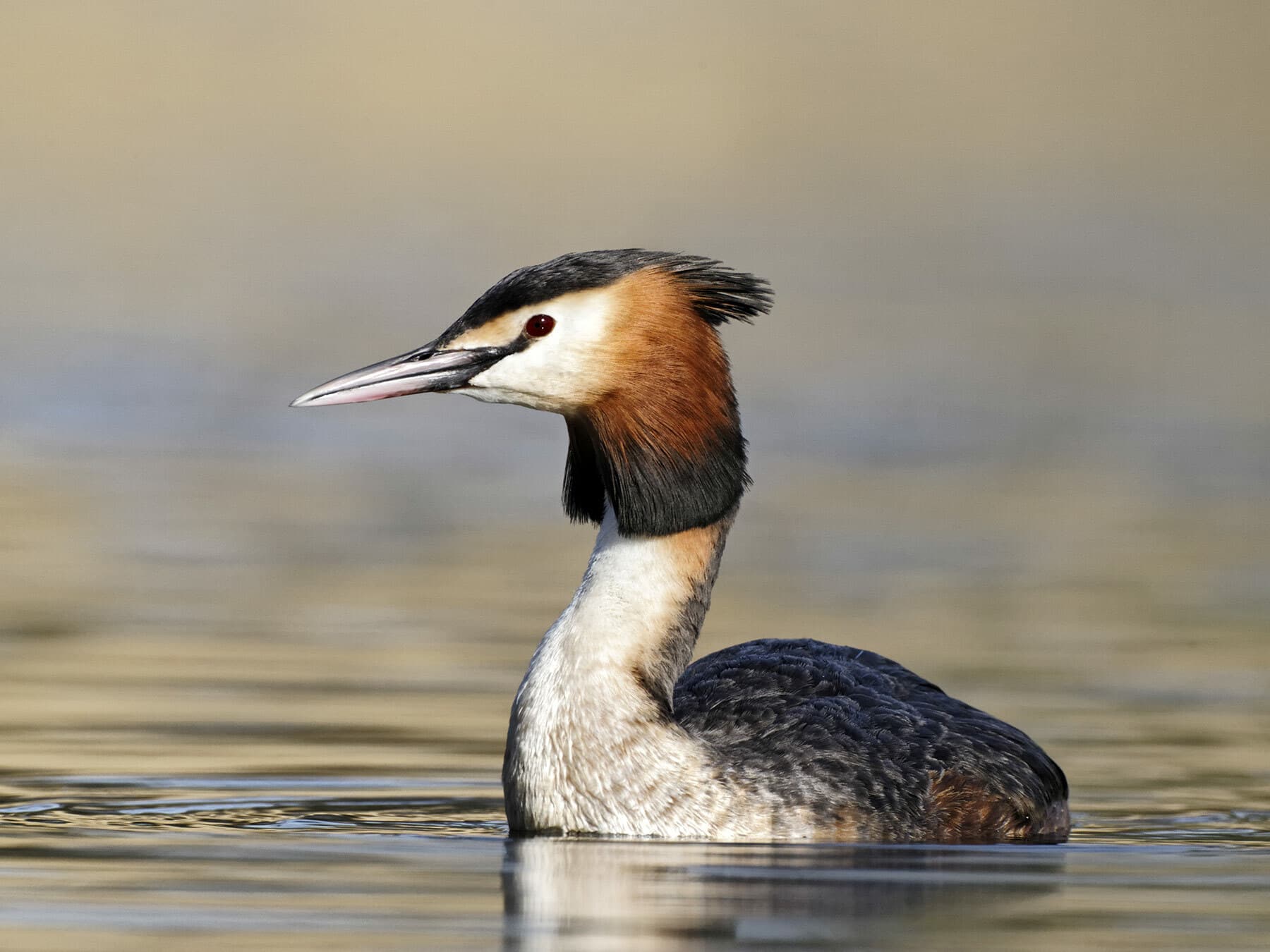
Great Crested Grebe
Podiceps cristatusLC
An elegant year-round resident of larger lakes and reservoirs. Its elaborate courtship display can be seen from early spring.
Year-round
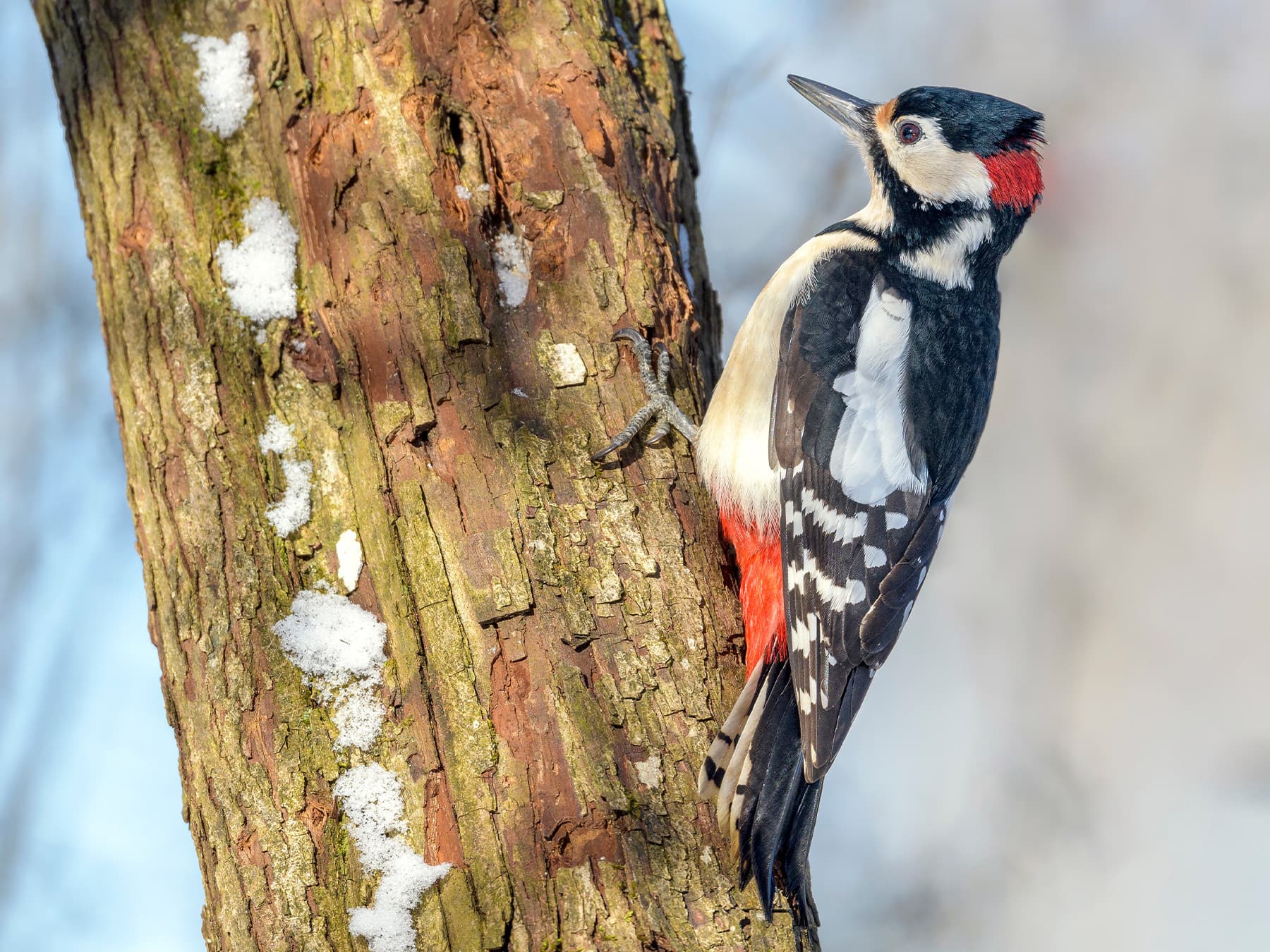
Great Spotted Woodpecker
Dendrocopos majorLC
An uncommon but widespread resident of mature woodland and parks. Its drumming is a familiar spring sound in Lancashire's wooded valleys.
Year-round
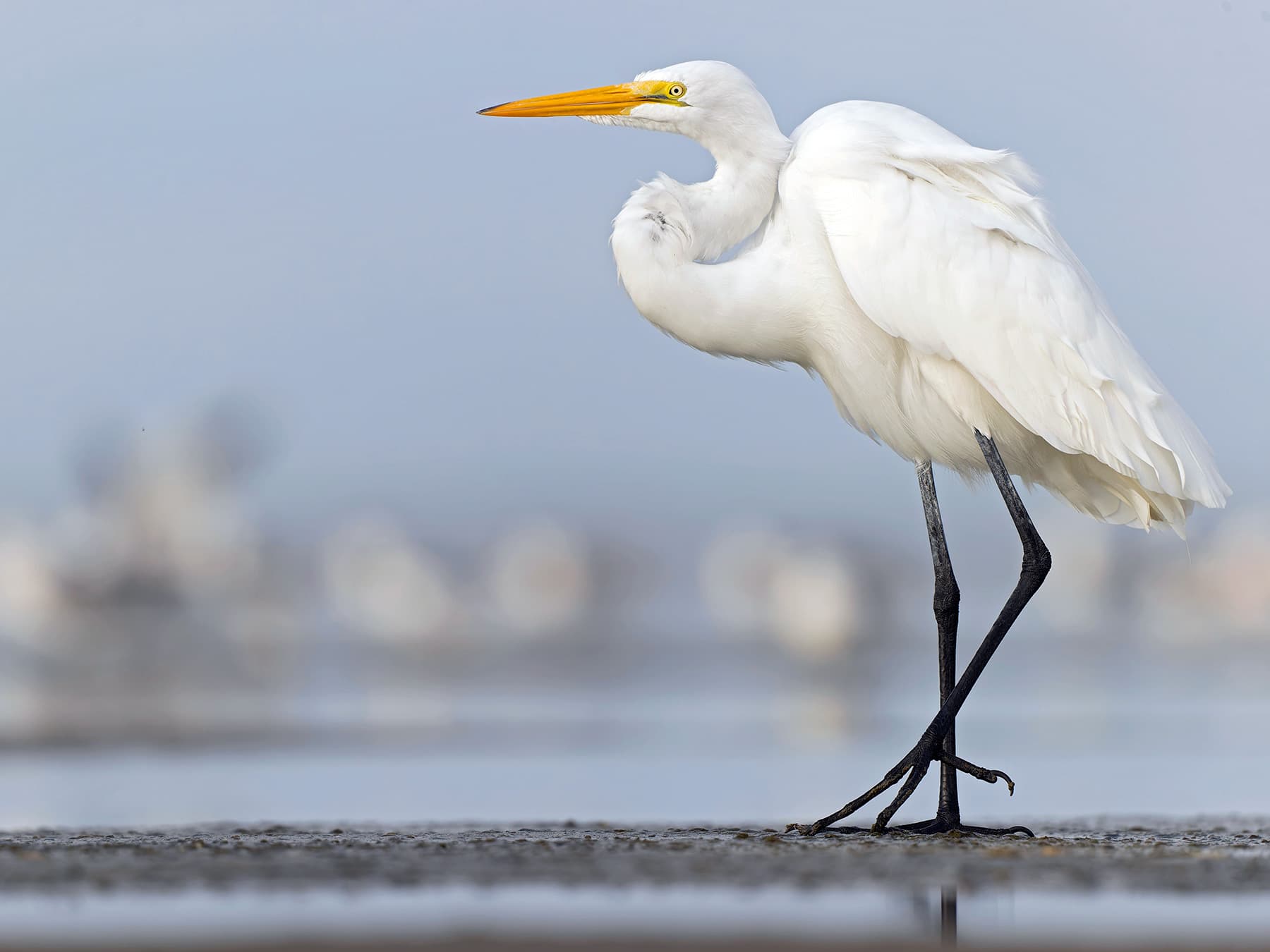
Great White Egret
Ardea albaLC
An uncommon but year-round resident, increasingly seen at wetland sites such as Leighton Moss and the Ribble Estuary marshes.
Year-round
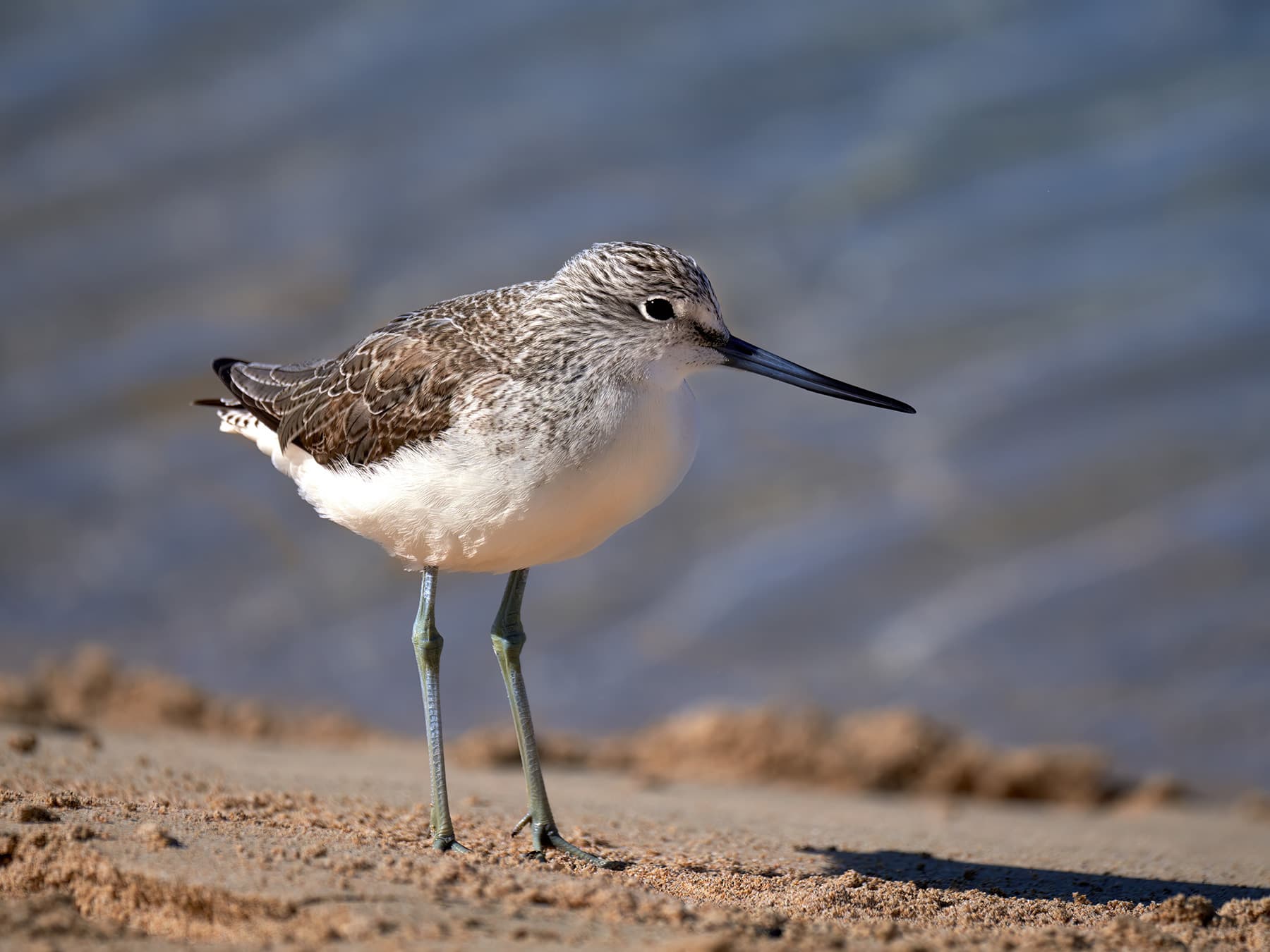
Greenshank
Tringa nebulariaLC
Present year-round but uncommon, favouring estuarine mudflats at Morecambe Bay and the Ribble, with numbers peaking on autumn passage.
Year-round
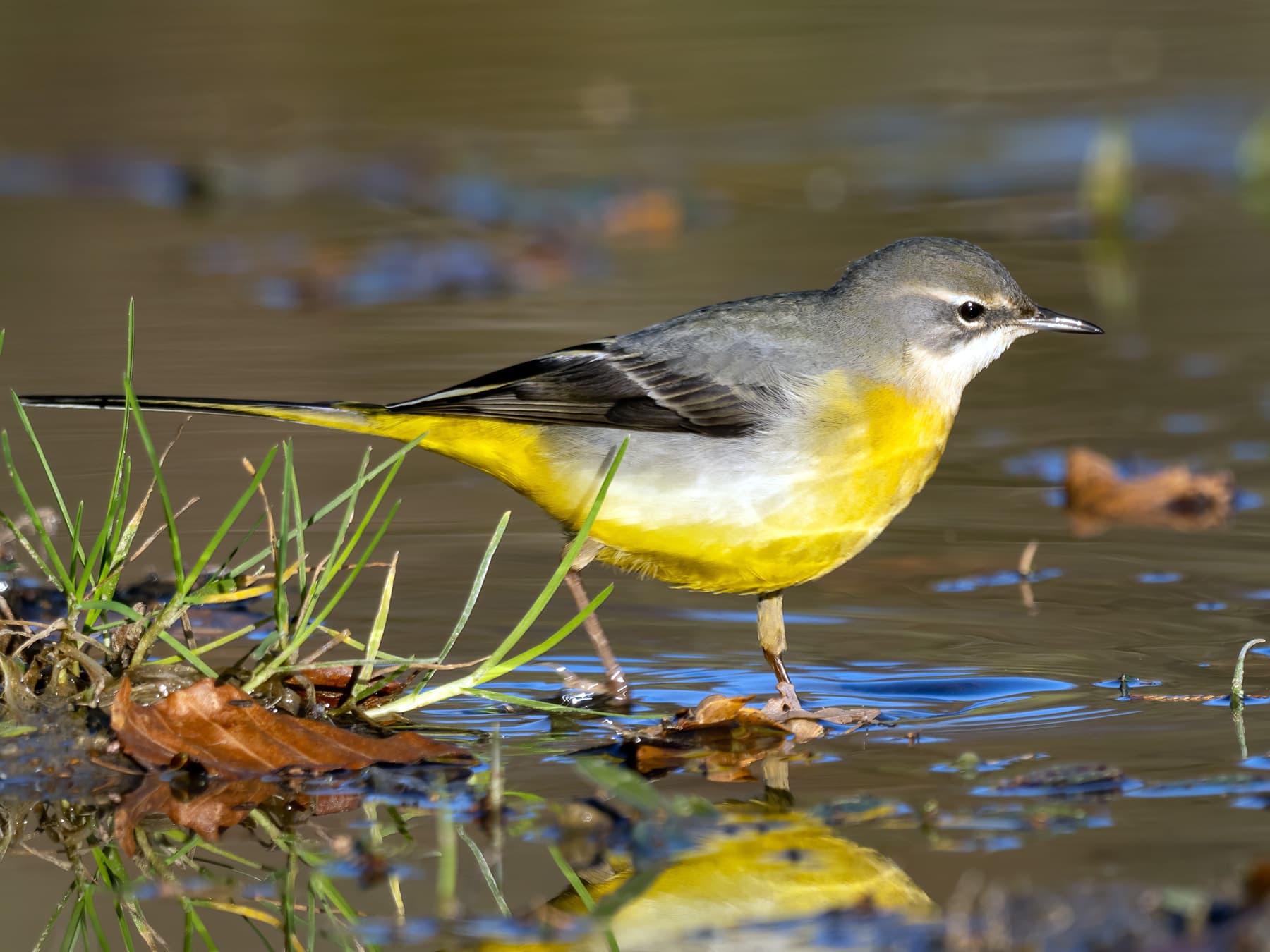
Grey Wagtail
Motacilla cinereaLC
An uncommon resident found along Lancashire's streams and rivers year-round, its bright yellow underparts and wagging tail distinctive on waterside rocks.
Year-round
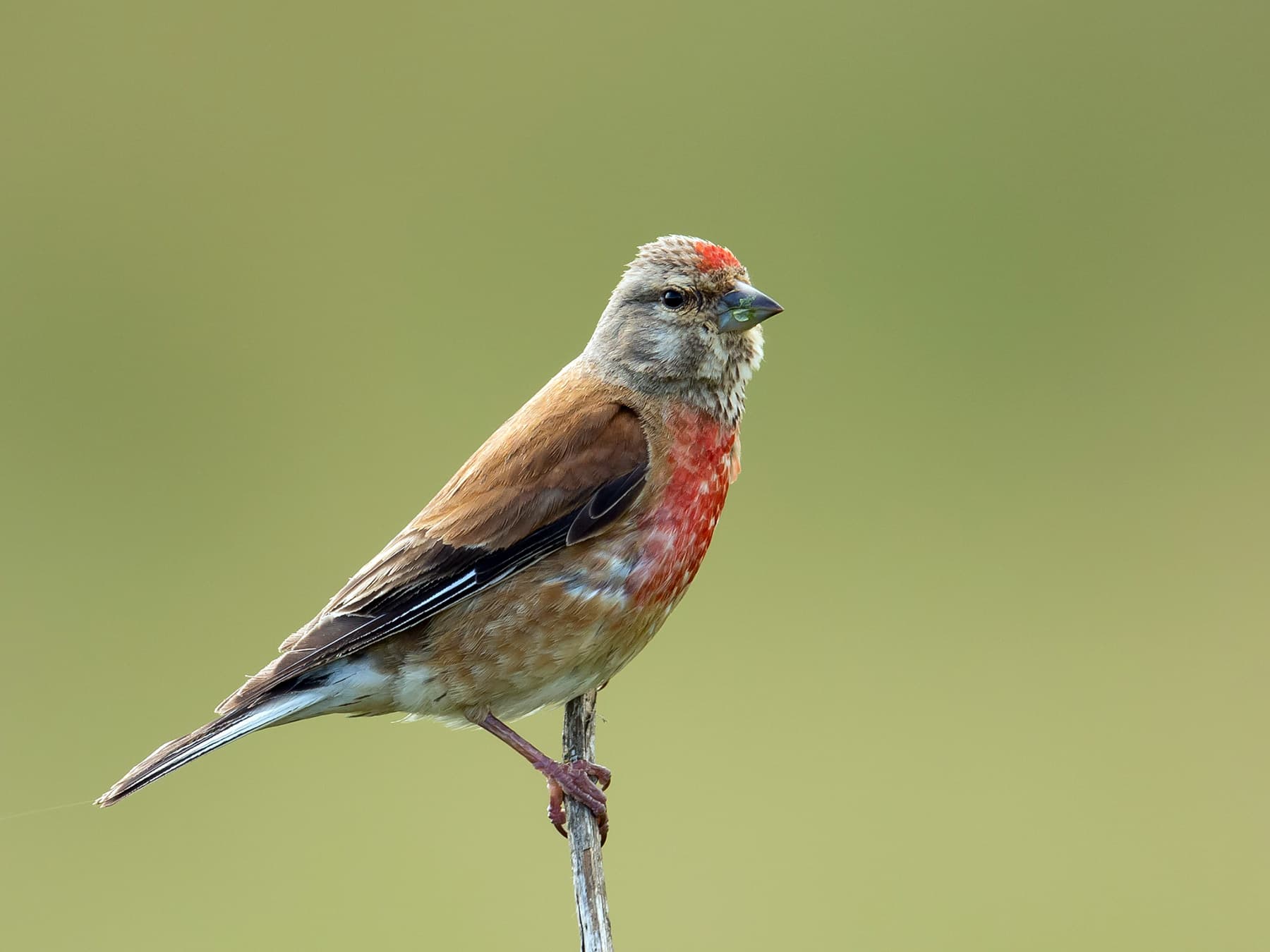
Linnet
Linaria cannabinaLC
An uncommon resident favouring gorse-covered hillsides, farmland hedgerows and coastal scrub. Numbers have declined significantly in recent decades.
Year-round
Spotted something?
Upload a photo to identify it
Identify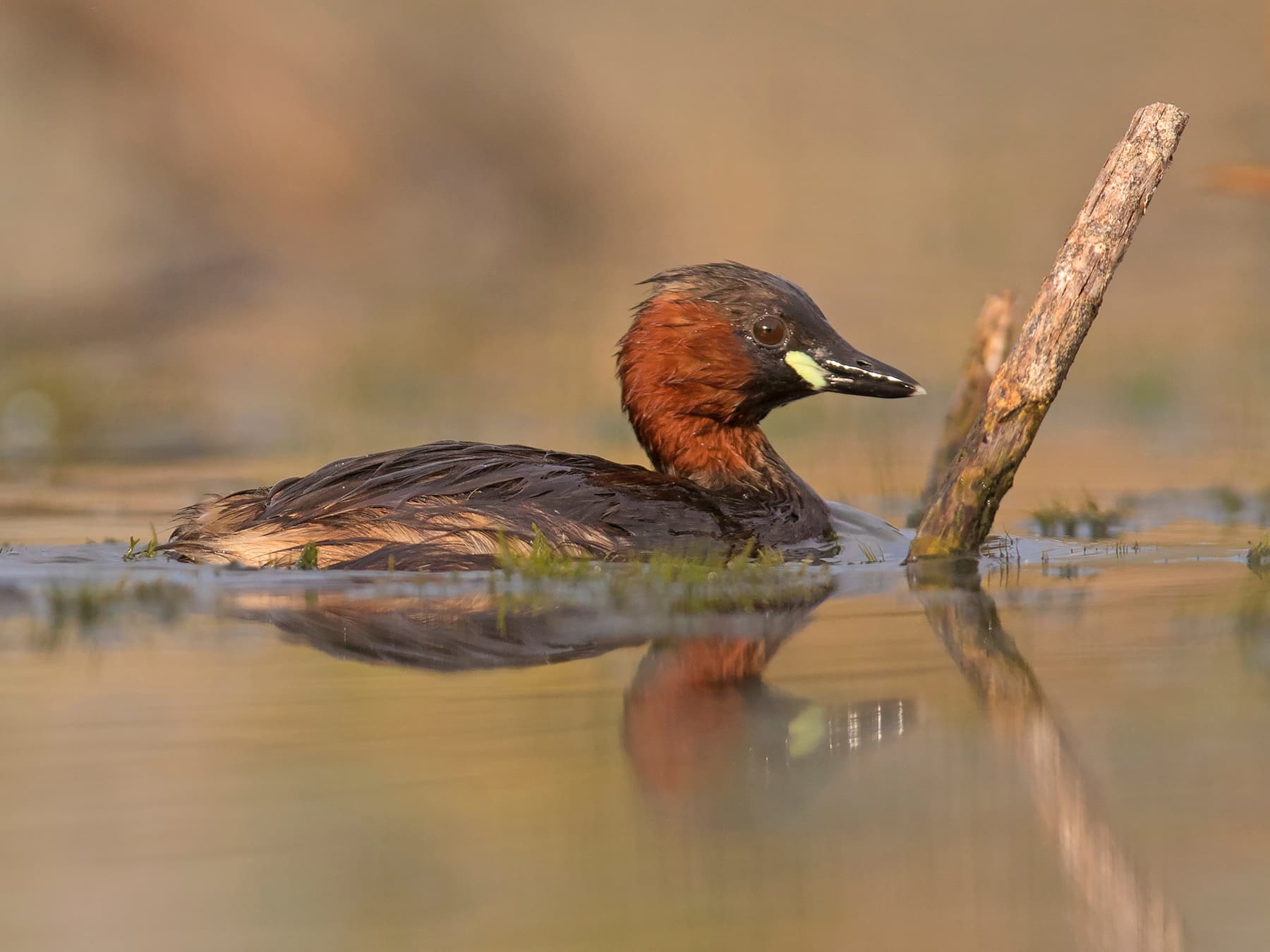
Little Grebe
Tachybaptus ruficollisLC
A shy resident of sheltered ponds, canals, and slow-moving waterways. More easily heard than seen, with its distinctive trilling call.
Year-round
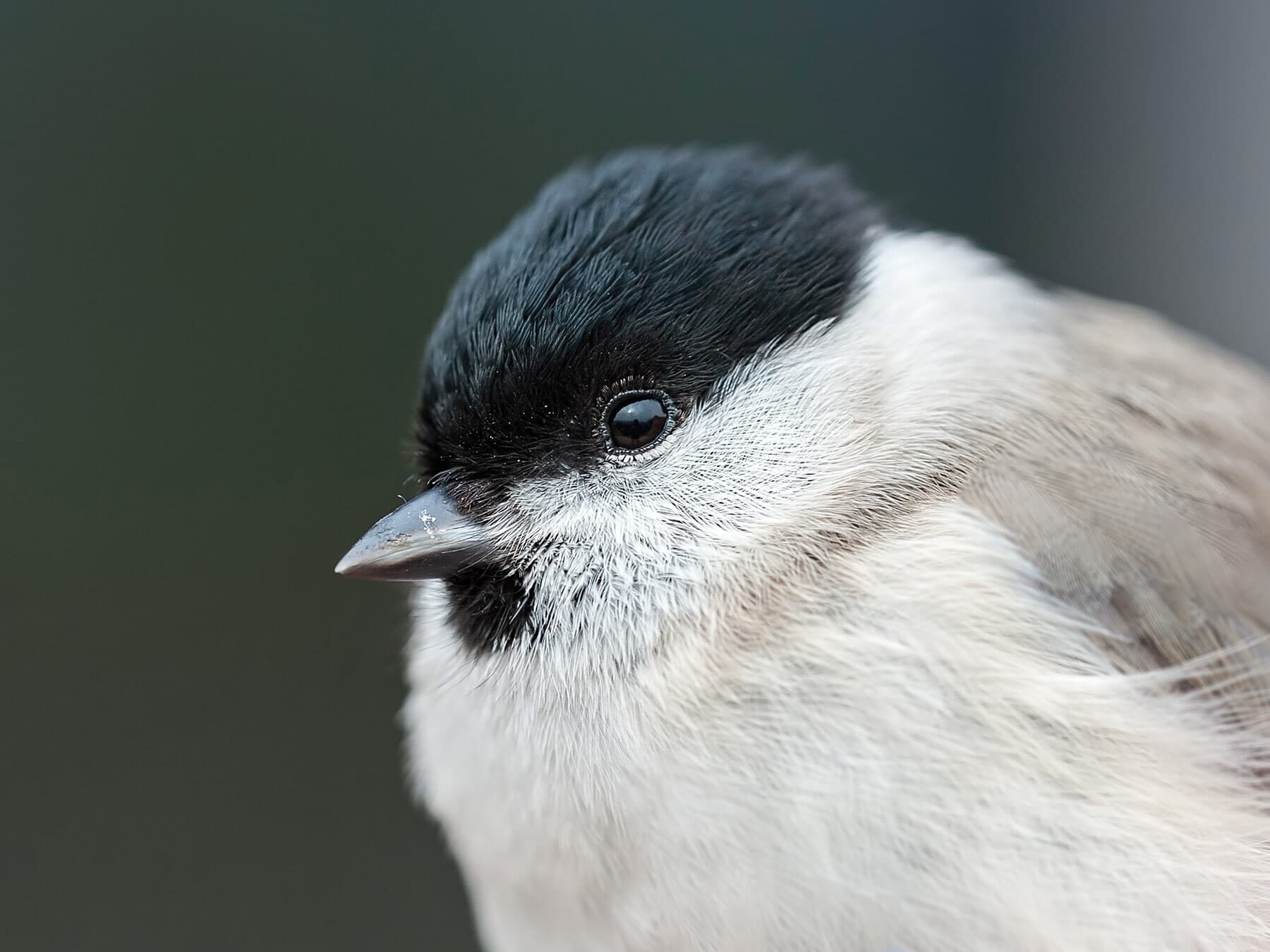
Marsh Tit
Poecile palustrisLC
An uncommon resident of mature deciduous woodland, found at scattered sites across Lancashire. Declining nationally and easily confused with Willow Tit.
Year-round
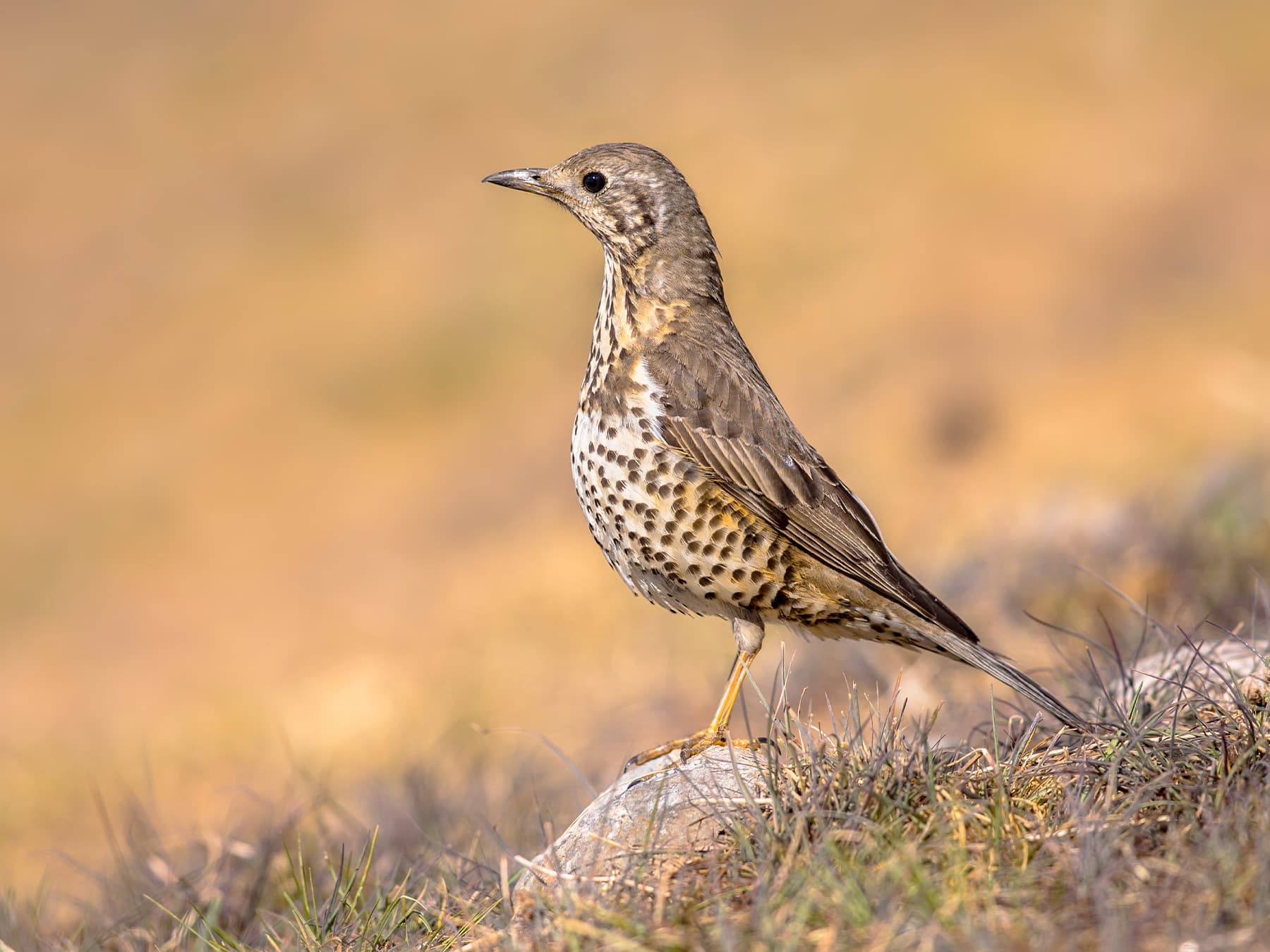
Mistle Thrush
Turdus viscivorusLC
An uncommon resident of parks, open woodland and farmland, often singing from treetops in early spring. Forms roaming flocks in late summer.
Year-round
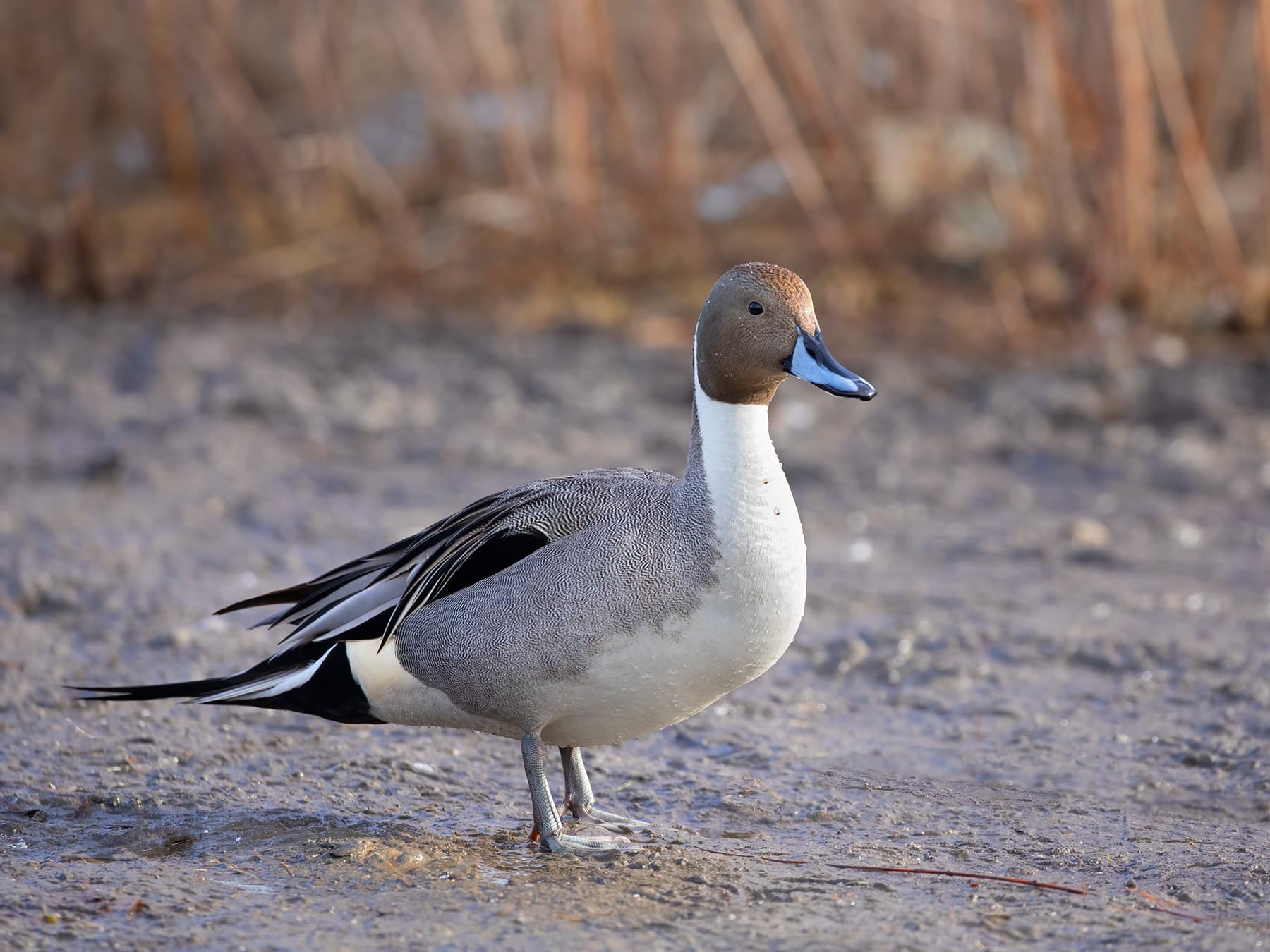
Northern Pintail
Anas acutaLC
An uncommon but elegant resident, favouring the Ribble Estuary and Martin Mere. Winter numbers swell with continental arrivals.
Year-round
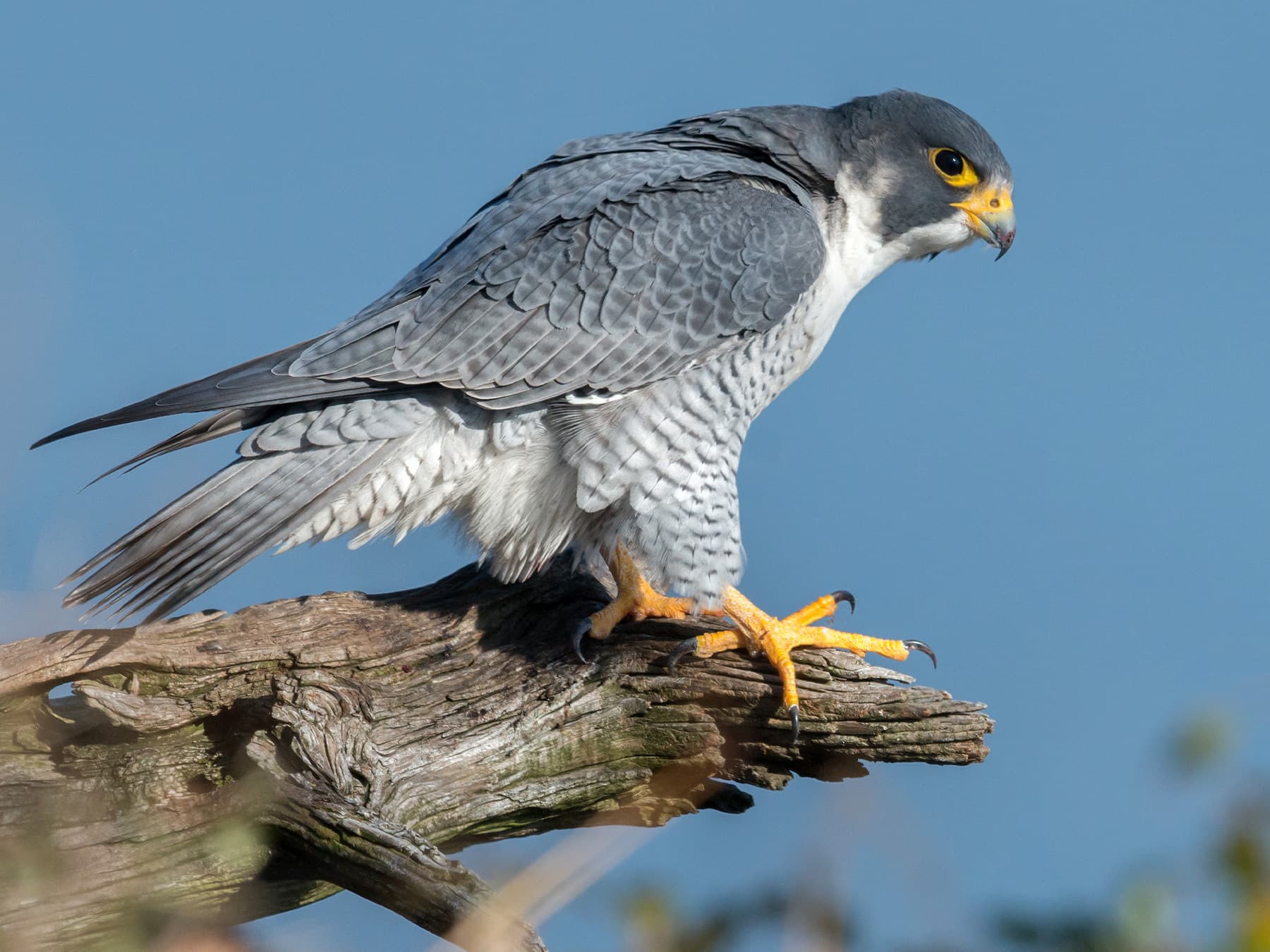
Peregrine Falcon
Falco peregrinusLC
An uncommon year-round resident, increasingly nesting on urban buildings and church towers as well as coastal cliffs.
Year-round
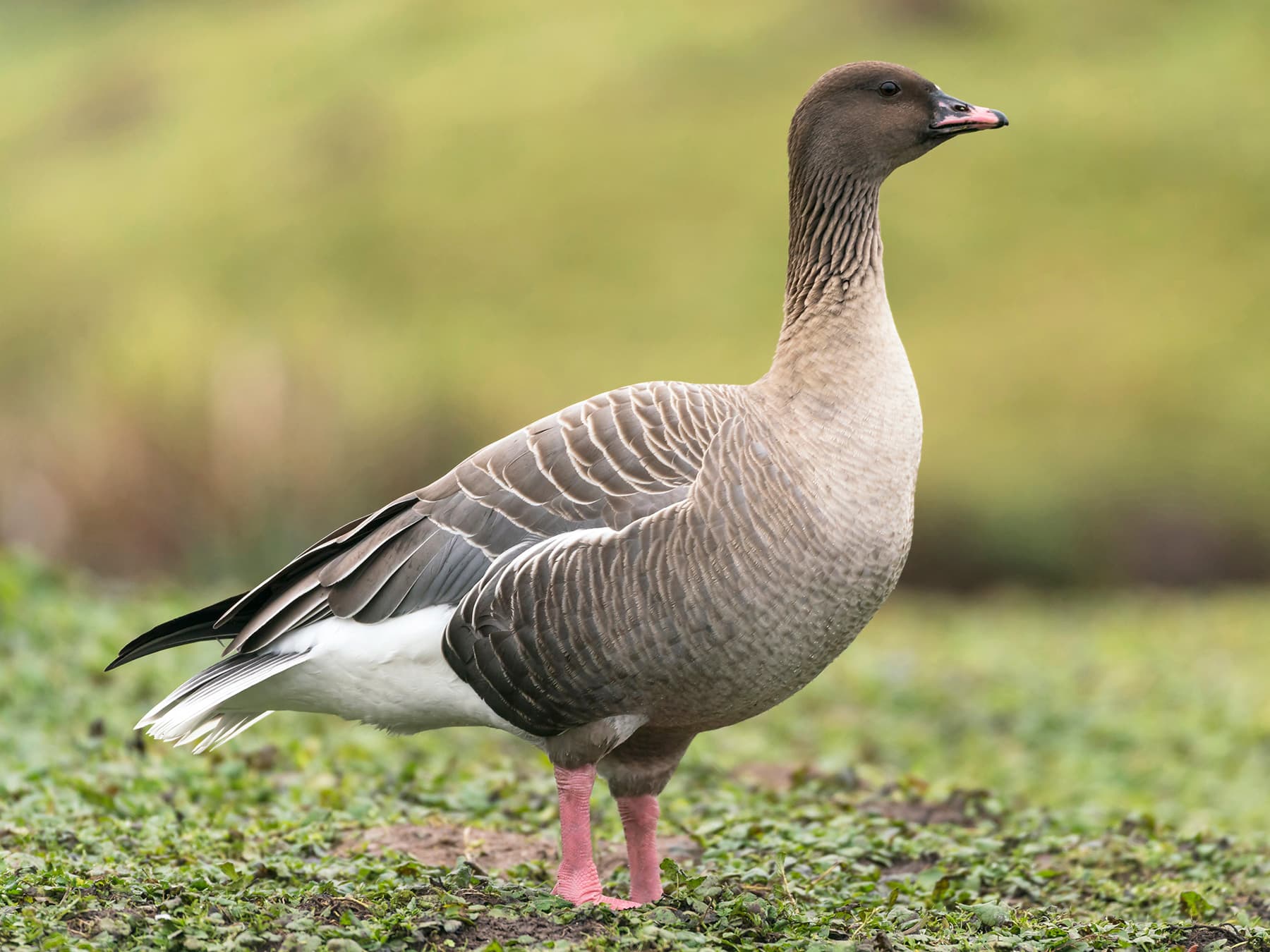
Pink-footed Goose
Anser brachyrhynchusLC
Large skeins arrive from Iceland in autumn, wintering on farmland around the Fylde and Ribble marshes in spectacular numbers.
Year-round
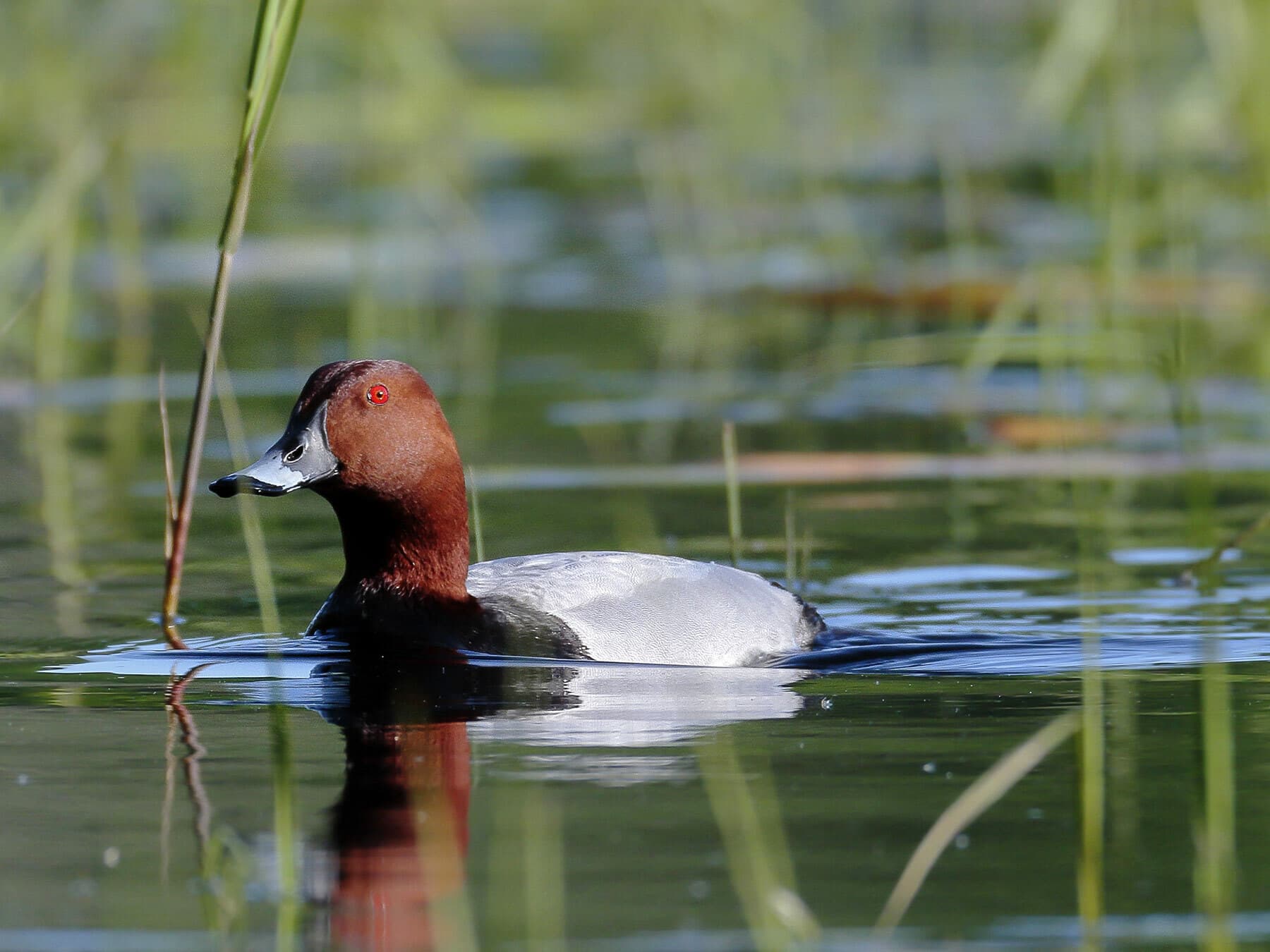
Pochard
Aythya ferinaVU
An uncommon resident on Lancashire's lakes and reservoirs. Numbers are declining nationally, making local sightings increasingly notable.
Year-round
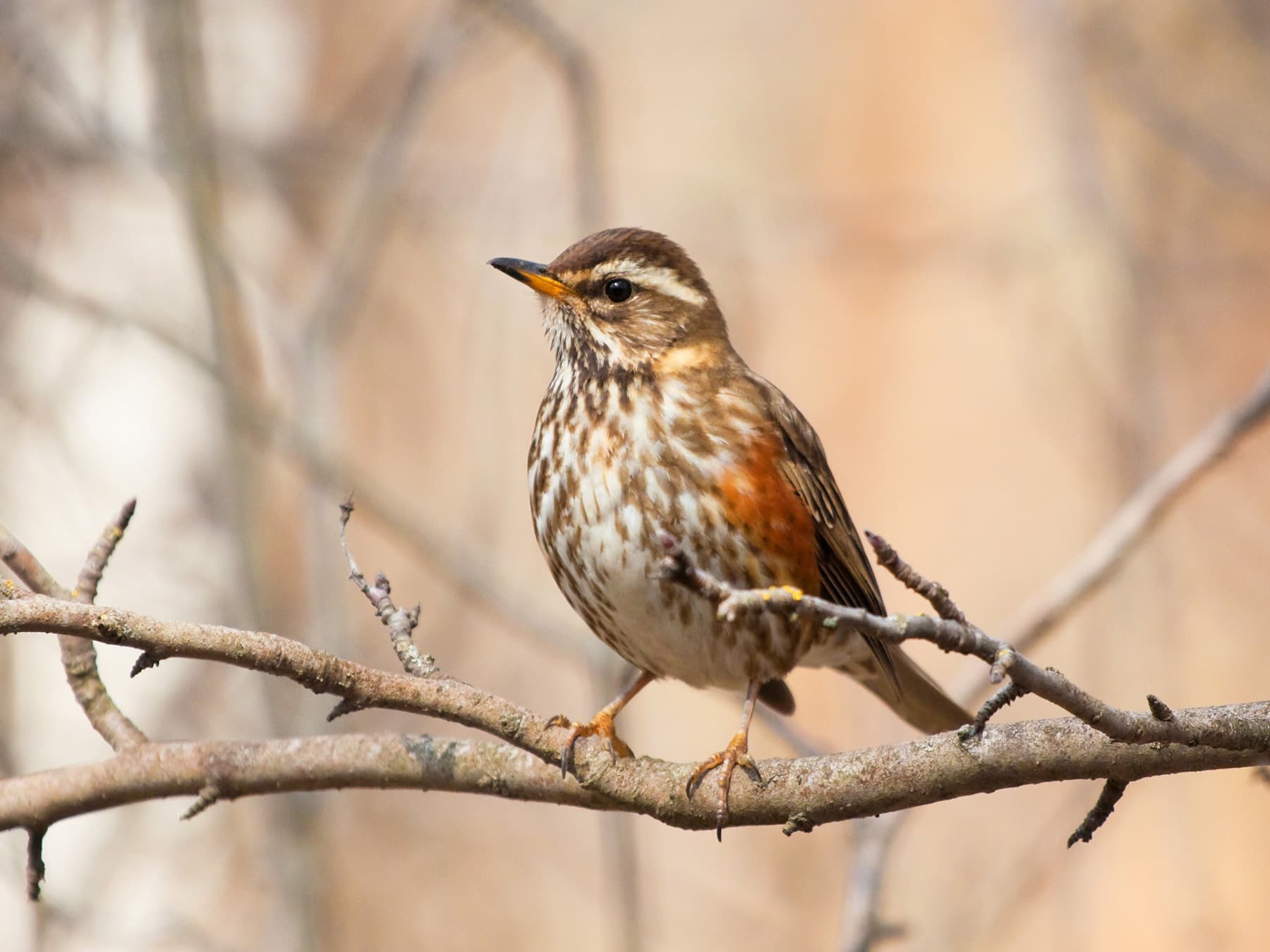
Redwing
Turdus iliacusNT
An uncommon winter visitor from Scandinavia, foraging in hedgerows and on berry-laden trees across Lancashire from October to April.
Oct–Apr
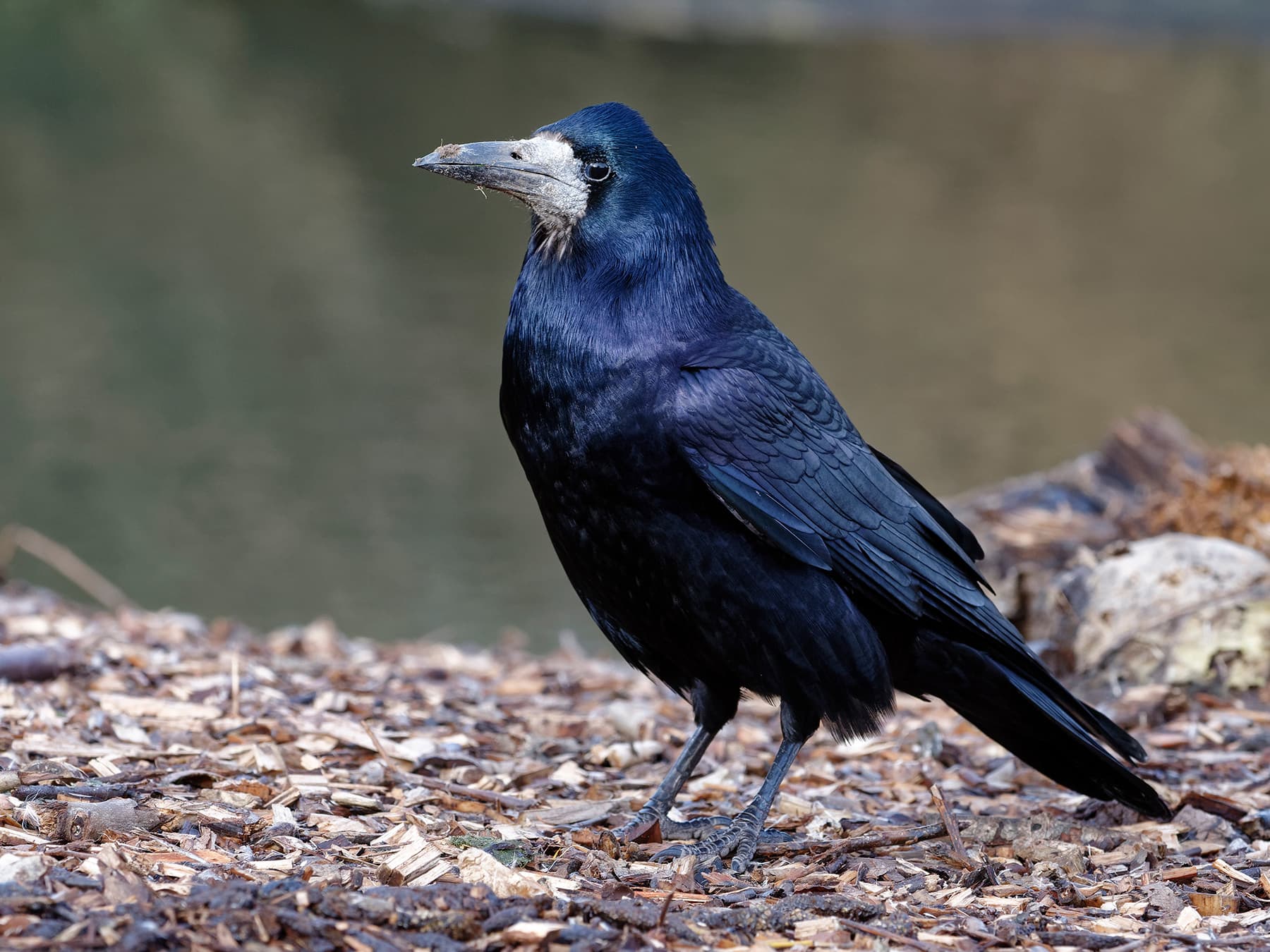
Rook
Corvus frugilegusLC
An uncommon but year-round resident, nesting colonially in tall trees near farmland. Rookeries are scattered across Lancashire's agricultural lowlands.
Year-round
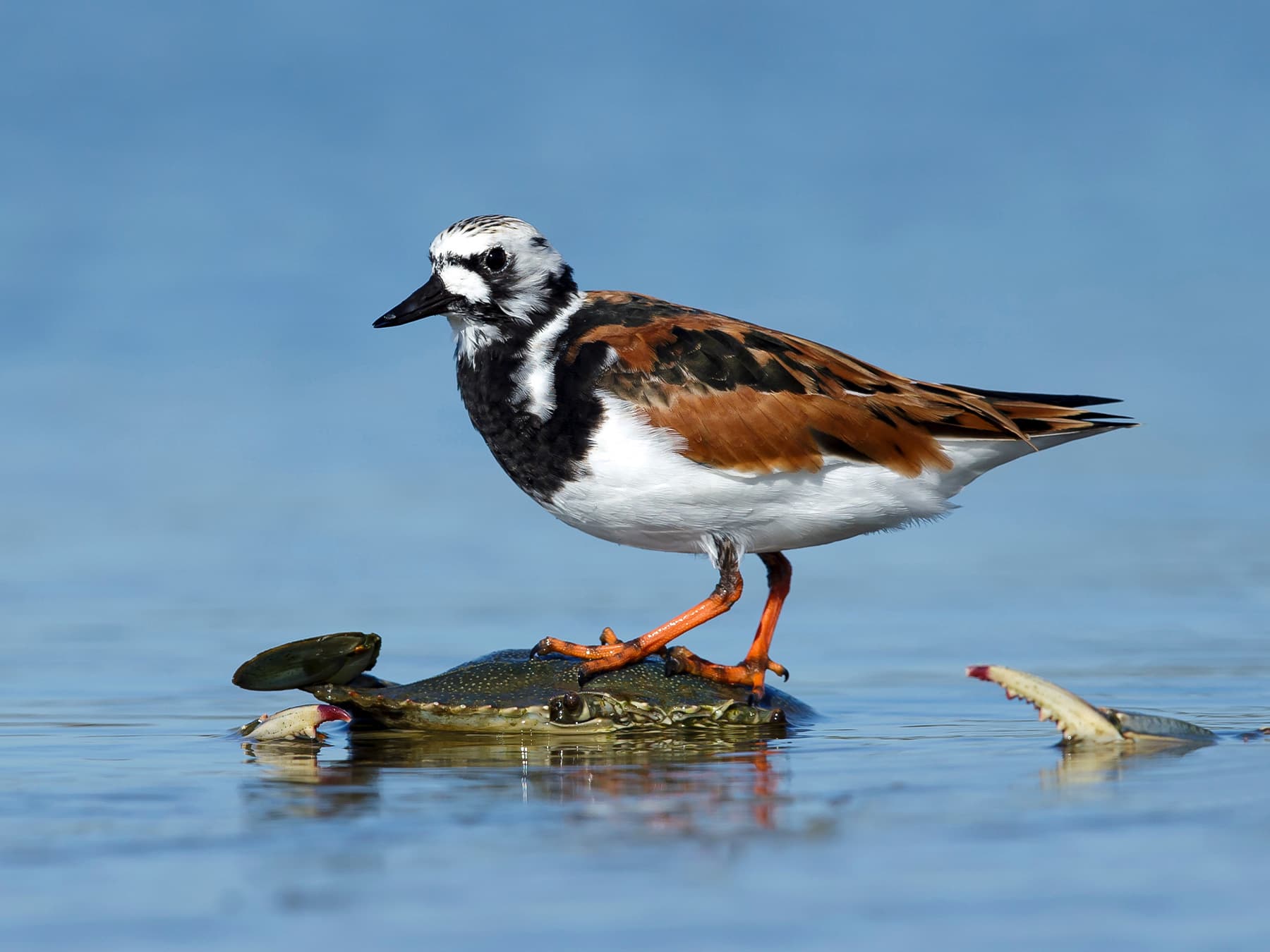
Ruddy Turnstone
Arenaria interpresLC
An uncommon but regular visitor to rocky shores and jetties, present mostly outside summer, feeding among seaweed-covered stones.
Aug–May
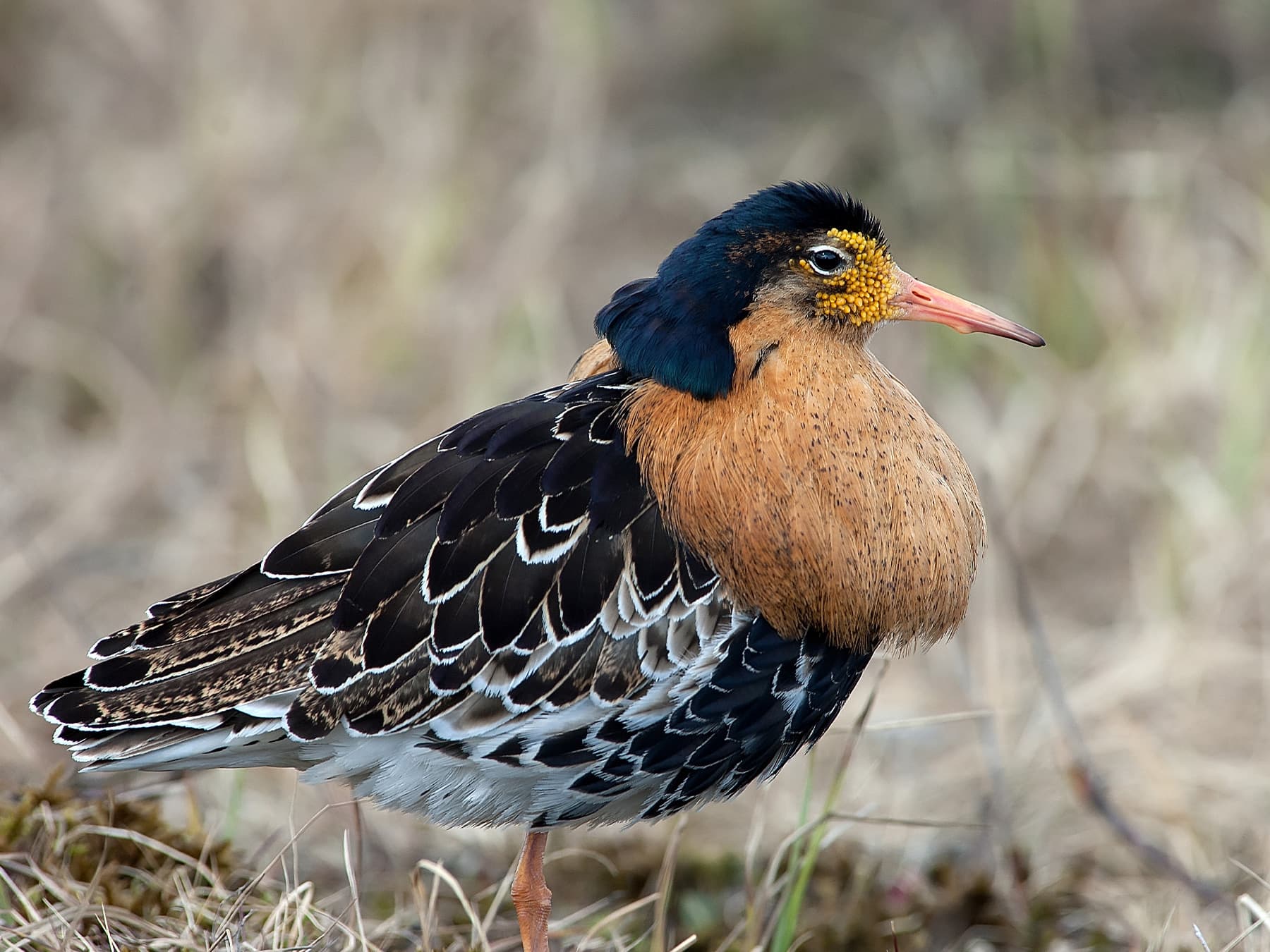
Ruff
Philomachus pugnaxLC
An uncommon year-round presence on Lancashire's wetlands and coastal marshes, often seen at sites like Martin Mere and the Ribble Estuary.
Year-round
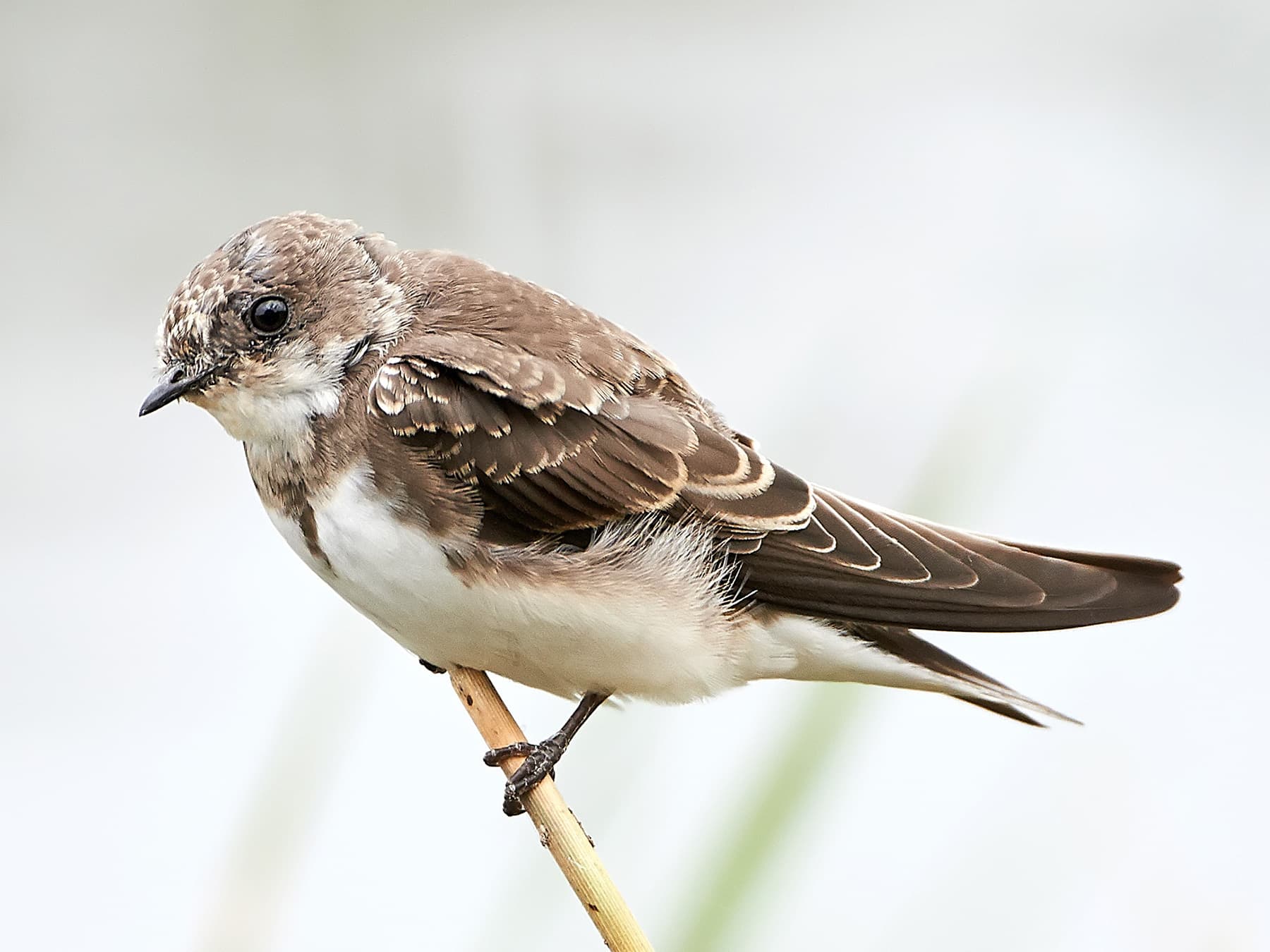
Sand Martin
Riparia ripariaLC
An uncommon summer breeder arriving from March, nesting colonially in sandy riverbanks along the Ribble and Lune valleys.
Mar–Sep
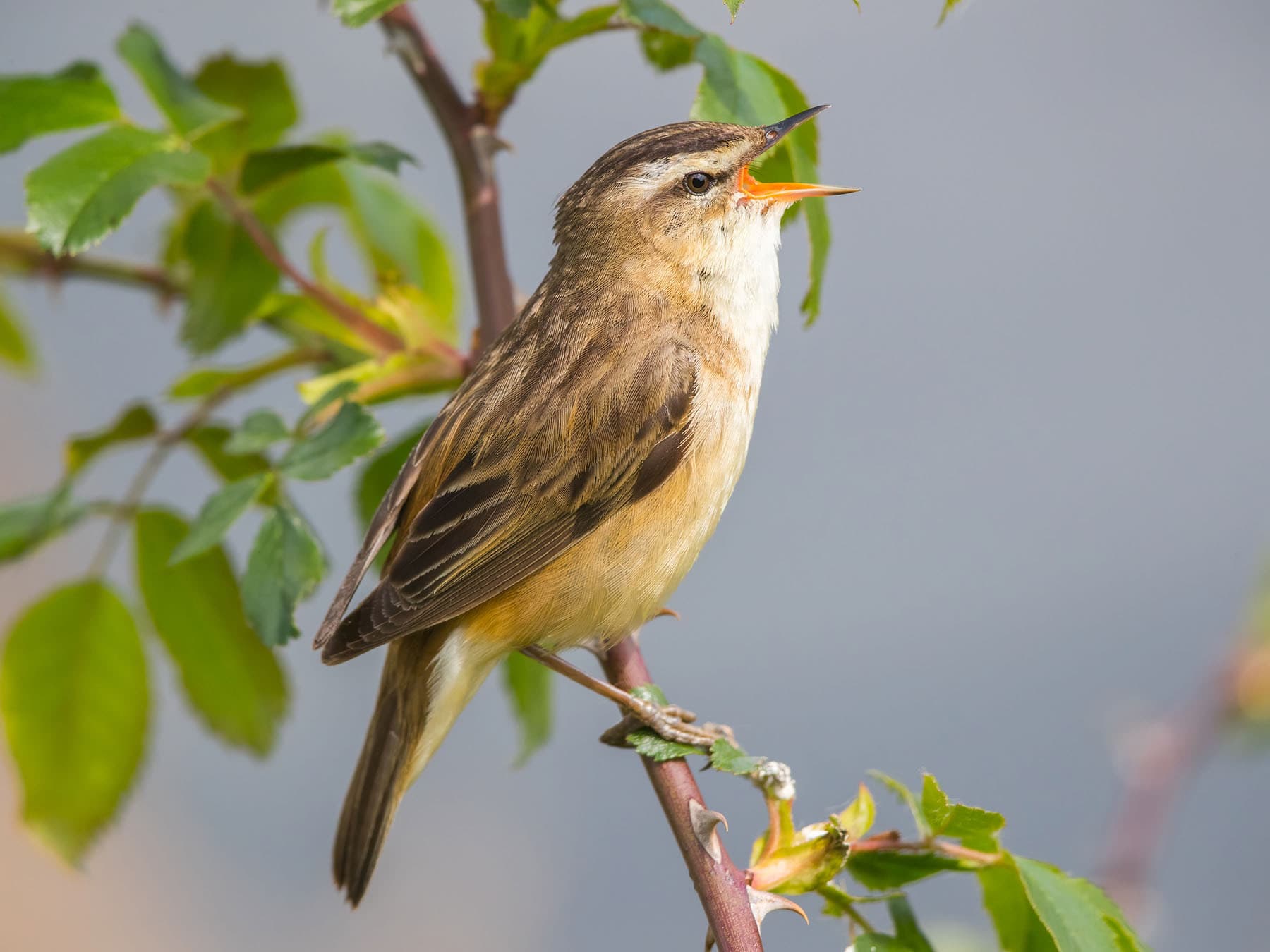
Sedge Warbler
Acrocephalus schoenobaenusLC
An uncommon breeding visitor arriving in April, favouring reedbeds and waterside scrub. Its distinctive chattering song carries across Lancashire's wetlands.
Apr–Sep
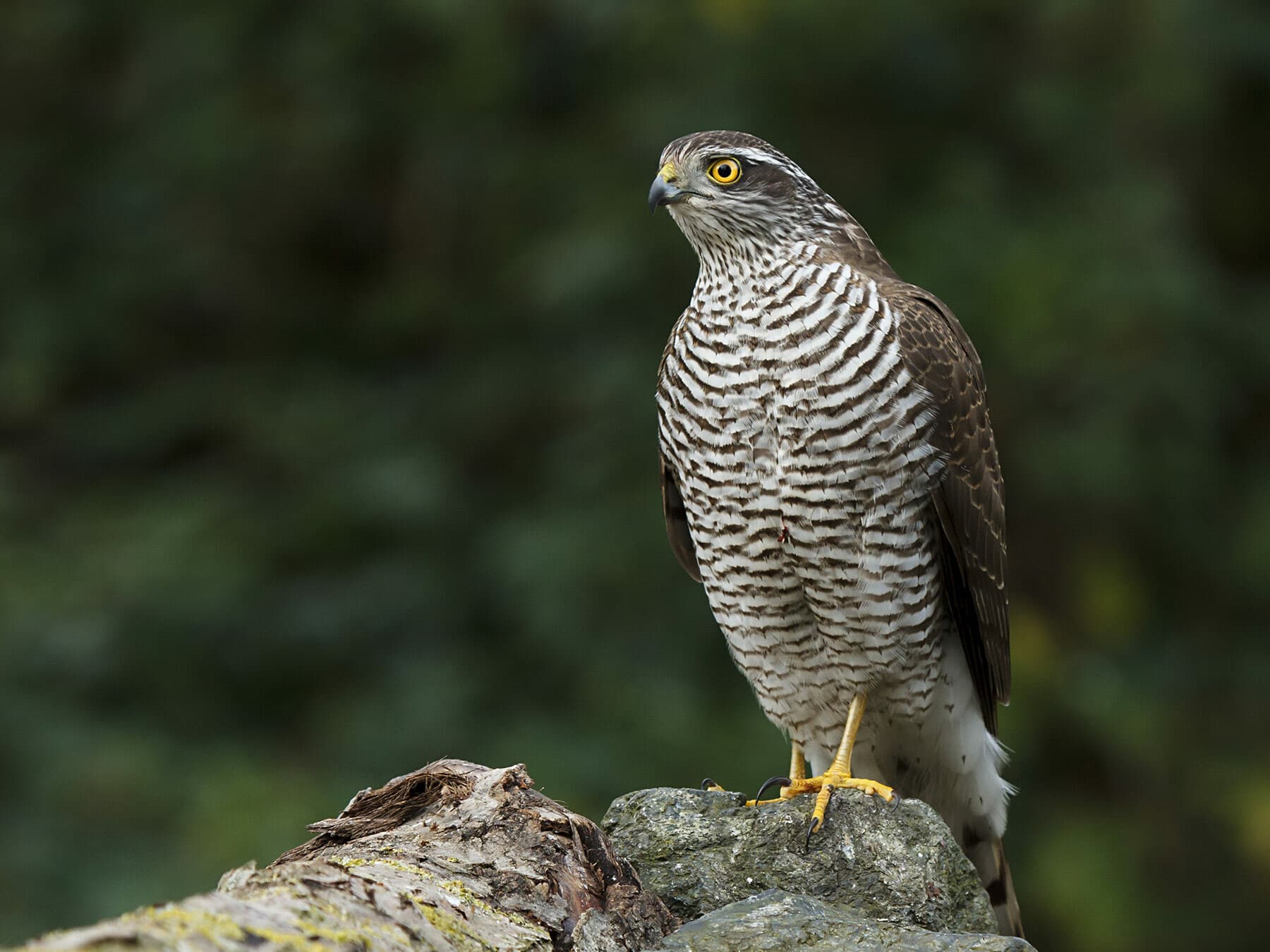
Sparrowhawk
Accipiter nisusLC
A resident raptor found in woodlands, parks, and increasingly suburban gardens. Often seen dashing low along hedgerows hunting small birds.
Year-round
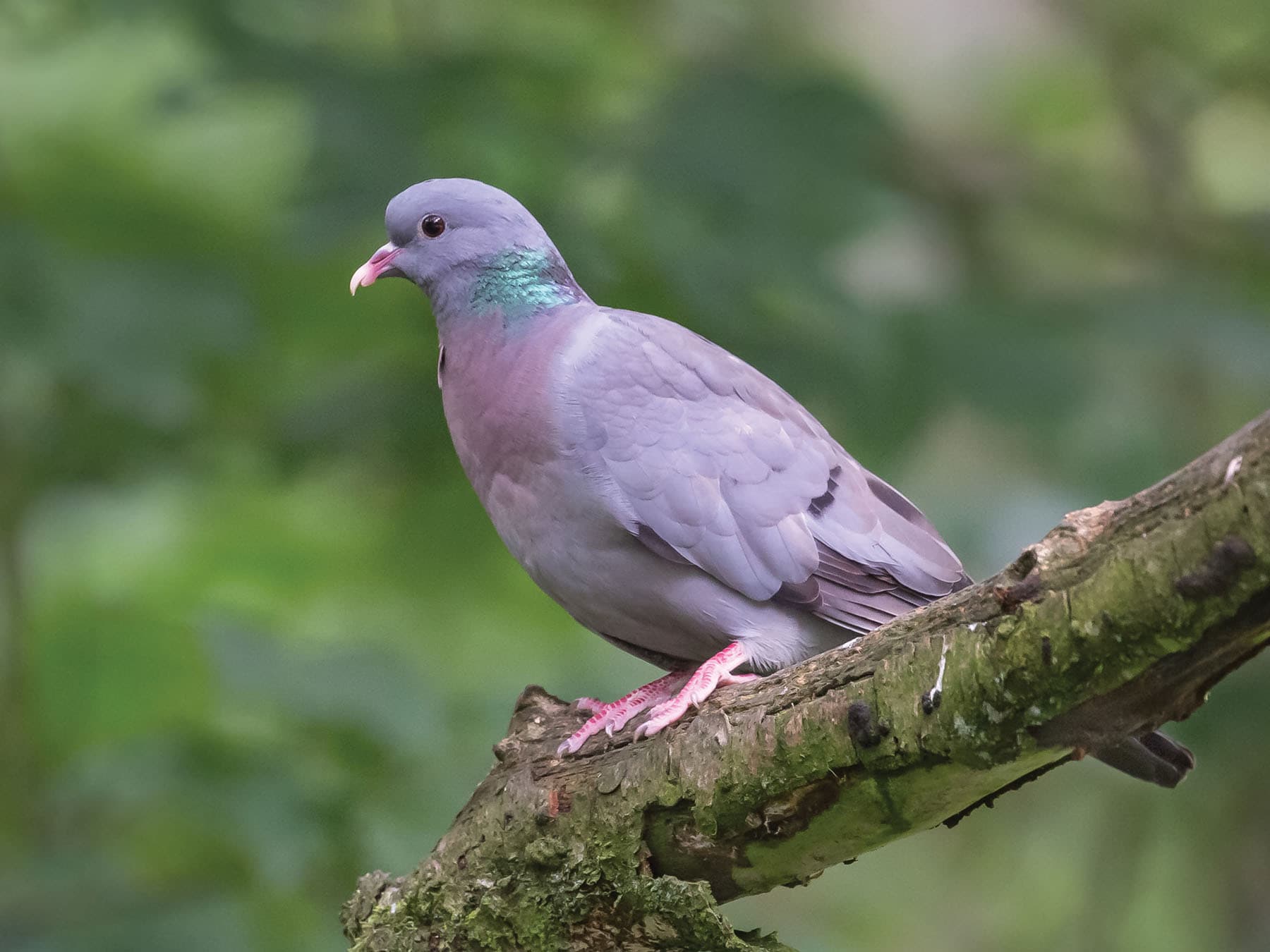
Stock Dove
Columba oenasLC
An uncommon but widespread resident, nesting in tree holes on farmland and parkland. Often overlooked among larger Woodpigeon flocks.
Year-round