Uncommon Birds in Lancashire
54 species matching this filter.
Lancashire supports a rich variety of birdlife across its diverse landscapes, from the vast mudflats of Morecambe Bay to the mosses, meres and upland moors of the interior. Among the county's 54 uncommon species, birders can encounter striking birds such as the Avocet, Eurasian Bittern and Fieldfare, many of which are associated with the region's important wetland habitats and coastal reserves. Whether visiting the reedbeds of Leighton Moss or the estuarine marshes of the Ribble, these less frequently seen species offer rewarding encounters for the patient observer.


Showing 47–54 of 54 species
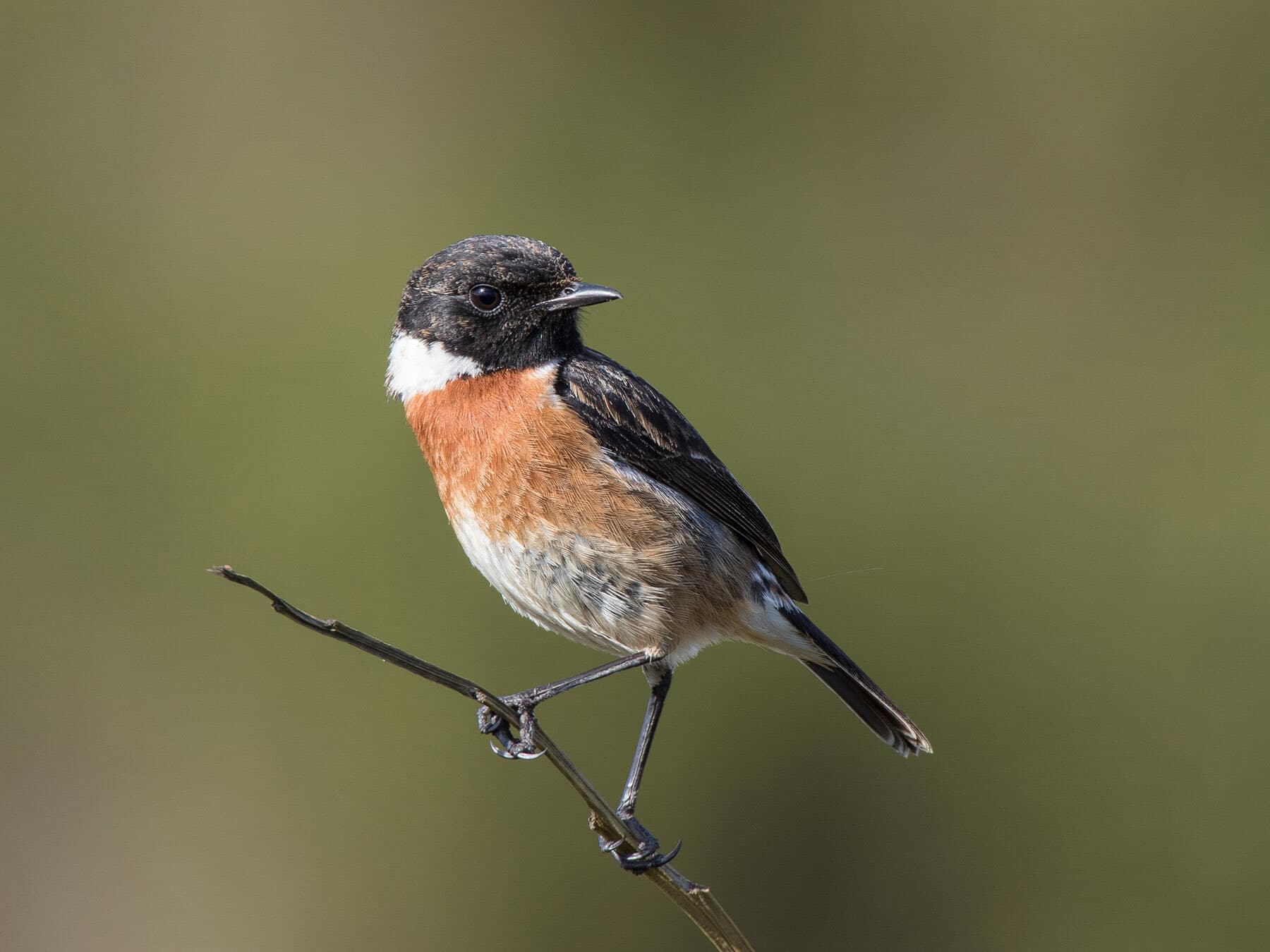
Stonechat
Saxicola torquatusLC
An uncommon resident of gorse-clad moorland edges and coastal scrub. Often perches prominently, flicking its tail and giving a sharp call.
Year-round
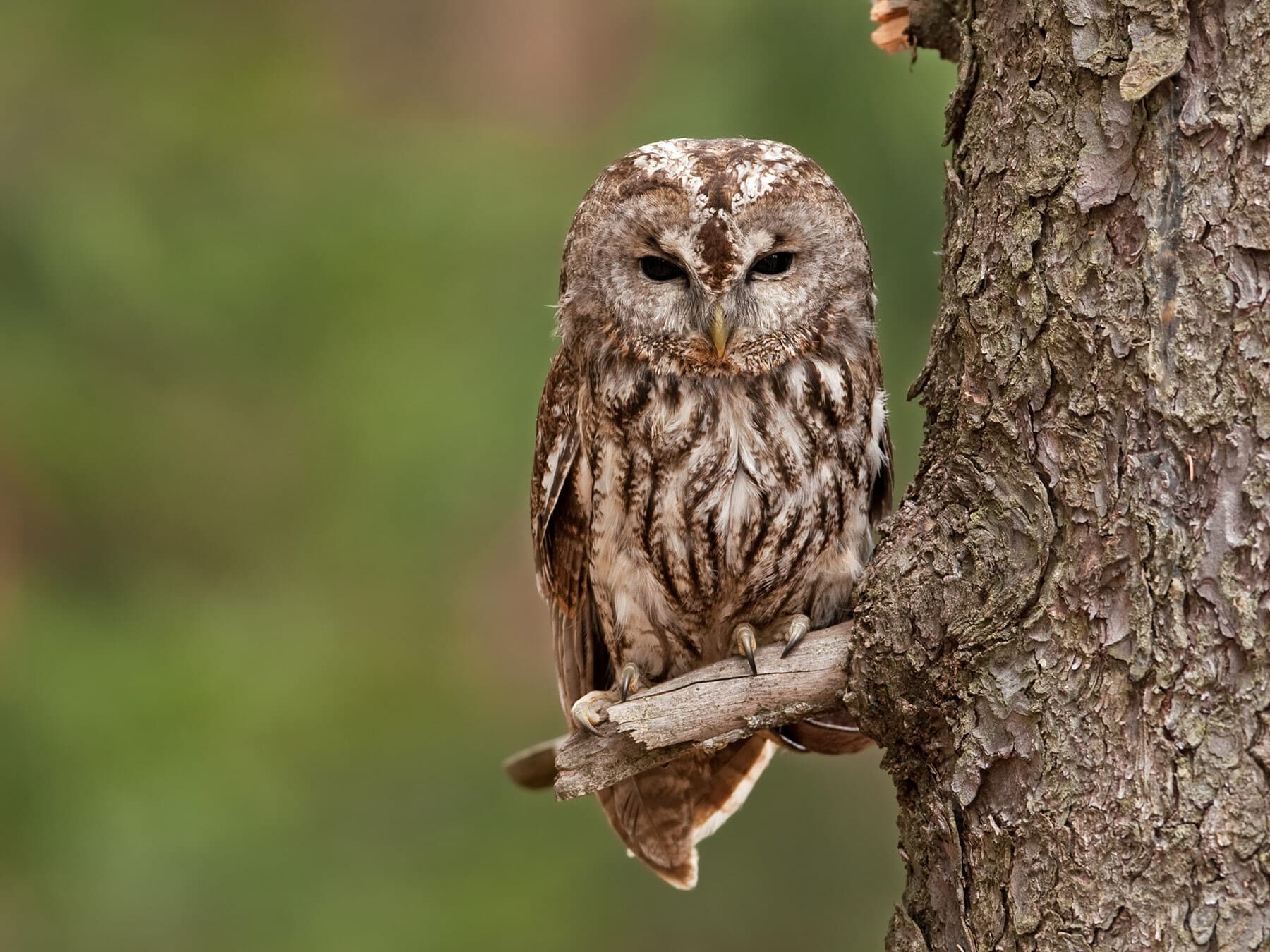
Tawny Owl
Strix alucoLC
An uncommon resident of mature woodland and parkland. More often heard than seen, its hooting call carries through Lancashire's woods after dark.
Year-round
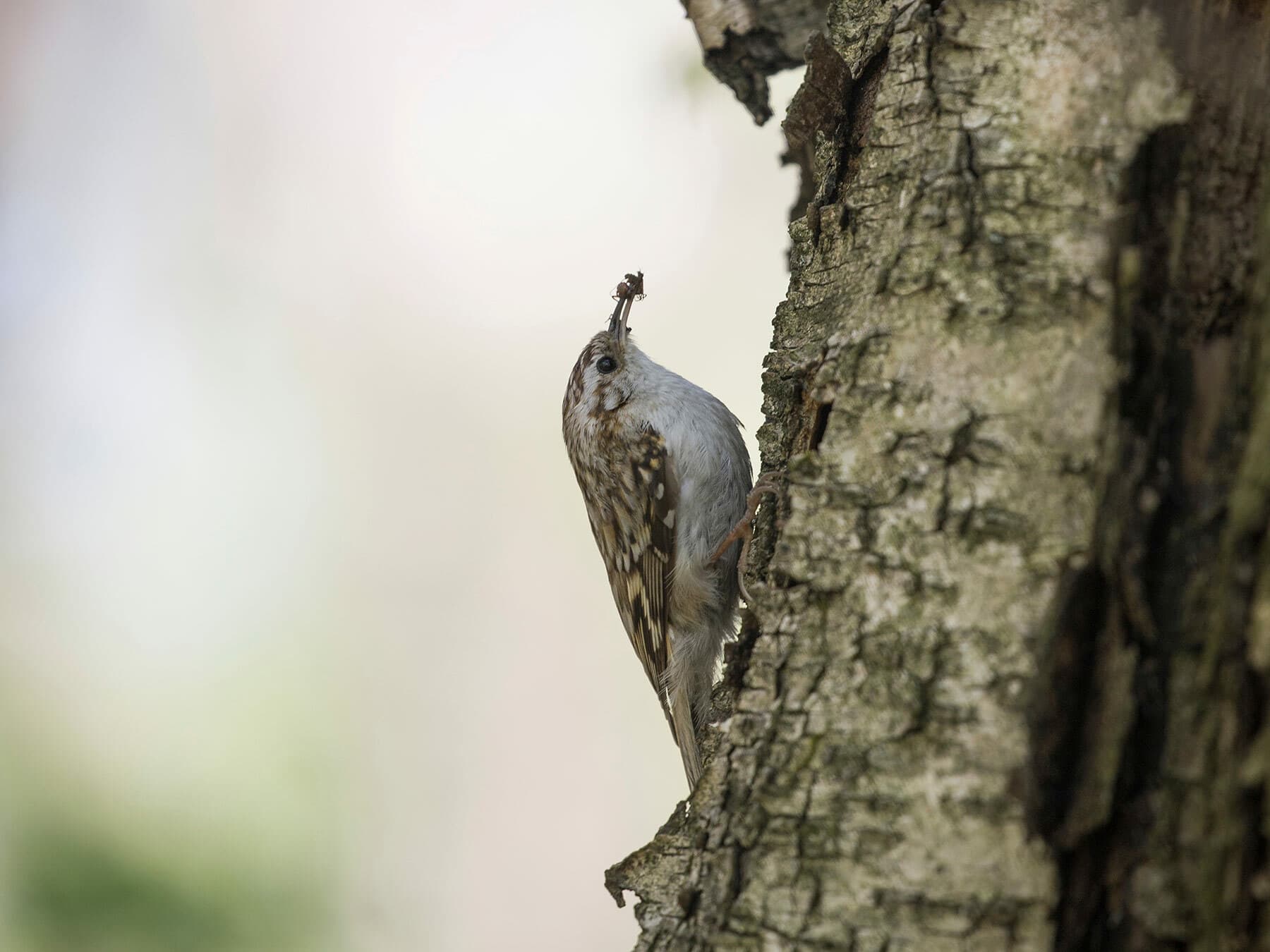
Treecreeper
Certhia familiarisLC
An uncommon but year-round resident, spiralling up tree trunks in mature woodland and parkland. Easily overlooked due to its cryptic plumage.
Year-round
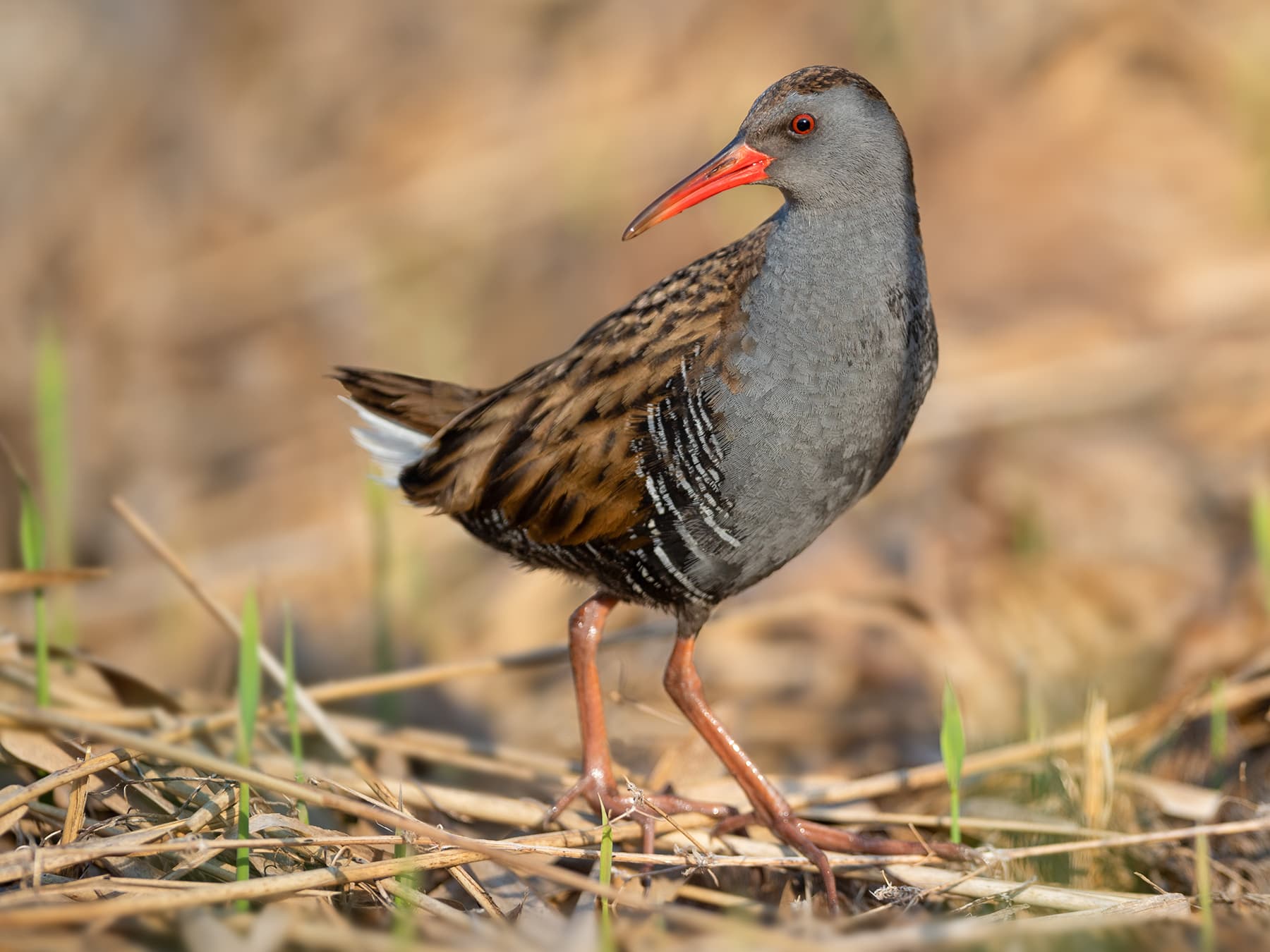
Water Rail
Rallus aquaticusLC
A secretive year-round resident of Lancashire's reedbeds and marshy ditches. More often heard squealing than seen.
Year-round
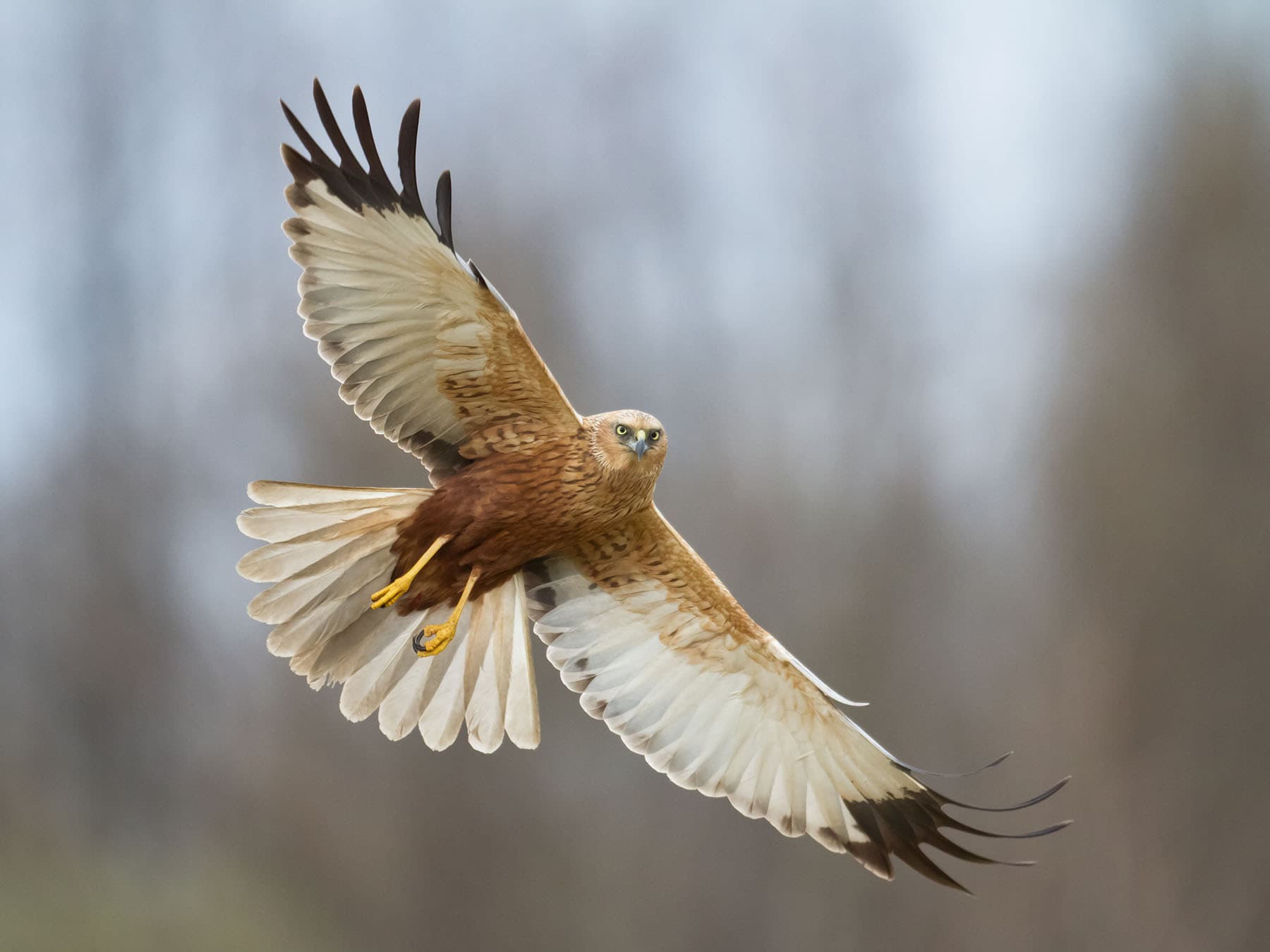
Western Marsh-harrier
Circus aeruginosusLC
An uncommon resident found year-round over reedbeds and marshes, notably at Leighton Moss and the Ribble wetlands.
Year-round
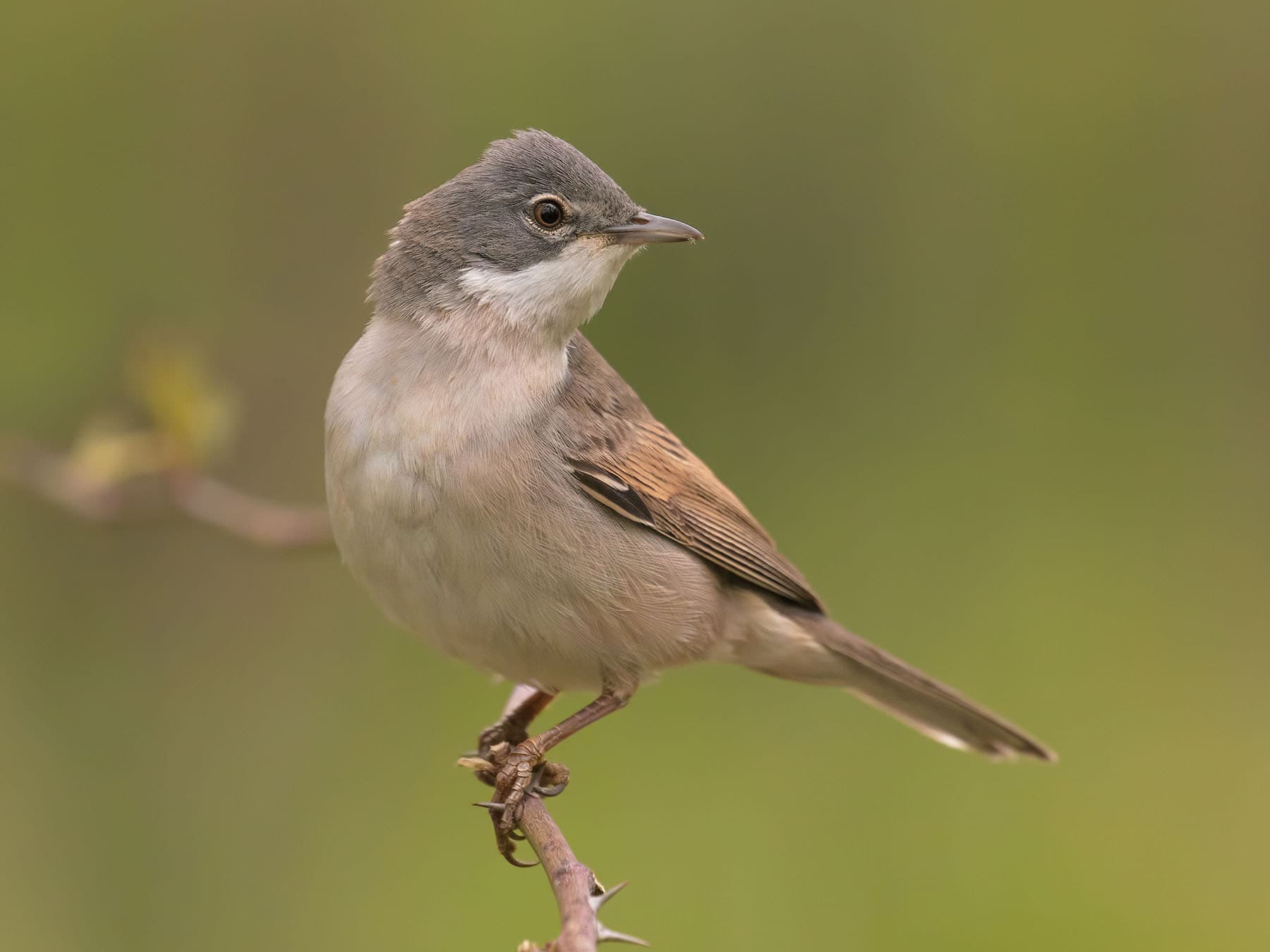
Whitethroat
Curruca communisLC
An uncommon summer breeder arriving in April, favouring hedgerows and scrubby margins across Lancashire's lowlands. Departs by September.
Apr–Sep
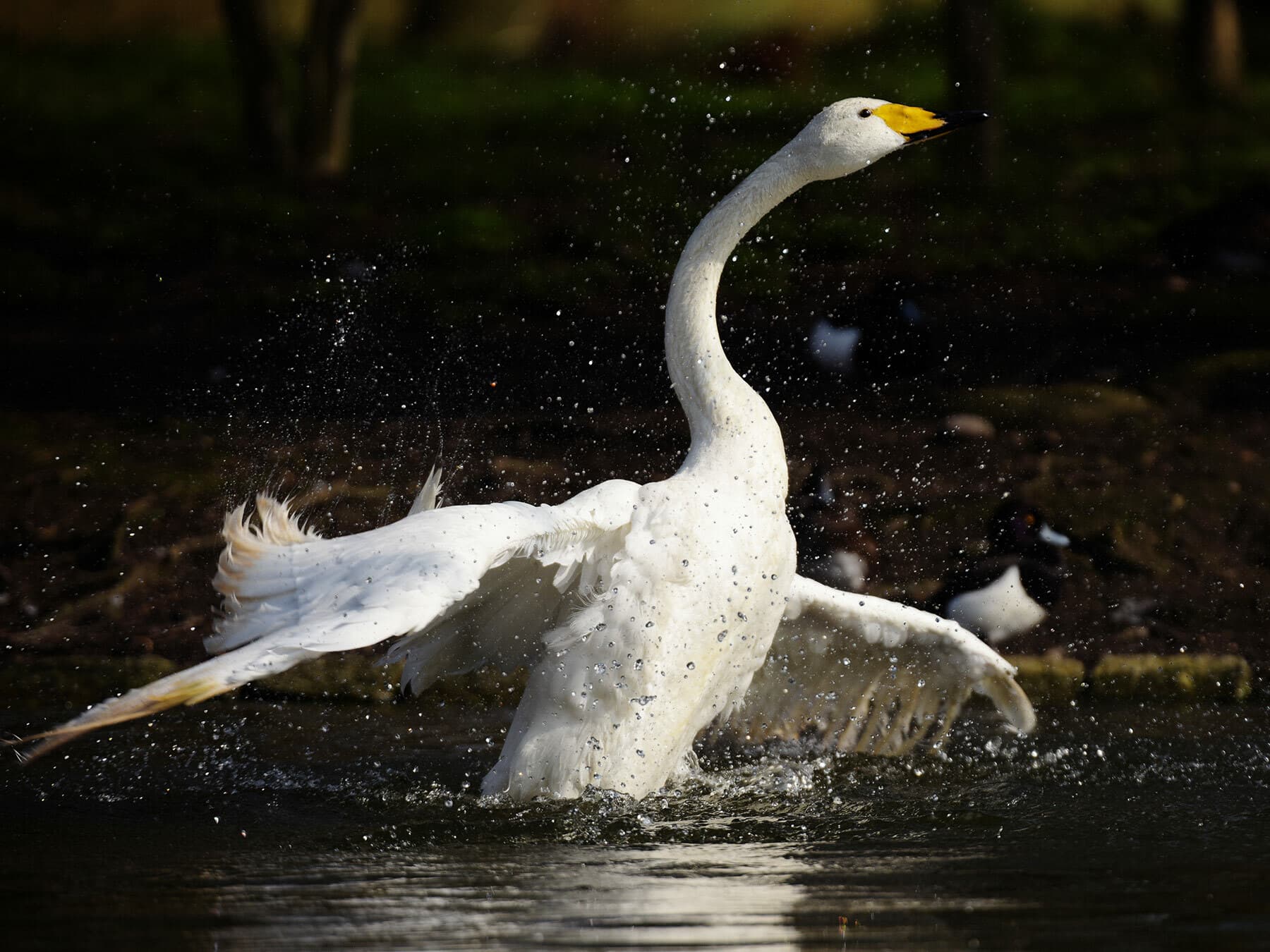
Whooper Swan
Cygnus cygnusLC
Present year-round but most conspicuous in winter on wetlands such as Martin Mere. Numbers bolstered by Icelandic migrants from October.
Year-round
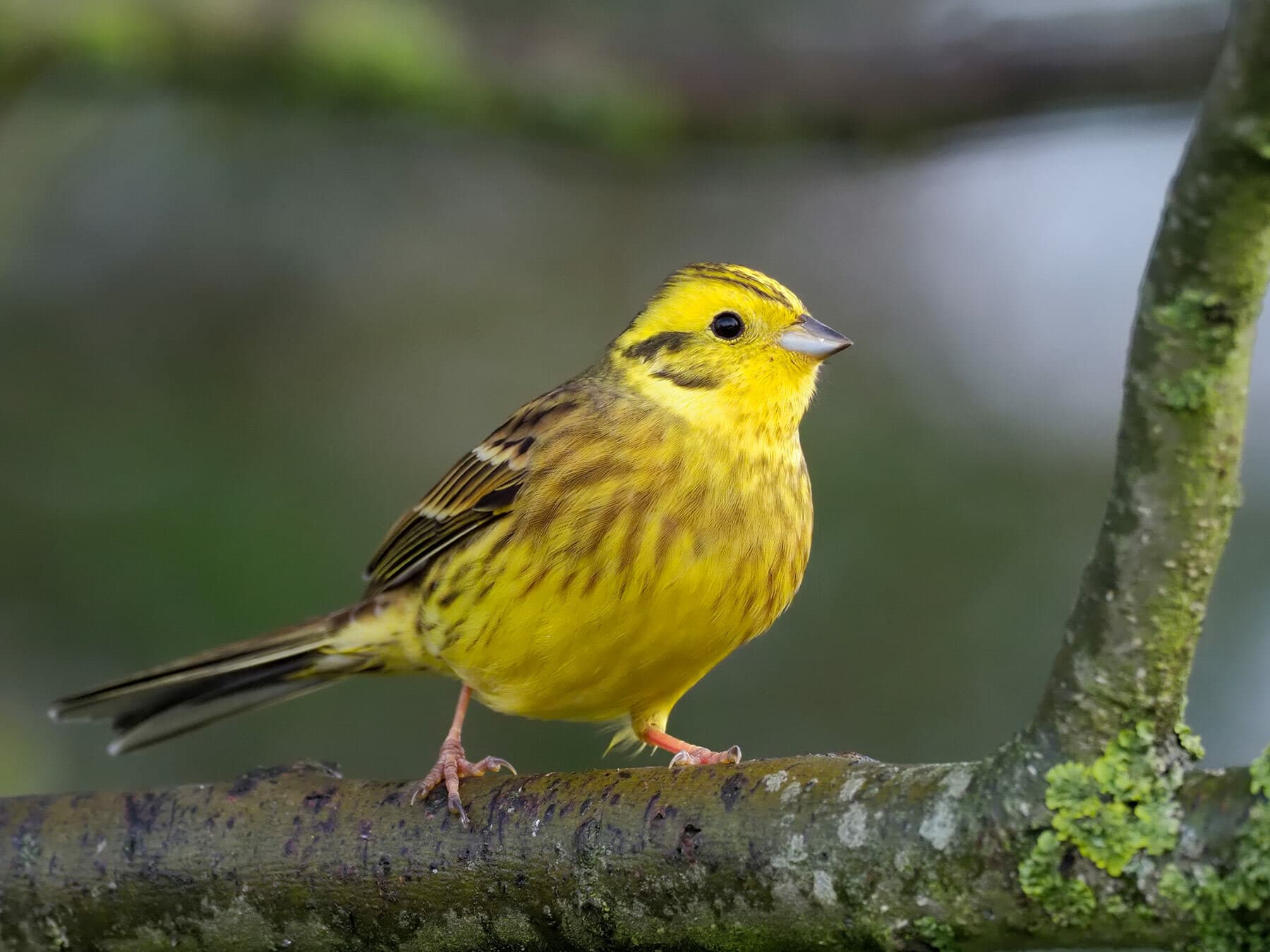
Yellowhammer
Emberiza citrinellaLC
An uncommon and declining resident of farmland hedgerows. More often heard singing its distinctive song from exposed perches in rural east Lancashire.
Year-round