Birds in Kent
Explore 236 species found in this region.
Kent, known as the 'Garden of England', is home to an impressive 227 recorded bird species, reflecting the county's rich diversity of habitats from coastal marshes and estuarine mudflats to ancient woodlands and rolling farmland. The North Kent Marshes and the White Cliffs of Dover are among the most celebrated birding locations in southern England, attracting both resident and migratory species throughout the year. Notable species include the elegant Northern Lapwing on farmland, the striking Mandarin Duck along wooded waterways, and waders such as the Common Sandpiper along the county's extensive coastline.
Visiting in July? Look out for Arctic Tern and Black Tern arriving this month, and Black Swan and Eleonora's Falcon depart for the season.


Showing 93–115 of 236 species
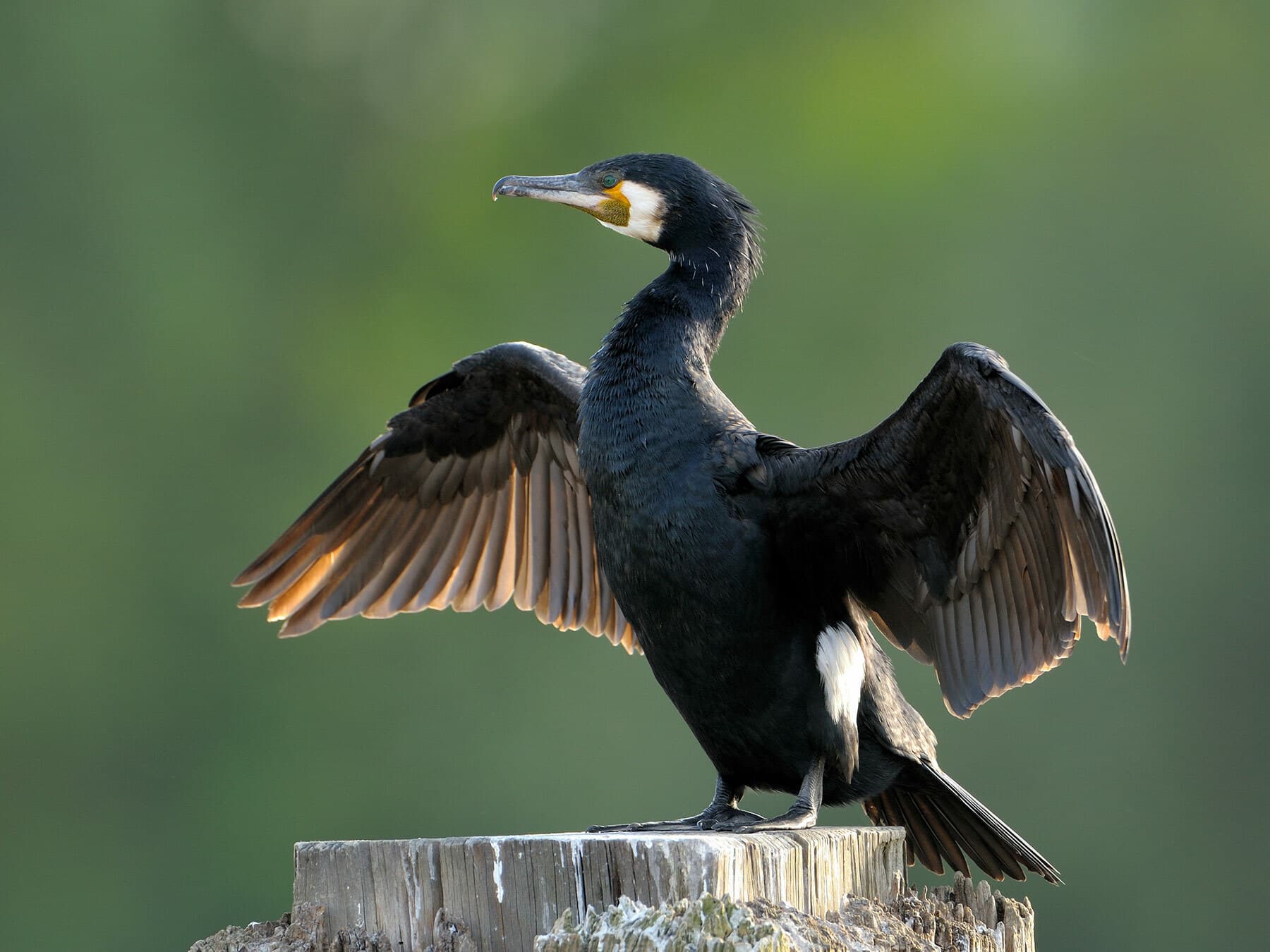
Great Cormorant
Phalacrocorax carboLC
Common and widespread year-round along rivers, reservoirs, and the coast. Often seen drying wings on posts and jetties.
Year-round
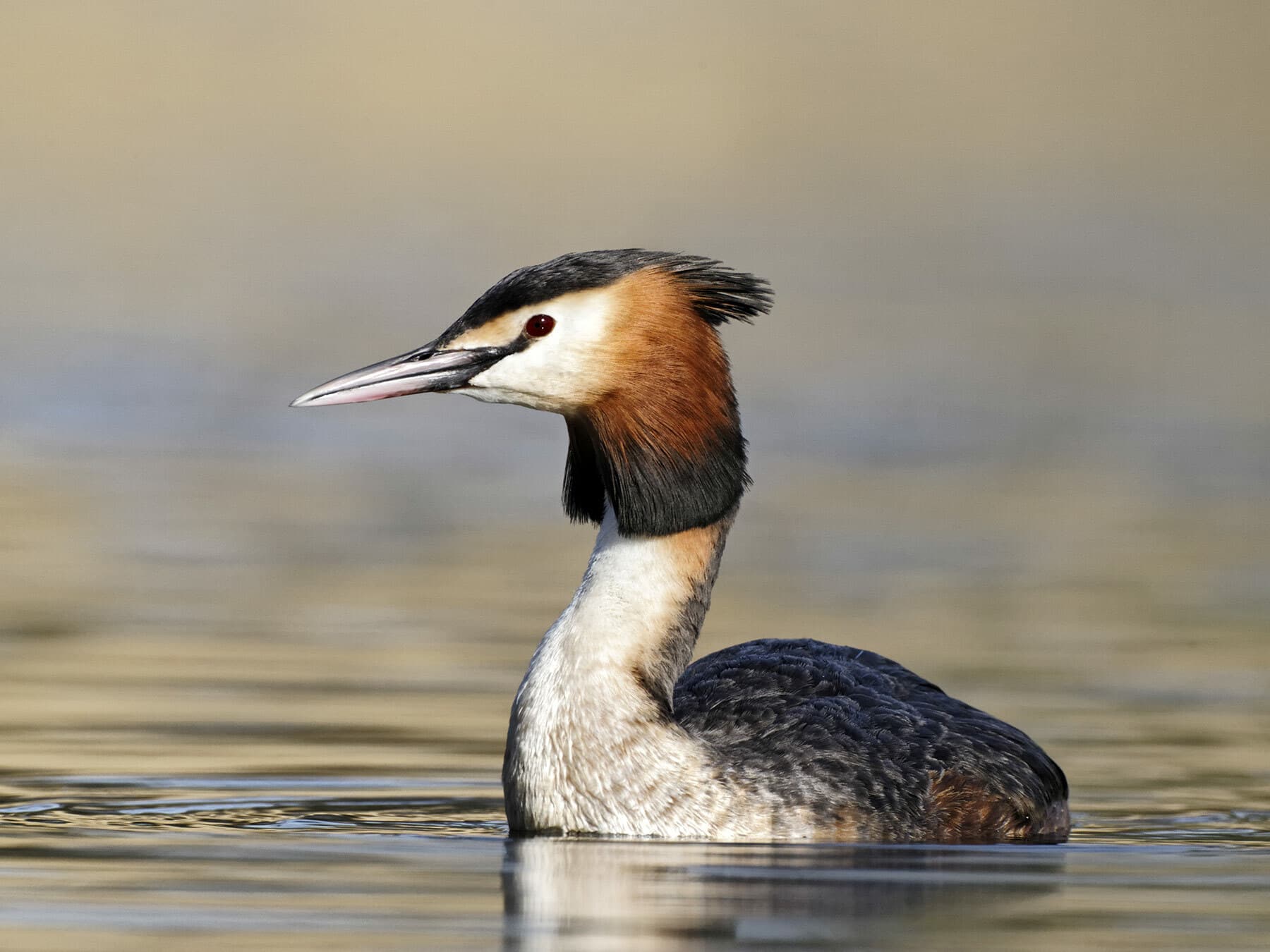
Great Crested Grebe
Podiceps cristatusLC
A common year-round resident on lakes, reservoirs and gravel pits. Its elaborate courtship dance is a highlight on Kent's inland waters in spring.
Year-round
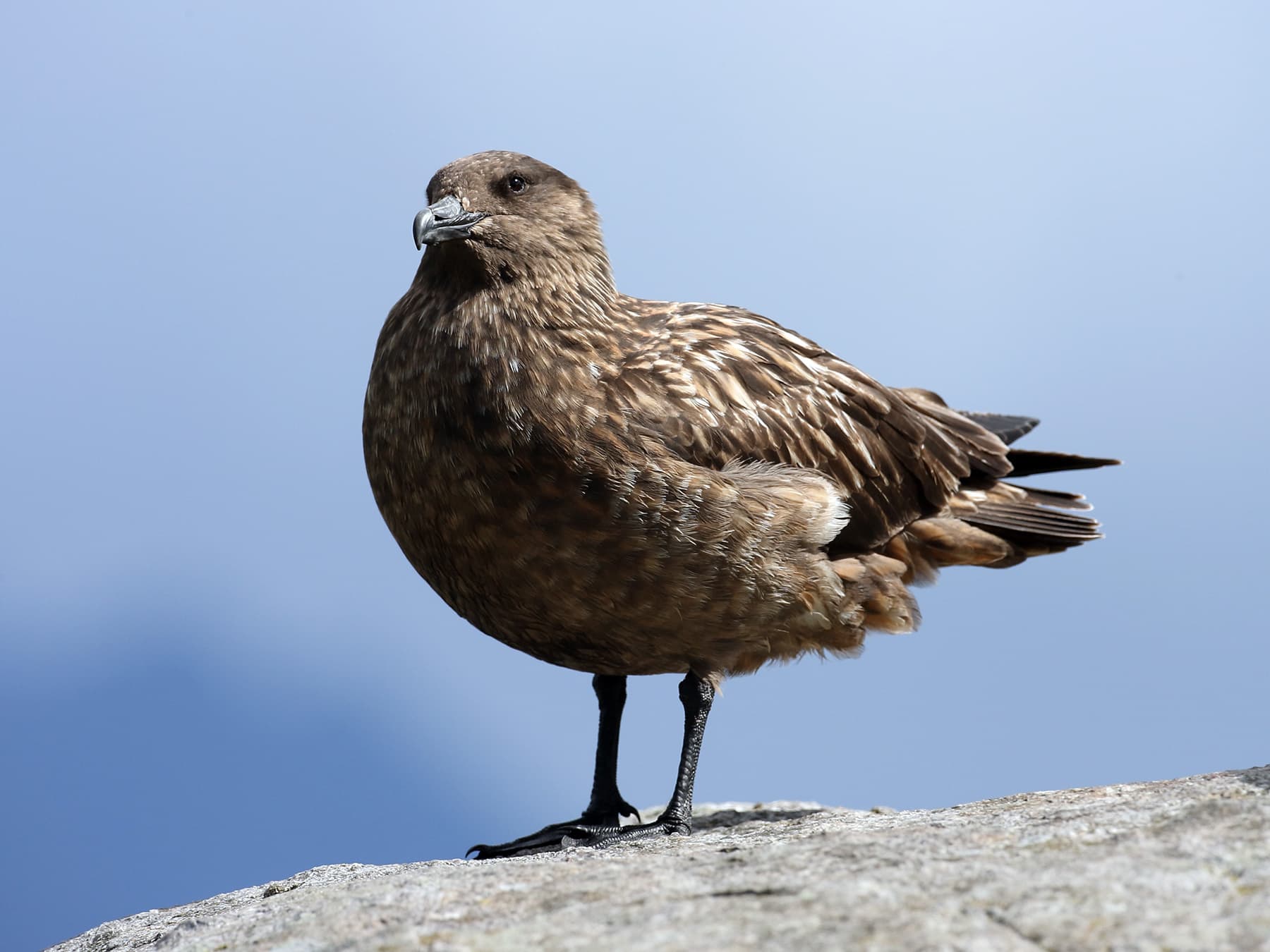
Great Skua
Catharacta skuaLC
Scarce but seen year-round off the Kent coast, most often during autumn seawatches at Dungeness and Foreness Point.
Aug–May
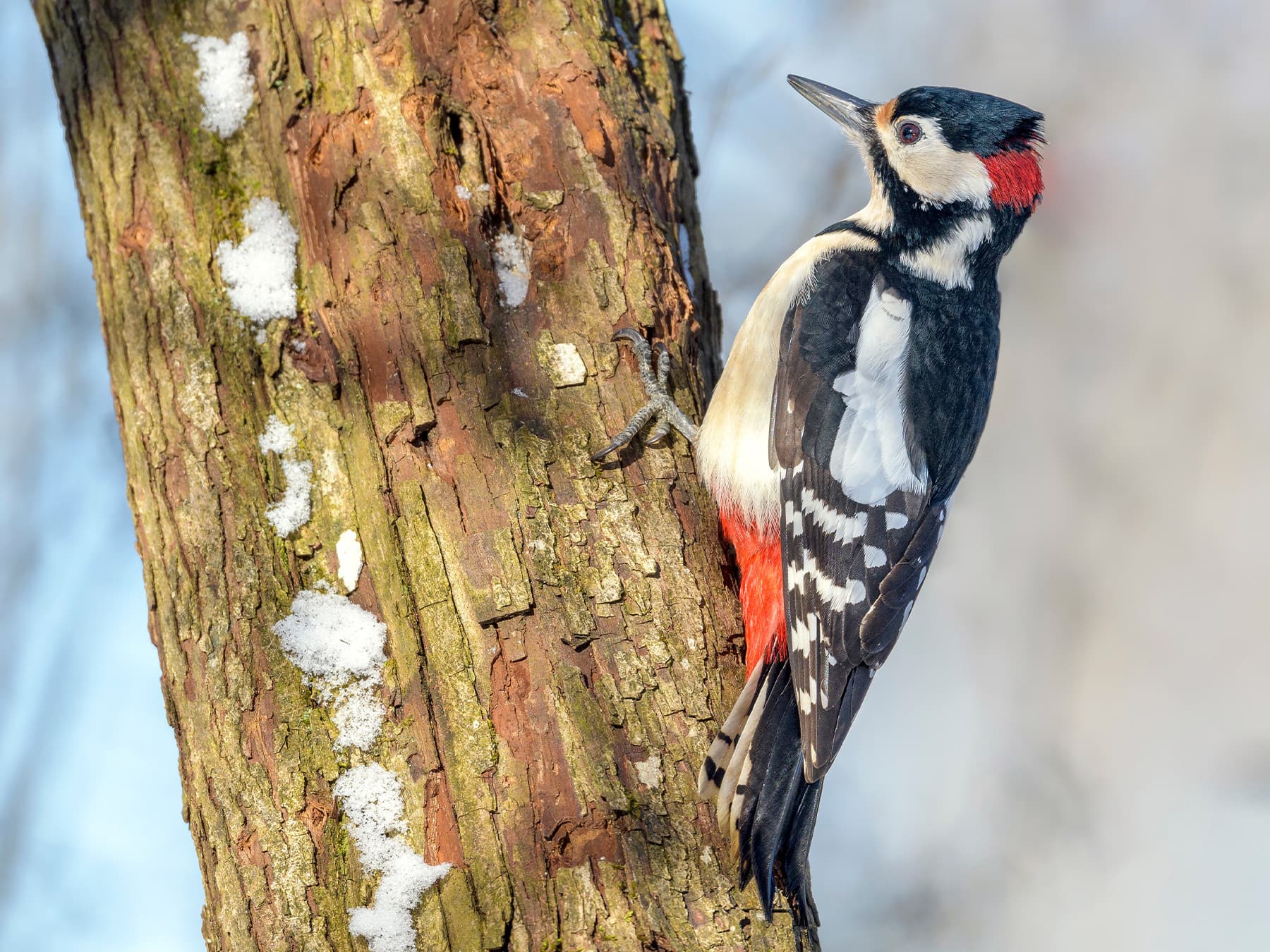
Great Spotted Woodpecker
Dendrocopos majorLC
A common year-round resident in woodlands, parks and mature gardens. Its loud drumming is a familiar spring sound across Kent.
Year-round
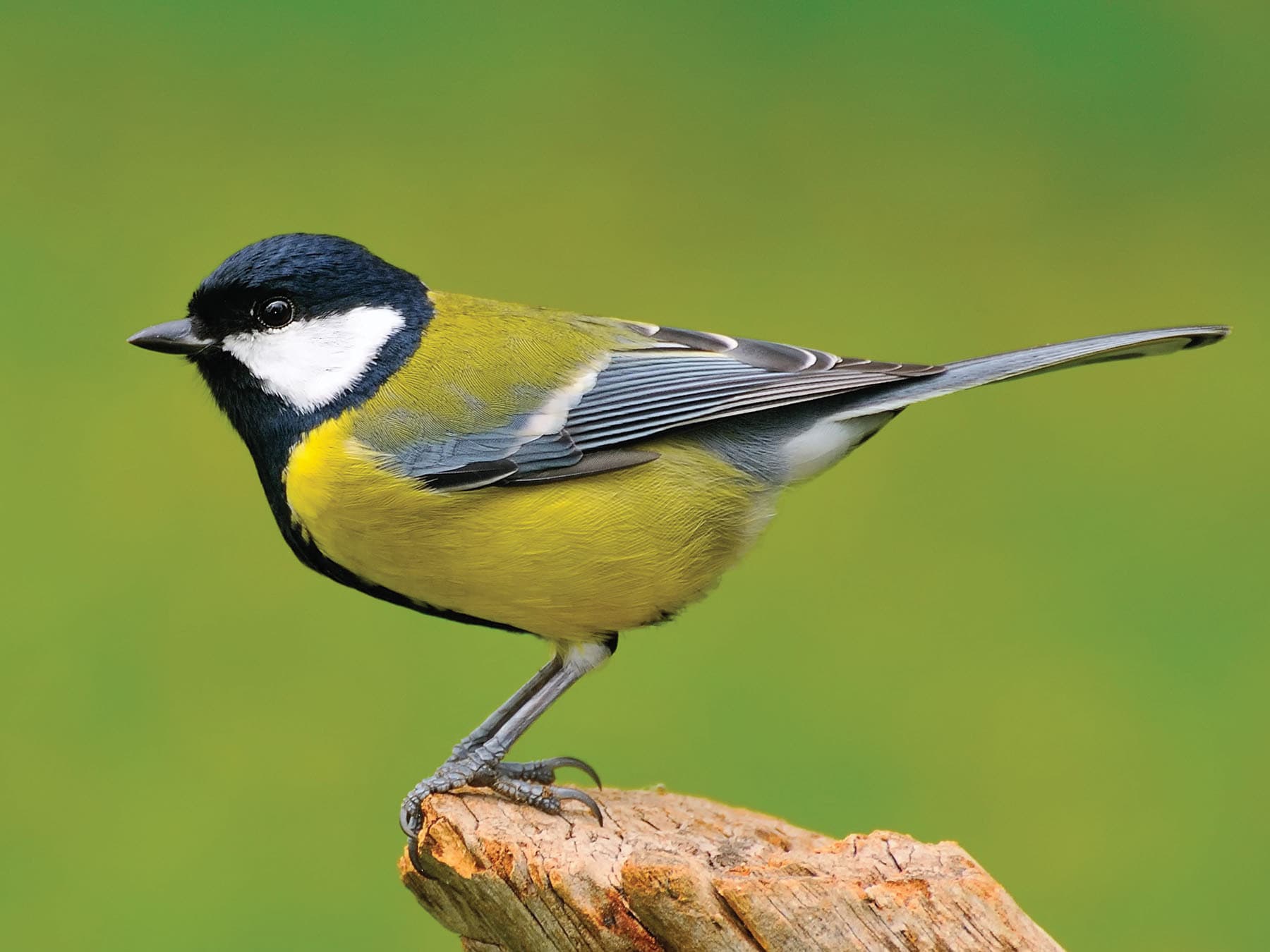
Great Tit
Parus majorLC
A common and bold year-round garden visitor across Kent. Its loud "teacher-teacher" call is one of the first heard in spring.
Year-round
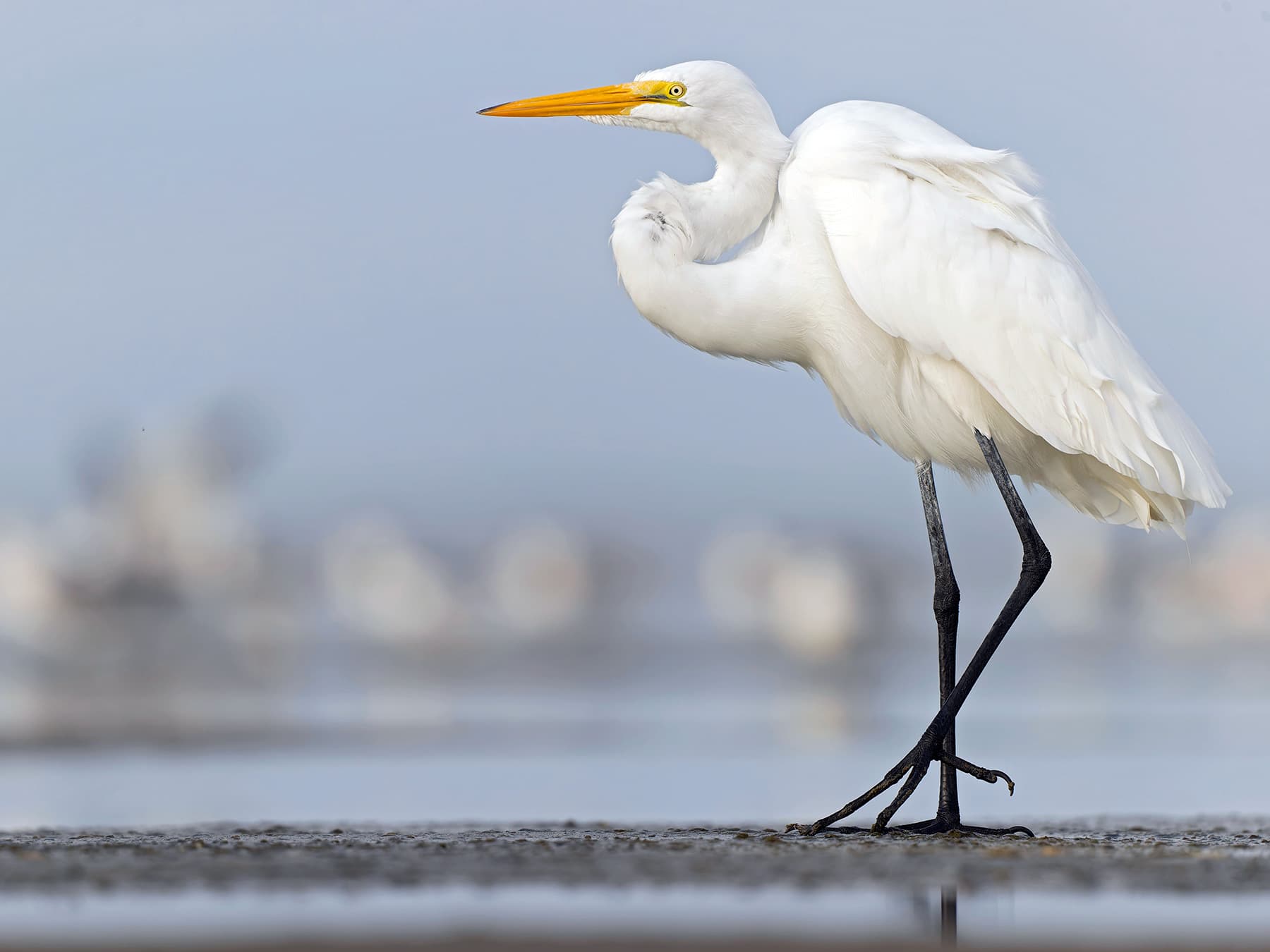
Great White Egret
Ardea albaLC
An increasingly established resident, now seen year-round at marshes and wetlands. Stodmarsh and the Dungeness RSPB reserve are reliable sites.
Year-round
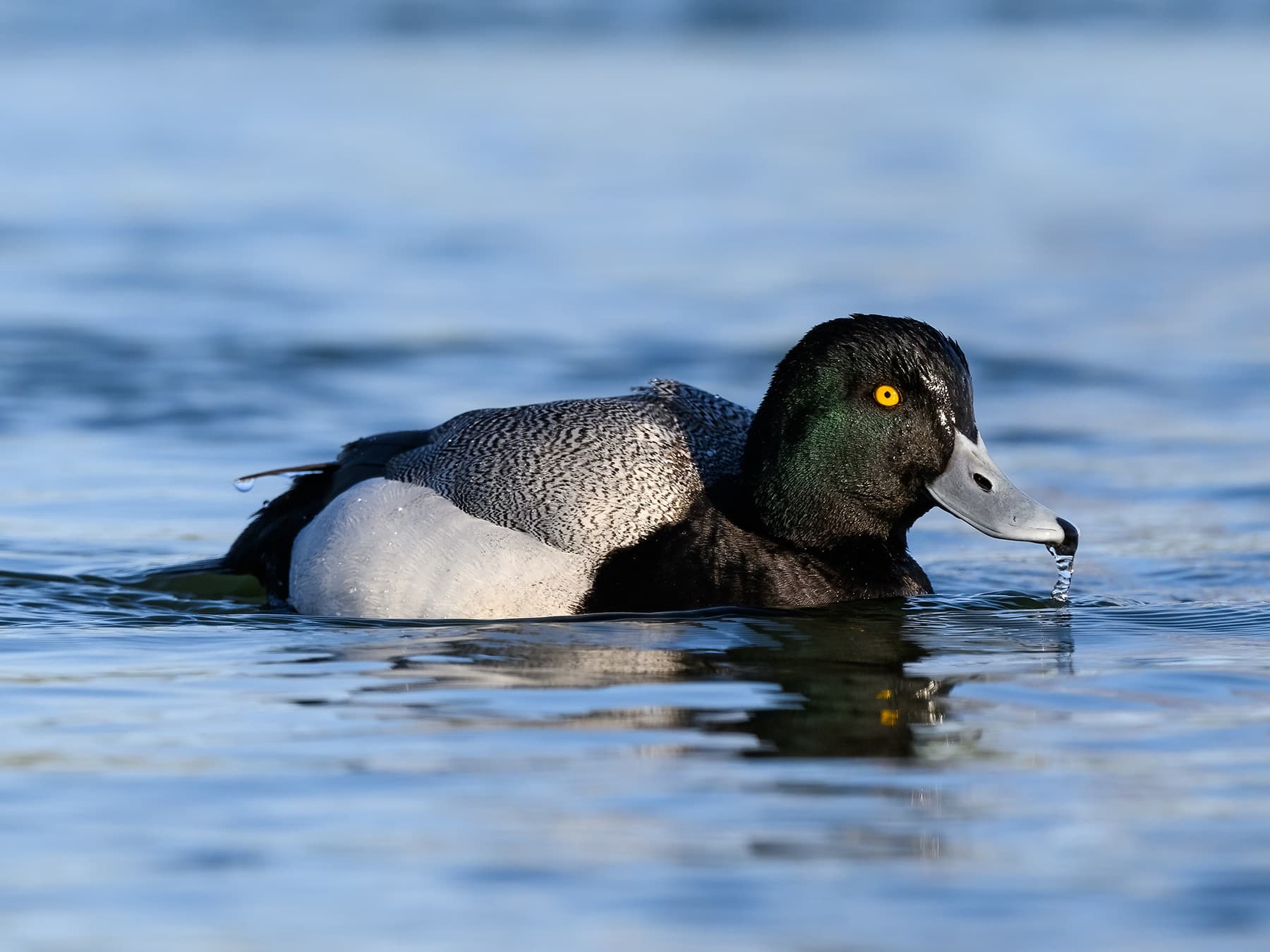
Greater Scaup
Aythya marilaLC
A rare winter visitor to Kent's coastal waters and estuaries. Often found among flocks of Tufted Duck, requiring careful identification.
Nov–Mar
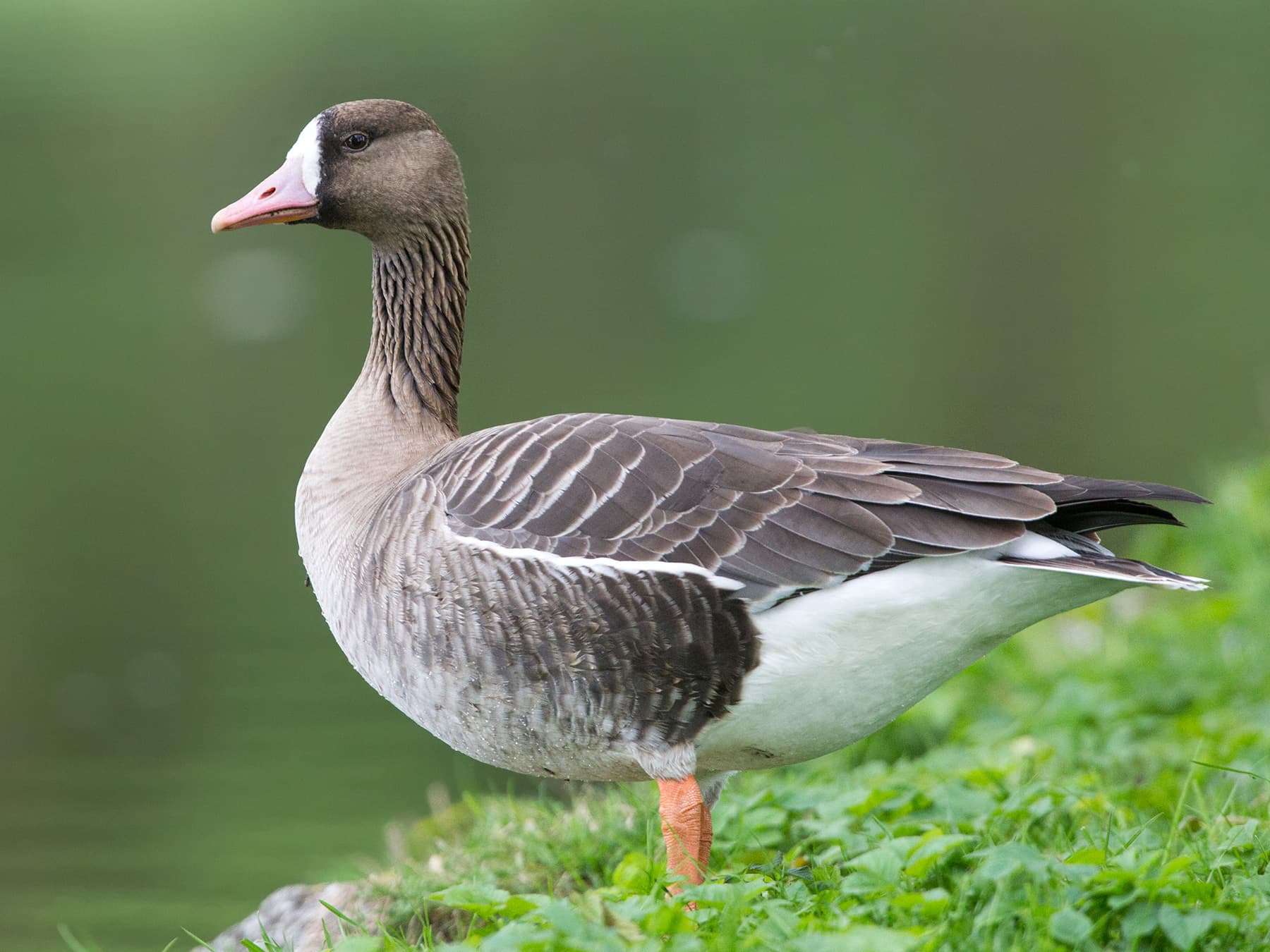
Greater White-fronted Goose
Anser albifronsLC
An uncommon winter visitor, with flocks favouring the North Kent Marshes and Romney Marsh. Kent is a key wintering area for the European race.
Nov–Mar
Spotted something?
Upload a photo to identify it
Identify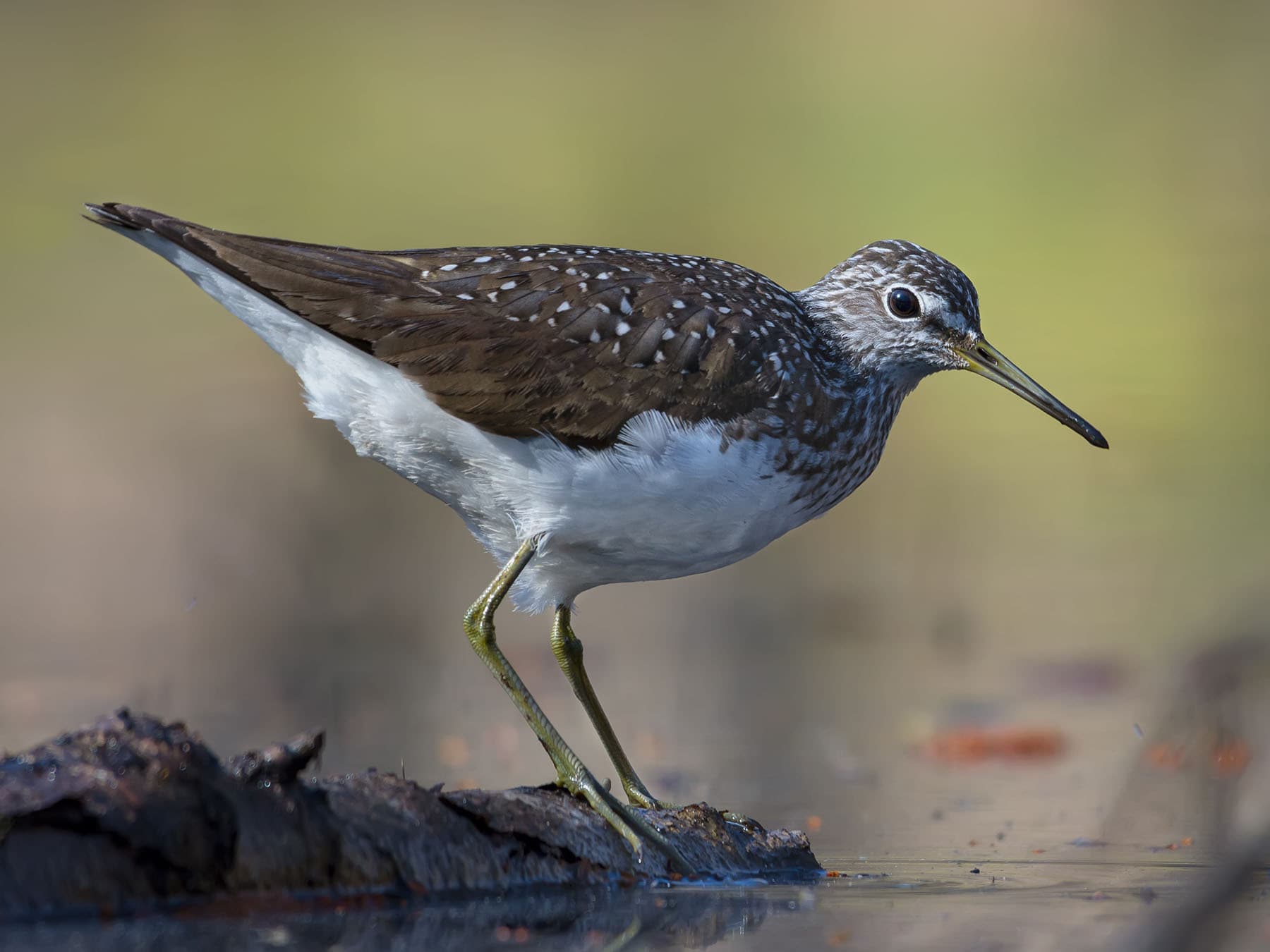
Green Sandpiper
Tringa ochropusLC
An uncommon but widespread resident of Kent's watercress beds, ditches and marshy pools. Often bobs conspicuously before flying off with a sharp call.
Jun–Apr
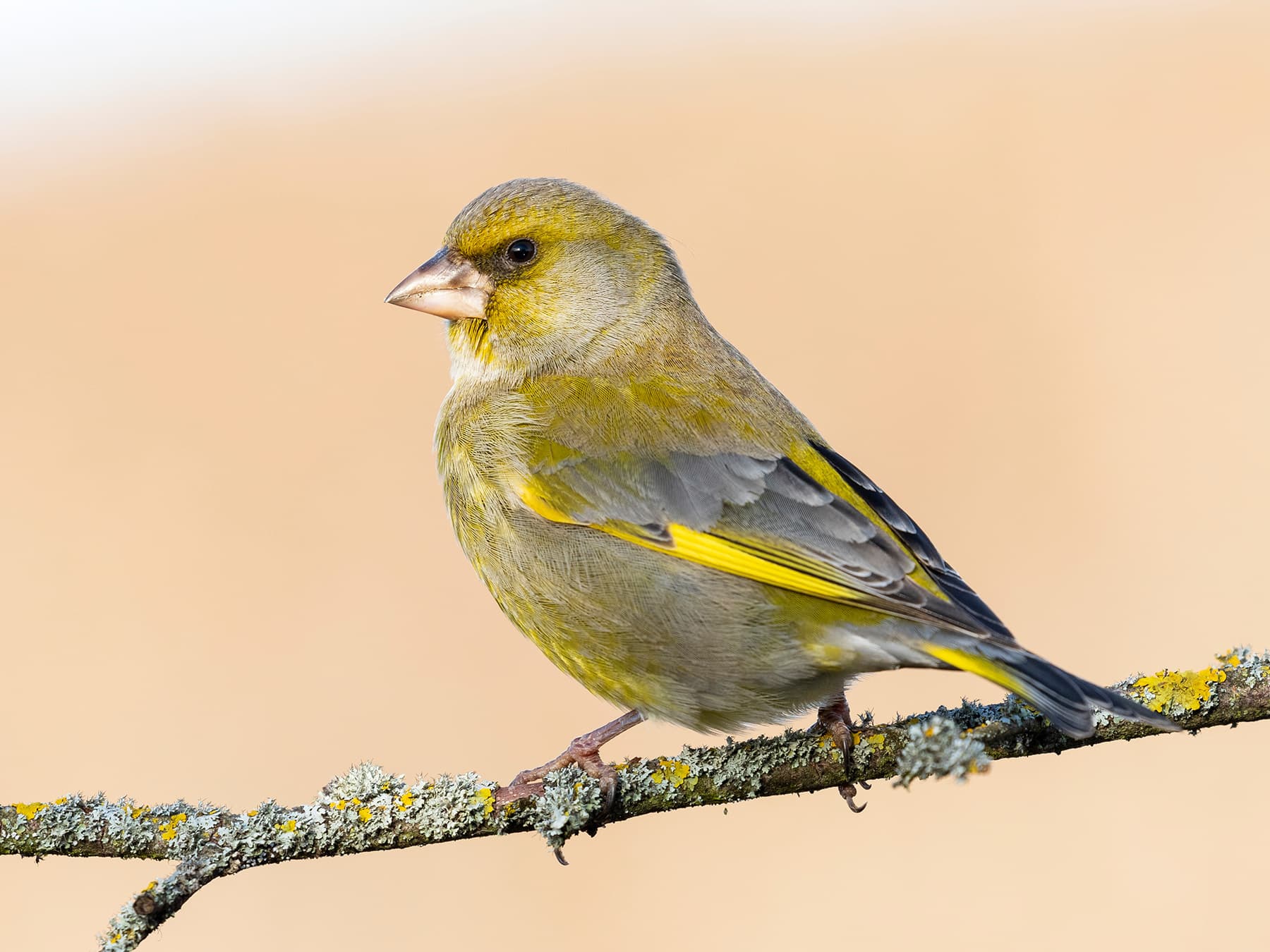
Greenfinch
Chloris chlorisLC
An uncommon resident found in gardens and farmland year-round. Numbers have declined significantly due to trichomonosis disease.
Year-round
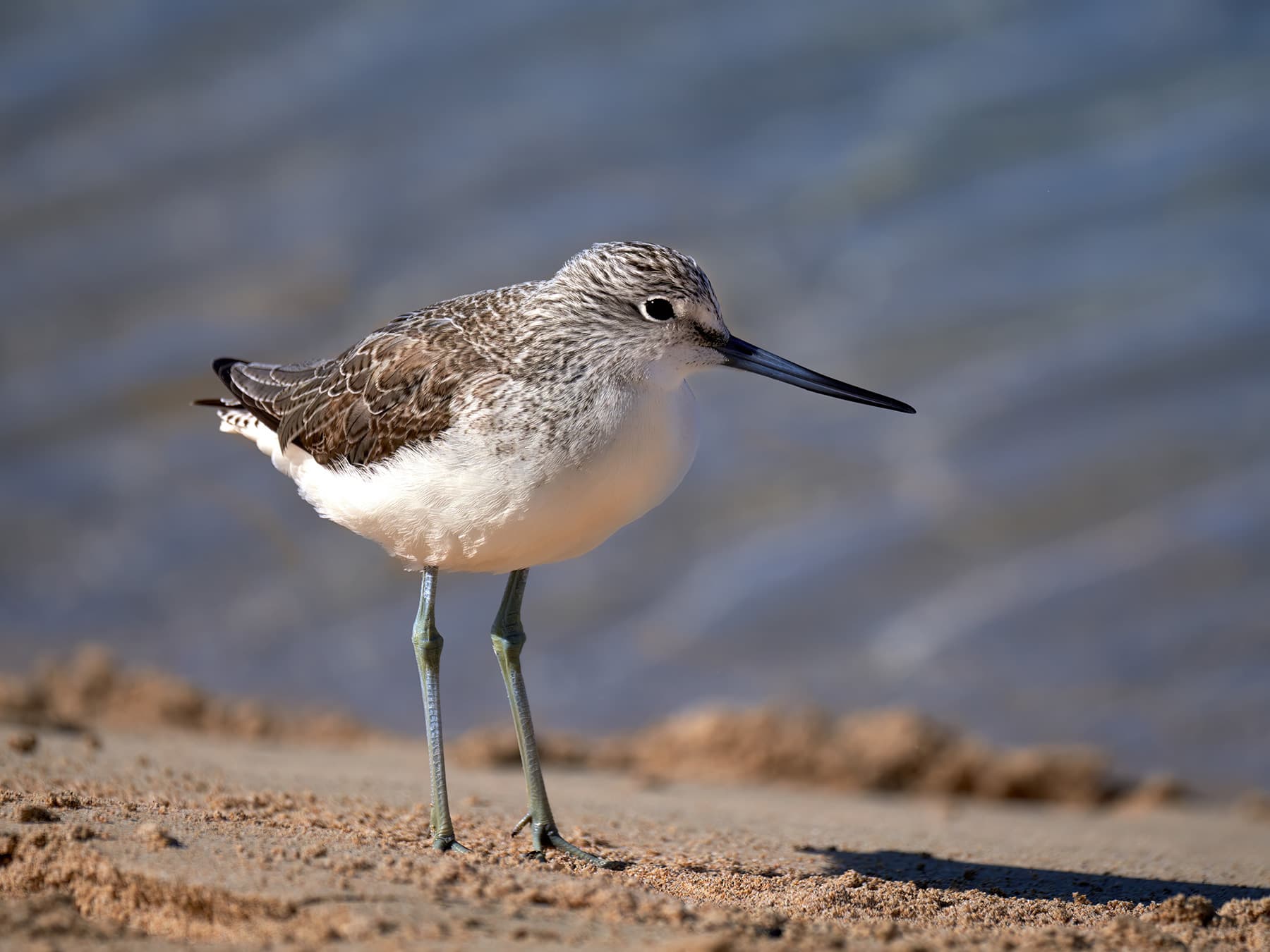
Greenshank
Tringa nebulariaLC
An uncommon but regular wader, found on estuarine mudflats and coastal pools throughout the year, with a distinctive ringing call.
Year-round
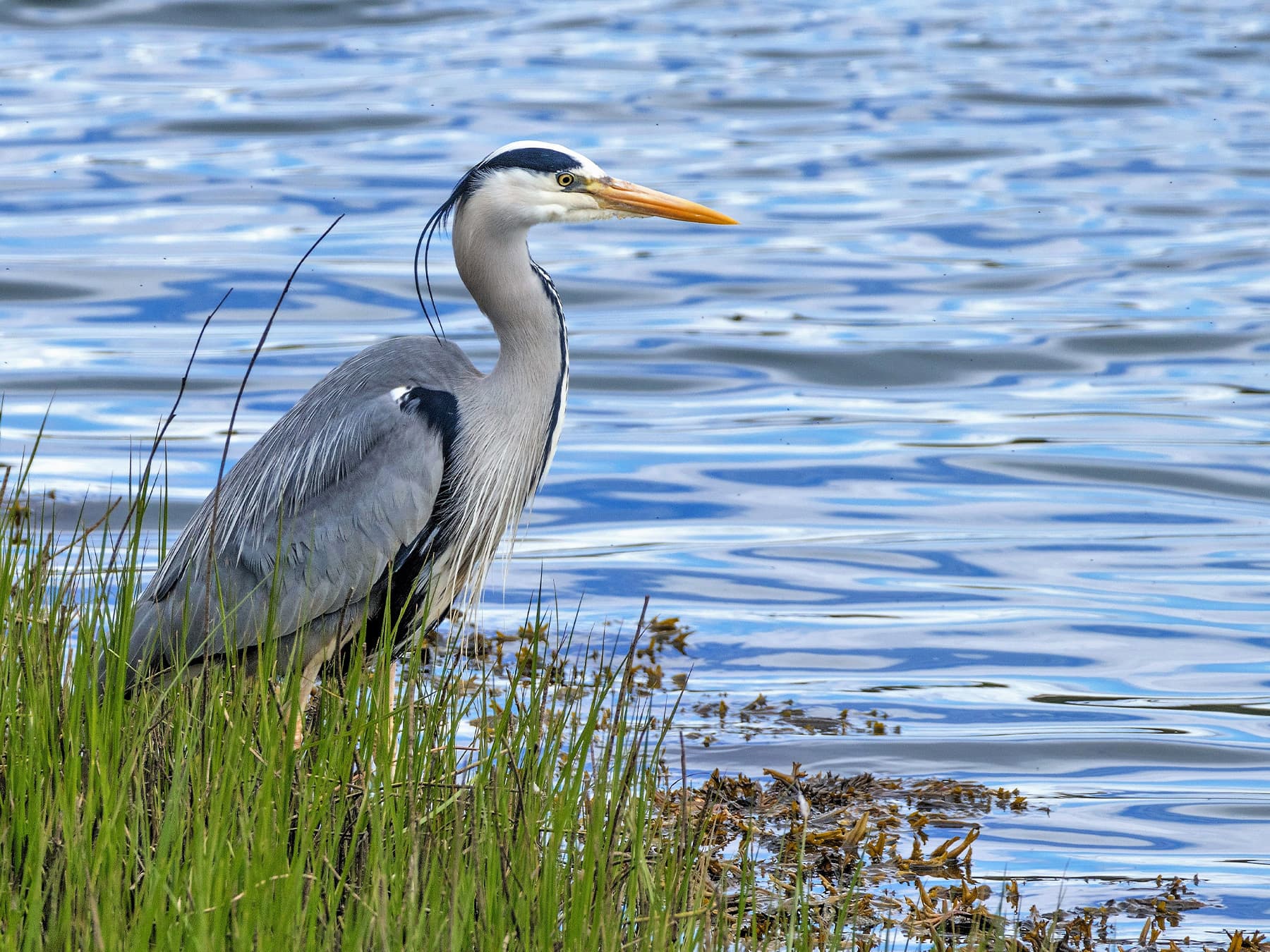
Grey Heron
Ardea cinereaLC
A common year-round resident, standing patiently at the water's edge on rivers, lakes and marshes. Heronries are well established across Kent.
Year-round
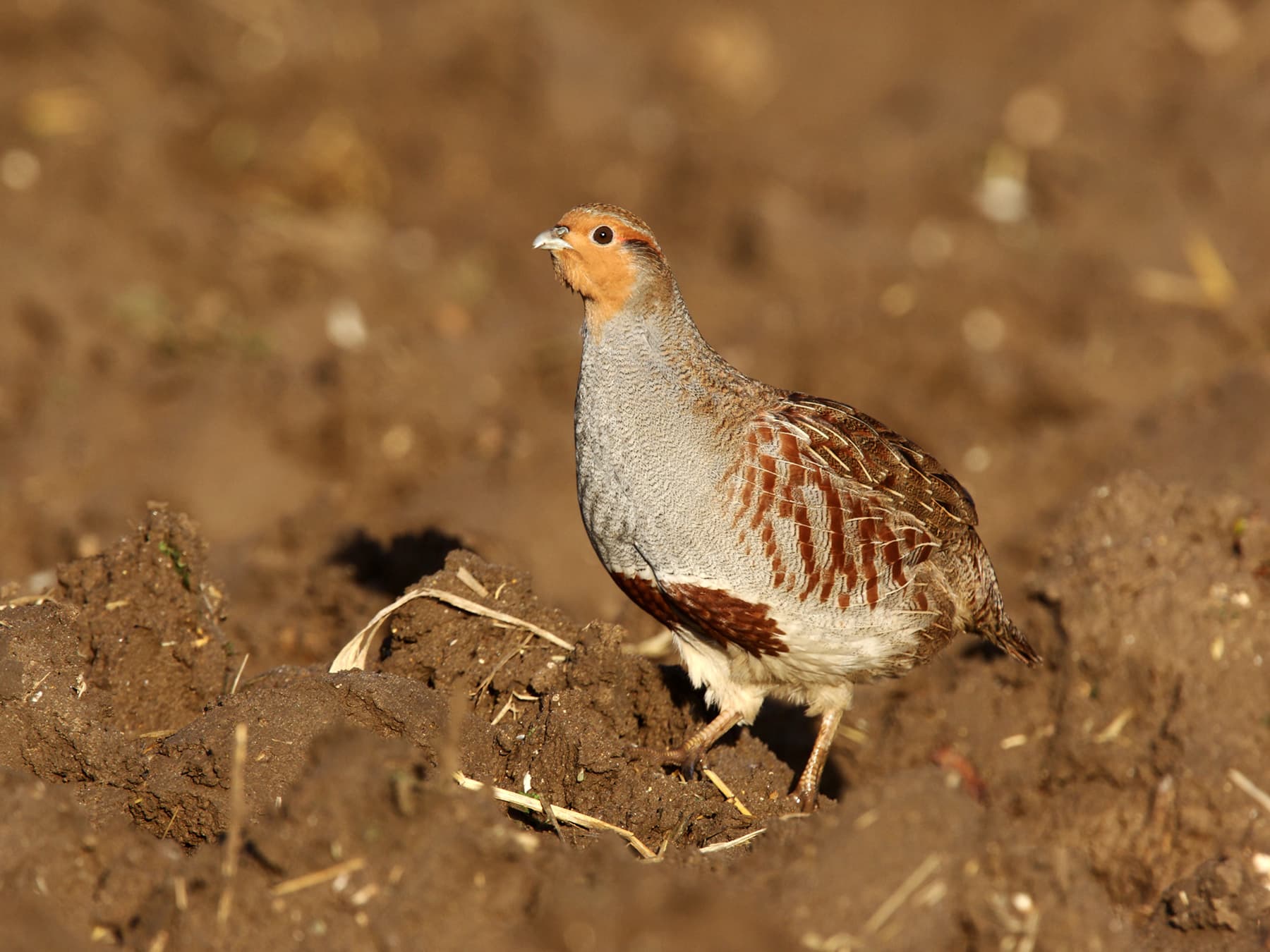
Grey Partridge
Perdix perdixLC
A rare and declining resident of Kent's arable farmland, favouring open fields with hedgerow margins. Numbers have fallen sharply across the county.
Year-round
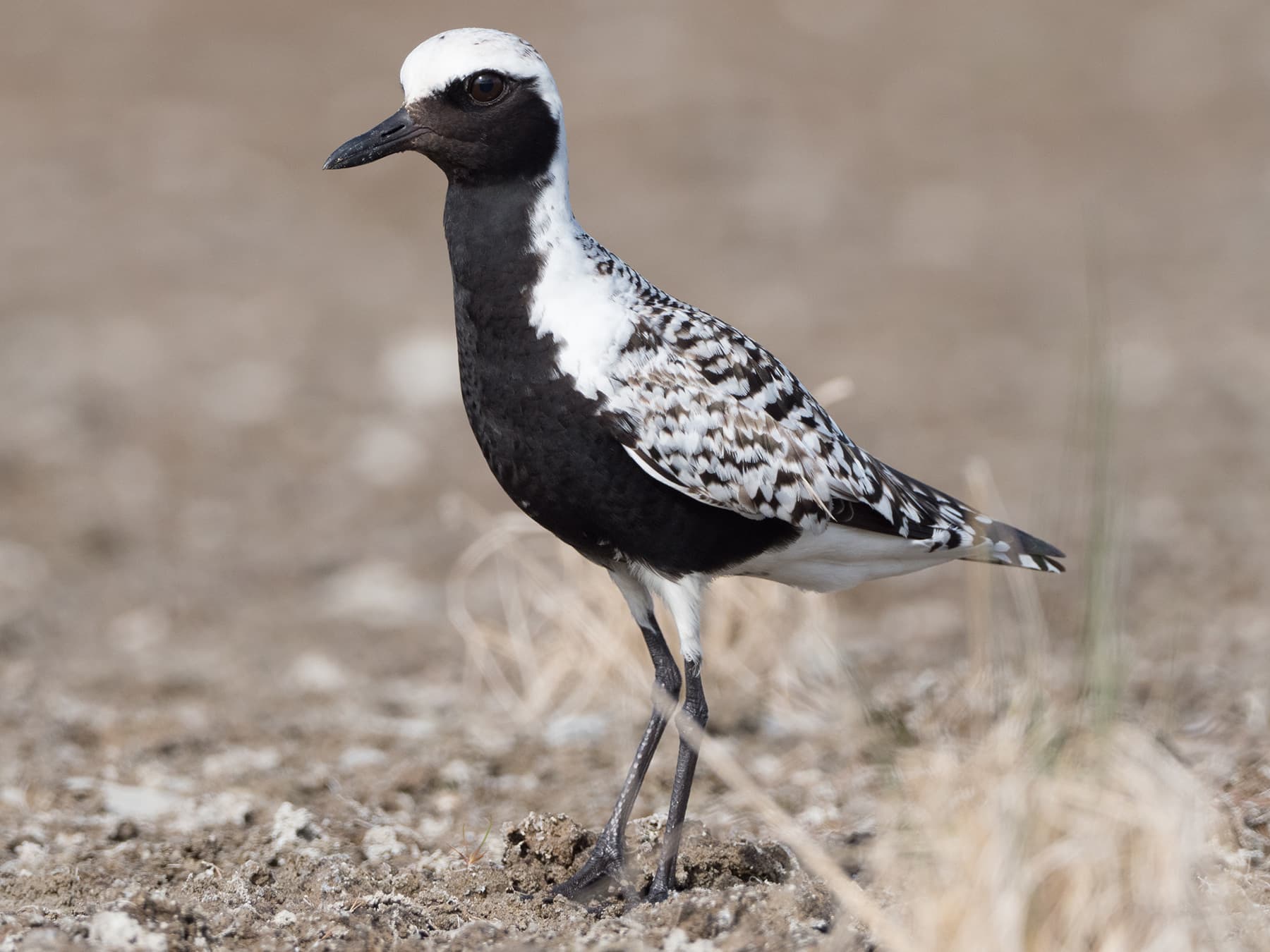
Grey Plover
Pluvialis squatarolaLC
Found year-round on Kent's estuarine mudflats, especially the Thames, Medway and Swale. Numbers peak in winter with Continental arrivals.
Year-round
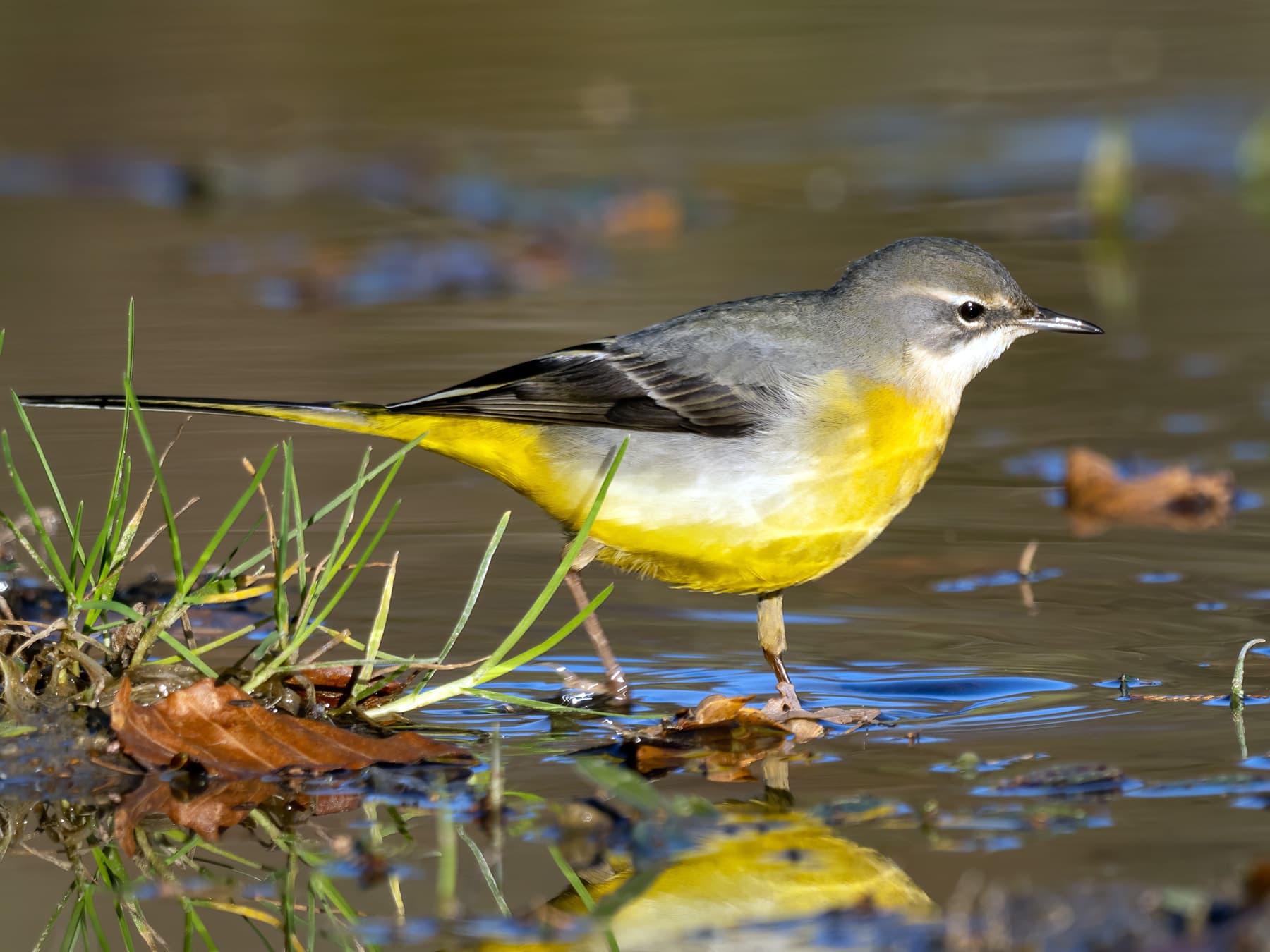
Grey Wagtail
Motacilla cinereaLC
An uncommon year-round resident along Kent's streams and rivers. Often seen bobbing its long tail on rocks near fast-flowing water.
Year-round
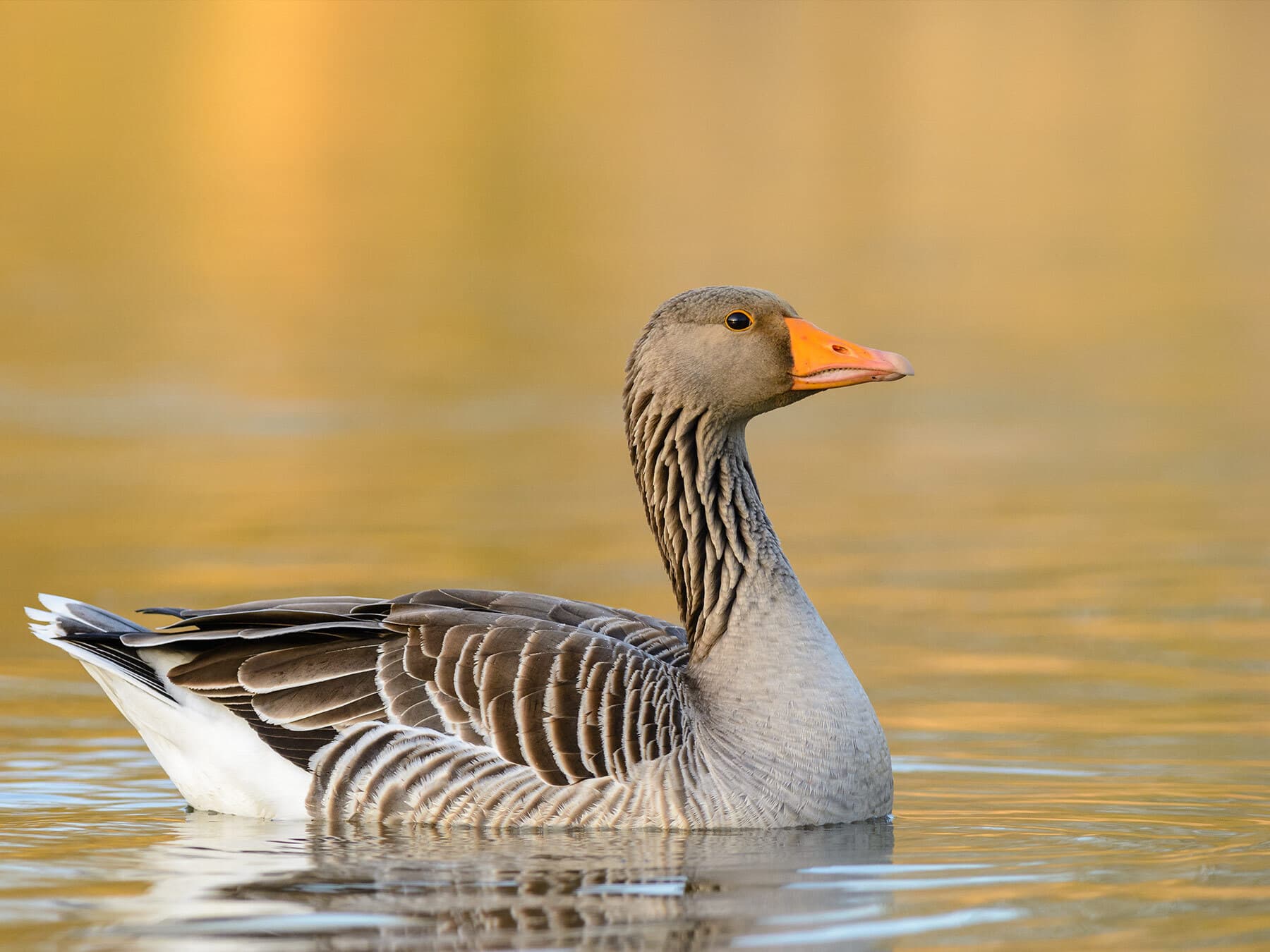
Greylag Goose
Anser anserLC
Common resident breeding on lakes, marshes, and gravel pits across Kent. Feral populations are well established, often mixing with Canada Geese.
Year-round
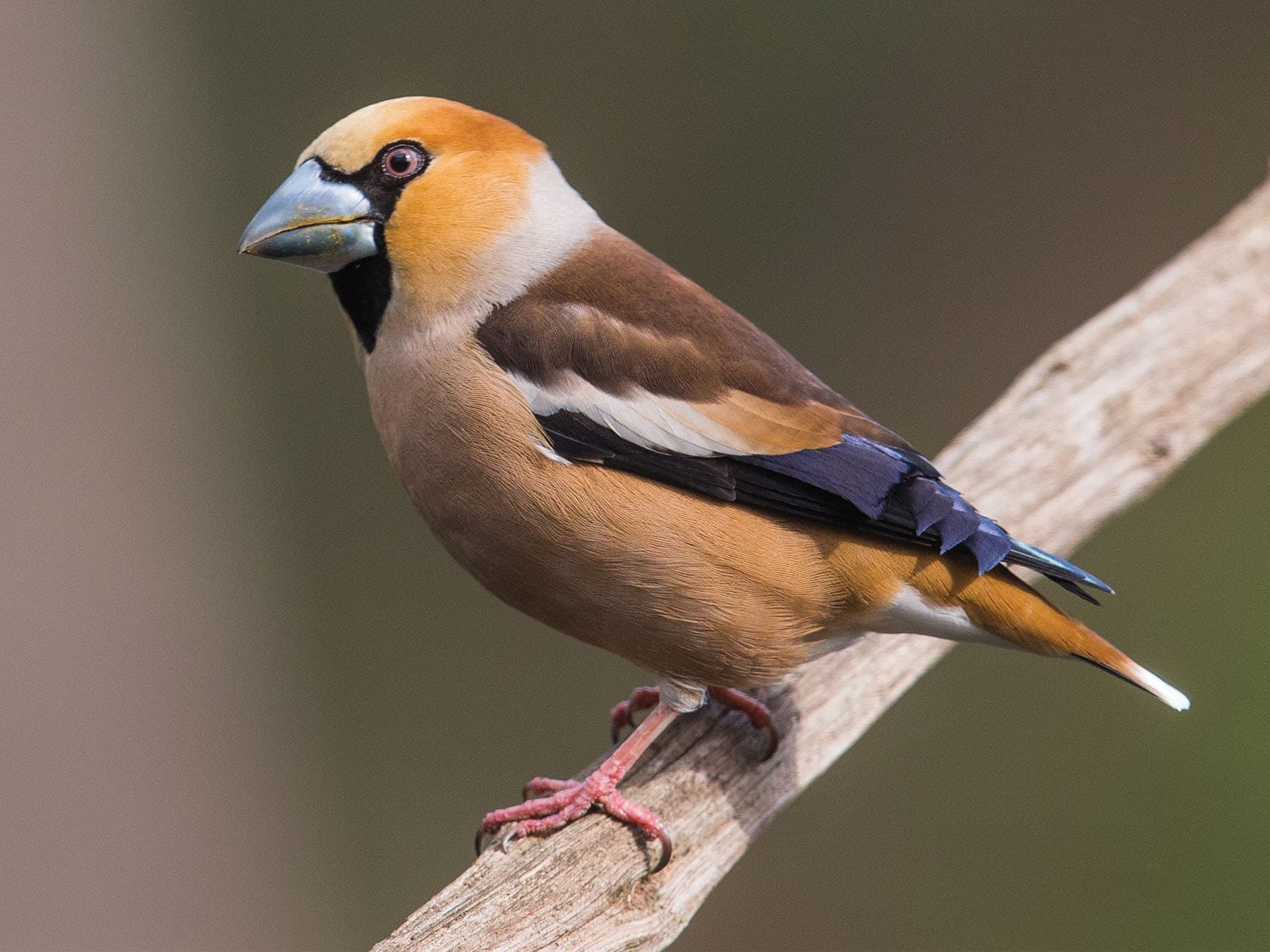
Hawfinch
Coccothraustes coccothraustesLC
A rare non-breeding visitor to Kent, occasionally seen in mature woodland from October to March. Continental irruptions can boost sightings some winters.
Oct–Mar
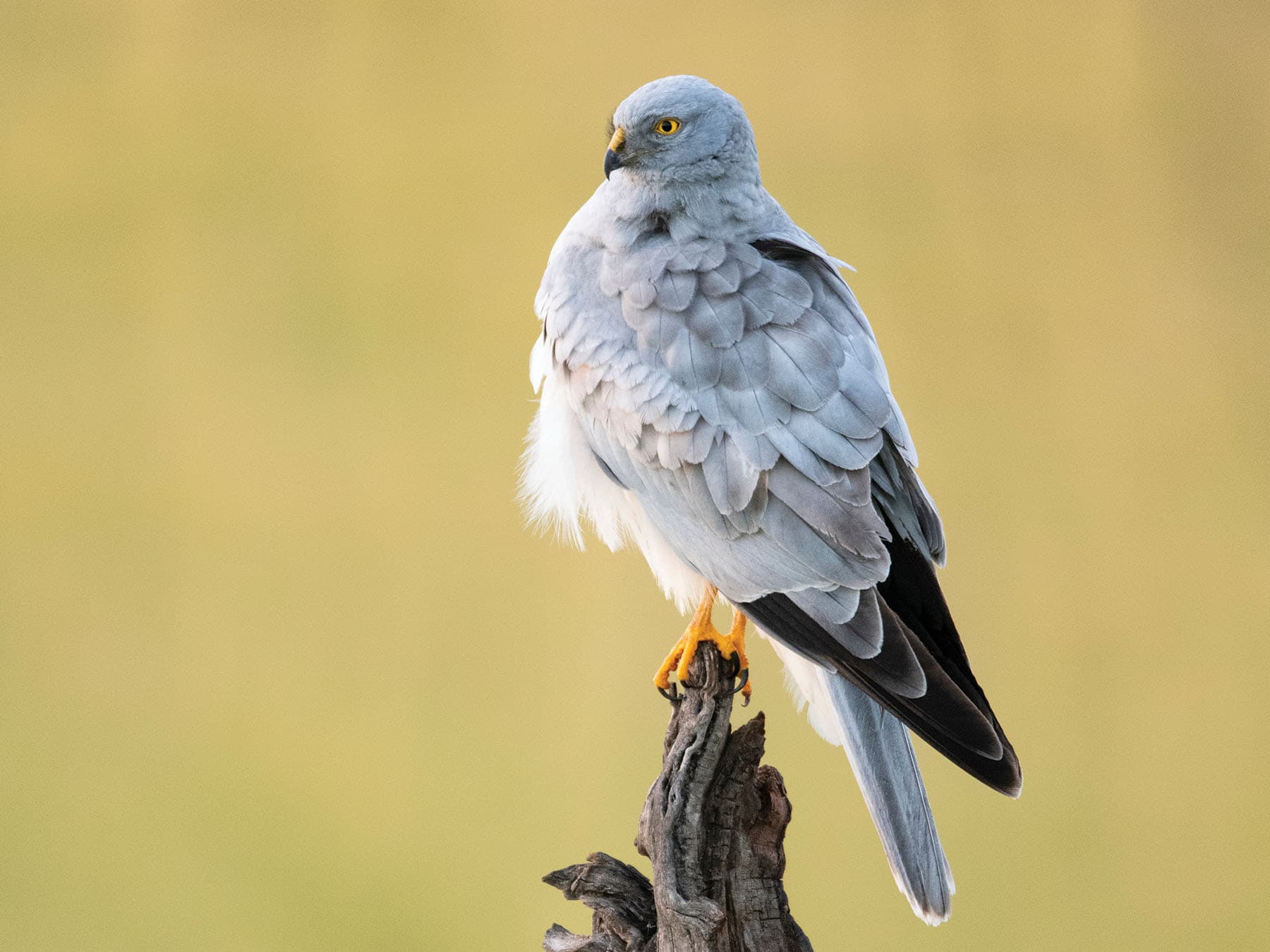
Hen Harrier
Circus cyaneusLC
An uncommon winter visitor, quartering low over marshes and farmland from October to April. The North Kent Marshes are a key wintering area.
Oct–Apr
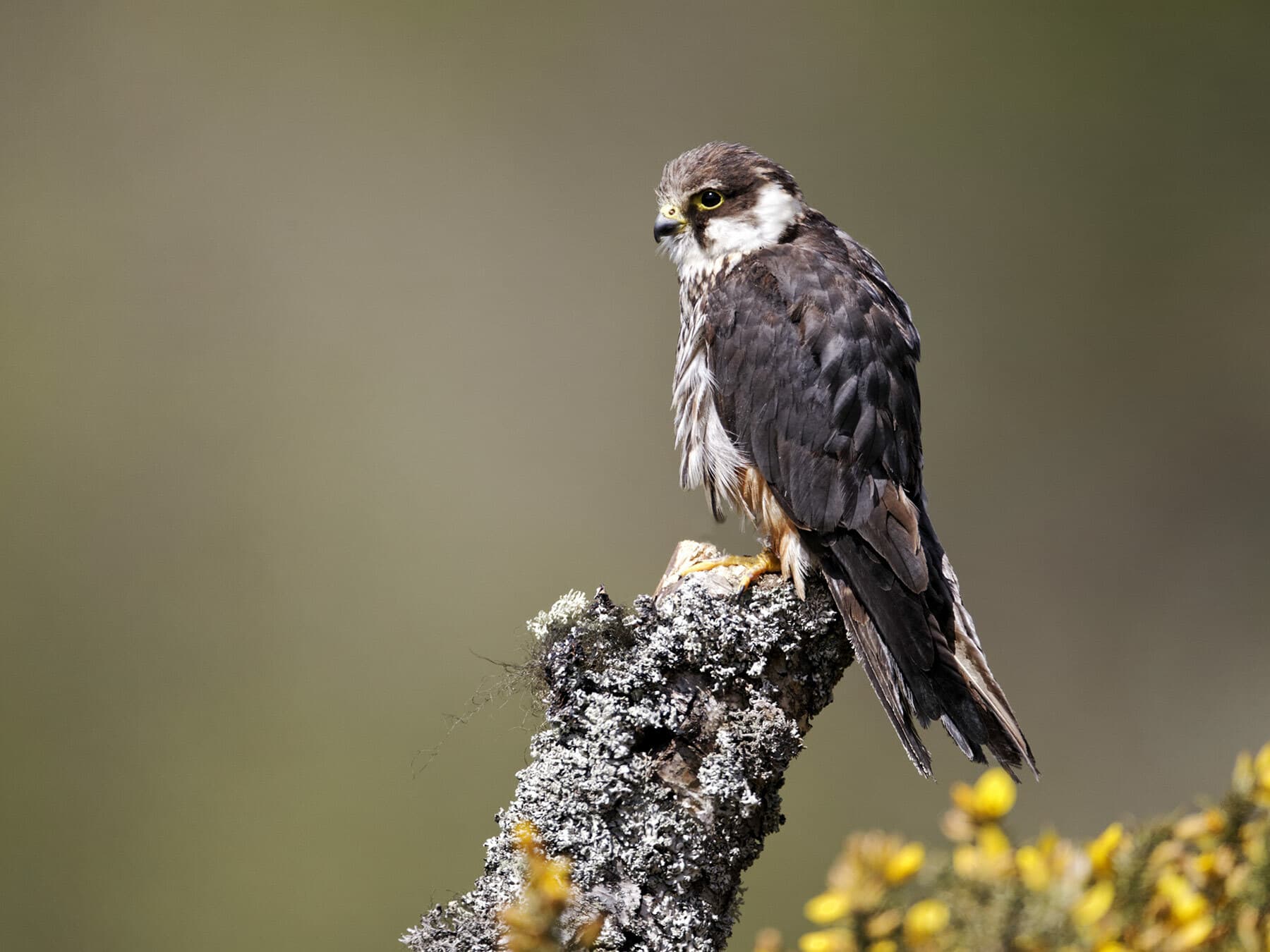
Hobby
Falco subbuteoLC
An elegant summer breeder arriving in April, hunting dragonflies and small birds over Kent's heathland, farmland and wetland margins.
Apr–Oct
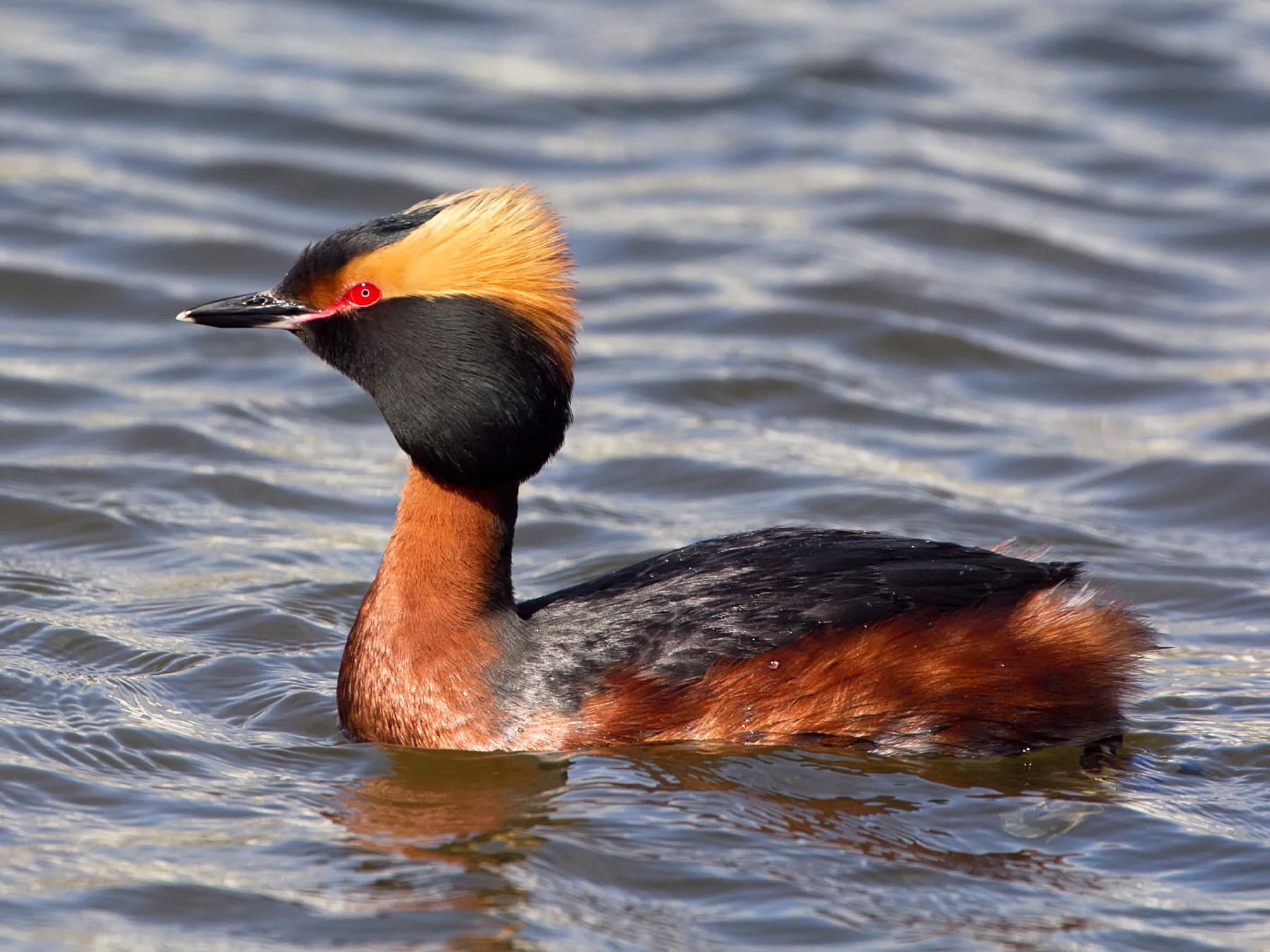
Horned Grebe
Podiceps auritusVU
A rare winter visitor to sheltered coastal waters and reservoirs, present from November to April.
Nov–Apr
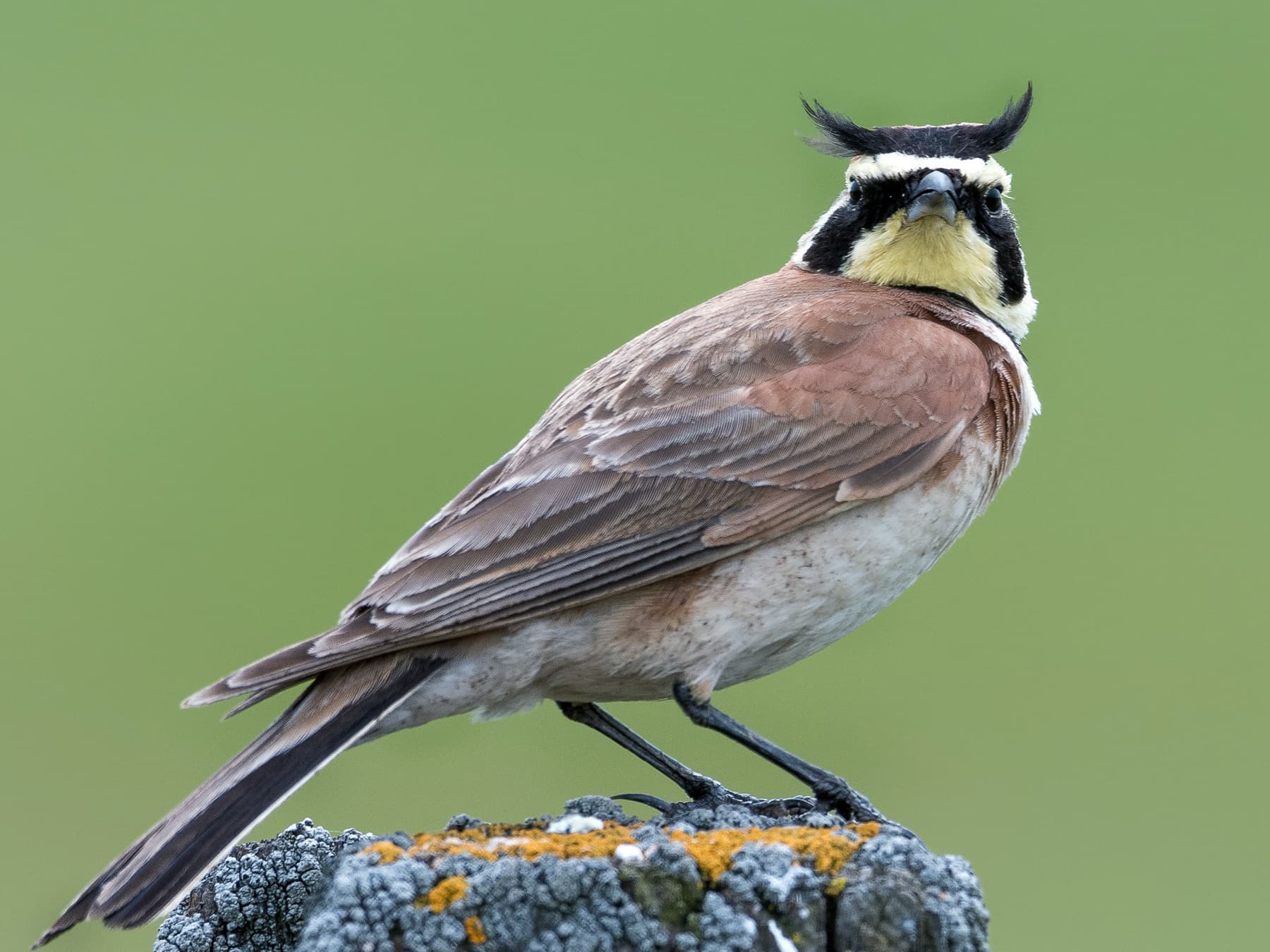
Horned Lark
Eremophila alpestrisLC
A rare passage visitor, occasionally recorded on Kent's shingle beaches and coastal fields during November movements.
Nov
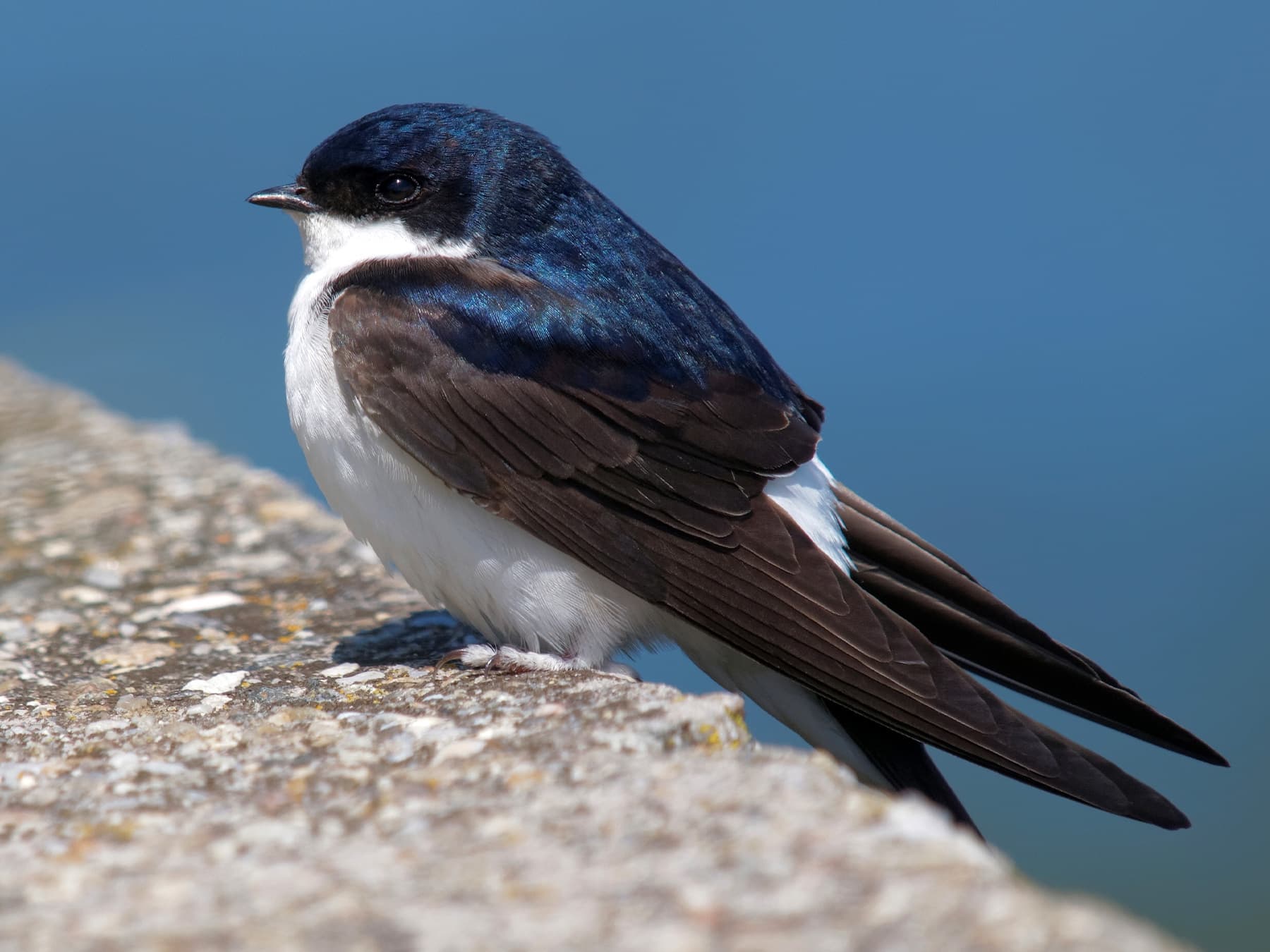
House Martin
Delichon urbicumLC
An uncommon breeding visitor nesting under the eaves of Kent's houses and buildings. Numbers have declined in recent decades, making it a conservation concern.
Apr–Nov
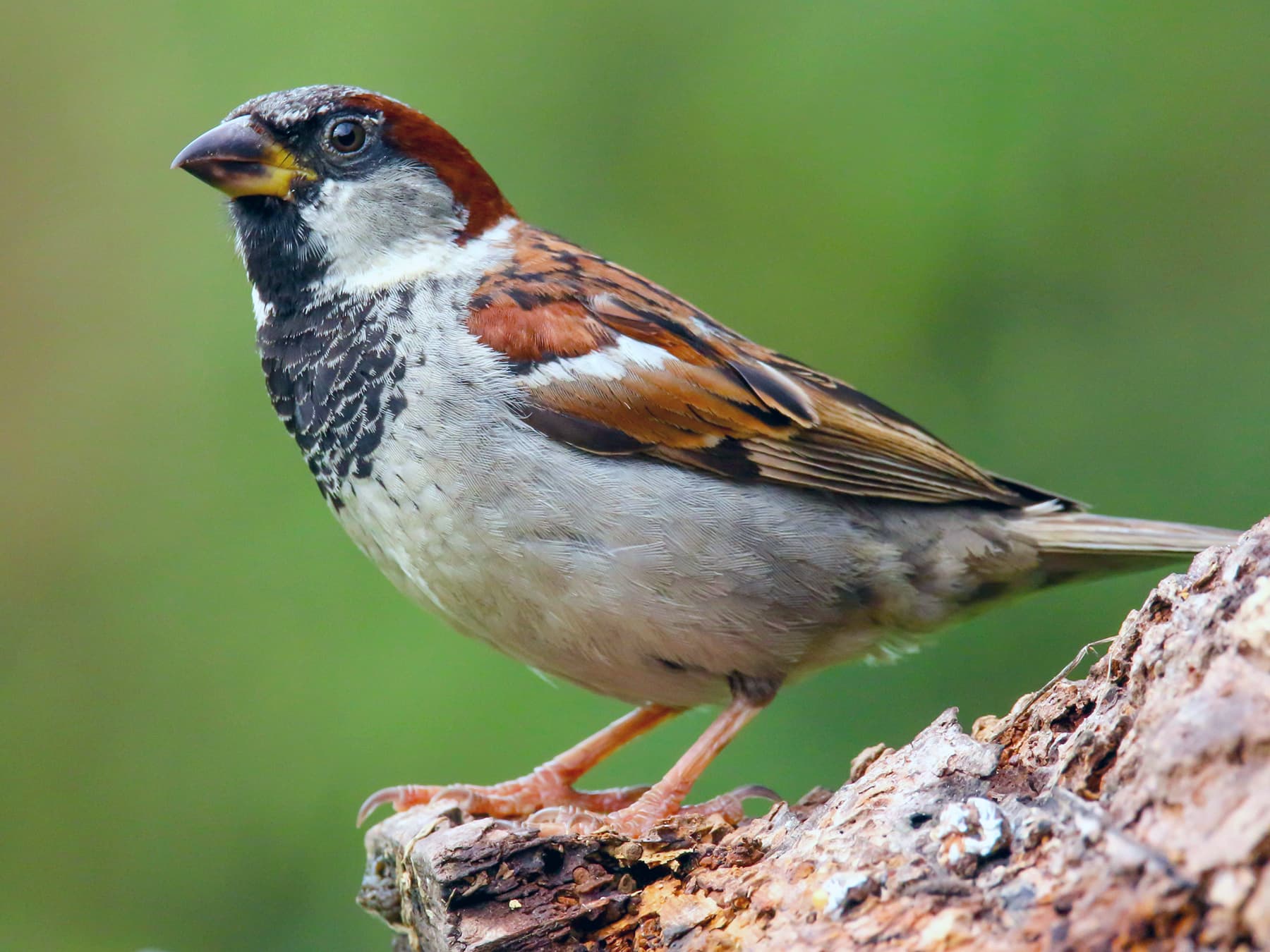
House Sparrow
Passer domesticusLC
A common year-round resident closely associated with human habitation across Kent's towns and villages. Numbers have declined nationally but remain steady locally.
Year-round