Birds in Kent
Explore 236 species found in this region.
Kent, known as the 'Garden of England', is home to an impressive 227 recorded bird species, reflecting the county's rich diversity of habitats from coastal marshes and estuarine mudflats to ancient woodlands and rolling farmland. The North Kent Marshes and the White Cliffs of Dover are among the most celebrated birding locations in southern England, attracting both resident and migratory species throughout the year. Notable species include the elegant Northern Lapwing on farmland, the striking Mandarin Duck along wooded waterways, and waders such as the Common Sandpiper along the county's extensive coastline.
Visiting in July? Look out for Arctic Tern and Black Tern arriving this month, and Black Swan and Eleonora's Falcon depart for the season.


Showing 70–92 of 236 species
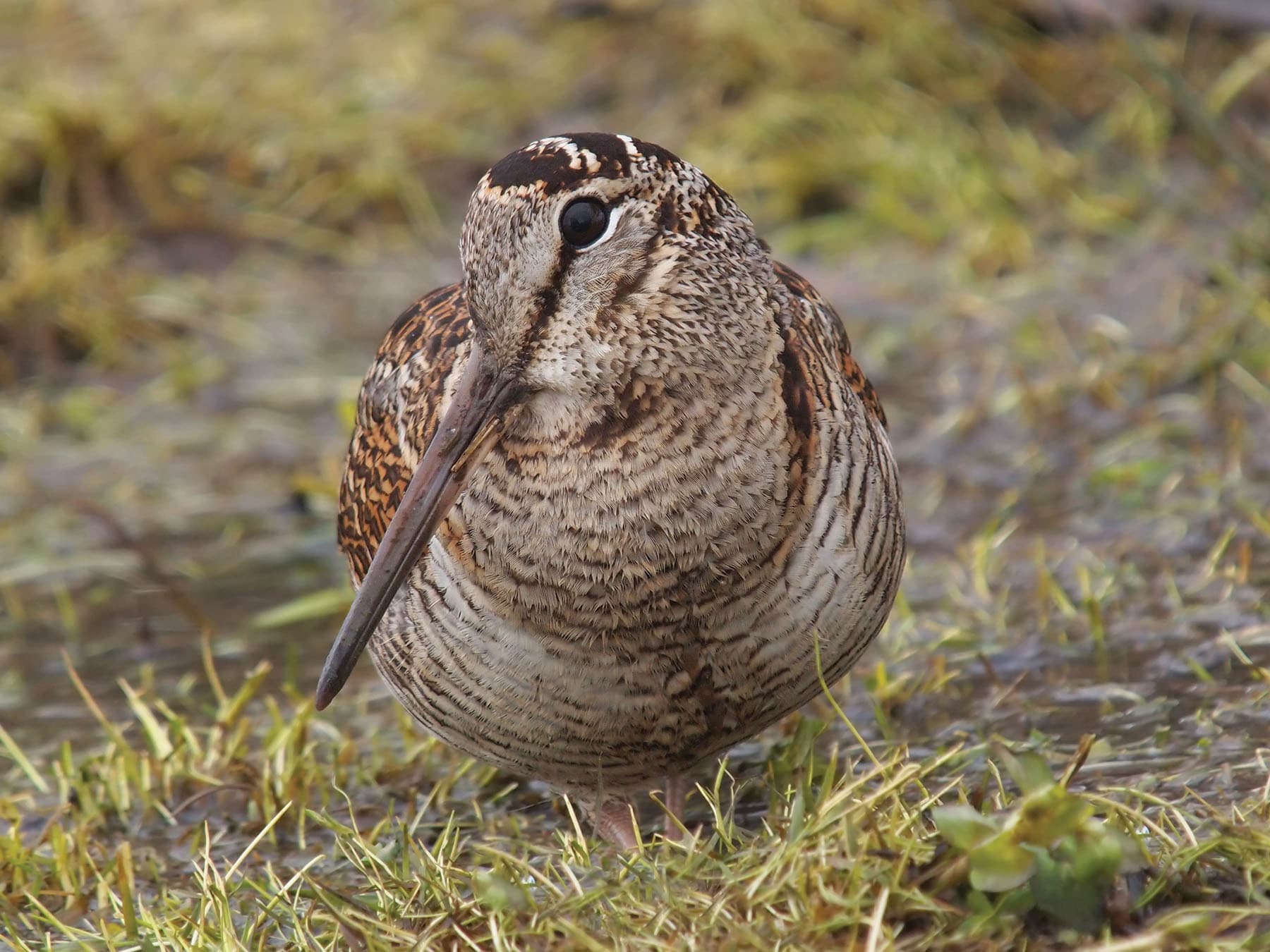
Eurasian Woodcock
Scolopax rusticolaLC
A rare winter visitor to Kent's woodlands and damp copses. Secretive and well-camouflaged, most often flushed at close range.
Nov–Mar
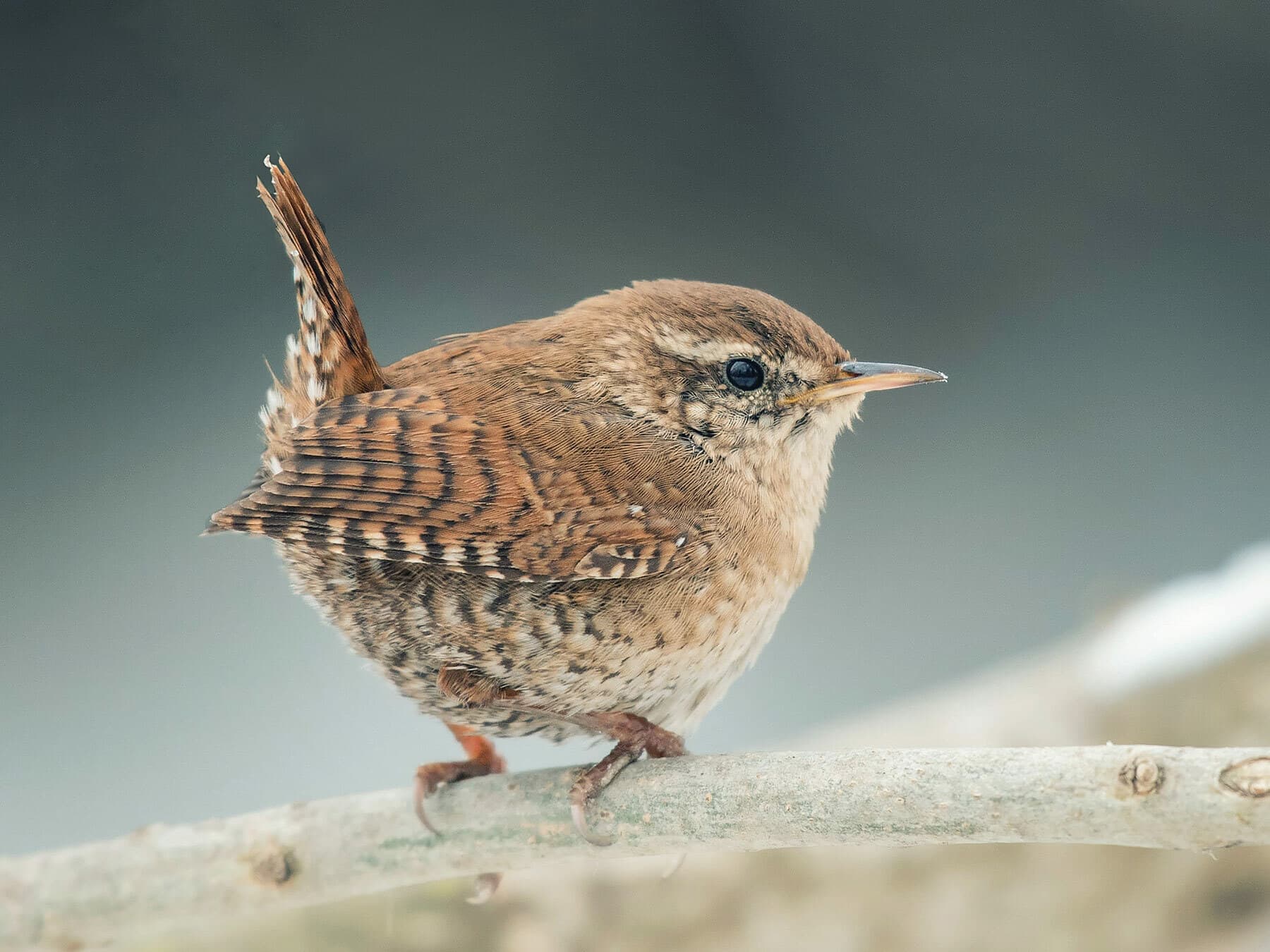
Eurasian Wren
Troglodytes troglodytesLC
One of Kent's most abundant residents, found in virtually every habitat with low cover. Its remarkably powerful song belies its tiny size.
Year-round
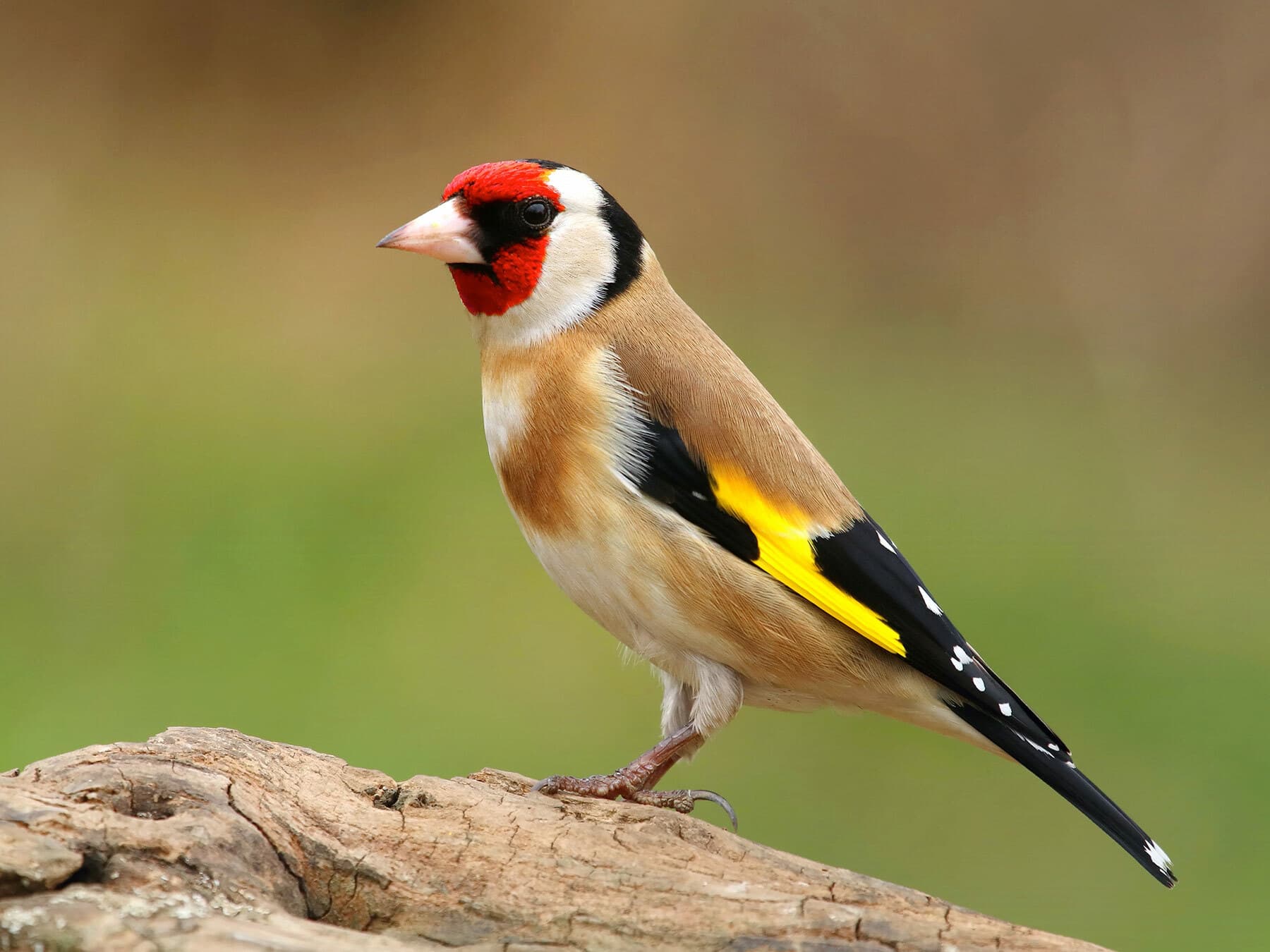
European Goldfinch
Carduelis carduelisLC
A colourful year-round resident, commonly seen in gardens, orchards and weedy fields across Kent, often in lively flocks.
Year-round
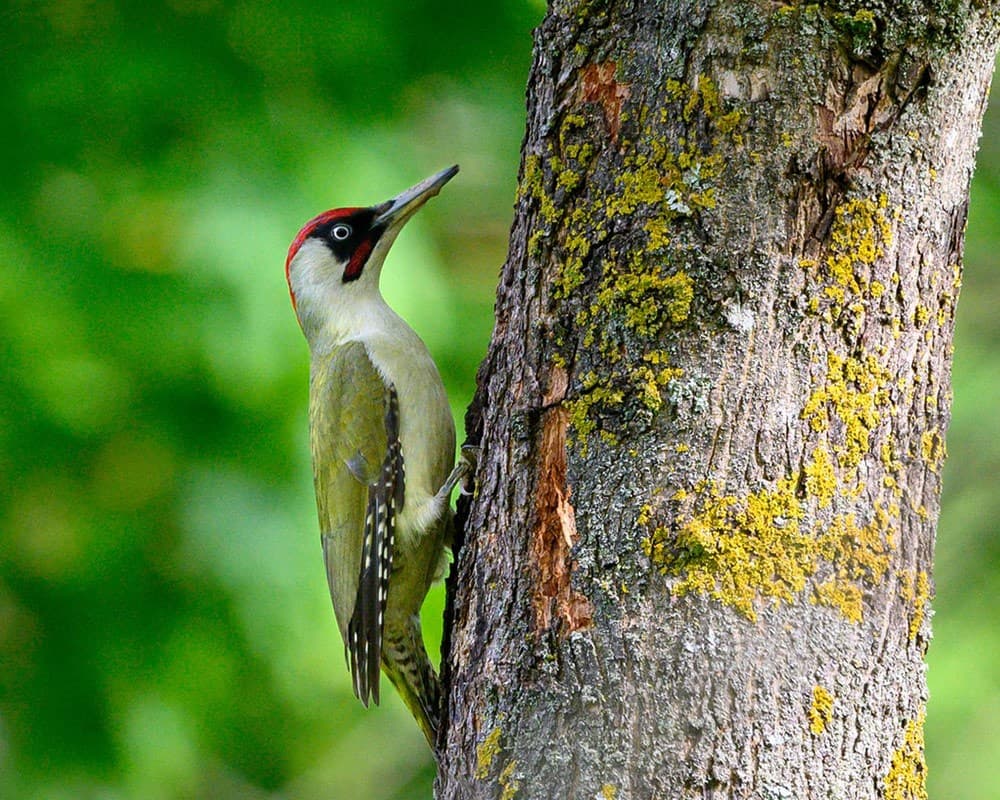
European Green Woodpecker
Picus viridisLC
A common resident of parkland, orchards and woodland edges, its loud laughing call is a familiar sound across the Kent countryside.
Year-round
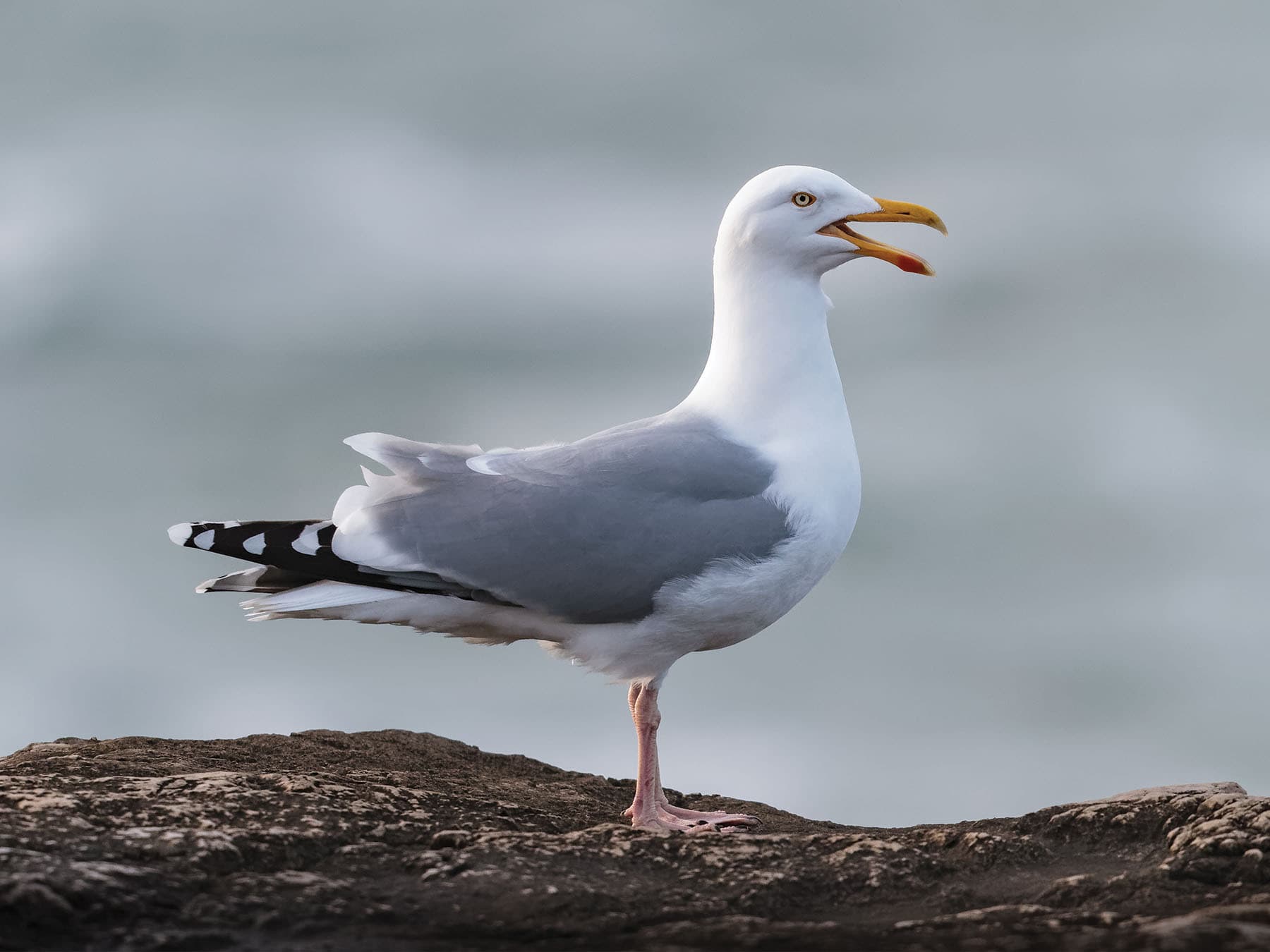
European Herring Gull
Larus argentatusLC
A common and familiar gull found year-round along the coast, in towns, and at landfill sites across Kent.
Year-round
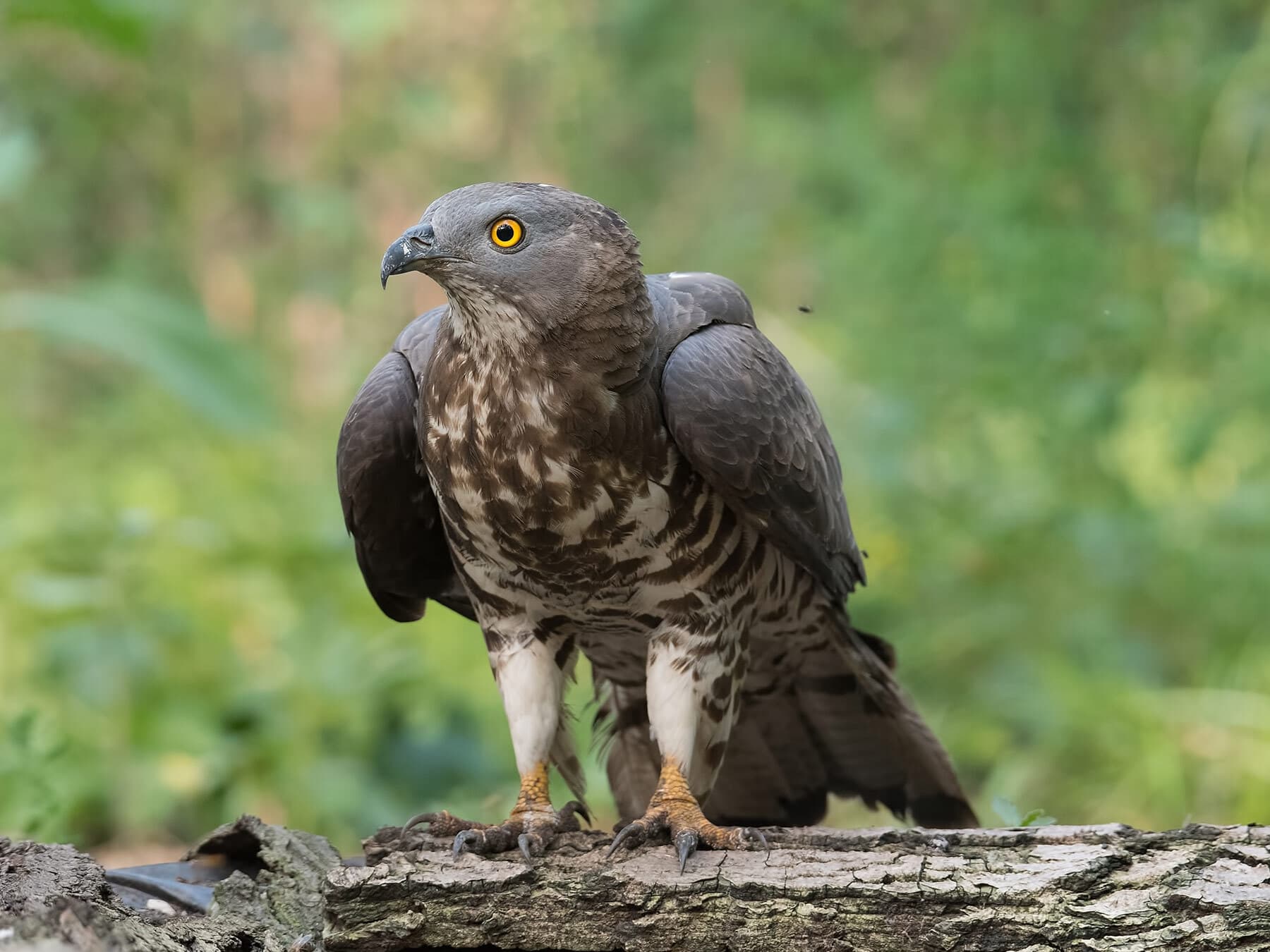
European Honey-buzzard
Pernis apivorusLC
A rare summer passage migrant through Kent from June to August. Favours wooded areas and is most often seen soaring over the North Downs.
Jun–Aug
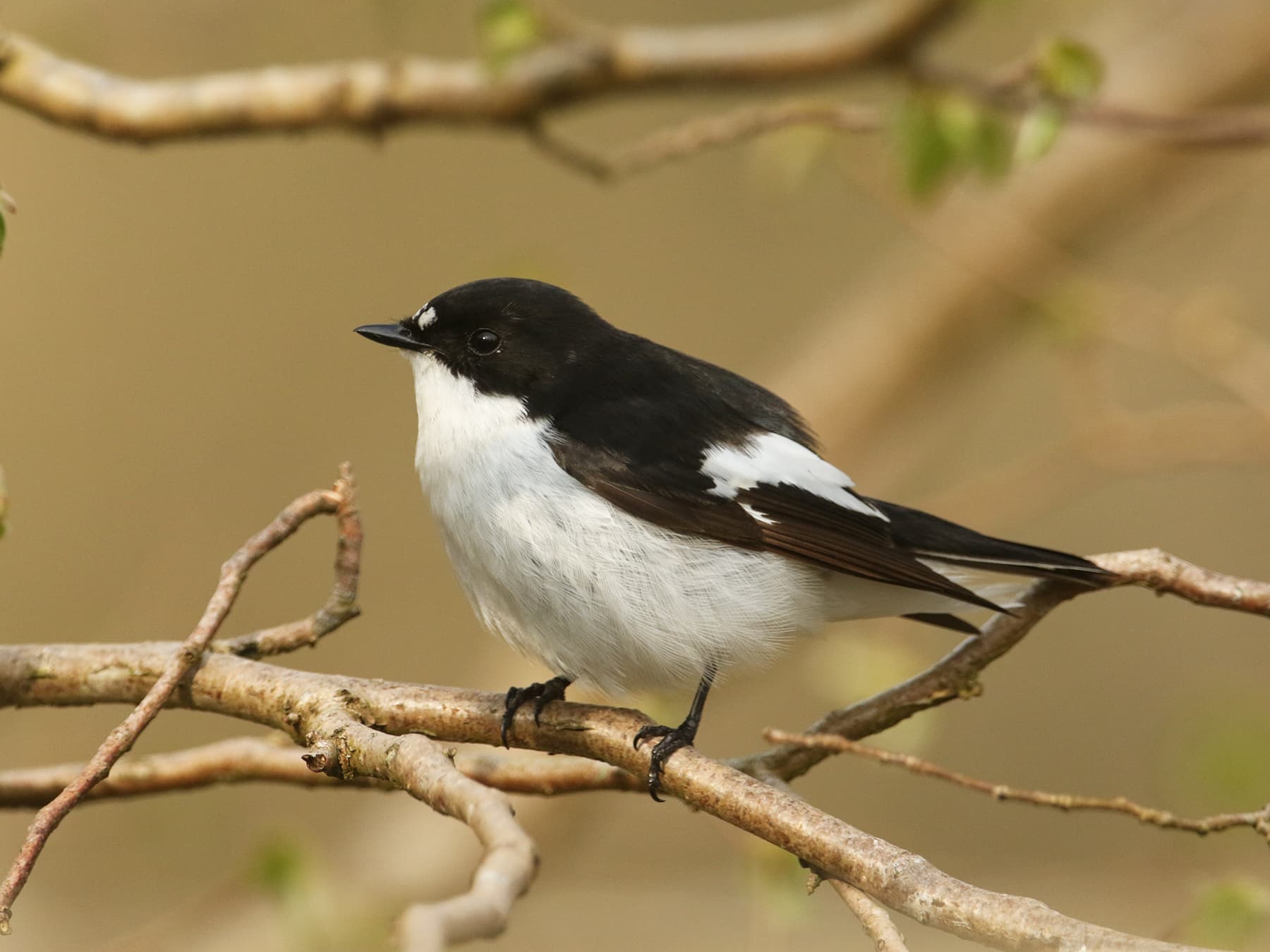
European Pied Flycatcher
Ficedula hypoleucaLC
A rare autumn passage migrant through Kent, mainly seen at coastal sites in August and September. Often found in sheltered scrub and gardens.
Aug–Sep
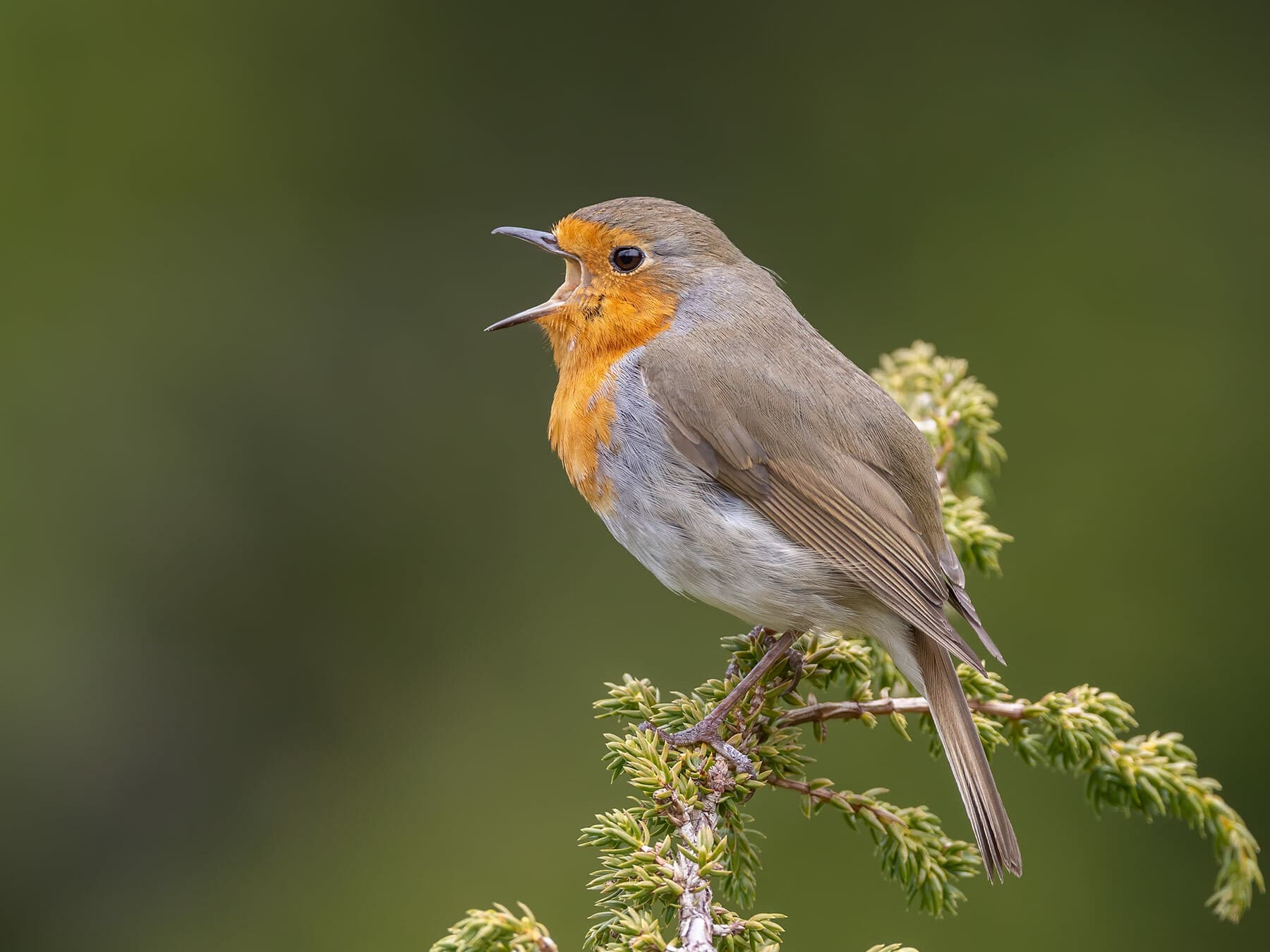
European Robin
Erithacus rubeculaLC
An abundant year-round resident of Kent's gardens, woodlands, and hedgerows. One of the most familiar and confiding birds in the county.
Year-round
Spotted something?
Upload a photo to identify it
Identify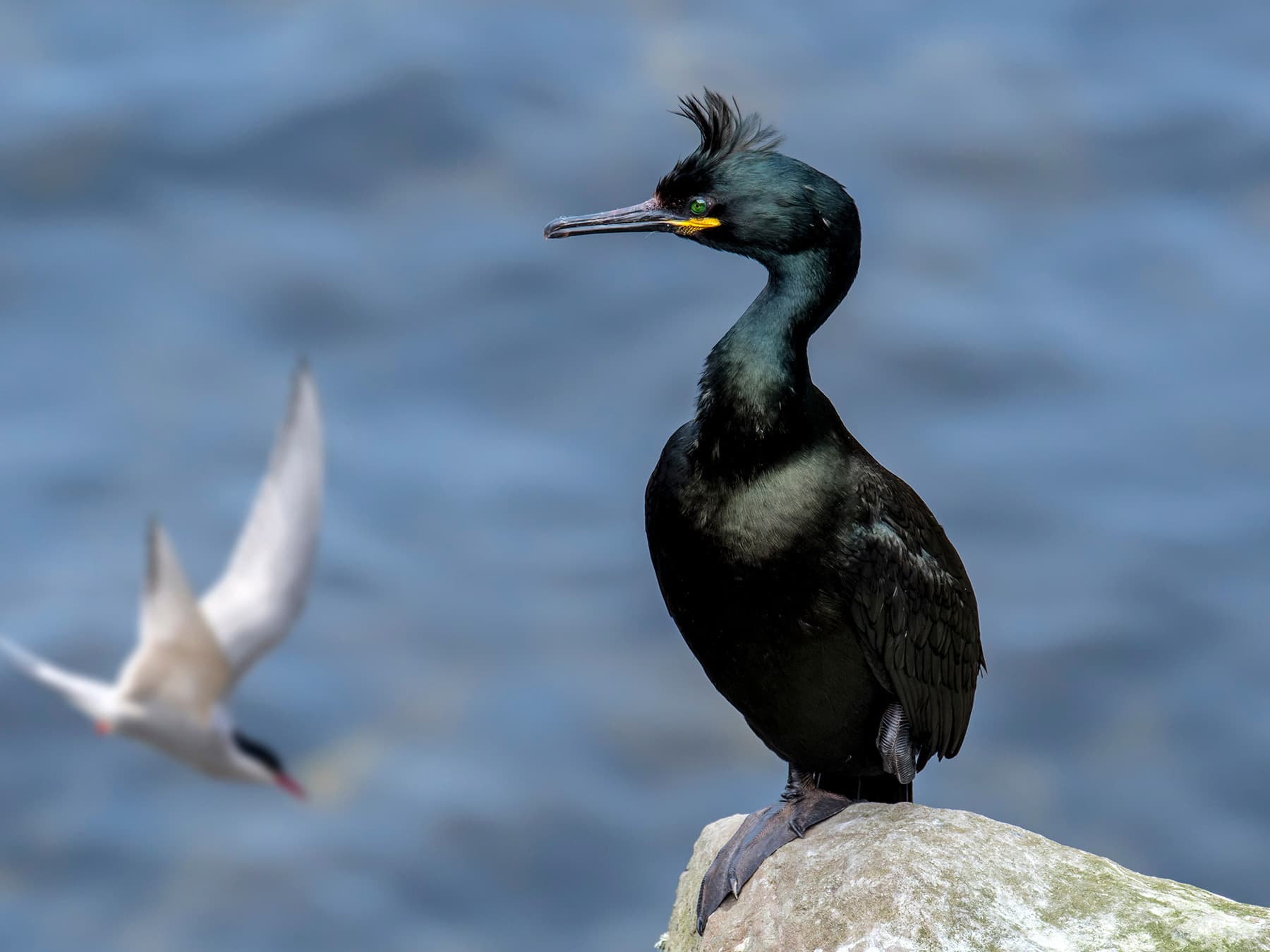
European Shag
Phalacrocorax aristotelisLC
A rare coastal visitor, occasionally seen on rocky structures and harbour walls, more typical of western and northern UK coasts.
Jul–Apr
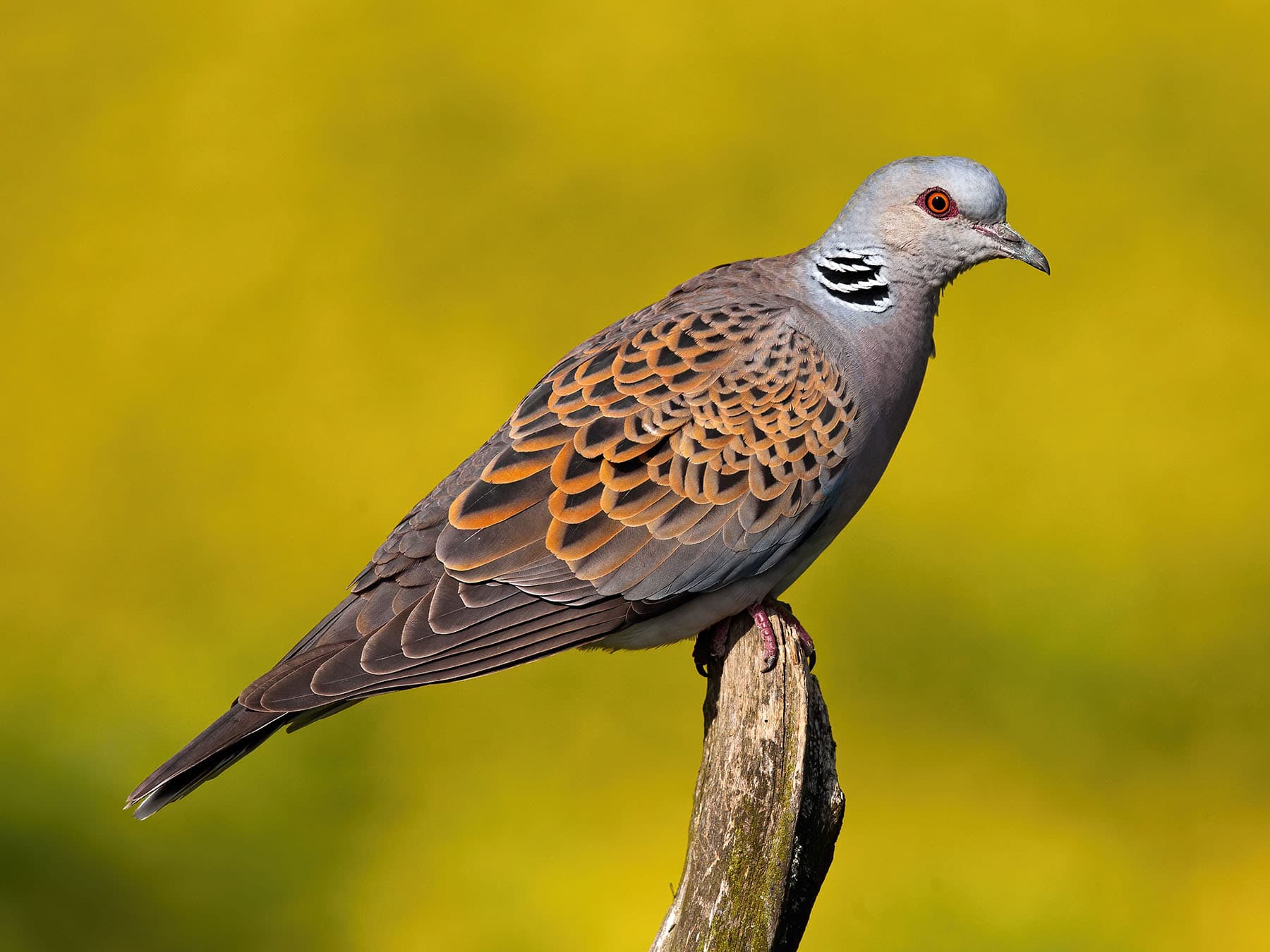
European Turtle-dove
Streptopelia turturVU
A declining summer breeder in Kent's farmland and hedgerows from April to September. One of the UK's fastest-declining birds.
Apr–Sep
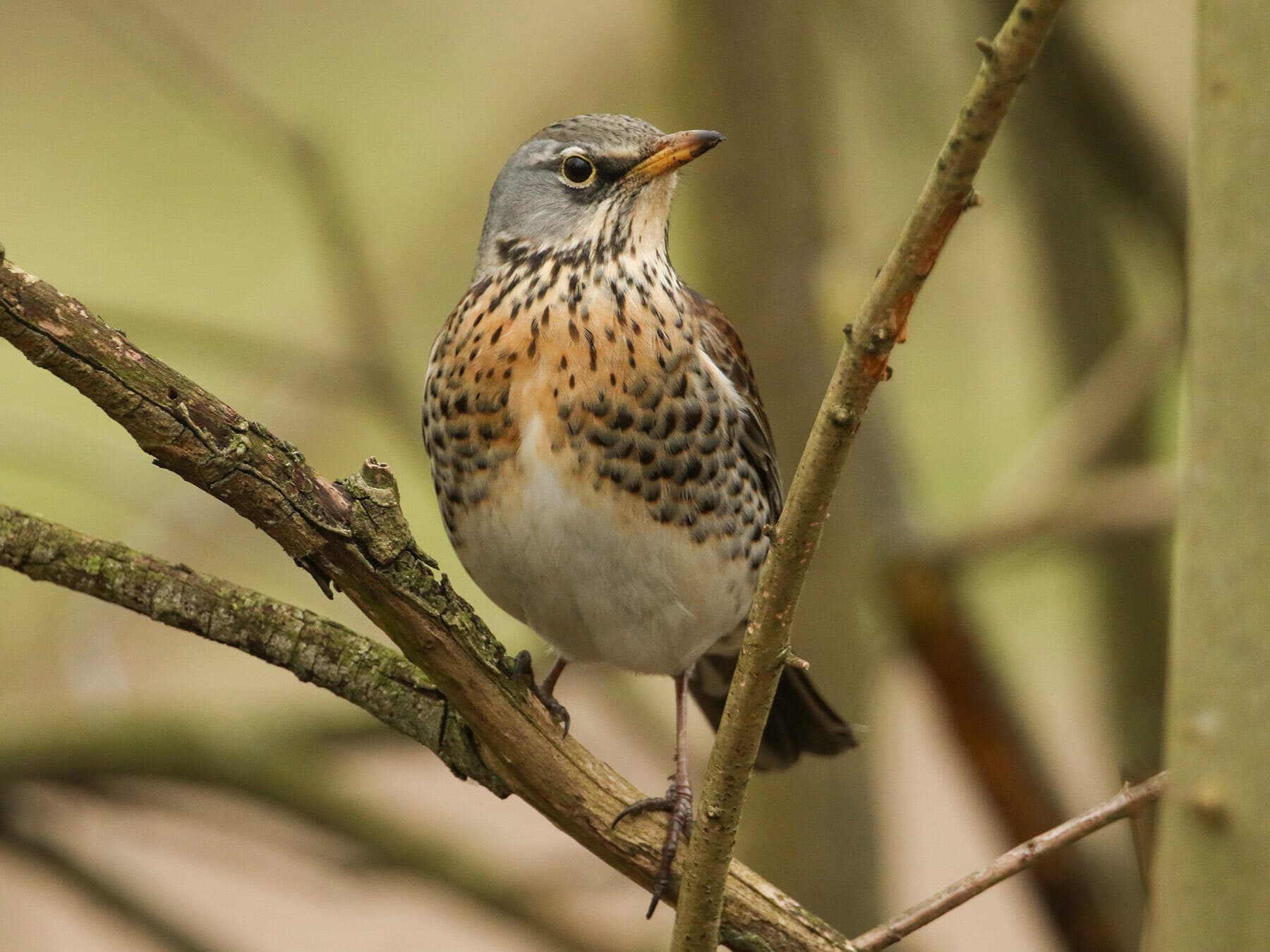
Fieldfare
Turdus pilarisLC
An uncommon winter visitor from Scandinavia, arriving from October. Roaming flocks feed on berries in hedgerows and open farmland.
Oct–Apr
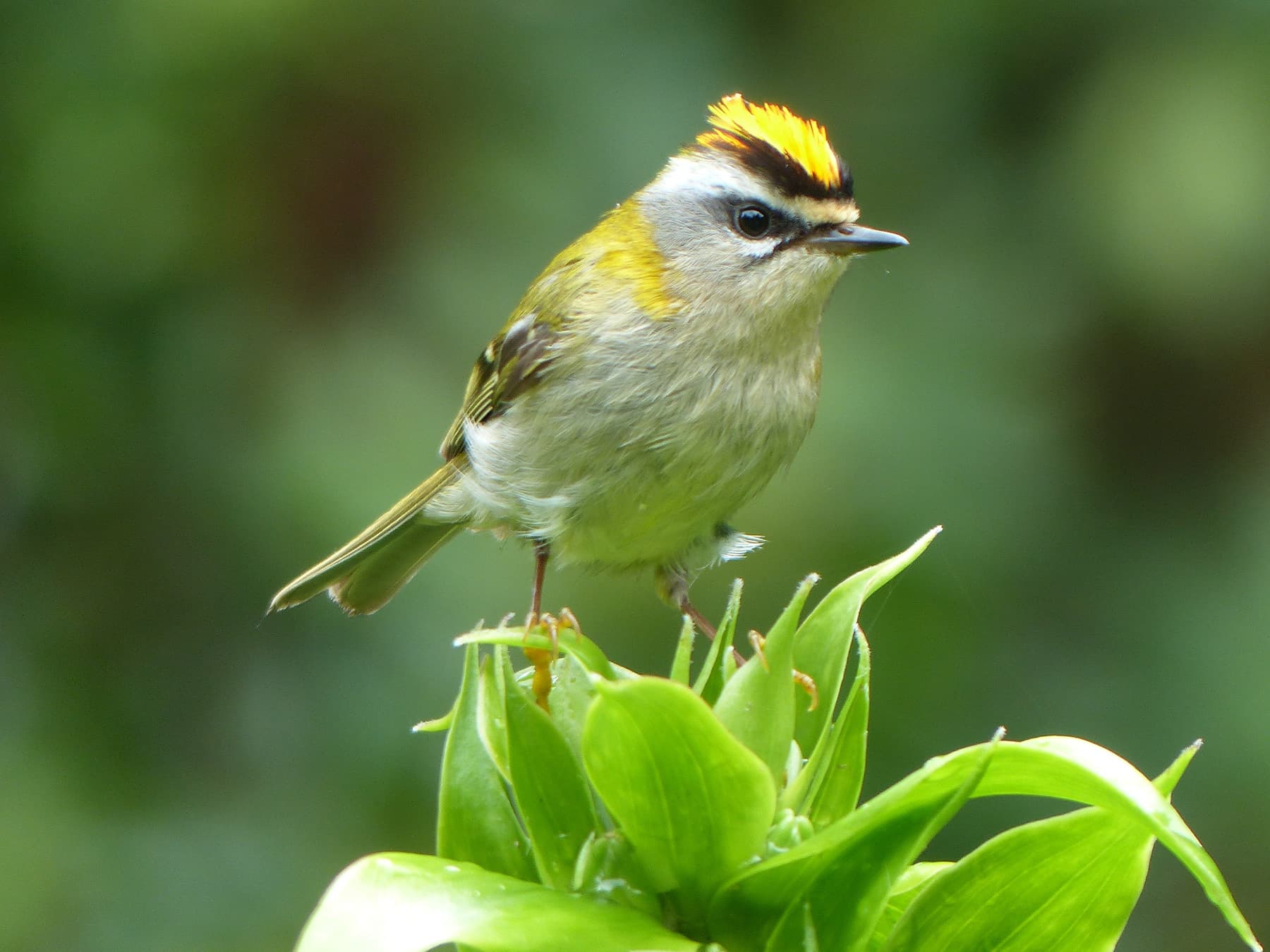
Firecrest
Regulus ignicapillaLC
An uncommon but year-round resident of mature woodland and conifer plantations. Kent is a stronghold for this tiny, jewel-crowned bird.
Year-round
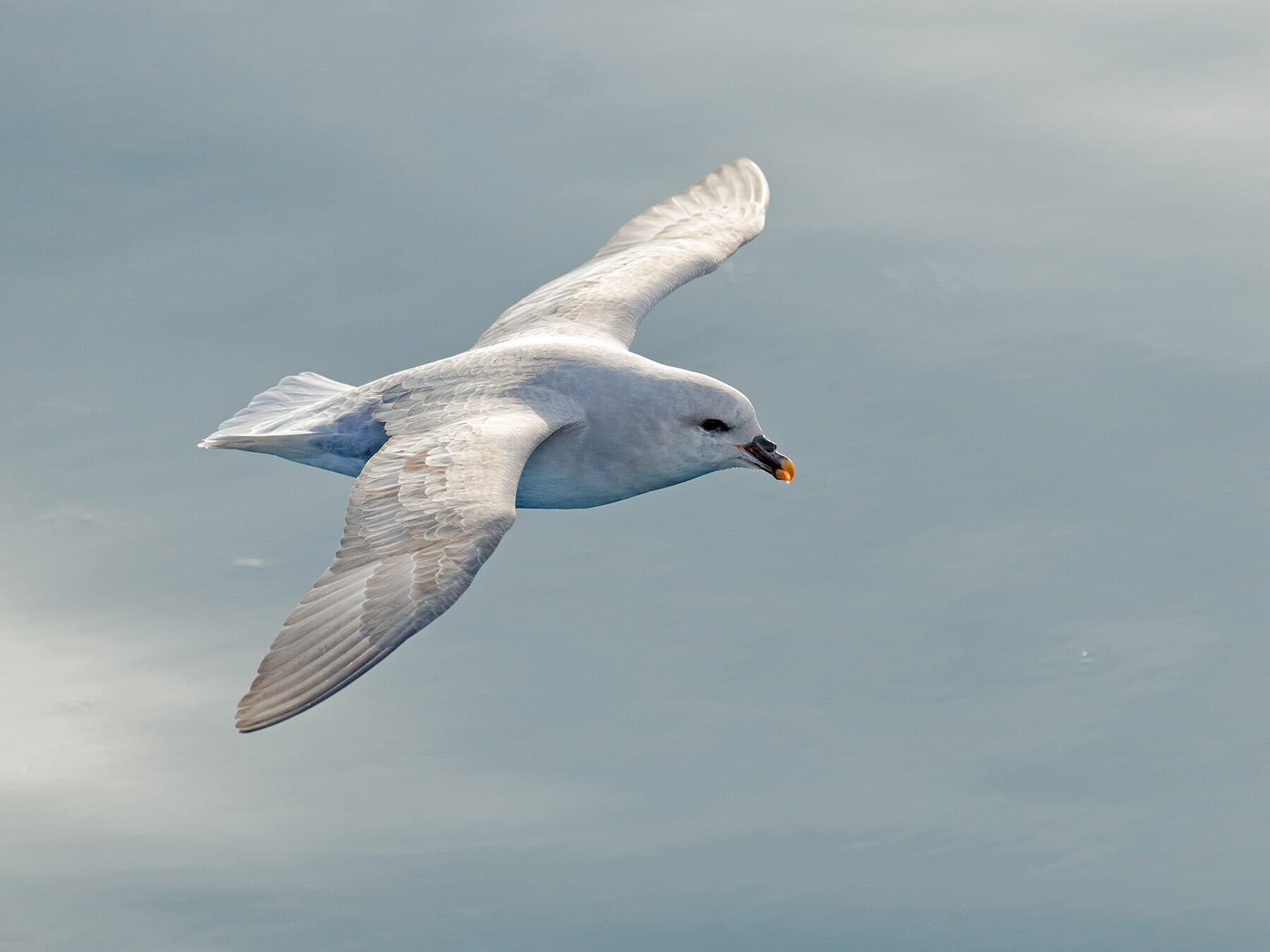
Fulmar
Fulmarus glacialisLC
An uncommon resident, nesting on chalk cliffs along the Kent coast. Stiff-winged flight over the Channel is distinctive year-round.
Year-round
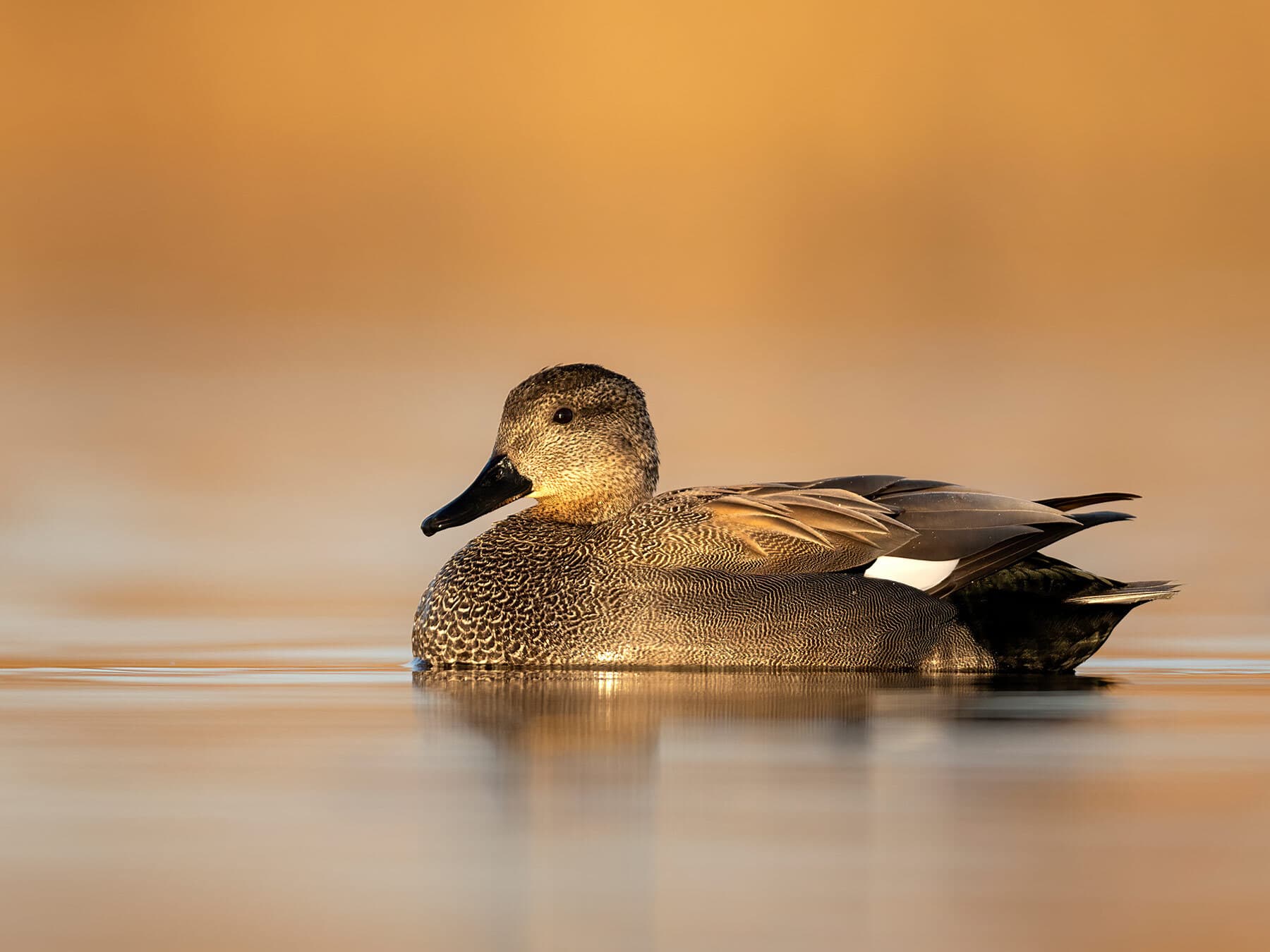
Gadwall
Mareca streperaLC
Present year-round on freshwater lakes and marshes, with good numbers at Stodmarsh and the Dungeness area. A quiet, easily overlooked dabbling duck.
Year-round
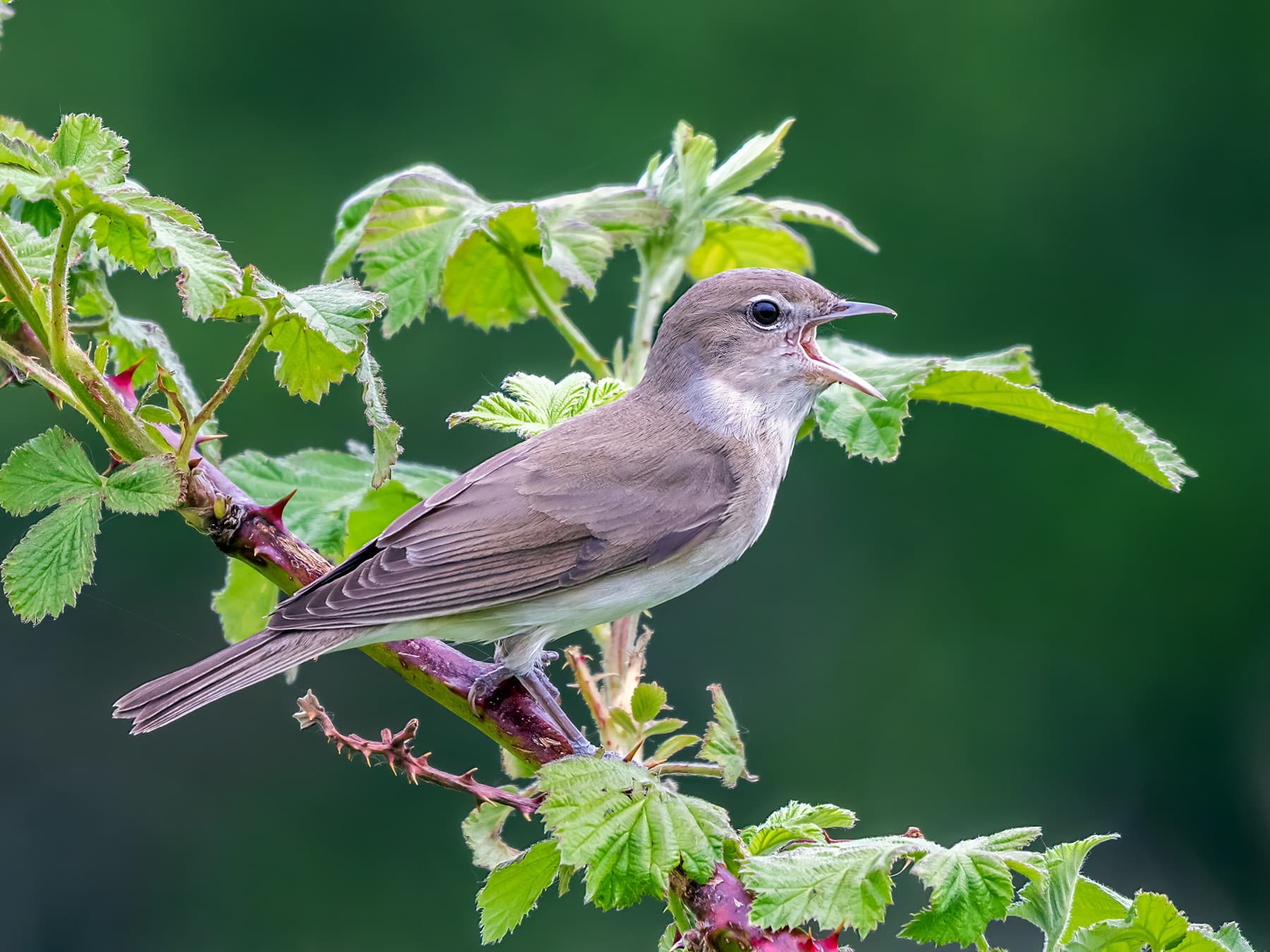
Garden Warbler
Sylvia borinLC
An uncommon summer breeder arriving in April, favouring dense woodland understorey. Its rich, even-paced warbling song lacks the terminal flourish of Blackcap.
Apr–Sep
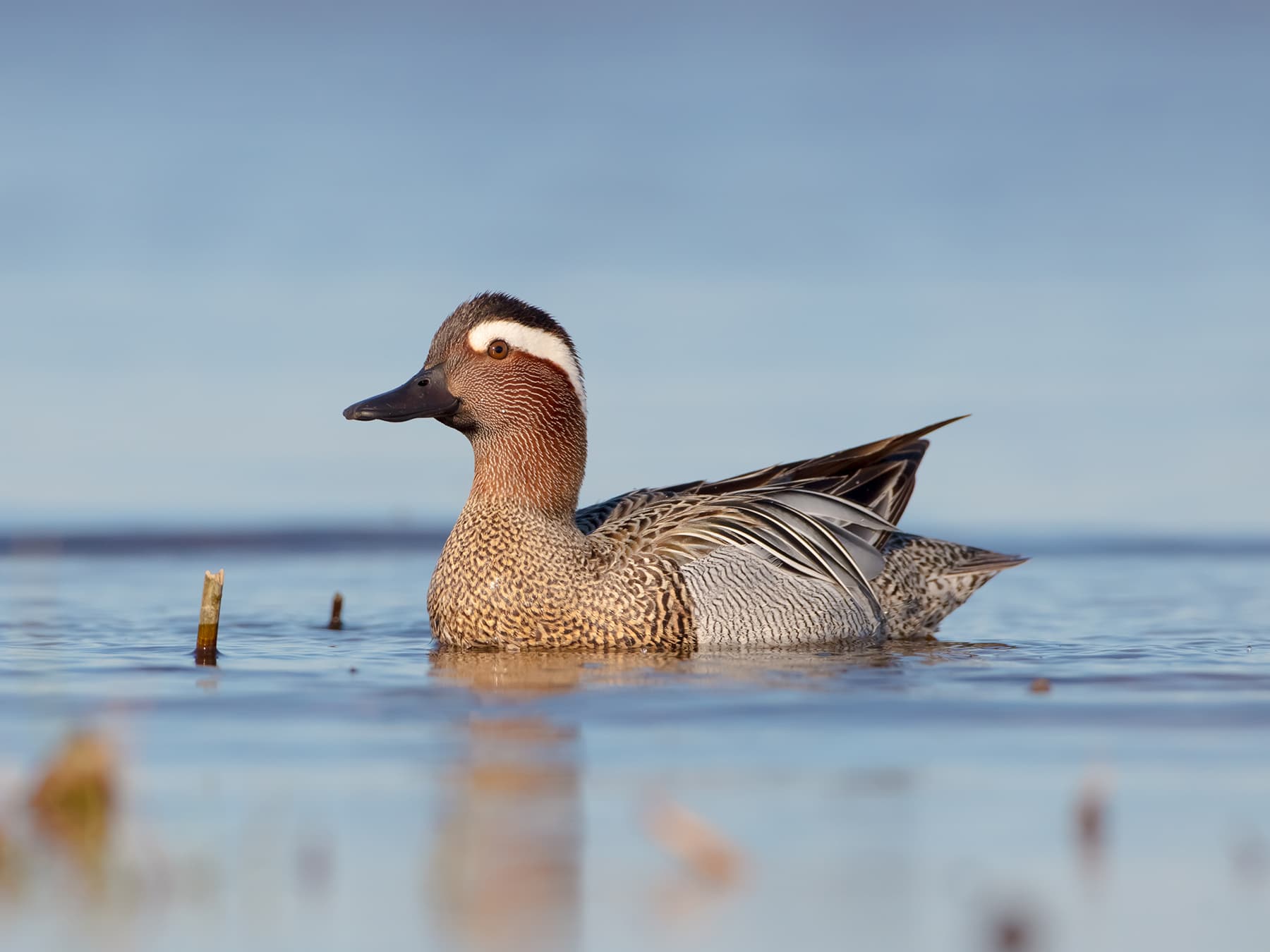
Garganey
Spatula querquedulaLC
A rare summer visitor breeding on Kent's freshwater marshes, arriving in spring. Stodmarsh and Dungeness are traditional sites for this scarce duck.
Mar–Oct
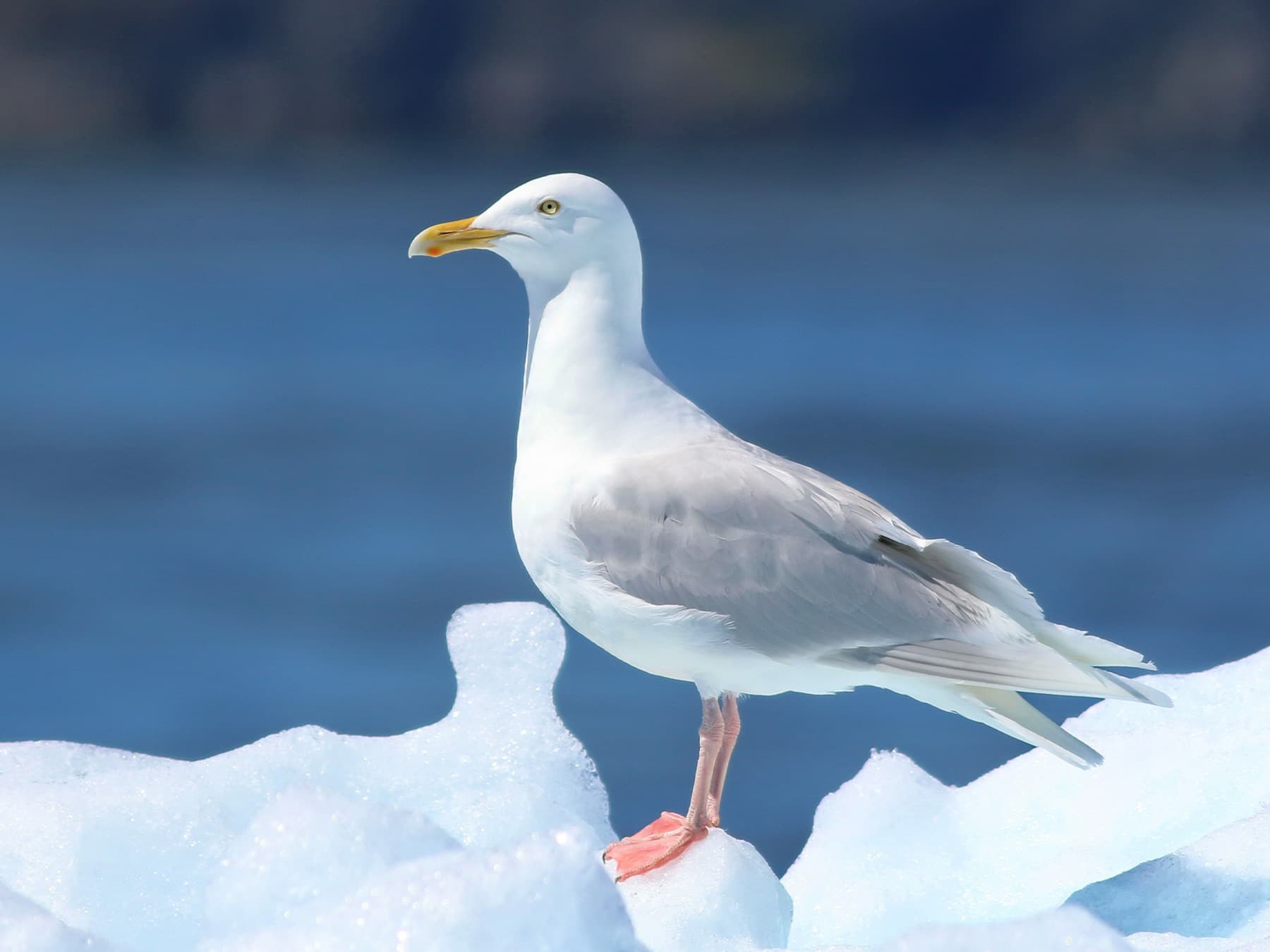
Glaucous Gull
Larus hyperboreusLC
A rare Arctic gull, occasionally recorded in March among winter gull roosts at coastal and reservoir sites.
Mar
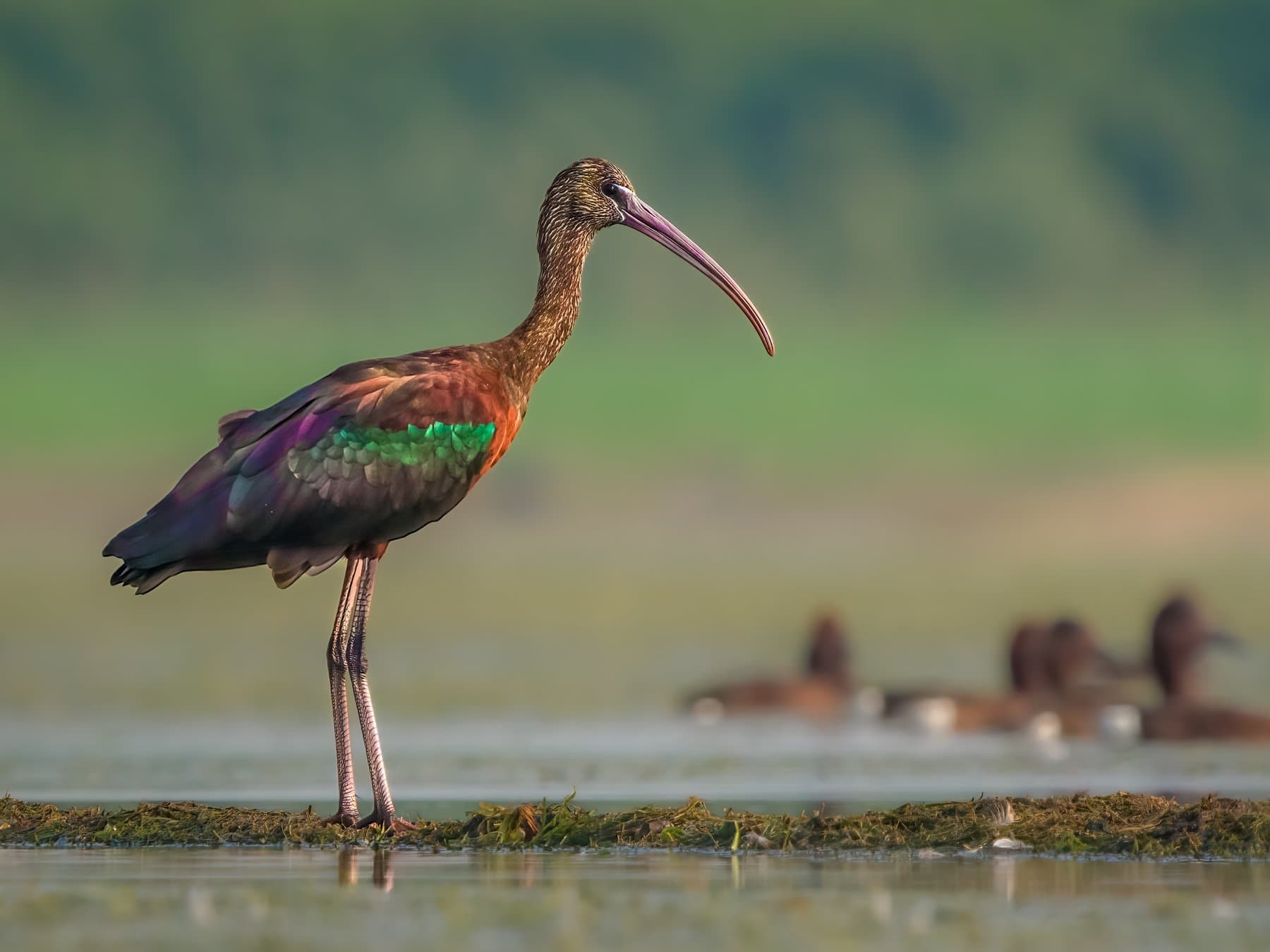
Glossy Ibis
Plegadis falcinellusLC
A rare but increasingly recorded visitor to Kent's marshes and wetlands, reflecting a wider northward range expansion.
Jun–Apr
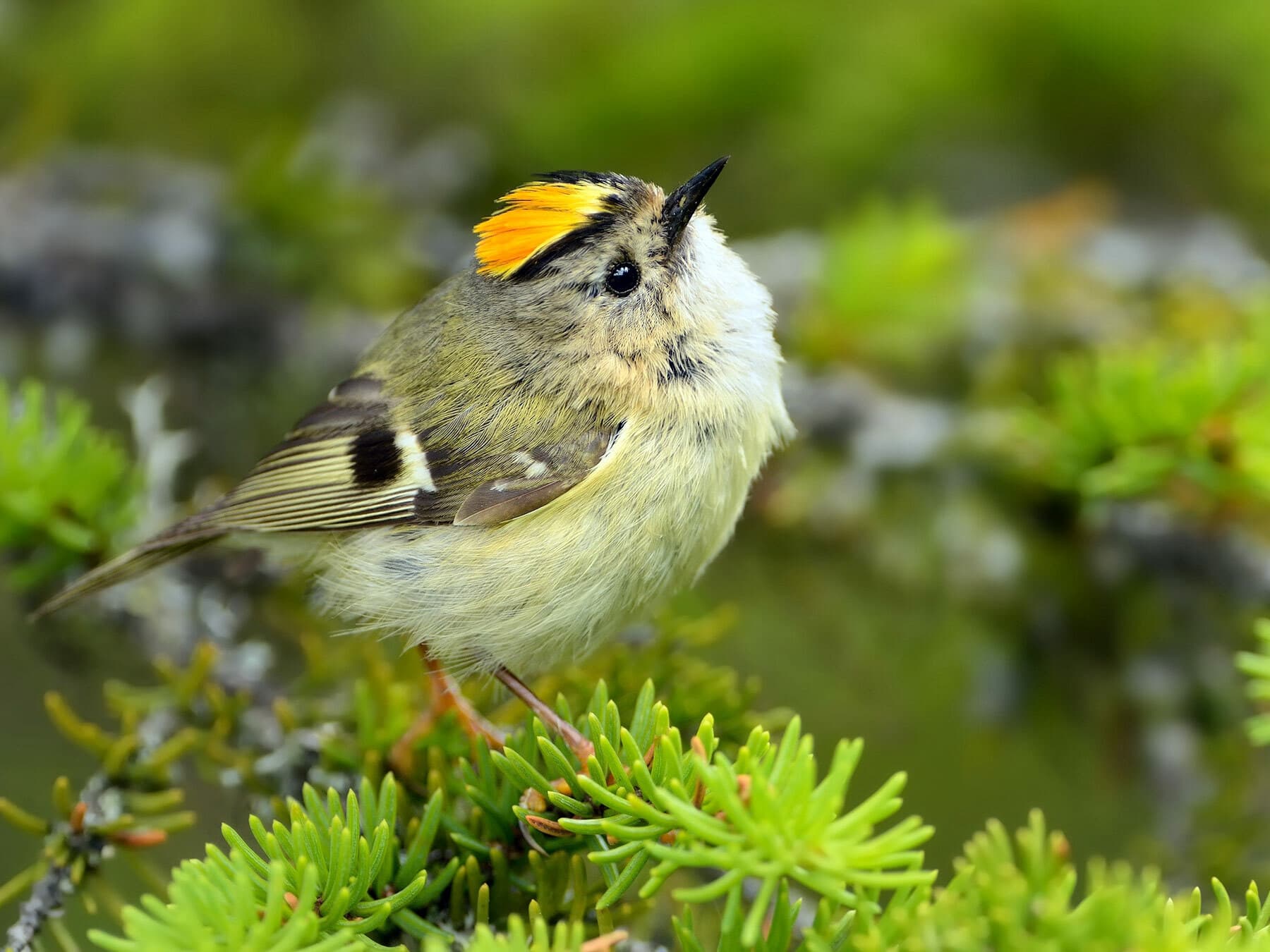
Goldcrest
Regulus regulusLC
An uncommon year-round resident of Kent's coniferous and mixed woodlands. Britain's smallest bird, often located by its thin, high-pitched call.
Year-round
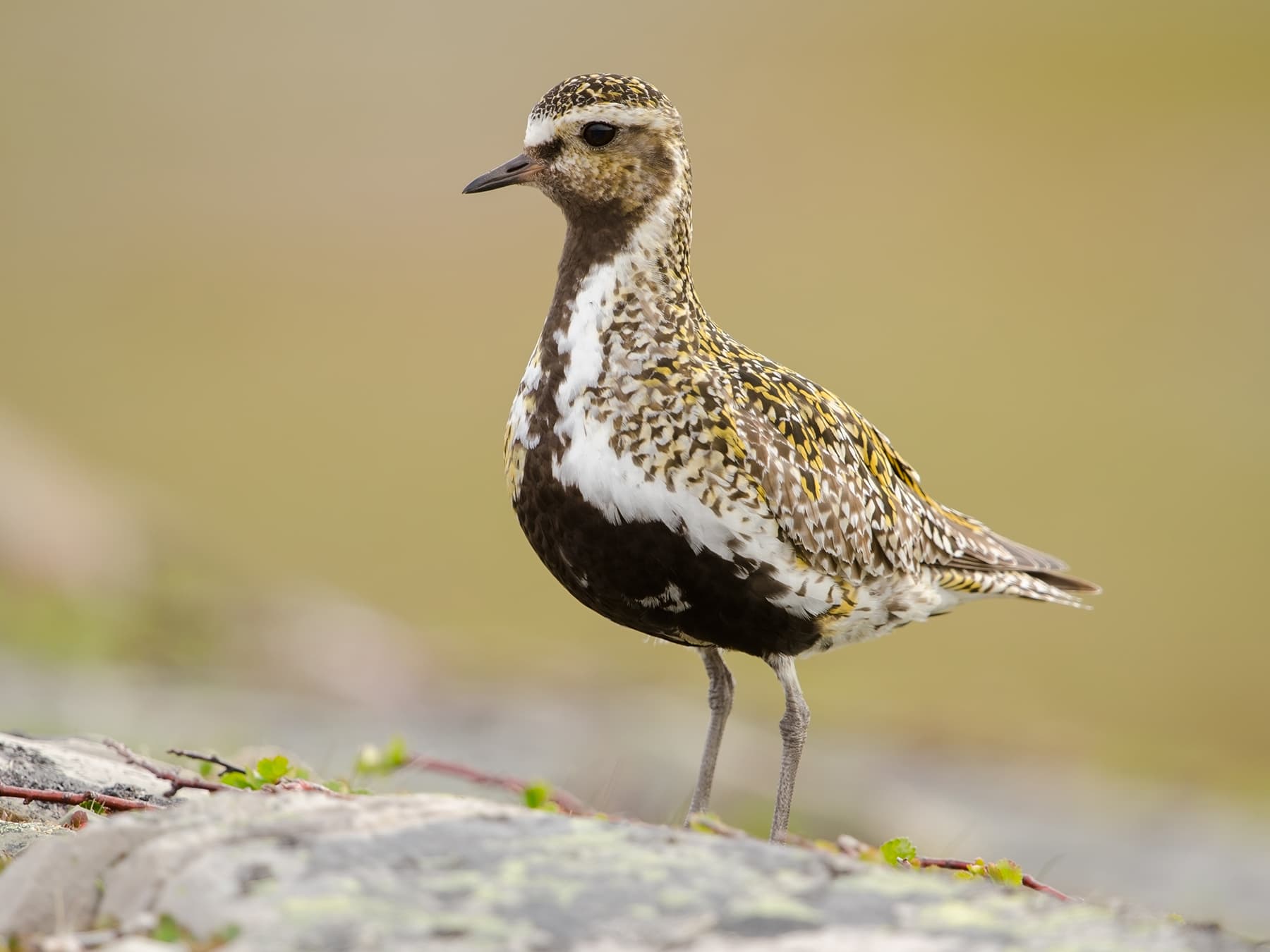
Golden Plover
Pluvialis apricariaLC
Winters in large flocks on arable fields and marshes. Scarce in summer but returns from July onwards.
Jul–Apr
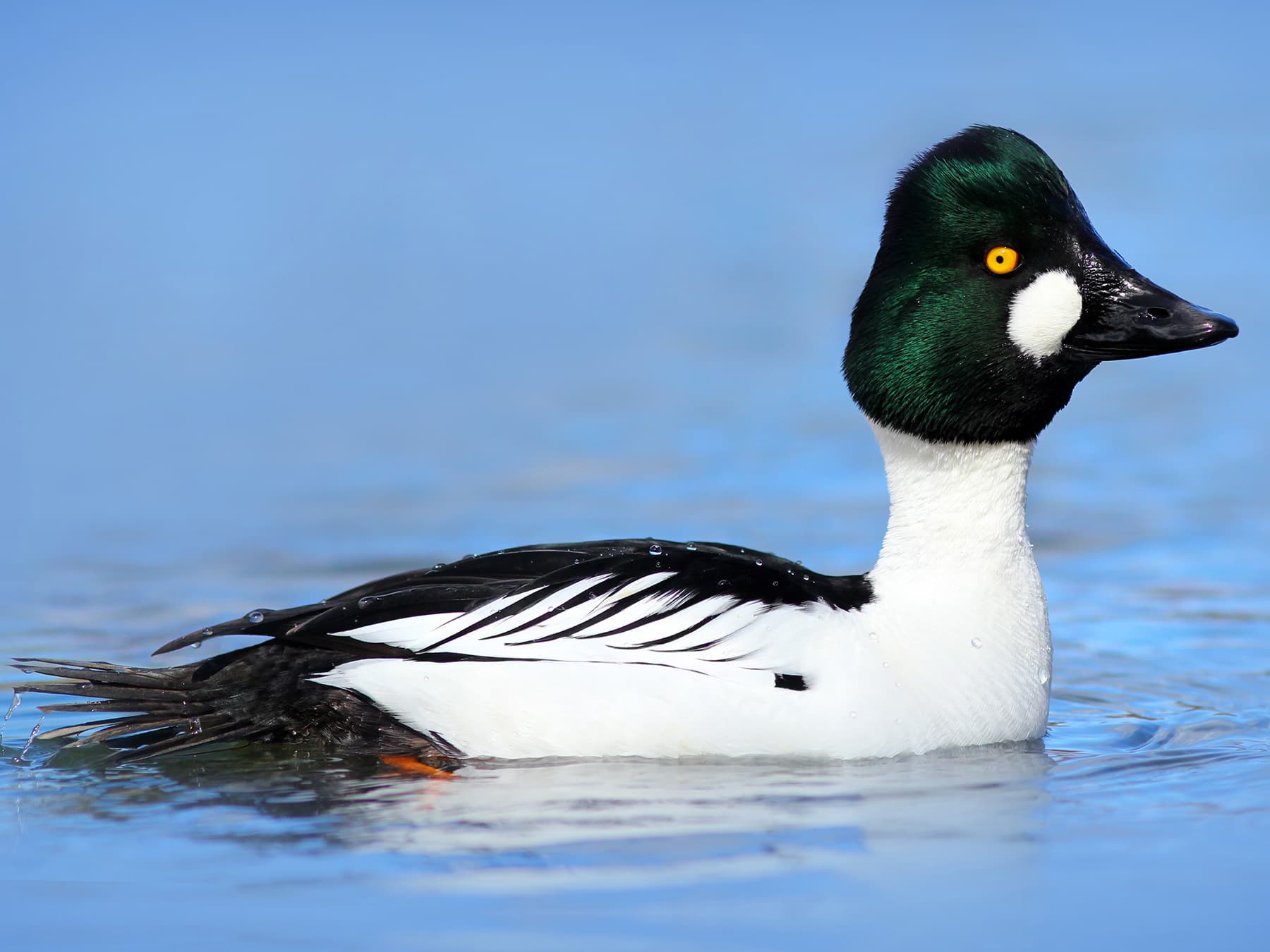
Goldeneye
Bucephala clangulaLC
An uncommon winter visitor to Kent's reservoirs, gravel pits and sheltered estuaries from October to April.
Oct–Apr
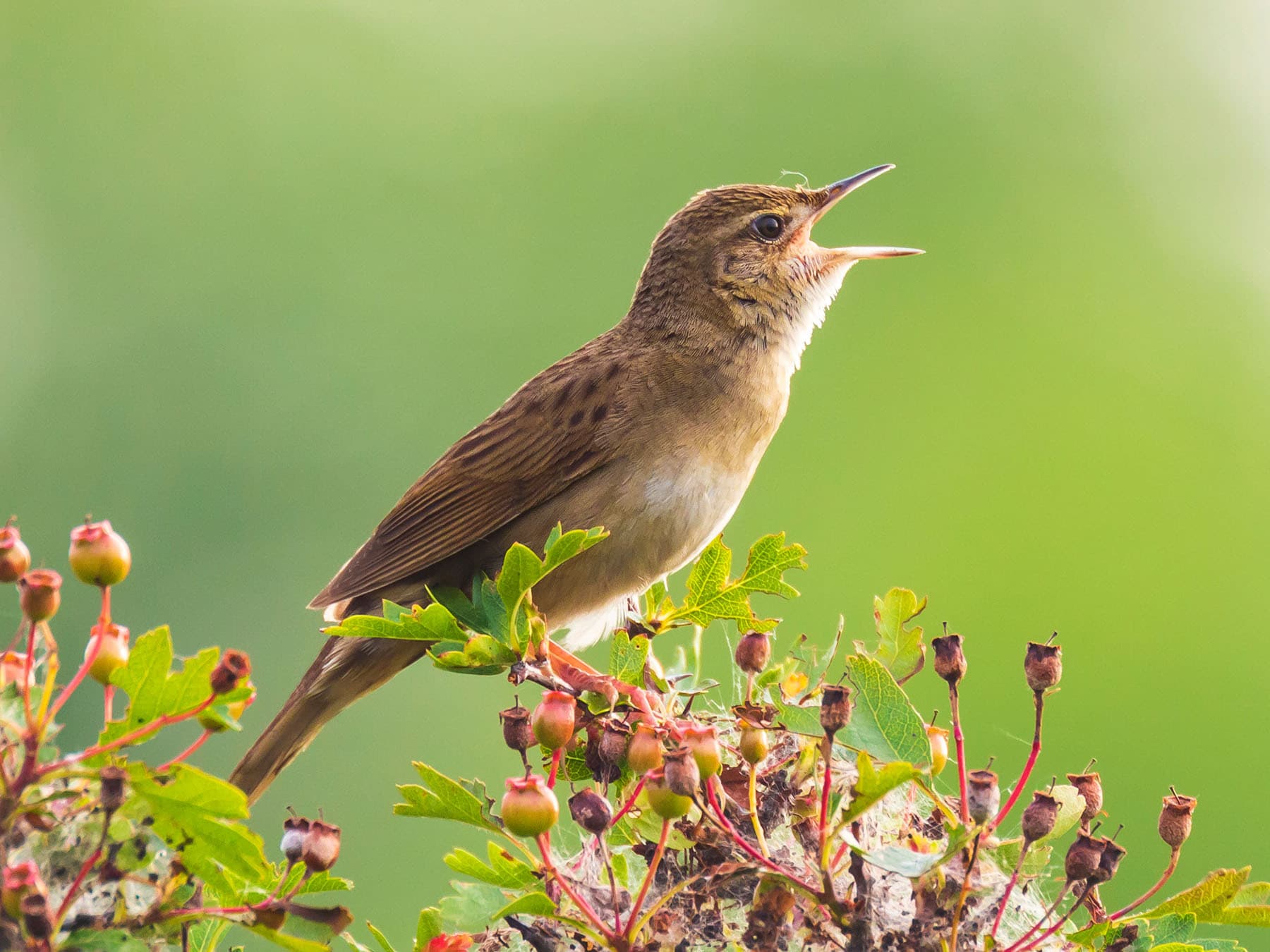
Grasshopper Warbler
Locustella naeviaLC
A rare passage migrant in spring and autumn, skulking in dense low vegetation. Best detected by its prolonged mechanical reeling song on calm evenings.
Apr–Sep
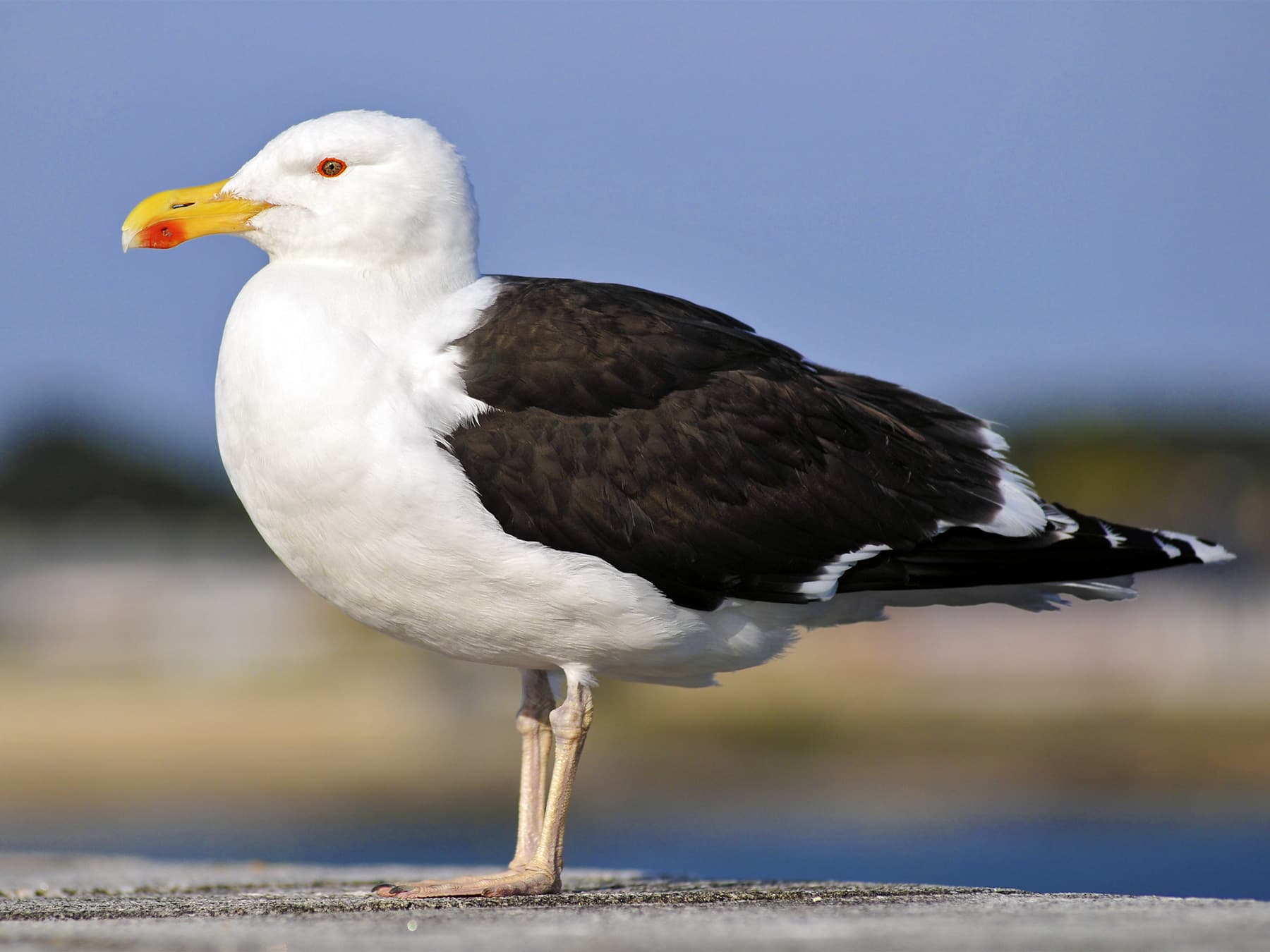
Great Black-backed Gull
Larus marinusLC
A bulky resident gull found along the coast and at reservoirs year-round. Often dominates other gulls at feeding sites.
Year-round