Uncommon Birds in East Sussex
67 species matching this filter.
East Sussex supports a diverse range of uncommon bird species across its varied habitats, from the chalk cliffs of Beachy Head to the wetlands of Pevensey Levels and the reedbeds of Rye Harbour. Among the 67 uncommon species recorded in the county, birdwatchers can encounter elegant Avocets wading through coastal lagoons, colourful Bullfinches in hedgerows, and striking European Green Woodpeckers in parkland and woodland edges. The county's estuaries, reservoirs, and grazing marshes provide vital habitat for passage waders such as Common Sandpiper and wintering wildfowl including Gadwall and Common Shelduck.


Showing 1–23 of 67 species
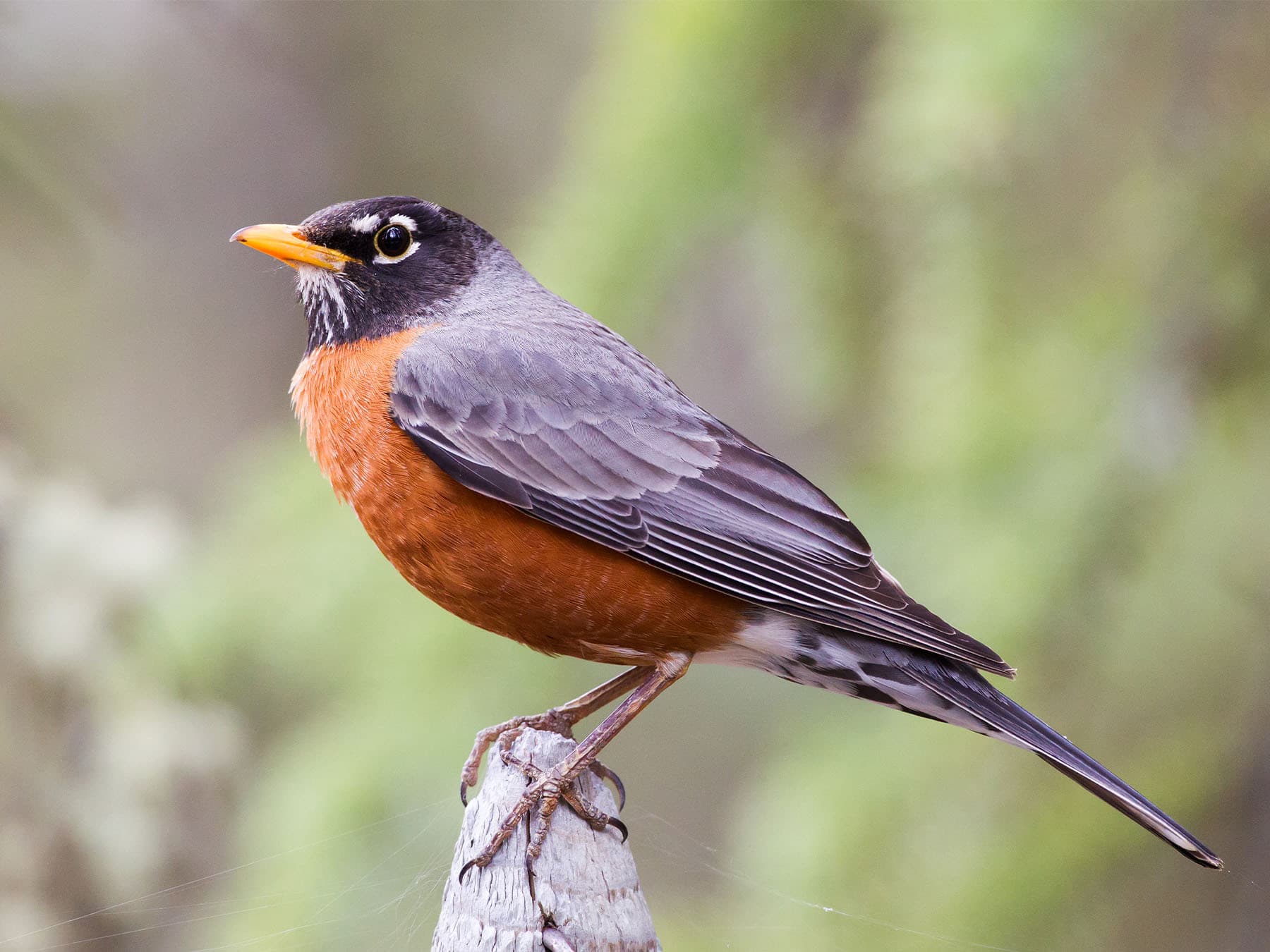
American Robin
Turdus migratoriusLC
A rare Nearctic vagrant, occasionally recorded as a winter wanderer. Sightings in February make for exciting local finds.
Feb
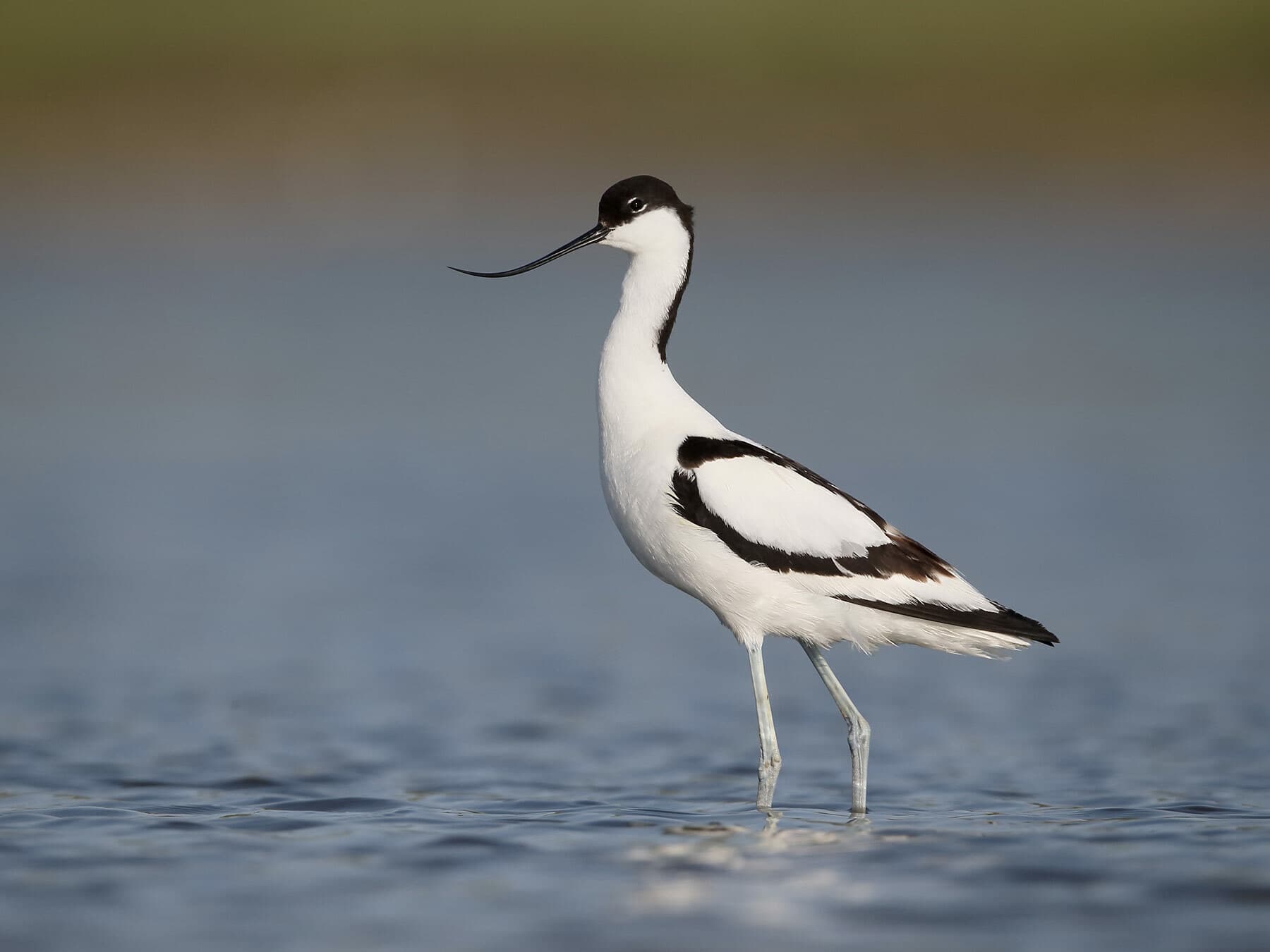
Avocet
Recurvirostra avosettaLC
An elegant wader found year-round at coastal lagoons and marshes. Numbers have increased in recent decades, with Rye Harbour a key breeding and wintering site.
Year-round
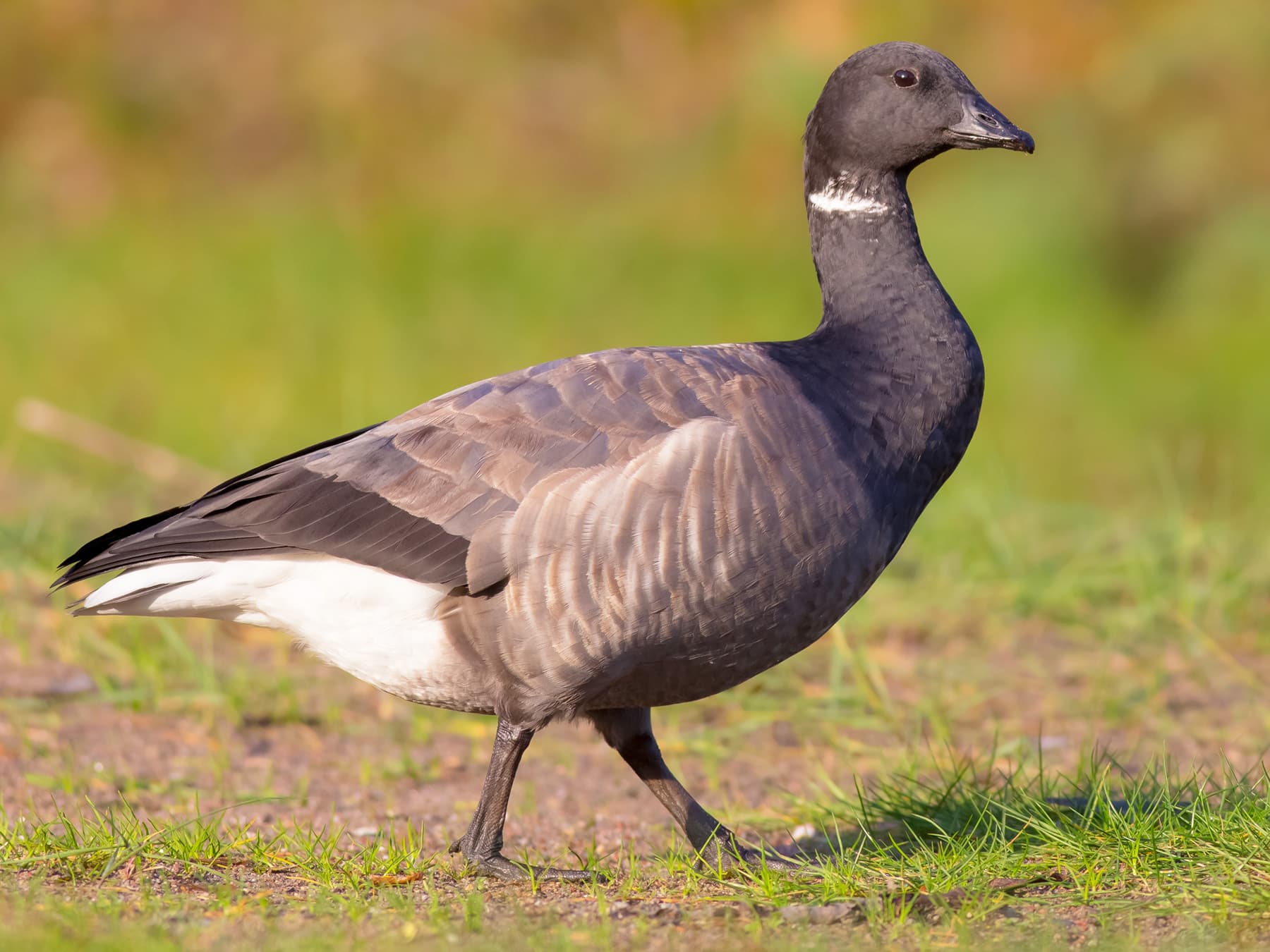
Brent Goose
Branta berniclaLC
A winter visitor to coastal harbours and grazing marshes, absent during summer. Rye Harbour and the Cuckmere are favoured feeding areas.
Sep–May
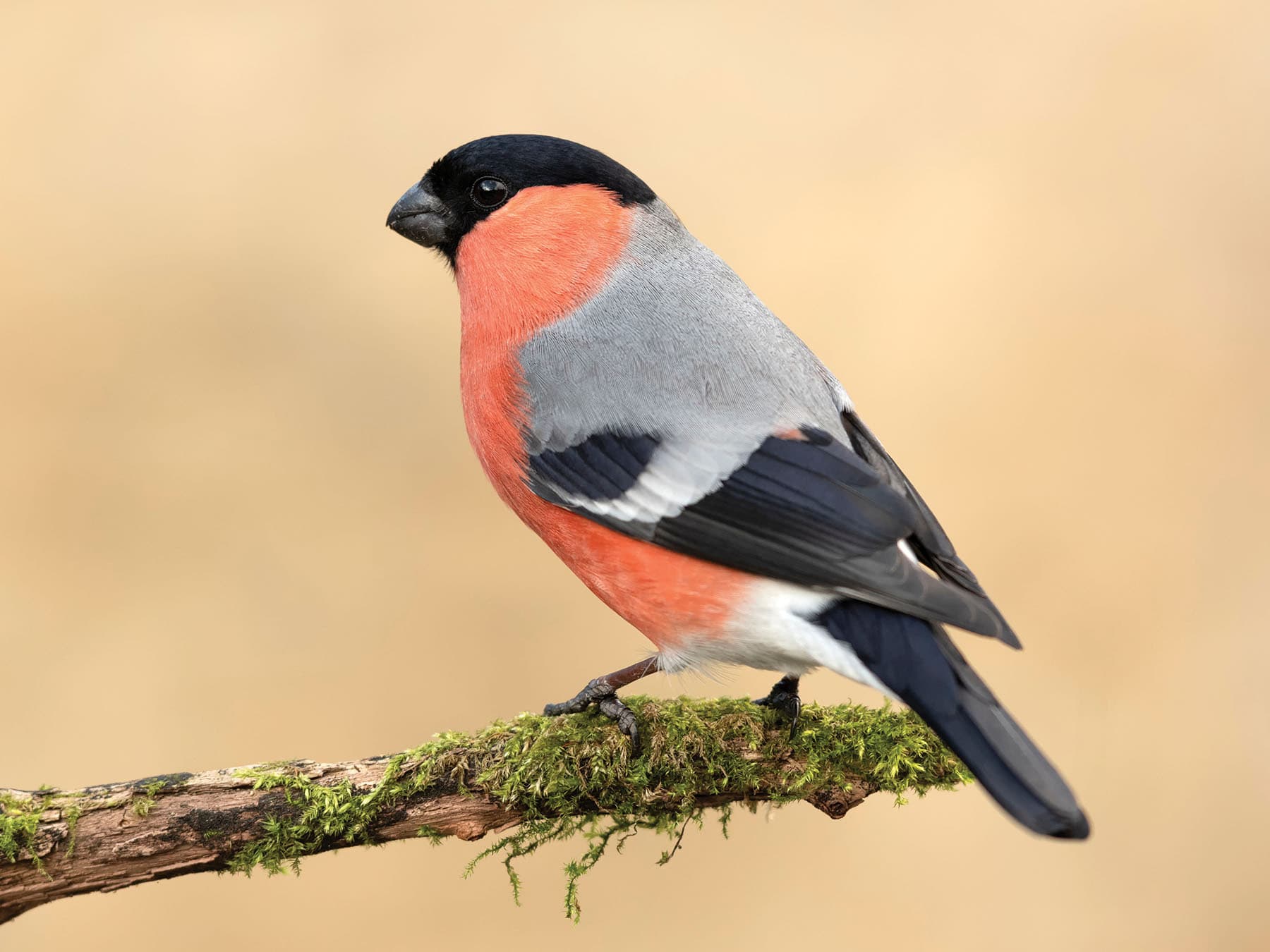
Bullfinch
Pyrrhula pyrrhulaLC
An uncommon but year-round resident of thick hedgerows and woodland. Shy and retiring, more often heard giving its soft piping call.
Year-round
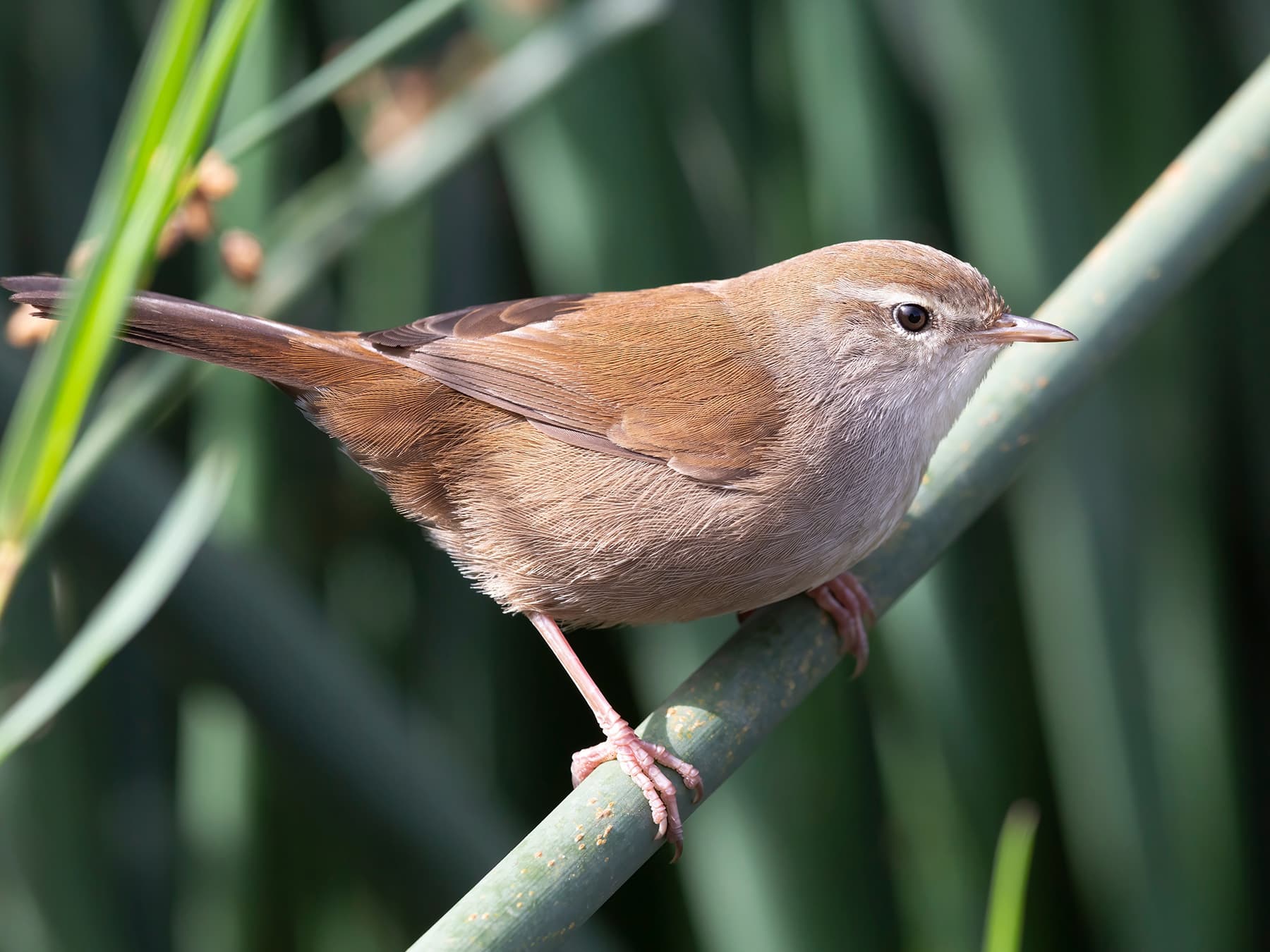
Cetti's Warbler
Cettia cettiLC
An uncommon but increasing resident of reedbeds and dense waterside scrub. More often heard than seen, with its explosive burst of song.
Year-round
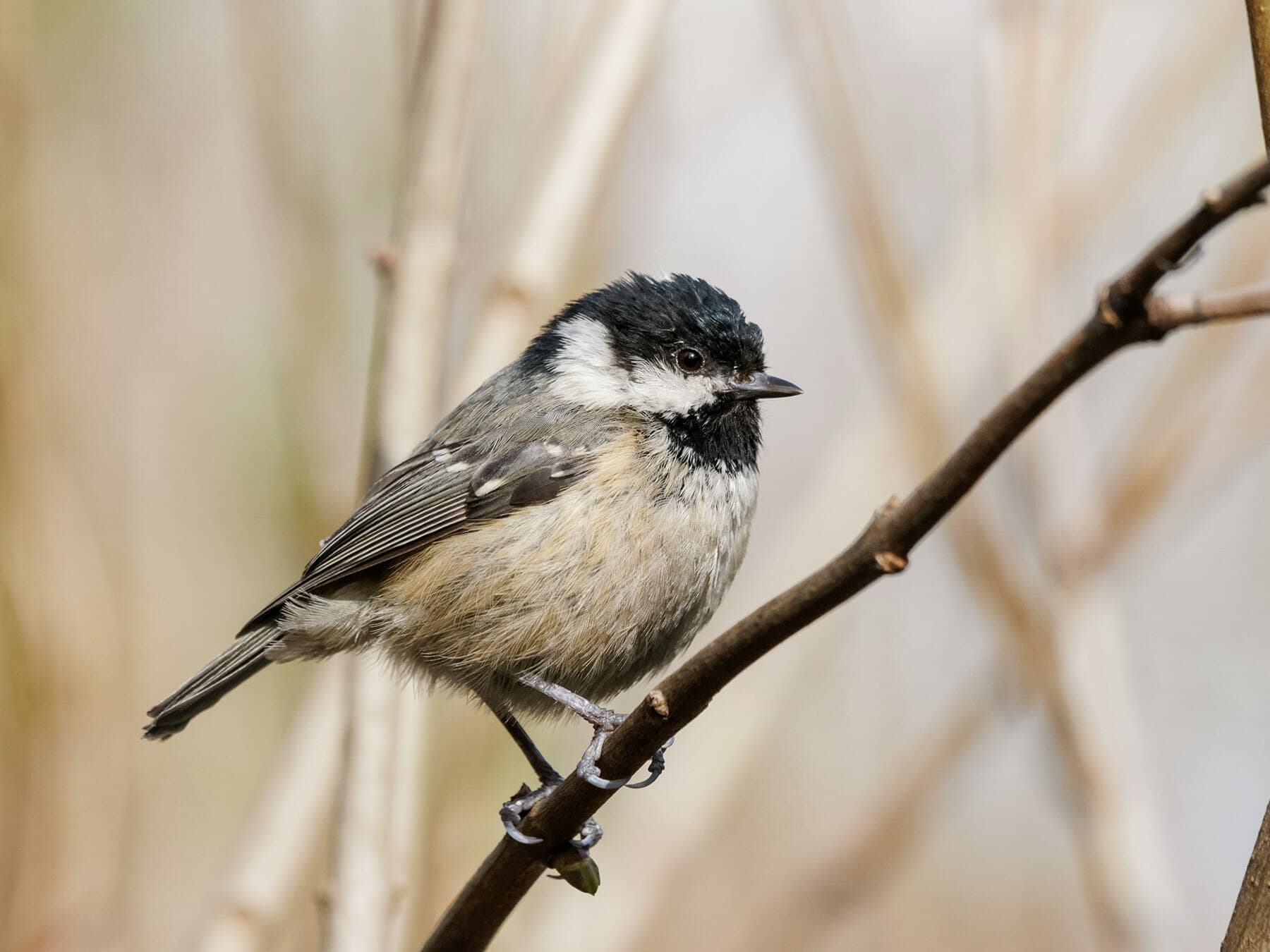
Coal Tit
Periparus aterLC
An uncommon resident favouring coniferous and mixed woodland. Often visits garden feeders in winter, particularly near the wooded Weald.
Year-round
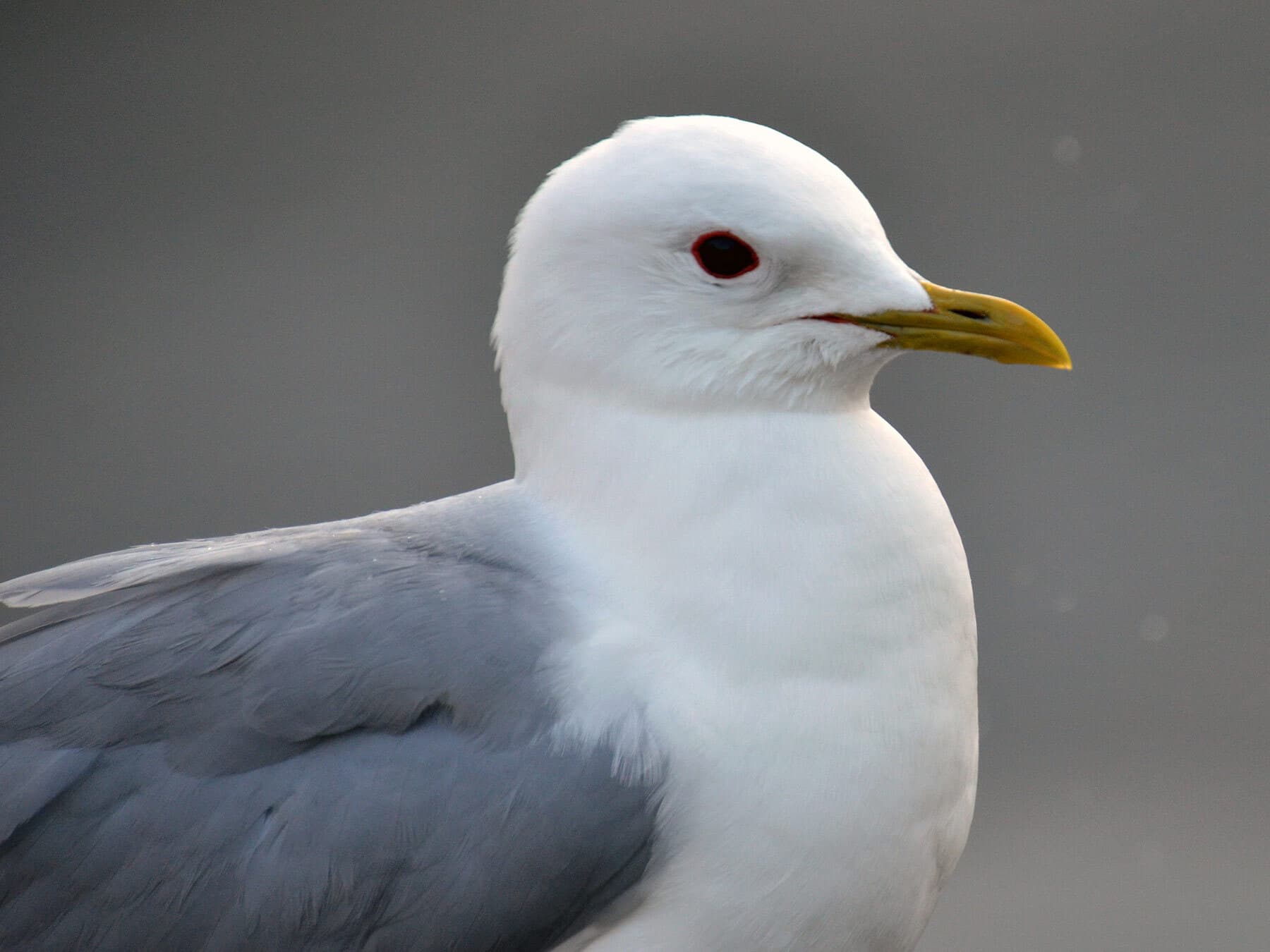
Common Gull
Larus canusLC
Present year-round but uncommon, frequenting playing fields, reservoirs and the coast. Numbers increase in winter with Continental arrivals.
Year-round
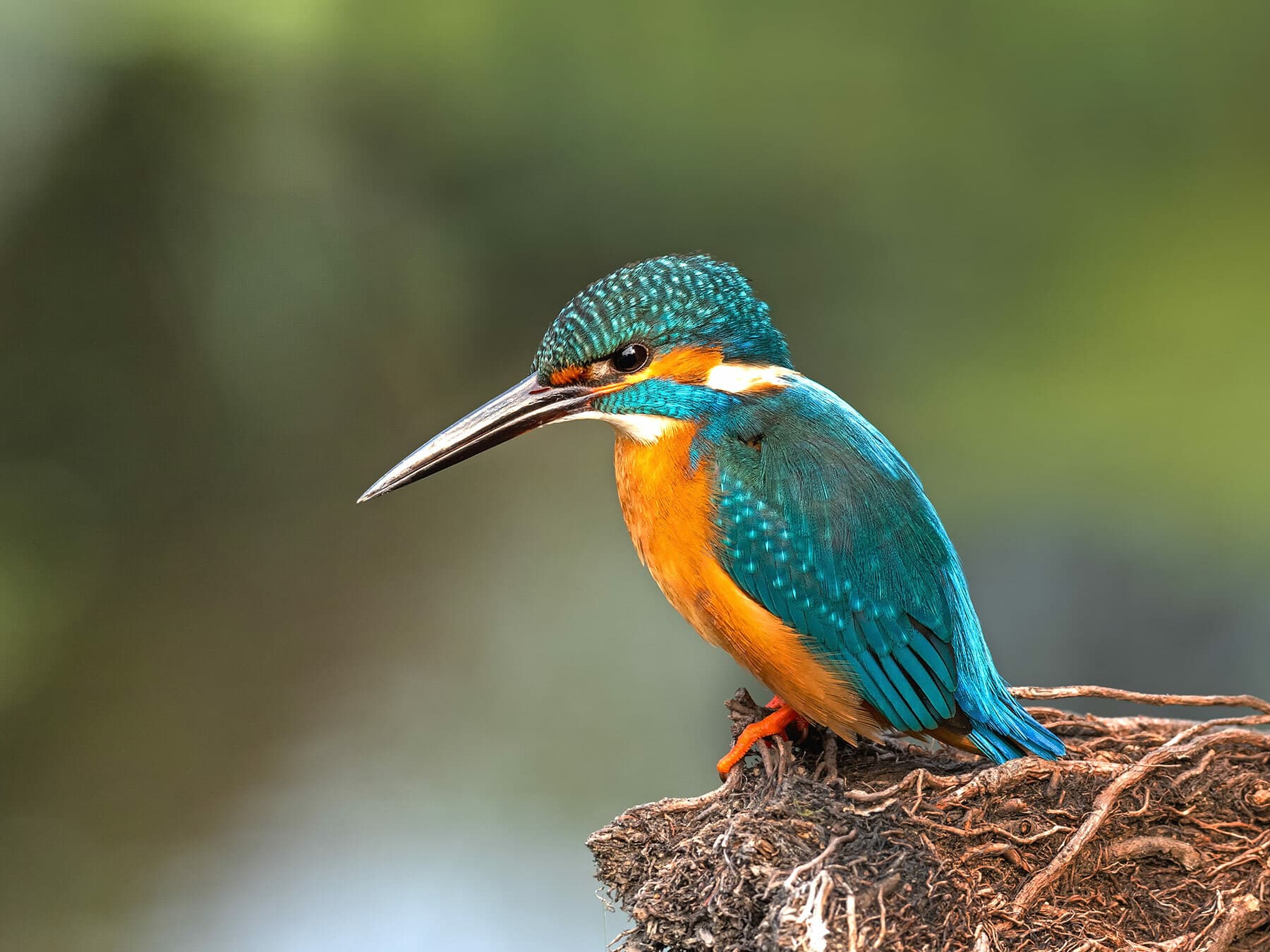
Common Kingfisher
Alcedo atthisLC
An uncommon year-round resident along rivers, streams, and ditches. Often glimpsed as a flash of electric blue darting low over the water.
Year-round
Spotted something?
Upload a photo to identify it
Identify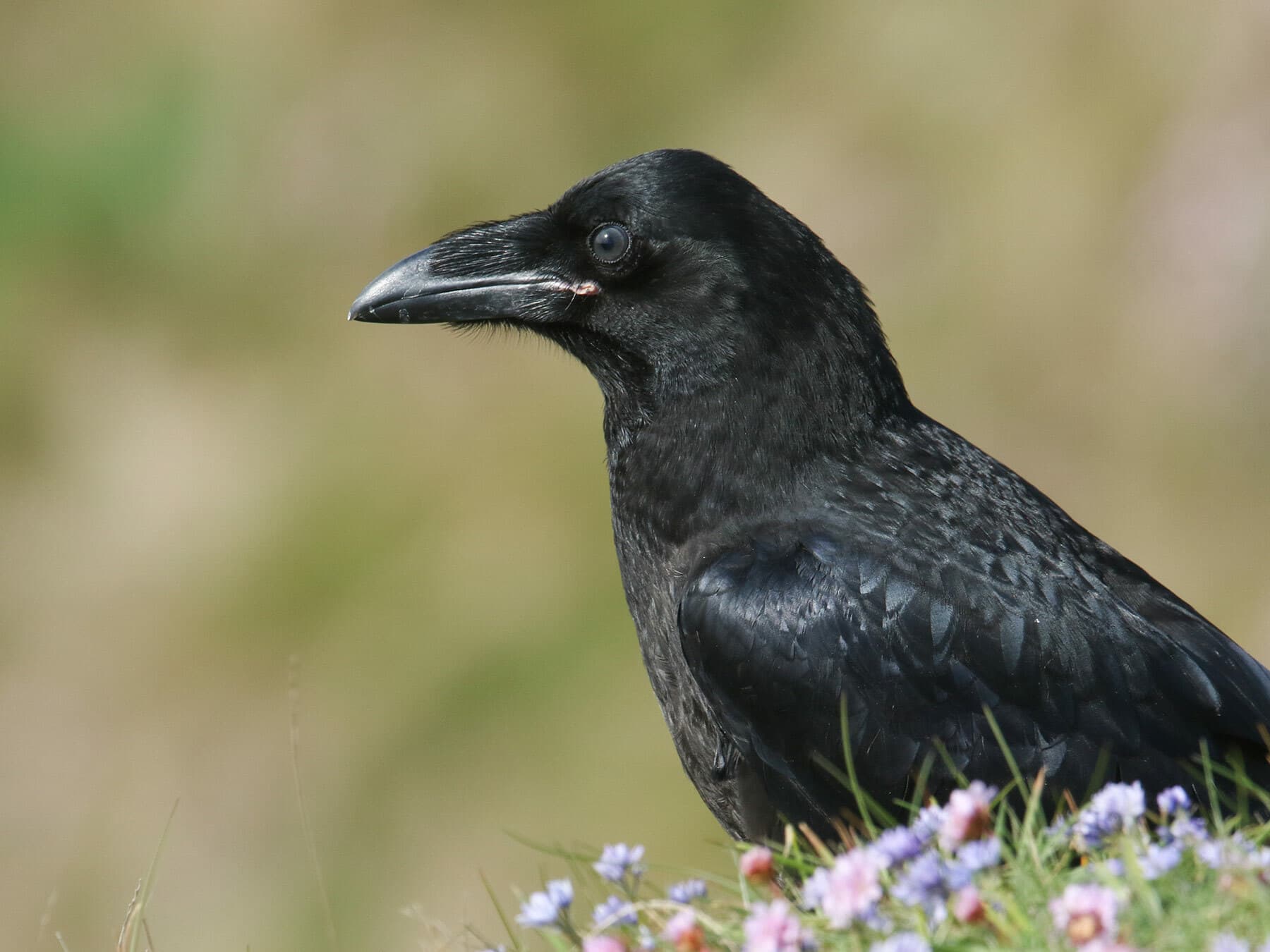
Common Raven
Corvus coraxLC
An uncommon but increasing year-round resident, now regularly seen soaring over the South Downs and coastal cliffs.
Year-round
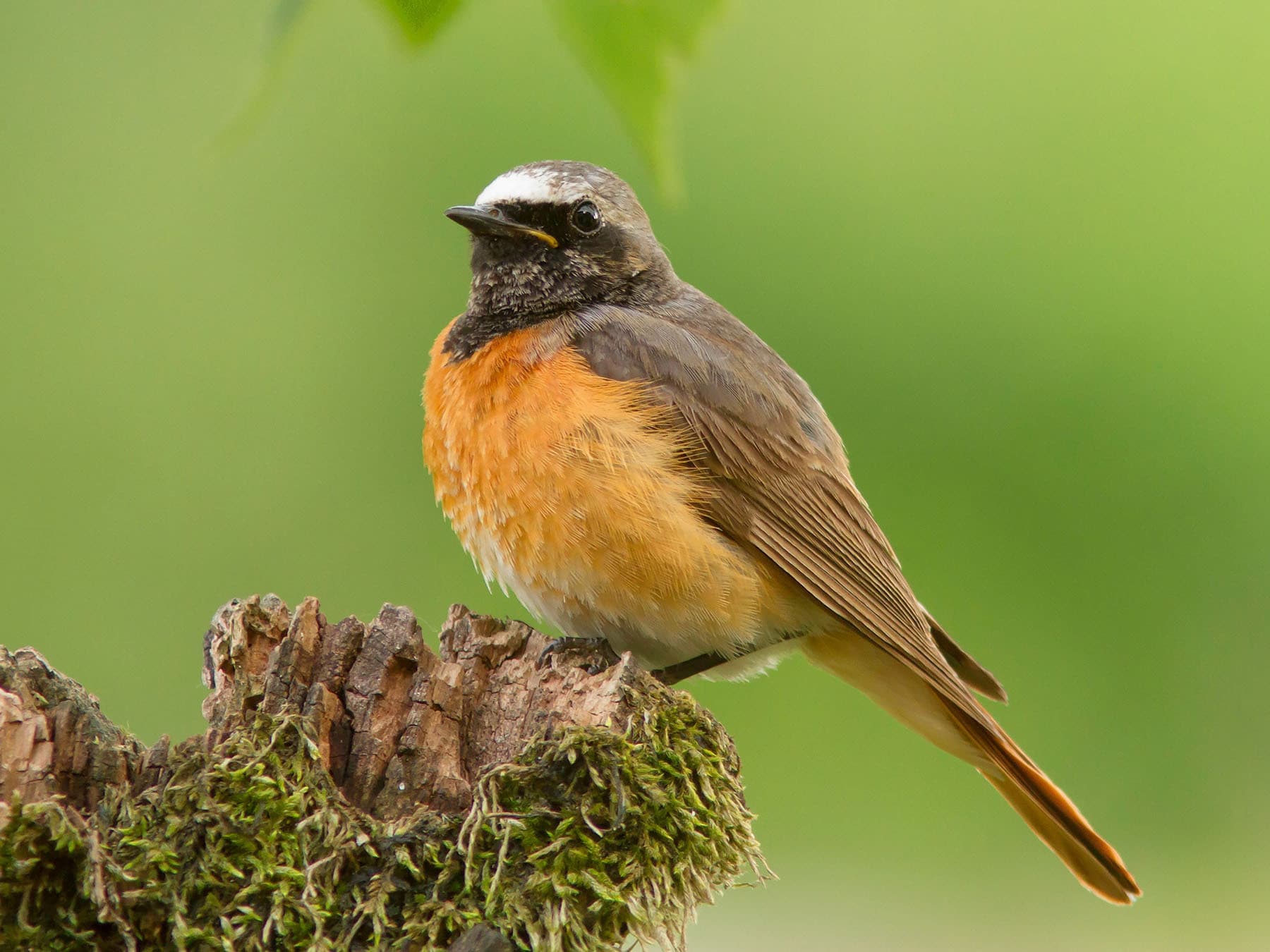
Common Redstart
Phoenicurus phoenicurusLC
An uncommon summer breeder found in mature oak woodland and parkland. The male's striking orange tail and black face make it unmistakable.
Apr–Sep
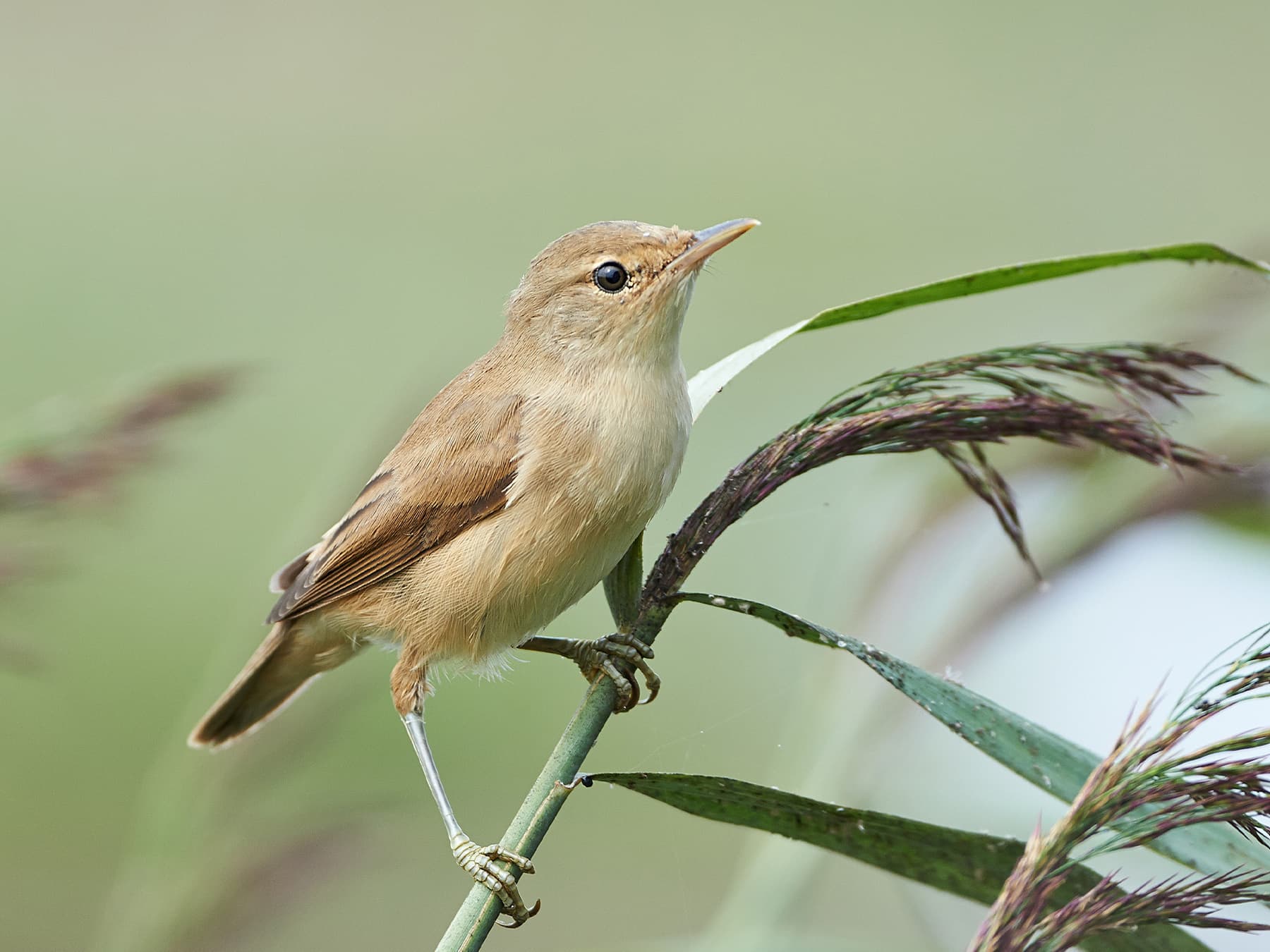
Common Reed-warbler
Acrocephalus scirpaceusLC
An uncommon summer breeder found deep in reedbeds from April to October. Its repetitive churring song drifts from sites like the Pevensey Levels.
Apr–Oct
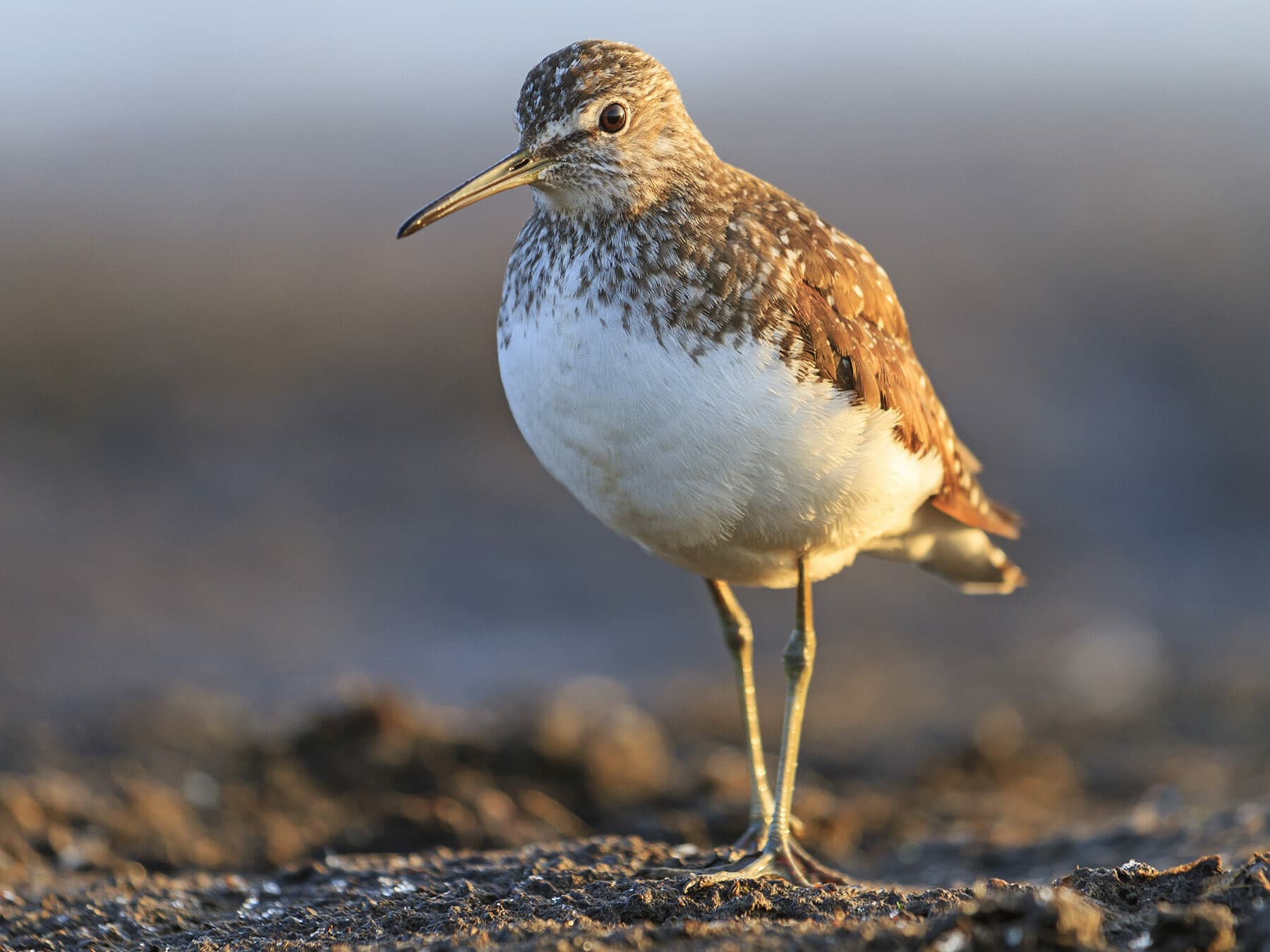
Common Sandpiper
Actitis hypoleucosLC
An uncommon wader found along rivers, reservoirs, and coastal pools. Most conspicuous on passage, bobbing along stony margins with a distinctive teetering gait.
Year-round
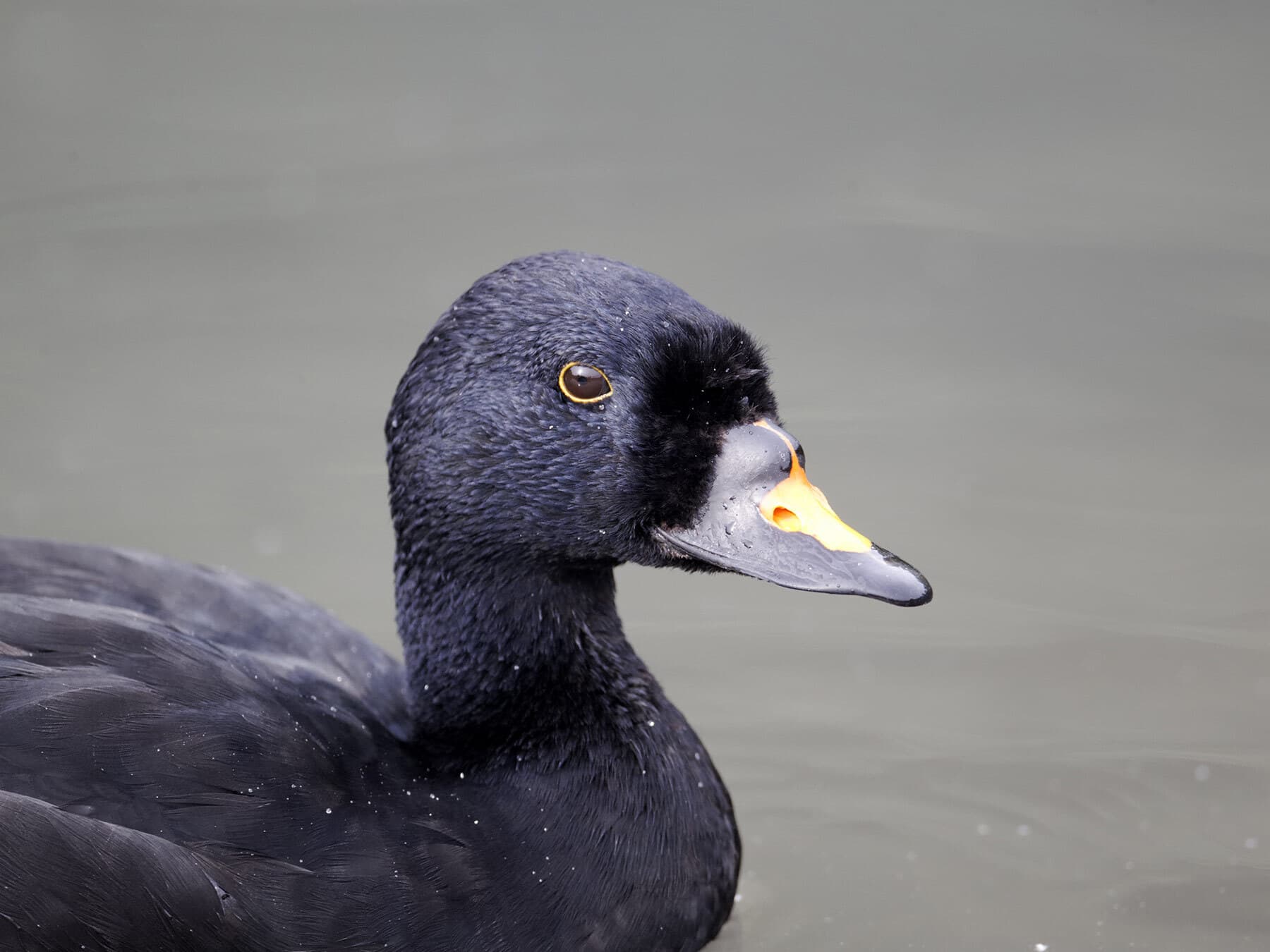
Common Scoter
Melanitta nigraLC
An uncommon but year-round presence offshore, often seen as dark lines of birds flying low over the sea. Passage peaks in spring and autumn.
Year-round
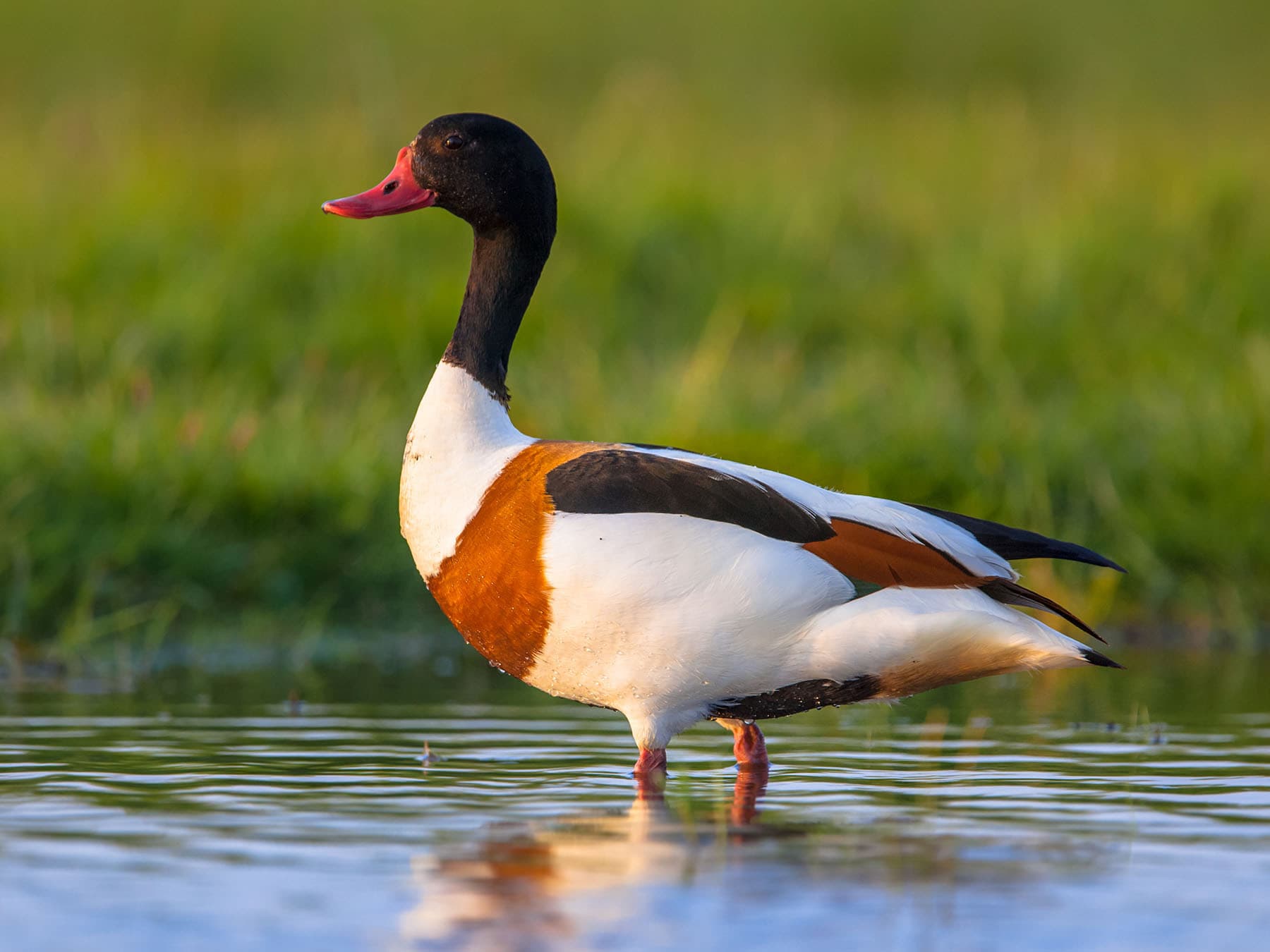
Common Shelduck
Tadorna tadornaLC
An uncommon resident of estuaries and coastal mudflats, notably at Cuckmere Haven and the Ouse estuary. Breeds locally in rabbit burrows.
Year-round
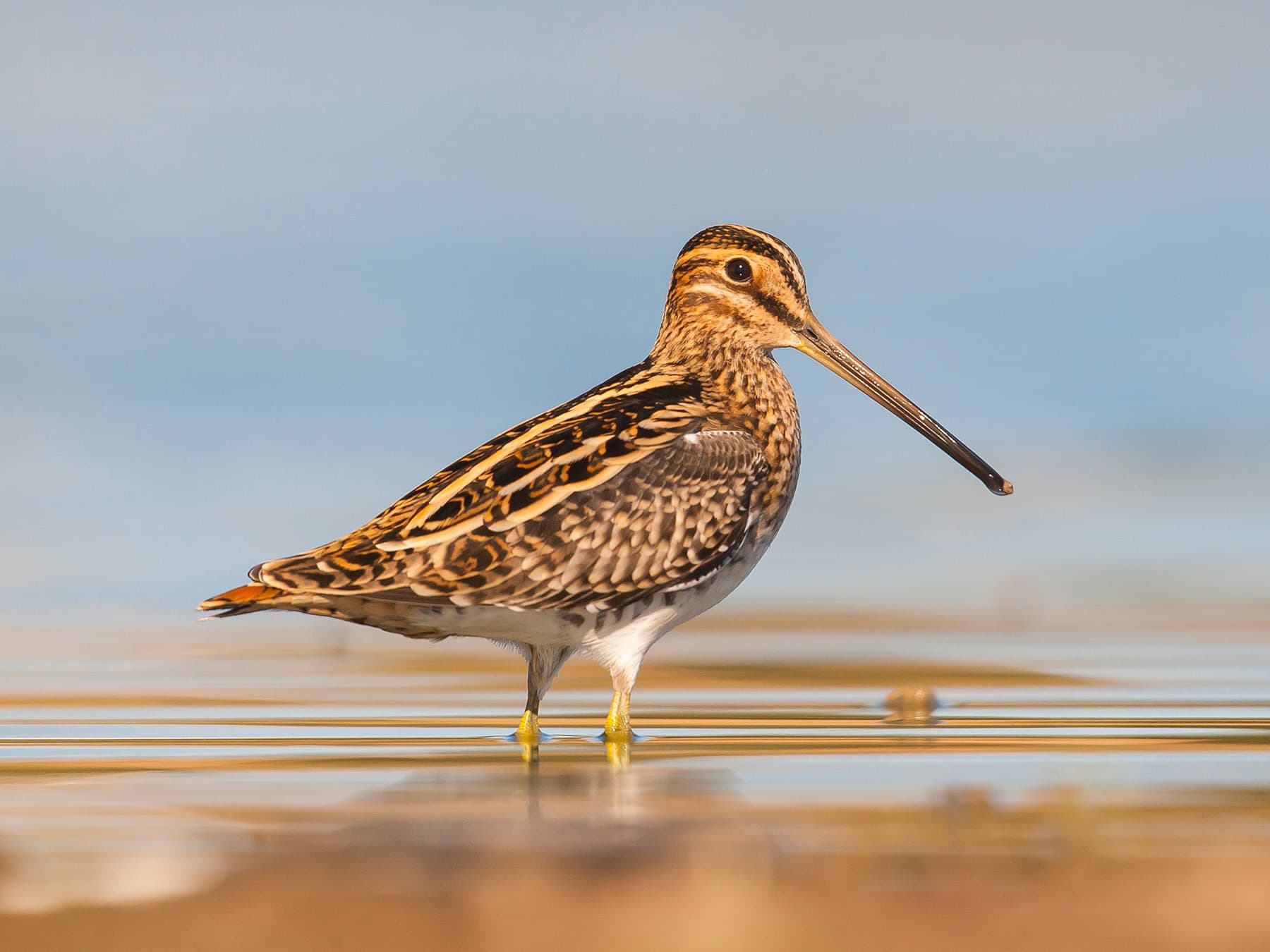
Common Snipe
Gallinago gallinagoLC
An uncommon resident of wet grasslands and marshes, most easily seen in winter when numbers are boosted by continental migrants.
Jul–May
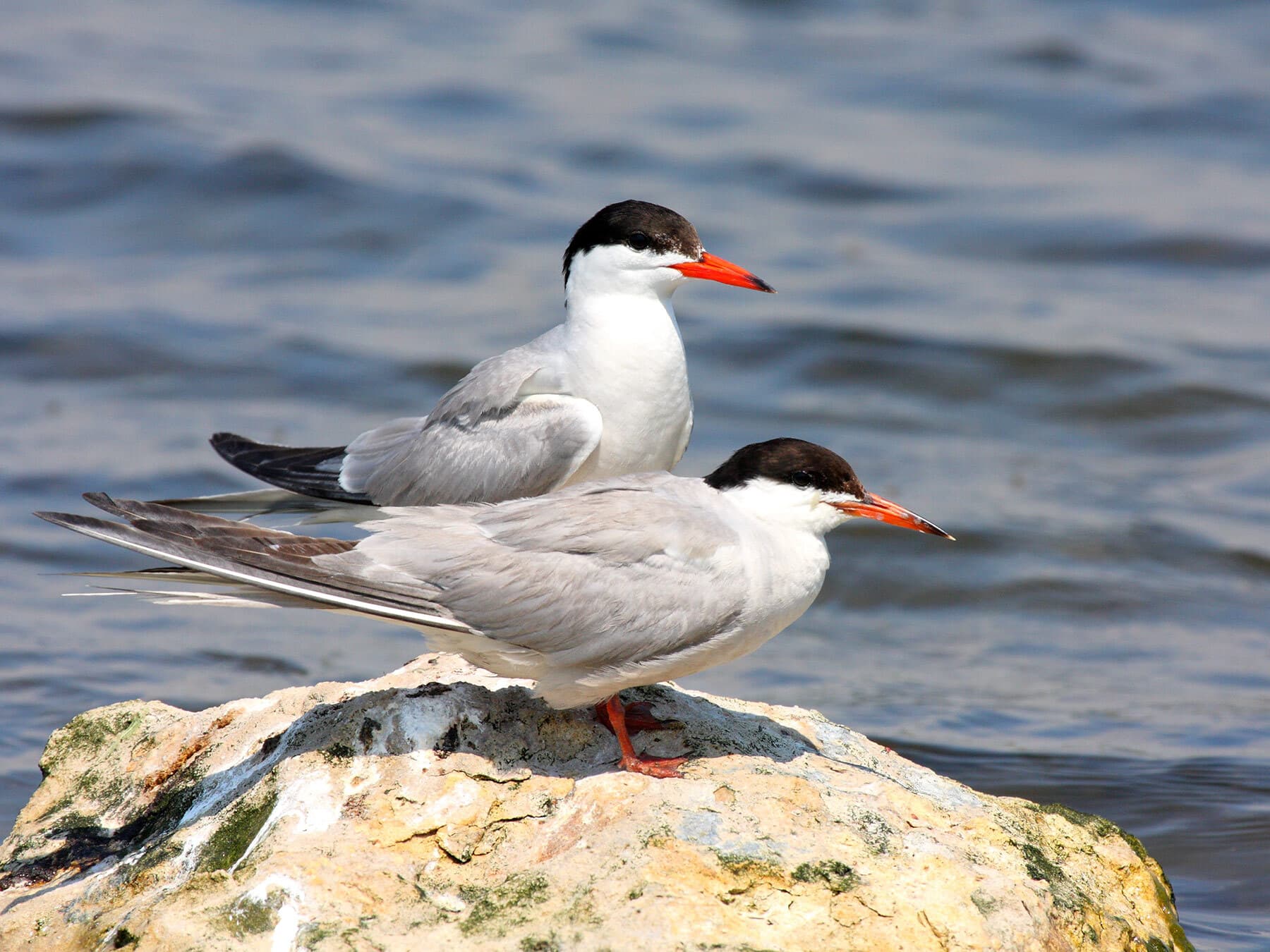
Common Tern
Sterna hirundoLC
An uncommon breeding visitor from April to September, nesting at coastal sites and feeding over inshore waters and gravel pits.
Apr–Sep
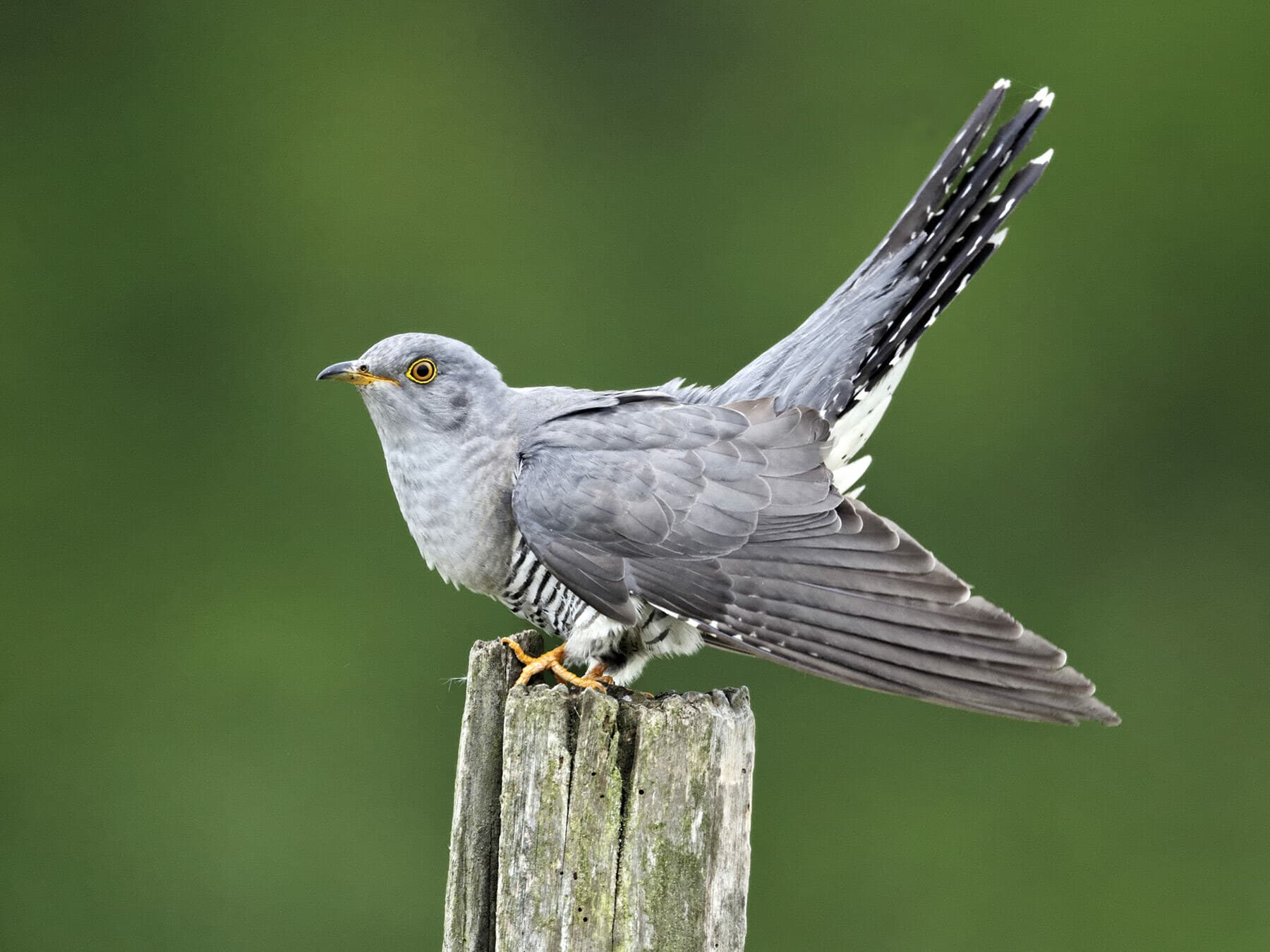
Cuckoo
Cuculus canorusLC
An uncommon summer visitor arriving in April, favouring heathland and downland. Declining nationally, its distinctive call is increasingly hard to hear.
Apr–Aug
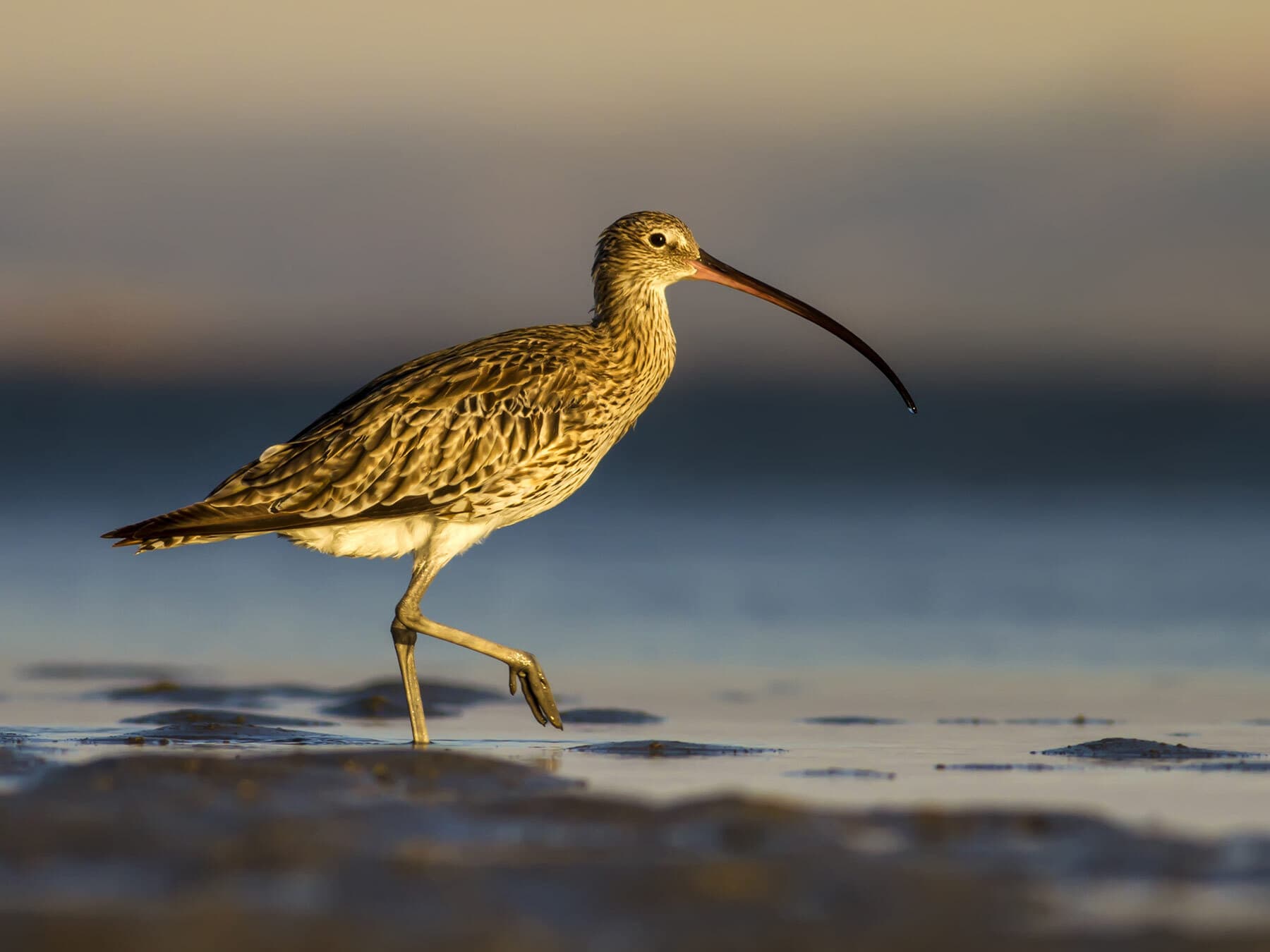
Curlew
Numenius arquataNT
An uncommon resident found on coastal marshes and the Pevensey Levels year-round. Numbers have declined as a breeding bird in the region.
Year-round
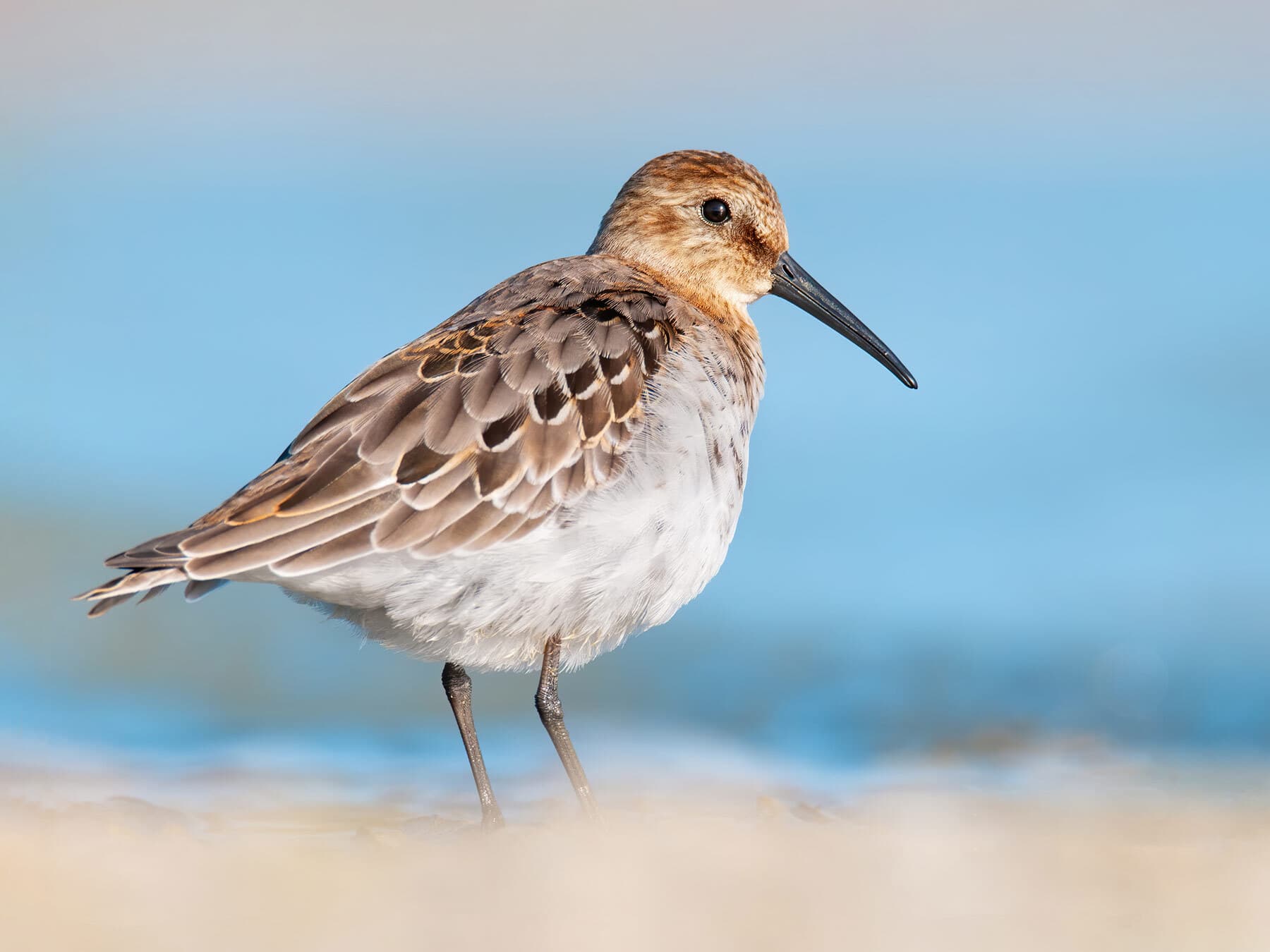
Dunlin
Calidris alpinaLC
Found on mudflats and coastal lagoons year-round, with numbers boosted in winter. Pevensey Levels and Rye Harbour are key sites.
Year-round
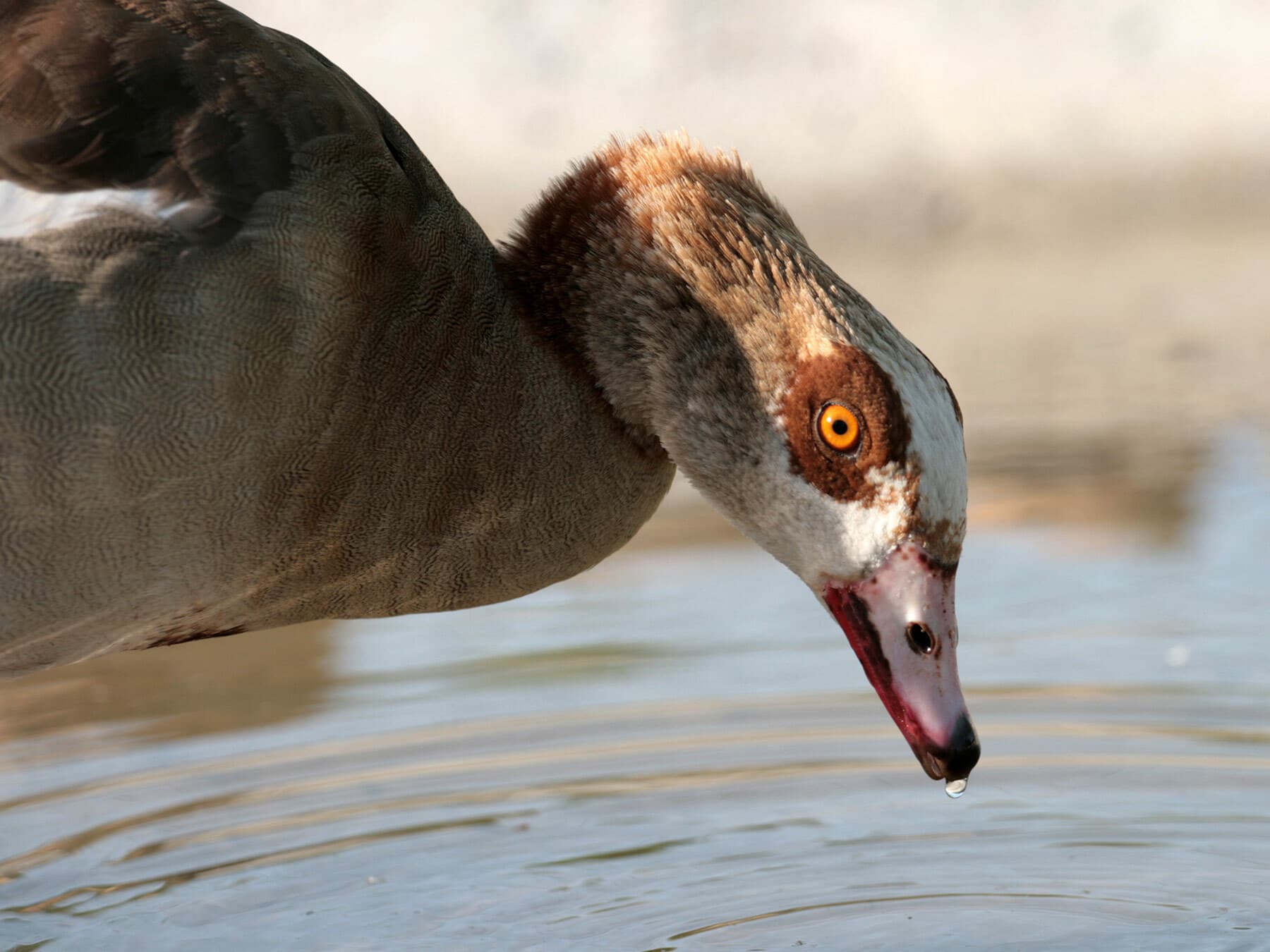
Egyptian Goose
Alopochen aegyptiacaLC
An established but uncommon resident found year-round on lakes, reservoirs and parkland. This naturalised species is slowly spreading across the county.
Year-round
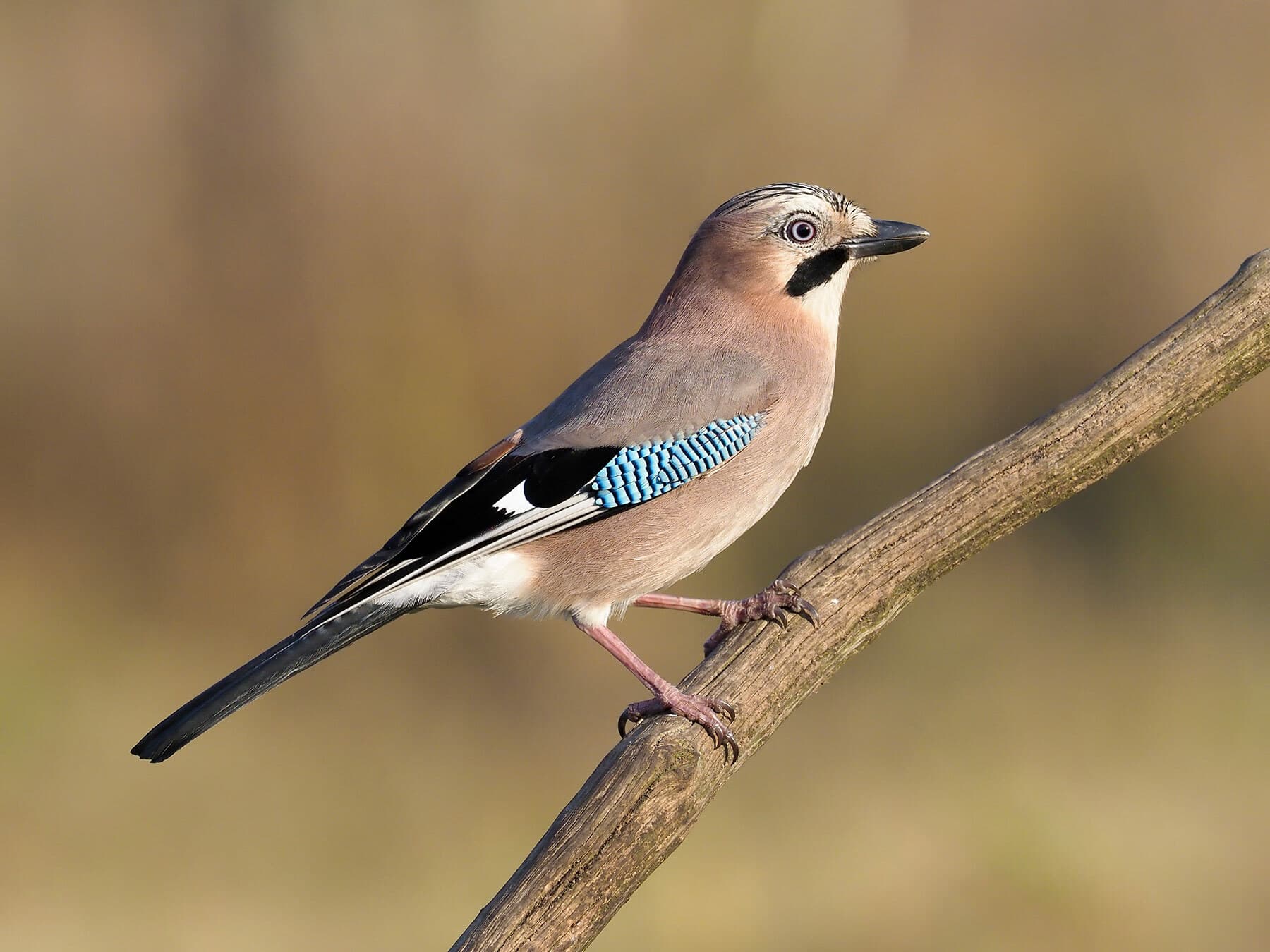
Eurasian Jay
Garrulus glandariusLC
An uncommon but widespread resident of broadleaved woodland and mature gardens. Its harsh screeching call often betrays its presence.
Year-round
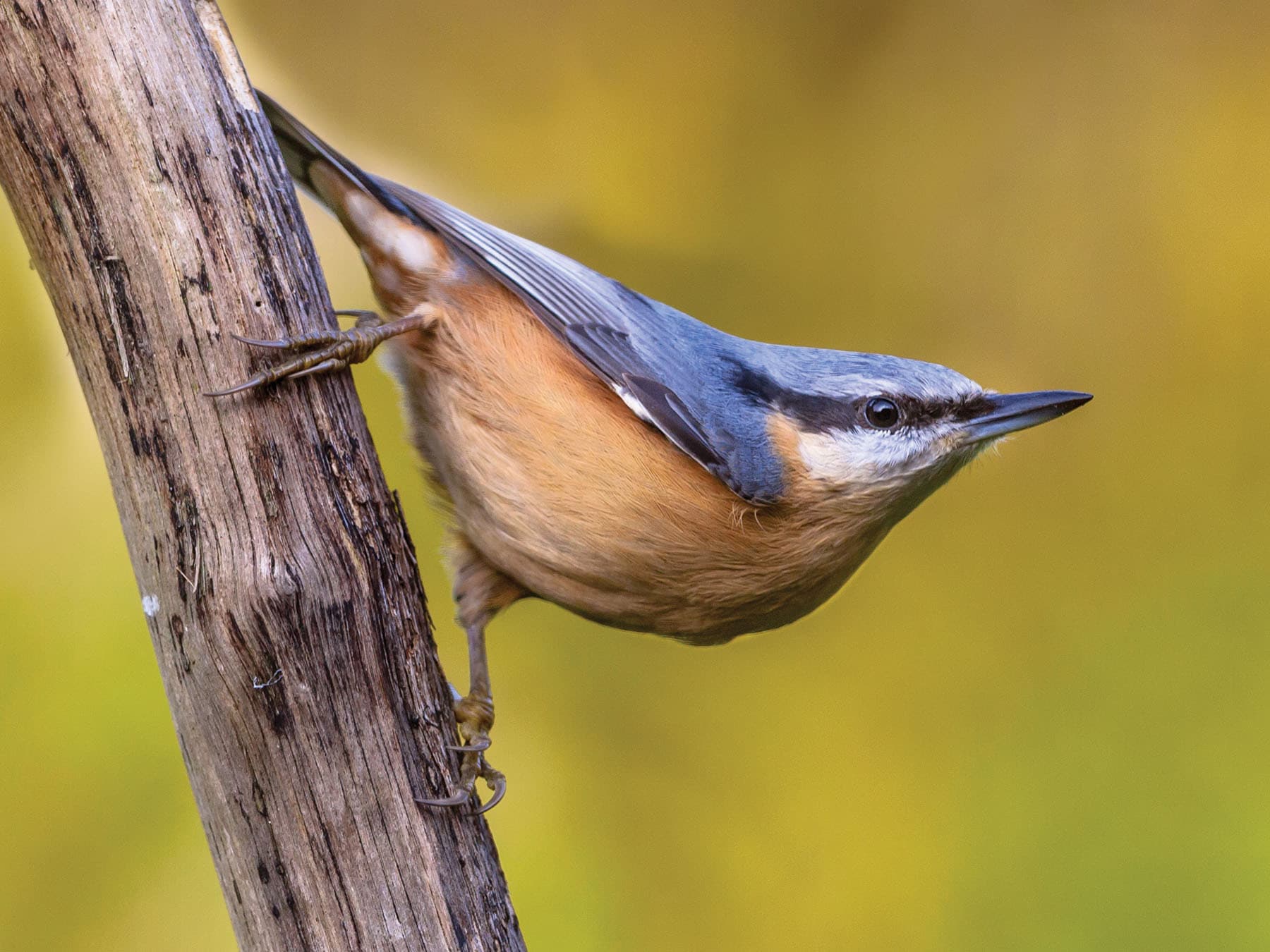
Eurasian Nuthatch
Sitta europaeaLC
Found year-round in mature deciduous woodland, often heard giving its loud ringing call in the Weald and downland copses.
Year-round
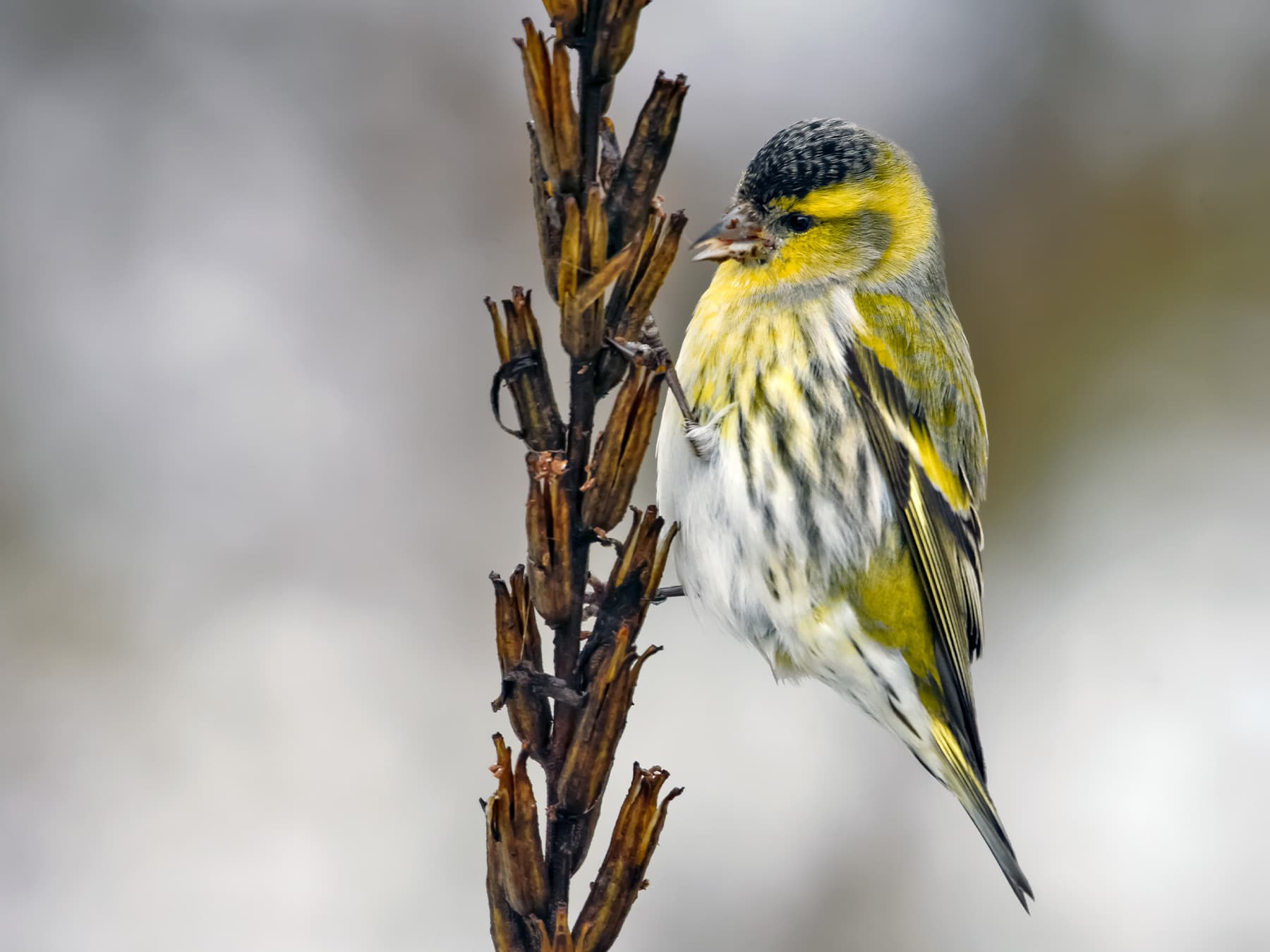
Eurasian Siskin
Spinus spinusLC
An uncommon resident favouring alder and birch woodland. Numbers increase in winter when continental birds arrive, often visiting garden feeders.
Year-round