Uncommon Birds in East Sussex
67 species matching this filter.
East Sussex supports a diverse range of uncommon bird species across its varied habitats, from the chalk cliffs of Beachy Head to the wetlands of Pevensey Levels and the reedbeds of Rye Harbour. Among the 67 uncommon species recorded in the county, birdwatchers can encounter elegant Avocets wading through coastal lagoons, colourful Bullfinches in hedgerows, and striking European Green Woodpeckers in parkland and woodland edges. The county's estuaries, reservoirs, and grazing marshes provide vital habitat for passage waders such as Common Sandpiper and wintering wildfowl including Gadwall and Common Shelduck.


Showing 24–46 of 67 species
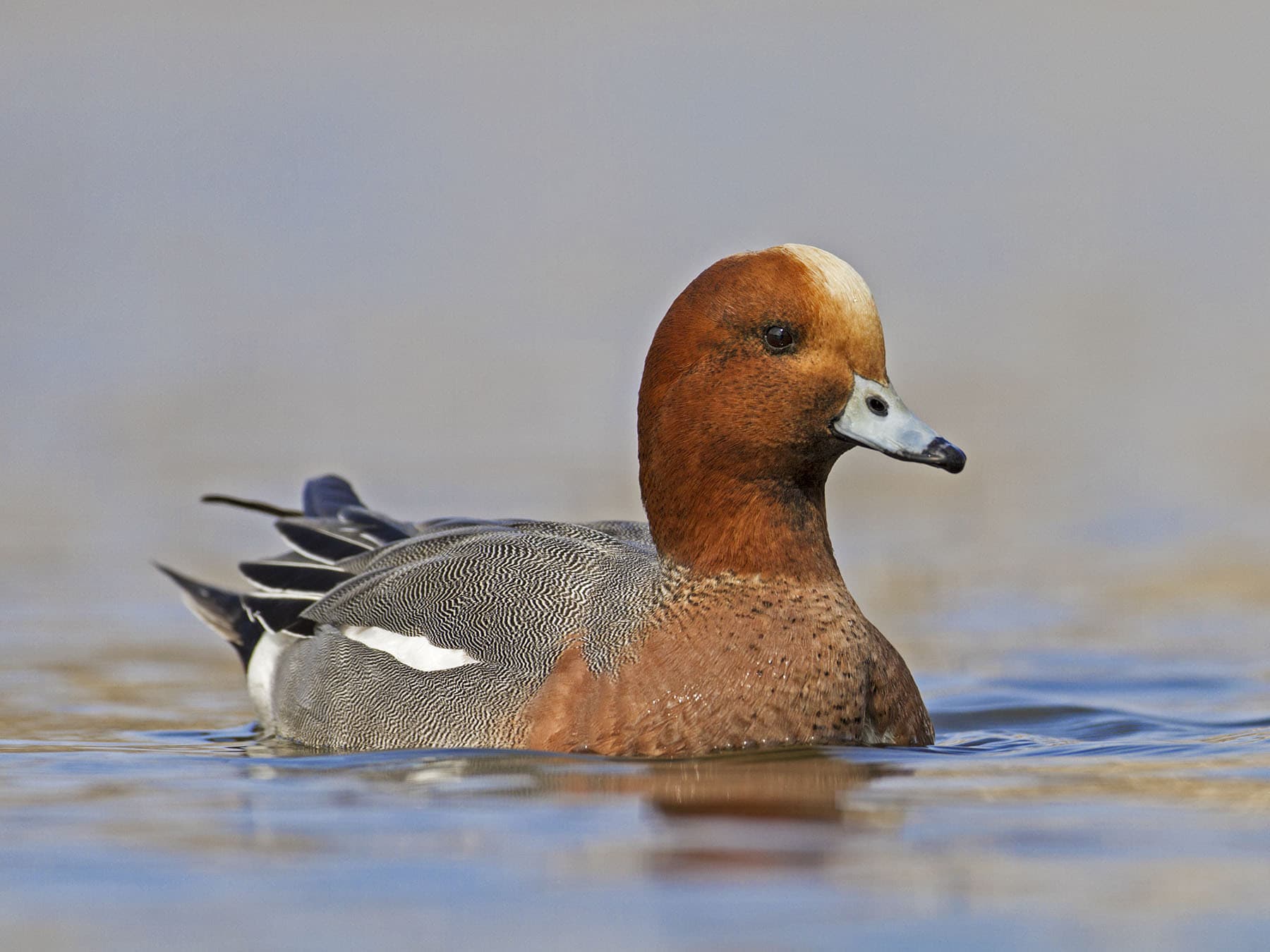
Eurasian Wigeon
Mareca penelopeLC
An uncommon but regular visitor to coastal marshes and flooded fields, with numbers peaking in winter. Whistling flocks gather on the Pevensey Levels and Cuckmere.
Jul–May
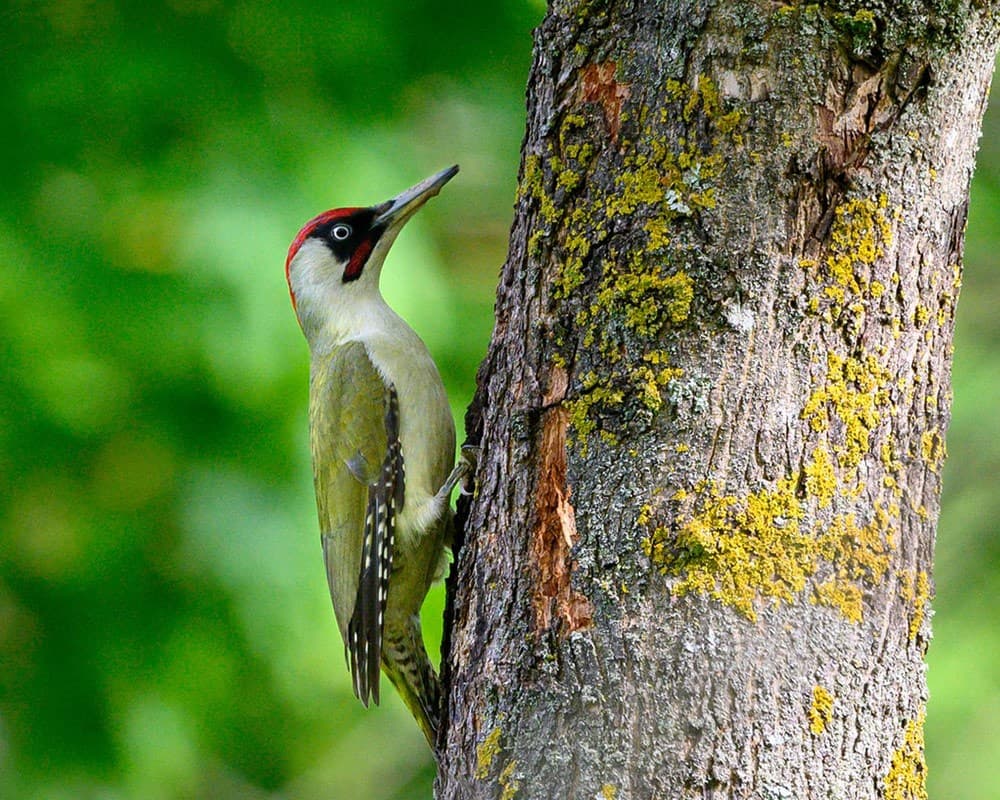
European Green Woodpecker
Picus viridisLC
Resident in open woodland and downland turf, where its loud laughing call carries far. Feeds mainly on ground-dwelling ants.
Year-round
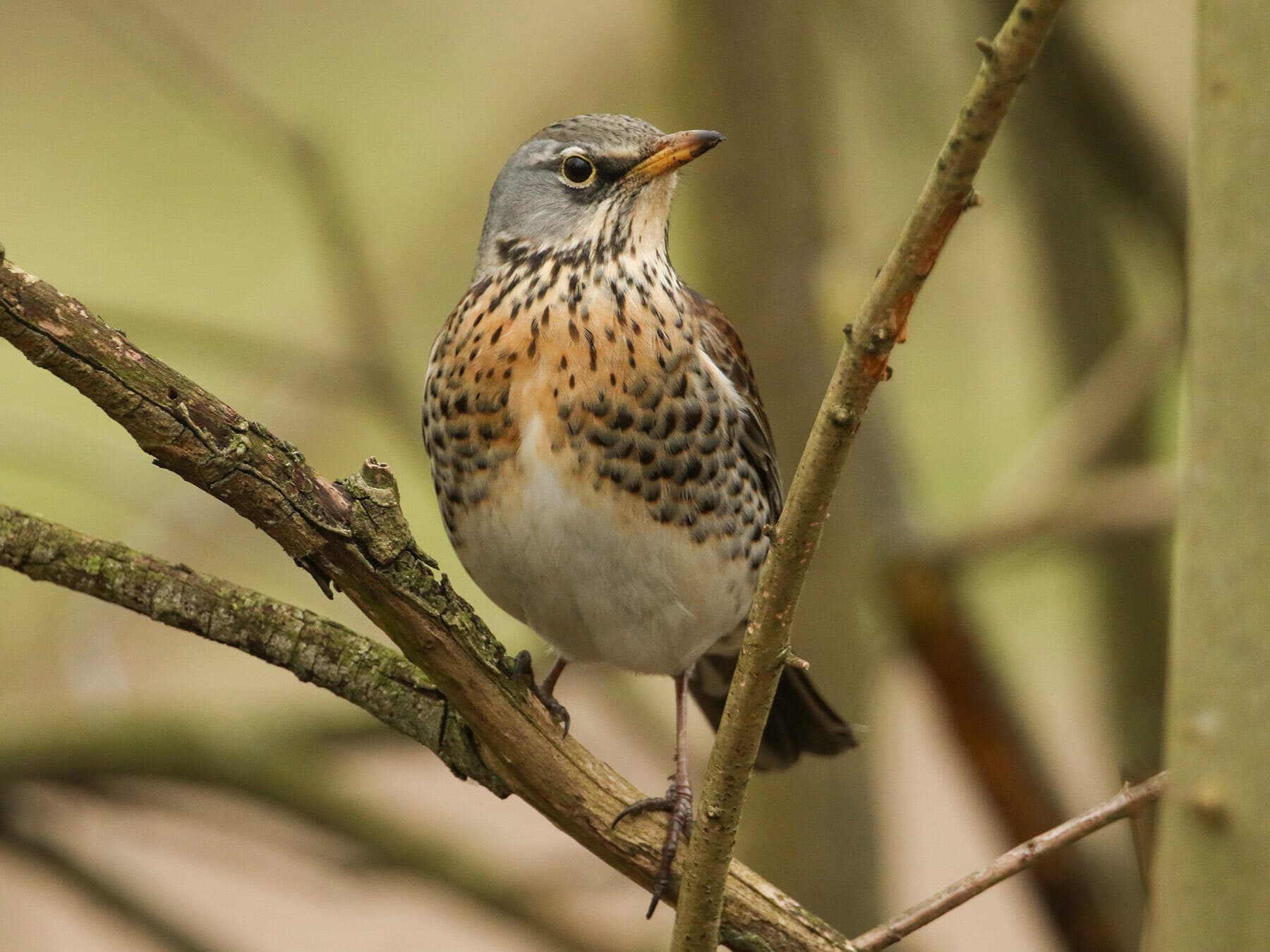
Fieldfare
Turdus pilarisLC
An uncommon winter visitor arriving from Scandinavia in October. Roving flocks feed on berries in hedgerows and open farmland across the Downs.
Oct–Mar
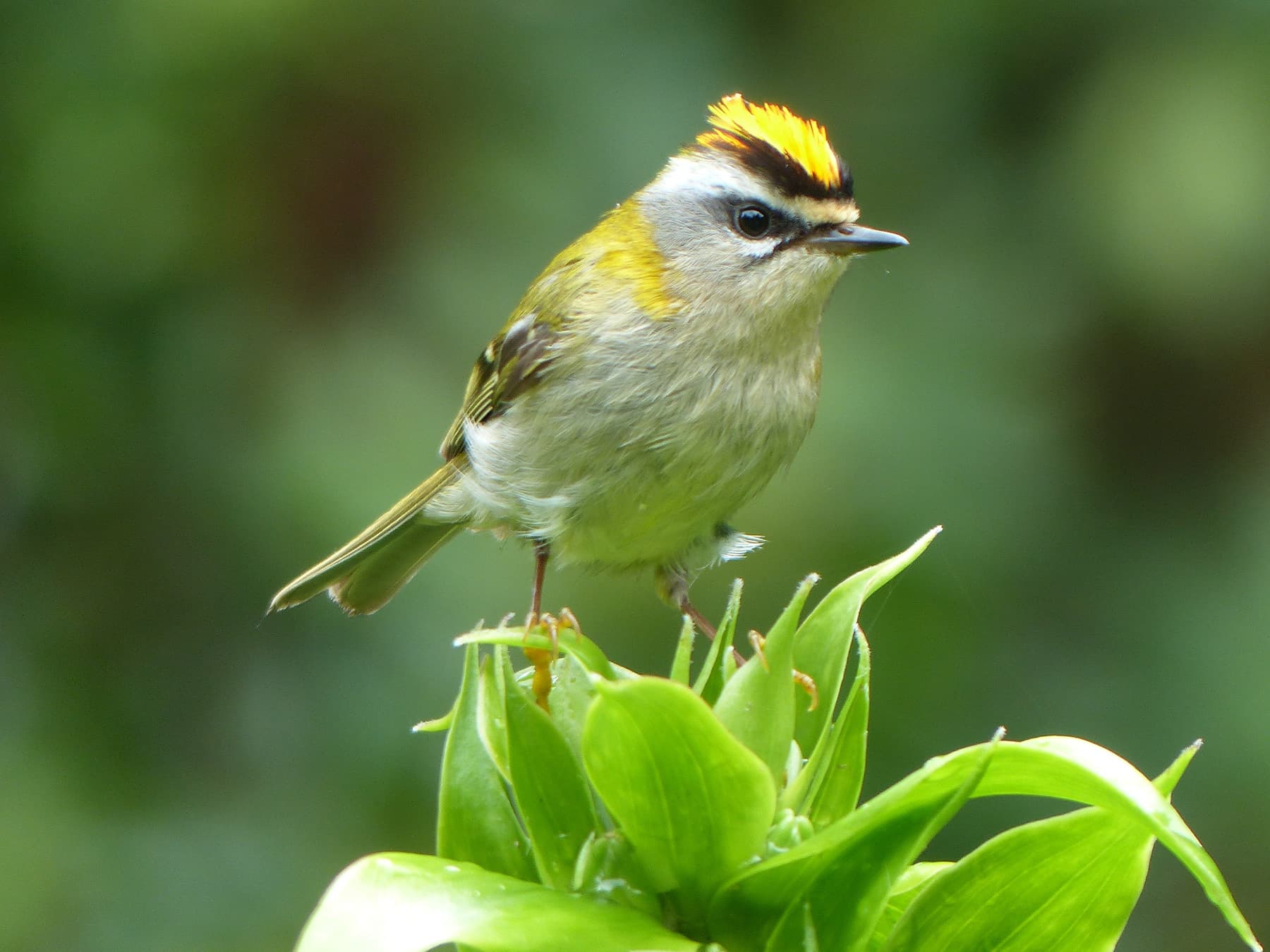
Firecrest
Regulus ignicapillaLC
An uncommon year-round resident, breeding in coniferous and mixed woodland. Numbers bolstered in autumn by Continental migrants along the coast.
Year-round
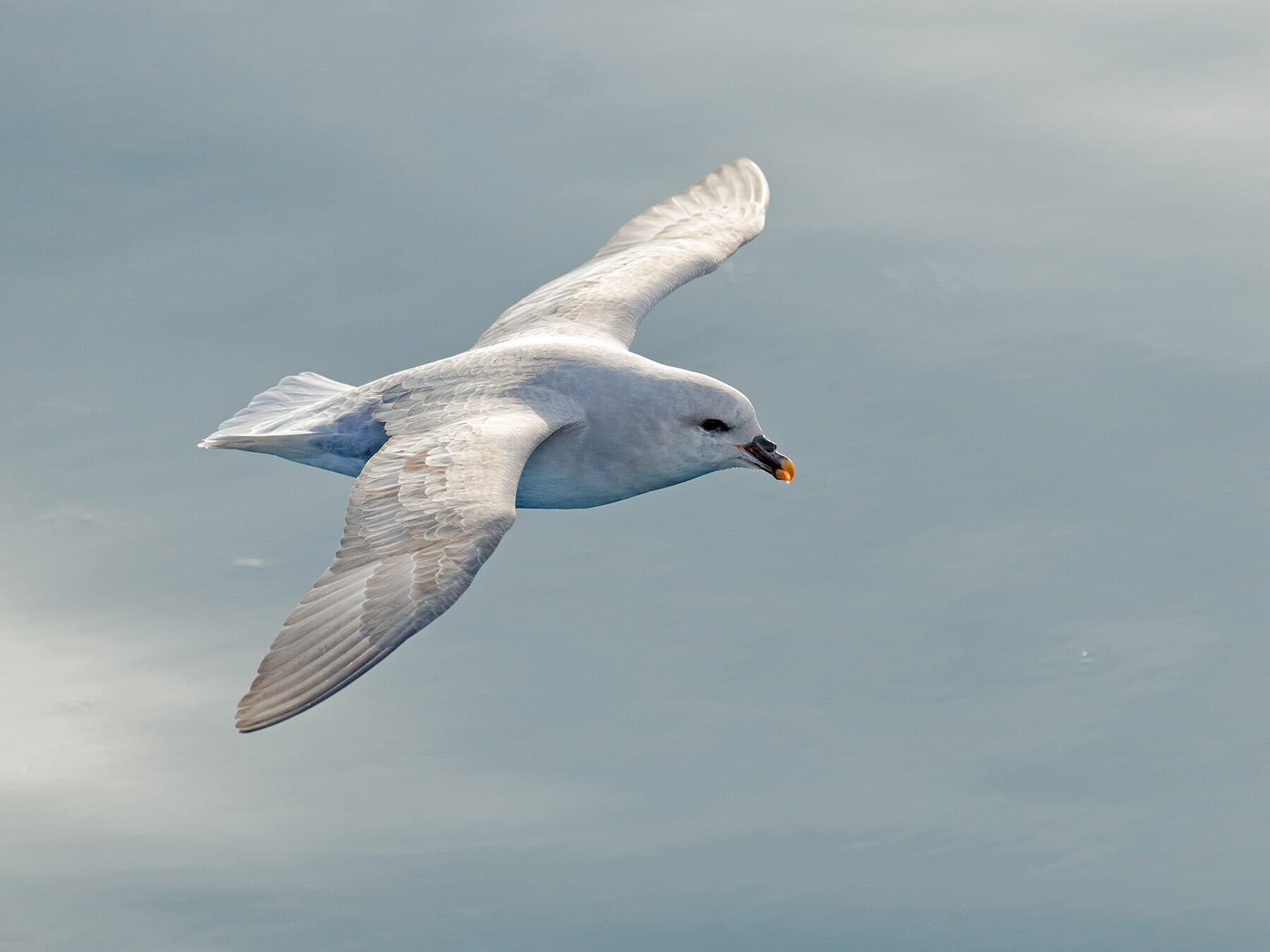
Fulmar
Fulmarus glacialisLC
Breeds on chalk cliffs at Beachy Head and Seaford Head. Present most of the year, gliding stiffly on ocean updrafts.
Nov–Sep
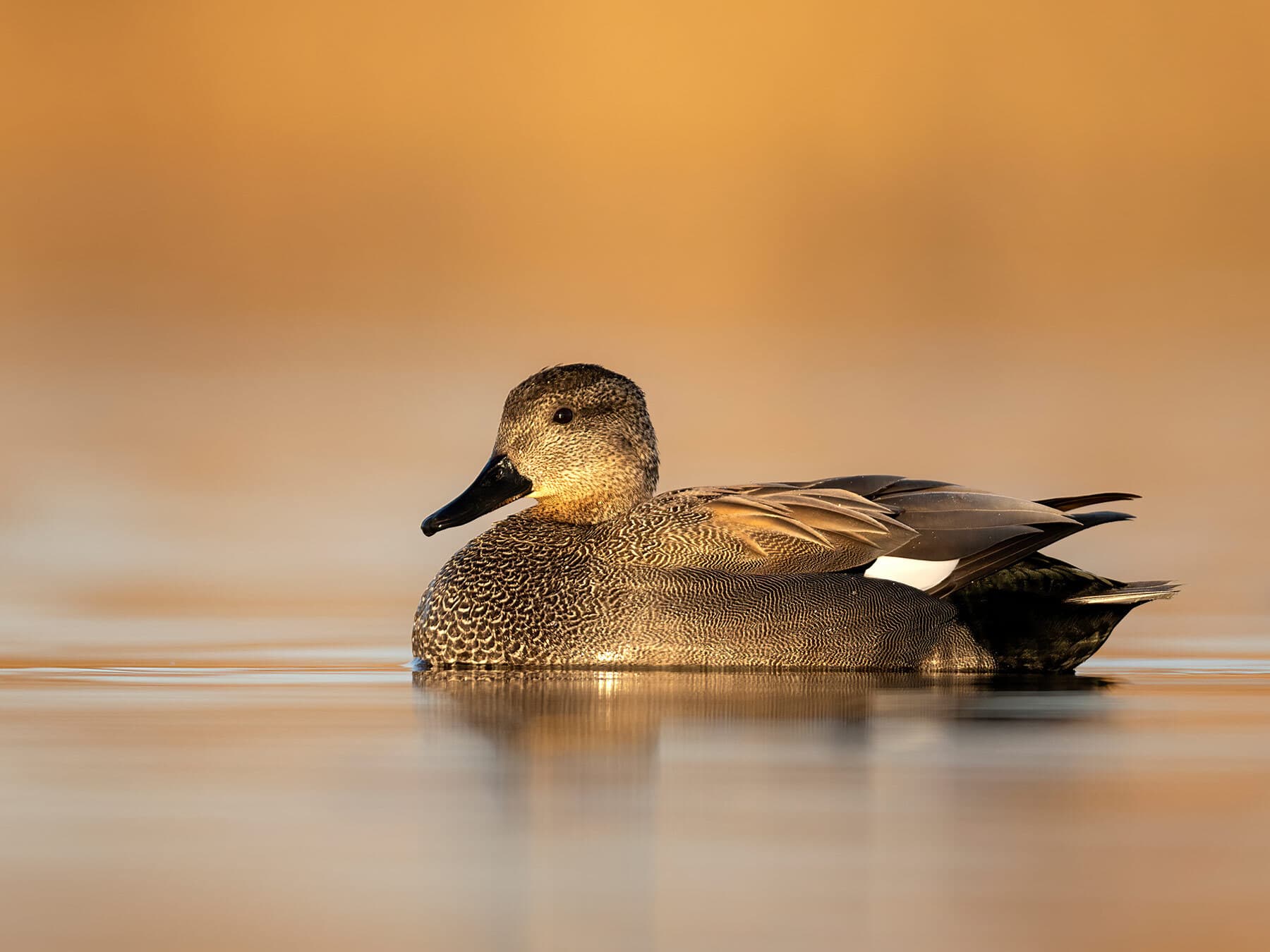
Gadwall
Mareca streperaLC
An uncommon year-round resident on reservoirs and gravel pits. Often overlooked among Mallards but breeds locally at sites like Arlington Reservoir.
Year-round
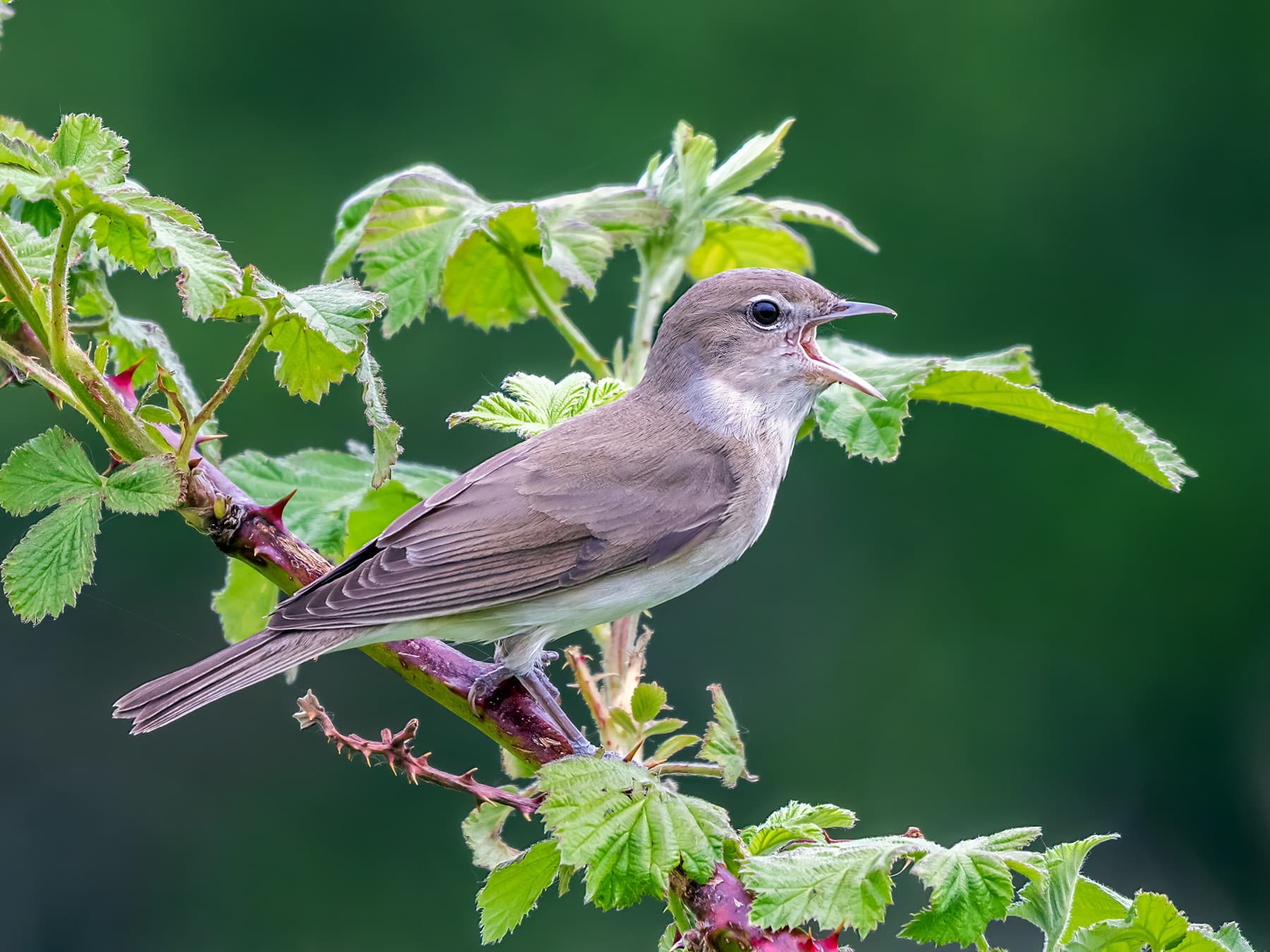
Garden Warbler
Sylvia borinLC
An uncommon summer breeder arriving in April, favouring dense deciduous woodland with thick understorey. Its rich warbling song lacks the Blackcap's clarity.
Apr–Sep
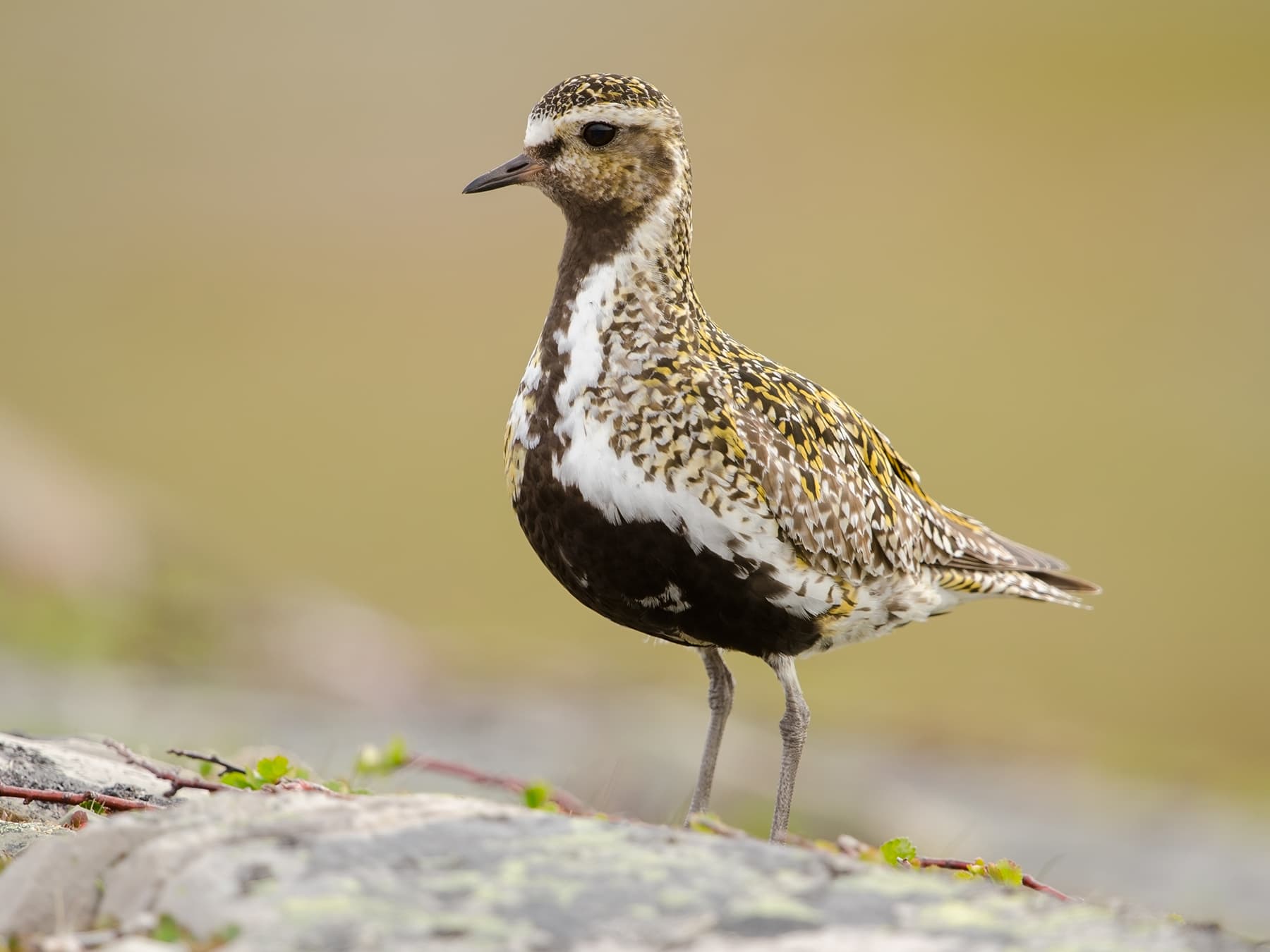
Golden Plover
Pluvialis apricariaLC
An uncommon non-breeding visitor to ploughed fields and coastal marshes. Flocks gather on the Pevensey Levels and downland from autumn through early spring.
Aug–Apr
Spotted something?
Upload a photo to identify it
Identify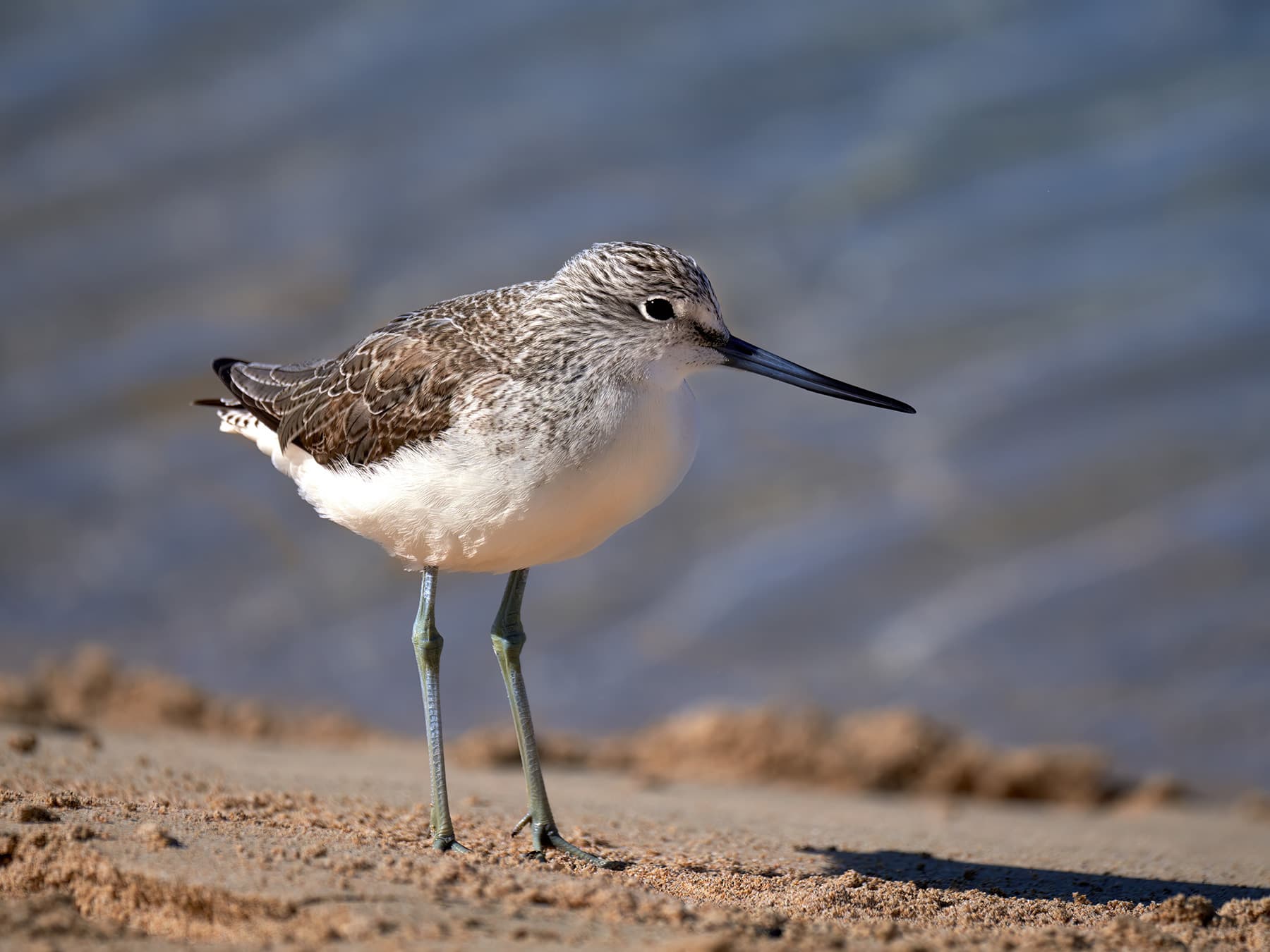
Greenshank
Tringa nebulariaLC
An uncommon visitor mainly on passage and in autumn, frequenting coastal pools and estuaries. Its ringing call often draws attention at Cuckmere Haven.
Apr–Nov
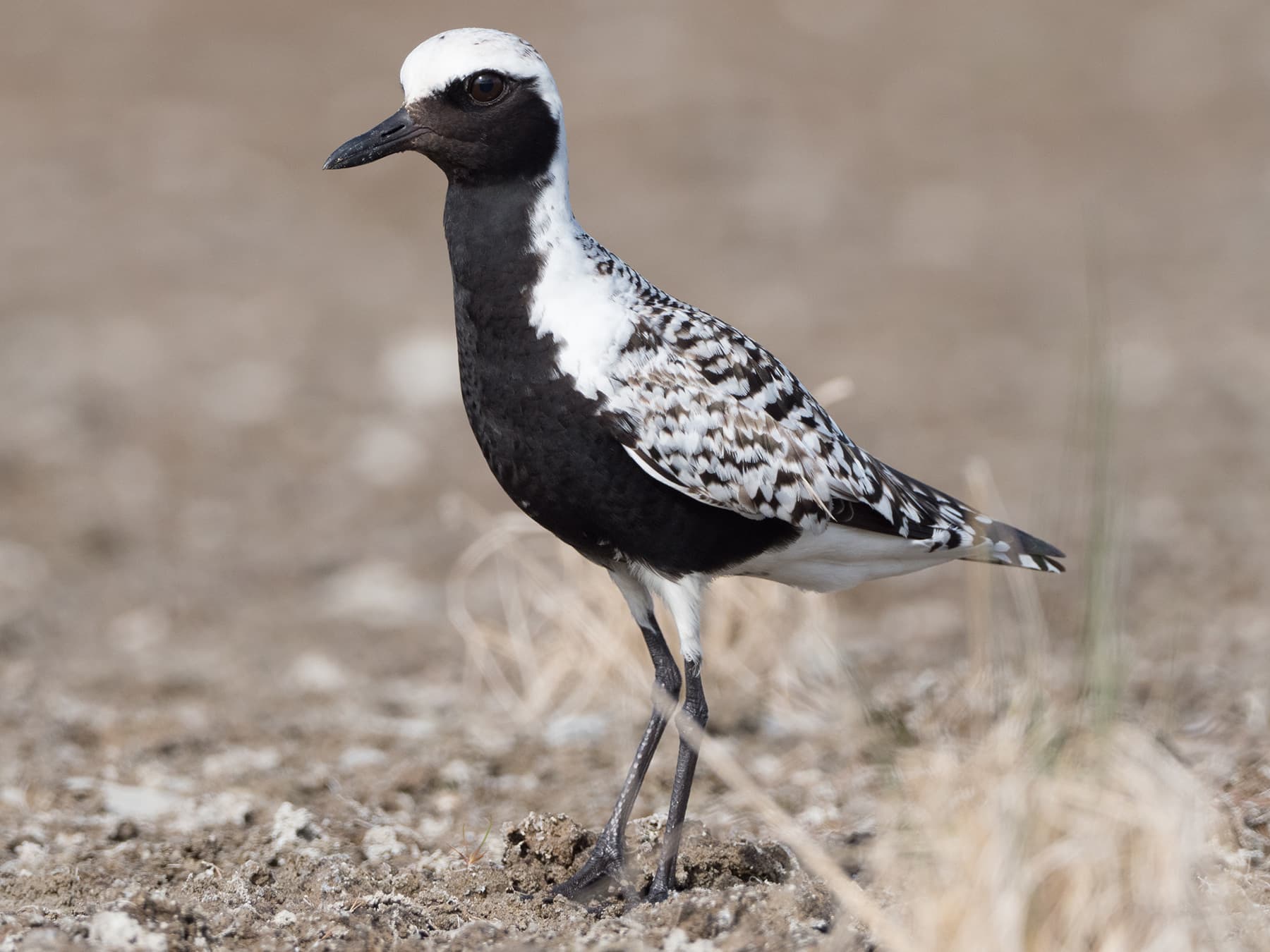
Grey Plover
Pluvialis squatarolaLC
An uncommon but regular visitor to coastal mudflats and estuaries, present most of the year. Silver-grey plumage and black 'armpits' aid identification.
Aug–Jun
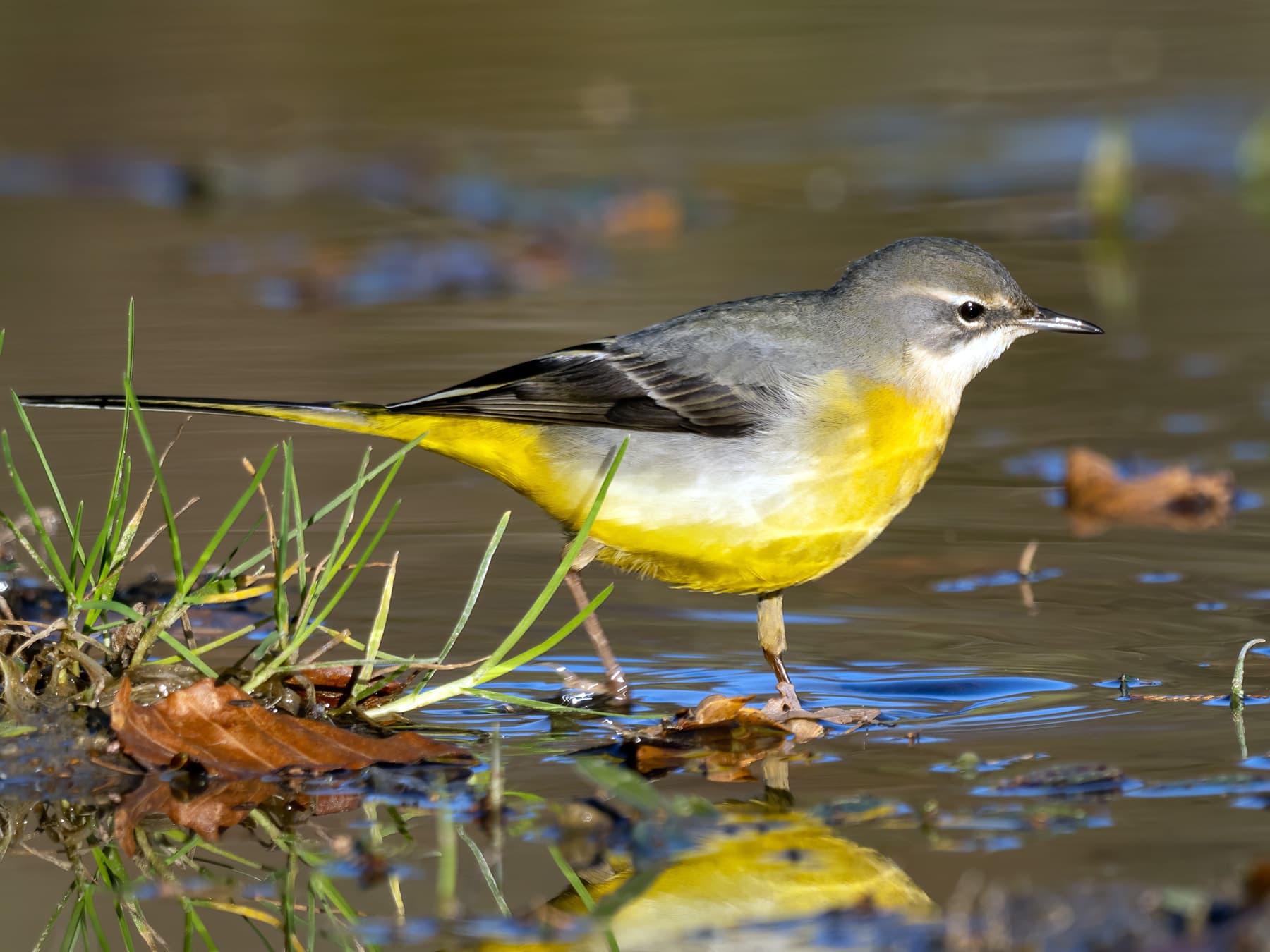
Grey Wagtail
Motacilla cinereaLC
An uncommon resident found along streams and rivers in the Weald. More widespread in winter when birds move to lowland watercourses and coast.
Year-round
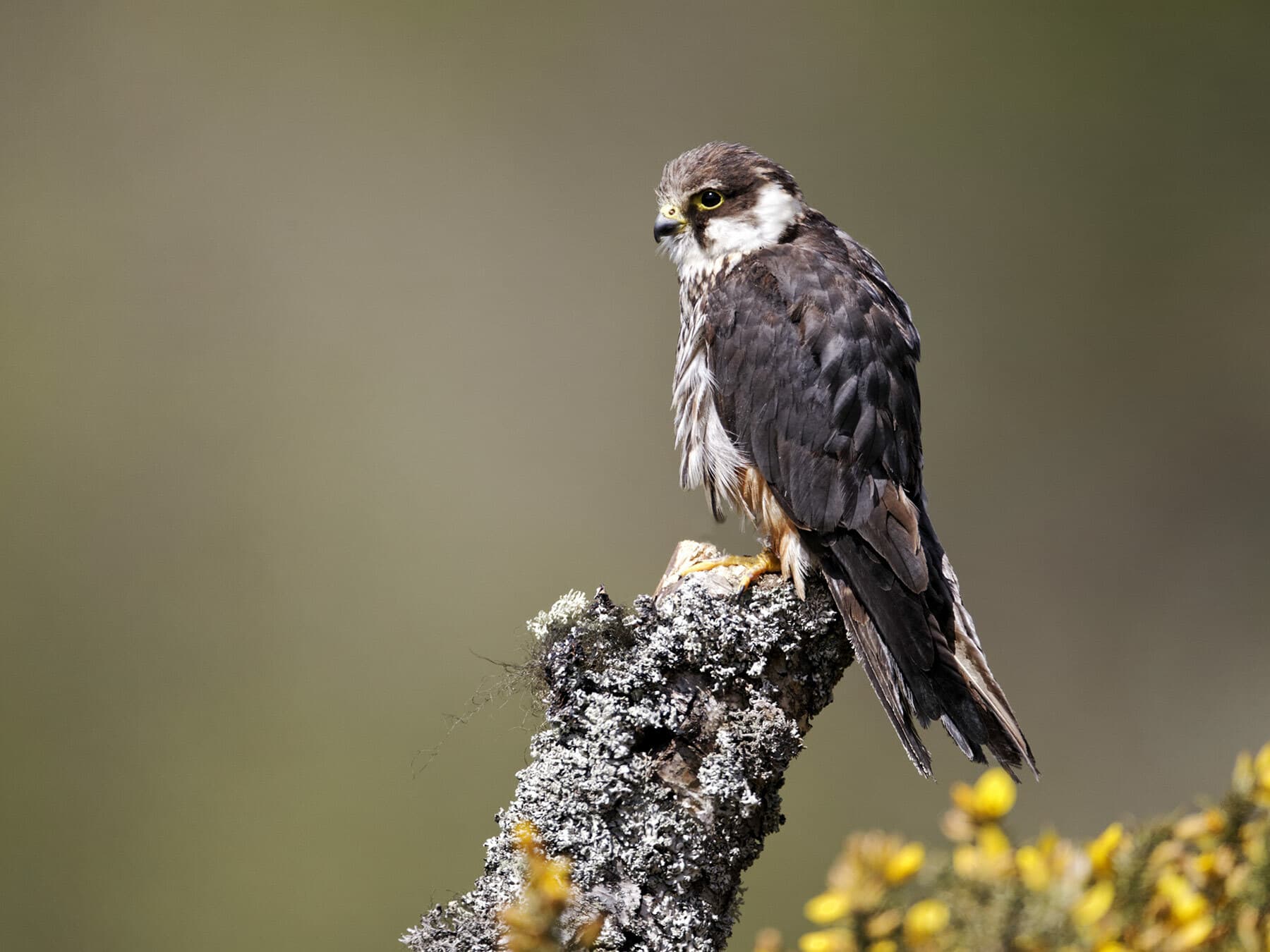
Hobby
Falco subbuteoLC
An uncommon summer breeder from April to October, hunting dragonflies and small birds over heathland, wetlands and open countryside.
Apr–Oct
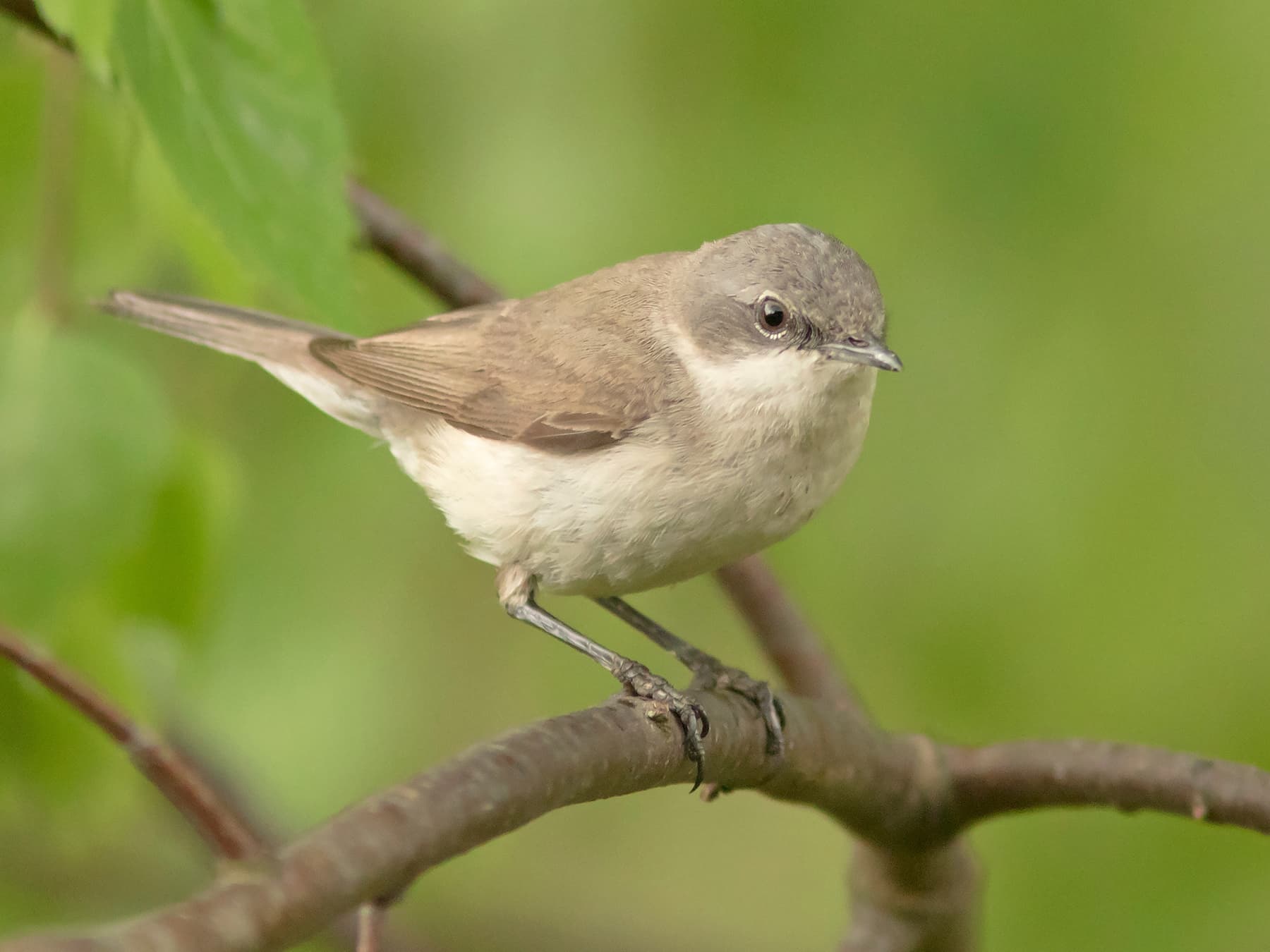
Lesser Whitethroat
Curruca currucaLC
An uncommon summer breeder arriving in April, favouring dense hedgerows and scrub. Its rattling song is easily overlooked.
Apr–Sep
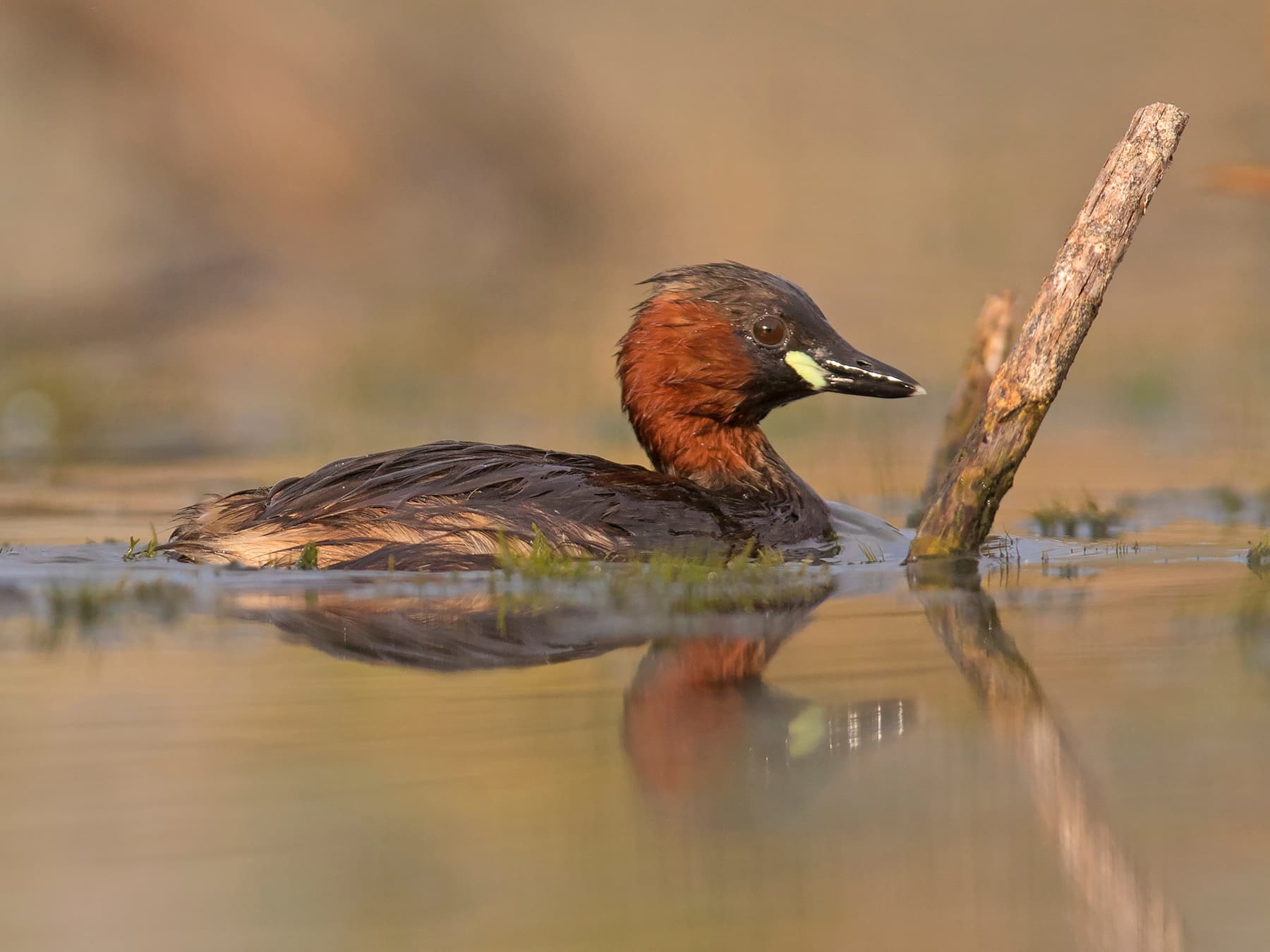
Little Grebe
Tachybaptus ruficollisLC
An uncommon but widespread resident of ponds, lakes, and ditches. Often secretive in summer but more visible in winter.
Year-round
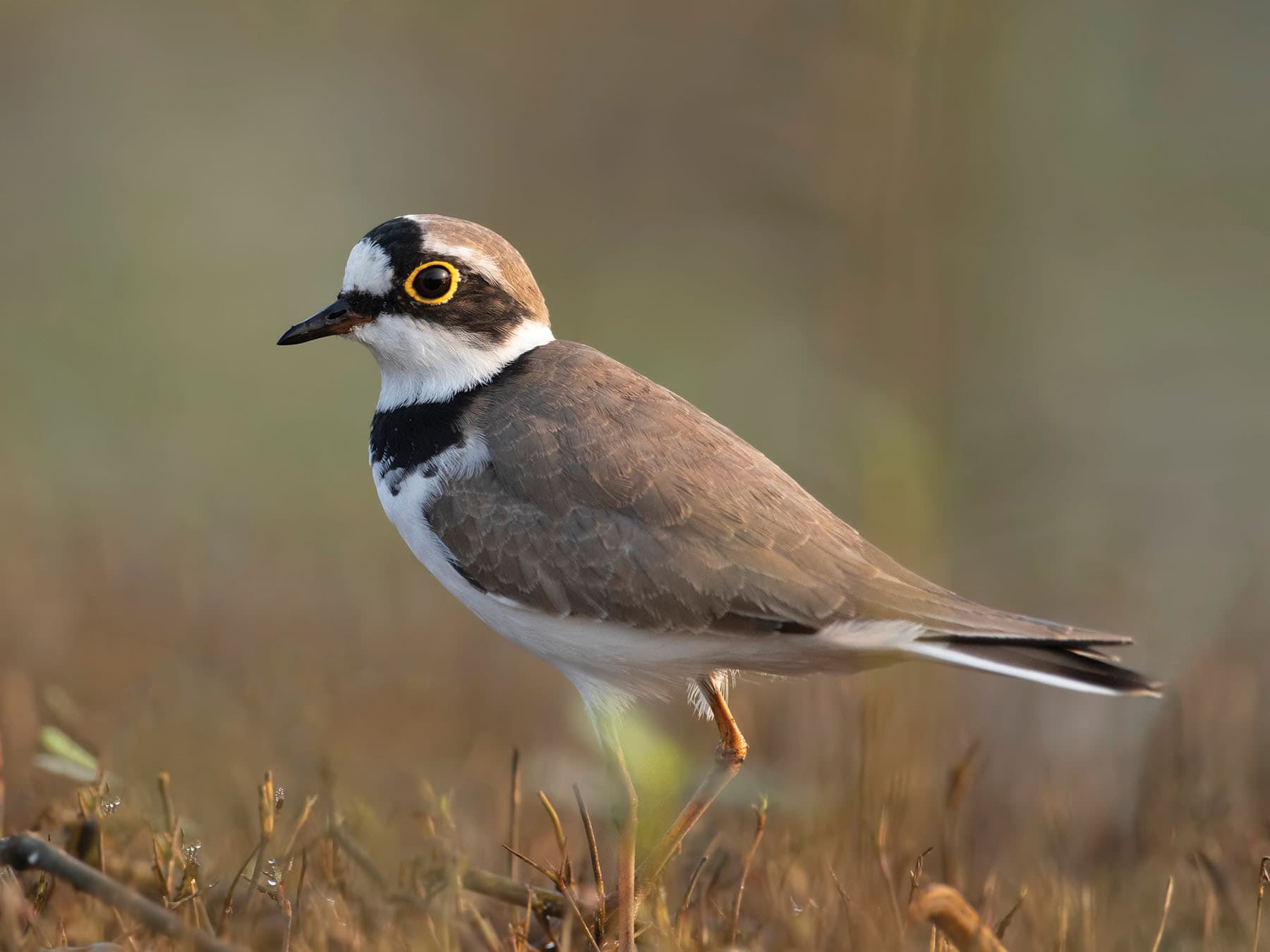
Little Ringed Plover
Charadrius dubiusLC
An uncommon summer breeder on gravel pits and reservoir margins from March to September. Smaller and slimmer than Ringed Plover with a bold eye-ring.
Mar–Sep
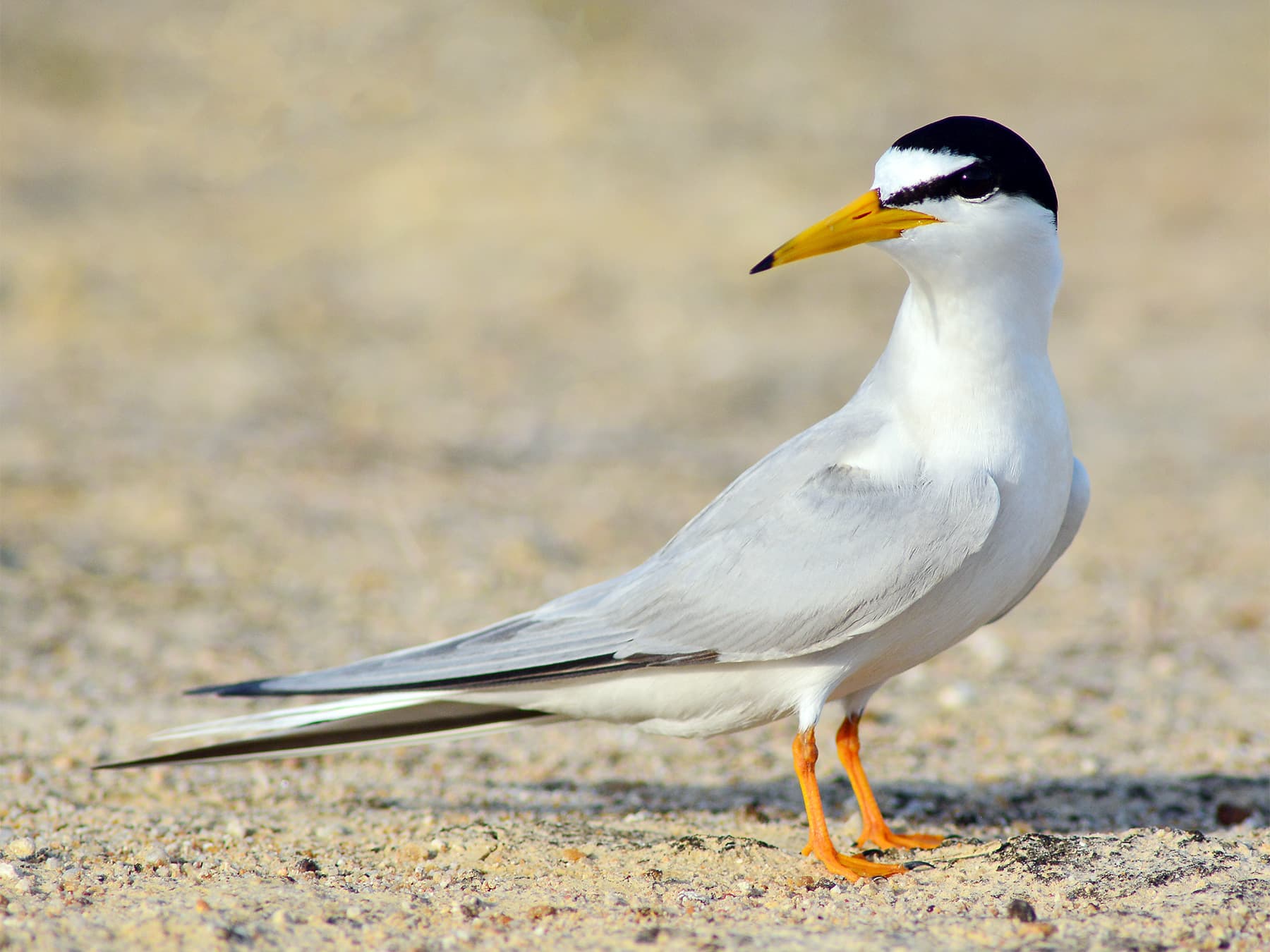
Little Tern
Sternula albifronsLC
An uncommon summer breeder nesting on shingle beaches. Colonies at Rye Harbour are carefully protected from disturbance.
Apr–Aug
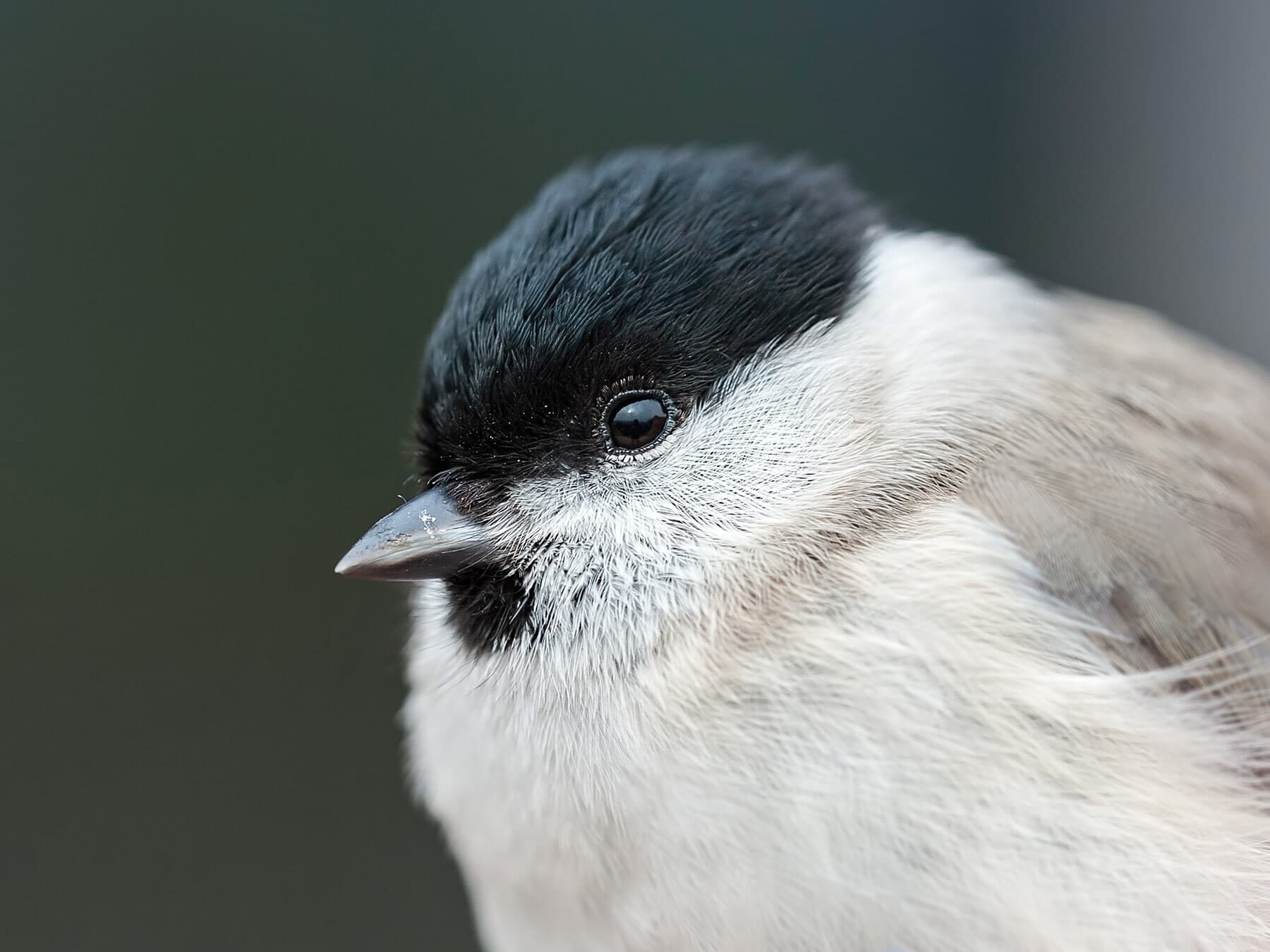
Marsh Tit
Poecile palustrisLC
An uncommon resident of mature deciduous woodland, particularly in the Weald. A declining species easily confused with the Willow Tit.
Year-round
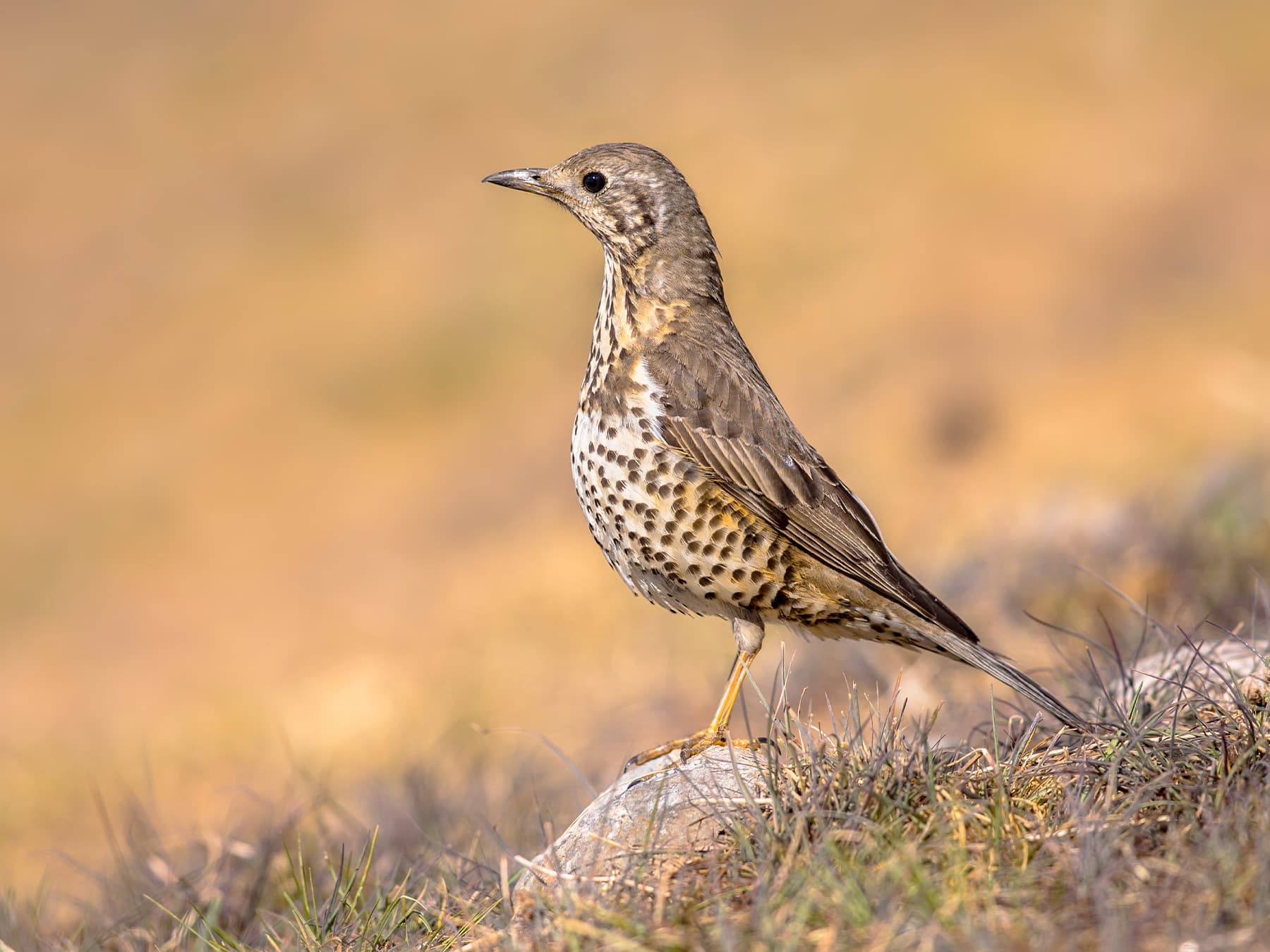
Mistle Thrush
Turdus viscivorusLC
An uncommon resident of parkland and open woodland, often singing boldly from treetops even in midwinter. Numbers are declining.
Year-round
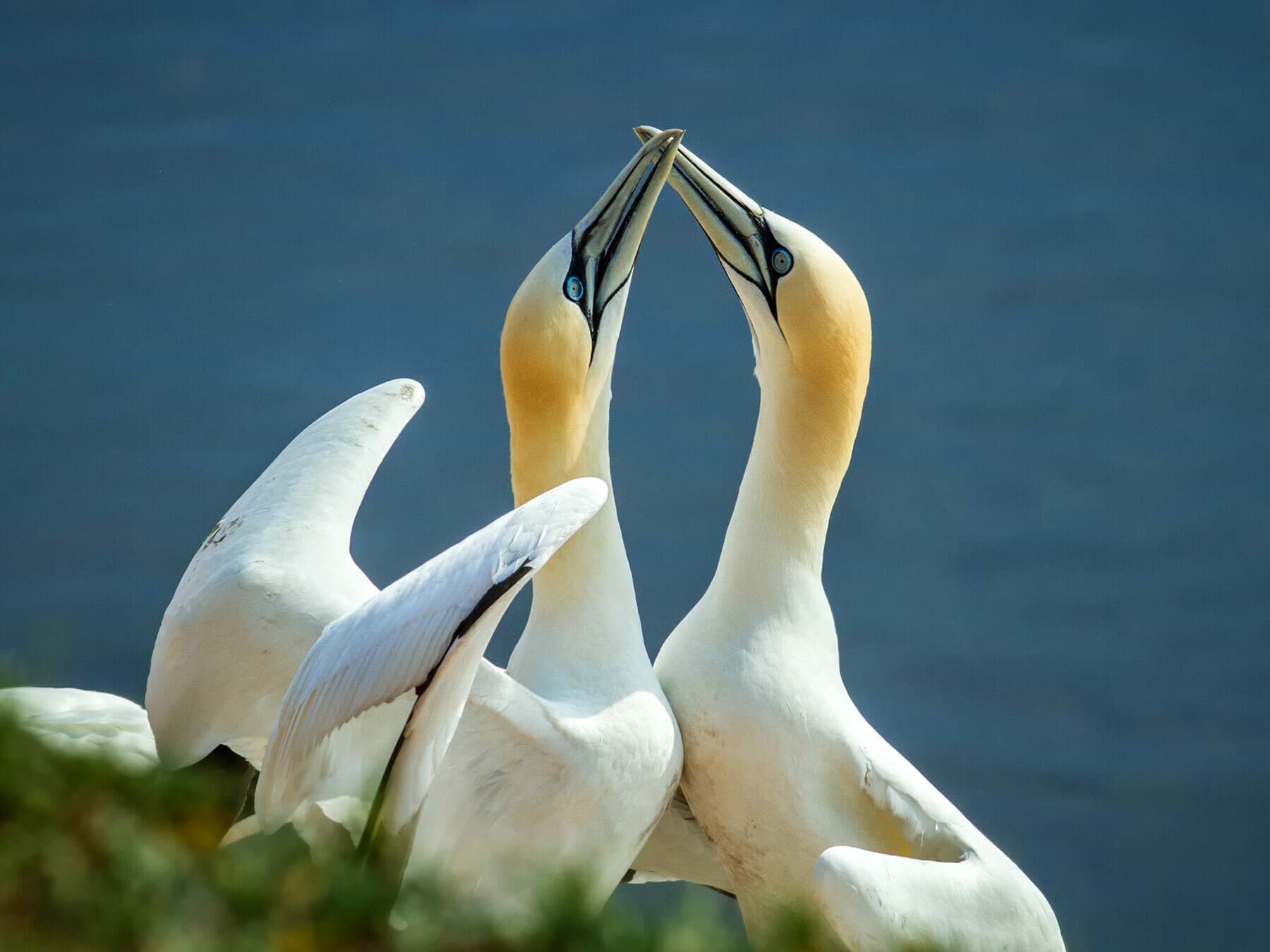
Northern Gannet
Morus bassanusLC
Seen offshore year-round, often plunge-diving spectacularly. Passage numbers peak in autumn off Beachy Head and other watchpoints.
Year-round
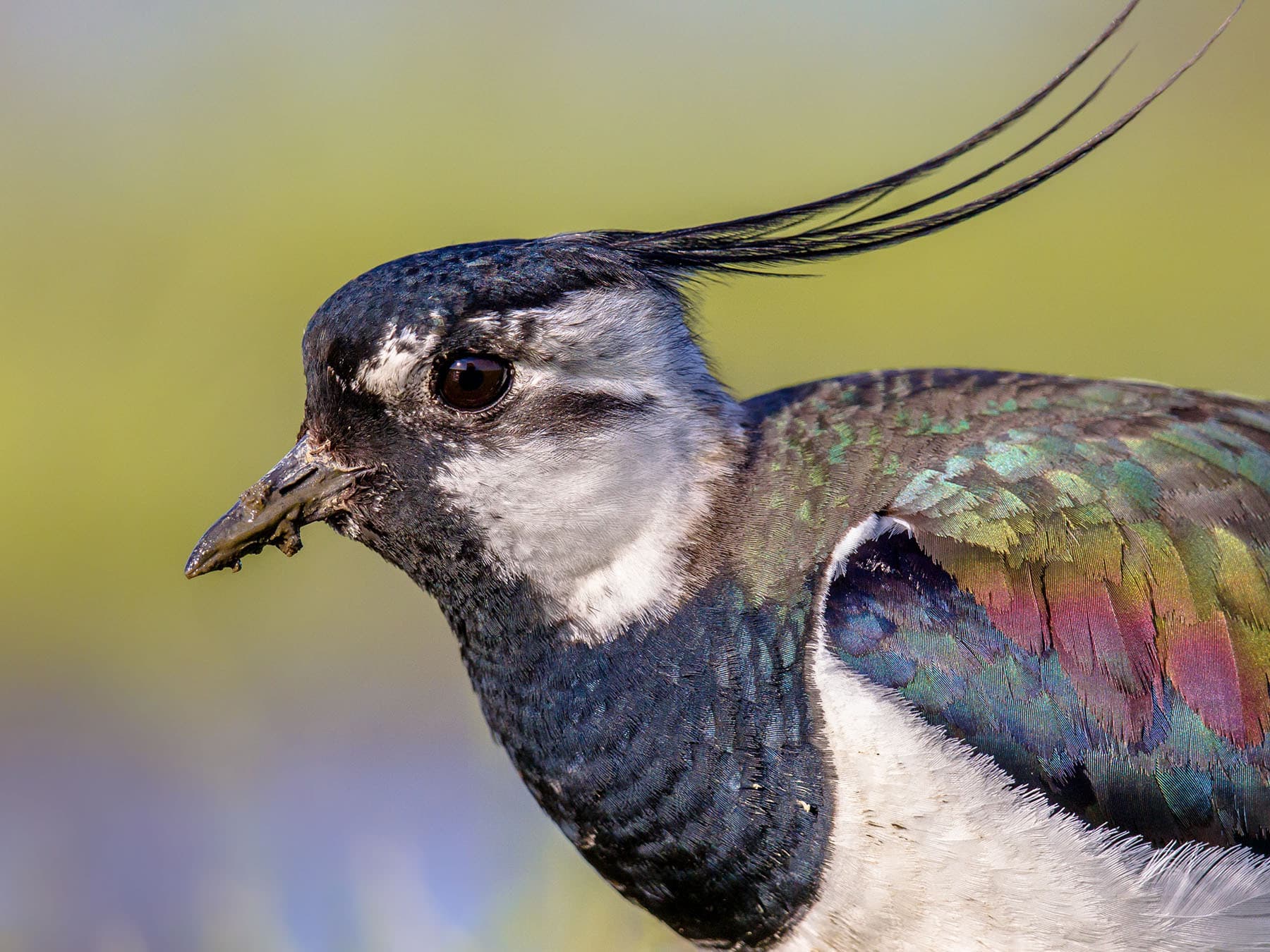
Northern Lapwing
Vanellus vanellusNT
An uncommon year-round resident of farmland and marshes, though declining as a breeder. Winter flocks form on the Pevensey Levels and coastal fields.
Year-round
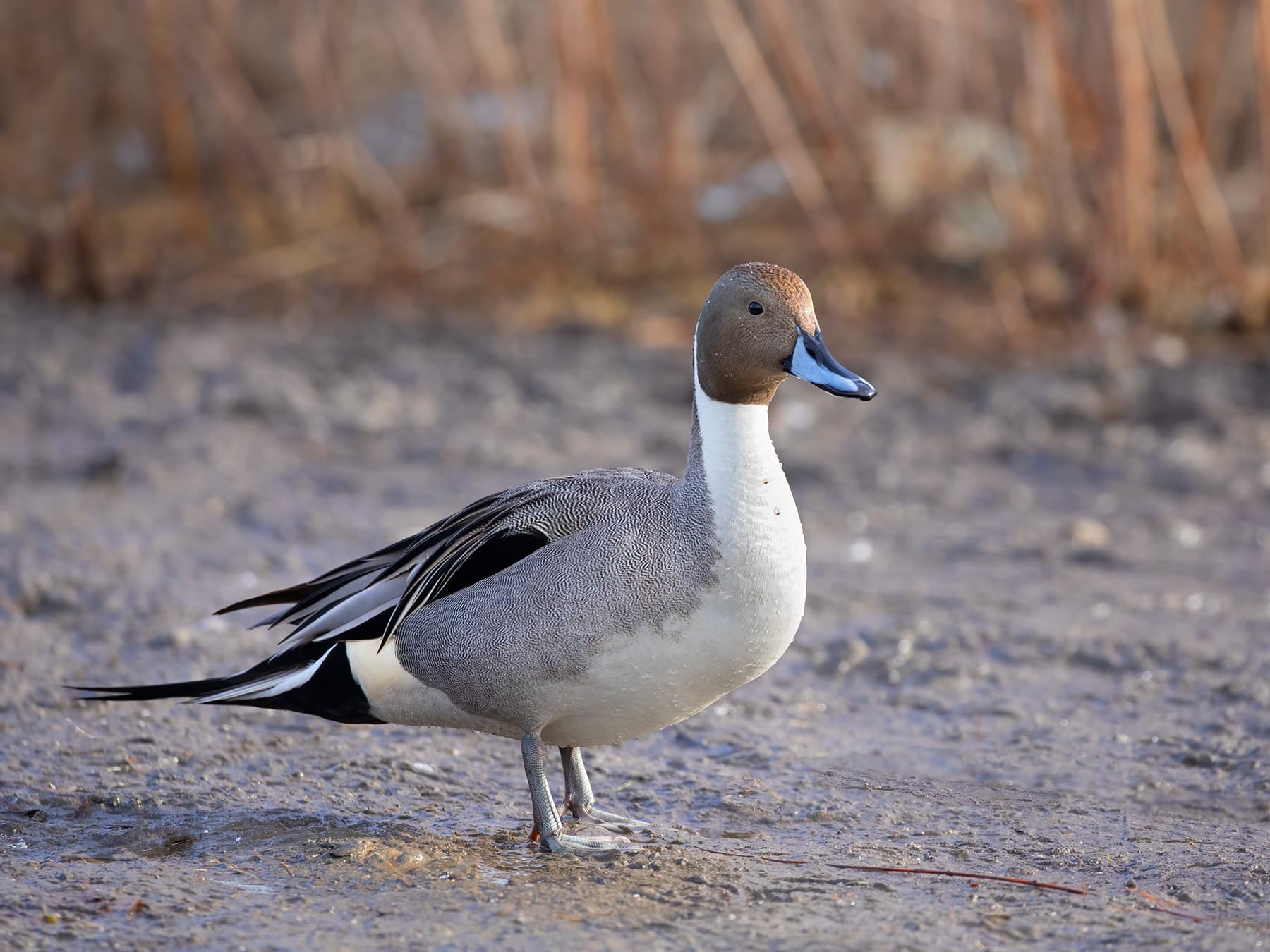
Northern Pintail
Anas acutaLC
An elegant dabbling duck found on coastal marshes and flooded fields, mainly from autumn to spring. Scarce but regular at Rye Harbour.
Sep–May
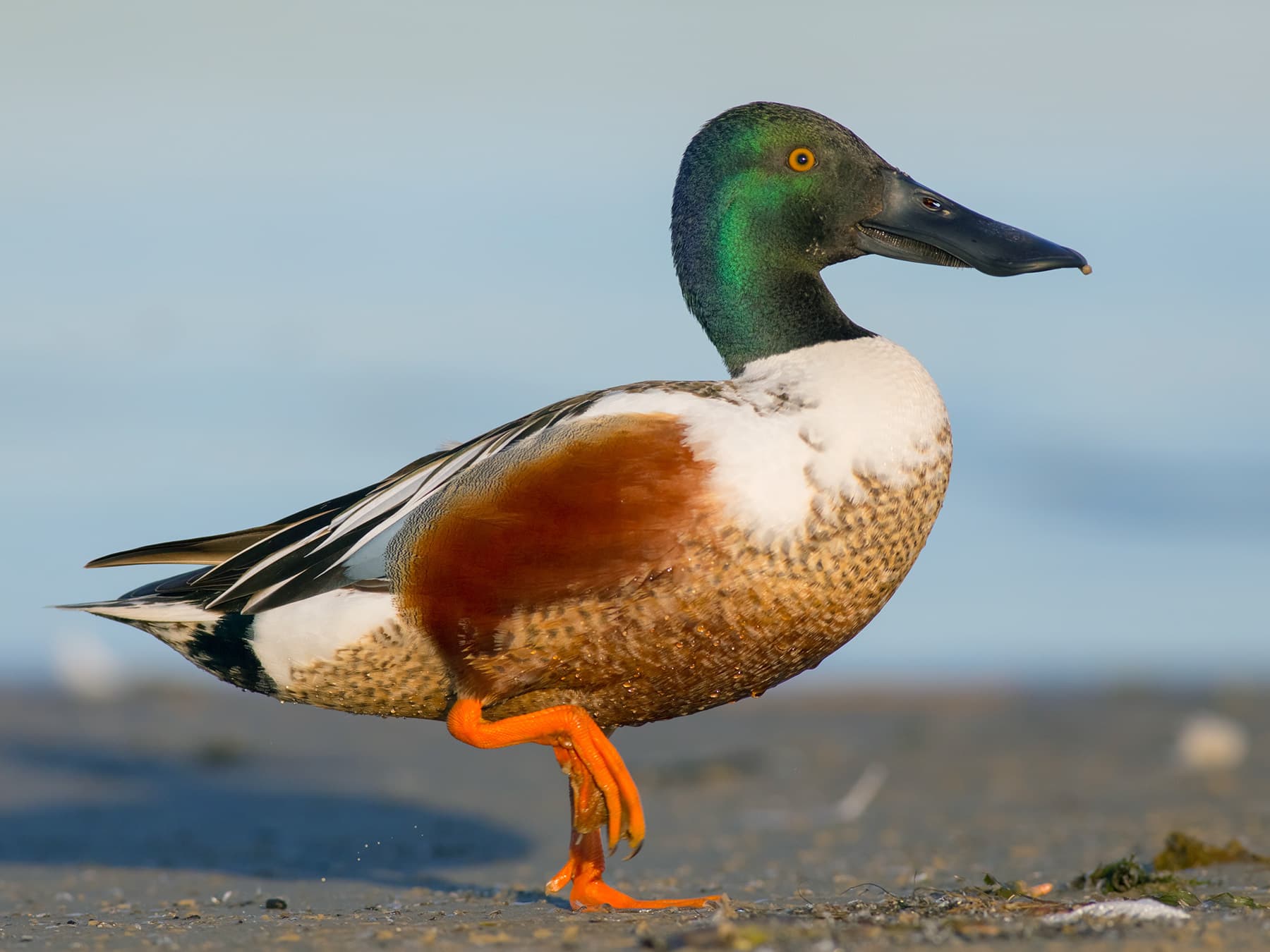
Northern Shoveler
Spatula clypeataLC
Uncommon but present year-round on freshwater marshes and flooded fields. Most reliably seen at Rye Harbour and Pevensey Levels.
Year-round
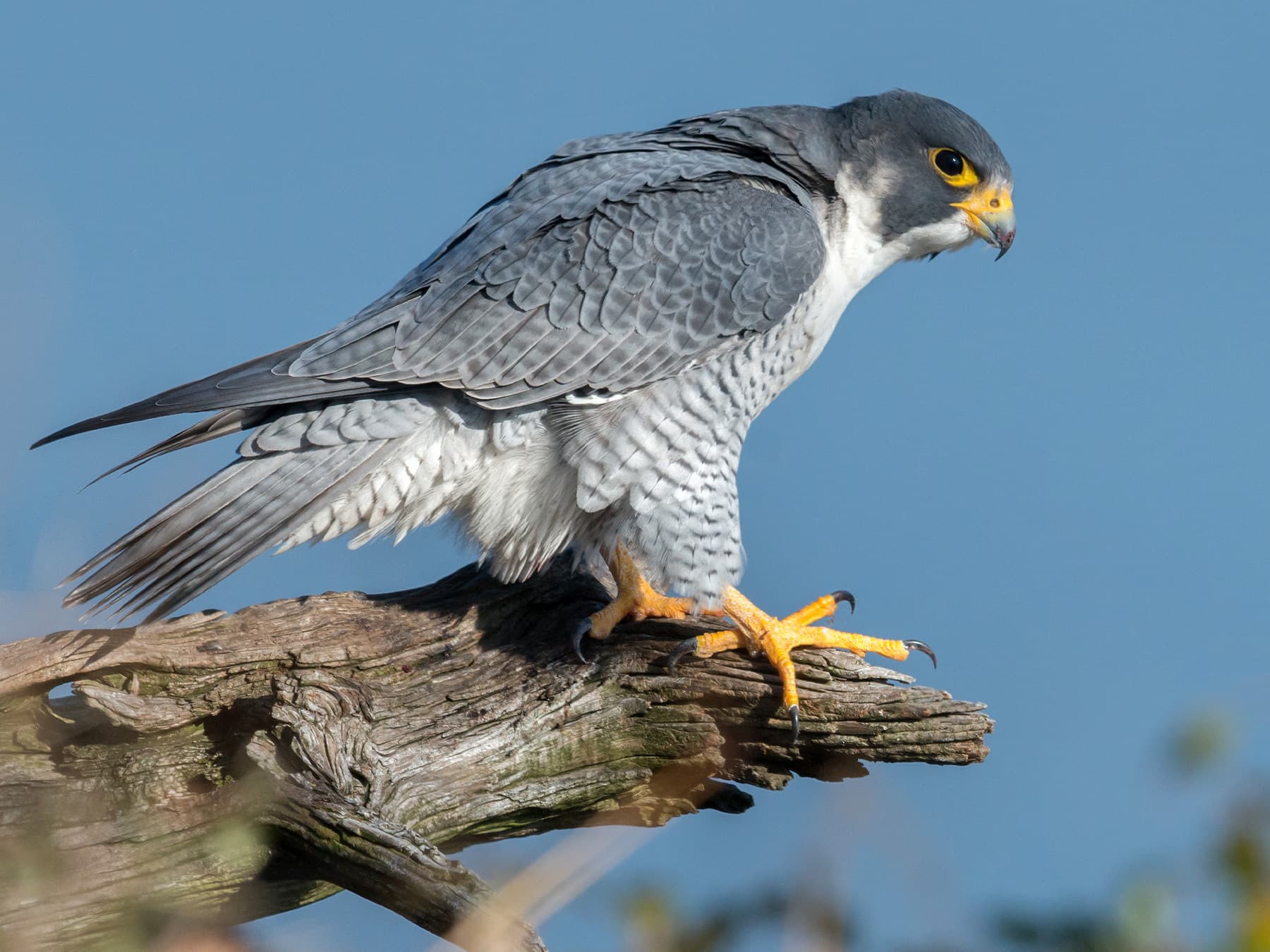
Peregrine Falcon
Falco peregrinusLC
An uncommon but year-round resident, nesting on coastal cliffs and tall buildings. Often seen hunting over the Downs and marshes.
Year-round