Uncommon Birds in East Sussex
67 species matching this filter.
East Sussex supports a diverse range of uncommon bird species across its varied habitats, from the chalk cliffs of Beachy Head to the wetlands of Pevensey Levels and the reedbeds of Rye Harbour. Among the 67 uncommon species recorded in the county, birdwatchers can encounter elegant Avocets wading through coastal lagoons, colourful Bullfinches in hedgerows, and striking European Green Woodpeckers in parkland and woodland edges. The county's estuaries, reservoirs, and grazing marshes provide vital habitat for passage waders such as Common Sandpiper and wintering wildfowl including Gadwall and Common Shelduck.


Showing 47–67 of 67 species
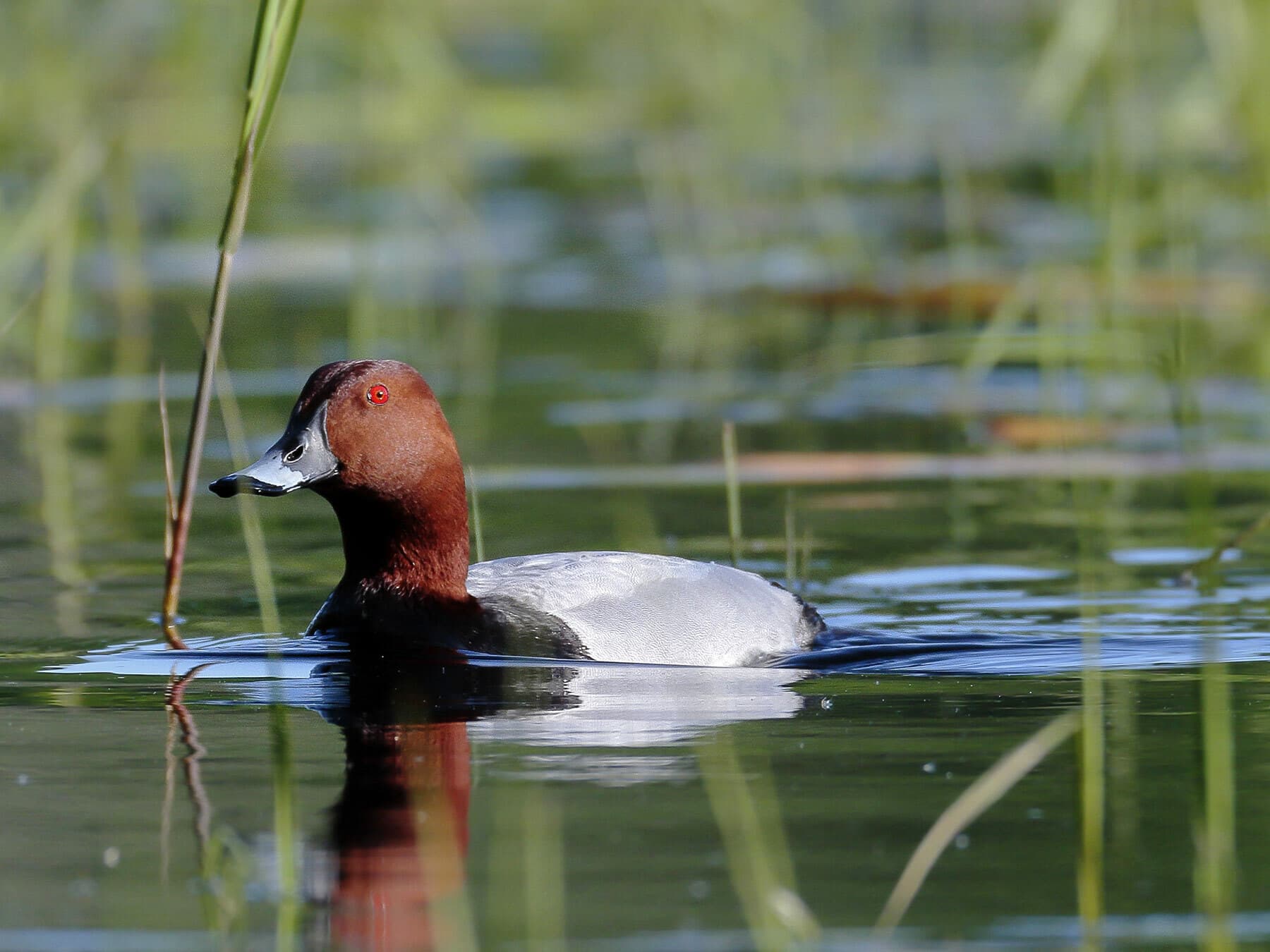
Pochard
Aythya ferinaVU
An uncommon diving duck on lakes and reservoirs year-round. Nationally declining, but Arlington Reservoir remains a reliable local site.
Year-round
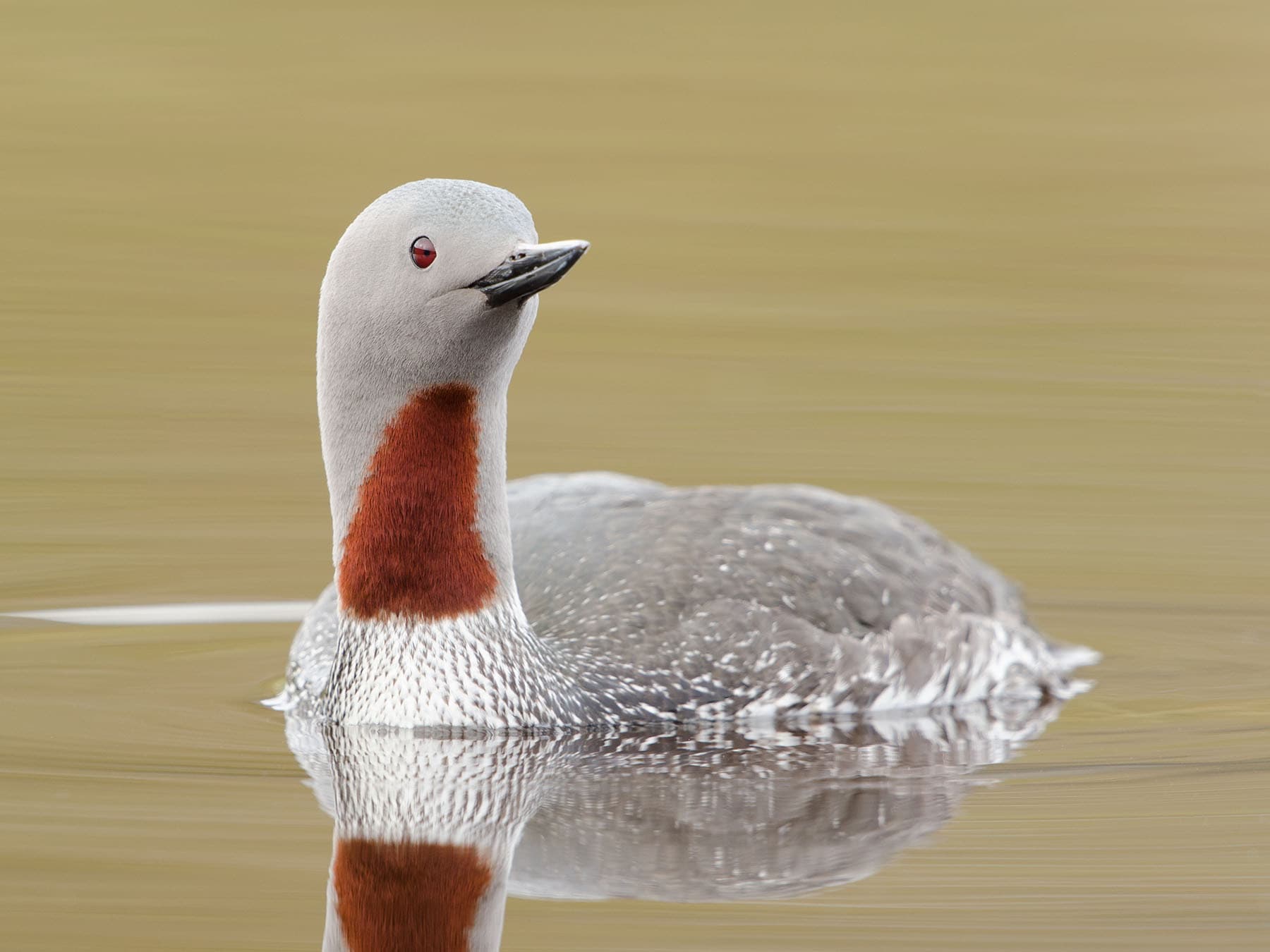
Red-throated Loon
Gavia stellataLC
An uncommon winter visitor seen offshore from autumn to spring, often flying low over the sea past coastal headlands.
Oct–May
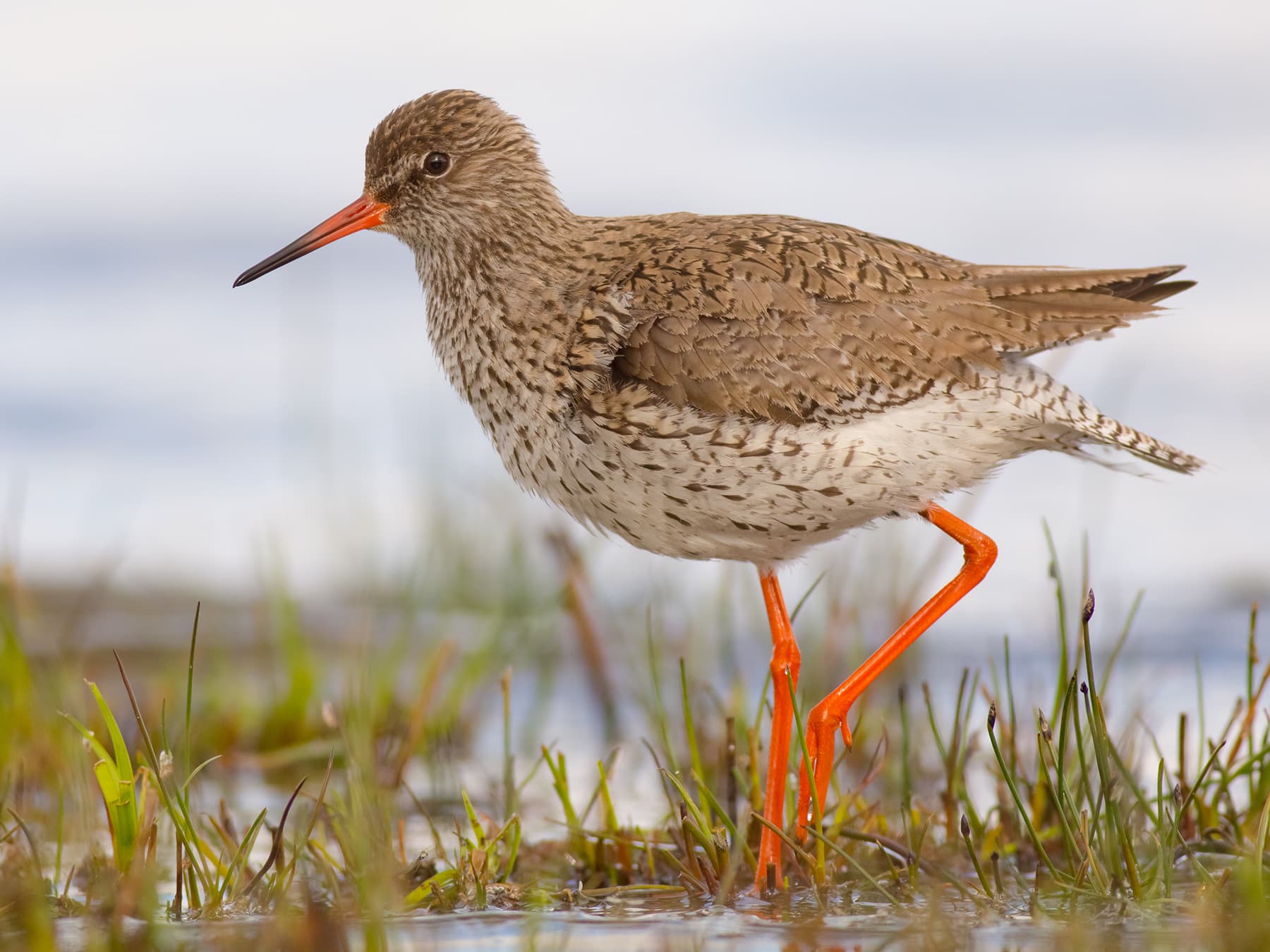
Redshank
Tringa totanusLC
An uncommon resident of coastal marshes and estuaries, breeding on grazing levels. Its loud piping call is characteristic of the Pevensey Levels.
Year-round
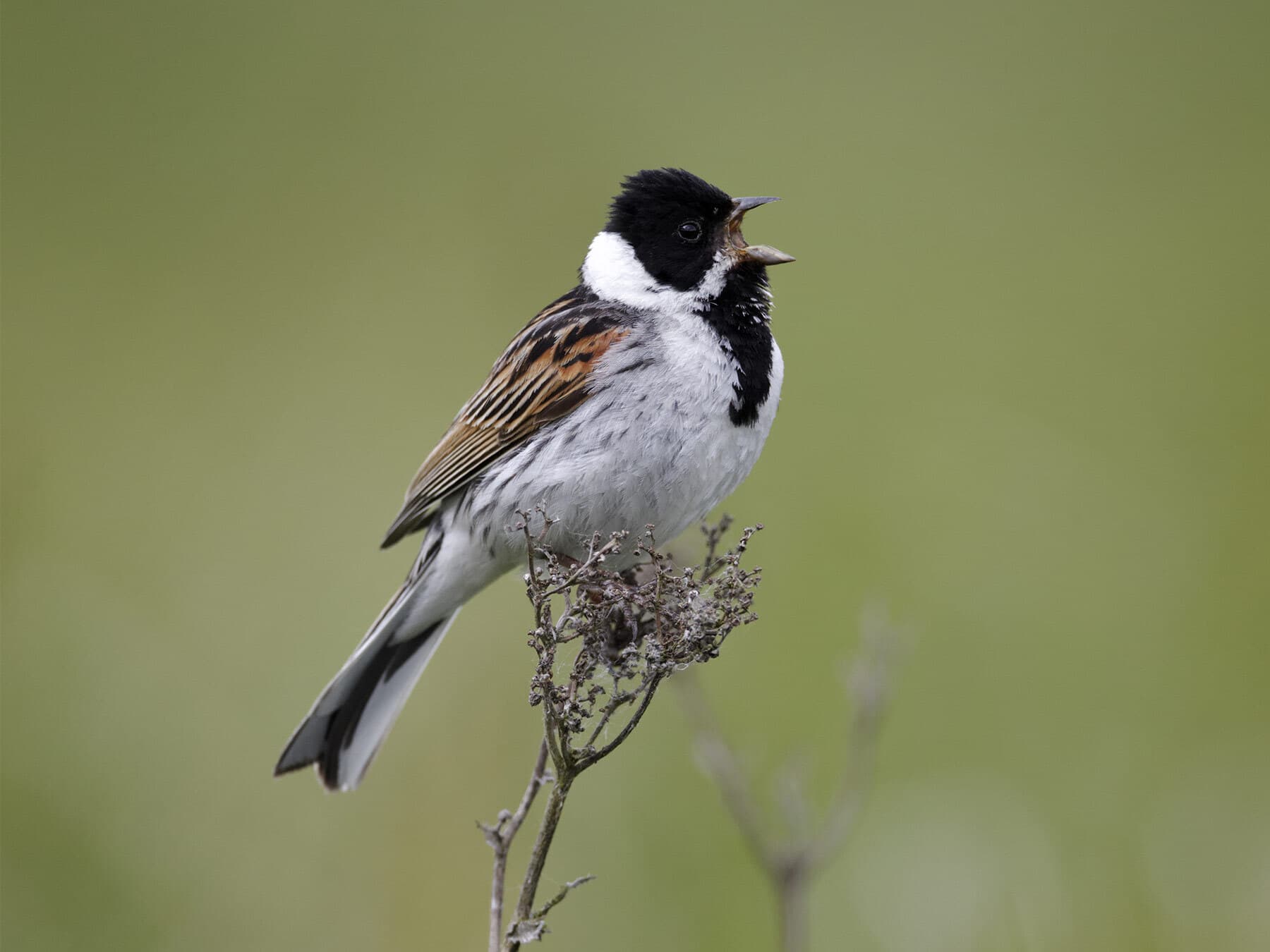
Reed Bunting
Emberiza schoeniclusLC
An uncommon resident of reedbeds and wetland margins, found year-round at sites like the Pevensey Levels and Rye Harbour.
Year-round
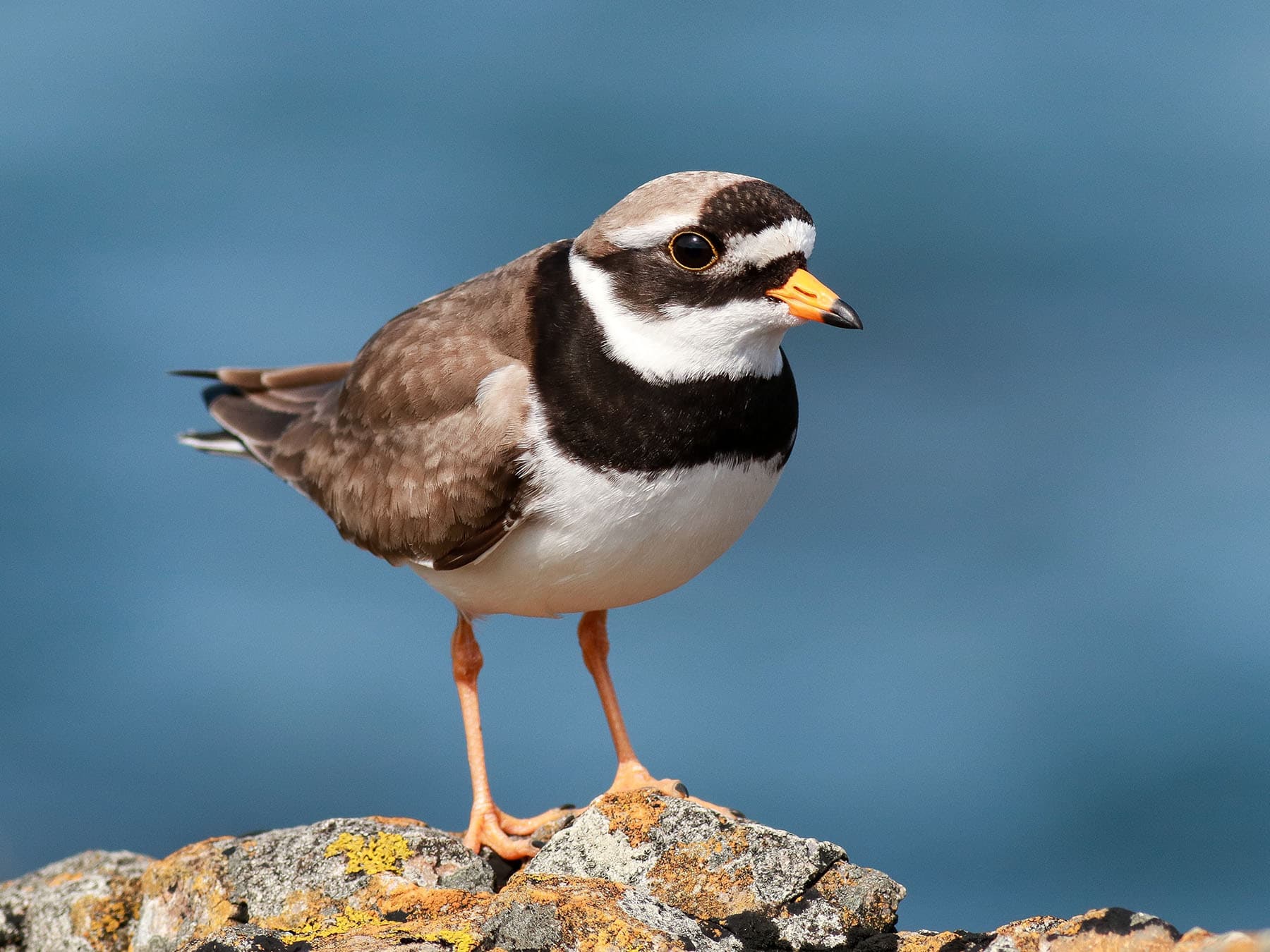
Ringed Plover
Charadrius hiaticulaLC
Breeds on shingle beaches and frequents coastal pools year-round. Rye Harbour is a key nesting site, with numbers rising on passage.
Year-round
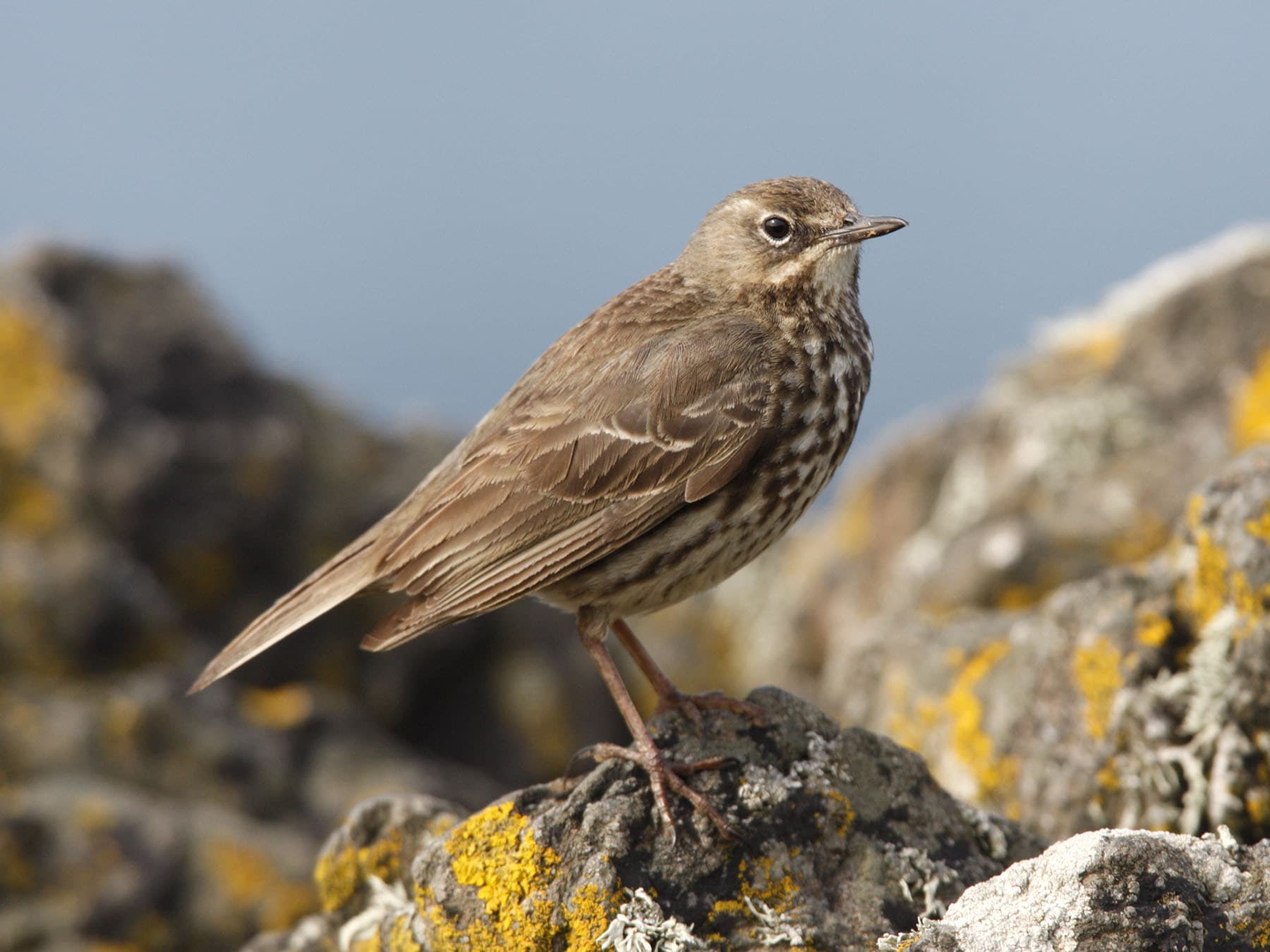
Rock Pipit
Anthus petrosusLC
An uncommon resident of rocky shorelines and chalk cliffs, often seen foraging along the base of the Seven Sisters and Beachy Head throughout the year.
Year-round
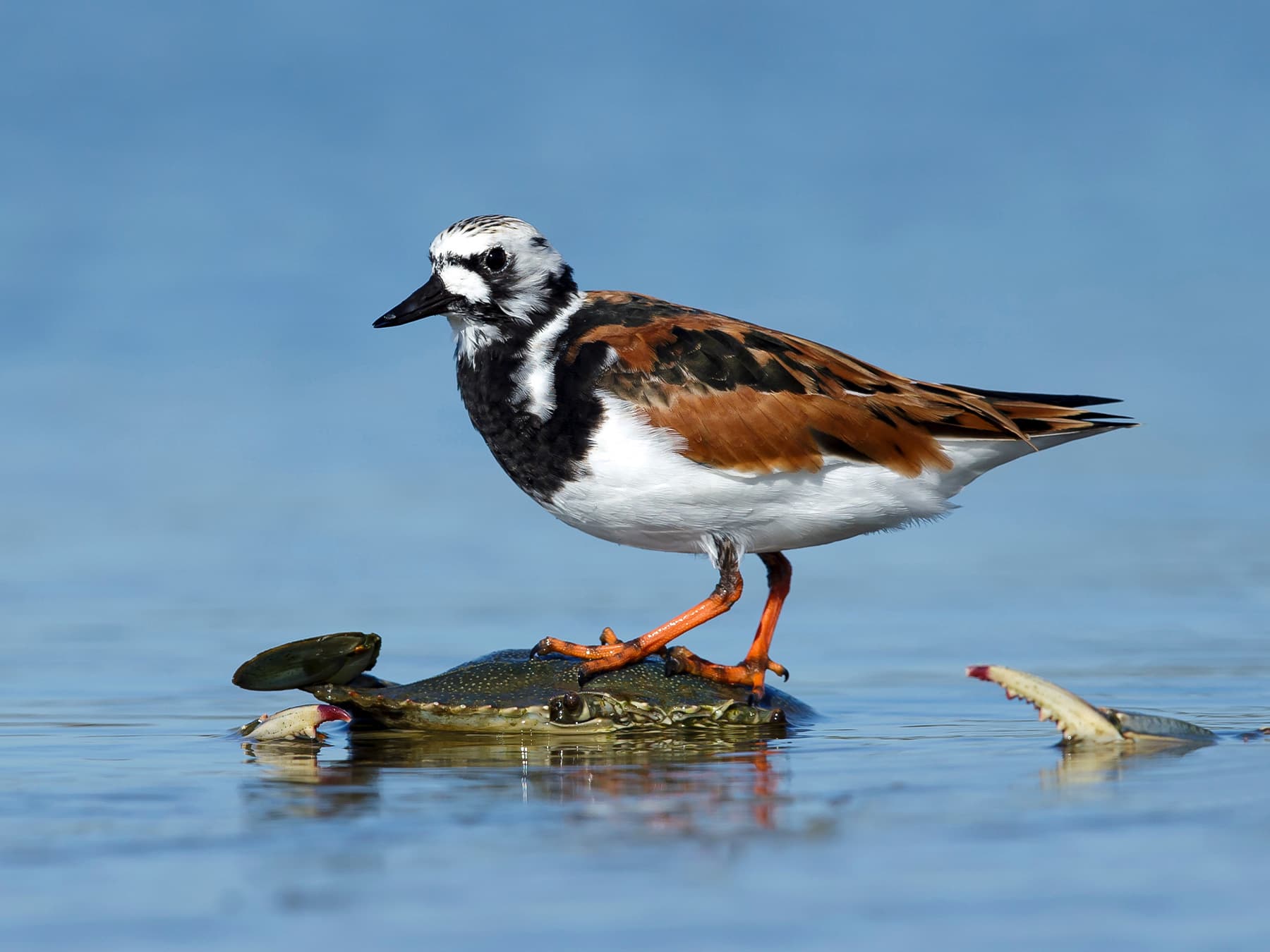
Ruddy Turnstone
Arenaria interpresLC
Forages along rocky shorelines and groynes, flipping stones for invertebrates. Present year-round but uncommon, favouring the coast at sites like Rye Harbour.
Year-round
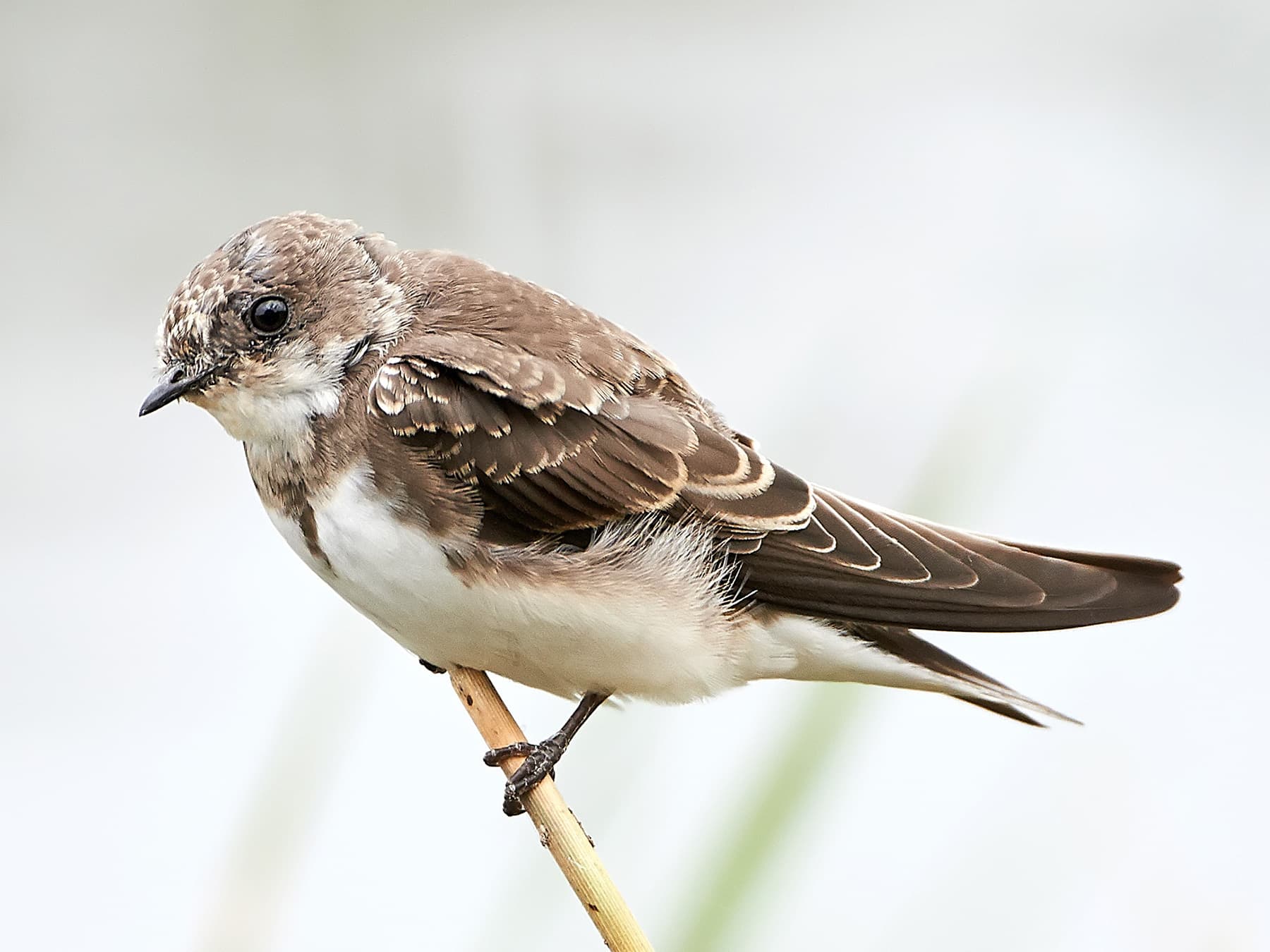
Sand Martin
Riparia ripariaLC
An uncommon summer breeder from March to October, nesting in sandy banks near rivers and gravel pits across the county.
Mar–Oct
Spotted something?
Upload a photo to identify it
Identify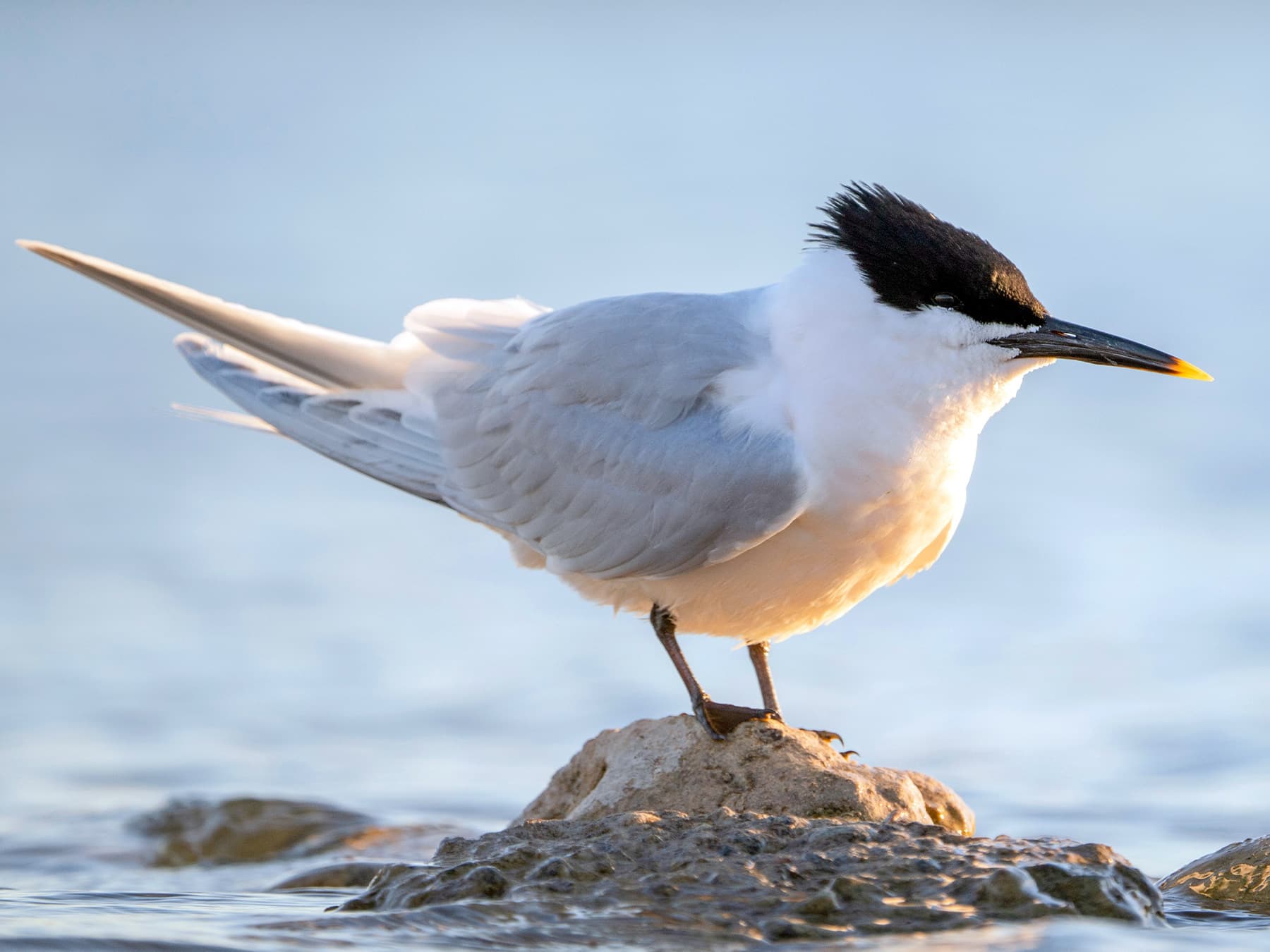
Sandwich Tern
Thalasseus sandvicensisLC
An uncommon breeding visitor arriving in March, nesting at coastal shingle sites like Rye Harbour before departing by October.
Mar–Oct
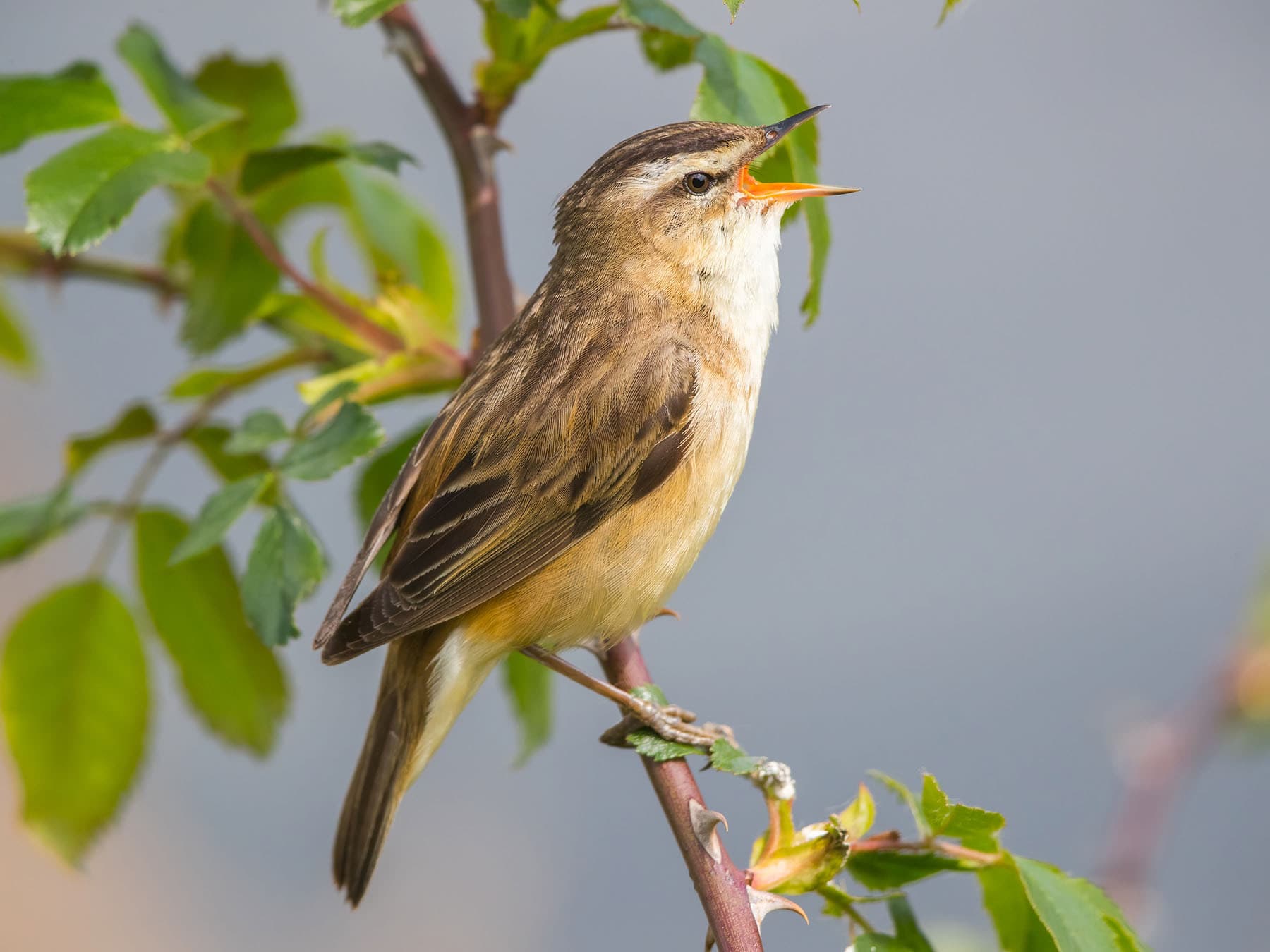
Sedge Warbler
Acrocephalus schoenobaenusLC
An uncommon summer breeder arriving in April, favouring dense waterside vegetation at wetland sites. Its rapid, chattering song is distinctive.
Apr–Sep
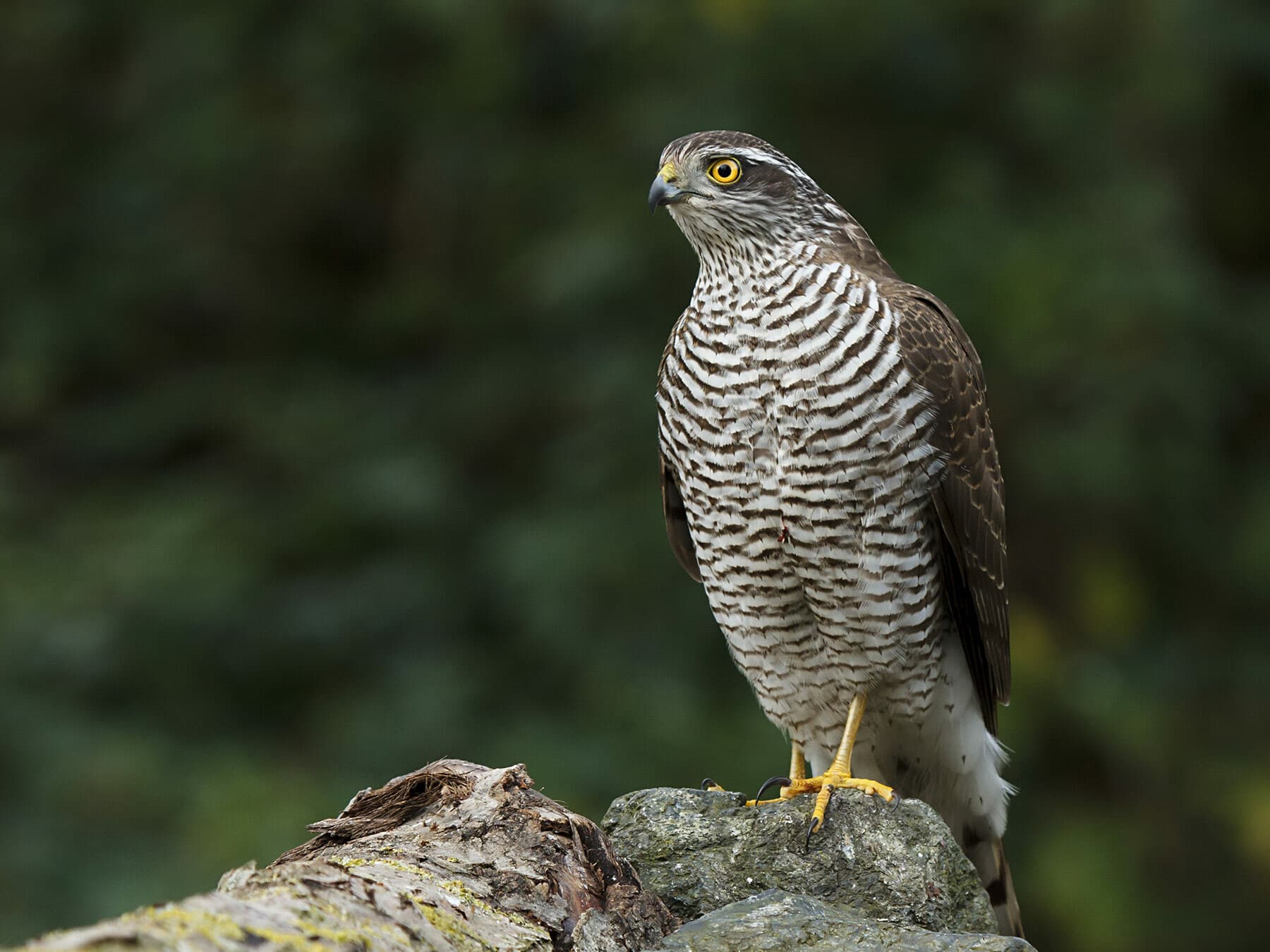
Sparrowhawk
Accipiter nisusLC
An uncommon but widespread resident, hunting small birds through woodland and gardens with dashing low-level flight year-round.
Year-round
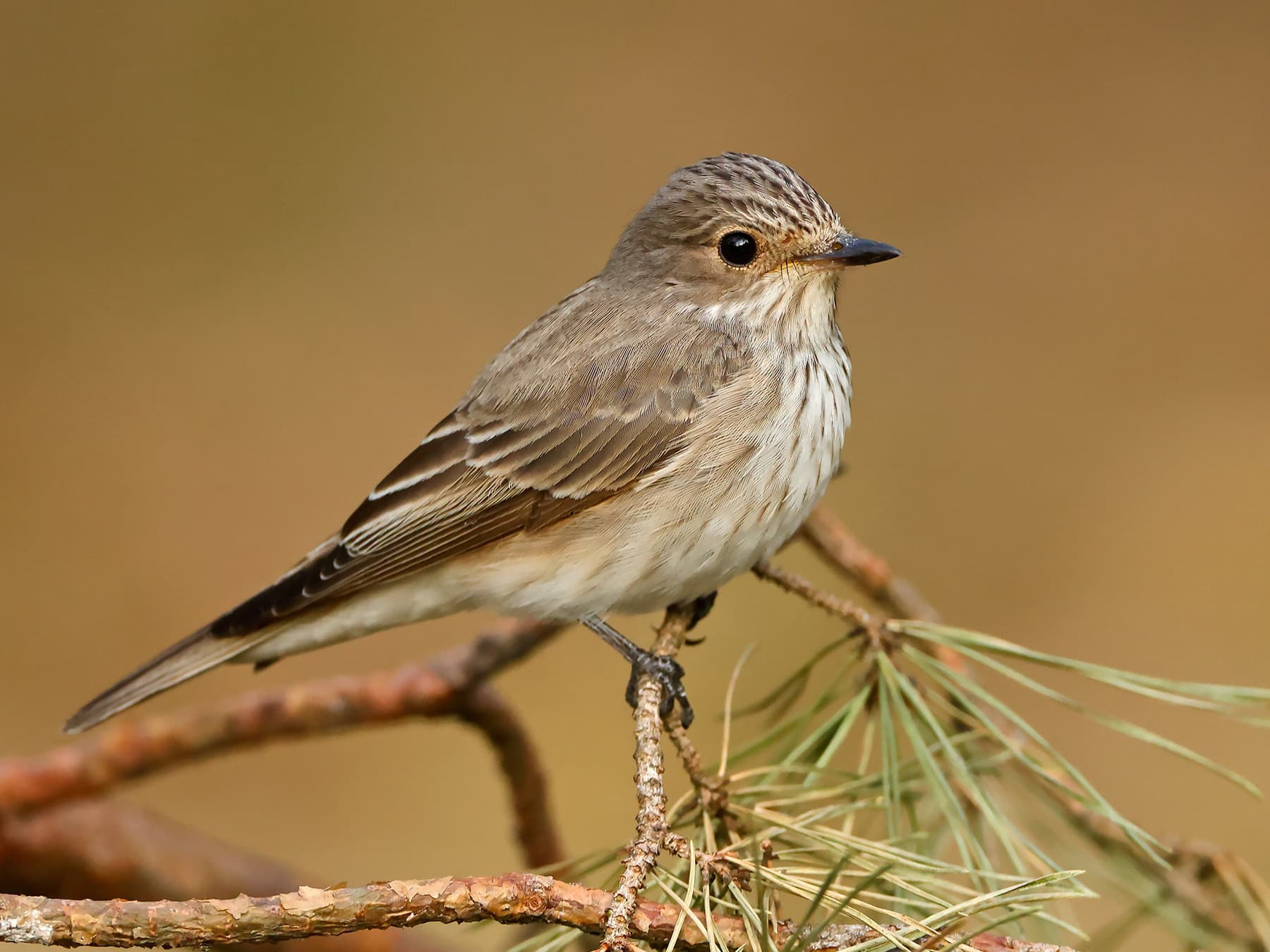
Spotted Flycatcher
Muscicapa striataLC
An uncommon and declining summer breeder arriving in May. Sallies for insects from exposed perches in woodland edges and mature gardens.
May–Sep
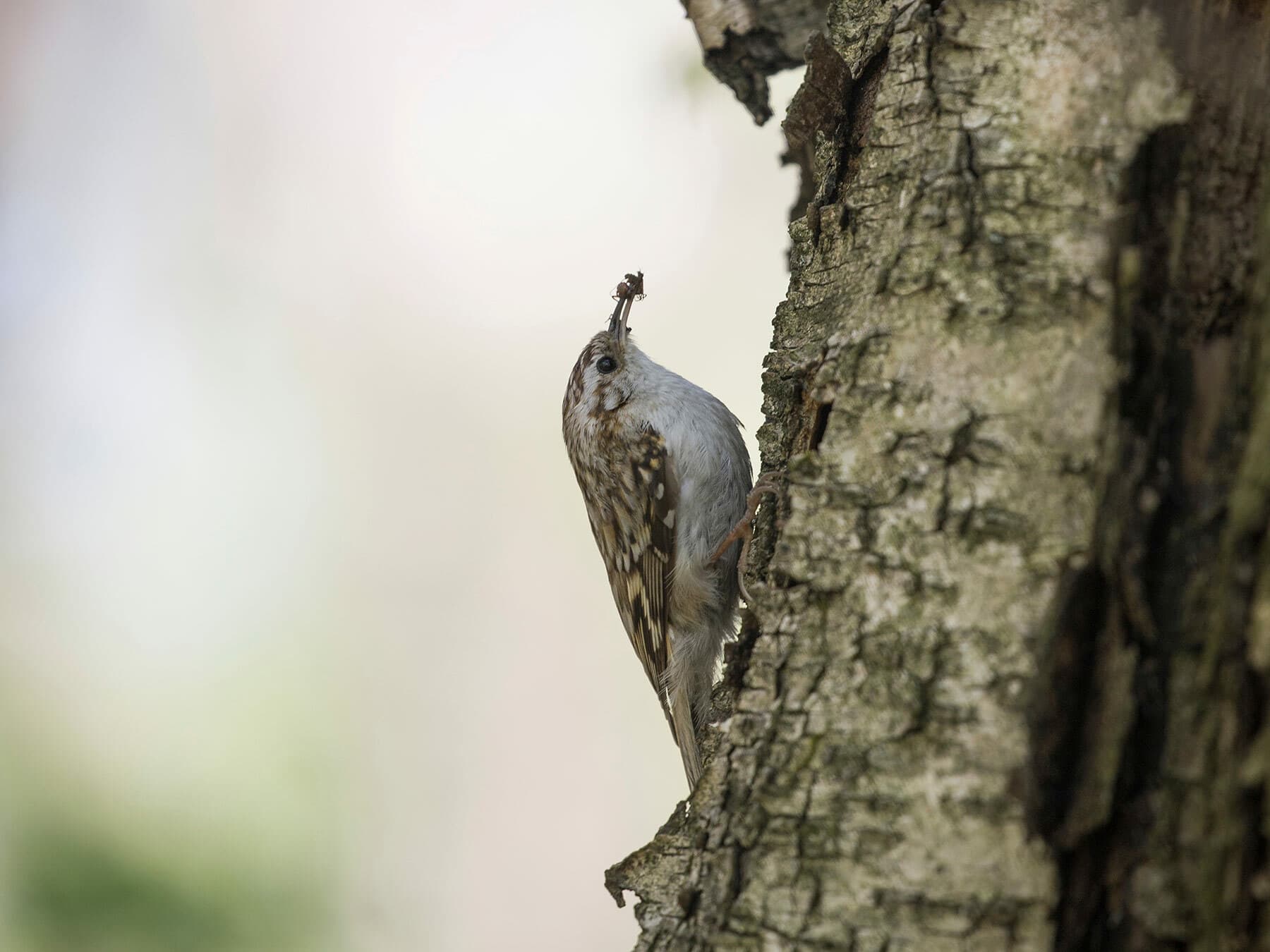
Treecreeper
Certhia familiarisLC
An uncommon resident of mature woodland, spiralling up tree trunks in search of insects. Found throughout the Wealden woods year-round.
Year-round
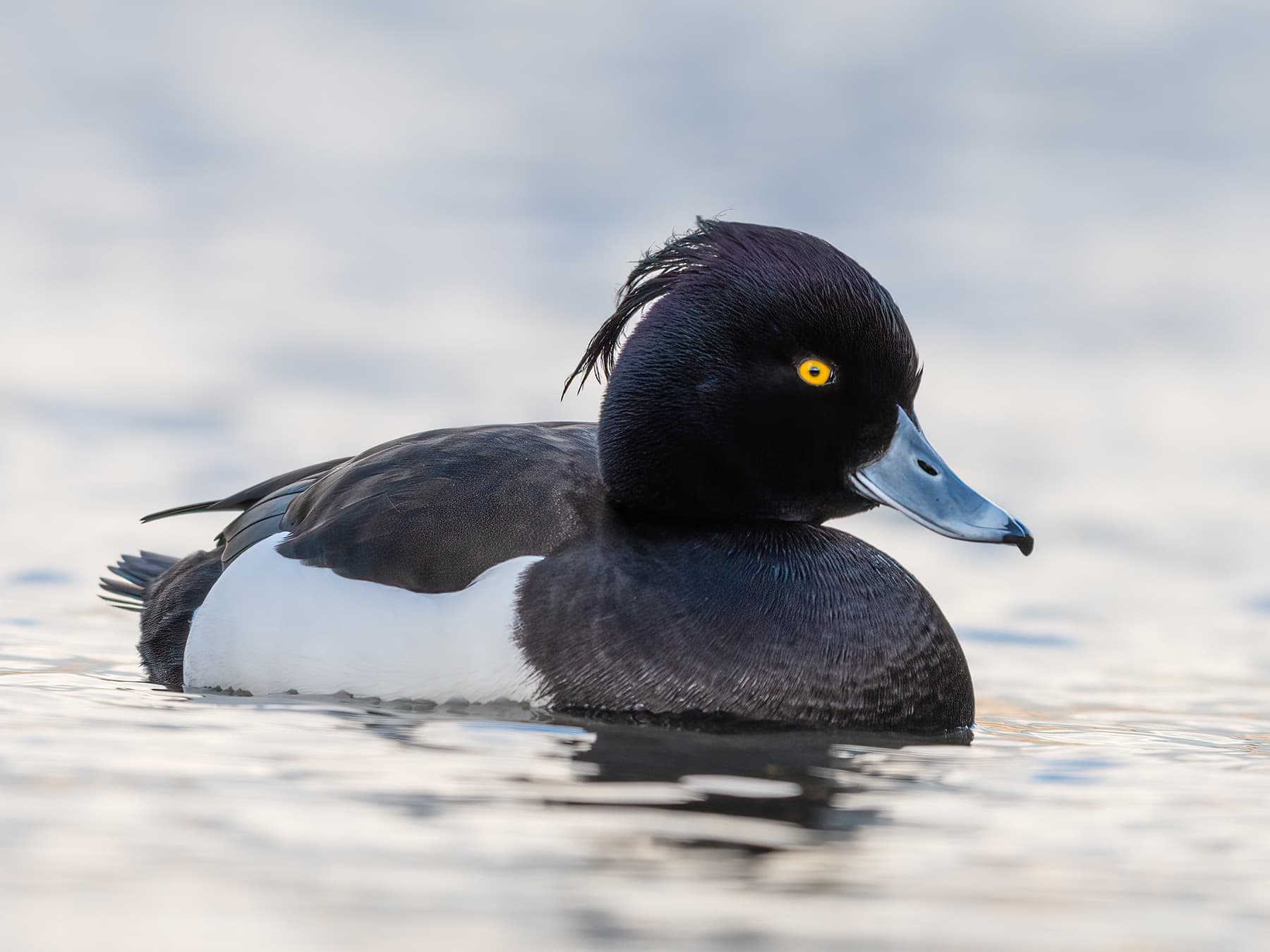
Tufted Duck
Aythya fuligulaLC
Found year-round on lakes and reservoirs, diving for invertebrates. Regularly seen at Arlington Reservoir and Weir Wood.
Year-round
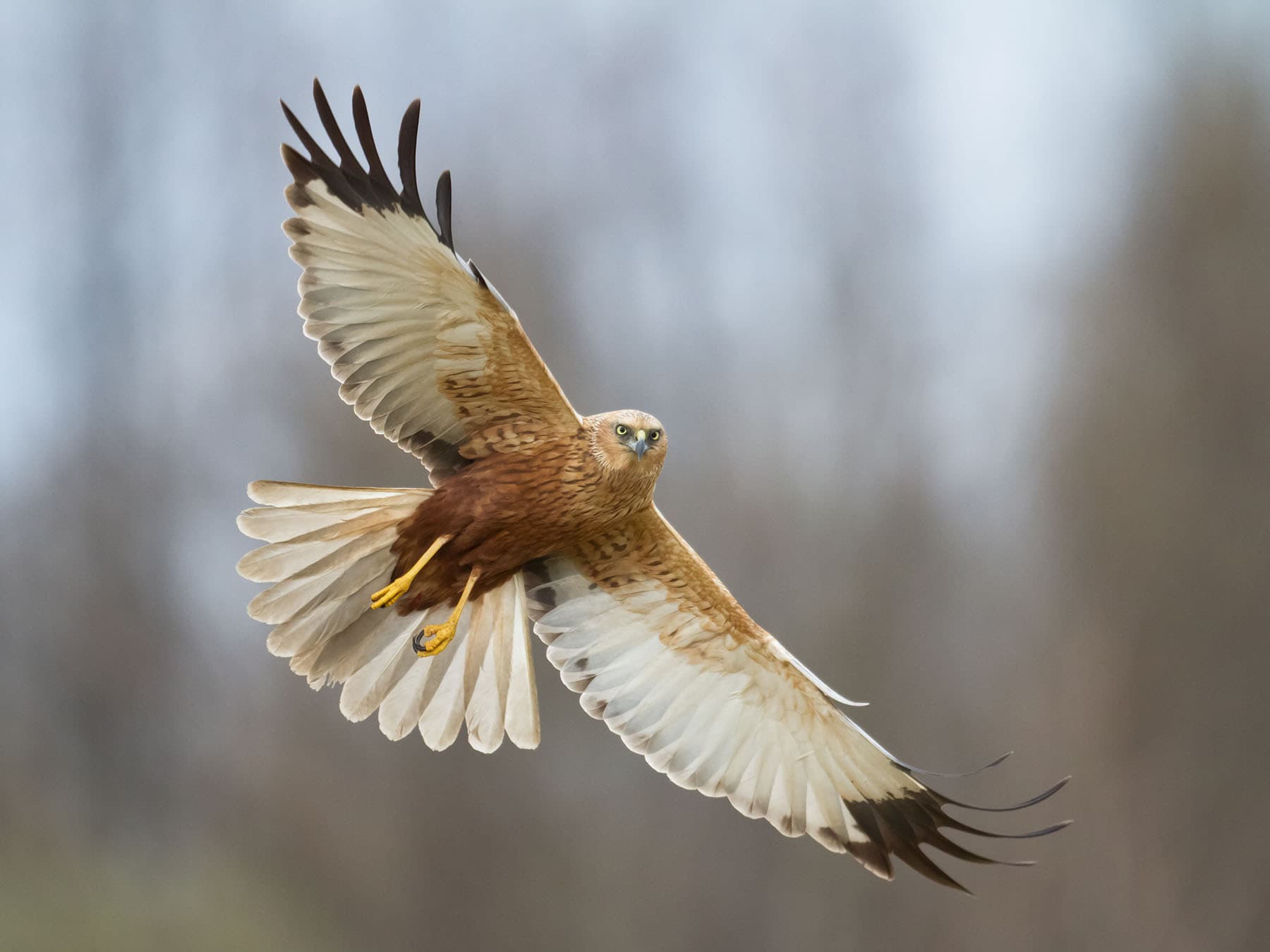
Western Marsh-harrier
Circus aeruginosusLC
An uncommon year-round resident of extensive reedbeds and marshes, regularly seen quartering the Pevensey Levels and Lewes Brooks.
Year-round
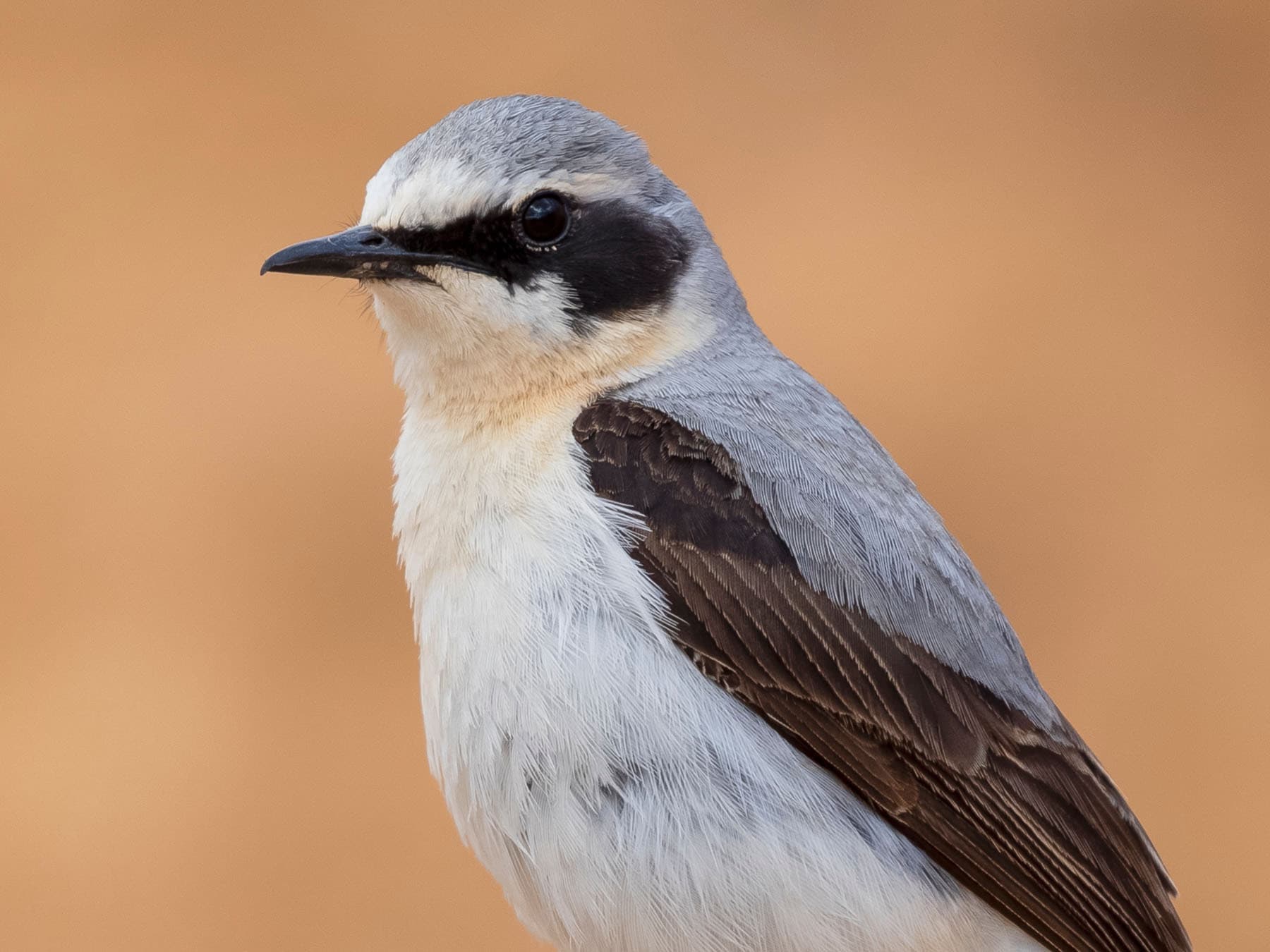
Wheatear
Oenanthe oenantheLC
An uncommon breeder on short-grazed chalk downland and coastal clifftops. Most visible during spring and autumn passage along the Sussex coast.
Mar–Nov
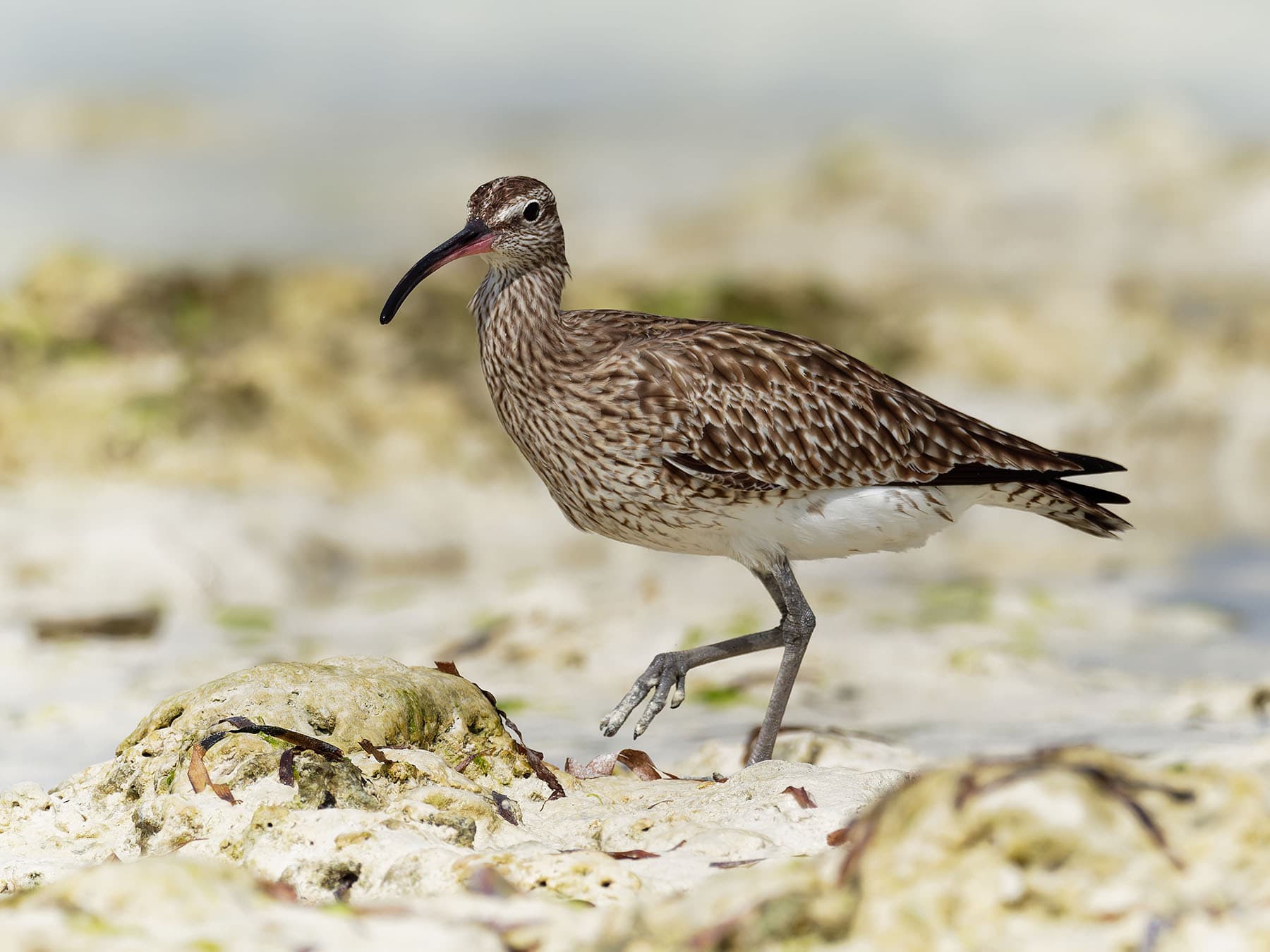
Whimbrel
Numenius phaeopusLC
An uncommon passage wader heard calling overhead in spring and late summer. Coastal marshes and the Cuckmere Valley are favoured stopover sites.
Apr–Sep
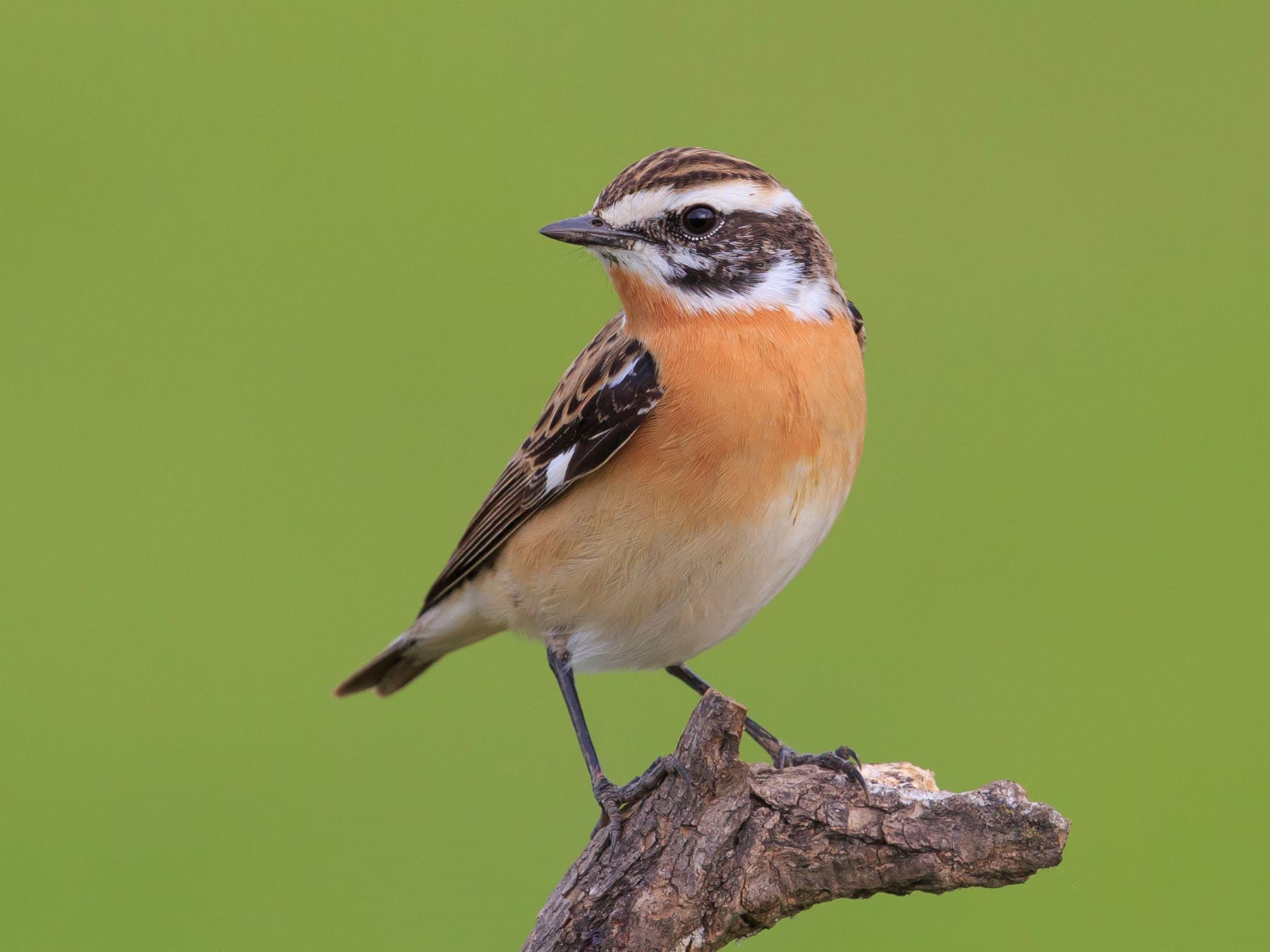
Whinchat
Saxicola rubetraLC
An uncommon visitor to rough grassland and scrubby margins, mainly on passage from May to October. Favours open areas along the coast and Downs.
May–Oct
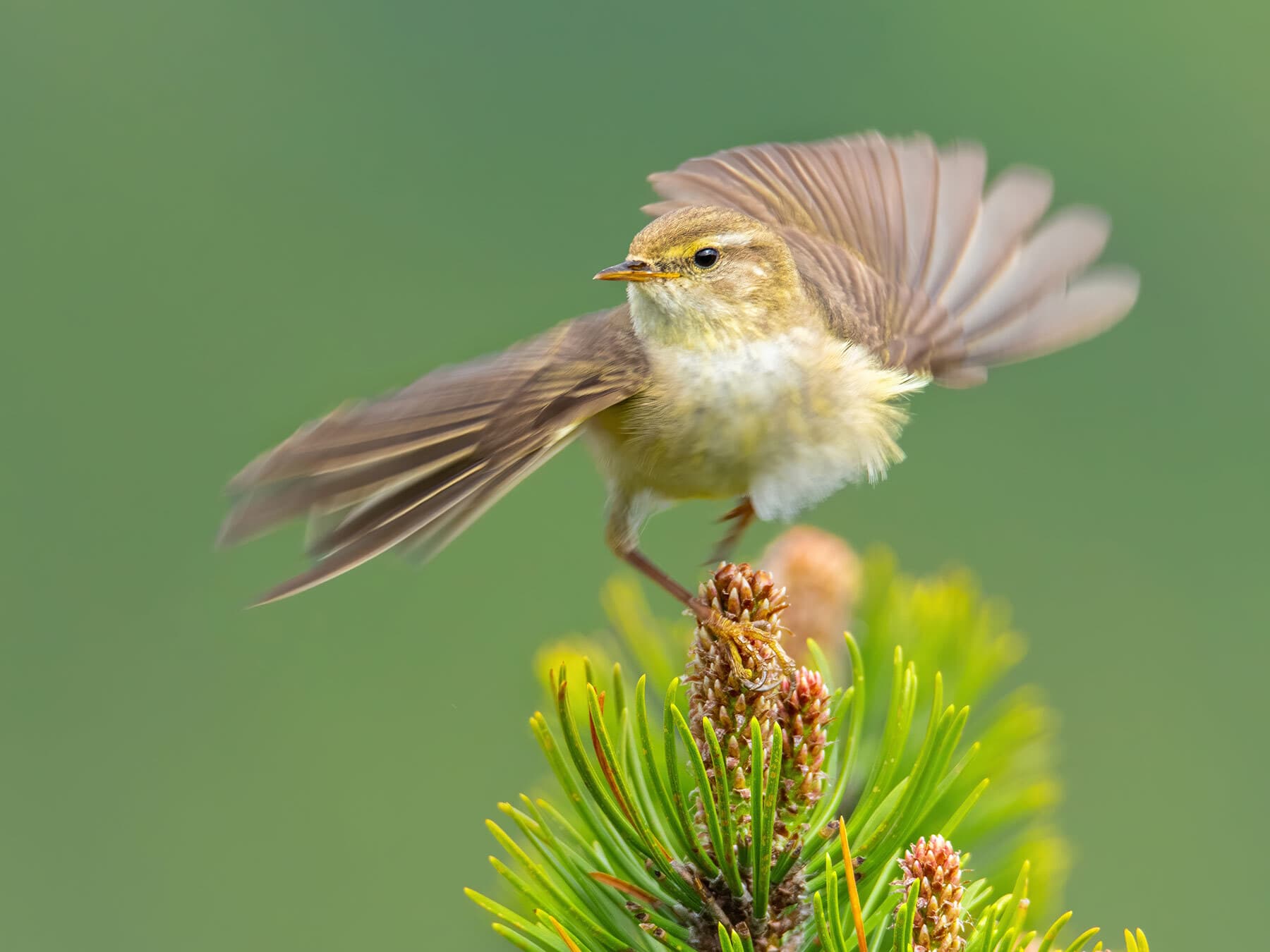
Willow Warbler
Phylloscopus trochilusLC
An uncommon summer breeder arriving from March, favouring scrubby woodland edges and heathland. Its gentle descending song is a hallmark of spring.
Mar–Oct
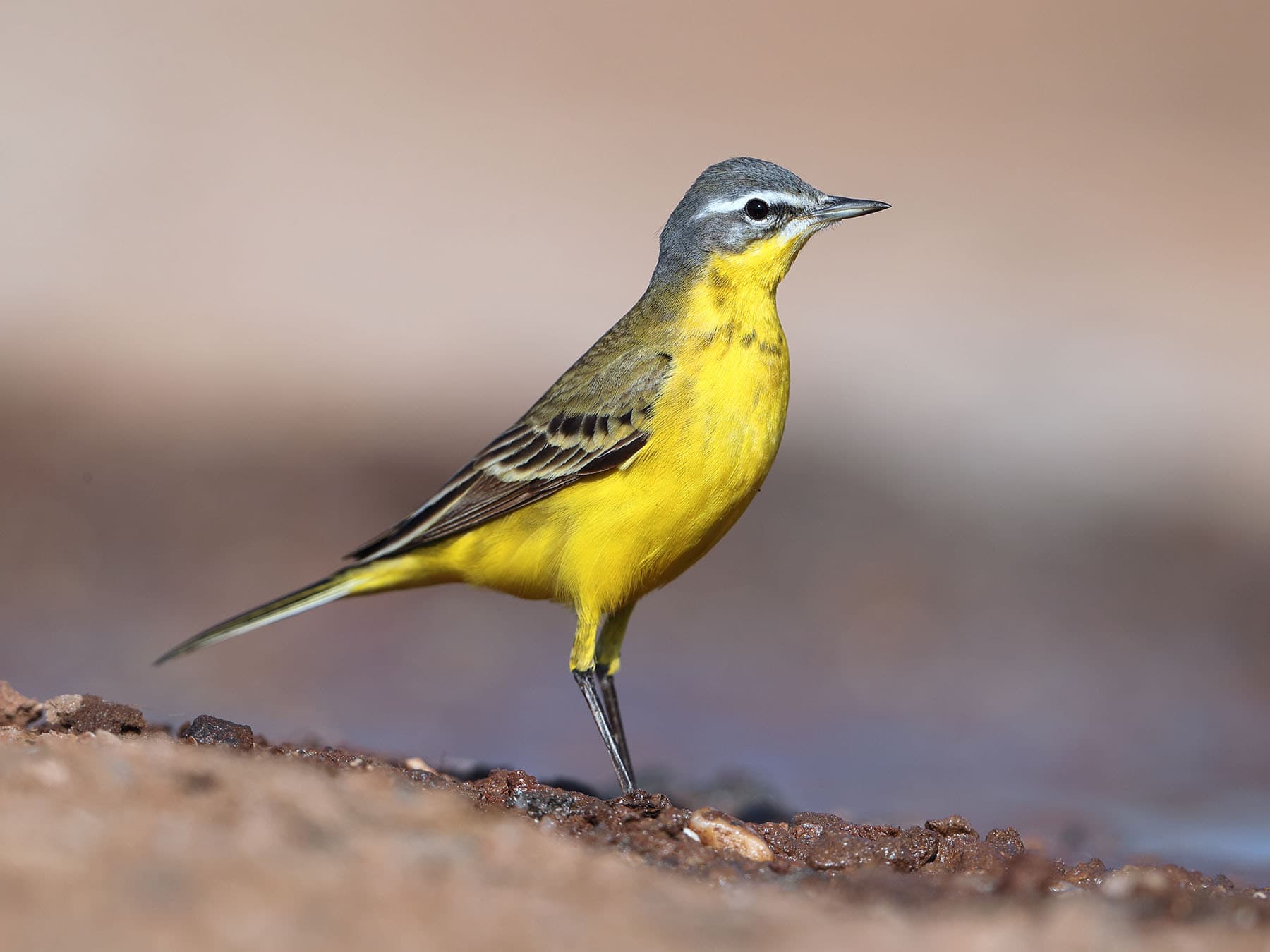
Yellow Wagtail
Motacilla flavaLC
An uncommon summer breeder arriving from April, favouring damp meadows and the Pevensey Levels. A declining species across southern England.
Apr–Oct
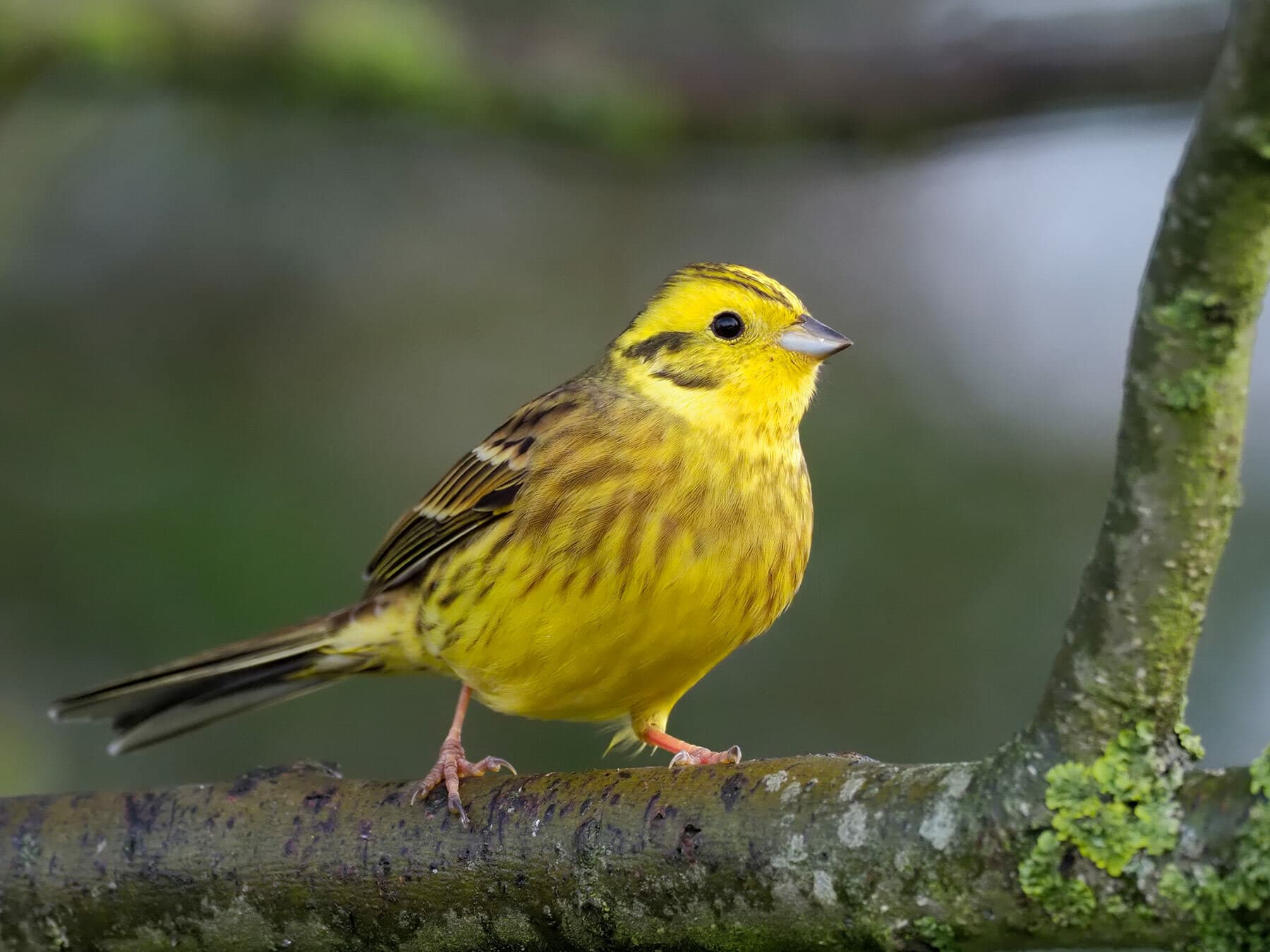
Yellowhammer
Emberiza citrinellaLC
An uncommon but year-round resident of hedgerow-rich farmland on the Downs. Its jangling song is a characteristic sound of rural East Sussex.
Year-round