Uncommon Birds in East Riding of Yorkshire
76 species matching this filter.
The East Riding of Yorkshire supports a rich variety of uncommon bird species across its diverse landscapes, from the dramatic chalk cliffs of Flamborough Head and Bempton to the expansive wetlands of the Humber Estuary. With 76 species classified as uncommon in the region, birdwatchers can encounter notable finds such as Avocet on coastal lagoons, Arctic Jaeger passing offshore during autumn migration, and Barn Owl hunting over the rolling farmland of the Yorkshire Wolds. The mix of coastal, estuarine, and inland habitats makes this county a rewarding destination for those seeking birds beyond the everyday.


Showing 47–69 of 76 species
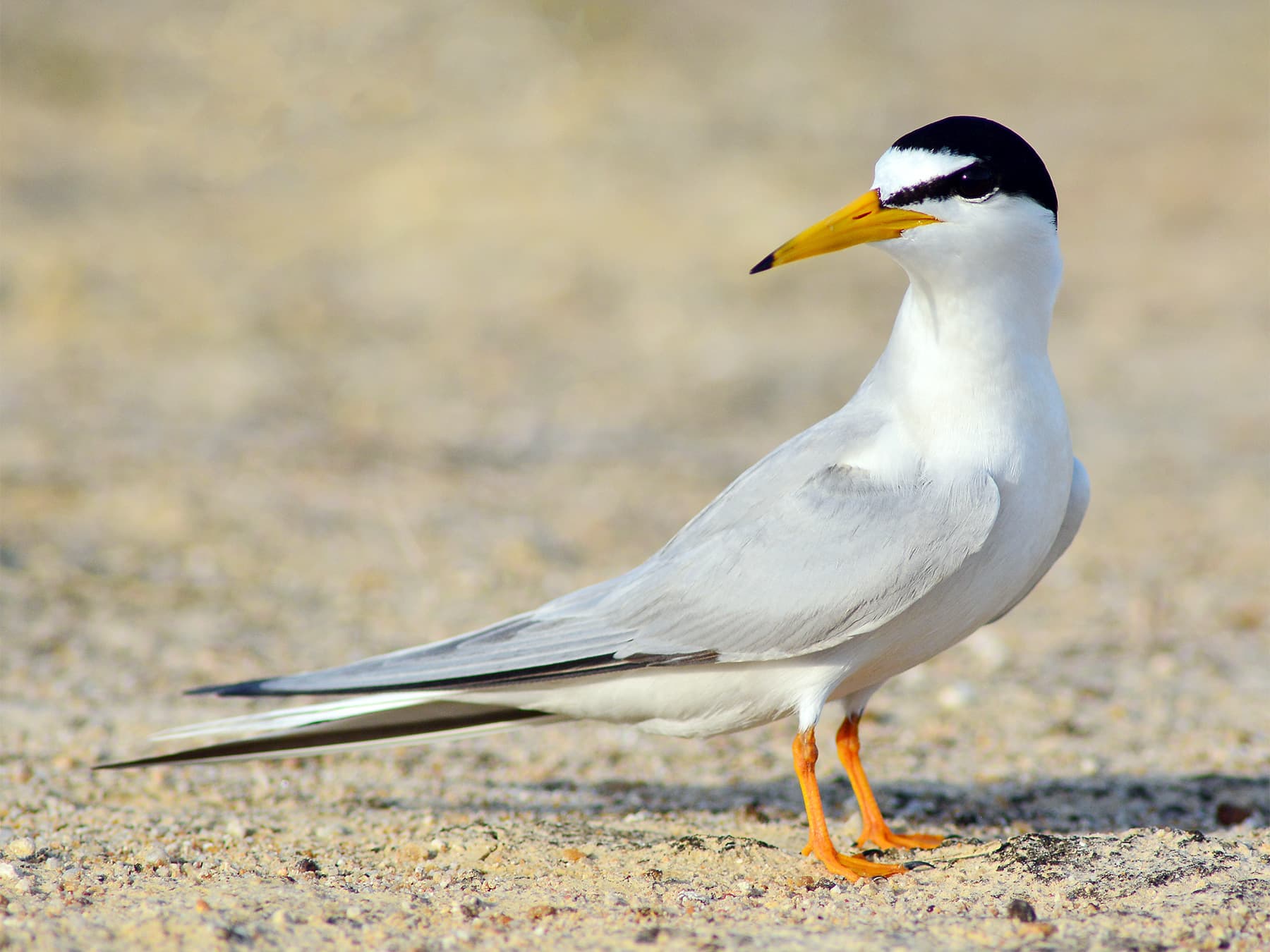
Little Tern
Sternula albifronsLC
A scarce summer breeder on shingle beaches along the Holderness coast. Vulnerable to disturbance and habitat loss from coastal erosion.
Apr–Sep
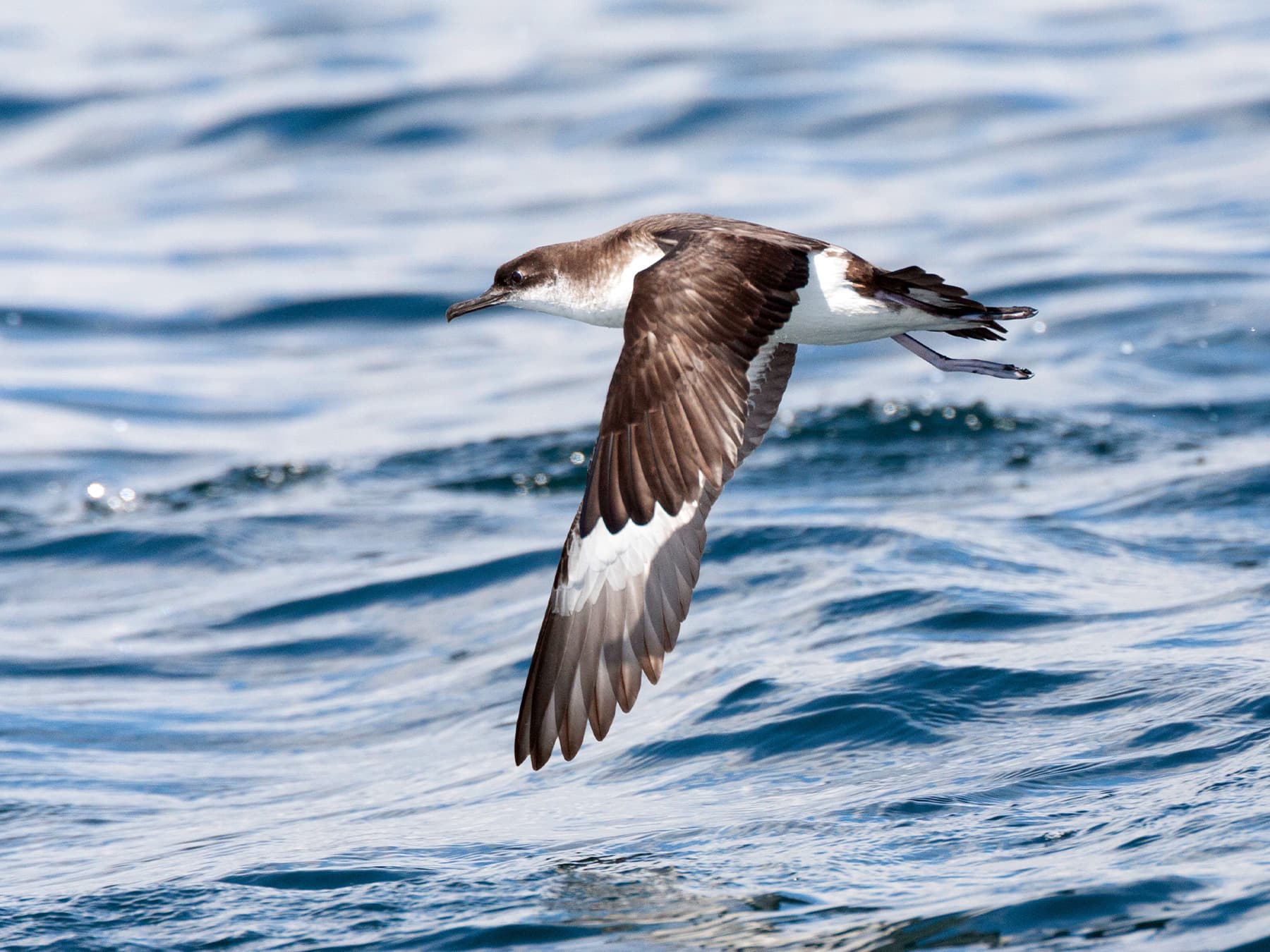
Manx Shearwater
Puffinus puffinusLC
Uncommon offshore, mainly seen from Flamborough Head and Spurn during passage from late spring through autumn.
May–Nov
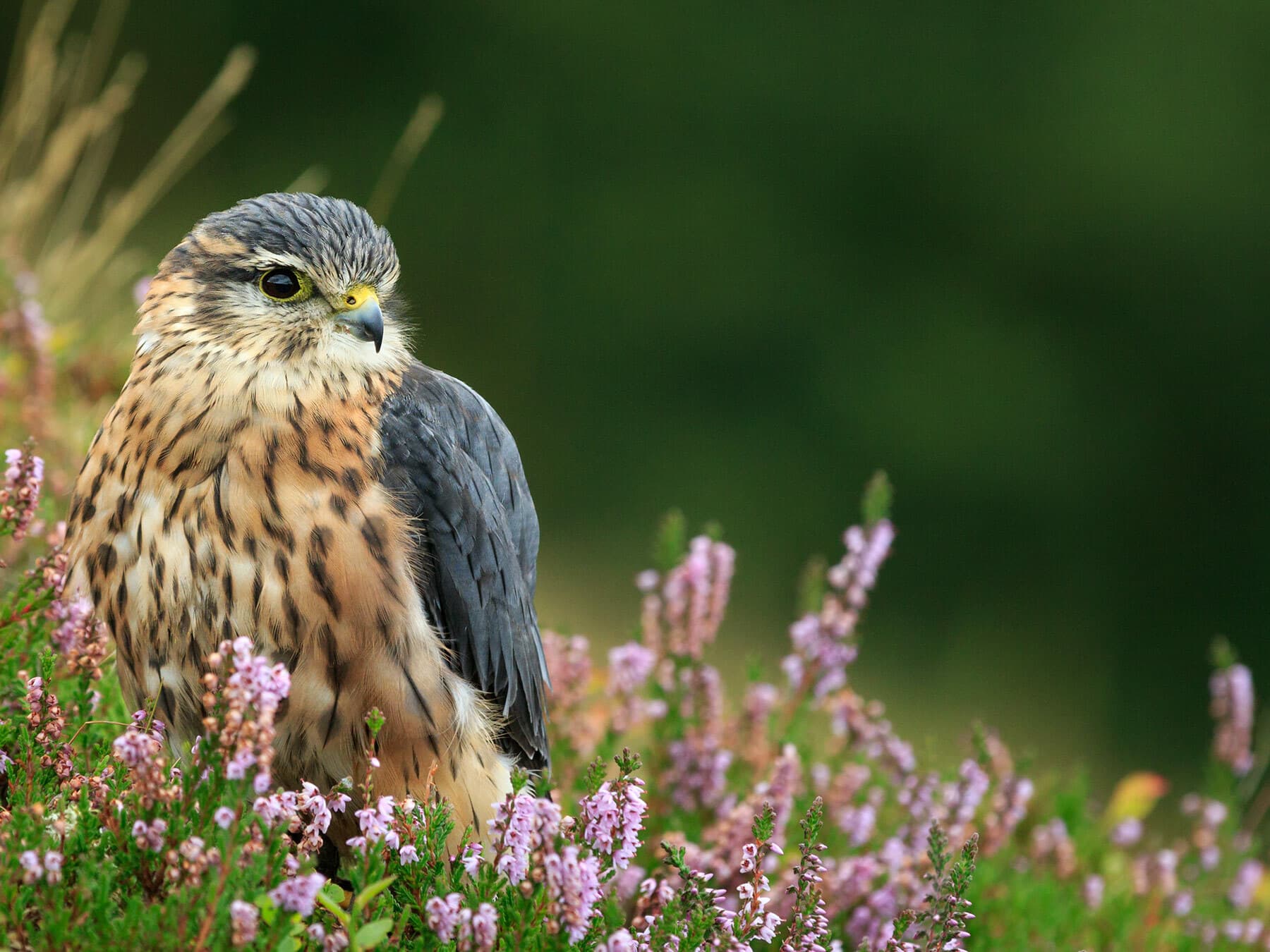
Merlin
Falco columbariusLC
An uncommon resident, breeding on upland moorland edges and wintering on lowland marshes and the coast. Often seen dashing low after small birds.
Jul–May
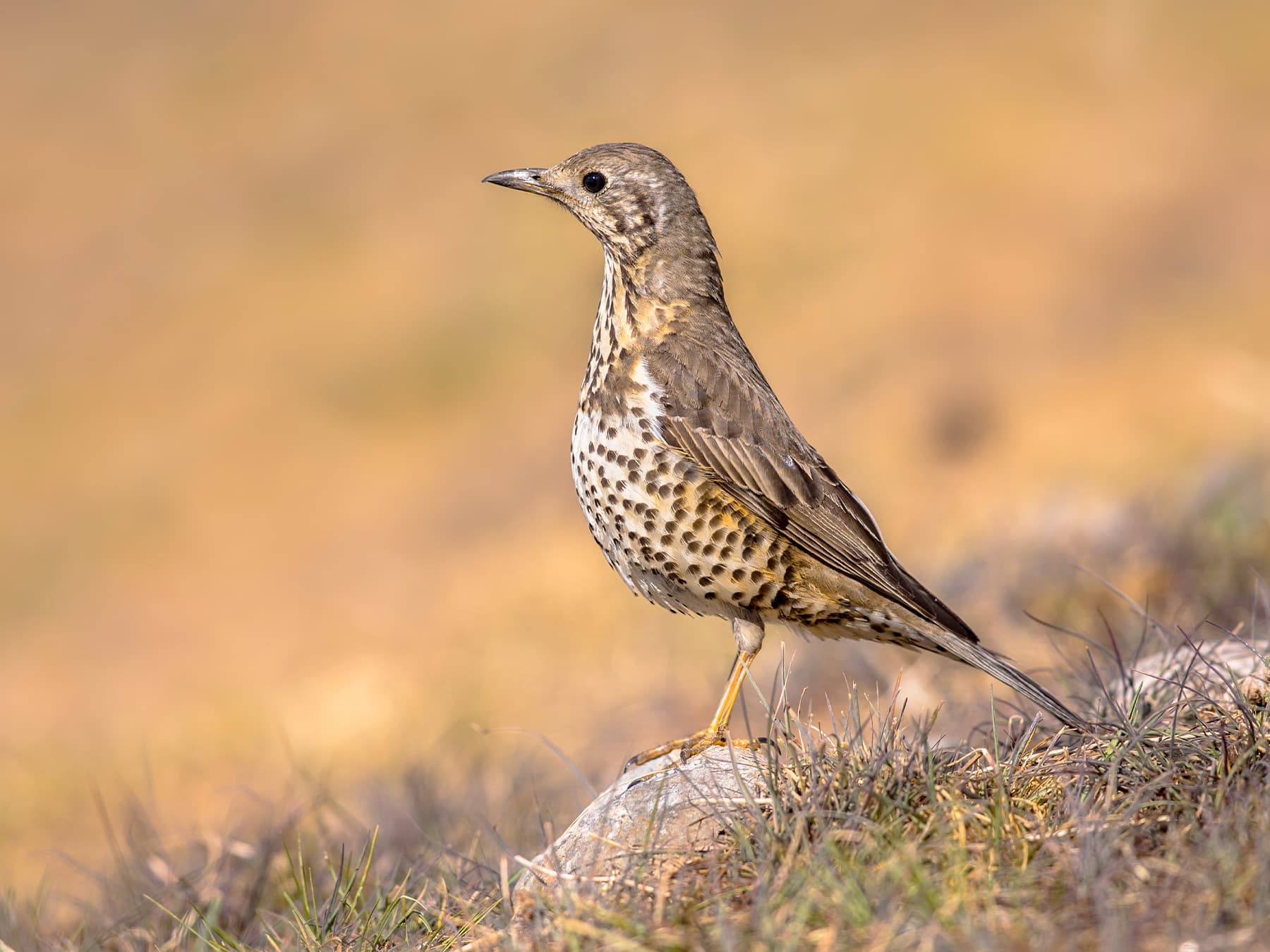
Mistle Thrush
Turdus viscivorusLC
An uncommon resident of parkland and open woodland, often seen on playing fields. Sings its far-carrying song from treetops even in winter.
Year-round
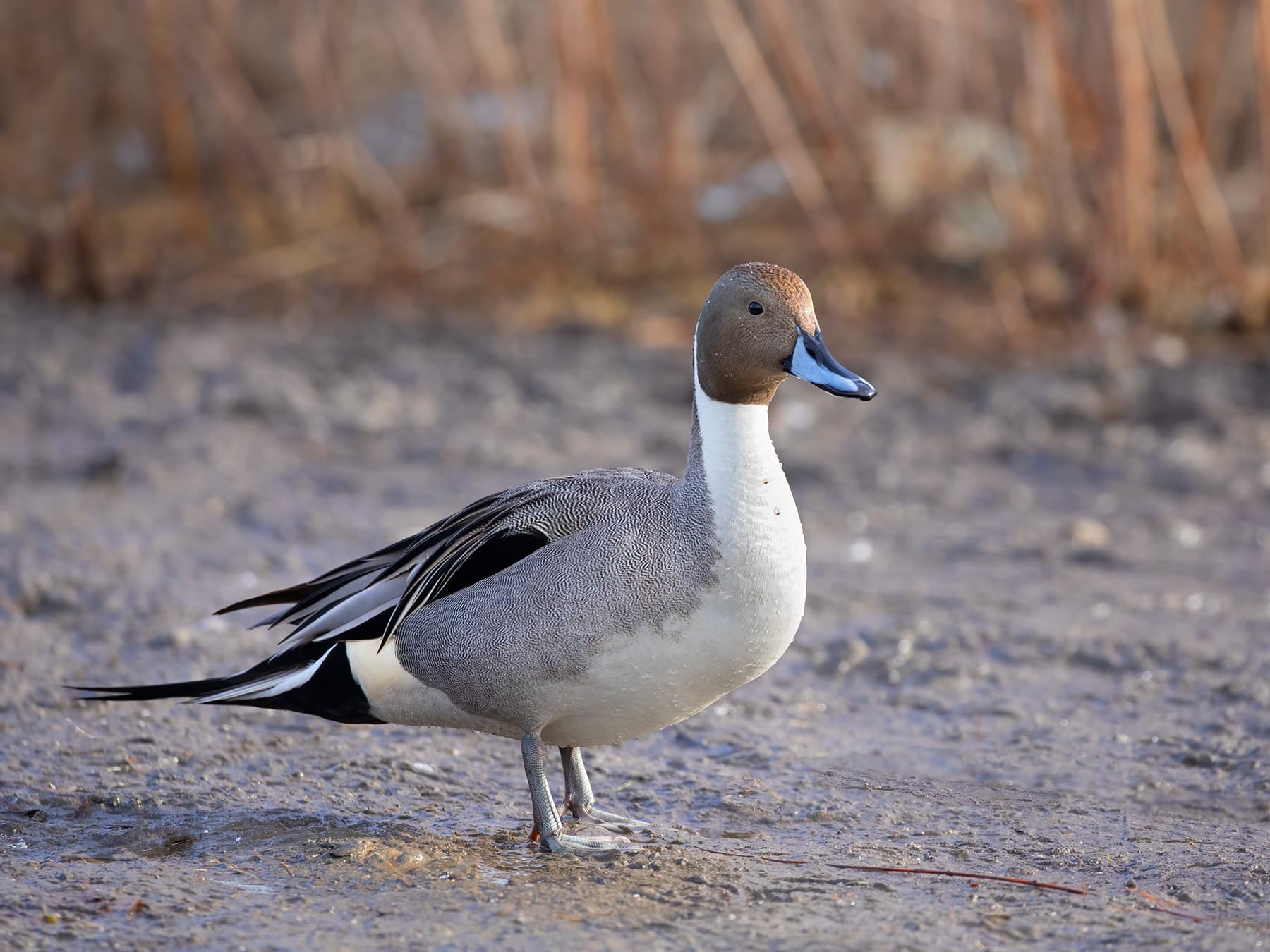
Northern Pintail
Anas acutaLC
An uncommon but elegant duck, present mainly in winter on the Humber and surrounding marshes. Absent during midsummer, returning from August.
Aug–May
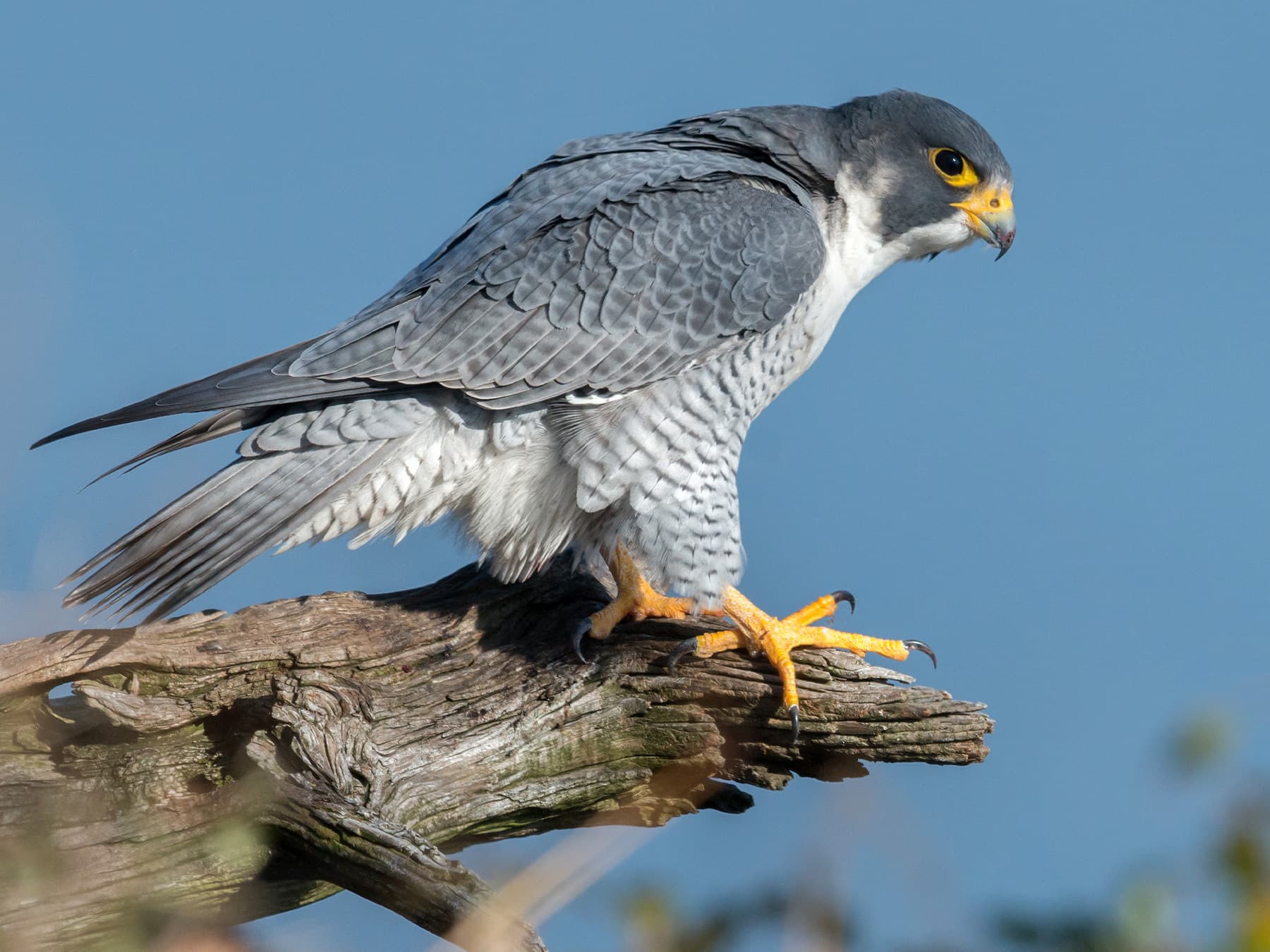
Peregrine Falcon
Falco peregrinusLC
An uncommon but year-round resident, seen around coastal cliffs and increasingly in urban areas. Regularly hunts waders and pigeons at Spurn.
Year-round
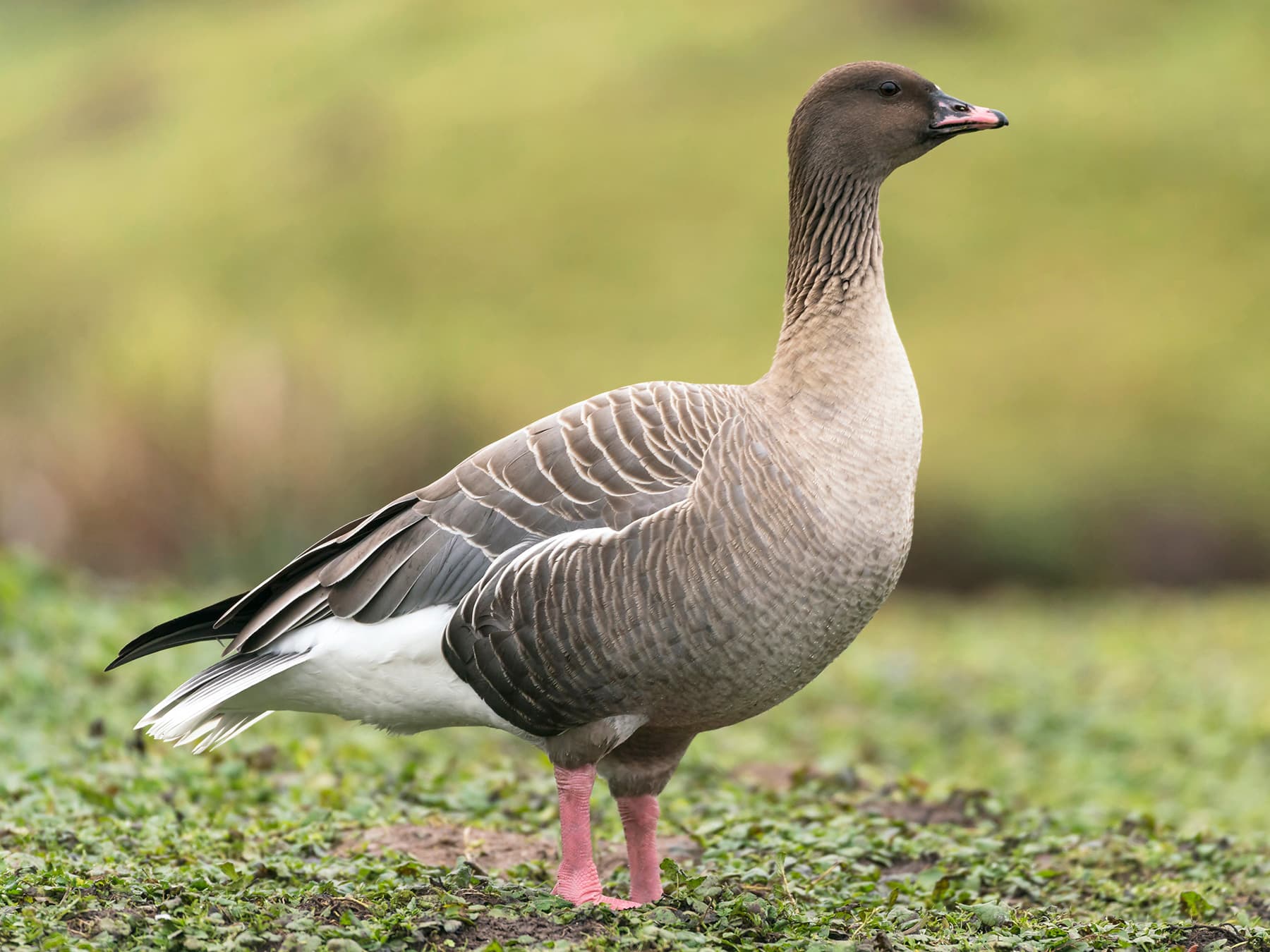
Pink-footed Goose
Anser brachyrhynchusLC
Uncommon but regular, with large skeins passing over in autumn and winter en route to and from roost sites.
Sep–May
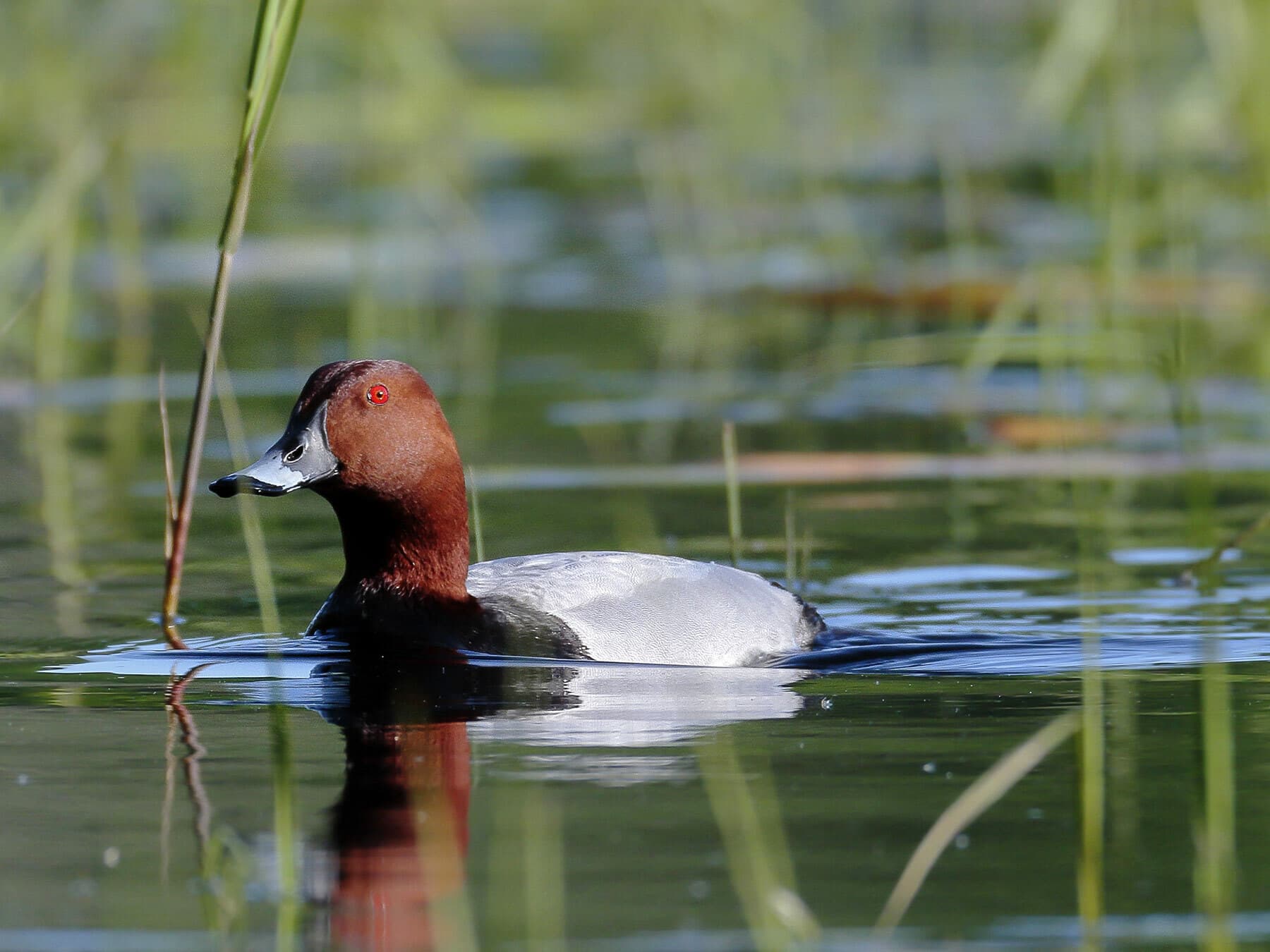
Pochard
Aythya ferinaVU
A declining resident found on lakes and gravel pits year-round. Winter numbers are boosted by continental arrivals at sites like Hornsea Mere.
Year-round
Spotted something?
Upload a photo to identify it
Identify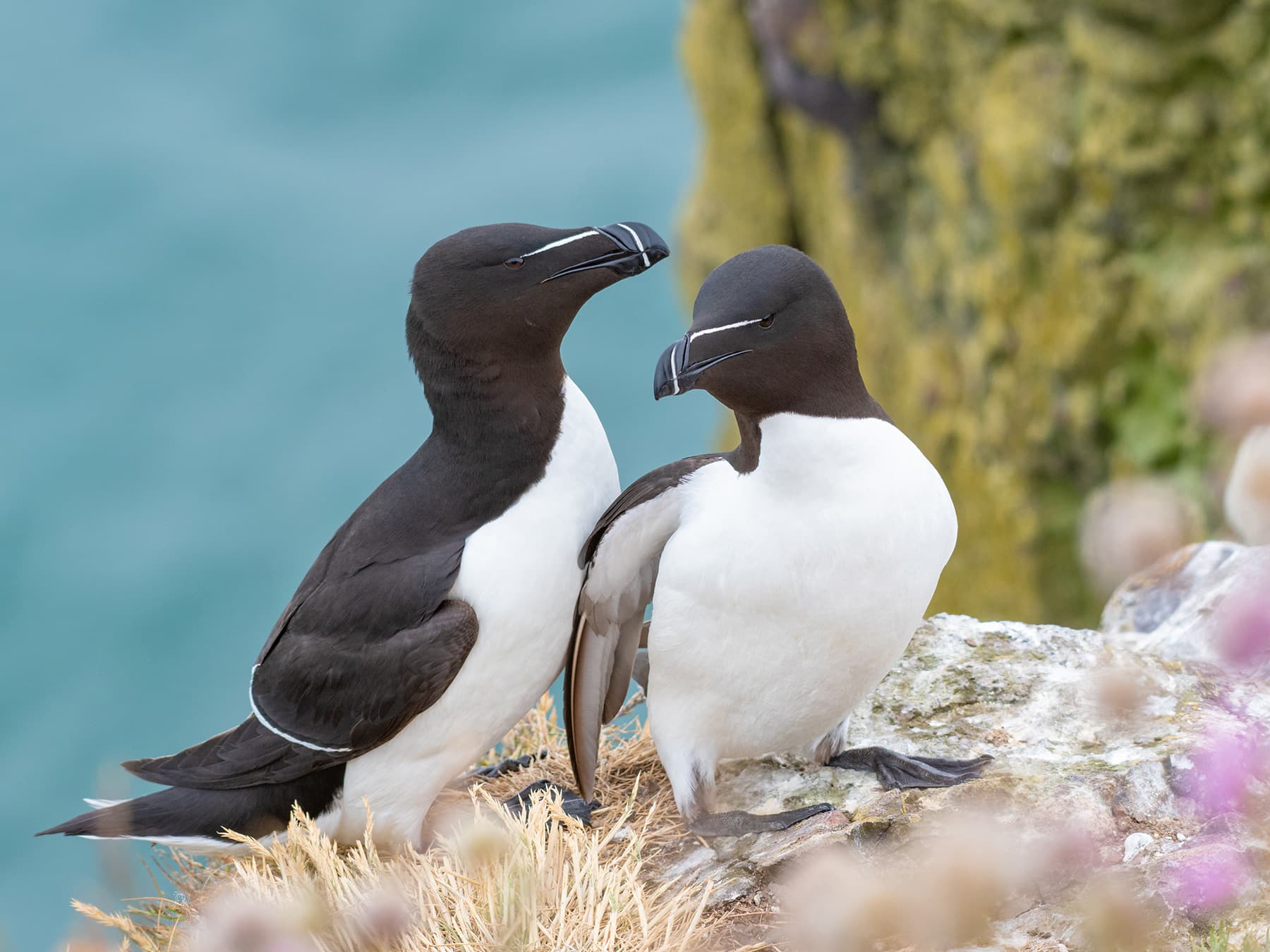
Razorbill
Alca tordaLC
A year-round resident breeding on the Bempton and Flamborough chalk cliffs, rafting offshore in winter. Numbers have been declining.
Year-round
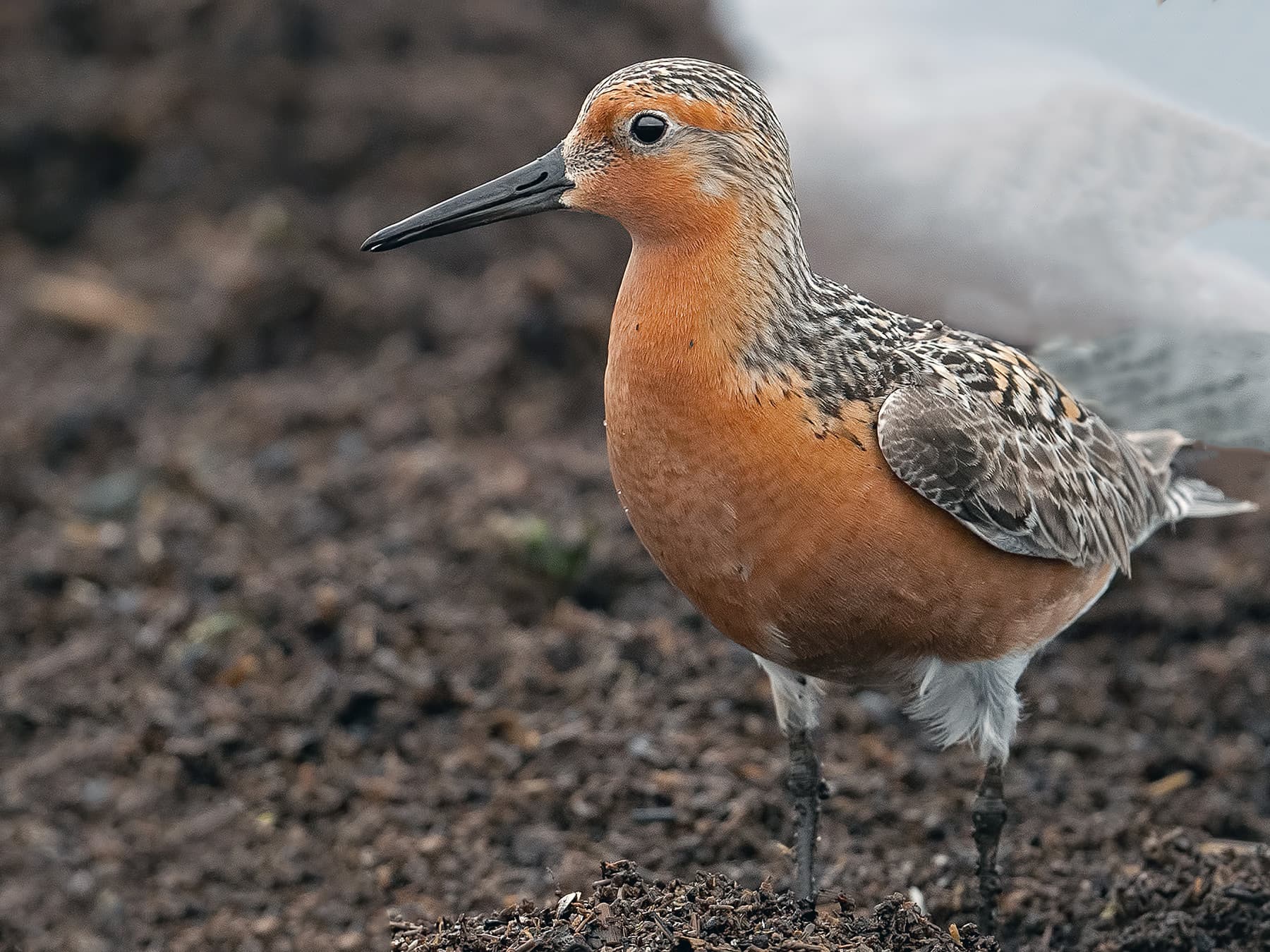
Red Knot
Calidris canutusNT
Present year-round on the Humber Estuary mudflats, with large winter flocks. Numbers peak from autumn through spring.
Year-round
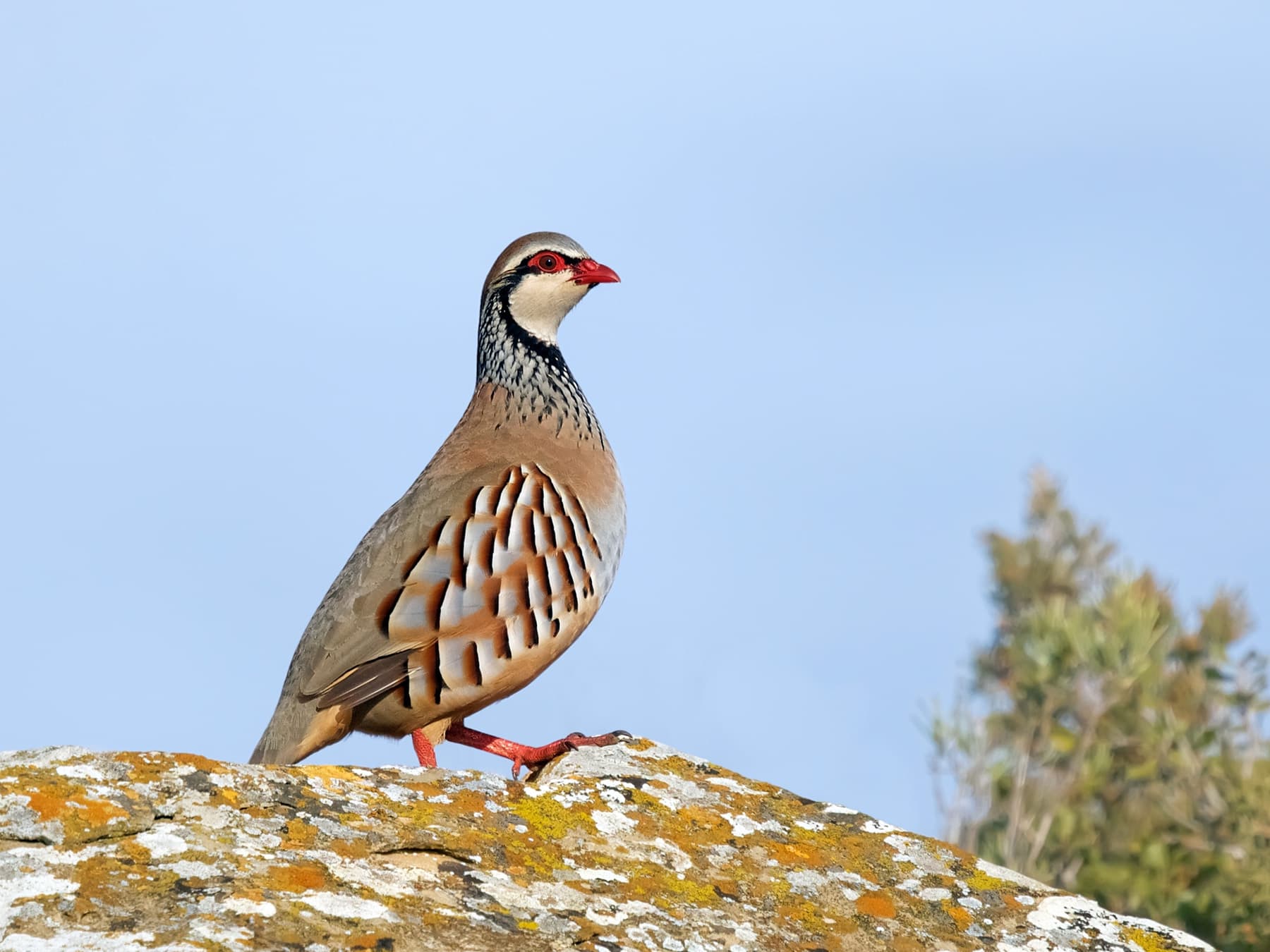
Red-legged Partridge
Alectoris rufaNT
An uncommon introduced resident found on arable farmland, particularly on the Yorkshire Wolds. Often seen in small coveys along field edges.
Year-round
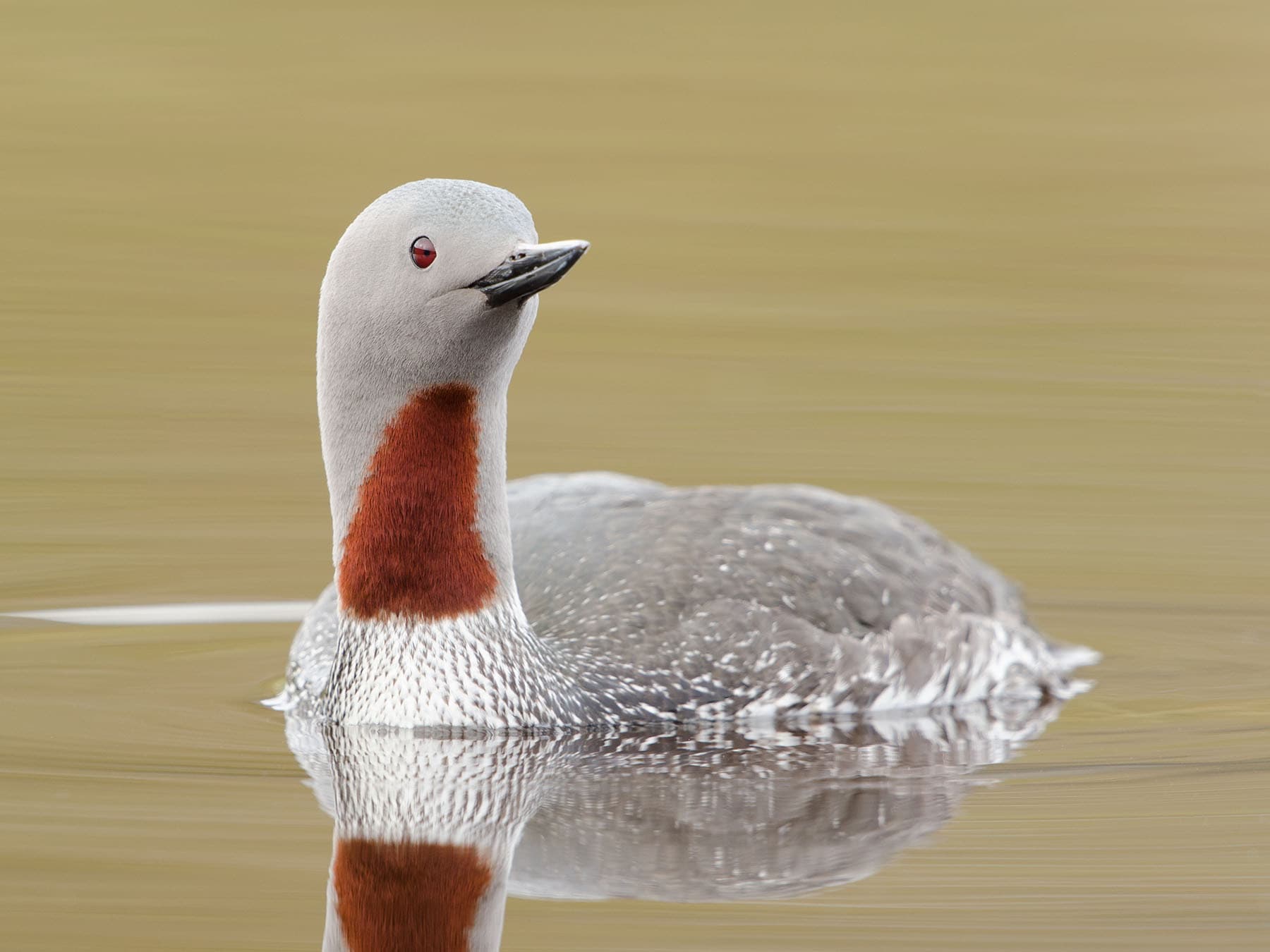
Red-throated Loon
Gavia stellataLC
Uncommon but regular offshore, especially in winter. Often seen flying low over the sea past Flamborough Head and Spurn Point.
Year-round
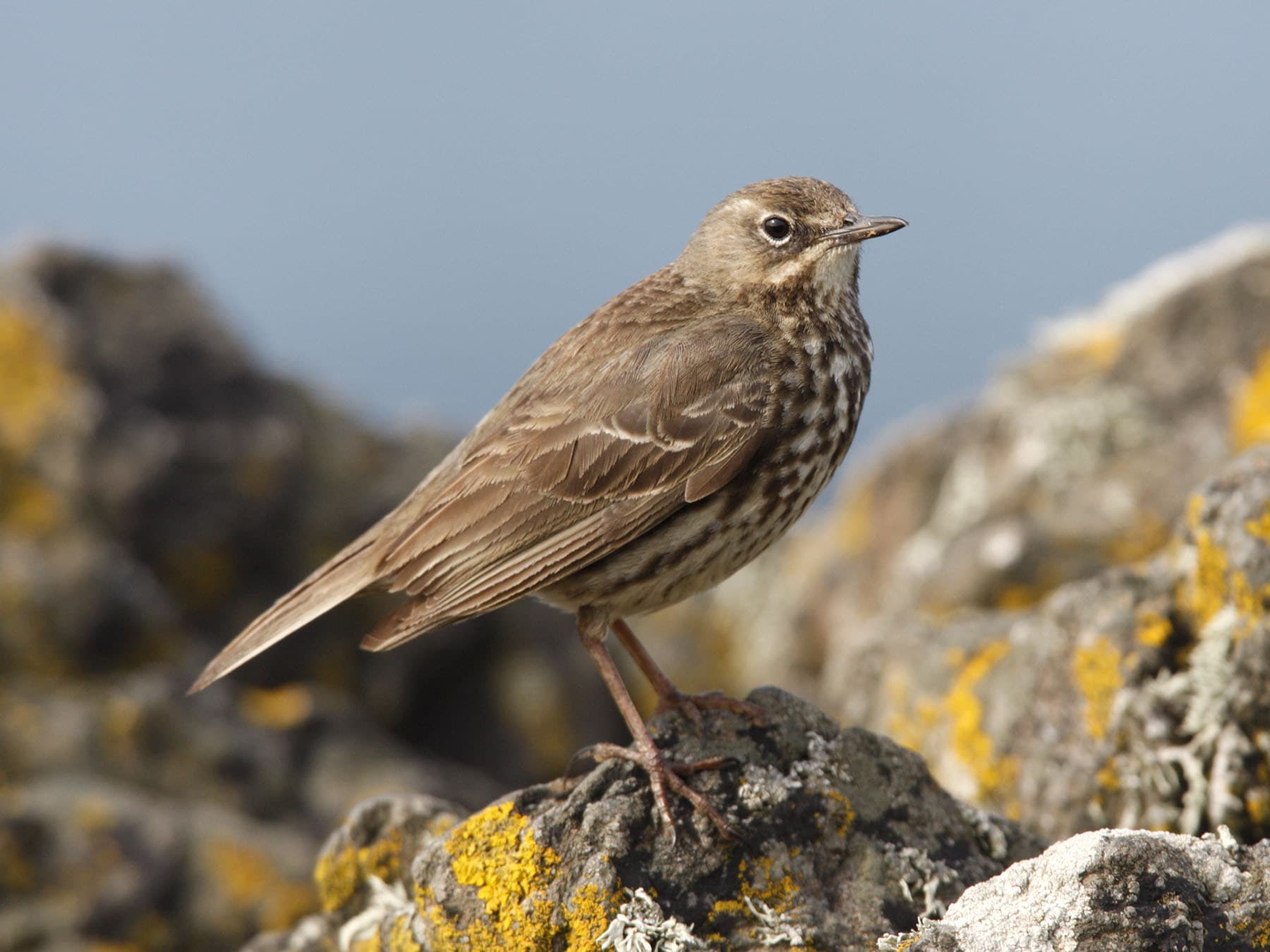
Rock Pipit
Anthus petrosusLC
An uncommon year-round resident of rocky shorelines and chalk cliffs. Regularly seen along the Flamborough and Bempton coast.
Year-round
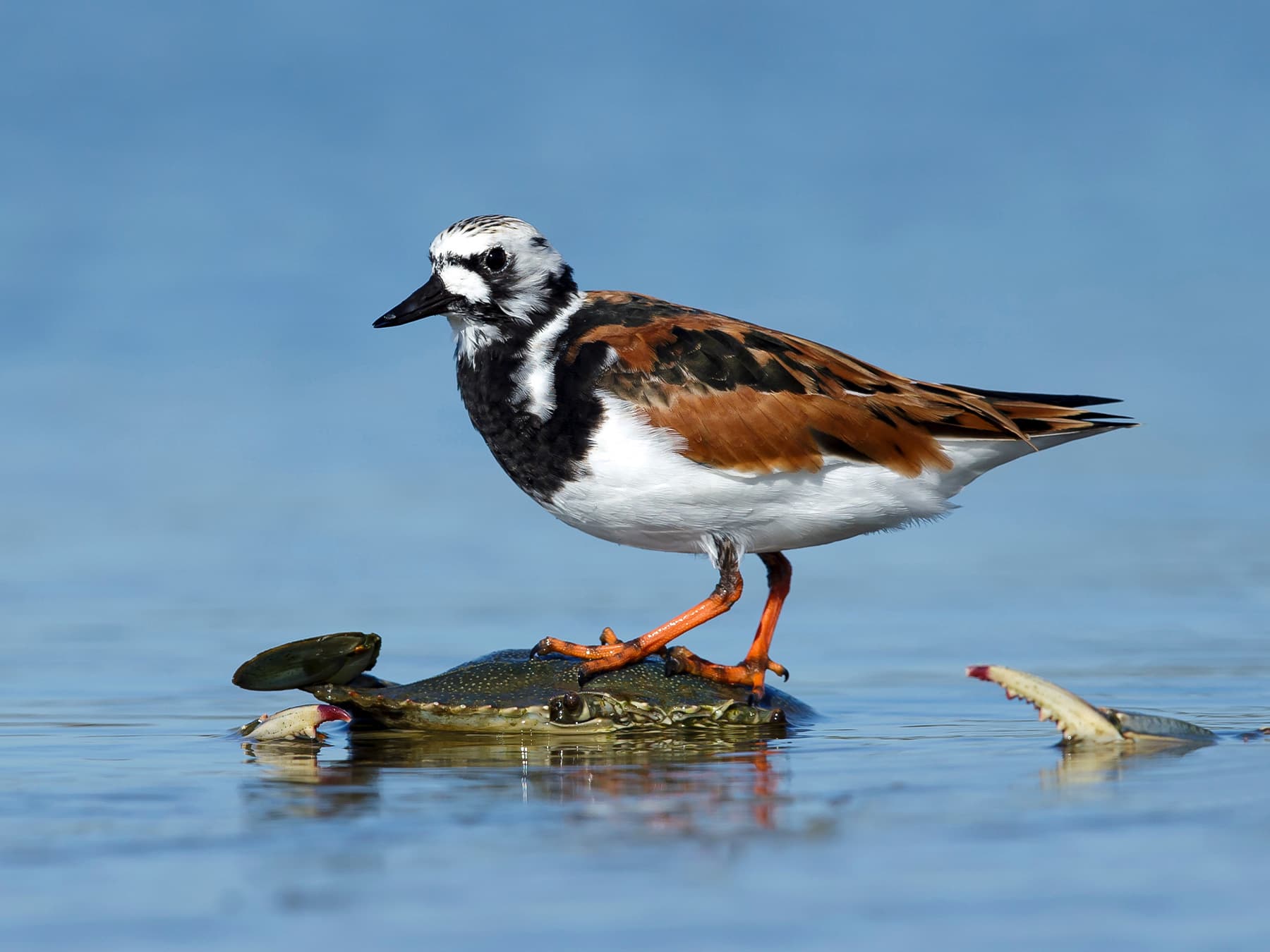
Ruddy Turnstone
Arenaria interpresLC
An uncommon resident along rocky shores and harbour walls, particularly at Flamborough Head and Bridlington, flipping stones to find invertebrates.
Year-round
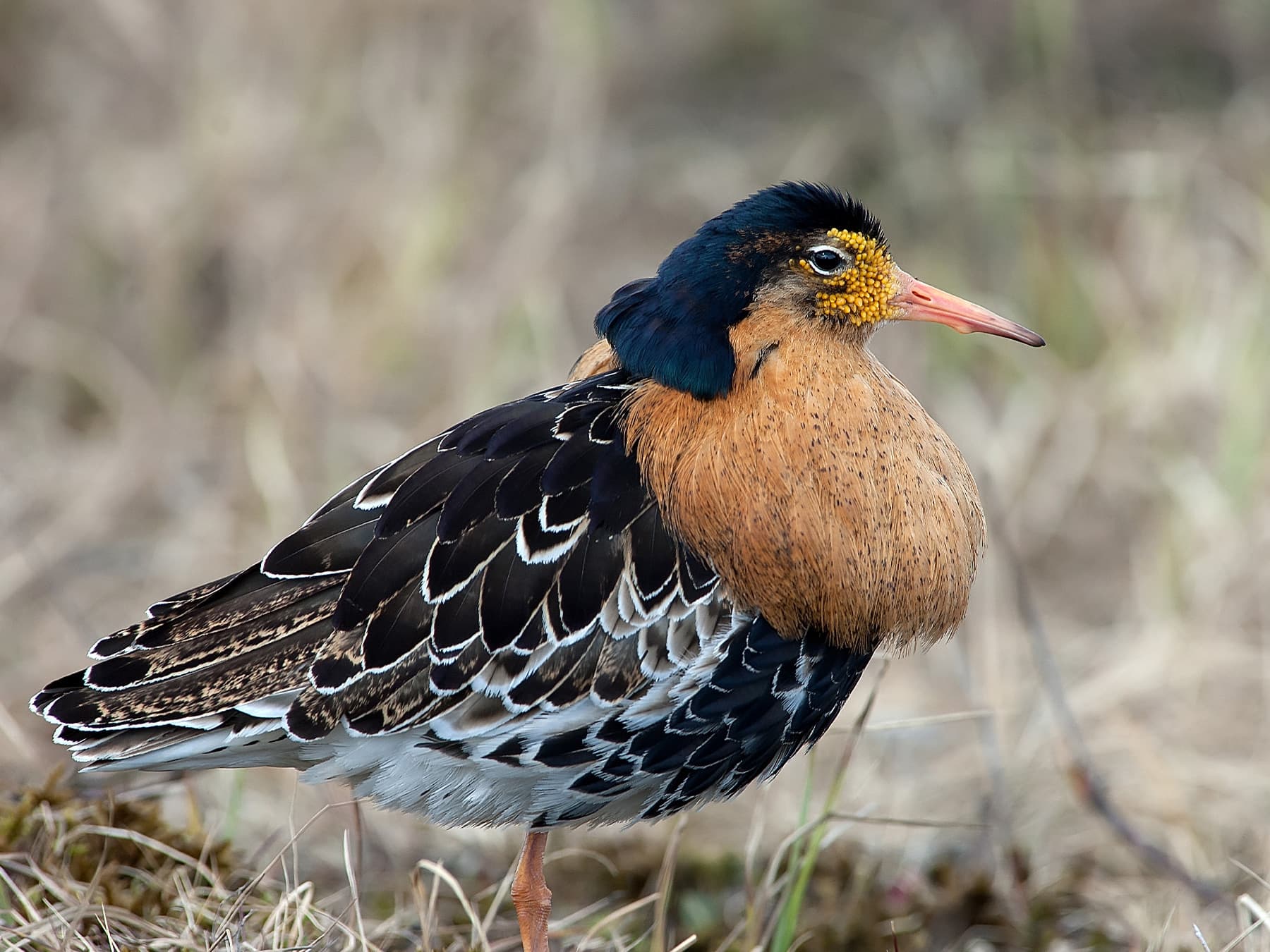
Ruff
Philomachus pugnaxLC
An uncommon year-round visitor to freshwater marshes and wet grasslands, most conspicuous during autumn passage at inland wetland reserves.
Year-round
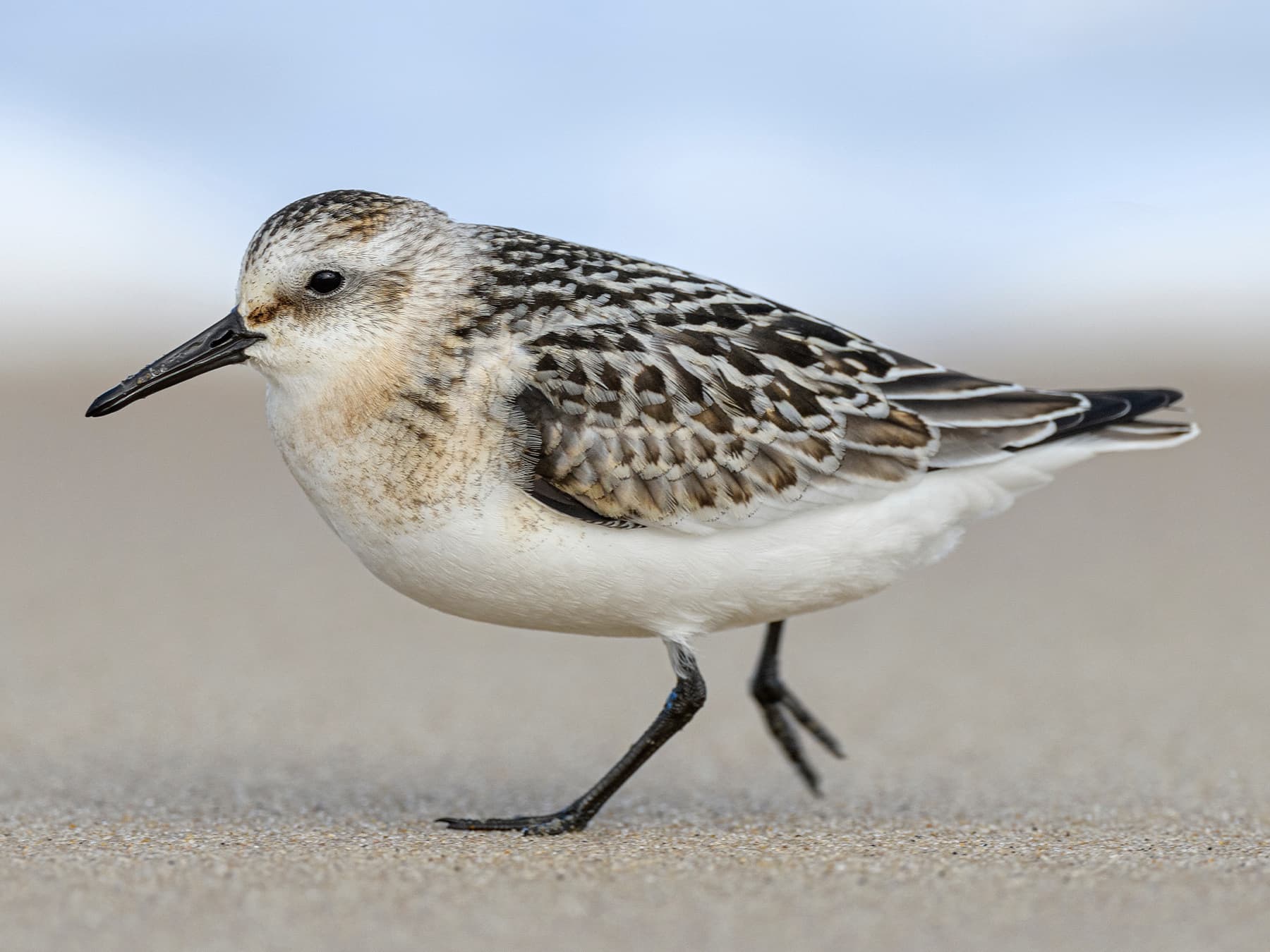
Sanderling
Calidris albaLC
An uncommon resident of sandy beaches along the Holderness coast and Spurn, running along the tideline in small flocks year-round.
Year-round
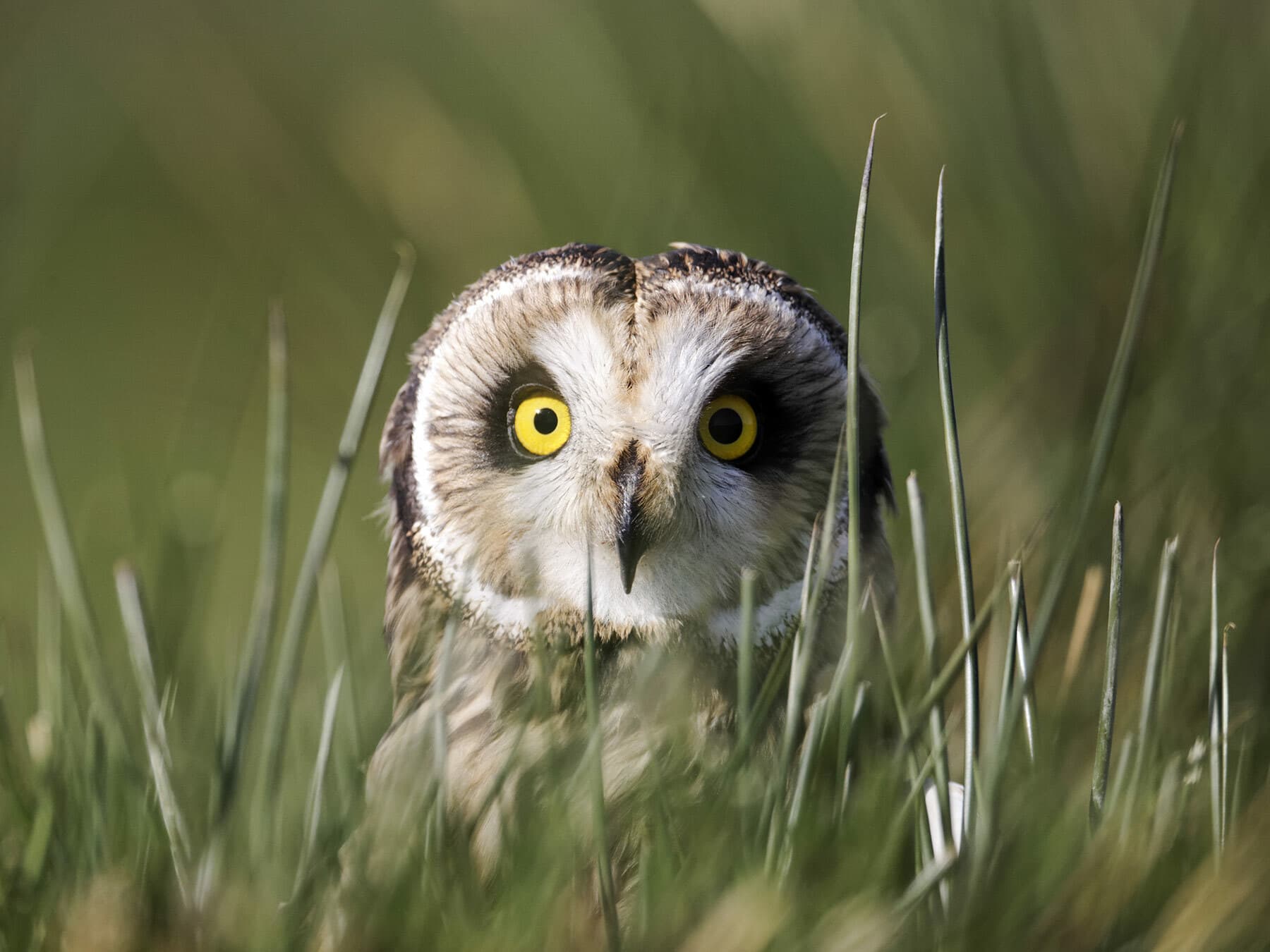
Short-eared Owl
Asio flammeusLC
Hunts low over the Wolds and coastal marshes year-round. Numbers increase in winter when continental birds arrive at sites like Spurn and Blacktoft Sands.
Year-round
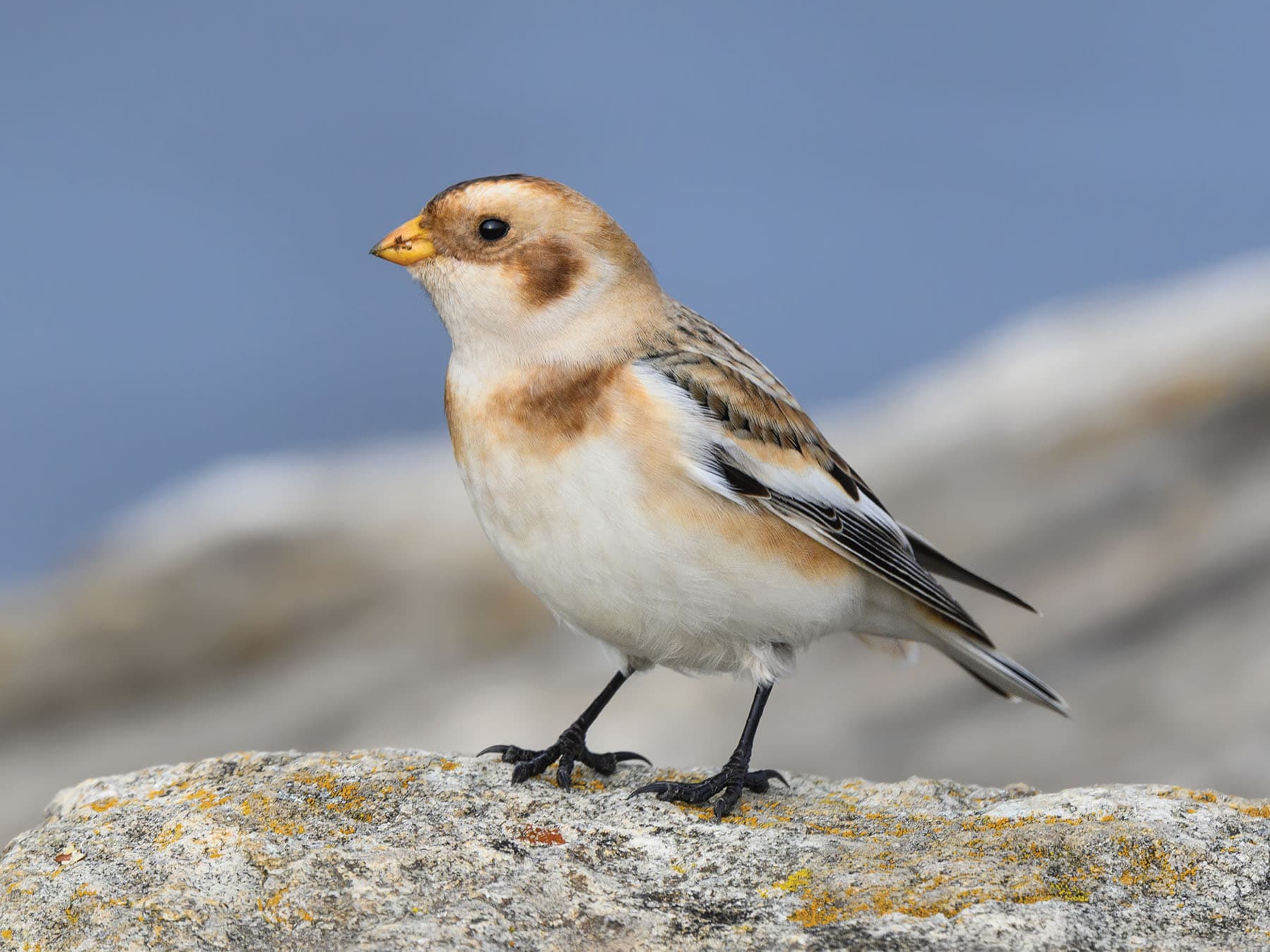
Snow Bunting
Plectrophenax nivalisLC
An uncommon winter visitor to the coast, often seen on shingle beaches and dunes along the Holderness shore from October to March.
Oct–Mar
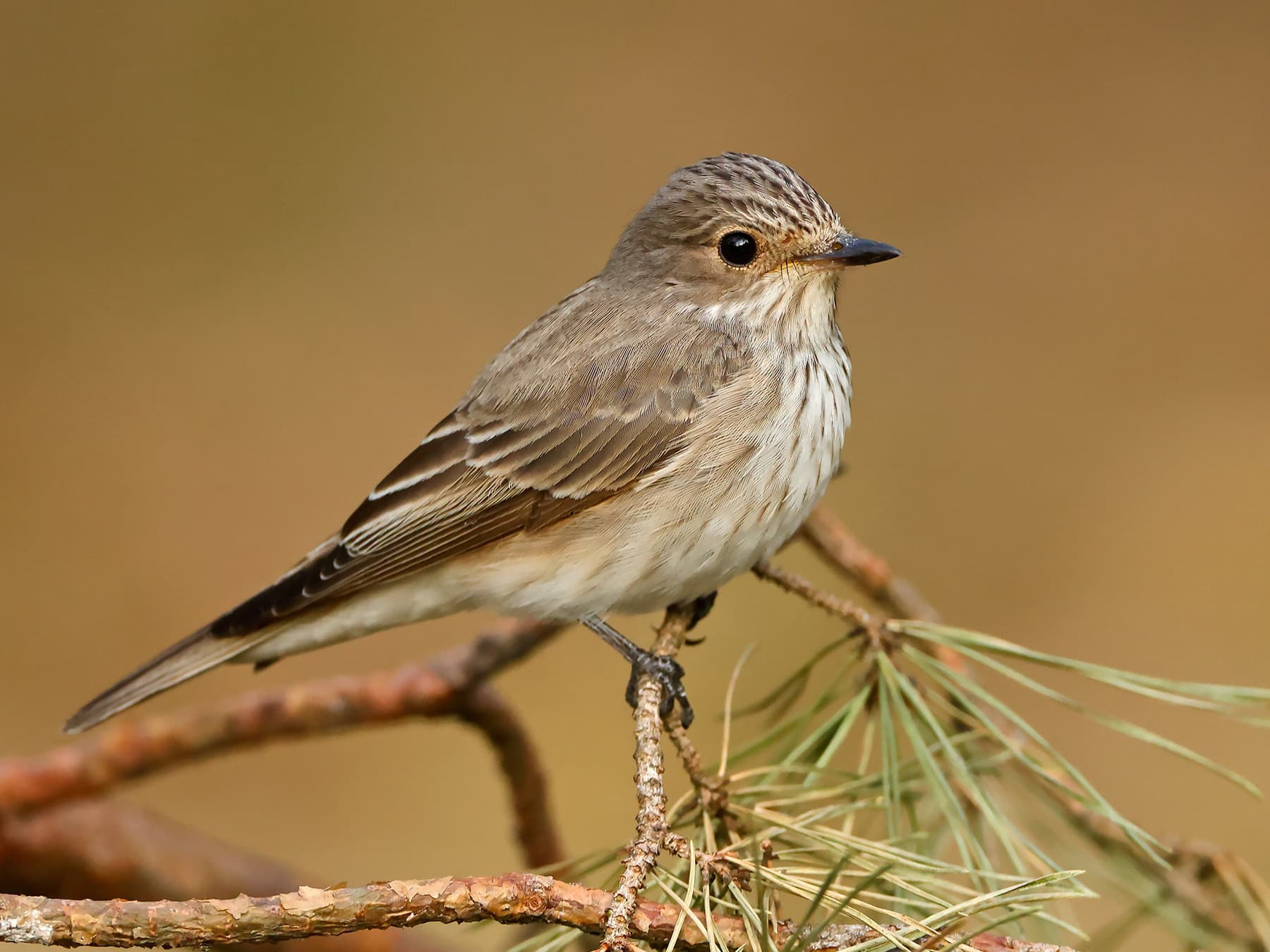
Spotted Flycatcher
Muscicapa striataLC
An uncommon and declining summer breeder arriving in May, favouring woodland clearings and mature gardens where it sallies for insects.
May–Oct
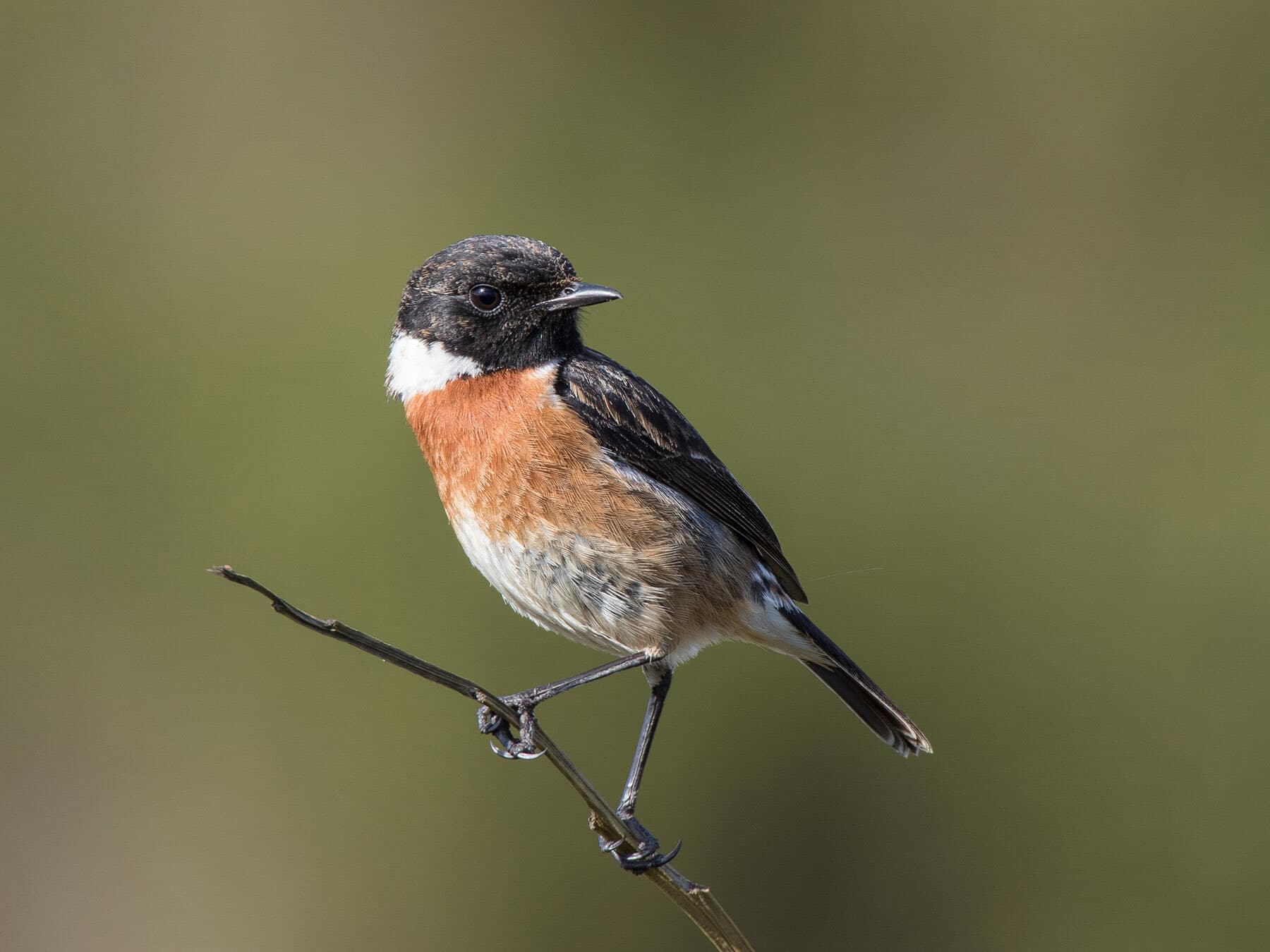
Stonechat
Saxicola torquatusLC
Present year-round on coastal scrub and gorse-covered clifftops. Numbers bolstered in winter by birds from the continent.
Year-round
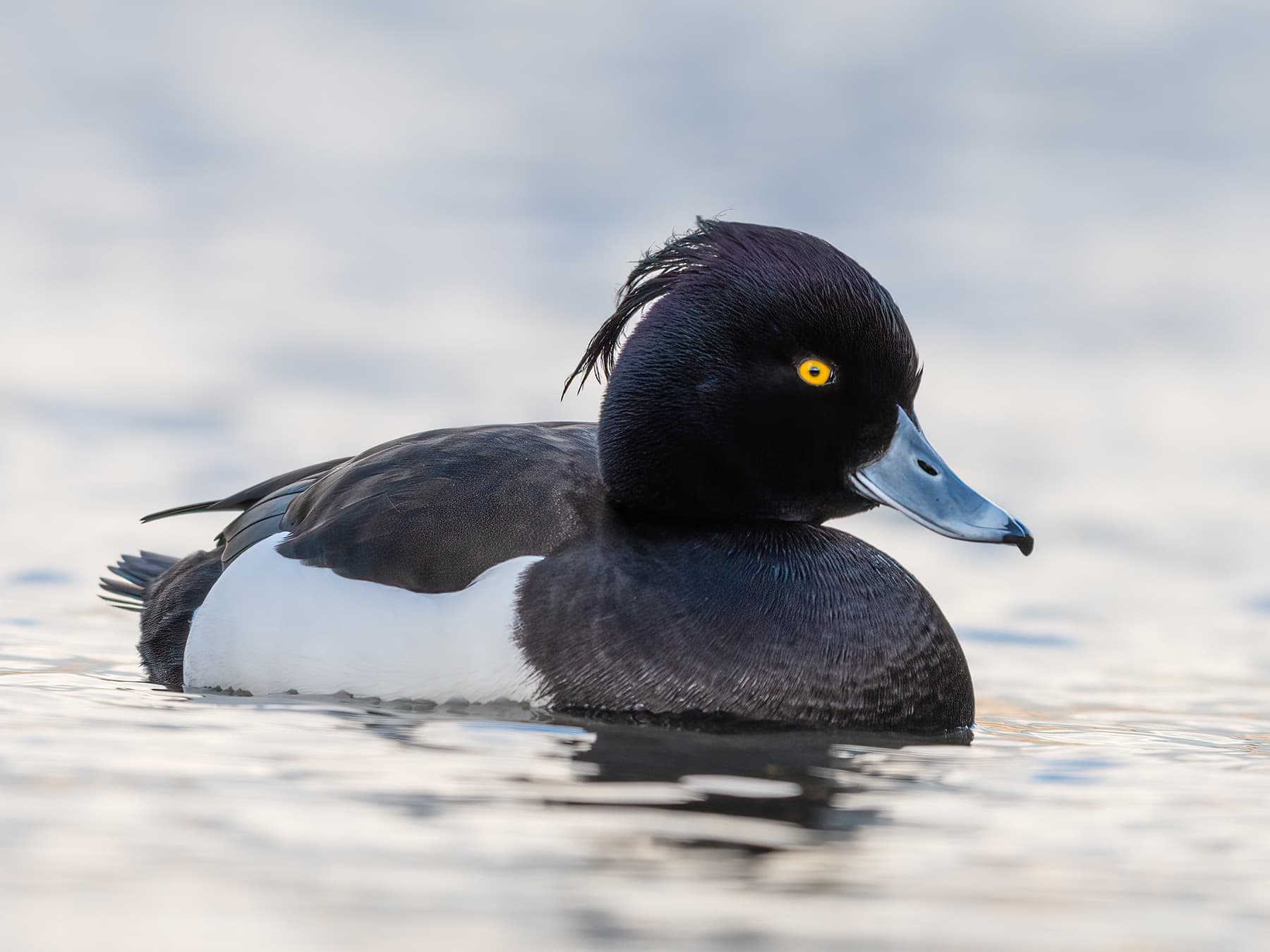
Tufted Duck
Aythya fuligulaLC
An uncommon but widespread resident, breeding on lakes and reservoirs. Numbers increase in winter with arrivals from northern Europe.
Year-round
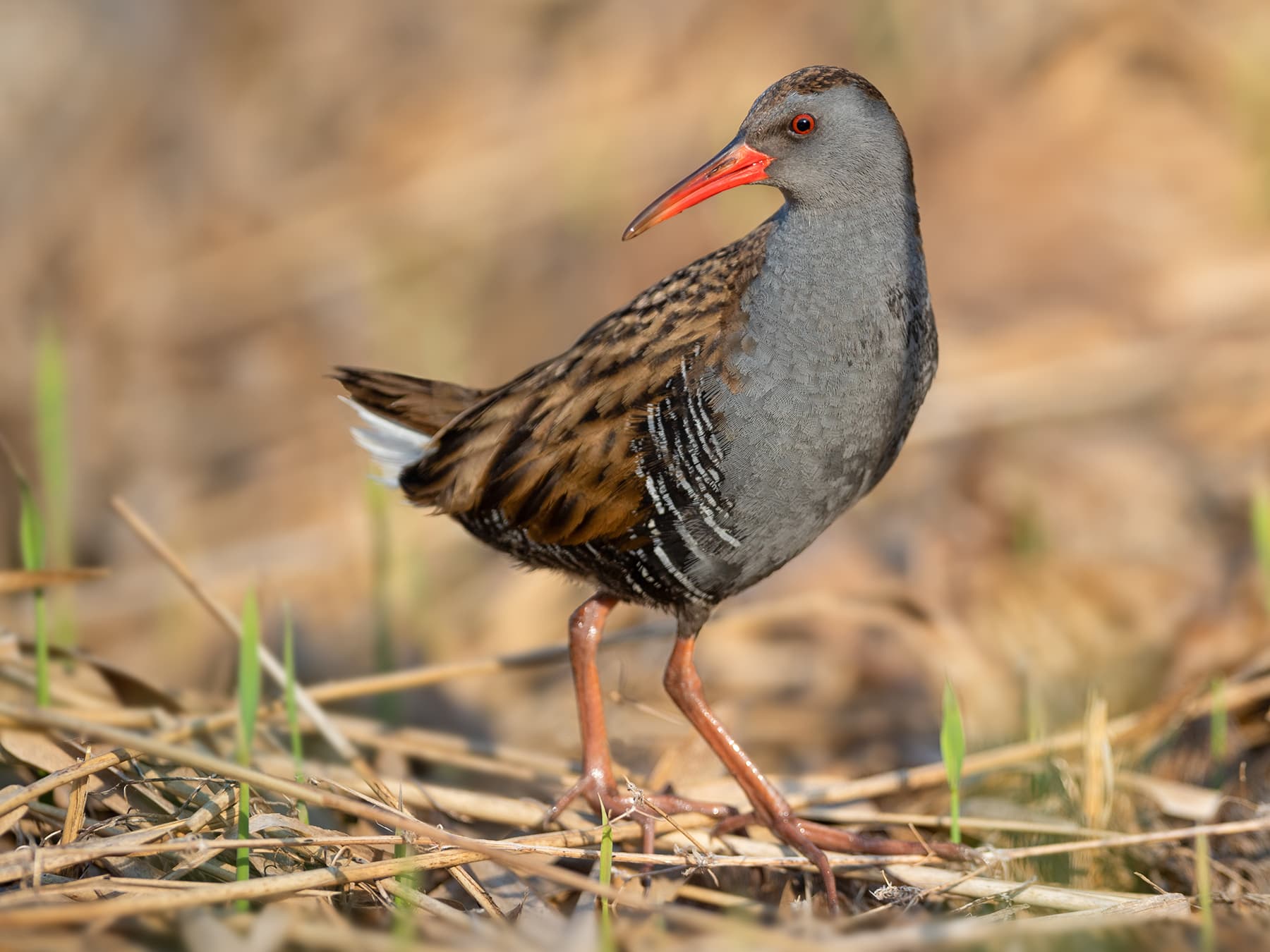
Water Rail
Rallus aquaticusLC
A secretive year-round resident of reedbeds and marshy ditches, more often heard squealing than seen. Wetlands around the Humber are key sites.
Year-round
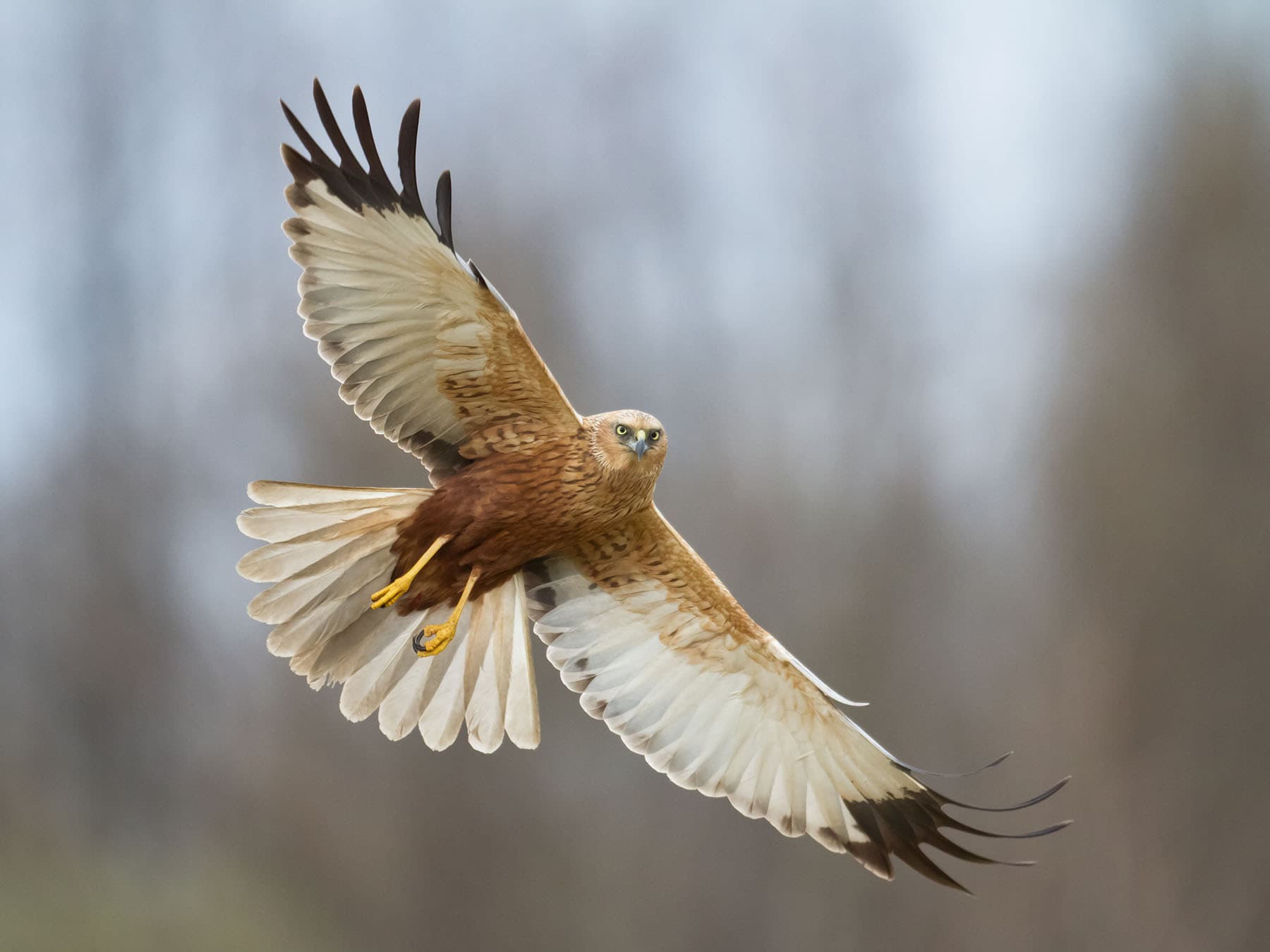
Western Marsh-harrier
Circus aeruginosusLC
An uncommon resident of lowland marshes and reedbeds, often quartering over wetlands at sites like Blacktoft Sands and Tophill Low.
Year-round