Uncommon Birds in East Riding of Yorkshire
76 species matching this filter.
The East Riding of Yorkshire supports a rich variety of uncommon bird species across its diverse landscapes, from the dramatic chalk cliffs of Flamborough Head and Bempton to the expansive wetlands of the Humber Estuary. With 76 species classified as uncommon in the region, birdwatchers can encounter notable finds such as Avocet on coastal lagoons, Arctic Jaeger passing offshore during autumn migration, and Barn Owl hunting over the rolling farmland of the Yorkshire Wolds. The mix of coastal, estuarine, and inland habitats makes this county a rewarding destination for those seeking birds beyond the everyday.


Showing 24–46 of 76 species
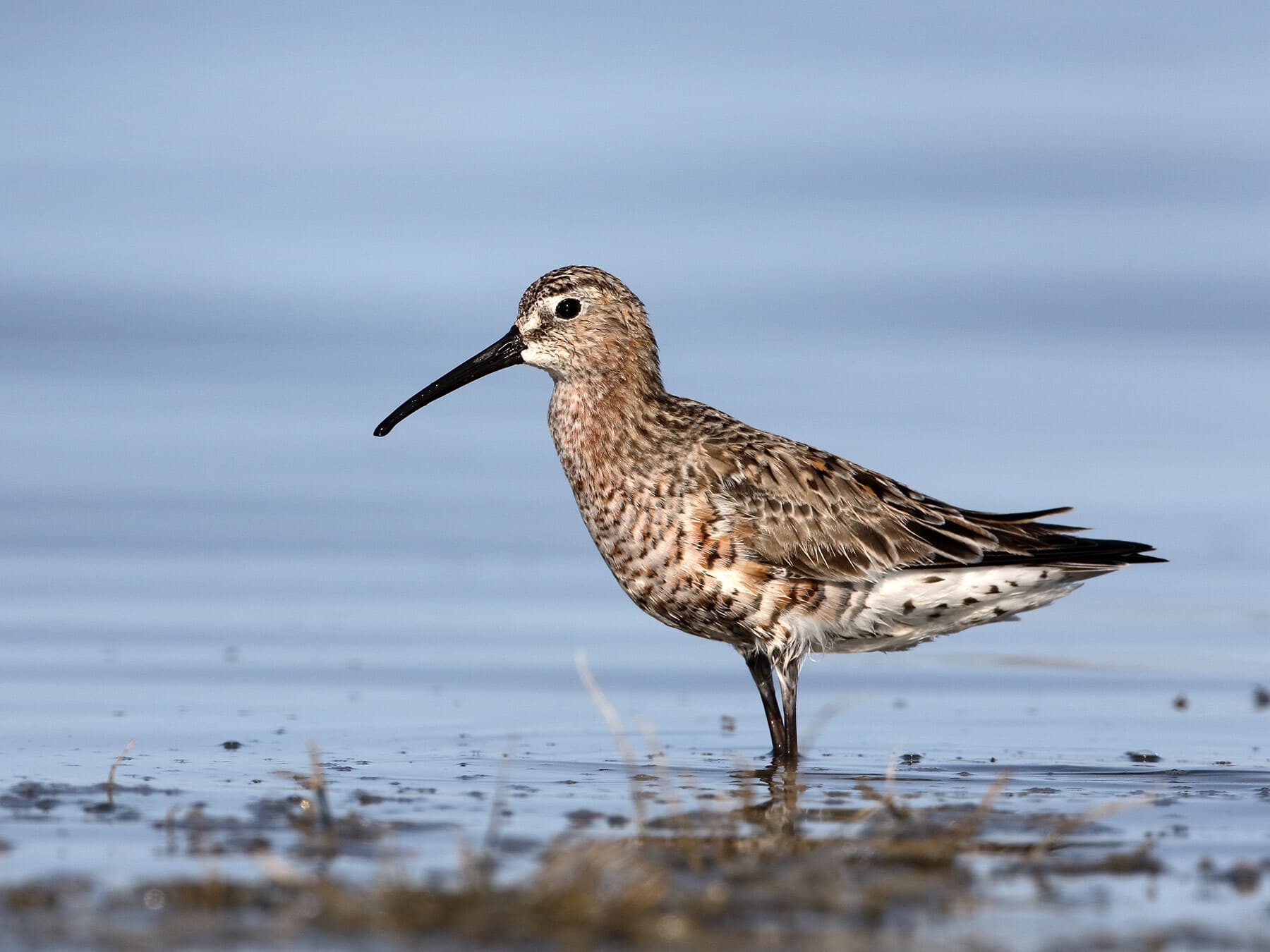
Curlew Sandpiper
Calidris ferrugineaNT
An uncommon visitor from May to October, favouring coastal scrapes and estuarine margins, often mixing with Dunlin flocks on passage.
May–Oct
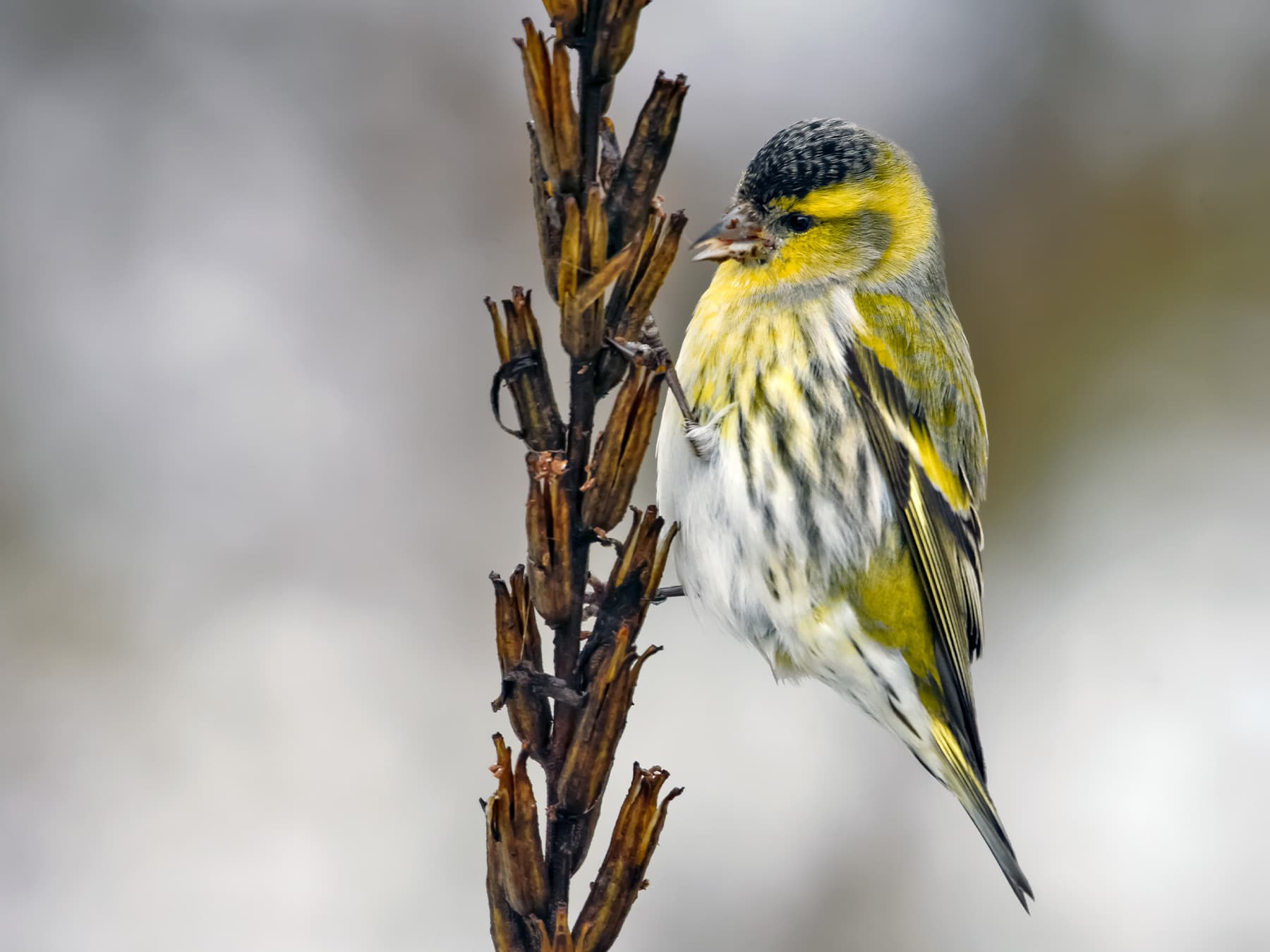
Eurasian Siskin
Spinus spinusLC
An uncommon resident most visible in winter when flocks visit alder trees and garden feeders. Breeds sparingly in conifer woodland.
Year-round
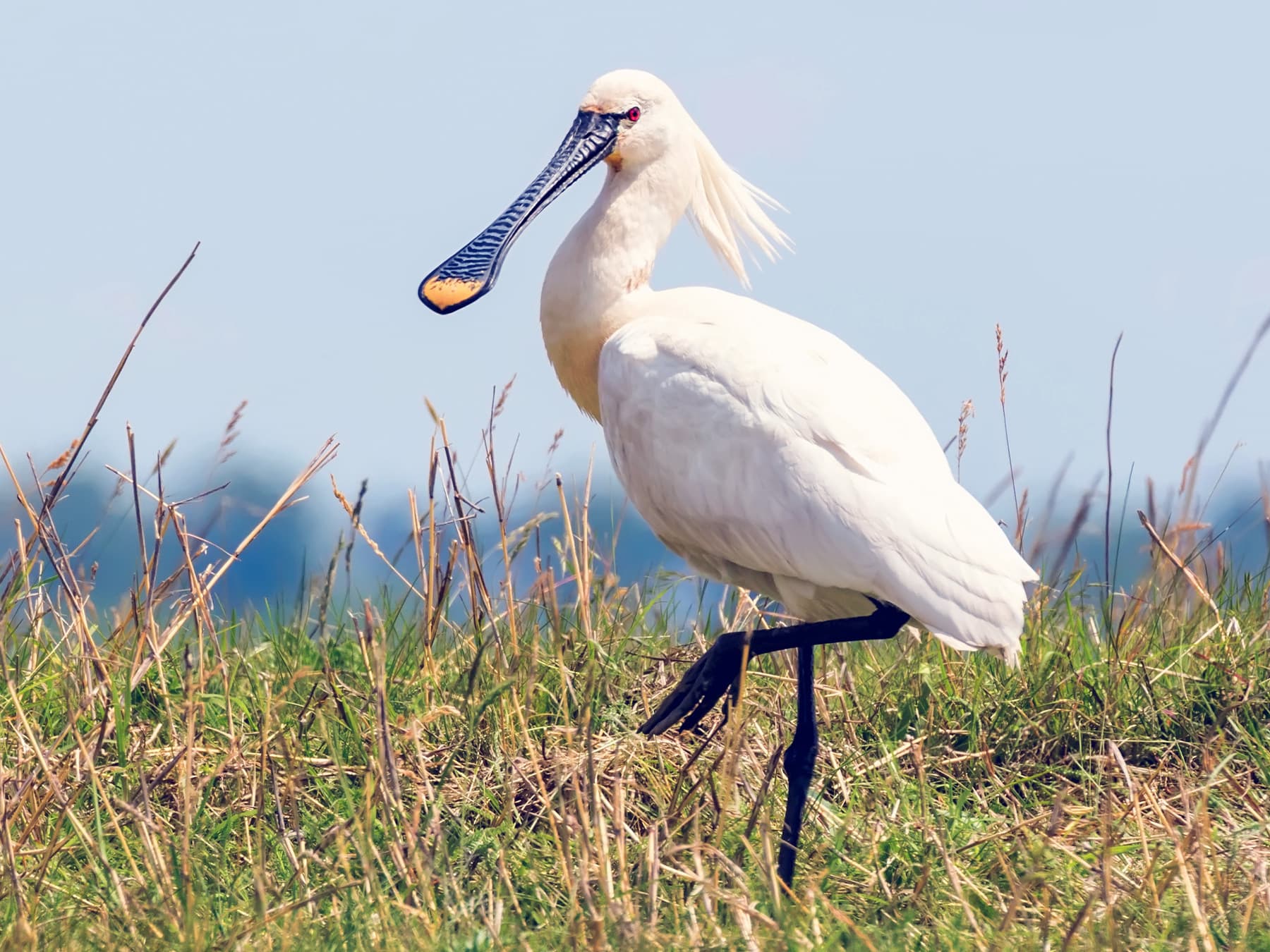
Eurasian Spoonbill
Platalea leucorodiaLC
An uncommon but increasing breeder, present from April to September at wetland reserves such as Tophill Low and the Humber area.
Apr–Sep
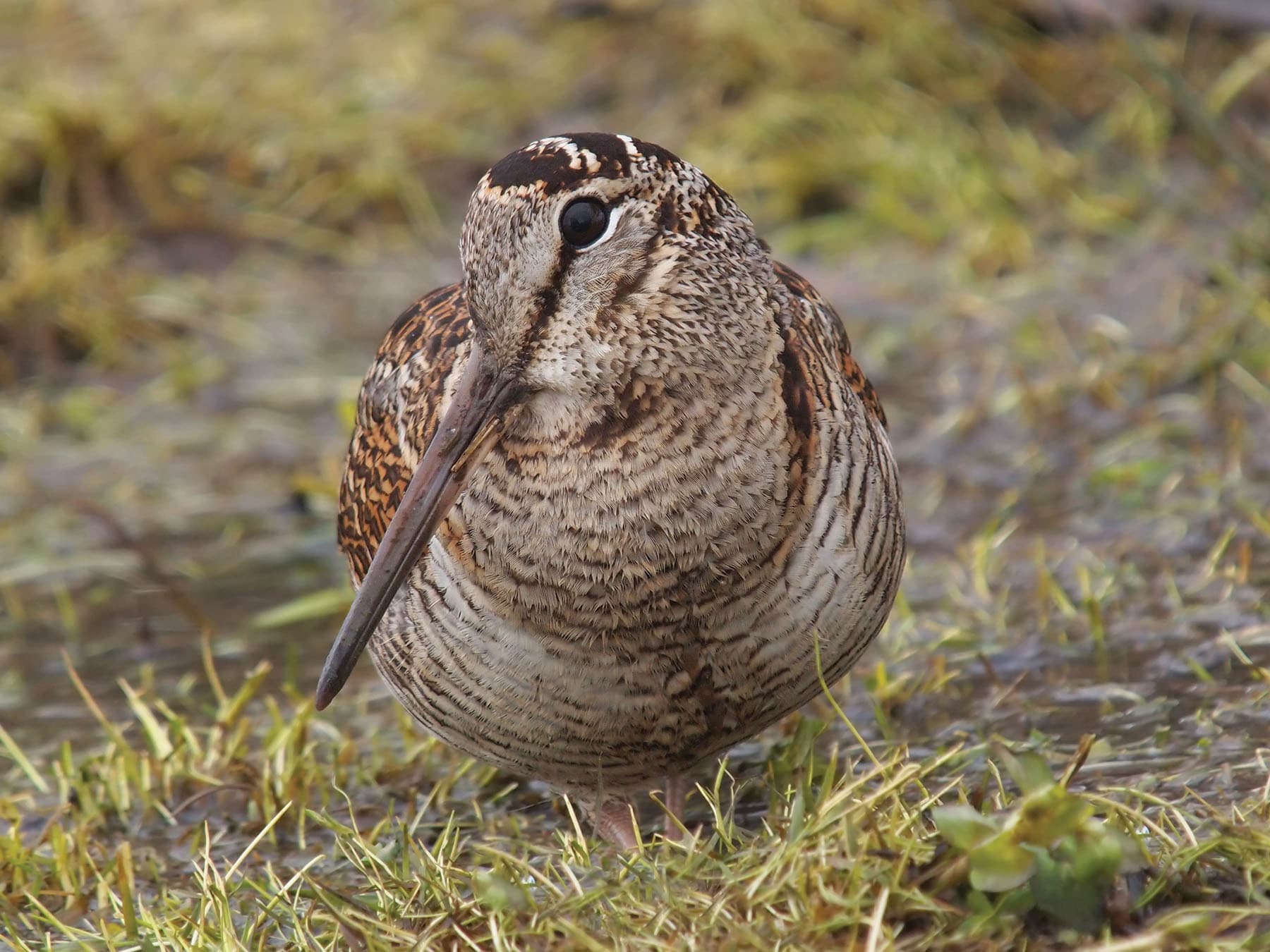
Eurasian Woodcock
Scolopax rusticolaLC
An uncommon winter visitor to woodland and hedgerows, arriving from October. Continental birds boost numbers, sometimes appearing in gardens during cold snaps.
Oct–Apr
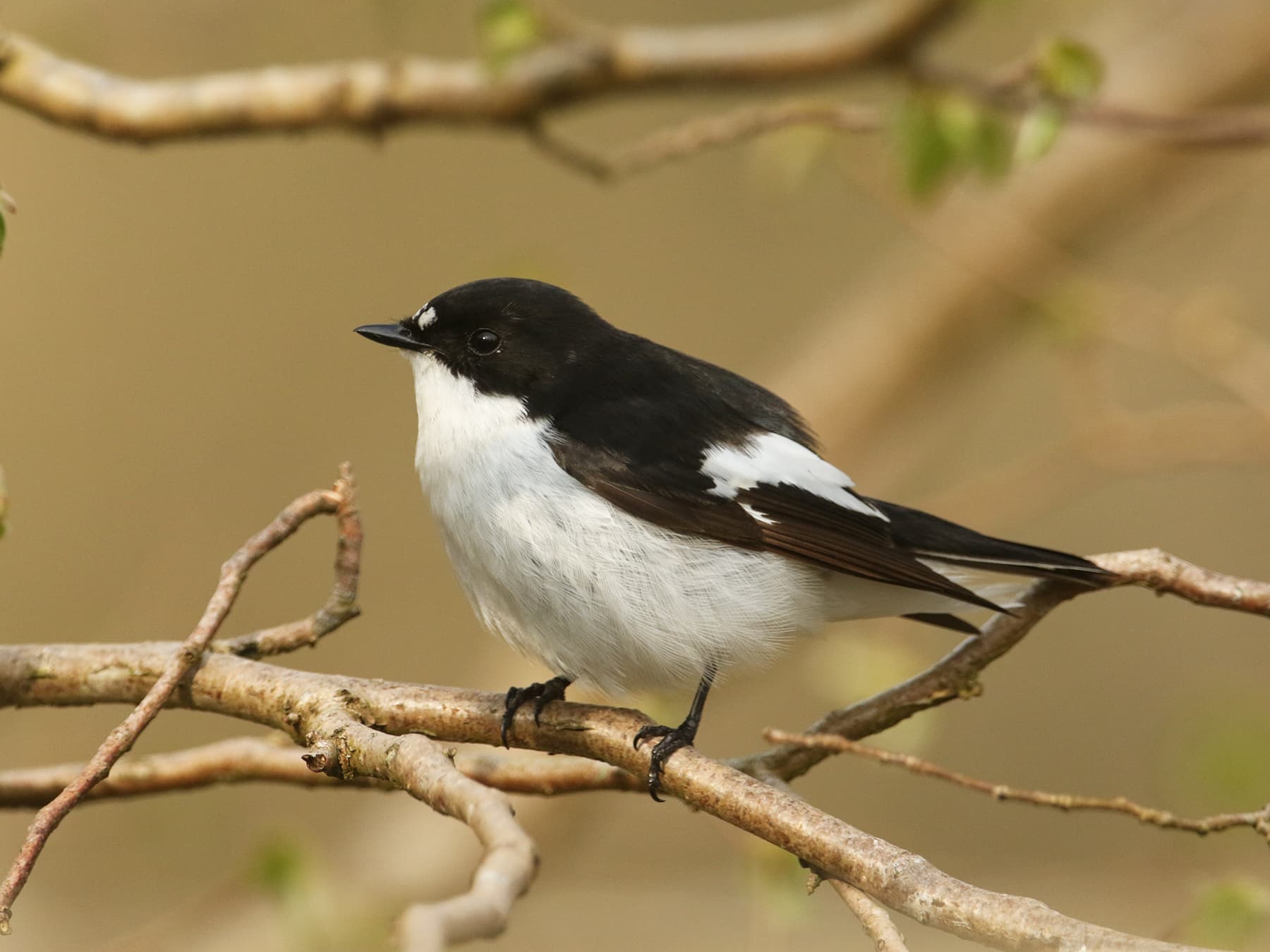
European Pied Flycatcher
Ficedula hypoleucaLC
An uncommon breeder in wooded areas, most visible during spring arrival and autumn passage along the coast at sites like Flamborough and Spurn.
Apr–Oct
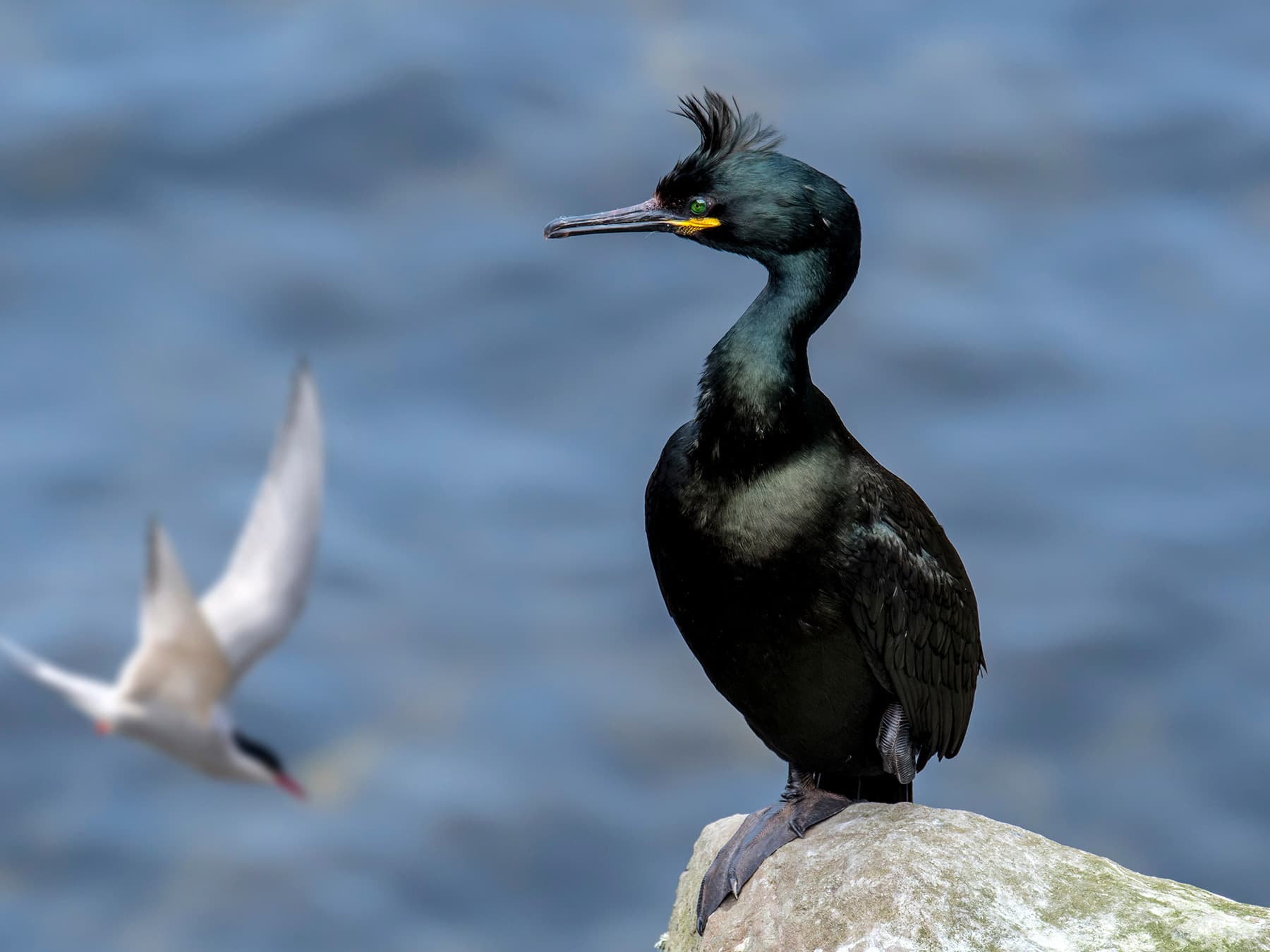
European Shag
Phalacrocorax aristotelisLC
Uncommon resident favouring the rocky chalk cliffs around Flamborough Head, where small numbers breed alongside larger seabird colonies.
Year-round
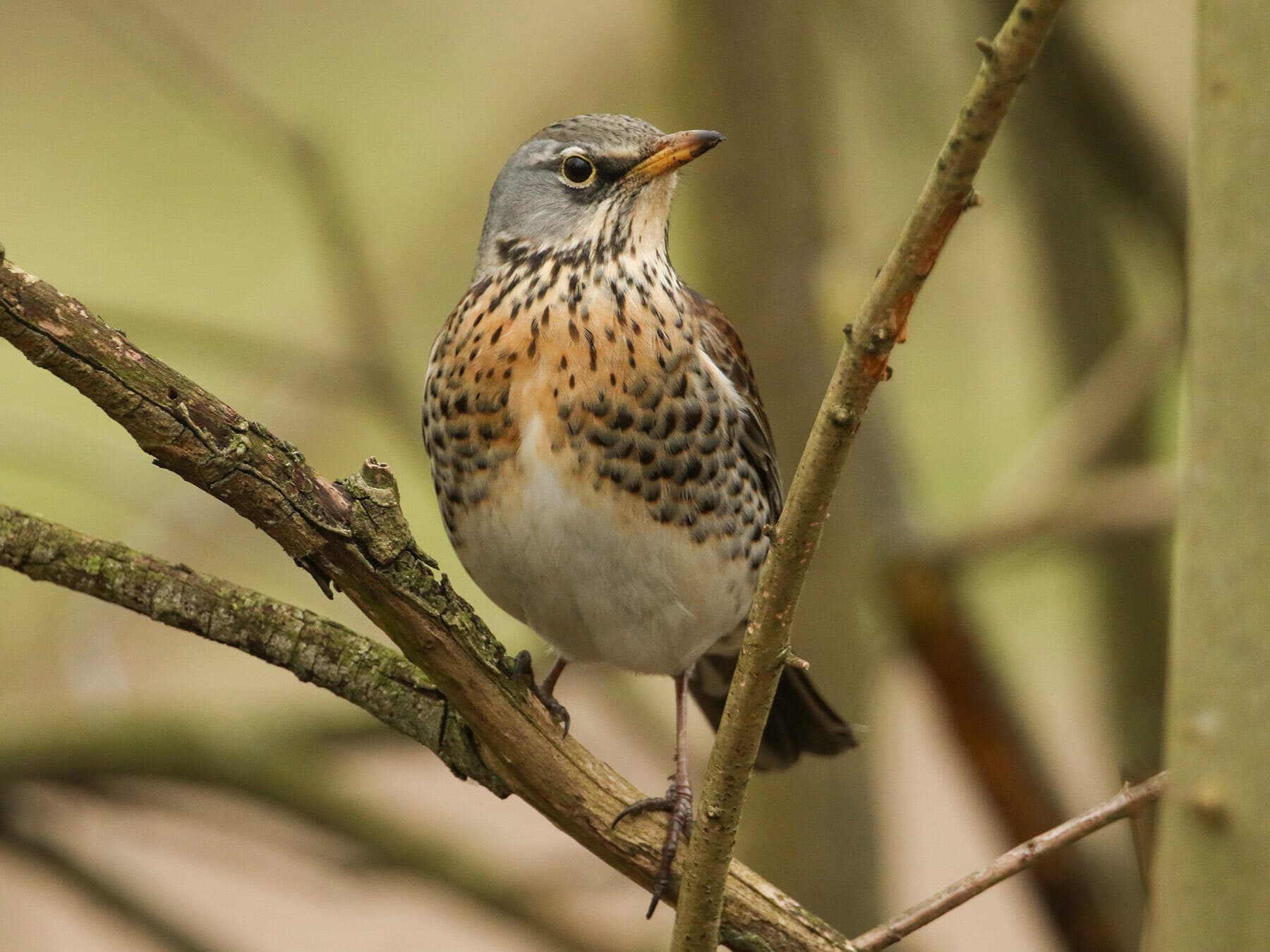
Fieldfare
Turdus pilarisLC
An uncommon winter visitor from Scandinavia, often seen in noisy flocks feeding on hawthorn berries across farmland and hedgerows.
Sep–May
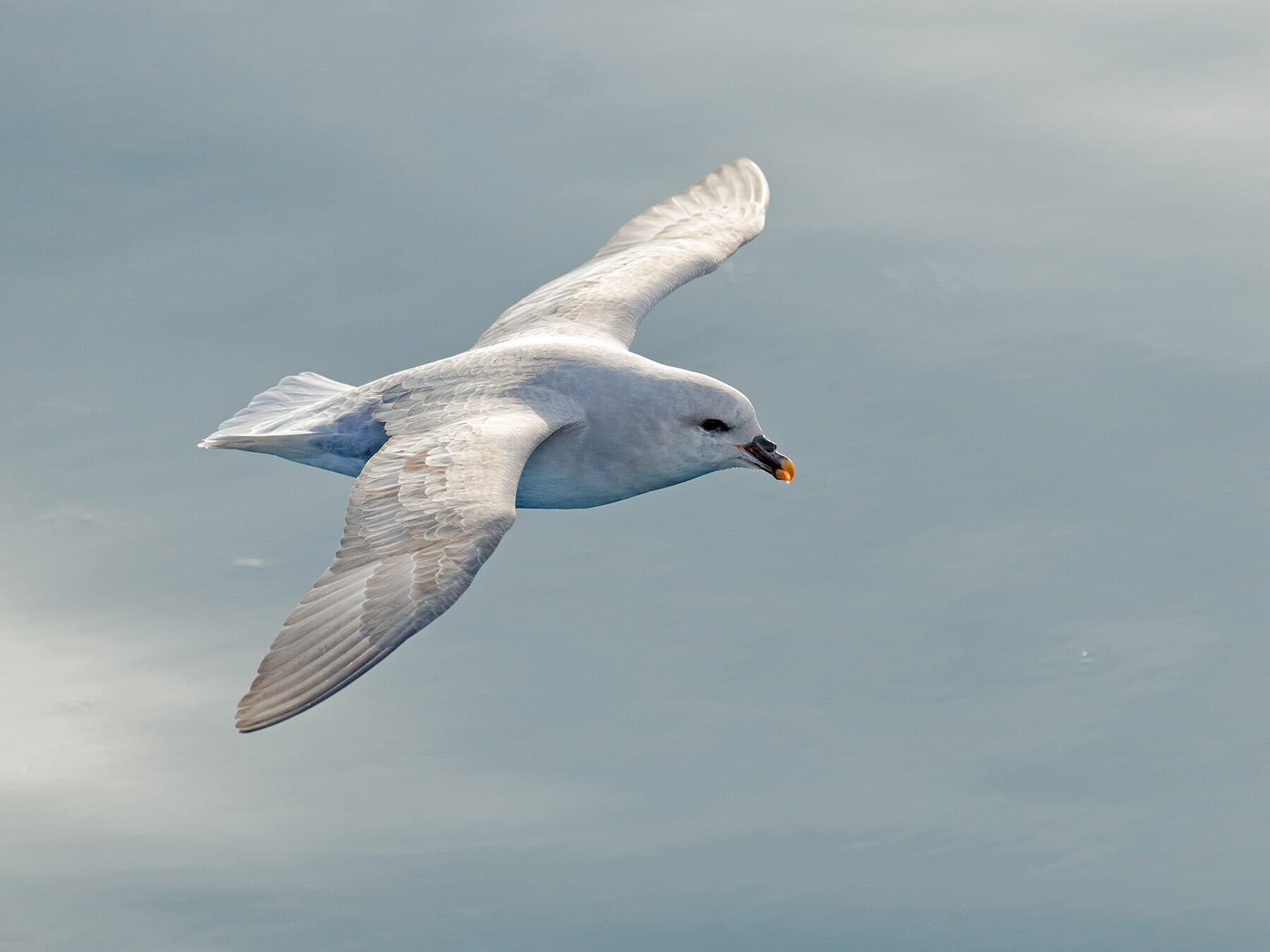
Fulmar
Fulmarus glacialisLC
Breeds on the dramatic chalk cliffs at Bempton and Flamborough, present year-round. Often seen gliding stiff-winged over the North Sea.
Year-round
Spotted something?
Upload a photo to identify it
Identify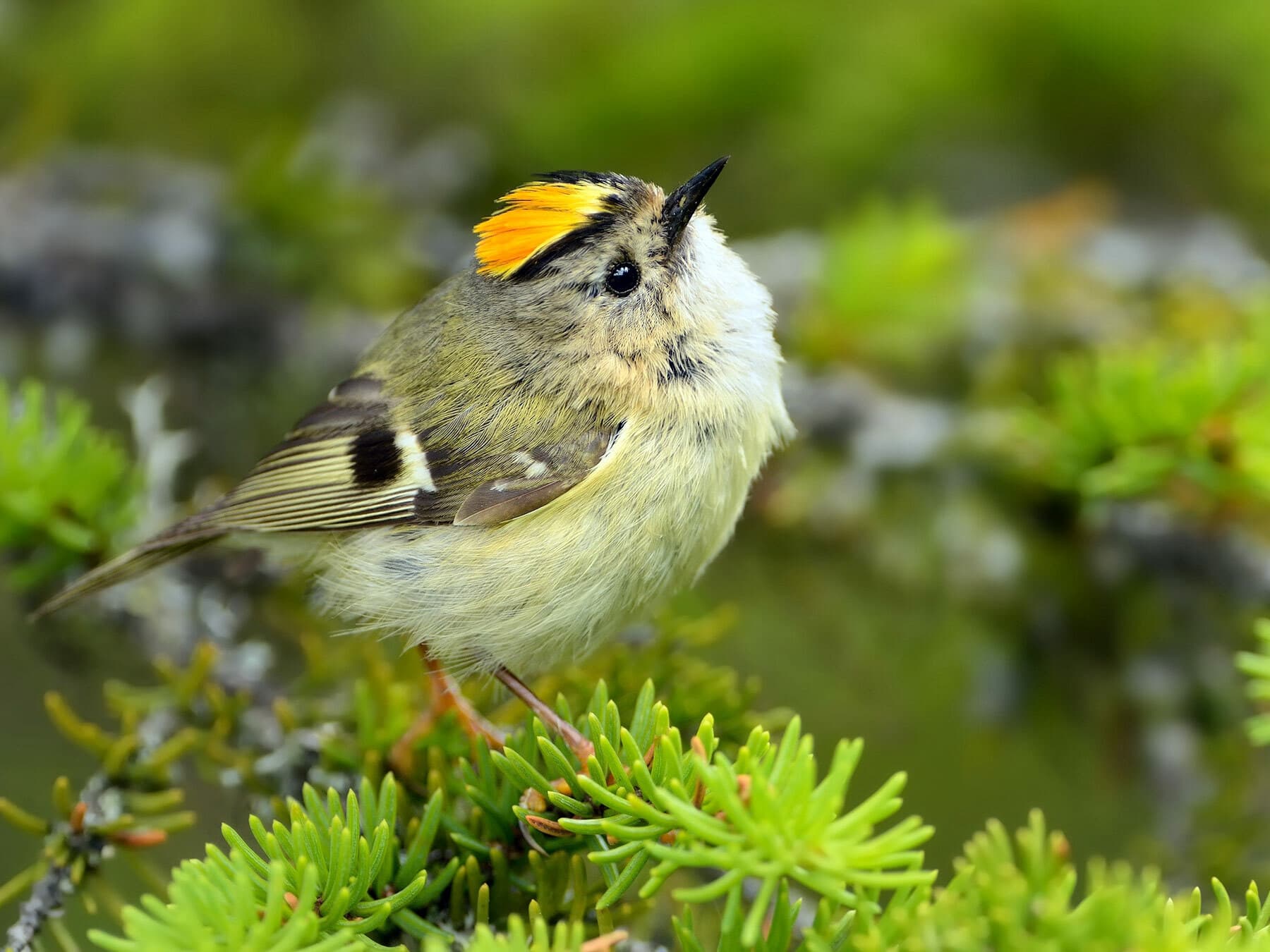
Goldcrest
Regulus regulusLC
An uncommon resident found year-round in coniferous and mixed woodland. Numbers increase in autumn with continental migrants arriving at the coast.
Year-round
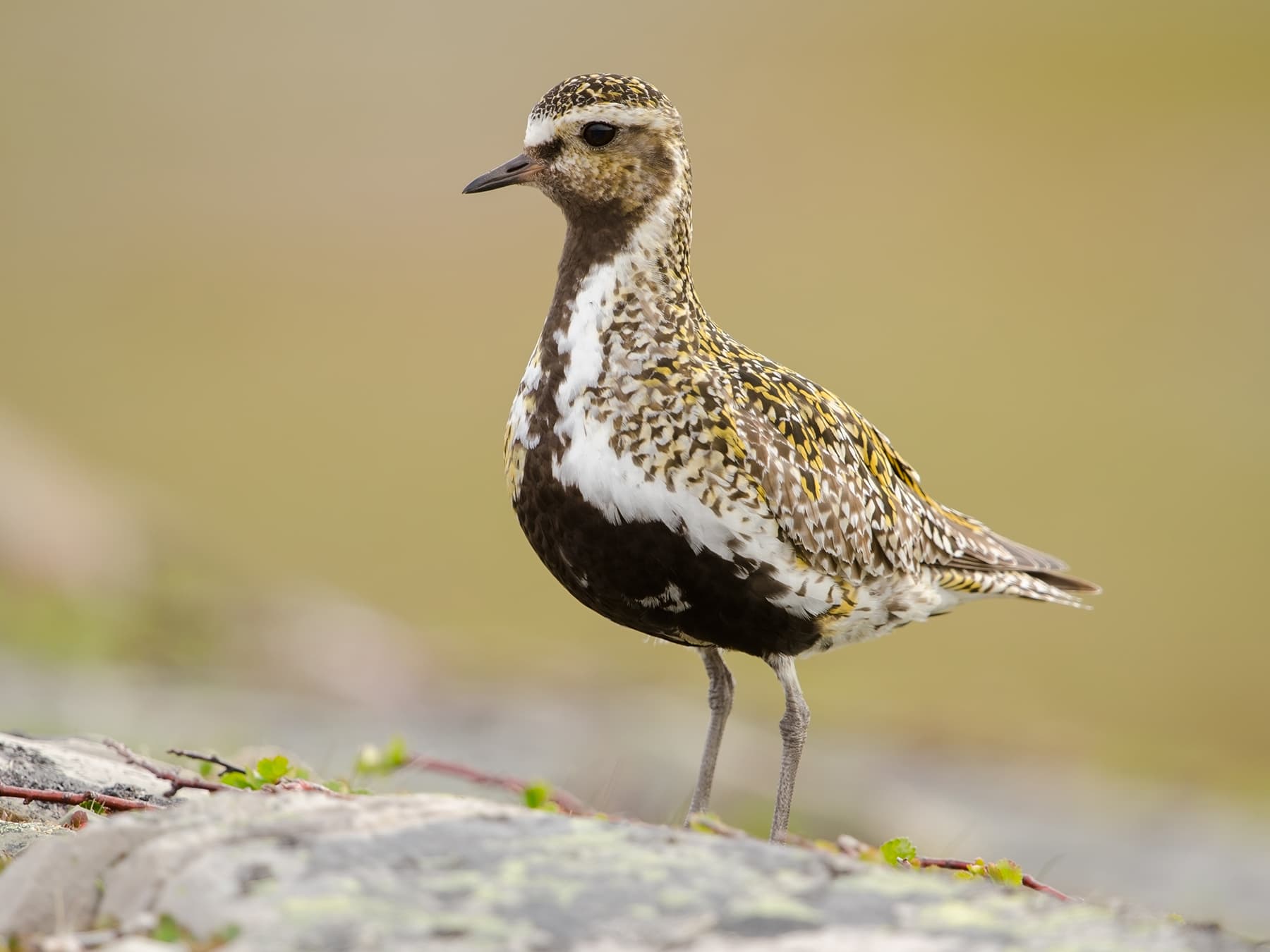
Golden Plover
Pluvialis apricariaLC
Present year-round but most conspicuous in winter when large flocks gather on ploughed fields and lowland farmland across the East Riding.
Year-round
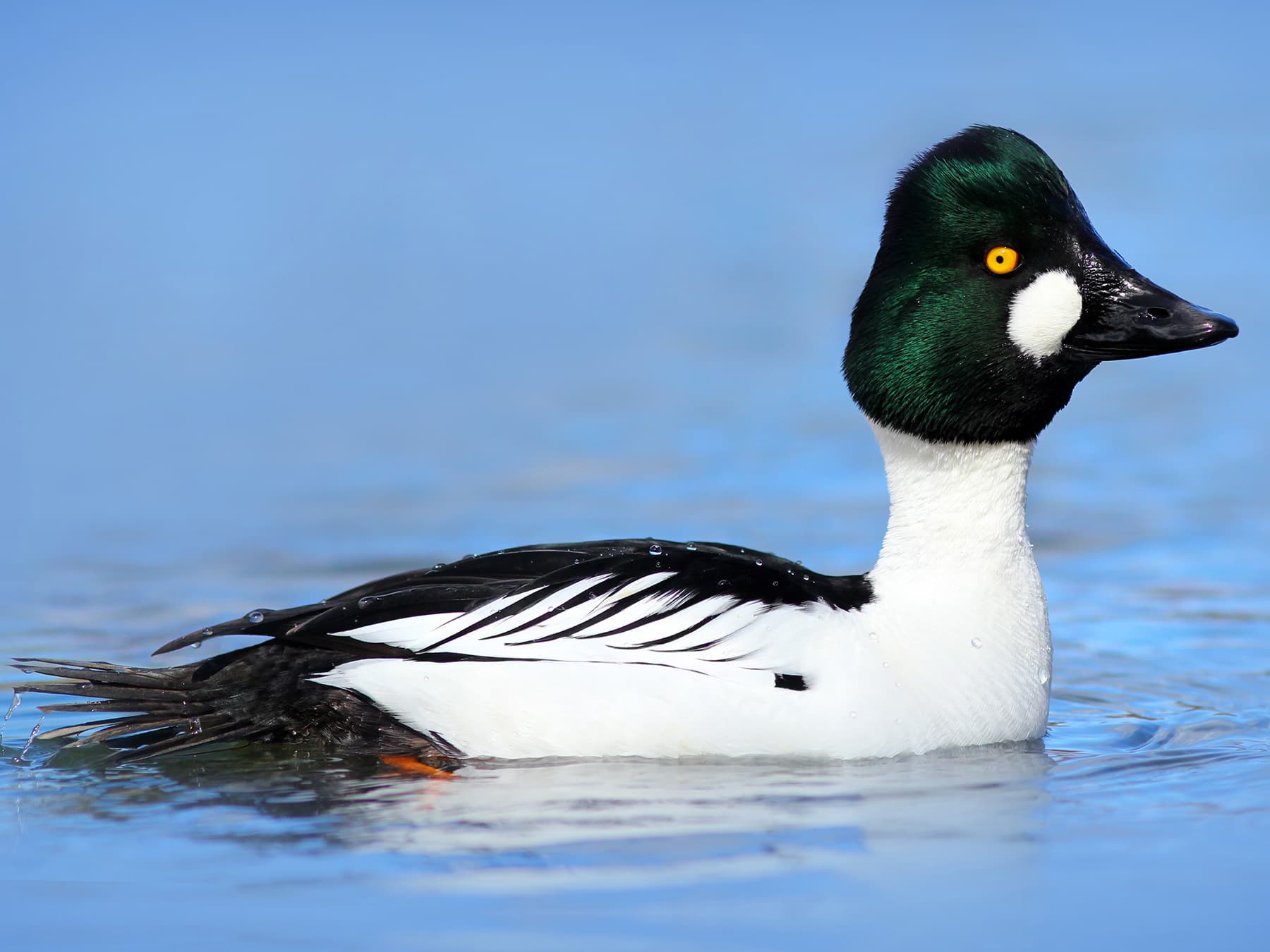
Goldeneye
Bucephala clangulaLC
An uncommon winter visitor to inland lakes and reservoirs from October to April. Tophill Low and Hornsea Mere are reliable sites.
Oct–Apr
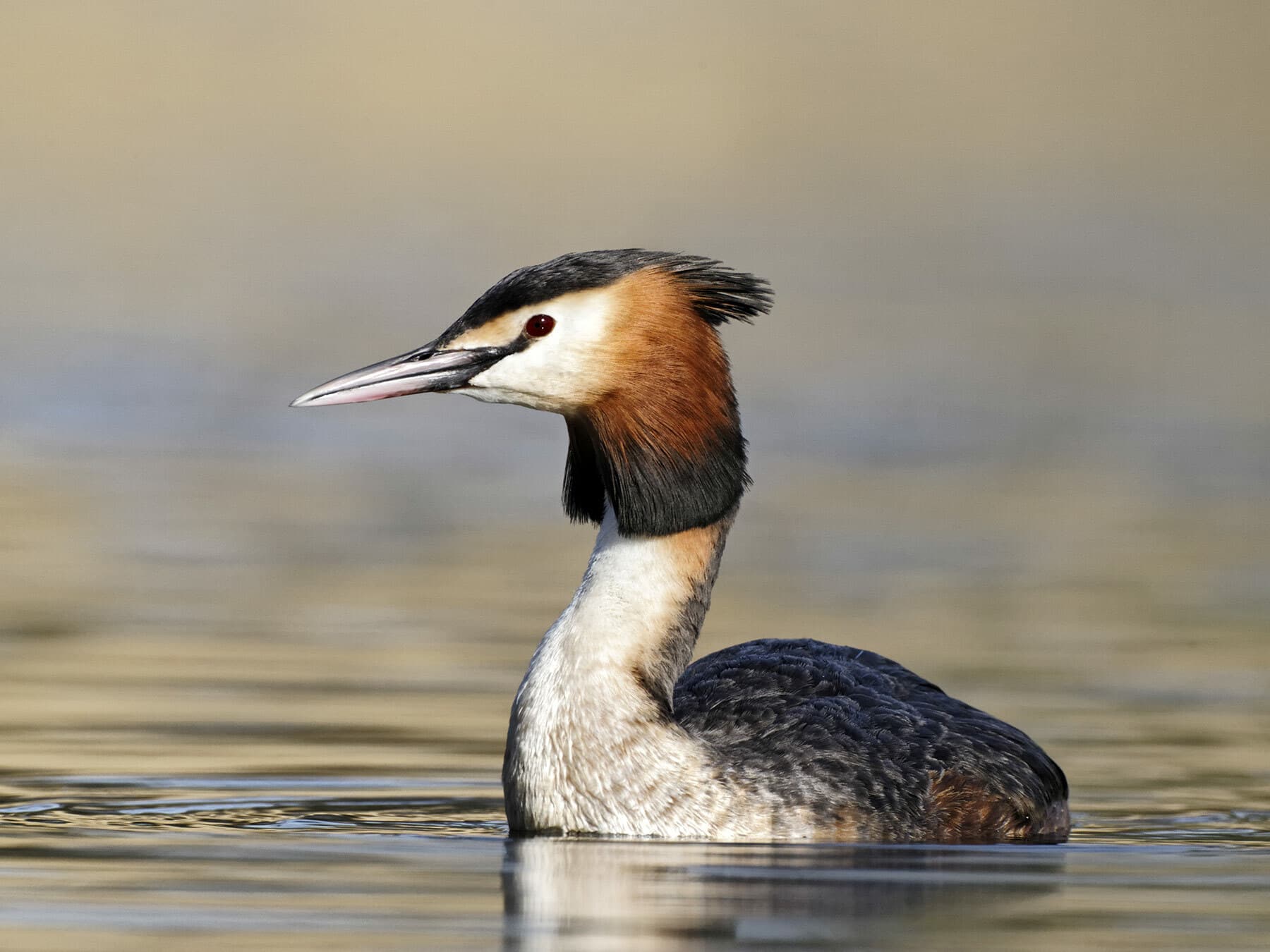
Great Crested Grebe
Podiceps cristatusLC
An elegant resident of larger lakes and reservoirs such as Hornsea Mere, performing elaborate courtship displays in spring.
Year-round
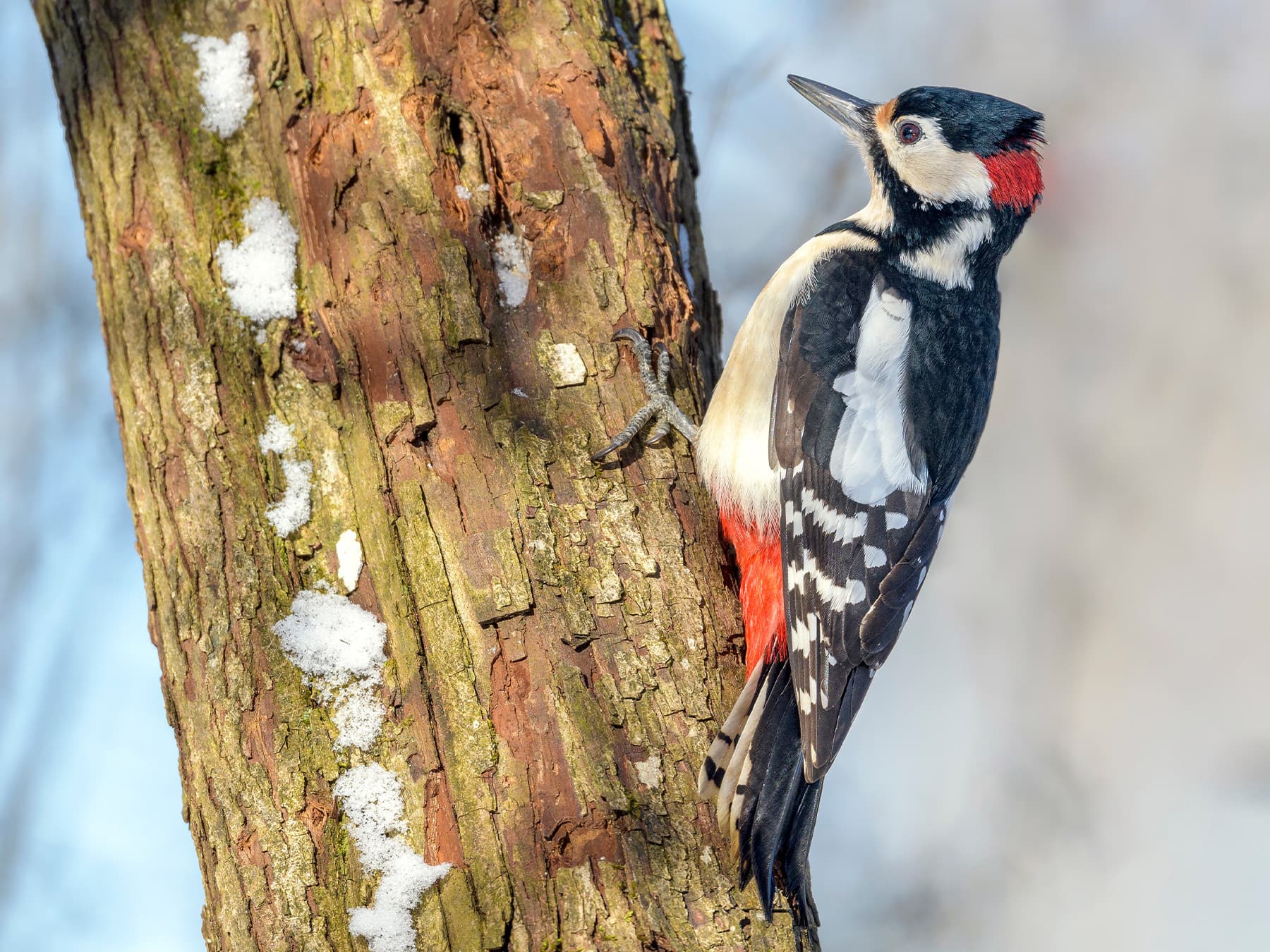
Great Spotted Woodpecker
Dendrocopos majorLC
Present year-round in mature woodland and parks across the region. Its loud drumming is a familiar sound in spring on the wooded western Wolds.
Year-round
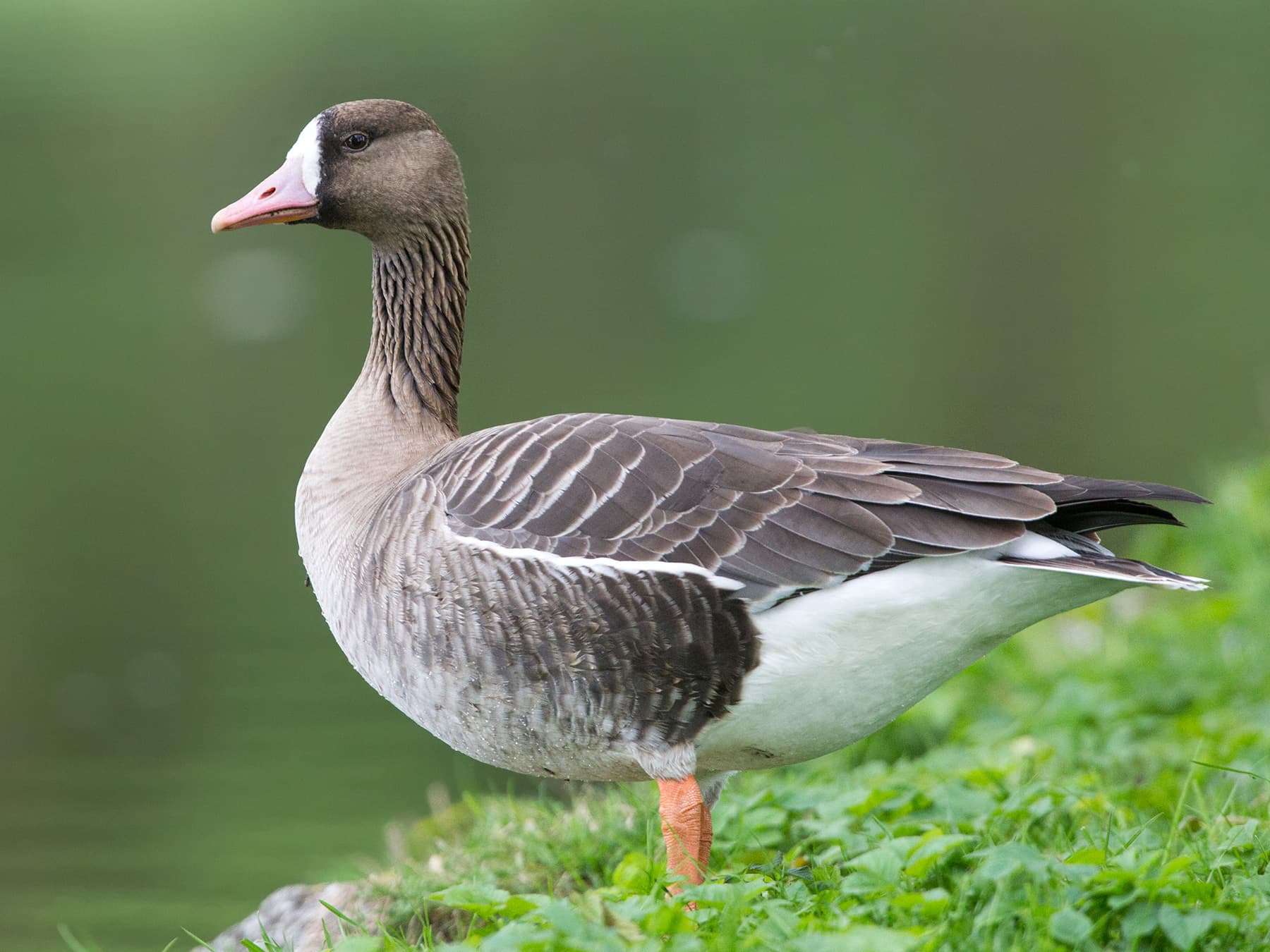
Greater White-fronted Goose
Anser albifronsLC
An uncommon winter visitor to low-lying farmland and wetlands, present from November to March in small numbers.
Nov–Mar
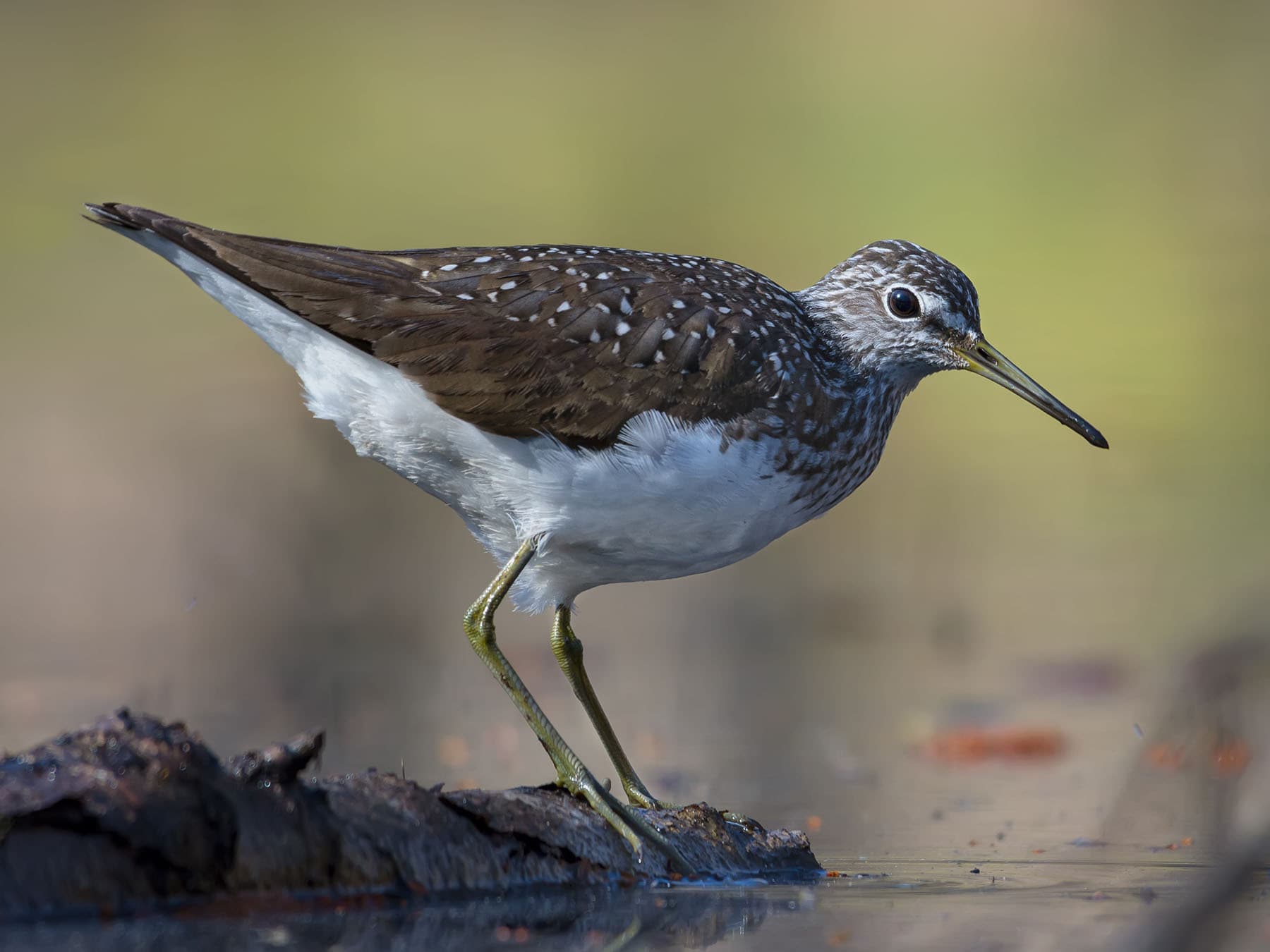
Green Sandpiper
Tringa ochropusLC
An uncommon but year-round visitor to ditches, watercress beds, and marshy pools, often flushed from cover with a distinctive white rump.
Mar–Dec
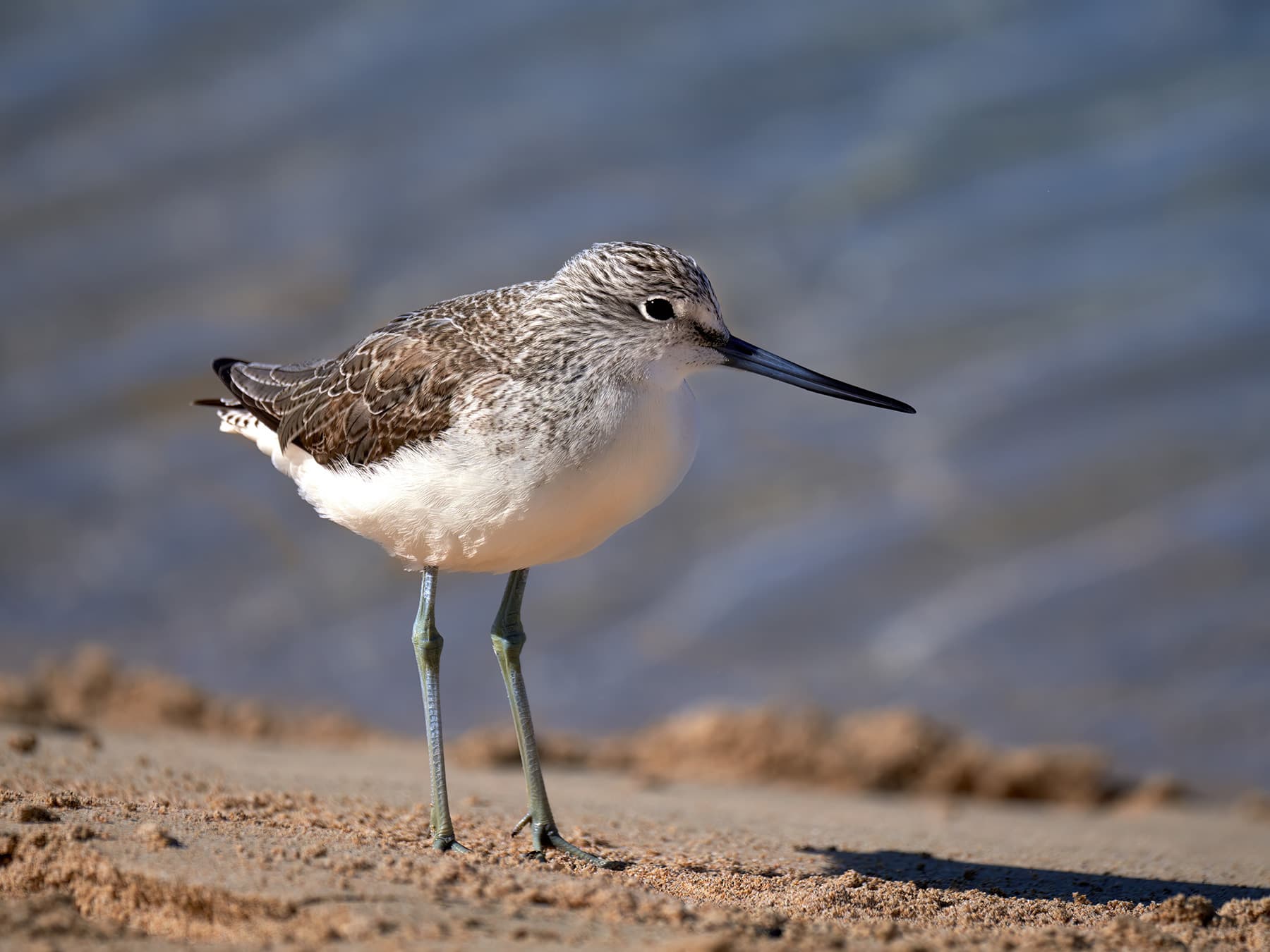
Greenshank
Tringa nebulariaLC
An uncommon but year-round presence on estuarine mudflats and inland pools, most frequently seen during autumn passage.
Year-round
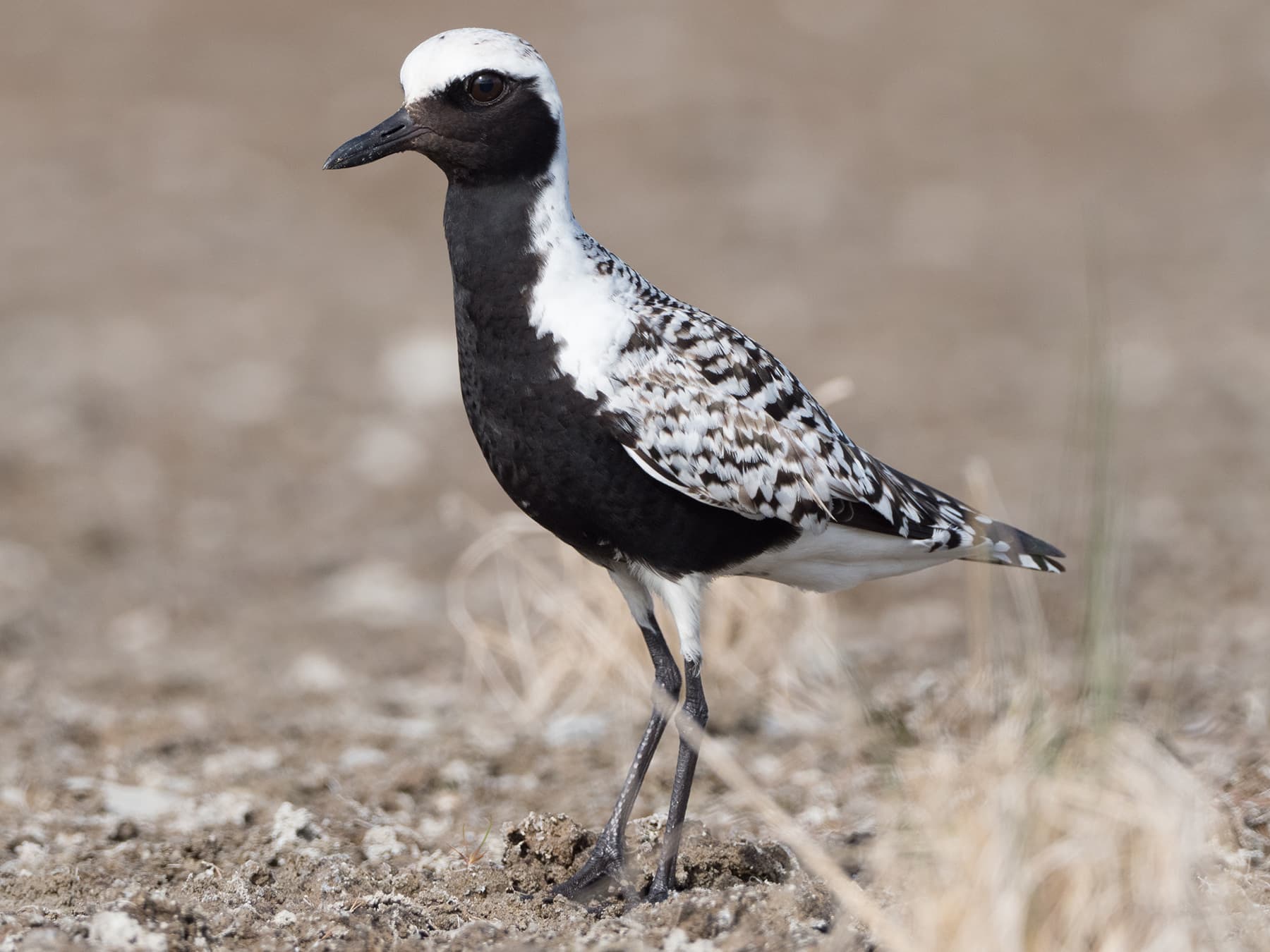
Grey Plover
Pluvialis squatarolaLC
An uncommon wader found mainly on the Humber mudflats and Spurn, most numerous in winter. Identified by its black 'armpit' patches in flight.
Year-round
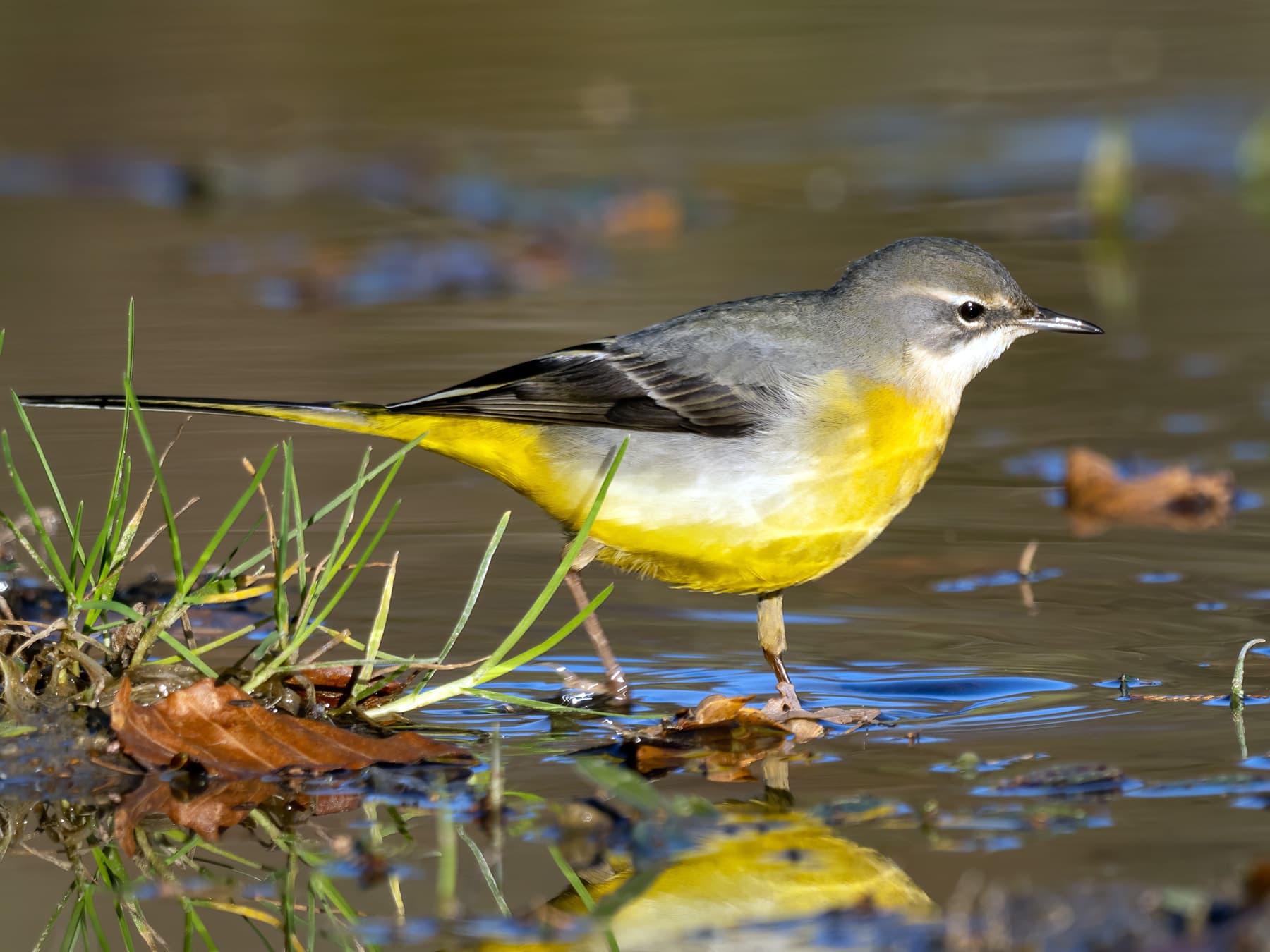
Grey Wagtail
Motacilla cinereaLC
An uncommon resident found along streams and waterways year-round. Often bobs its long tail while perched on rocks in flowing water.
Year-round
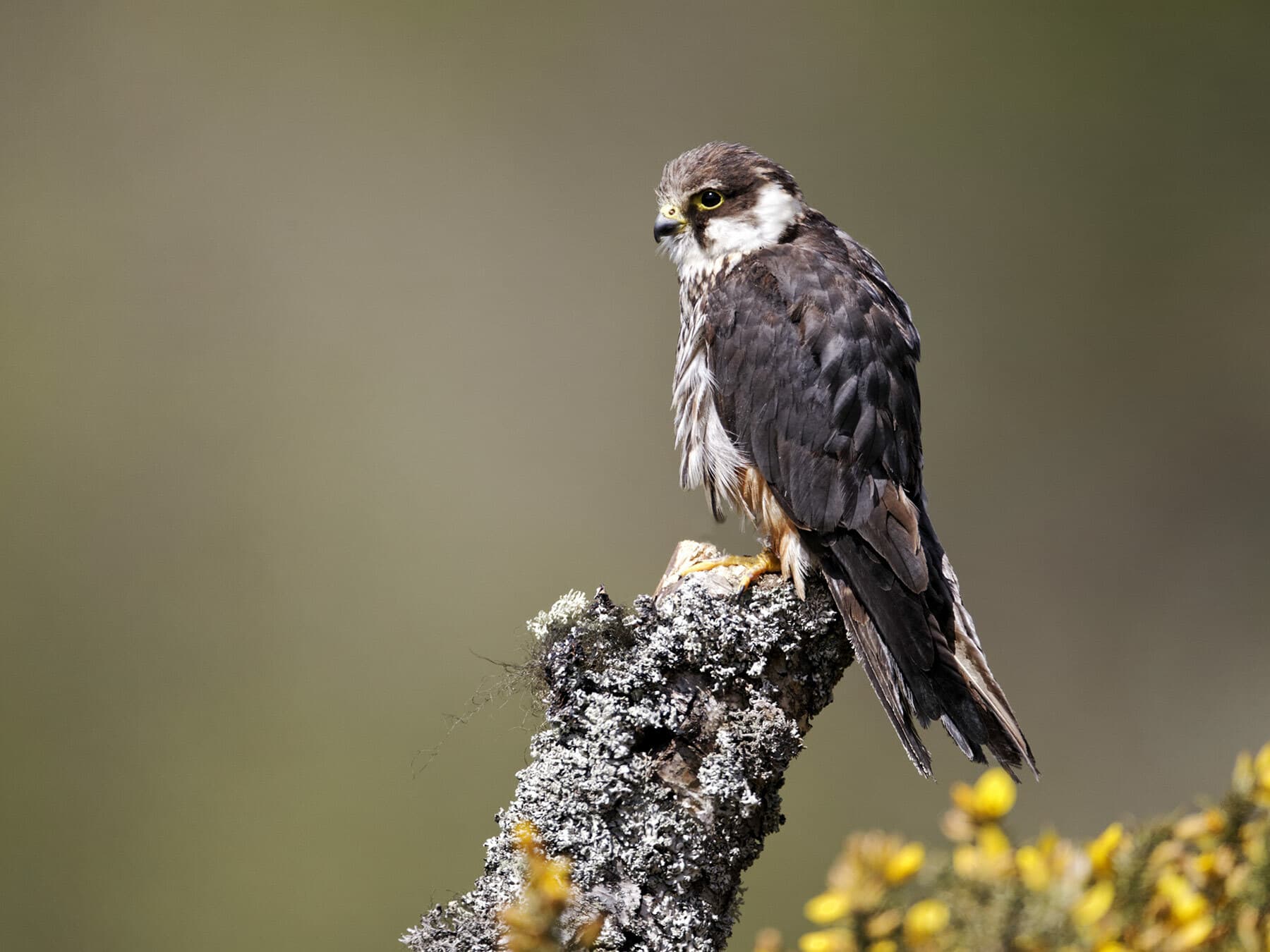
Hobby
Falco subbuteoLC
A graceful summer visitor from May to September, hunting dragonflies over wetlands and farmland. Scarce but increasing as a breeding bird.
May–Sep
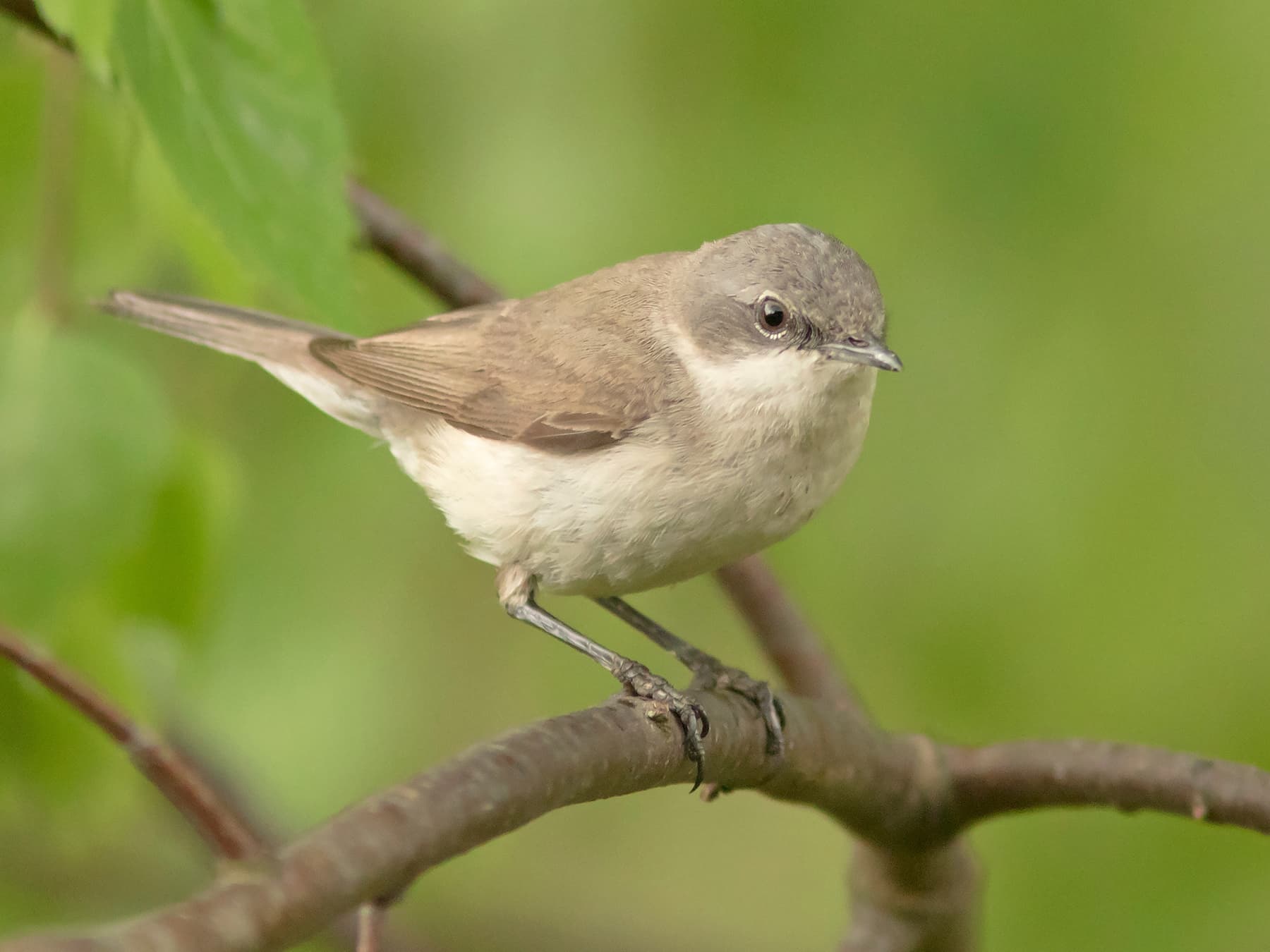
Lesser Whitethroat
Curruca currucaLC
An uncommon summer breeder arriving from April, favouring tall hedgerows and scrubby thickets across the region's farmland and woodland edges.
Apr–Oct
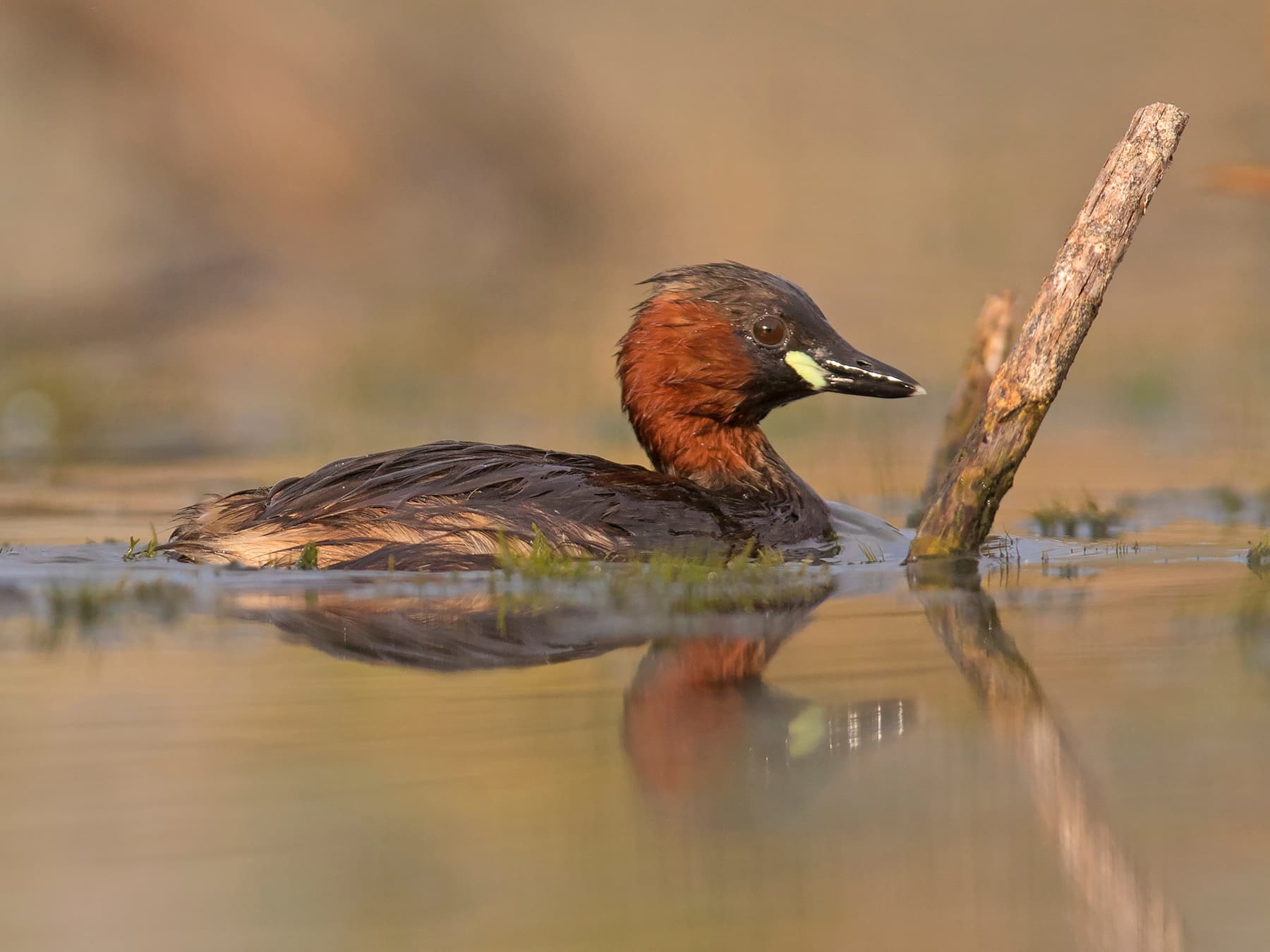
Little Grebe
Tachybaptus ruficollisLC
A shy resident of ponds, lakes, and slow-moving waterways. Often heard before seen, with a distinctive whinnying trill.
Year-round
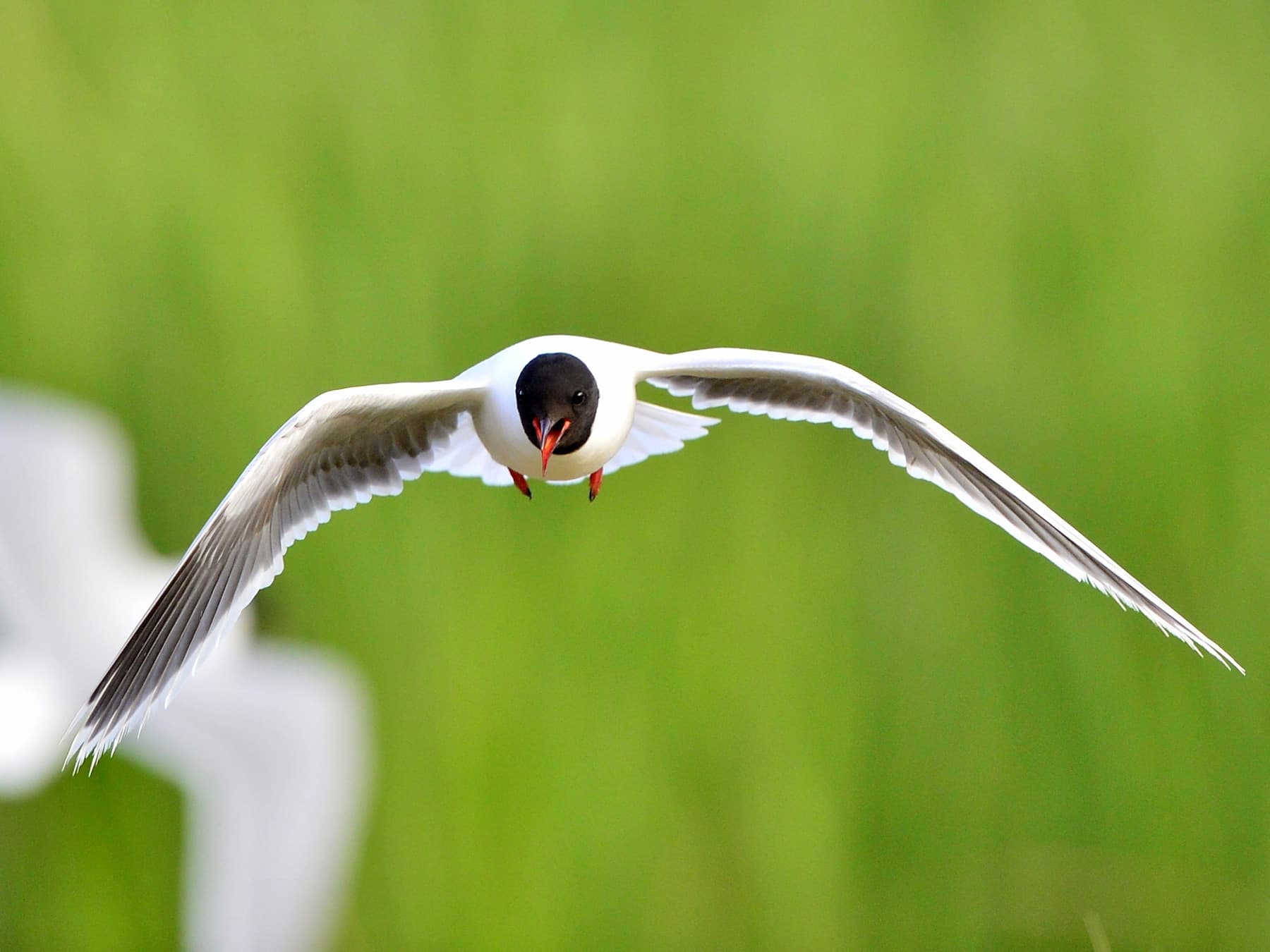
Little Gull
Hydrocoloeus minutusLC
An uncommon but regular visitor to the Humber Estuary and coastal waters, most often seen on passage from spring through autumn.
Mar–Dec
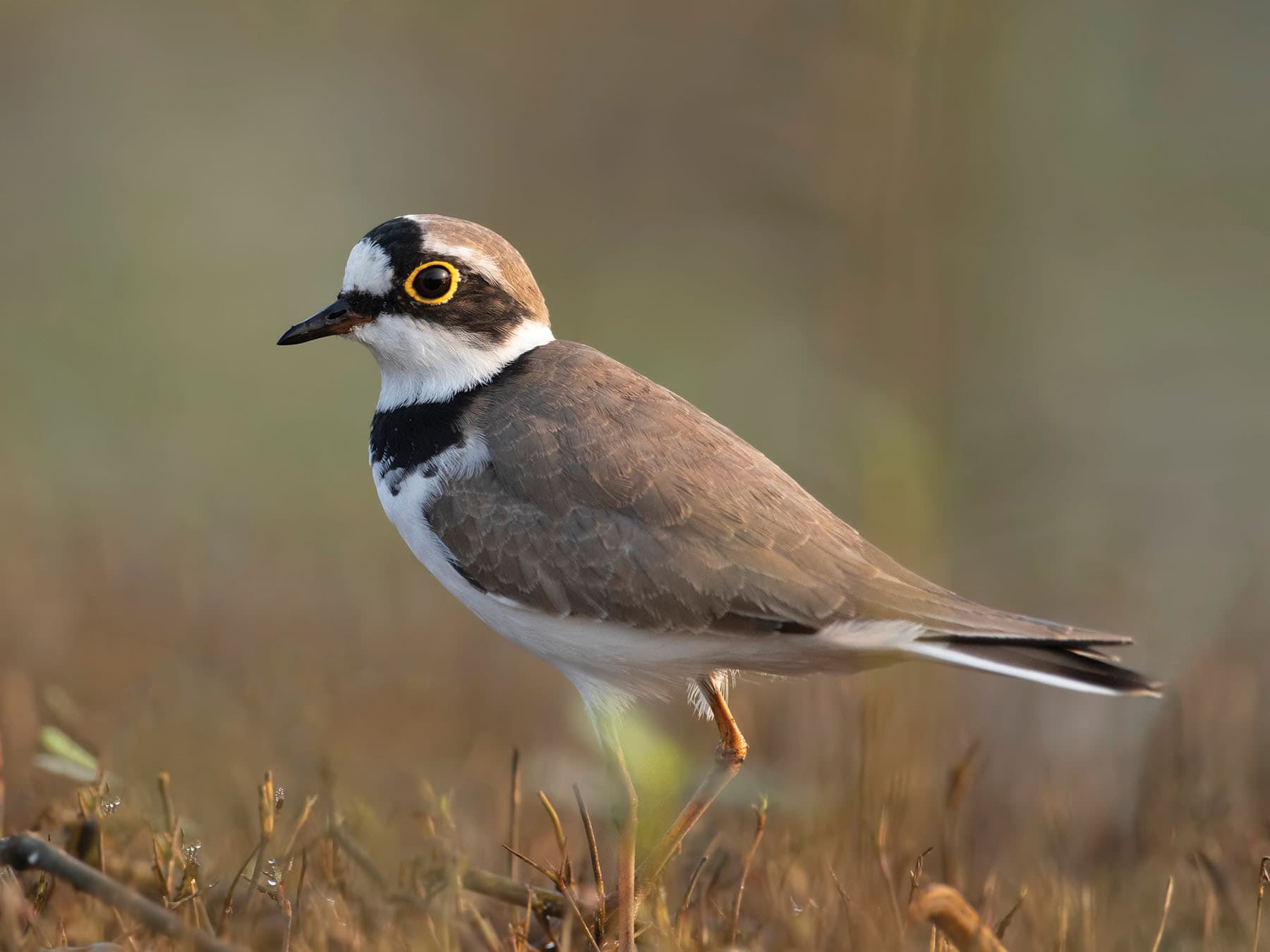
Little Ringed Plover
Charadrius dubiusLC
An uncommon summer breeder from March to September, favouring gravel pits and reservoir margins. Distinguished from Ringed Plover by its yellow eye-ring.
Mar–Sep