


Rare Birds in East Riding of Yorkshire
Our list for East Riding of Yorkshire has 42 rare birds recorded regularly there: 5 residents, 5 summer visitors, 27 passage migrants and 5 scarce visitors
Most likely in October
GBIF · OctShare of all bird records in East Riding of Yorkshire in October, 2019–2024. Each month links to that month’s page.
All 42, most common first
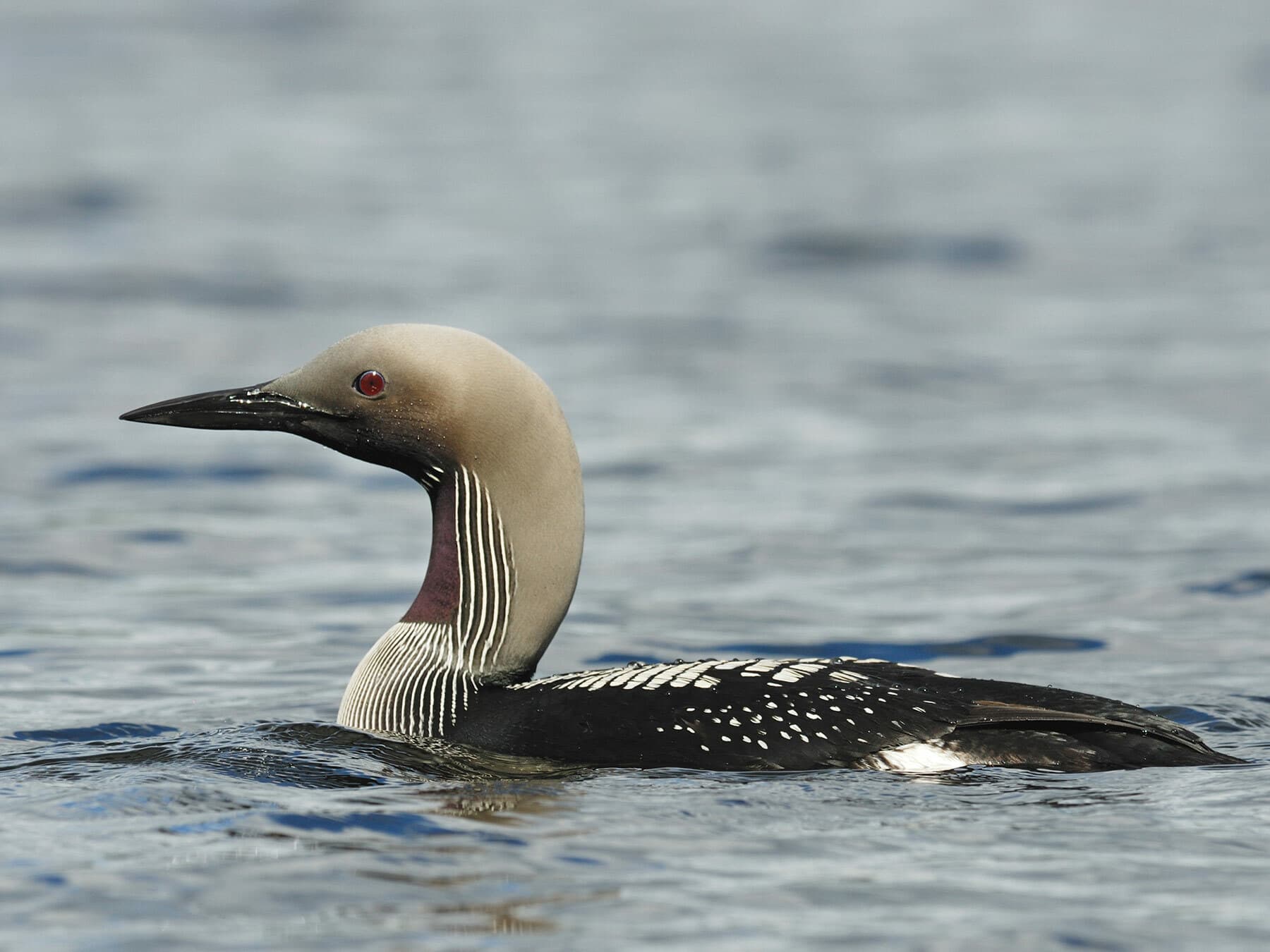 Arctic LoonGavia arcticaPassage migrantRare58–77 cmRegularly Sep–Jan
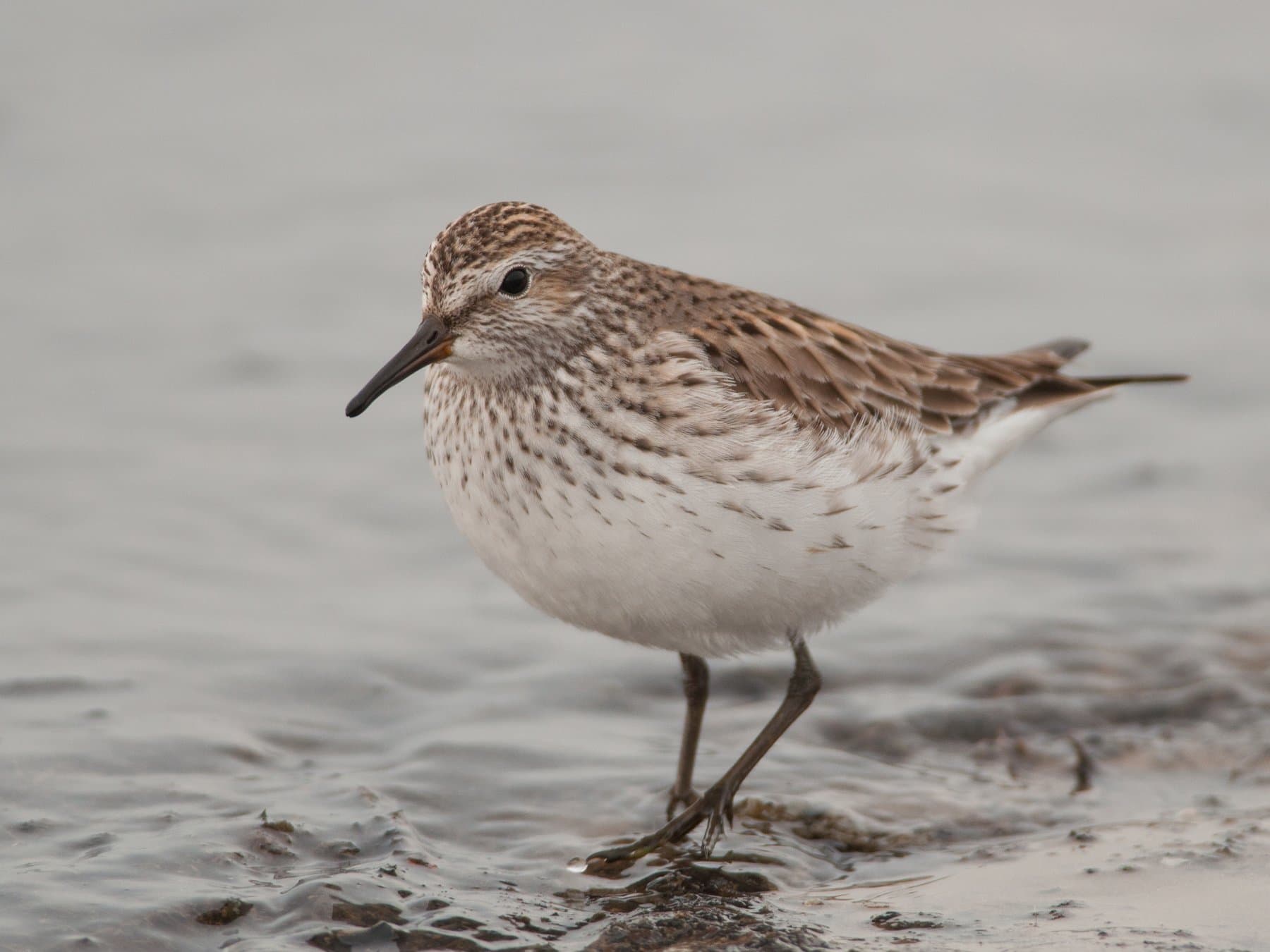 White-rumped SandpiperCalidris fuscicollisPassage migrantRare15–18 cmRegularly Aug
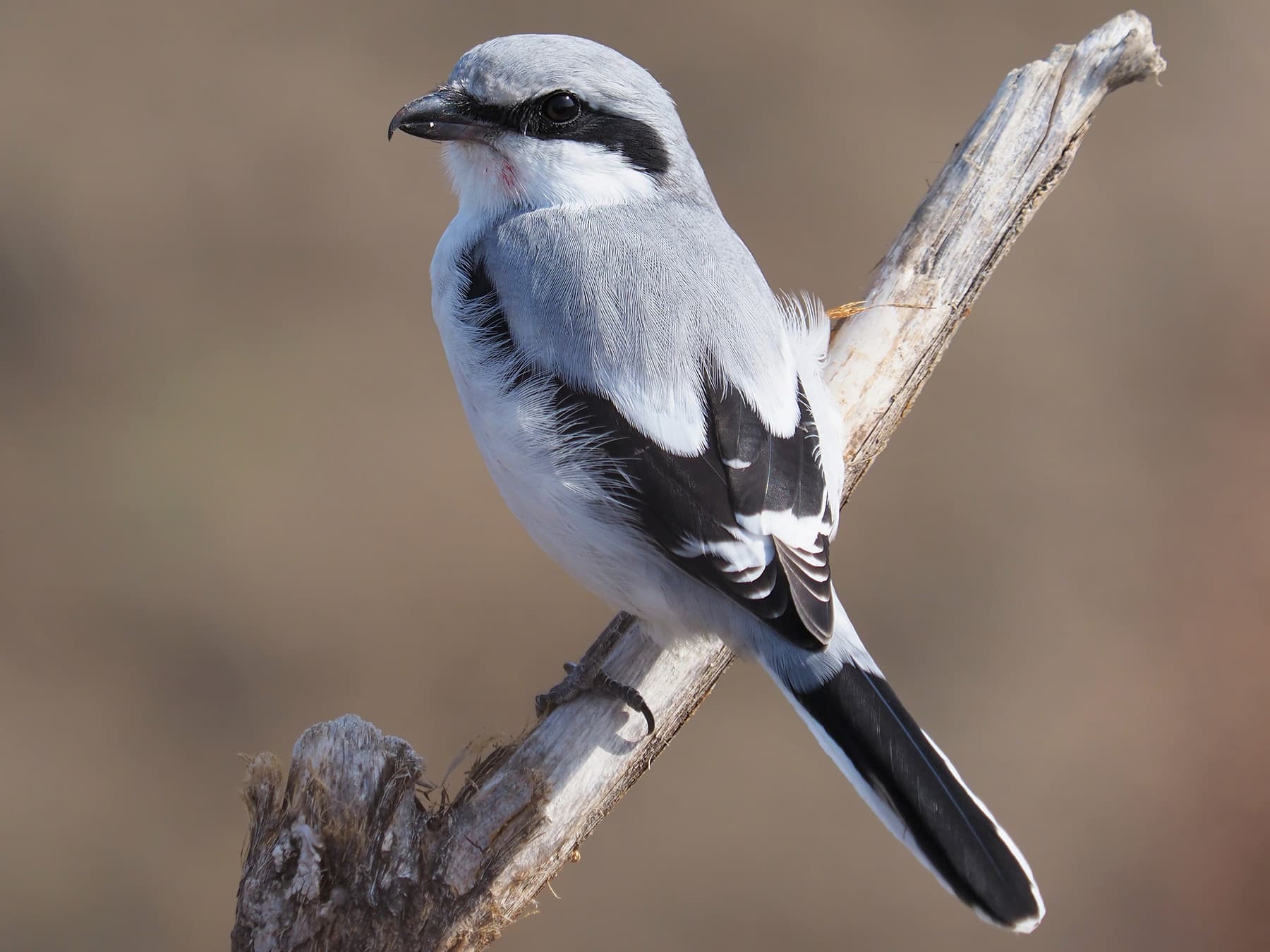 Great Grey ShrikeLanius excubitorPassage migrantRare22–26 cmRegularly Oct
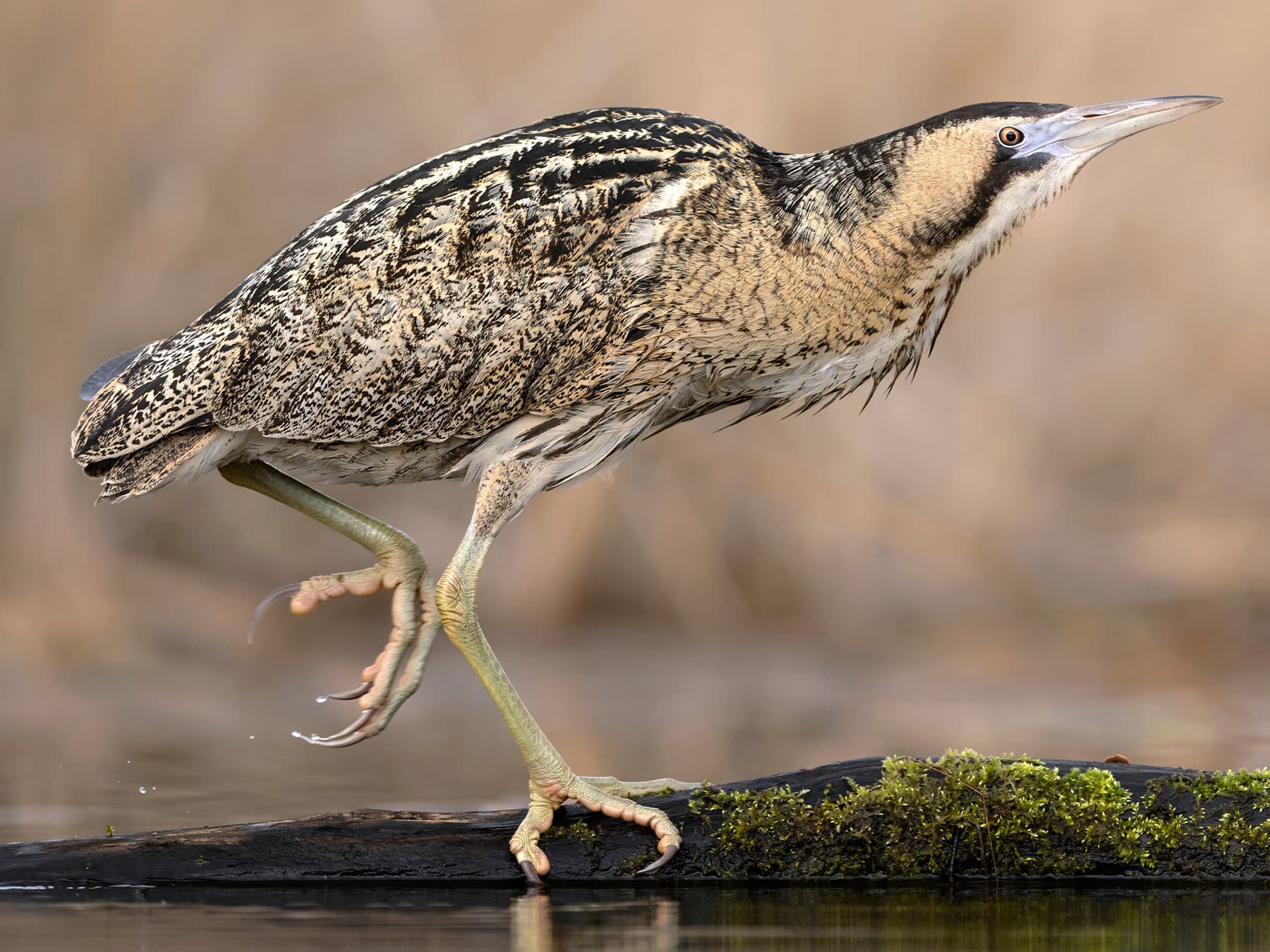 Eurasian BitternBotaurus stellarisResidentRare69–81 cmRecorded all year
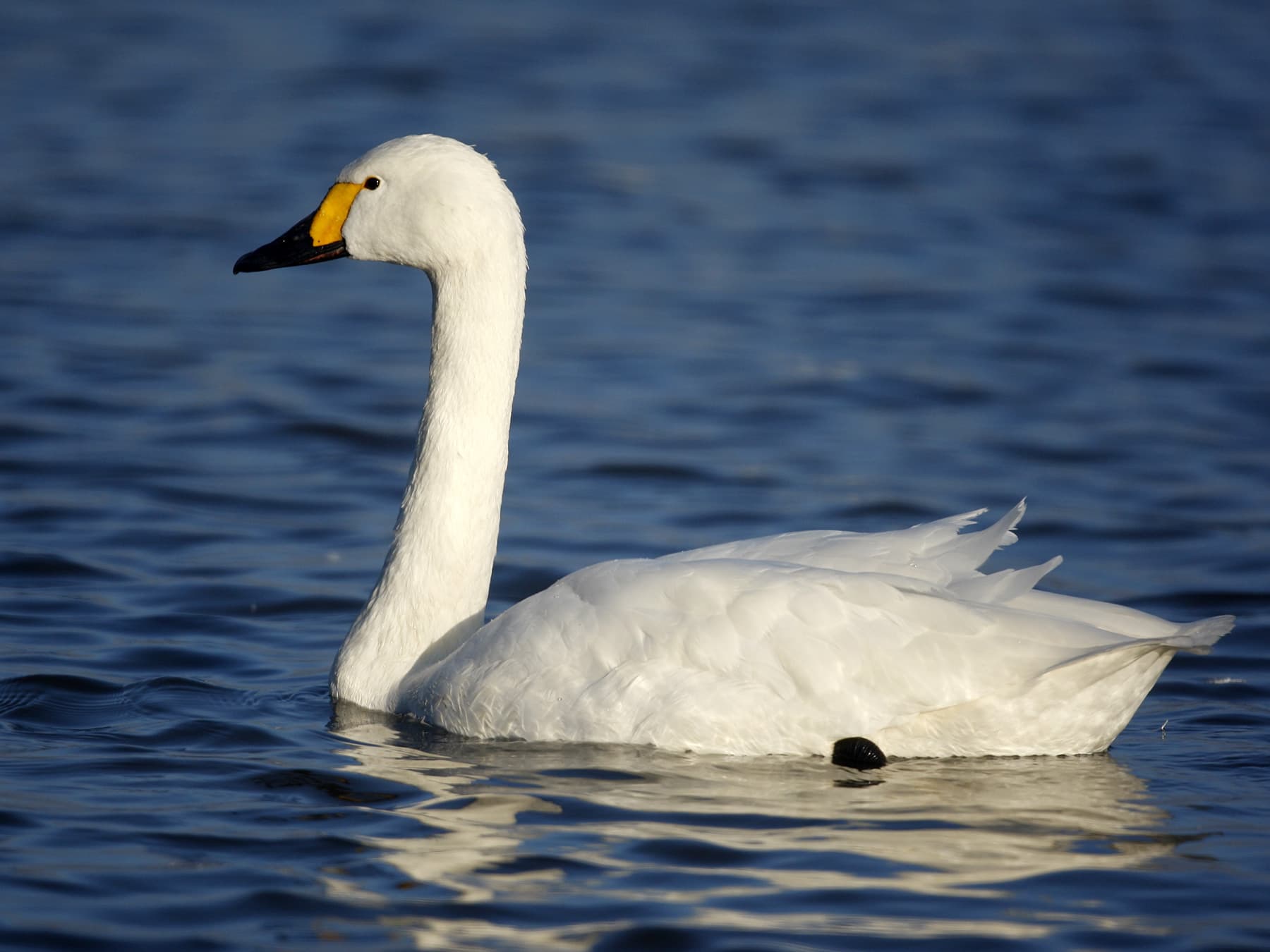 Tundra SwanCygnus columbianusPassage migrantRare120–150 cmRegularly Dec–Jan
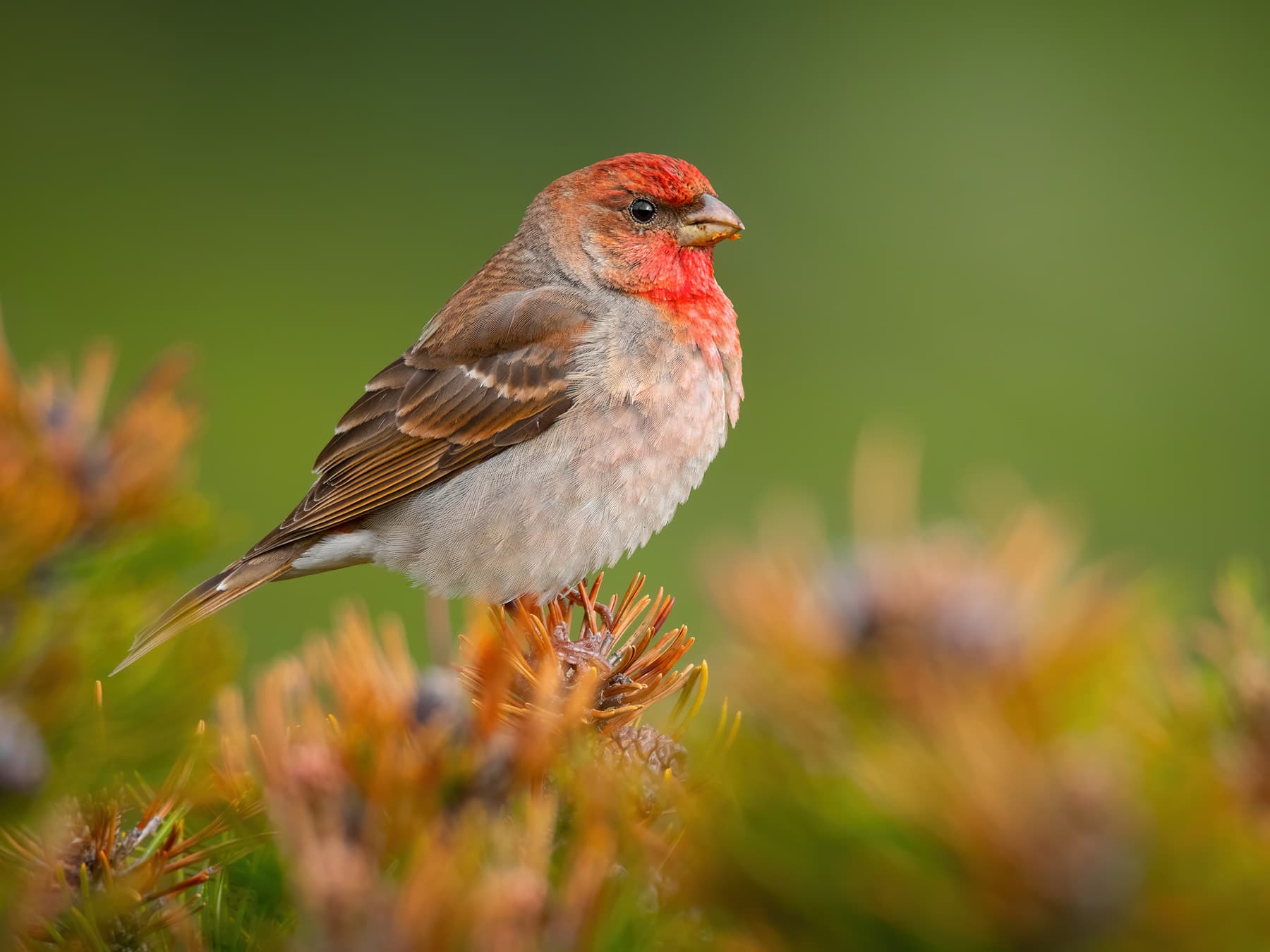 Common RosefinchCarpodacus erythrinusPassage migrantRare13–15 cmRegularly Jun–Sep
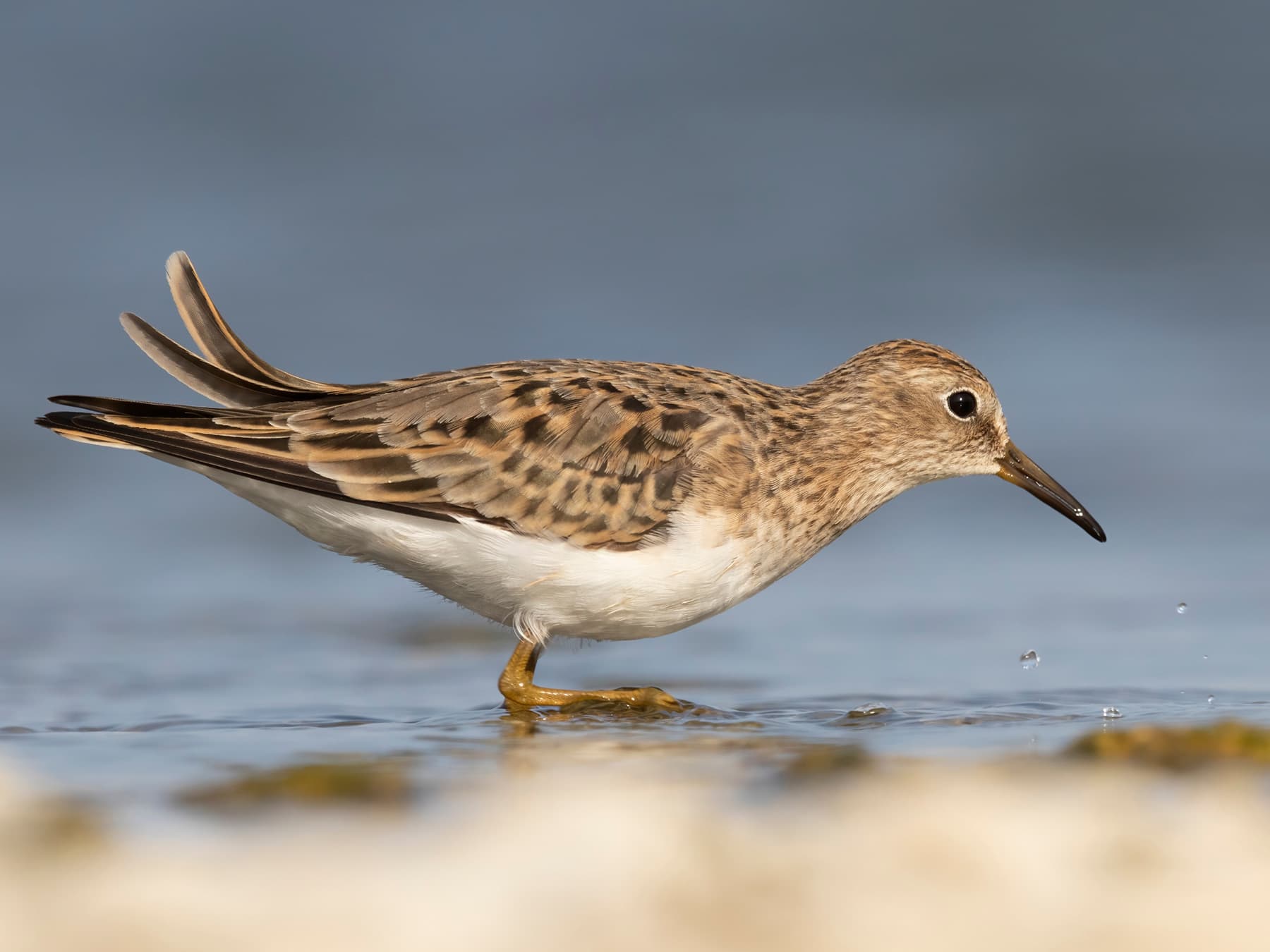 Temminck's StintCalidris temminckiiPassage migrantRare13–15 cmRegularly May
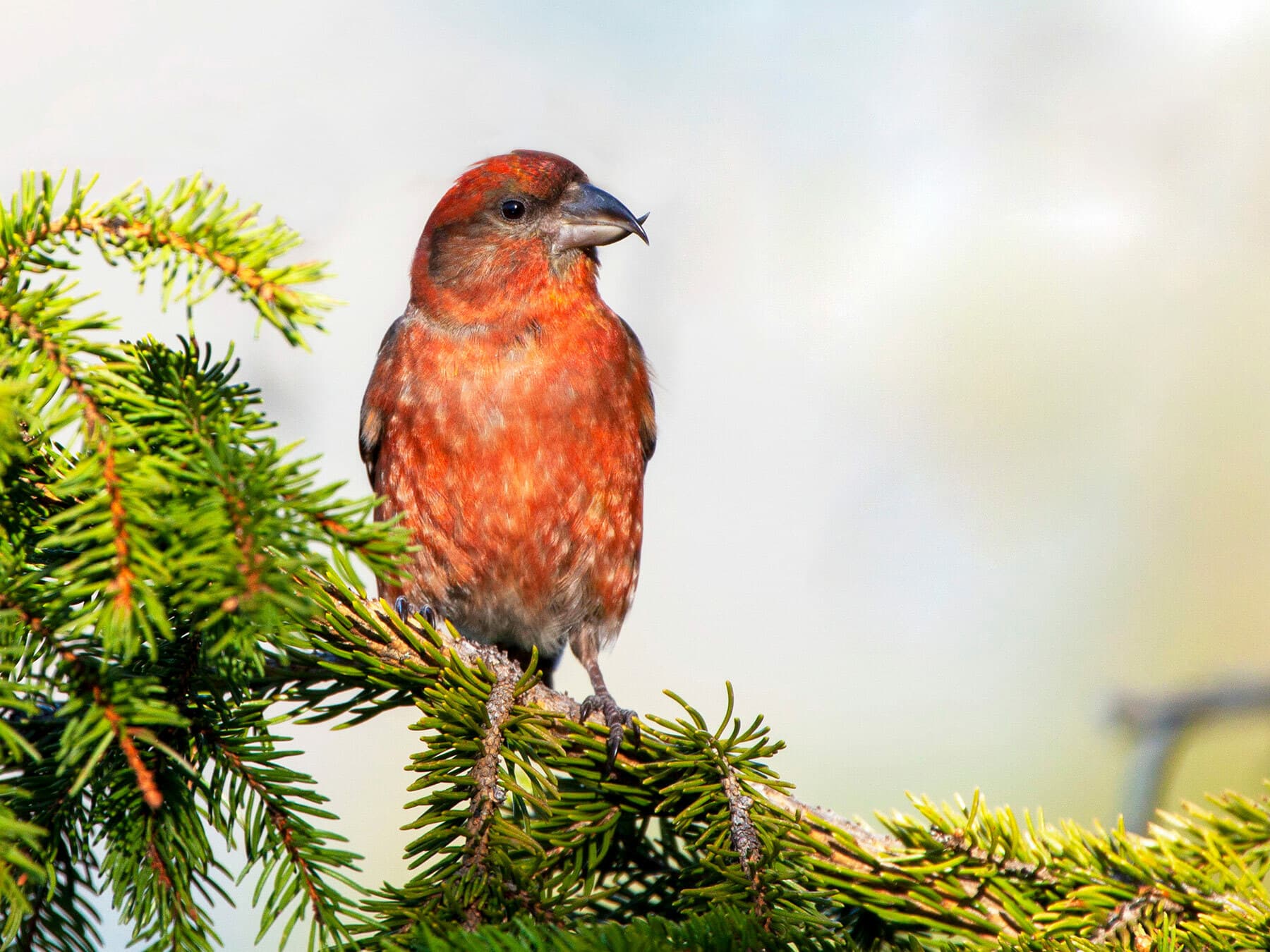 Red CrossbillLoxia curvirostraResidentRare15–17 cmRegularly Jun–Nov
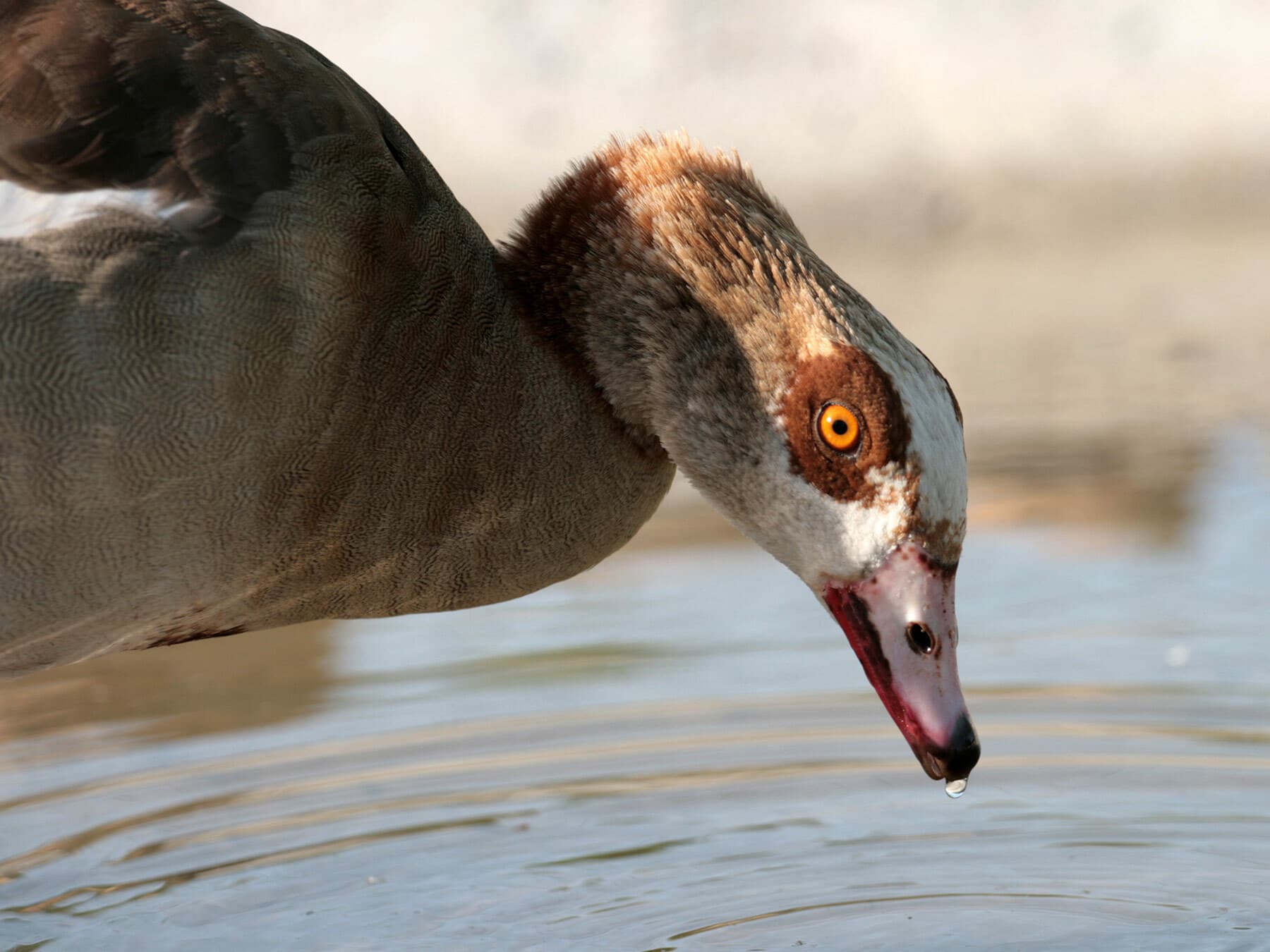 Egyptian GooseAlopochen aegyptiacaSummer visitorRare63–73 cmRegularly Mar–Jan
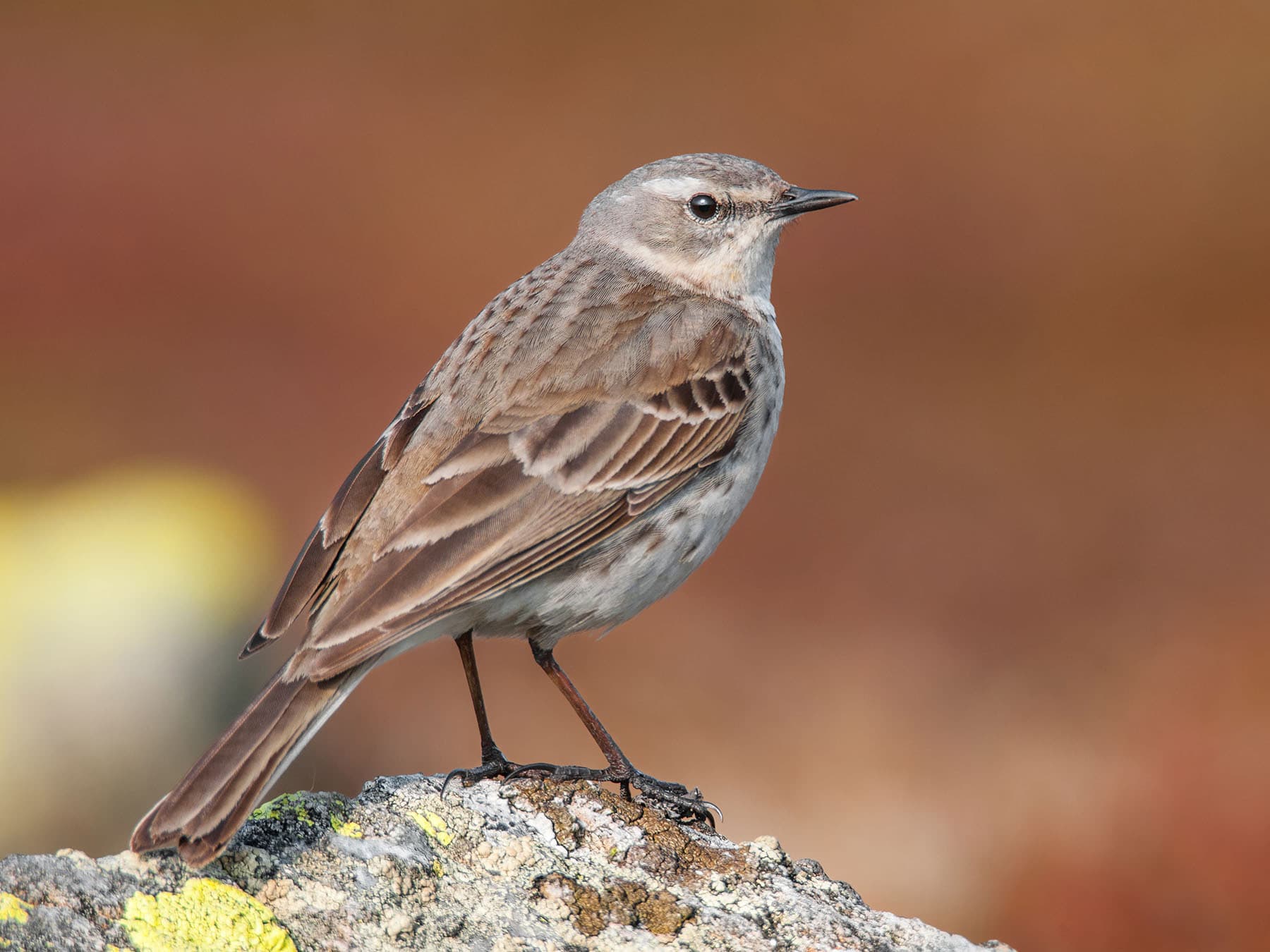 Water PipitAnthus spinolettaPassage migrantRare15–17 cmRegularly Oct–Feb
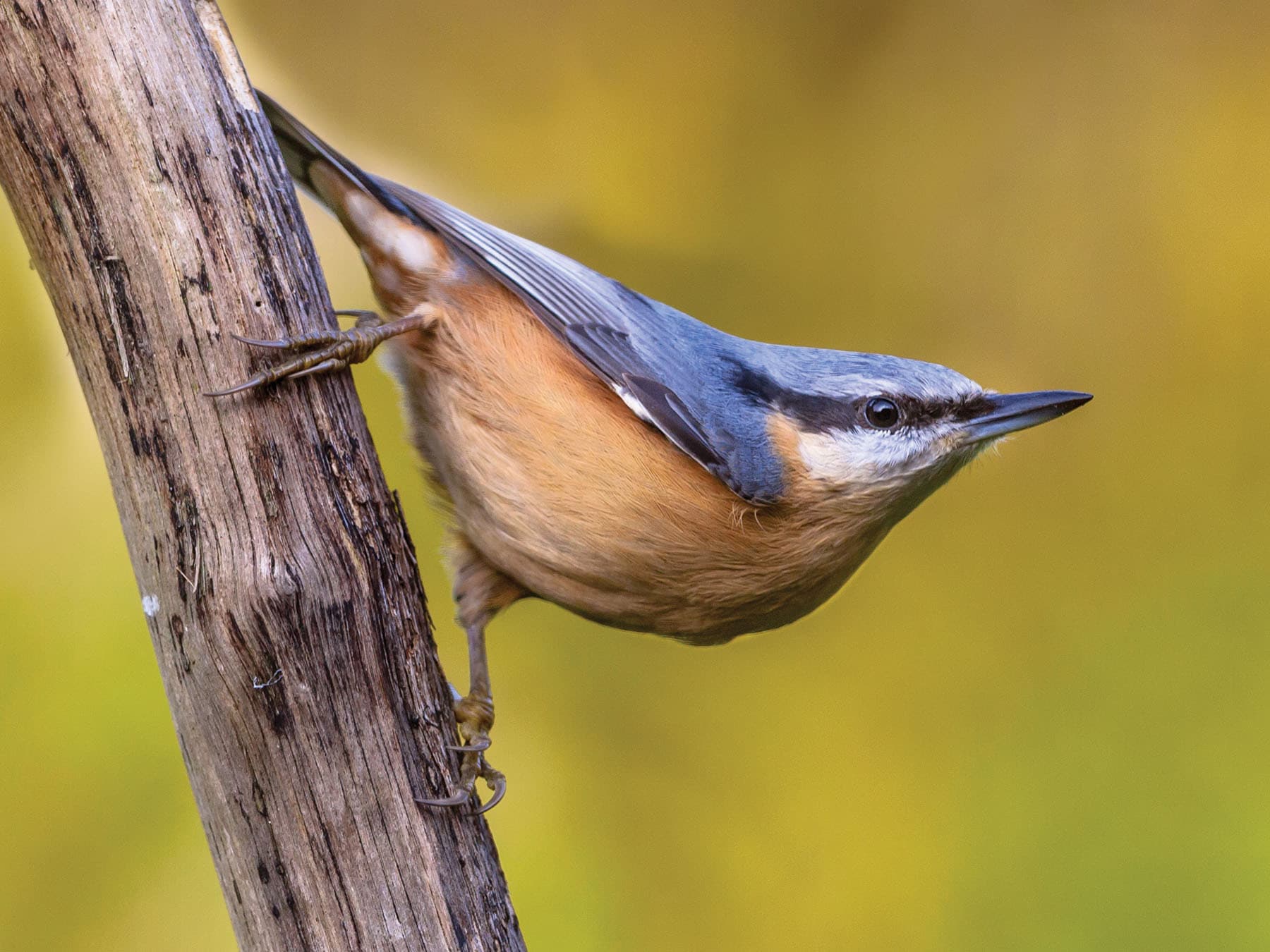 Eurasian NuthatchSitta europaeaSummer visitorRare12–15 cmRegularly Apr–Jan
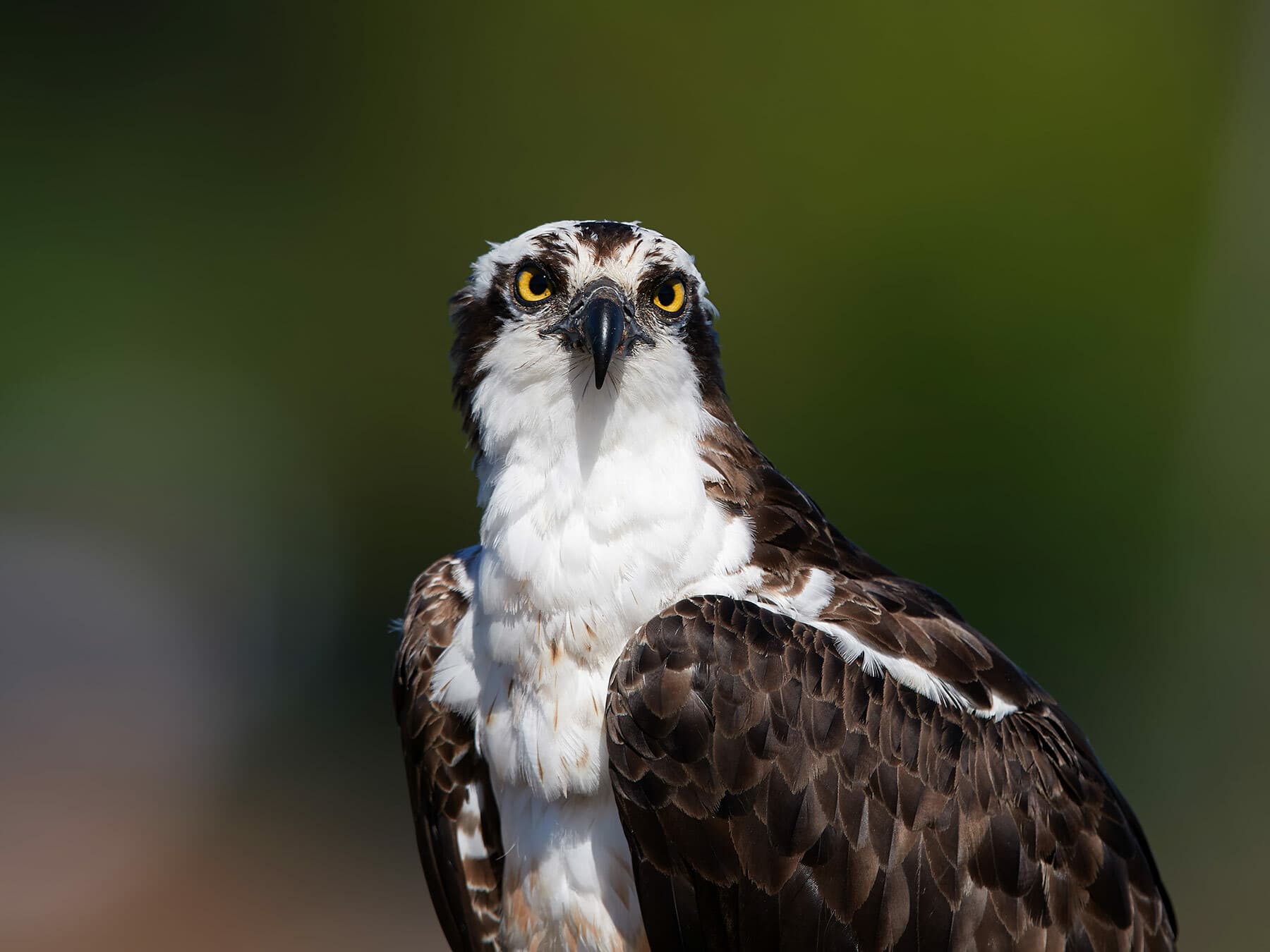 OspreyPandion haliaetusPassage migrantRare54–58 cmRegularly Apr–Oct
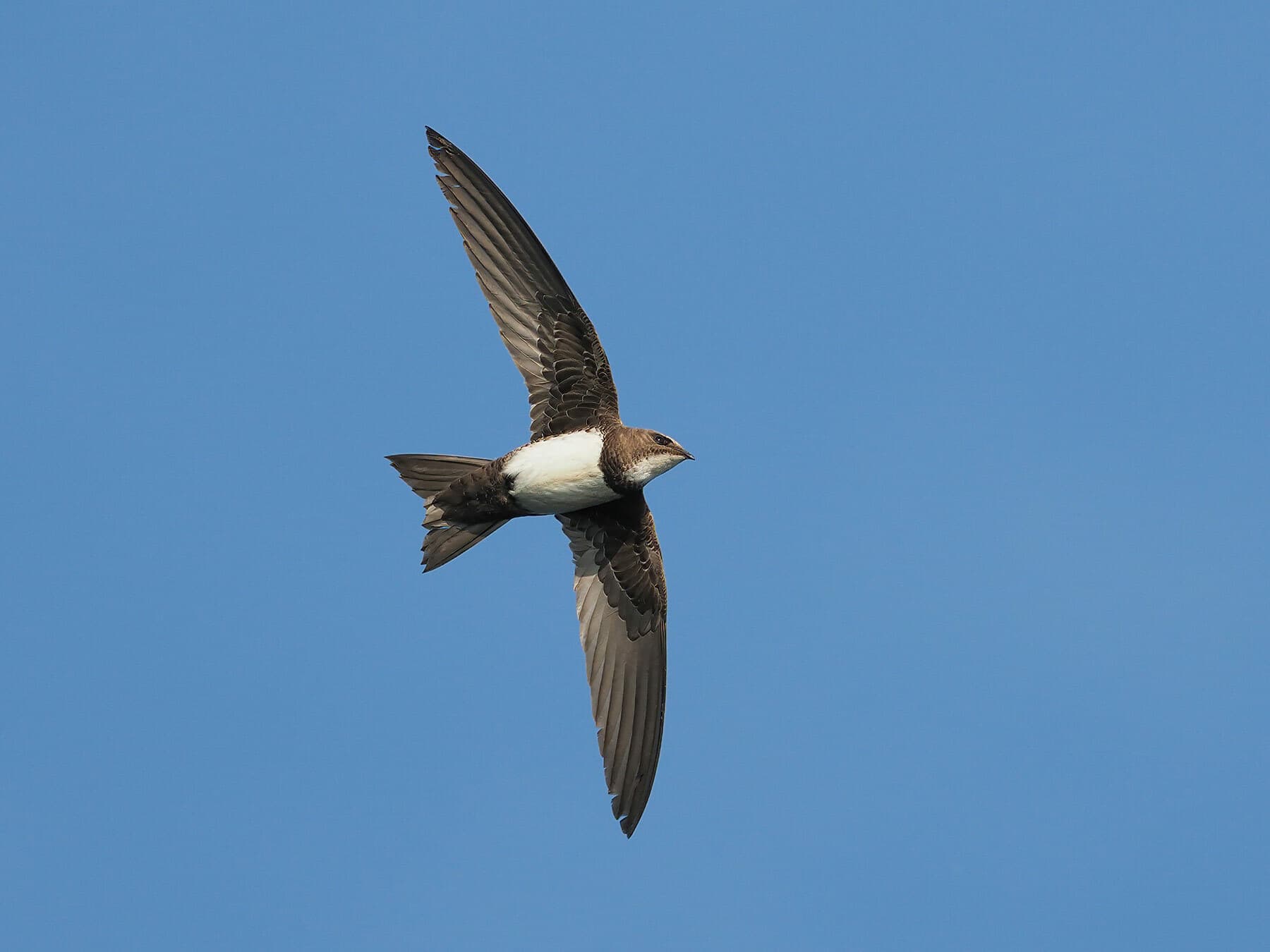 Alpine SwiftTachymarptis melbaPassage migrantRare20–23 cmRegularly Apr
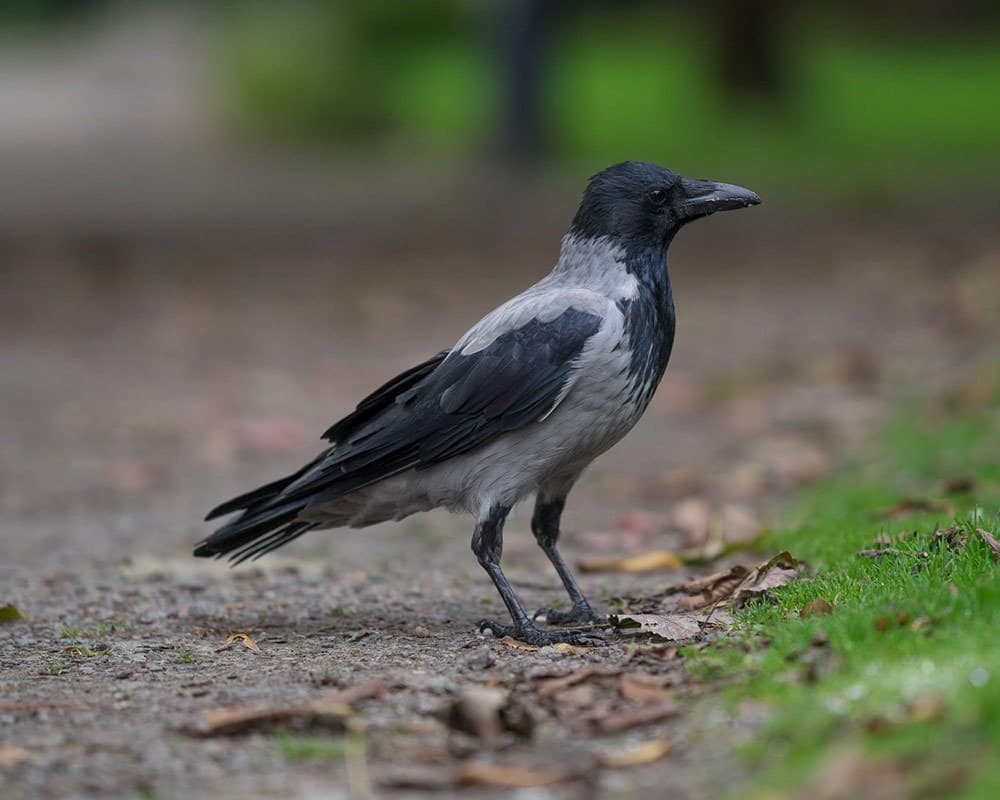 Hooded CrowCorvus cornixPassage migrantRare44–51 cmRegularly Mar–May
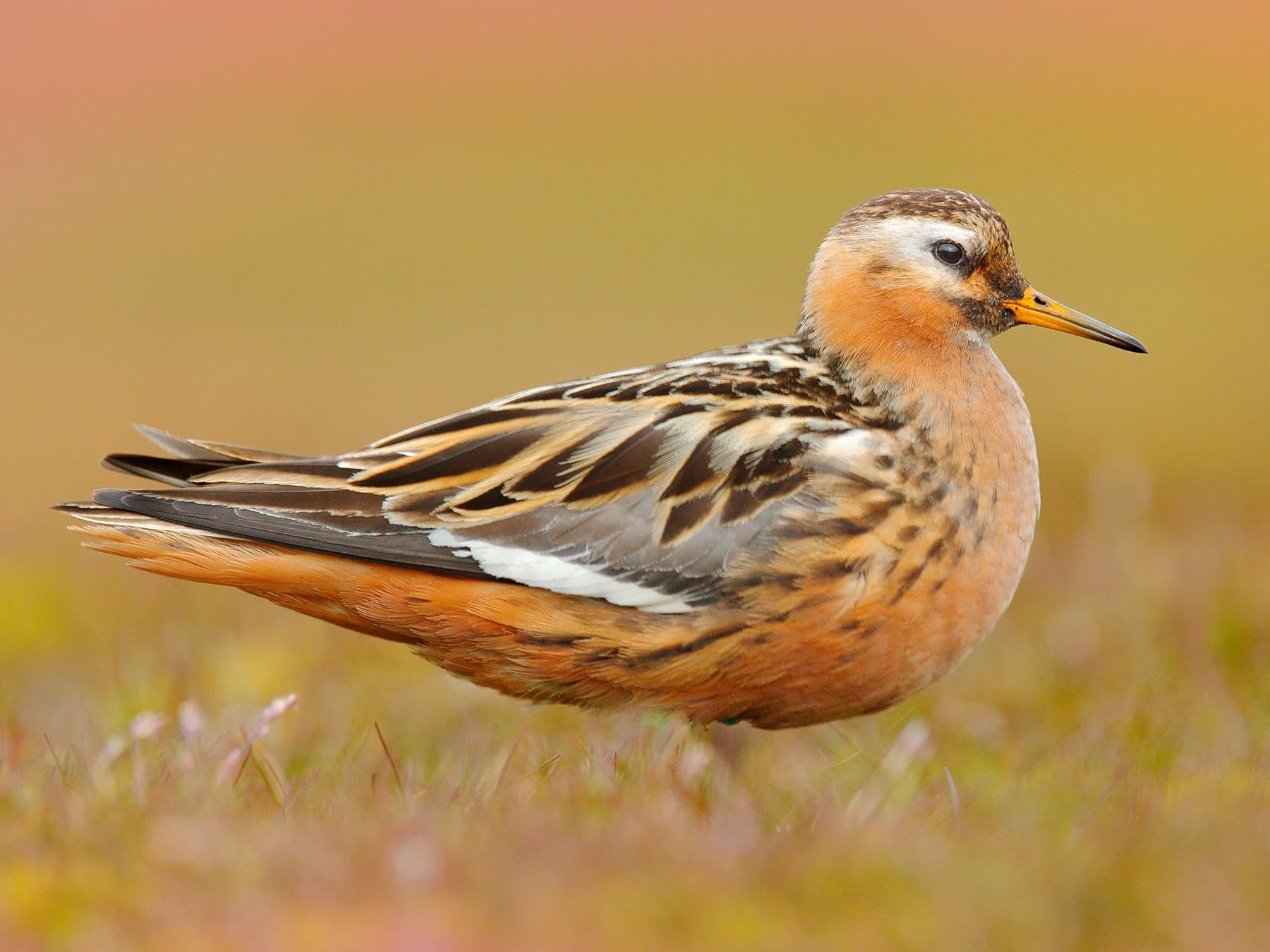 Grey PhalaropePhalaropus fulicariusPassage migrantRare20–22 cmRegularly Sep–Oct
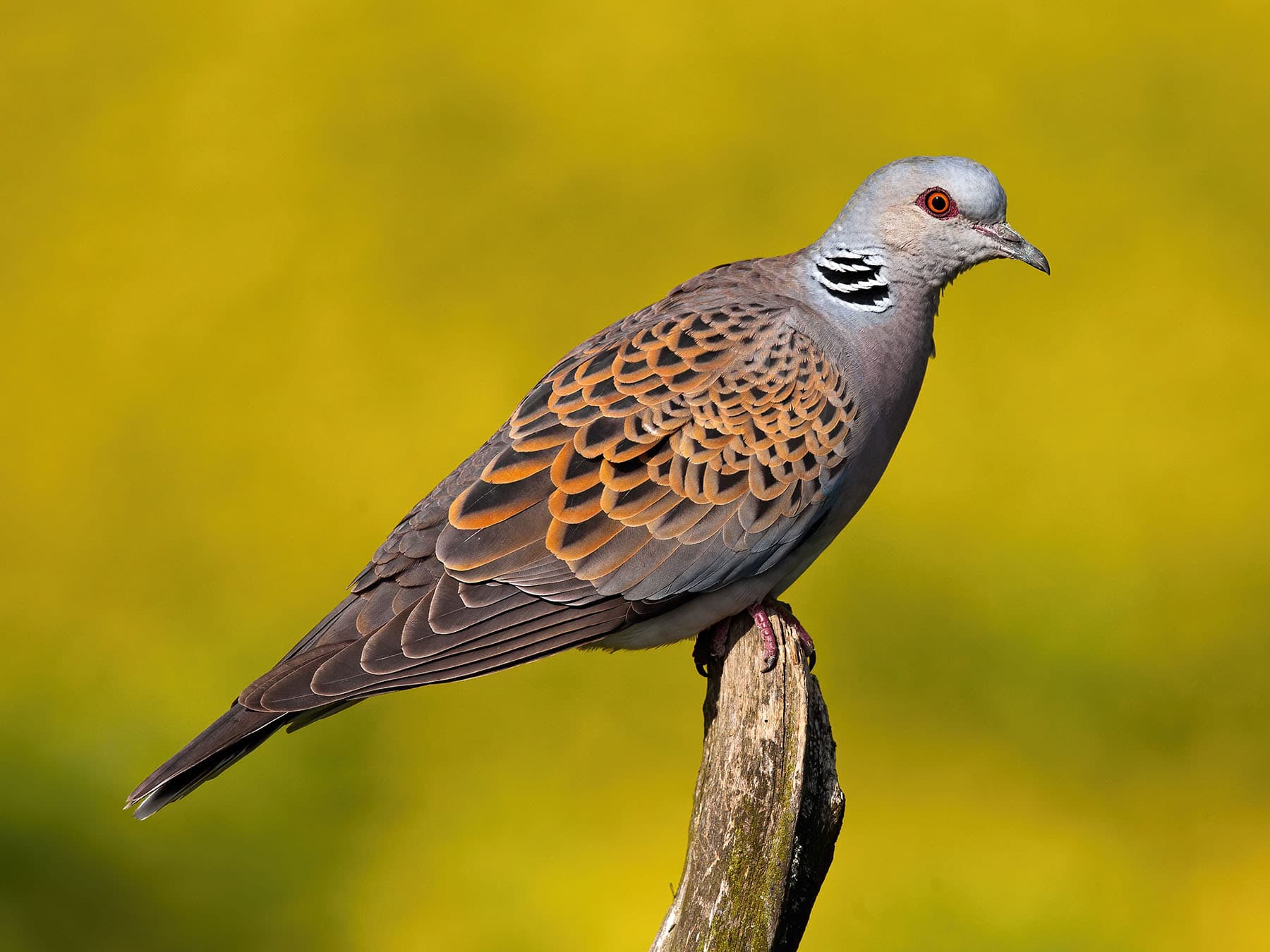 European Turtle-doveStreptopelia turturPassage migrantRare26–28 cmRegularly May–Jun
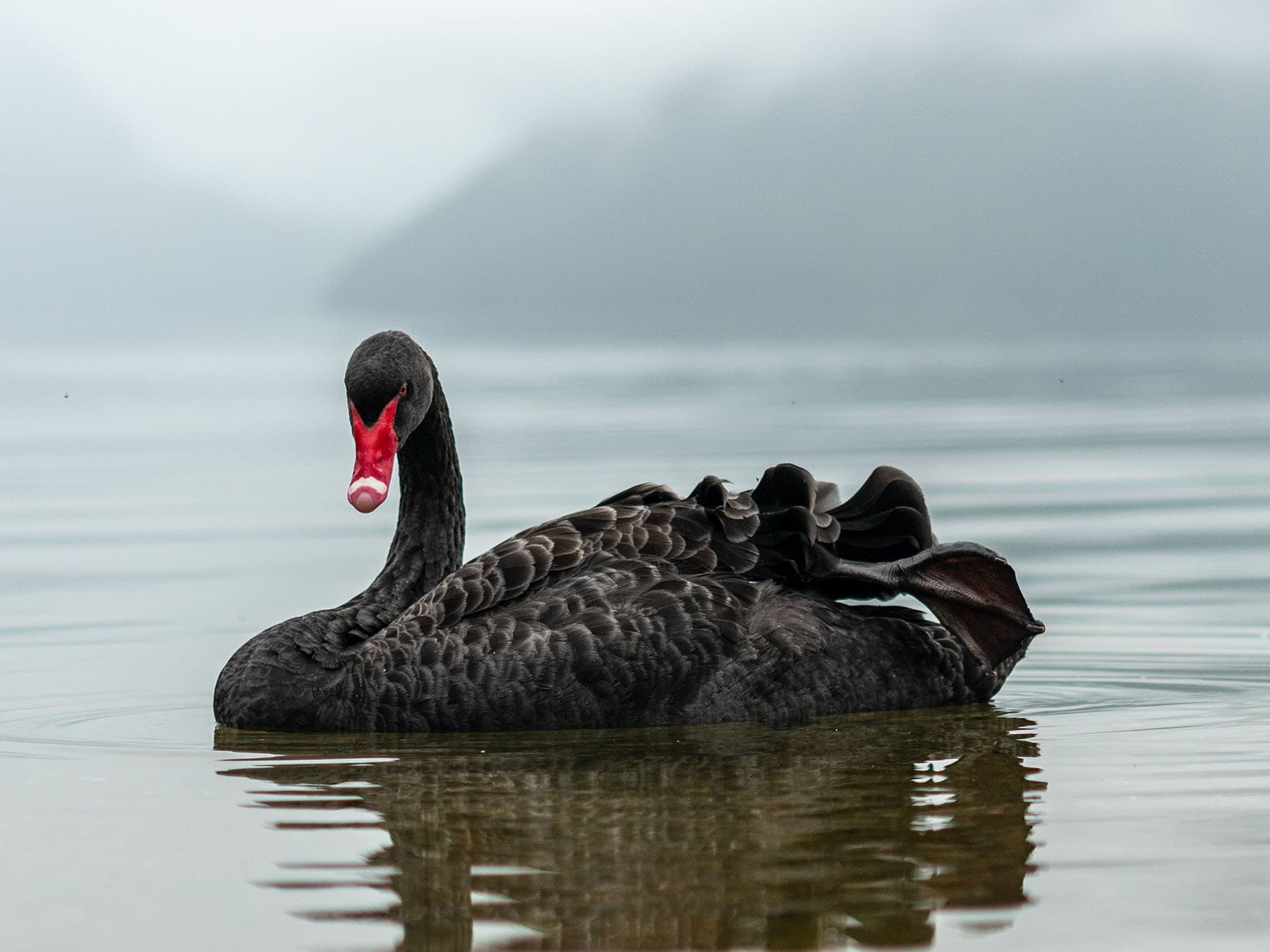 Black SwanCygnus atratusSummer visitorRare110–142 cmRegularly May–Aug
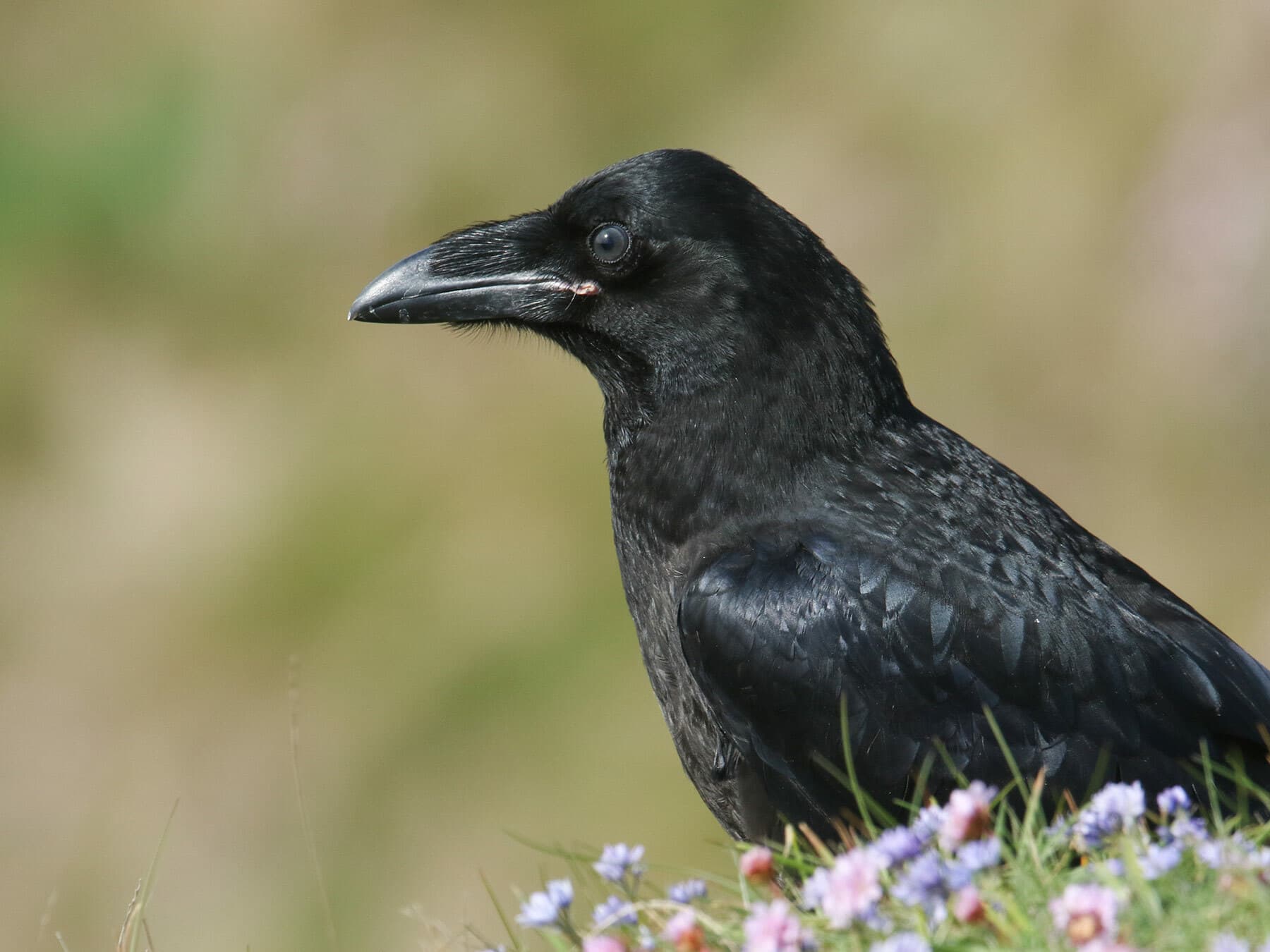 Common RavenCorvus coraxSummer visitorRare54–67 cmRegularly Feb–Nov
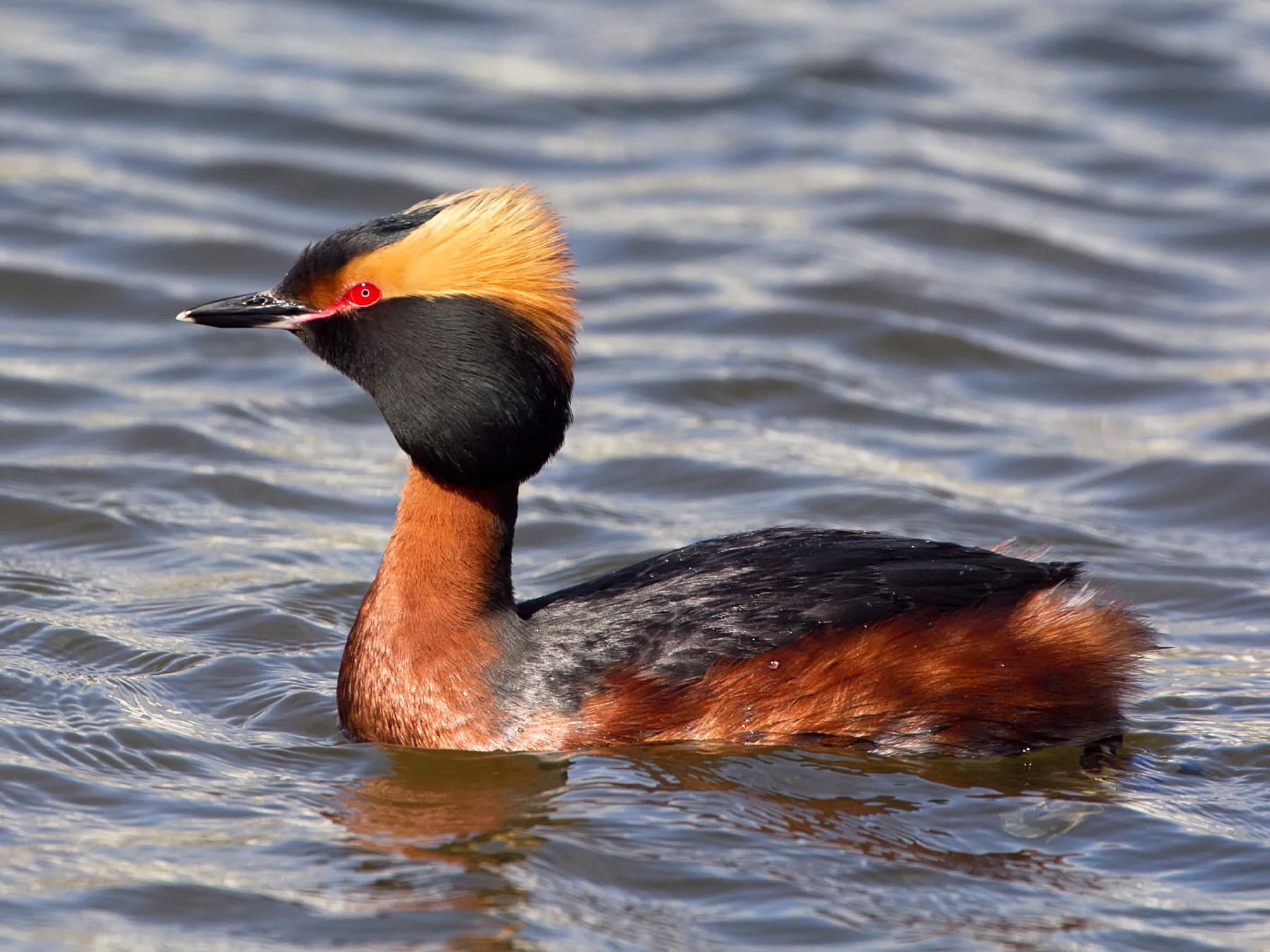 Horned GrebePodiceps auritusPassage migrantRare31–38 cmRegularly Oct
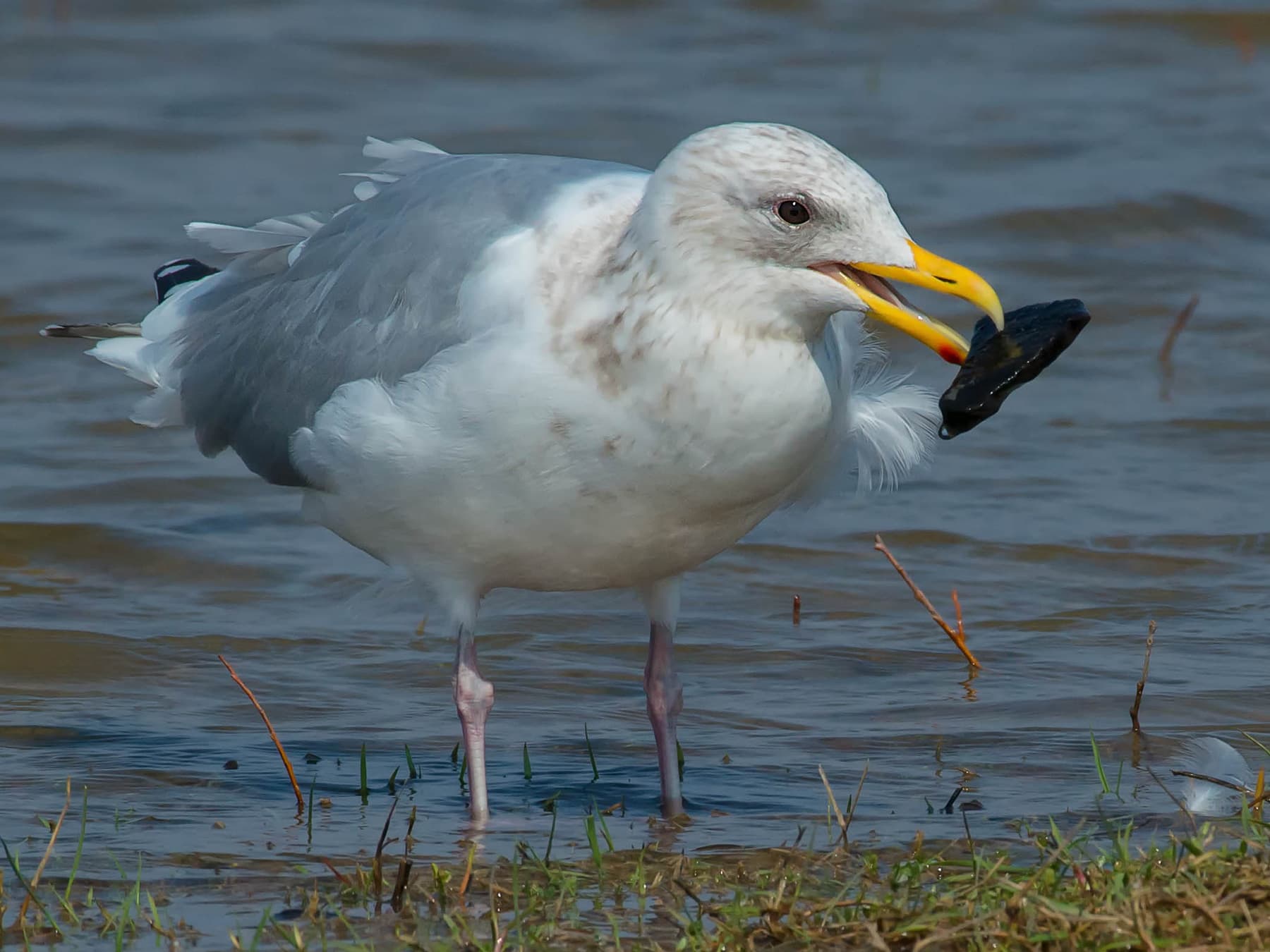 Iceland GullLarus glaucoidesPassage migrantRare52–60 cmRegularly Feb–Apr
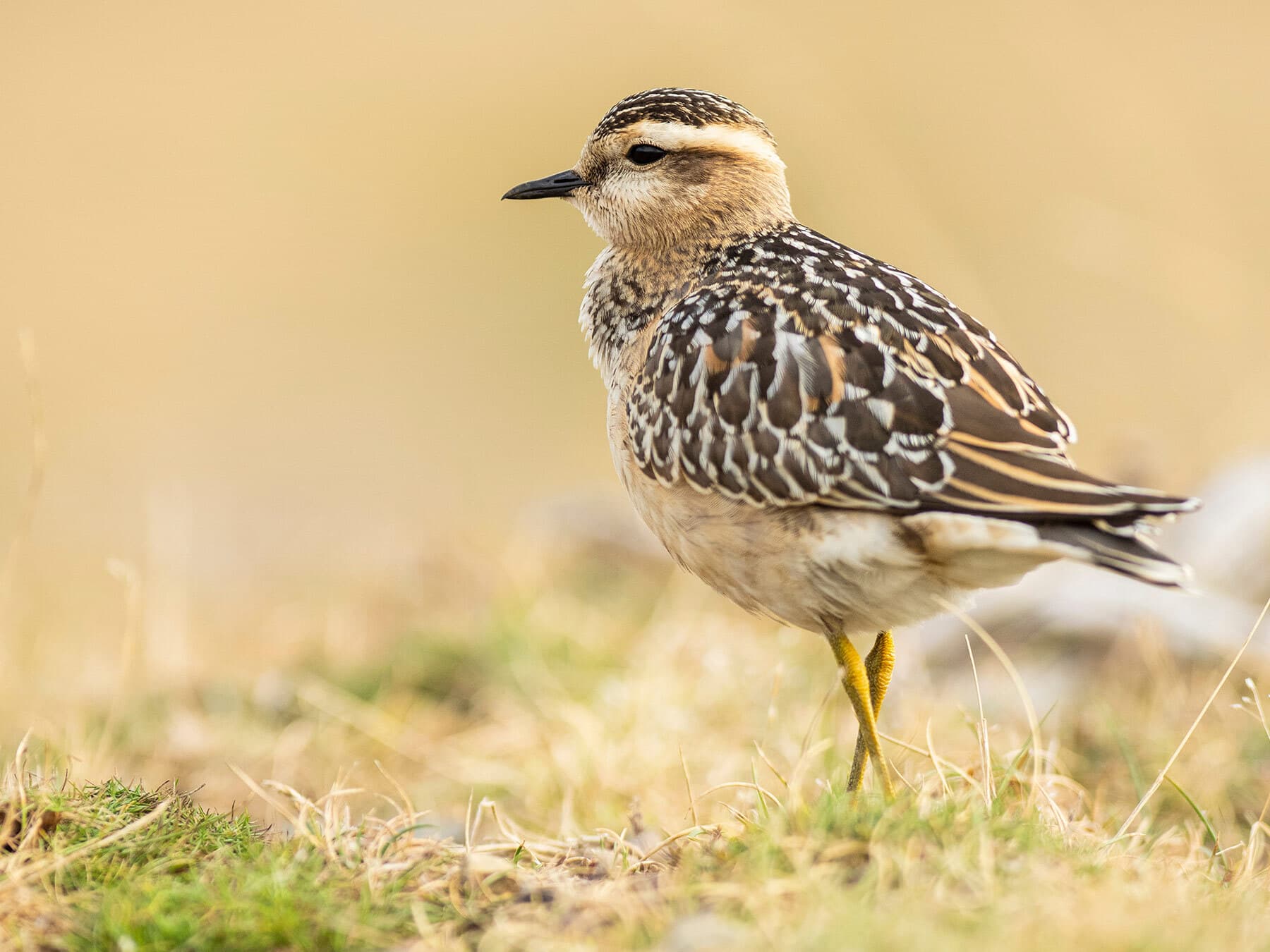 DotterelEudromias morinellusPassage migrantRare20–22 cmRegularly May–Sep
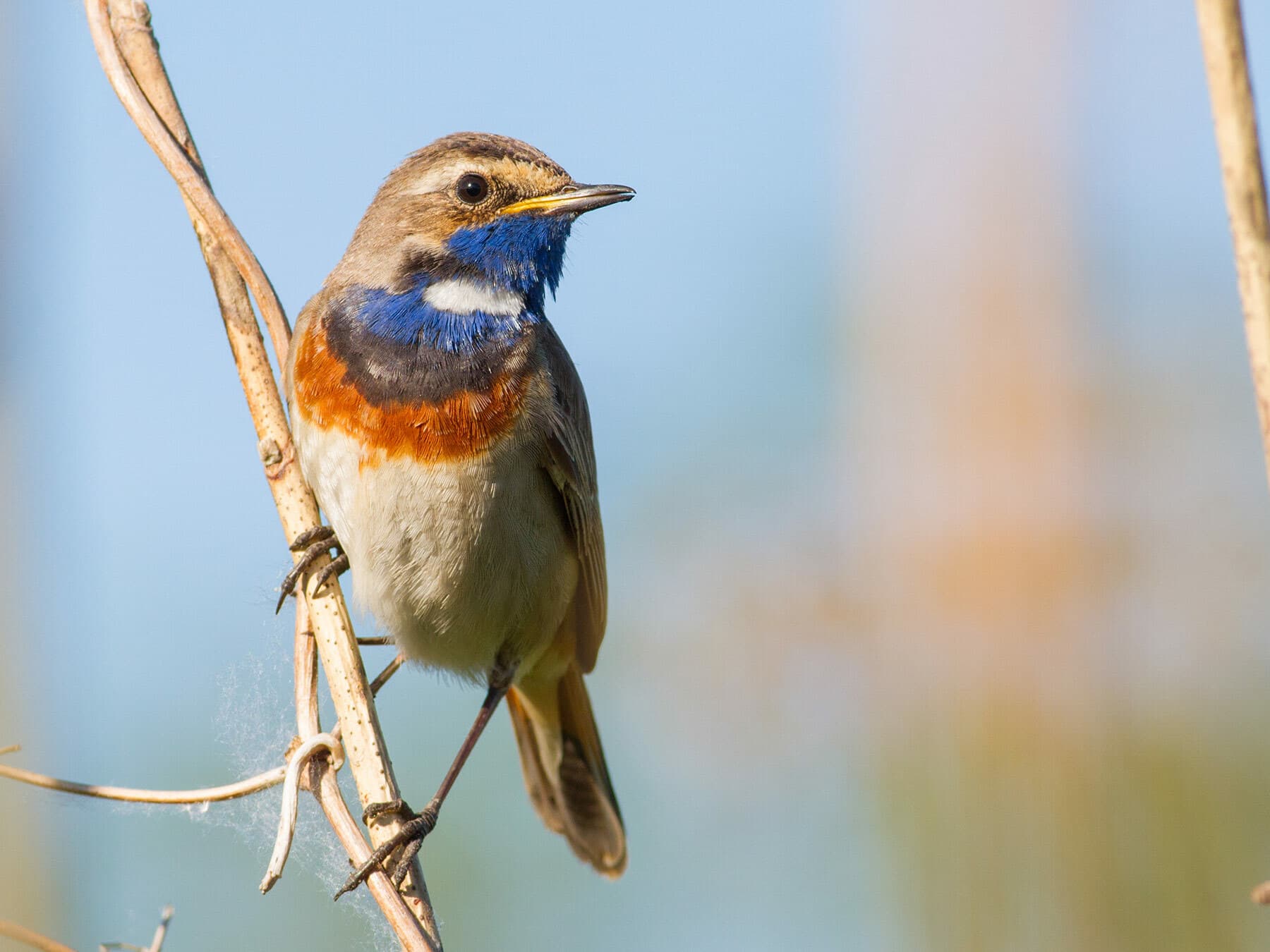 BluethroatLuscinia svecicaPassage migrantRare13–14 cmRegularly May
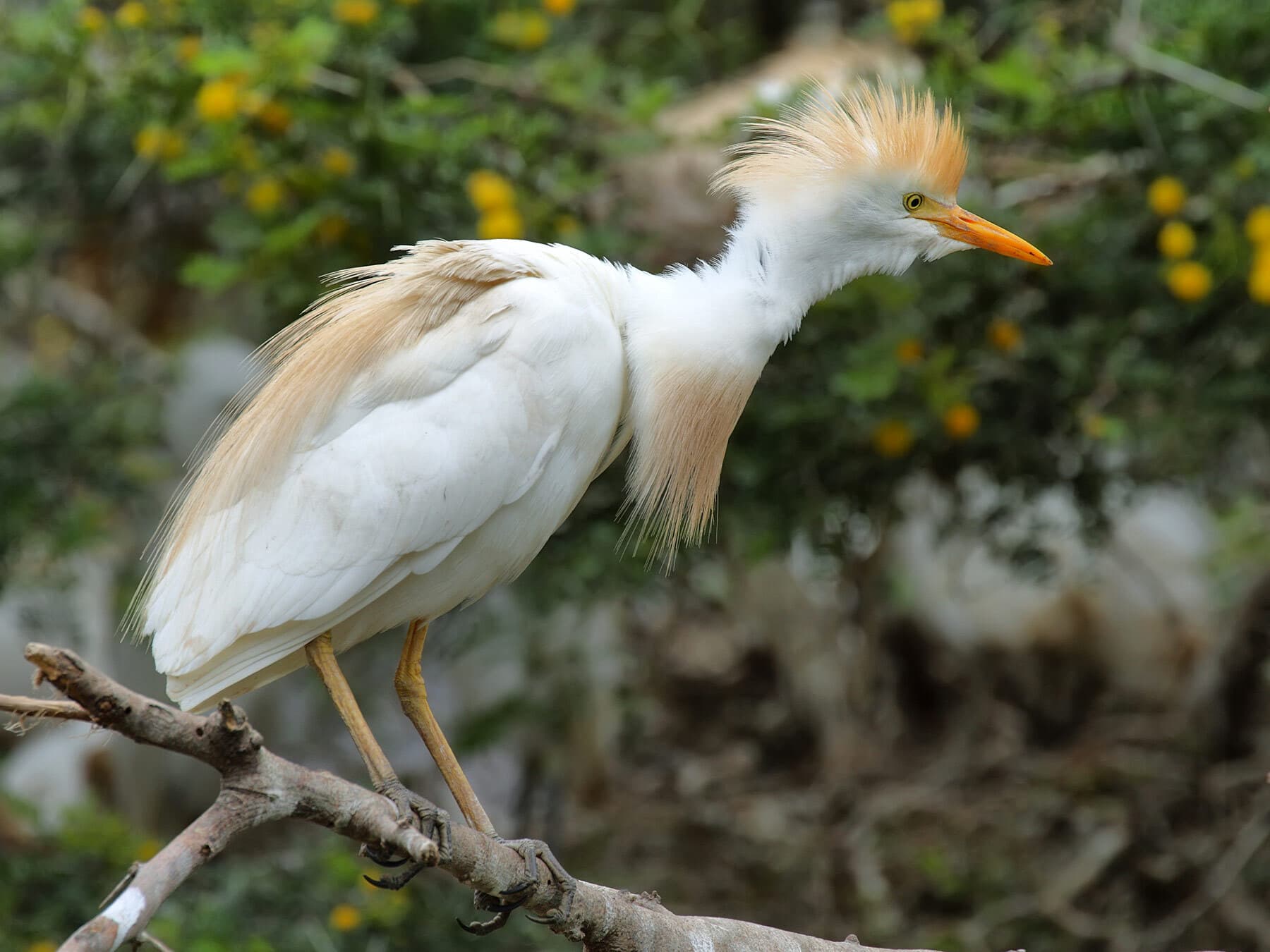 Cattle EgretArdea ibisResidentRare46–56 cmRegularly May–Nov
Data: EOD – eBird Observation Dataset (Cornell Lab of Ornithology), accessed via GBIF.org, CC BY 4.0. Records from 2019–2024, aggregated and filtered by Birdfact. How these lists are made