


Rare Birds in East Riding of Yorkshire
Our list for East Riding of Yorkshire has 42 rare birds recorded regularly there: 5 residents, 5 summer visitors, 27 passage migrants and 5 scarce visitors
Most likely in October
GBIF · Oct
Share of all bird records in East Riding of Yorkshire in October, 2019–2024. Each month links to that month’s page.
All 42, most common first
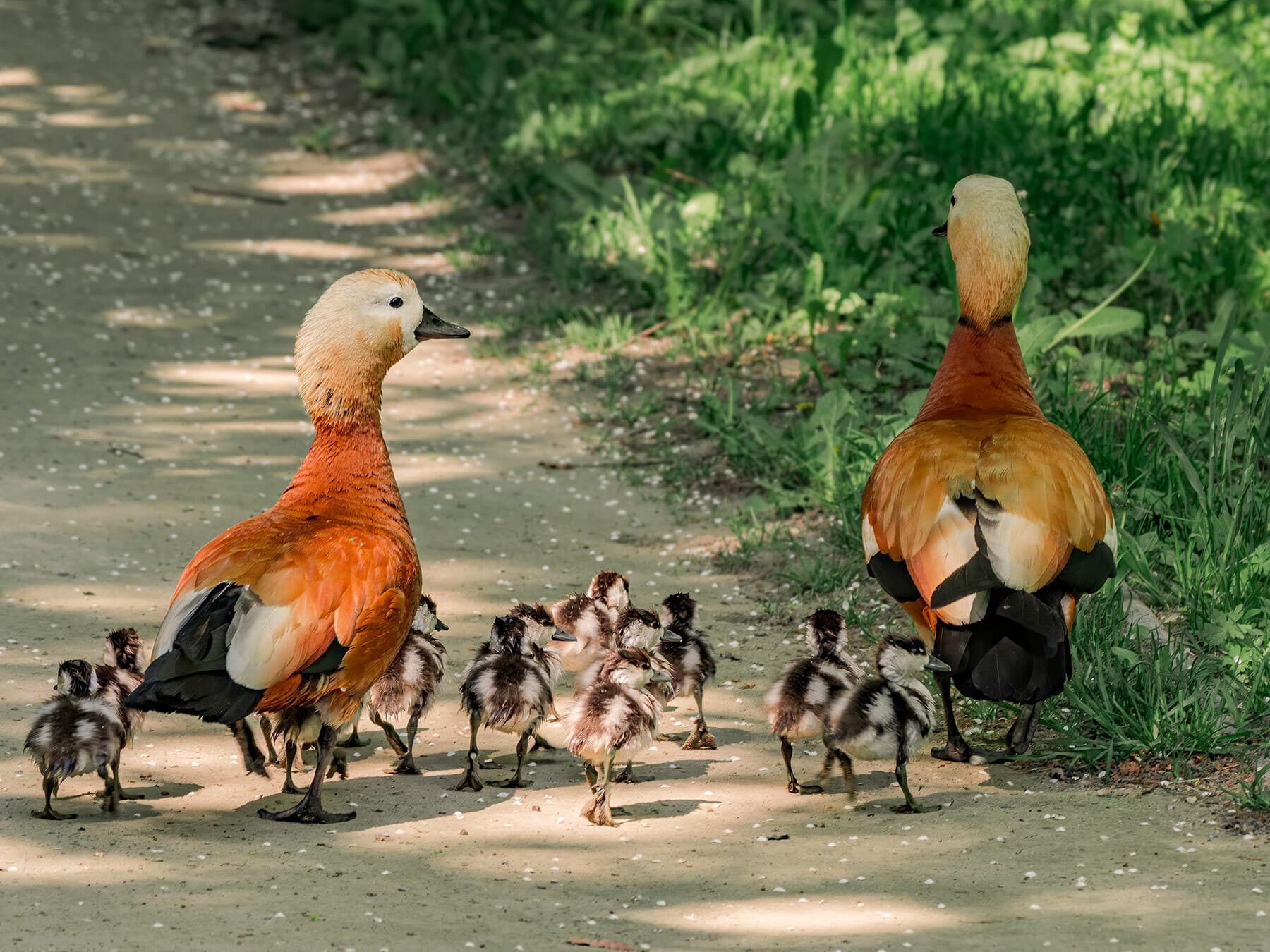 Ruddy ShelduckTadorna ferrugineaPassage migrantRare58–70 cmRegularly Jul–Aug
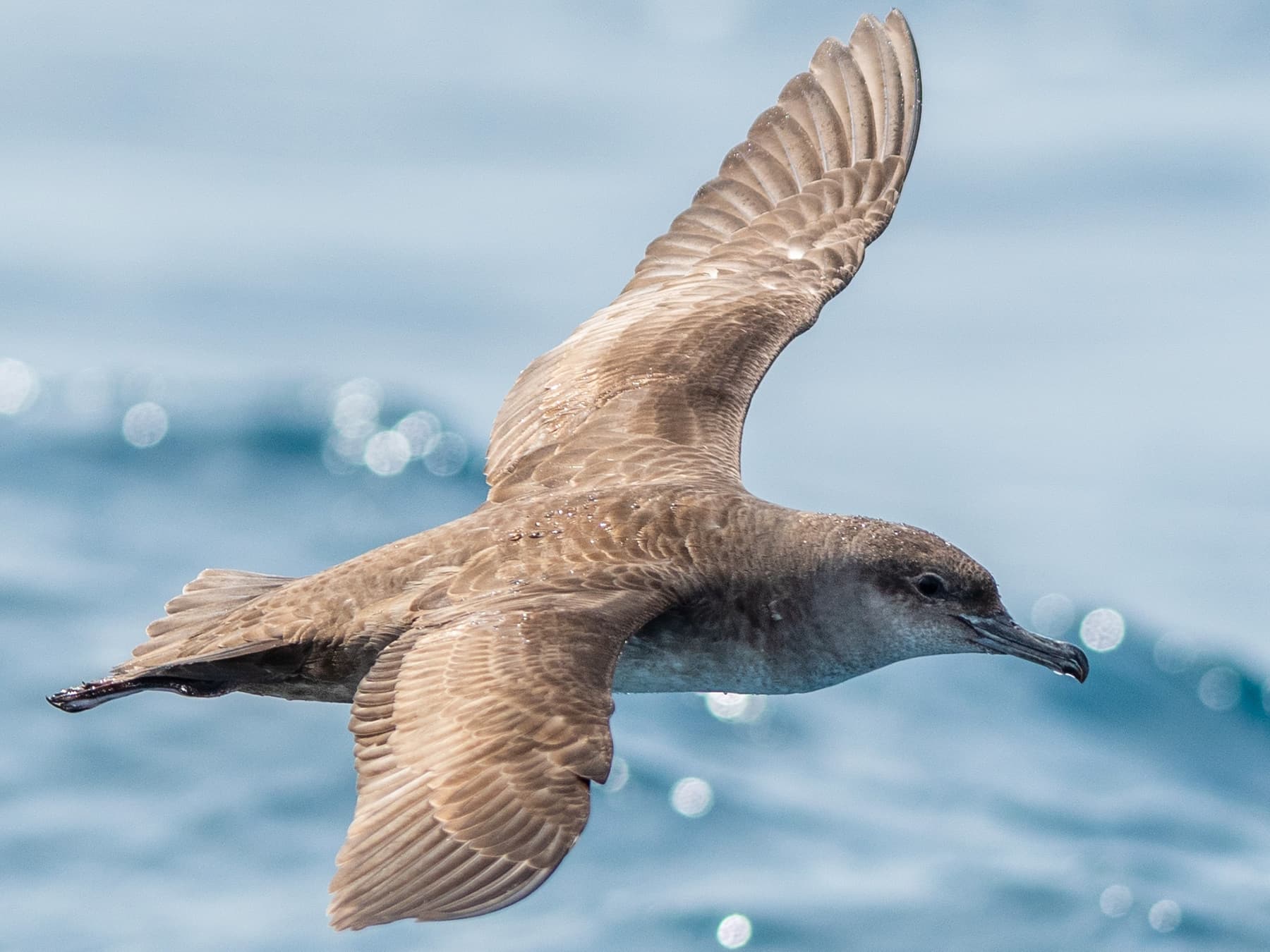 Balearic ShearwaterPuffinus mauretanicusPassage migrantRare35–40 cmRegularly Aug–Sep
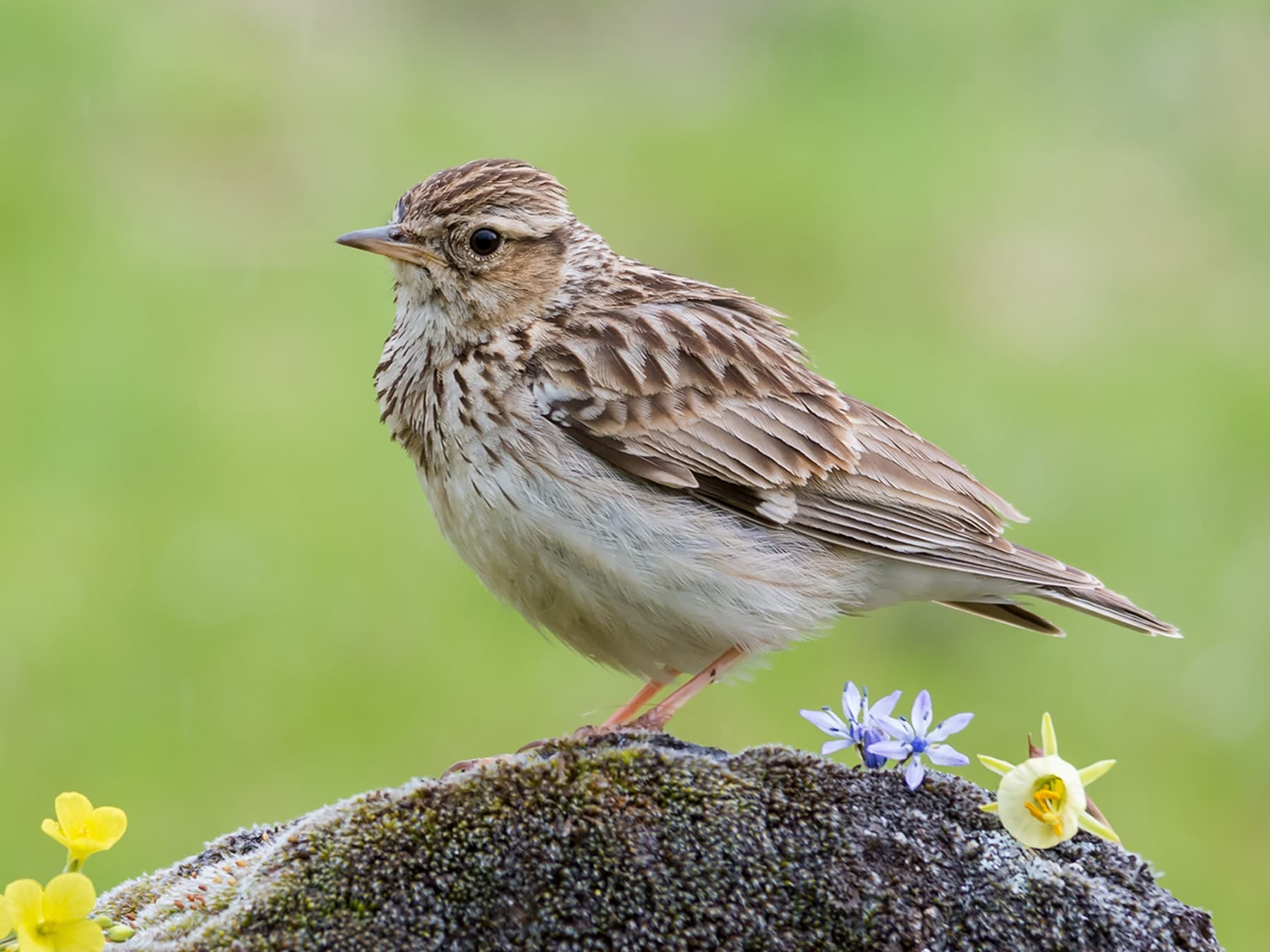 WoodlarkLullula arboreaResidentRare15–17 cmRegularly Mar–May
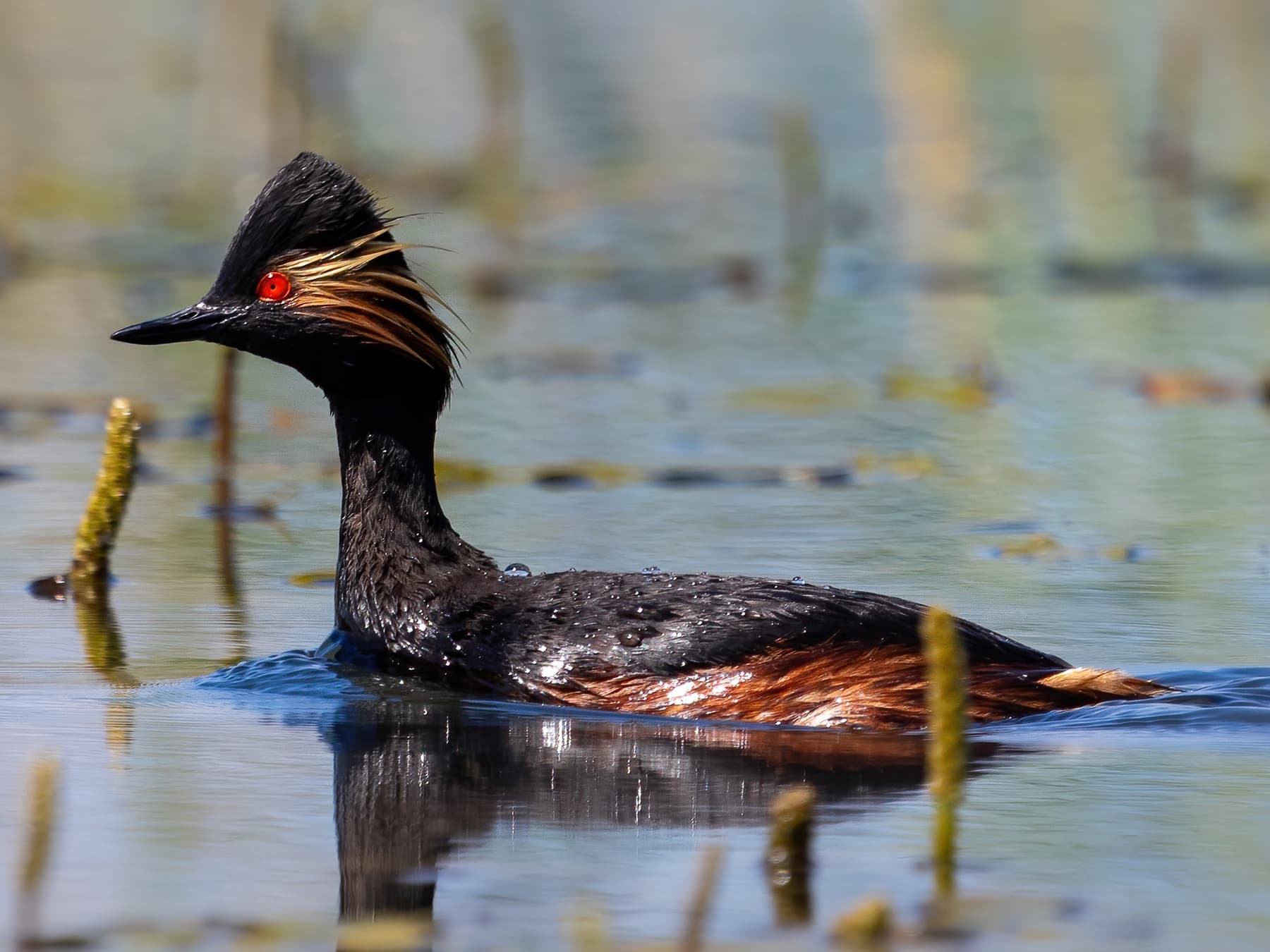 Black-necked GrebePodiceps nigricollisPassage migrantRare28–34 cmRegularly Apr–Aug
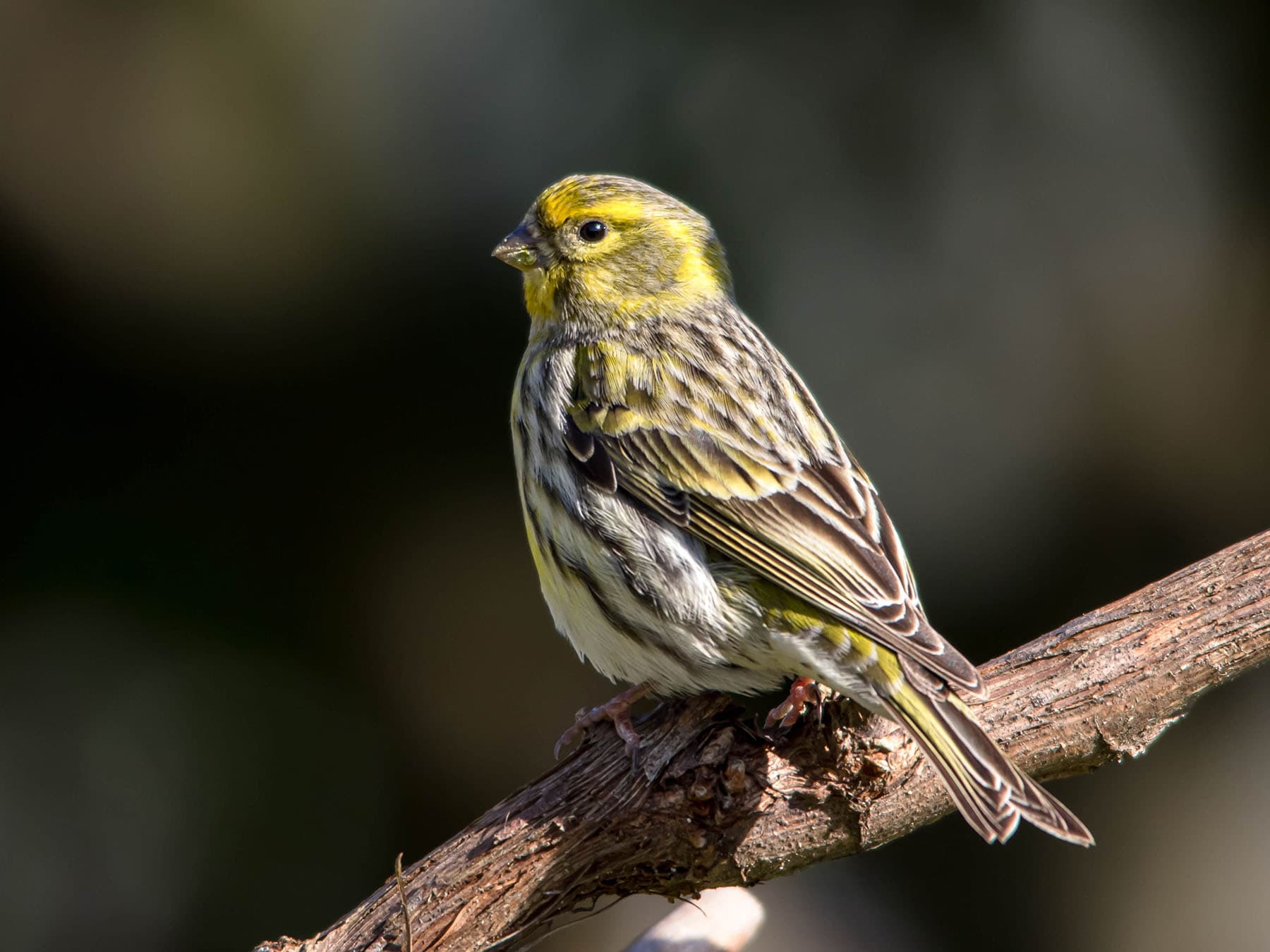 SerinSerinus serinusPassage migrantRare11–12 cmRegularly Jun
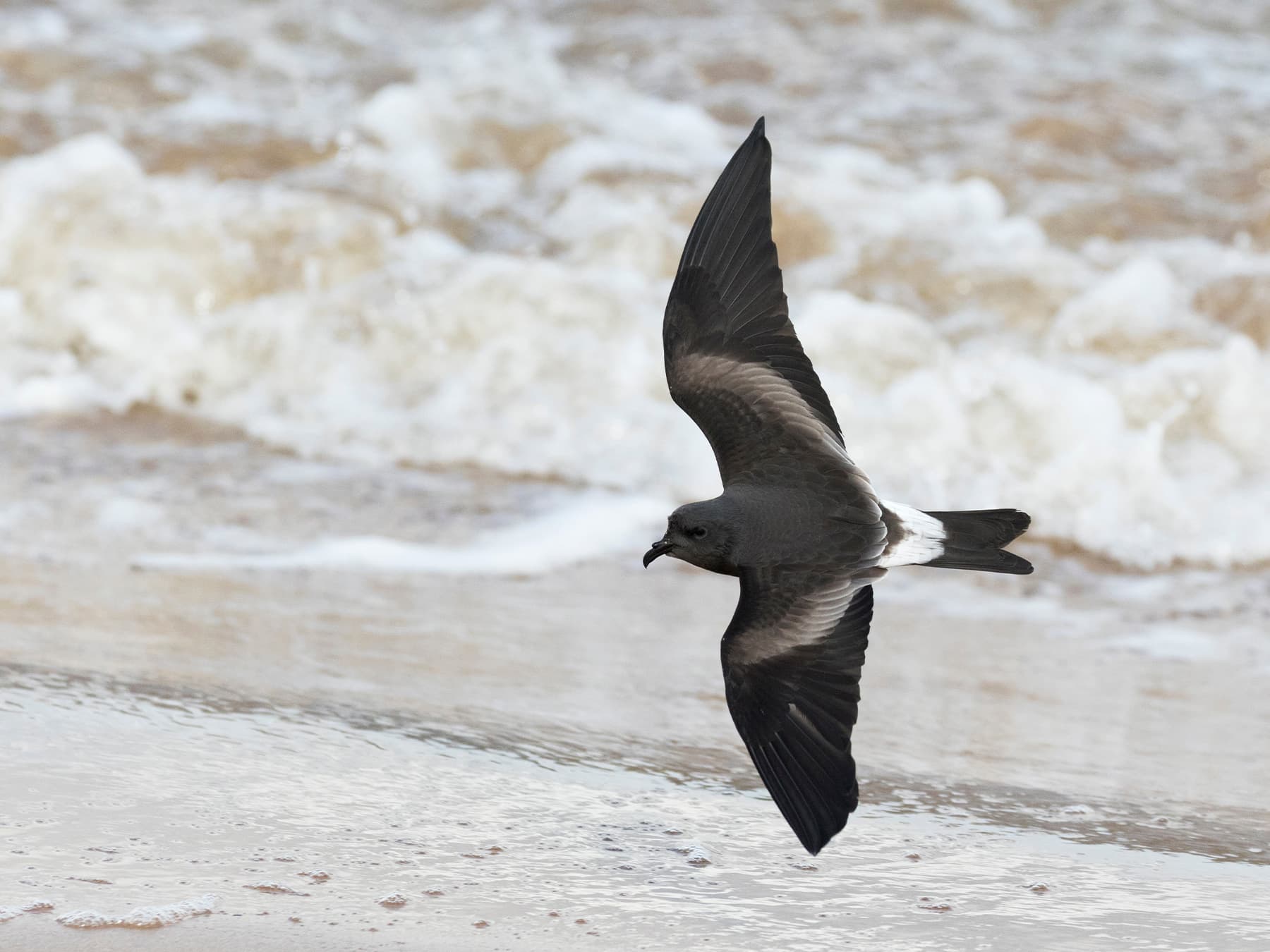 Leach's Storm-petrelHydrobates leucorhousPassage migrantRare18–21 cmRegularly Sep
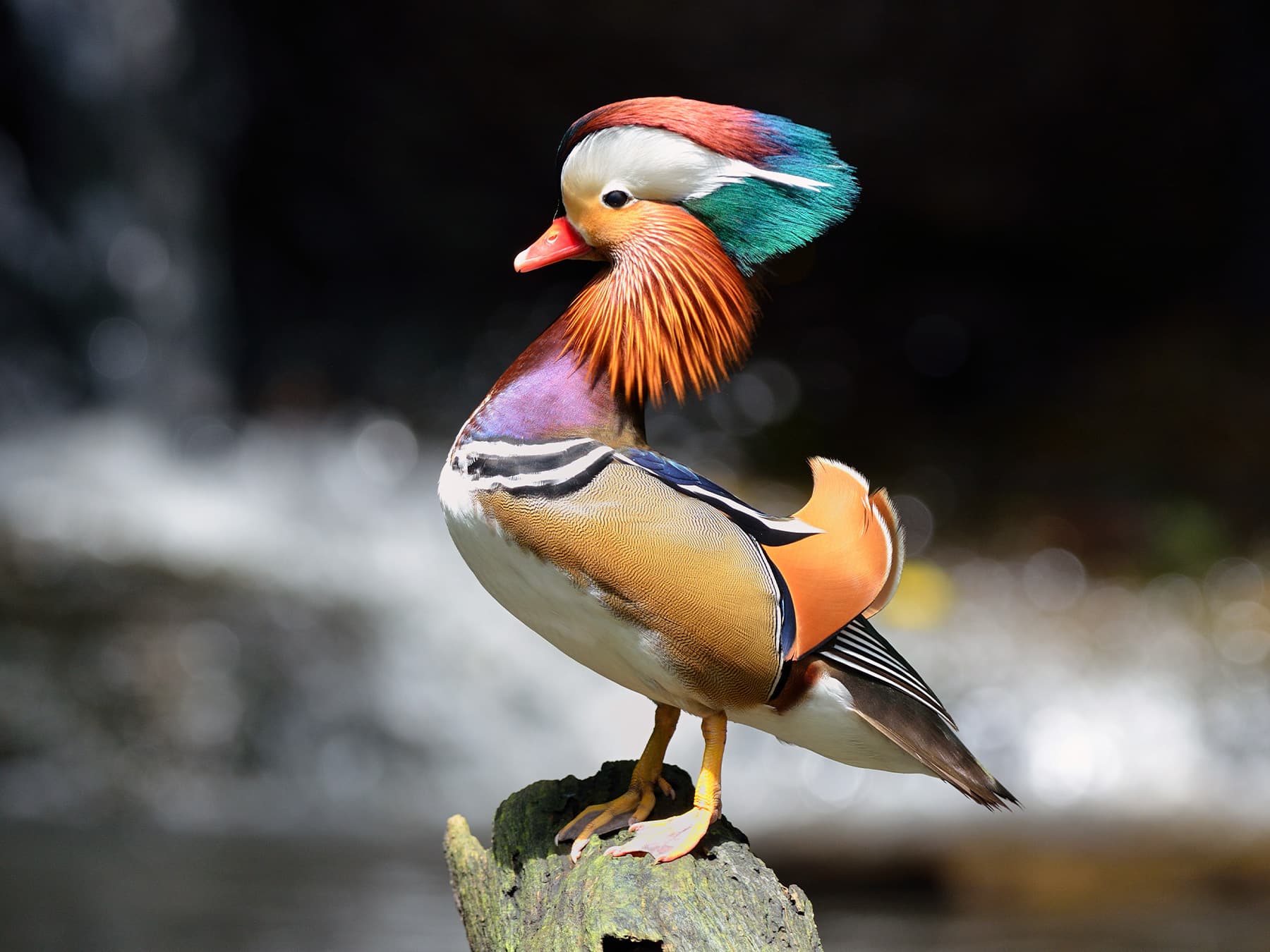 Mandarin DuckAix galericulataSummer visitorRare41–49 cmRegularly Mar–Nov
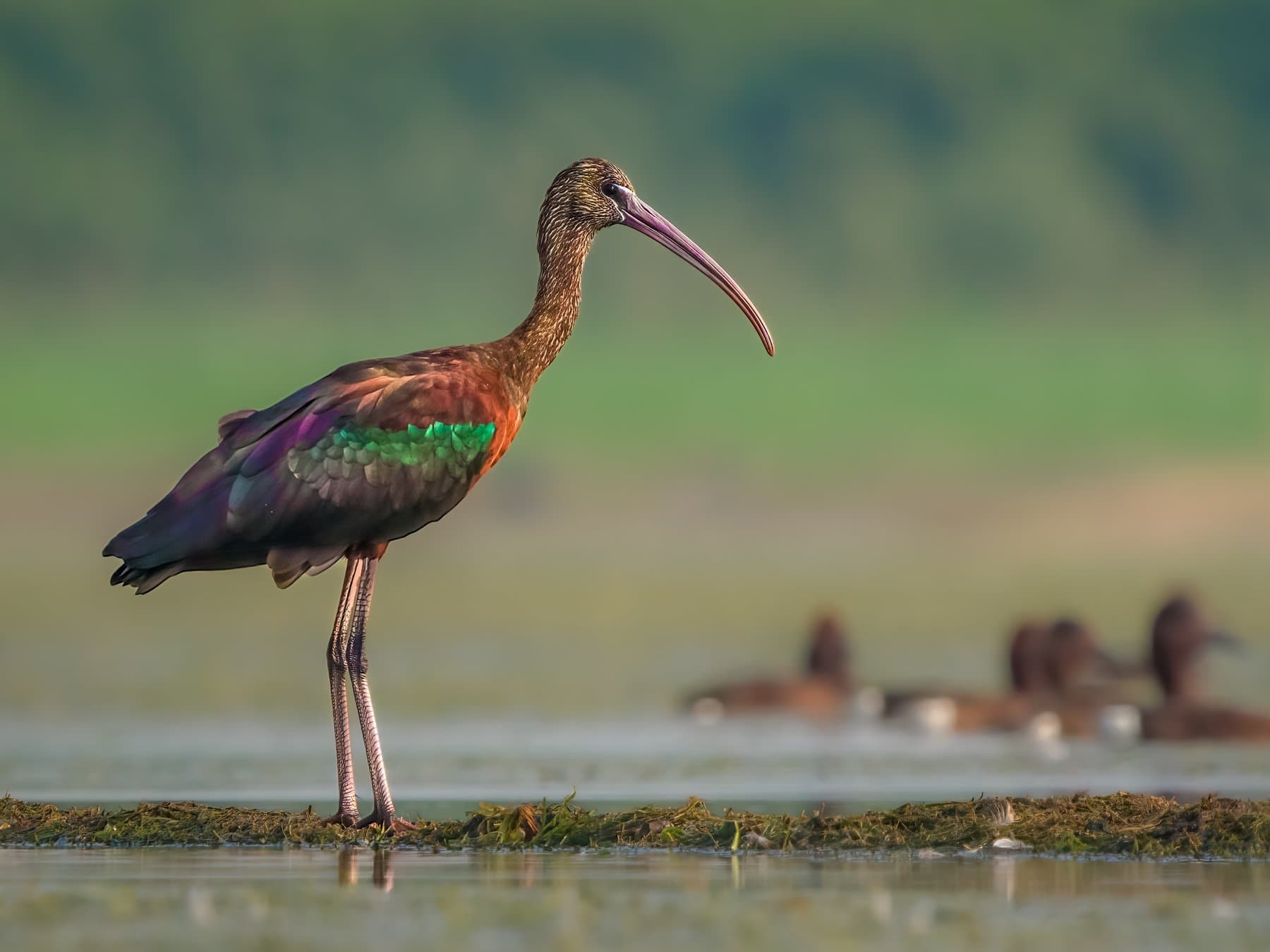 Glossy IbisPlegadis falcinellusResidentRare48–66 cmRegularly Sep
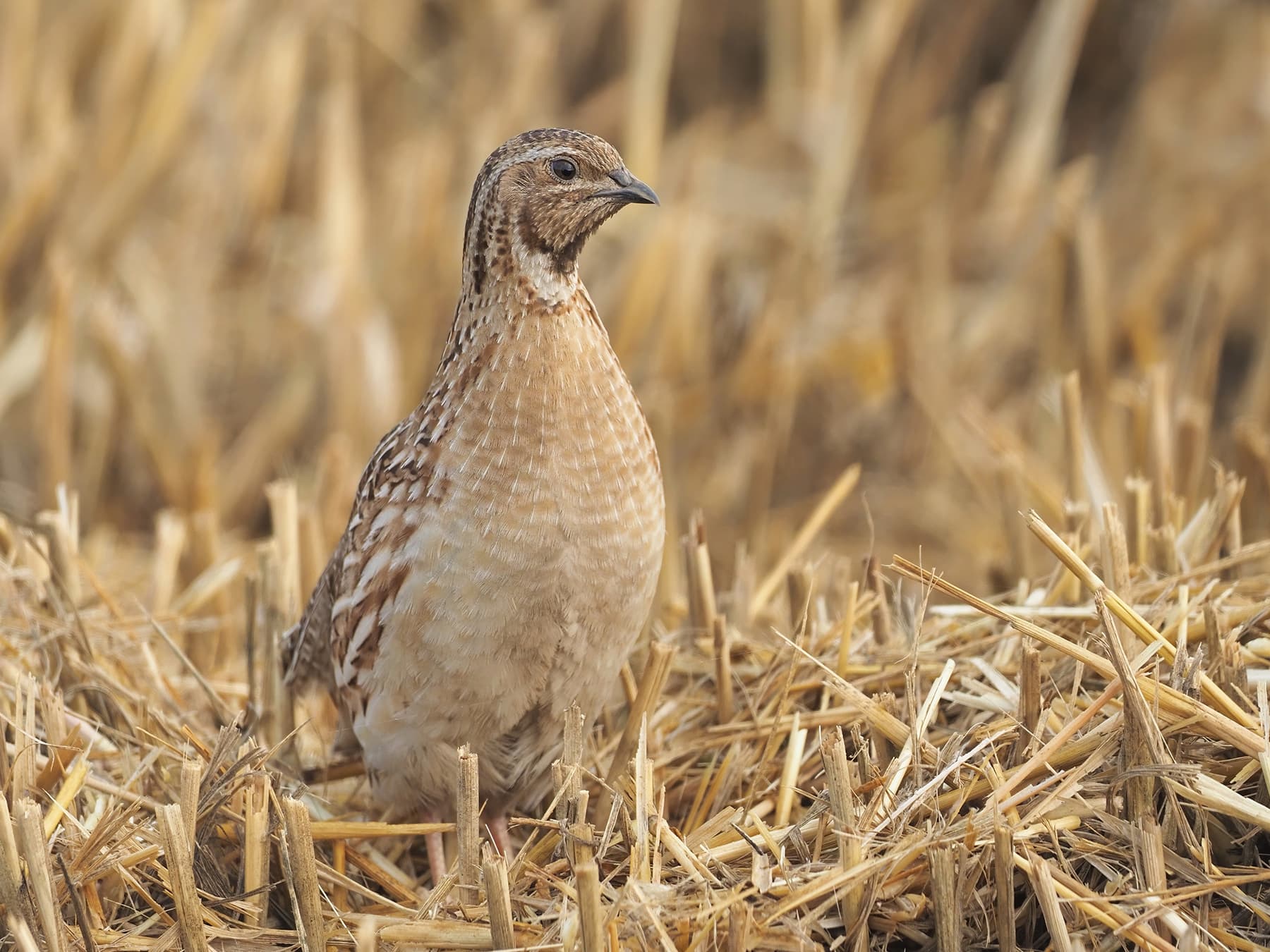 Common QuailCoturnix coturnixPassage migrantRare16–18 cmRegularly Jun–Aug
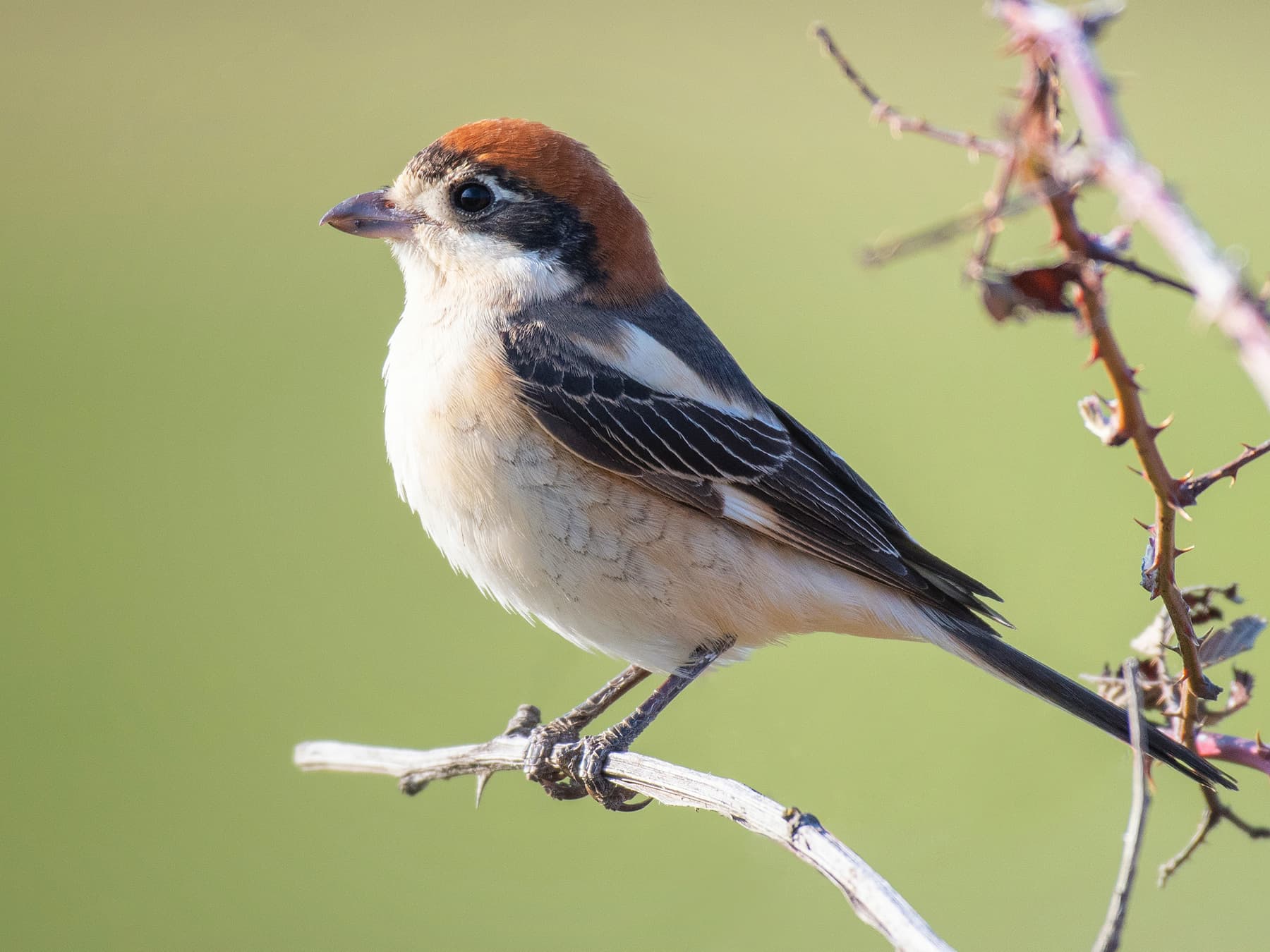 Woodchat ShrikeLanius senatorScarceRare17–19 cm
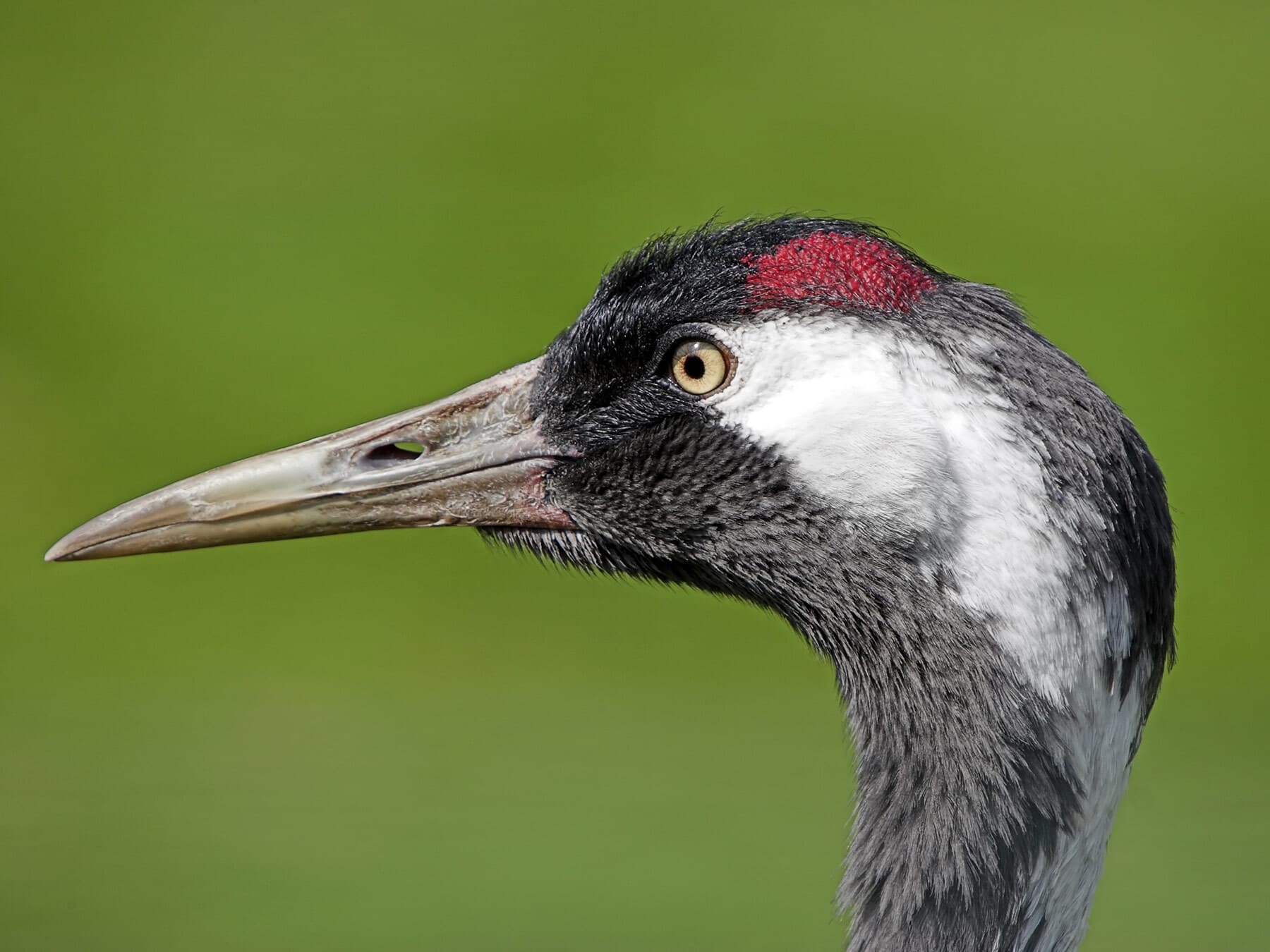 Common CraneGrus grusPassage migrantRare100–130 cmRegularly Oct
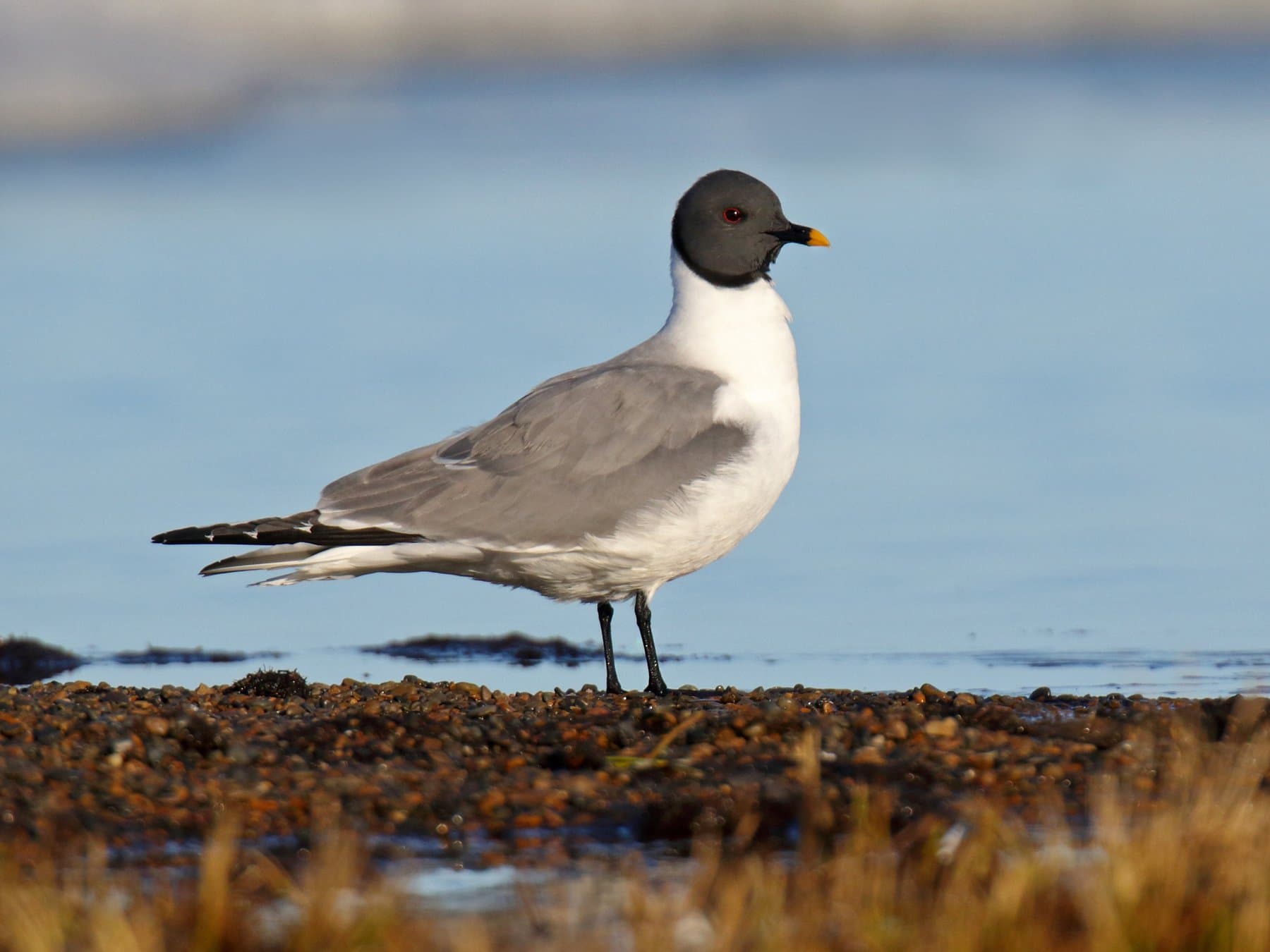 Sabine's GullXema sabiniPassage migrantRare27–33 cmRegularly Aug–Sep
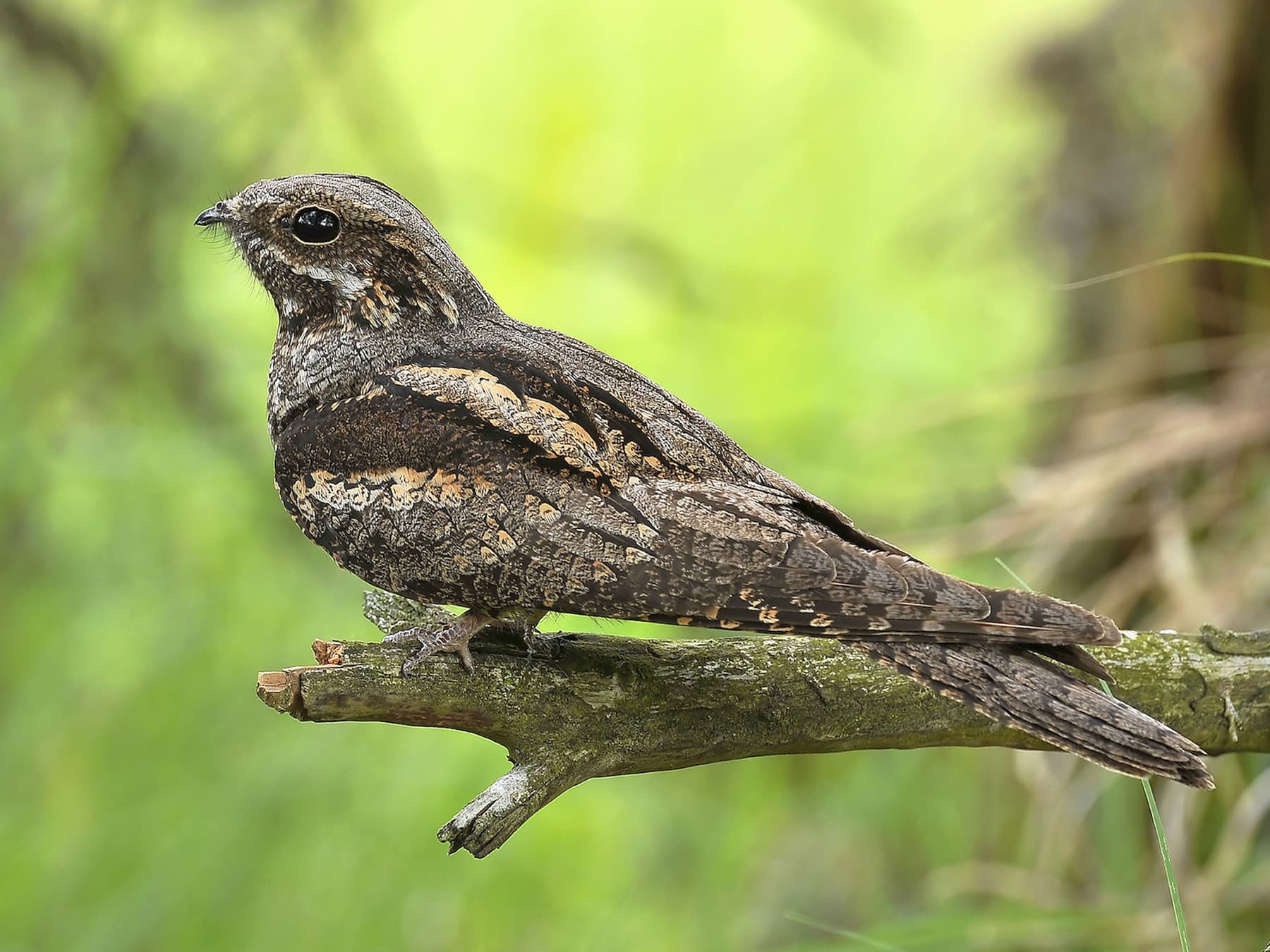 NightjarCaprimulgus europaeusPassage migrantRare24–28 cmRegularly Jun–Sep
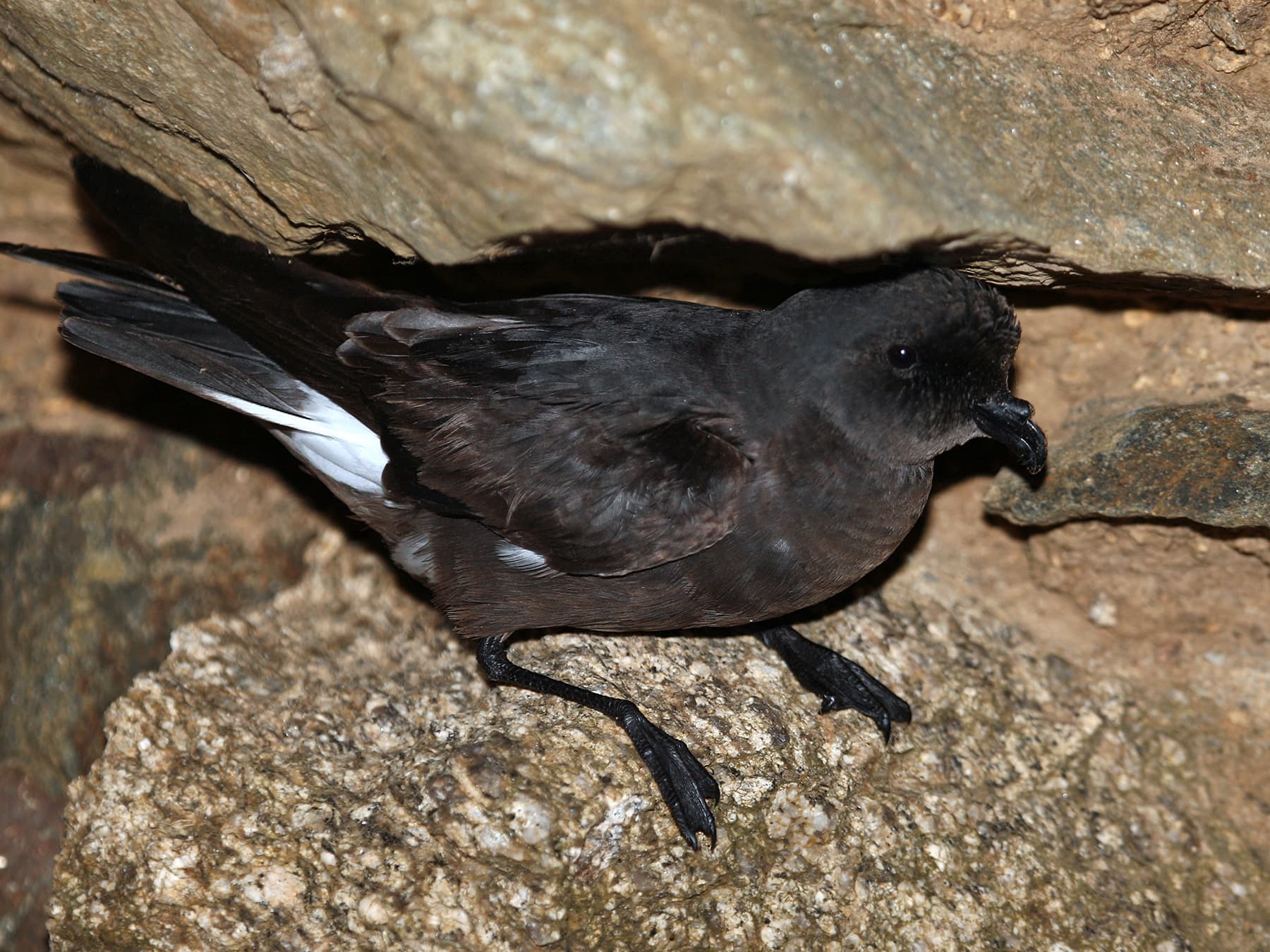 European Storm-petrelHydrobates pelagicusPassage migrantRare14–18 cmRegularly Jul–Sep
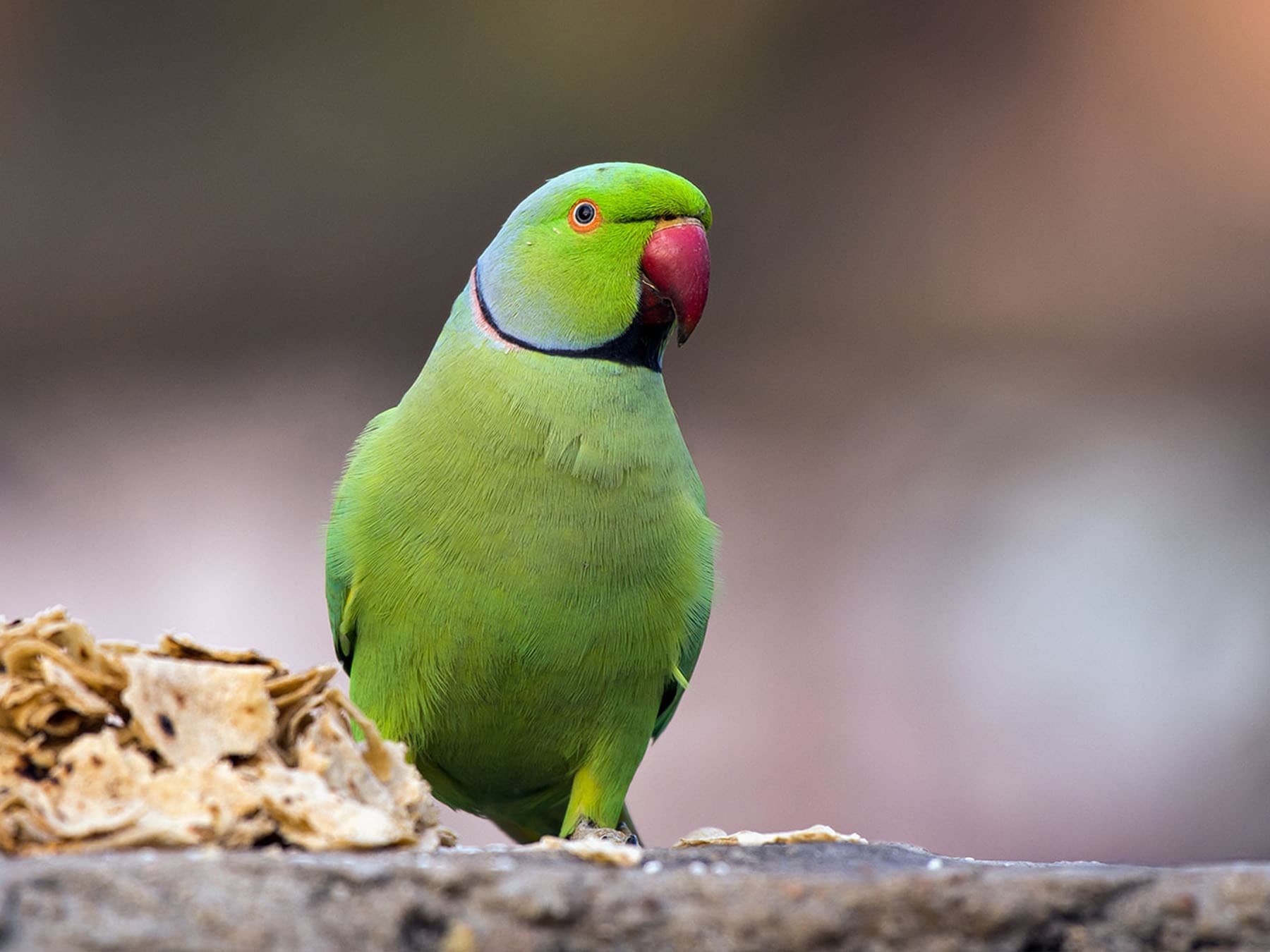 Rose-ringed ParakeetPsittacula krameriScarceRare38–42 cm
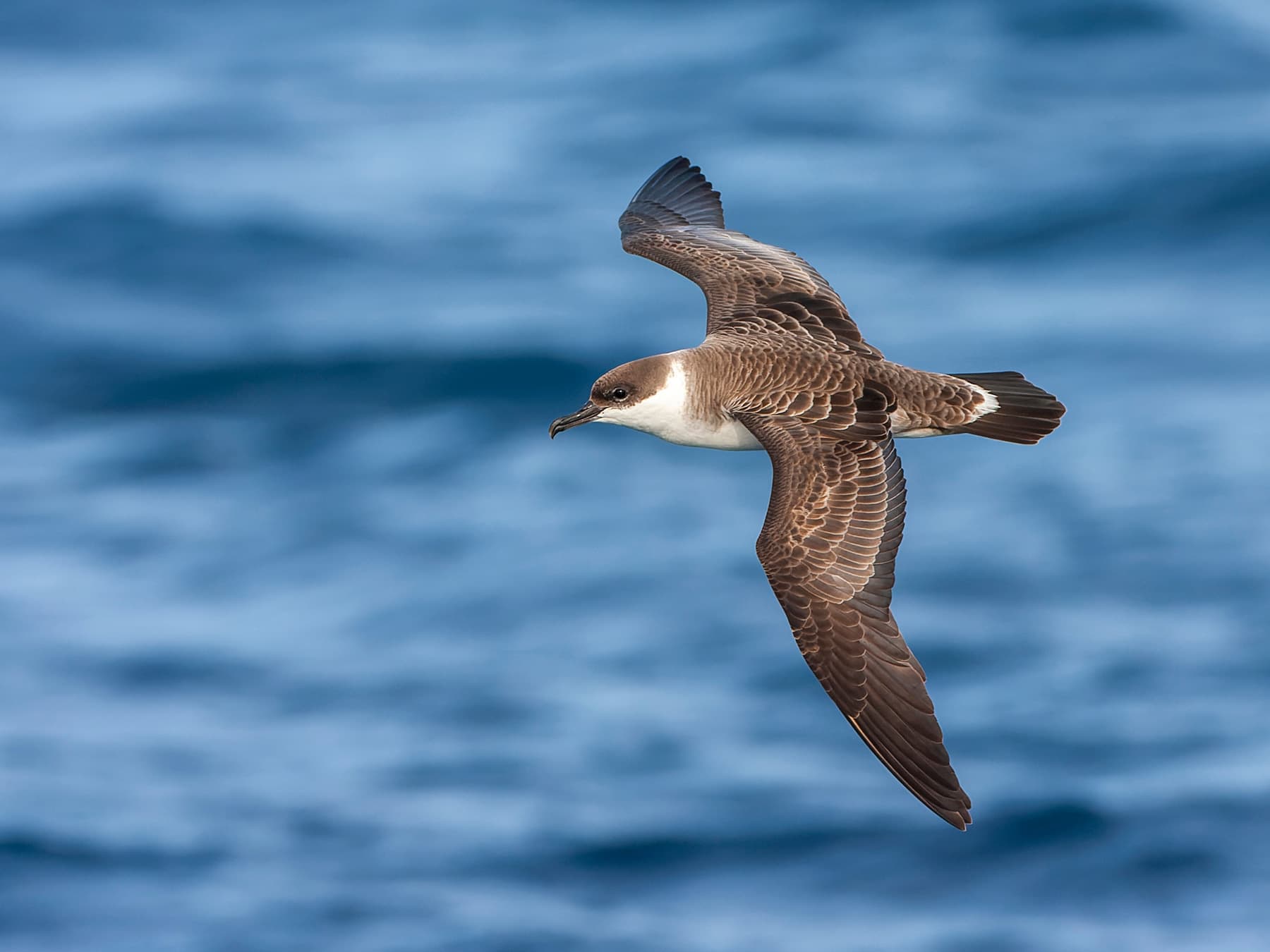 Great ShearwaterArdenna gravisScarceRare43–51 cm
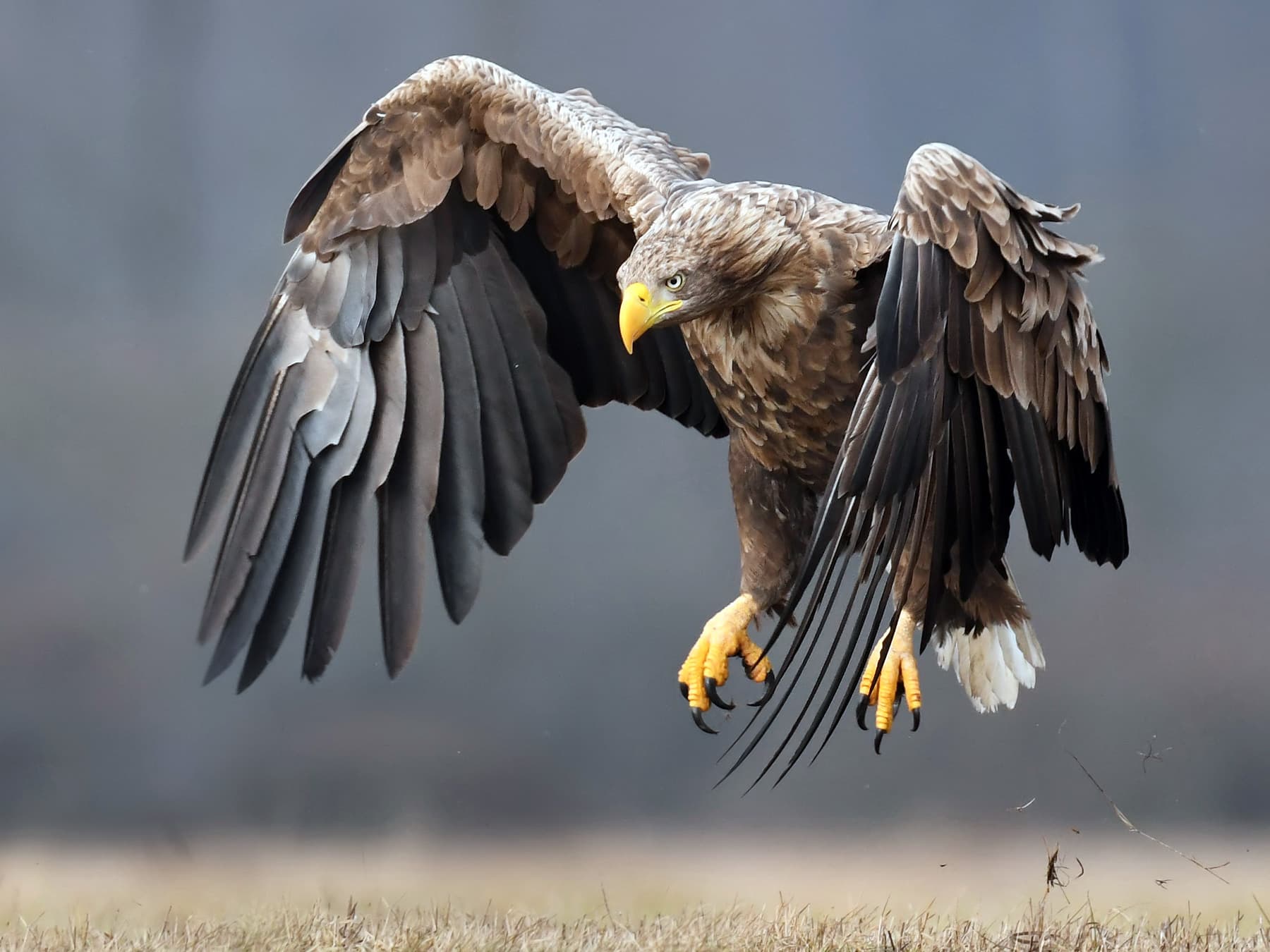 White-tailed Sea-eagleHaliaeetus albicillaScarceRare66–94 cm
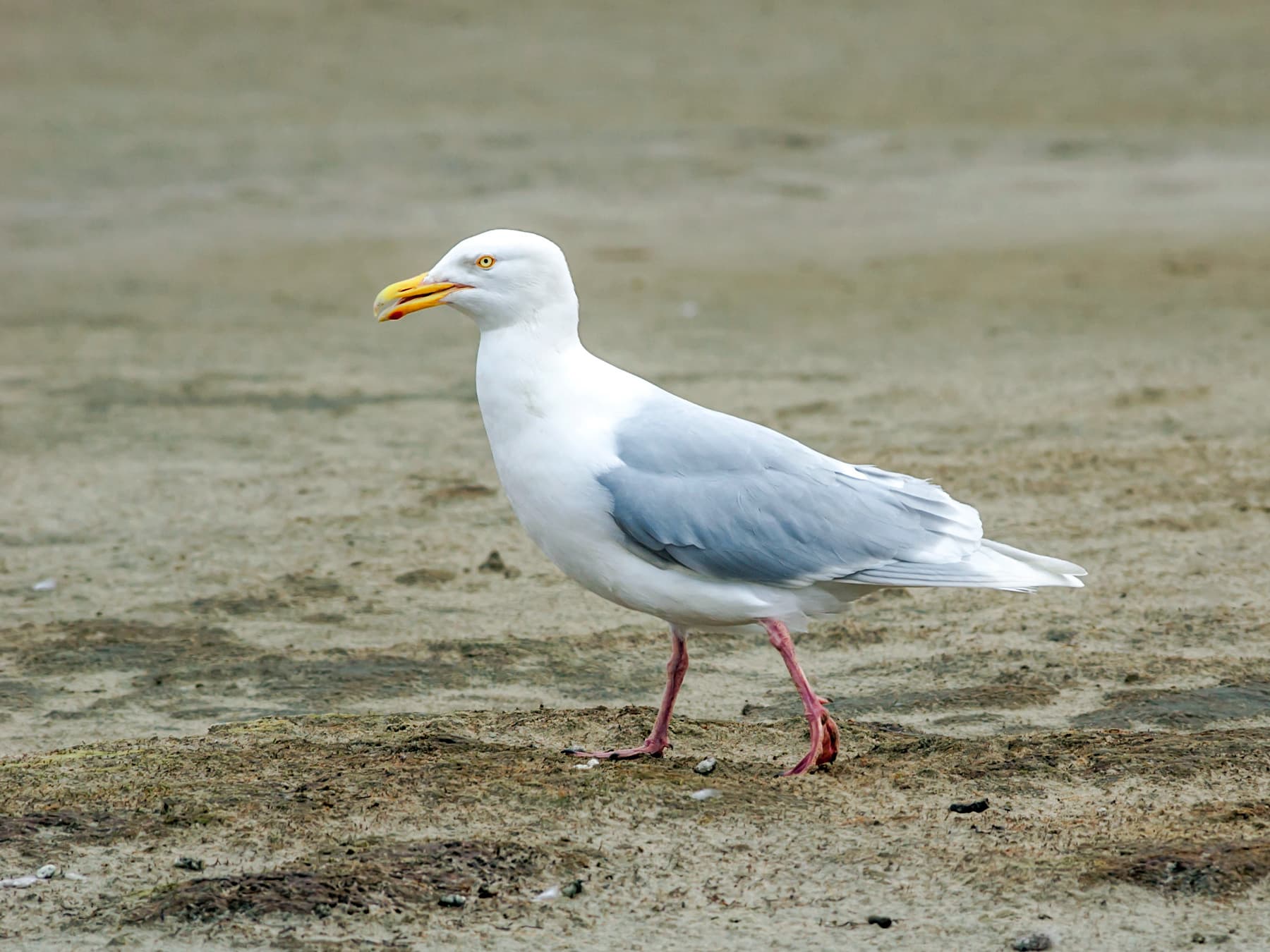 Glaucous GullLarus hyperboreusPassage migrantRare62–68 cmRegularly Nov
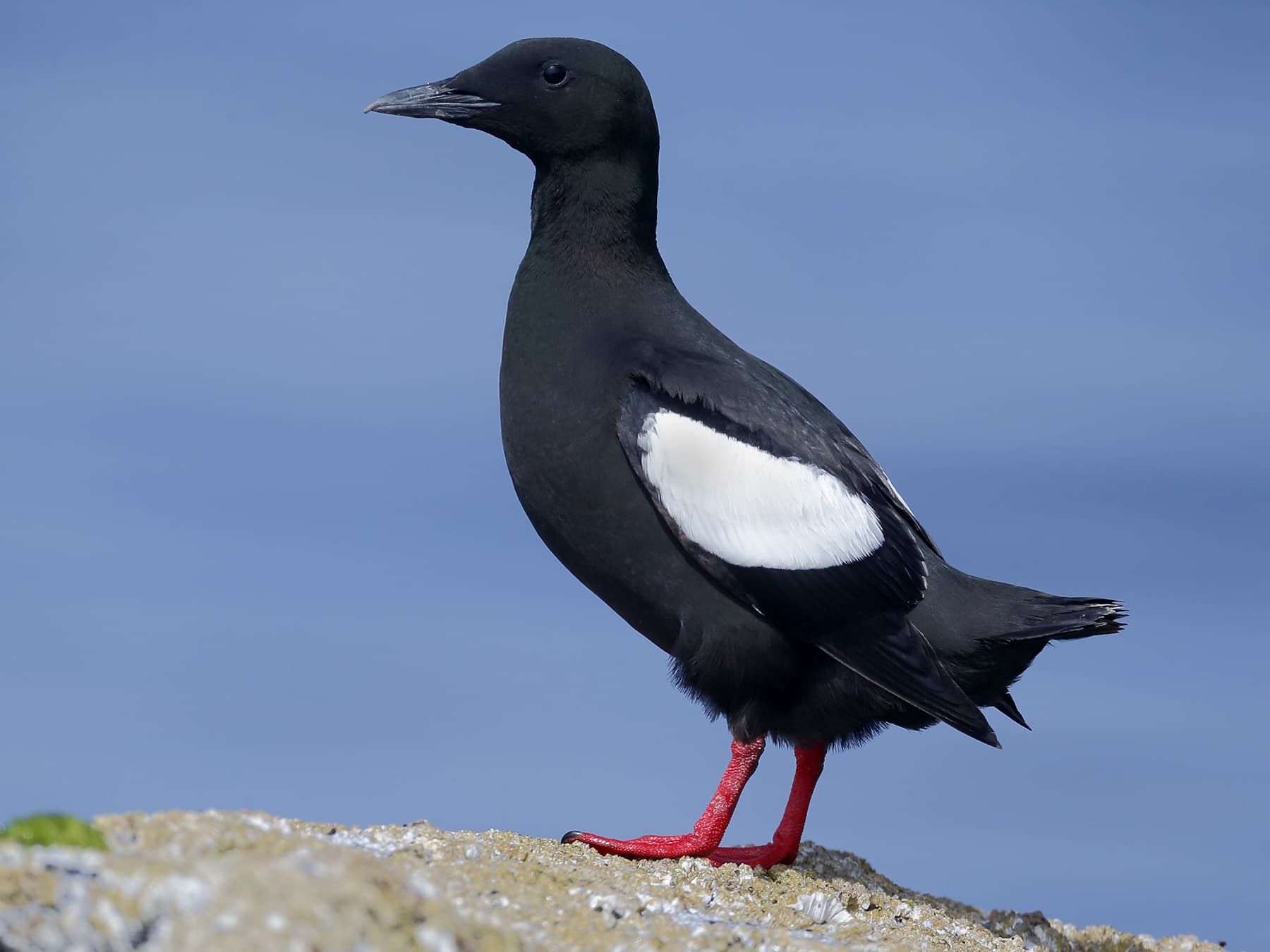 Black GuillemotCepphus grylleScarceRare30–32 cm
Data: EOD – eBird Observation Dataset (Cornell Lab of Ornithology), accessed via GBIF.org, CC BY 4.0. Records from 2019–2024, aggregated and filtered by Birdfact. How these lists are made