Birds in Cornwall
Explore 223 species found in this region.
Cornwall's dramatic coastline, sheltered estuaries, and windswept moorlands provide habitat for an impressive diversity of birdlife, with 213 species recorded across the county. From elegant waders such as the Northern Lapwing and Dotterel to colourful residents like the Great Tit and Magpie, the region offers outstanding birding opportunities year-round. Cornwall's position as Britain's south-westernmost county also makes it a renowned hotspot for rare migrants and overwintering wildfowl, including species such as the Common Shelduck, Northern Pintail, and Mandarin Duck.
Visiting in August? Look out for Arctic Tern and Black Tern arriving this month, and Bar-headed Goose and Barn Owl depart for the season.


Showing 47–69 of 223 species
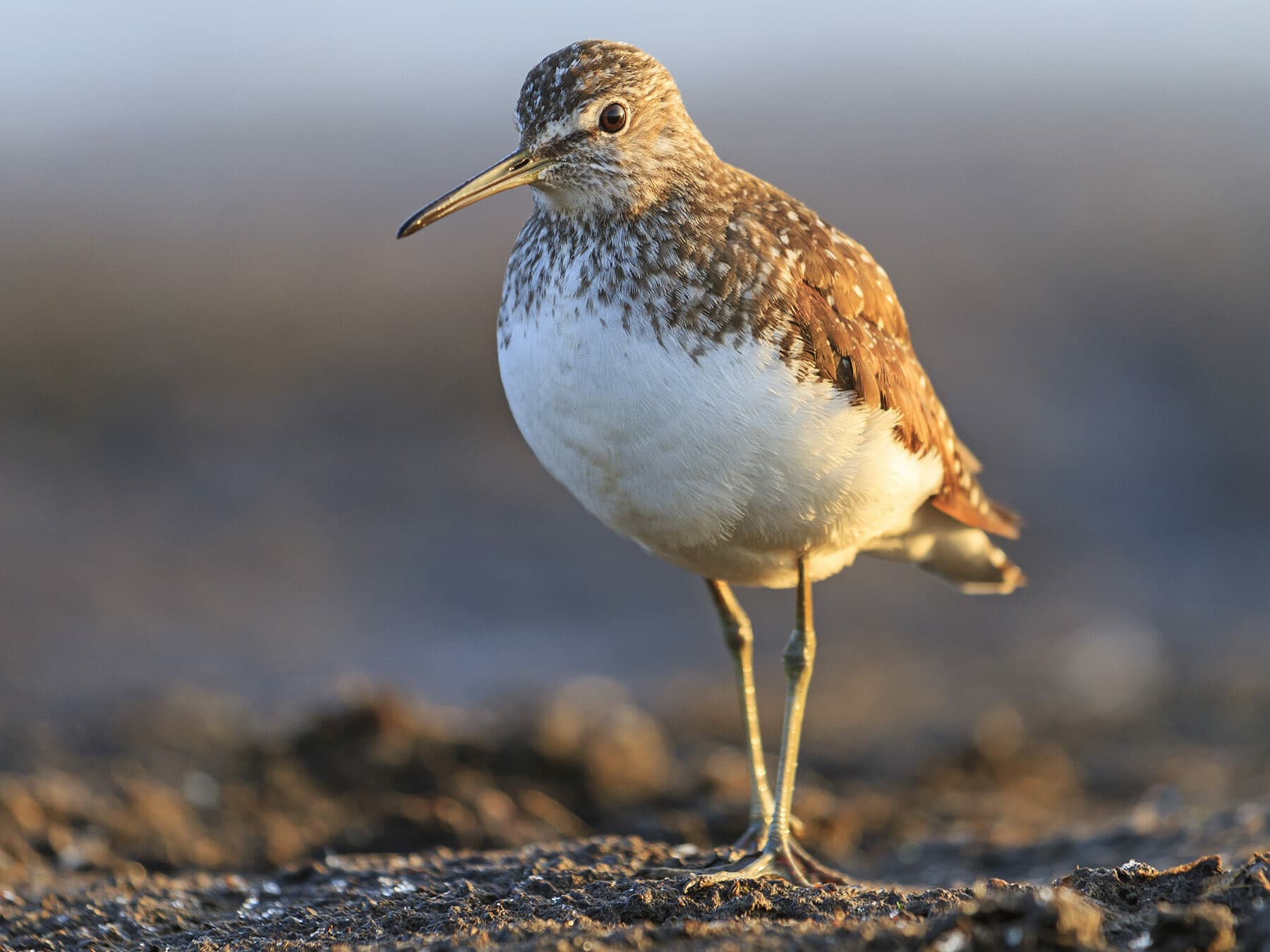
Common Sandpiper
Actitis hypoleucosLC
Found along rocky streams, reservoirs, and sheltered estuaries almost year-round, bobbing characteristically at the water's edge.
Jul–May
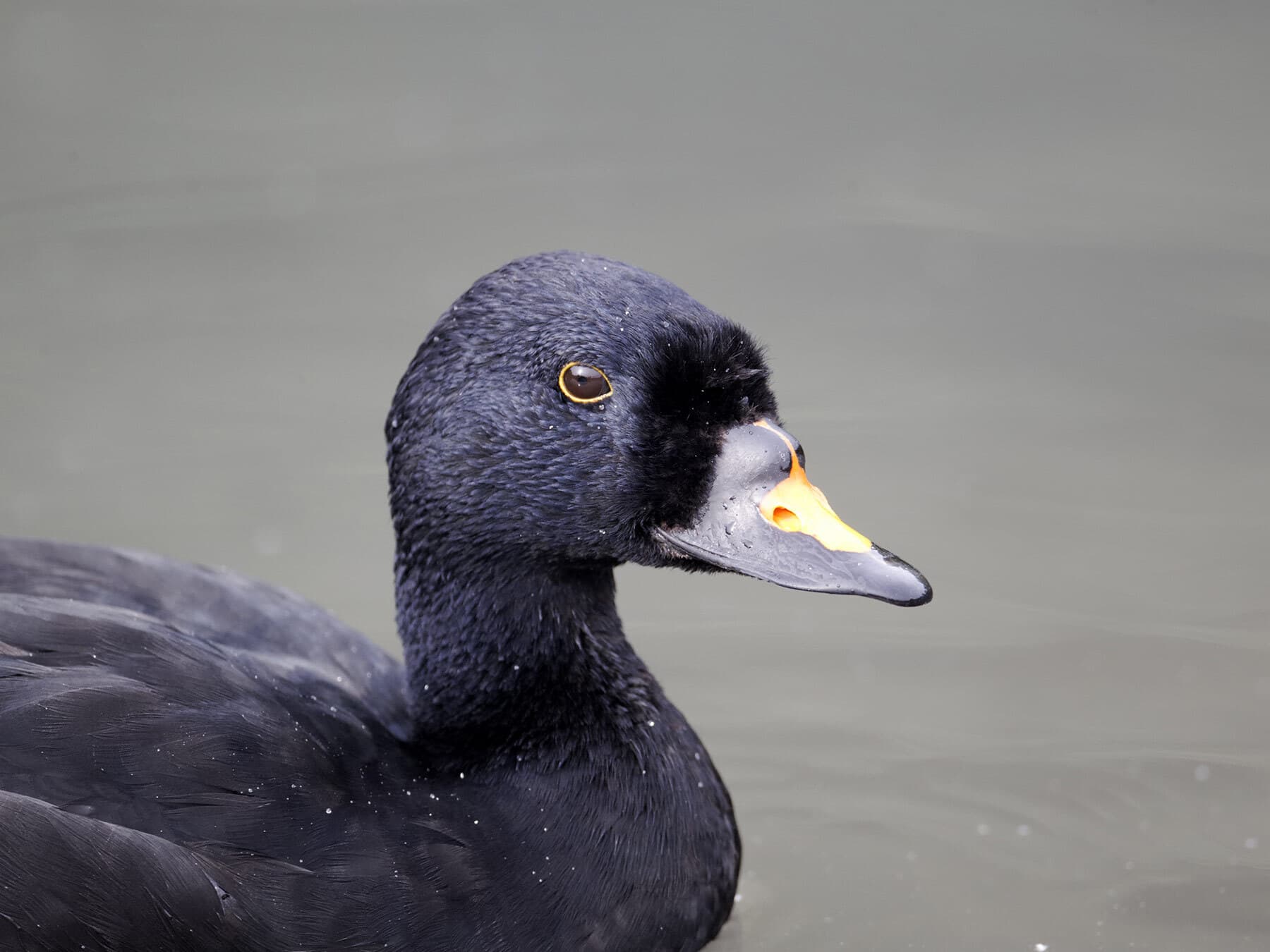
Common Scoter
Melanitta nigraLC
Dark sea ducks seen in rafts offshore, particularly around Mount's Bay and St Ives. Scarce but present most of the year.
Jul–Apr
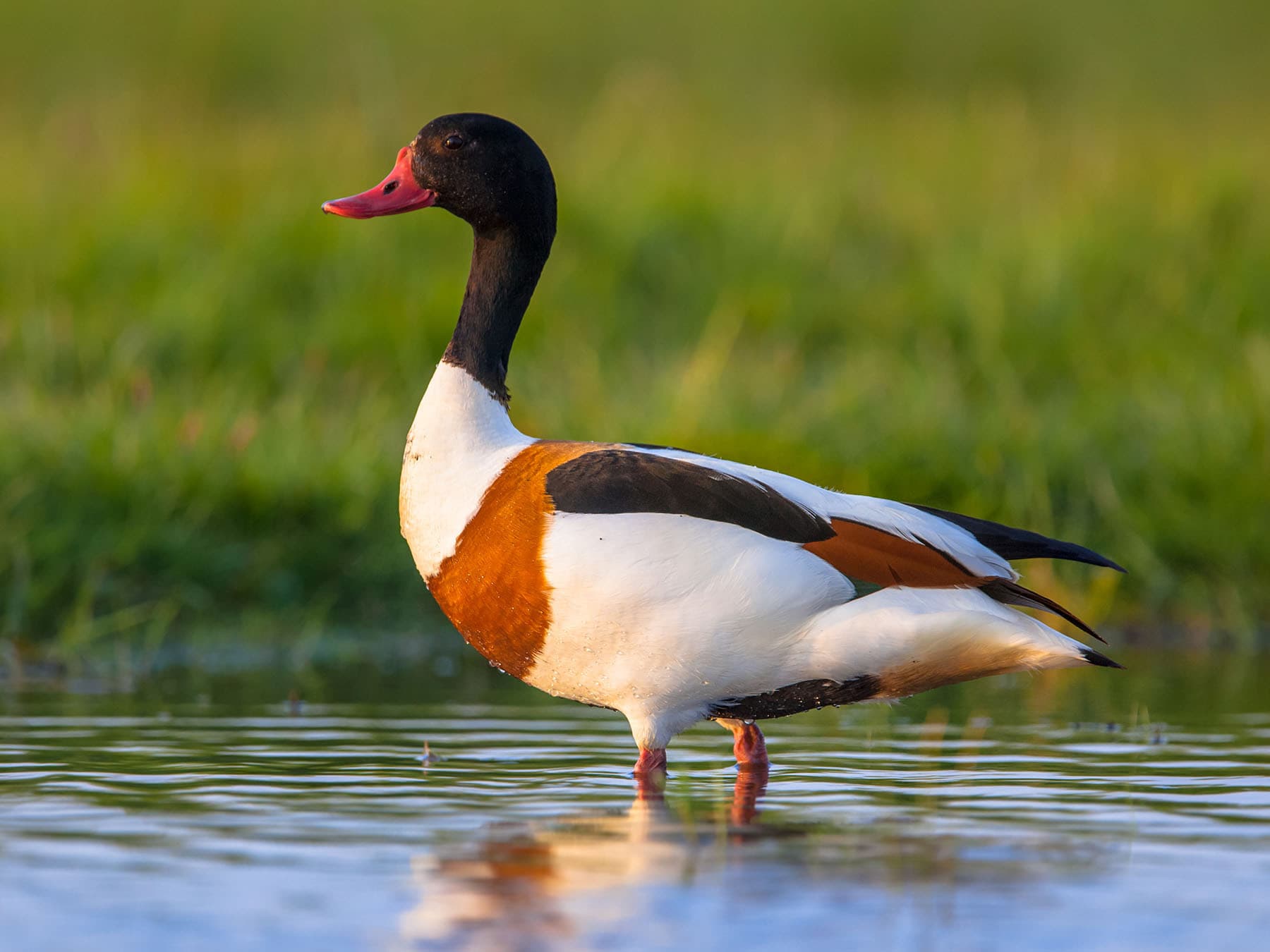
Common Shelduck
Tadorna tadornaLC
An uncommon but distinctive resident of sandy estuaries and mudflats. Breeds in burrows near the coast and gathers in moulting flocks.
Year-round
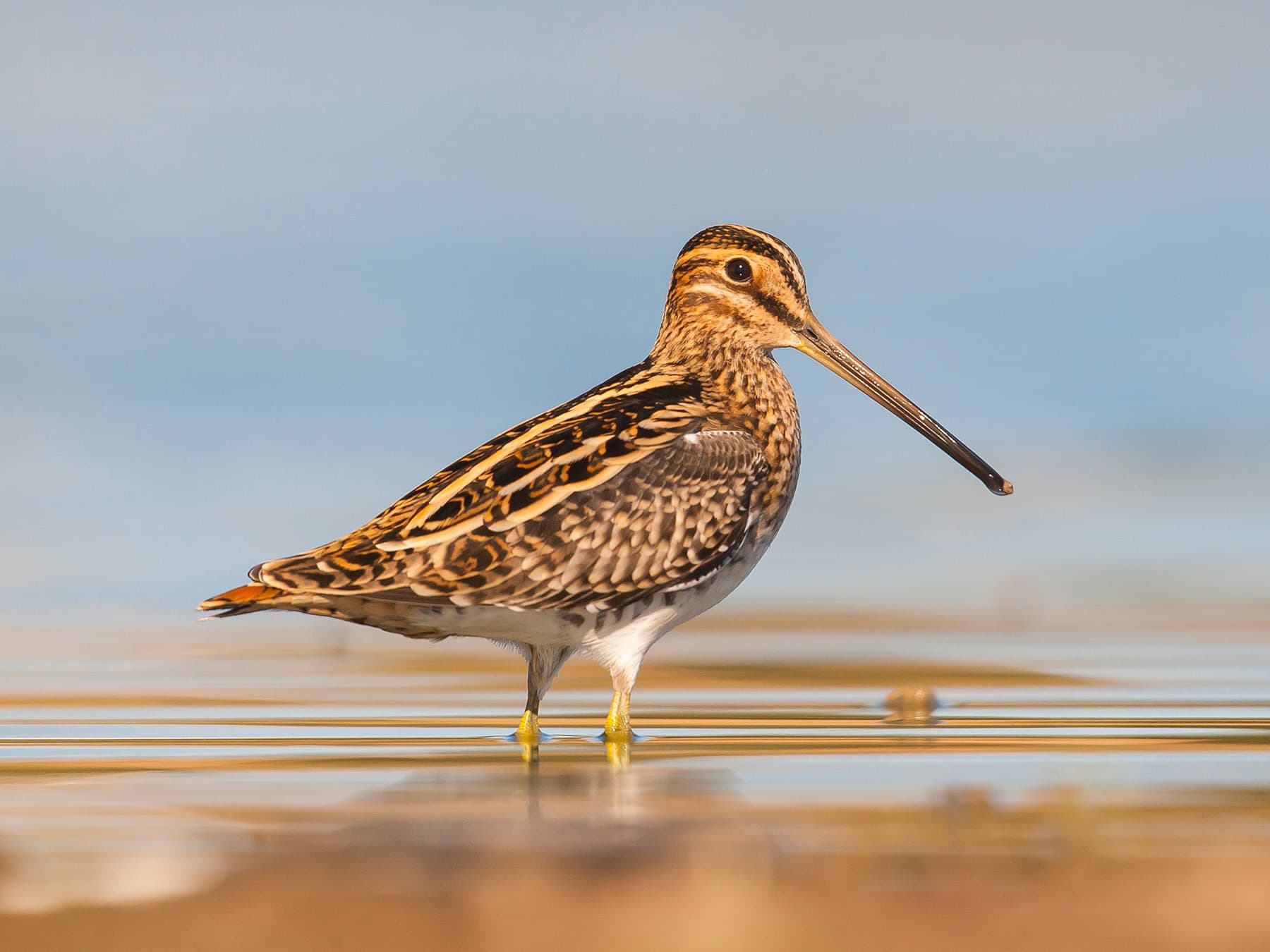
Common Snipe
Gallinago gallinagoLC
Winters in wet meadows and marshes across Cornwall, arriving from August and lingering into spring before heading to upland breeding grounds.
Aug–Apr
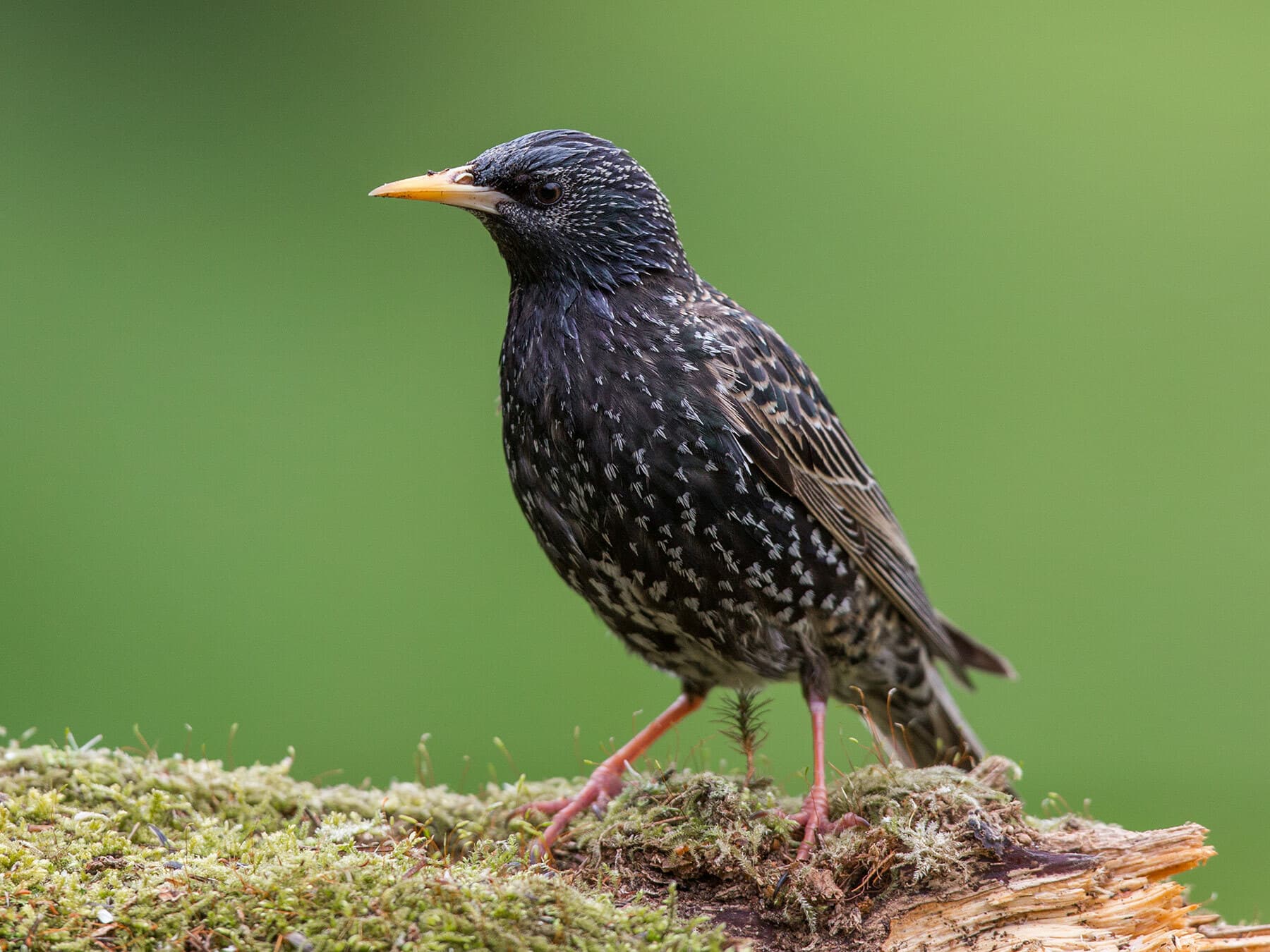
Common Starling
Sturnus vulgarisLC
A familiar resident in towns and farmland, though declining nationally. Winter flocks swell with continental arrivals along the Cornish coast.
Year-round
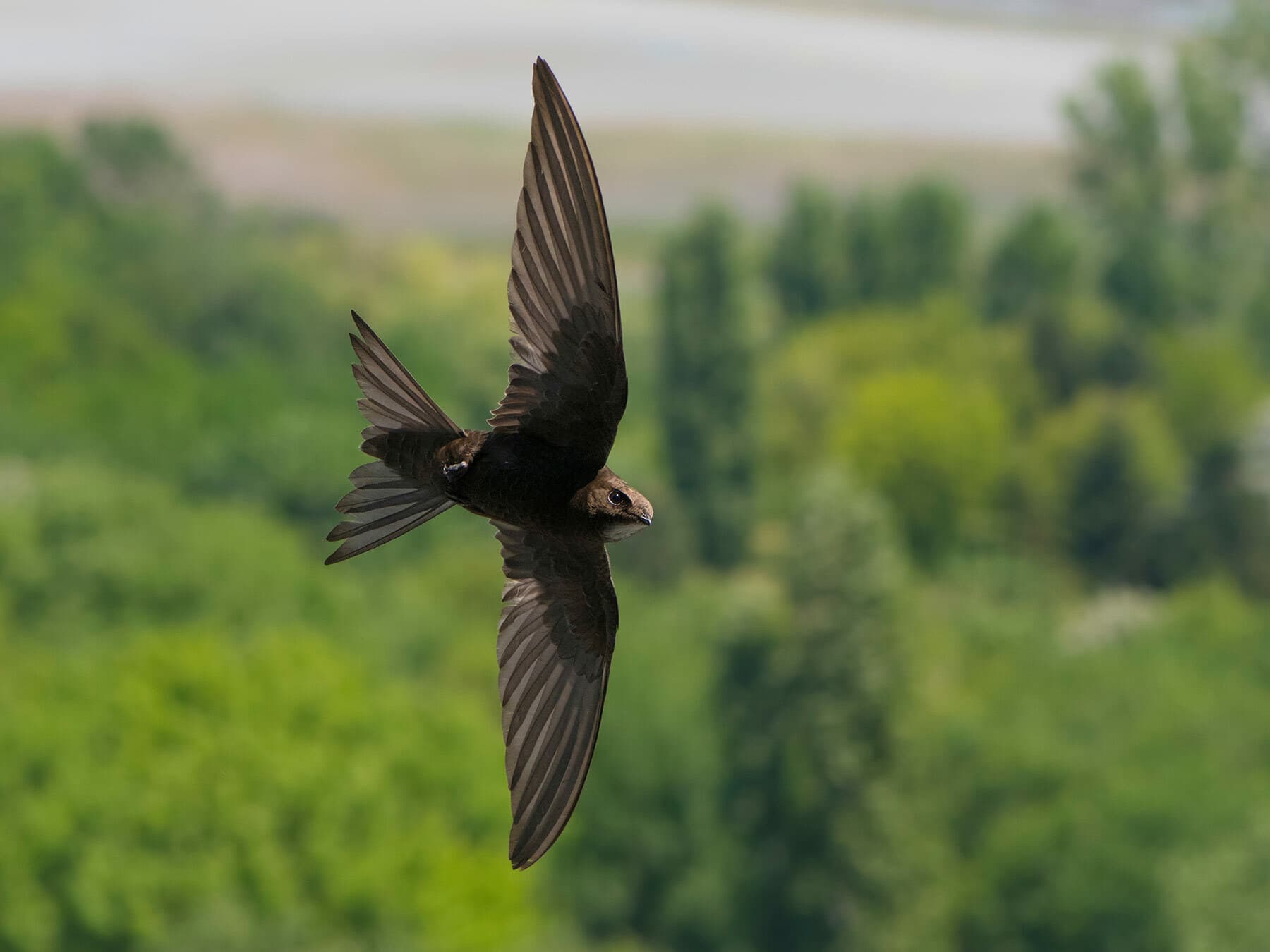
Common Swift
Apus apusLC
Screaming flocks arrive in late April to breed around Cornish towns and villages, departing by September for African wintering grounds.
Apr–Sep
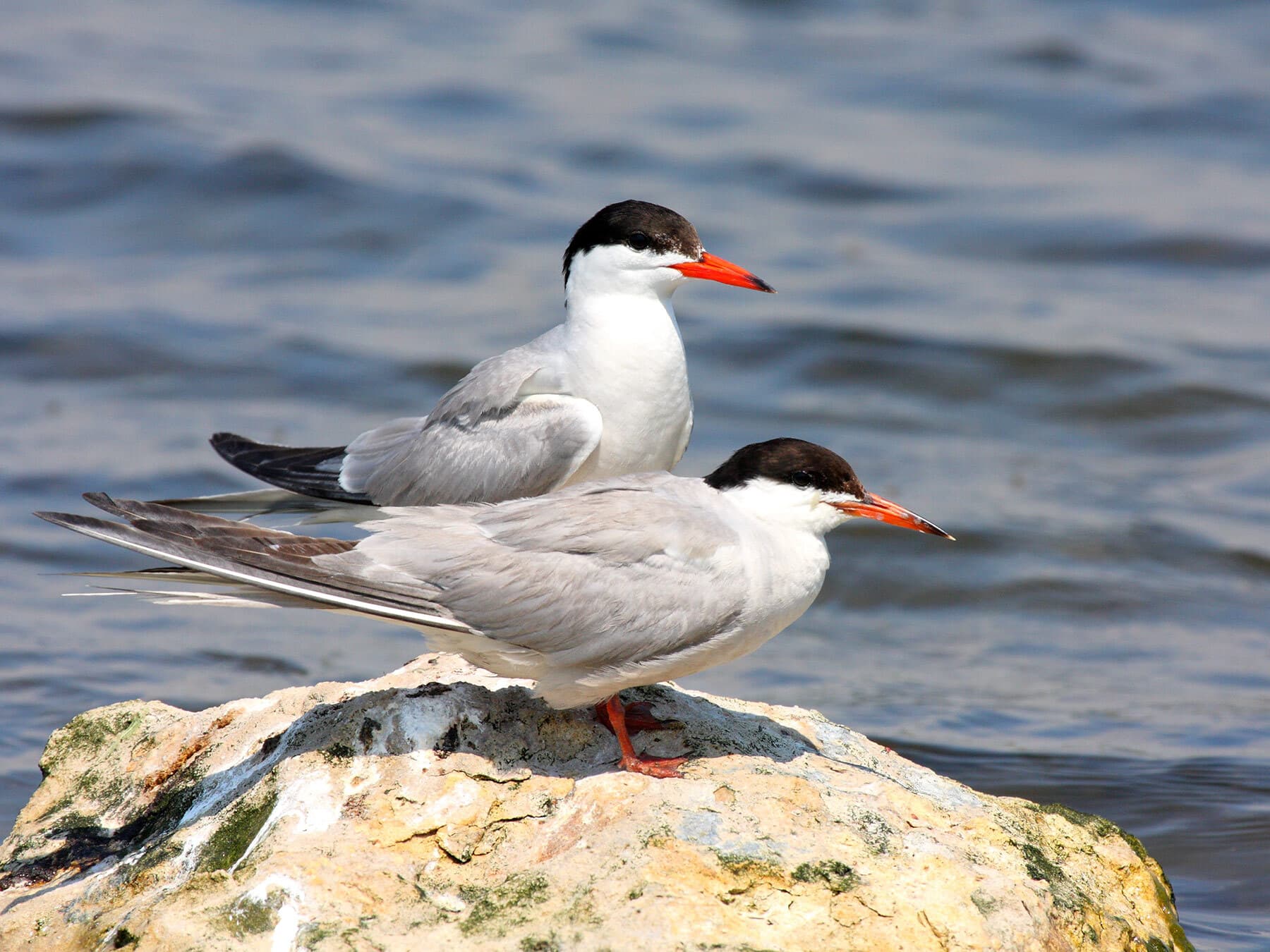
Common Tern
Sterna hirundoLC
A rare breeding visitor arriving in spring, nesting at a few coastal sites. Often seen plunge-diving in estuaries until October.
Apr–Oct
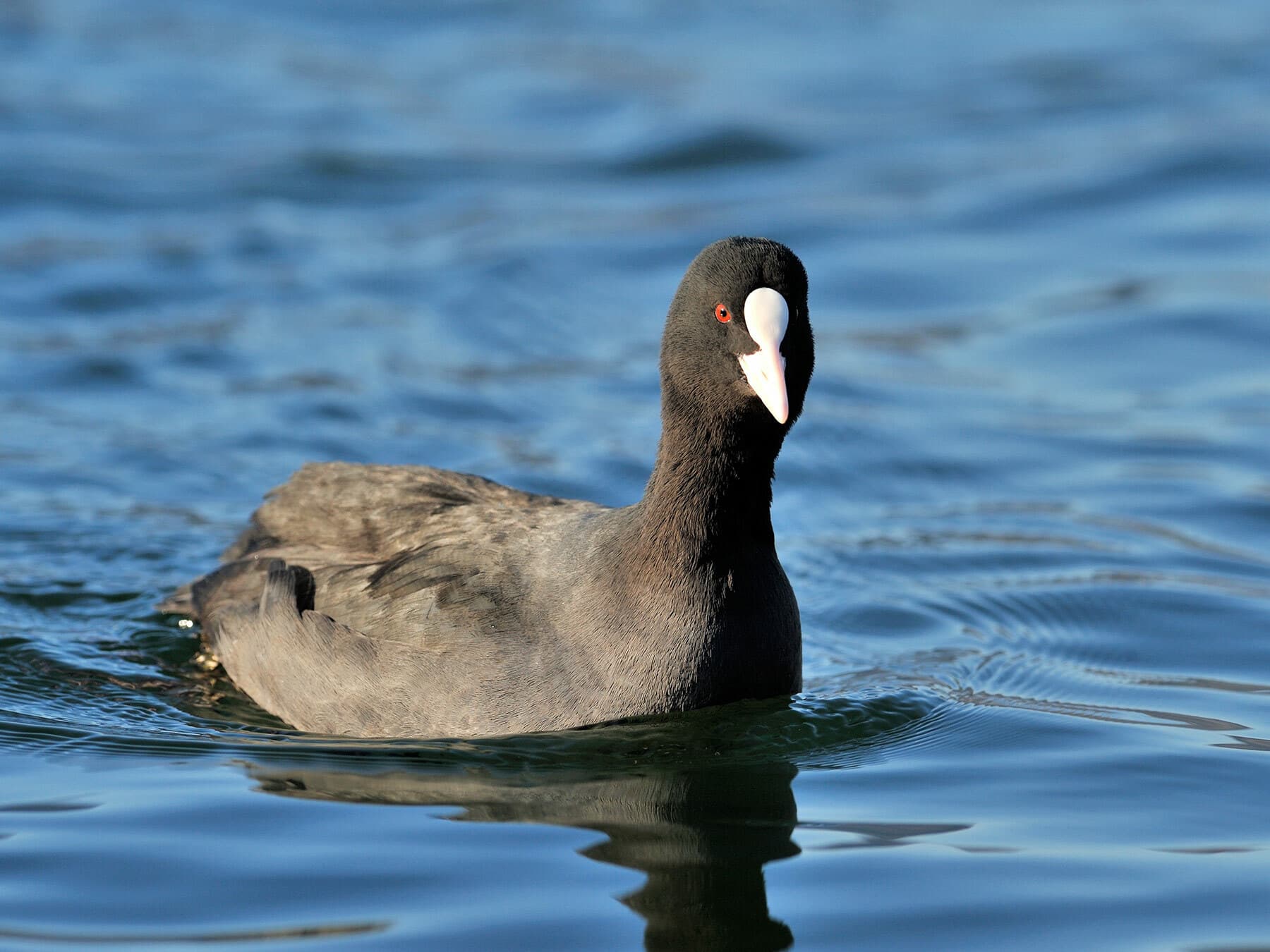
Coot
Fulica atraLC
Resident on freshwater lakes and reservoirs, often seen at Stithians and Drift, though less numerous than Moorhen.
Year-round
Spotted something?
Upload a photo to identify it
Identify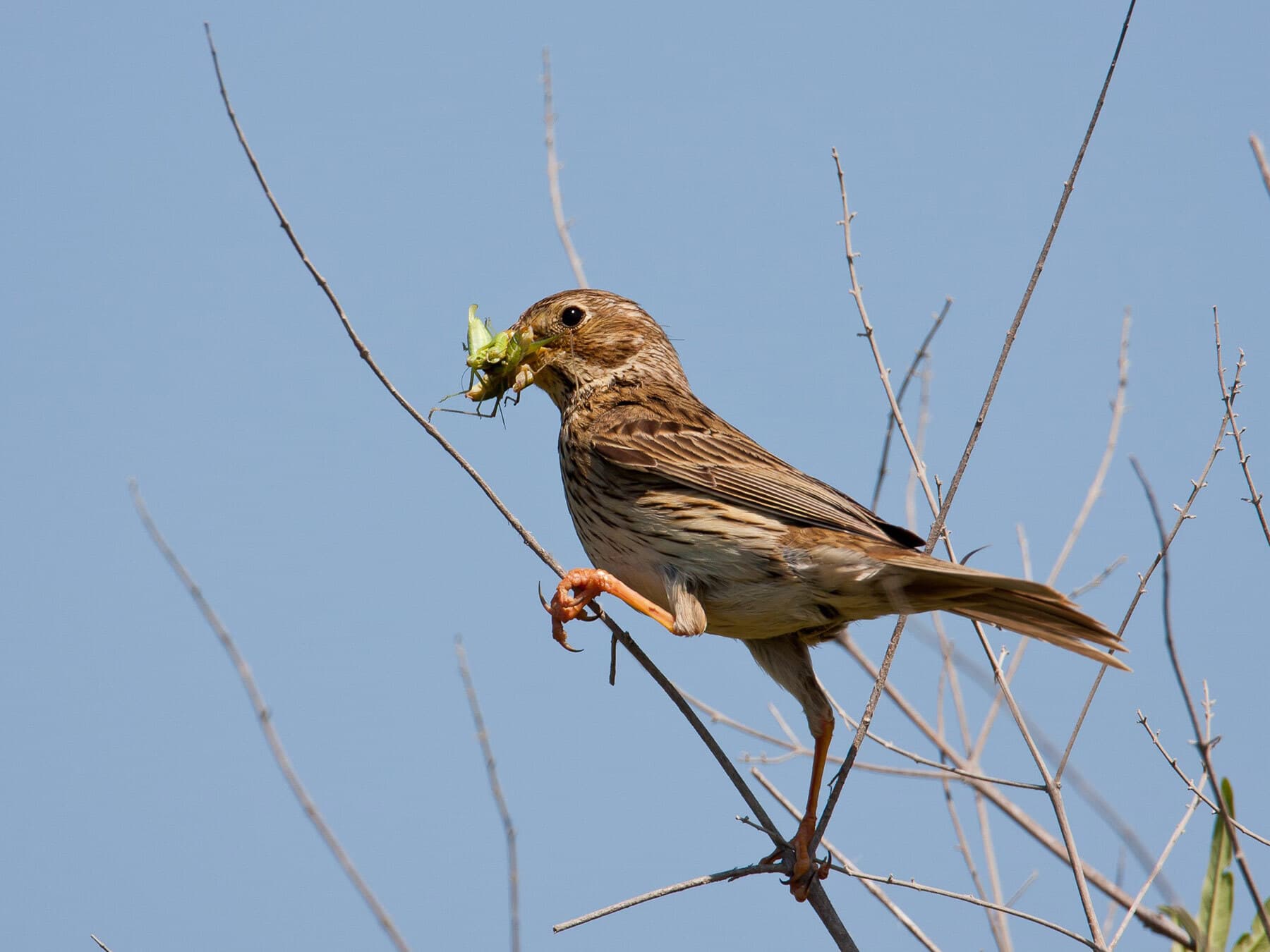
Corn Bunting
Emberiza calandraLC
A rare passage visitor in May, reflecting the species' severe national decline. Once more widespread on Cornish farmland.
May
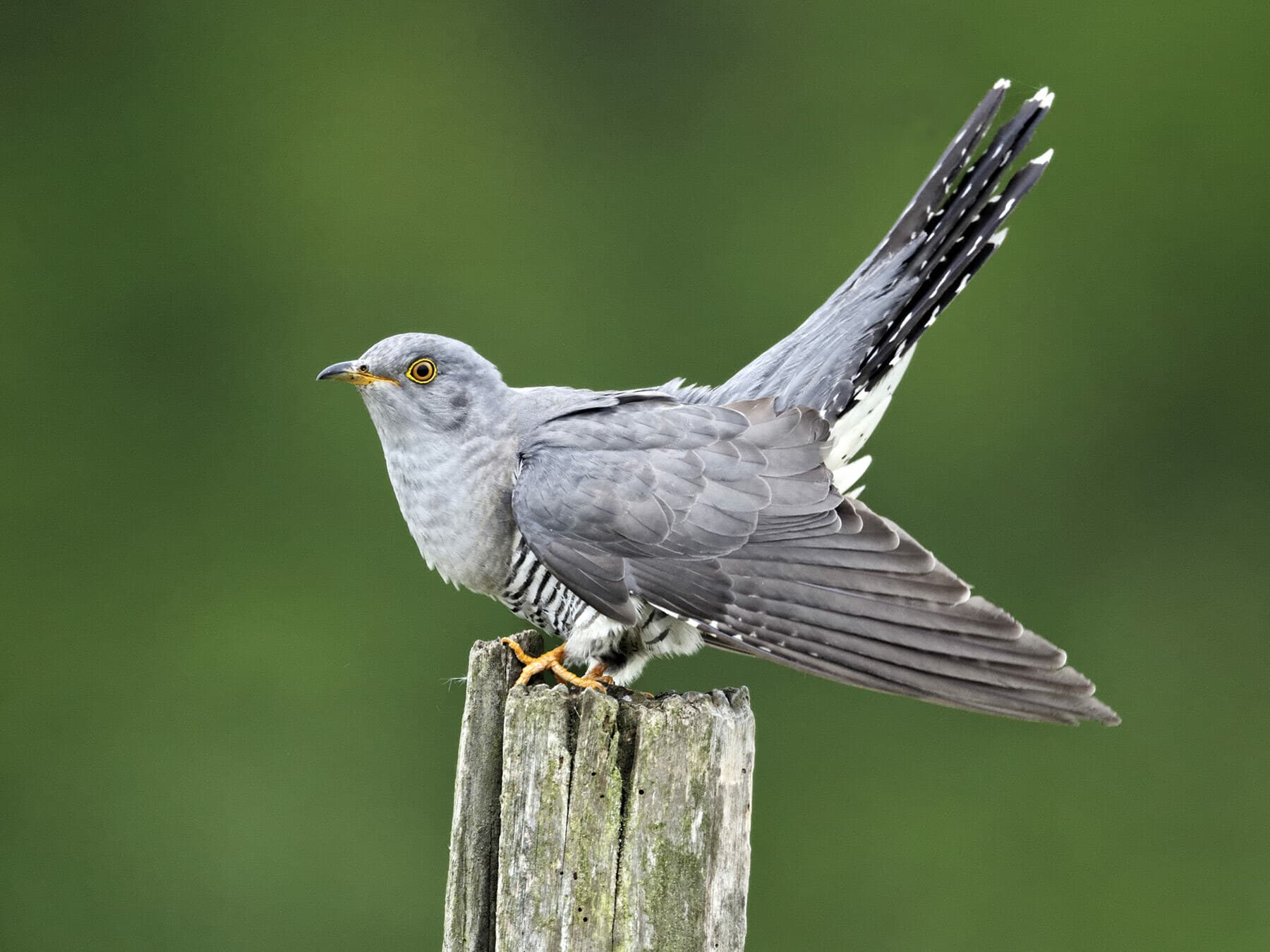
Cuckoo
Cuculus canorusLC
Arrives in spring, its distinctive call echoing across moorland and scrub. Parasitises Meadow Pipit and Dunnock nests.
Apr–Jul
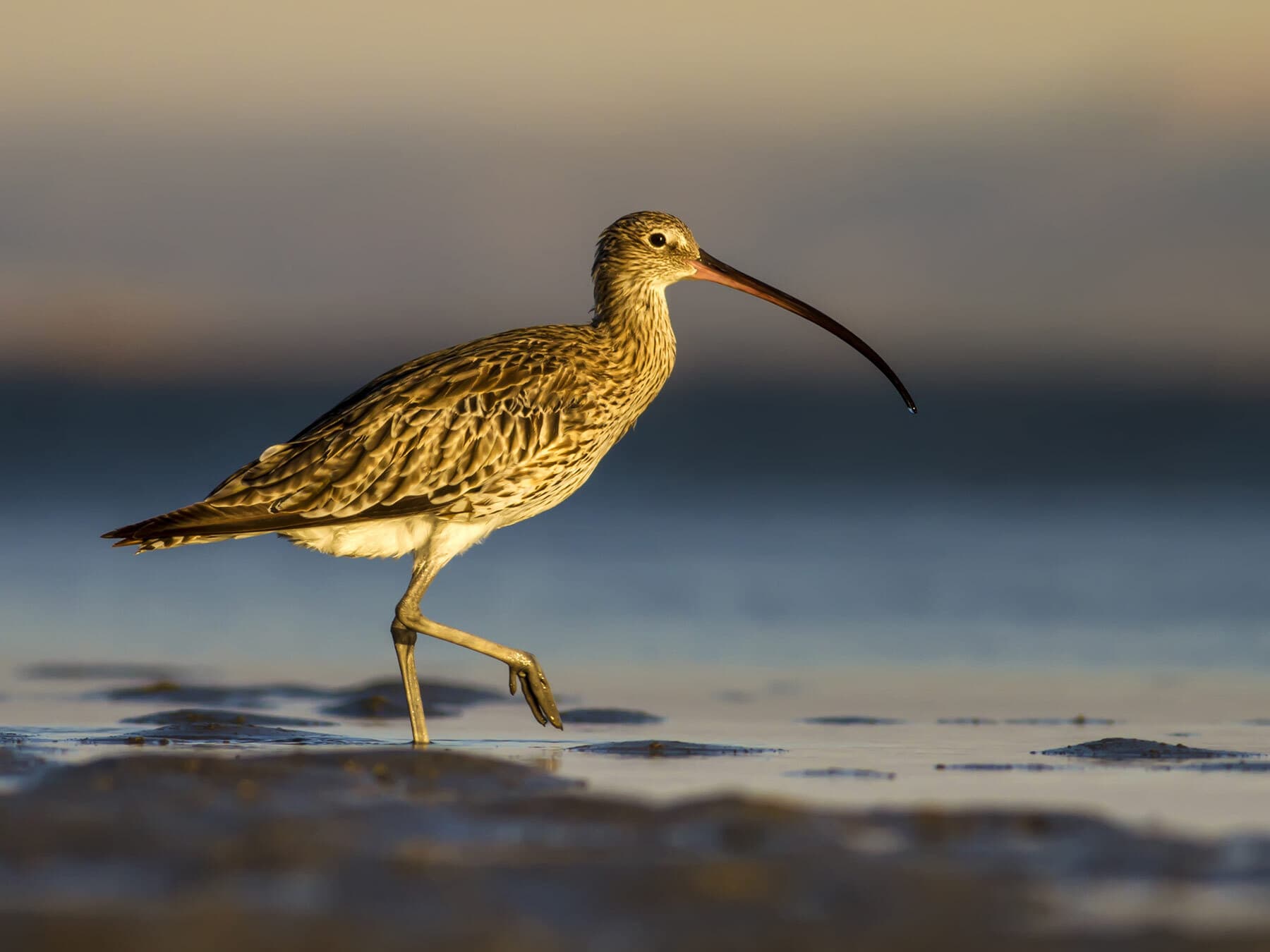
Curlew
Numenius arquataNT
A year-round resident of Cornish estuaries and farmland, its evocative bubbling call is a familiar sound on moorland and coastal marshes.
Year-round
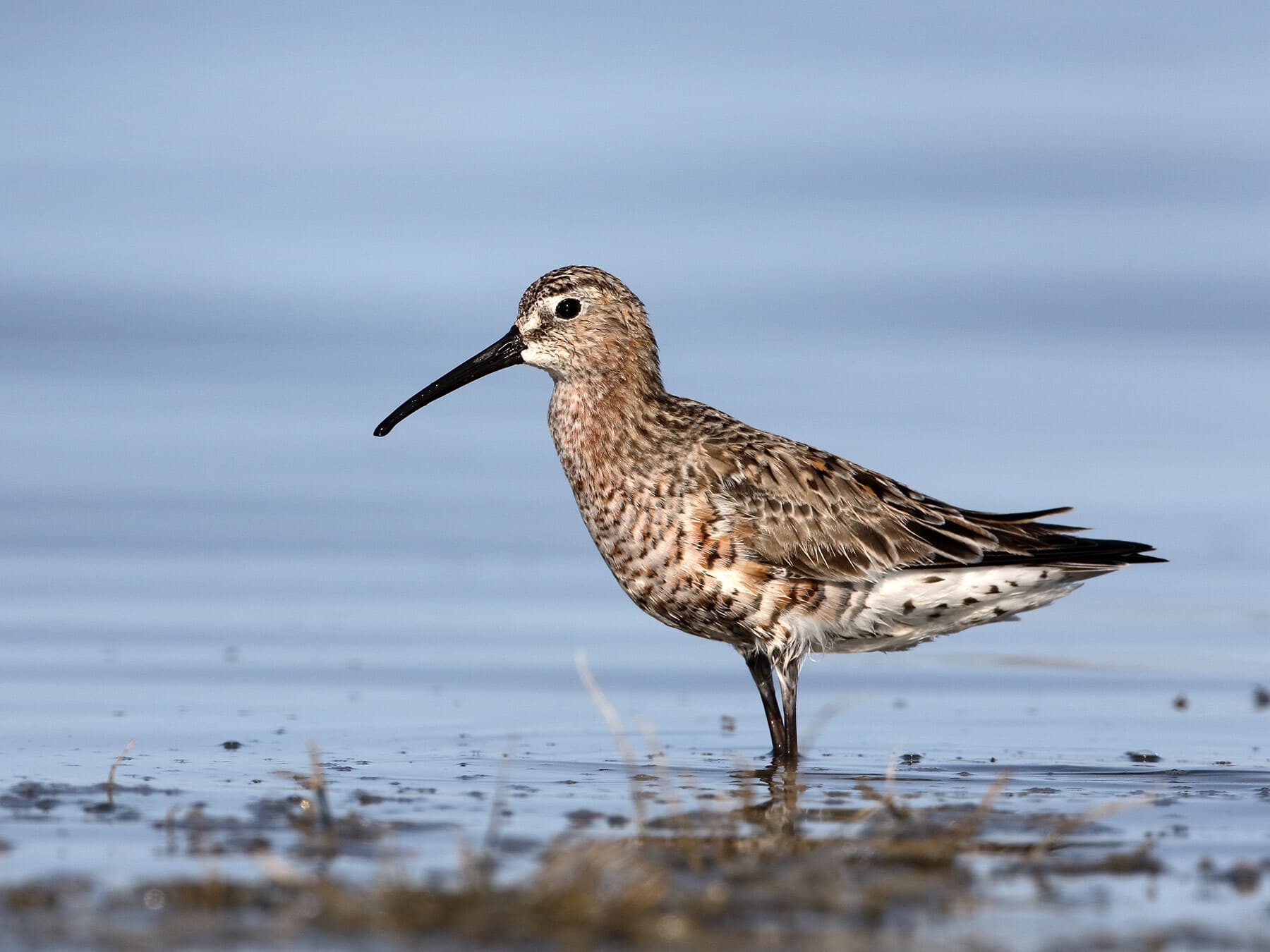
Curlew Sandpiper
Calidris ferrugineaNT
A rare autumn passage migrant, typically seen on muddy estuary margins from August to October, often alongside Dunlin.
Aug–Oct
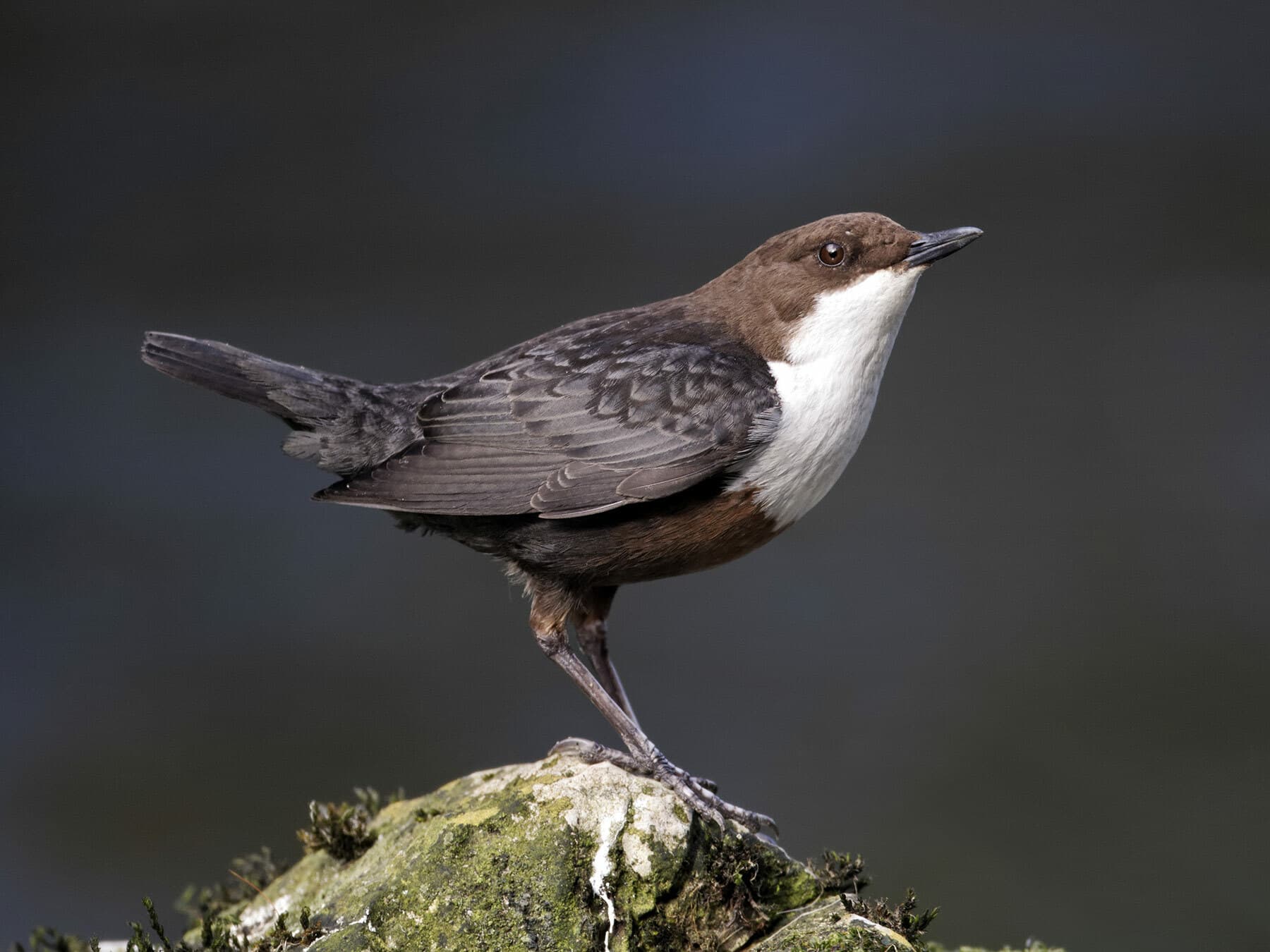
Dipper
Cinclus cinclusLC
A rare breeder found on fast-flowing streams on Bodmin Moor and in wooded river valleys. Present mainly from February to June.
Feb–Jun
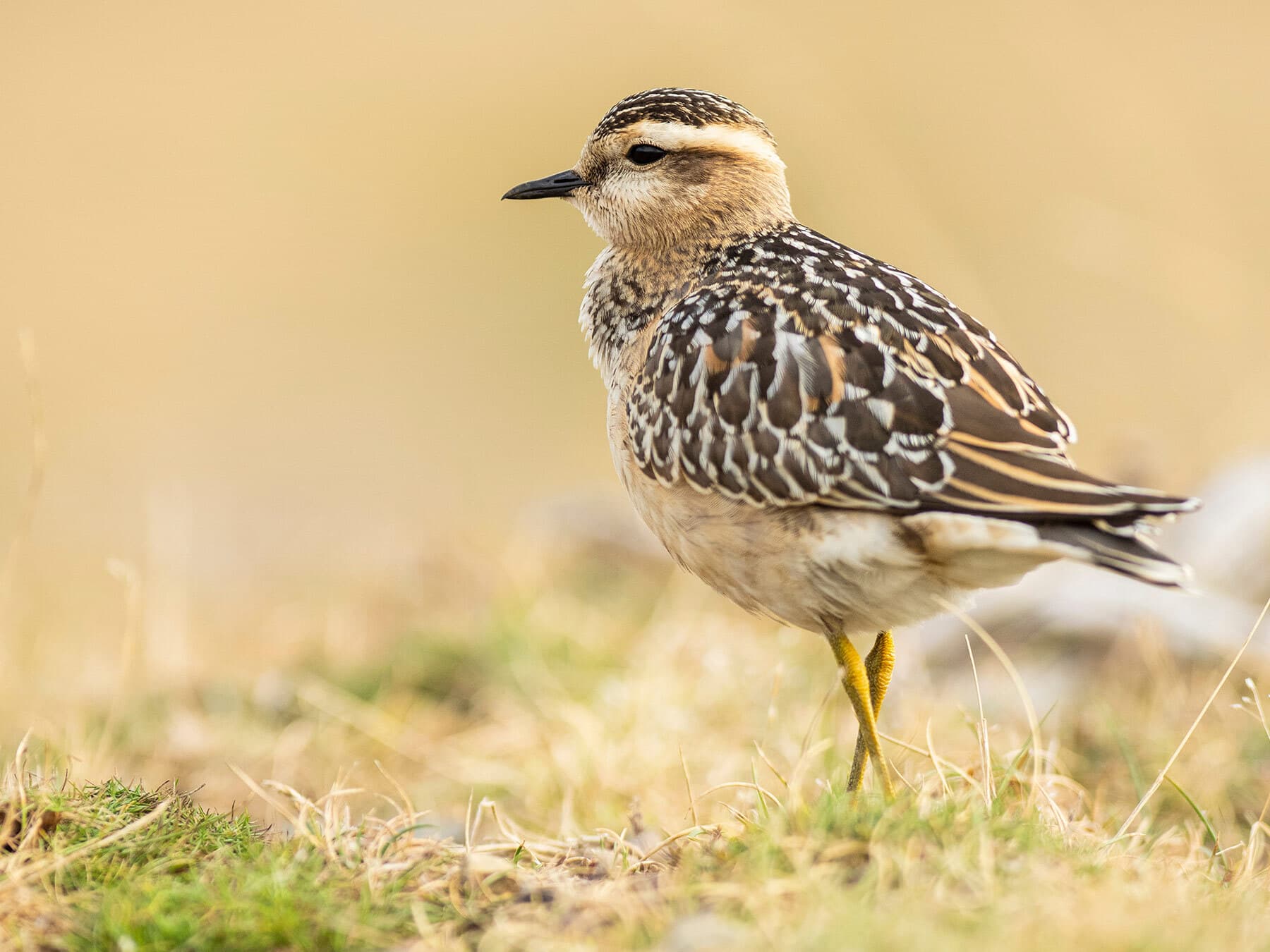
Dotterel
Eudromias morinellusLC
A rare and confiding autumn passage migrant, sometimes pausing on short-cropped fields and headlands in September and October.
Sep–Oct
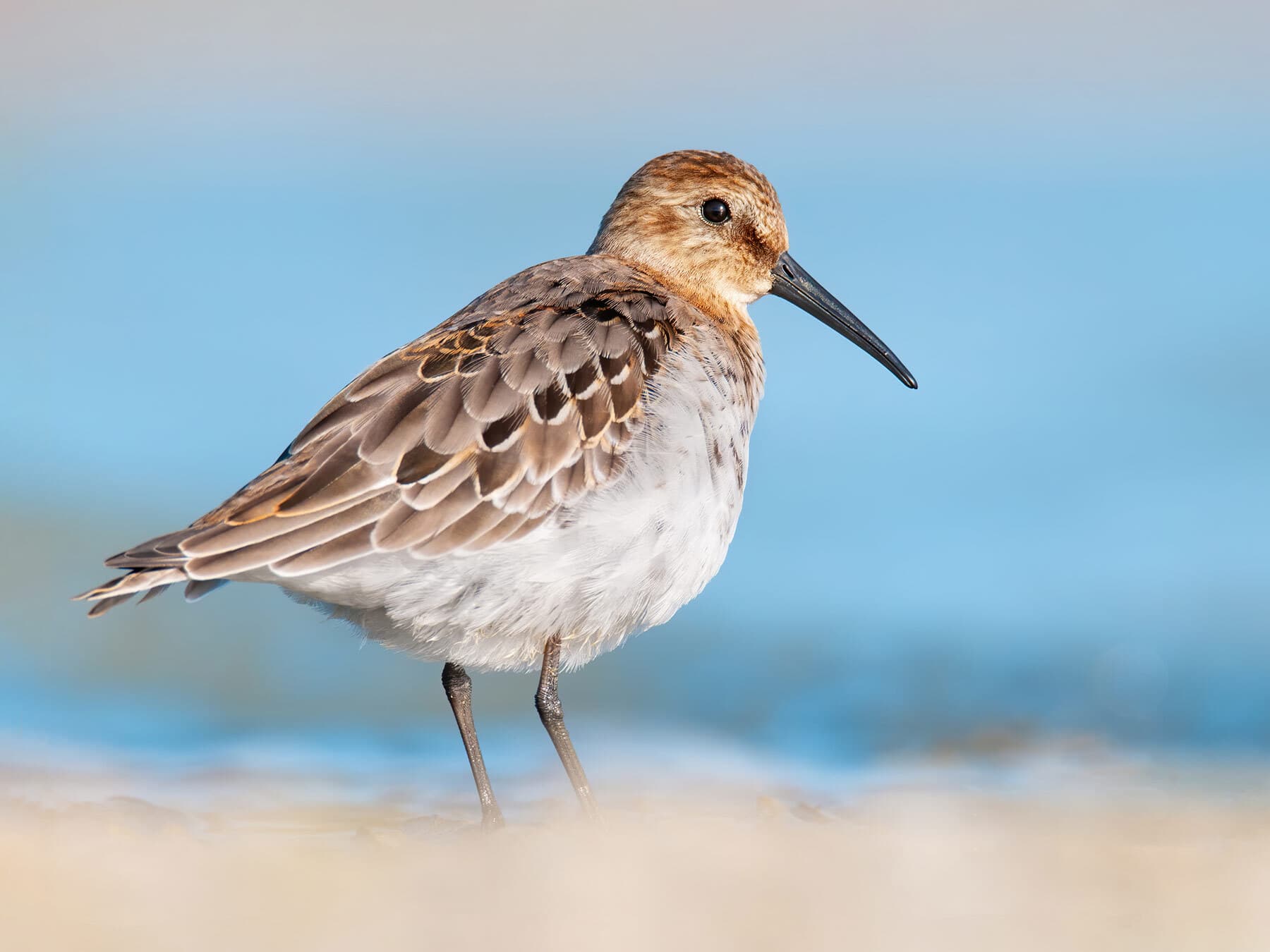
Dunlin
Calidris alpinaLC
Present year-round on estuarine mudflats, numbers swell in winter when birds from northern breeding grounds arrive.
Year-round
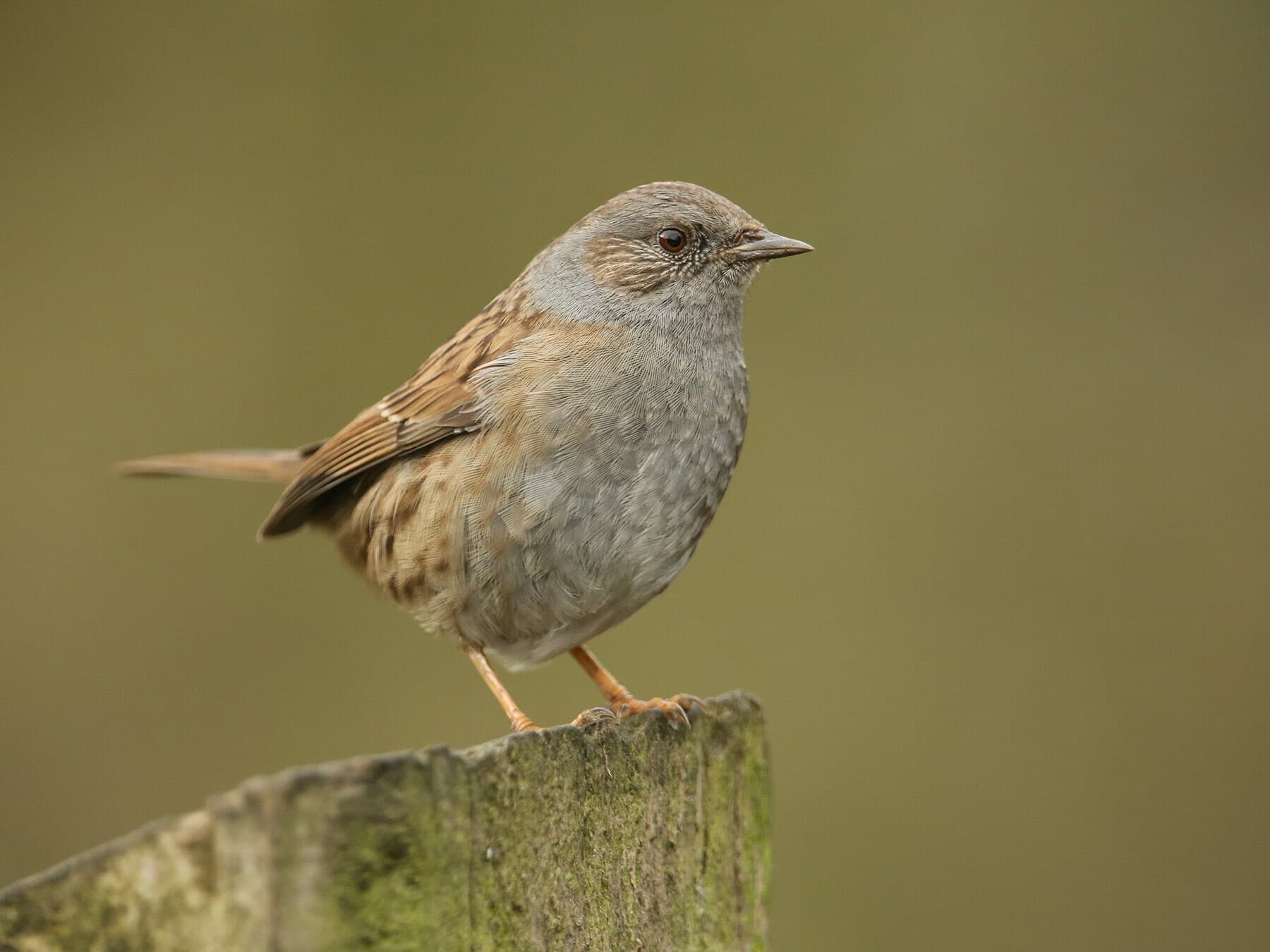
Dunnock
Prunella modularisLC
A common and widespread resident, found year-round in hedgerows, gardens, and scrubby undergrowth across the county.
Year-round
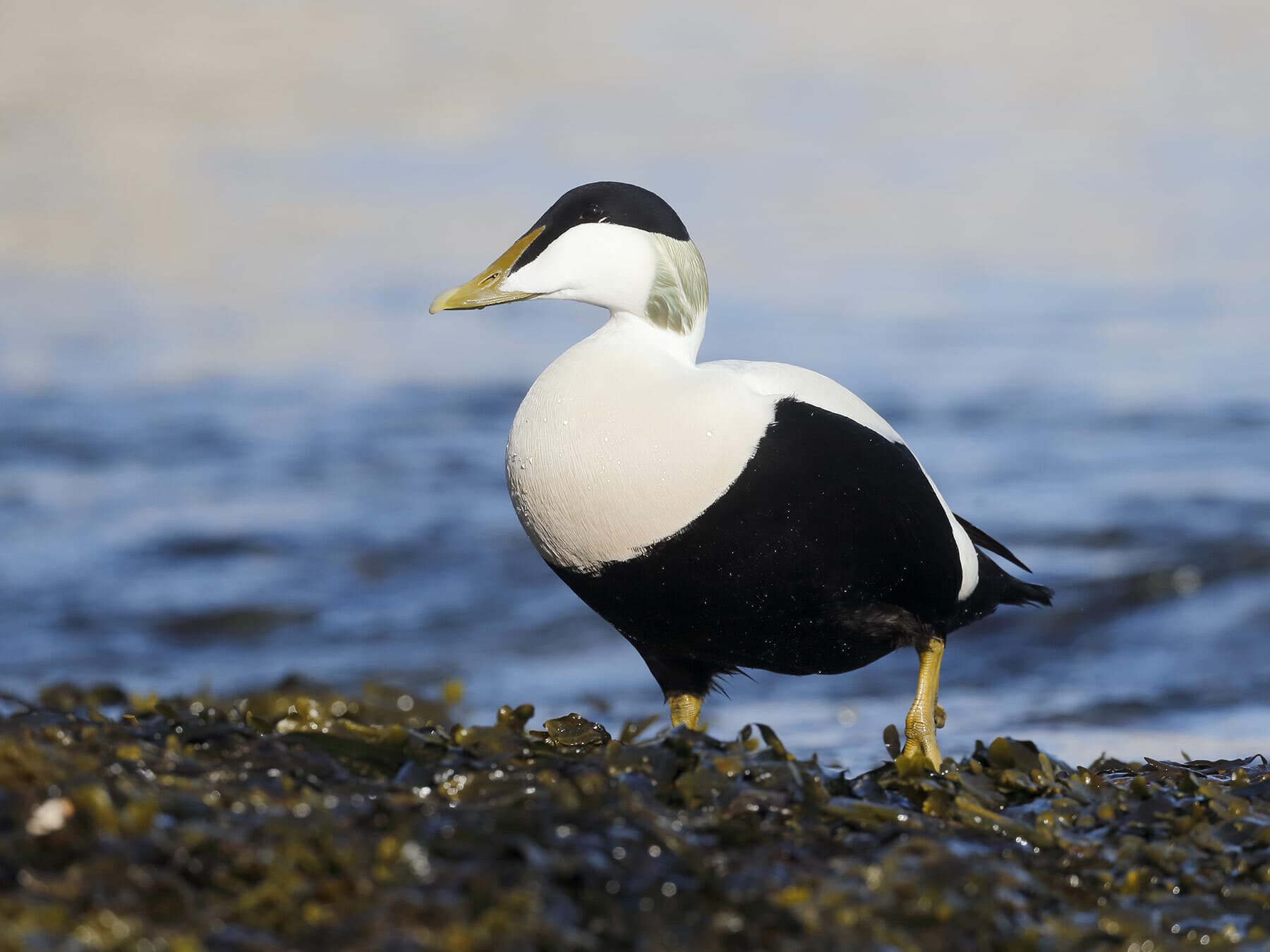
Eider
Somateria mollissimaNT
A rare non-breeding visitor to Cornish coastal waters, most likely seen between autumn and spring around rocky shores and harbours.
Oct–Apr
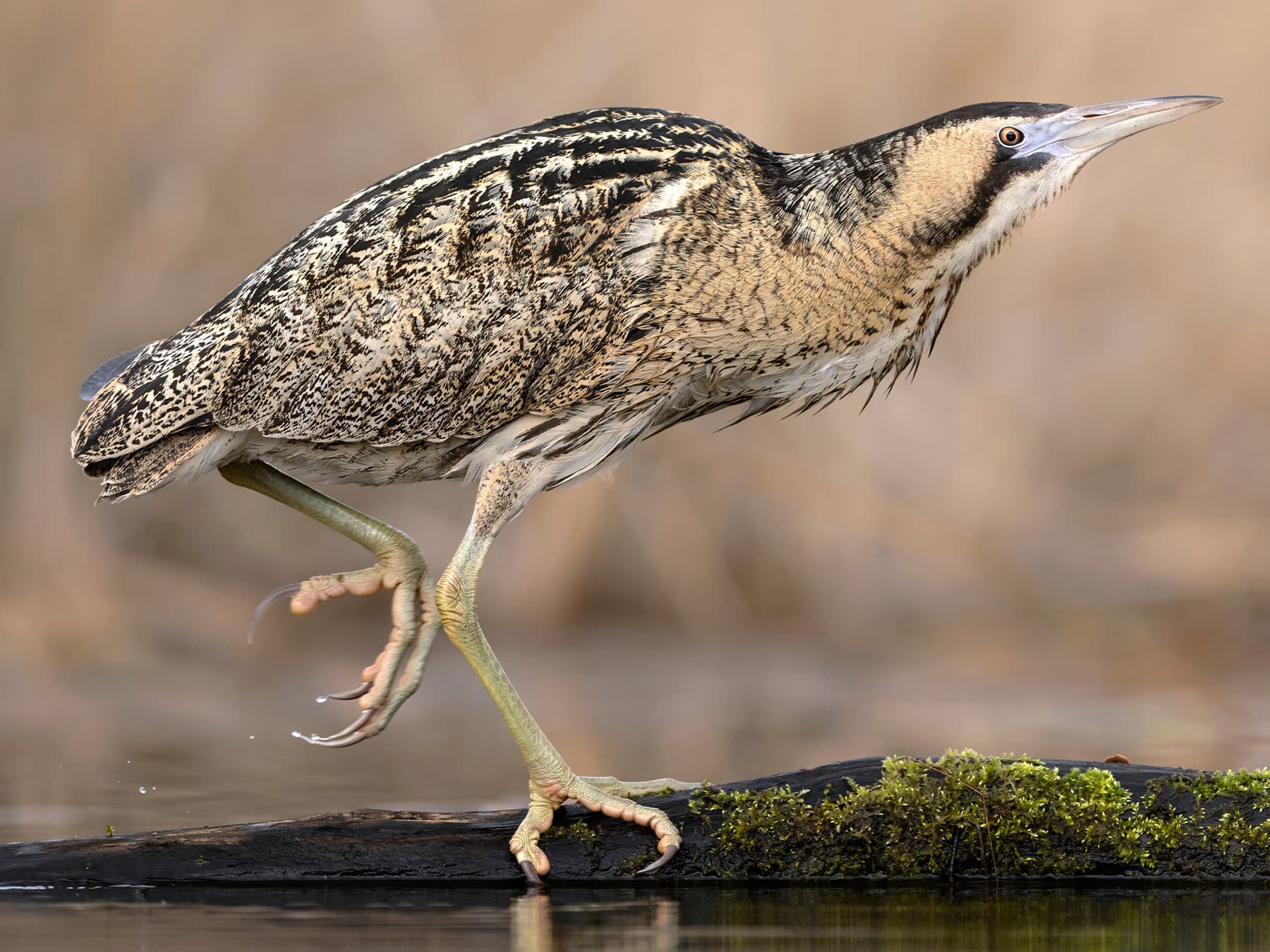
Eurasian Bittern
Botaurus stellarisLC
A rare passage visitor, occasionally recorded in February at reedbeds and wetland margins.
Feb
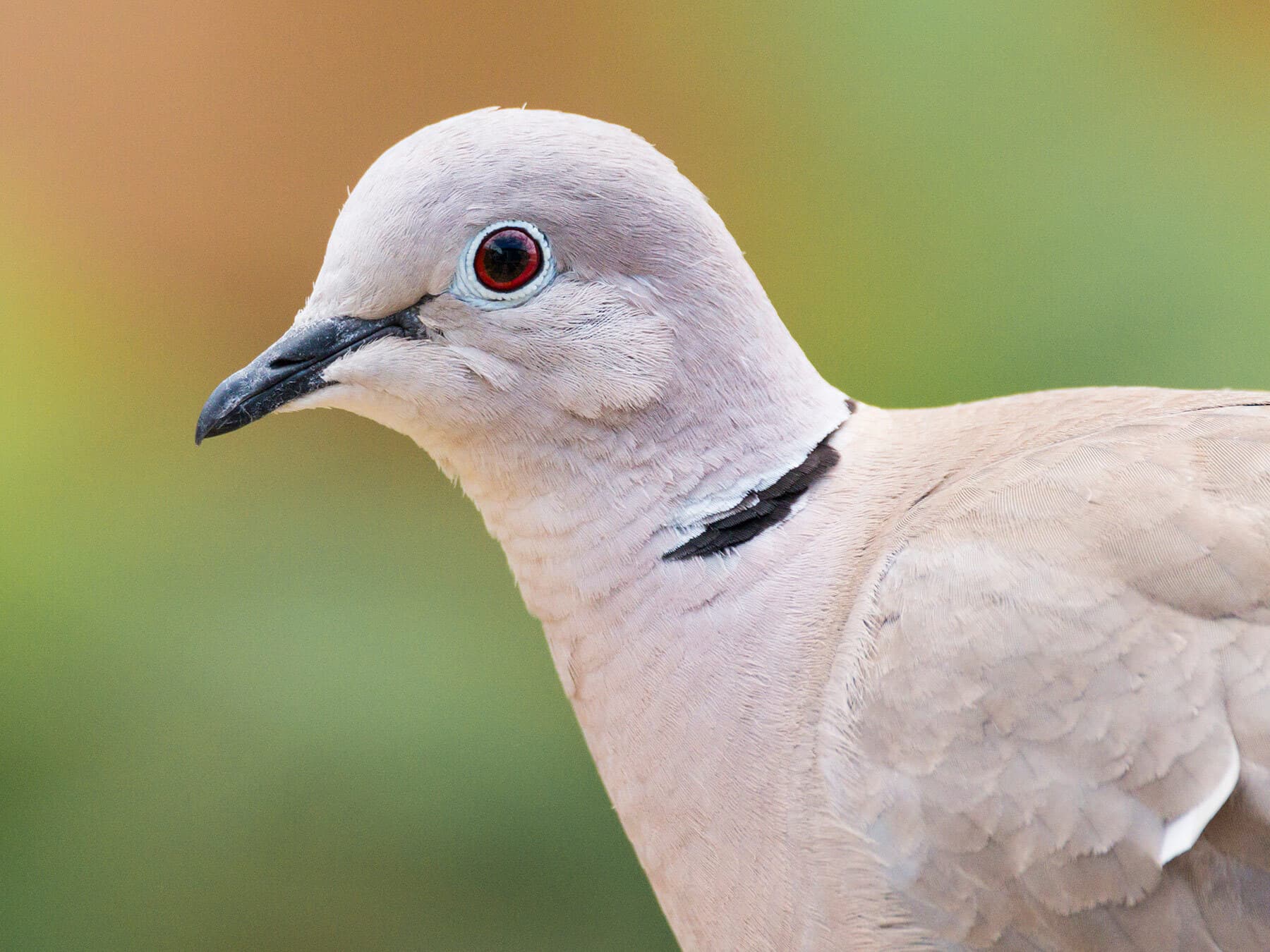
Eurasian Collared Dove
Streptopelia decaoctoLC
A familiar garden and farmyard bird throughout Cornwall, its monotonous three-note call heard in every season.
Year-round
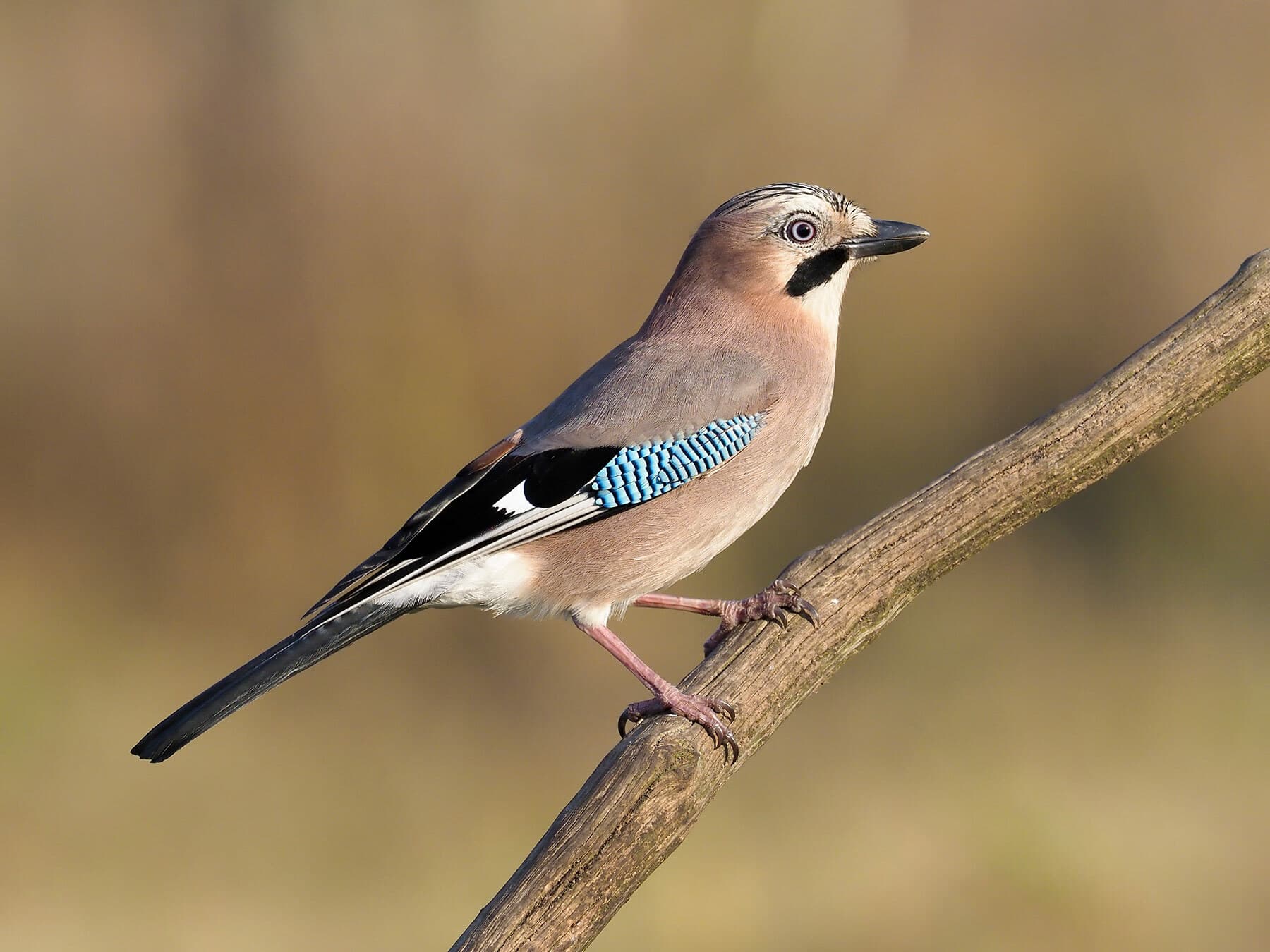
Eurasian Jay
Garrulus glandariusLC
An uncommon but year-round resident of mature woodland and well-treed gardens. Less numerous here than in much of southern England.
Year-round
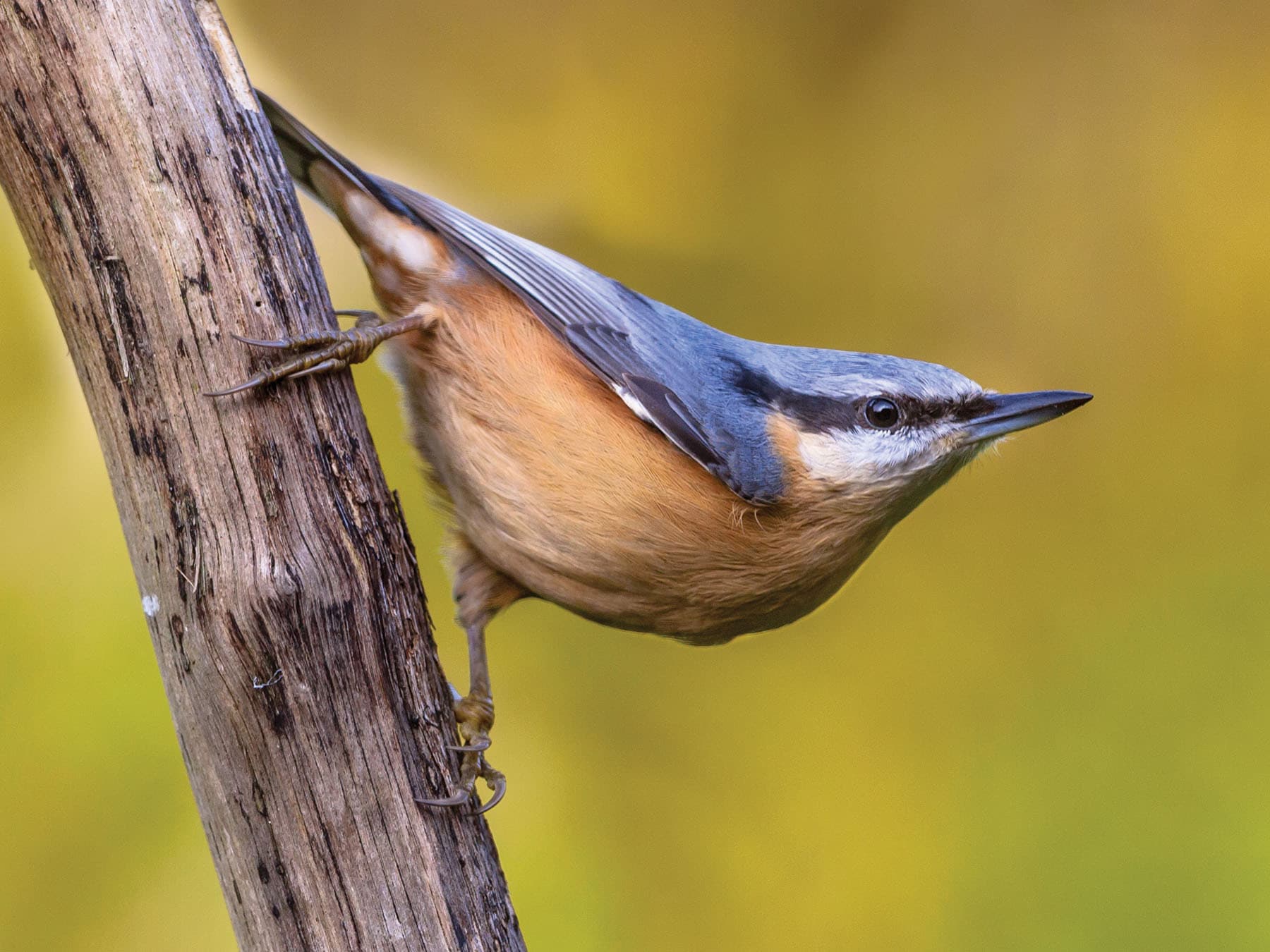
Eurasian Nuthatch
Sitta europaeaLC
An uncommon but increasing resident of mature deciduous woodland. Sedentary by nature, it favours oak-rich valleys across Cornwall.
Year-round
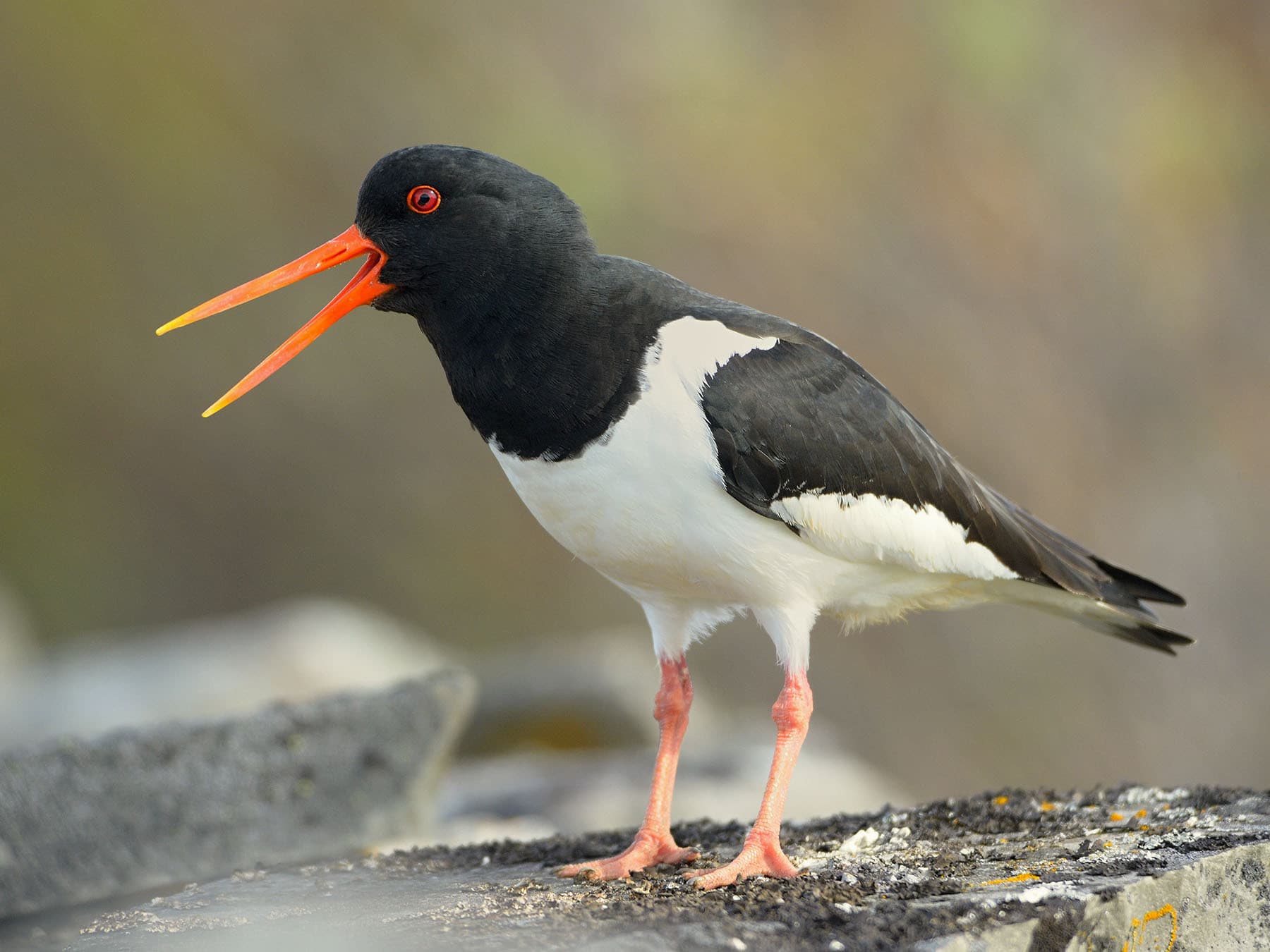
Eurasian Oystercatcher
Haematopus ostralegusNT
A familiar sight on rocky shores and estuaries year-round, its striking black-and-white plumage and piping call unmistakable.
Year-round
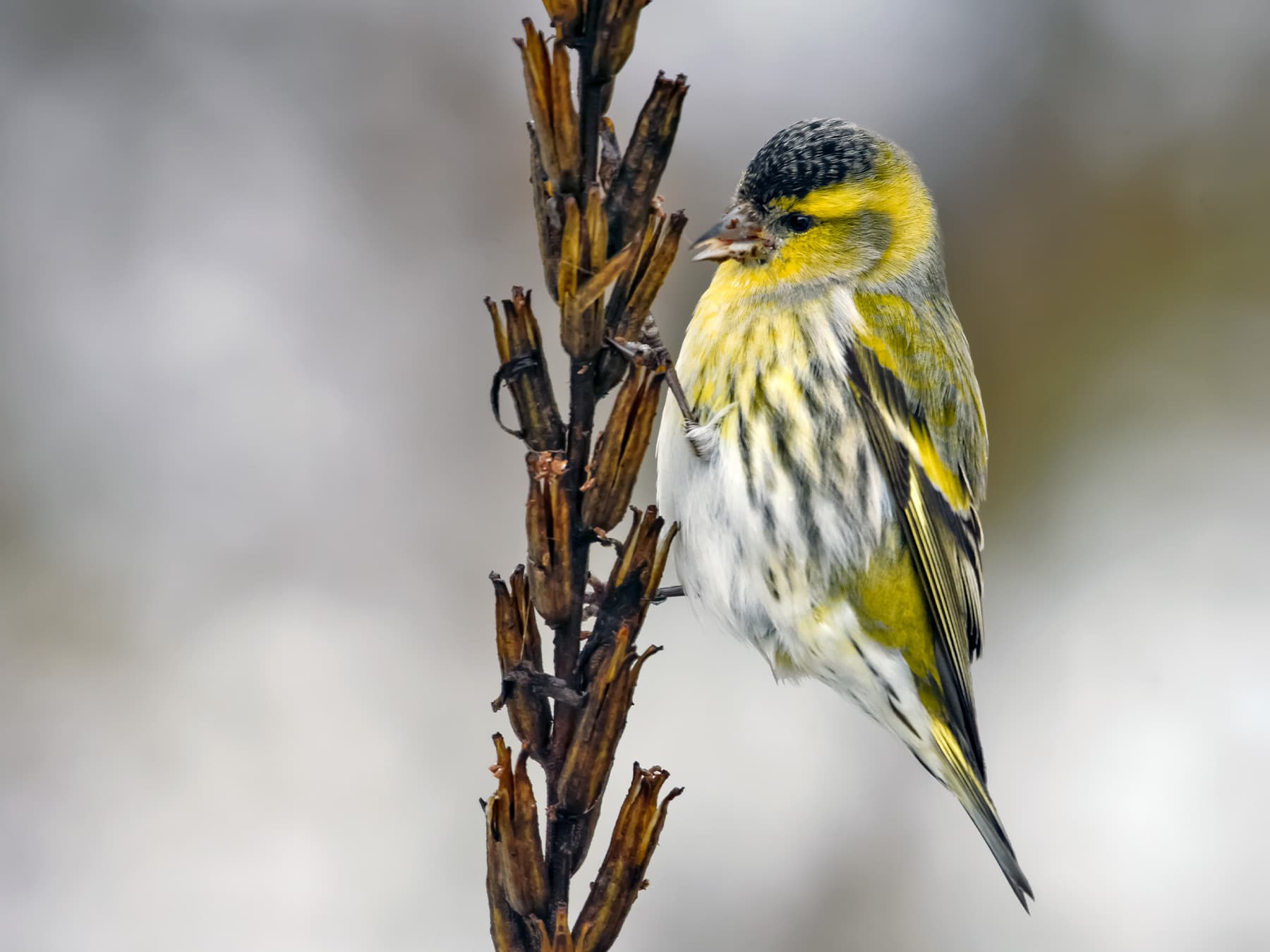
Eurasian Siskin
Spinus spinusLC
An uncommon year-round resident, frequenting alder and birch trees. Numbers increase in winter with continental arrivals.
Year-round