Uncommon Birds in Cornwall
68 species matching this filter.
Cornwall's diverse coastal, estuarine and moorland habitats support a fascinating array of uncommon bird species, with 68 recorded in this category. From the dramatic cliffs where Kittiwakes nest to sheltered creeks hosting Greenshanks and Common Sandpipers, the county offers rewarding birdwatching throughout the year. Notable species such as Arctic Jaeger, Fieldfare and Common Shelduck reflect the region's importance as both a migration hotspot and a wintering ground for scarce visitors.


Showing 1–23 of 68 species
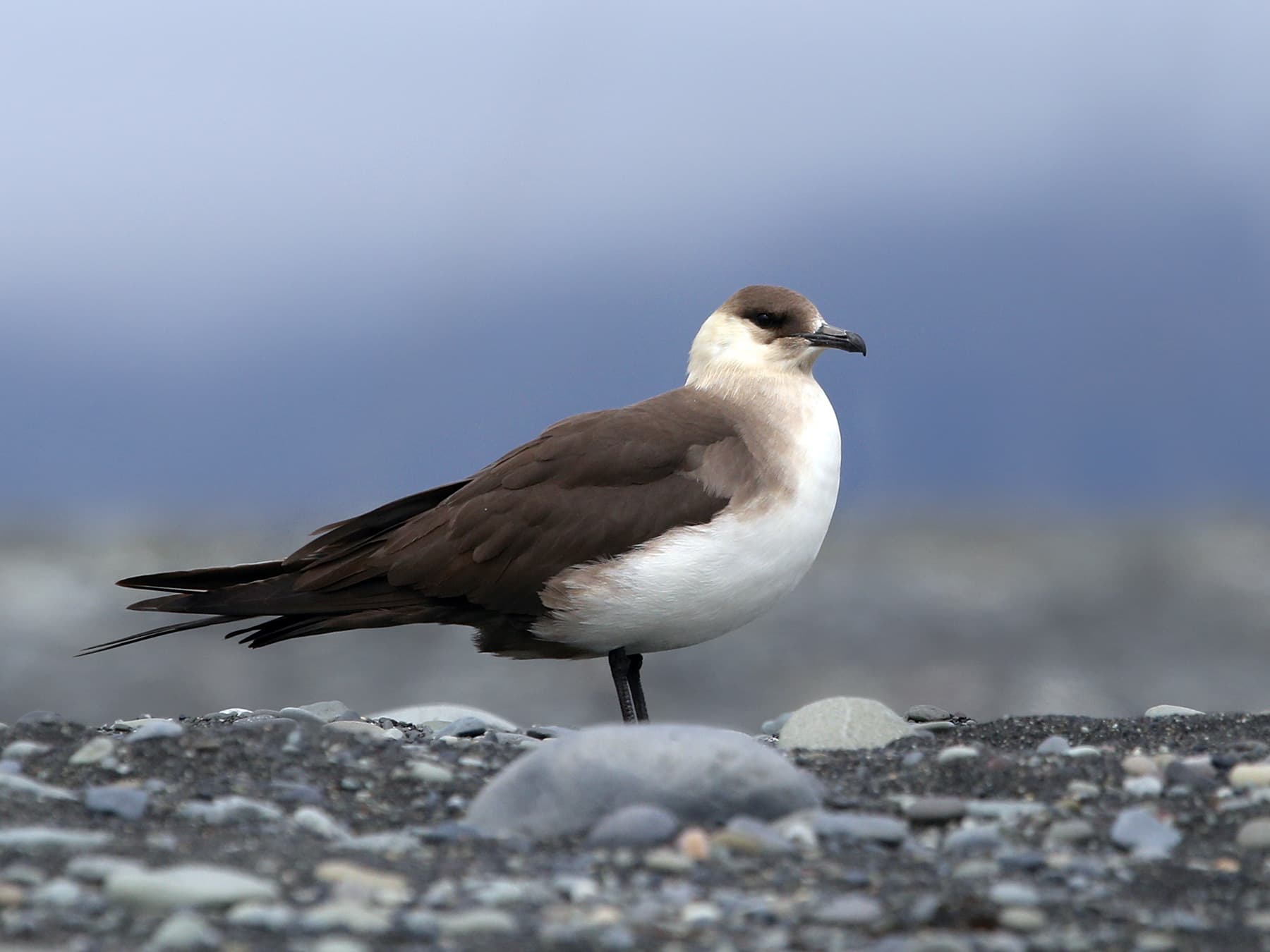
Arctic Jaeger
Stercorarius parasiticusLC
Seen offshore from headlands like Pendeen and Porthgwarra during summer and autumn, harrying terns and gulls for food.
Jun–Nov
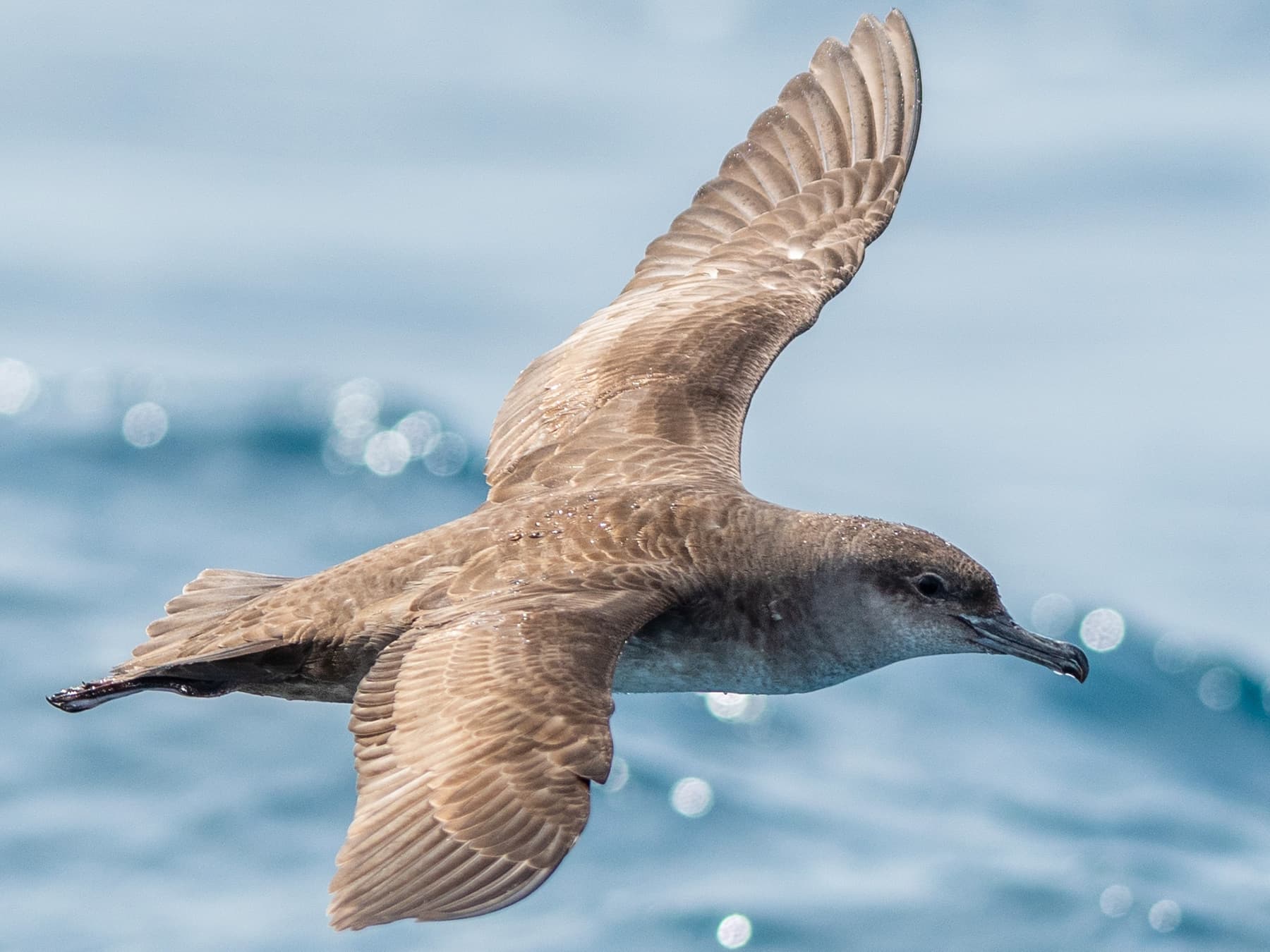
Balearic Shearwater
Puffinus mauretanicusCR
An uncommon but increasingly regular visitor from June to November. This globally threatened shearwater favours Cornish headland seawatches.
Jun–Nov
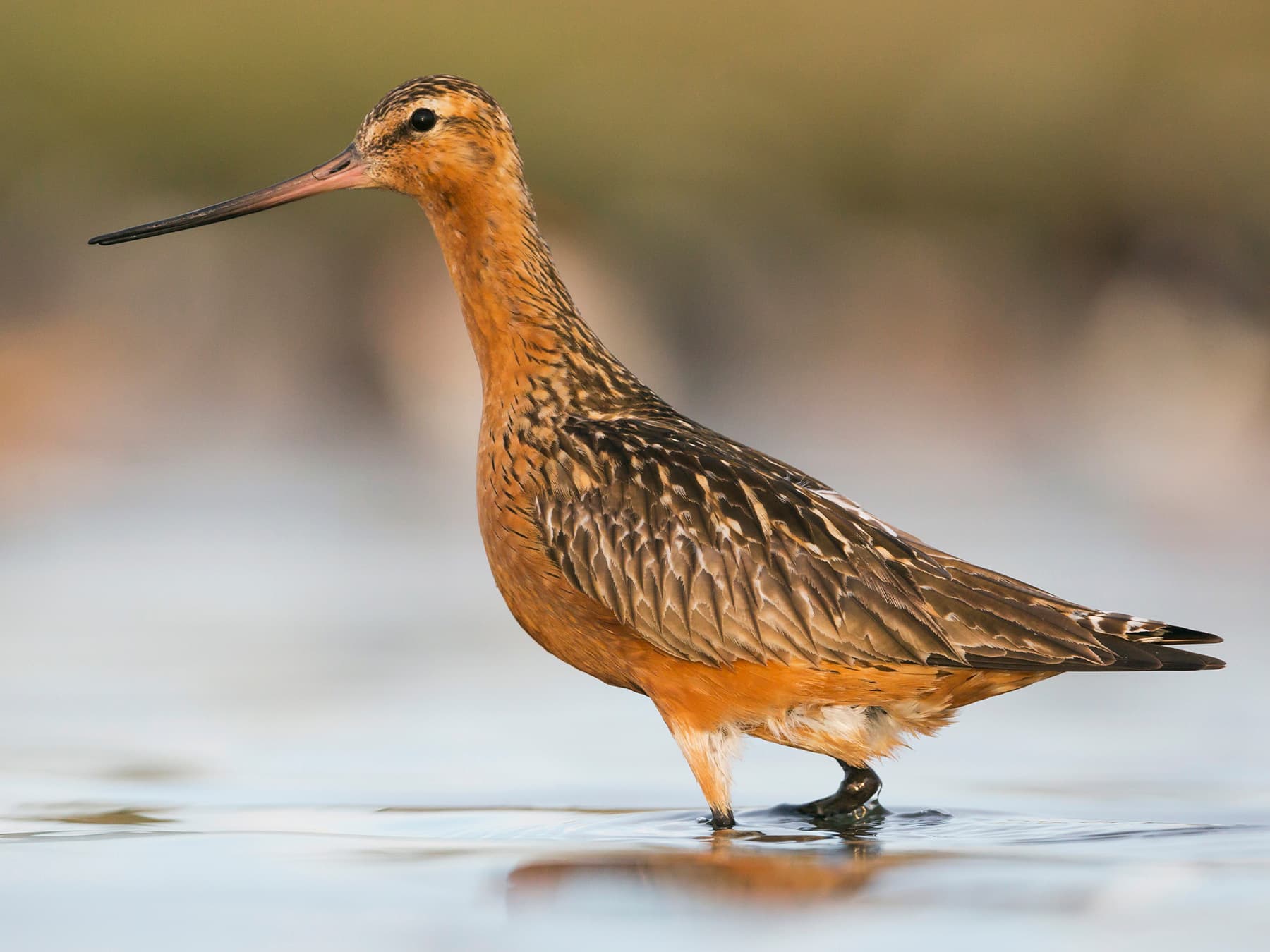
Bar-tailed Godwit
Limosa lapponicaNT
Frequents sandy estuaries such as the Camel and Hayle throughout the year, probing tidal flats with its distinctive upturned bill.
Year-round
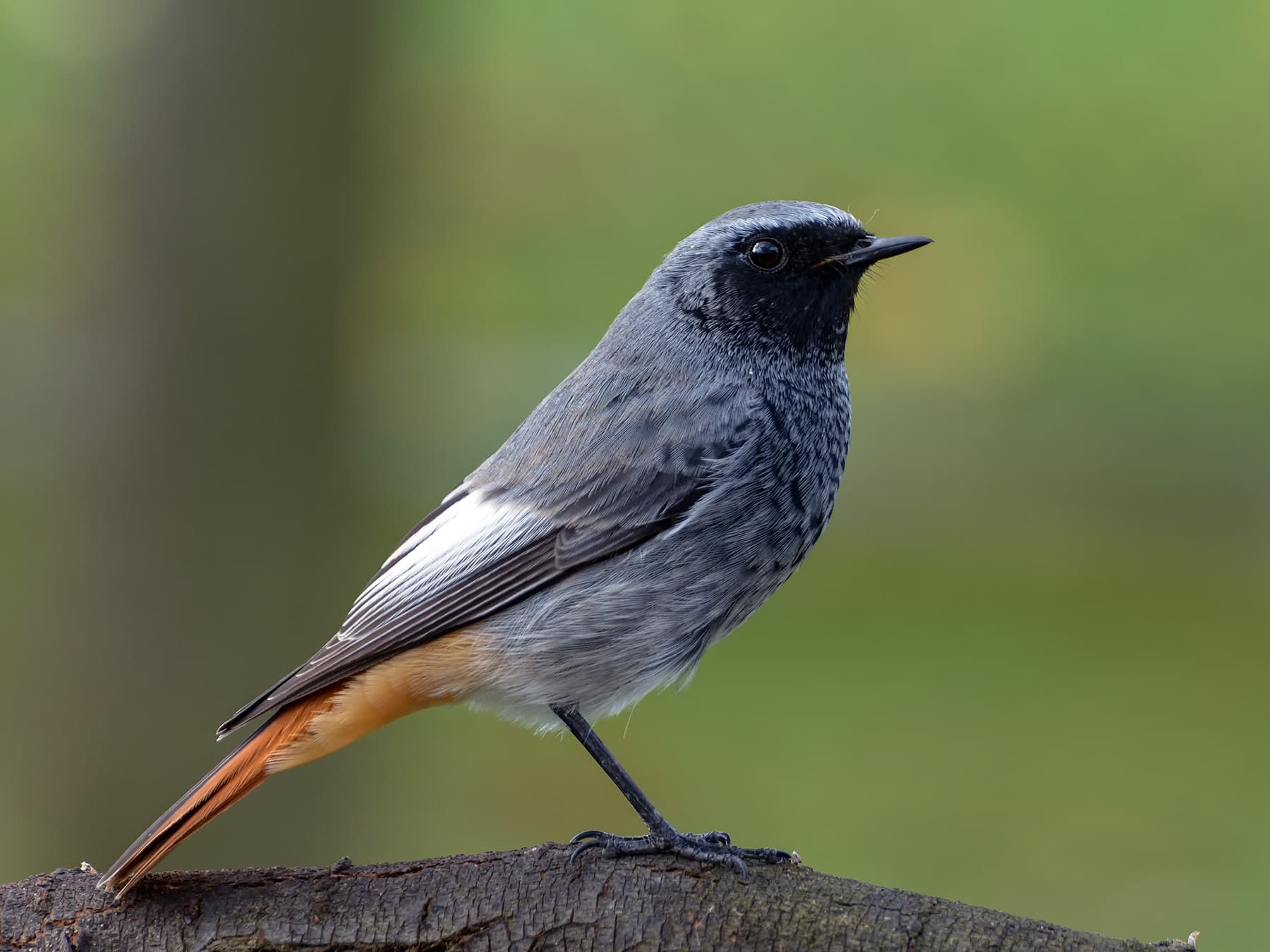
Black Redstart
Phoenicurus ochrurosLC
An uncommon non-breeding visitor favouring harbours, cliffs, and coastal buildings. Present from autumn through spring in Cornwall's mild conditions.
Oct–Apr
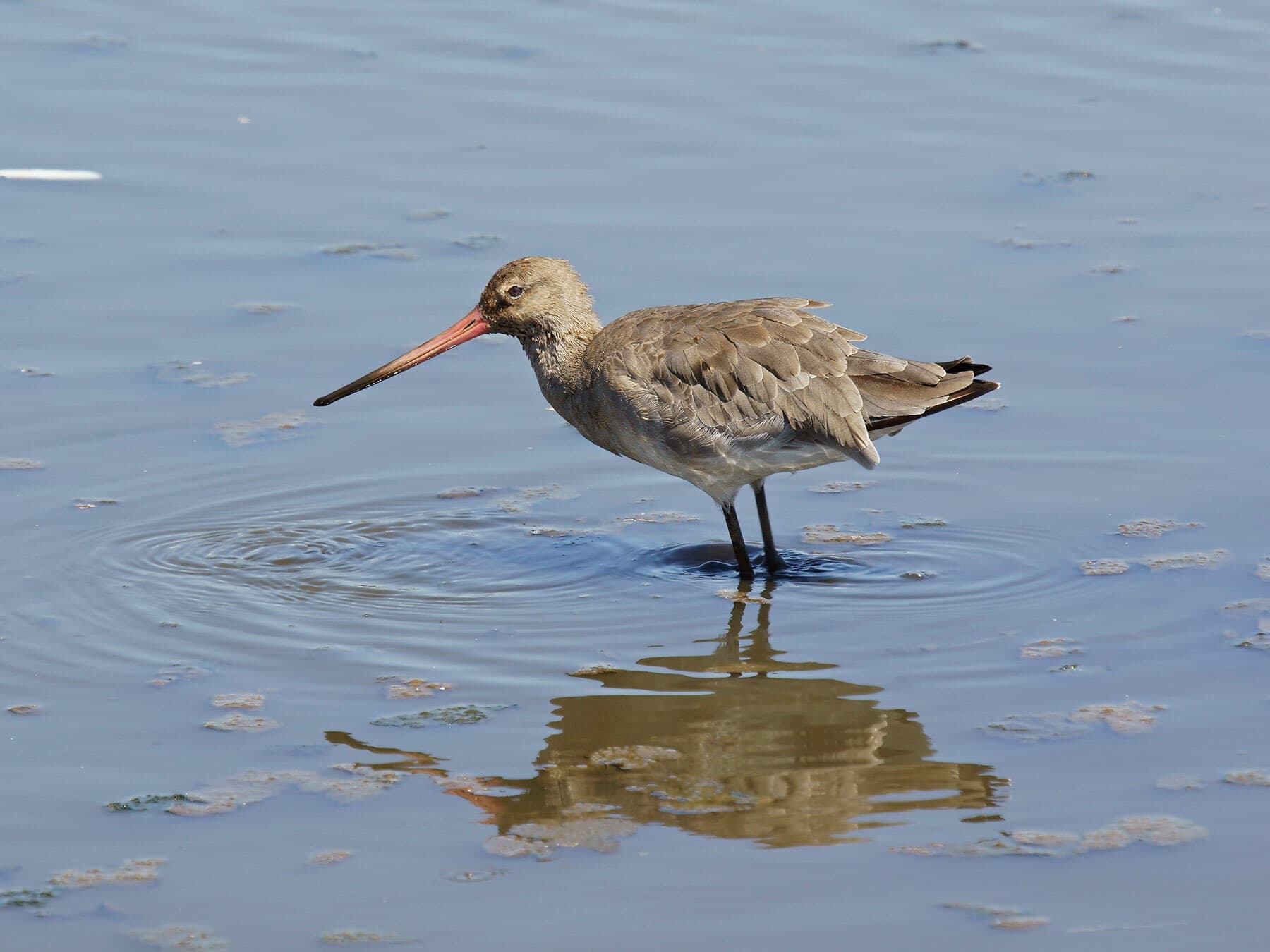
Black-tailed Godwit
Limosa limosaNT
Uncommon but present year-round, favouring estuarine mudflats at sites like the Hayle Estuary and Camel Estuary.
Year-round
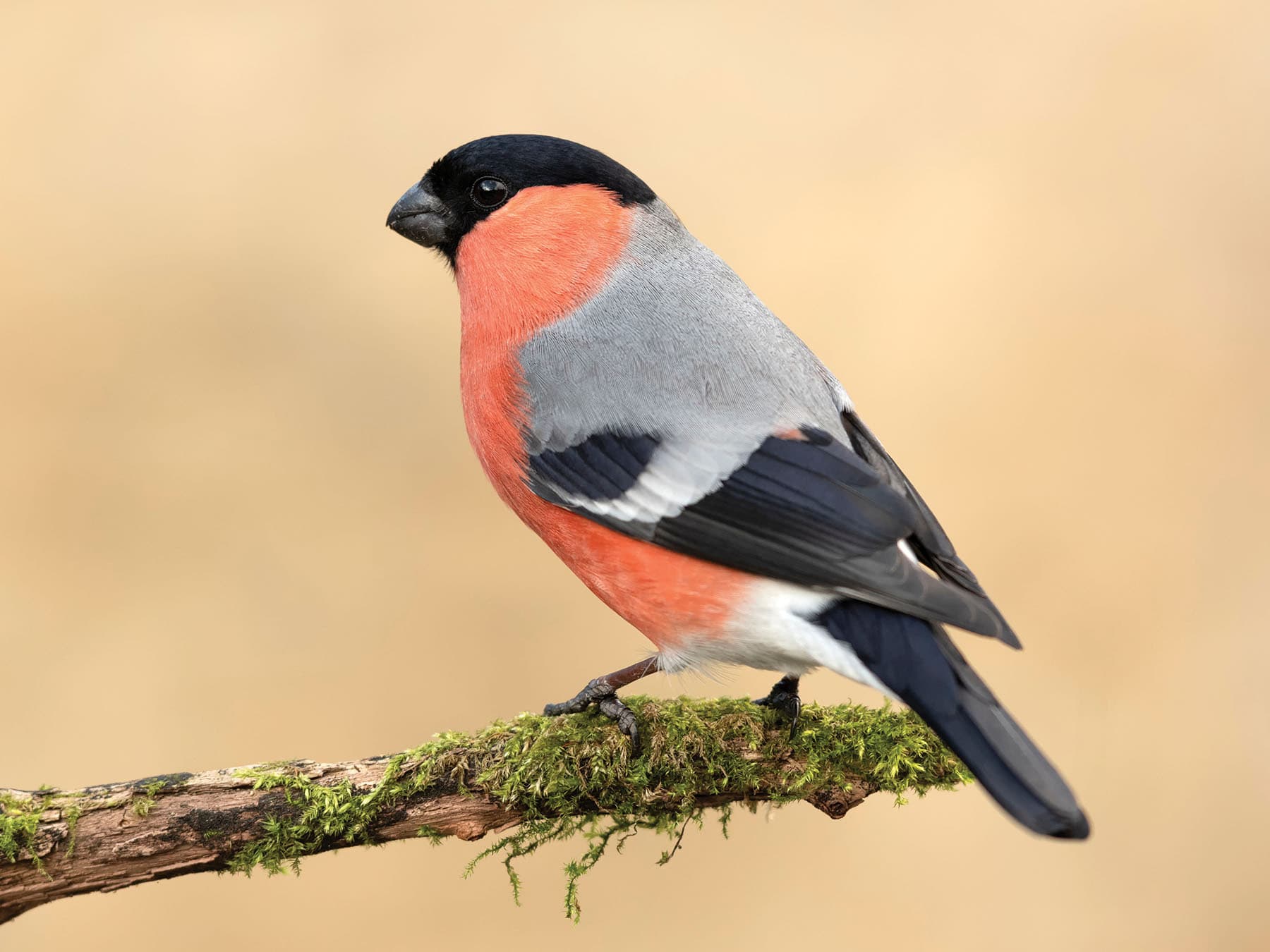
Bullfinch
Pyrrhula pyrrhulaLC
An uncommon but year-round resident, favouring dense hedgerows, orchards, and woodland edges. Often heard before seen.
Year-round
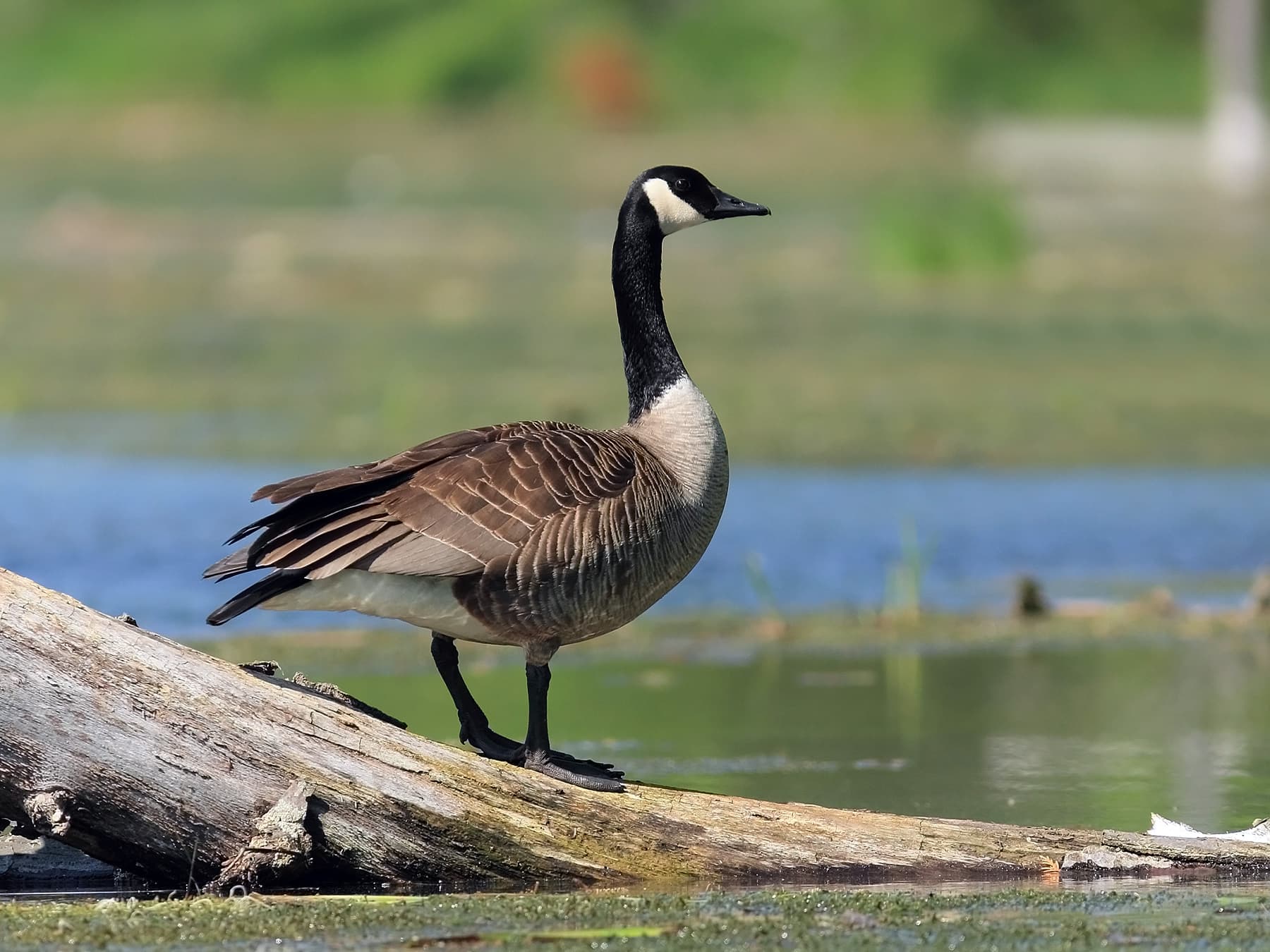
Canada Goose
Branta canadensisLC
An uncommon year-round resident found on lakes, reservoirs and estuaries. Less numerous here than in many English counties.
Year-round
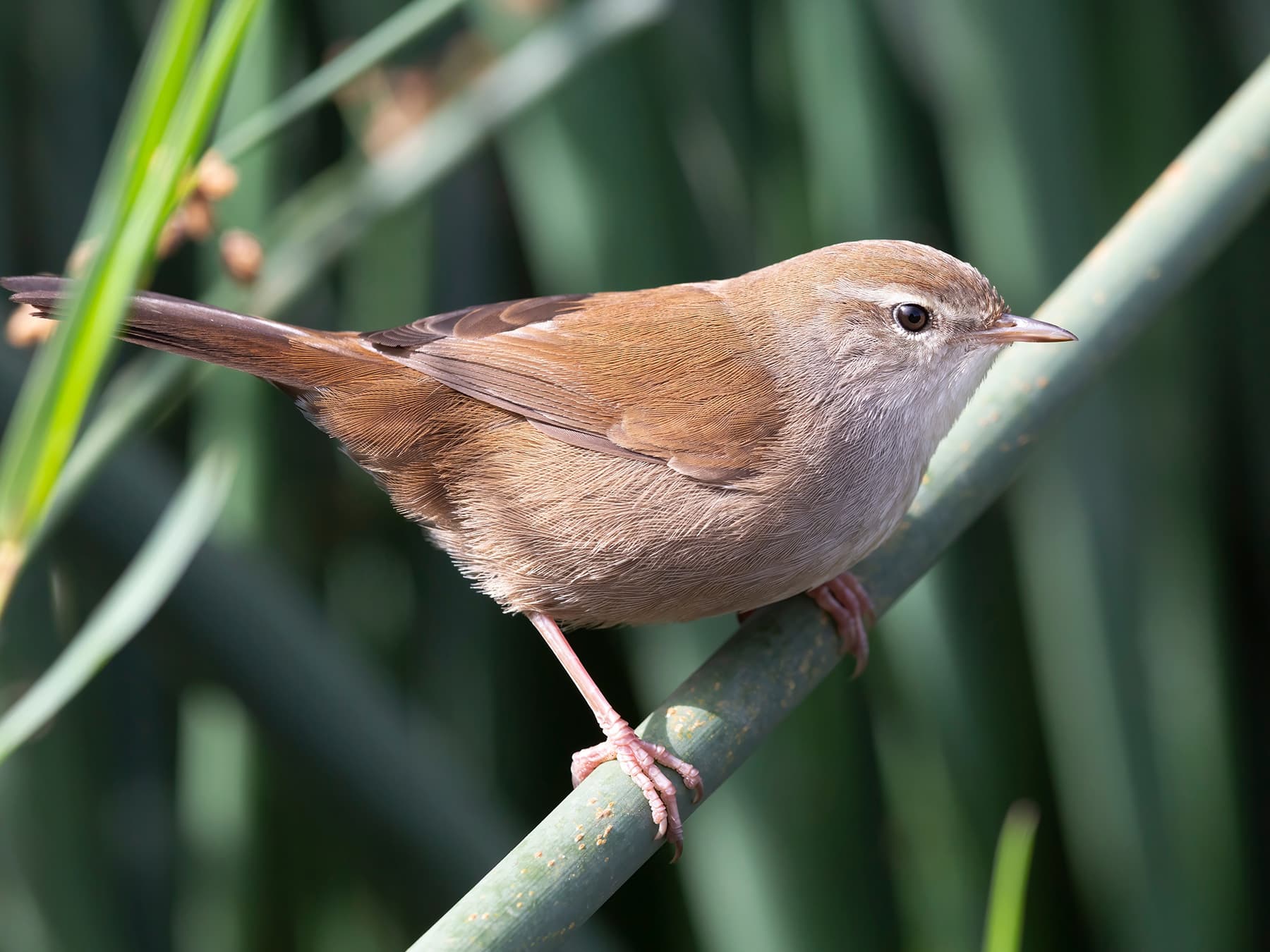
Cetti's Warbler
Cettia cettiLC
A resident skulker in dense wetland vegetation, more often heard than seen. Has expanded its range in Cornwall thanks to milder winters.
Year-round
Spotted something?
Upload a photo to identify it
Identify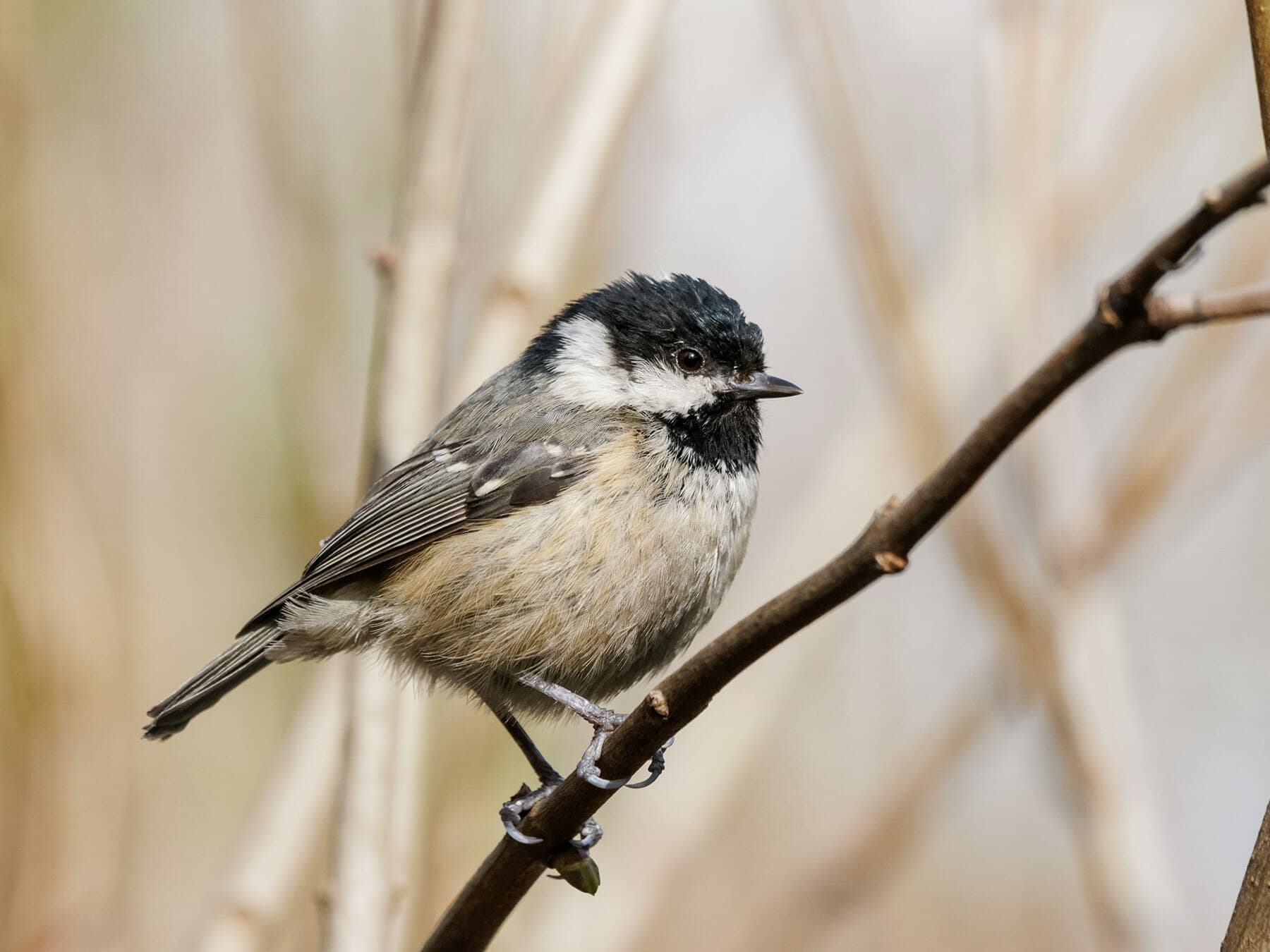
Coal Tit
Periparus aterLC
An uncommon resident of coniferous and mixed woodland. Often visits garden feeders in winter, recognised by its distinctive white nape stripe.
Year-round
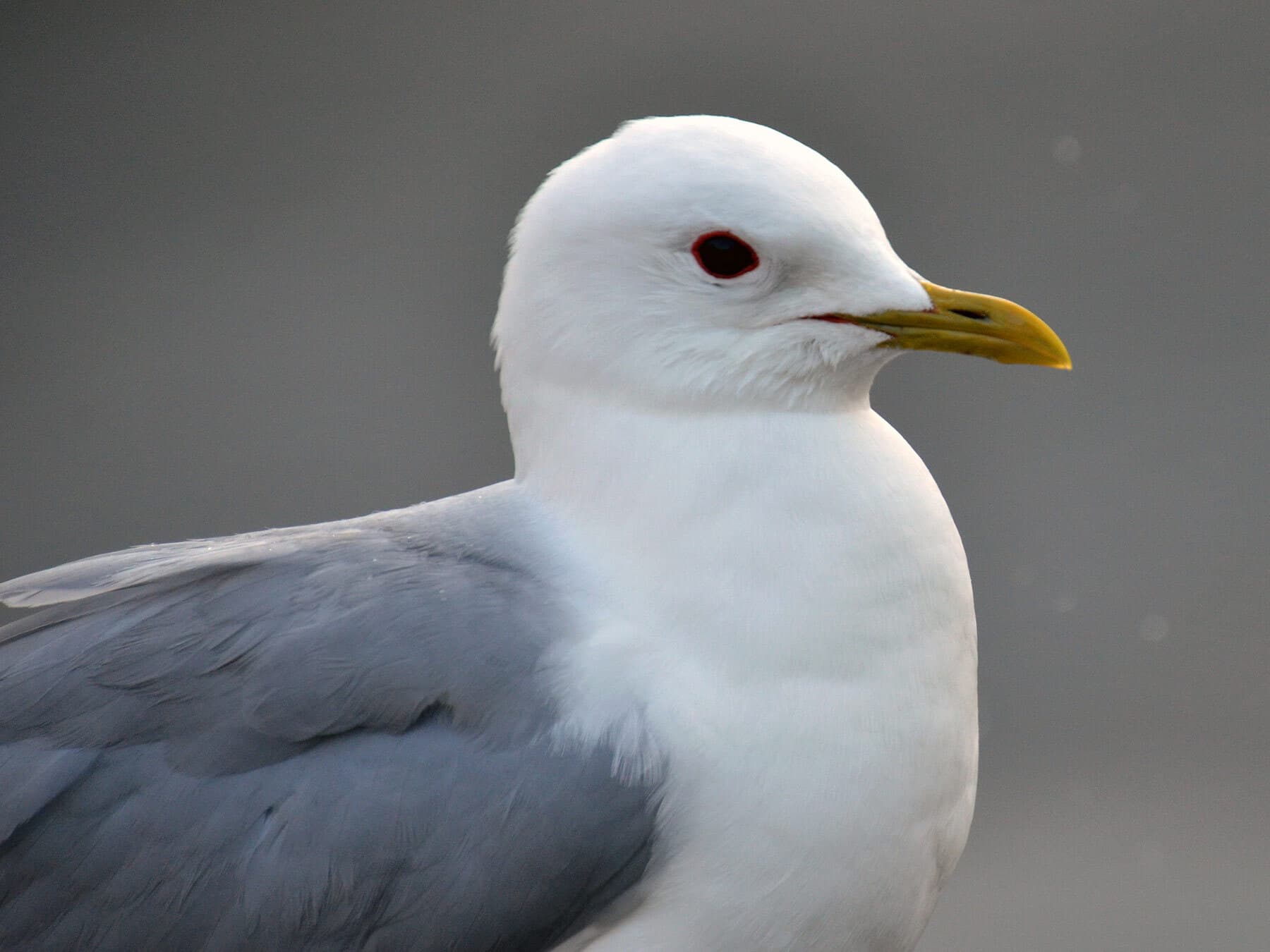
Common Gull
Larus canusLC
An uncommon resident found year-round on estuaries, farmland, and playing fields. Smaller and more delicate than the abundant Herring Gull.
Year-round
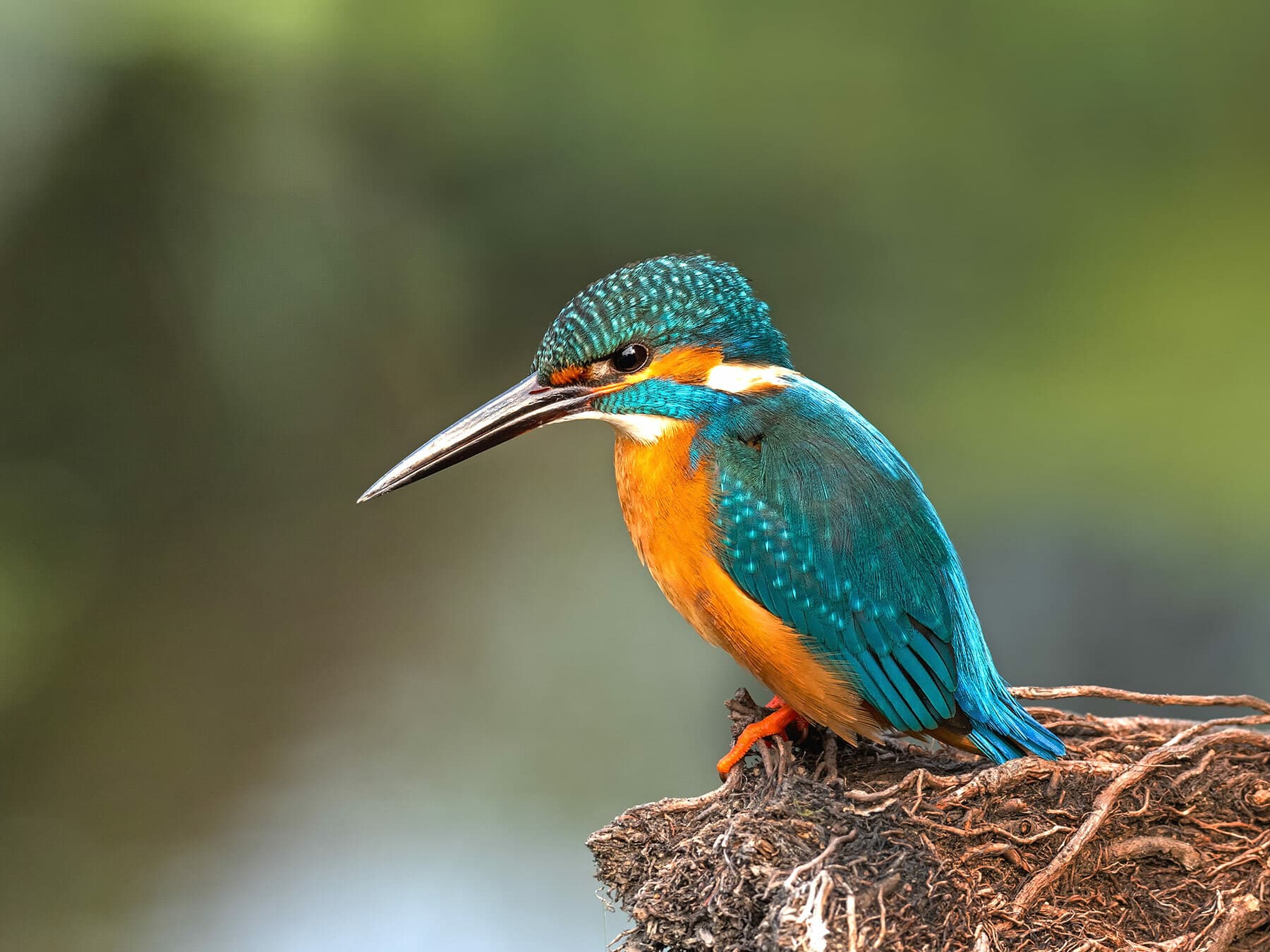
Common Kingfisher
Alcedo atthisLC
An uncommon resident along sheltered creeks, estuaries and rivers. Most reliably seen on the Helford, Fal and Camel estuaries.
Jun–Mar
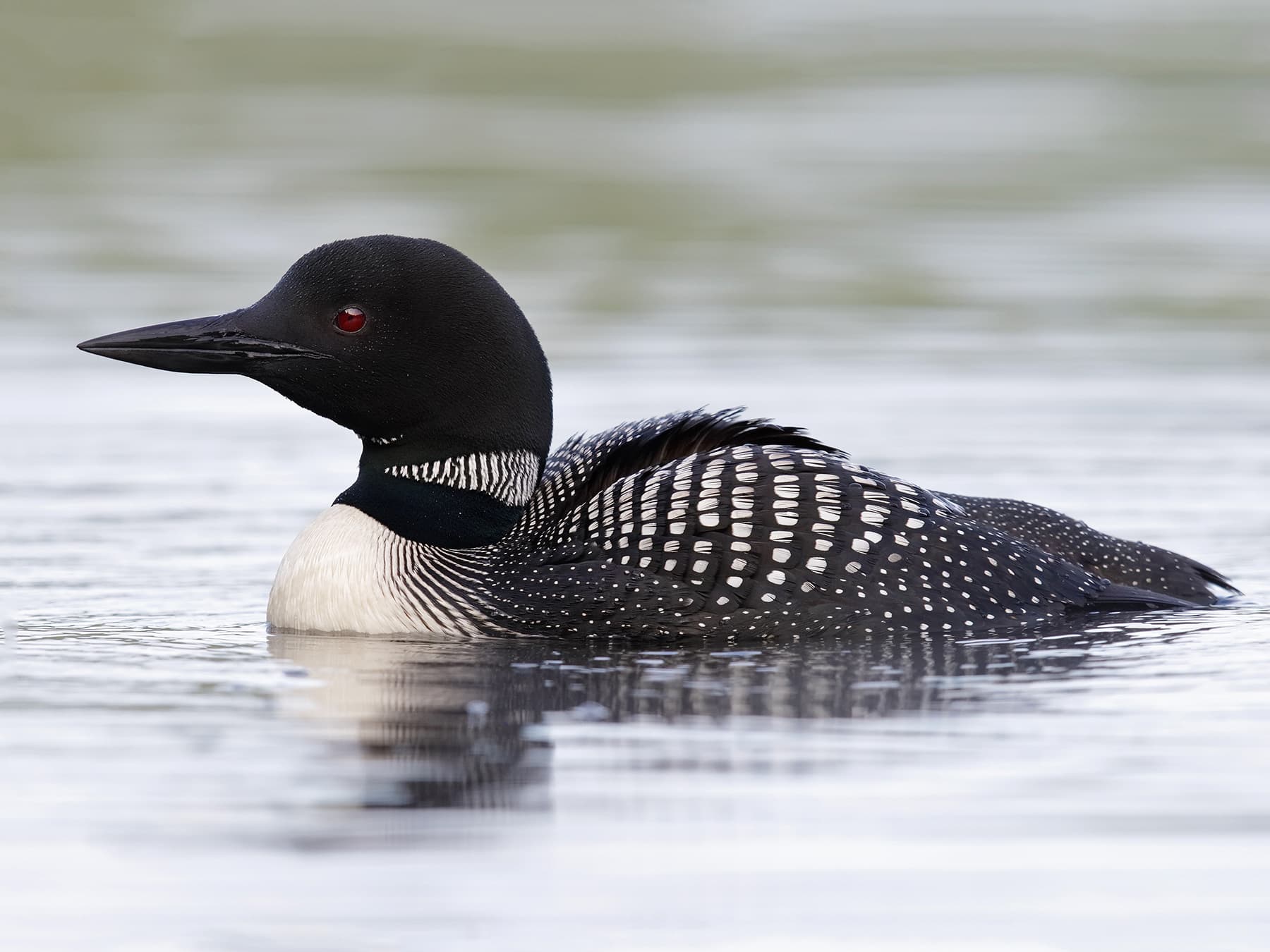
Common Loon
Gavia immerLC
An uncommon but regular presence in Cornish waters, favouring sheltered bays such as Mount's Bay. Absent during midsummer months.
Oct–Jun
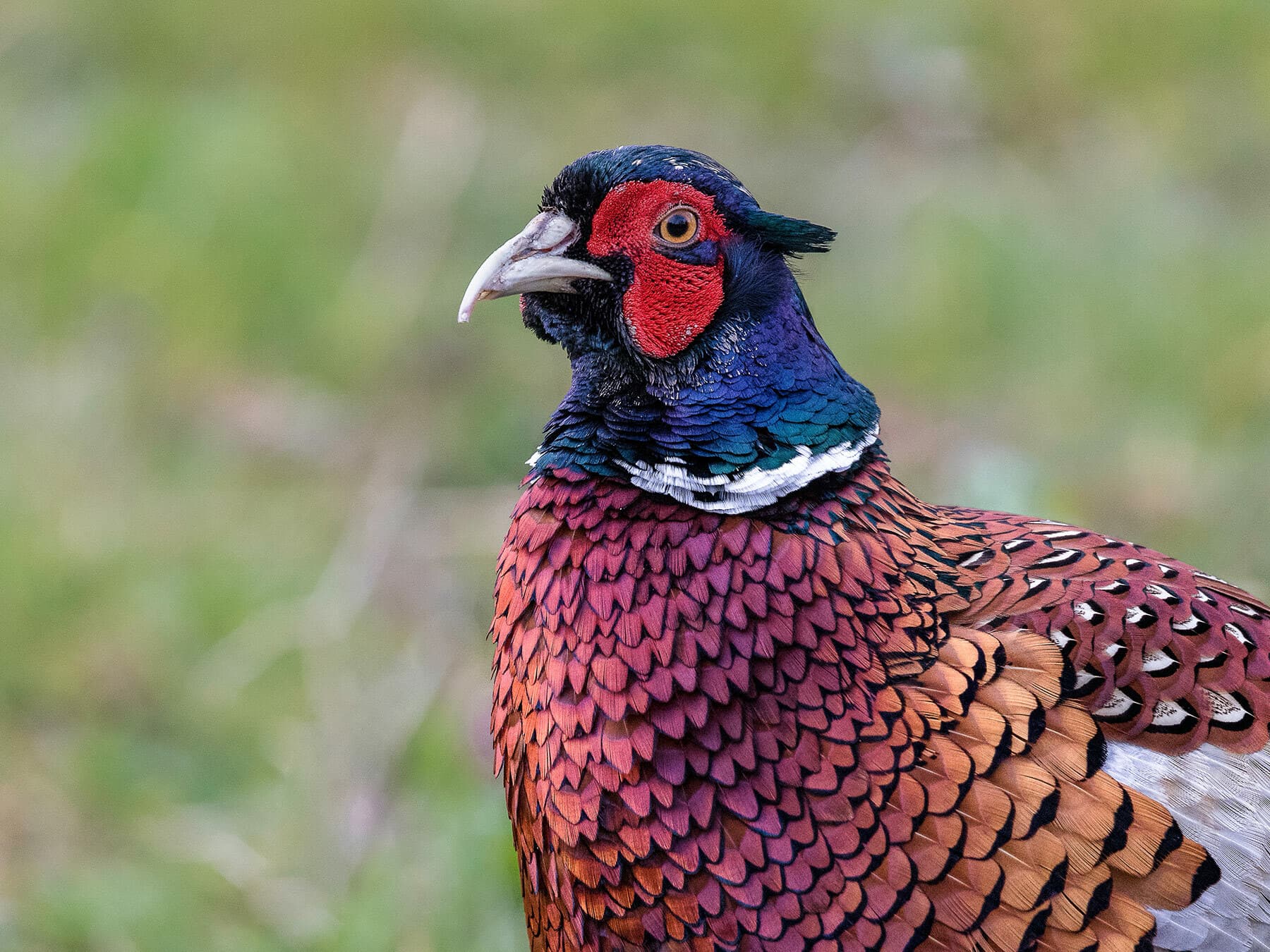
Common Pheasant
Phasianus colchicusLC
Found year-round in farmland and woodland edges, though less abundant here than in many English counties.
Year-round
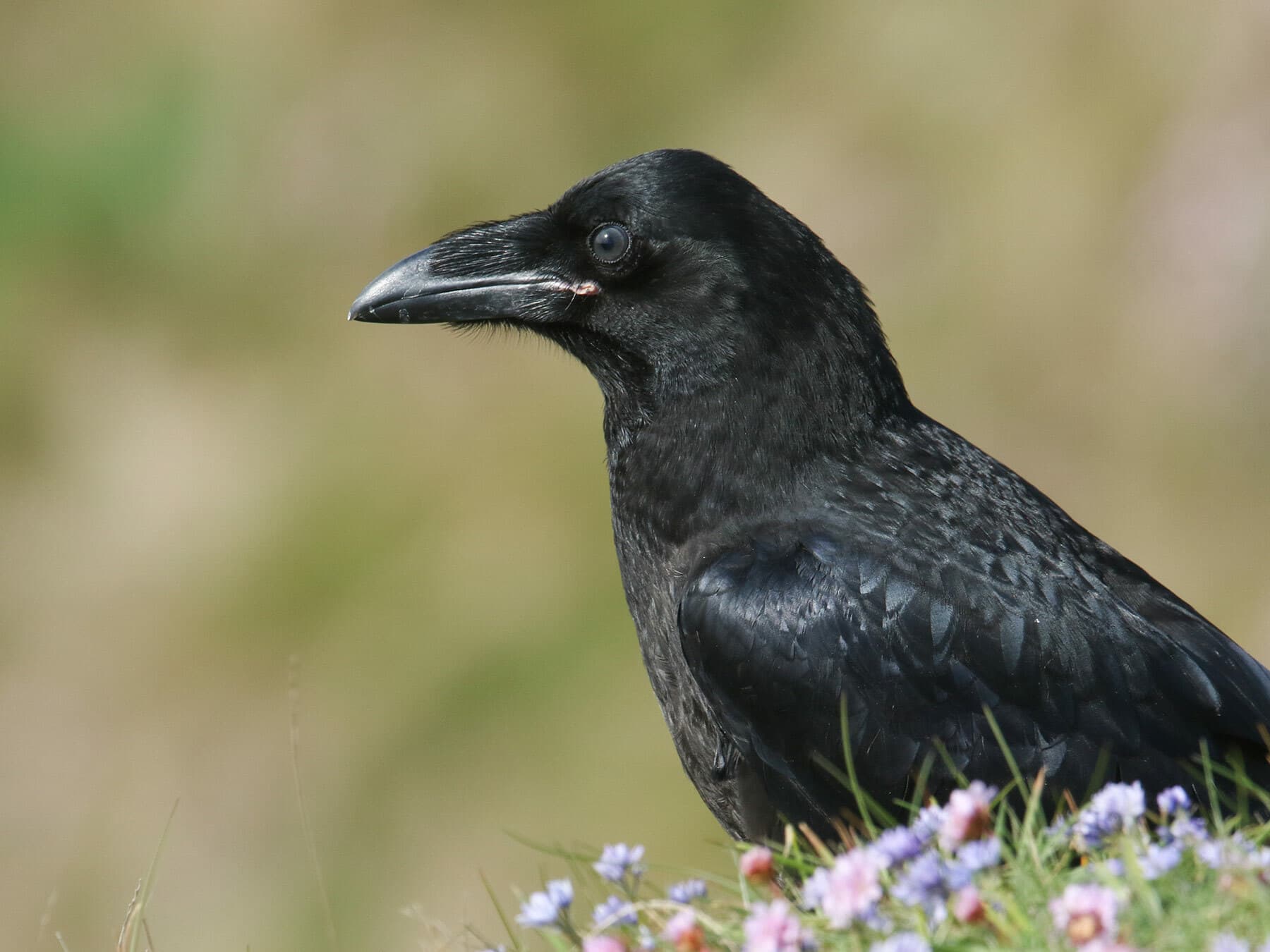
Common Raven
Corvus coraxLC
An uncommon but widespread resident, often seen tumbling acrobatically along sea cliffs and over moorland. Its deep croaking call is distinctive.
Year-round
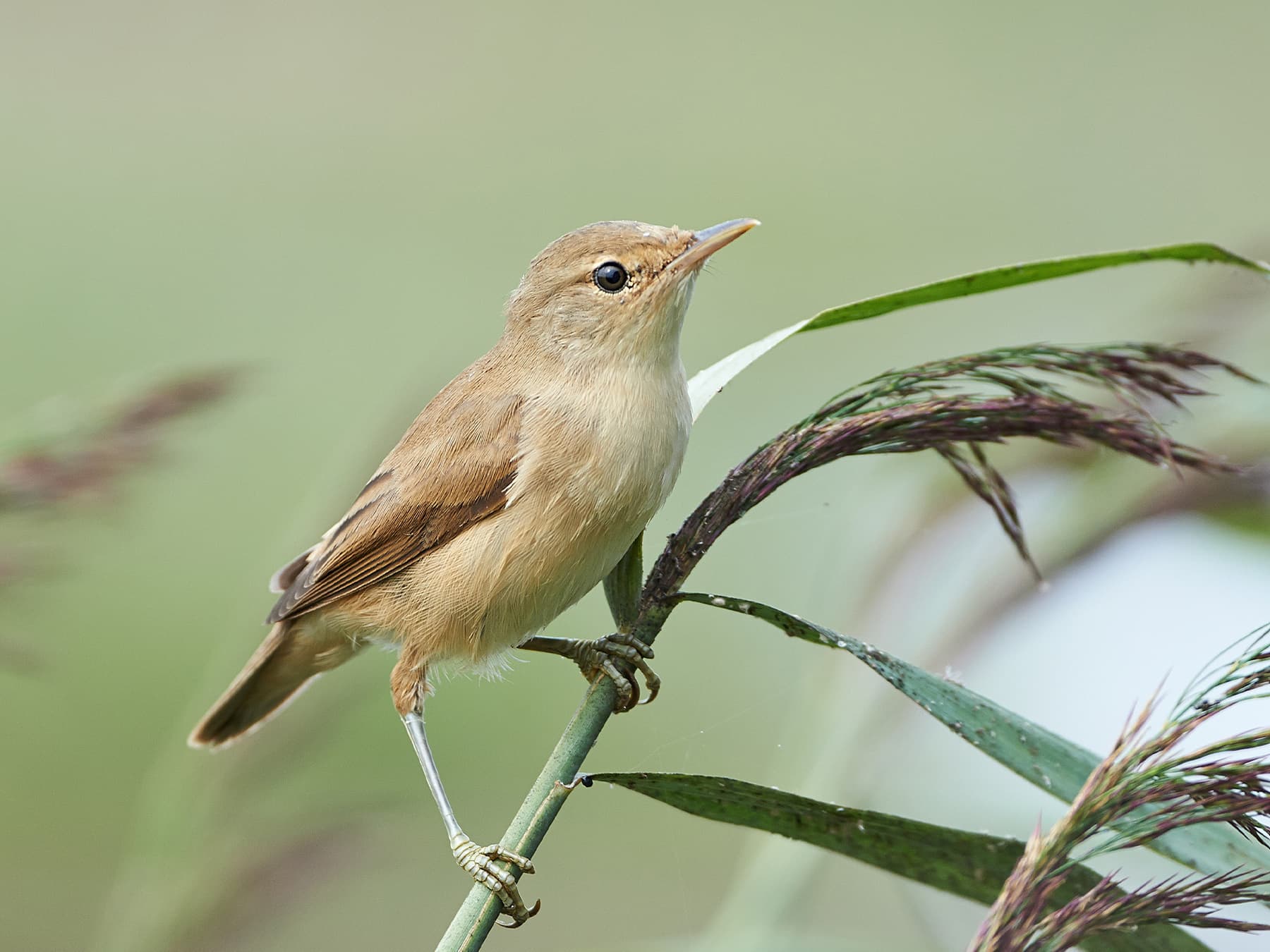
Common Reed-warbler
Acrocephalus scirpaceusLC
An uncommon summer breeder in reedbeds from April to October. Found at sites like Marazion Marsh and the Hayle Estuary RSPB reserve.
Apr–Oct
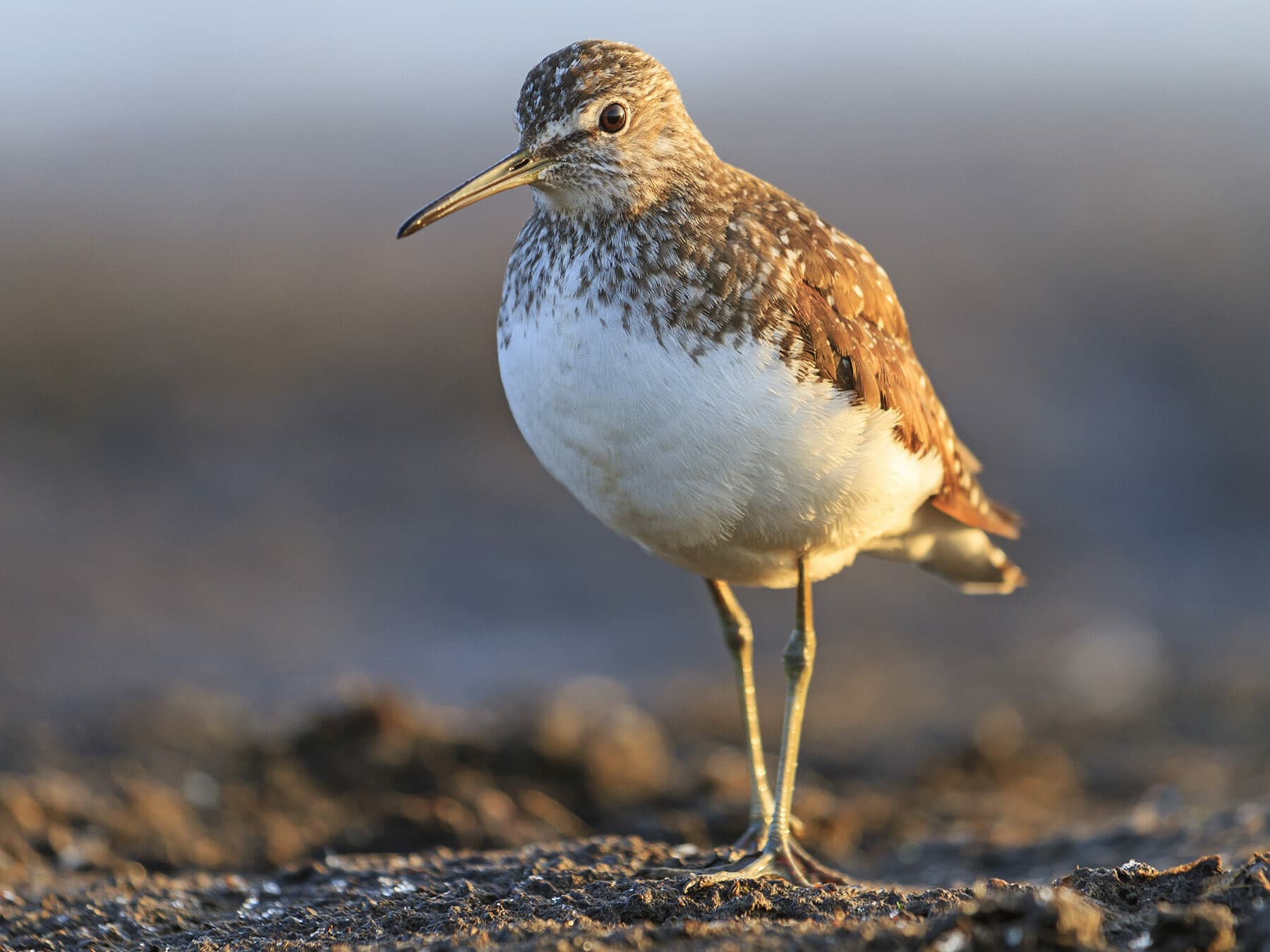
Common Sandpiper
Actitis hypoleucosLC
Found along rocky streams, reservoirs, and sheltered estuaries almost year-round, bobbing characteristically at the water's edge.
Jul–May
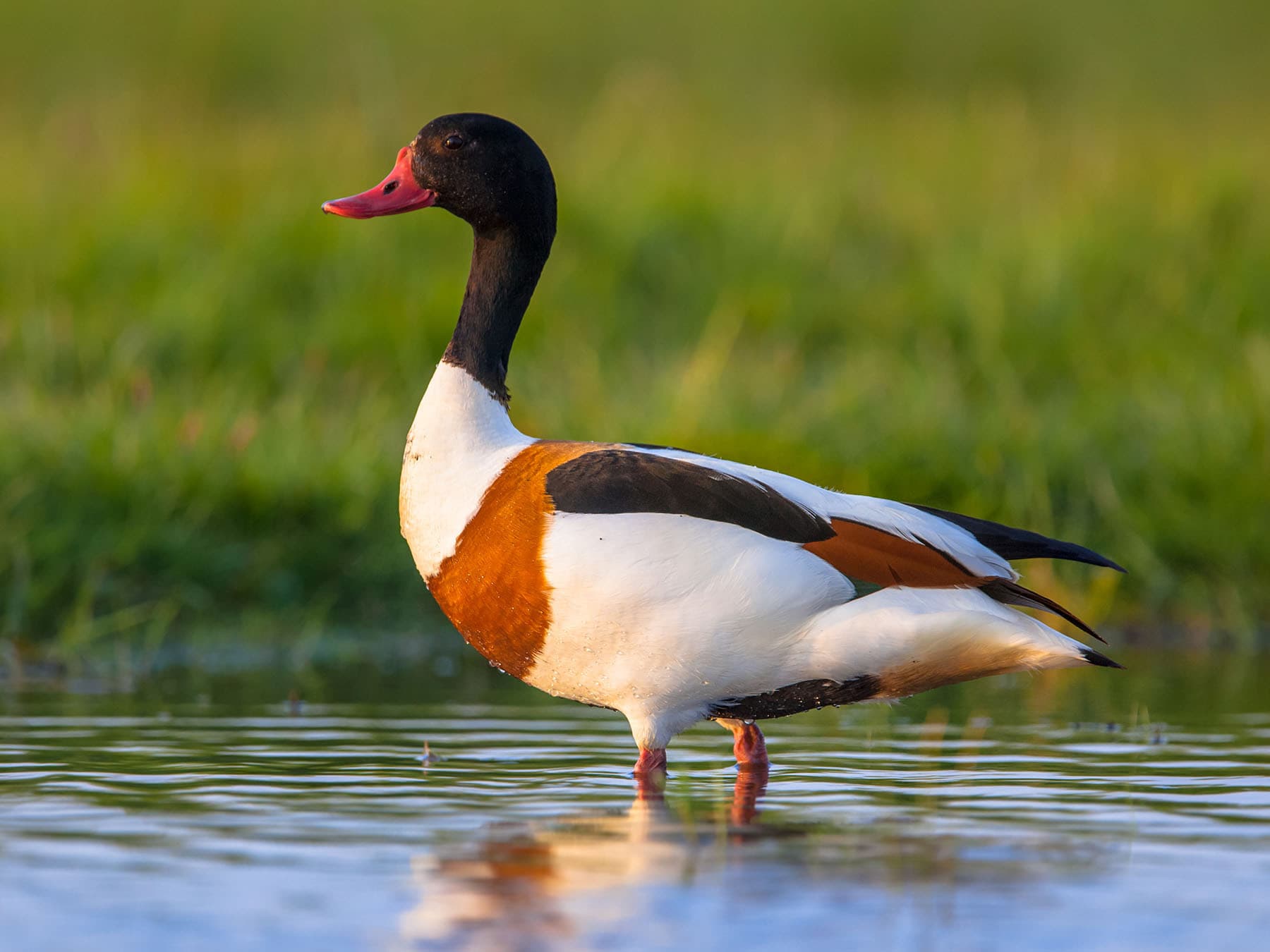
Common Shelduck
Tadorna tadornaLC
An uncommon but distinctive resident of sandy estuaries and mudflats. Breeds in burrows near the coast and gathers in moulting flocks.
Year-round
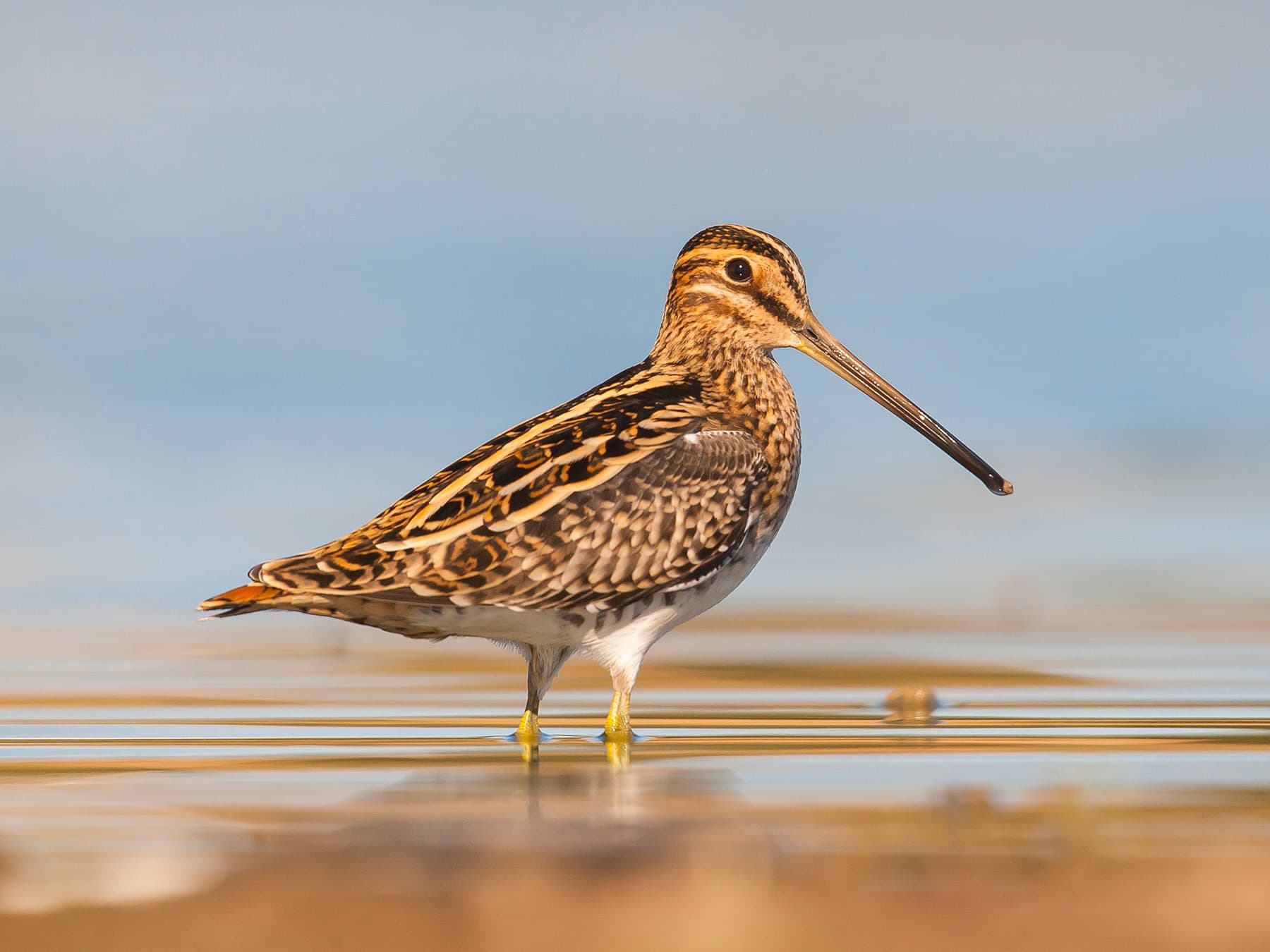
Common Snipe
Gallinago gallinagoLC
Winters in wet meadows and marshes across Cornwall, arriving from August and lingering into spring before heading to upland breeding grounds.
Aug–Apr
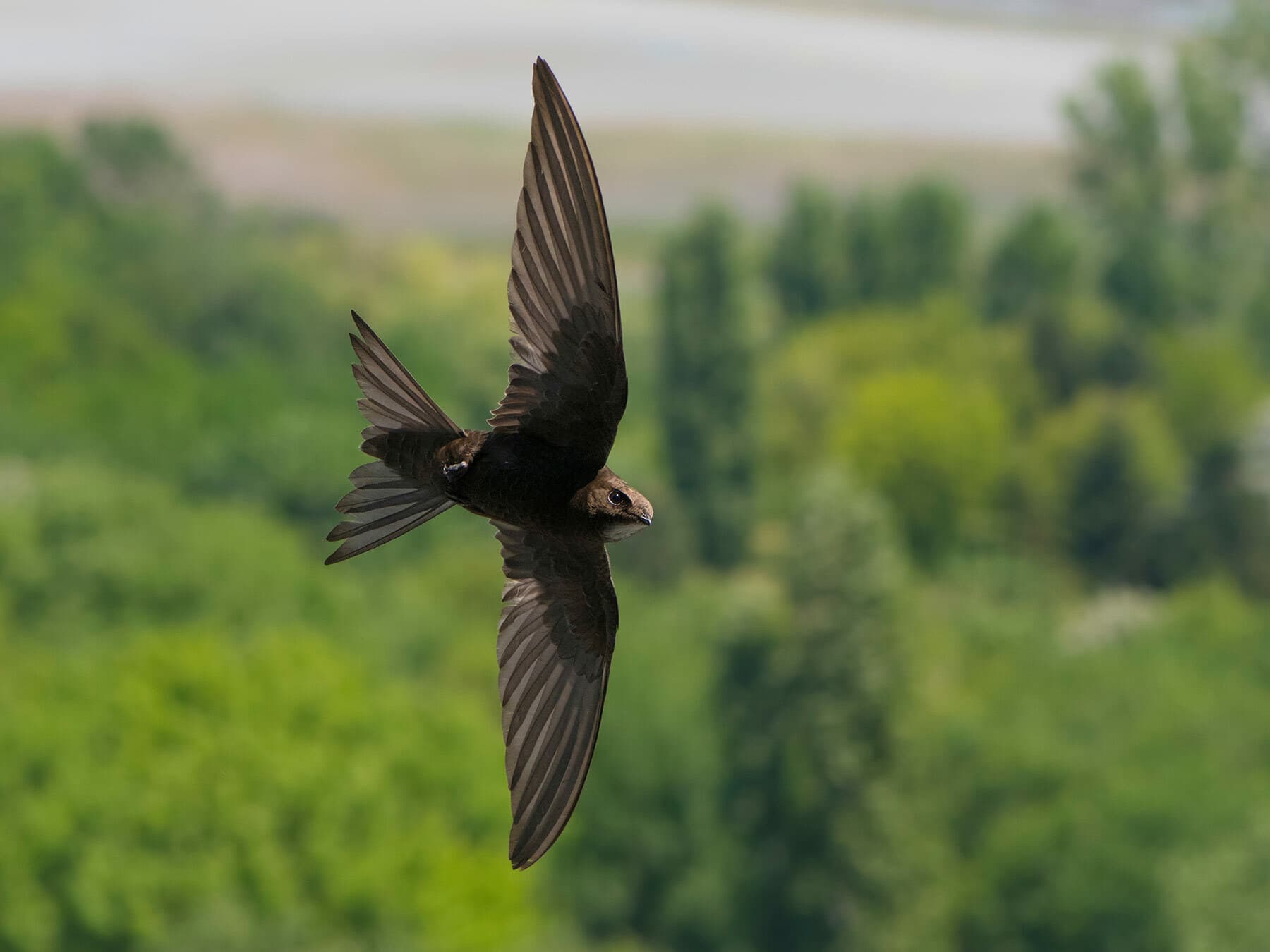
Common Swift
Apus apusLC
Screaming flocks arrive in late April to breed around Cornish towns and villages, departing by September for African wintering grounds.
Apr–Sep
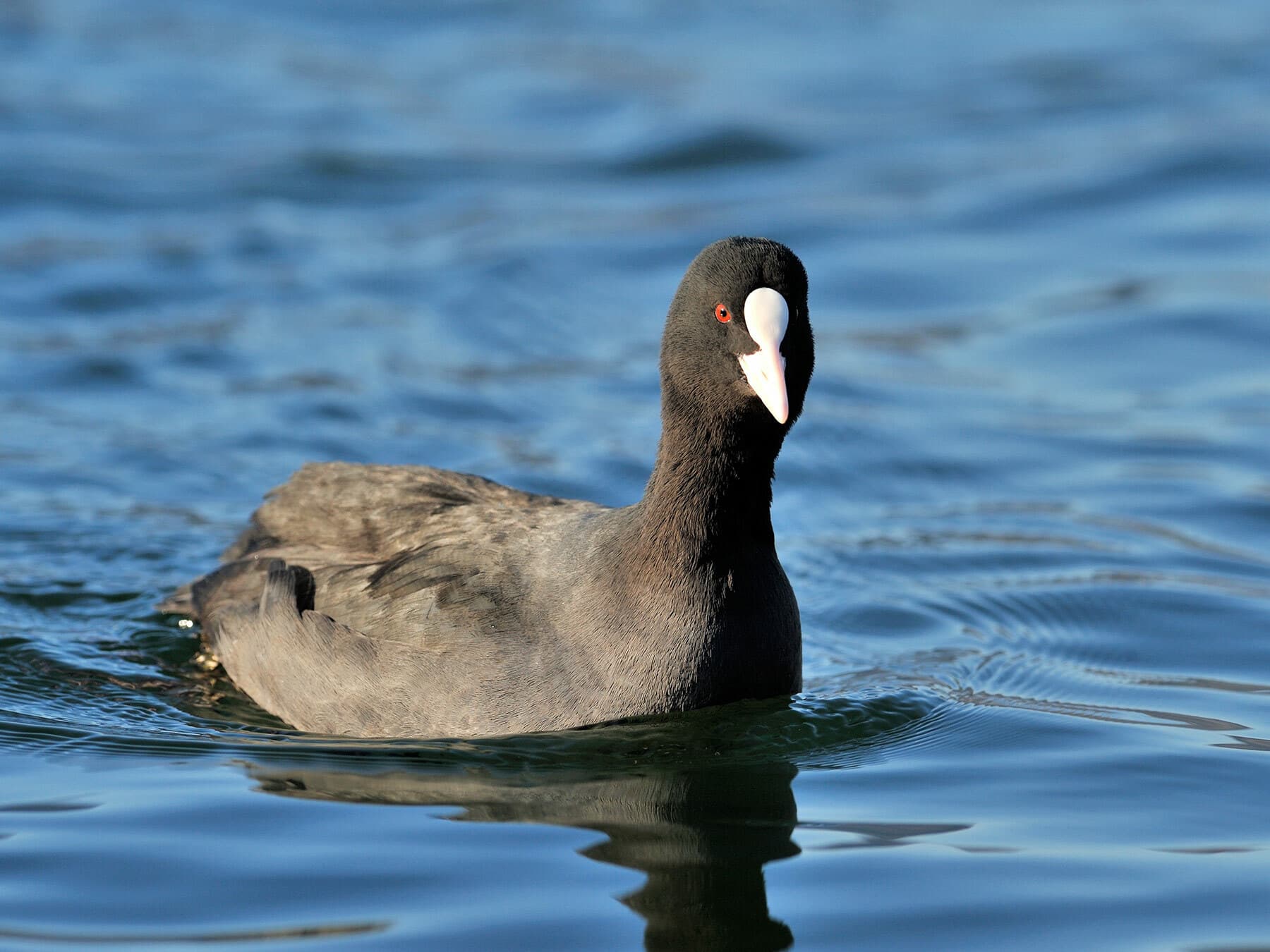
Coot
Fulica atraLC
Resident on freshwater lakes and reservoirs, often seen at Stithians and Drift, though less numerous than Moorhen.
Year-round
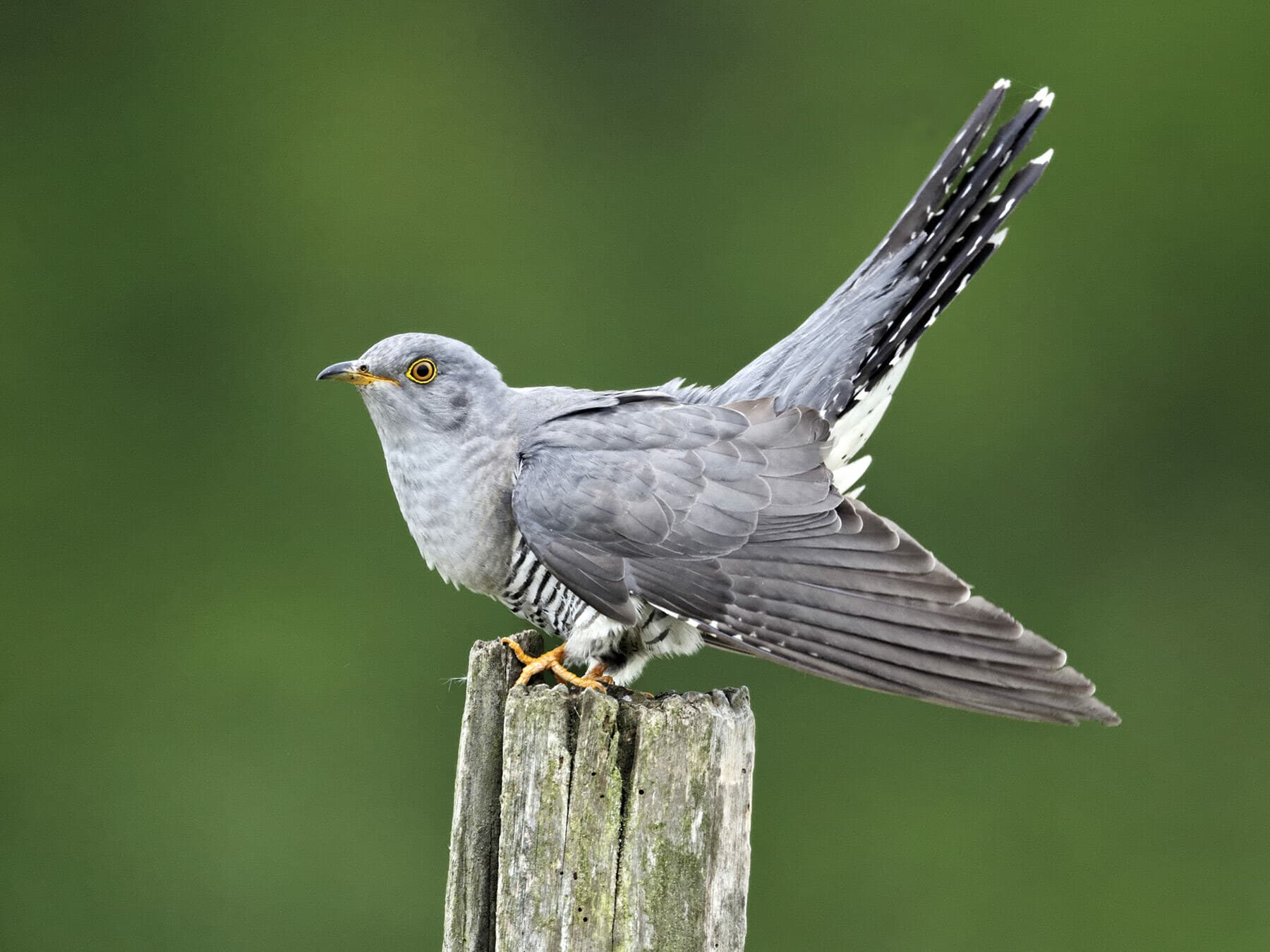
Cuckoo
Cuculus canorusLC
Arrives in spring, its distinctive call echoing across moorland and scrub. Parasitises Meadow Pipit and Dunnock nests.
Apr–Jul
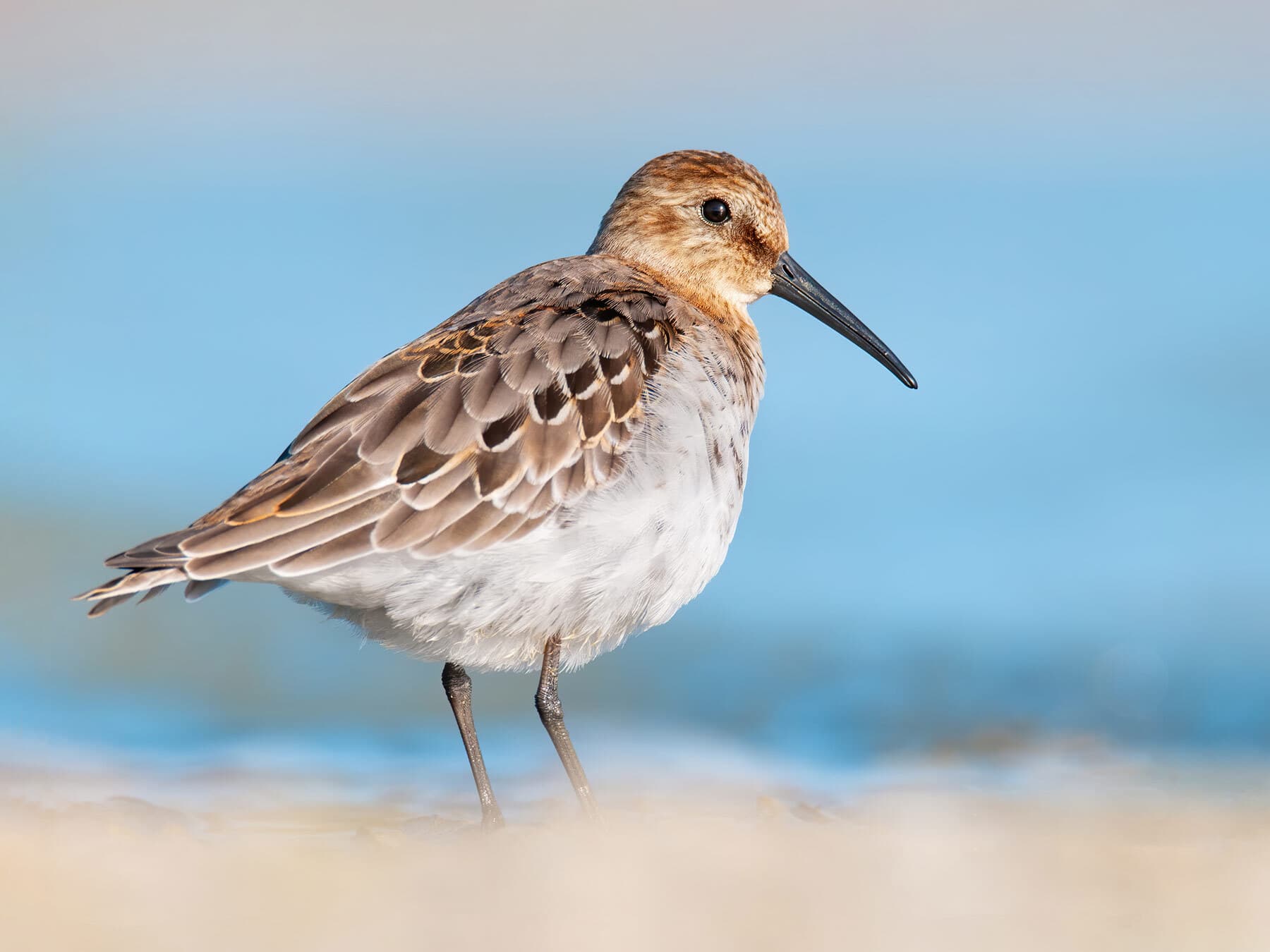
Dunlin
Calidris alpinaLC
Present year-round on estuarine mudflats, numbers swell in winter when birds from northern breeding grounds arrive.
Year-round
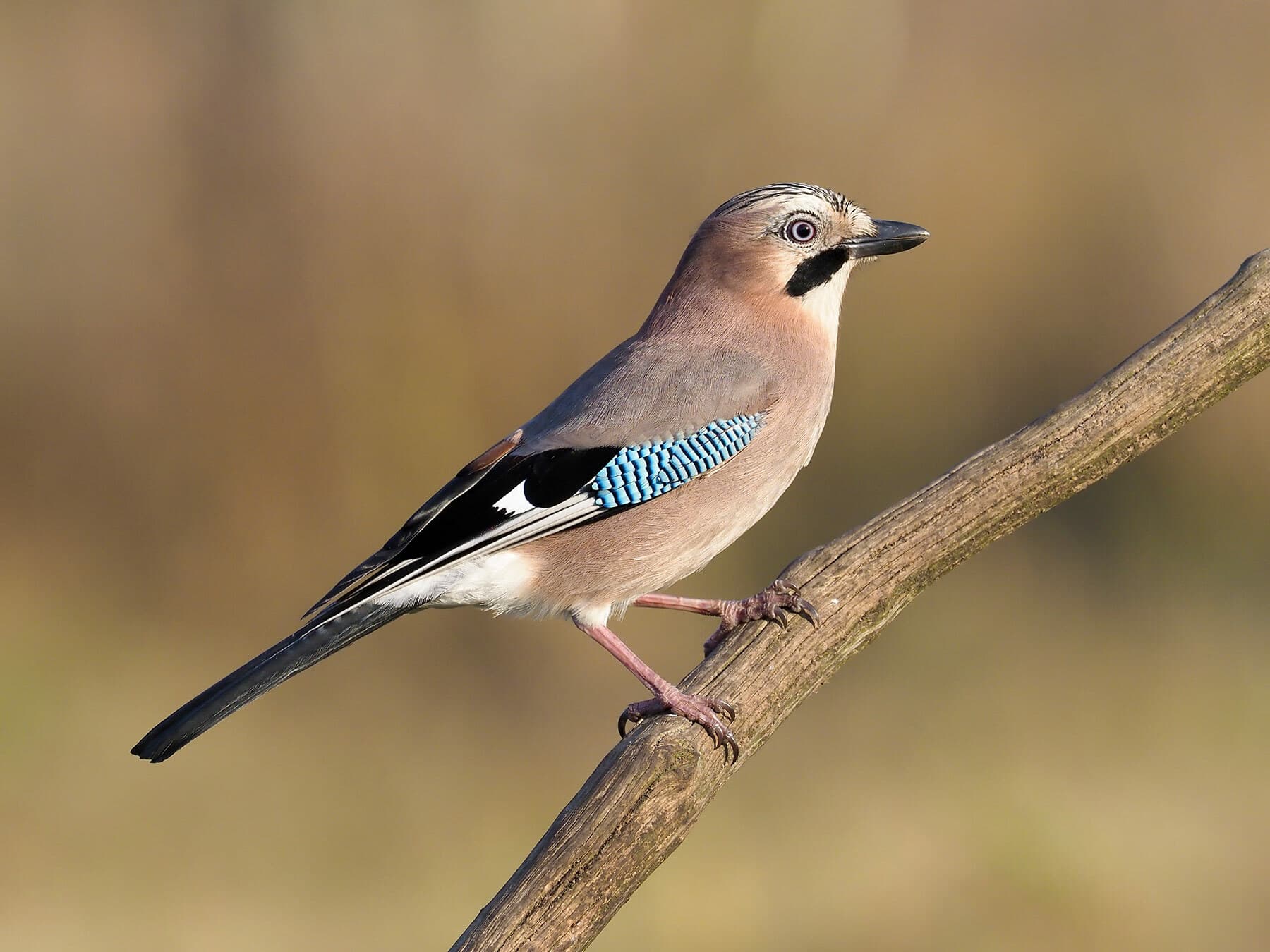
Eurasian Jay
Garrulus glandariusLC
An uncommon but year-round resident of mature woodland and well-treed gardens. Less numerous here than in much of southern England.
Year-round