
Gulls & Terns in Nova Scotia
Our list for Nova Scotia has 20 gulls & terns recorded regularly there: 4 residents, 4 summer visitors, 7 winter visitors, 3 passage migrants and 2 scarce visitors
Most likely in November
GBIF · NovShare of all bird records in Nova Scotia in November, 2019–2024. Each month links to that month’s page.
All 20, most common first
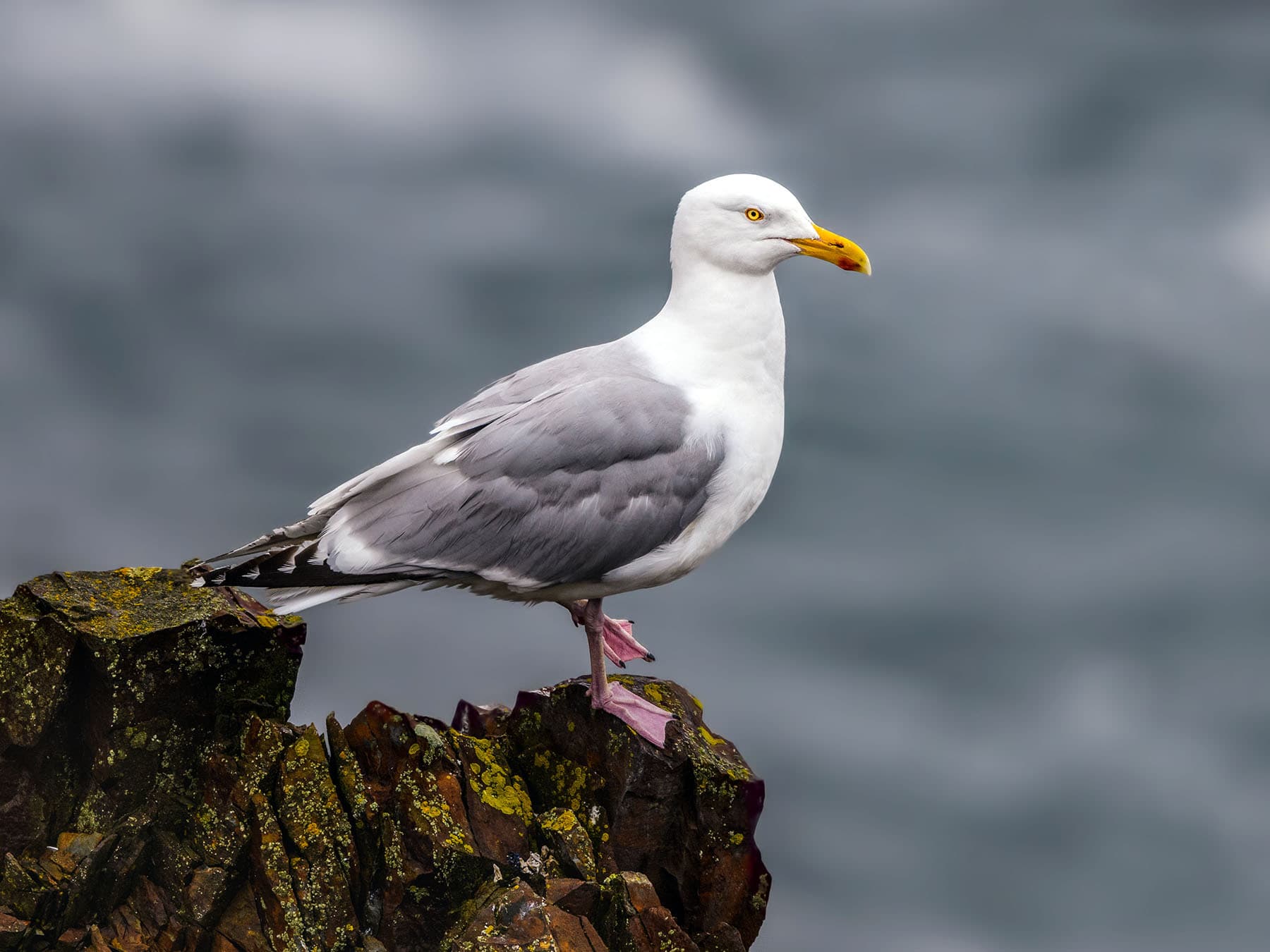 American Herring GullLarus smithsonianusResidentCommon53–65 cmRecorded all year
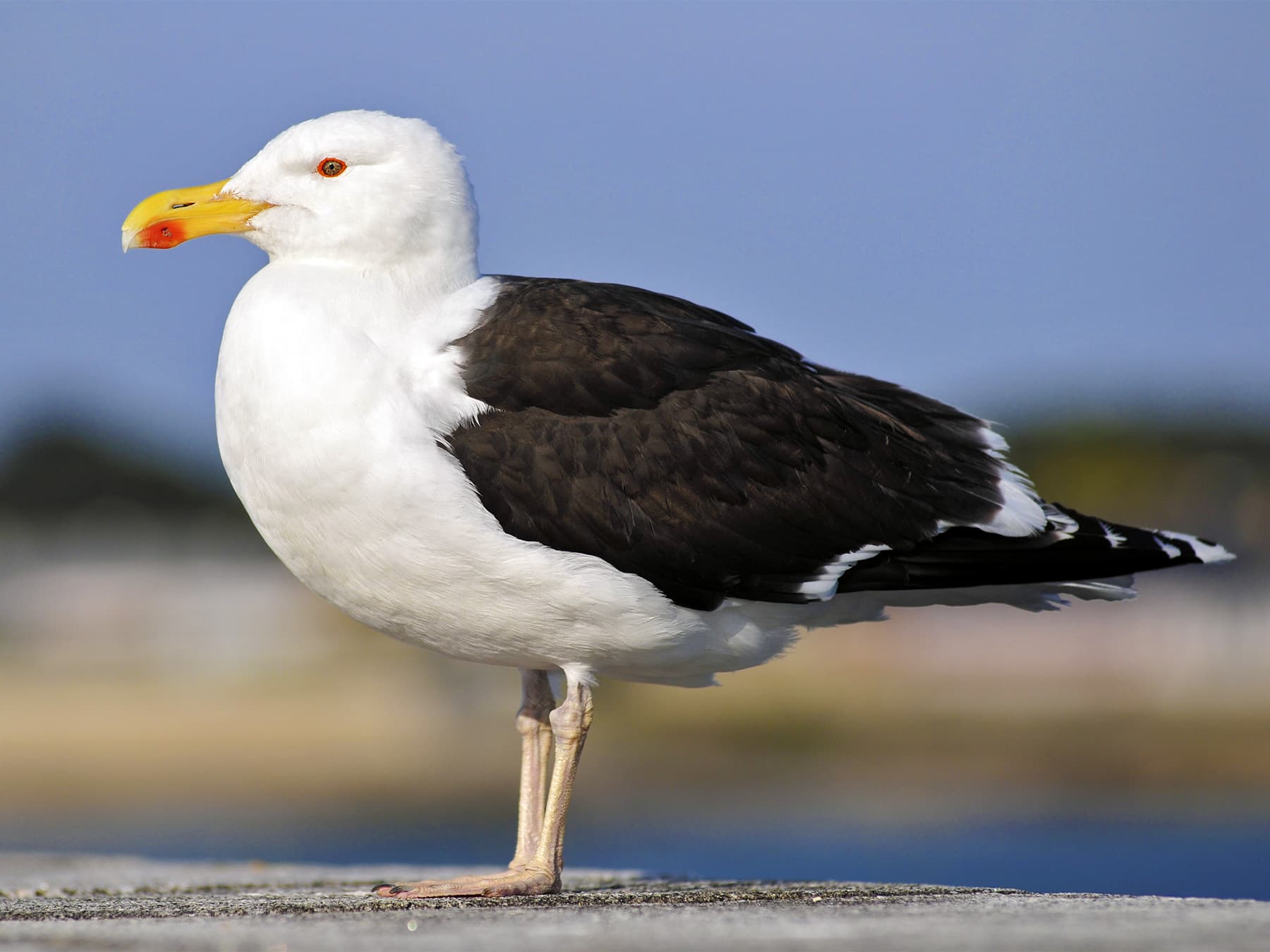 Great Black-backed GullLarus marinusResidentCommon64–78 cmRecorded all year
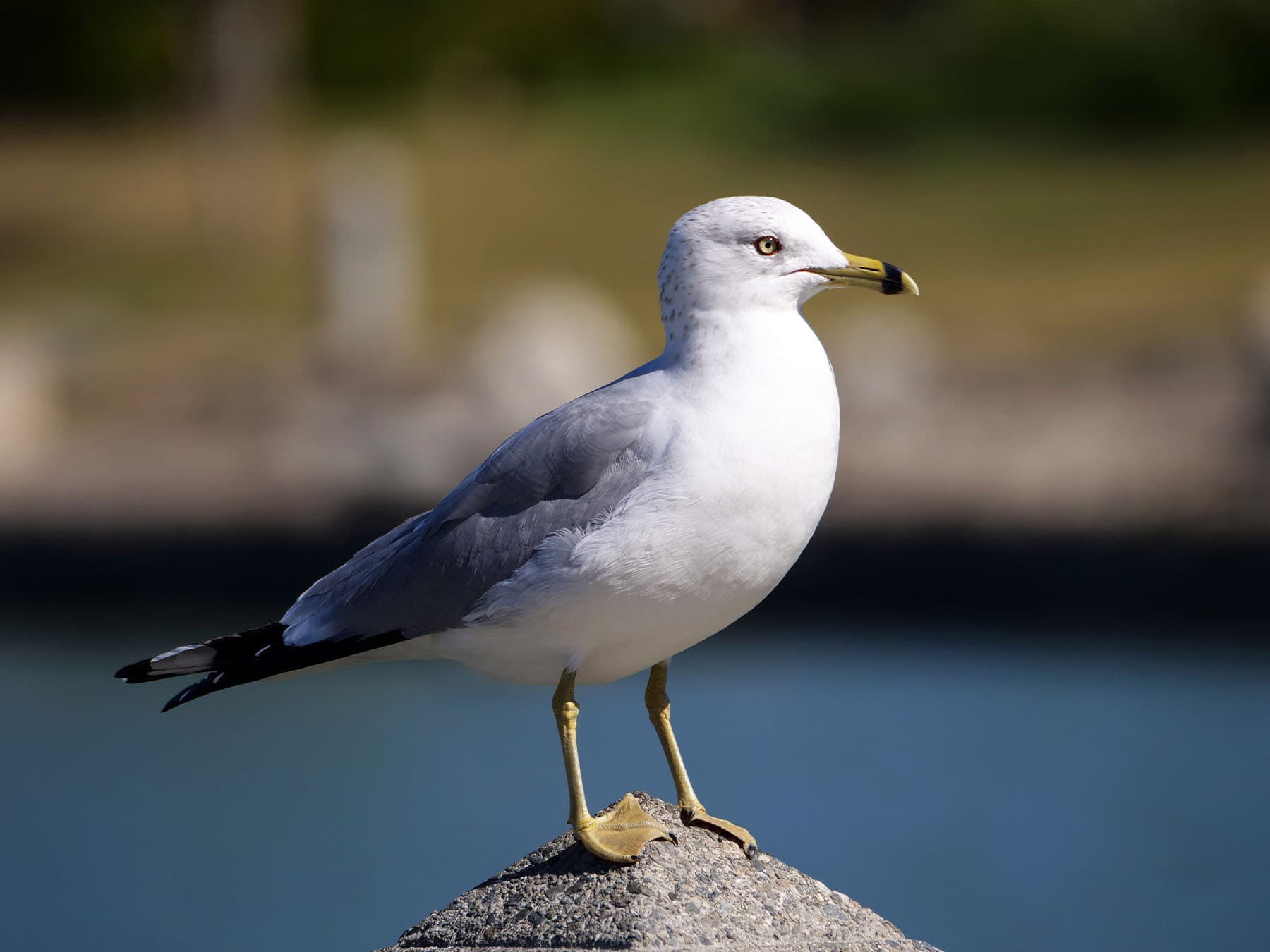 Ring-billed GullLarus delawarensisWinter visitorCommon43–54 cmRecorded all year
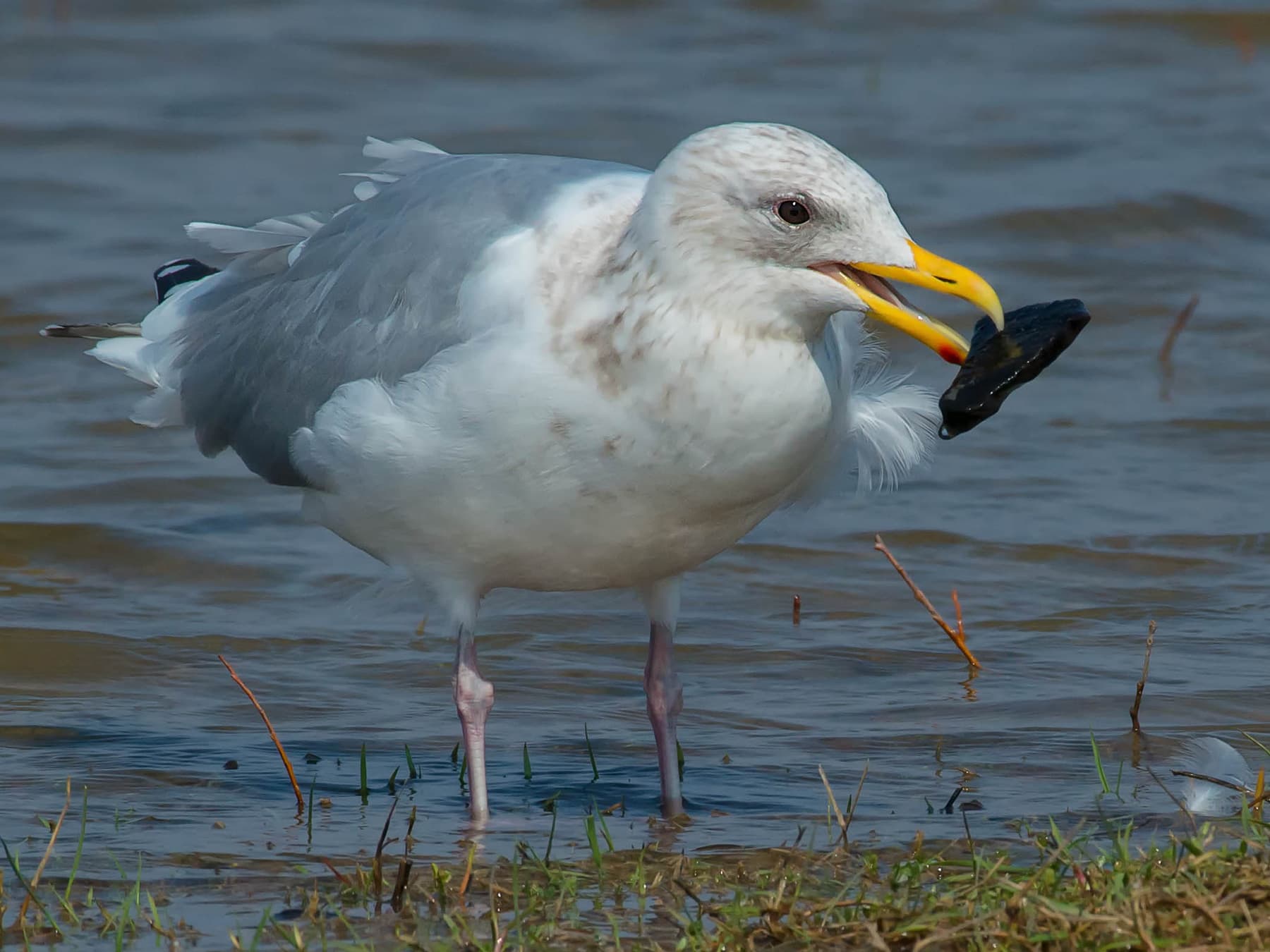 Iceland GullLarus glaucoidesWinter visitorCommon52–60 cmRegularly Nov–May
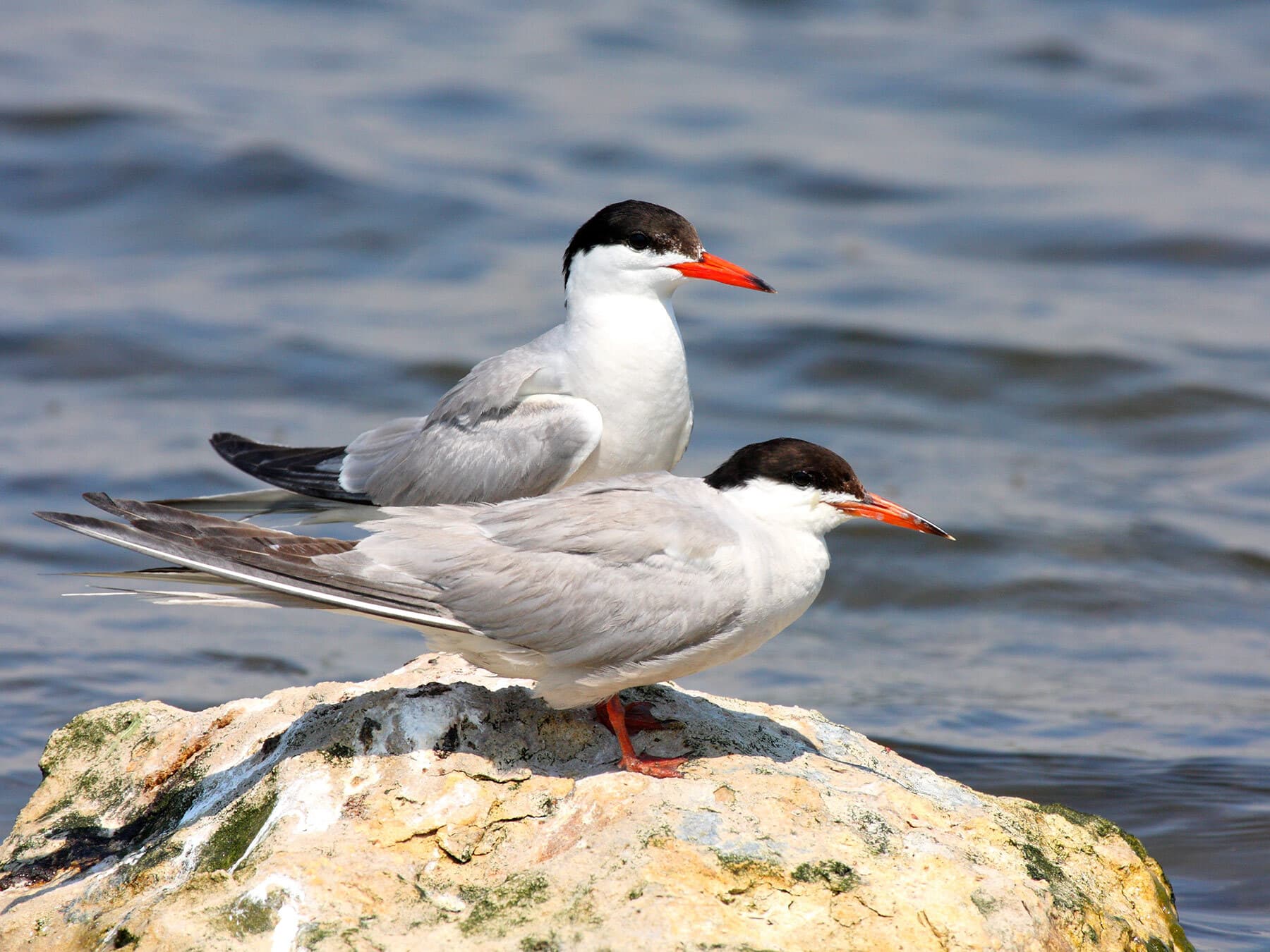 Common TernSterna hirundoSummer visitorCommon31–35 cmRegularly May–Oct
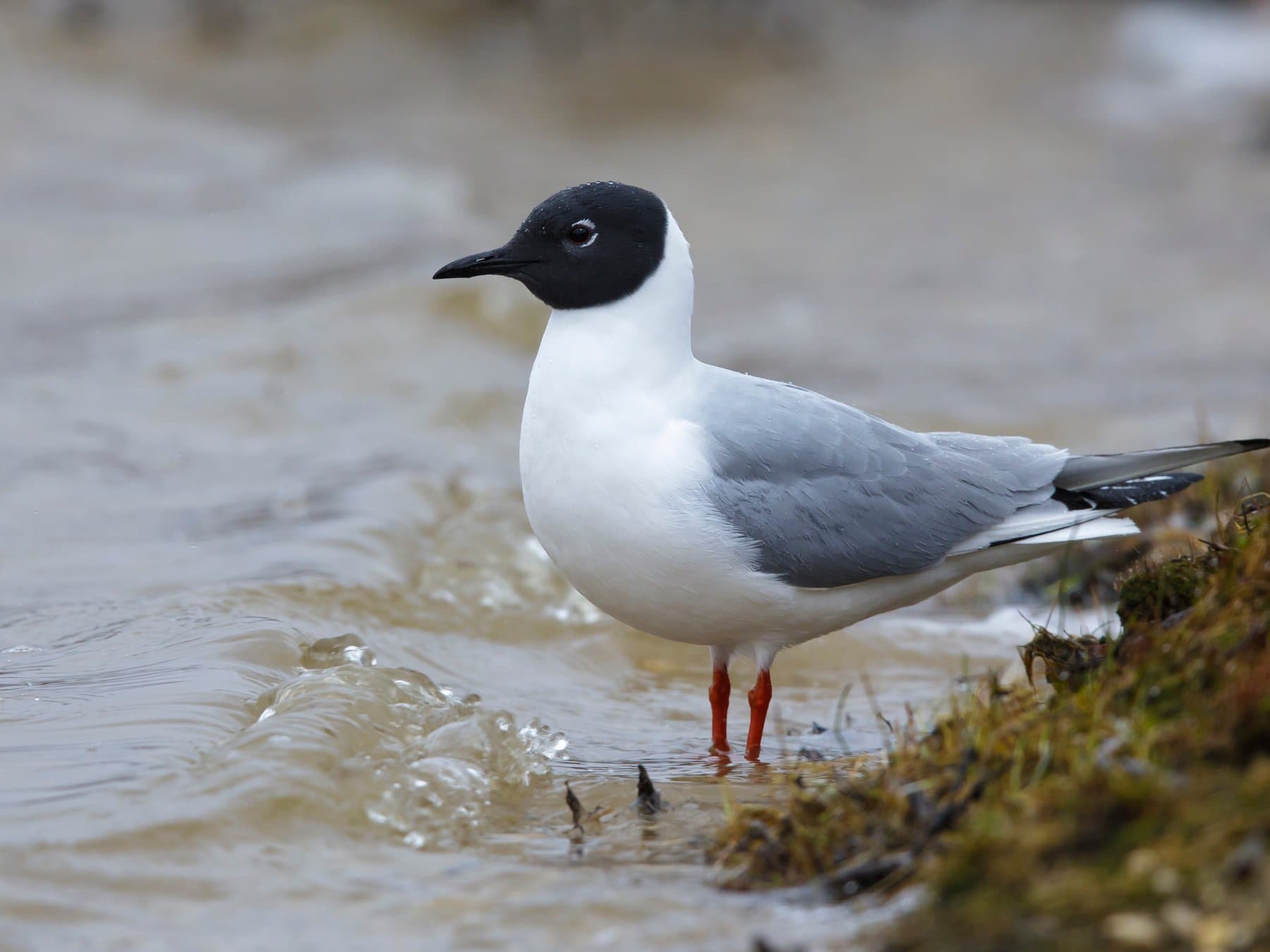 Bonaparte's GullChroicocephalus philadelphiaWinter visitorCommon28–38 cmRegularly Jul–Mar
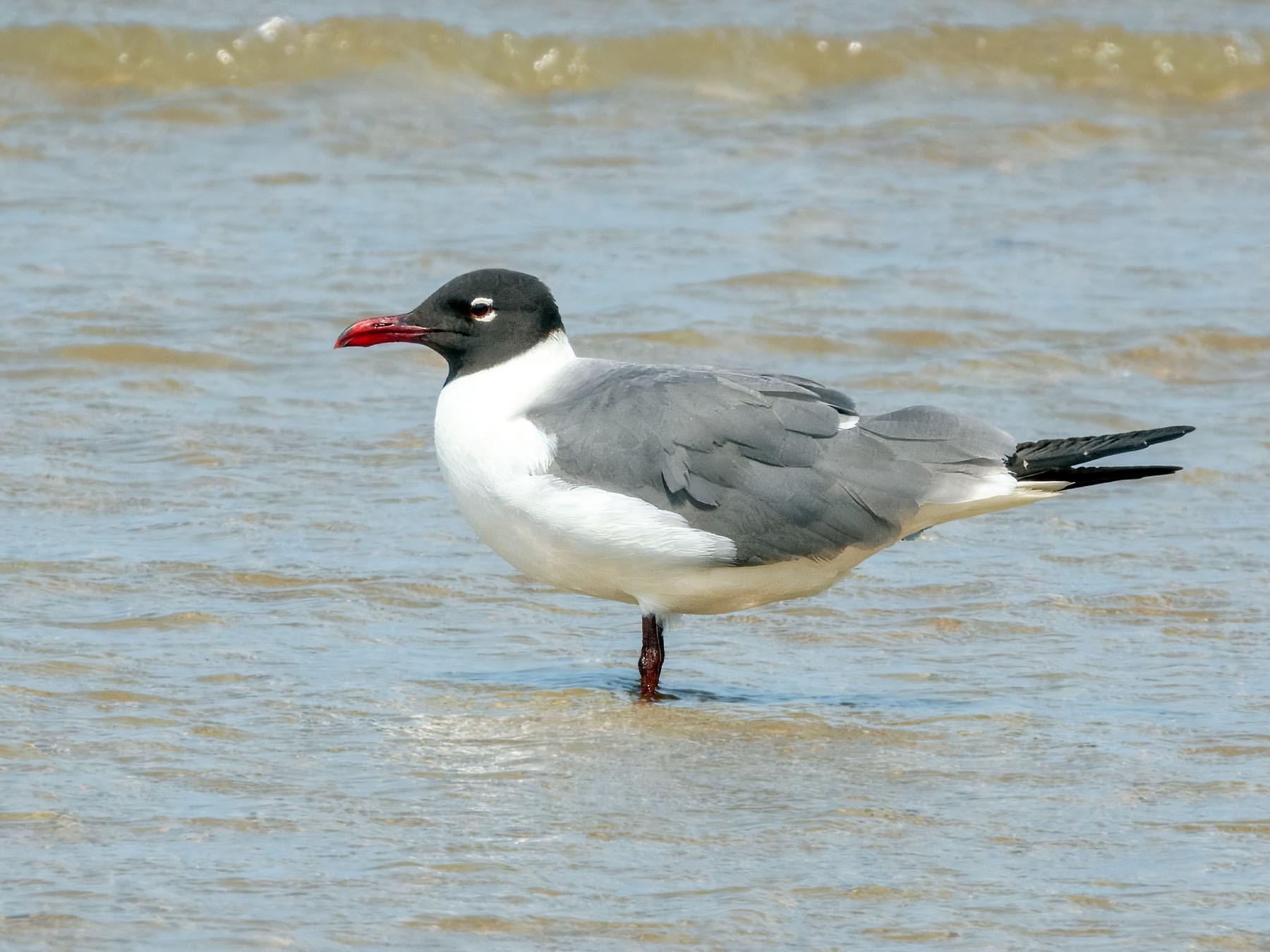 Laughing GullLeucophaeus atricillaPassage migrantUncommon39–46 cmRegularly Sep
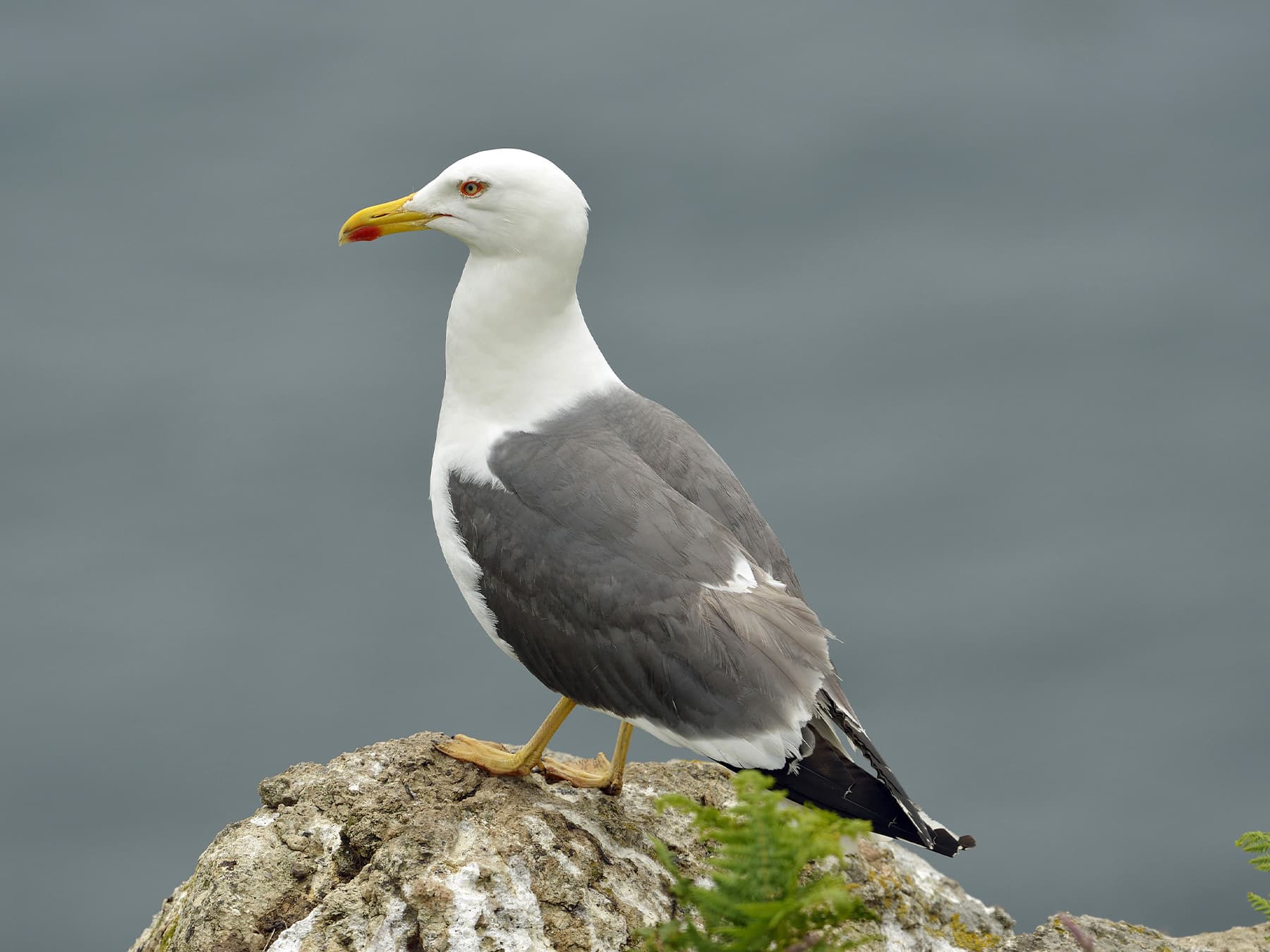 Lesser Black-backed GullLarus fuscusWinter visitorUncommon52–64 cmRecorded all year
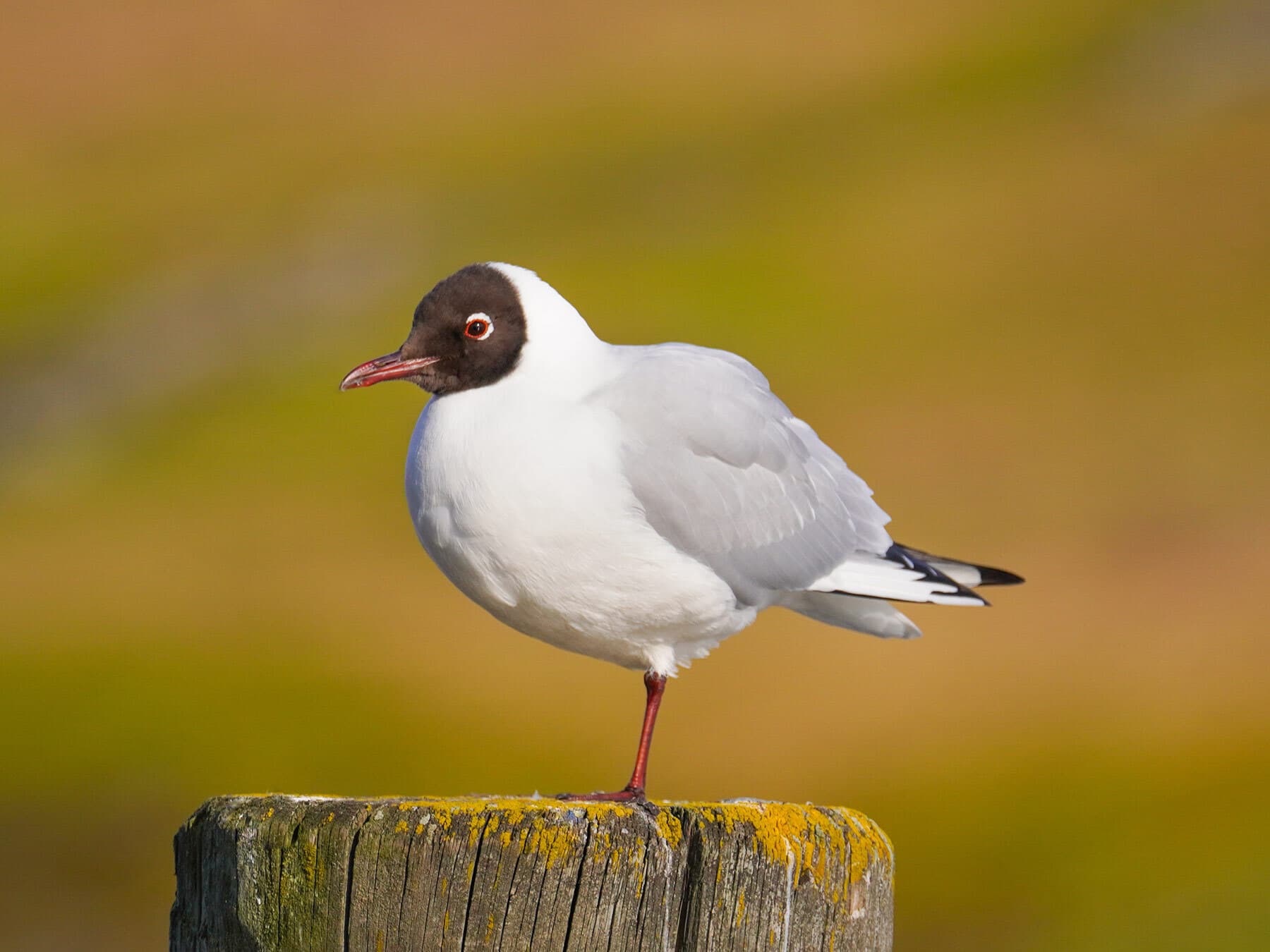 Black-headed GullChroicocephalus ridibundusWinter visitorUncommon37–43 cmRegularly Sep–Apr
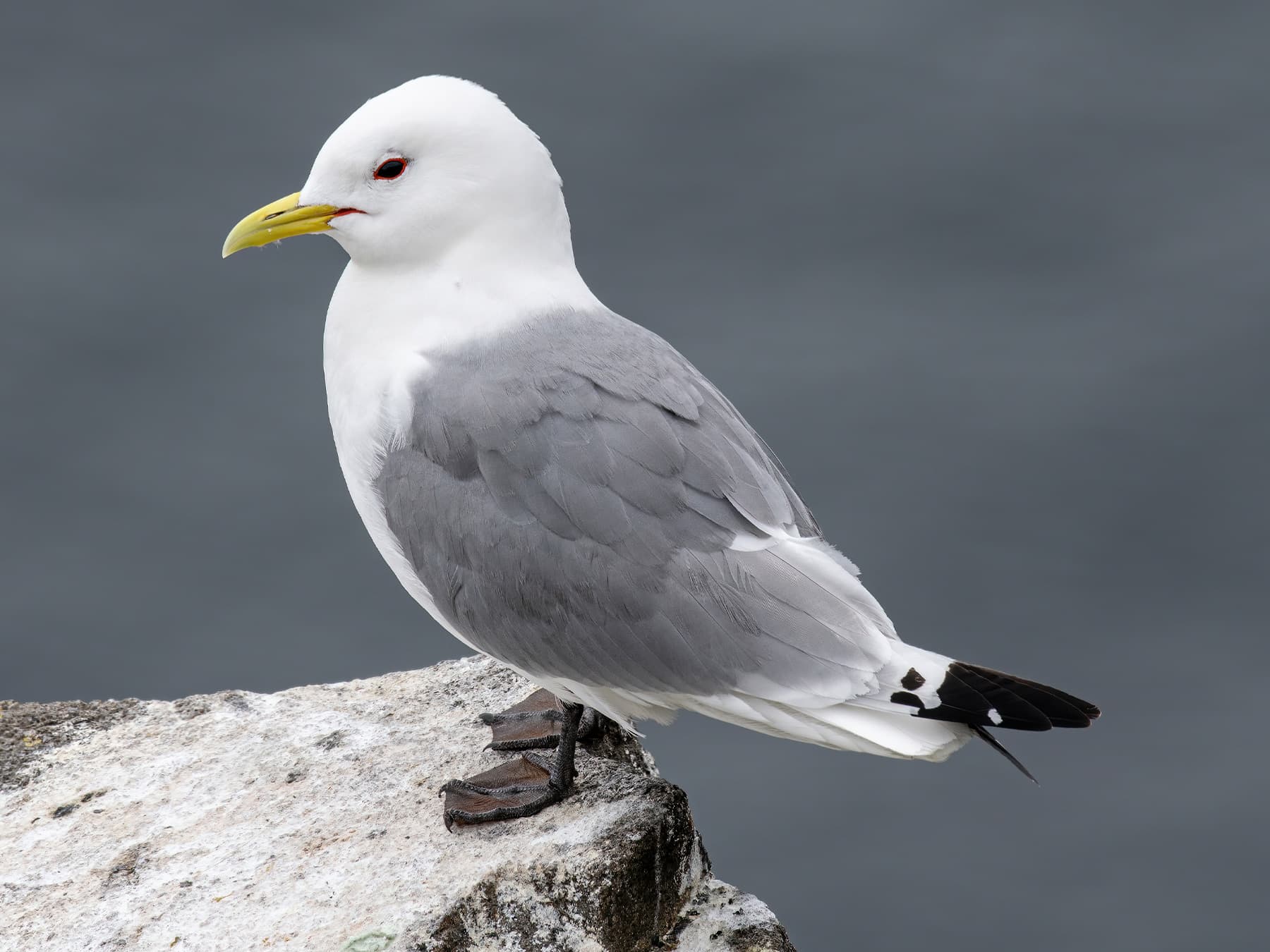 KittiwakeRissa tridactylaResidentUncommon38–40 cmRecorded all year
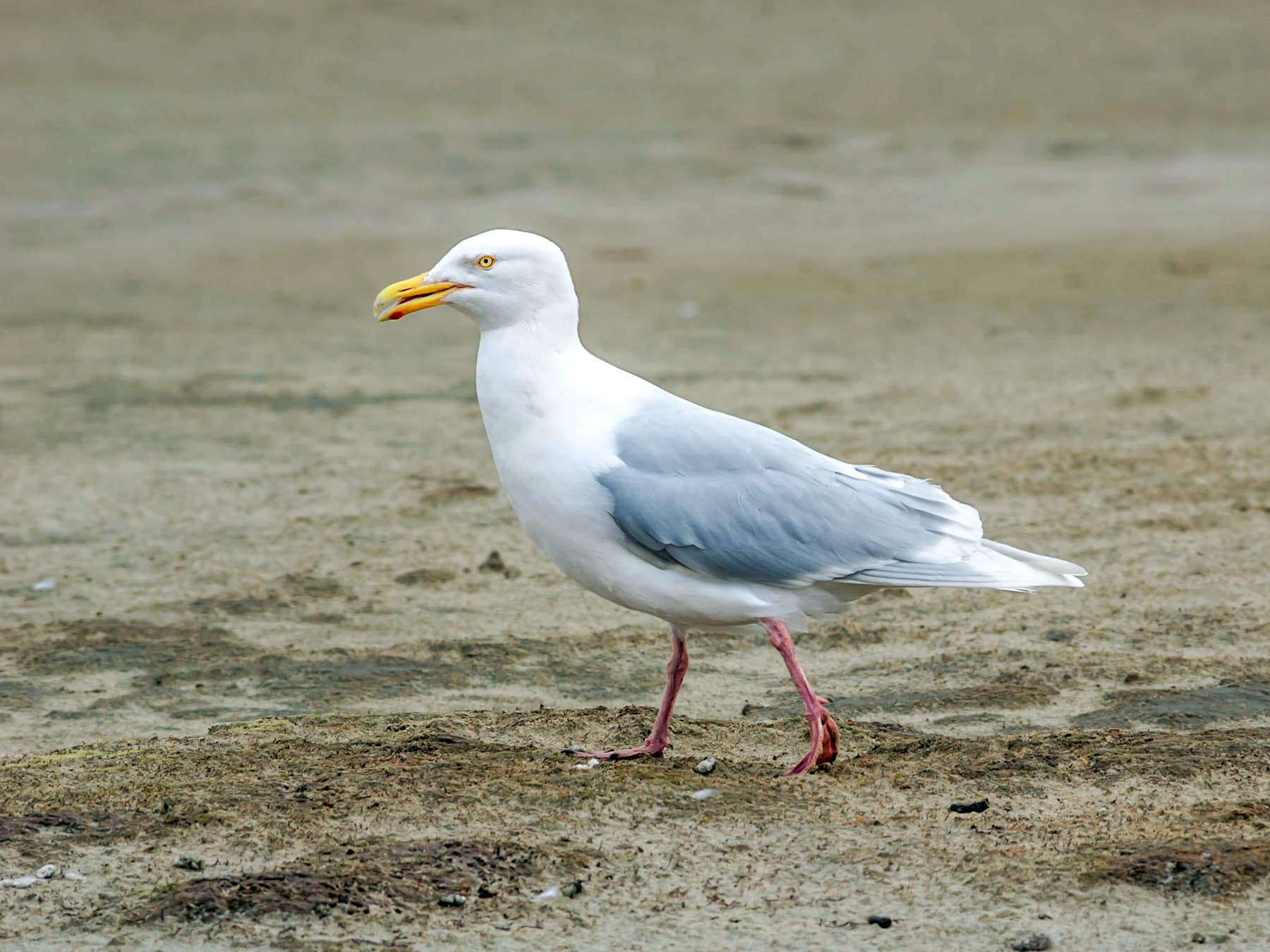 Glaucous GullLarus hyperboreusWinter visitorUncommon62–68 cmRegularly Nov–Apr
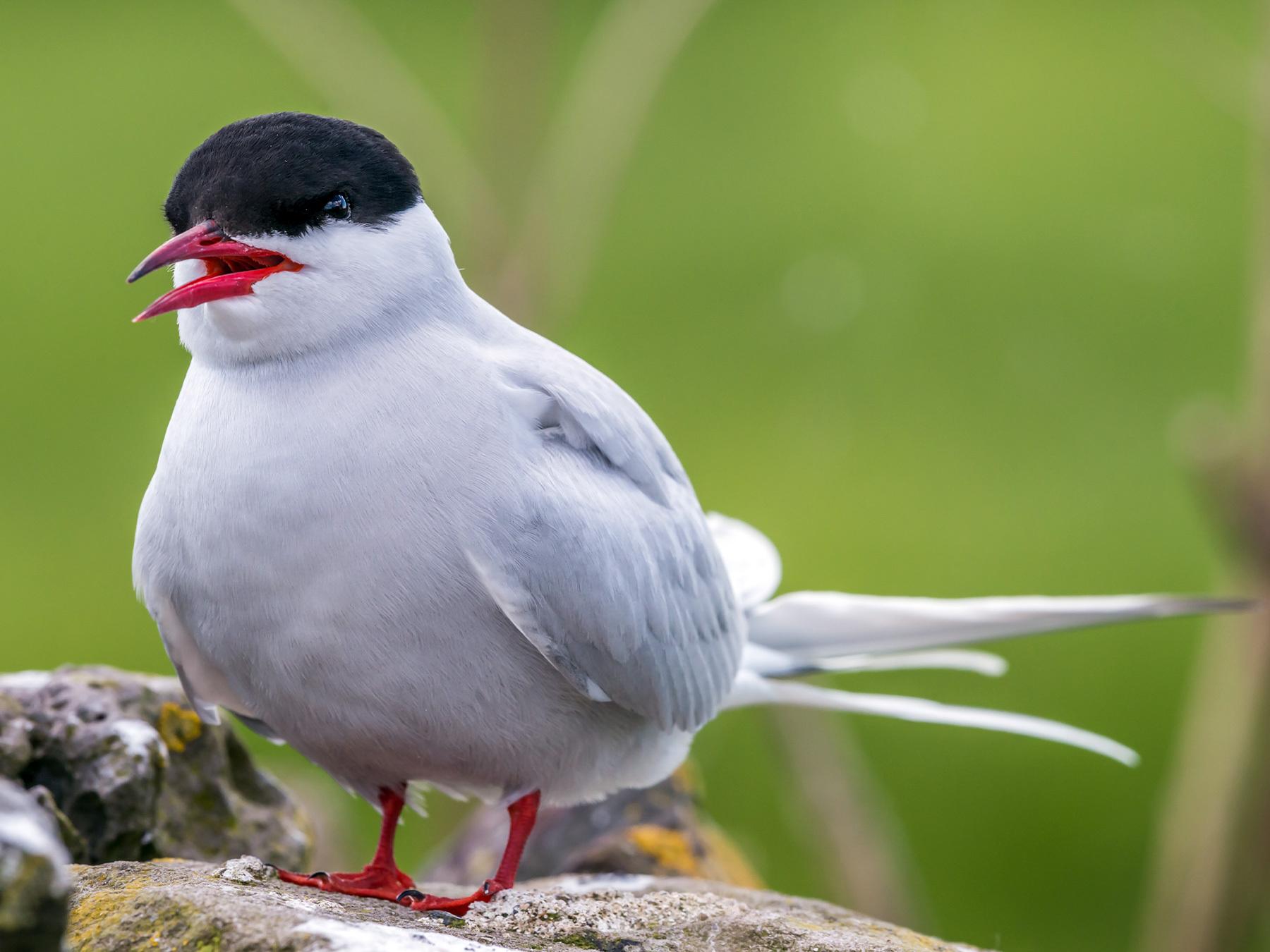 Arctic TernSterna paradisaeaSummer visitorUncommon33–35 cmRegularly May–Sep
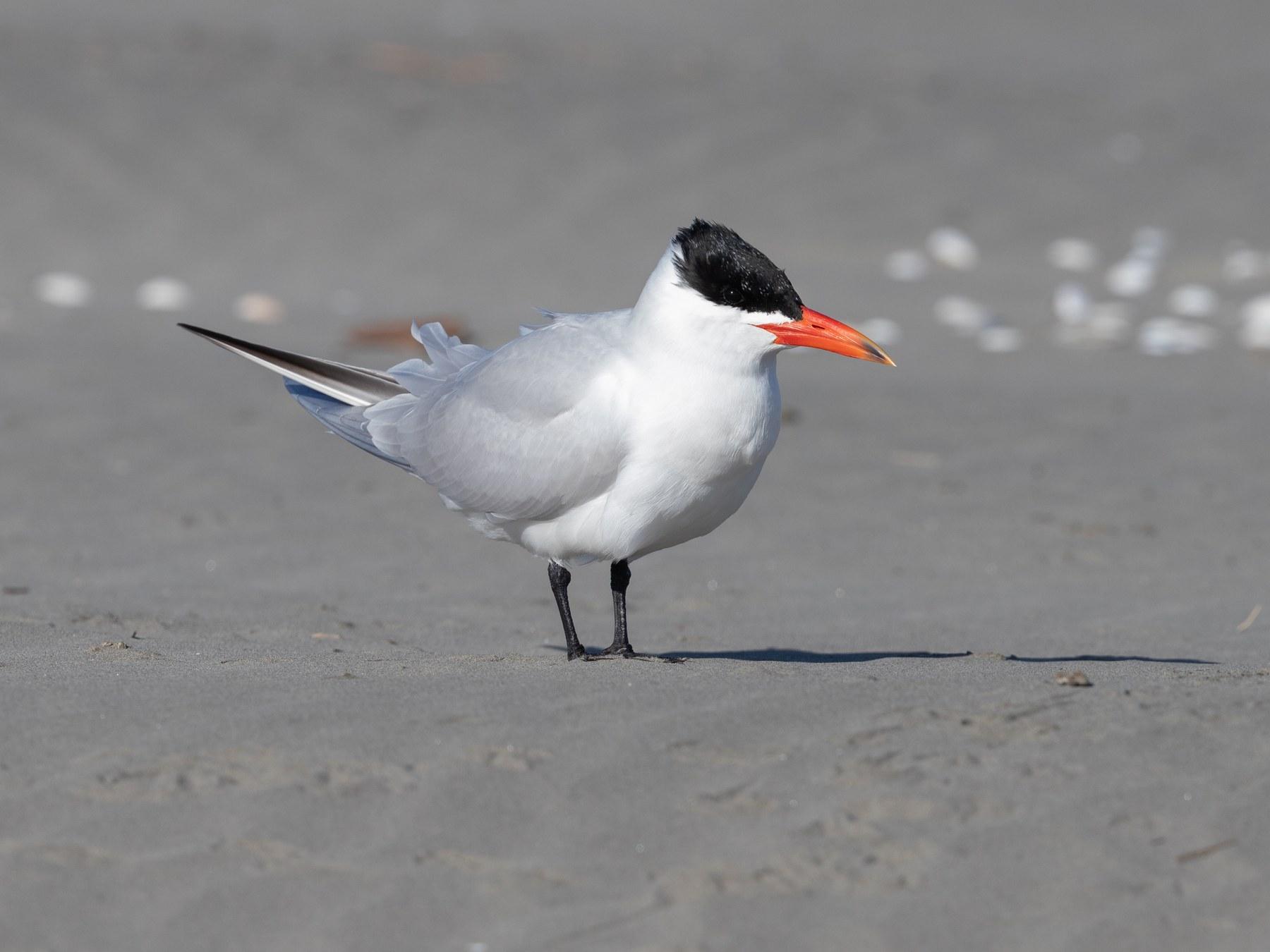 Caspian TernHydroprogne caspiaSummer visitorUncommon47–54 cmRegularly May–Sep
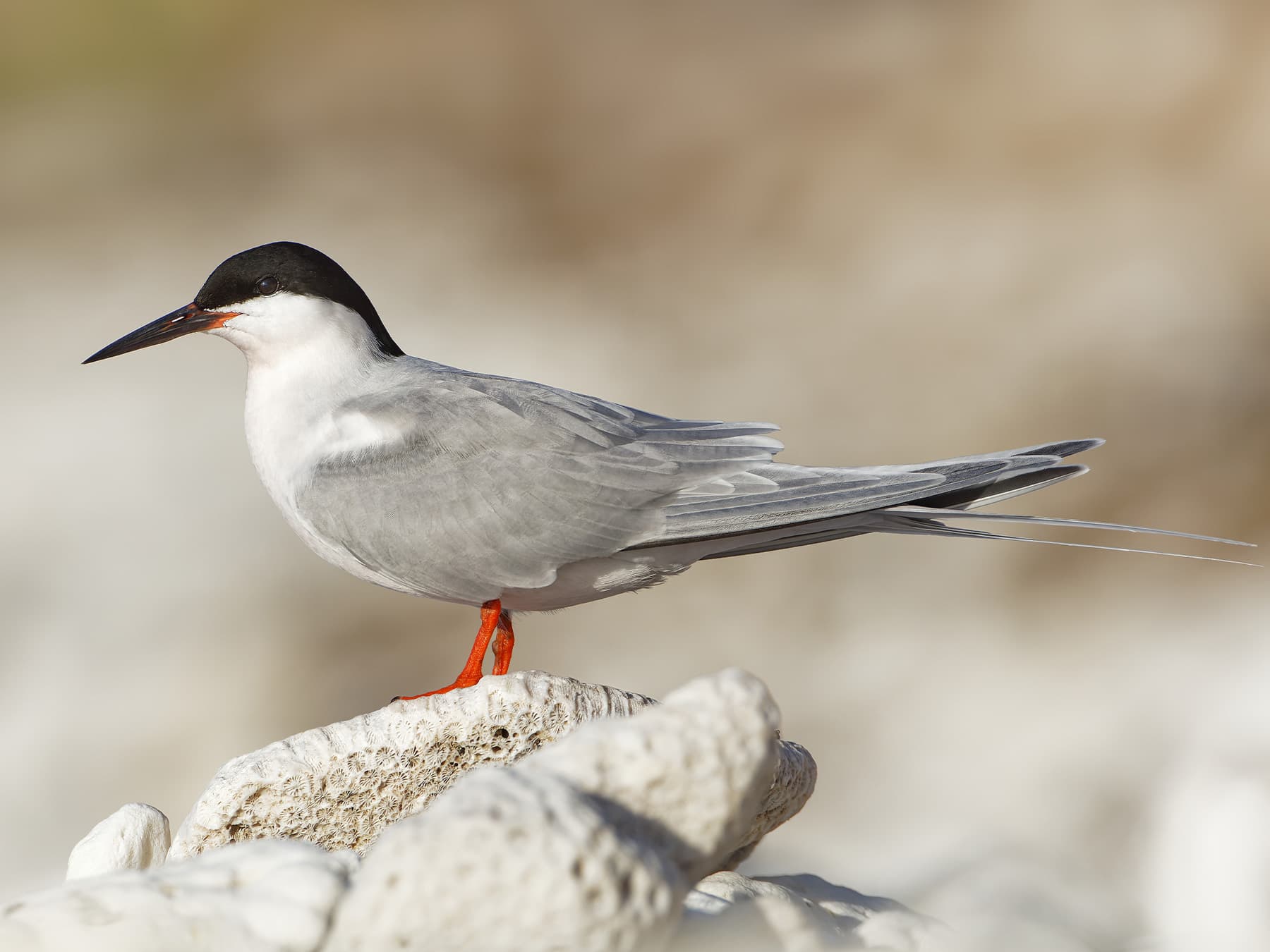 Roseate TernSterna dougalliiSummer visitorUncommon33–41 cmRegularly May–Aug
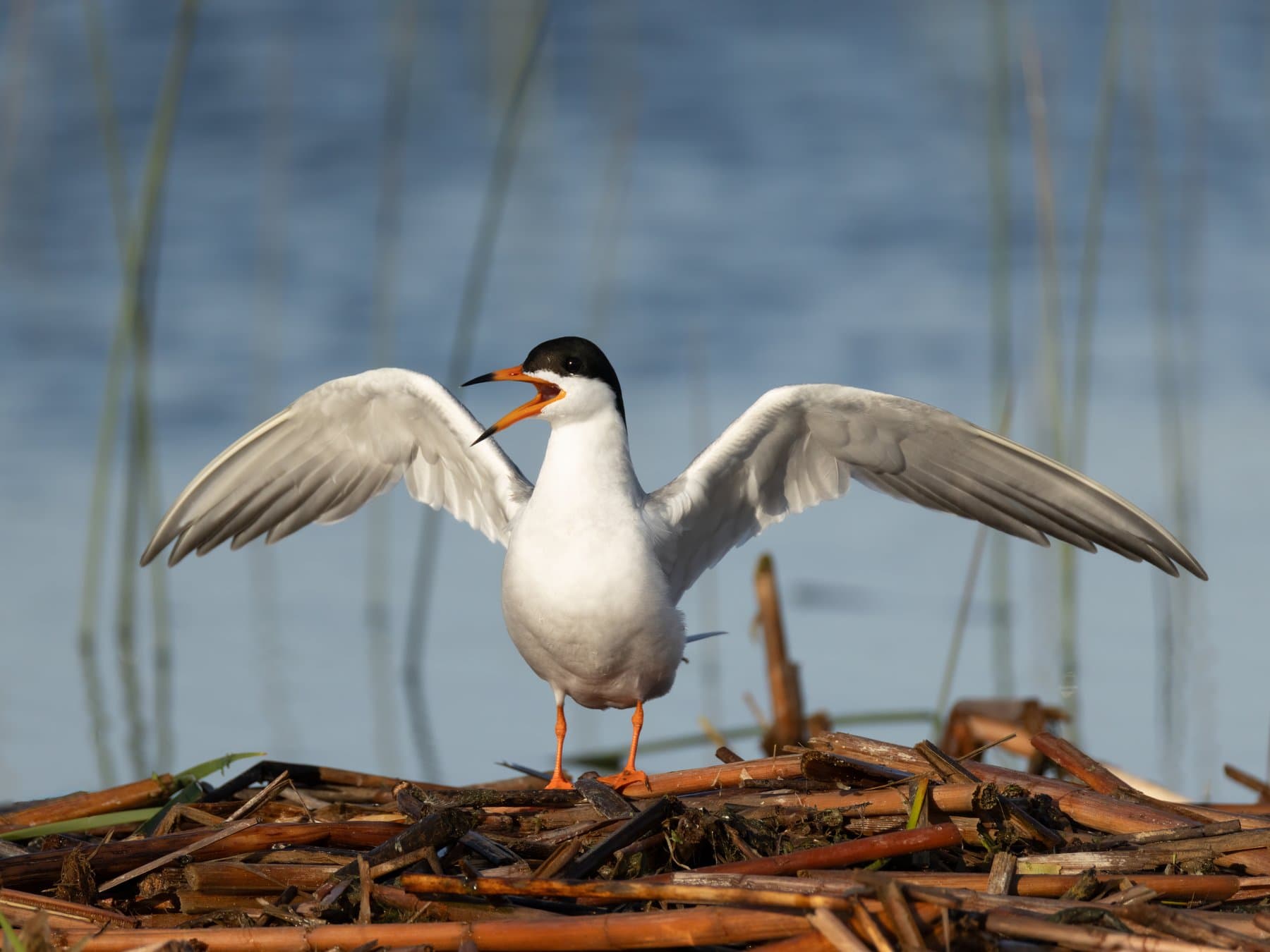 Forster's TernSterna forsteriScarceUncommon33–36 cm
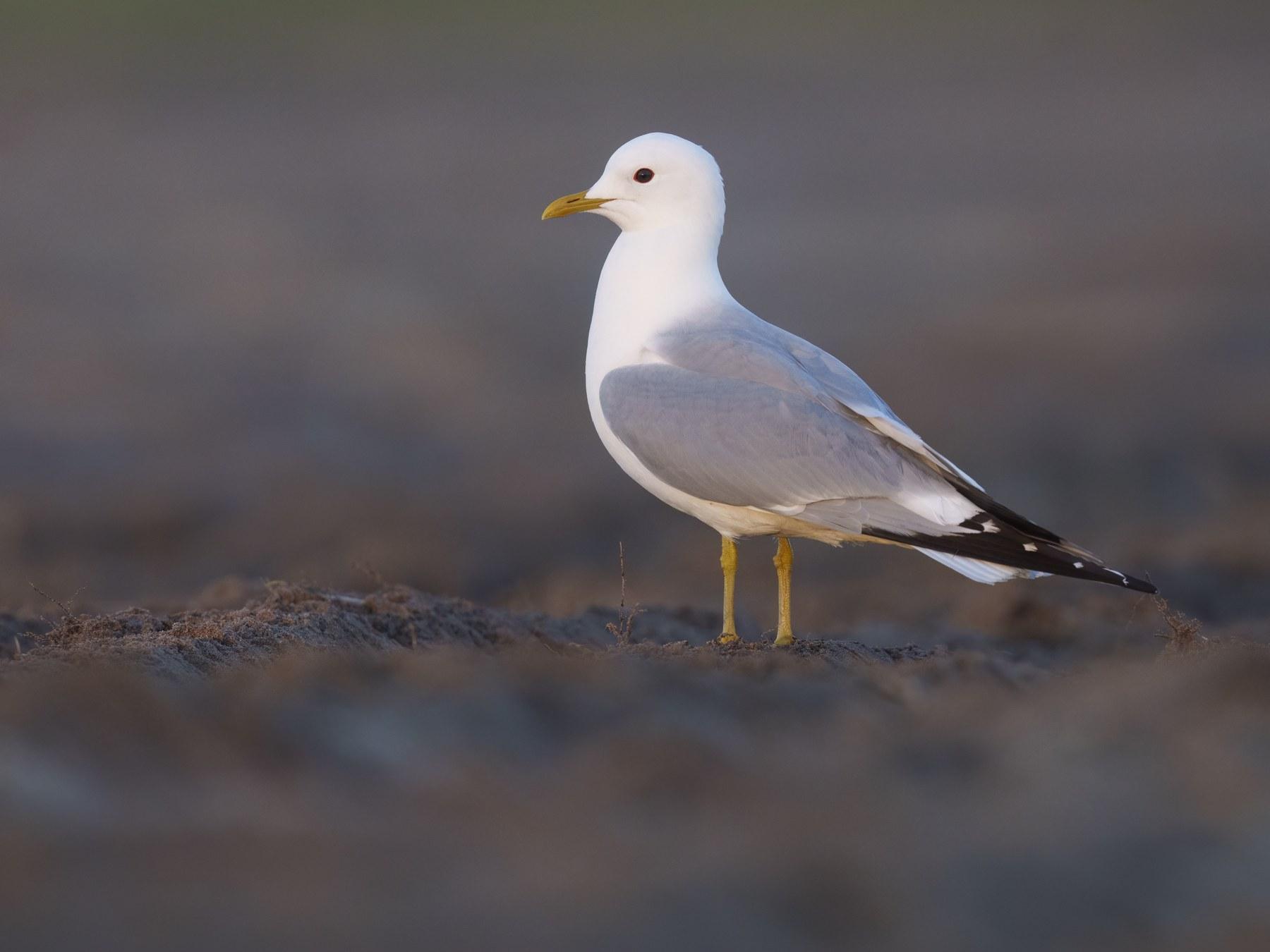 Common GullLarus canusWinter visitorUncommon40–46 cmRegularly Dec–Mar
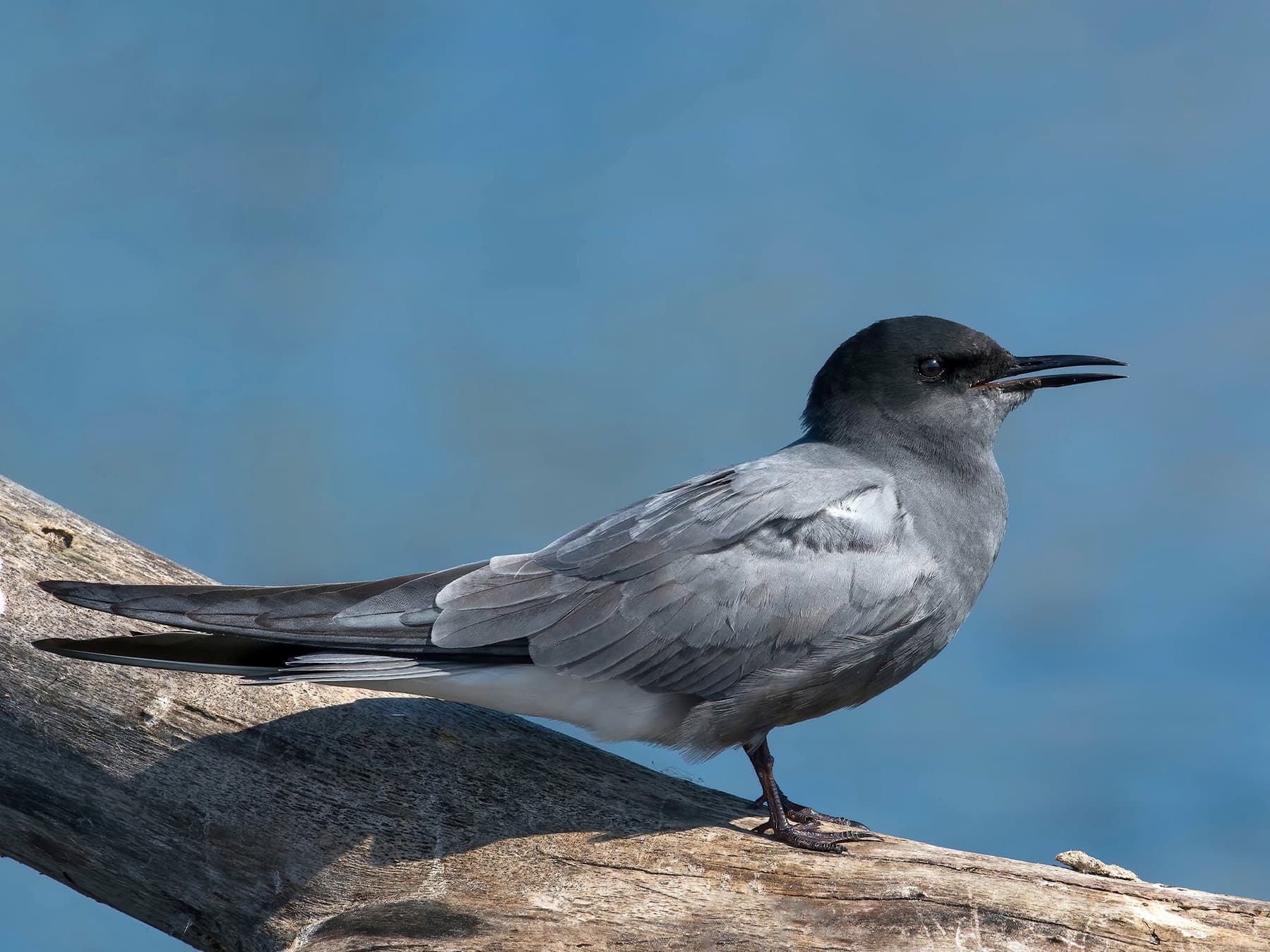 Black TernChlidonias nigerPassage migrantRare22–26 cmRegularly Jun–Sep
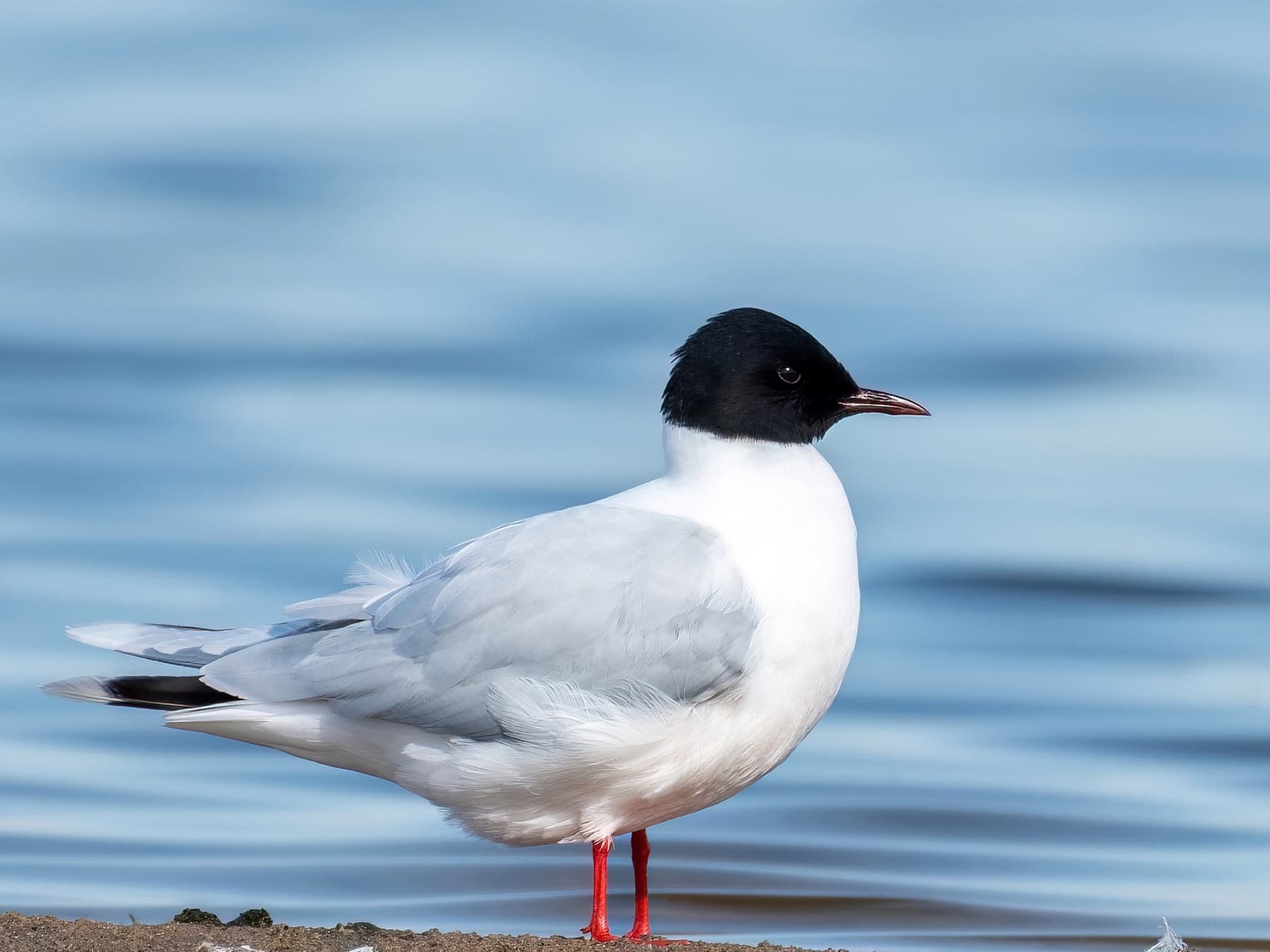 Little GullHydrocoloeus minutusResidentRare25–30 cmRegularly Nov–Jan
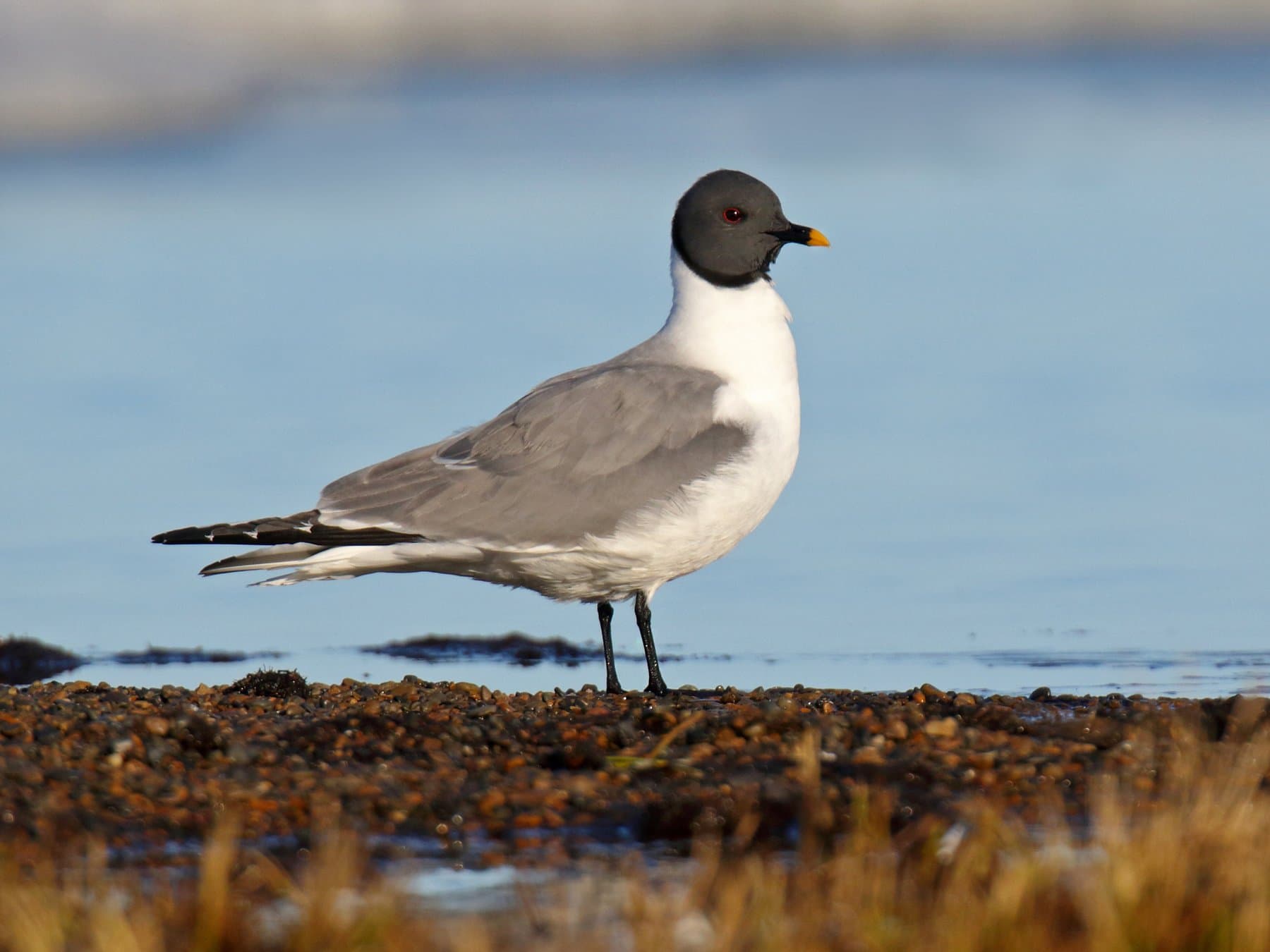 Sabine's GullXema sabiniPassage migrantRare27–33 cmRegularly Sep
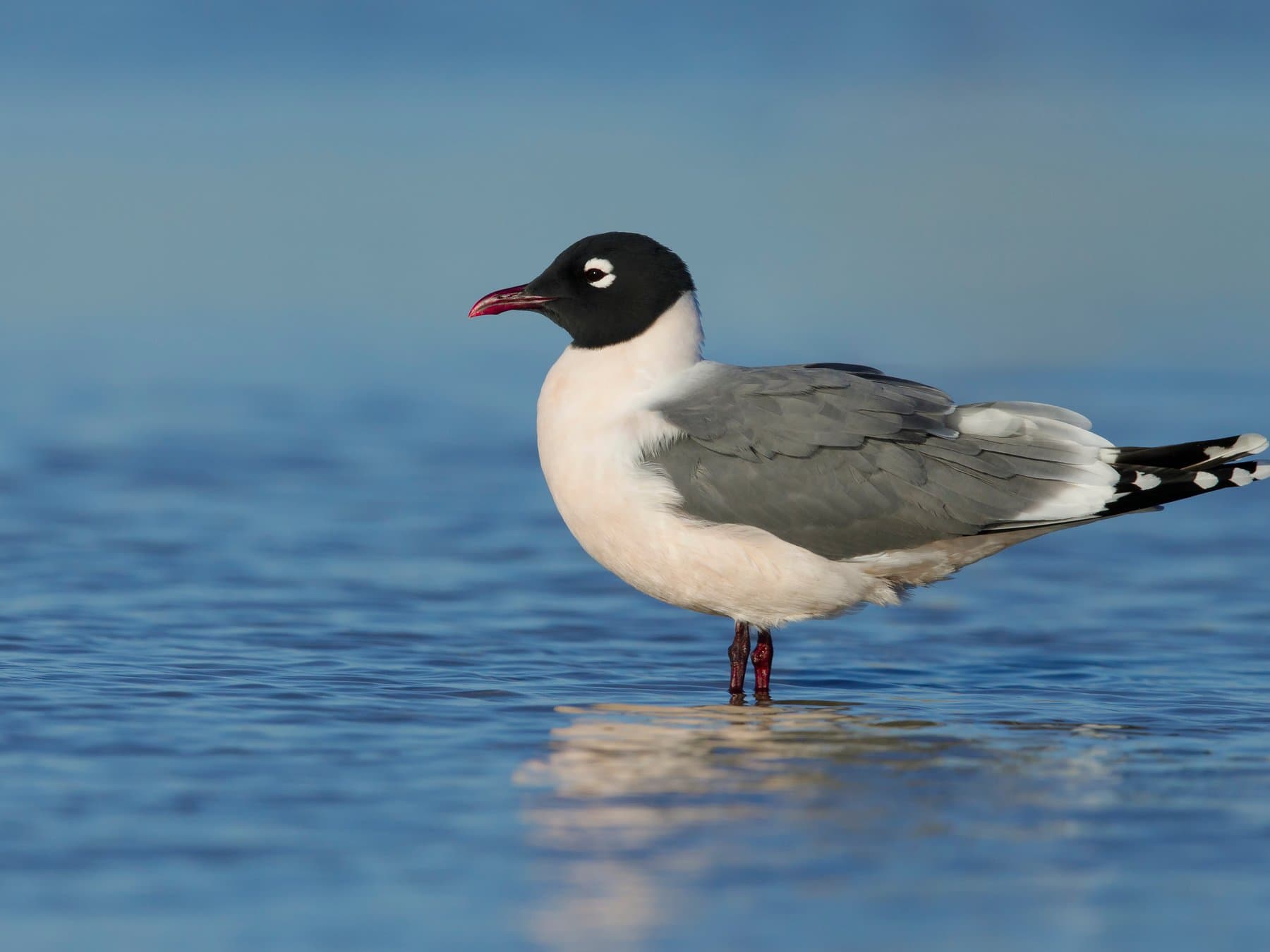 Franklin's GullLeucophaeus pipixcanScarceRare32–36 cm
Smallest to largest
Length, cm- Black Tern 22–26 cm
- Little Gull 25–30 cm
- Sabine's Gull 27–33 cm
- Common Tern 31–35 cm
- Bonaparte's Gull 28–38 cm
- Arctic Tern 33–35 cm
- Franklin's Gull 32–36 cm
- Forster's Tern 33–36 cm
- Roseate Tern 33–41 cm
- Kittiwake 38–40 cm
- Black-headed Gull 37–43 cm
- Laughing Gull 39–46 cm
- Common Gull 40–46 cm
- Ring-billed Gull 43–54 cm
- Caspian Tern 47–54 cm
- Iceland Gull 52–60 cm
- Lesser Black-backed Gull 52–64 cm
- American Herring Gull 53–65 cm
- Glaucous Gull 62–68 cm
- Great Black-backed Gull 64–78 cm
Body length, bill to tail. Rare birds in grey.
Data: EOD – eBird Observation Dataset (Cornell Lab of Ornithology), accessed via GBIF.org, CC BY 4.0. Records from 2019–2024, aggregated and filtered by Birdfact. How these lists are made