Birds in United Kingdom
Explore 275 species found in this region.
The United Kingdom is home to an impressive diversity of 258 bird species, thriving across a rich mosaic of habitats from rugged Scottish highlands and coastal estuaries to ancient woodlands and rolling farmland. Notable residents include the charismatic Great Tit and Magpie in gardens and hedgerows, the elegant Eurasian Woodcock in dense woodland, and the striking Mandarin Duck along sheltered waterways. Coastal and upland areas host remarkable species such as the Dotterel on mountain plateaux and the Common Shelduck along tidal mudflats, making the UK a rewarding destination for birdwatchers year-round.
Visiting in September? Look out for Aquatic Warbler and Bluethroat arriving this month, and Bar-headed Goose and Black-crowned Night-heron depart for the season.
Explore by Region


Get a monthly guide to birds in United Kingdom
Find out which birds are visiting your area this month, with seasonal tips and garden advice
Get Your Free DigestShowing 231–253 of 275 species
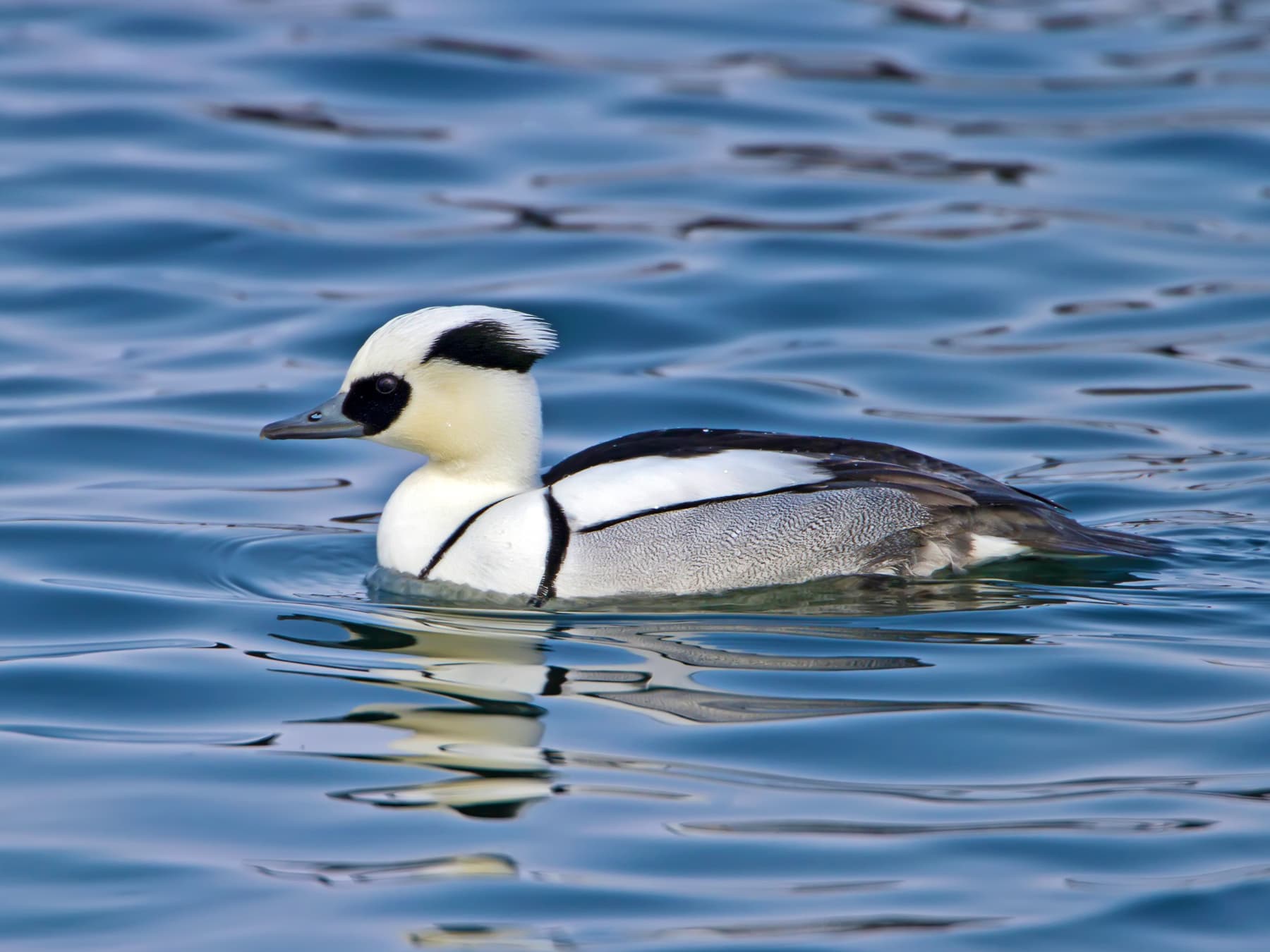
Smew
Mergellus albellusLC
A striking winter visitor to reservoirs and gravel pits, mainly in south-east England. The drake's crisp white plumage and dark mask are unmistakable.
Oct–Apr
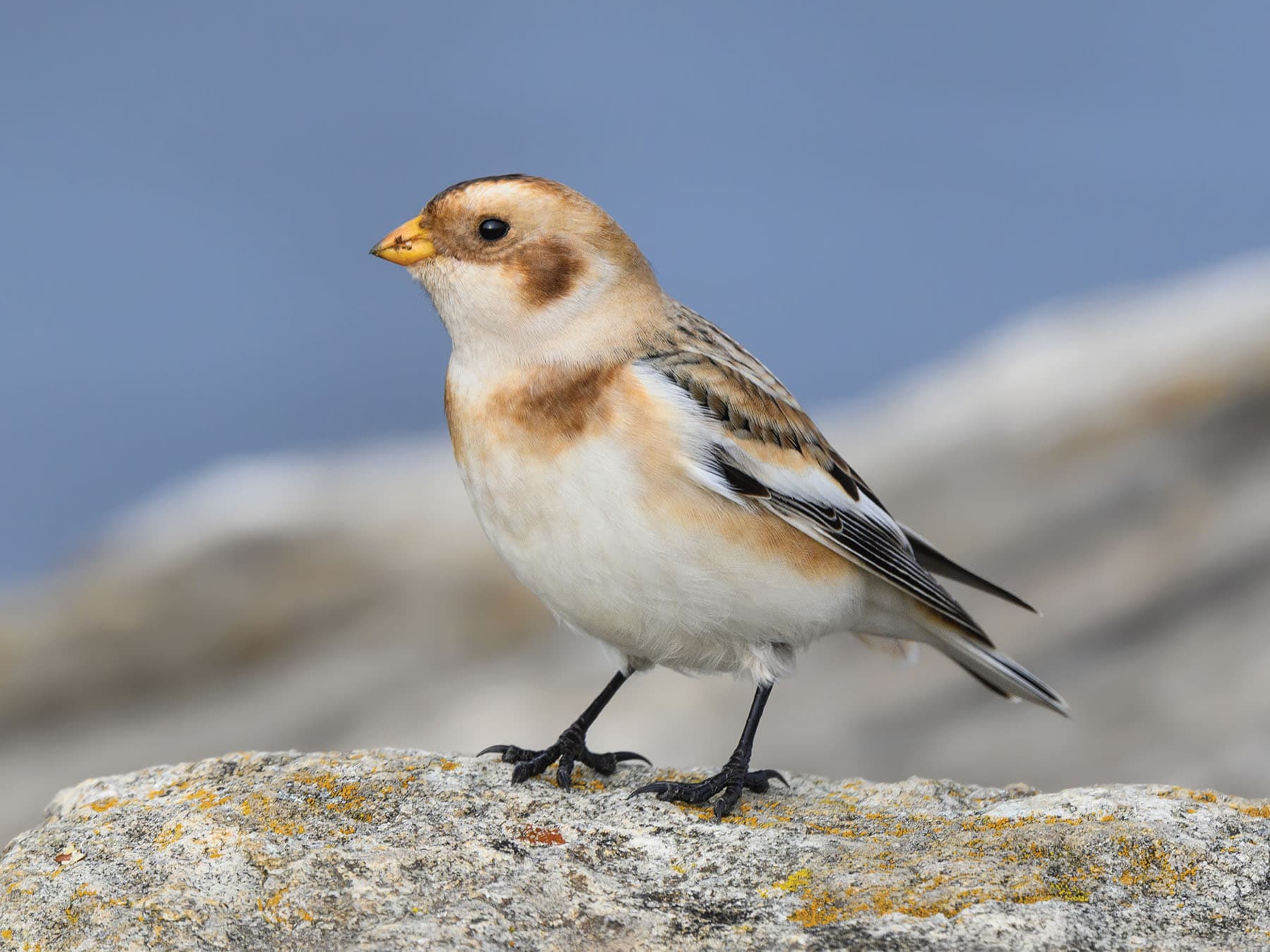
Snow Bunting
Plectrophenax nivalisLC
An uncommon non-breeding visitor to exposed coasts, mountain tops, and shingle beaches from autumn through spring. A scarce breeder on the highest Scottish summits.
Sep–Apr
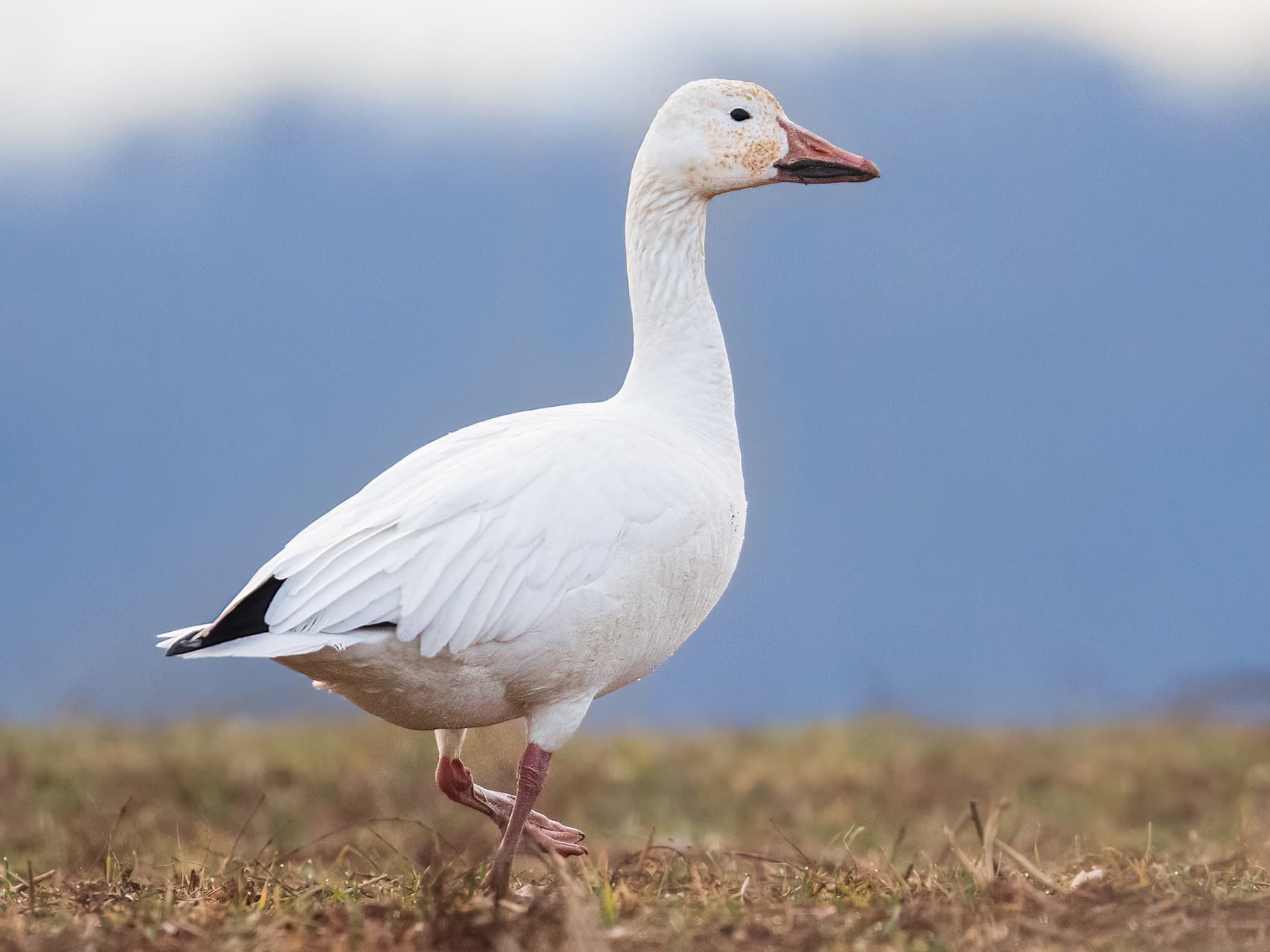
Snow Goose
Anser caerulescensLC
A rare visitor, with genuine wild birds occasionally arriving with Pink-footed Goose flocks. Many UK sightings involve feral or escaped individuals.
Aug–May
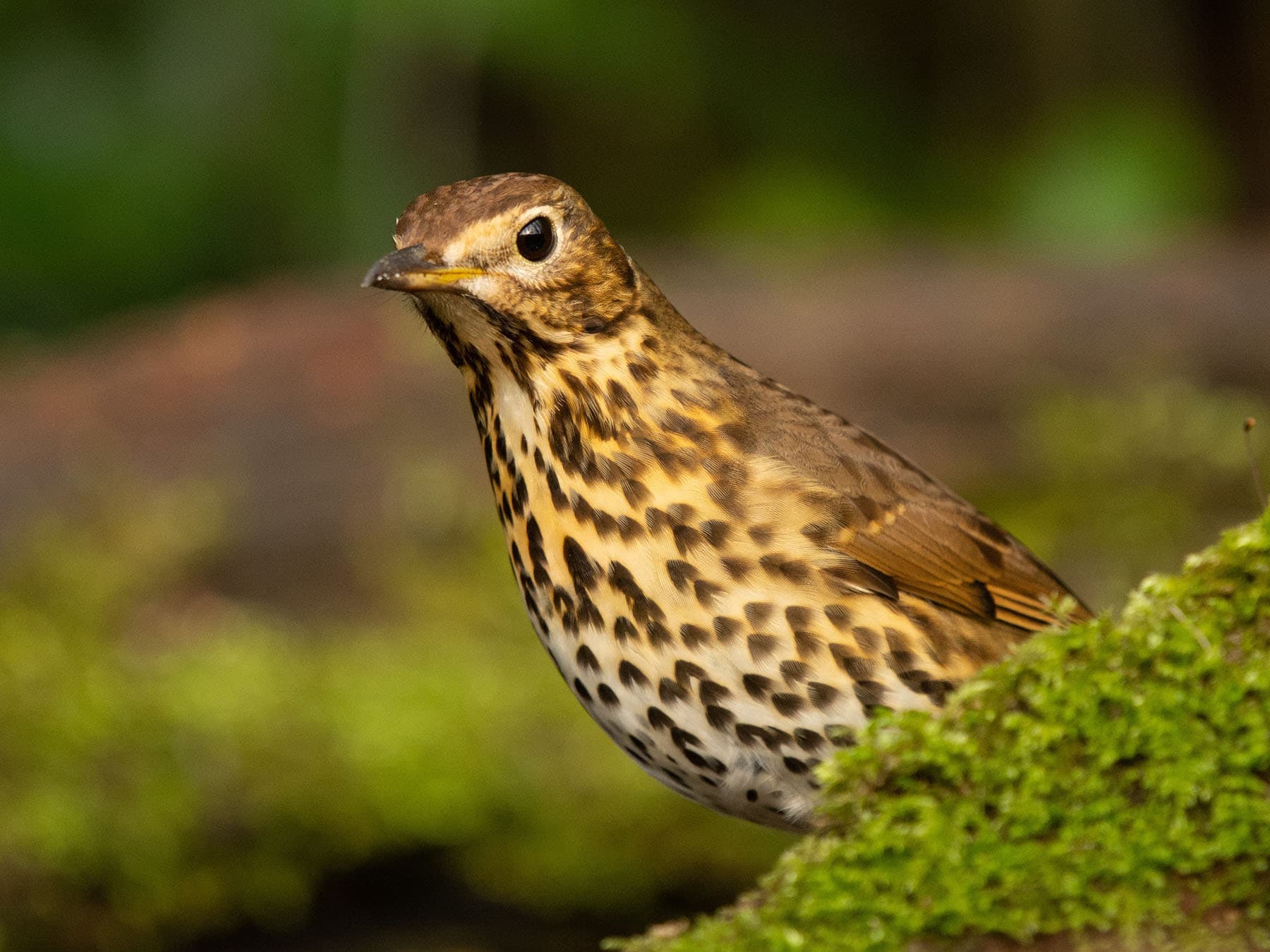
Song Thrush
Turdus philomelosLC
A common resident of gardens, woodlands and hedgerows, recognised by its rich, repeated song phrases. UK numbers are supplemented by Continental migrants in winter.
Year-round
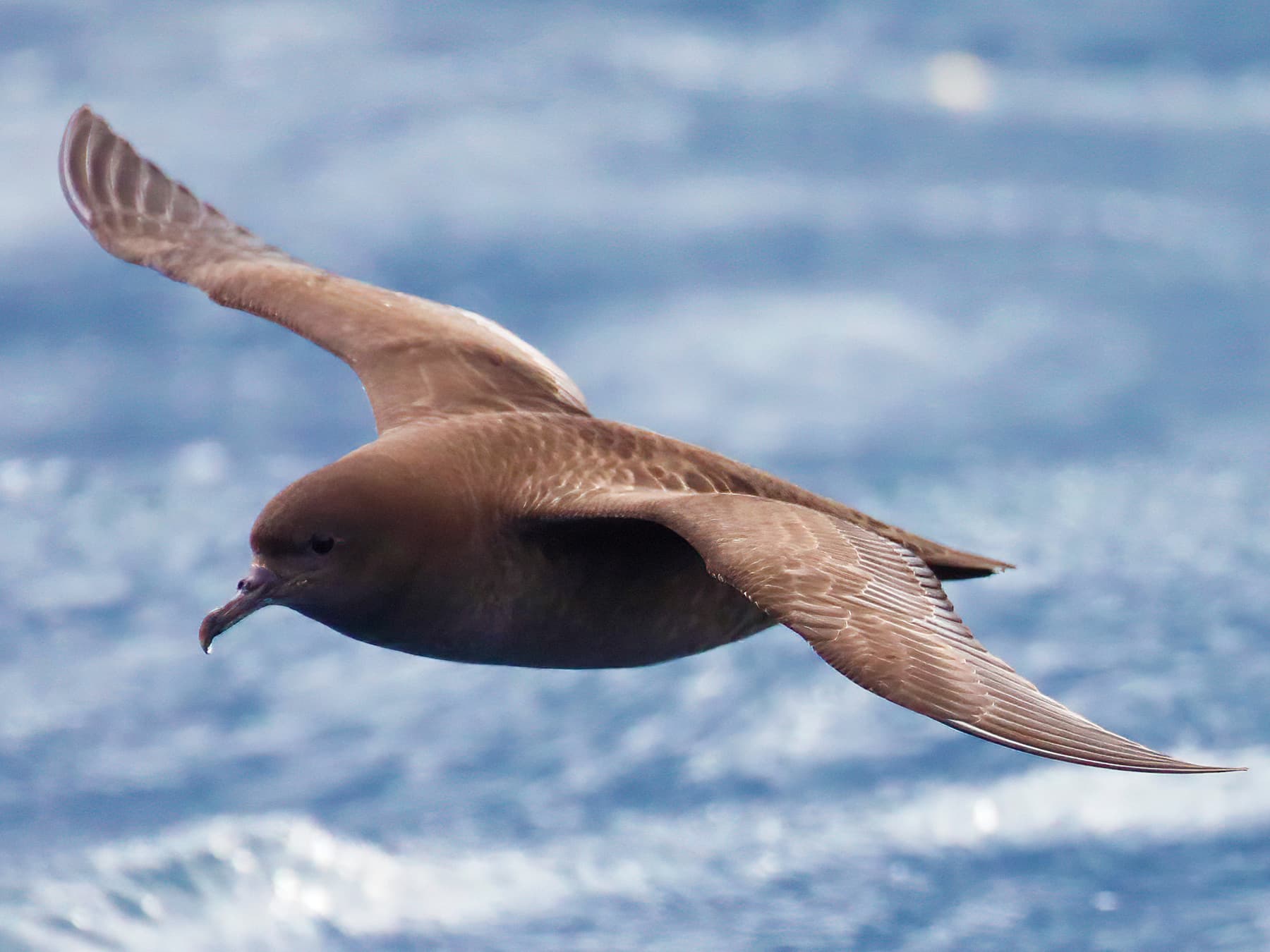
Sooty Shearwater
Ardenna griseaNT
An uncommon pelagic visitor seen offshore from June to November, mainly from western headlands. Seawatching in autumn gales offers the best chances of sighting.
Jun–Nov
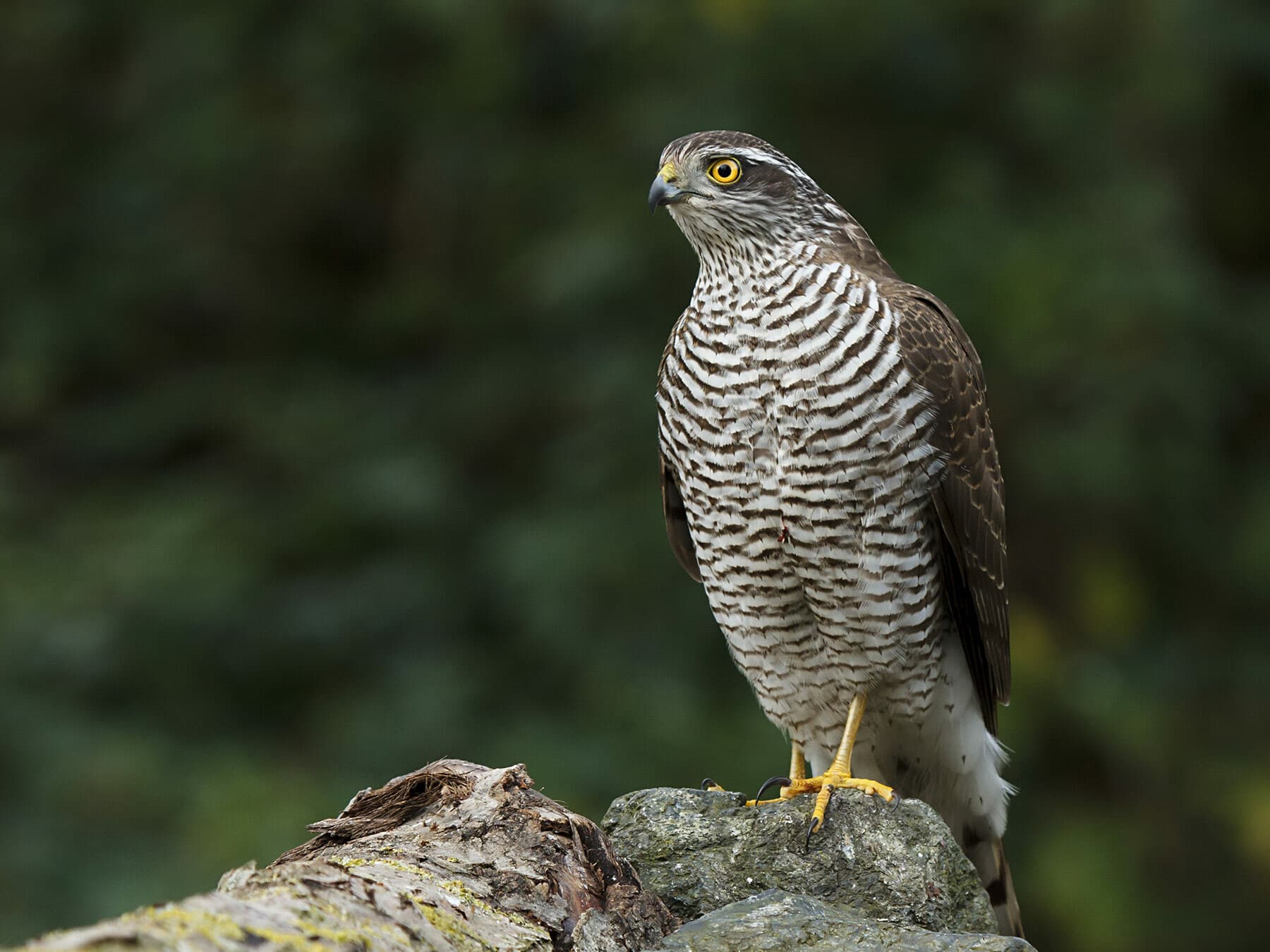
Sparrowhawk
Accipiter nisusLC
A common resident raptor found in woodland, farmland, and gardens. Often seen dashing along hedgerows in pursuit of small birds.
Year-round
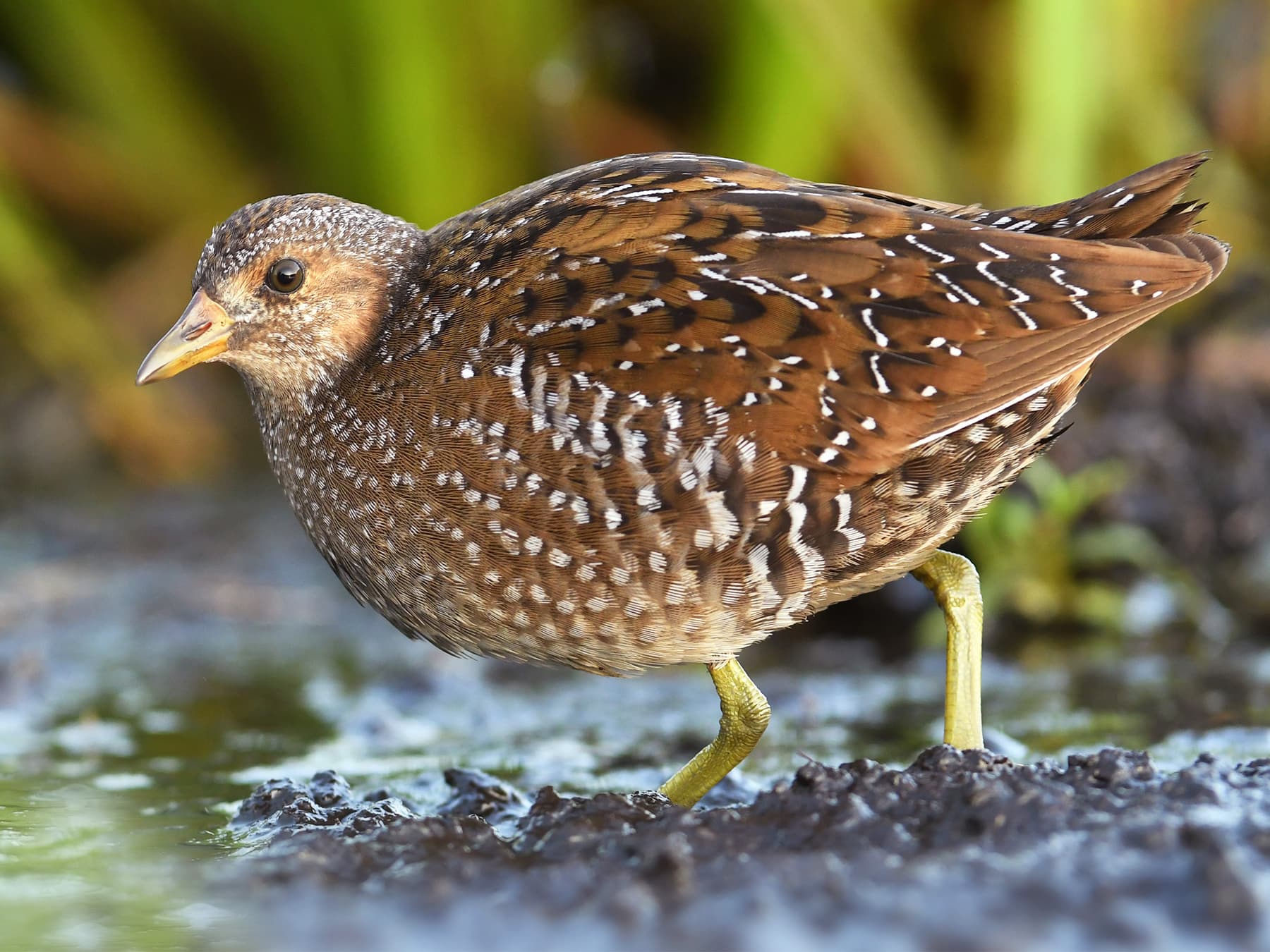
Spotted Crake
Porzana porzanaLC
A rare and secretive passage migrant through marshes and reedbeds, mainly in autumn. Occasionally breeds in small numbers at wetland sites.
Apr–Oct
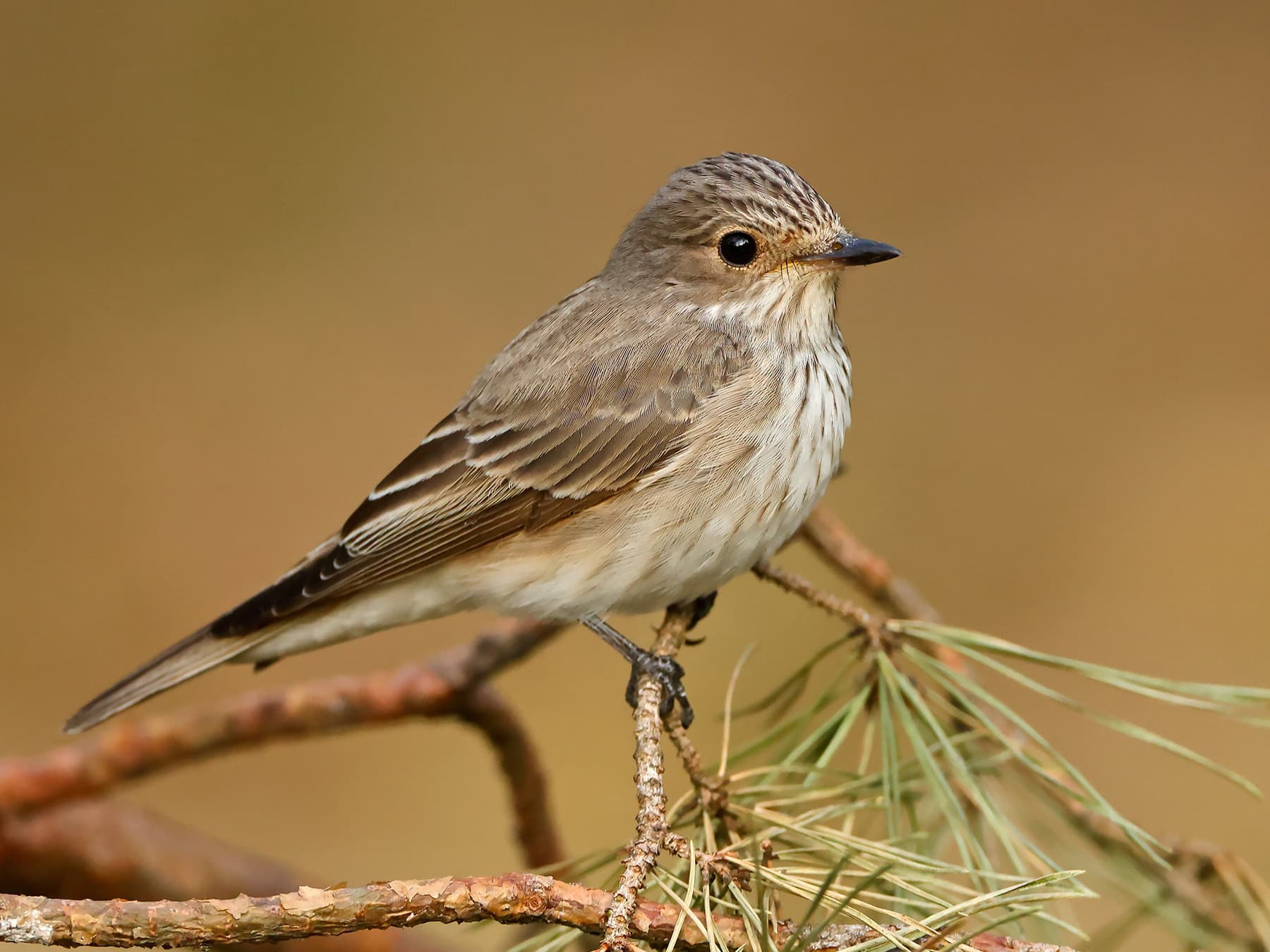
Spotted Flycatcher
Muscicapa striataLC
A declining summer visitor arriving in May, favouring woodland edges, churchyards, and mature gardens. Sallies from exposed perches to catch flying insects.
May–Oct
Spotted something?
Upload a photo to identify it
Identify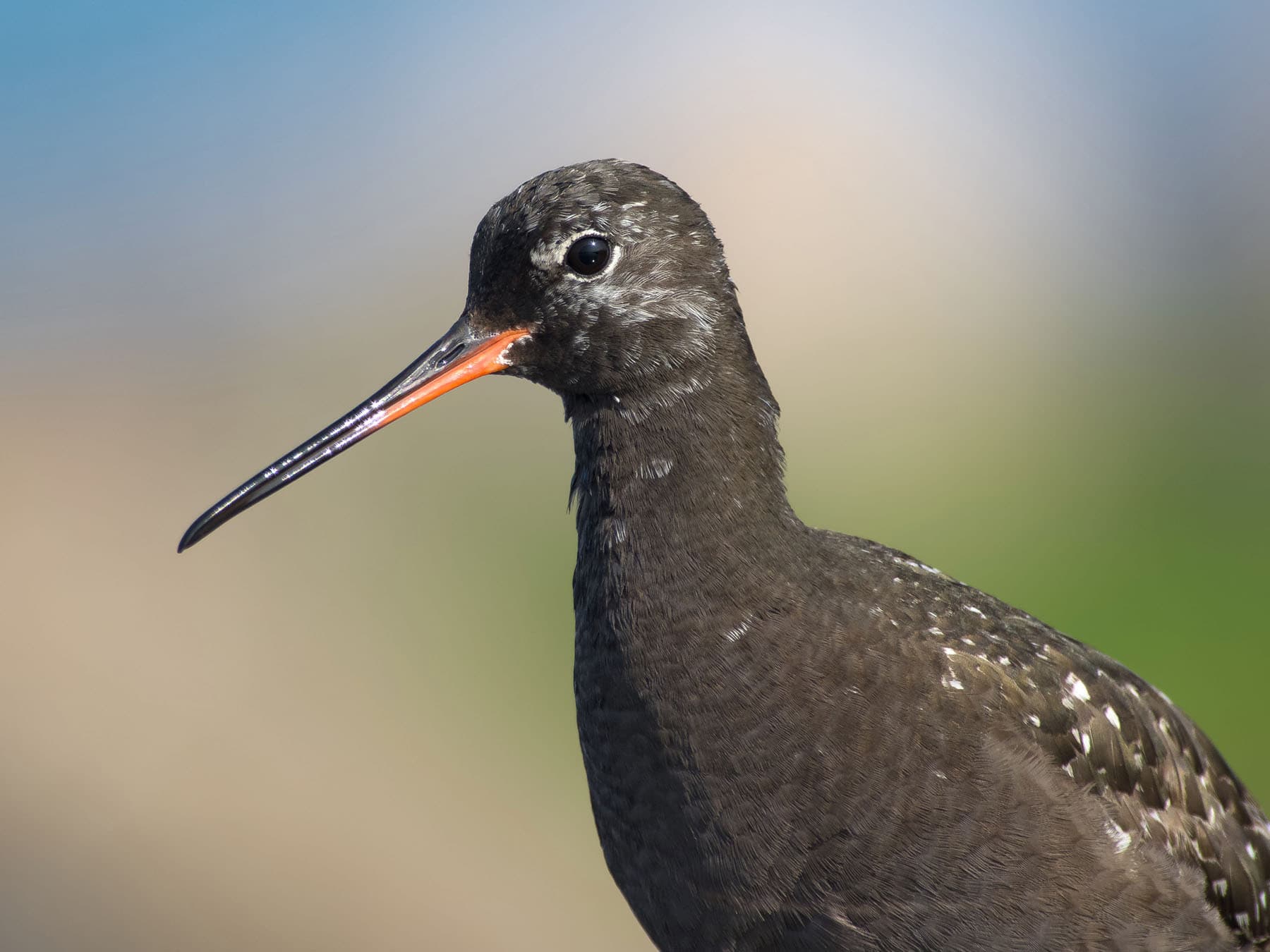
Spotted Redshank
Tringa erythropusLC
An uncommon wader found on estuaries and coastal marshes, most numerous on autumn passage and in winter.
Year-round
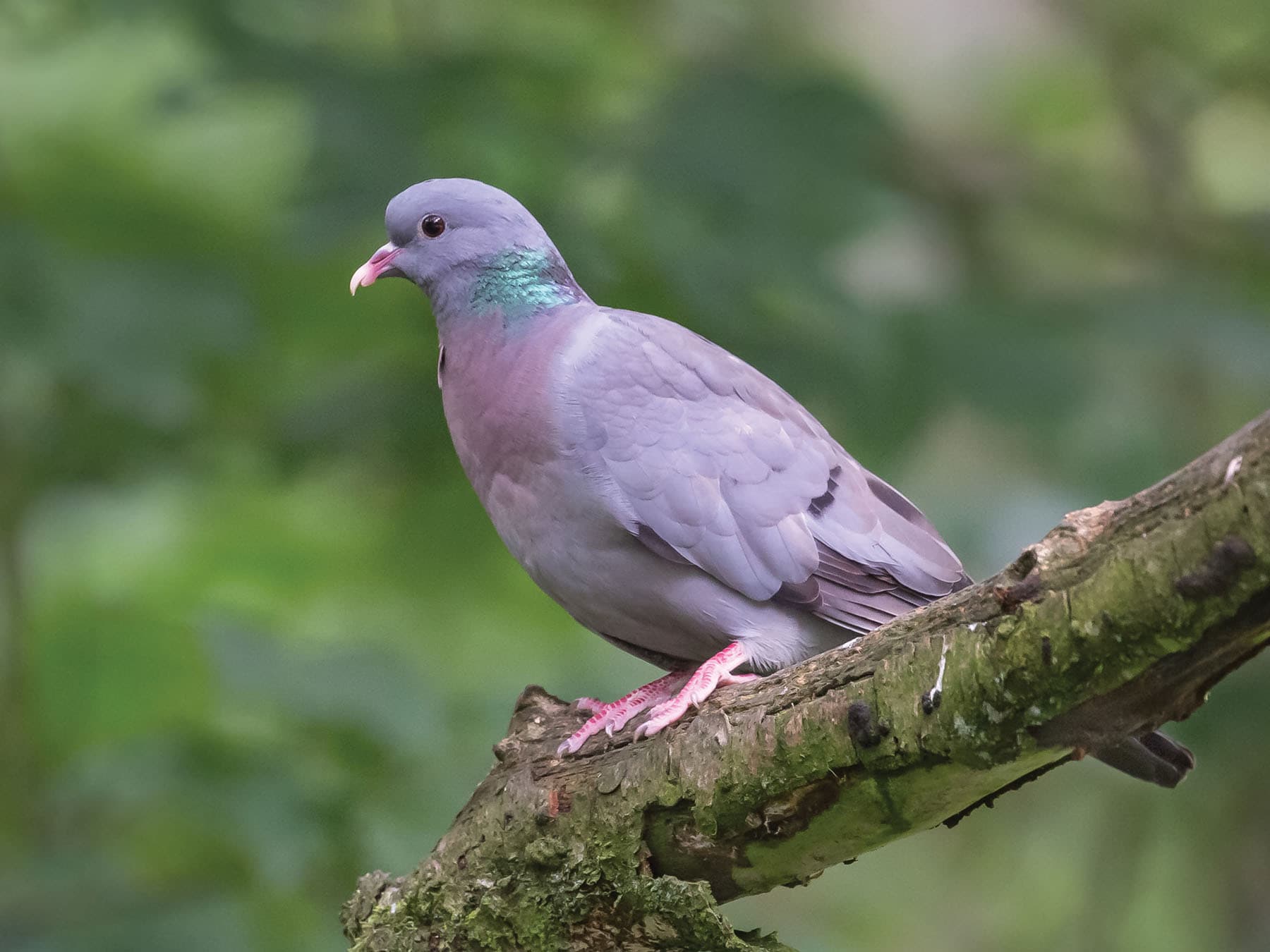
Stock Dove
Columba oenasLC
A common but often overlooked resident of farmland, parkland, and woodland edges. Nests in tree holes and old buildings across lowland Britain.
Year-round
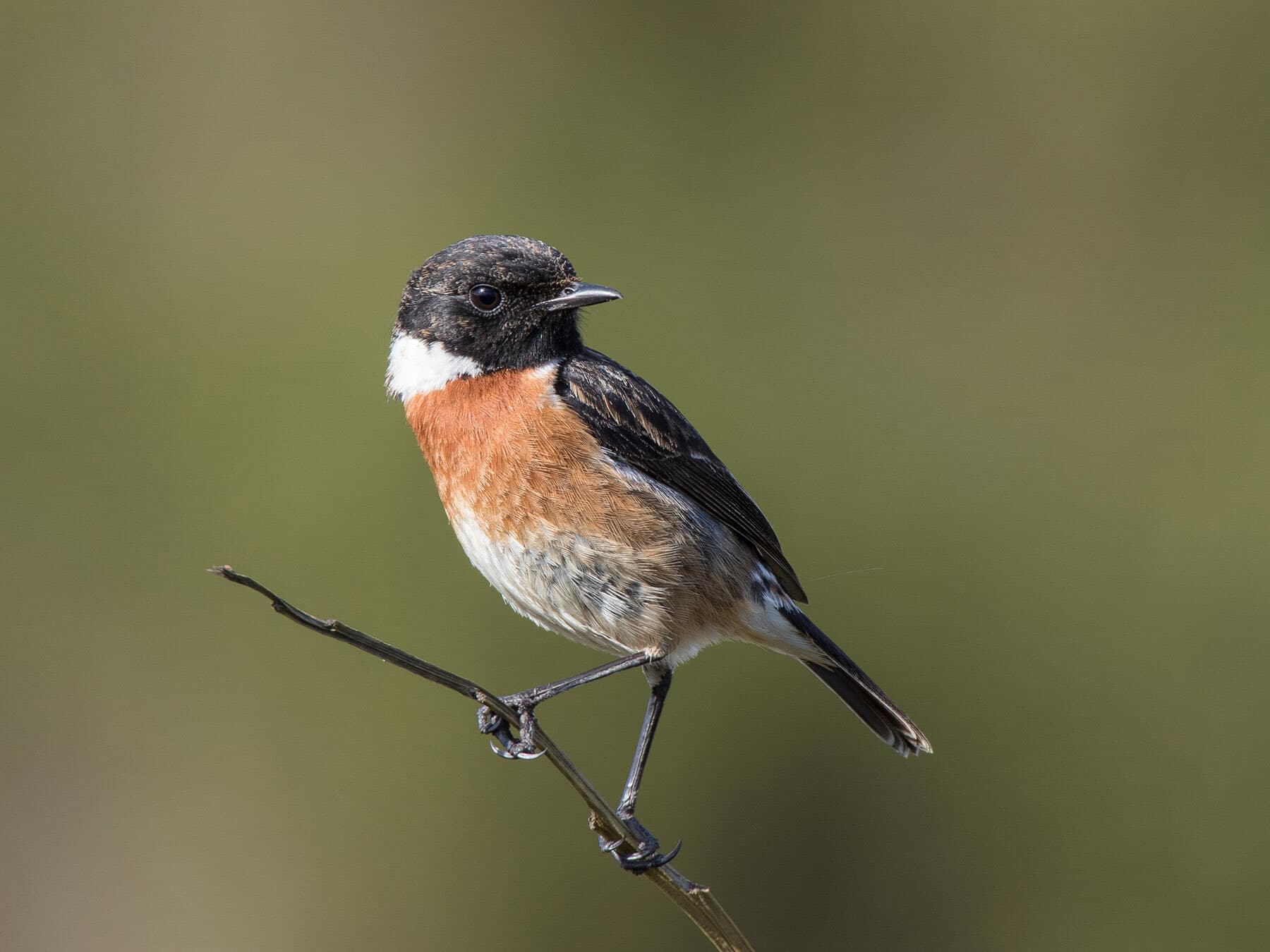
Stonechat
Saxicola torquatusLC
A common resident of gorse-covered heaths, coastal cliffs, and rough grassland. Males show a striking black head and orange breast.
Year-round
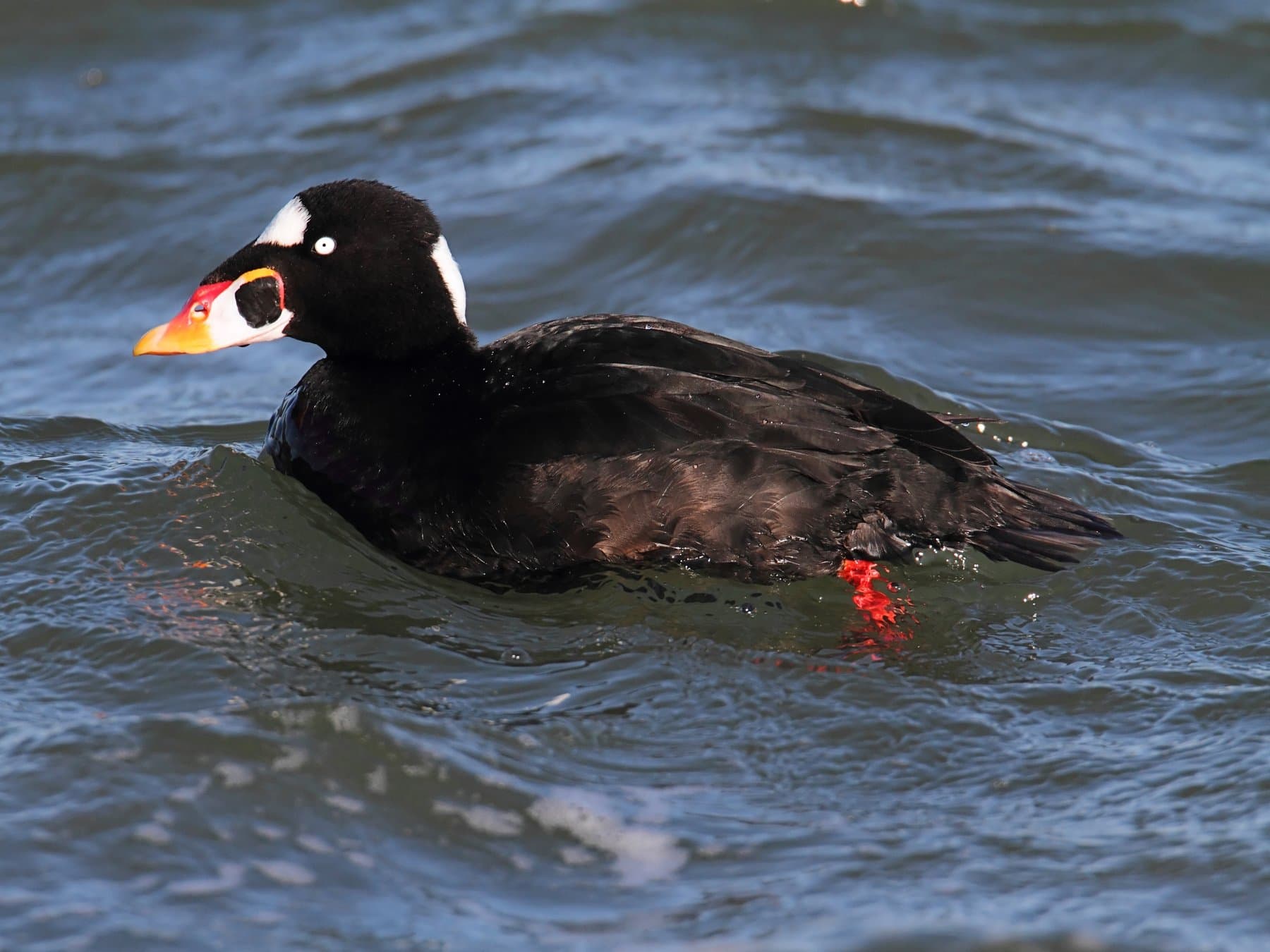
Surf Scoter
Melanitta perspicillataLC
A rare Nearctic sea duck, occasionally wintering off Scottish and Irish coasts, often associating with flocks of Common or Velvet Scoters.
Nov–Mar
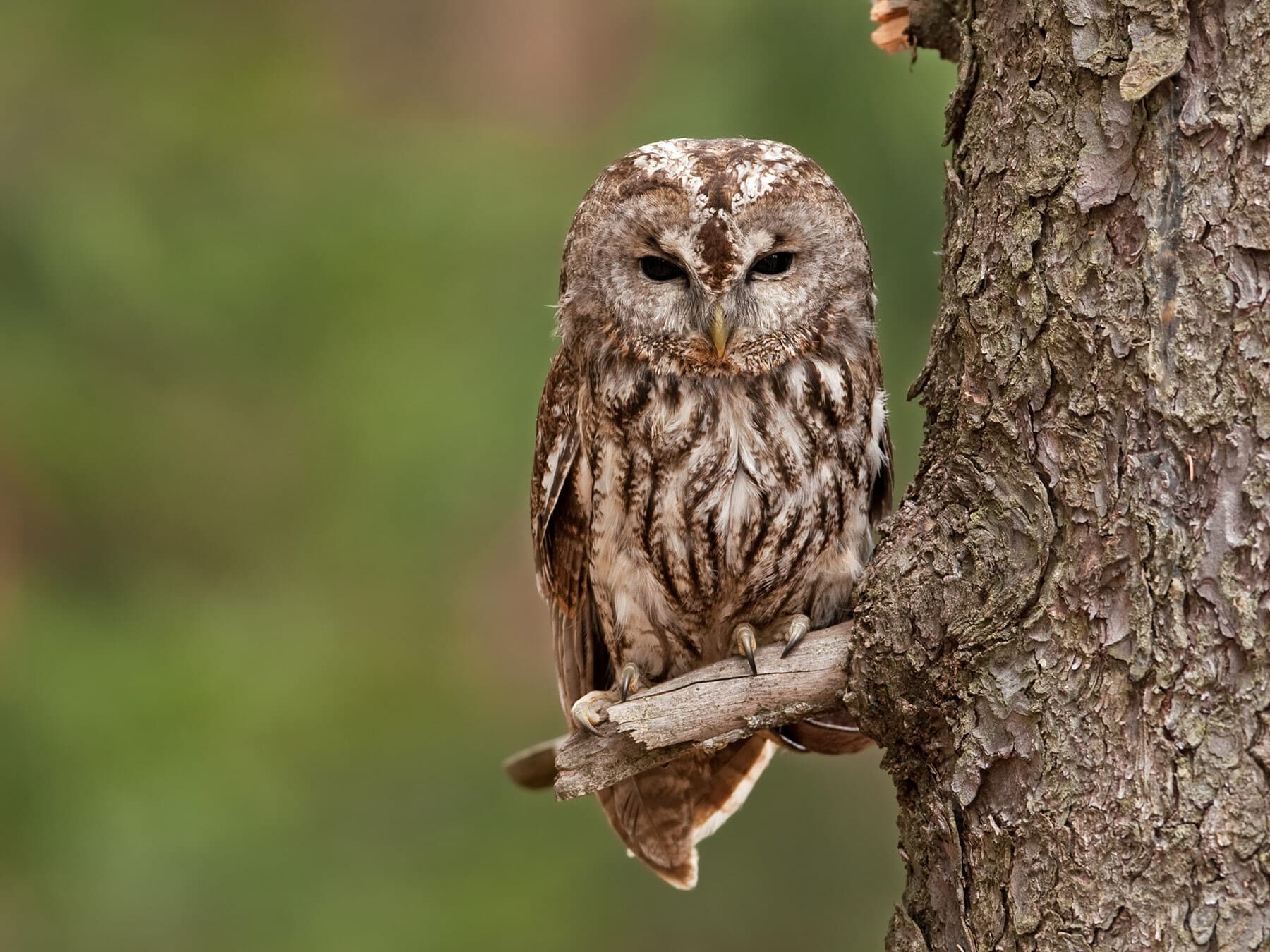
Tawny Owl
Strix alucoLC
A year-round resident of deciduous and mixed woodland across Britain, absent from Ireland. Its familiar hooting call is a classic sound of the British countryside at night.
Year-round
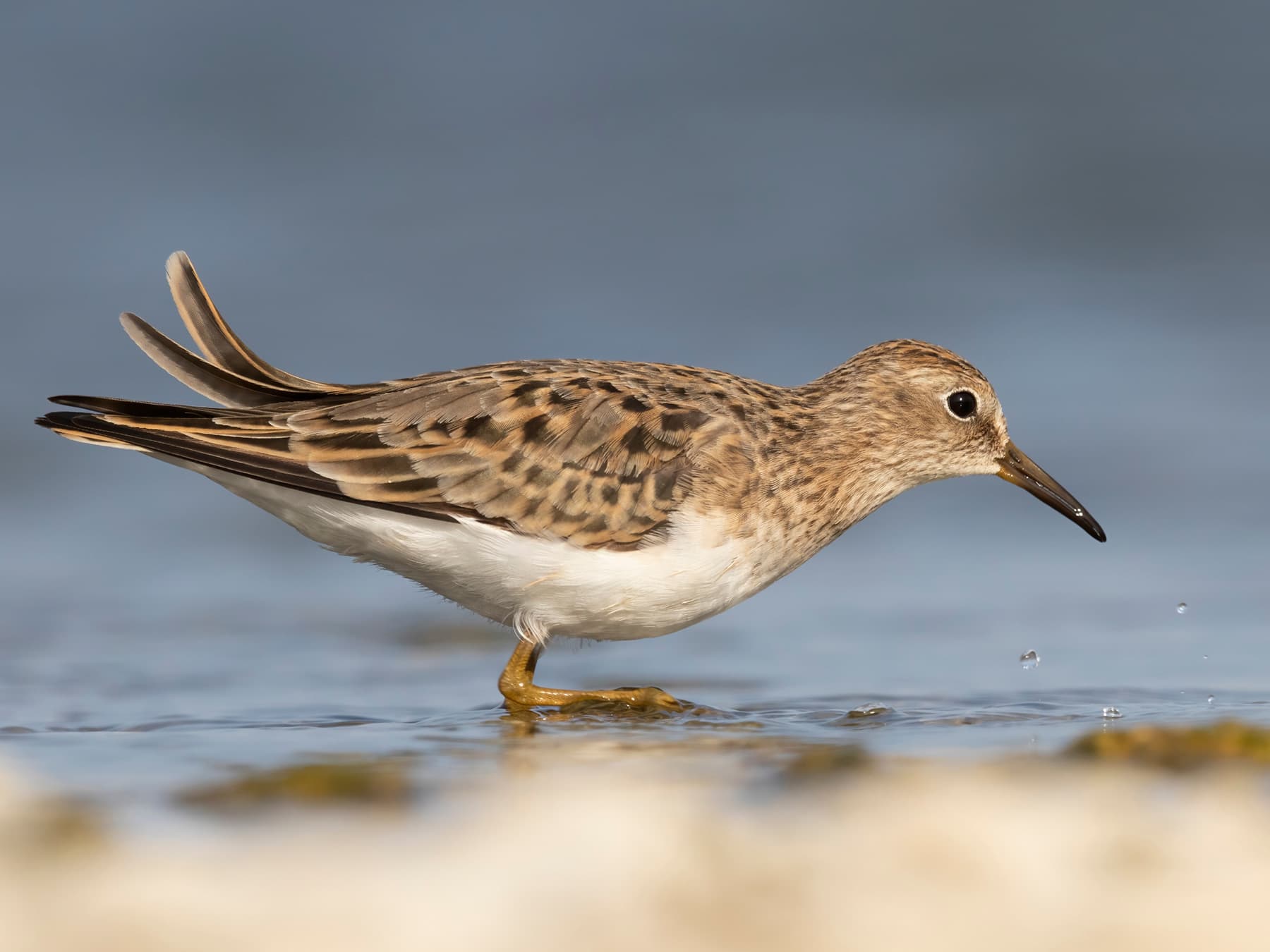
Temminck's Stint
Calidris temminckiiLC
A rare passage migrant, most often seen at freshwater margins in spring and autumn. The majority of UK records come from eastern England.
May–Dec
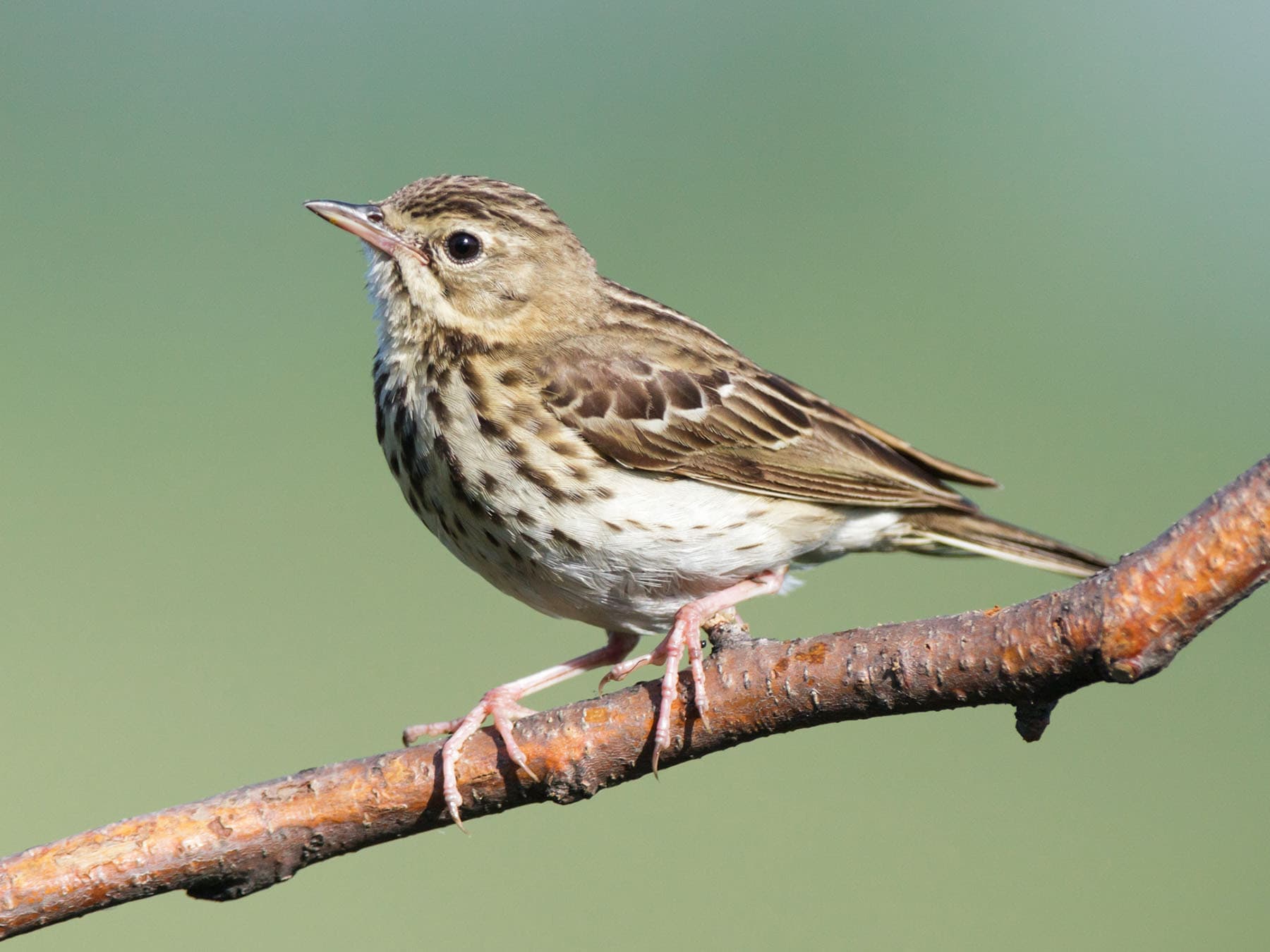
Tree Pipit
Anthus trivialisLC
A declining summer visitor to open woodland and heathland, arriving from April. Its distinctive parachuting song flight sets it apart from the resident Meadow Pipit.
Apr–Oct
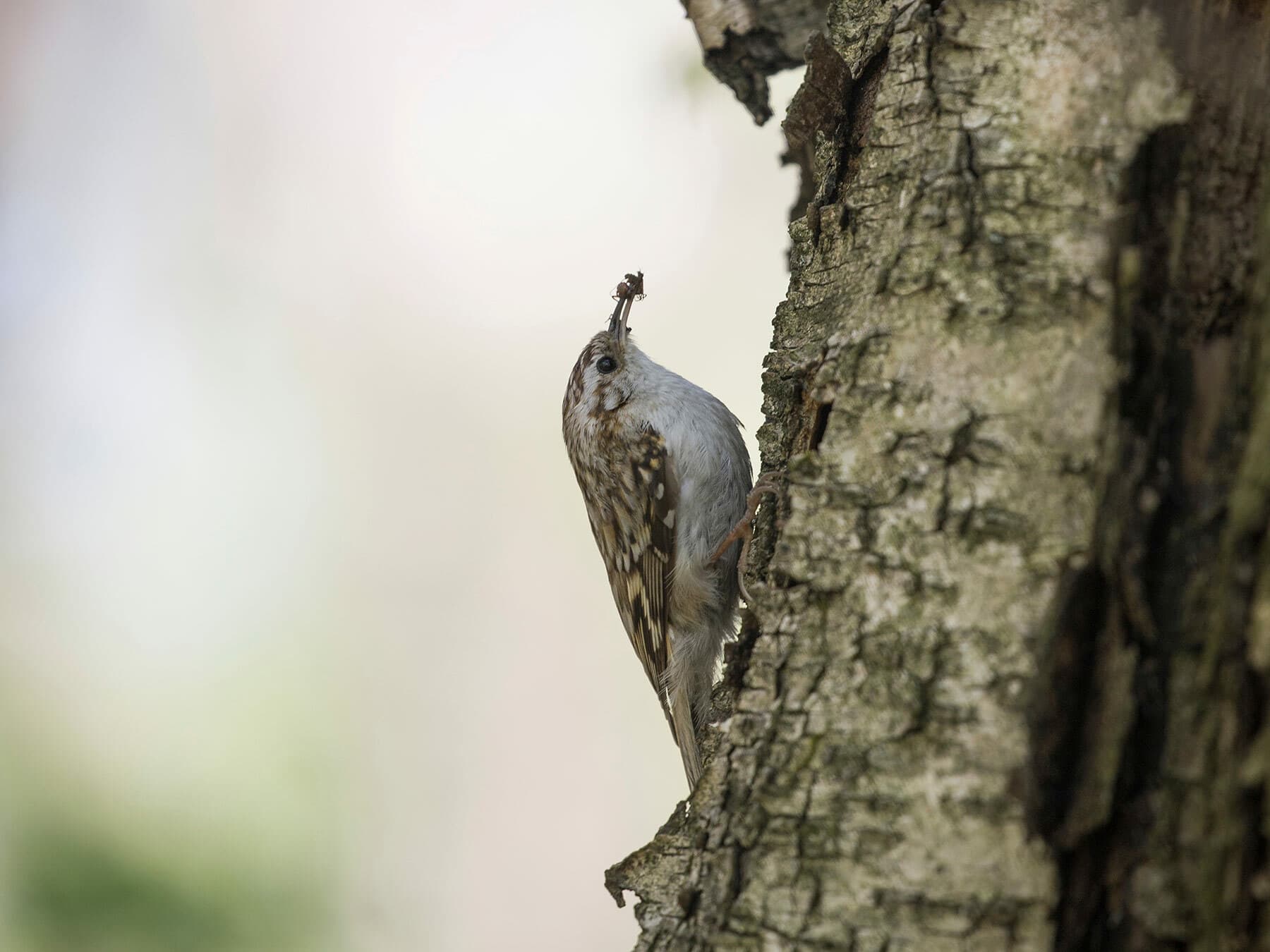
Treecreeper
Certhia familiarisLC
A common but unobtrusive resident of mature woodland, parks, and large gardens. Spirals mouse-like up tree trunks probing bark crevices for insects.
Year-round
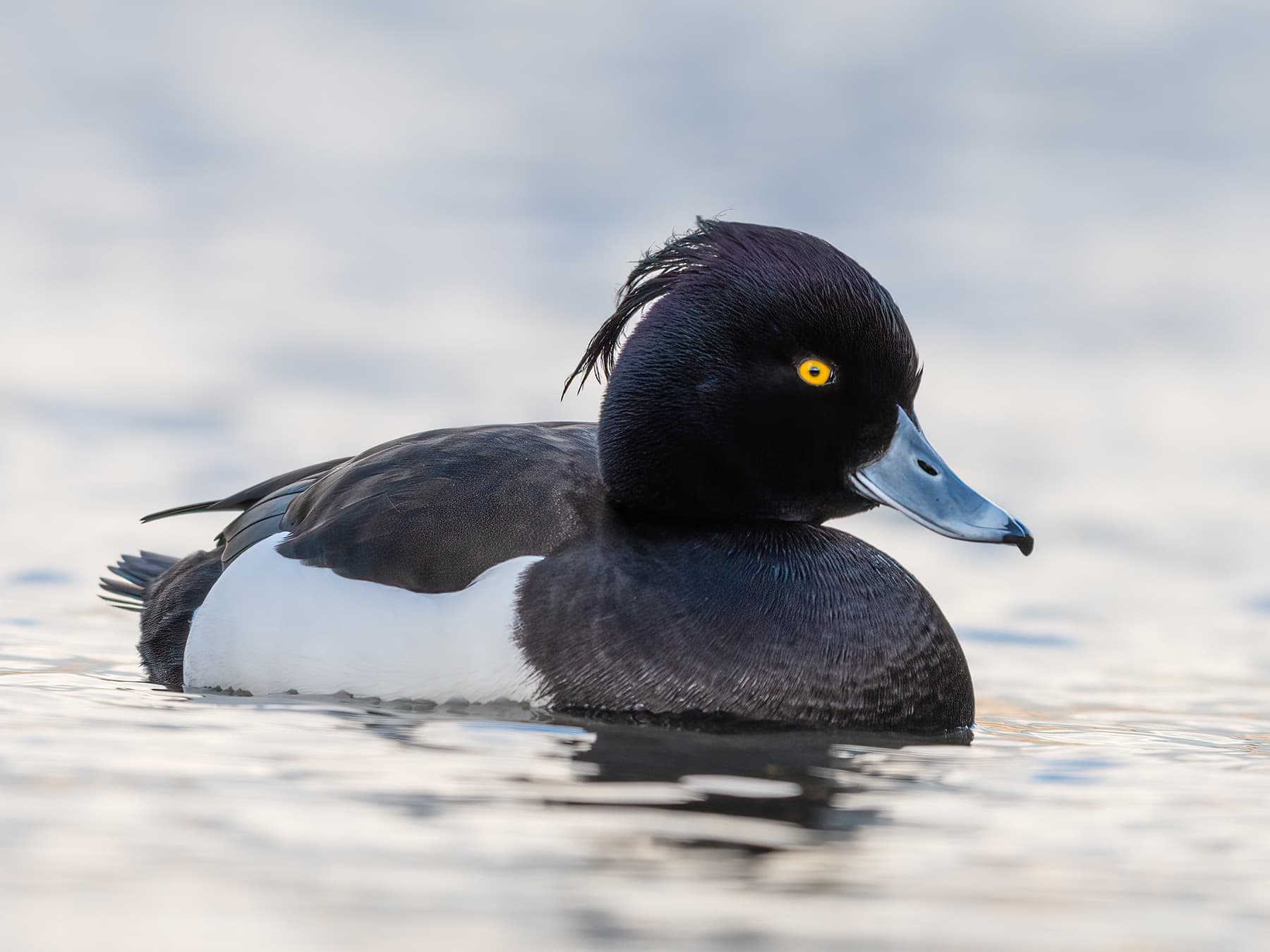
Tufted Duck
Aythya fuligulaLC
A familiar diving duck on lakes, reservoirs and park ponds year-round. Males sport a distinctive drooping head crest and striking black-and-white plumage.
Year-round
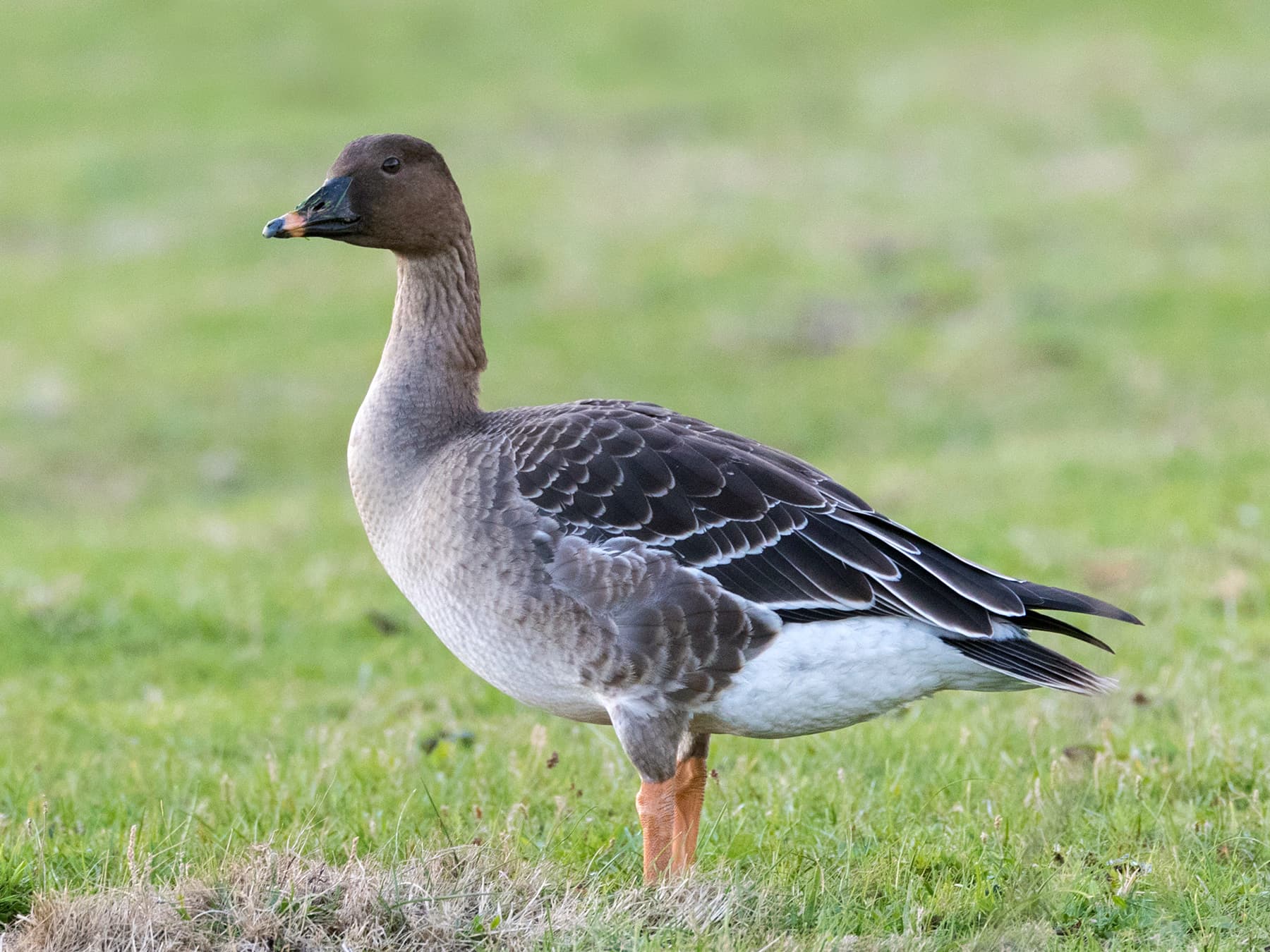
Tundra Bean Goose
Anser serrirostrisLC
A rare winter visitor, with small flocks favouring arable fields and marshes mainly in eastern England and Scotland. The Yare Valley in Norfolk is a key site.
Jul–Mar
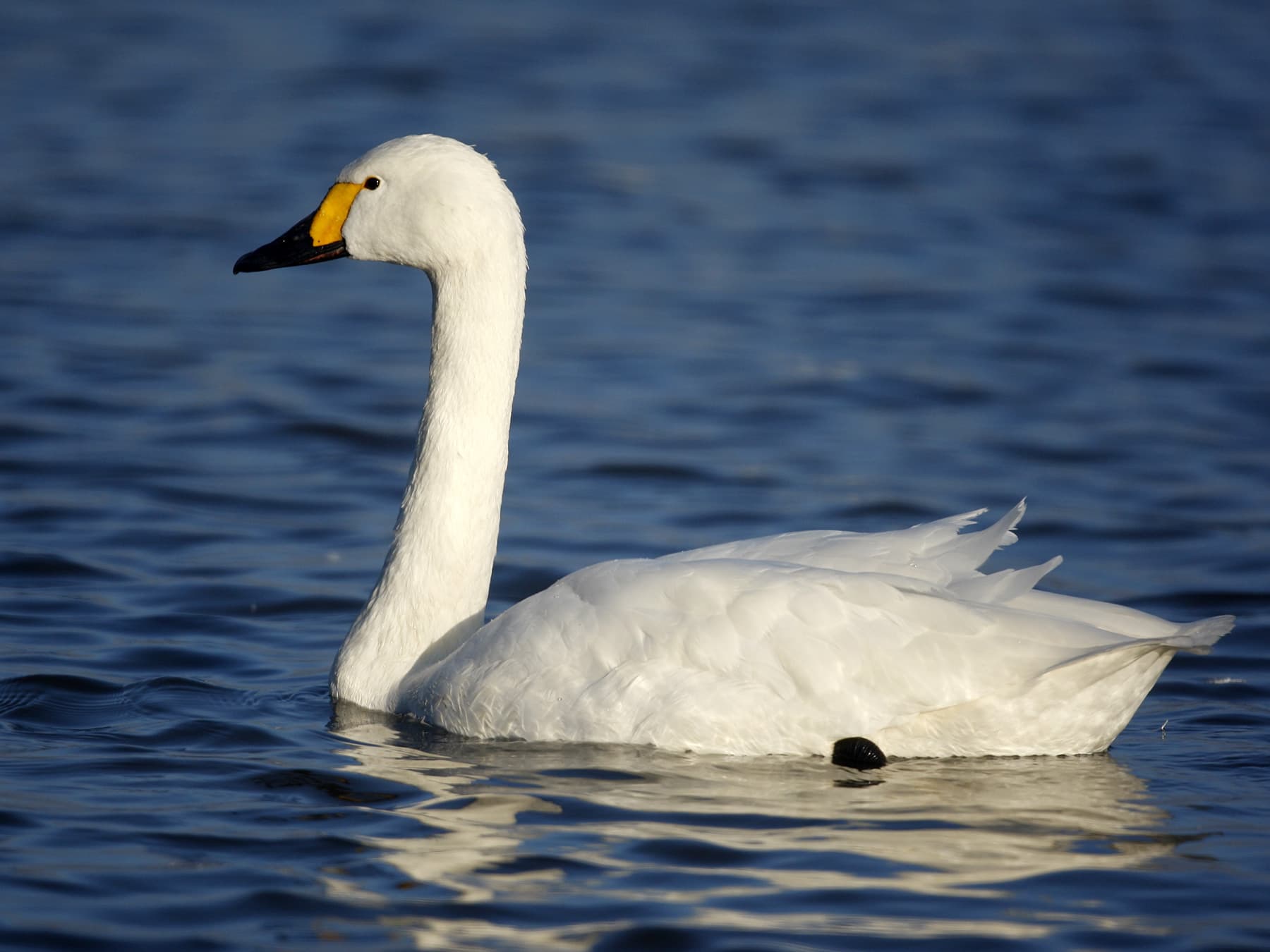
Tundra Swan
Cygnus columbianusLC
An uncommon winter visitor from Arctic Russia, arriving October–March. Key sites include the Ouse Washes and Severn Estuary.
Oct–Mar
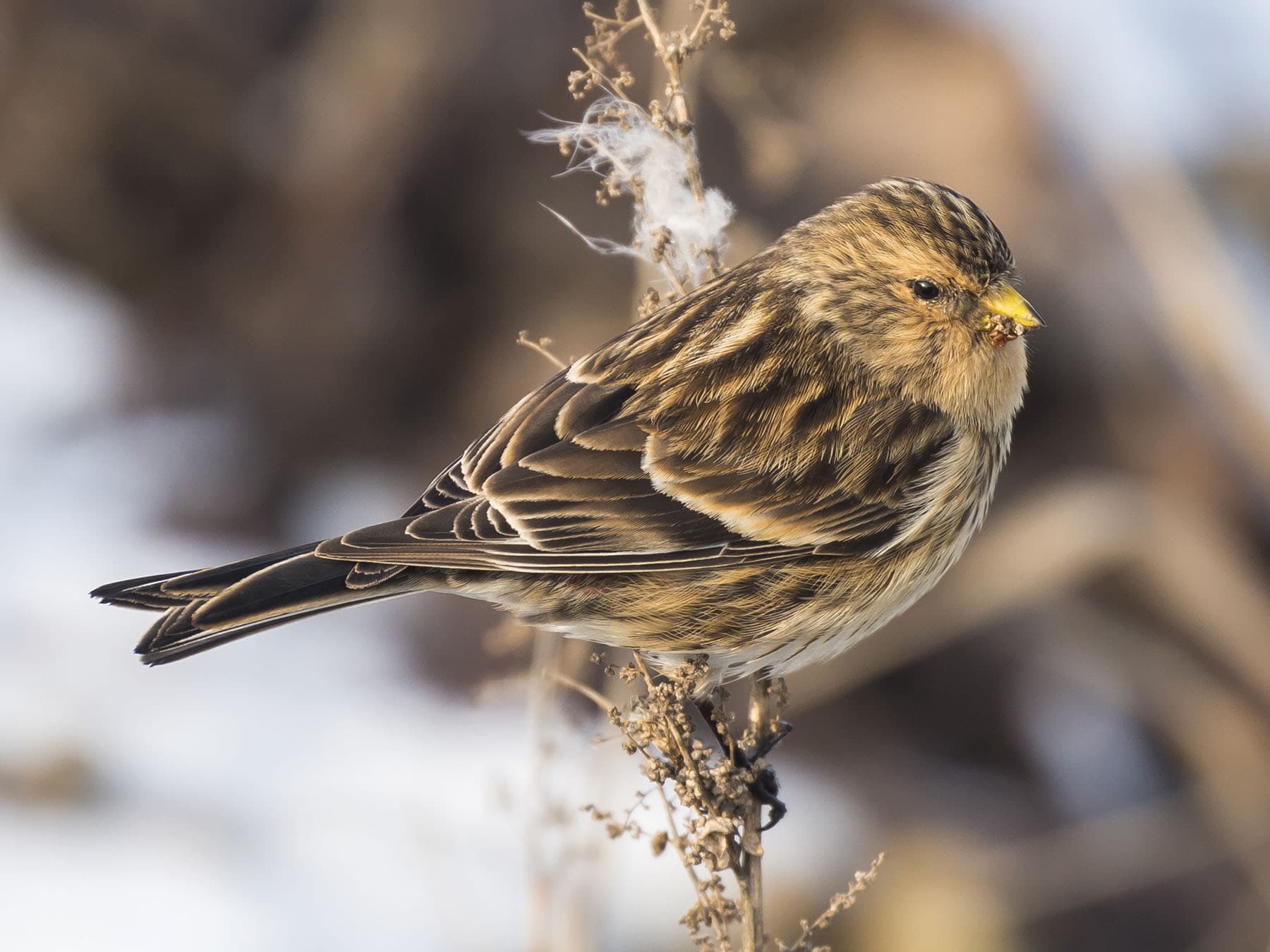
Twite
Linaria flavirostrisLC
An uncommon resident of upland moorland in summer, moving to coastal saltmarshes in winter. A declining species of conservation concern in the UK.
Year-round
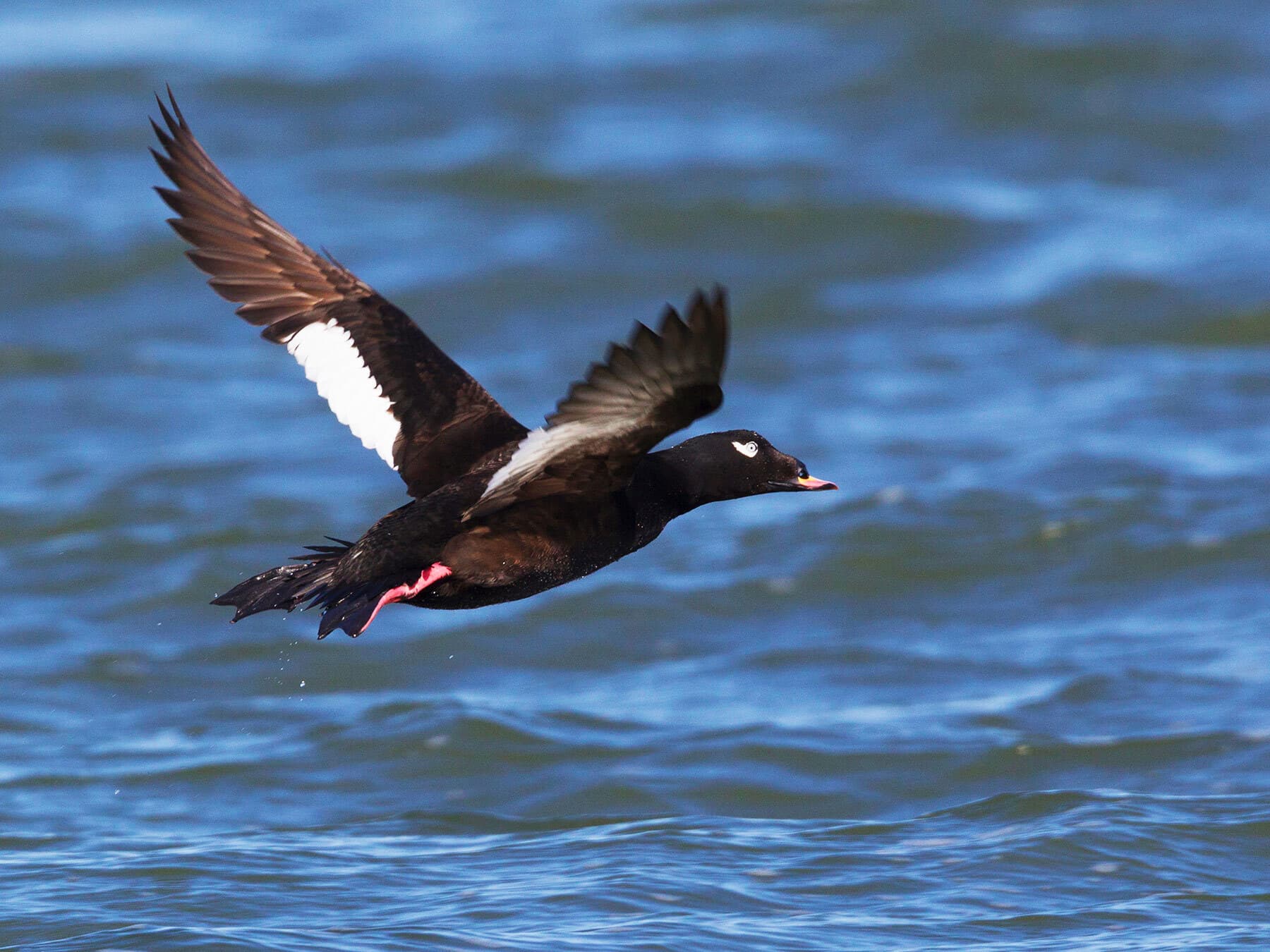
Velvet Scoter
Melanitta fuscaVU
A rare sea duck present year-round in small numbers, mainly off the coasts of Scotland and north-east England. Often found among flocks of Common Scoter.
Year-round
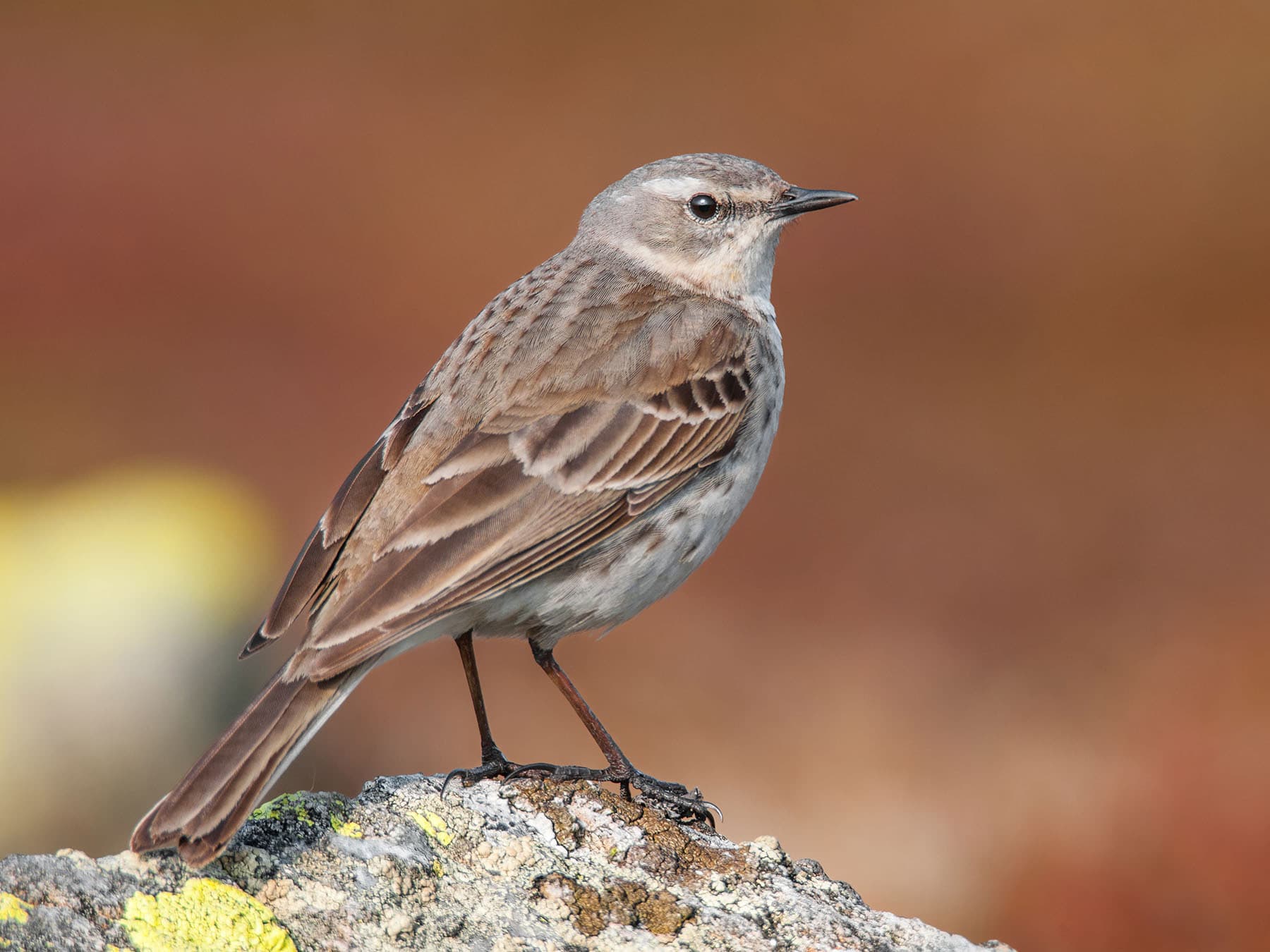
Water Pipit
Anthus spinolettaLC
A rare winter visitor found at watercress beds, reservoirs, and wet meadows, mainly in southern England.
Oct–Apr
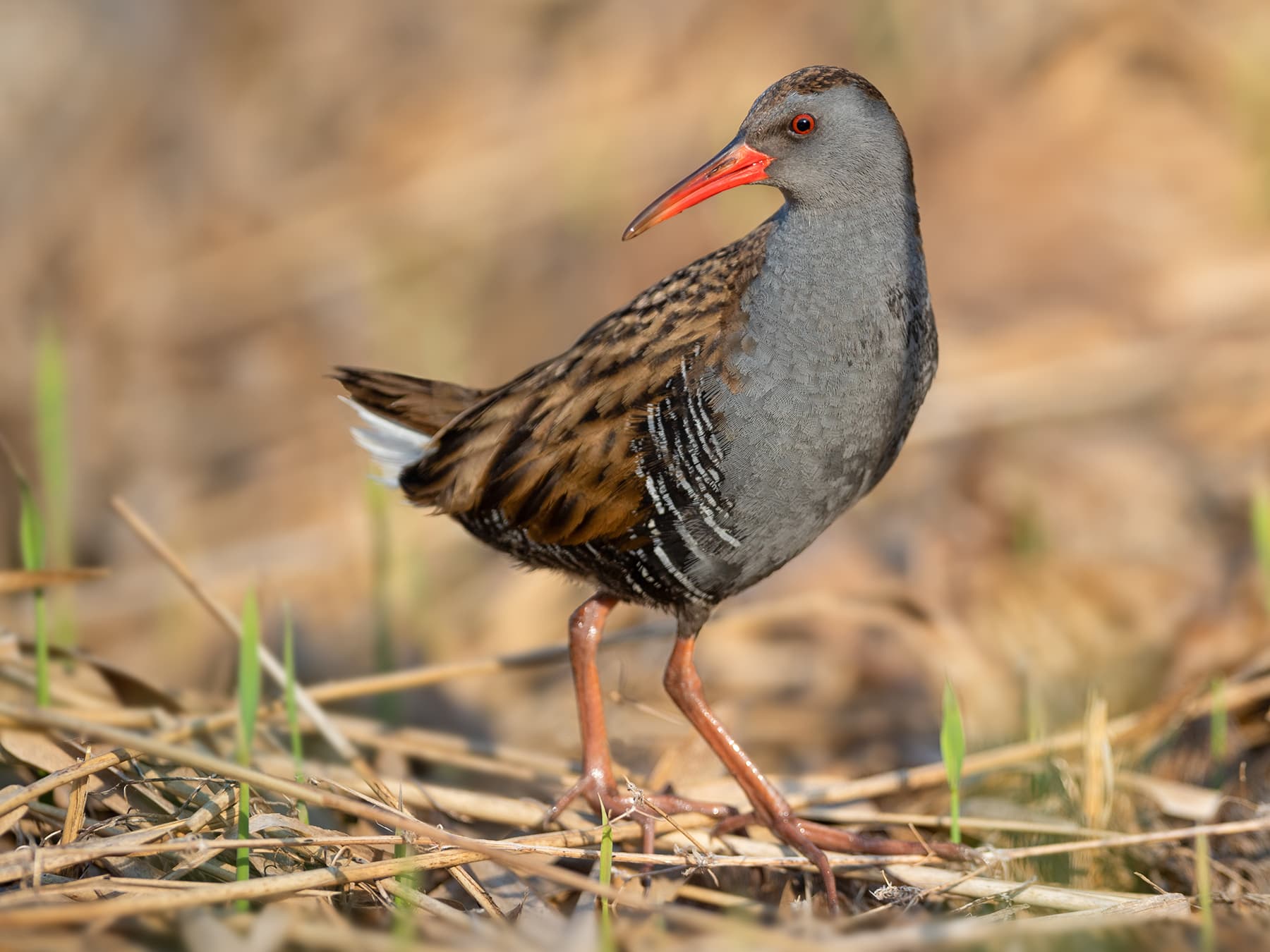
Water Rail
Rallus aquaticusLC
A secretive resident of marshes and reedbeds, more often heard giving its pig-like squealing call than seen. Numbers increase in winter with Continental arrivals.
Year-round