Birds in Worcestershire
Explore 181 species found in this region.
Worcestershire is a rewarding county for birdwatchers, with 179 recorded species found across its diverse habitats, from the wetlands of the Severn and Avon river valleys to the wooded slopes of the Malvern Hills. The county supports an impressive range of birdlife throughout the year, including notable species such as Northern Lapwing, Eurasian Woodcock, and Mandarin Duck, alongside winter visitors like Pink-footed Goose and Common Merganser. Whether exploring farmland, reservoirs, or ancient woodland, birders will find plenty to discover in this quintessentially English landscape.
Visiting in August? Look out for Bar-headed Goose and Black Tern arriving this month, and Aquatic Warbler and Barn Owl depart for the season.


Showing 116–138 of 181 species
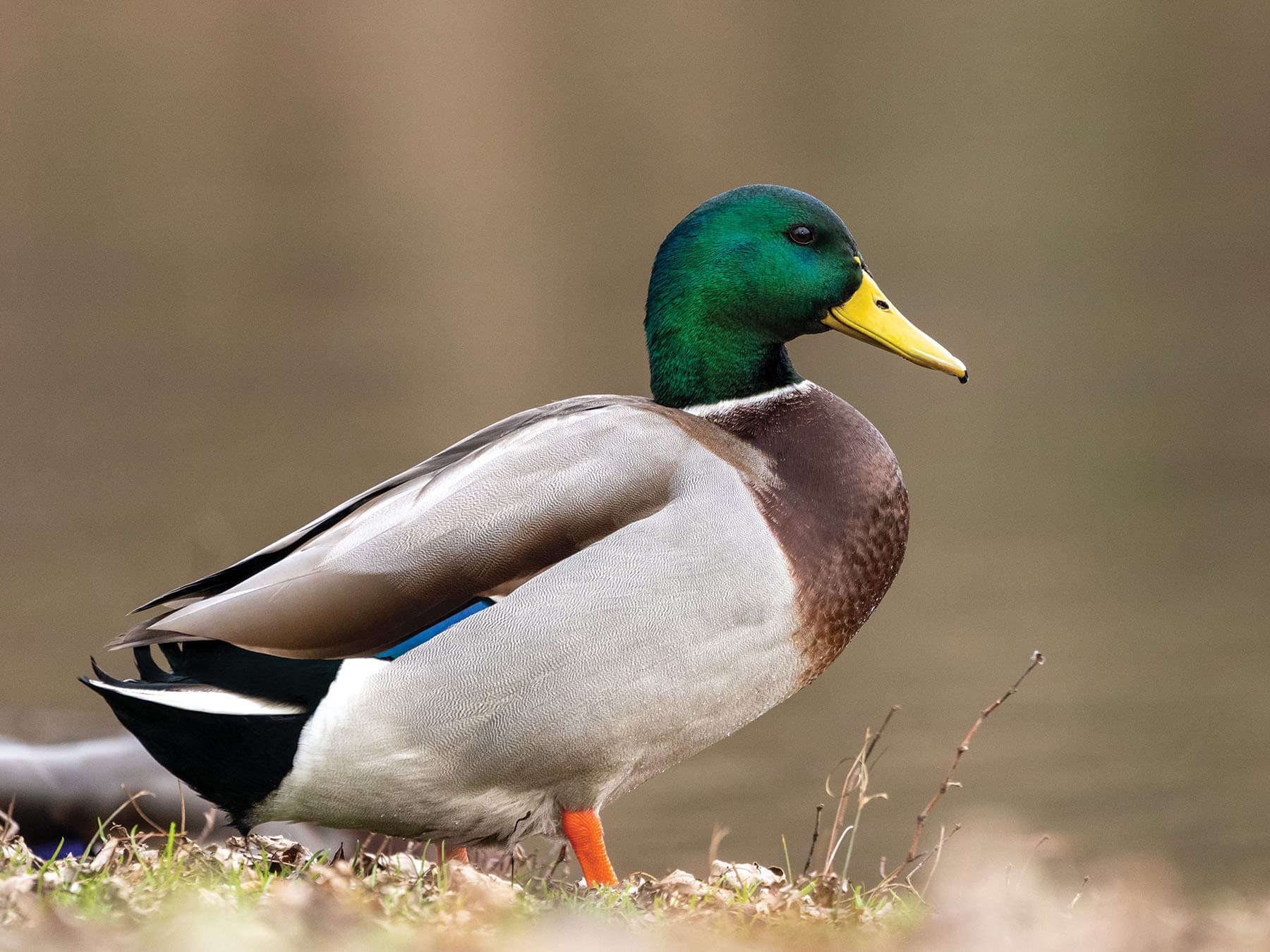
Mallard
Anas platyrhynchosLC
The most widespread duck in the county, common on virtually any water body year-round including parks and gardens.
Year-round
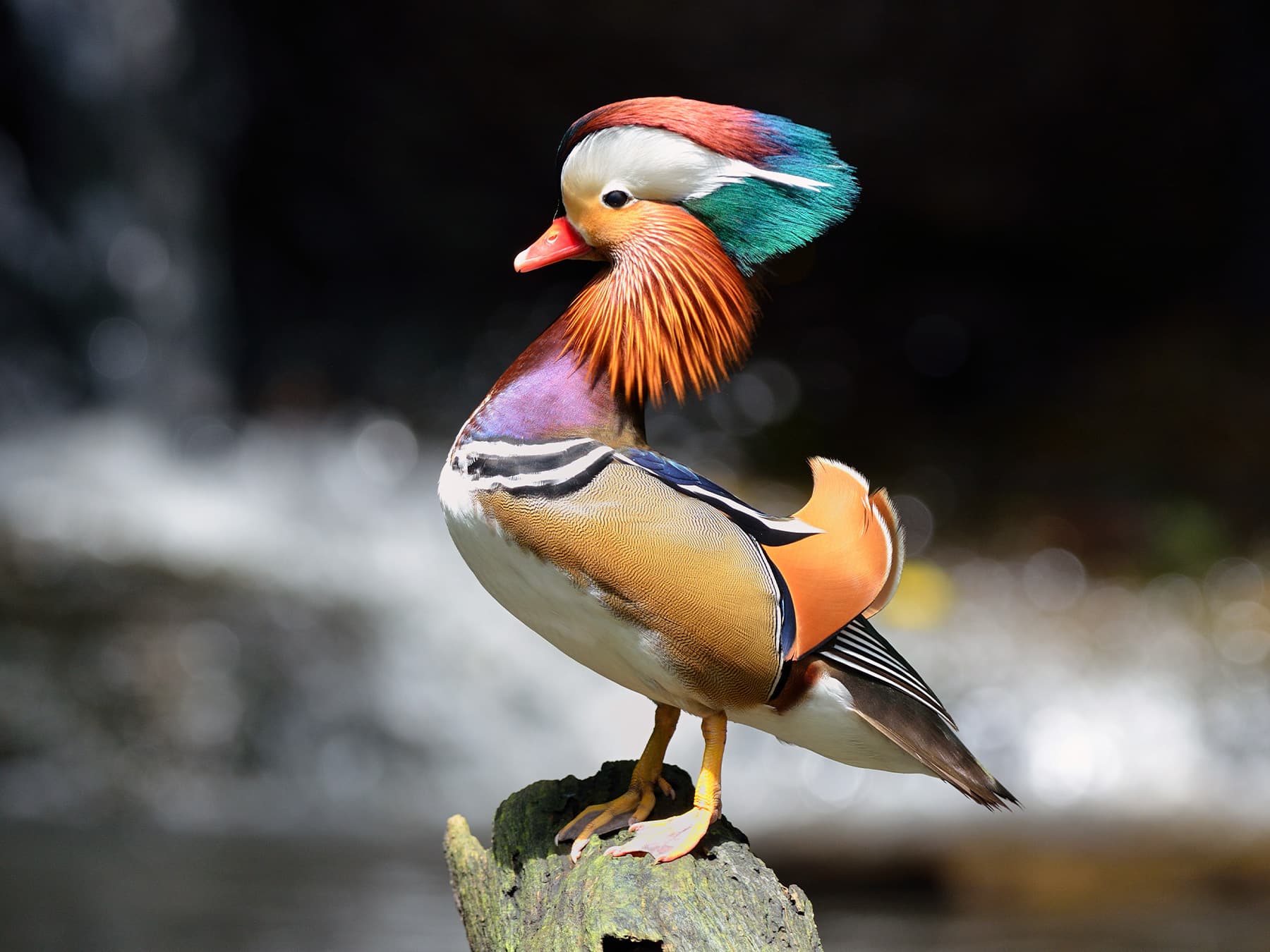
Mandarin Duck
Aix galericulataLC
A scarce resident breeding on wooded rivers and pools. Often seen on the Severn and its tributaries year-round.
Year-round
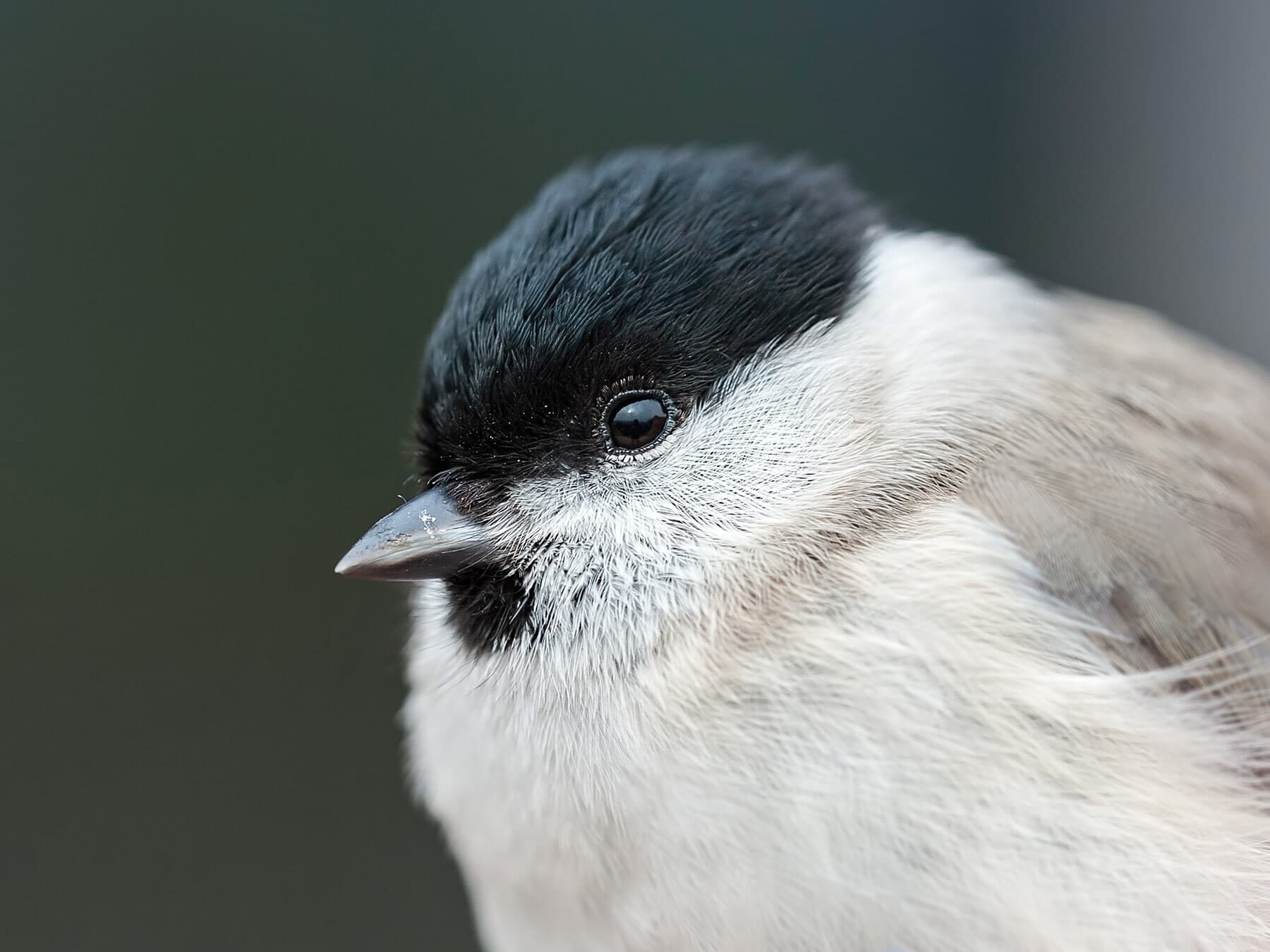
Marsh Tit
Poecile palustrisLC
An uncommon resident of mature deciduous woodland, found in areas like the Wyre Forest. A declining species nationally, making Worcestershire sightings noteworthy.
Year-round
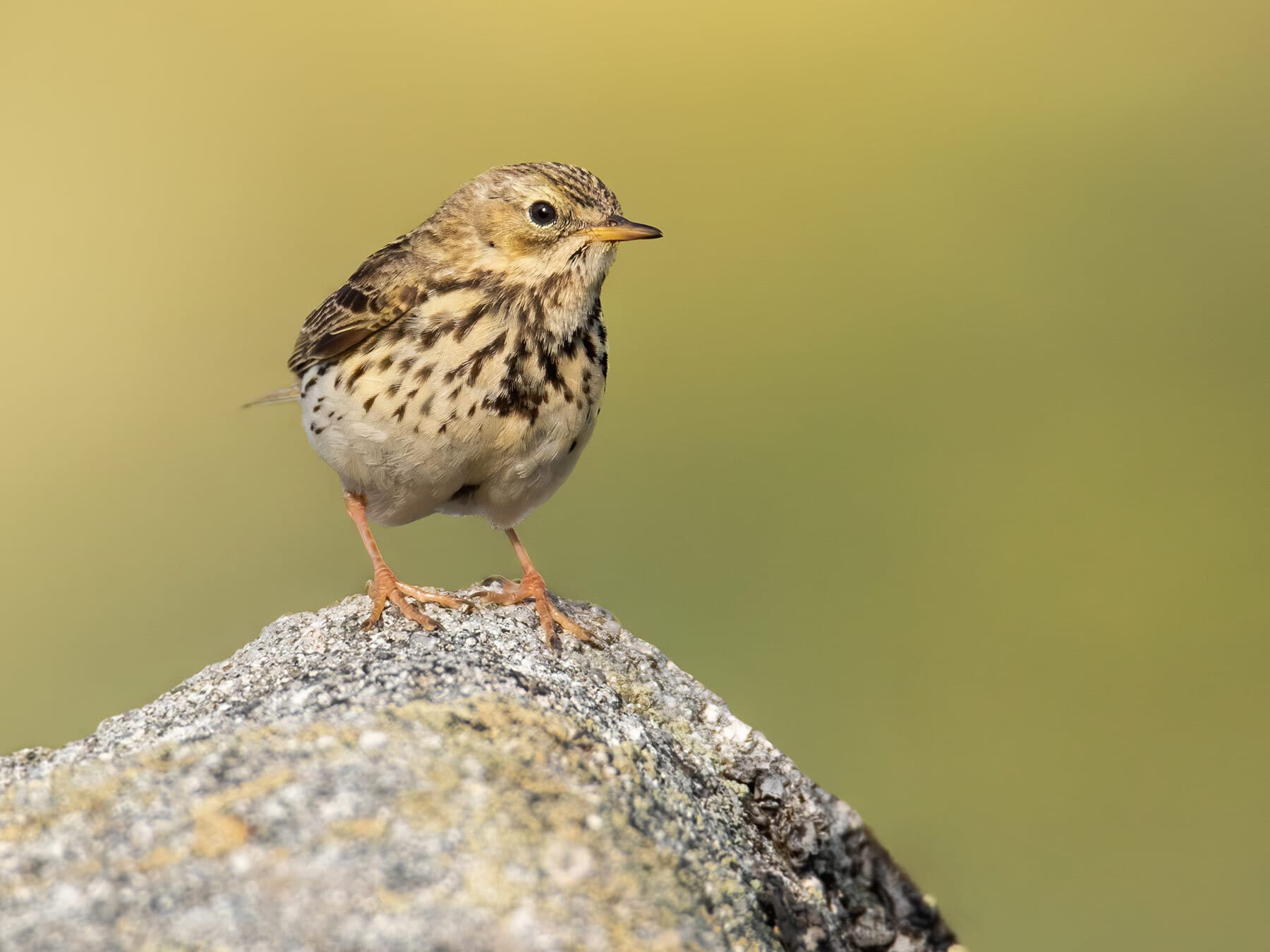
Meadow Pipit
Anthus pratensisLC
An uncommon resident of upland pastures and rough grassland, more widespread on the Malvern Hills and higher ground in winter.
Year-round
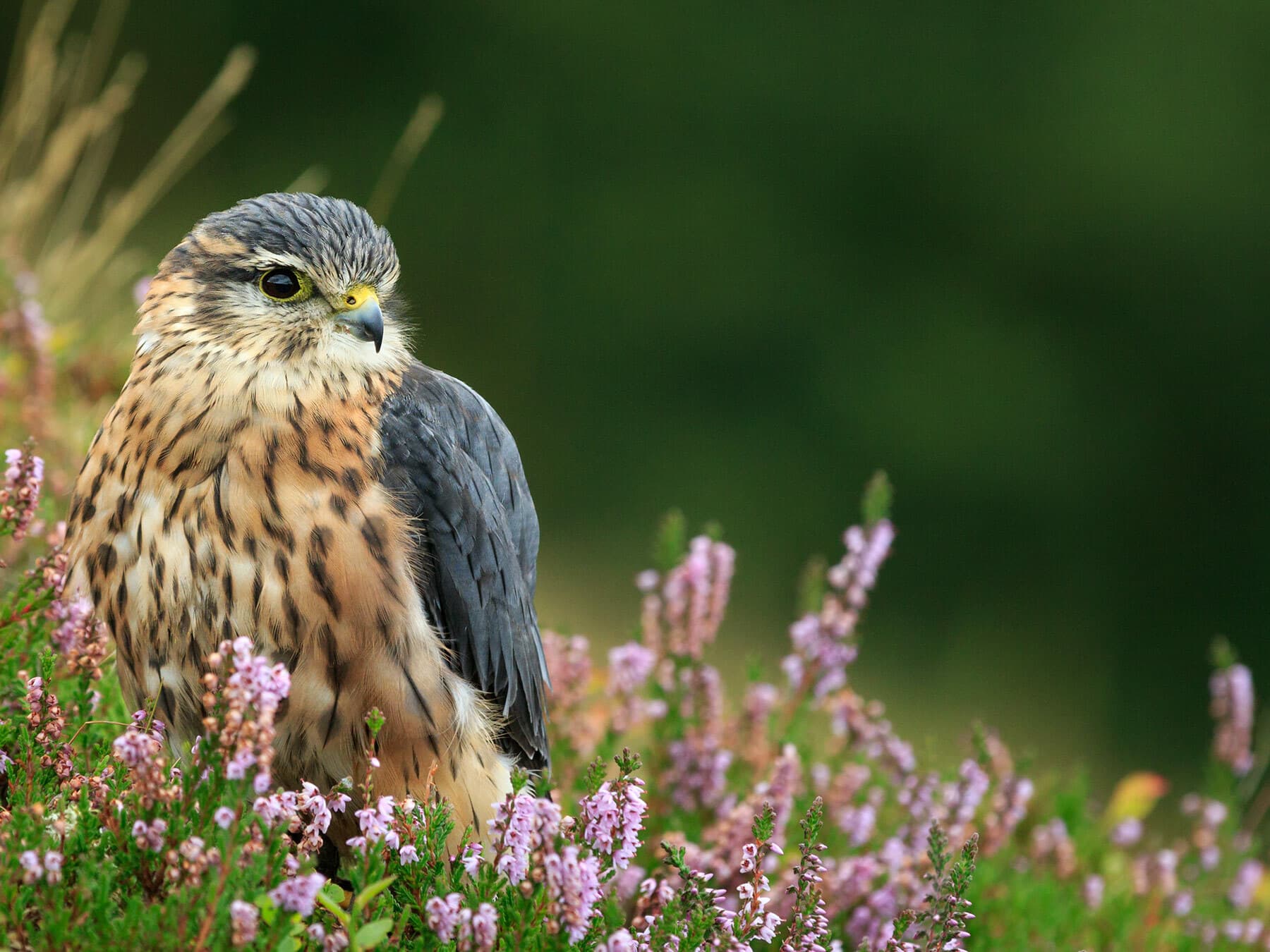
Merlin
Falco columbariusLC
A rare winter visitor from upland breeding areas, occasionally hunting over open farmland and rough ground.
Nov–Feb
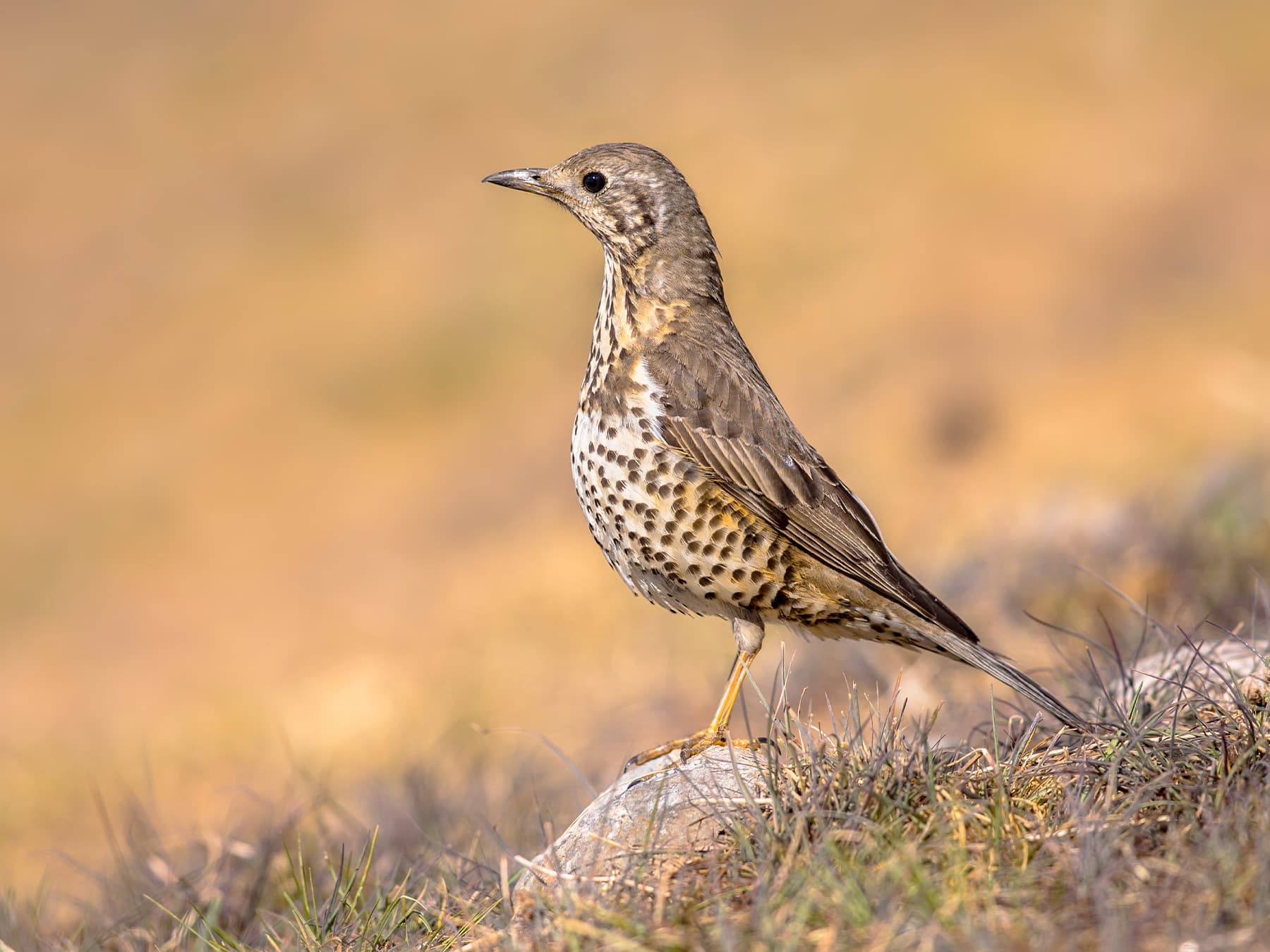
Mistle Thrush
Turdus viscivorusLC
An uncommon but year-round resident of parkland, orchards and open woodland. One of the earliest songsters, often singing from tall treetops in midwinter.
Year-round
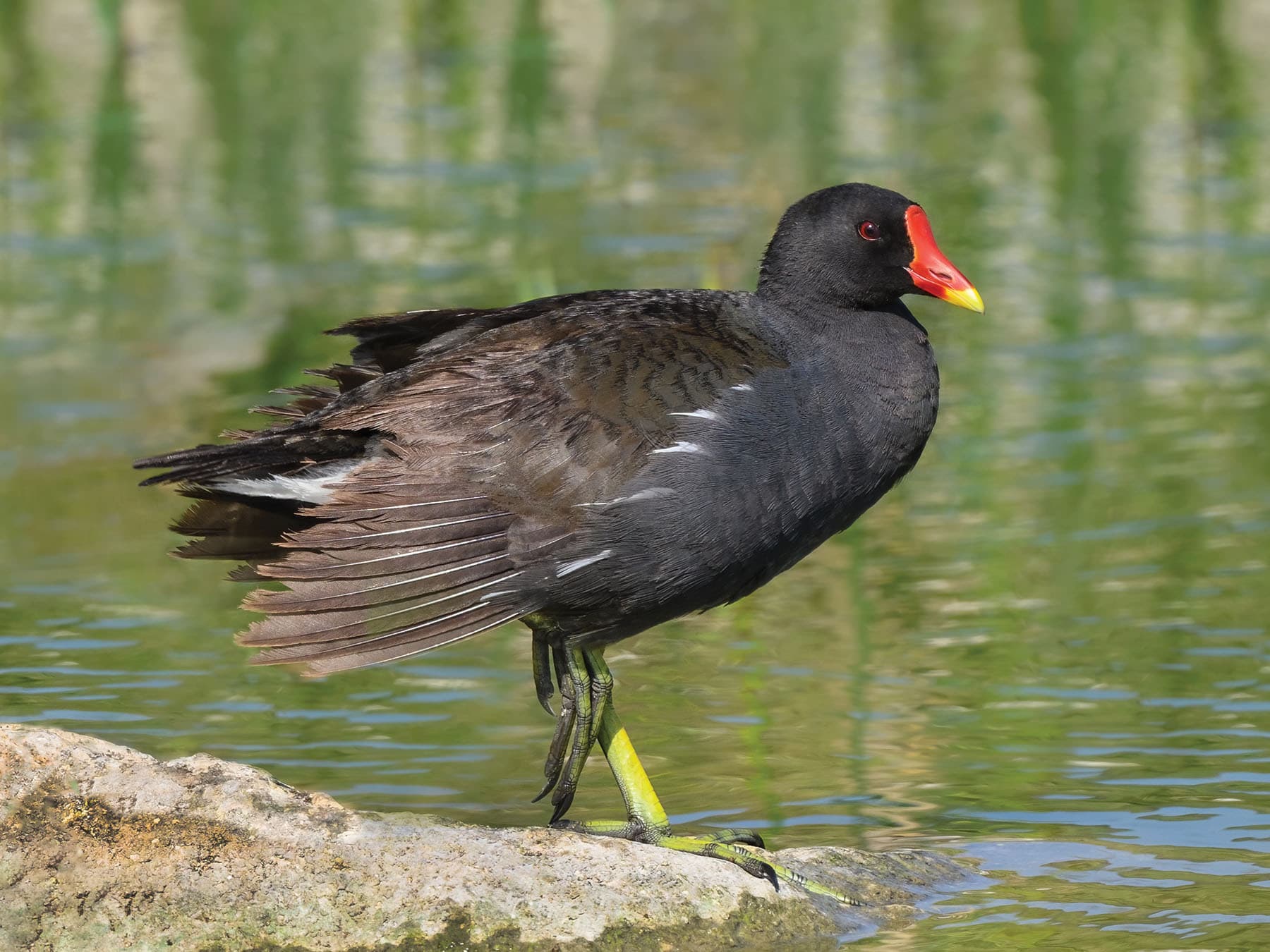
Moorhen
Gallinula chloropusLC
A common resident of ponds, streams and ditches throughout the county, often seen flicking its tail on muddy banks.
Year-round
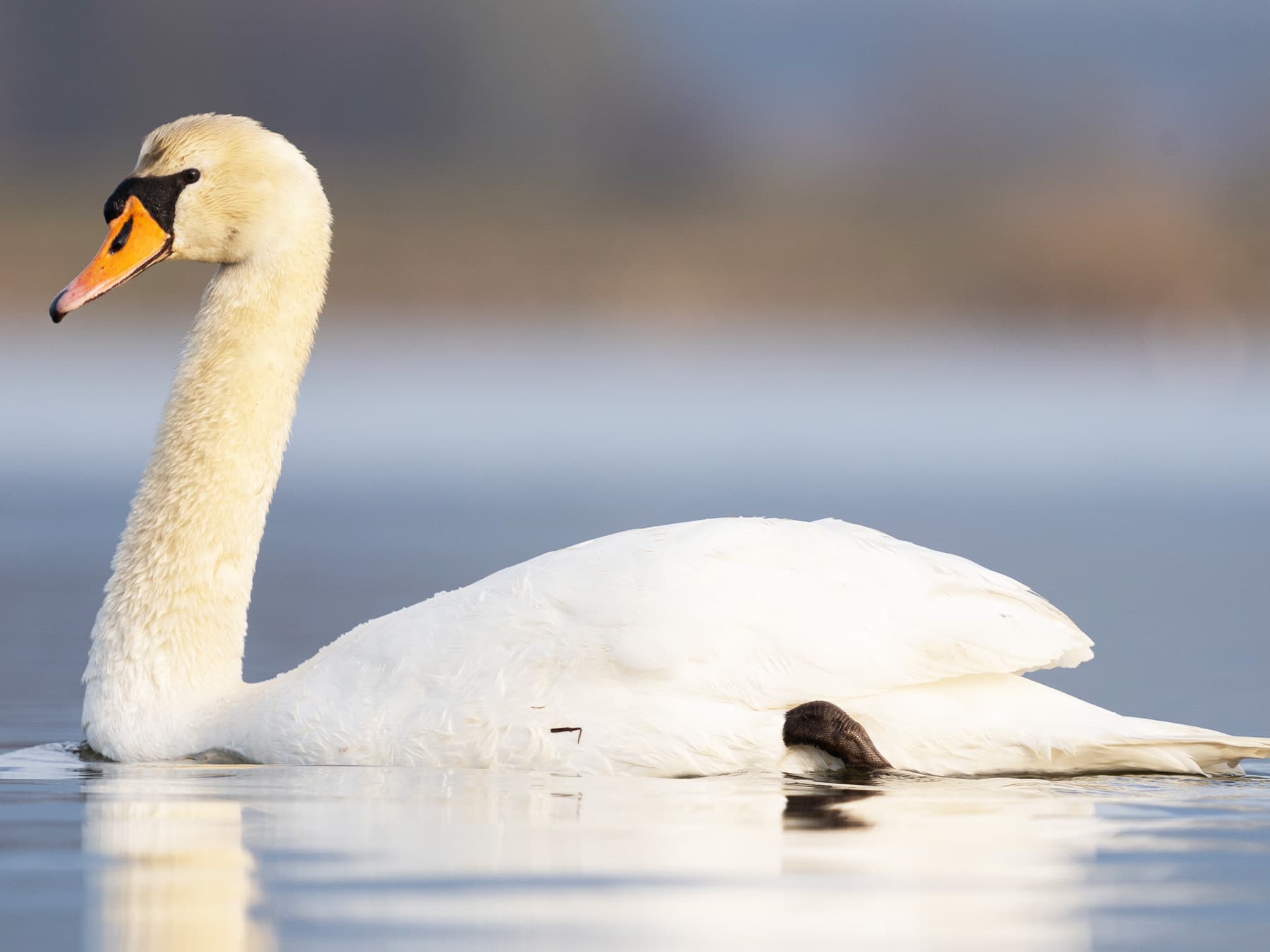
Mute Swan
Cygnus olorLC
A common and familiar resident on rivers, lakes, and canals throughout the county. Breeds widely across Worcestershire.
Year-round
Spotted something?
Upload a photo to identify it
Identify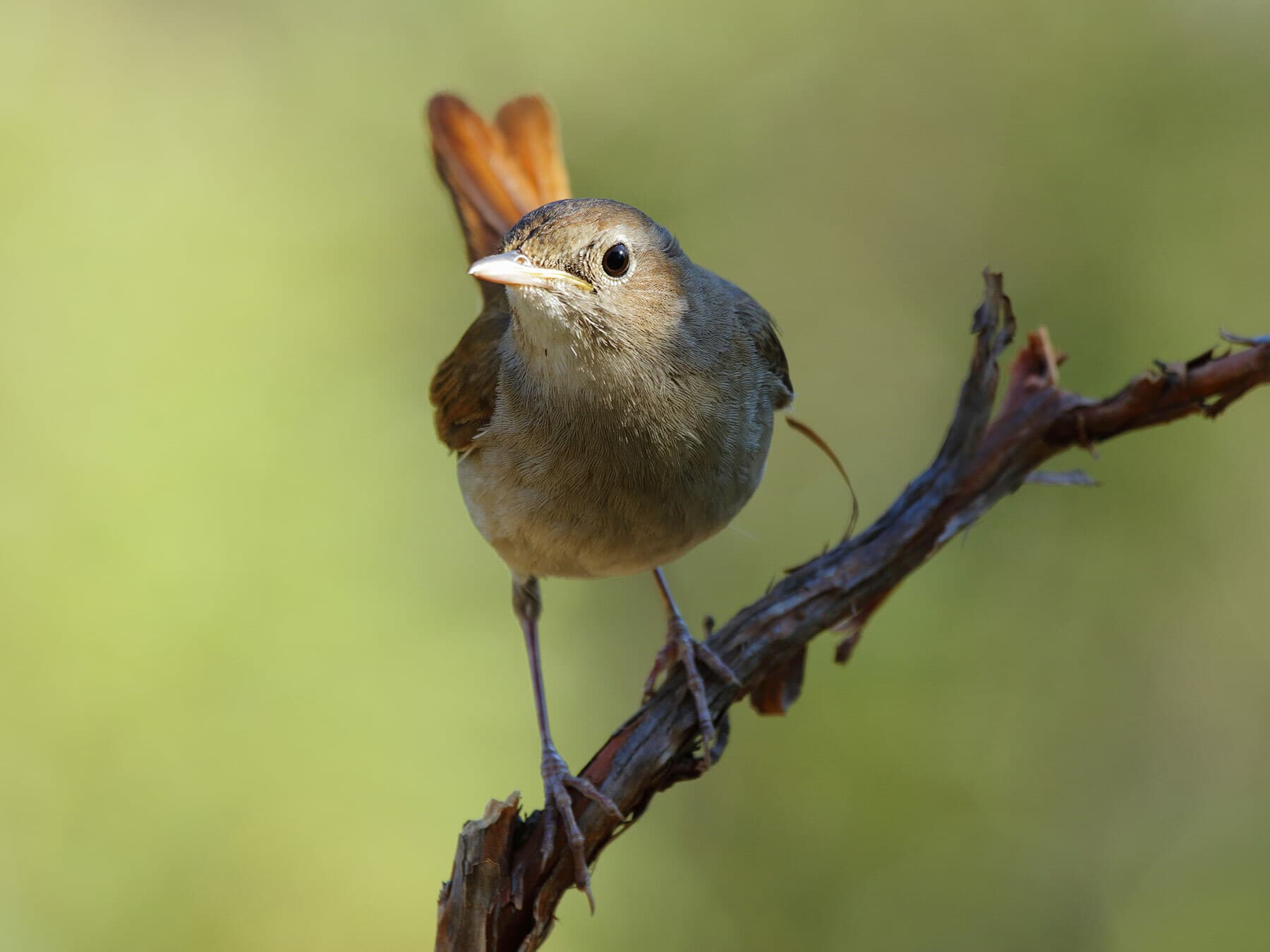
Nightingale
Luscinia megarhynchosLC
A rare passage visitor, occasionally heard singing in April and May. Worcestershire lies at the edge of its breeding range, making records increasingly scarce.
Apr–May
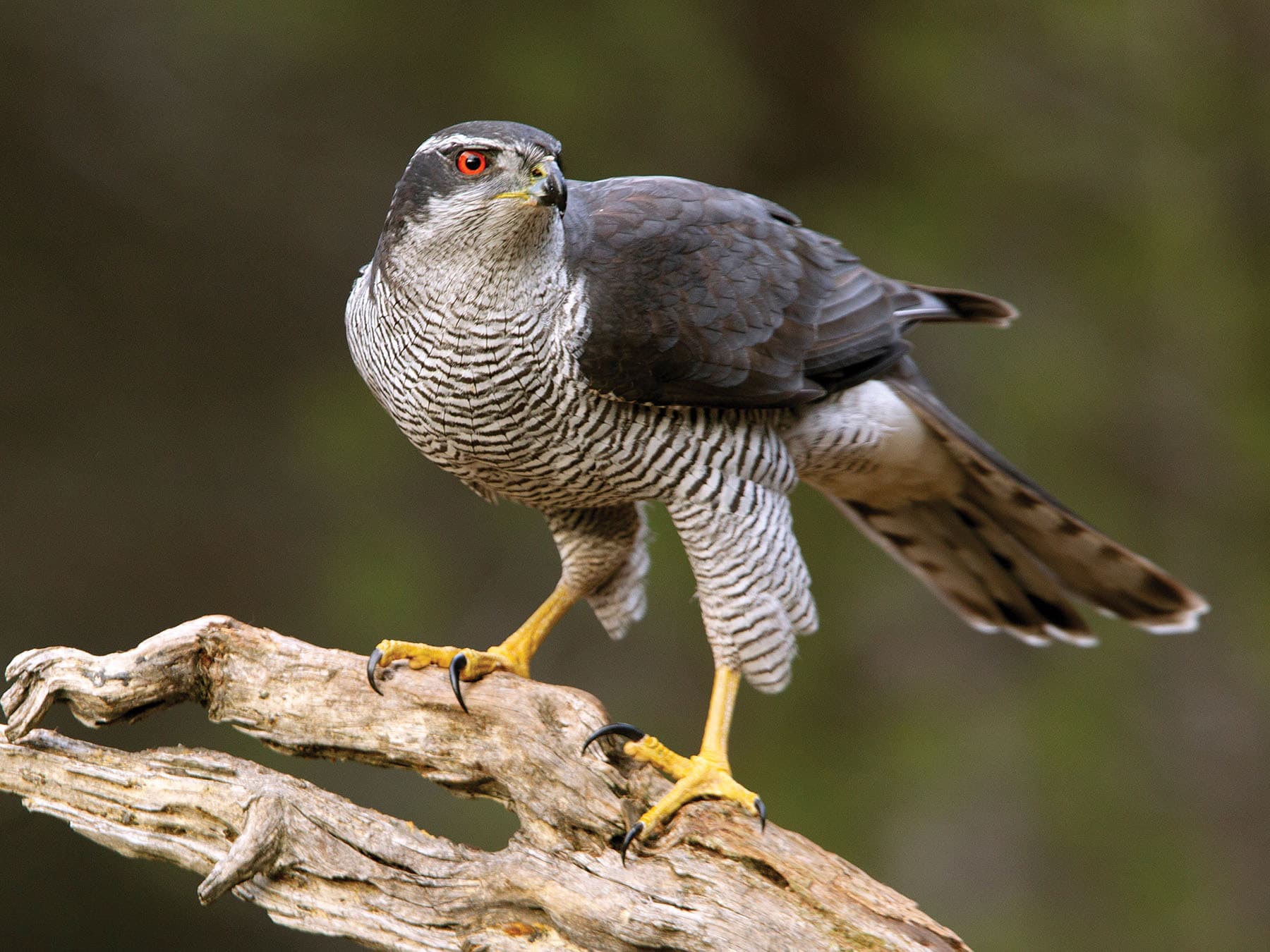
Northern Goshawk
Accipiter gentilisLC
A rare passage visitor, occasionally spotted in late winter and early spring near large woodland blocks. Secretive and powerful, sightings are highly prized.
Sep–Apr
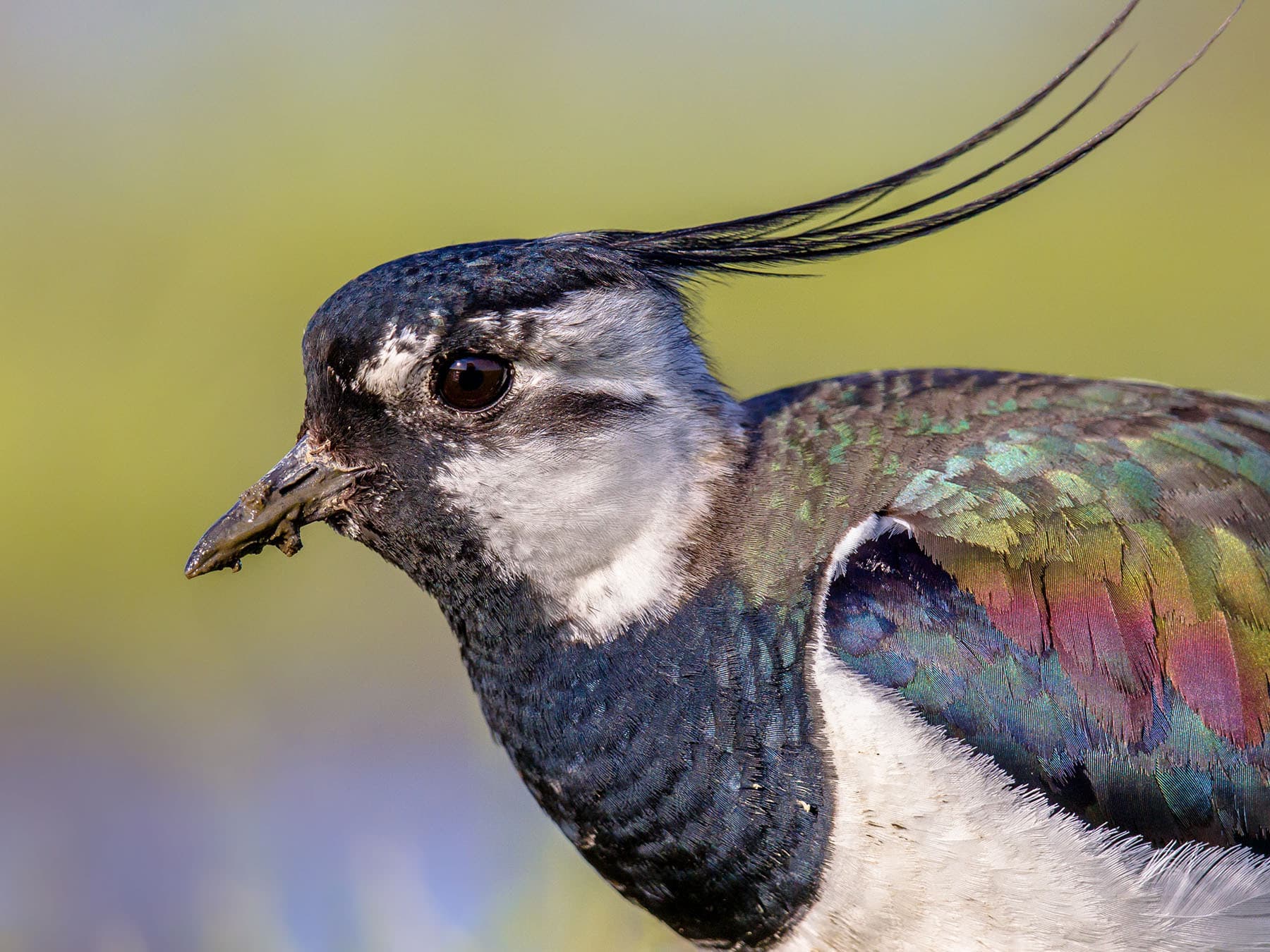
Northern Lapwing
Vanellus vanellusNT
A common but declining resident of farmland and wet meadows, forming large winter flocks on ploughed fields.
Year-round
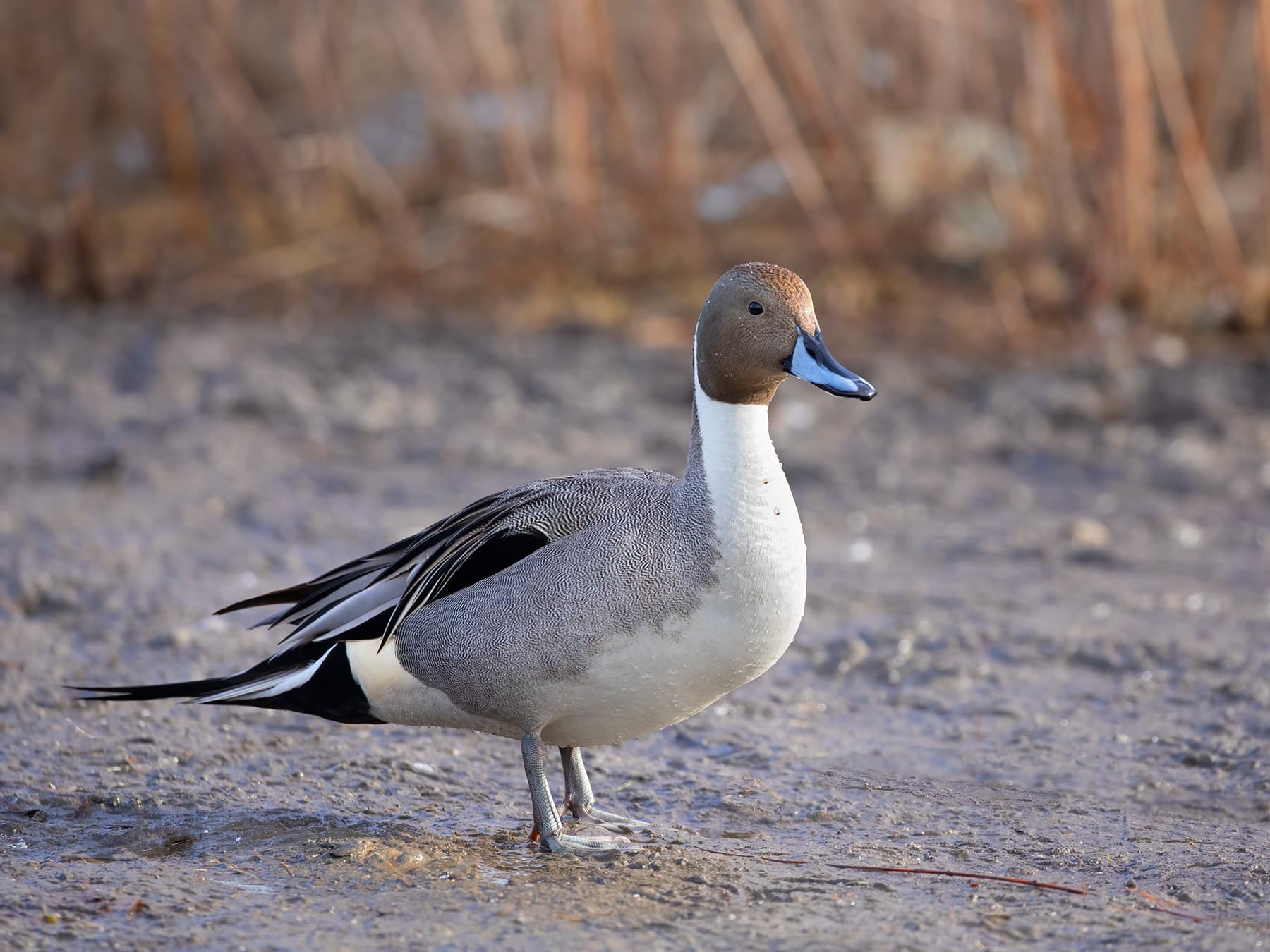
Northern Pintail
Anas acutaLC
A rare non-breeding visitor to flooded meadows and reservoirs, most likely seen between autumn and early spring.
Sep–Apr
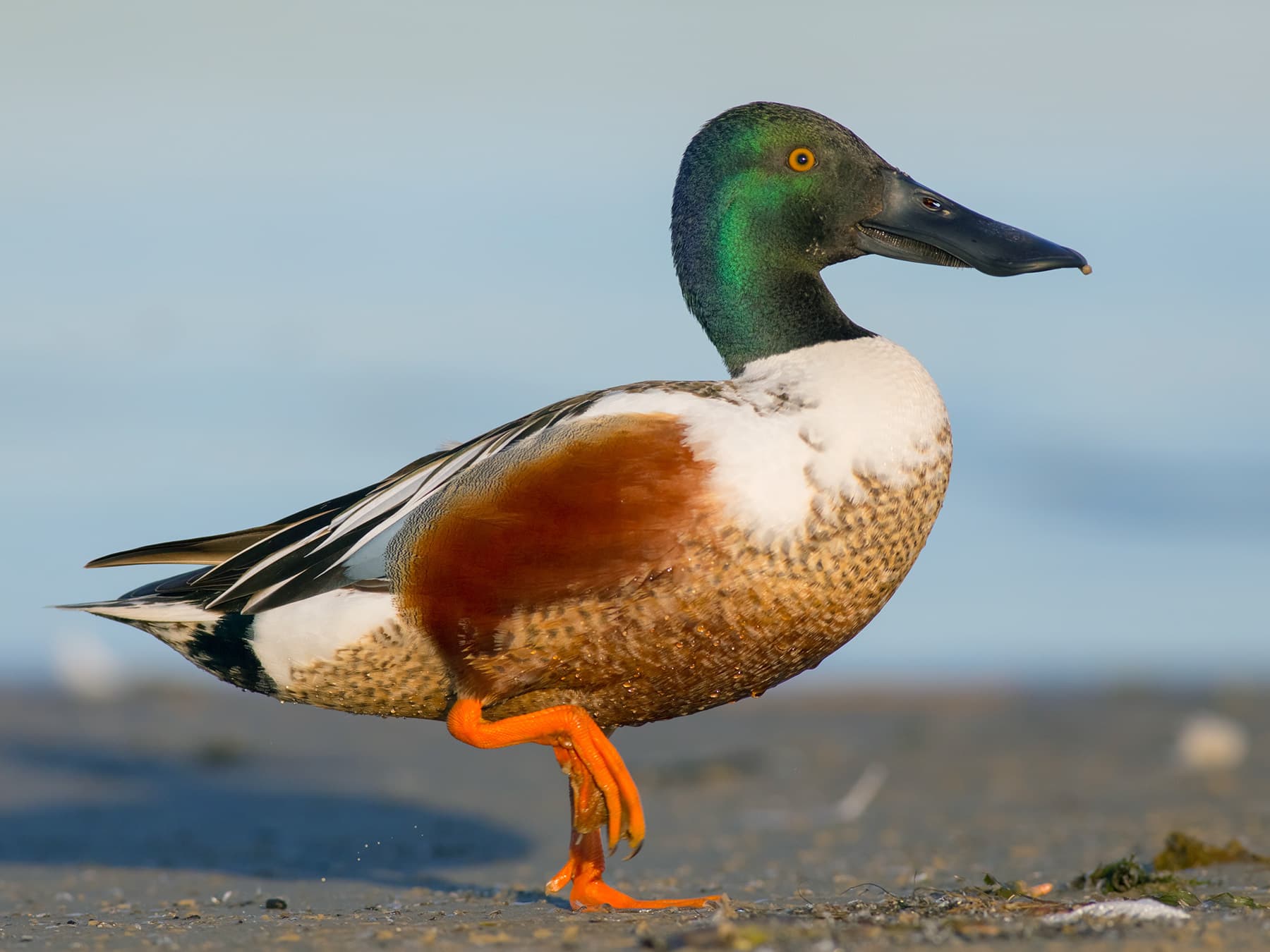
Northern Shoveler
Spatula clypeataLC
Present year-round on shallow lakes and pools. Numbers increase in winter when migrants join small breeding populations.
Year-round
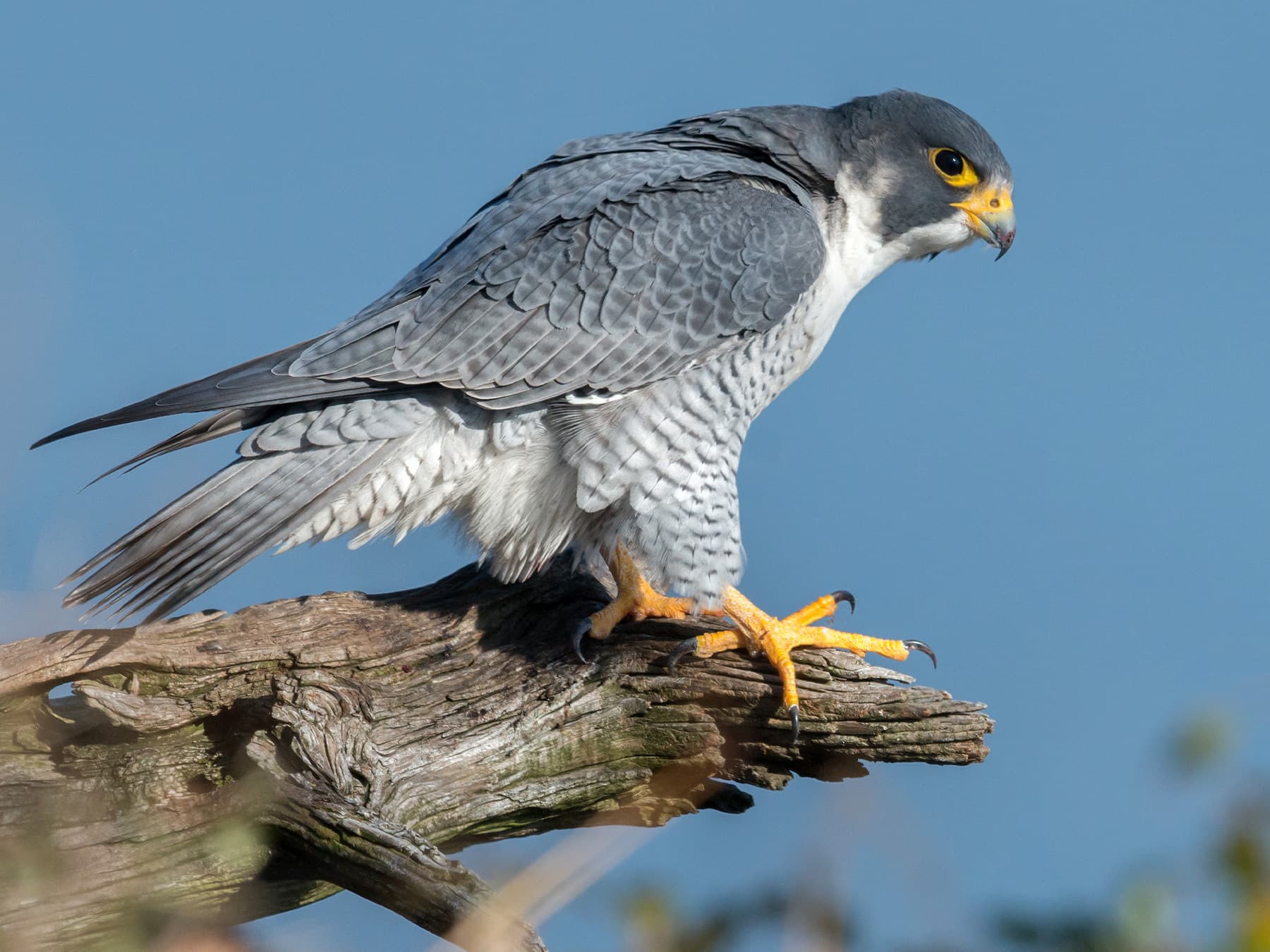
Peregrine Falcon
Falco peregrinusLC
An uncommon but increasingly established resident, nesting on Worcester Cathedral and other tall structures. Hunts over the city and surrounding countryside.
Year-round
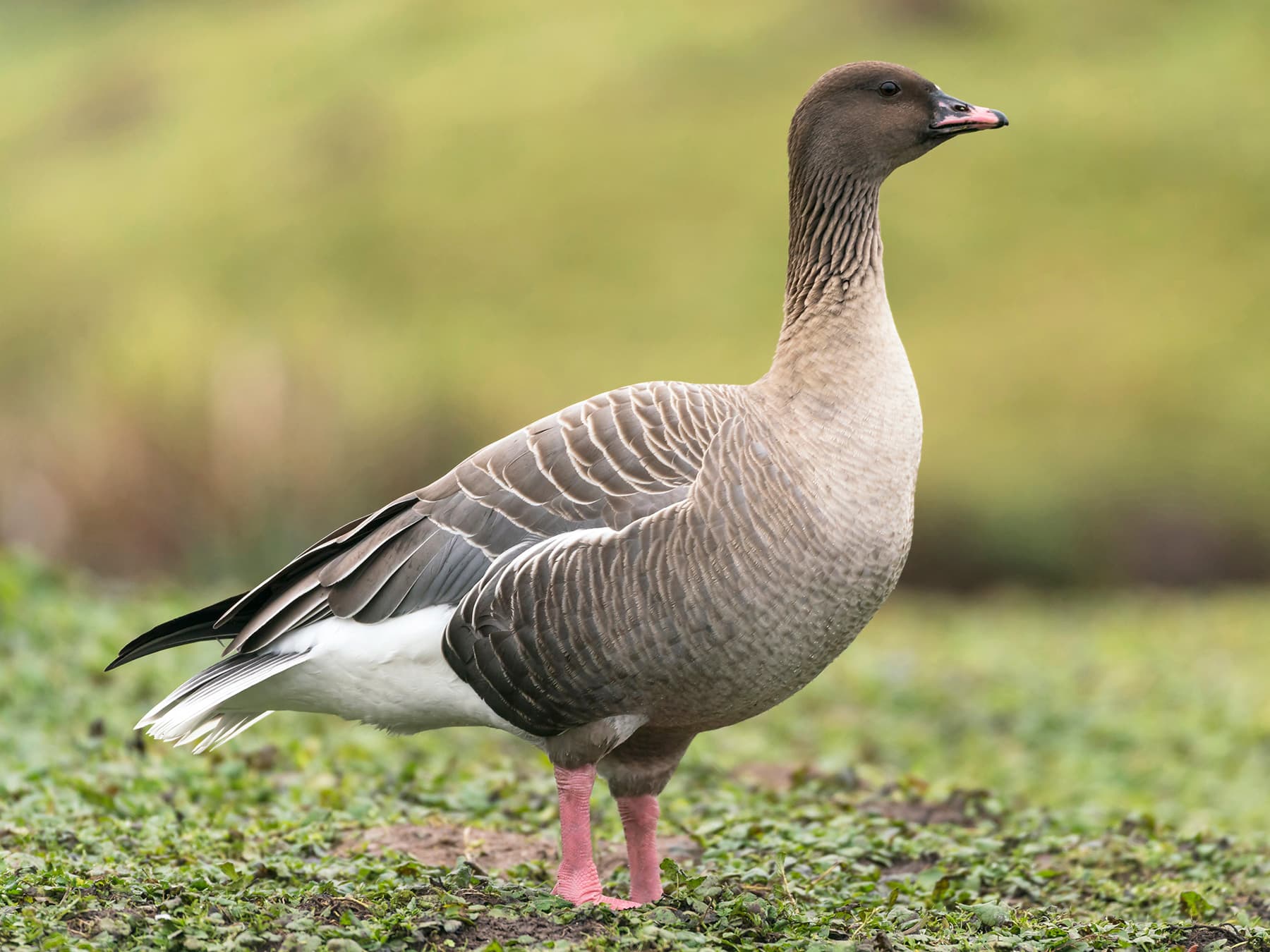
Pink-footed Goose
Anser brachyrhynchusLC
A rare non-breeding visitor from October to February, occasionally joining other goose flocks on farmland and floods.
Oct–Feb
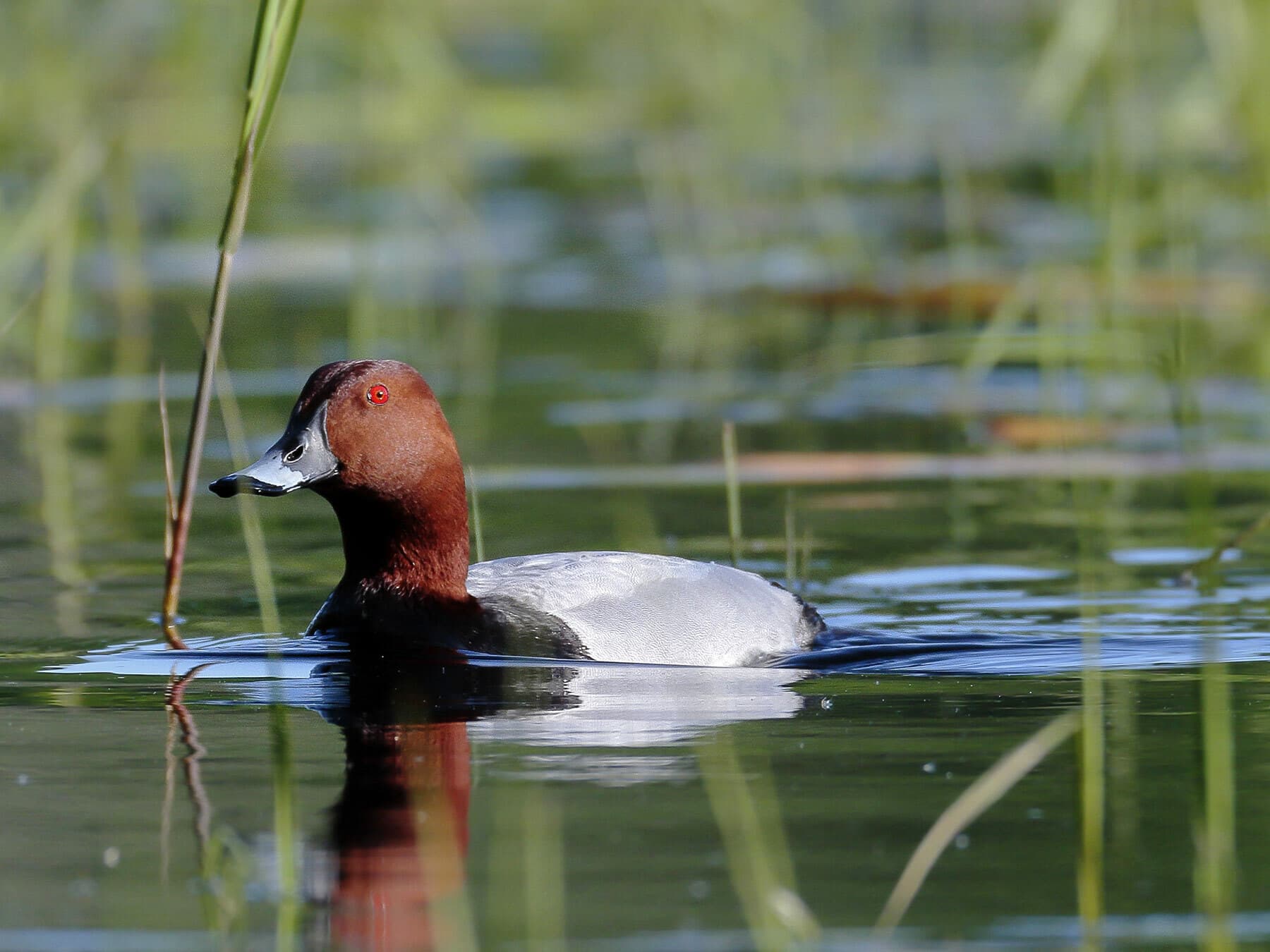
Pochard
Aythya ferinaVU
An uncommon resident on larger pools and reservoirs, this declining diving duck is most conspicuous in winter gatherings.
Year-round
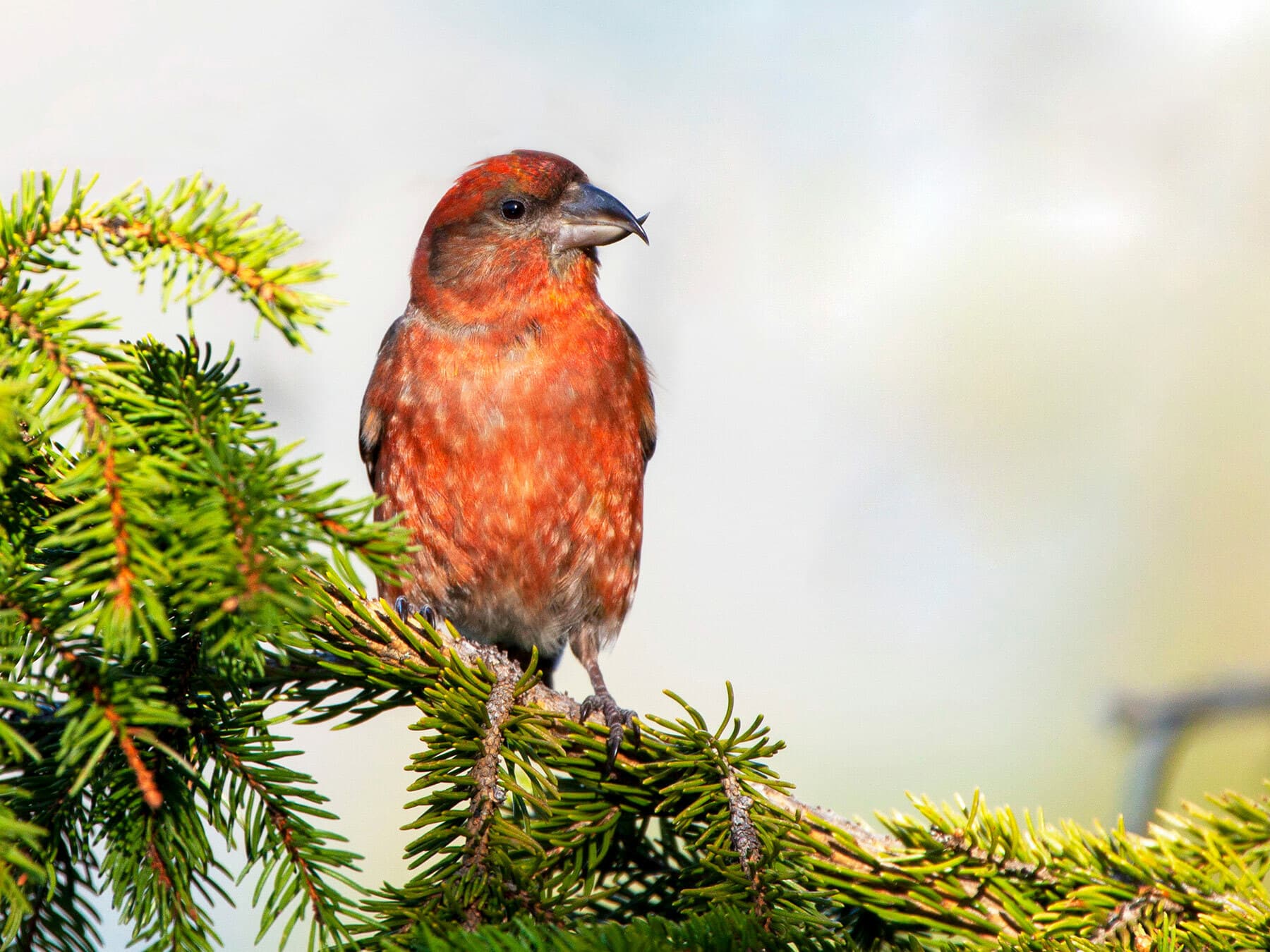
Red Crossbill
Loxia curvirostraLC
A rare and irruptive visitor to conifer plantations, present in most months outside summer. Numbers vary greatly between years.
Aug–Apr
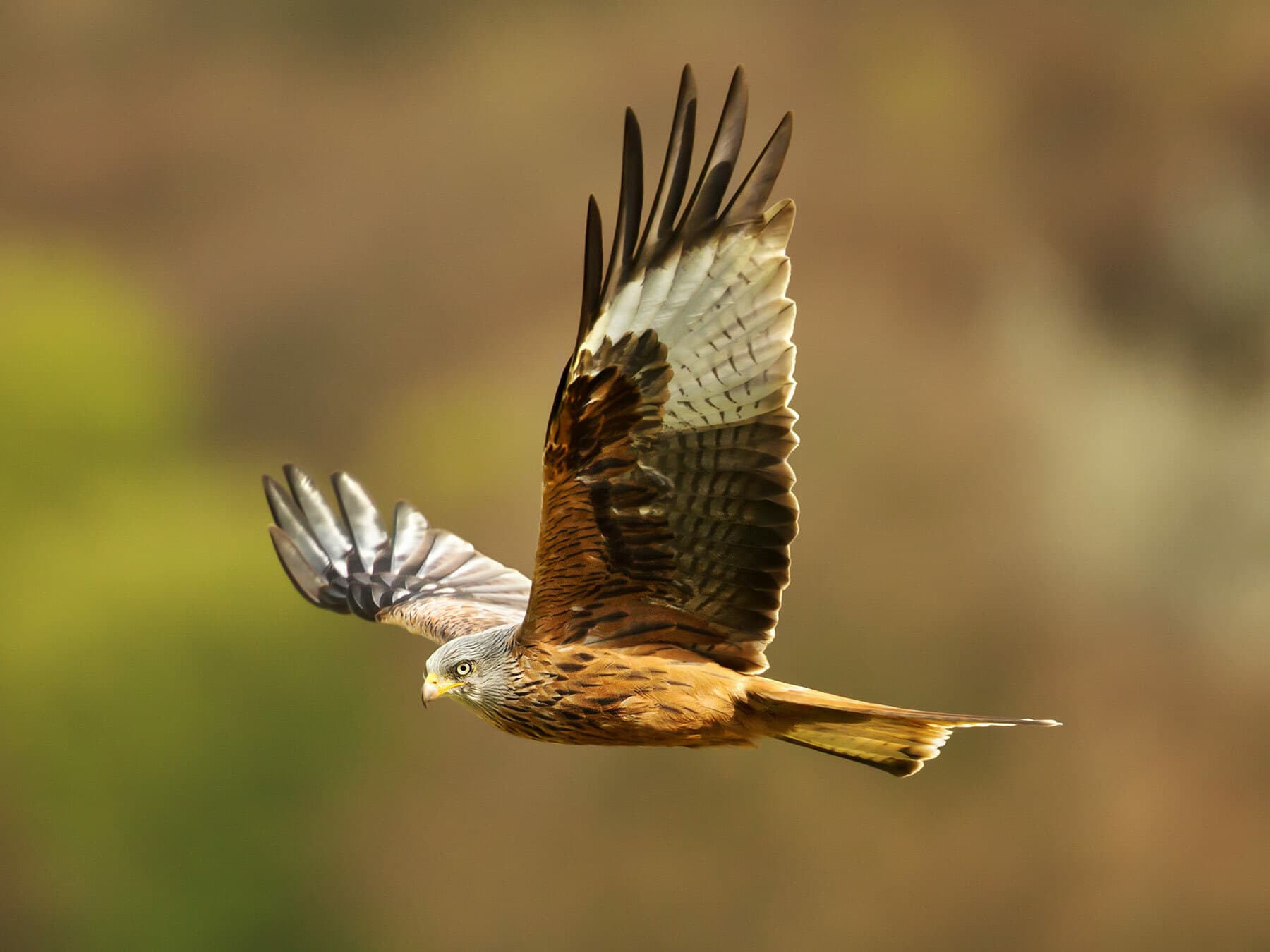
Red Kite
Milvus milvusLC
An uncommon but increasing resident, soaring over farmland and wooded valleys year-round. Benefits from the reintroduction programme in the Midlands.
Year-round
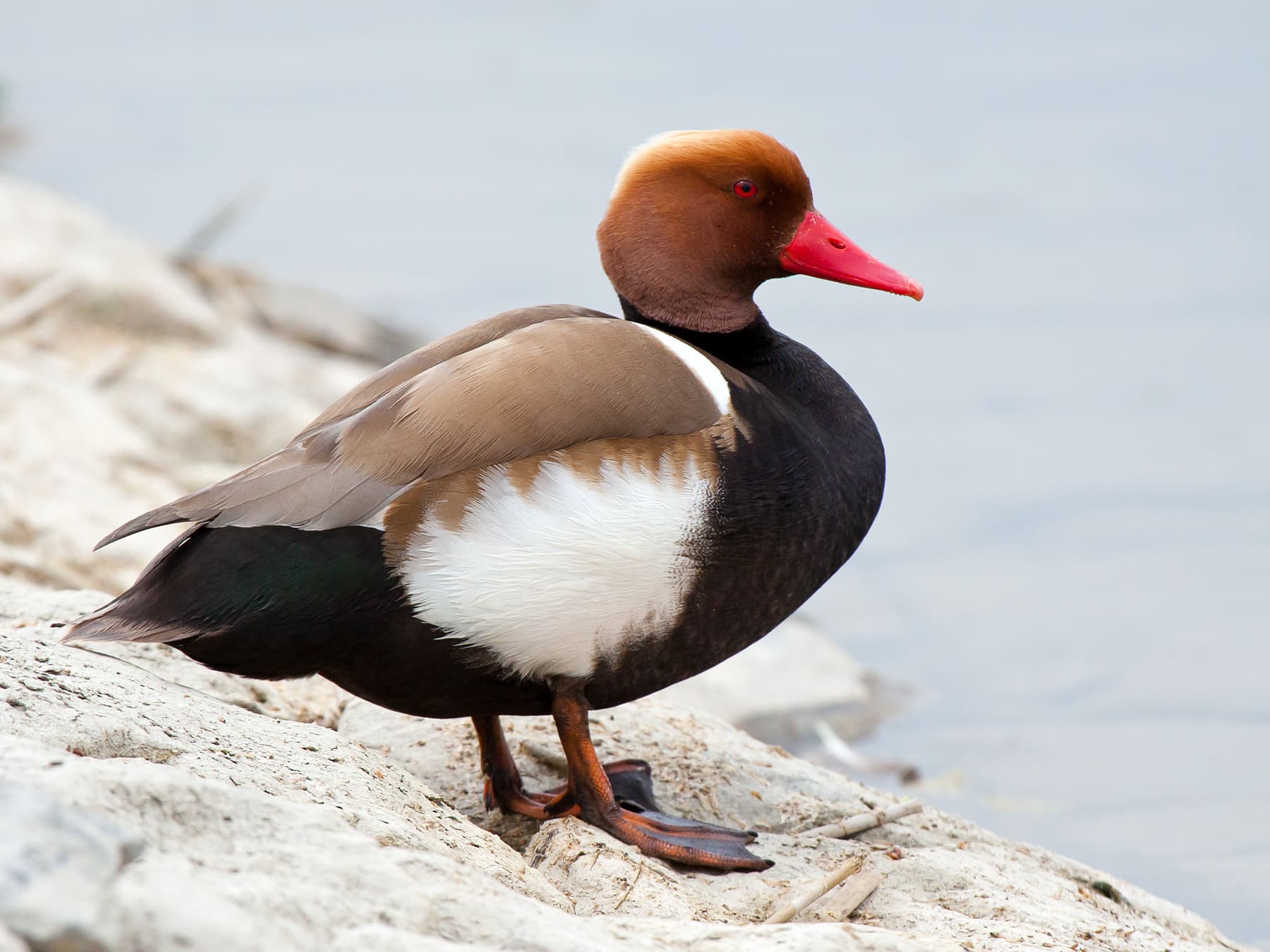
Red-crested Pochard
Netta rufinaLC
A rare passage visitor, occasionally recorded in June. Origins of sightings are often uncertain due to escapees.
Jun
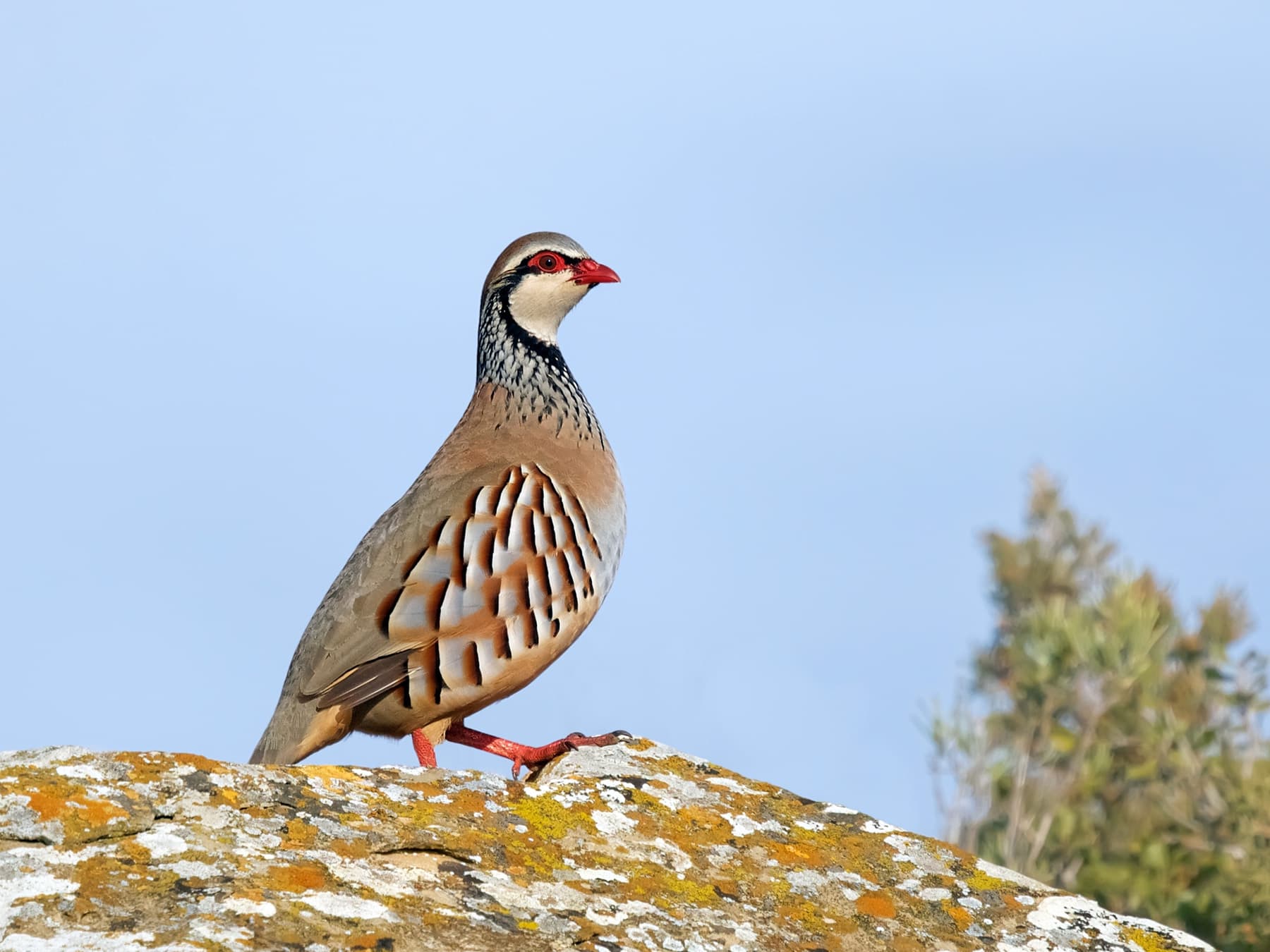
Red-legged Partridge
Alectoris rufaNT
An introduced resident found on arable farmland and field margins, though thinly distributed across the county year-round.
Year-round
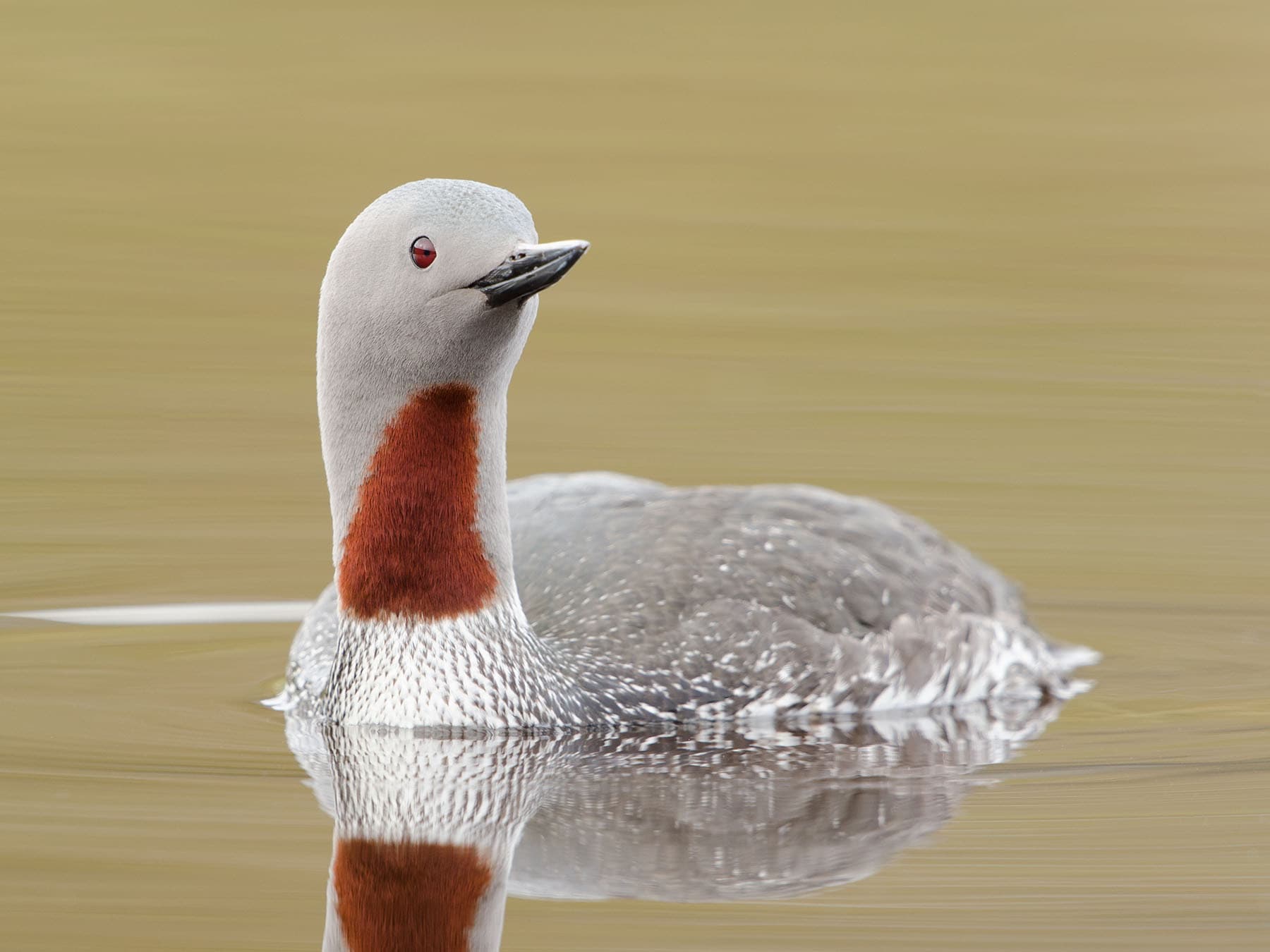
Red-throated Loon
Gavia stellataLC
A rare inland visitor, occasionally recorded at larger reservoirs in November during stormy weather.
Nov
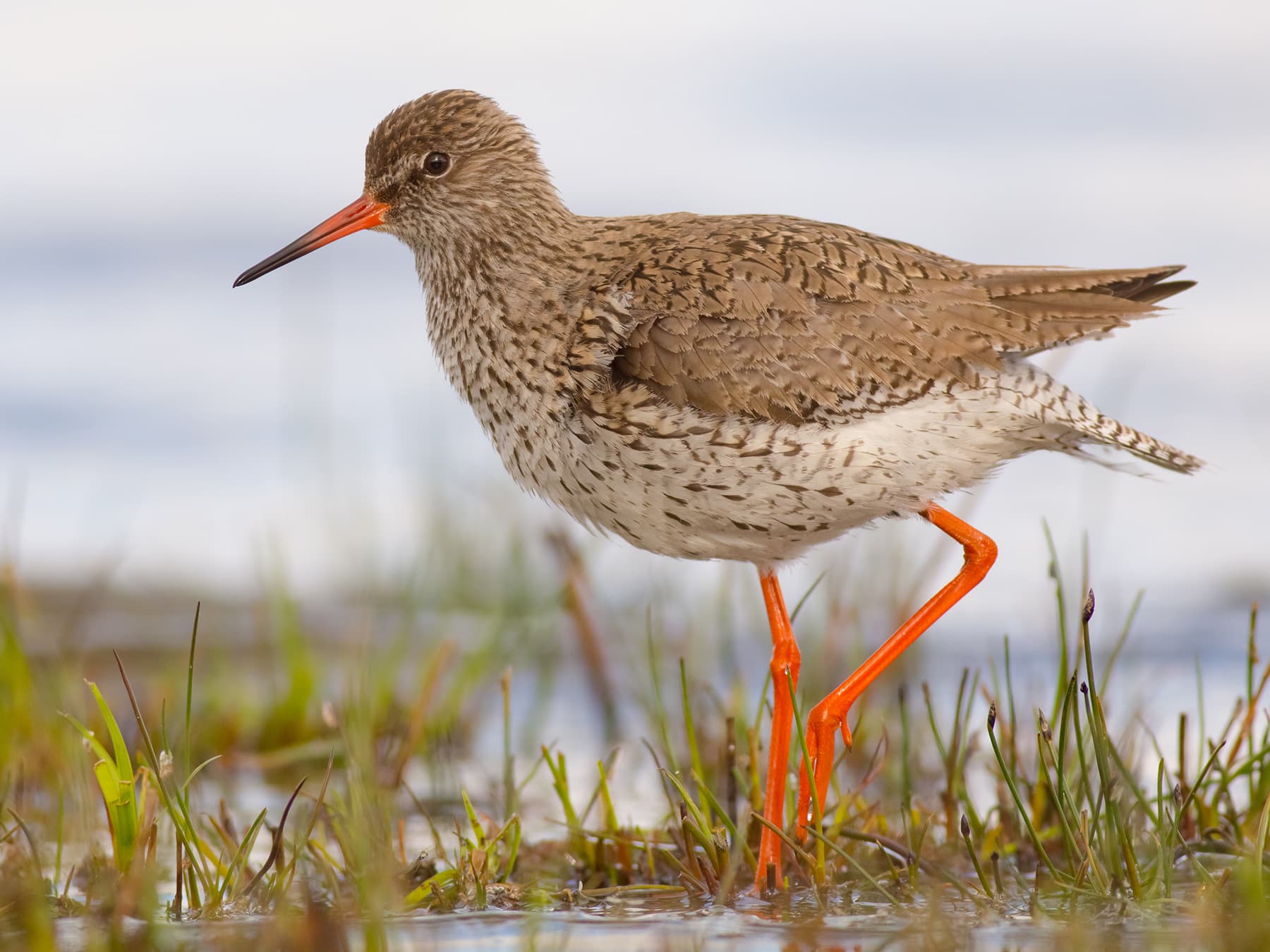
Redshank
Tringa totanusLC
An uncommon resident found along the Severn and Avon floodplains and at wetland reserves. Numbers peak during passage and winter months.
Nov–Sep
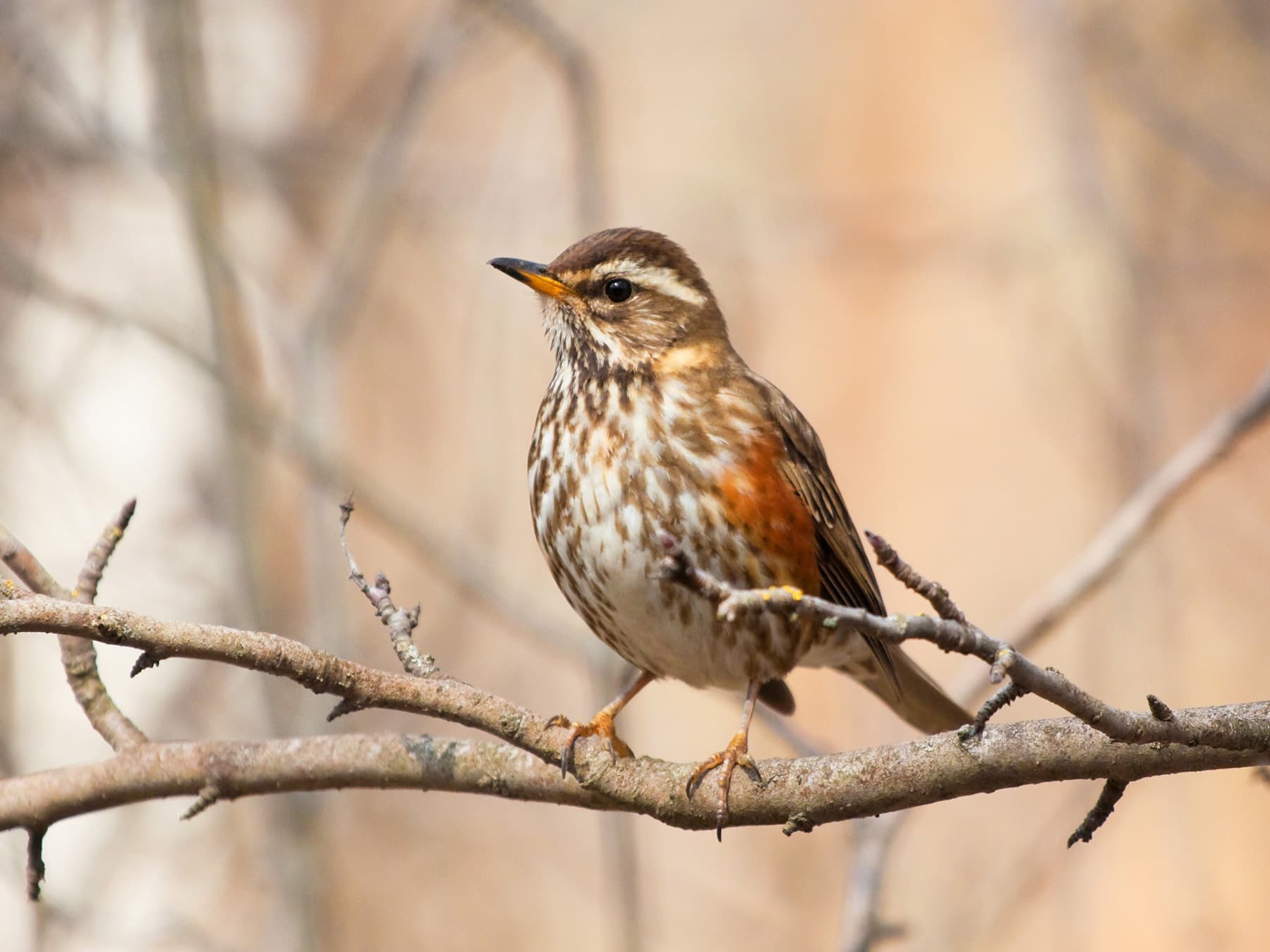
Redwing
Turdus iliacusNT
A common winter visitor from Scandinavia, arriving in October and departing by April. Flocks roam hedgerows and orchards feeding on berries.
Oct–Apr