Birds in West Sussex
Explore 211 species found in this region.
West Sussex is home to an impressive 207 recorded bird species, reflecting the county's rich diversity of habitats — from the chalk downlands of the South Downs to the coastal mudflats and harbours of Chichester and Pagham. Birdwatchers can enjoy sightings ranging from familiar garden visitors like the Great Tit and Magpie to scarcer species such as the Great Grey Shrike and the elegant Northern Pintail. The county's wetlands, woodlands, and estuaries make it one of the most rewarding birding destinations in southern England.
Visiting in July? Look out for Brent Goose and Common Snipe arriving this month, and American Golden-Plover and Cirl Bunting depart for the season.


Showing 185–207 of 211 species
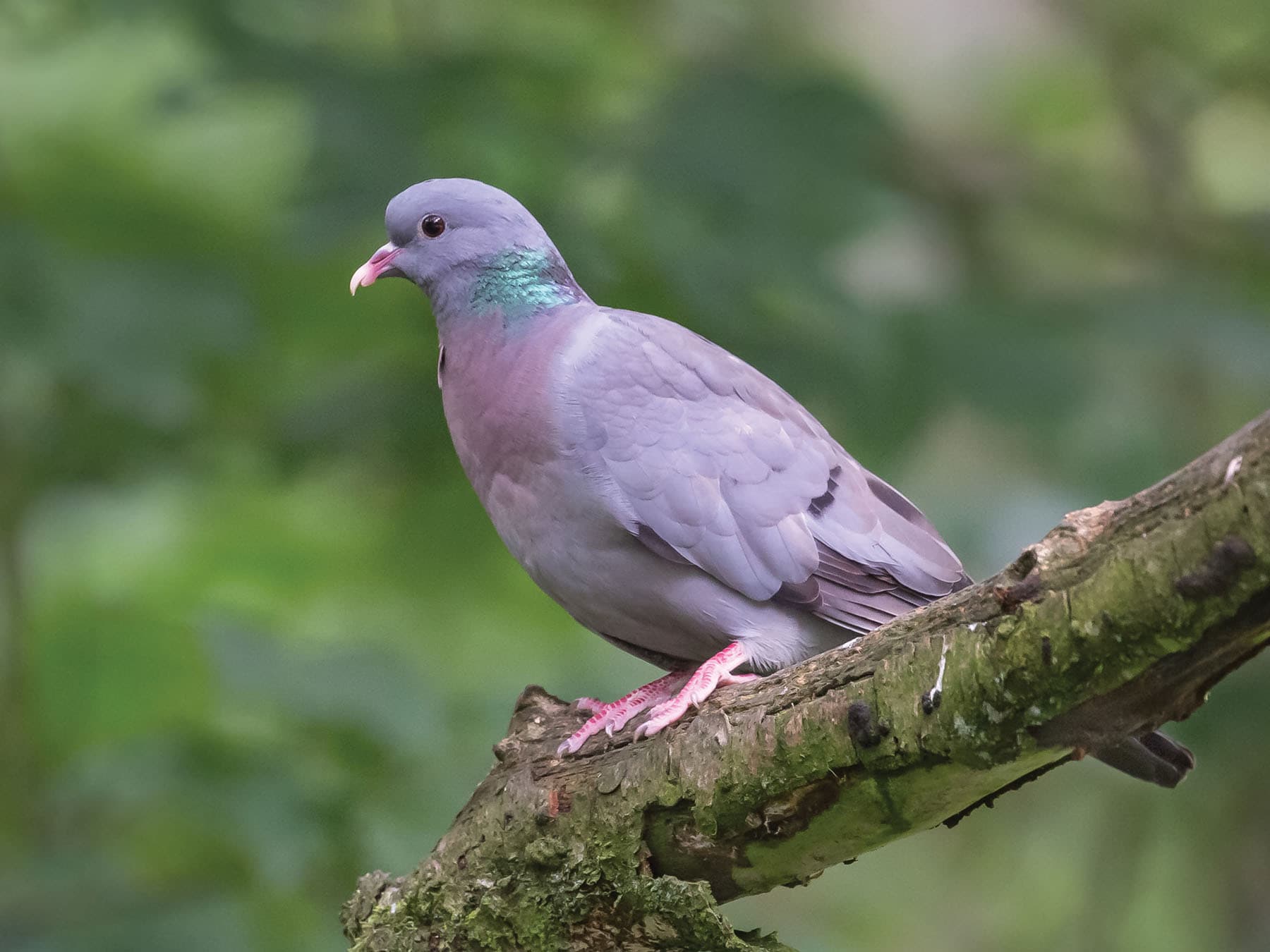
Stock Dove
Columba oenasLC
A common year-round resident of farmland, parkland, and woodland edges, nesting in tree holes across the county.
Year-round
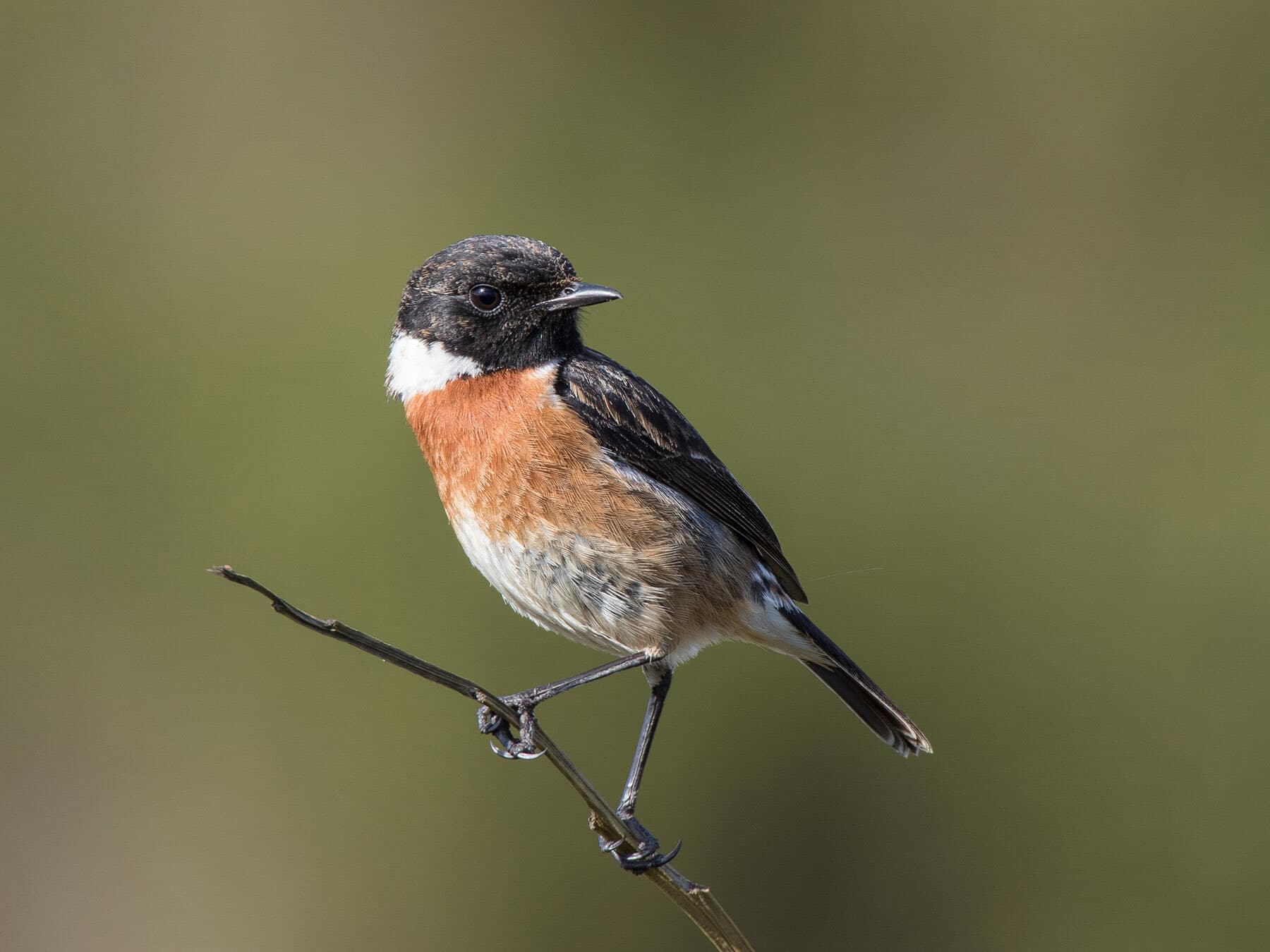
Stonechat
Saxicola torquatusLC
An uncommon resident found year-round on coastal gorse scrub and heathland, often perching prominently while flicking its tail.
Year-round
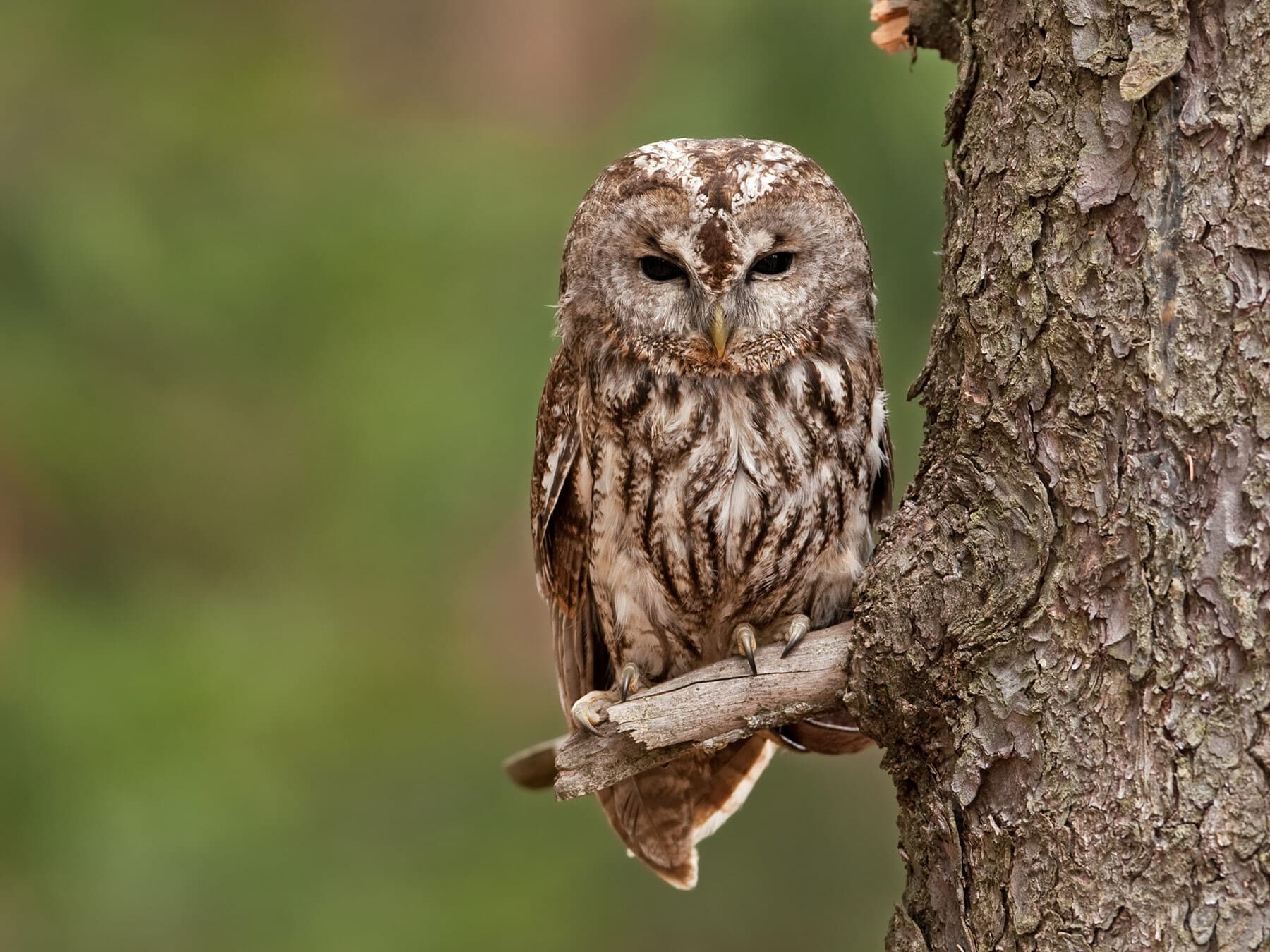
Tawny Owl
Strix alucoLC
A secretive resident of mature woodland, rarely seen but often heard hooting after dark in the county's woods and parks.
Year-round
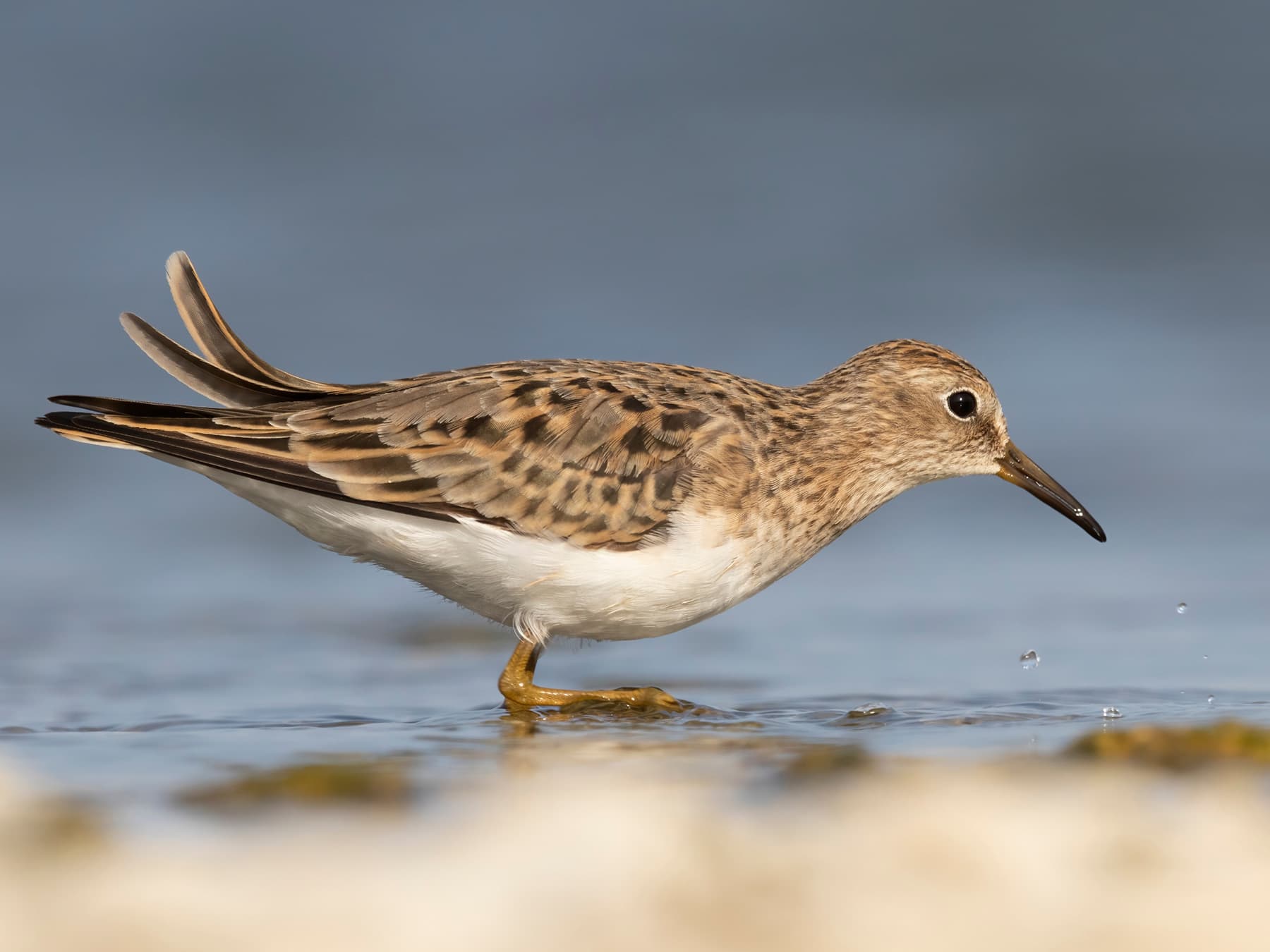
Temminck's Stint
Calidris temminckiiLC
A rare passage migrant glimpsed briefly in May and August at freshwater scrapes and muddy pool margins.
May–Aug
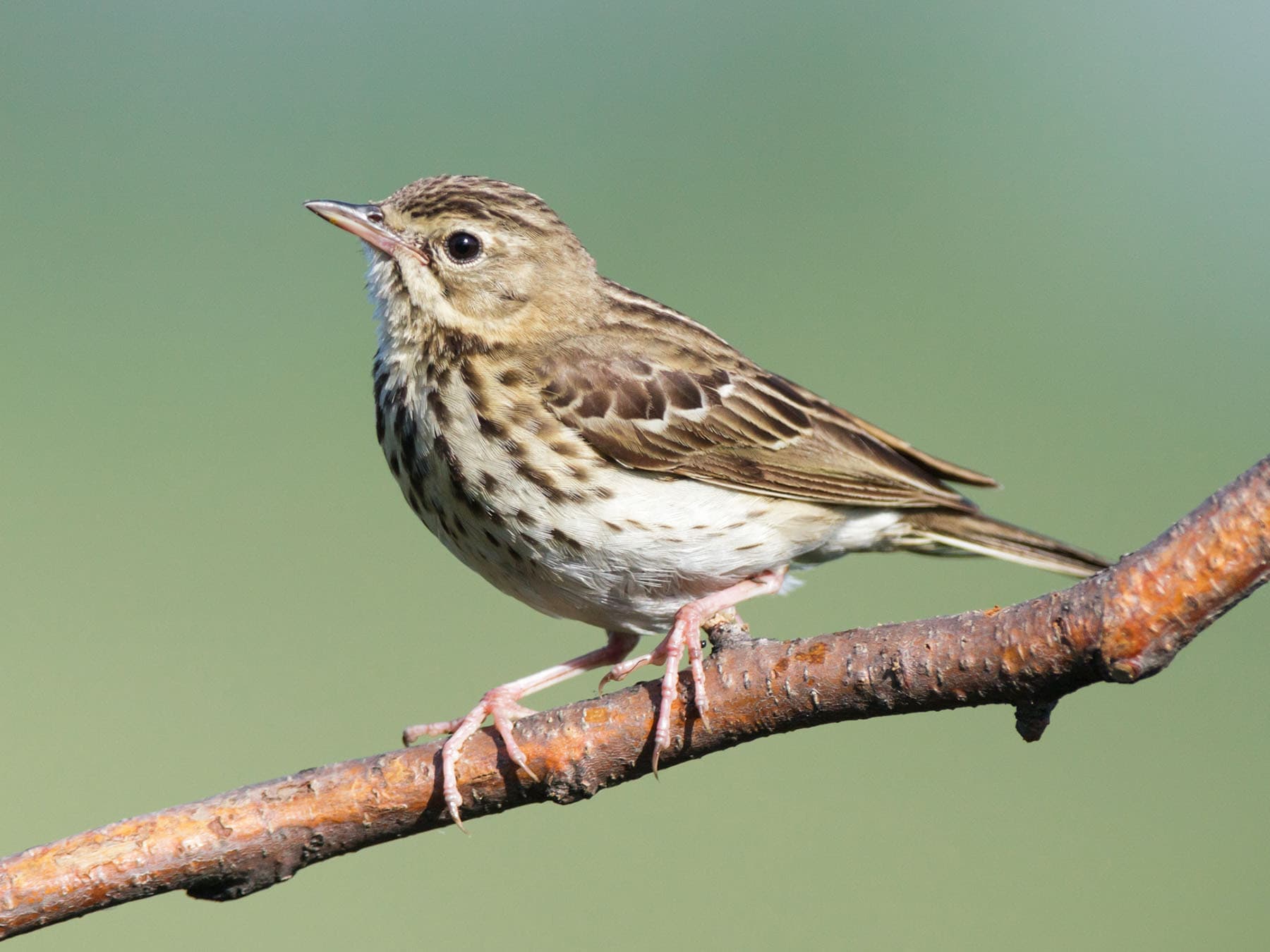
Tree Pipit
Anthus trivialisLC
A rare passage migrant through the county, seen briefly in spring and autumn. Formerly bred on heathland in the region.
May–Sep
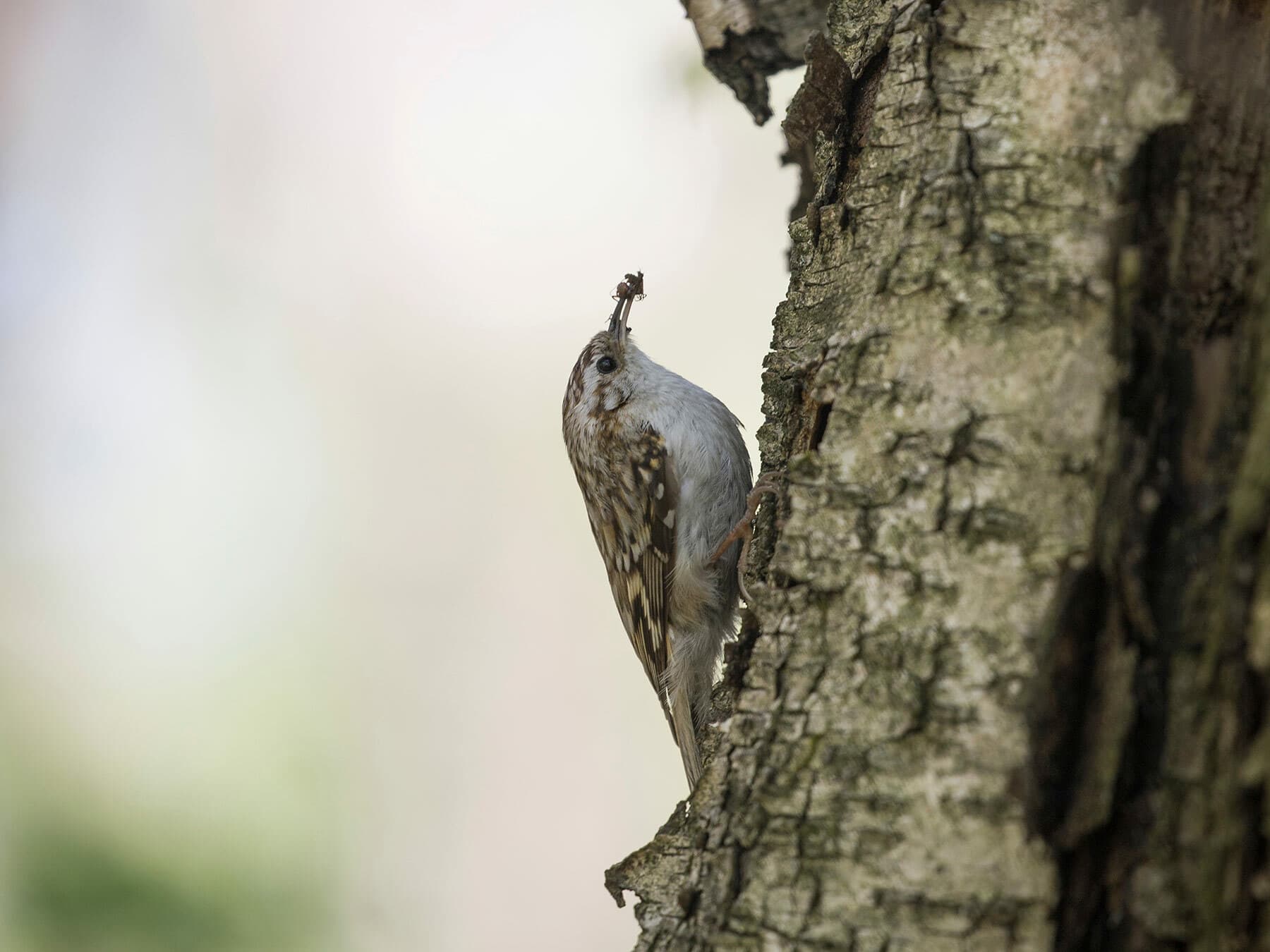
Treecreeper
Certhia familiarisLC
An uncommon but year-round resident of mature woodland, spiralling up tree trunks in search of insects hidden in bark crevices.
Year-round
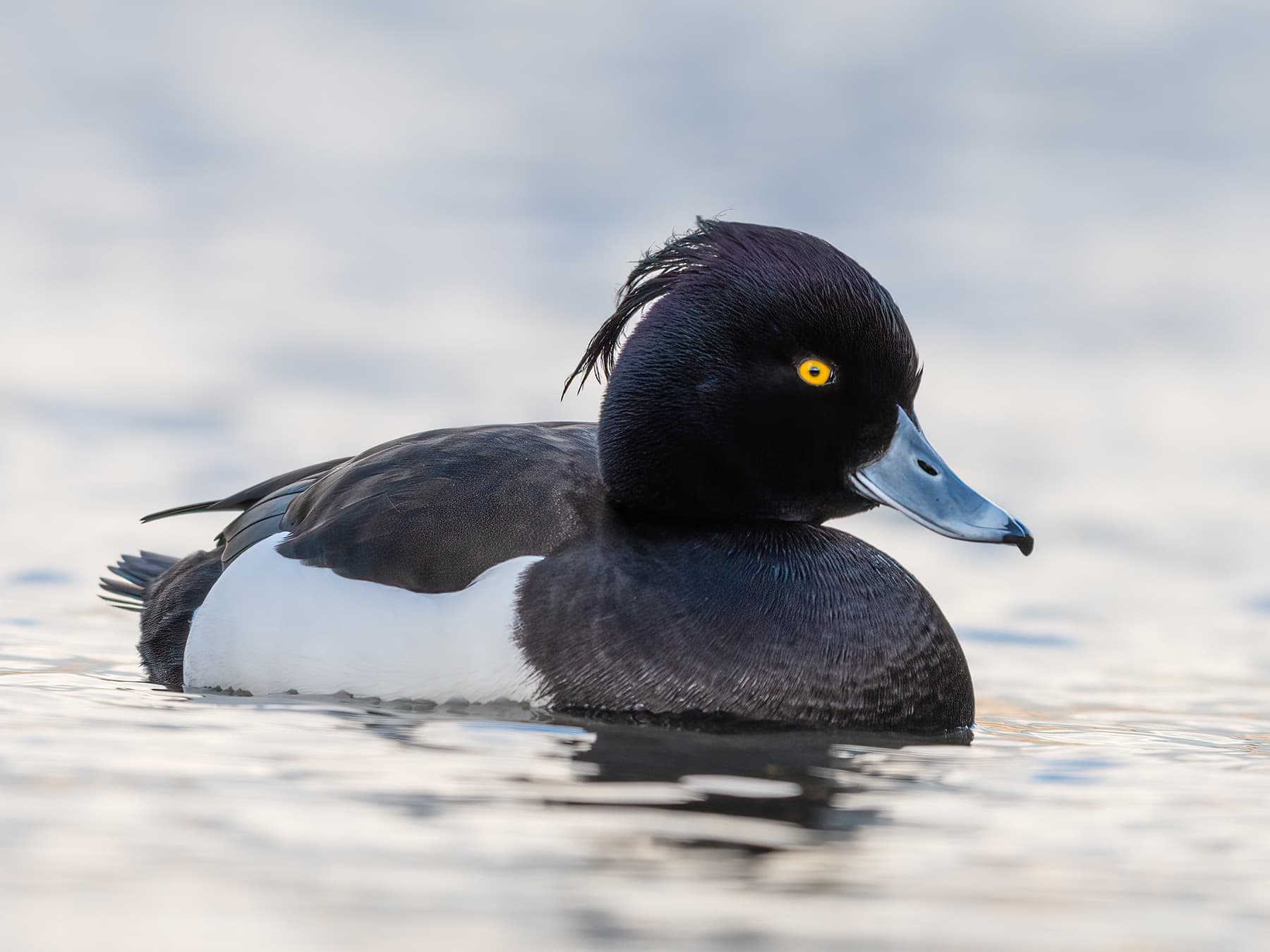
Tufted Duck
Aythya fuligulaLC
A common diving duck found year-round on lakes, reservoirs and gravel pits across the county. Breeds locally and gathers in larger winter flocks.
Year-round
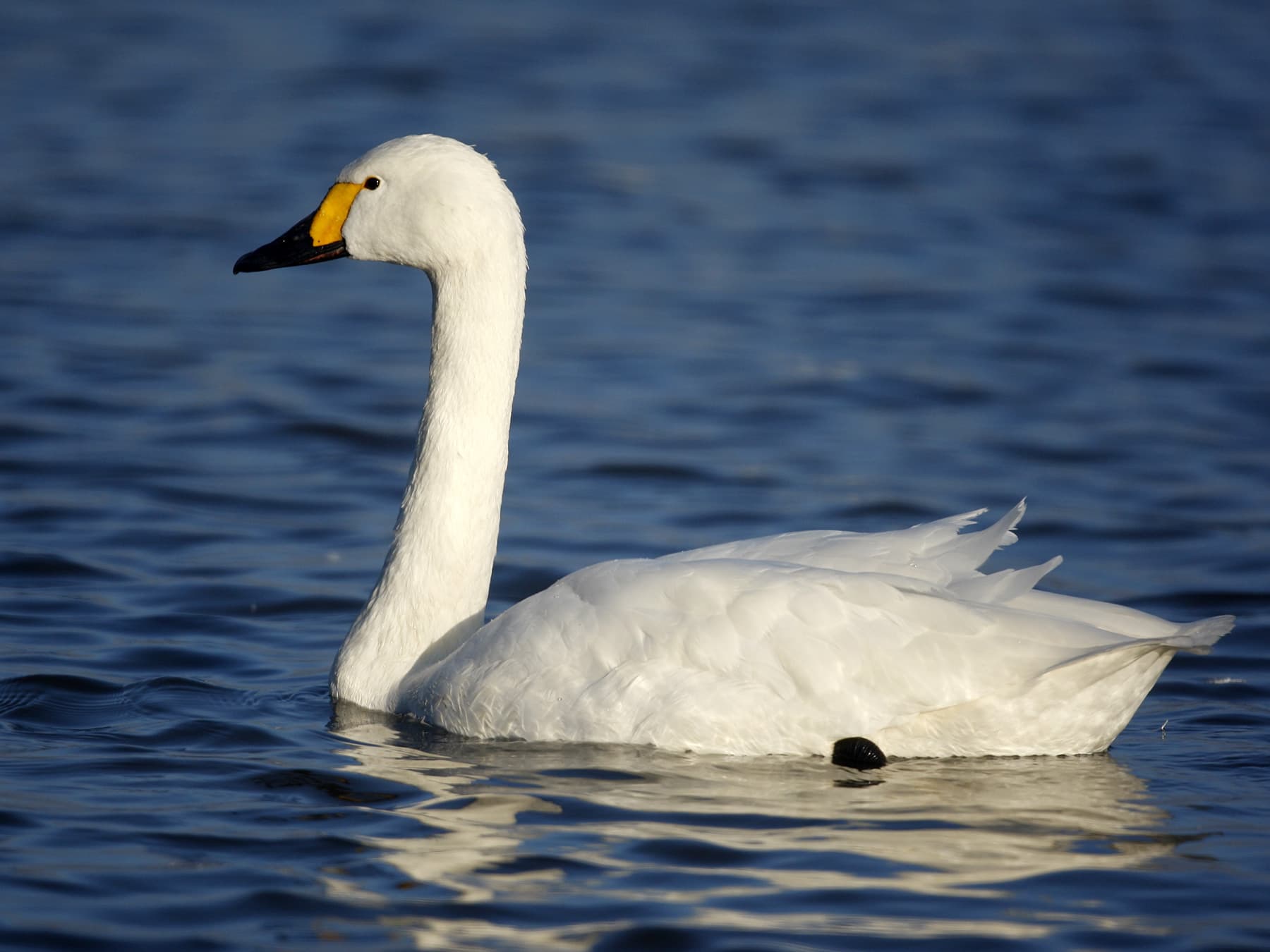
Tundra Swan
Cygnus columbianusLC
A rare midwinter visitor, sometimes found on flooded fields and wetlands in the Arun Valley during cold spells.
Dec–Feb
Spotted something?
Upload a photo to identify it
Identify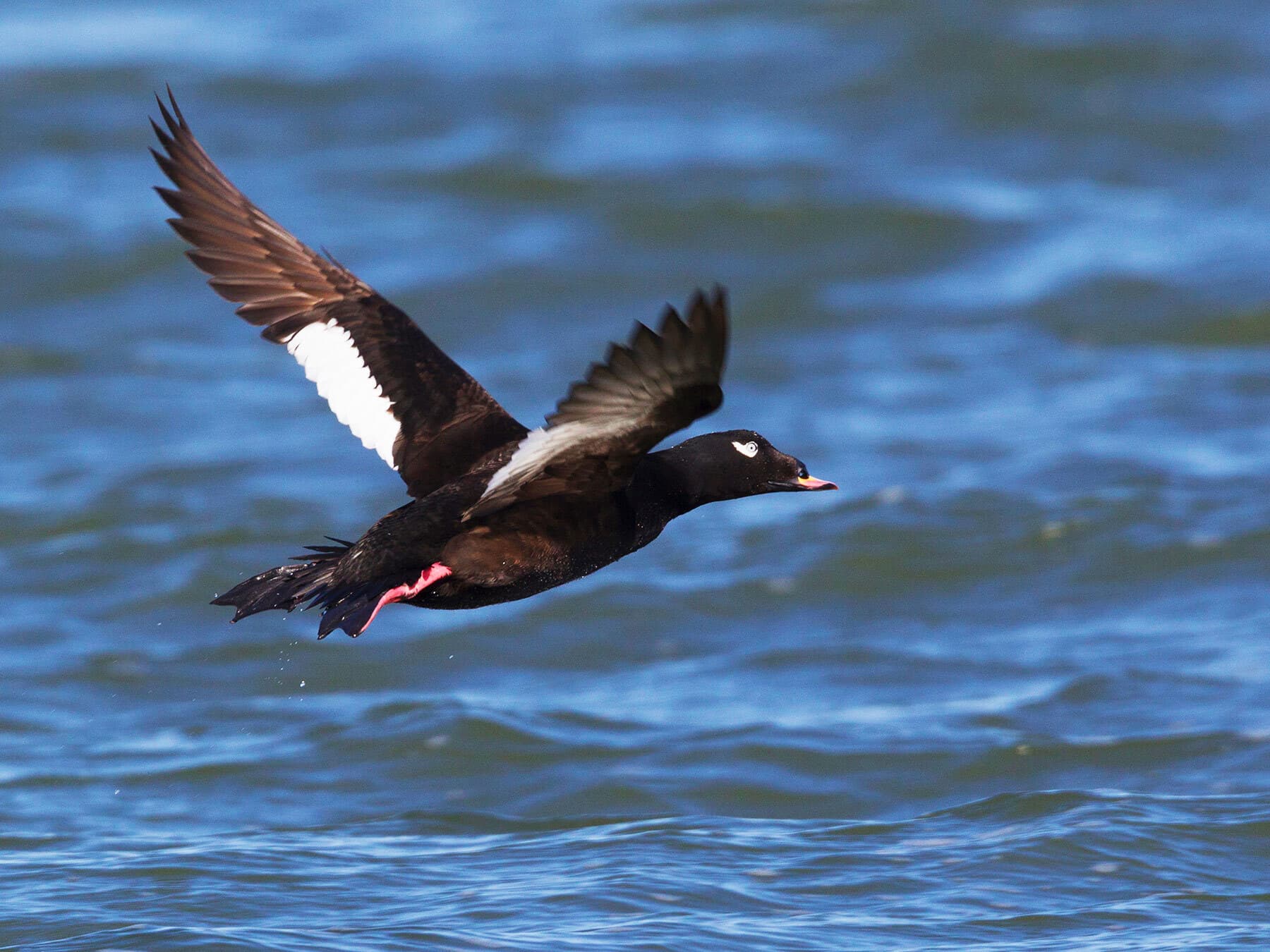
Velvet Scoter
Melanitta fuscaVU
A rare late-autumn passage migrant, occasionally spotted among Common Scoter flocks off the coast in November and December.
Nov–Dec
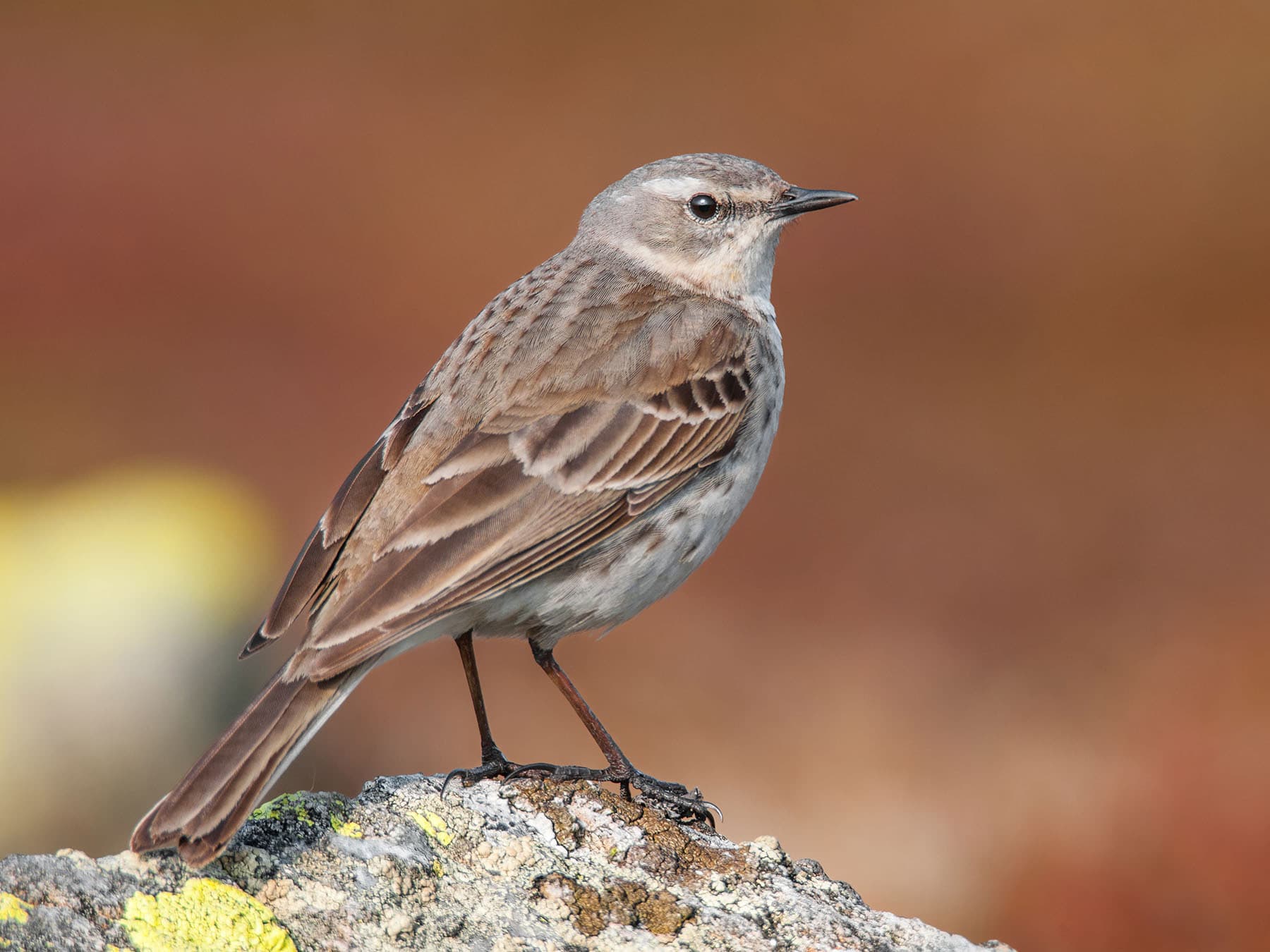
Water Pipit
Anthus spinolettaLC
A rare passage visitor, occasionally noted at watercress beds and wet meadows in March. Easily confused with Rock Pipit.
Mar
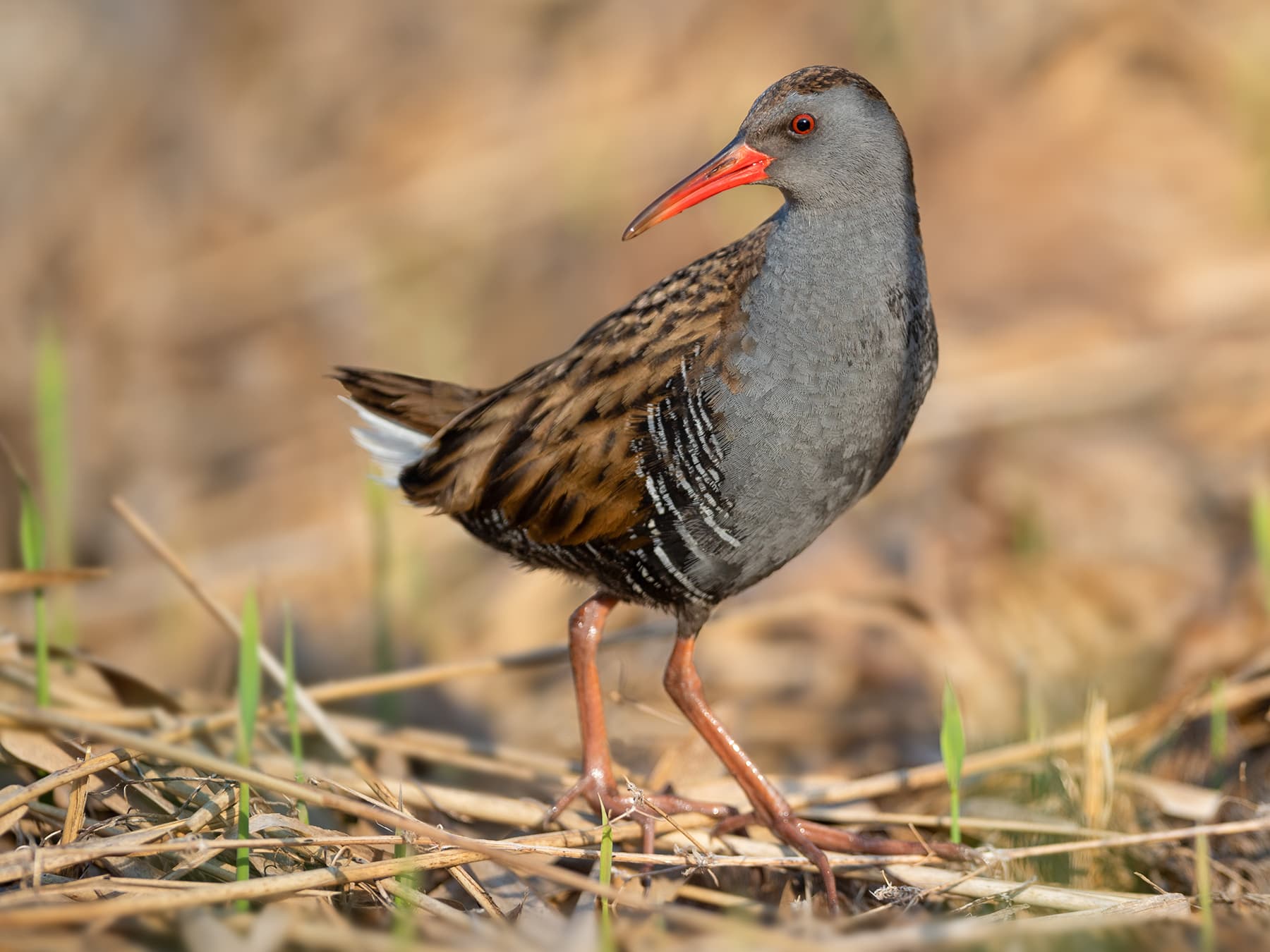
Water Rail
Rallus aquaticusLC
An uncommon but secretive year-round resident of reedbeds and marshy ditches. More often heard squealing than seen at sites like Arundel.
Year-round
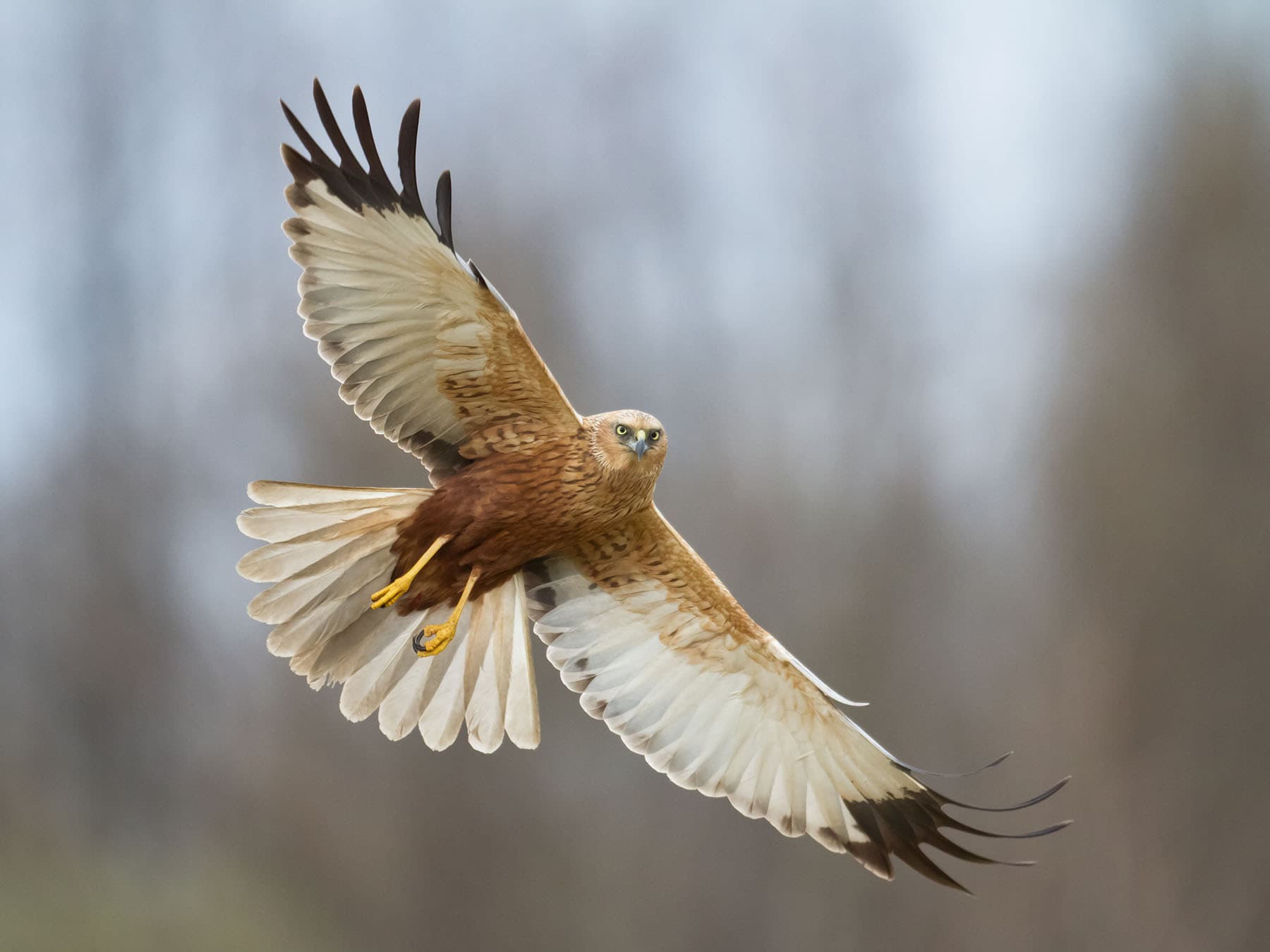
Western Marsh-harrier
Circus aeruginosusLC
An uncommon resident quartering reedbeds and marshes year-round, notably at Pulborough Brooks and Amberley Wildbrooks.
Year-round
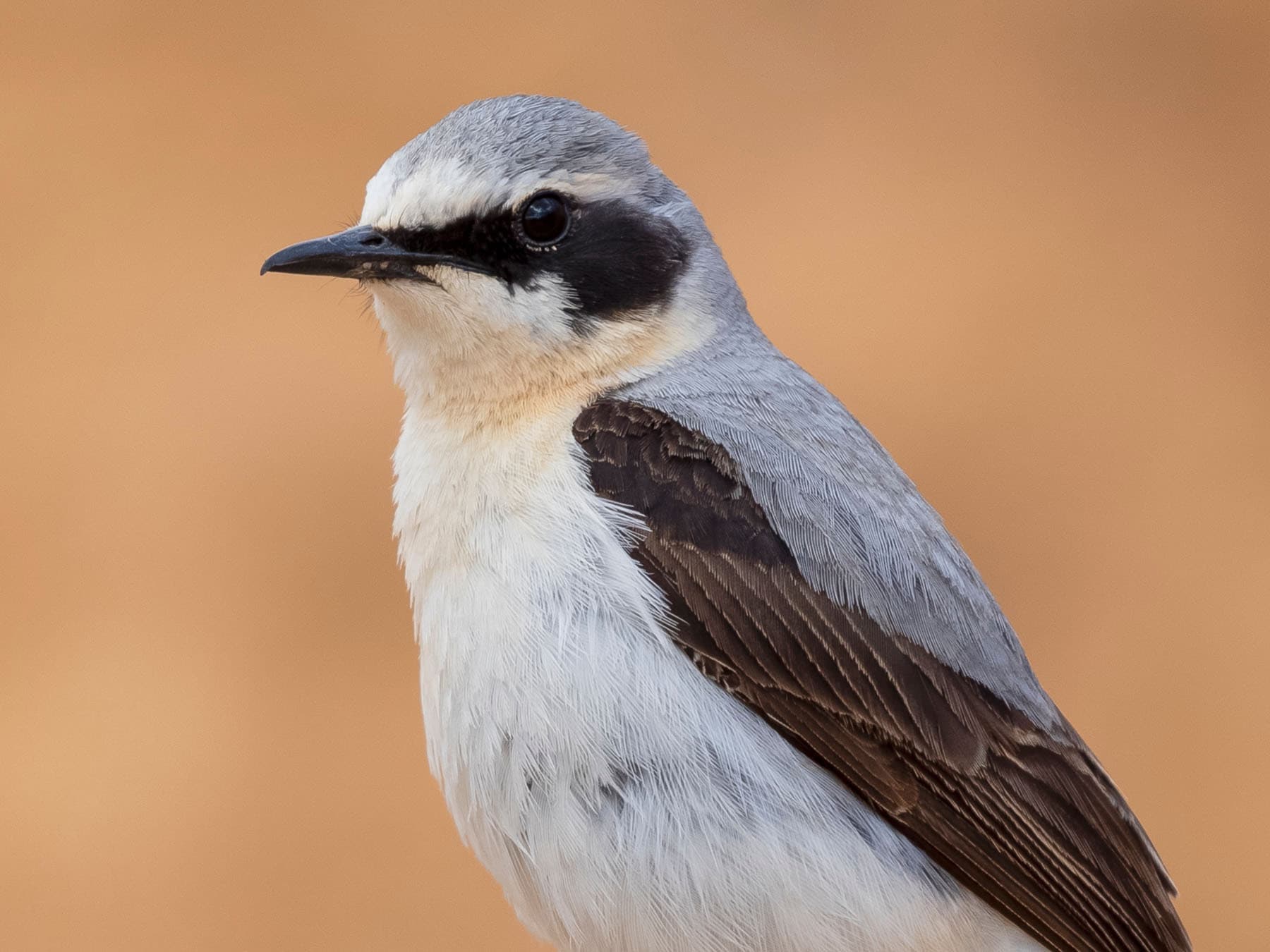
Wheatear
Oenanthe oenantheLC
An uncommon visitor to open downland and coastal grassland, most visible during spring and autumn passage across the South Downs.
Mar–Oct
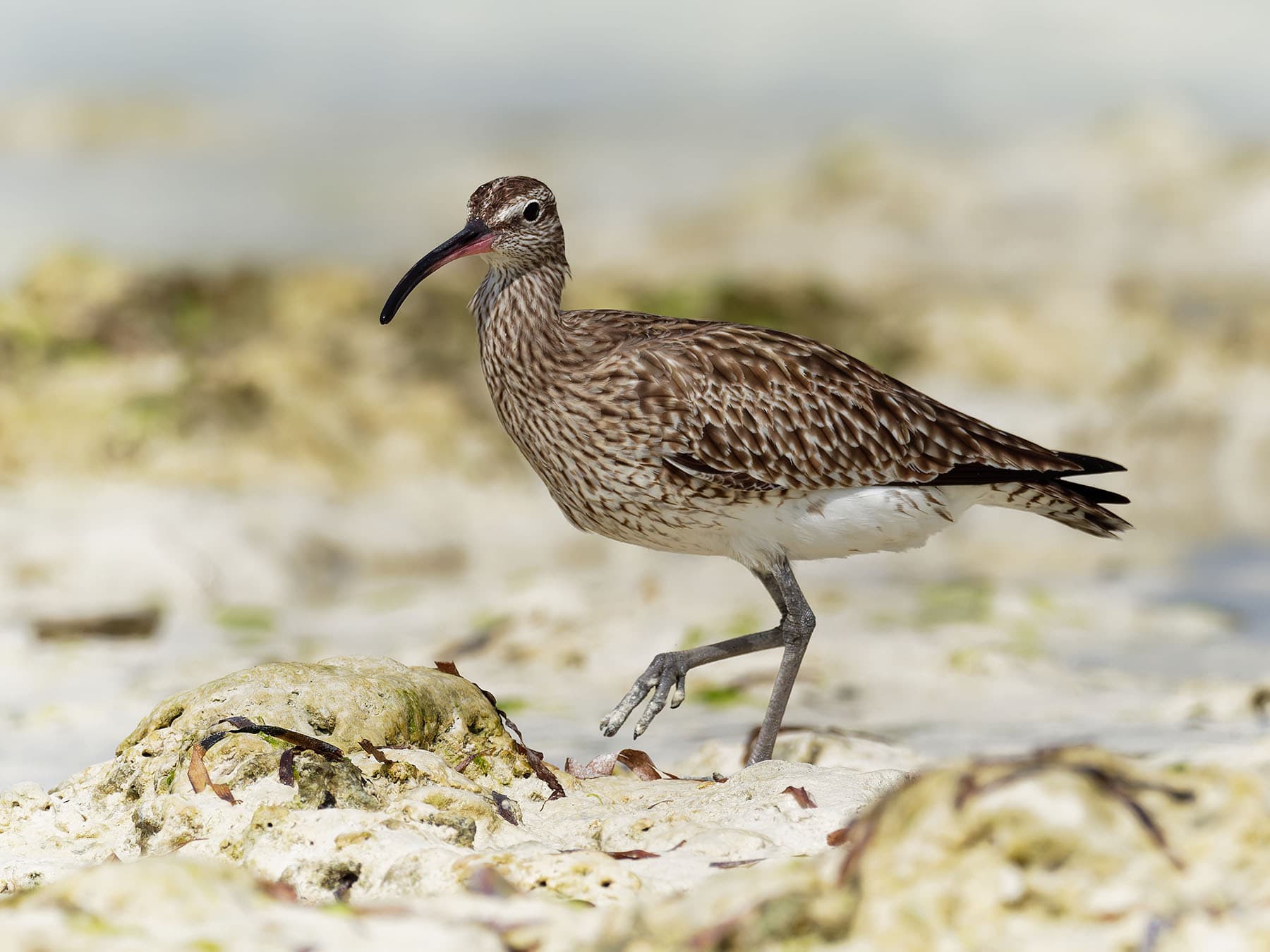
Whimbrel
Numenius phaeopusLC
An uncommon but regular wader, most conspicuous on spring and autumn passage at coastal sites like Pagham and Chichester Harbours.
Year-round
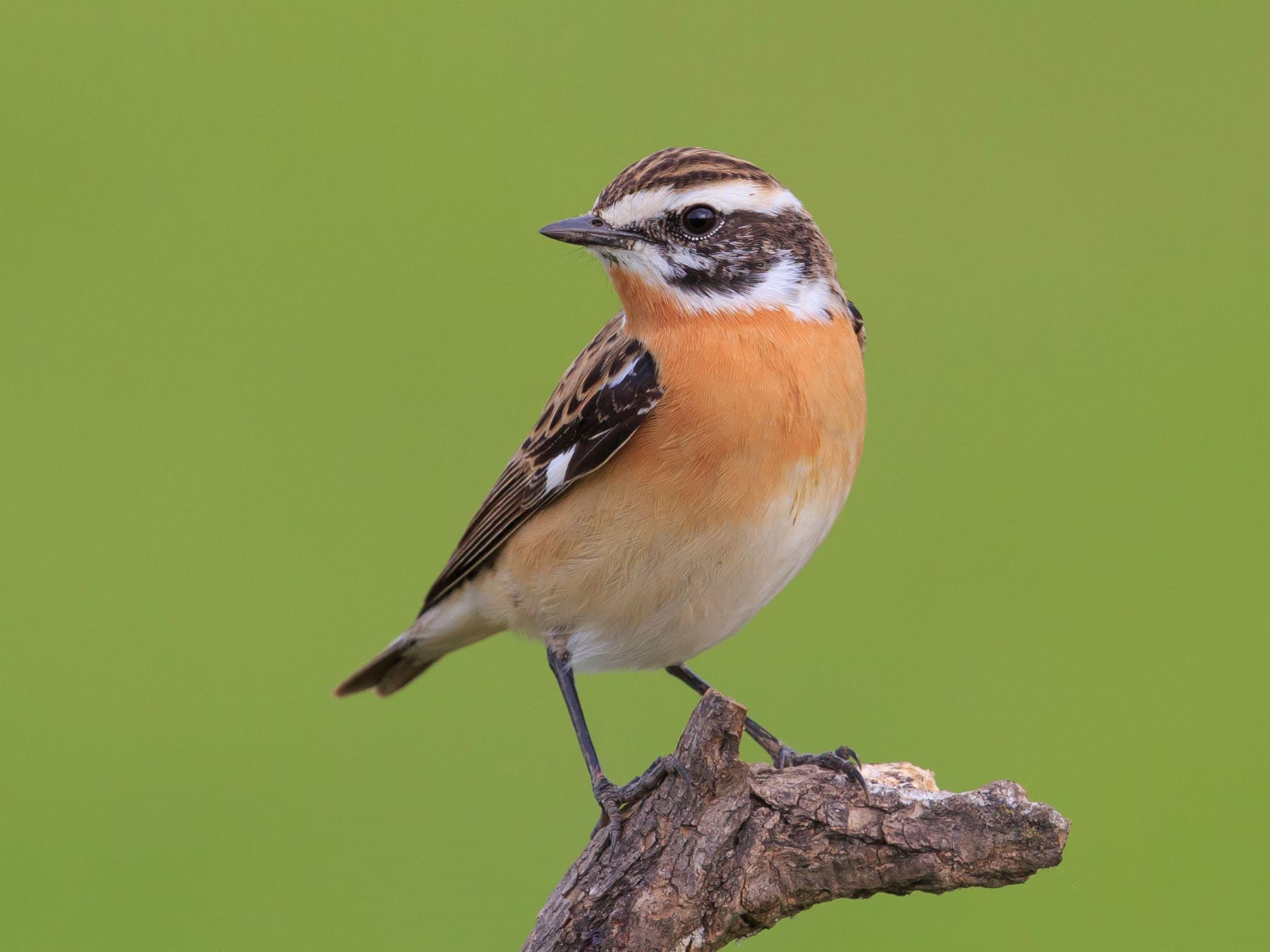
Whinchat
Saxicola rubetraLC
An uncommon bird of open scrubby habitats, seen mainly on passage in spring and autumn across downland and coastal areas.
Apr–Oct
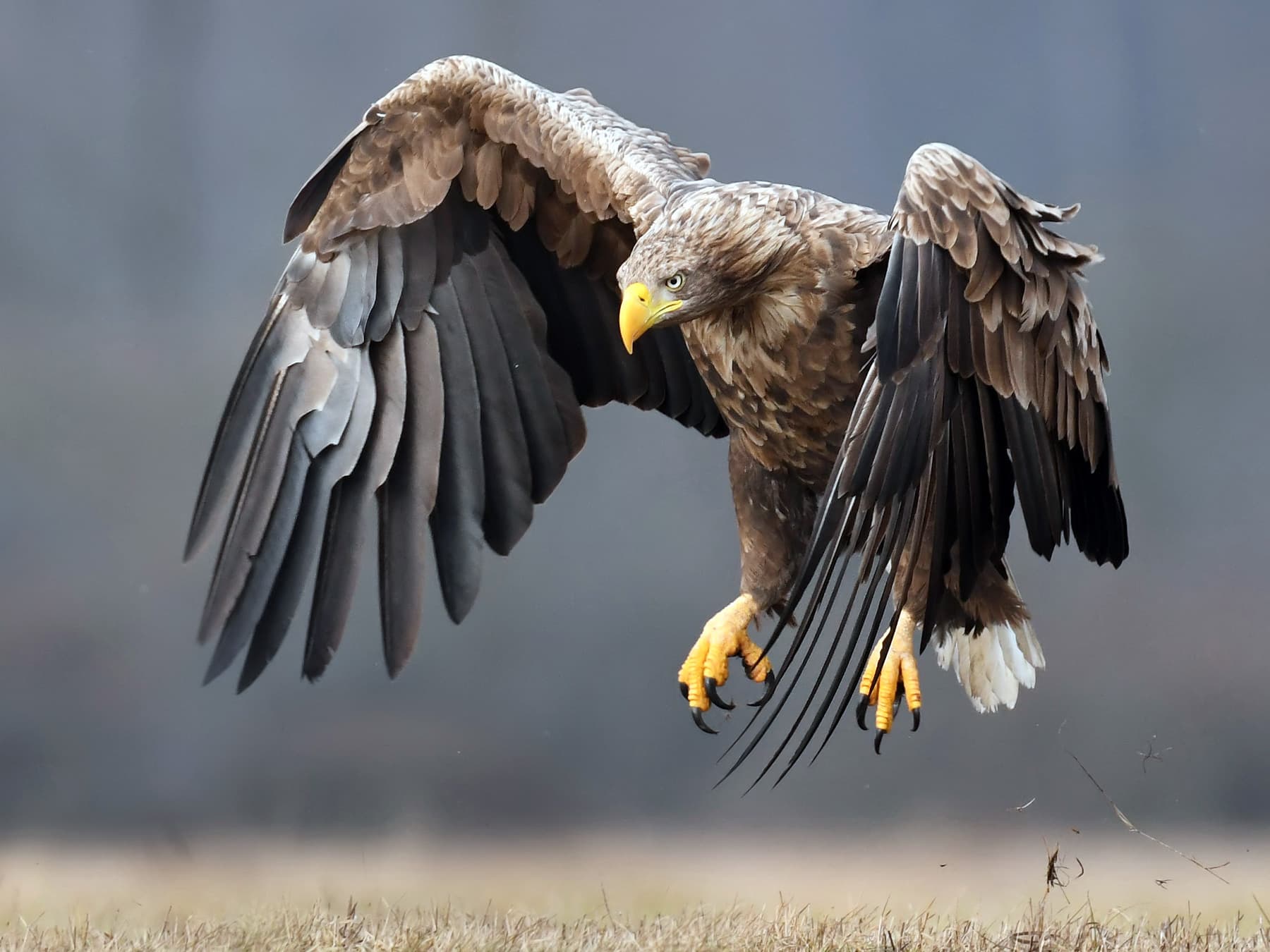
White-tailed Sea-eagle
Haliaeetus albicillaLC
A rare resident following reintroduction on the Isle of Wight; increasingly seen soaring over harbours and wetlands in the county.
Year-round
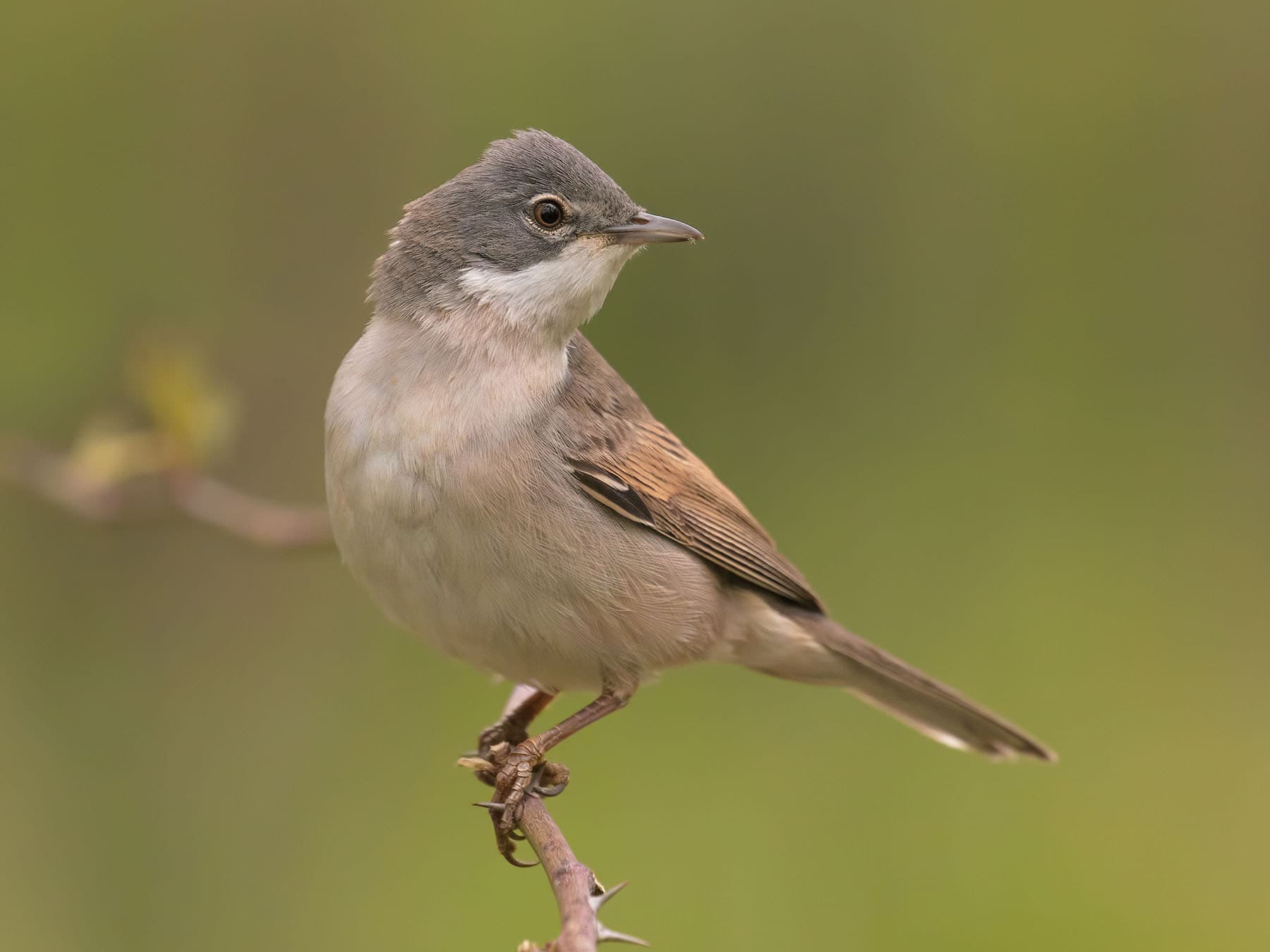
Whitethroat
Curruca communisLC
A lively summer warbler breeding commonly in hedgerows, scrub and field margins from April. Its scratchy song is a hallmark of the Downs.
Apr–Sep
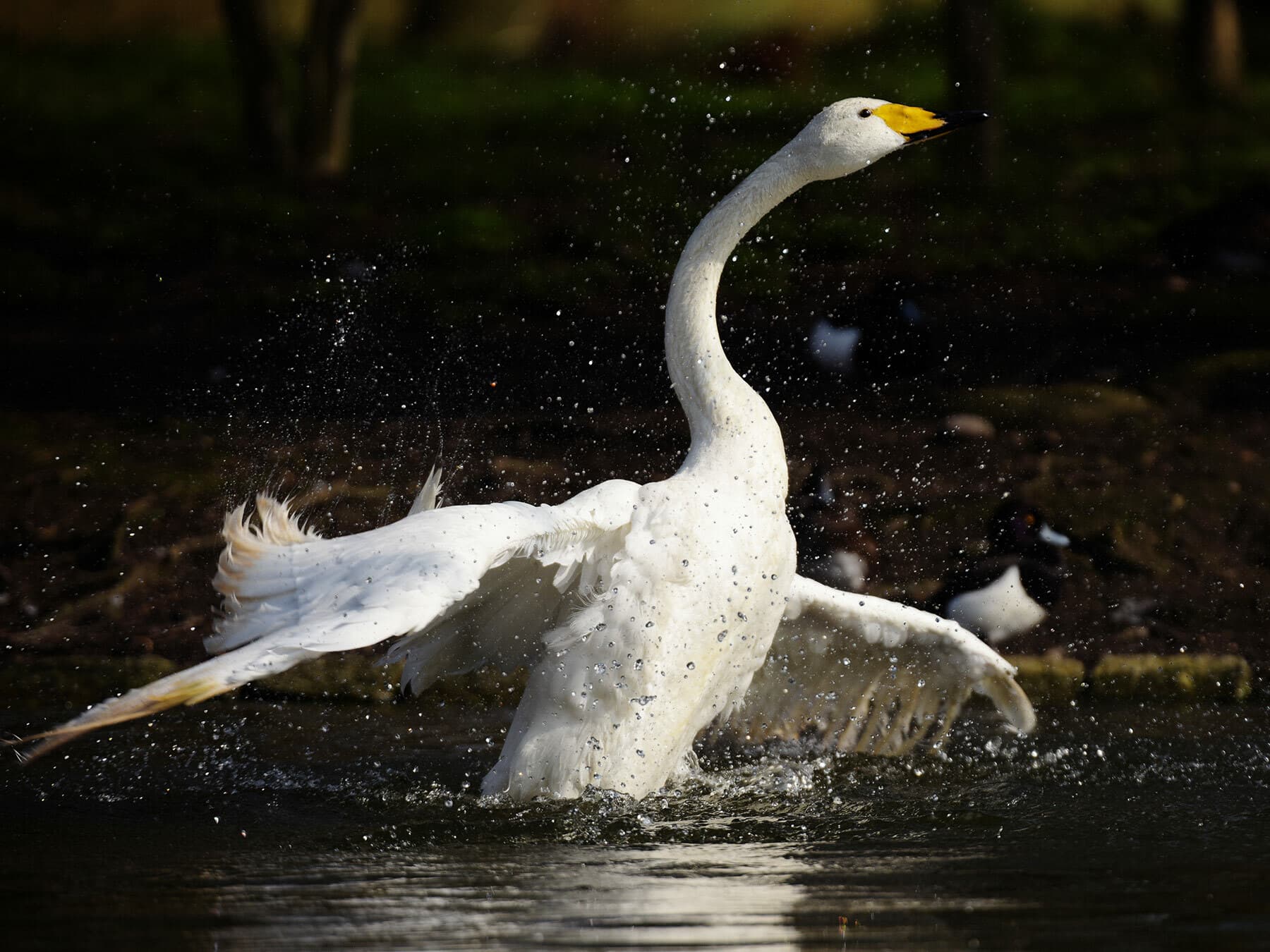
Whooper Swan
Cygnus cygnusLC
A rare autumn passage visitor, occasionally recorded in October on flooded fields or reservoirs. Far scarcer than Bewick's Swan here.
Oct
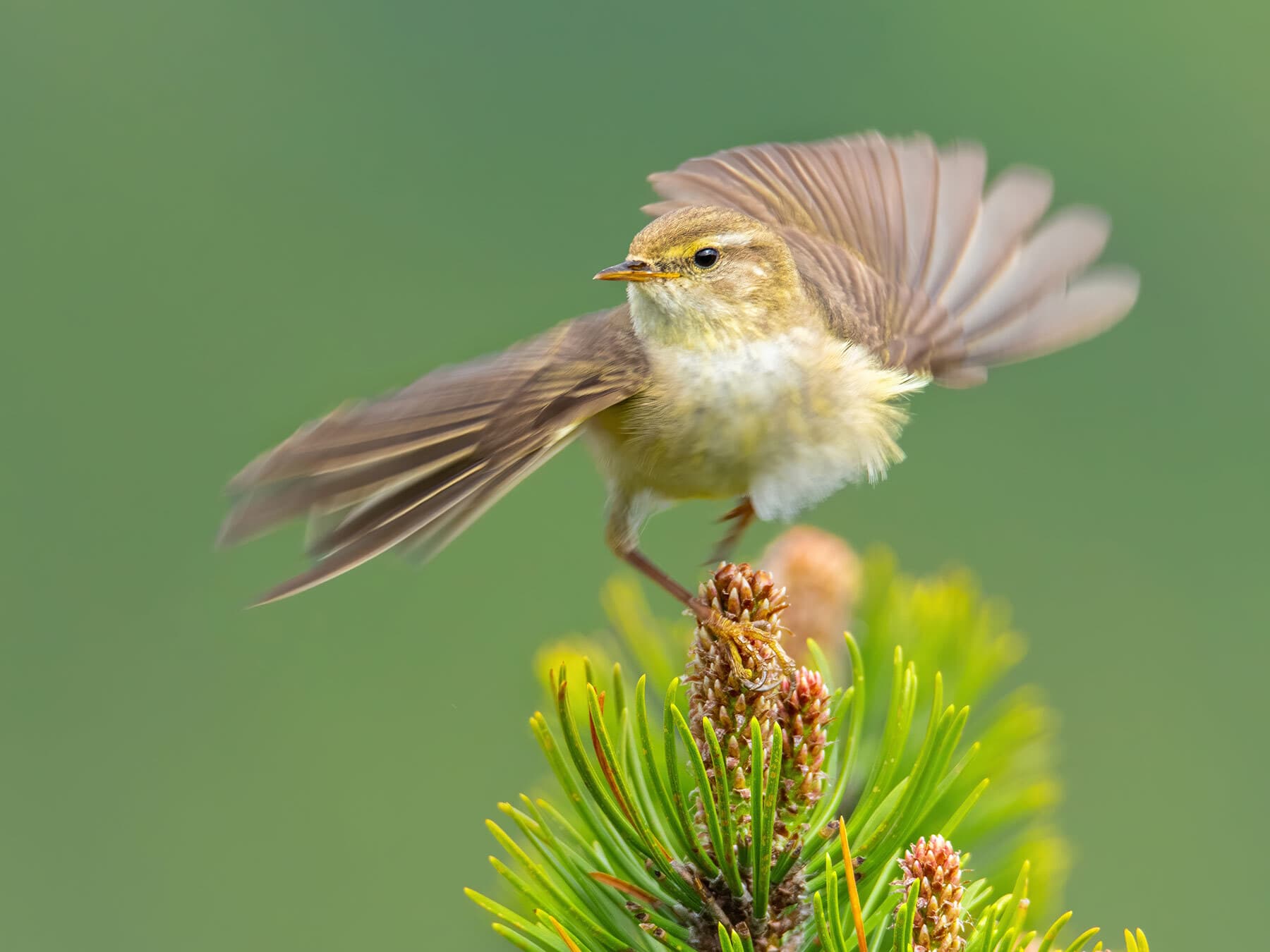
Willow Warbler
Phylloscopus trochilusLC
A declining summer breeder found in scrubby woodland and heathland edges. Its gentle descending song is heard from April to July.
Mar–Oct
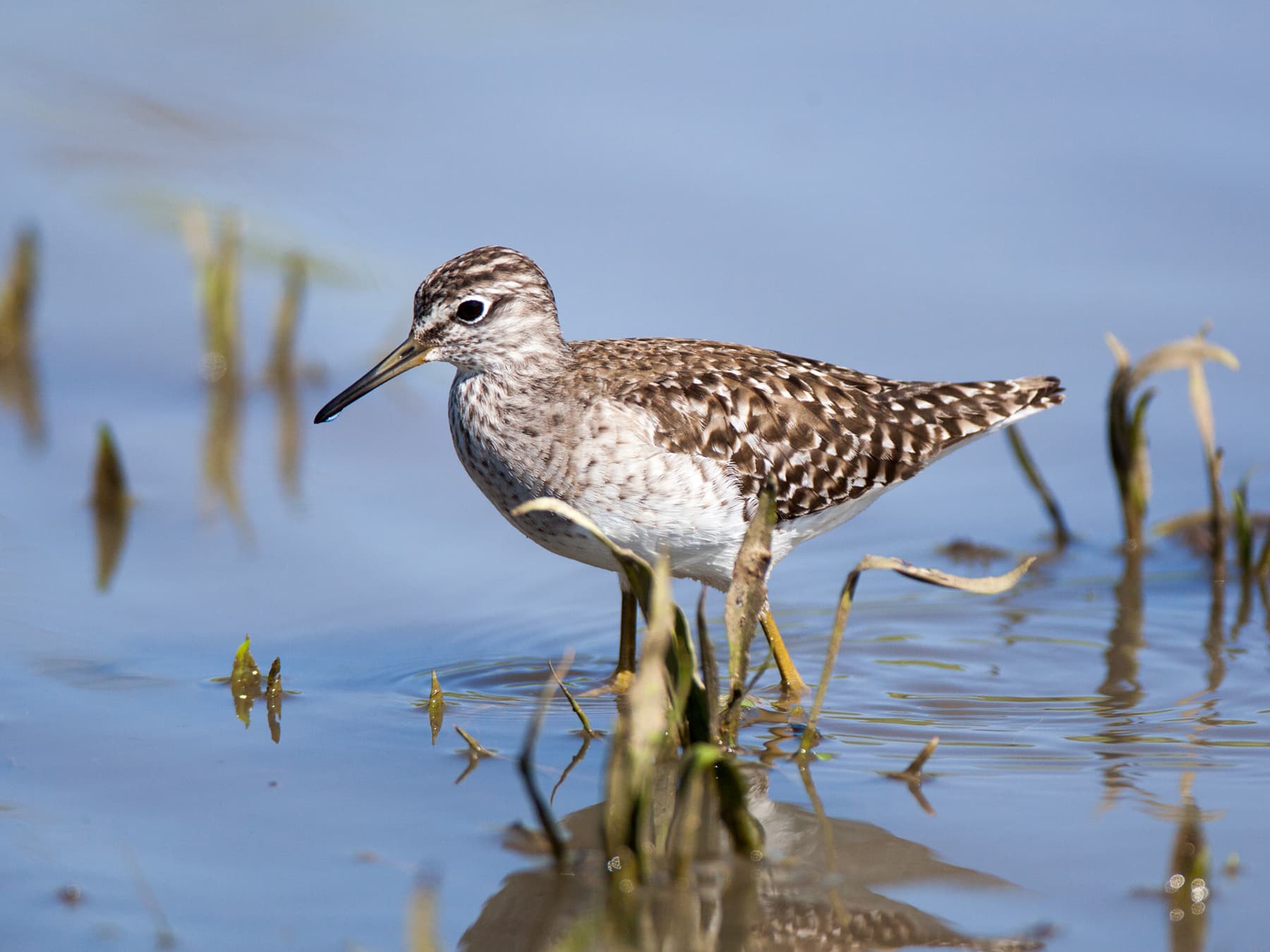
Wood Sandpiper
Tringa glareolaLC
A rare visitor to freshwater marshes, occasionally recorded at Pulborough Brooks and Pagham during spring and autumn passage.
Apr–Aug
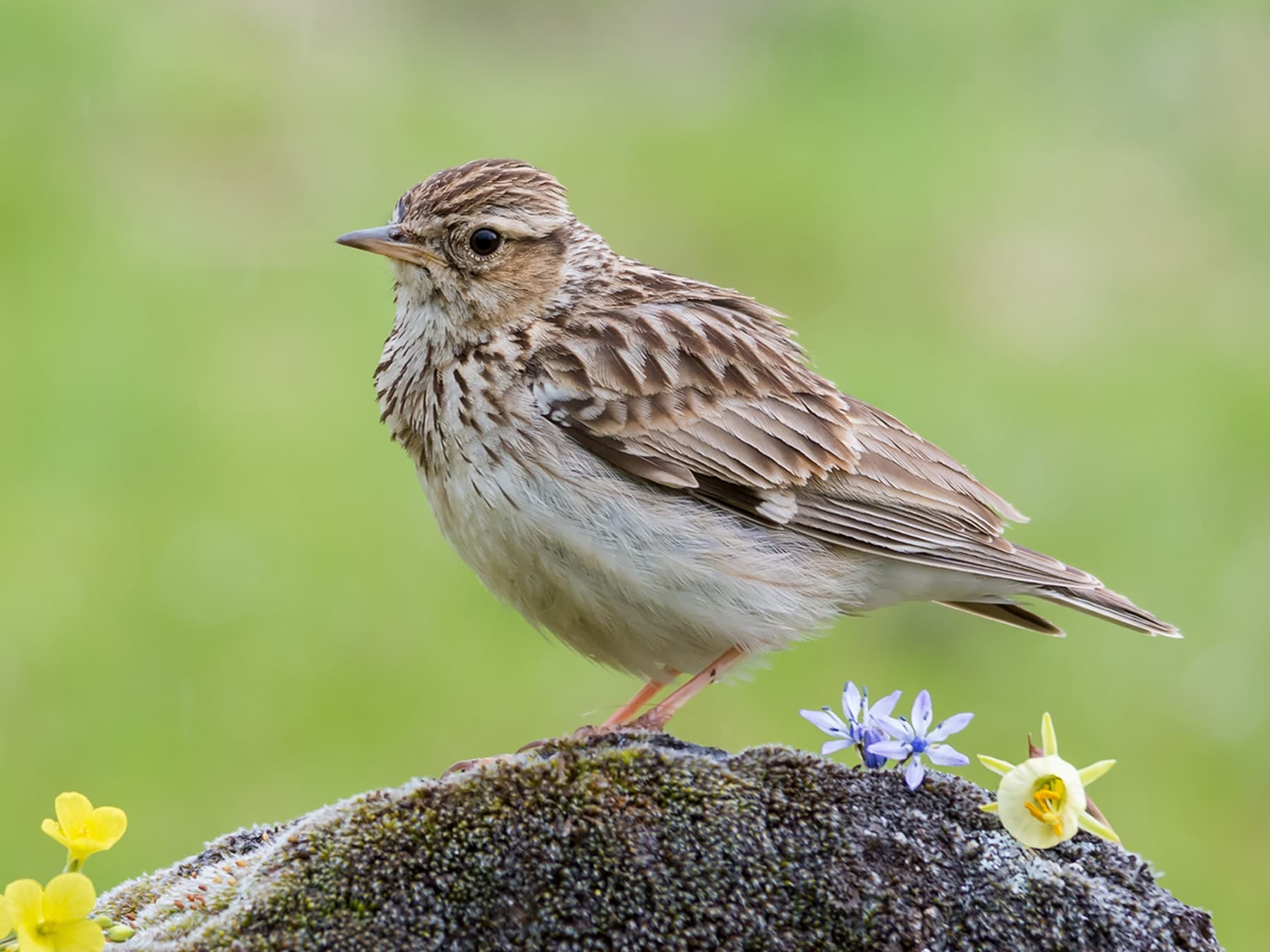
Woodlark
Lullula arboreaLC
A rare resident favouring lowland heaths and forest clearings, notably around the commons. Sings its melodious song from early spring.
Oct–Jun
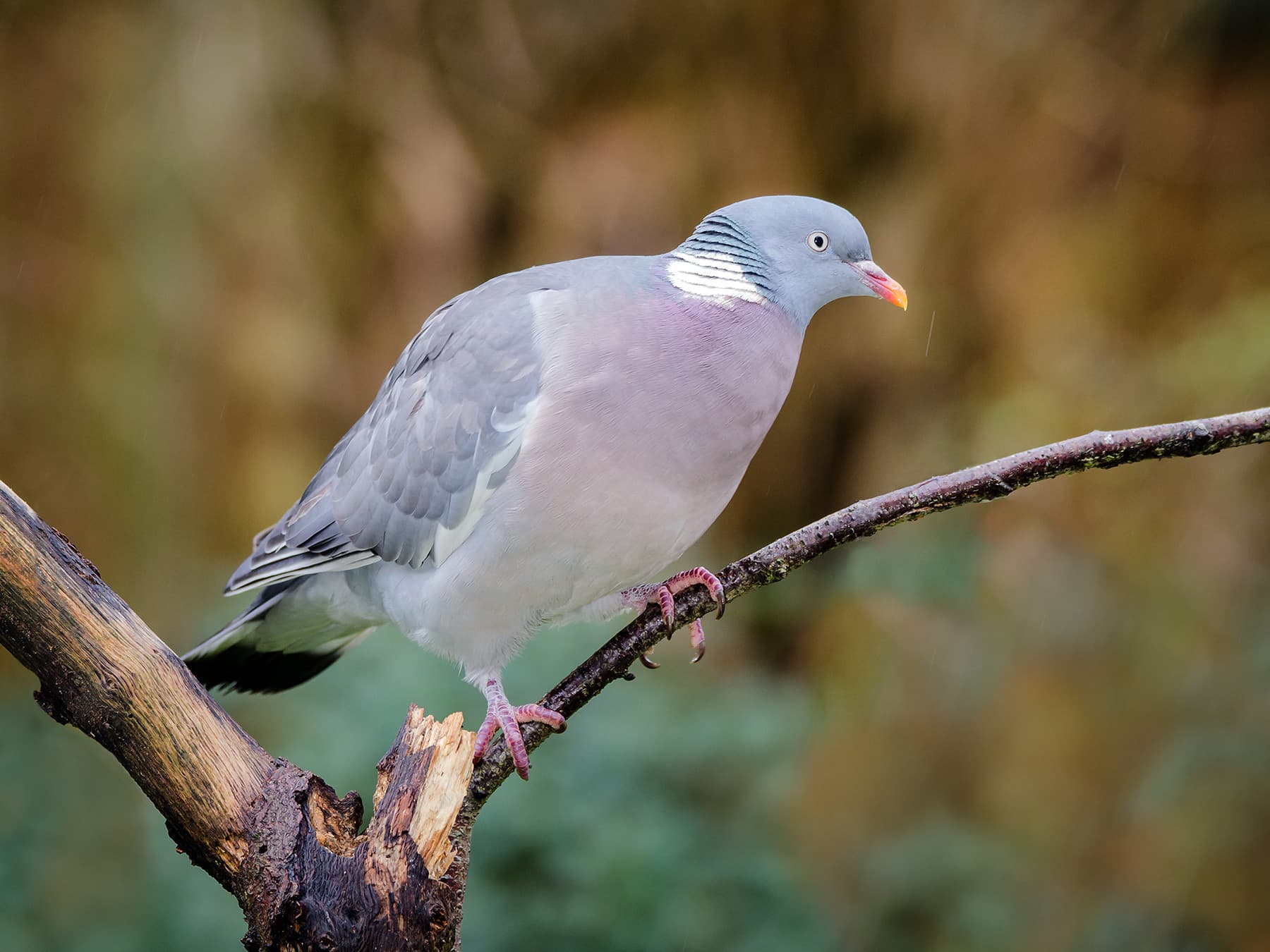
Woodpigeon
Columba palumbusLC
An abundant year-round resident found in virtually every habitat. Huge autumn flocks gather on arable fields.
Year-round
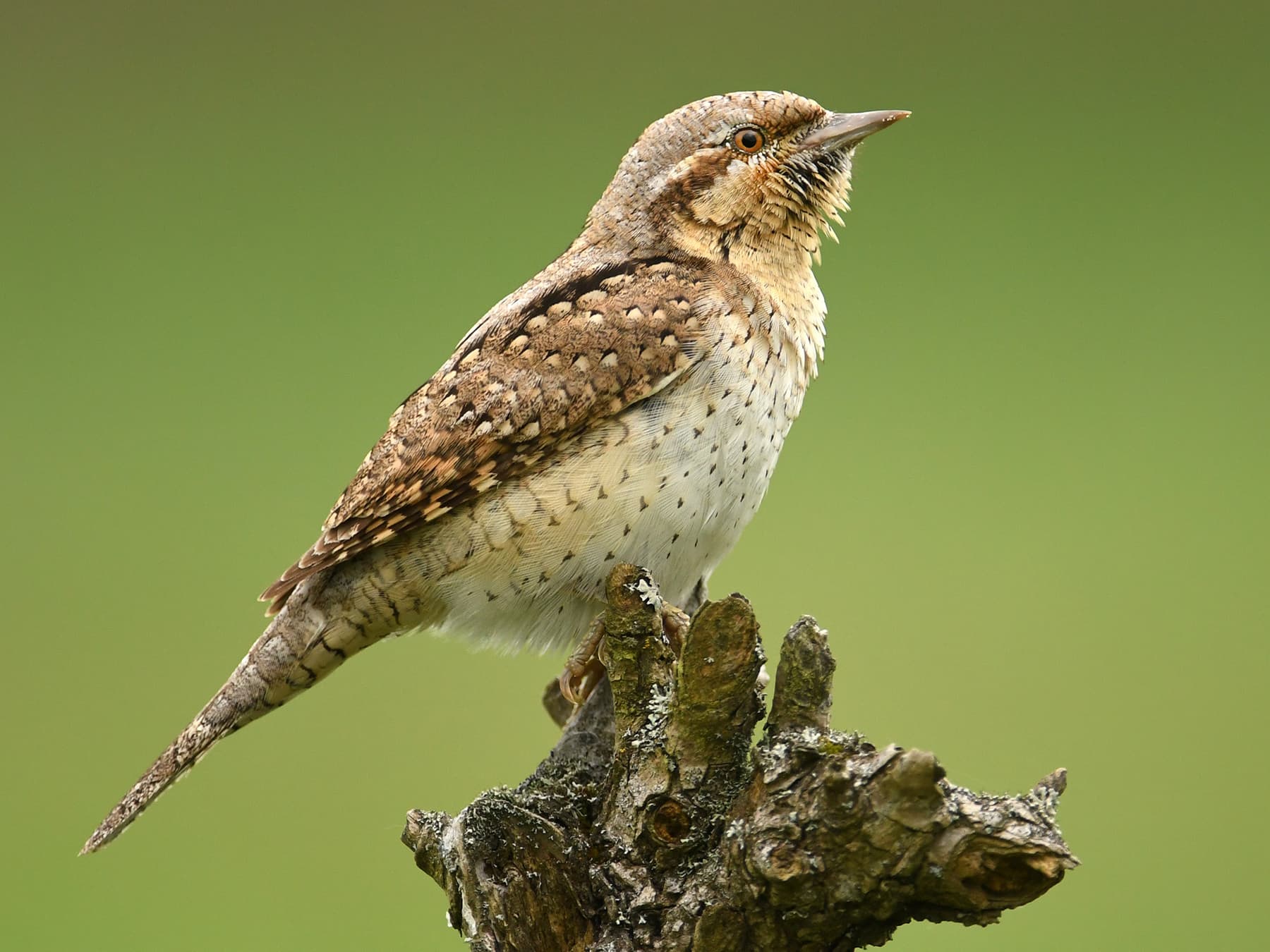
Wryneck
Jynx torquillaLC
A rare autumn passage migrant in September, occasionally turning up at coastal scrub and gardens along the Sussex coast.
Sep