Birds in West Sussex
Explore 211 species found in this region.
West Sussex is home to an impressive 207 recorded bird species, reflecting the county's rich diversity of habitats — from the chalk downlands of the South Downs to the coastal mudflats and harbours of Chichester and Pagham. Birdwatchers can enjoy sightings ranging from familiar garden visitors like the Great Tit and Magpie to scarcer species such as the Great Grey Shrike and the elegant Northern Pintail. The county's wetlands, woodlands, and estuaries make it one of the most rewarding birding destinations in southern England.
Visiting in July? Look out for Brent Goose and Common Snipe arriving this month, and American Golden-Plover and Cirl Bunting depart for the season.


Showing 162–184 of 211 species
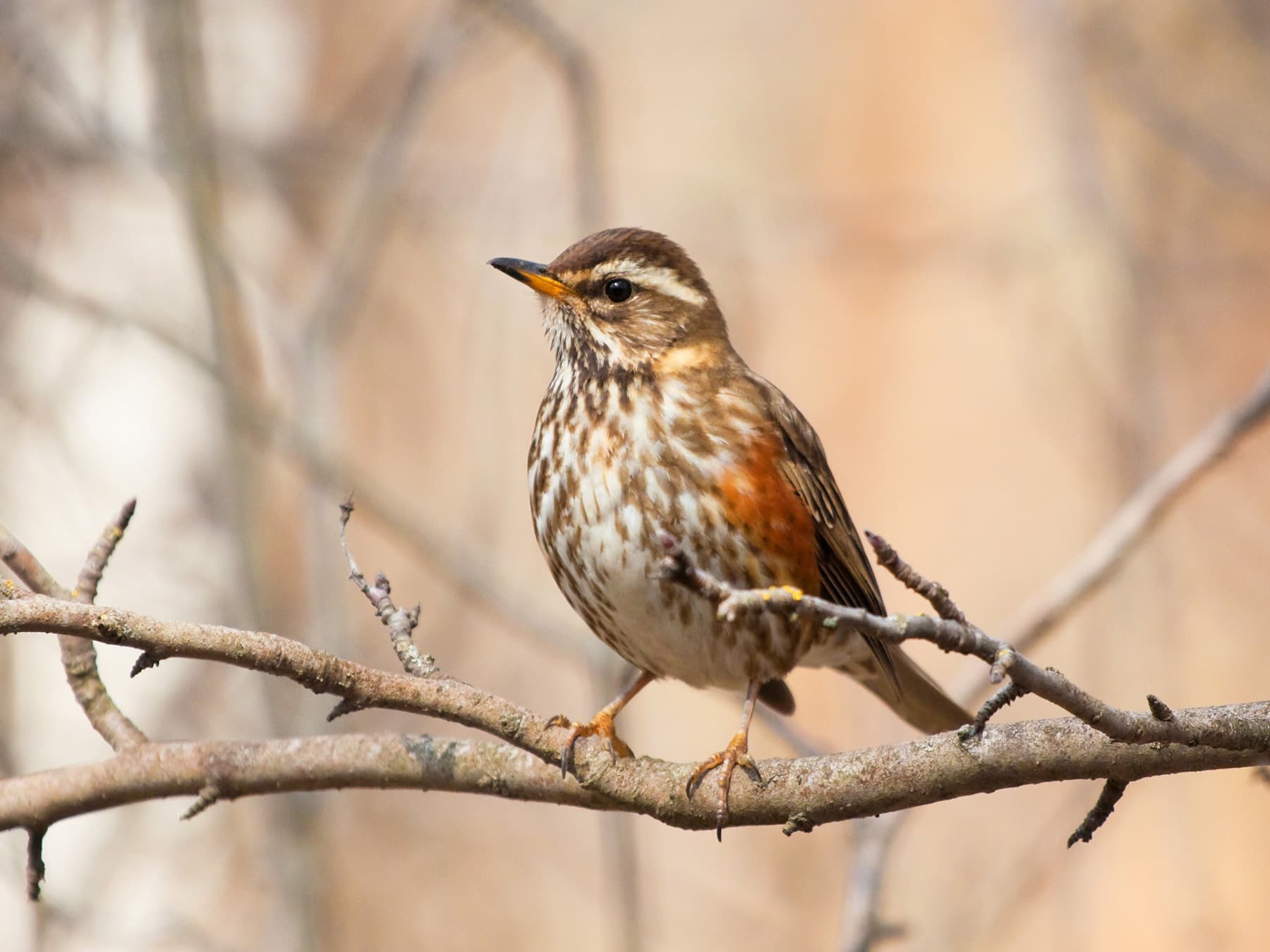
Redwing
Turdus iliacusNT
A common winter visitor from Scandinavia, arriving from October and foraging in hedgerows and fields. Often found alongside Fieldfares.
Oct–Apr
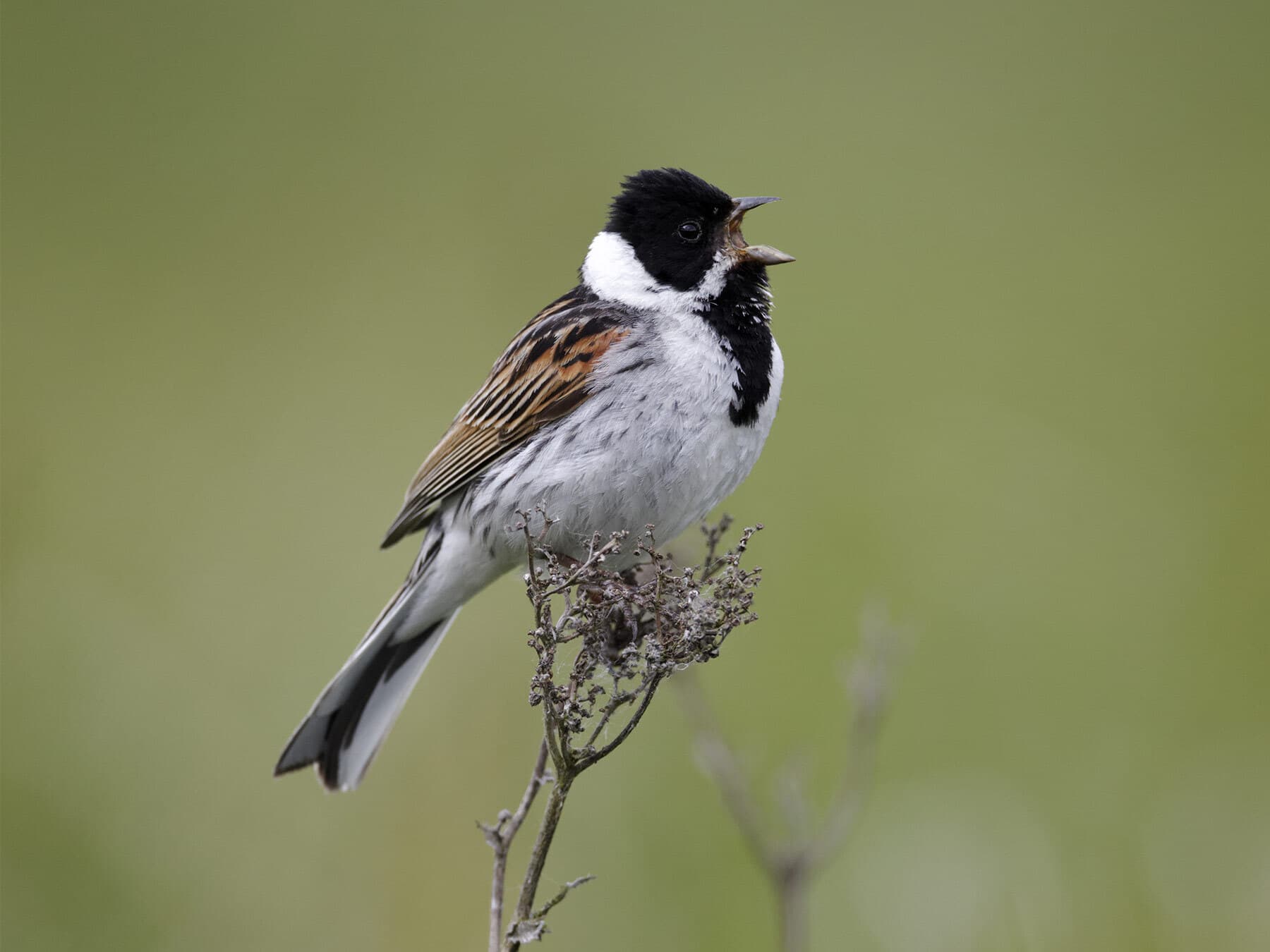
Reed Bunting
Emberiza schoeniclusLC
An uncommon year-round resident of reedbeds, ditches and damp scrub. Spreads into farmland hedgerows in winter.
Year-round
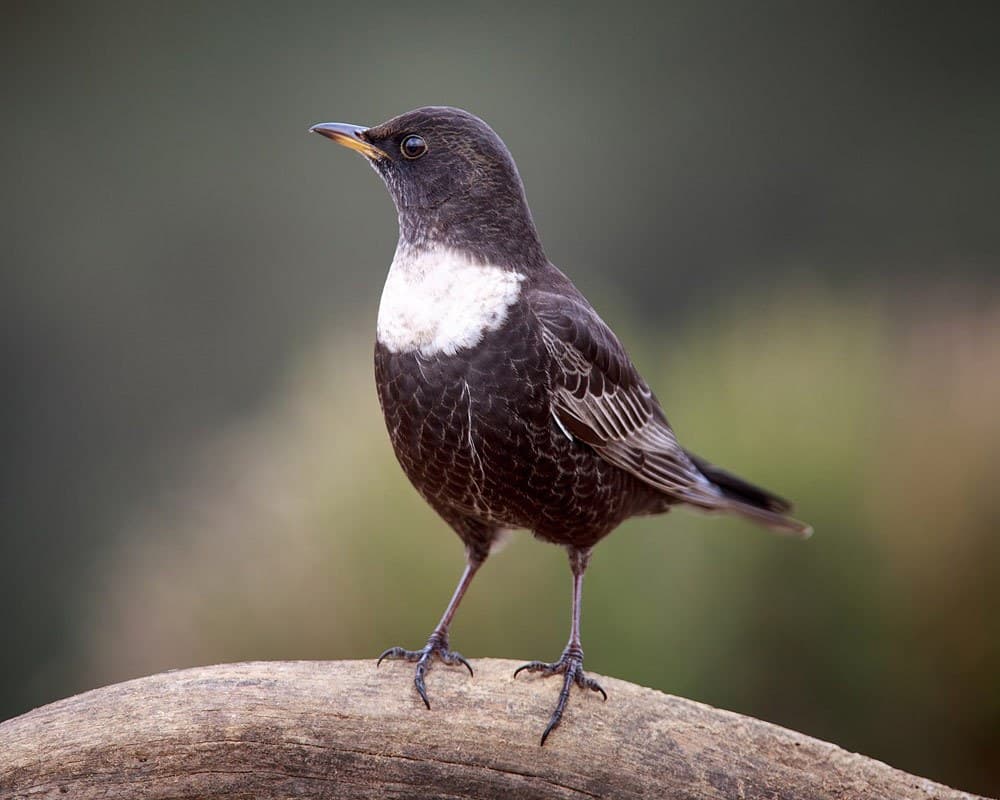
Ring Ouzel
Turdus torquatusLC
A rare autumn passage migrant, briefly passing through the South Downs in October on its way to wintering grounds.
Oct
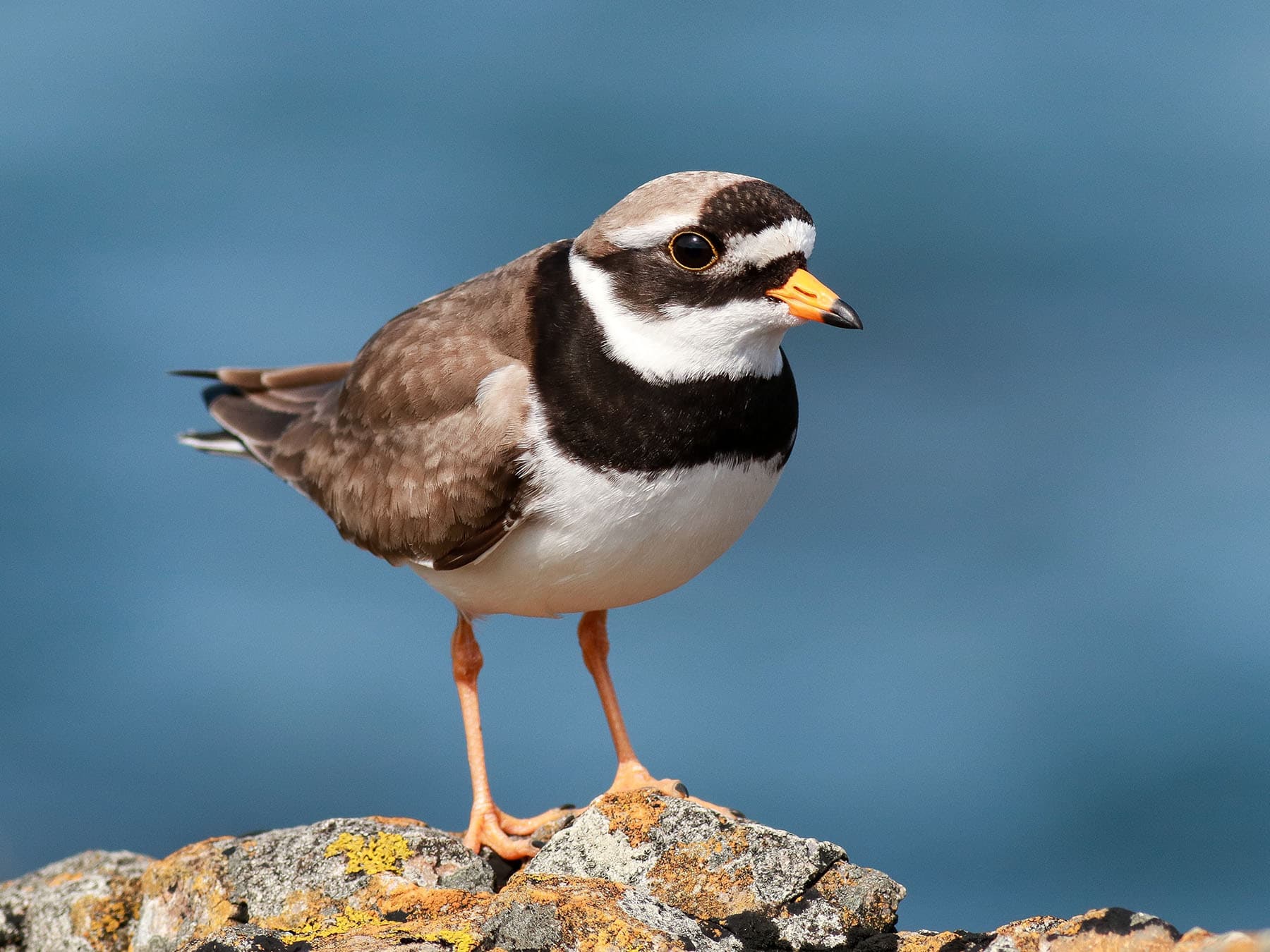
Ringed Plover
Charadrius hiaticulaLC
An uncommon resident found on shingle beaches and mudflats, breeding at sites like Pagham Harbour and the Adur estuary.
Year-round
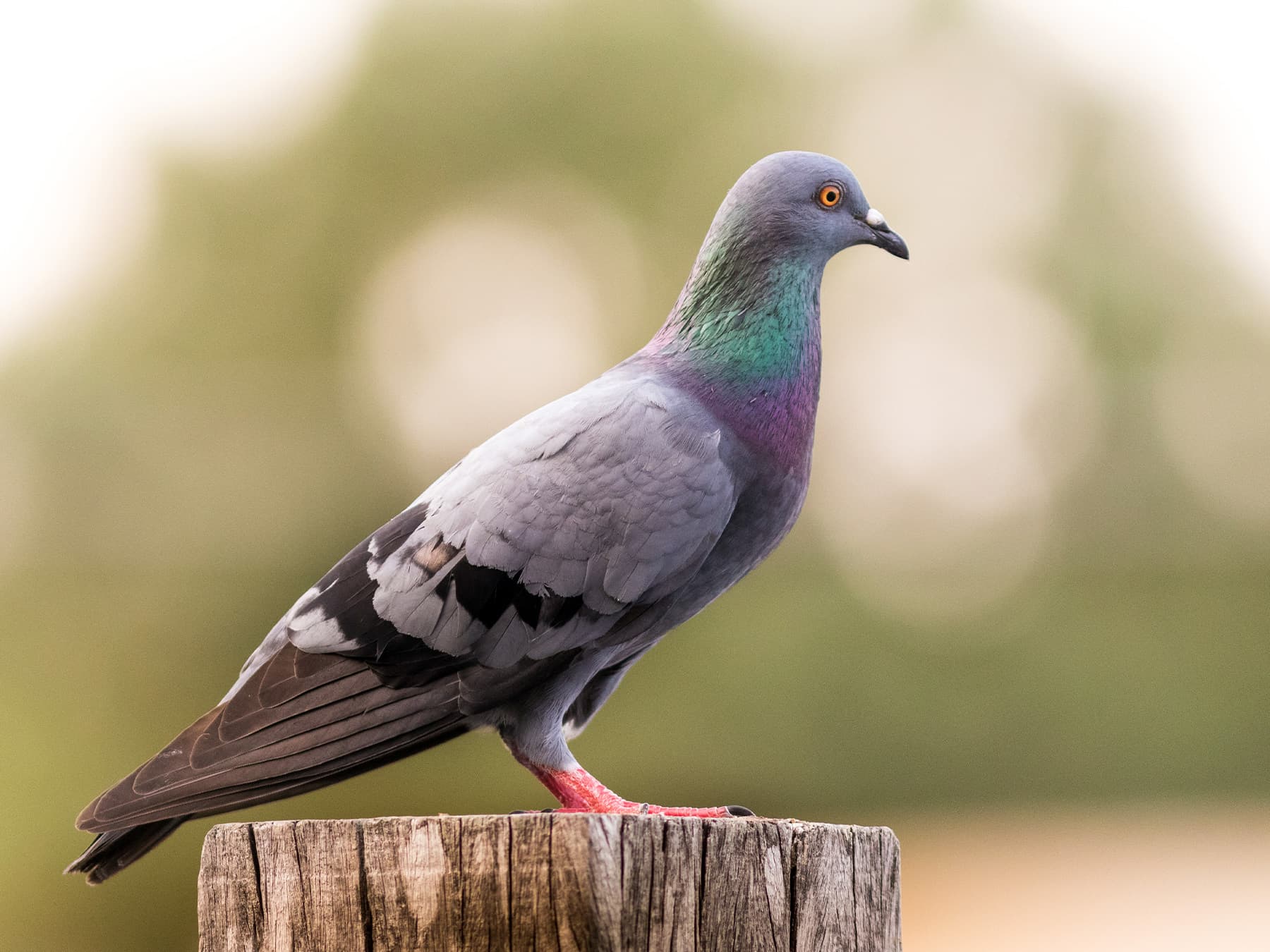
Rock Dove
Columba liviaLC
Common year-round in towns and along coastal cliffs. Feral populations thrive in urban centres like Chichester and Worthing.
Year-round
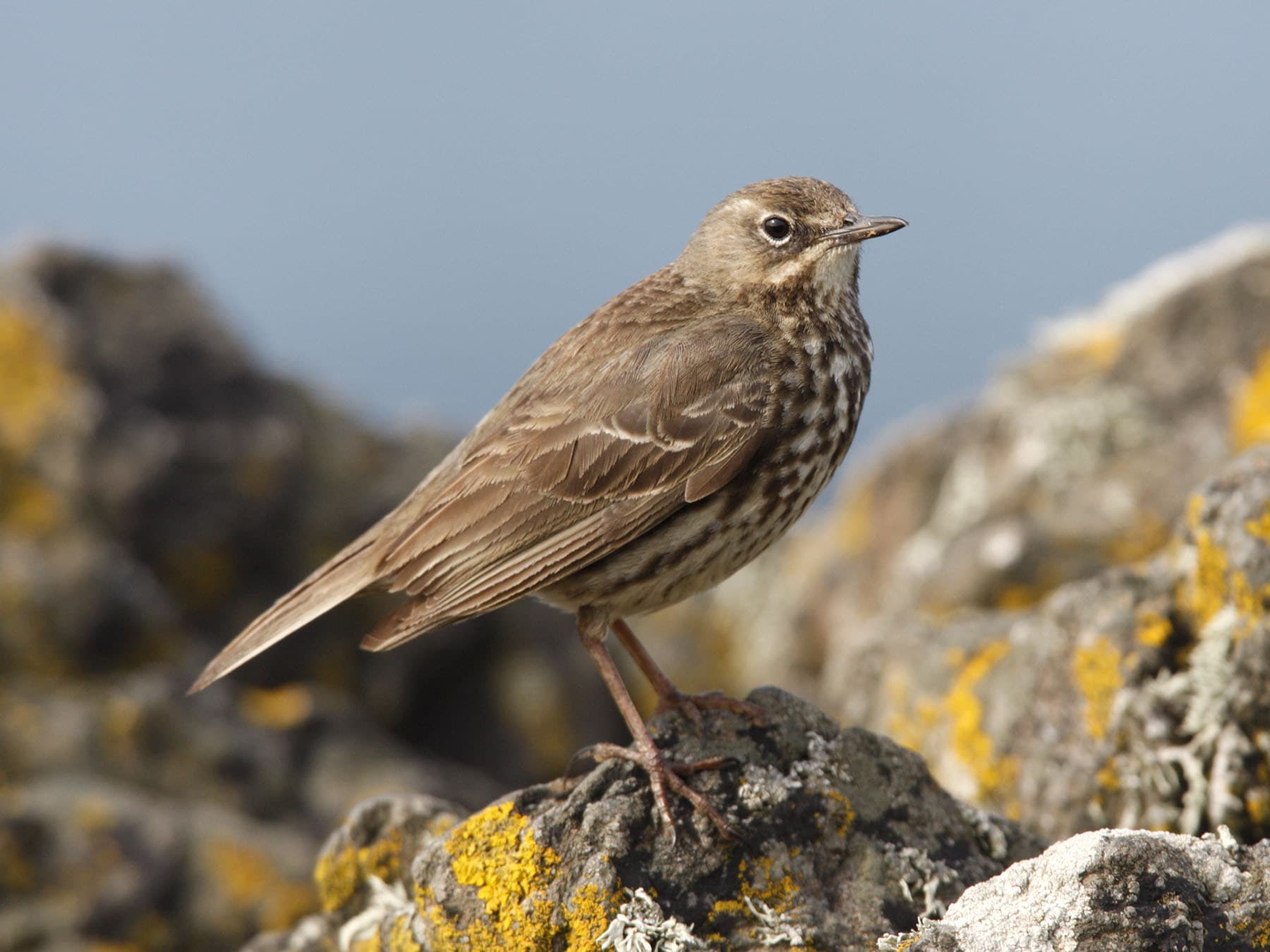
Rock Pipit
Anthus petrosusLC
A rare non-breeding visitor to rocky coastal shores, present from October to March along the Sussex coastline.
Oct–Mar
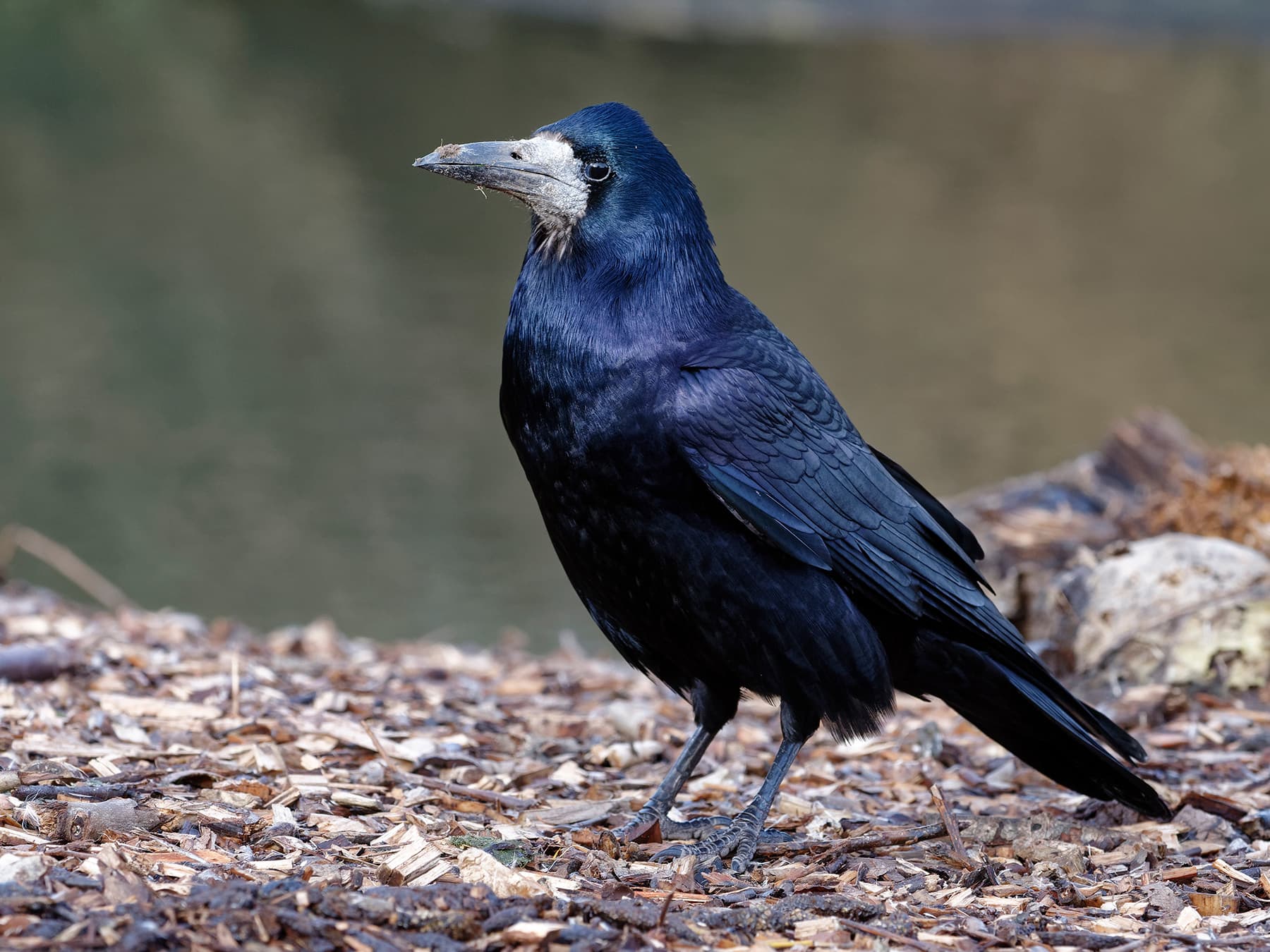
Rook
Corvus frugilegusLC
A common resident forming noisy rookeries in tall trees across farmland and villages throughout the county.
Year-round
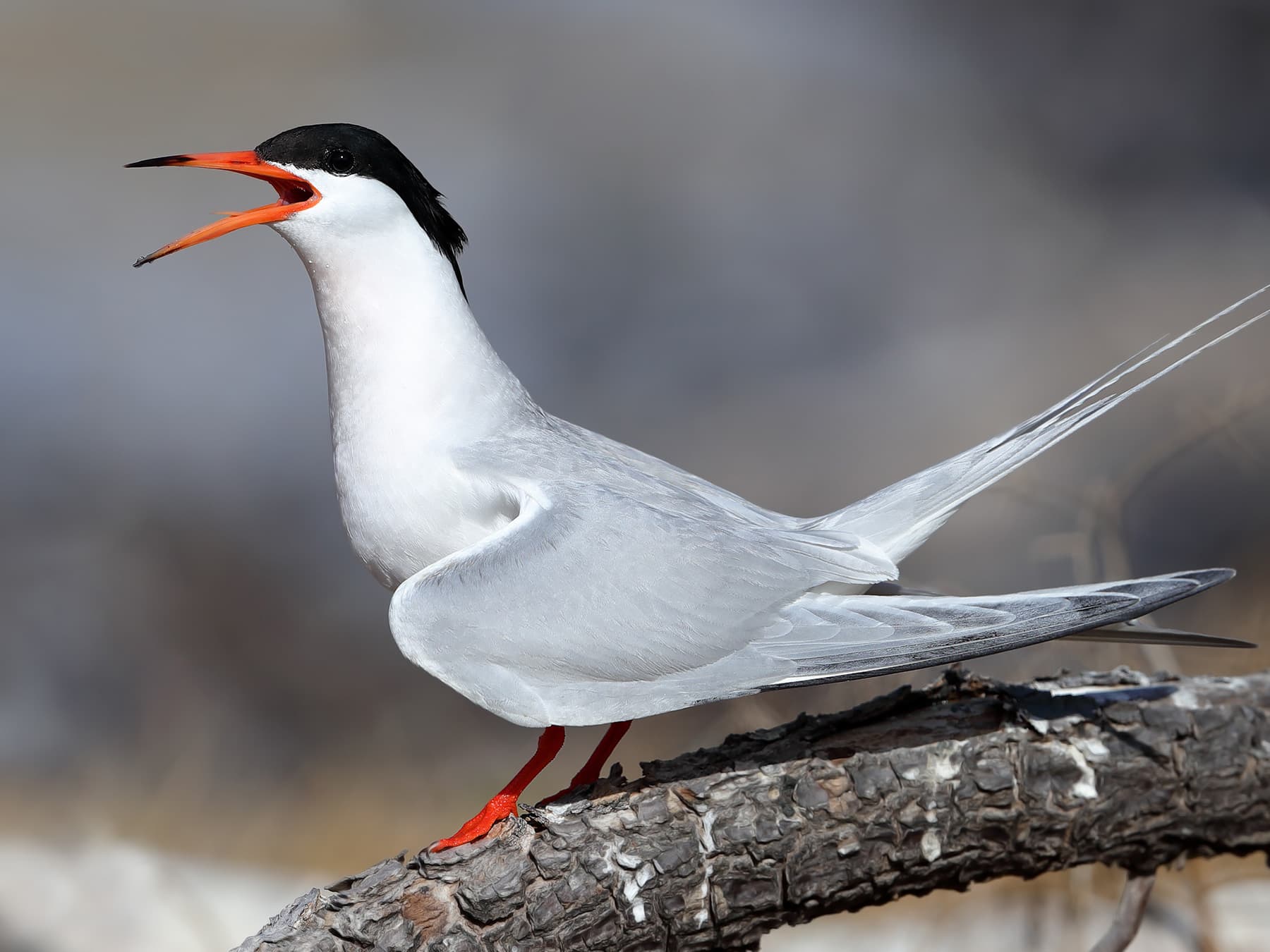
Roseate Tern
Sterna dougalliiLC
An exceptionally rare passage tern, occasionally glimpsed offshore in July. One of Britain's scarcest breeding seabirds, seen only as a vagrant here.
Jul
Spotted something?
Upload a photo to identify it
Identify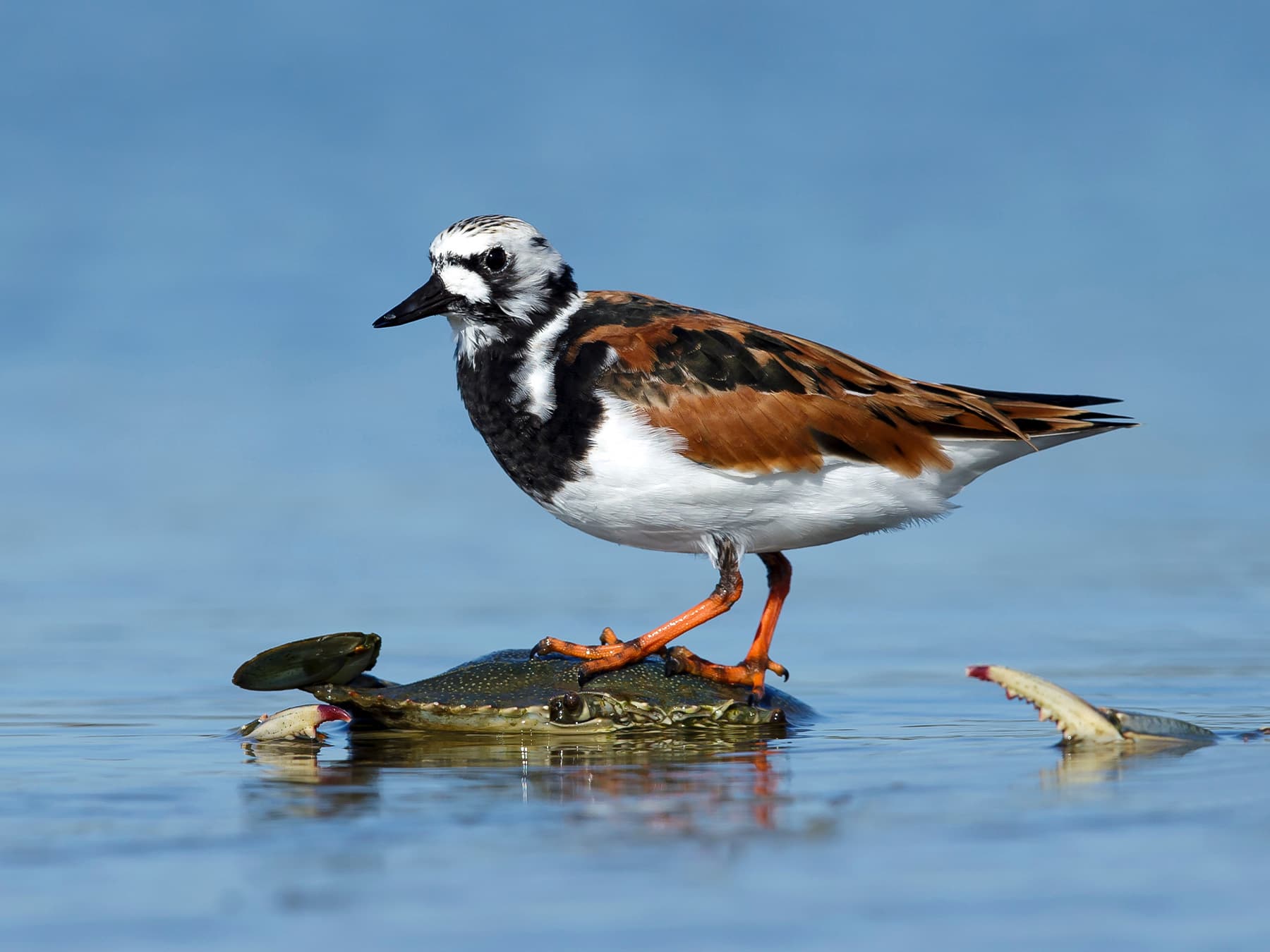
Ruddy Turnstone
Arenaria interpresLC
An uncommon but year-round presence on rocky shores and harbour walls. Feeds busily among seaweed-covered stones along the coast.
Year-round
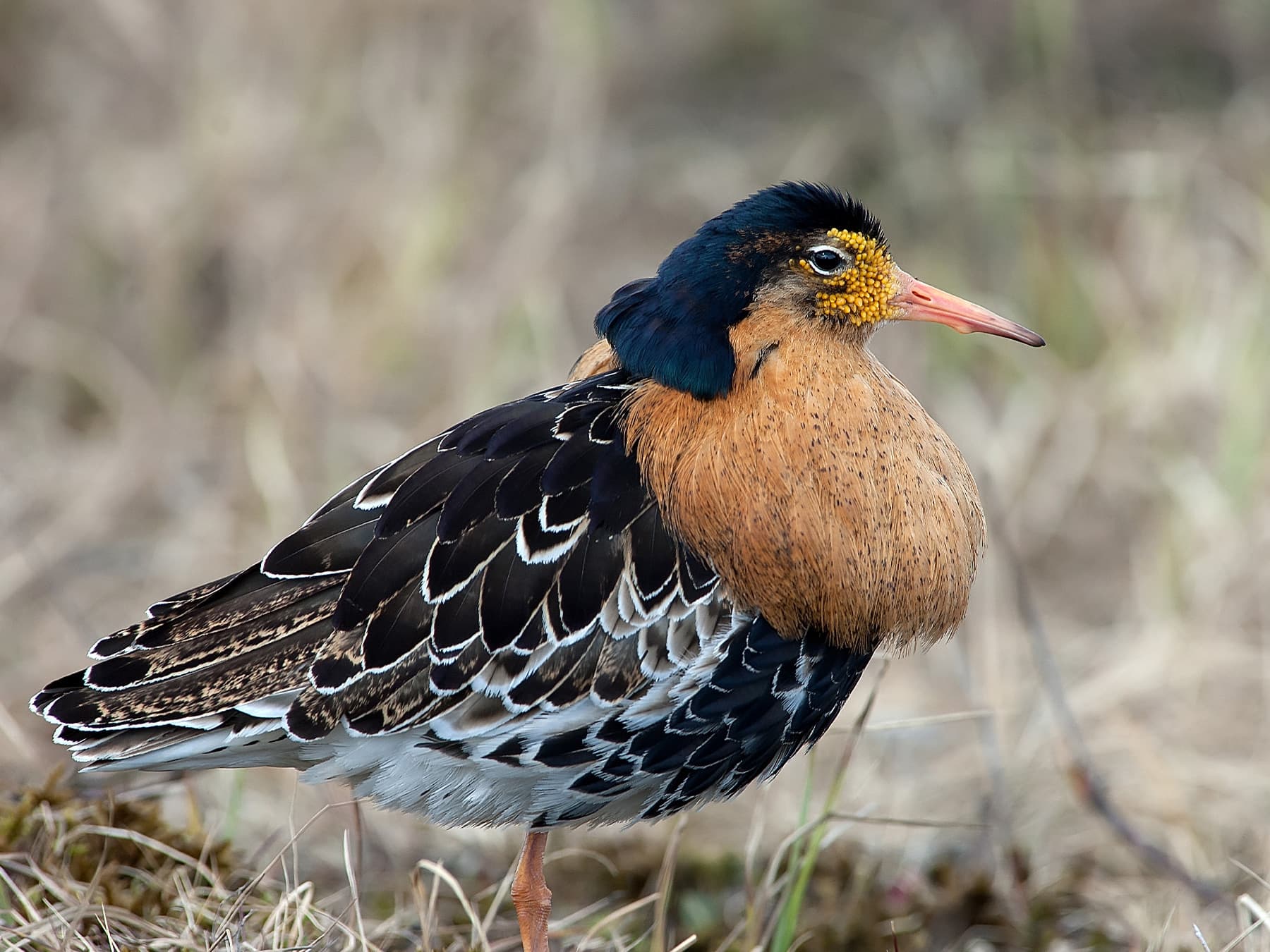
Ruff
Philomachus pugnaxLC
A rare visitor to wet grasslands and coastal pools, most likely at sites like Pulborough Brooks or Pagham Harbour during passage.
Jul–May
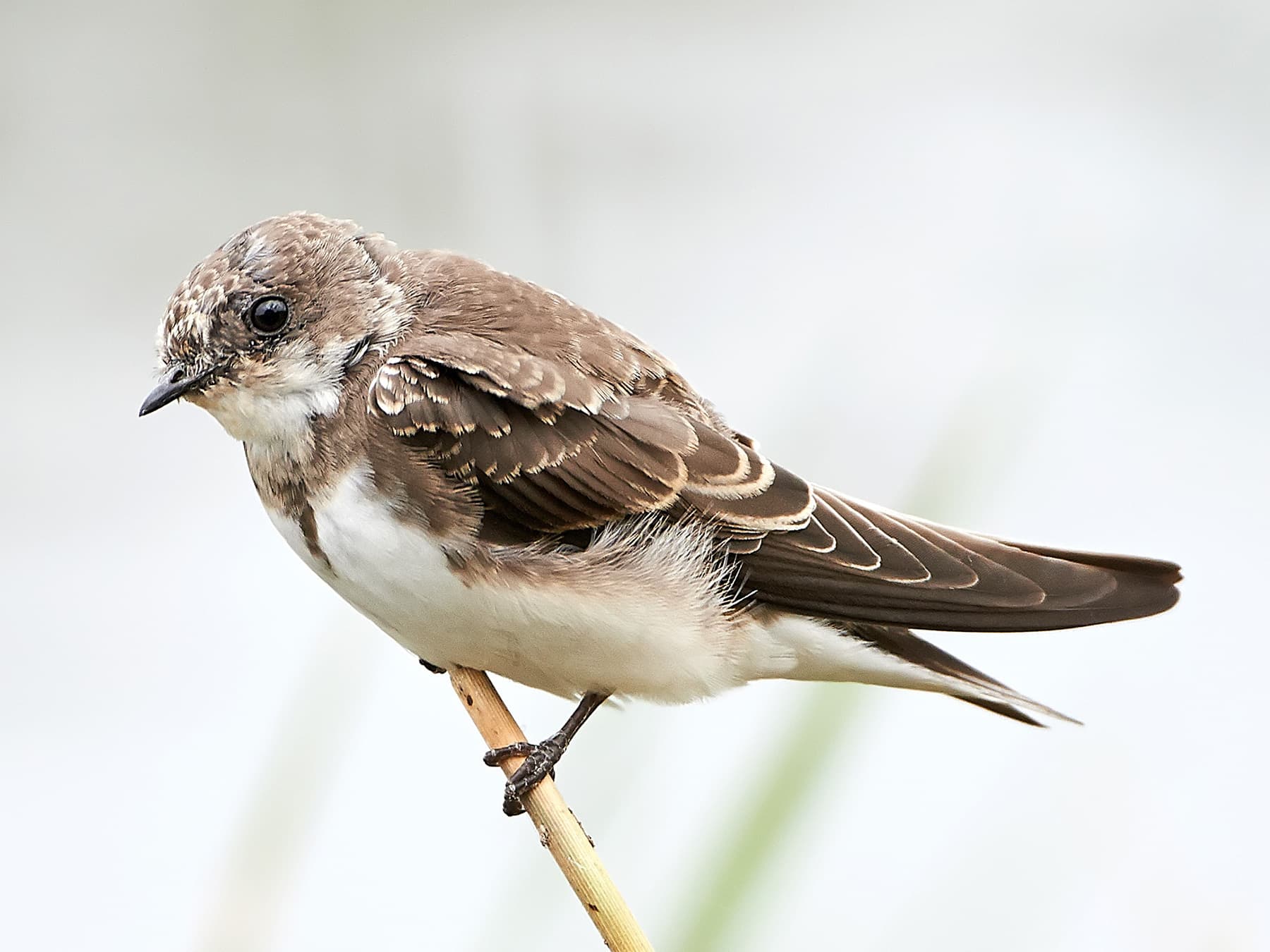
Sand Martin
Riparia ripariaLC
An uncommon breeding visitor from March to October, nesting in sandy banks along rivers and gravel pits across the county.
Mar–Oct
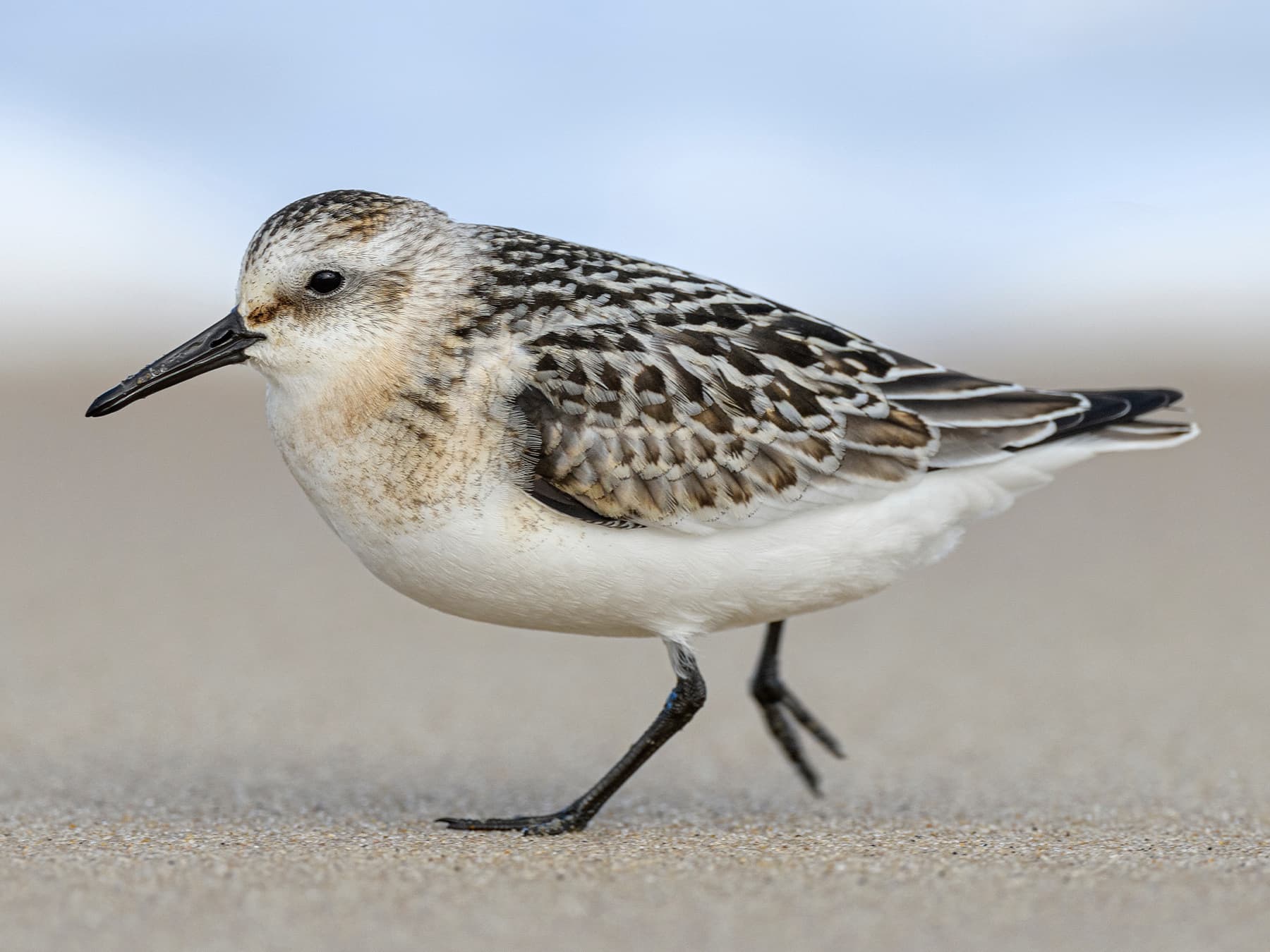
Sanderling
Calidris albaLC
A rare but regular sight on sandy beaches, often seen in small flocks running along the tideline outside summer months.
Aug–May
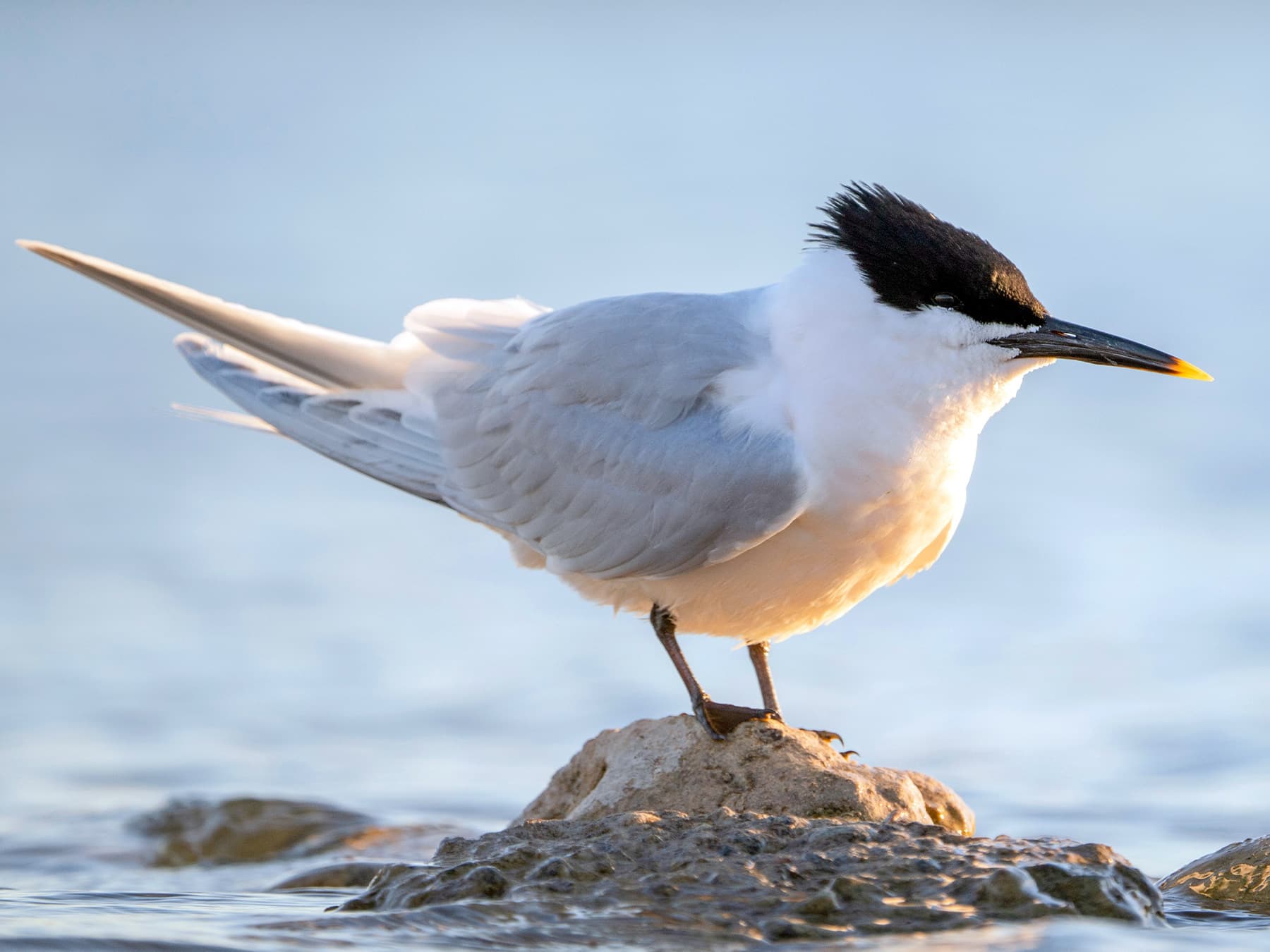
Sandwich Tern
Thalasseus sandvicensisLC
Uncommon but present year-round, often seen plunge-diving offshore at sites like Selsey Bill and Pagham Harbour.
Year-round
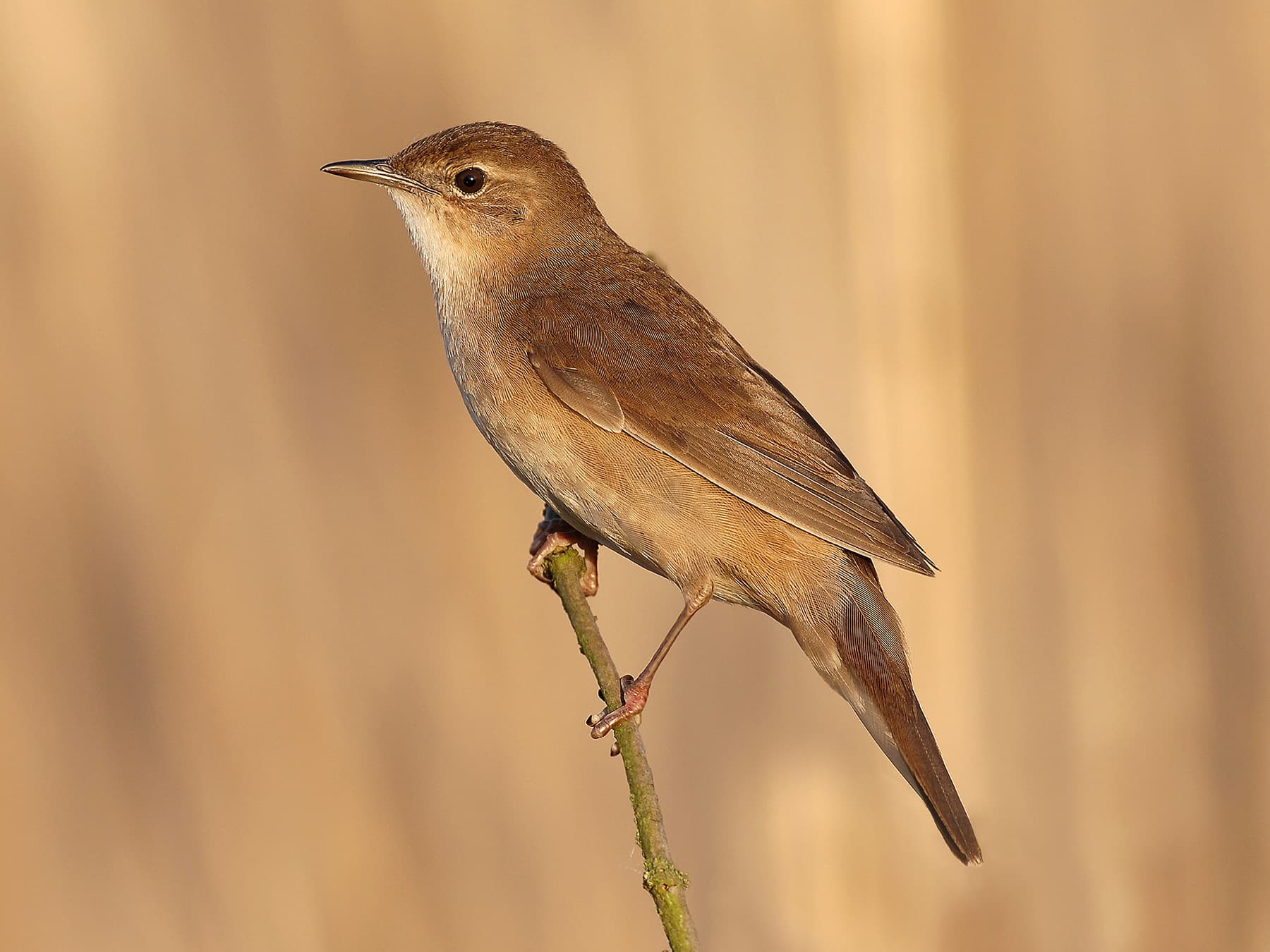
Savi's Warbler
Locustella luscinioidesLC
A very rare passage visitor, occasionally recorded in reedbeds during June. Its reeling song resembles a grasshopper warbler's but is lower-pitched.
Jun
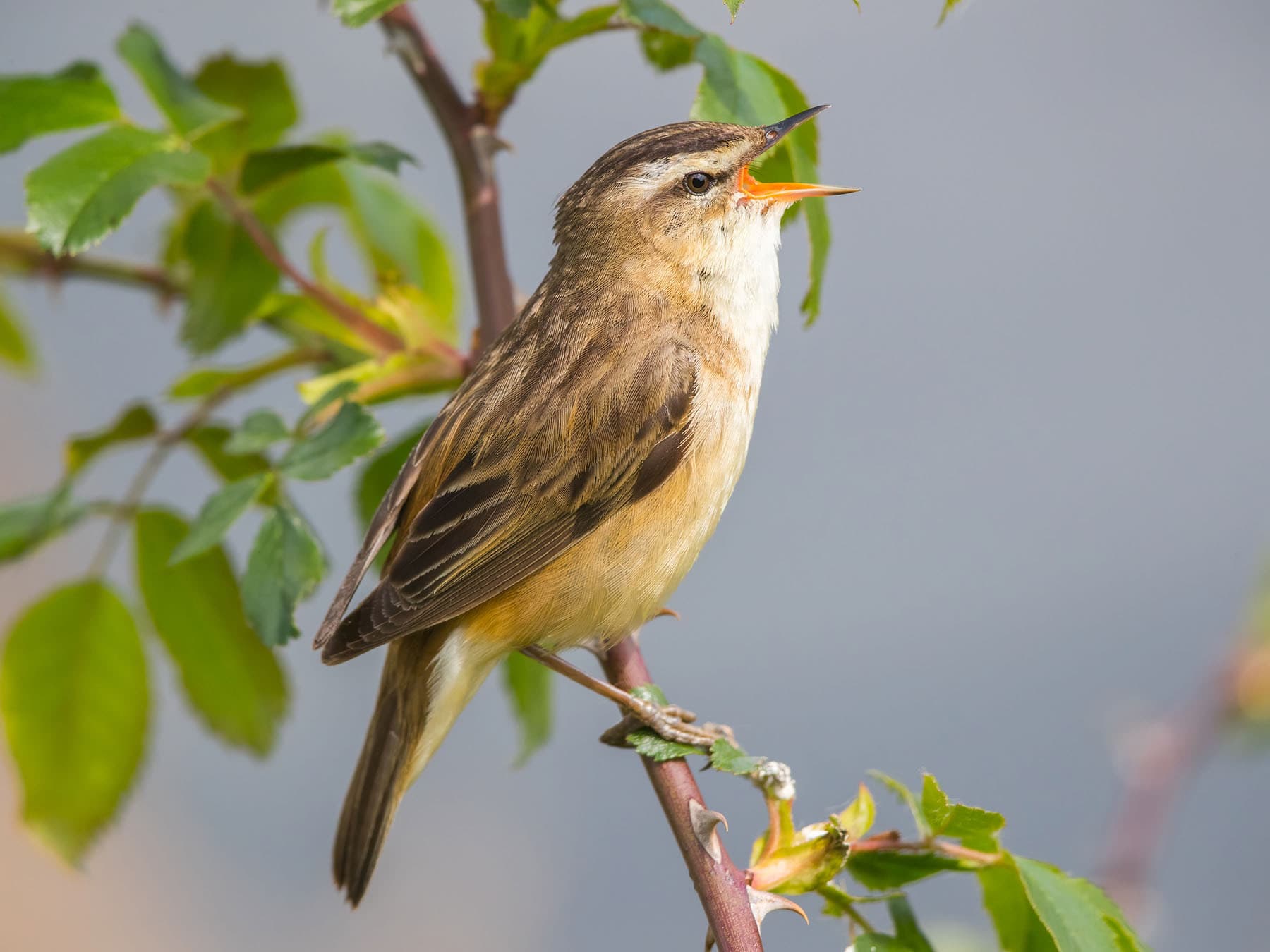
Sedge Warbler
Acrocephalus schoenobaenusLC
An uncommon summer breeder from April to September, singing from reedbeds and ditches at sites like Pulborough Brooks.
Apr–Sep
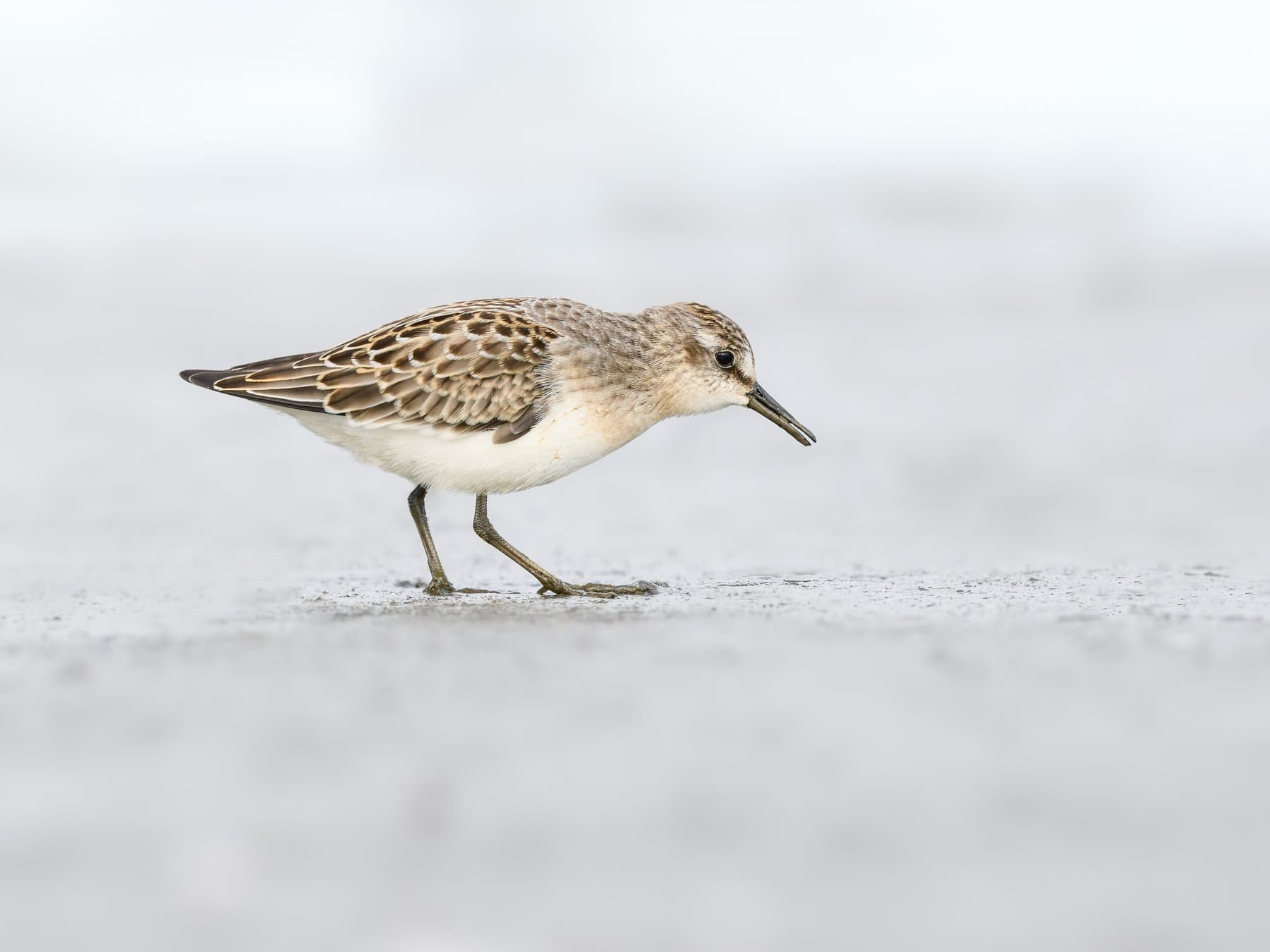
Semipalmated Sandpiper
Calidris pusillaNT
A very rare transatlantic vagrant, occasionally recorded in August on coastal mudflats. A prized find for local birders.
Aug
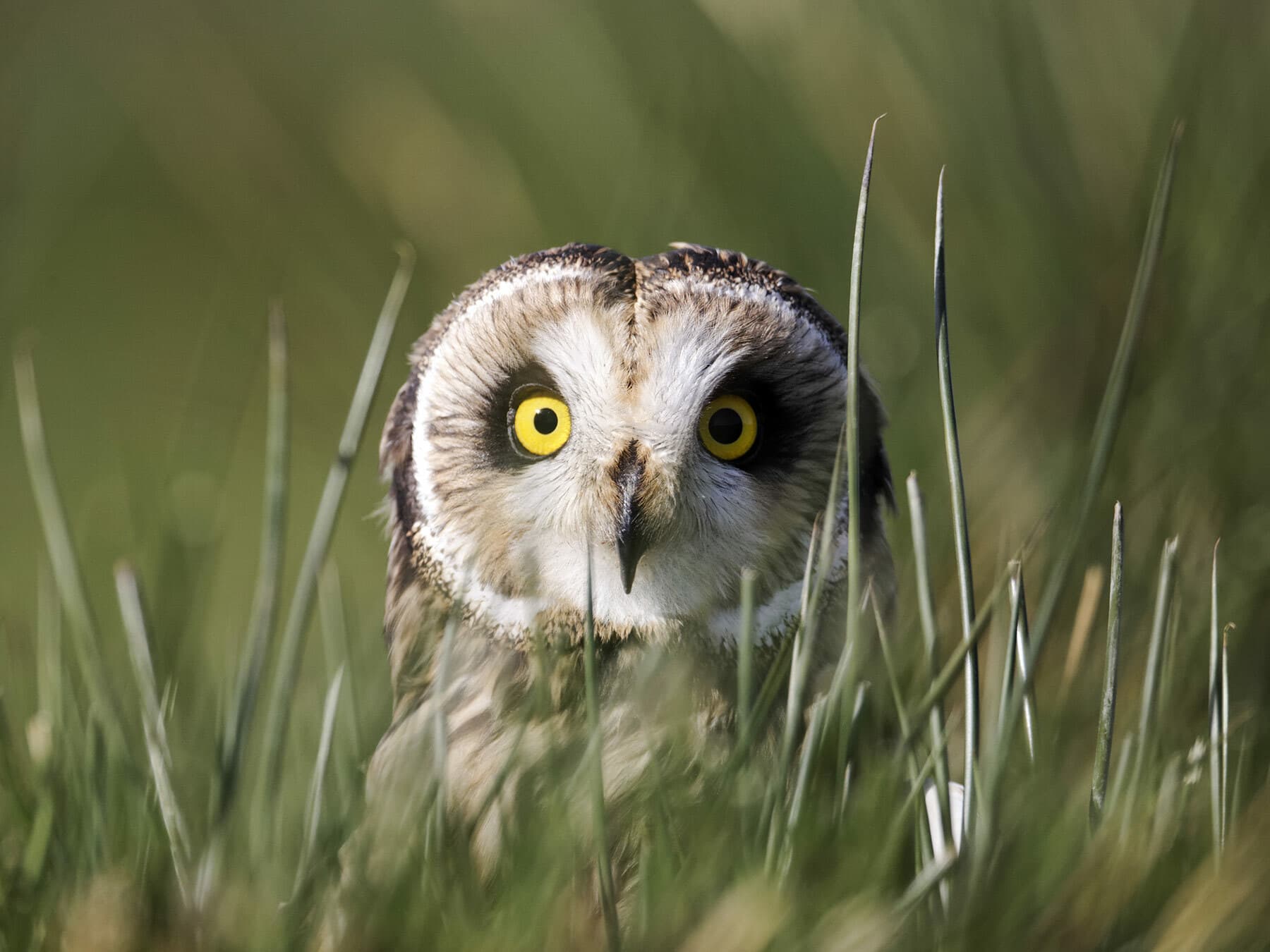
Short-eared Owl
Asio flammeusLC
A rare winter visitor to coastal marshes and rough grassland, arriving from November and departing by early spring.
Nov–Mar
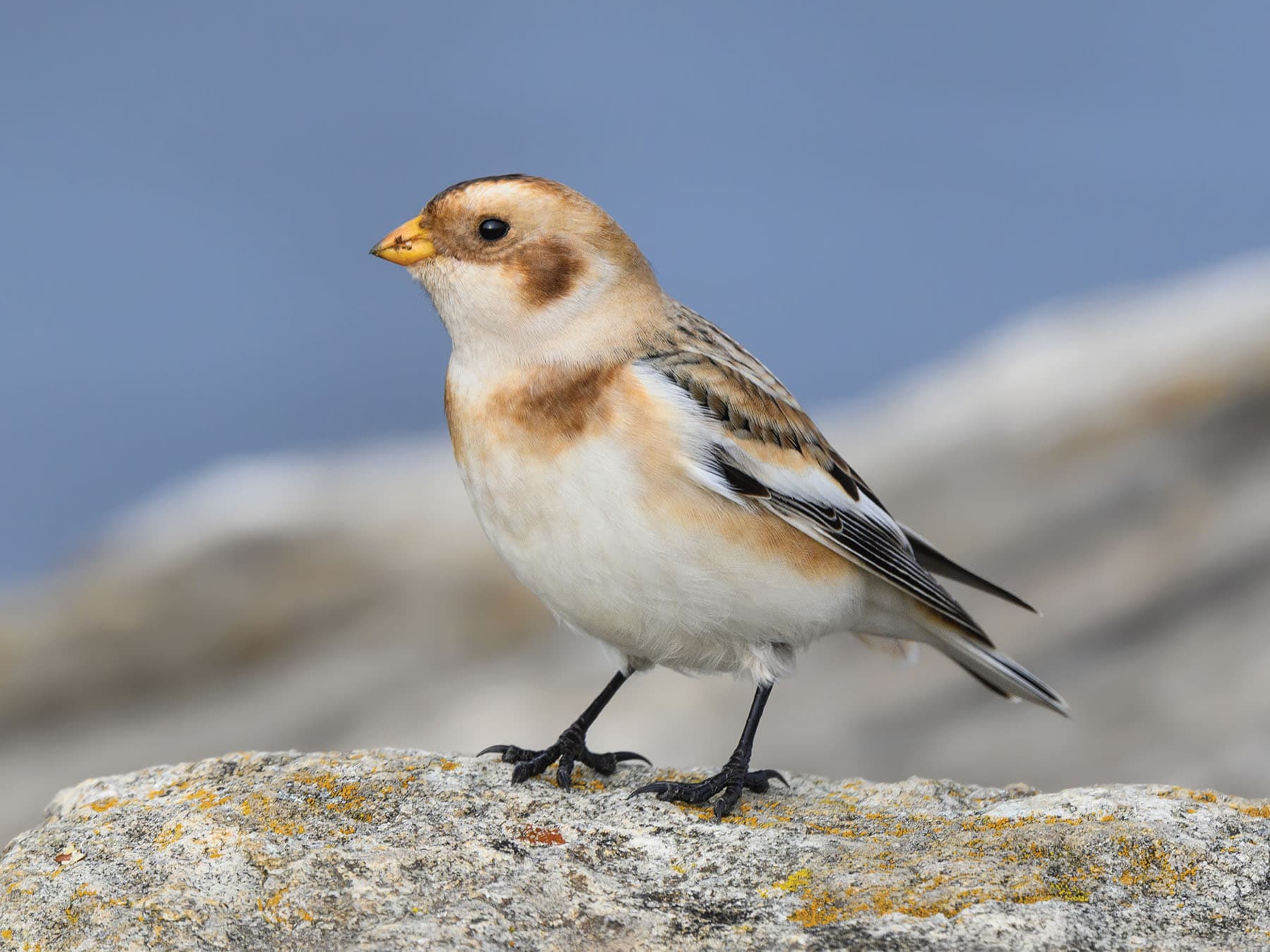
Snow Bunting
Plectrophenax nivalisLC
A rare winter visitor to the coast, occasionally seen on shingle beaches. Most likely November to January.
Nov–Jan
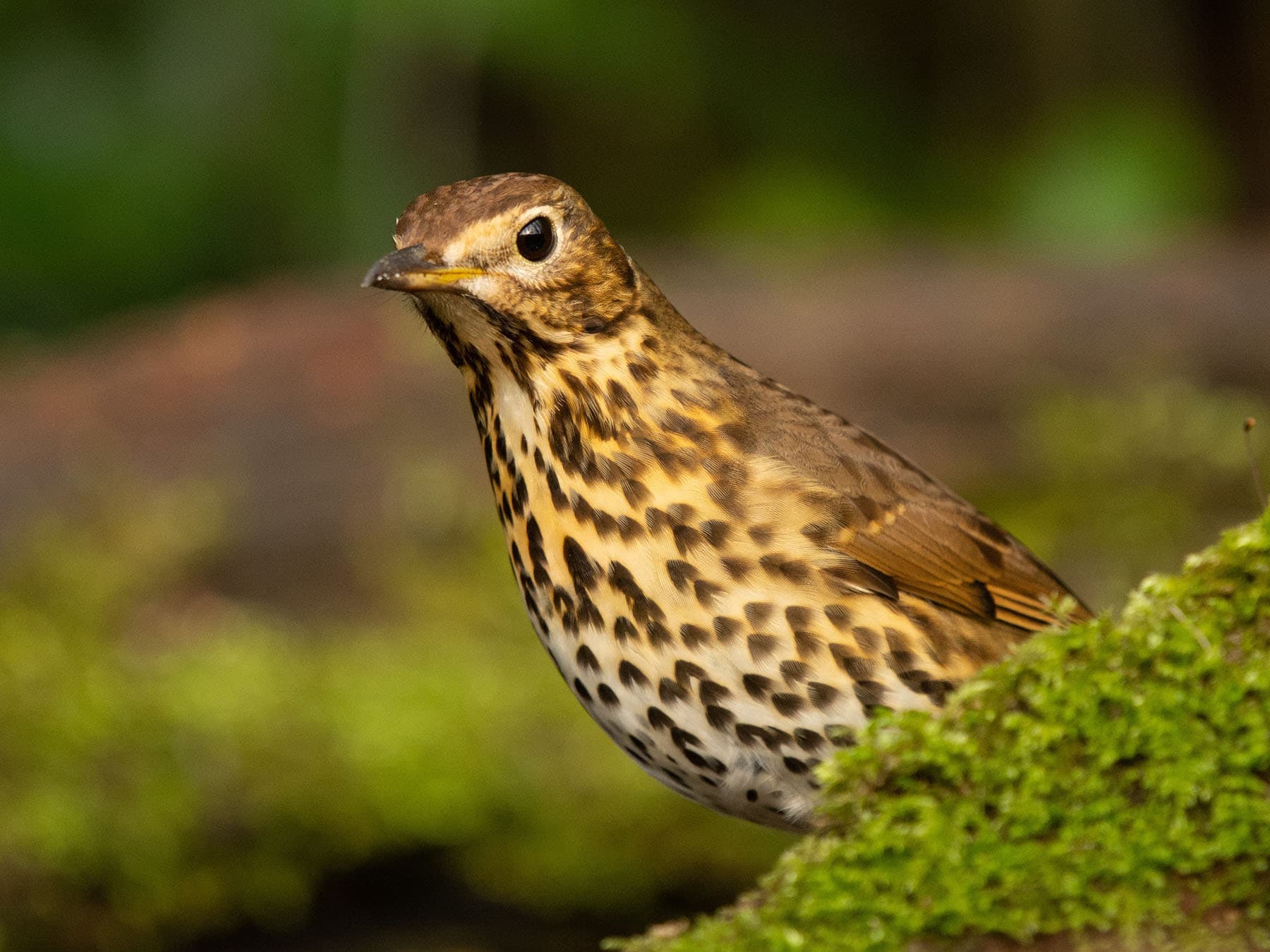
Song Thrush
Turdus philomelosLC
A common year-round resident singing from gardens, hedgerows, and woodland. Numbers boosted by continental arrivals in autumn.
Year-round
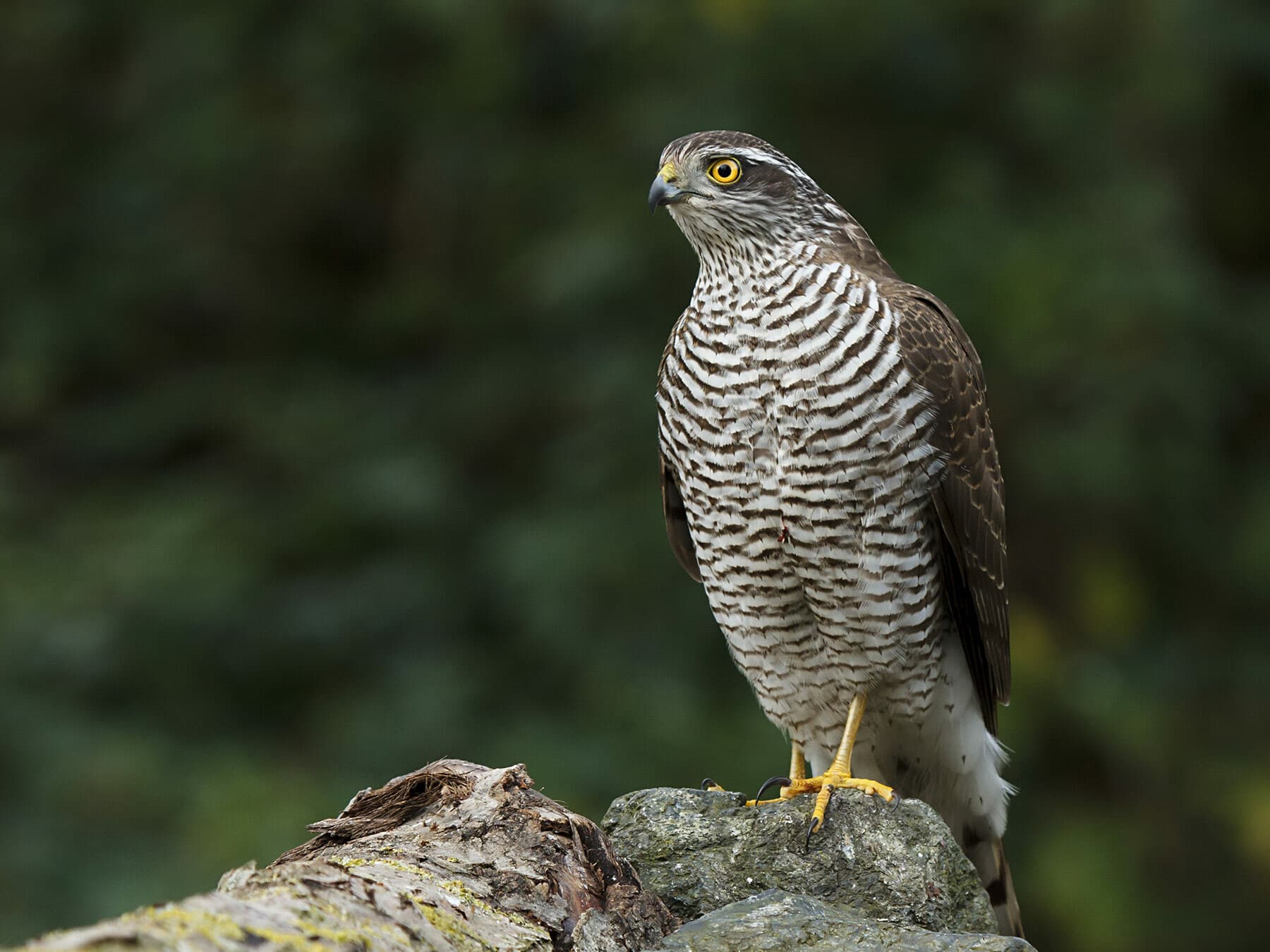
Sparrowhawk
Accipiter nisusLC
An uncommon but widespread resident, hunting small birds through woodland and gardens across the county year-round.
Year-round
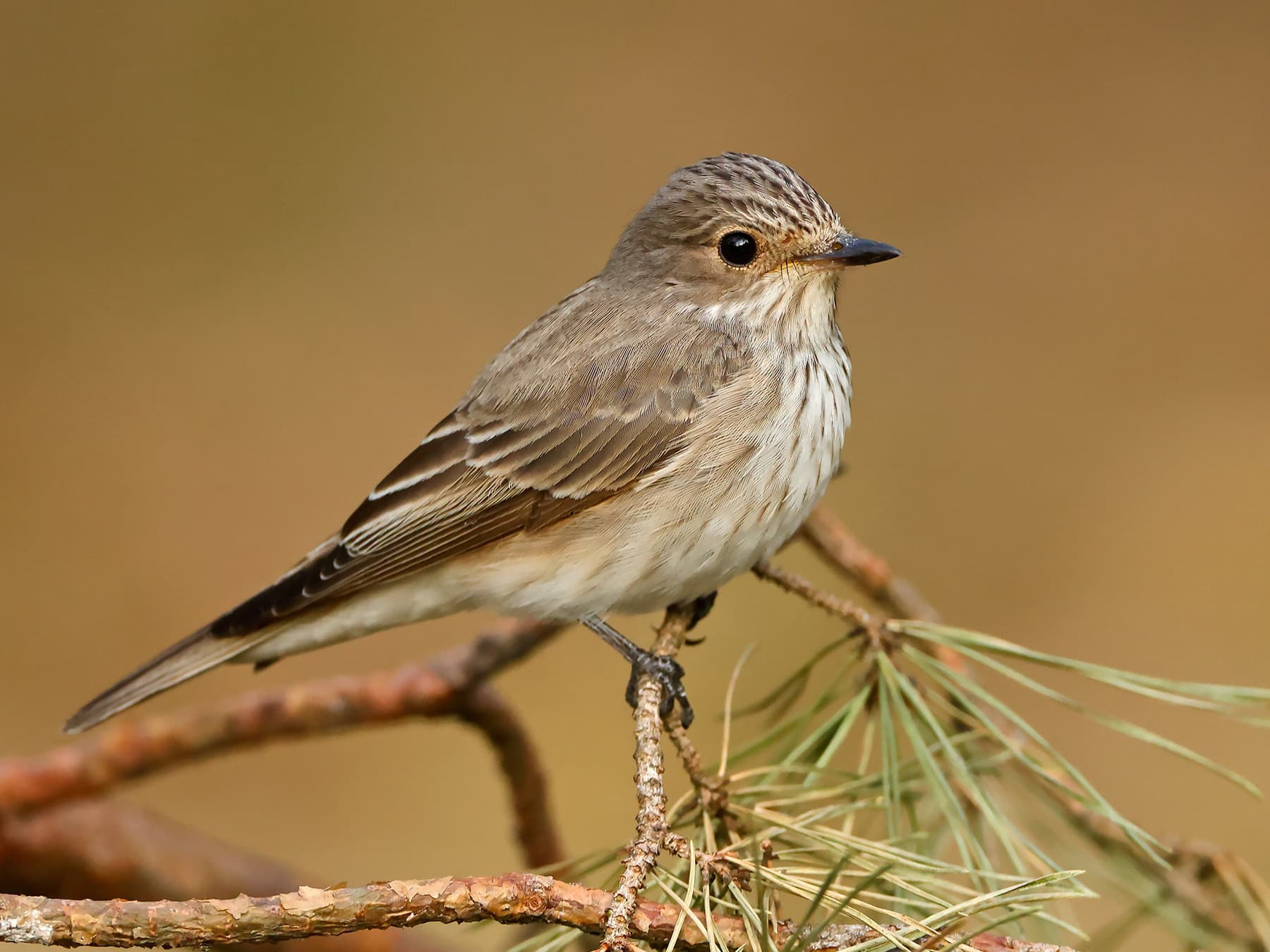
Spotted Flycatcher
Muscicapa striataLC
A declining summer visitor arriving in May, favouring woodland edges and churchyards. Sallies from exposed perches to catch flying insects.
May–Oct
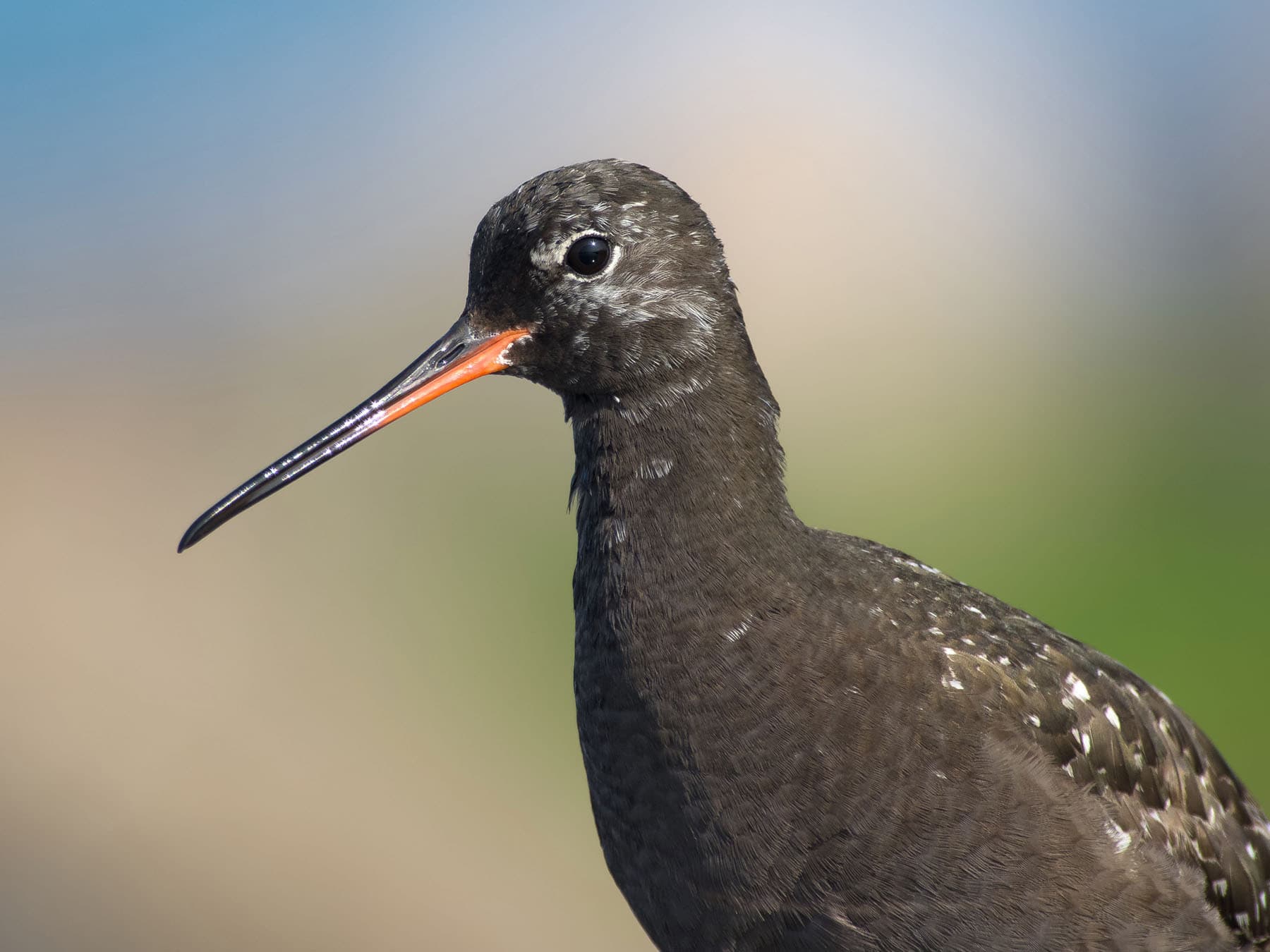
Spotted Redshank
Tringa erythropusLC
A rare but regular wader at sheltered estuarine sites, most reliably seen at Chichester and Pagham Harbours on passage.
Jun–Apr
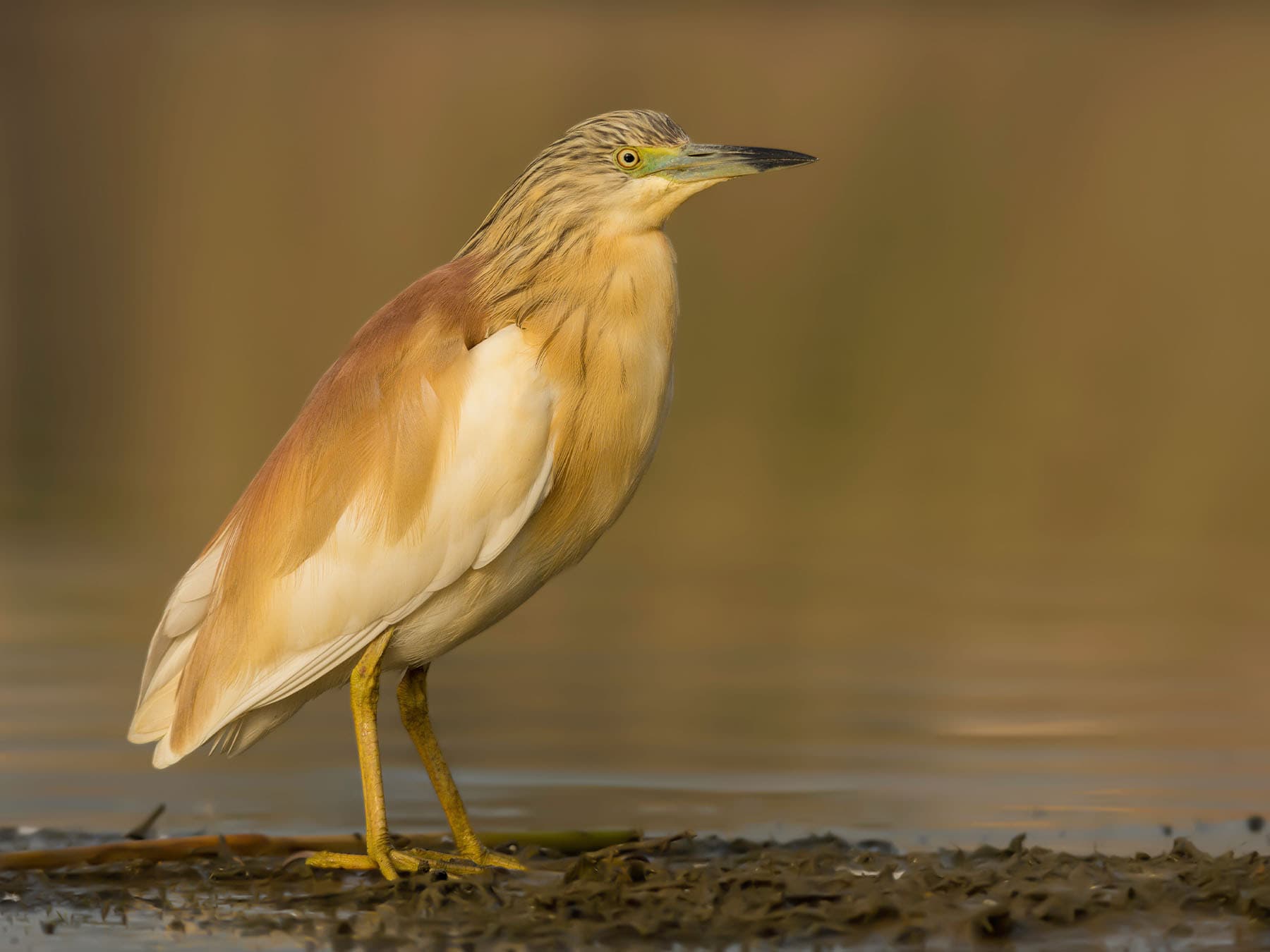
Squacco Heron
Ardeola ralloidesLC
An extremely rare vagrant from southern Europe, occasionally turning up at coastal marshes in late summer. A prized find for local birders.
Aug