Birds in West Midlands
Explore 143 species found in this region.
The West Midlands county is home to an impressive 143 recorded bird species, offering surprisingly diverse birdlife for a predominantly urban region. Parks, reservoirs, canals, and green corridors provide vital habitats for species ranging from the familiar Great Tit and Magpie to less expected visitors such as the Common Merganser, Eurasian Woodcock, and Mandarin Duck. Whether you're exploring Sutton Park, Sandwell Valley, or local nature reserves, the West Midlands rewards birdwatchers with a rich variety of resident and migratory species throughout the year.
Visiting in September? Look out for Common Redpoll and Eurasian Siskin arriving this month, and Eurasian Oystercatcher and Garden Warbler depart for the season.


Showing 24–46 of 143 species
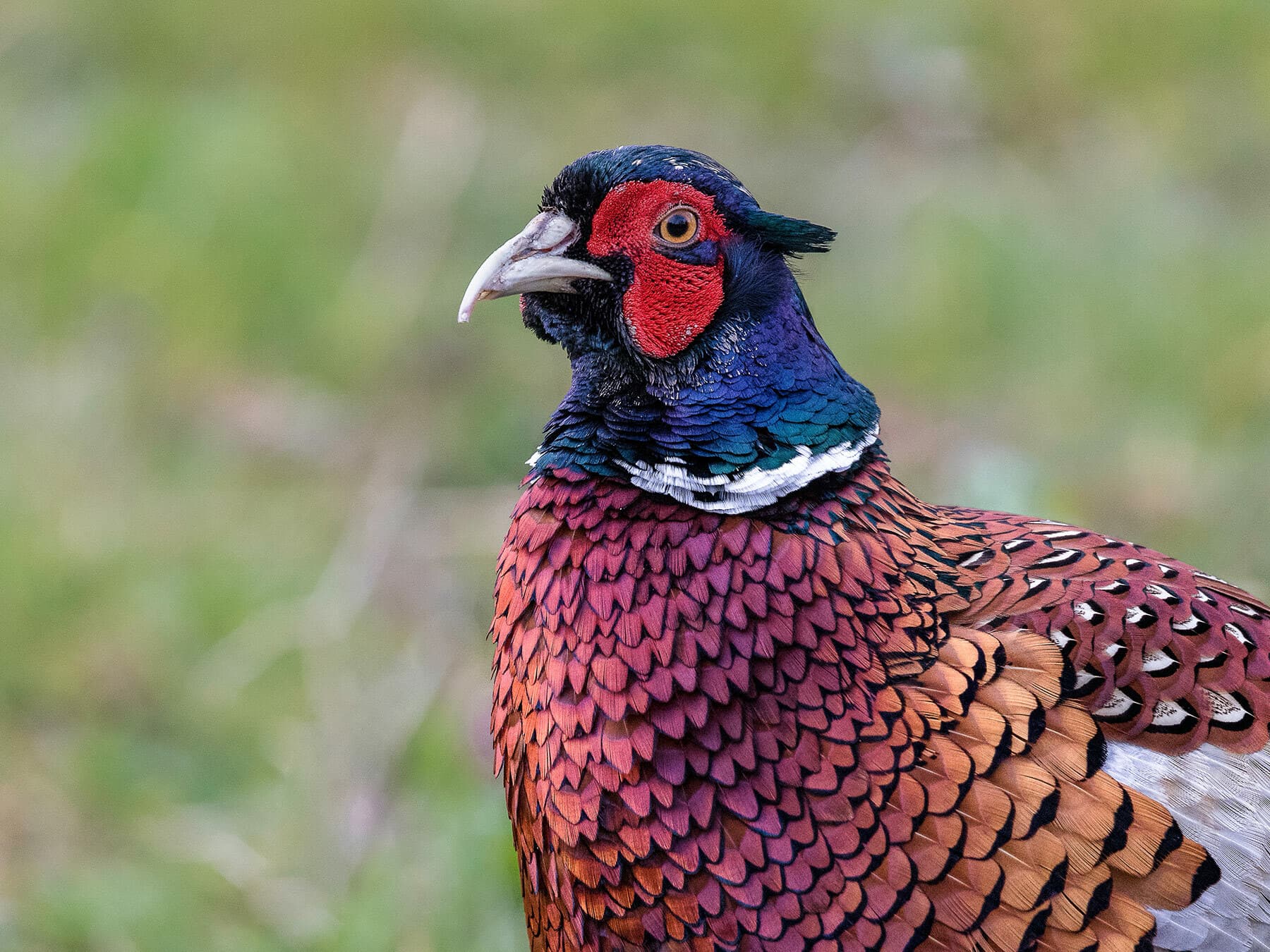
Common Pheasant
Phasianus colchicusLC
Surprisingly rare in this largely urban region, found mainly on farmland edges and rural fringes year-round.
Year-round
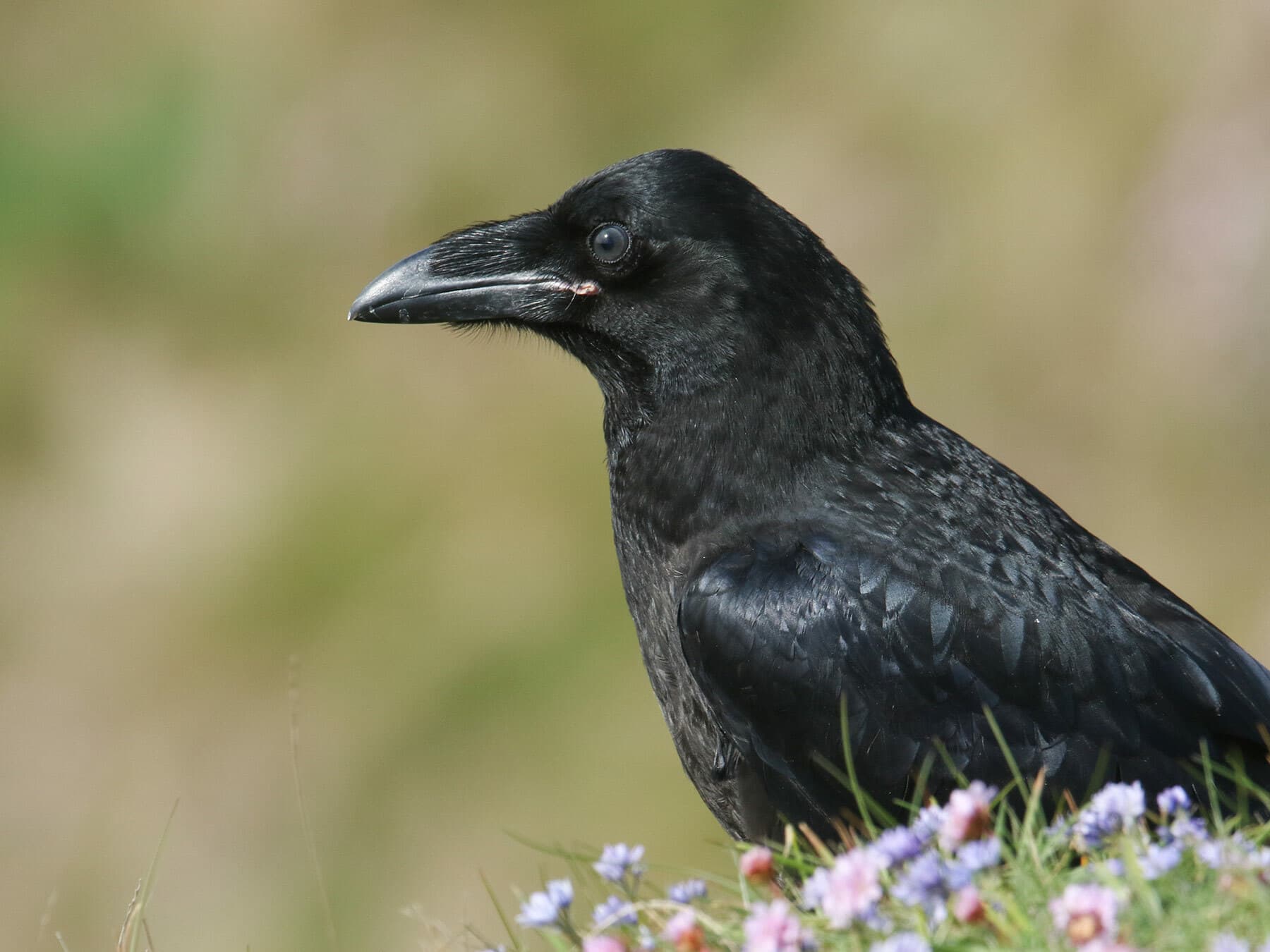
Common Raven
Corvus coraxLC
An uncommon but increasing resident, spreading into lowland areas from its Welsh border strongholds, identified by deep croaking calls.
Year-round
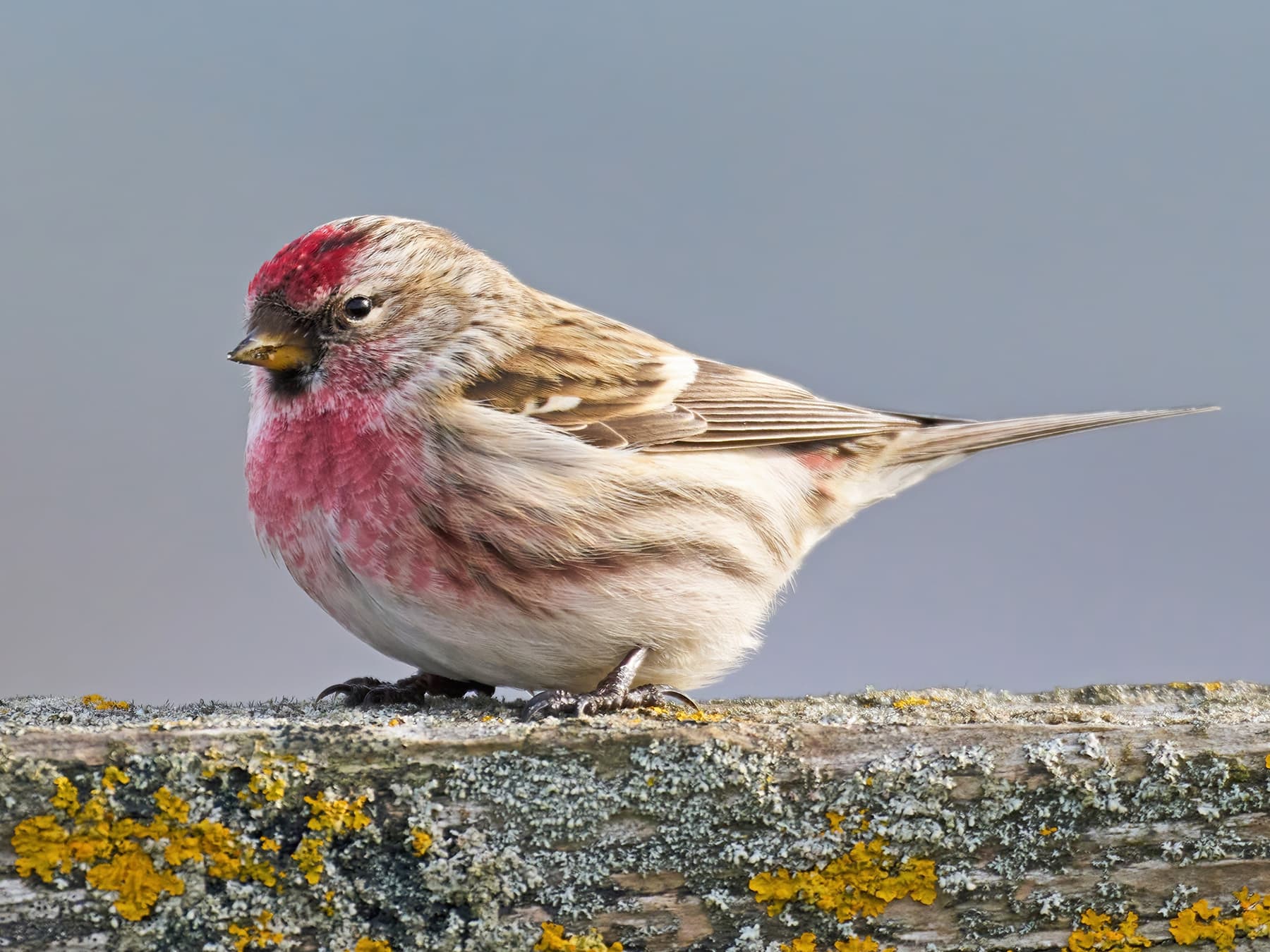
Common Redpoll
Acanthis flammeaLC
An uncommon resident of birch and alder woodland, most visible in winter flocks but largely absent during summer months.
Sep–May
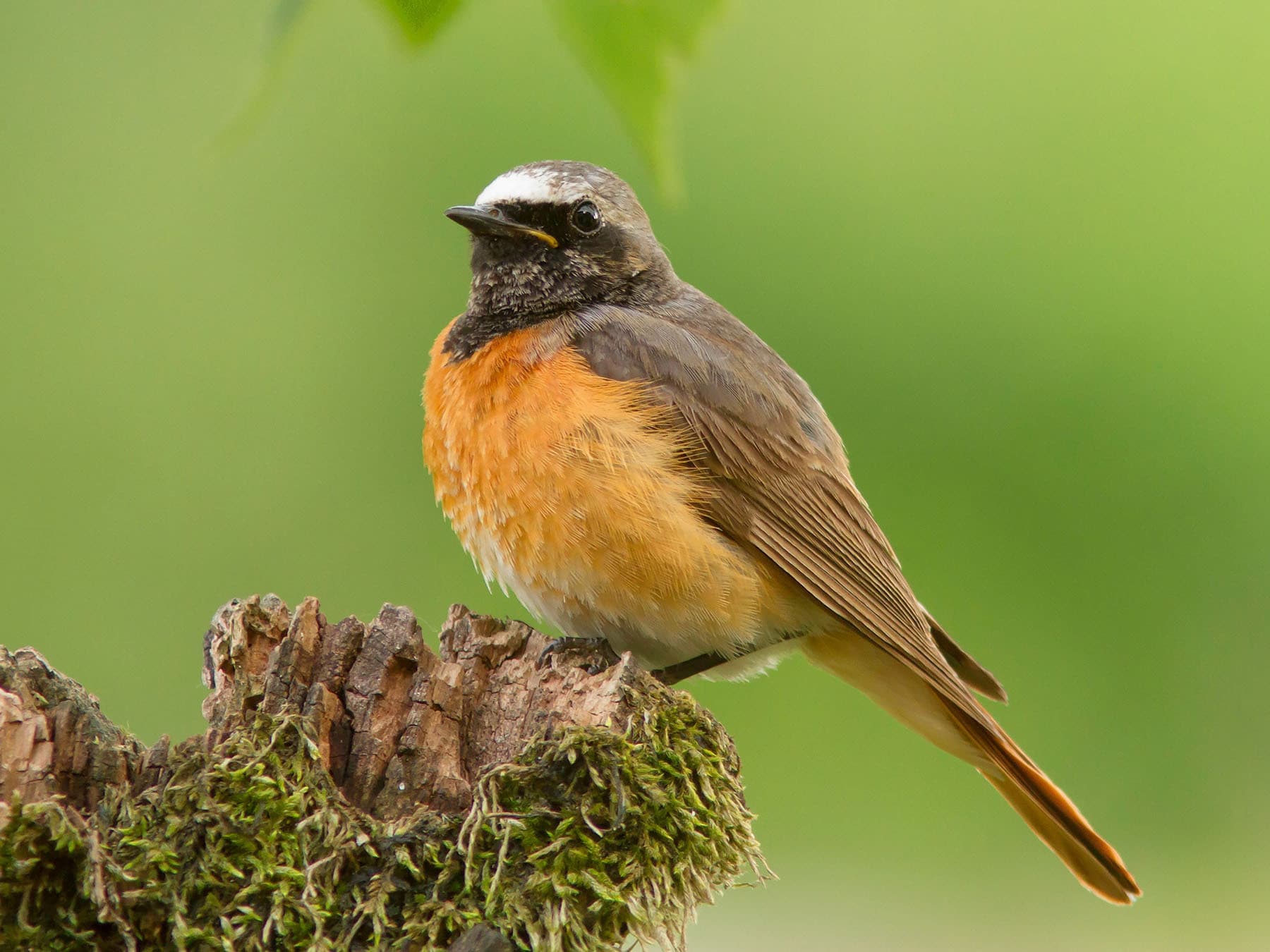
Common Redstart
Phoenicurus phoenicurusLC
A rare passage migrant seen briefly in spring and again in late summer, pausing in wooded areas en route to breeding sites.
Apr–Sep
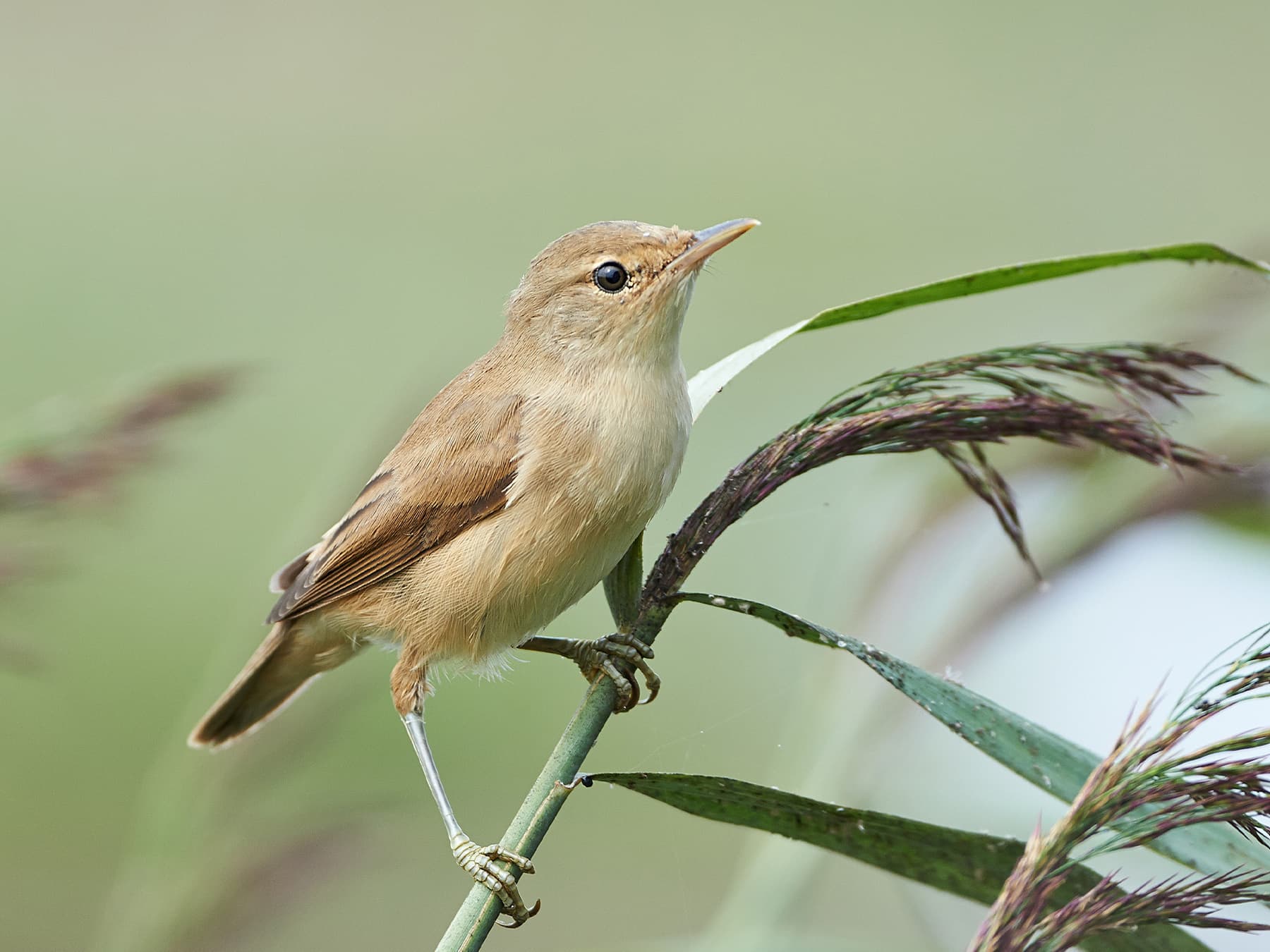
Common Reed-warbler
Acrocephalus scirpaceusLC
An uncommon summer breeder arriving in April, found in reedbeds at reservoirs and canal margins, singing its chattering song into late summer.
Apr–Sep
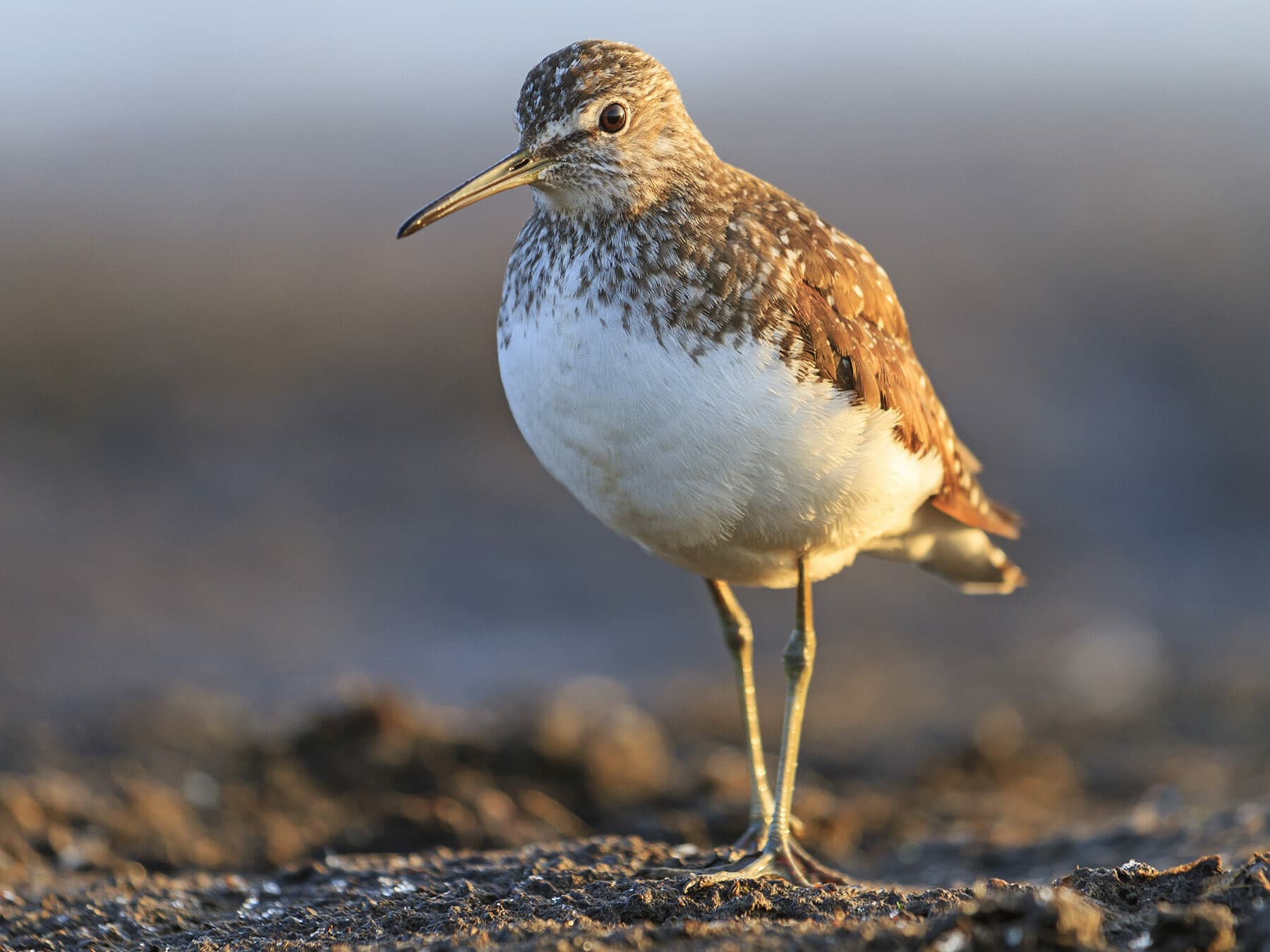
Common Sandpiper
Actitis hypoleucosLC
An uncommon breeder along rivers and reservoir edges, present from April to October. Bobs distinctively.
Apr–Oct
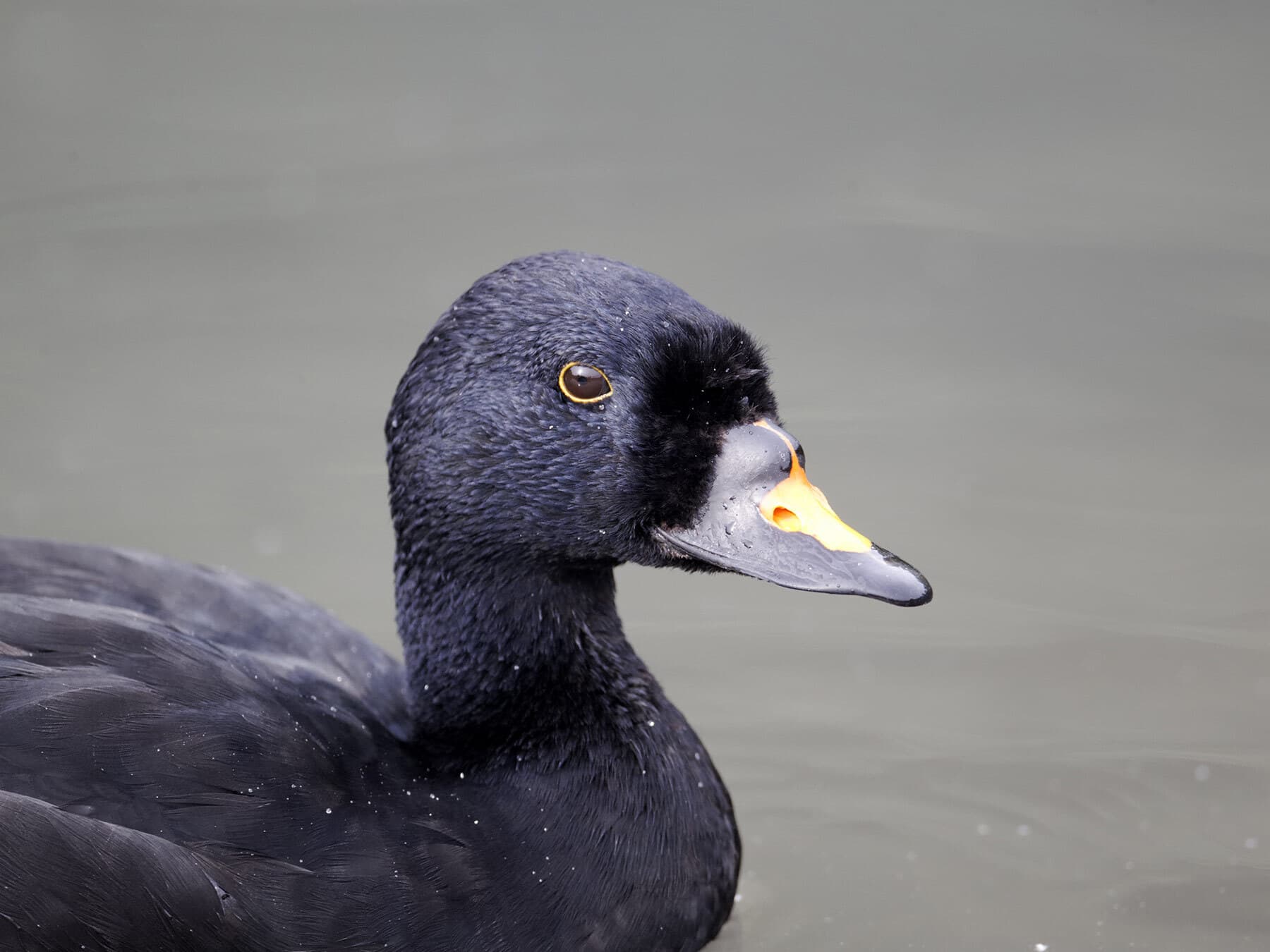
Common Scoter
Melanitta nigraLC
A rare passage visitor, occasionally dropping in at reservoirs during July. Unusual this far inland.
Jul
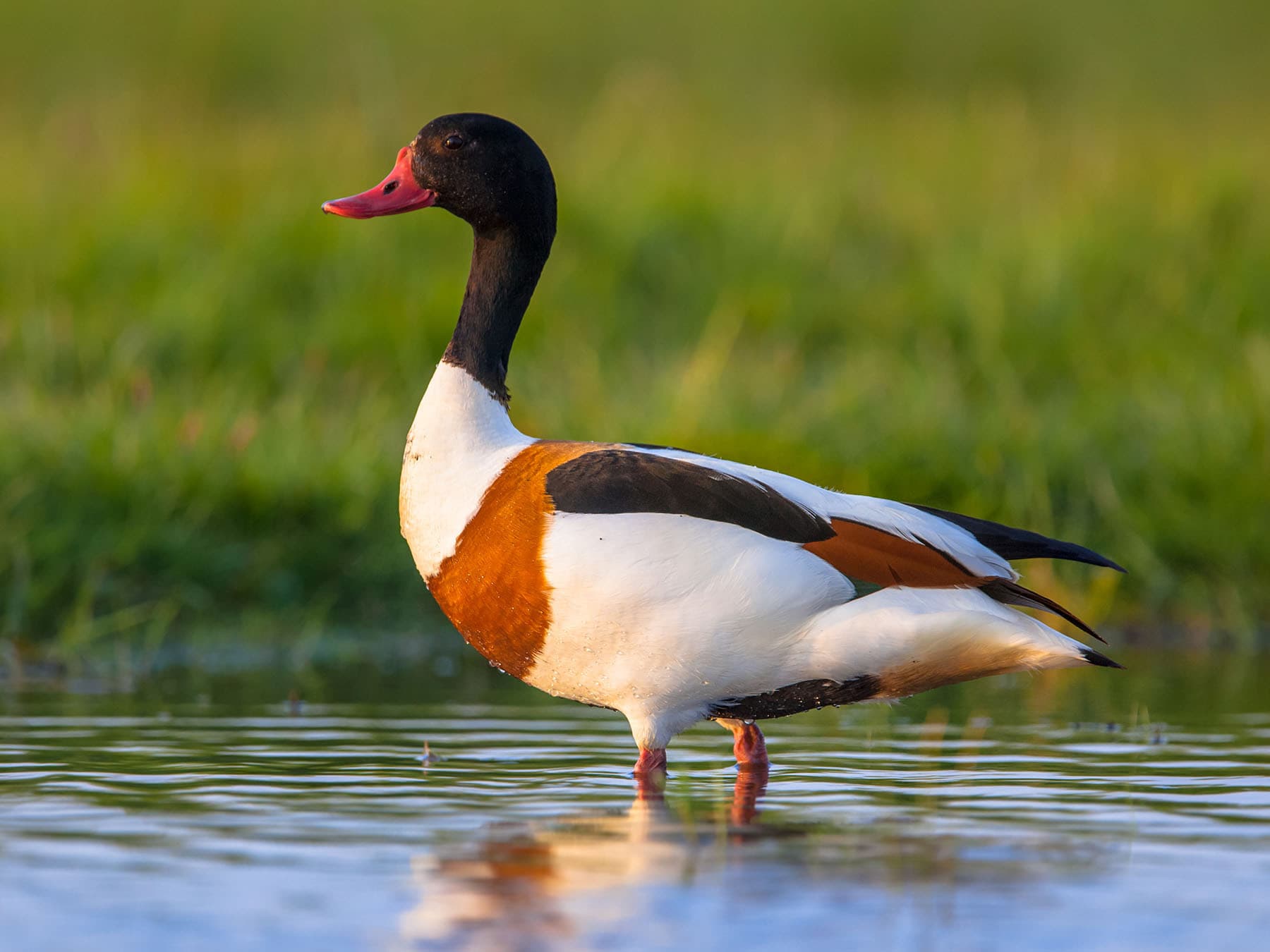
Common Shelduck
Tadorna tadornaLC
A rare resident mainly recorded in the first half of the year around gravel pits and reservoir margins, scarce inland.
Jan–Jun
Spotted something?
Upload a photo to identify it
Identify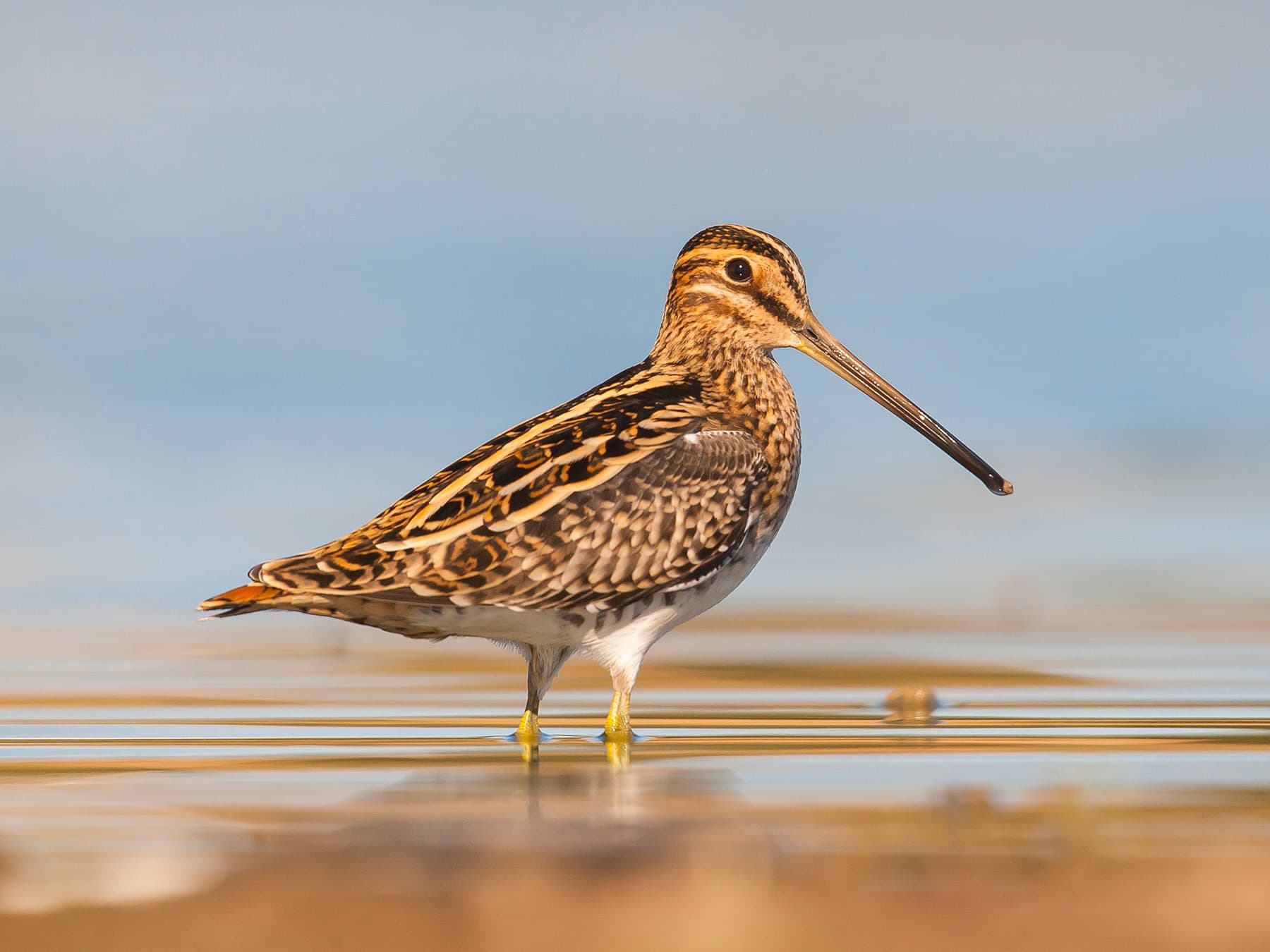
Common Snipe
Gallinago gallinagoLC
An uncommon resident of wet grassland and marshy edges, most often flushed from cover at sites like Belvide or Middleton Lakes.
Aug–May
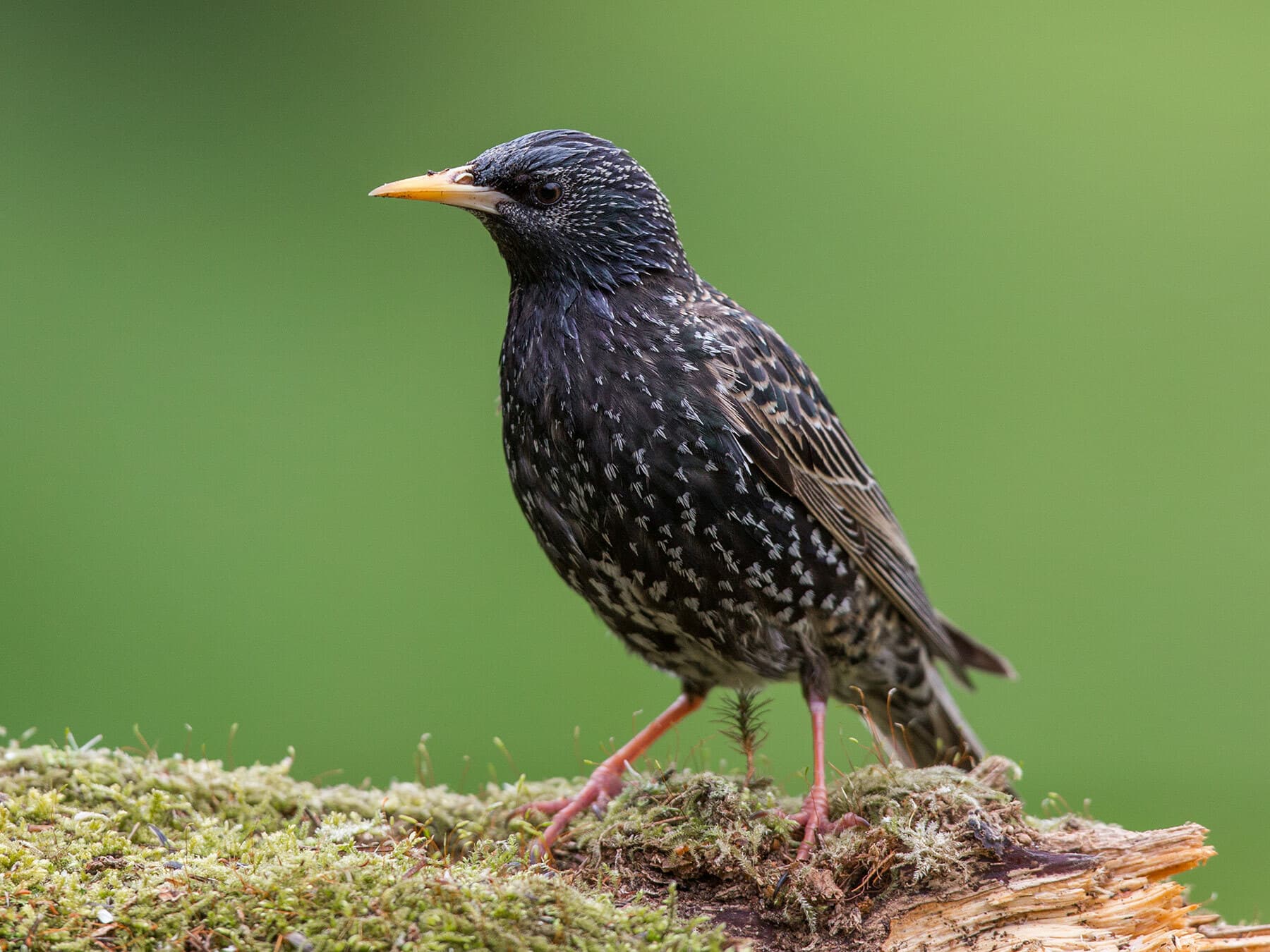
Common Starling
Sturnus vulgarisLC
A common resident, often seen in noisy flocks on playing fields and rooftops. Winter roosts in city centres can be spectacular.
Year-round
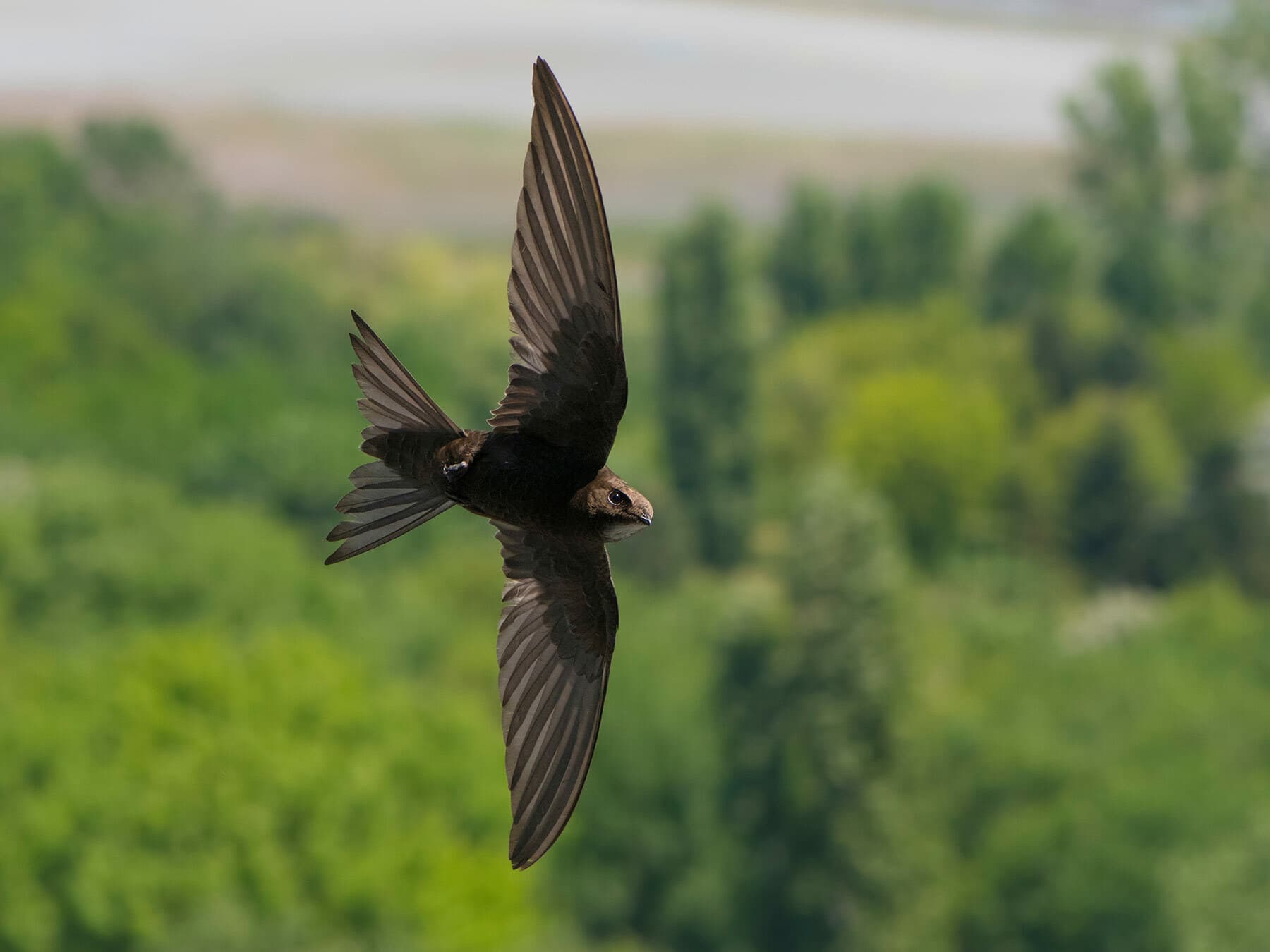
Common Swift
Apus apusLC
A common summer breeder screaming over towns and cities from April to September, nesting under eaves of older buildings across the region.
Apr–Sep
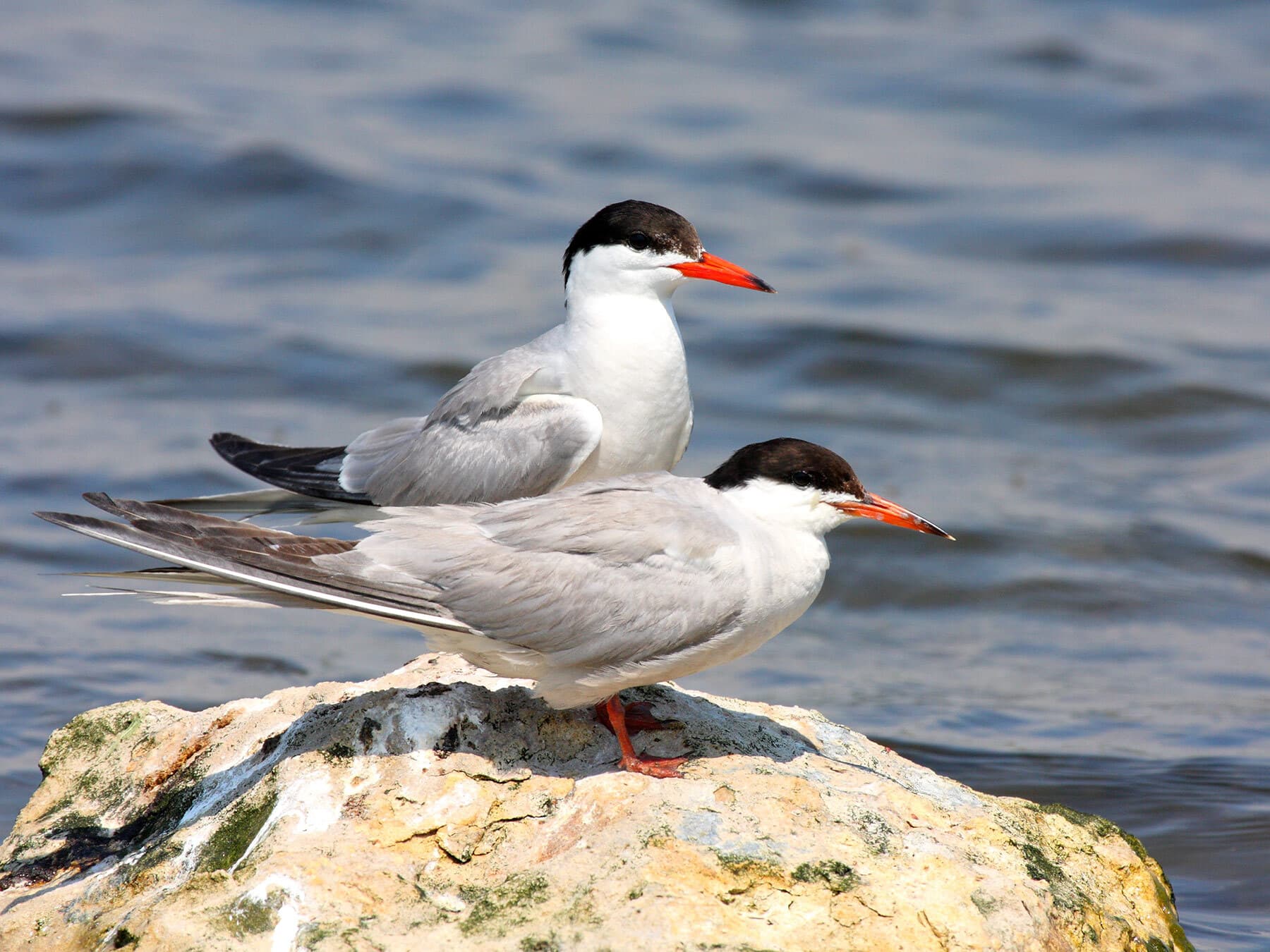
Common Tern
Sterna hirundoLC
An uncommon summer breeder from April to September, nesting on rafts and islands at larger reservoirs and gravel pits across the region.
Apr–Sep
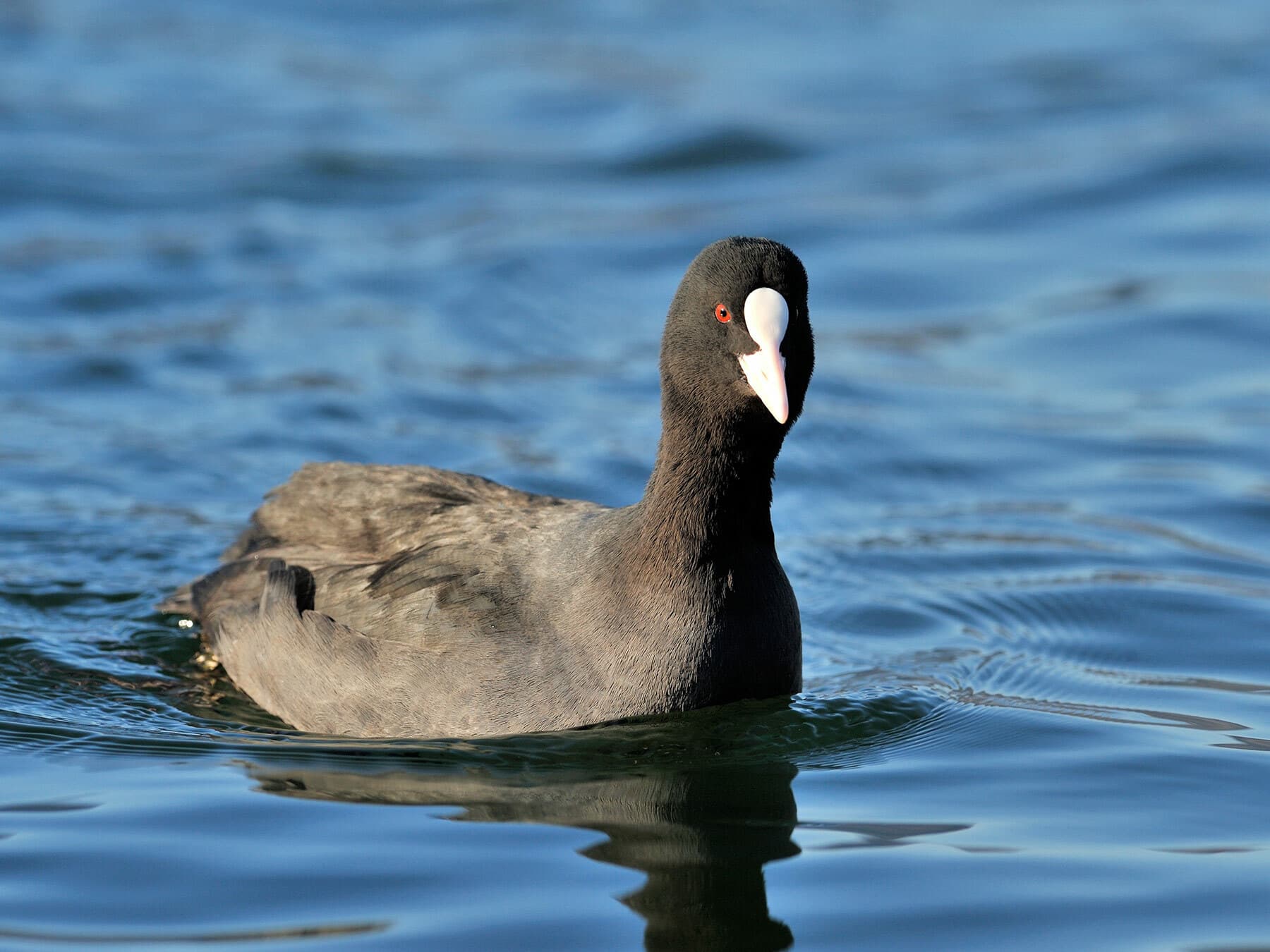
Coot
Fulica atraLC
A common year-round resident of lakes, reservoirs and canals across the region. Easily spotted on urban park pools and gravel pits.
Year-round
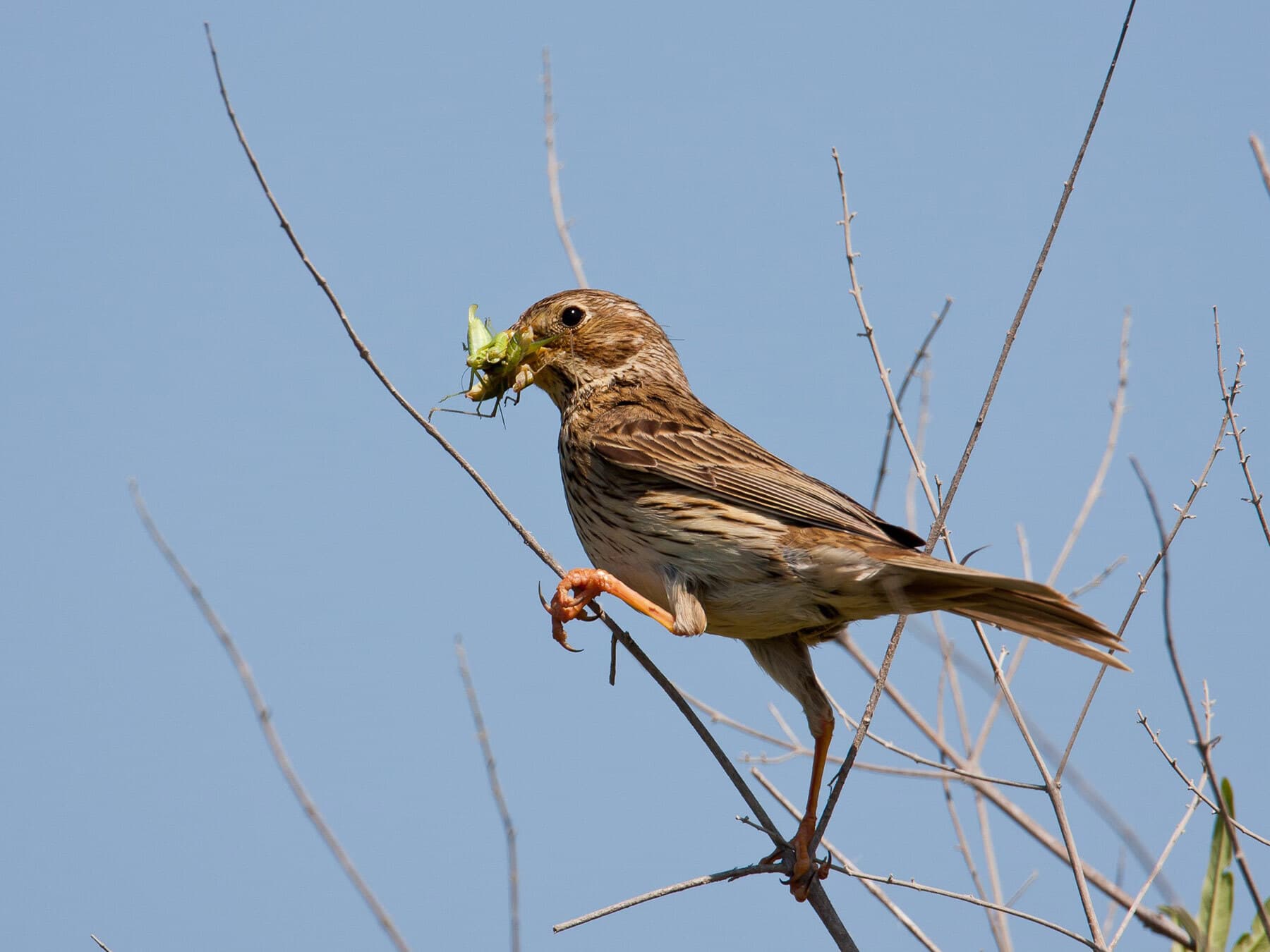
Corn Bunting
Emberiza calandraLC
A rare passage bird seen briefly in late winter. Once more widespread, it has largely vanished as a breeding species here.
Feb–Mar
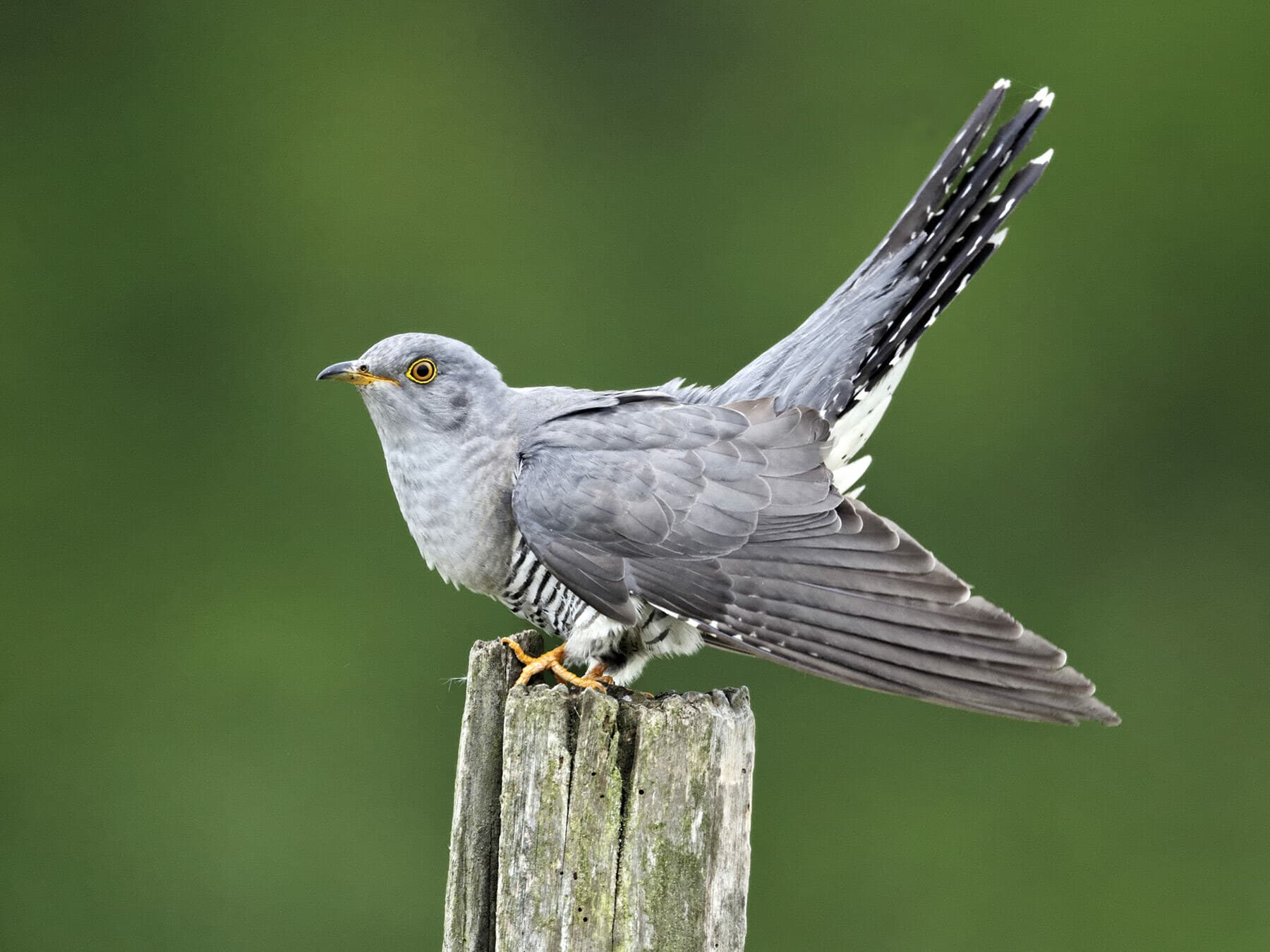
Cuckoo
Cuculus canorusLC
A rare passage visitor heard calling in May and June. Declining nationally, it favours woodland edges and reed beds where it parasitises host nests.
May–Jun
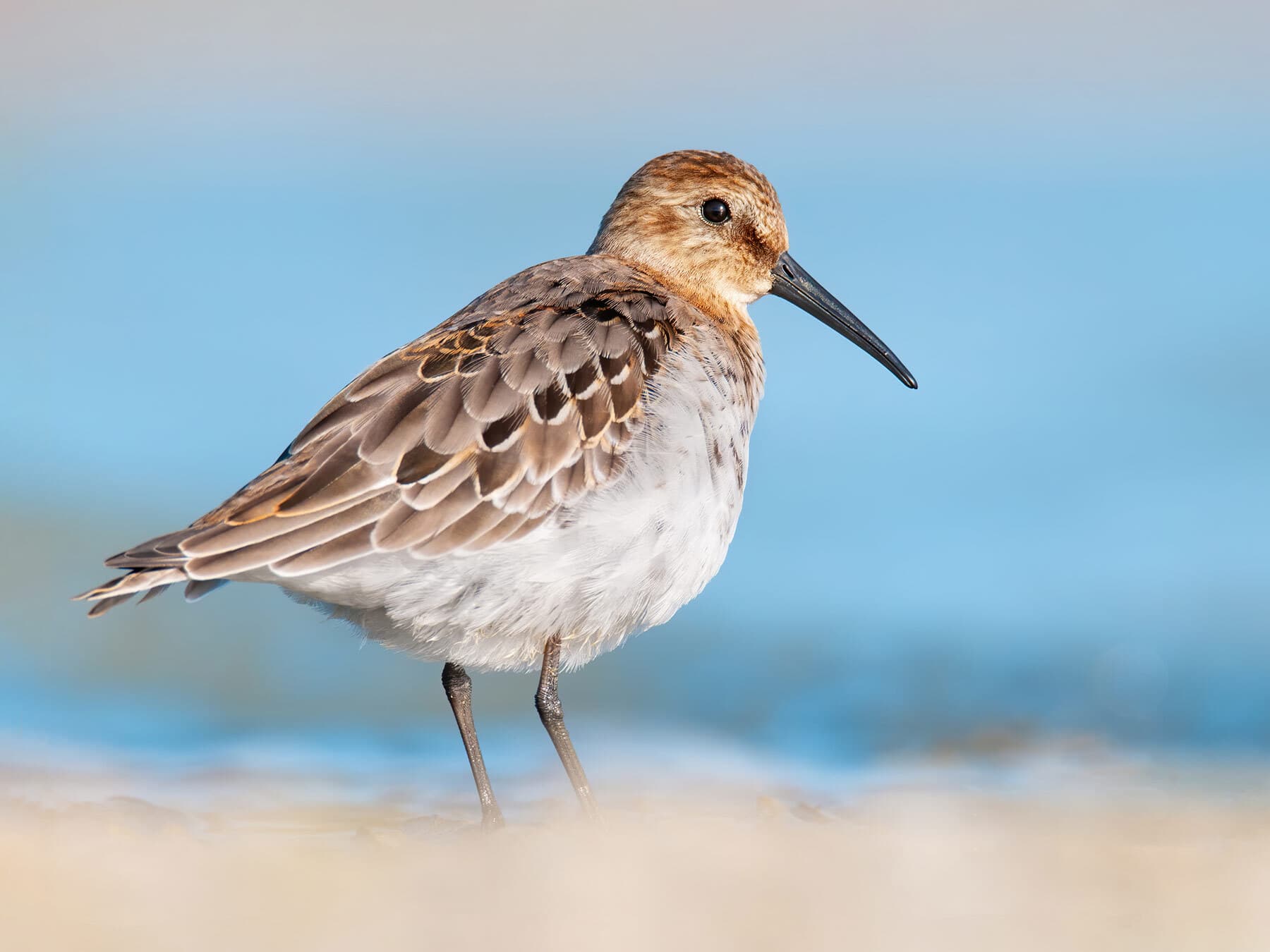
Dunlin
Calidris alpinaLC
Rare, mainly on passage at reservoir margins in spring and autumn. Scarce inland away from breeding moors.
Apr–Nov
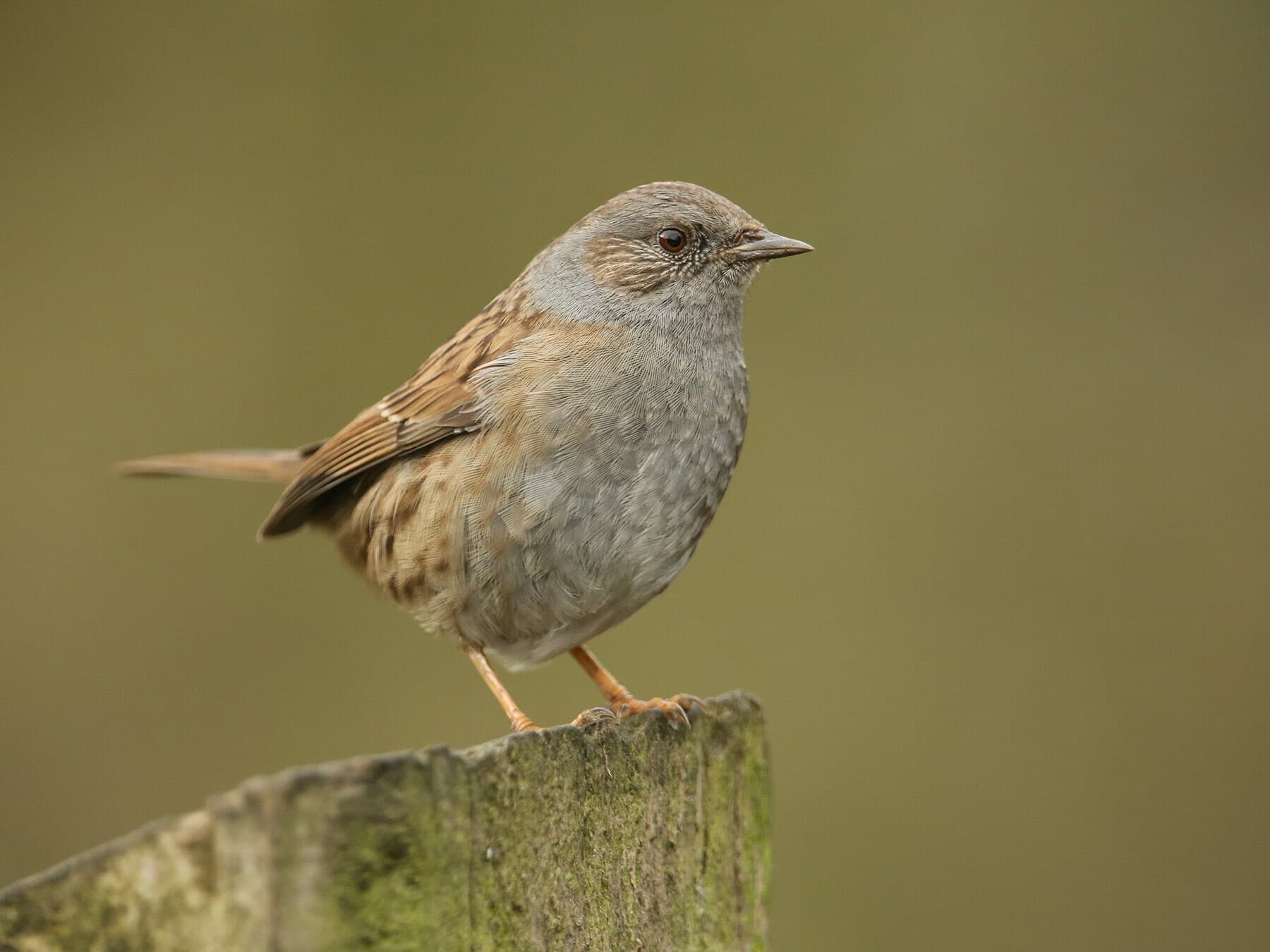
Dunnock
Prunella modularisLC
A common but unassuming resident, shuffling through garden undergrowth and hedgerows year-round across the region.
Year-round
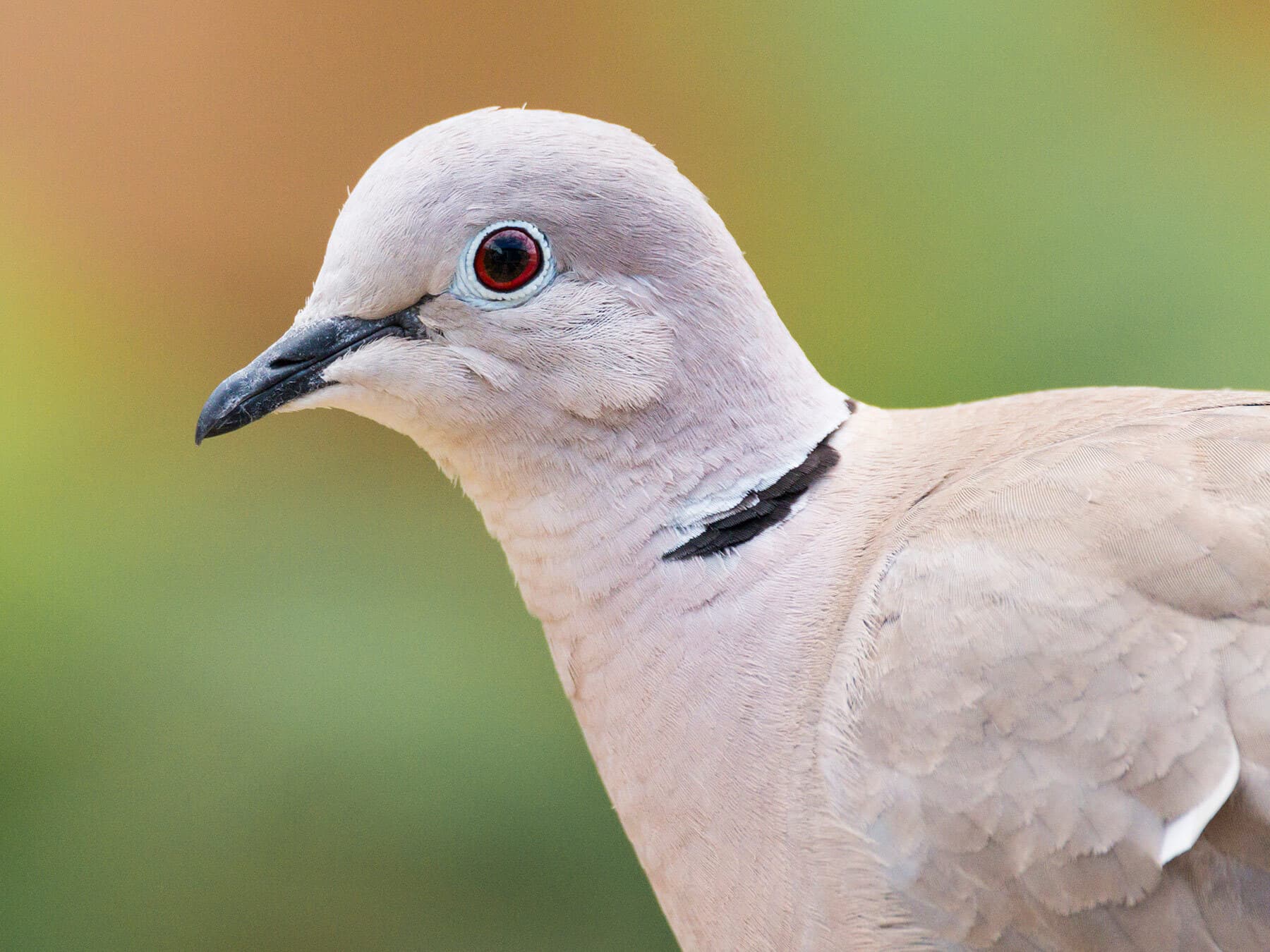
Eurasian Collared Dove
Streptopelia decaoctoLC
An uncommon year-round resident, found in suburban gardens and farmyards, though less widespread here than in many English regions.
Year-round
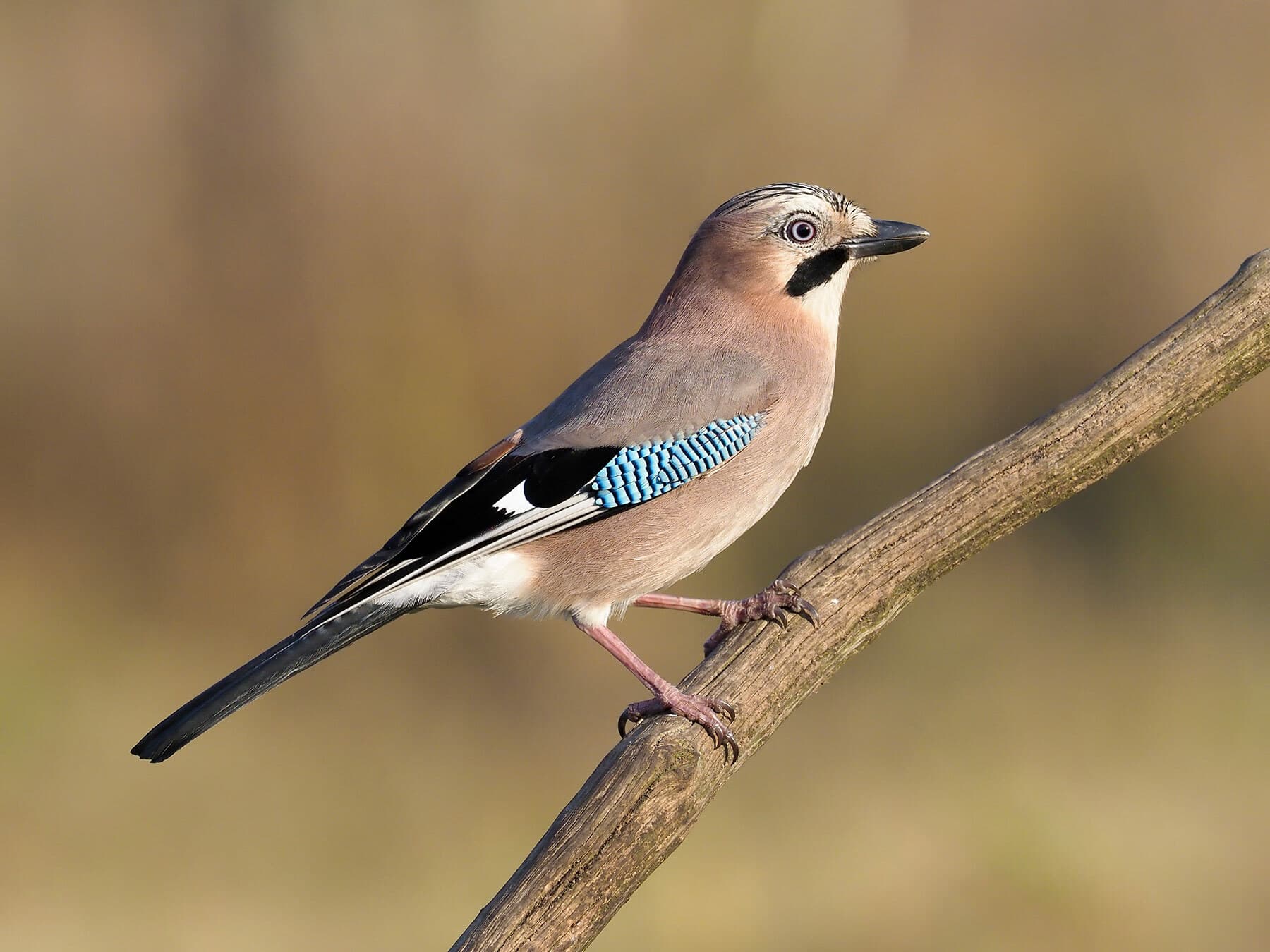
Eurasian Jay
Garrulus glandariusLC
A common resident of mature woodlands and parks, often heard before seen. Buries acorns in autumn across the region's oak-rich habitats.
Year-round
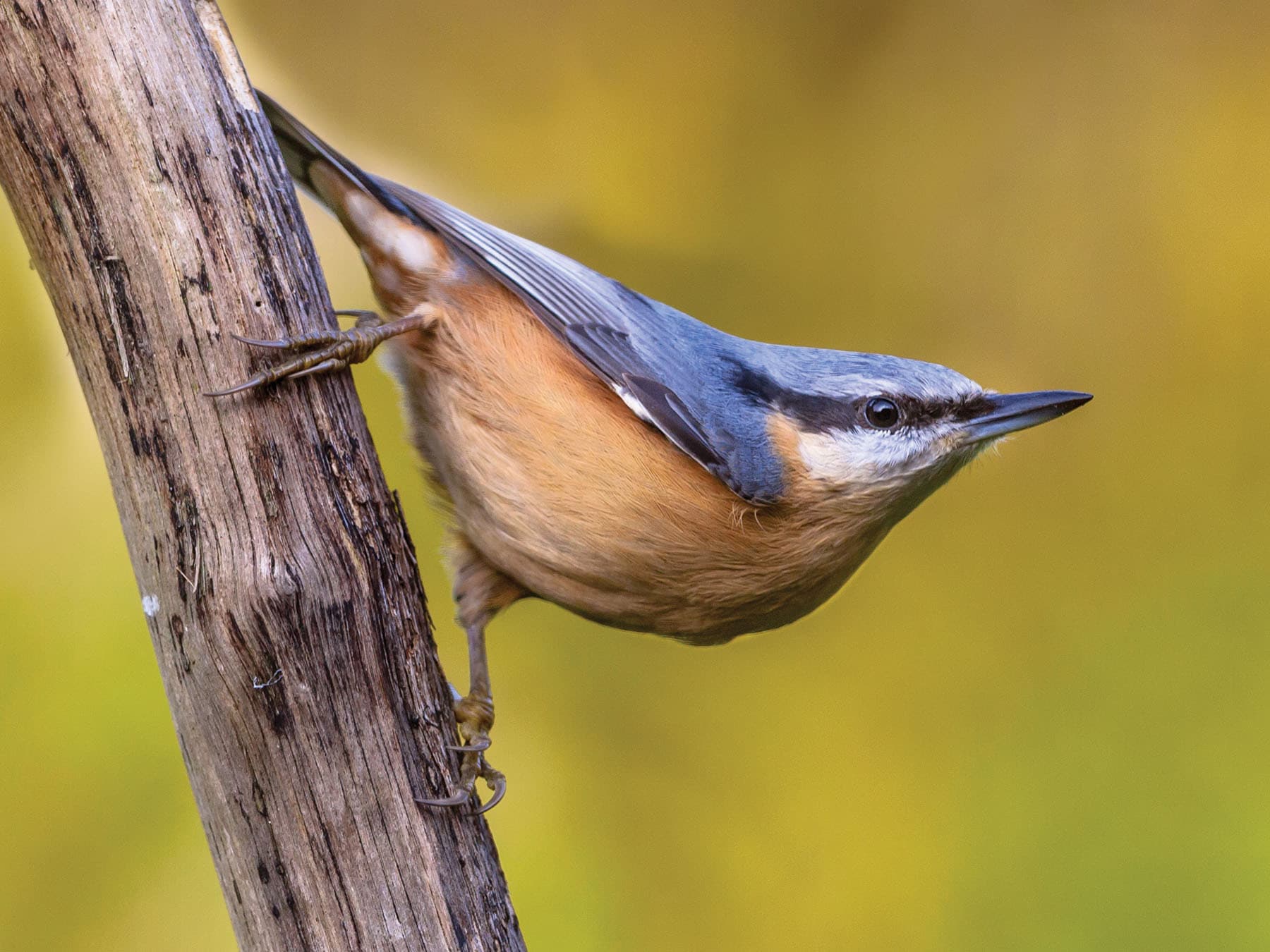
Eurasian Nuthatch
Sitta europaeaLC
An uncommon but widespread resident of mature deciduous woodland and parkland, often heard giving its loud ringing call.
Year-round
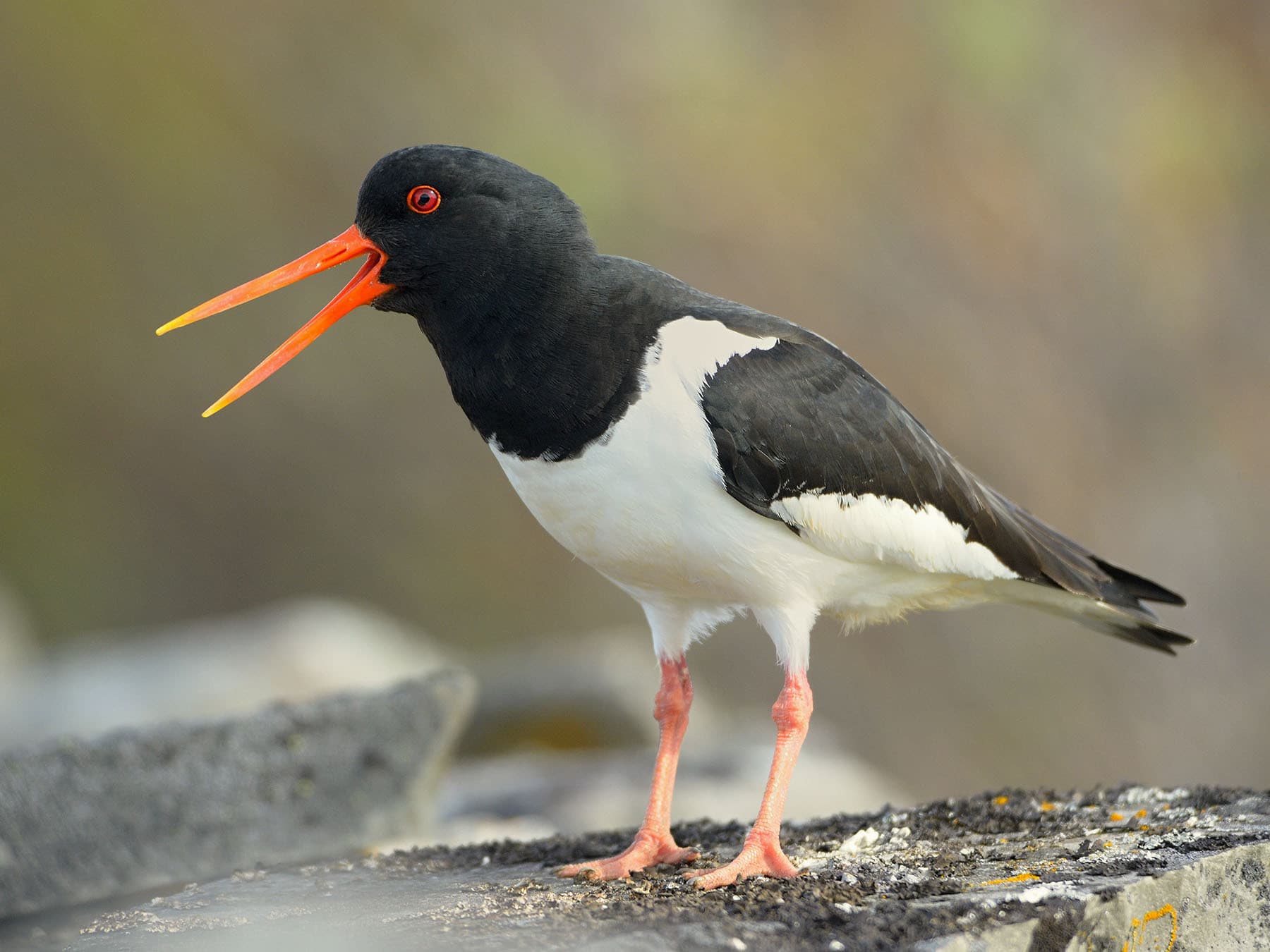
Eurasian Oystercatcher
Haematopus ostralegusNT
An uncommon resident increasingly breeding inland on gravel pits and reservoir margins. Present from January to August, with noisy piping displays in spring.
Jan–Aug
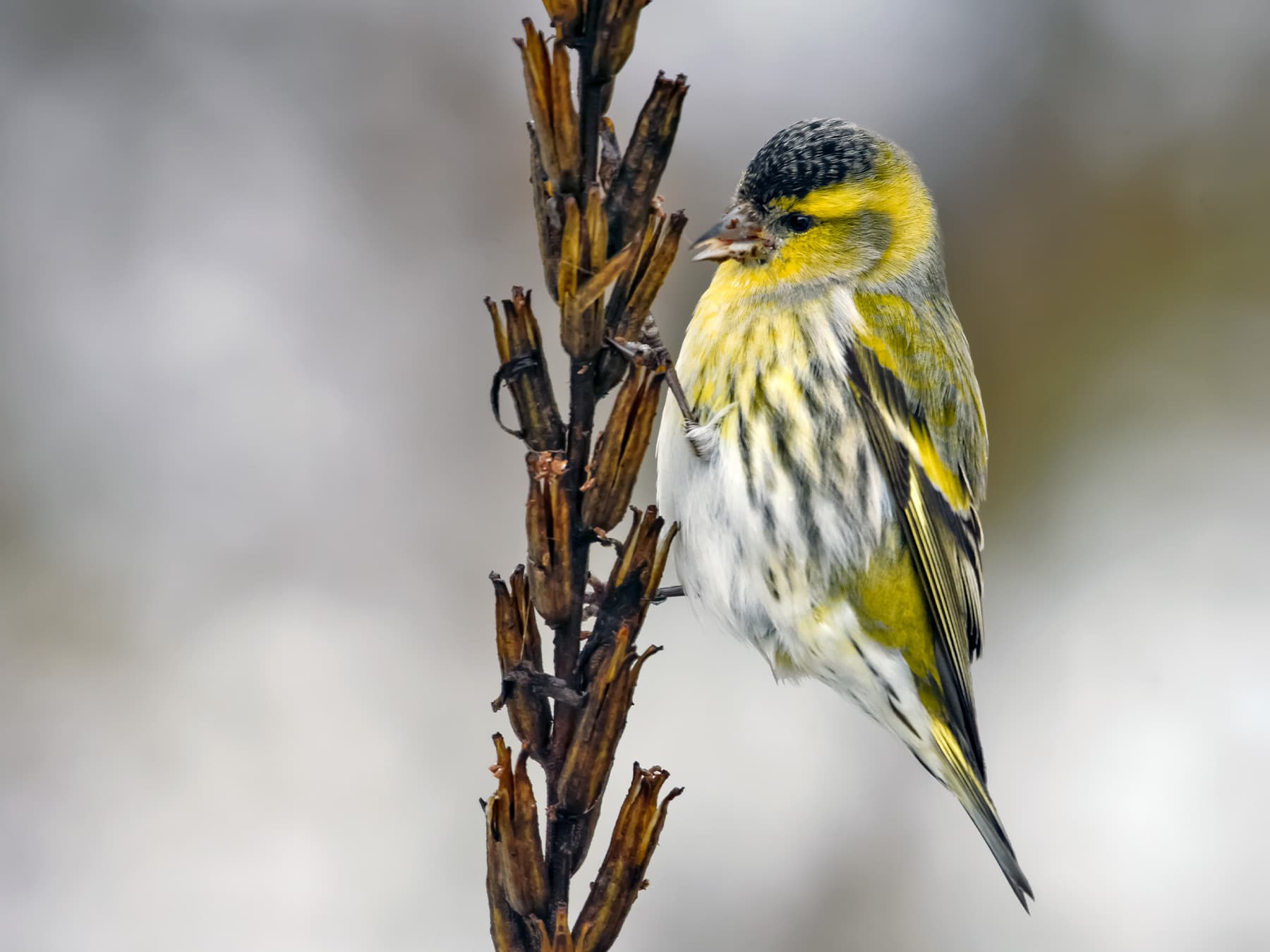
Eurasian Siskin
Spinus spinusLC
An uncommon resident found in alder and birch woodland, often visiting garden feeders in winter. Numbers swell in autumn with continental arrivals.
Jul–Apr
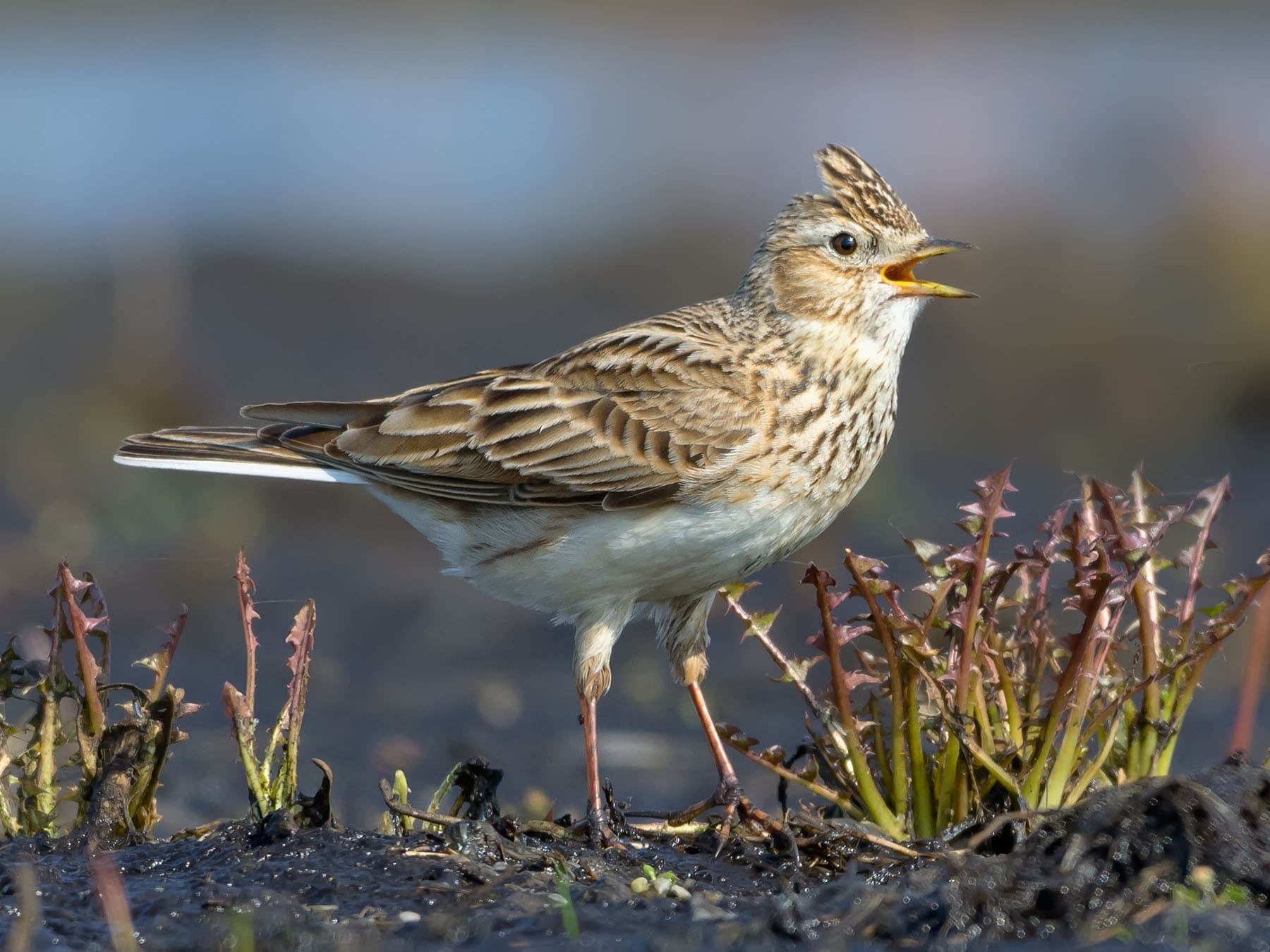
Eurasian Skylark
Alauda arvensisLC
An uncommon resident of open farmland and grassland, declining due to agricultural intensification but still heard singing over rural fields.
Year-round