Birds in Warwickshire
Explore 179 species found in this region.
Warwickshire, a landlocked county in the heart of England, supports a rich diversity of birdlife with 177 recorded species across its varied habitats. From the wetlands and reservoirs that attract wildfowl such as Common Merganser, Red-crested Pochard and Mandarin Duck, to the farmlands and woodlands home to familiar species like Great Tit, Magpie and Eurasian Woodcock, the county offers rewarding birdwatching throughout the year. Notable sites along river valleys and gravel pits also draw waders including Northern Lapwing and Common Sandpiper, making Warwickshire a surprisingly productive birding destination.
Visiting in September? Look out for Arctic Tern and Eurasian Siskin arriving this month, and Black-necked Grebe and Black-tailed Godwit depart for the season.


Showing 24–46 of 179 species
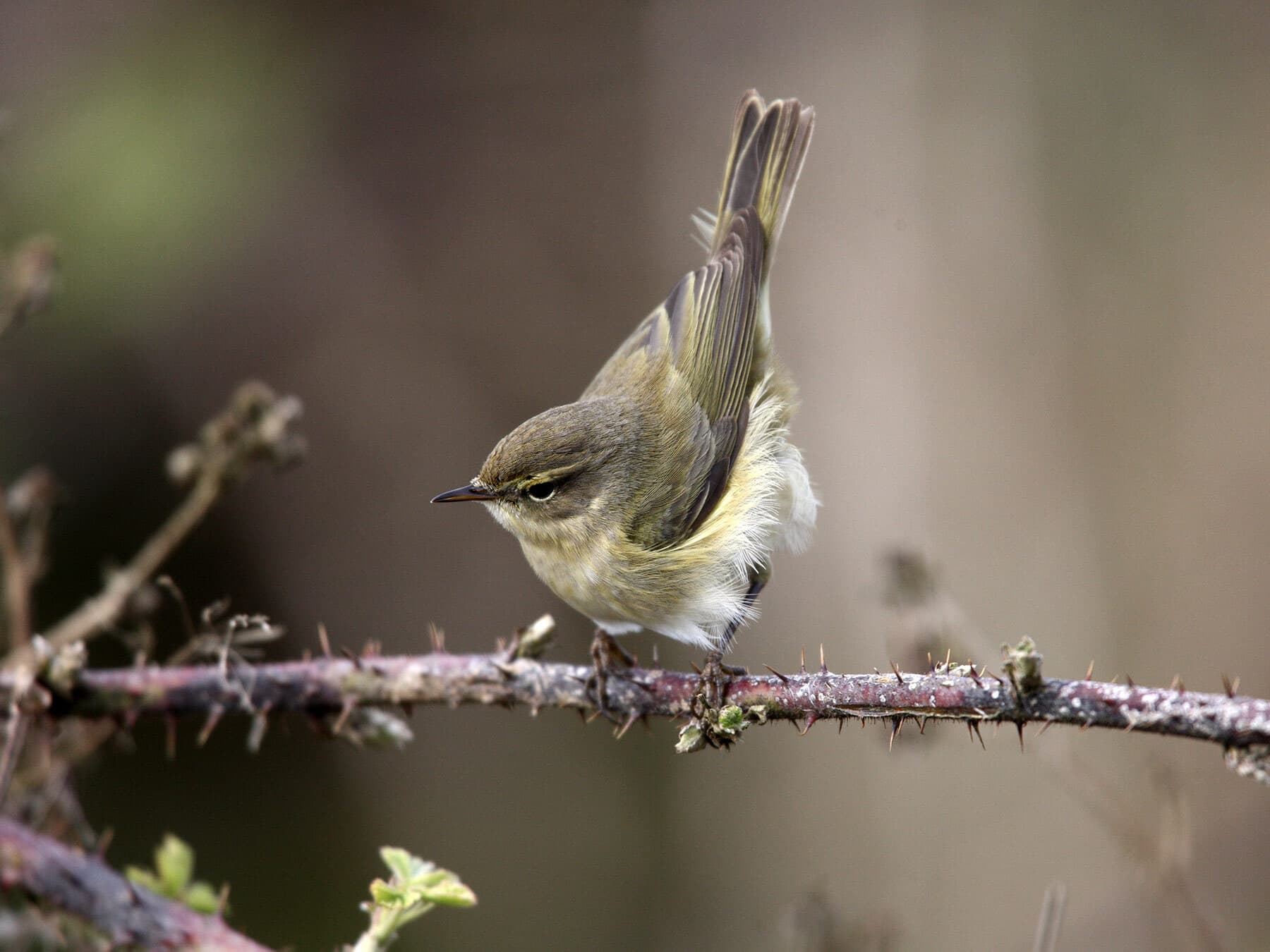
Chiffchaff
Phylloscopus collybitaLC
A common warbler found year-round, with numbers boosted by continental migrants in autumn. Its repetitive song is a familiar sound in woodland and scrub.
Year-round
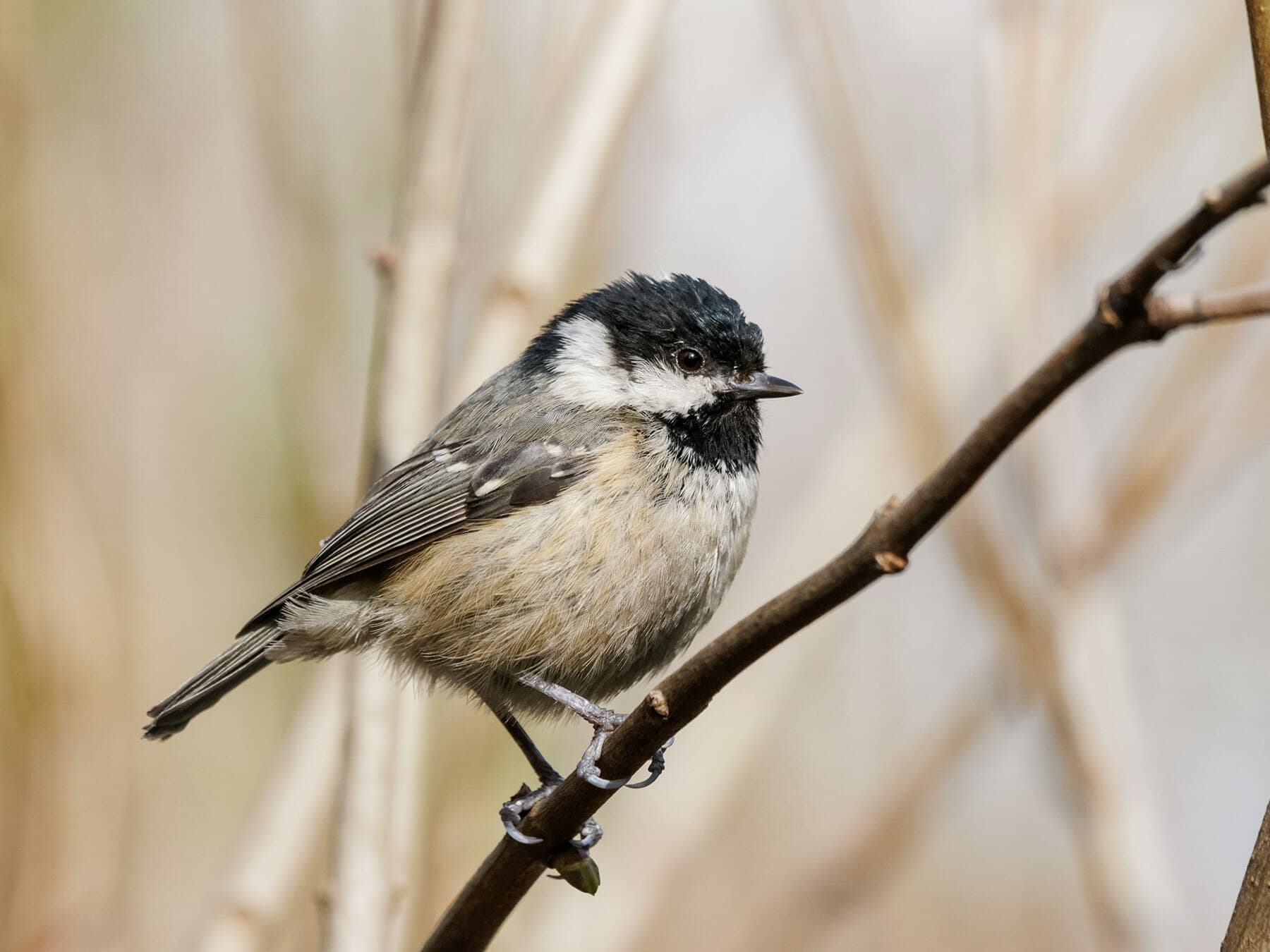
Coal Tit
Periparus aterLC
An uncommon resident of coniferous and mixed woodland, also visiting garden feeders in winter. Less widespread than Blue and Great Tits across the county.
Year-round
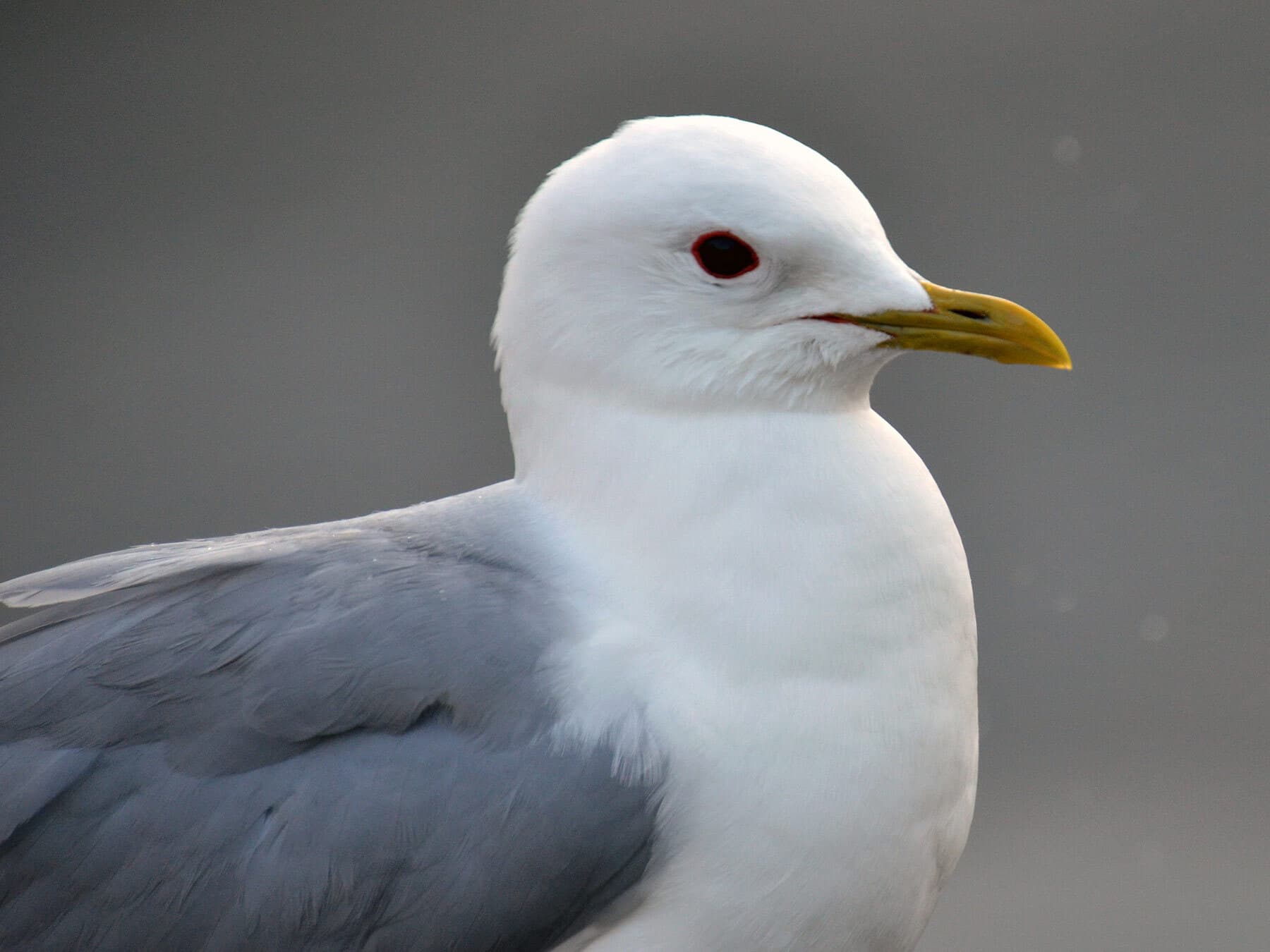
Common Gull
Larus canusLC
An uncommon year-round resident, often seen on playing fields and reservoir shores. Numbers increase in winter with visiting birds.
Year-round
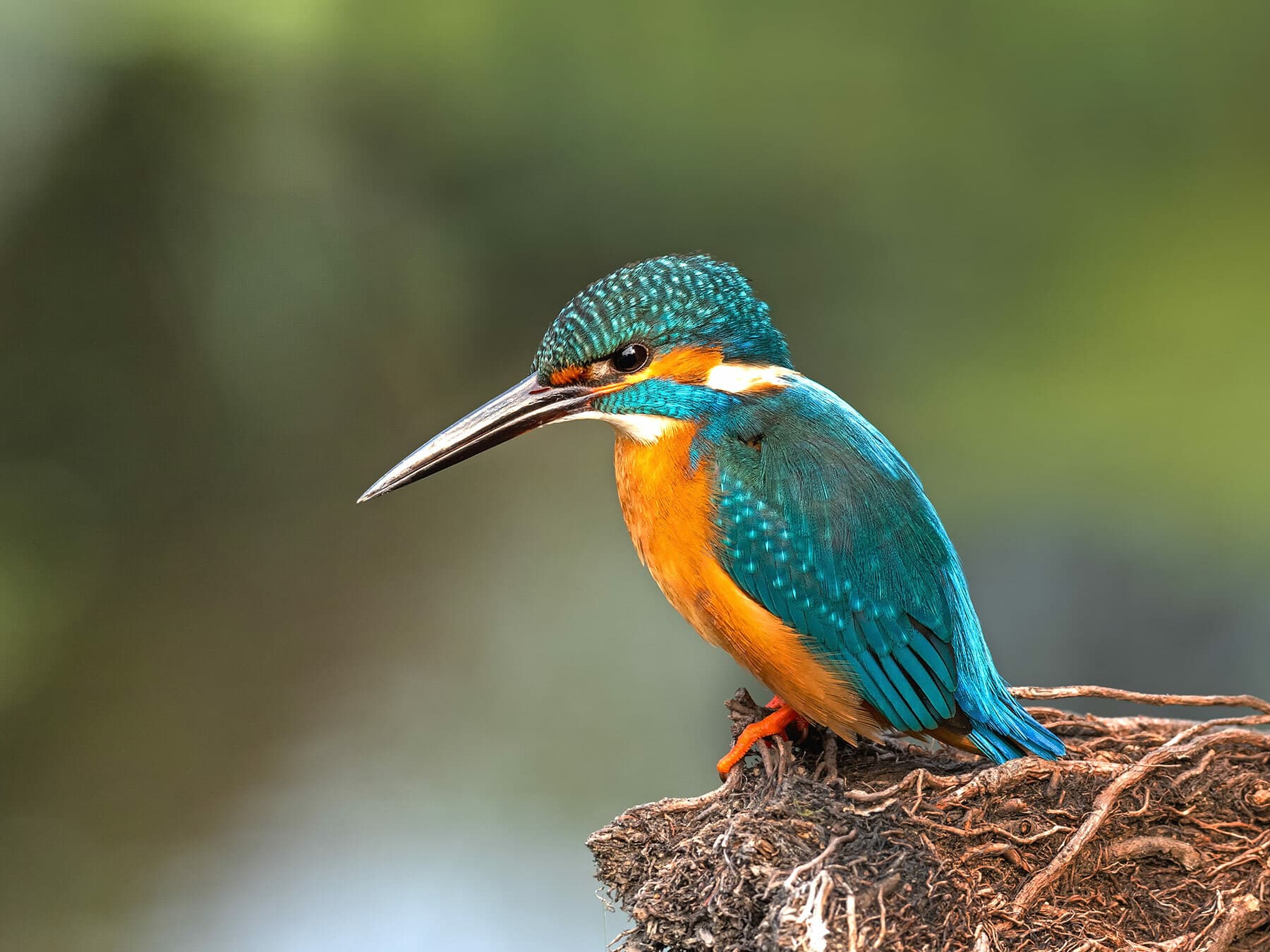
Common Kingfisher
Alcedo atthisLC
An uncommon but year-round resident along rivers, canals and lakes. Often glimpsed as a flash of electric blue along the Avon and its tributaries.
Year-round
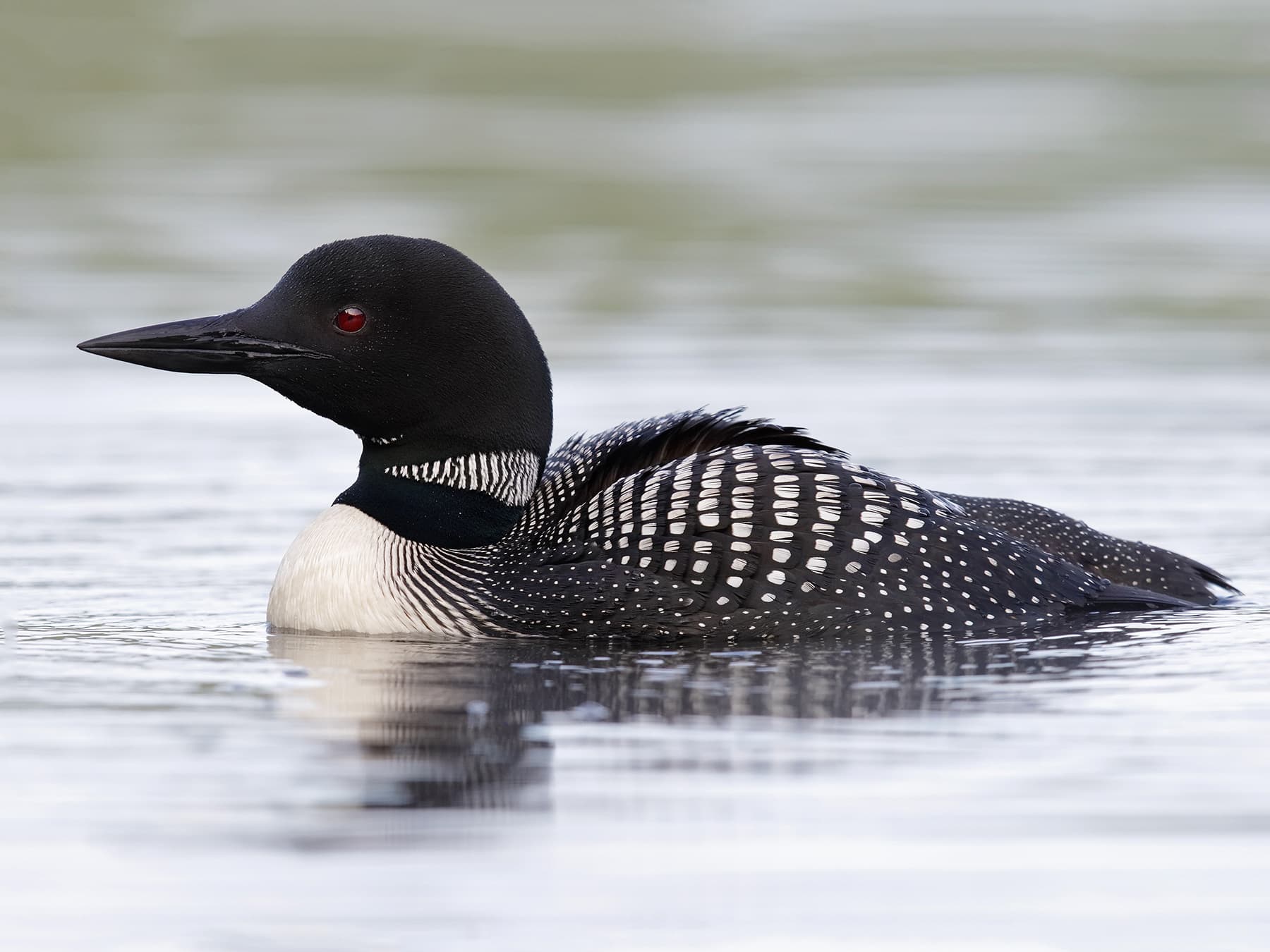
Common Loon
Gavia immerLC
A rare non-breeding visitor to larger reservoirs between autumn and spring. Draycote Water is the most likely site in the county.
Nov–Apr
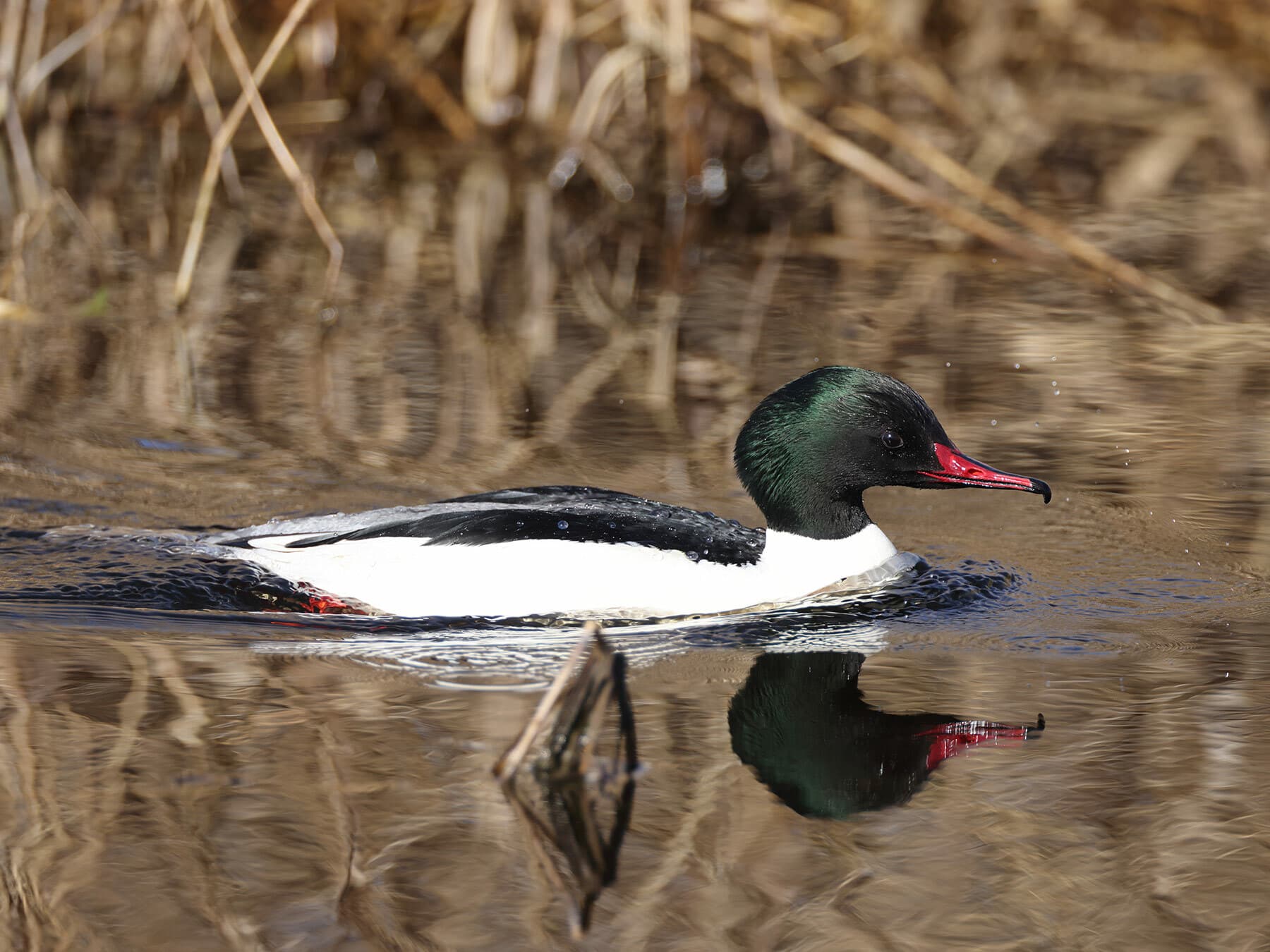
Common Merganser
Mergus merganserLC
An uncommon resident on rivers and larger waterbodies, sometimes seen in small parties fishing along the Avon and its tributaries.
Year-round
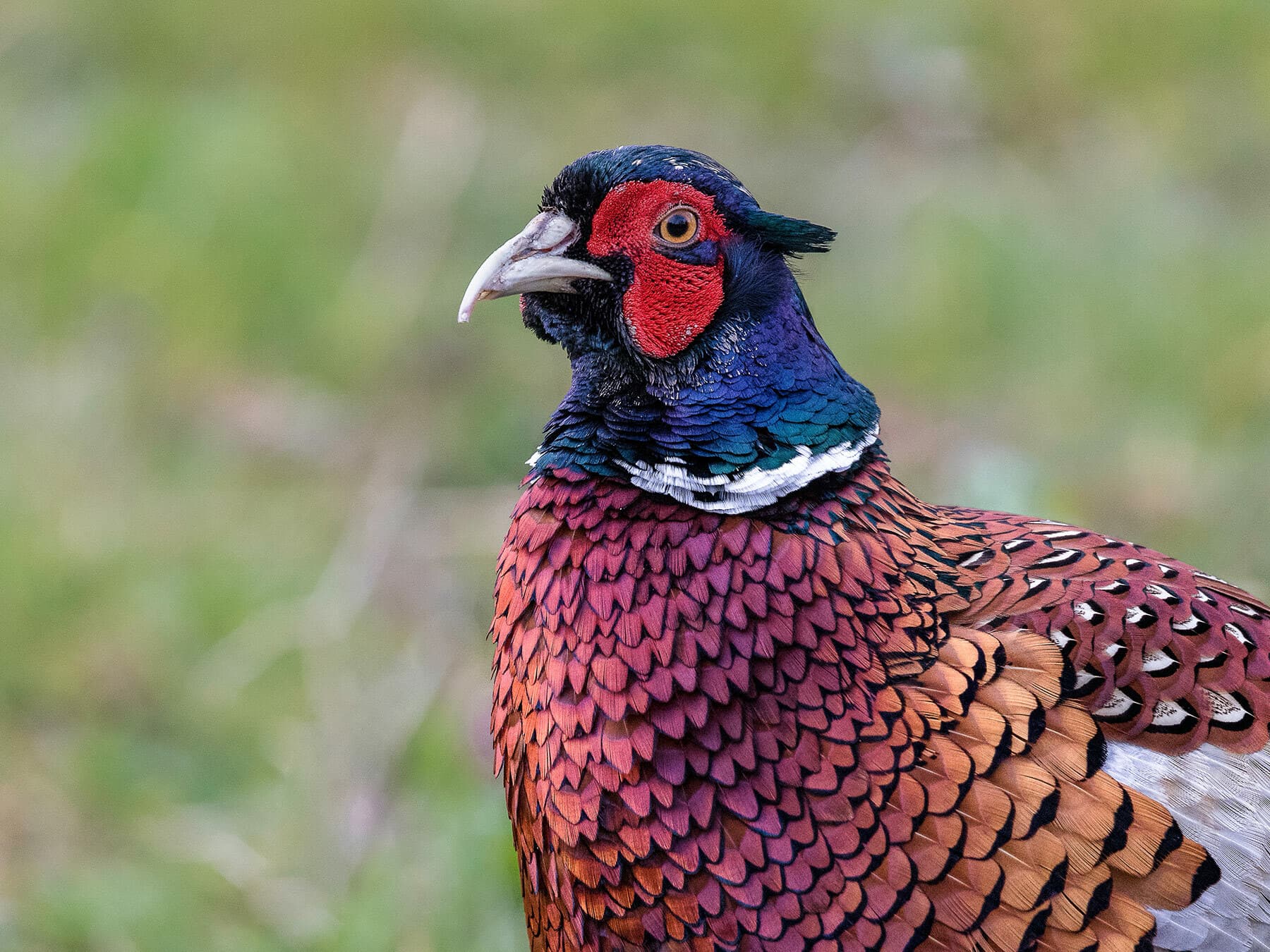
Common Pheasant
Phasianus colchicusLC
A common resident of farmland, hedgerows, and woodland edges, widely released for shooting across the county.
Year-round
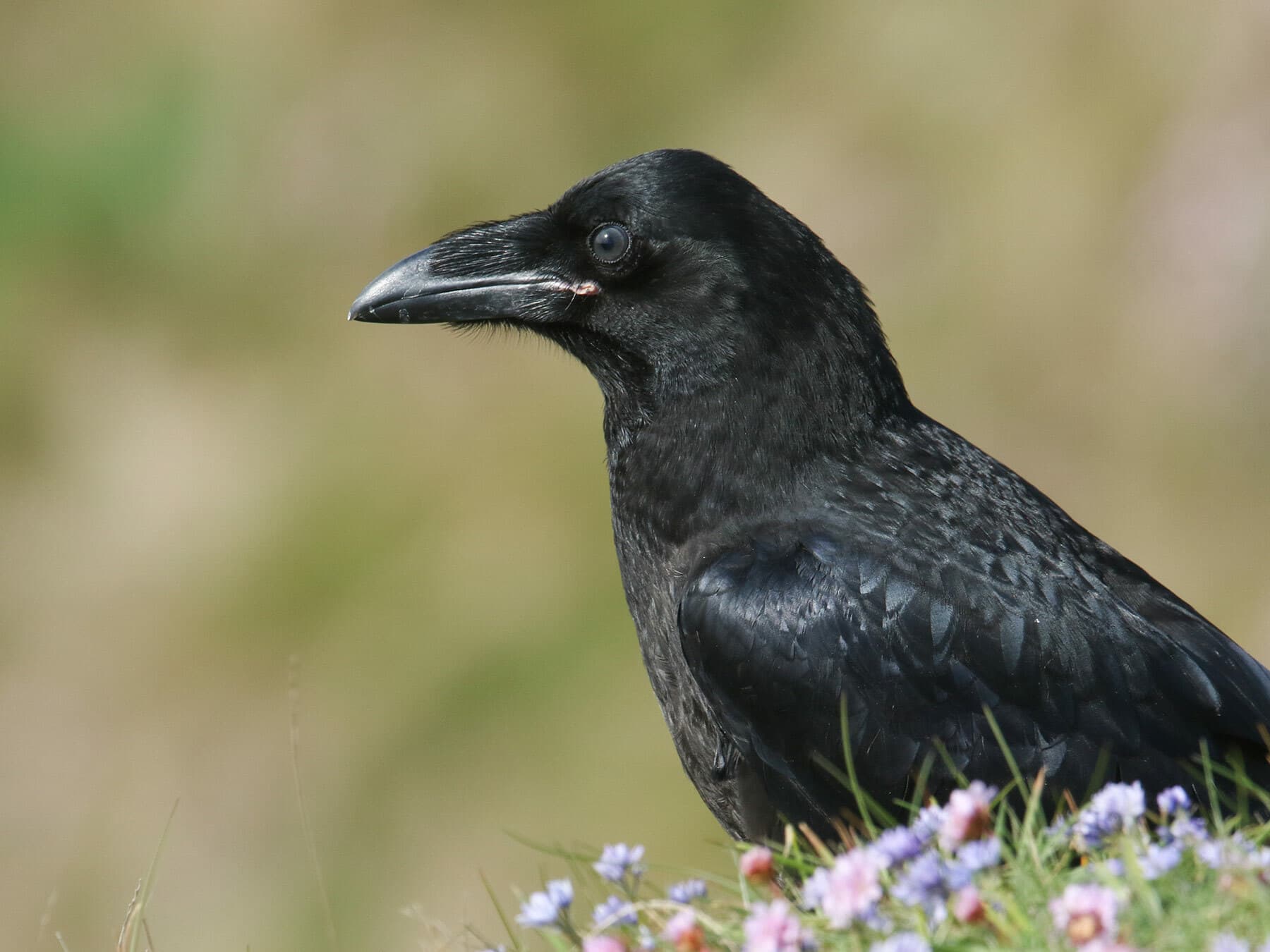
Common Raven
Corvus coraxLC
An uncommon but increasing resident, recolonising the Midlands after a long absence. Its deep cronking call is now heard more regularly over Warwickshire's countryside.
Year-round
Spotted something?
Upload a photo to identify it
Identify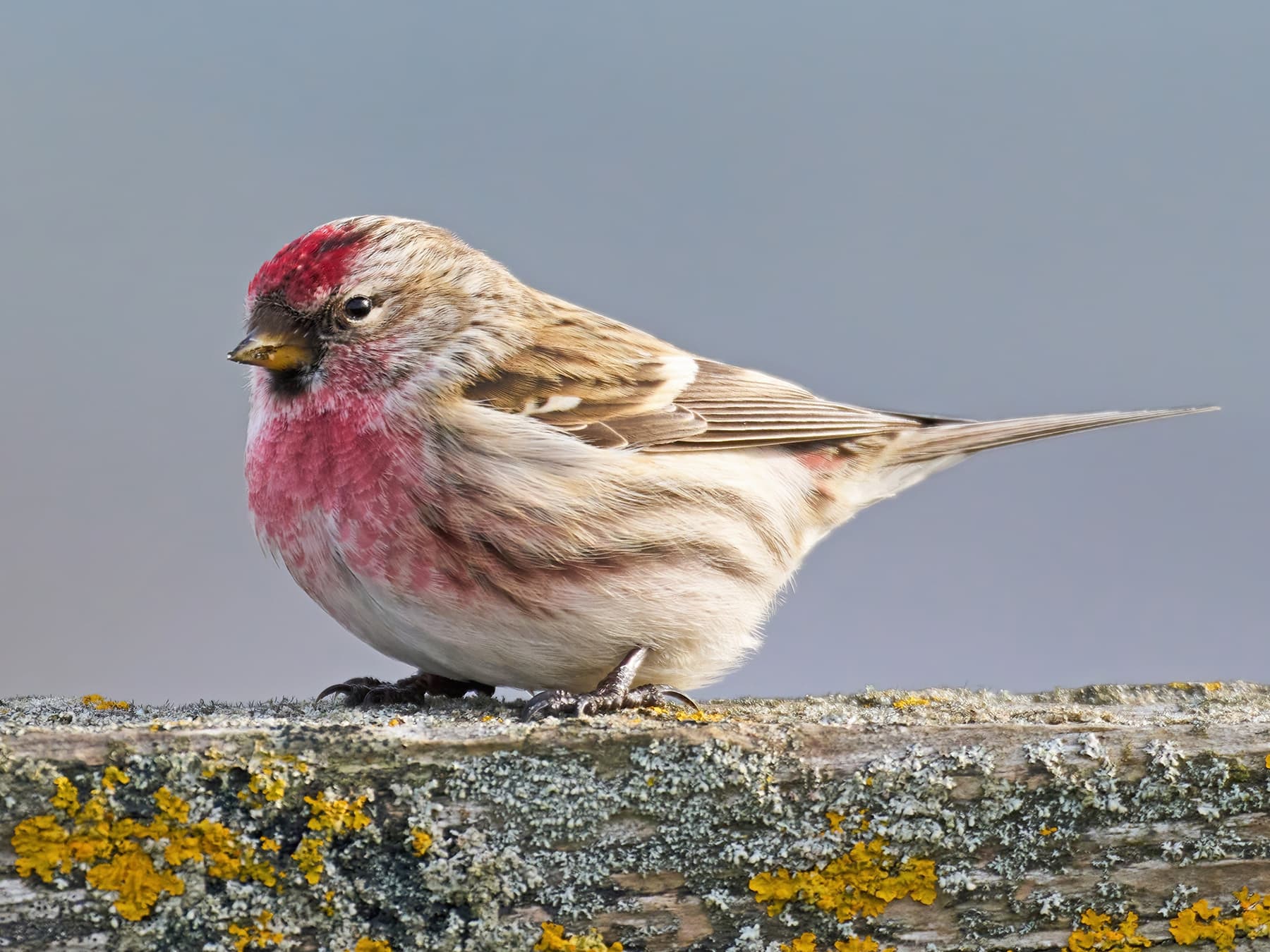
Common Redpoll
Acanthis flammeaLC
An uncommon non-breeding visitor found in birch and alder woodland from autumn to spring. Numbers vary considerably between years across Warwickshire.
Oct–Apr
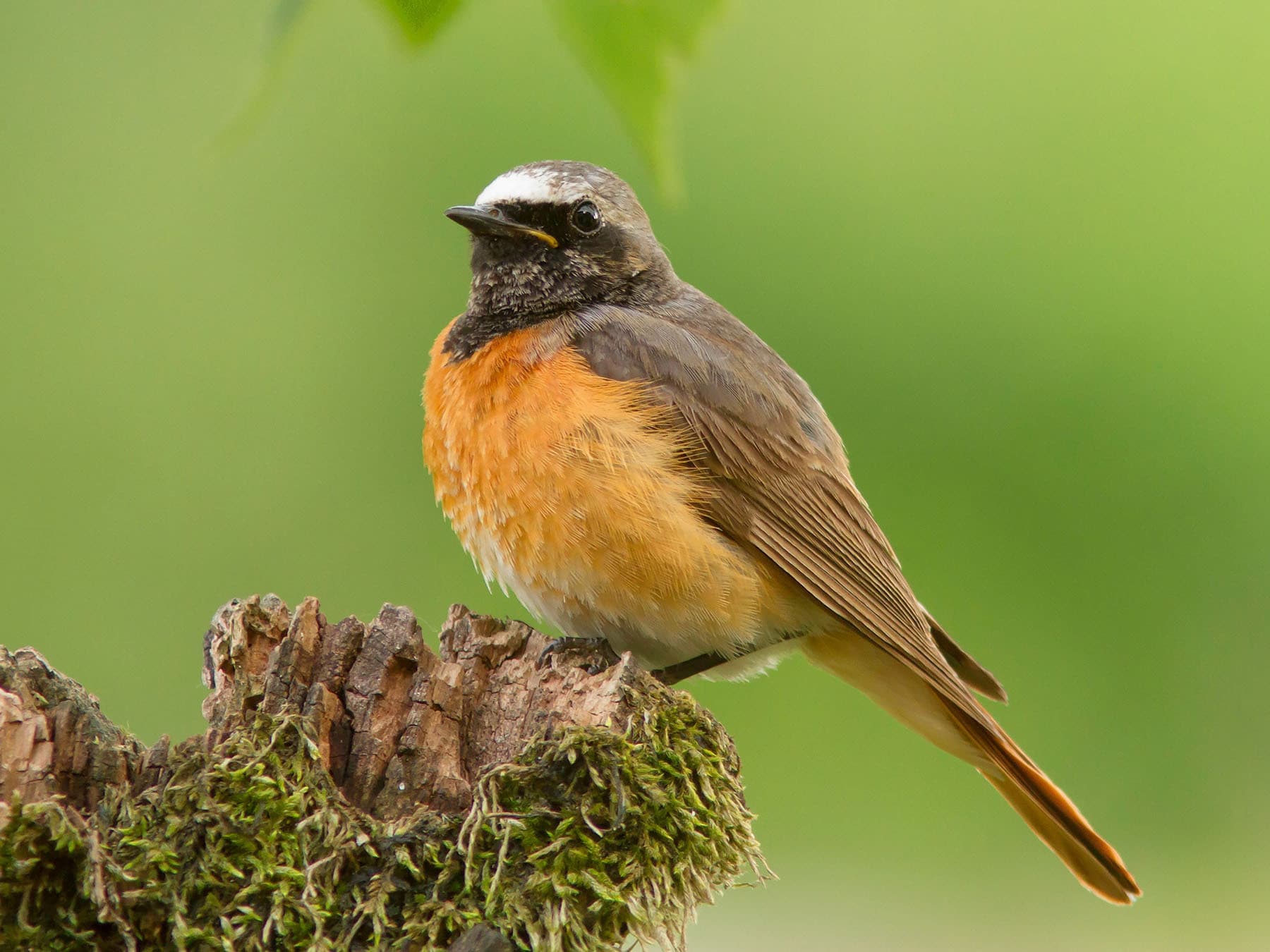
Common Redstart
Phoenicurus phoenicurusLC
A rare breeding visitor, favouring mature oak woodland with nest holes. Most likely encountered in the county's older wooded areas from April to September.
Apr–Sep
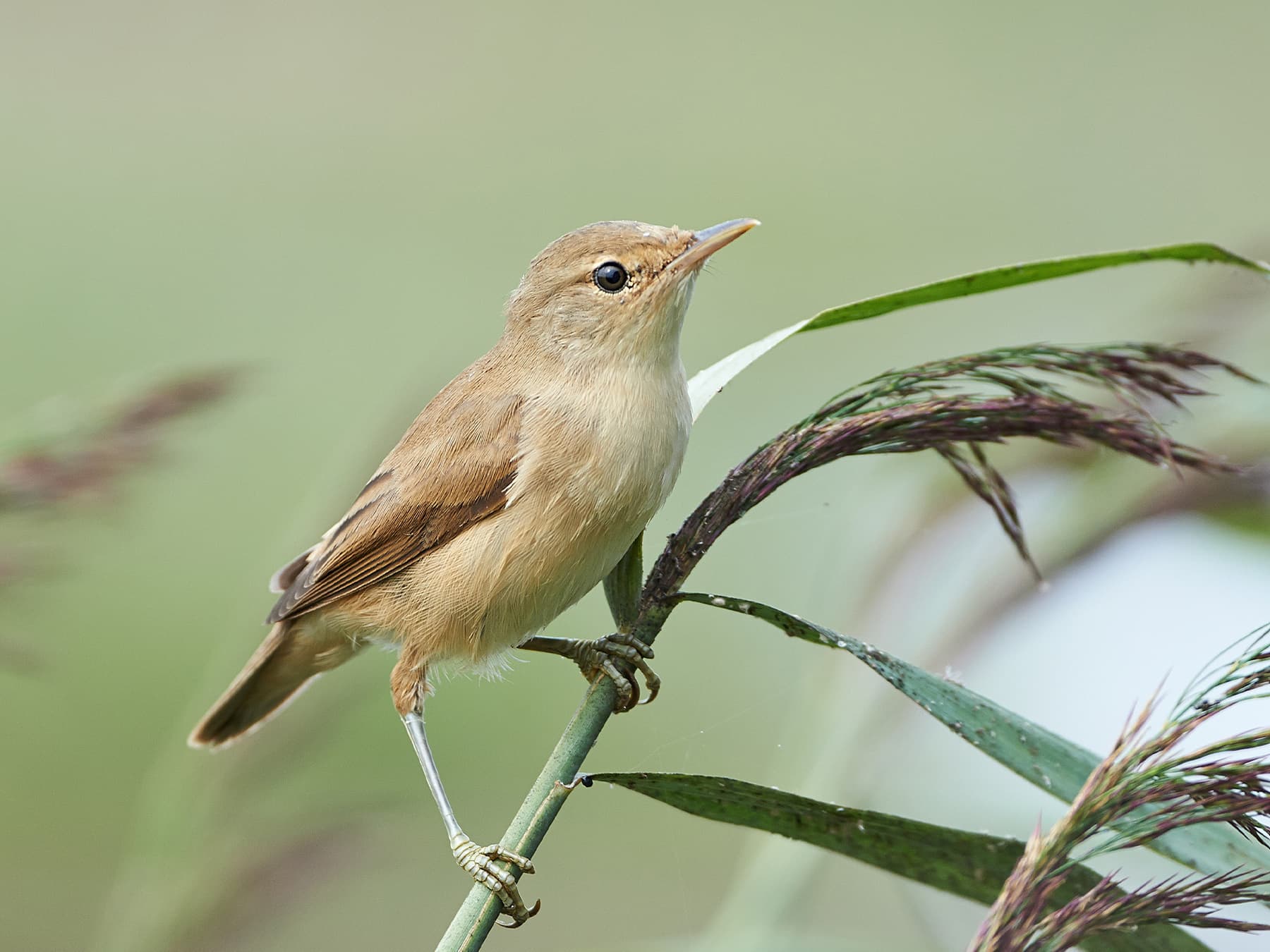
Common Reed-warbler
Acrocephalus scirpaceusLC
A common summer breeder arriving in April, nesting in reedbeds at sites like Brandon Marsh. Its repetitive chattering song carries across wetland reserves.
Apr–Sep
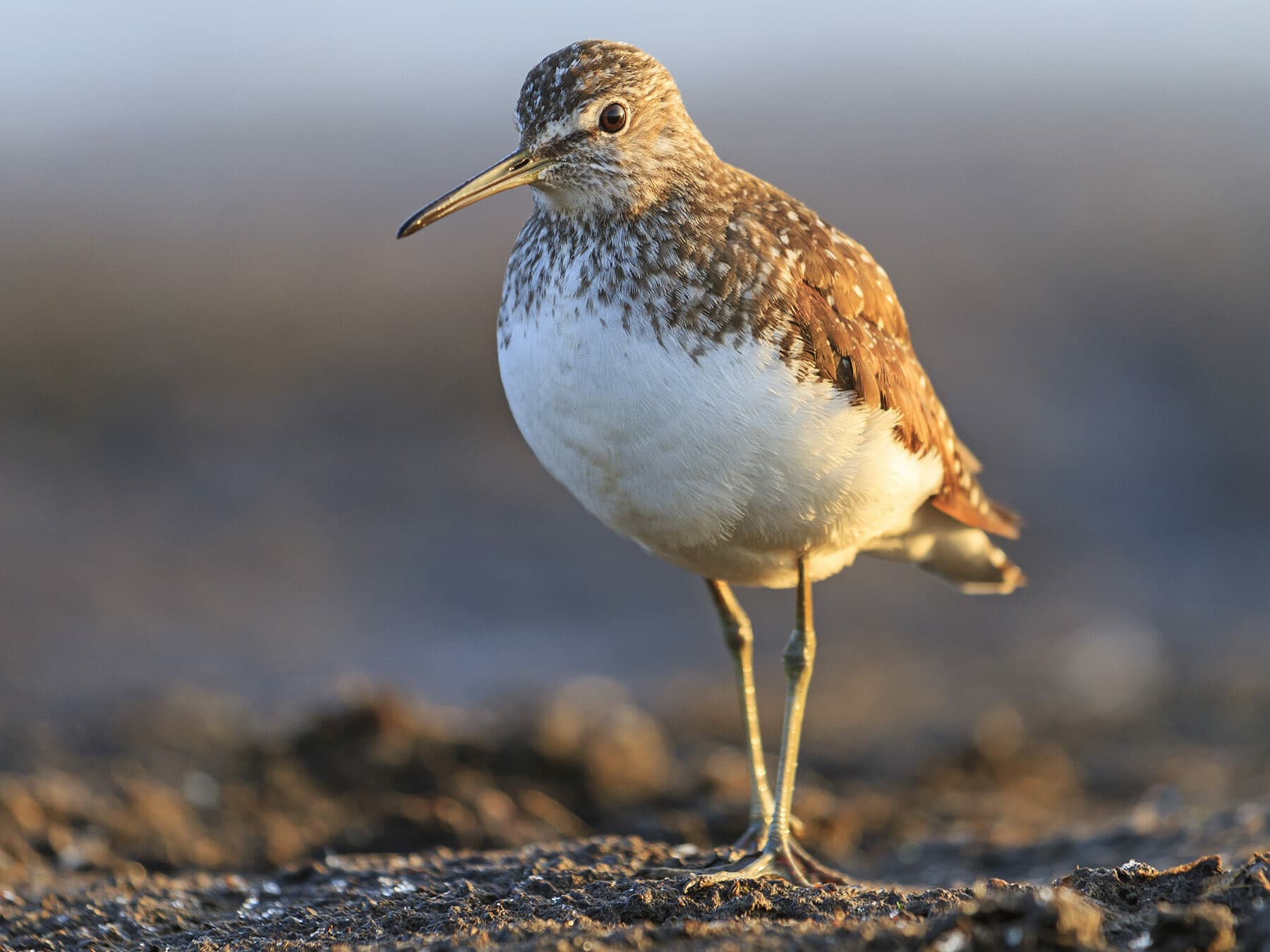
Common Sandpiper
Actitis hypoleucosLC
An uncommon visitor found along reservoir edges and river margins, mainly from spring through autumn on passage.
Apr–Dec
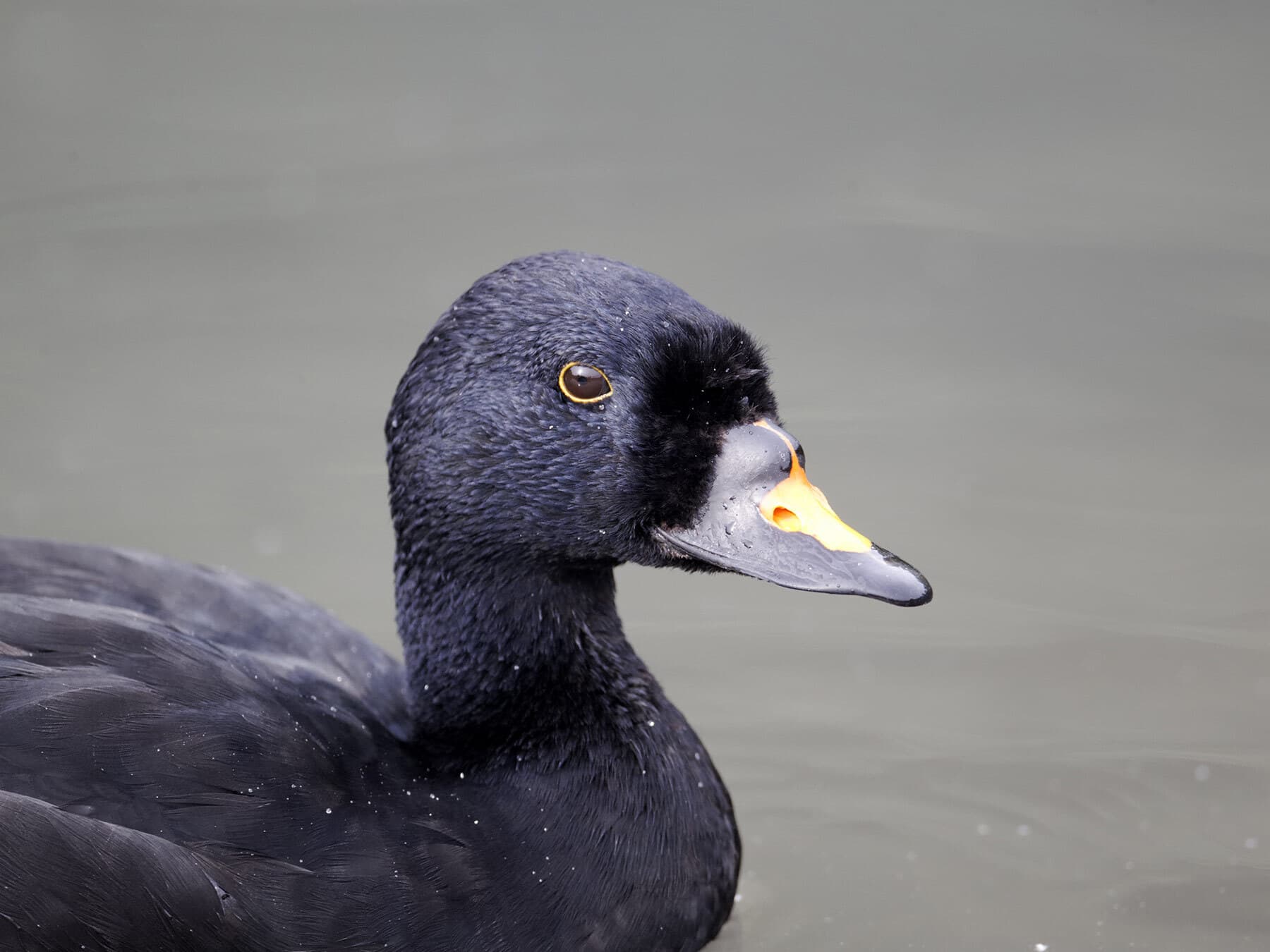
Common Scoter
Melanitta nigraLC
A rare non-breeding visitor to larger reservoirs in winter months, this sea duck is always a notable inland record.
Dec–Mar
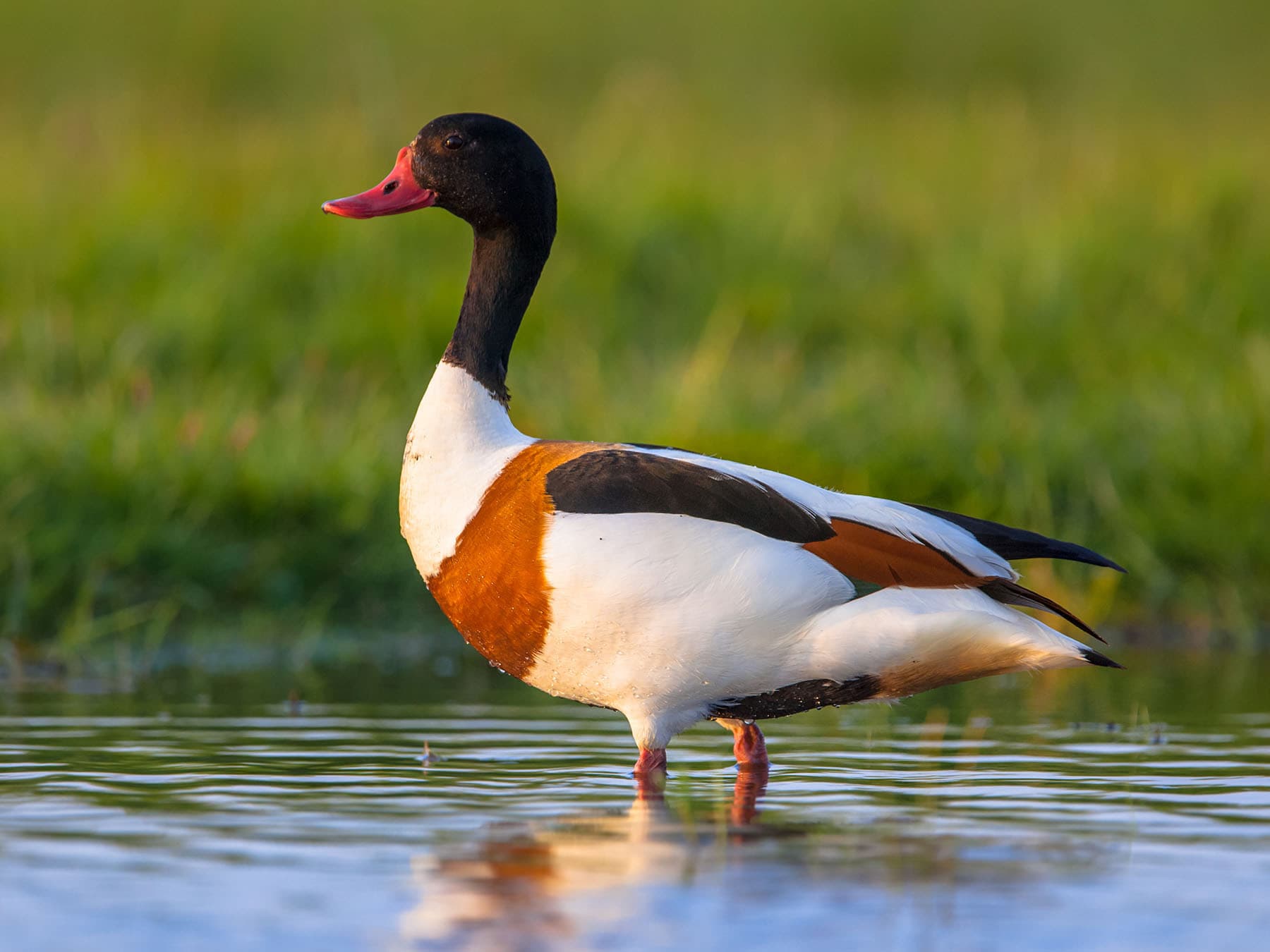
Common Shelduck
Tadorna tadornaLC
An uncommon resident found year-round on larger reservoirs and gravel pits, often seen loafing on muddy margins.
Year-round
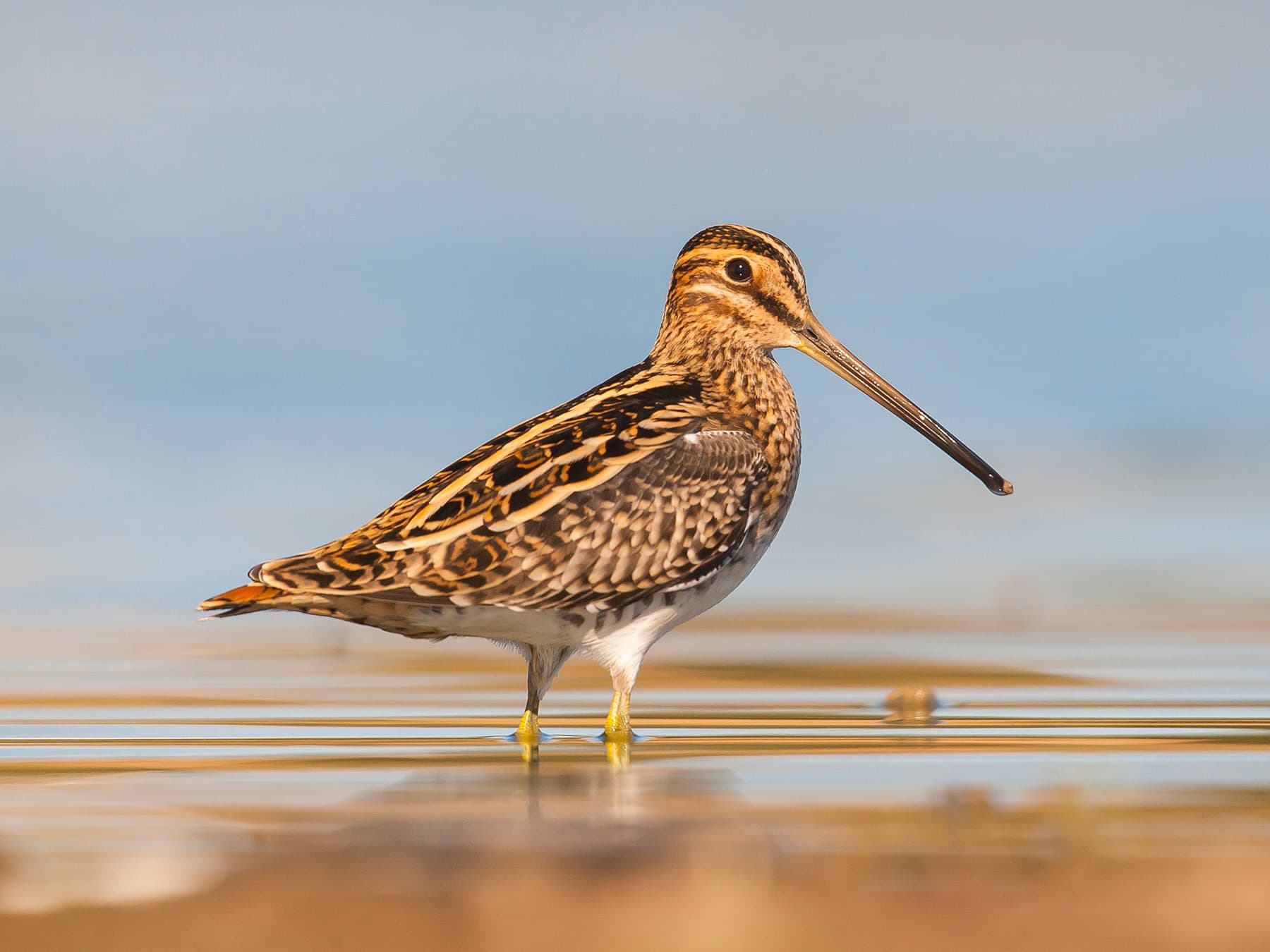
Common Snipe
Gallinago gallinagoLC
An uncommon year-round resident, probing wet grassland and marshy areas, with numbers boosted by winter arrivals.
Year-round
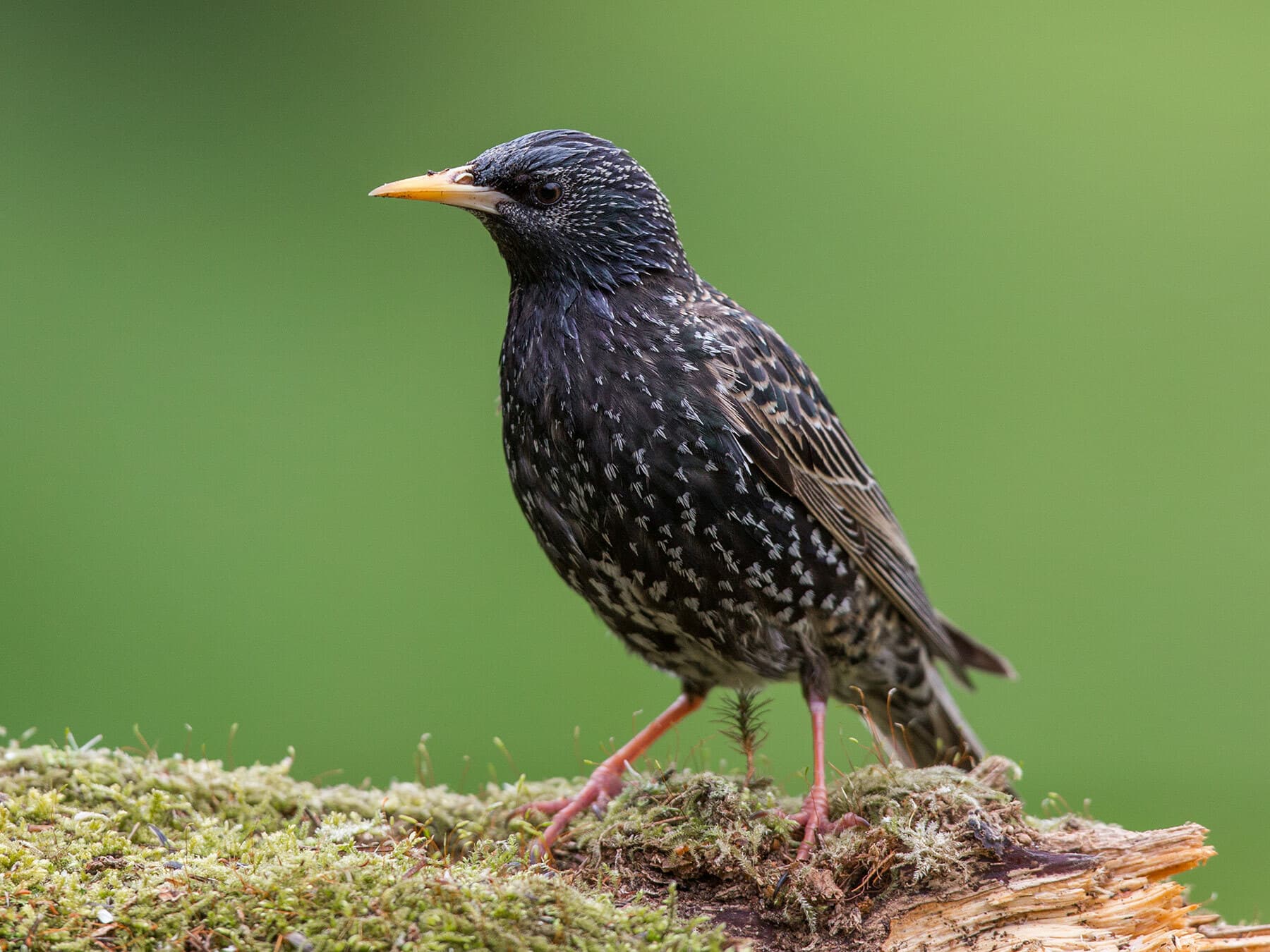
Common Starling
Sturnus vulgarisLC
A common year-round resident, though nationally declining. Winter roosts in towns can attract spectacular murmurations over Warwickshire's urban centres.
Year-round
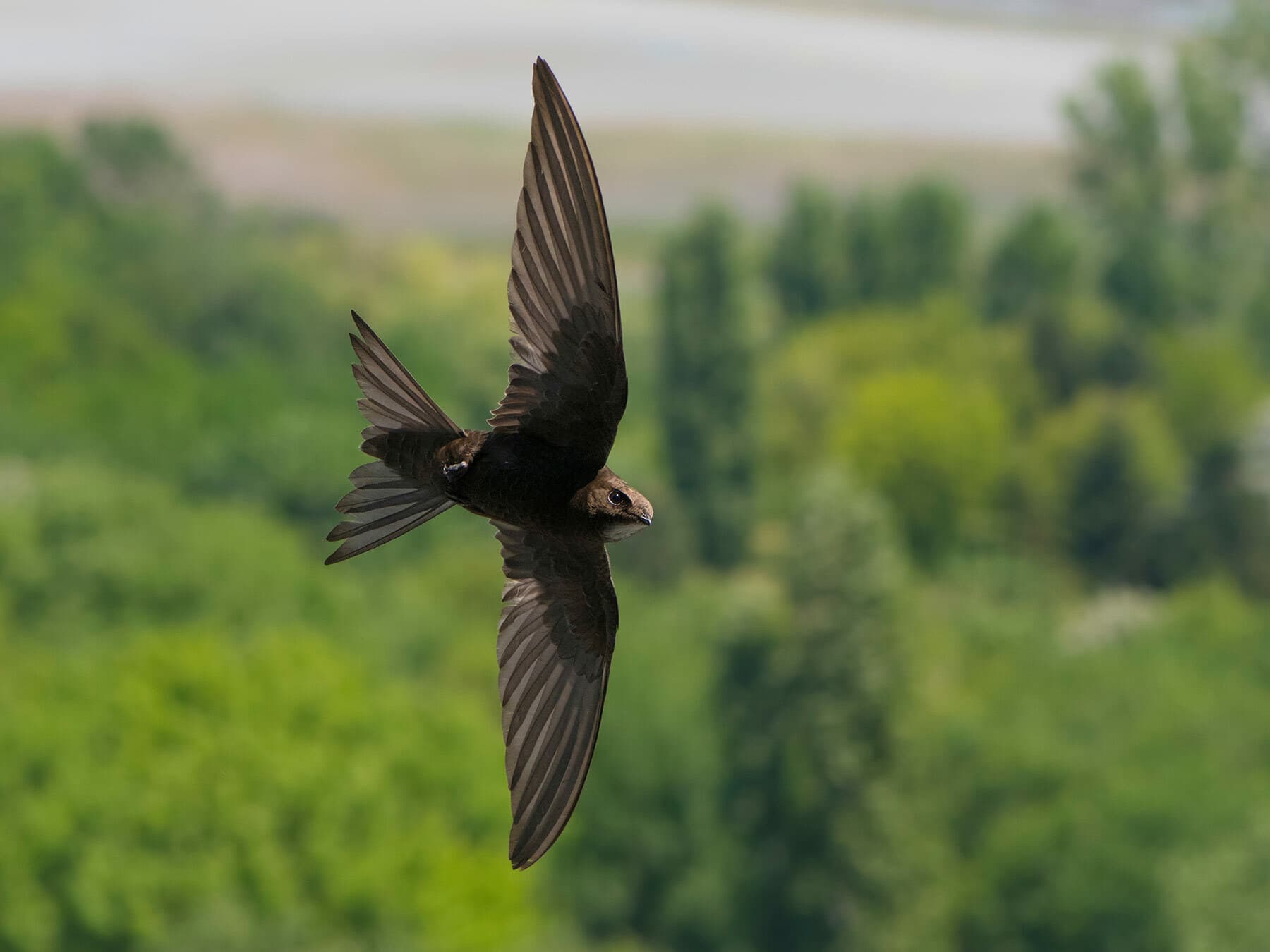
Common Swift
Apus apusLC
A common summer breeder arriving in April and departing by September, nesting in older buildings in towns and villages.
Apr–Sep
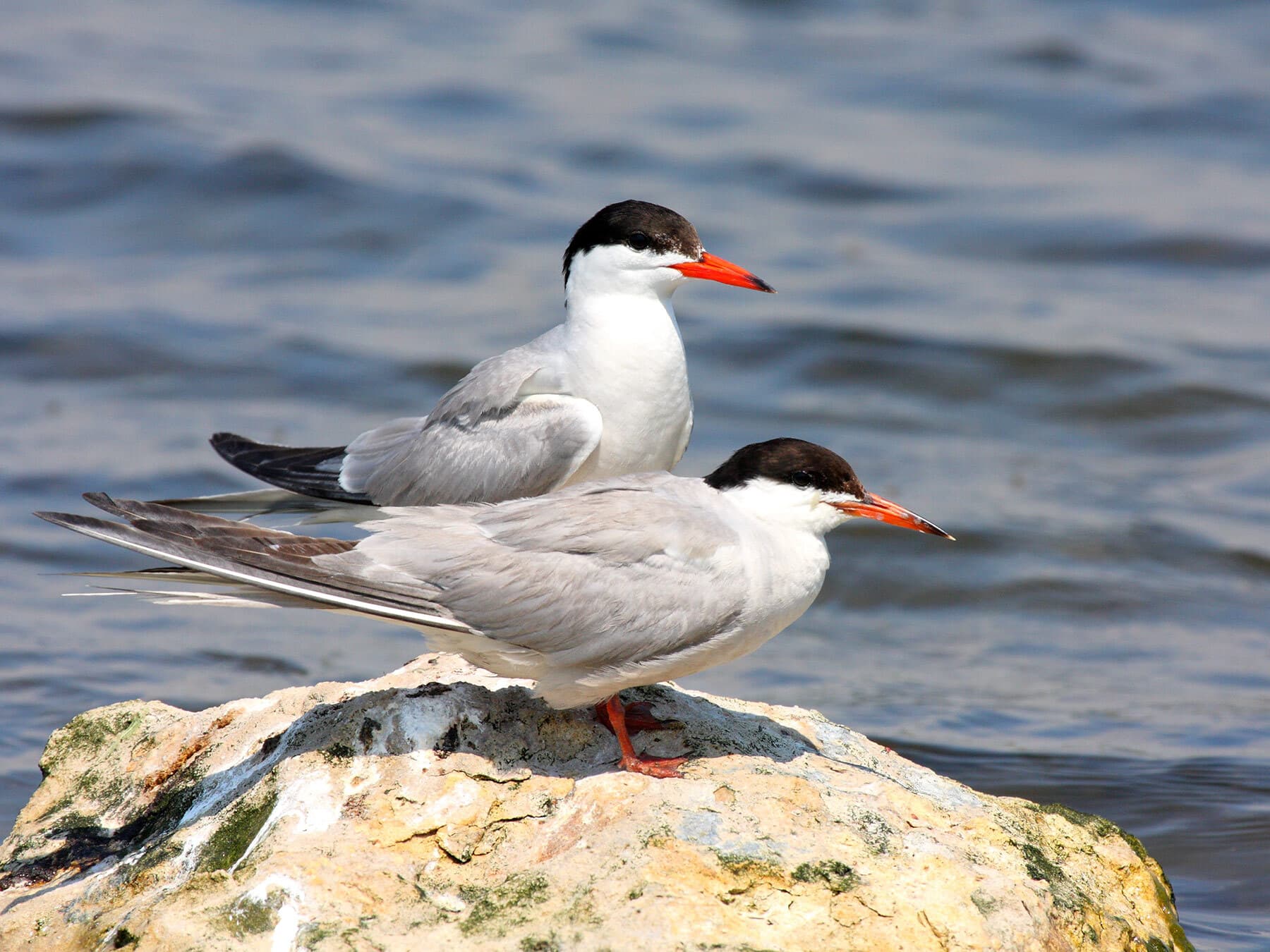
Common Tern
Sterna hirundoLC
A summer breeding visitor to reservoirs and gravel pits, arriving in April. Draycote Water holds a notable nesting colony on rafts.
Apr–Sep
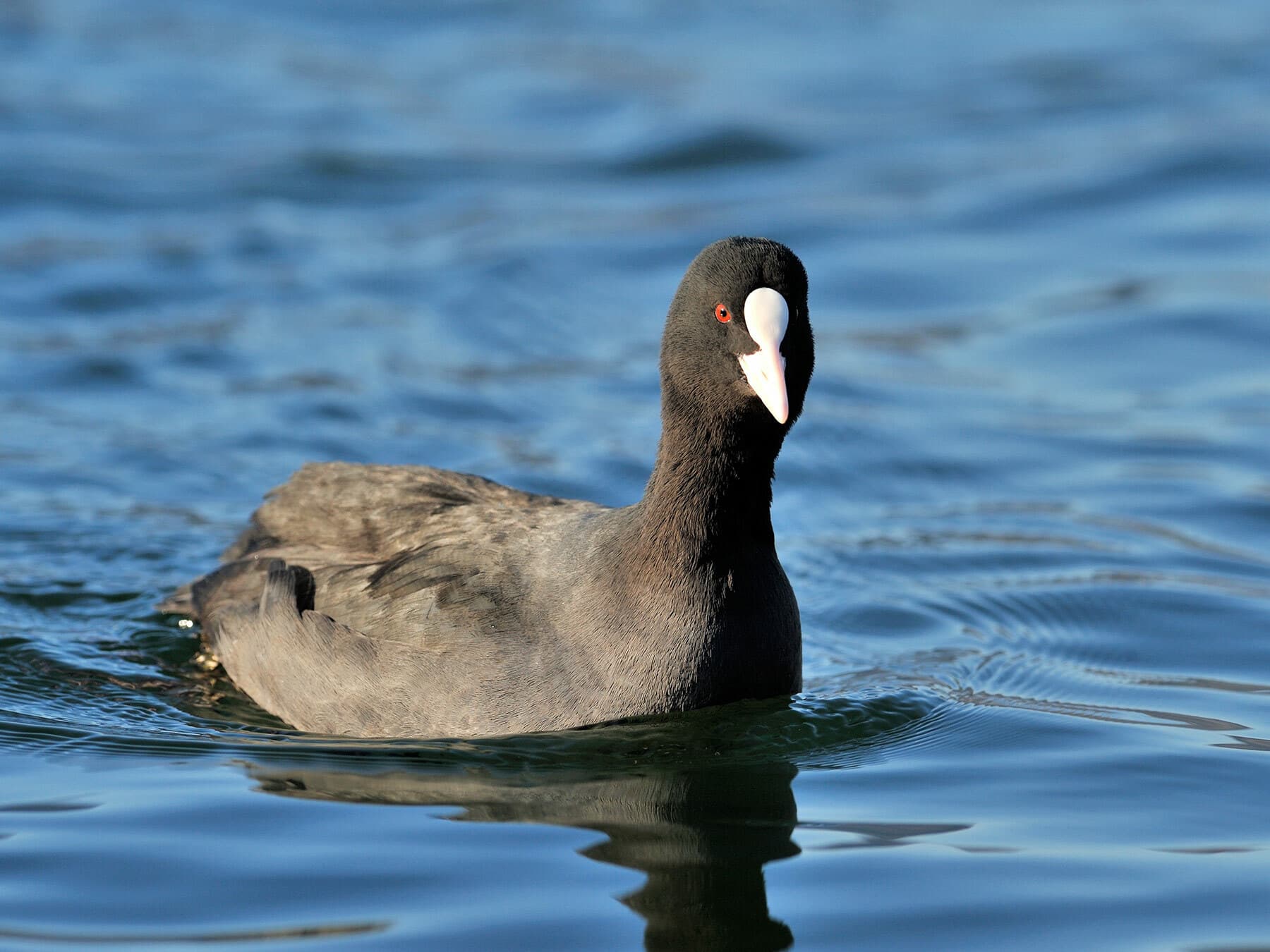
Coot
Fulica atraLC
A common year-round resident on lakes, reservoirs, and canals. Large winter flocks gather at sites like Draycote Water.
Year-round
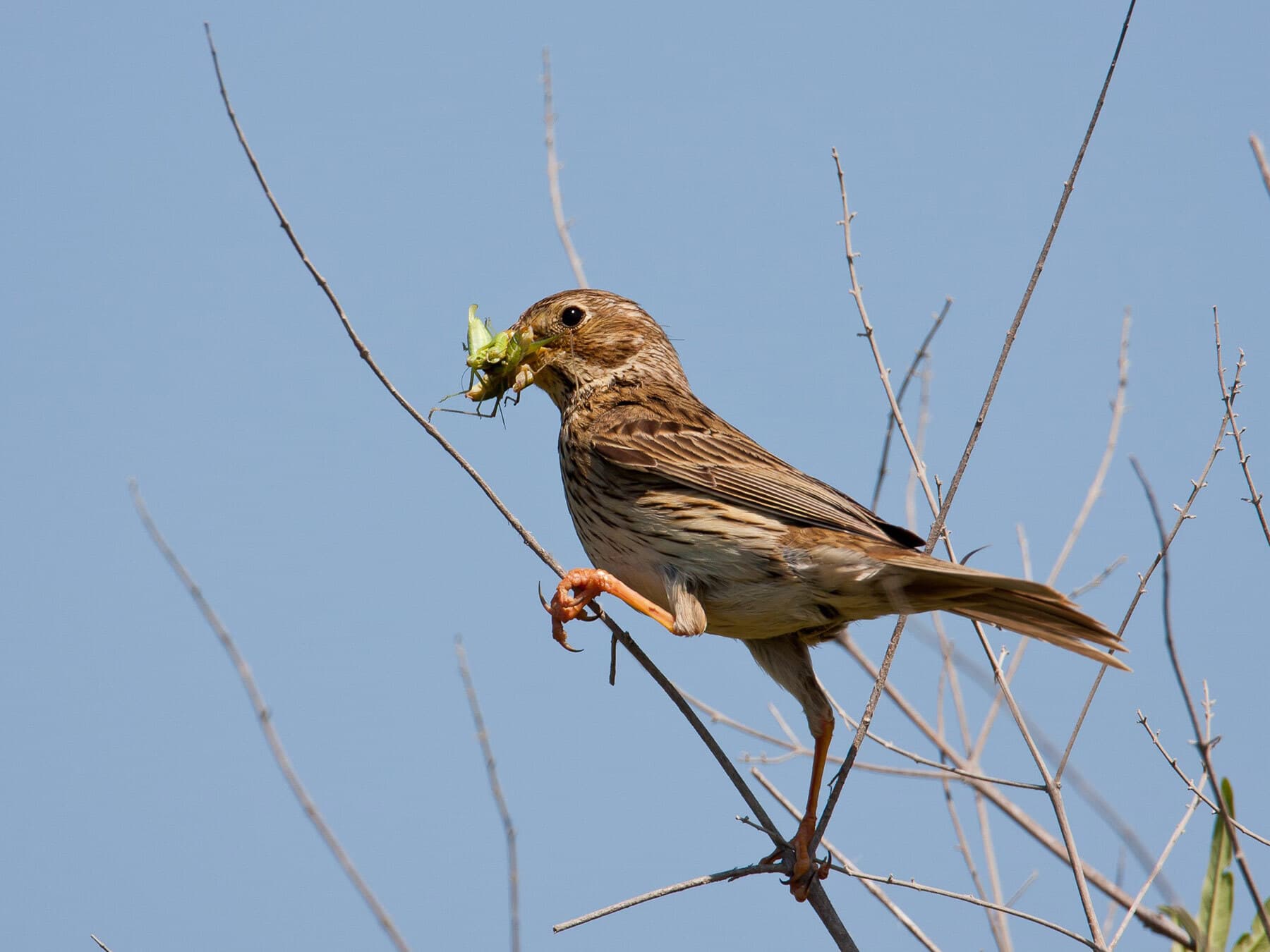
Corn Bunting
Emberiza calandraLC
A rare passage visitor, now largely absent as a breeding bird from Warwickshire. March records suggest occasional wanderers from remaining strongholds.
Mar
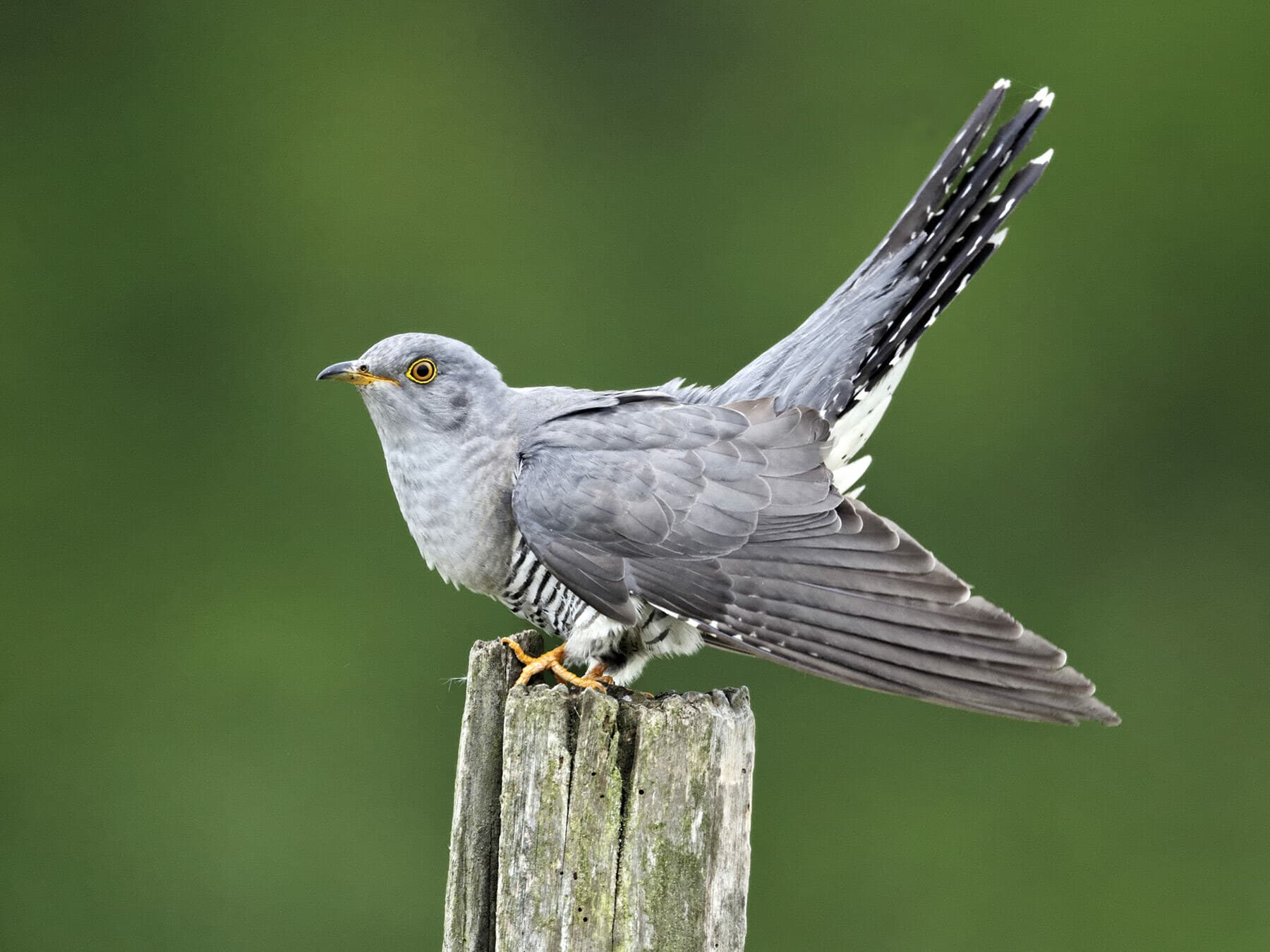
Cuckoo
Cuculus canorusLC
An uncommon summer breeder, arriving in April with its distinctive call heard around woodland edges and reedbeds until July.
Apr–Jul
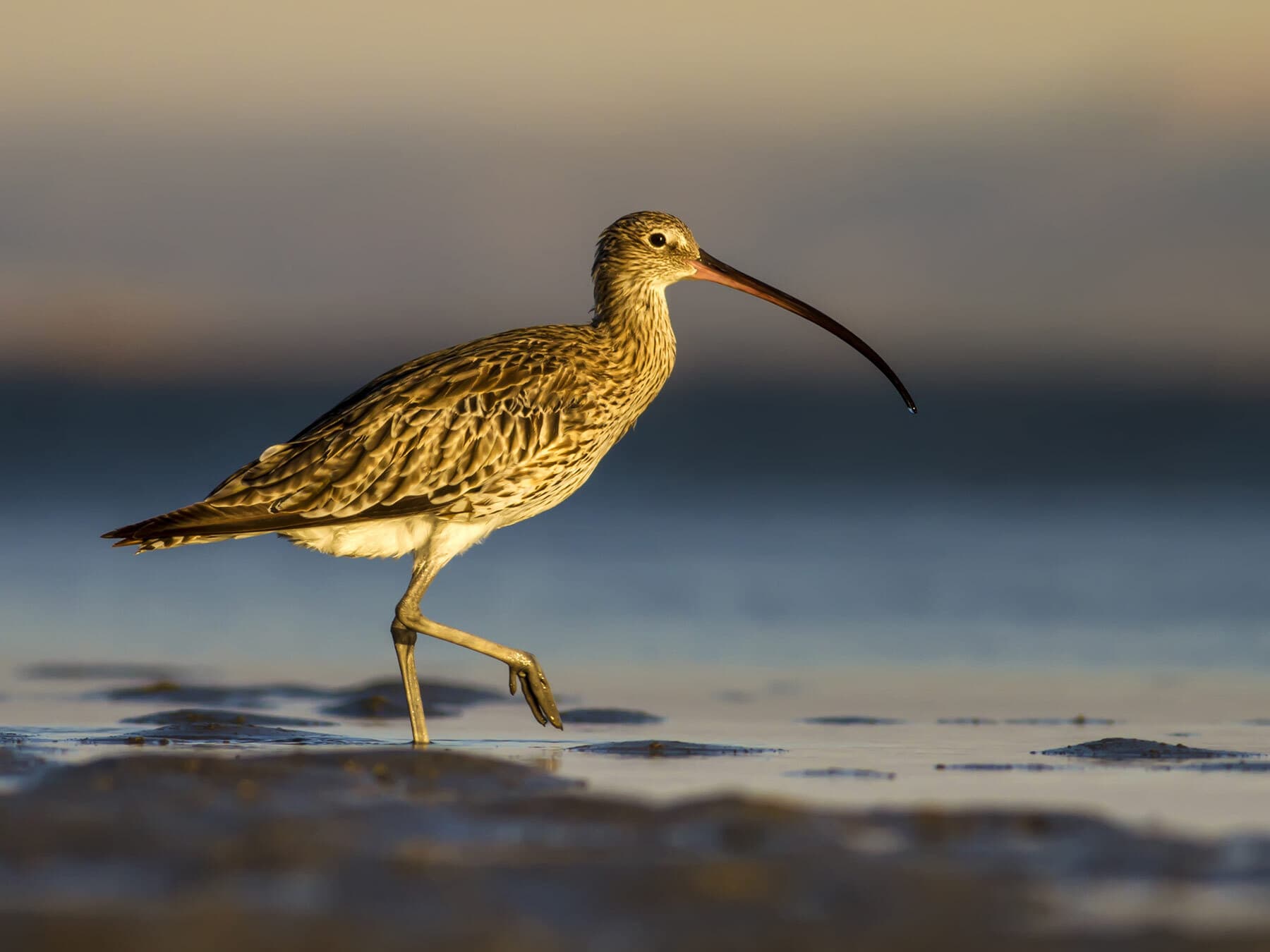
Curlew
Numenius arquataNT
A rare and declining breeder on damp grassland, present from February to October but increasingly scarce in the county.
Feb–Oct
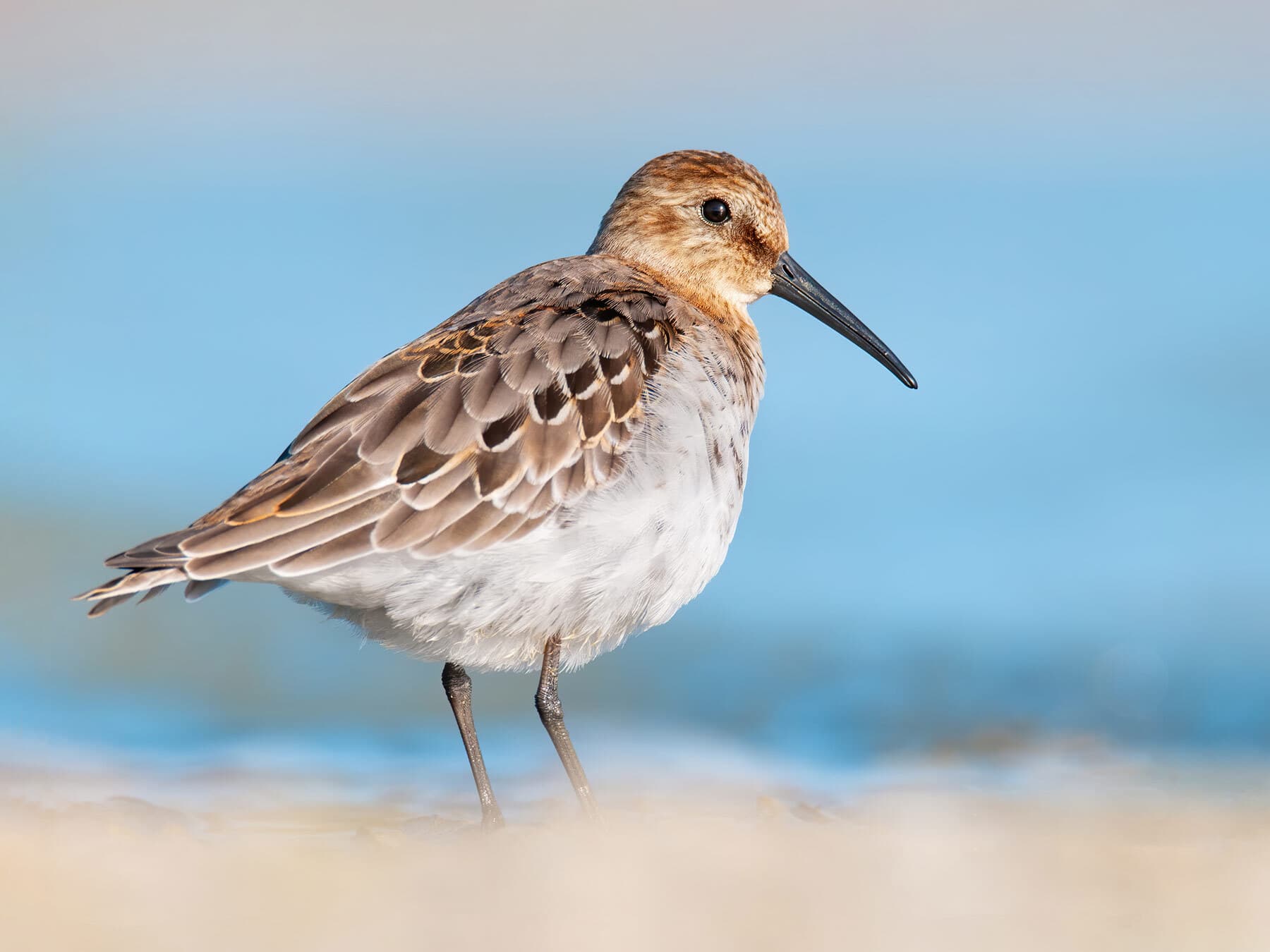
Dunlin
Calidris alpinaLC
A rare but year-round visitor to muddy reservoir edges and wet fields, most often noted on passage in spring and autumn.
Mar–Jan