Birds in Tyne and Wear
Explore 207 species found in this region.
Tyne and Wear supports a remarkable diversity of birdlife, with 205 species recorded across its varied habitats, from the urban parks and gardens of Newcastle and Sunderland to the estuaries and coastline along the North Sea. The region's river valleys, wetlands, and coastal mudflats attract an impressive range of species, including Bluethroat, Northern Lapwing, Common Shelduck, and the striking Mandarin Duck. Whether you're watching waders on the Tyne estuary or spotting woodland birds like the Great Tit and Eurasian Woodcock, this compact county offers outstanding birding opportunities year-round.
Visiting in September? Look out for Arctic Loon and Barnacle Goose arriving this month, and Avocet and Cuckoo depart for the season.


Showing 185–207 of 207 species
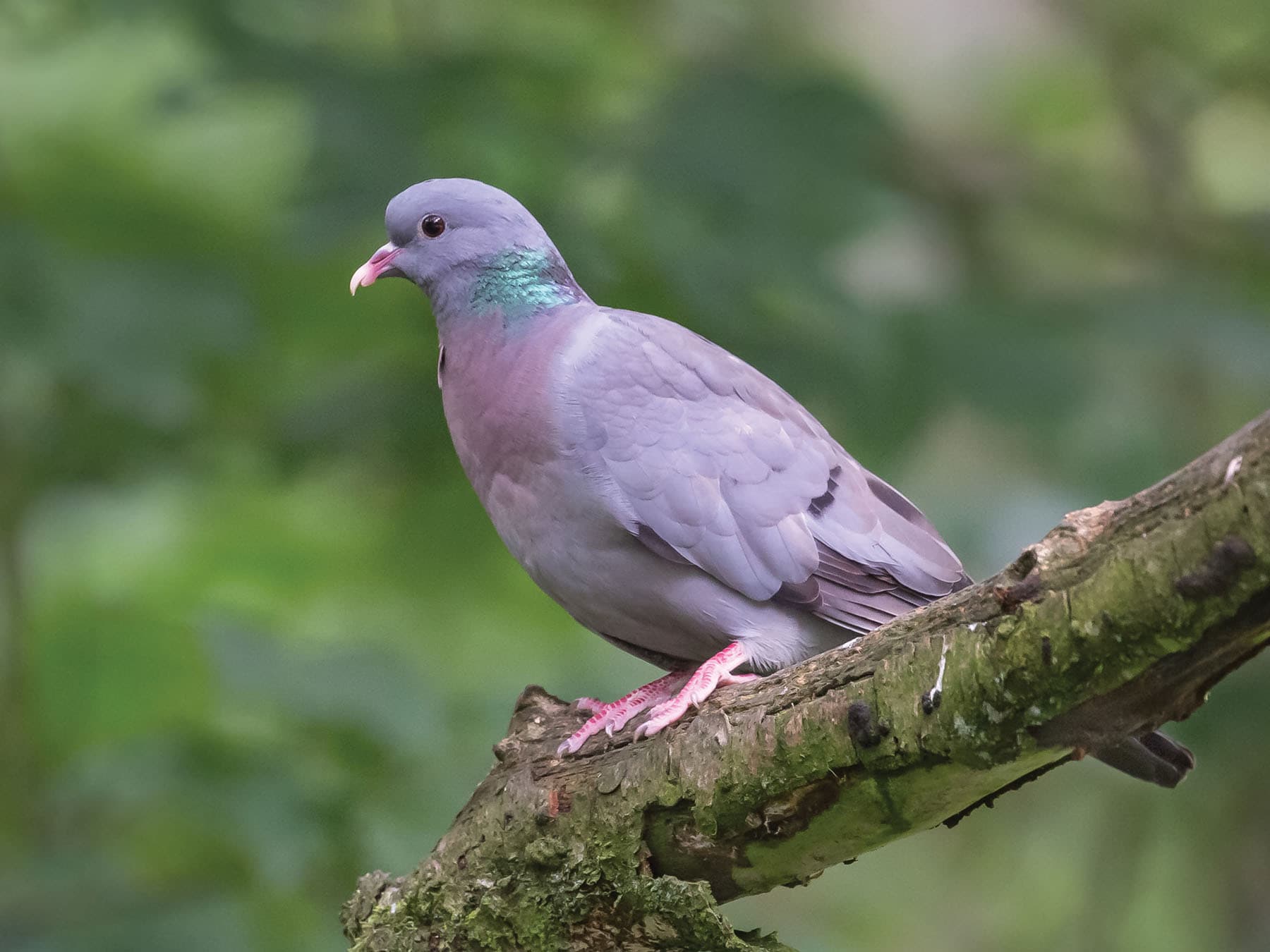
Stock Dove
Columba oenasLC
An uncommon resident found year-round in farmland, parkland and wooded areas. Easily overlooked among the region's abundant Woodpigeons.
Year-round
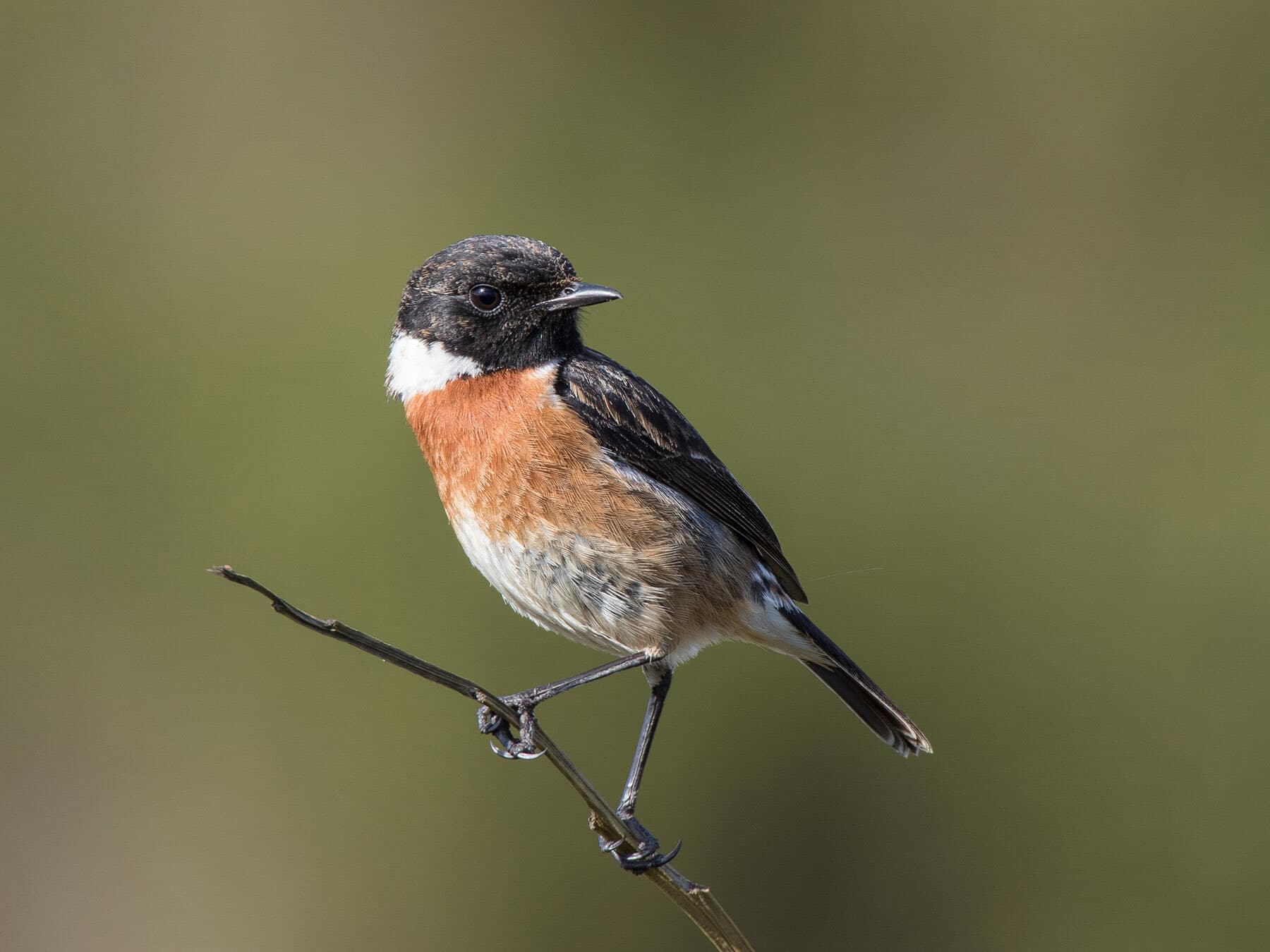
Stonechat
Saxicola torquatusLC
An uncommon resident found year-round on coastal gorse, rough grassland and brownfield sites. Numbers can increase in winter.
Year-round
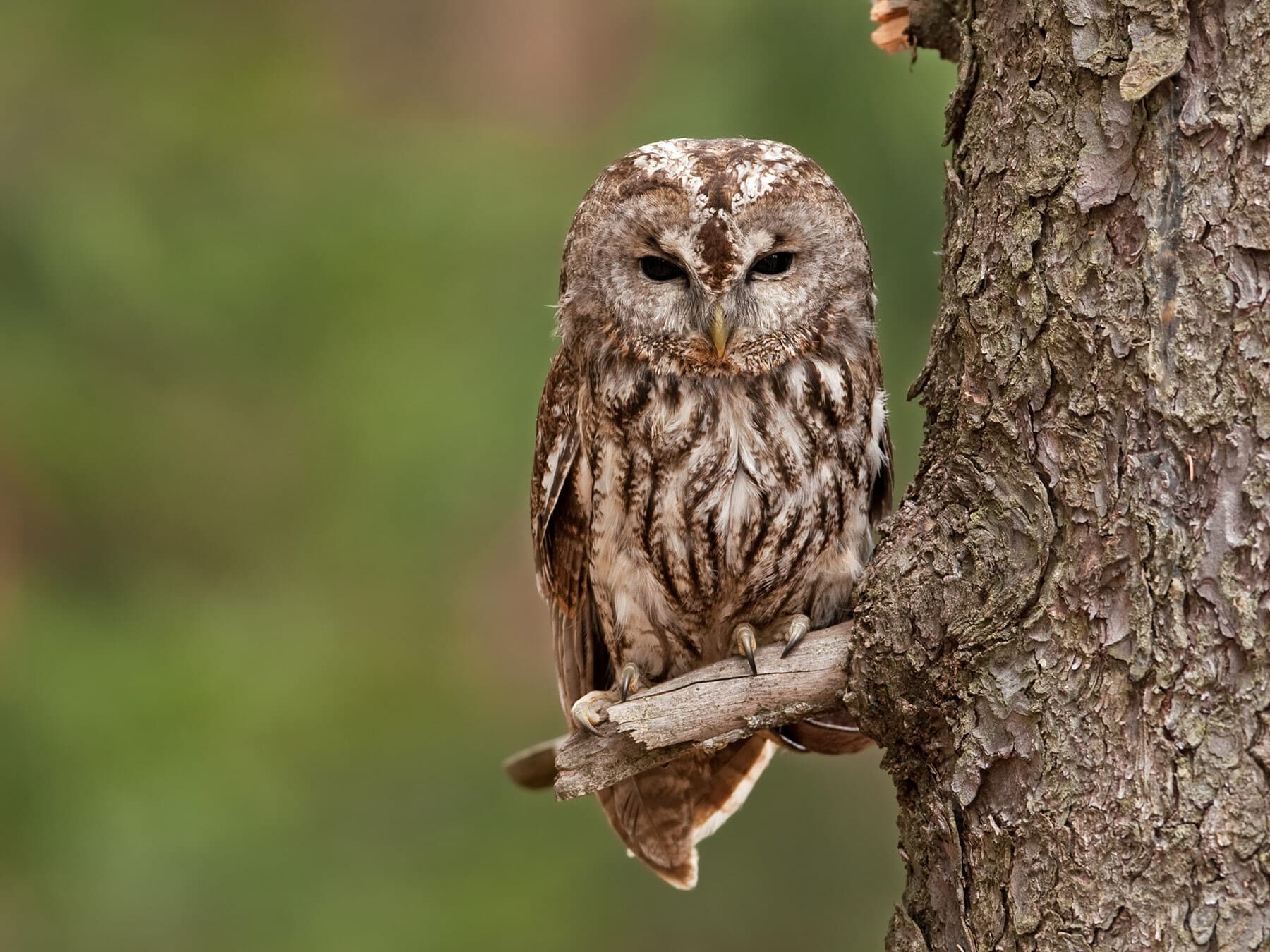
Tawny Owl
Strix alucoLC
A secretive resident of mature woodland and parks year-round. More often heard than seen, its hooting call carries through the region's wooded denes.
Year-round
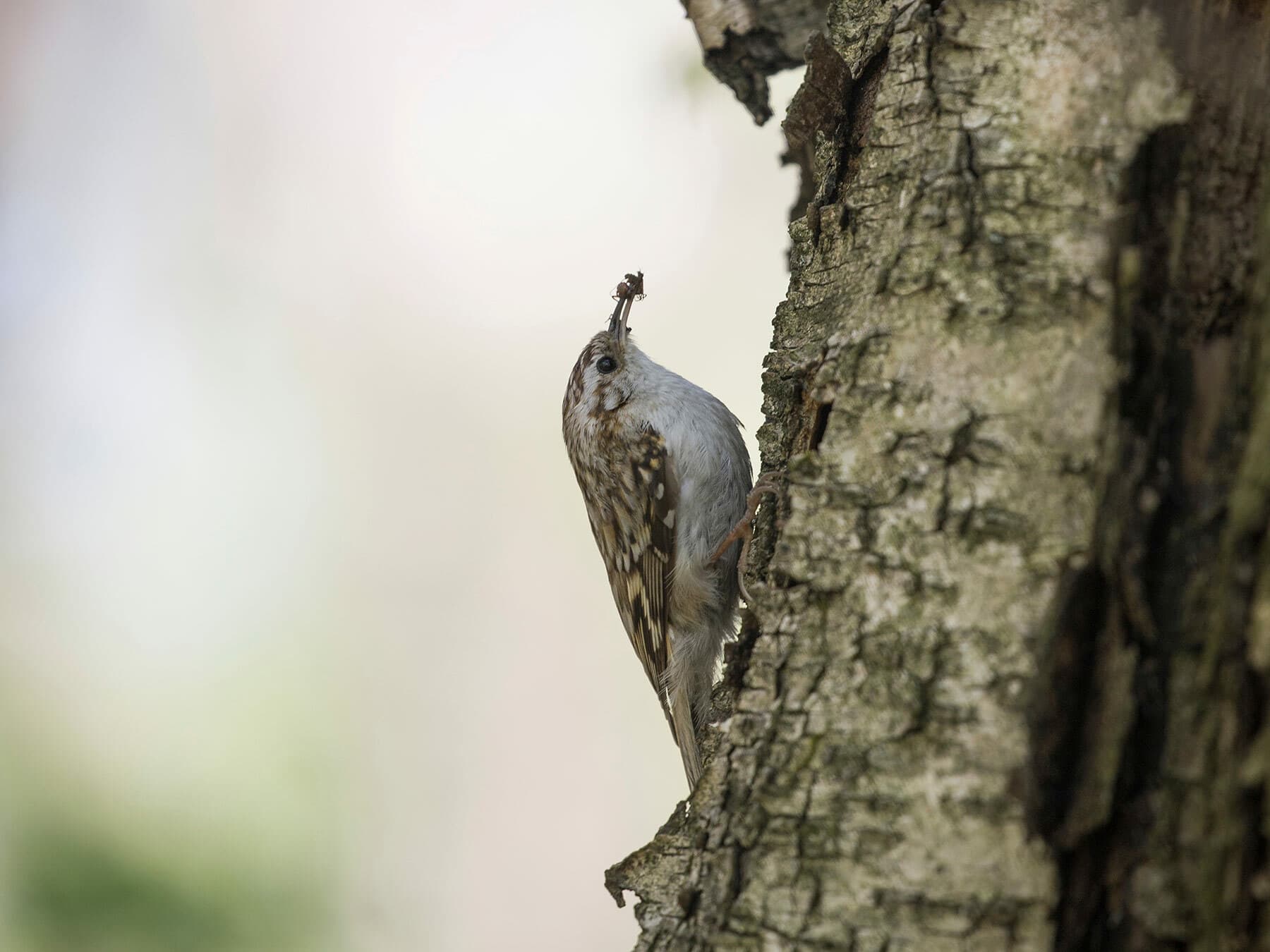
Treecreeper
Certhia familiarisLC
An unobtrusive resident of mature woodland, spiralling up tree trunks probing bark for insects. Present year-round in parks and wooded denes.
Year-round
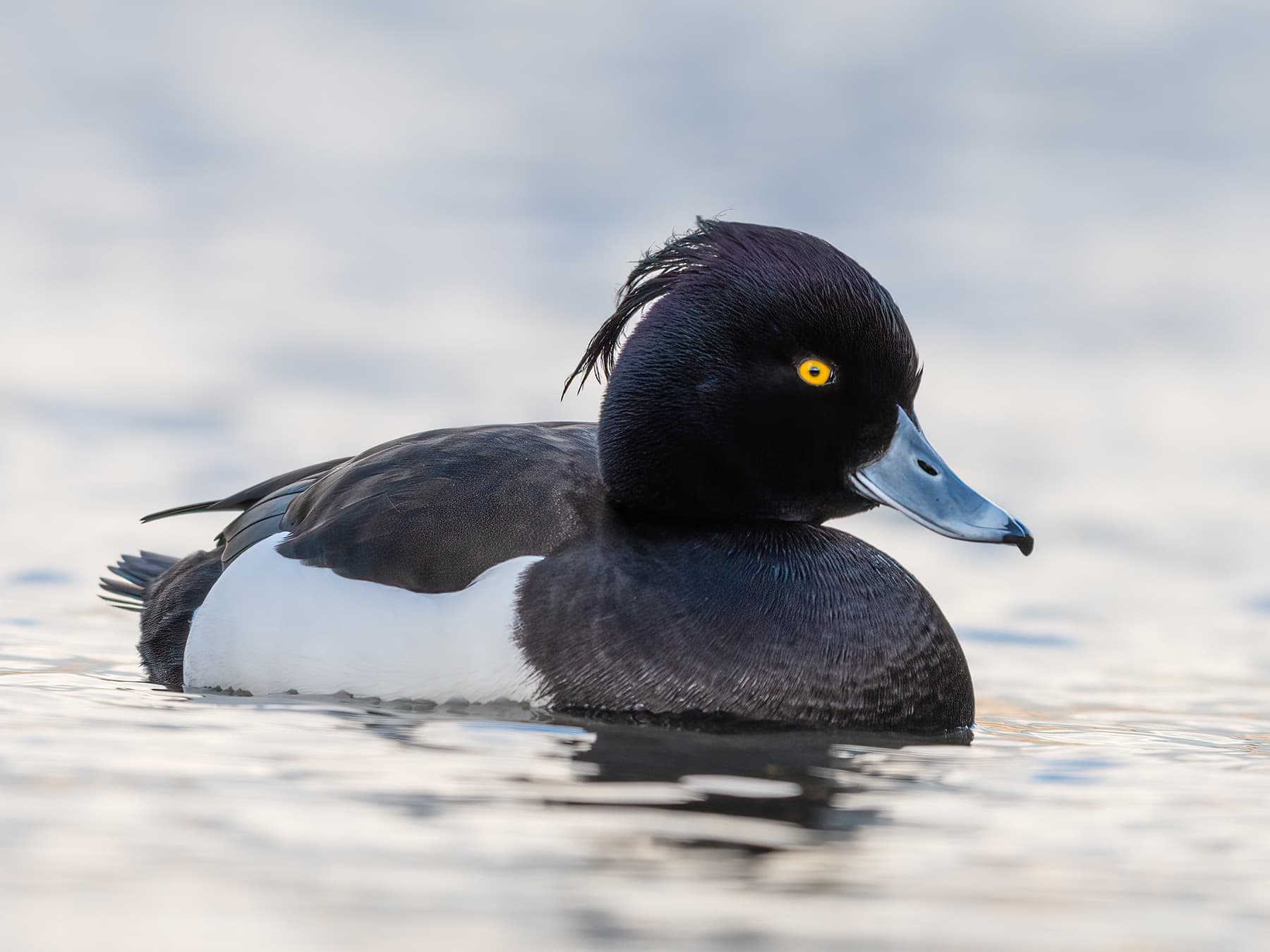
Tufted Duck
Aythya fuligulaLC
A common resident on lakes and reservoirs across the region. Breeds locally and numbers increase in winter with continental arrivals.
Year-round
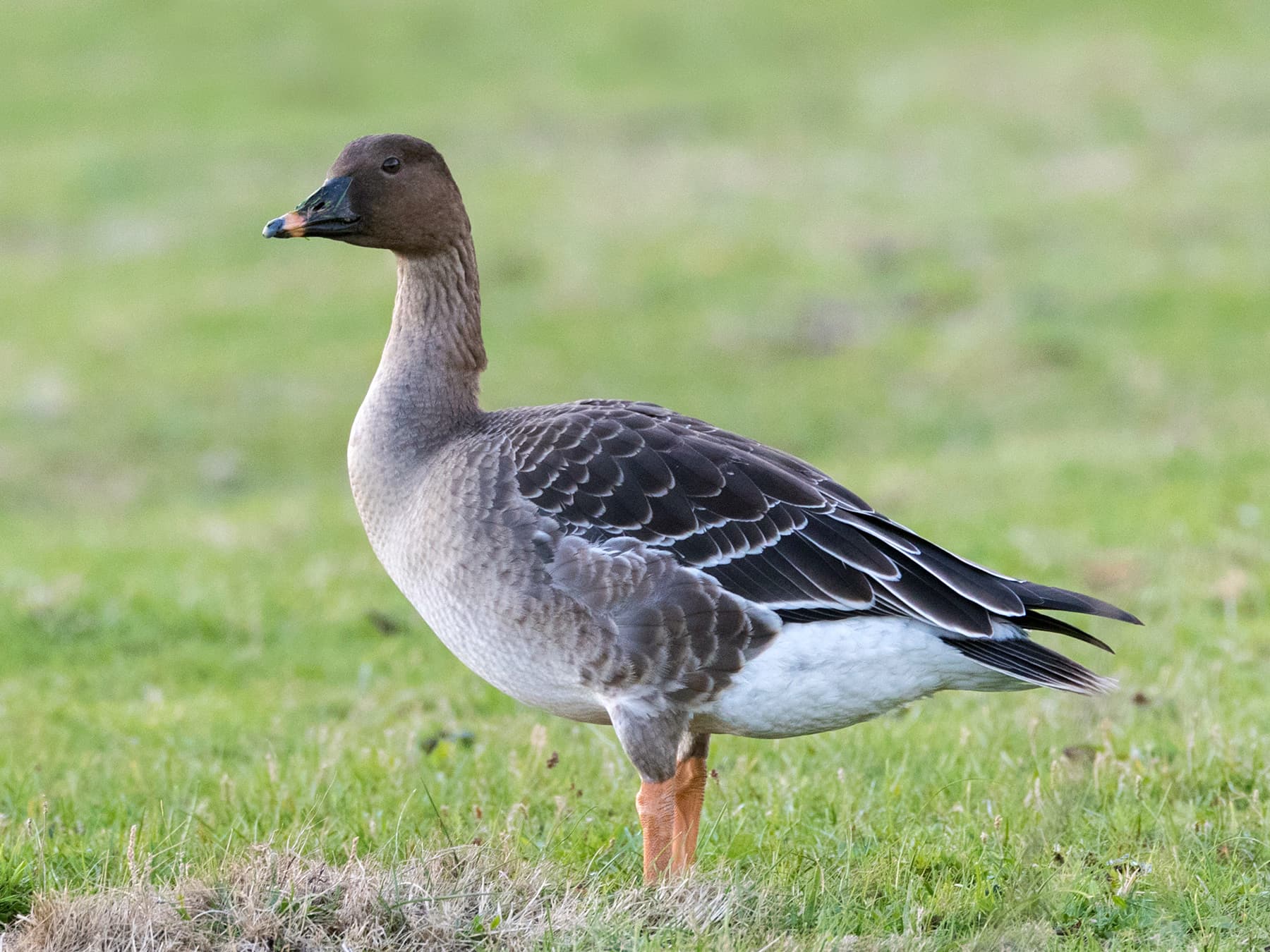
Tundra Bean Goose
Anser serrirostrisLC
A rare passage visitor, only occasionally recorded. Any sightings should be checked carefully among flocks of Pink-footed Geese.
Feb
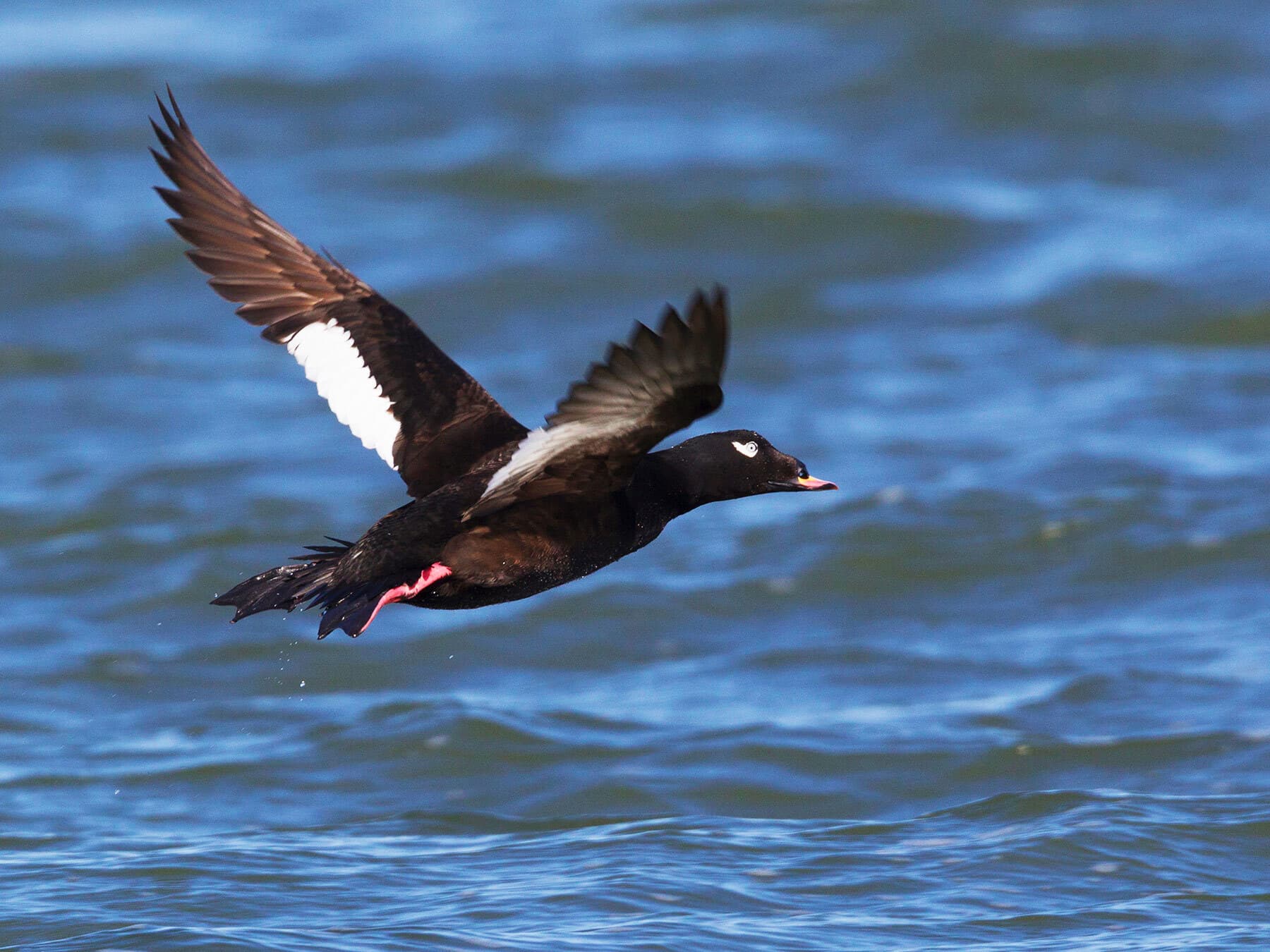
Velvet Scoter
Melanitta fuscaVU
A rare sea duck seen offshore, most often in winter. Small numbers linger along the coast, sometimes mixing with Common Scoter flocks.
Jun–Mar
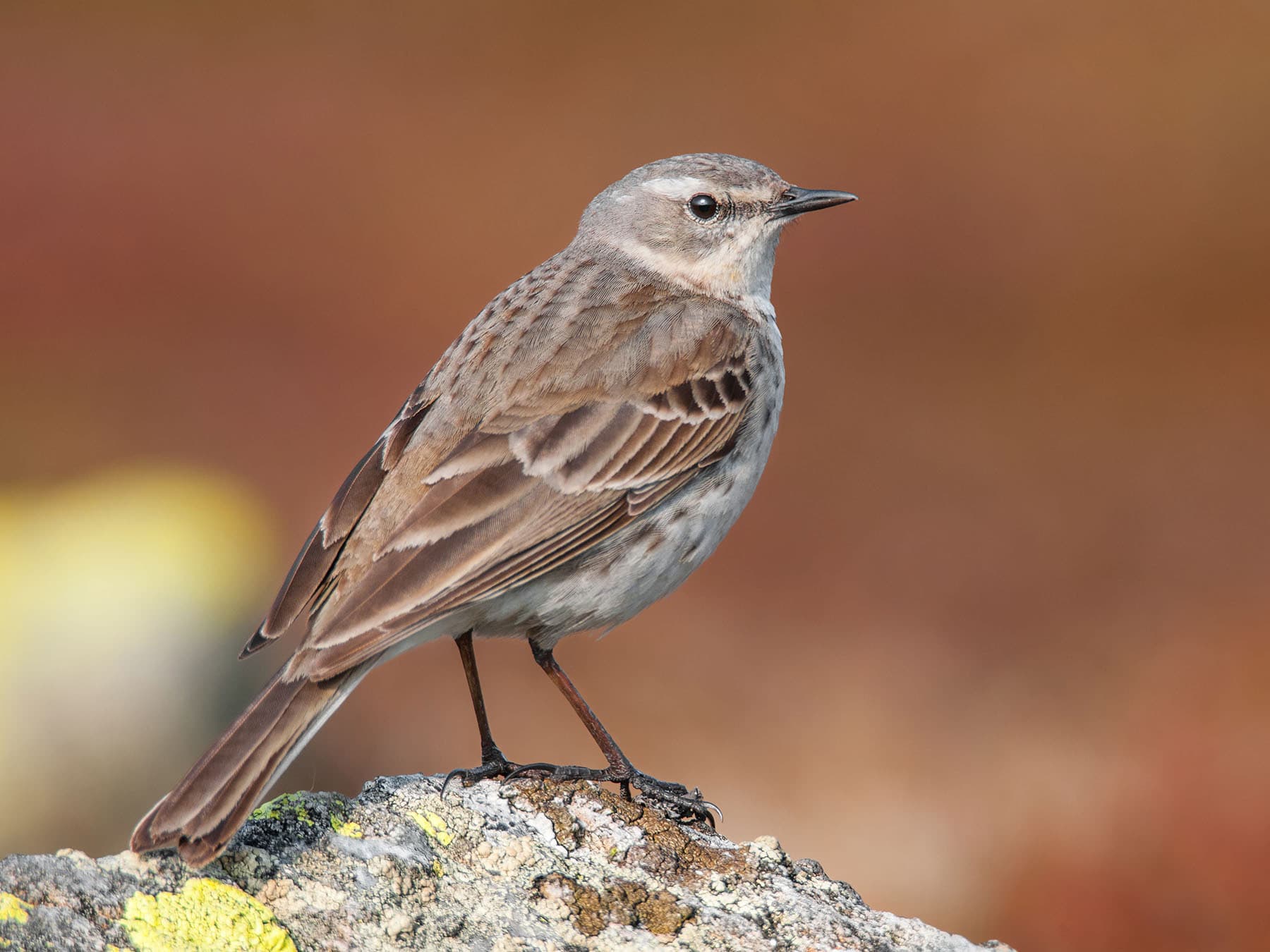
Water Pipit
Anthus spinolettaLC
A rare winter visitor to wetland margins and watercress beds from November to March. Easily overlooked among Meadow Pipits.
Nov–Mar
Spotted something?
Upload a photo to identify it
Identify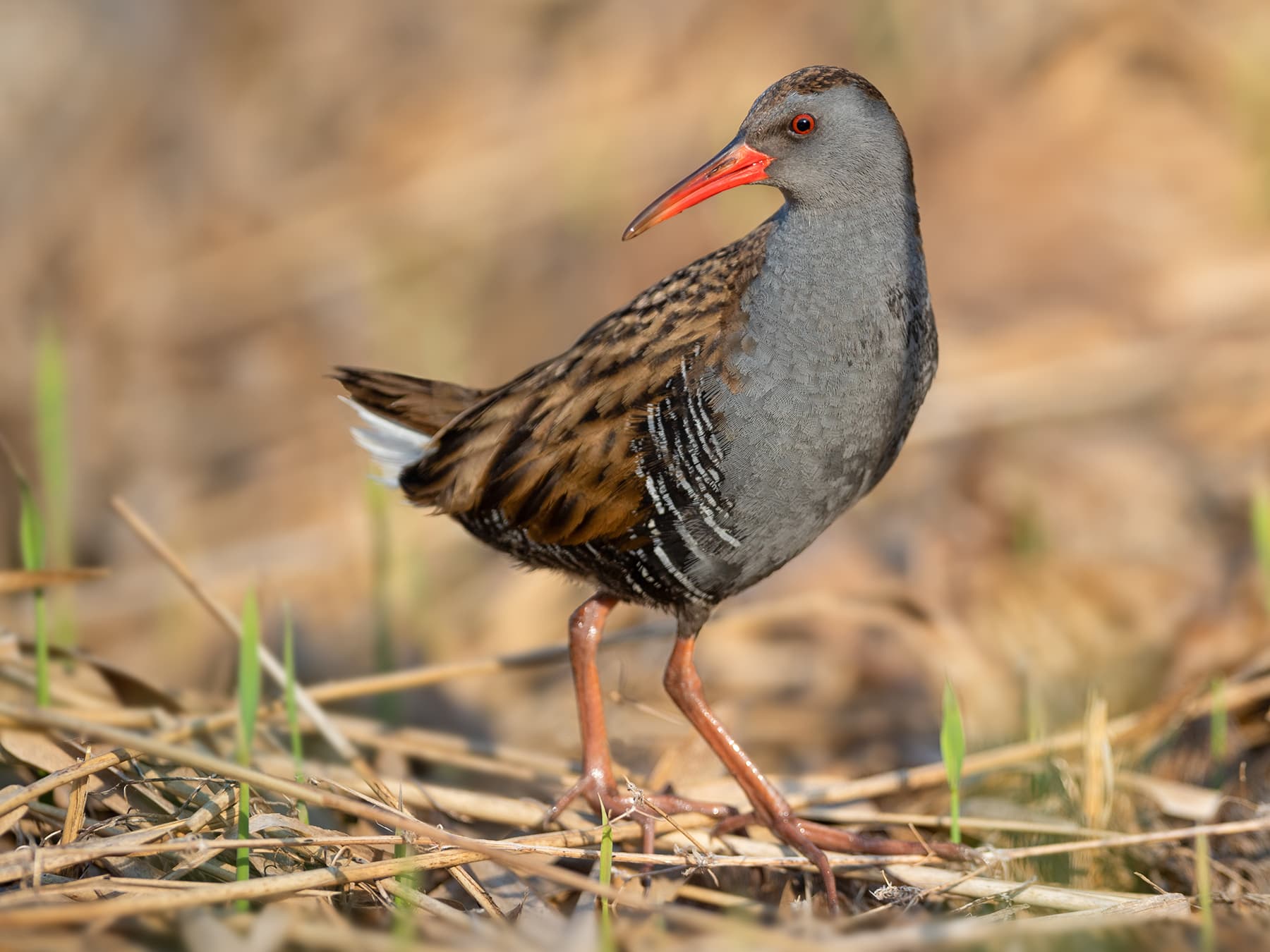
Water Rail
Rallus aquaticusLC
A secretive year-round resident of reedbeds and marshy wetlands, more often heard squealing than seen.
Year-round
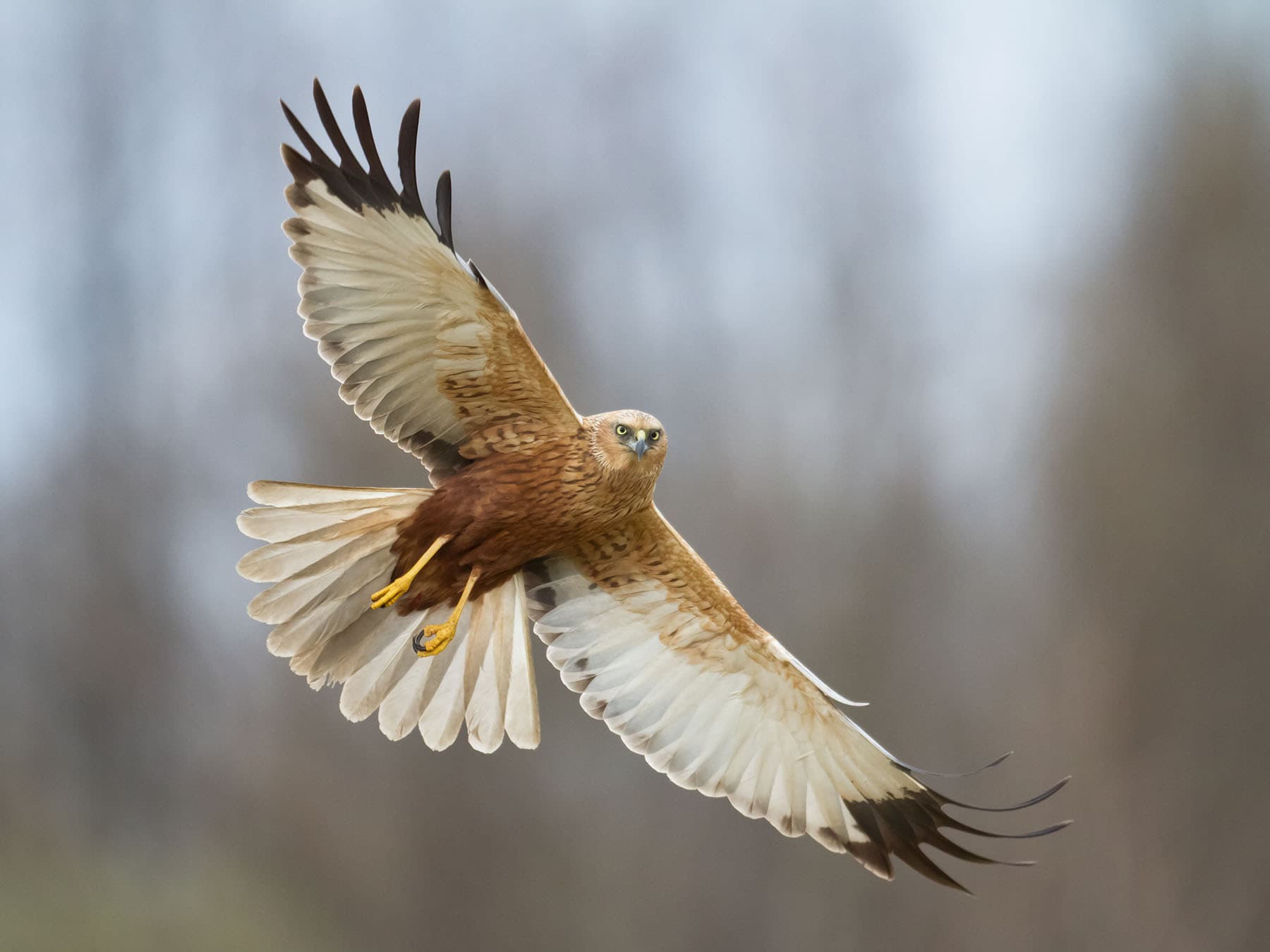
Western Marsh-harrier
Circus aeruginosusLC
A rare passage migrant in April and September, occasionally seen quartering over reedbeds and wetlands in the Tyne valley.
Apr–Sep
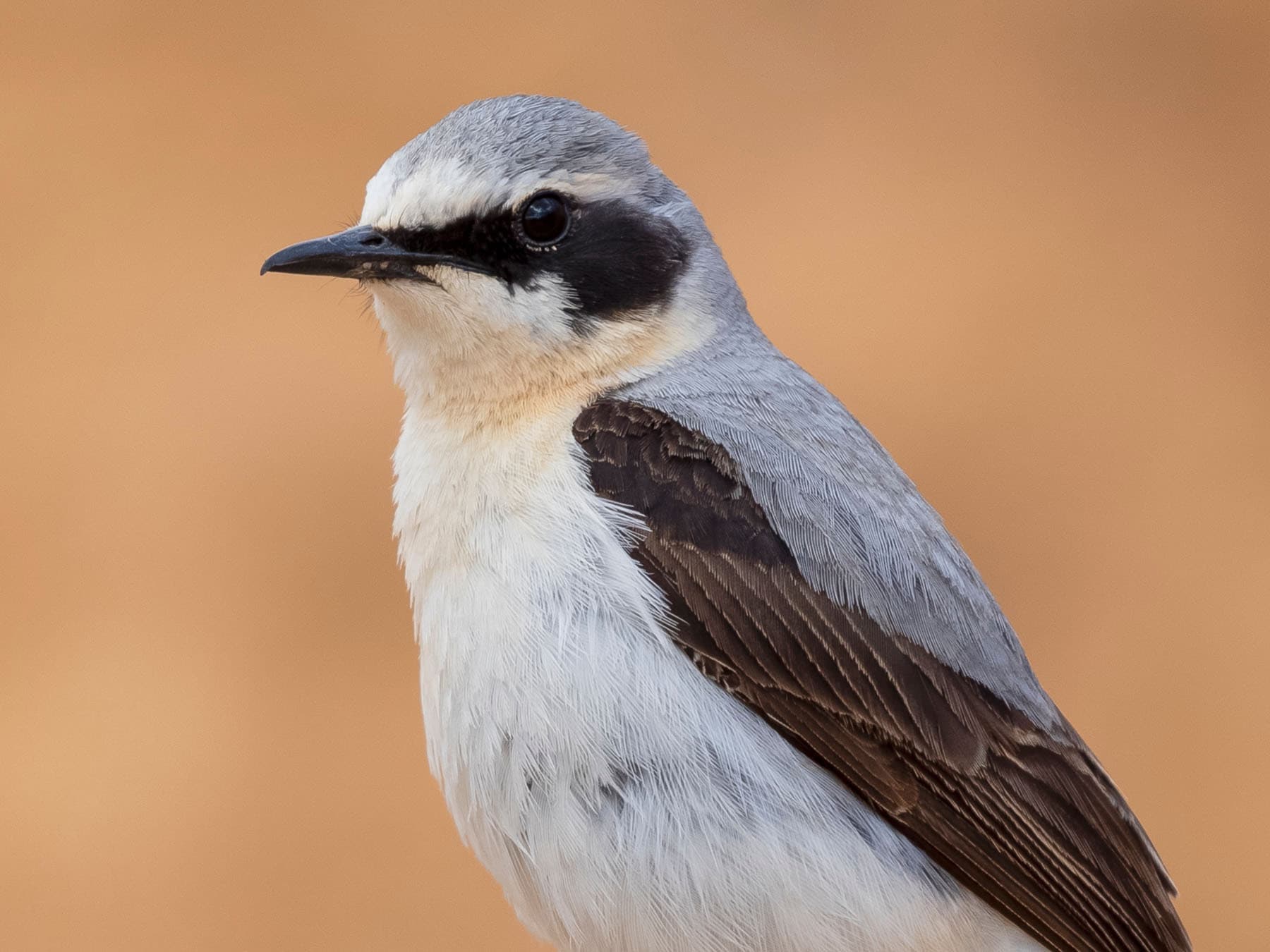
Wheatear
Oenanthe oenantheLC
An uncommon breeder on open ground and coastal grassland, arriving from March. Passage birds are seen along the coast into October.
Mar–Oct
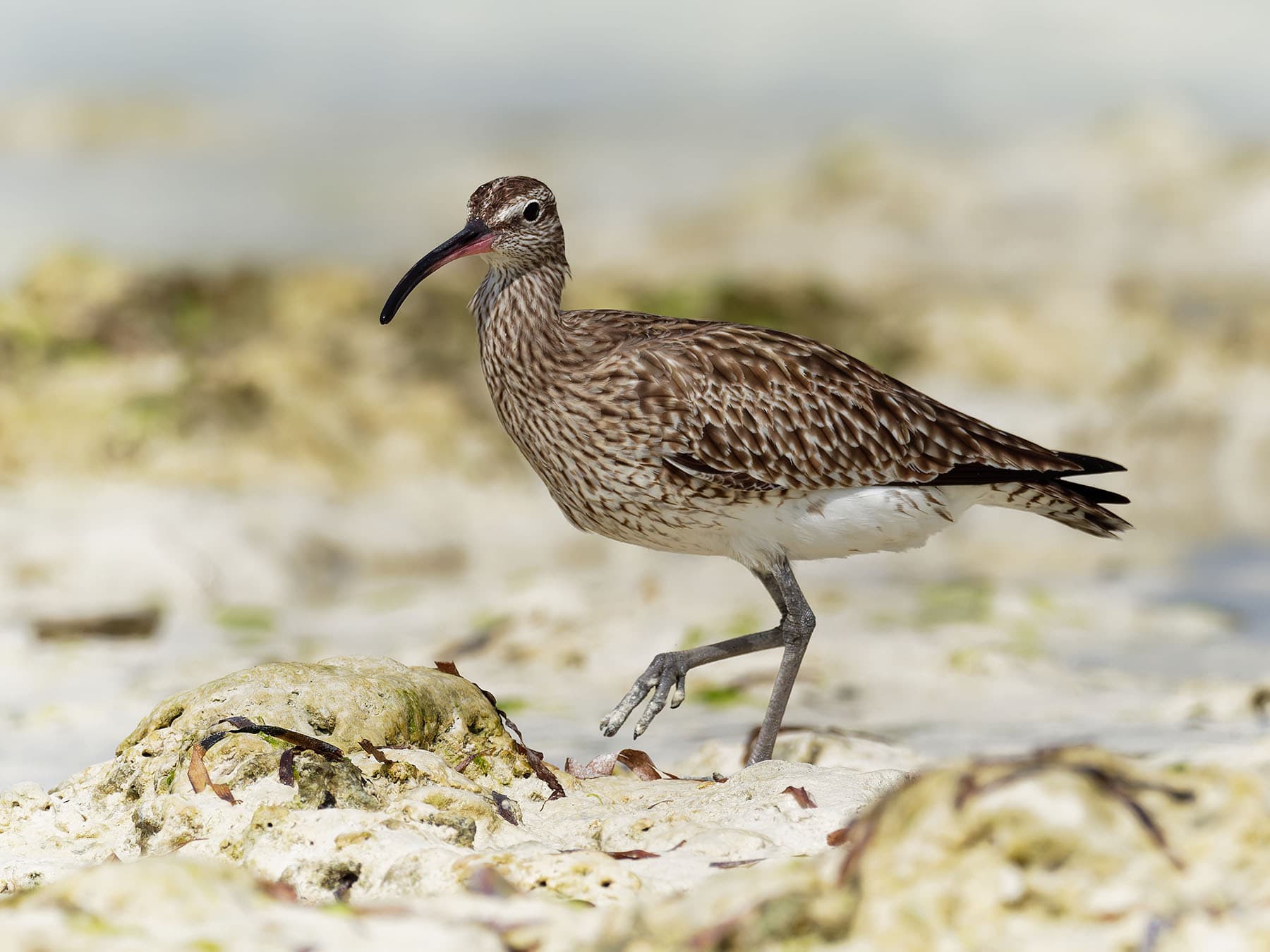
Whimbrel
Numenius phaeopusLC
An uncommon breeding visitor present from spring to early autumn, favouring coastal and upland habitats with its distinctive rippling call.
Apr–Sep
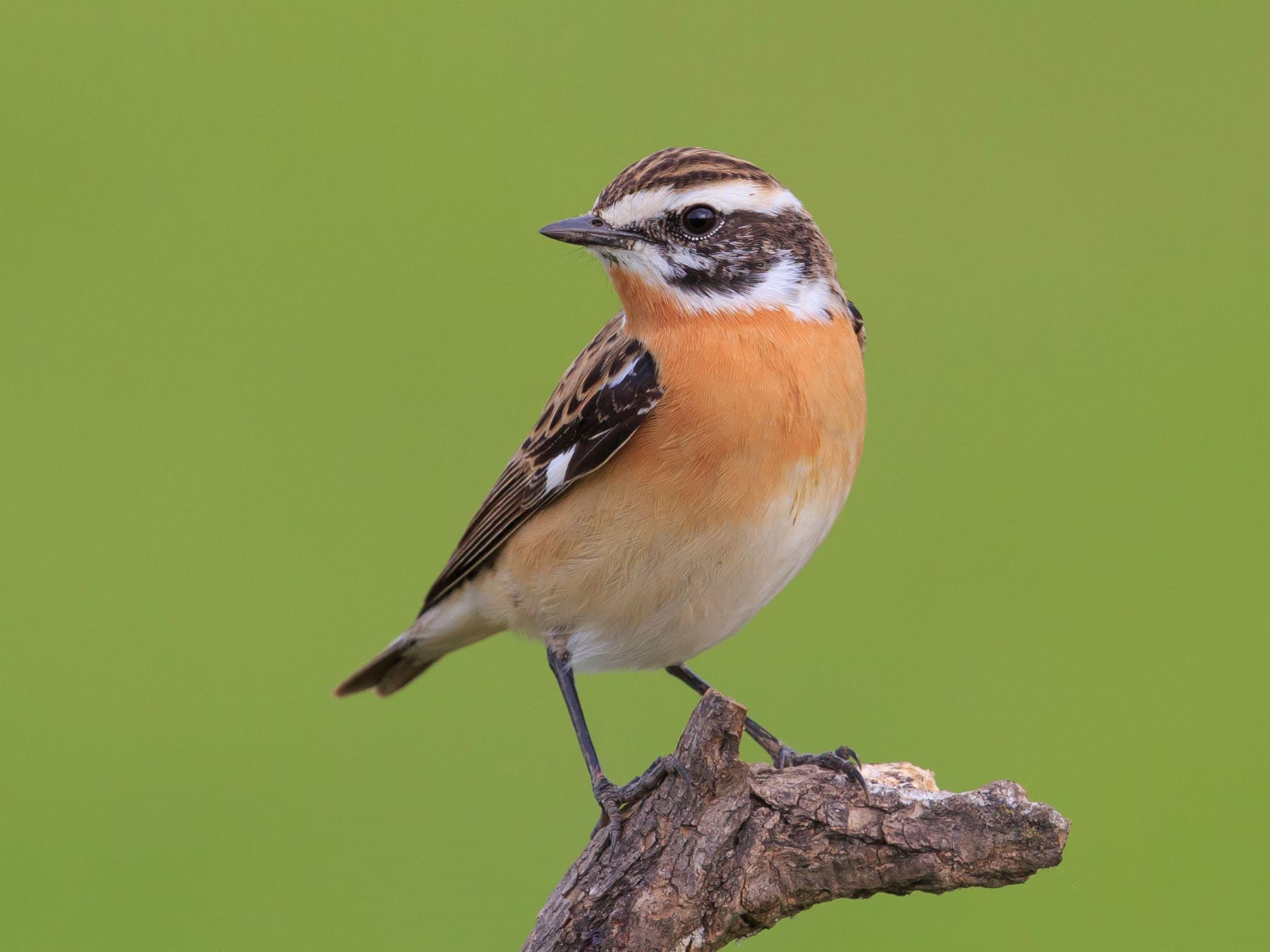
Whinchat
Saxicola rubetraLC
A rare passage visitor in spring and late summer, favouring rough grassland and scrubby coastal areas during brief stopovers.
May–Sep
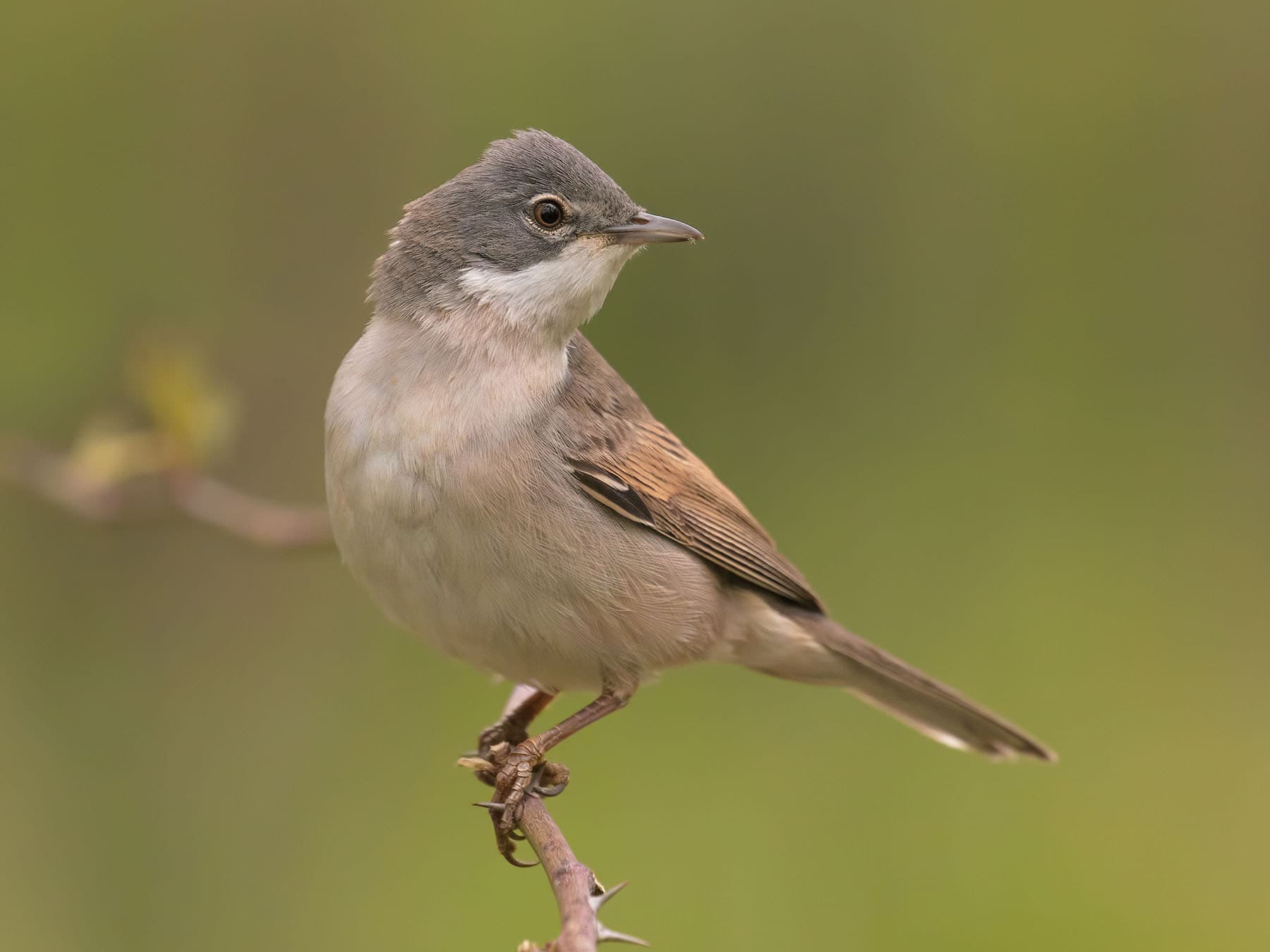
Whitethroat
Curruca communisLC
A common summer breeder found in hedgerows and scrubby grassland from April to September, delivering its scratchy song from cover.
Apr–Sep
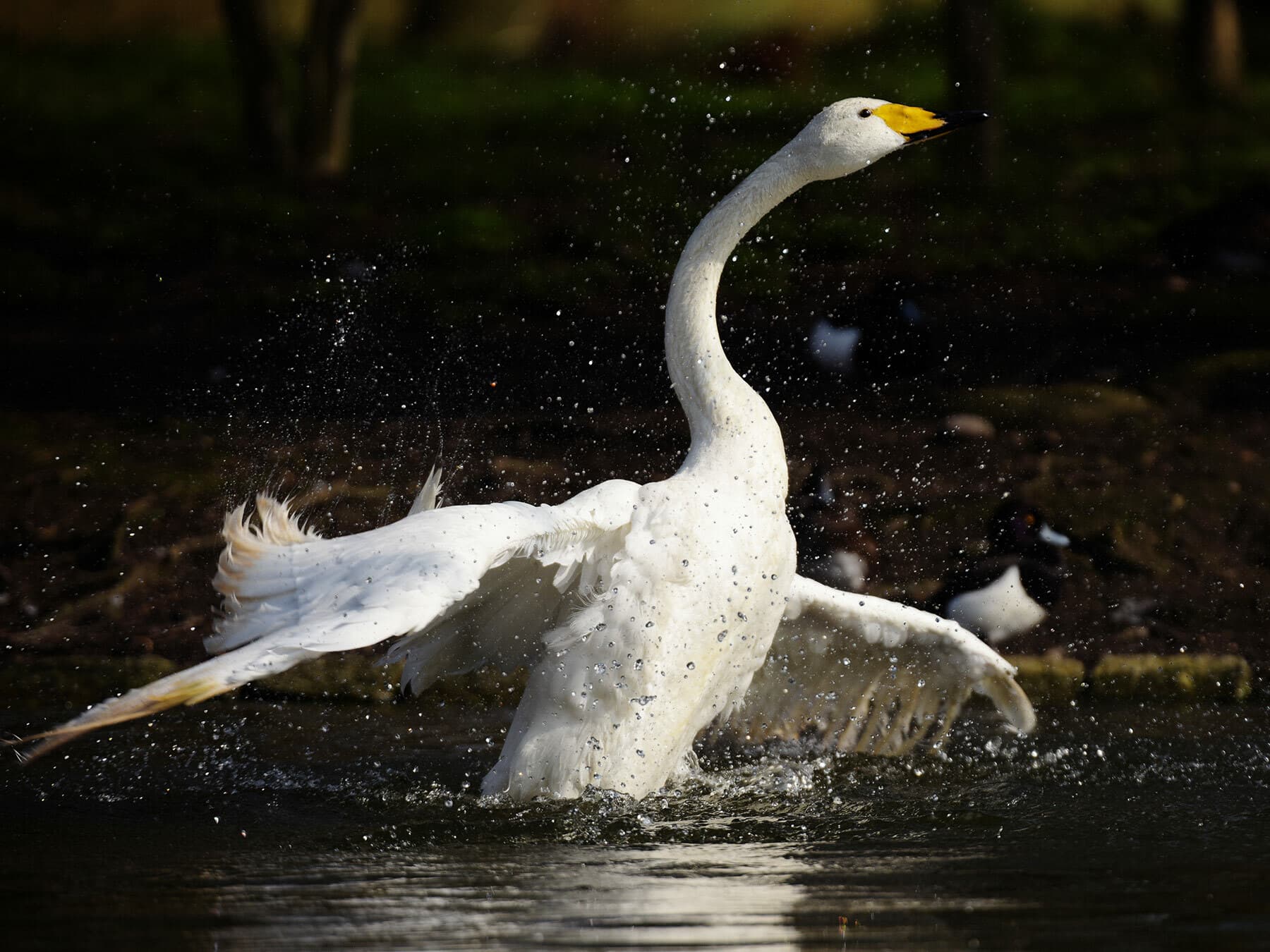
Whooper Swan
Cygnus cygnusLC
A rare winter visitor, occasionally seen on wetlands and estuaries from October to April, with bugling calls distinguishing it from Mute Swan.
Oct–Apr
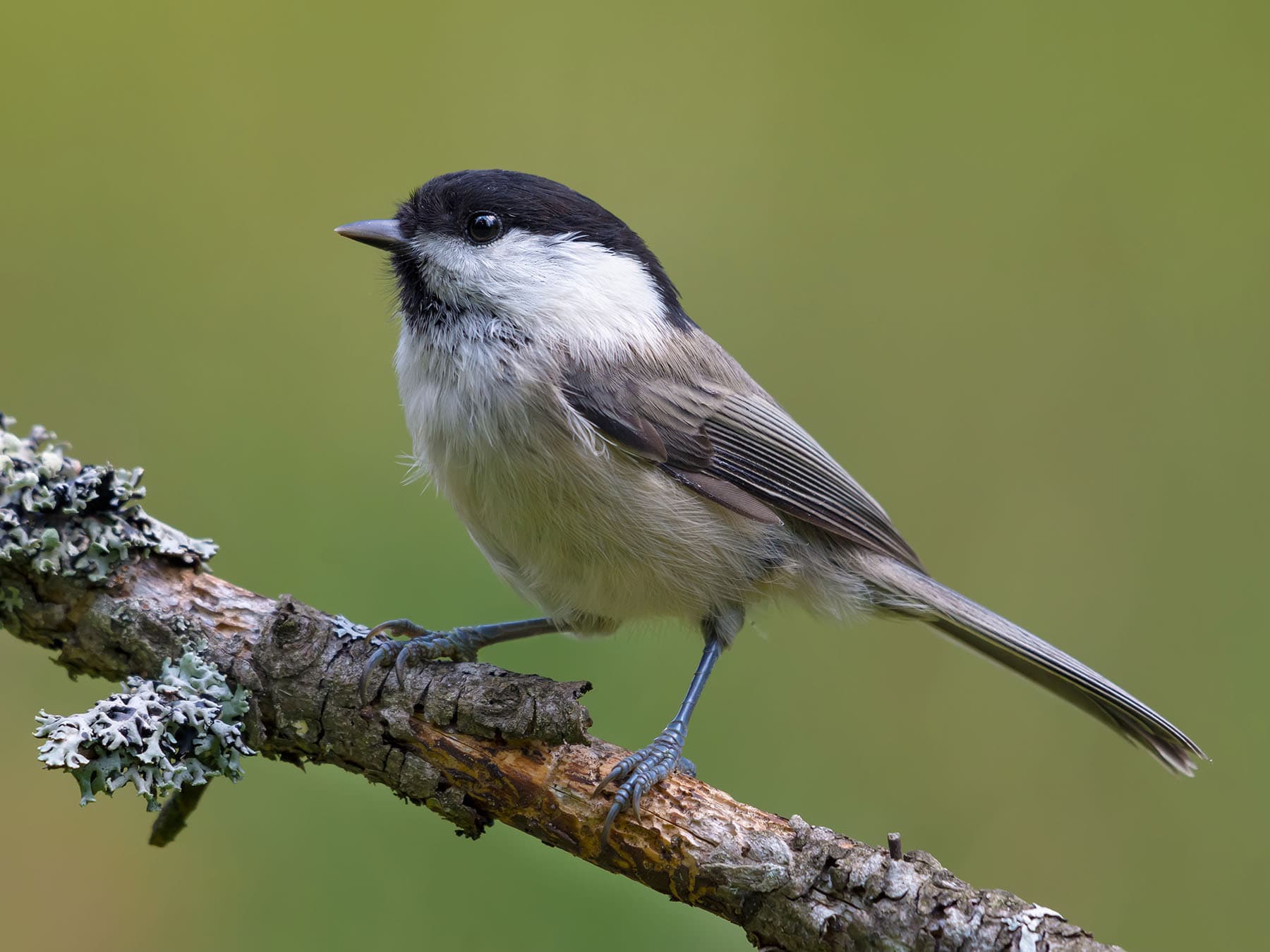
Willow Tit
Poecile montanusLC
An uncommon and declining resident of damp woodland with dead trees, one of the UK's most rapidly declining species.
Year-round
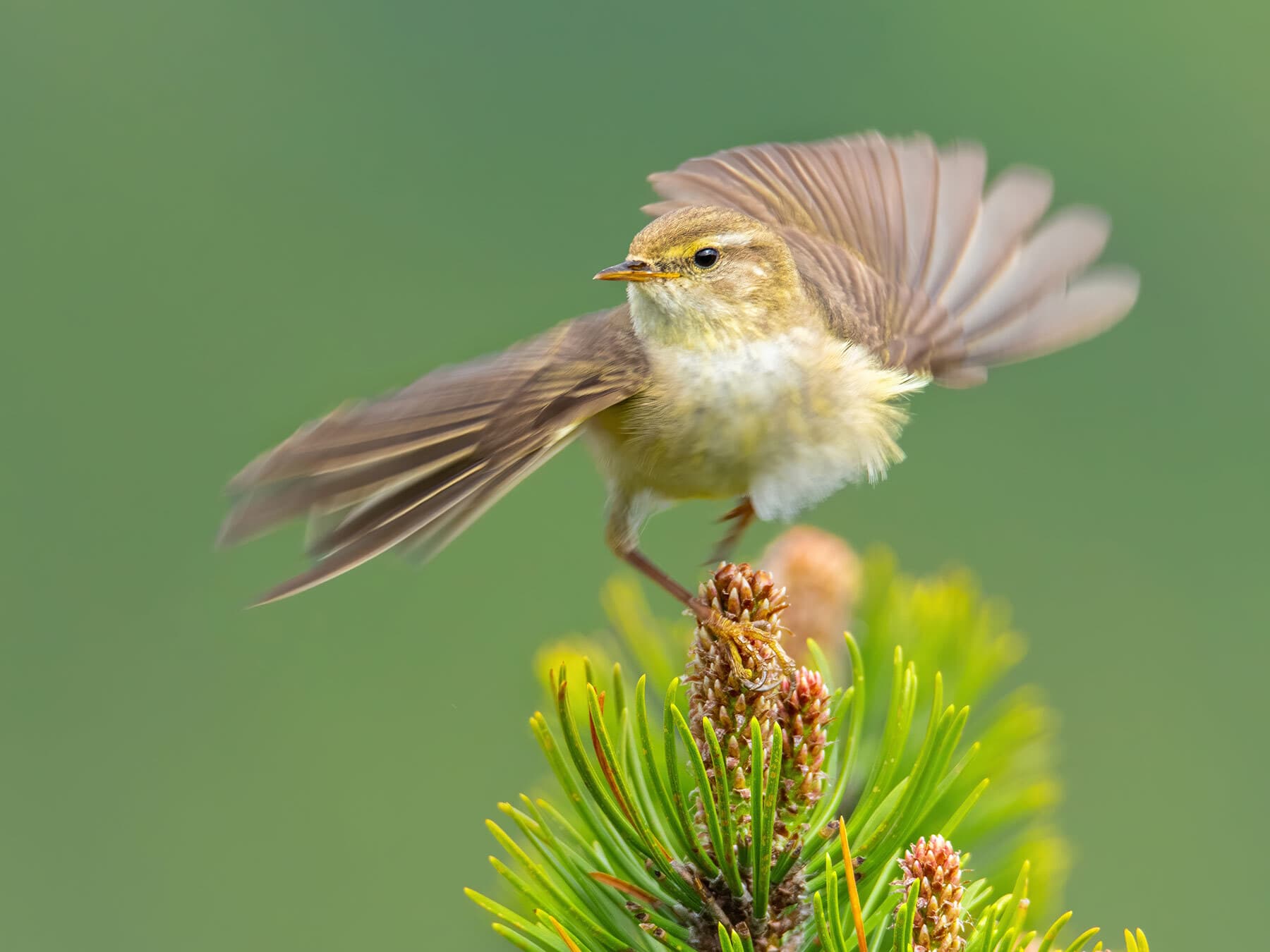
Willow Warbler
Phylloscopus trochilusLC
An uncommon summer breeder arriving from April, favouring scrubby woodland edges and willow thickets. Numbers have declined significantly across the region in recent decades.
Apr–Oct
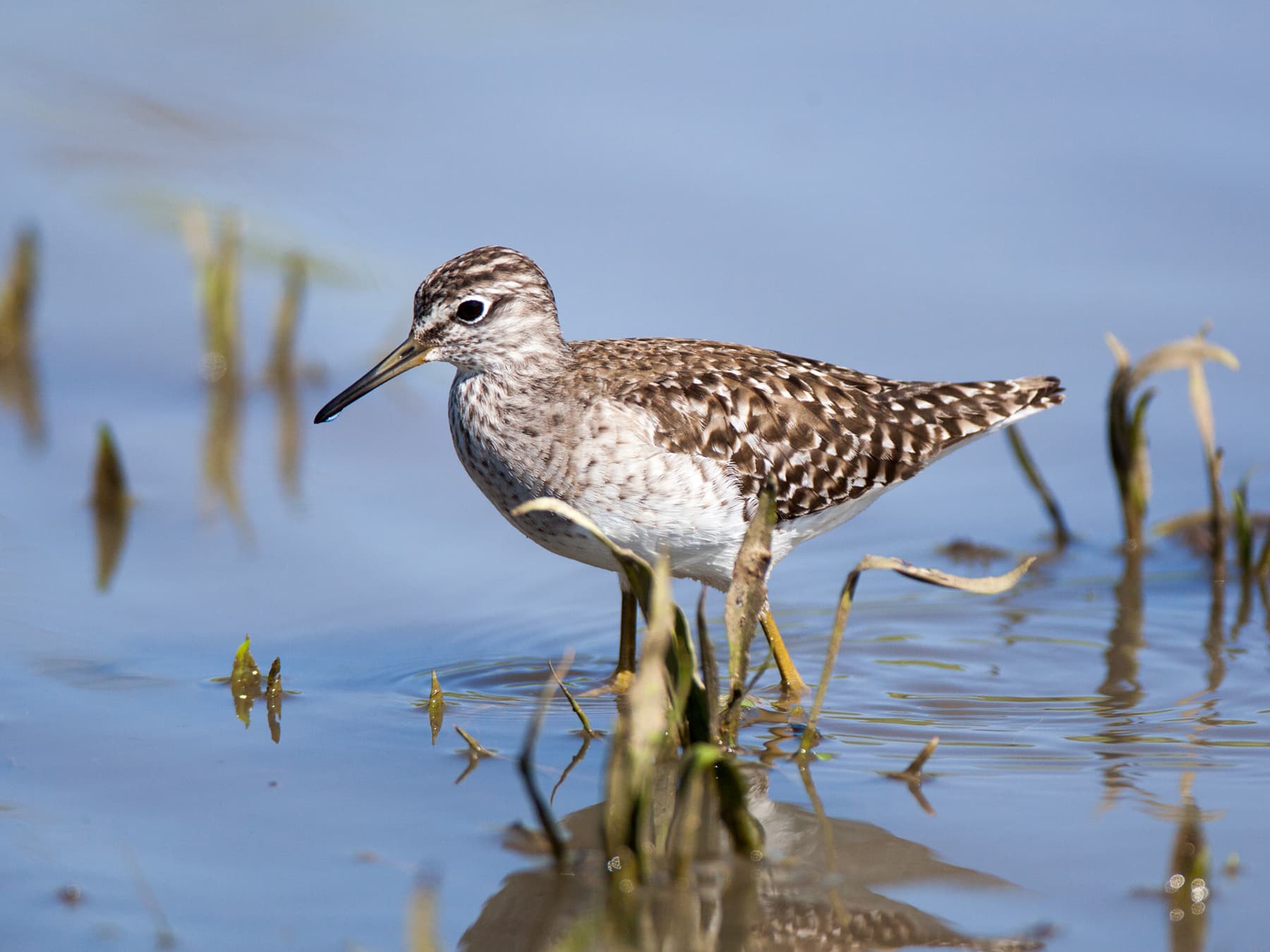
Wood Sandpiper
Tringa glareolaLC
A rare passage migrant seen briefly in May and again in July–August, favouring freshwater pools and marshy scrapes.
May–Aug
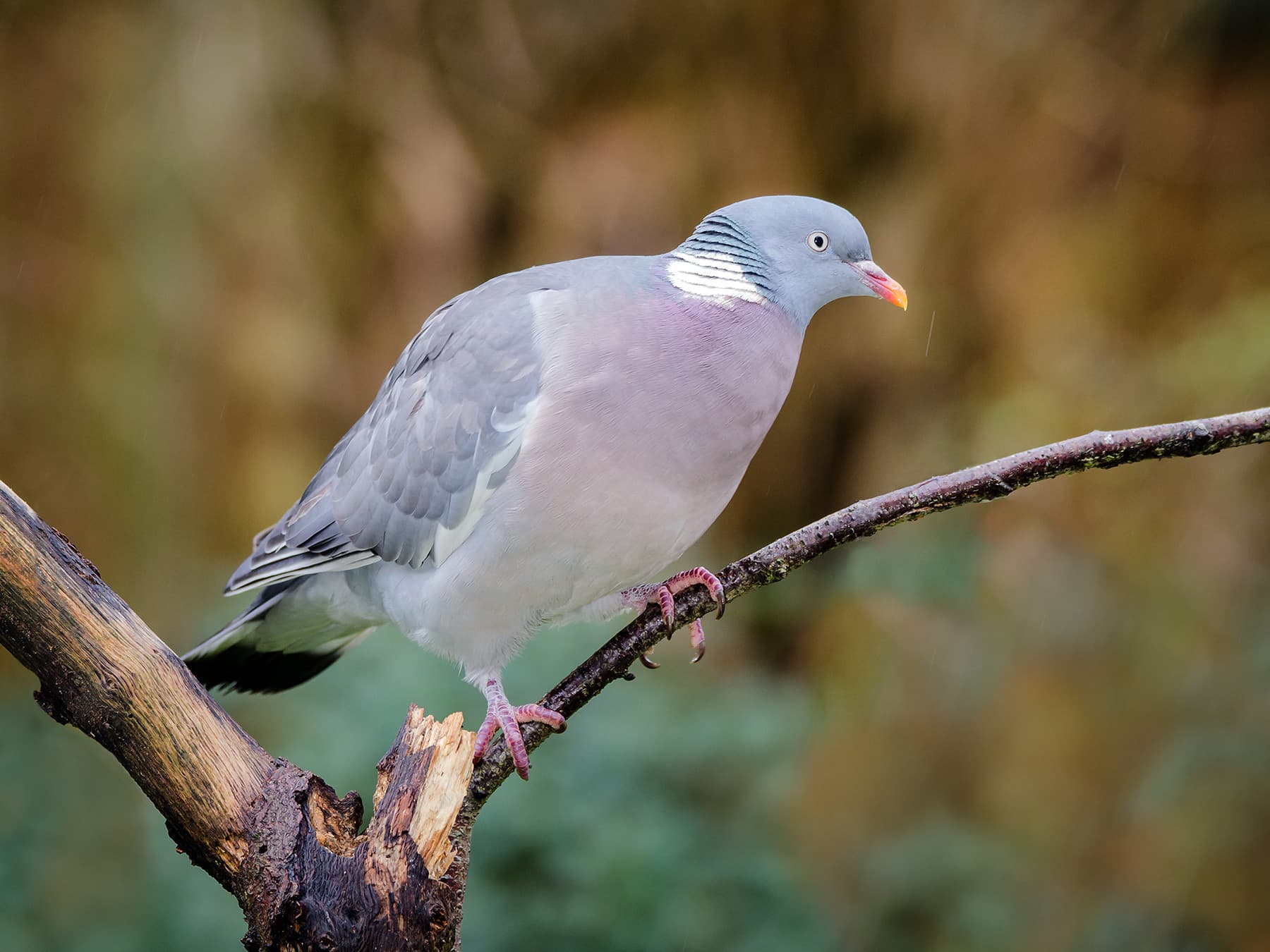
Woodpigeon
Columba palumbusLC
An abundant resident found in gardens, parks and farmland throughout the region. One of the most familiar birds in Tyne and Wear.
Year-round
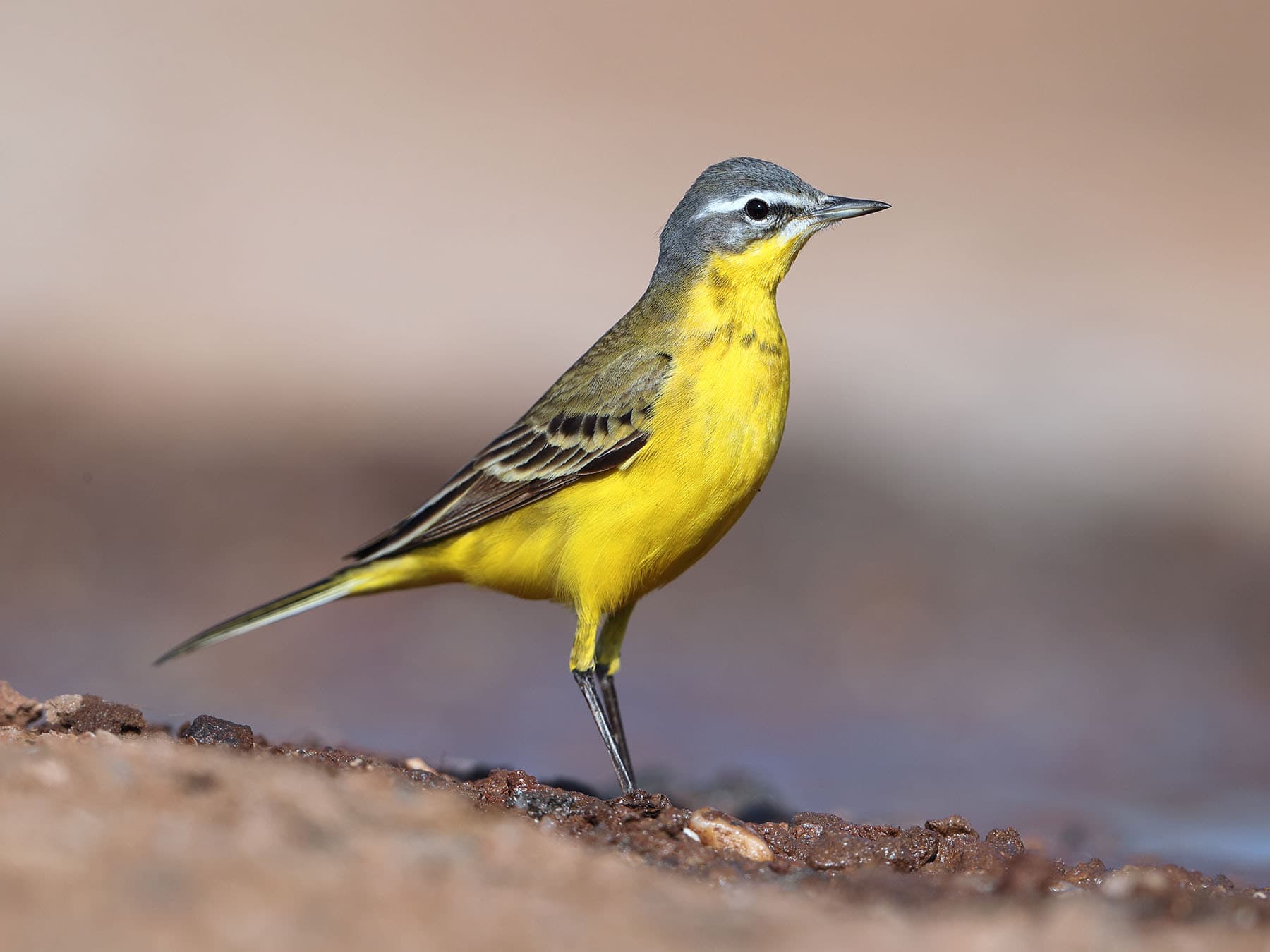
Yellow Wagtail
Motacilla flavaLC
A rare and declining breeder, found on lowland wet meadows and farmland from April to September. A species of conservation concern.
Apr–Sep
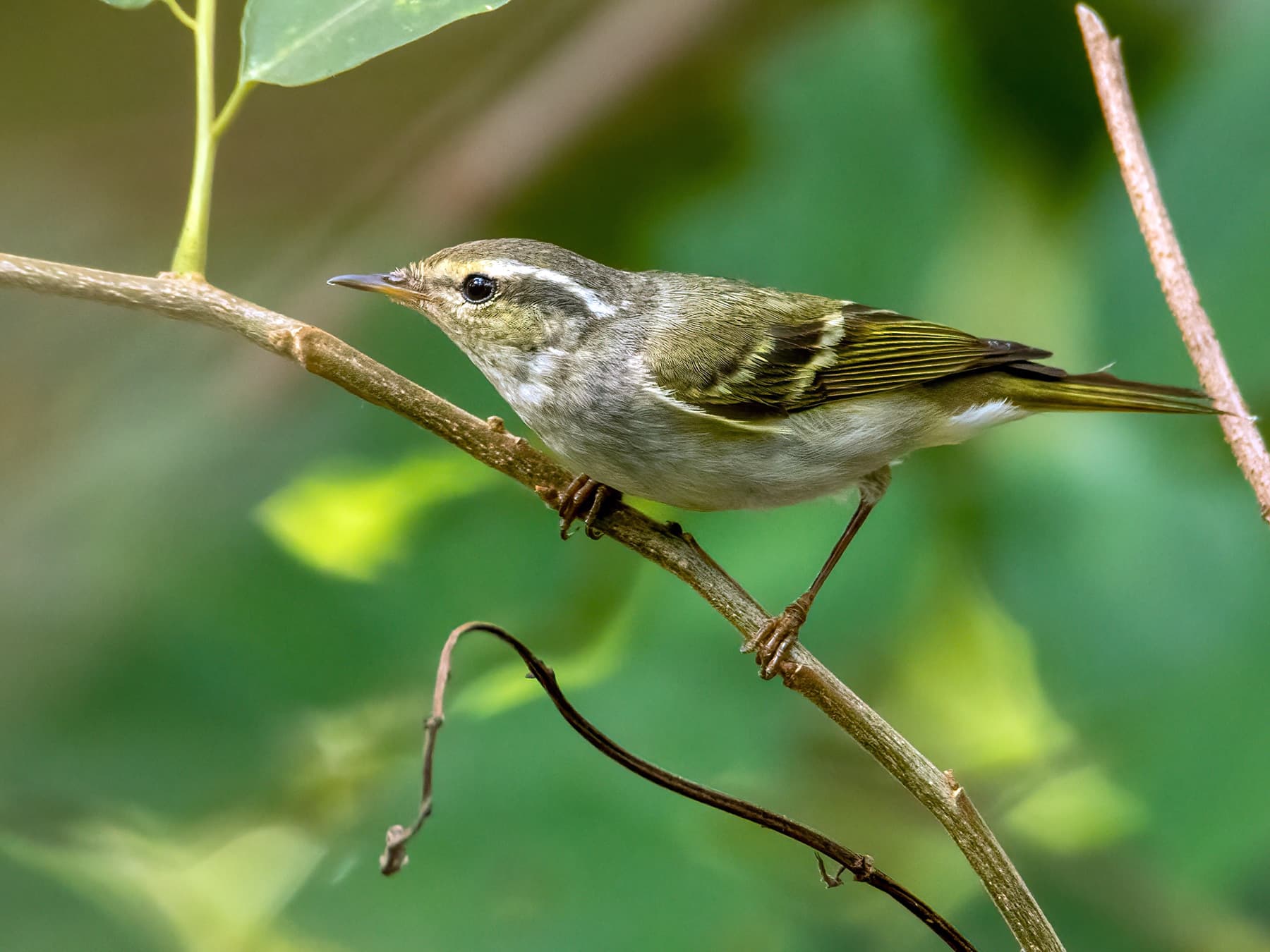
Yellow-browed Warbler
Phylloscopus inornatusLC
An uncommon autumn passage migrant in September and October, arriving from Siberia. Favours coastal scrub and hedgerows.
Sep–Oct
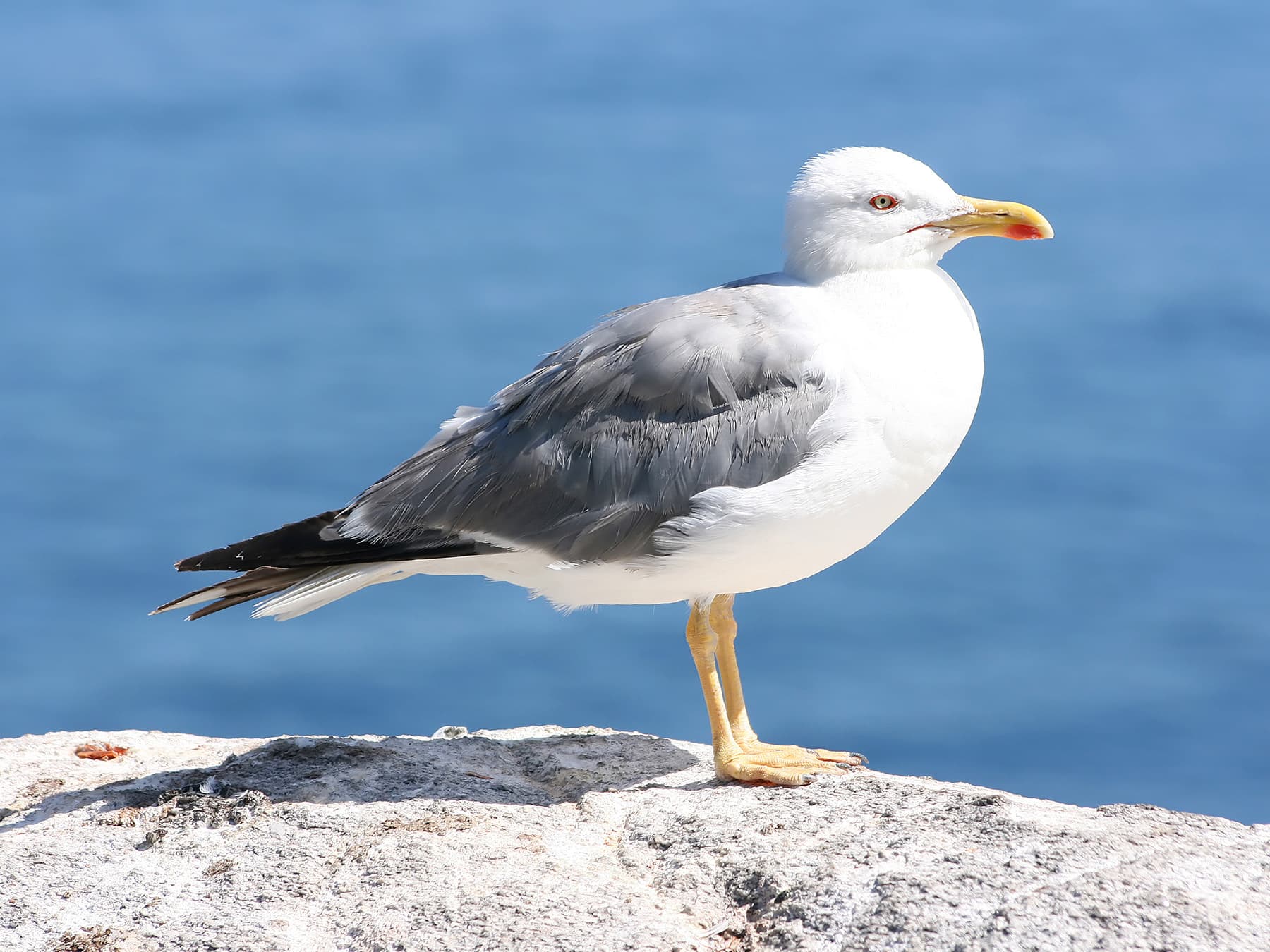
Yellow-legged Gull
Larus michahellisLC
A rare passage visitor in July and August, occasionally found among large gull flocks at coastal roosts and tips.
Jun–Mar
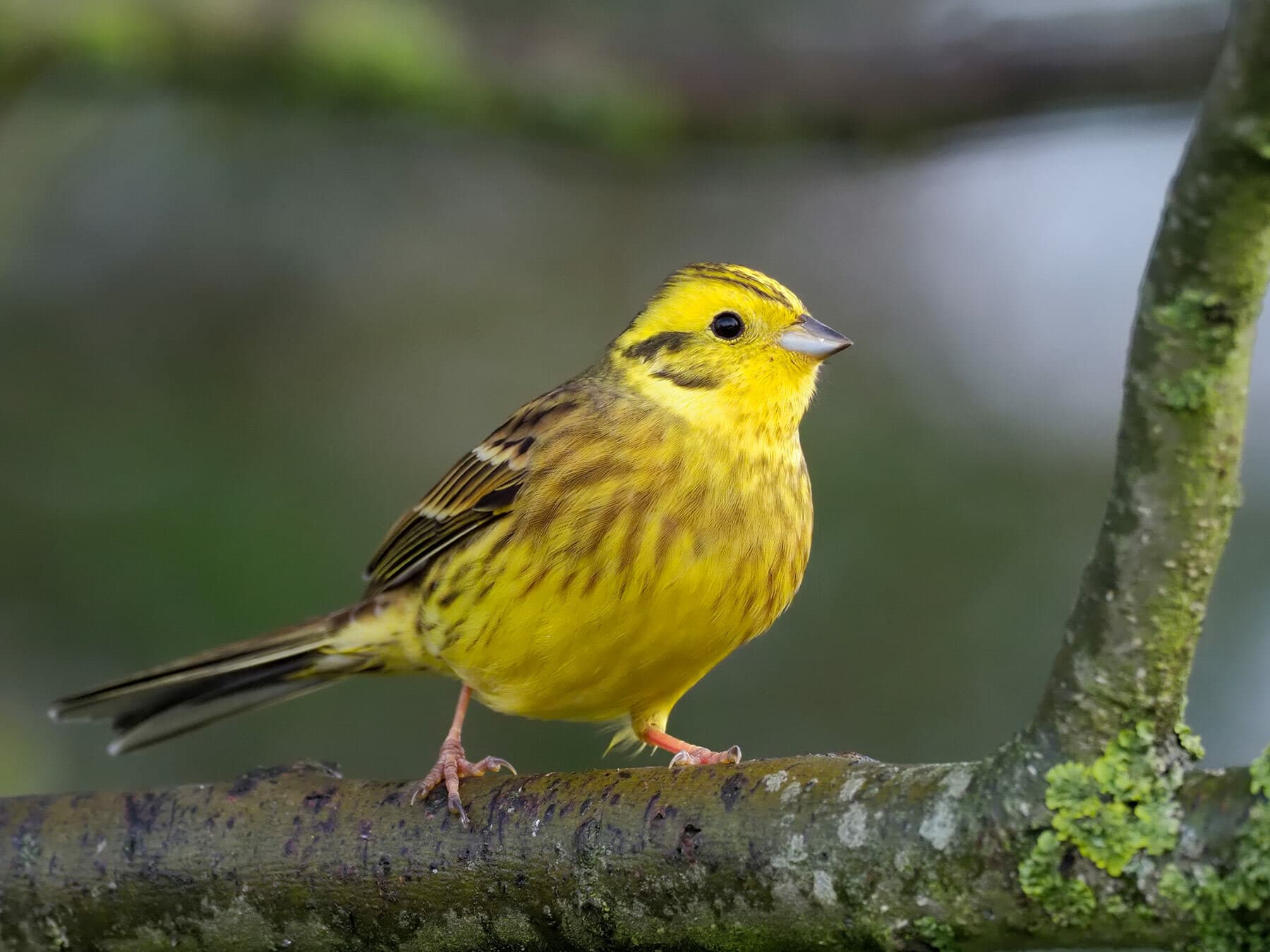
Yellowhammer
Emberiza citrinellaLC
An uncommon resident of farmland hedgerows and scrubby field margins. Declining nationally but still present year-round in the region.
Year-round