Birds in Tyne and Wear
Explore 207 species found in this region.
Tyne and Wear supports a remarkable diversity of birdlife, with 205 species recorded across its varied habitats, from the urban parks and gardens of Newcastle and Sunderland to the estuaries and coastline along the North Sea. The region's river valleys, wetlands, and coastal mudflats attract an impressive range of species, including Bluethroat, Northern Lapwing, Common Shelduck, and the striking Mandarin Duck. Whether you're watching waders on the Tyne estuary or spotting woodland birds like the Great Tit and Eurasian Woodcock, this compact county offers outstanding birding opportunities year-round.
Visiting in September? Look out for Arctic Loon and Barnacle Goose arriving this month, and Avocet and Cuckoo depart for the season.


Showing 162–184 of 207 species
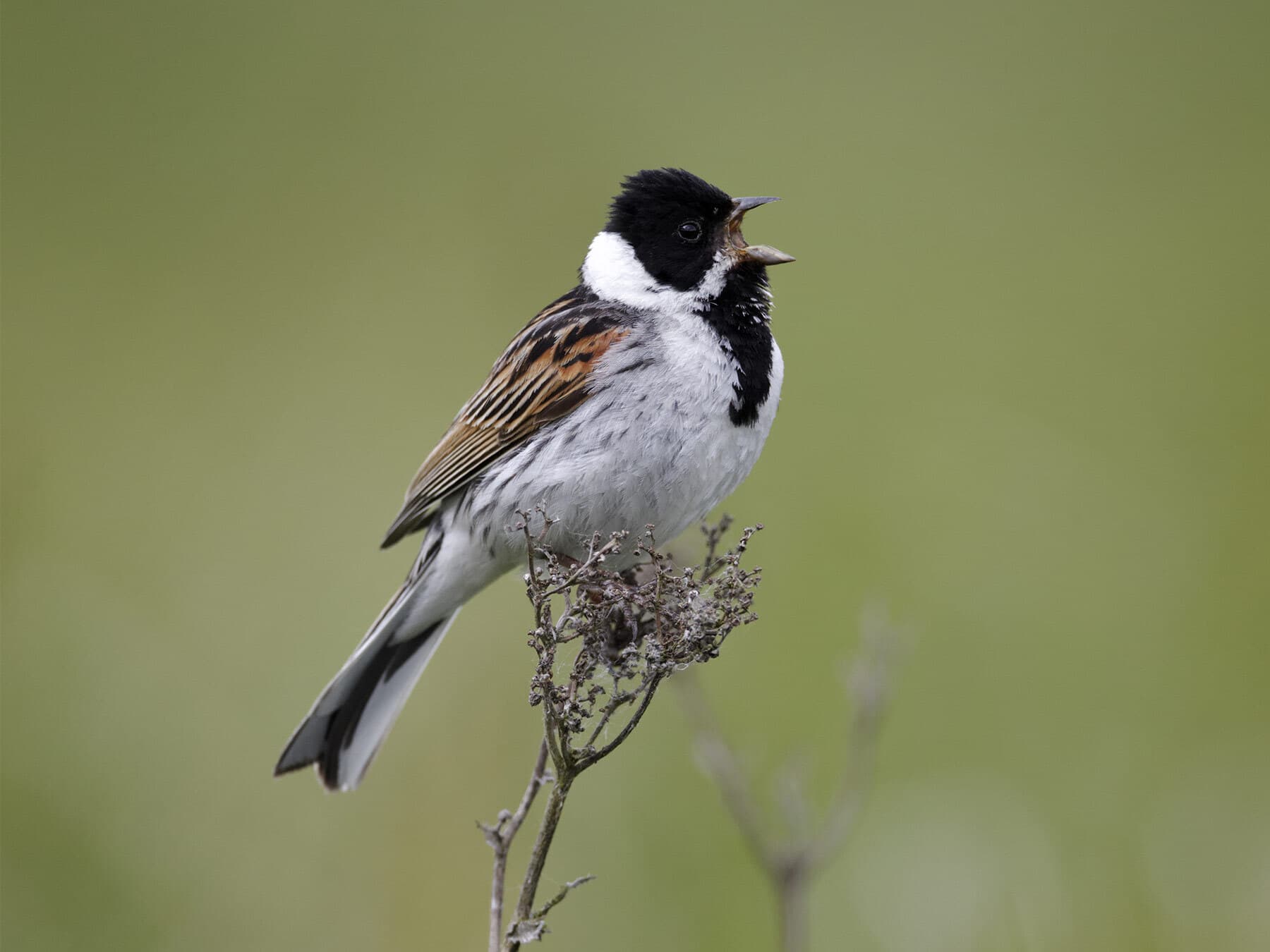
Reed Bunting
Emberiza schoeniclusLC
A common resident of reedbeds, wetland margins and rough vegetation. Males sing from prominent perches in spring and summer.
Year-round
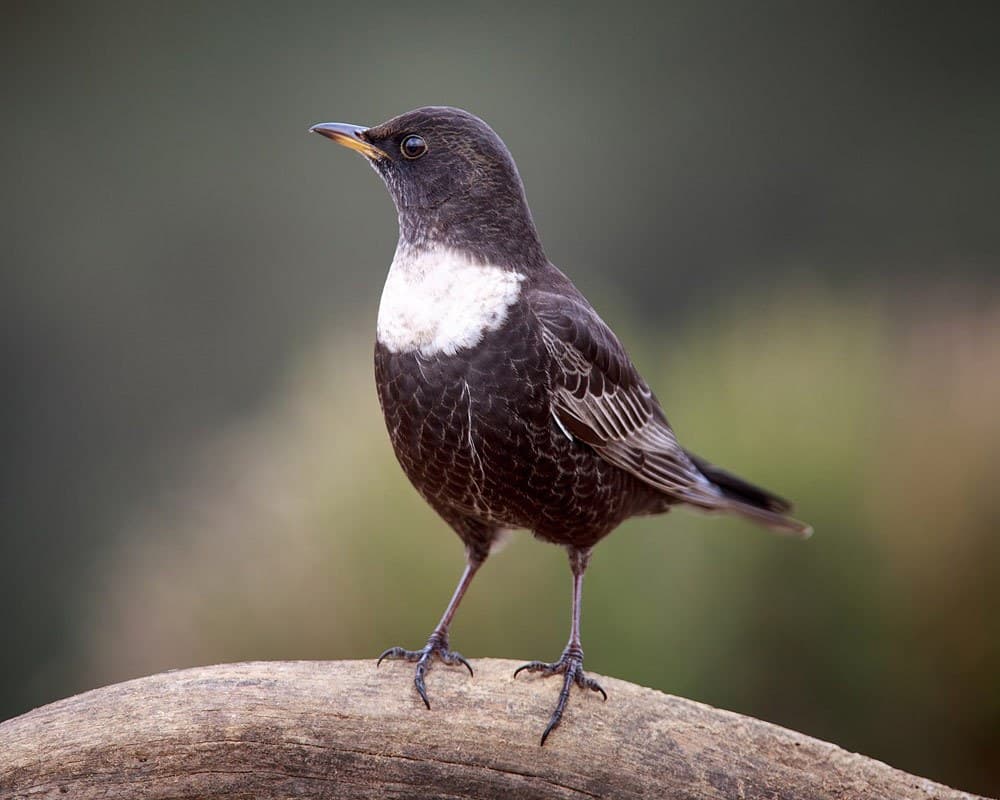
Ring Ouzel
Turdus torquatusLC
A rare passage migrant seen briefly in April and October, often on coastal scrub or upland edges while moving between breeding and wintering grounds.
Oct–Apr
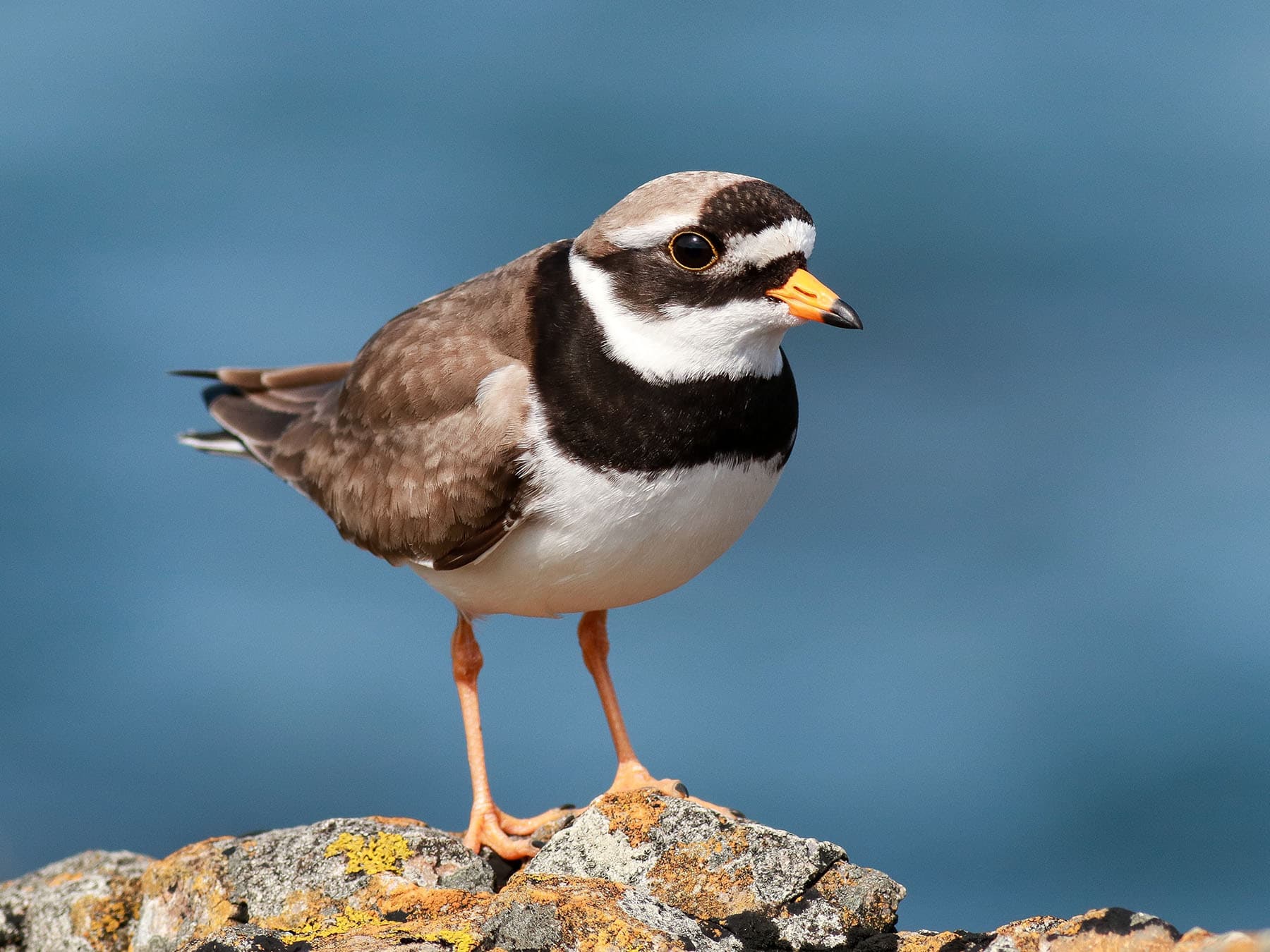
Ringed Plover
Charadrius hiaticulaLC
An uncommon resident breeding on shingle beaches and frequenting estuarine shores year-round along the Tyne and Wear coastline.
Year-round
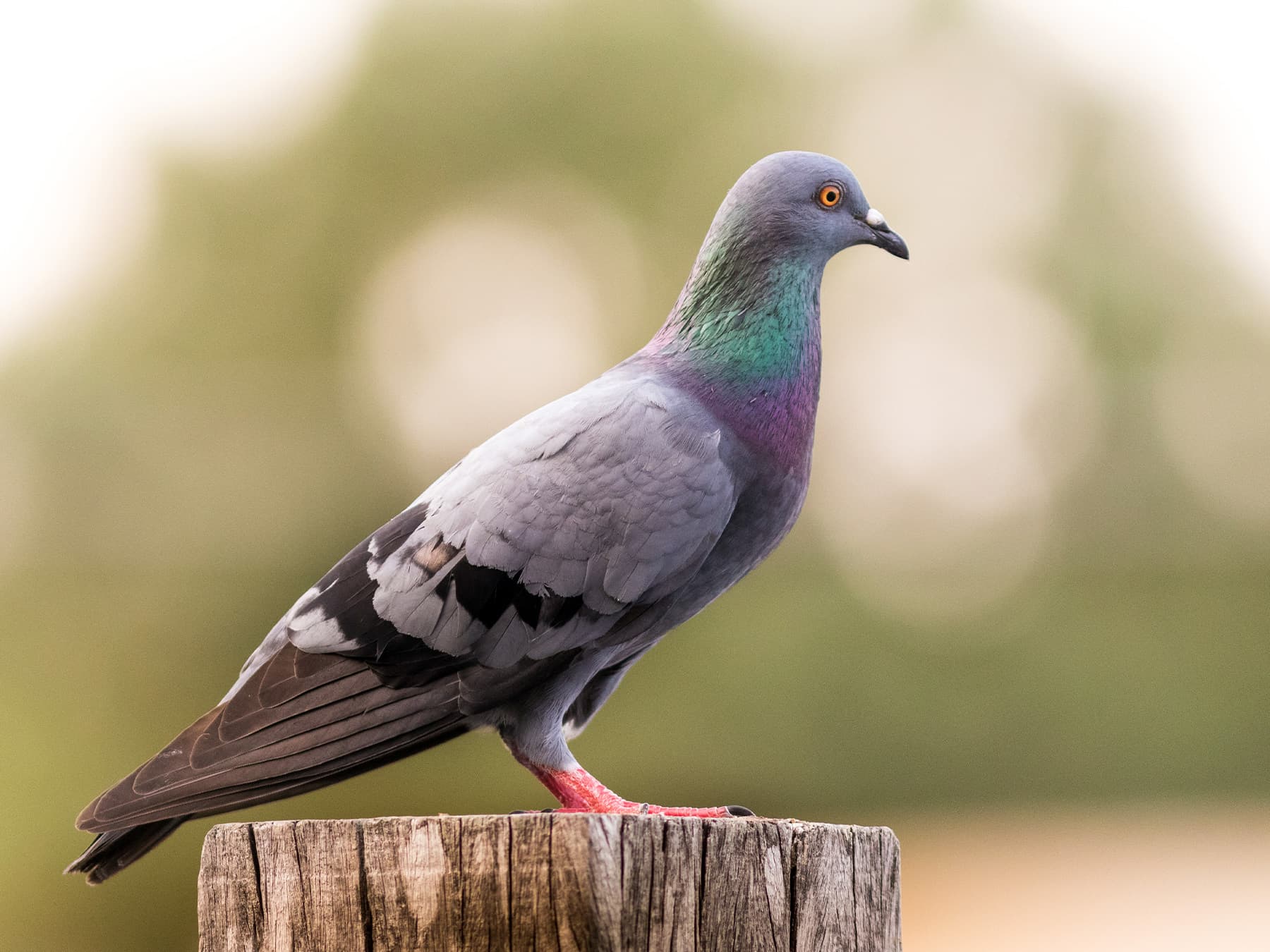
Rock Dove
Columba liviaLC
A common resident abundant in towns and cities, with feral populations thriving on buildings across Tyne and Wear.
Year-round
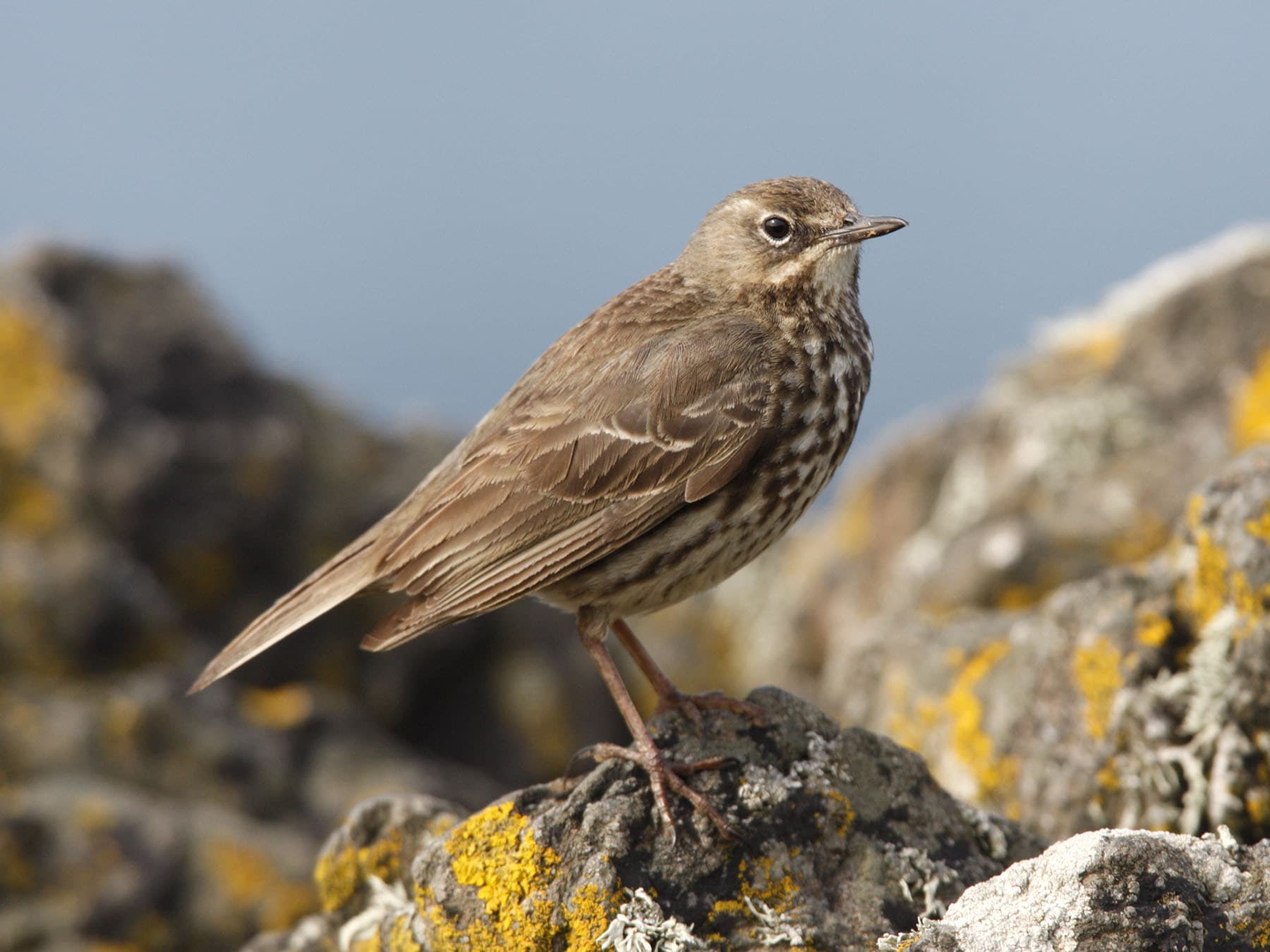
Rock Pipit
Anthus petrosusLC
An uncommon resident of rocky coastlines and harbour walls. Feeds along the tideline year-round at sites like Tynemouth and Whitburn.
Year-round
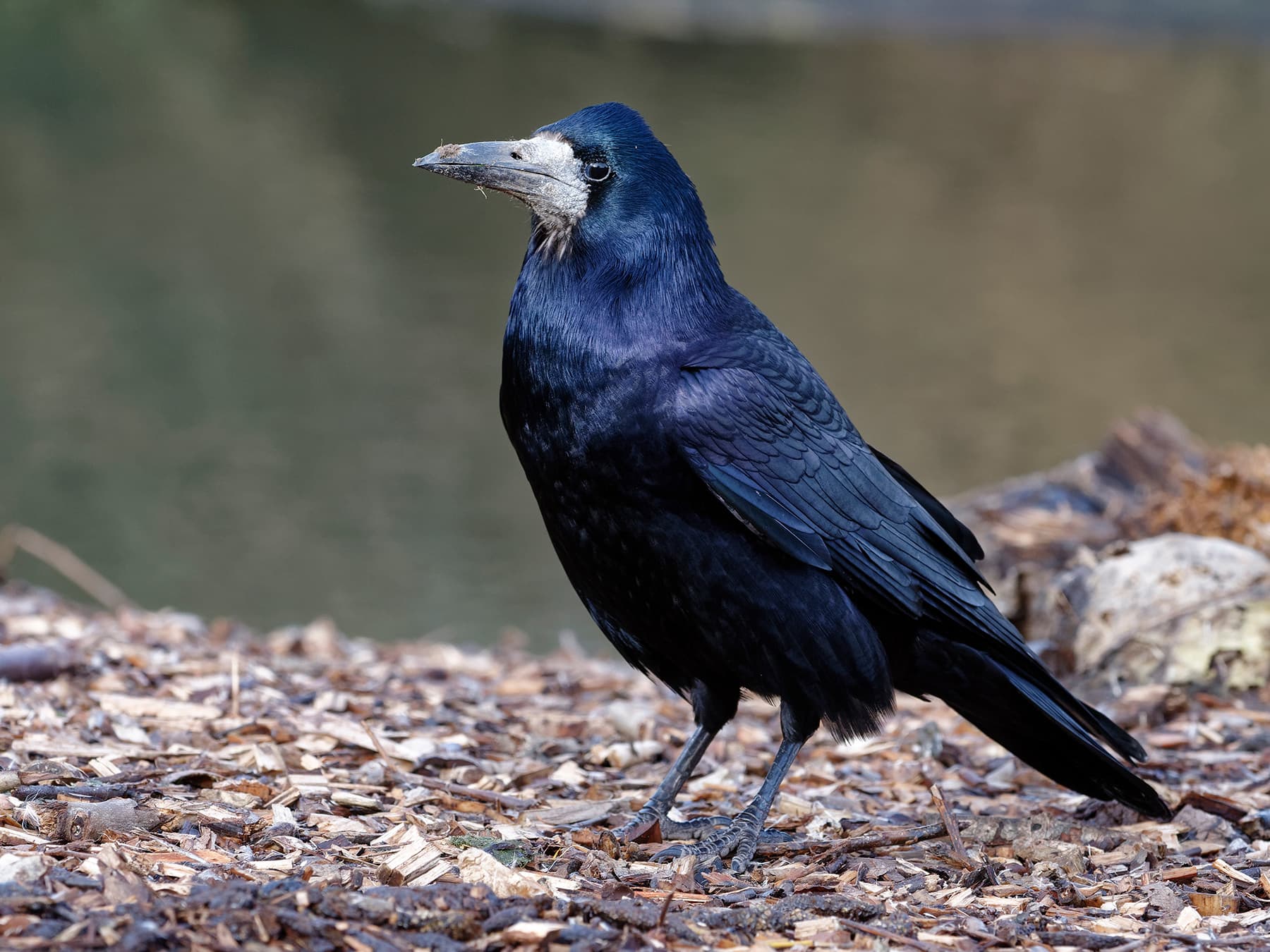
Rook
Corvus frugilegusLC
An uncommon resident forming noisy rookeries in tall trees across farmland and urban fringes, though declining in parts of the region.
Year-round
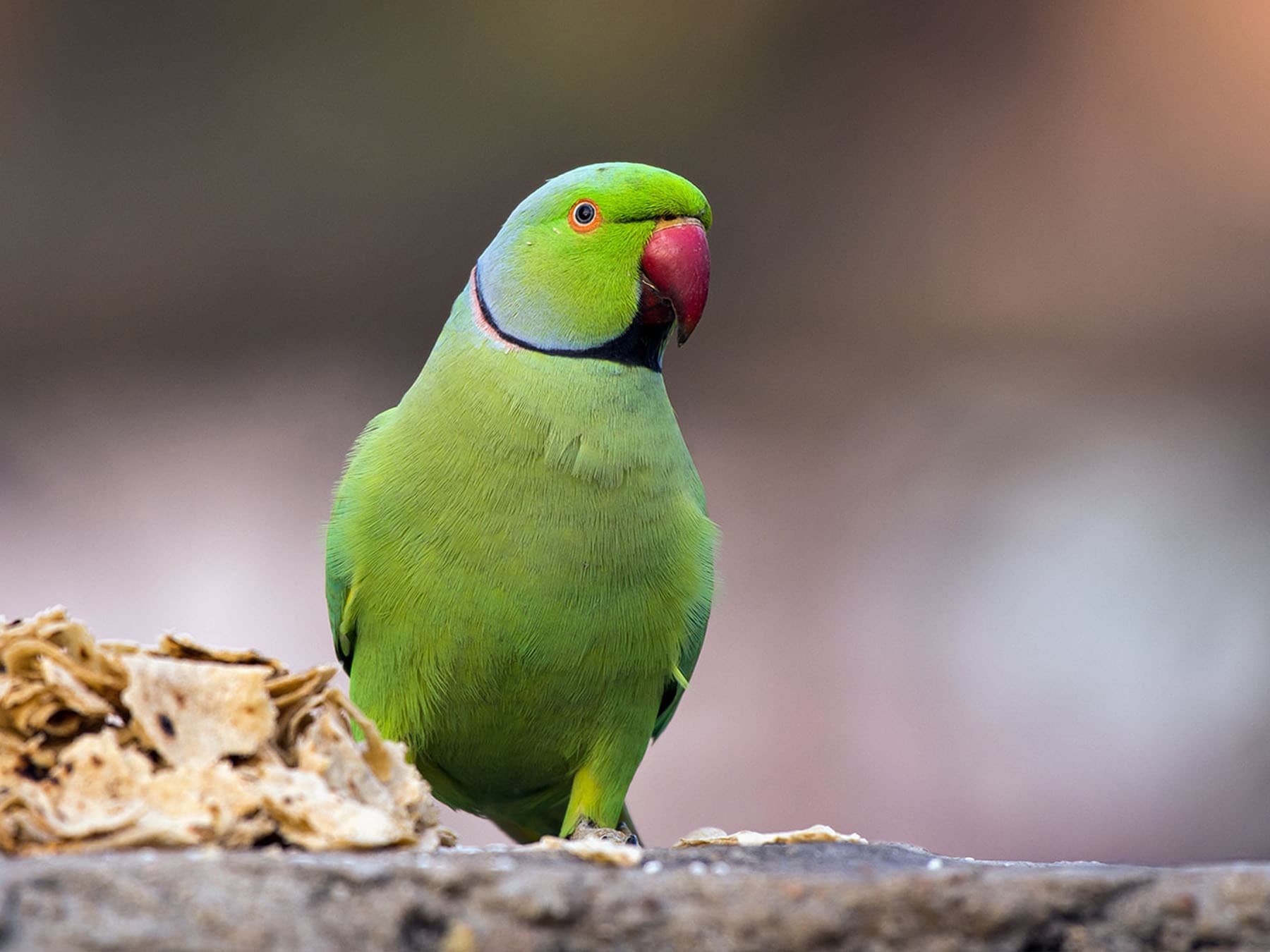
Rose-ringed Parakeet
Alexandrinus krameriLC
A rare but increasingly noted resident, part of the species' gradual northward spread from established southern populations.
Year-round
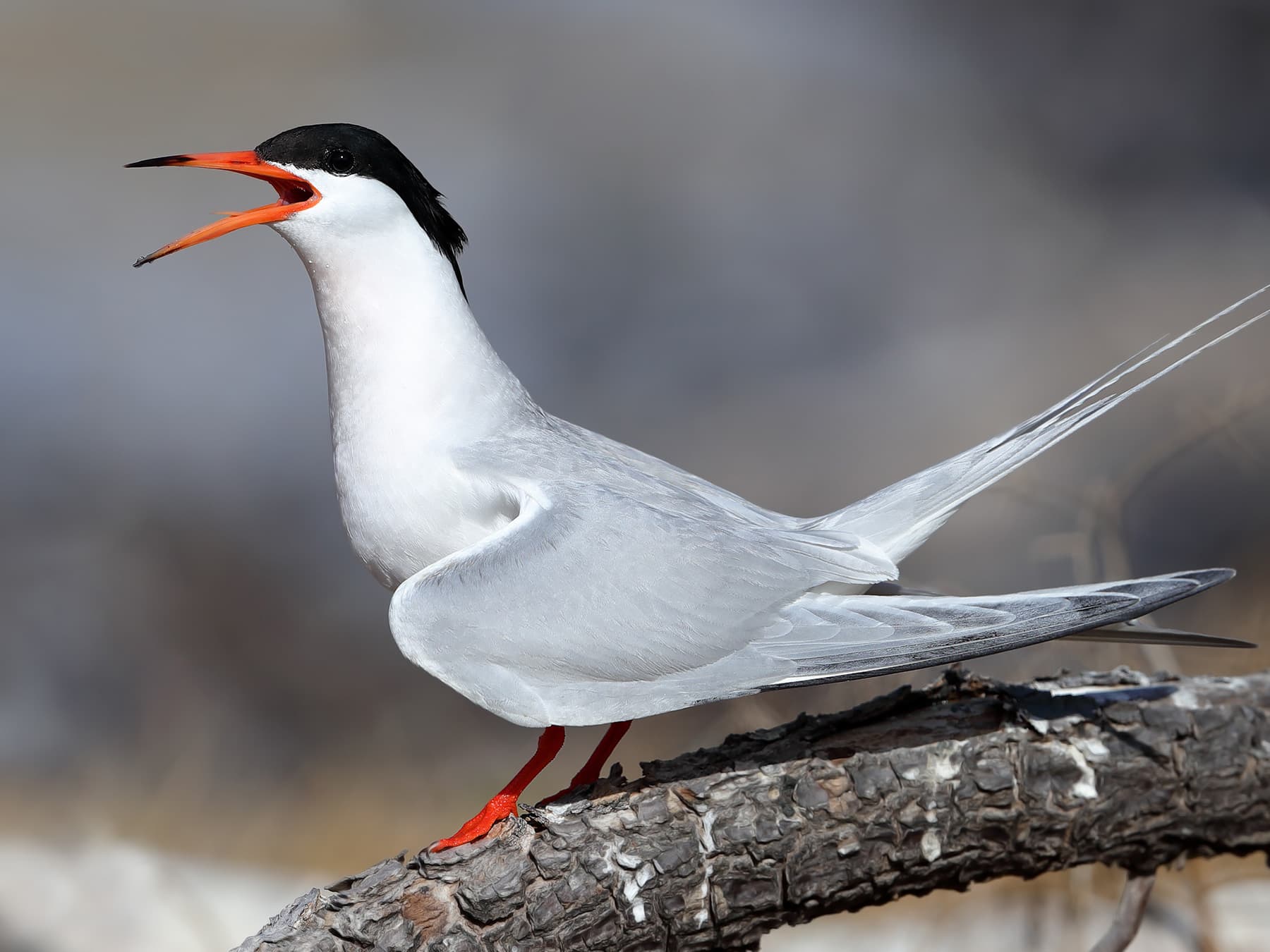
Roseate Tern
Sterna dougalliiLC
A rare passage migrant, most likely seen near tern colonies in late summer. The nearby Coquet Island hosts a key UK breeding colony.
May–Sep
Spotted something?
Upload a photo to identify it
Identify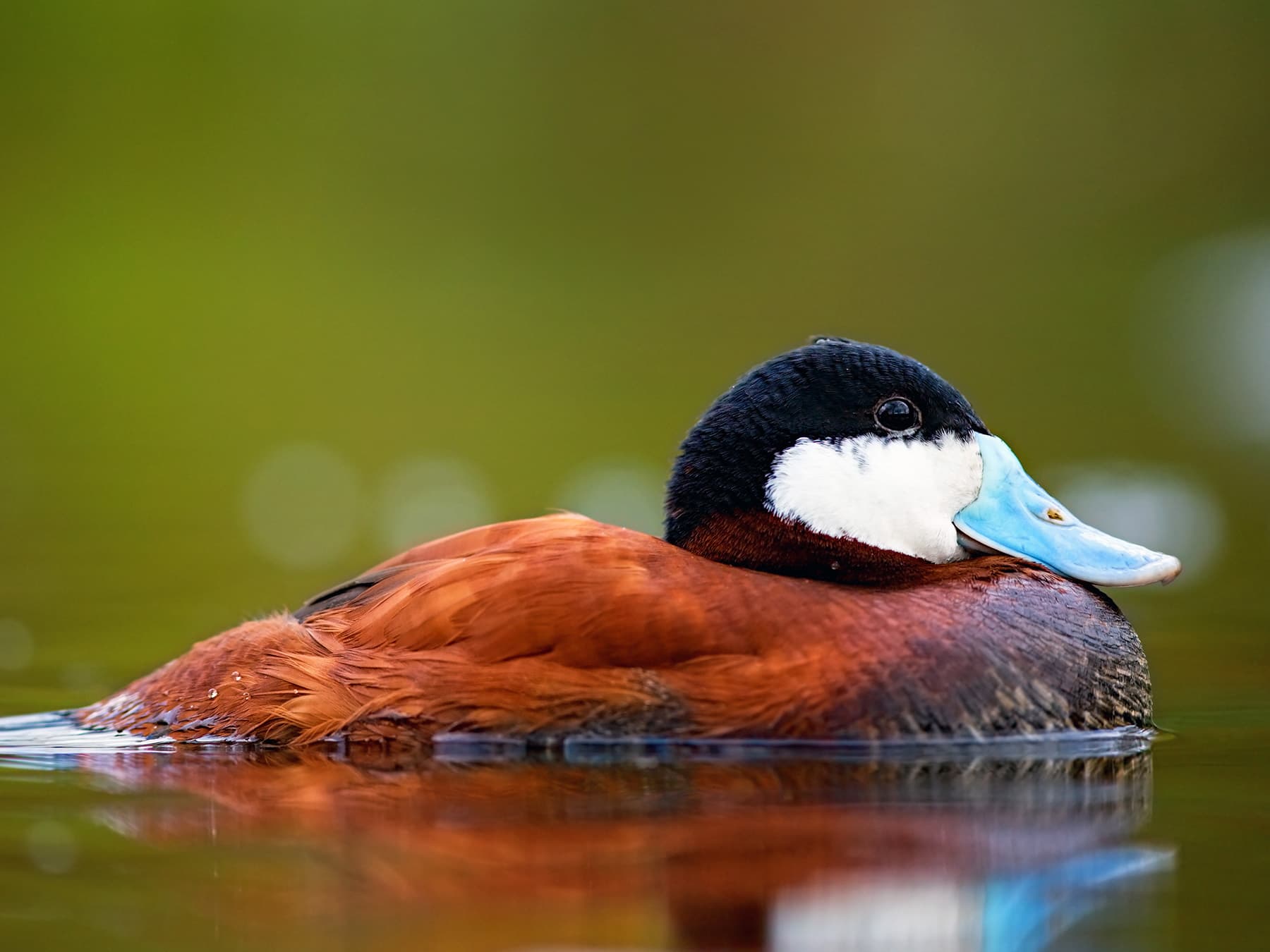
Ruddy Duck
Oxyura jamaicensisLC
A rare breeding visitor, now largely eradicated by national control programmes. Any sightings are increasingly exceptional.
Apr–Jun
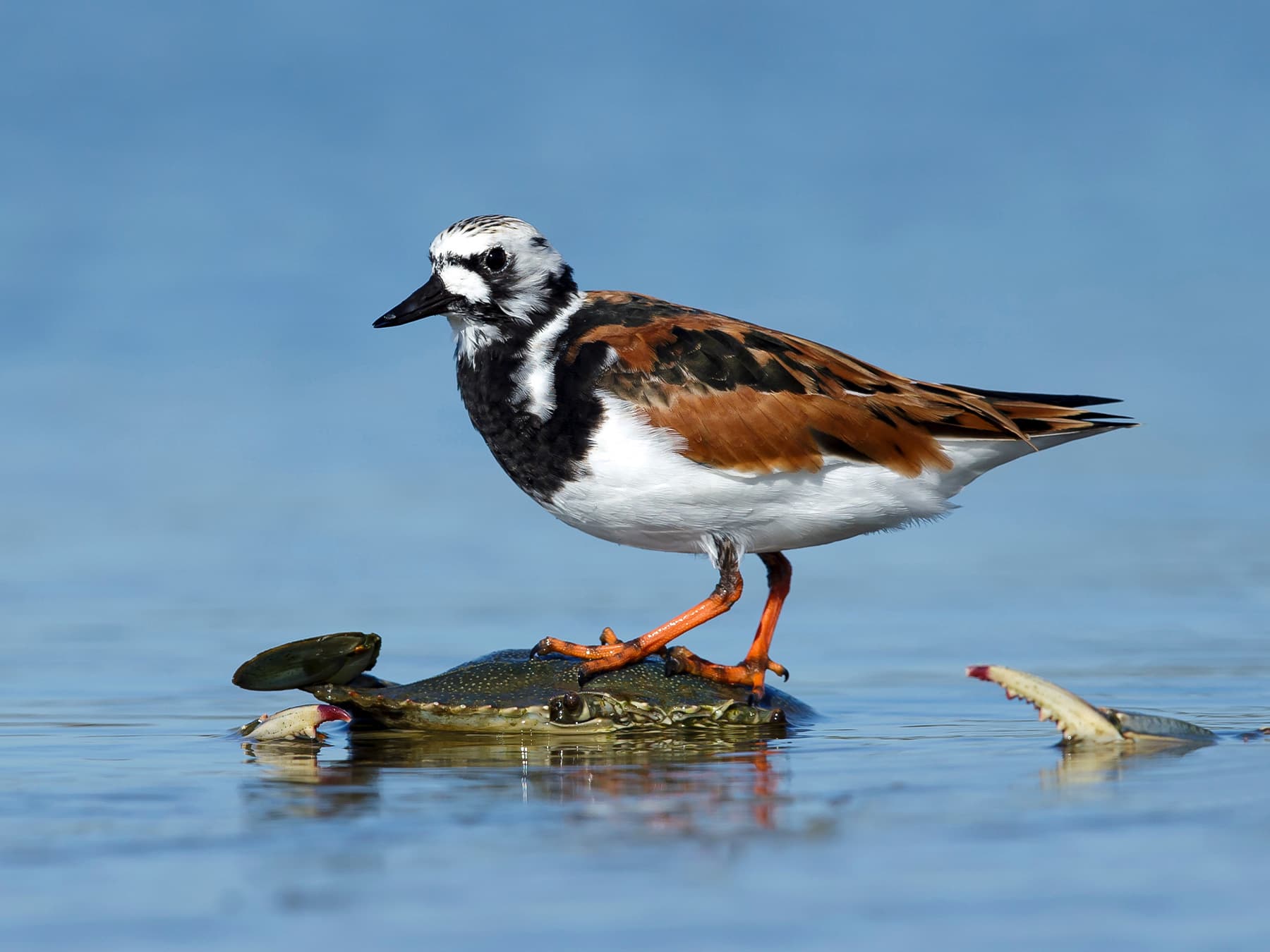
Ruddy Turnstone
Arenaria interpresLC
An uncommon resident of rocky shorelines, busily flipping stones and seaweed to find invertebrates along the Tyne and Wear coast.
Year-round
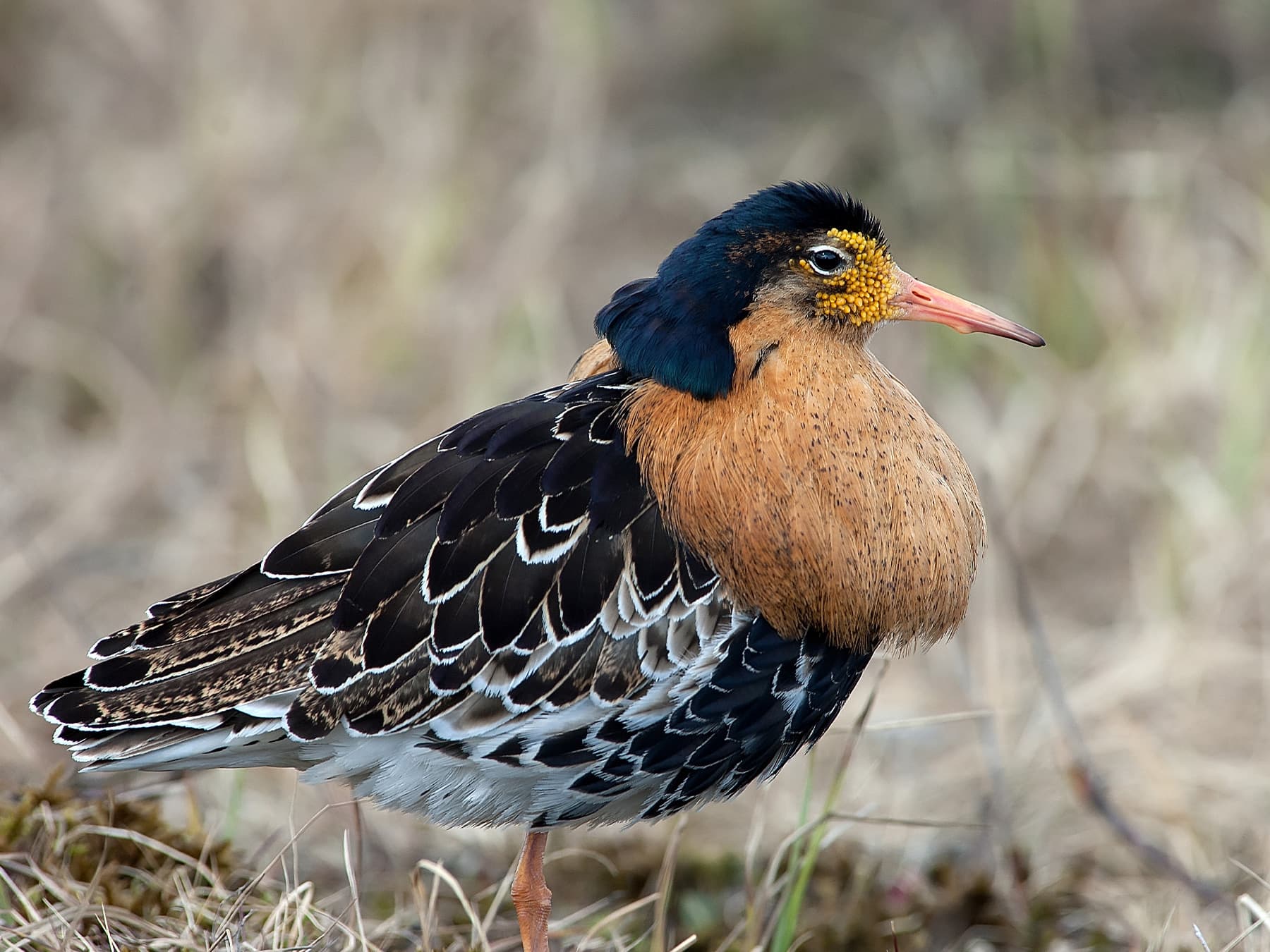
Ruff
Philomachus pugnaxLC
A rare autumn passage migrant from July to October. Occasionally stops at freshwater pools and muddy margins along the coast.
Jul–Oct
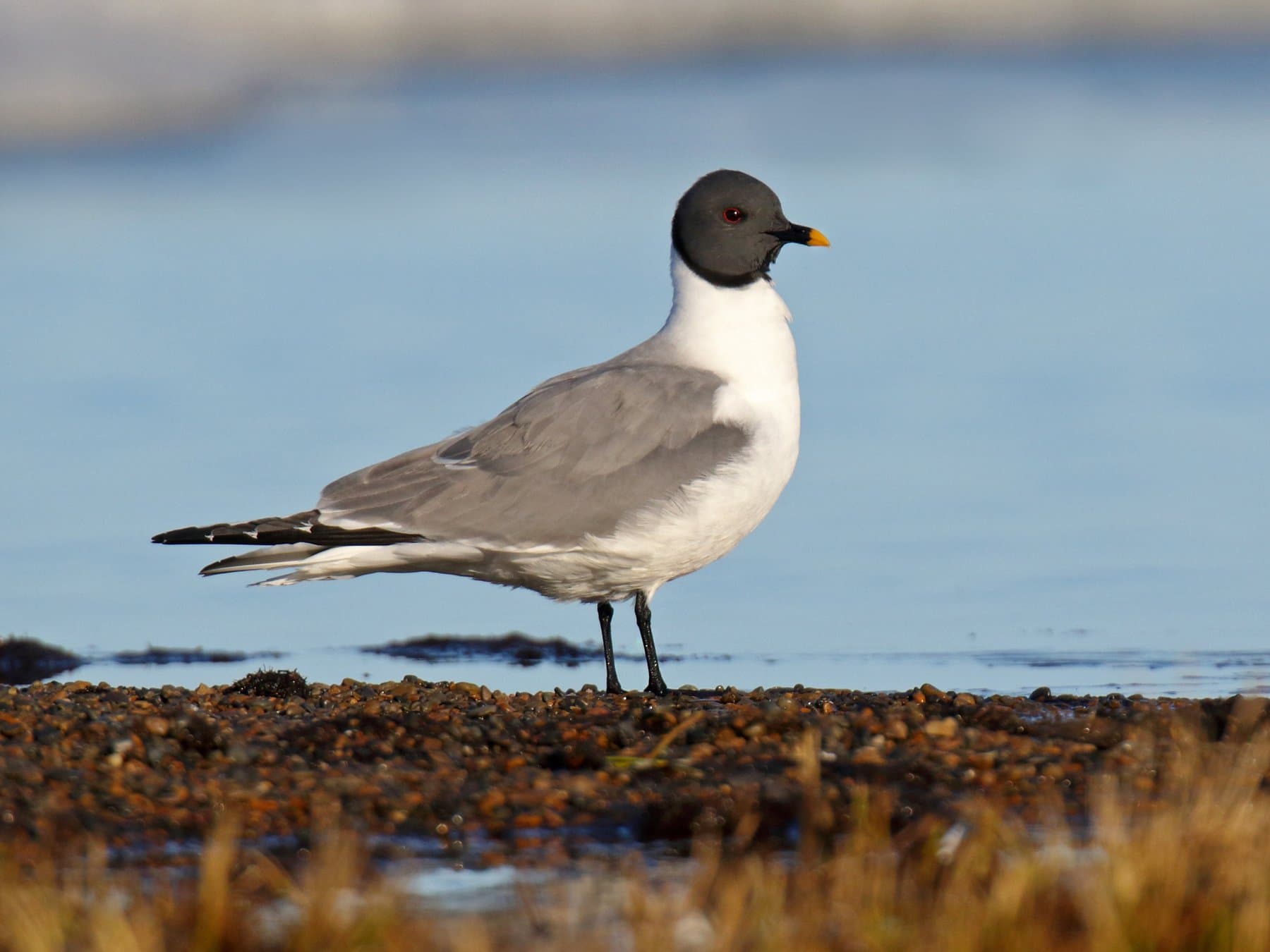
Sabine's Gull
Xema sabiniLC
A rare September passage migrant, typically spotted during autumn gales. Whitburn and other coastal vantage points are the prime locations.
Sep
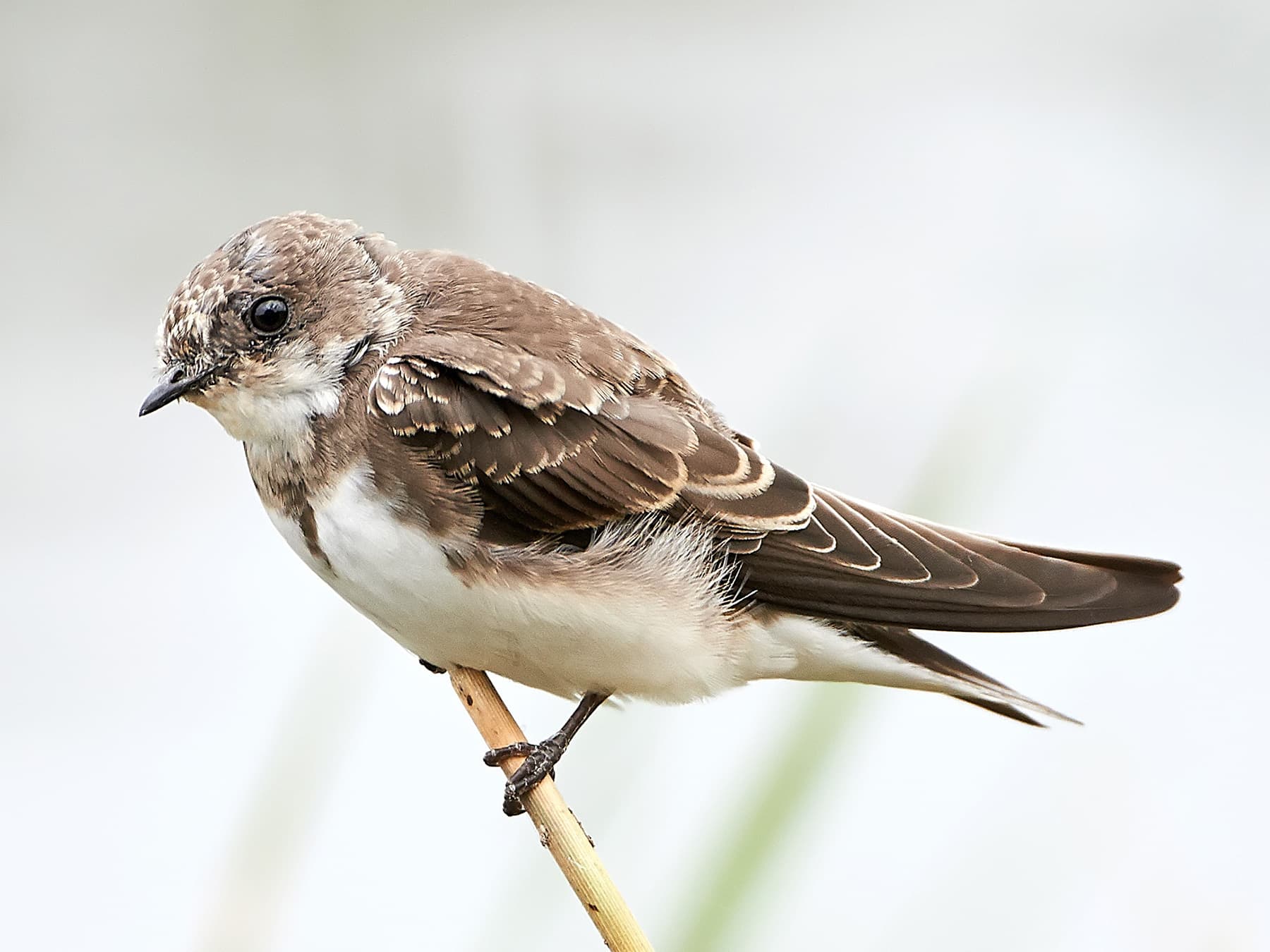
Sand Martin
Riparia ripariaLC
A common summer breeder from March to September, nesting colonially in sandy riverbanks along the Tyne and its tributaries.
Mar–Sep
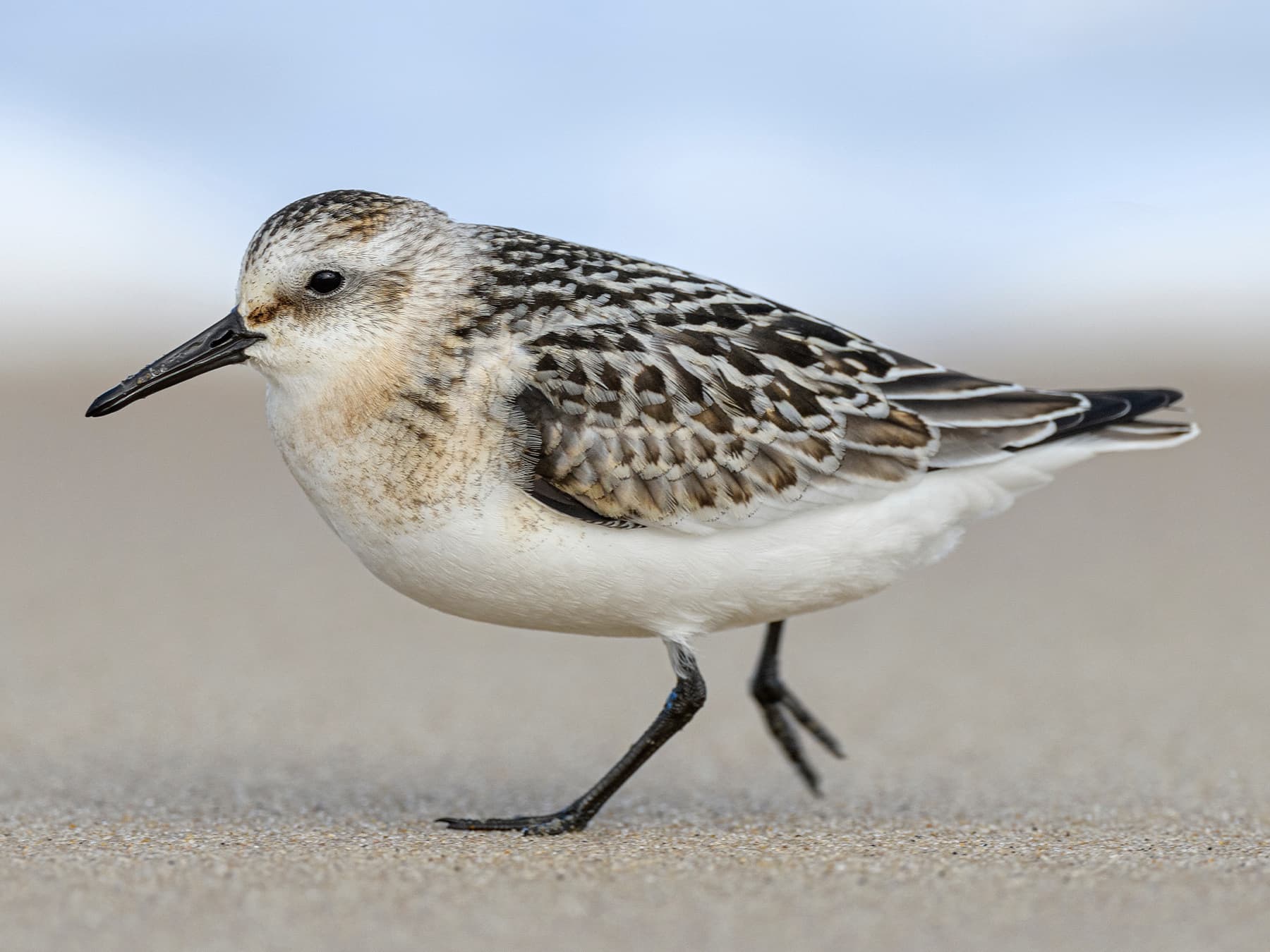
Sanderling
Calidris albaLC
Present year-round on sandy beaches, with flocks scurrying along the tideline at sites like Whitley Bay and South Shields.
Year-round
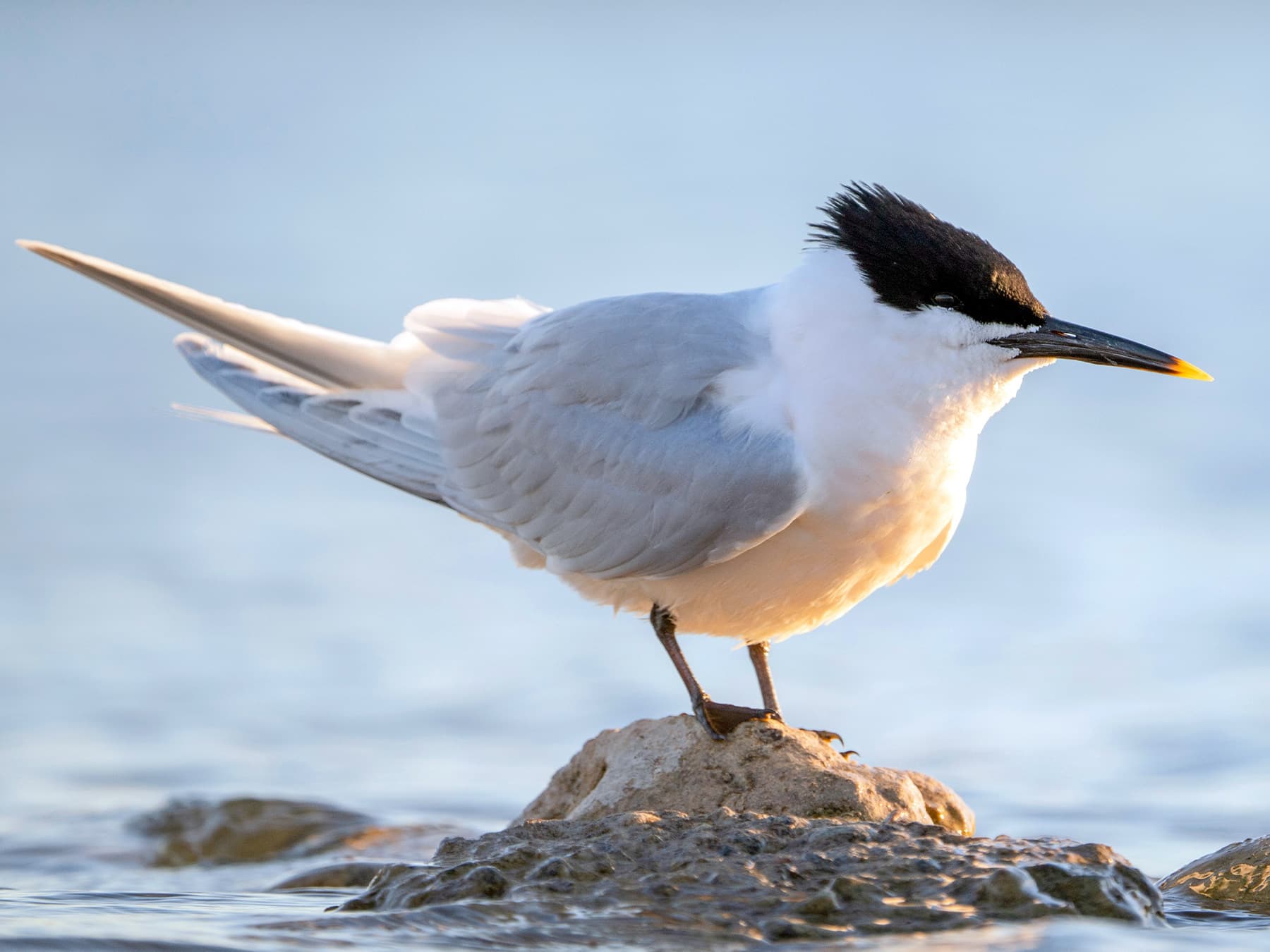
Sandwich Tern
Thalasseus sandvicensisLC
An uncommon breeder present from March to October. Feeds along the coast and nests at nearby colonies, often seen plunge-diving for fish.
Mar–Oct
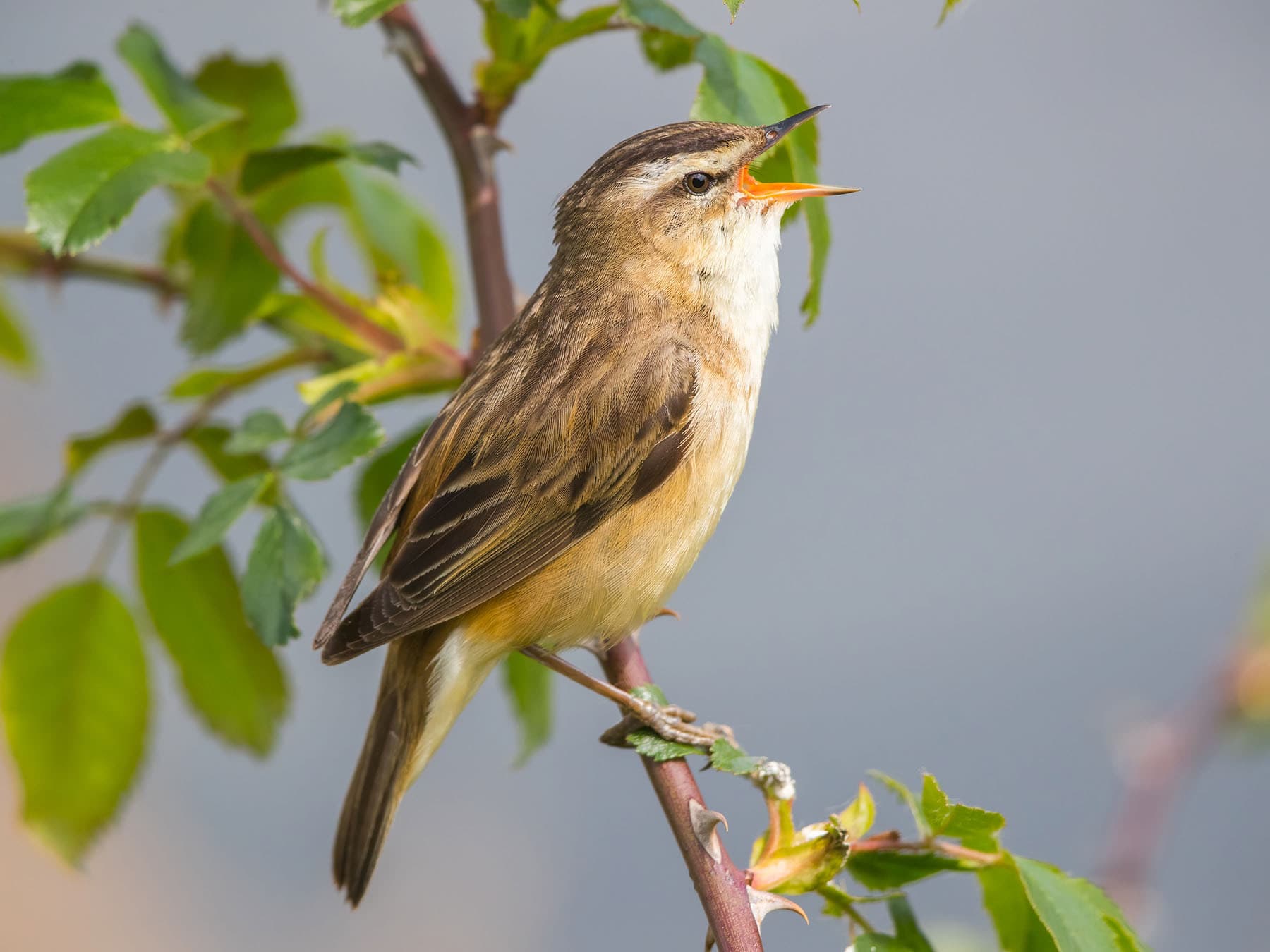
Sedge Warbler
Acrocephalus schoenobaenusLC
An uncommon summer breeder in reedbeds and dense waterside vegetation from April to September. A lively and vocal warbler.
Apr–Sep
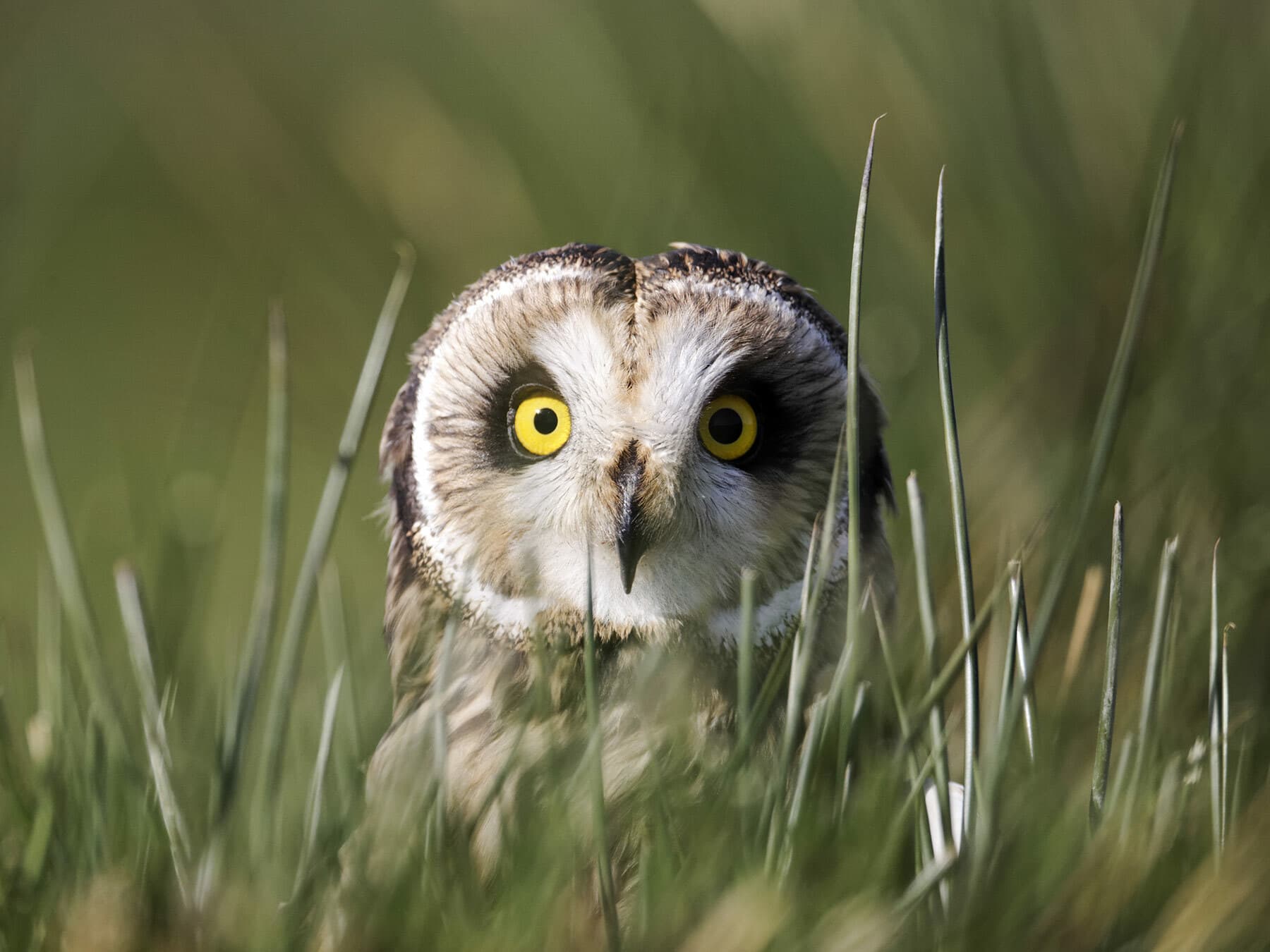
Short-eared Owl
Asio flammeusLC
A rare non-breeding visitor to open grassland and coastal fields, mainly seen from autumn through to early spring.
Sep–Apr
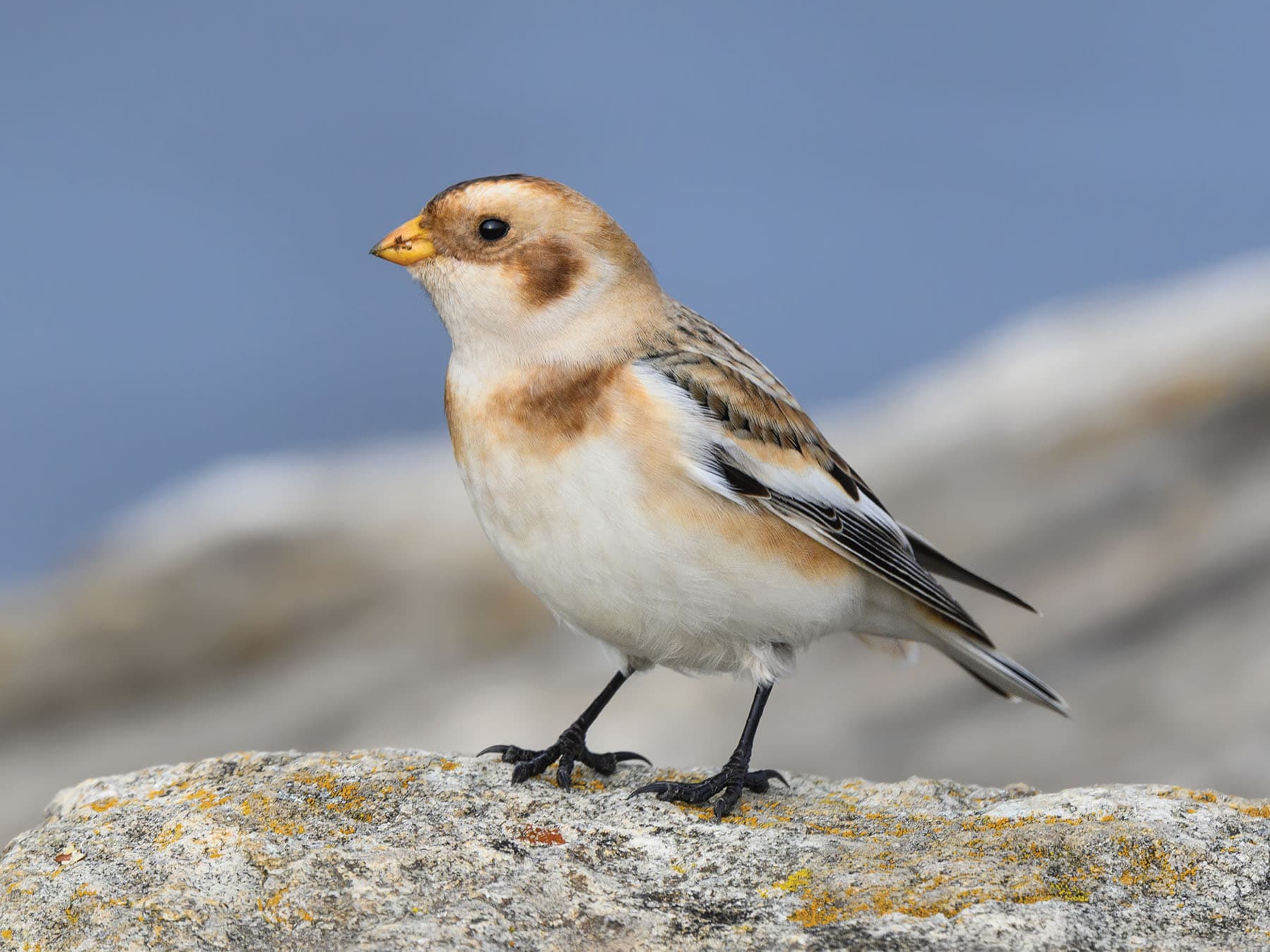
Snow Bunting
Plectrophenax nivalisLC
A rare winter visitor from Arctic breeding grounds, occasionally seen on beaches and coastal fields from October to March.
Oct–Mar
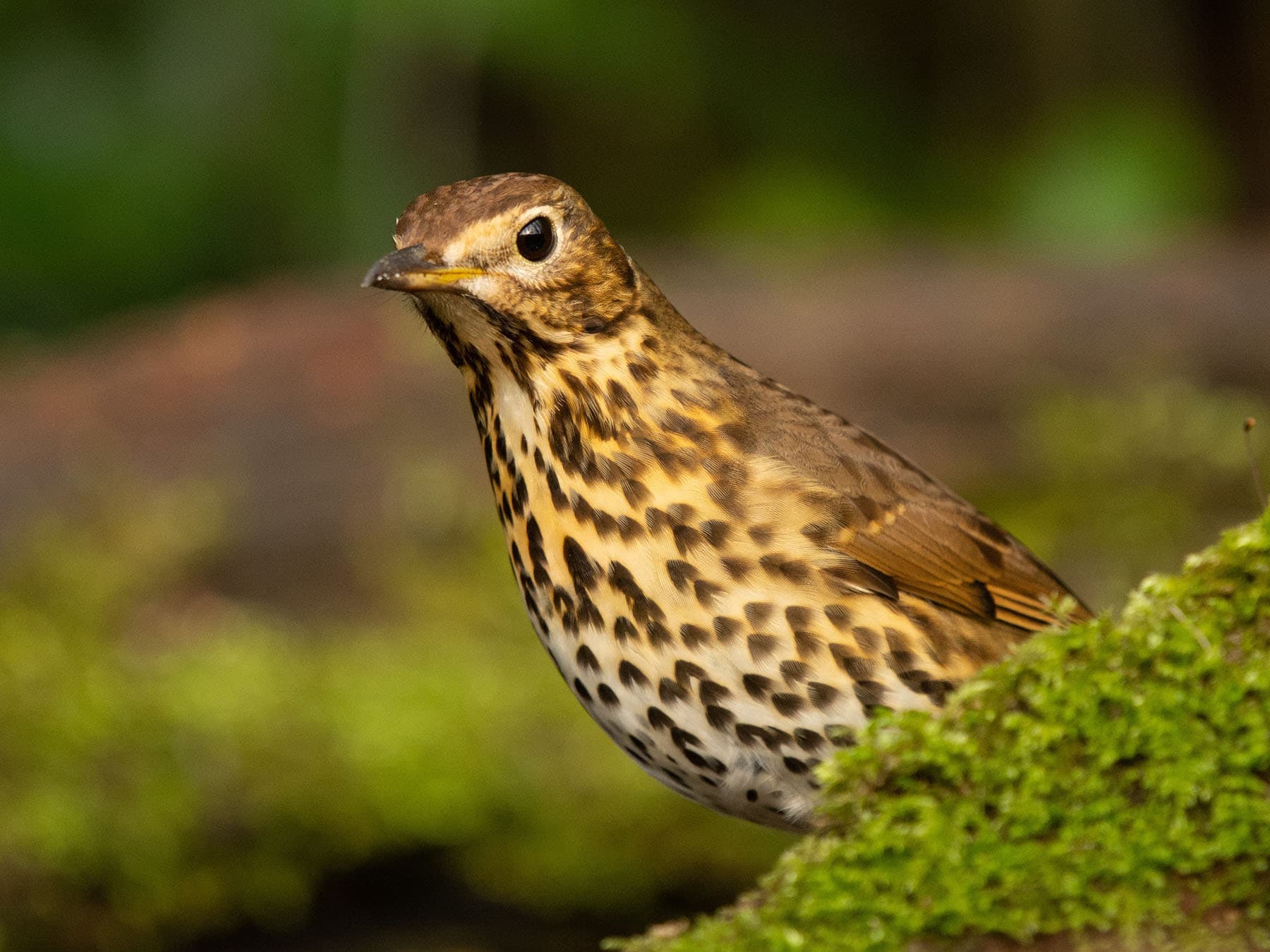
Song Thrush
Turdus philomelosLC
An uncommon but year-round resident of gardens, parks and woodland. Often heard smashing snail shells on a favourite stone anvil.
Year-round
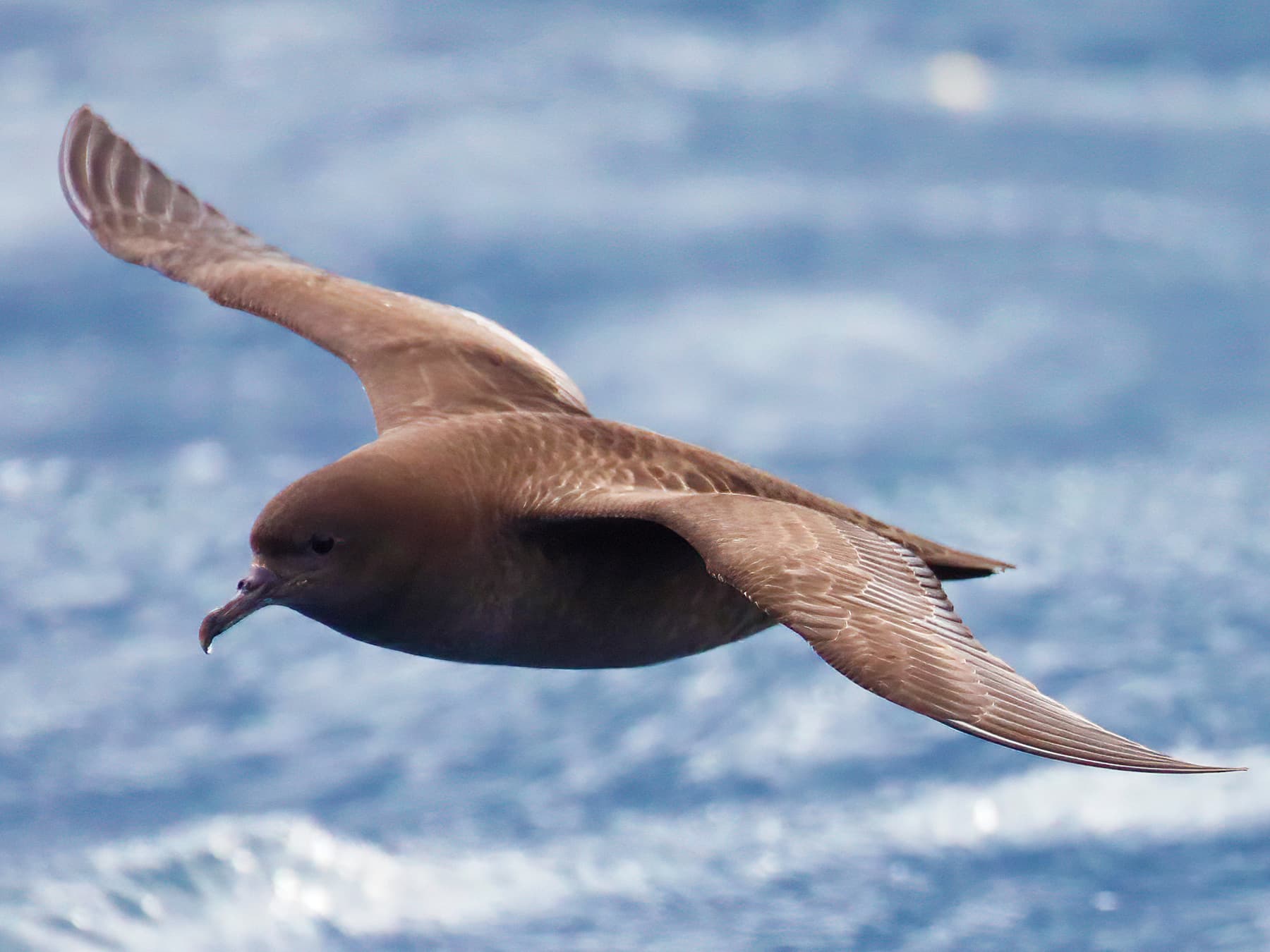
Sooty Shearwater
Ardenna griseaNT
An uncommon offshore visitor from July to November, best seen during seawatches in strong onshore winds at autumn passage peaks.
Jul–Nov
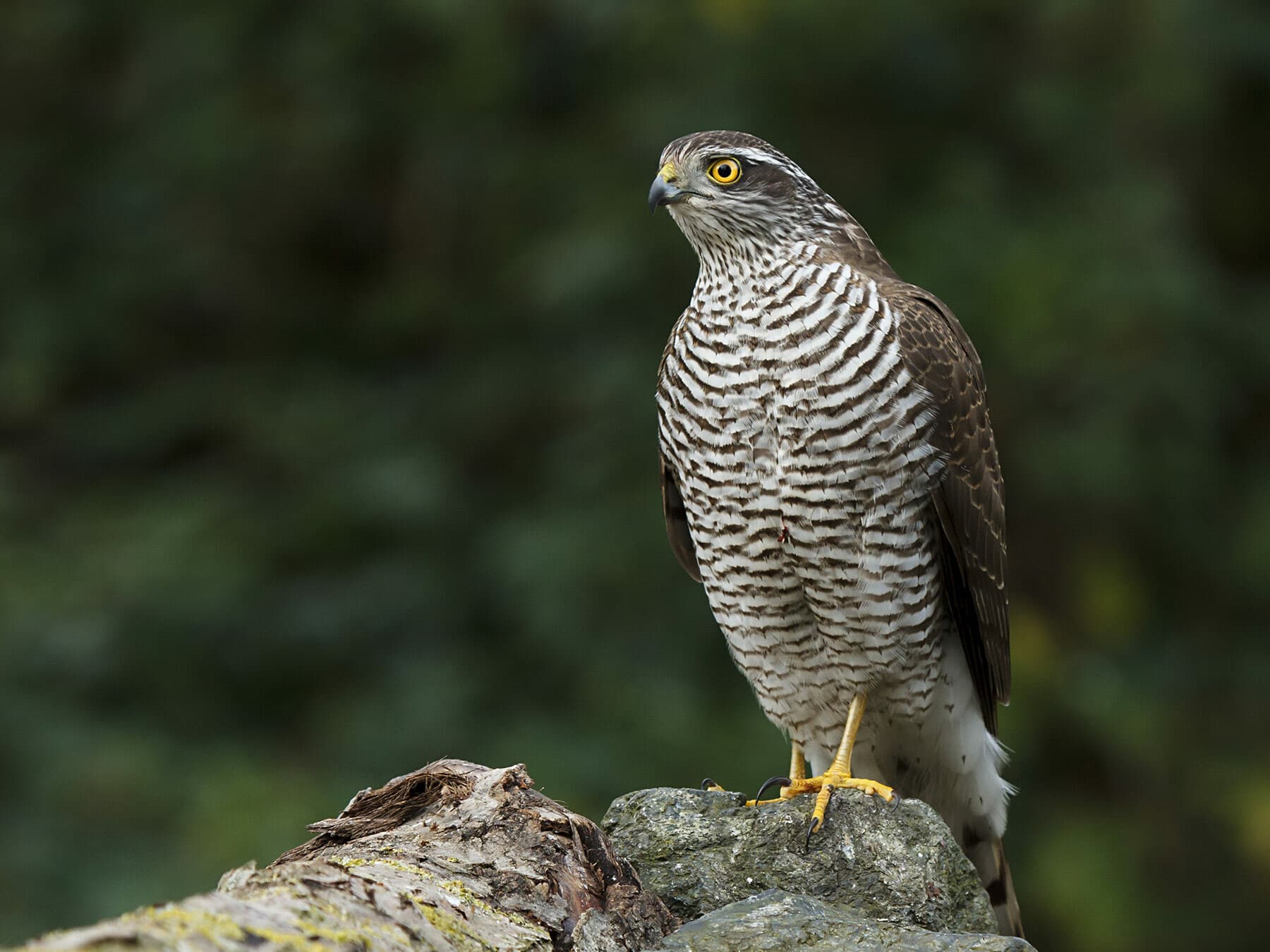
Sparrowhawk
Accipiter nisusLC
An uncommon but year-round resident, hunting small birds in gardens, parks, and woodland edges across the region.
Year-round
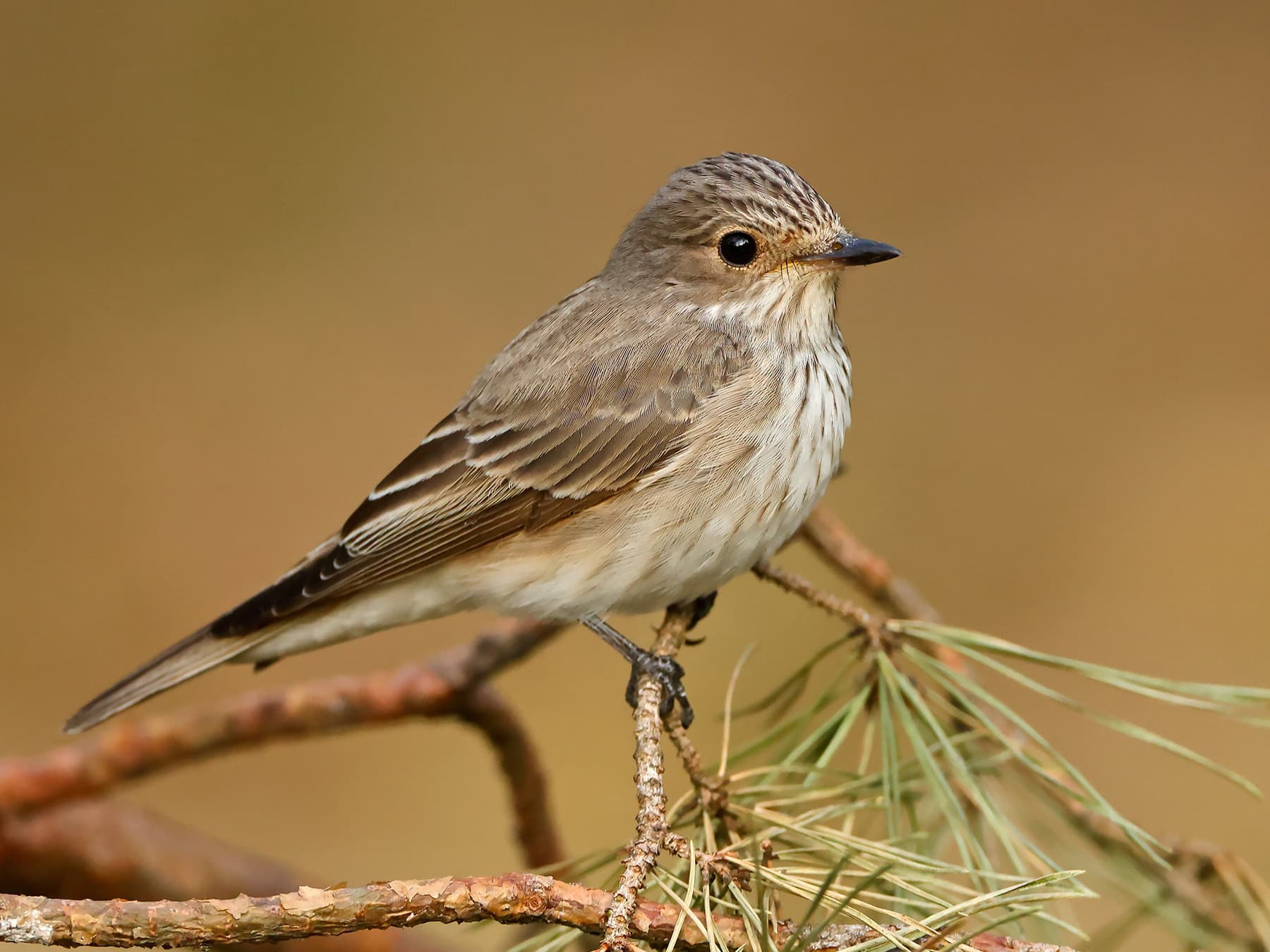
Spotted Flycatcher
Muscicapa striataLC
A rare passage visitor in May and late summer, perching prominently to catch insects in woodland clearings and coastal scrub.
May–Sep
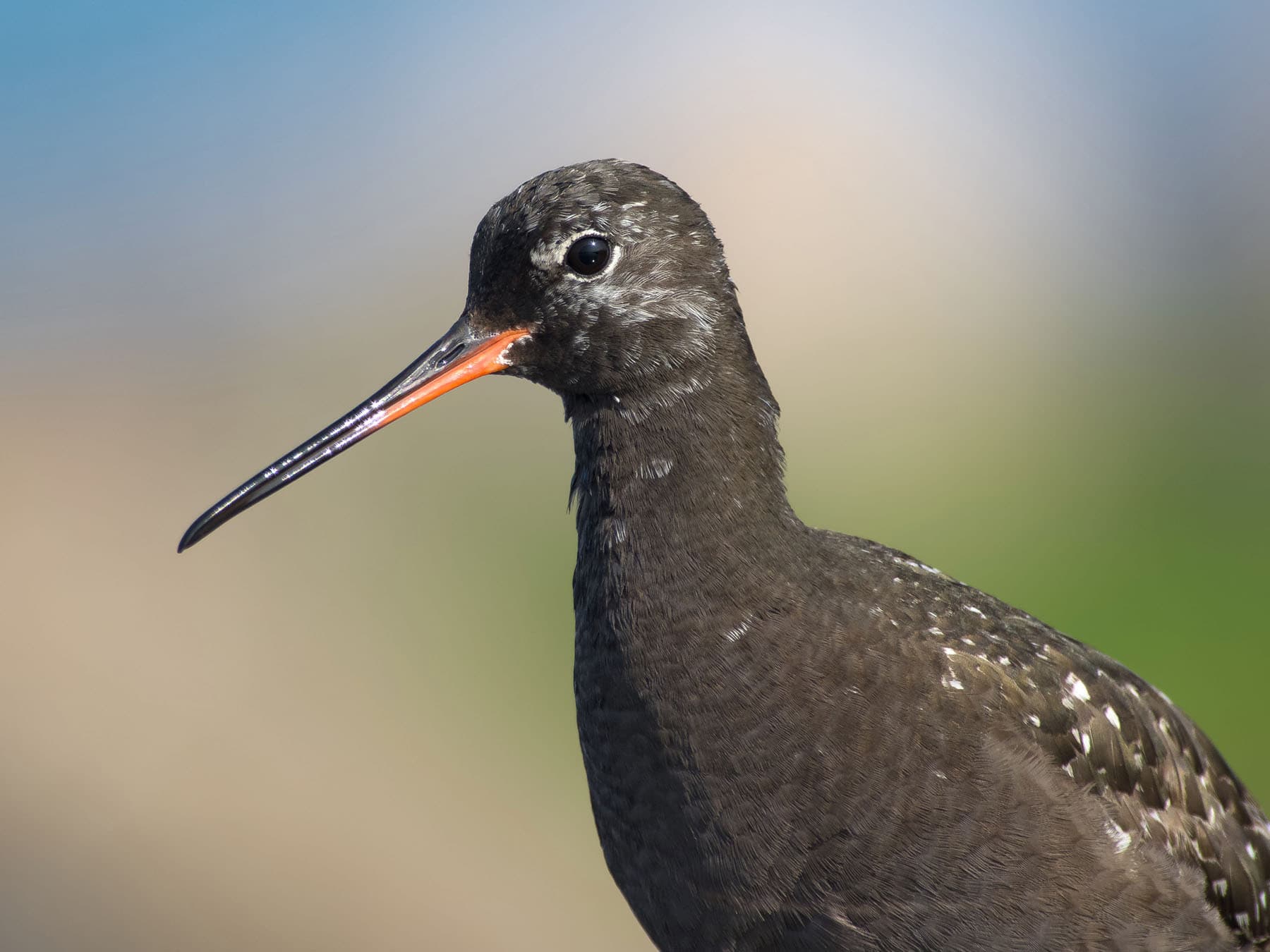
Spotted Redshank
Tringa erythropusLC
A rare autumn passage migrant, occasionally noted at coastal pools and estuarine mudflats in August and September.
Aug–Sep