Birds in Tyne and Wear
Explore 207 species found in this region.
Tyne and Wear supports a remarkable diversity of birdlife, with 205 species recorded across its varied habitats, from the urban parks and gardens of Newcastle and Sunderland to the estuaries and coastline along the North Sea. The region's river valleys, wetlands, and coastal mudflats attract an impressive range of species, including Bluethroat, Northern Lapwing, Common Shelduck, and the striking Mandarin Duck. Whether you're watching waders on the Tyne estuary or spotting woodland birds like the Great Tit and Eurasian Woodcock, this compact county offers outstanding birding opportunities year-round.
Visiting in September? Look out for Arctic Loon and Barnacle Goose arriving this month, and Avocet and Cuckoo depart for the season.


Showing 93–115 of 207 species
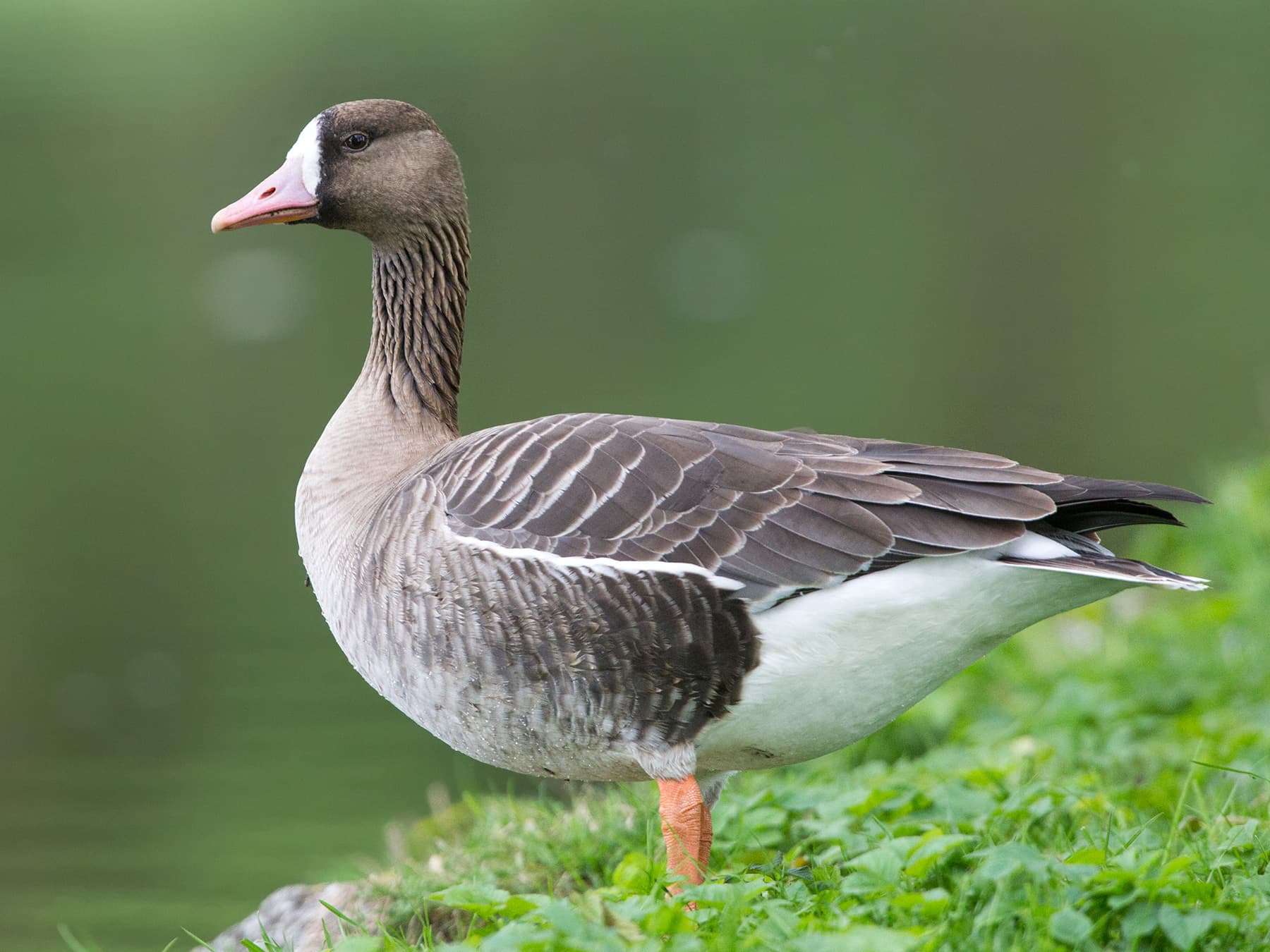
Greater White-fronted Goose
Anser albifronsLC
A rare winter visitor, occasionally turning up among other goose flocks on farmland or wetlands between December and March.
Dec–Mar
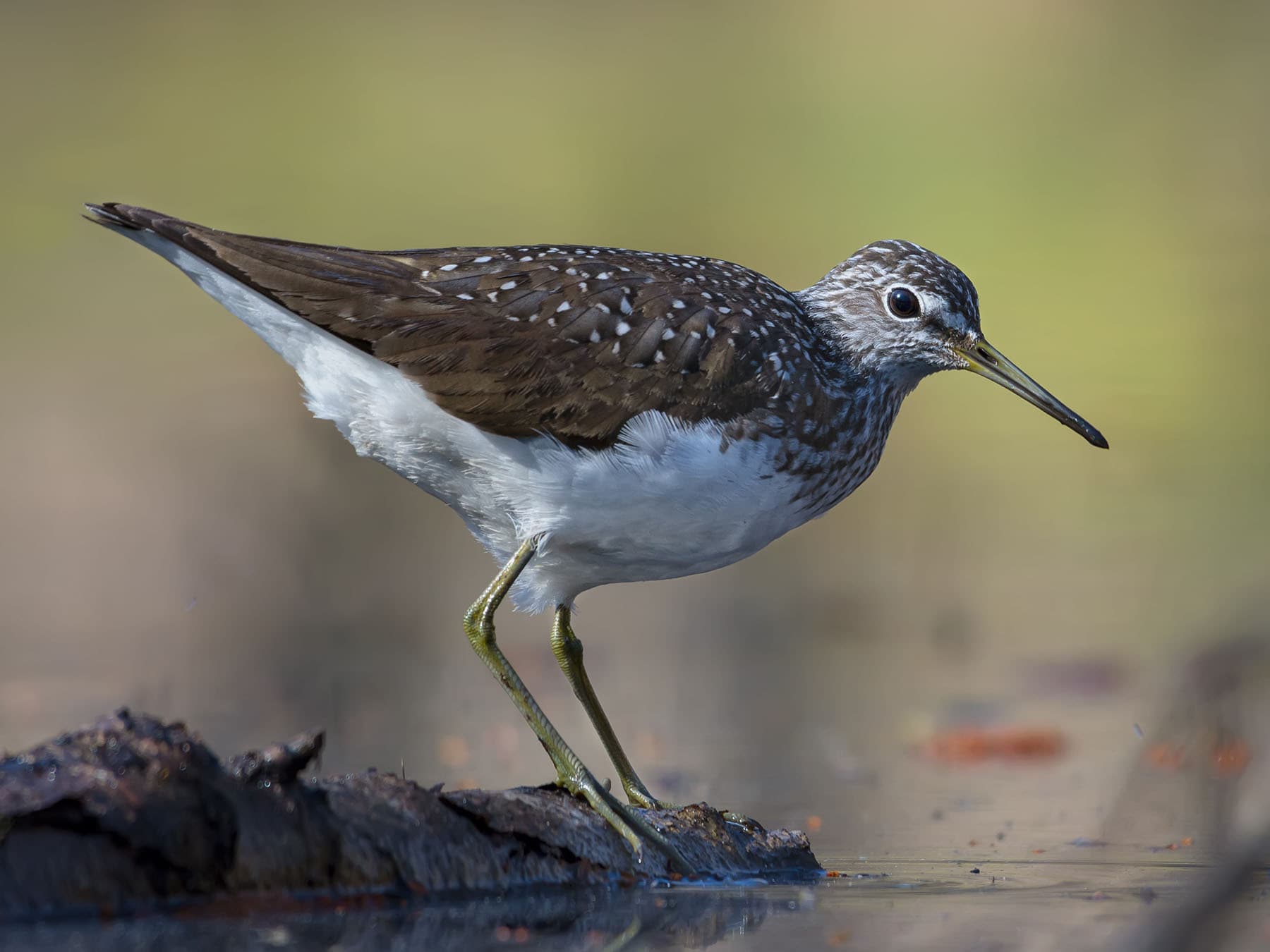
Green Sandpiper
Tringa ochropusLC
A rare visitor to freshwater pools and stream edges, most often seen during passage from midsummer into autumn, bobbing distinctively.
Mar–Nov
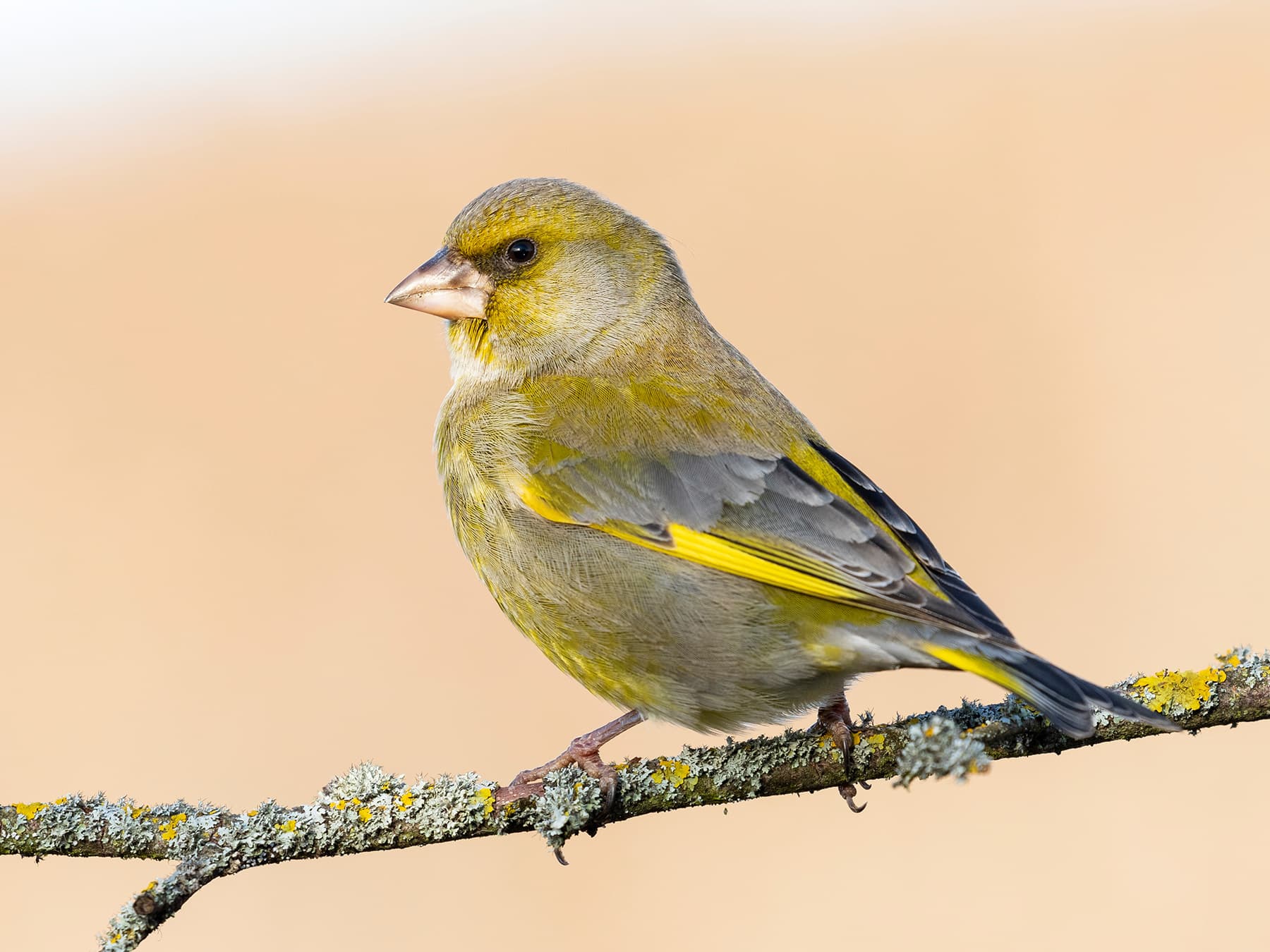
Greenfinch
Chloris chlorisLC
A common garden and parkland resident, though numbers have declined sharply due to disease. Often seen at feeders in small groups.
Year-round
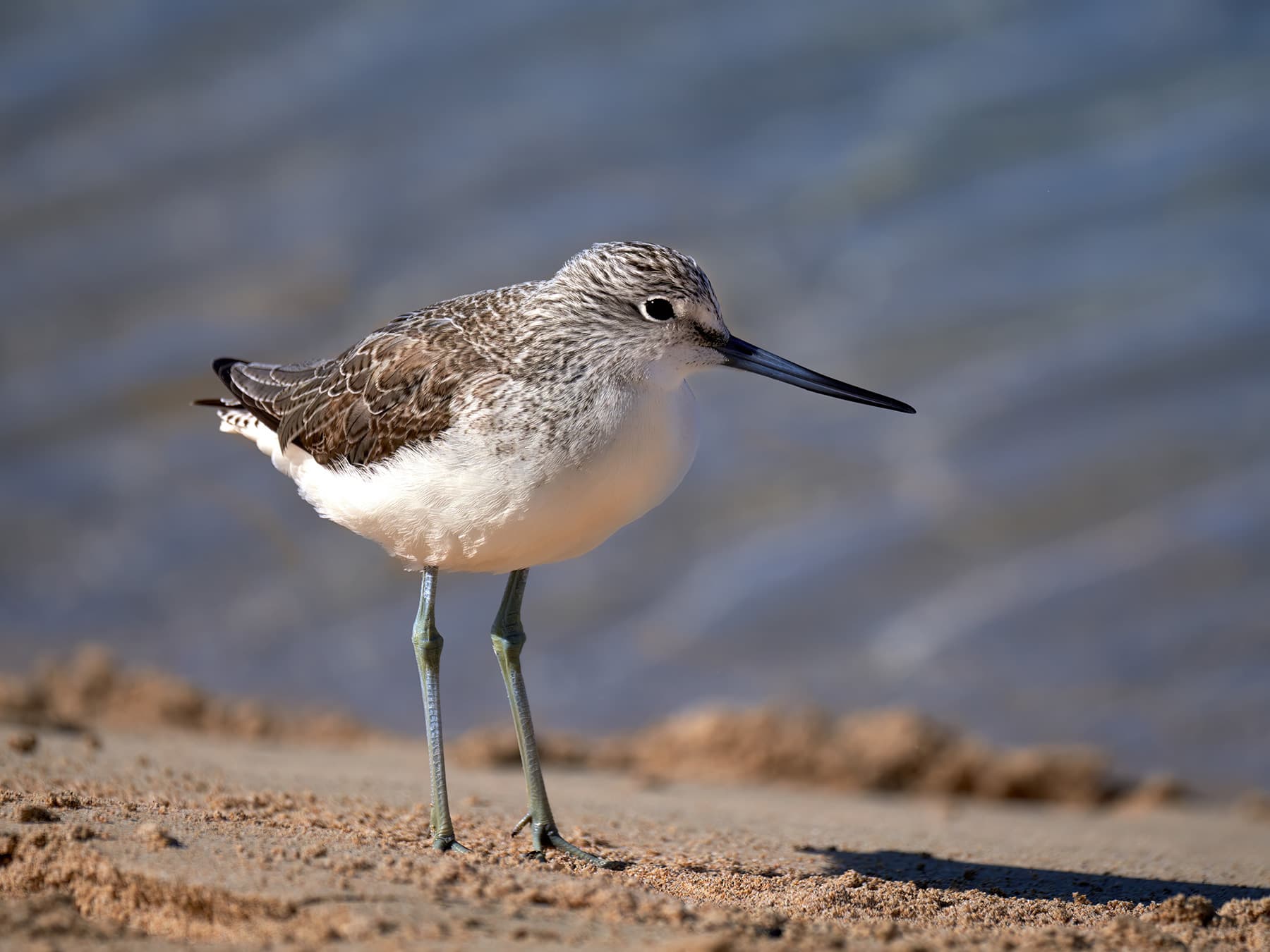
Greenshank
Tringa nebulariaLC
A rare passage migrant from July to October, pausing at coastal pools and estuarine mudflats on its southward journey.
Jul–Oct
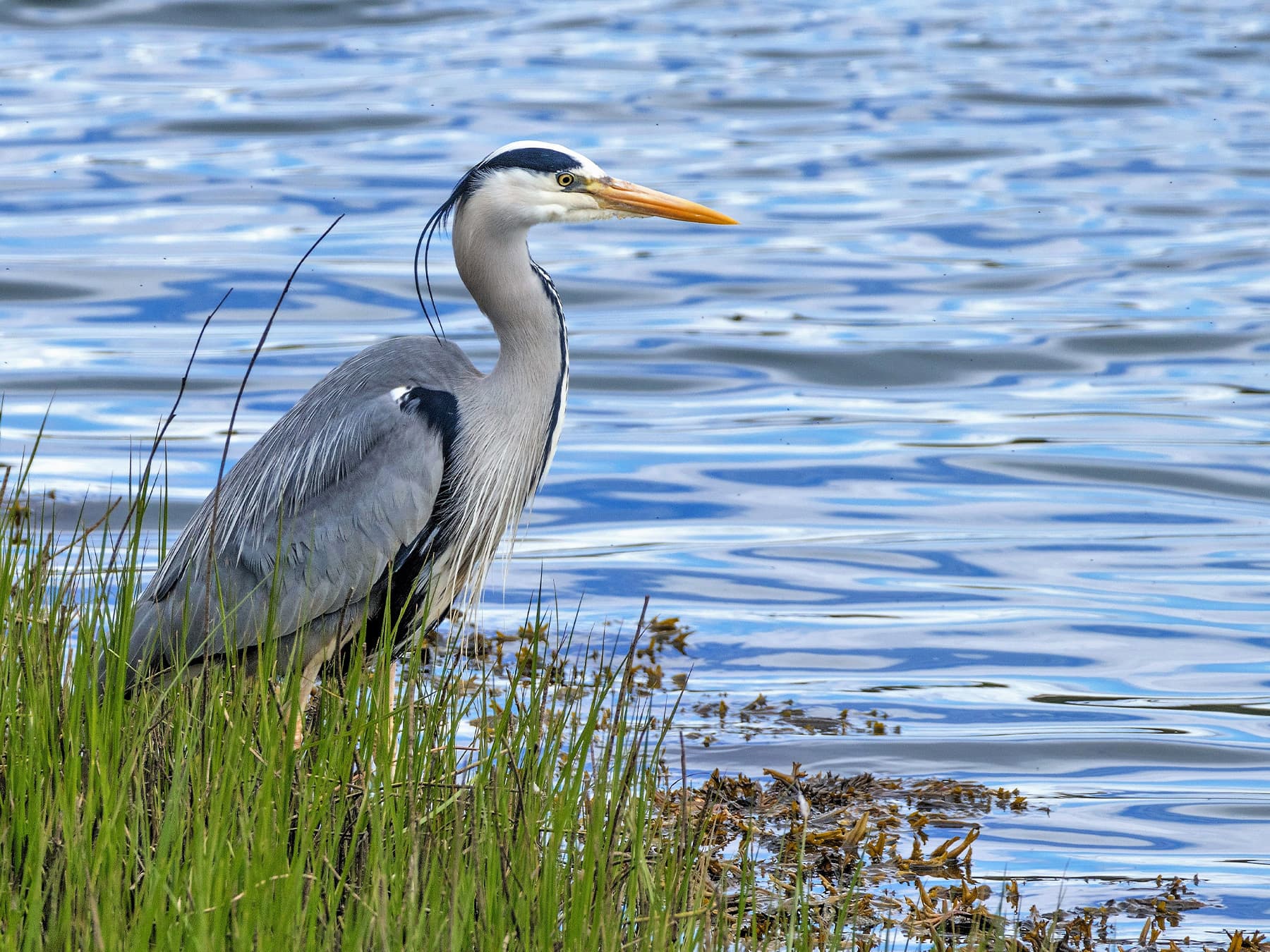
Grey Heron
Ardea cinereaLC
A common resident found along rivers, lakes, and estuaries throughout the region. Often seen standing motionless at the waterside.
Year-round
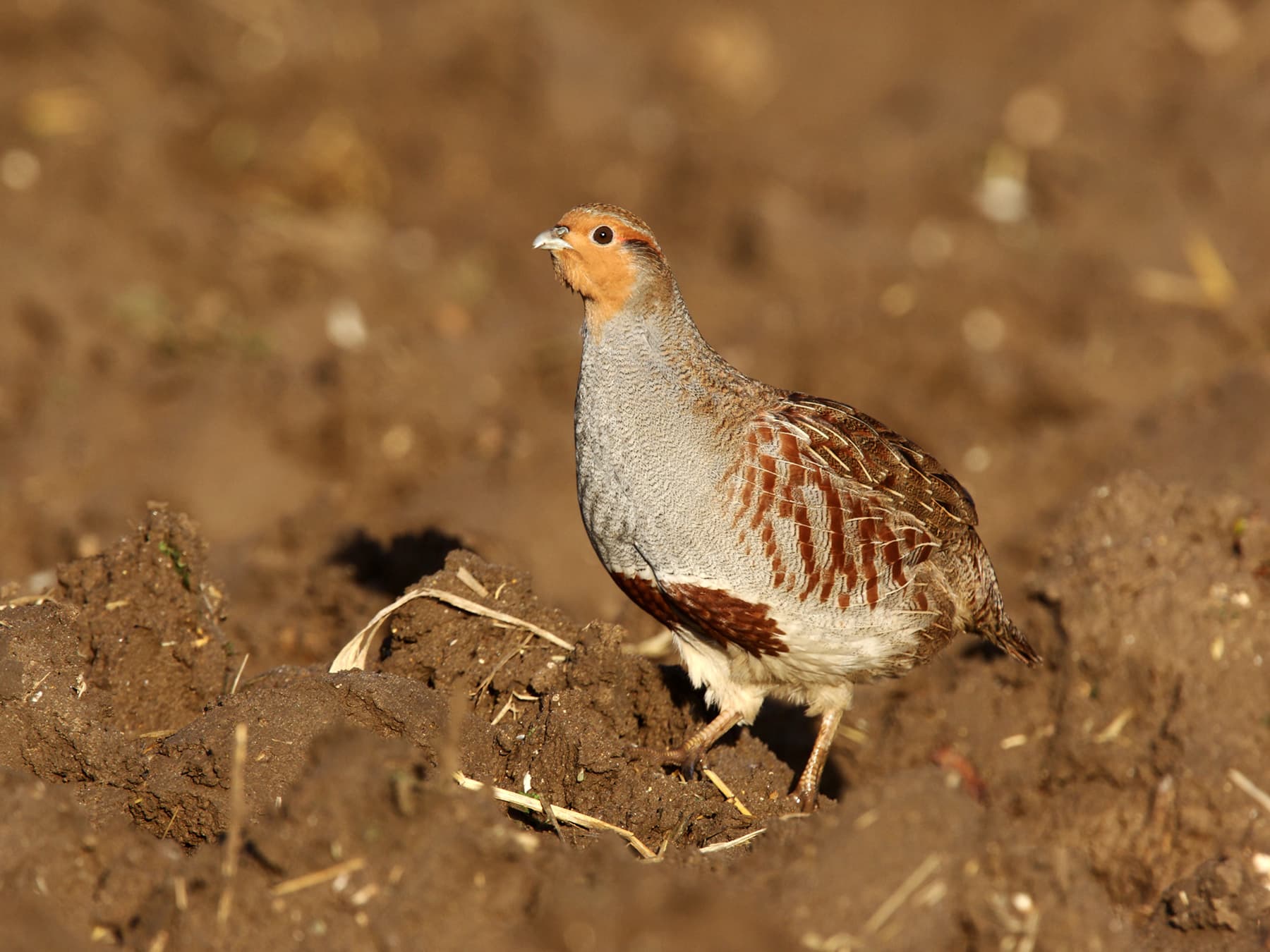
Grey Partridge
Perdix perdixLC
An uncommon and declining resident of arable farmland. Secretive and easily overlooked, favouring open fields with hedgerow margins.
Year-round
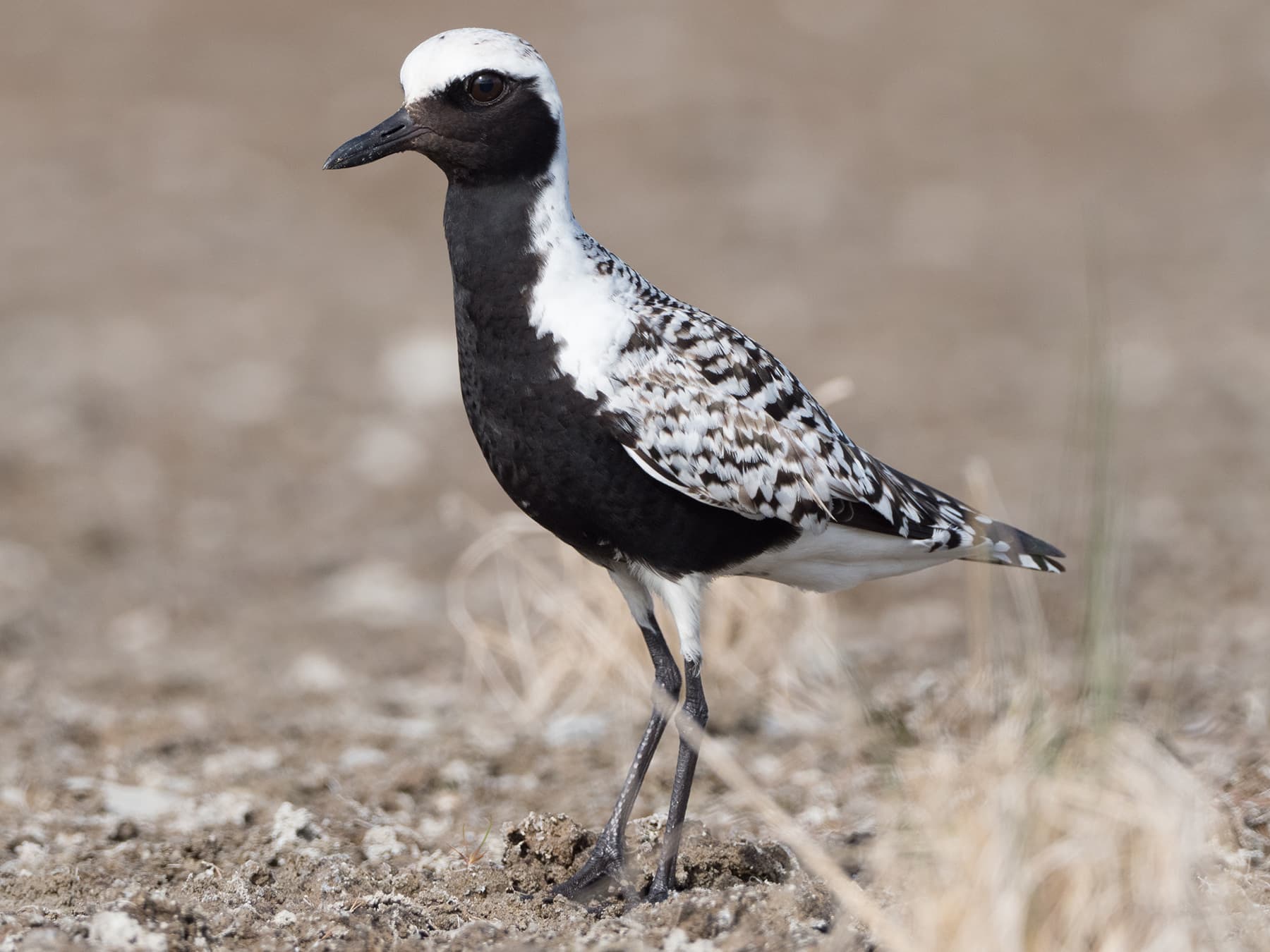
Grey Plover
Pluvialis squatarolaLC
A rare wader found on coastal mudflats and beaches, mainly from late summer through autumn, with silvery plumage in non-breeding dress.
Aug–Jan
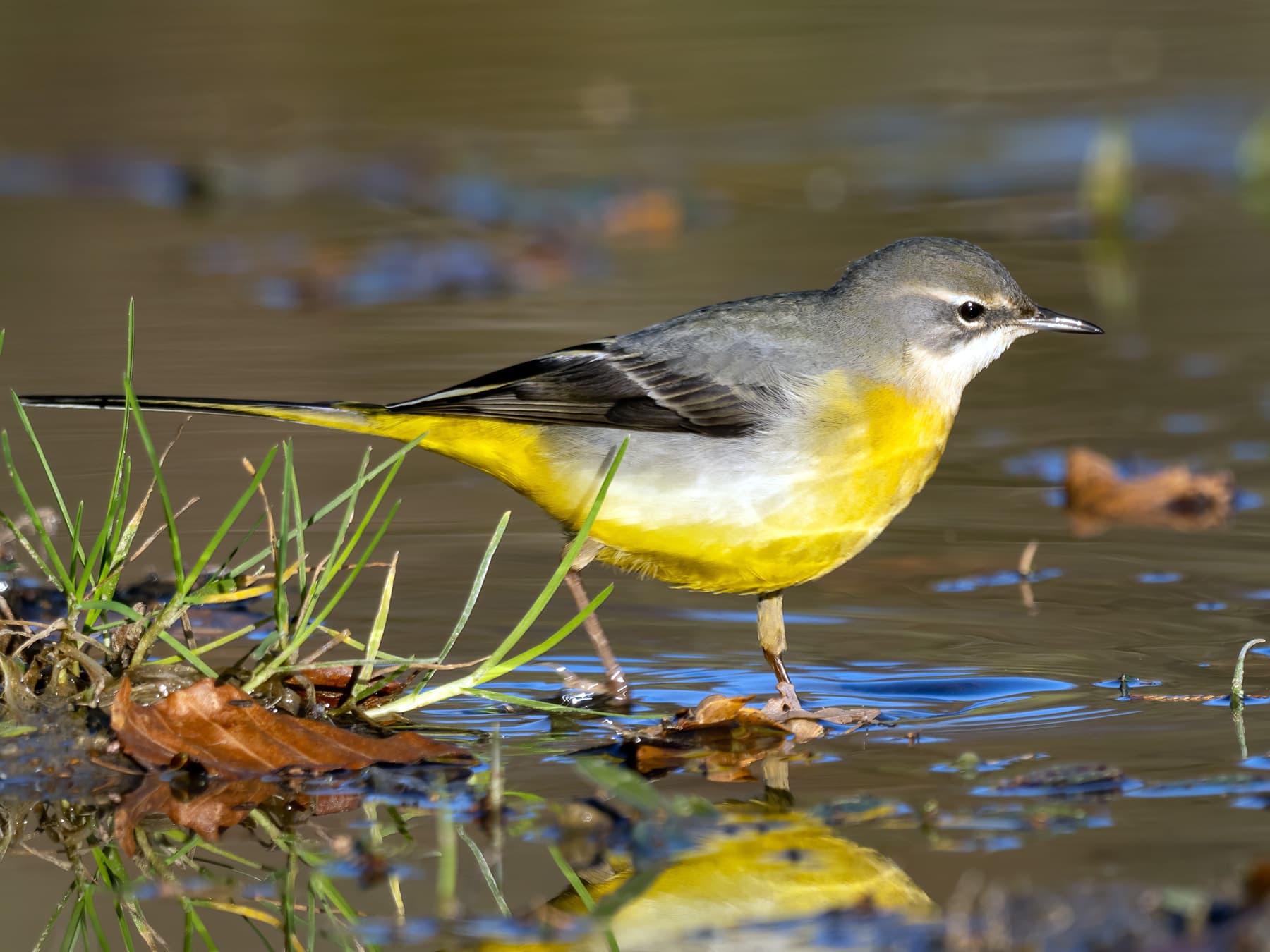
Grey Wagtail
Motacilla cinereaLC
An uncommon resident favouring fast-flowing streams and rivers such as the Derwent, often seen bobbing its tail on waterside rocks.
Year-round
Spotted something?
Upload a photo to identify it
Identify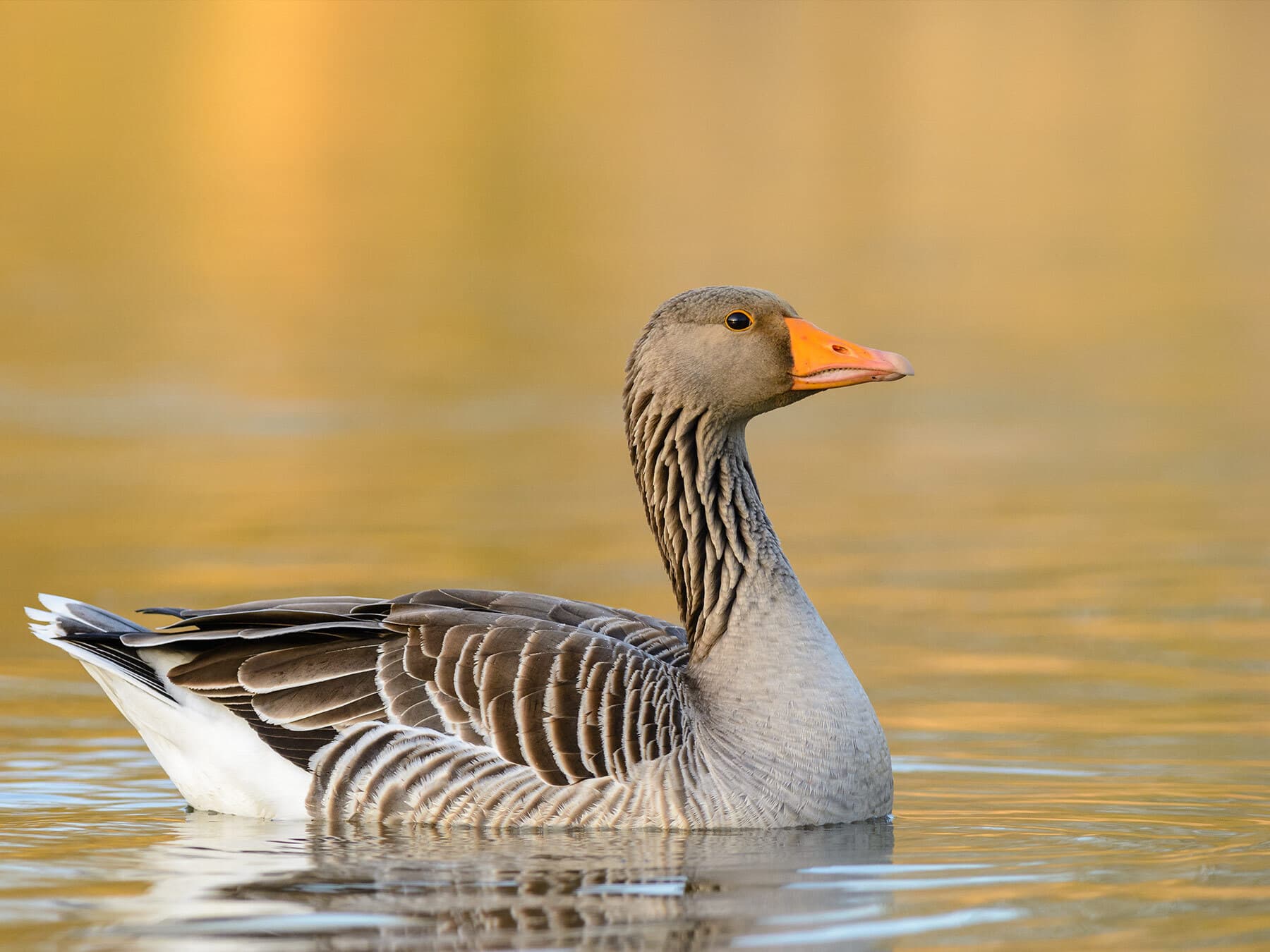
Greylag Goose
Anser anserLC
An uncommon resident found on lakes and farmland. Feral populations breed locally, with numbers supplemented by wild birds in winter.
Year-round
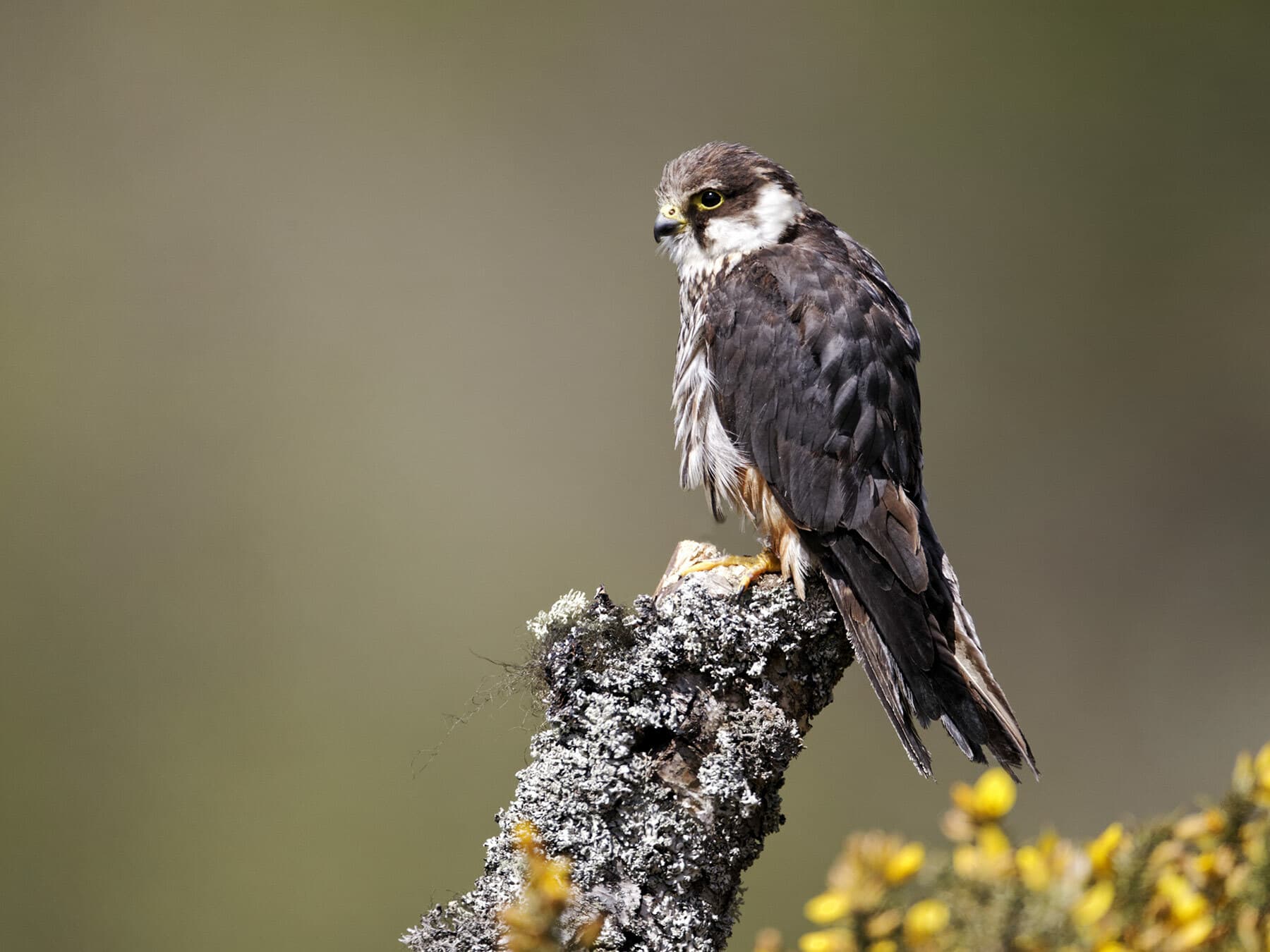
Hobby
Falco subbuteoLC
A rare passage visitor, occasionally recorded in June as birds overshoot their usual southern breeding range.
Jun
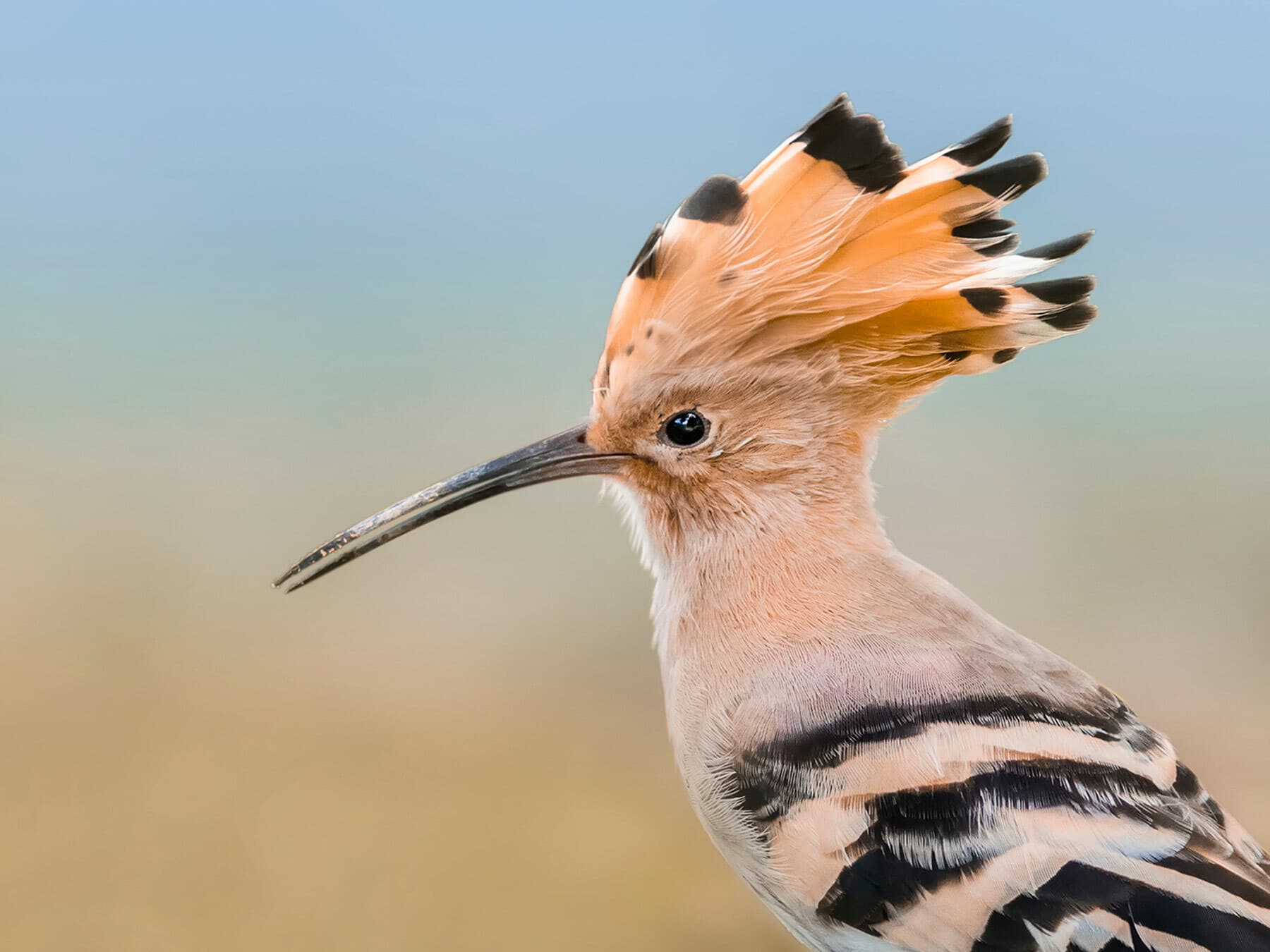
Hoopoe
Upupa epopsLC
A rare and exotic spring overshoot, occasionally turning up in May. Always a crowd-drawing find in the region.
May
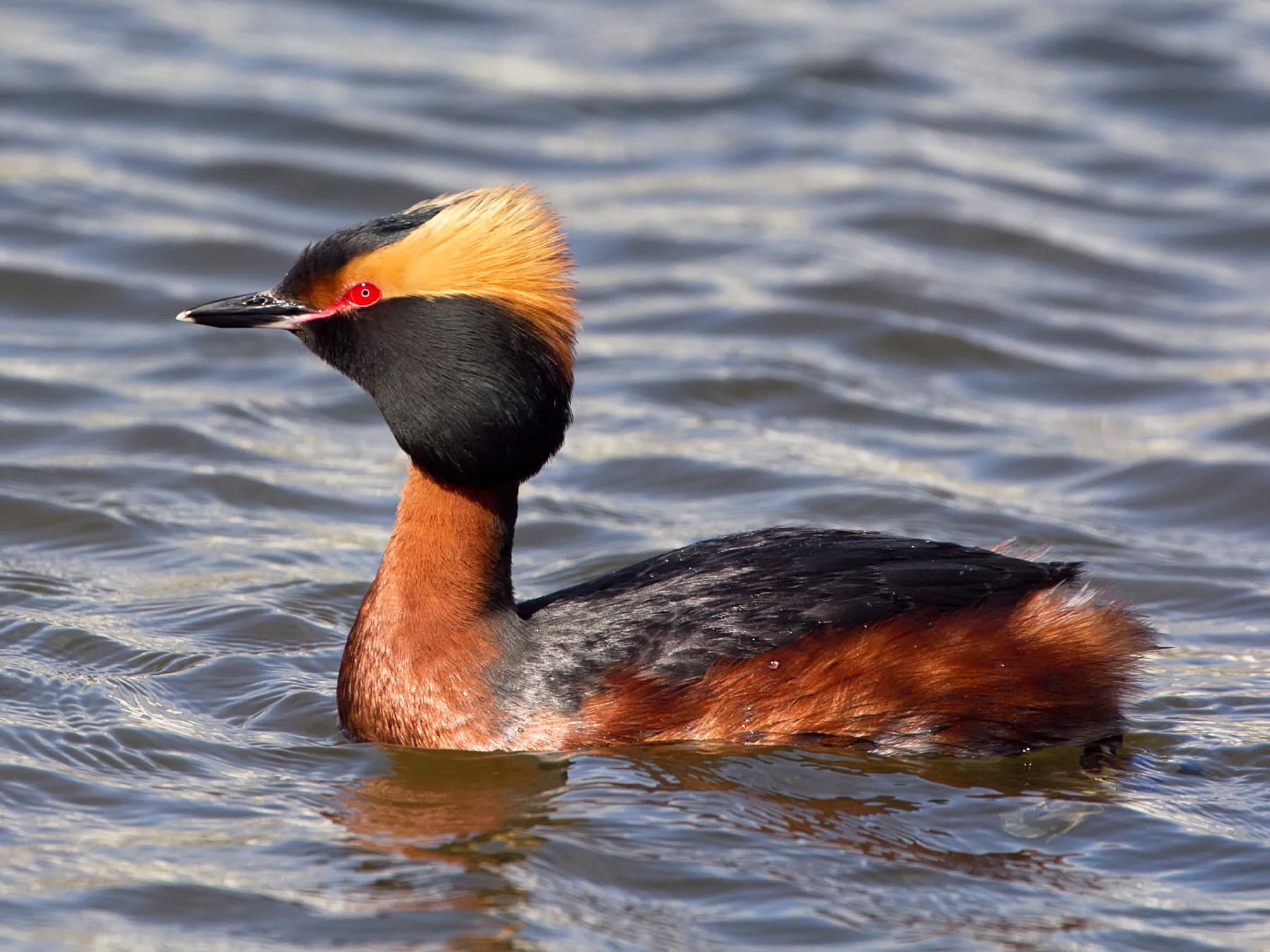
Horned Grebe
Podiceps auritusVU
A rare passage visitor, occasionally spotted on coastal waters or reservoirs in February, typically in winter plumage.
Feb
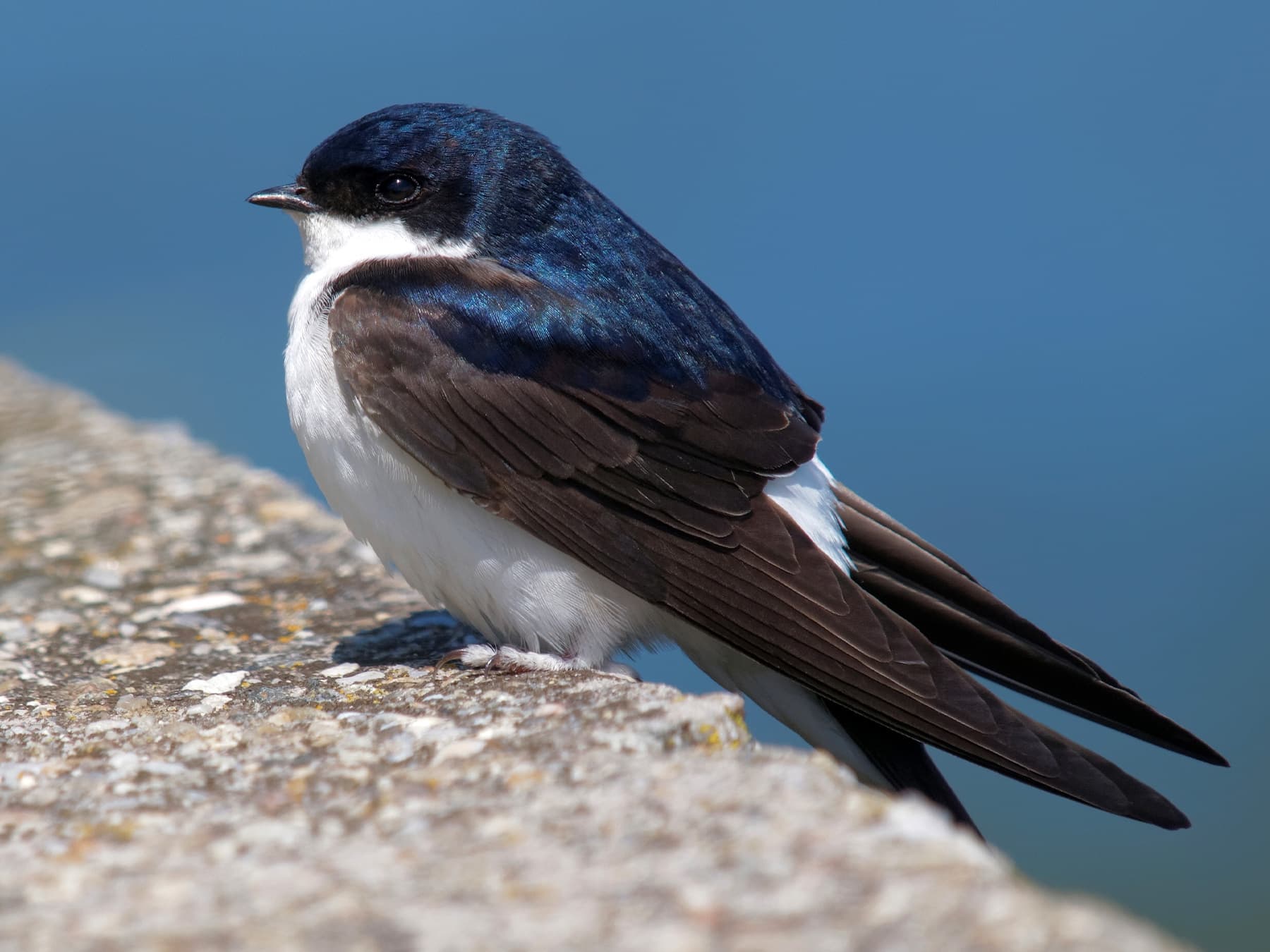
House Martin
Delichon urbicumLC
A common summer visitor breeding under eaves across towns and villages. Arrives in April and departs by October.
Apr–Oct
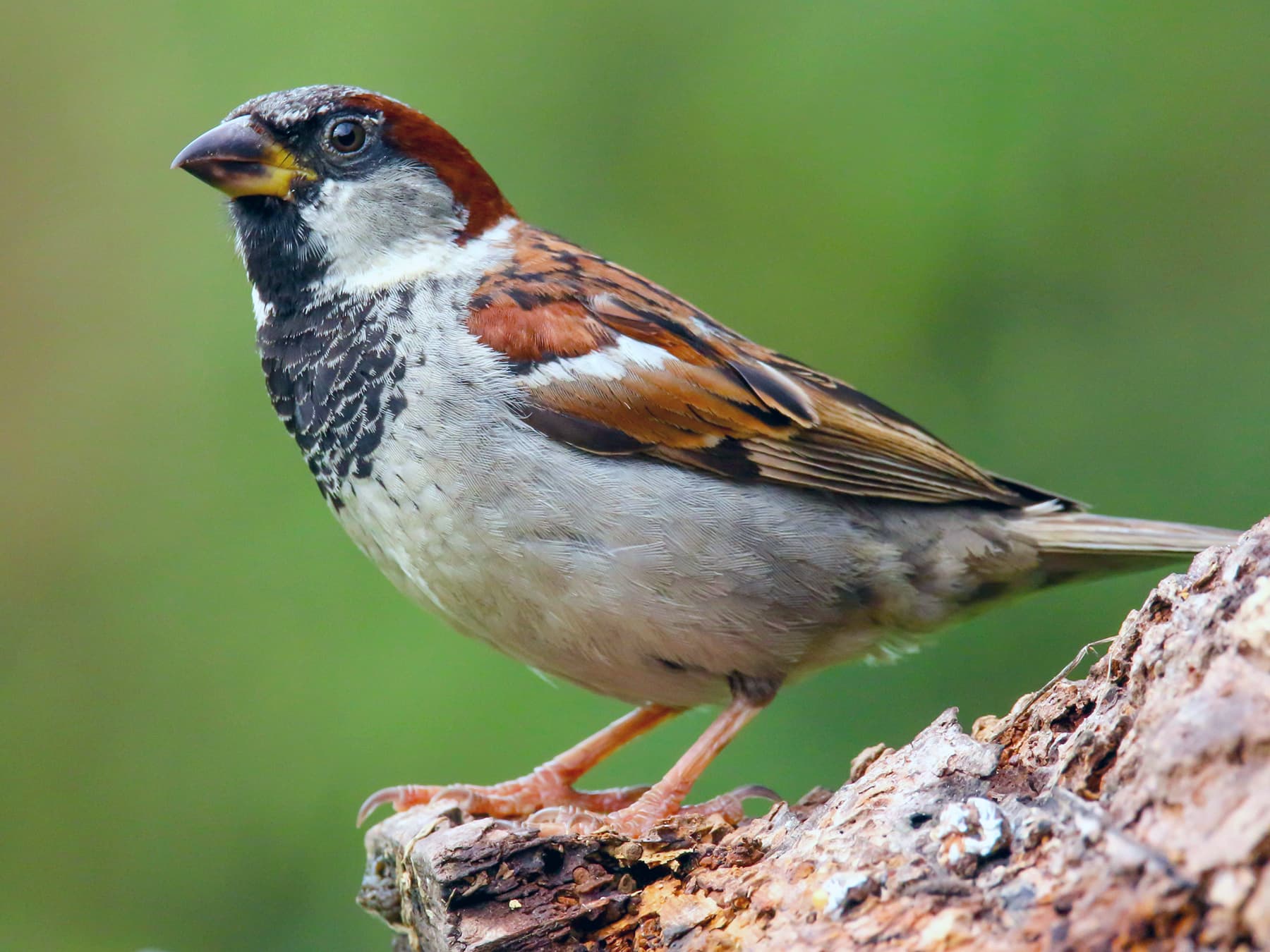
House Sparrow
Passer domesticusLC
A common and familiar resident, thriving in urban areas, gardens and around buildings throughout the region all year.
Year-round
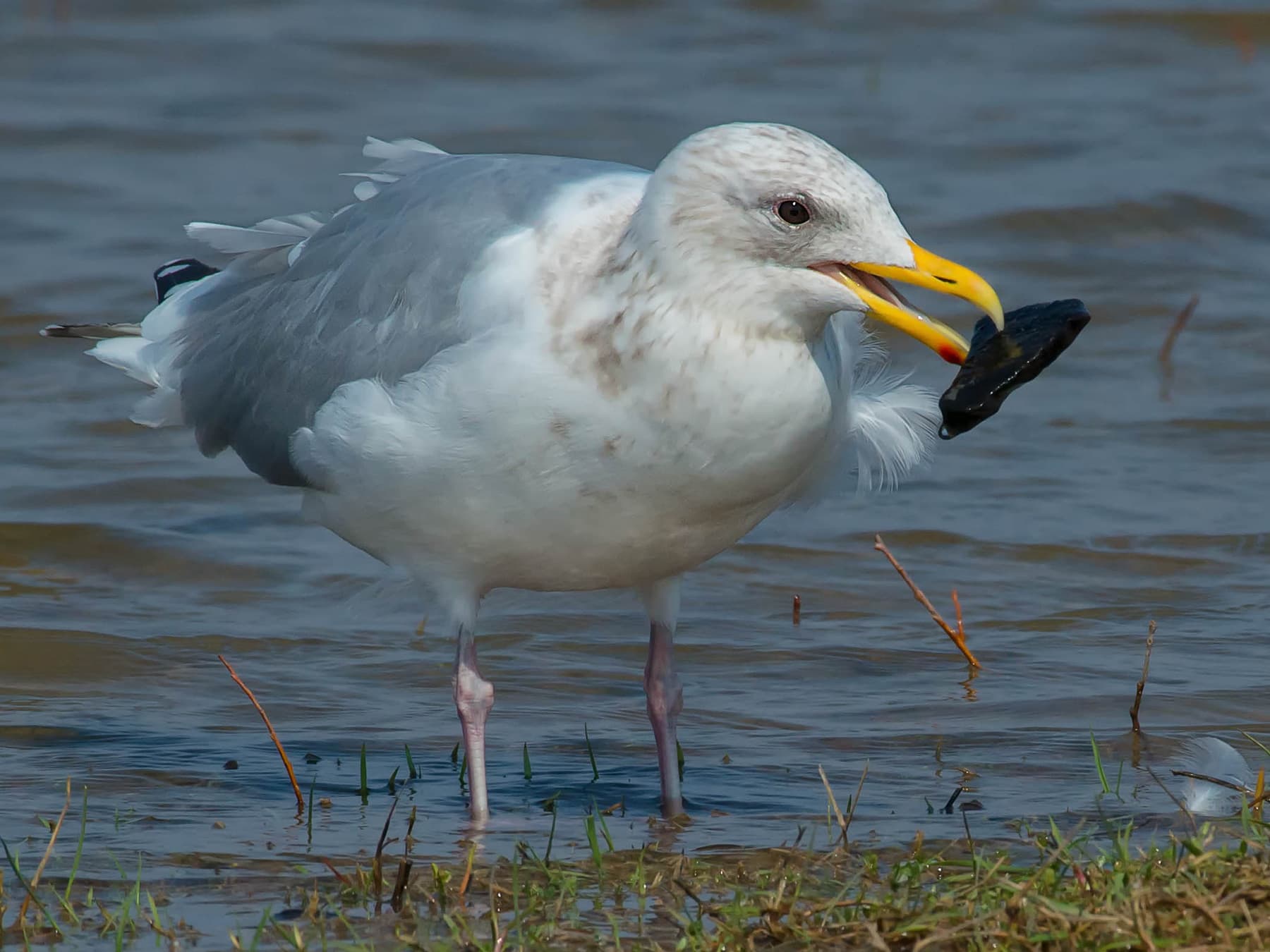
Iceland Gull
Larus glaucoidesLC
A rare winter visitor from the Arctic, occasionally spotted among gull flocks at the coast or reservoirs from November to April.
Nov–Apr
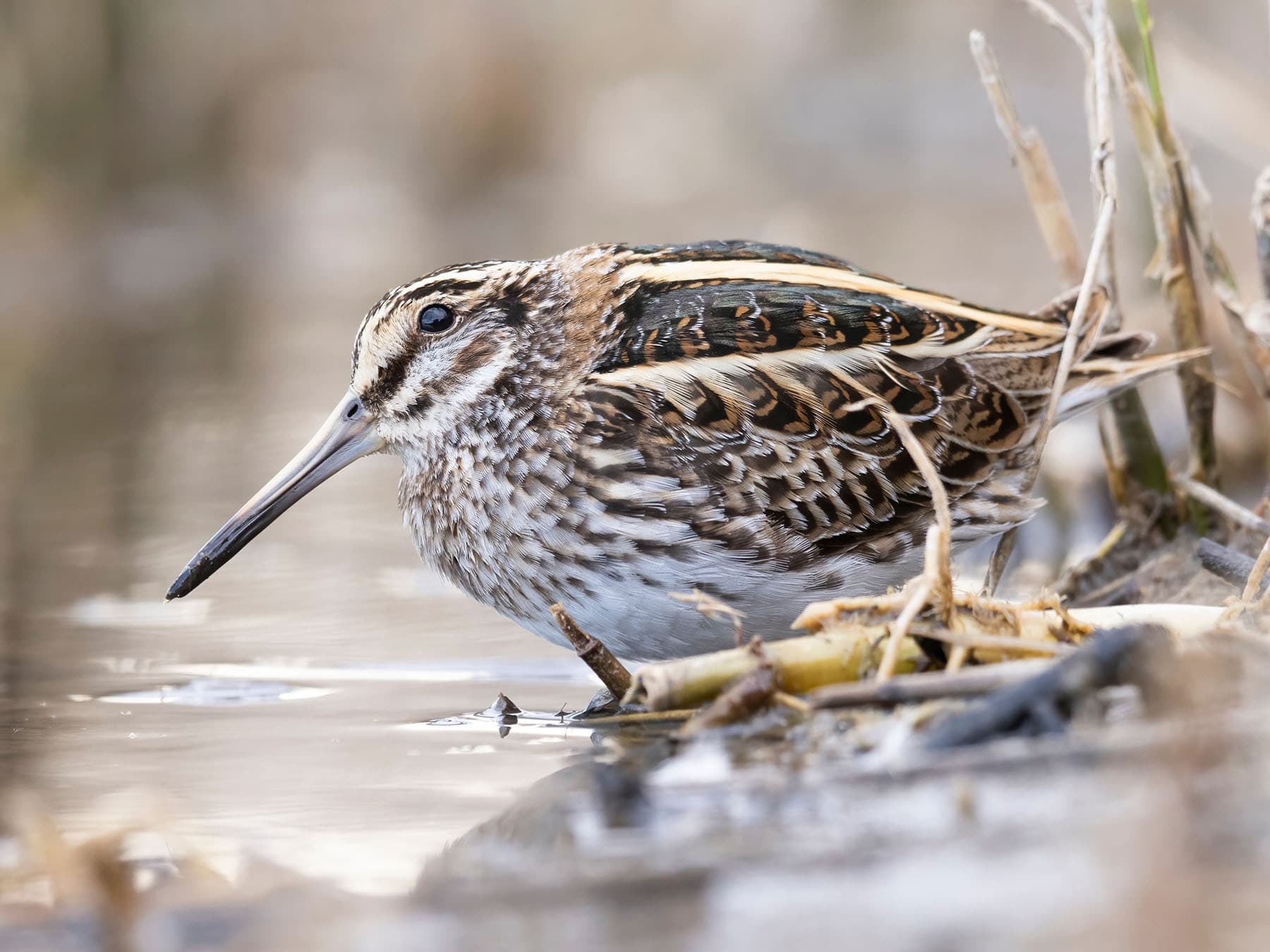
Jack Snipe
Lymnocryptes minimusLC
A secretive winter visitor to boggy margins and wetlands, rarely flushed from cover. Present from October to March but easily overlooked.
Oct–Mar
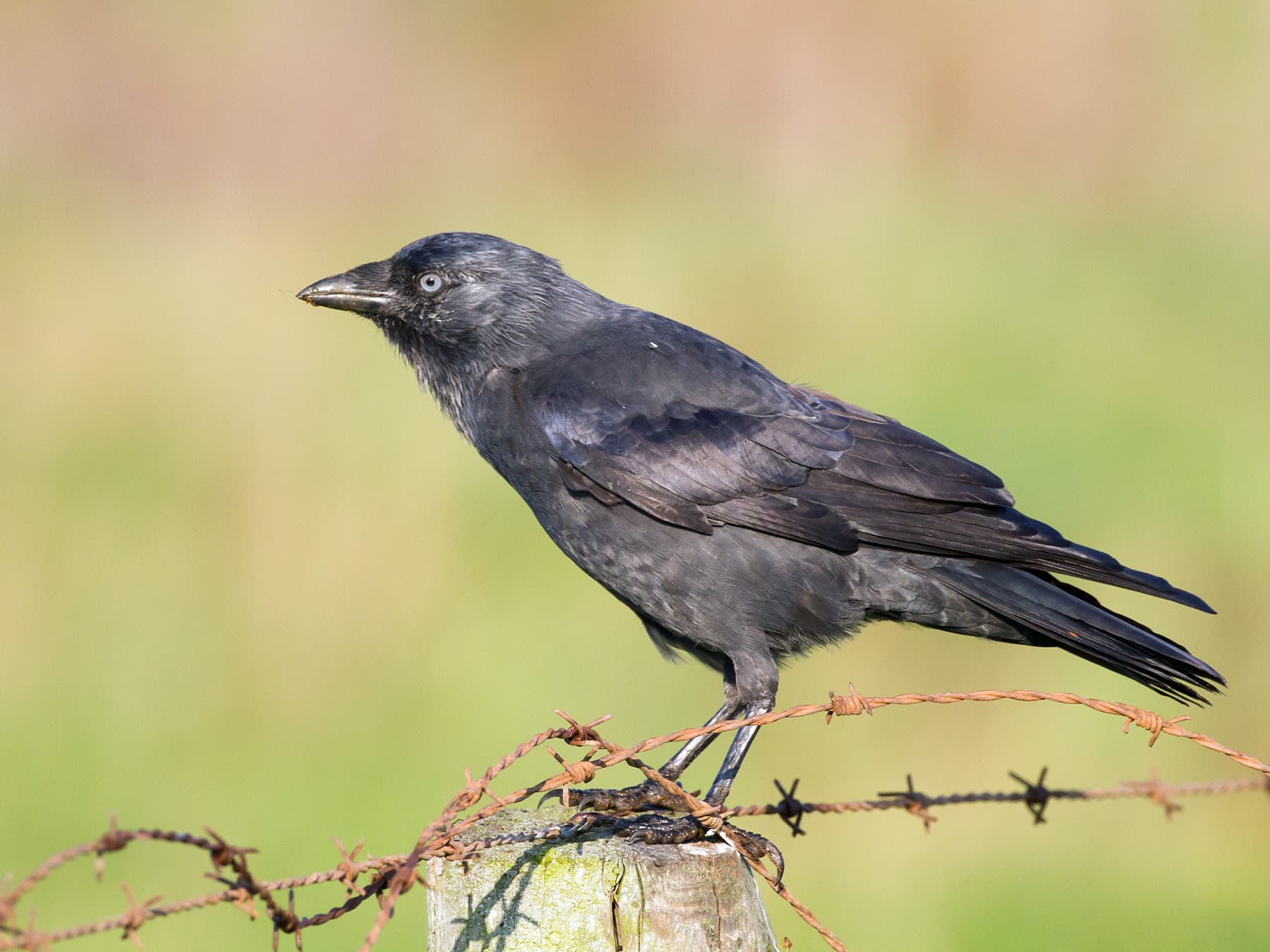
Jackdaw
Coloeus monedulaLC
A common and sociable resident, nesting in buildings and old trees. Noisy flocks are a familiar sight across towns and parks.
Year-round
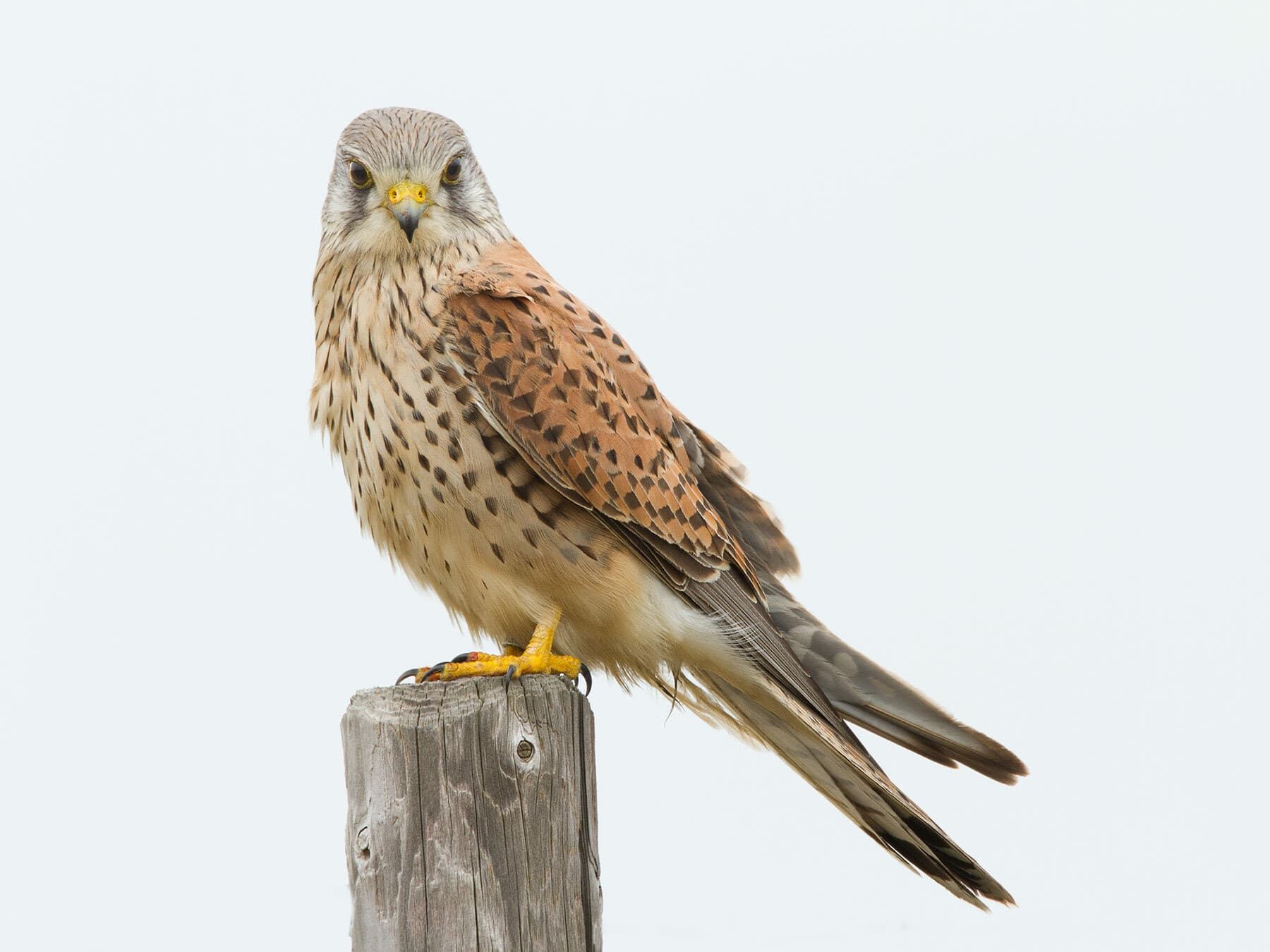
Kestrel
Falco tinnunculusLC
An uncommon resident seen hovering over roadside verges, farmland, and urban fringe areas throughout the year.
Year-round
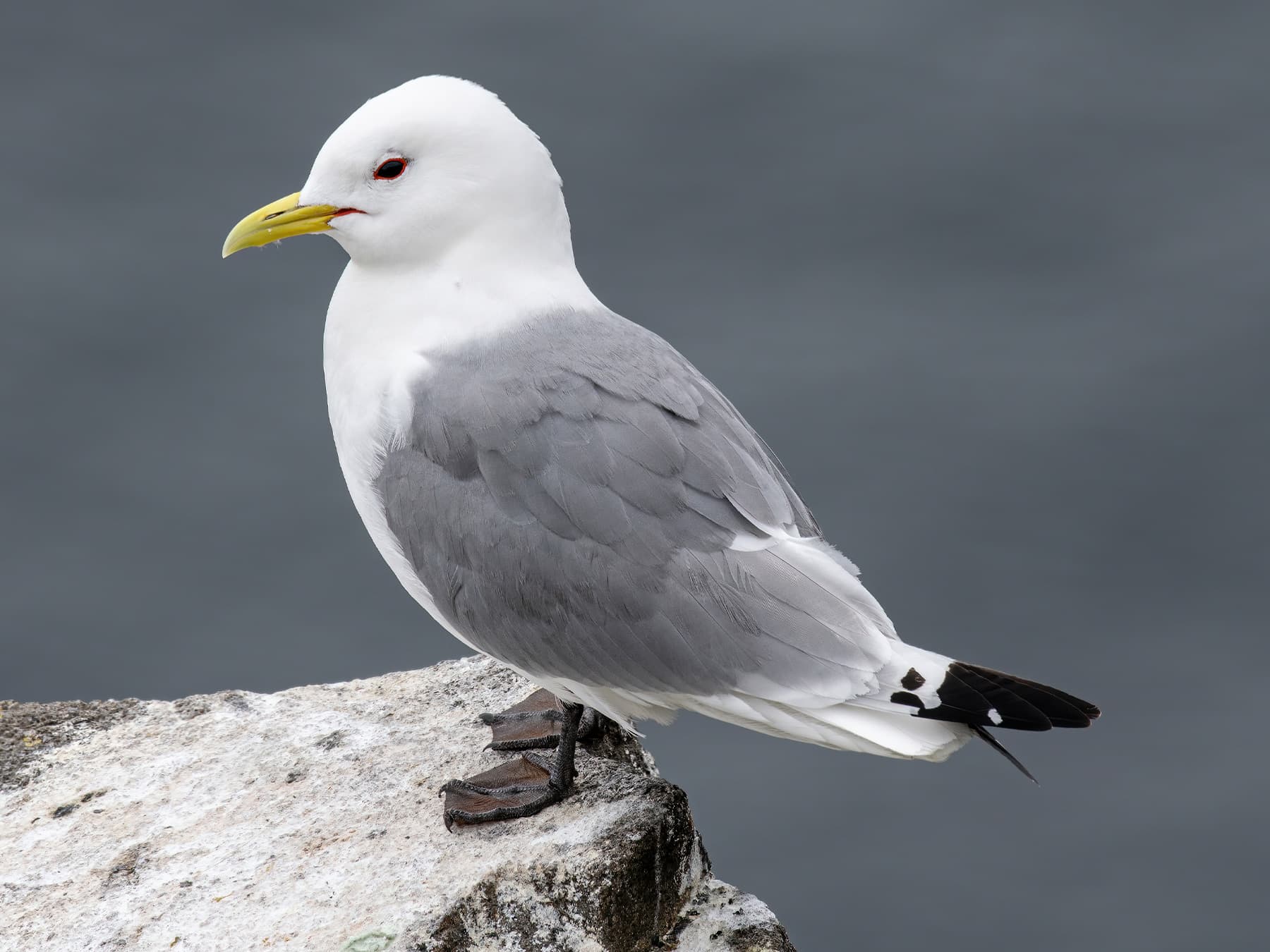
Kittiwake
Rissa tridactylaVU
An uncommon but iconic resident, nesting on buildings and cliffs along the Tyne. Numbers have declined sharply in recent decades.
Year-round
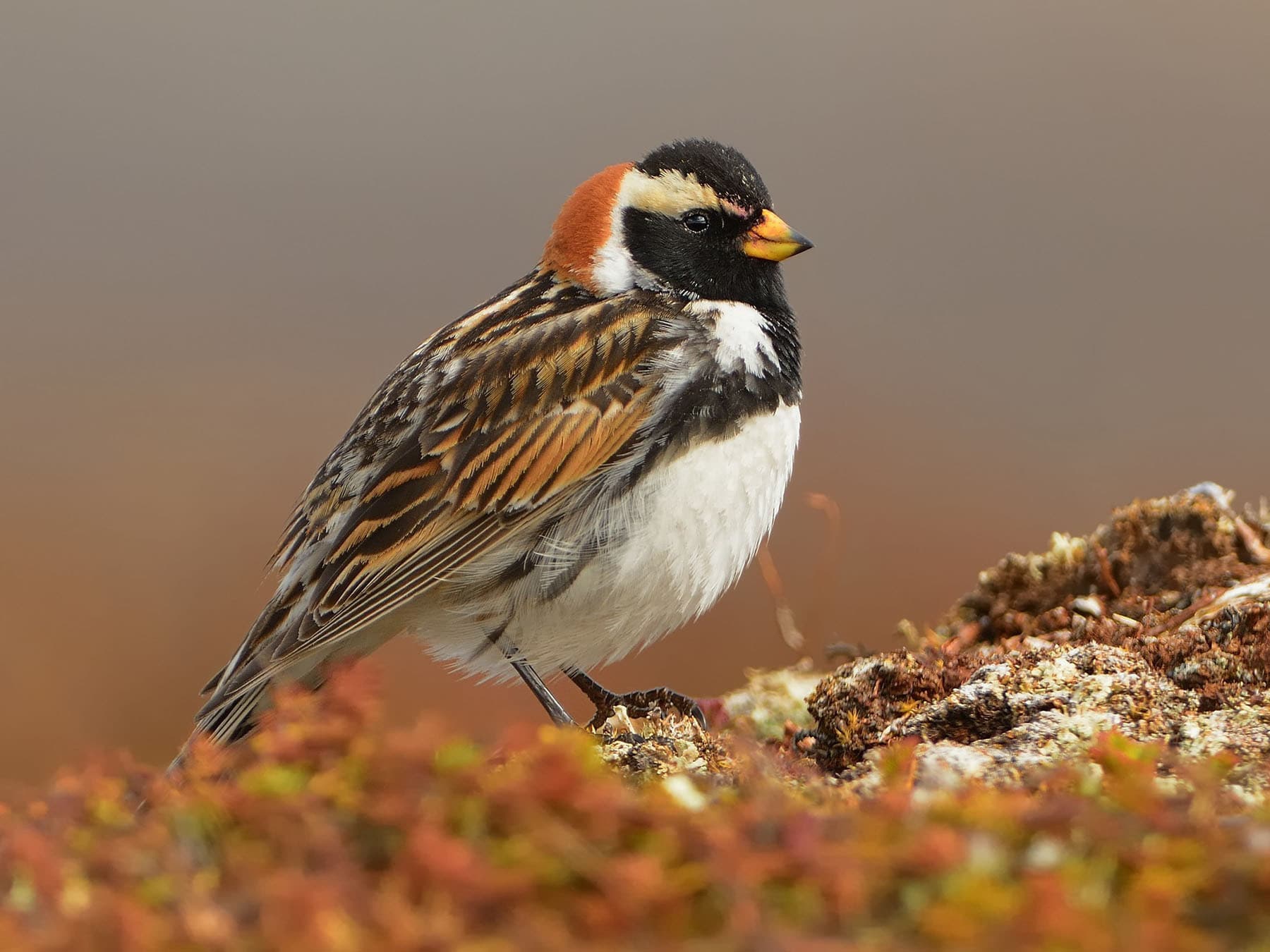
Lapland Longspur
Calcarius lapponicusLC
A rare autumn passage migrant, with September records along the coast. Favours short coastal grassland and stubble fields.
Sep
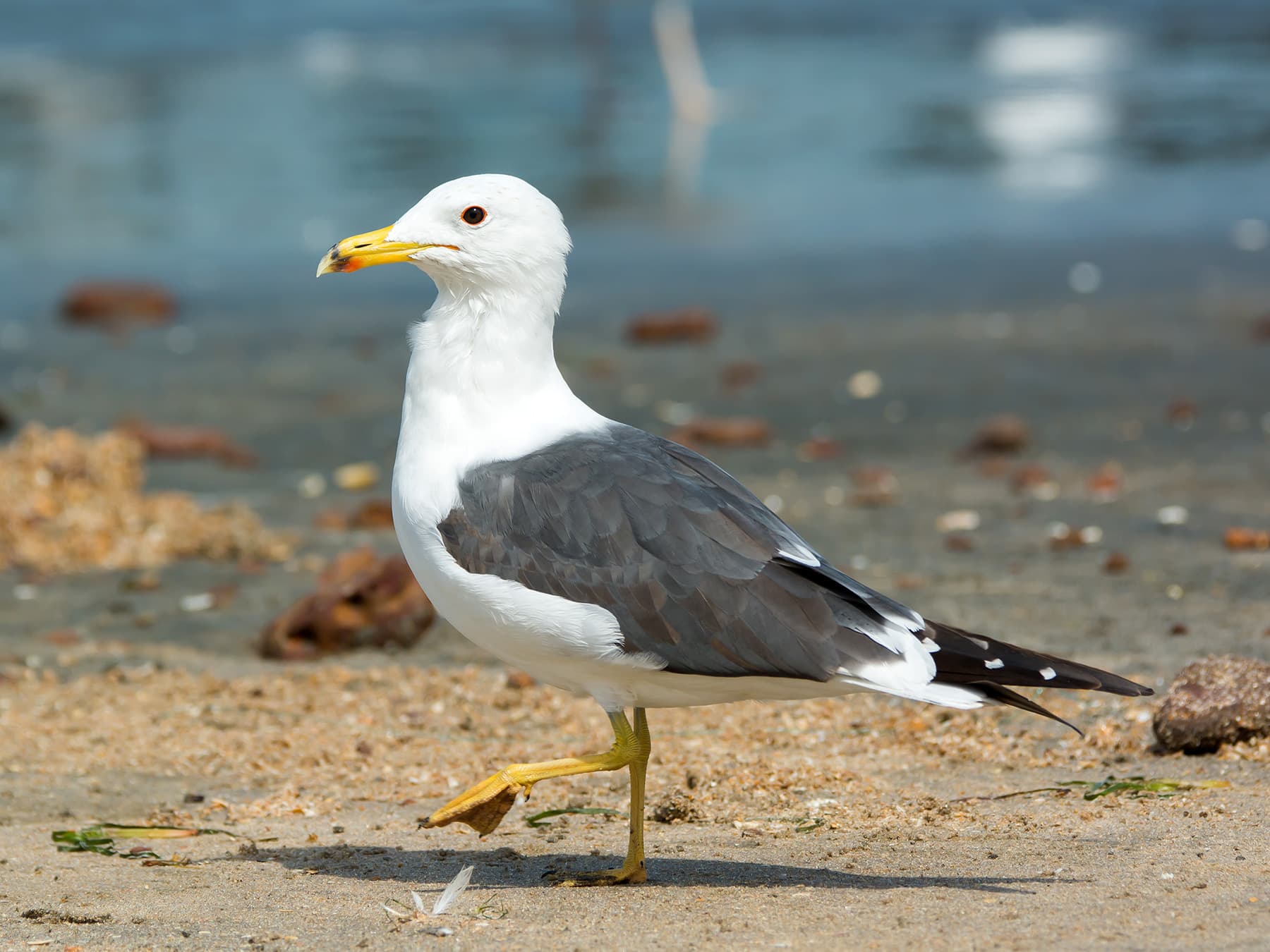
Lesser Black-backed Gull
Larus fuscusLC
An uncommon year-round resident, often seen at landfill sites, playing fields and along the coast. Less numerous than Herring Gulls locally.
Year-round
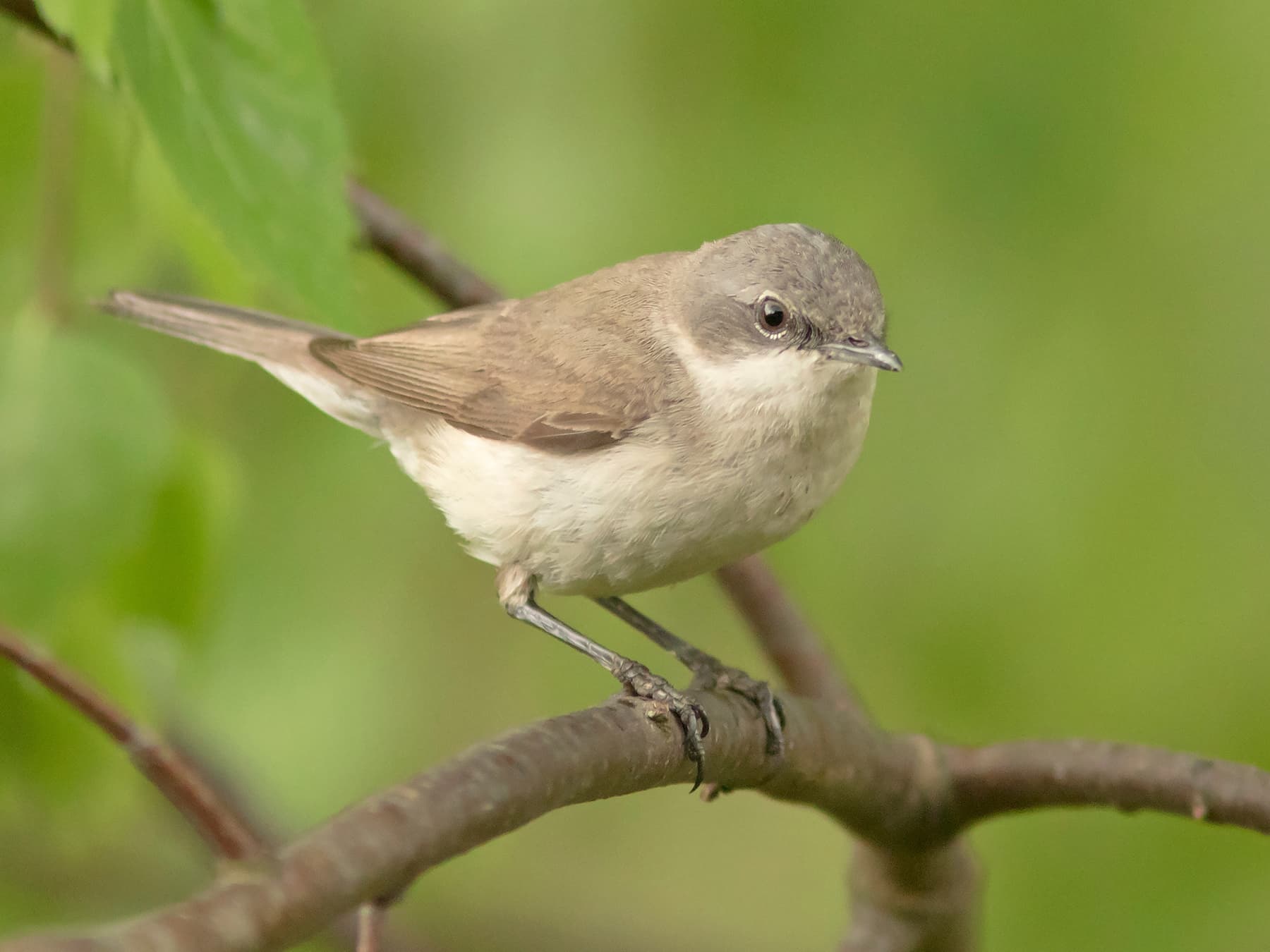
Lesser Whitethroat
Curruca currucaLC
An uncommon summer breeder arriving in April, favouring tall hedgerows and scrubby thickets across the region's lowlands.
Apr–Oct
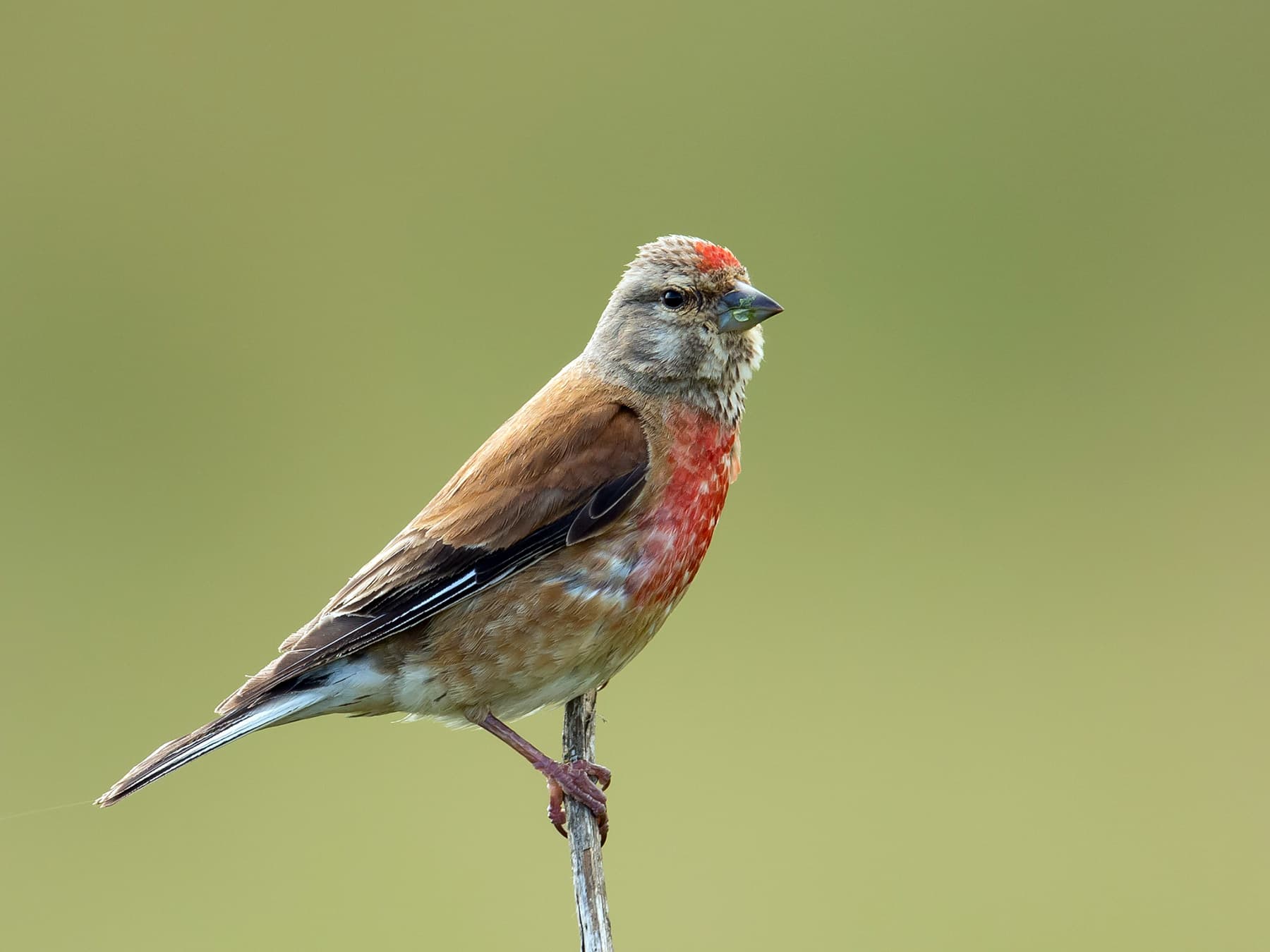
Linnet
Linaria cannabinaLC
A common resident of farmland, coastal scrub and rough ground. Flocks gather on weedy fields and saltmarshes outside the breeding season.
Year-round