Birds in Tyne and Wear
Explore 207 species found in this region.
Tyne and Wear supports a remarkable diversity of birdlife, with 205 species recorded across its varied habitats, from the urban parks and gardens of Newcastle and Sunderland to the estuaries and coastline along the North Sea. The region's river valleys, wetlands, and coastal mudflats attract an impressive range of species, including Bluethroat, Northern Lapwing, Common Shelduck, and the striking Mandarin Duck. Whether you're watching waders on the Tyne estuary or spotting woodland birds like the Great Tit and Eurasian Woodcock, this compact county offers outstanding birding opportunities year-round.
Visiting in September? Look out for Arctic Loon and Barnacle Goose arriving this month, and Avocet and Cuckoo depart for the season.


Showing 47–69 of 207 species
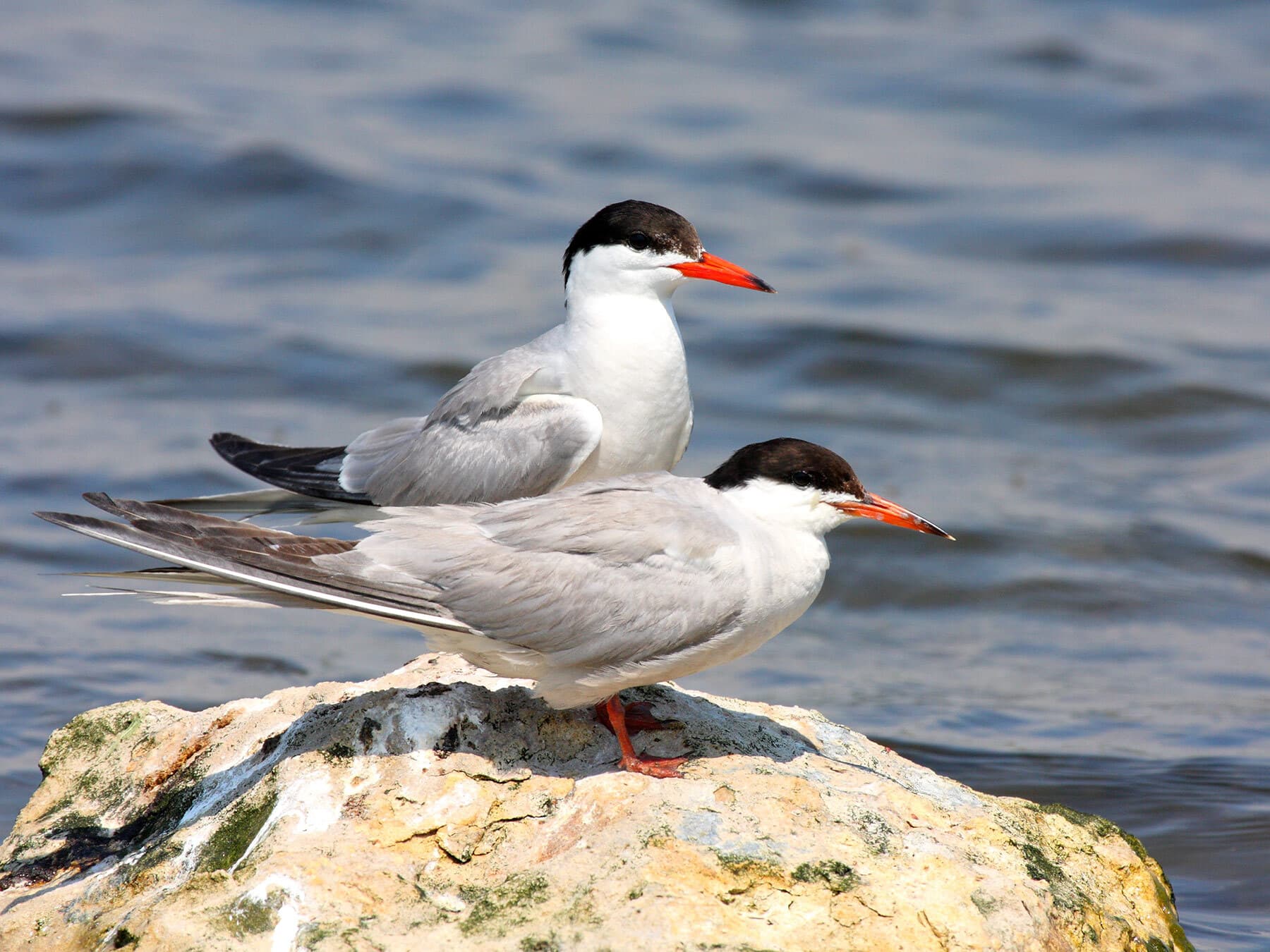
Common Tern
Sterna hirundoLC
A common breeding visitor from April to October, nesting on pontoons and islands along the Tyne and at coastal wetlands.
Apr–Oct
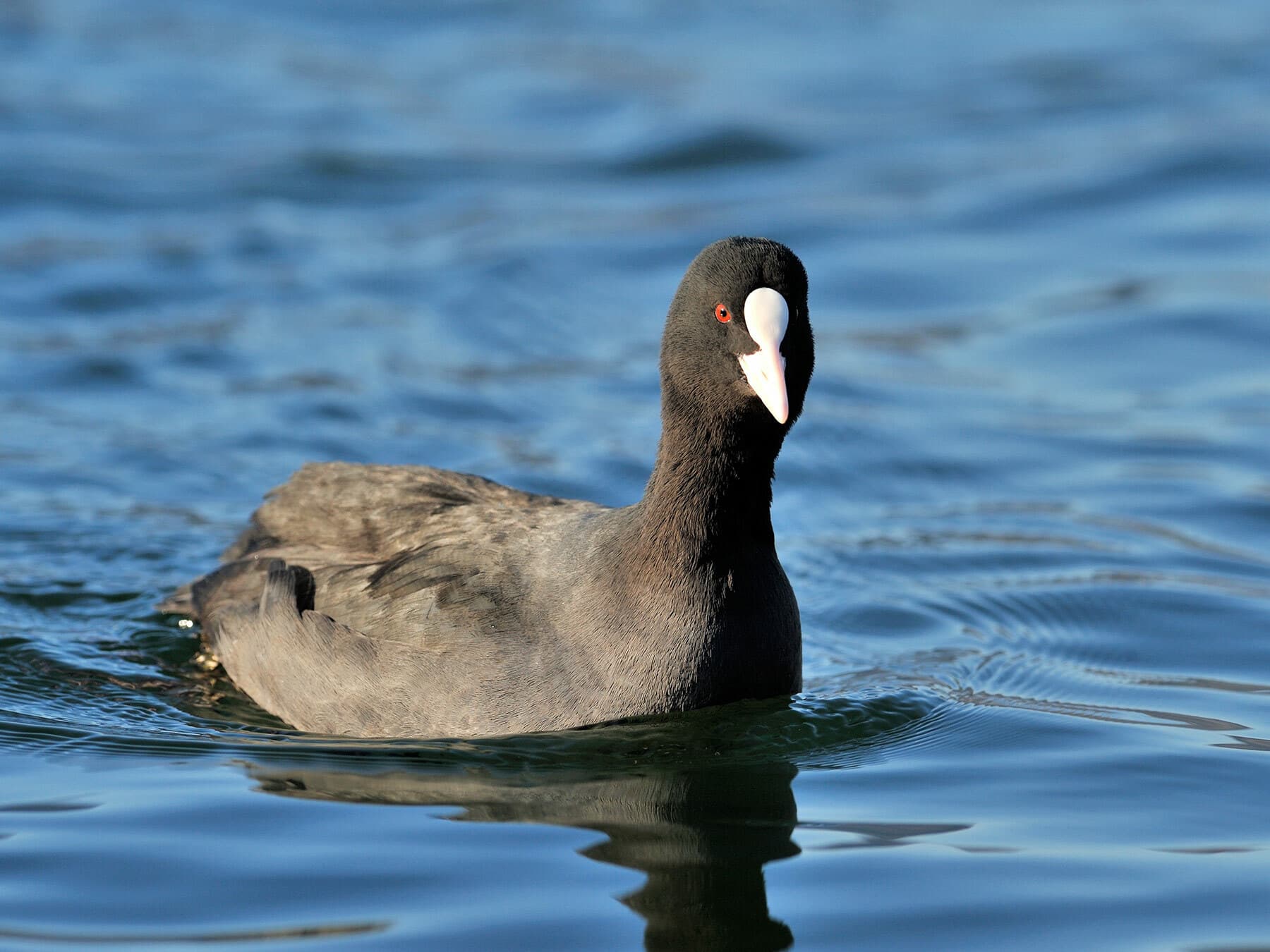
Coot
Fulica atraLC
A common resident on lakes, park ponds and reservoirs throughout the year. Readily seen at sites like Saltwell Park and the Leas.
Year-round
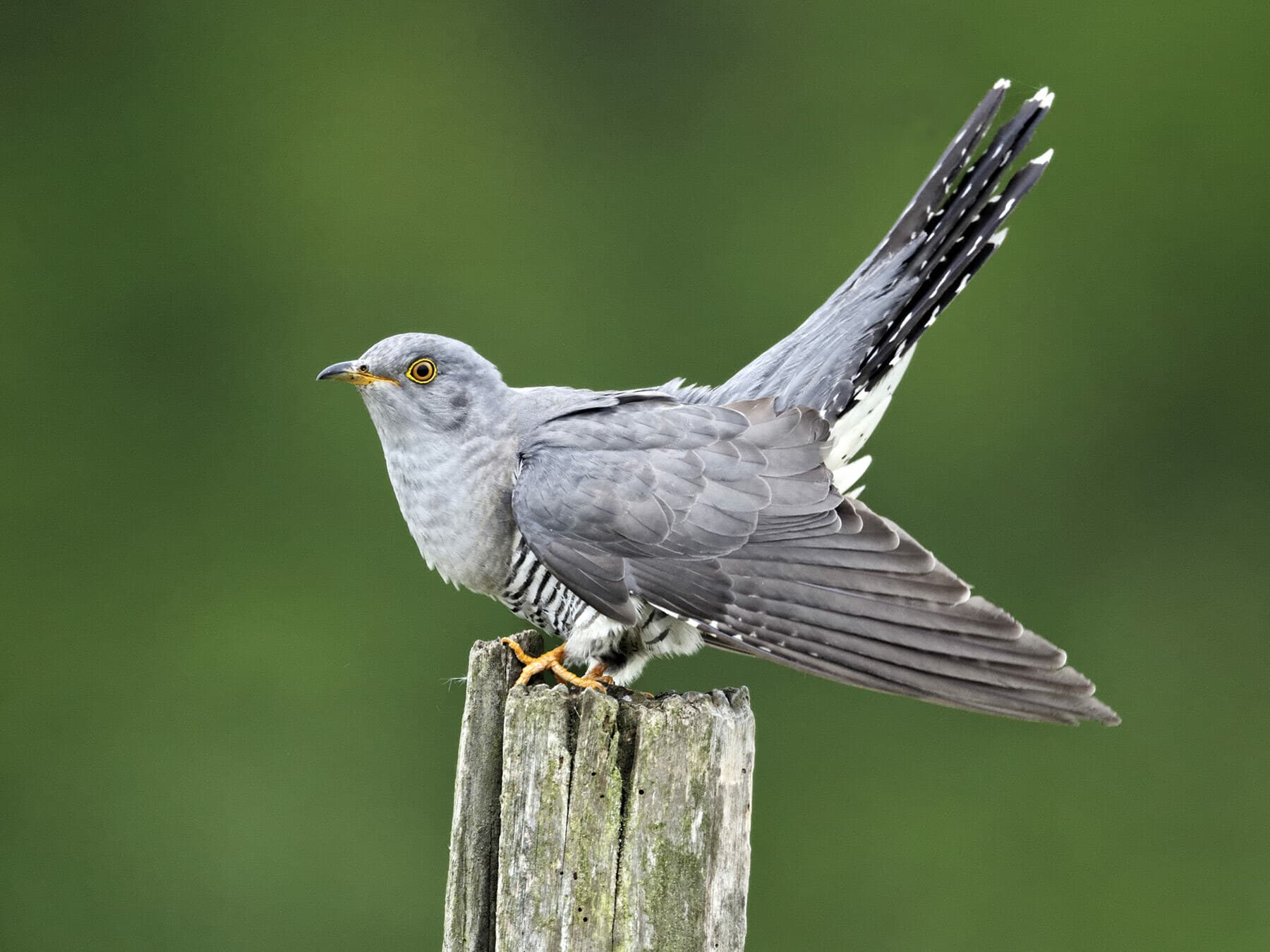
Cuckoo
Cuculus canorusLC
A rare passage visitor heard or seen briefly in late spring and summer, its distinctive call carrying across scrubby woodland edges.
May–Aug
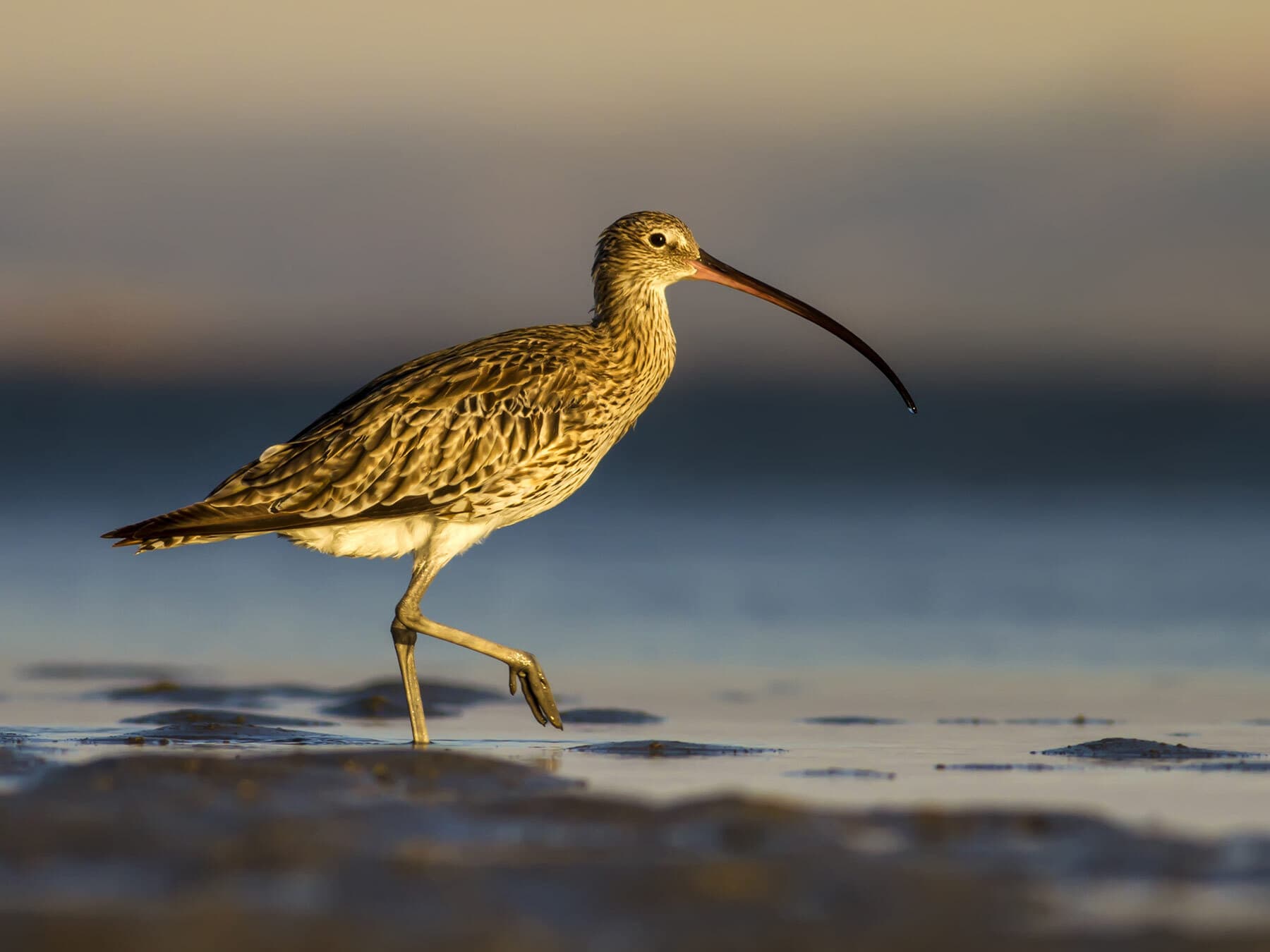
Curlew
Numenius arquataNT
A common year-round resident found on estuarine mudflats and coastal fields. Numbers bolstered in winter by continental birds at sites like the Tyne estuary.
Year-round
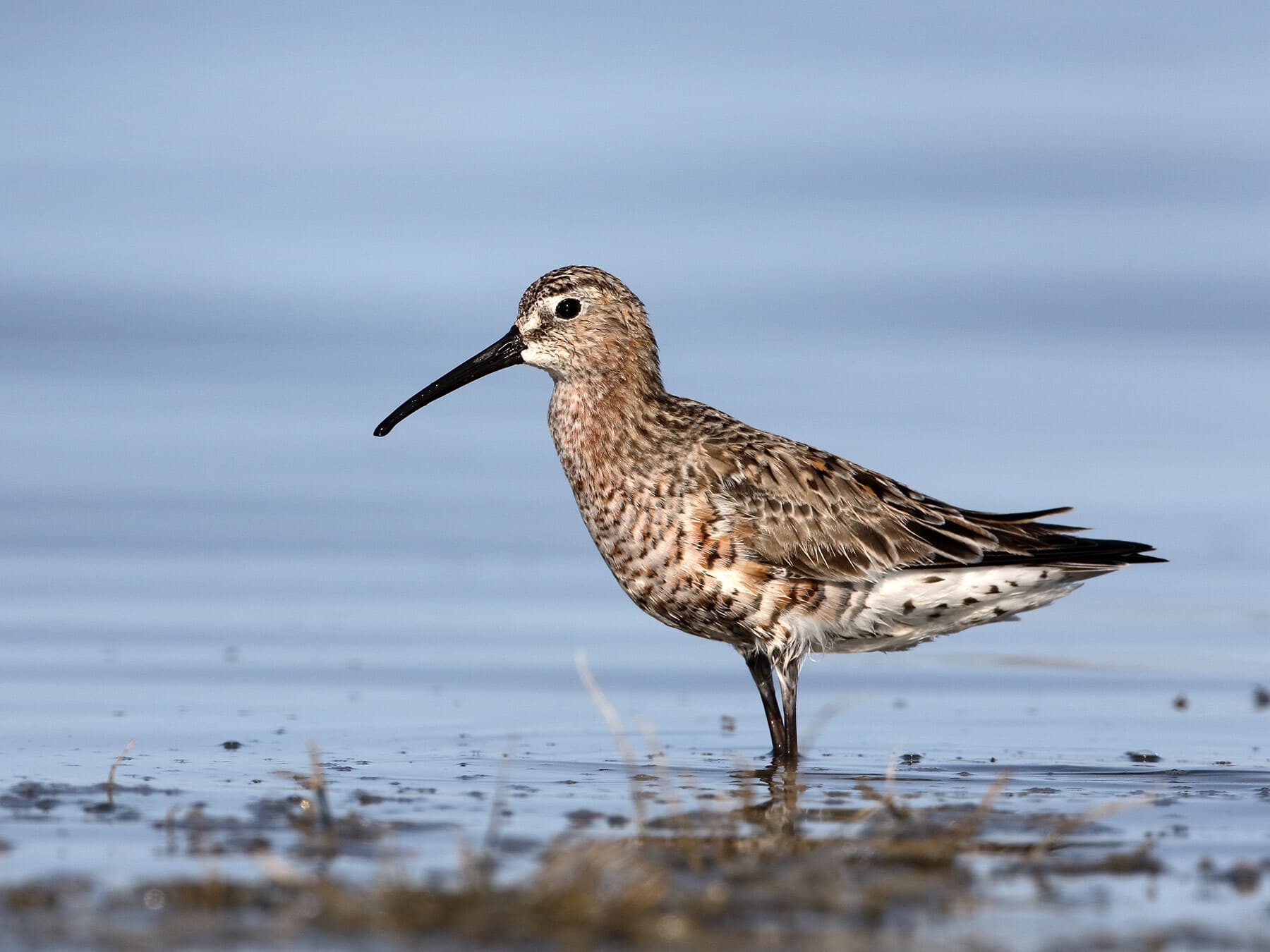
Curlew Sandpiper
Calidris ferrugineaNT
A rare autumn passage wader, appearing on coastal pools and mudflats in August–September, often among Dunlin flocks.
Aug–Sep
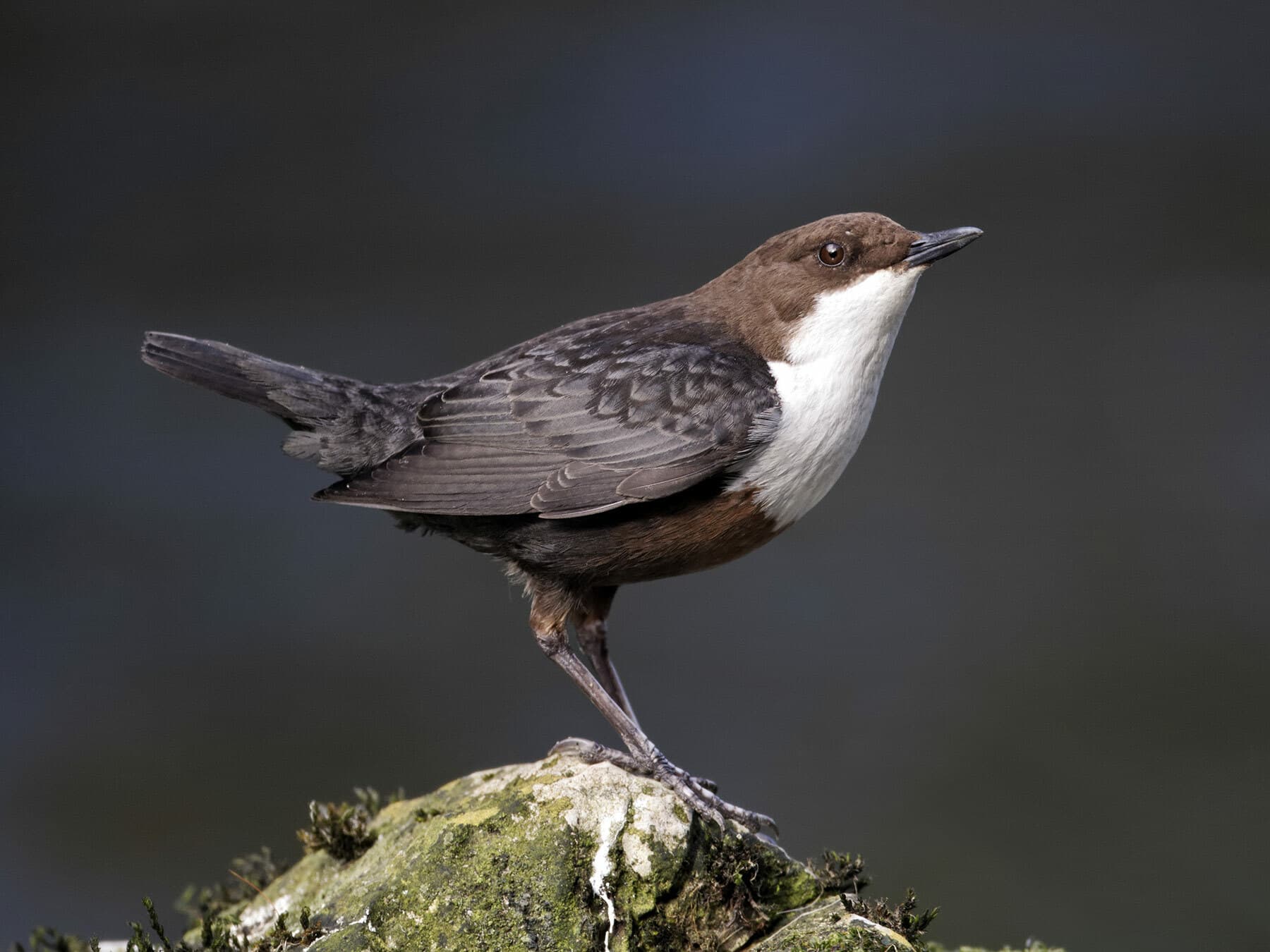
Dipper
Cinclus cinclusLC
A rare resident of fast-flowing upland streams in the west of the region, bobbing on rocks and diving for aquatic invertebrates.
Aug–Jun
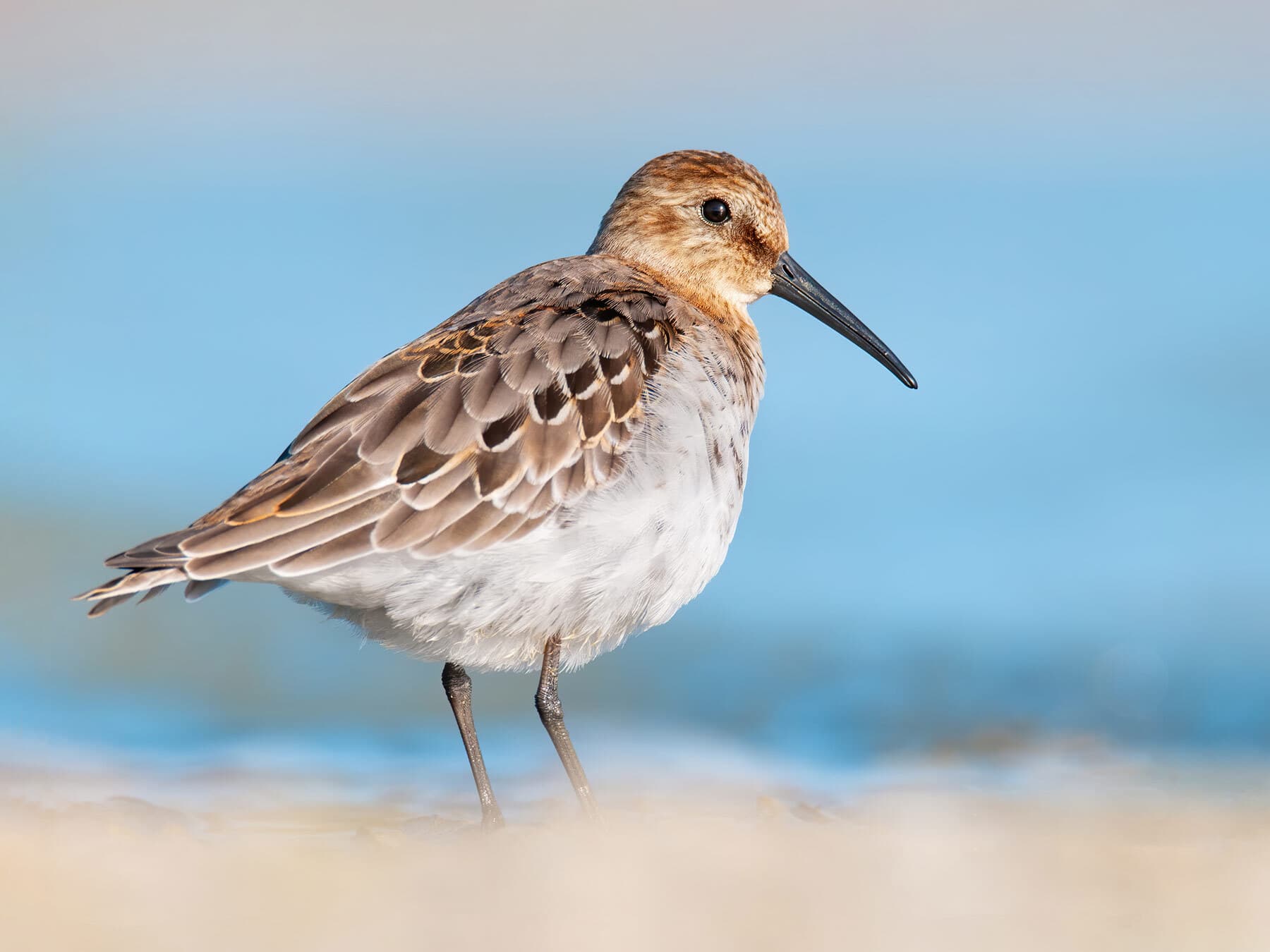
Dunlin
Calidris alpinaLC
An uncommon but year-round resident of estuaries and mudflats. Numbers peak in winter when passage and wintering birds join locals.
Year-round
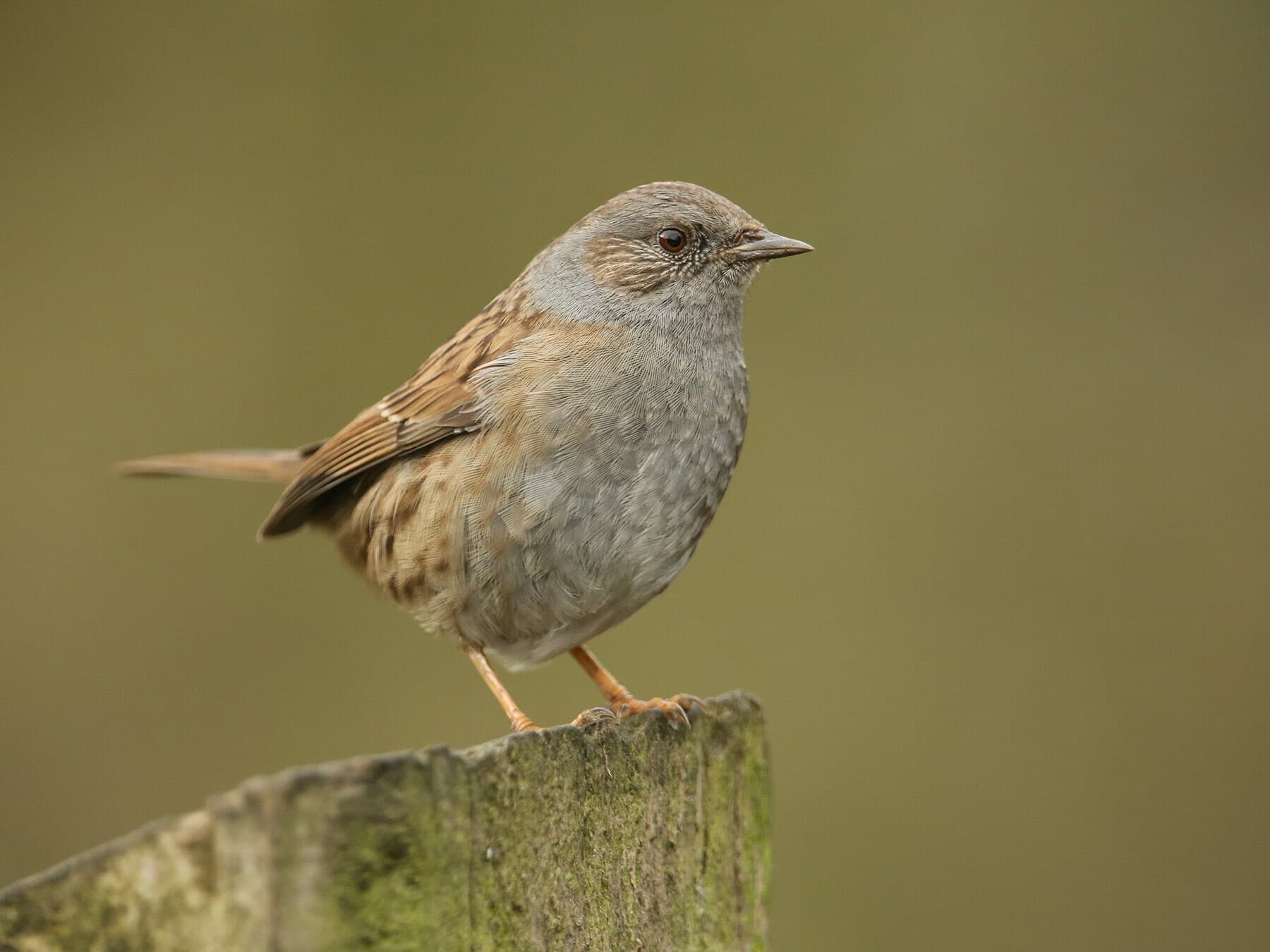
Dunnock
Prunella modularisLC
A common resident found year-round in gardens, hedgerows and parks, often heard singing its rapid warbling song from dense cover.
Year-round
Spotted something?
Upload a photo to identify it
Identify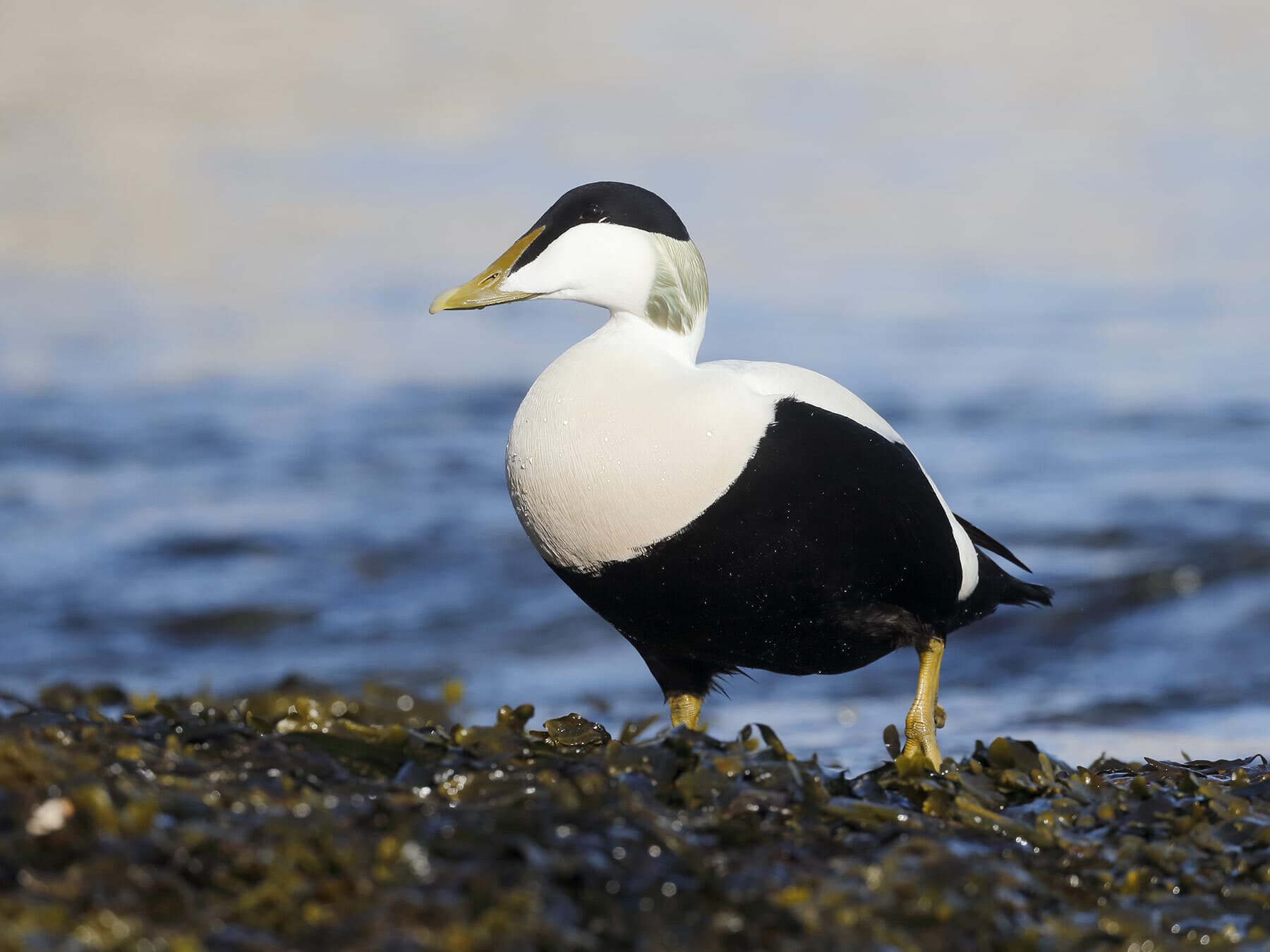
Eider
Somateria mollissimaNT
An uncommon resident along the rocky coastline. Breeds on nearby Northumberland shores and is seen year-round off local beaches.
Year-round
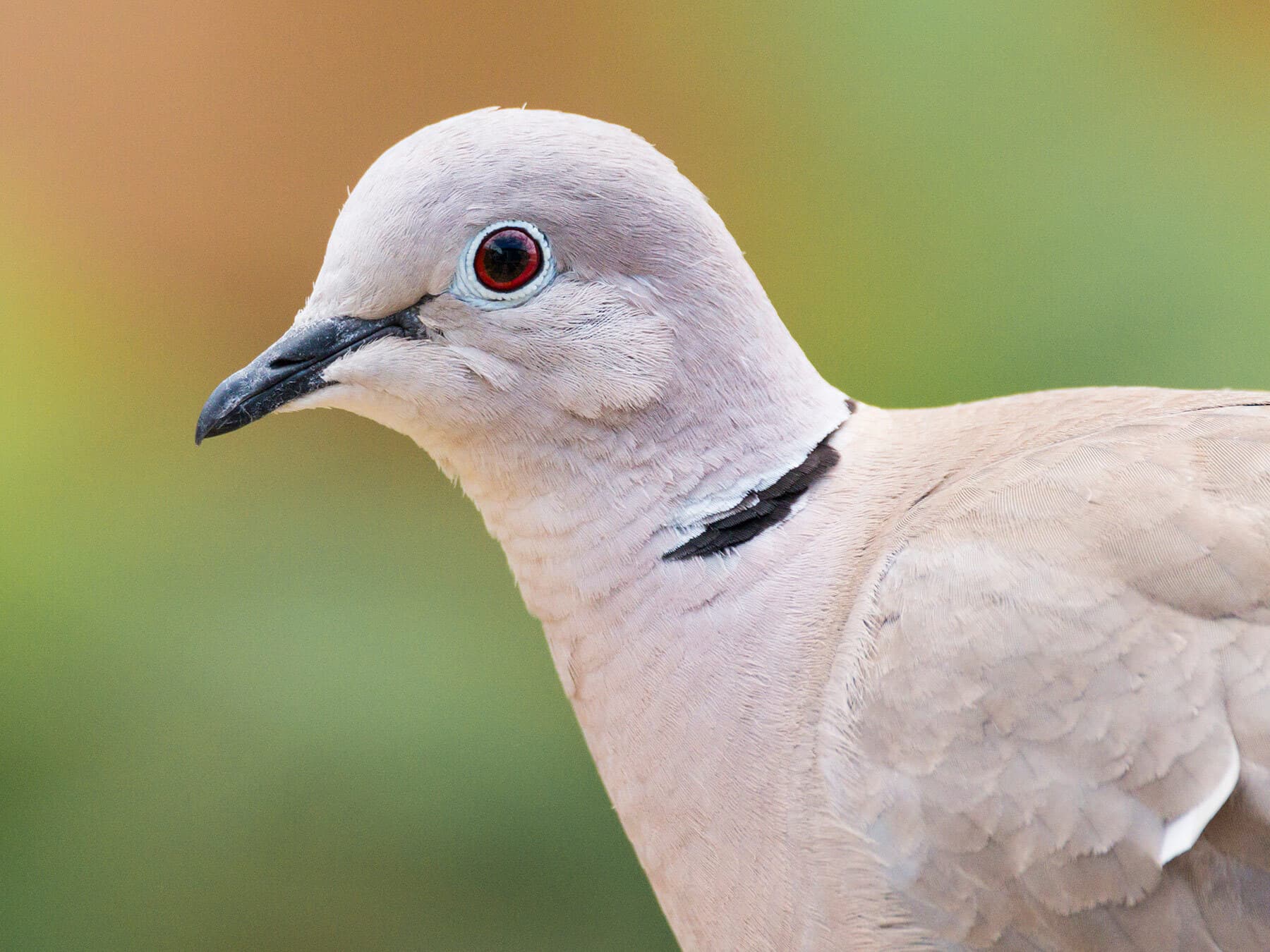
Eurasian Collared Dove
Streptopelia decaoctoLC
An uncommon year-round resident of suburban gardens and farmsteads. Its monotonous cooing call is a familiar sound in quieter neighbourhoods.
Year-round
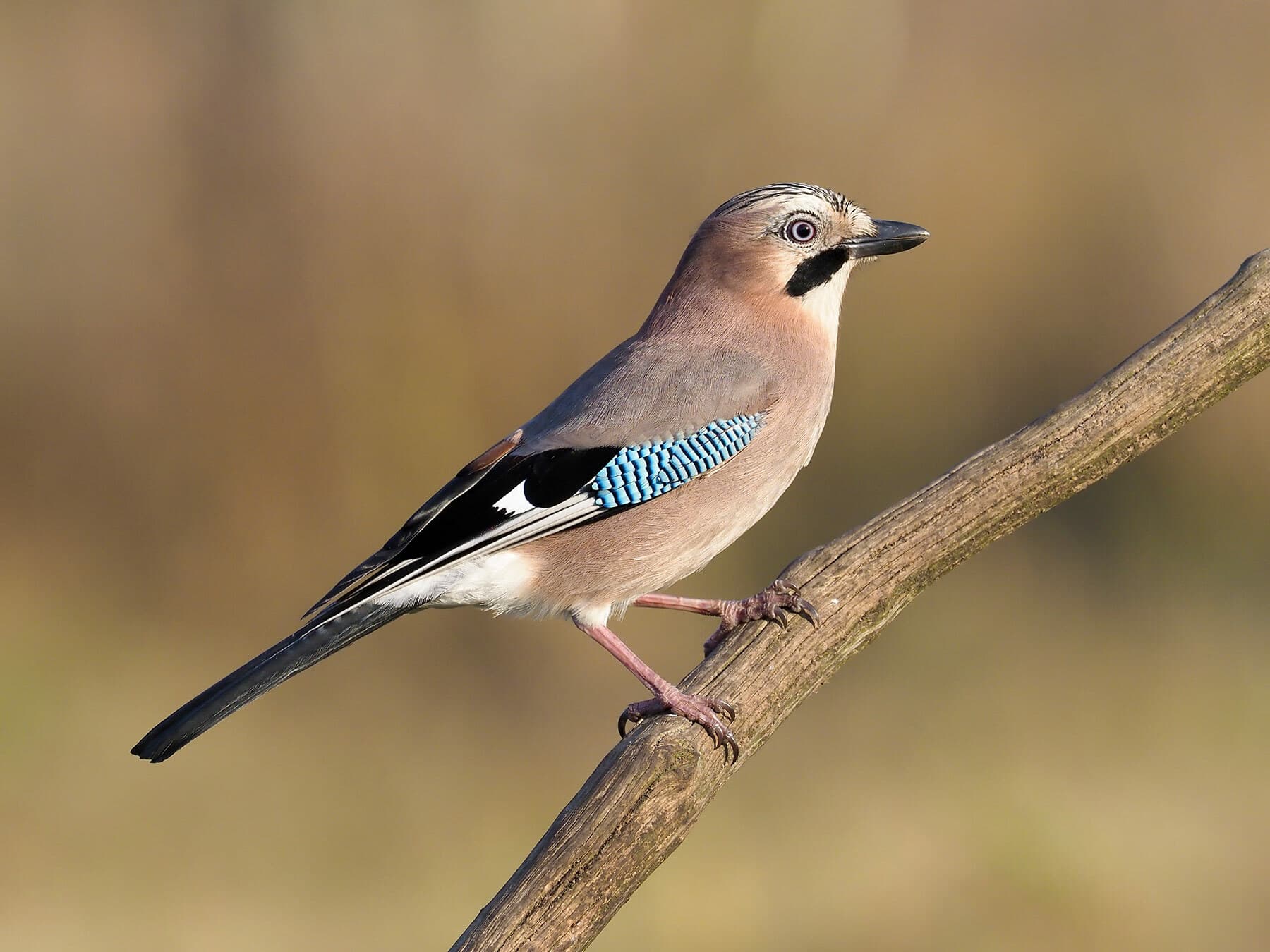
Eurasian Jay
Garrulus glandariusLC
An uncommon but increasing resident of mature woodland and parks, often detected by its harsh screeching call before being seen.
Year-round
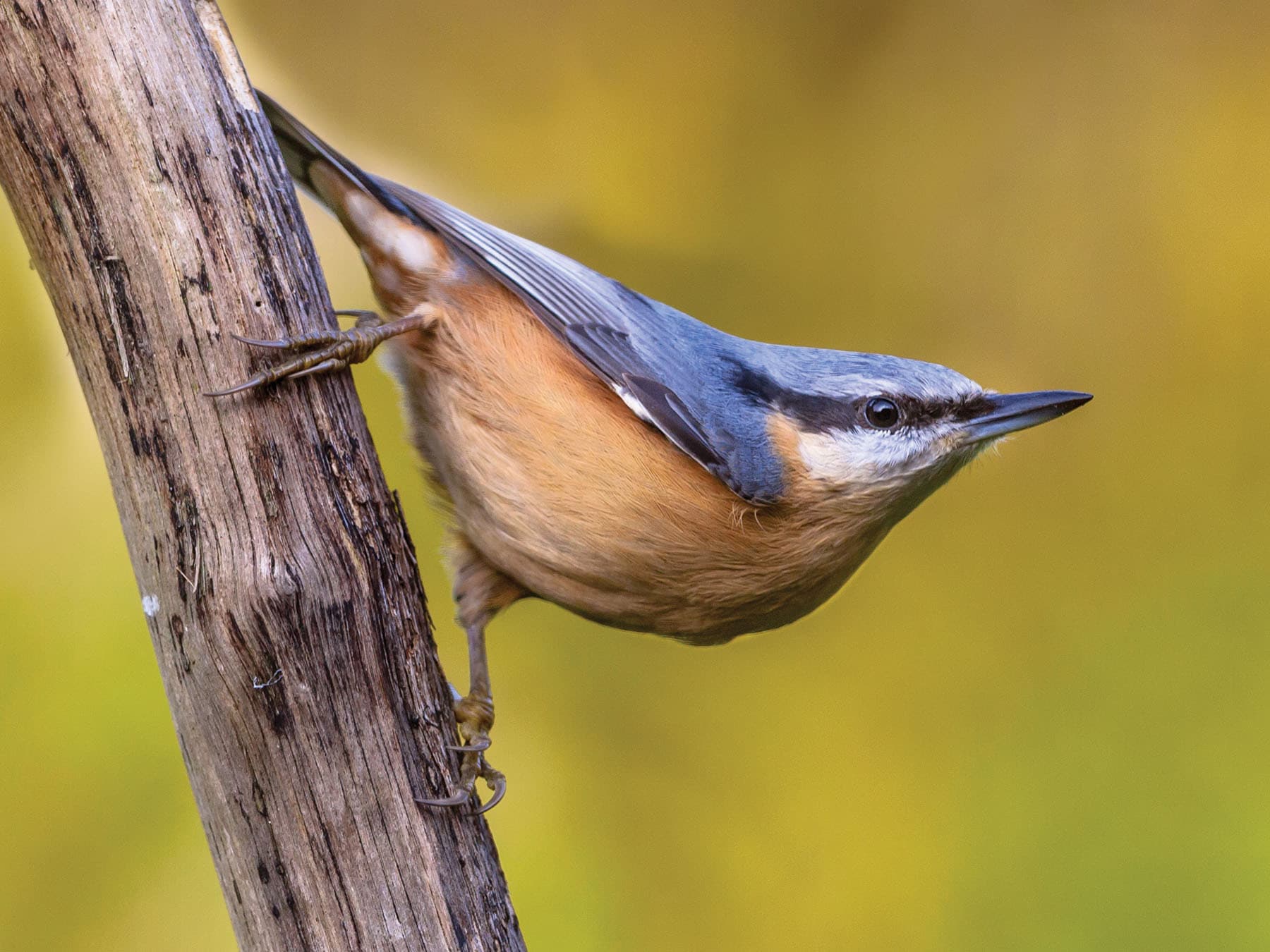
Eurasian Nuthatch
Sitta europaeaLC
An uncommon resident of mature deciduous woodland and parkland, slowly expanding its range northward into Tyne and Wear.
Year-round
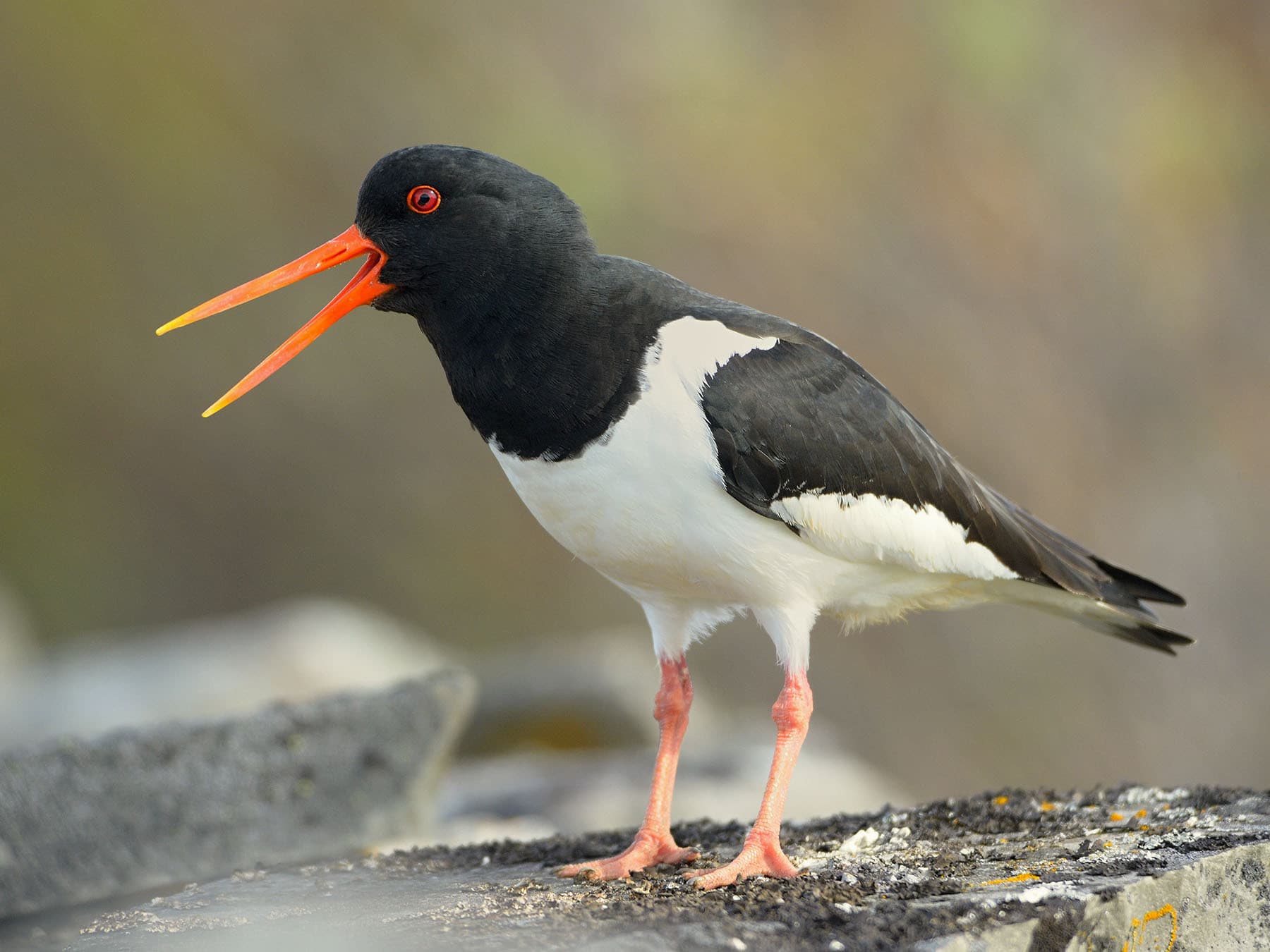
Eurasian Oystercatcher
Haematopus ostralegusNT
A common year-round resident along the coast and estuaries. Breeds inland on farmland and frequents rocky shores in winter.
Year-round
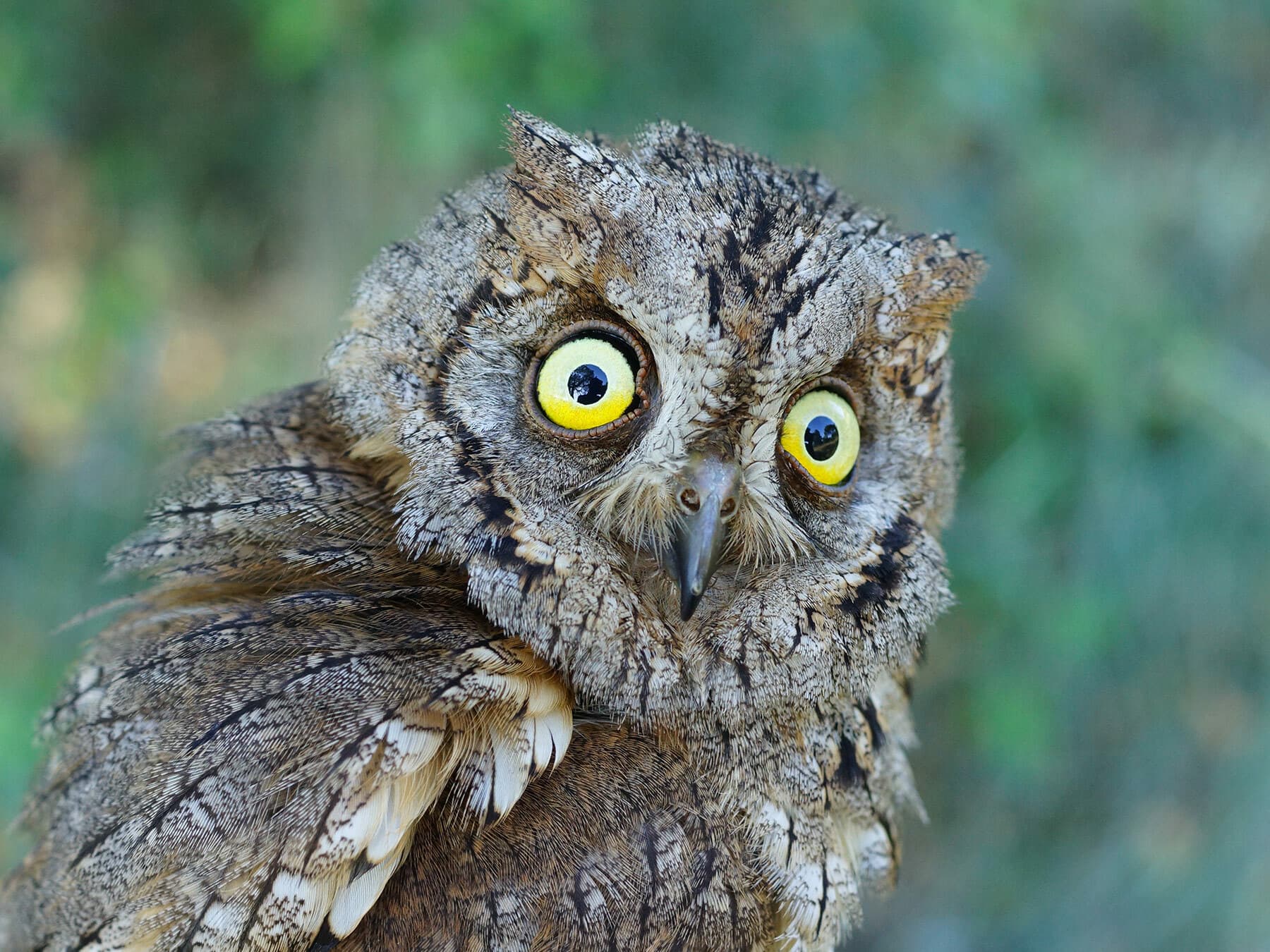
Eurasian Scops-owl
Otus scopsLC
An exceptionally rare autumn vagrant, recorded in September. One of the scarcest visitors to the region.
Sep
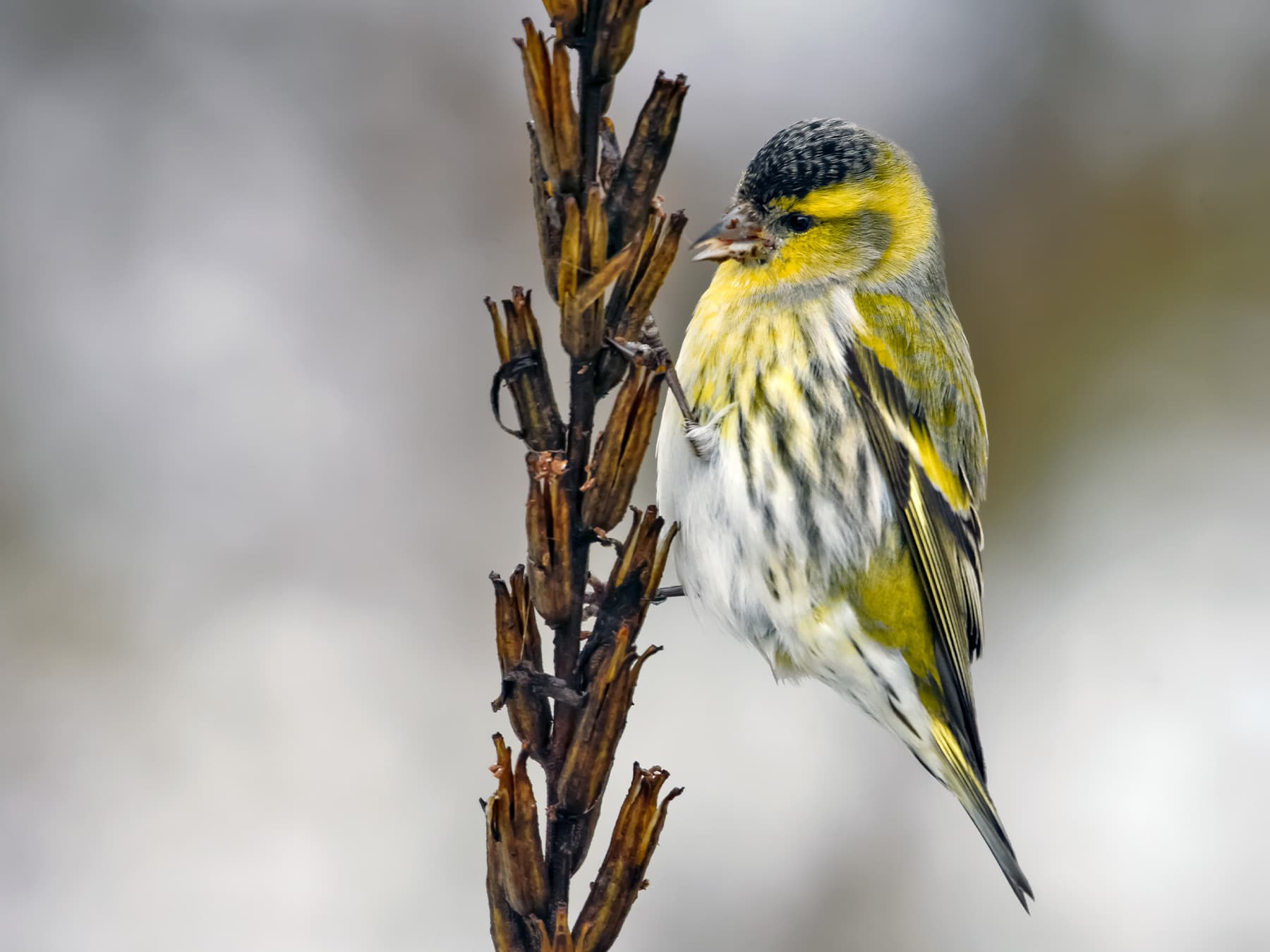
Eurasian Siskin
Spinus spinusLC
An uncommon resident often seen in alder and birch trees along river valleys, visiting garden feeders more frequently in winter.
Year-round
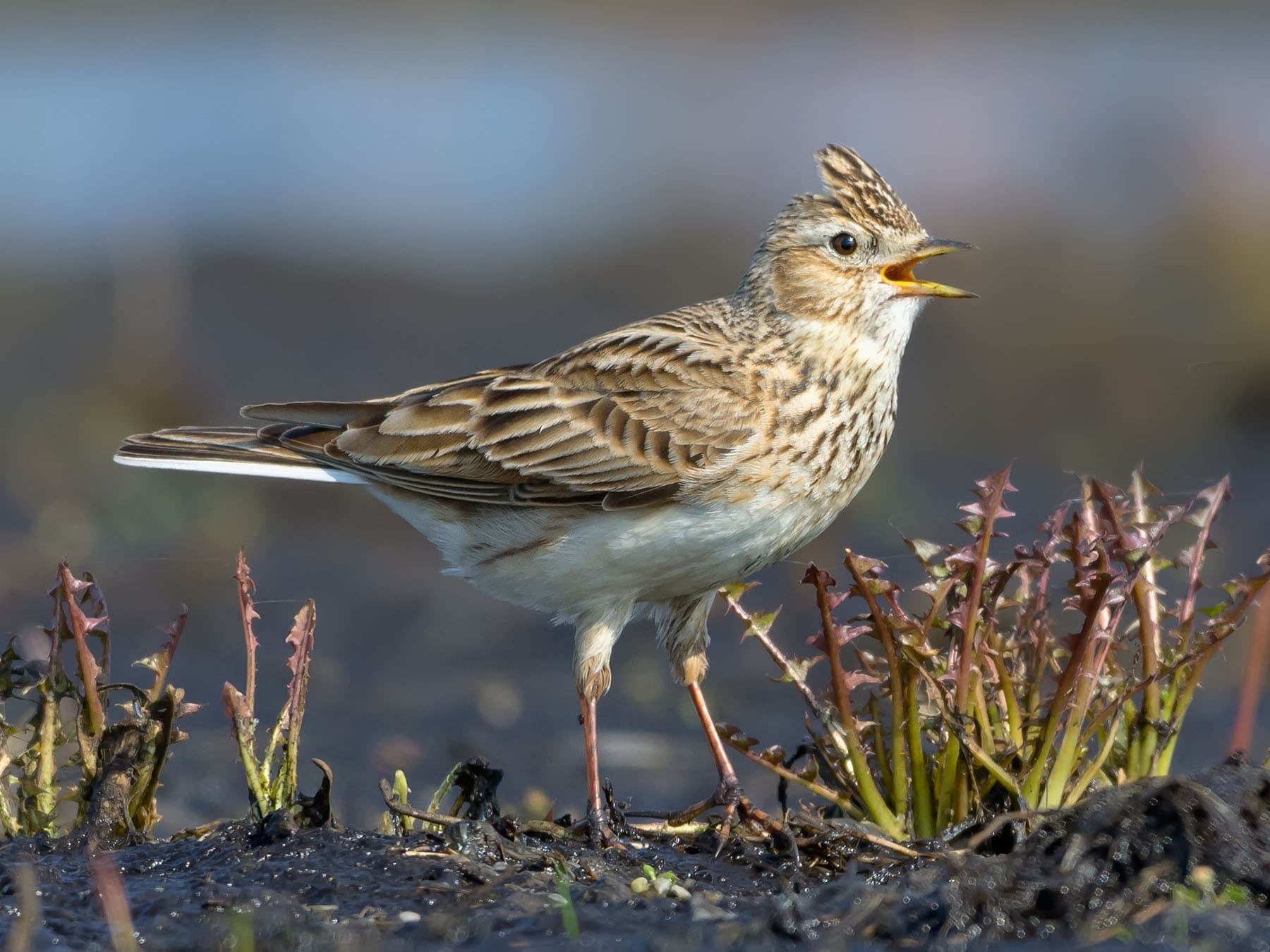
Eurasian Skylark
Alauda arvensisLC
An uncommon resident of open farmland and coastal grassland, its song flight a familiar sight over remaining arable fields.
Year-round
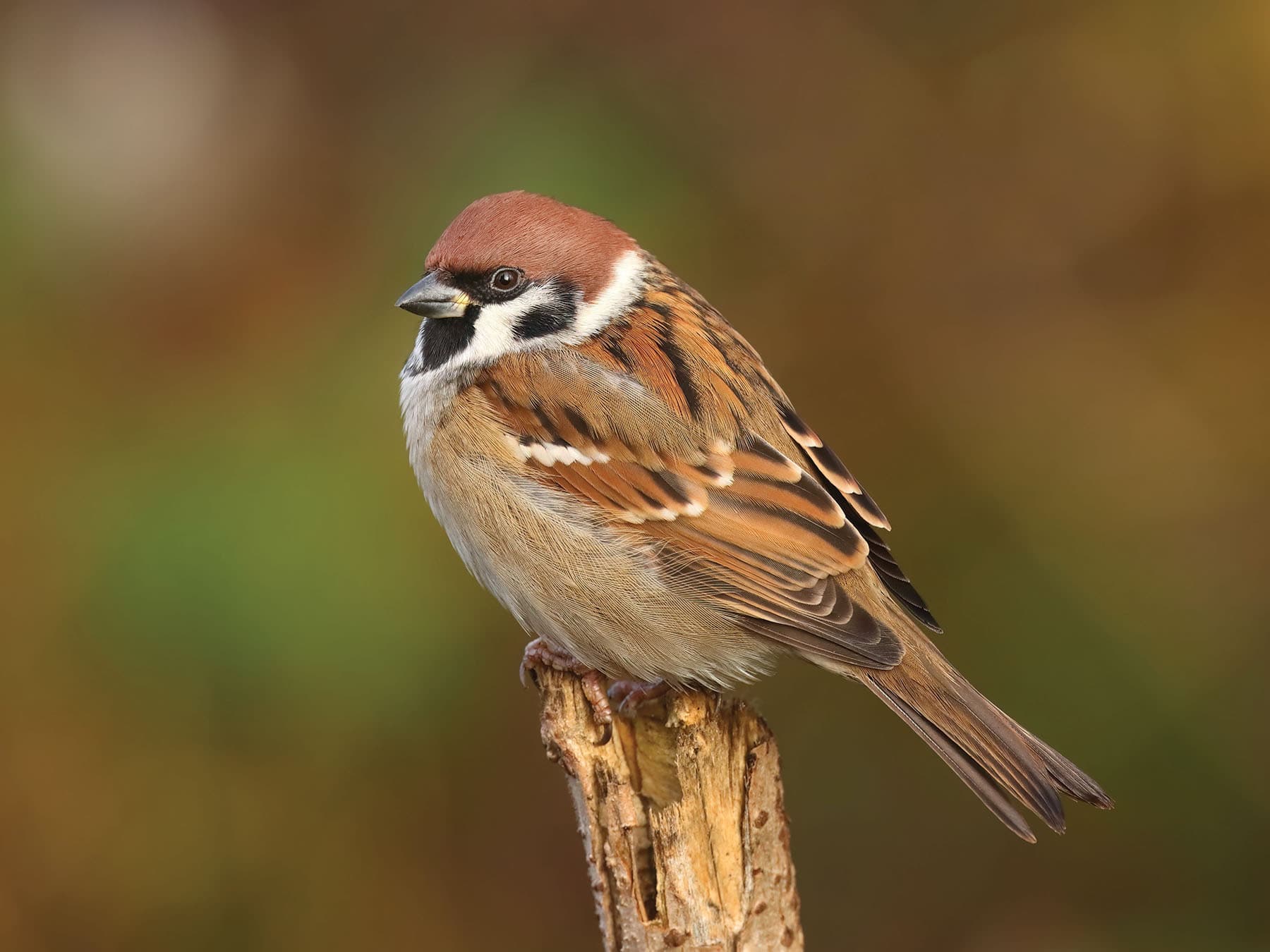
Eurasian Tree Sparrow
Passer montanusLC
An uncommon resident, more localised than House Sparrow, favouring farmland edges and rural hedgerows. Often visits feeders in small flocks.
Year-round
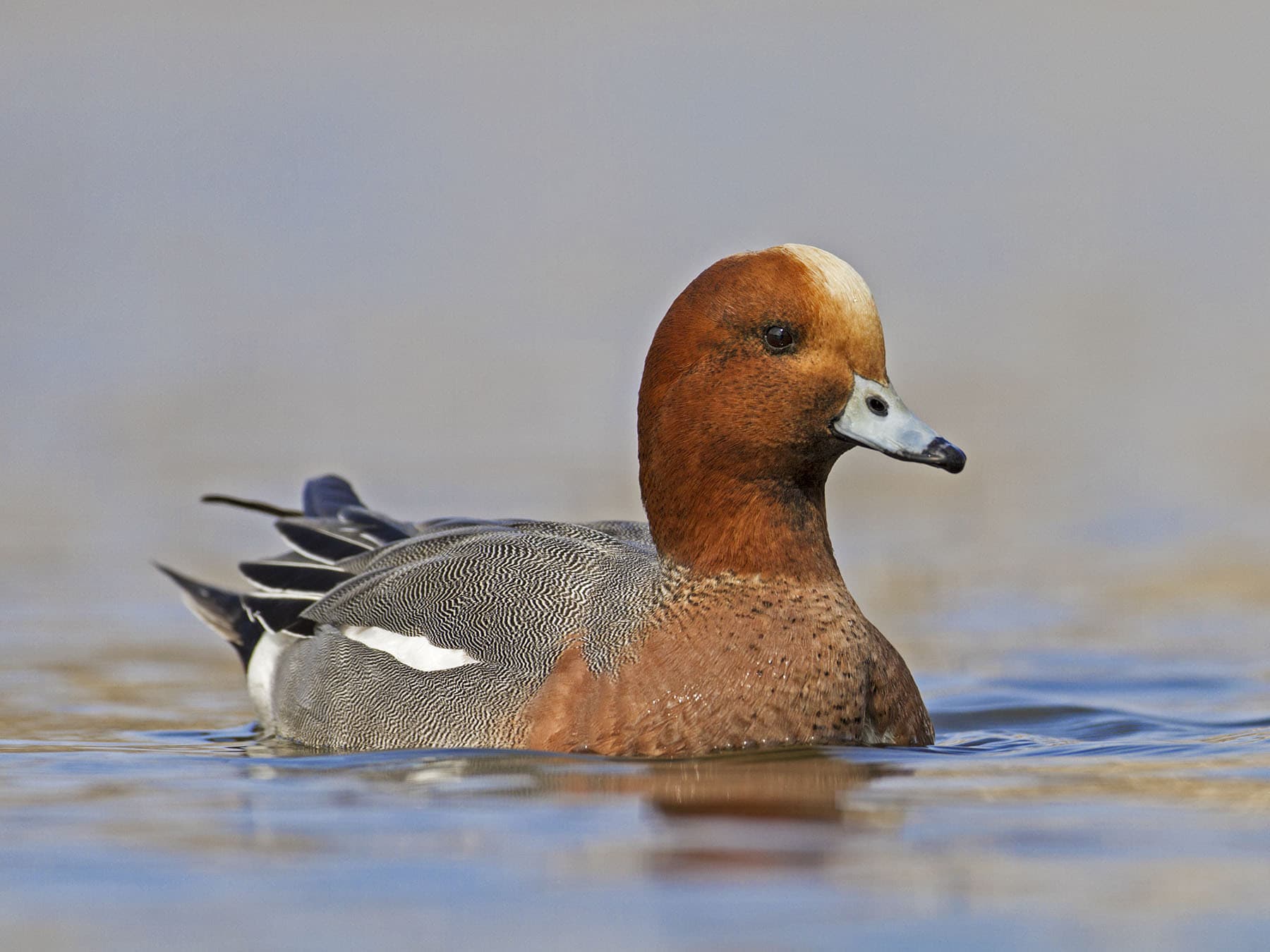
Eurasian Wigeon
Mareca penelopeLC
An uncommon but year-round resident, most conspicuous in winter when flocks gather on coastal wetlands and estuaries.
Year-round
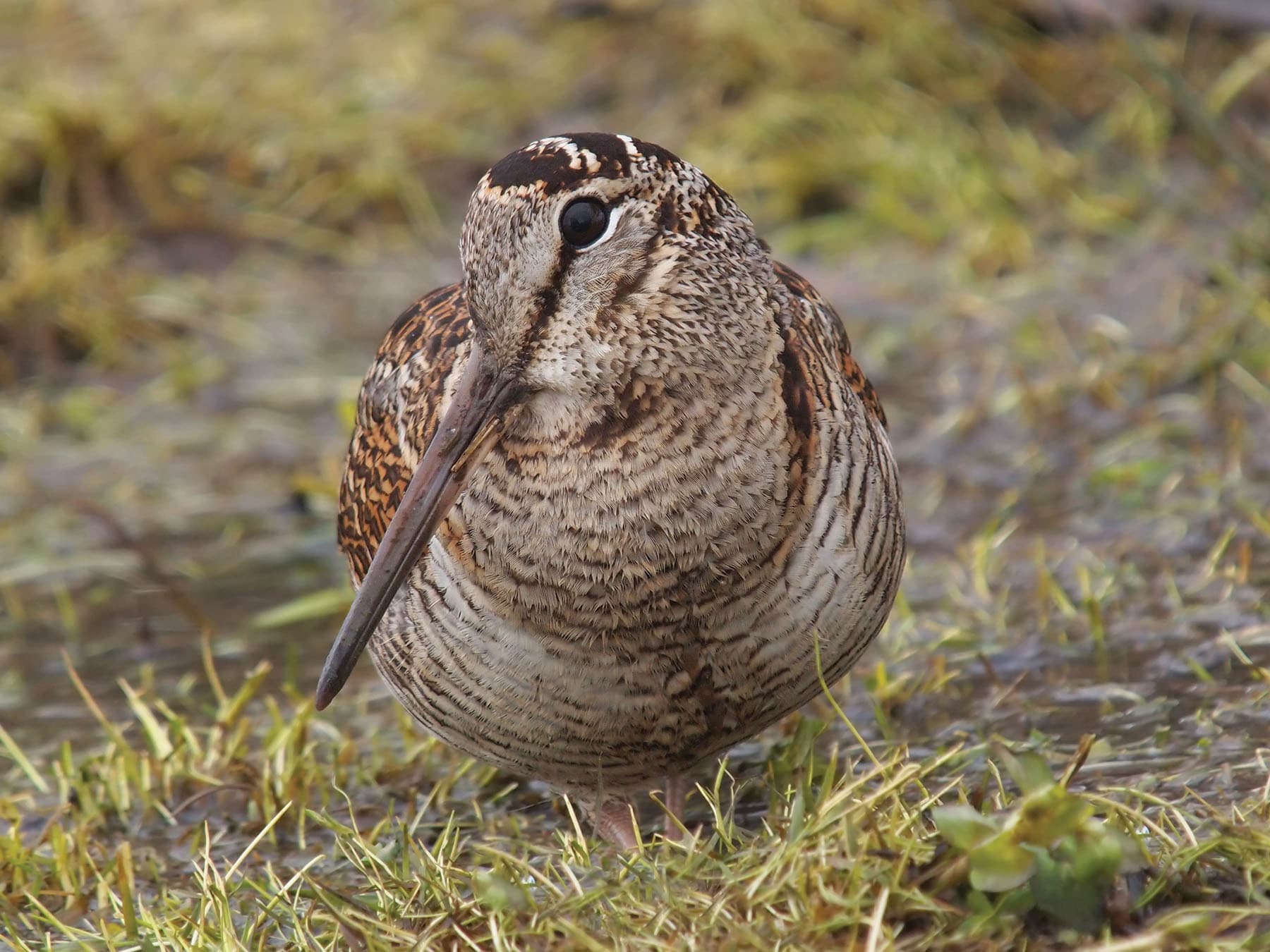
Eurasian Woodcock
Scolopax rusticolaLC
A rare winter visitor from October to March, skulking in woodland and damp scrubby areas. Cold-weather influxes can boost numbers.
Oct–Mar
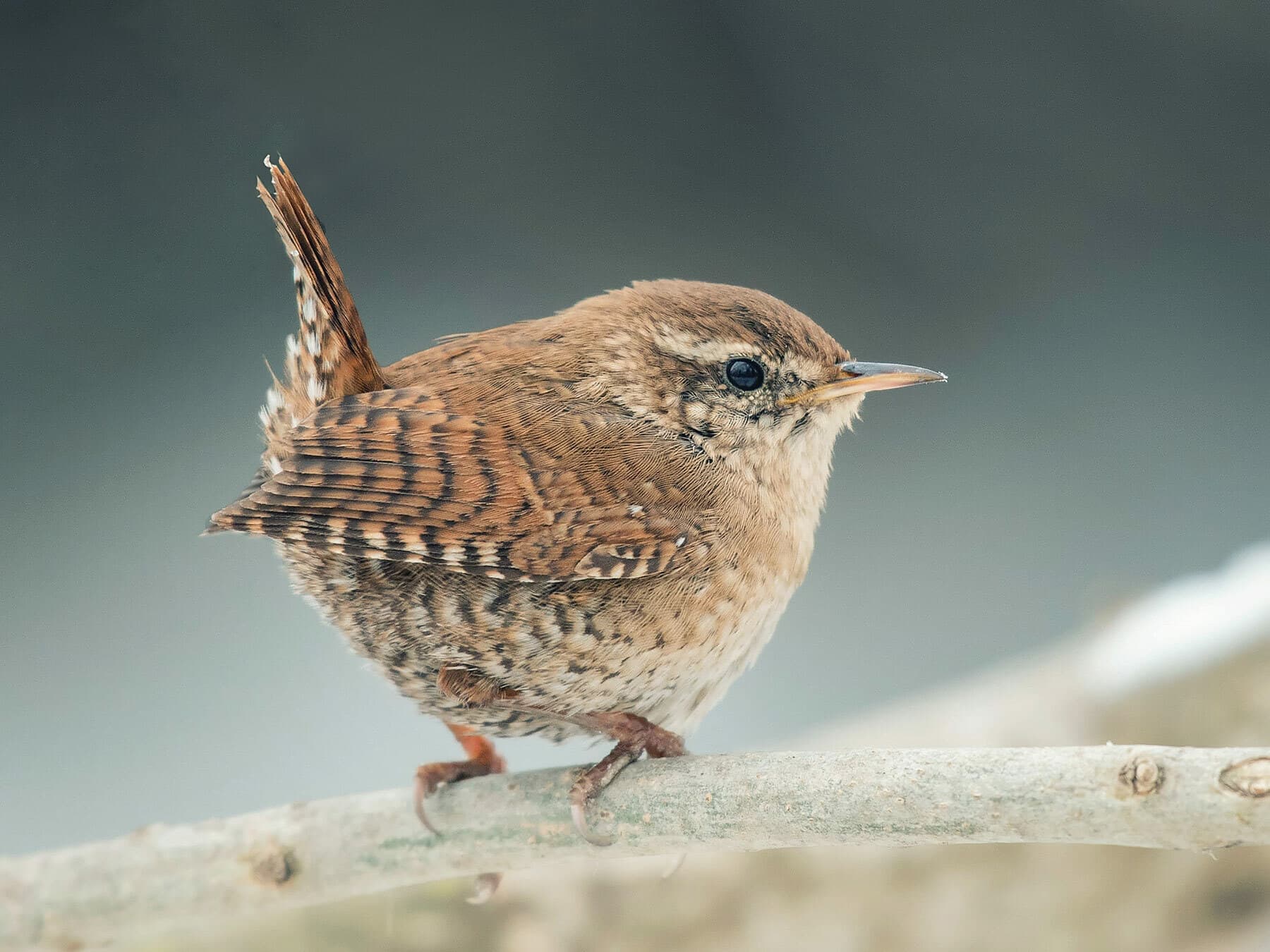
Eurasian Wren
Troglodytes troglodytesLC
A common and vocal resident, found in almost every habitat from dense woodland to urban gardens. Remarkably loud for its size.
Year-round
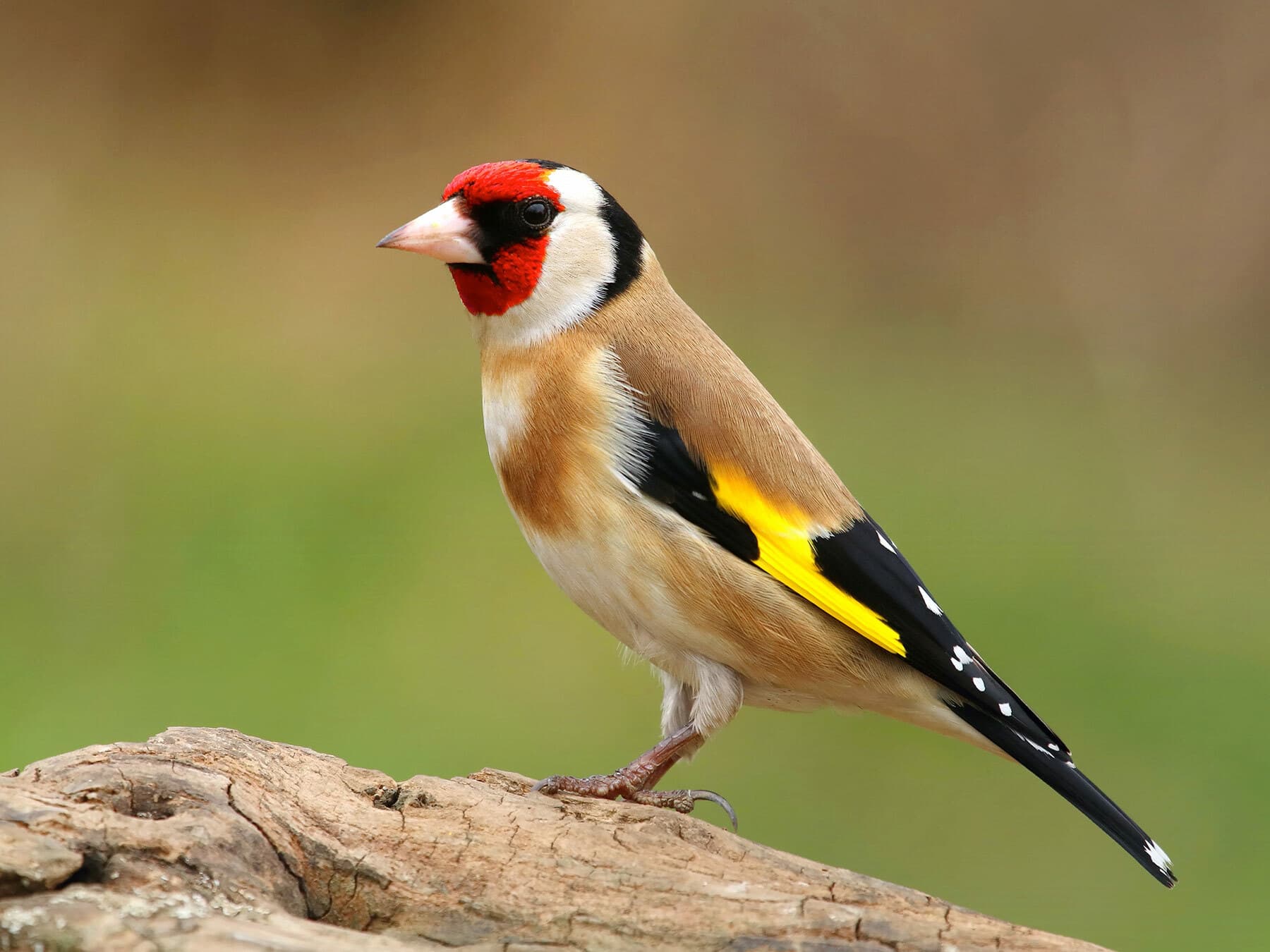
European Goldfinch
Carduelis carduelisLC
A common and colourful resident, increasingly seen on garden feeders. Roaming flocks feed on teasel and thistle heads in autumn and winter.
Year-round
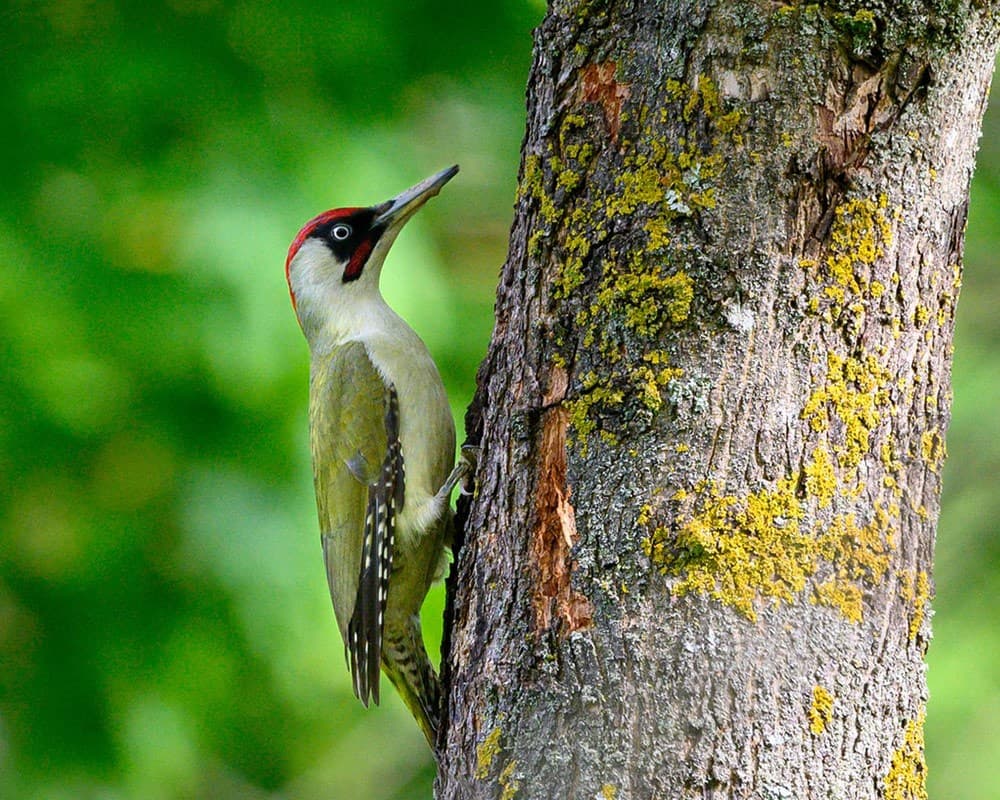
European Green Woodpecker
Picus viridisLC
A rare passage visitor in March, at the edge of its range. Favours parkland and open woodland with ant-rich grassland.
Mar
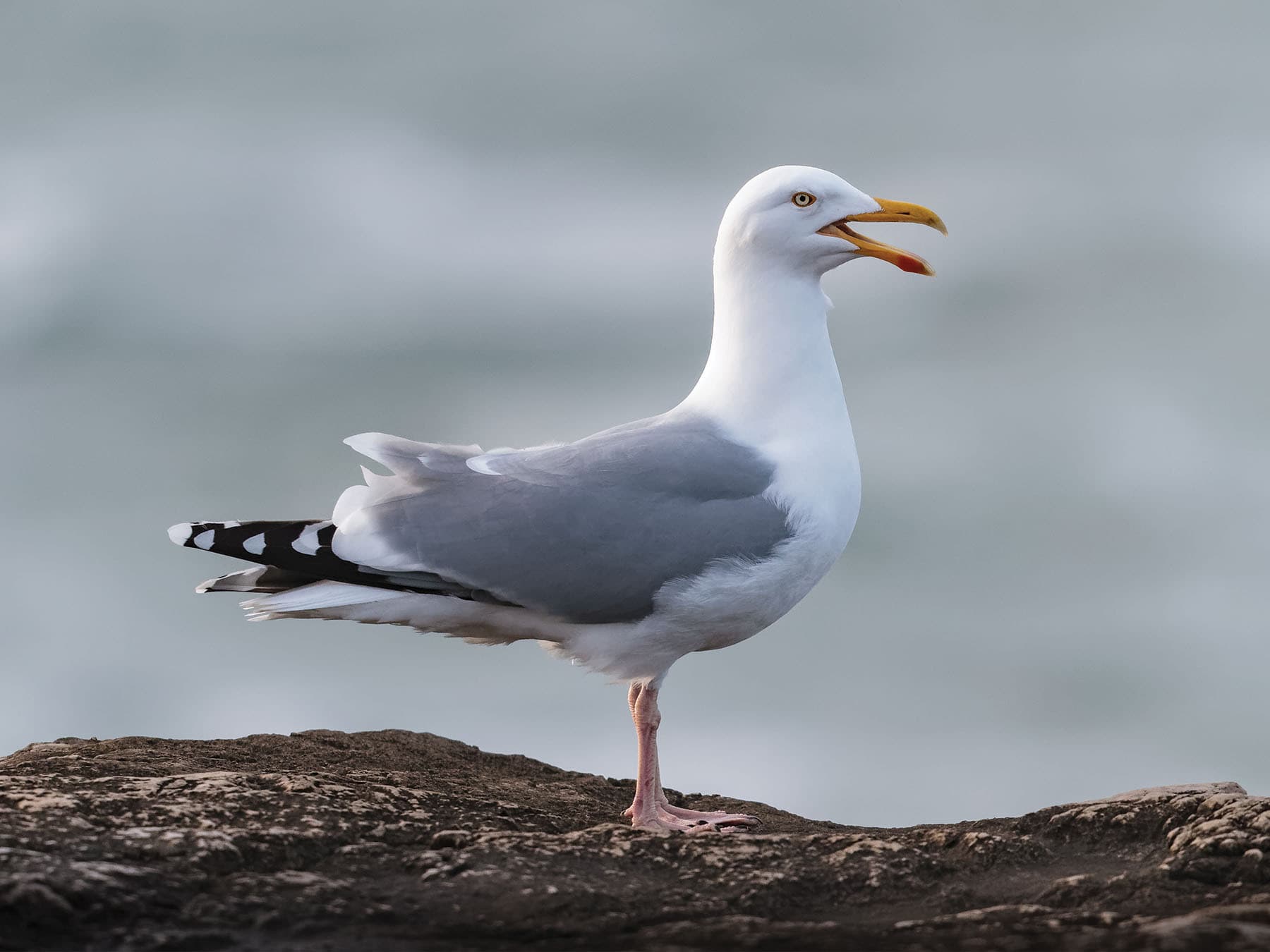
European Herring Gull
Larus argentatusLC
A familiar and noisy resident, nesting on rooftops across urban Tyne and Wear. Present in large numbers throughout the year.
Year-round